

Latin American Institute for Environmental Studies - Illea Social Development and Global Sustainability
To be an agent of environmental, social, and human transformation in Latin America. Be part of our projects and actively contribute to strengthening the Institutes initiatives by supporting our action
Help us Create a Sustainable World.
Image gallery
Discover our projects
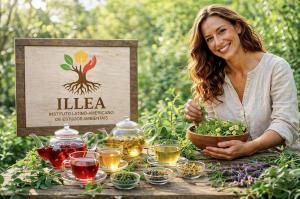
Medicinal Plants and Natural Teas
The Cultural Project "The Natural th...
2026-02-28 16:20:12
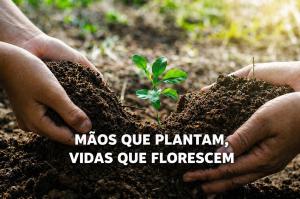
Hands that plant, lives that flourish.
Planting the Future: Sustainability ...
2026-02-28 22:39:40
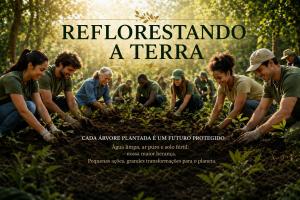
Planting life
Trees Water Climate Greener...
2026-02-28 22:40:36
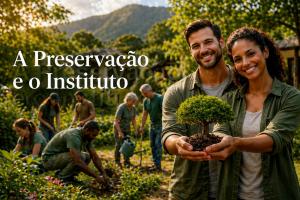
PRESERVATION AND THE INSTITUTE
Implementation of Climate Education ...
2026-03-02 00:00:00
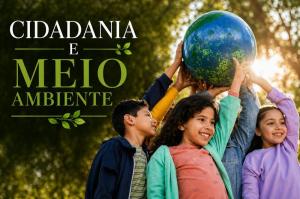
Citizenship and Environment
Small Actions, Big Changes...
2026-03-11 00:00:00

Partnerships and Projects
UN ESG and 17 ODS Goals with the Pub...
2026-03-12 00:00:00
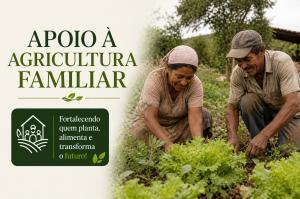
Support for Family Farming
Agriculture produces food, generates...
2026-03-12 00:00:00
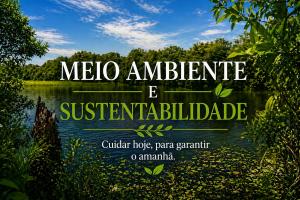
Environment and Sustainability
Nature is our greatest asset: Enviro...
2026-03-12 00:00:00
X
Events
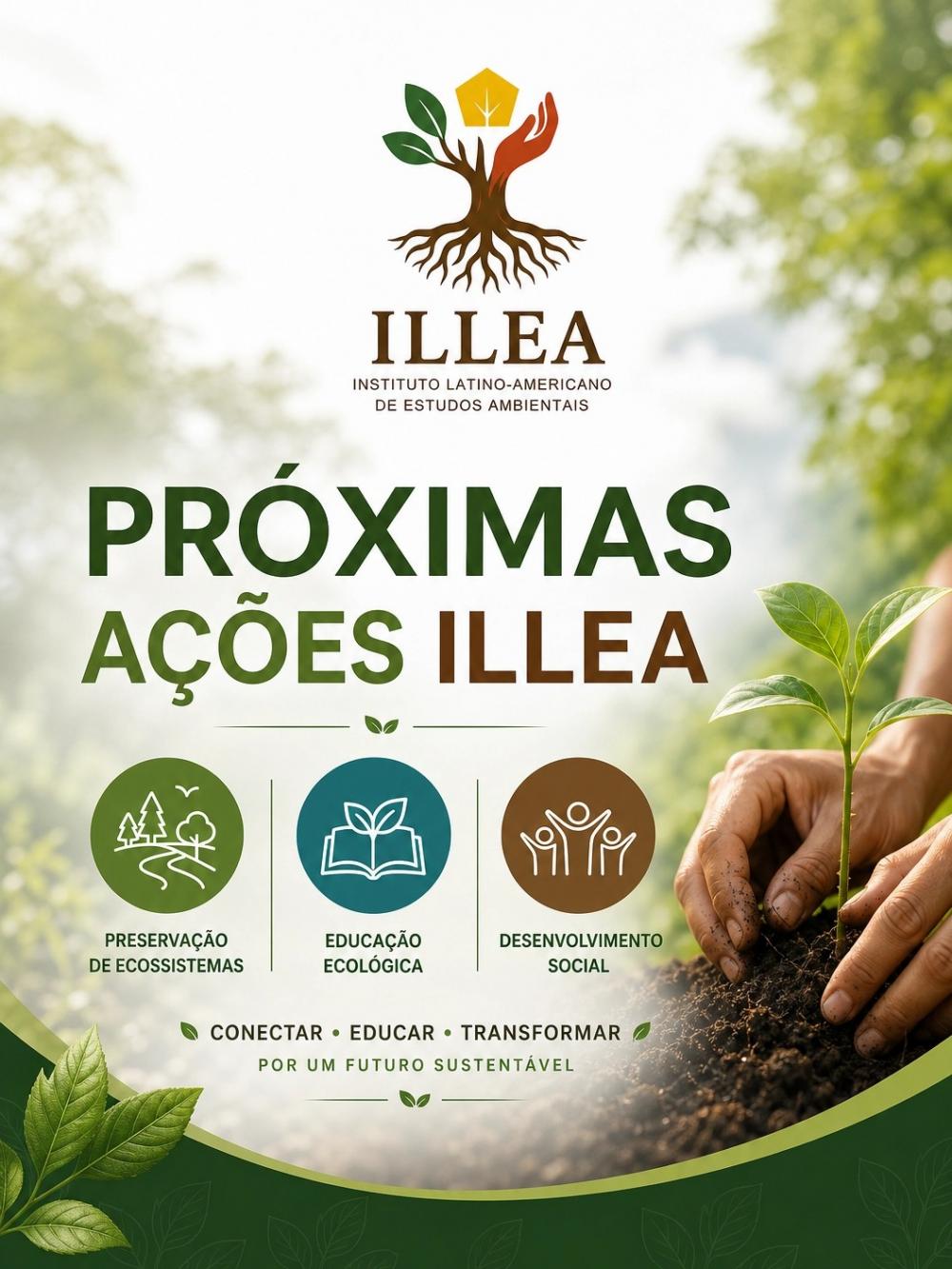
Shortly
The ILLEA Institute will announce its next actions. ILLEA reaffirms its role as a facilitator of environmental and social solutions with the announcement of its new calendar of activities. Our next actions will focus on fundamental pillars such as the preservation of ecosystems, ecological education, and the strengthening of social development.
Stay tuned to our official channels. We are preparing events that promote qualified debate and the implementation of green economy and family farming practices.
The Latin American Institute for Environmental Studies (ILLEA) is pleased to announce the progress and preparations for its newest and most promising undertaking: the **Roots of the Earth Project**. With a special focus on tea cultivation, this initiative transcends simple agriculture, aiming to deepen the connection between the community, nature, and ancestral knowledge.
### The Essence of the Project: Teas that Heal and Connect Agricultural Diversification
The choice of tea cultivation for the Roots of the Earth Project is not random. We recognize the vast potential of medicinal and aromatic plants, not only for their health and well-being benefits, but also as a vehicle for ecological education and social development. Through the sustainable cultivation of diverse tea varieties, ILLEA seeks to:
* **Promote Biodiversity**: Cultivate native and adapted species, enriching the local ecosystem.
* **Fostering the Local Economy**: Generating job and income opportunities for the communities involved, focusing on family farming.
* **Rescuing and Valuing Knowledge**: Exploring the properties and traditional uses of teas, transmitting knowledge between generations.
* **Practical Environmental Education**: Creating a living laboratory where children and adults can learn about natures cycles, organic farming, and the importance of preservation.
* **Work Against Hunger and Poverty**
### Our Preparations: A Commitment to Excellence and Sustainability
The preparations for the Roots of the Earth Project are being conducted with the utmost rigor and dedication. Our multidisciplinary team, composed of agronomists, environmental educators, and community development specialists, is committed to each stage:
1. **Study and Selection of Areas**: Identification of land with ideal soil and climate conditions for organic tea cultivation, ensuring long-term sustainability.
Stay tuned to our official channels. We are preparing events that promote qualified debate and the implementation of green economy and family farming practices.
The Latin American Institute for Environmental Studies (ILLEA) is pleased to announce the progress and preparations for its newest and most promising undertaking: the **Roots of the Earth Project**. With a special focus on tea cultivation, this initiative transcends simple agriculture, aiming to deepen the connection between the community, nature, and ancestral knowledge.
### The Essence of the Project: Teas that Heal and Connect Agricultural Diversification
The choice of tea cultivation for the Roots of the Earth Project is not random. We recognize the vast potential of medicinal and aromatic plants, not only for their health and well-being benefits, but also as a vehicle for ecological education and social development. Through the sustainable cultivation of diverse tea varieties, ILLEA seeks to:
* **Promote Biodiversity**: Cultivate native and adapted species, enriching the local ecosystem.
* **Fostering the Local Economy**: Generating job and income opportunities for the communities involved, focusing on family farming.
* **Rescuing and Valuing Knowledge**: Exploring the properties and traditional uses of teas, transmitting knowledge between generations.
* **Practical Environmental Education**: Creating a living laboratory where children and adults can learn about natures cycles, organic farming, and the importance of preservation.
* **Work Against Hunger and Poverty**
### Our Preparations: A Commitment to Excellence and Sustainability
The preparations for the Roots of the Earth Project are being conducted with the utmost rigor and dedication. Our multidisciplinary team, composed of agronomists, environmental educators, and community development specialists, is committed to each stage:
1. **Study and Selection of Areas**: Identification of land with ideal soil and climate conditions for organic tea cultivation, ensuring long-term sustainability.
Data: 2026-05-20
Hora: 1800
The Presidencys institutional commitment to strengthening communities, education environment, and promoting balance social and health between humankind and nature in Latin America.
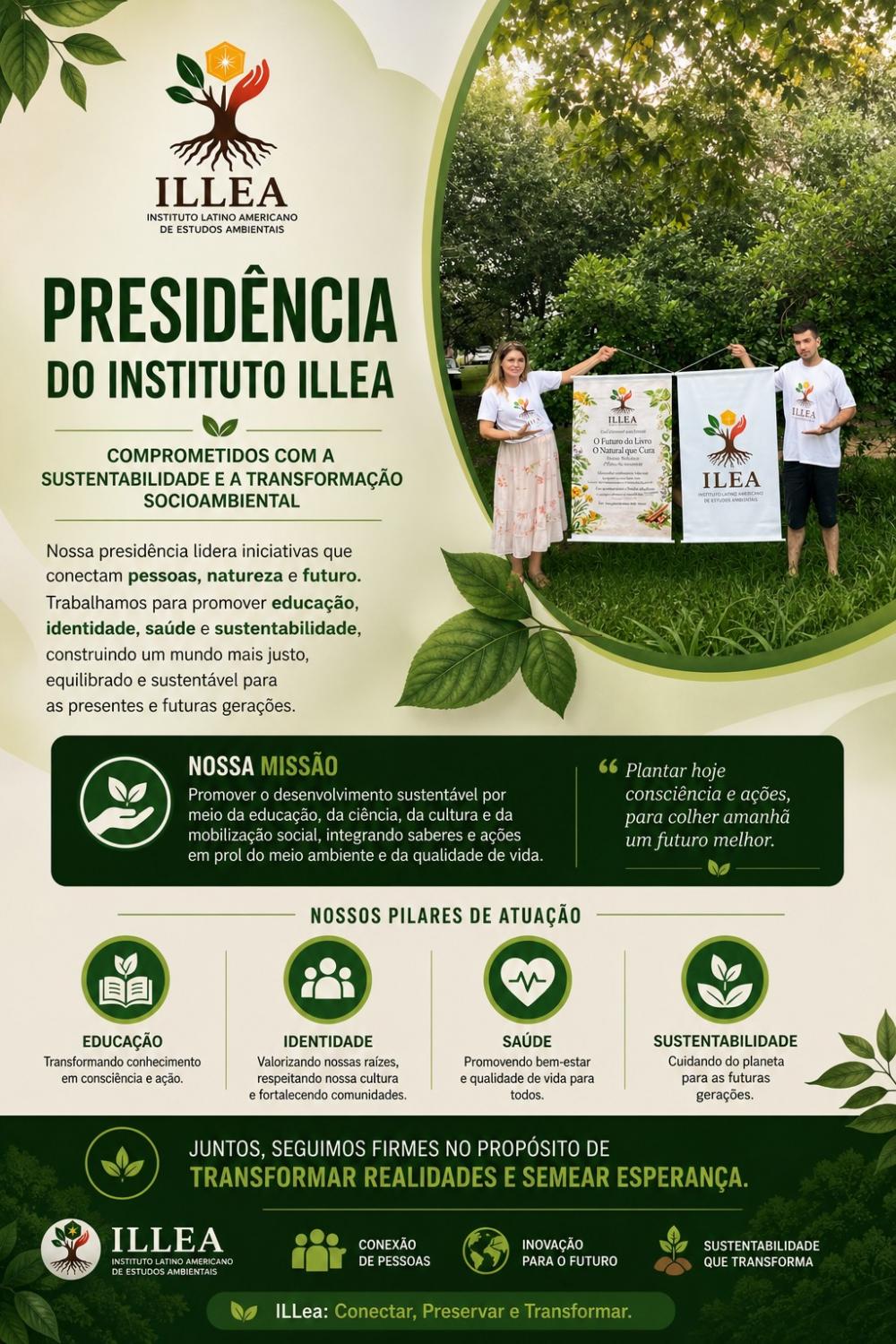 Social Rights - Activities in defense of Social Rights - Non-profit society - Illea Institute
ILLEA INSTITUTES COMMITMENT TO THE FUTURE
TO BE A NATIONAL AND INTERNATIONAL LEADING INSTITUTION
Latin American Institute of Environmental Studies - ILLEA
ALL FOR ONE GOAL
-Democratic Management
-Member Participation
-Autonomy and Independence
-Education, Training and Information
-Intercooperation
-Community Concern
ILLEA and the Sustainable Development Goals (SDGs)
Latin American Institute of Environmental Studies – ILLEA
Transforming knowledge into action for a sustainable future
At the Latin American Institute of Environmental Studies, we believe that sustainable development arises from the integration of education, social justice, environmental preservation, and community innovation.
Our projects and programs are aligned with the 2030 Agenda for Sustainable Development, directly contributing to the Sustainable Development Goals and promoting a positive impact on the ESG (Environmental, Social and Governance) dimensions. The institutional commitment of the Presidency of the ILLEA Institute is based on the responsibility to lead with purpose, ethics, and a vision for the future.
More than an administrative function, the presidency assumes the role of articulator of actions that promote the integration between knowledge, sustainability, and social impact.
This commitment translates into leading initiatives that value the balance between development and environmental preservation, encouraging practices that respect natural resources and strengthen communities. The presidency works to ensure that partnerships and decisions are aligned with the institutes principles.
In addition, there is a continuous effort to foster dialogue between different sectors of society, connecting people, knowledge, and experiences in pursuit of innovative and sustainable solutions. Institutional leadership seeks to inspire engagement, promote environmental education, and broaden the reach of ILLEAs actions.
It is with Social Responsibility and a Vision for the Future that we seek to contribute to a more just, healthy and balanced society for the Future of the Planet. The Presidency of the Institute will direct the actions of the Institute – ILLEA – so that we may achieve all our objectives and a more Balanced Future.
Social Rights - Activities in defense of Social Rights - Non-profit society - Illea Institute
ILLEA INSTITUTES COMMITMENT TO THE FUTURE
TO BE A NATIONAL AND INTERNATIONAL LEADING INSTITUTION
Latin American Institute of Environmental Studies - ILLEA
ALL FOR ONE GOAL
-Democratic Management
-Member Participation
-Autonomy and Independence
-Education, Training and Information
-Intercooperation
-Community Concern
ILLEA and the Sustainable Development Goals (SDGs)
Latin American Institute of Environmental Studies – ILLEA
Transforming knowledge into action for a sustainable future
At the Latin American Institute of Environmental Studies, we believe that sustainable development arises from the integration of education, social justice, environmental preservation, and community innovation.
Our projects and programs are aligned with the 2030 Agenda for Sustainable Development, directly contributing to the Sustainable Development Goals and promoting a positive impact on the ESG (Environmental, Social and Governance) dimensions. The institutional commitment of the Presidency of the ILLEA Institute is based on the responsibility to lead with purpose, ethics, and a vision for the future.
More than an administrative function, the presidency assumes the role of articulator of actions that promote the integration between knowledge, sustainability, and social impact.
This commitment translates into leading initiatives that value the balance between development and environmental preservation, encouraging practices that respect natural resources and strengthen communities. The presidency works to ensure that partnerships and decisions are aligned with the institutes principles.
In addition, there is a continuous effort to foster dialogue between different sectors of society, connecting people, knowledge, and experiences in pursuit of innovative and sustainable solutions. Institutional leadership seeks to inspire engagement, promote environmental education, and broaden the reach of ILLEAs actions.
It is with Social Responsibility and a Vision for the Future that we seek to contribute to a more just, healthy and balanced society for the Future of the Planet. The Presidency of the Institute will direct the actions of the Institute – ILLEA – so that we may achieve all our objectives and a more Balanced Future.Our Proposals for Socio-Environmental Strategies Encourages Education to Address the Challenges of Our Time
The Illea Institute, a non-profit organization, works to promote knowledge, education, and practical actions aimed at protecting the environment and addressing contemporary socio-environmental challenges. Our proposals seek to integrate science, culture, social participation, and sustainability, generating a positive and lasting impact.
We develop and support scientific research and technical studies on biodiversity, climate change, natural resources, environmental conservation, and sustainable land use, contributing to the formulation of public policies and socio-environmental strategies for economic and social development. We aim to restructure the environment with actions that provide life and balance in the Brazilian ecosystem.
The ILLEA Institute seeks to work with spaces for studies, projects, partnerships, and initiatives focused on sustainability, encouraging environmental education, innovation, and the implementation of solutions that contribute to addressing the climatic and environmental challenges of our time.
The Federal Constitution and ILLEA
INTERTWINED FUNDAMENTALS
The work of the ILLEA Institute is not only social or environmental — it is directly aligned with Brazilian constitutional principles, especially those established in the 1988 Constitution, known as the “Citizen Constitution.” The ILLEA Institute transforms constitutional principles into concrete actions in the territory. It acts directly in four pillars of the Constitution: Environment
Education, Health, Culture.
Ministry of the Environment and ILLEA
ARTICULATED NORMATIVE AND INSTITUCIONAL BASES The ILLEA Institute works through inter-institutional collaboration to achieve its sustainability and environmental education goals. We prioritize working with entities such as the Ministry of the Environment and Climate Change and the Ministry of Education, aiming to broaden the reach of our projects and integrate our initiatives with current public policies.
Traditional Brazilian Knowledge
FUNDAMENTALS THAT ARE STRUCTURING AND INTEGRATED Institute is dedicated to promoting and safeguarding Brazilian Traditional Cultural Knowledge and the Sustainable Use of Medicinal Plants throughout the country. Through structured projects, our goal is to ensure safe access to and rational use of these plants, which are fundamental to the health and well-being of communities.A strategic partner of the public sector.
ILLEA reaffirms its commitment to the future of the next generations through the development of initiatives that promote global sustainability and strengthen environmental balance.
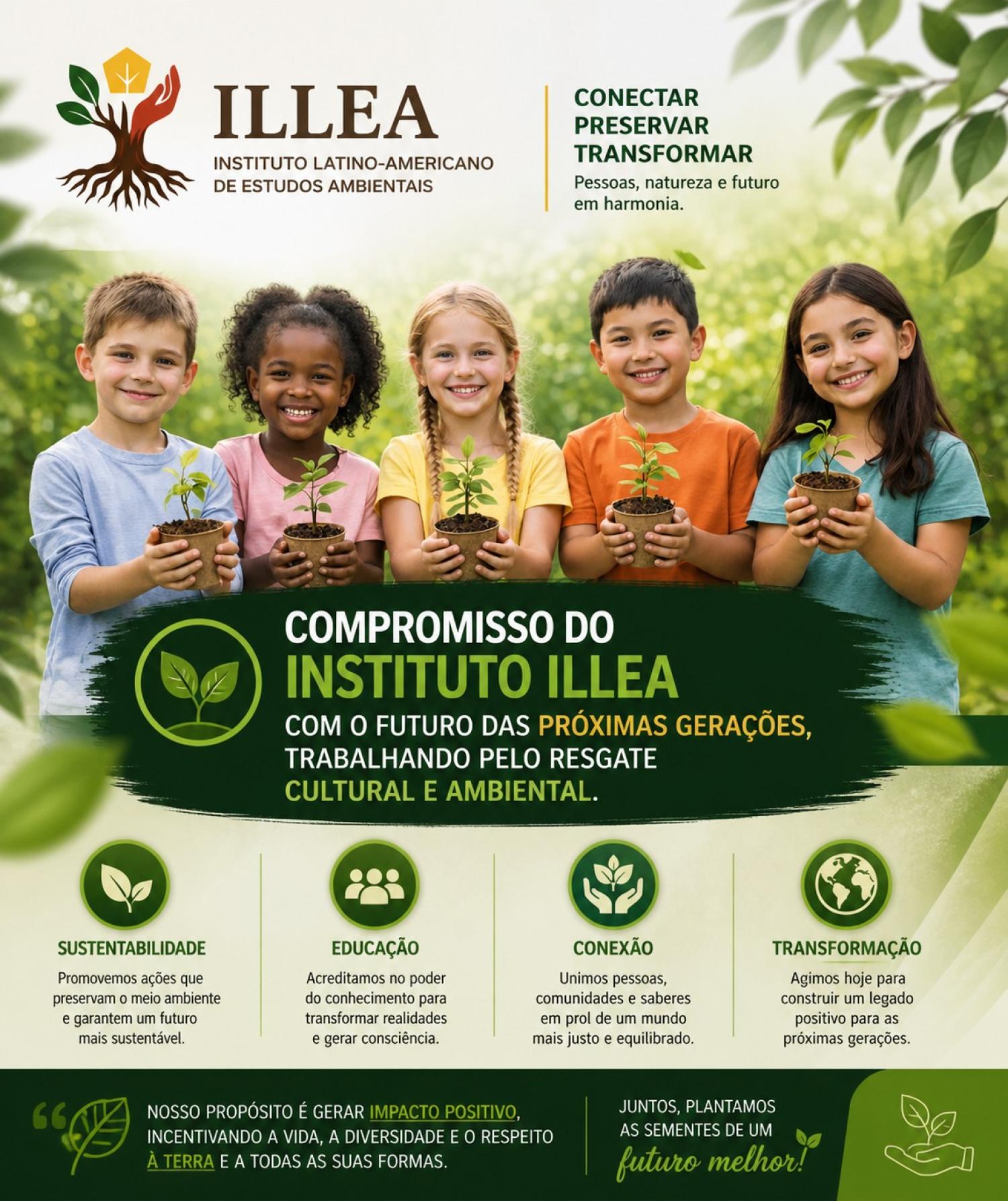 The Illea Institute - Non-profit society - Latin American Institute for Environmental Studies, located in Brazil, works for the benefit of future generations and environmental balance. It is a non-profit organization that manages projects involving the promotion of human health, culture, environmental protection, research, environmental studies, and sustainable socio-environmental development, promoting sustainable development for society and the entire planet. Its aim is to garante and integrate with family farming, work to combat hunger and poverty, promote sustainable development, and act in the international global arena with a vision of impacting the planet by caring for the environment and finding solutions to improve peoples quality of life.
The ILLEA Institute – Latin American Institute for Environmental Studies – positions itself as a strategic organization in building a more balanced, just, and sustainable future. Its work goes beyond isolated projects, consolidating itself as an agent of socio-environmental transformation that integrates technical knowledge, traditional wisdom, and practical actions with communities.
By working for the good of future generations, ILLEA assumes an essential role in the formation of environmental awareness, promoting initiatives that encourage care for nature from the ground up: families, schools, and rural communities. This approach strengthens not only the environment but also the cultural identity and social protagonism of the populations involved.
One of the Institutes great differentiators lies in the integration between fundamental areas:
Promotion of Human Health: recognizing the direct relationship between a balanced environment and quality of life, ILLEA develops actions that value natural practices, healthy eating, and the conscious use of natural resources.
Culture and Traditional Knowledge: the Institute recovers and values ancestral knowledge, promoting cultural identity as a tool for development and social belonging.
Environmental Protection: works to preserve ecosystems, encouraging sustainable practices such as agricultural diversification, recovery of degraded areas, and environmental education.
Environmental Research and Studies: bases its actions on scientific knowledge, ensuring that projects have a real and measurable impact.
Sustainable Socio-environmental Development: promotes income generation, social inclusion, and family autonomy, especially in vulnerable contexts.
The Illea Institute - Non-profit society - Latin American Institute for Environmental Studies, located in Brazil, works for the benefit of future generations and environmental balance. It is a non-profit organization that manages projects involving the promotion of human health, culture, environmental protection, research, environmental studies, and sustainable socio-environmental development, promoting sustainable development for society and the entire planet. Its aim is to garante and integrate with family farming, work to combat hunger and poverty, promote sustainable development, and act in the international global arena with a vision of impacting the planet by caring for the environment and finding solutions to improve peoples quality of life.
The ILLEA Institute – Latin American Institute for Environmental Studies – positions itself as a strategic organization in building a more balanced, just, and sustainable future. Its work goes beyond isolated projects, consolidating itself as an agent of socio-environmental transformation that integrates technical knowledge, traditional wisdom, and practical actions with communities.
By working for the good of future generations, ILLEA assumes an essential role in the formation of environmental awareness, promoting initiatives that encourage care for nature from the ground up: families, schools, and rural communities. This approach strengthens not only the environment but also the cultural identity and social protagonism of the populations involved.
One of the Institutes great differentiators lies in the integration between fundamental areas:
Promotion of Human Health: recognizing the direct relationship between a balanced environment and quality of life, ILLEA develops actions that value natural practices, healthy eating, and the conscious use of natural resources.
Culture and Traditional Knowledge: the Institute recovers and values ancestral knowledge, promoting cultural identity as a tool for development and social belonging.
Environmental Protection: works to preserve ecosystems, encouraging sustainable practices such as agricultural diversification, recovery of degraded areas, and environmental education.
Environmental Research and Studies: bases its actions on scientific knowledge, ensuring that projects have a real and measurable impact.
Sustainable Socio-environmental Development: promotes income generation, social inclusion, and family autonomy, especially in vulnerable contexts.
PHONE
+55 51 99333-1336
ADDRESS
Rod RST 287, S/N, KM 80, Linha Bem Feita, Venâncio Aires, RS, Brasil, CEP 95.800-000
EMAIL
contatos@illea.org.br
Social Media


ILLEA © 2006 - 2026. All Rights Reserved - Developed by Extrem