

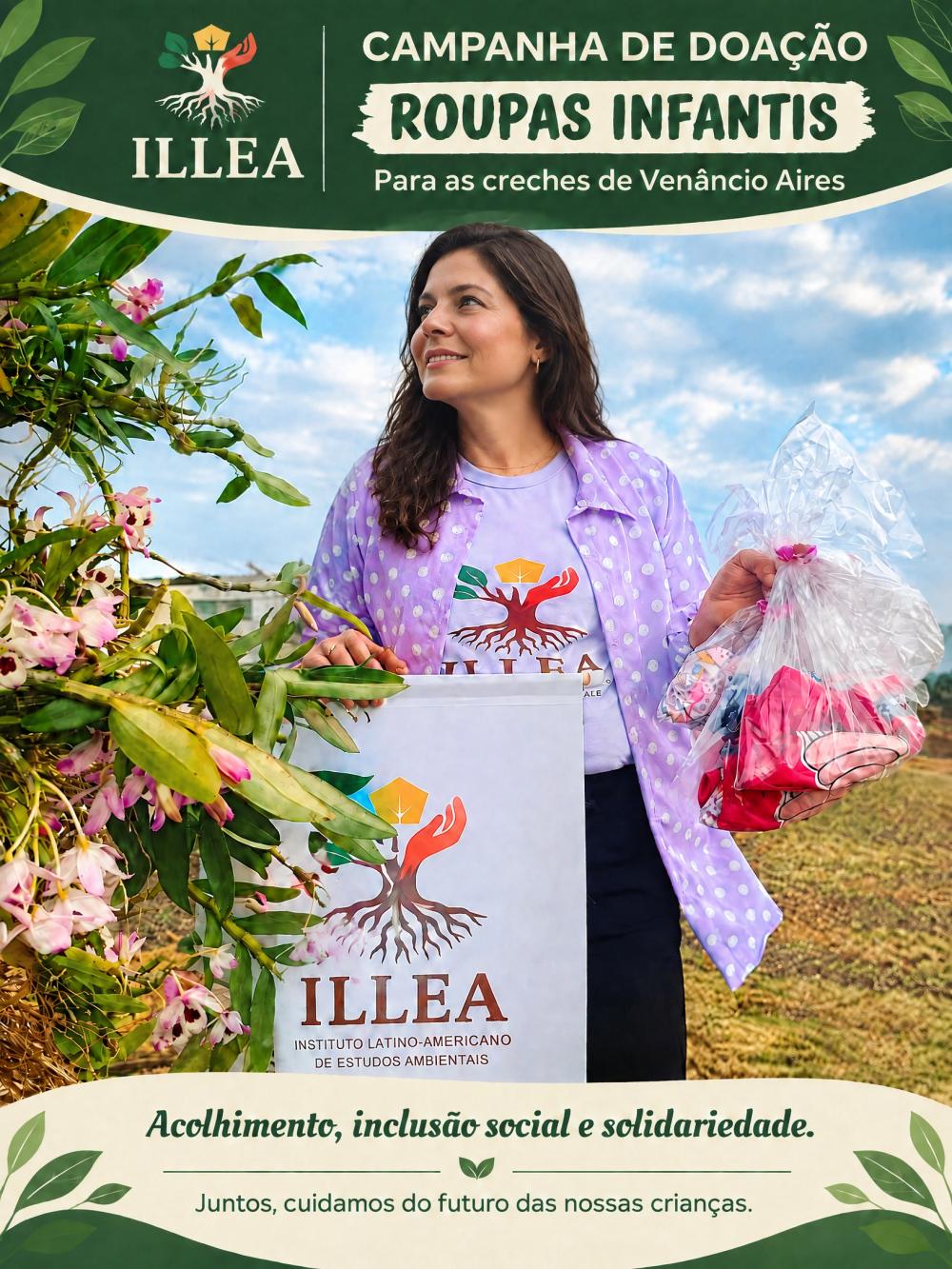
ILLEA Donation of clothes in storage stores in Venâncio Aires
ILLEA — Artisanal Homemade Soaps from Brazil
The "Artisanal Homemade Soaps from Brazil" project, developed by the Latin American Institute for Environmental Studies (ILLEA), is an initiative focused on sustainability, the value of artisanal work, and social development. The proposal encourages the conscious production of soap by repurposing materials and ingredients, promoting responsible practices that help reduce waste and protect the environment.
Artisanal soap production is linked to the search for more sustainable everyday alternatives. Many waste products—such as cooking oils and fats—can have a negative environmental impact if disposed of improperly. When properly repurposed, these materials can be transformed into new products, preventing waste and helping to preserve water, soil, and ecosystems.
The project also aims to raise community awareness regarding the importance of proper disposal and repurposing. Small amounts of waste are often poured down sinks or drains or discarded onto the ground, potentially causing clogs, contamination, and environmental damage.
Through raising awareness, ILLEA encourages more responsible behavior and demonstrates that every individual can contribute to building a more sustainable society.
Making artisanal homemade soap requires knowledge, attention, and responsibility. Each step must be carried out carefully, adhering to guidelines regarding safety, hygiene, storage, and the proper use of materials. Consequently, the project emphasizes training and learning, helping participants develop skills and understand the importance of organized, conscious production.
Beyond its environmental impact, the initiative holds significant social value. Artisanal production can offer opportunities for learning, autonomy, and income generation for women, families, and community groups. By gaining knowledge and creating their own products, participants can expand their employment prospects and strengthen their financial independence.
The project fosters social and community entrepreneurship, demonstrating how a simple activity can evolve into an opportunity for development.
The soaps produced can be used by the families themselves or sold at markets, events, community spaces, and the future ILLEA shop, thereby valuing artisanal work and fostering income circulation within the communities.
Each product can embody a story of dedication, learning, and overcoming challenges.
Behind a handmade soap lies the makers expertise, care for materials, environmental concern, and a desire to build better living conditions. Thus, the final product represents far more than a mere cleaning item; it signifies a conscious choice and a possibility for transformation.
The "Handmade Soaps from Brazil" project also values ??traditional knowledge. Many artisanal production techniques are learned from family members, neighbors, and experienced community members. This knowledge is part of the culture and collective memory, passed down through generations. By recognizing and strengthening this knowledge, ILLEA helps preserve traditional practices while adapting them to modern needs.
The initiative can host workshops and learning gatherings, creating spaces for sharing experiences and the collective construction of knowledge. During these activities, participants can share their practices, learn new techniques, and develop more efficient, responsible production methods. Collective learning strengthens interpersonal bonds and expands the projects social impact.
Soap production can also be linked to environmental education in schools and communities. Children, young people, and adults can learn about recycling, repurposing, conscious consumption, and environmental responsibility. By understanding the lifecycle of waste and the impact of improper disposal, participants become better prepared to adopt sustainable habits in their homes and communities.
Another important aspect is reducing reliance on mass-produced goods and disposable packaging. While artisanal products may not meet every consumption need, they can foster more conscious choices—especially when made using repurposed materials and stored responsibly. The project encourages reflection on what we buy, use, and discard.
The ILLEA proposal also aligns with the principles of the circular economy. This model seeks to extend the lifespan of materials, reduce waste generation, and find new uses for products that would otherwise be discarded. By transforming waste into a new, usable item, the project demonstrates in practice that sustainability and social development can go hand in hand.
The initiative can also strengthen community participation. Collecting materials, organizing production, conducting workshops, and promoting the products can involve a variety of individuals and institutions. This mobilization fosters cooperation and demonstrates that collective action can yield positive results for both the environment and the community.
The artisanal soaps produced by the project can feature diverse shapes, scents, and characteristics, while always adhering to standards of quality, safety, and responsibility. The identity of each piece may reflect the participants creativity, cultural backgrounds, and personal understanding of the craft. Consequently, each product becomes unique, bearing the personal touch of its creator.
Valuing manual craftsmanship is another essential element of the initiative. In a landscape dominated by mass production, artisanal work preserves the time, creativity, and dedication invested in every stage of the process. Crafting by hand acknowledges the inherent value of human labor and demonstrates that products can be made with attention, care, and respect for the materials used.
The project also helps boost the participants self-esteem. Learning a new technique, producing a high-quality item, and realizing that this work can generate income are vital experiences for personal and professional growth. The autonomy gained through knowledge can open new paths and increase womens participation in decisions affecting their own lives and their communities.
ILLEA believes that sustainability must be linked to inclusion and an improved quality of life. Caring for natural resources is not enough if people and their needs are overlooked. Therefore, the project seeks to integrate environmental education, material reuse, skills training, craftsmanship, and income generation into a unified proposal for social transformation.
Each bar of soap produced represents an act of responsibility. It is a choice to repurpose rather than discard, to learn rather than remain indifferent, and to collaborate rather than act in isolation. Small initiatives, when pursued with commitment and consistency, can contribute to significant changes in how people relate to consumption and the environment.
"Sabões Caseiros Artesanais do Brasil" (Handmade Homemade Soaps of Brazil) is, therefore, a project that unites sustainability, culture, labor, and social development. Through this initiative, ILLEA seeks to value knowledge, strengthen communities, and encourage more conscious practices. The project demonstrates that simple materials can take on new utility when infused with care, creativity, and purpose.
Each handcrafted piece embodies knowledge, dedication, and a choice for a more sustainable future. By transforming repurposed materials into useful products, the project shows that environmental preservation can begin with simple actions and that artisanal work can serve as a powerful tool for inclusion, autonomy, and transformation.
The "Artisanal Homemade Soaps from Brazil" project, developed by the Latin American Institute for Environmental Studies (ILLEA), is an initiative focused on sustainability, the value of artisanal work, and social development. The proposal encourages the conscious production of soap by repurposing materials and ingredients, promoting responsible practices that help reduce waste and protect the environment.
Artisanal soap production is linked to the search for more sustainable everyday alternatives. Many waste products—such as cooking oils and fats—can have a negative environmental impact if disposed of improperly. When properly repurposed, these materials can be transformed into new products, preventing waste and helping to preserve water, soil, and ecosystems.
The project also aims to raise community awareness regarding the importance of proper disposal and repurposing. Small amounts of waste are often poured down sinks or drains or discarded onto the ground, potentially causing clogs, contamination, and environmental damage.
Through raising awareness, ILLEA encourages more responsible behavior and demonstrates that every individual can contribute to building a more sustainable society.
Making artisanal homemade soap requires knowledge, attention, and responsibility. Each step must be carried out carefully, adhering to guidelines regarding safety, hygiene, storage, and the proper use of materials. Consequently, the project emphasizes training and learning, helping participants develop skills and understand the importance of organized, conscious production.
Beyond its environmental impact, the initiative holds significant social value. Artisanal production can offer opportunities for learning, autonomy, and income generation for women, families, and community groups. By gaining knowledge and creating their own products, participants can expand their employment prospects and strengthen their financial independence.
The project fosters social and community entrepreneurship, demonstrating how a simple activity can evolve into an opportunity for development.
The soaps produced can be used by the families themselves or sold at markets, events, community spaces, and the future ILLEA shop, thereby valuing artisanal work and fostering income circulation within the communities.
Each product can embody a story of dedication, learning, and overcoming challenges.
Behind a handmade soap lies the makers expertise, care for materials, environmental concern, and a desire to build better living conditions. Thus, the final product represents far more than a mere cleaning item; it signifies a conscious choice and a possibility for transformation.
The "Handmade Soaps from Brazil" project also values ??traditional knowledge. Many artisanal production techniques are learned from family members, neighbors, and experienced community members. This knowledge is part of the culture and collective memory, passed down through generations. By recognizing and strengthening this knowledge, ILLEA helps preserve traditional practices while adapting them to modern needs.
The initiative can host workshops and learning gatherings, creating spaces for sharing experiences and the collective construction of knowledge. During these activities, participants can share their practices, learn new techniques, and develop more efficient, responsible production methods. Collective learning strengthens interpersonal bonds and expands the projects social impact.
Soap production can also be linked to environmental education in schools and communities. Children, young people, and adults can learn about recycling, repurposing, conscious consumption, and environmental responsibility. By understanding the lifecycle of waste and the impact of improper disposal, participants become better prepared to adopt sustainable habits in their homes and communities.
Another important aspect is reducing reliance on mass-produced goods and disposable packaging. While artisanal products may not meet every consumption need, they can foster more conscious choices—especially when made using repurposed materials and stored responsibly. The project encourages reflection on what we buy, use, and discard.
The ILLEA proposal also aligns with the principles of the circular economy. This model seeks to extend the lifespan of materials, reduce waste generation, and find new uses for products that would otherwise be discarded. By transforming waste into a new, usable item, the project demonstrates in practice that sustainability and social development can go hand in hand.
The initiative can also strengthen community participation. Collecting materials, organizing production, conducting workshops, and promoting the products can involve a variety of individuals and institutions. This mobilization fosters cooperation and demonstrates that collective action can yield positive results for both the environment and the community.
The artisanal soaps produced by the project can feature diverse shapes, scents, and characteristics, while always adhering to standards of quality, safety, and responsibility. The identity of each piece may reflect the participants creativity, cultural backgrounds, and personal understanding of the craft. Consequently, each product becomes unique, bearing the personal touch of its creator.
Valuing manual craftsmanship is another essential element of the initiative. In a landscape dominated by mass production, artisanal work preserves the time, creativity, and dedication invested in every stage of the process. Crafting by hand acknowledges the inherent value of human labor and demonstrates that products can be made with attention, care, and respect for the materials used.
The project also helps boost the participants self-esteem. Learning a new technique, producing a high-quality item, and realizing that this work can generate income are vital experiences for personal and professional growth. The autonomy gained through knowledge can open new paths and increase womens participation in decisions affecting their own lives and their communities.
ILLEA believes that sustainability must be linked to inclusion and an improved quality of life. Caring for natural resources is not enough if people and their needs are overlooked. Therefore, the project seeks to integrate environmental education, material reuse, skills training, craftsmanship, and income generation into a unified proposal for social transformation.
Each bar of soap produced represents an act of responsibility. It is a choice to repurpose rather than discard, to learn rather than remain indifferent, and to collaborate rather than act in isolation. Small initiatives, when pursued with commitment and consistency, can contribute to significant changes in how people relate to consumption and the environment.
"Sabões Caseiros Artesanais do Brasil" (Handmade Homemade Soaps of Brazil) is, therefore, a project that unites sustainability, culture, labor, and social development. Through this initiative, ILLEA seeks to value knowledge, strengthen communities, and encourage more conscious practices. The project demonstrates that simple materials can take on new utility when infused with care, creativity, and purpose.
Each handcrafted piece embodies knowledge, dedication, and a choice for a more sustainable future. By transforming repurposed materials into useful products, the project shows that environmental preservation can begin with simple actions and that artisanal work can serve as a powerful tool for inclusion, autonomy, and transformation.
Sustainable Projects and Initiatives
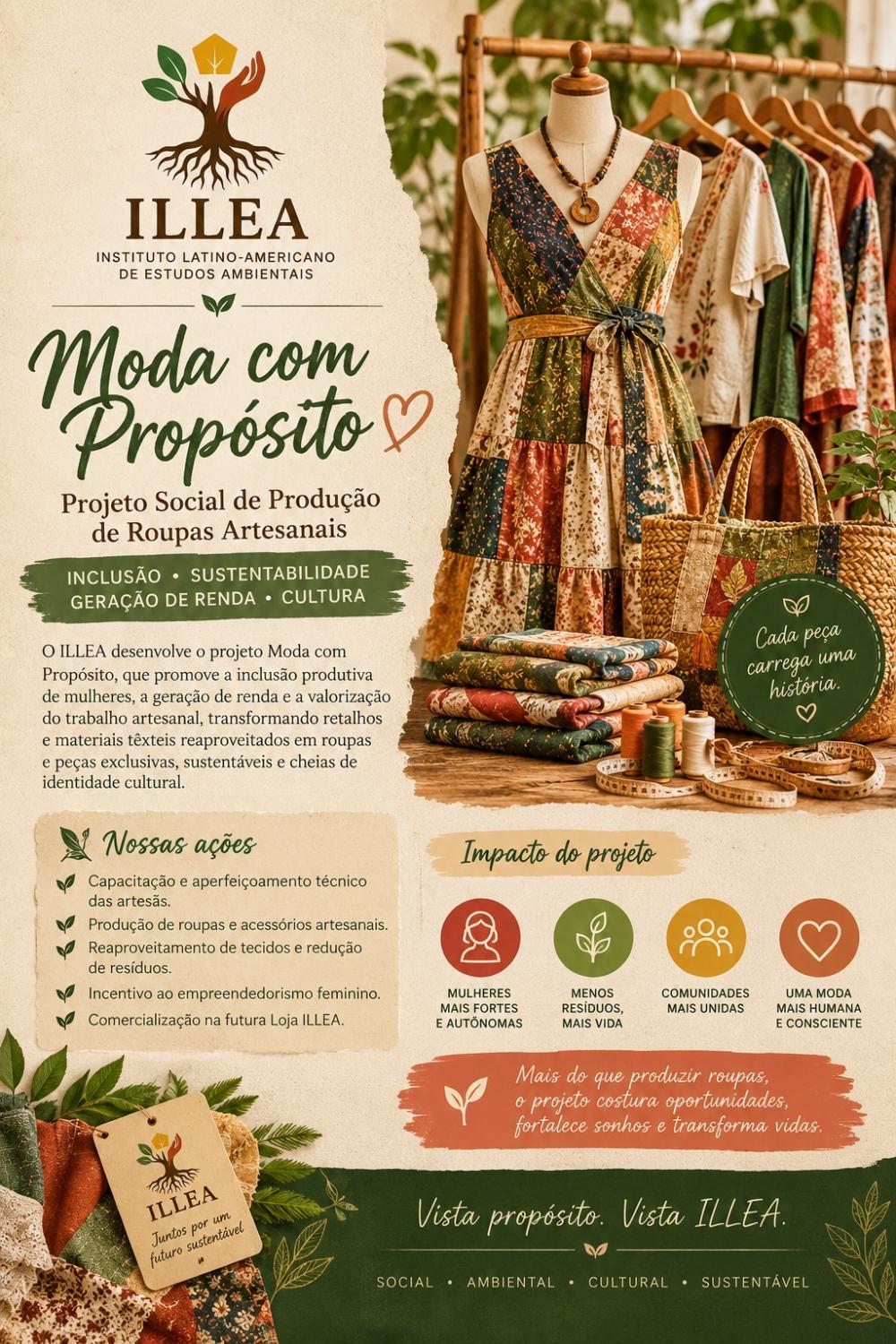
ILLEA — Handicrafts, Fashion, and Social Development
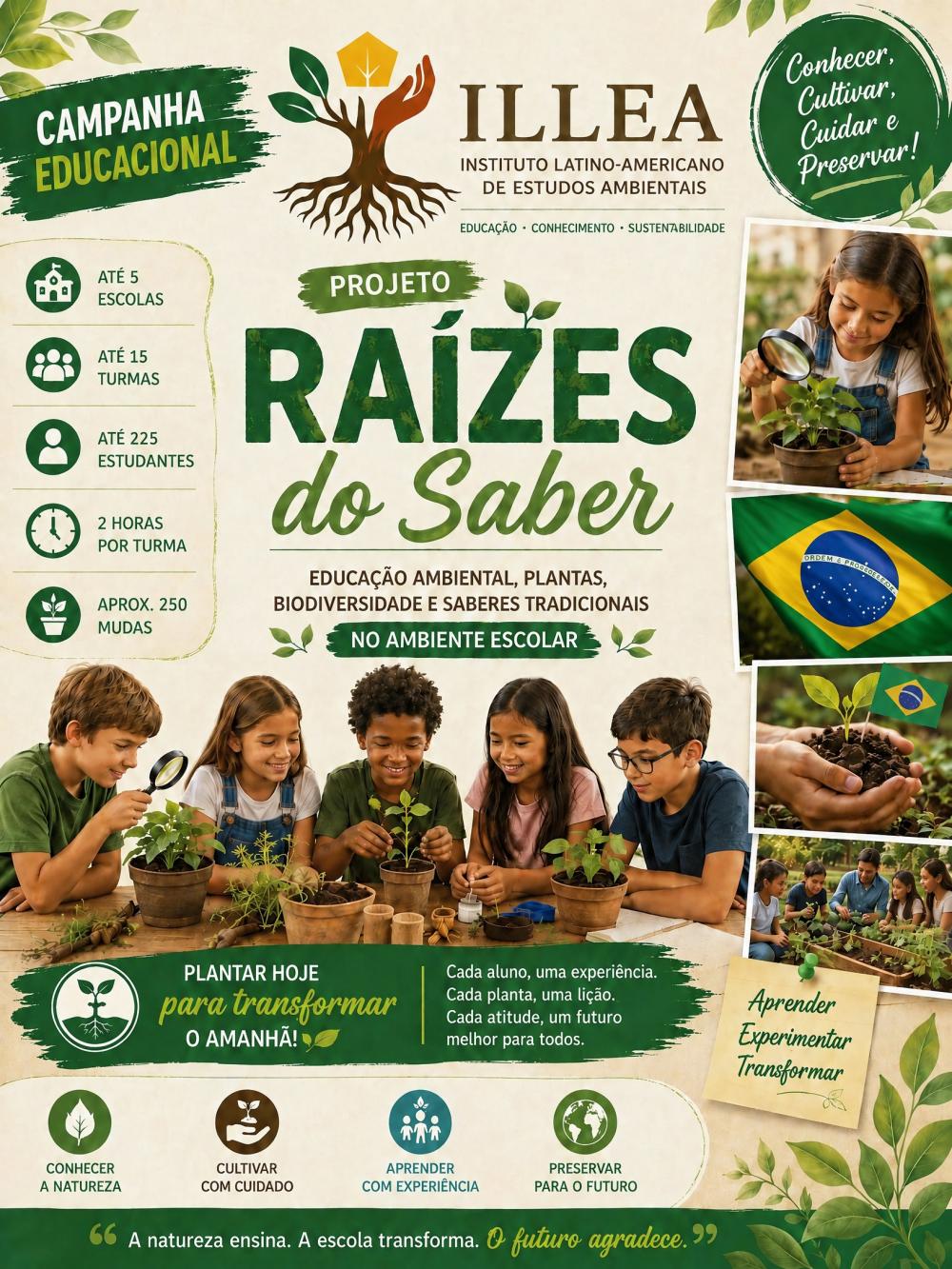
ILLEA – Roots of Knowledge Institutional Social Law Project
ILLEA Donation of clothes in storage stores in Venâncio Aires
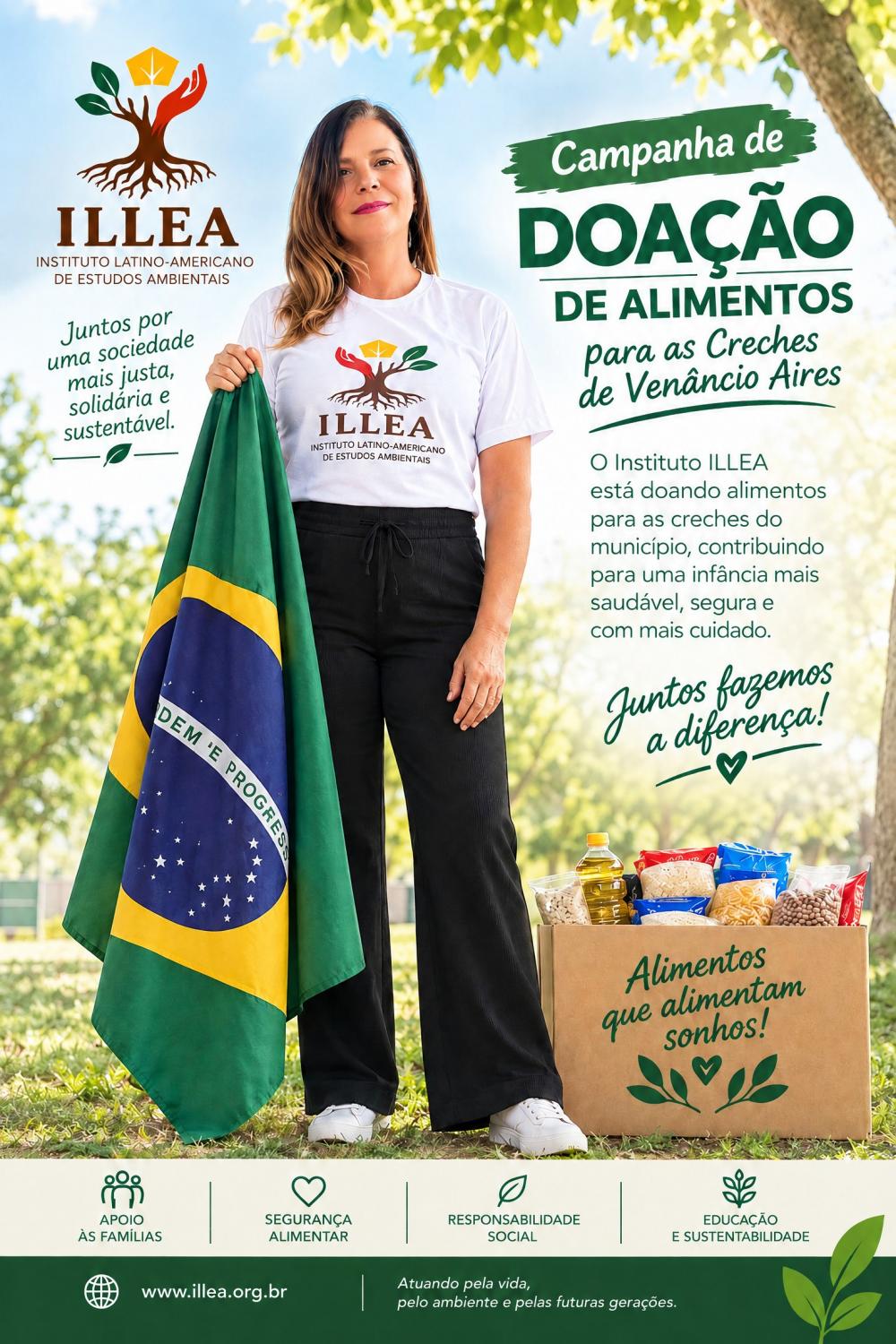
ILLEA - Food donation campaign in storerooms
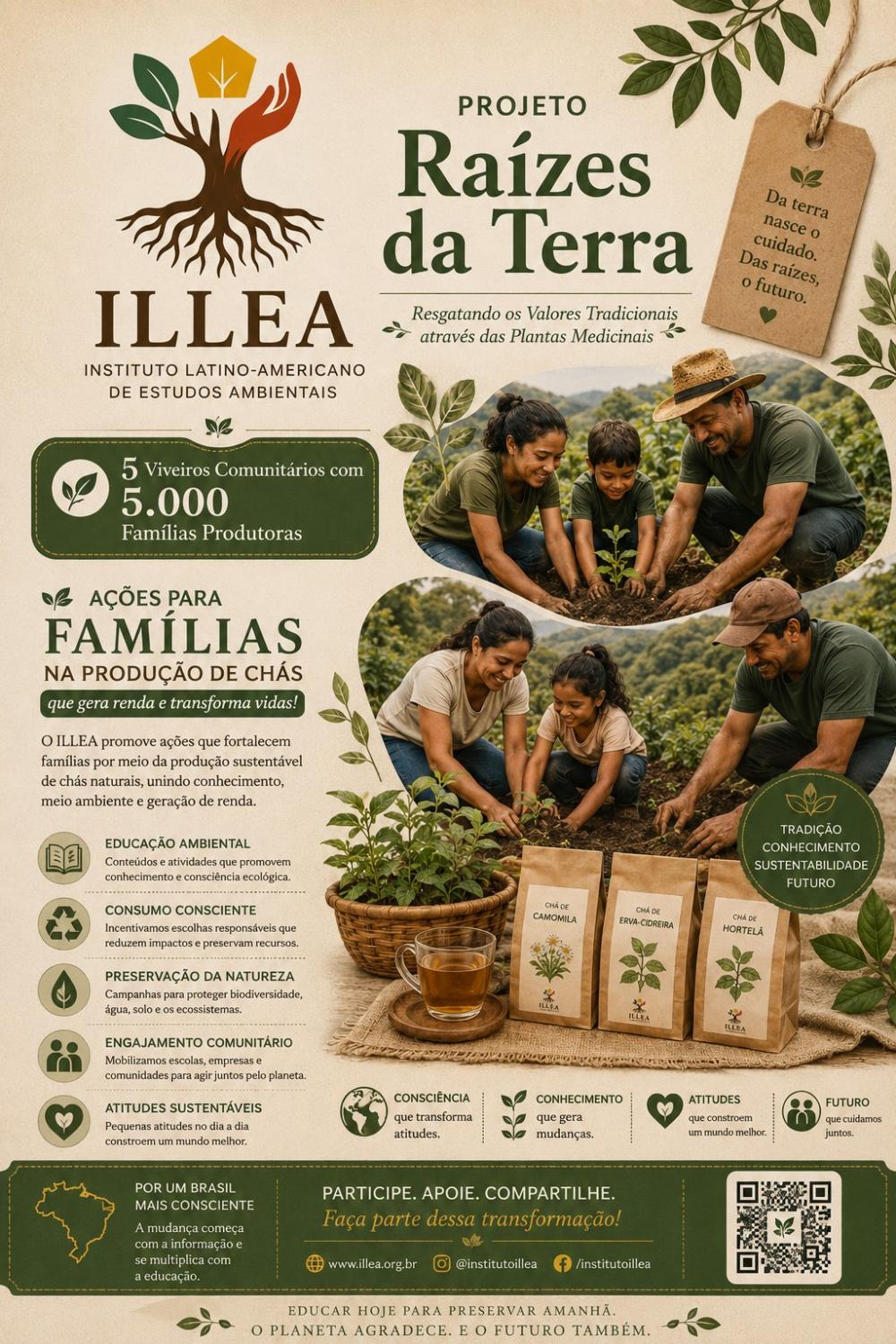
ILLEA – Roots of the Earth Project and Institutional Campaigns
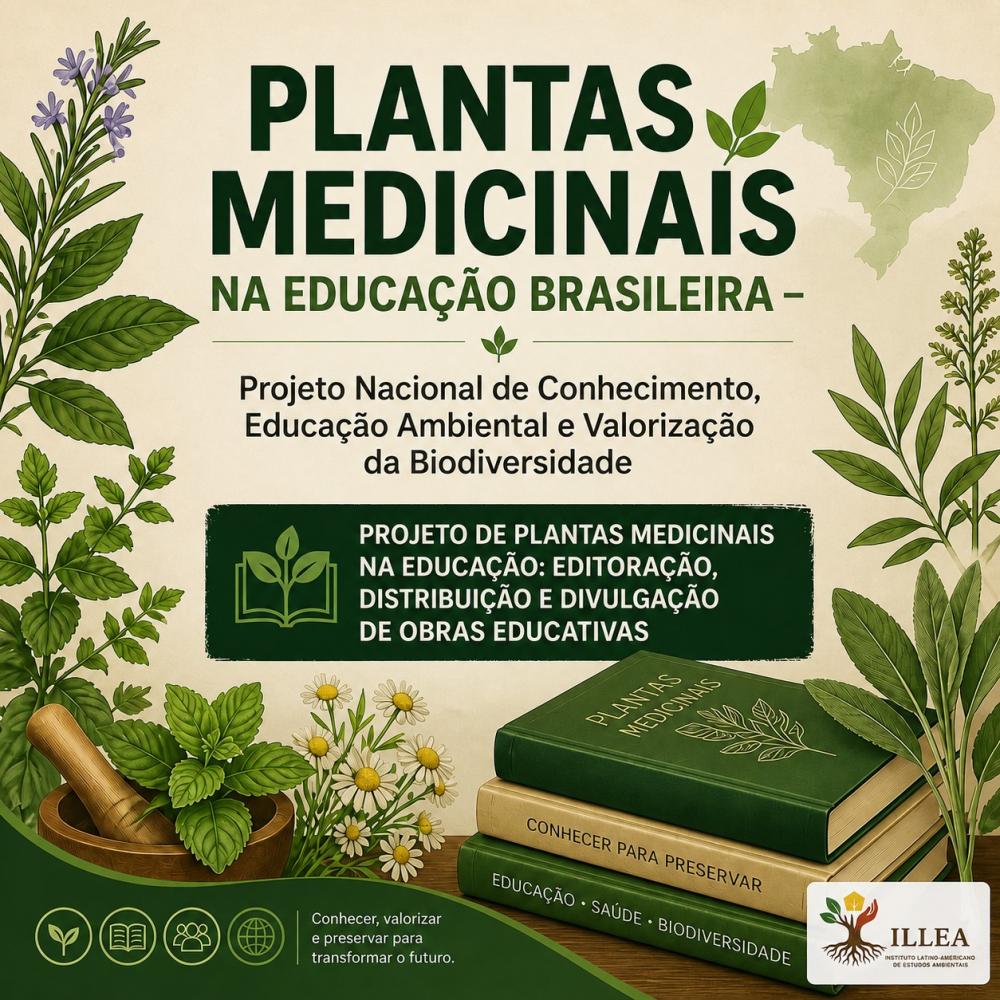
ILLEA - Project Medicinal Plants in Brazilian Education
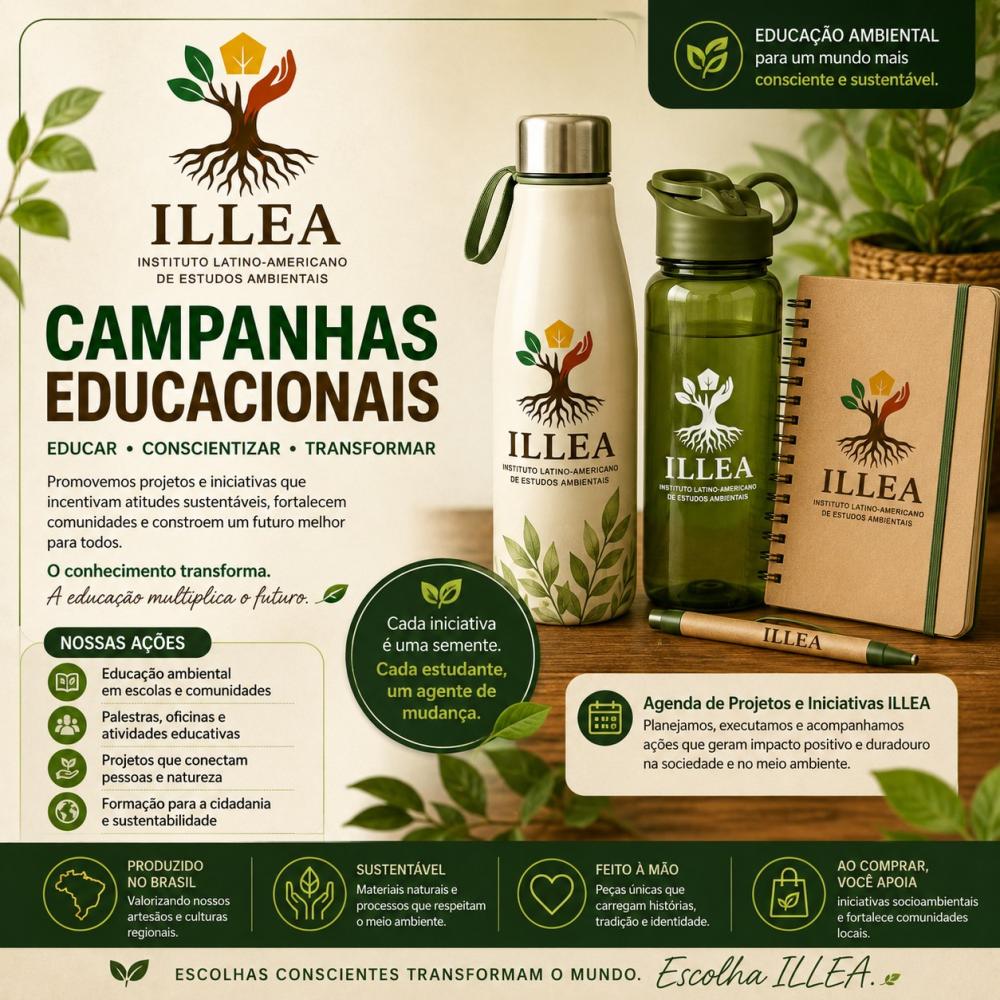
ILLEA Environmental Education Campaigns in Schools
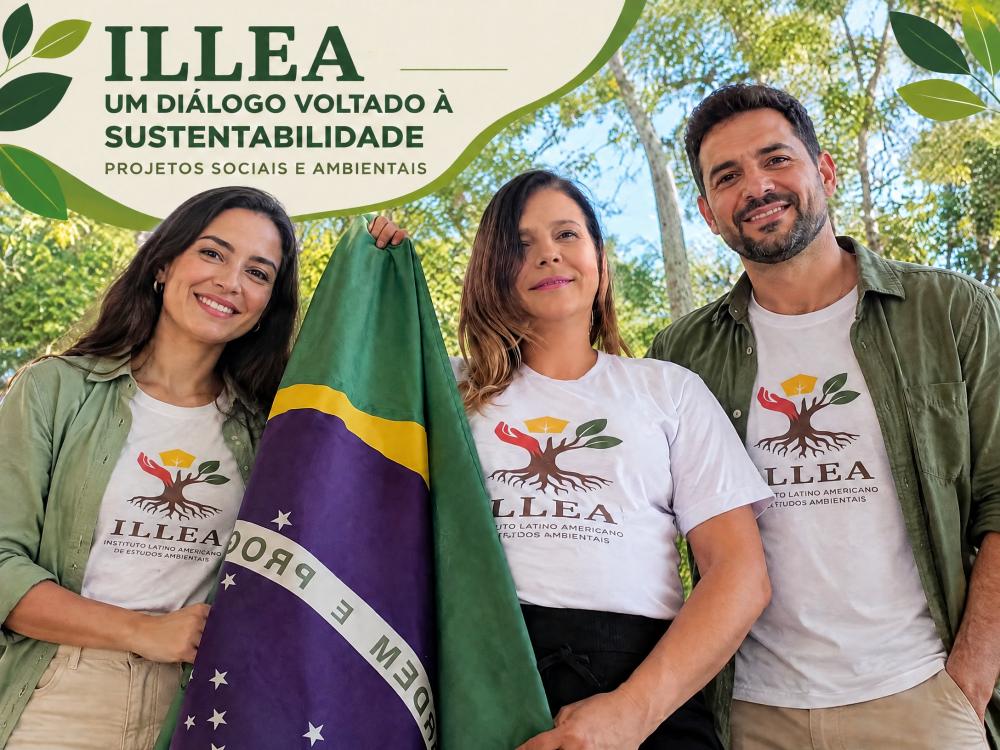
ILLEA a dialogue oriented towards Sustainability