



Tamarind
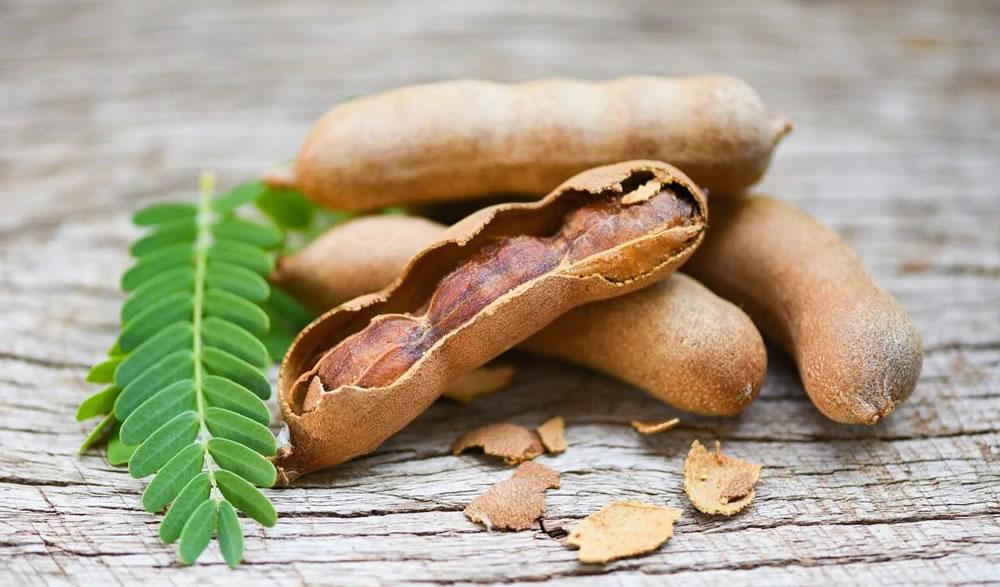
Tamarindus indica, known as tamarind, is a tropical fruit tree that produces pods with a sweet and sour pulp, widely used in cooking and traditional medicine. Main medicinal uses of tamarind
1. Digestive health. The best-known medicinal use of tamarind is as an intestinal regulator. The fruit pulp can help with: Mild constipation. Slow digestion. Abdominal discomfort. Regular bowel function. This is due to the presence of dietary fiber, organic acids, and bioactive compounds. 2. Antioxidant action. Tamarind is rich in: Polyphenols. Flavonoids. Vitamin C. Carotenoids. These compounds help fight free radicals and can contribute to cell protection against oxidative stress. 3. Cholesterol Control
Some studies suggest that the phenolic compounds and fibers in tamarind may contribute to: Reduction of LDL cholesterol. Improvement of lipid profile. Cardiovascular protection. Although the results are promising, more clinical research in humans is still needed. 4. Blood Glucose Control. Experimental research indicates potential for: Improving glucose metabolism. Assisting in blood sugar control. Reducing inflammatory processes associated with diabetes. Tamarind does not replace medical treatments for diabetes. 5. Anti-inflammatory Action. Leaves, bark, and seeds contain substances with anti-inflammatory activity observed in laboratory studies. Traditionally, they are used for: Joint pain. Rheumatism. Mild inflammation.
Swelling. 6. Liver Health. Some research indicates a possible protective effect on the liver due to the antioxidant activity of the phenolic compounds present in the plant. 7. Respiratory Health. In folk medicine, infusions of the leaves are used to help with: Cough. Colds. Throat irritations.
Mild fevers. Parts used. Plant part. Traditional use. Fruit pulp. Digestive and mild laxative.
Leaves. Teas and infusions. Bark. Anti-inflammatory preparations. Flowers. Traditional infusions. Seeds. Antioxidant and healing extracts.
1. Digestive health. The best-known medicinal use of tamarind is as an intestinal regulator. The fruit pulp can help with: Mild constipation. Slow digestion. Abdominal discomfort. Regular bowel function. This is due to the presence of dietary fiber, organic acids, and bioactive compounds. 2. Antioxidant action. Tamarind is rich in: Polyphenols. Flavonoids. Vitamin C. Carotenoids. These compounds help fight free radicals and can contribute to cell protection against oxidative stress. 3. Cholesterol Control
Some studies suggest that the phenolic compounds and fibers in tamarind may contribute to: Reduction of LDL cholesterol. Improvement of lipid profile. Cardiovascular protection. Although the results are promising, more clinical research in humans is still needed. 4. Blood Glucose Control. Experimental research indicates potential for: Improving glucose metabolism. Assisting in blood sugar control. Reducing inflammatory processes associated with diabetes. Tamarind does not replace medical treatments for diabetes. 5. Anti-inflammatory Action. Leaves, bark, and seeds contain substances with anti-inflammatory activity observed in laboratory studies. Traditionally, they are used for: Joint pain. Rheumatism. Mild inflammation.
Swelling. 6. Liver Health. Some research indicates a possible protective effect on the liver due to the antioxidant activity of the phenolic compounds present in the plant. 7. Respiratory Health. In folk medicine, infusions of the leaves are used to help with: Cough. Colds. Throat irritations.
Mild fevers. Parts used. Plant part. Traditional use. Fruit pulp. Digestive and mild laxative.
Leaves. Teas and infusions. Bark. Anti-inflammatory preparations. Flowers. Traditional infusions. Seeds. Antioxidant and healing extracts.
Plant Catalog
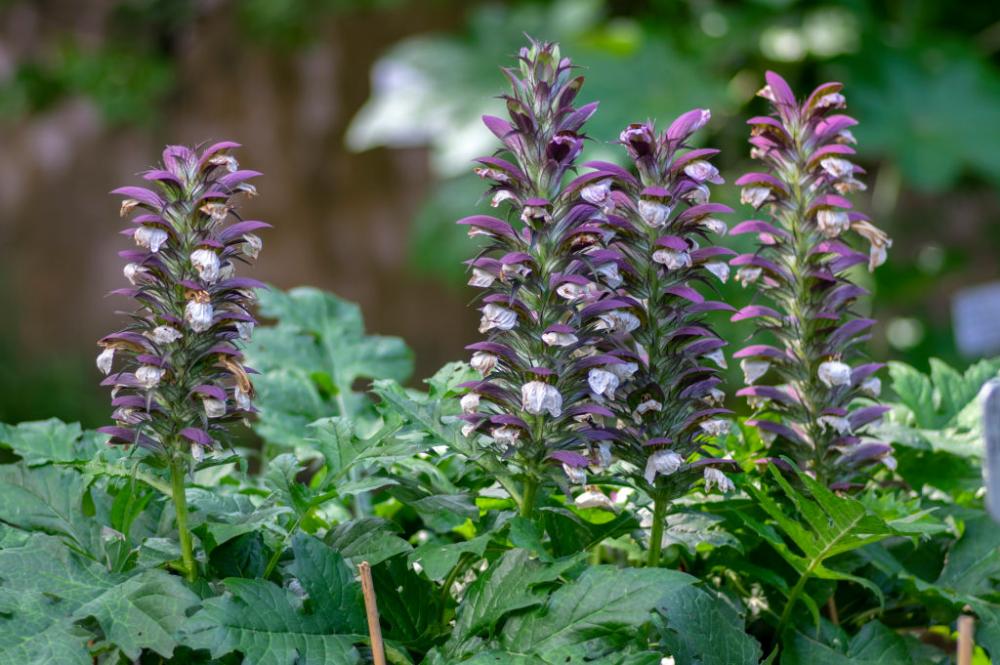
acanthus
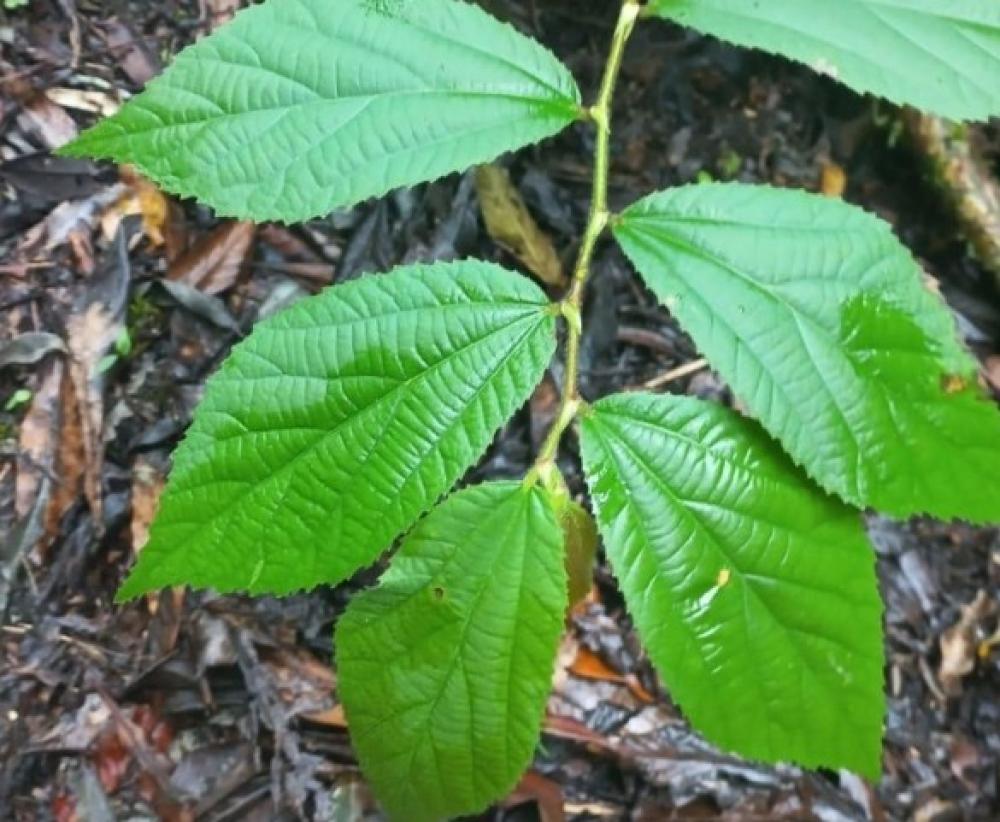
Horsewhip
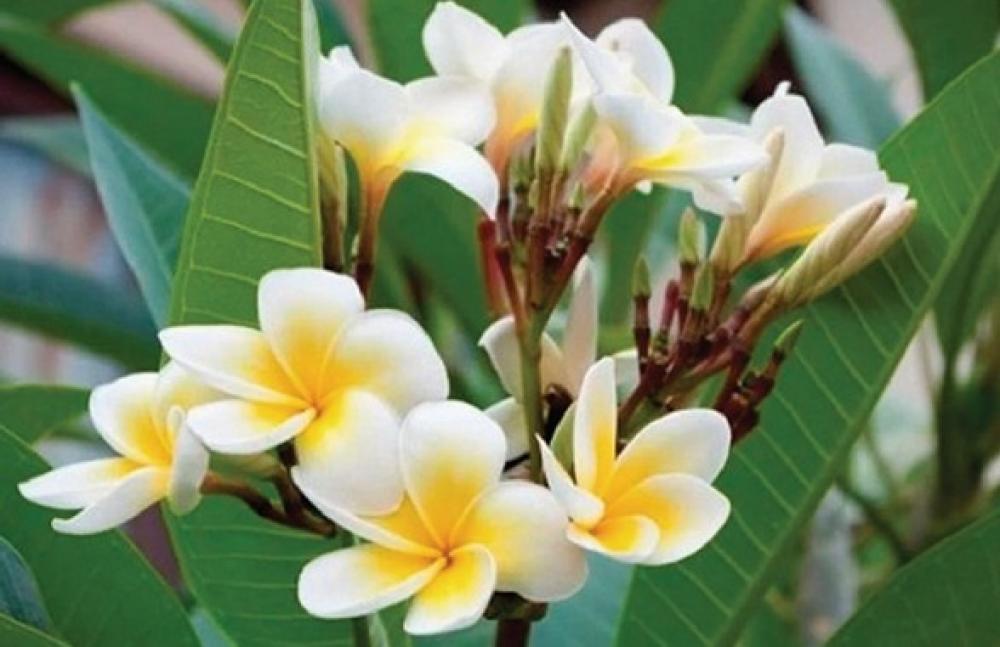
distressed
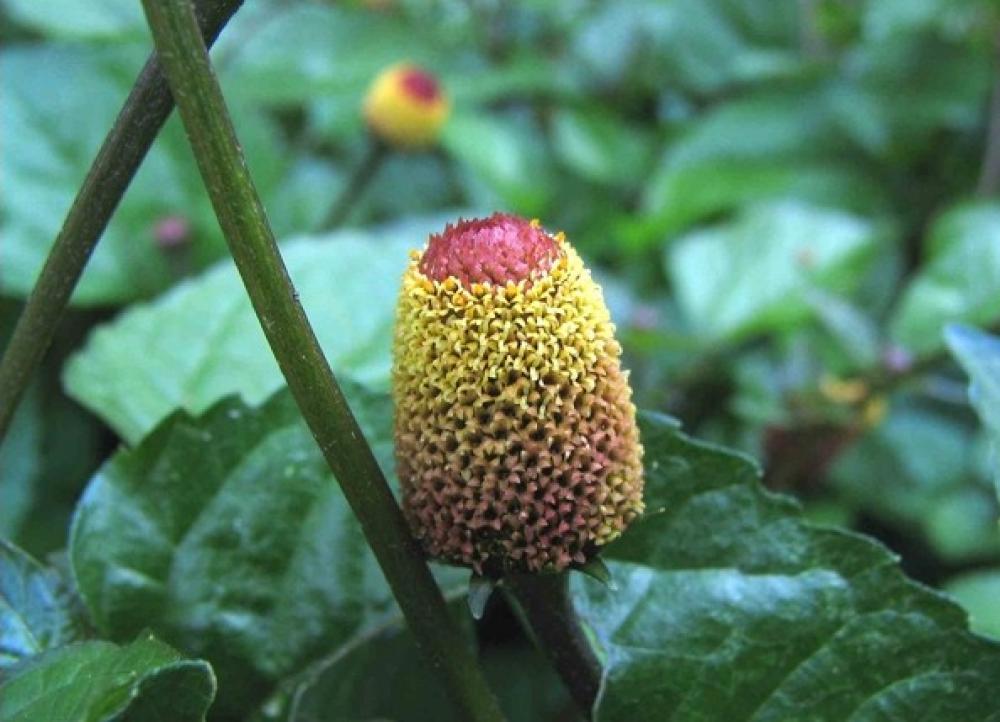
Pará cress or Jambu
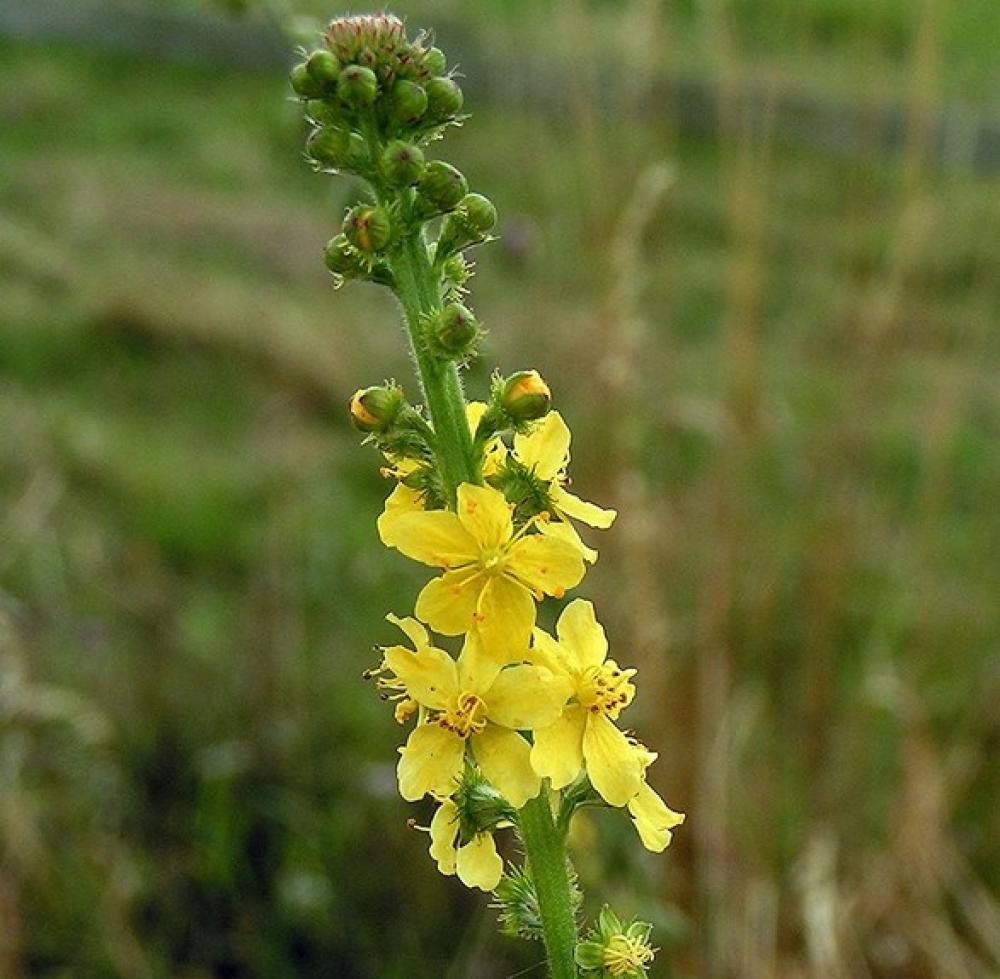
Agrimony
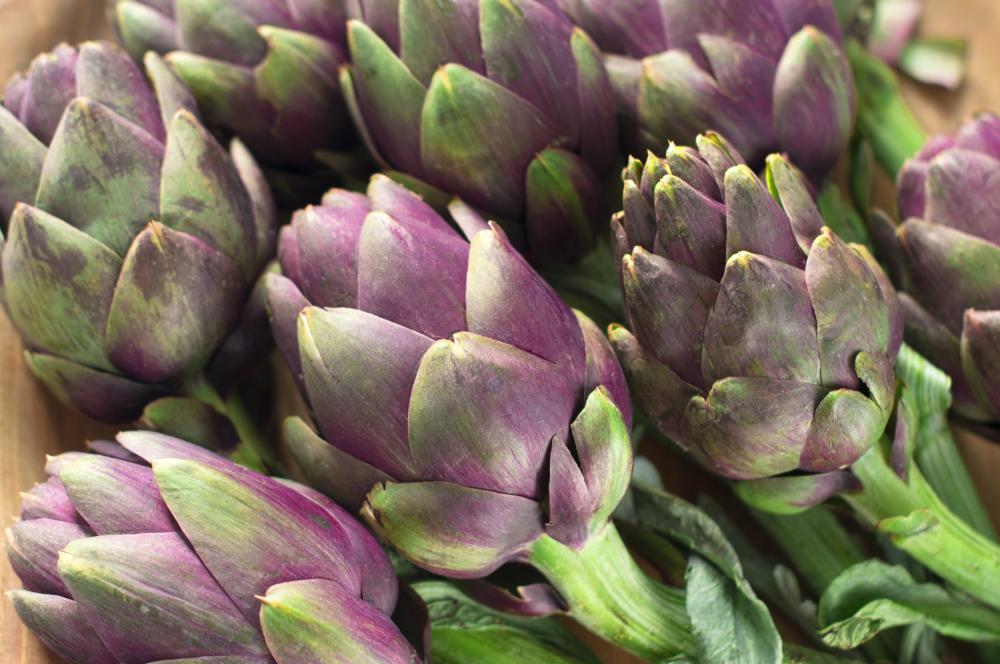
Artichoke
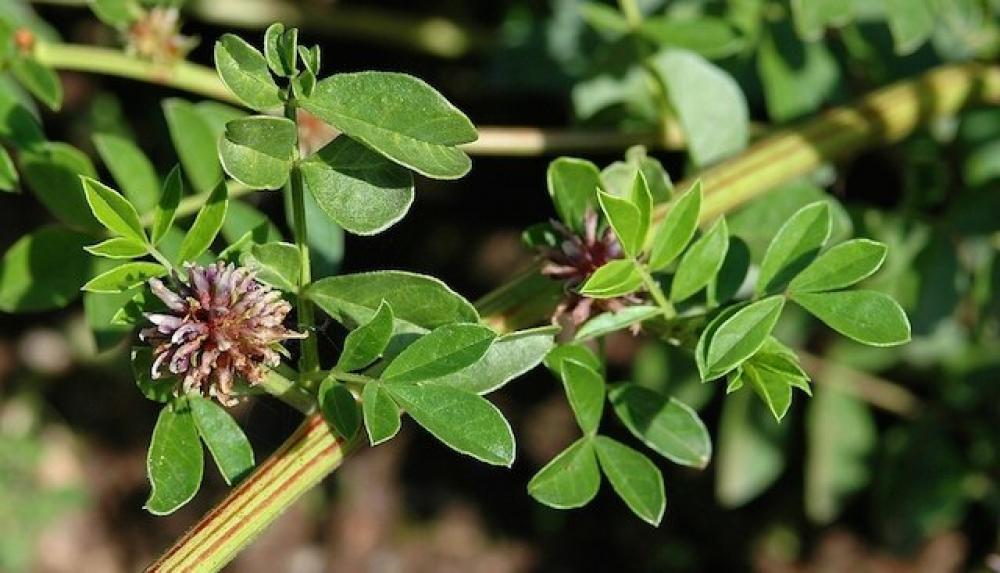
licorice
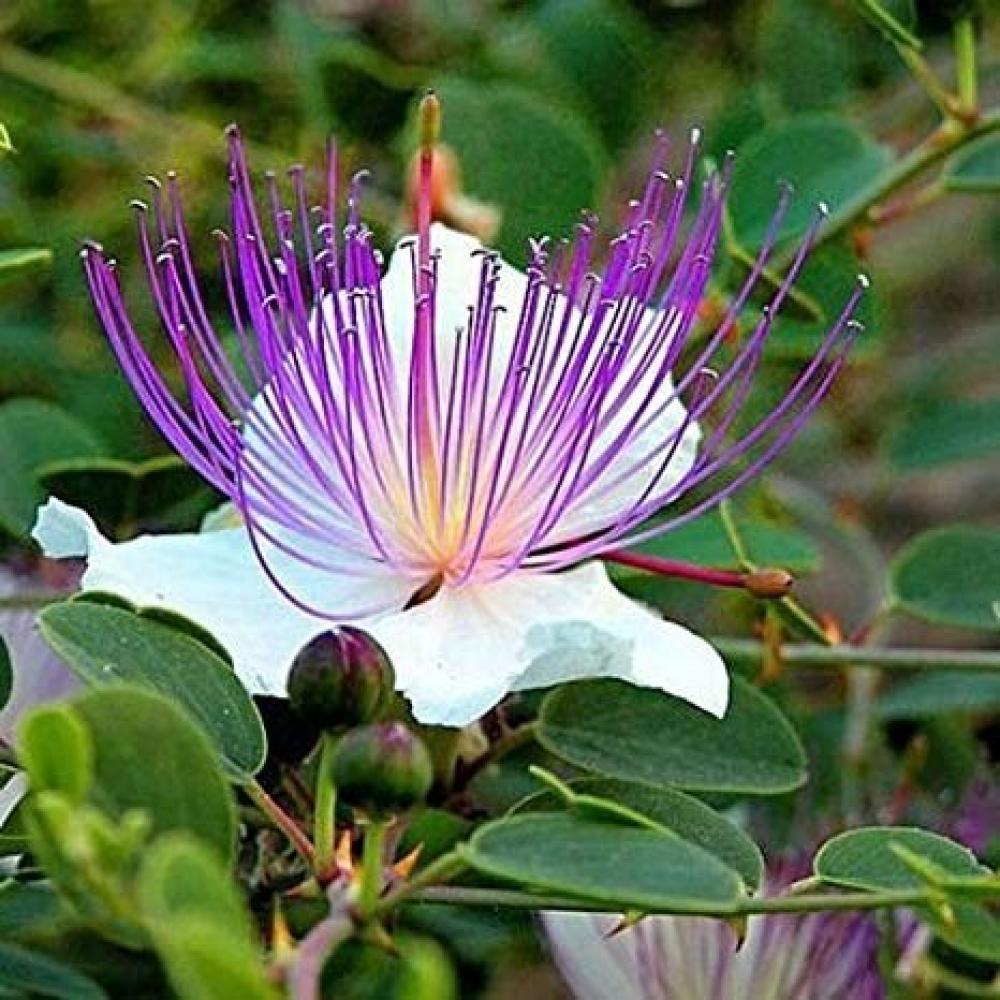
caper
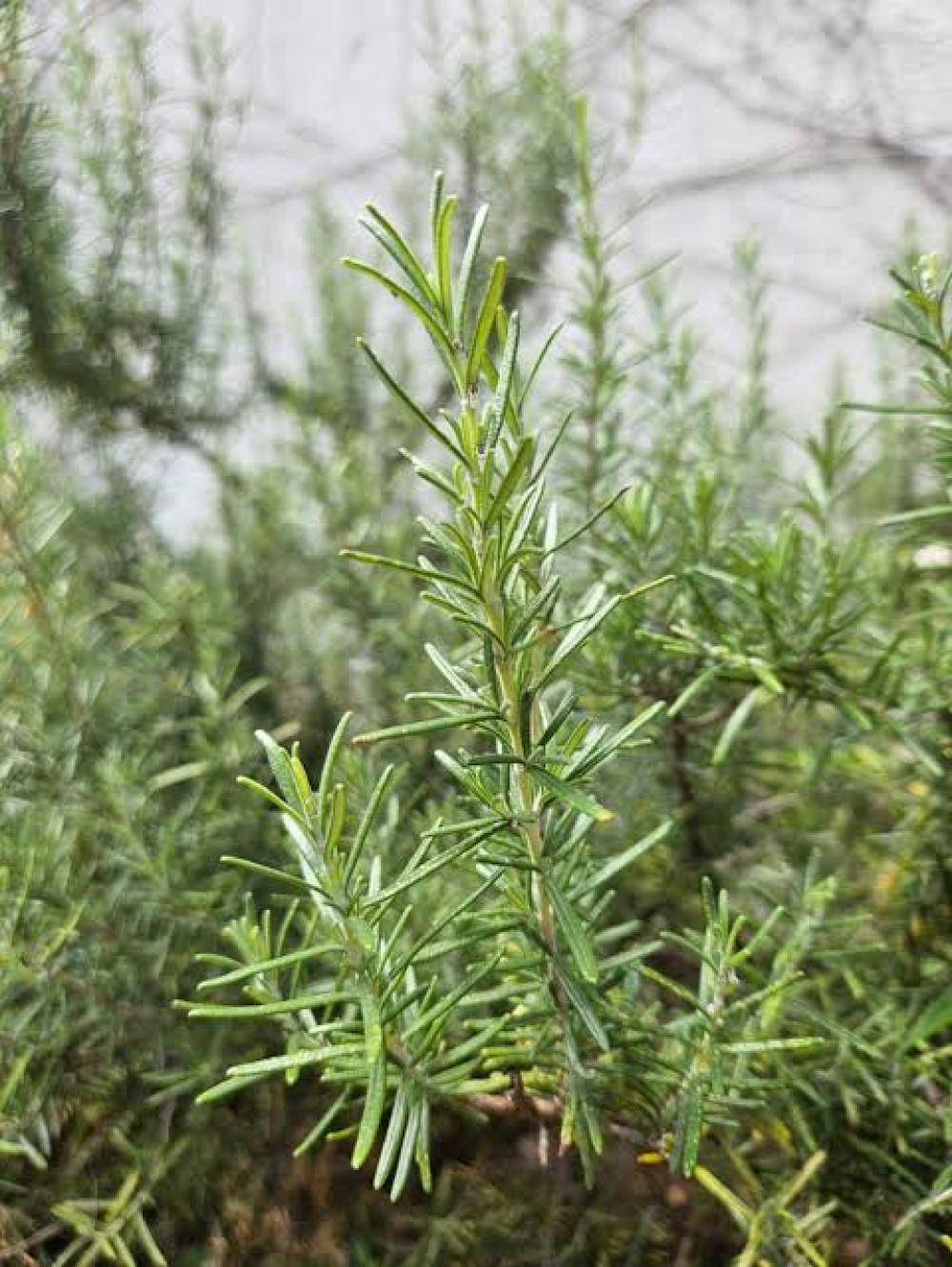
rosemary
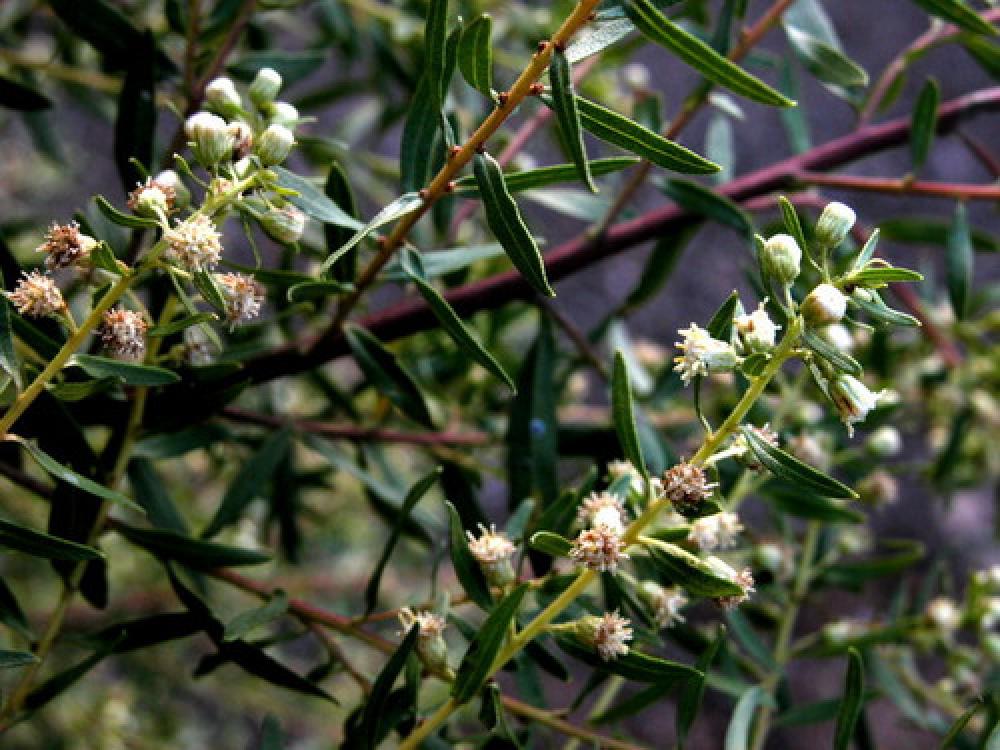
Field Rosemary
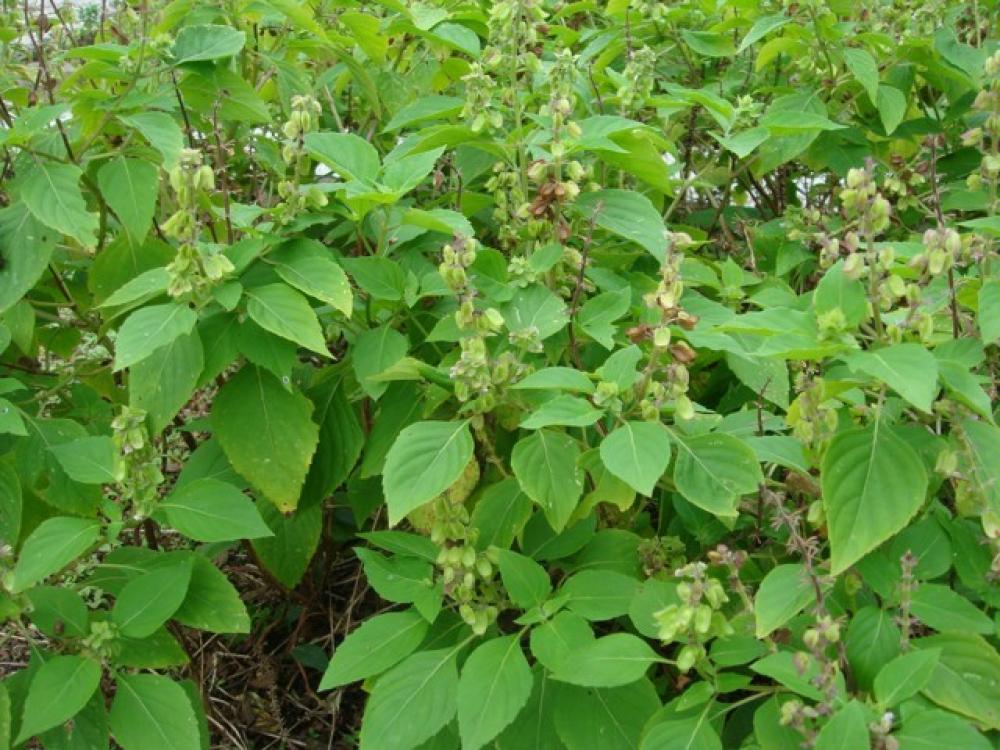
basil
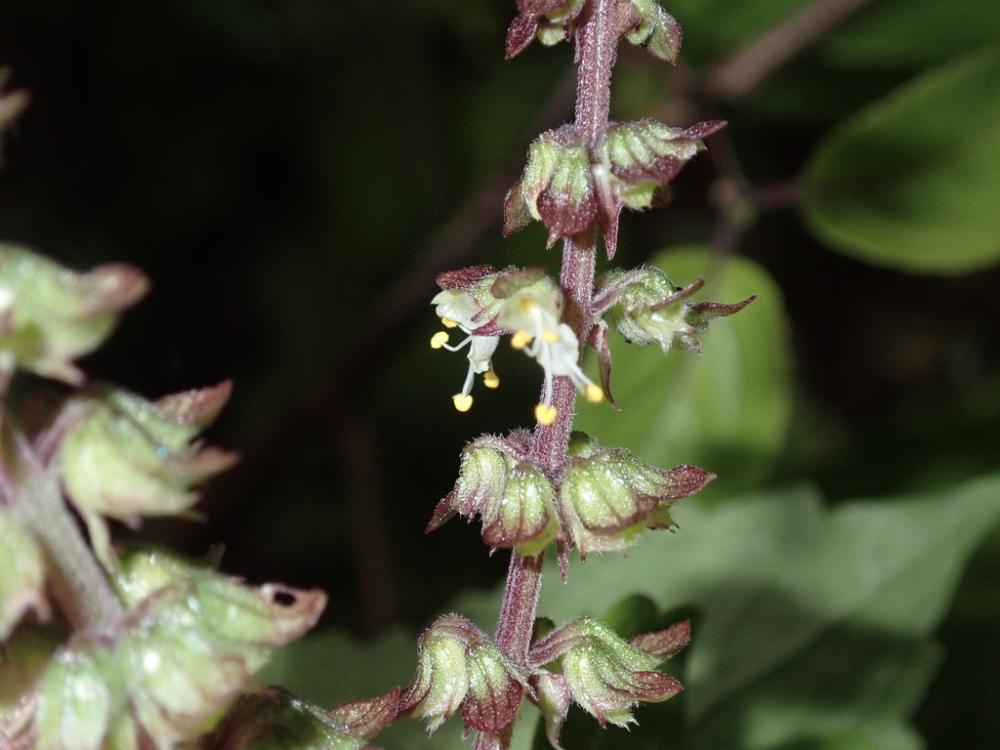
Clove Basil
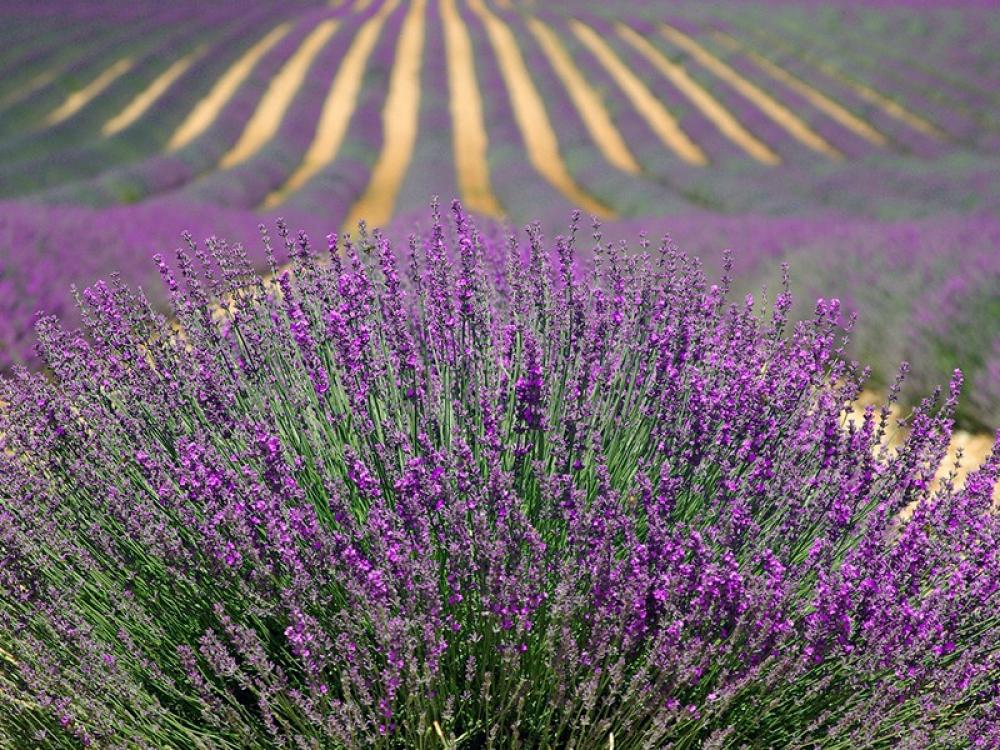
lavender
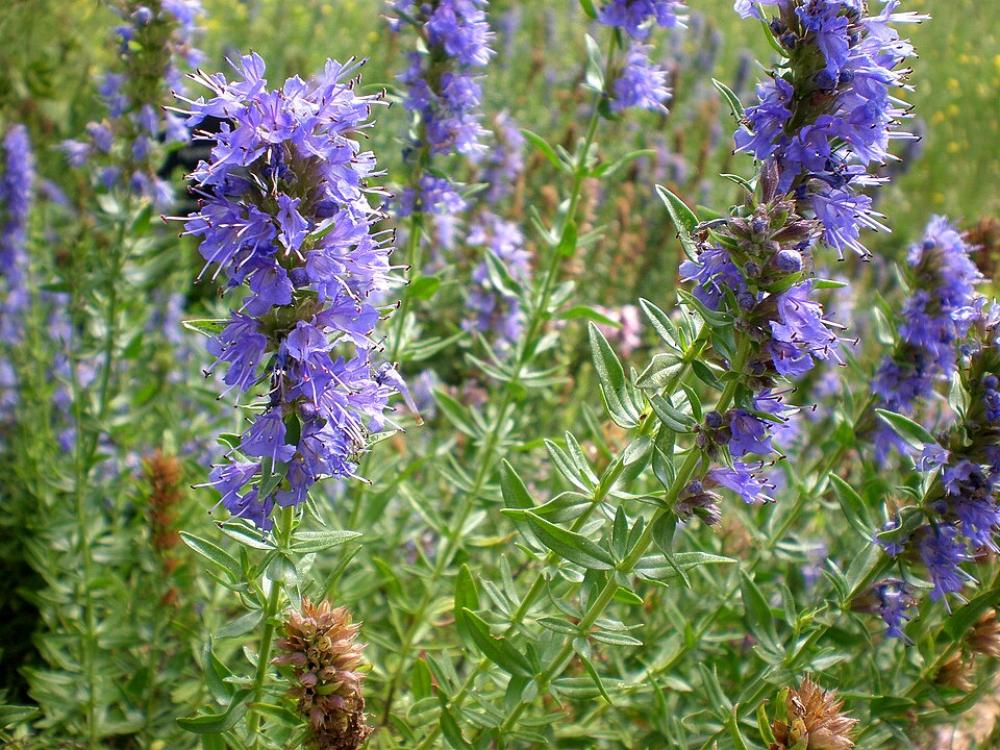
Caboclo Lavender
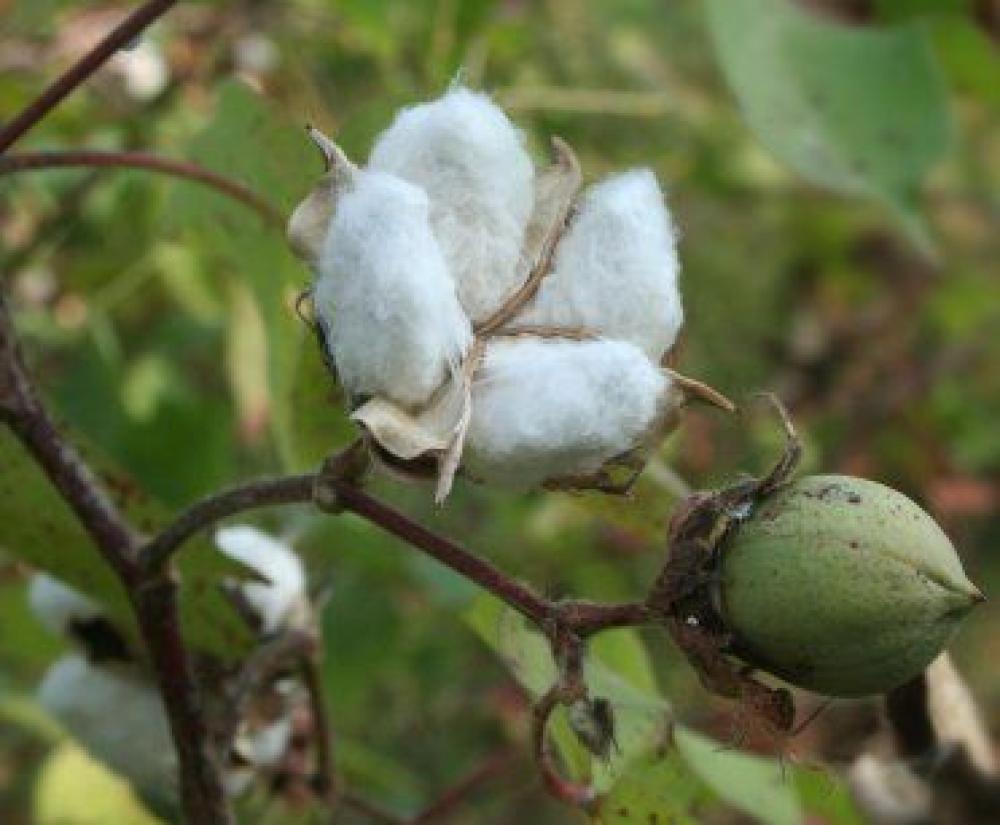
Cotton
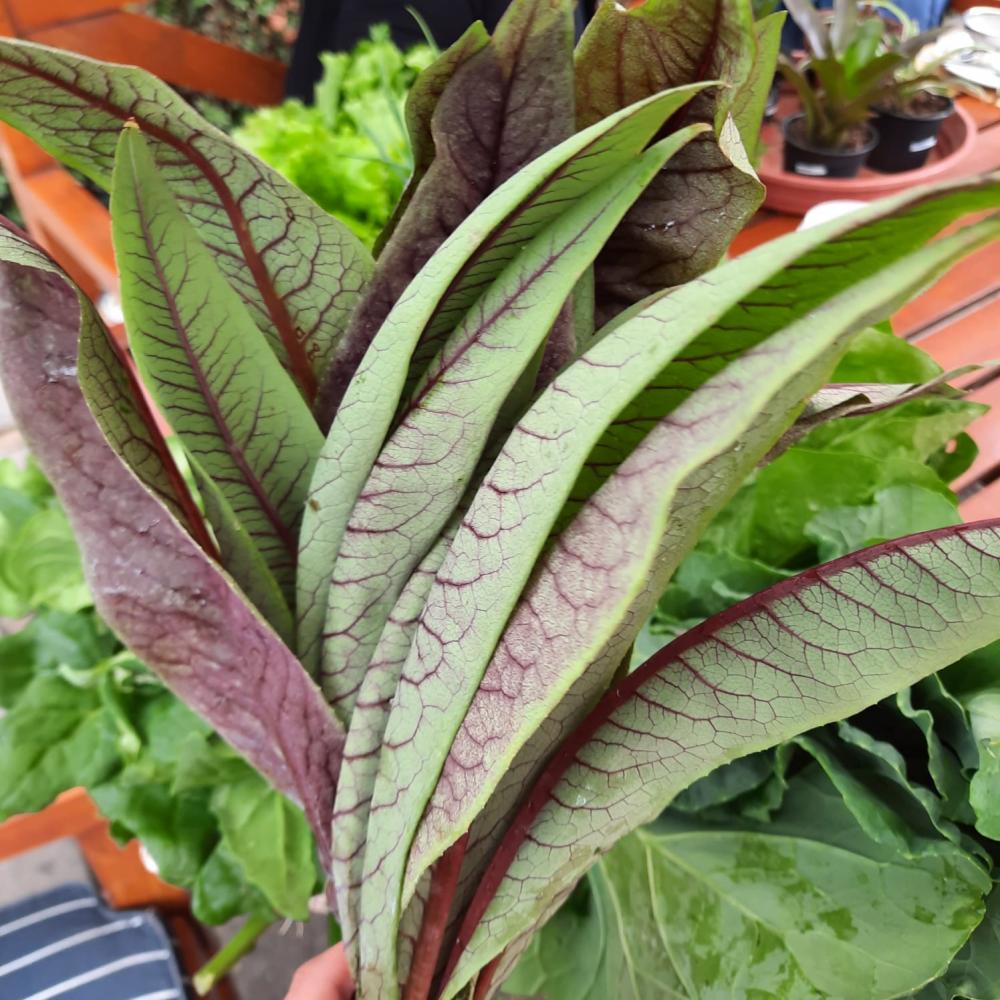
Cafezal Chicory
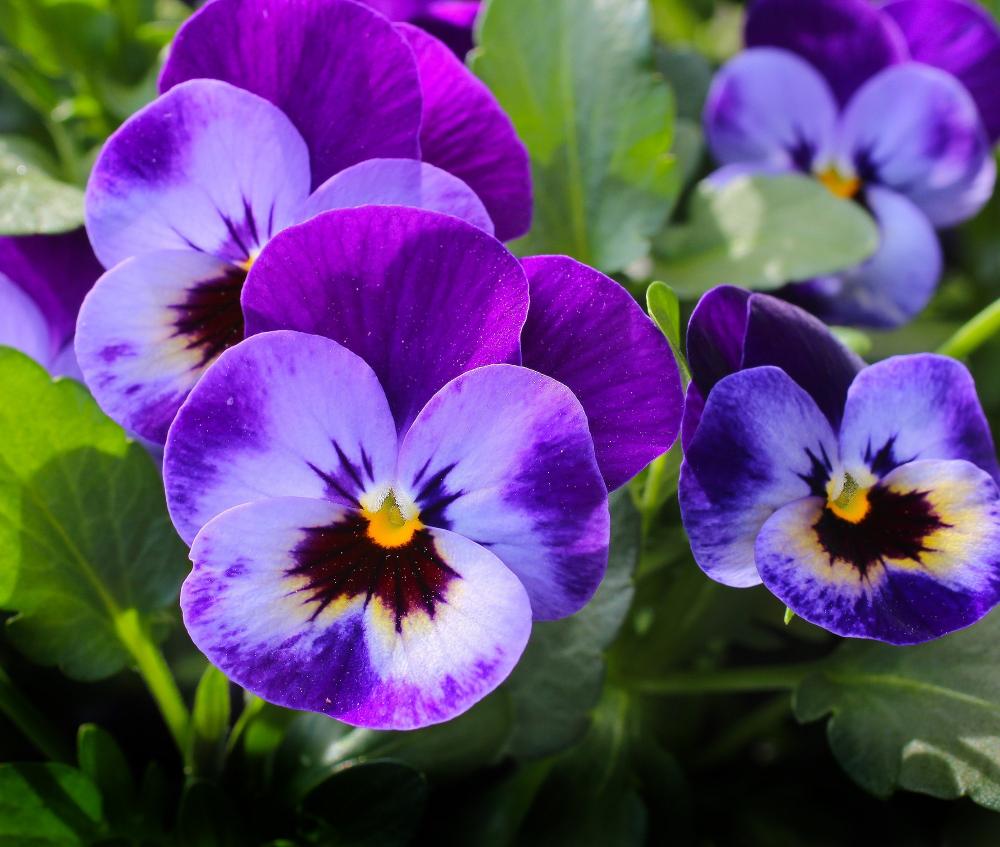
Perfect Love
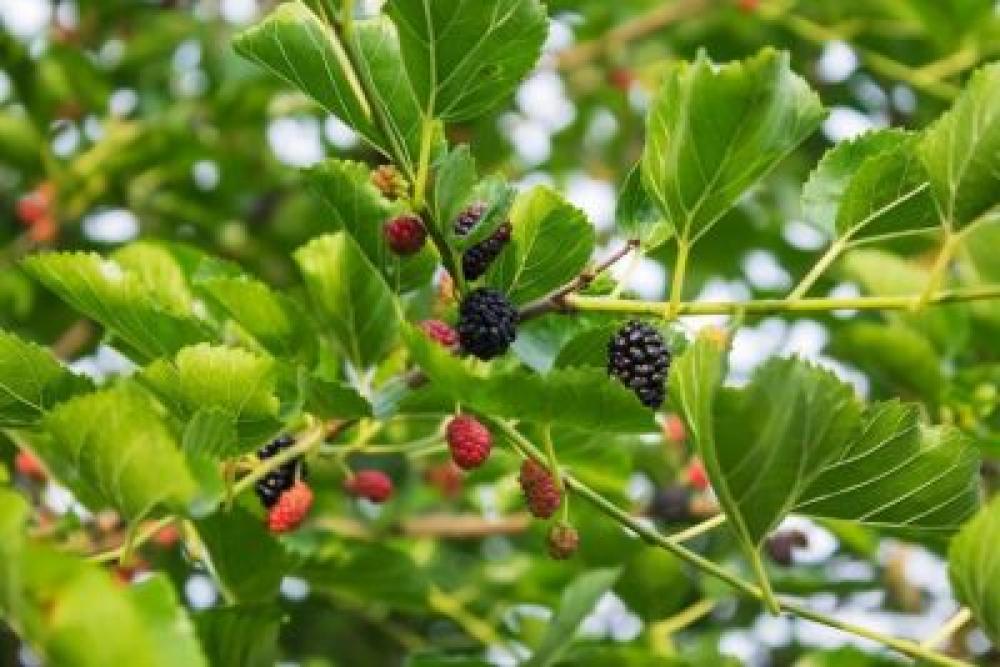
mulberry
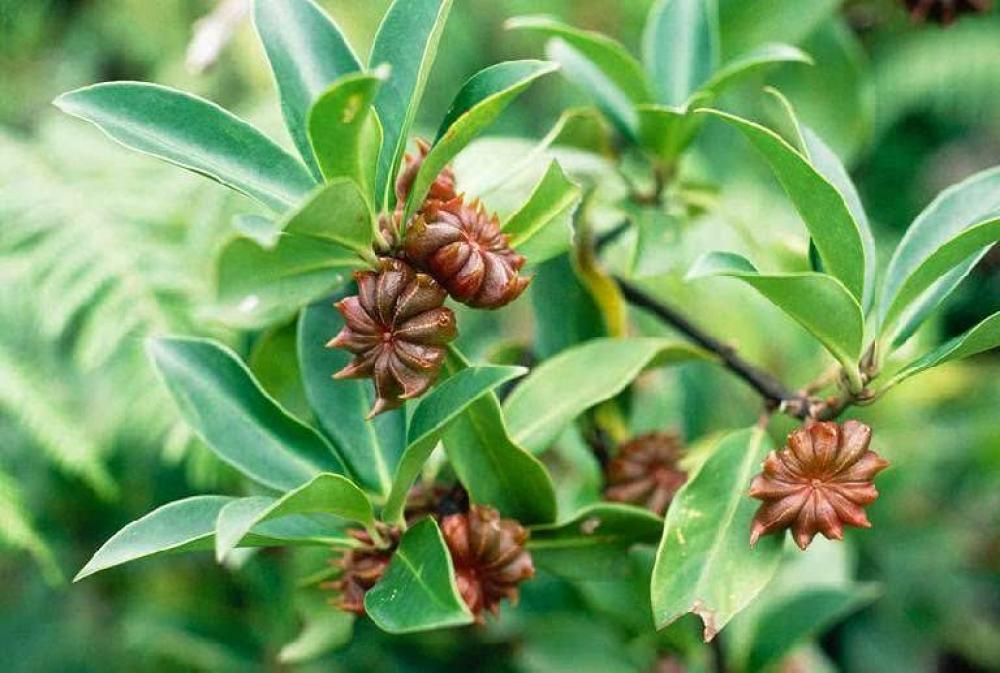
anise
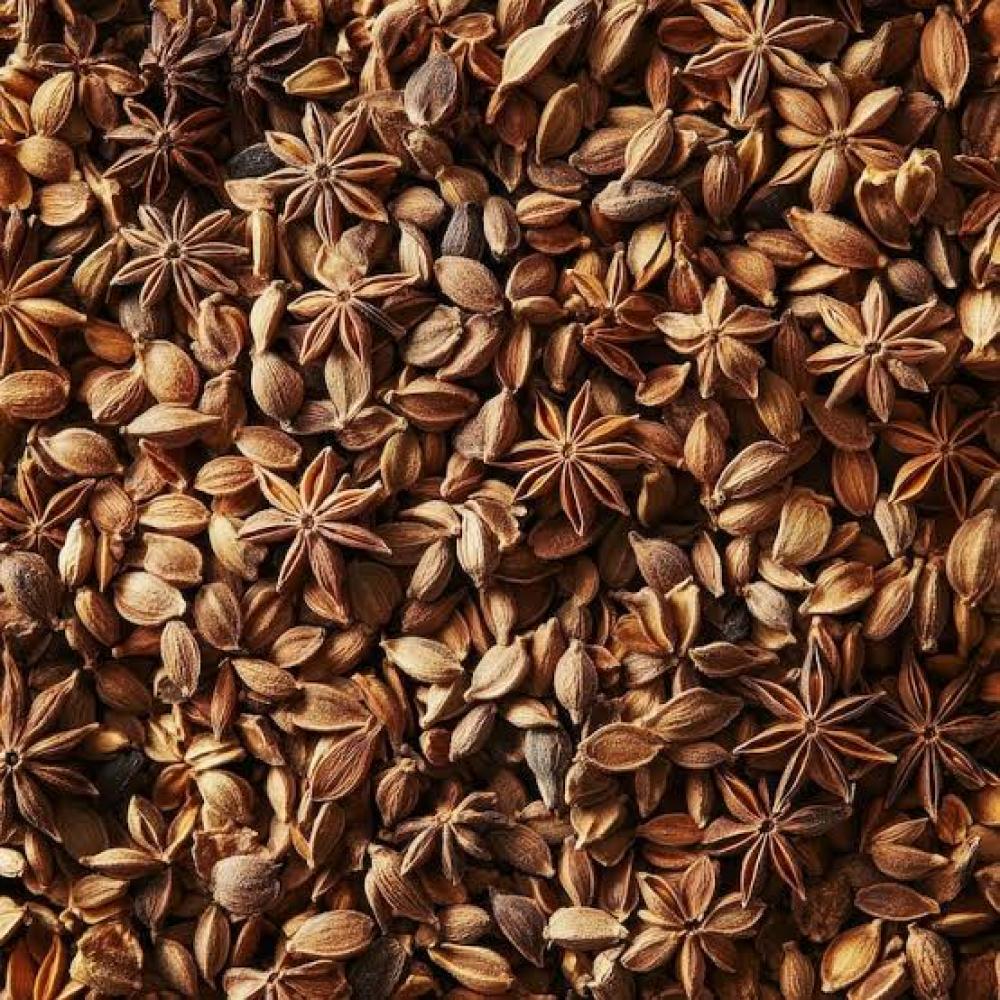
Star anise - Seeds
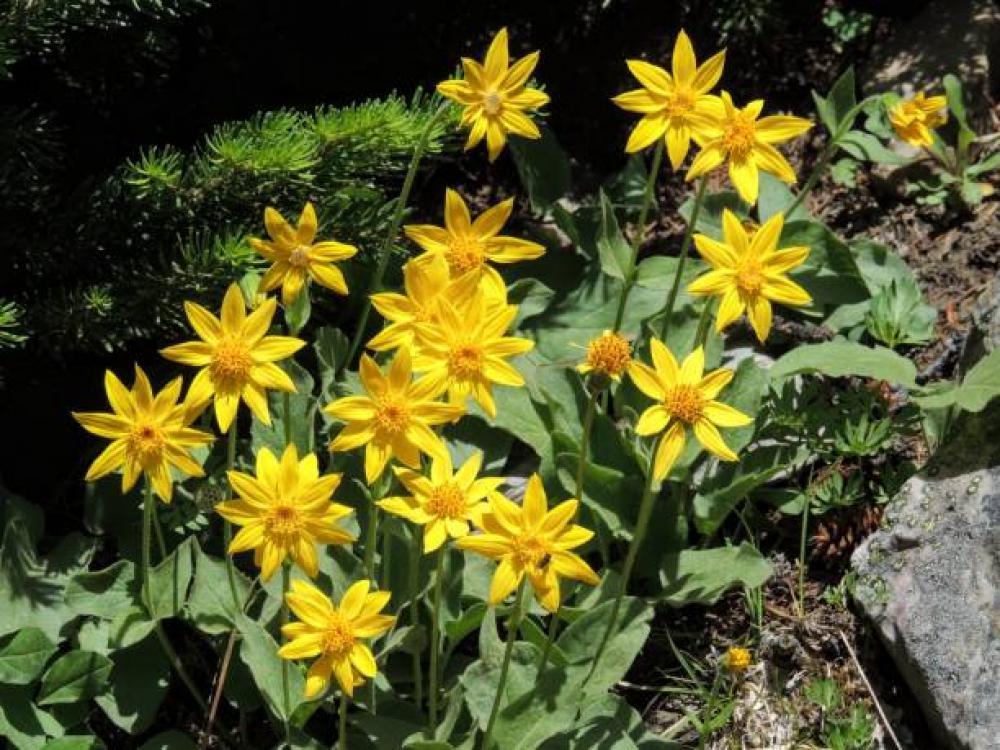
Arnica
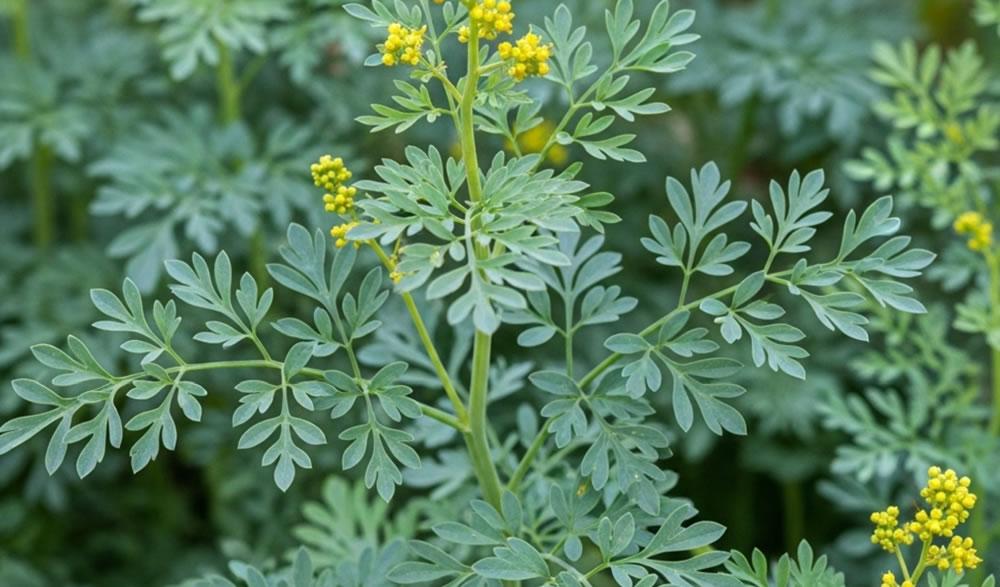
Rue
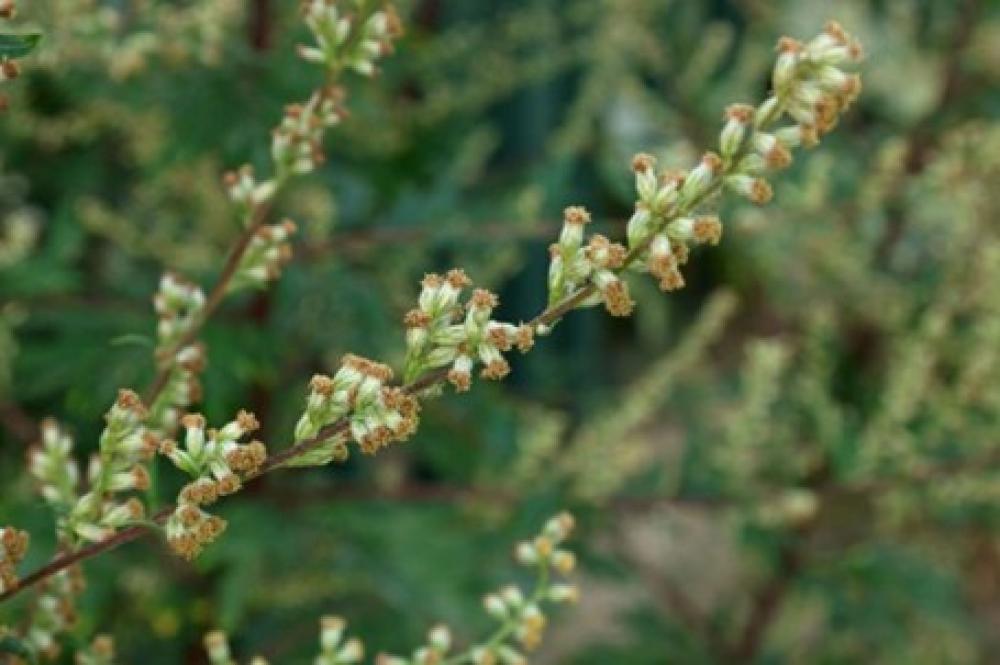
Artemisia
maidenhair fern
sourish
babassu
aloe vera
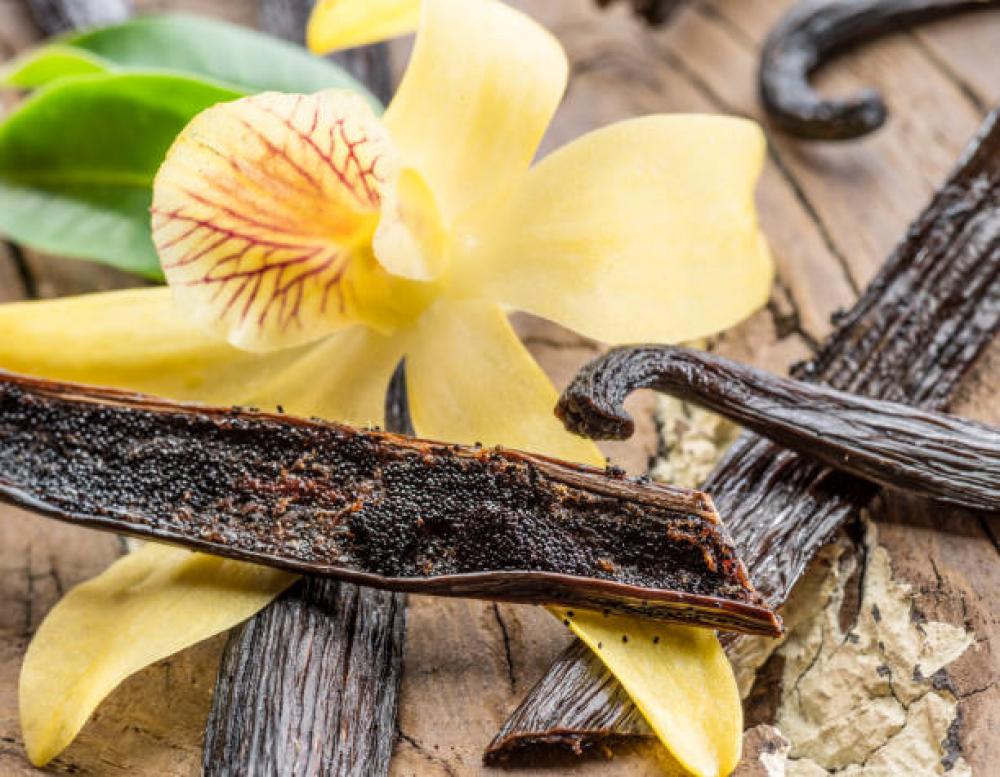
vanilla
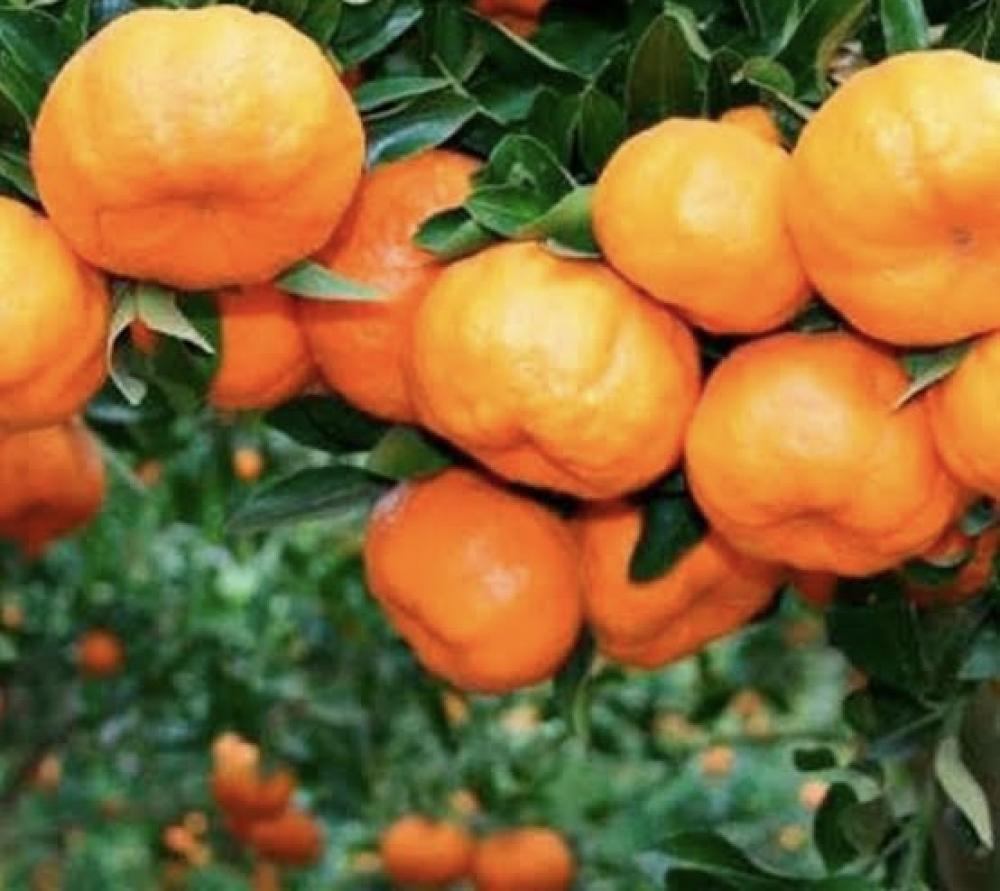
Bergamot
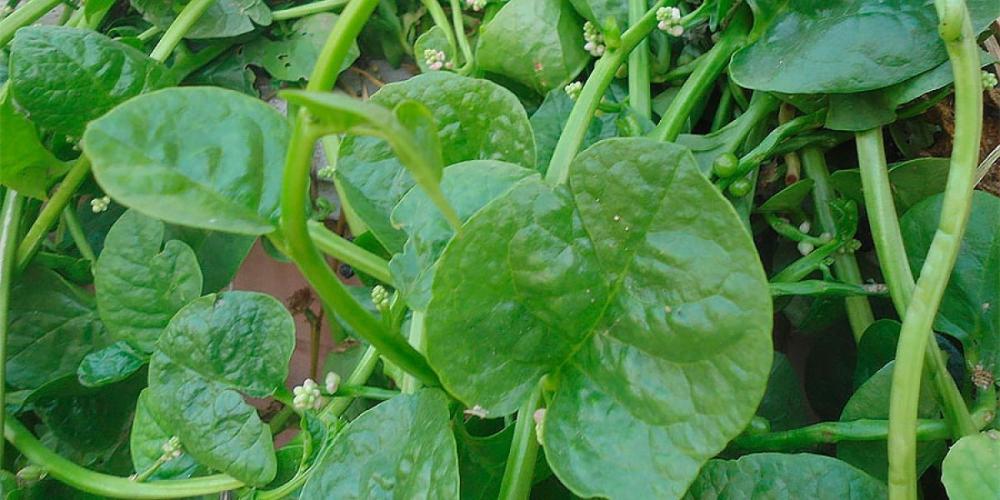
Malabar spinach
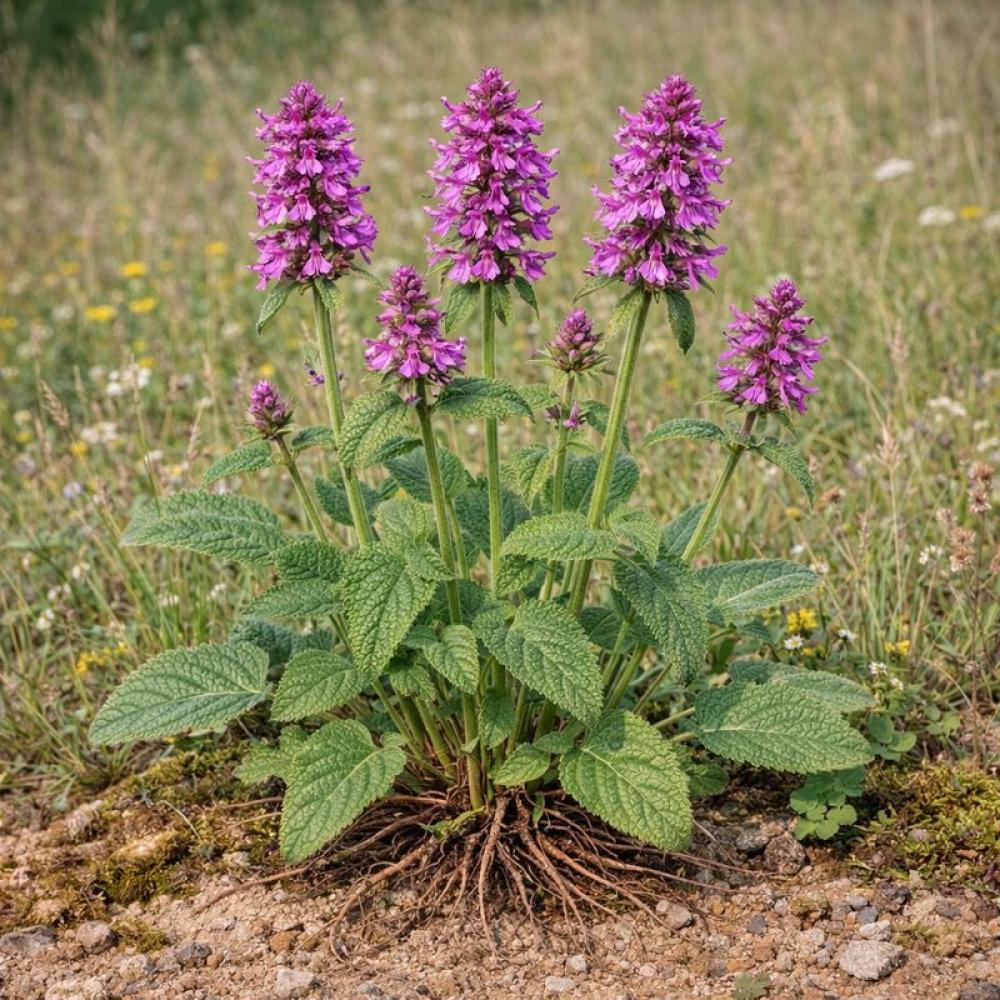
betony
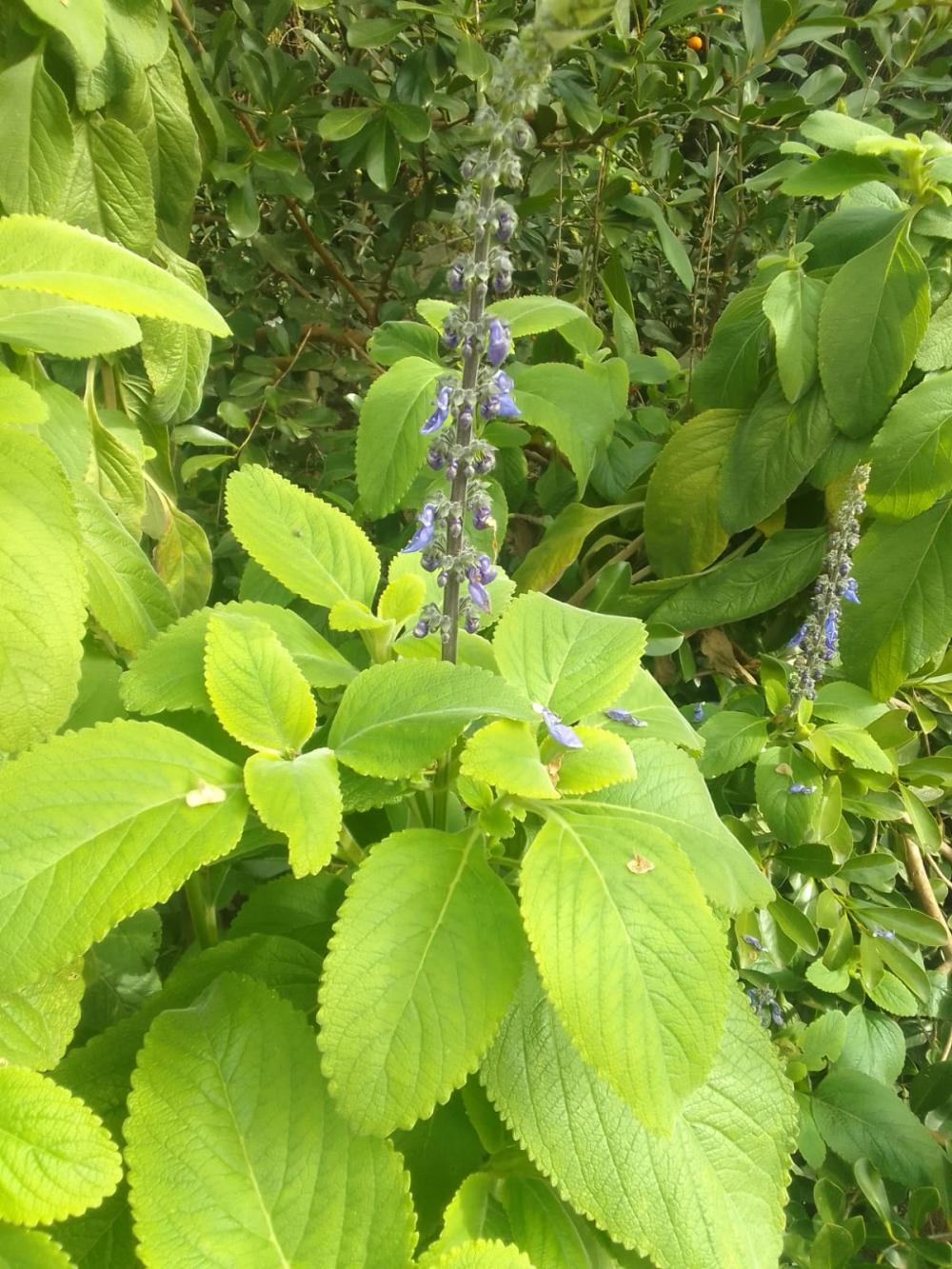
Boldo
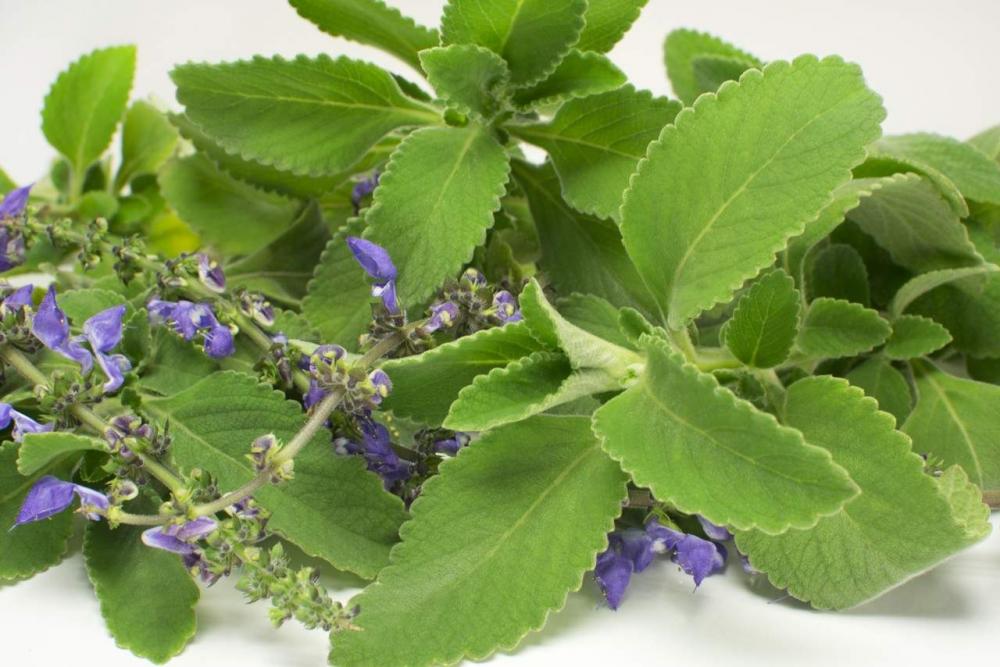
Chilean boldo
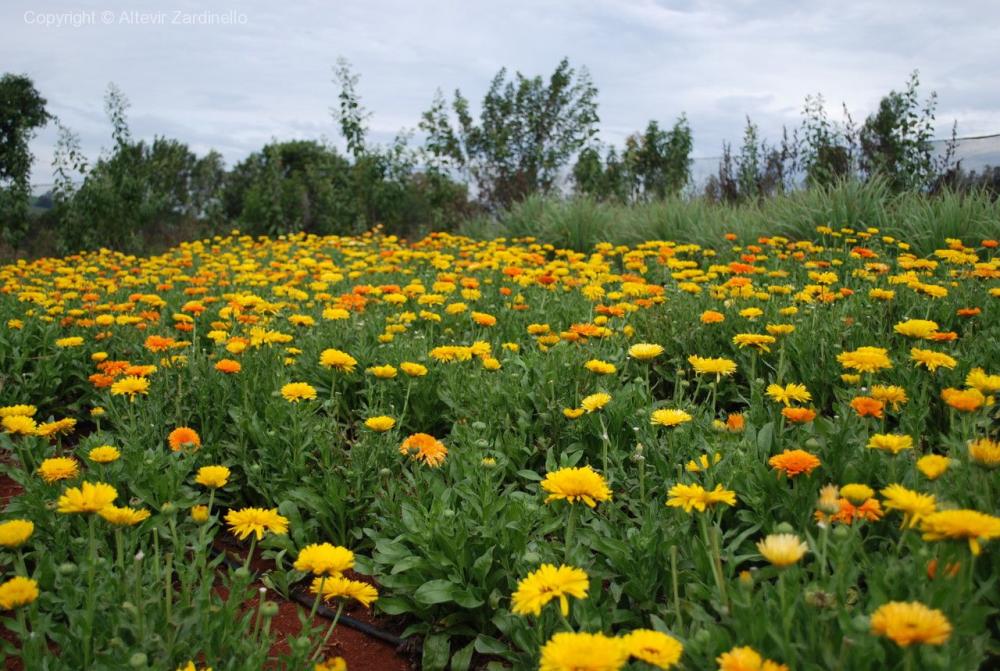
Calêndula
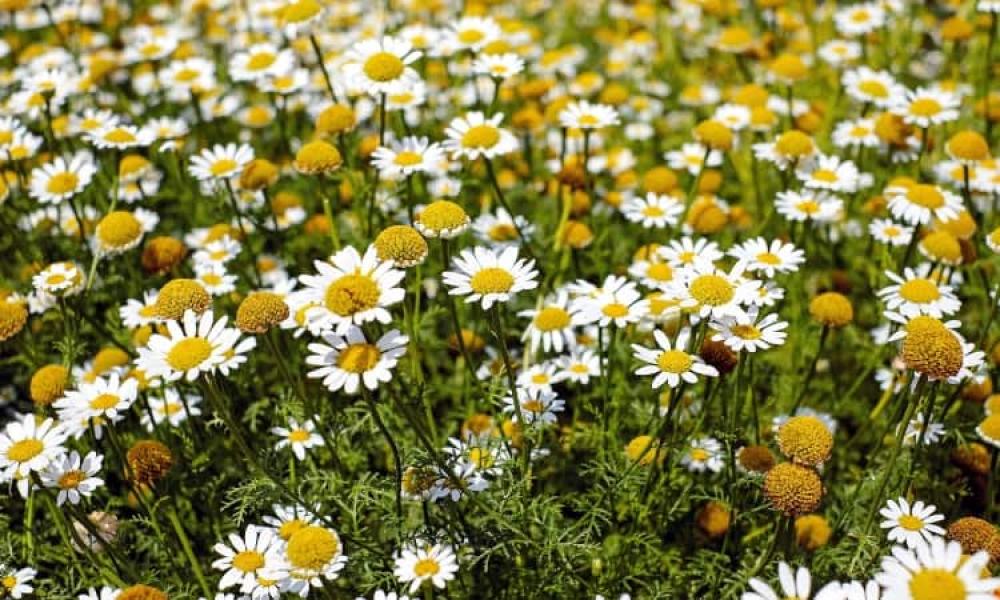
Chamomile
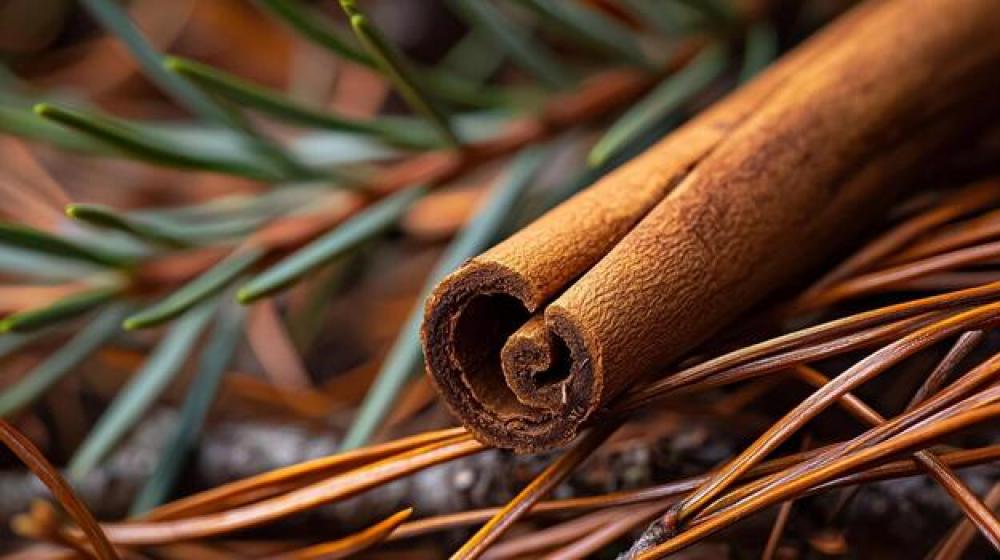
cinnamon
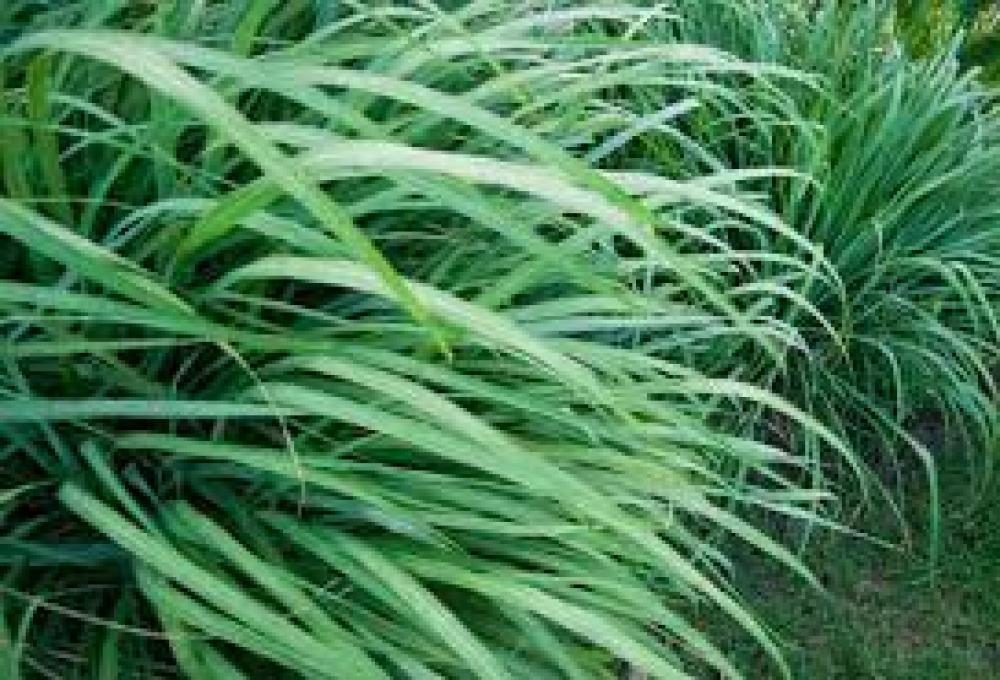
Scented Grass - Lemongrass
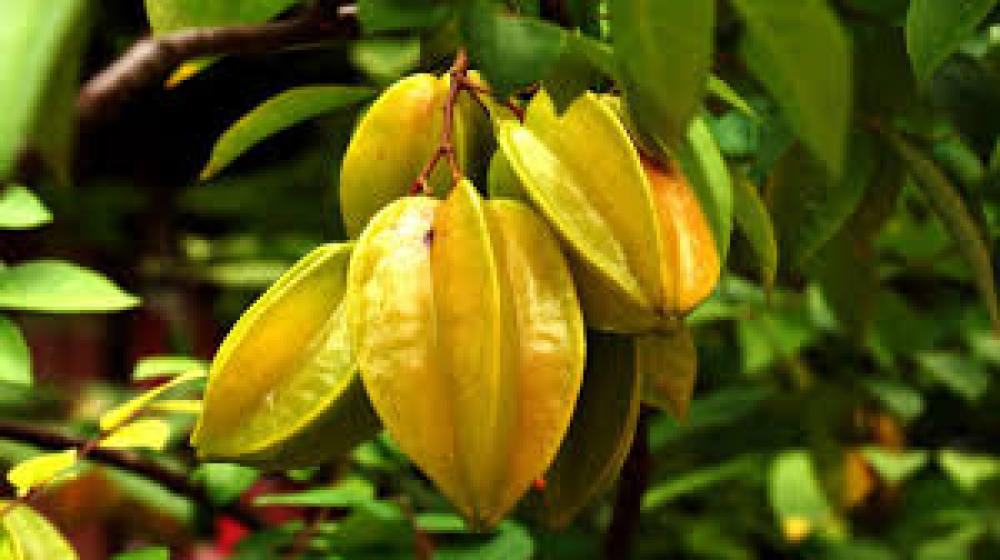
starfruit
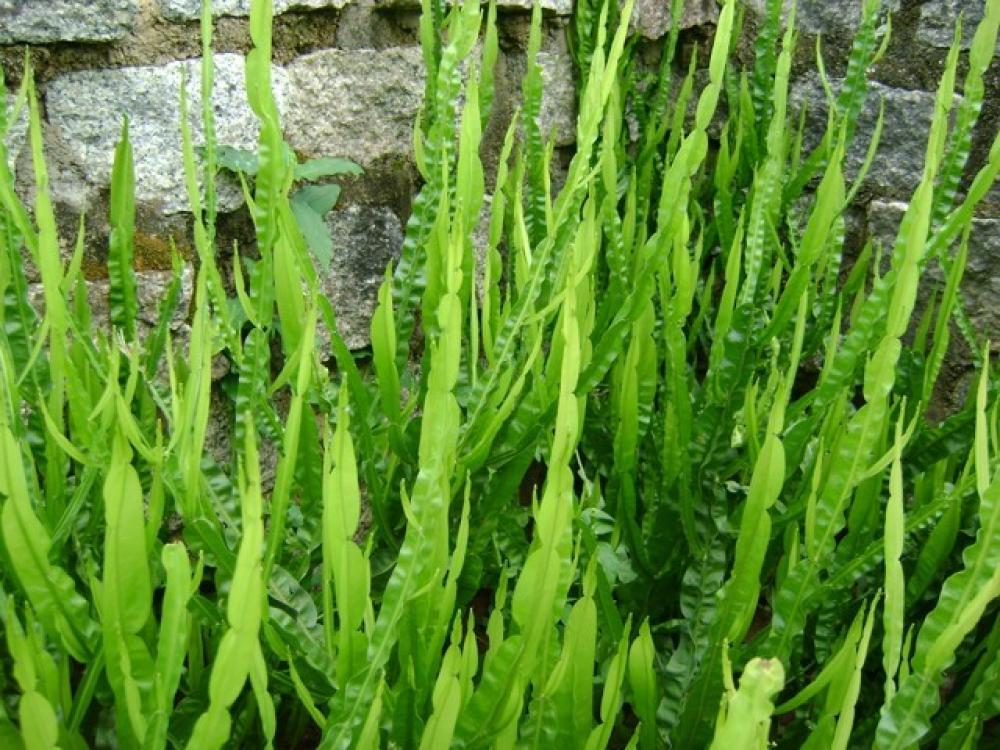
Carqueja
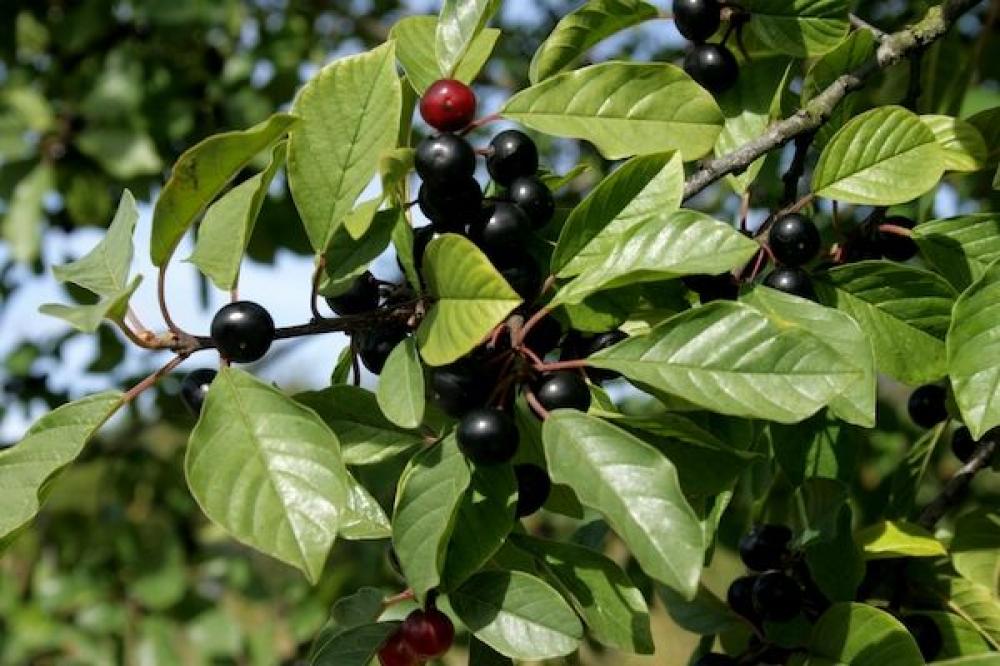
sacred waterfall
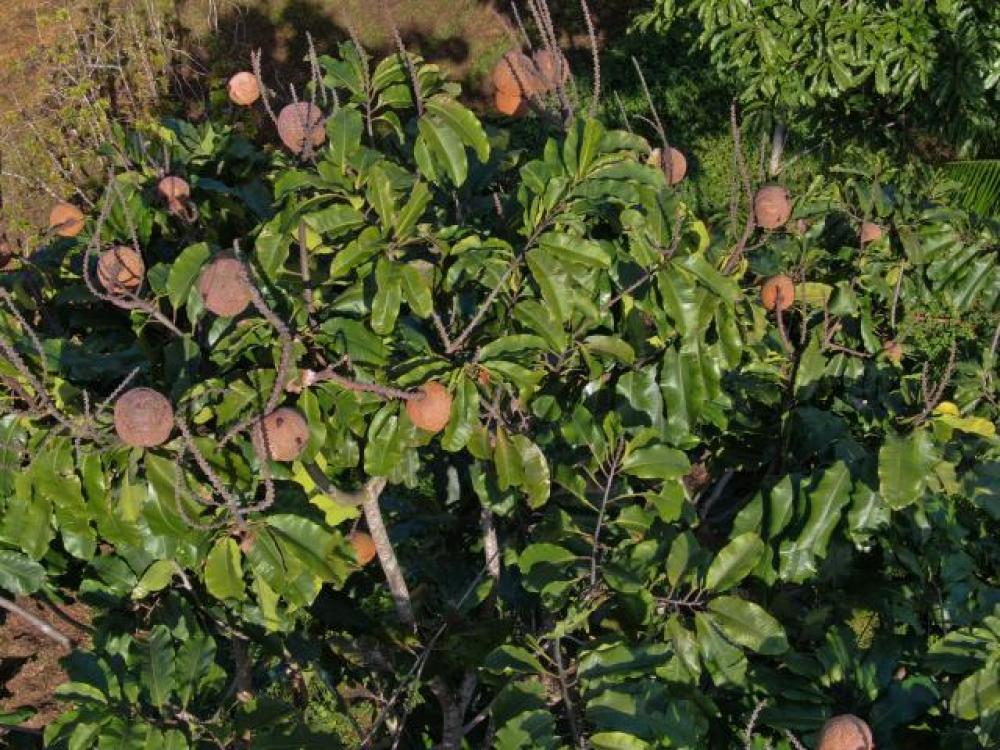
chestnut tree
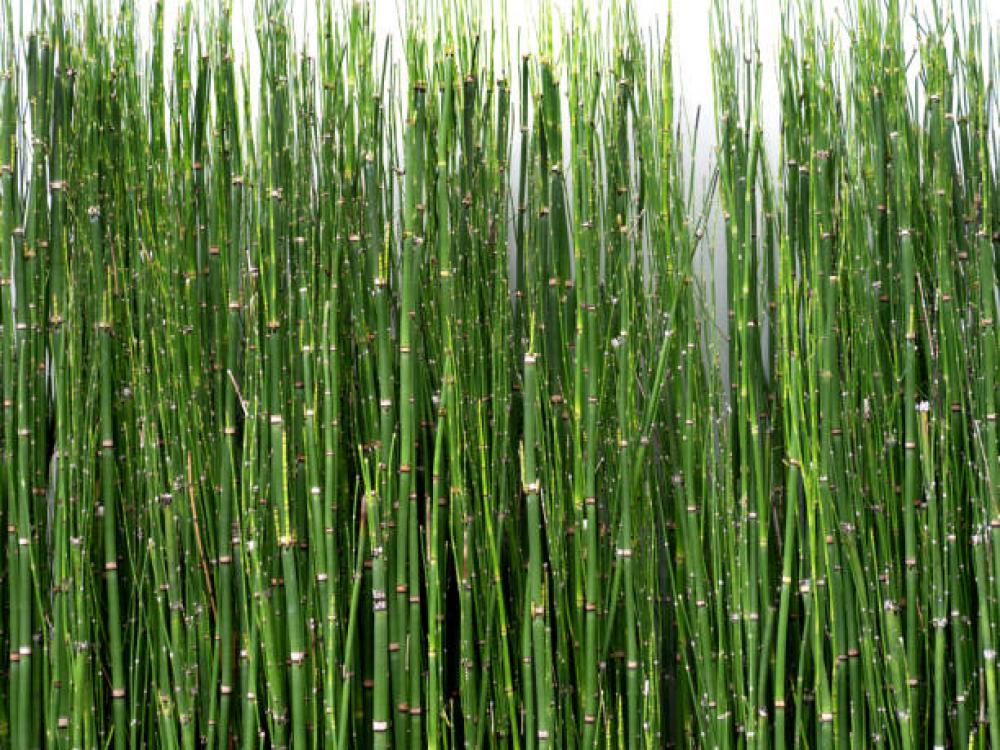
horsetail

cherry
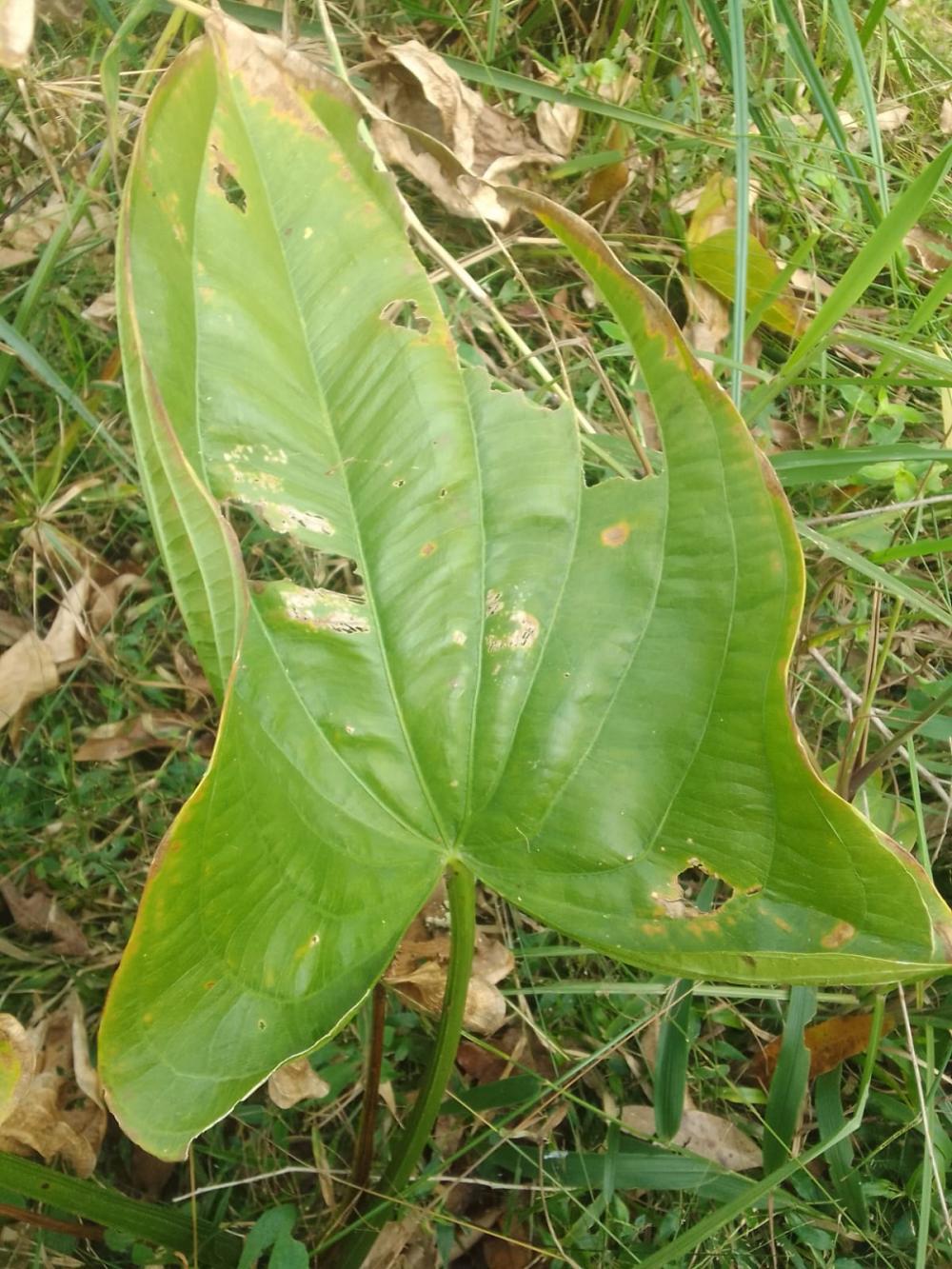
Leather Hat
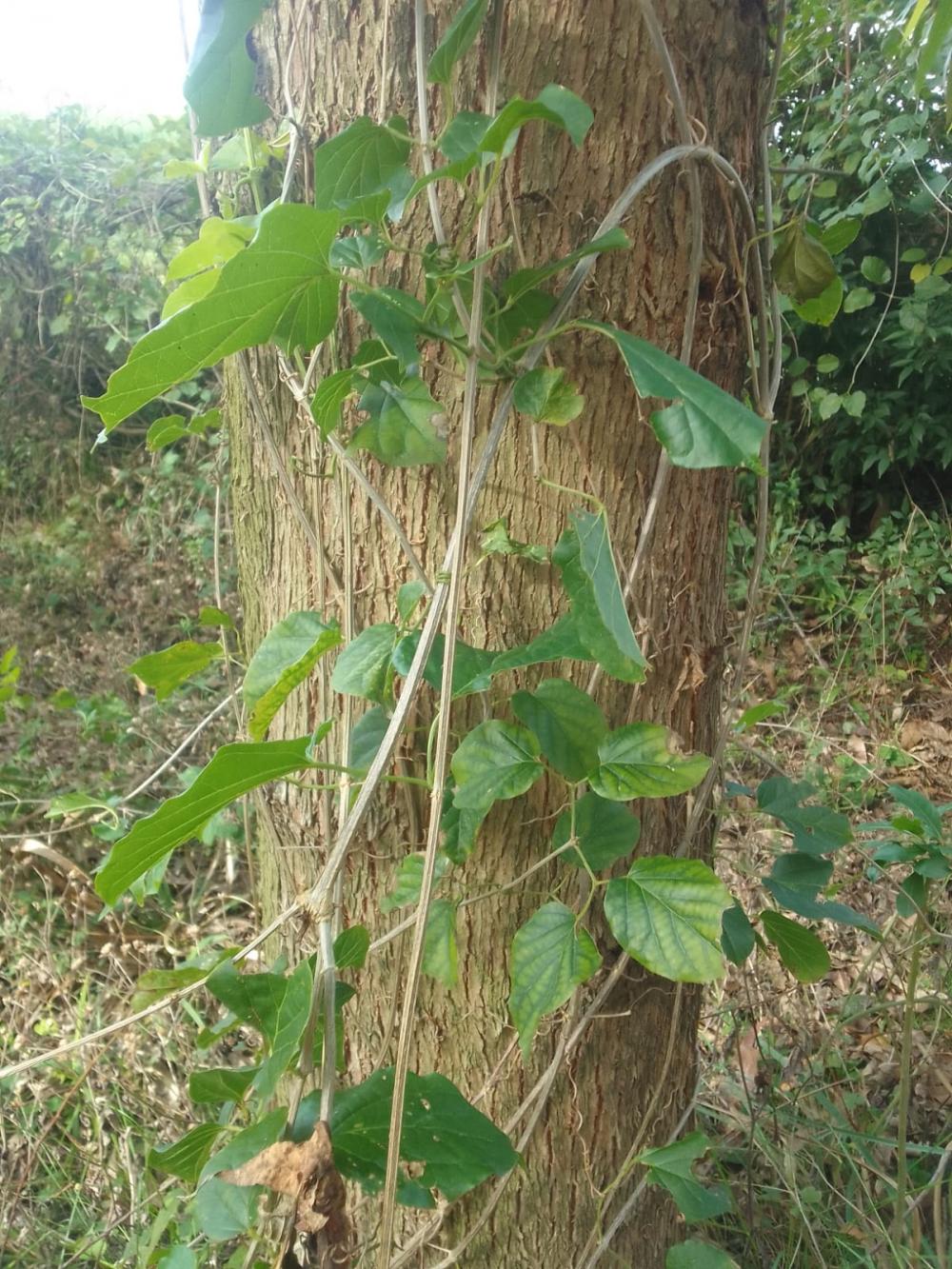
St. Johns Vine
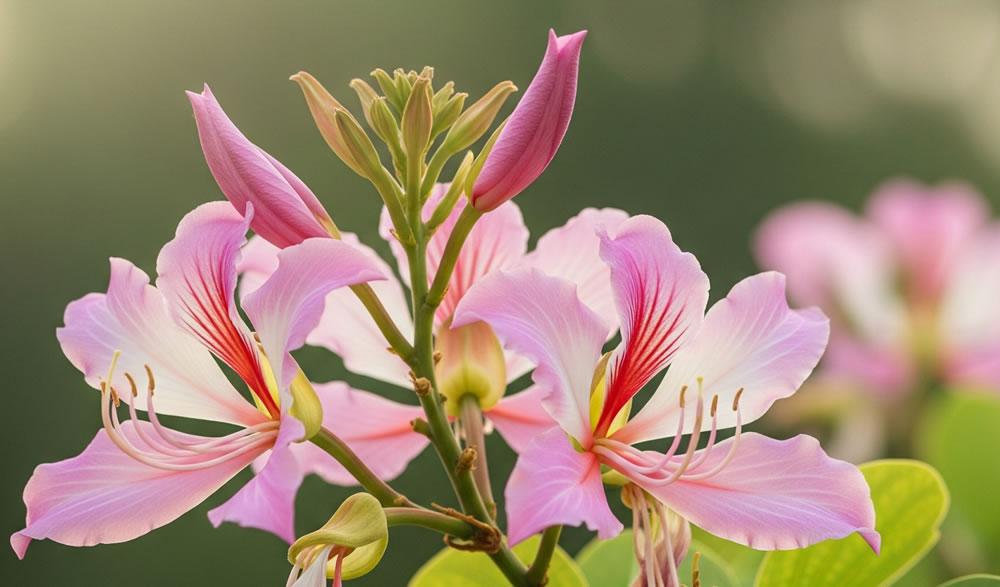
Cows foot vine
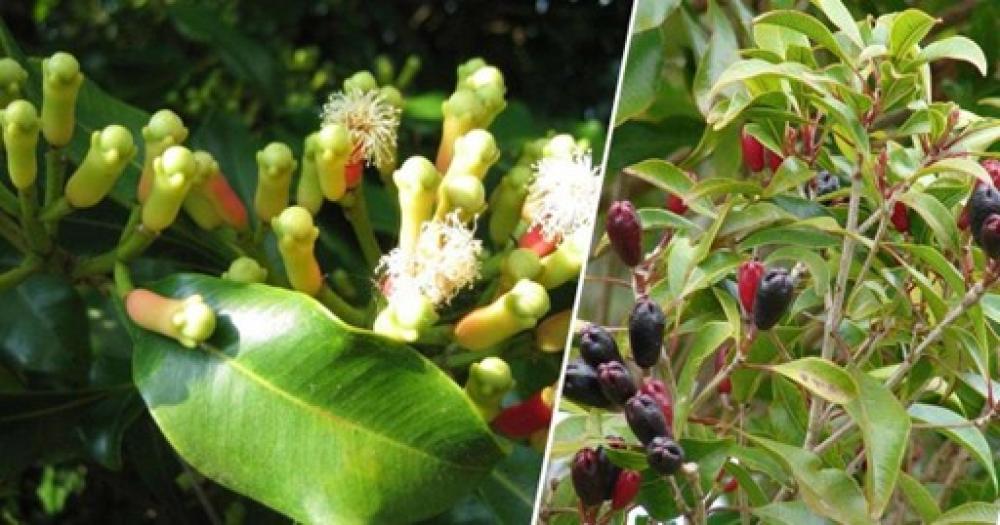
clove
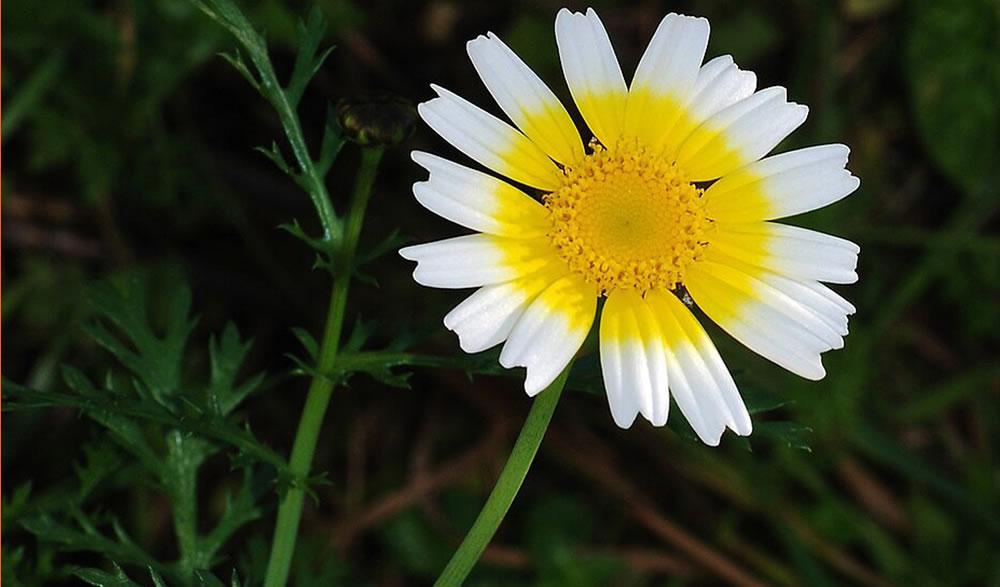
Chrysanthemum
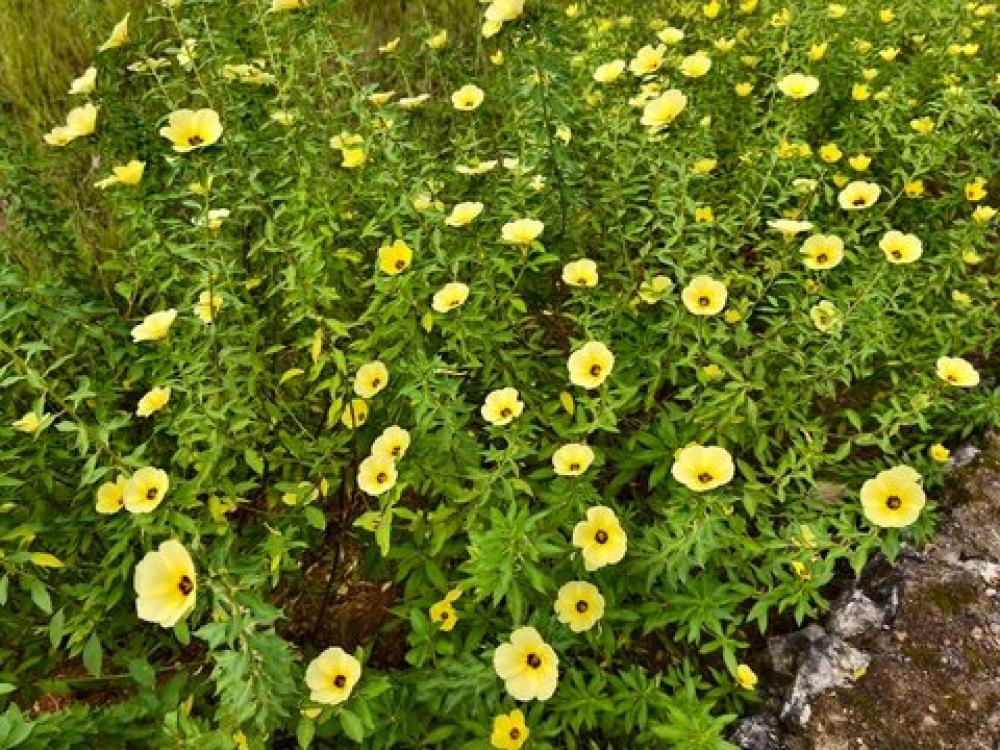
Damiana
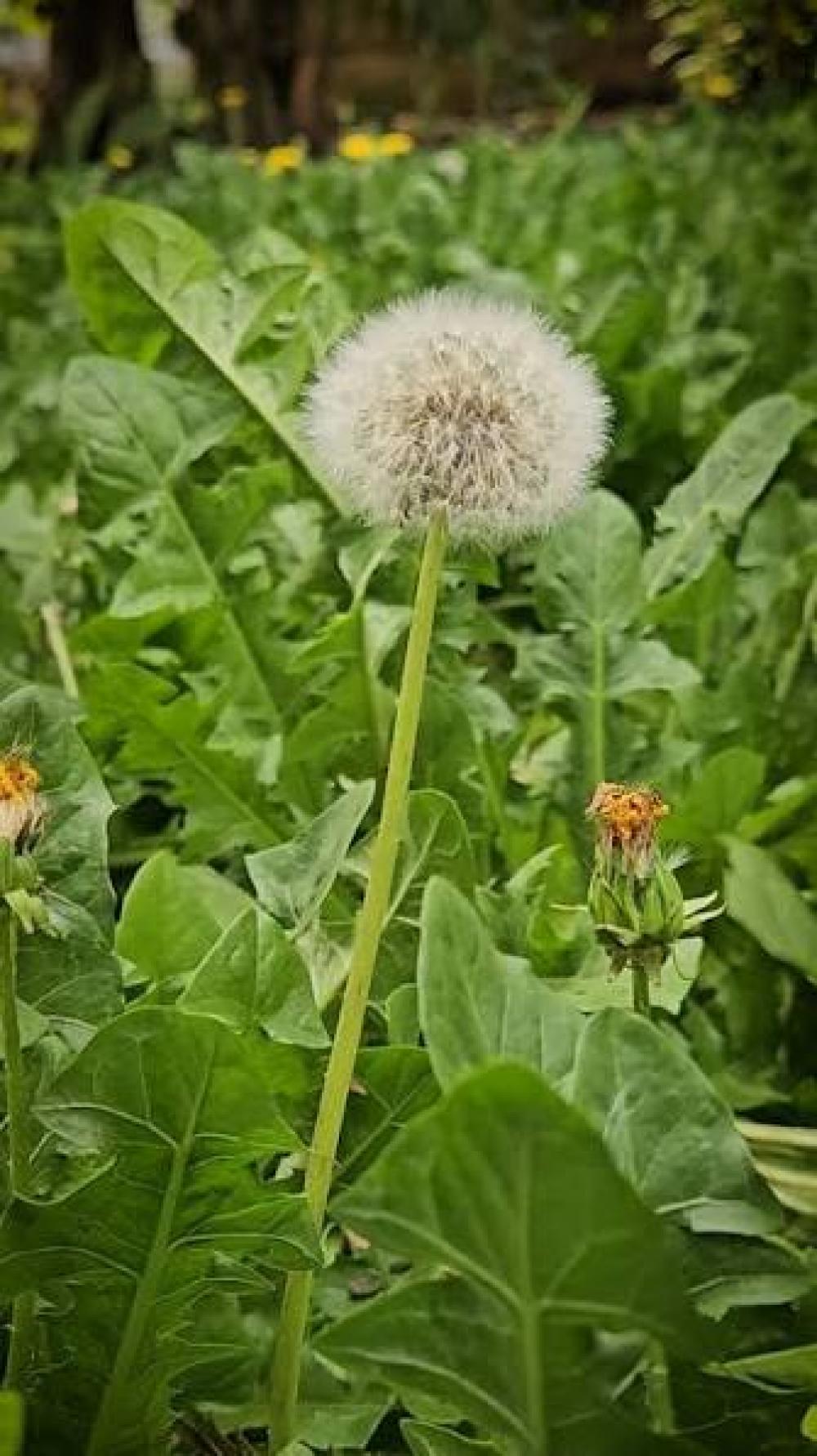
dandelion
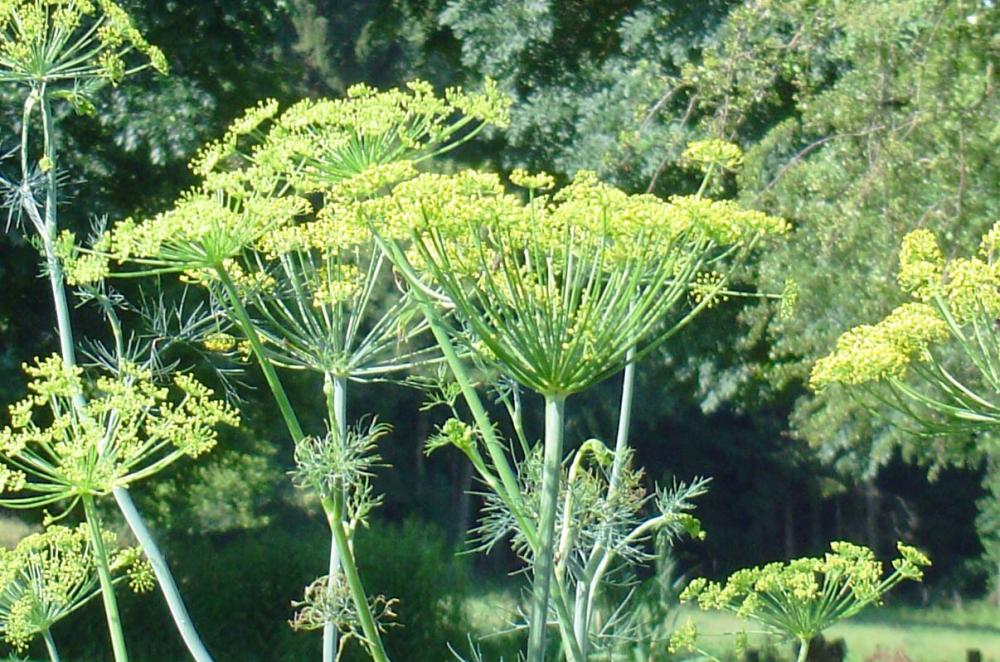
dill
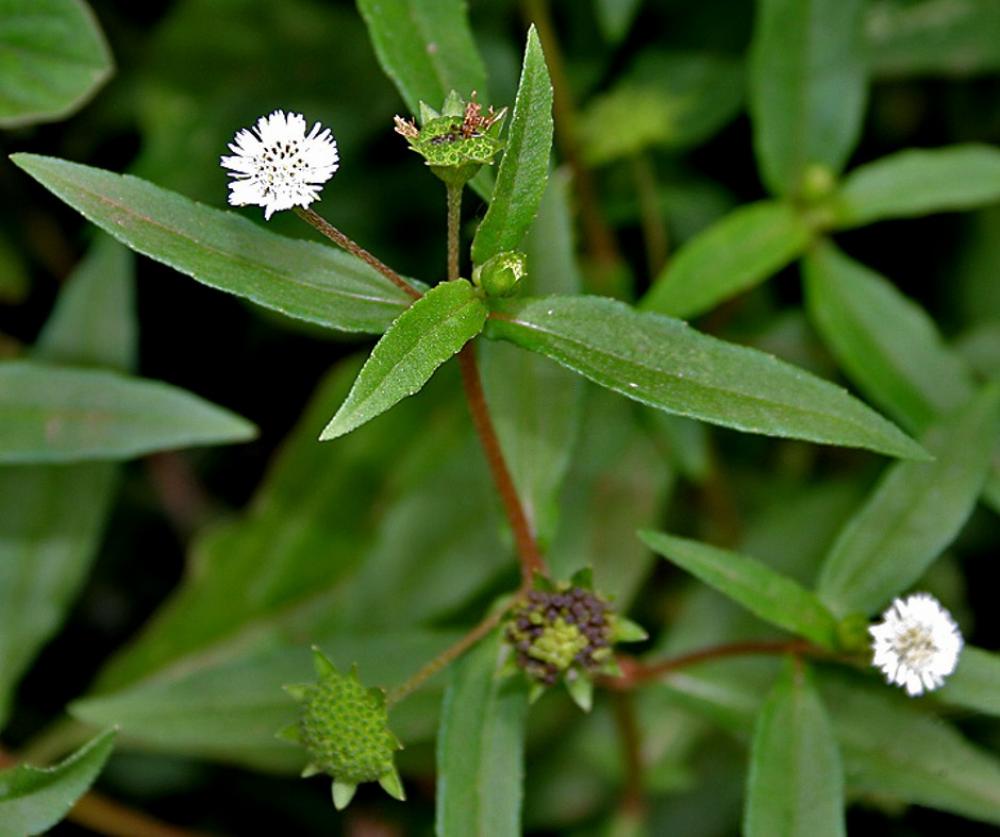
Button Herb
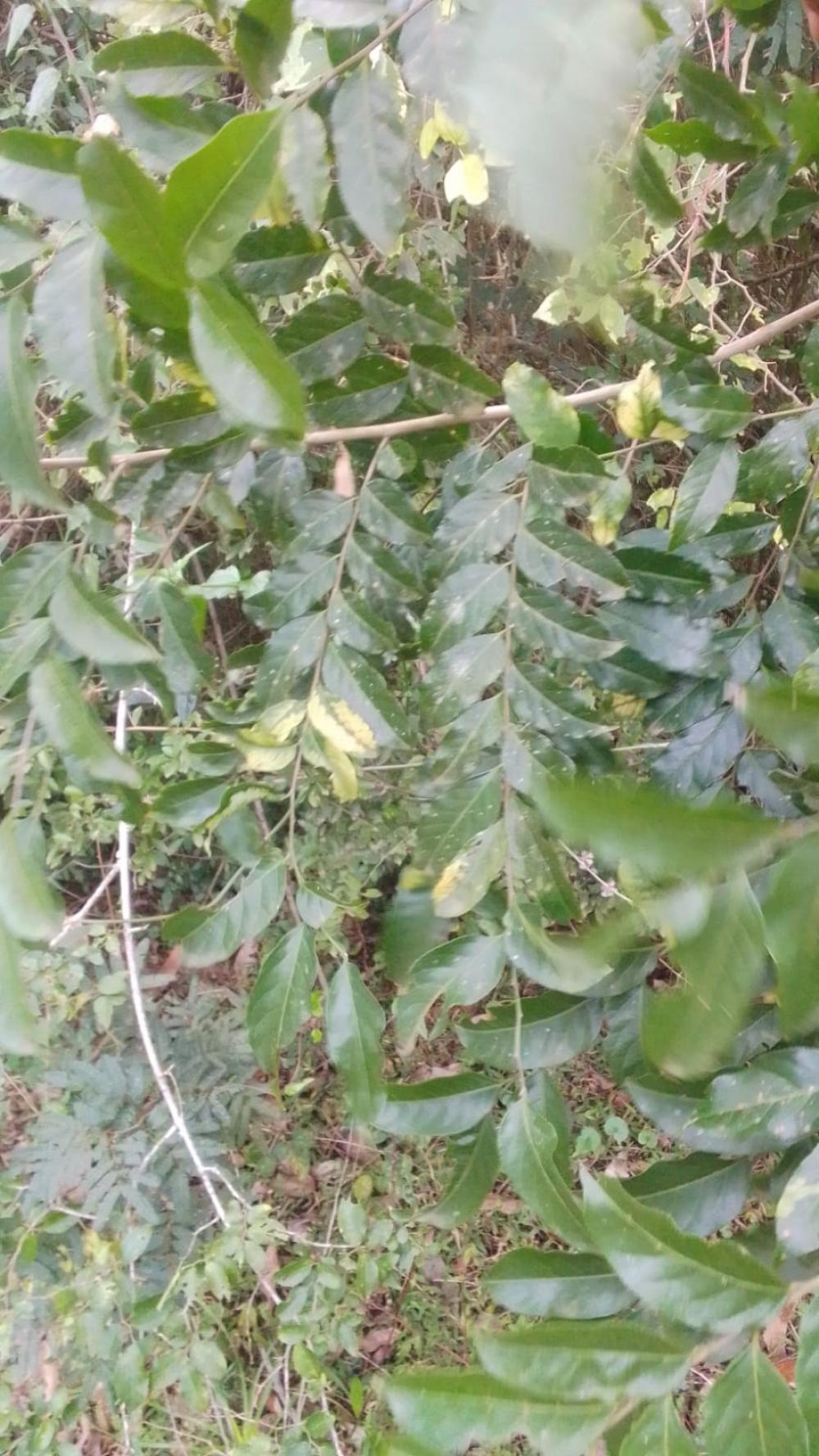
buggy grass
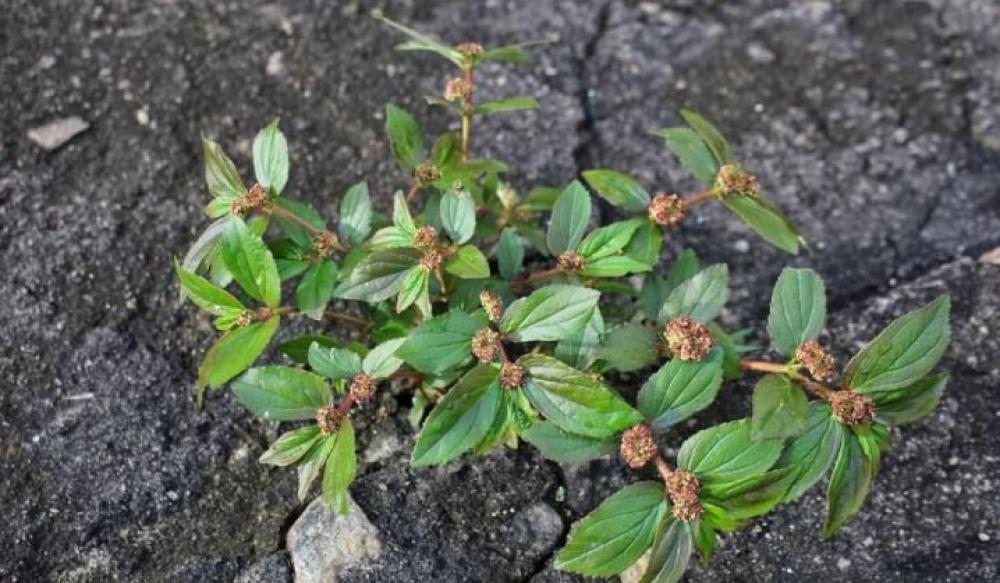
St. Lucias herb
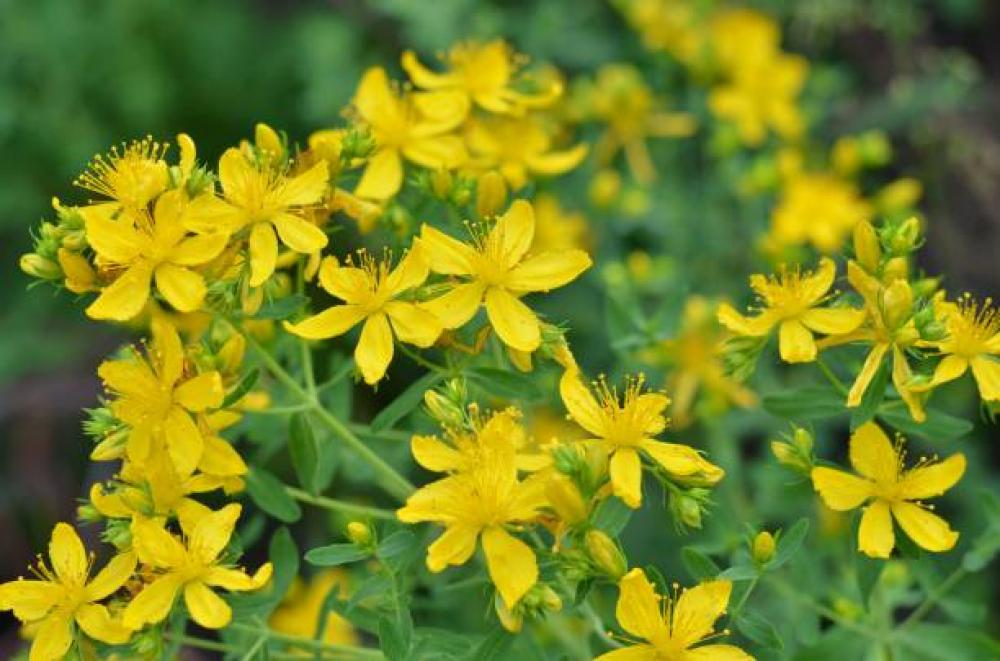
St. Johns wort
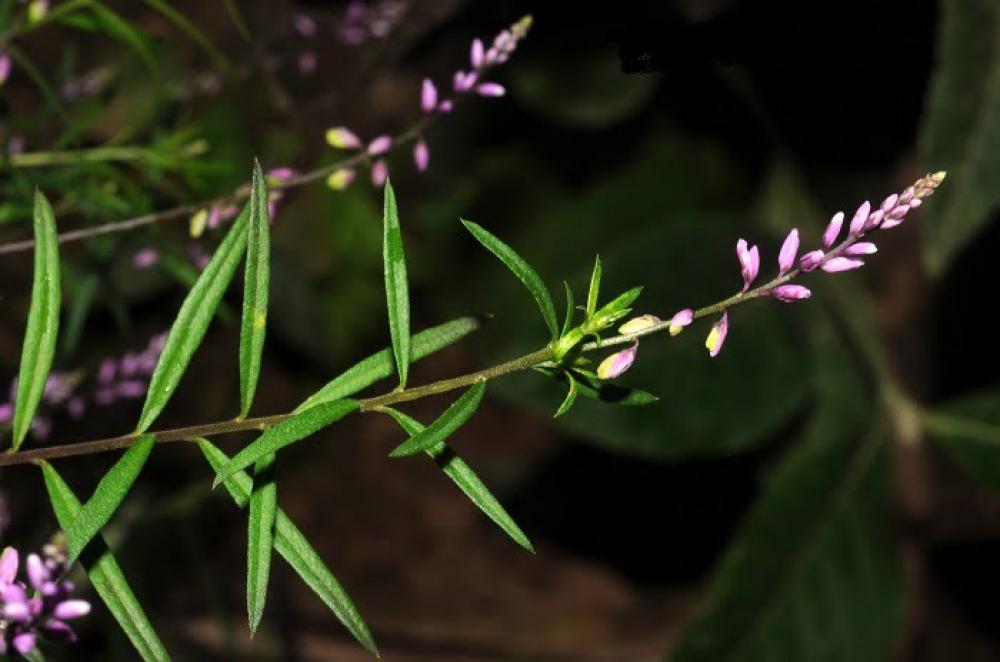
St. Peters wort
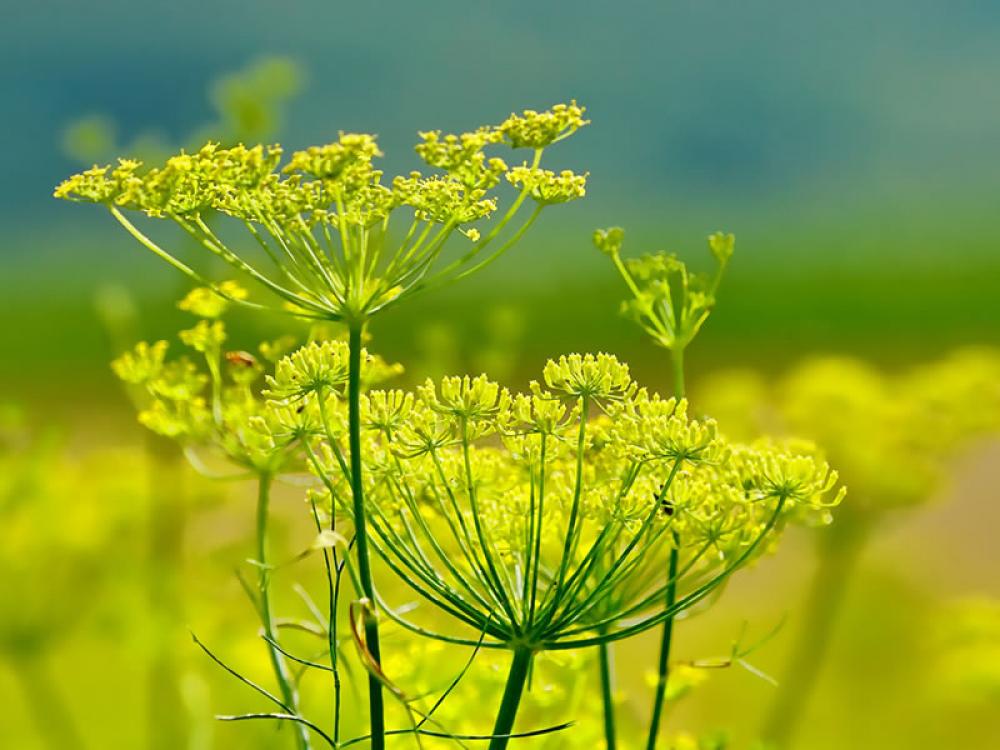
anise
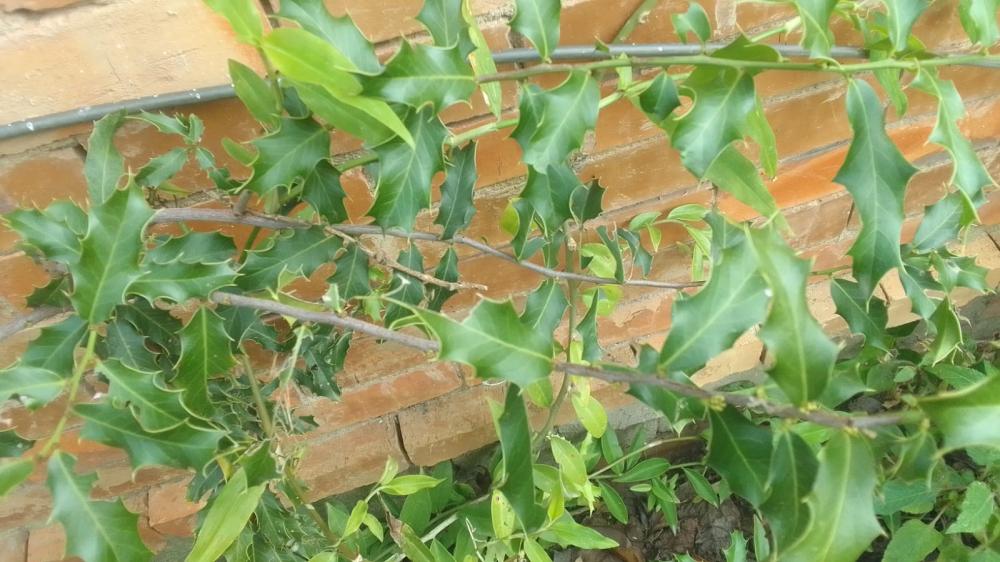
Espinheira - Santa
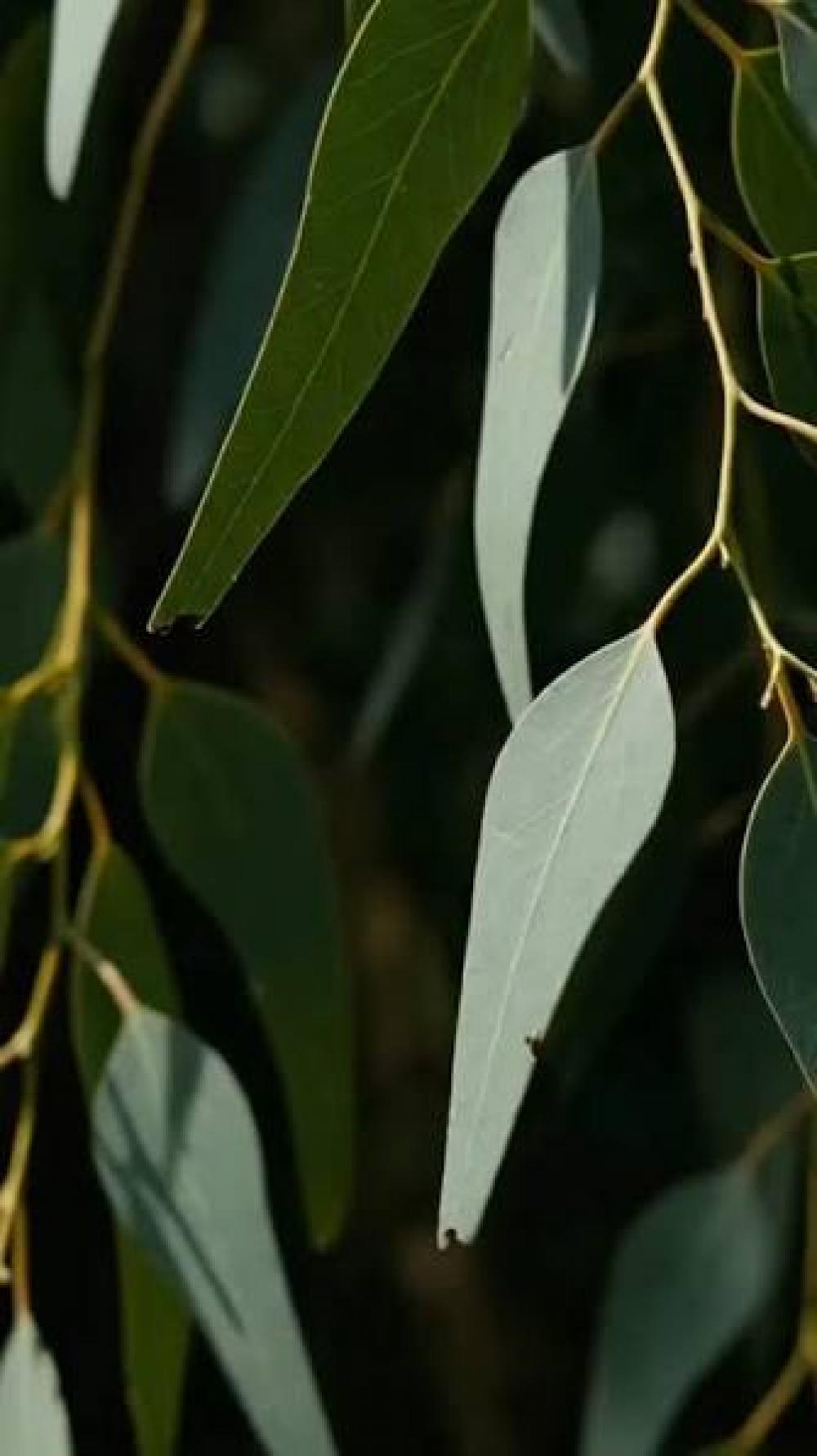
eucalyptus
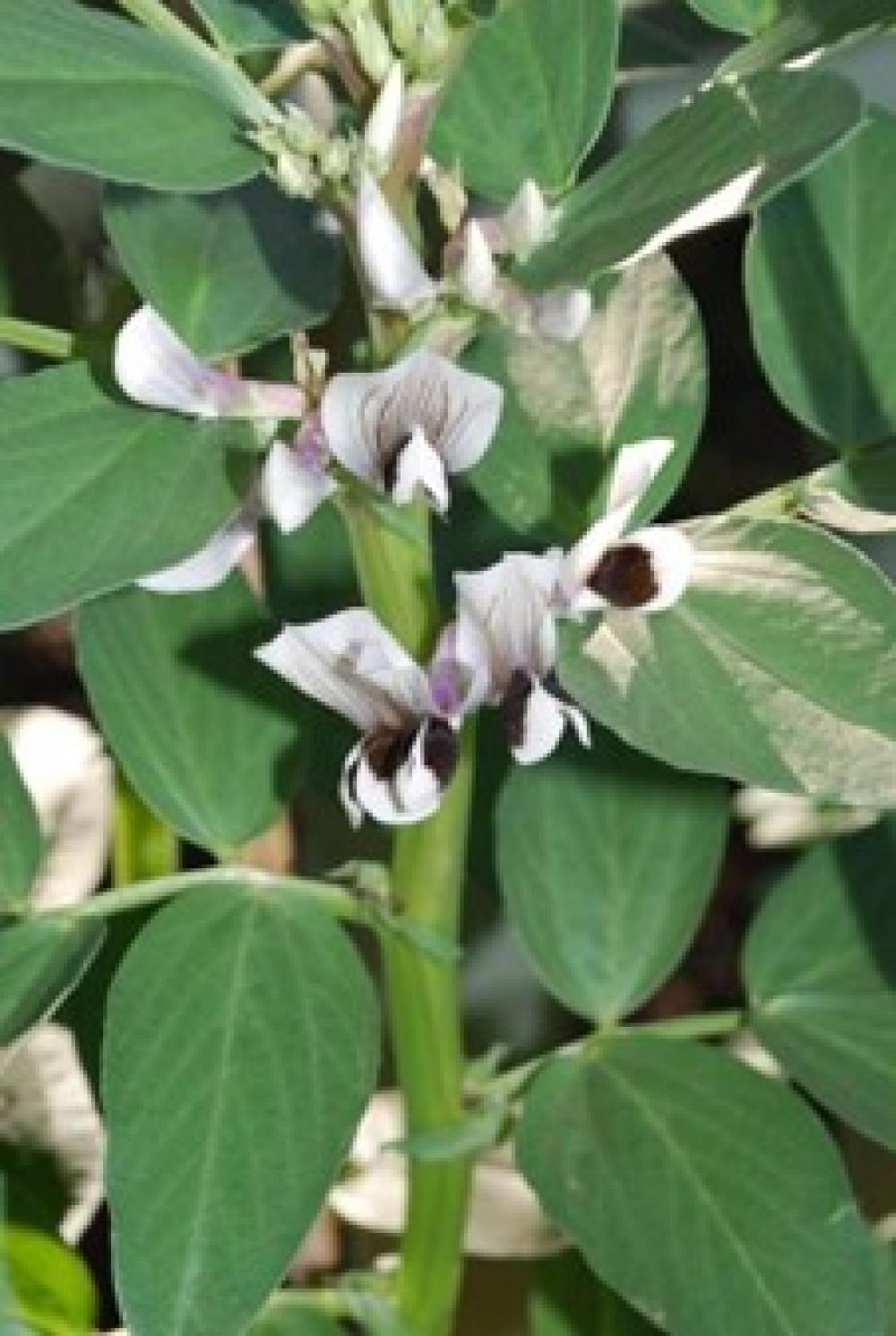
Fava
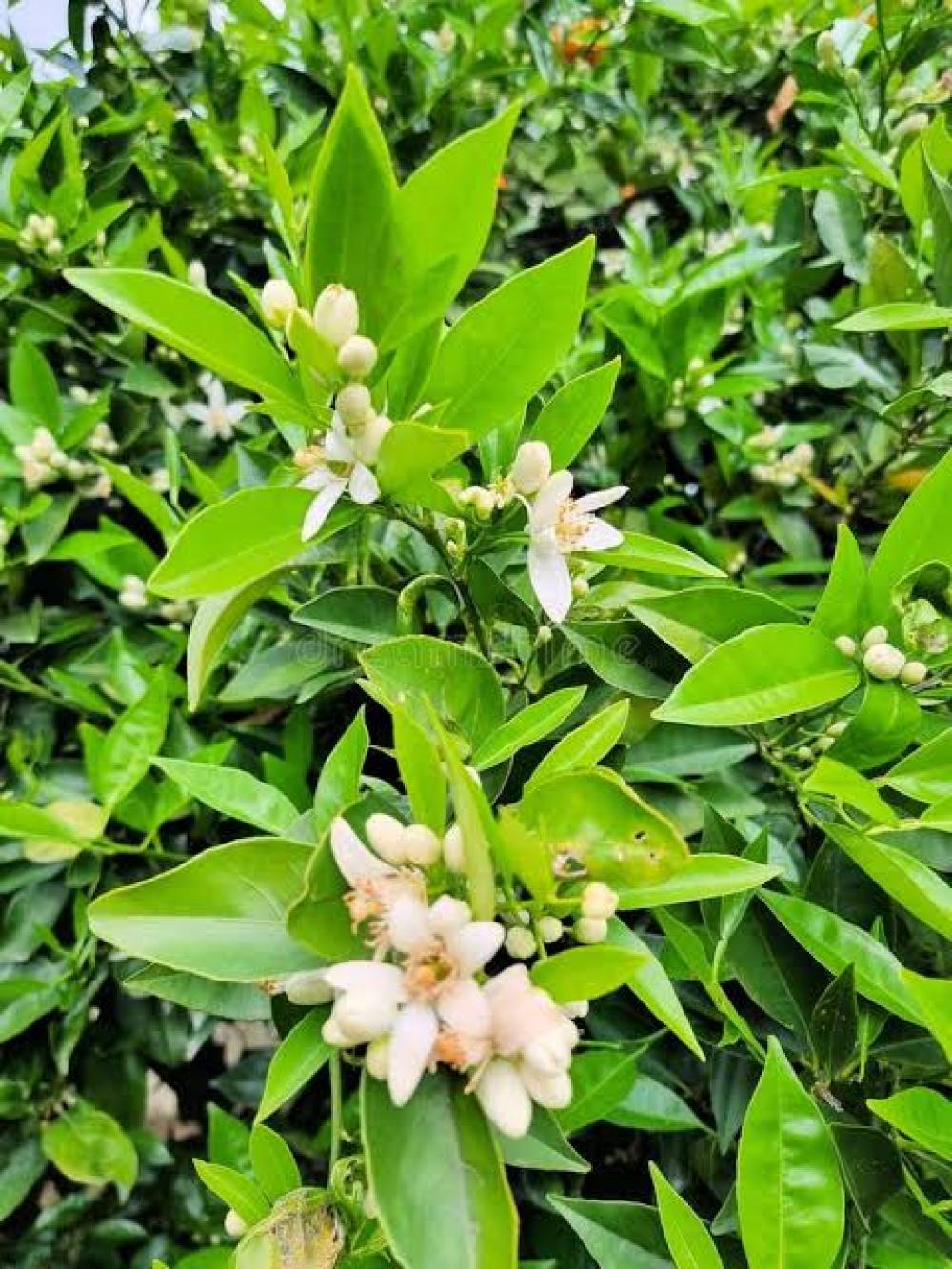
Orange Blossom
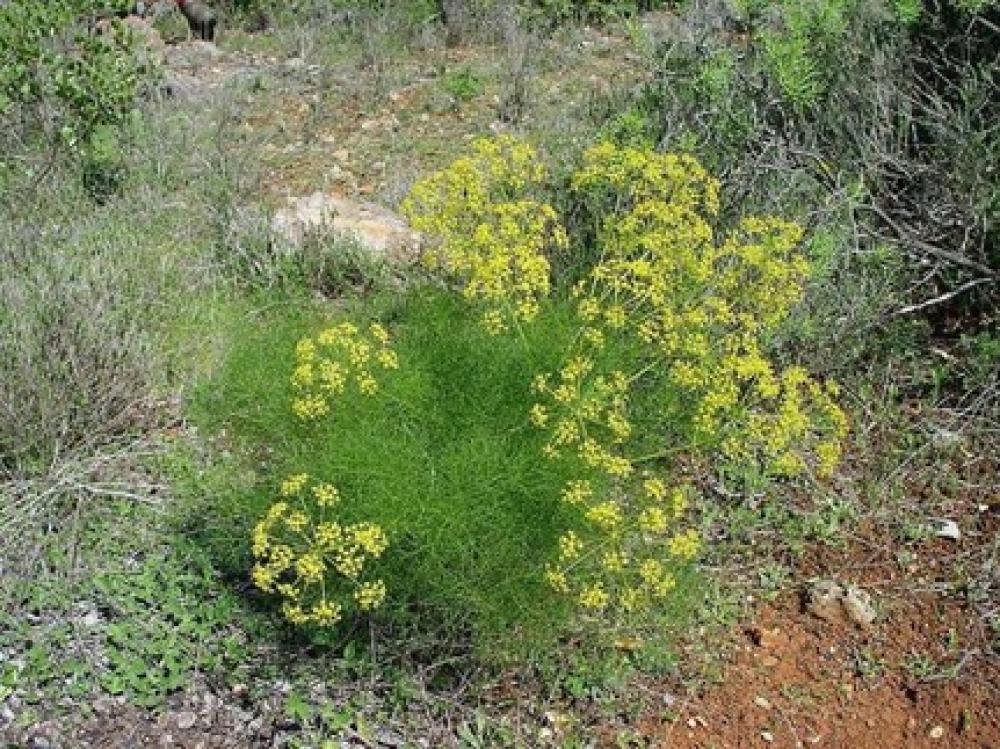
fennel
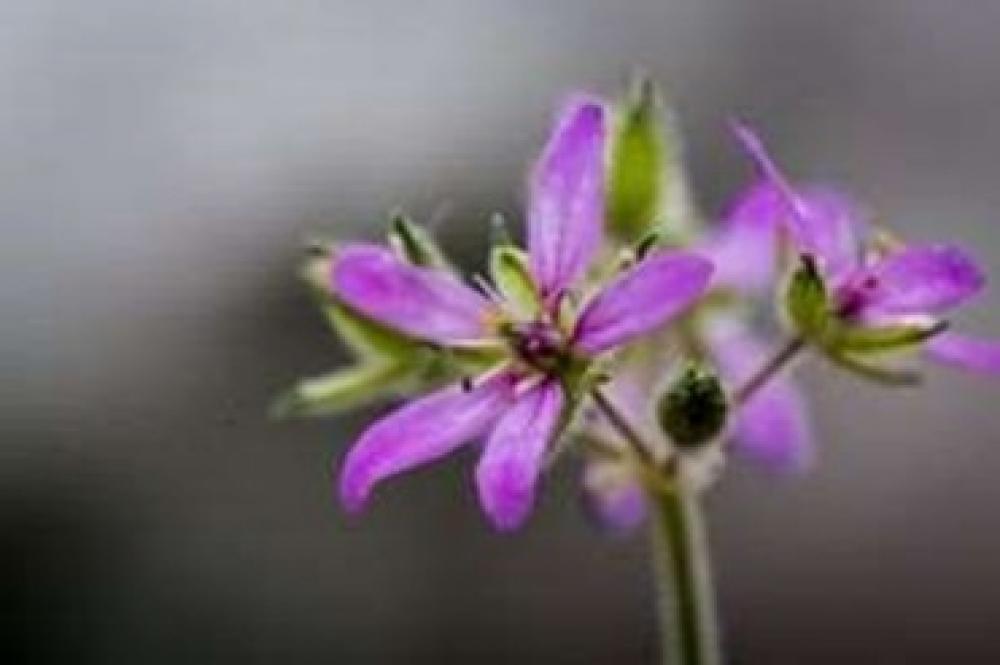
Scented Geranium
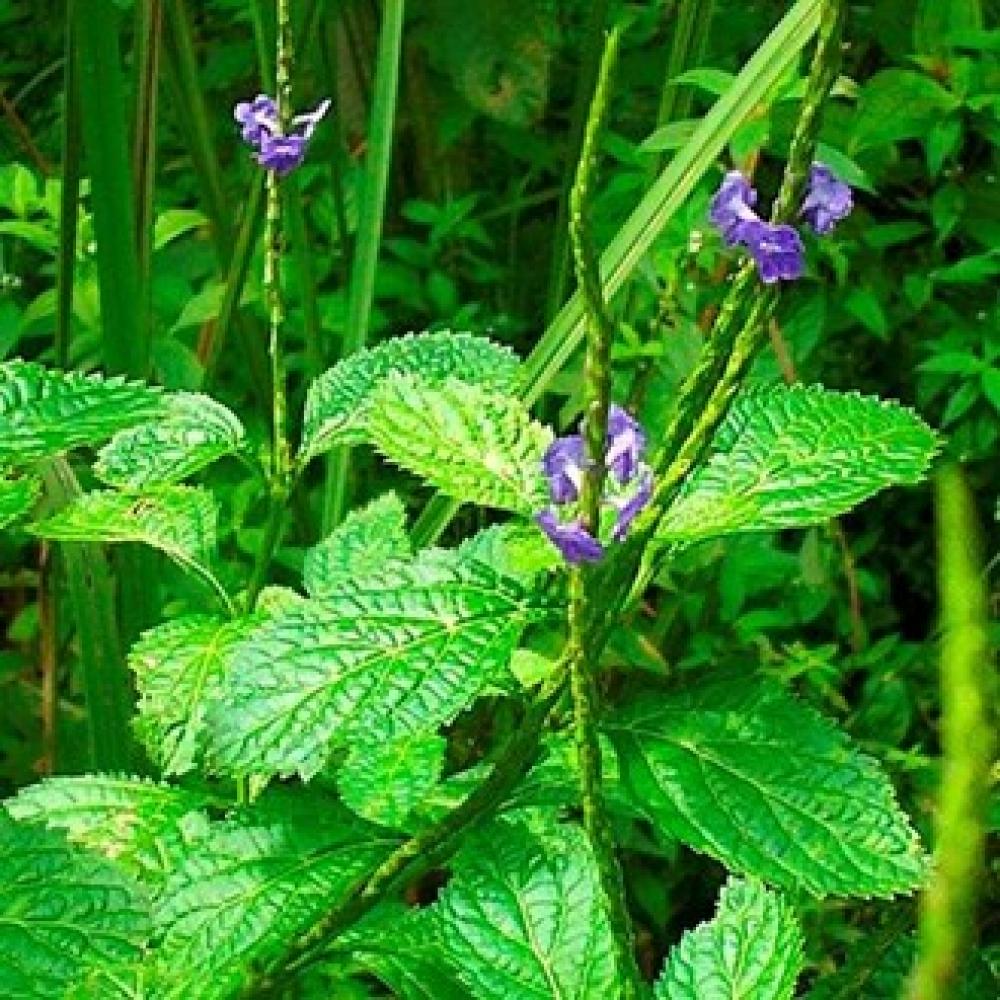
Gervão
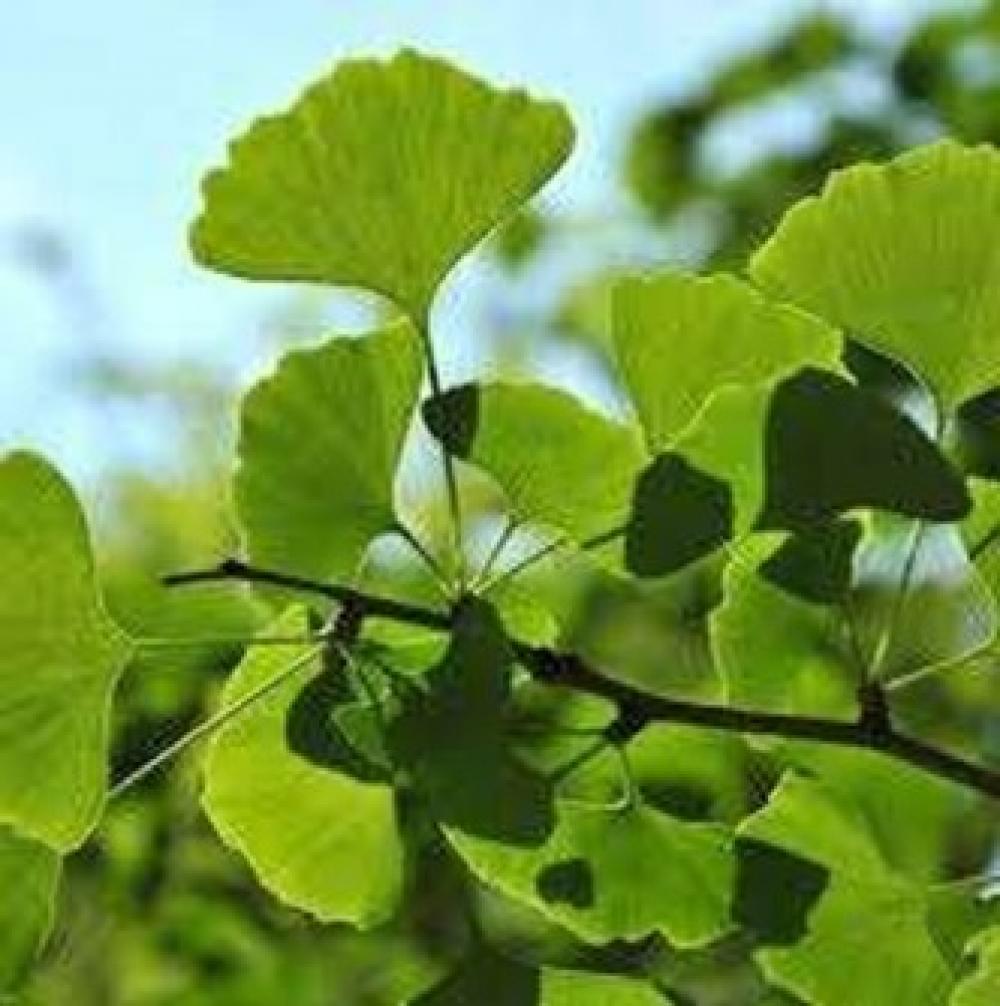
Ginkgo Biloba
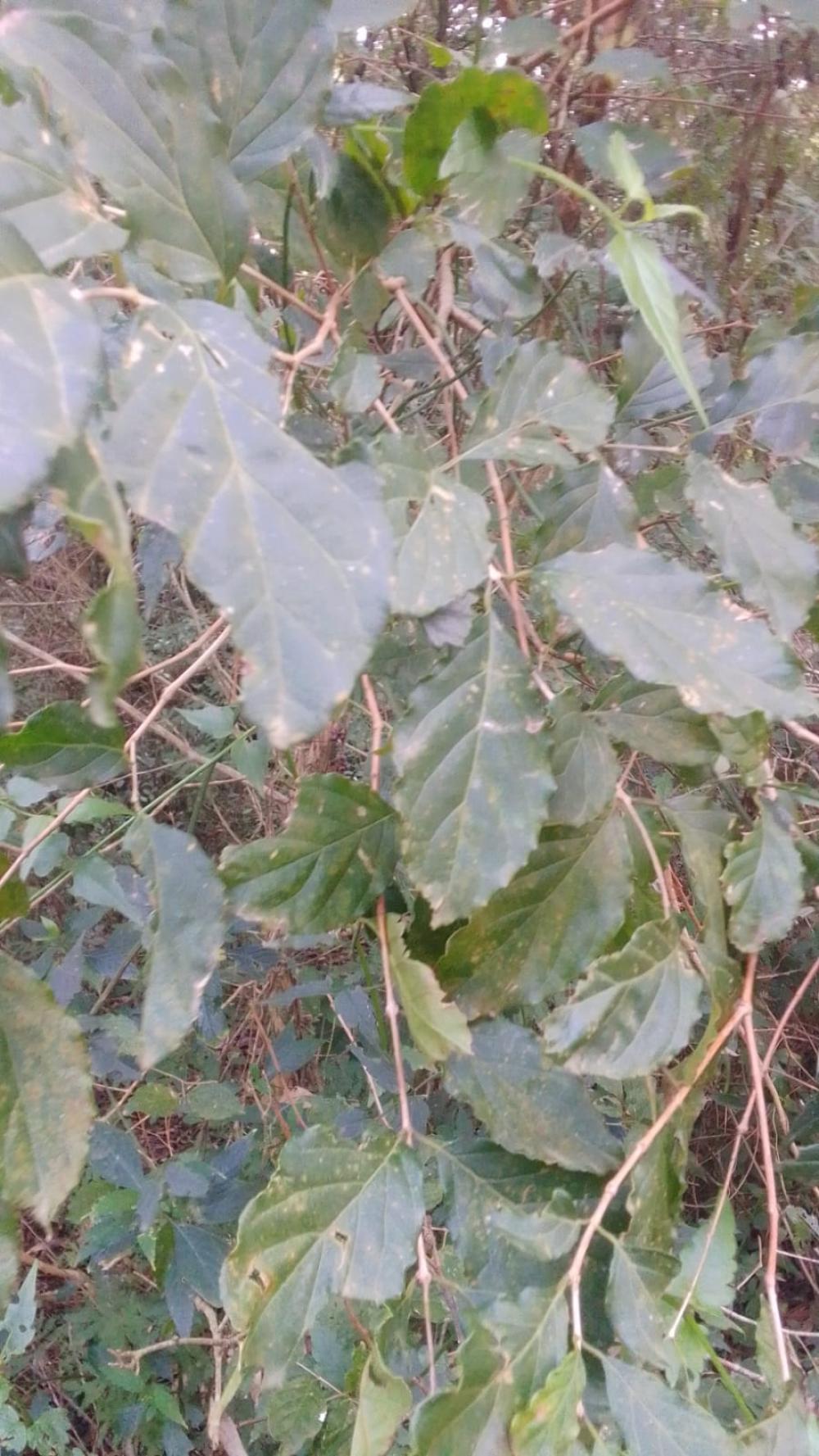
Guabiroba
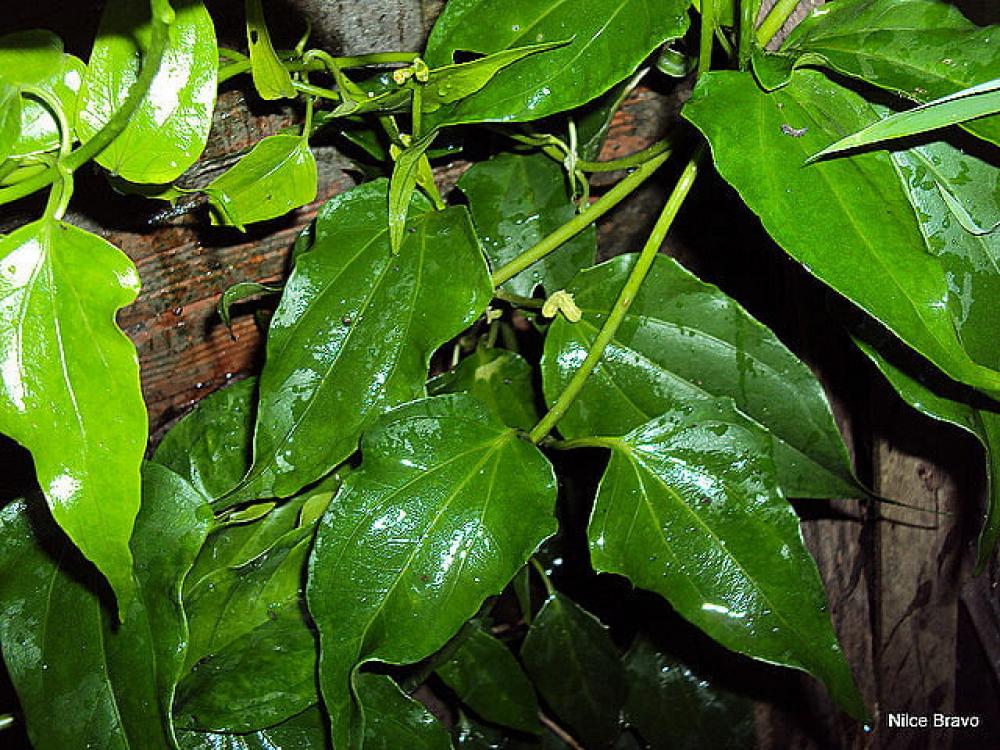
Guaco
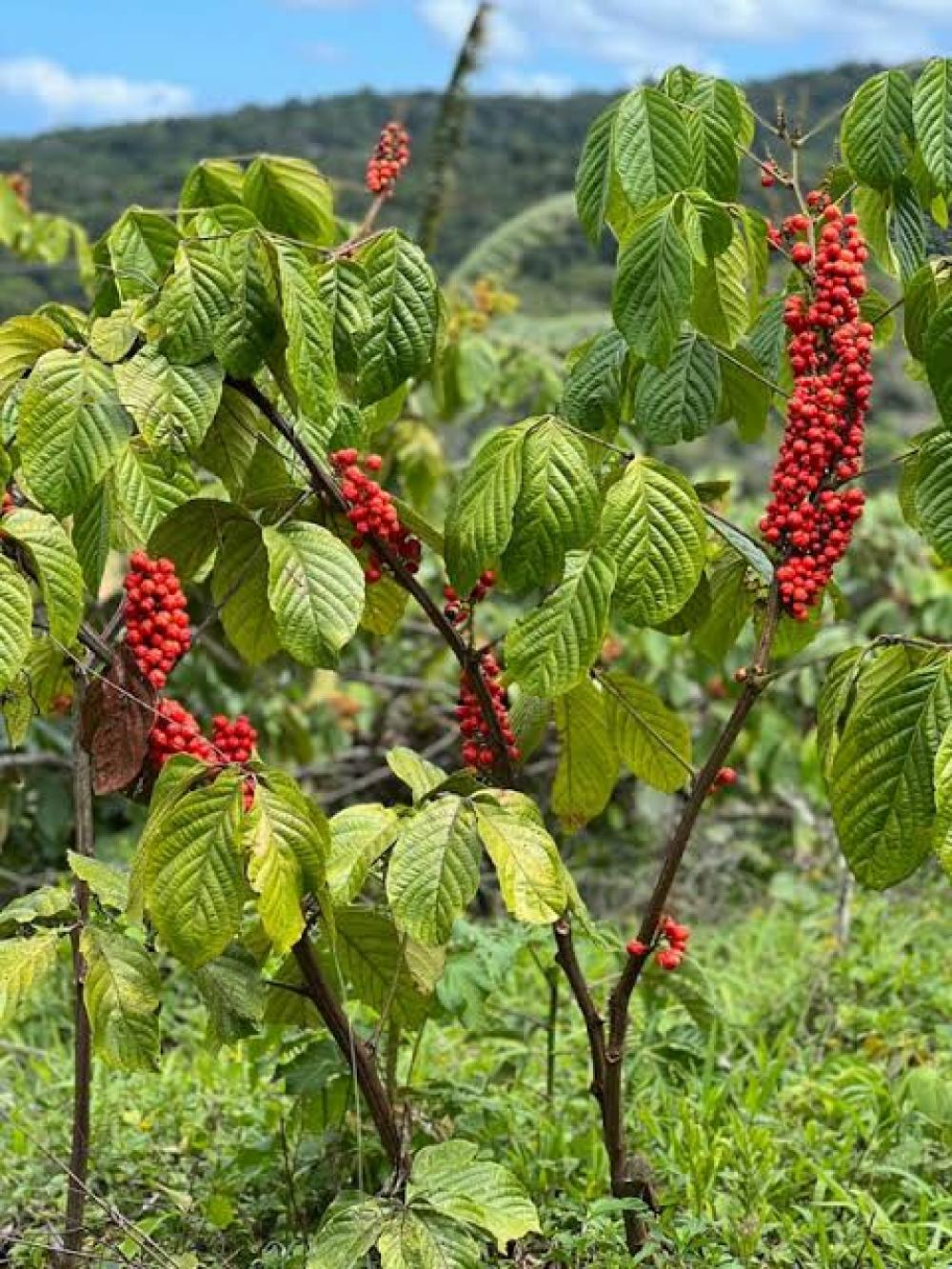
Guarana
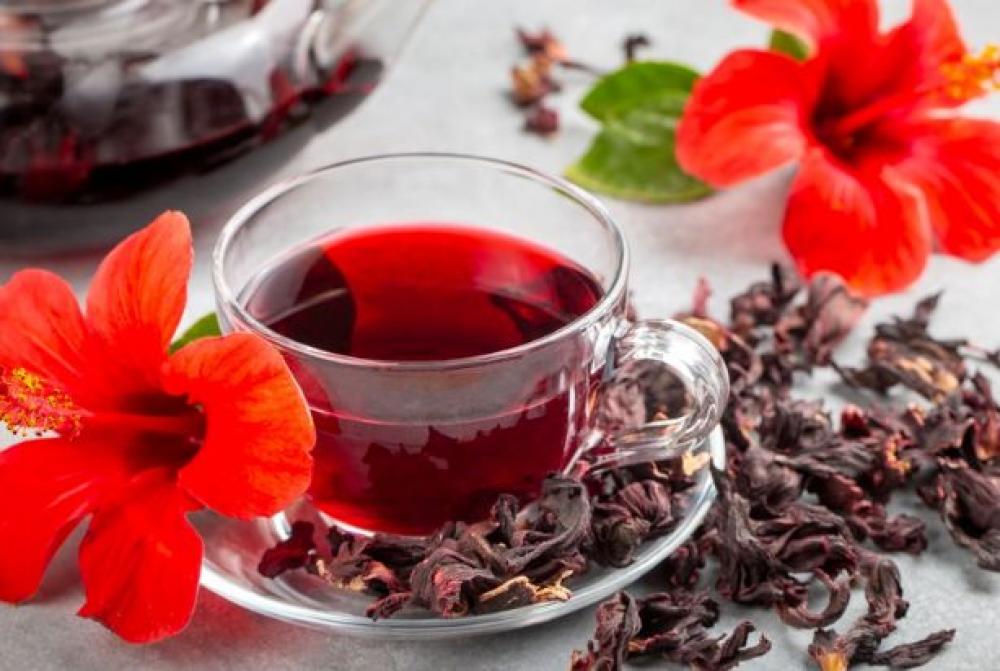
hibiscus
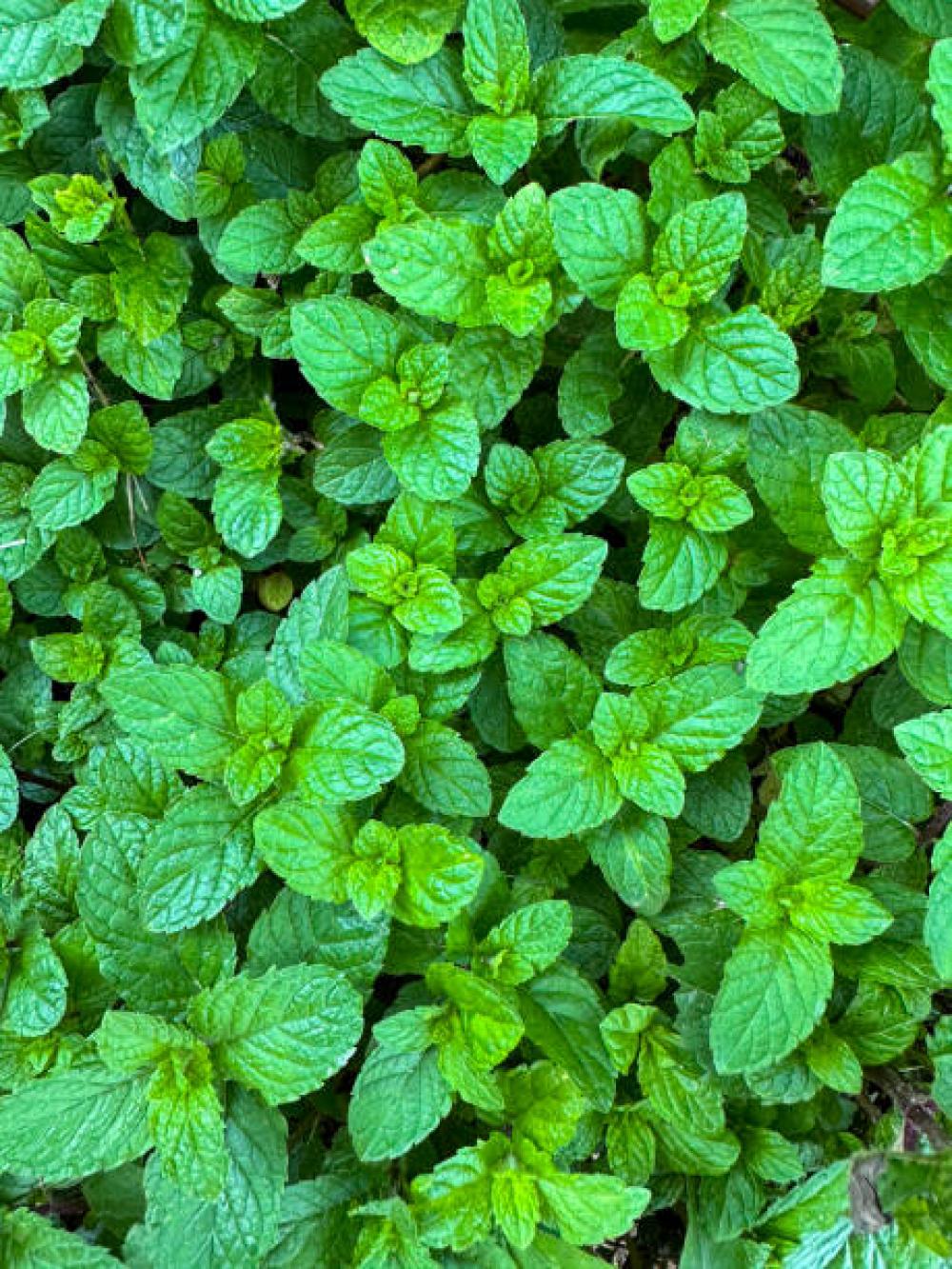
mint
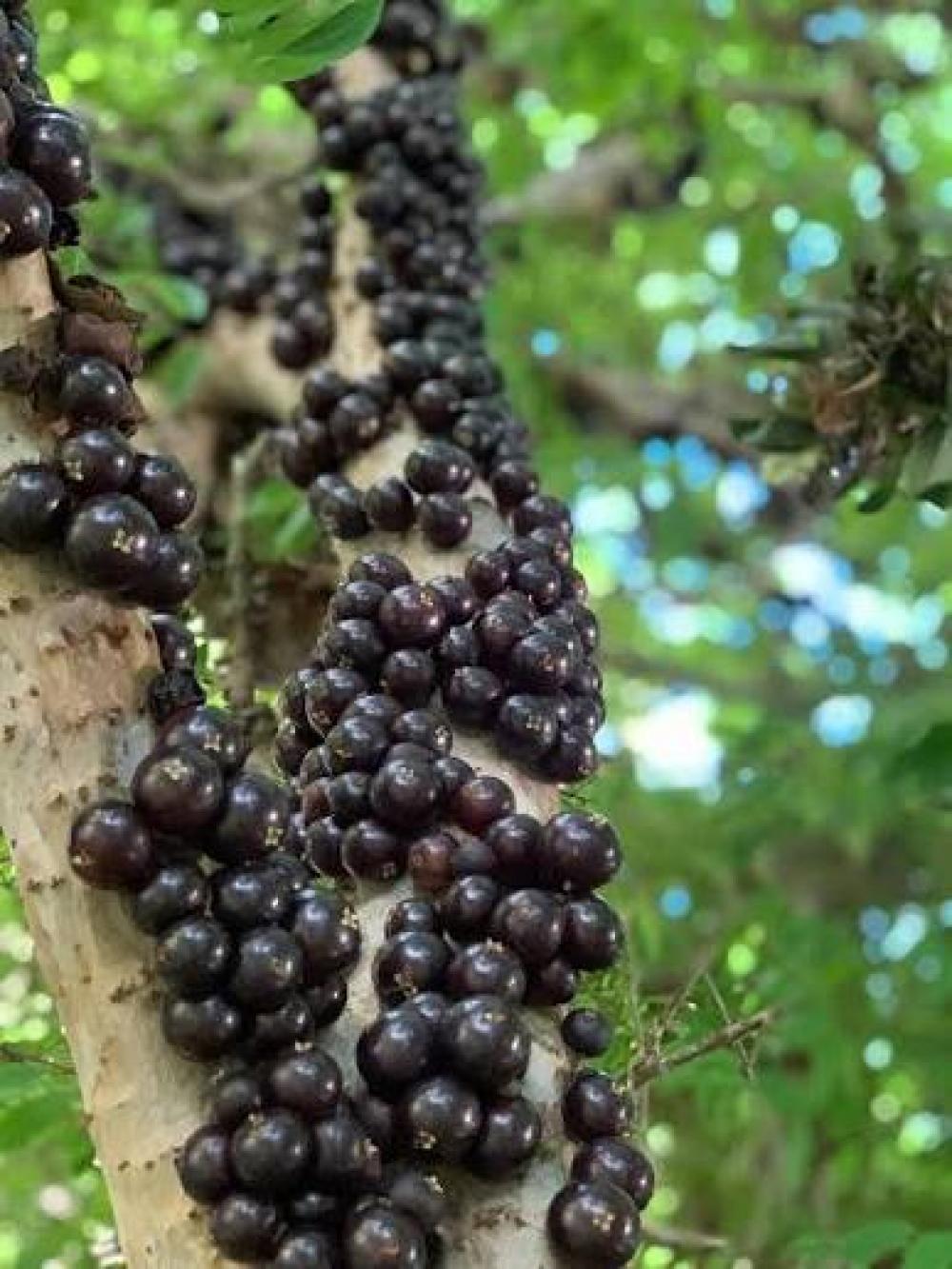
Jaboticaba
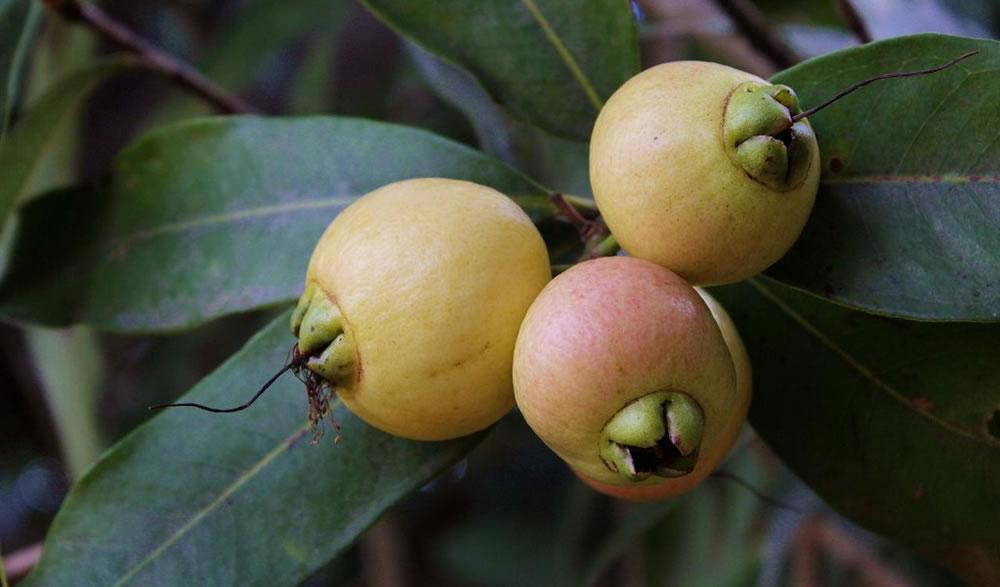
rose apple tree
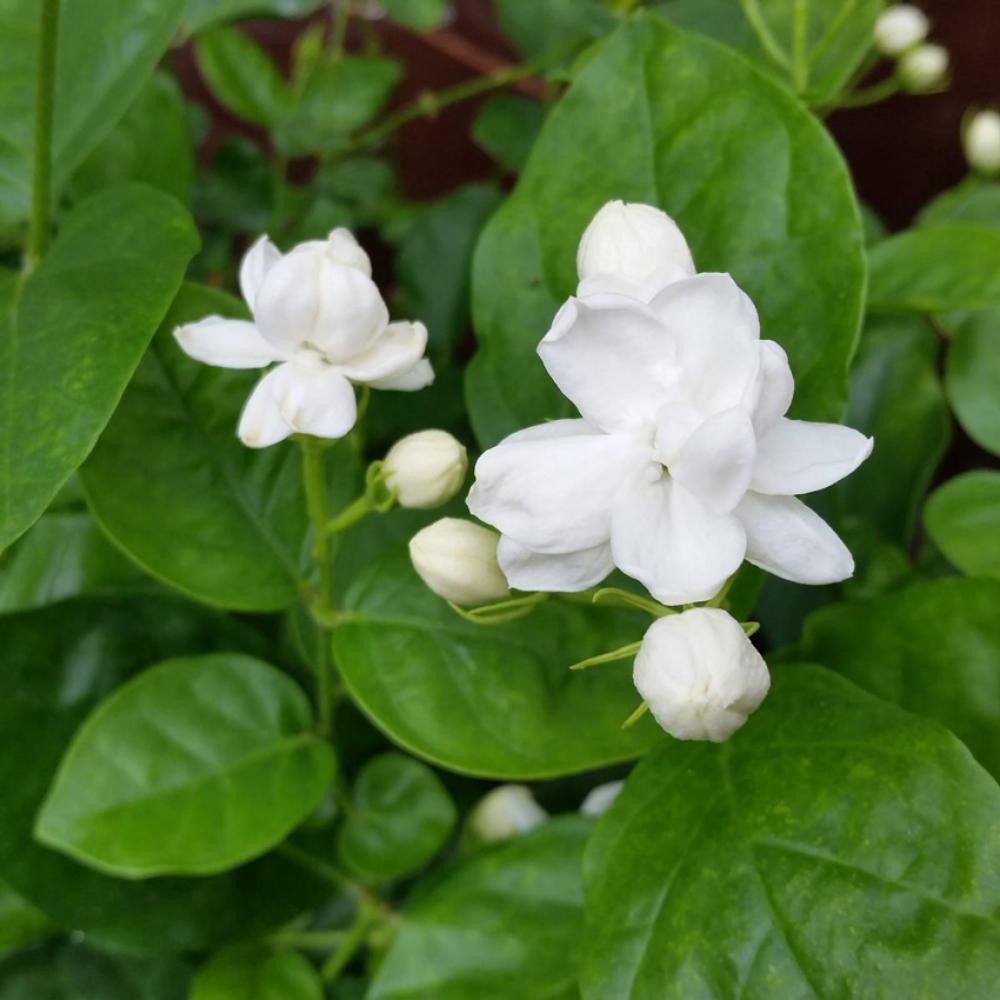
jazmin
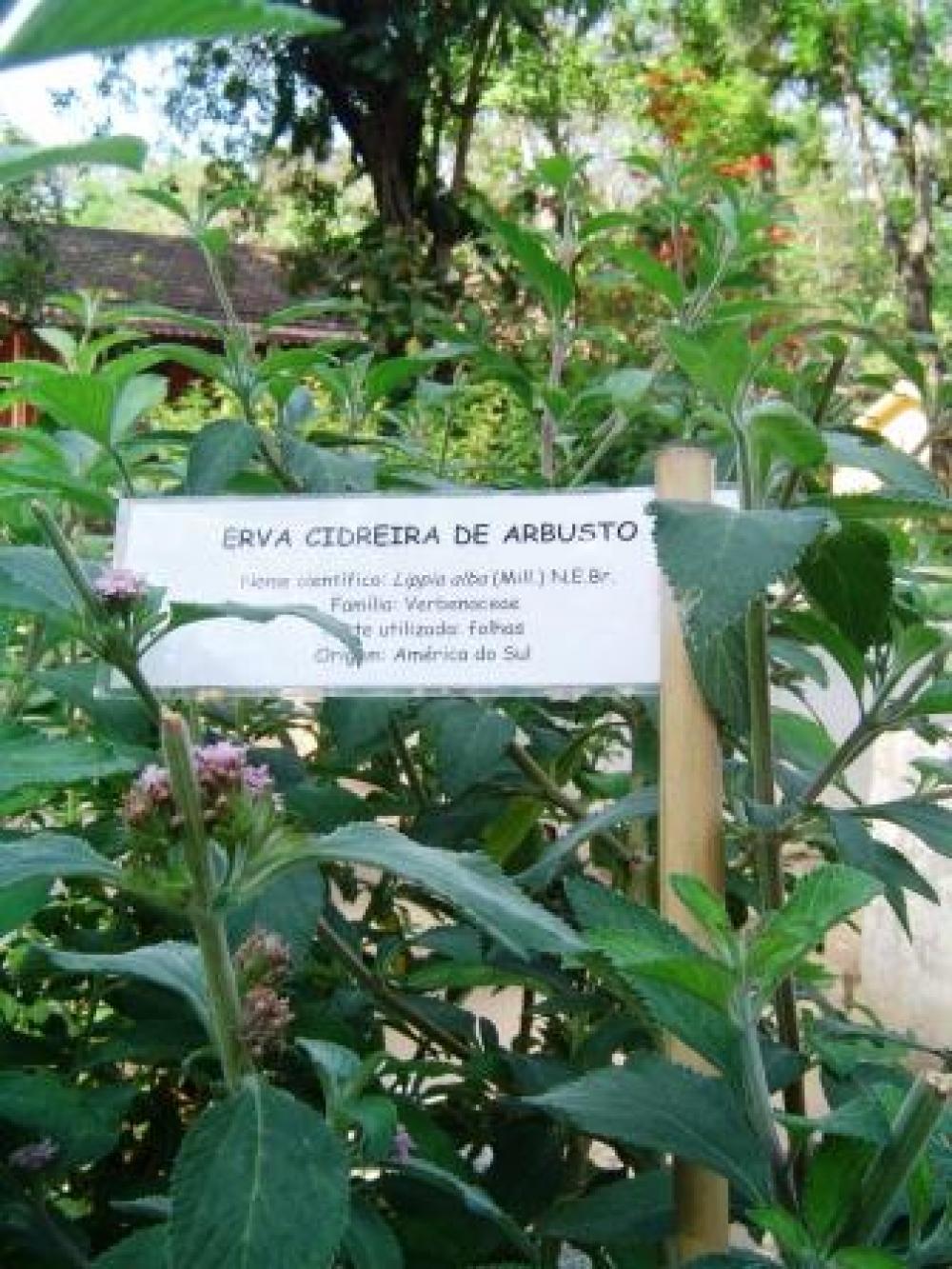
Lippia alba (Bushy Lemon Balm)
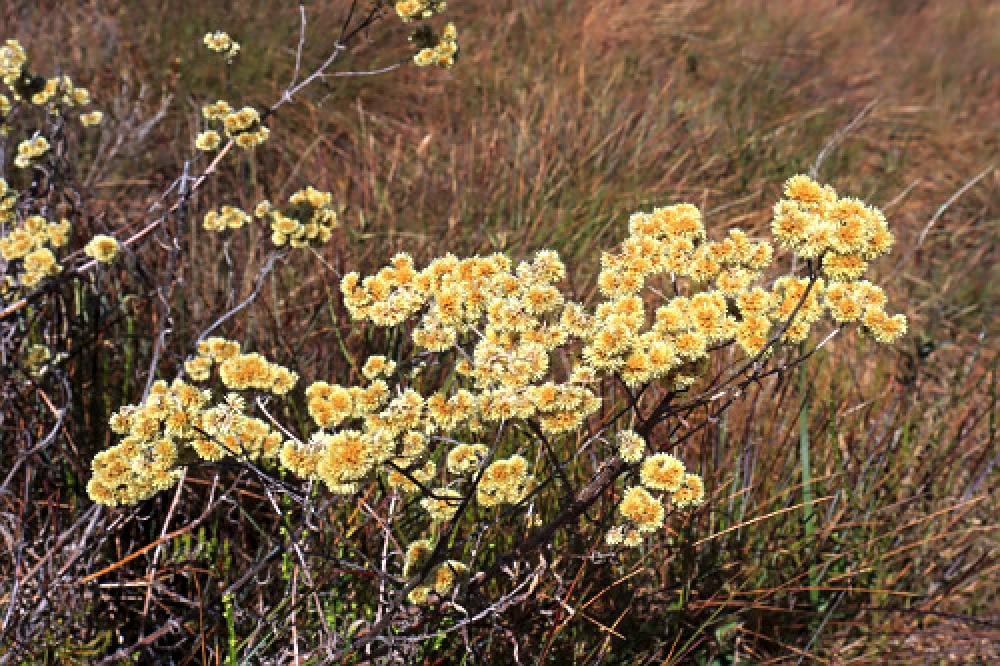
slaughterhouse
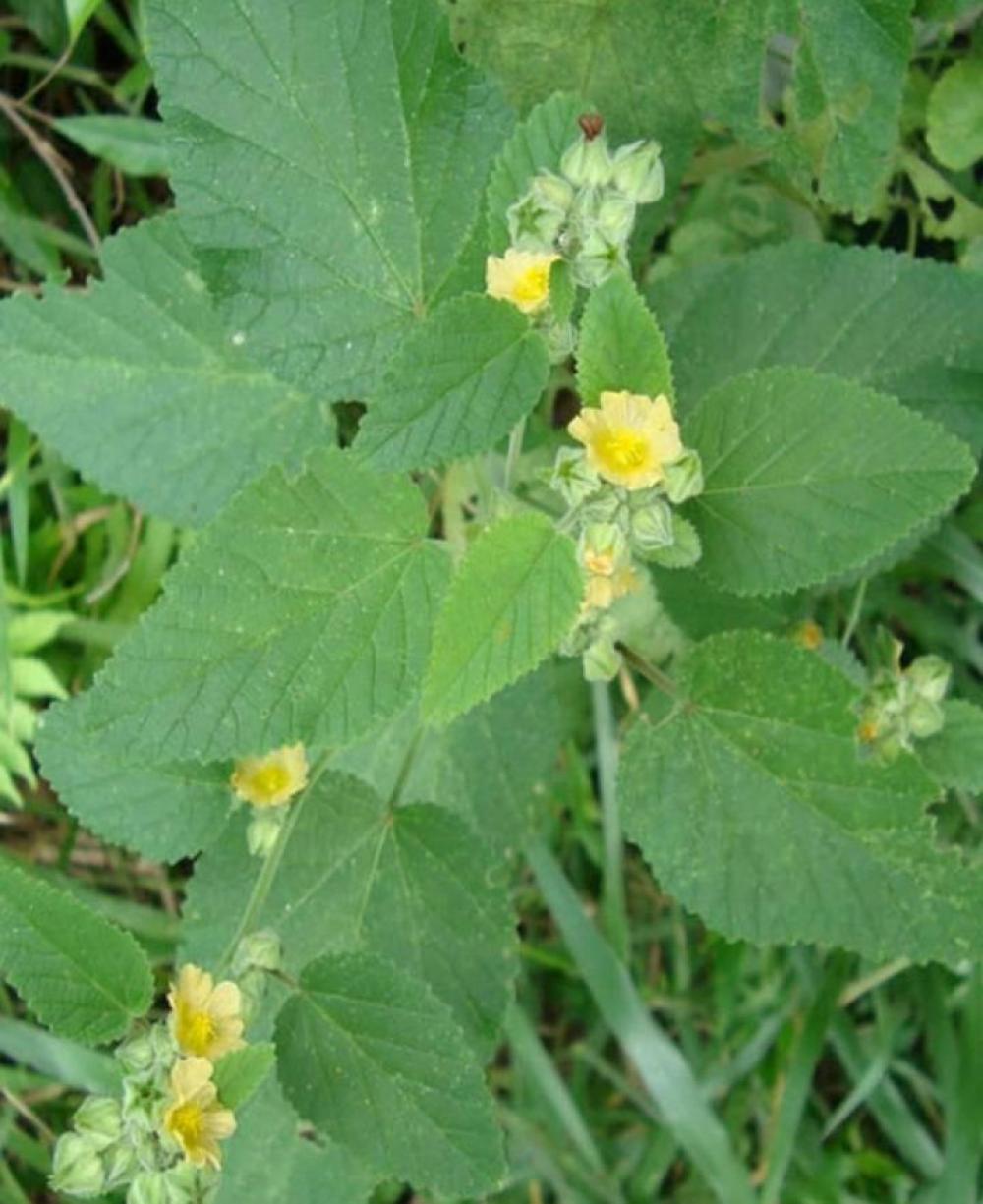
white mallow
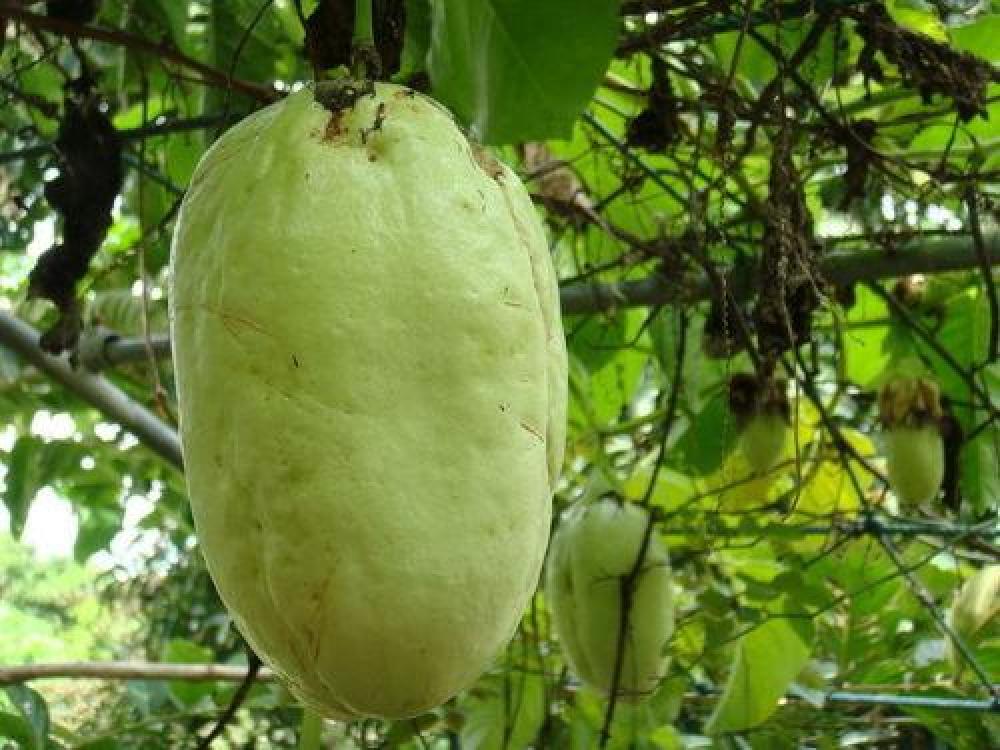
Giant Passion Fruit
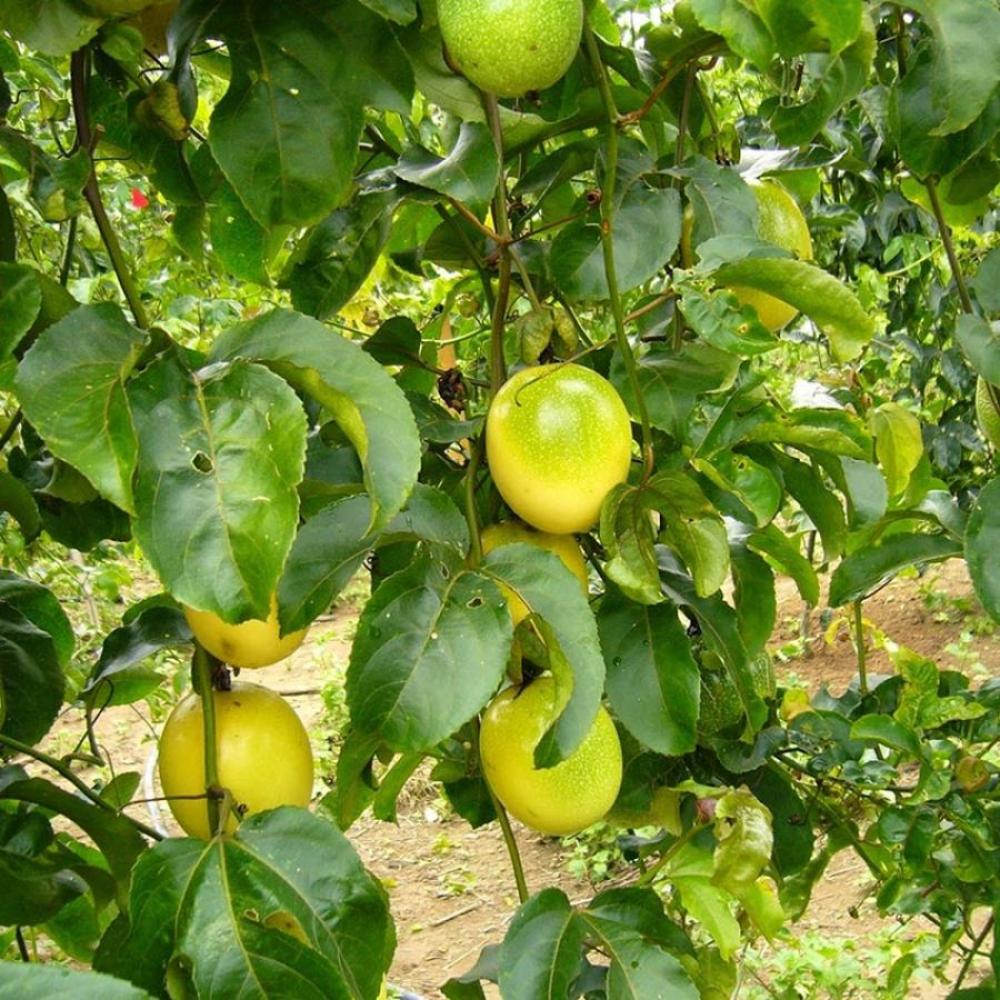
Sour Passion Fruit
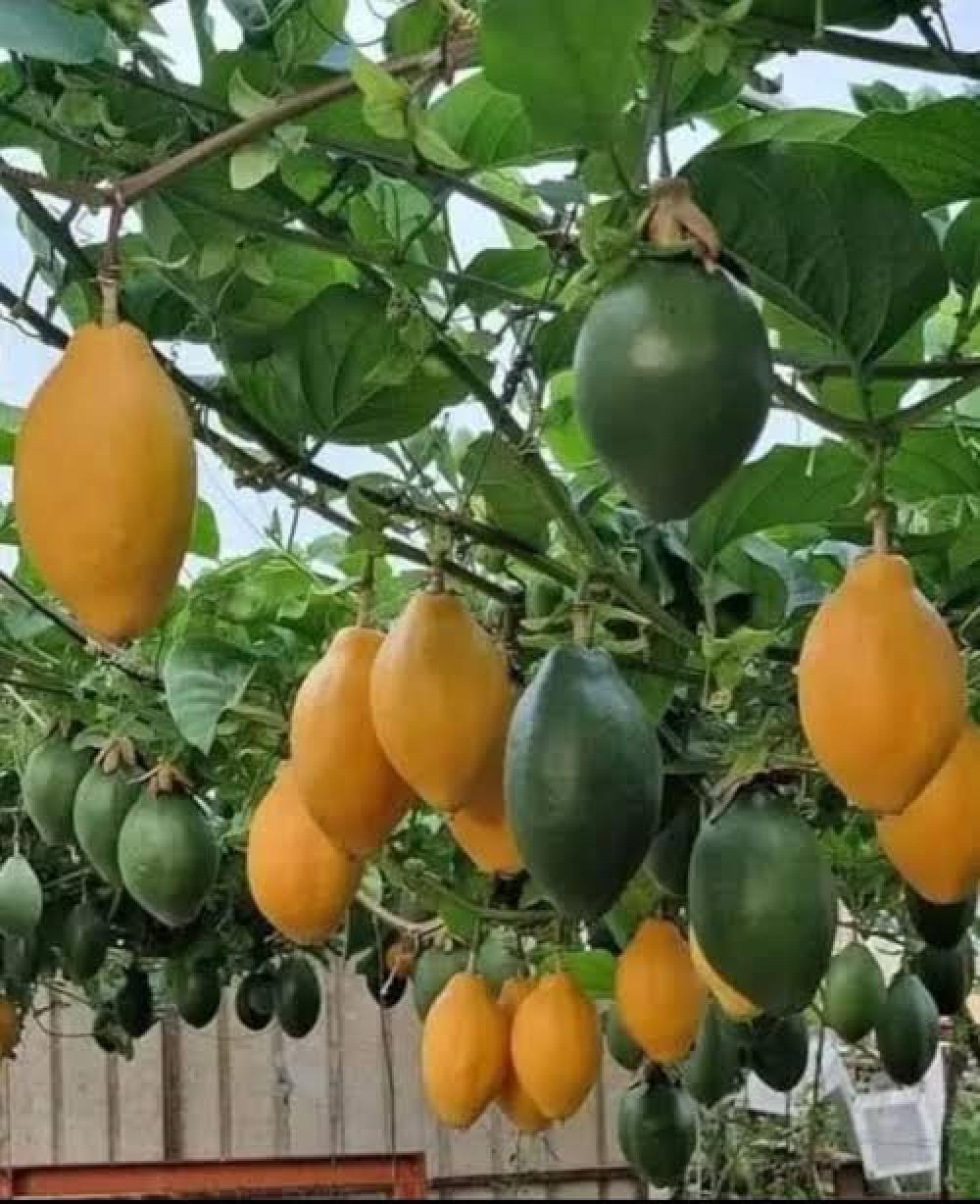
sweet passion fruit
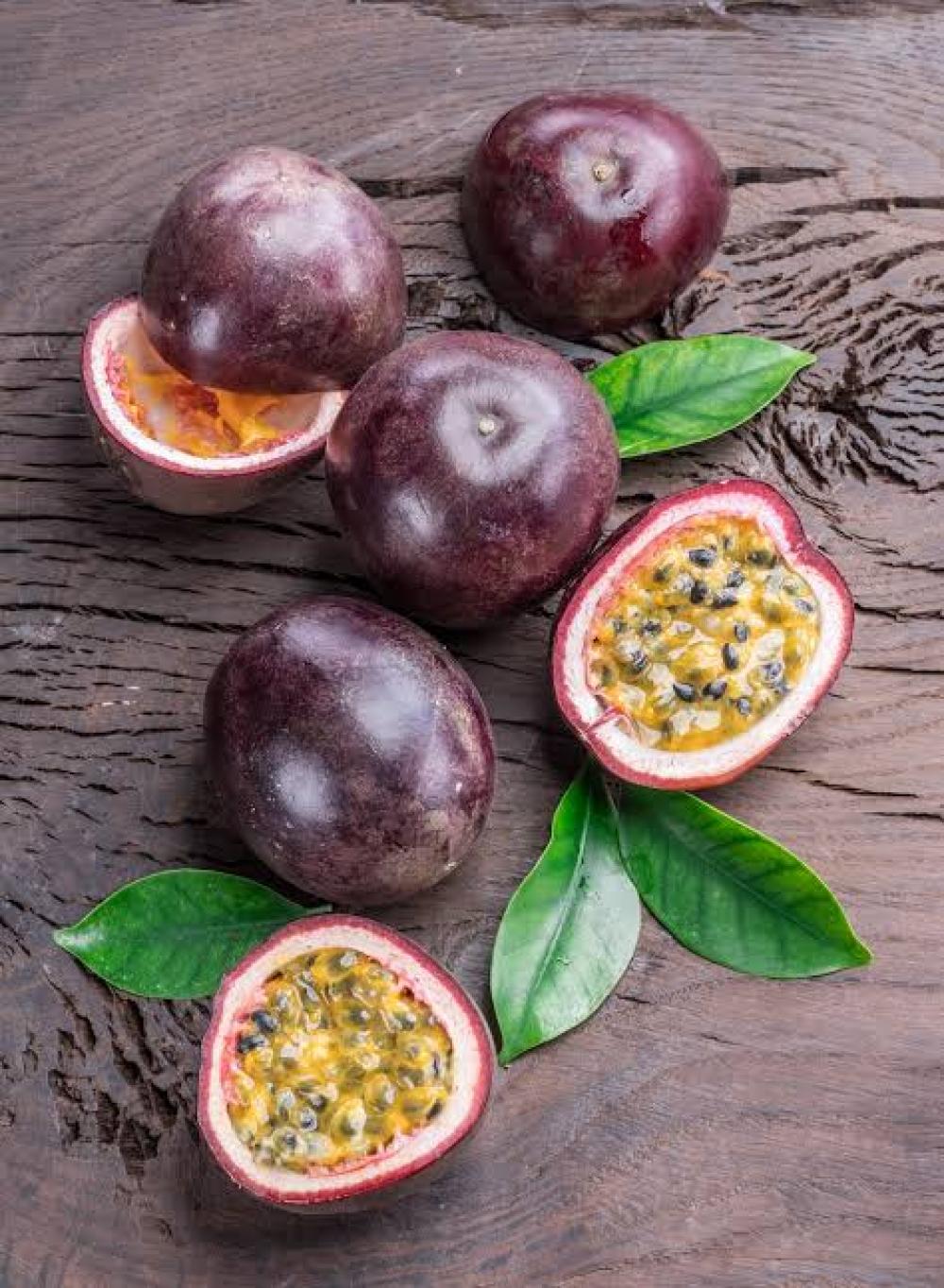
purple passion fruit
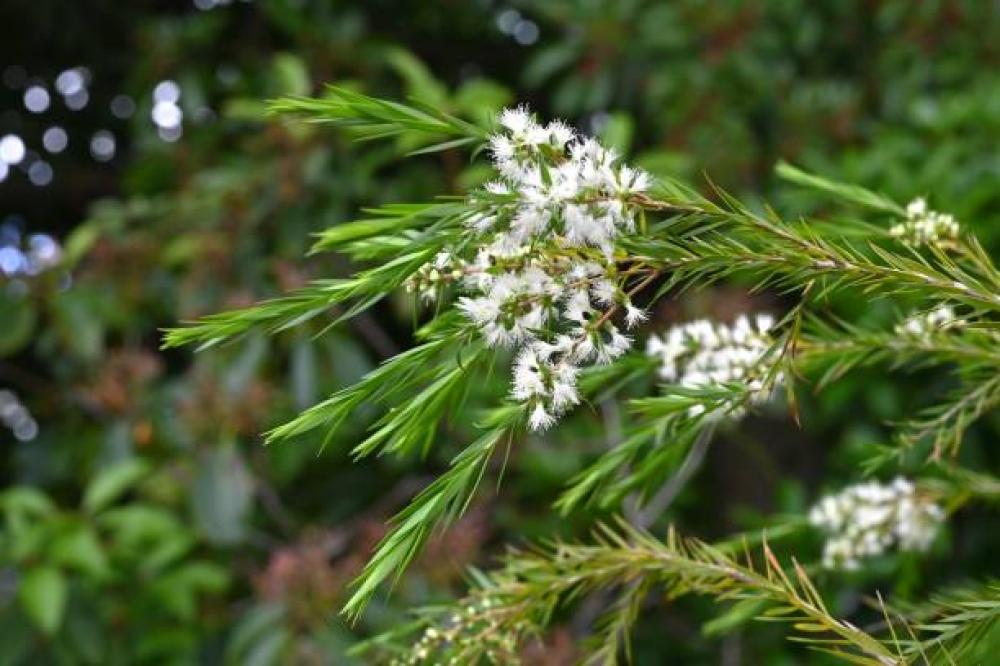
Melaleuca
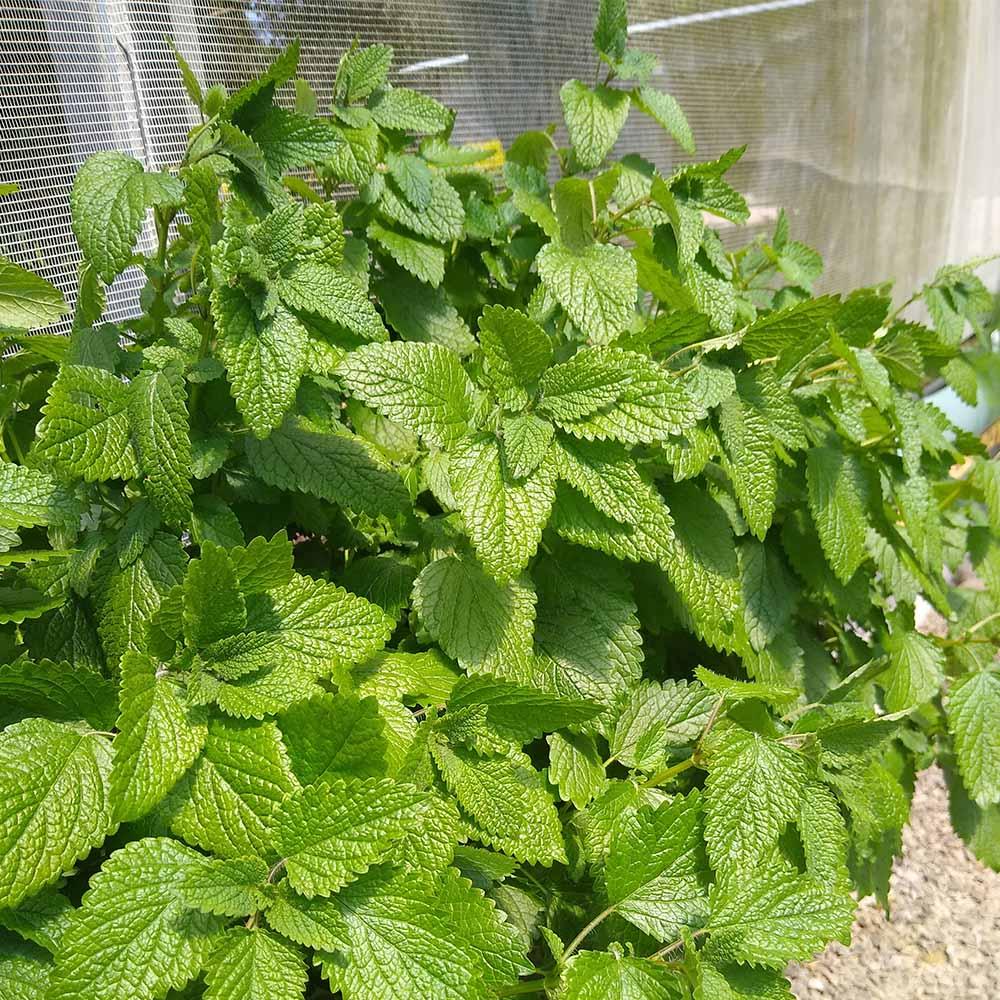
Melissa
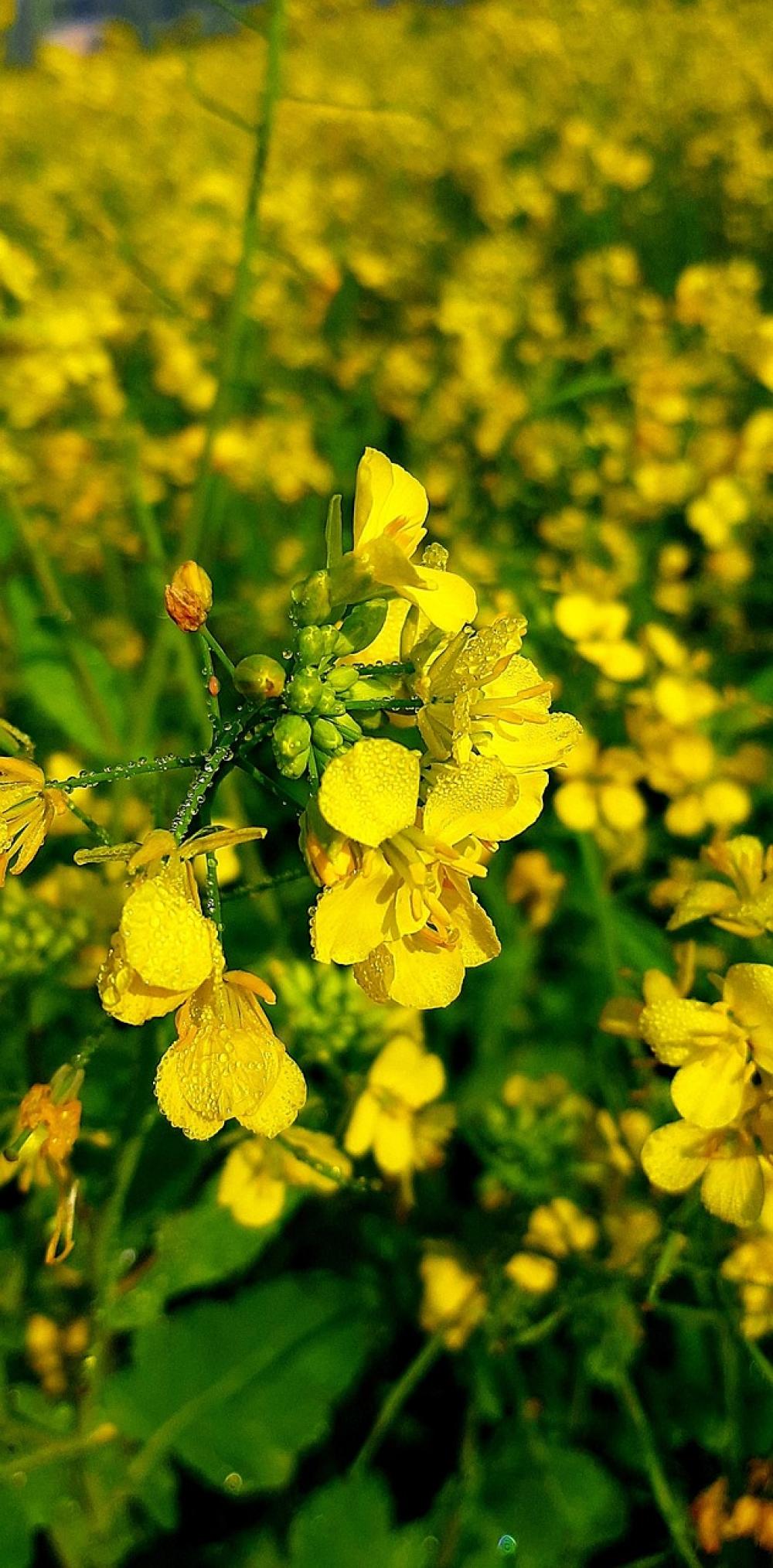
mustard
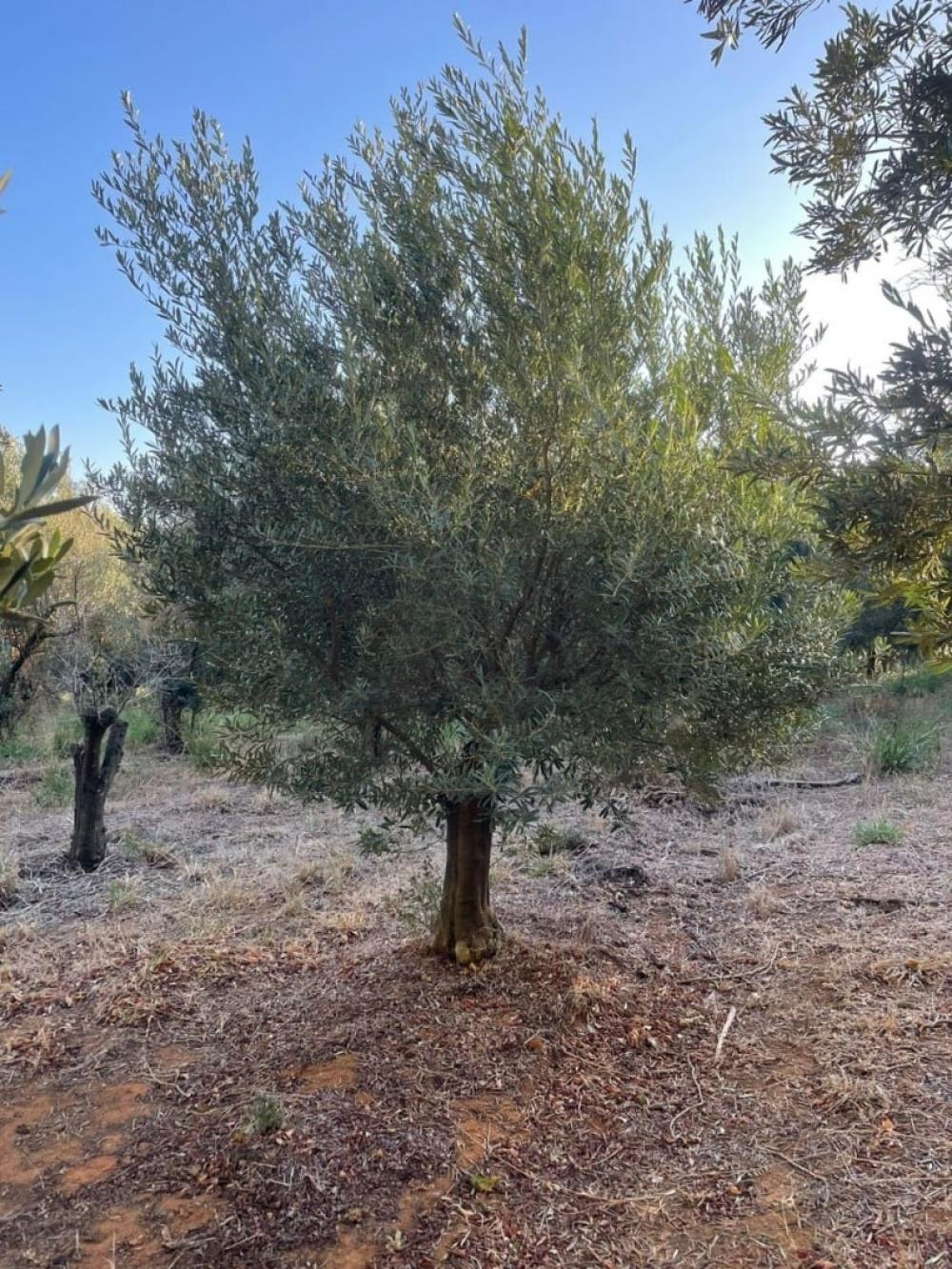
Oliveira
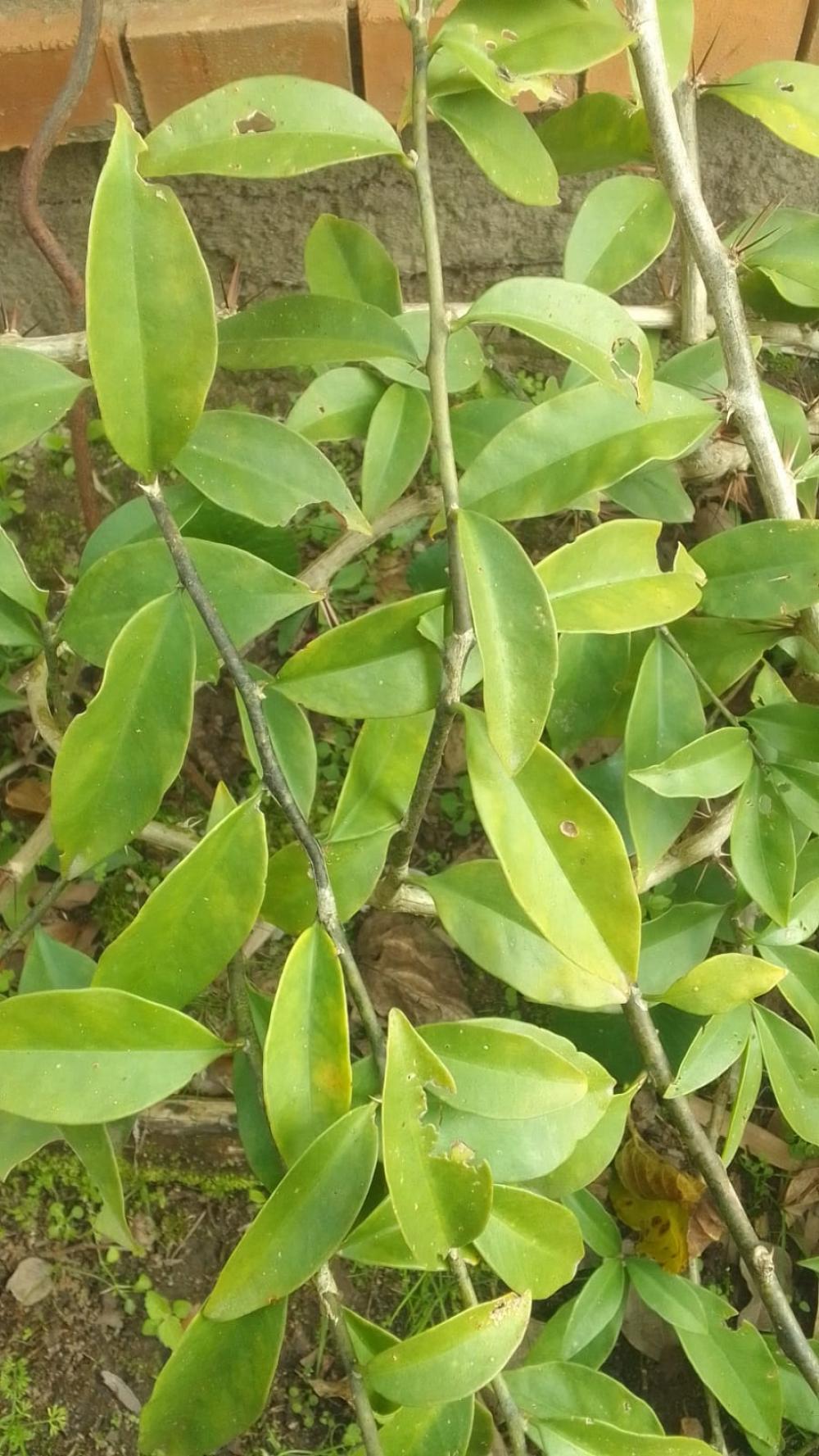
Ora Pro Nobis
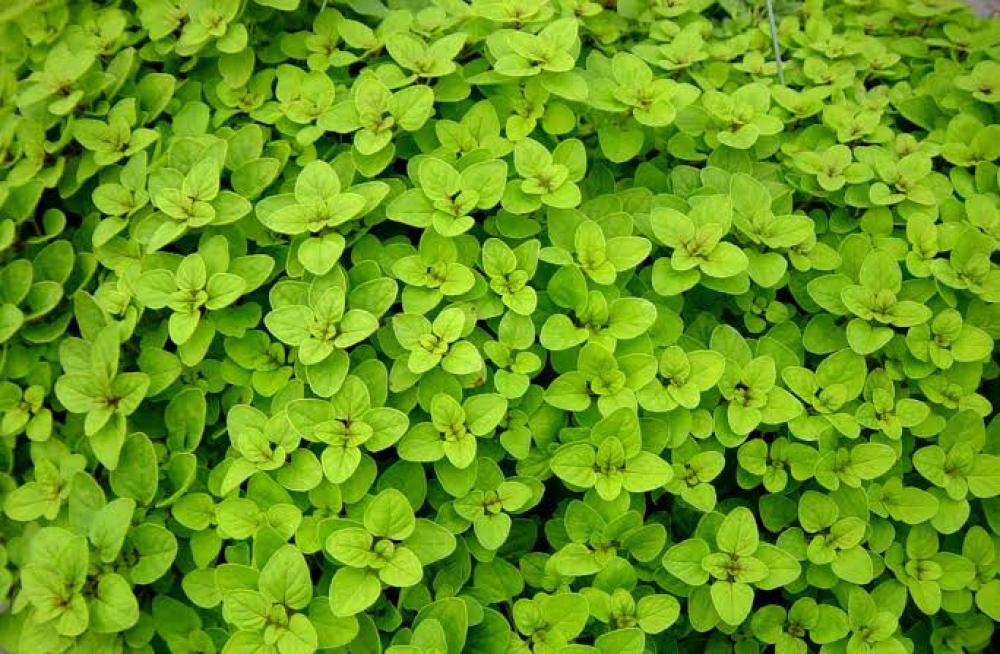
Oregano
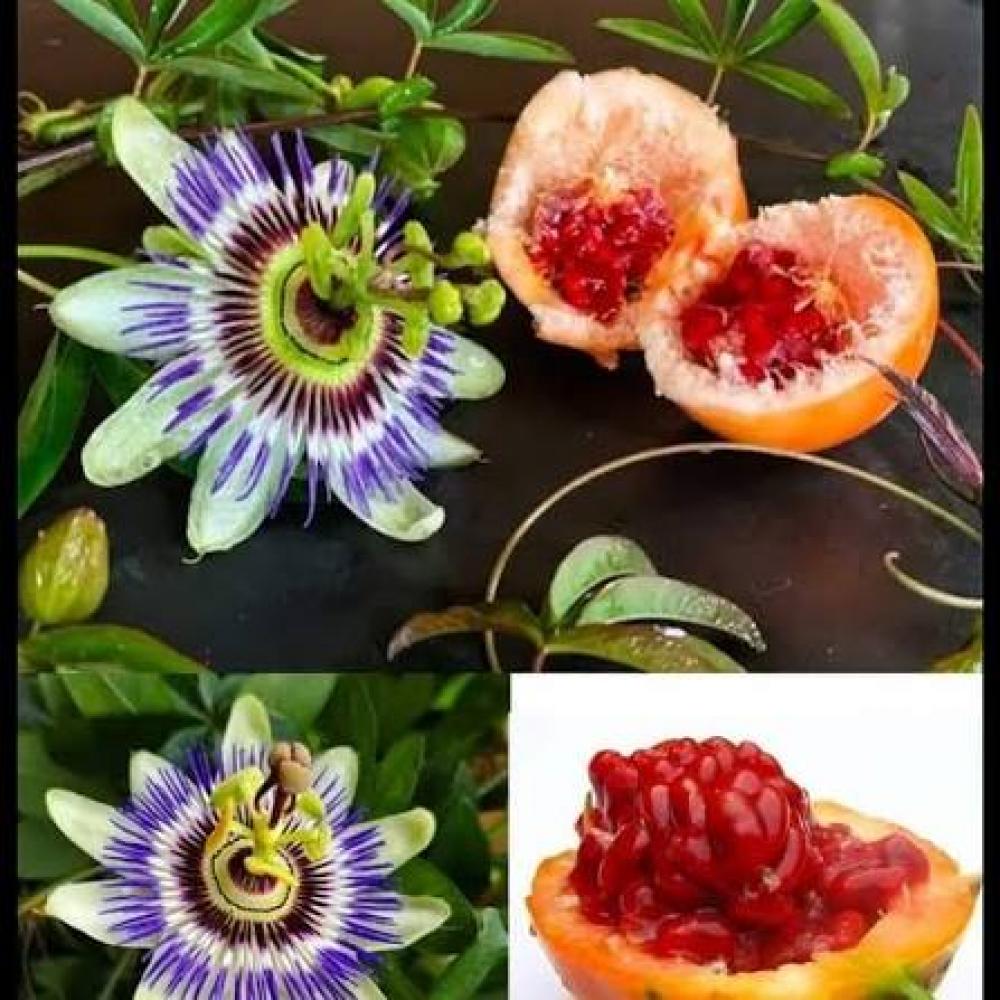
Passiflora or passion flower
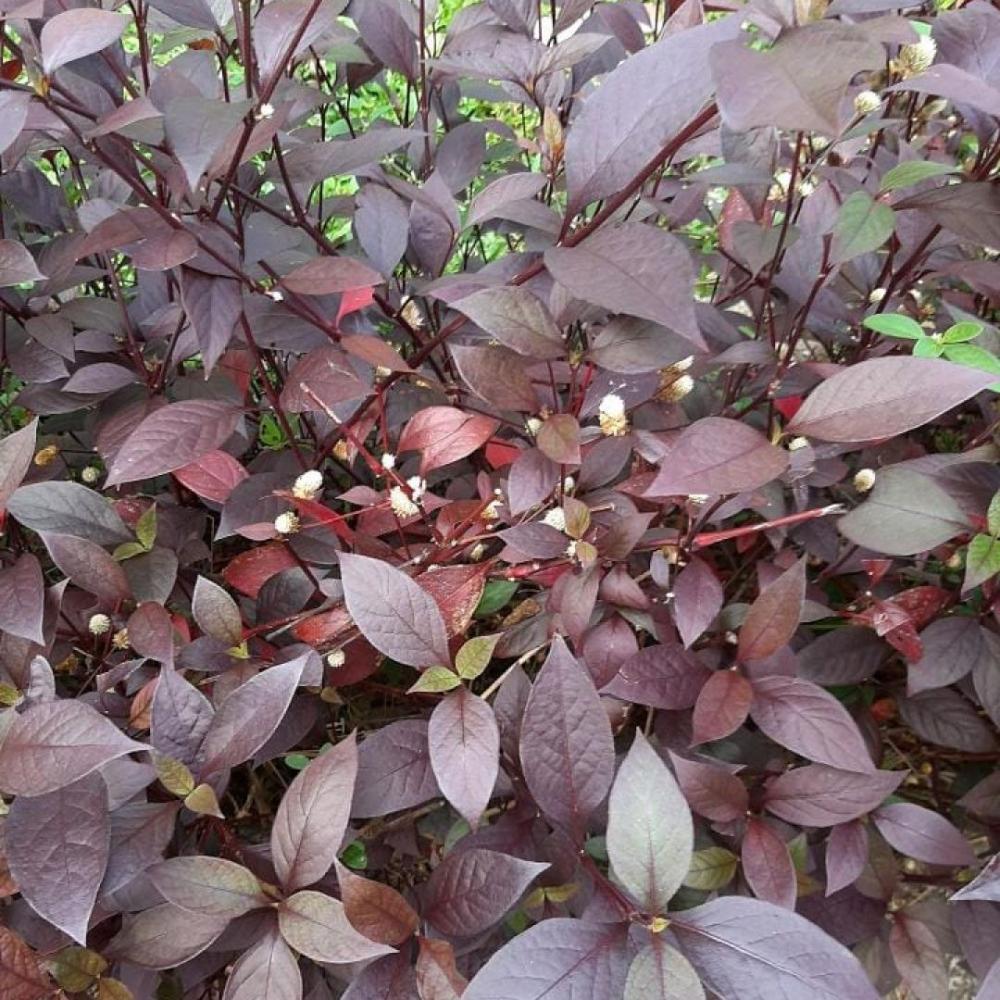
Penicillin or Parakeet
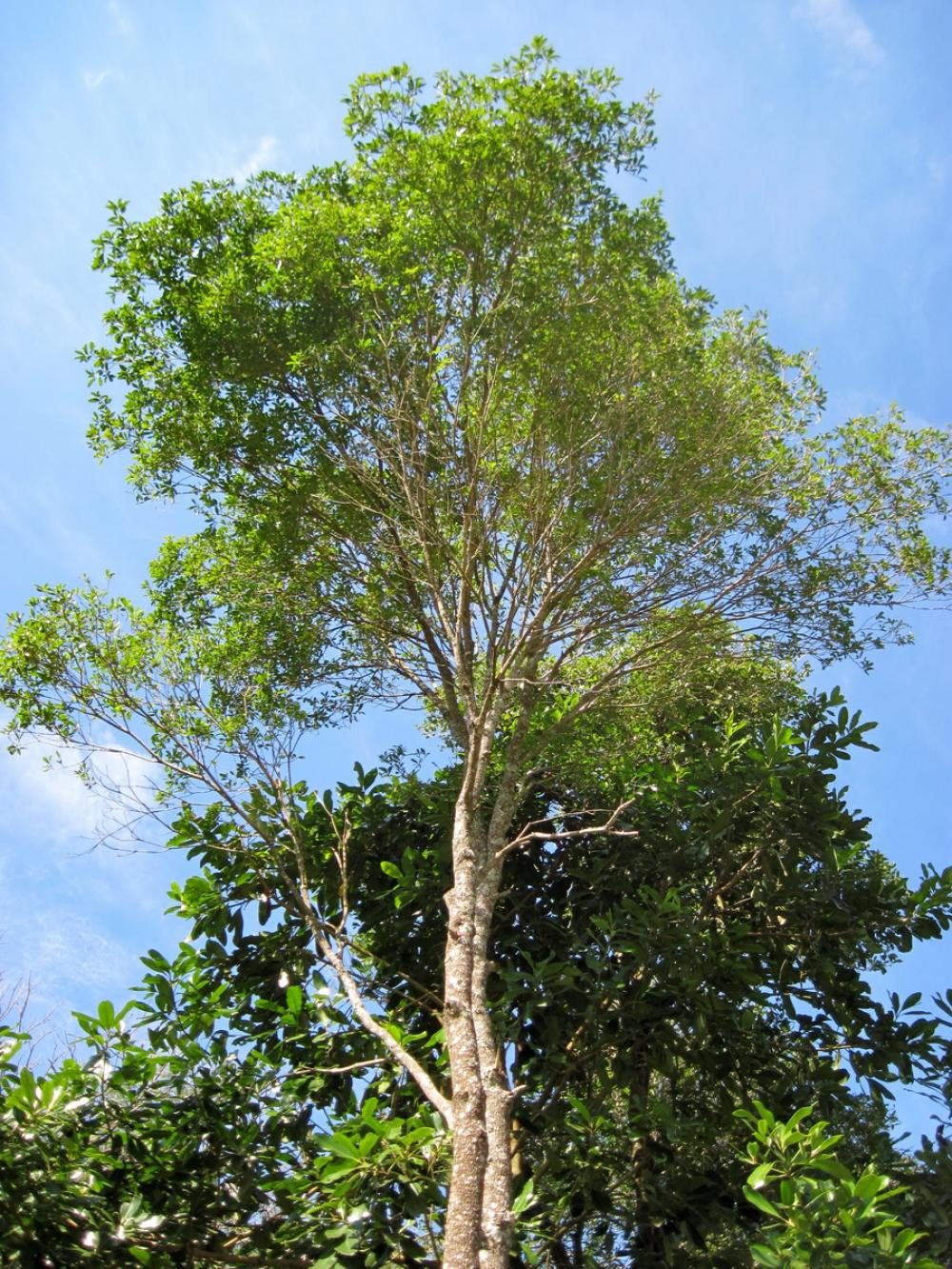
Peroba

pine

Surinam cherry tree
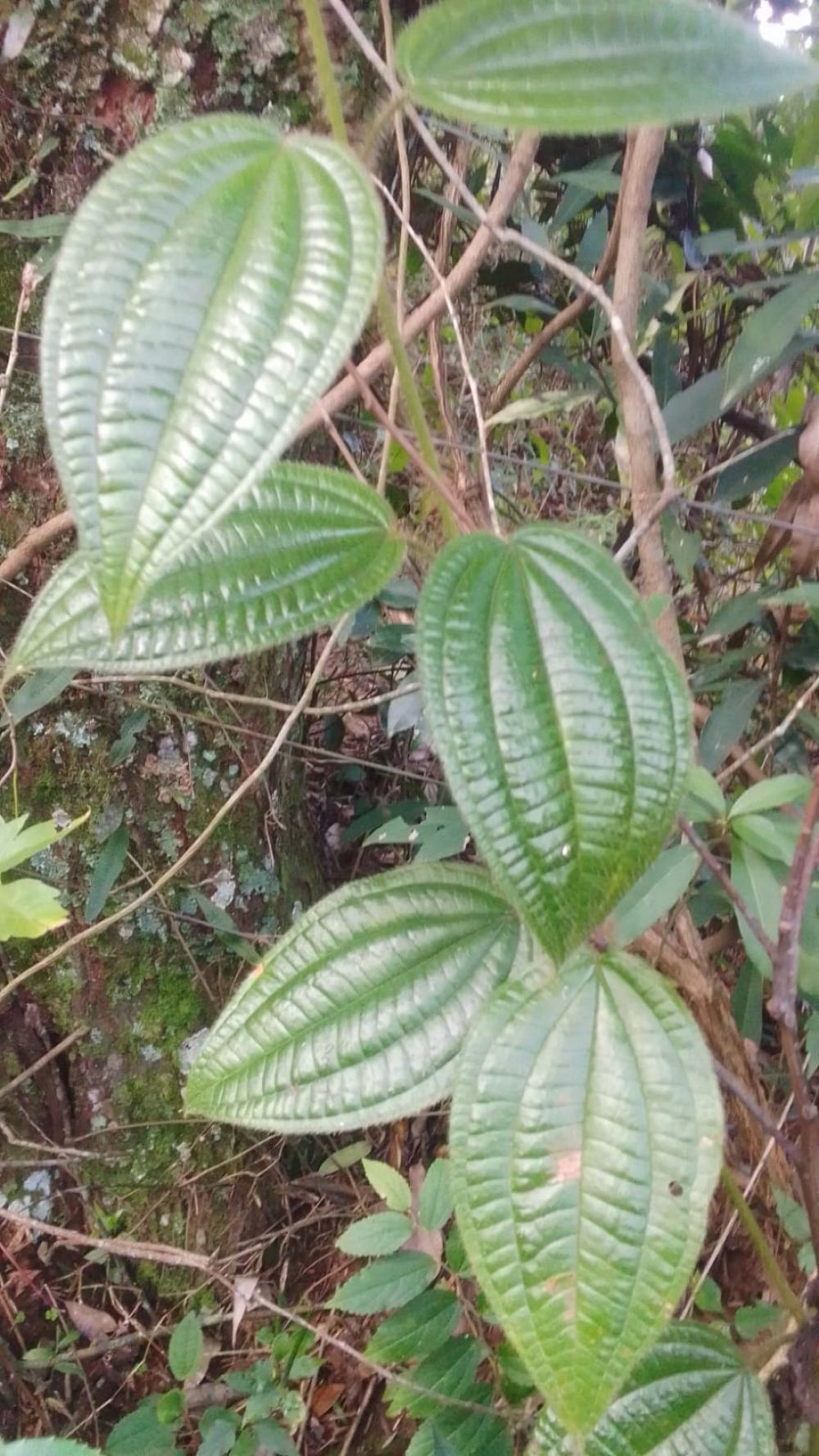
Pixirica
Pennyroyal

Stone-breaker
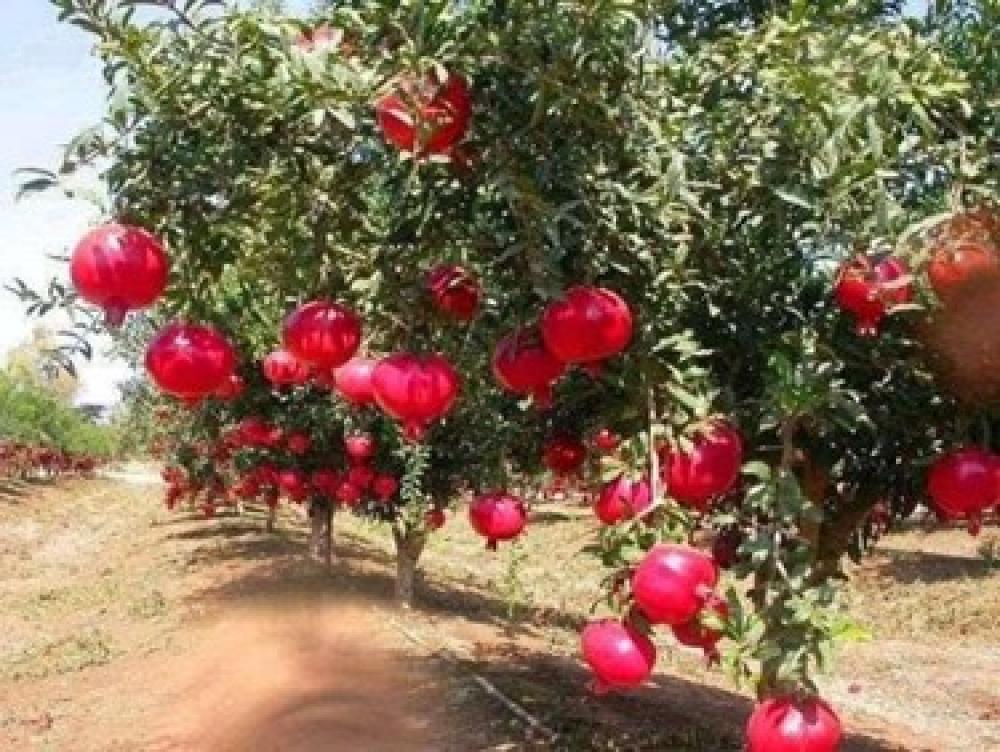
Pomegranate tree
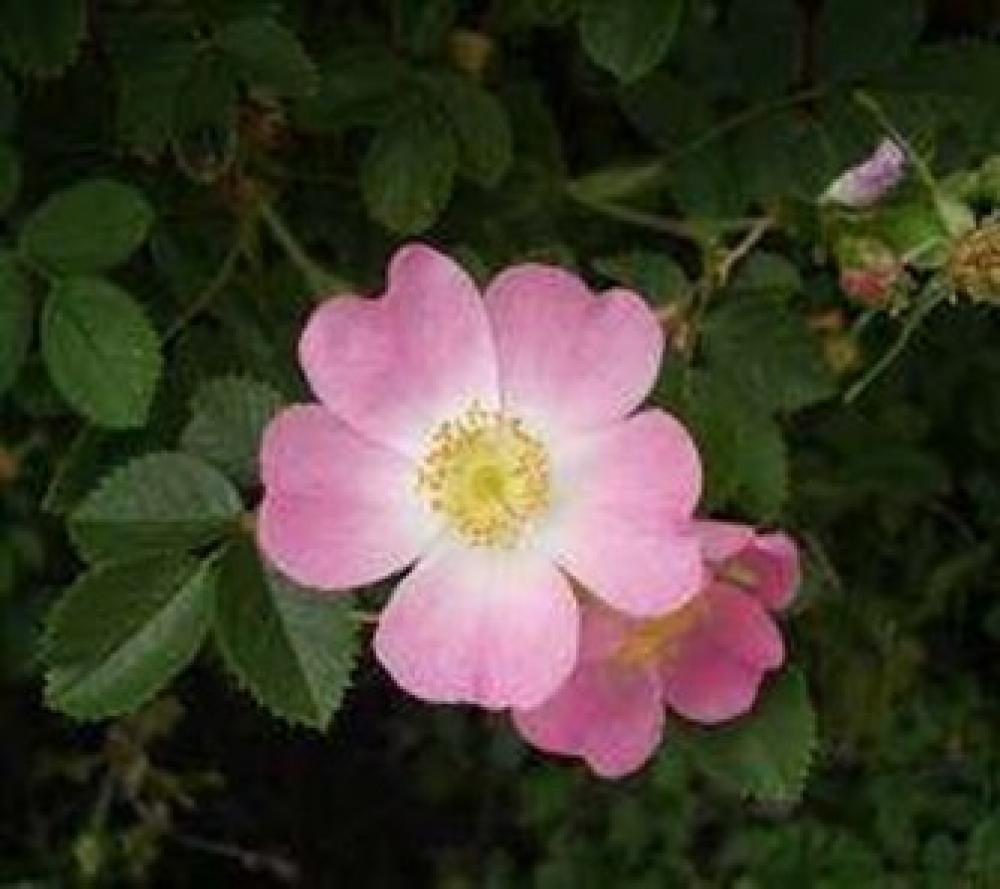
Rosa mosqueta
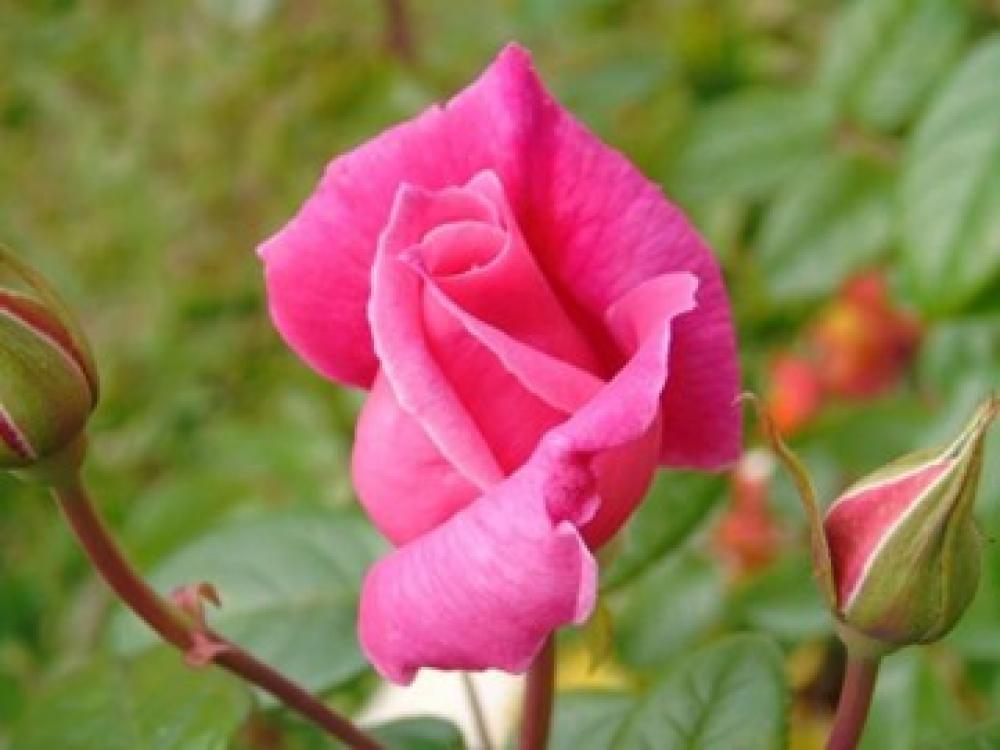
Rosebush
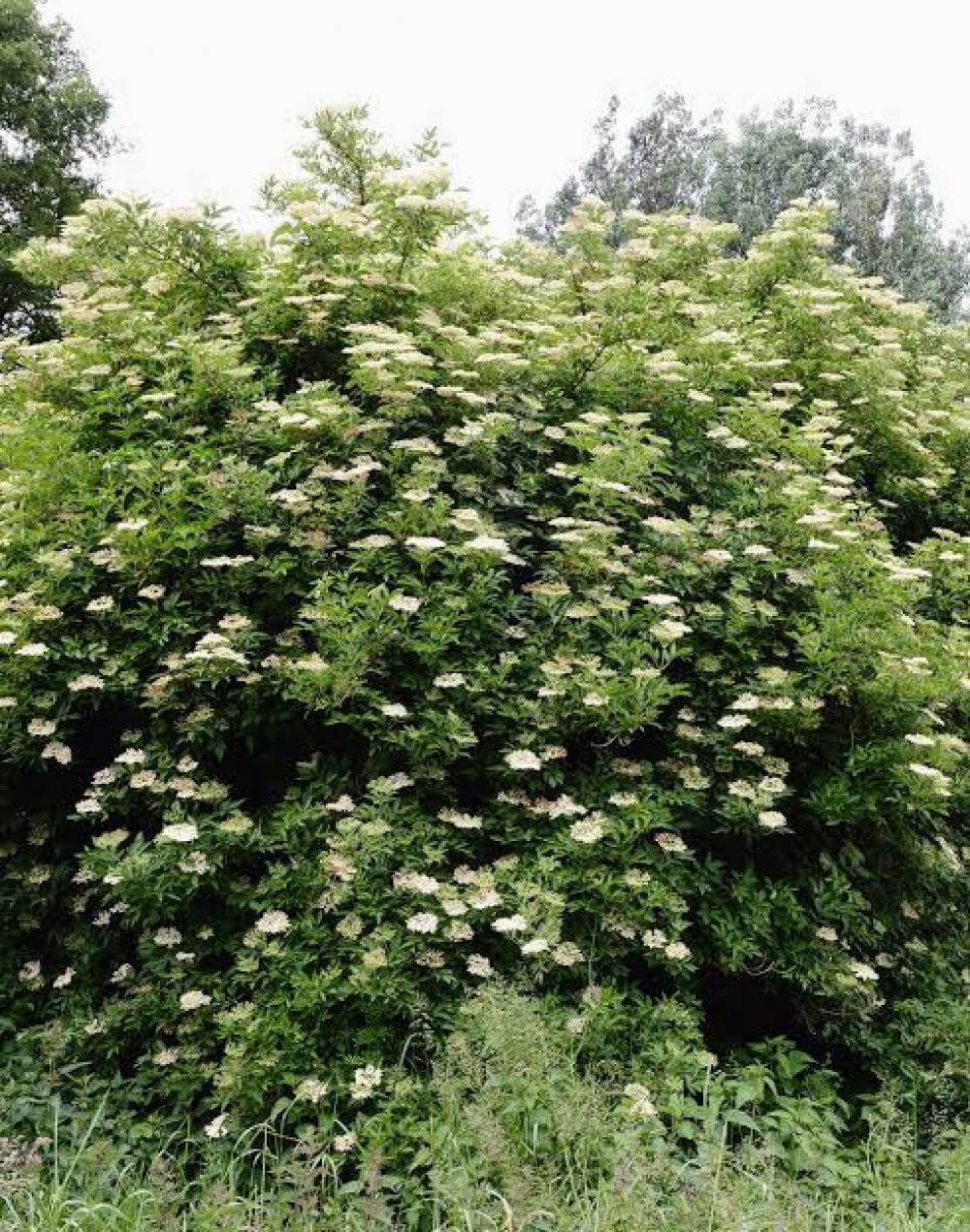
Elderberry
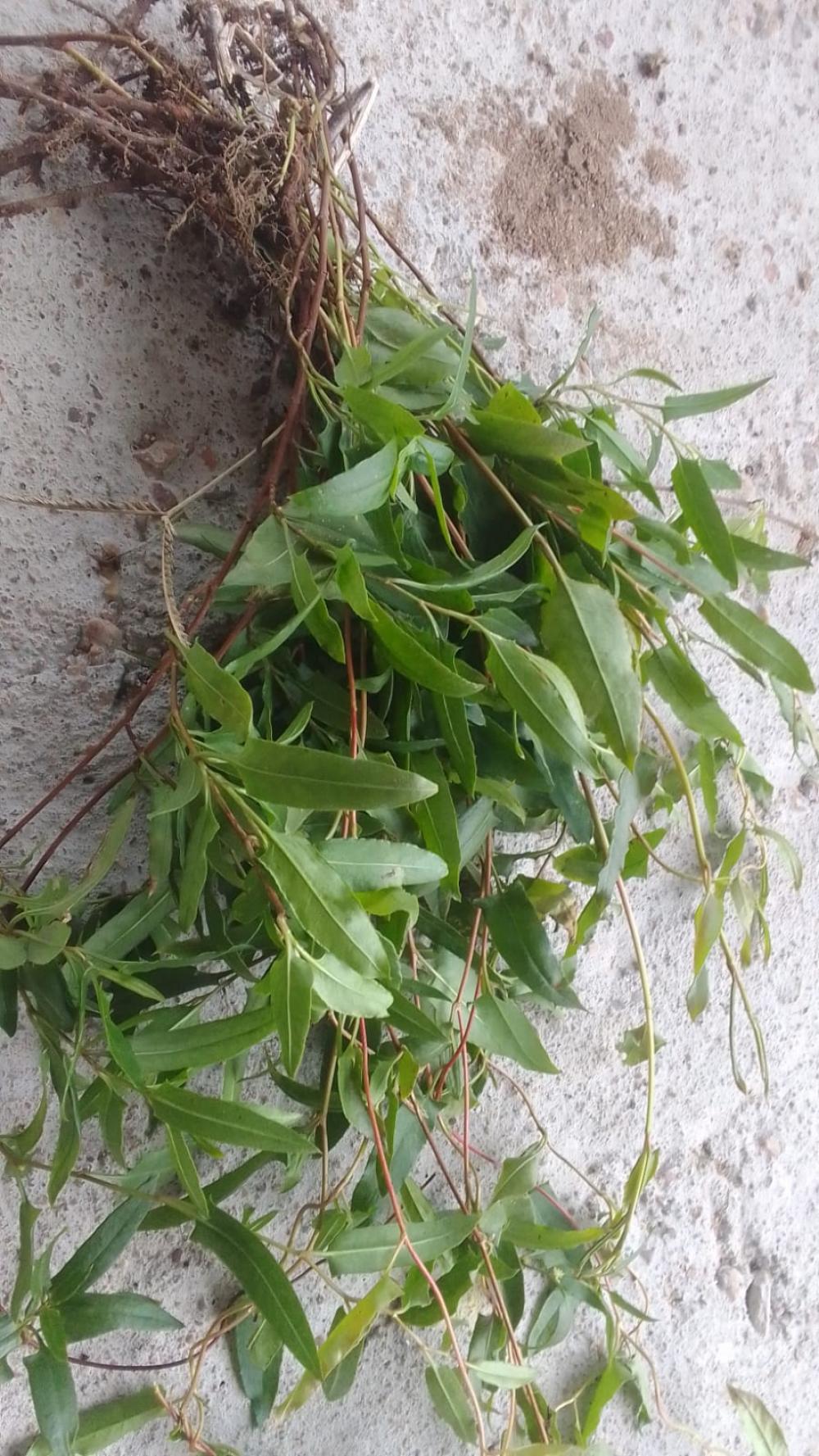
parilla parsley
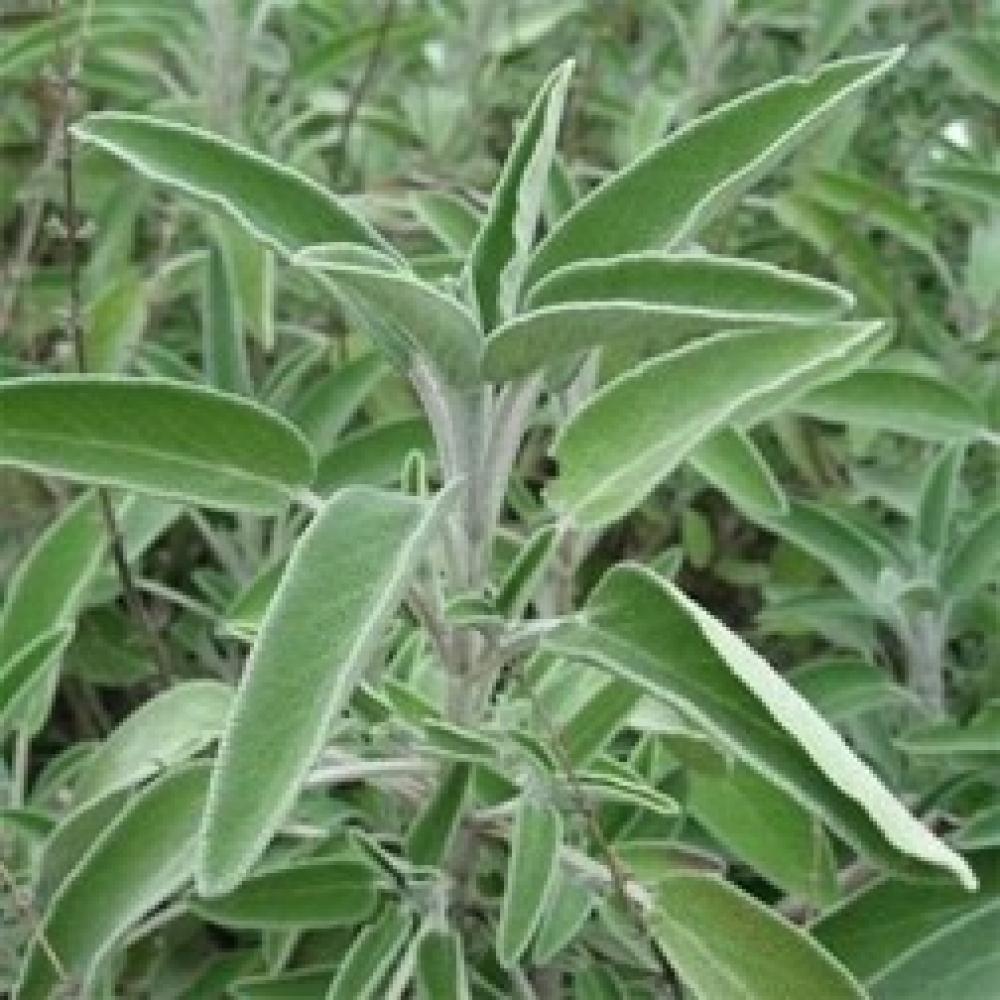
Sage
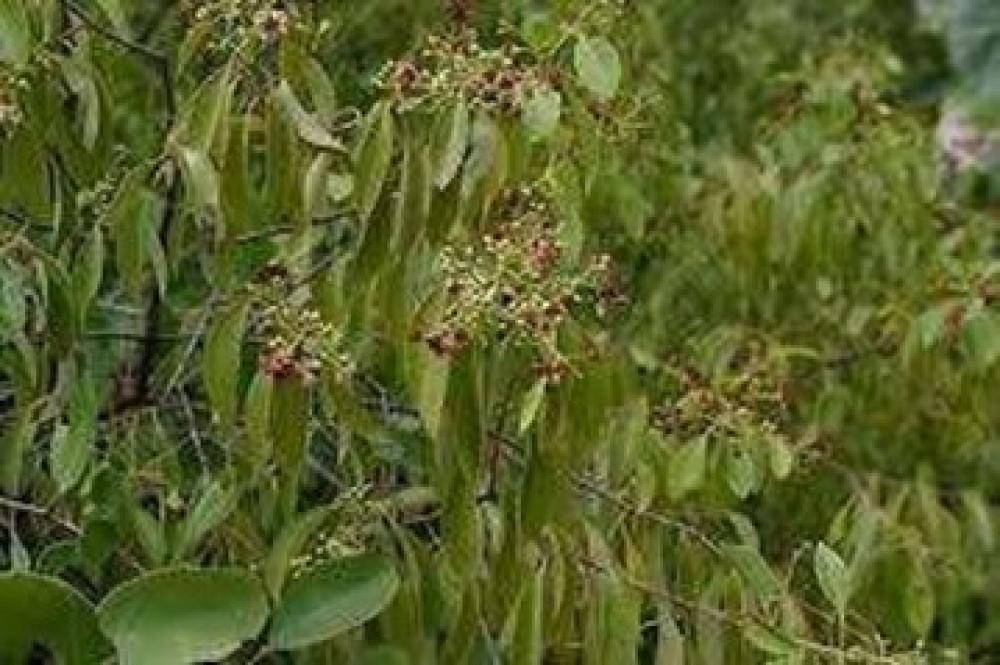
Sandalwood
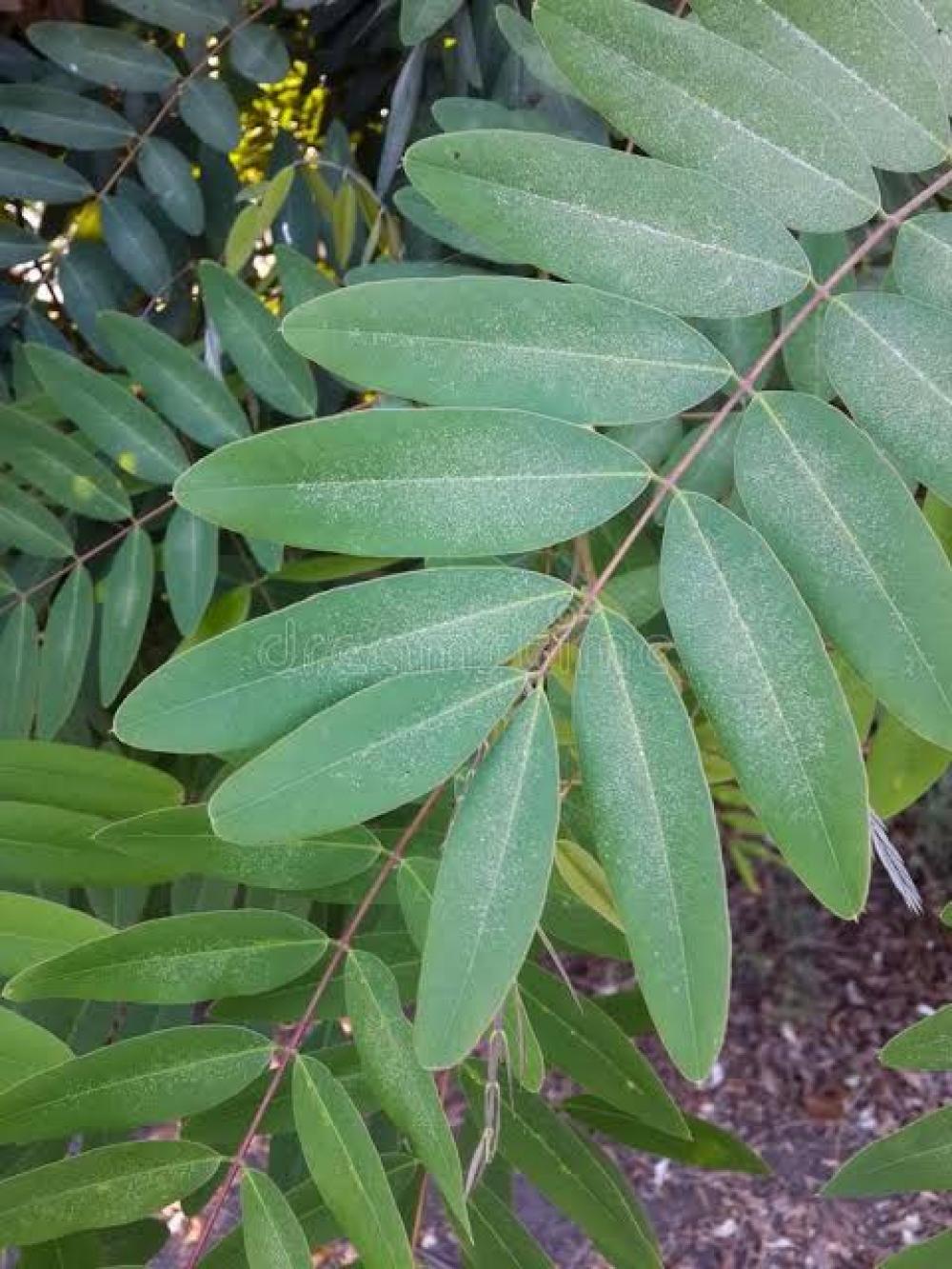
senna
Stevia
Tamarind
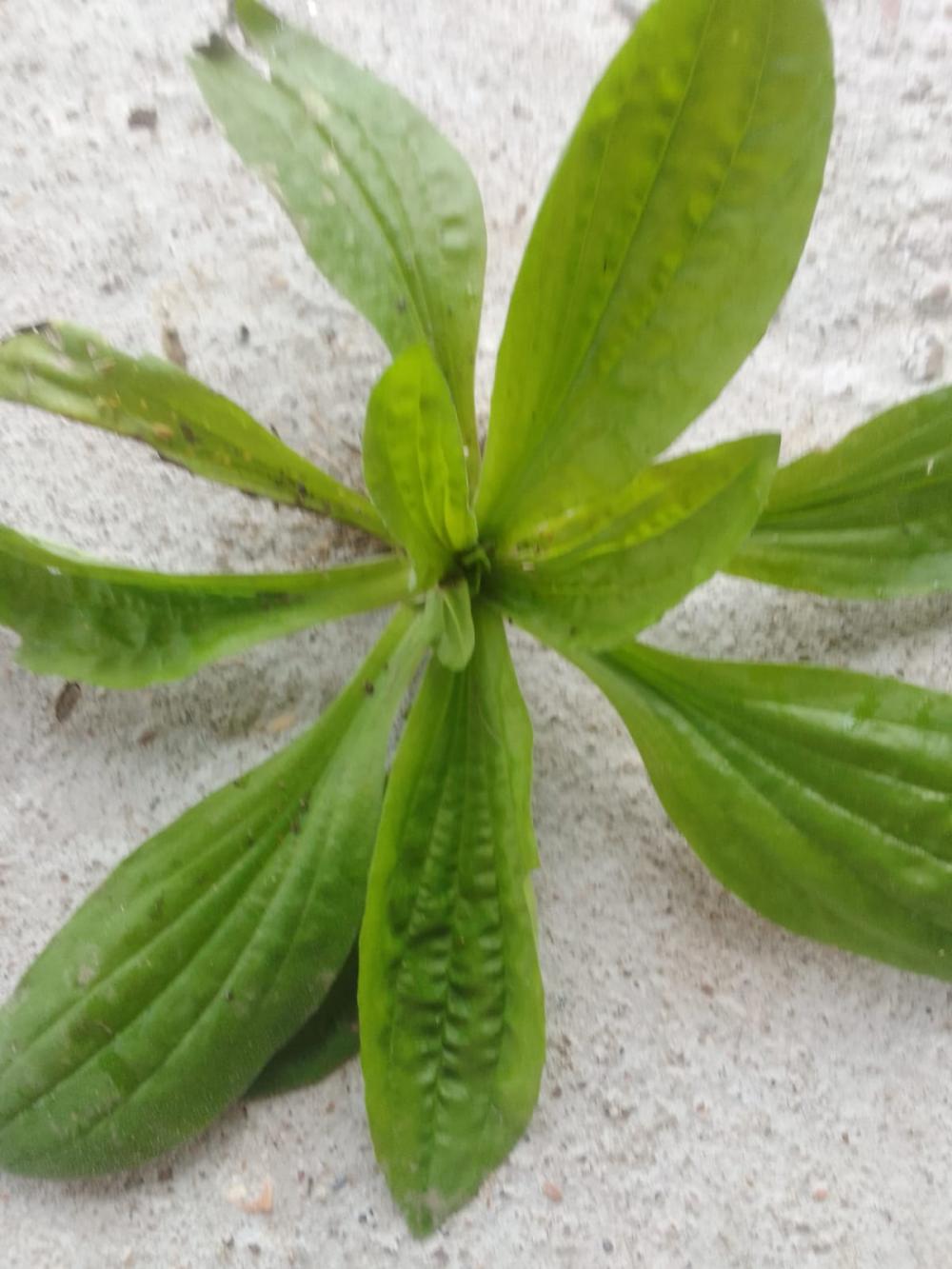
Plantain
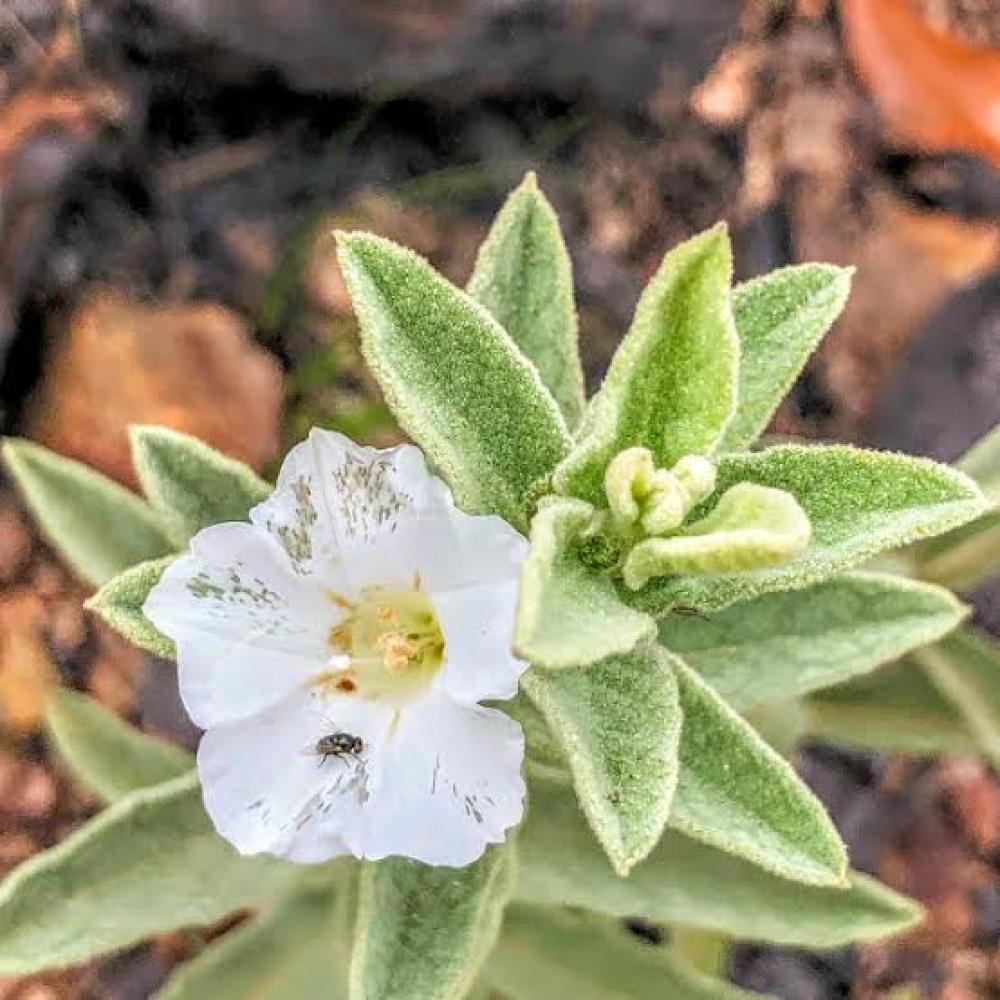
Velame-do-campo
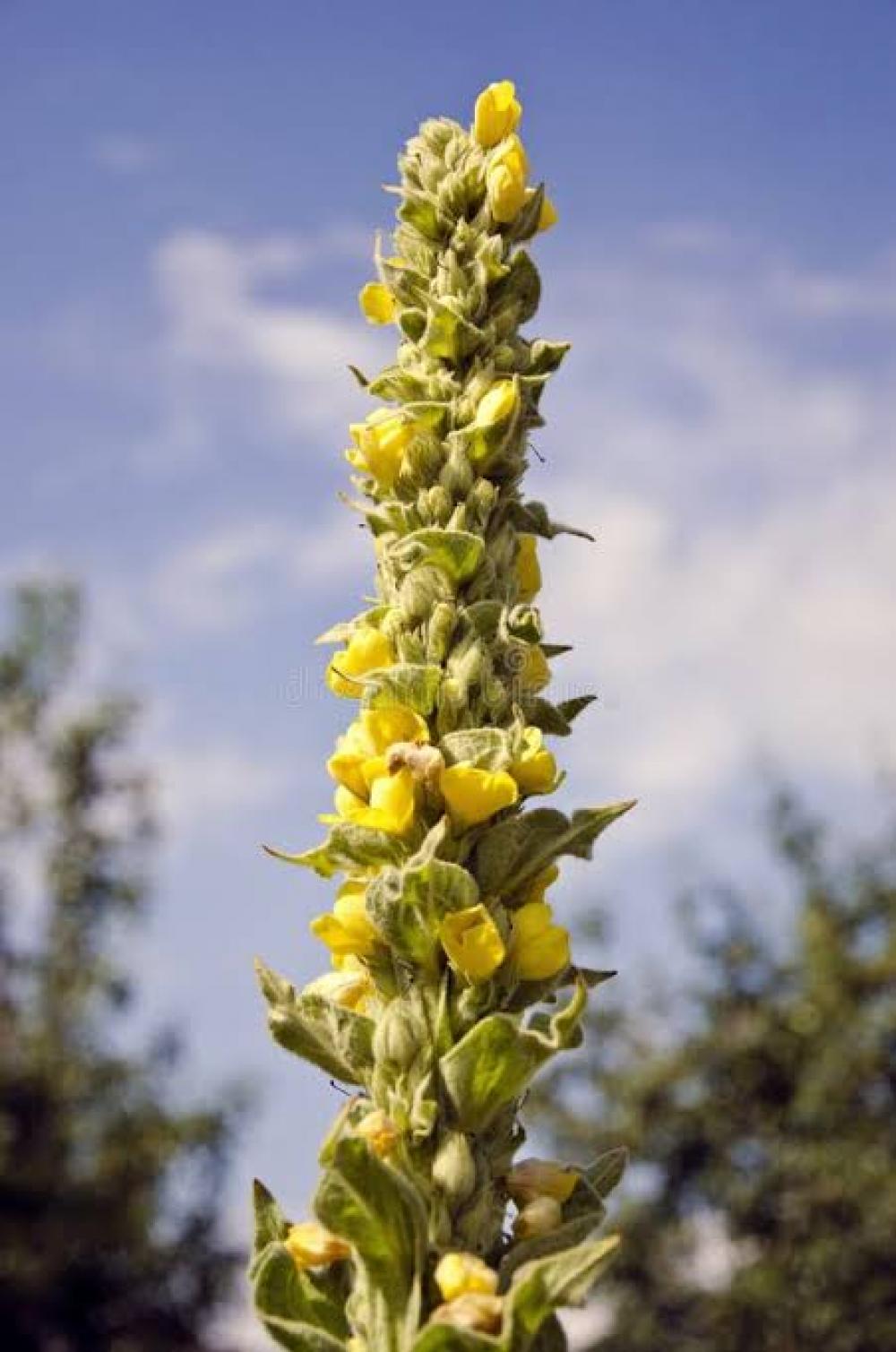
Brazilian mullein
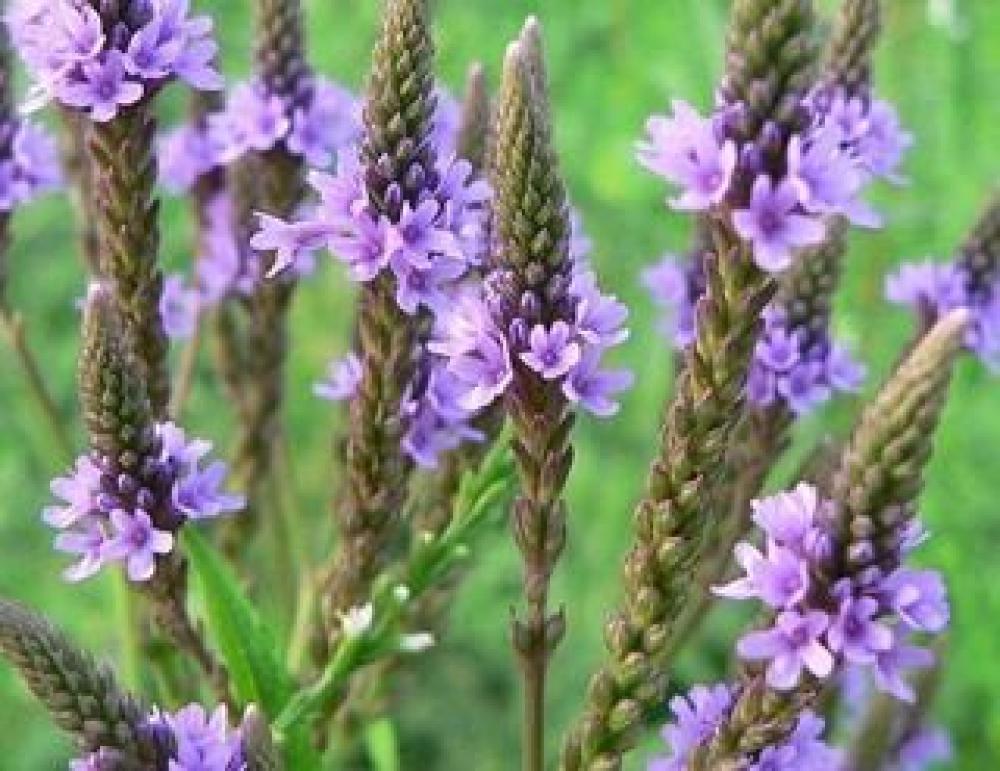
Field verbena