



Calêndula

The tea made from the flowers acts as a stimulant and antispasmodic, and is also used against jaundice (yellowing of the skin and eyes).
The leaves are used as a resolvent, for external use, in purulent inflammations (inflammations with pus); for internal use, in arthritis and nervous diseases.
Ointments and soaps are made from calendula for skin cleansing and burn treatment.
Its leaves, in local applications, heal calluses and warts, and are a powerful antiseptic that quickly extinguishes infections.
Calendula officinalis, popularly known as calendula, is a plant with various medicinal and cosmetic uses. Its properties are mainly attributed to the compounds present in its flowers.
• Skin problems: Calendula is widely used to treat skin problems such as wounds, cuts, burns, insect bites, eczema, and dermatitis.
Its anti-inflammatory, antibacterial, and healing properties help in skin regeneration and pain relief.
• Digestive problems: Calendula can help treat mild digestive problems such as gastritis and ulcers.
Its anti-inflammatory and antispasmodic properties help relieve cramps and abdominal pain.
• Gynecological problems: Calendula is used to treat gynecological problems such as candidiasis and other vaginal infections.
It is used in sitz baths and vaginal douches.
The leaves are used as a resolvent, for external use, in purulent inflammations (inflammations with pus); for internal use, in arthritis and nervous diseases.
Ointments and soaps are made from calendula for skin cleansing and burn treatment.
Its leaves, in local applications, heal calluses and warts, and are a powerful antiseptic that quickly extinguishes infections.
Calendula officinalis, popularly known as calendula, is a plant with various medicinal and cosmetic uses. Its properties are mainly attributed to the compounds present in its flowers.
• Skin problems: Calendula is widely used to treat skin problems such as wounds, cuts, burns, insect bites, eczema, and dermatitis.
Its anti-inflammatory, antibacterial, and healing properties help in skin regeneration and pain relief.
• Digestive problems: Calendula can help treat mild digestive problems such as gastritis and ulcers.
Its anti-inflammatory and antispasmodic properties help relieve cramps and abdominal pain.
• Gynecological problems: Calendula is used to treat gynecological problems such as candidiasis and other vaginal infections.
It is used in sitz baths and vaginal douches.
Plant Catalog
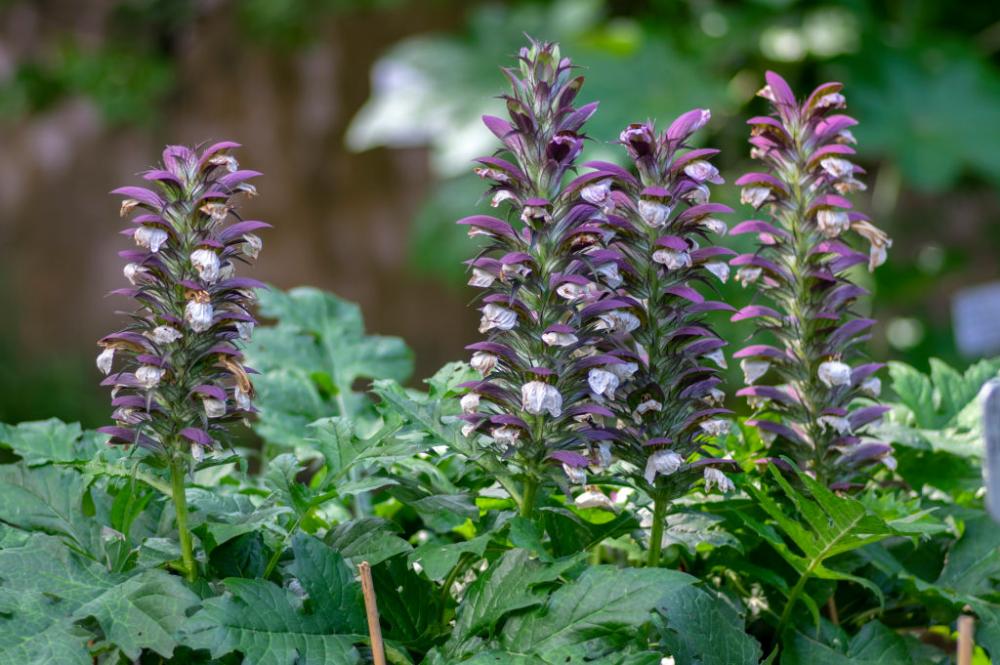
acanthus

Horsewhip

distressed
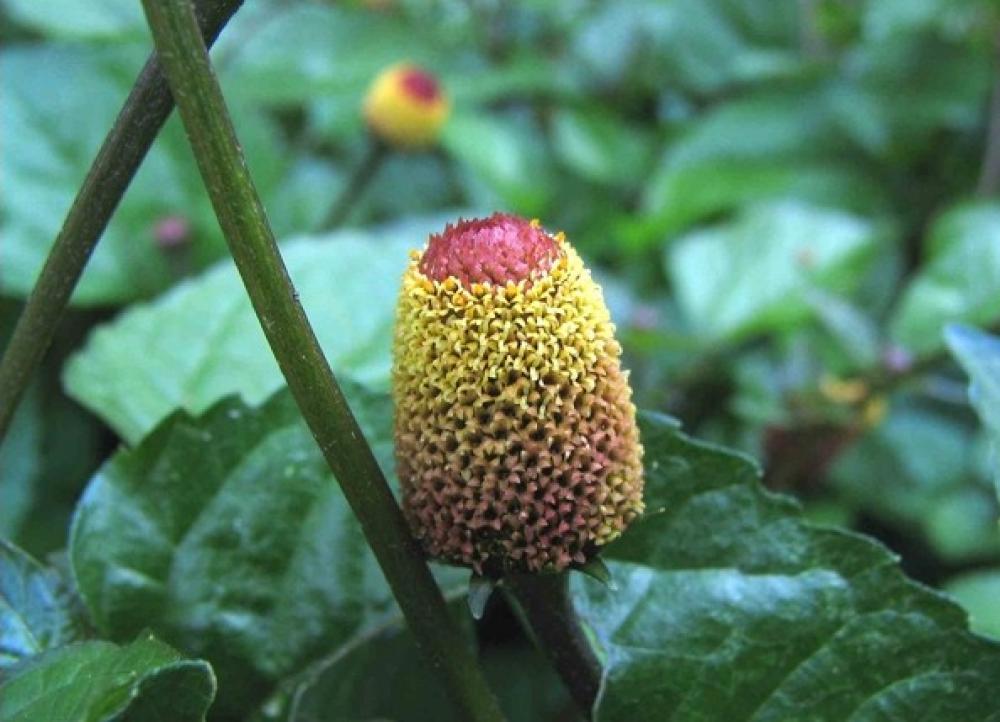
Pará cress or Jambu
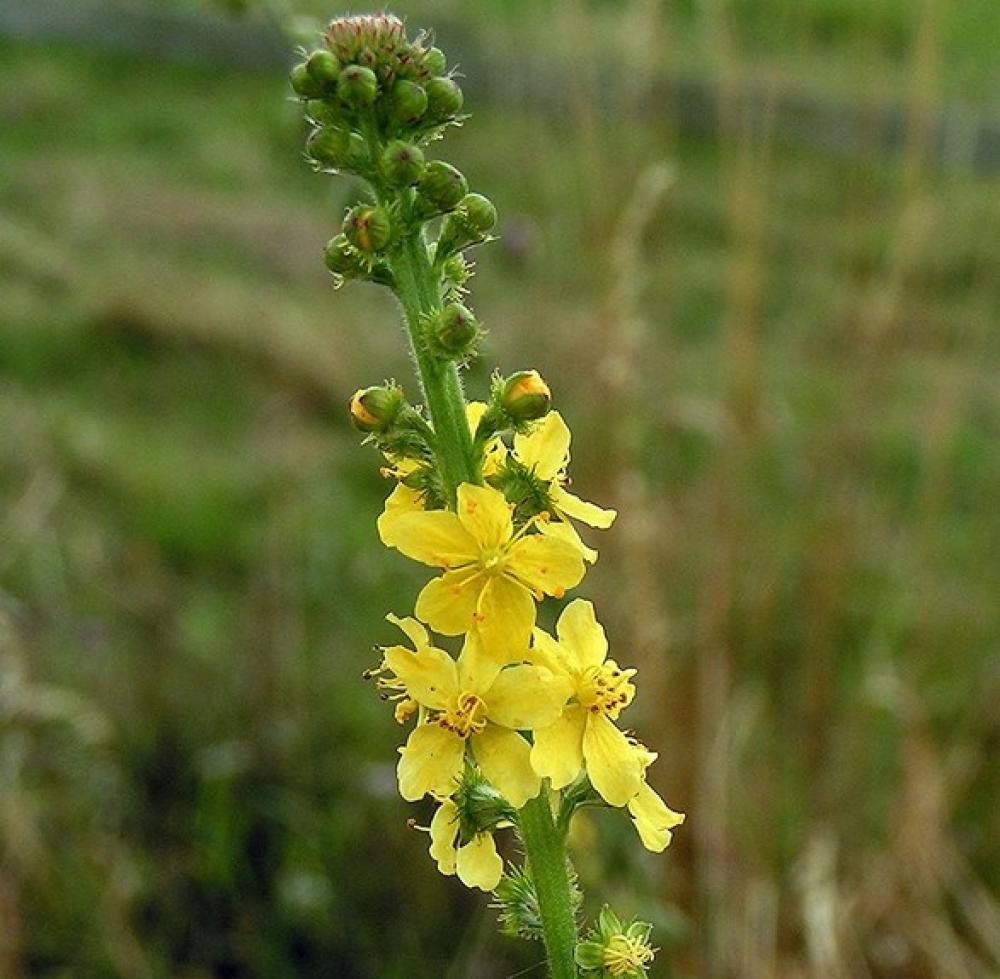
Agrimony
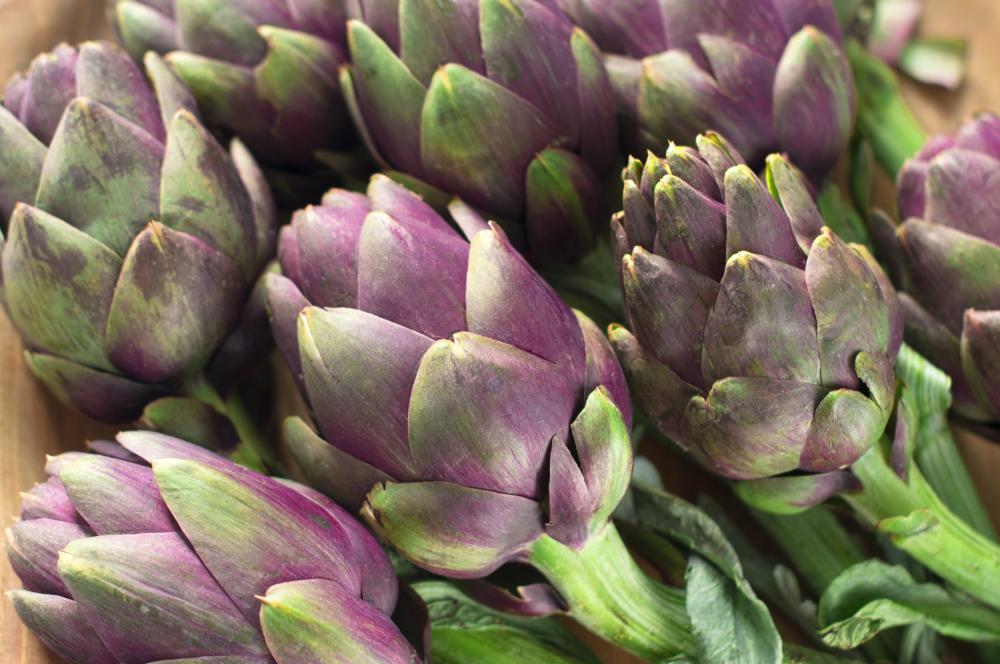
Artichoke
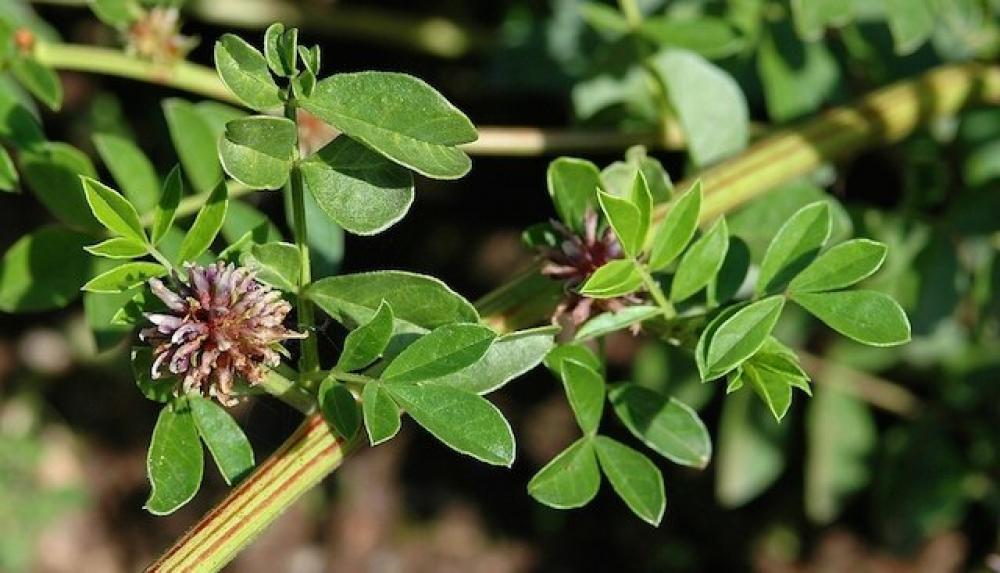
licorice
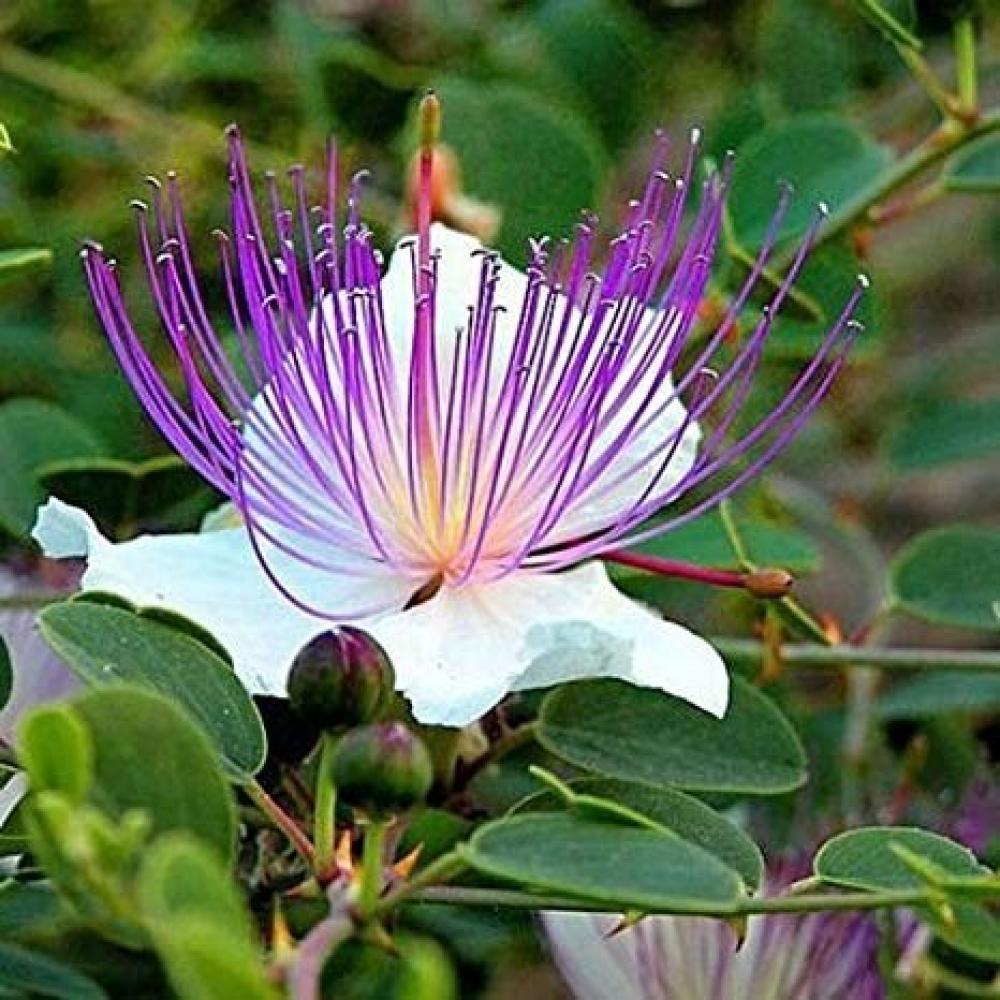
caper
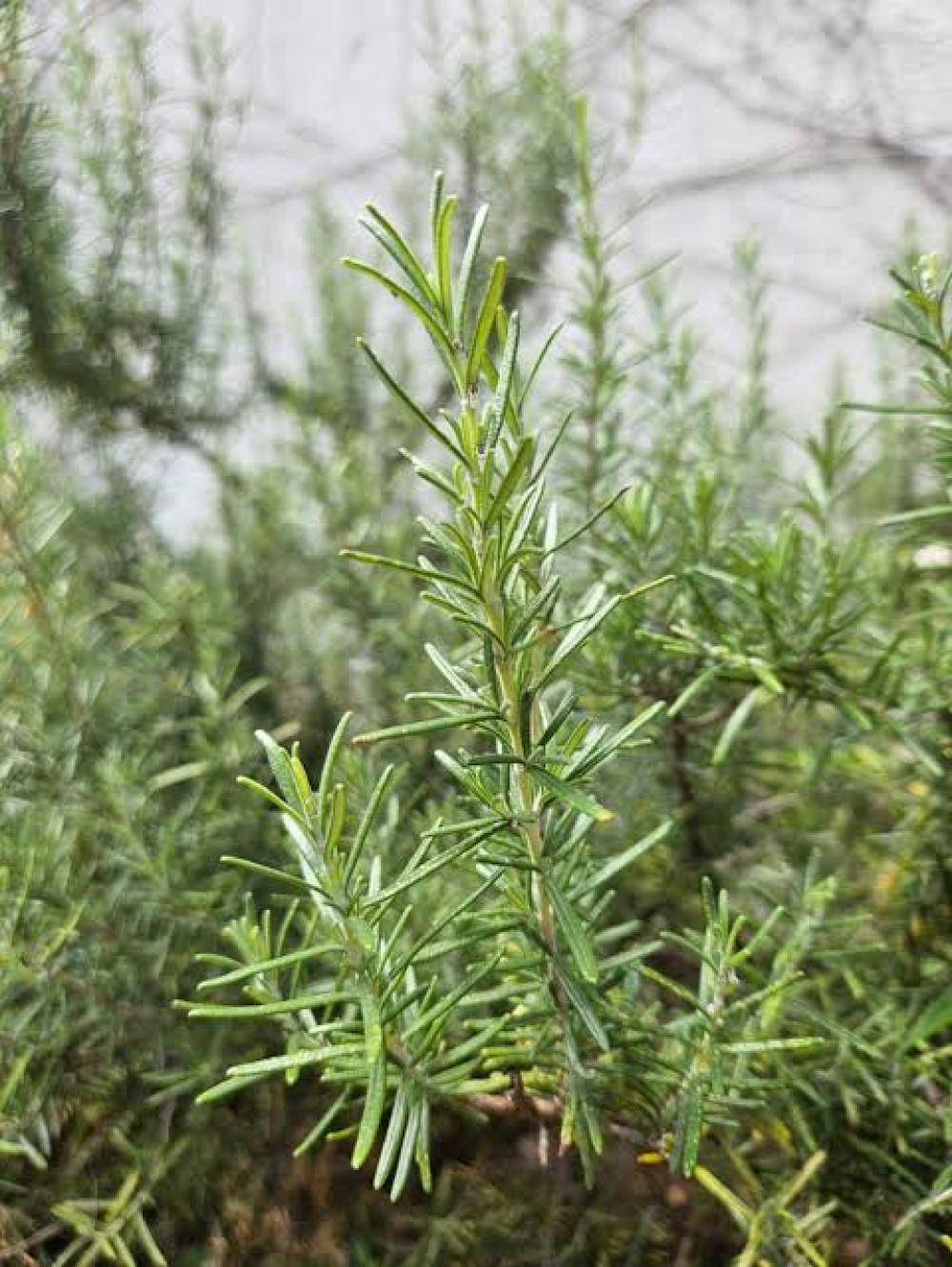
rosemary
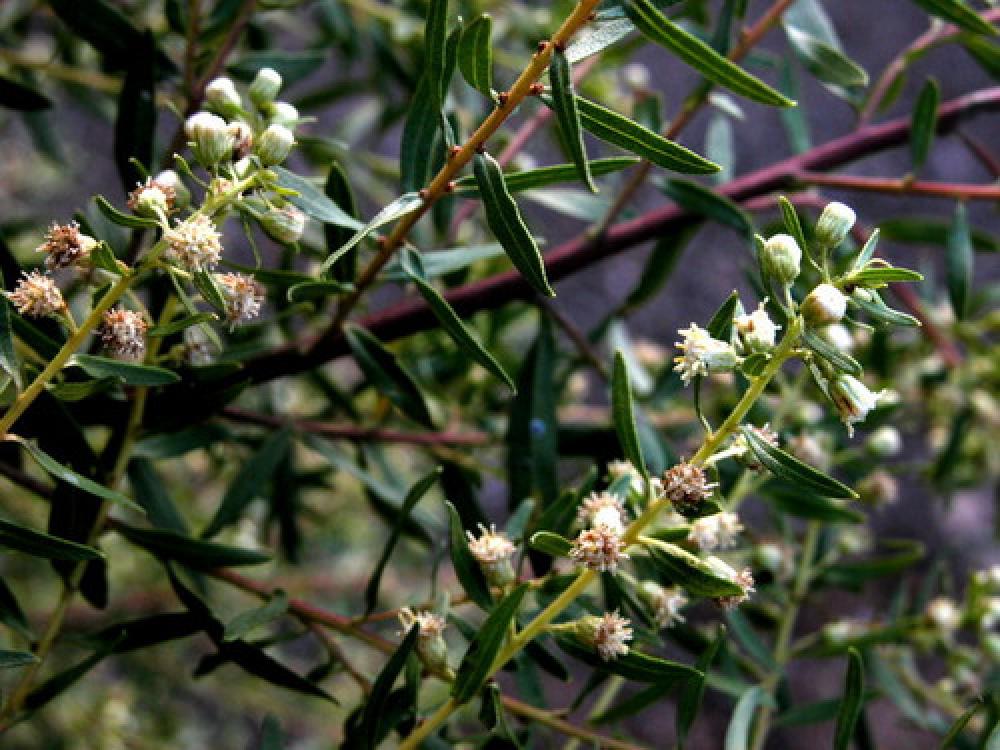
Field Rosemary
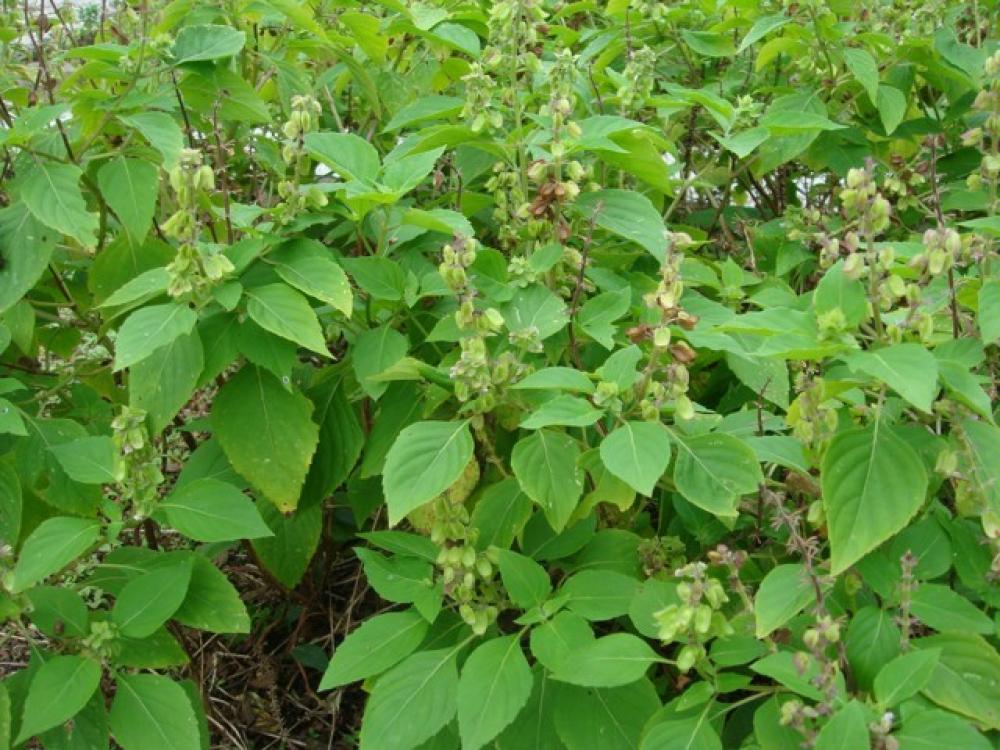
basil
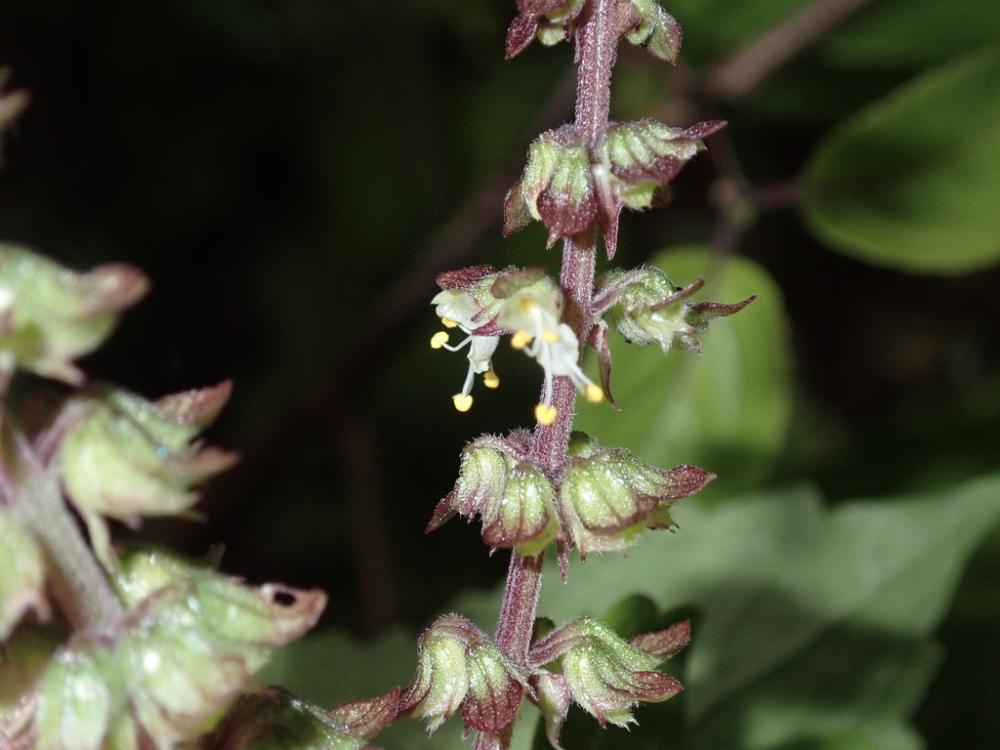
Clove Basil
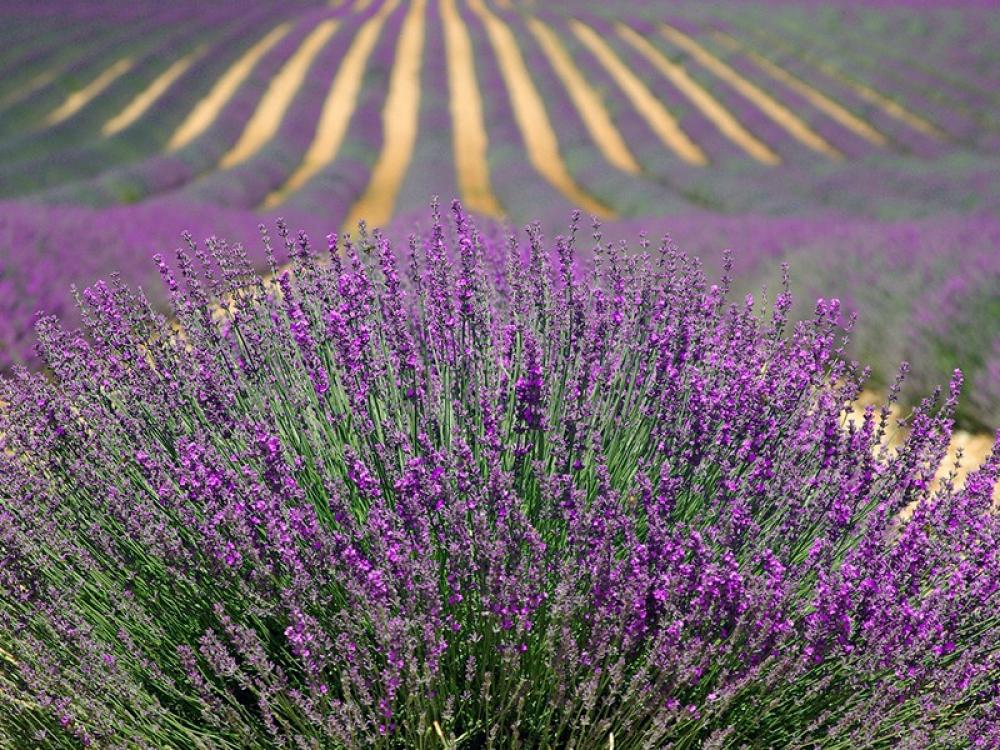
lavender
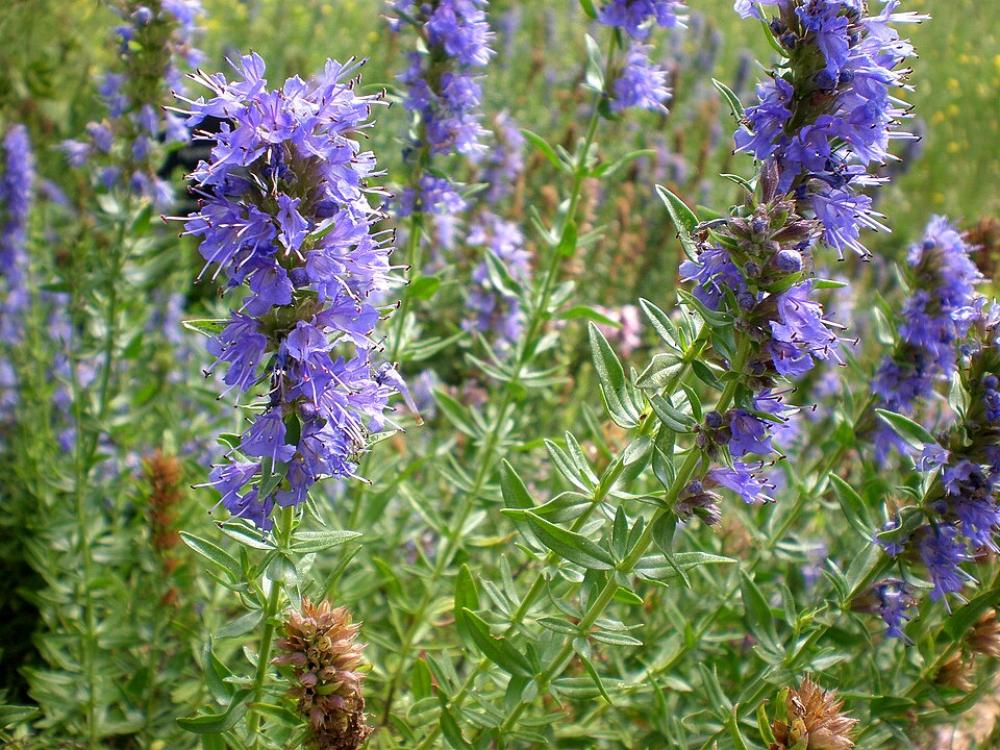
Caboclo Lavender

Cotton
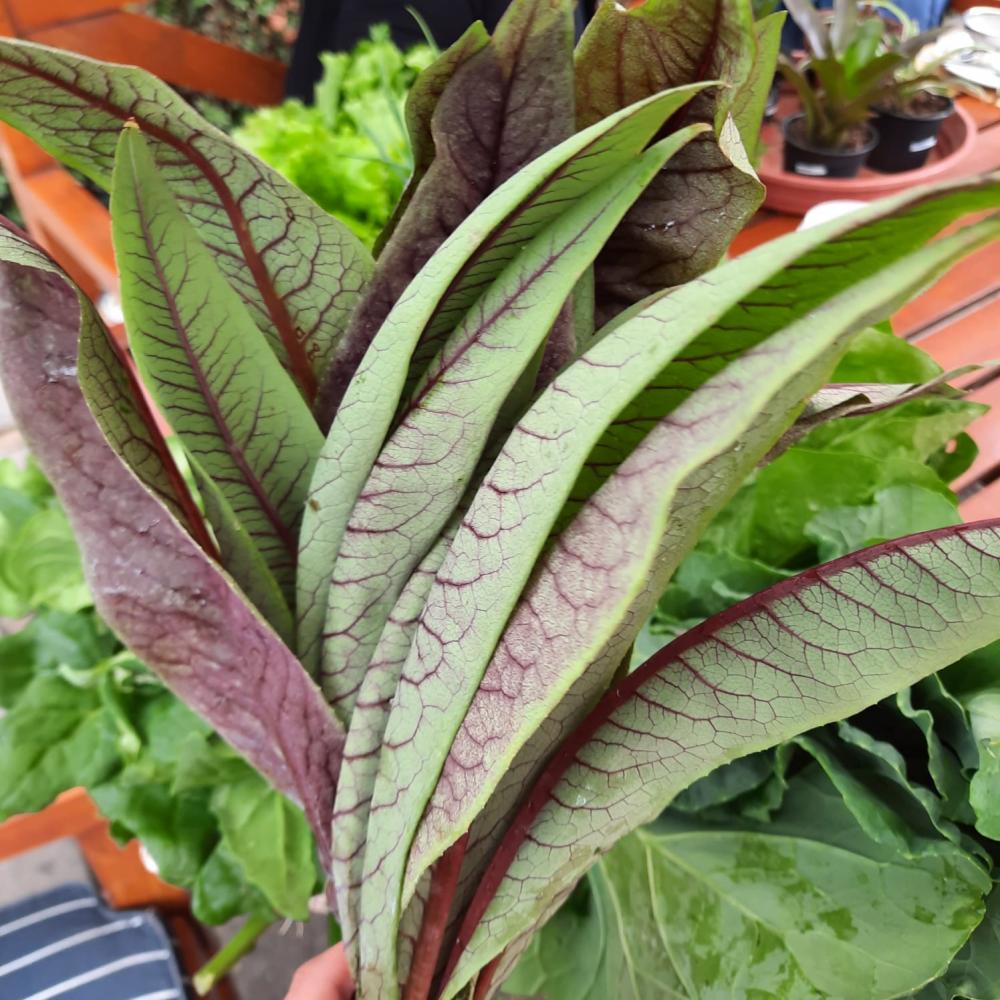
Cafezal Chicory
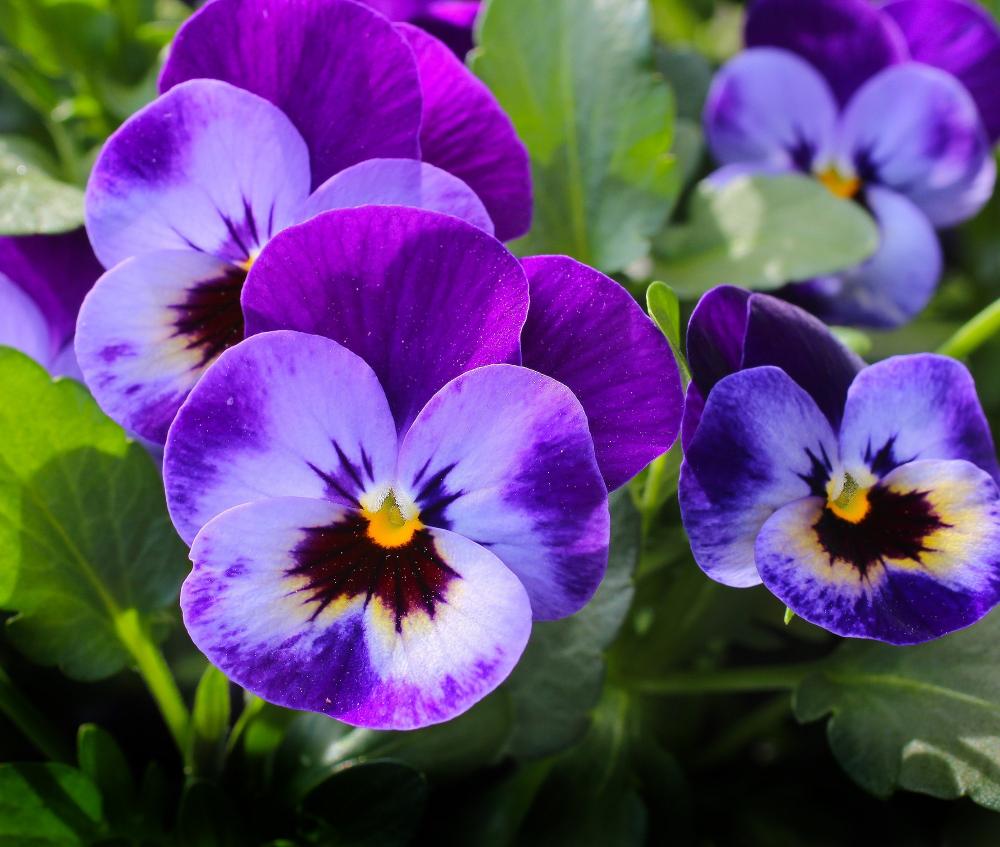
Perfect Love

mulberry
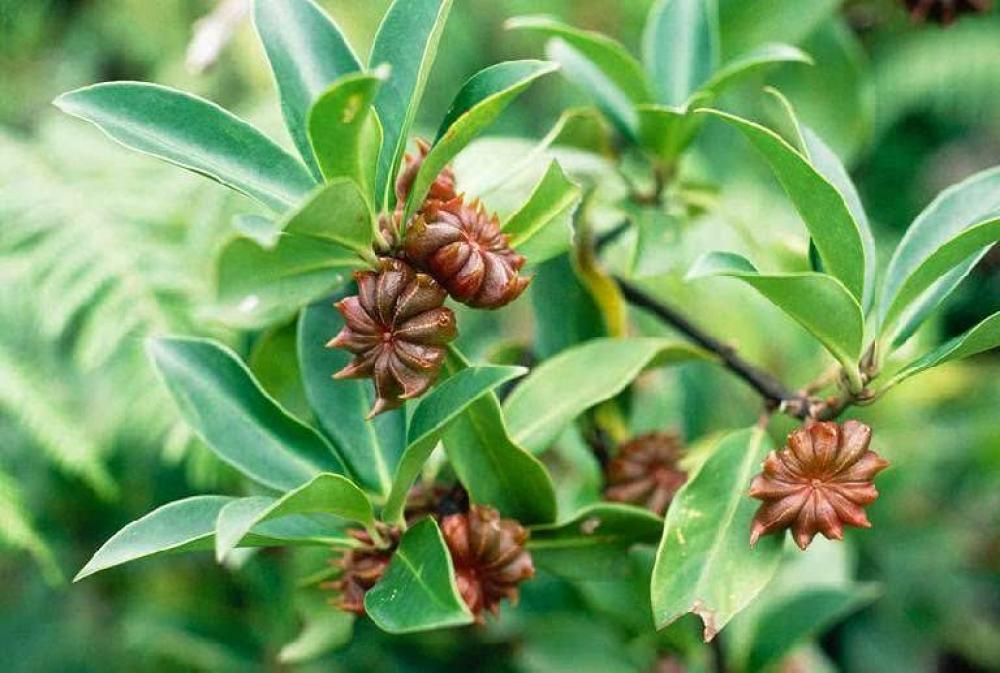
anise
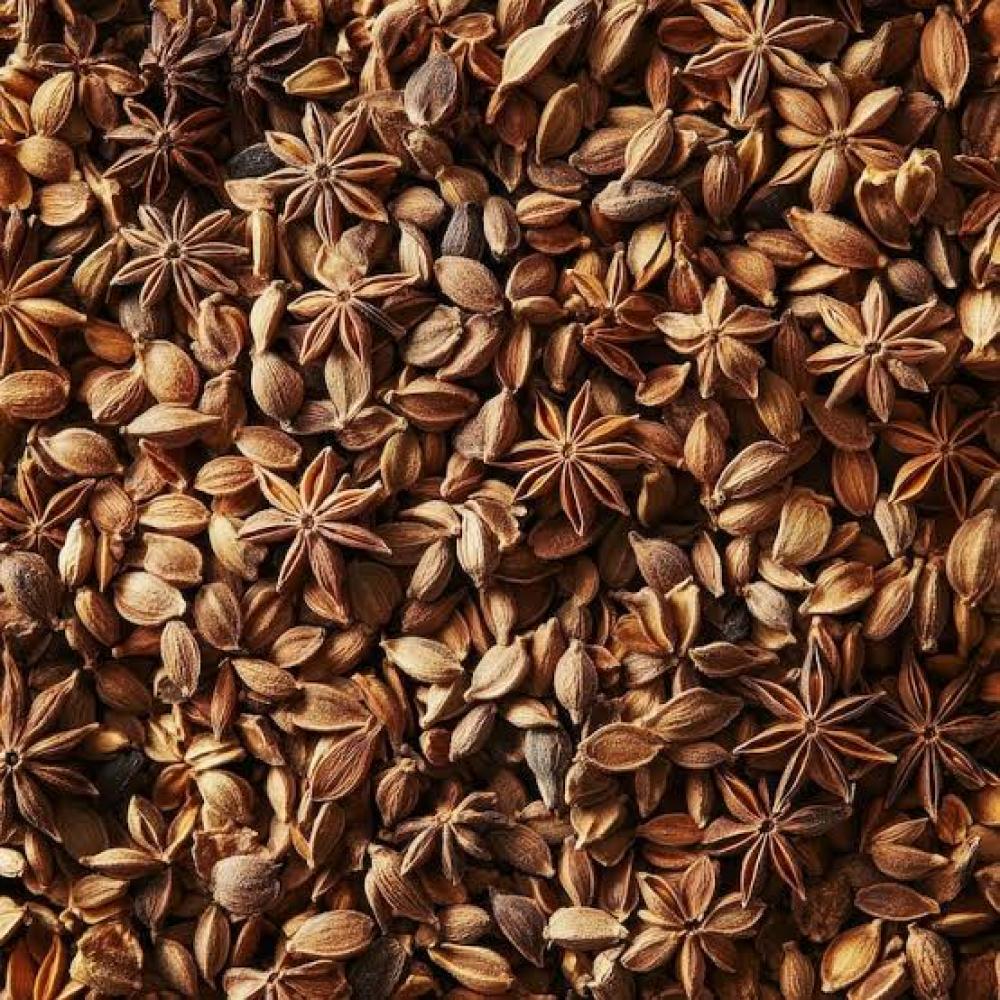
Star anise - Seeds
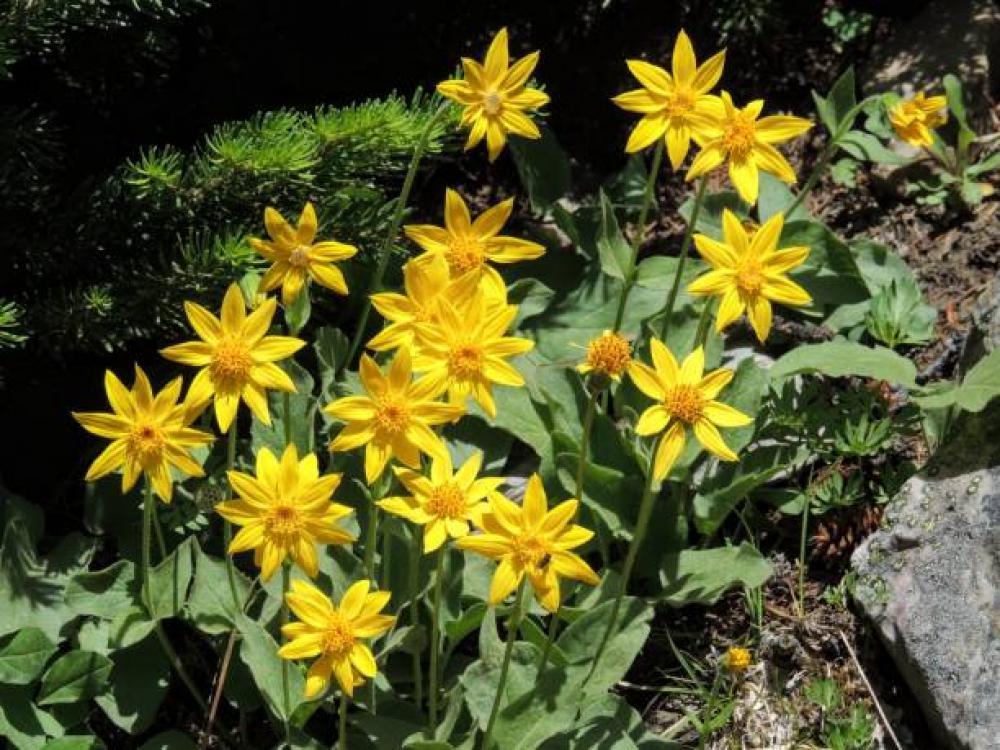
Arnica
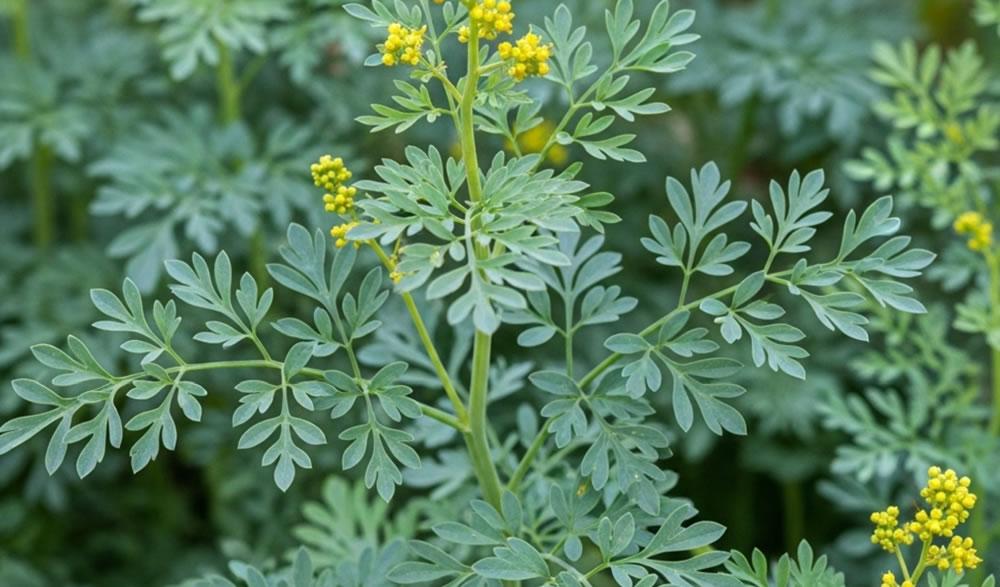
Rue
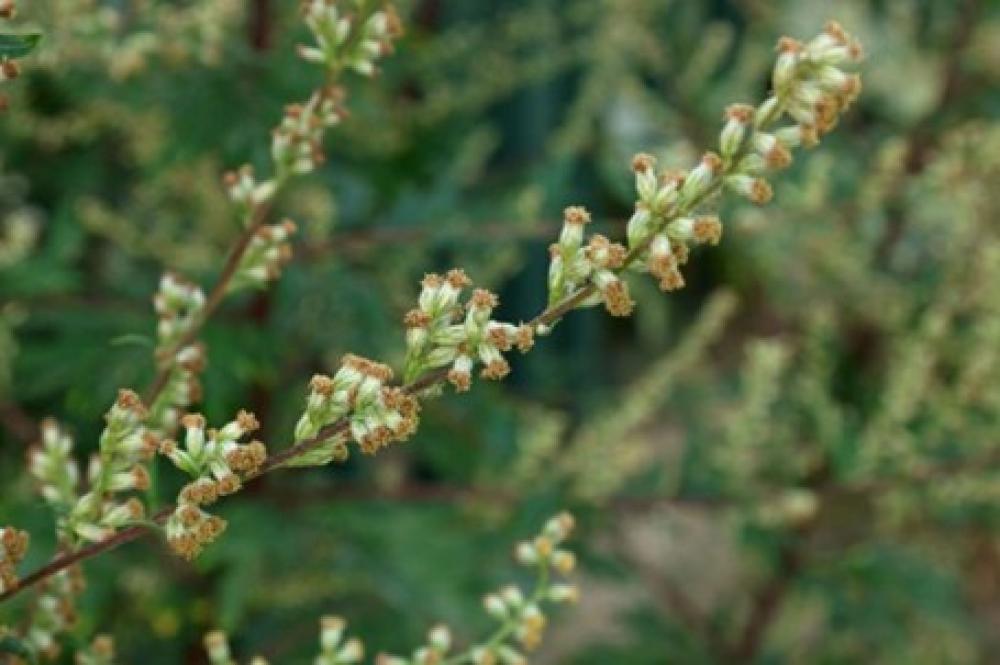
Artemisia
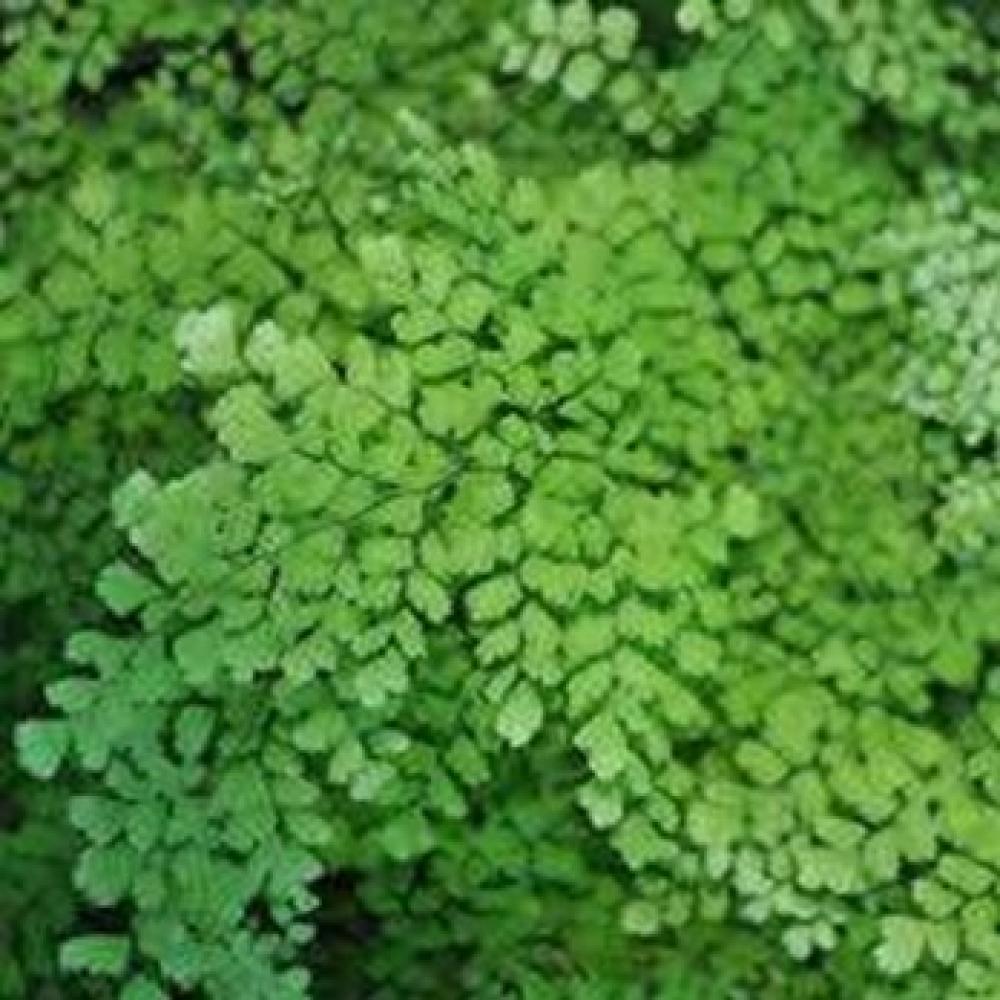
maidenhair fern
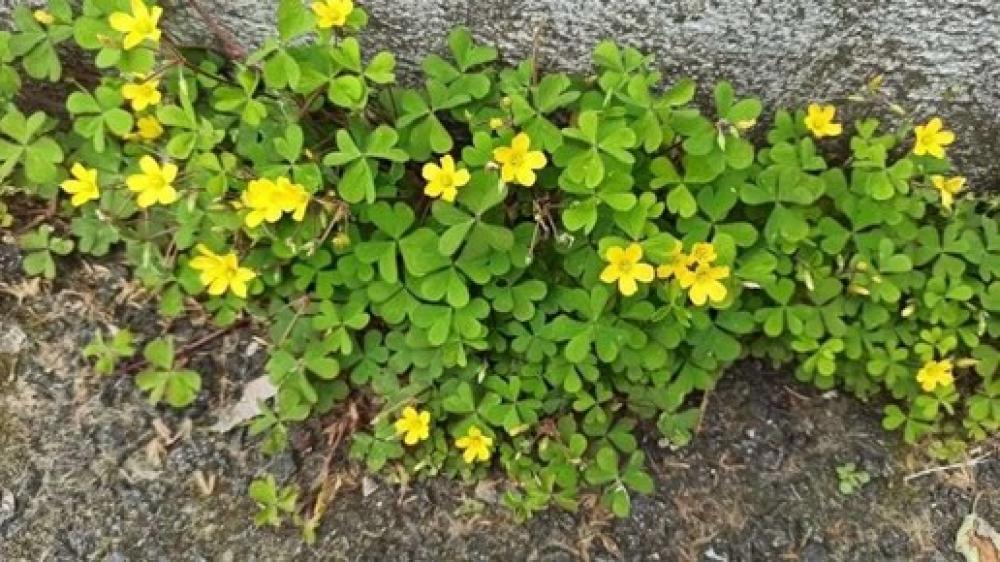
sourish

babassu

aloe vera
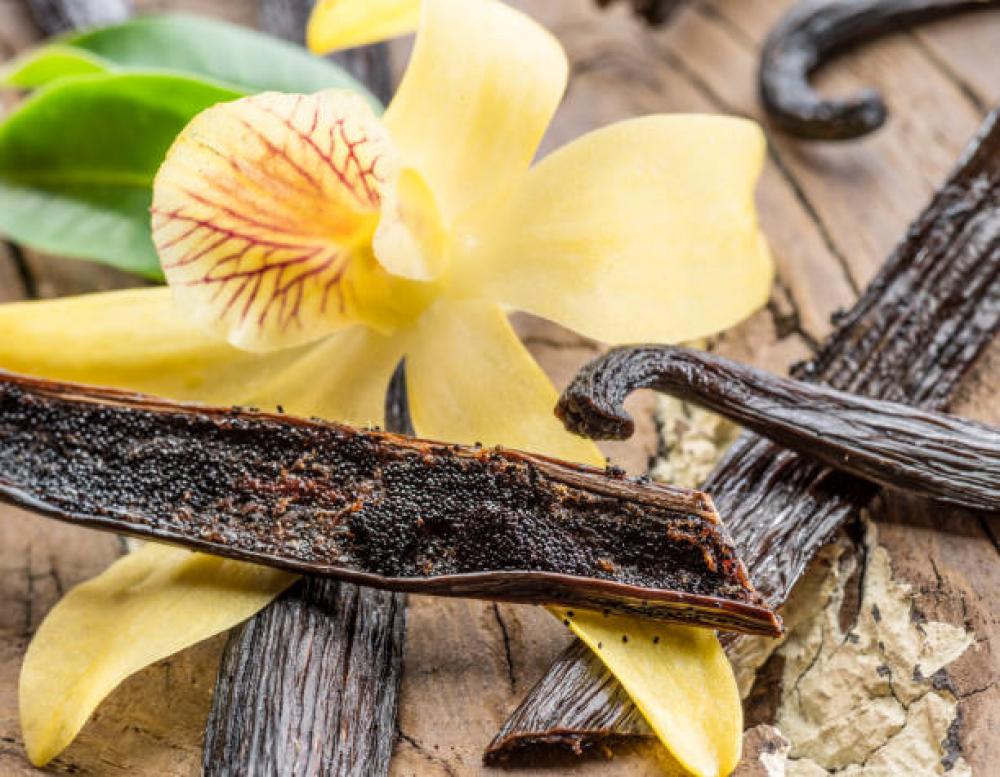
vanilla

Bergamot

Malabar spinach
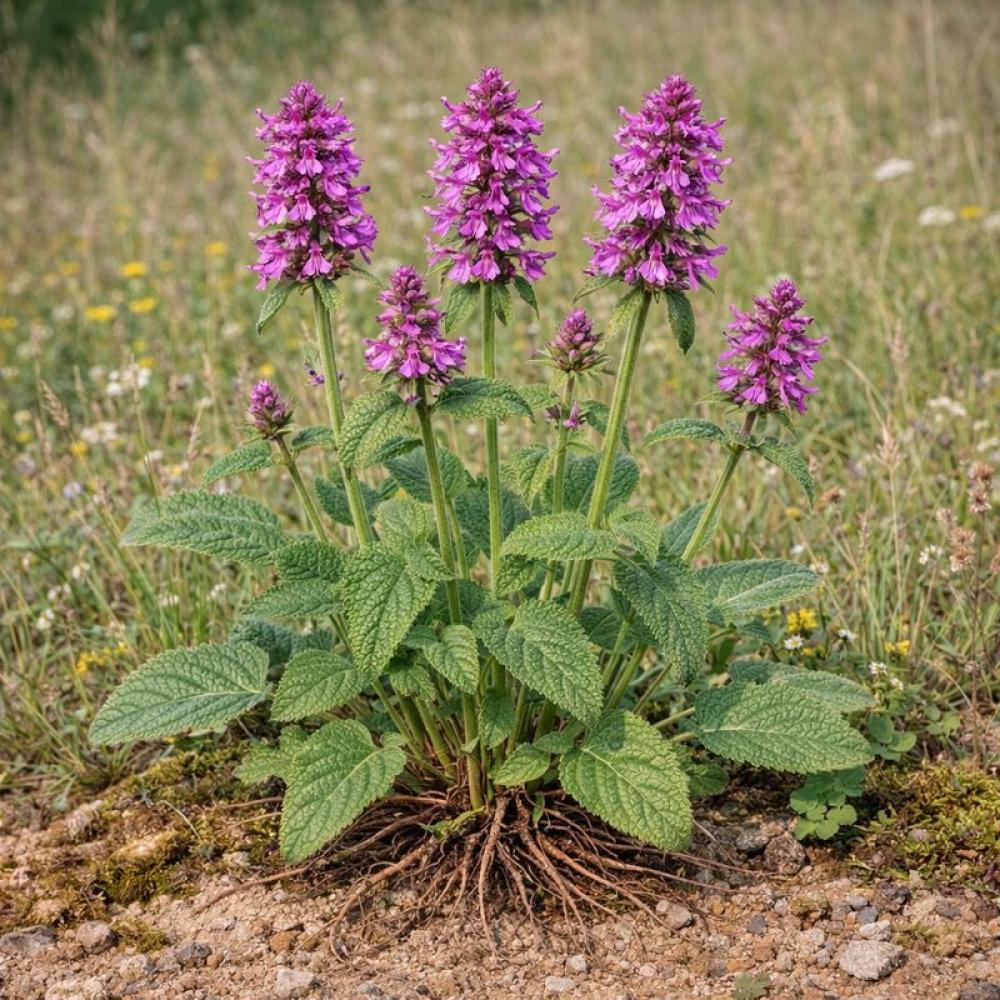
betony
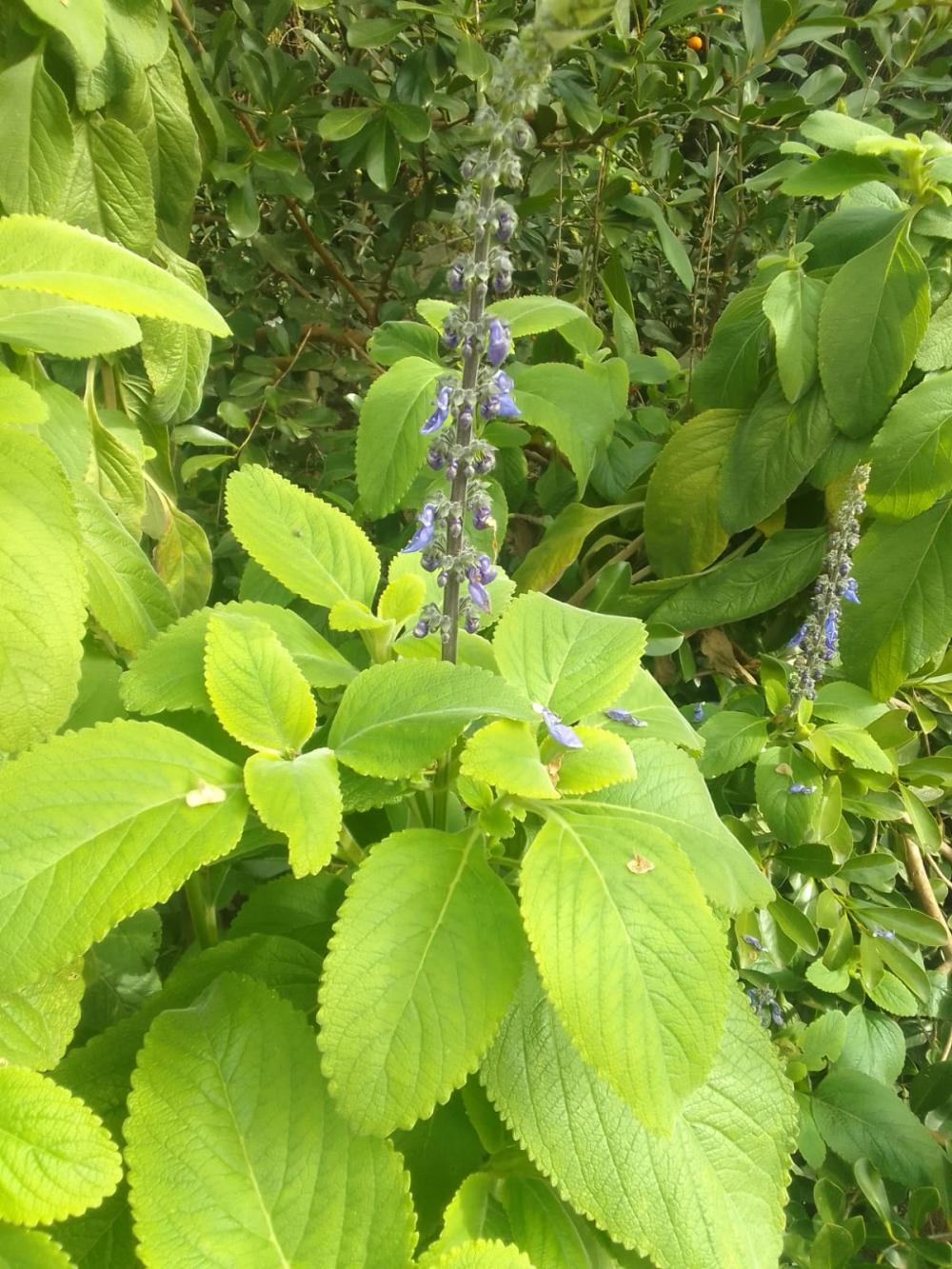
Boldo
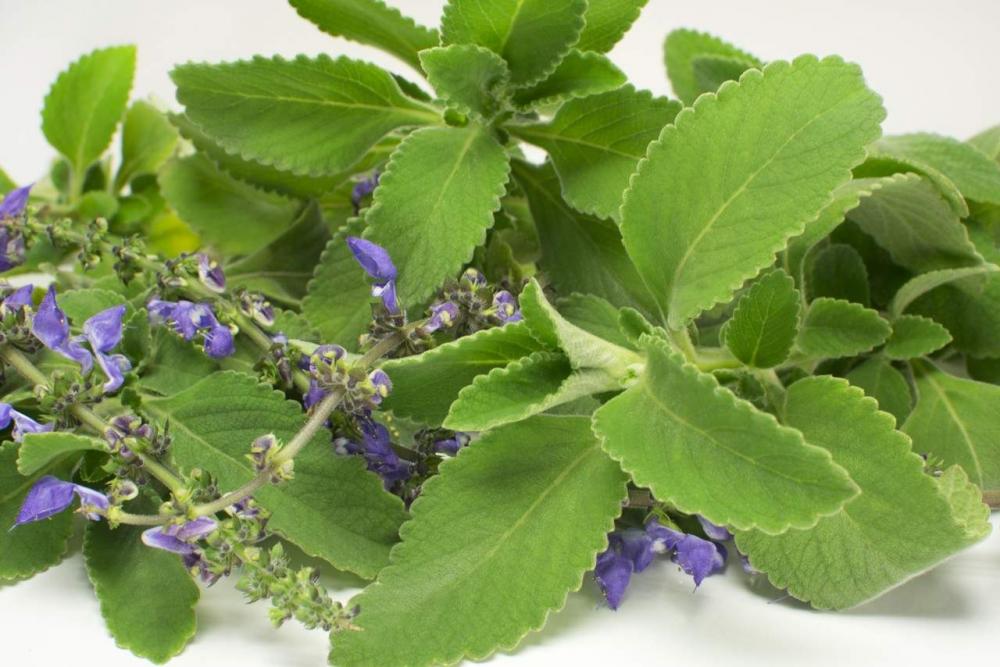
Chilean boldo
Calêndula

Chamomile

cinnamon

Scented Grass - Lemongrass
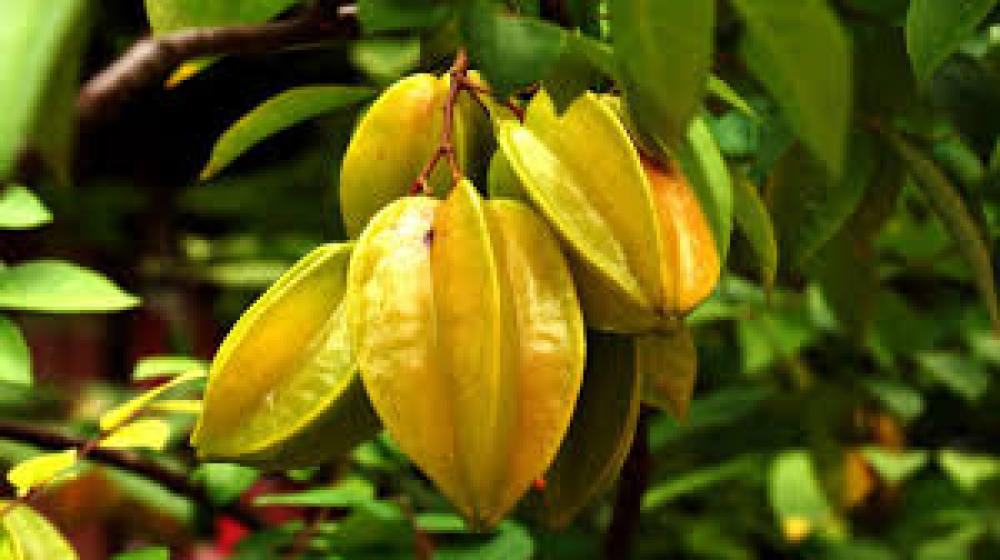
starfruit
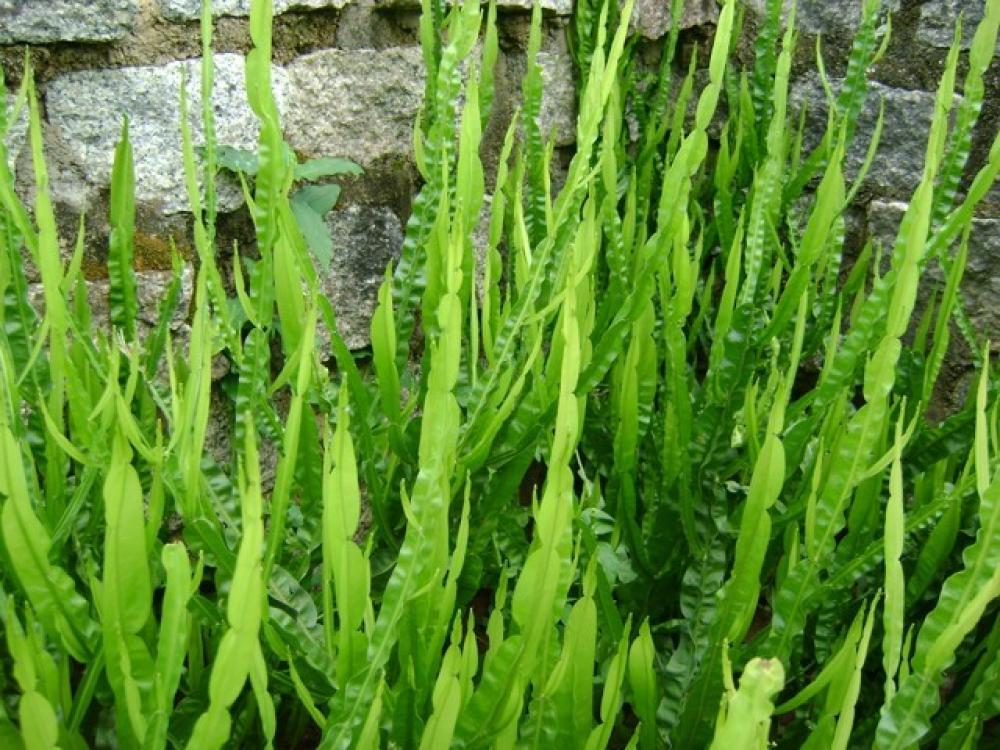
Carqueja

sacred waterfall

chestnut tree
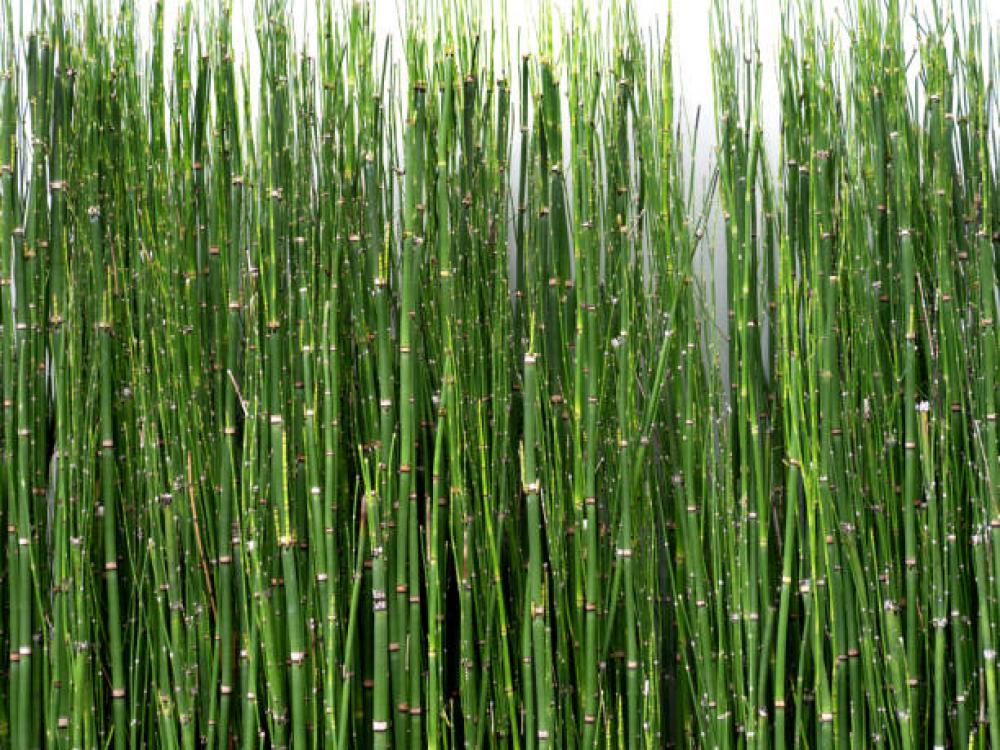
horsetail

cherry
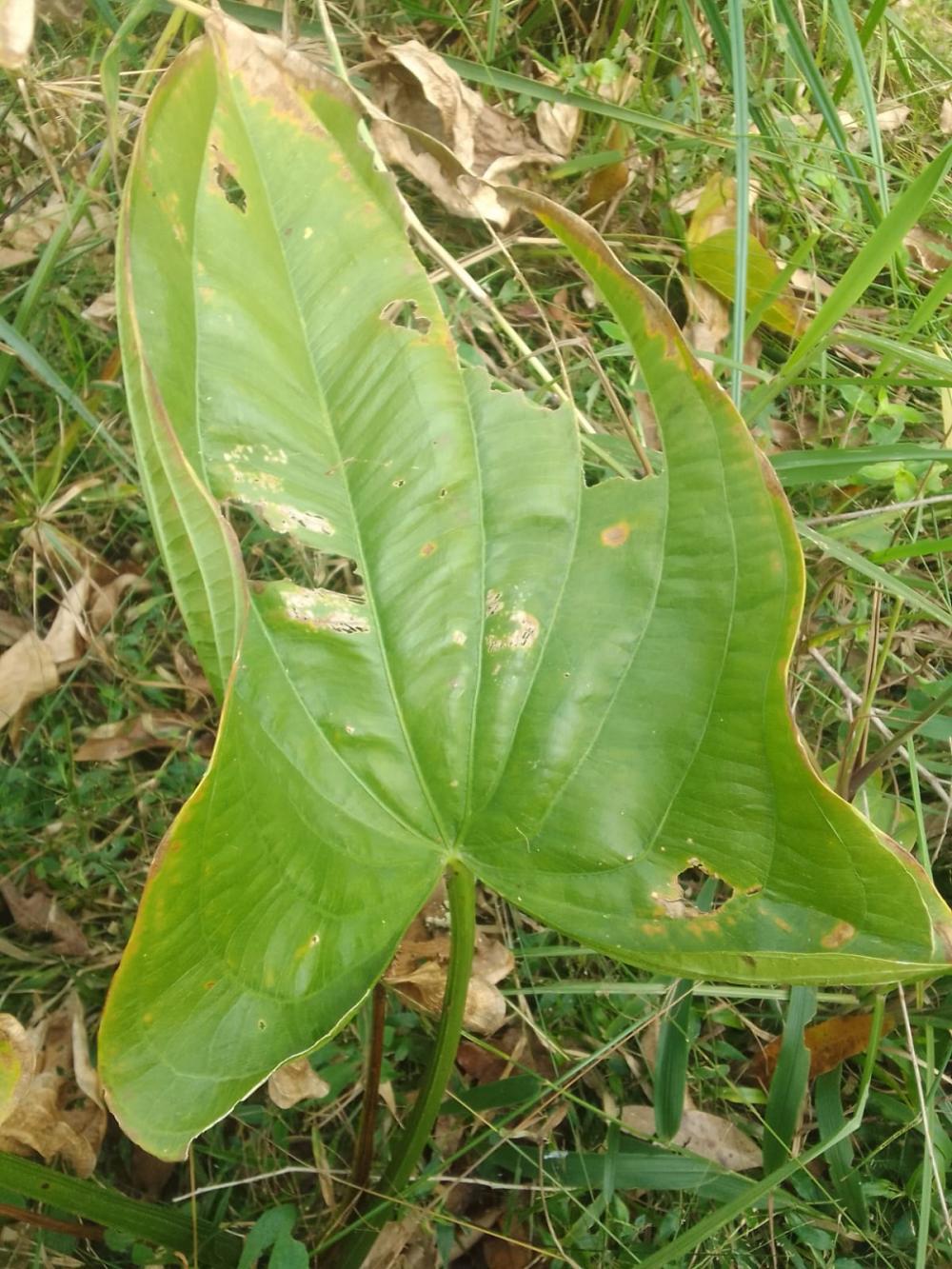
Leather Hat
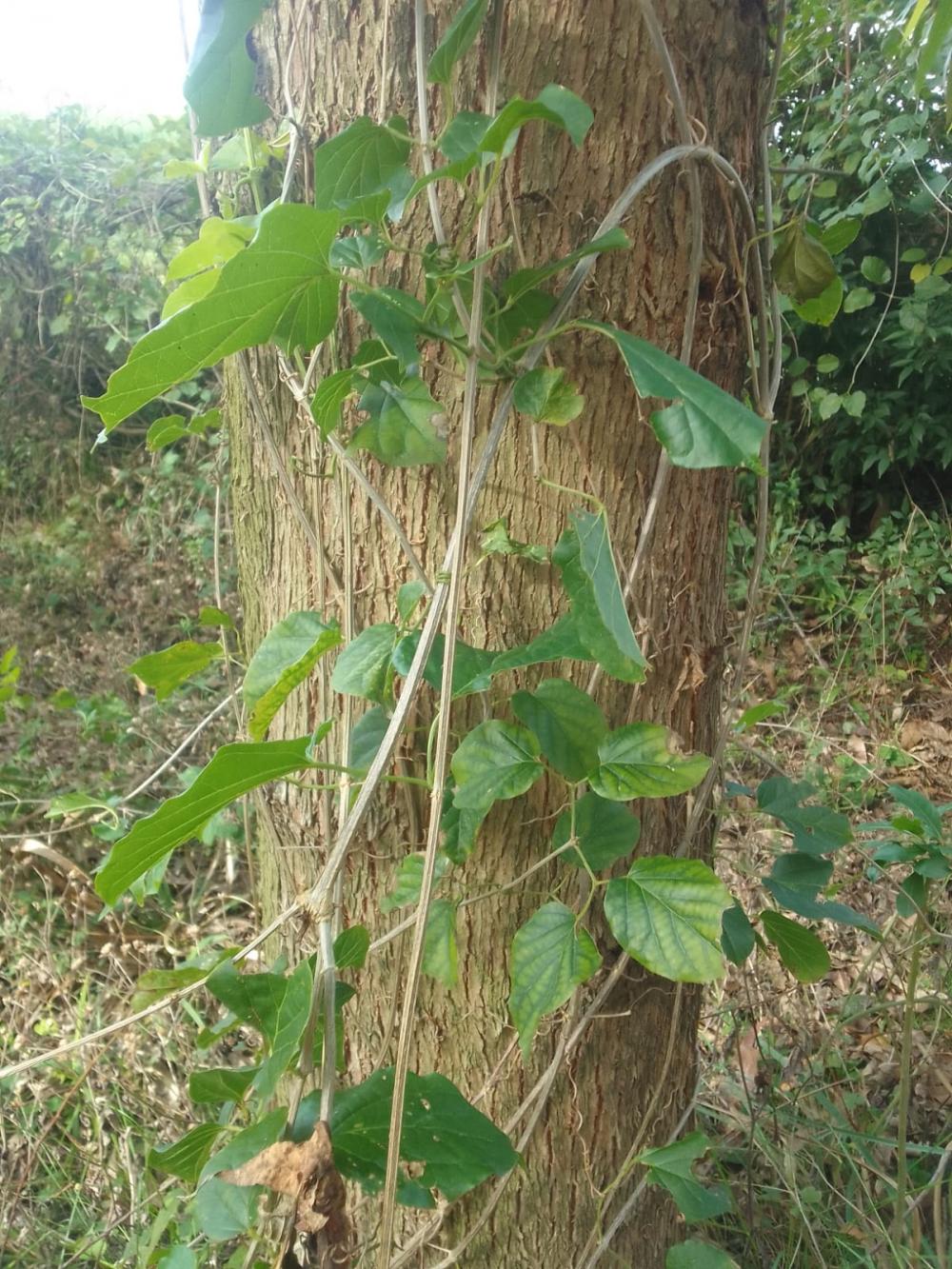
St. Johns Vine
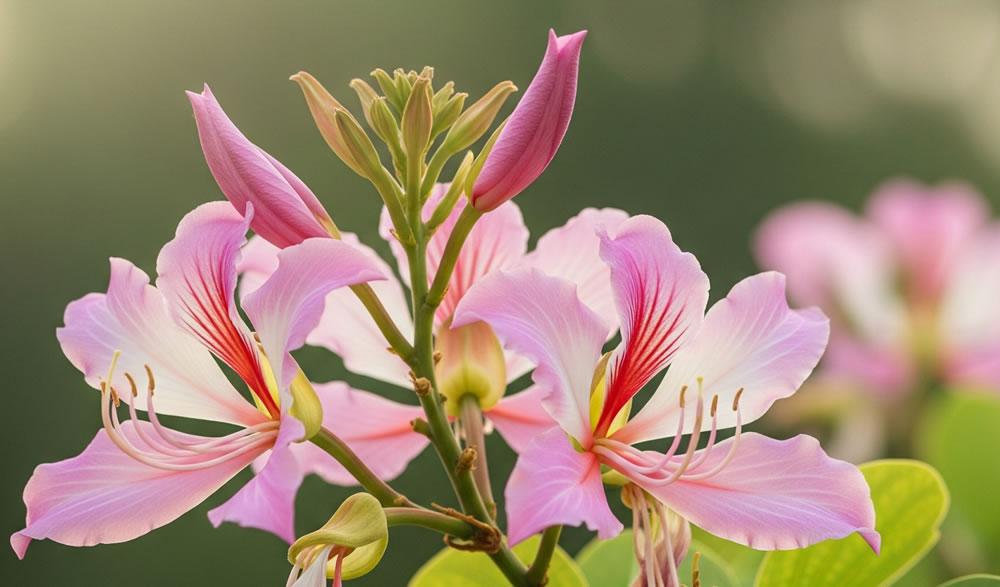
Cows foot vine
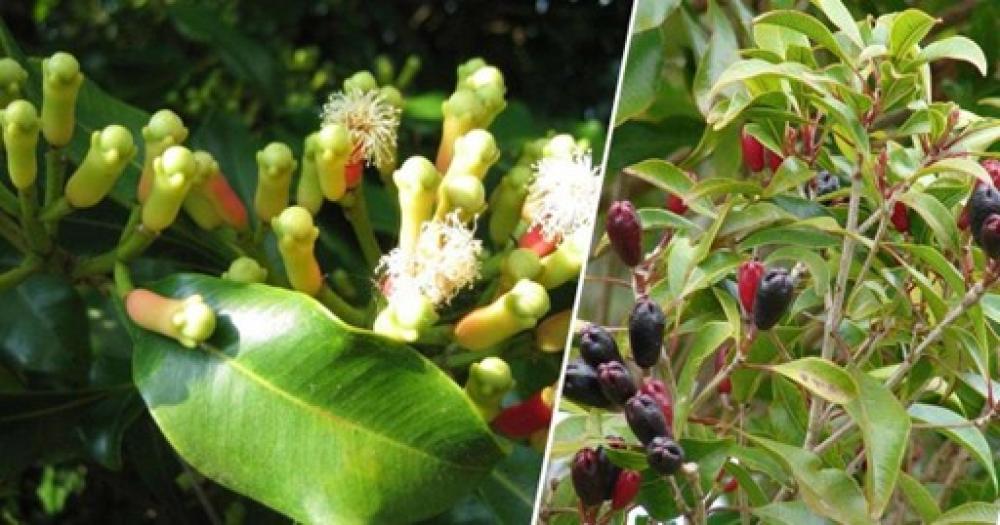
clove
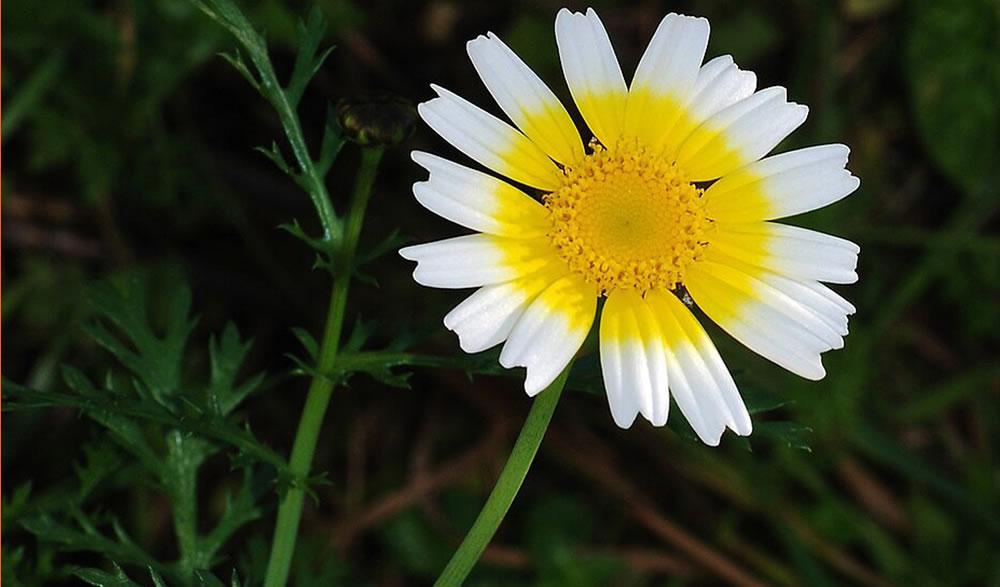
Chrysanthemum

Damiana

dandelion
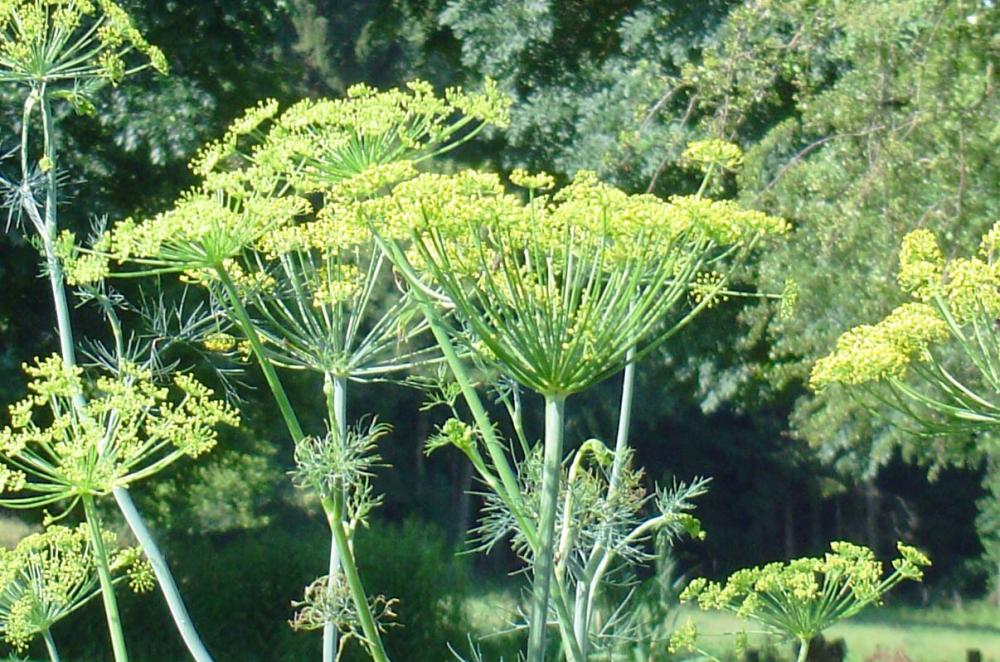
dill
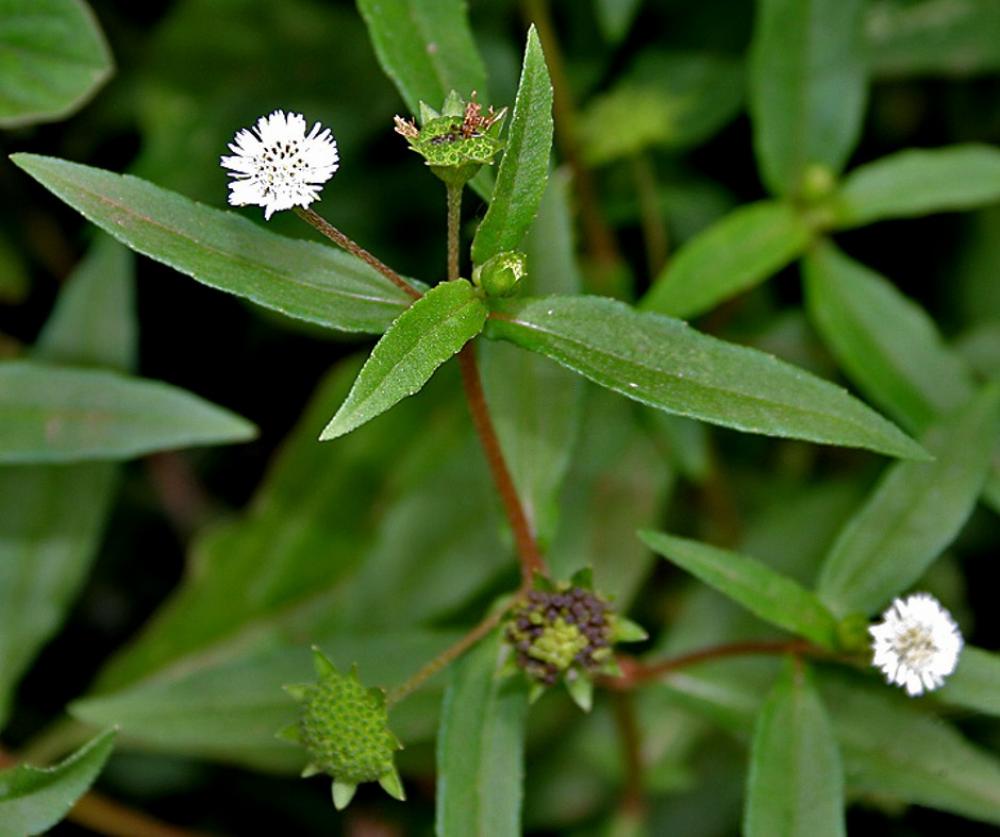
Button Herb

buggy grass
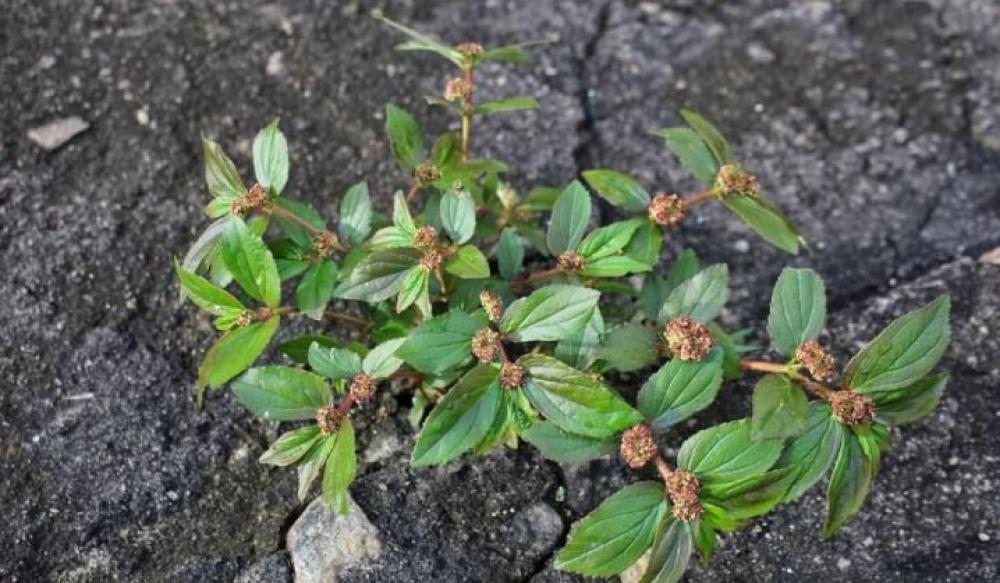
St. Lucias herb
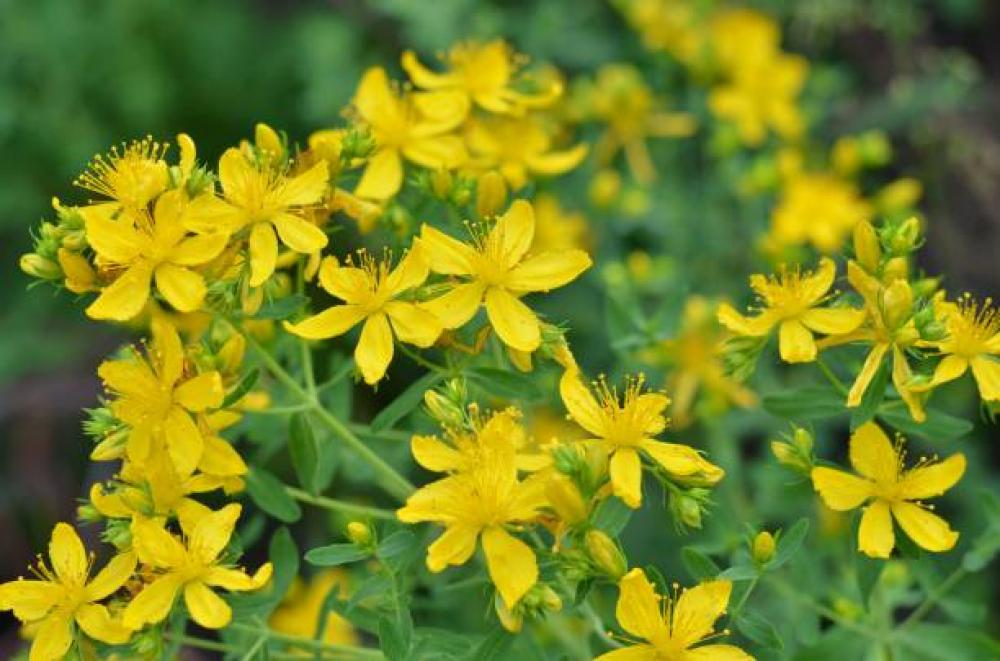
St. Johns wort
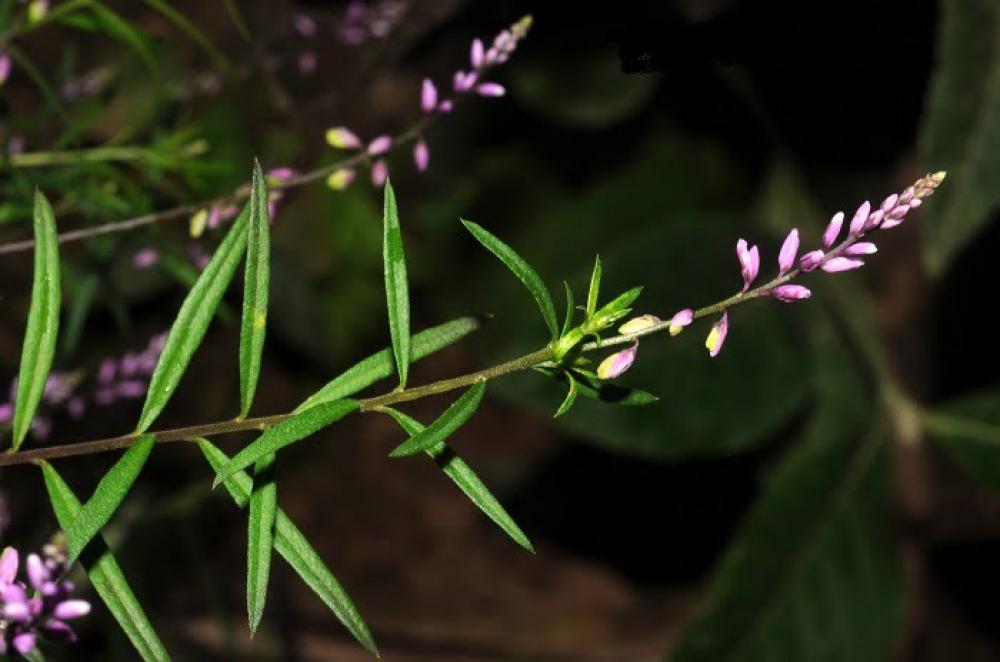
St. Peters wort
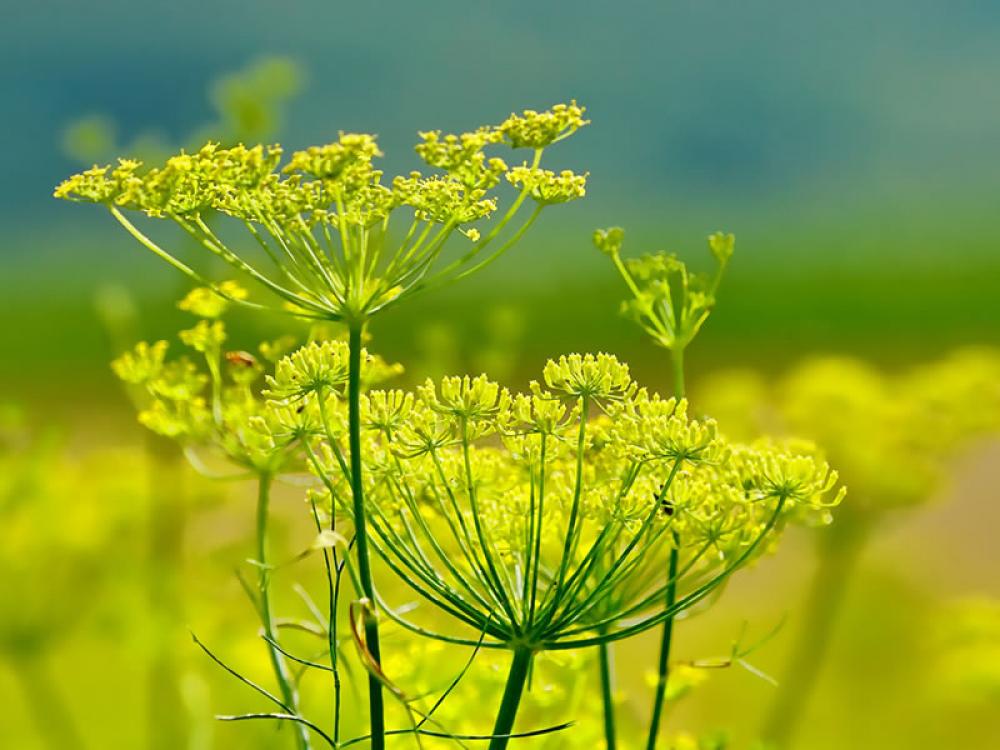
anise
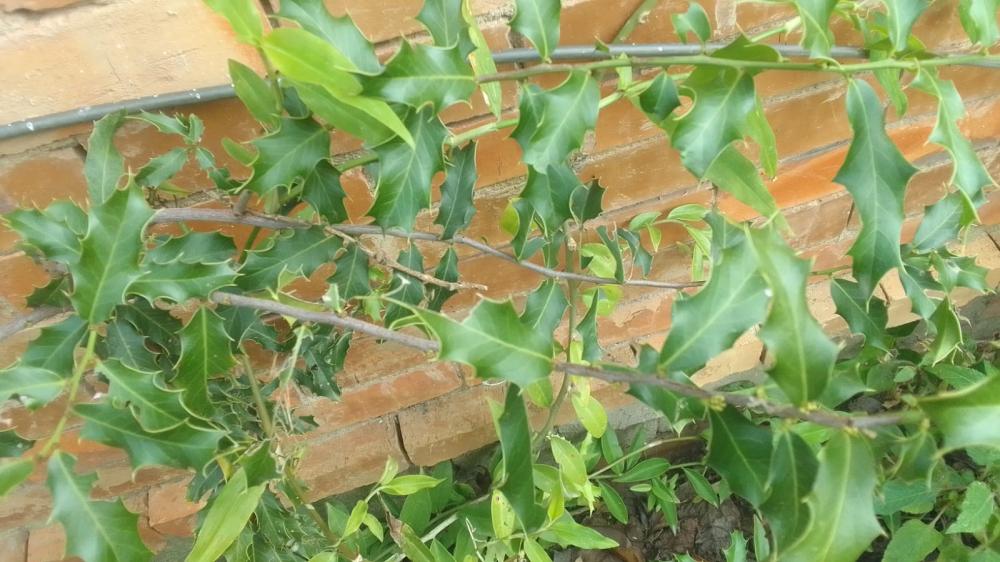
Espinheira - Santa

eucalyptus
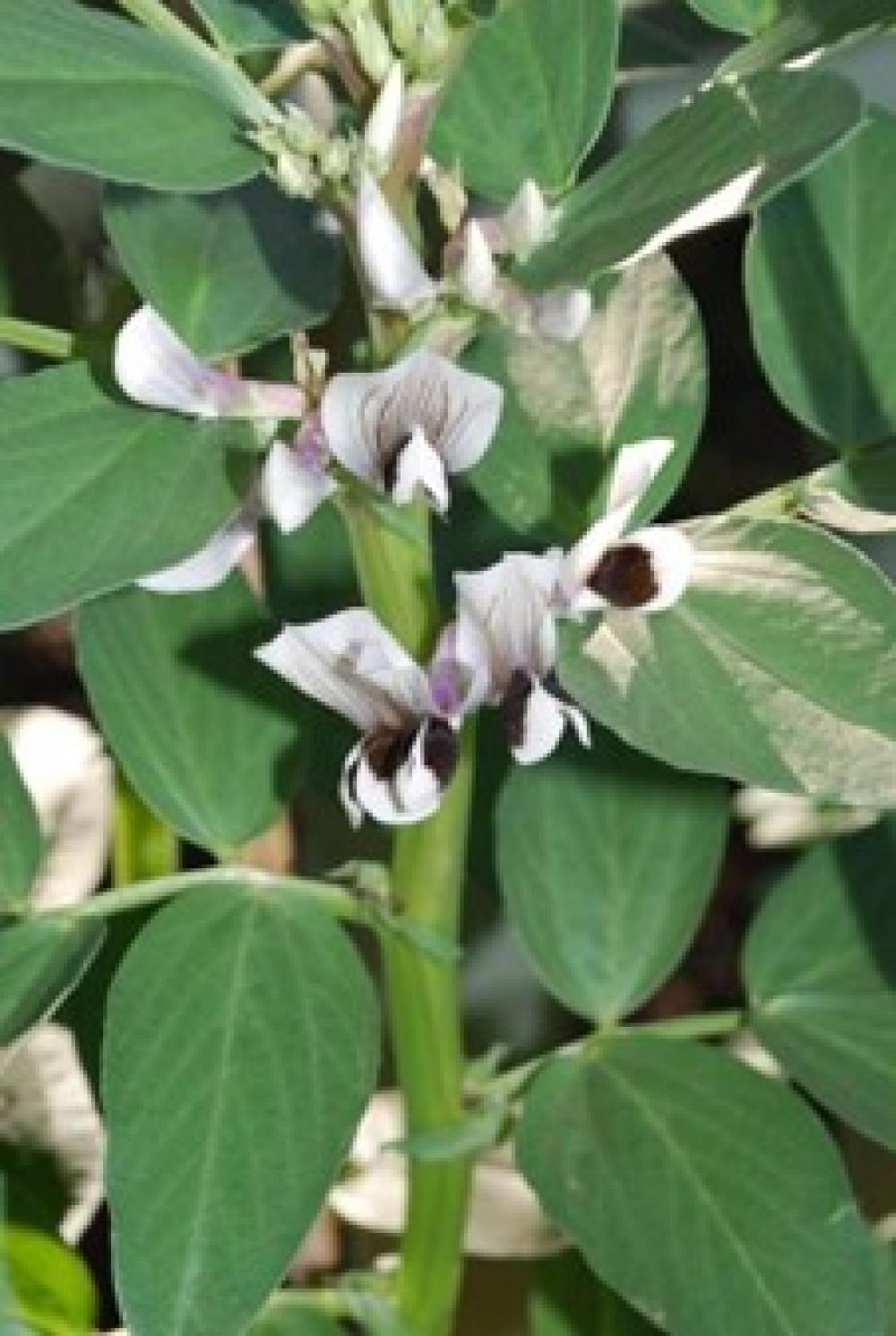
Fava
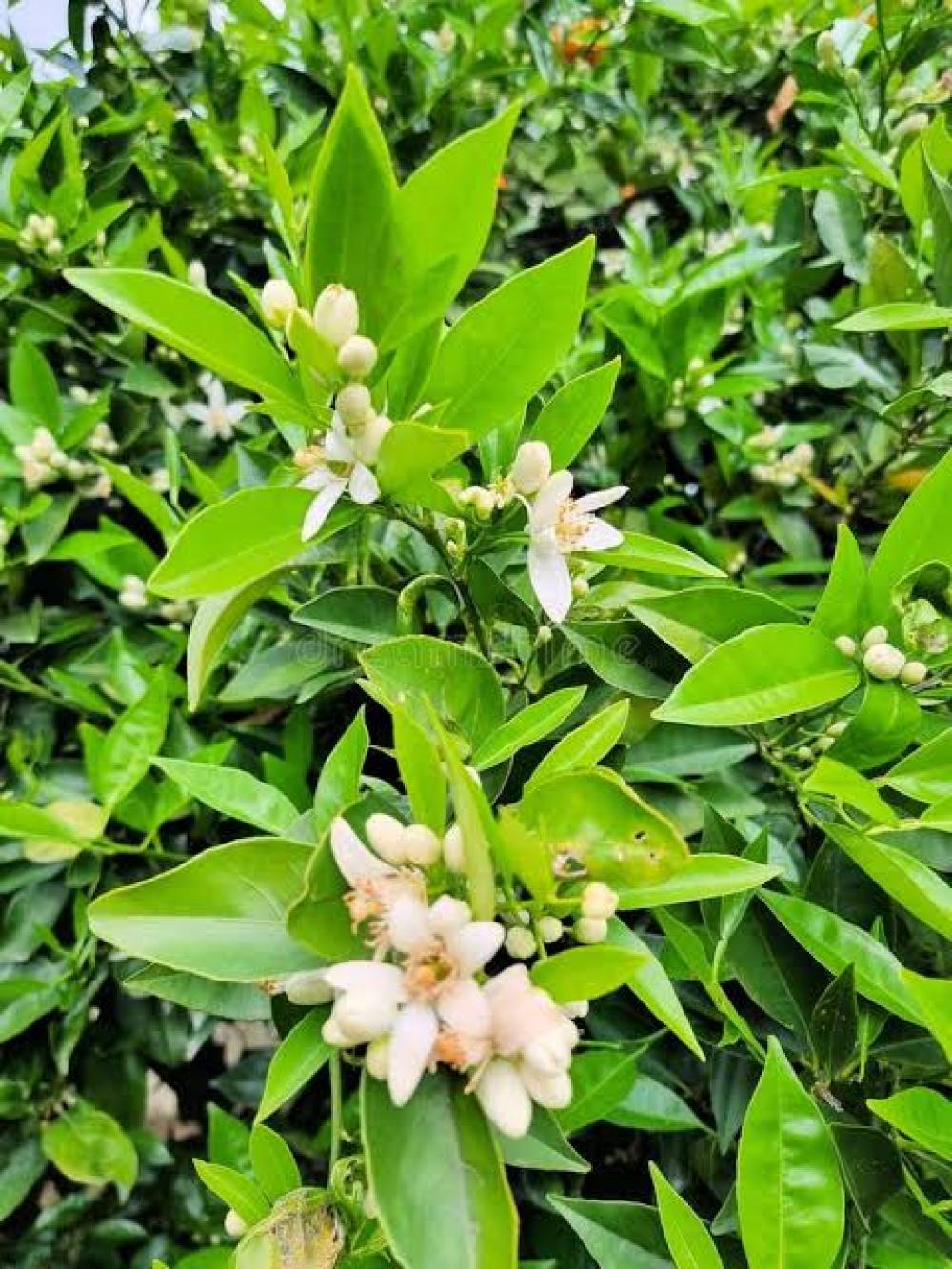
Orange Blossom
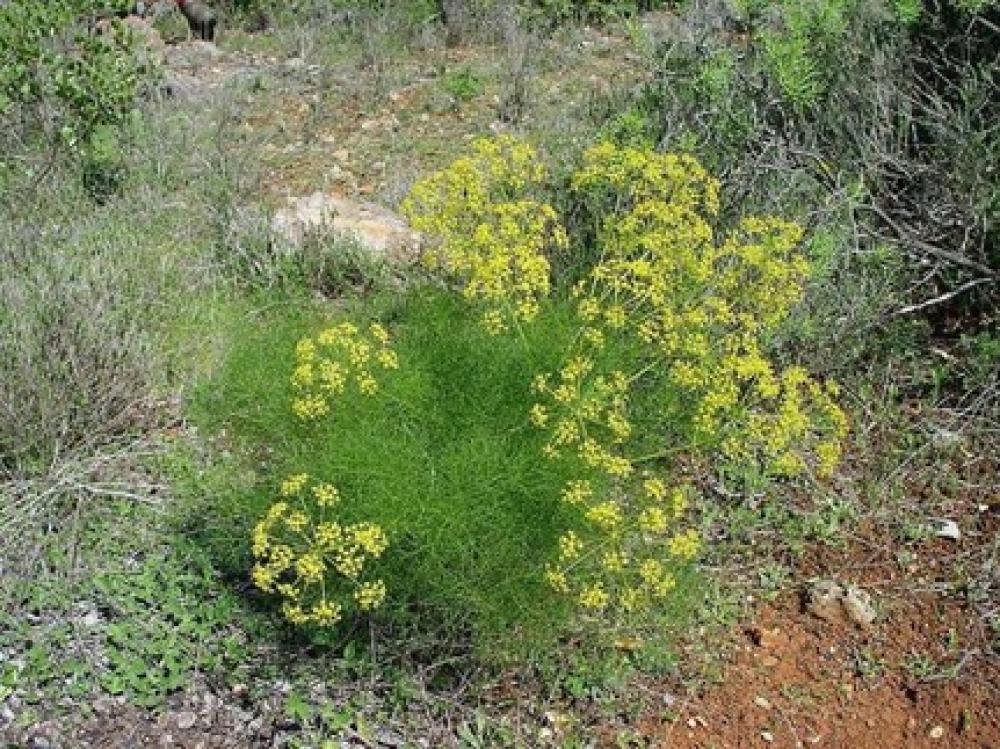
fennel
Scented Geranium
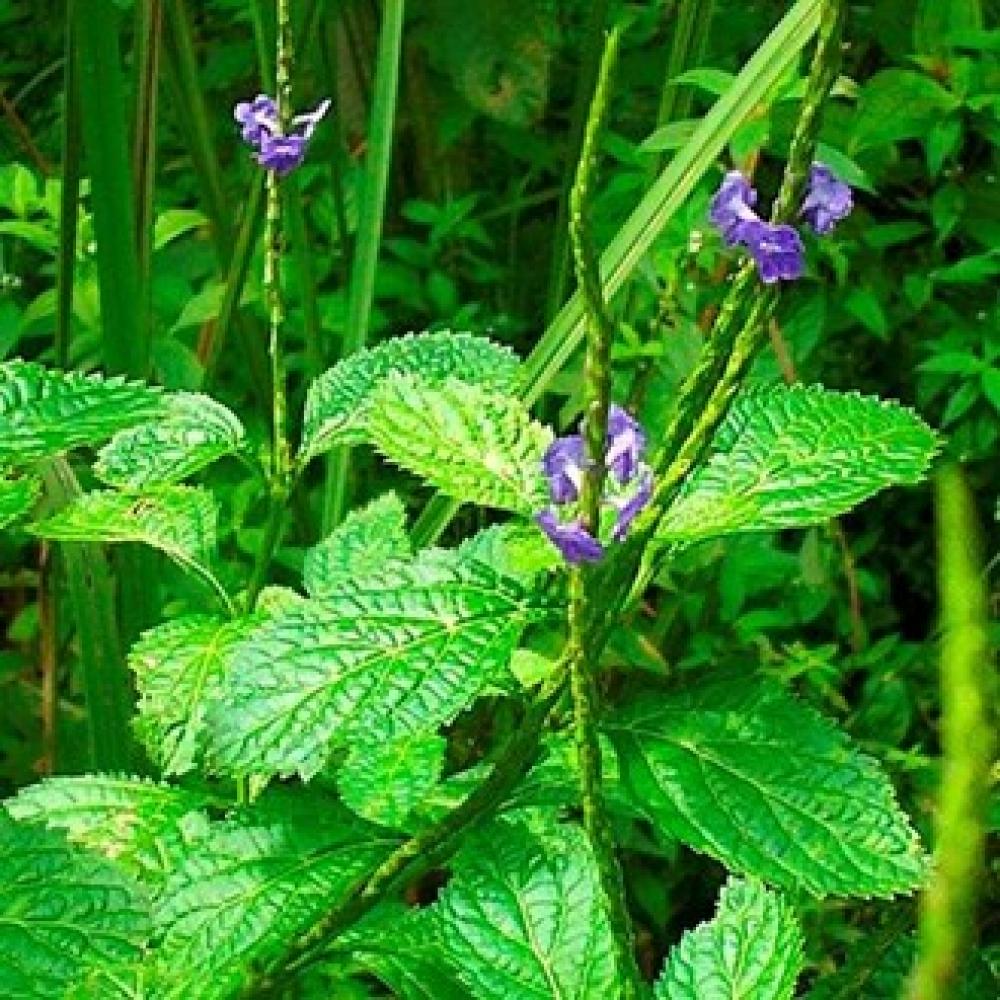
Gervão

Ginkgo Biloba

Guabiroba
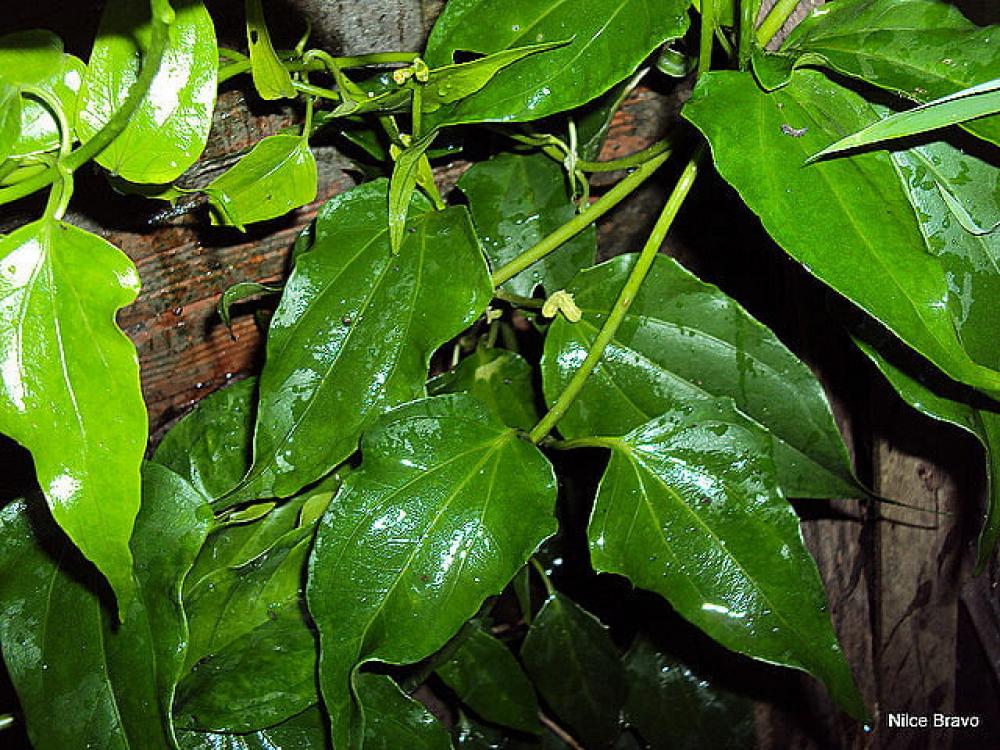
Guaco

Guarana
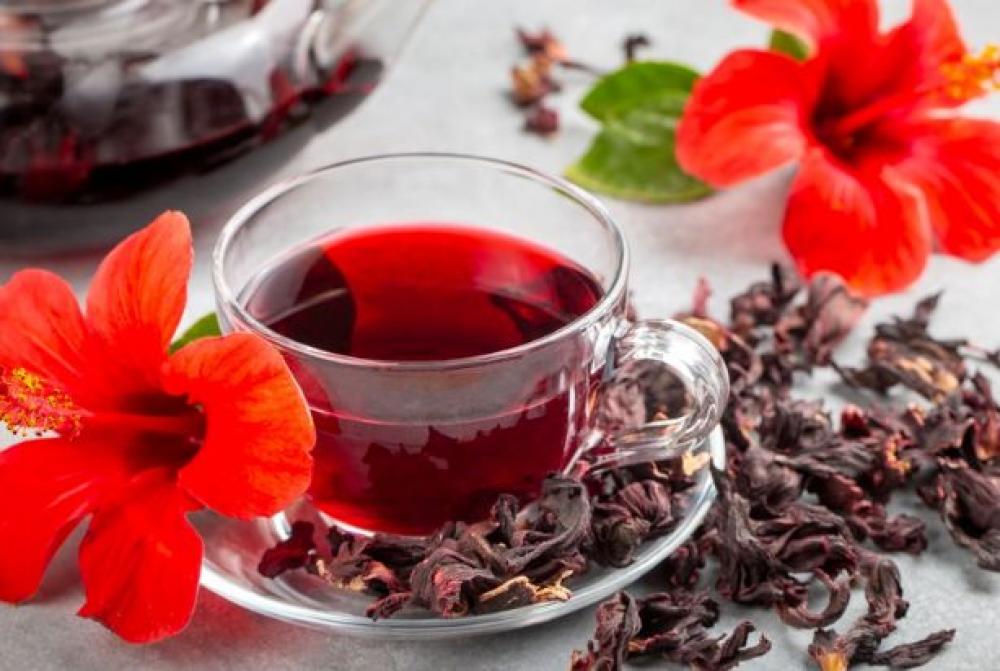
hibiscus
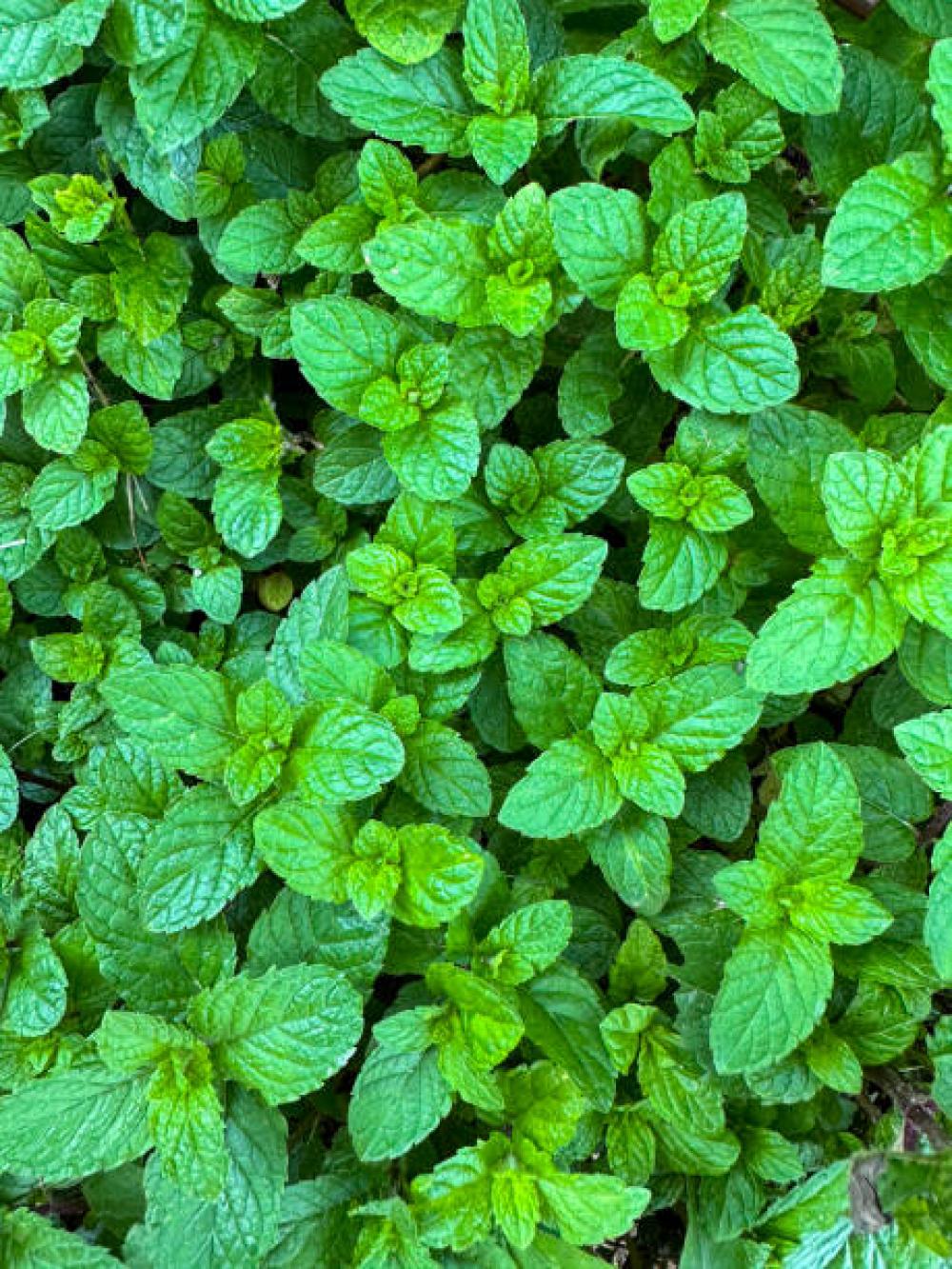
mint
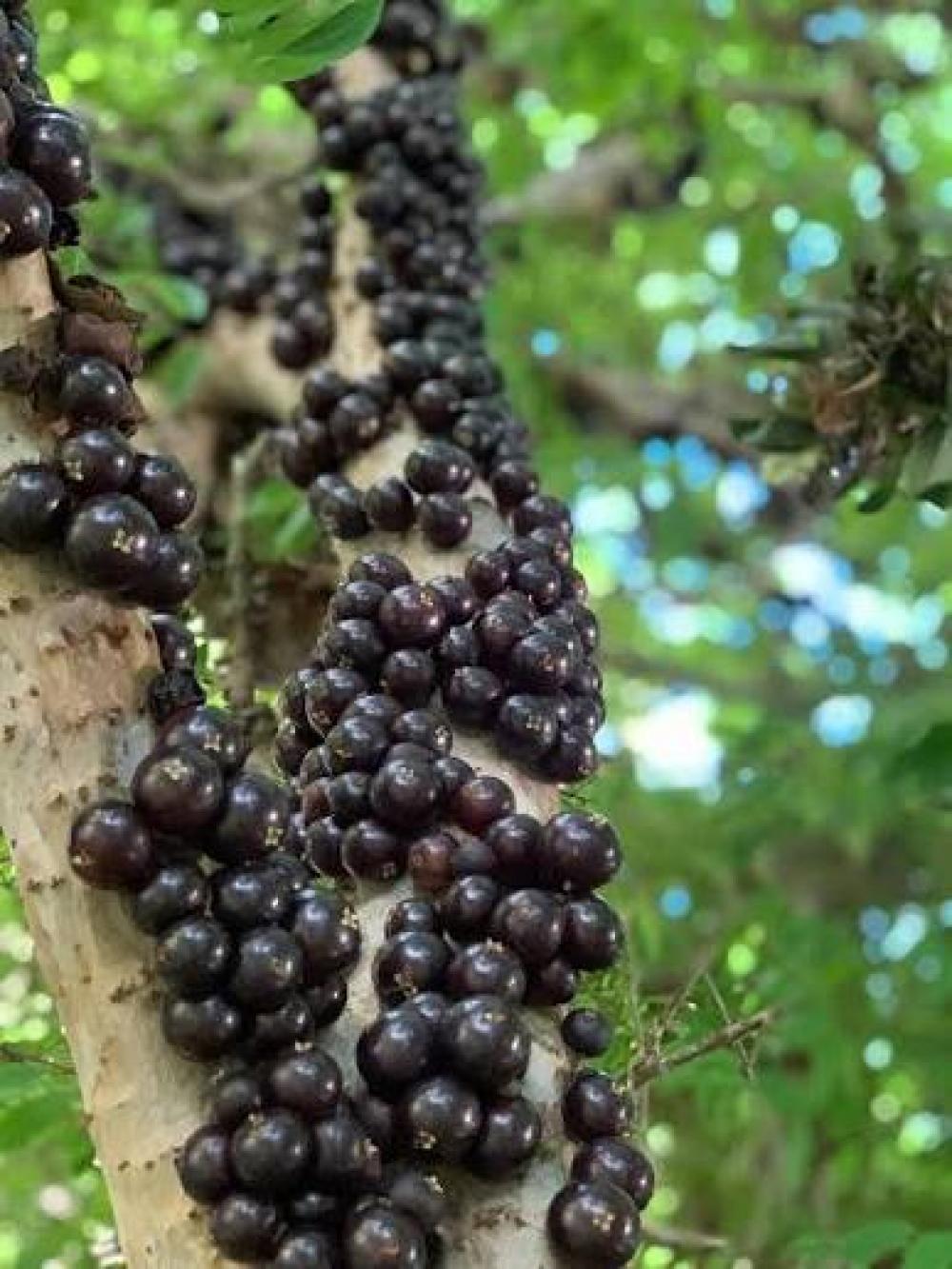
Jaboticaba
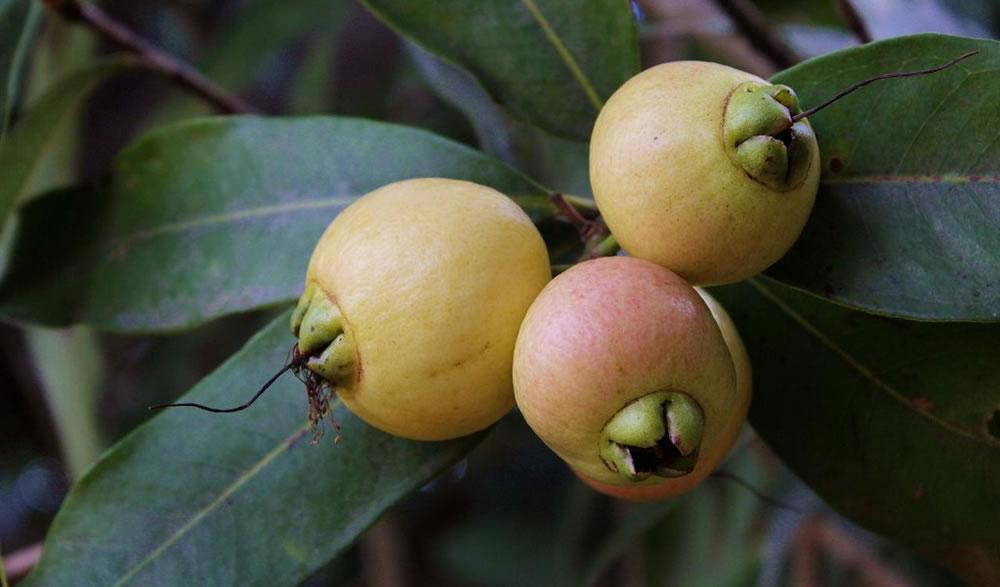
rose apple tree
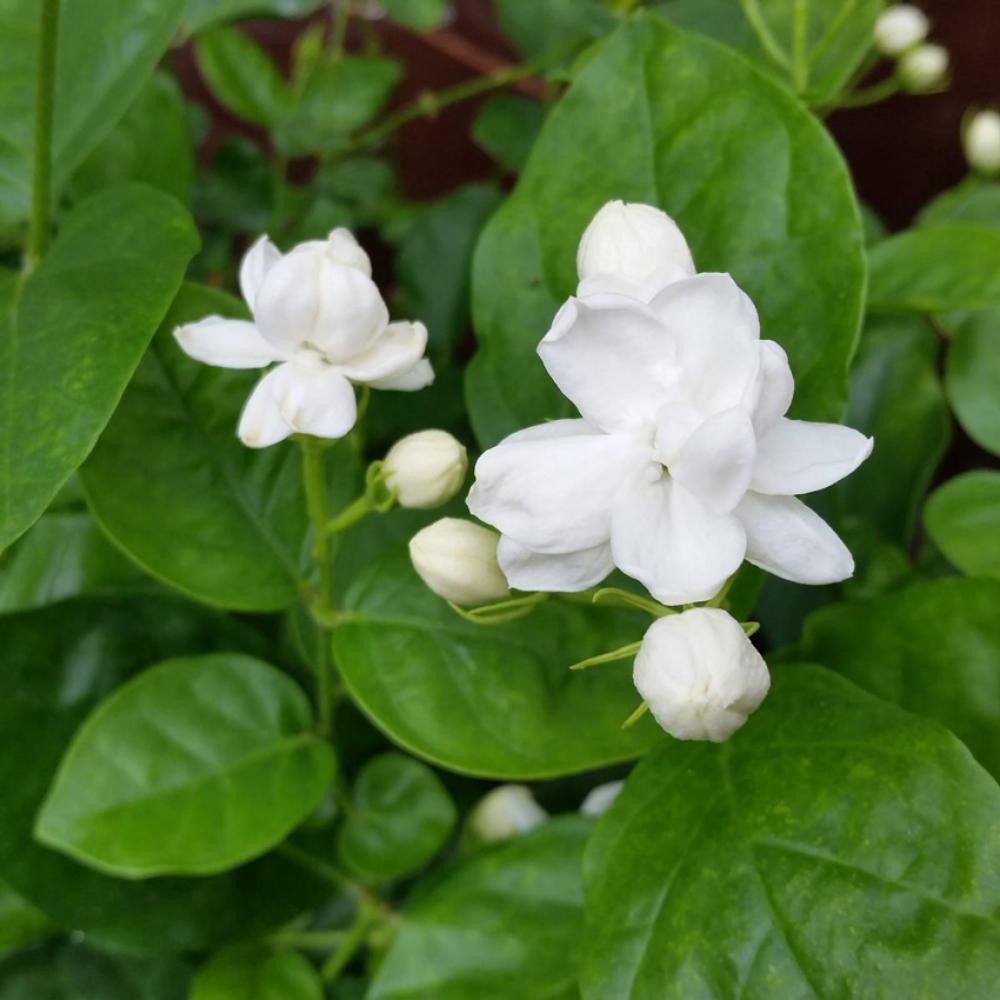
jazmin
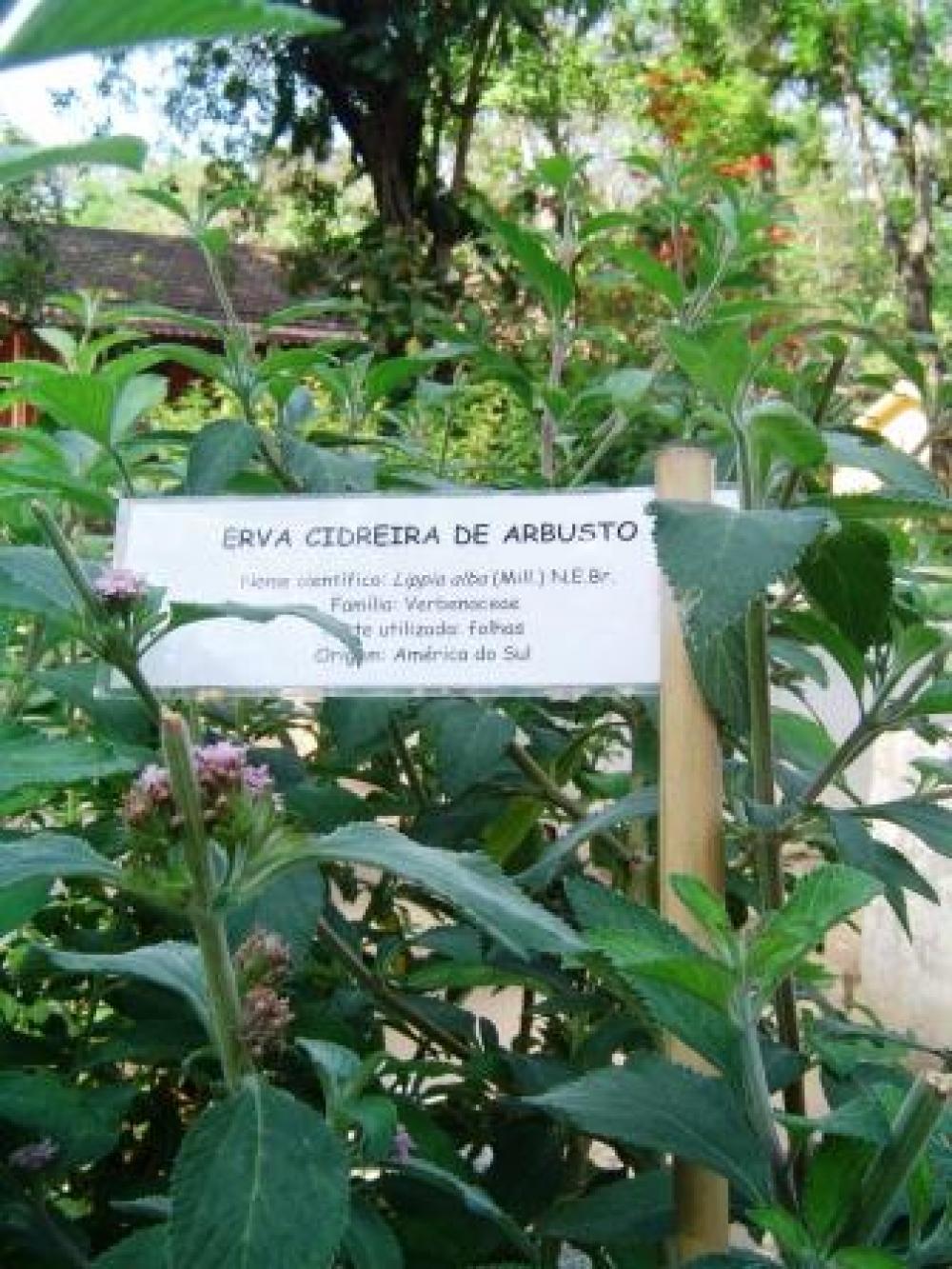
Lippia alba (Bushy Lemon Balm)
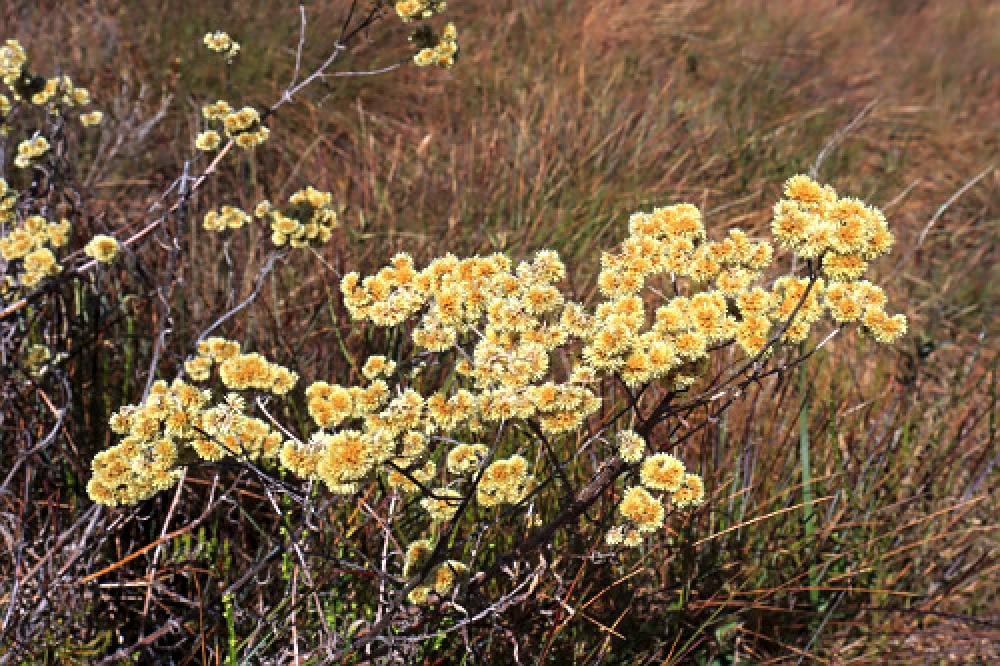
slaughterhouse
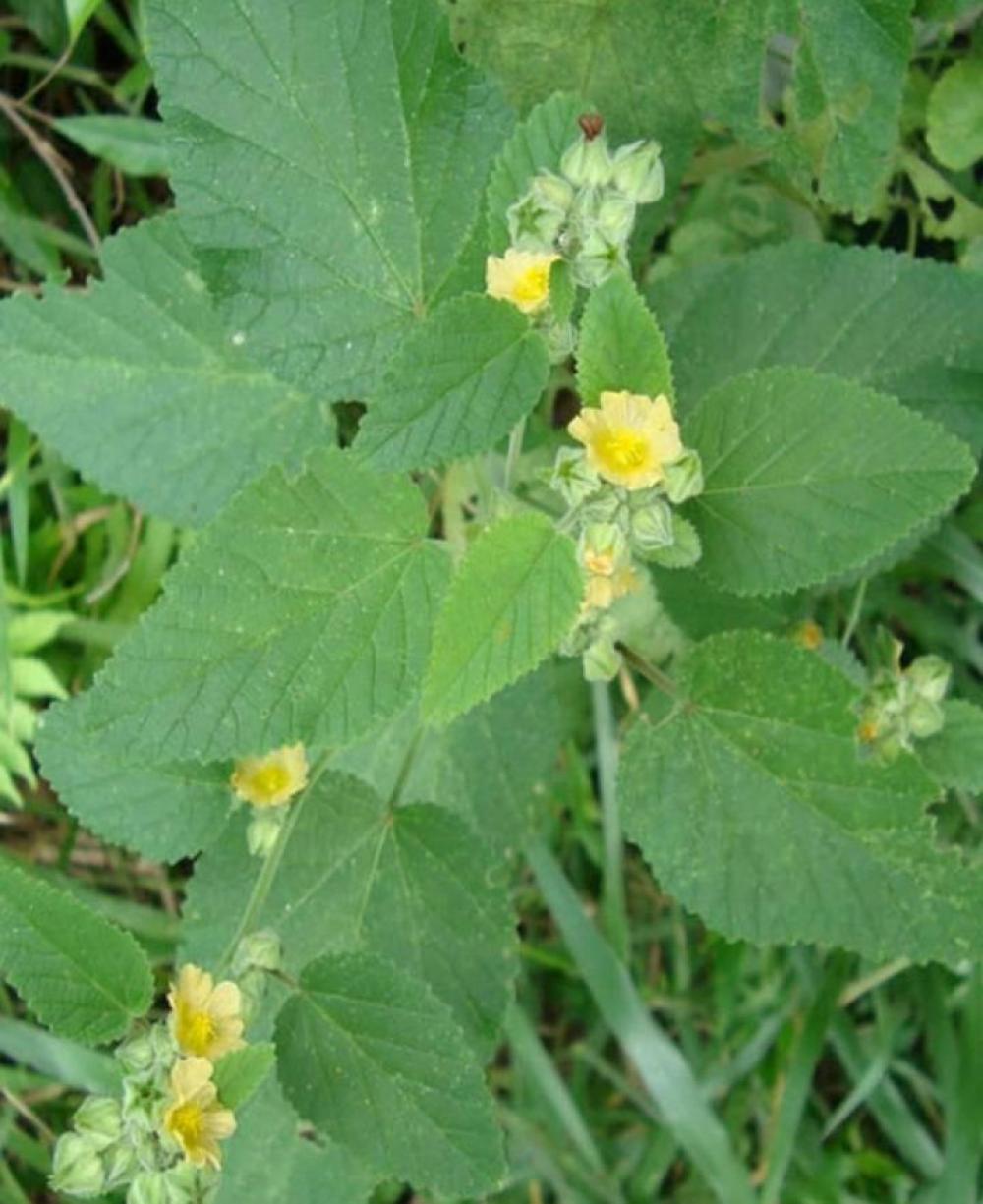
white mallow
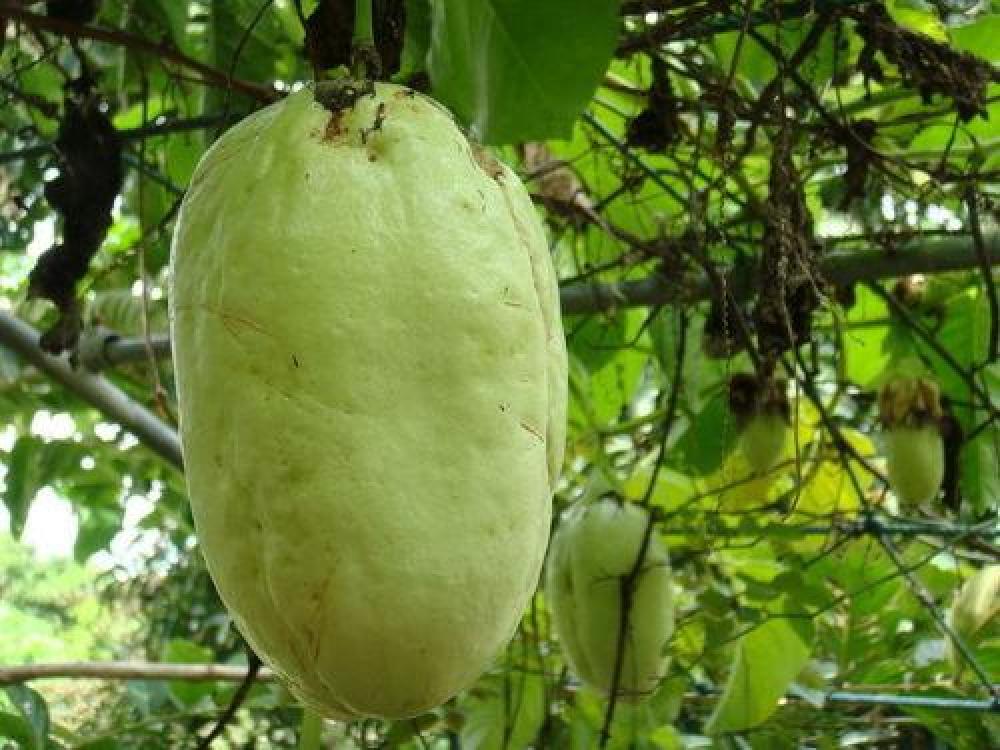
Giant Passion Fruit

Sour Passion Fruit

sweet passion fruit
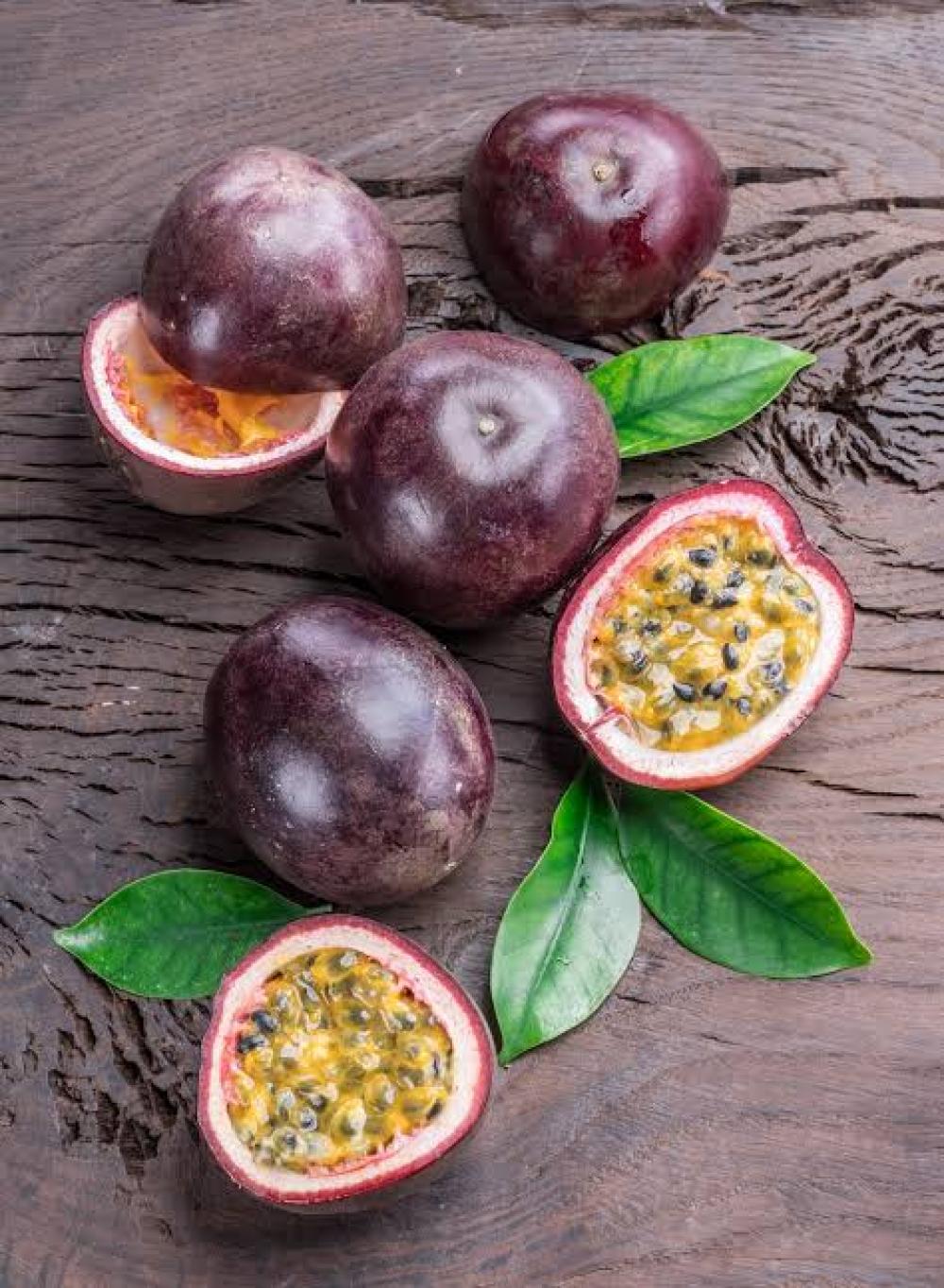
purple passion fruit
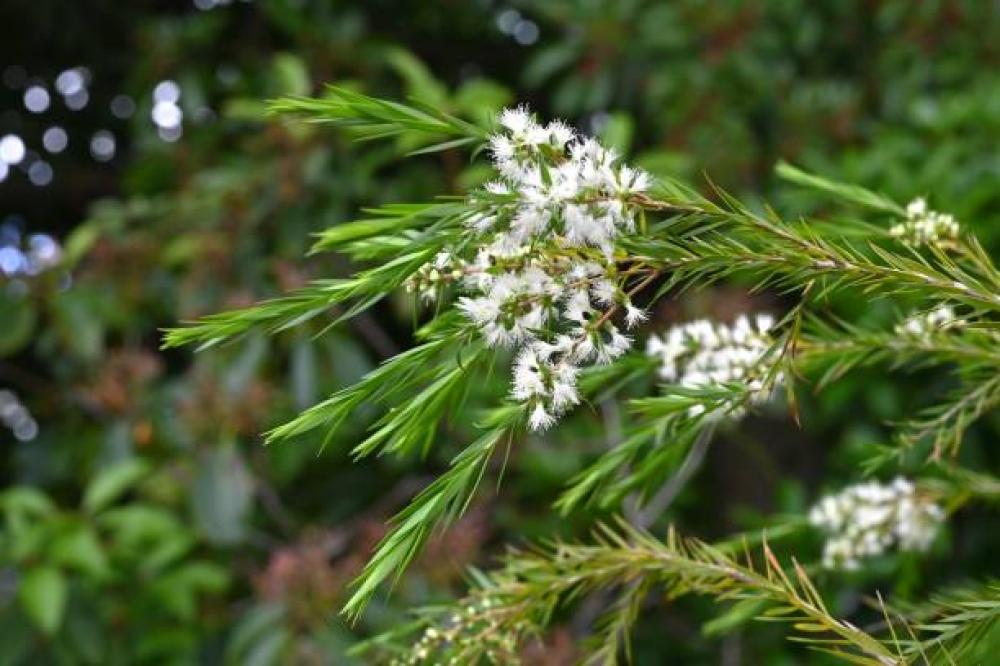
Melaleuca
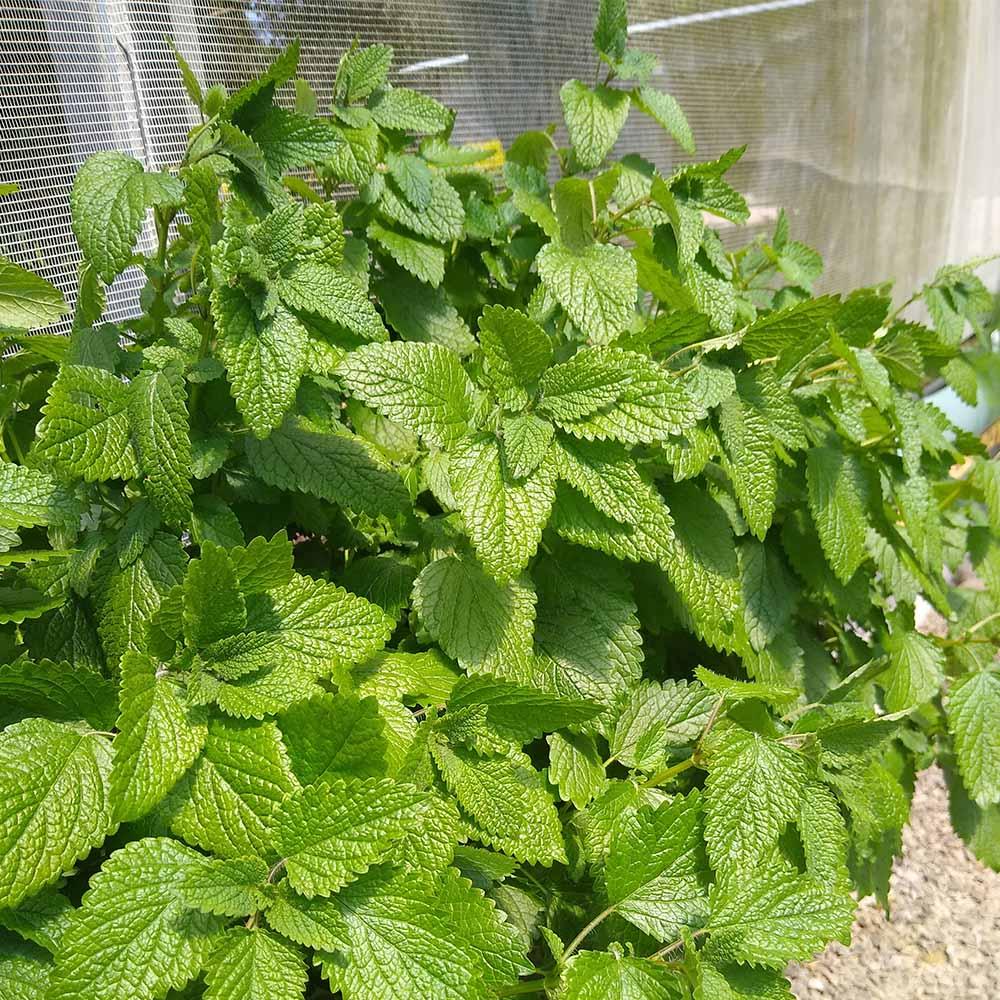
Melissa
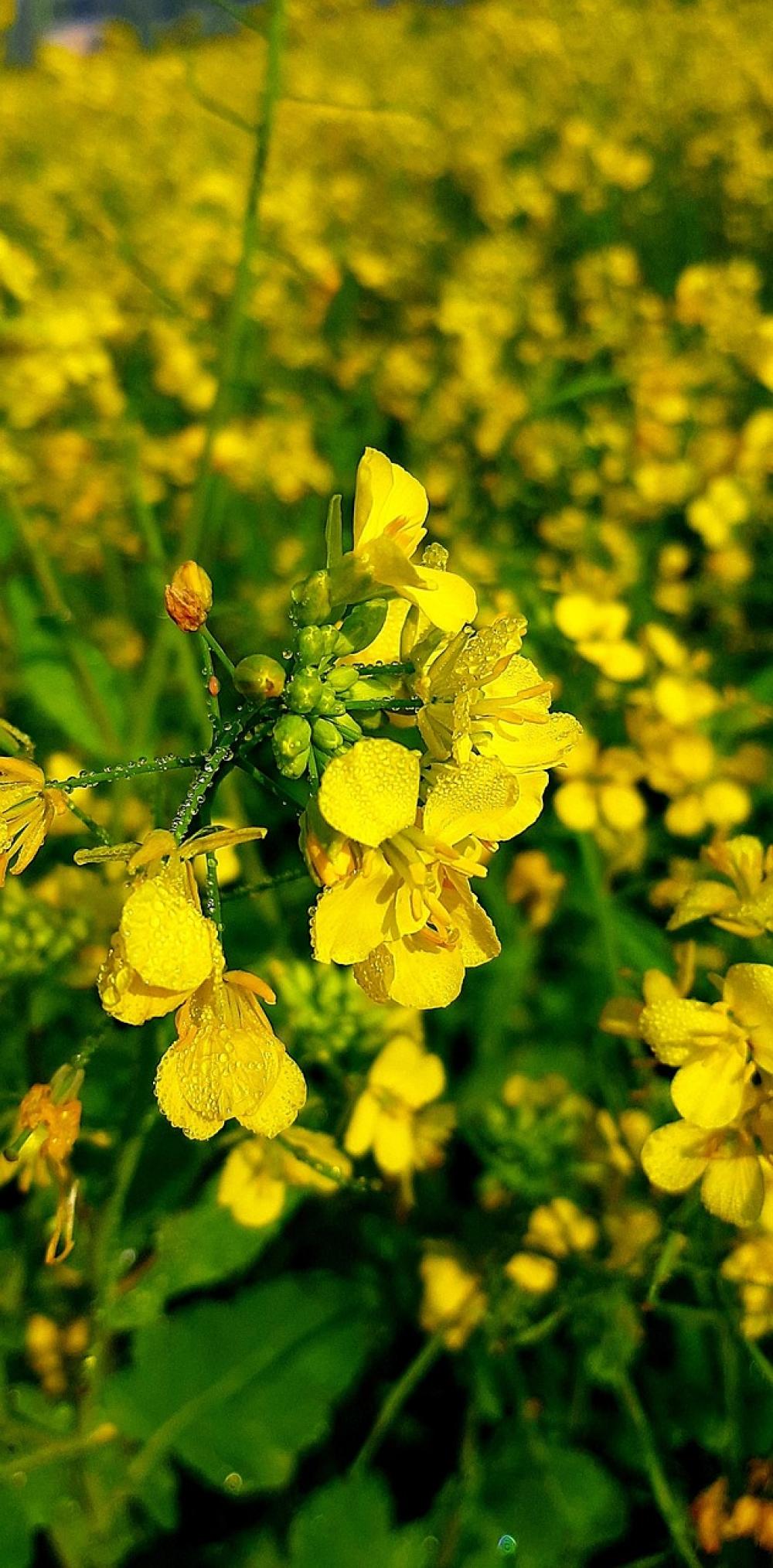
mustard
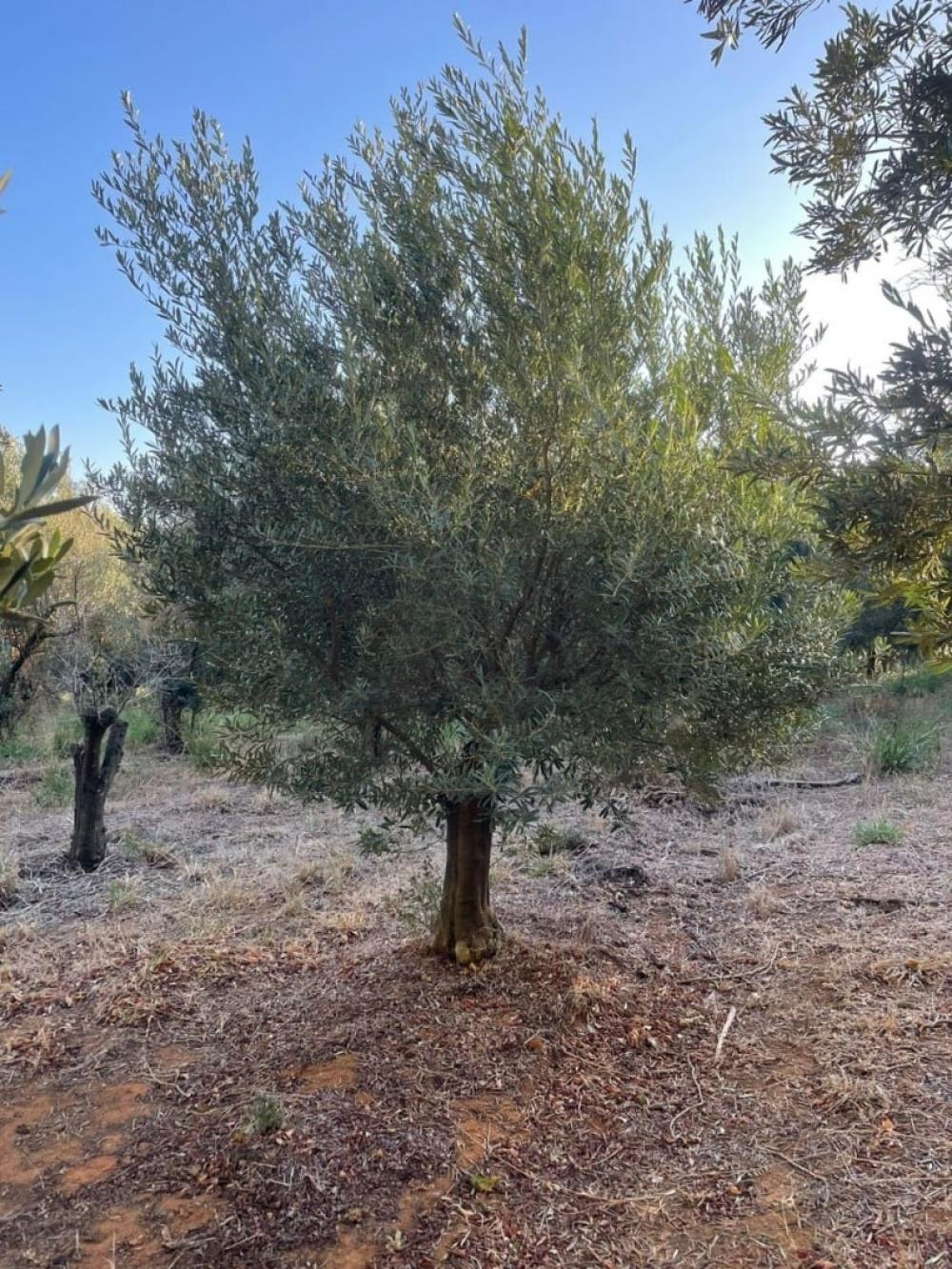
Oliveira
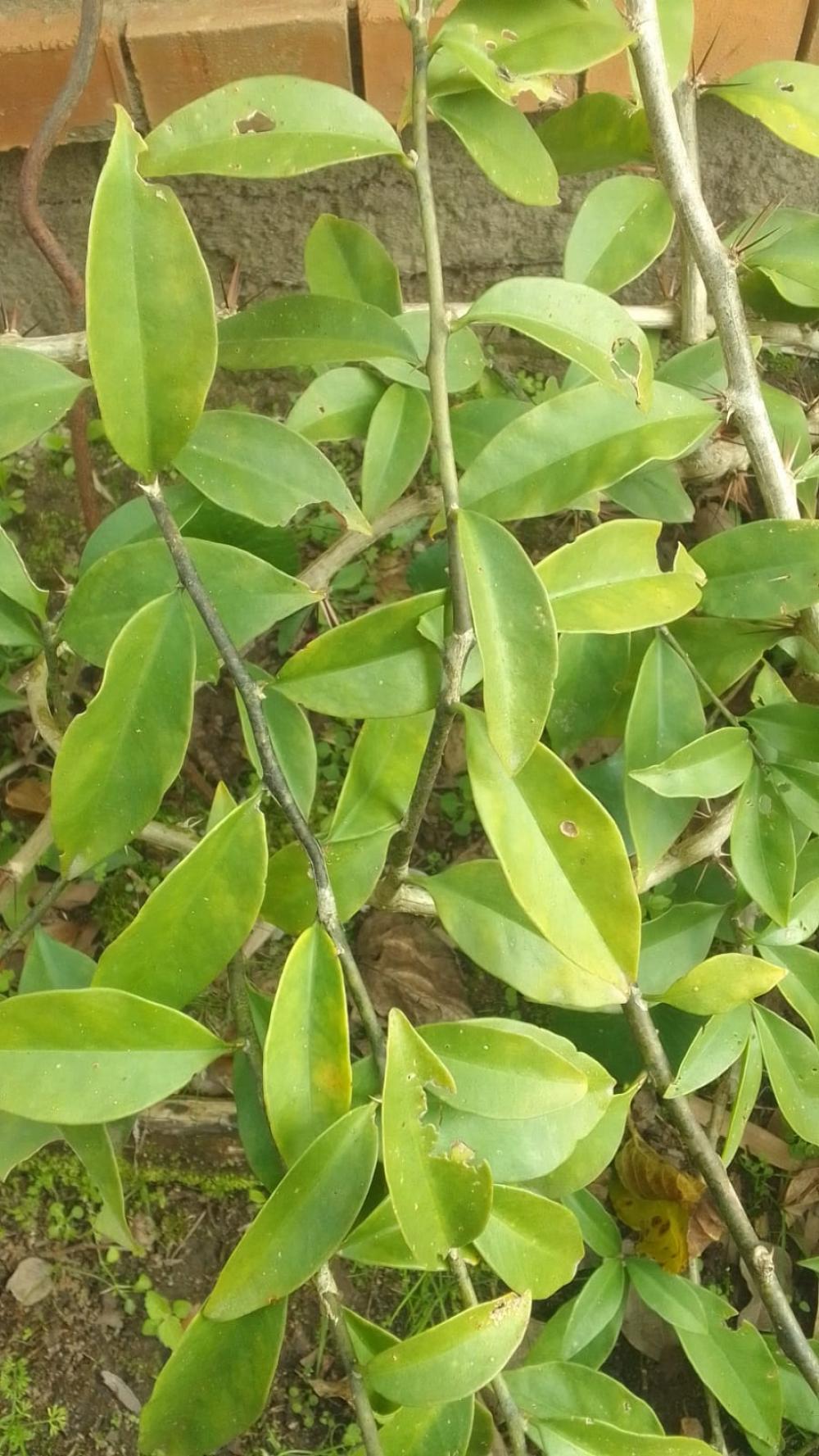
Ora Pro Nobis

Oregano
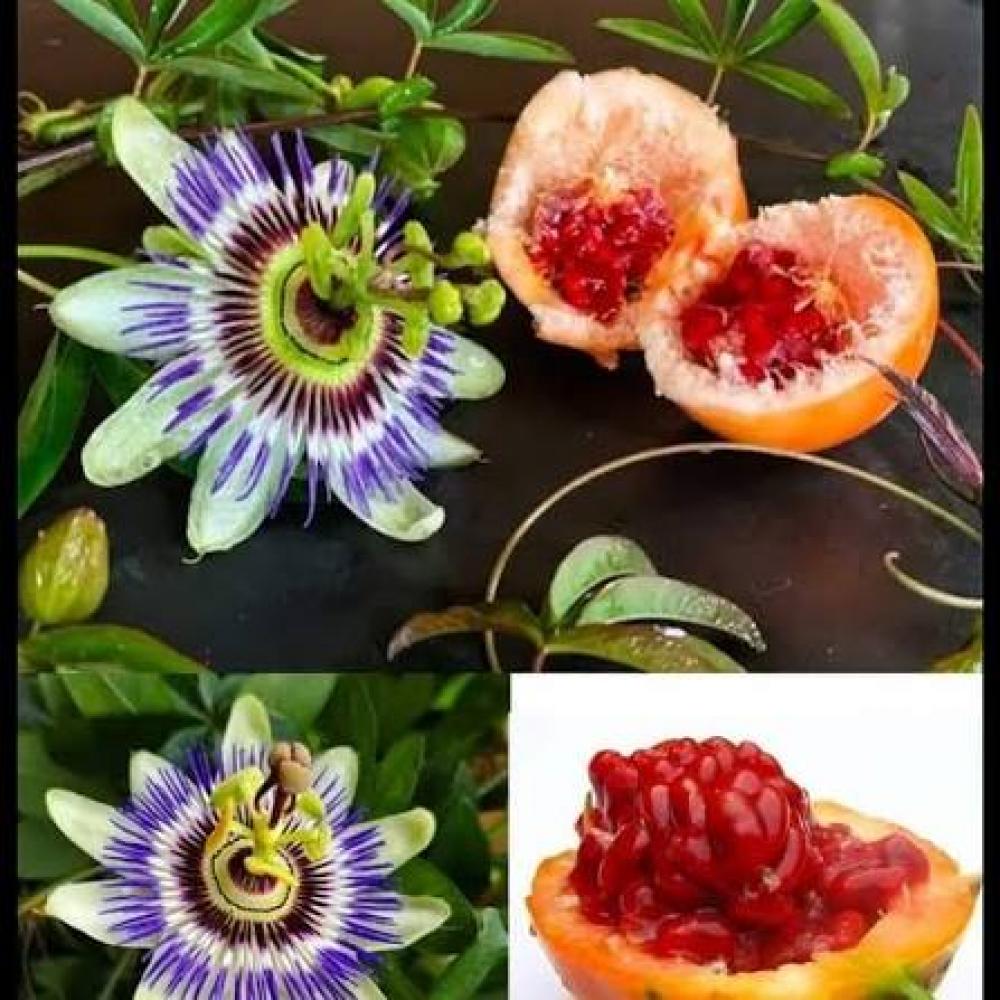
Passiflora or passion flower
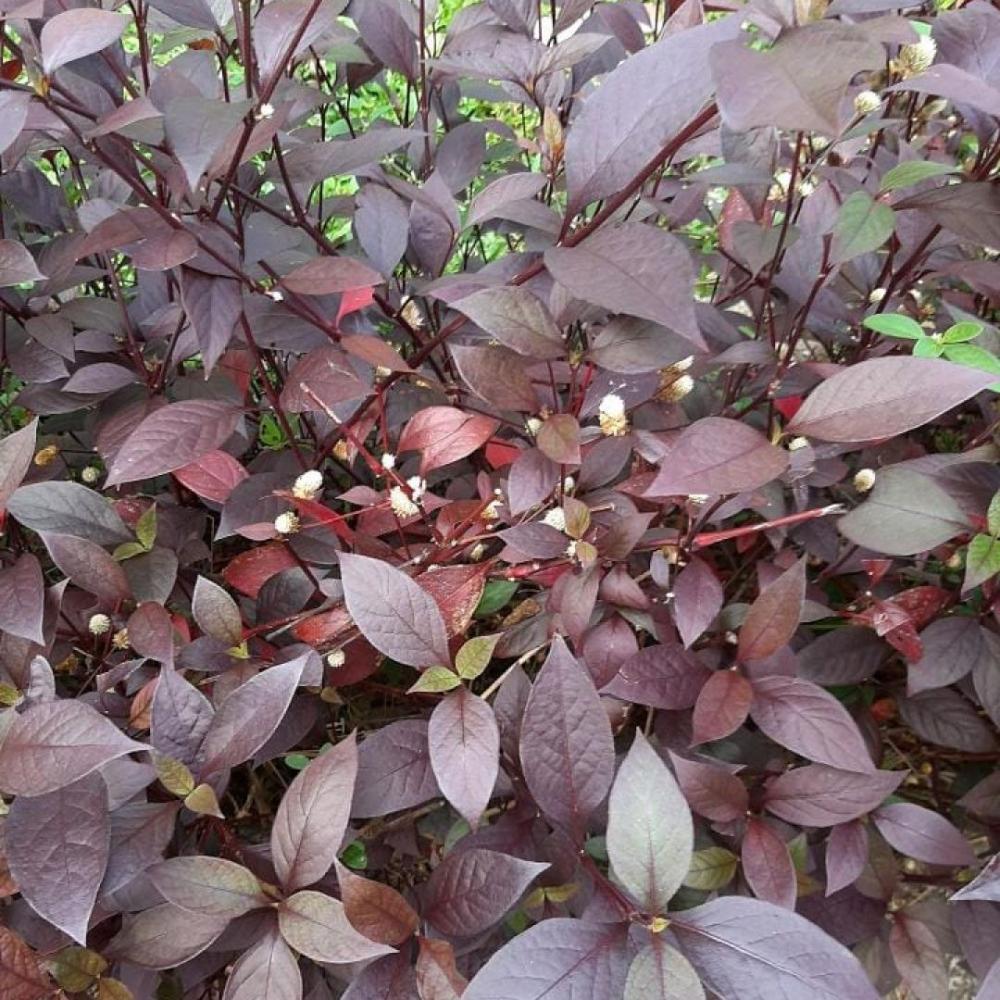
Penicillin or Parakeet
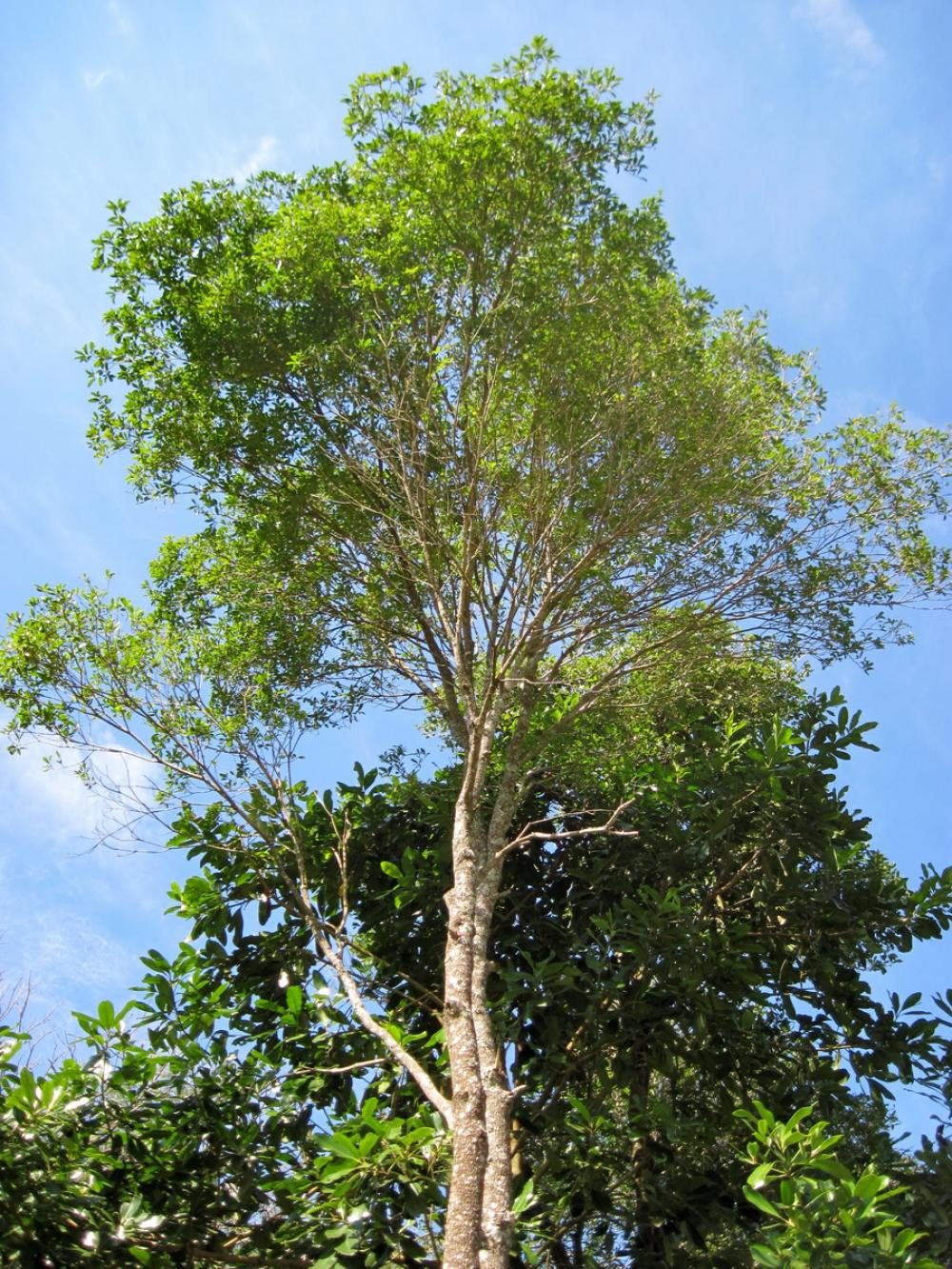
Peroba

pine

Surinam cherry tree

Pixirica
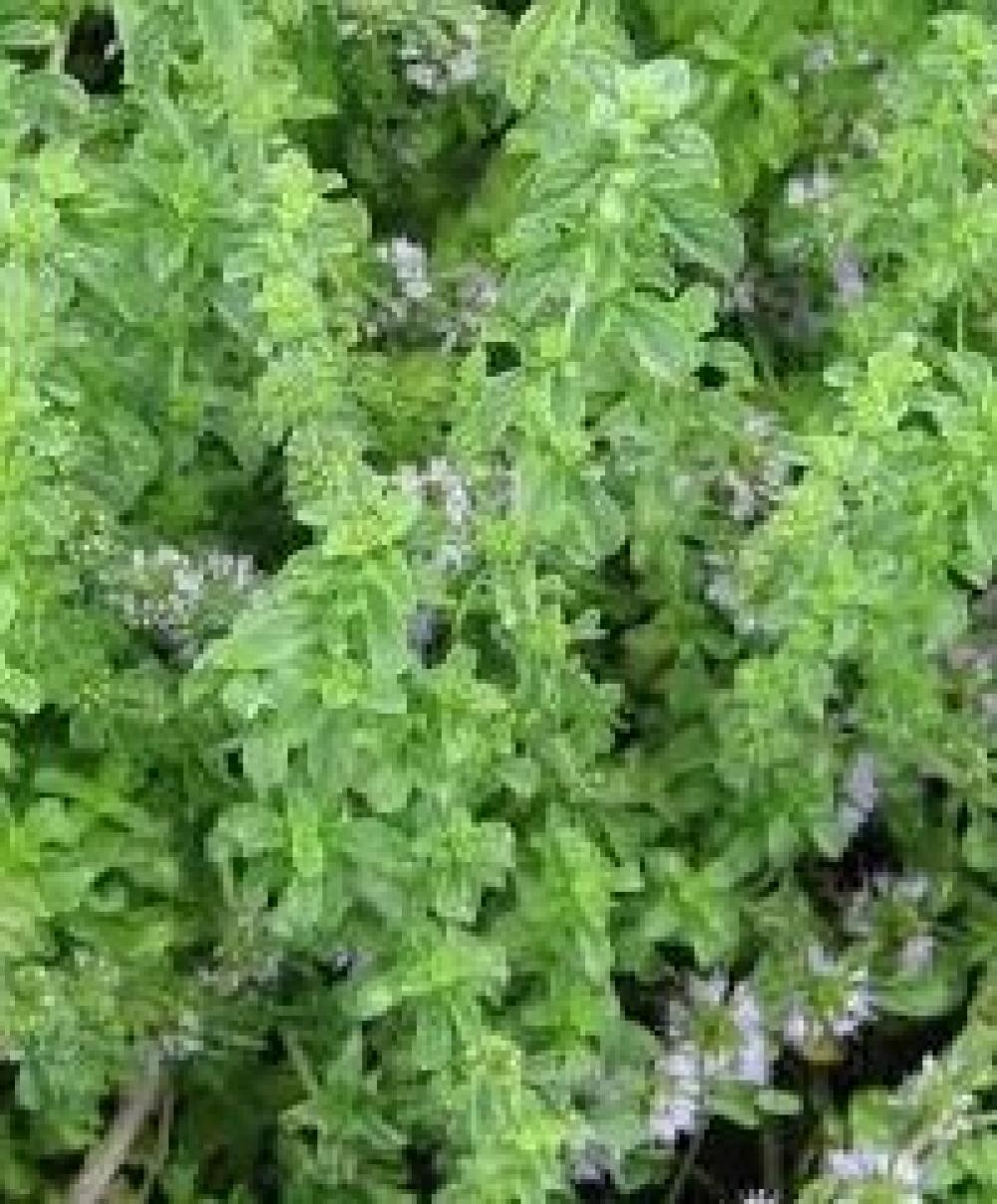
Pennyroyal

Stone-breaker

Pomegranate tree
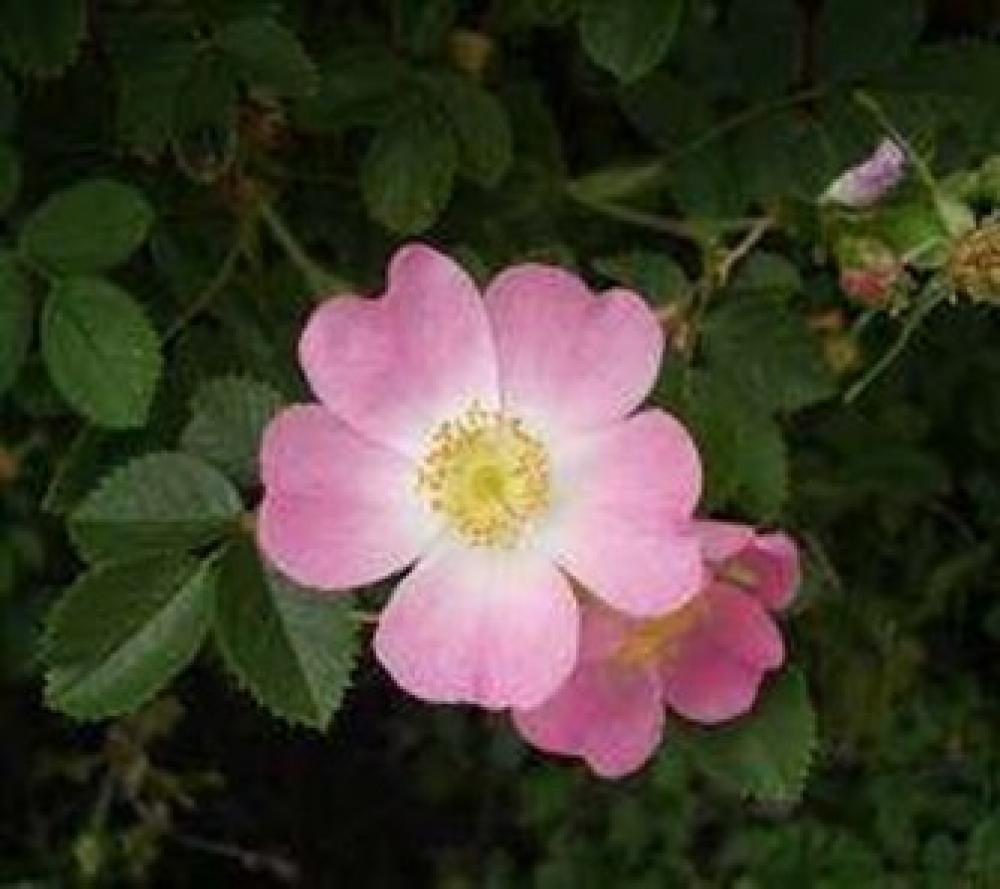
Rosa mosqueta
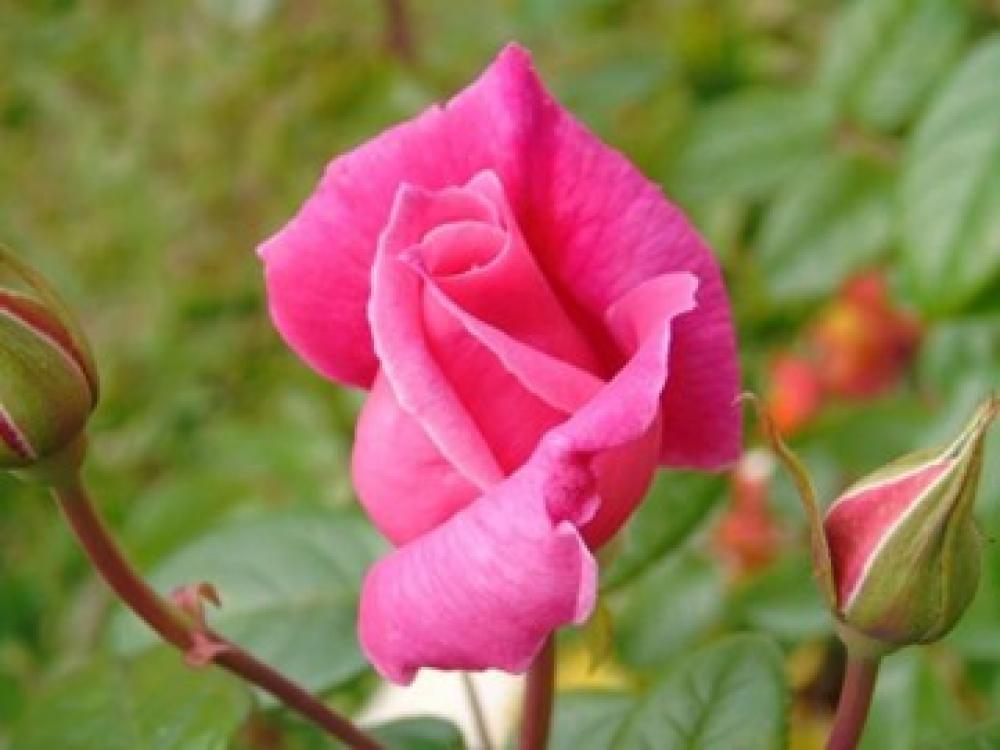
Rosebush
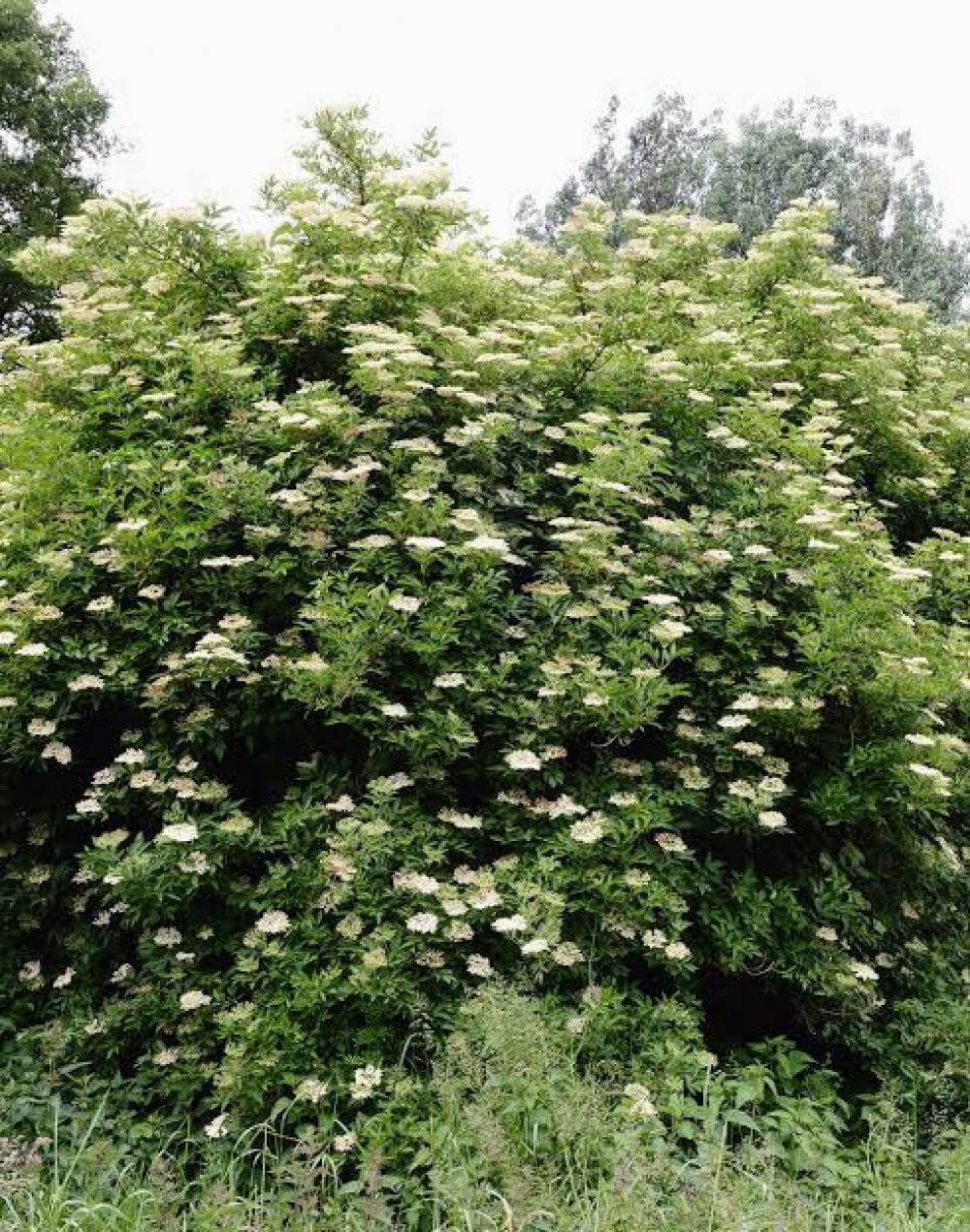
Elderberry
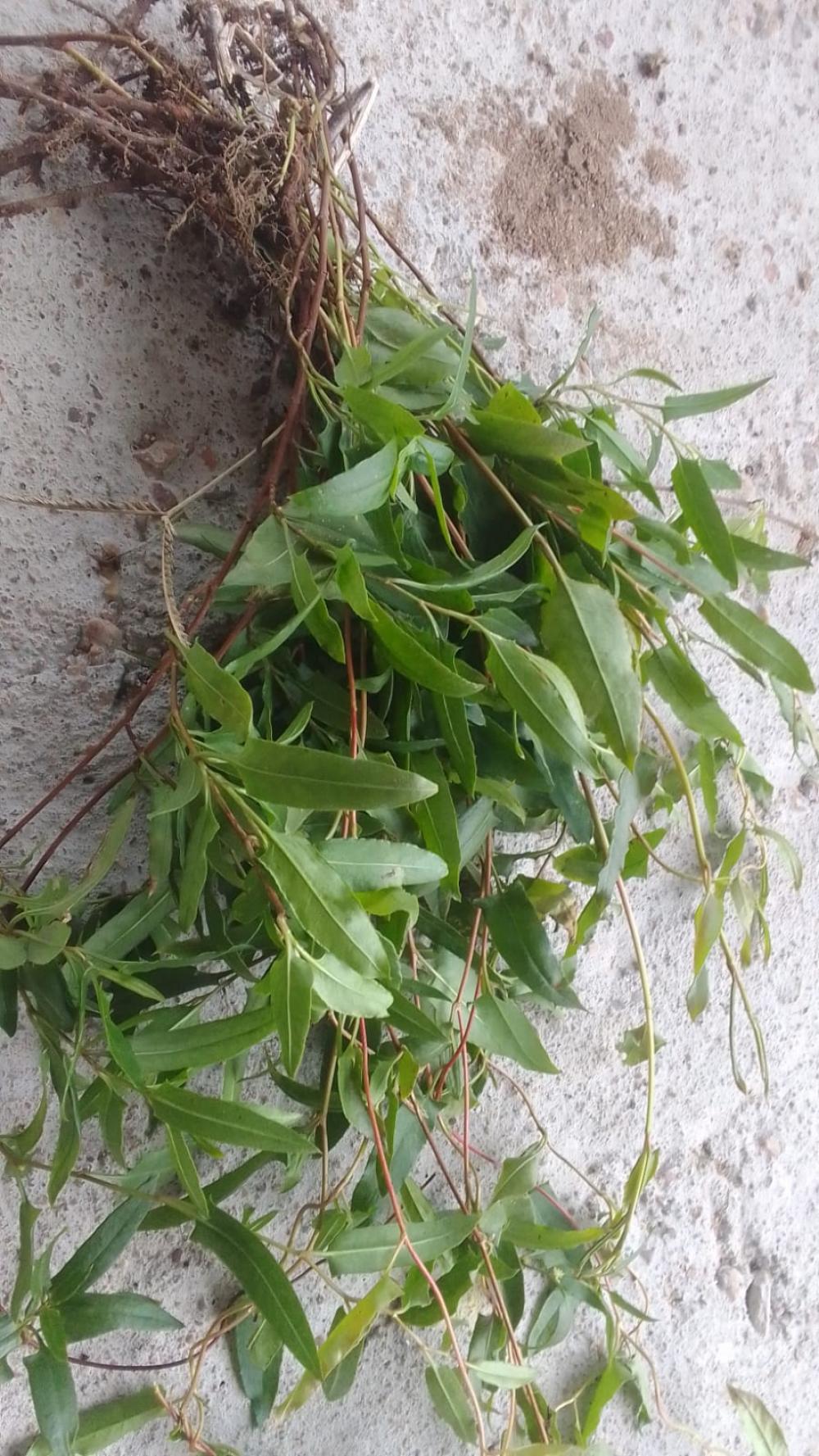
parilla parsley
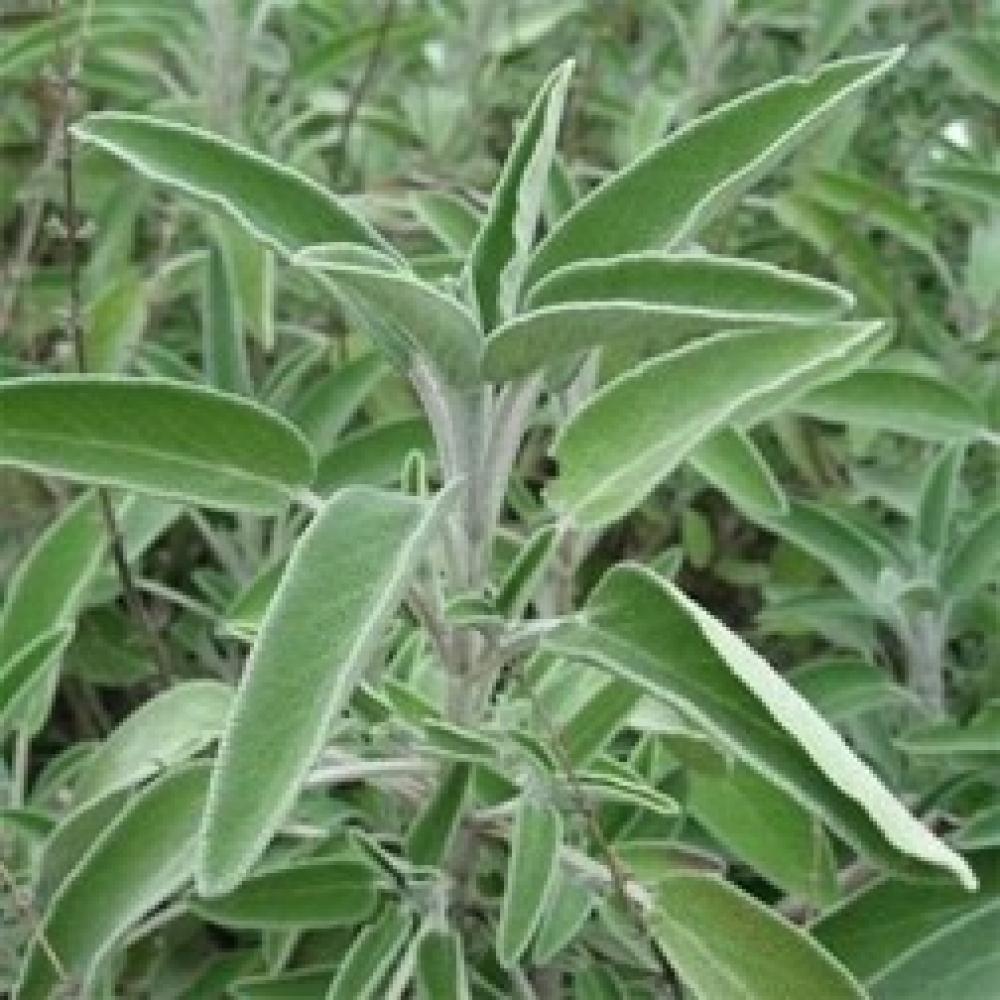
Sage
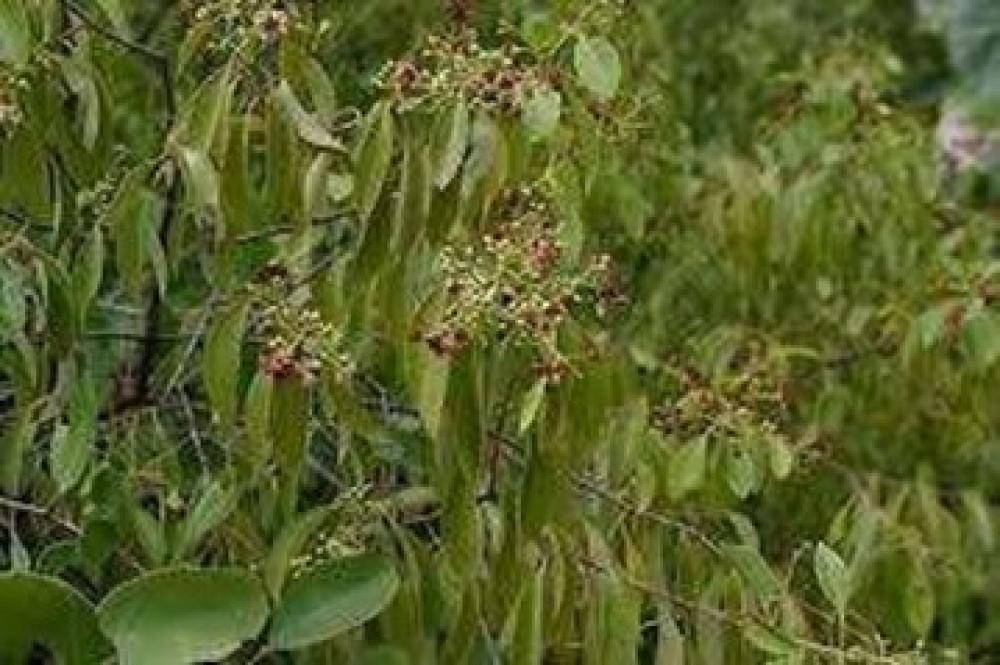
Sandalwood

senna
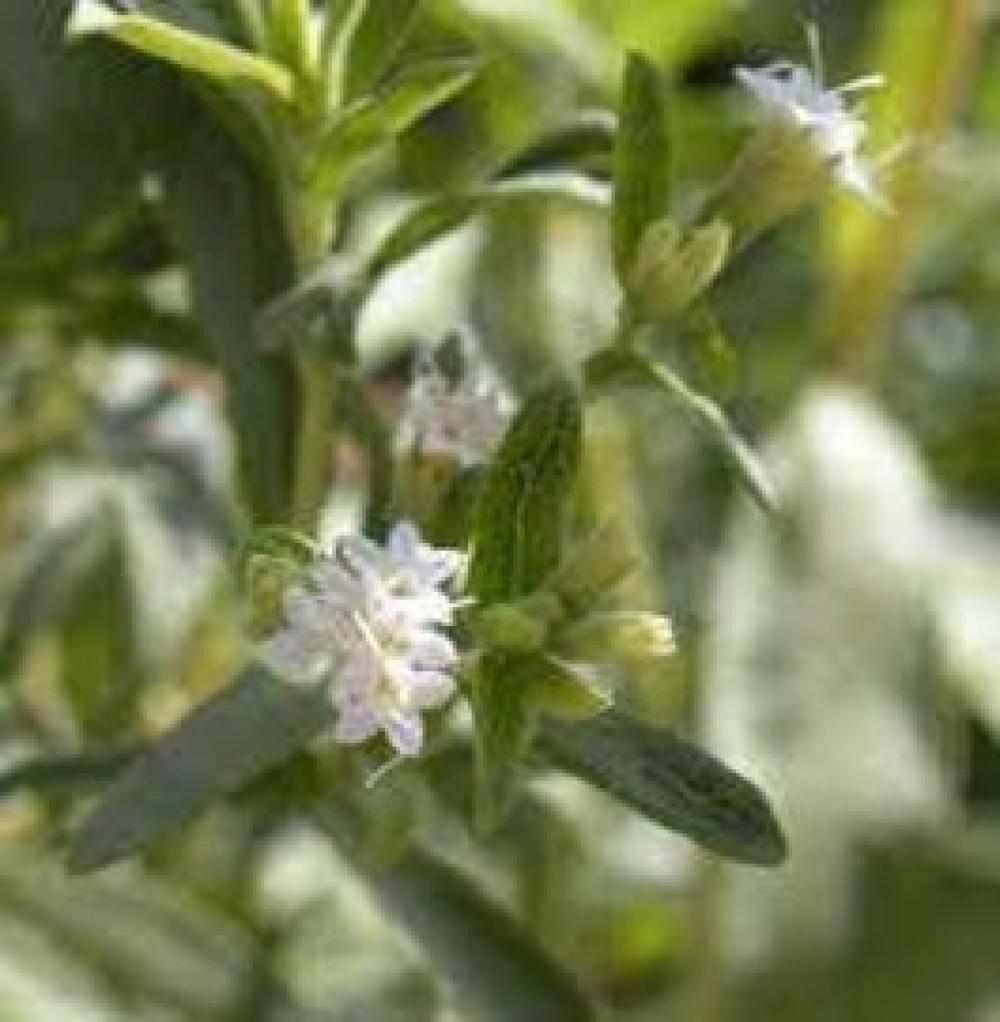
Stevia

Tamarind
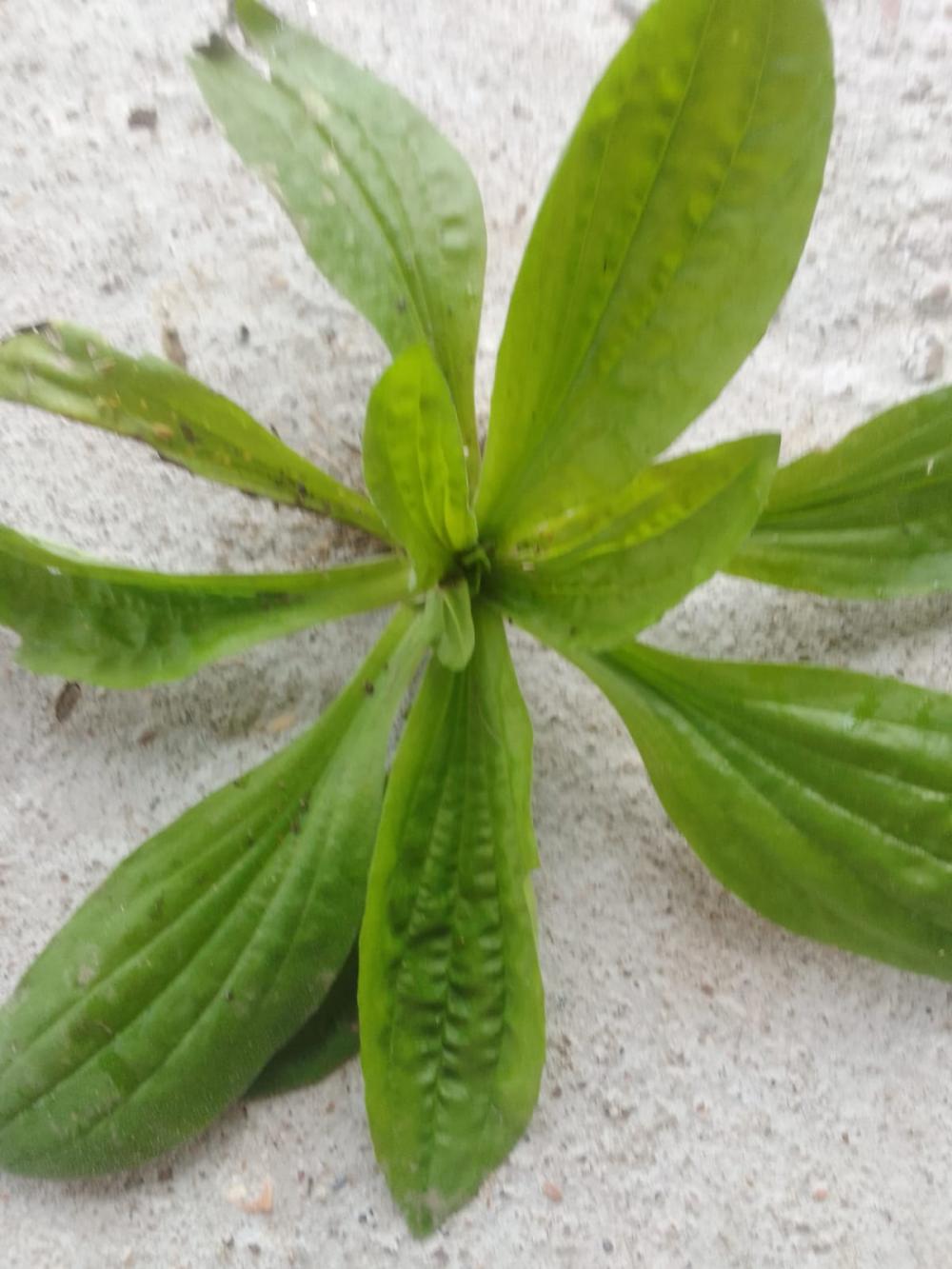
Plantain
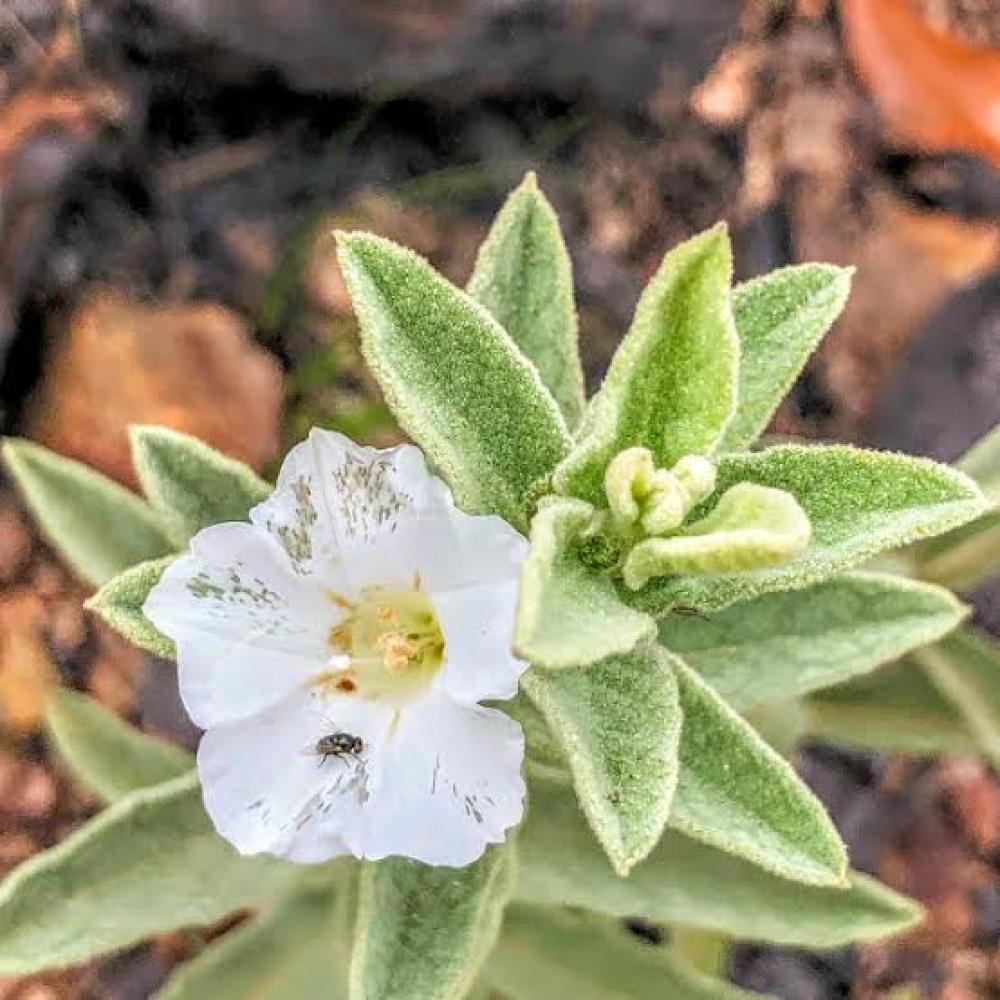
Velame-do-campo
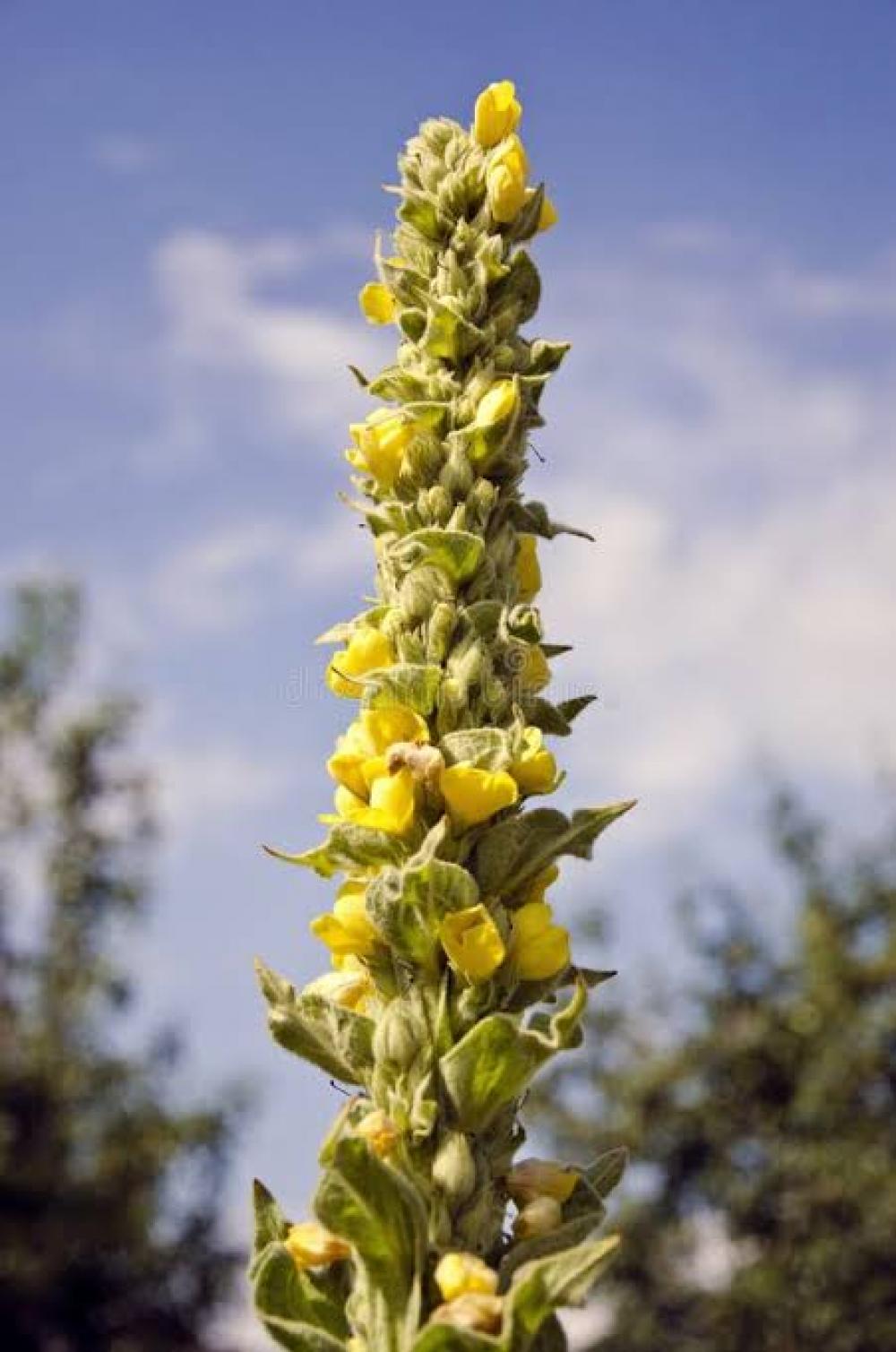
Brazilian mullein
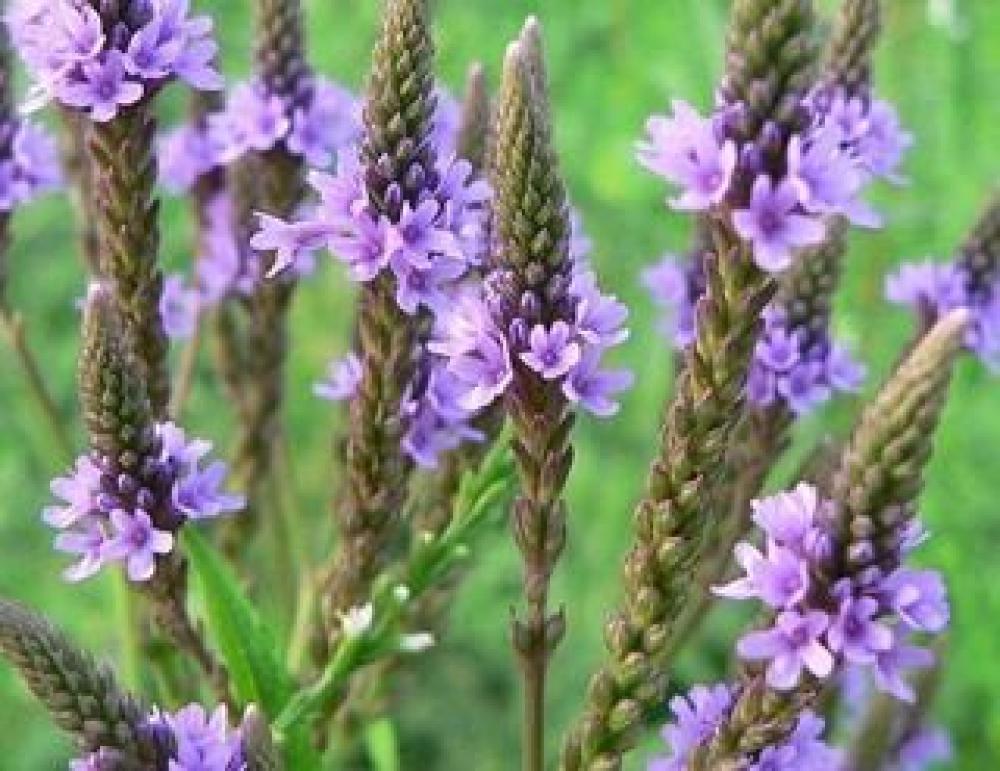
Field verbena