

ILLEA – Roots of Knowledge Institutional Social Law Project
ILLEA — Roots of Knowledge Project
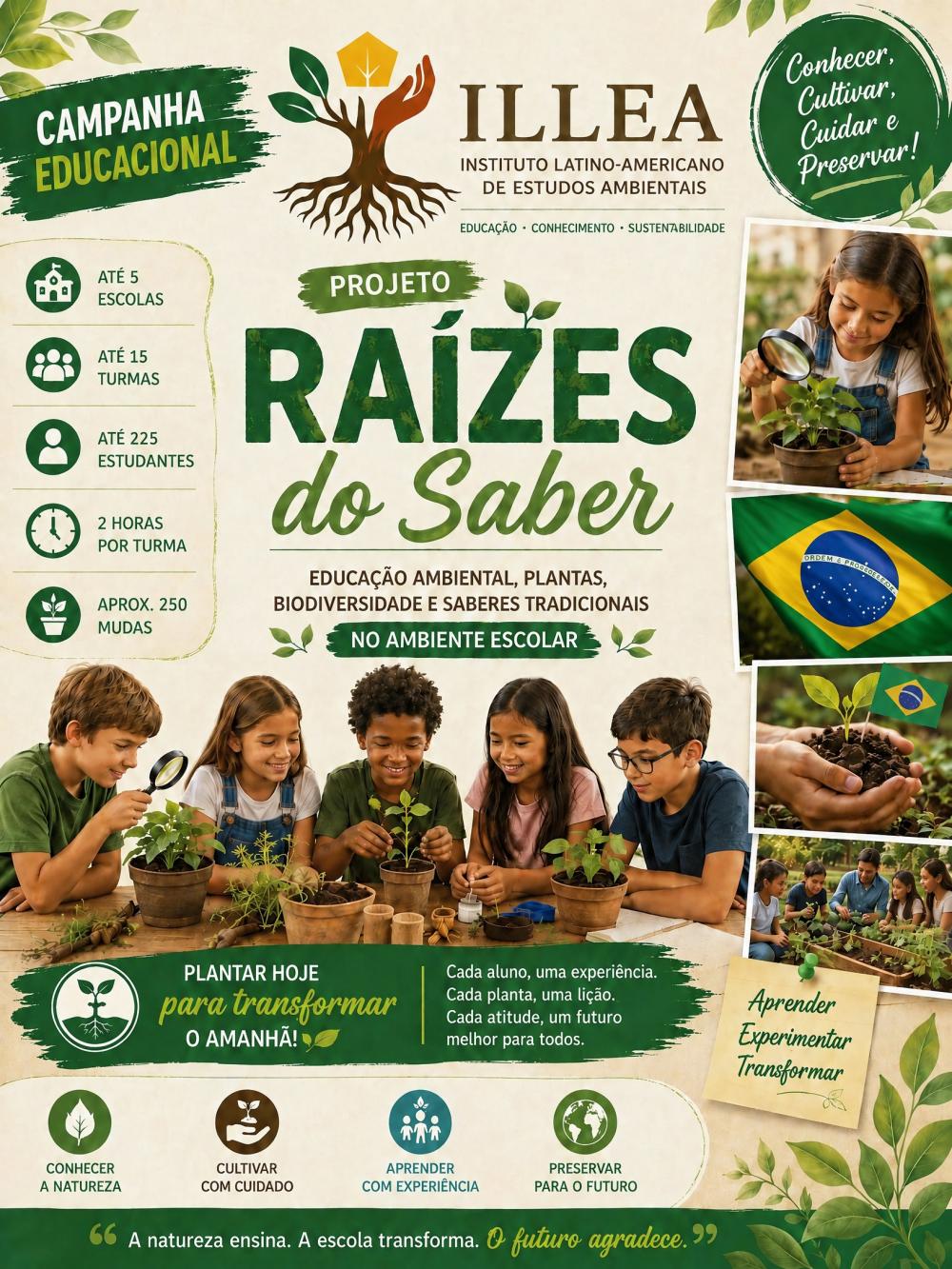
The Roots of Knowledge Project (*Projeto Raízes do Saber*), developed by the Latin American Institute for Environmental Studies (ILLEA), is an initiative aimed at promoting environmental education within the school setting. The project seeks to connect children and young people with nature through knowledge, observation, cultivation, and an appreciation of biodiversity, demonstrating that learning also involves establishing a relationship of care and respect with the world around us.
The proposal is based on the understanding that schools are fundamental spaces for shaping conscious and responsible citizens. It is during childhood and adolescence that many values, habits, and attitudes are formed. By introducing students to the importance of plants, soil, water, animals, and diverse ecosystems, Roots of Knowledge helps them understand that environmental preservation depends on the choices and actions of each individual.
Through hands-on cultivation activities, the project transforms learning into a tangible experience. Planting a seed, monitoring its growth, observing the emergence of leaves, and caring for a seedling daily are simple yet deeply meaningful actions. Each stage allows students to develop patience, responsibility, curiosity, and an awareness of natural cycles.
Cultivation also enables students to understand that nature operates on its own timeline. Plants require water, light, nutrients, space, and attention to thrive. This hands-on experience helps children grasp the importance of environmental balance and understand that all living beings are interconnected and rely on suitable conditions to survive.
Roots of Knowledge also values traditional knowledge regarding plants and nature. Many communities possess wisdom passed down through generations concerning the cultivation, use, care, and significance of various species. By acknowledging this knowledge, the project helps preserve cultural heritage, brings families closer to the school, and honors the experience of local communities.
The initiative can also encourage the creation and maintenance of school vegetable gardens, flower gardens, educational planting beds, and green spaces. These environments make the school more pleasant and offer new learning opportunities. In them, students can observe biodiversity, discover native species, track climate changes, understand the importance of pollinators, and learn about healthy eating and sustainability.
The activities can span various fields of knowledge. In Science, students can learn about germination, photosynthesis, soil, and natural cycles. In Mathematics, they can track plant growth and organize measurements and records. In Portuguese Language classes, they can produce texts, reports, and research projects. In Art, they can depict leaves, flowers, and landscapes. In this way, environmental education becomes part of an integrated and meaningful learning experience.
The project also fosters teamwork. Students can participate in preparing the soil, selecting seeds, organizing the space, and sharing caretaking tasks. This involvement strengthens their sense of responsibility, cooperation, and respect for their peers work. By caring for a space together, students learn that transformation depends on everyones collaboration and commitment.
Another key objective is to cultivate a more conscious perspective regarding consumption and waste disposal. Through their interaction with nature, students can reflect on the amount of waste produced, the importance of recycling, material reuse, and the need to reduce waste. The project demonstrates that small actions, when consistently practiced, can contribute to significant change.
The environmental education provided by ILLEA goes beyond merely imparting information; it aims to shape attitudes and behaviors. More than simply knowing a plants name or understanding how a seed germinates, it is important for students to develop a desire to care for and preserve the environment, and to participate in creating solutions to environmental problems.
The *Raízes do Saber* (Roots of Knowledge) Project also helps strengthen the bond between the school, families, and the community. Knowledge gained by students can be shared at home and applied in gardens, vegetable patches, and community spaces. Thus, learning extends beyond the classroom and begins to influence peoples daily lives.
Each student can find their own way to engage with the project. Some may be interested in cultivation, others in research, documenting activities, creating educational materials, or observing the local flora and fauna. This diversity of interests makes the initiative more inclusive and allows each participant to contribute according to their skills.
The presence of plants in the school environment can also foster moments of contemplation, tranquility, and well-being. Green spaces offer opportunities to observe nature, develop sensitivity, and understand that environmental care is linked to quality of life. A school that values ??nature creates a more welcoming and educational environment for the entire school community.
"Raízes do Saber" (Roots of Knowledge) represents ILLEAs commitment to an education focused on sustainability, citizenship, and social development. By bringing students closer to nature, the project helps shape children and young people who are more attentive to the planets needs and better prepared to participate in preservation and transformation efforts.
A planted seed may seem small, but it holds the potential for growth, renewal, and change. In the school environment, each seed also represents a learning opportunity, a new discovery, and an act of care. By cultivating plants, students cultivate knowledge, responsibility, respect, and hope.
Thus, the "Raízes do Saber" project demonstrates that environmental education can stem from simple, tangible experiences. Caring for a seedling, building a vegetable garden together, or discussing biodiversity can open up new perspectives and inspire more conscious choices. Rooted in knowledge and committed to the future, ILLEA helps shape a generation capable of better caring for nature and building a more sustainable societ
The Roots of Knowledge Project (*Projeto Raízes do Saber*), developed by the Latin American Institute for Environmental Studies (ILLEA), is an initiative aimed at promoting environmental education within the school setting. The project seeks to connect children and young people with nature through knowledge, observation, cultivation, and an appreciation of biodiversity, demonstrating that learning also involves establishing a relationship of care and respect with the world around us.
The proposal is based on the understanding that schools are fundamental spaces for shaping conscious and responsible citizens. It is during childhood and adolescence that many values, habits, and attitudes are formed. By introducing students to the importance of plants, soil, water, animals, and diverse ecosystems, Roots of Knowledge helps them understand that environmental preservation depends on the choices and actions of each individual.
Through hands-on cultivation activities, the project transforms learning into a tangible experience. Planting a seed, monitoring its growth, observing the emergence of leaves, and caring for a seedling daily are simple yet deeply meaningful actions. Each stage allows students to develop patience, responsibility, curiosity, and an awareness of natural cycles.
Cultivation also enables students to understand that nature operates on its own timeline. Plants require water, light, nutrients, space, and attention to thrive. This hands-on experience helps children grasp the importance of environmental balance and understand that all living beings are interconnected and rely on suitable conditions to survive.
Roots of Knowledge also values traditional knowledge regarding plants and nature. Many communities possess wisdom passed down through generations concerning the cultivation, use, care, and significance of various species. By acknowledging this knowledge, the project helps preserve cultural heritage, brings families closer to the school, and honors the experience of local communities.
The initiative can also encourage the creation and maintenance of school vegetable gardens, flower gardens, educational planting beds, and green spaces. These environments make the school more pleasant and offer new learning opportunities. In them, students can observe biodiversity, discover native species, track climate changes, understand the importance of pollinators, and learn about healthy eating and sustainability.
The activities can span various fields of knowledge. In Science, students can learn about germination, photosynthesis, soil, and natural cycles. In Mathematics, they can track plant growth and organize measurements and records. In Portuguese Language classes, they can produce texts, reports, and research projects. In Art, they can depict leaves, flowers, and landscapes. In this way, environmental education becomes part of an integrated and meaningful learning experience.
The project also fosters teamwork. Students can participate in preparing the soil, selecting seeds, organizing the space, and sharing caretaking tasks. This involvement strengthens their sense of responsibility, cooperation, and respect for their peers work. By caring for a space together, students learn that transformation depends on everyones collaboration and commitment.
Another key objective is to cultivate a more conscious perspective regarding consumption and waste disposal. Through their interaction with nature, students can reflect on the amount of waste produced, the importance of recycling, material reuse, and the need to reduce waste. The project demonstrates that small actions, when consistently practiced, can contribute to significant change.
The environmental education provided by ILLEA goes beyond merely imparting information; it aims to shape attitudes and behaviors. More than simply knowing a plants name or understanding how a seed germinates, it is important for students to develop a desire to care for and preserve the environment, and to participate in creating solutions to environmental problems.
The *Raízes do Saber* (Roots of Knowledge) Project also helps strengthen the bond between the school, families, and the community. Knowledge gained by students can be shared at home and applied in gardens, vegetable patches, and community spaces. Thus, learning extends beyond the classroom and begins to influence peoples daily lives.
Each student can find their own way to engage with the project. Some may be interested in cultivation, others in research, documenting activities, creating educational materials, or observing the local flora and fauna. This diversity of interests makes the initiative more inclusive and allows each participant to contribute according to their skills.
The presence of plants in the school environment can also foster moments of contemplation, tranquility, and well-being. Green spaces offer opportunities to observe nature, develop sensitivity, and understand that environmental care is linked to quality of life. A school that values ??nature creates a more welcoming and educational environment for the entire school community.
"Raízes do Saber" (Roots of Knowledge) represents ILLEAs commitment to an education focused on sustainability, citizenship, and social development. By bringing students closer to nature, the project helps shape children and young people who are more attentive to the planets needs and better prepared to participate in preservation and transformation efforts.
A planted seed may seem small, but it holds the potential for growth, renewal, and change. In the school environment, each seed also represents a learning opportunity, a new discovery, and an act of care. By cultivating plants, students cultivate knowledge, responsibility, respect, and hope.
Thus, the "Raízes do Saber" project demonstrates that environmental education can stem from simple, tangible experiences. Caring for a seedling, building a vegetable garden together, or discussing biodiversity can open up new perspectives and inspire more conscious choices. Rooted in knowledge and committed to the future, ILLEA helps shape a generation capable of better caring for nature and building a more sustainable societ
Sustainable Projects and Initiatives
ILLEA — Handicrafts, Fashion, and Social Development
ILLEA – Roots of Knowledge Institutional Social Law Project
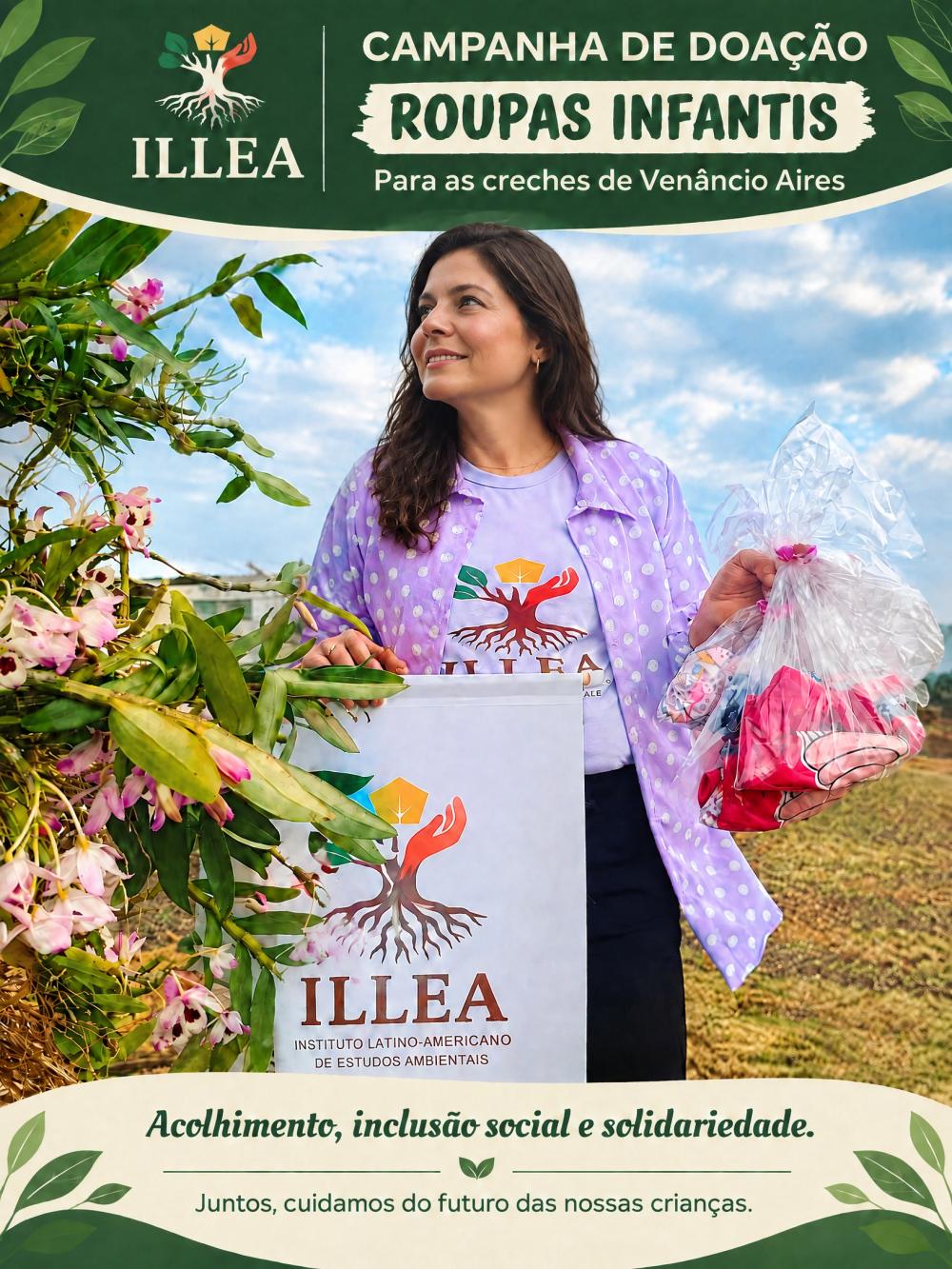
ILLEA Donation of clothes in storage stores in Venâncio Aires
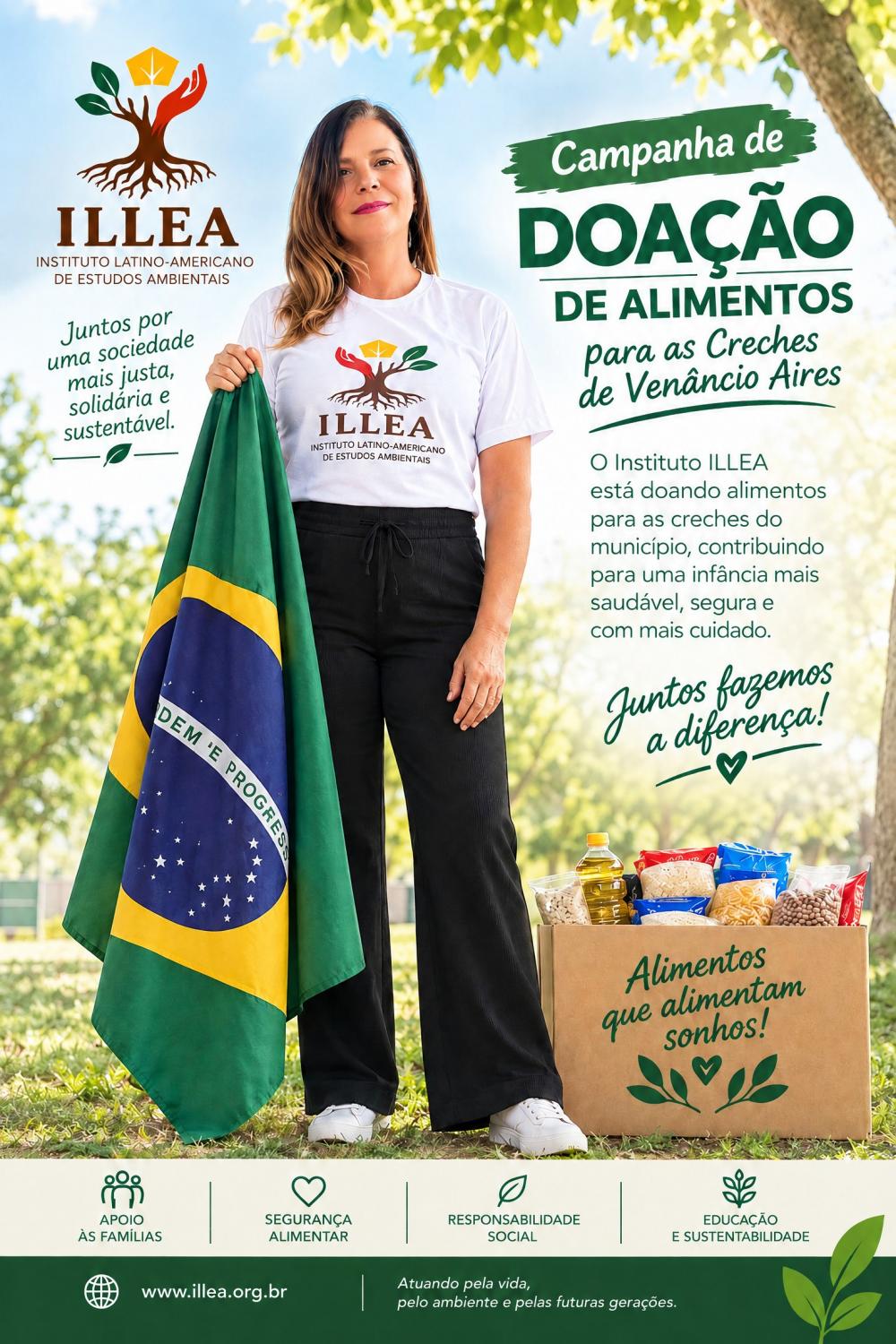
ILLEA - Food donation campaign in storerooms
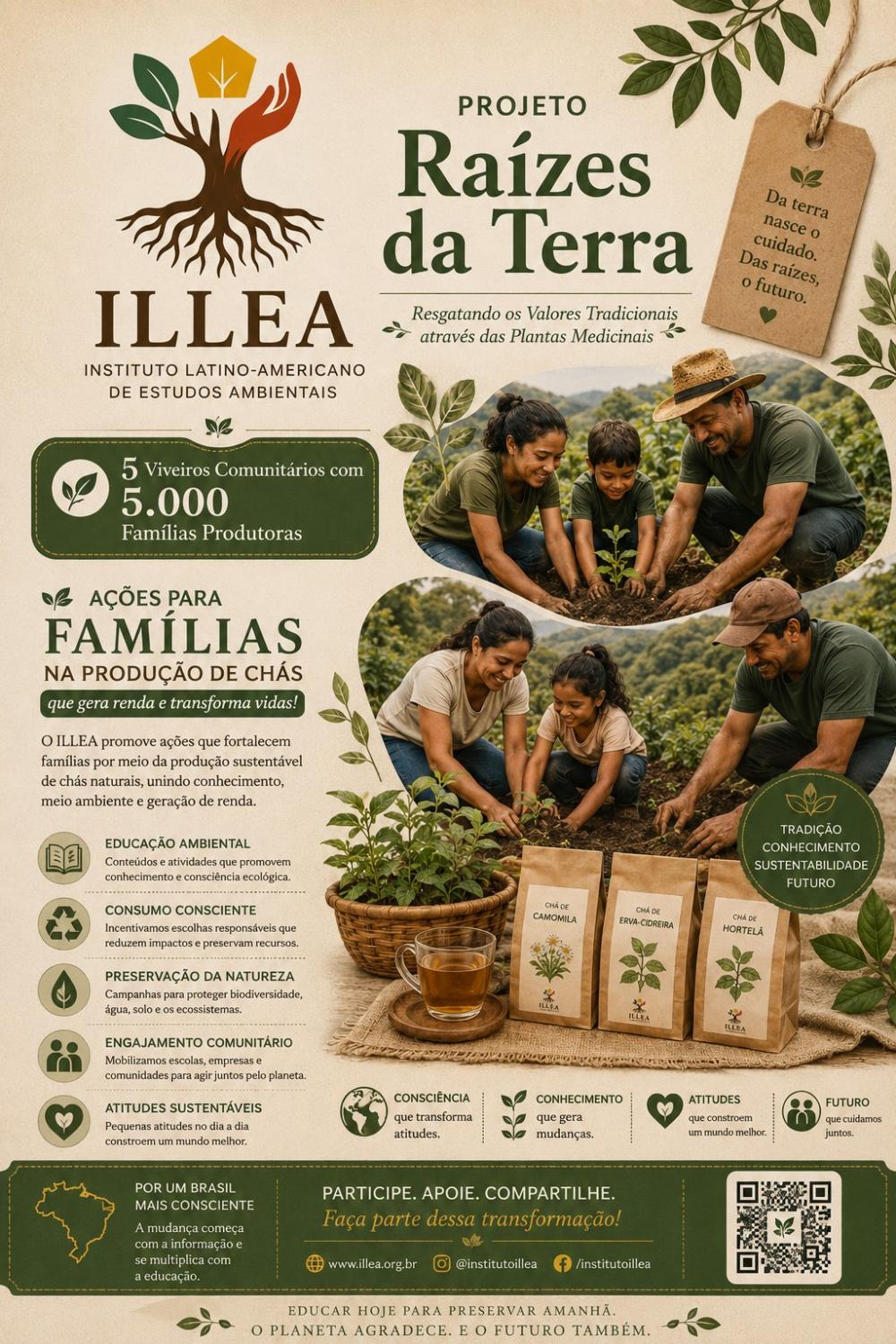
ILLEA – Roots of the Earth Project and Institutional Campaigns
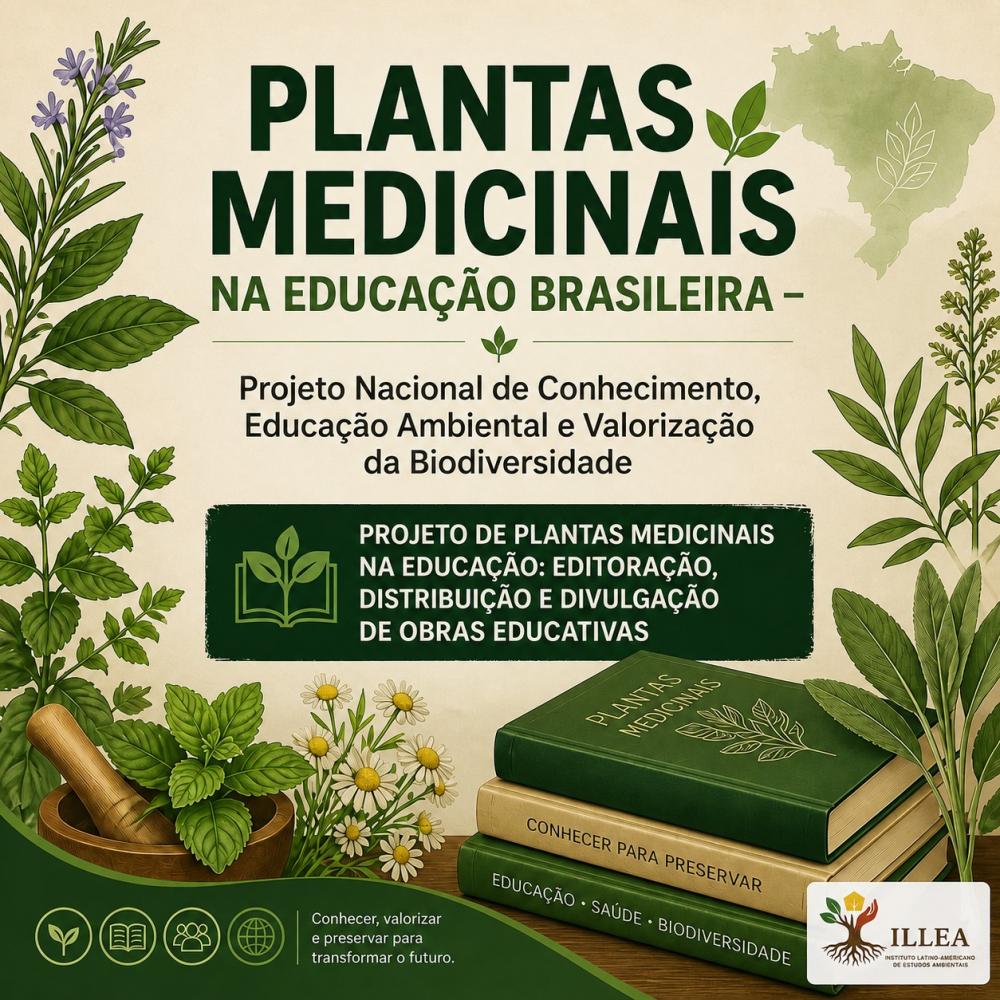
ILLEA - Project Medicinal Plants in Brazilian Education
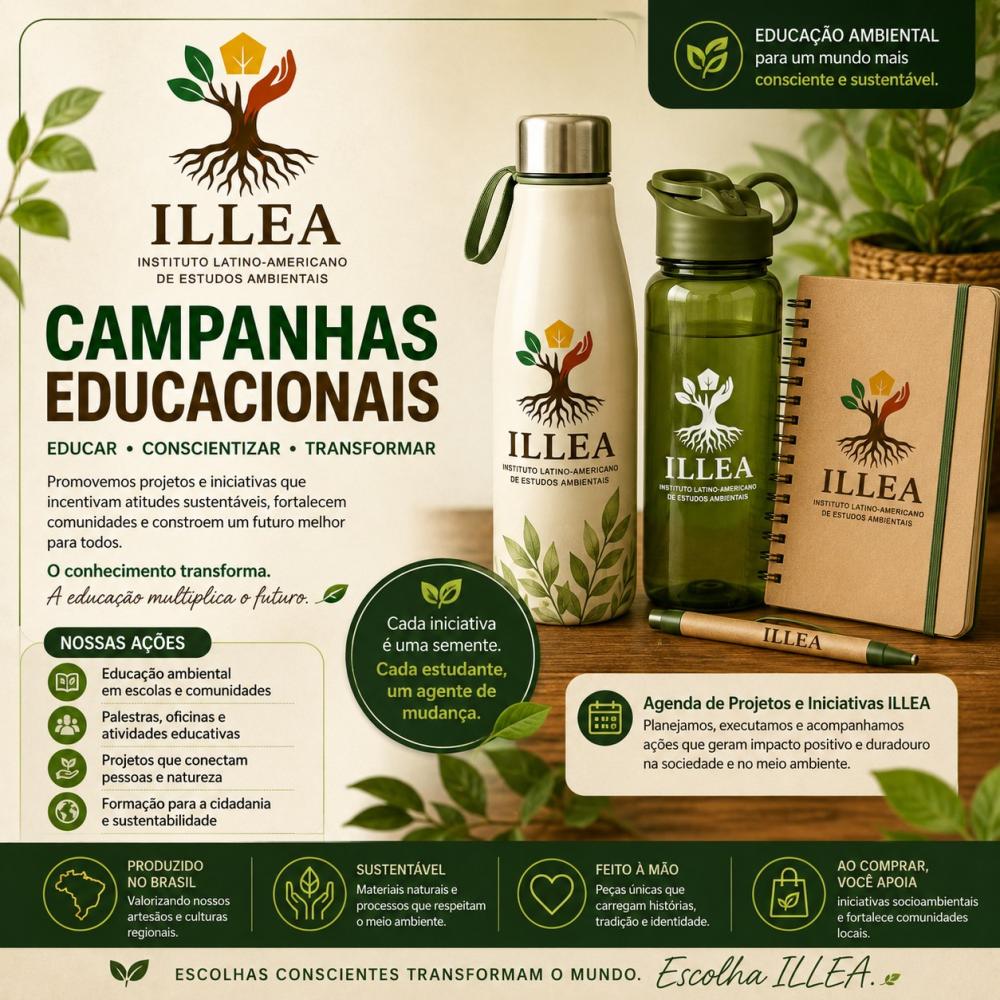
ILLEA Environmental Education Campaigns in Schools
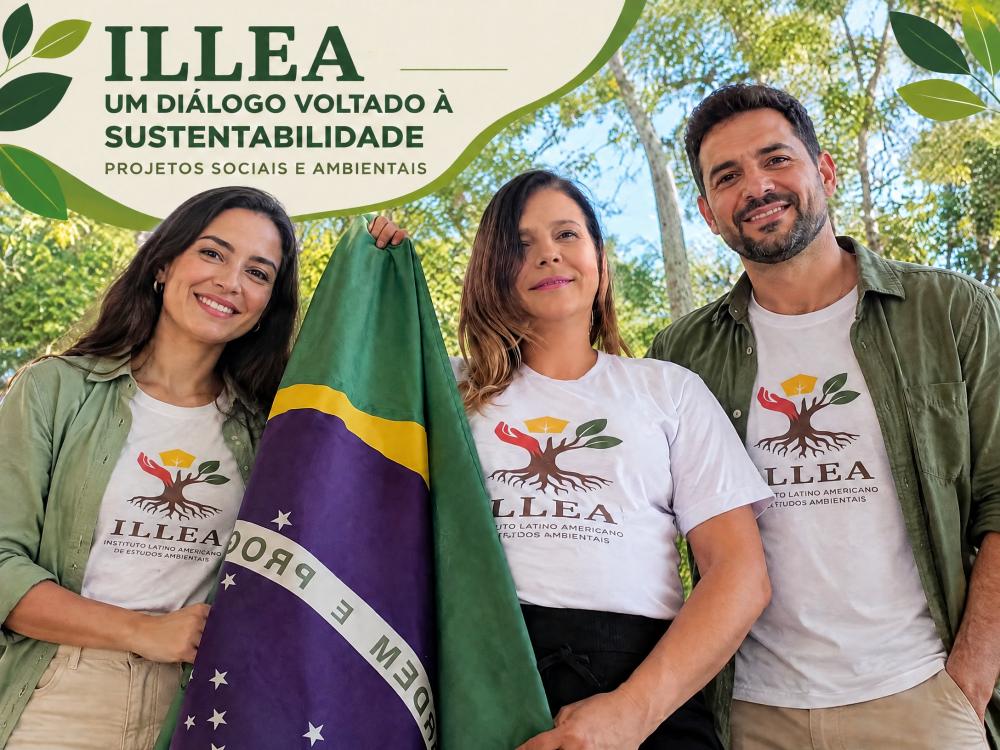
ILLEA a dialogue oriented towards Sustainability