



caper
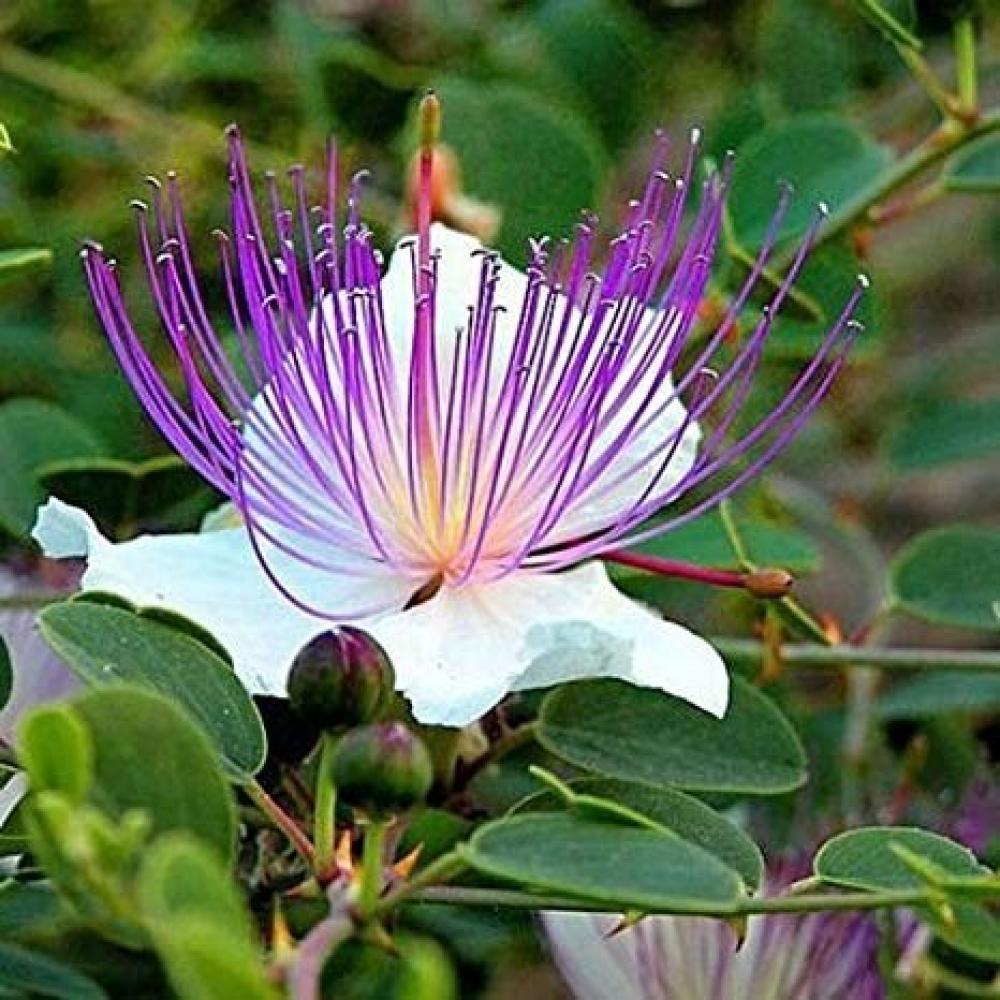
• Capers have medicinal properties and are used to treat digestive problems, rheumatism, and skin problems. • In folk medicine, the plant is used as a diuretic, appetite stimulant, and to relieve pain. • Modern studies point to antibacterial, antifungal, analgesic, and anti-inflammatory properties. Caper (Capparis spinosa): Medicinal Uses and Properties. The caper (Capparis spinosa) is widely known as a sophisticated condiment in Mediterranean cuisine, but its value goes far beyond its flavor. Historically, various parts of the plant—including roots, bark, leaves, and flower buds—have been used in traditional medicine to treat a wide range of conditions, from digestive problems to inflammatory diseases. 1. Therapeutic and Bioactive Properties. Capers are one of the richest plant sources of quercetin and kaempferol, powerful flavonoids with antioxidant properties. Antioxidant: Fights free radicals and prevents cellular aging. Anti-inflammatory: Helps reduce systemic and joint inflammation. Hepatoprotective: Studies indicate benefits in protecting and regenerating the liver. Antidiabetic: Helps regulate blood sugar levels and improves insulin sensitivity. Neuroprotective: Recent research suggests potential in protecting the nervous system and aiding memory. 2. Medicinal Uses by Plant Part
Plant Part. Traditional and Medicinal Use. Flower Buds. Appetite stimulant, digestive aid, and helpful in cases of arteriosclerosis. Roots and Bark. Treatment of rheumatism, gout, paralysis, and kidney problems (diuretic).
Leaves: Used as an external analgesic poultices and in the treatment of hemorrhoids. Fruits: Used as a tonic and to relieve toothaches and gum disease. 3. Health Benefits. Cardiovascular Health: Helps reduce bad cholesterol and has compounds that strengthen blood capillaries. Metabolic Health: It is an ally in weight control because it is low in calories and rich in fiber, in addition to helping with glucose metabolism.
Digestive Health: The capric acid present in the plant helps in the proper functioning of the gastrointestinal tract and stimulates digestion. Bone Health: Contains essential minerals such as calcium, magnesium and vitamin K, fundamental for bone density.
Plant Part. Traditional and Medicinal Use. Flower Buds. Appetite stimulant, digestive aid, and helpful in cases of arteriosclerosis. Roots and Bark. Treatment of rheumatism, gout, paralysis, and kidney problems (diuretic).
Leaves: Used as an external analgesic poultices and in the treatment of hemorrhoids. Fruits: Used as a tonic and to relieve toothaches and gum disease. 3. Health Benefits. Cardiovascular Health: Helps reduce bad cholesterol and has compounds that strengthen blood capillaries. Metabolic Health: It is an ally in weight control because it is low in calories and rich in fiber, in addition to helping with glucose metabolism.
Digestive Health: The capric acid present in the plant helps in the proper functioning of the gastrointestinal tract and stimulates digestion. Bone Health: Contains essential minerals such as calcium, magnesium and vitamin K, fundamental for bone density.
Plant Catalog
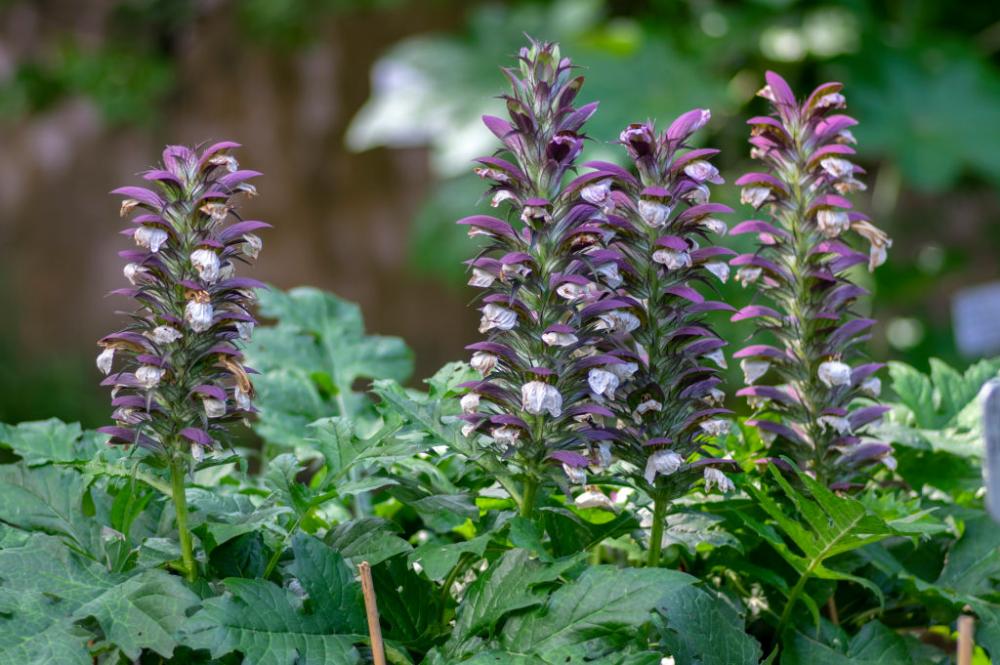
acanthus
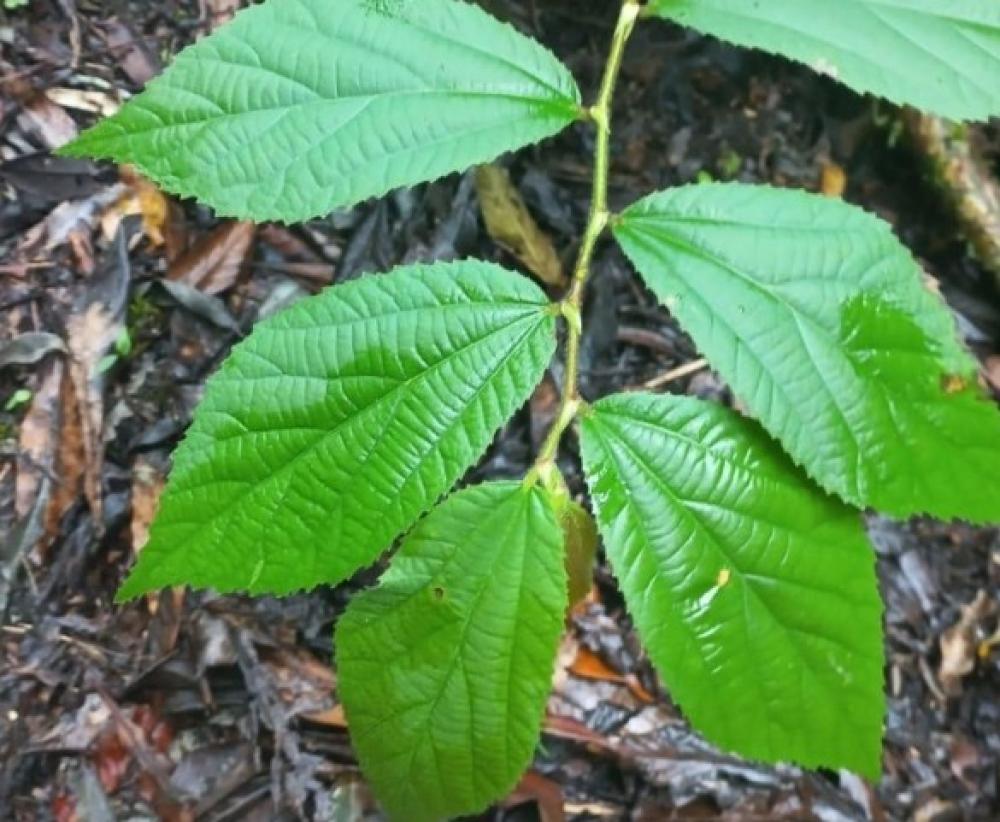
Horsewhip
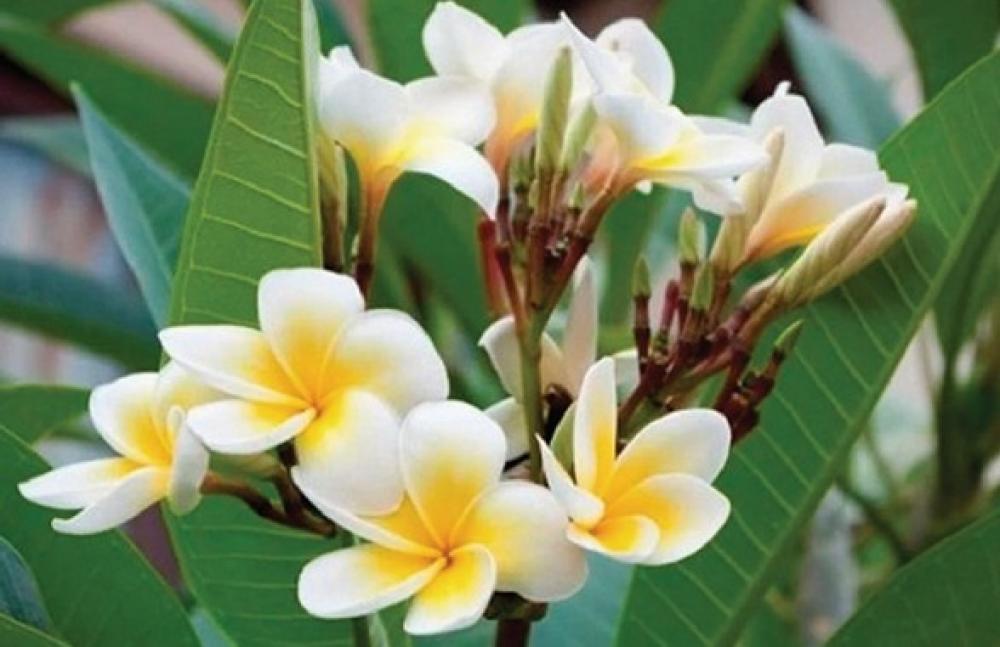
distressed
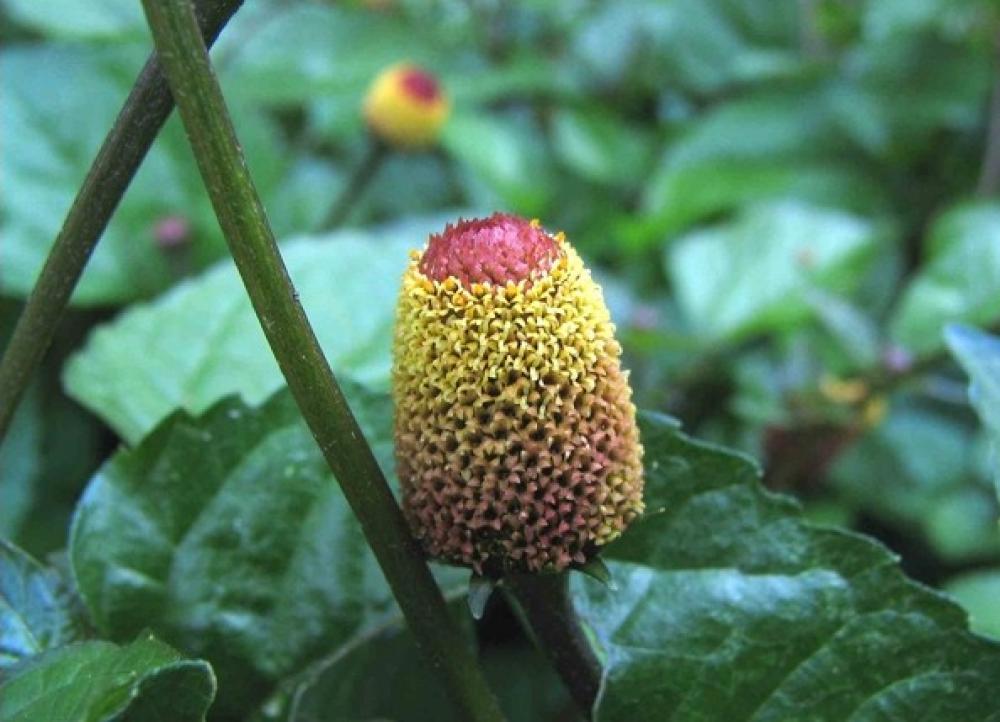
Pará cress or Jambu
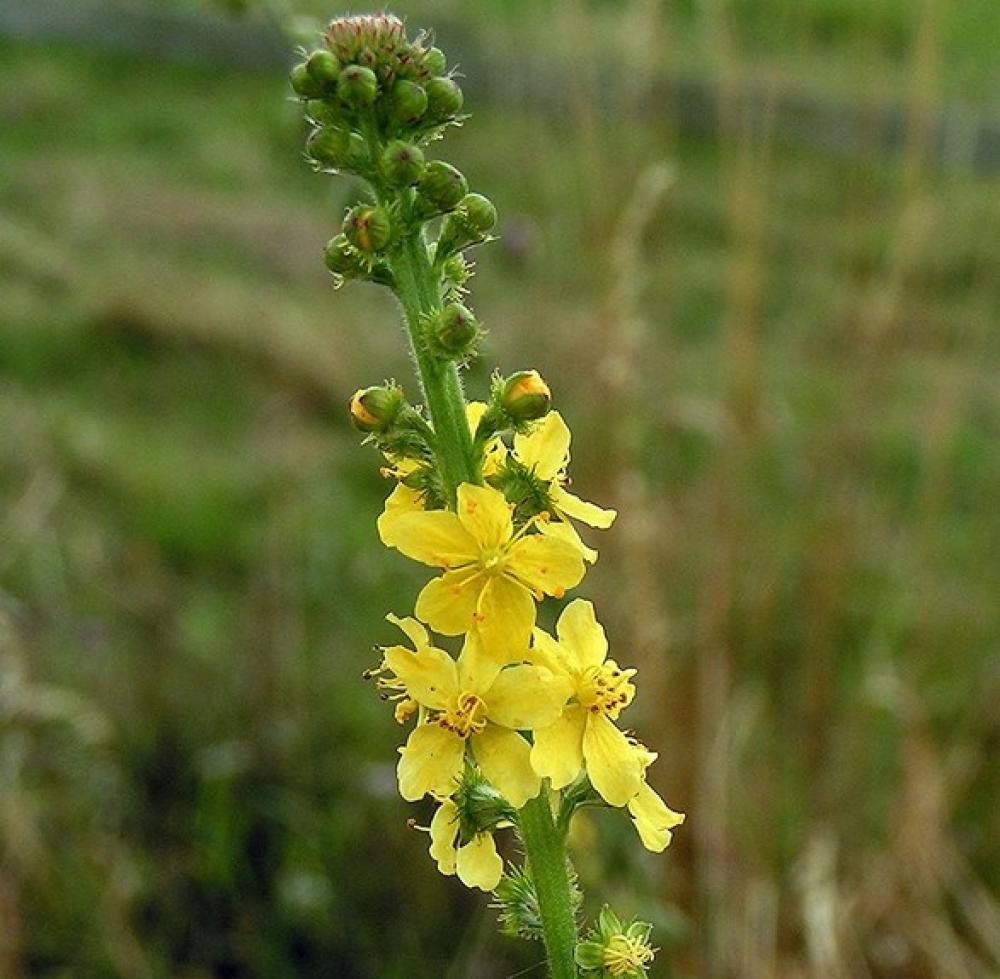
Agrimony
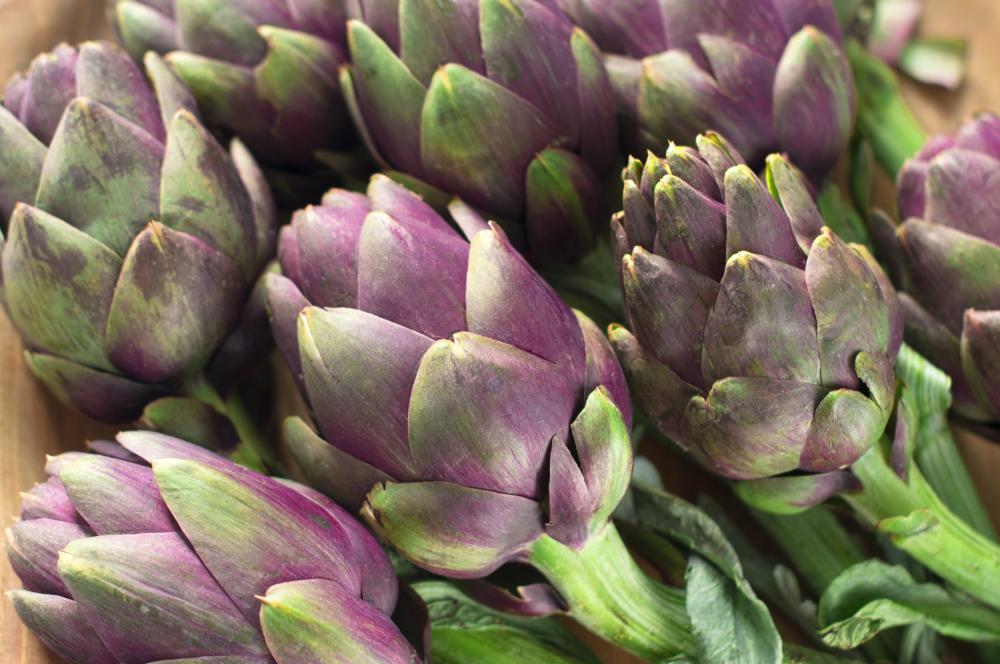
Artichoke
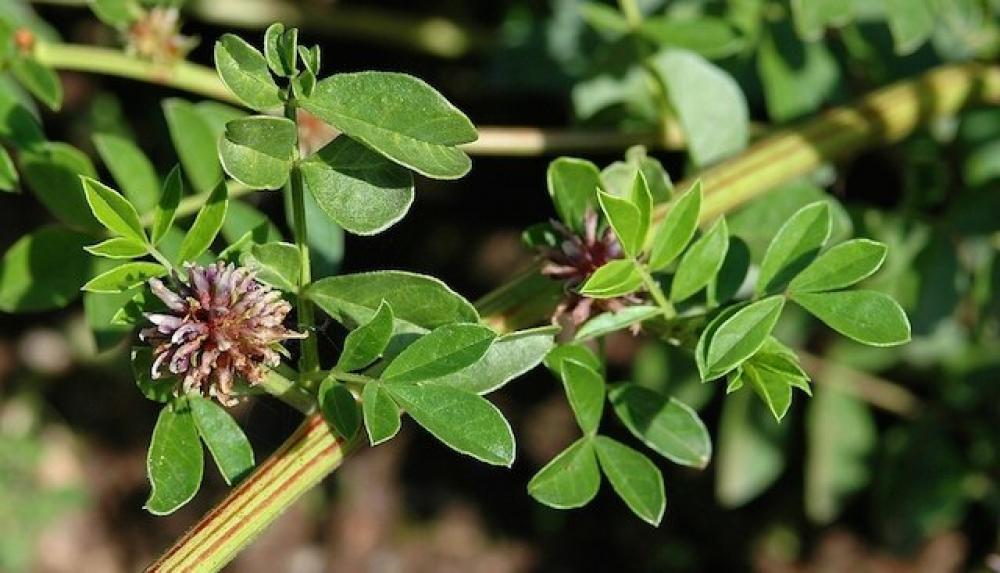
licorice
caper
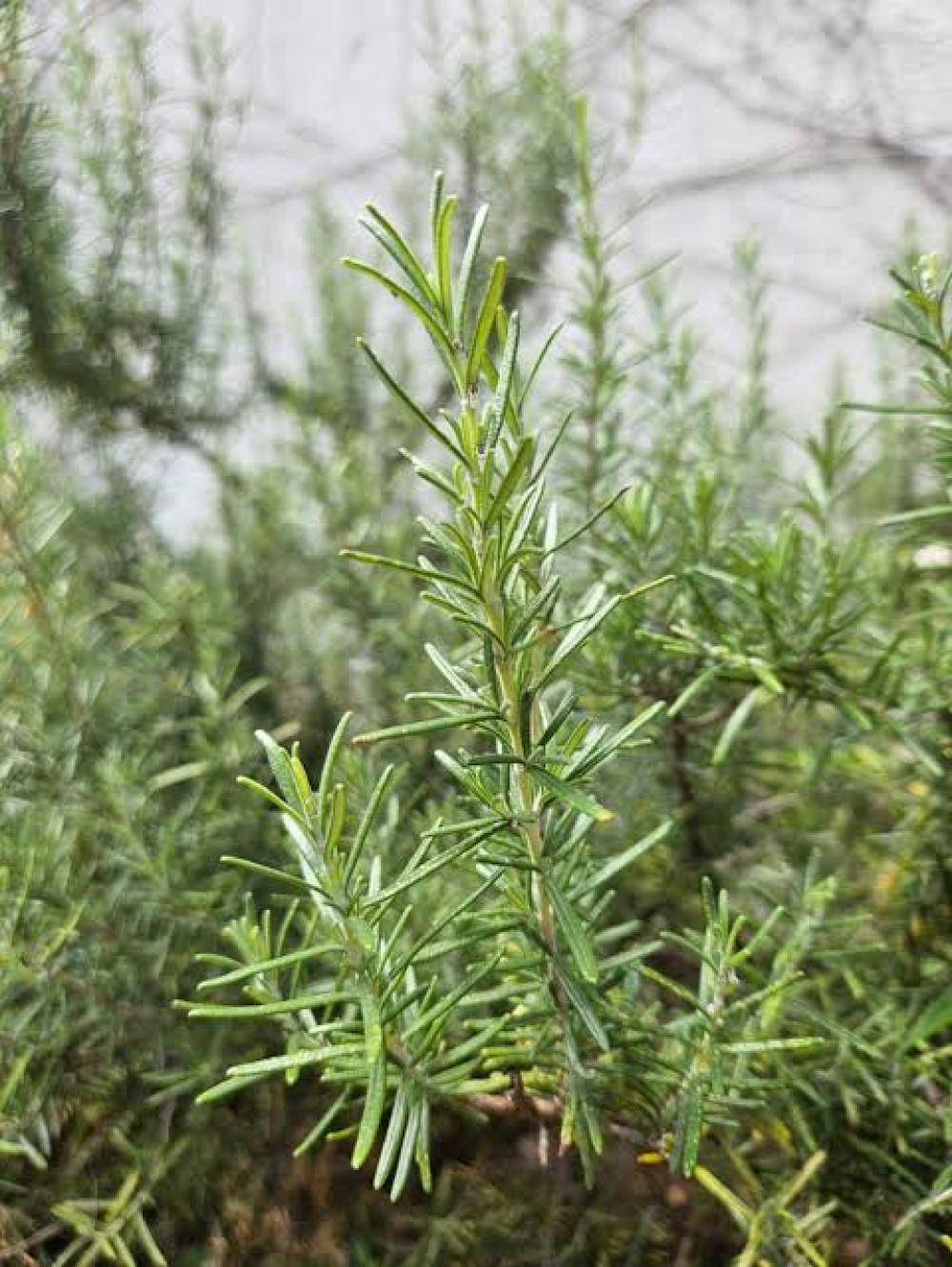
rosemary
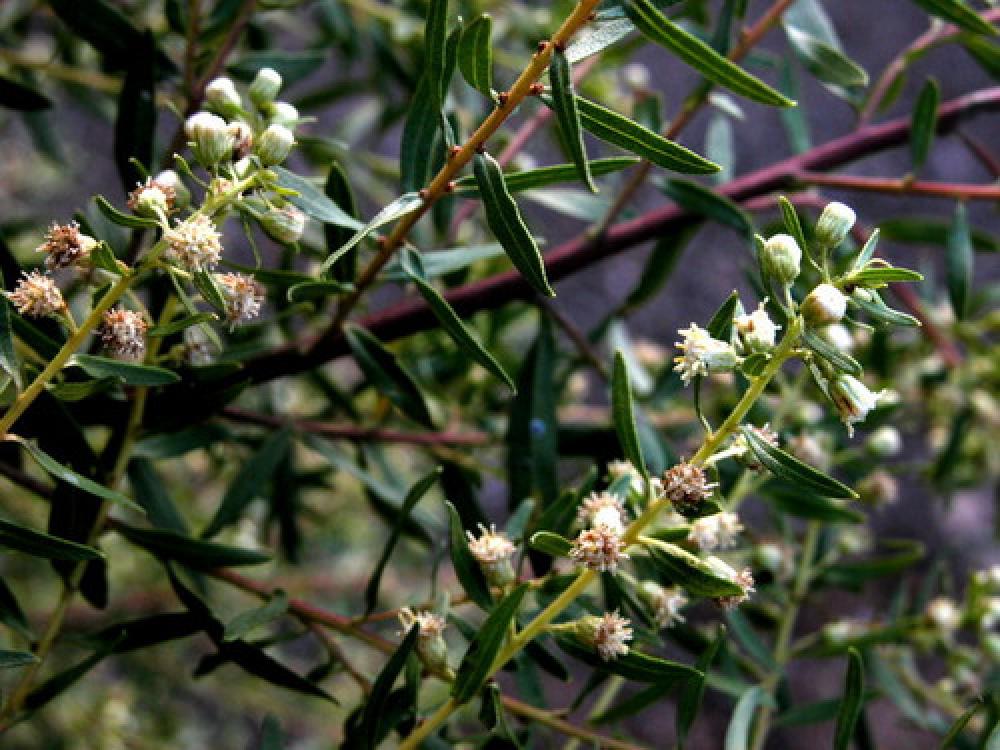
Field Rosemary
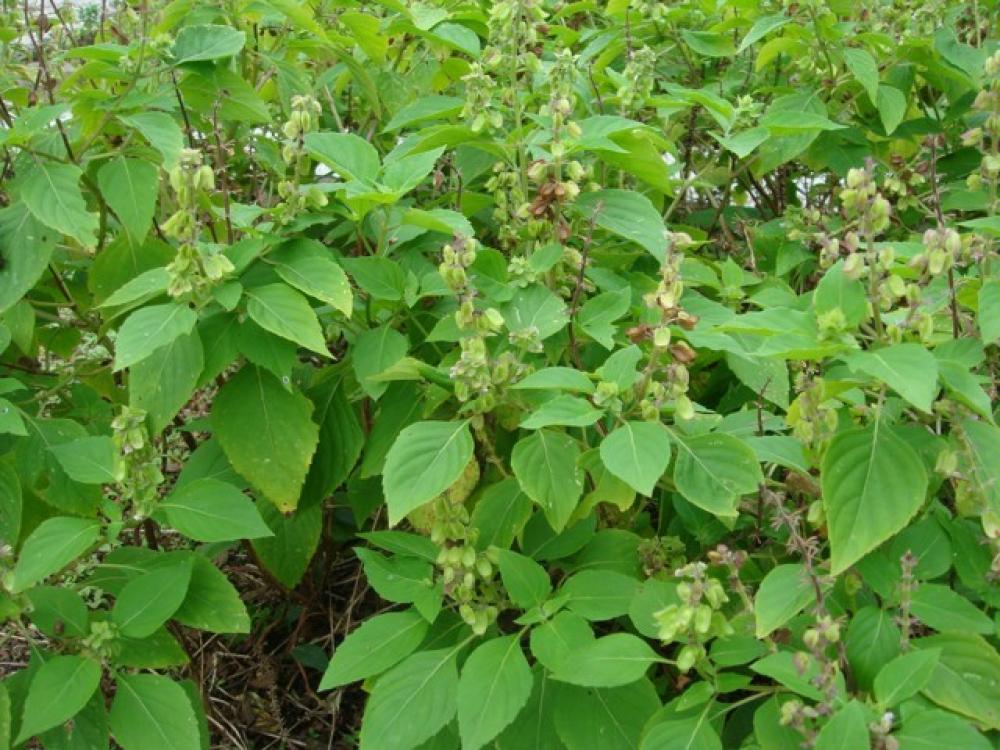
basil
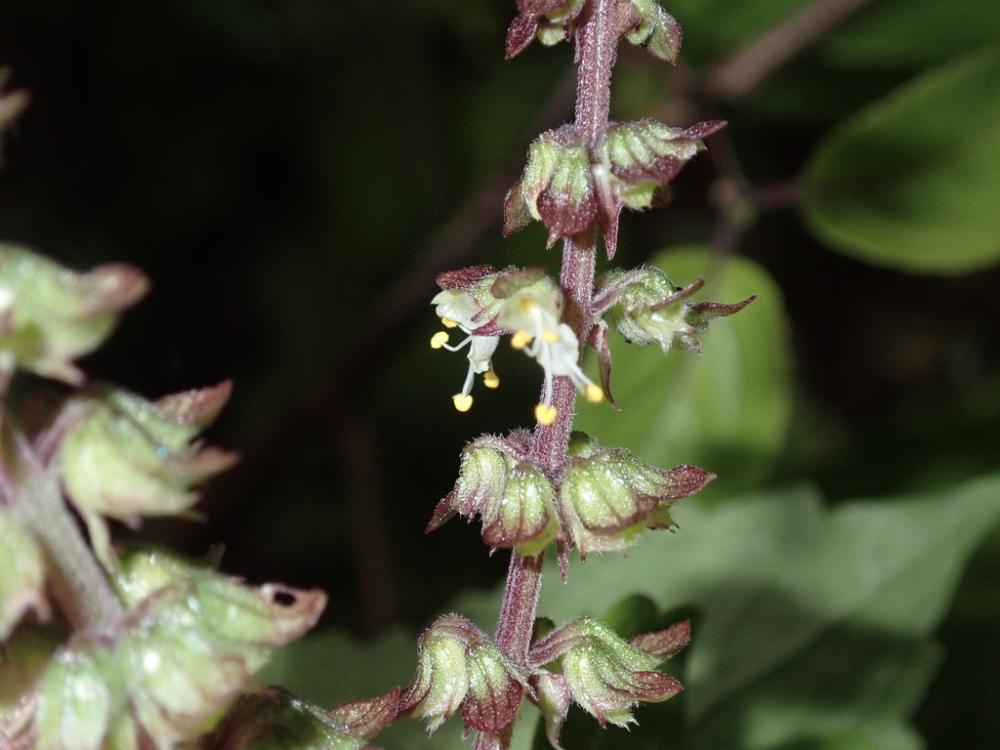
Clove Basil
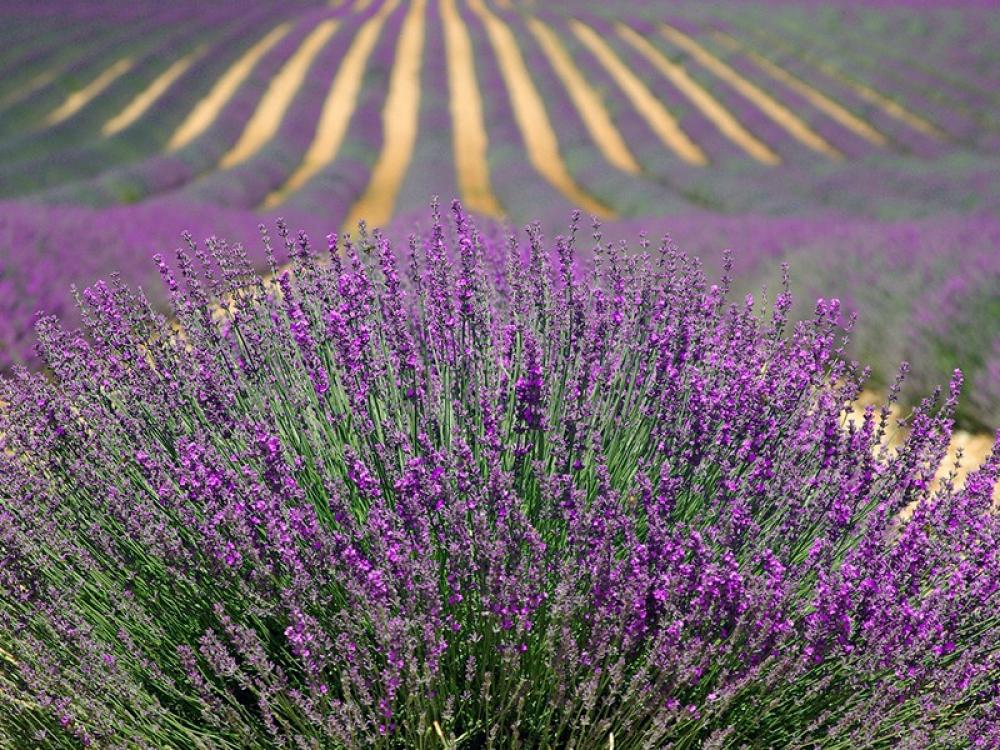
lavender
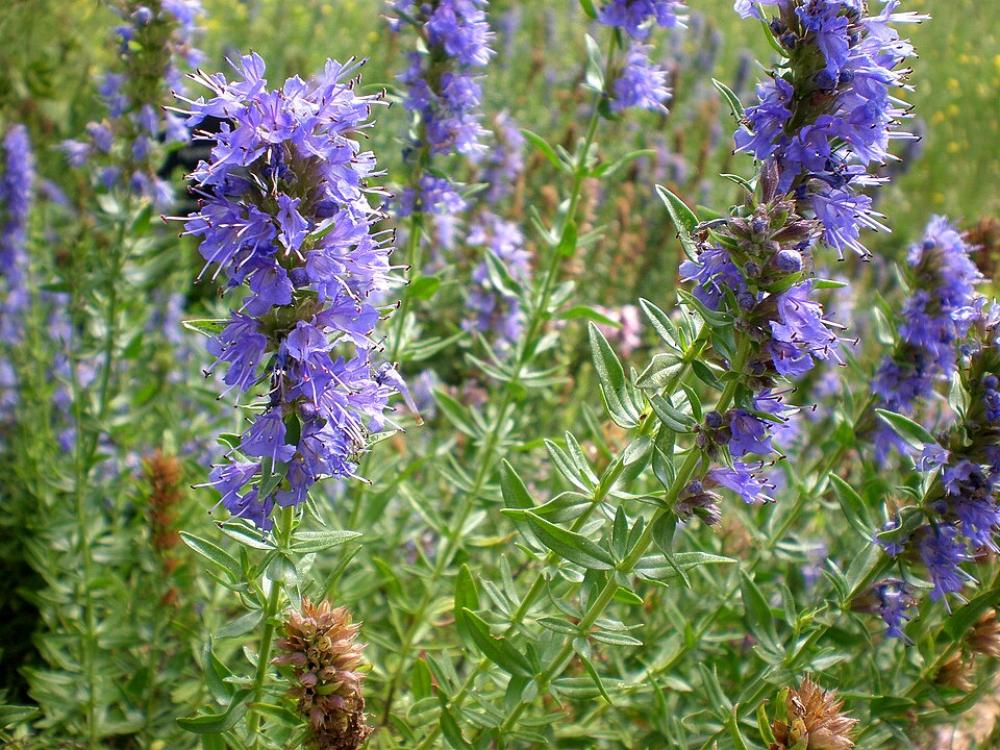
Caboclo Lavender
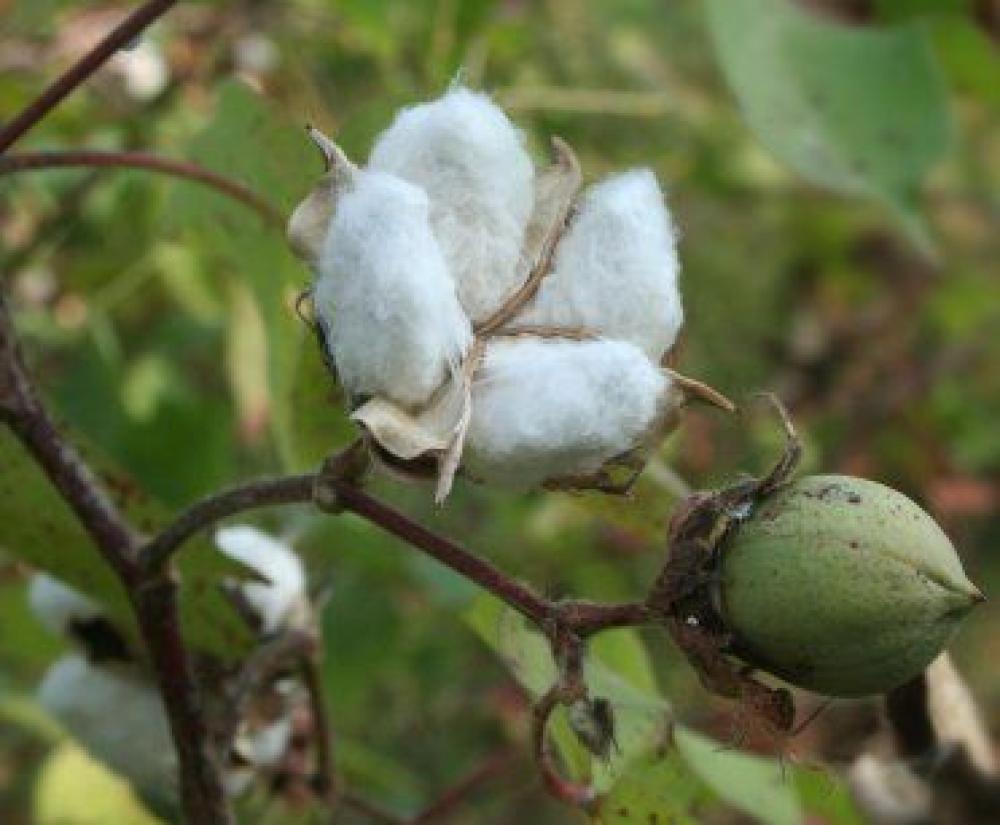
Cotton
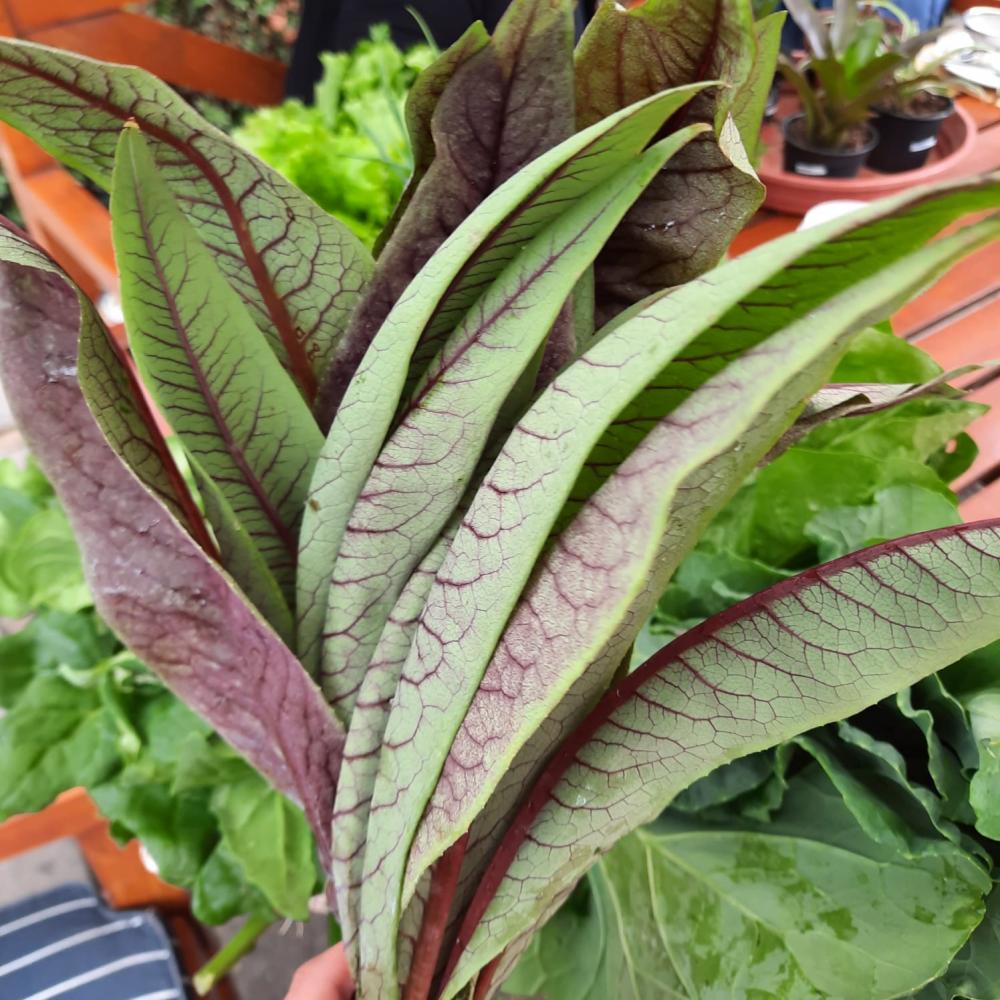
Cafezal Chicory
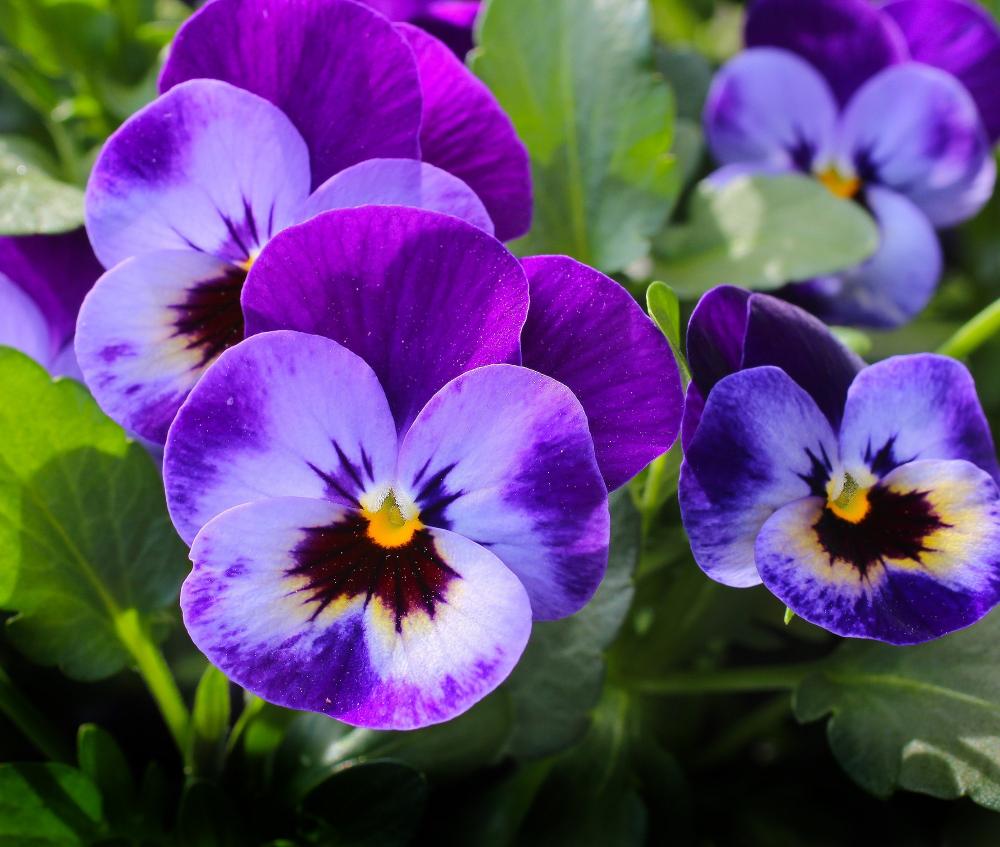
Perfect Love
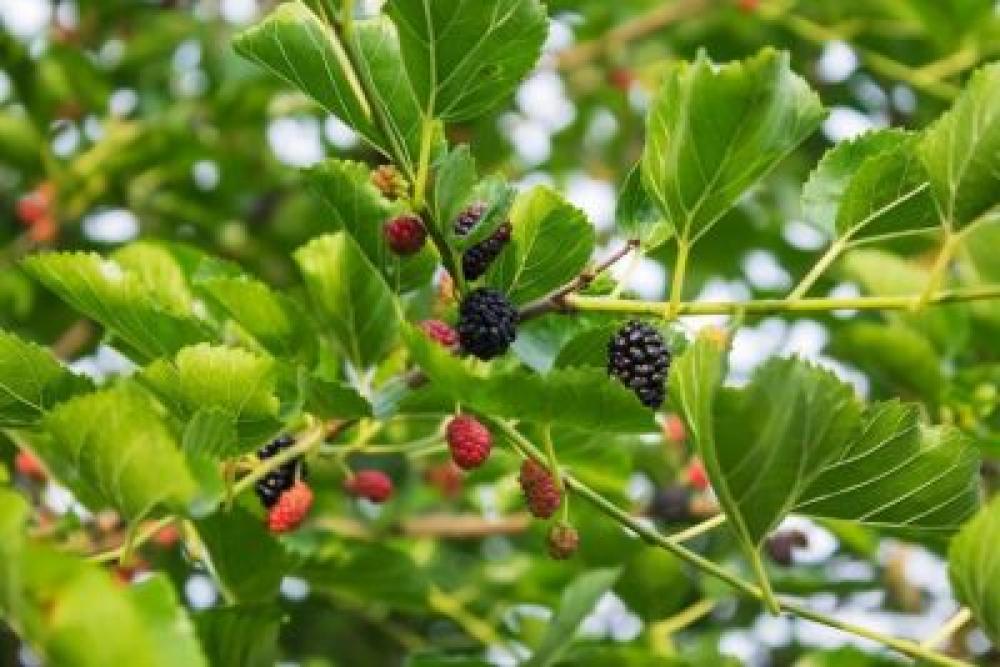
mulberry
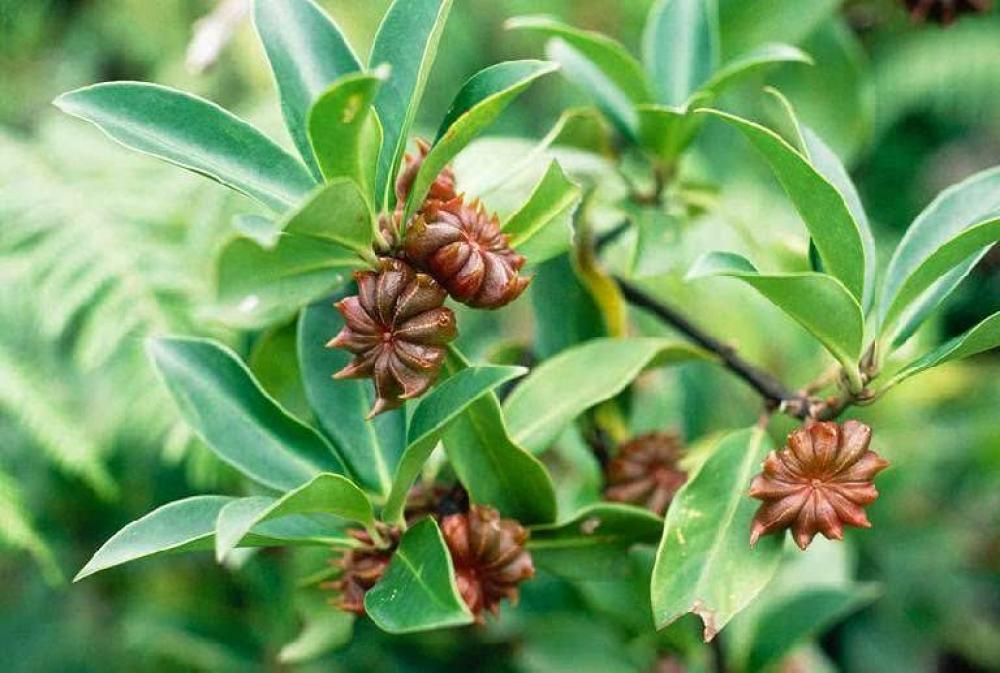
anise
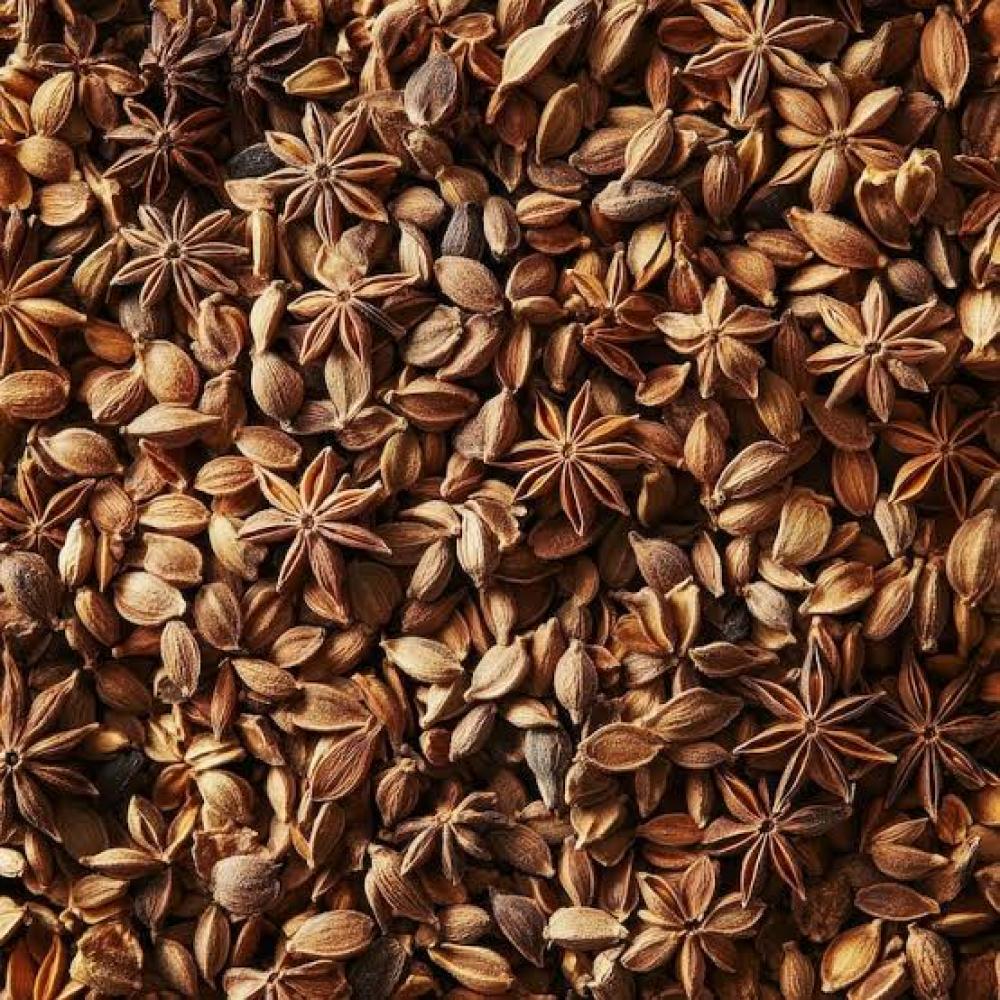
Star anise - Seeds
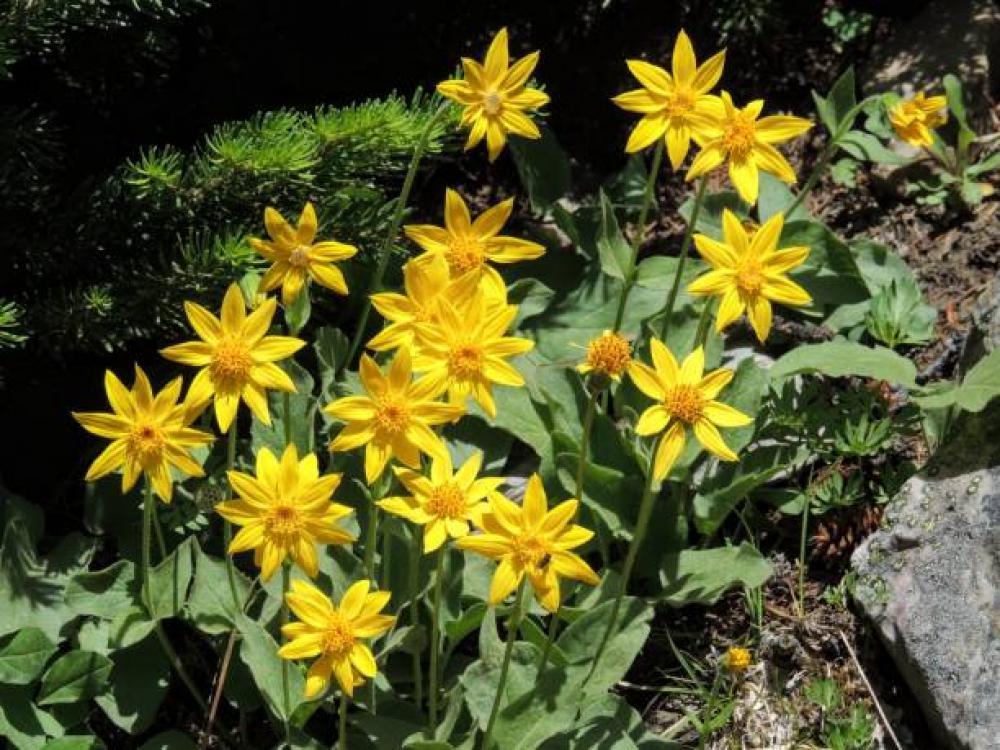
Arnica
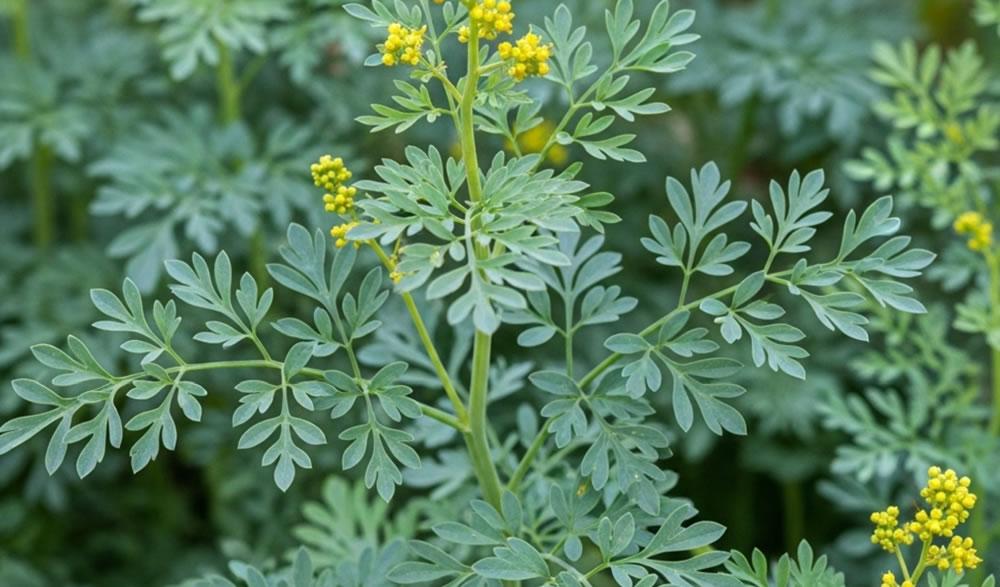
Rue
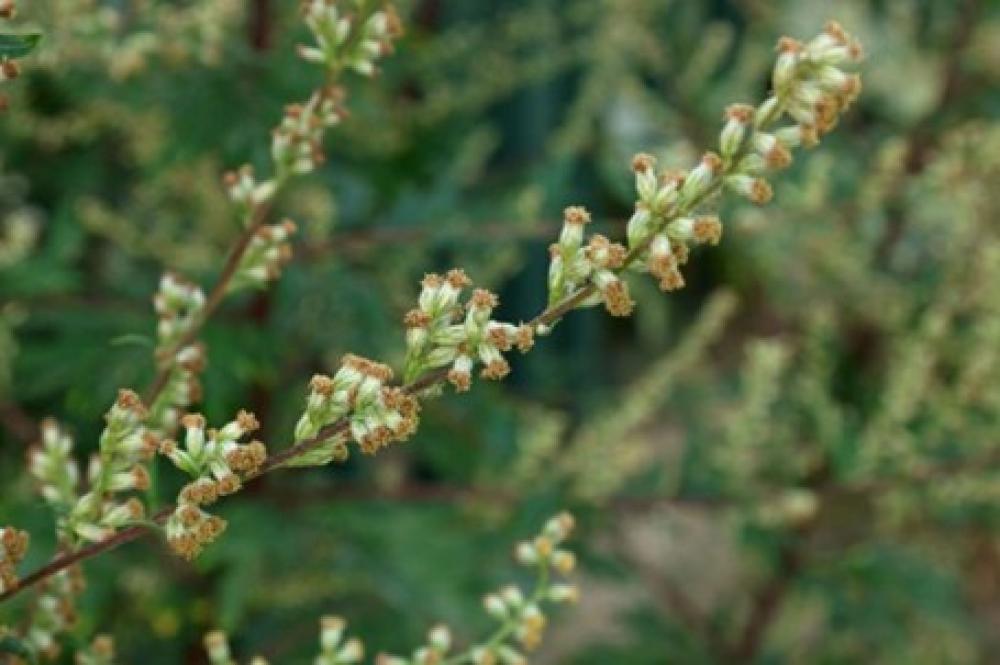
Artemisia
maidenhair fern
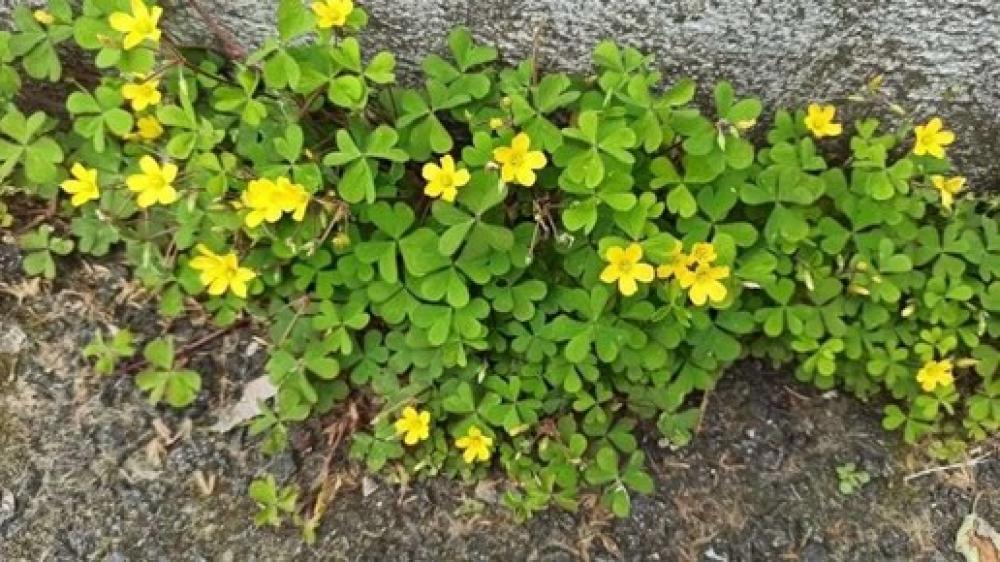
sourish
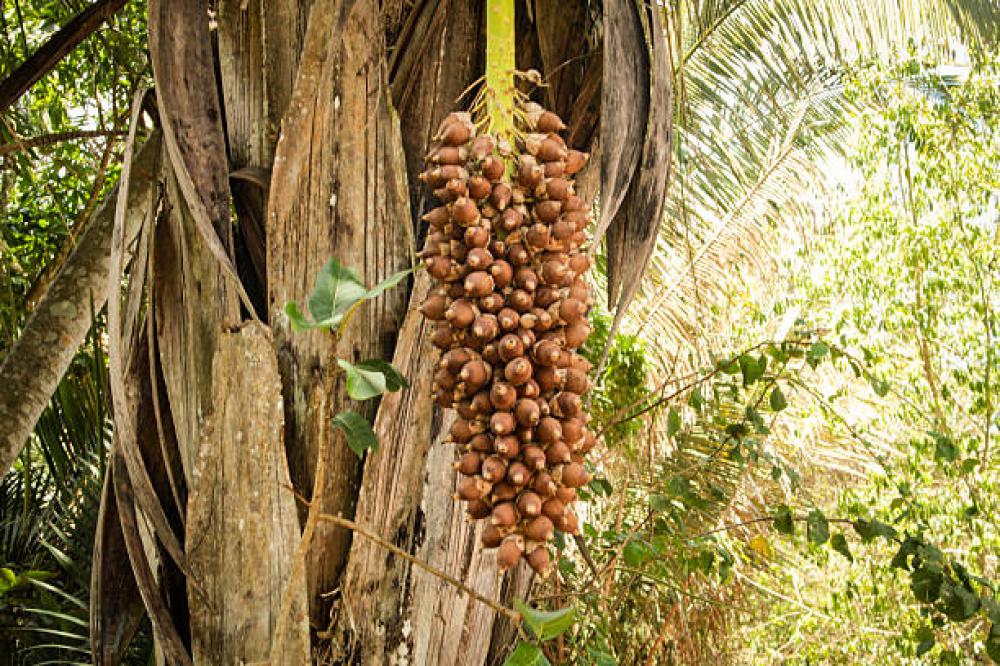
babassu
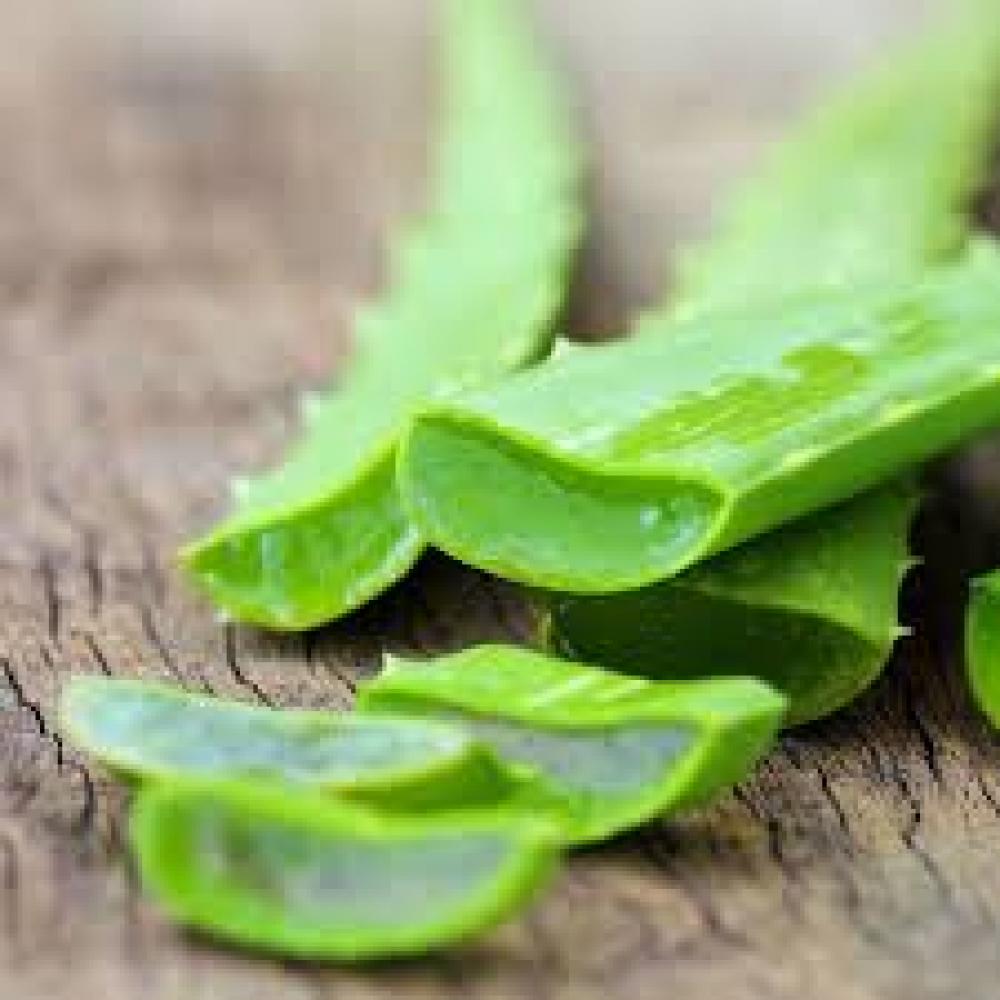
aloe vera
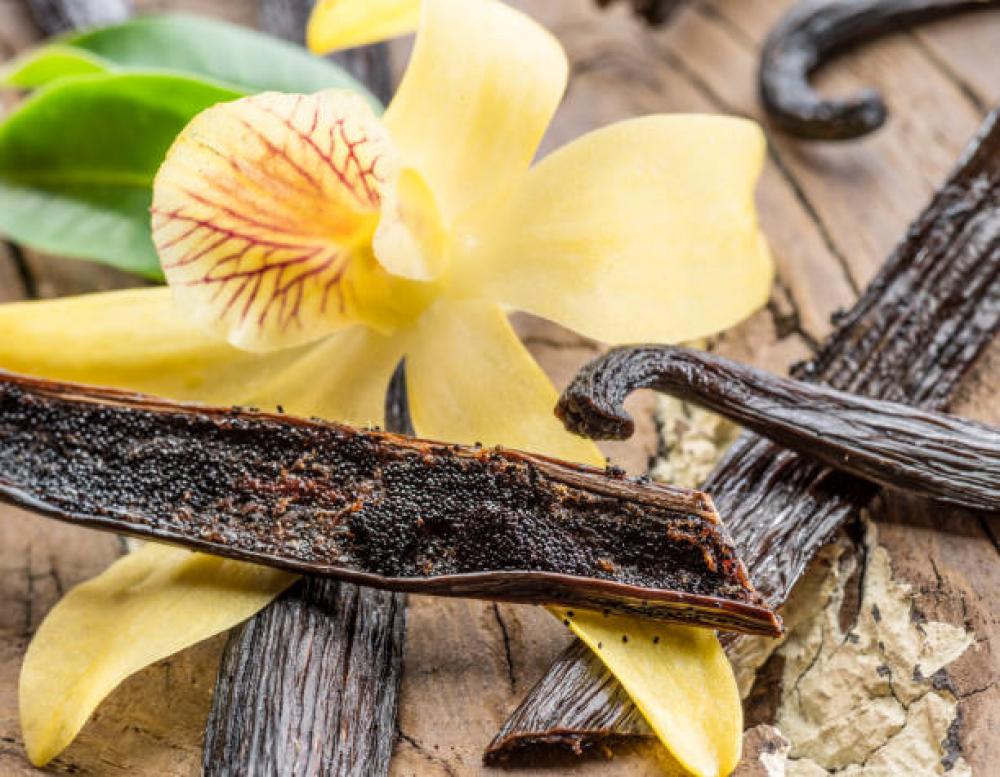
vanilla
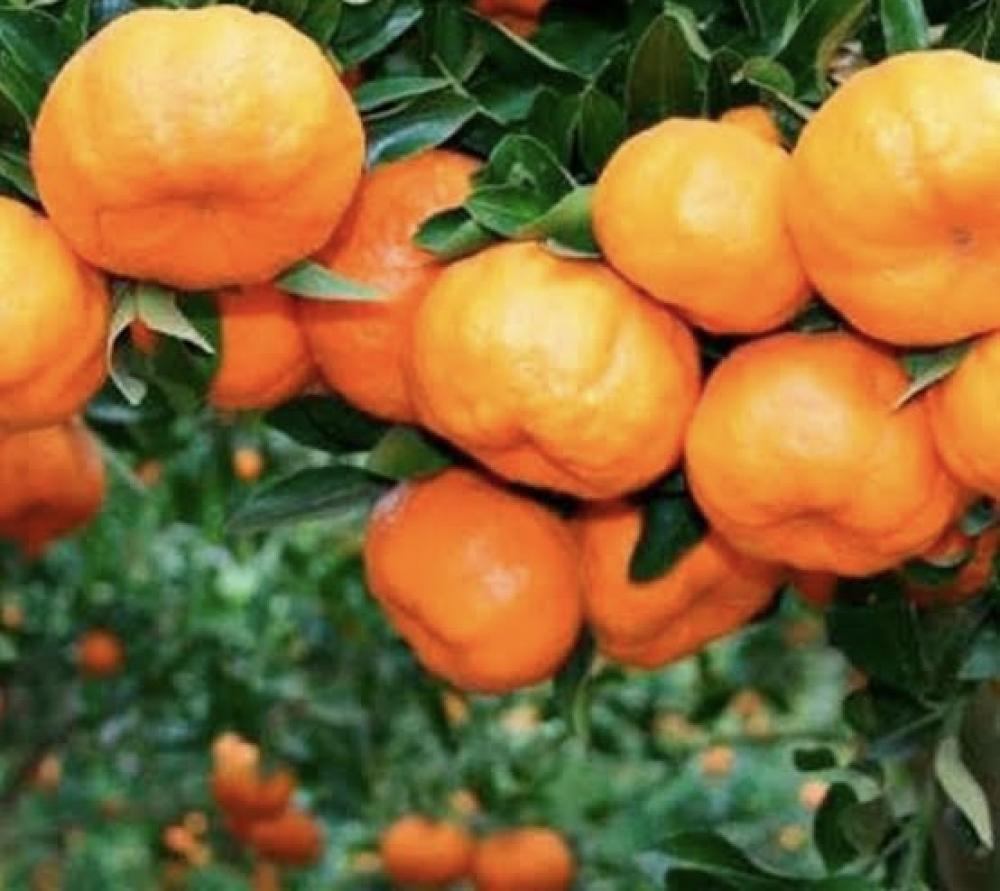
Bergamot
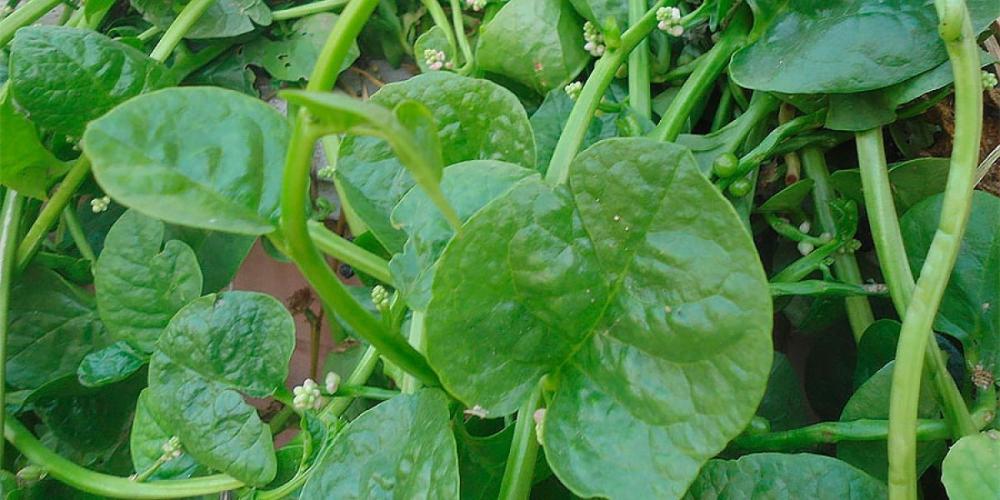
Malabar spinach
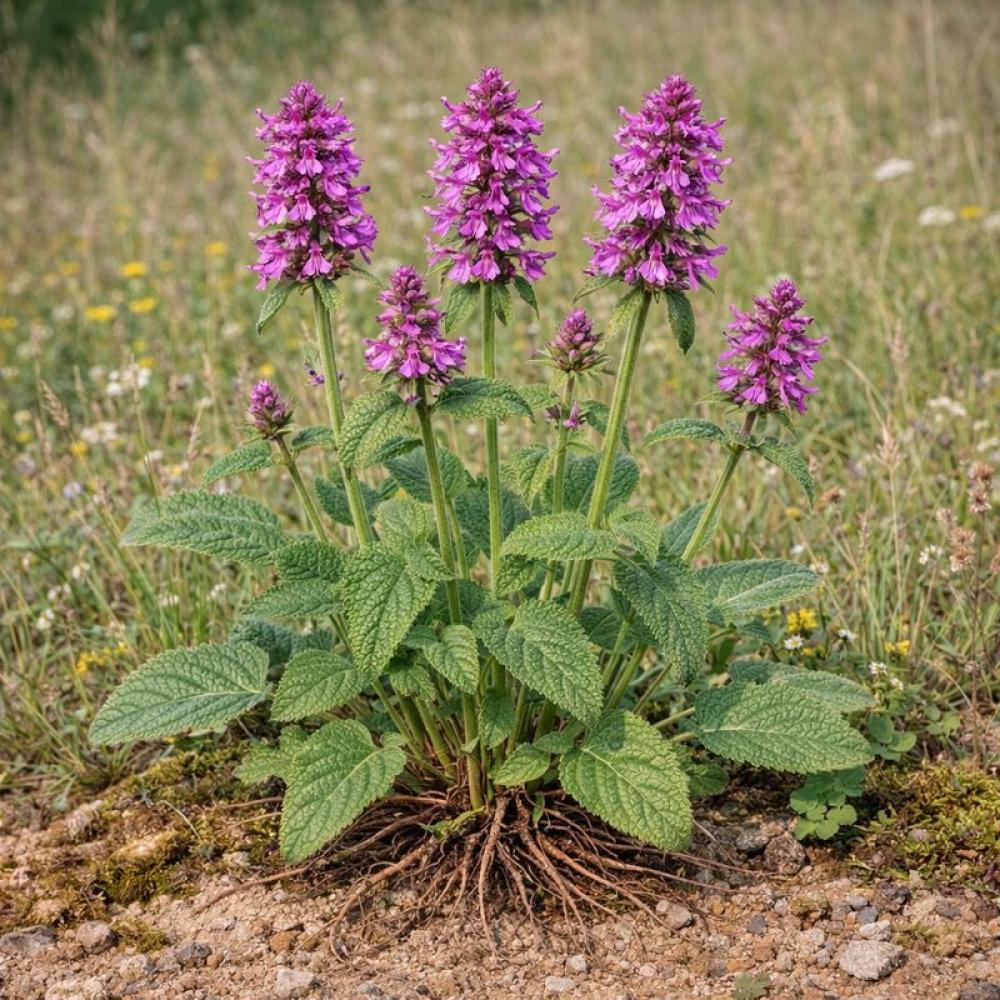
betony
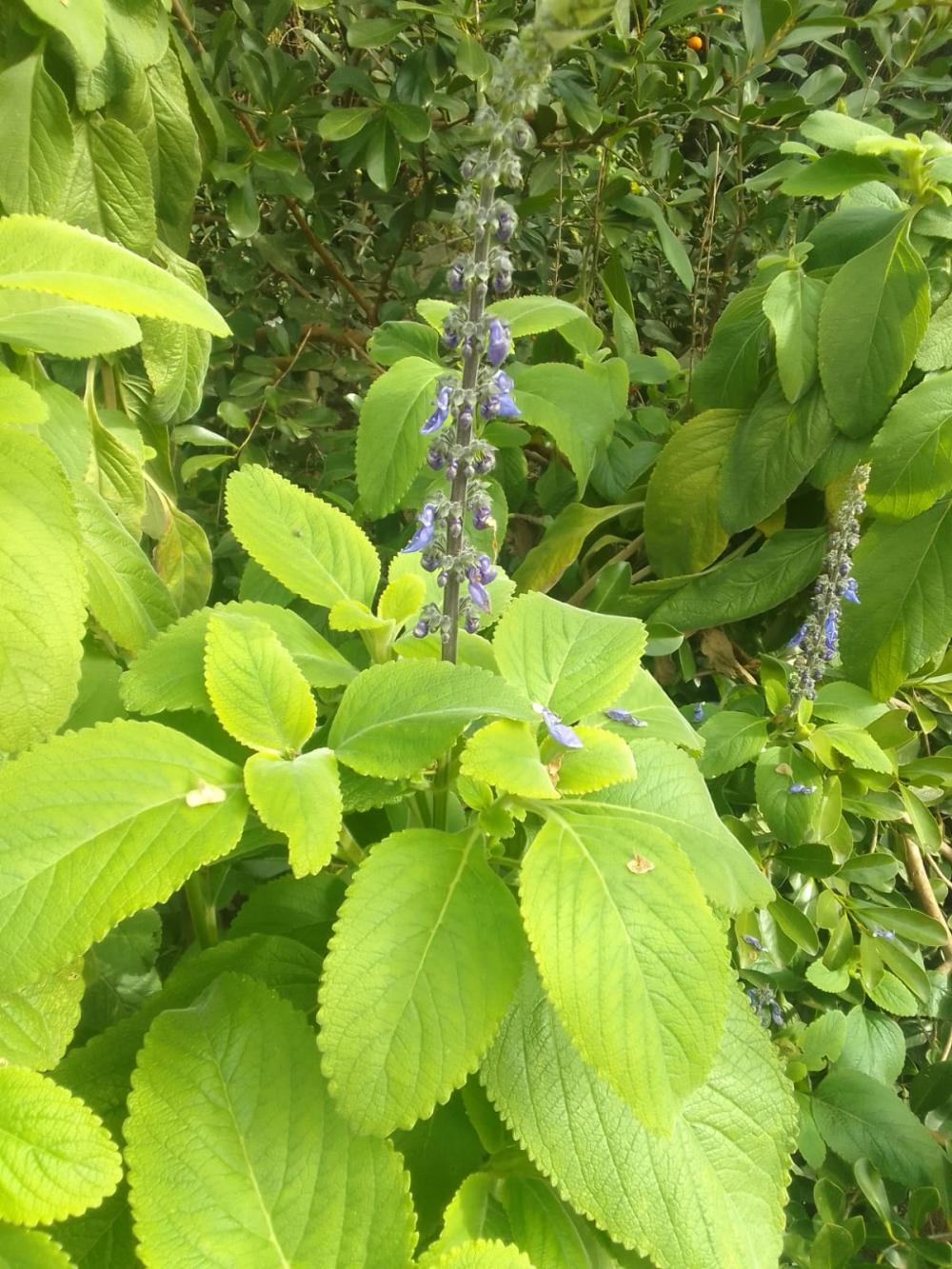
Boldo
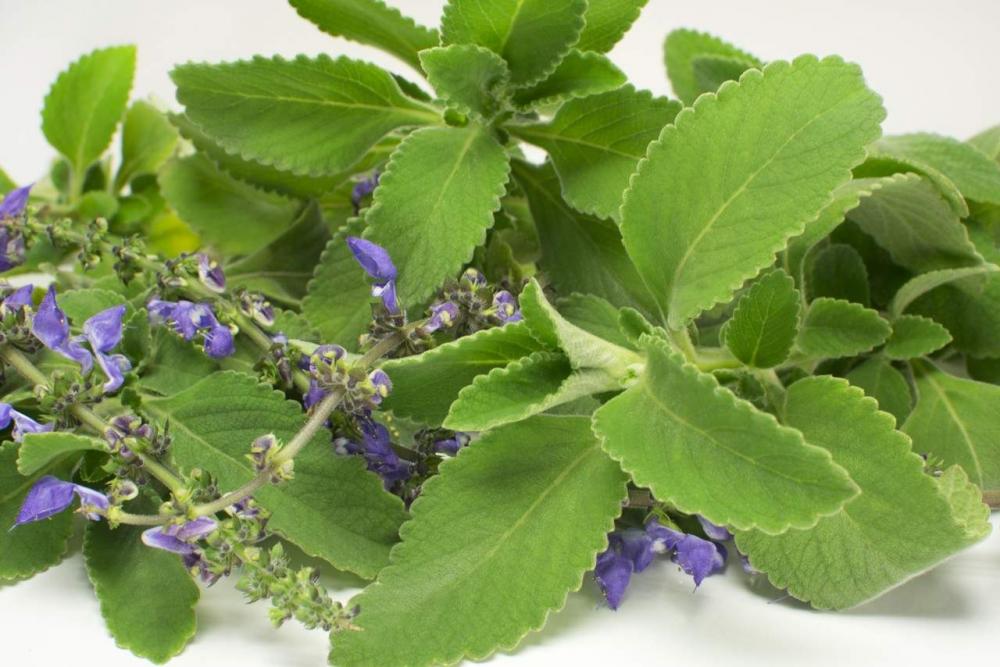
Chilean boldo
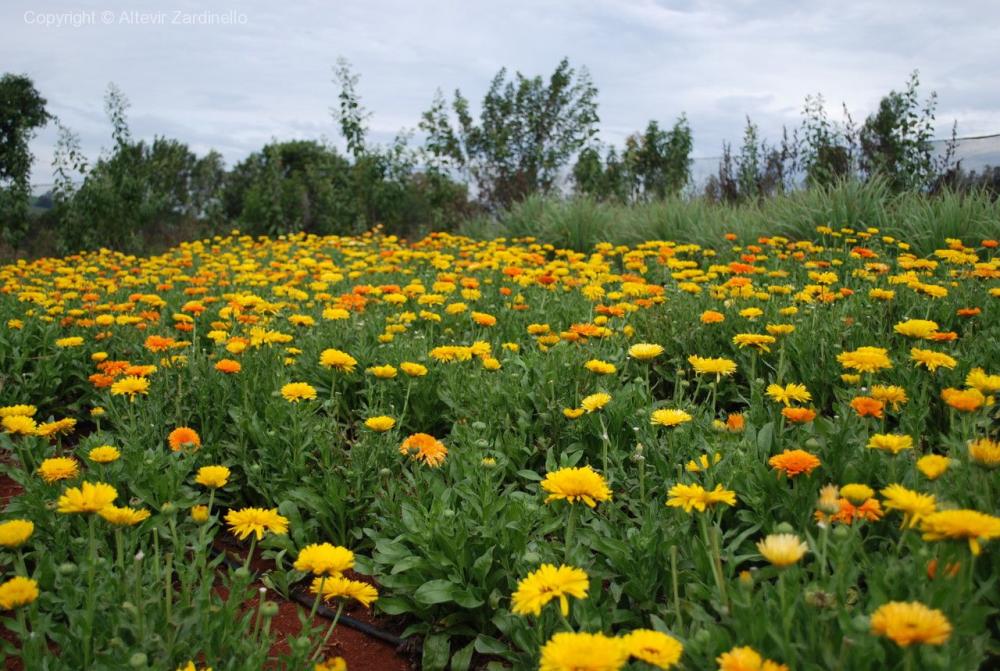
Calêndula
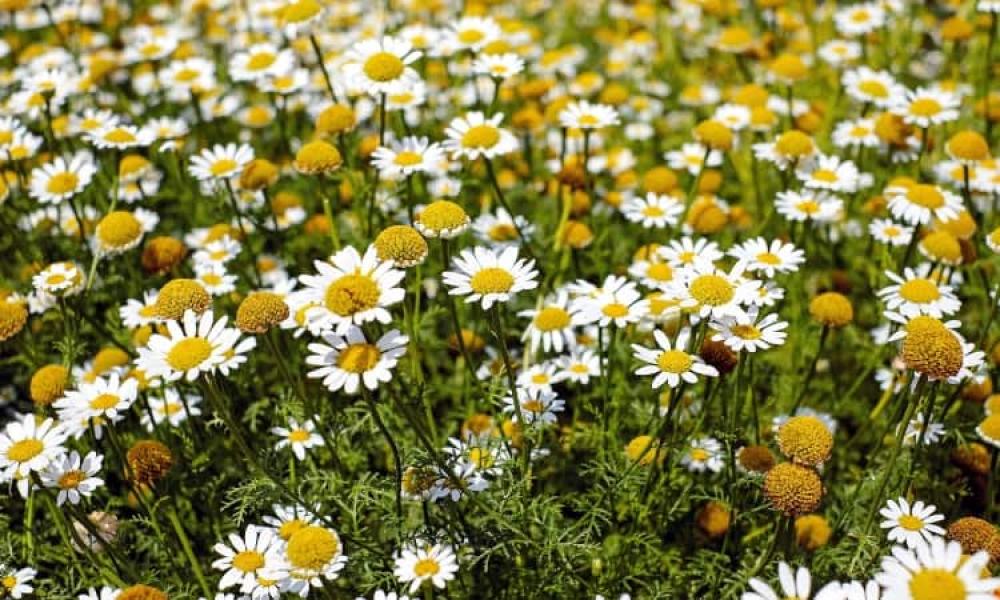
Chamomile
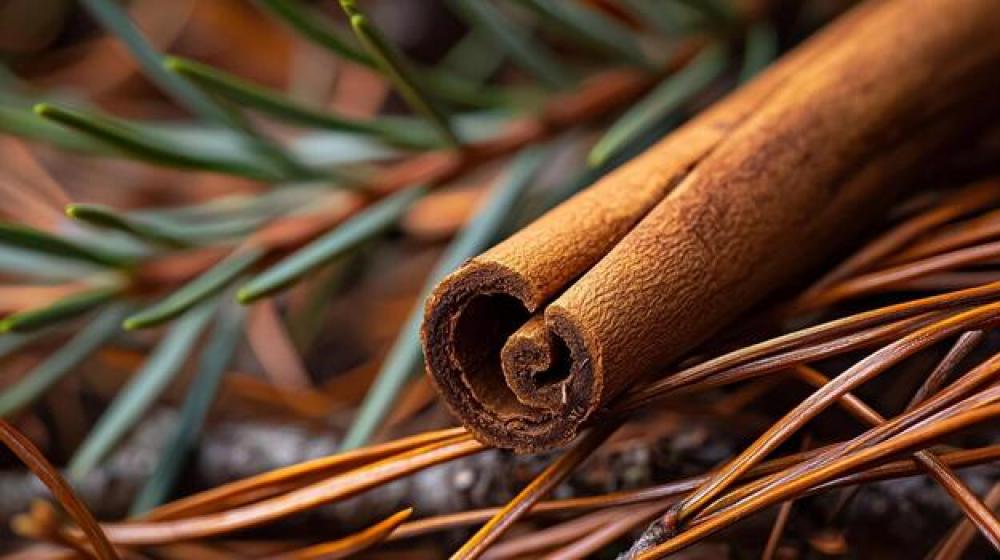
cinnamon
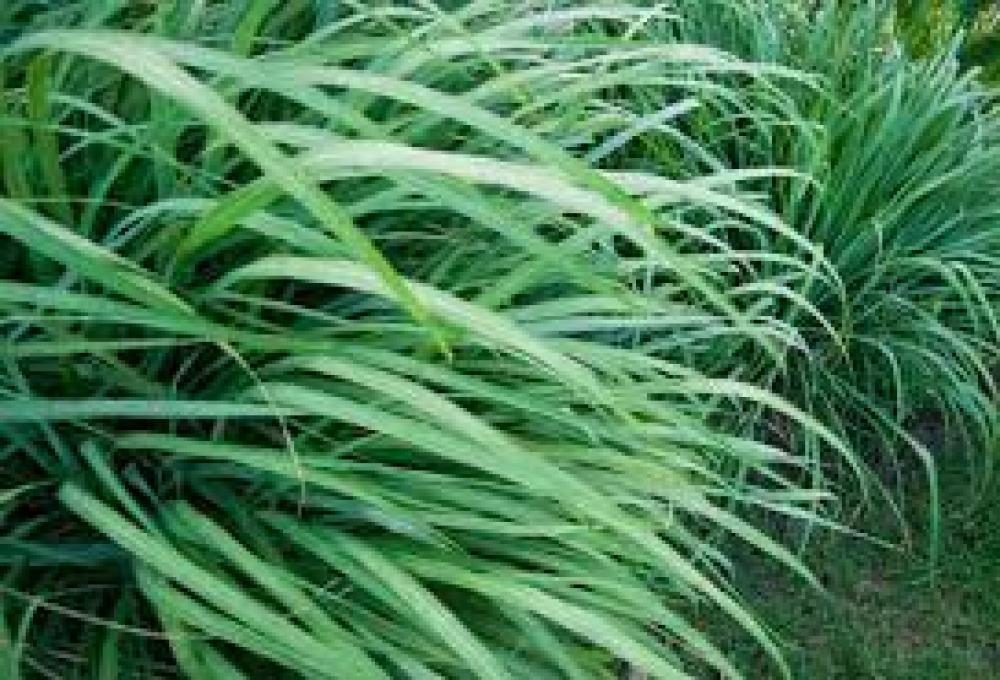
Scented Grass - Lemongrass
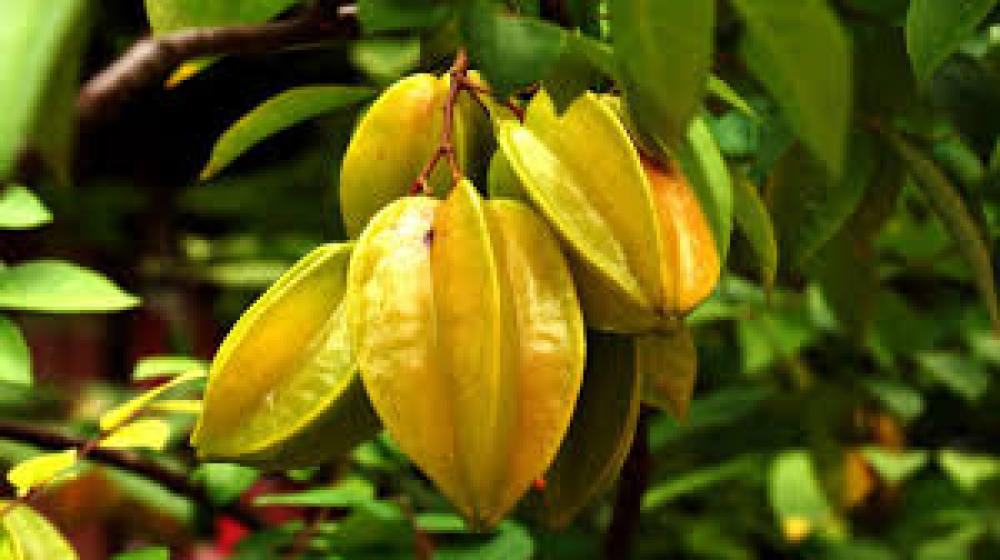
starfruit
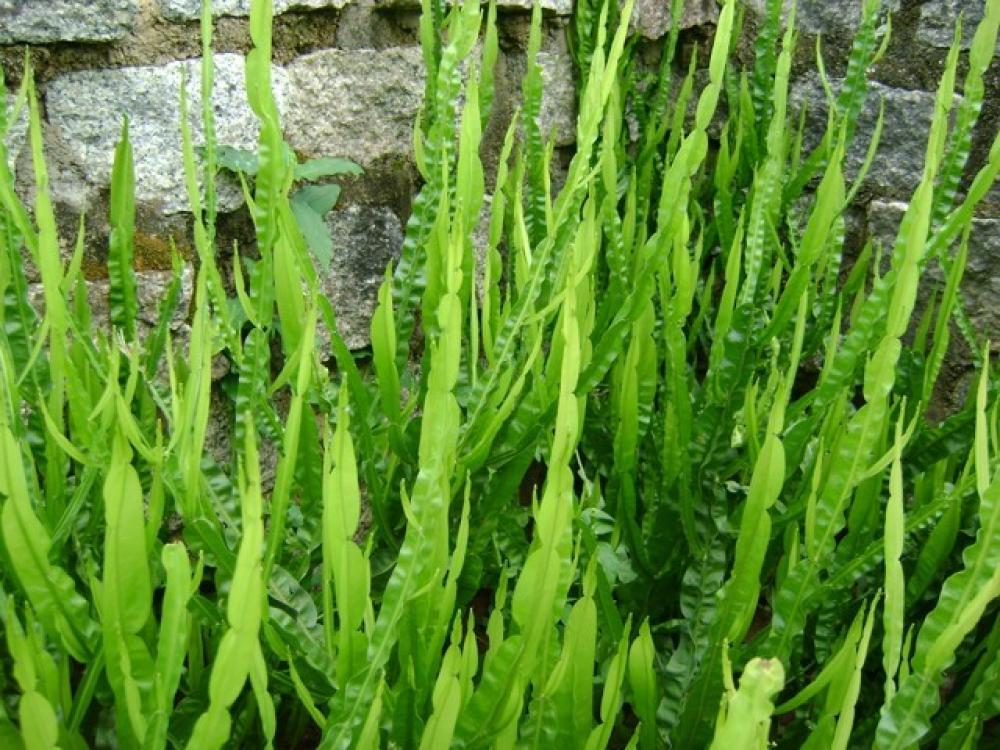
Carqueja
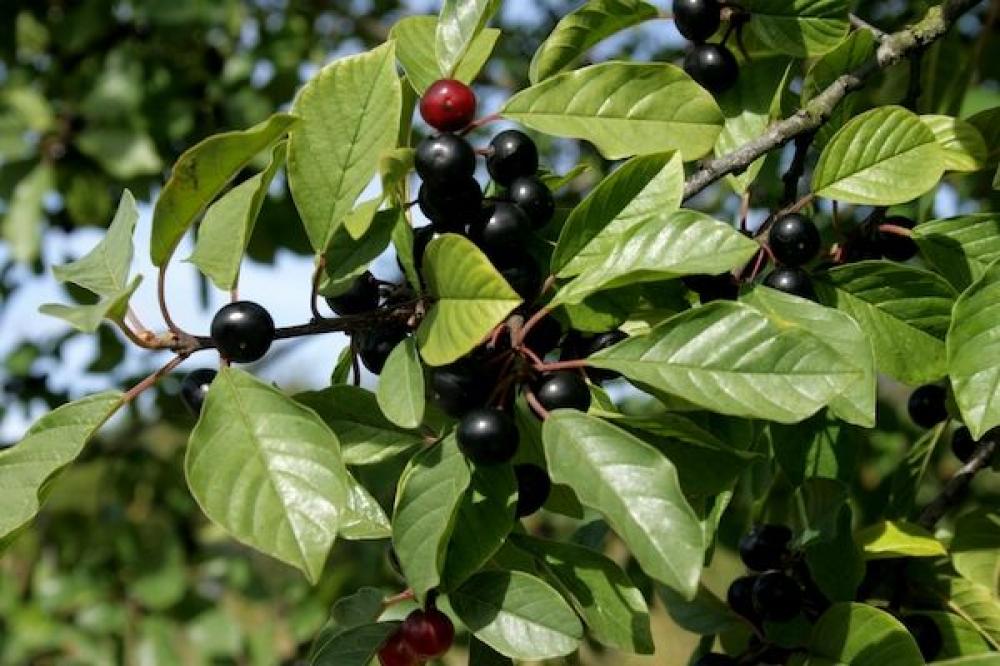
sacred waterfall
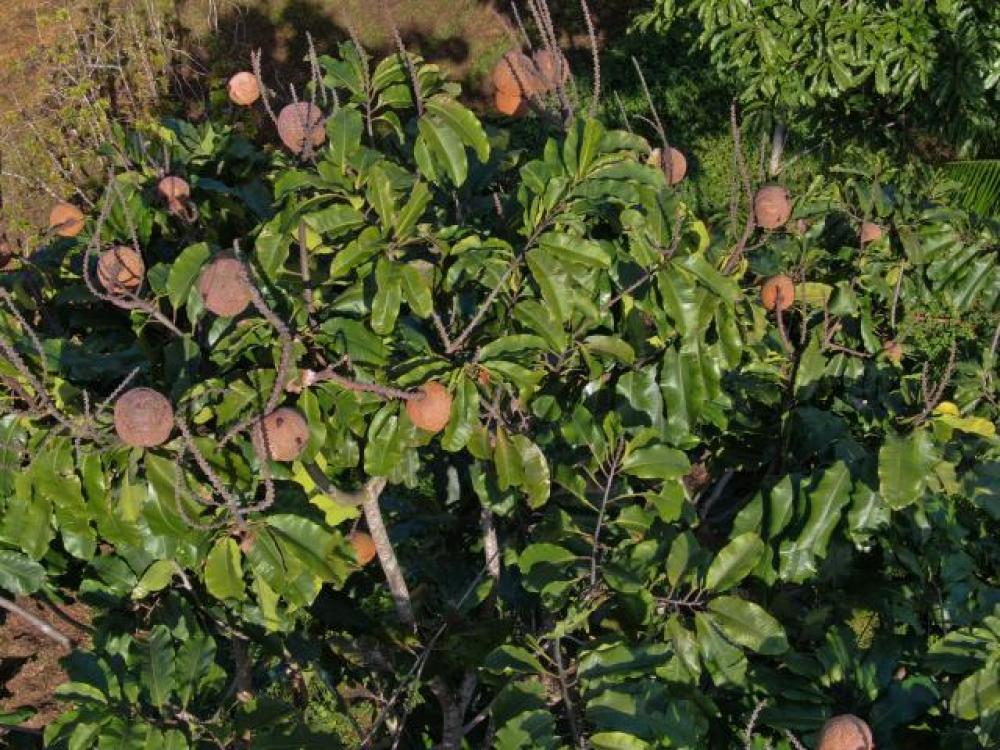
chestnut tree
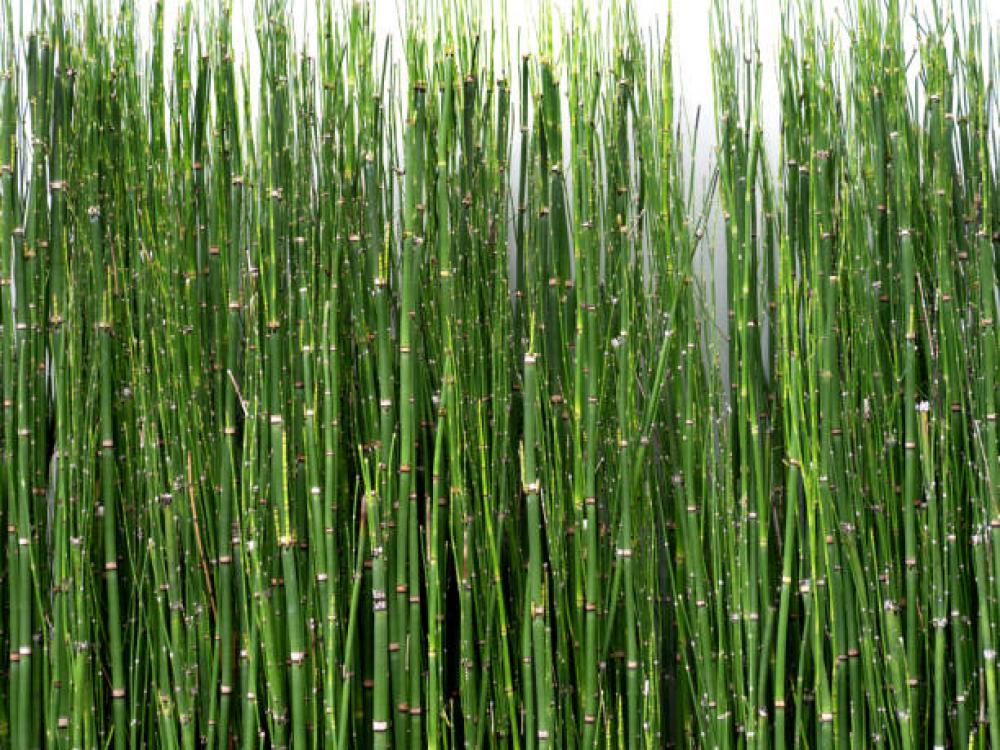
horsetail

cherry
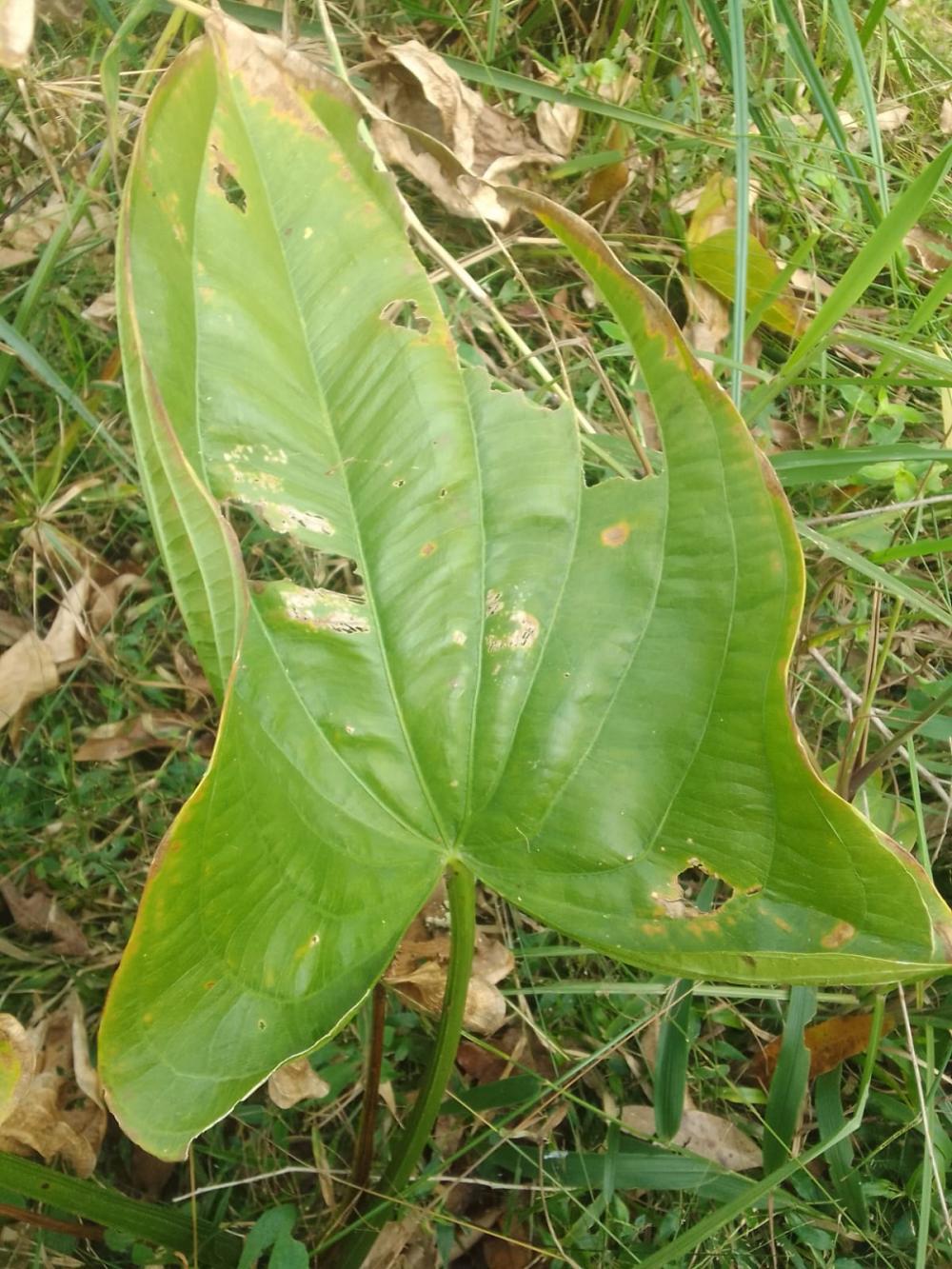
Leather Hat
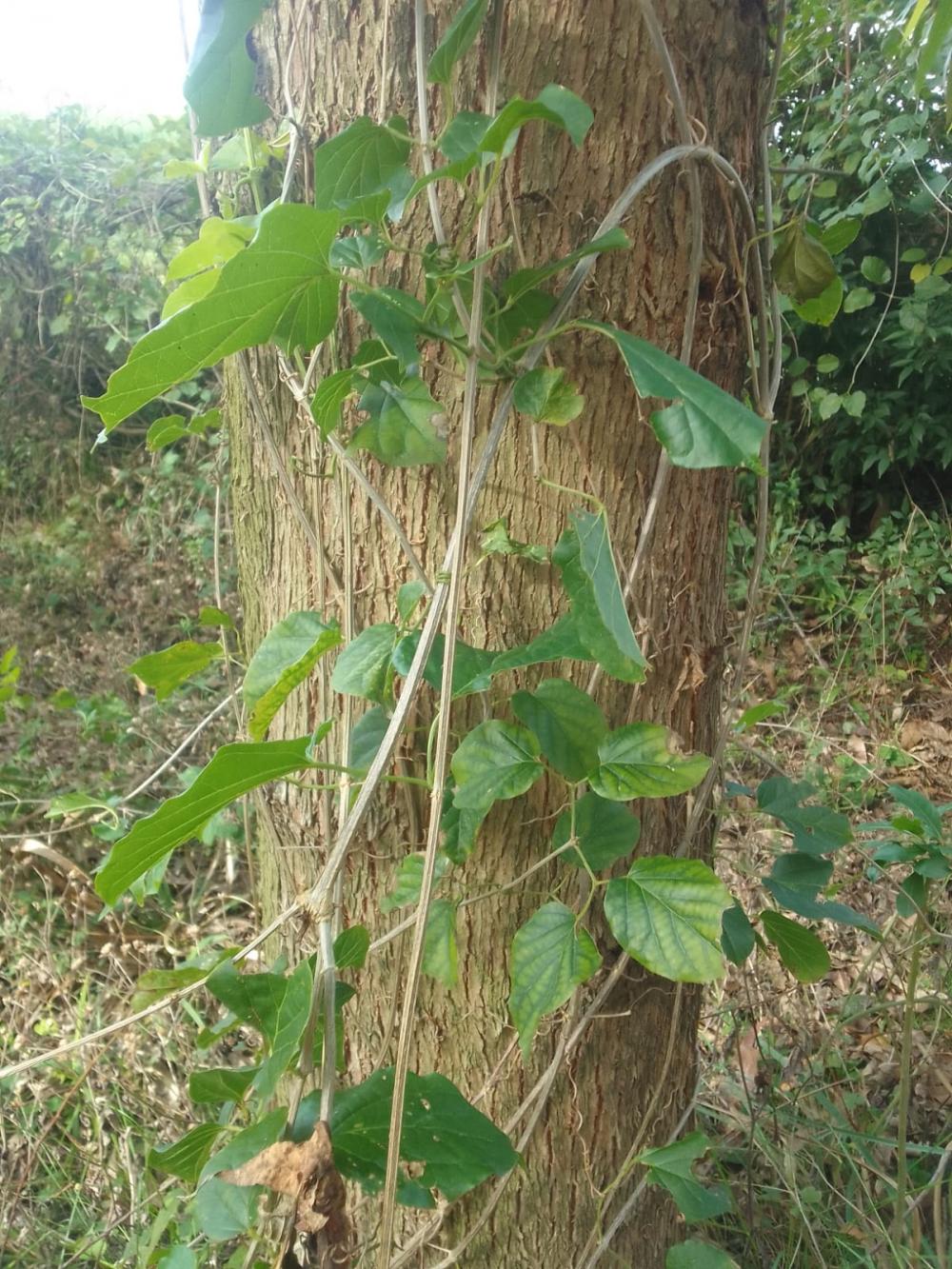
St. Johns Vine
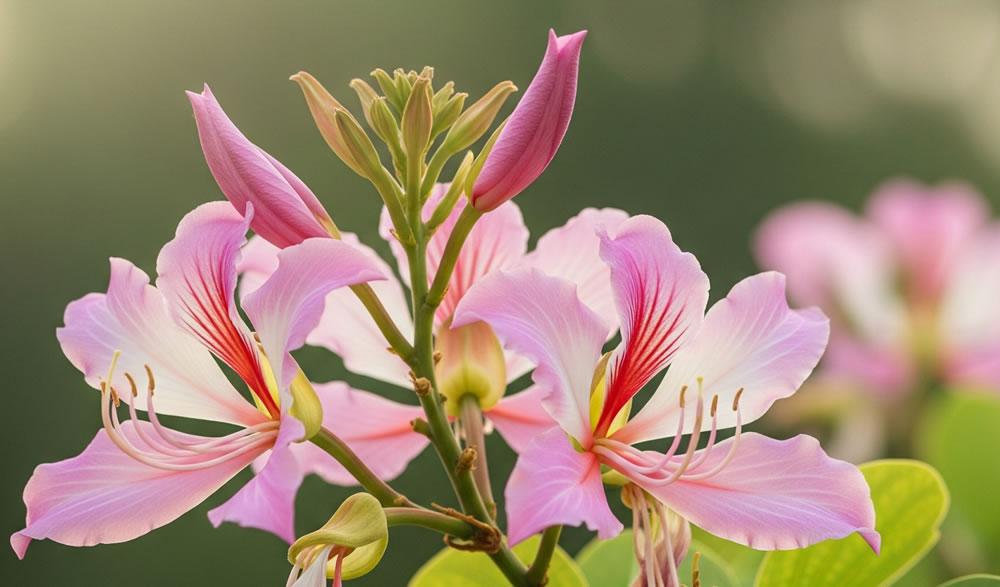
Cows foot vine
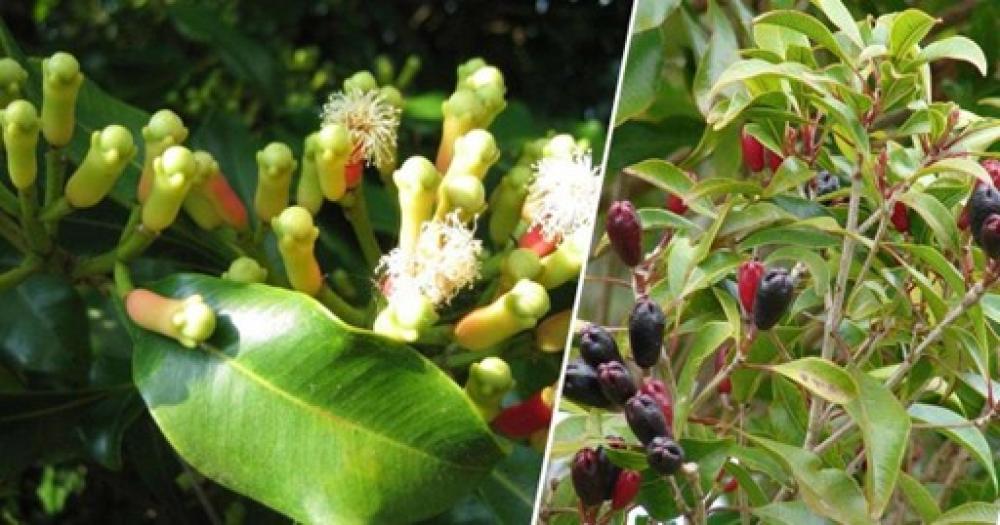
clove
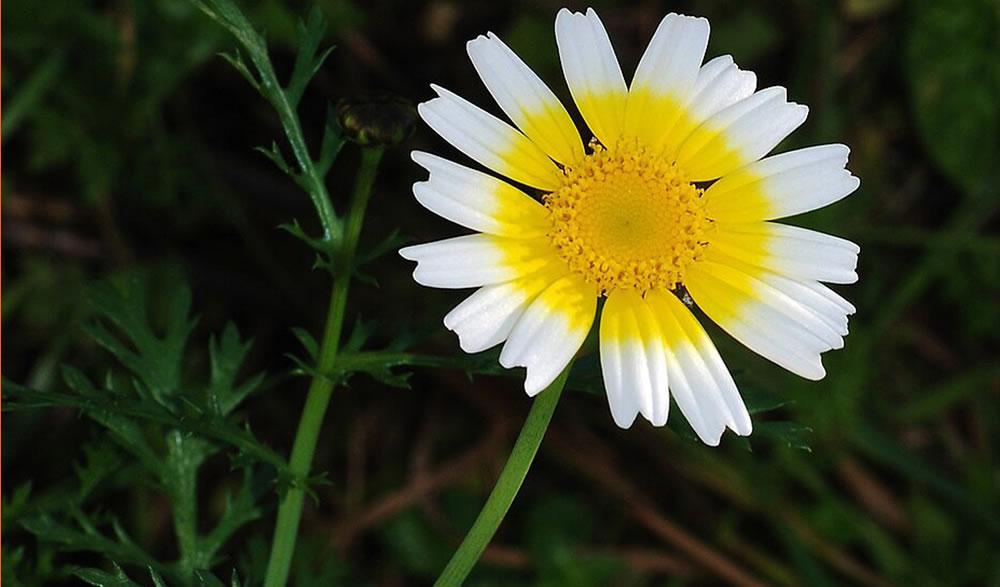
Chrysanthemum
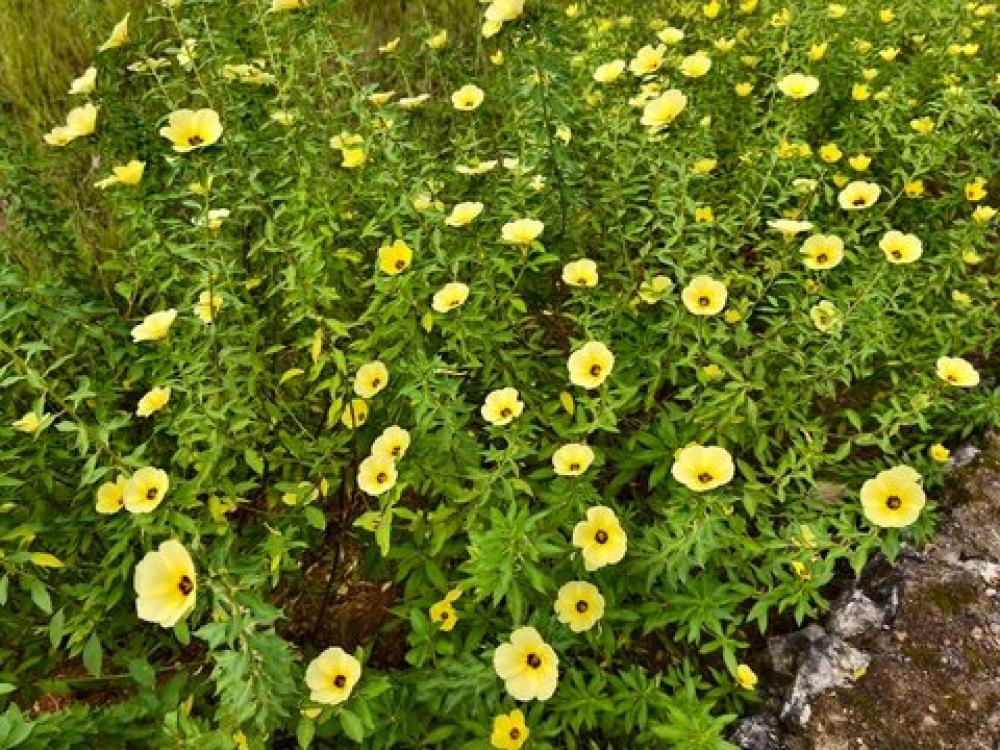
Damiana
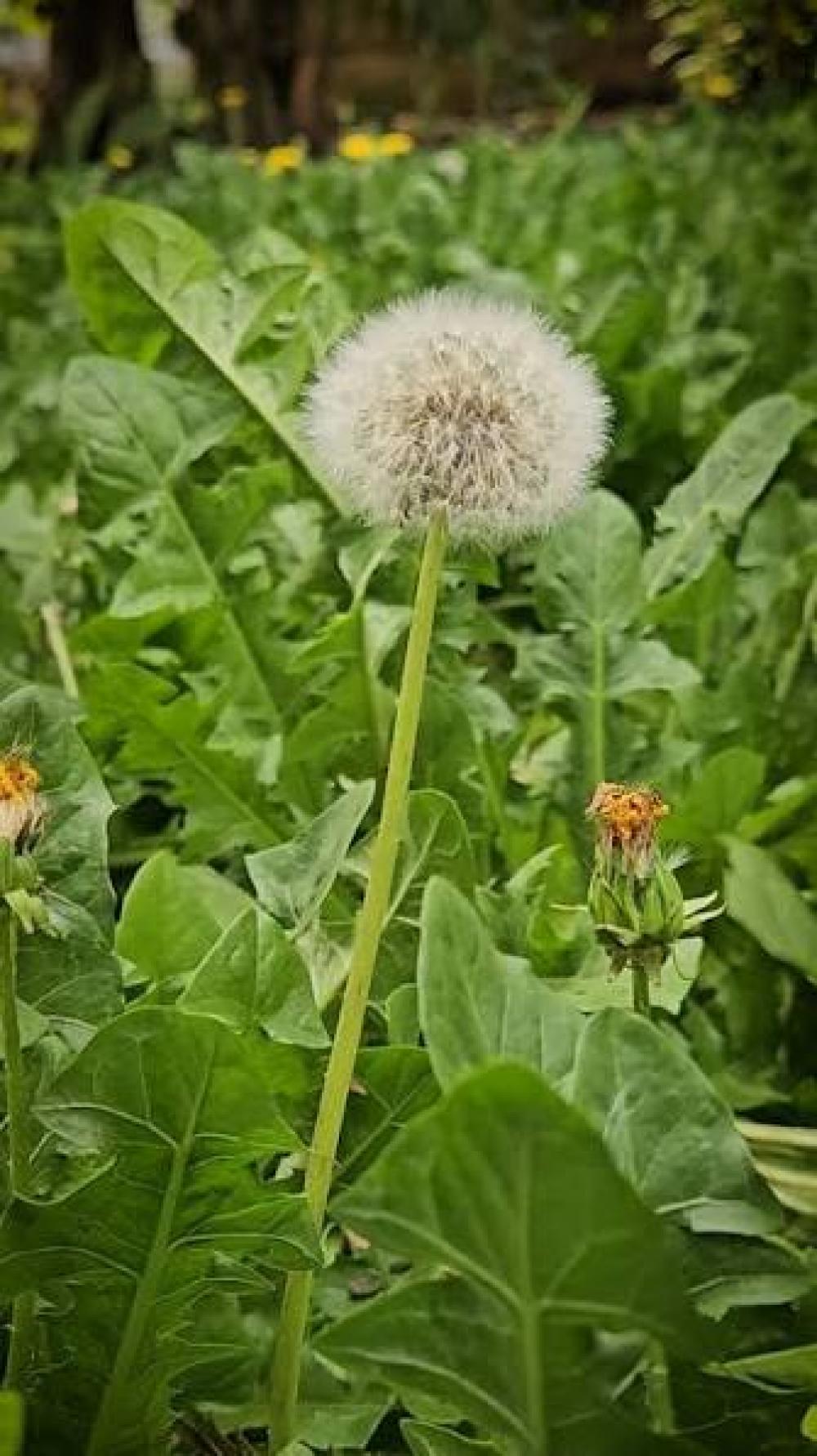
dandelion
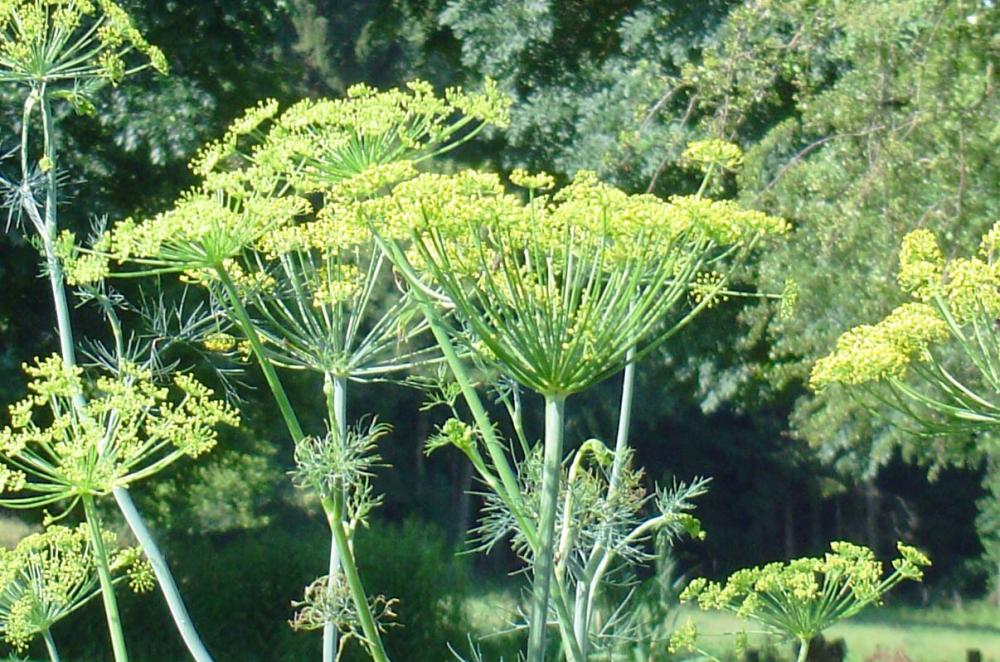
dill
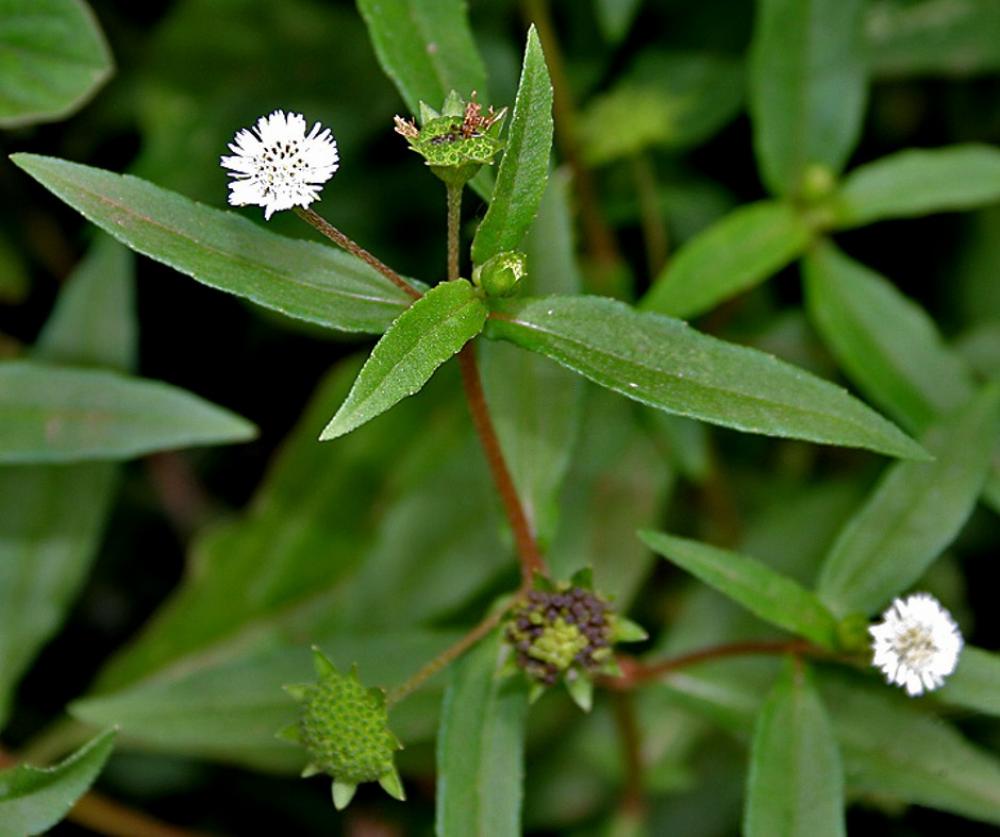
Button Herb
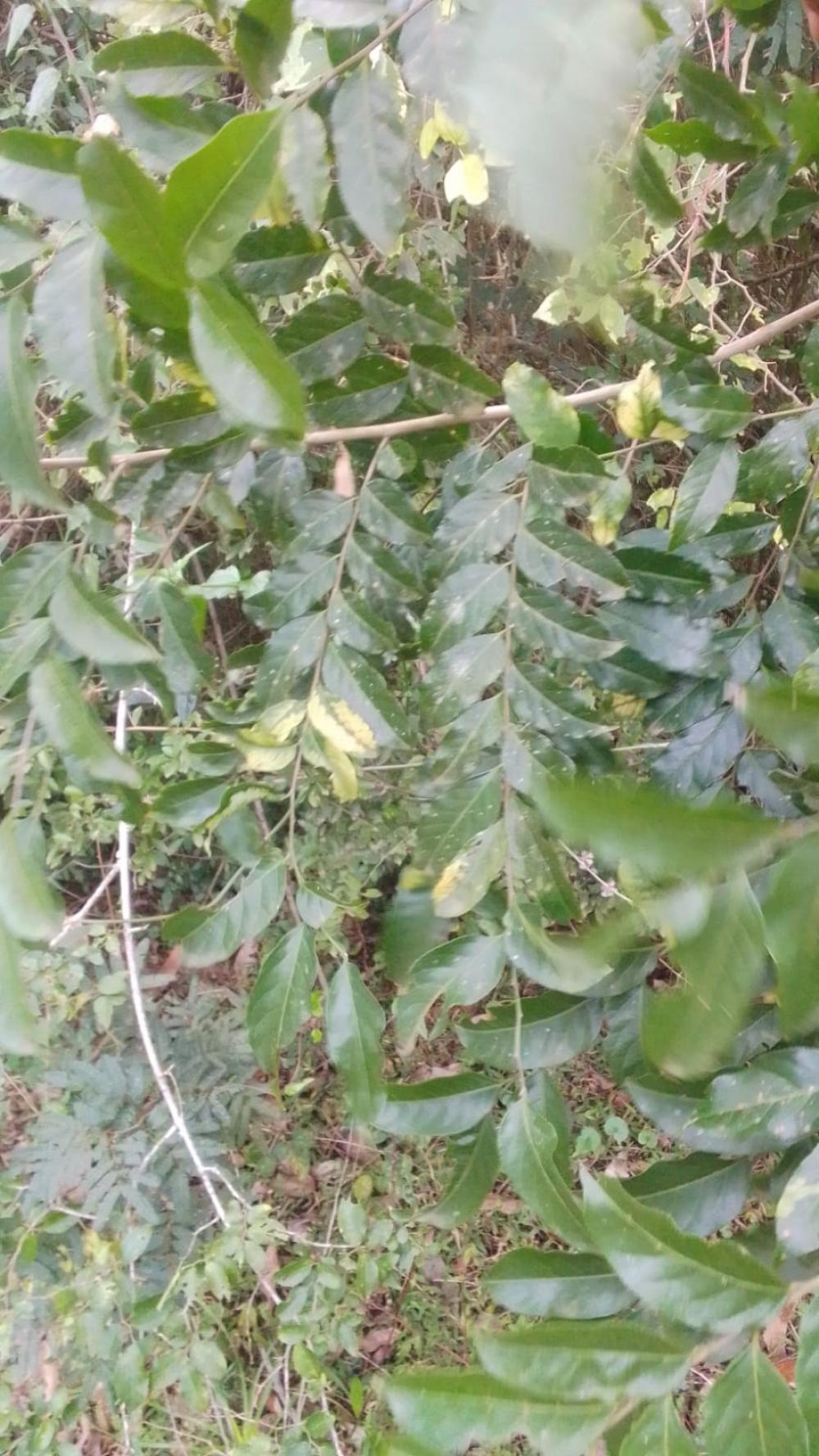
buggy grass
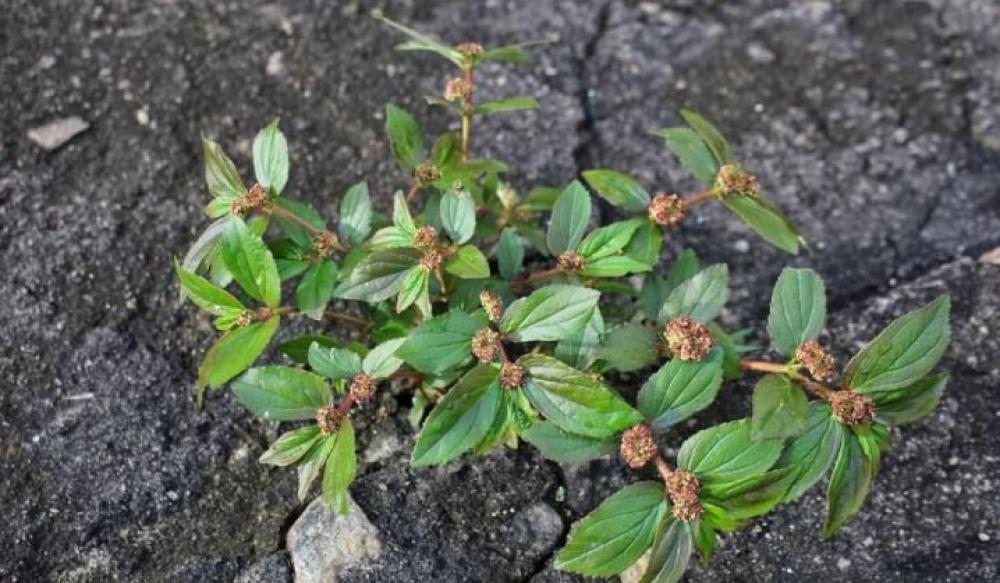
St. Lucias herb
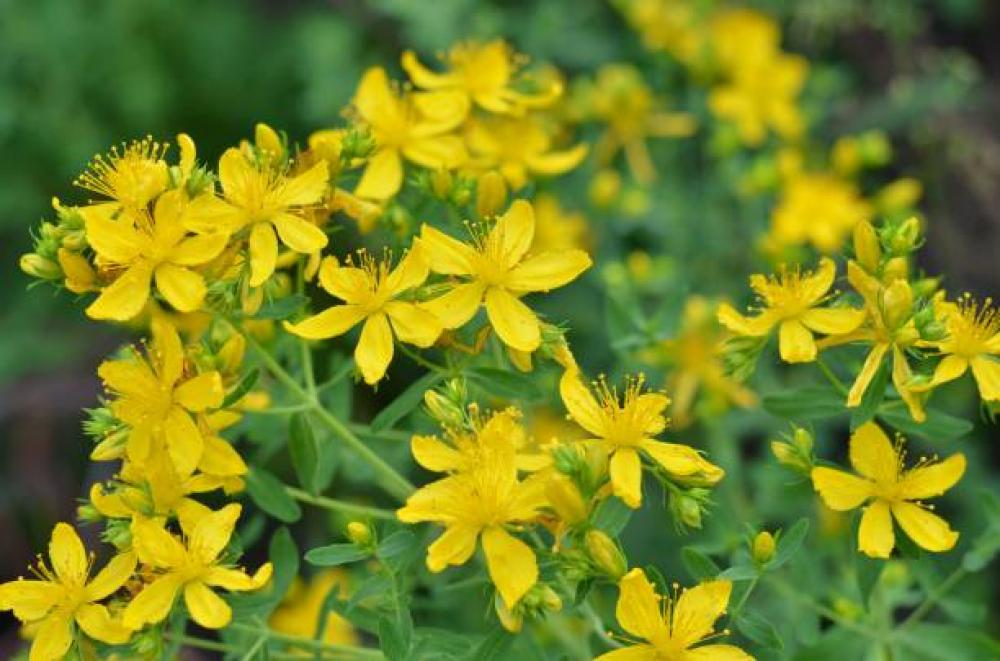
St. Johns wort
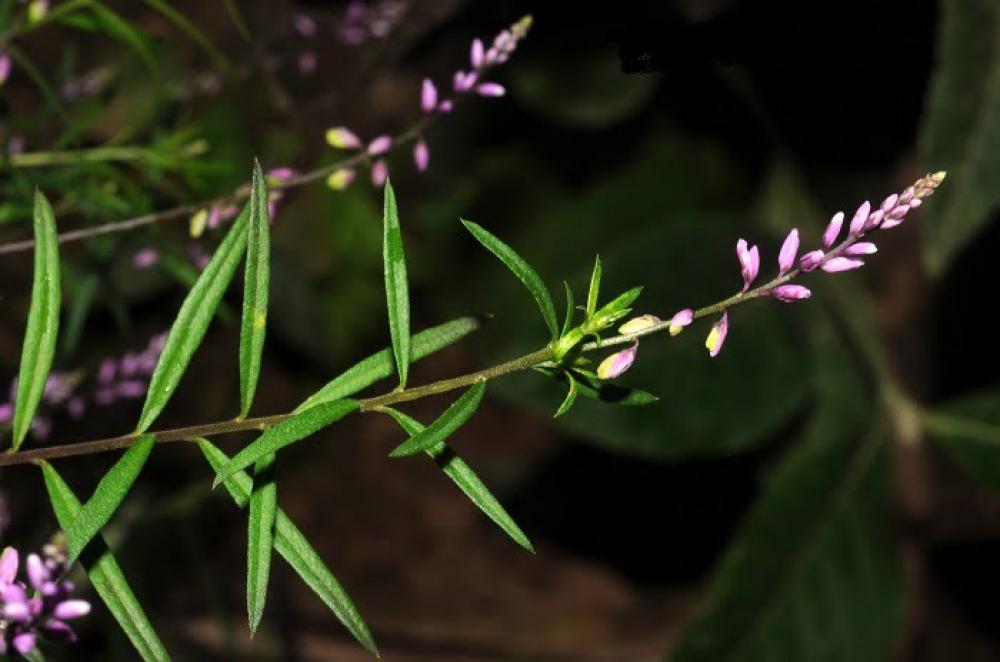
St. Peters wort
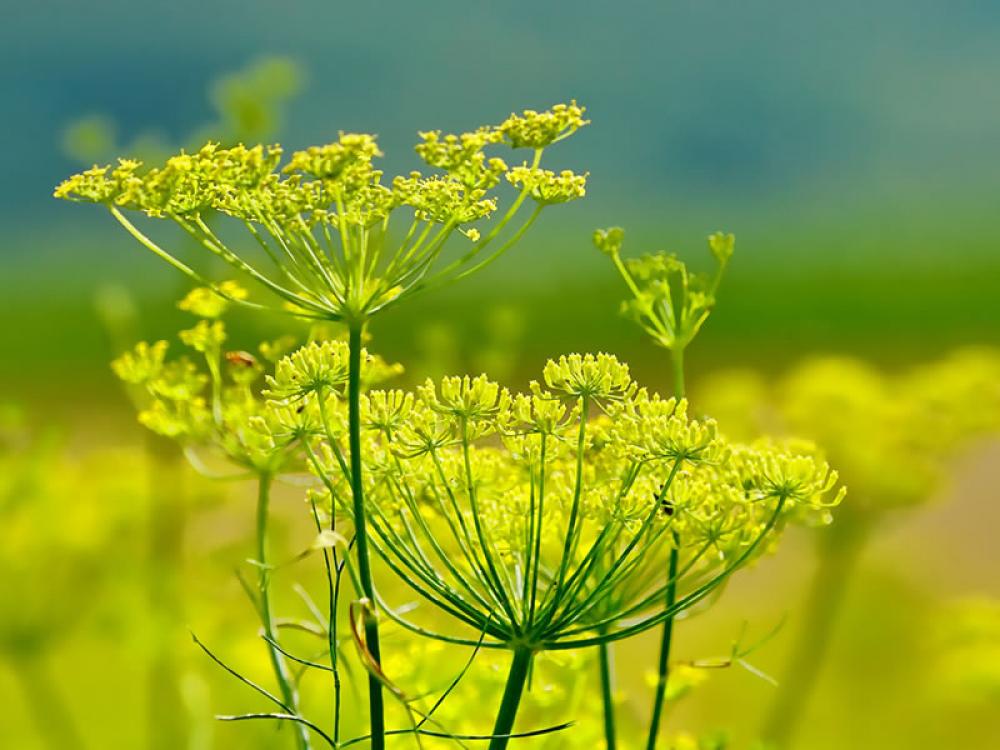
anise
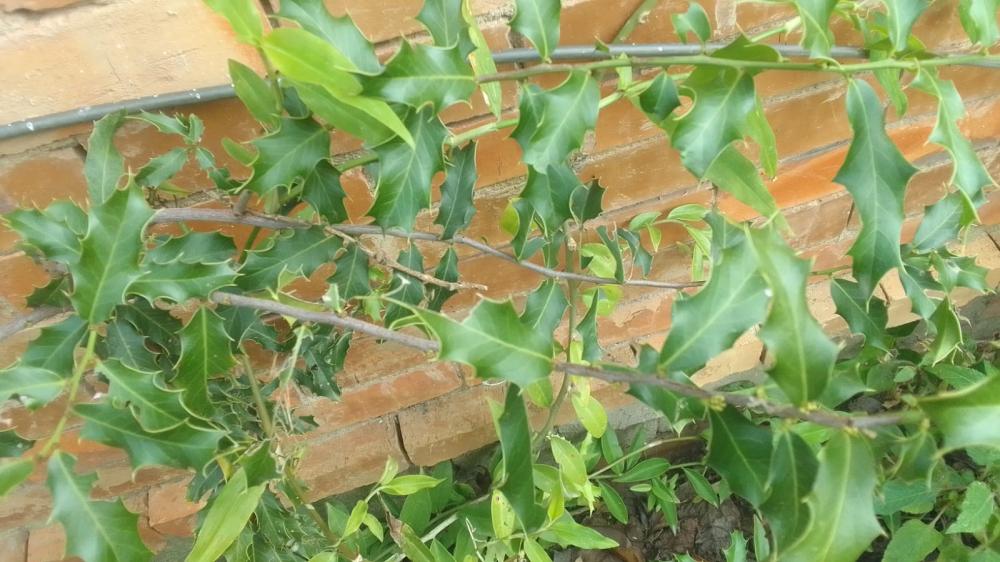
Espinheira - Santa
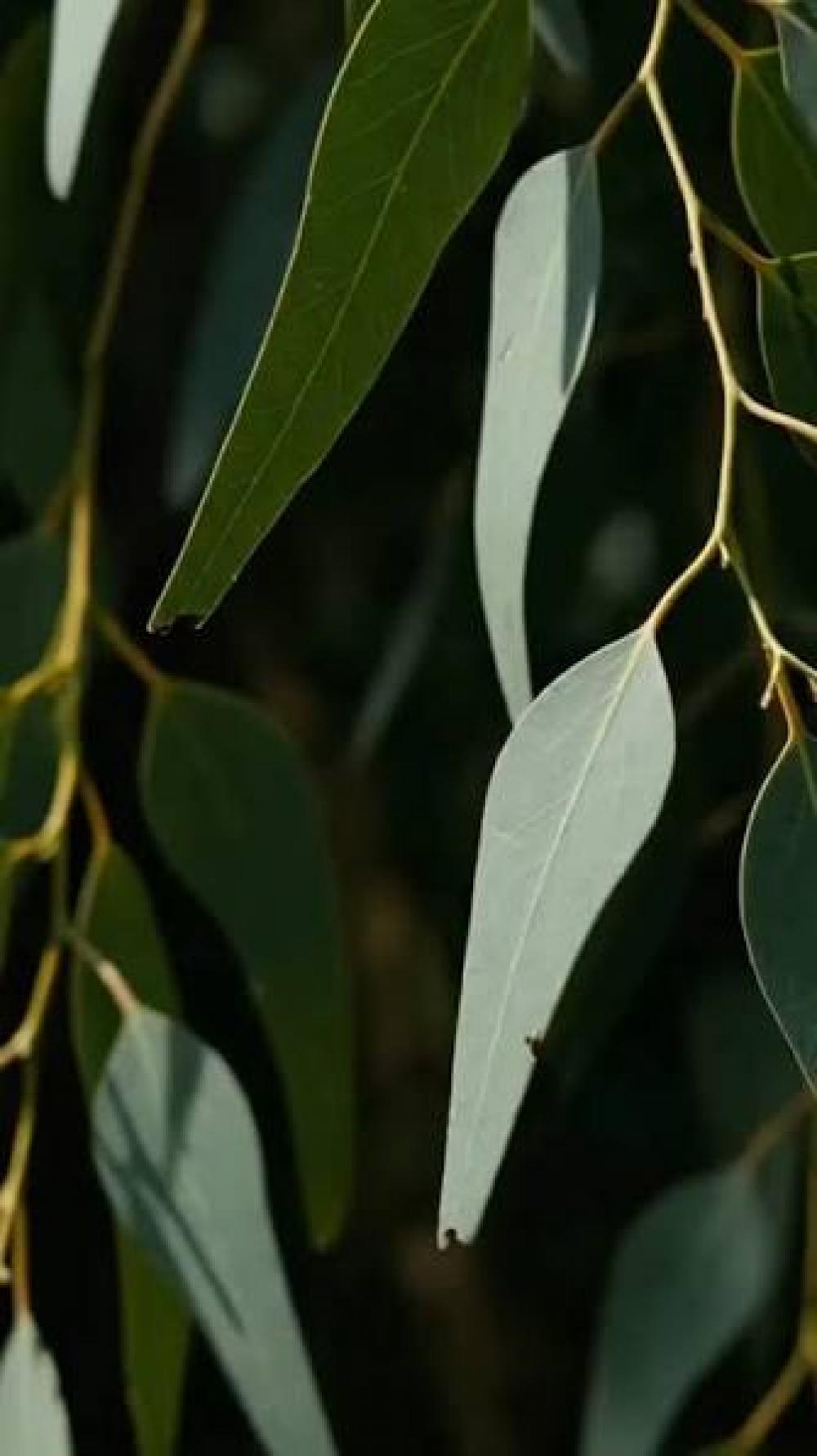
eucalyptus
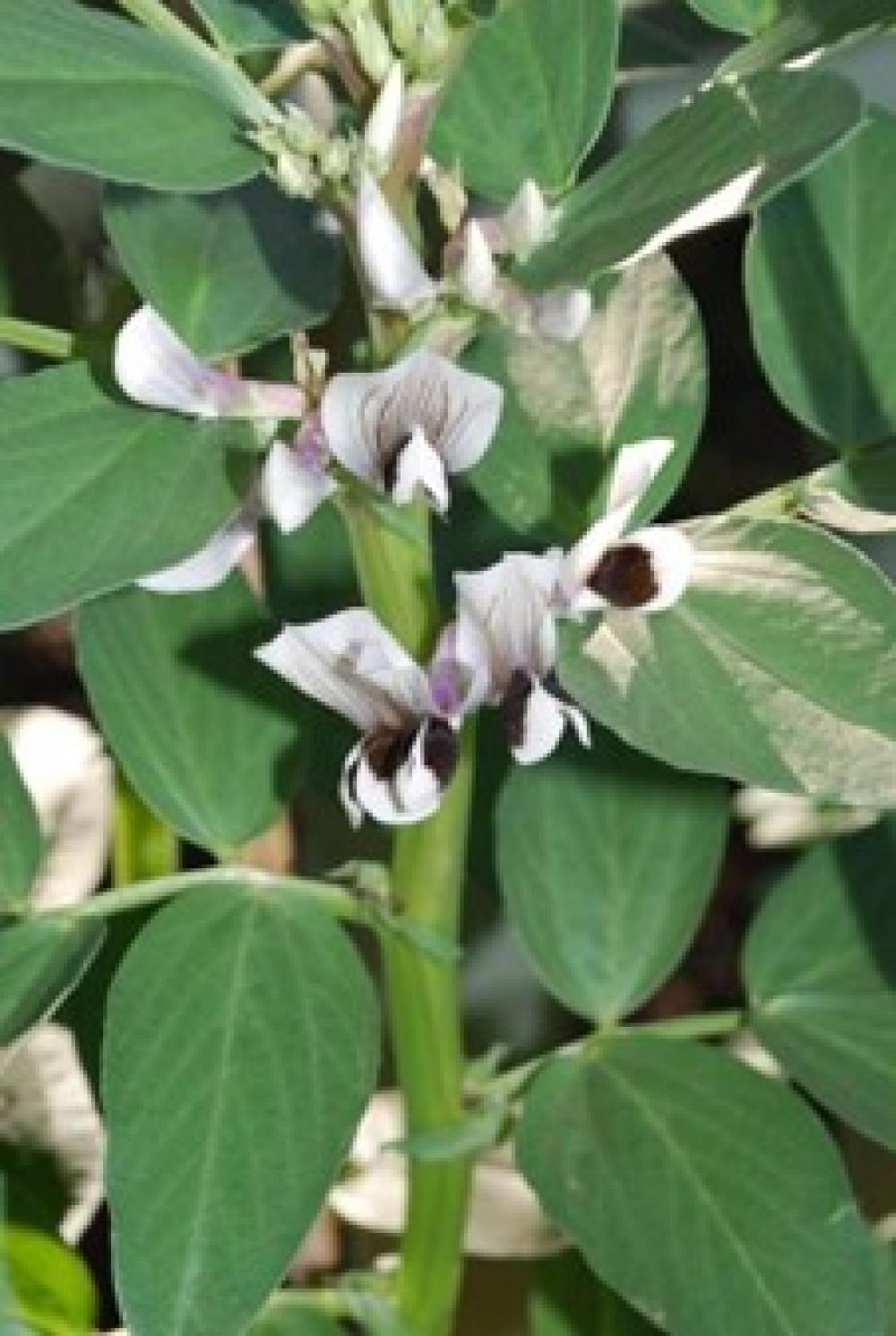
Fava
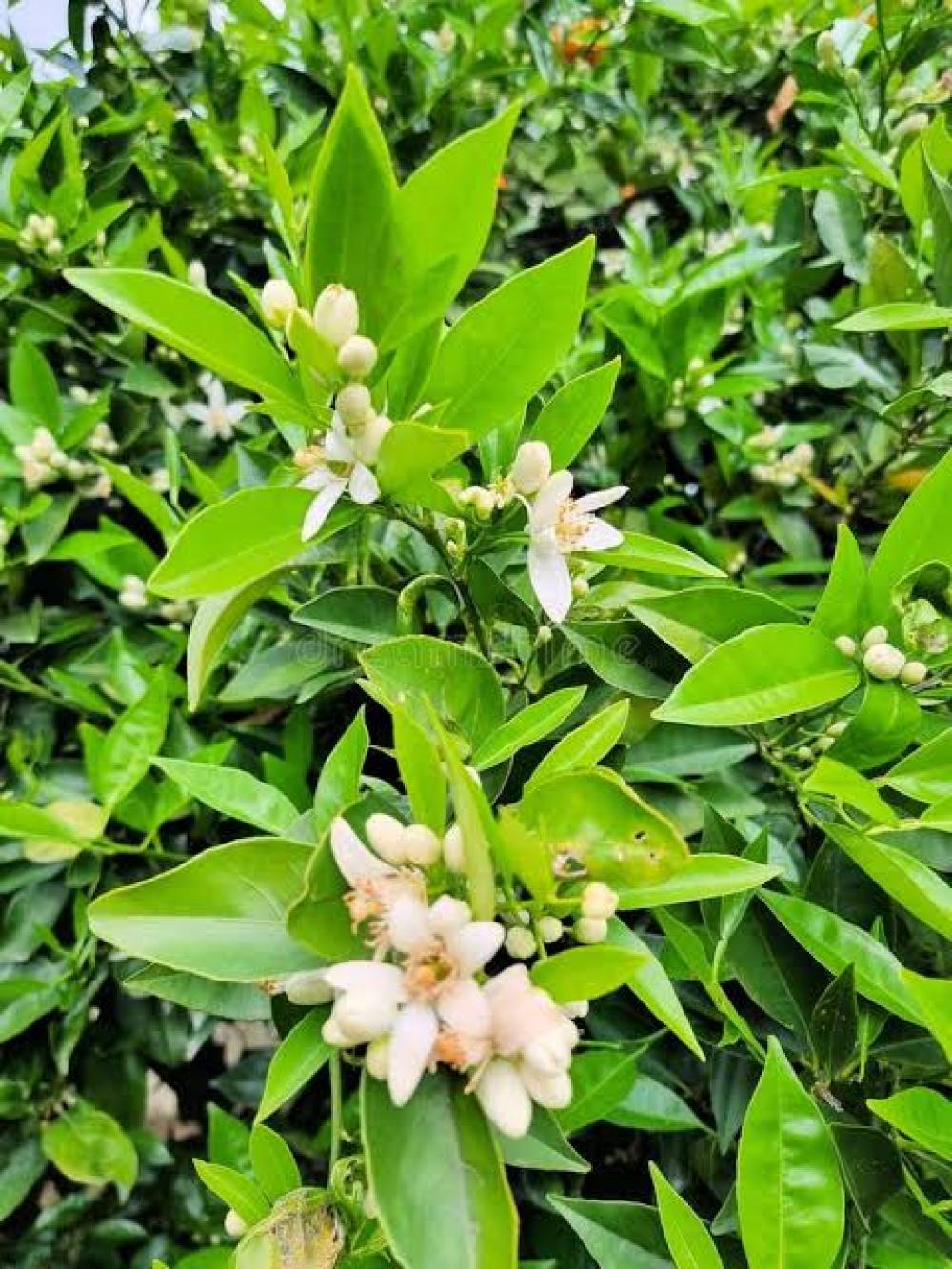
Orange Blossom
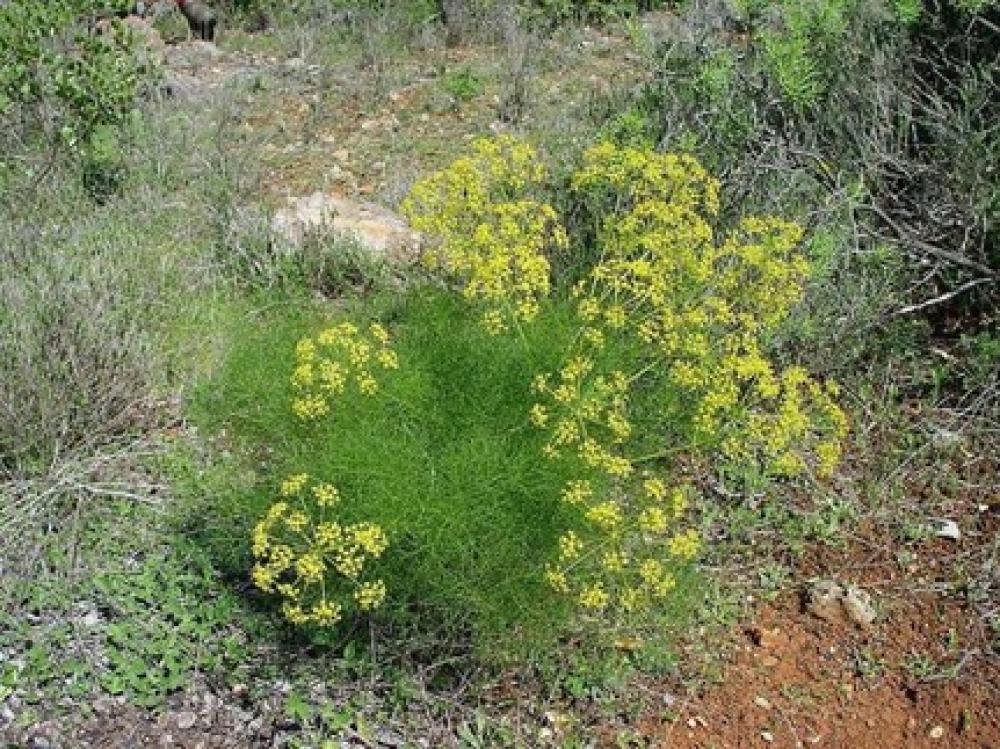
fennel
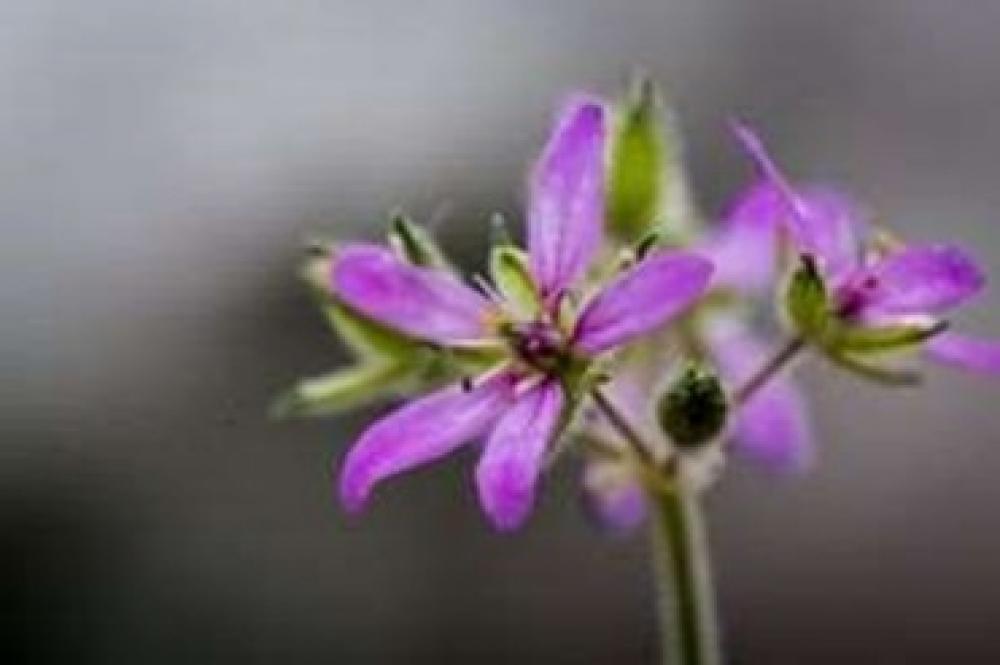
Scented Geranium
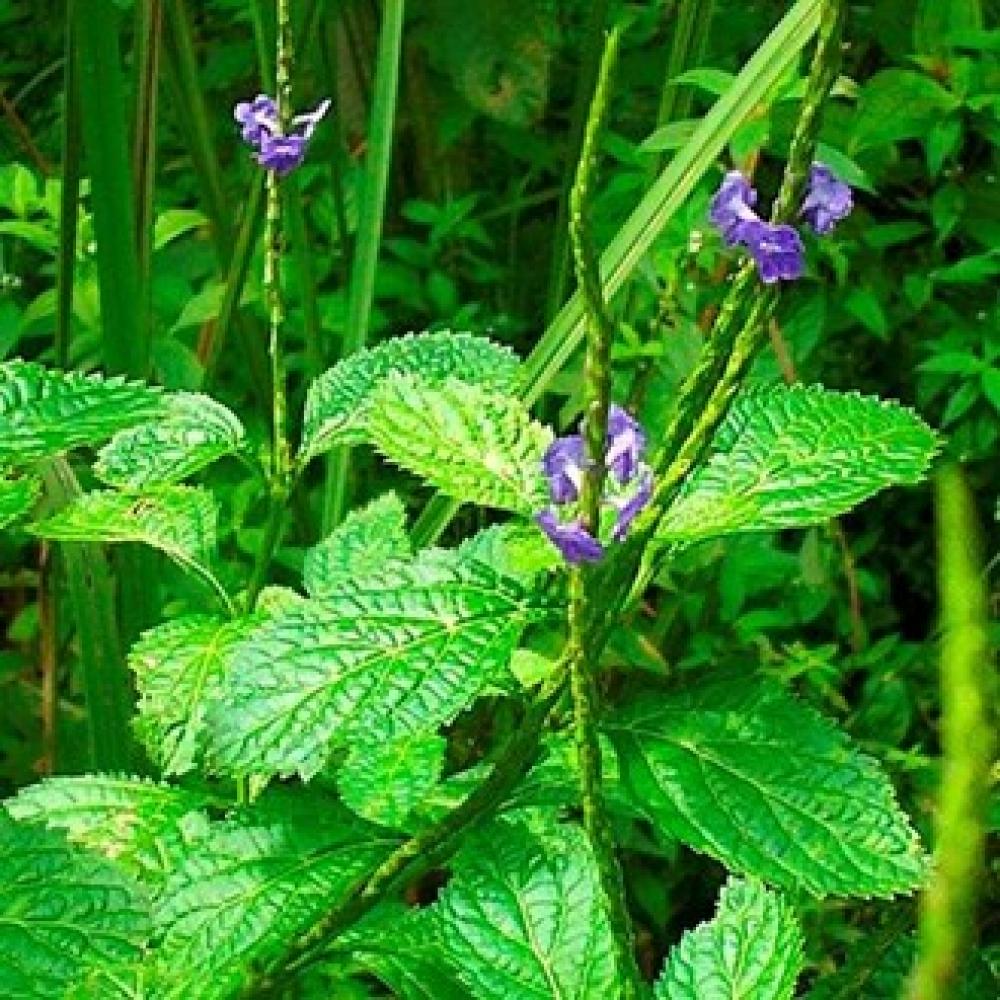
Gervão

Ginkgo Biloba
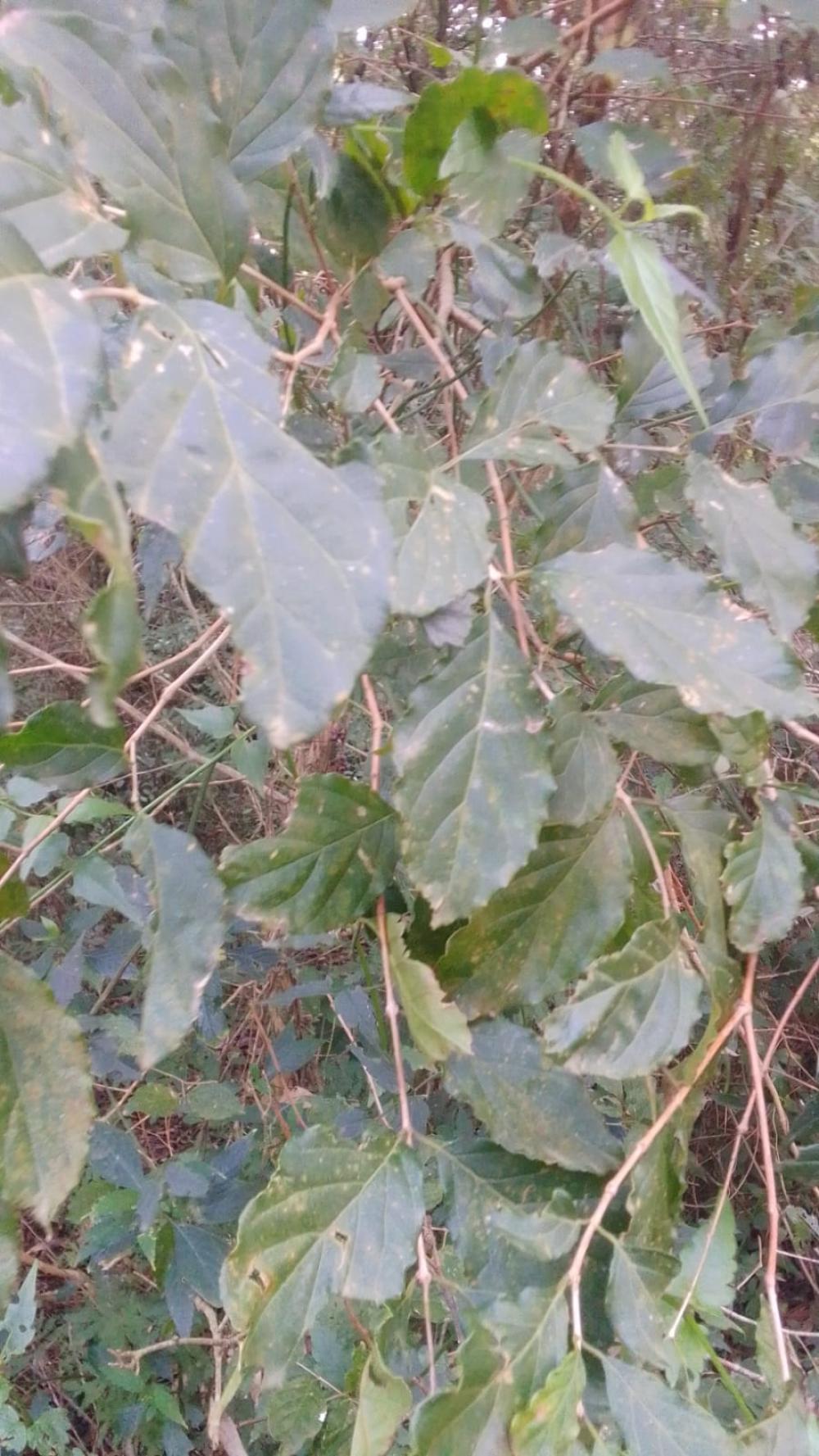
Guabiroba
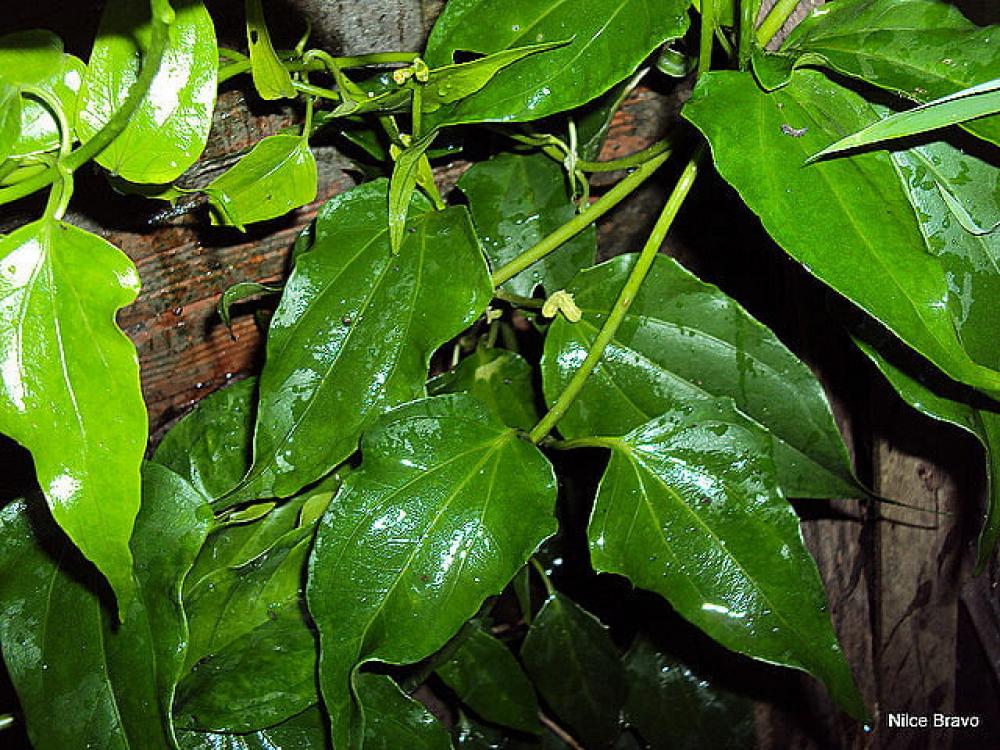
Guaco
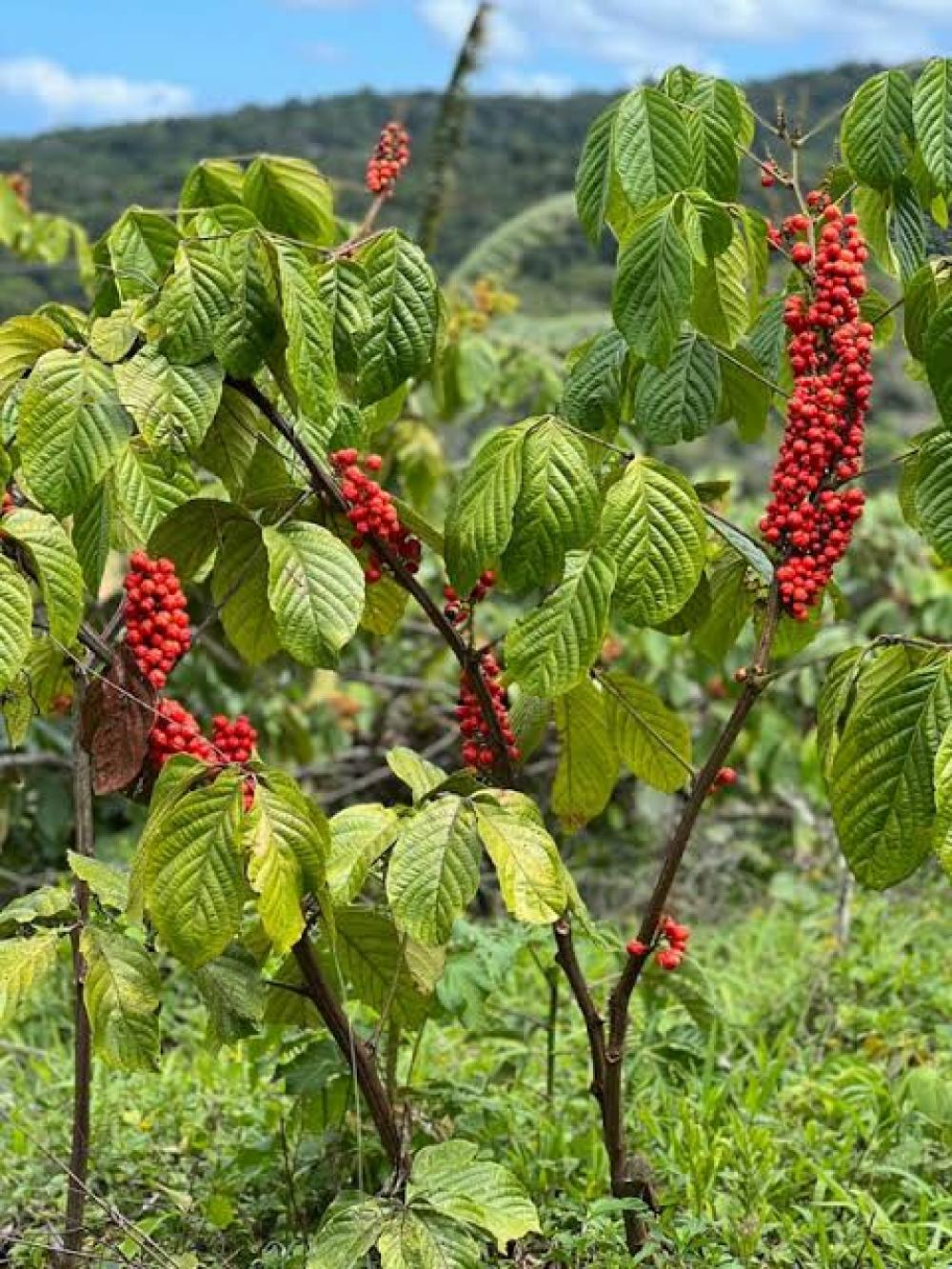
Guarana
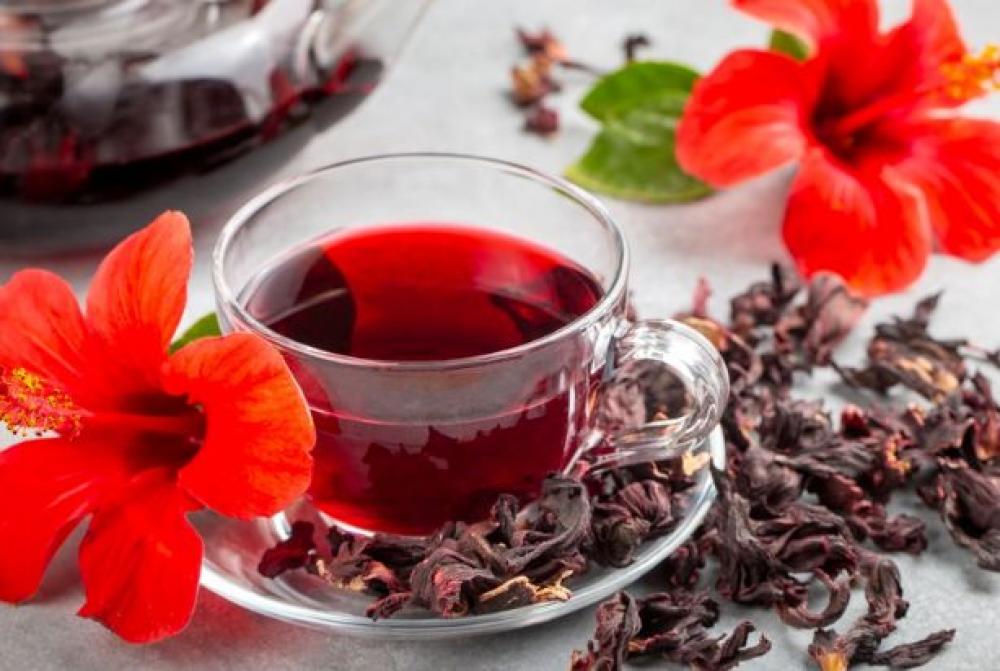
hibiscus
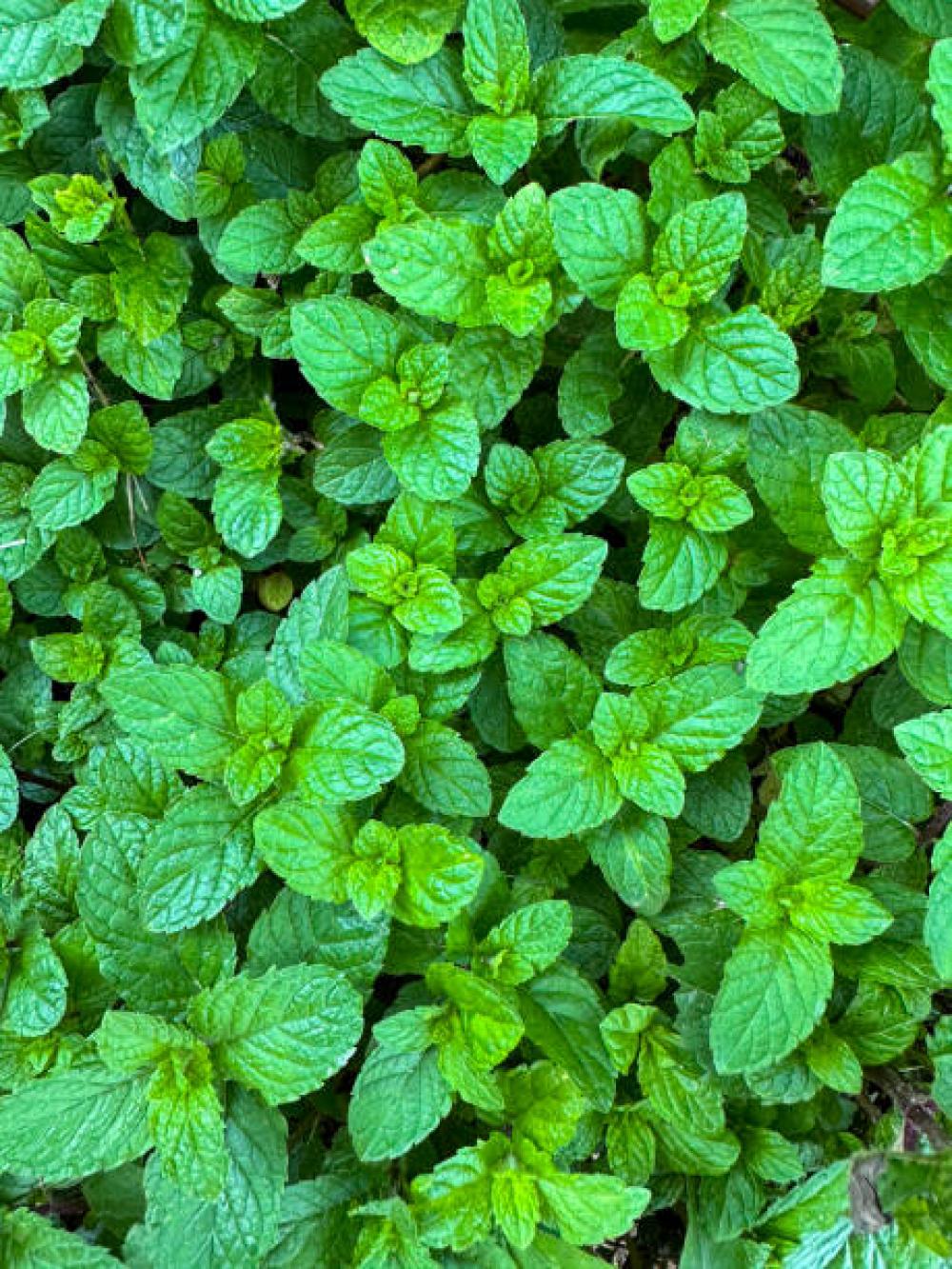
mint
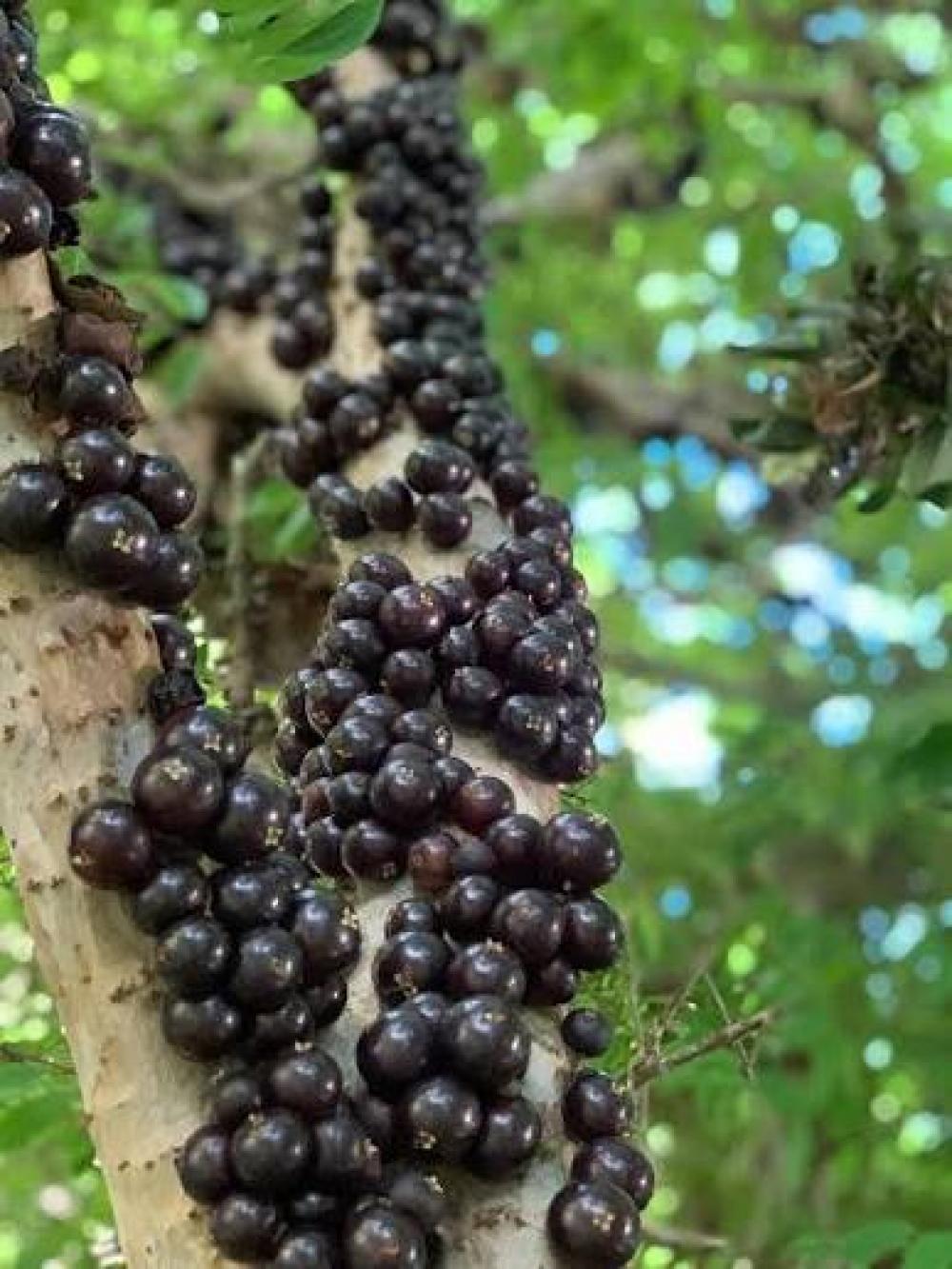
Jaboticaba
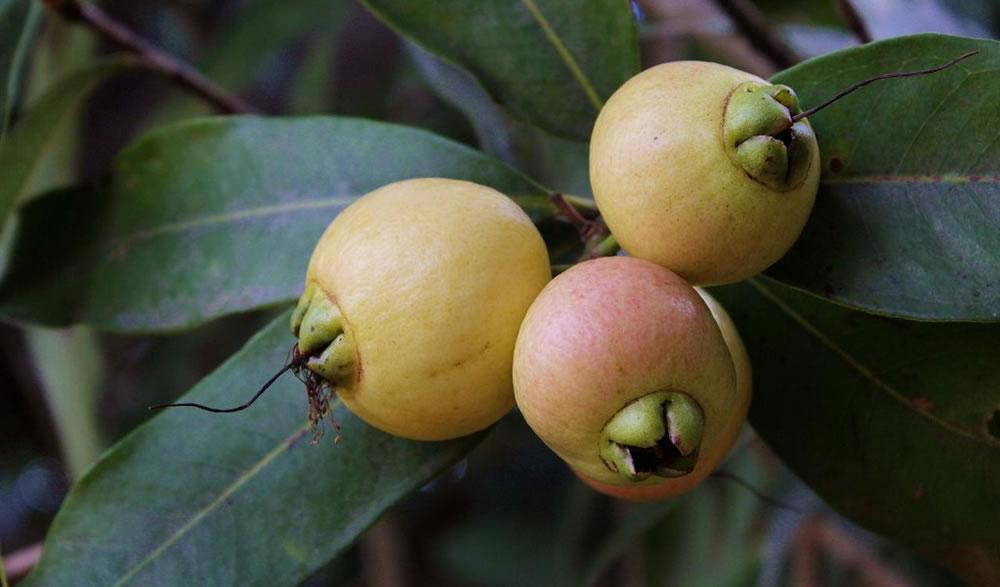
rose apple tree
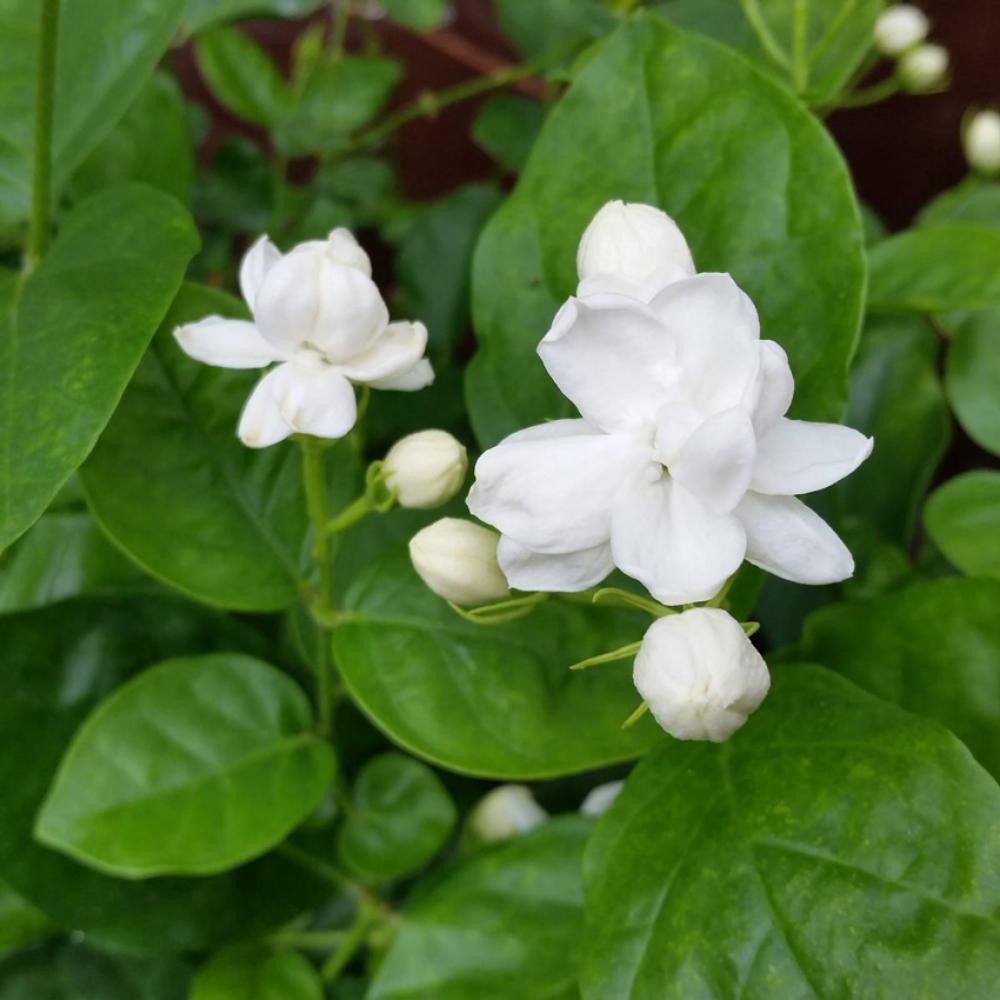
jazmin
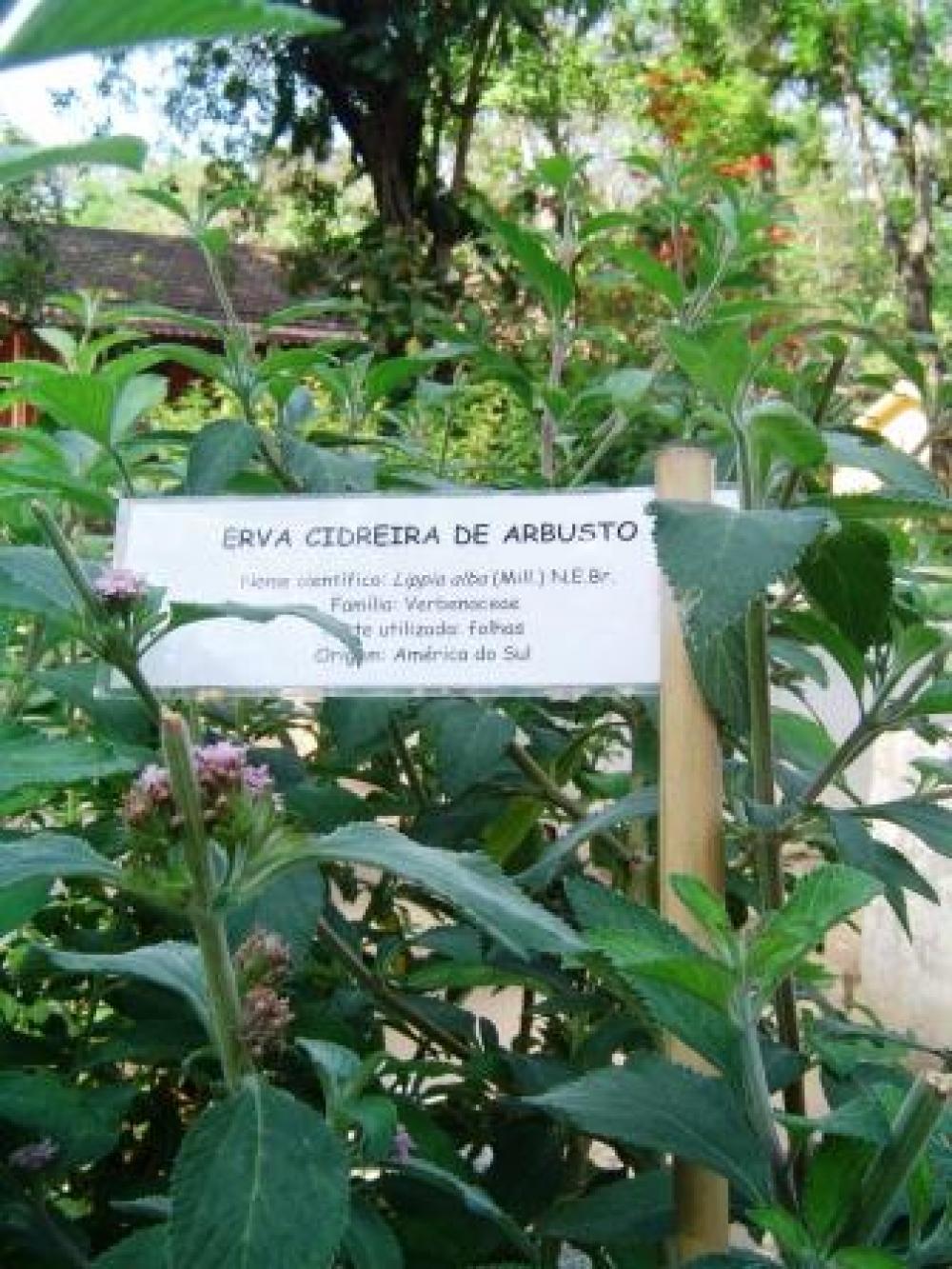
Lippia alba (Bushy Lemon Balm)
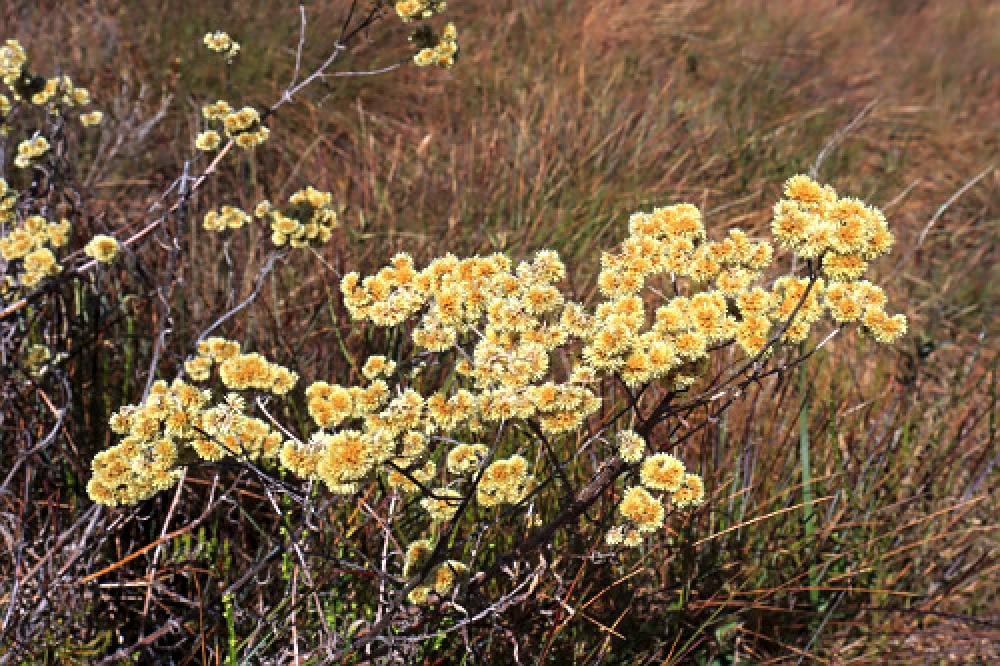
slaughterhouse
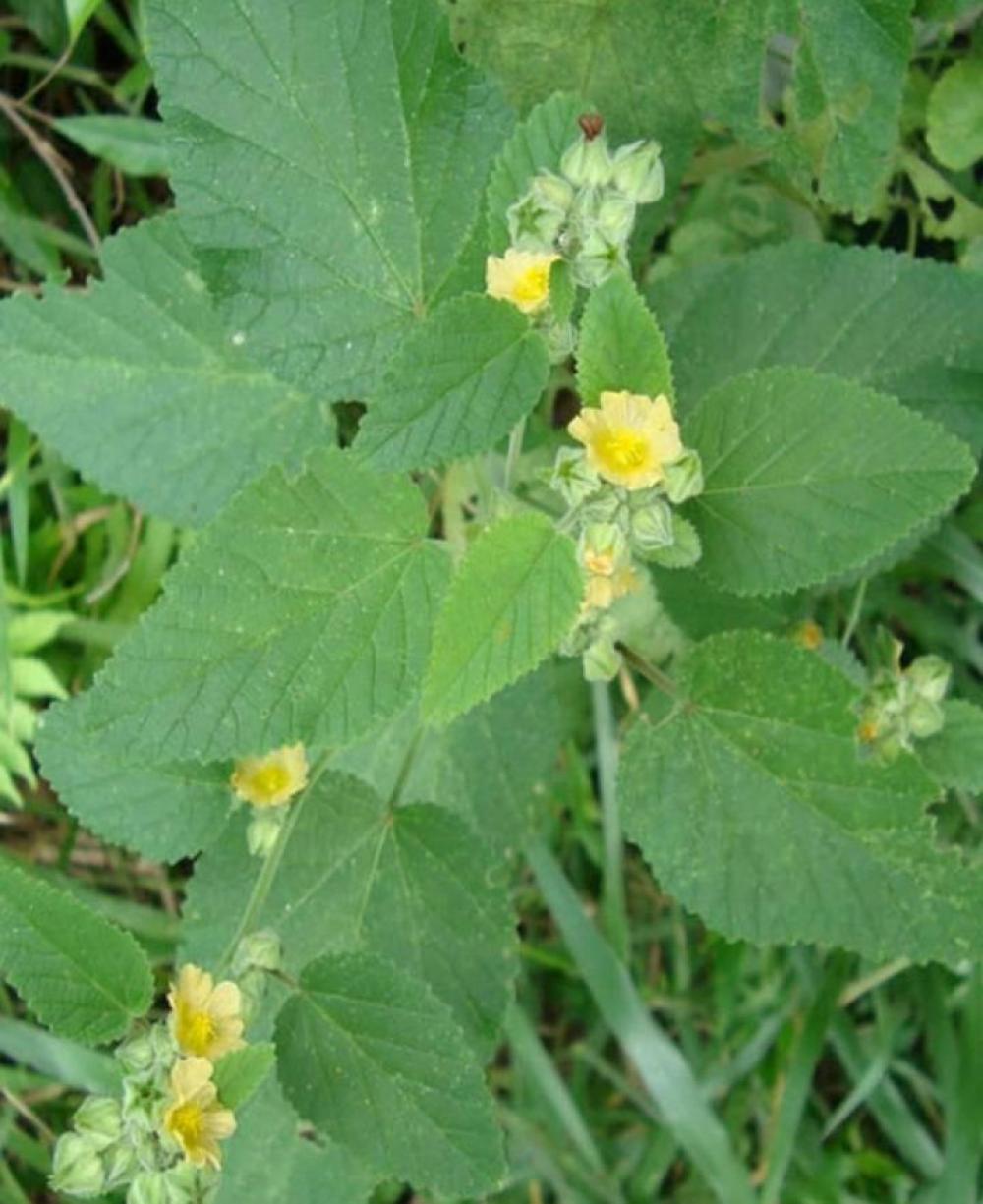
white mallow
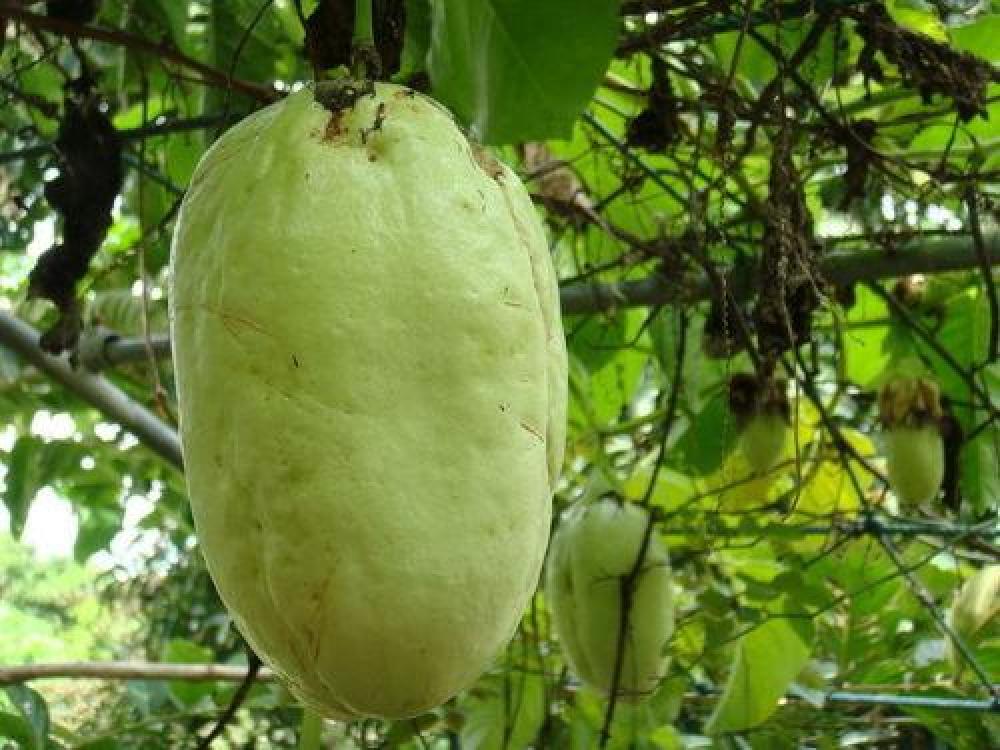
Giant Passion Fruit
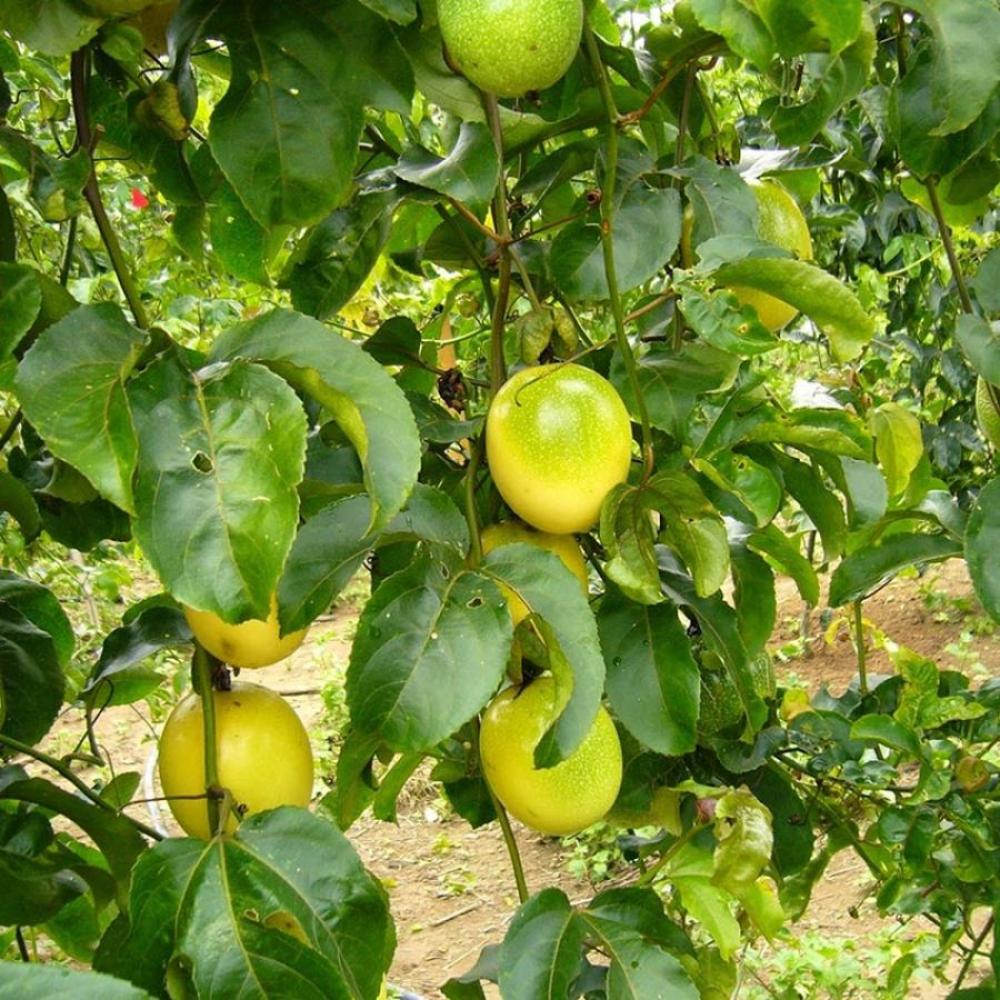
Sour Passion Fruit
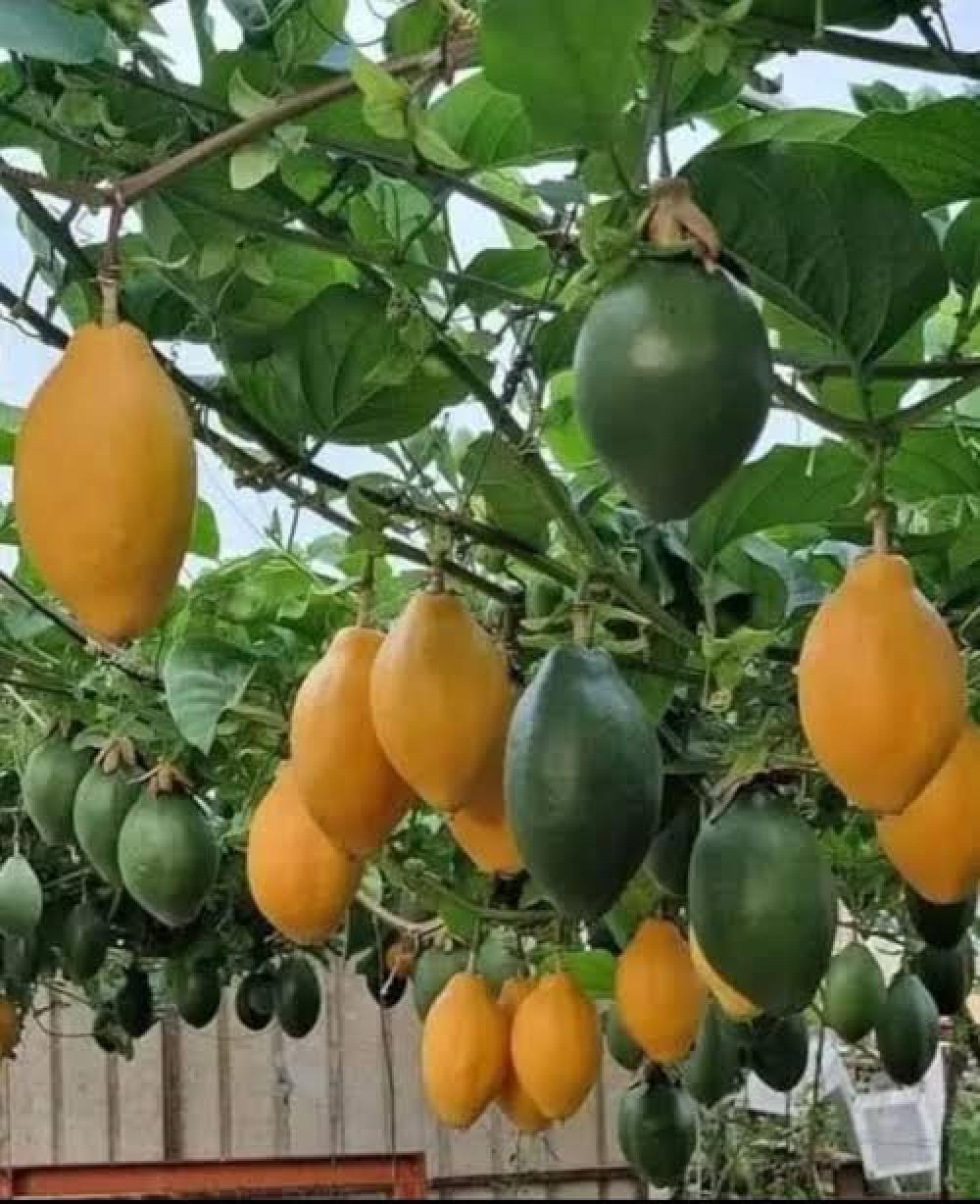
sweet passion fruit
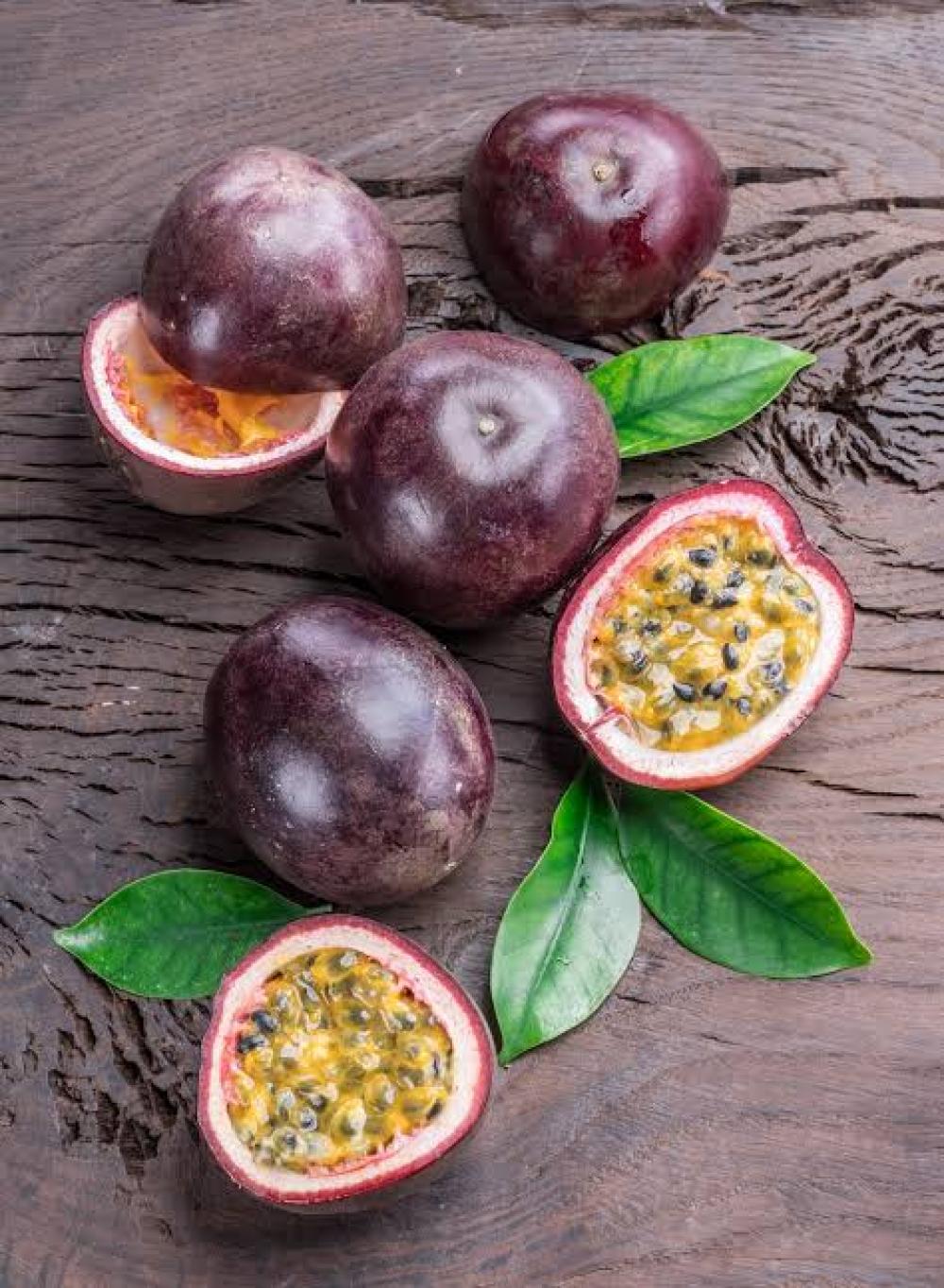
purple passion fruit
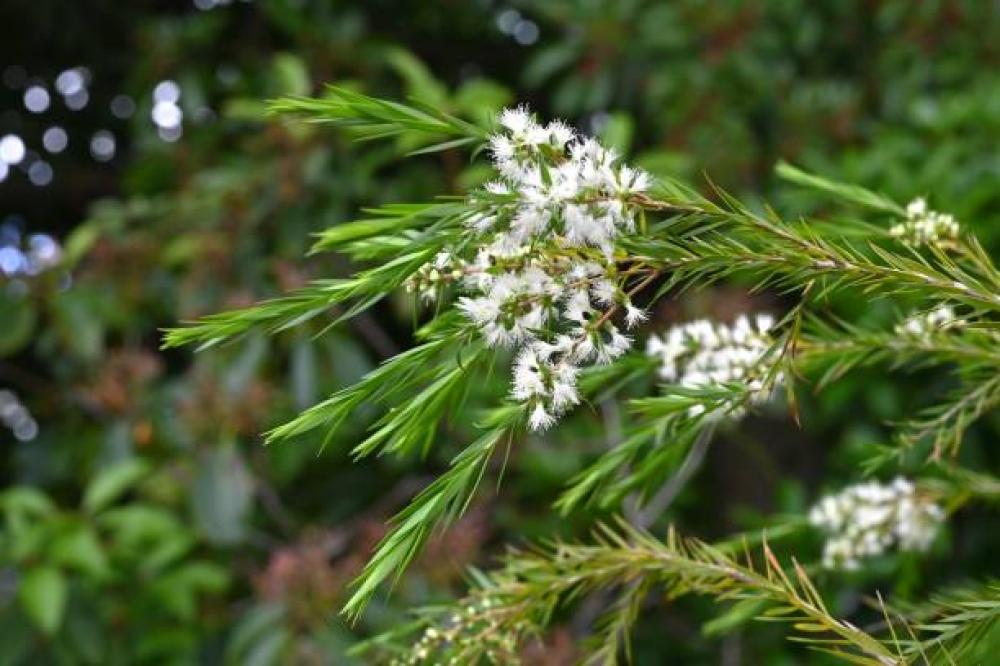
Melaleuca
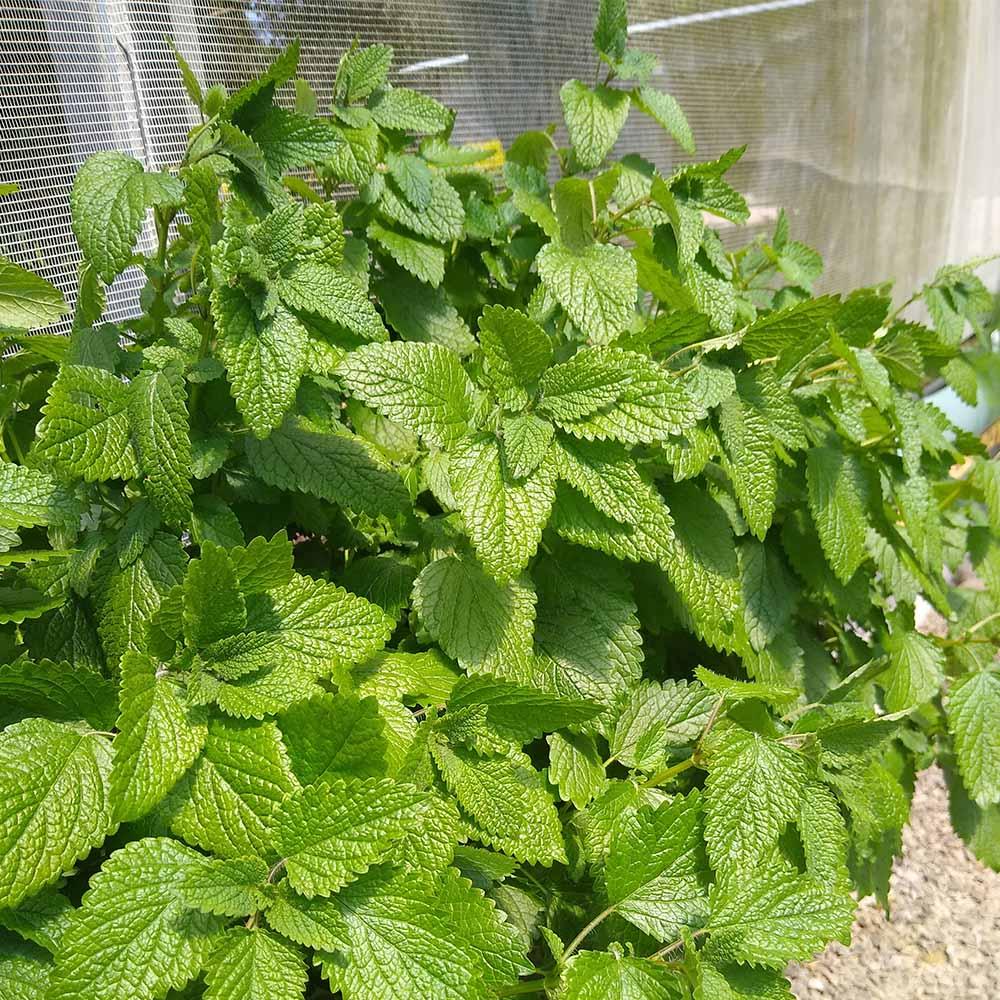
Melissa
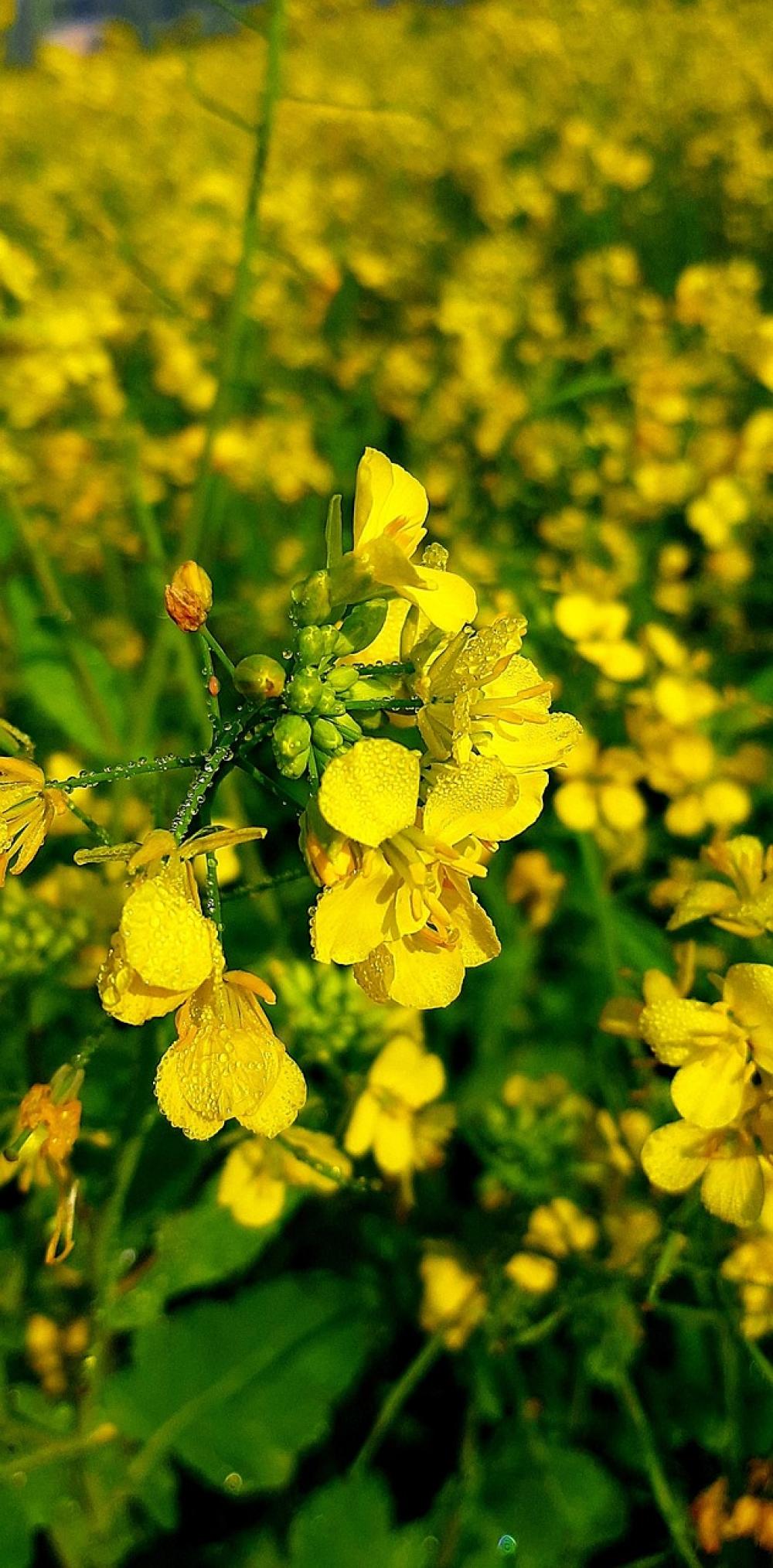
mustard
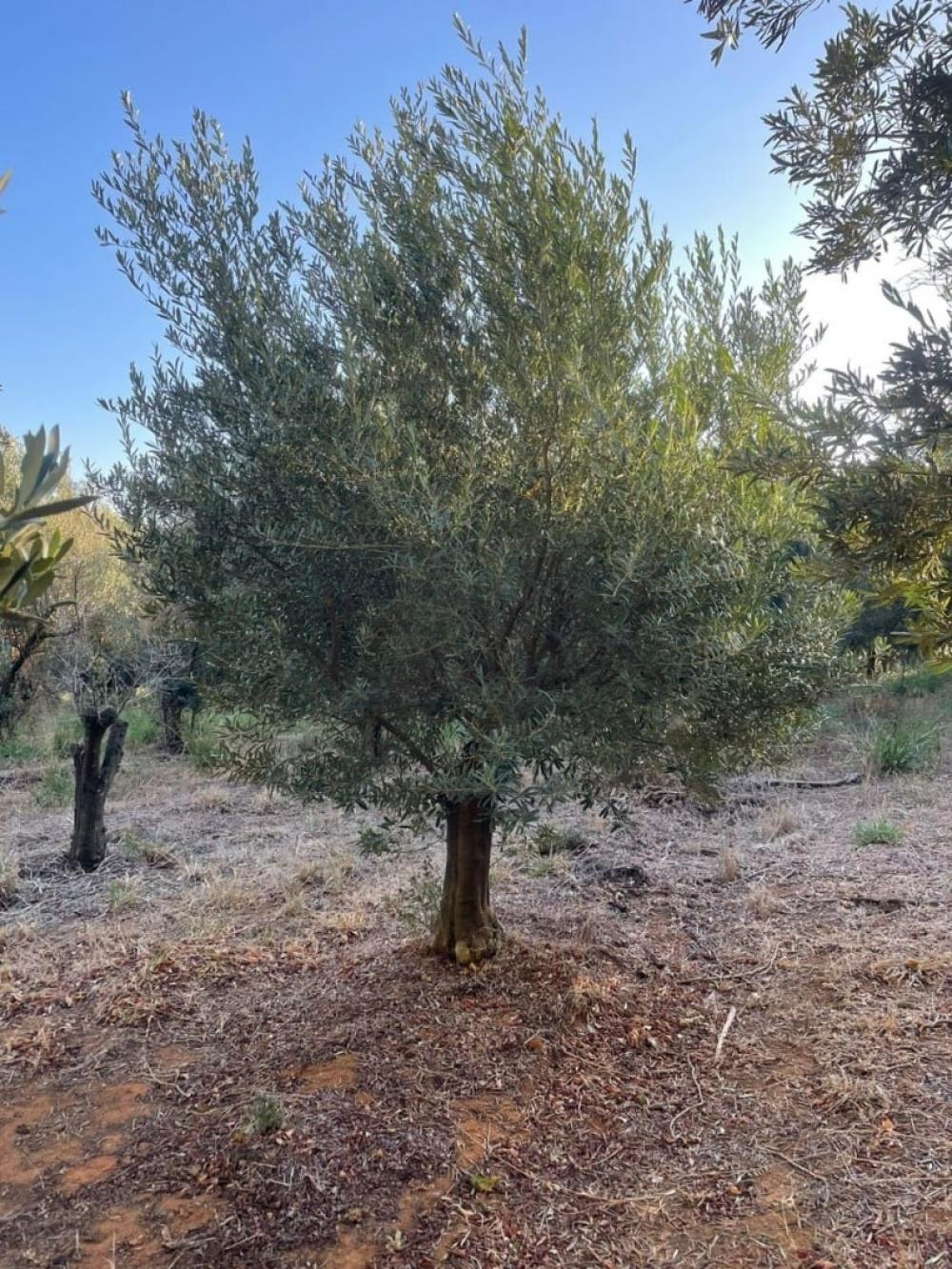
Oliveira
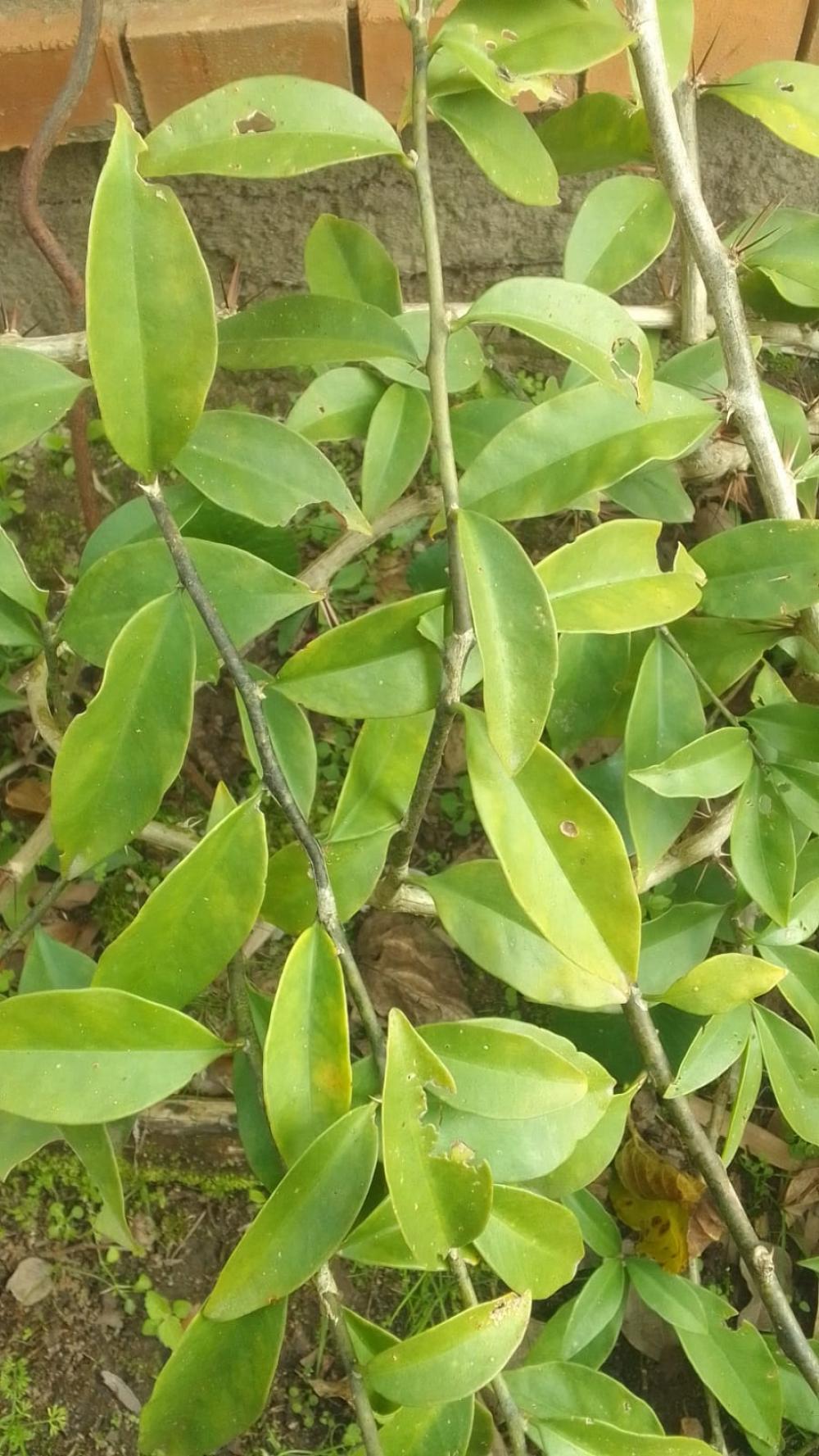
Ora Pro Nobis
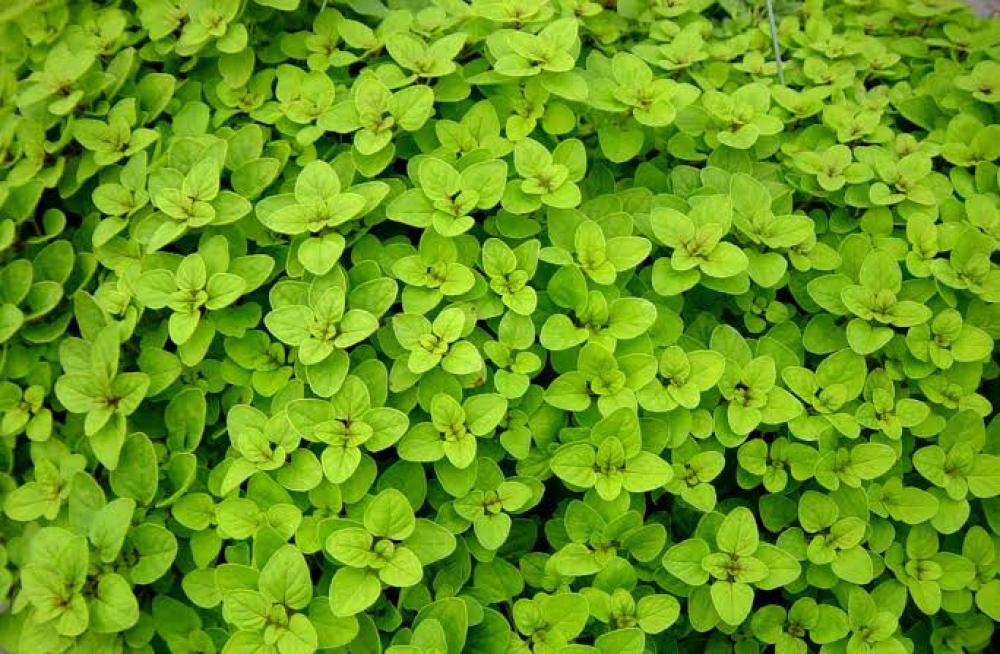
Oregano
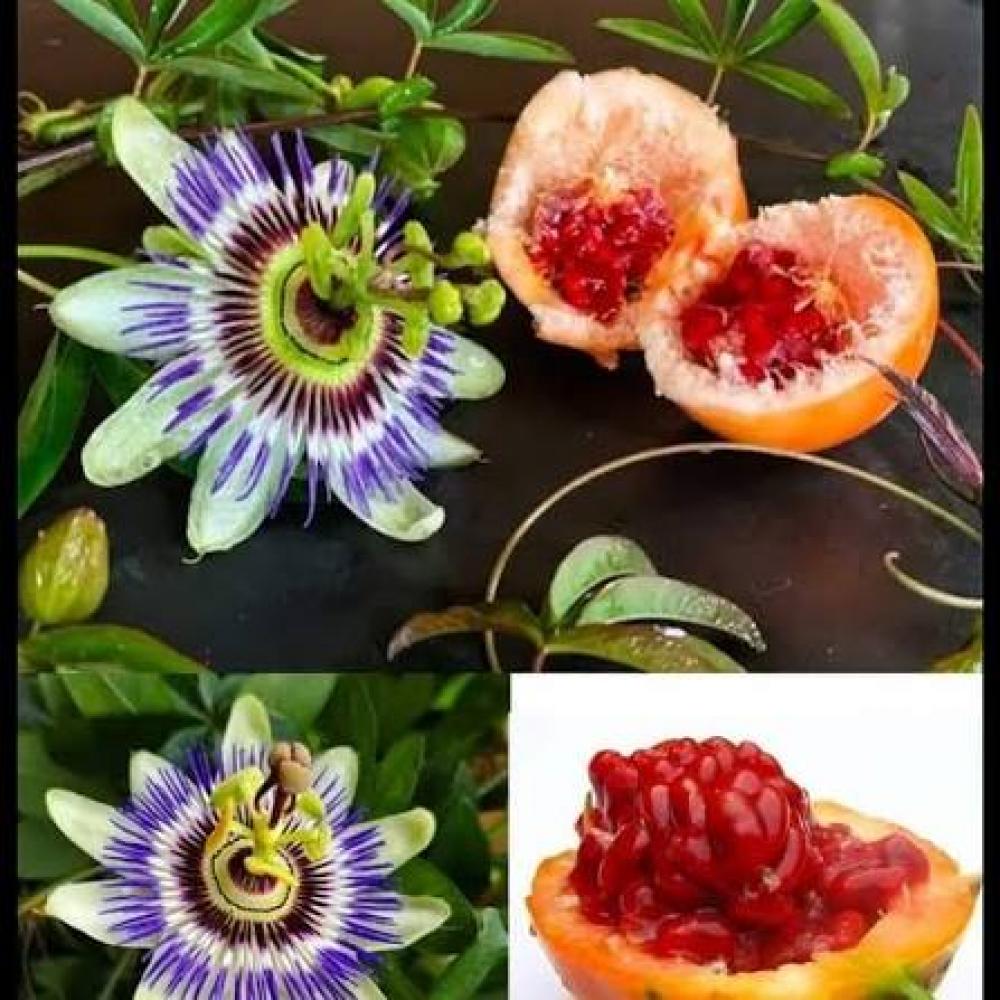
Passiflora or passion flower
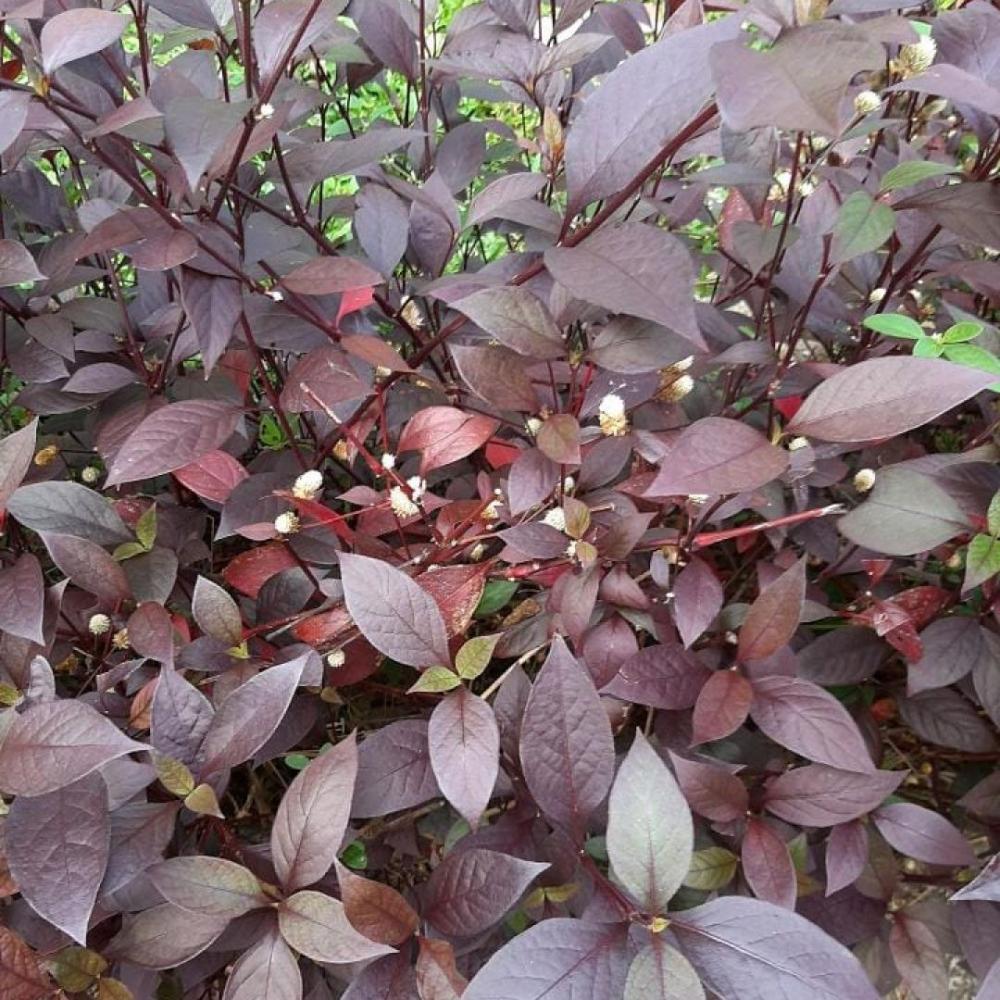
Penicillin or Parakeet
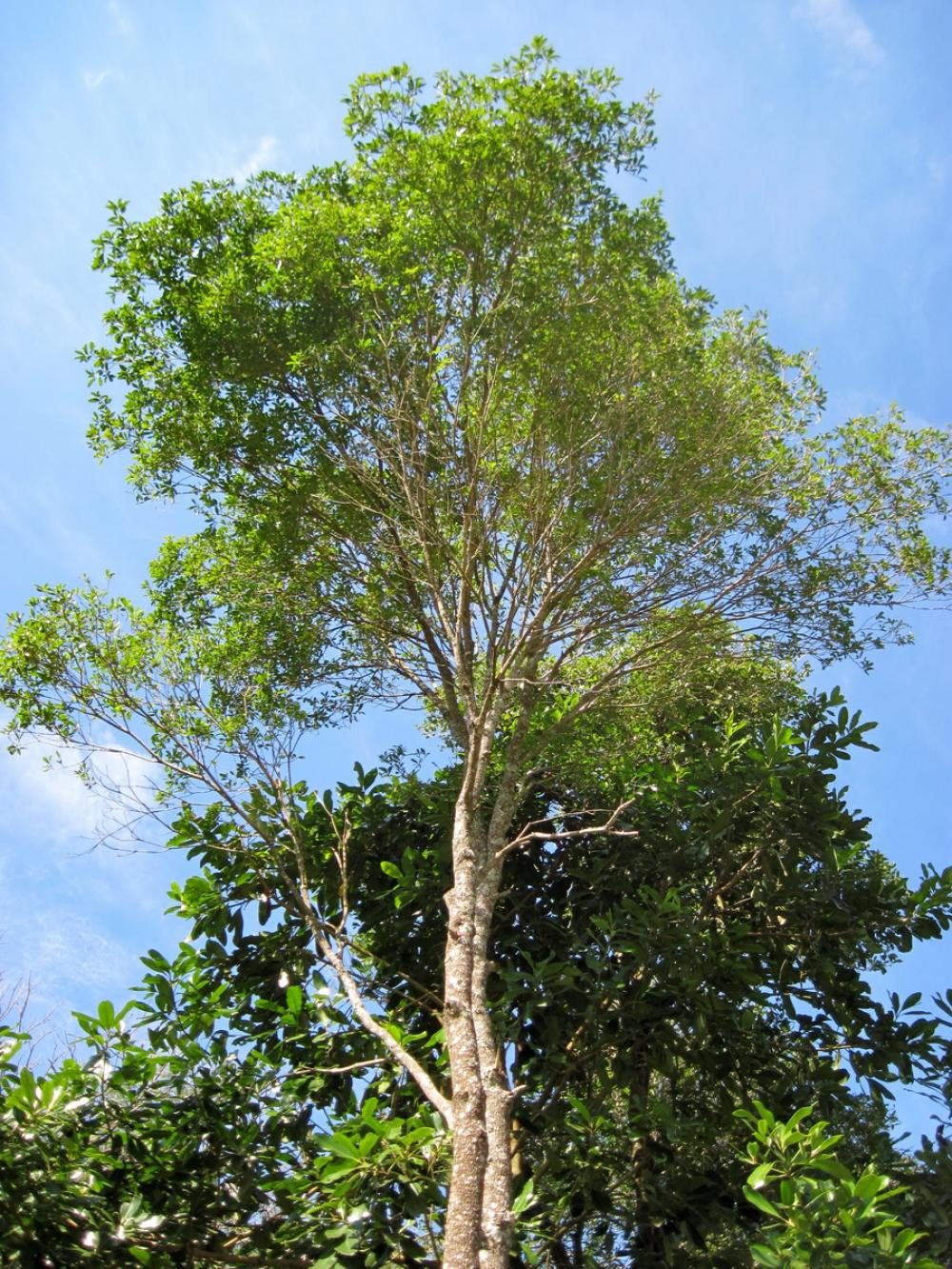
Peroba

pine

Surinam cherry tree
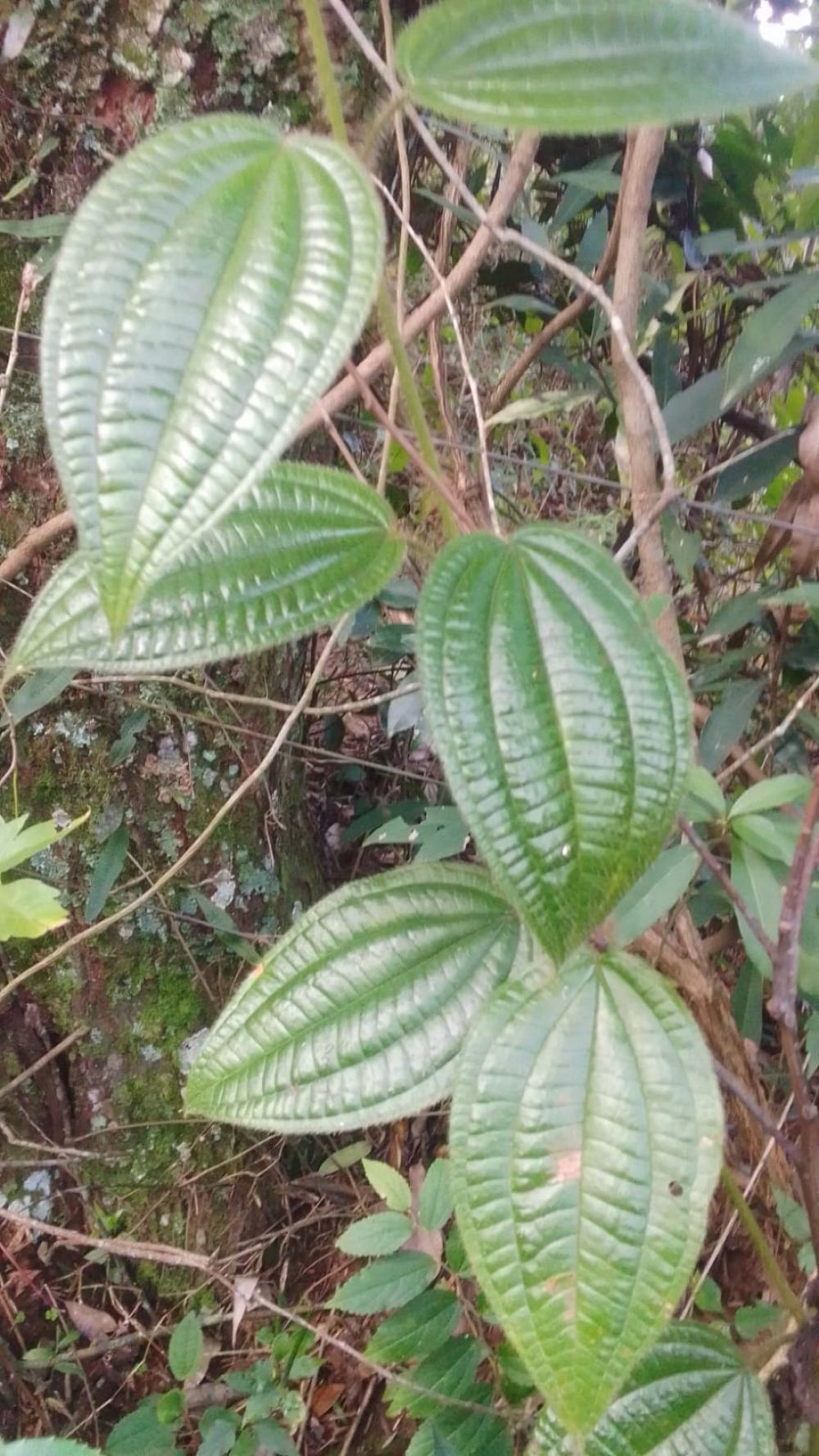
Pixirica
Pennyroyal

Stone-breaker
Pomegranate tree
Rosa mosqueta
Rosebush
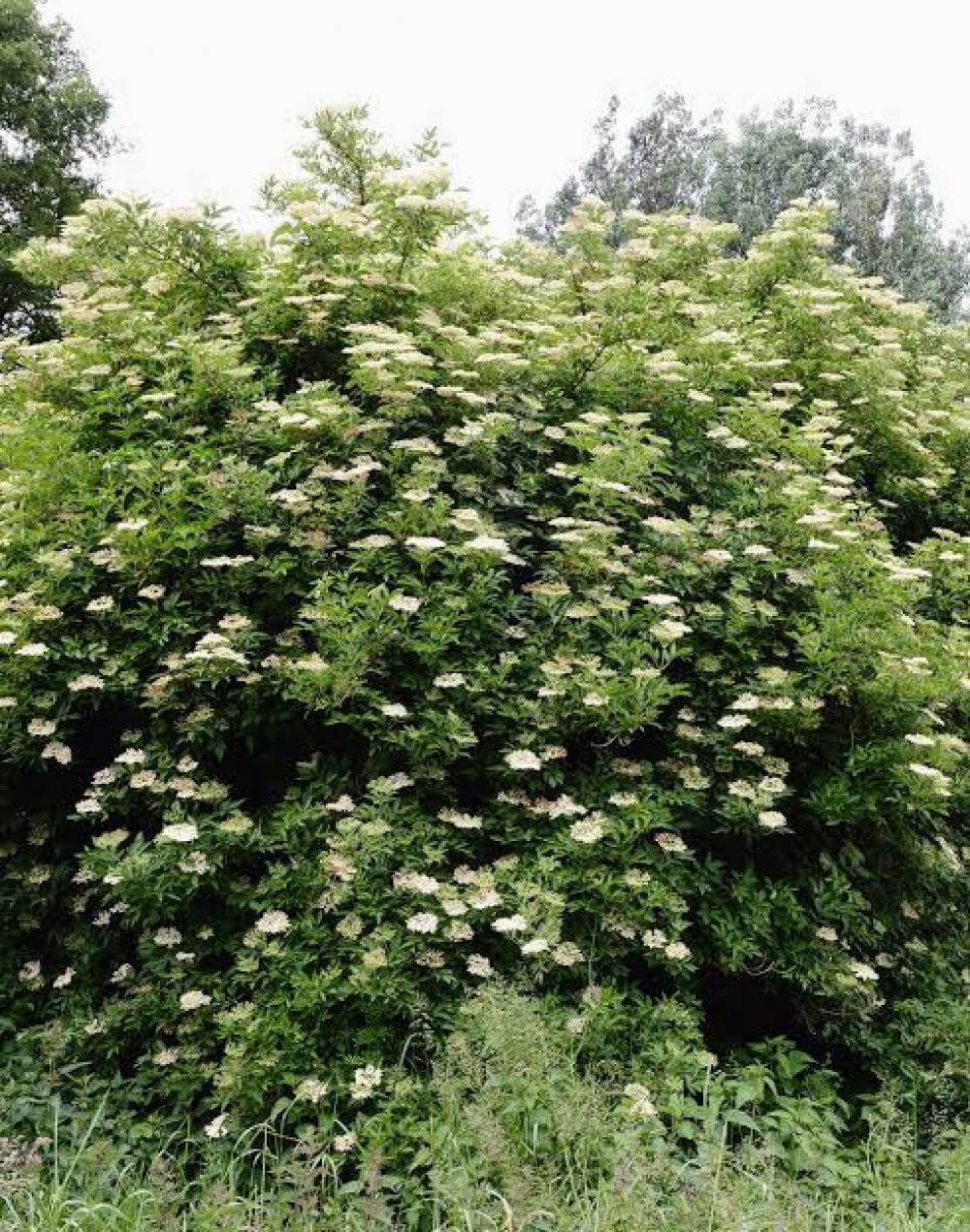
Elderberry
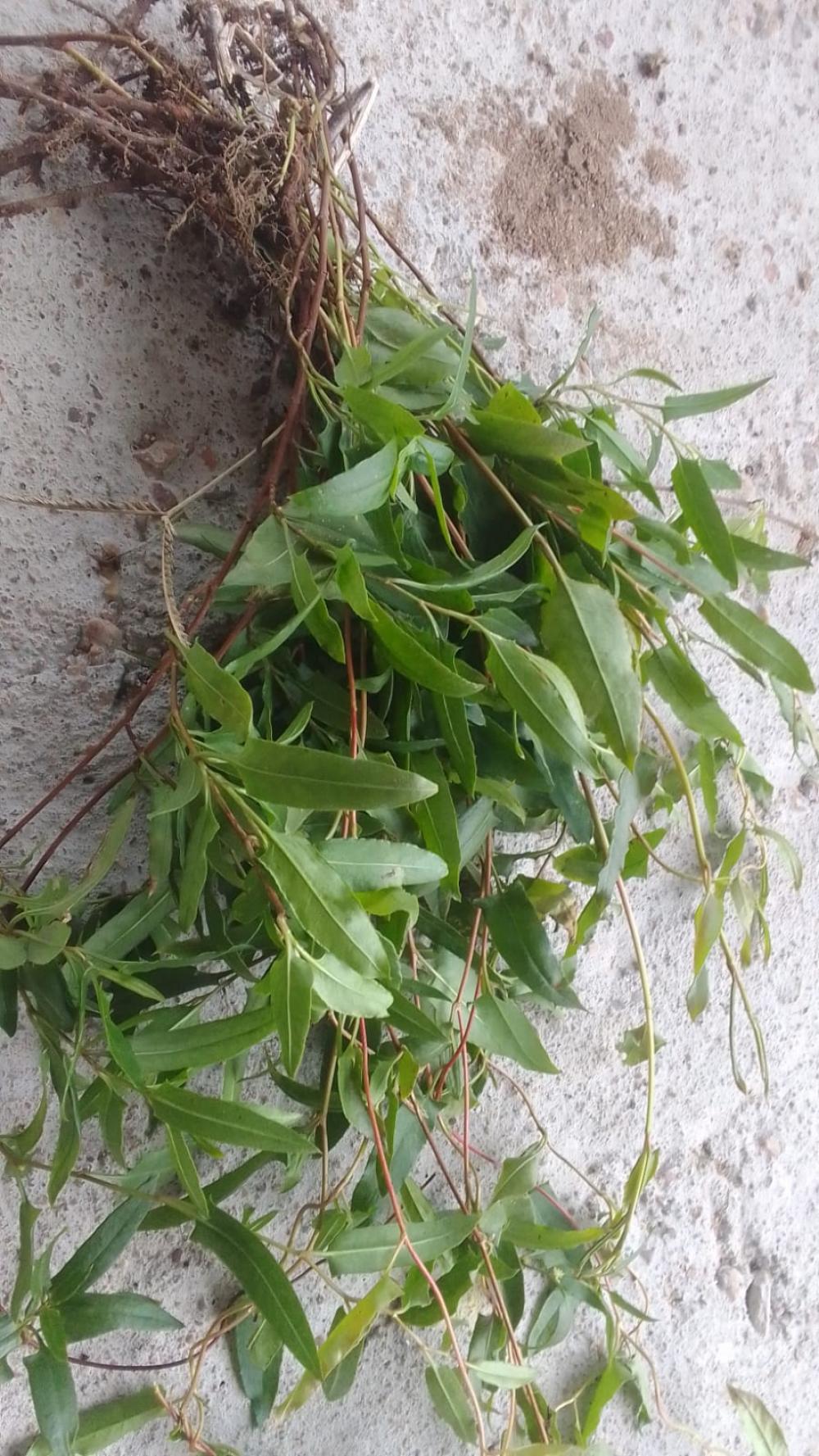
parilla parsley
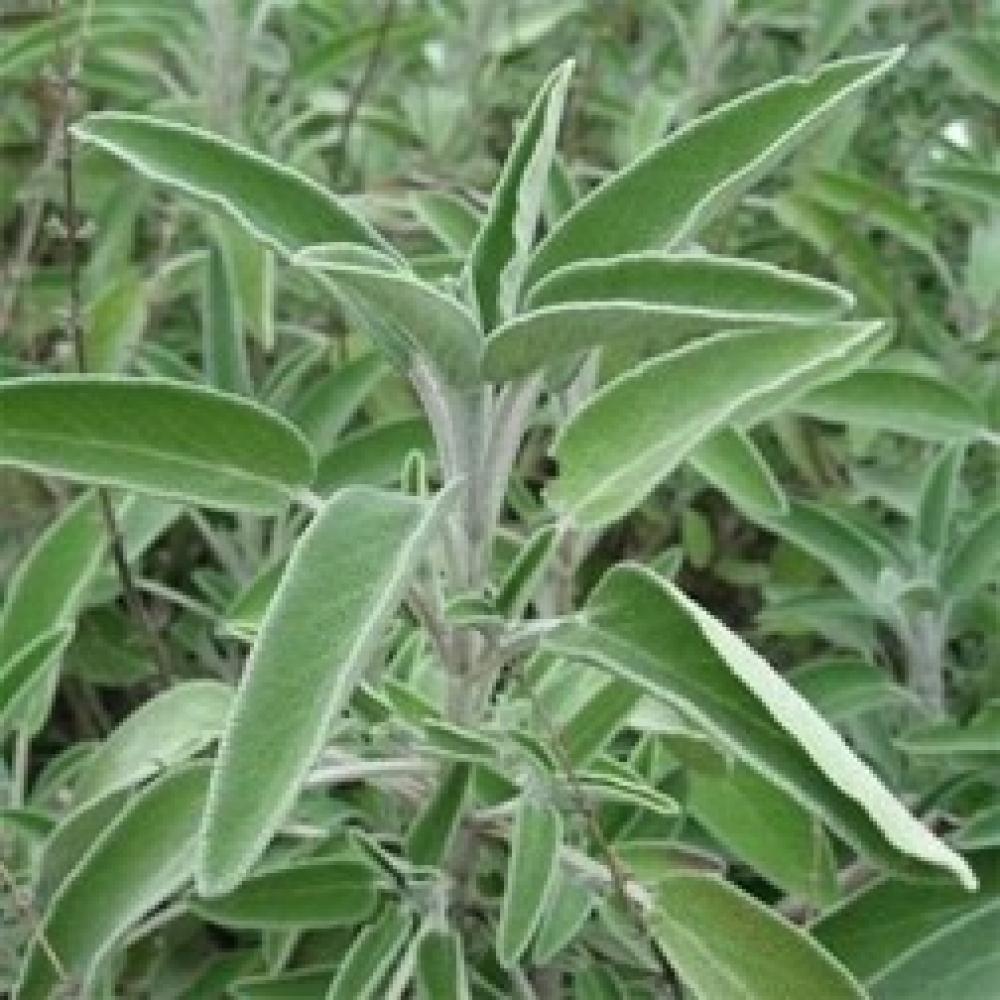
Sage
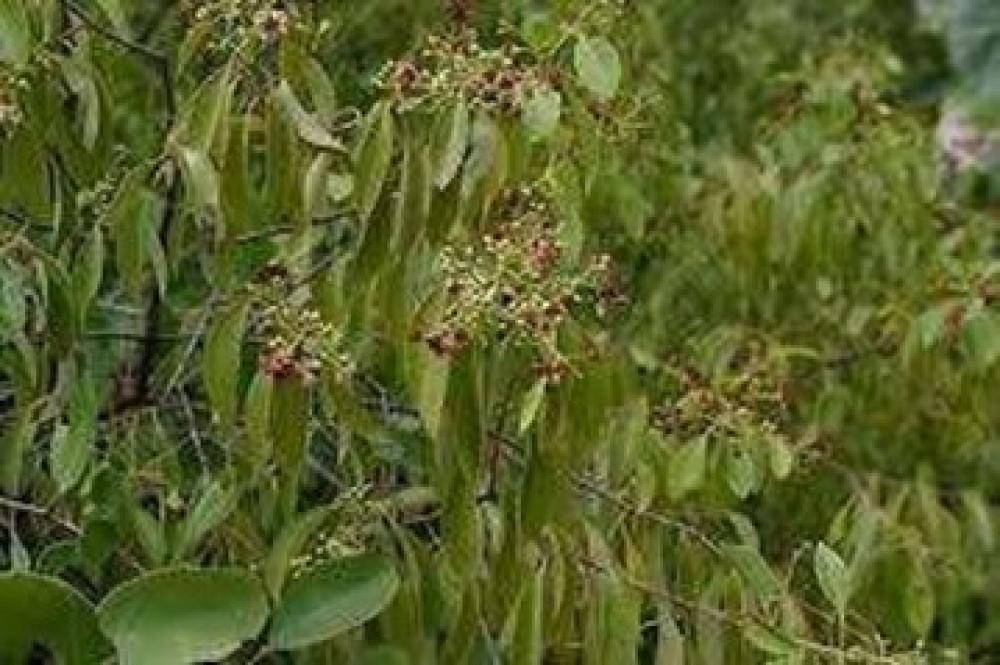
Sandalwood
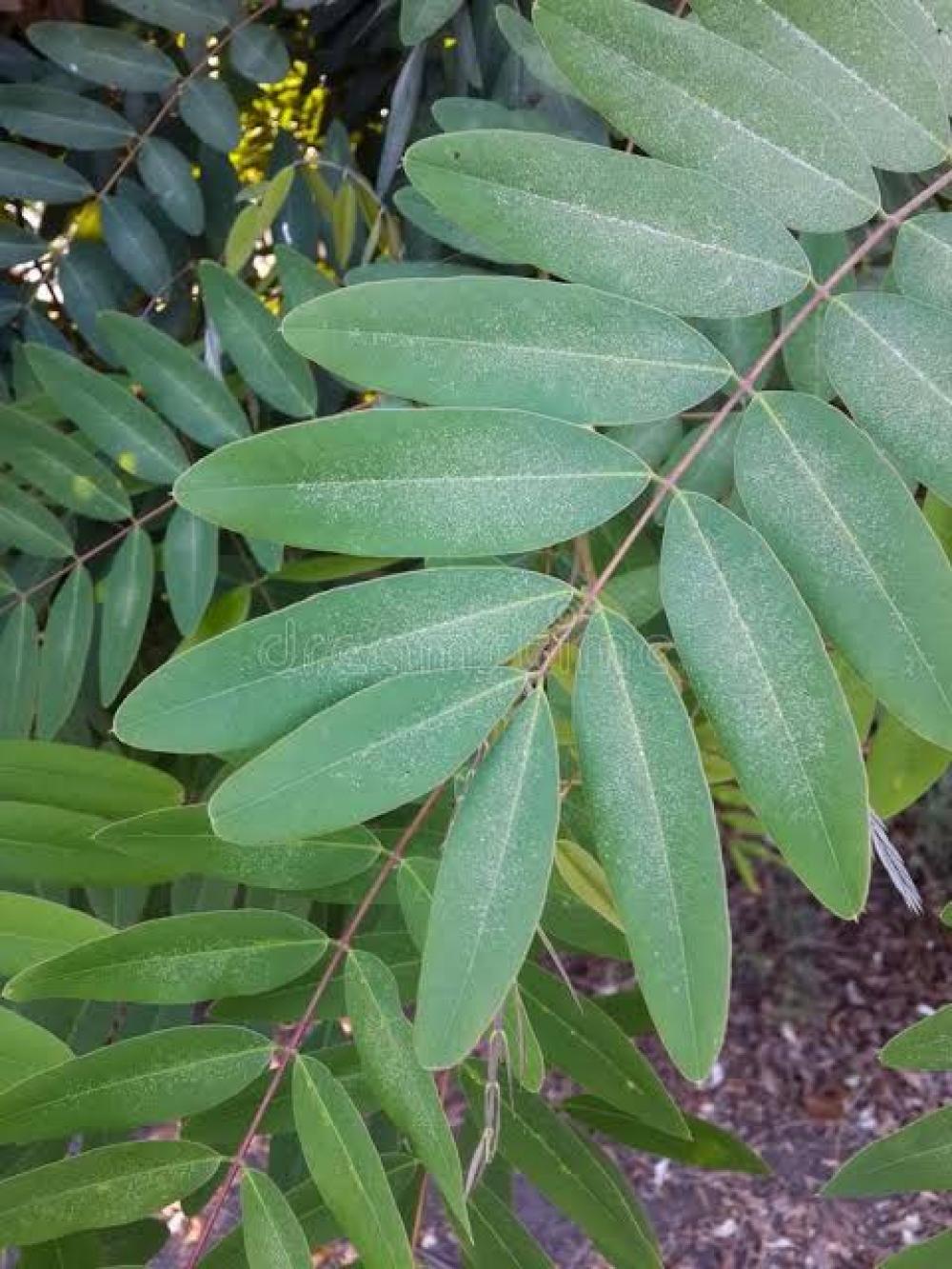
senna
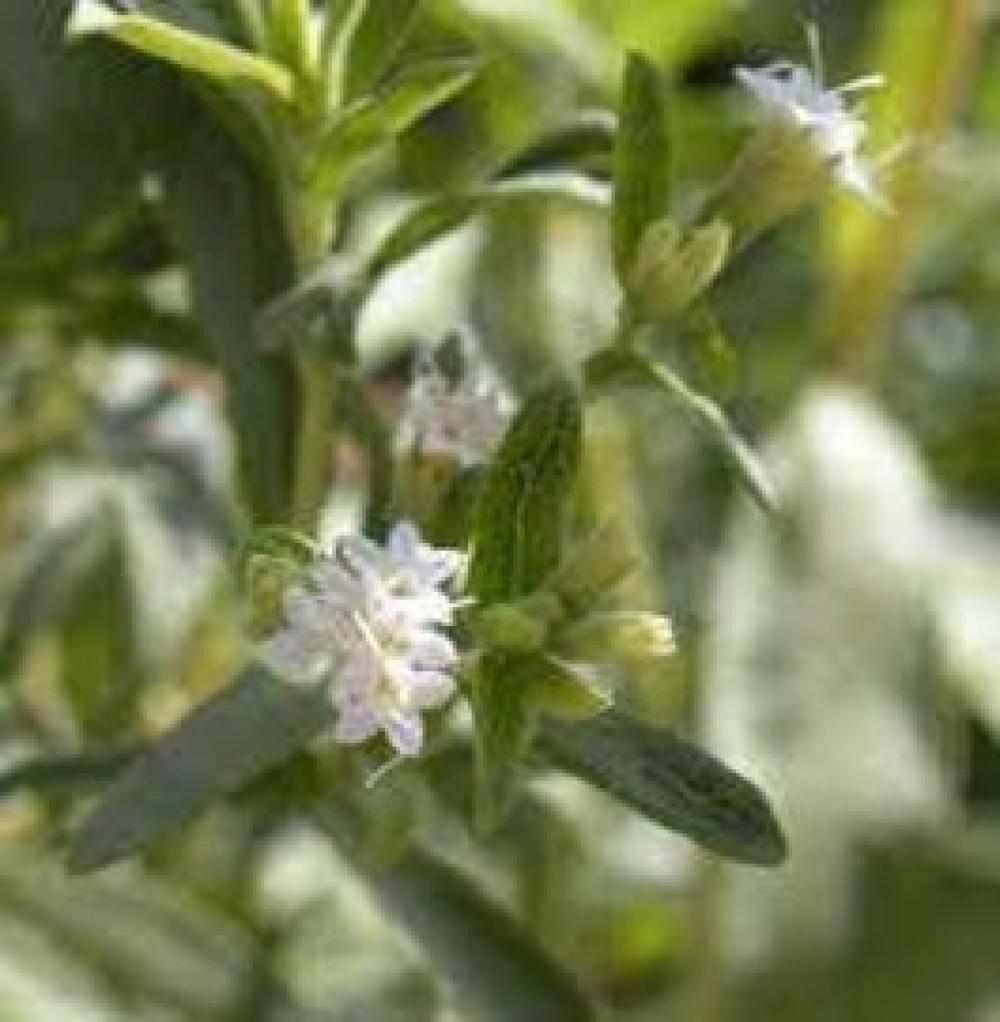
Stevia
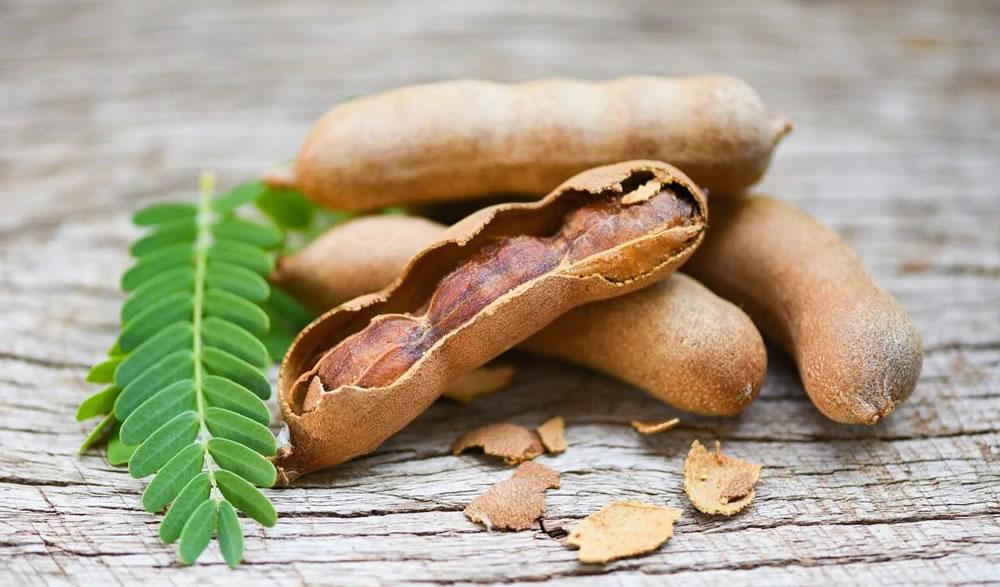
Tamarind
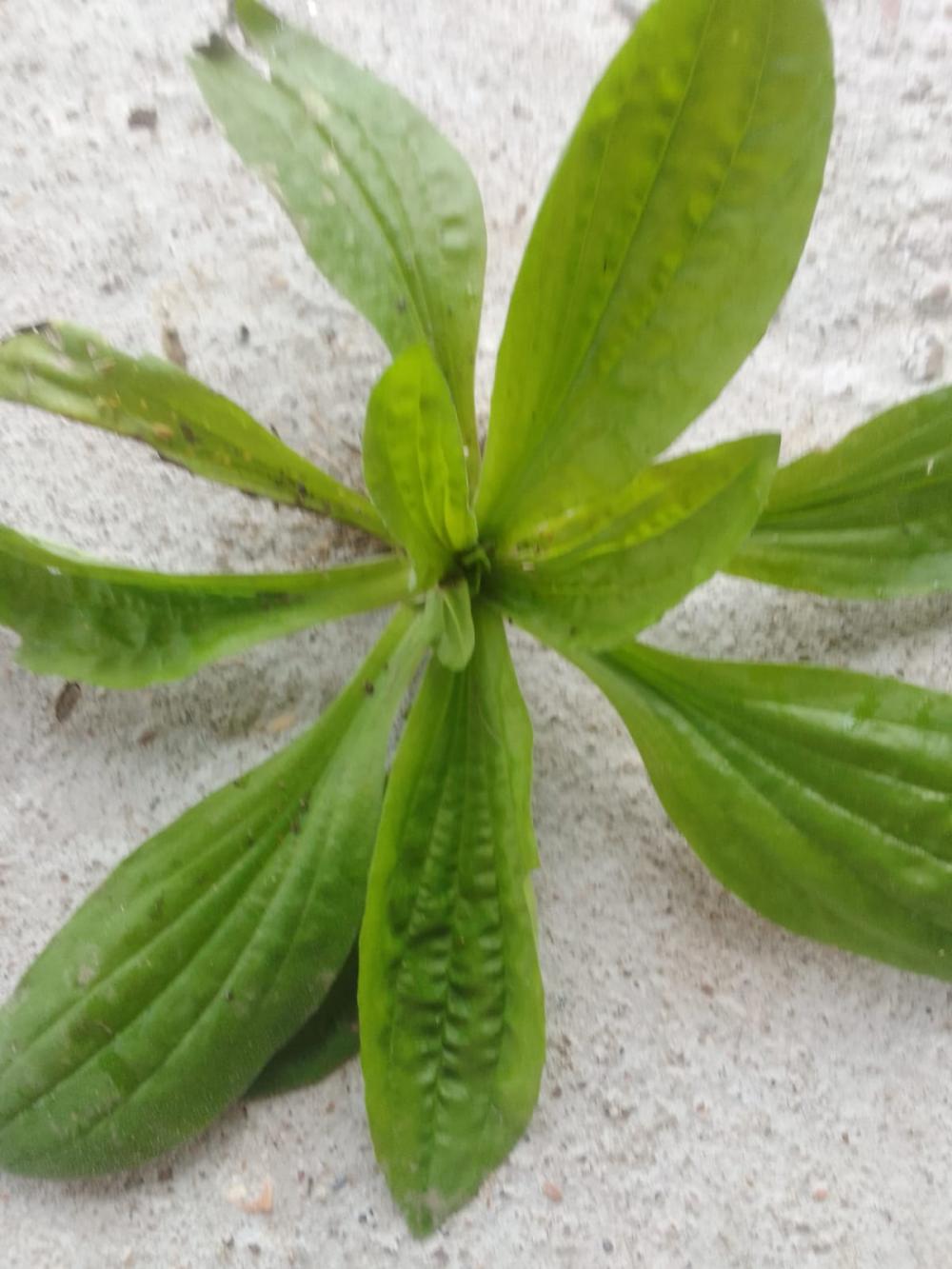
Plantain
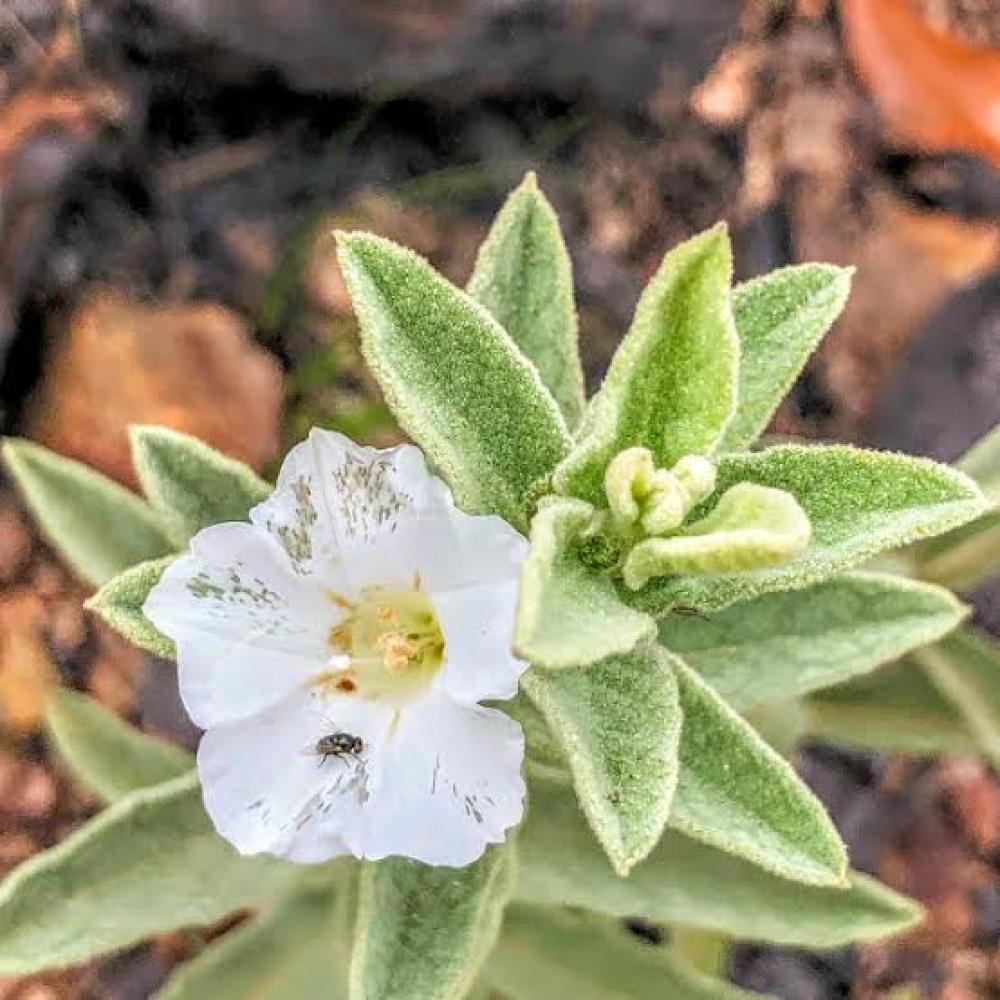
Velame-do-campo
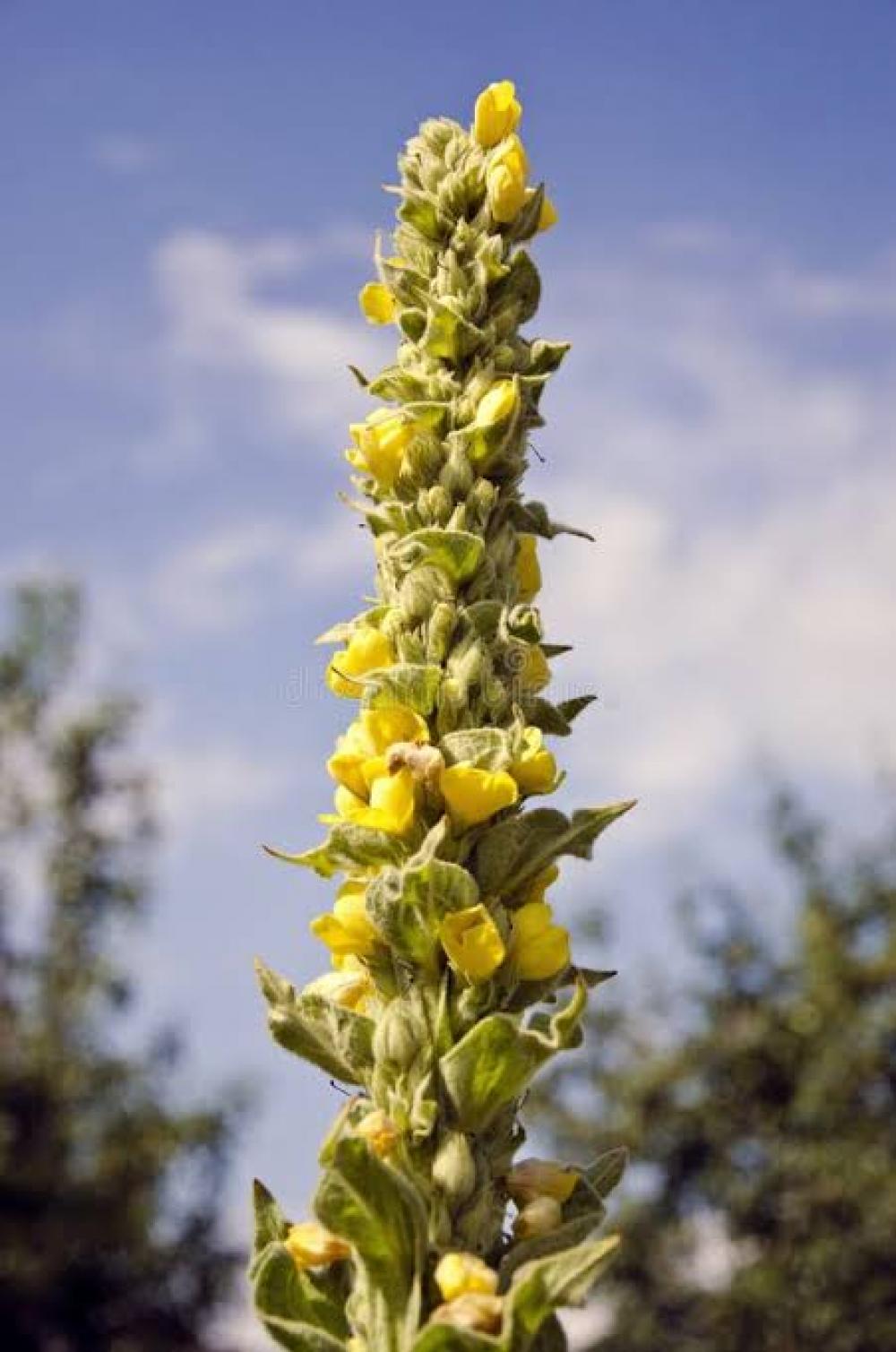
Brazilian mullein
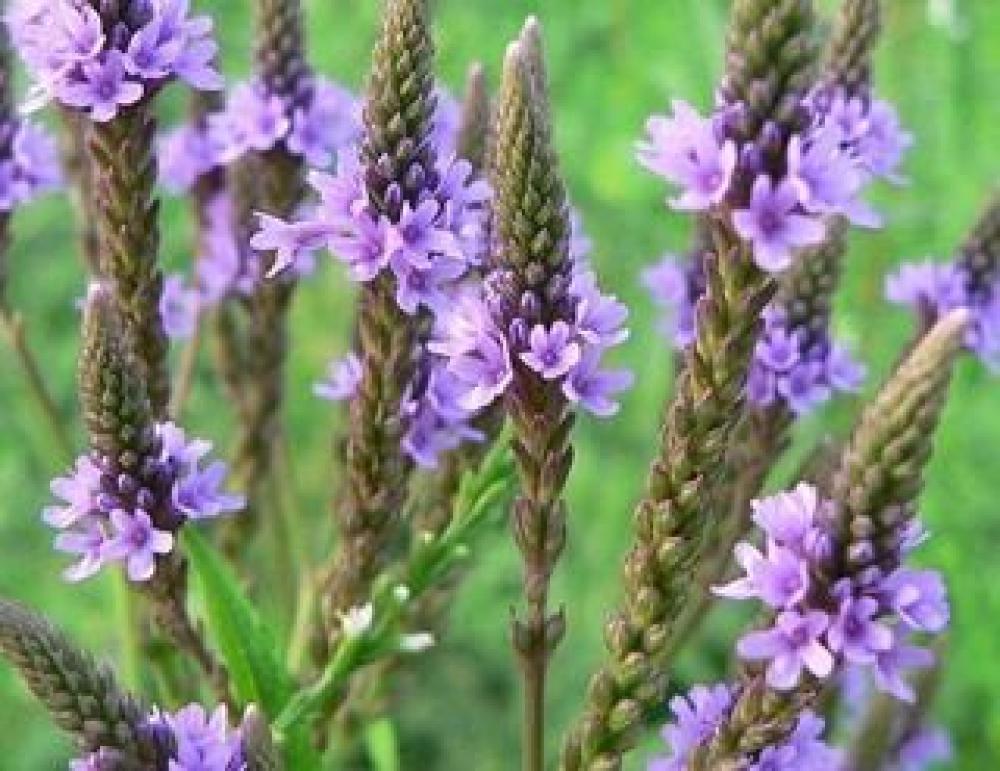
Field verbena