



Horsewhip
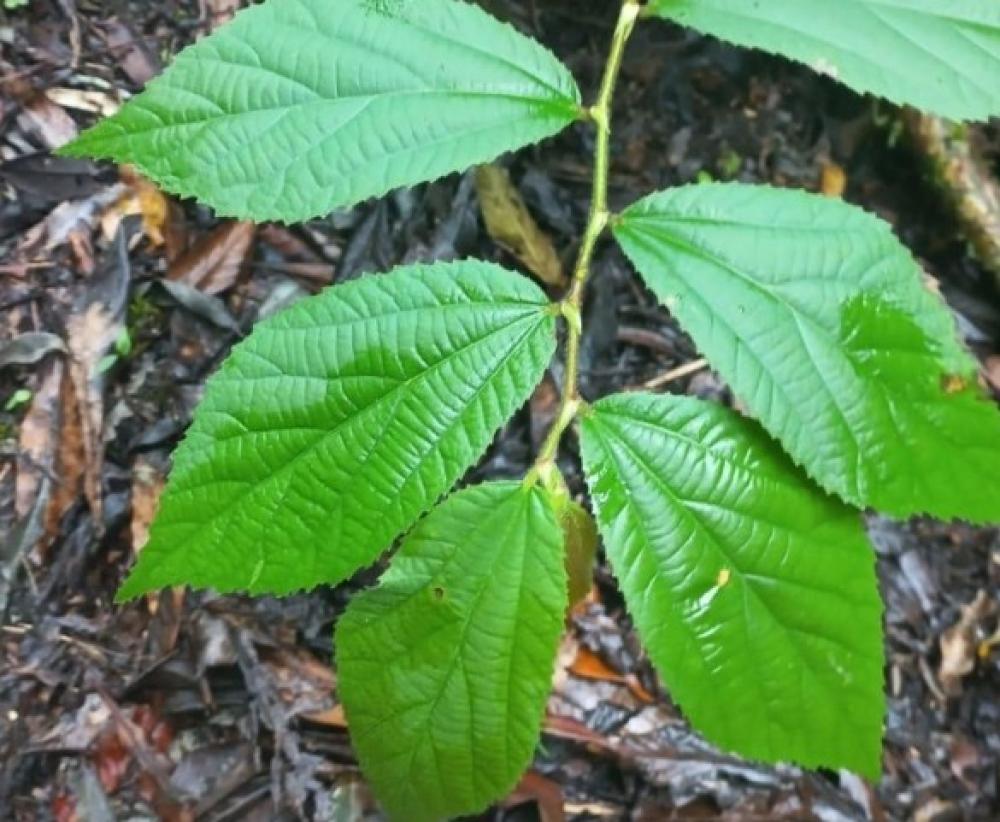
Luehea divaricata, popularly known as açoita-cavalo, is a tree native to Brazil with various uses, both in traditional medicine and in industry. • Anti-inflammatory: The bark of the tree is used to relieve pain and inflammation, especially in cases of rheumatism and arthritis. • Digestive problems: The bark is also used to treat diarrhea and dysentery. • Respiratory problems: The leaves and flowers are used to prepare syrups to combat coughs and laryngitis.
• Other uses: The plant has also been used to treat bladder problems, toothaches, and insomnia. Açoita-cavalo (Luehea divaricata): Medicinal Uses and Properties
Açoita-cavalo (Luehea divaricata) is a tree native to South America, widely found in Brazil (especially in the Atlantic Forest and Cerrado), Argentina, Paraguay, and Uruguay. Its popular name derives from the flexibility of its branches, historically used as whips. In folk medicine, it is a plant of great importance due to its versatile therapeutic properties. 1. Therapeutic Properties. The plant is recognized for several pharmacological actions, the main ones being: Astringent: High concentration of tannins, useful for "tightening" tissues and stopping secretions. Anti-inflammatory: Effective in treating joint pain and inflammation. Anti-diarrheal: Widely used to control dysentery and chronic diarrhea. Healing and Hemostatic: Helps clean wounds and control minor bleeding. Depurative: Helps "cleanse" the blood and eliminate toxins. Sedative and Tonic: The flowers have a mild calming effect, while the bark acts as a tonic.
• Other uses: The plant has also been used to treat bladder problems, toothaches, and insomnia. Açoita-cavalo (Luehea divaricata): Medicinal Uses and Properties
Açoita-cavalo (Luehea divaricata) is a tree native to South America, widely found in Brazil (especially in the Atlantic Forest and Cerrado), Argentina, Paraguay, and Uruguay. Its popular name derives from the flexibility of its branches, historically used as whips. In folk medicine, it is a plant of great importance due to its versatile therapeutic properties. 1. Therapeutic Properties. The plant is recognized for several pharmacological actions, the main ones being: Astringent: High concentration of tannins, useful for "tightening" tissues and stopping secretions. Anti-inflammatory: Effective in treating joint pain and inflammation. Anti-diarrheal: Widely used to control dysentery and chronic diarrhea. Healing and Hemostatic: Helps clean wounds and control minor bleeding. Depurative: Helps "cleanse" the blood and eliminate toxins. Sedative and Tonic: The flowers have a mild calming effect, while the bark acts as a tonic.
Plant Catalog
acanthus
Horsewhip
distressed
Pará cress or Jambu
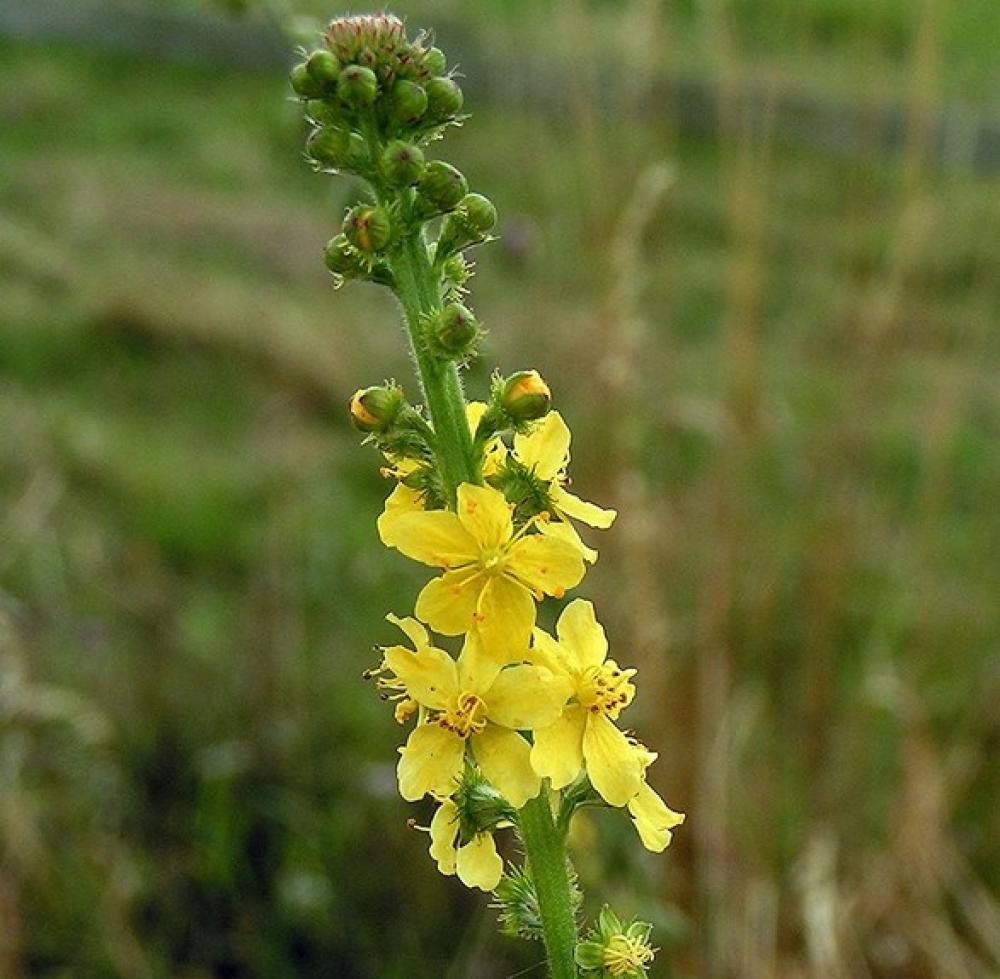
Agrimony
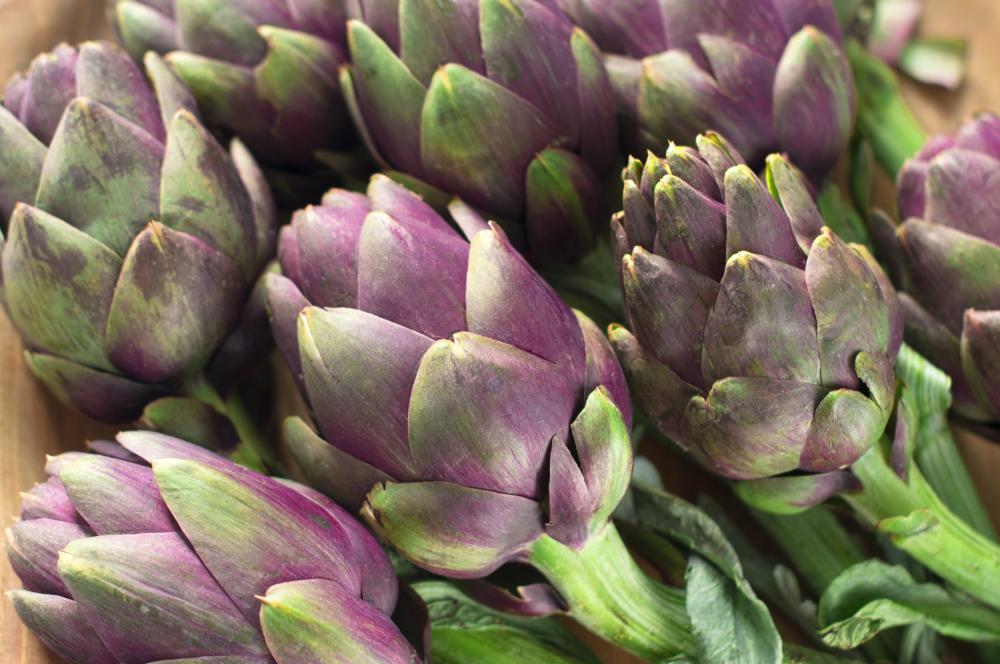
Artichoke
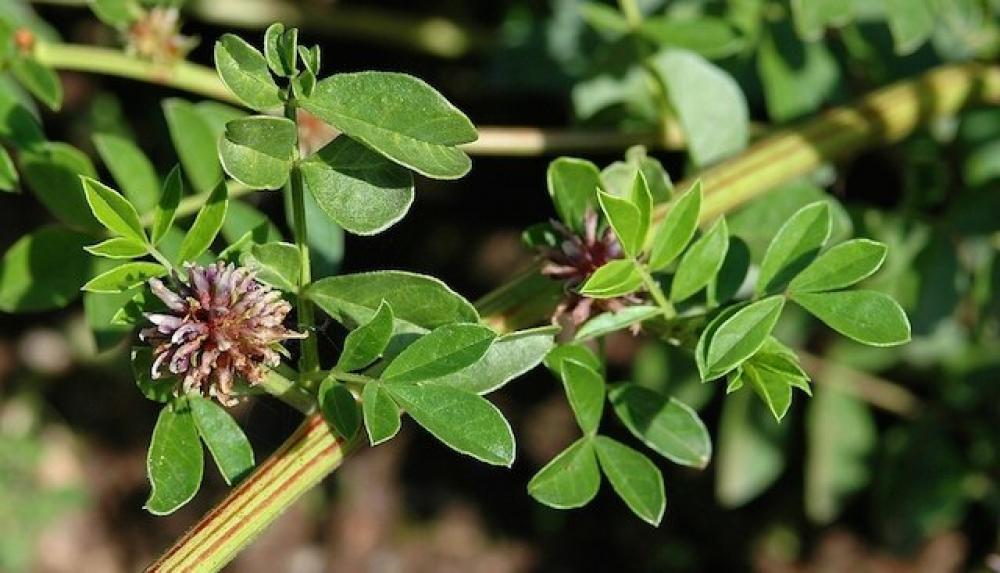
licorice
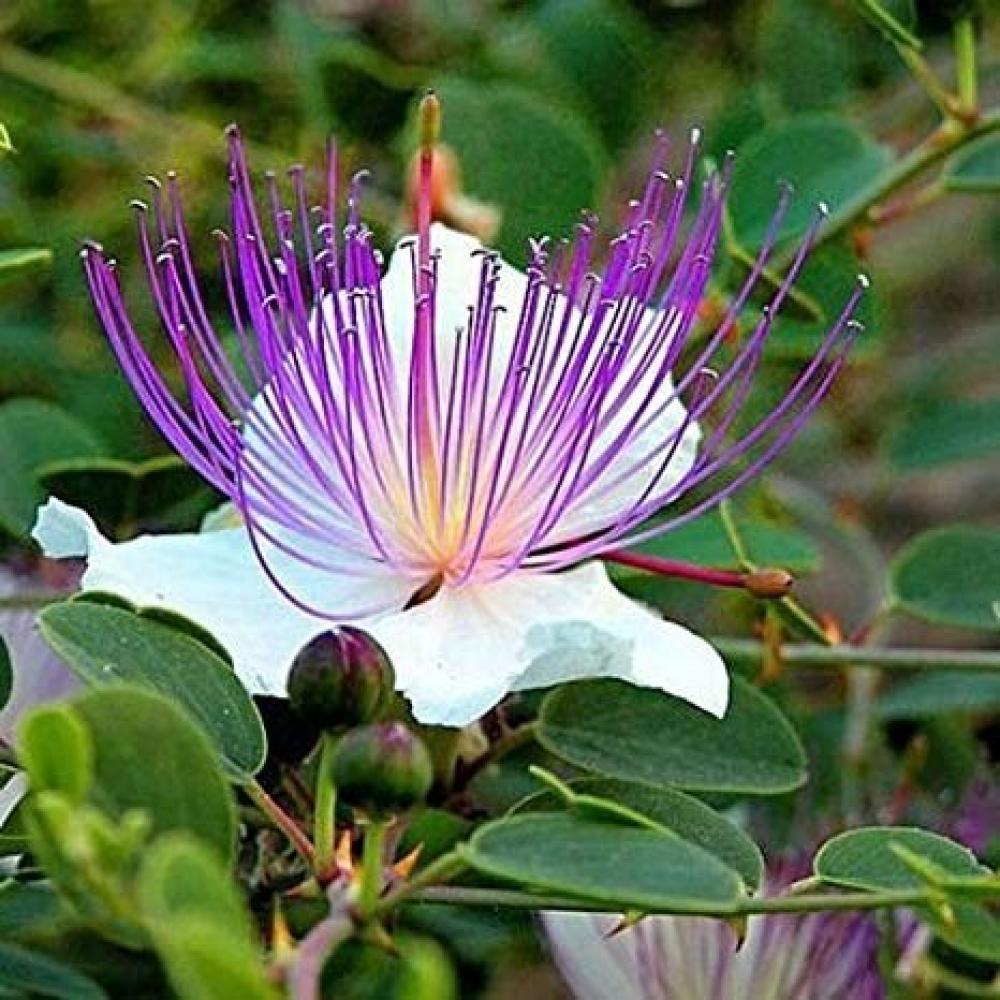
caper
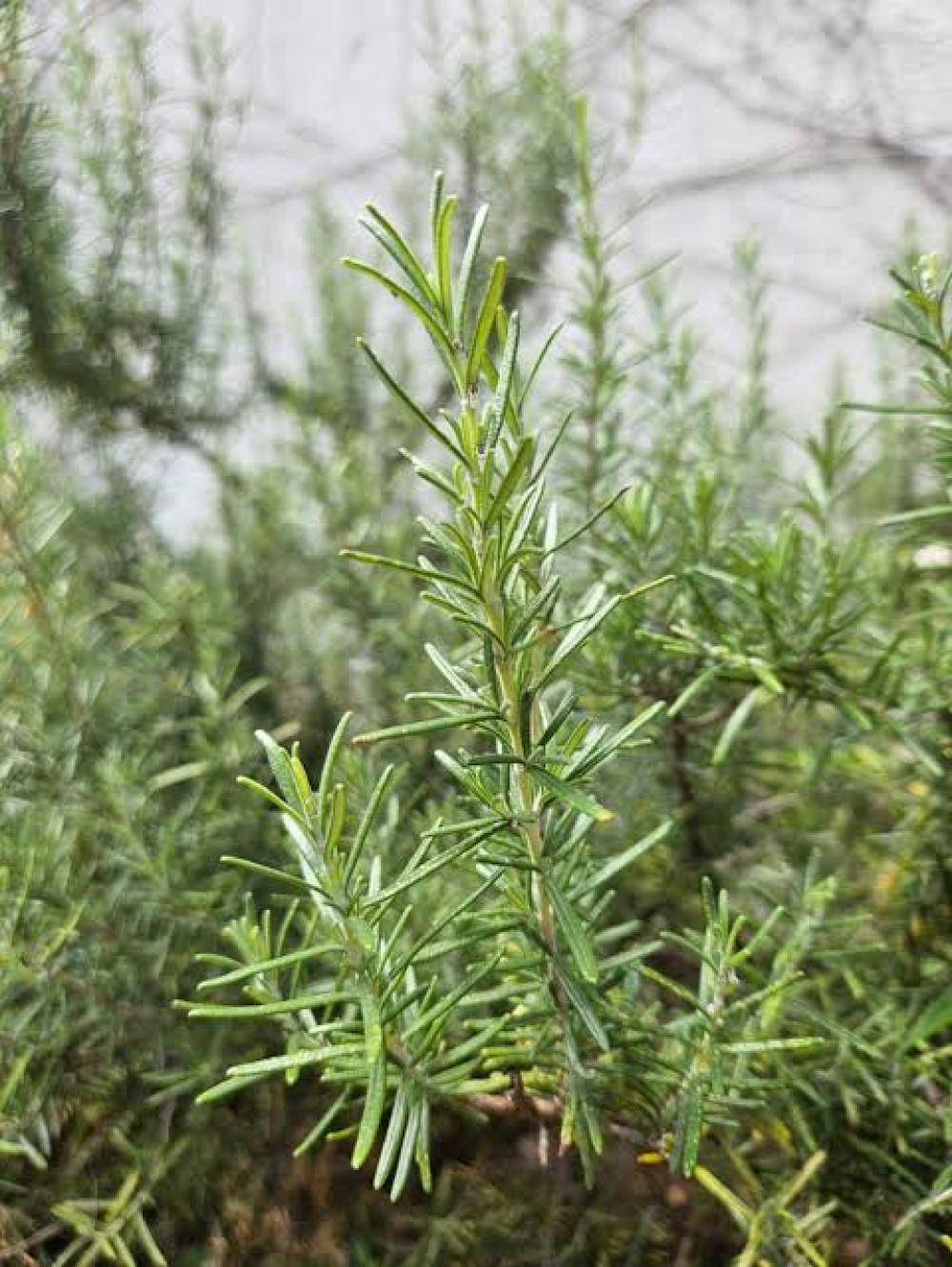
rosemary
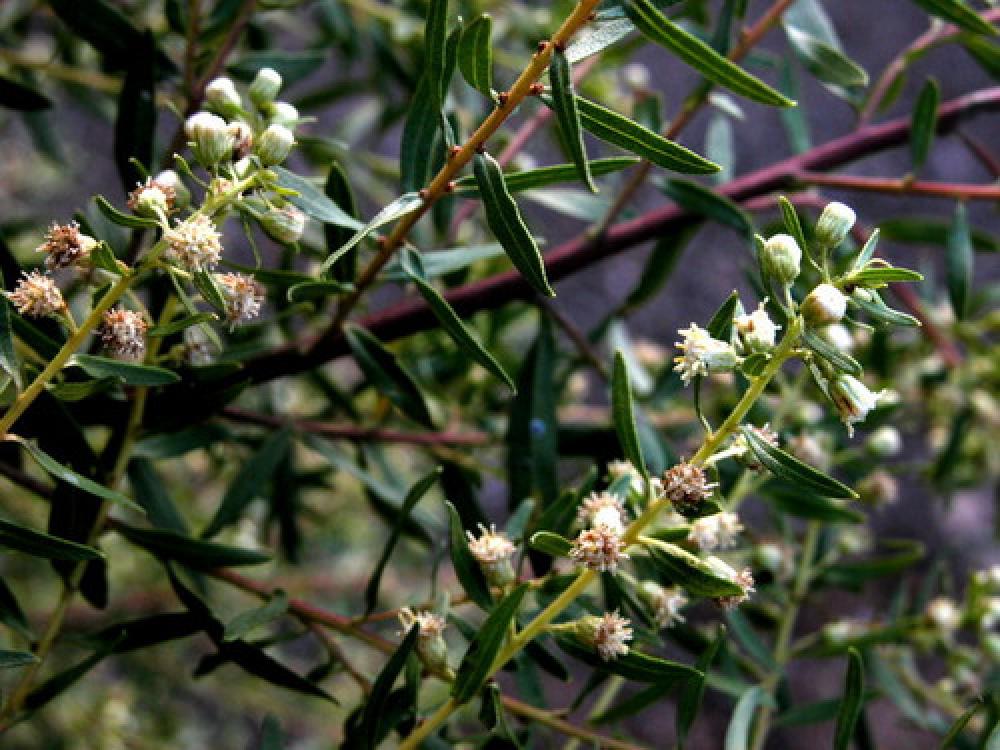
Field Rosemary
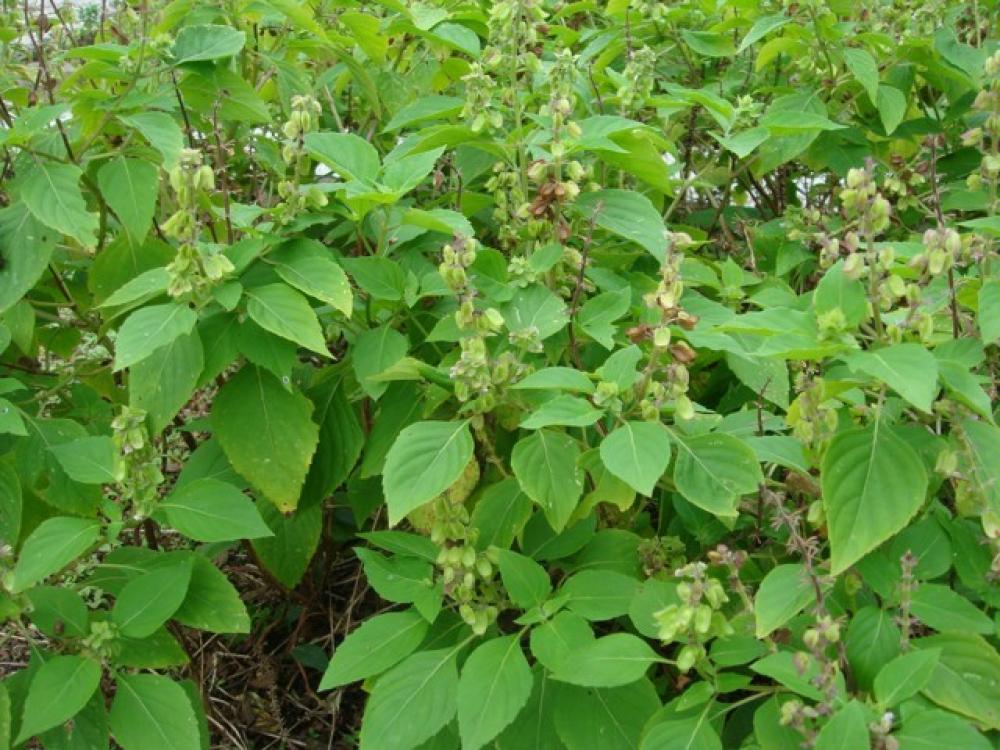
basil
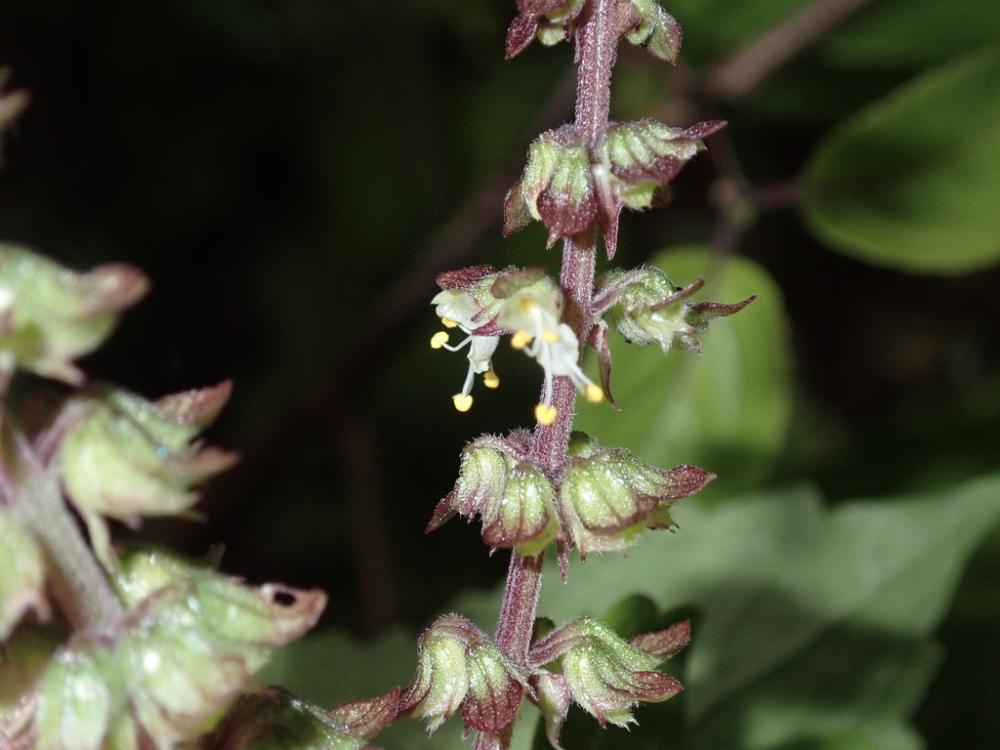
Clove Basil
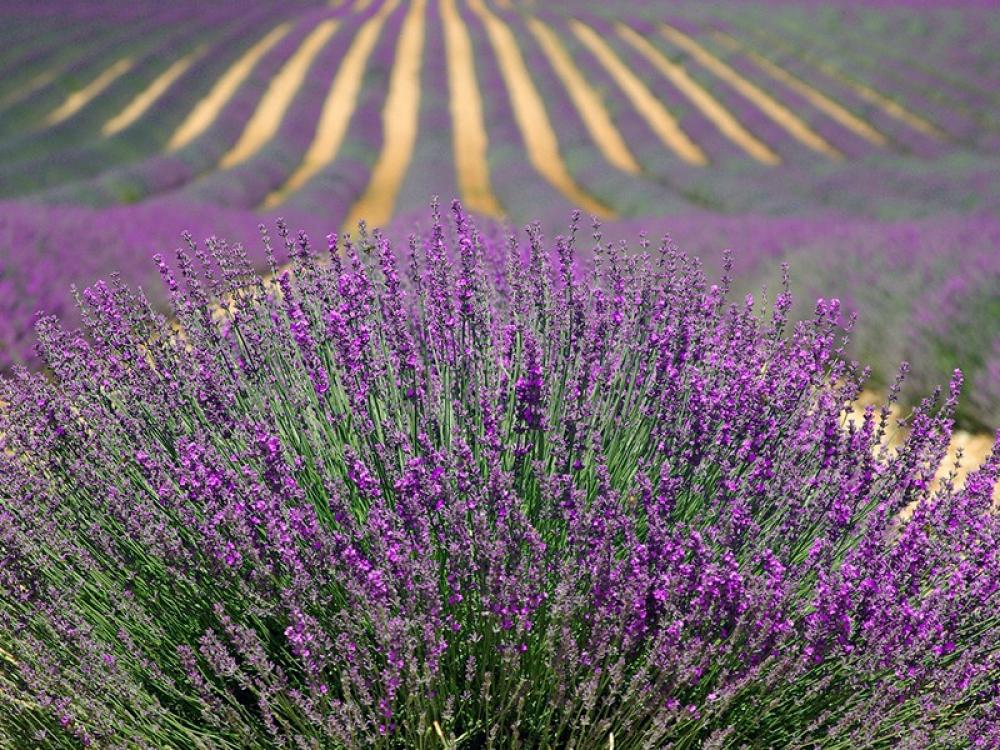
lavender
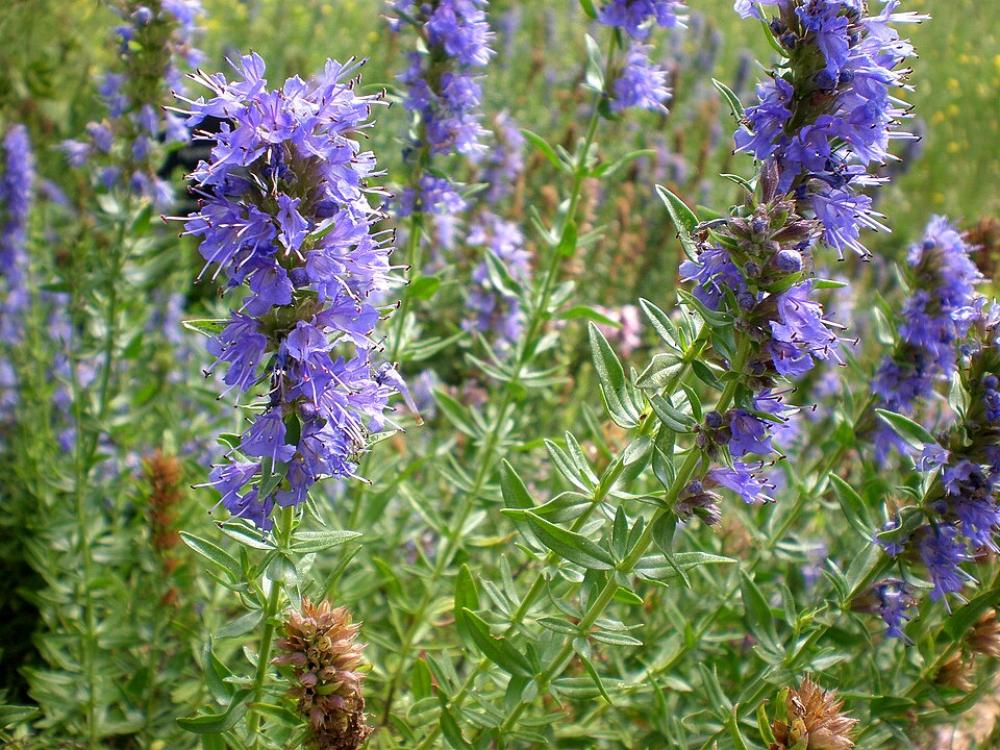
Caboclo Lavender
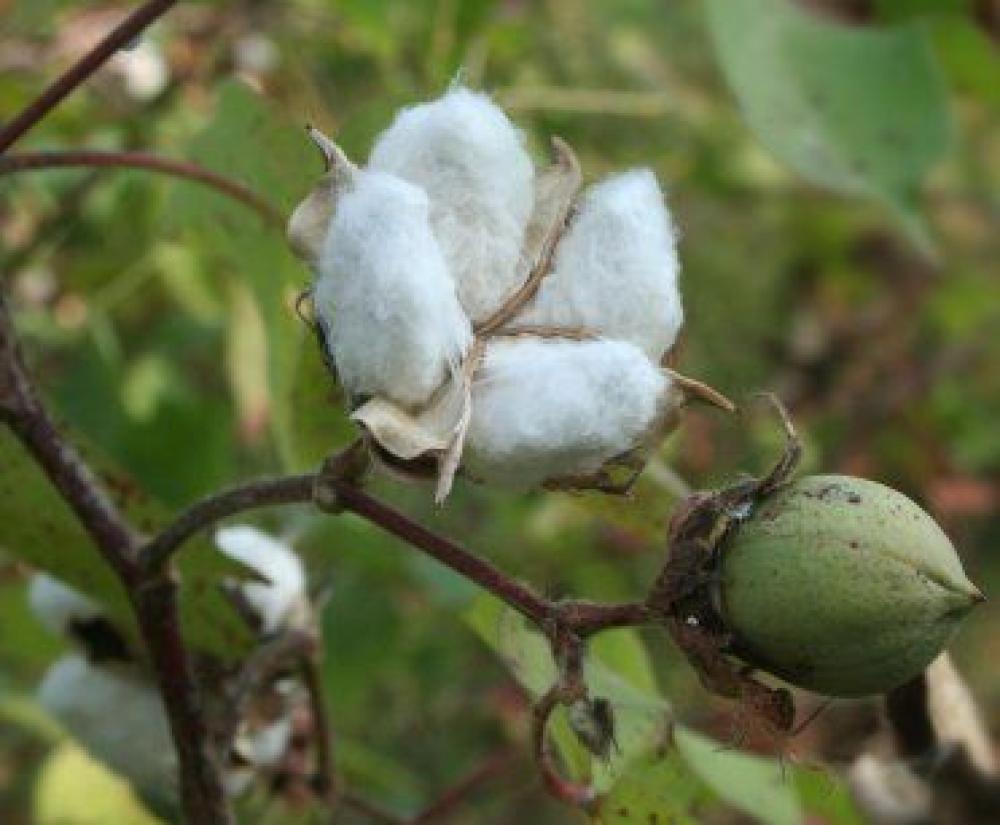
Cotton
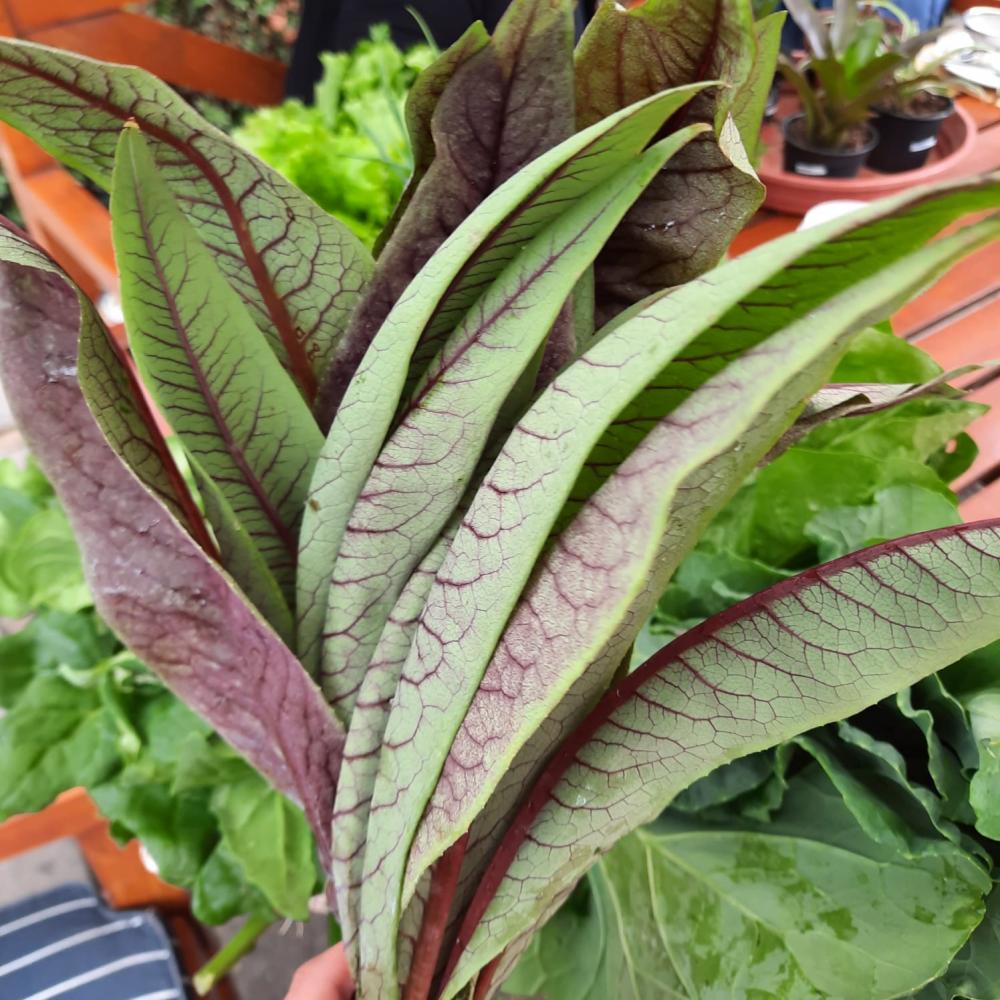
Cafezal Chicory
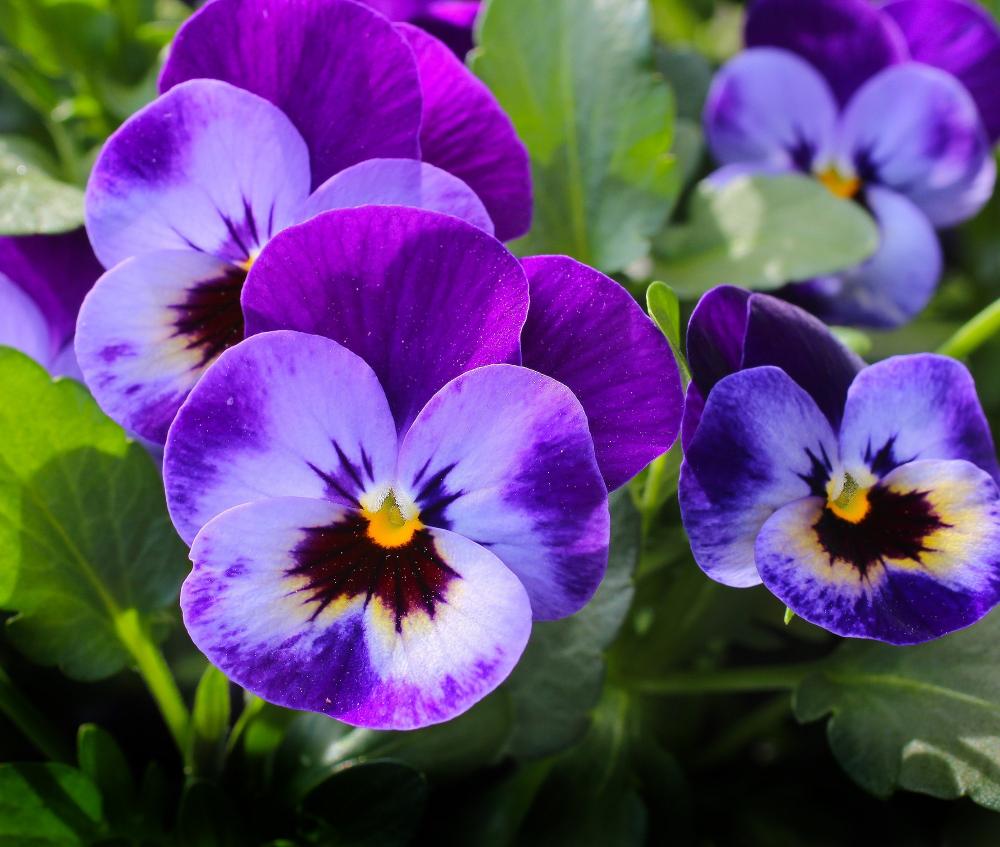
Perfect Love
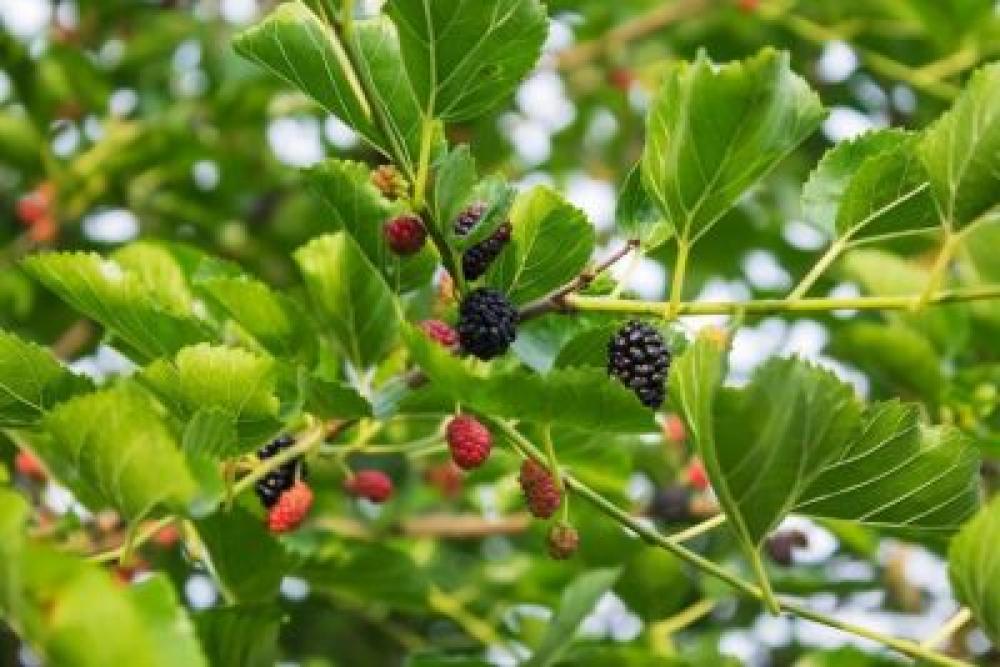
mulberry
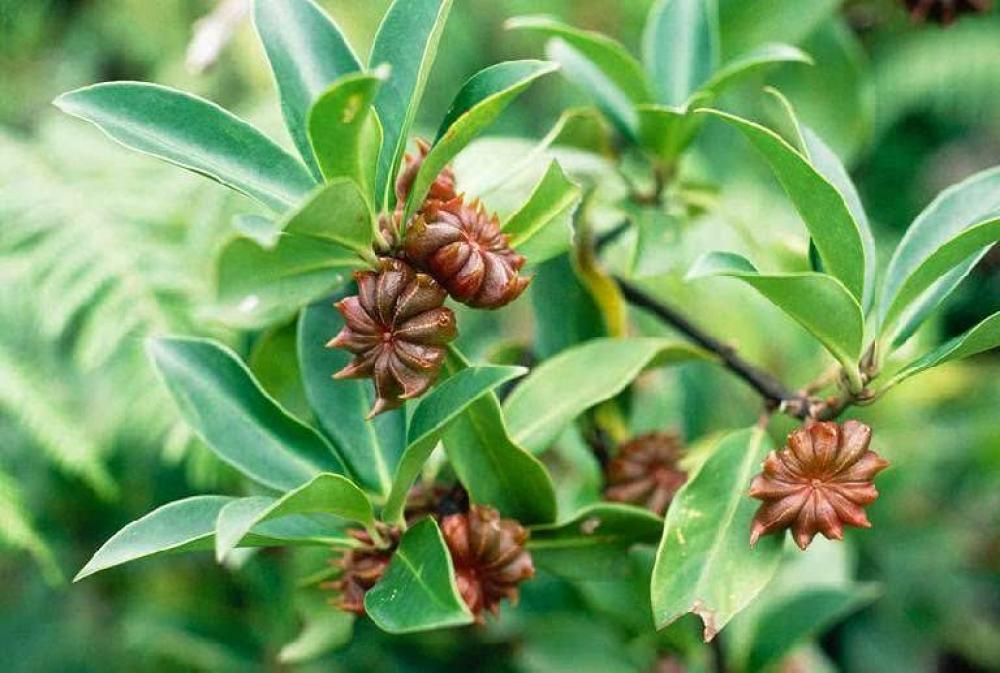
anise
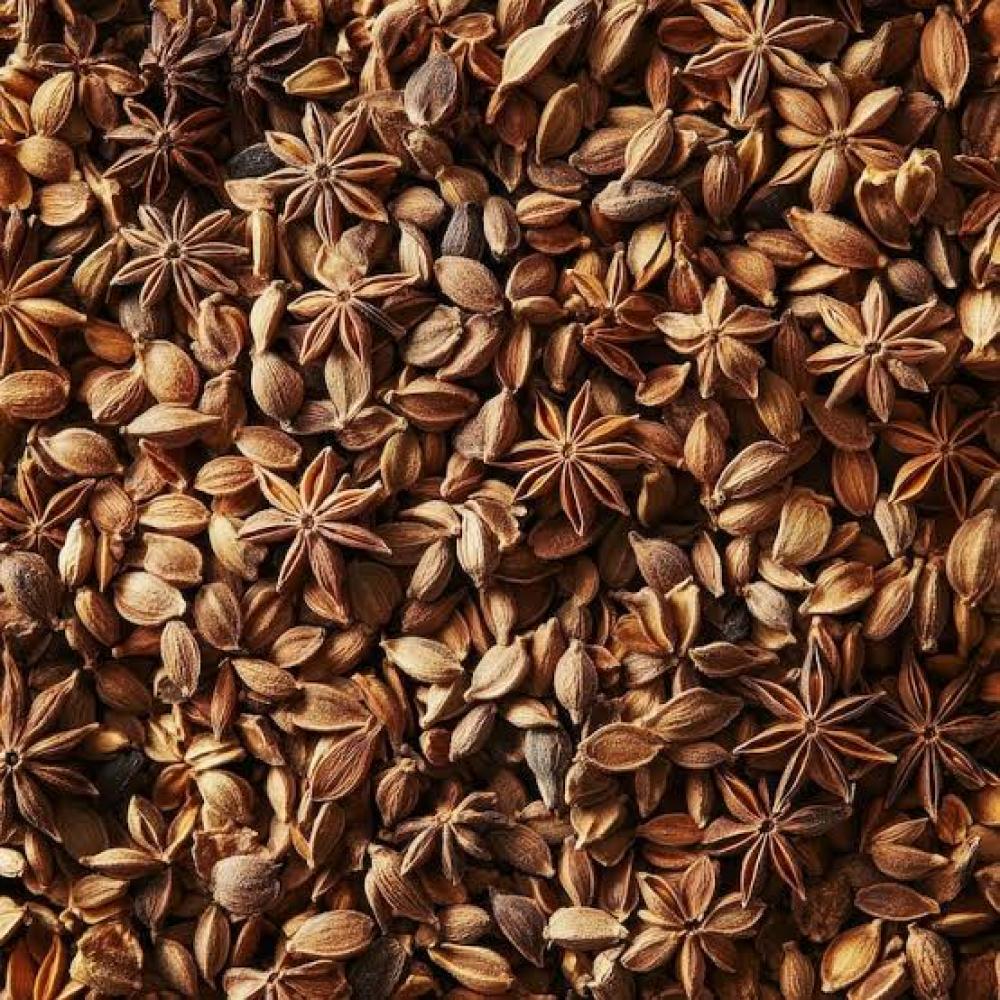
Star anise - Seeds
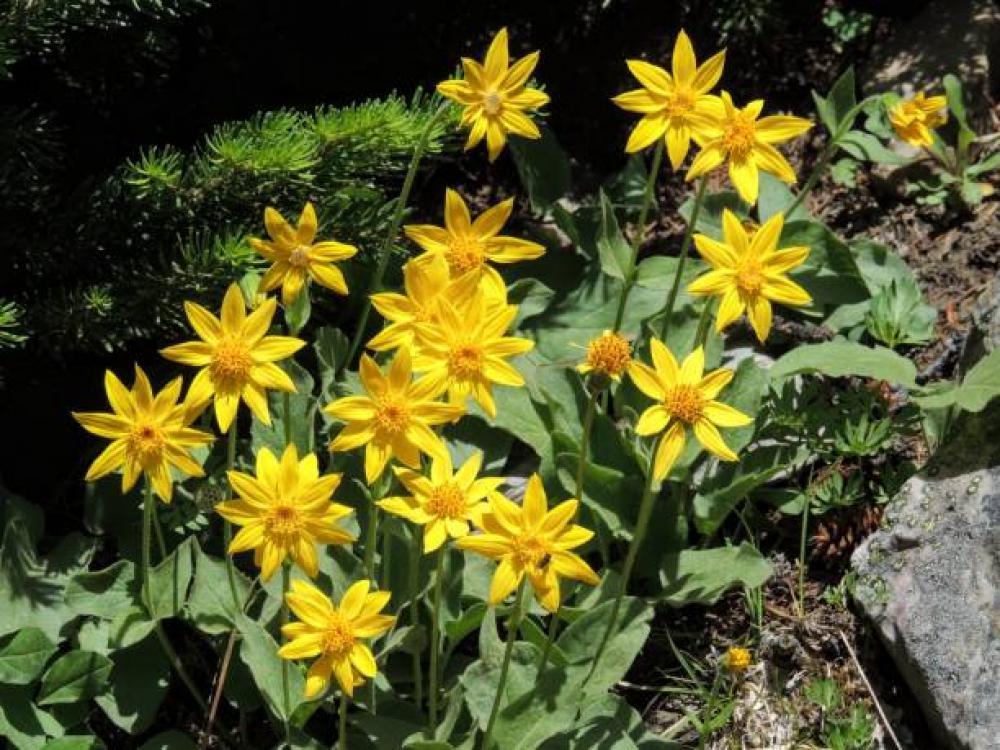
Arnica
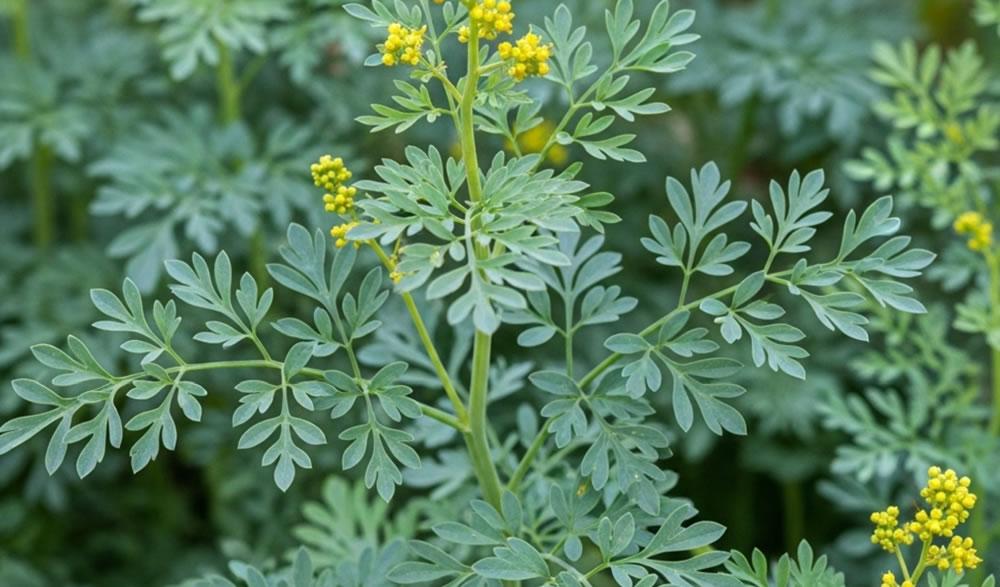
Rue
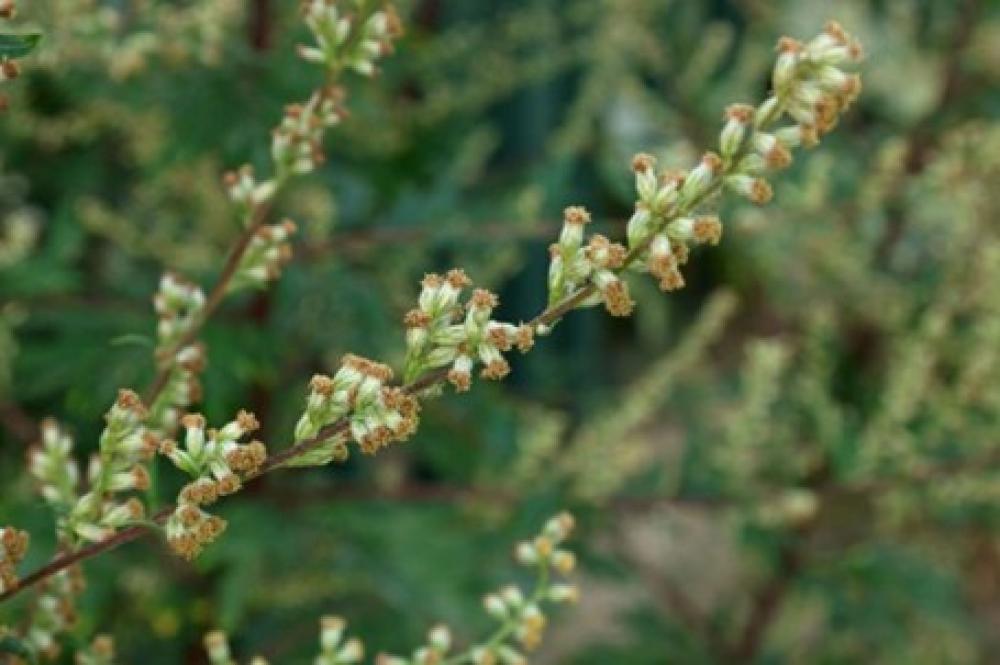
Artemisia
maidenhair fern
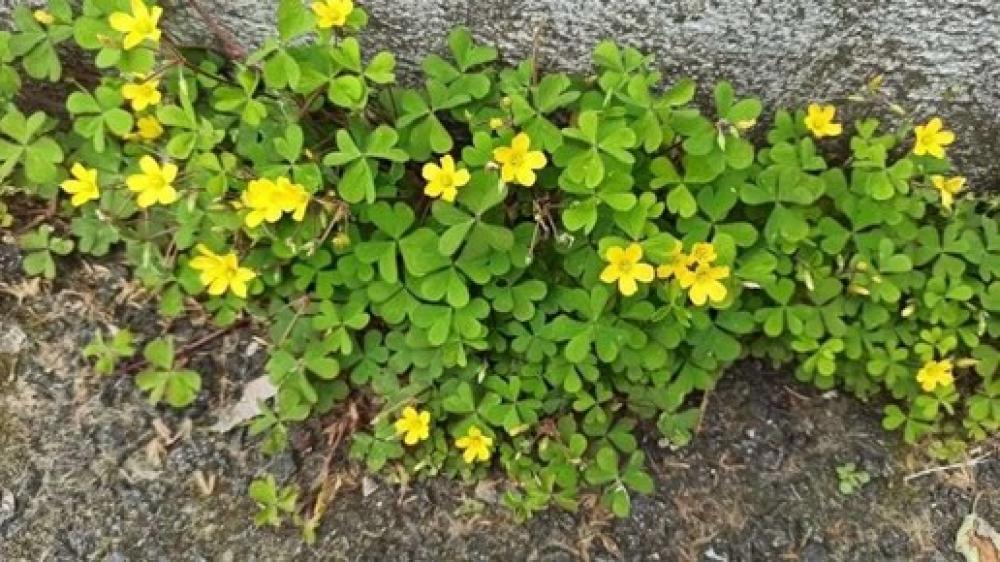
sourish
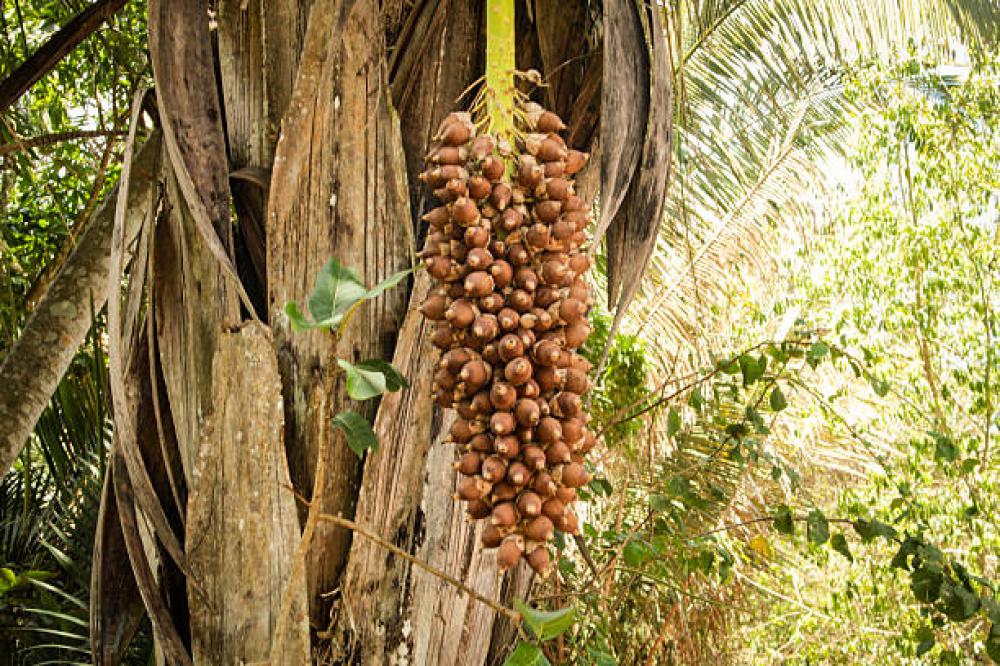
babassu
aloe vera
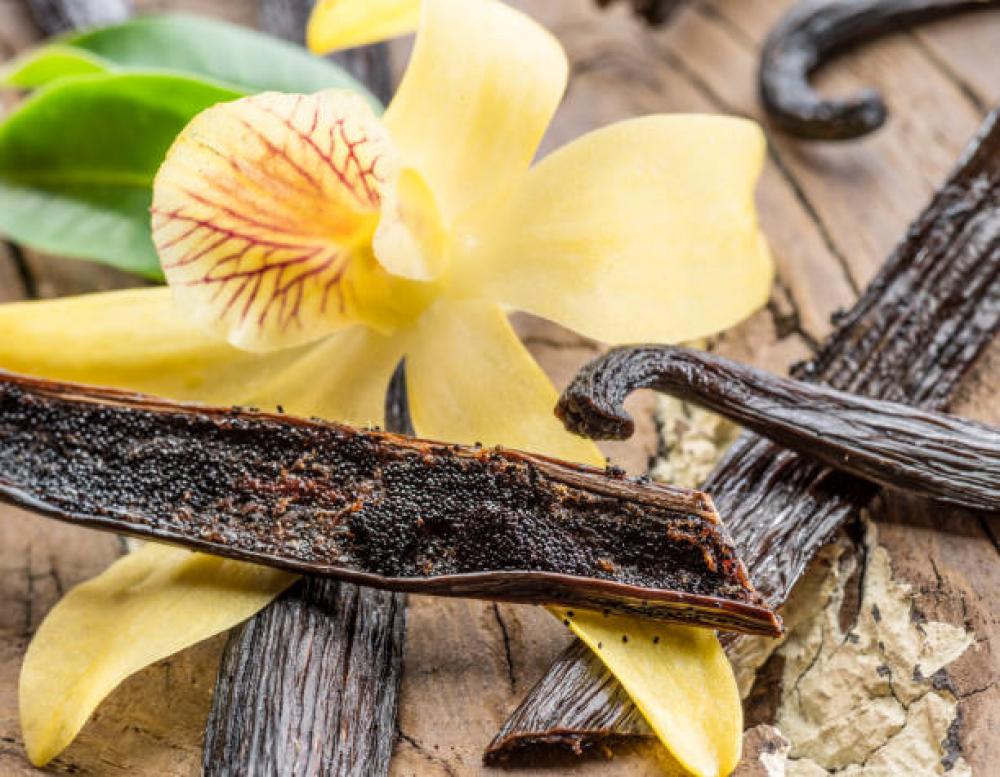
vanilla
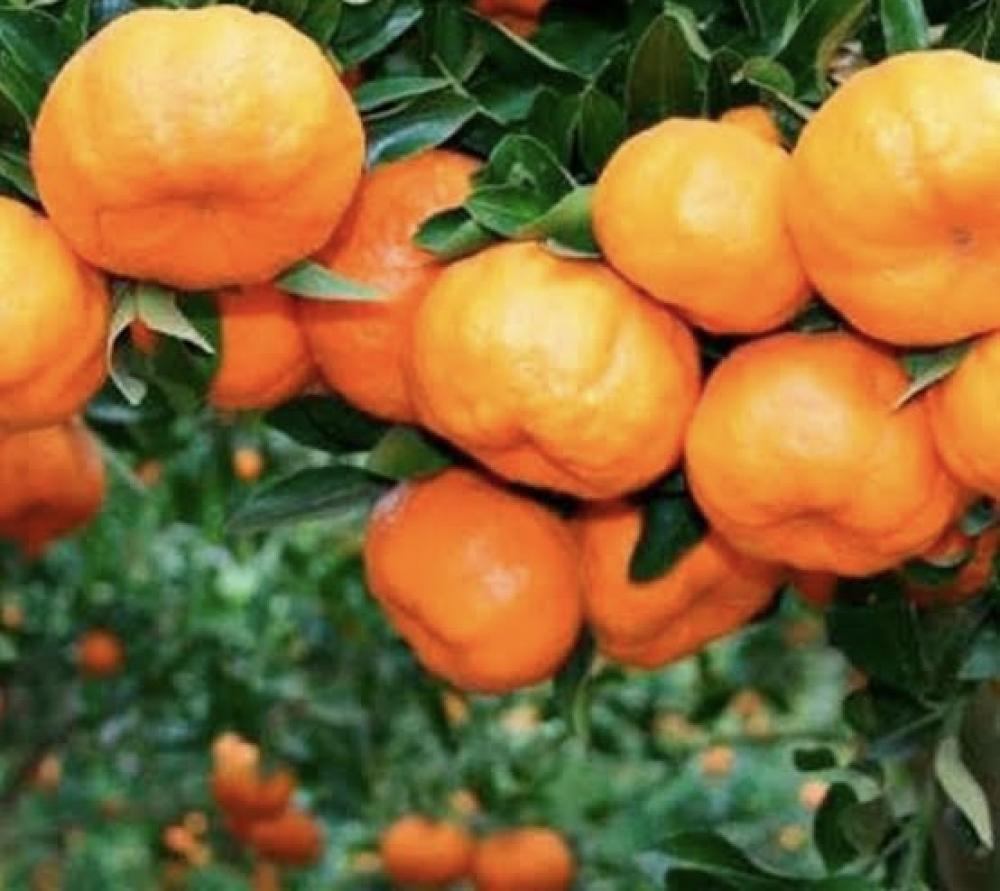
Bergamot
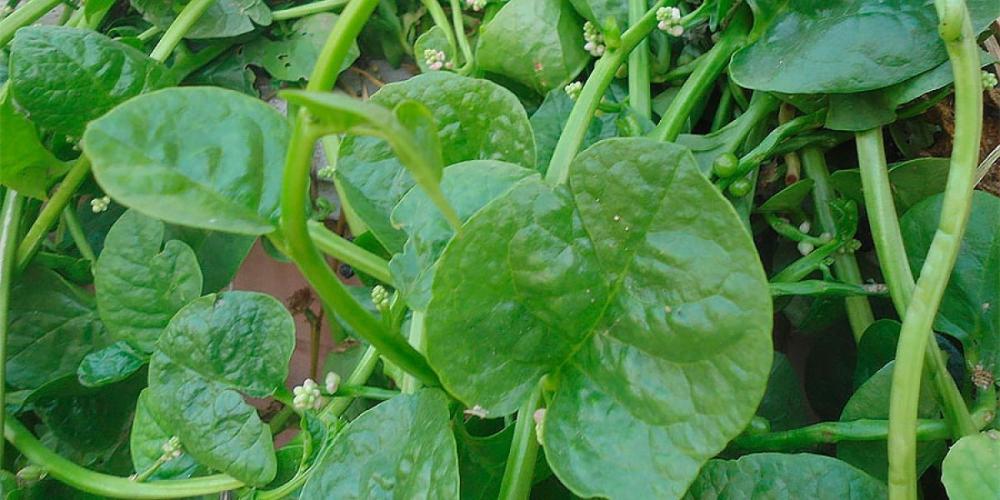
Malabar spinach
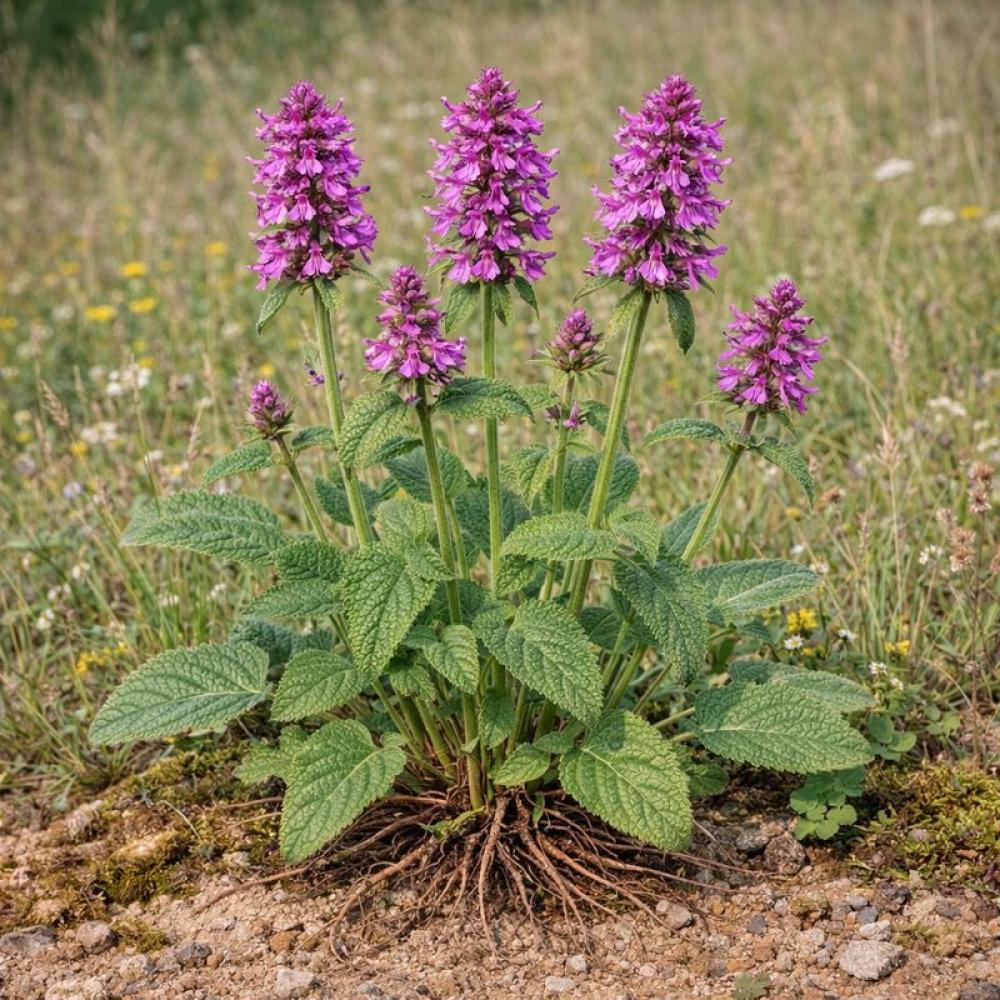
betony
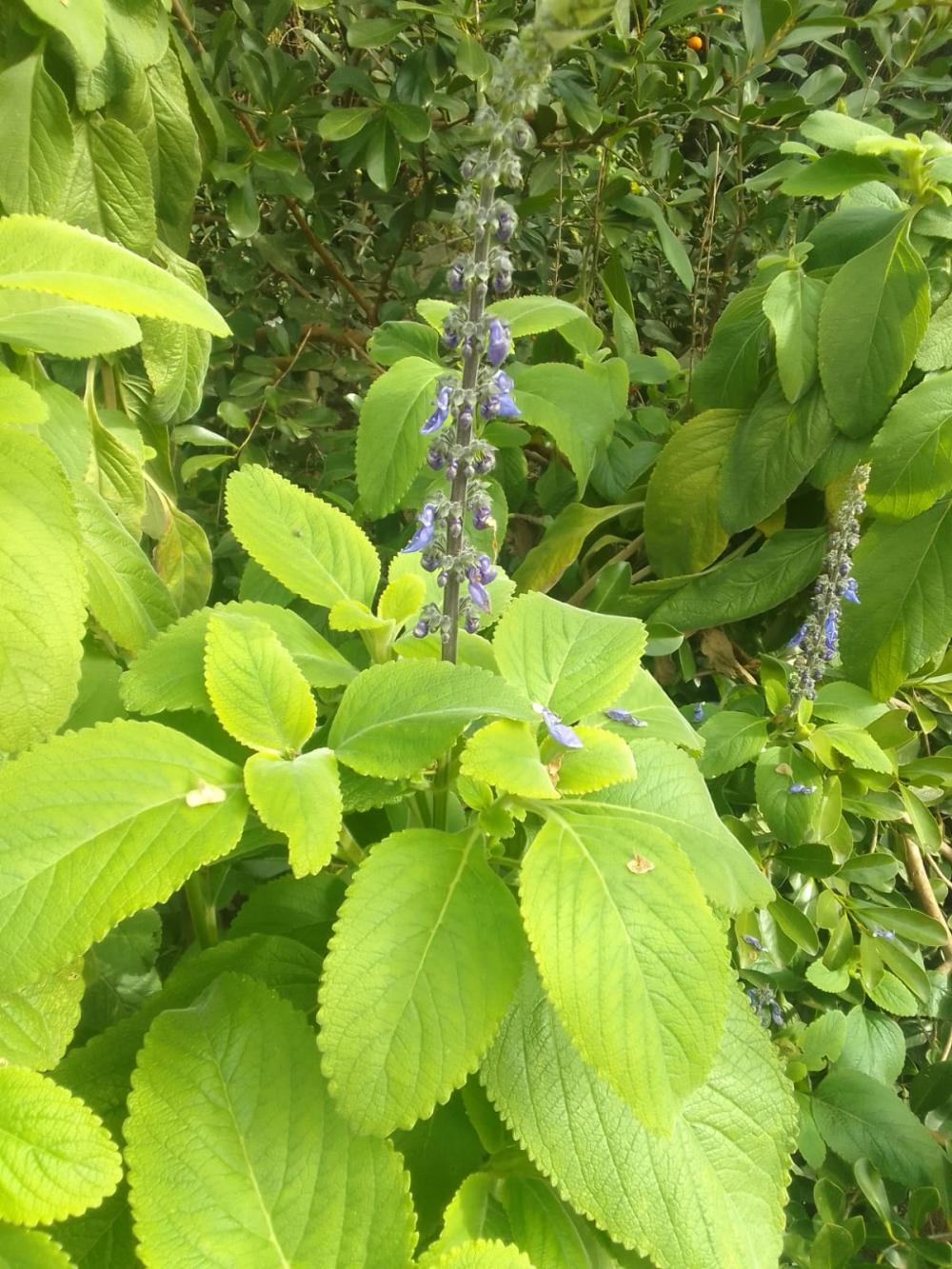
Boldo
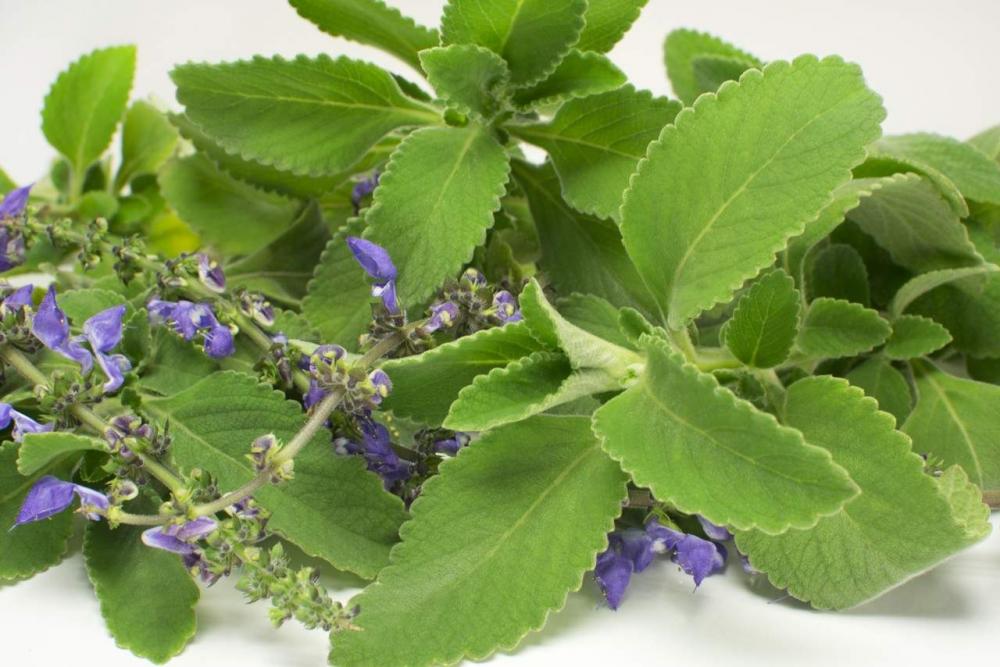
Chilean boldo
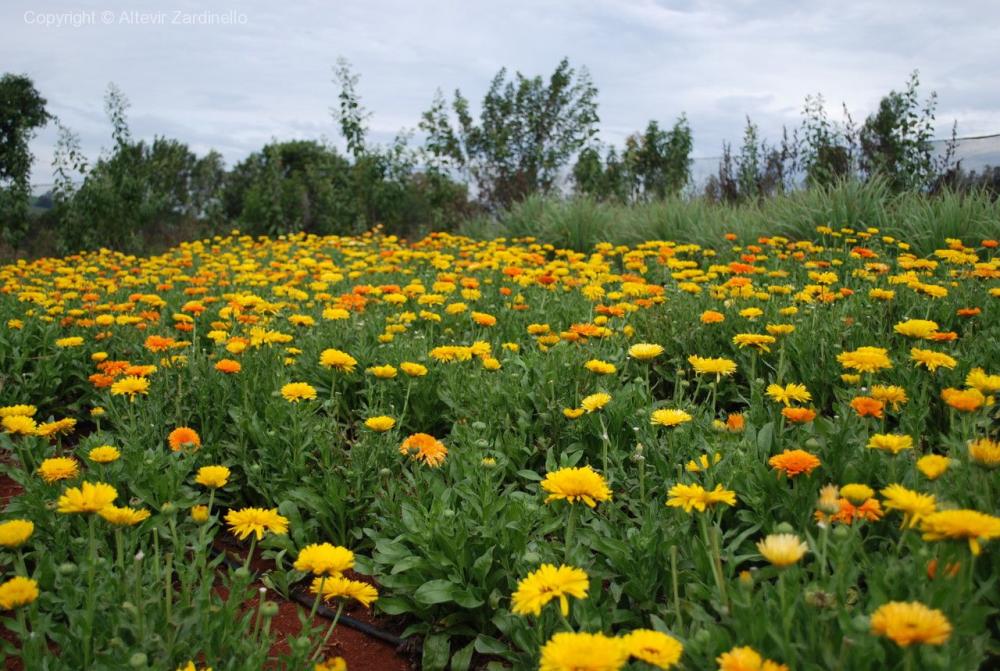
Calêndula
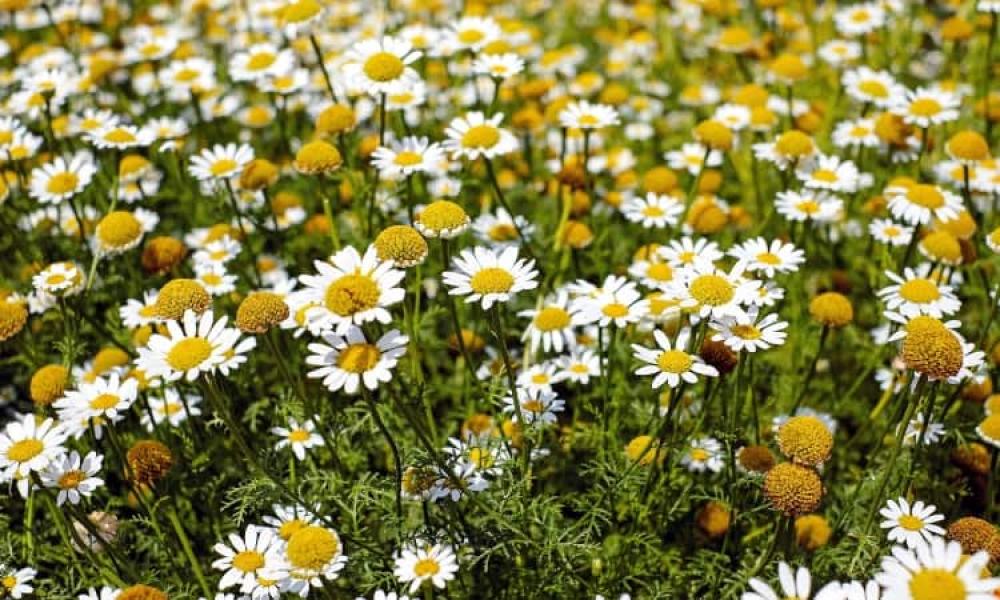
Chamomile
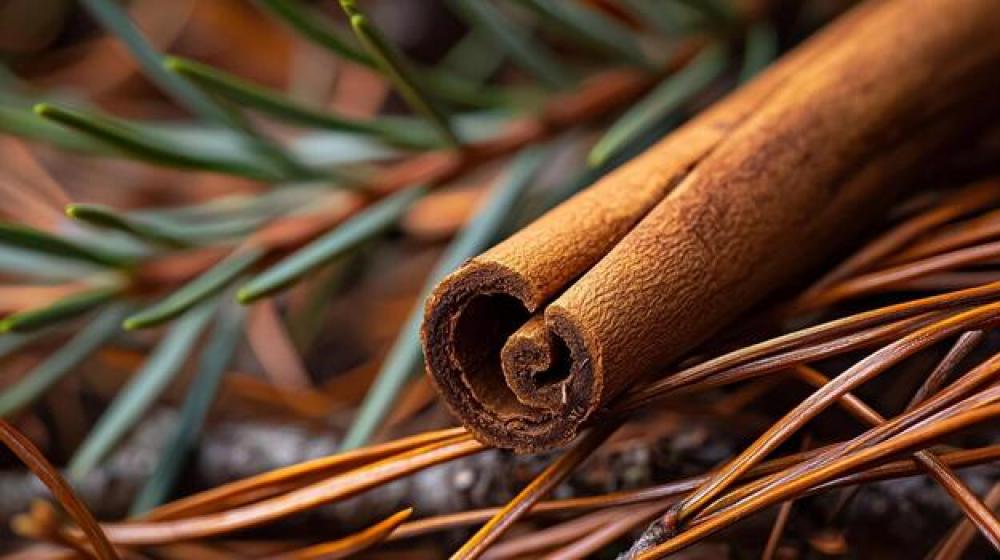
cinnamon
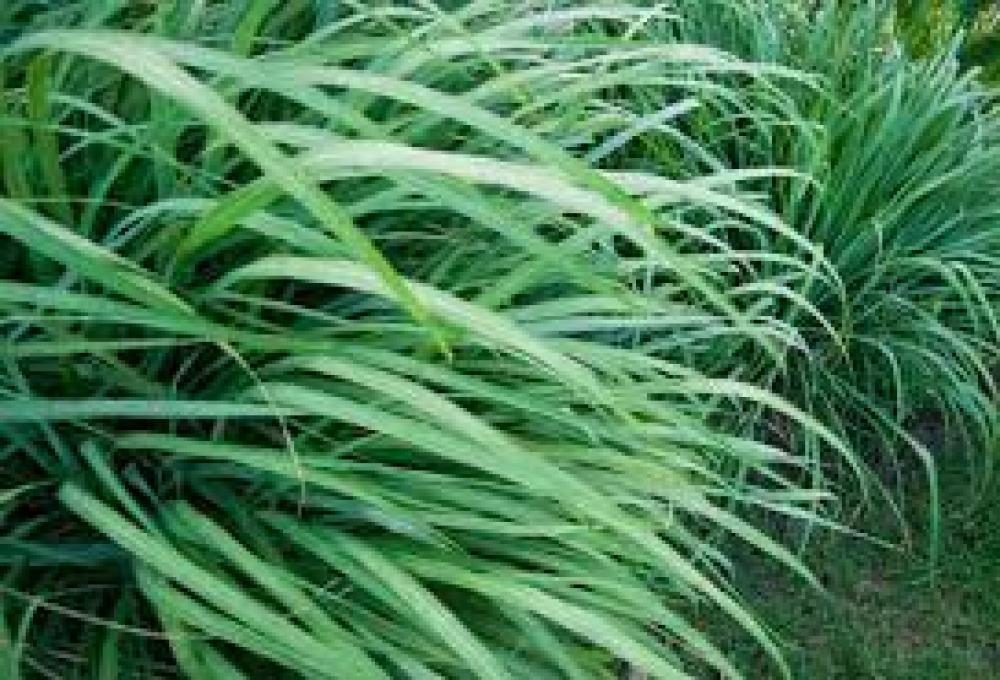
Scented Grass - Lemongrass
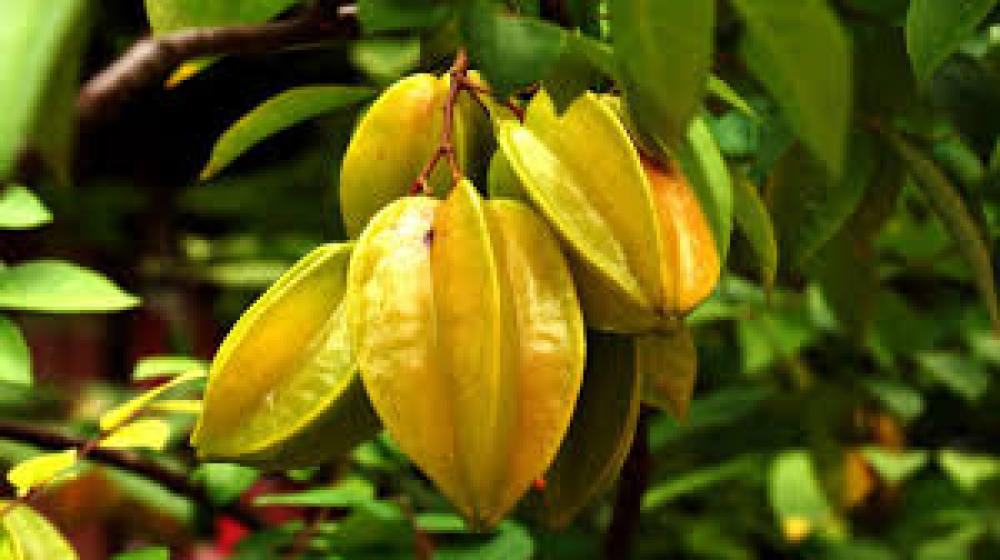
starfruit
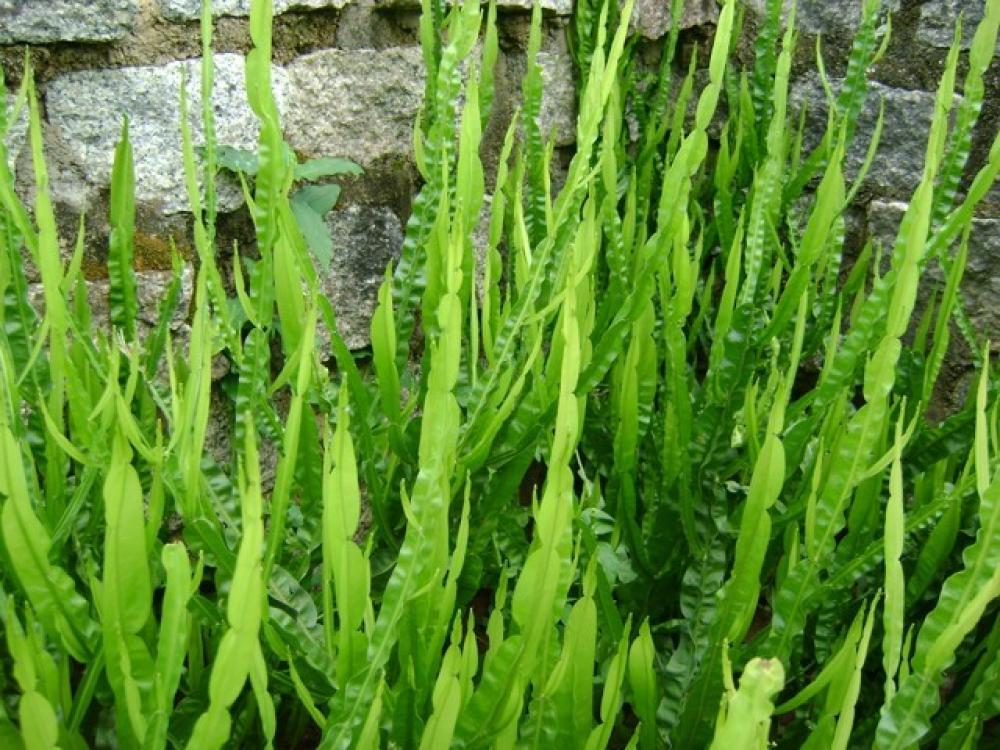
Carqueja
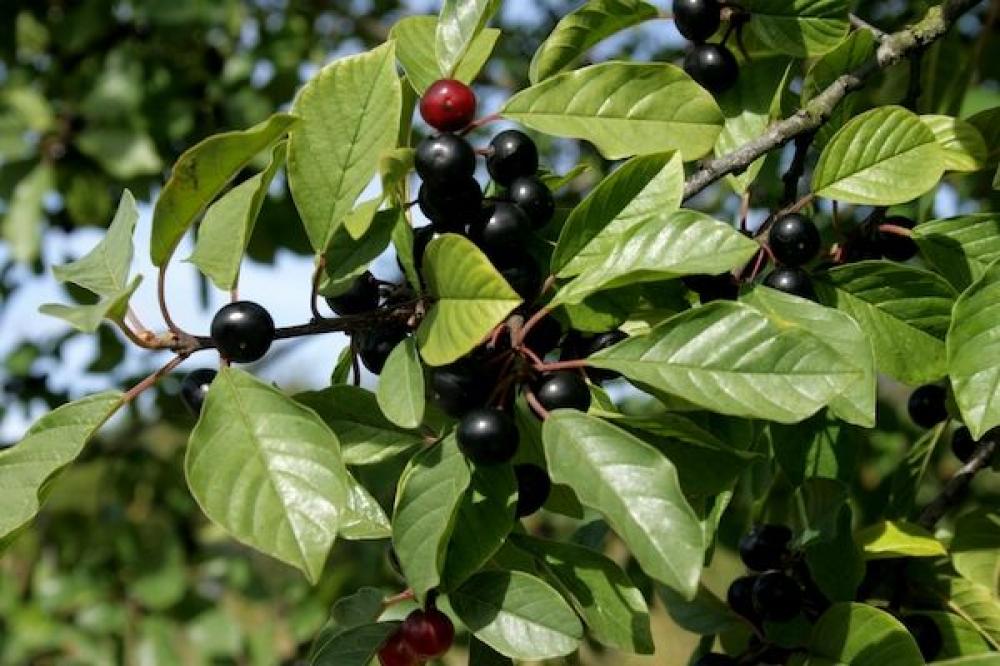
sacred waterfall
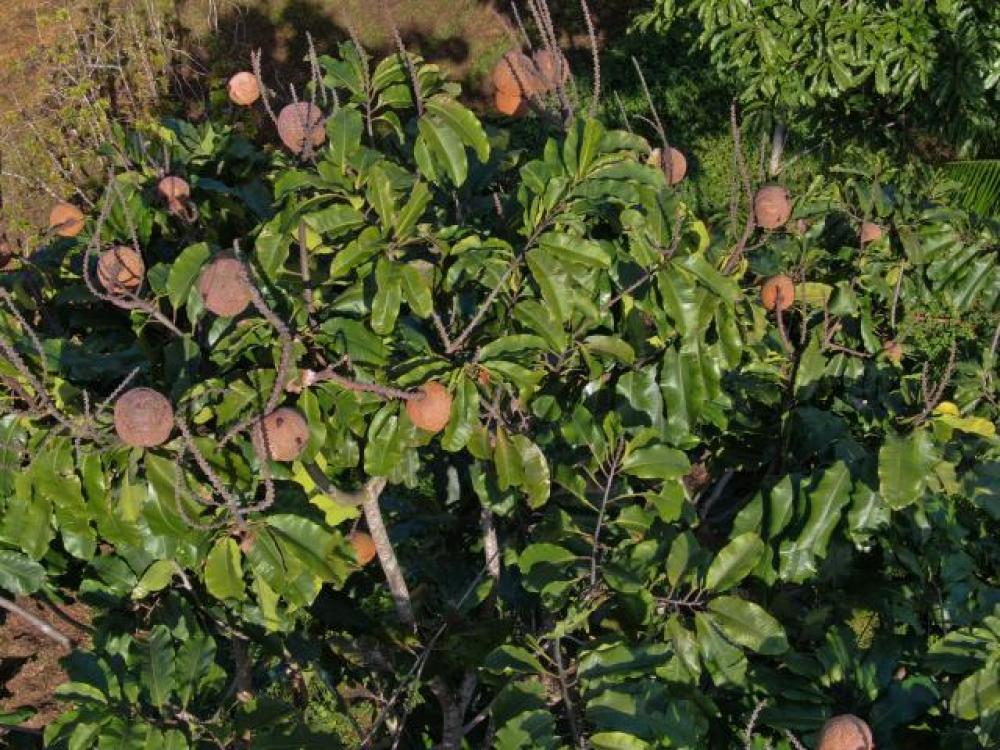
chestnut tree
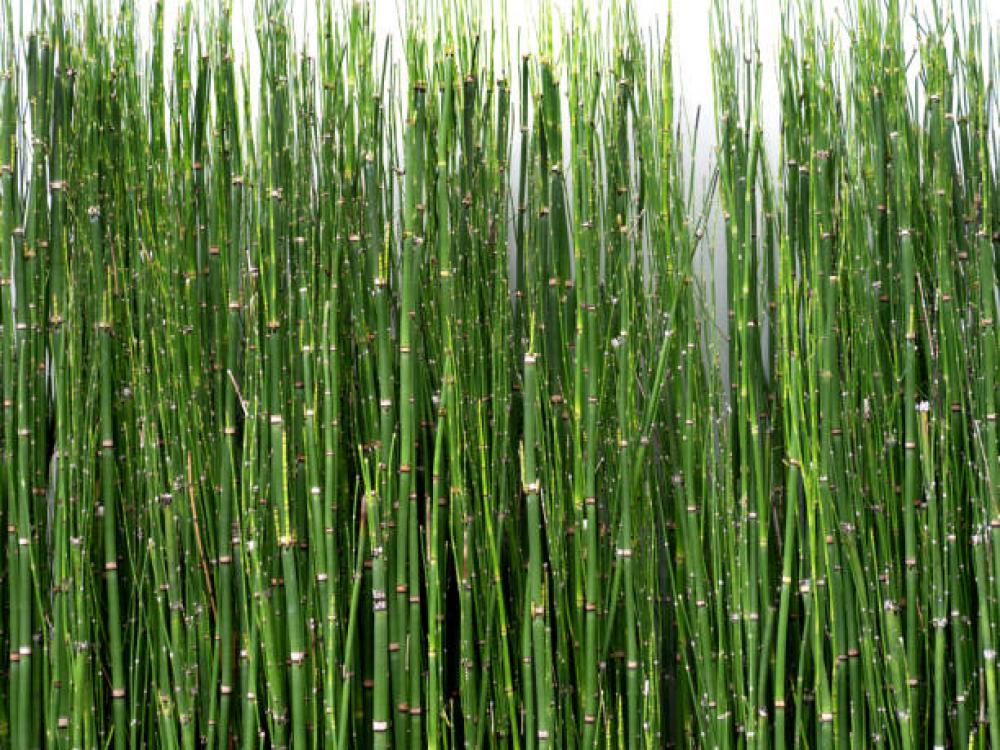
horsetail

cherry
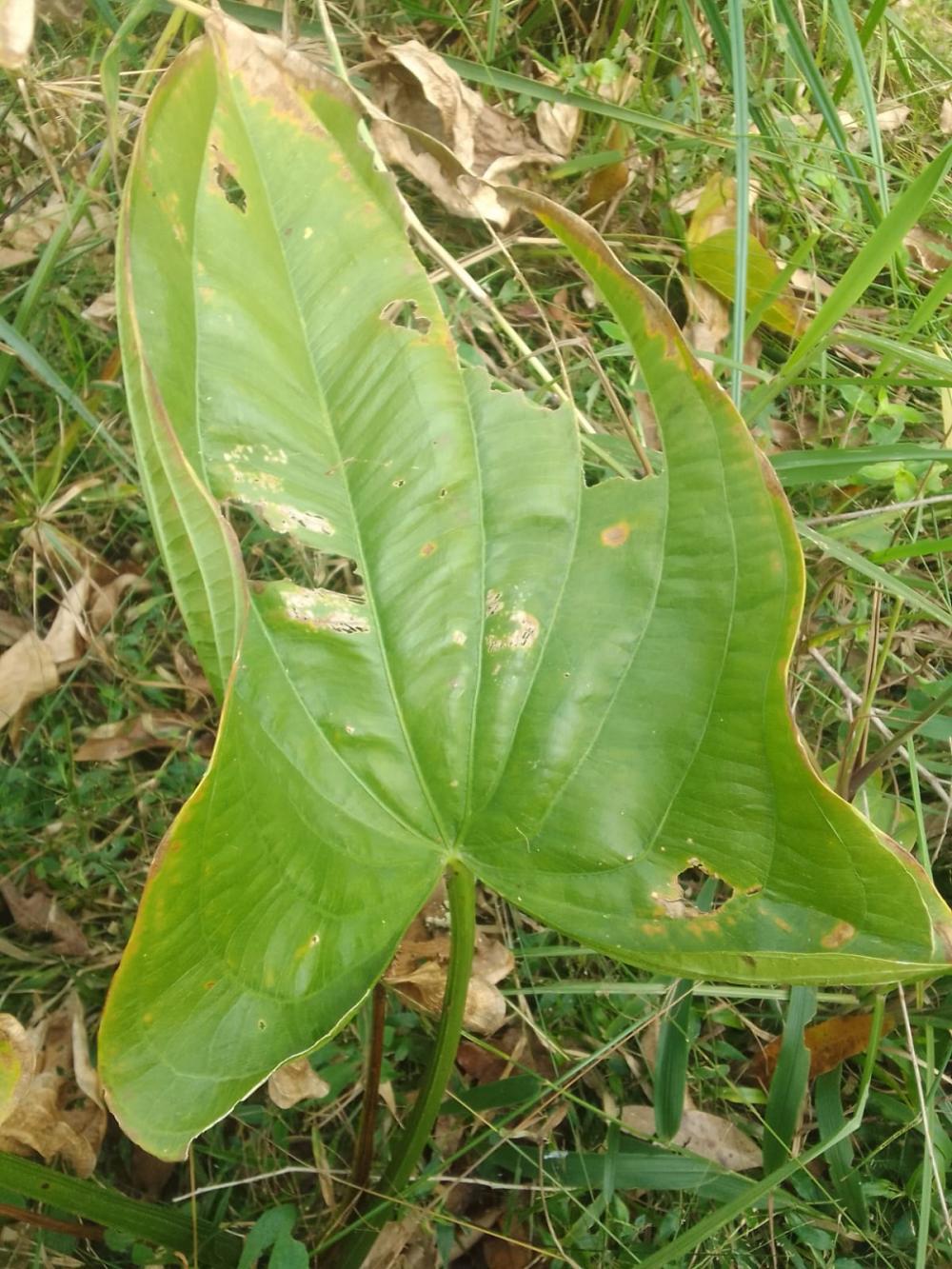
Leather Hat
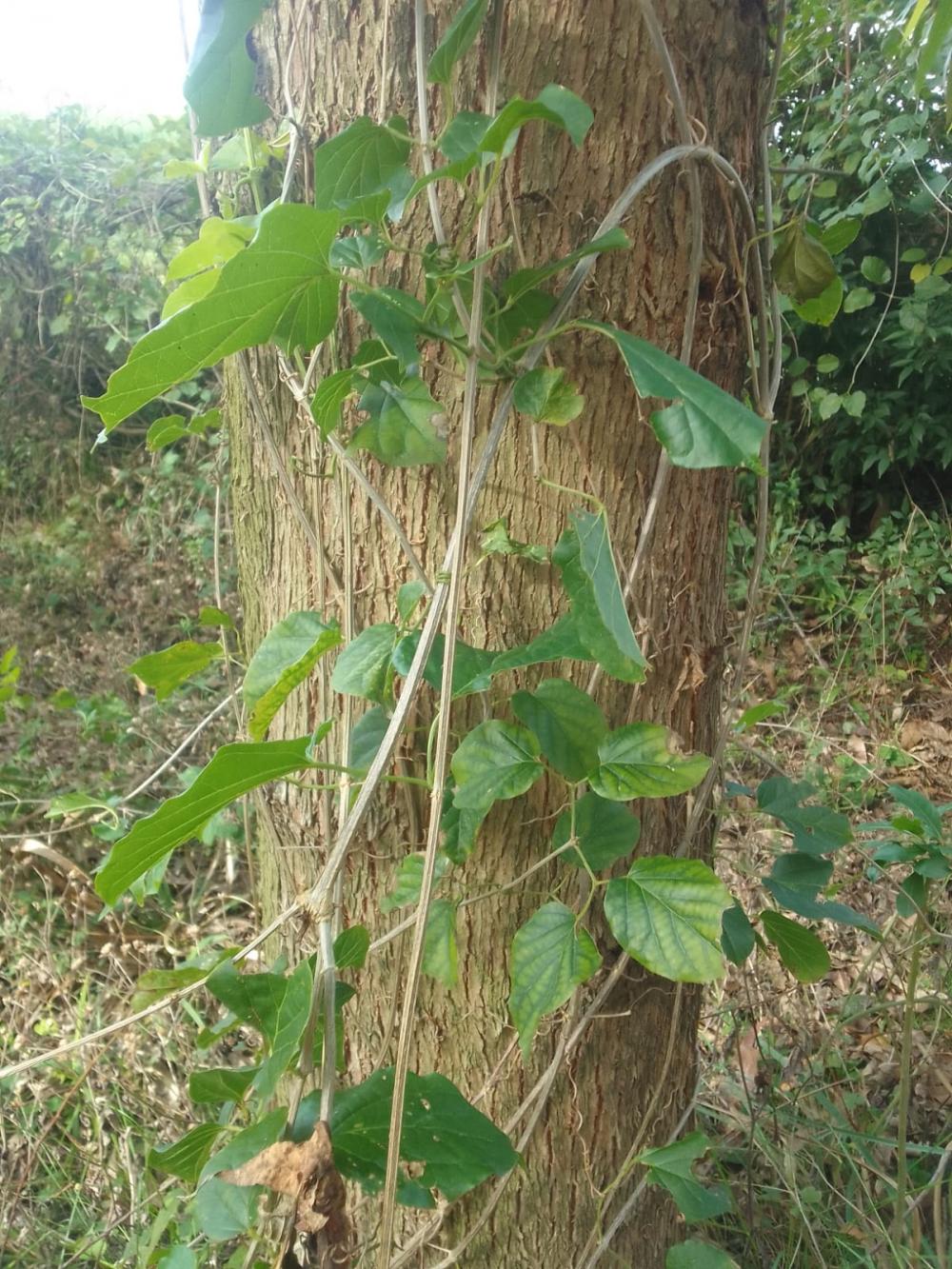
St. Johns Vine
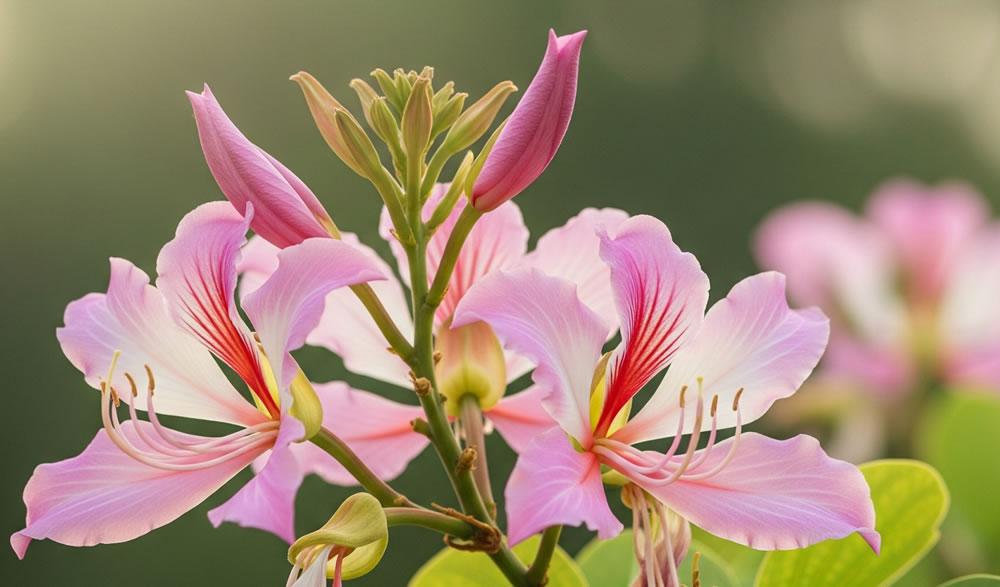
Cows foot vine
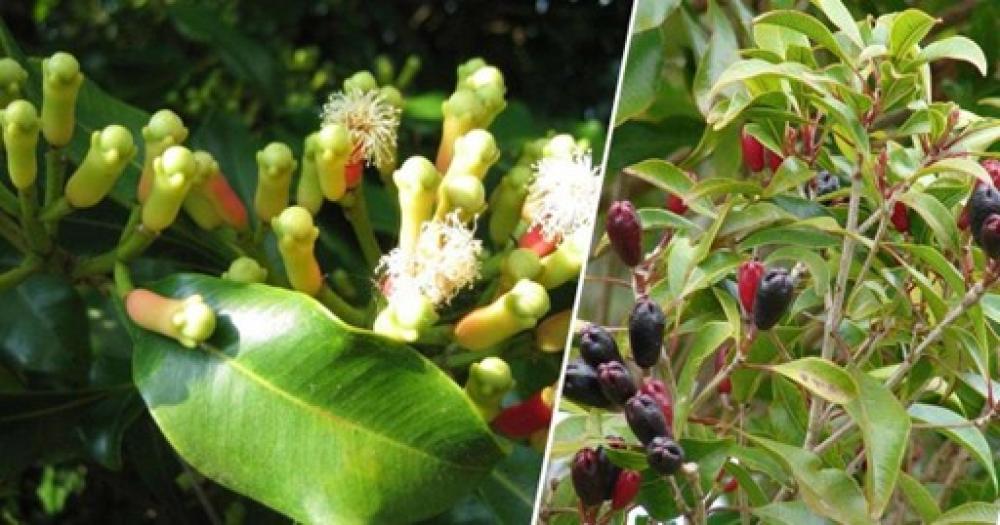
clove
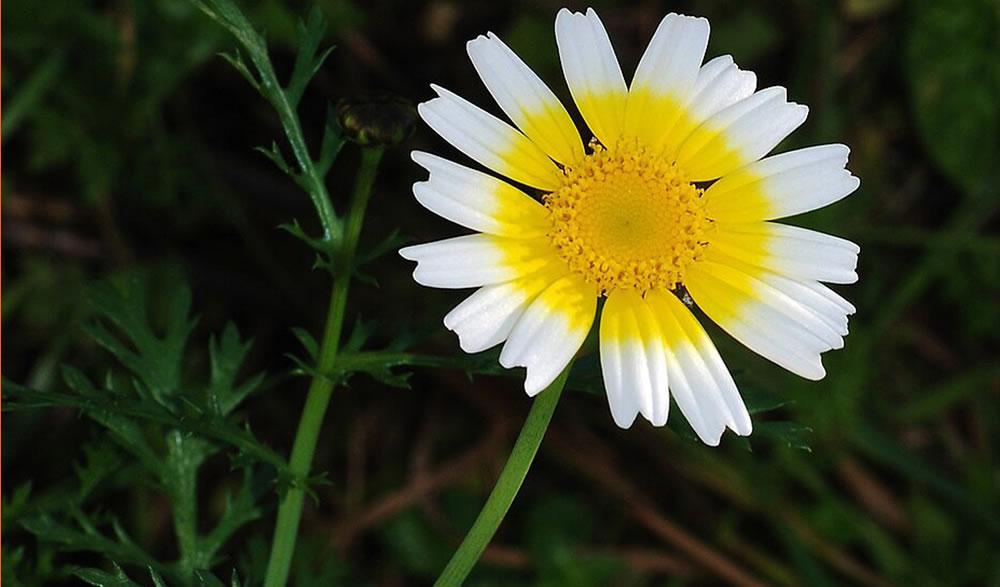
Chrysanthemum
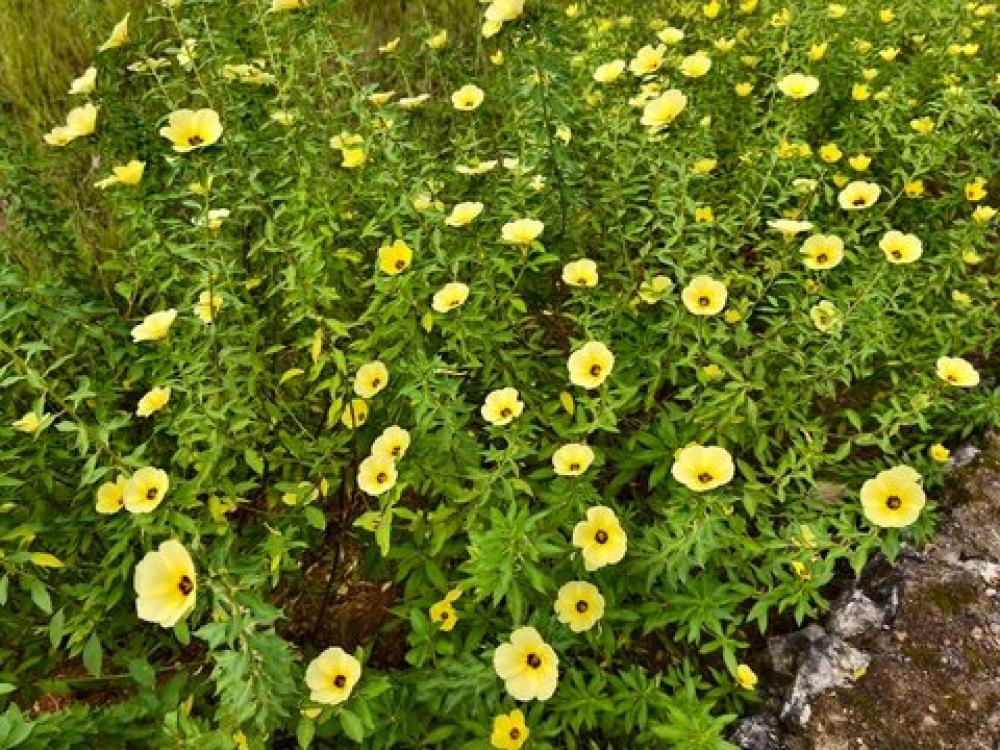
Damiana
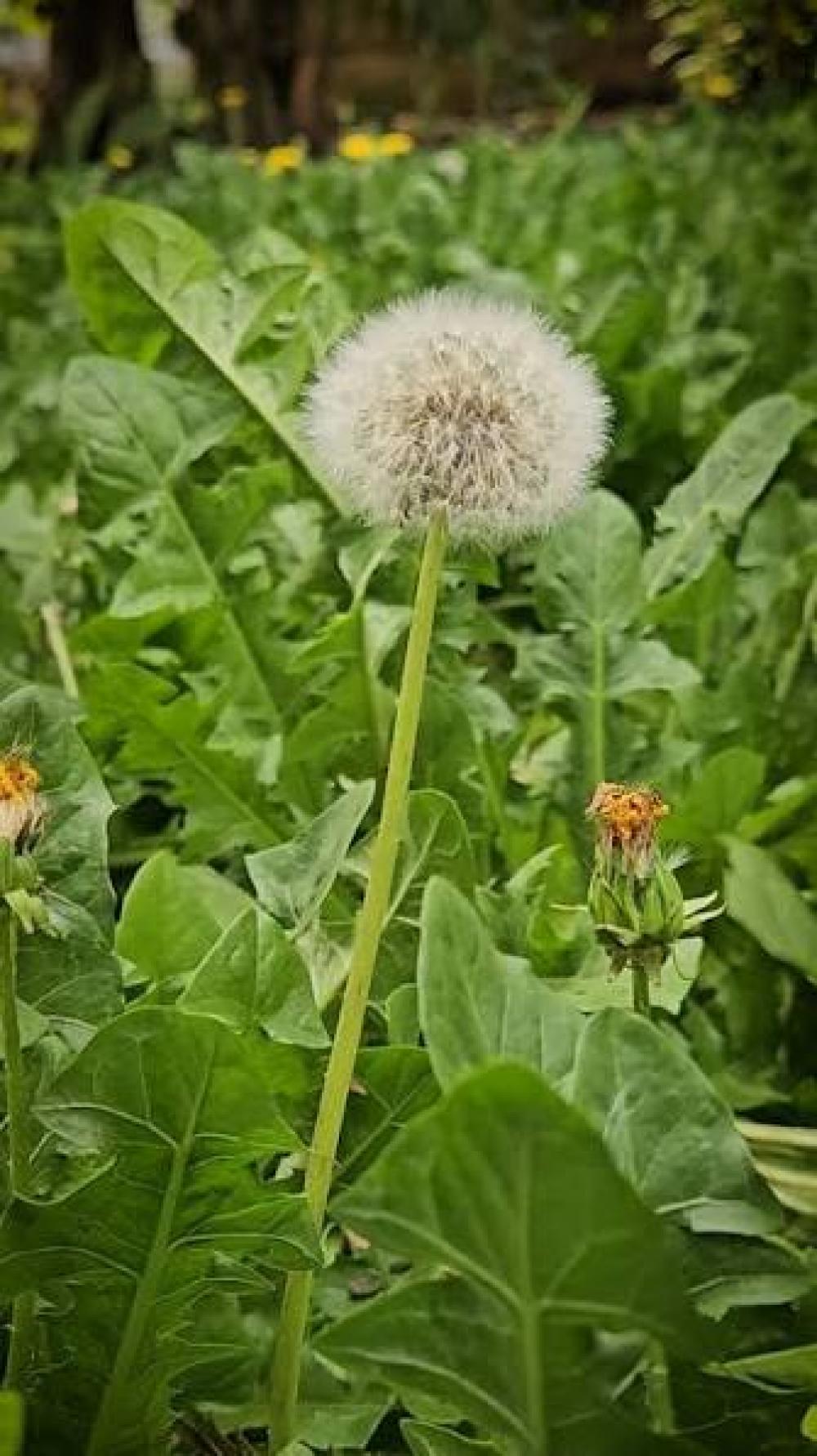
dandelion
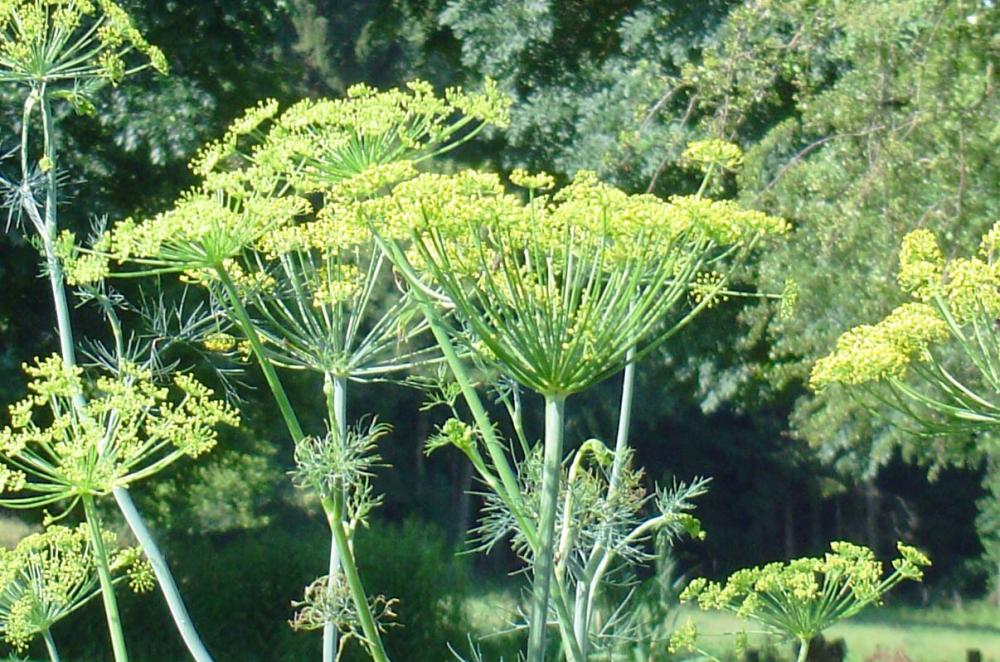
dill
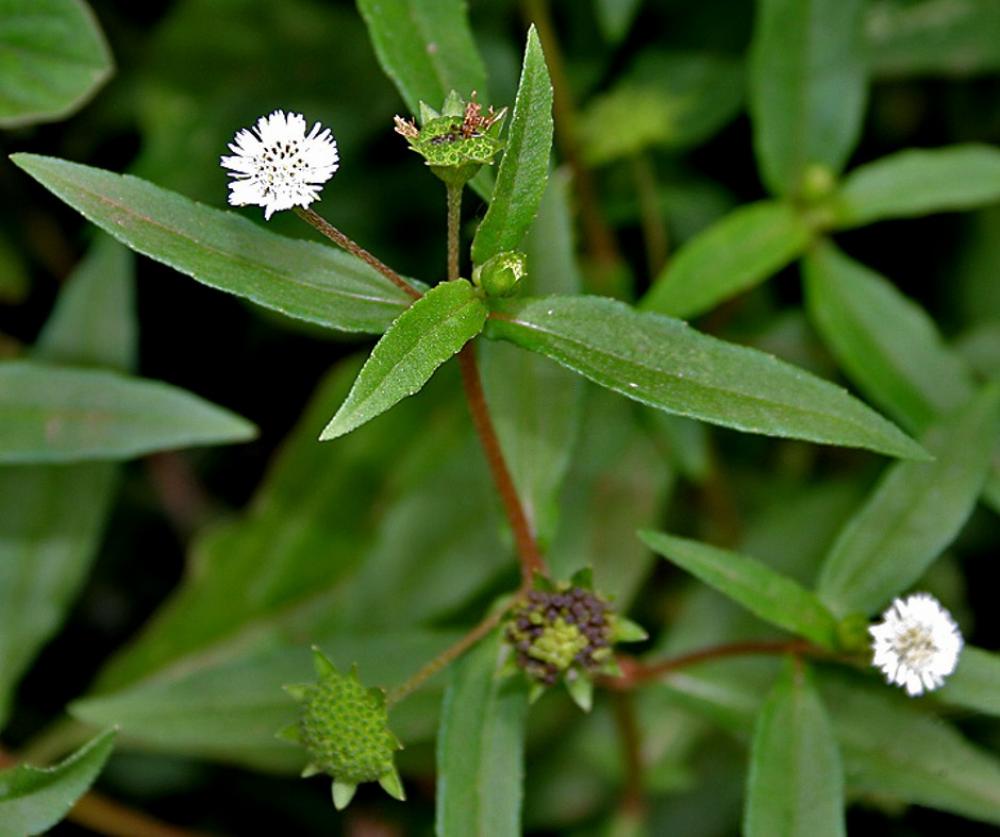
Button Herb
buggy grass
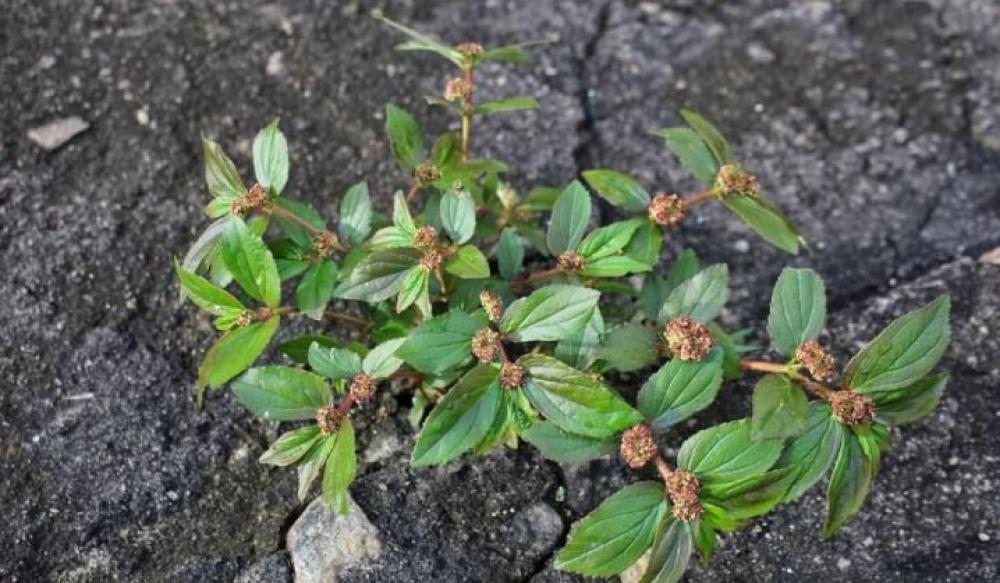
St. Lucias herb
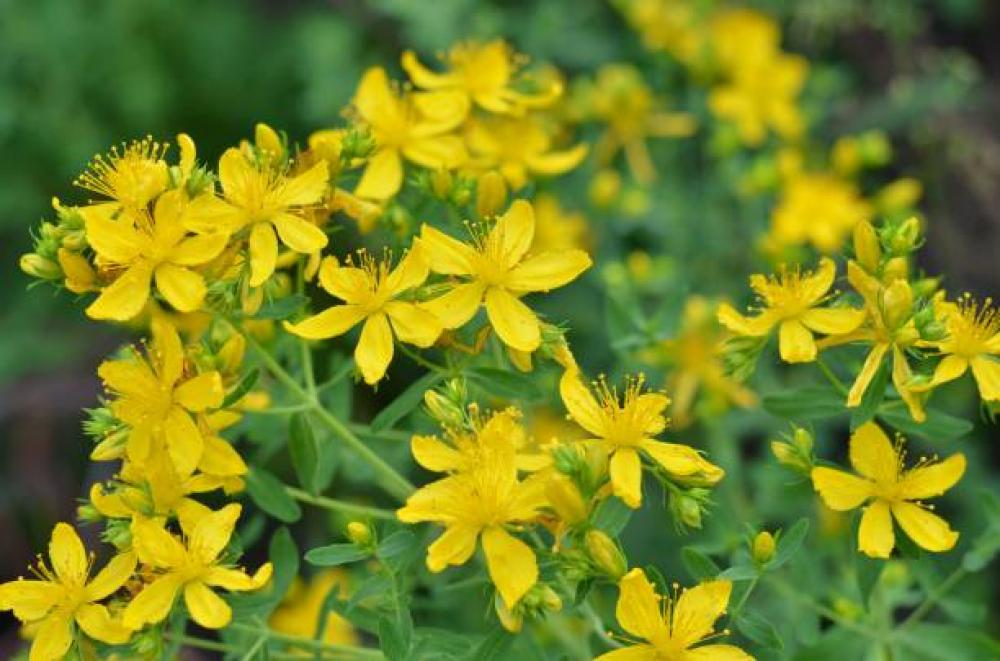
St. Johns wort
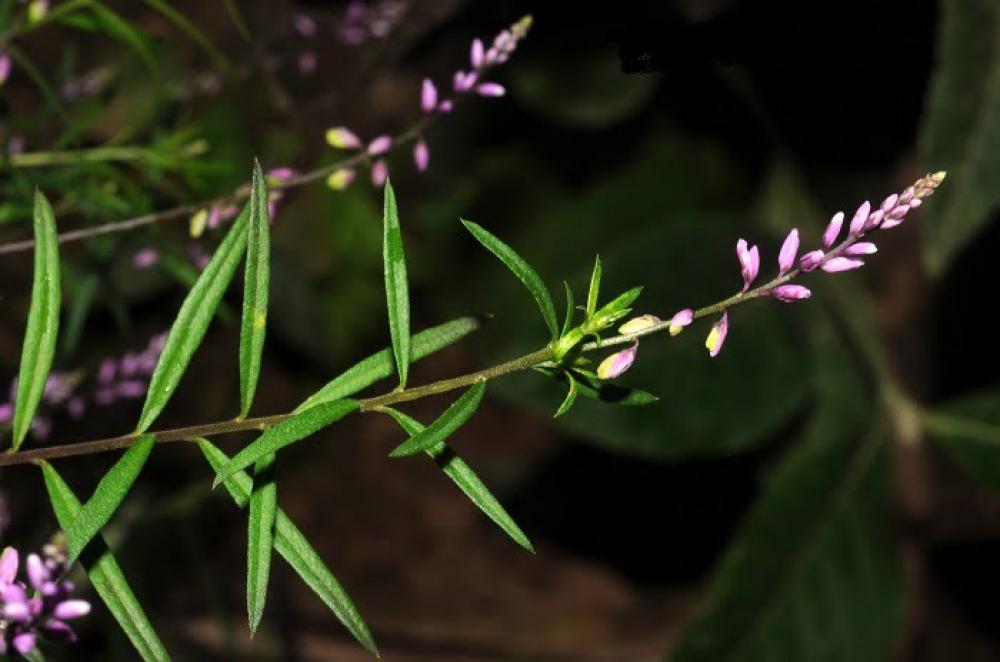
St. Peters wort
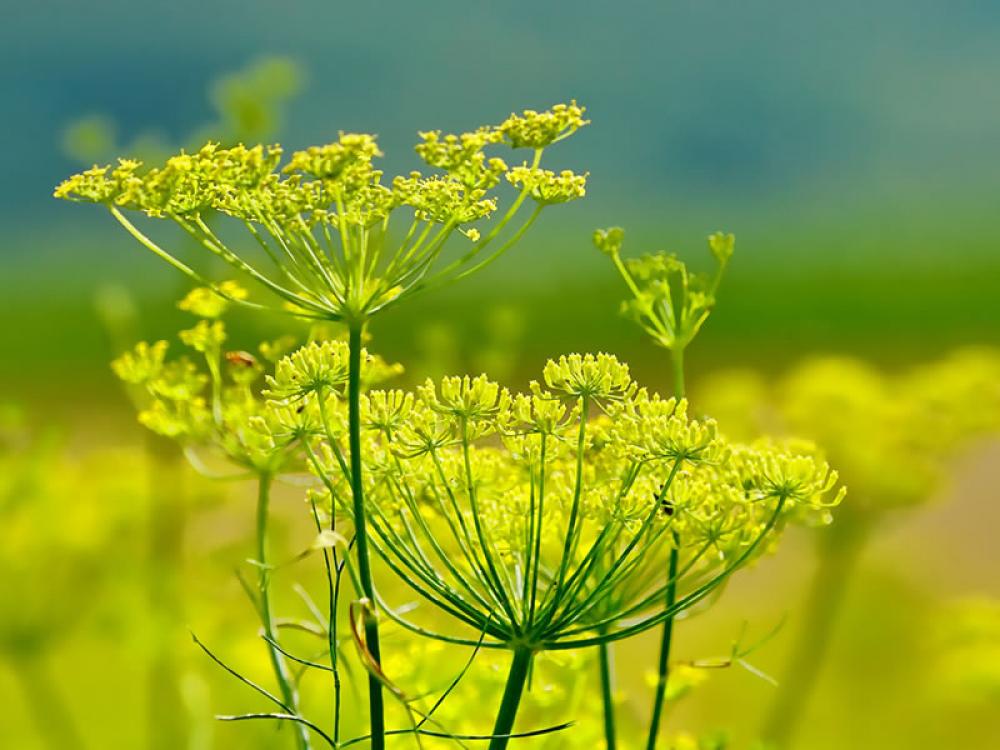
anise
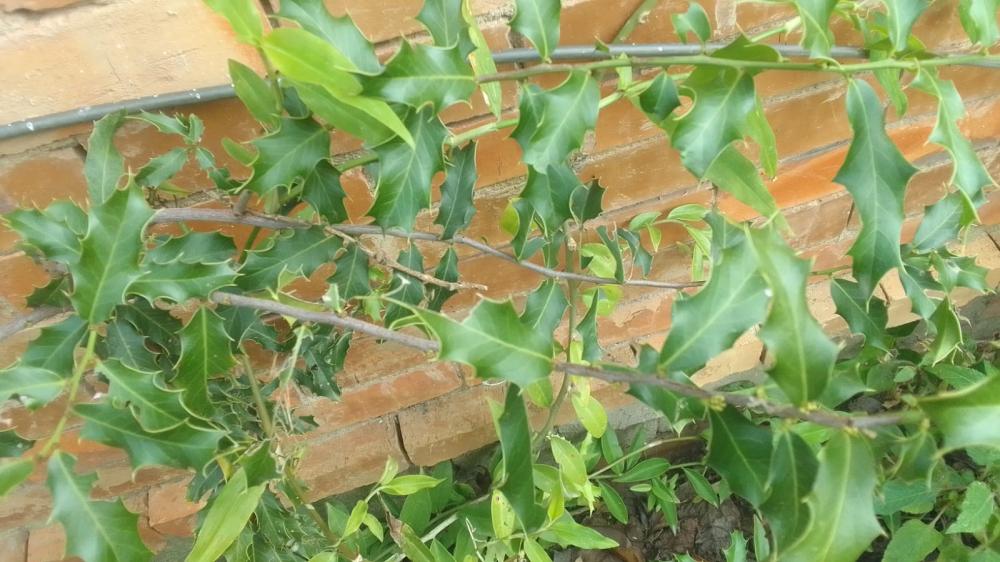
Espinheira - Santa
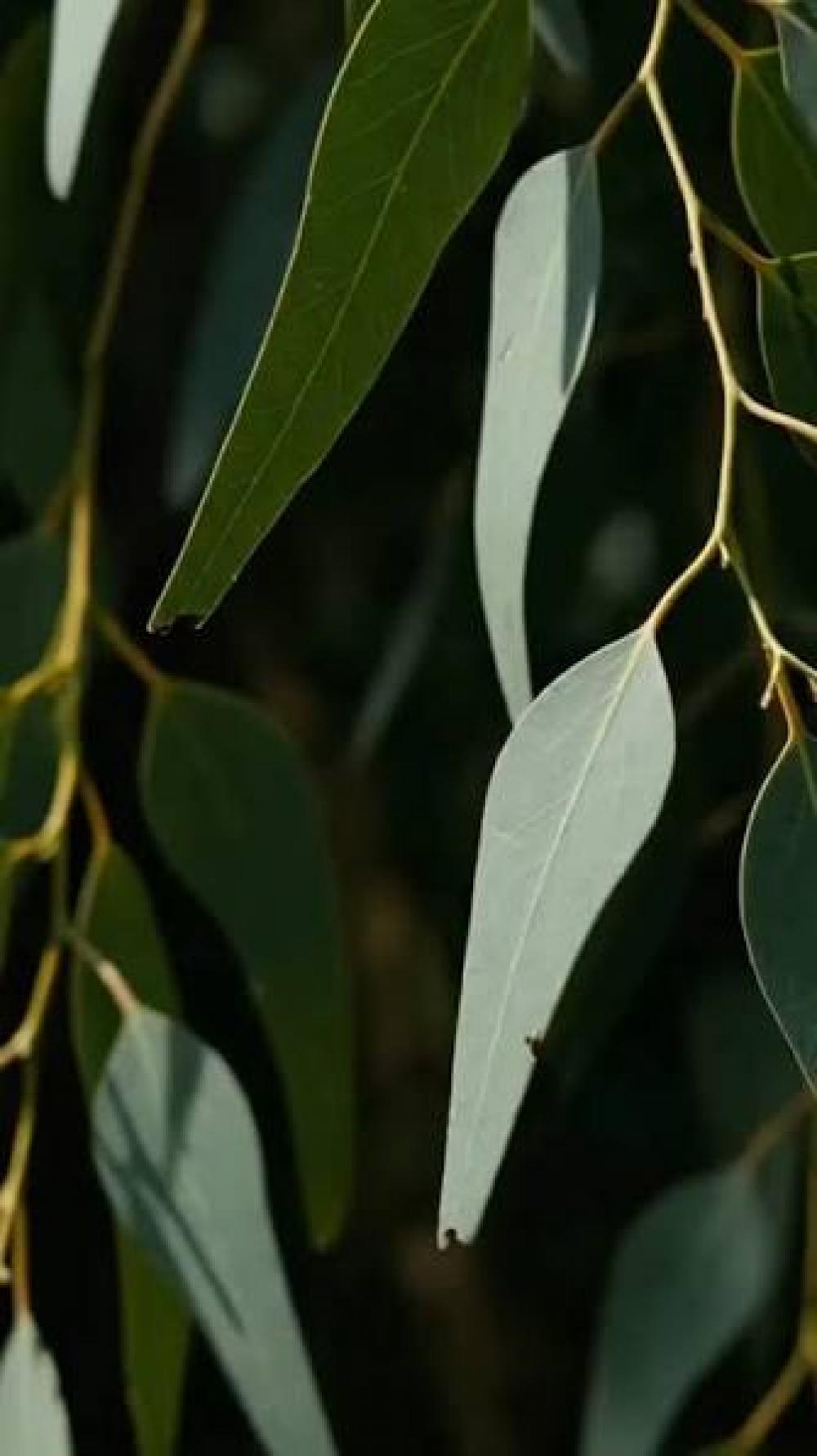
eucalyptus
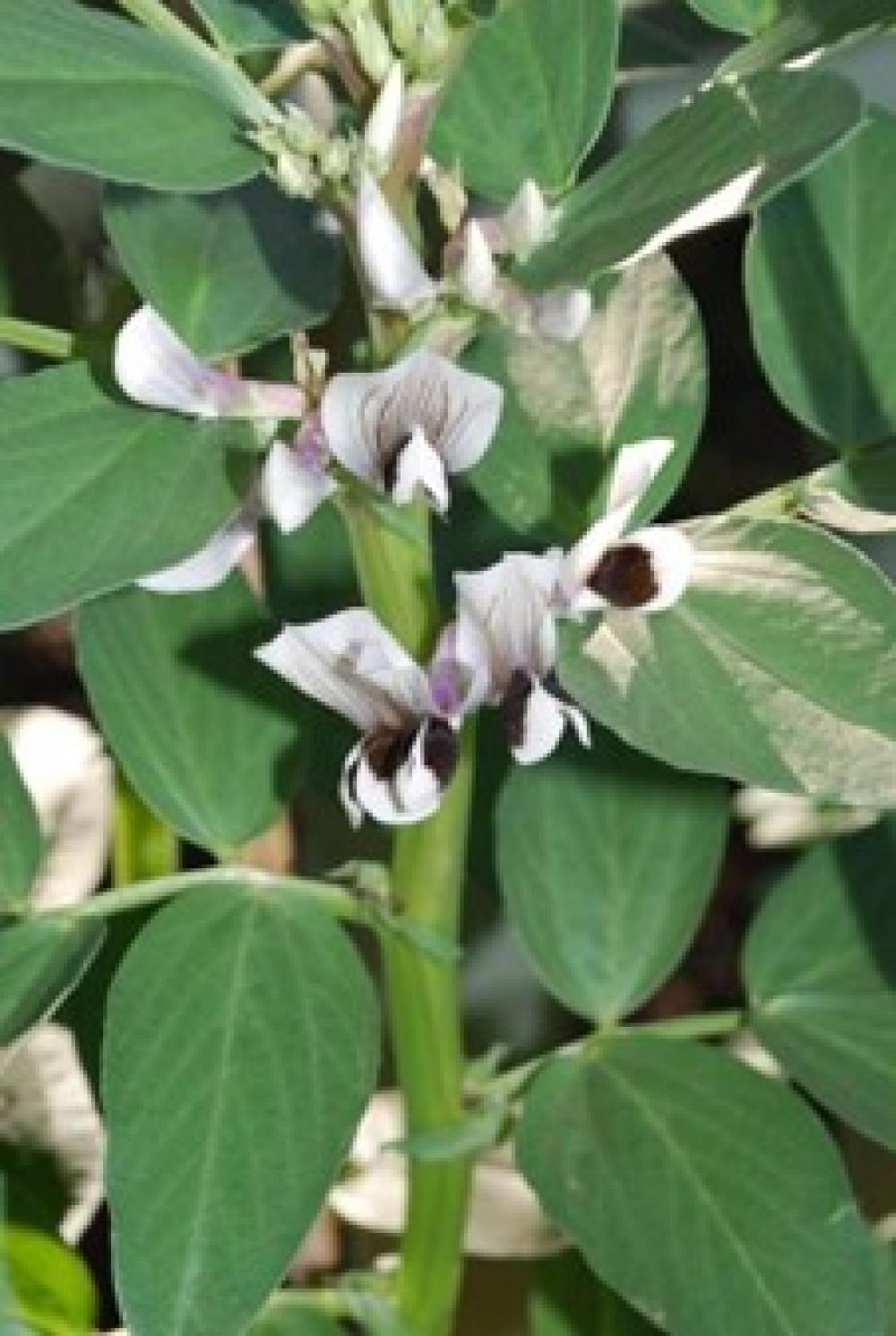
Fava
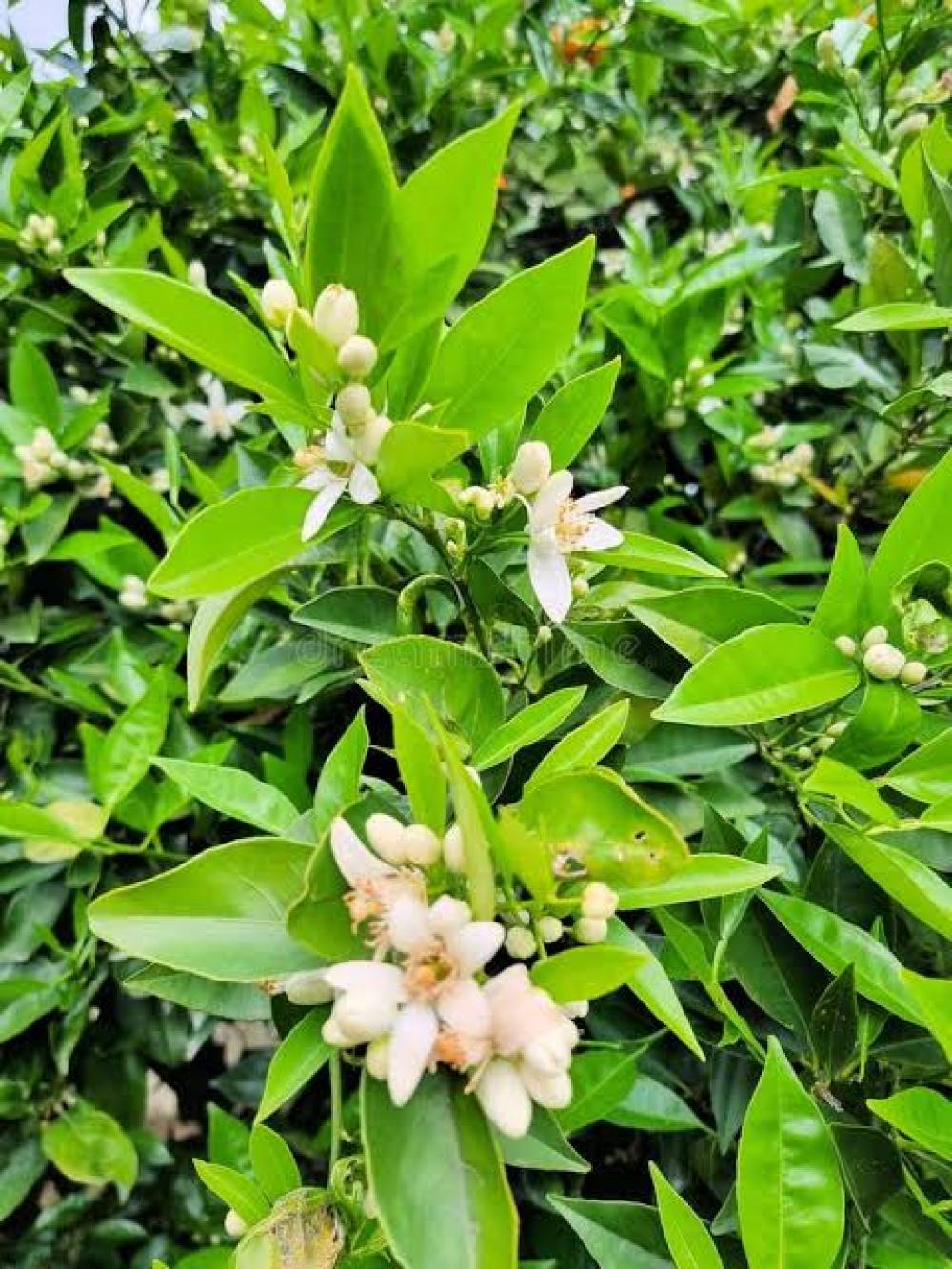
Orange Blossom
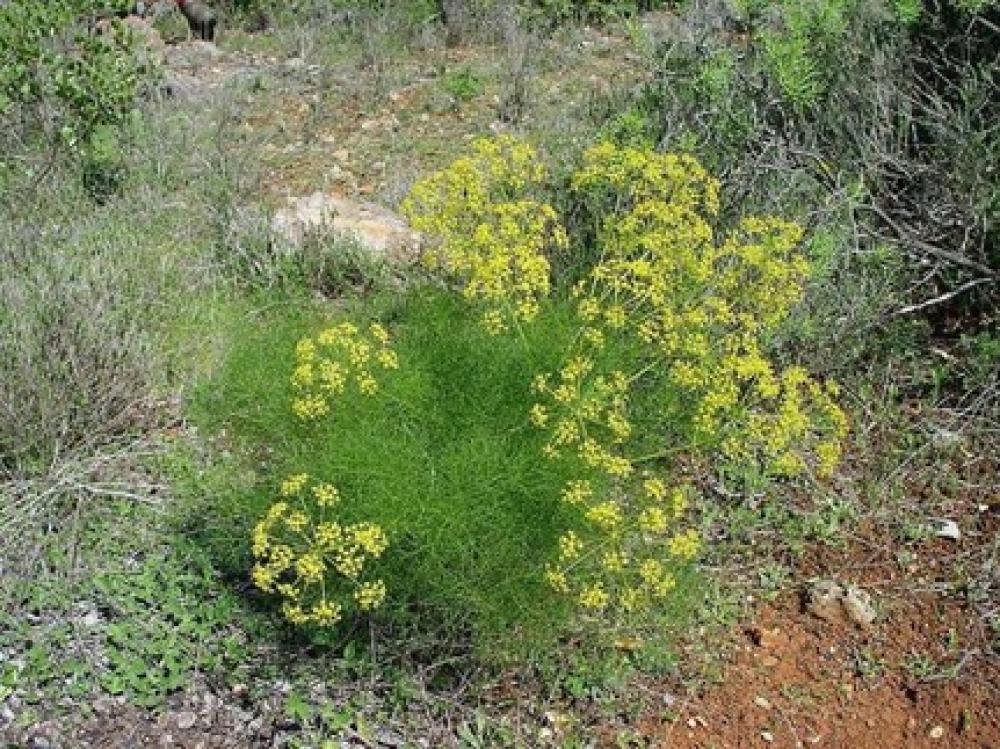
fennel
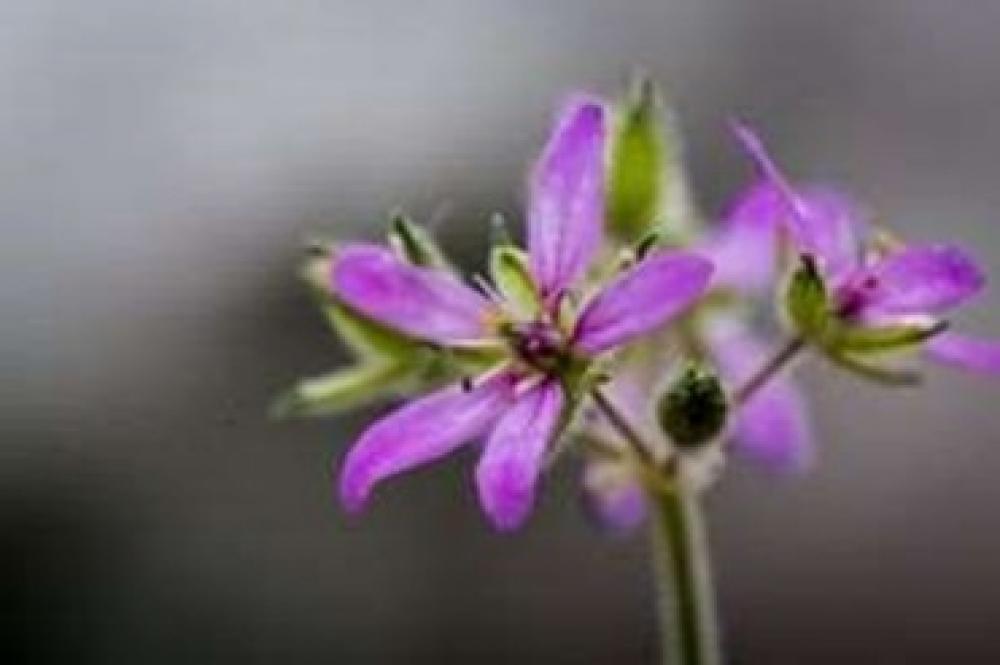
Scented Geranium
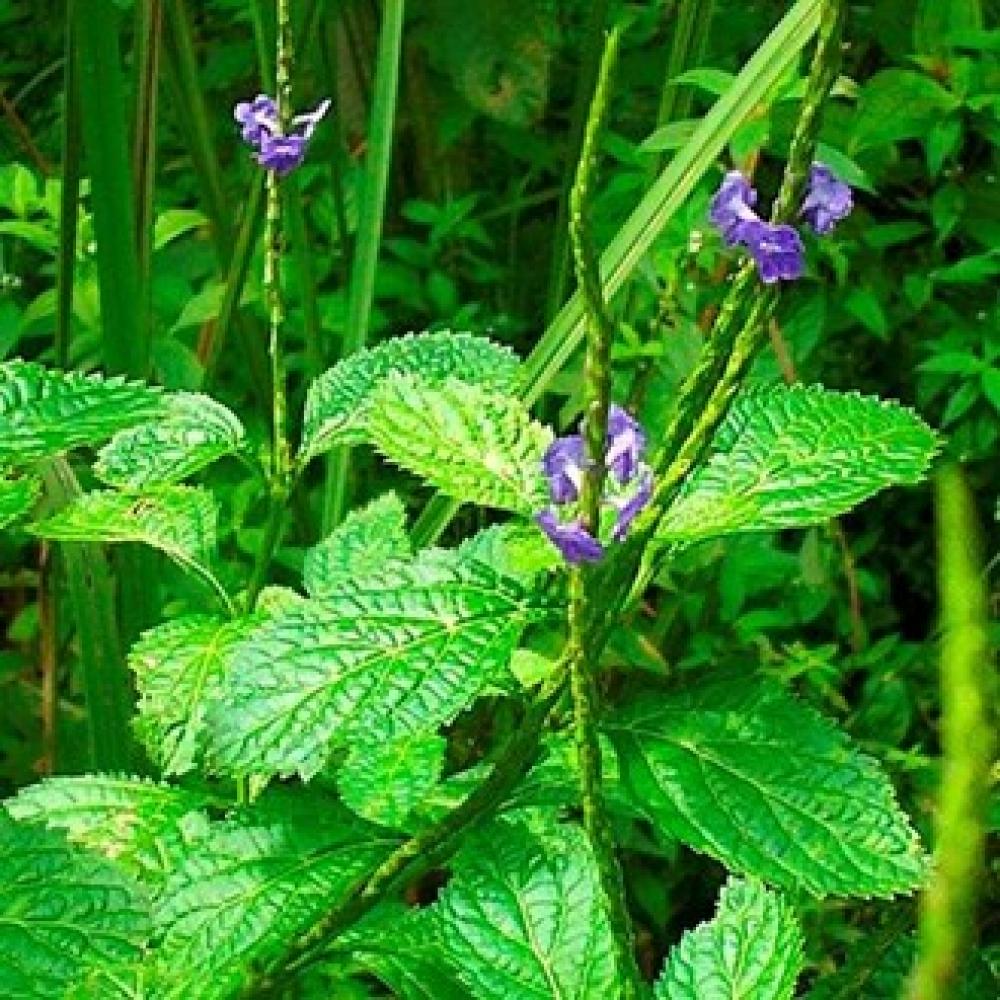
Gervão
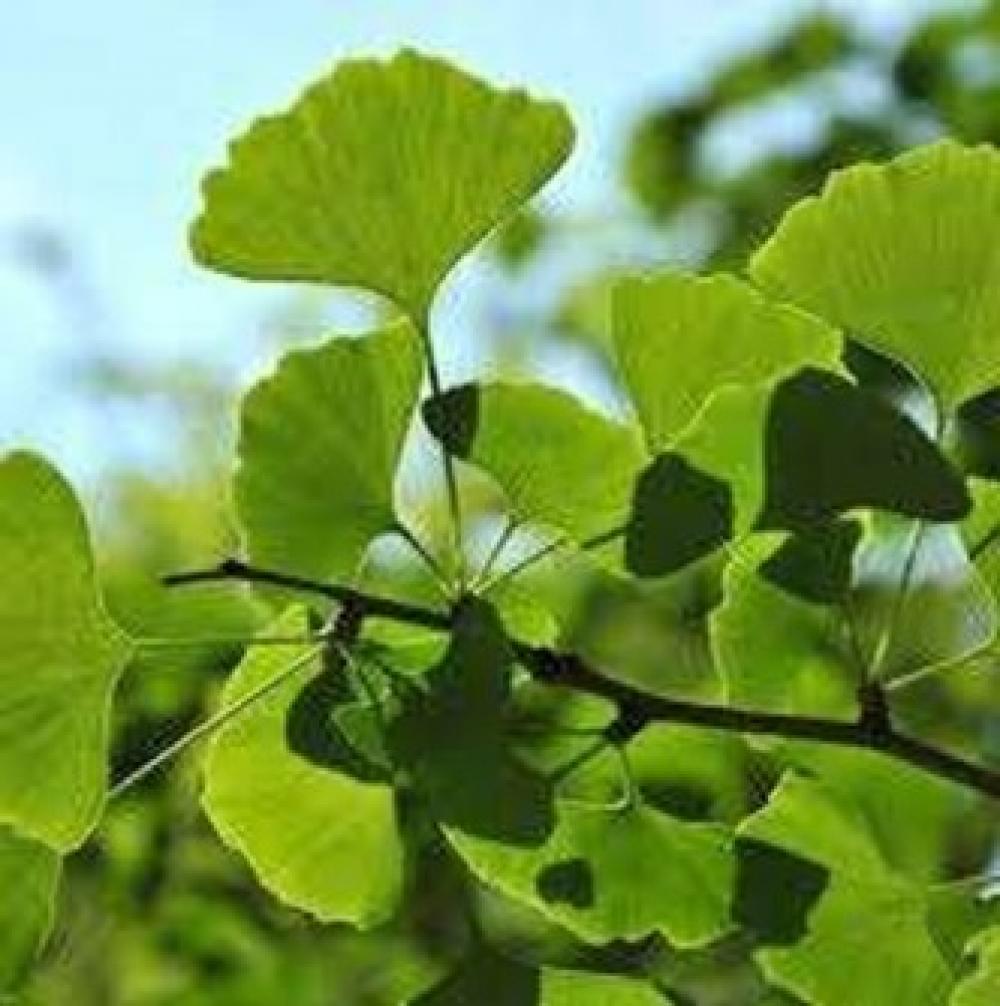
Ginkgo Biloba
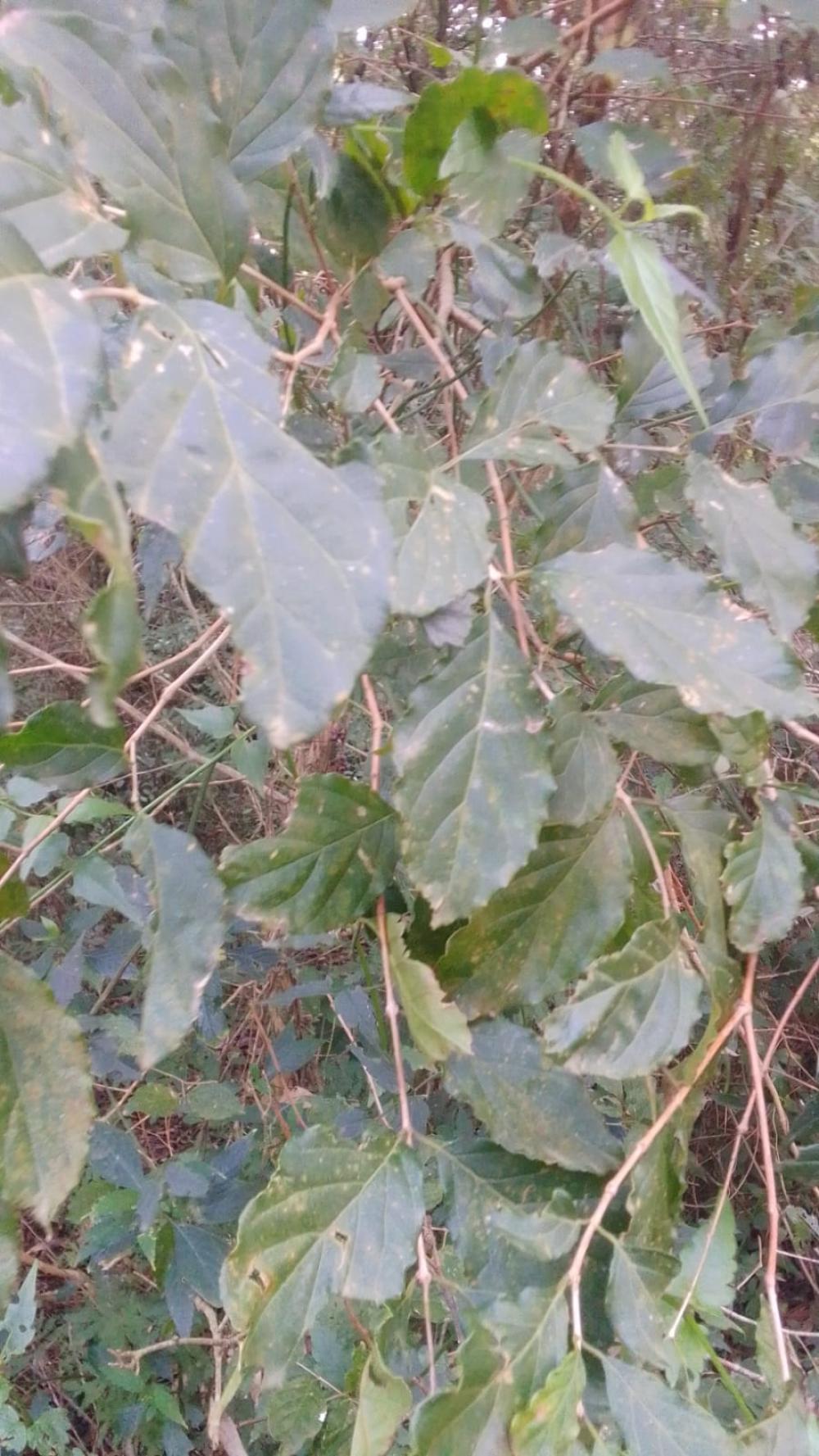
Guabiroba
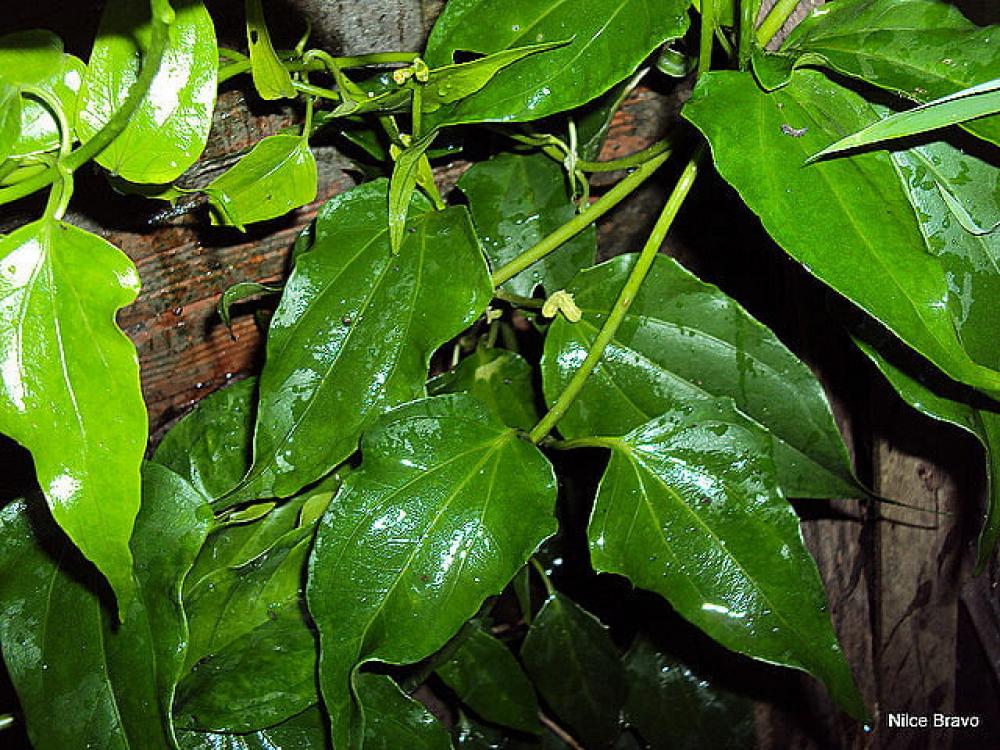
Guaco
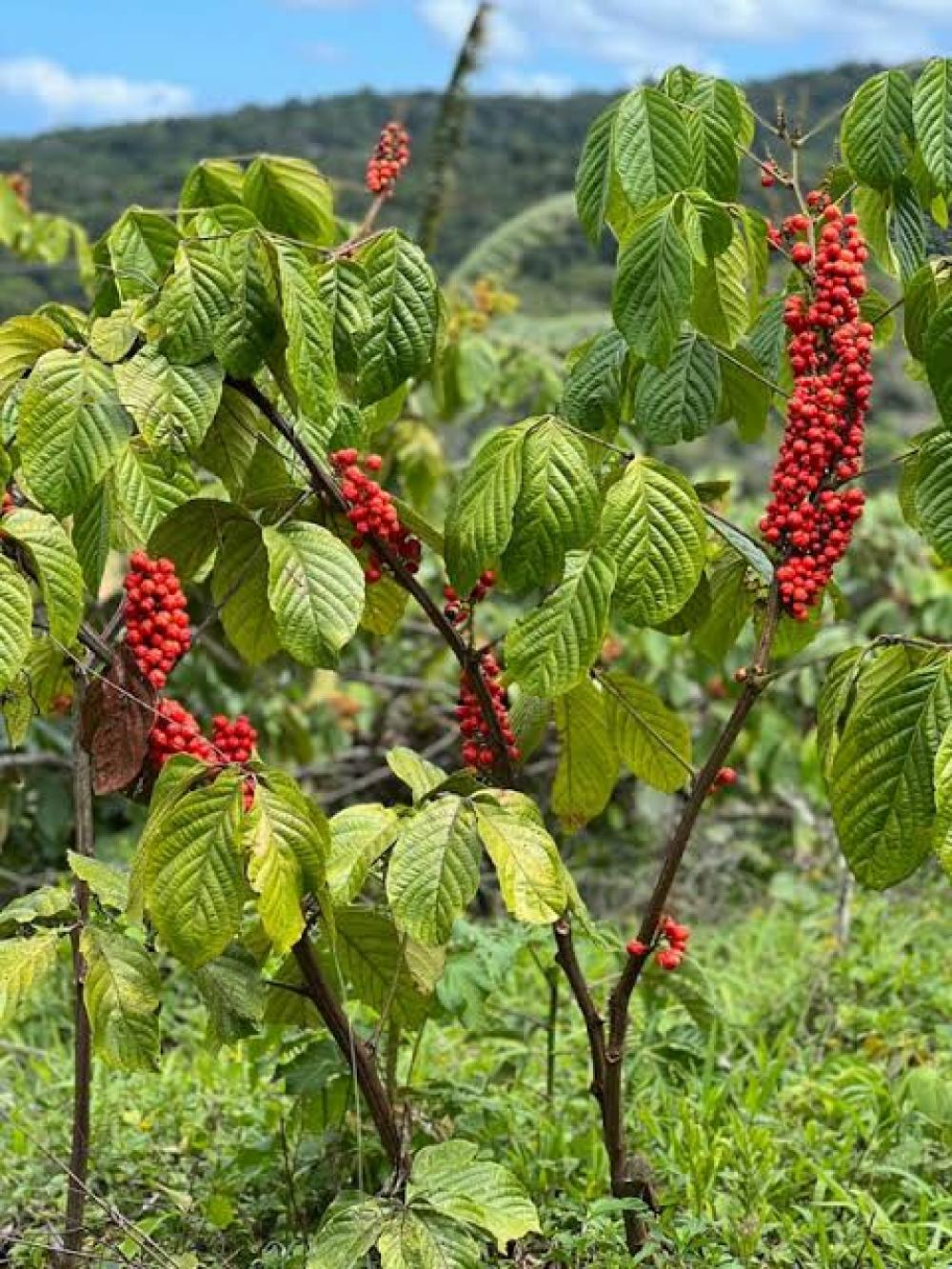
Guarana
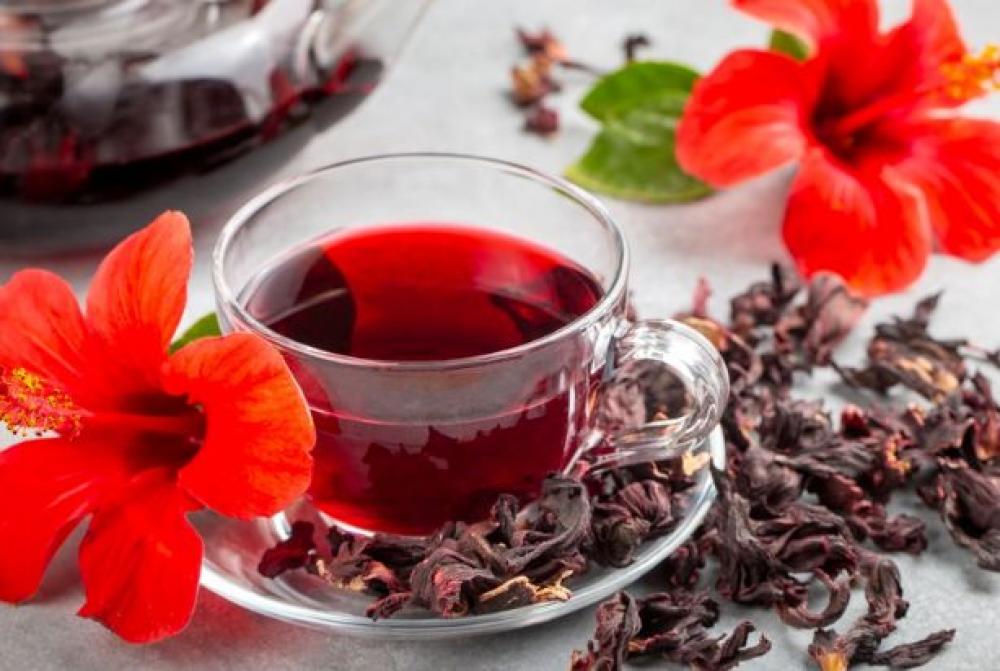
hibiscus
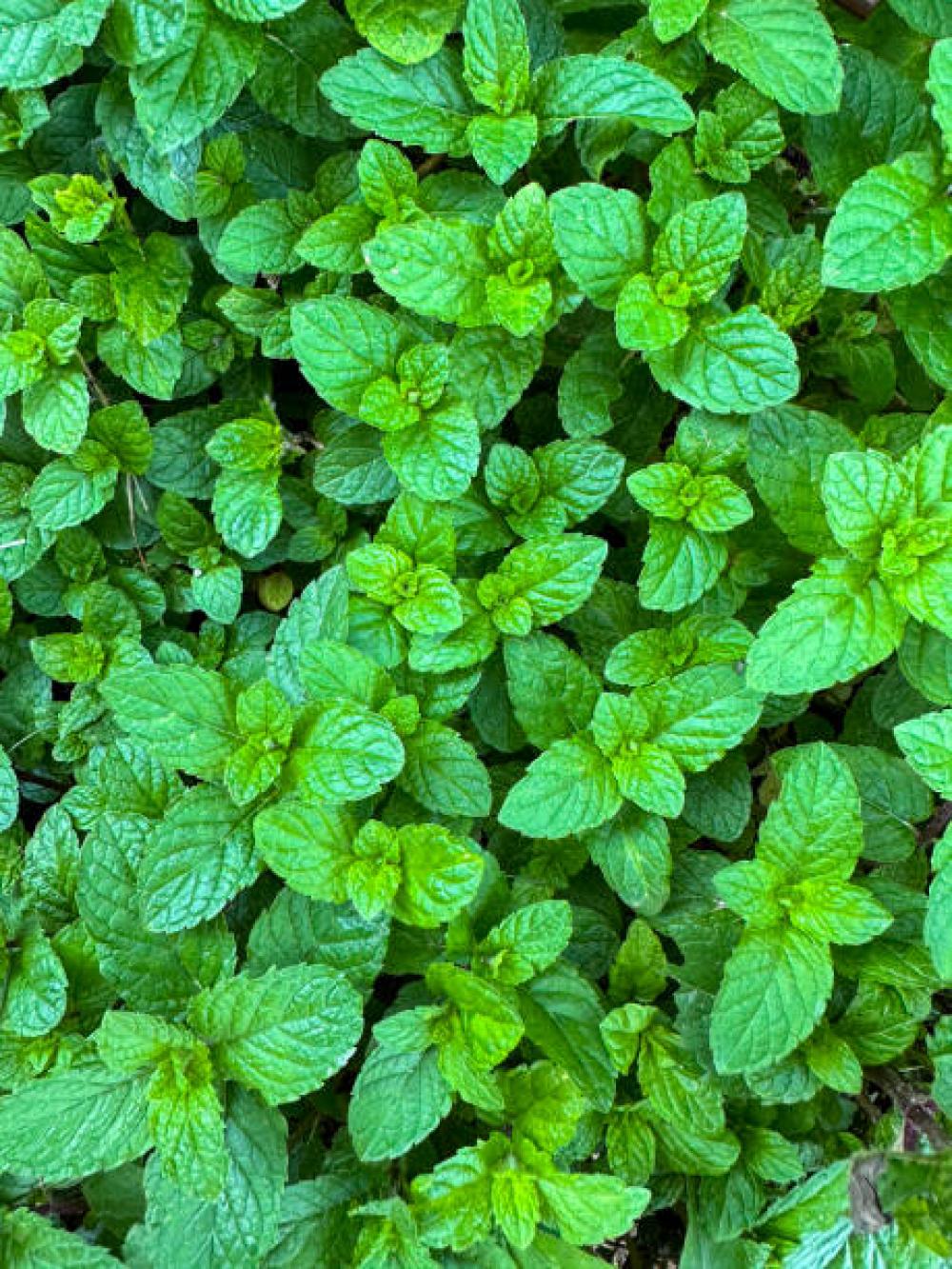
mint
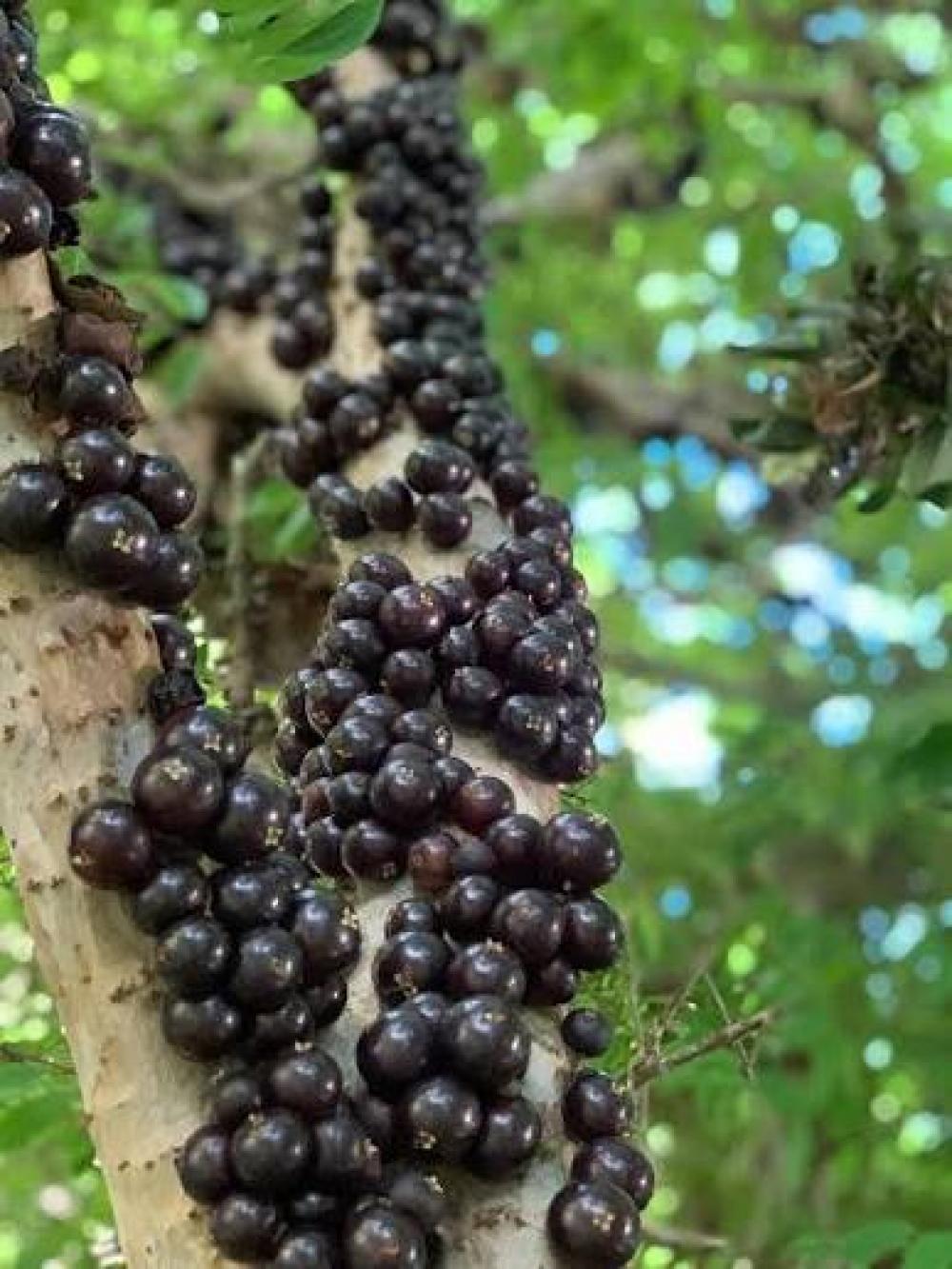
Jaboticaba
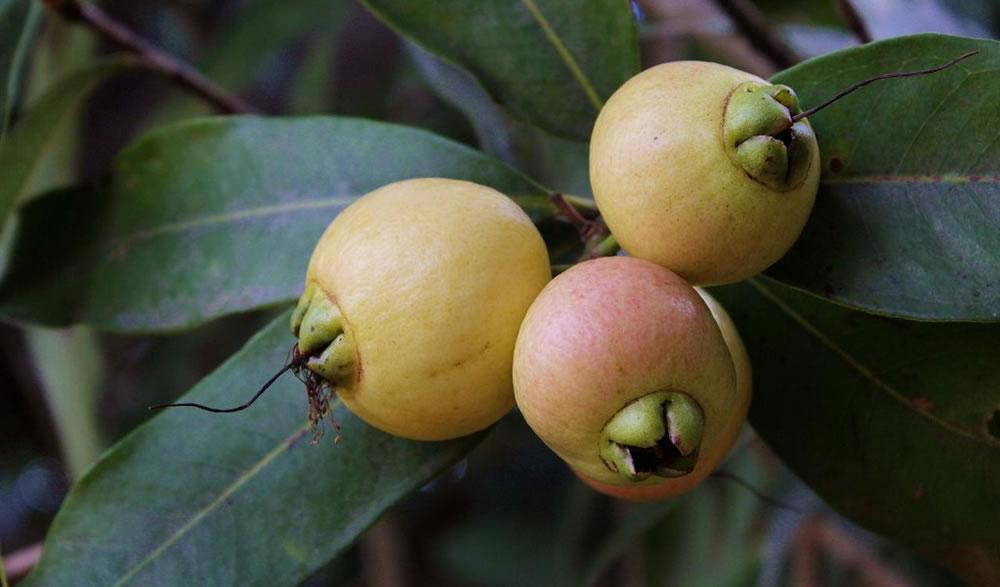
rose apple tree
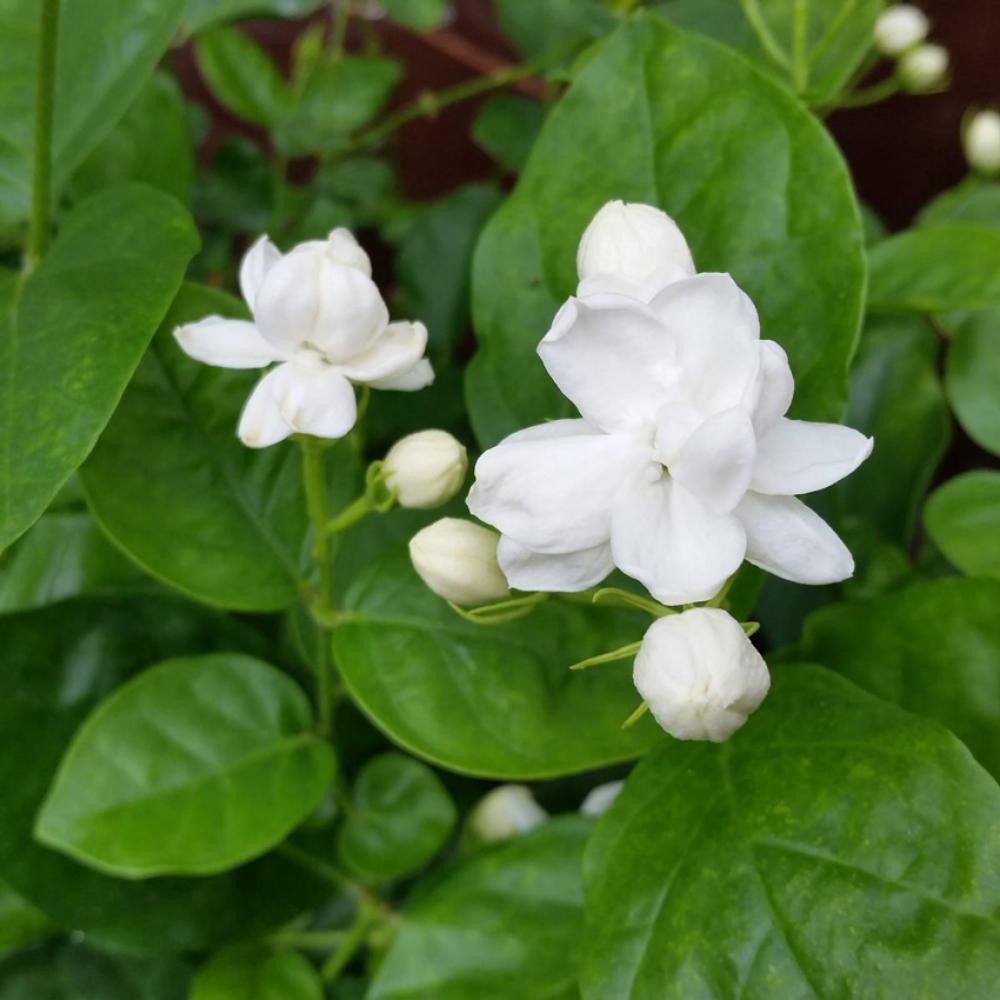
jazmin
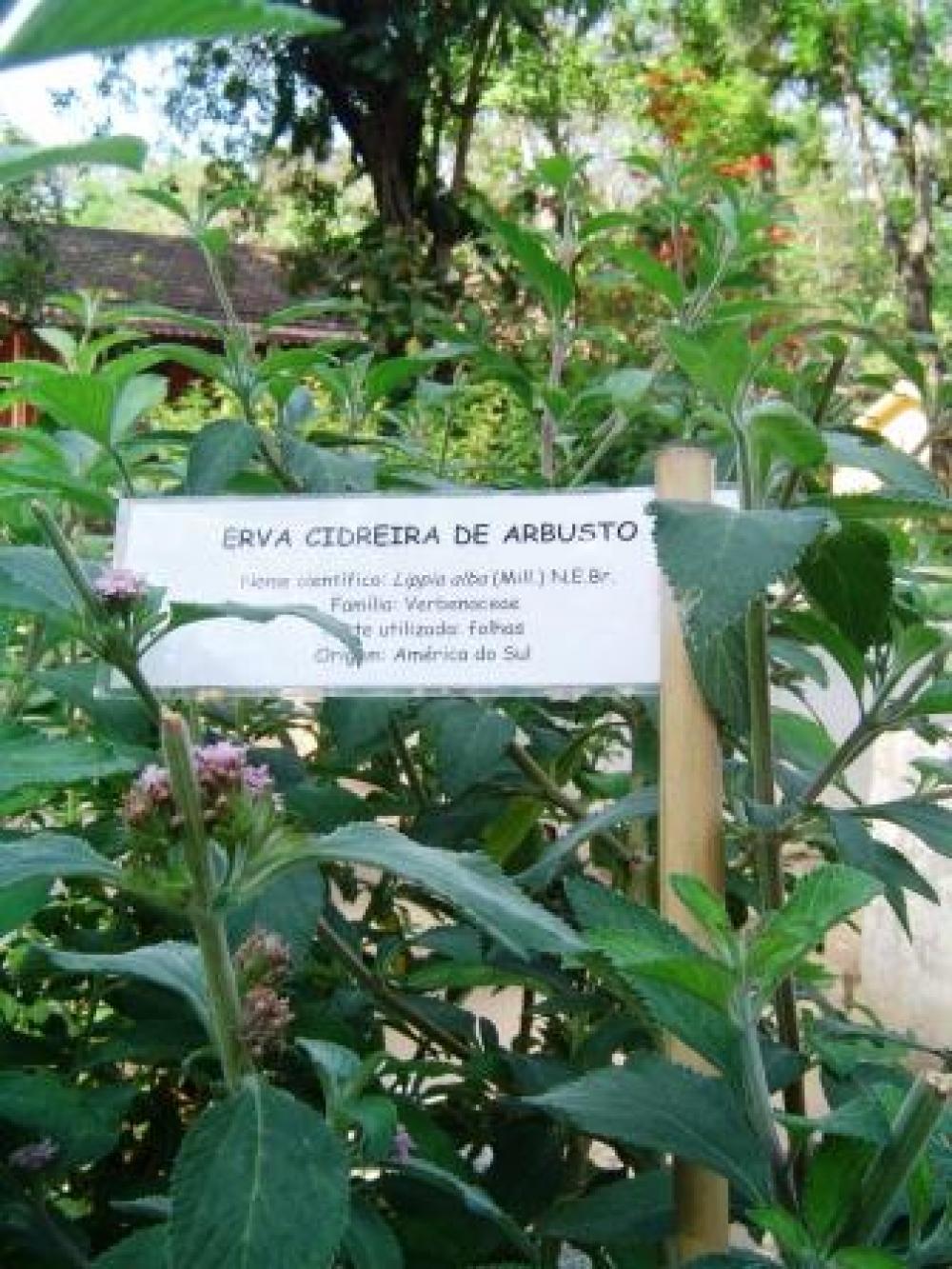
Lippia alba (Bushy Lemon Balm)
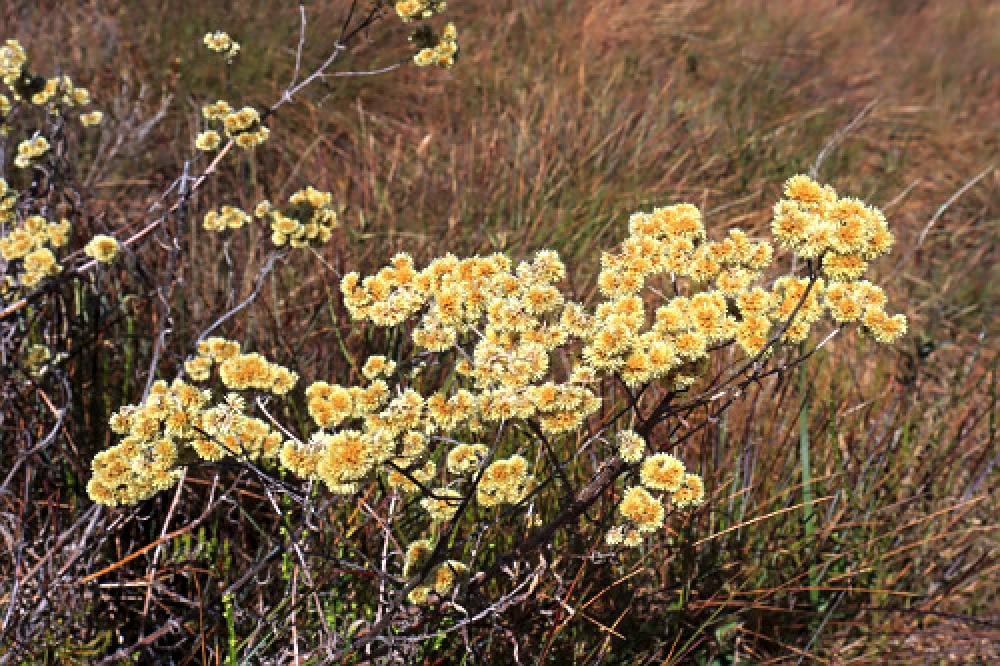
slaughterhouse
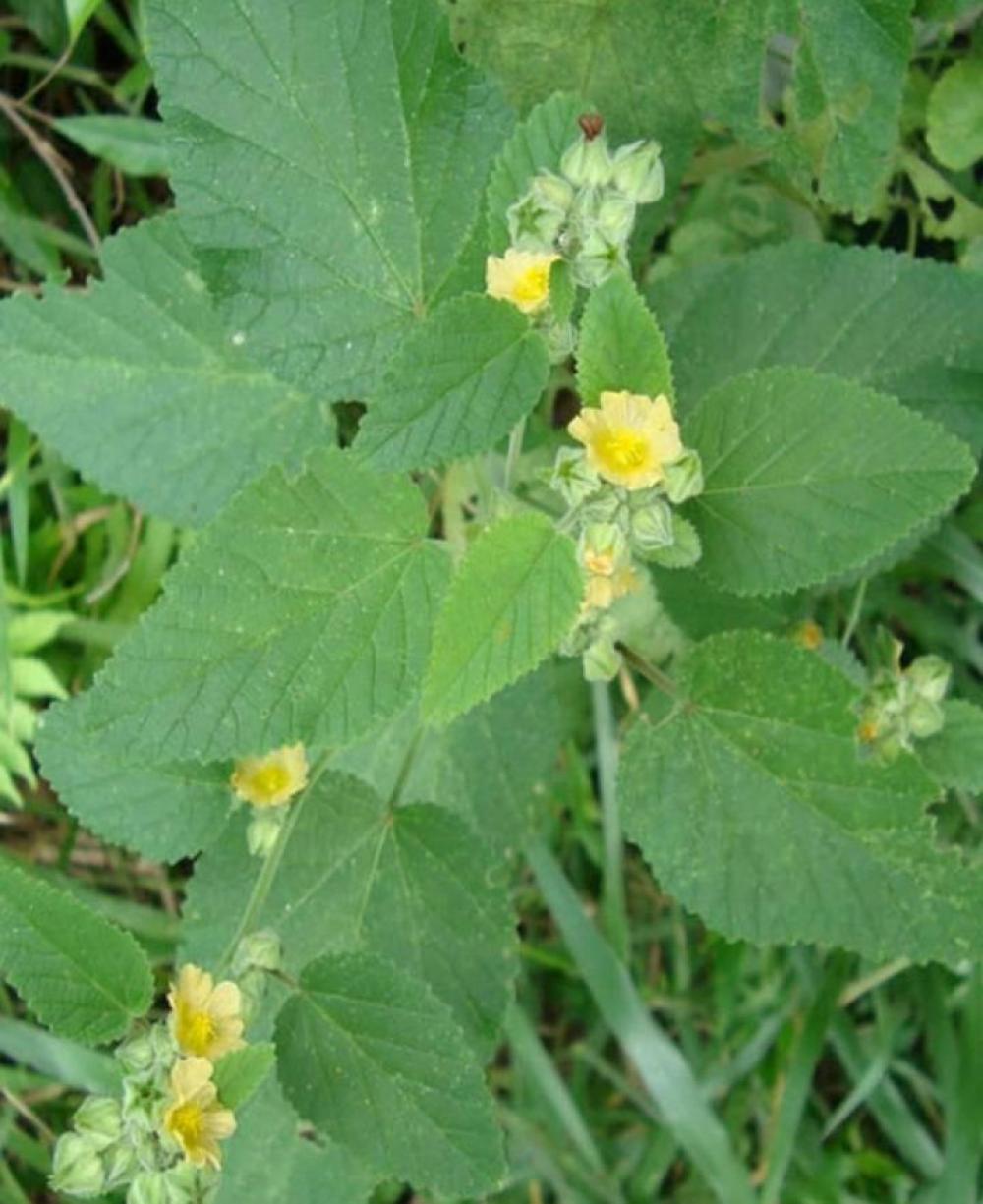
white mallow
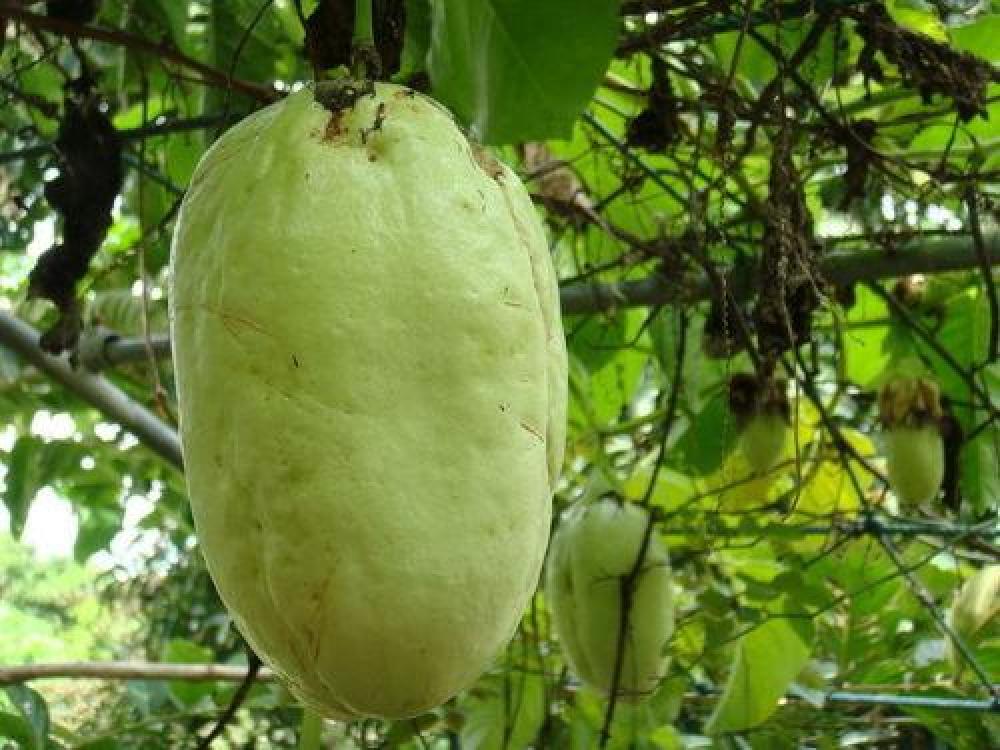
Giant Passion Fruit
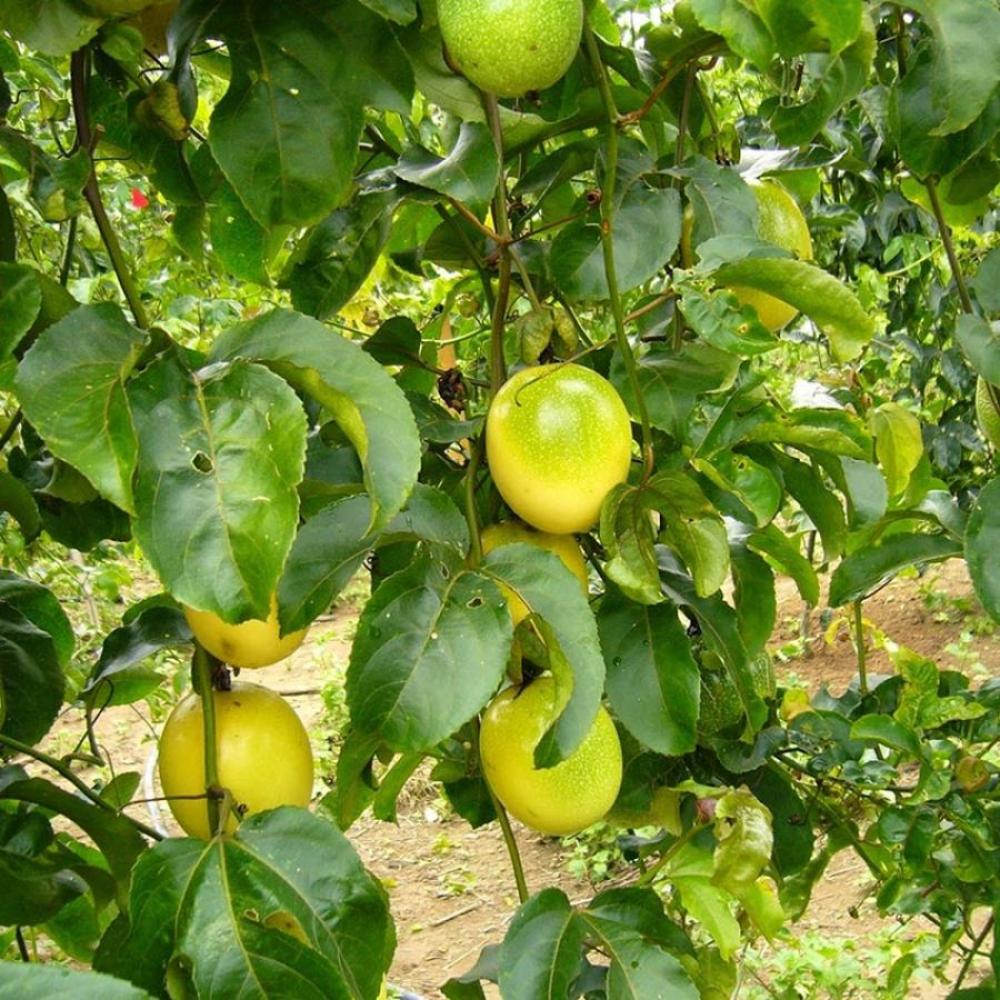
Sour Passion Fruit
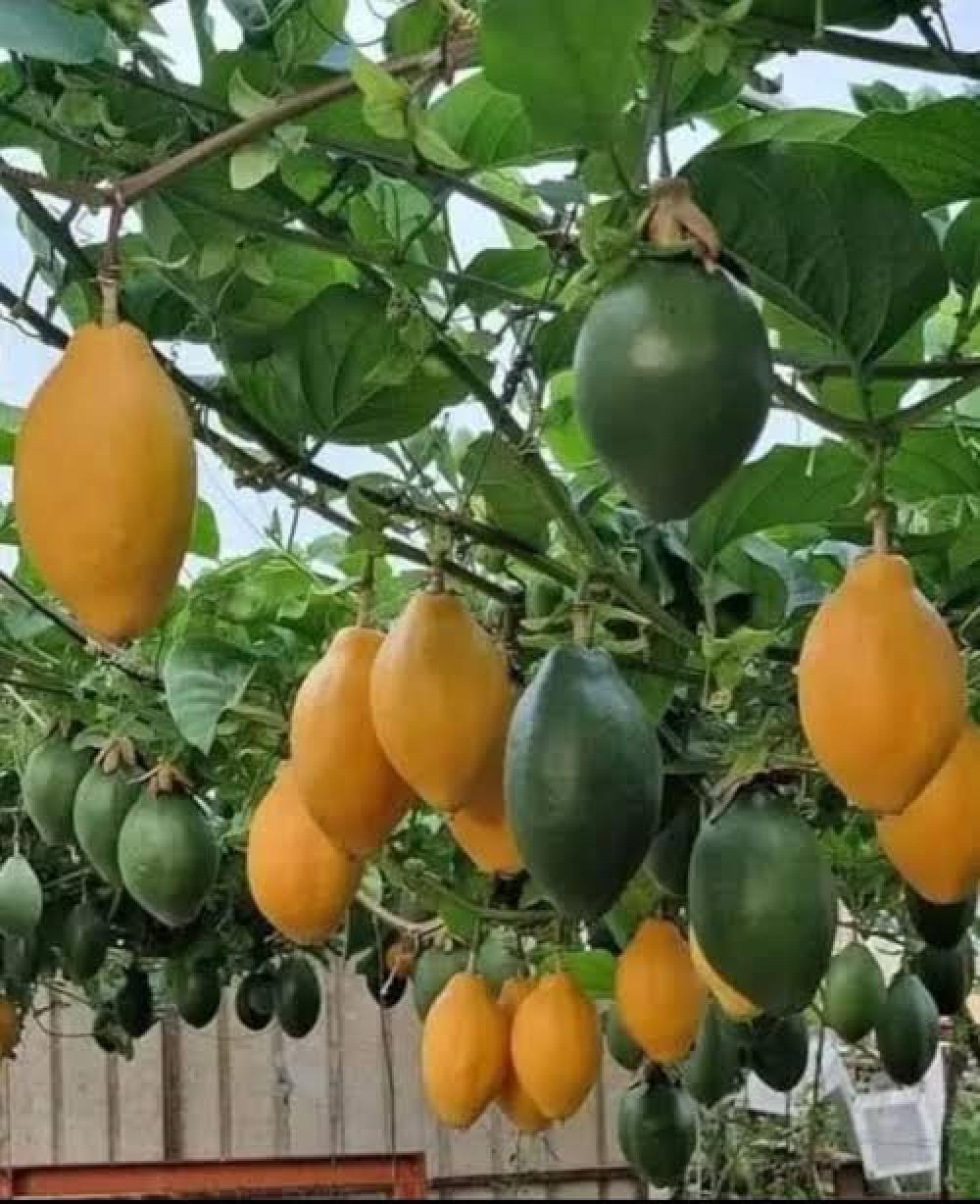
sweet passion fruit
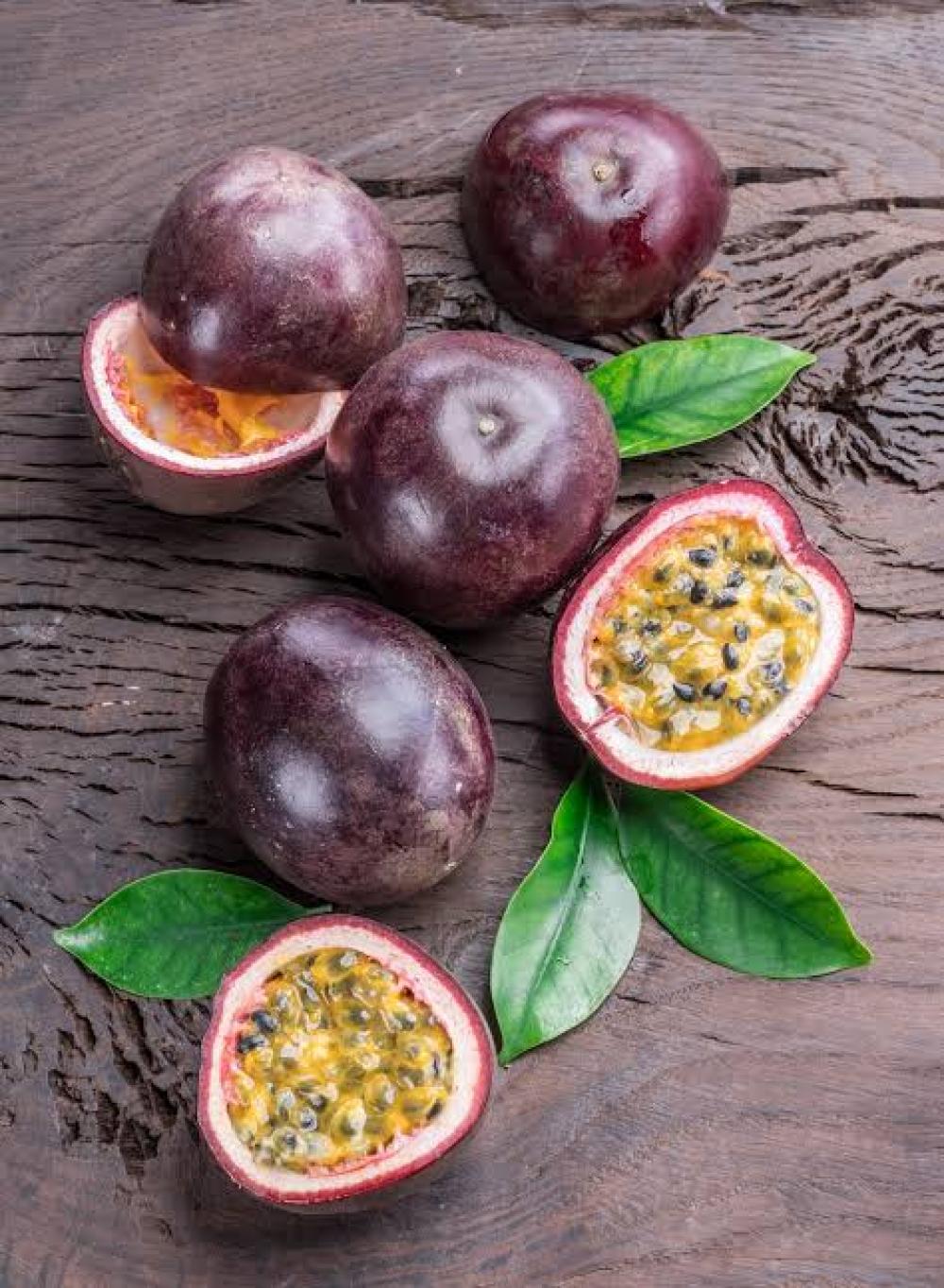
purple passion fruit
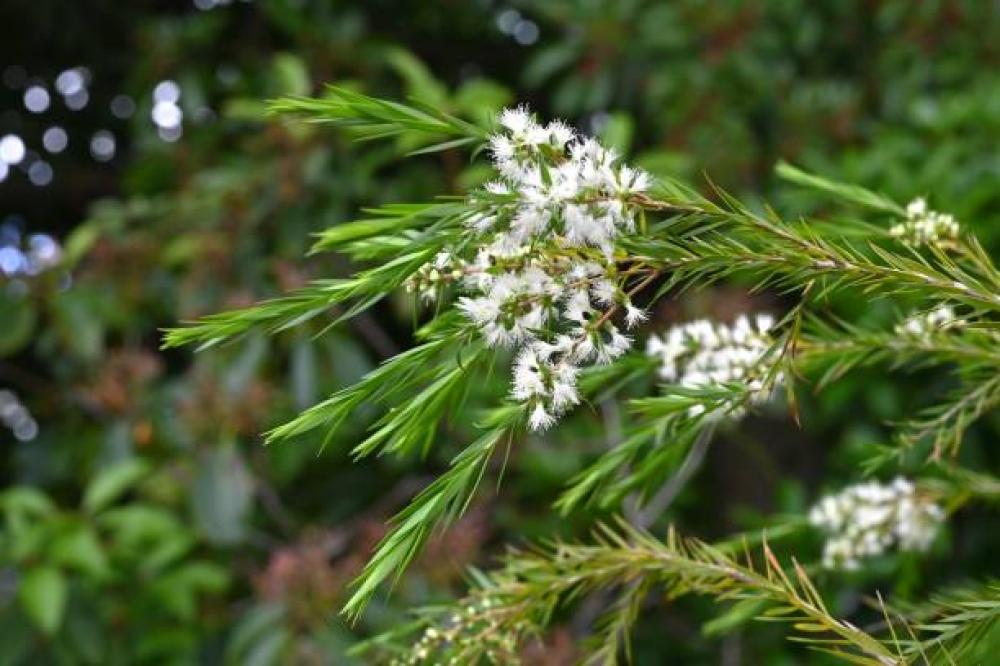
Melaleuca
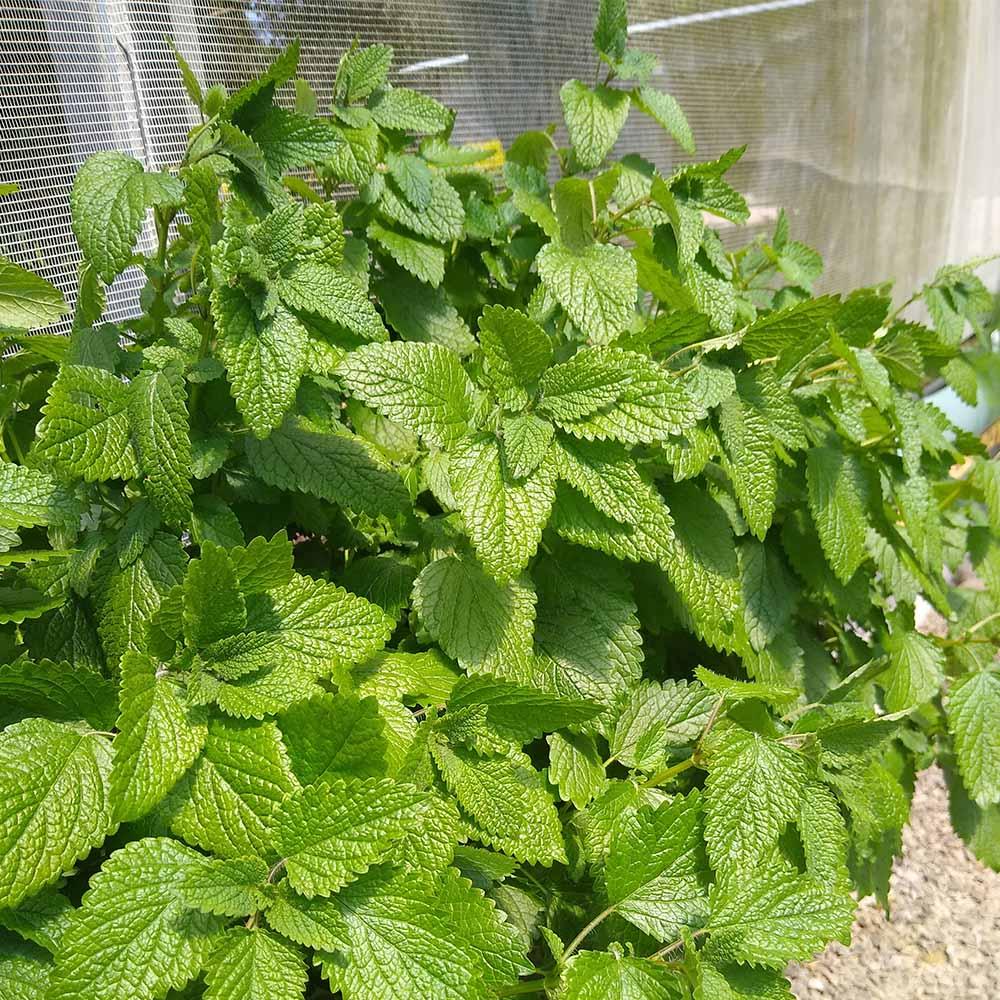
Melissa
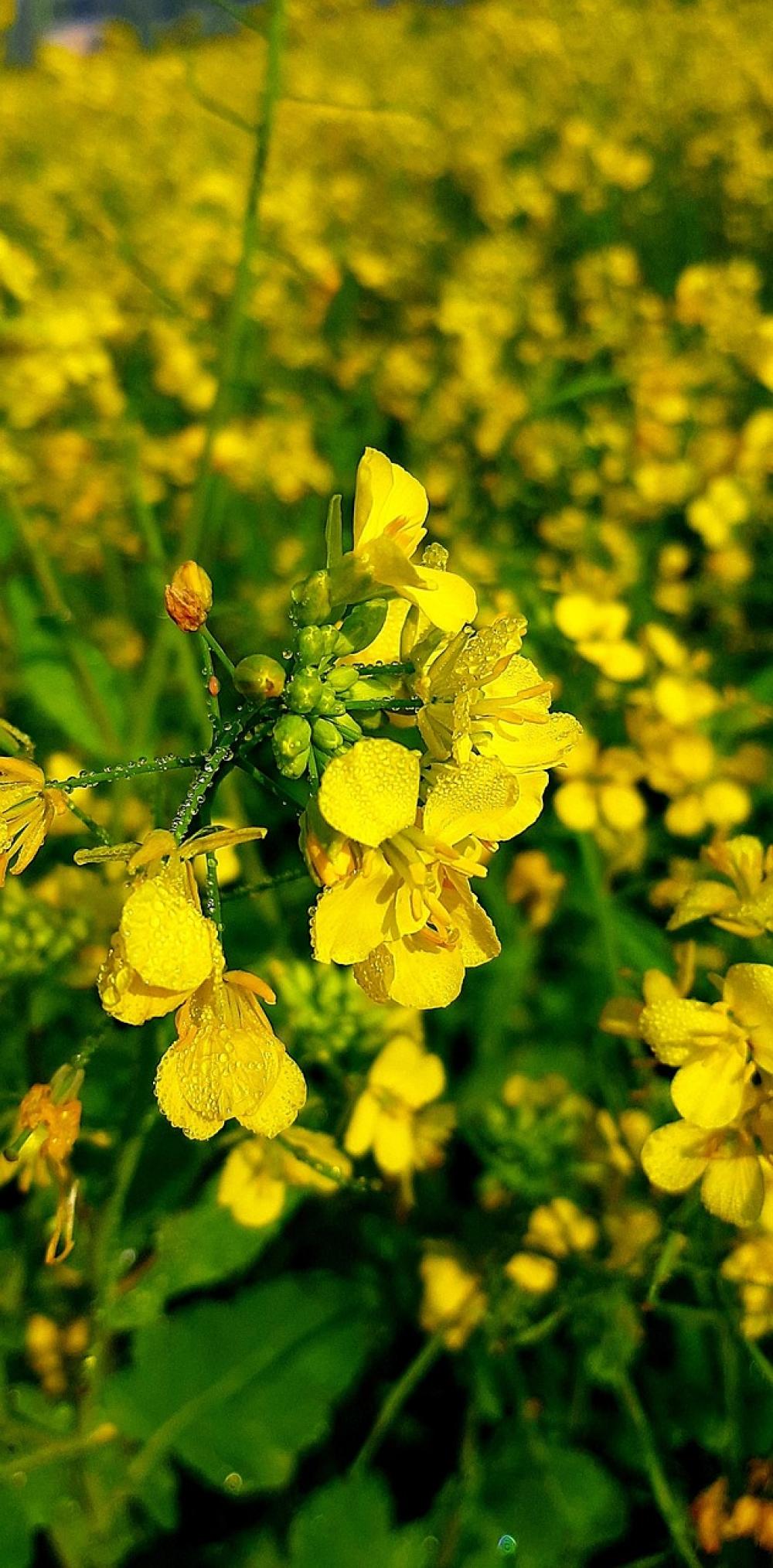
mustard
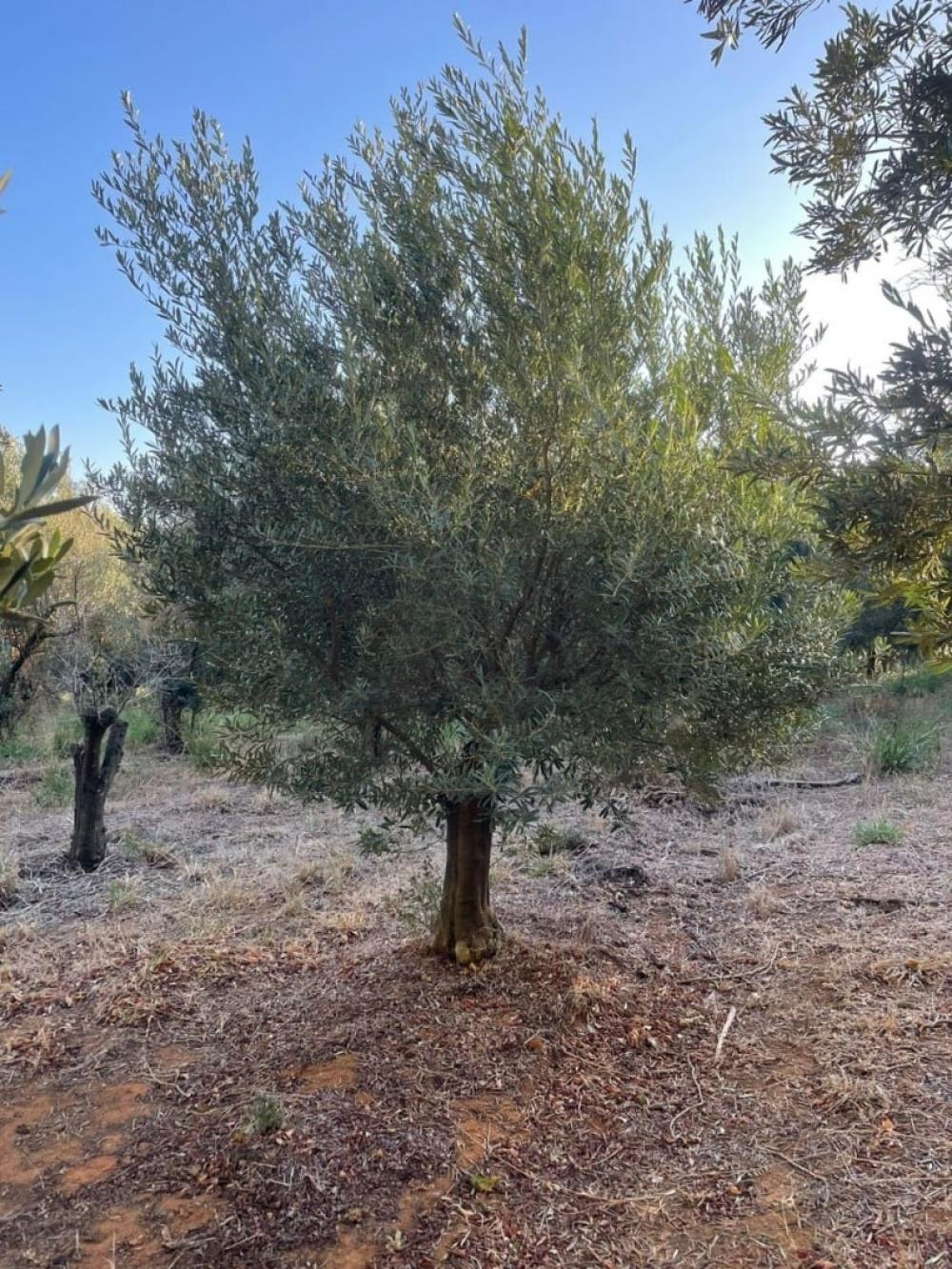
Oliveira
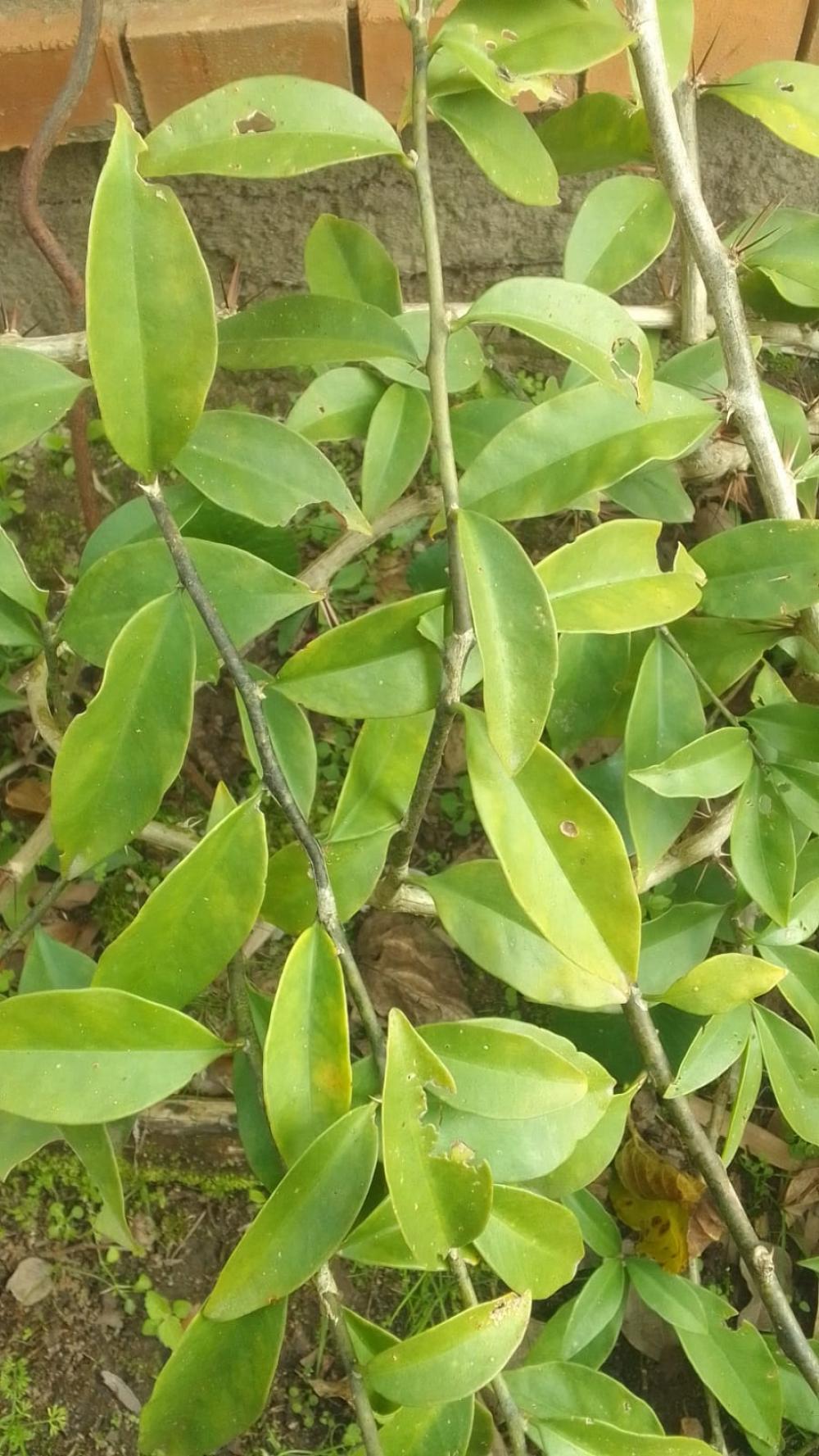
Ora Pro Nobis
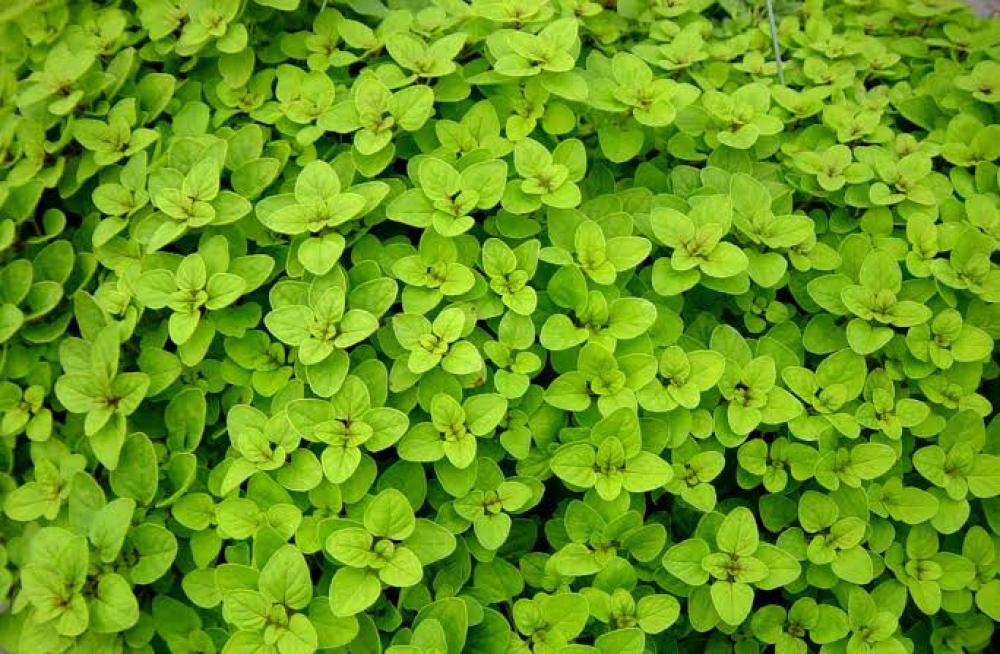
Oregano
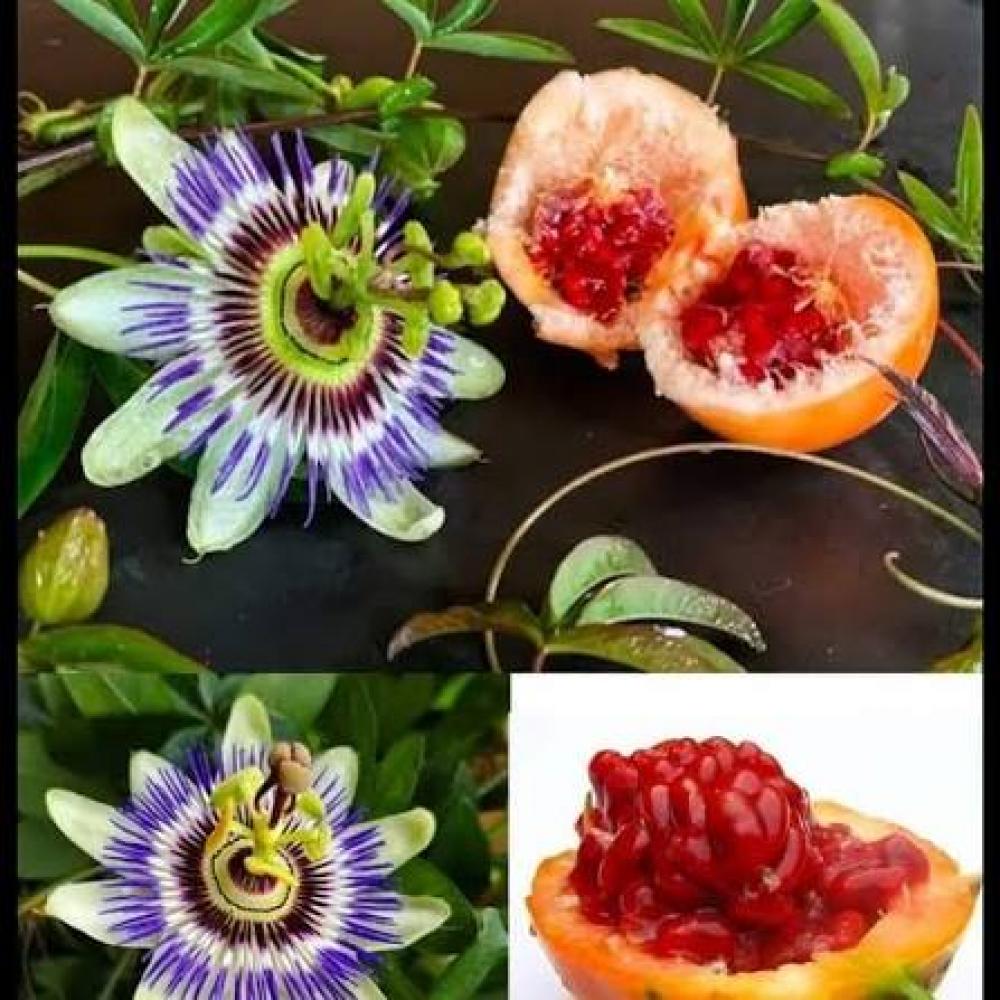
Passiflora or passion flower
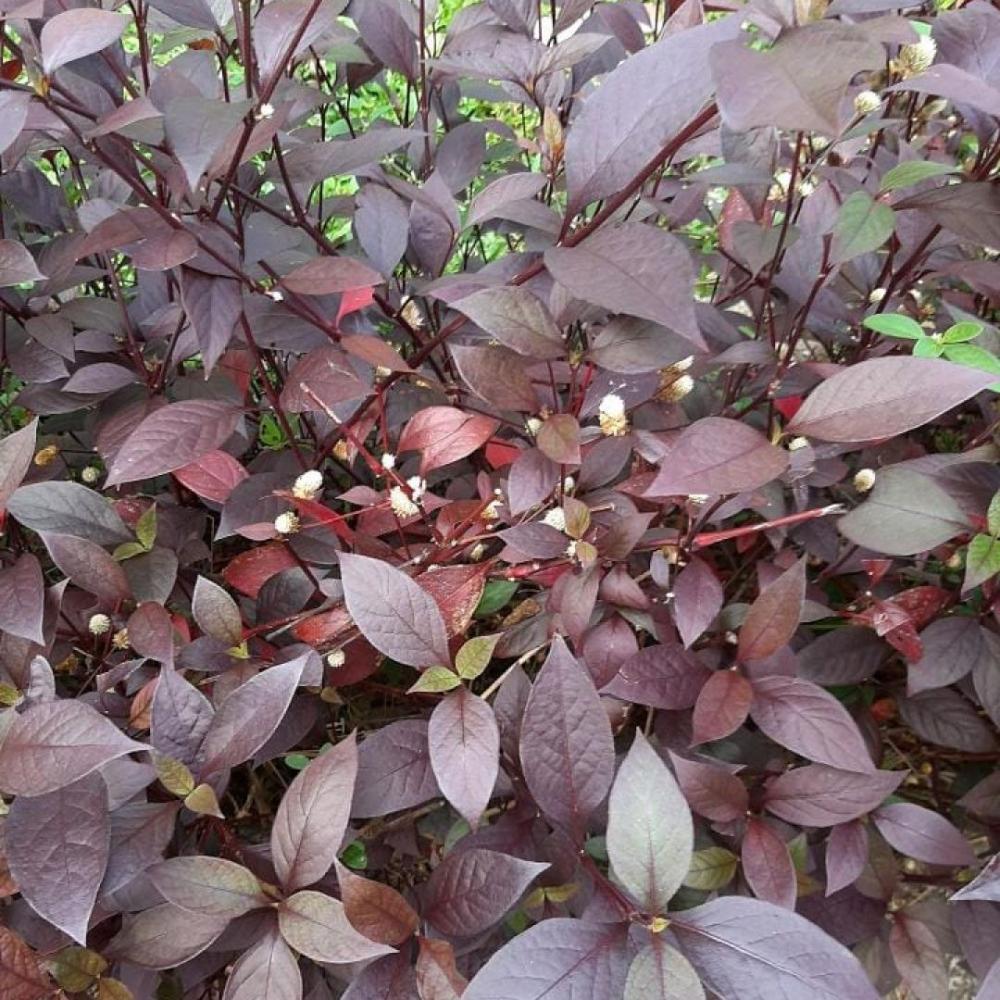
Penicillin or Parakeet
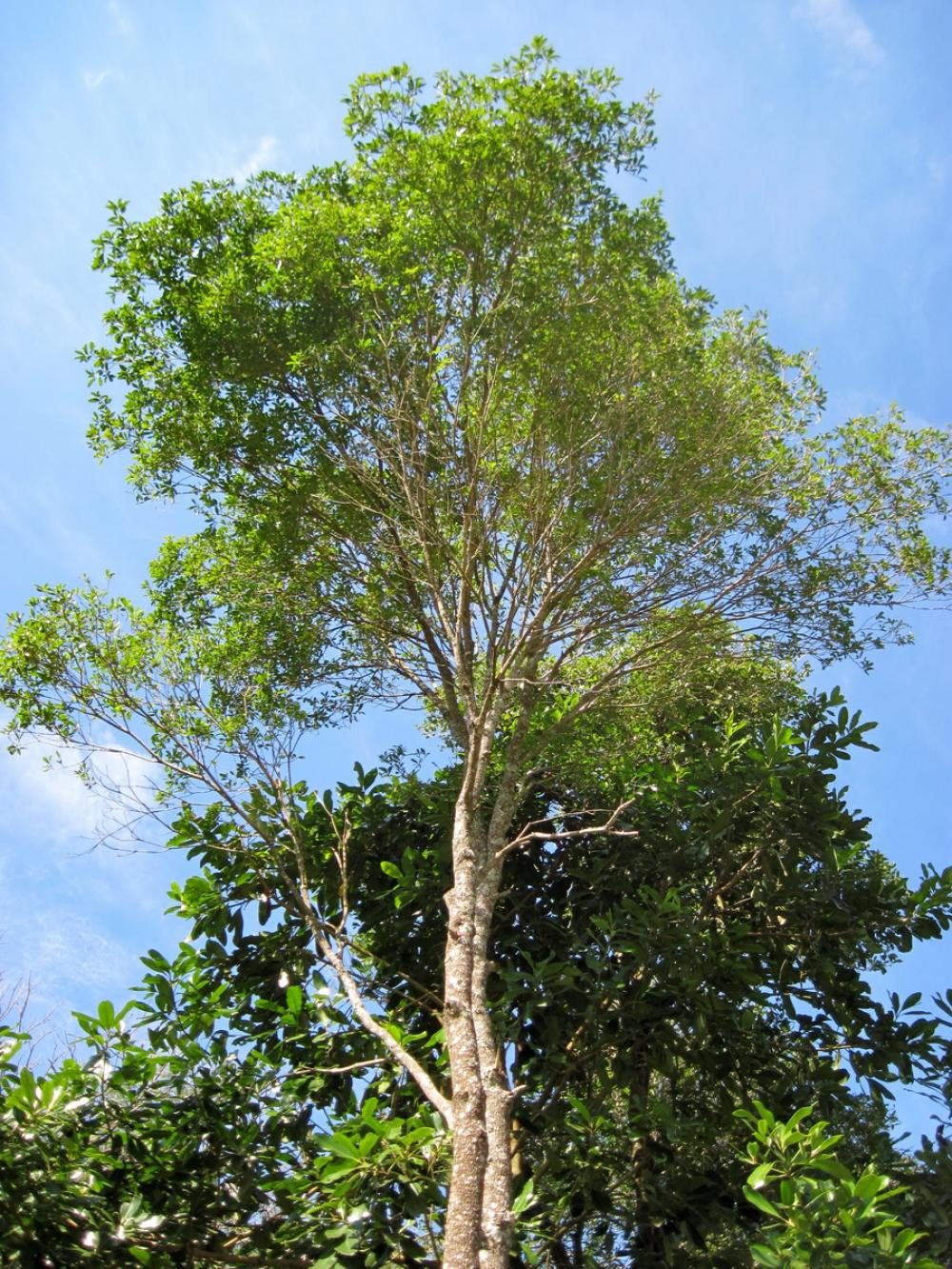
Peroba
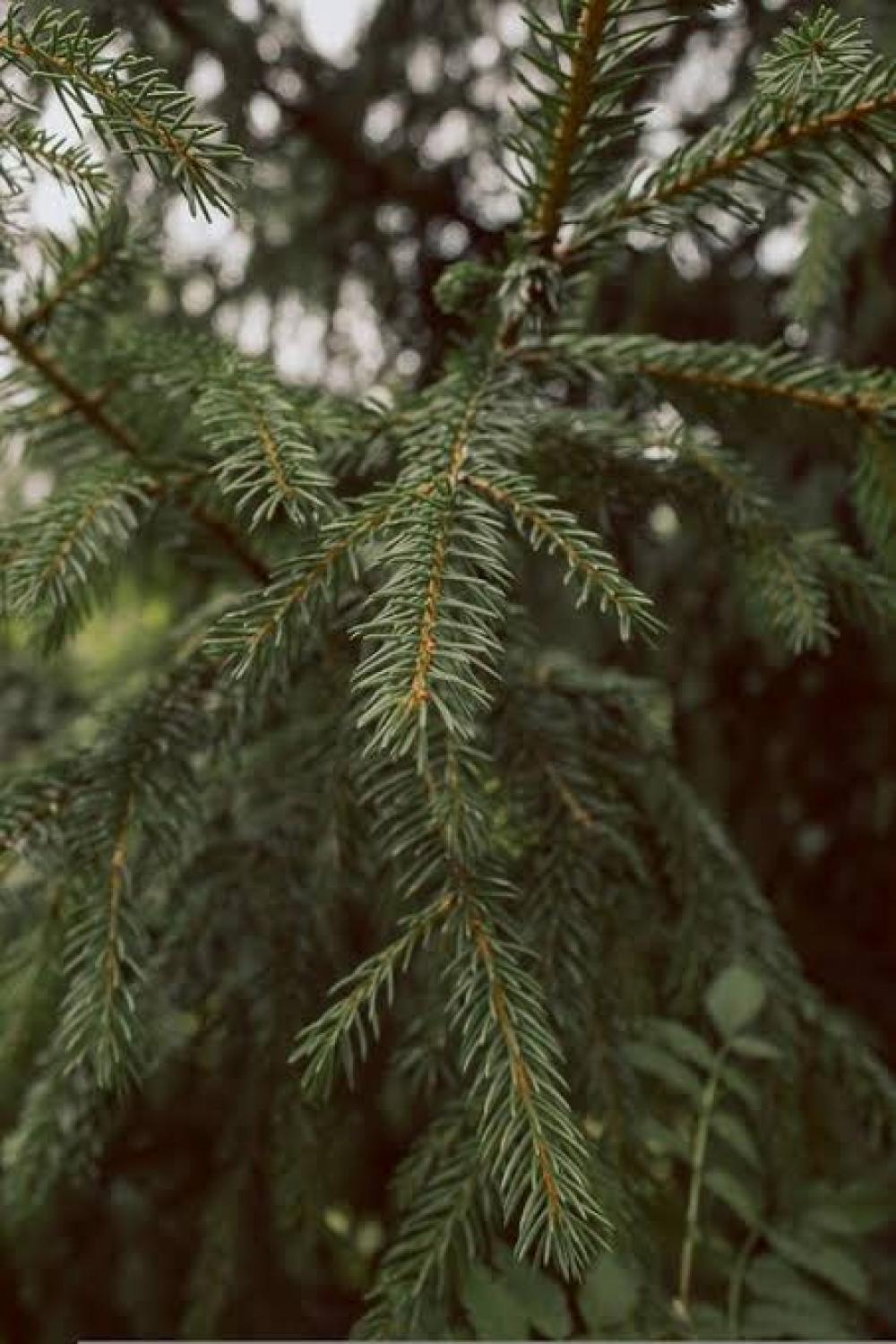
pine
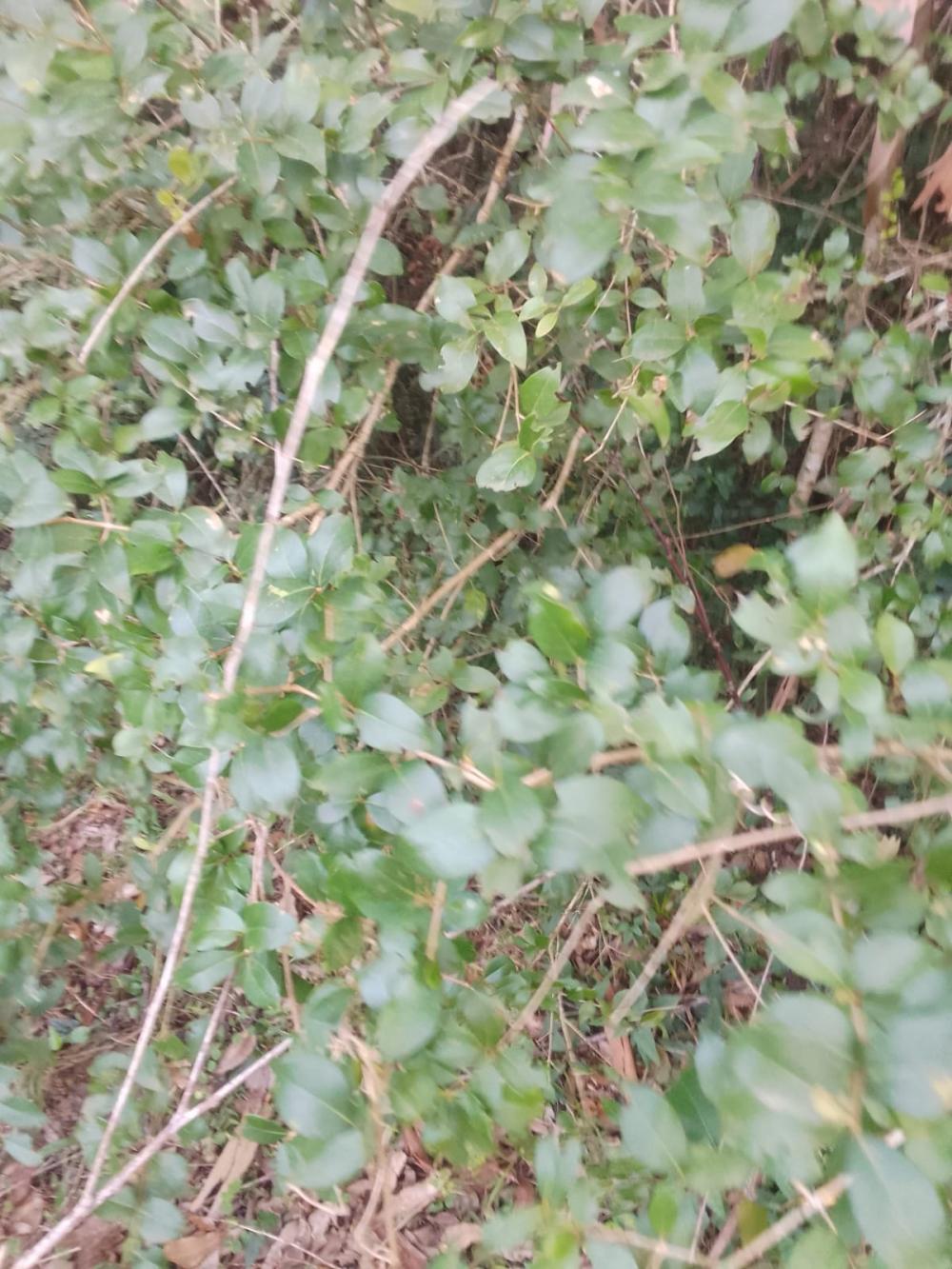
Surinam cherry tree
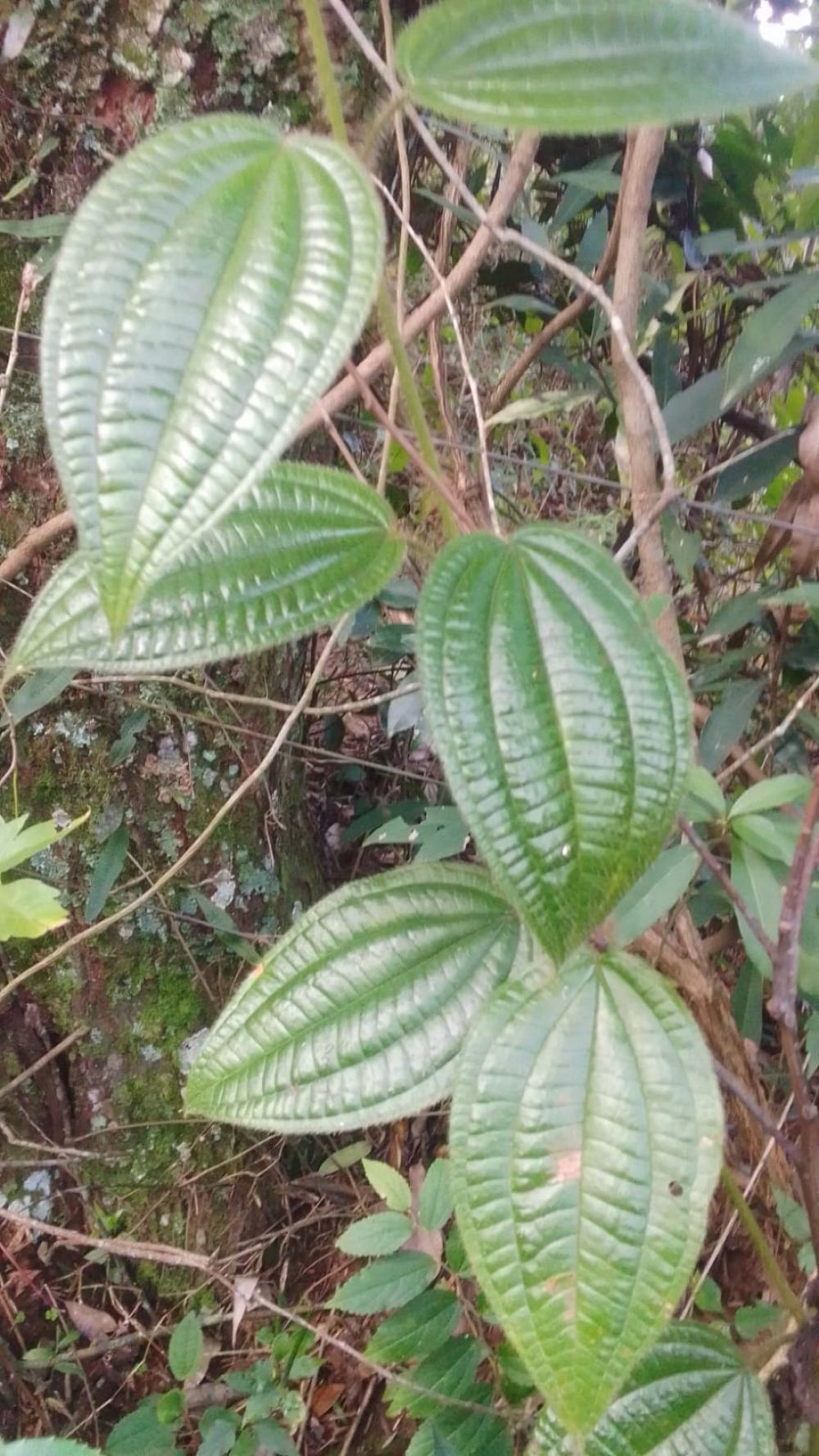
Pixirica
Pennyroyal

Stone-breaker
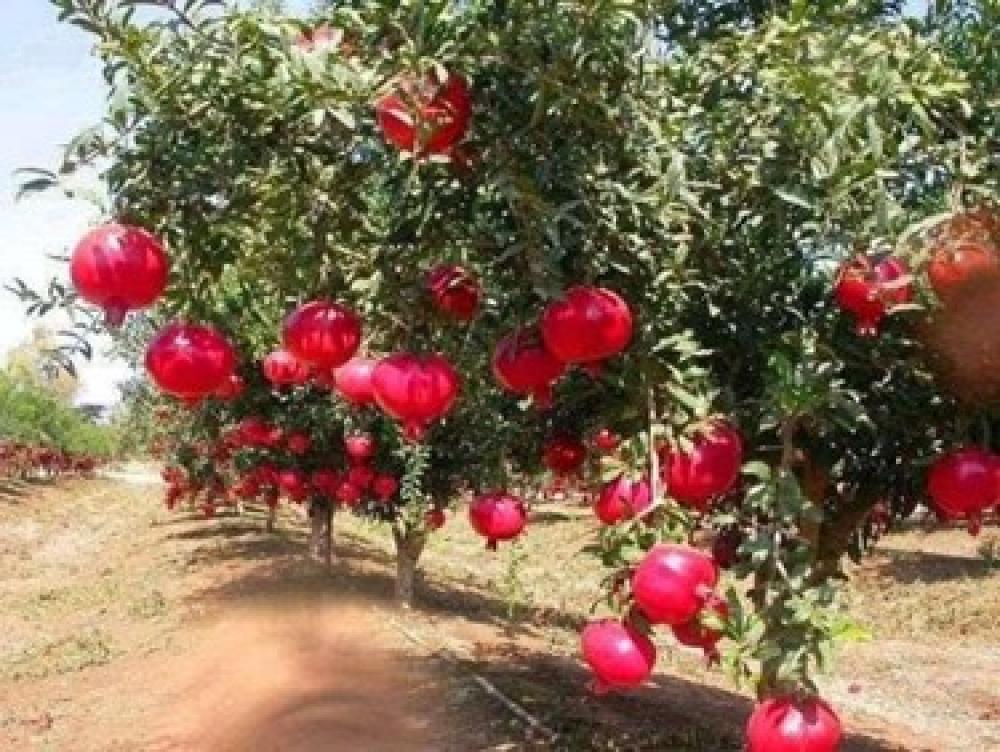
Pomegranate tree
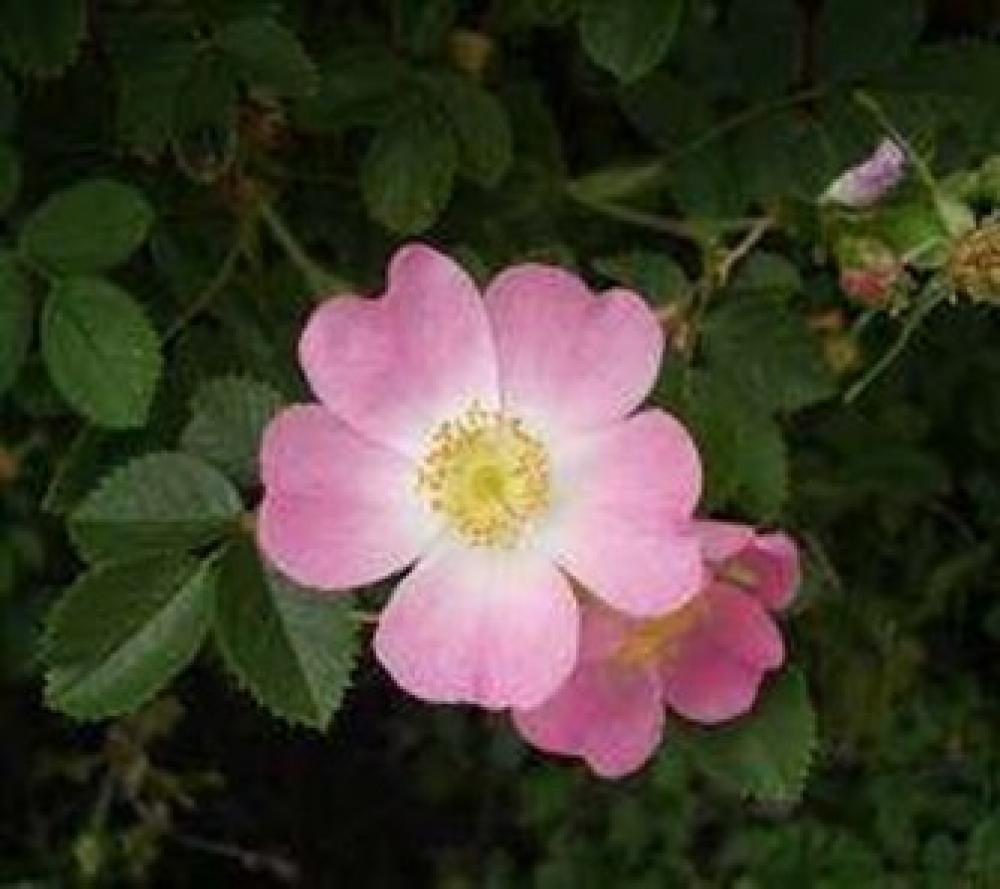
Rosa mosqueta
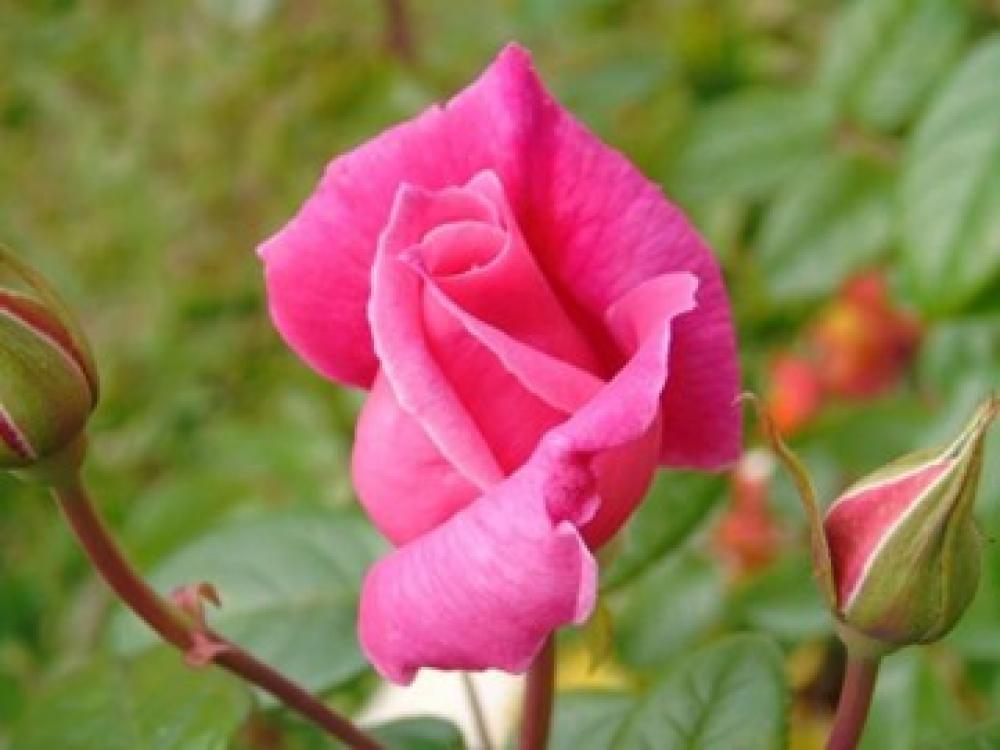
Rosebush
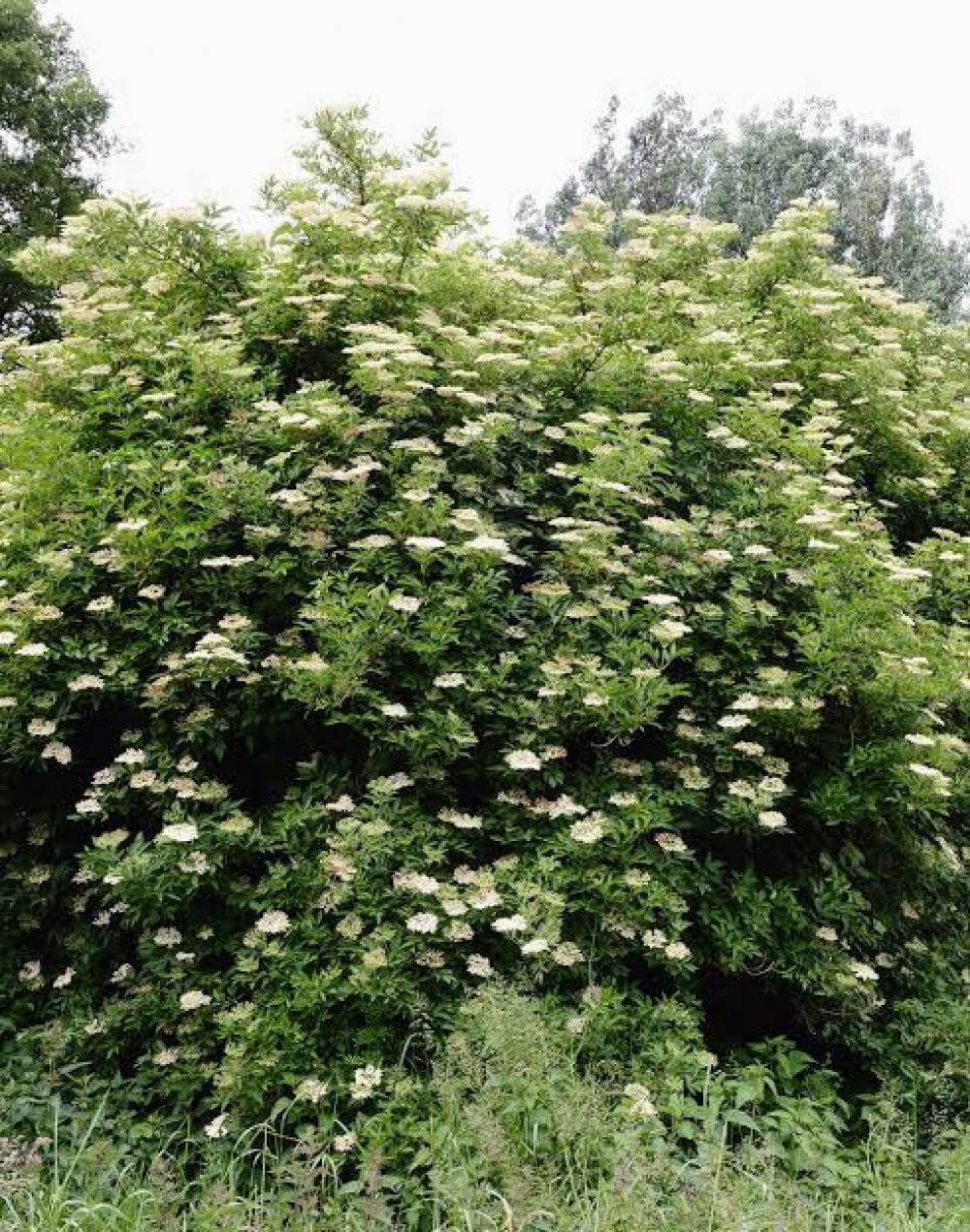
Elderberry
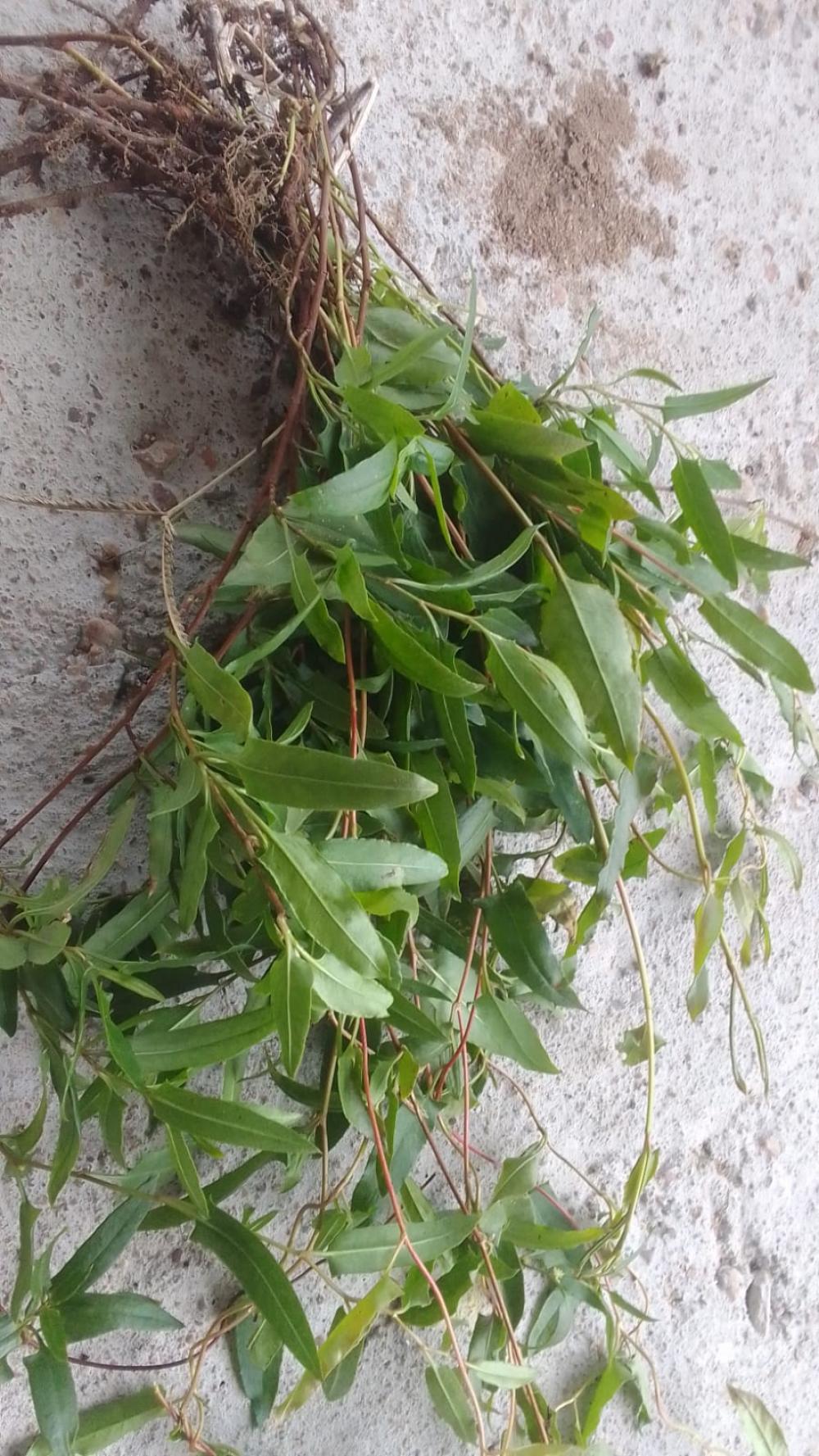
parilla parsley
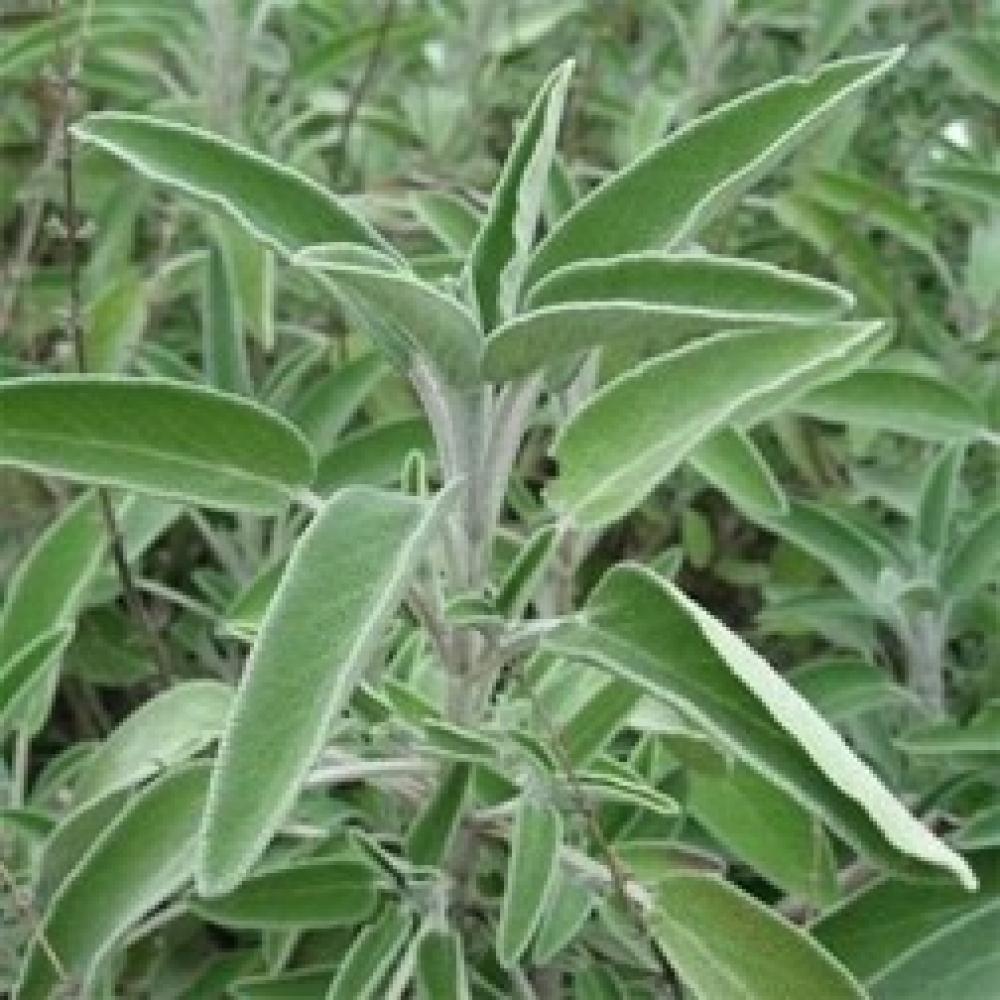
Sage
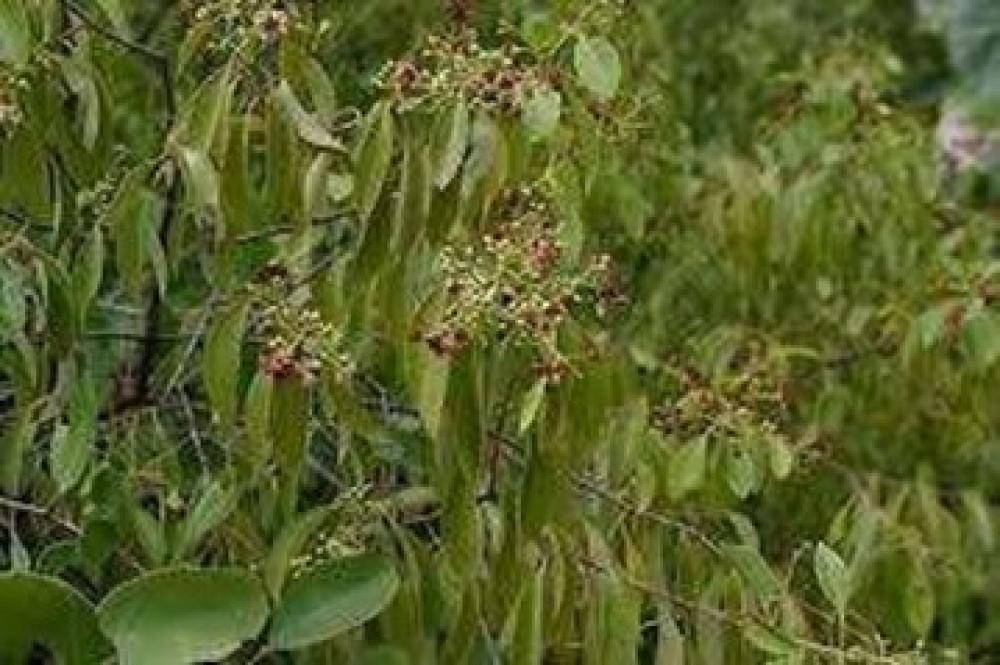
Sandalwood
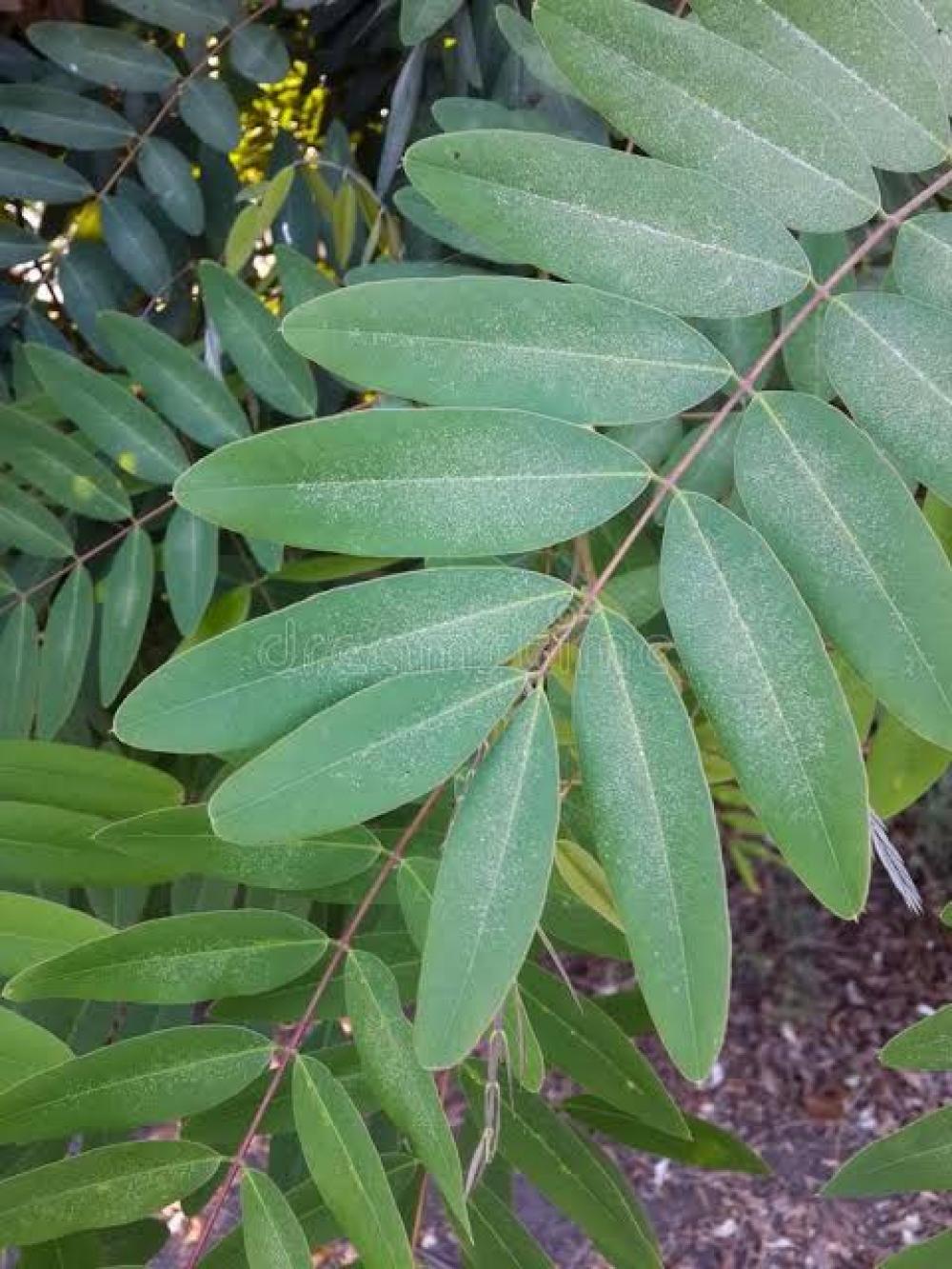
senna
Stevia
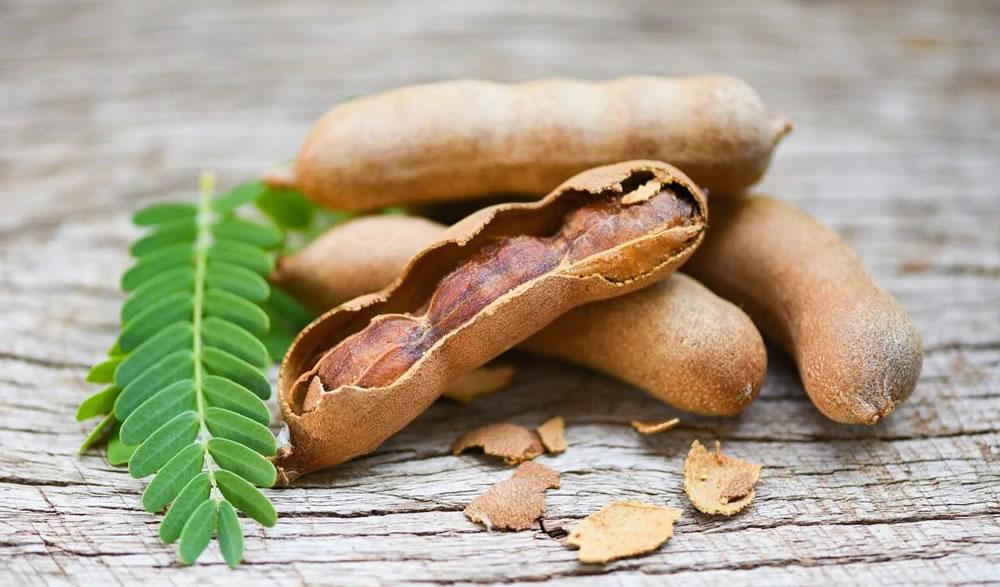
Tamarind
Plantain
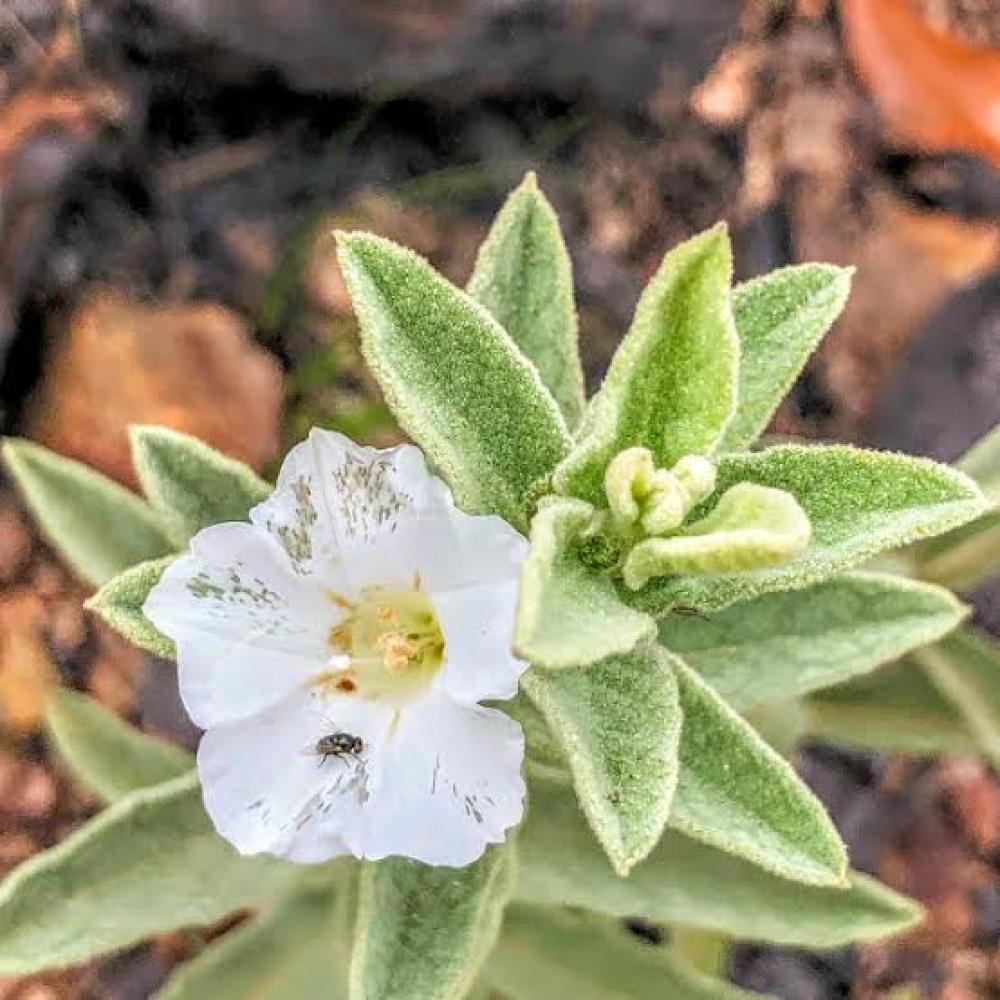
Velame-do-campo
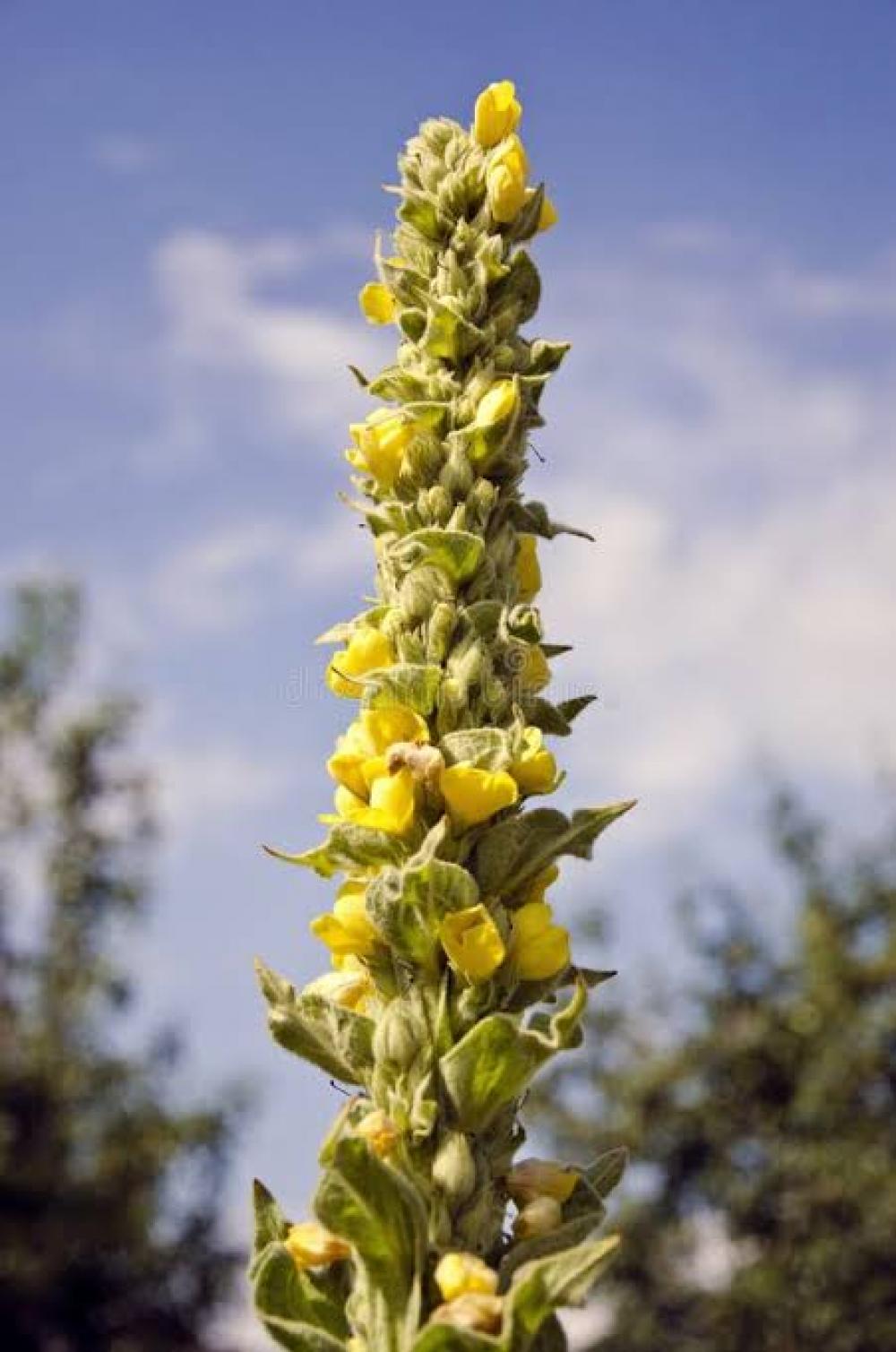
Brazilian mullein
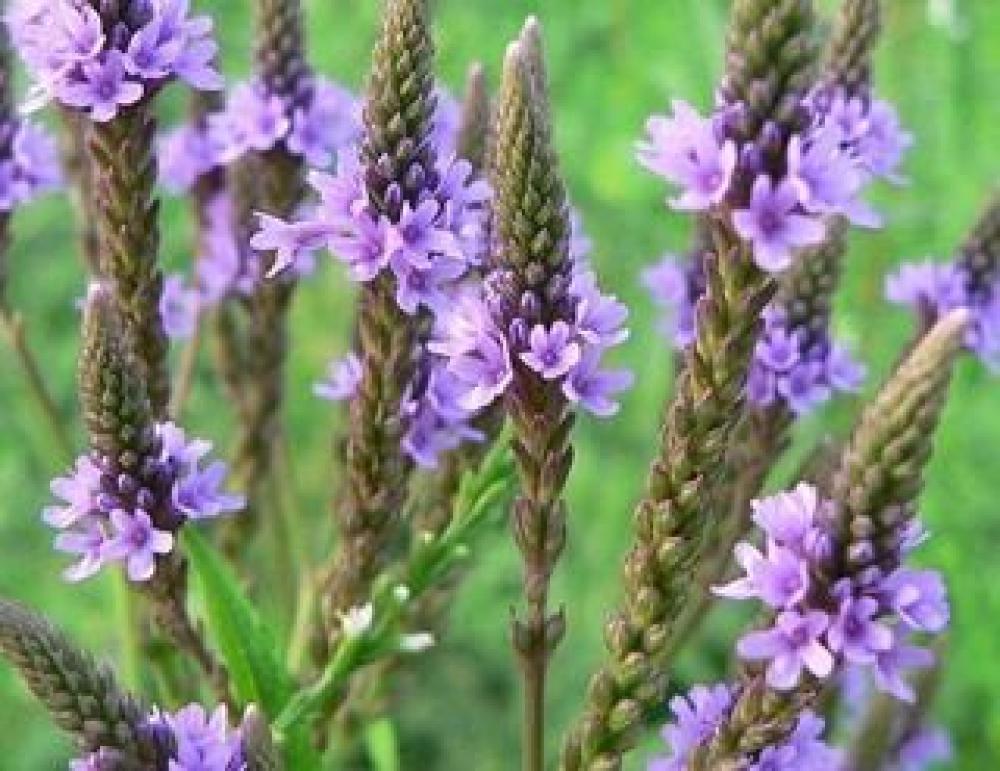
Field verbena