



Juazeiro
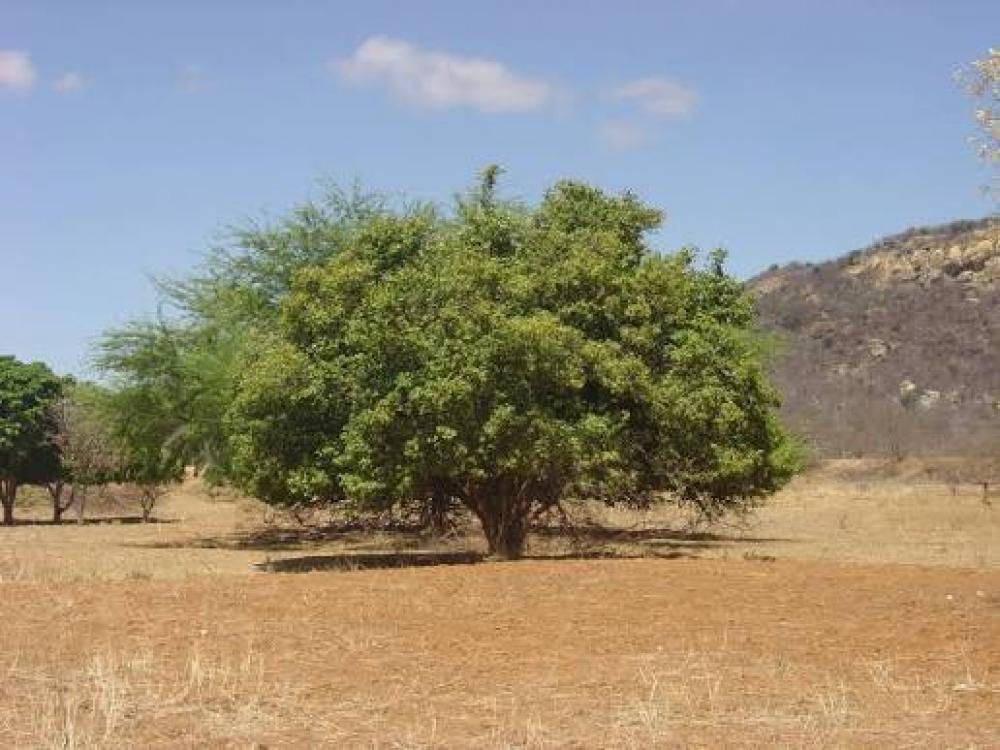
The Juazeiro – A Symbol of Resilience and Life in the Semiarid Region
The Juazeiro is one of the most characteristic and important trees of the Brazilian Northeasts vegetation, particularly within the Caatinga biome. It is a native species, extremely well-adapted to conditions of high heat, low water availability, and prolonged dry spells. It can reach heights of approximately 10 to 15 meters, boasting a broad, generally lush green canopy—even during dry periods—a trait that has made it a significant feature of the *sertão* landscape and culture.
Its trunk is typically short and heavily branched, featuring grayish bark and thorns along the branches. The leaves are small, green, and glossy, while its inconspicuous, greenish flowers provide resources for various insects. The fruits are small, round, and yellowish when ripe; popularly known as *juás*, they are edible for humans and serve as a vital food source for local wildlife.
Ecologically, the Juazeiro is of immense importance to the biodiversity. Its ability to remain green during droughts makes it a valuable species for animals that rely on its leaves, fruit, and shade. The tree also contributes to soil protection, provides shelter, and helps maintain ecological relationships in an environment defined by water scarcity.
The Juazeiro also holds great cultural and economic significance for Northeastern communities. Its fruits are traditionally consumed as food, while various parts of the plant feature in folk knowledge regarding its natural uses. Its leaves and other plant structures are also known for traditional applications in home remedies and hygiene—though such folk uses should not be confused with medically proven treatments.
Scientific studies are investigating various compounds found in the Juazeiro—including saponins, flavonoids, phenolic compounds, and other secondary metabolites—which helps explain the scientific interest in the species biological properties. Experimental research is evaluating its antioxidant, antimicrobial, and anti-inflammatory activities, among other potential benefits. However, traditional medicinal uses should be undertaken with proper guidance, as experimental evidence does not automatically imply clinical efficacy or safety for everyone.
The Juazeiro also represents a significant example of nature adapting to harsh climatic conditions. Its resilience demonstrates the genetic richness of Caatinga species and underscores the need to protect this biome, which harbors a unique and highly specialized biodiversity. Conserving trees like the Juazeiro helps preserve not only nature but also the knowledge and traditions of the populations that have historically coexisted with the semi-arid region.
Valuing the Juazeiro means recognizing the strength of Brazilian vegetation and understanding that, even in environments of extreme drought, an extraordinary diversity of life forms exists. It symbolizes resilience, adaptation, sustenance, shelter, and the continuity of life.
Juazeiro: a tree of resilience, a symbol of the Caatinga and of the strength of Brazilian biodiversity in the face of drought and the passage of time.
The Juazeiro is one of the most characteristic and important trees of the Brazilian Northeasts vegetation, particularly within the Caatinga biome. It is a native species, extremely well-adapted to conditions of high heat, low water availability, and prolonged dry spells. It can reach heights of approximately 10 to 15 meters, boasting a broad, generally lush green canopy—even during dry periods—a trait that has made it a significant feature of the *sertão* landscape and culture.
Its trunk is typically short and heavily branched, featuring grayish bark and thorns along the branches. The leaves are small, green, and glossy, while its inconspicuous, greenish flowers provide resources for various insects. The fruits are small, round, and yellowish when ripe; popularly known as *juás*, they are edible for humans and serve as a vital food source for local wildlife.
Ecologically, the Juazeiro is of immense importance to the biodiversity. Its ability to remain green during droughts makes it a valuable species for animals that rely on its leaves, fruit, and shade. The tree also contributes to soil protection, provides shelter, and helps maintain ecological relationships in an environment defined by water scarcity.
The Juazeiro also holds great cultural and economic significance for Northeastern communities. Its fruits are traditionally consumed as food, while various parts of the plant feature in folk knowledge regarding its natural uses. Its leaves and other plant structures are also known for traditional applications in home remedies and hygiene—though such folk uses should not be confused with medically proven treatments.
Scientific studies are investigating various compounds found in the Juazeiro—including saponins, flavonoids, phenolic compounds, and other secondary metabolites—which helps explain the scientific interest in the species biological properties. Experimental research is evaluating its antioxidant, antimicrobial, and anti-inflammatory activities, among other potential benefits. However, traditional medicinal uses should be undertaken with proper guidance, as experimental evidence does not automatically imply clinical efficacy or safety for everyone.
The Juazeiro also represents a significant example of nature adapting to harsh climatic conditions. Its resilience demonstrates the genetic richness of Caatinga species and underscores the need to protect this biome, which harbors a unique and highly specialized biodiversity. Conserving trees like the Juazeiro helps preserve not only nature but also the knowledge and traditions of the populations that have historically coexisted with the semi-arid region.
Valuing the Juazeiro means recognizing the strength of Brazilian vegetation and understanding that, even in environments of extreme drought, an extraordinary diversity of life forms exists. It symbolizes resilience, adaptation, sustenance, shelter, and the continuity of life.
Juazeiro: a tree of resilience, a symbol of the Caatinga and of the strength of Brazilian biodiversity in the face of drought and the passage of time.
Tree Catalog
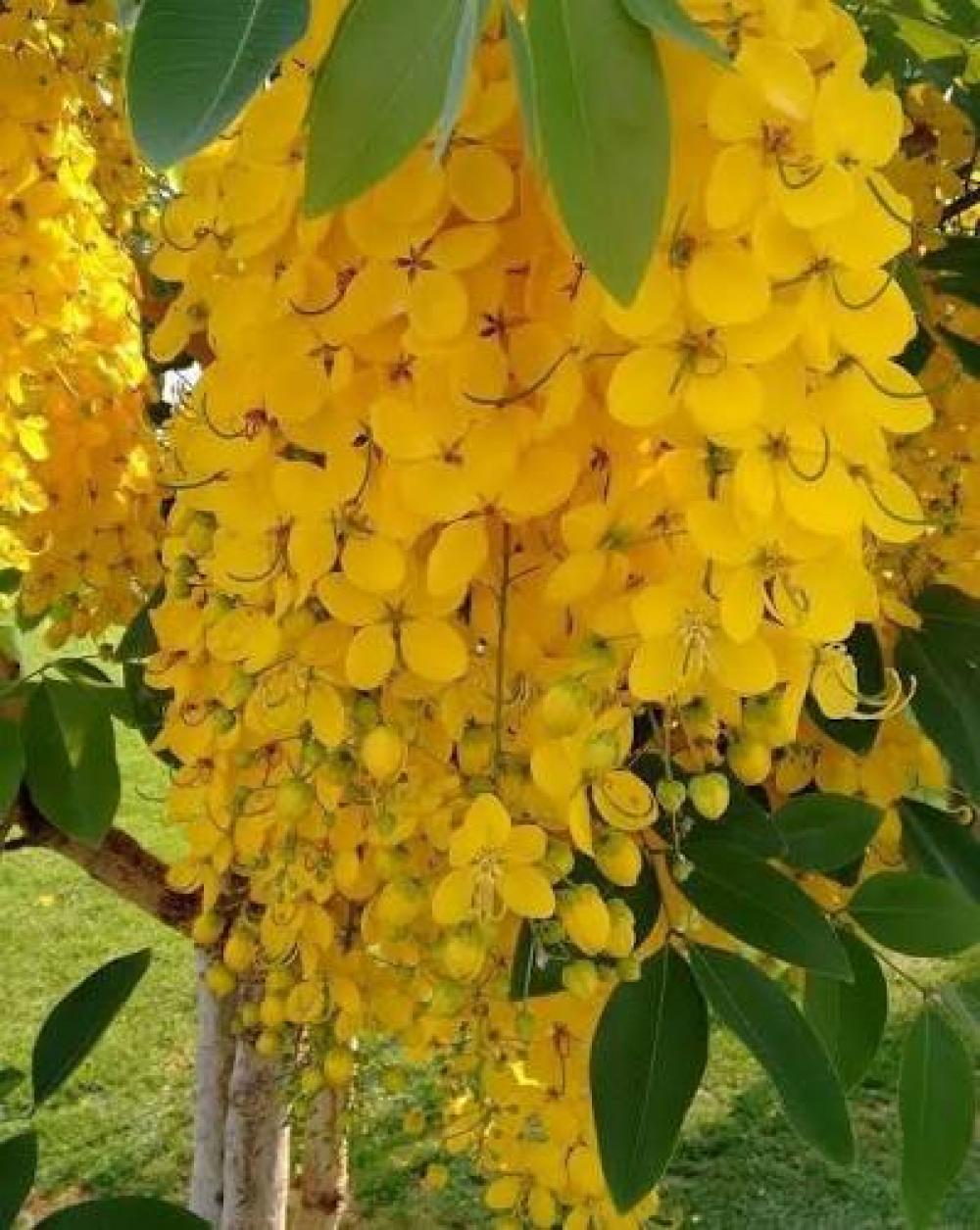
Imperial acacia
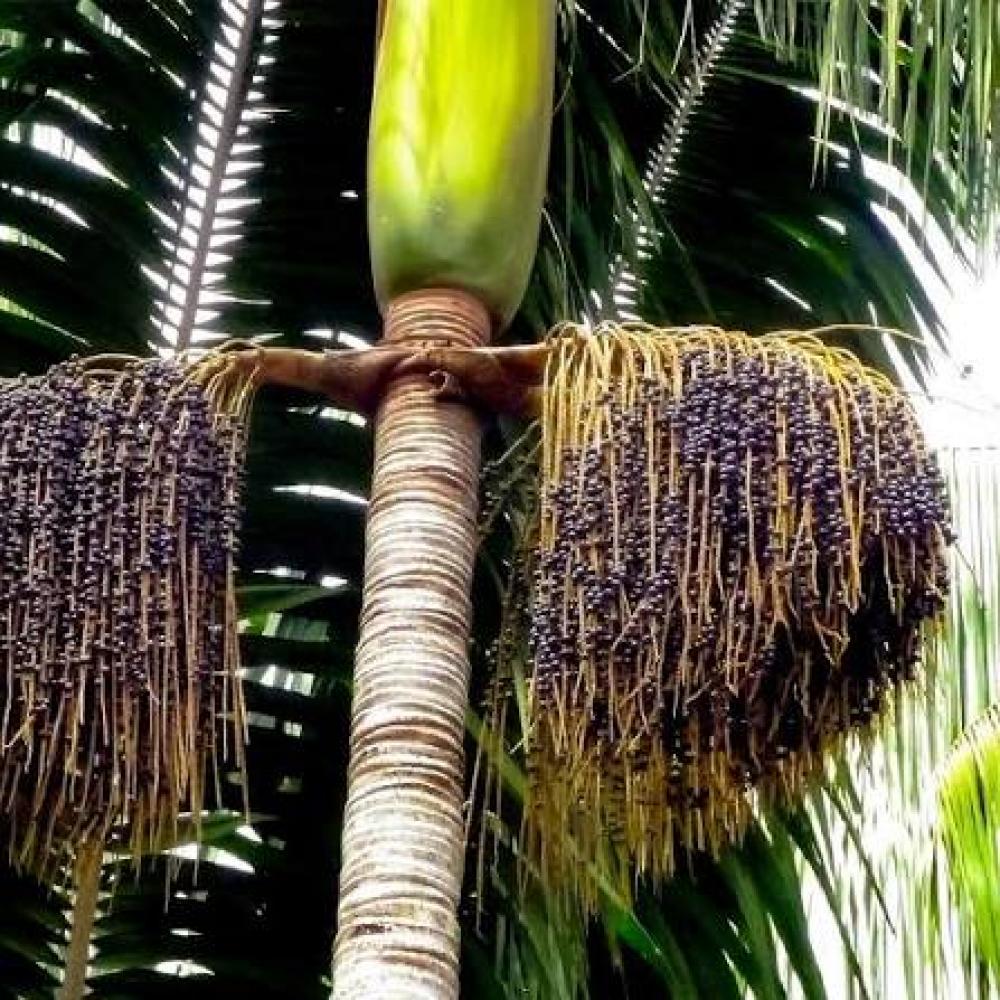
Açaí palm
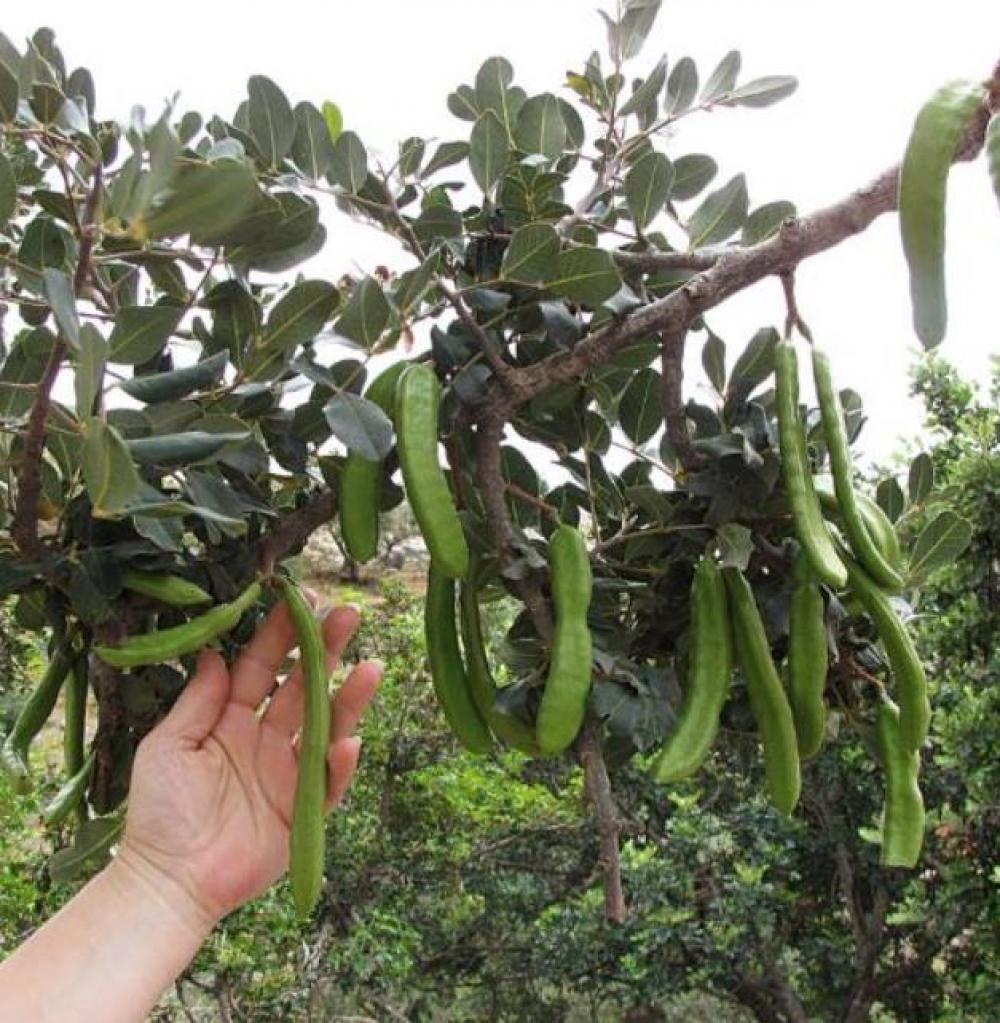
Alfarrobeira
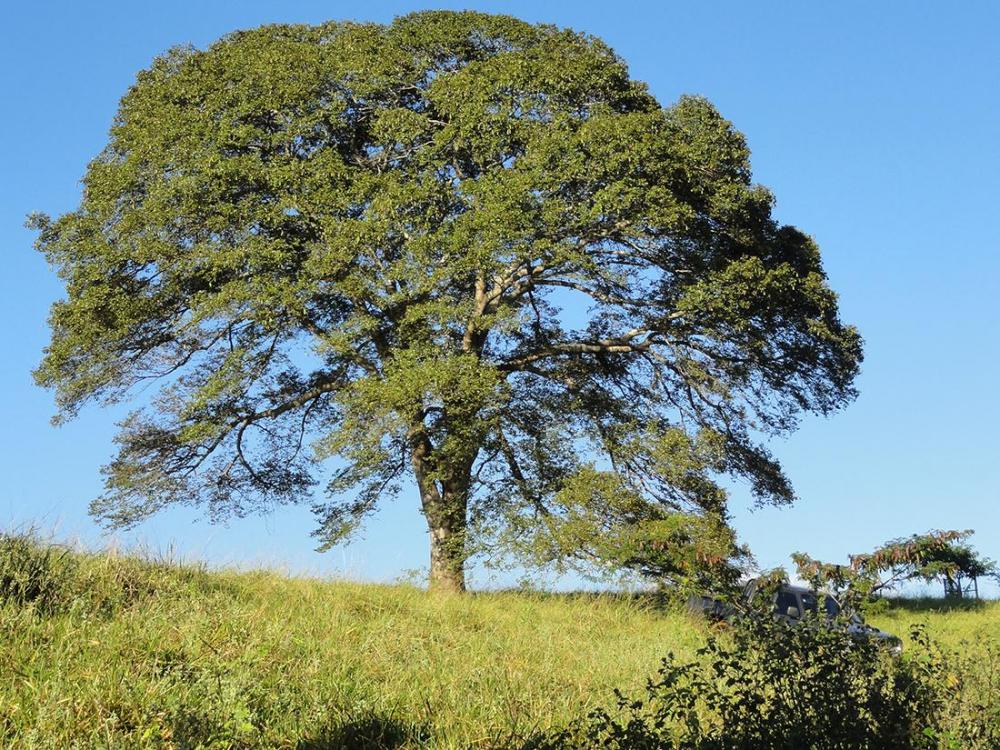
Andiroba
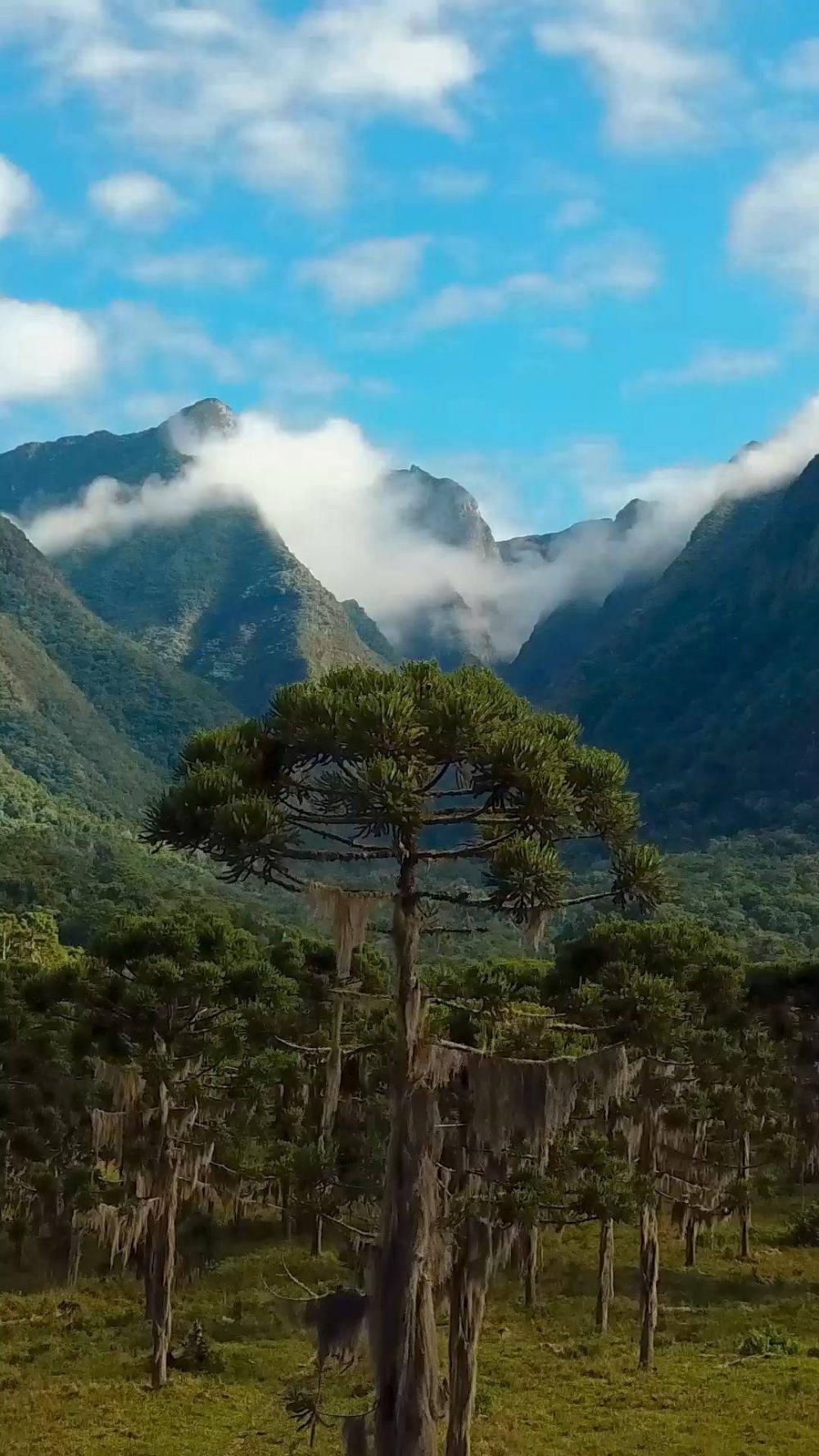
Red Angelim
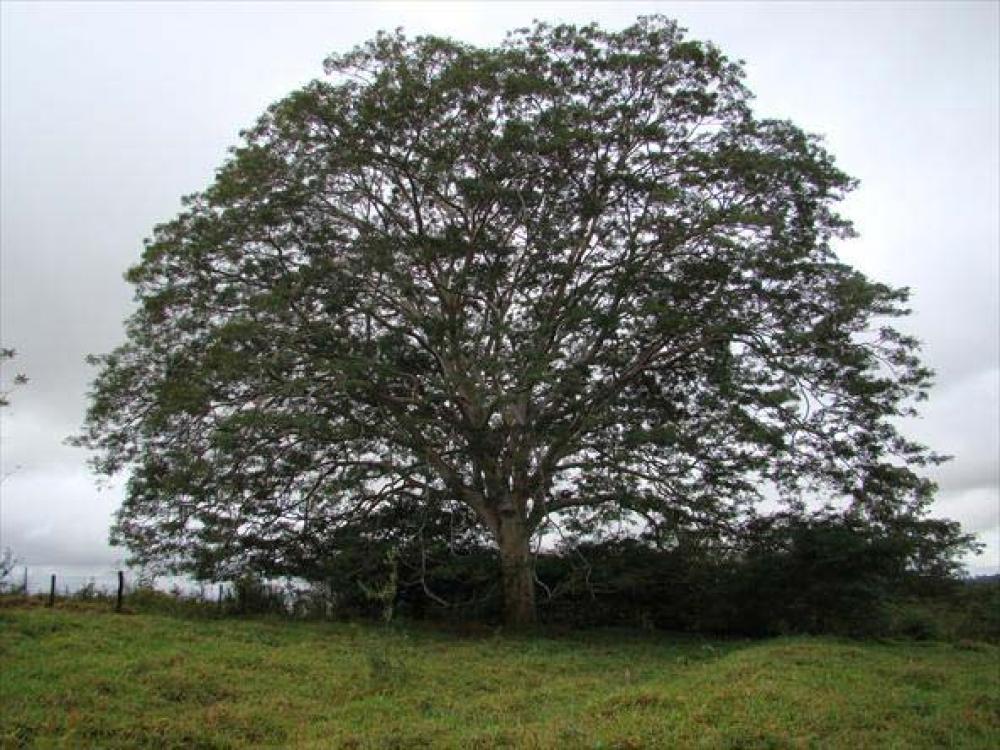
White Angico
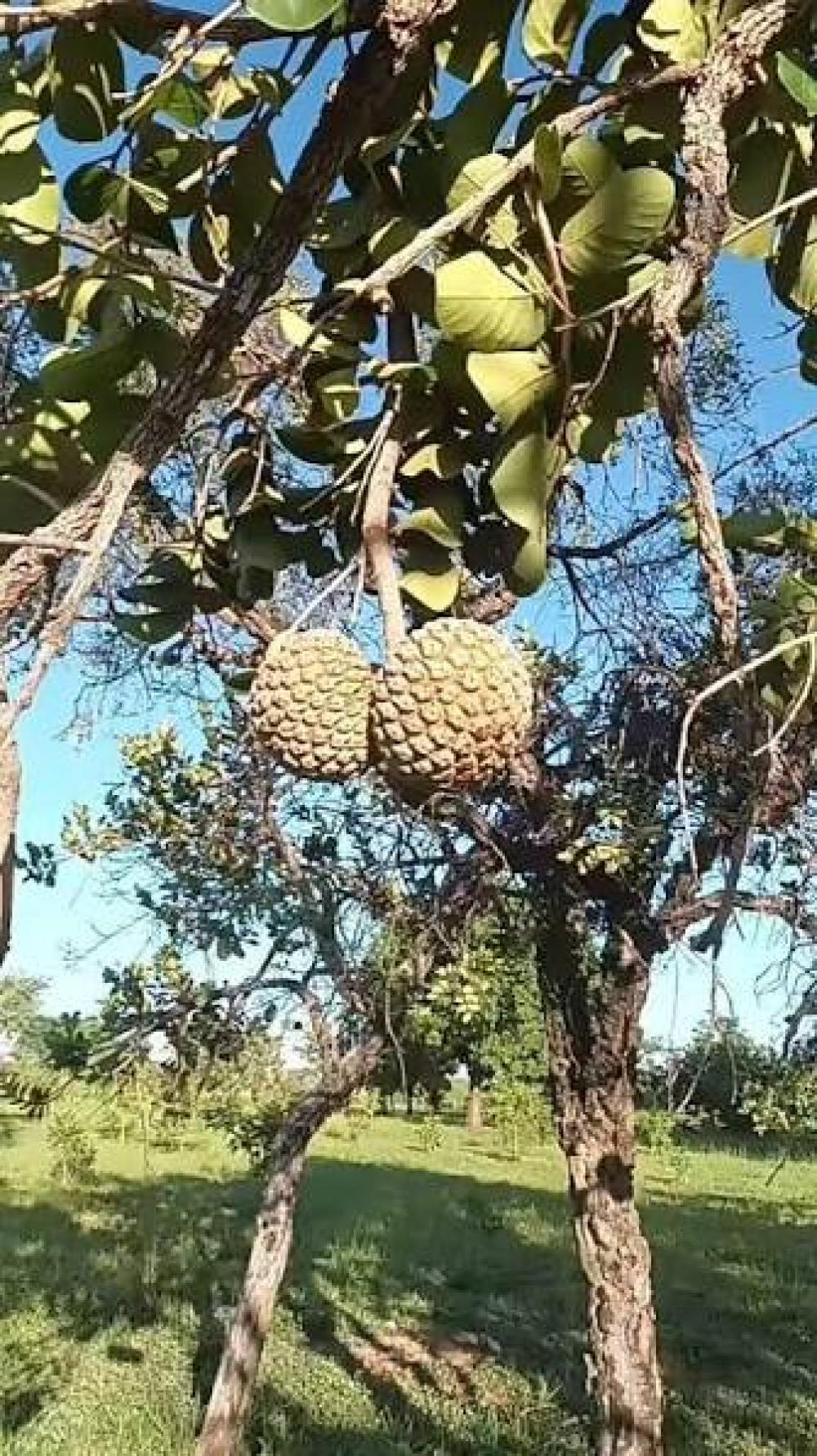
Araticum
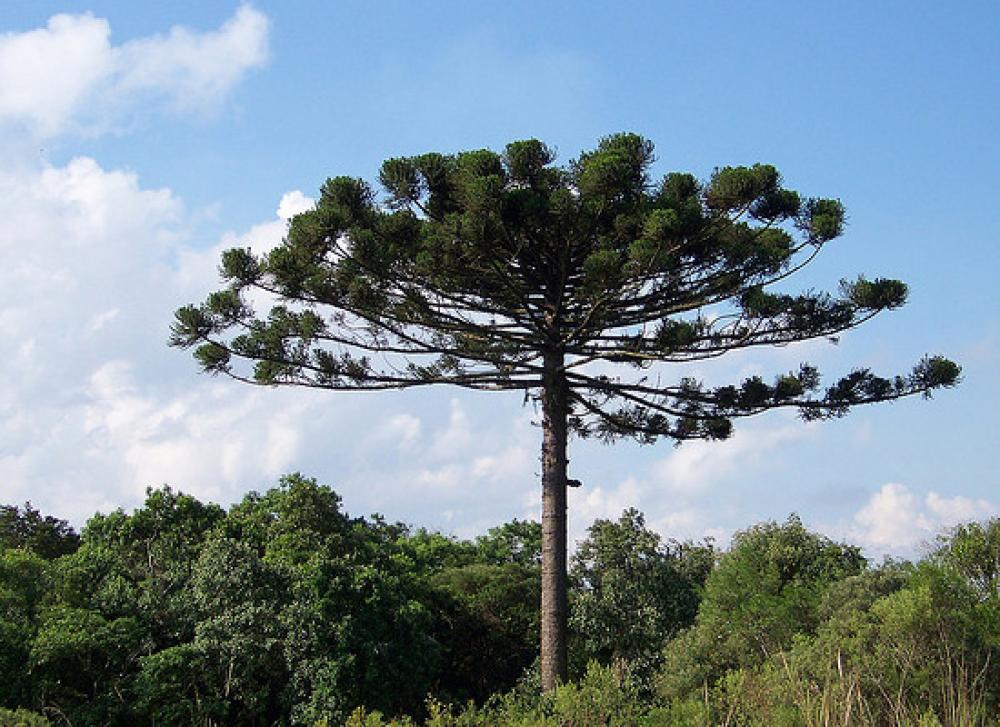
Araucaria, the Paraná pine
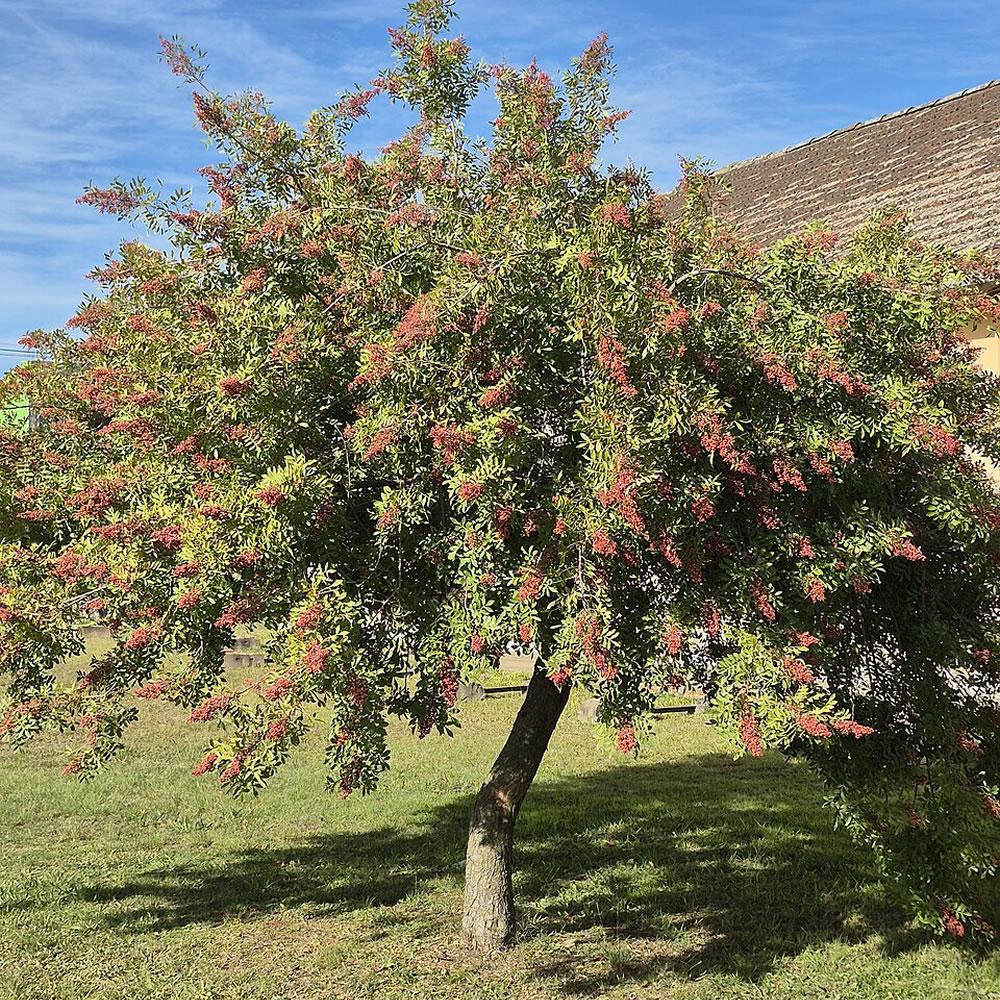
Brazilian peppertree
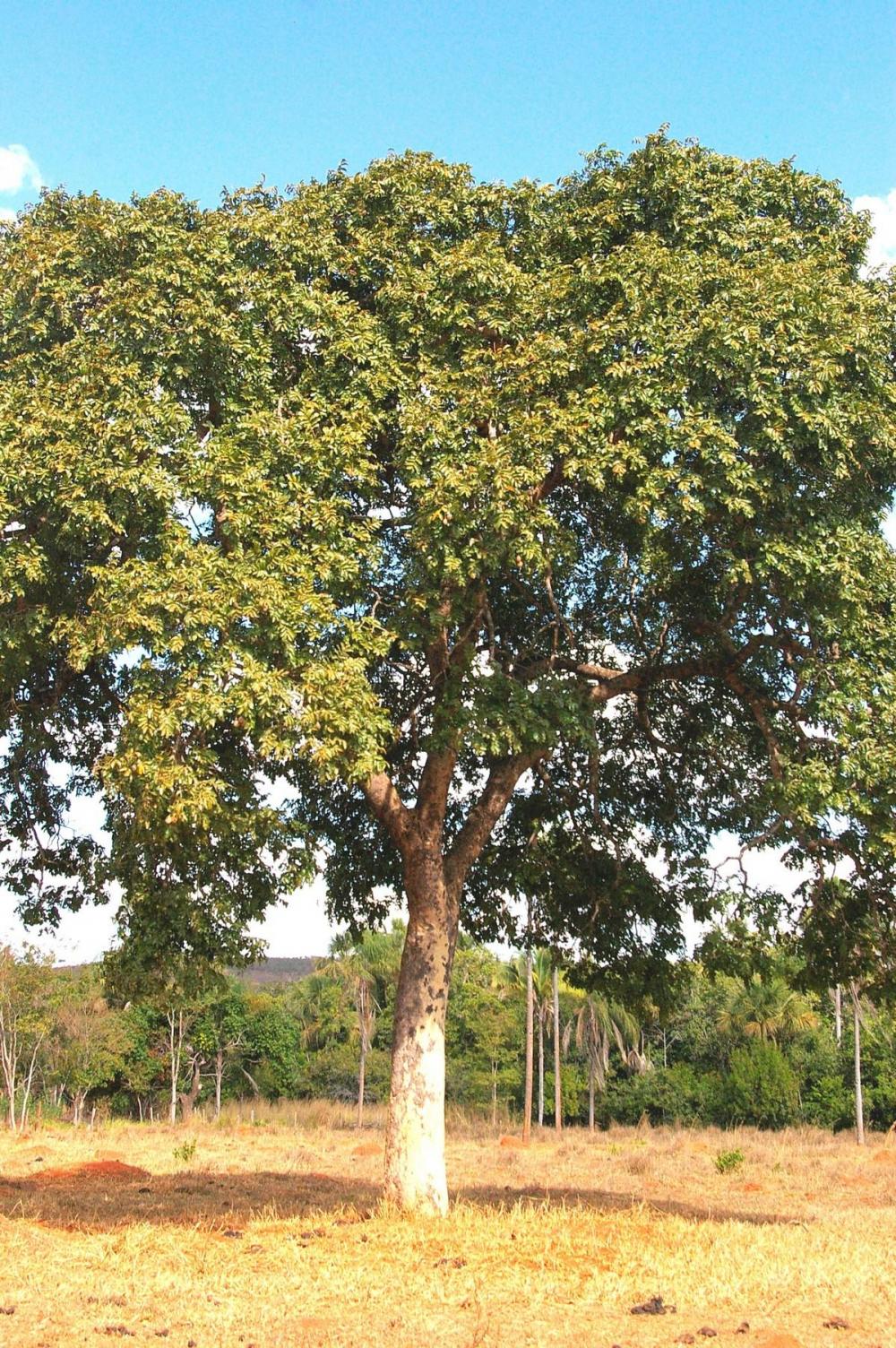
Baru
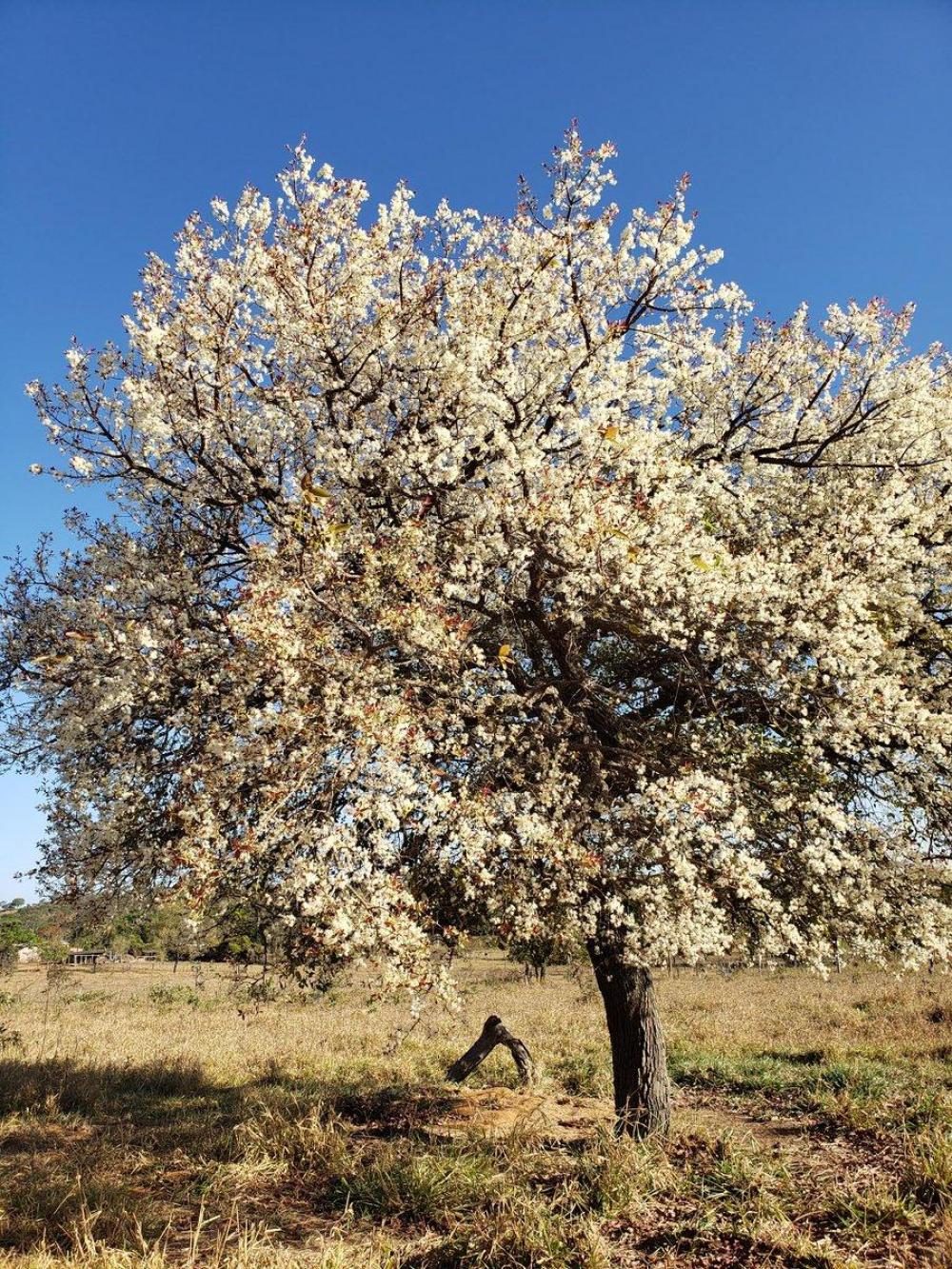
Cagaita
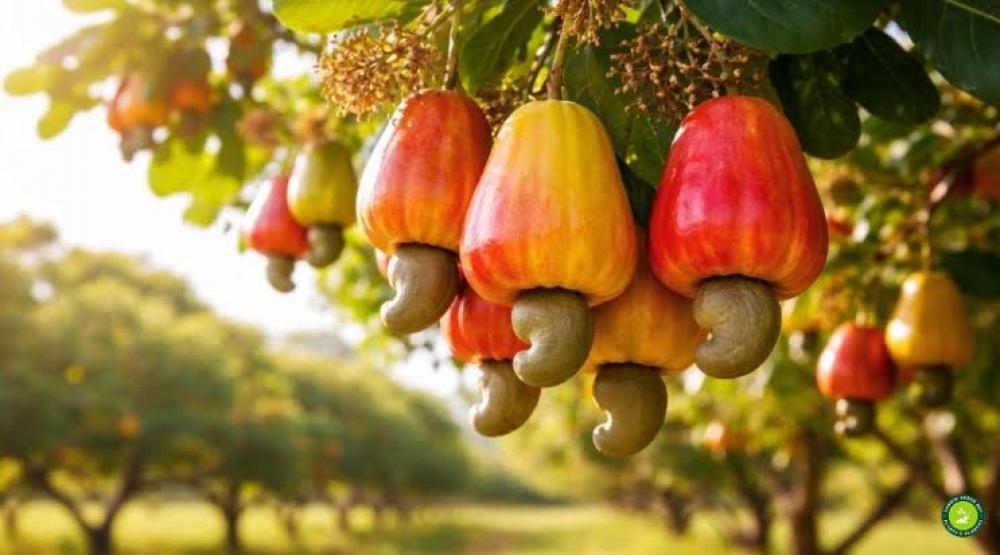
cashew tree
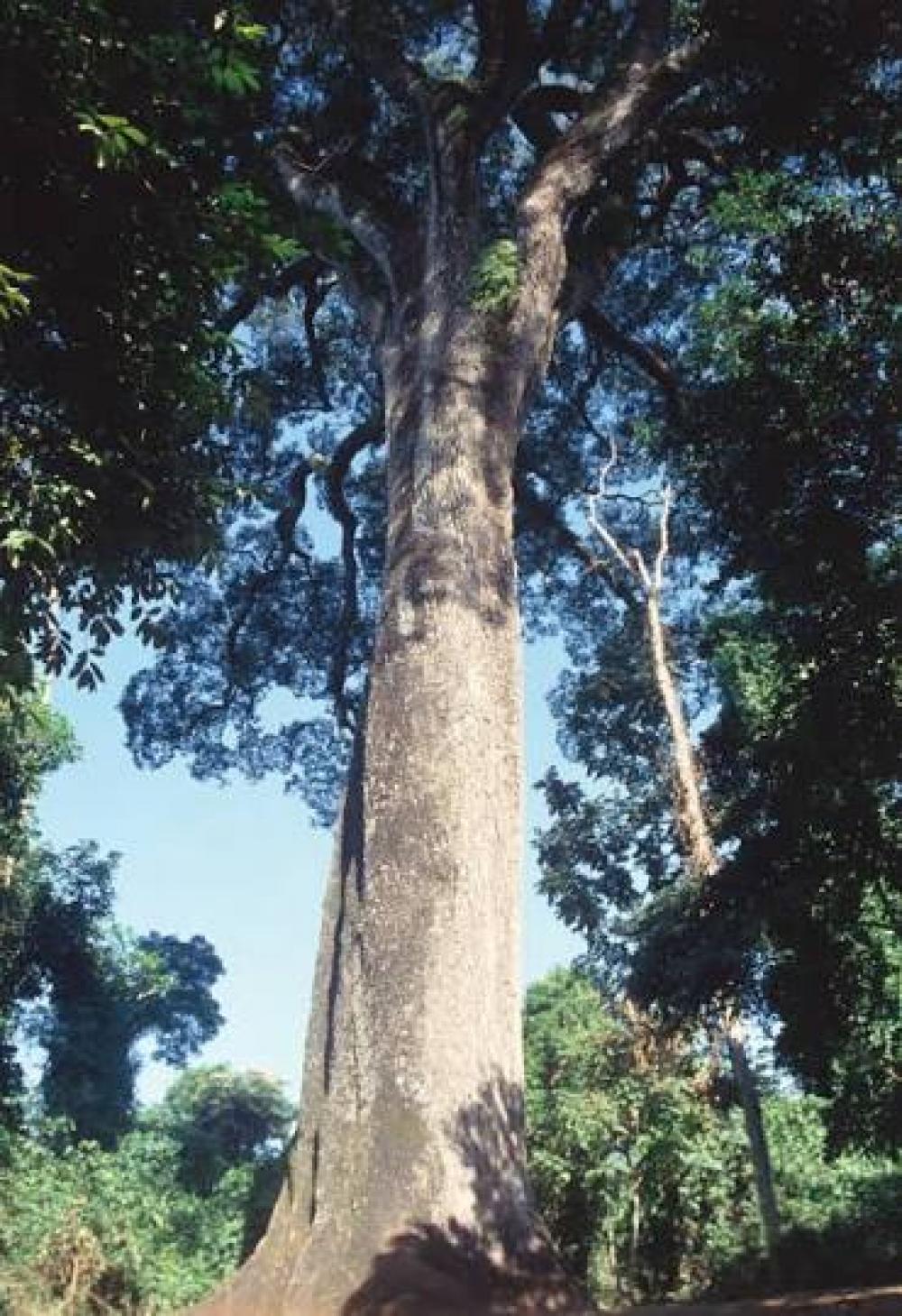
Black Cinnamon
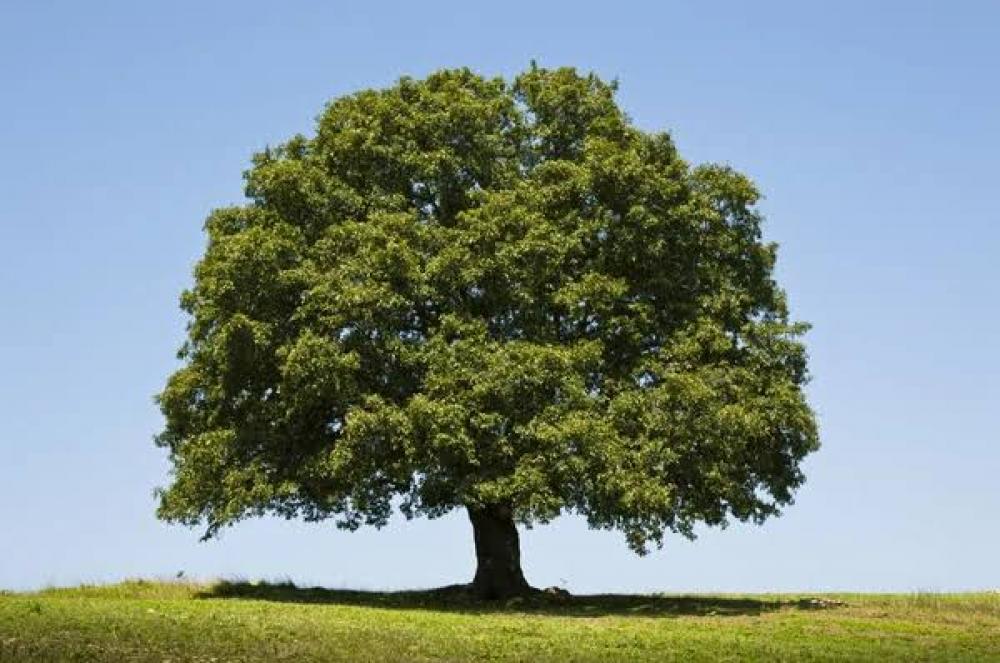
Oak tree
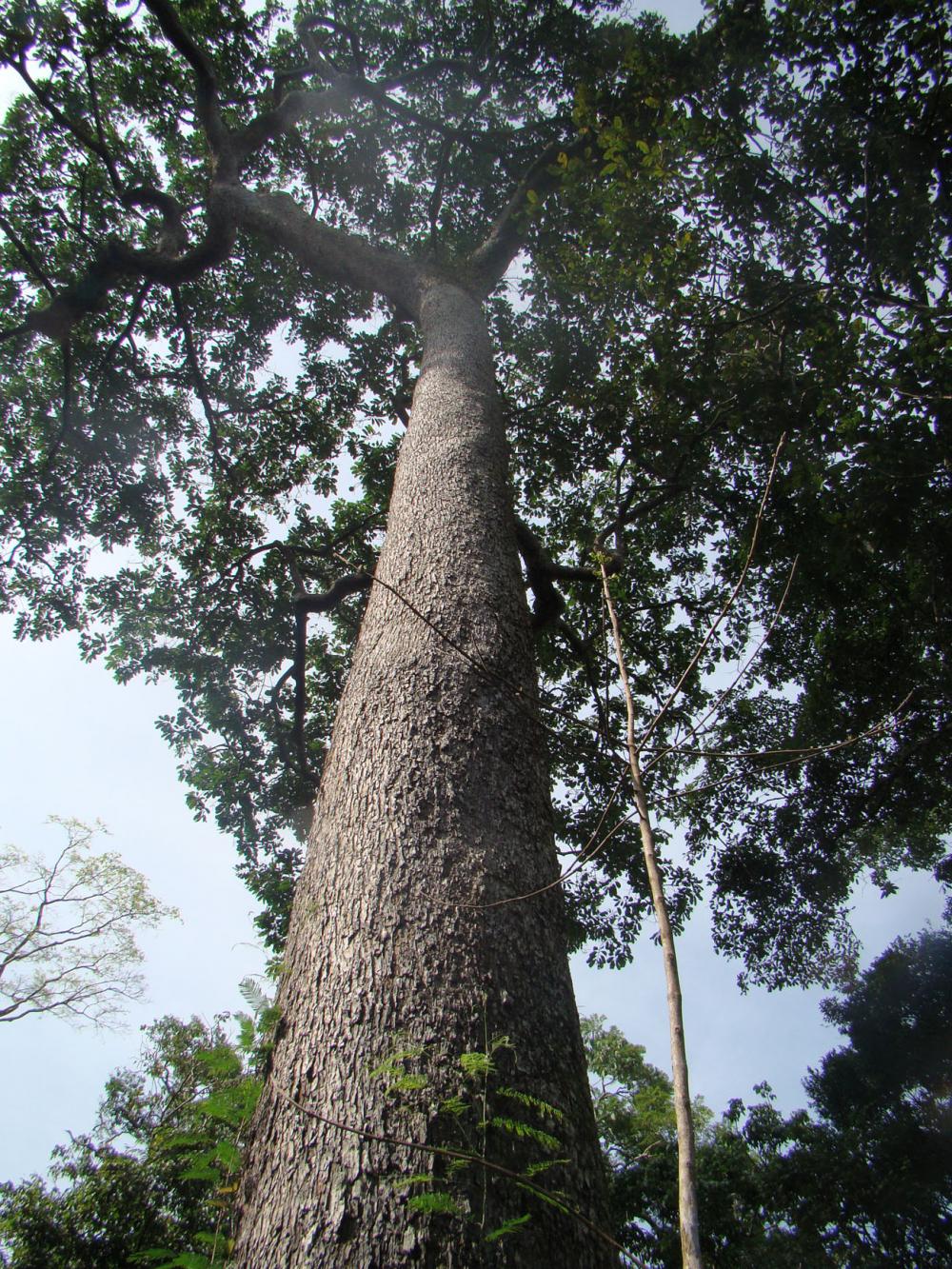
nuez de Brasil
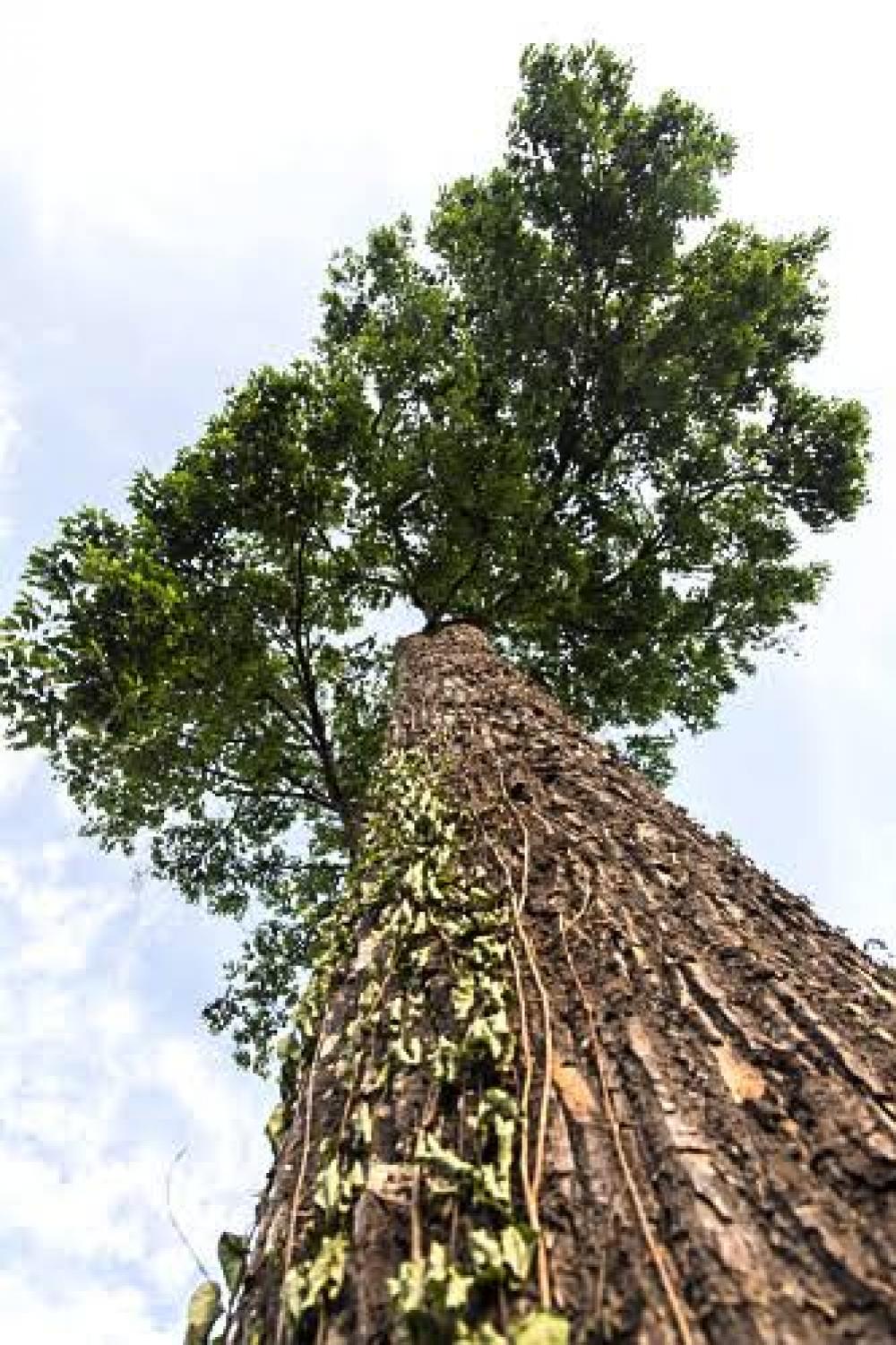
Brazil nut tree
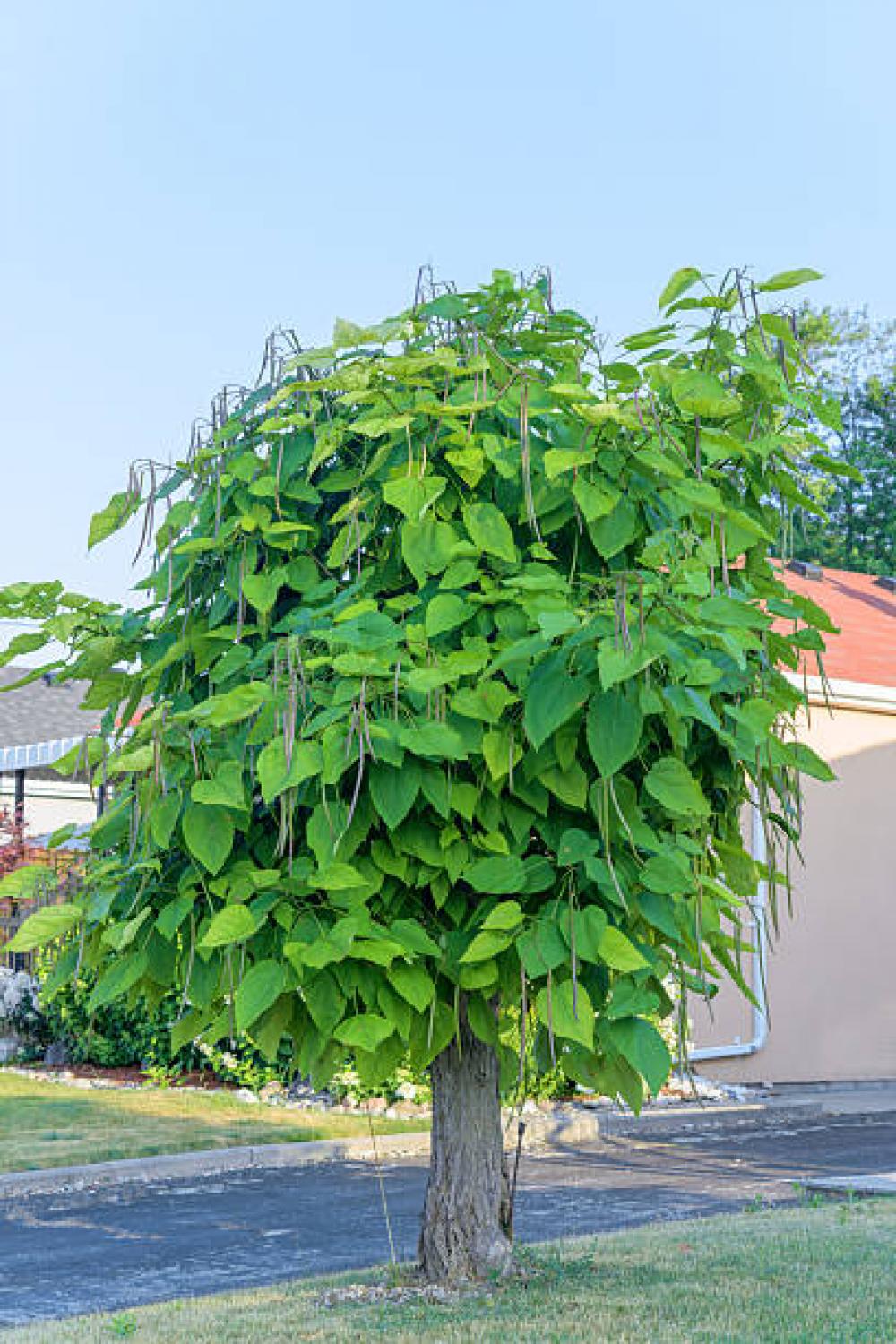
Catalpa
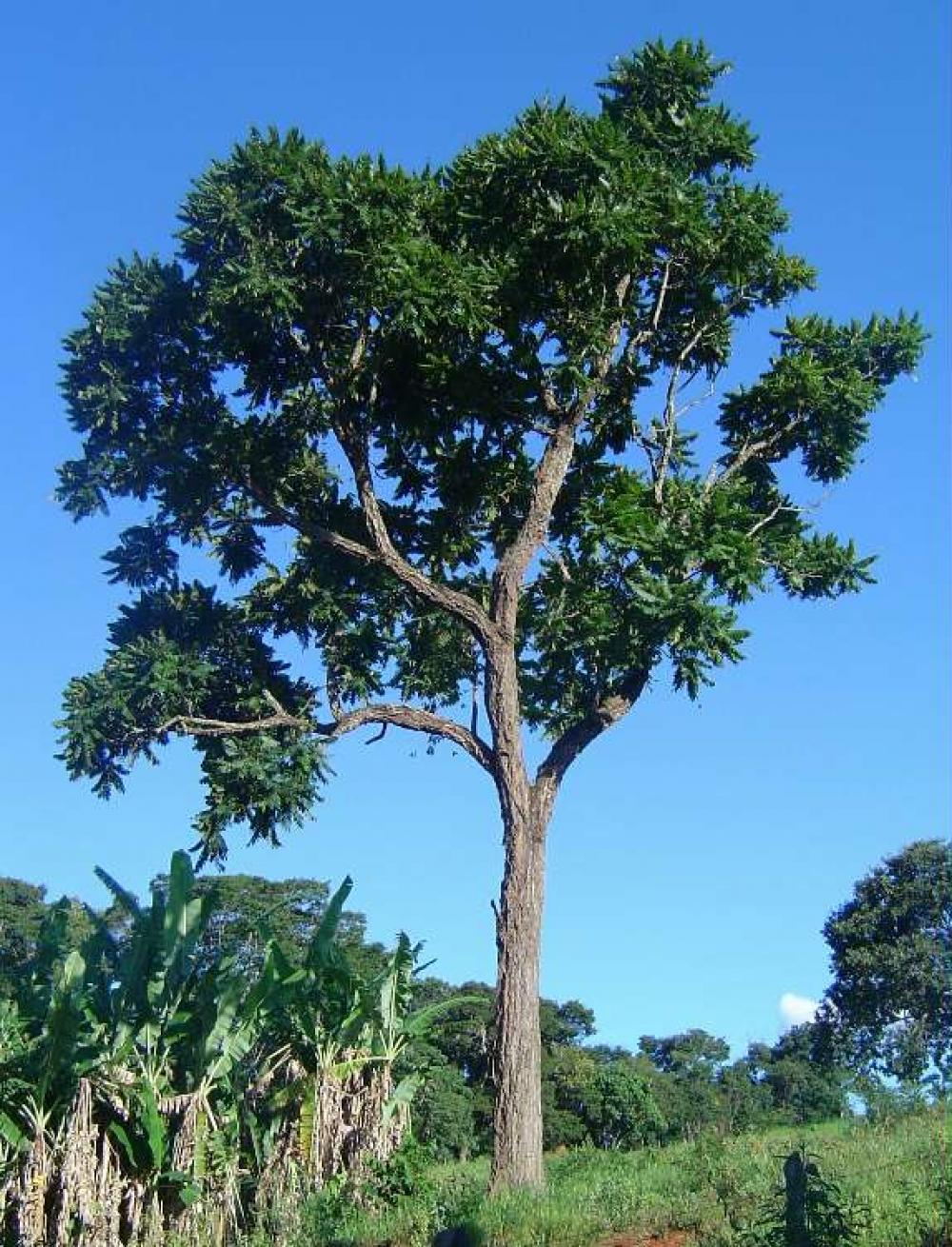
Pink cedar
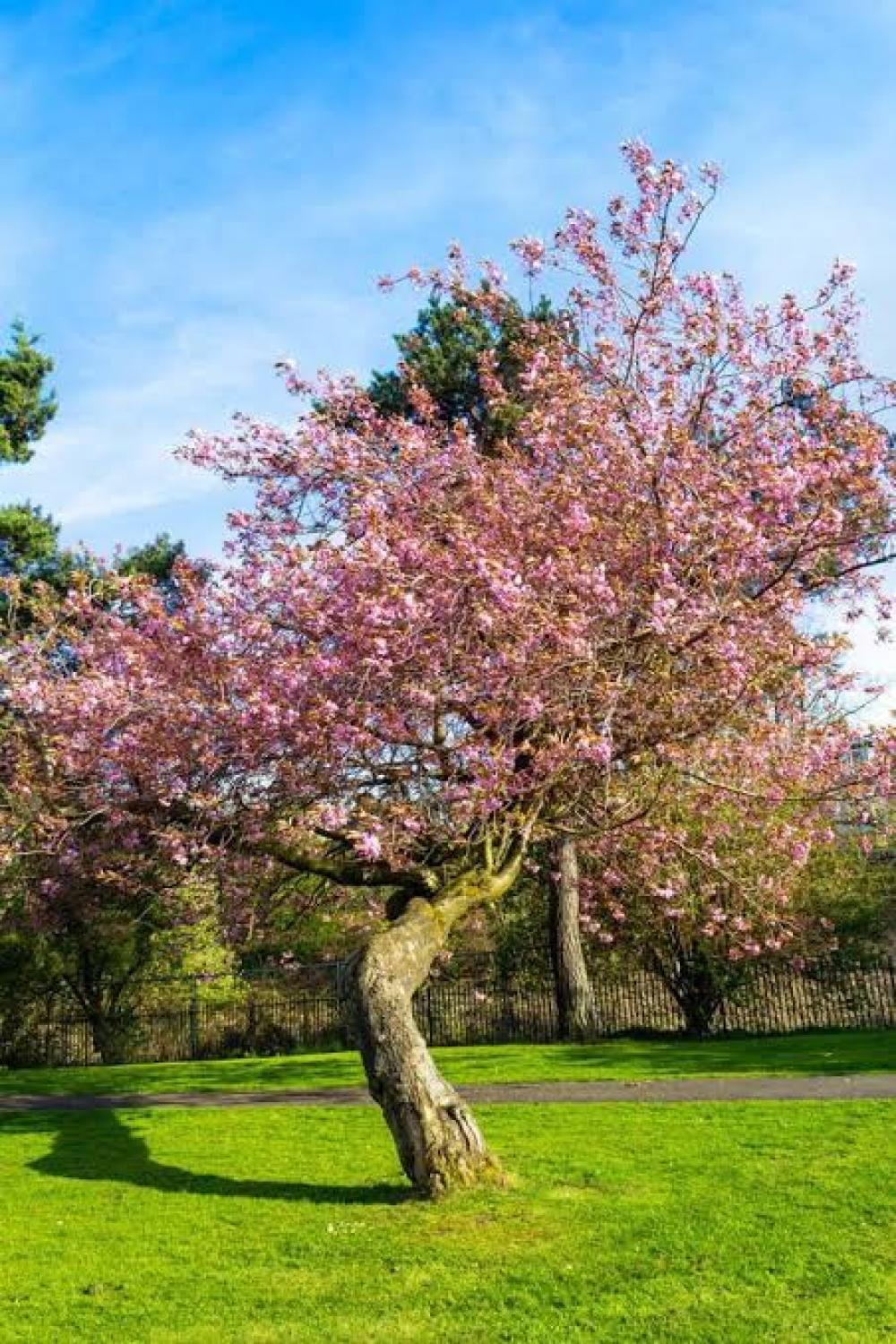
ornamental cherry tree
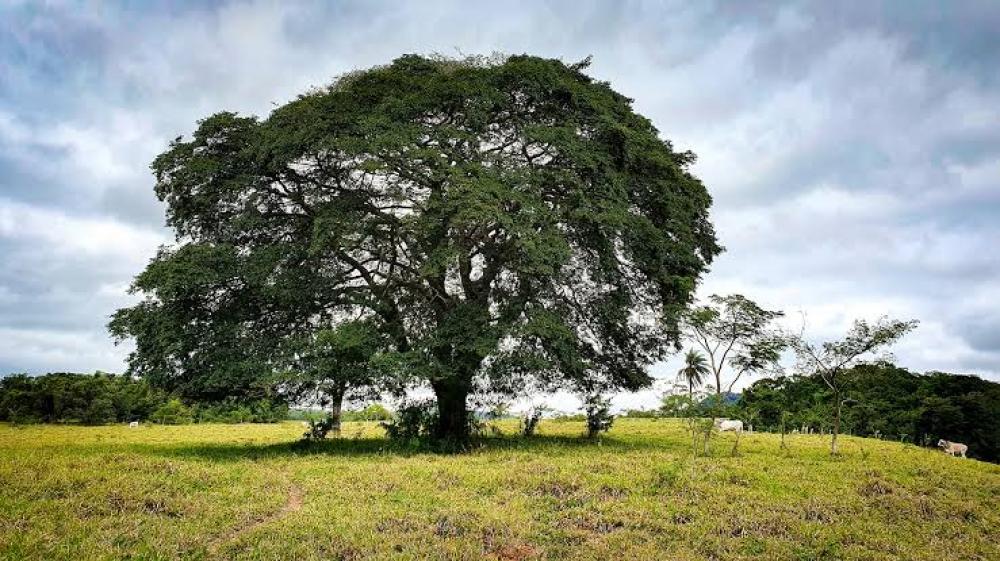
copaiba
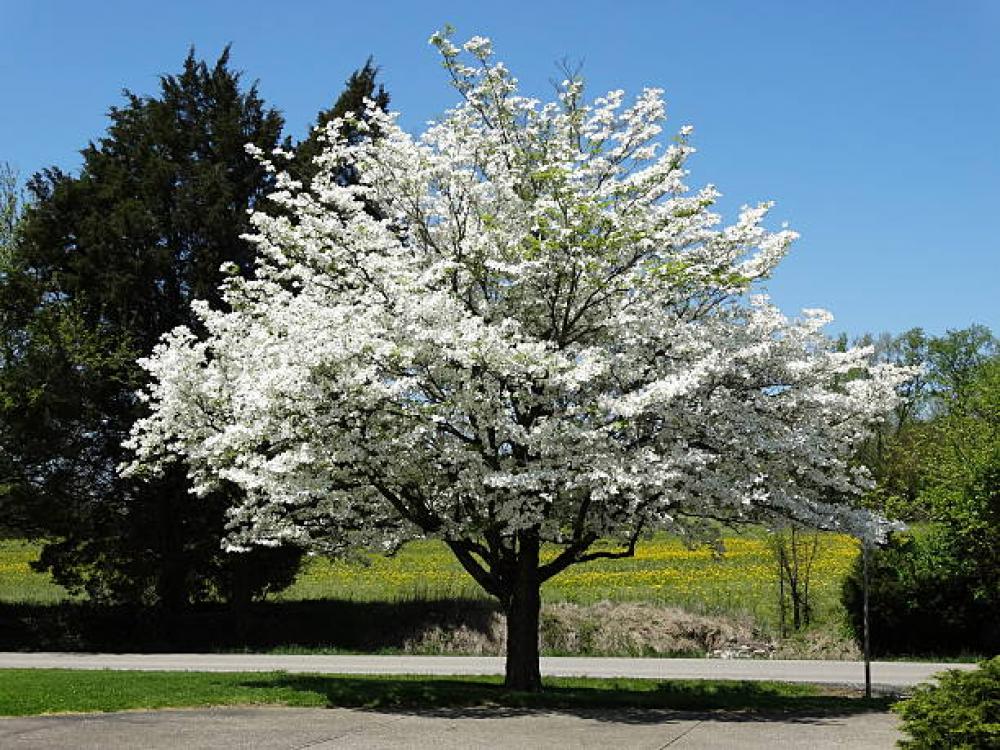
Trees of the genus Cornus
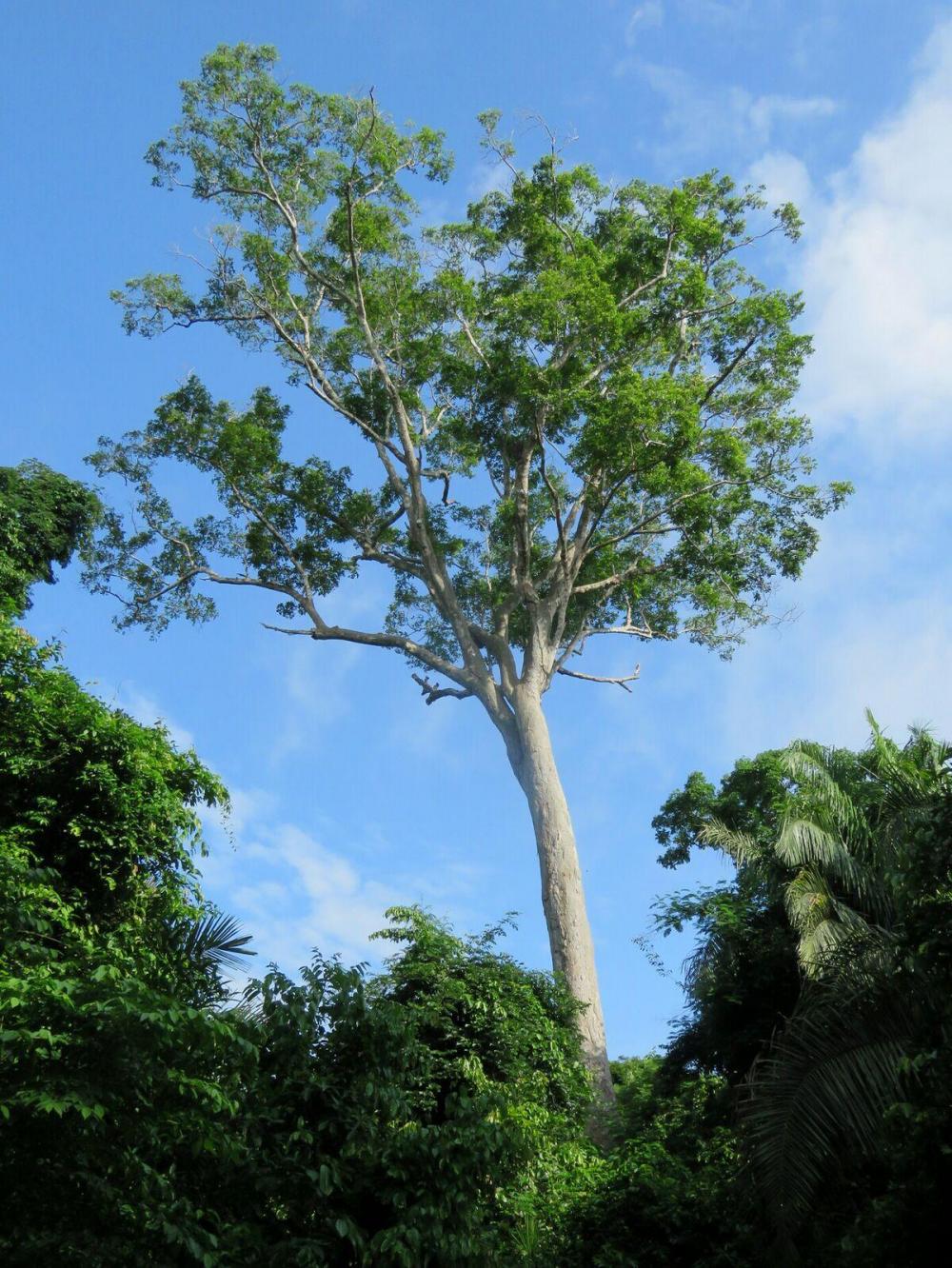
Cumaru
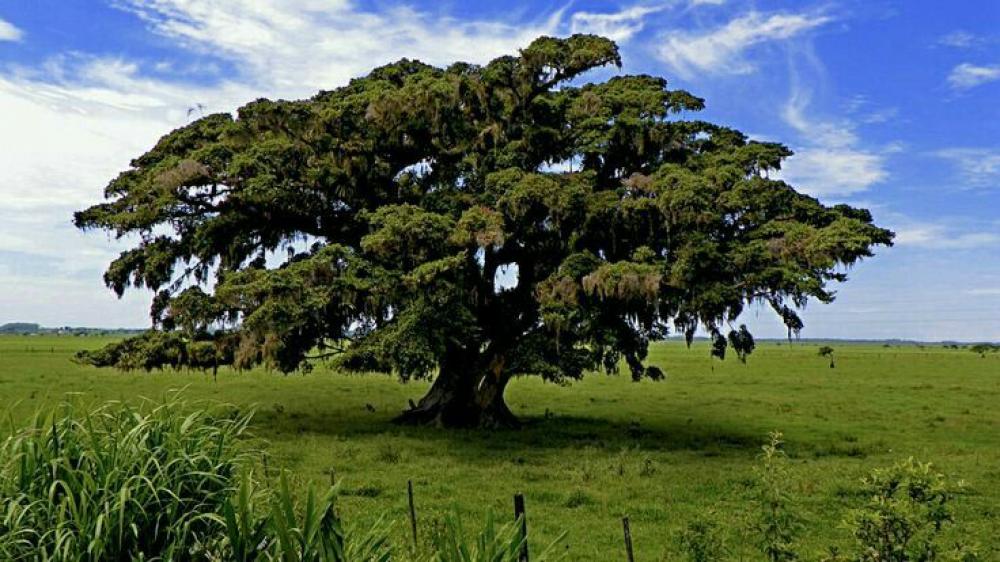
fig tree
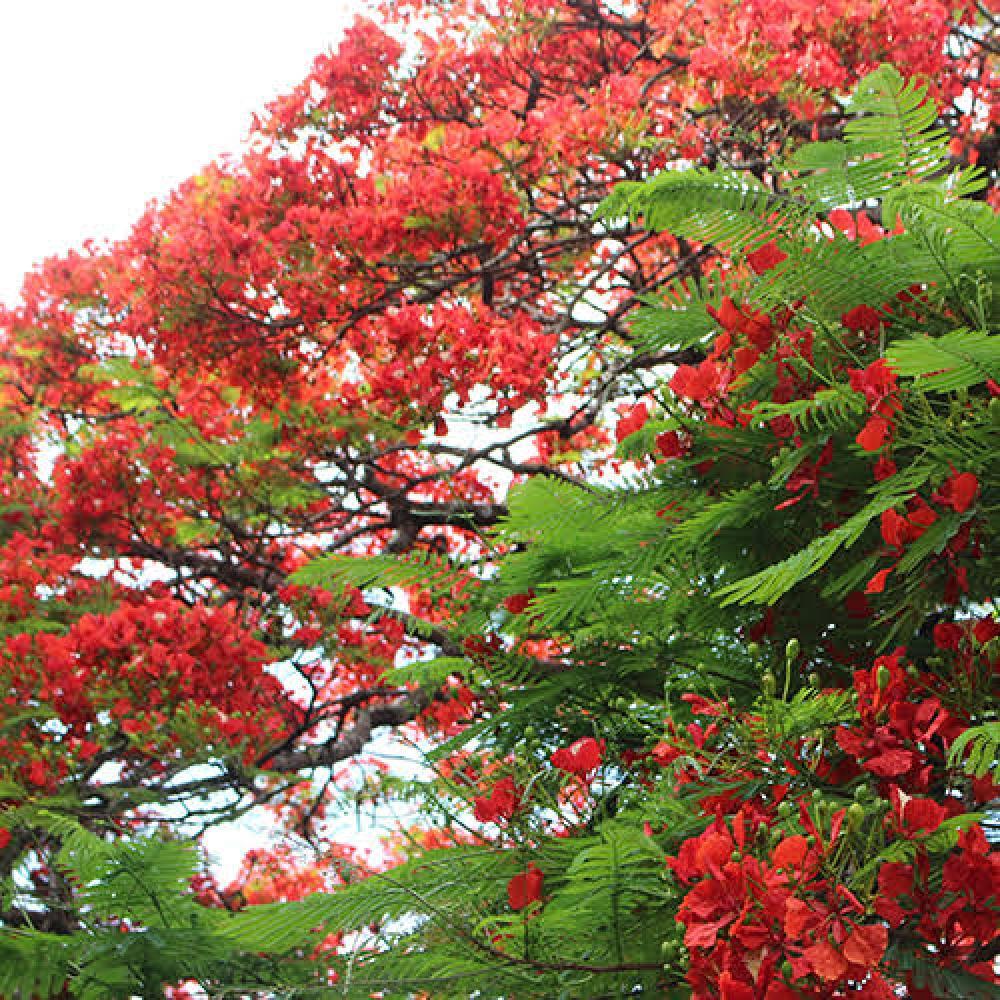
Flamboyant
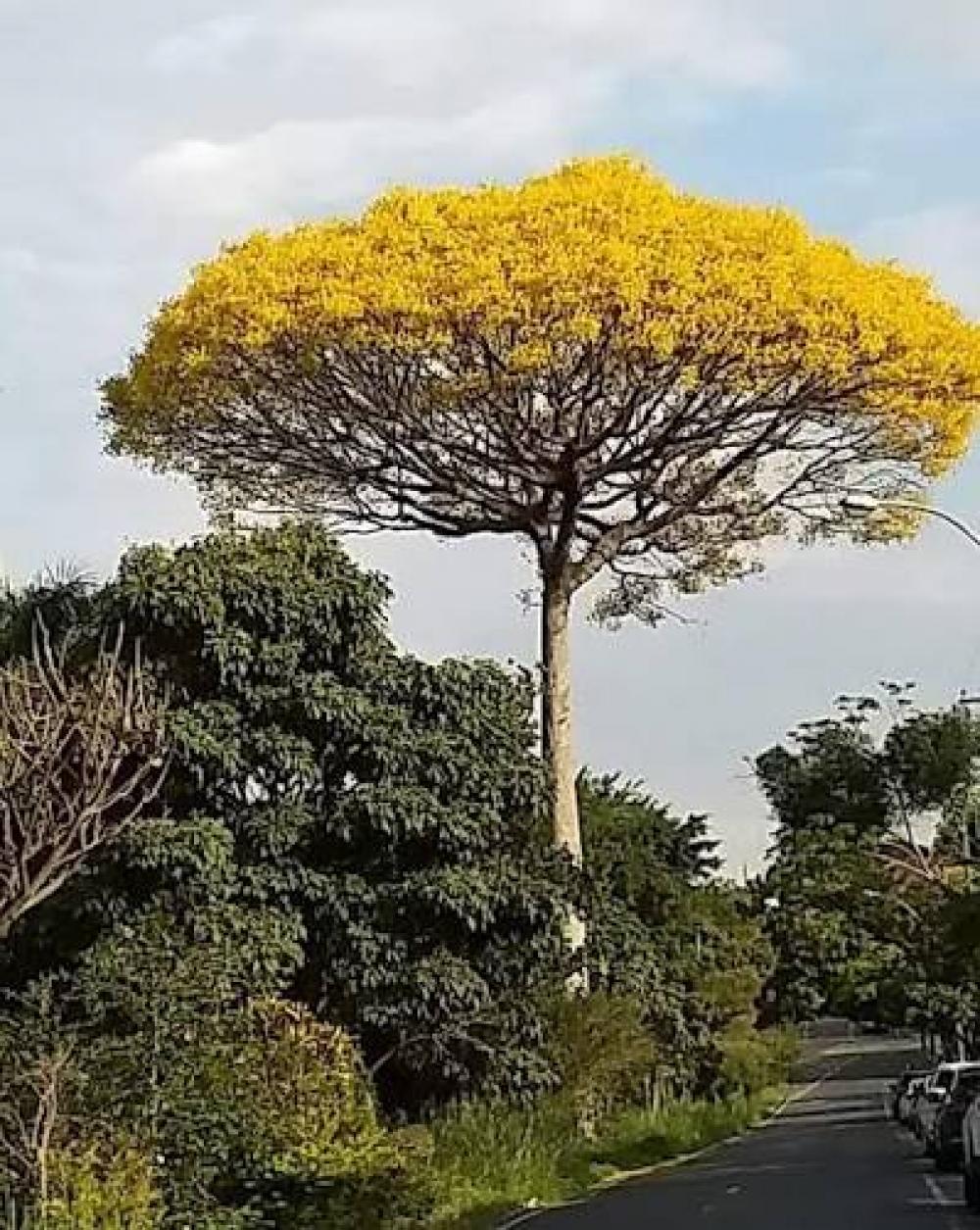
Guapuruvu
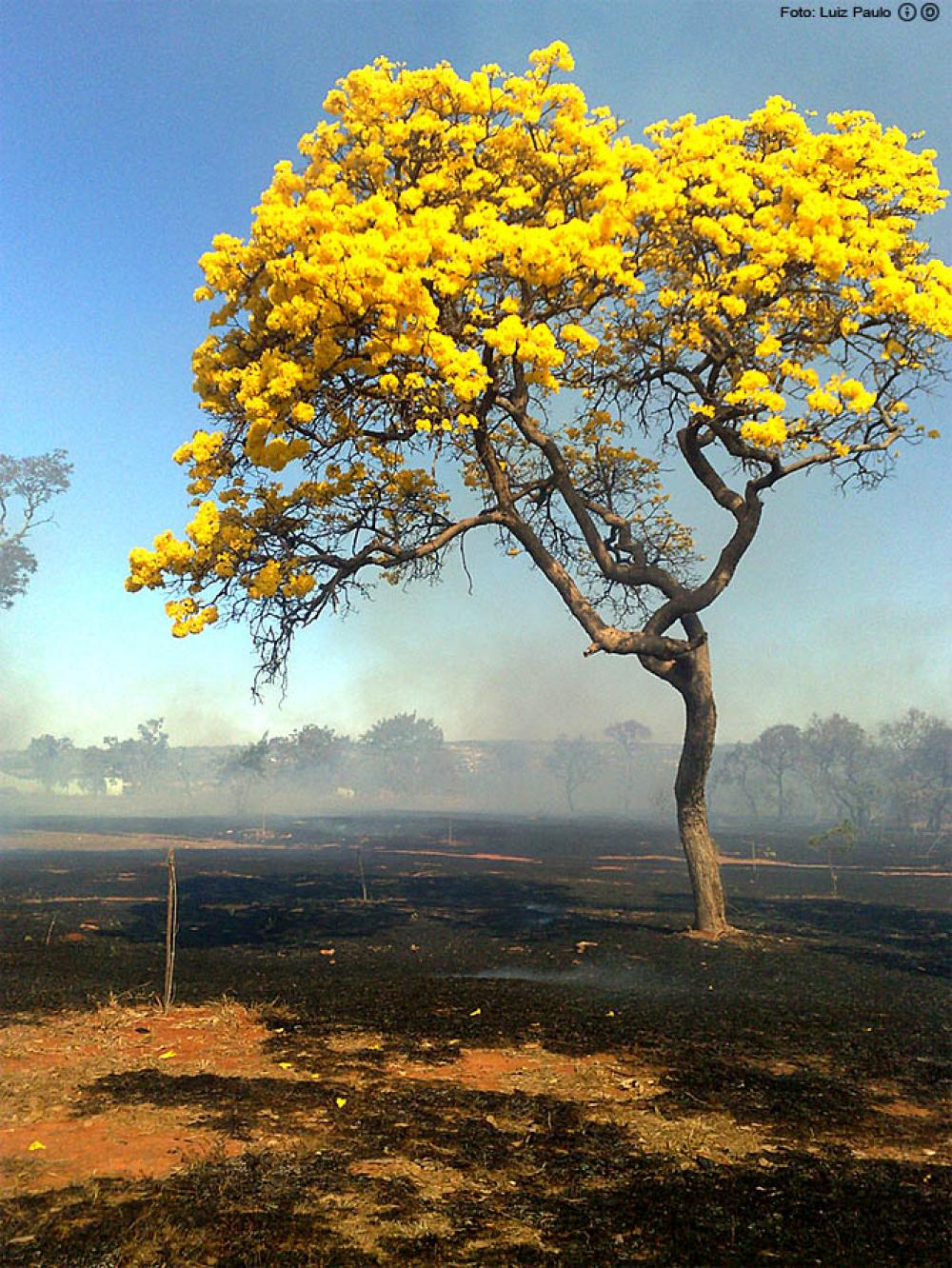
Yellow Ipê
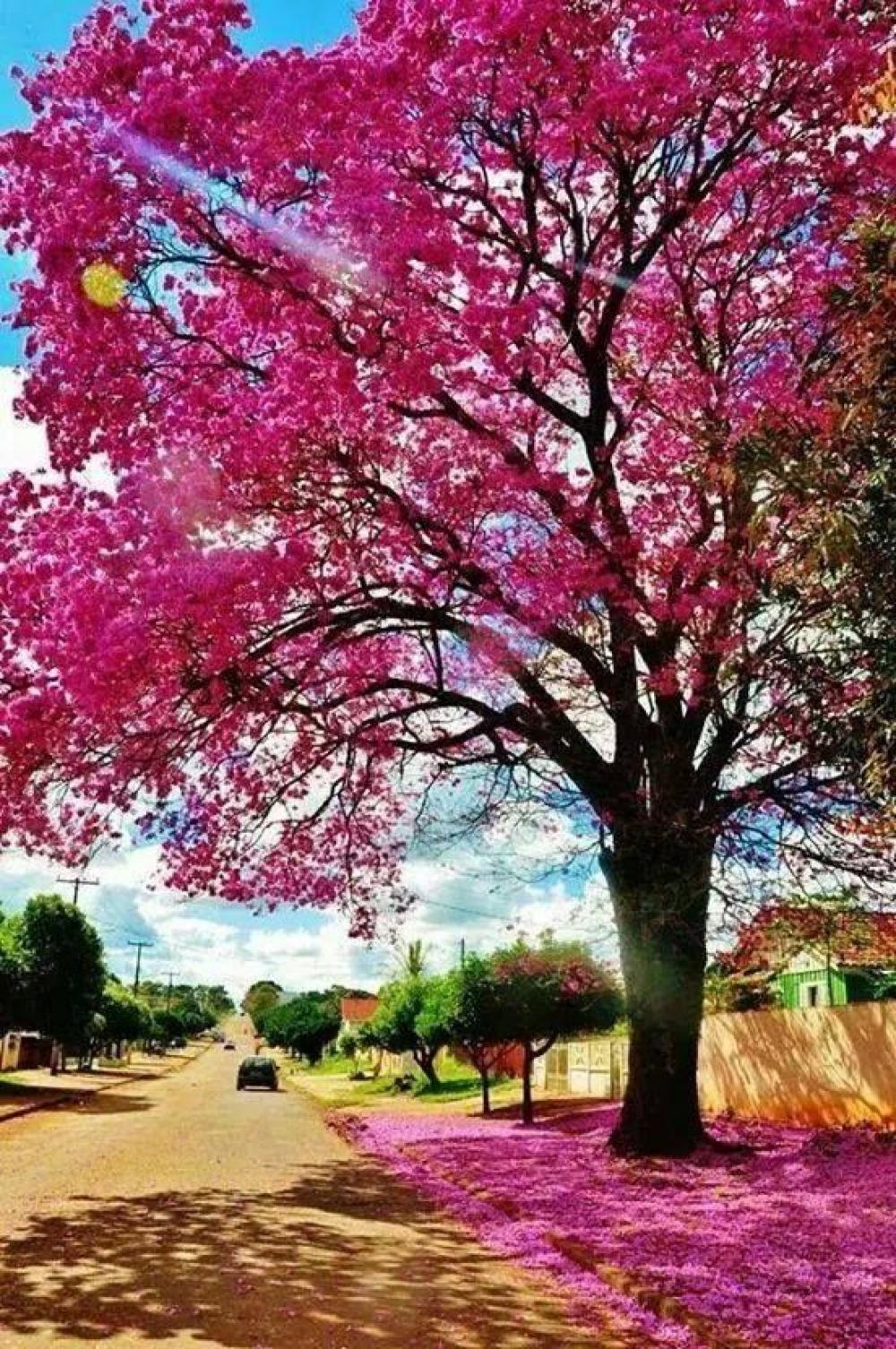
Purple Ipe
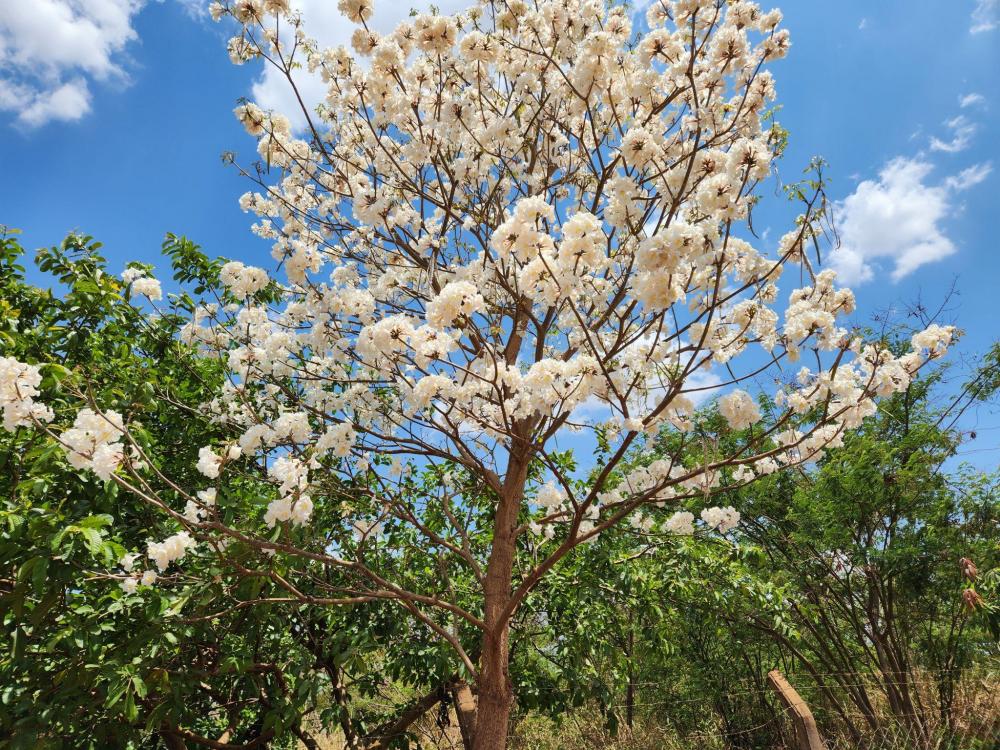
White Ipê
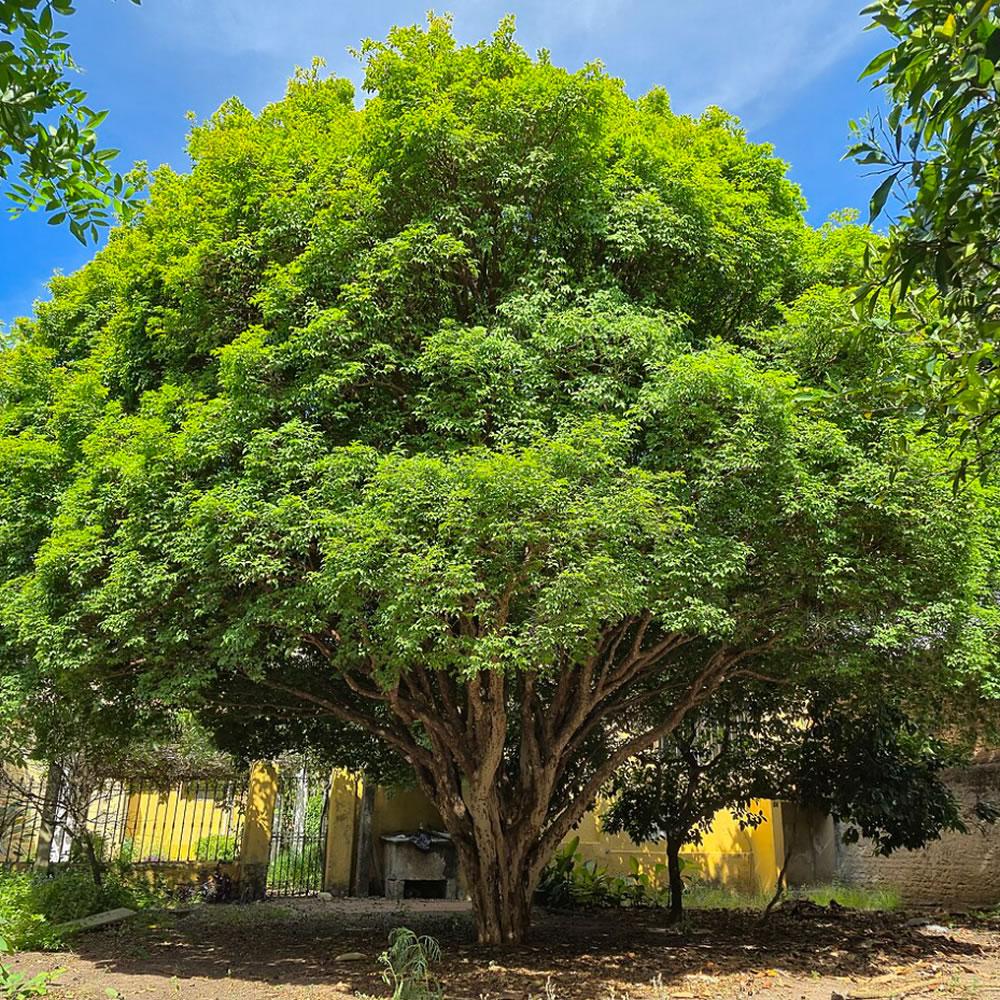
Jabuticaba
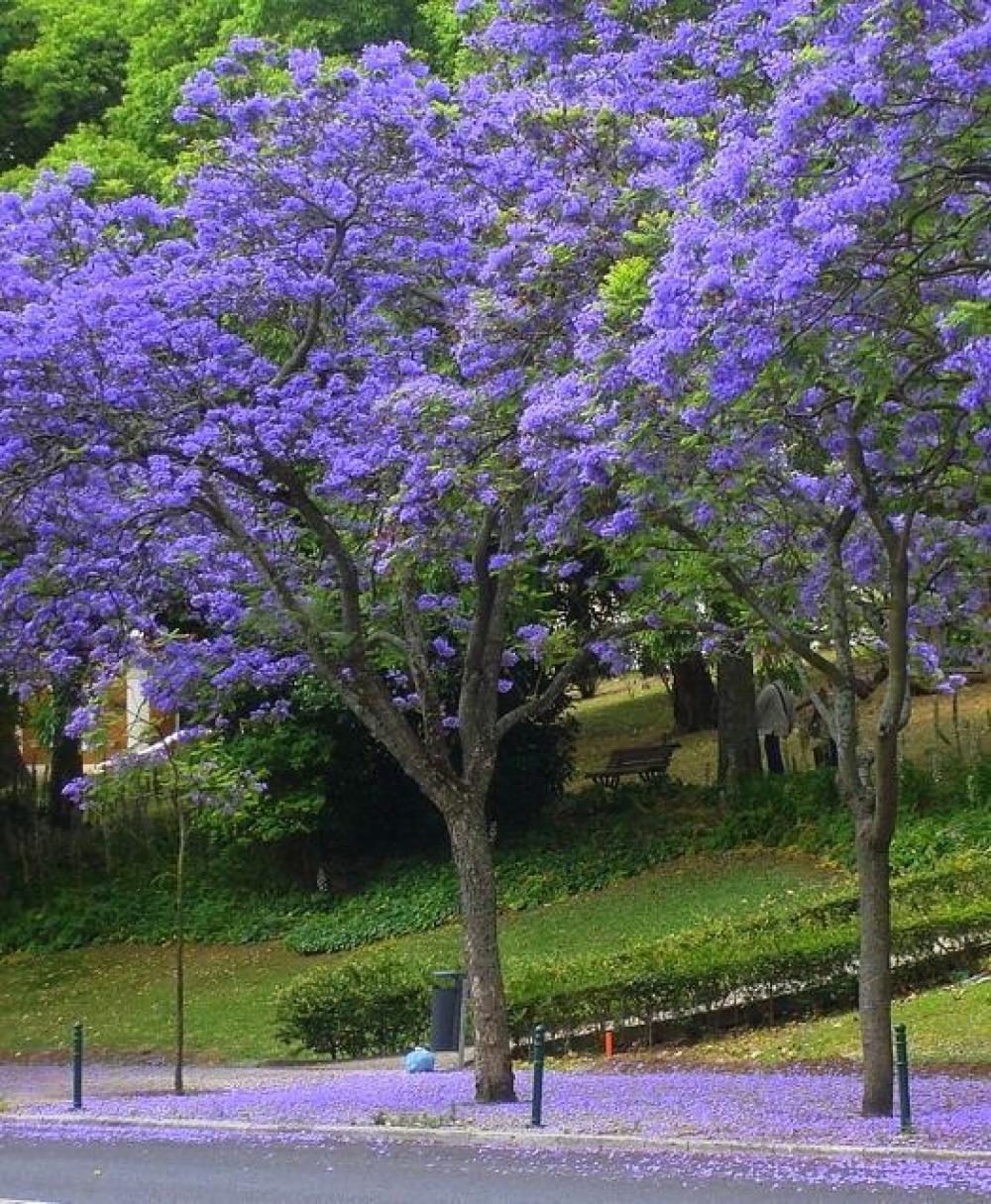
Blue jacaranda
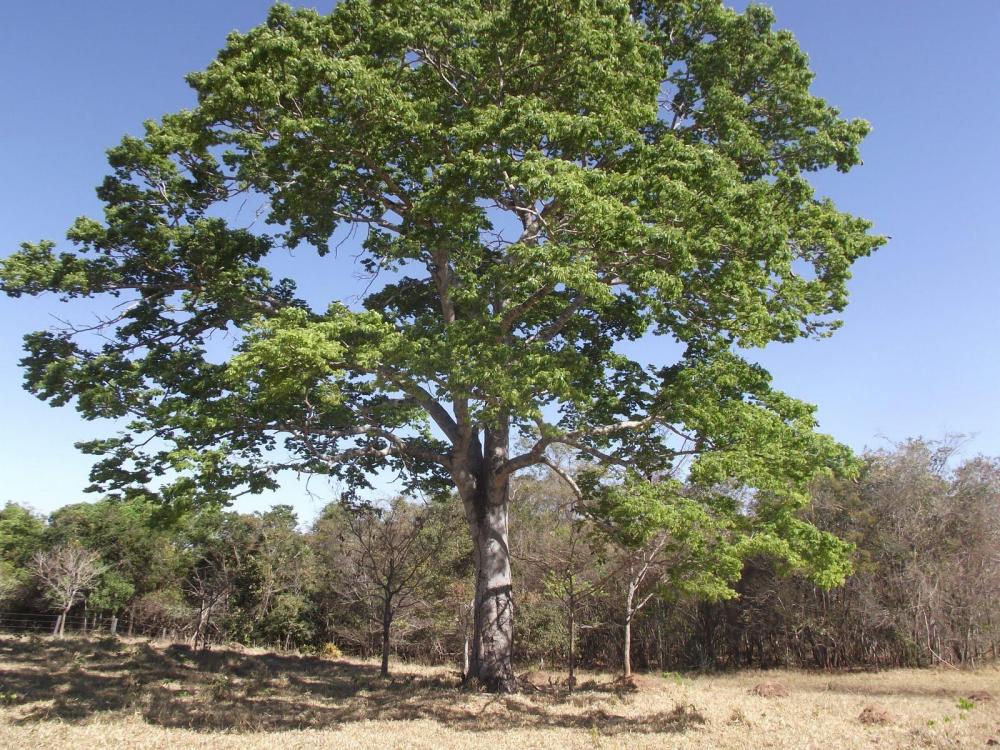
Jatoba
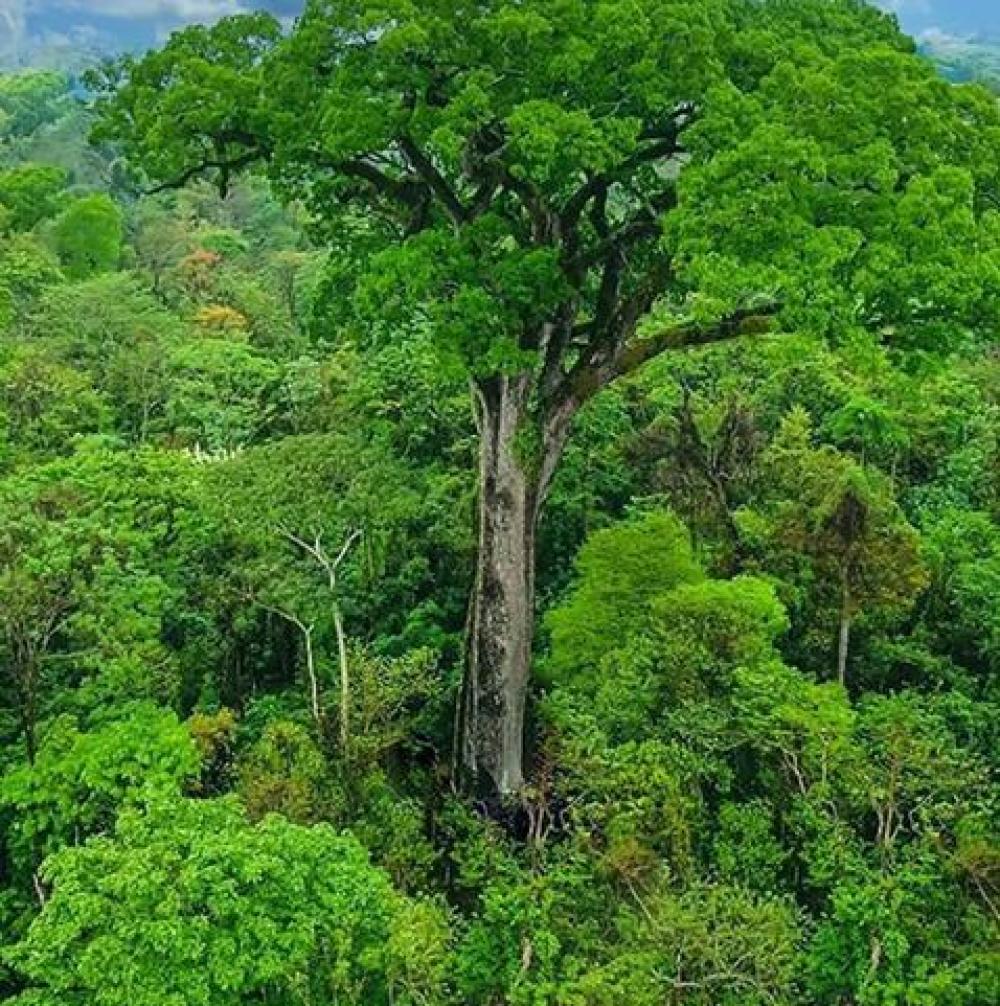
Pink Jequitibá (Cariniana legalis)
Juazeiro
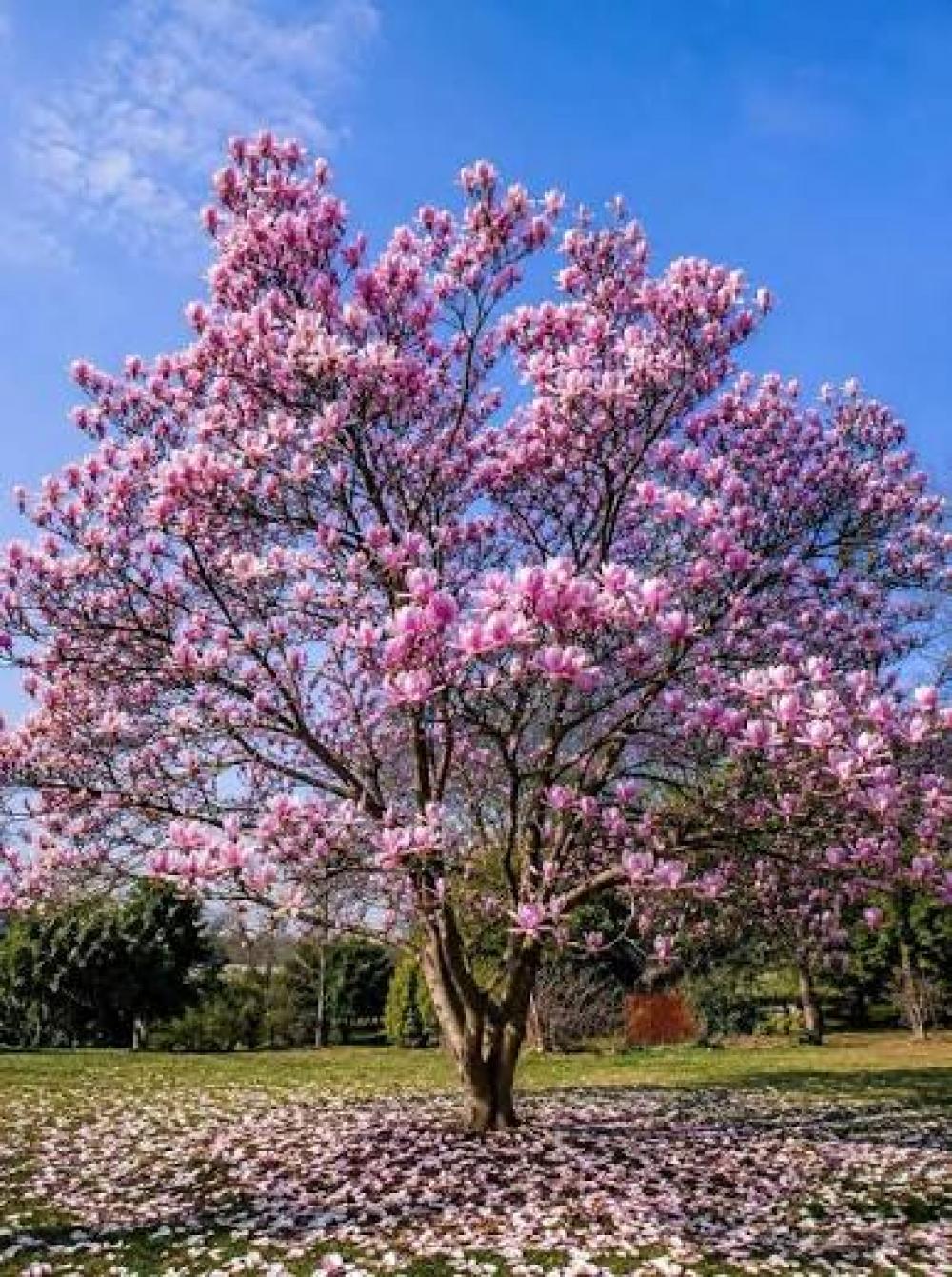
Magnolia
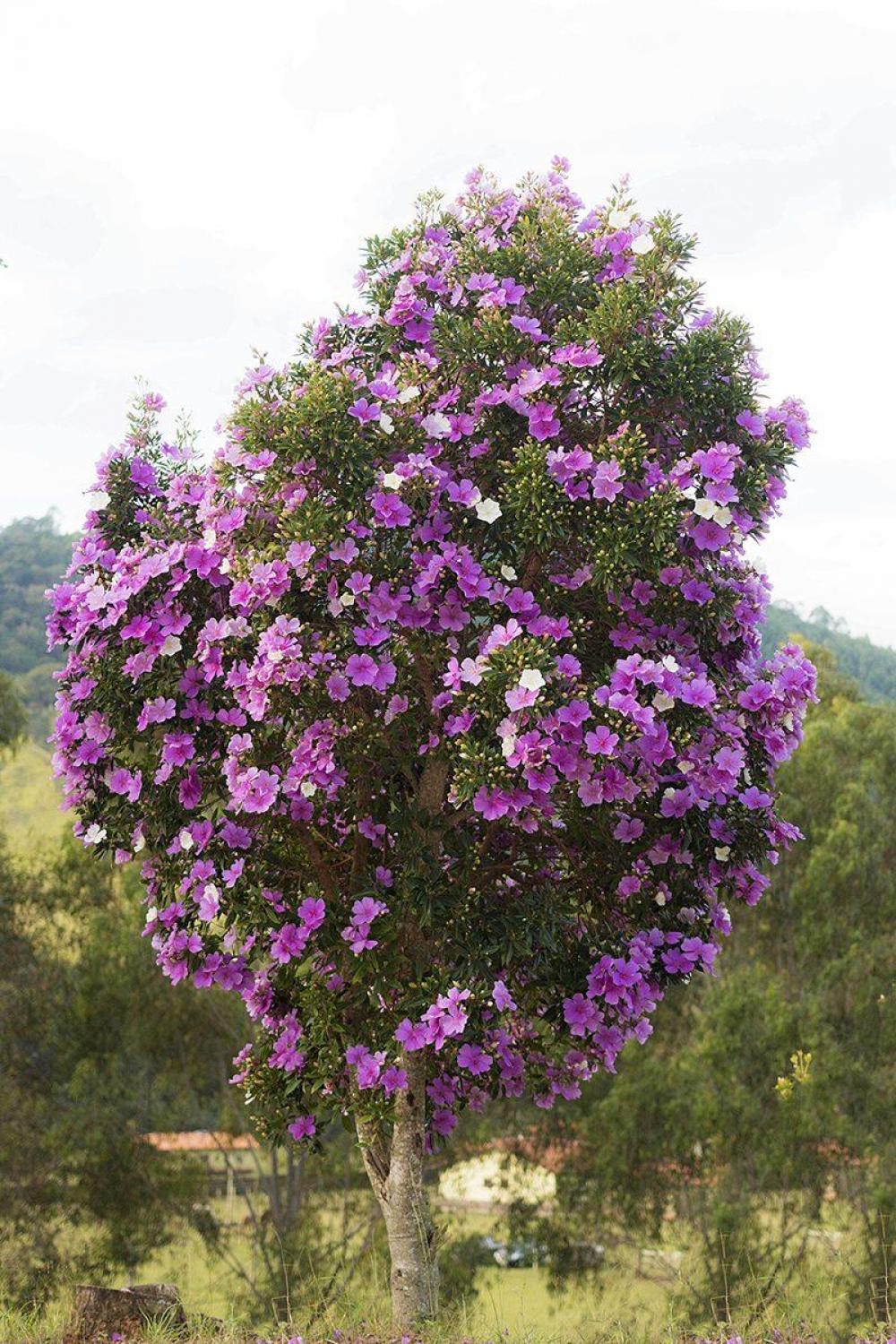
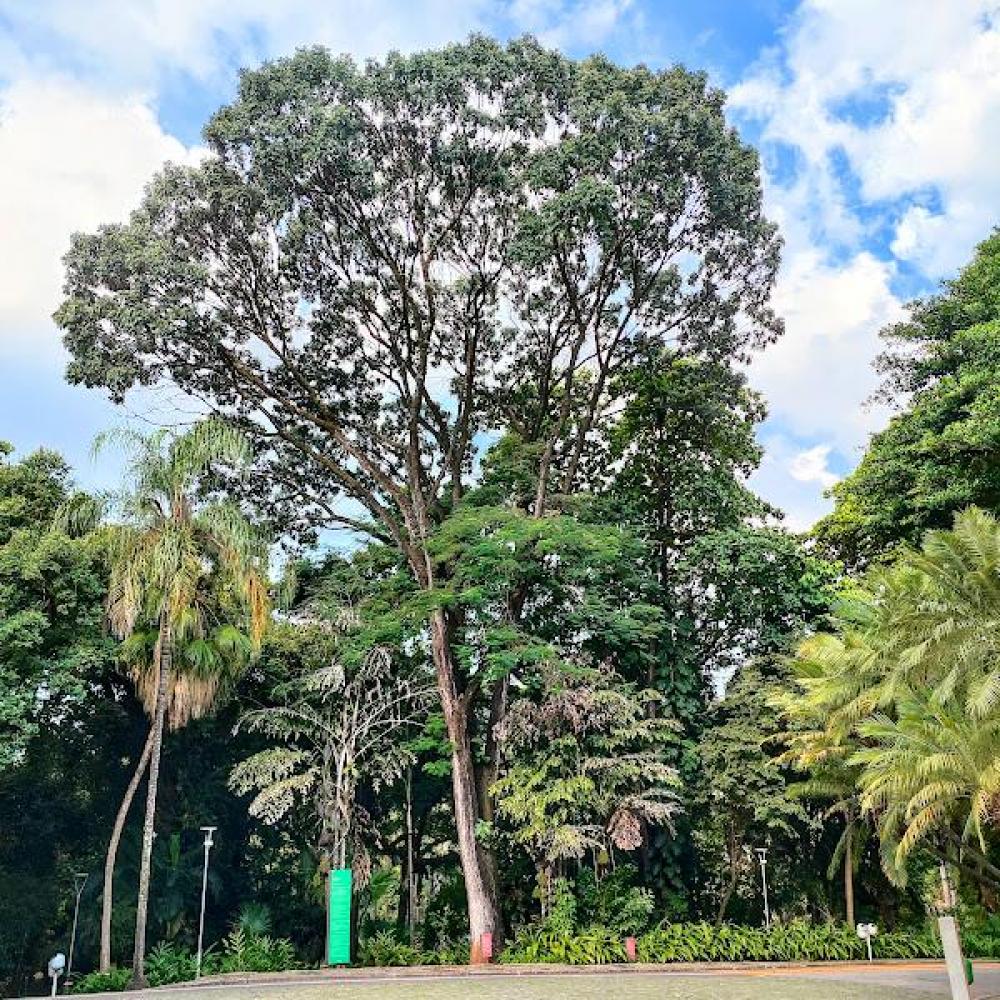
Brazilian Mahogany
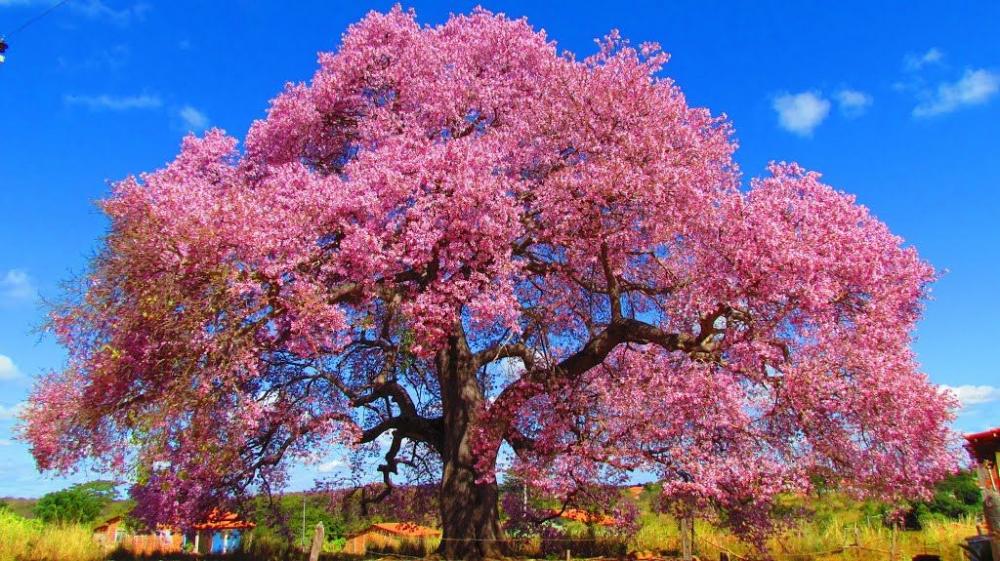
pink silk floss tree
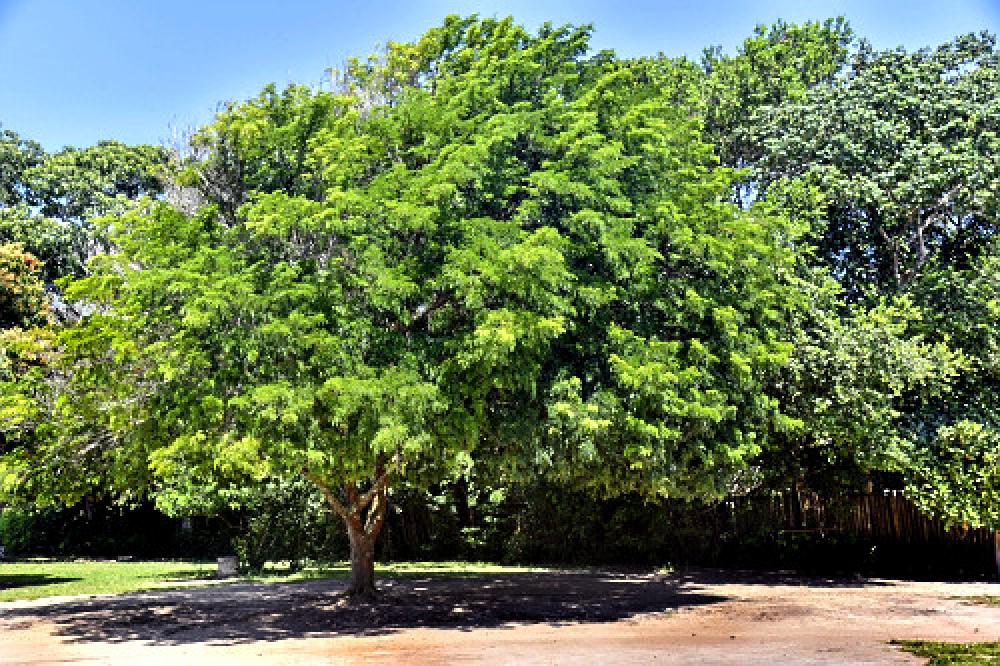
Brazilwood
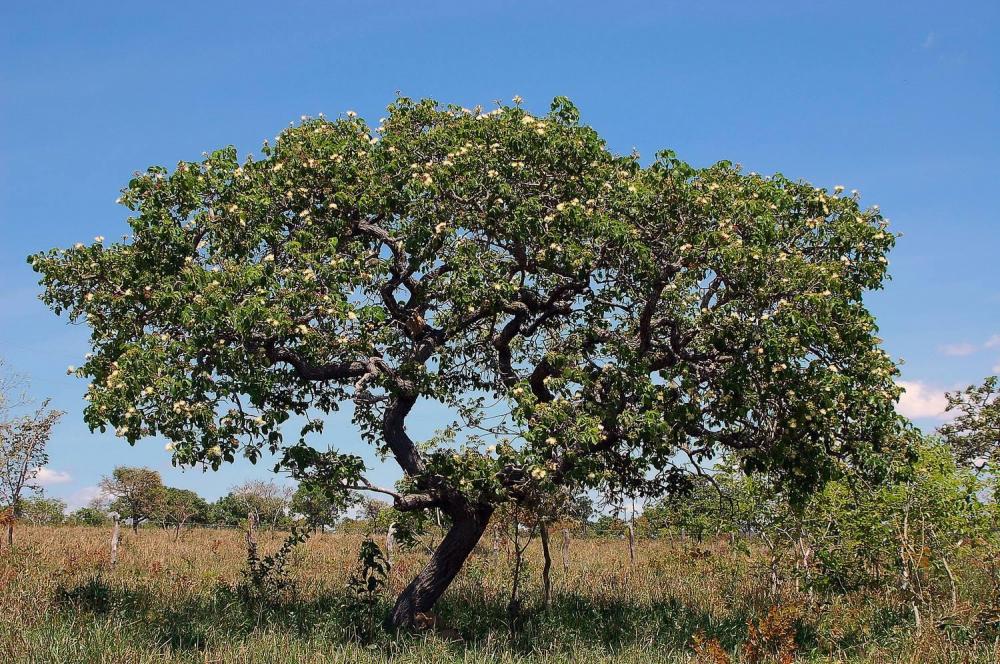
Pequi
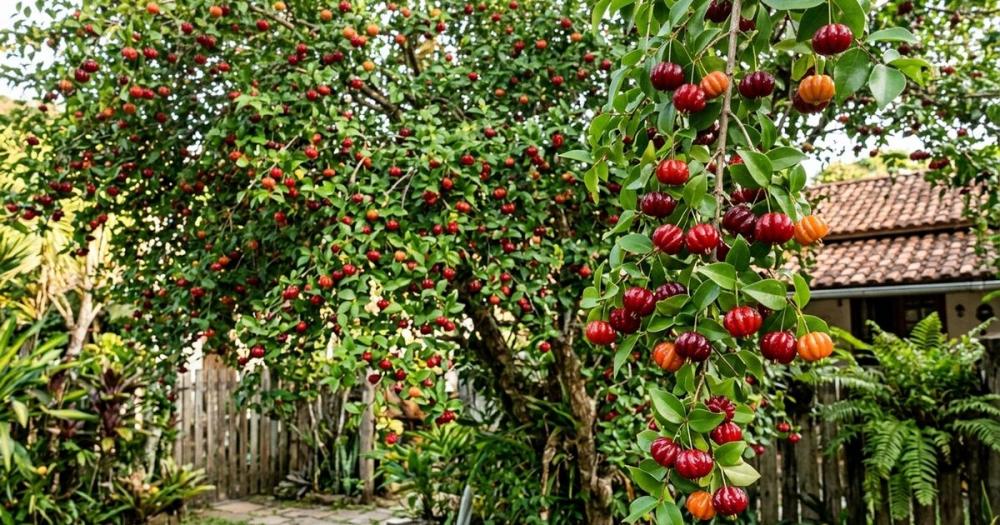
Surinam cherry
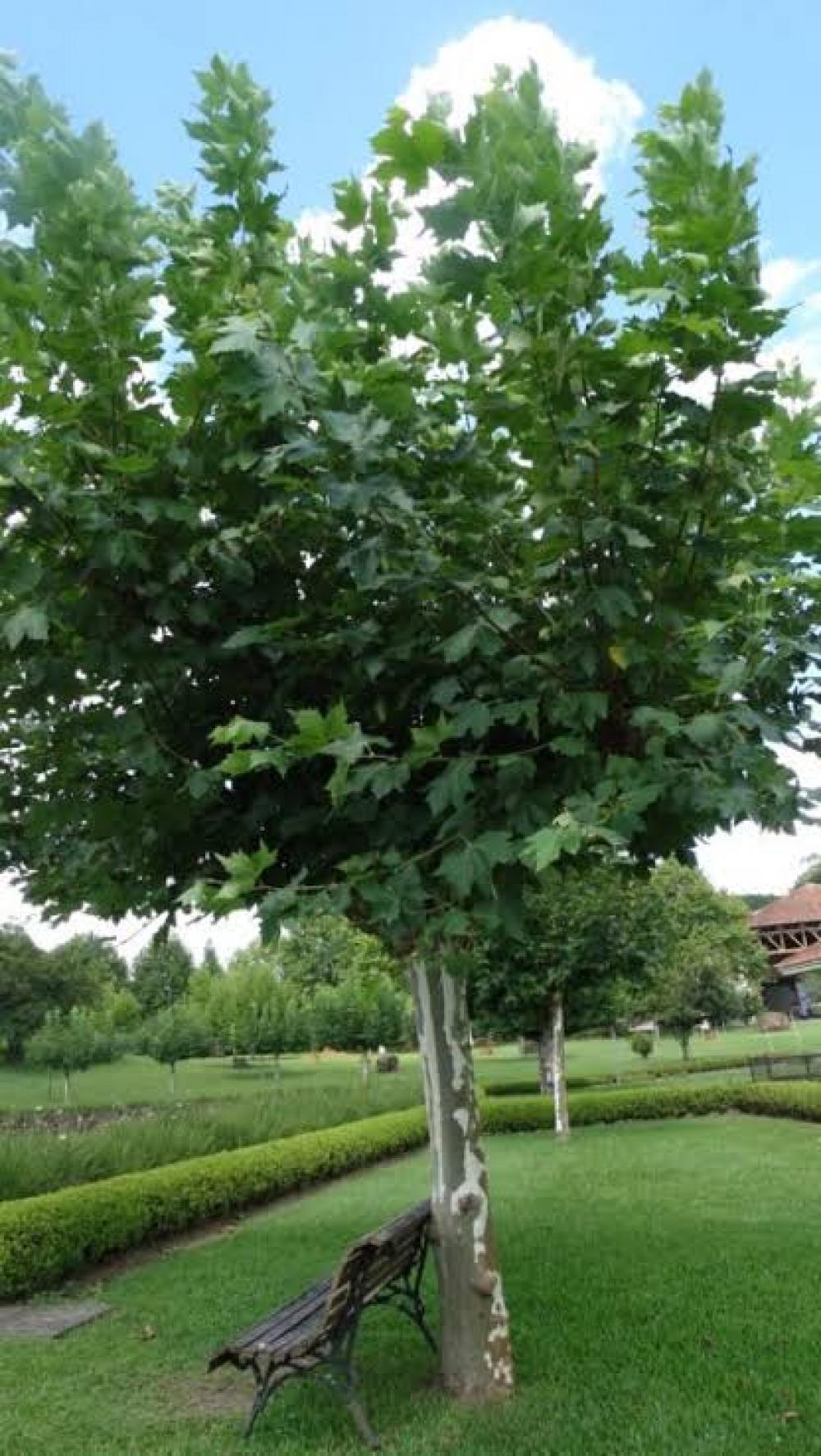
Plane tree
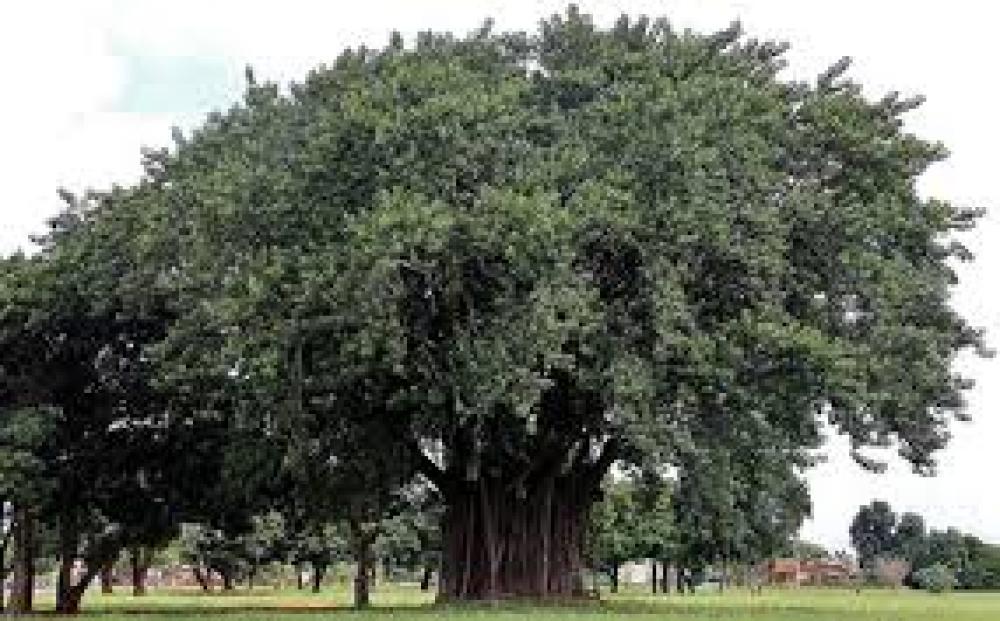
Rubber tree
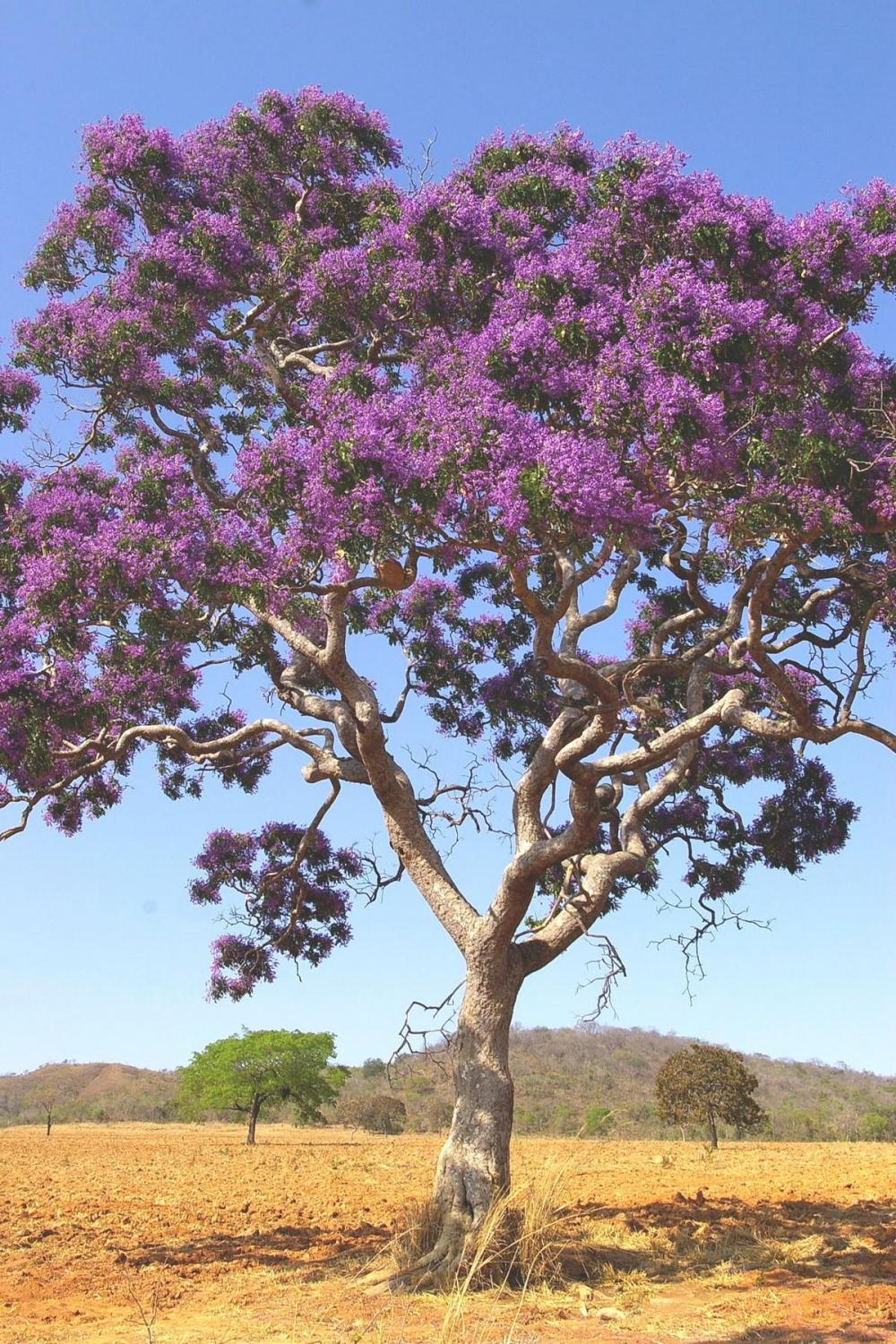
Sucupira
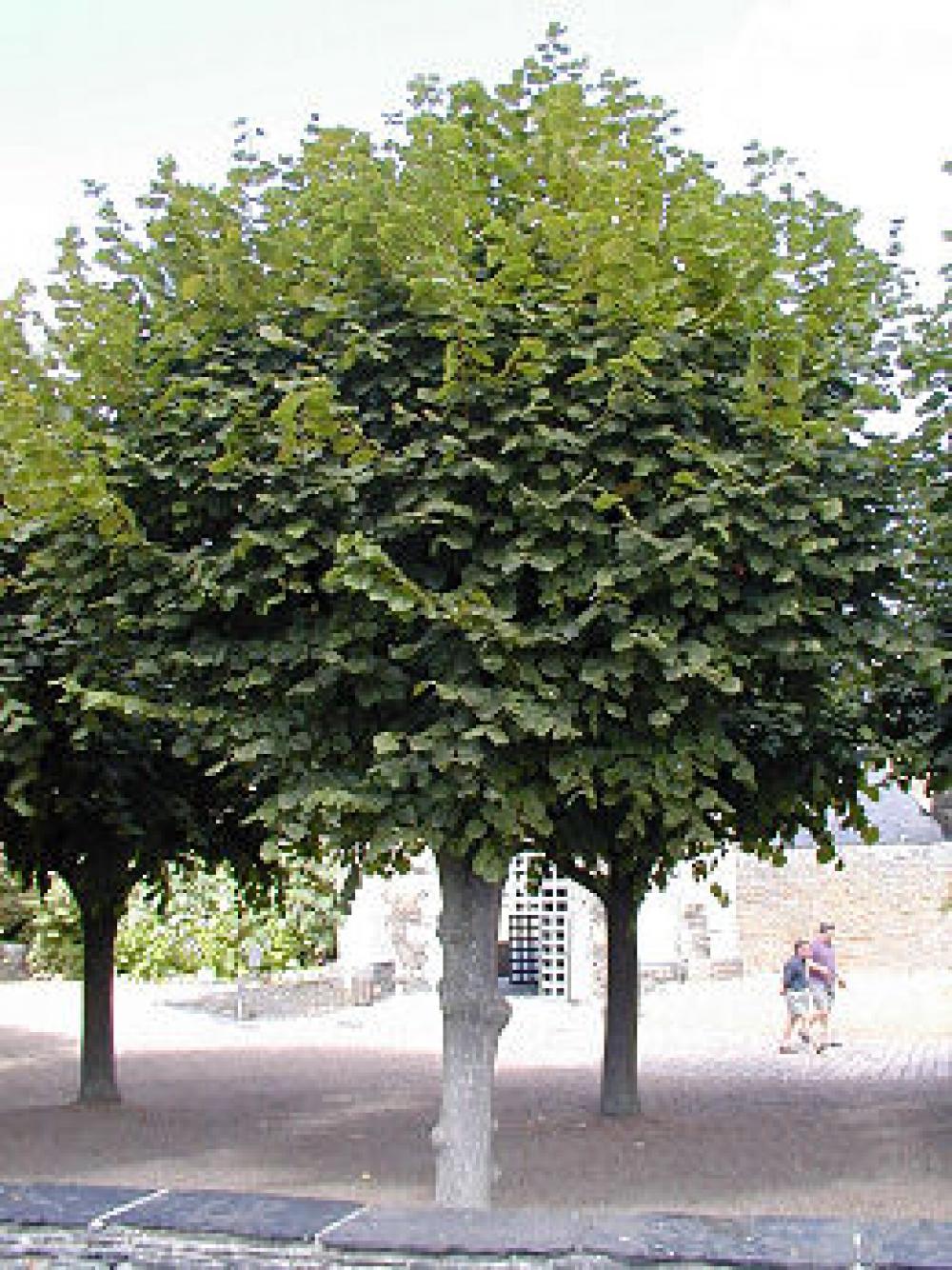
Linden