



Cagaita
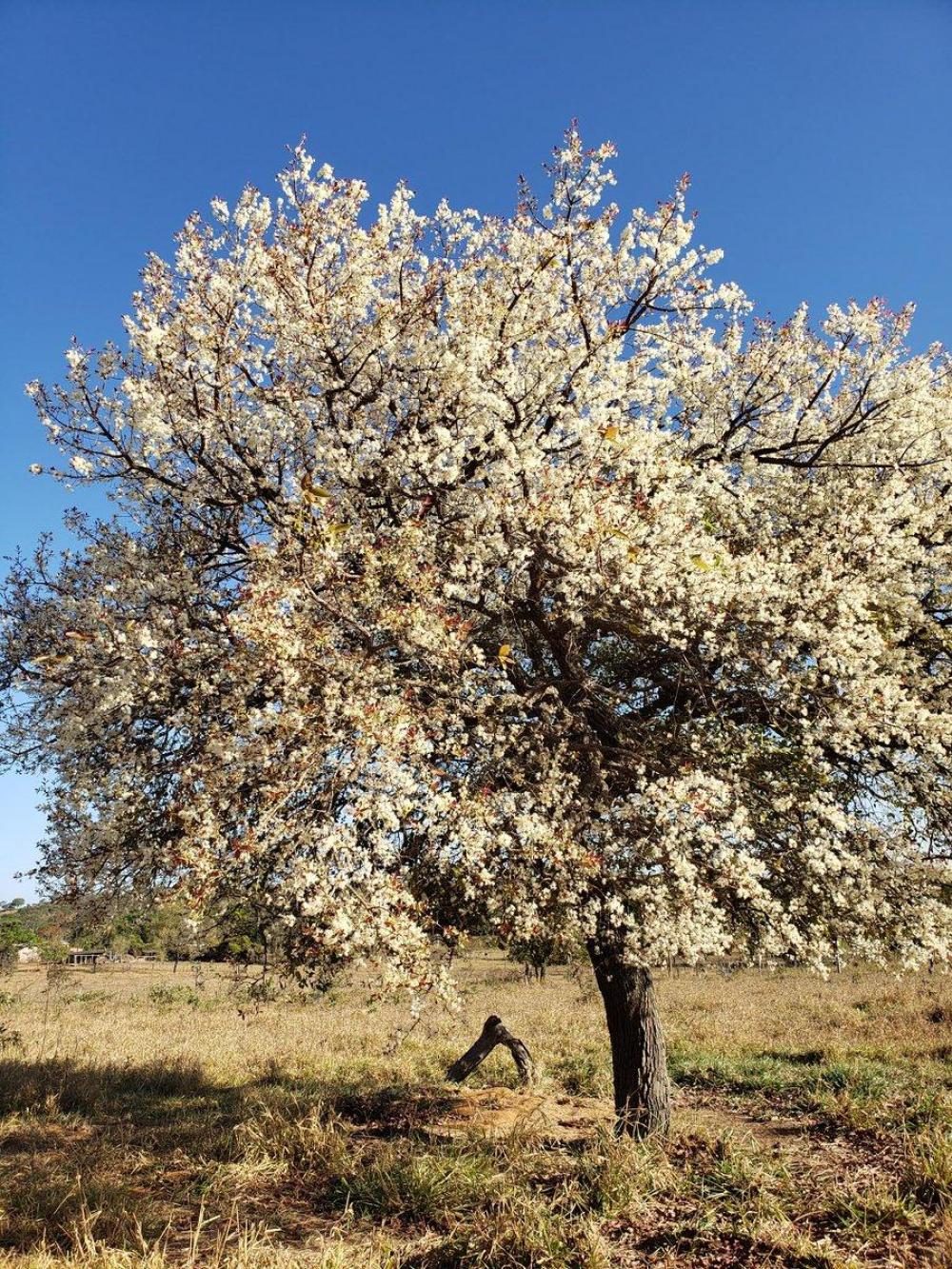
The cagaita, known scientifically as *Eugenia dysenterica* DC., belongs to the Myrtaceae family and is a tree native to the Brazilian Cerrado that is found mainly in areas of open vegetation and transitional regions. It is a species of great ecological, food and cultural importance, especially for communities that traditionally use its fruits and other natural resources from the Cerrado.
It is a small to medium-sized tree, capable of reaching approximately 4 to 10 meters in height. It has a generally tortuous trunk, a characteristic cortex and a rounded crown. Its leaves are simple, green and bright, although the flowers are small, clear and delicate, and appear softly in periods determined by the climatic conditions. Flowering contributes to providing resources to bees and other pollinating insects.
The most prominent feature of the cagaita is its fruit: a small round bay with a ripe yellow color, with juicy pulp and a characteristic, slightly acidic flavor. The fruit can be consumed naturally and can also be used in the preparation of juices, jams, sweets, ice cream, liqueurs and other recipes. It is a species that demonstrates the potential of native Brazilian fruits for nutrition and for the development of products associated with biodiversity.
From a nutritional point of view, the cagaita provides vitamin C, fiber and bioactive compounds, including phenolic substances and carotenoids. These components are of interest due to their antioxidant properties and the nutritional value of the fruit. The value of these native foods can also contribute to diversifying the diet and promoting sustainable production chains based on the natural resources of the Cerrado.
The cave also performs an important ecological function. Its fruits serve as food for several species of wild fauna, thus contributing to ecological relationships and the dispersion of seeds. The tree also participates in the composition and maintenance of the vegetation of the Cerrado, one of the biomes with the greatest biodiversity on the planet, which faces important pressures resulting from the loss and fragmentation of habitats.
It is a small to medium-sized tree, capable of reaching approximately 4 to 10 meters in height. It has a generally tortuous trunk, a characteristic cortex and a rounded crown. Its leaves are simple, green and bright, although the flowers are small, clear and delicate, and appear softly in periods determined by the climatic conditions. Flowering contributes to providing resources to bees and other pollinating insects.
The most prominent feature of the cagaita is its fruit: a small round bay with a ripe yellow color, with juicy pulp and a characteristic, slightly acidic flavor. The fruit can be consumed naturally and can also be used in the preparation of juices, jams, sweets, ice cream, liqueurs and other recipes. It is a species that demonstrates the potential of native Brazilian fruits for nutrition and for the development of products associated with biodiversity.
From a nutritional point of view, the cagaita provides vitamin C, fiber and bioactive compounds, including phenolic substances and carotenoids. These components are of interest due to their antioxidant properties and the nutritional value of the fruit. The value of these native foods can also contribute to diversifying the diet and promoting sustainable production chains based on the natural resources of the Cerrado.
The cave also performs an important ecological function. Its fruits serve as food for several species of wild fauna, thus contributing to ecological relationships and the dispersion of seeds. The tree also participates in the composition and maintenance of the vegetation of the Cerrado, one of the biomes with the greatest biodiversity on the planet, which faces important pressures resulting from the loss and fragmentation of habitats.
Tree Catalog
Imperial acacia
Açaí palm
Alfarrobeira
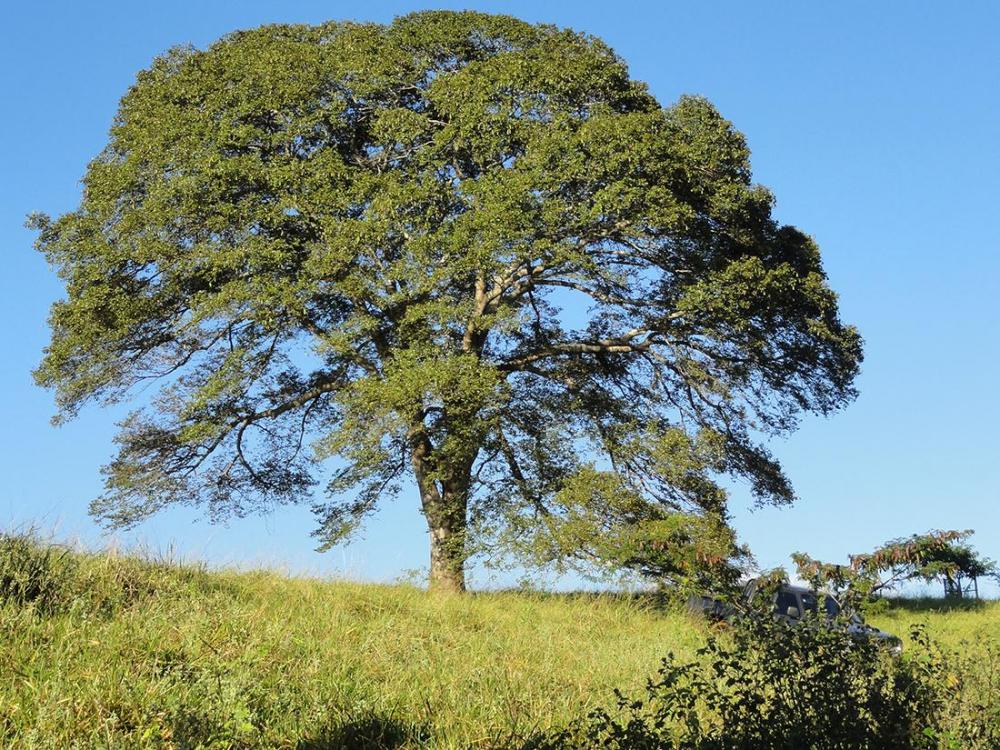
Andiroba

Red Angelim
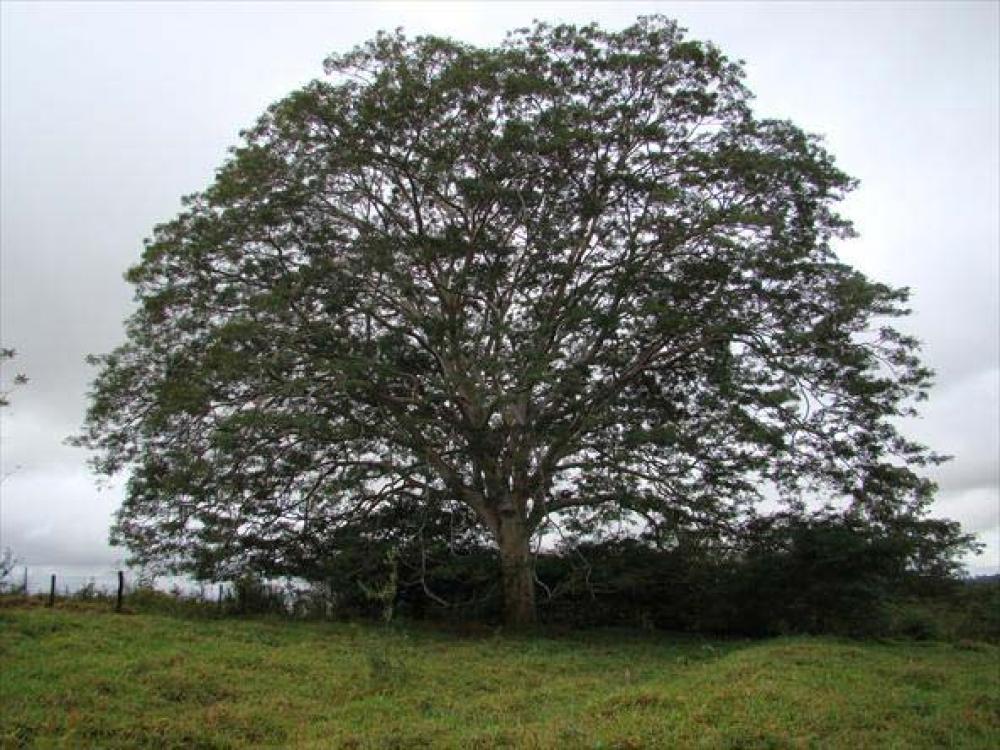
White Angico
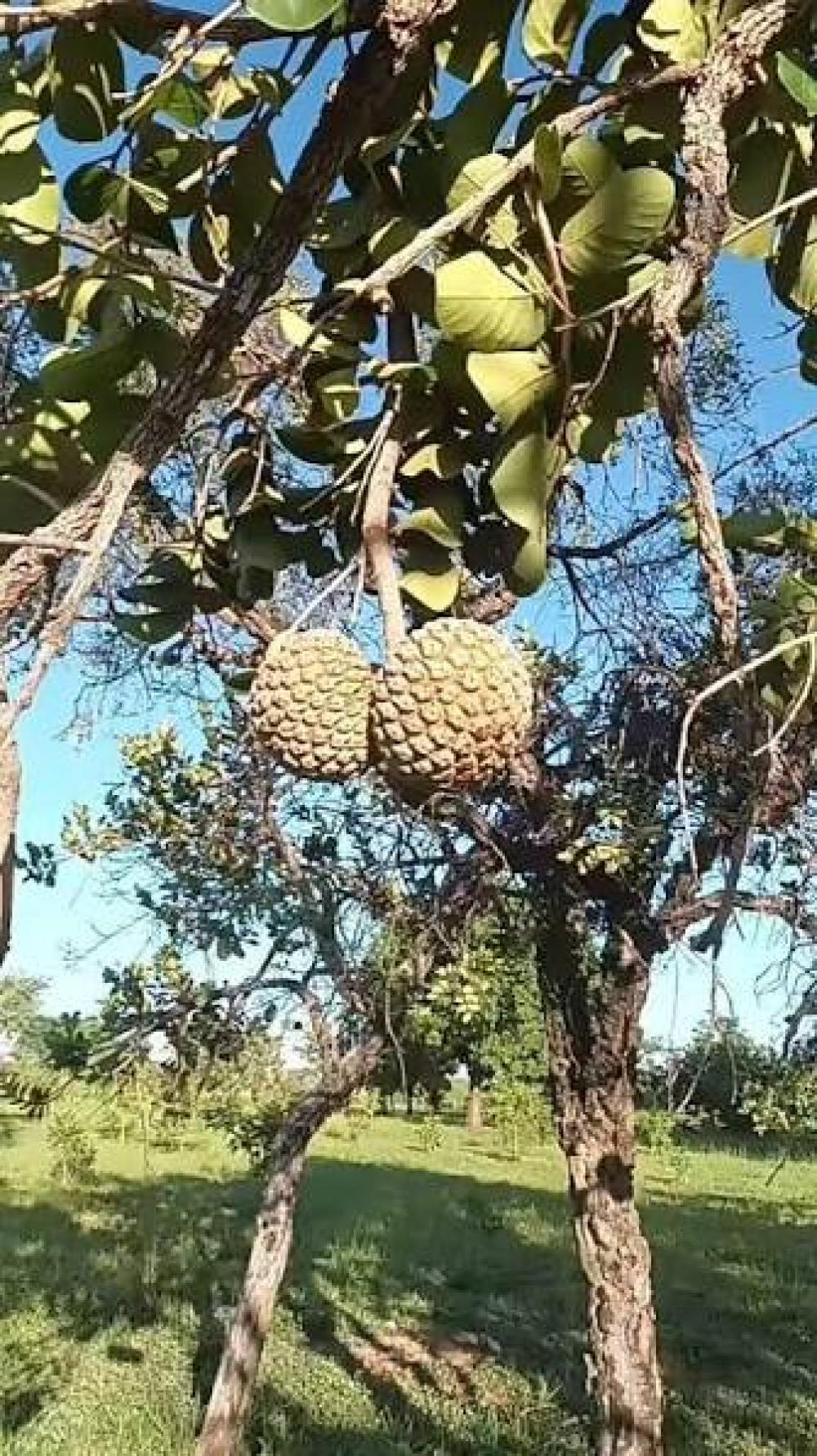
Araticum
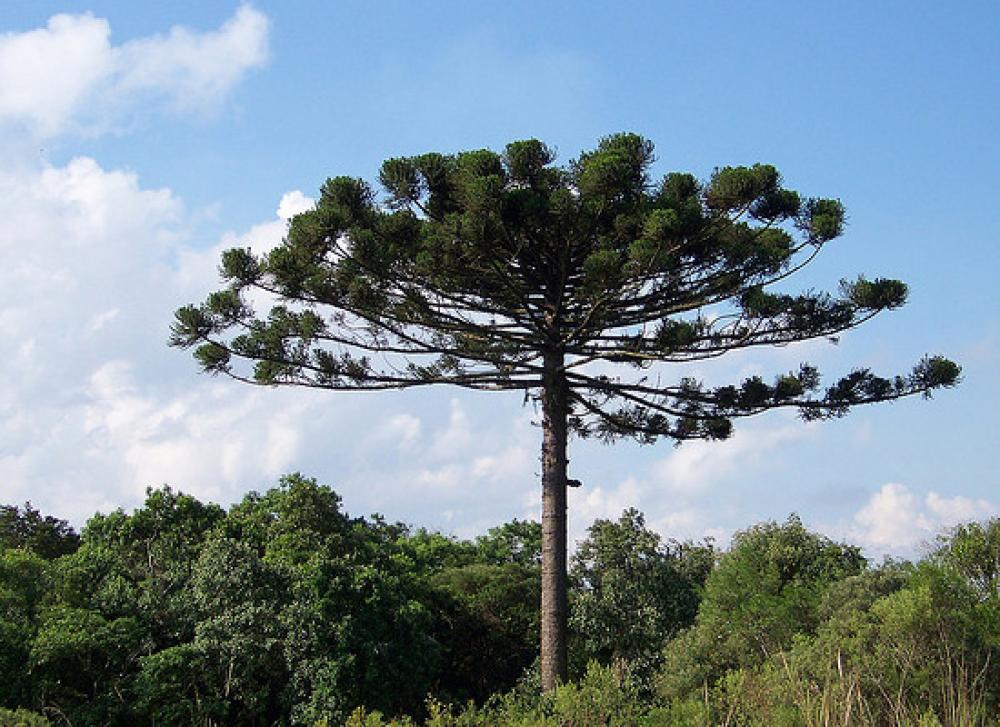
Araucaria, the Paraná pine
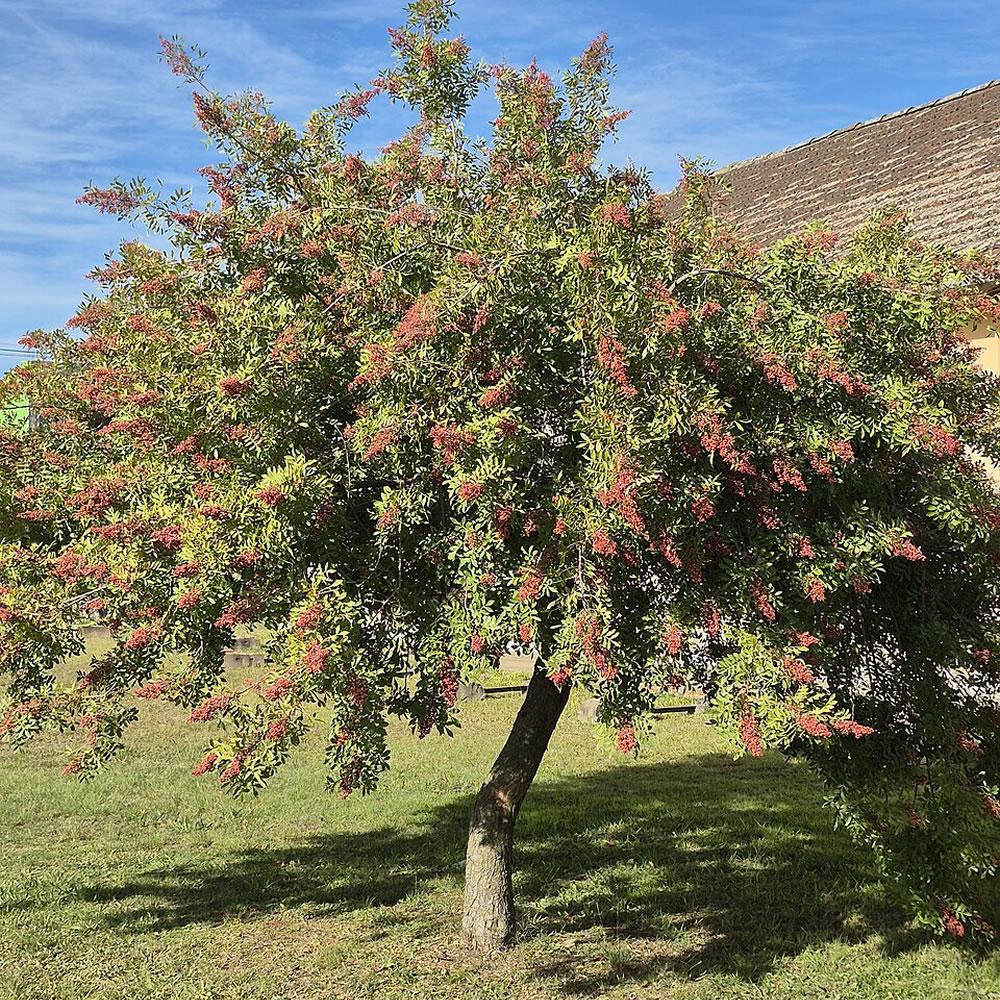
Brazilian peppertree
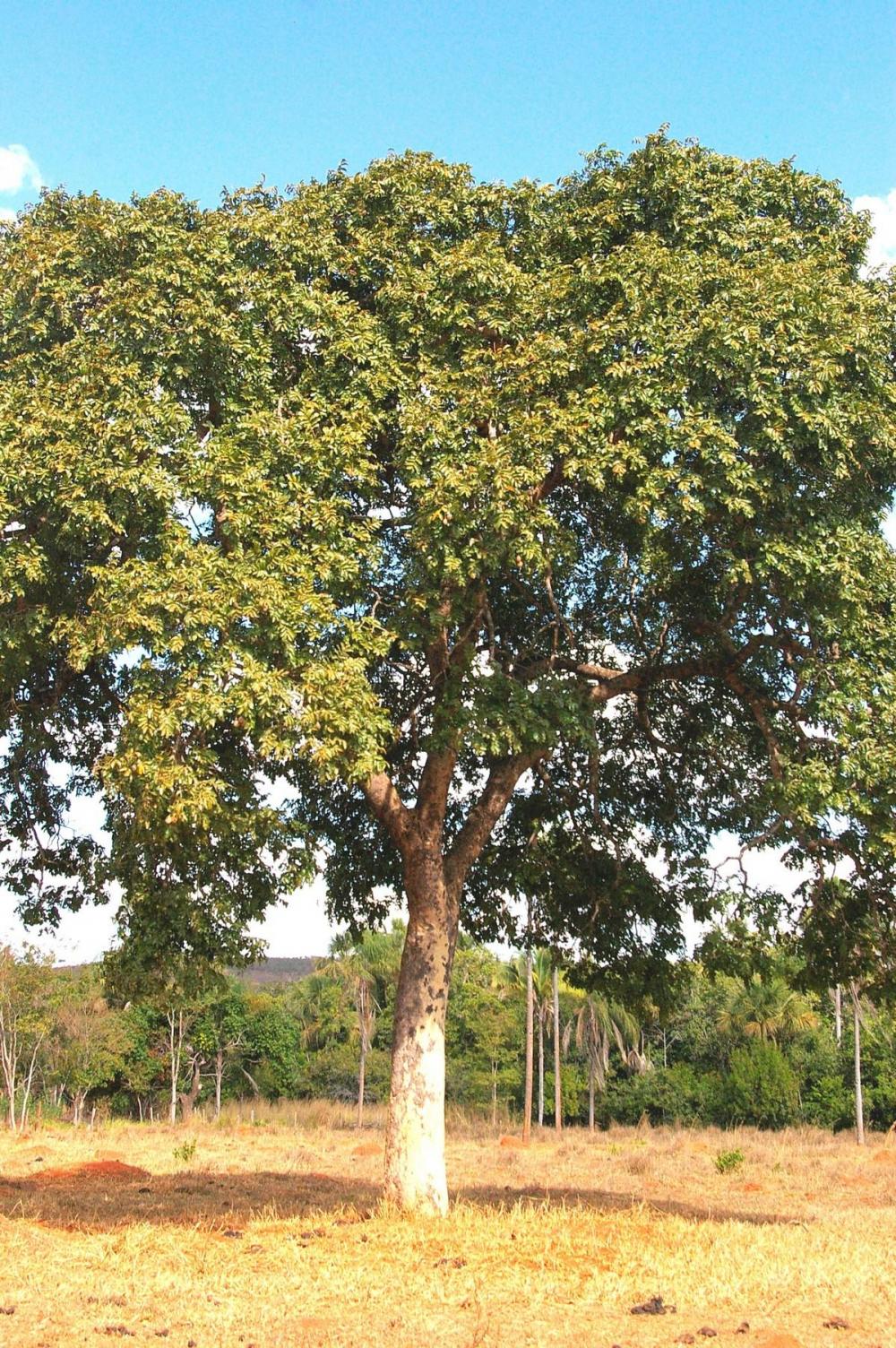
Baru
Cagaita
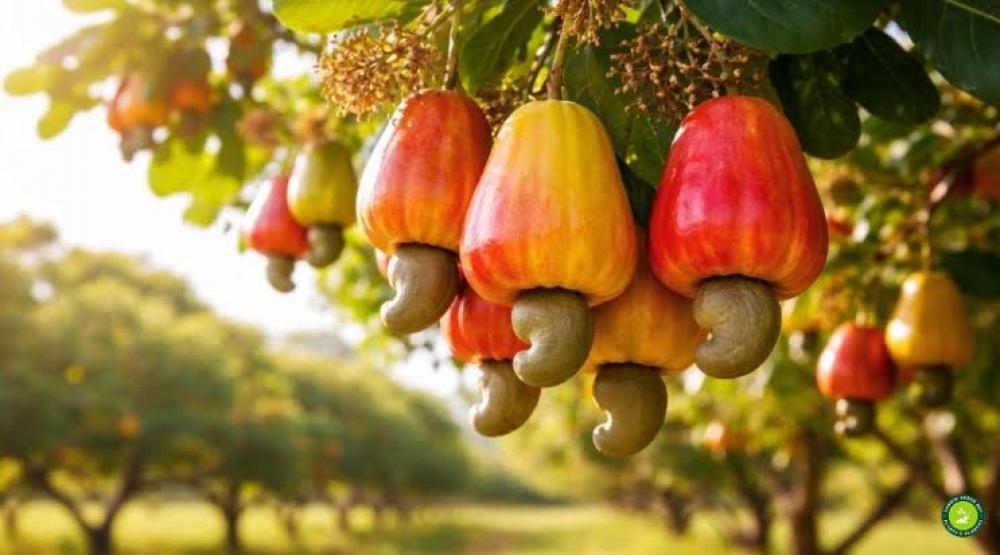
cashew tree
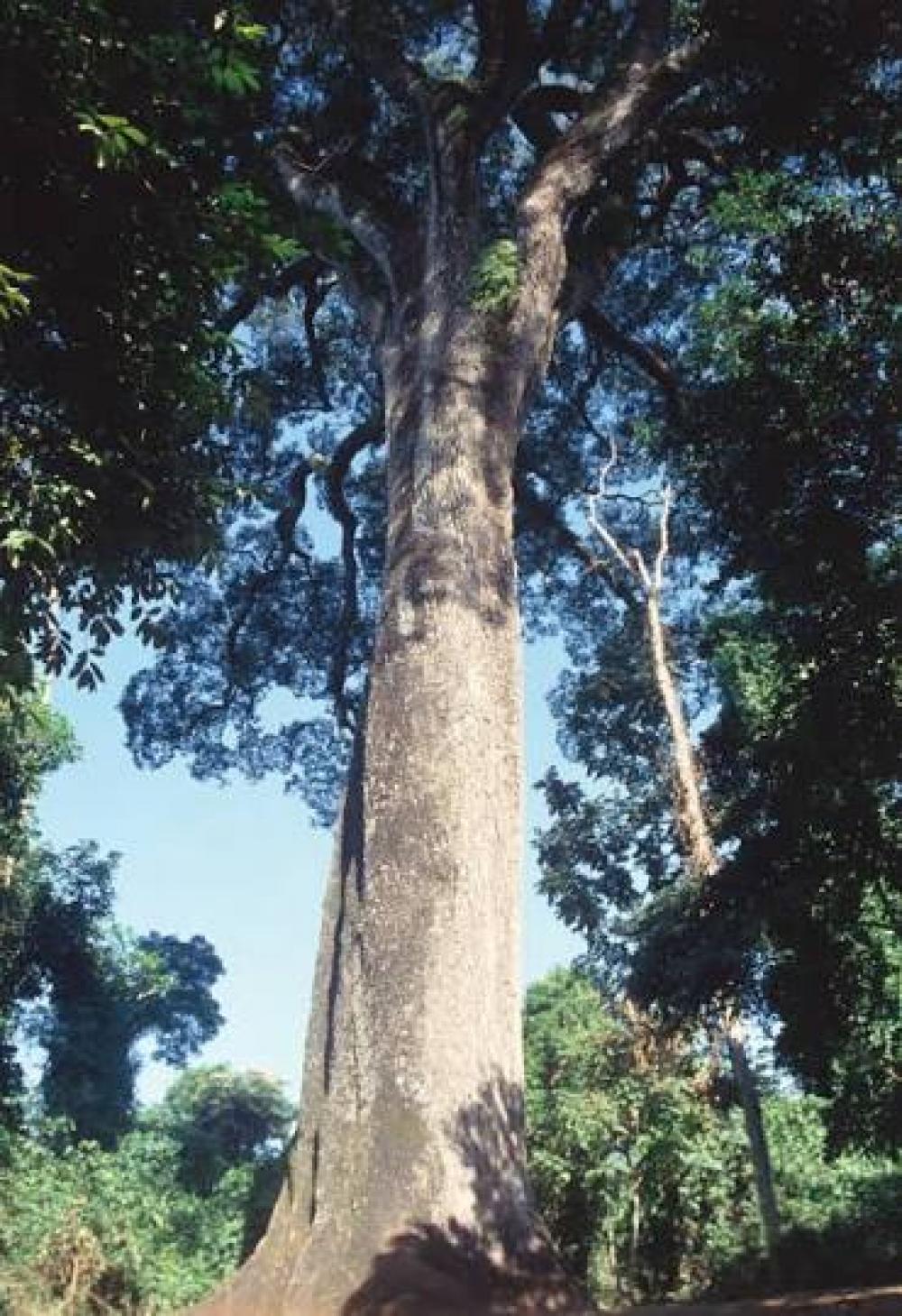
Black Cinnamon
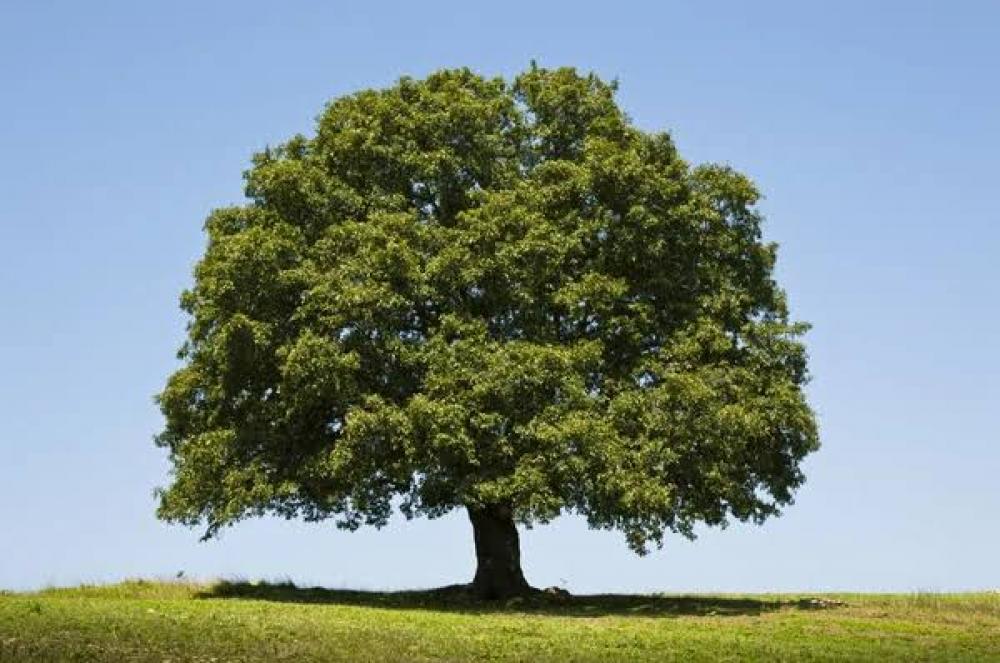
Oak tree
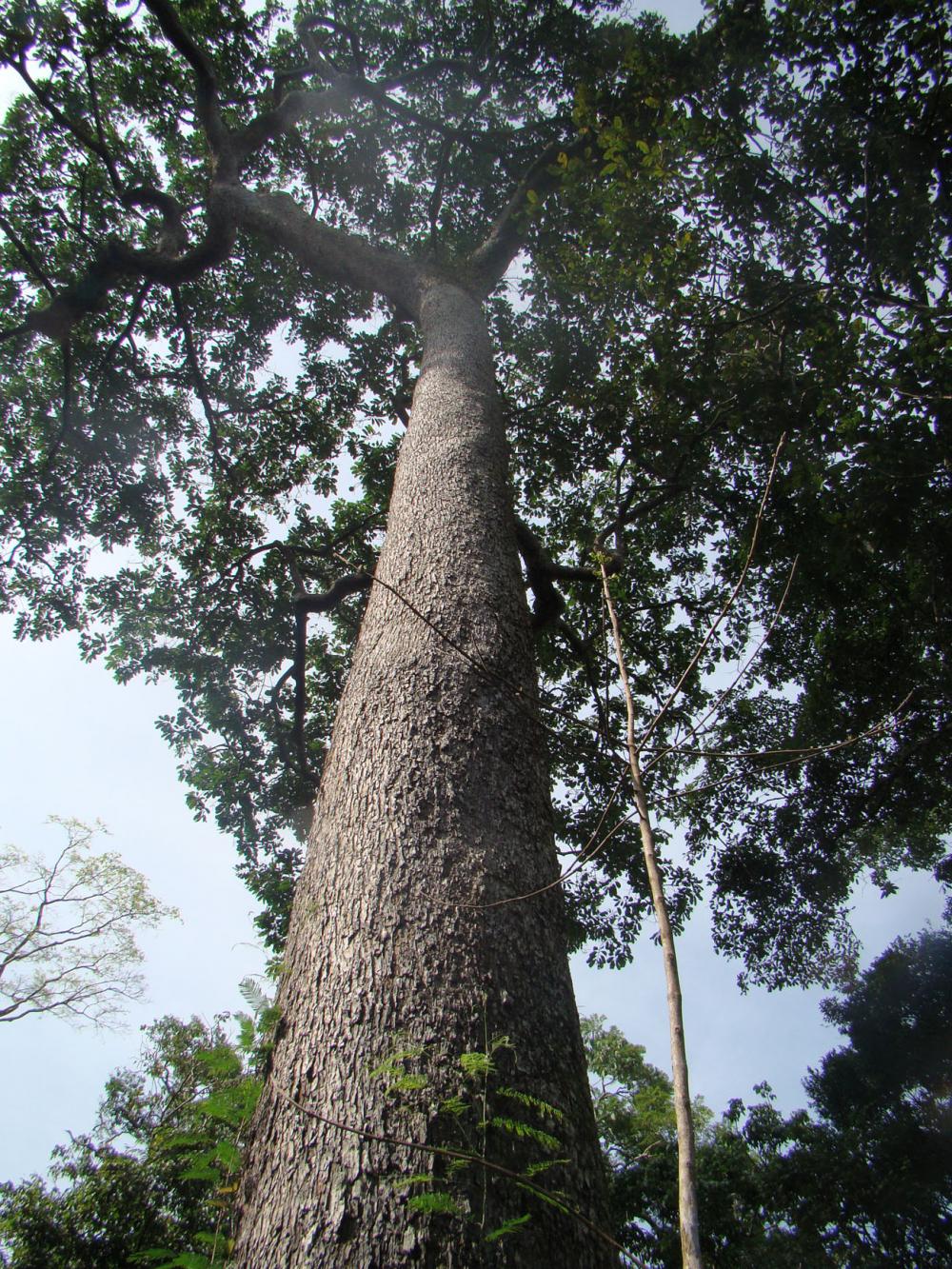
nuez de Brasil
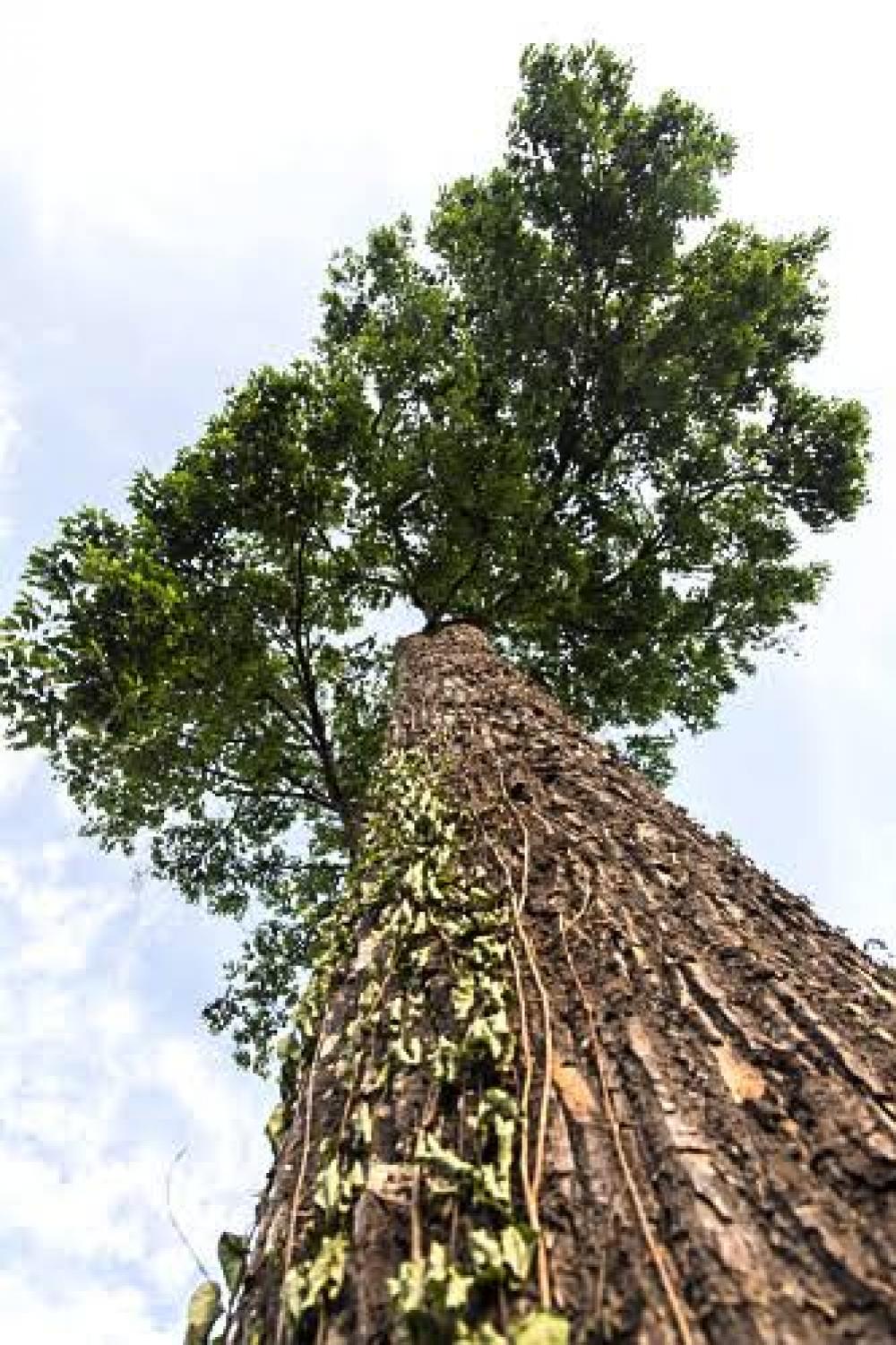
Brazil nut tree
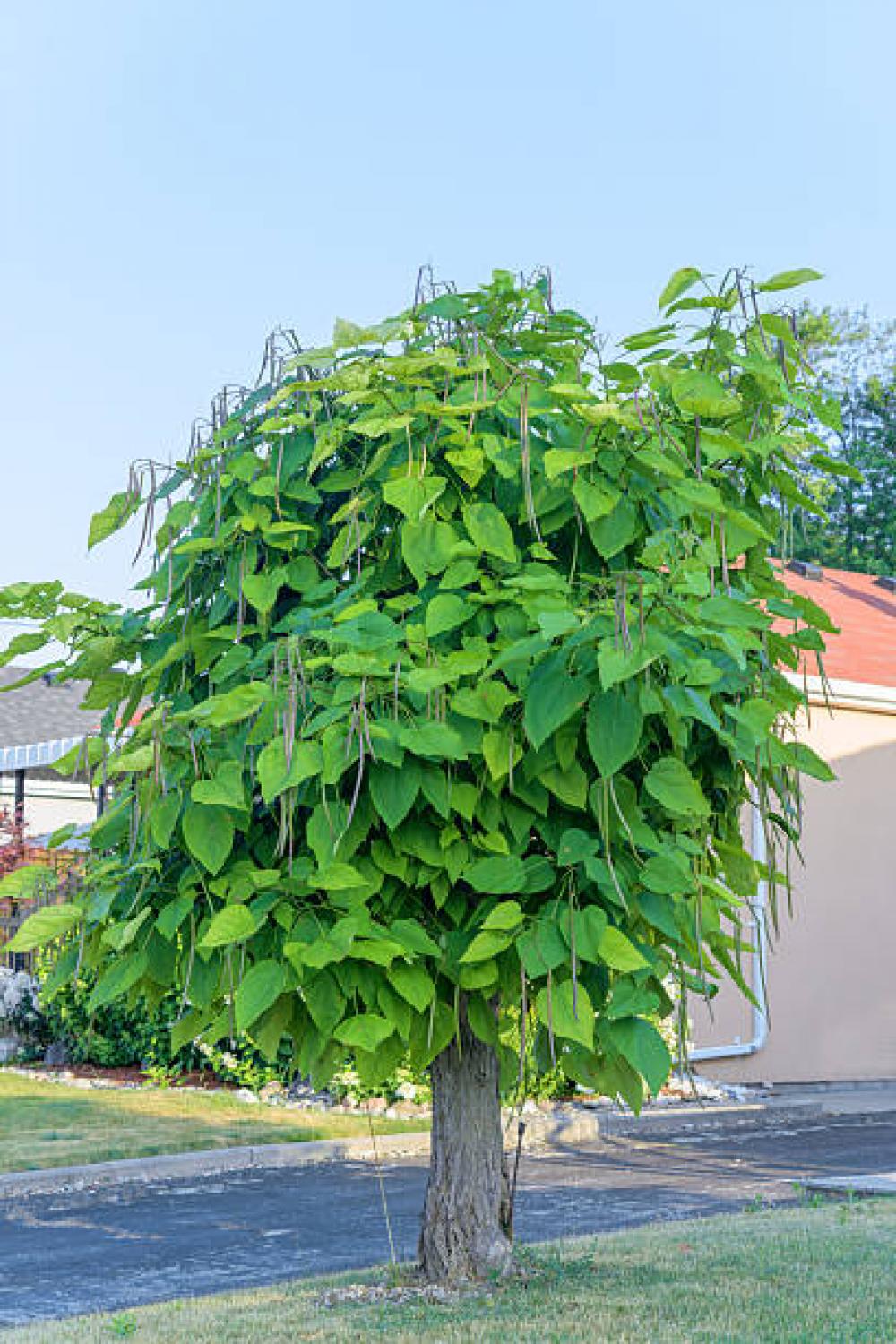
Catalpa
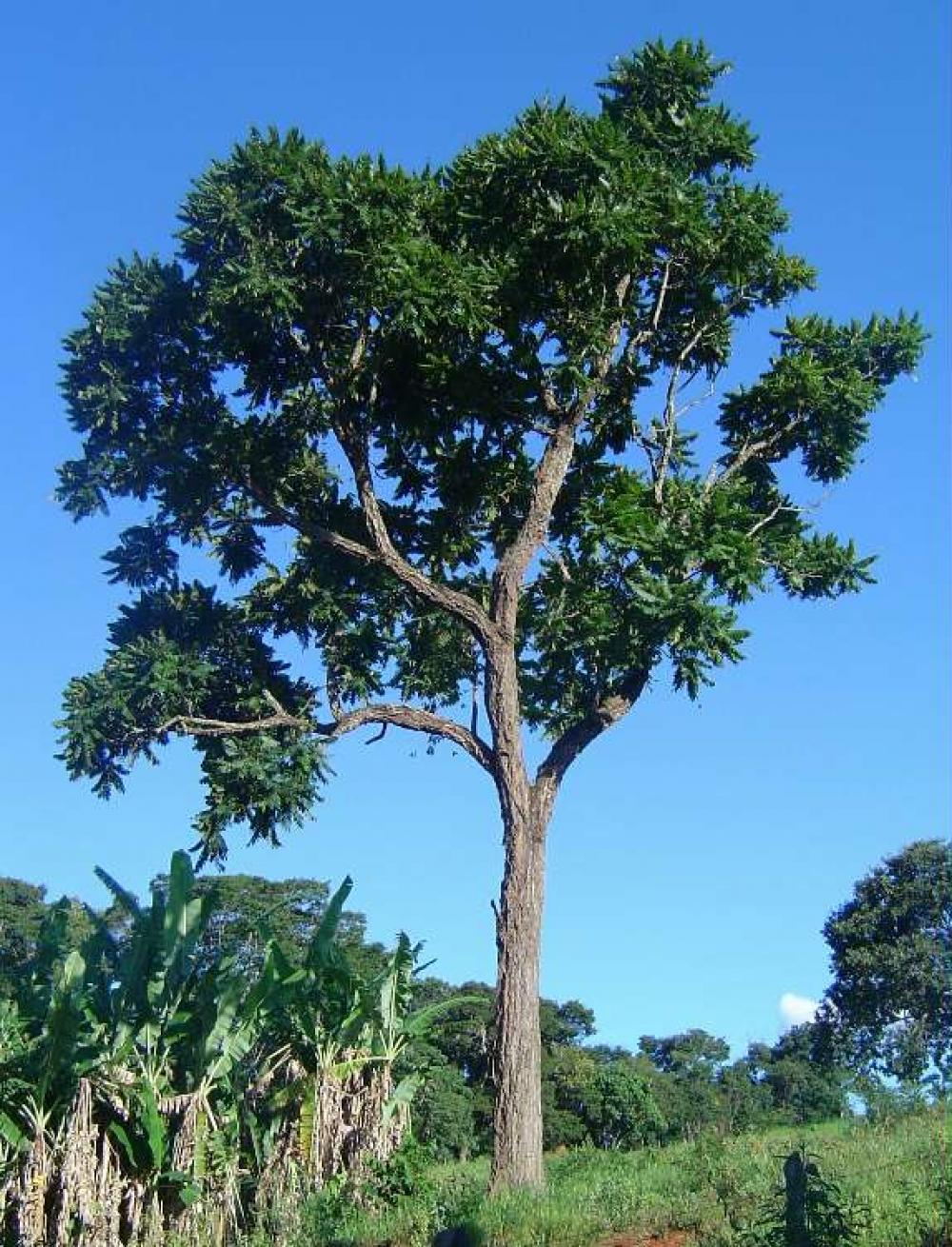
Pink cedar
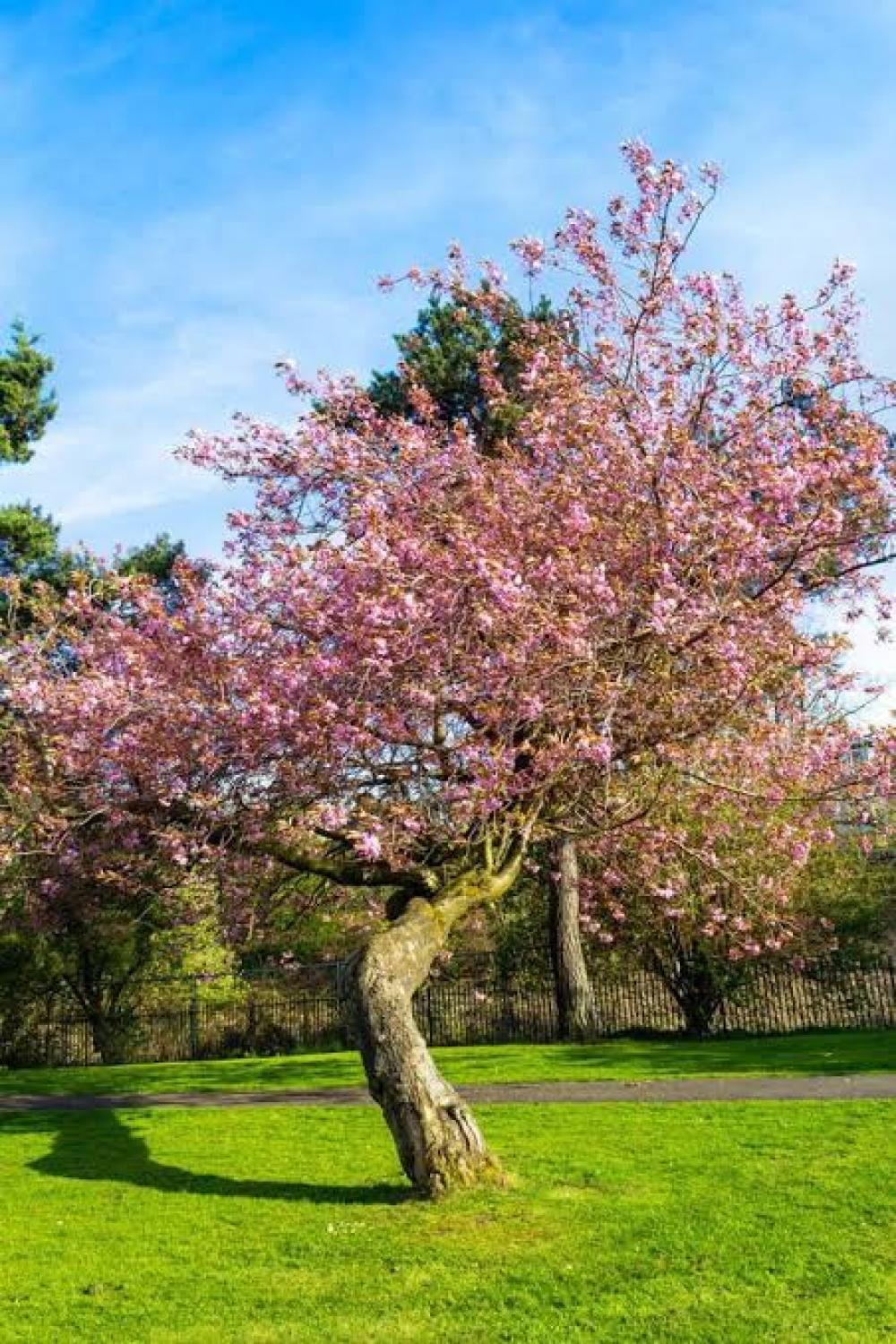
ornamental cherry tree
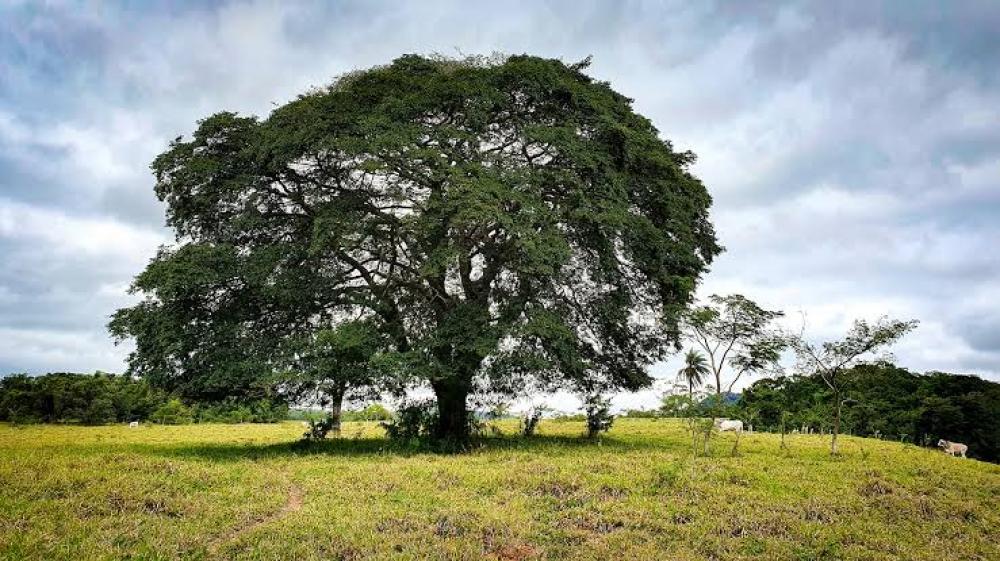
copaiba
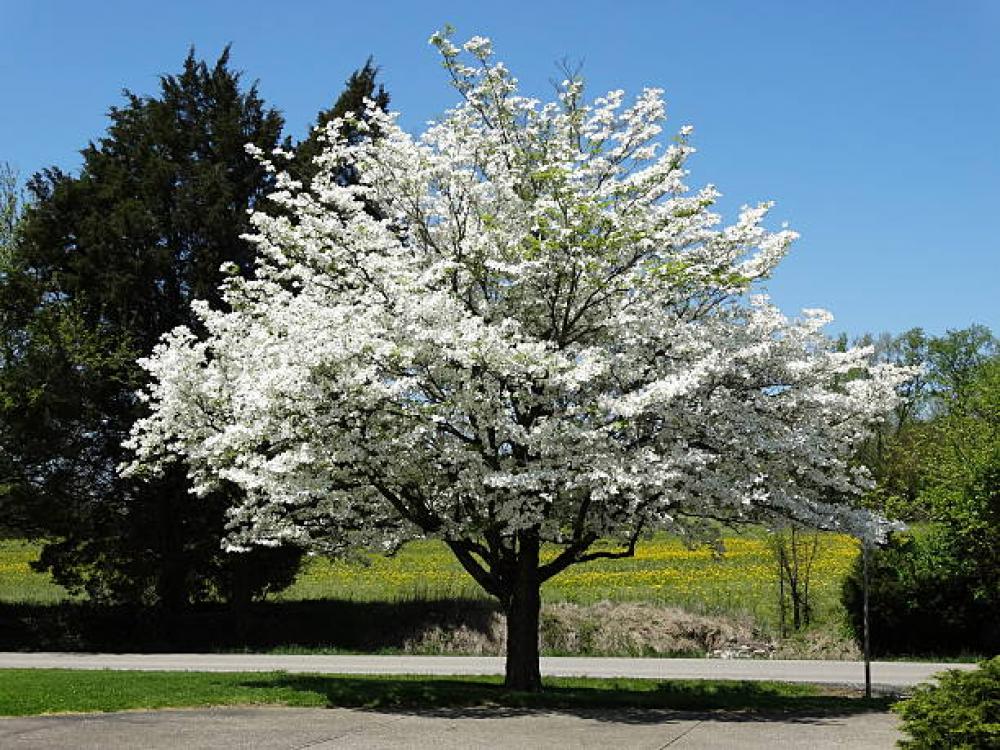
Trees of the genus Cornus
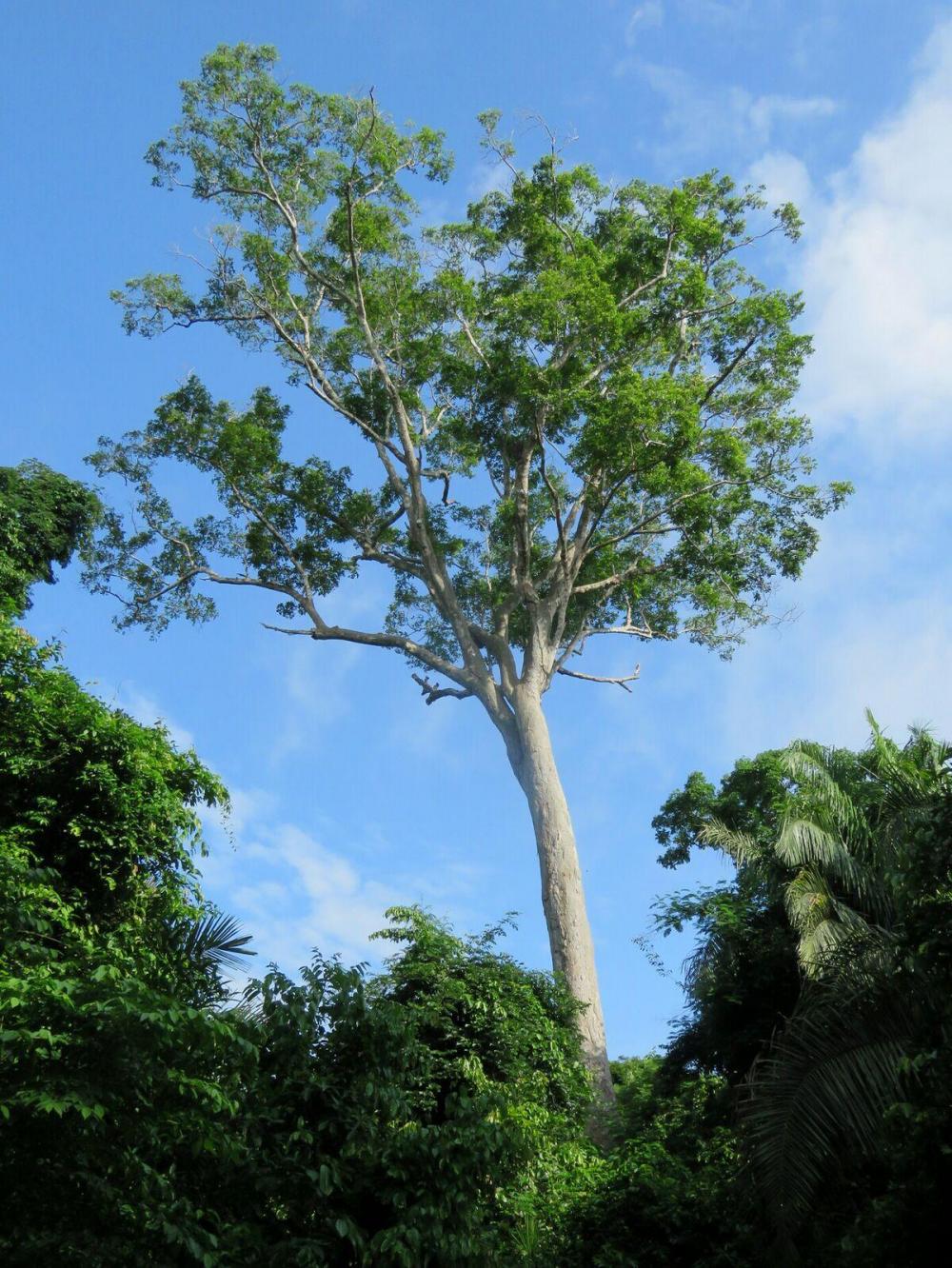
Cumaru
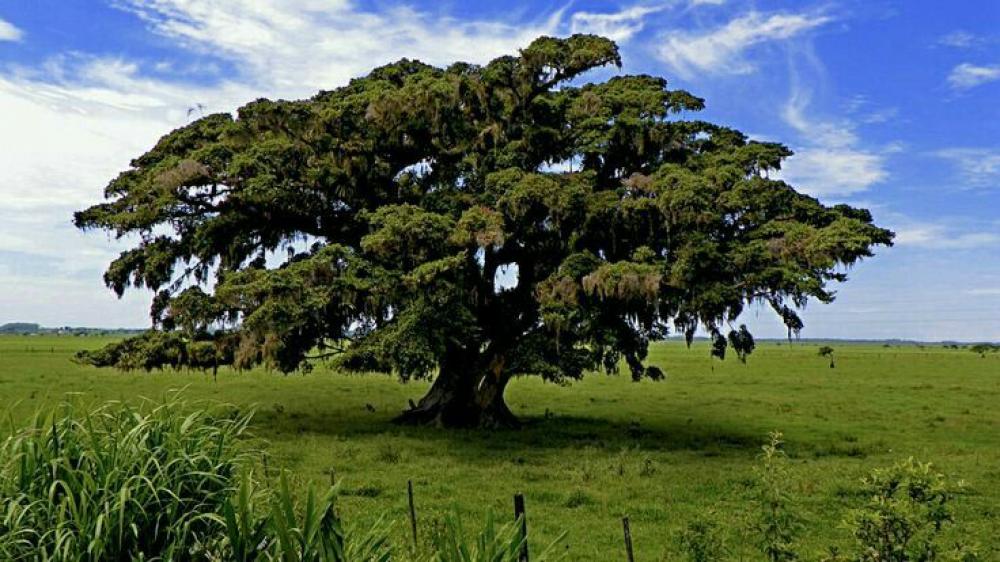
fig tree
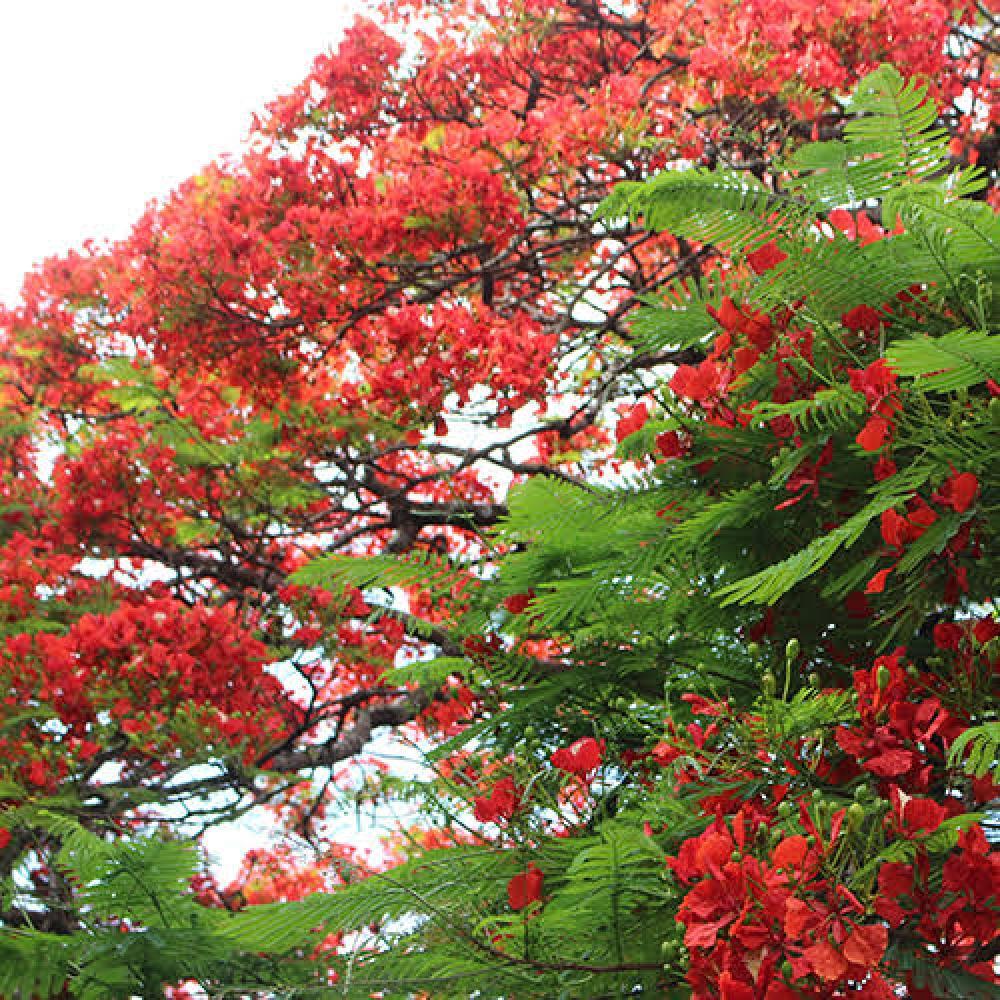
Flamboyant
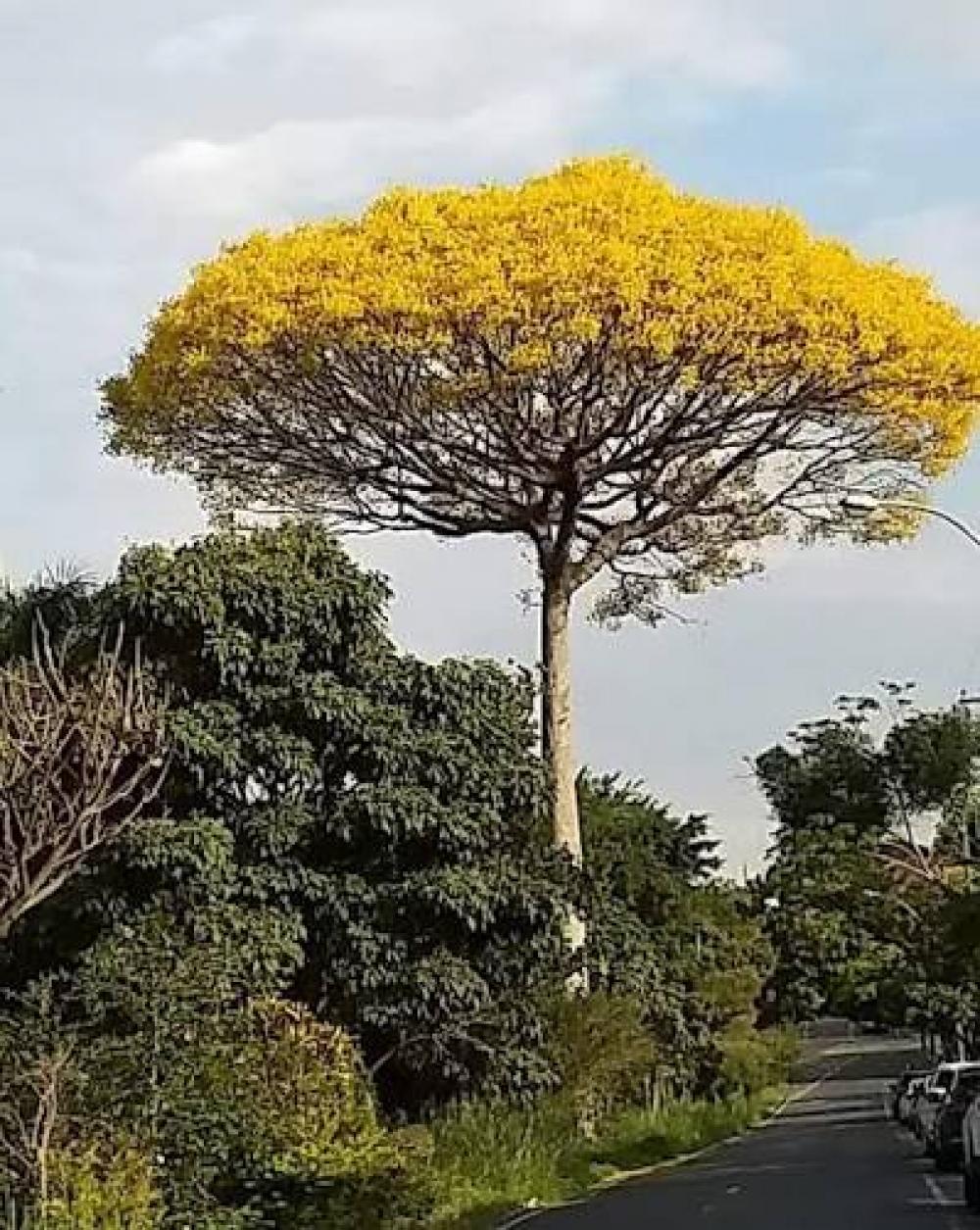
Guapuruvu
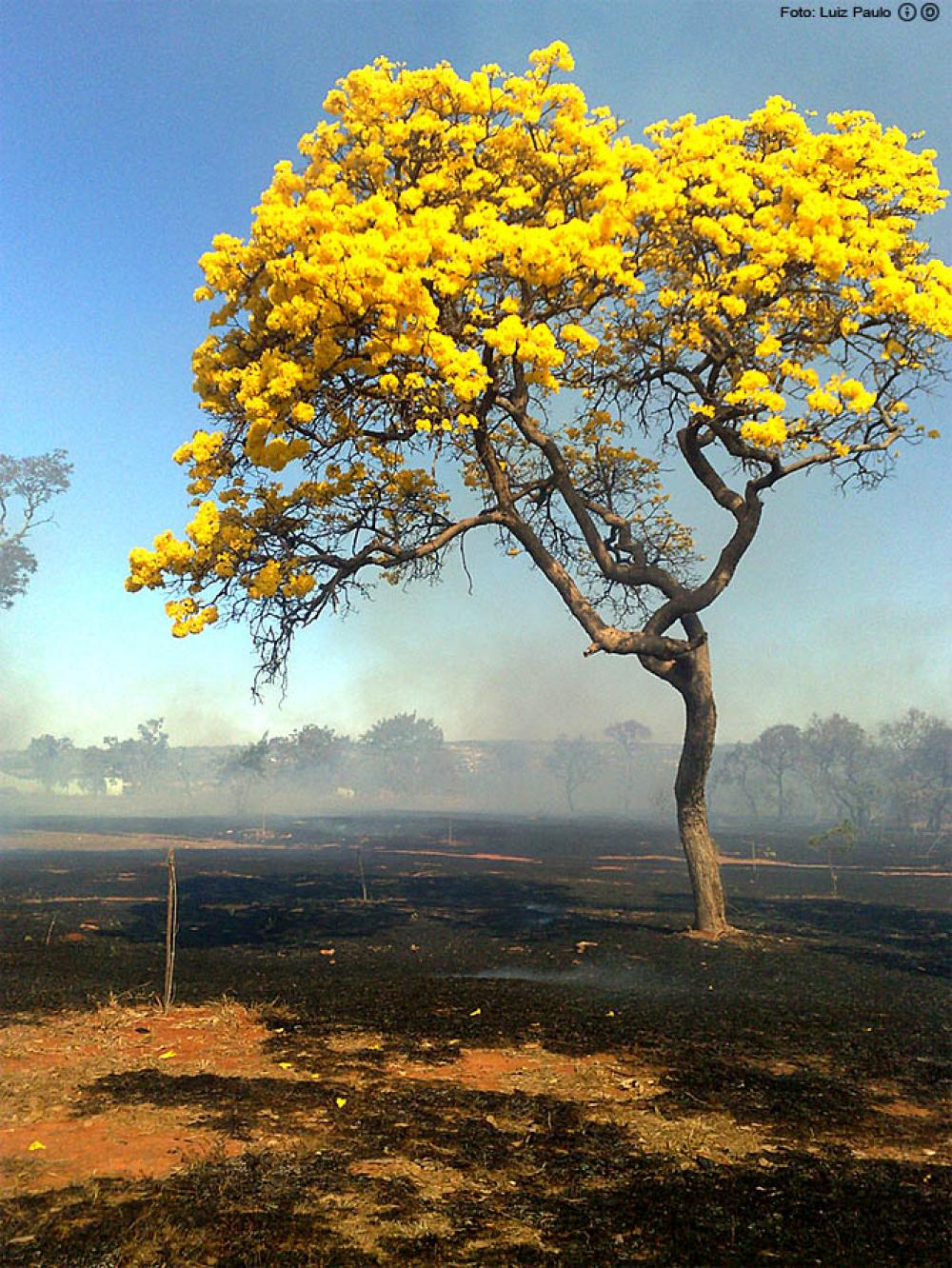
Yellow Ipê
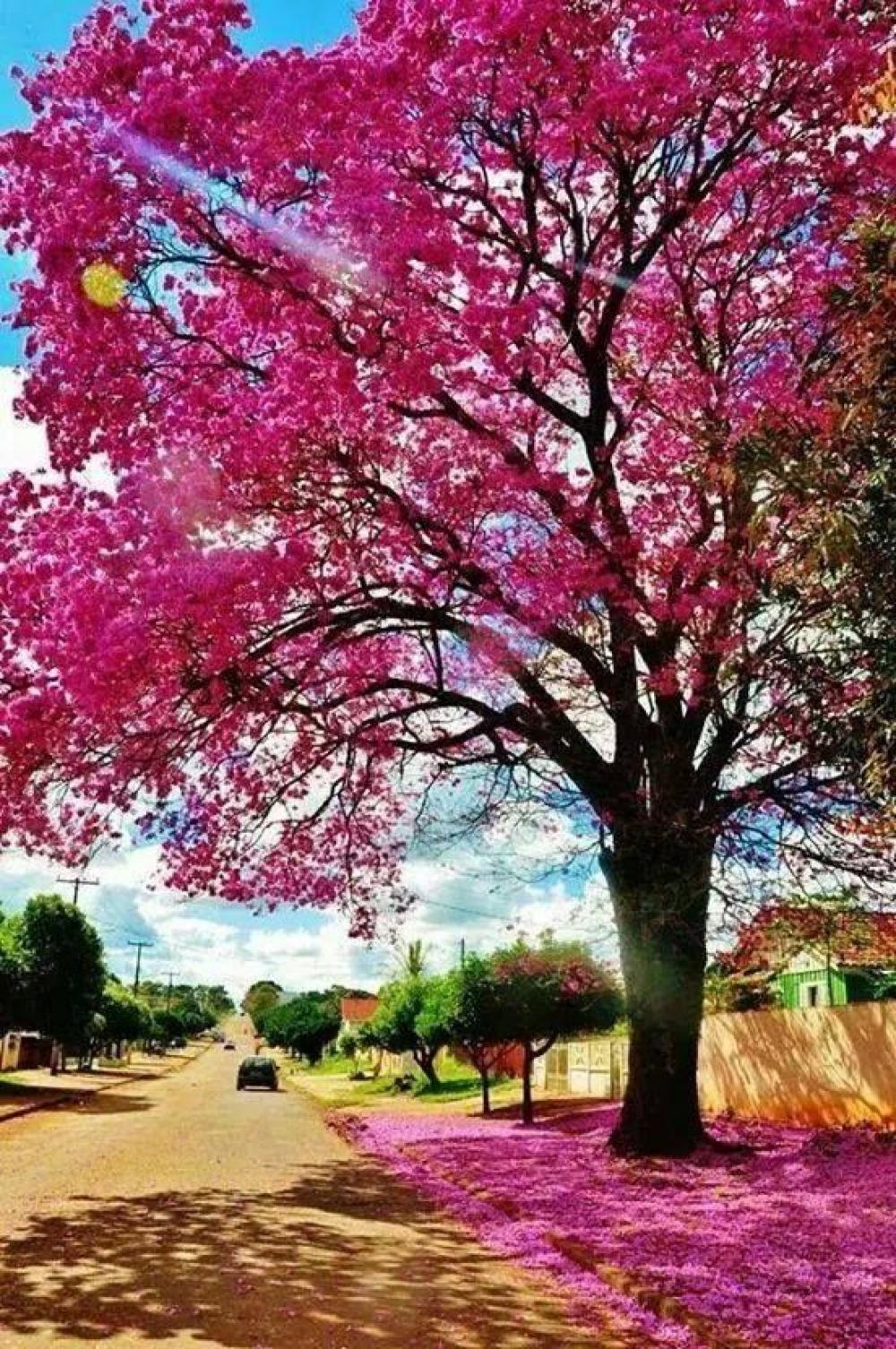
Purple Ipe
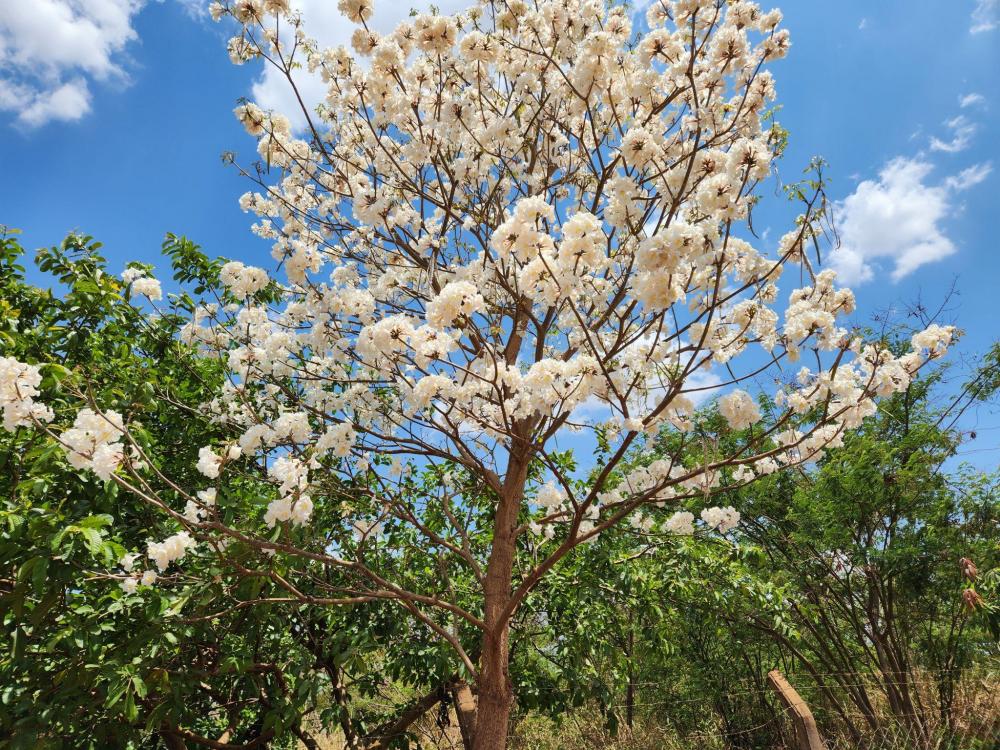
White Ipê
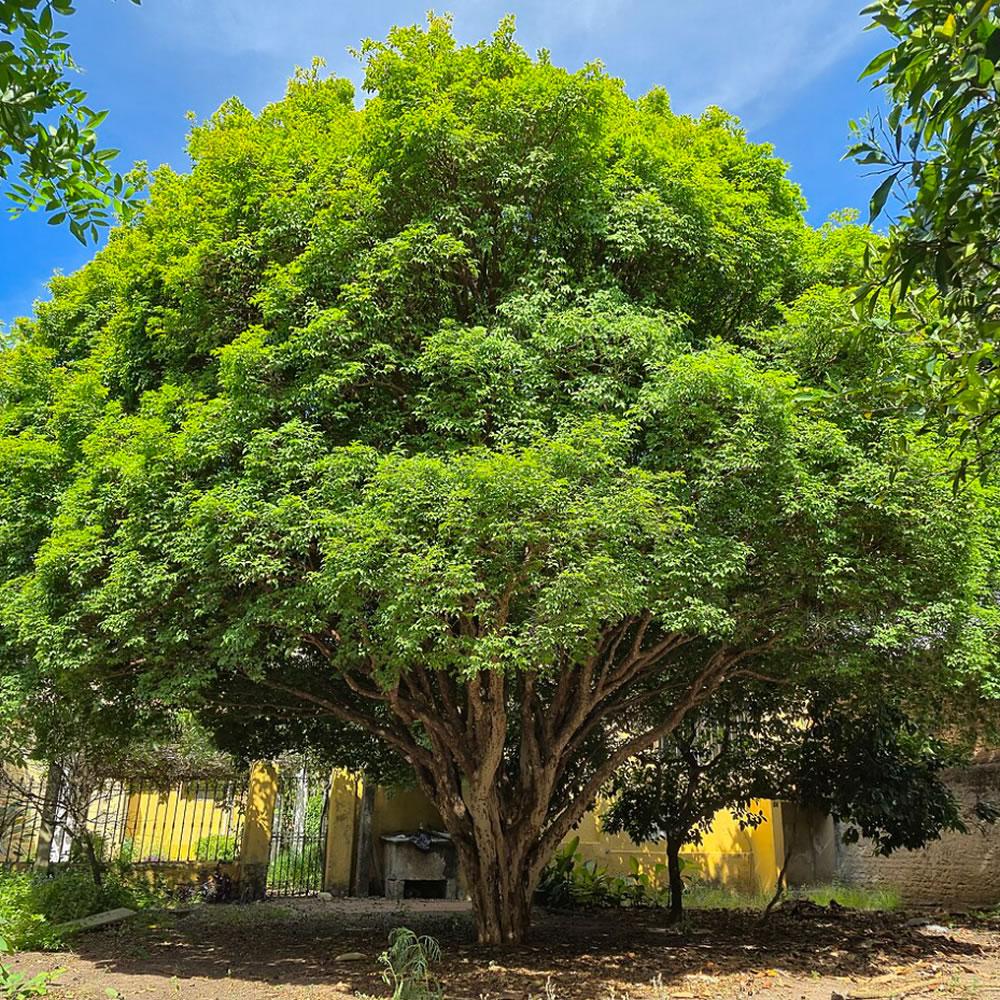
Jabuticaba
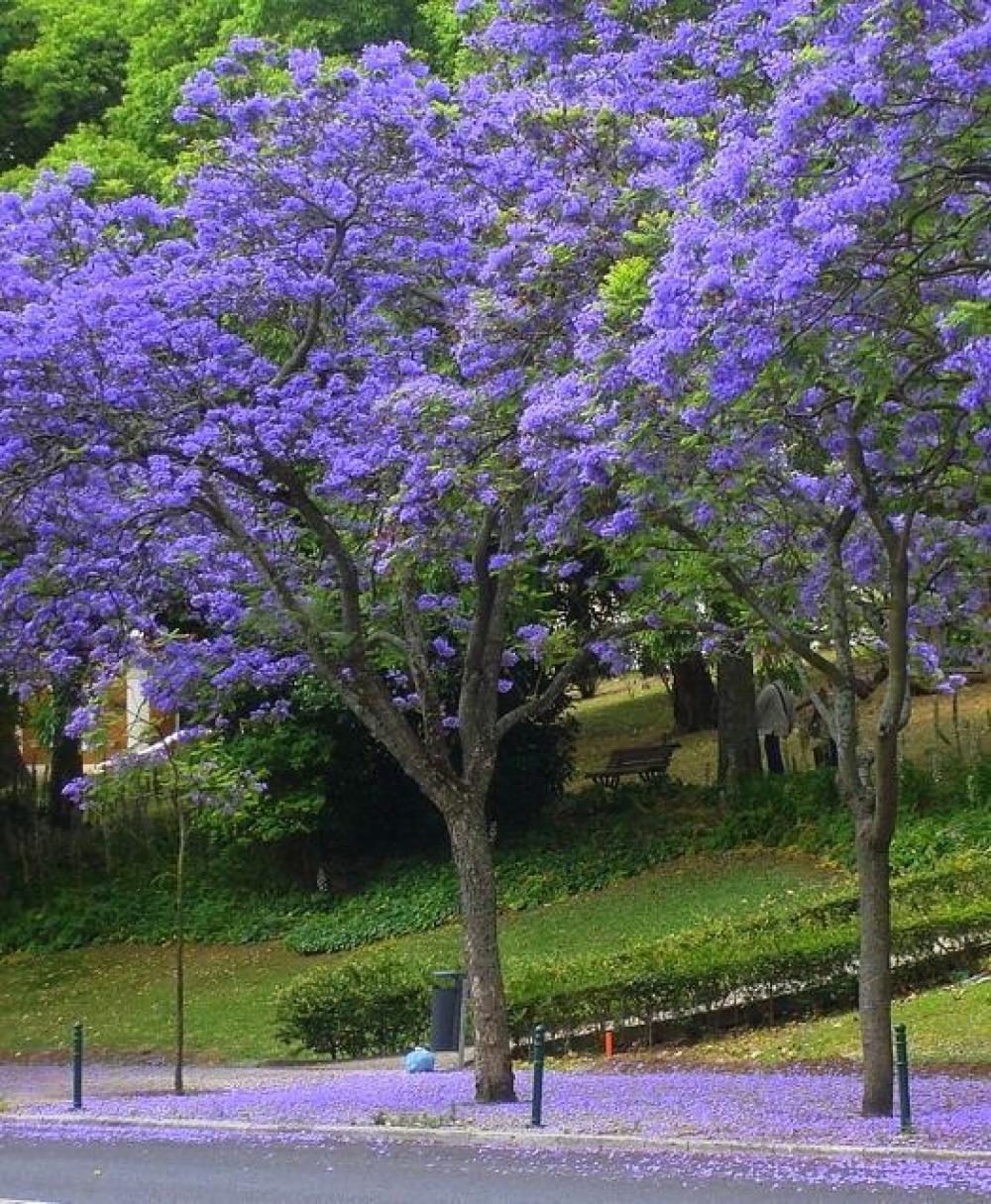
Blue jacaranda
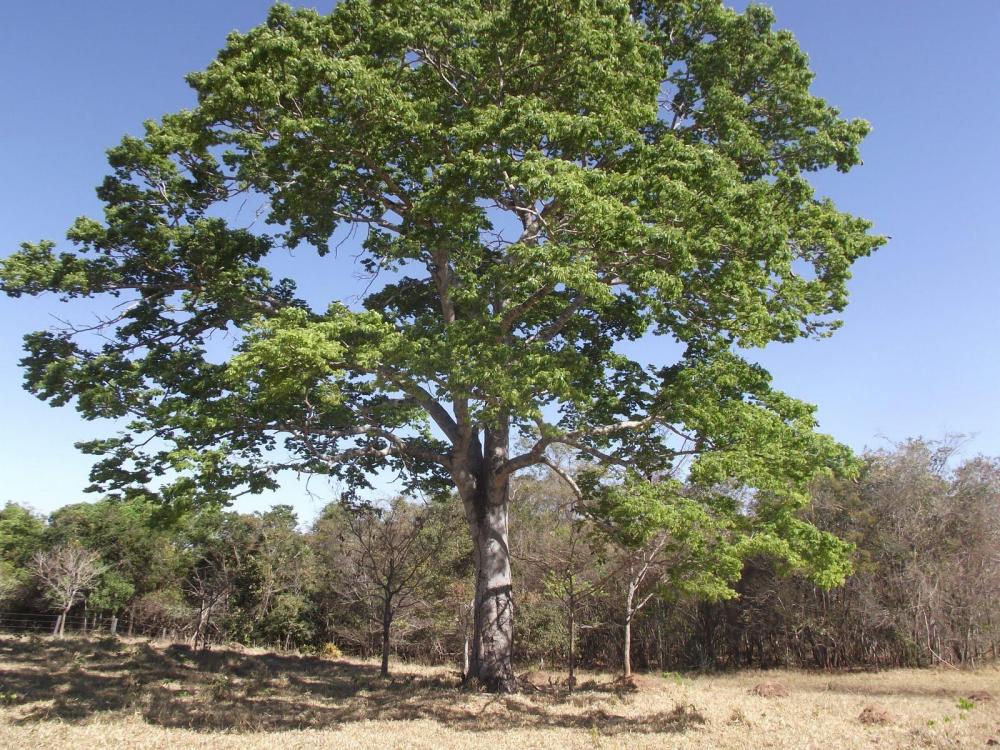
Jatoba
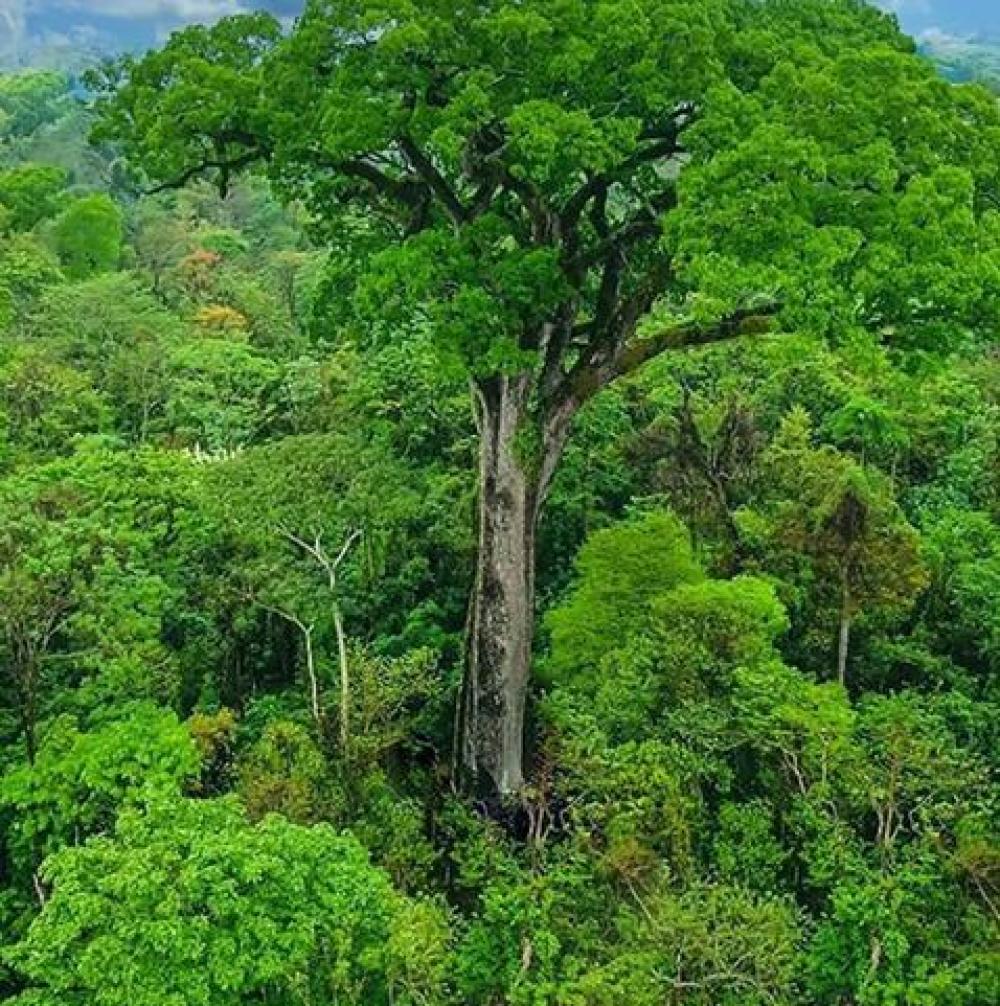
Pink Jequitibá (Cariniana legalis)
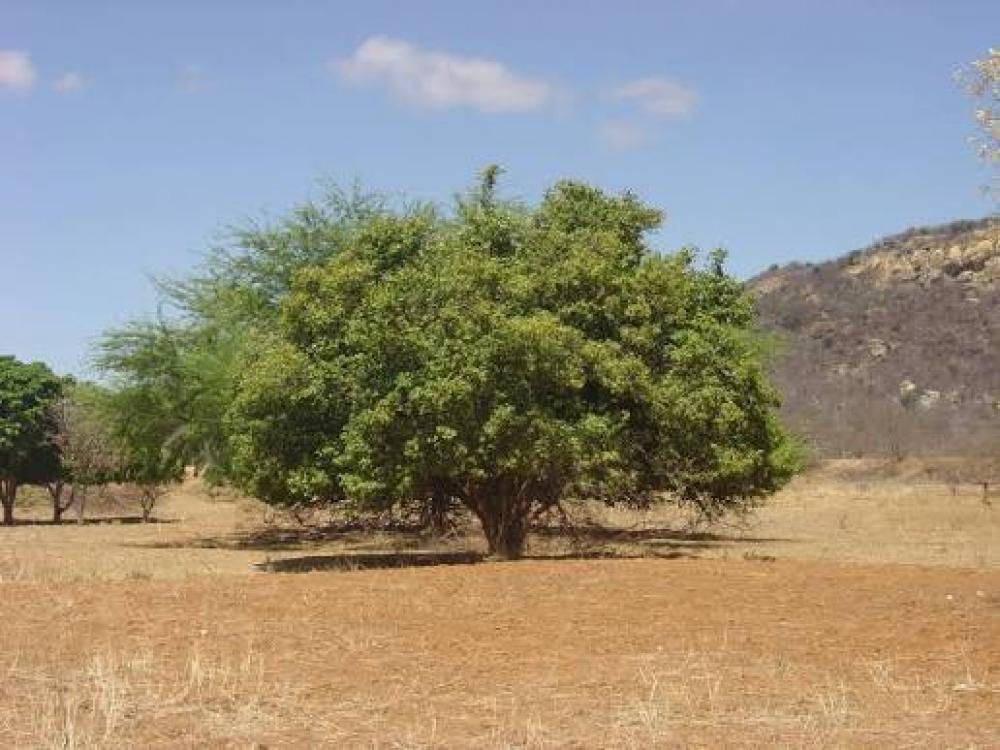
Juazeiro
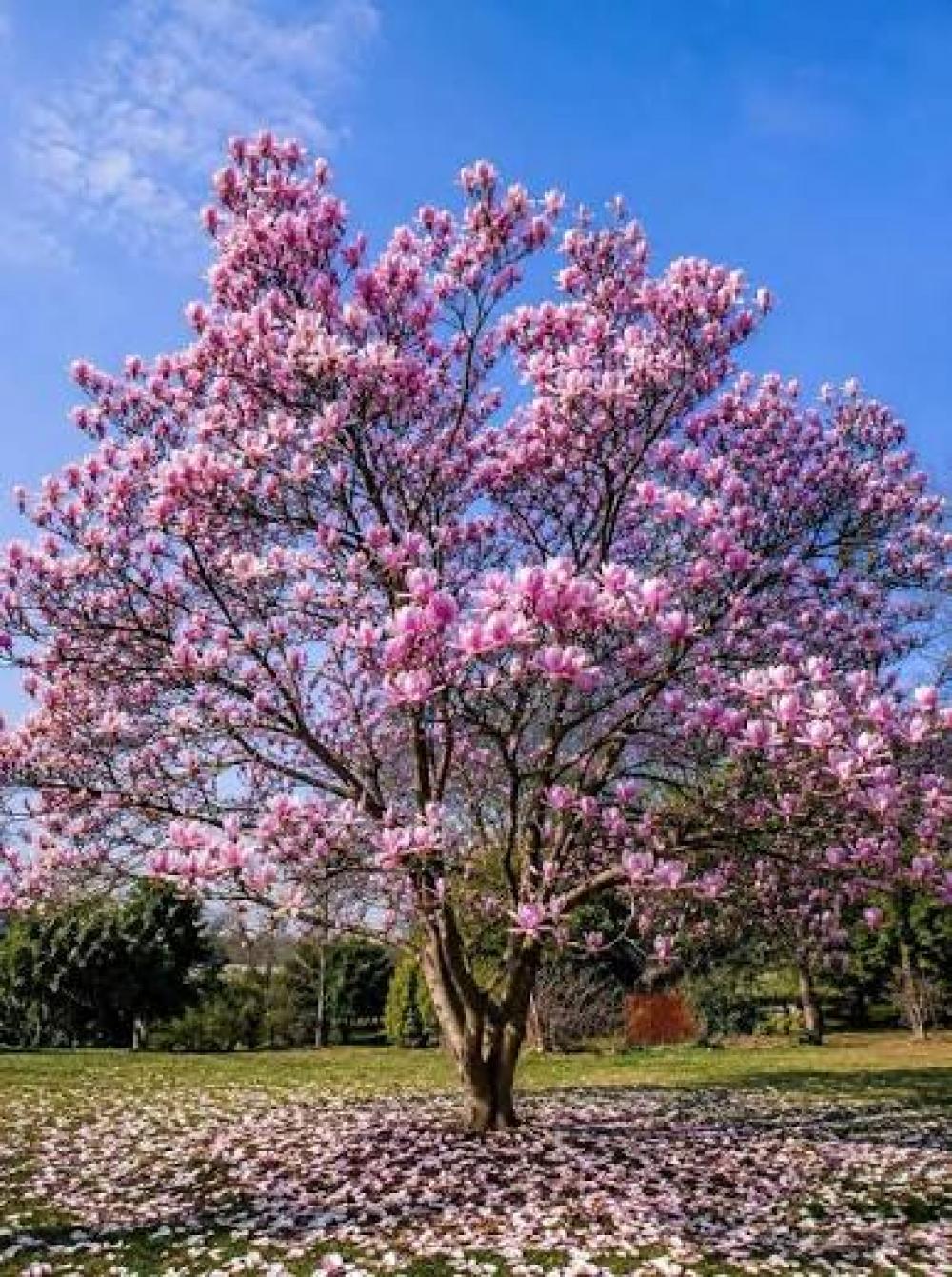
Magnolia
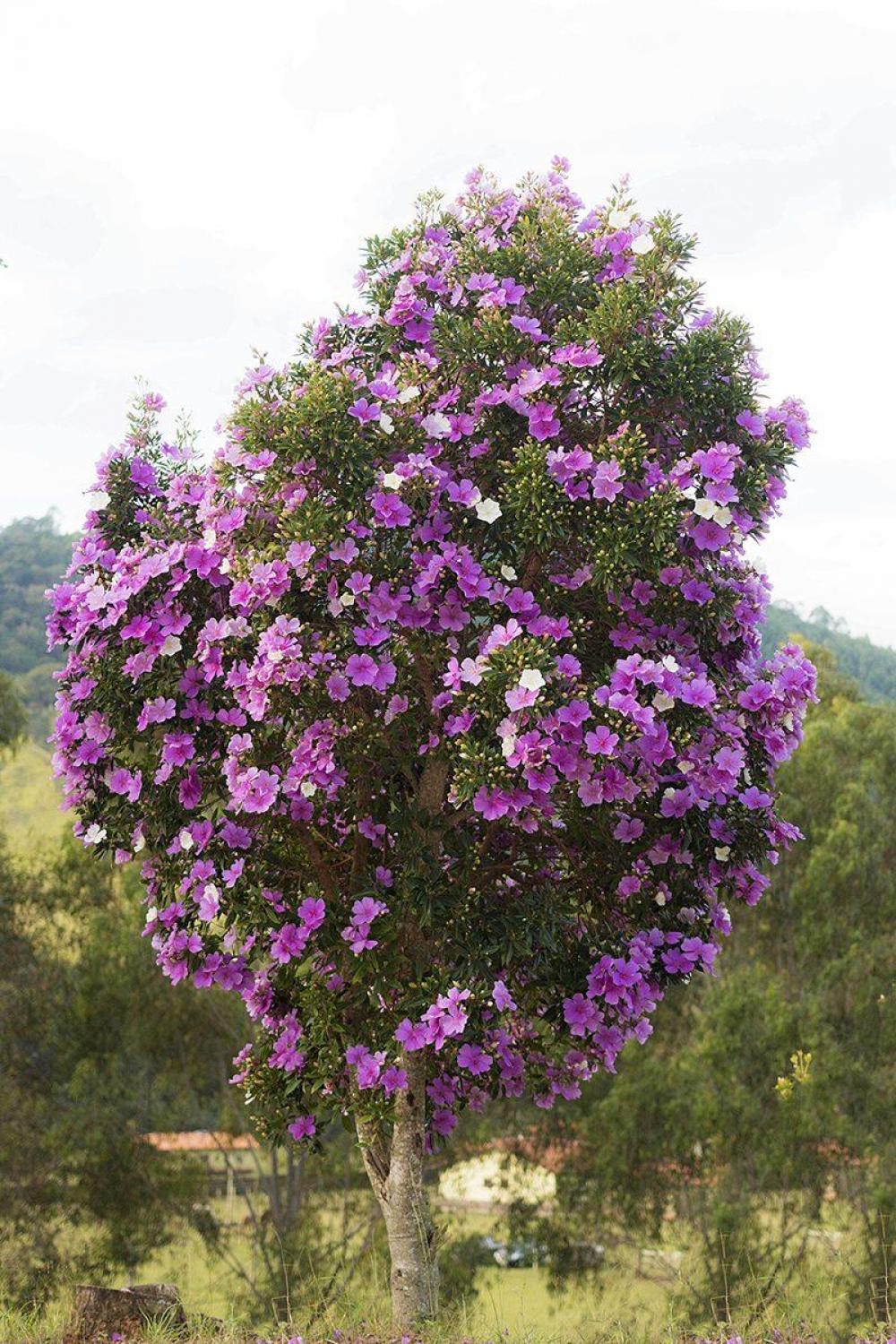
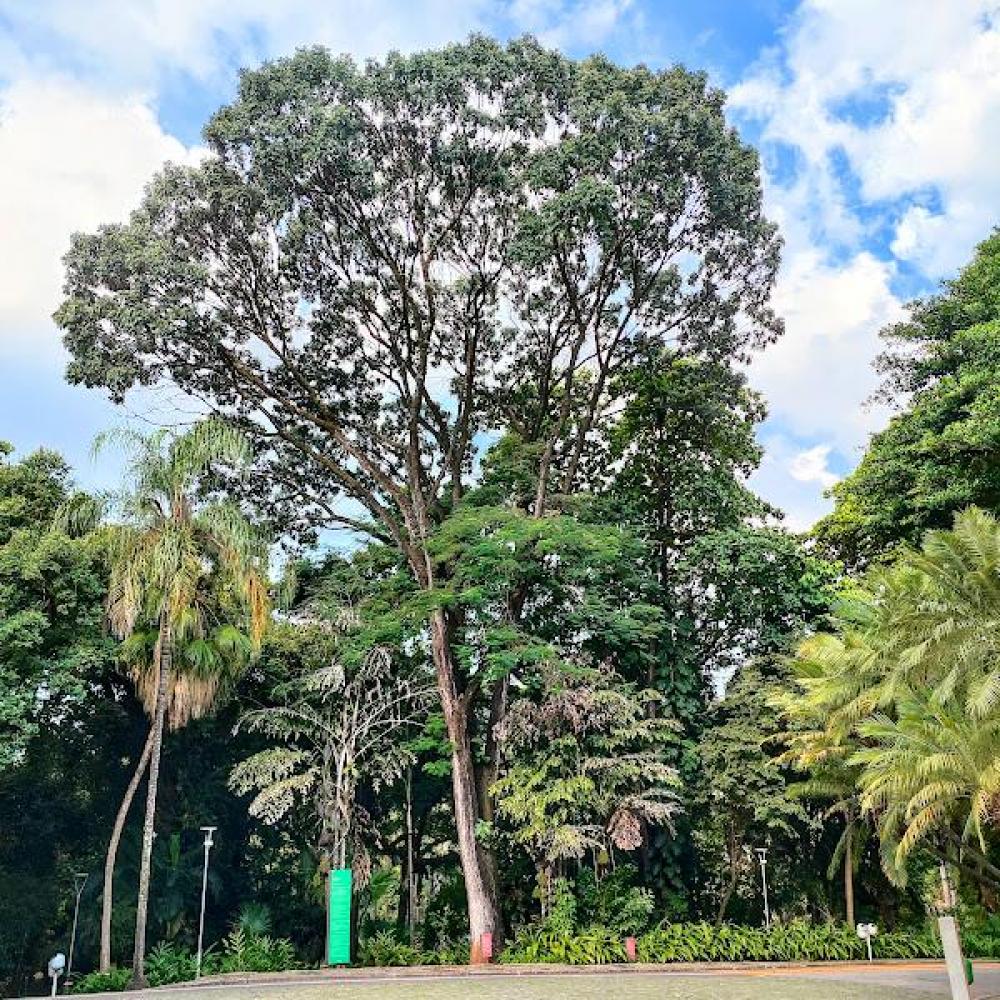
Brazilian Mahogany
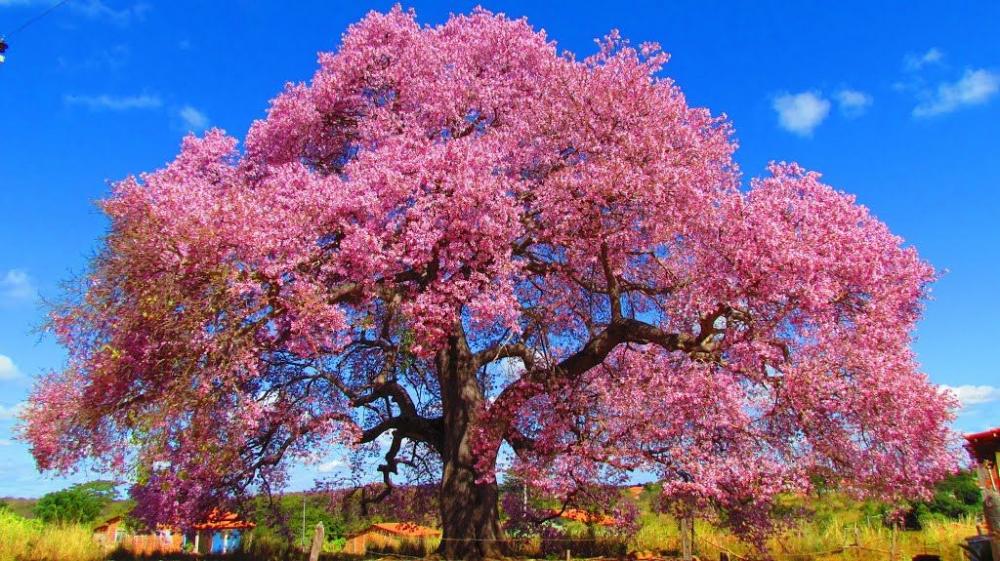
pink silk floss tree
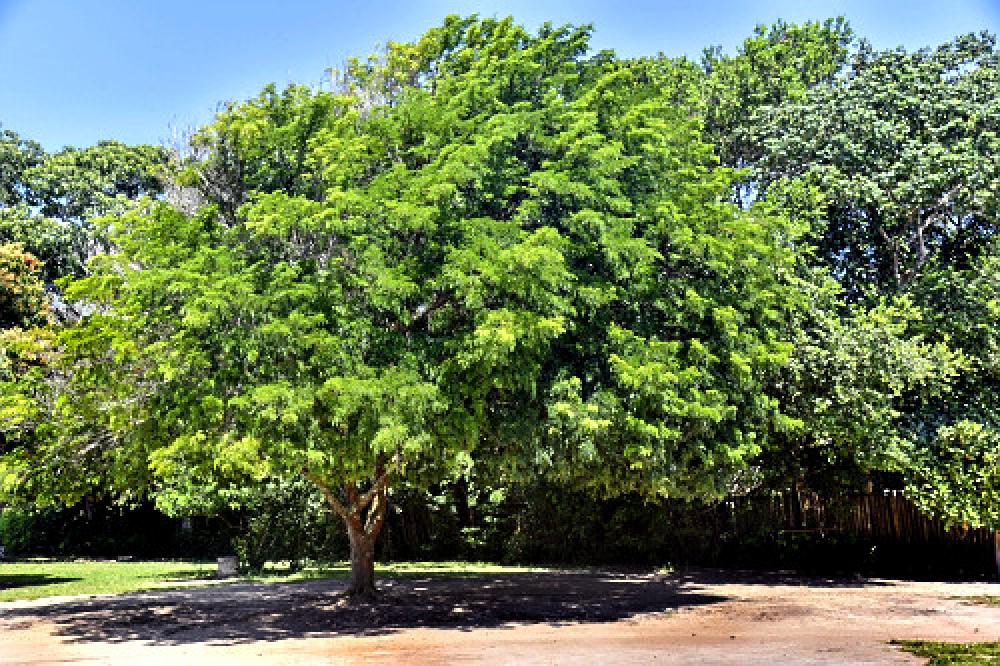
Brazilwood
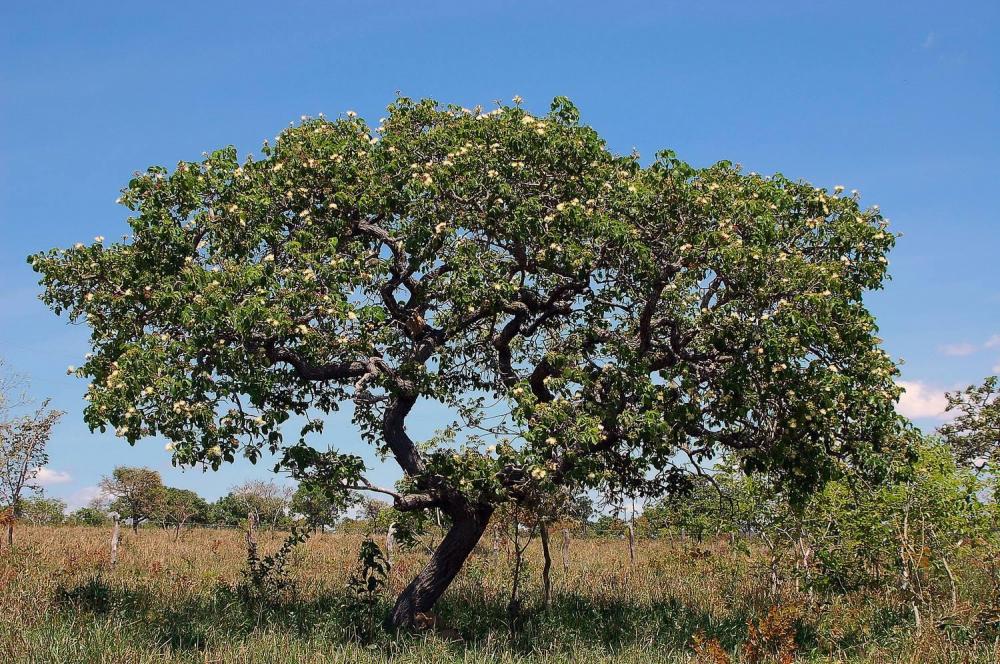
Pequi
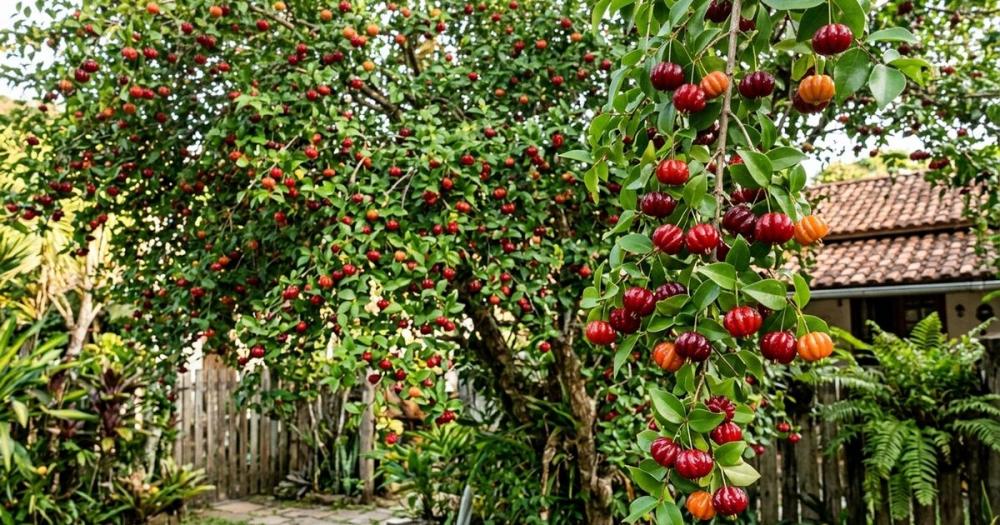
Surinam cherry
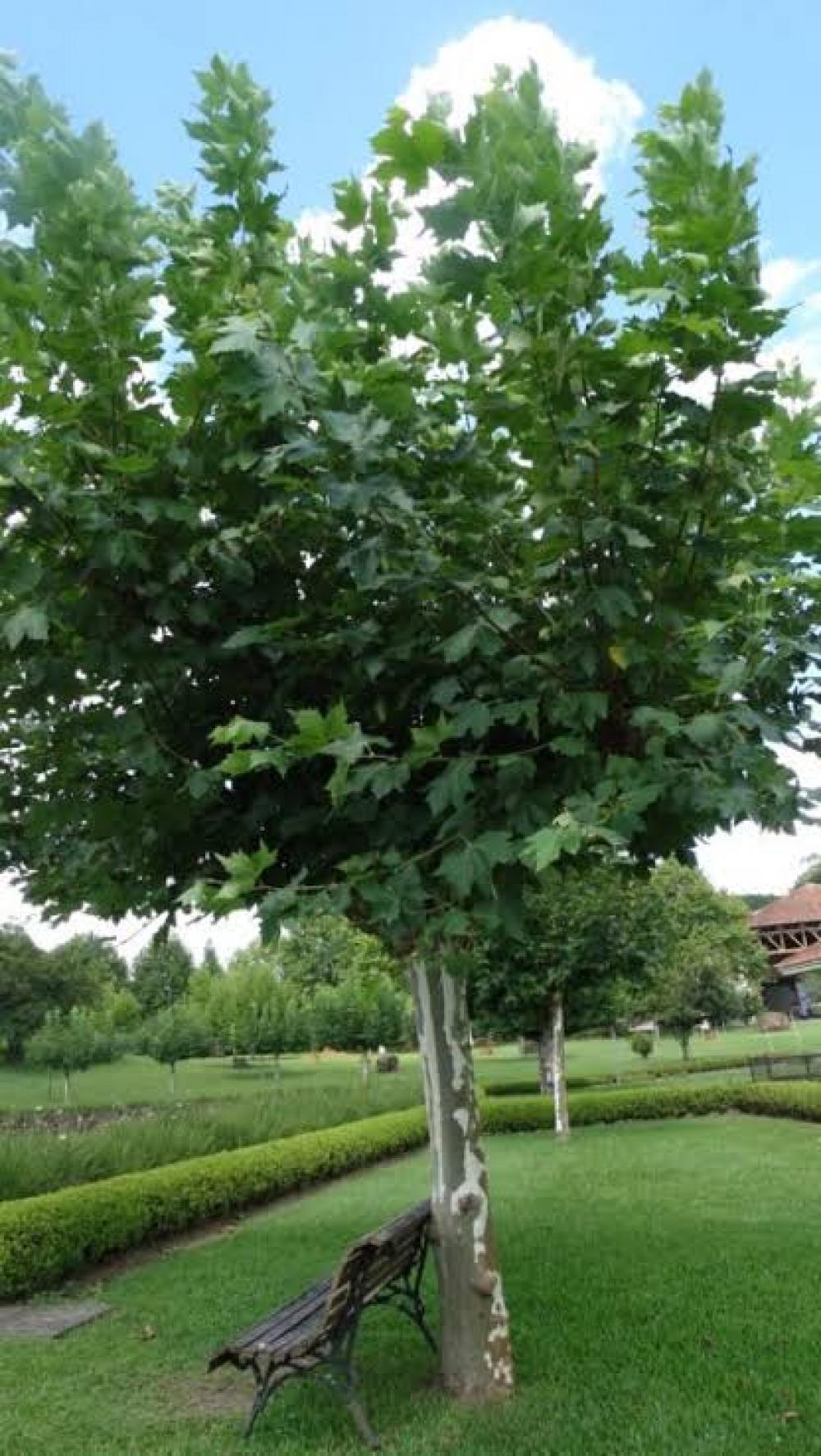
Plane tree
Rubber tree
Sucupira
Linden