



White Ipê
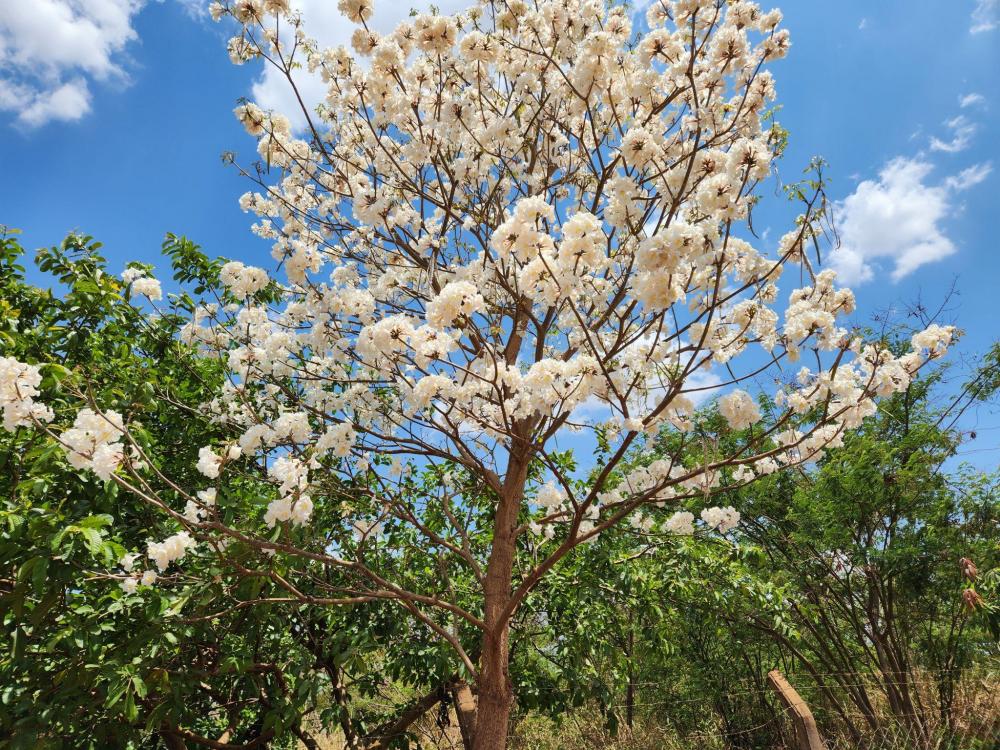
The *Ipê-Branco* (White Ipê) is a tree native to Brazil, known for the delicate beauty of its pale flowers and its ability to transform the landscape during its blooming season. Belonging to the genus *Handroanthus*, it possesses characteristics of great ecological and ornamental importance and is found primarily across various regions of Brazil, particularly in Cerrado areas and other vegetation formations.
It is a small- to medium-sized tree, capable of reaching heights of approximately 7 to 15 meters, depending on environmental conditions. It typically features an upright trunk, durable bark, and a well-formed crown. Its leaves are compound and may partially shed before flowering, causing the blossoms to stand out even more strikingly against the branches.
The flowers range in color from white to pinkish-white, forming delicate and highly ornamental clusters. Flowering generally occurs during drier periods and often takes place when the tree has few leaves, creating a striking contrast in the landscape. The flowers attract various bees, hummingbirds, and other pollinators, contributing to the maintenance of ecological relationships and the species reproduction.
After flowering, the *Ipê-Branco* produces capsule-shaped fruits containing numerous lightweight, winged seeds. These seeds are primarily wind-dispersed, allowing the species to establish itself in new environments where conditions are suitable for germination and growth.
From an environmental perspective, the *Ipê-Branco* is significant for urban forestry, ecological restoration, and the promotion of native flora. Its presence contributes to landscape diversity and provides resources for organisms associated with the tree, especially during the flowering period. The use of native species in environmental projects also supports the conservation of regional biodiversity.
Beyond its ecological importance, the *Ipê-Branco* holds great landscape and cultural value. Its blossoms are admired for their delicacy and beauty, making the tree a popular choice for gardens, public squares, rural properties, and urban landscaping projects. The presence of flowering trees in public spaces also brings people closer to nature and contributes to the appreciation of Brazilian species.
It is a small- to medium-sized tree, capable of reaching heights of approximately 7 to 15 meters, depending on environmental conditions. It typically features an upright trunk, durable bark, and a well-formed crown. Its leaves are compound and may partially shed before flowering, causing the blossoms to stand out even more strikingly against the branches.
The flowers range in color from white to pinkish-white, forming delicate and highly ornamental clusters. Flowering generally occurs during drier periods and often takes place when the tree has few leaves, creating a striking contrast in the landscape. The flowers attract various bees, hummingbirds, and other pollinators, contributing to the maintenance of ecological relationships and the species reproduction.
After flowering, the *Ipê-Branco* produces capsule-shaped fruits containing numerous lightweight, winged seeds. These seeds are primarily wind-dispersed, allowing the species to establish itself in new environments where conditions are suitable for germination and growth.
From an environmental perspective, the *Ipê-Branco* is significant for urban forestry, ecological restoration, and the promotion of native flora. Its presence contributes to landscape diversity and provides resources for organisms associated with the tree, especially during the flowering period. The use of native species in environmental projects also supports the conservation of regional biodiversity.
Beyond its ecological importance, the *Ipê-Branco* holds great landscape and cultural value. Its blossoms are admired for their delicacy and beauty, making the tree a popular choice for gardens, public squares, rural properties, and urban landscaping projects. The presence of flowering trees in public spaces also brings people closer to nature and contributes to the appreciation of Brazilian species.
Tree Catalog
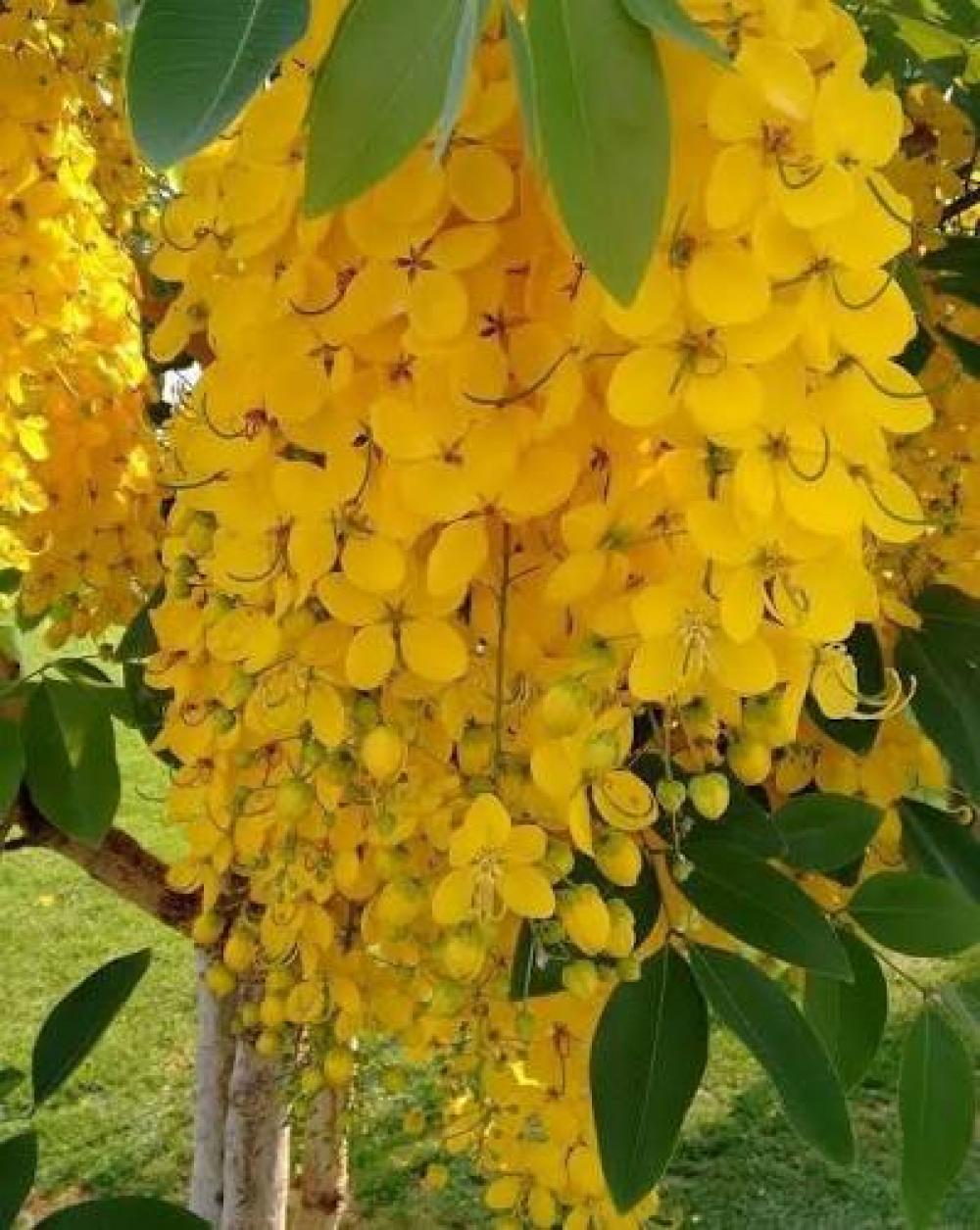
Imperial acacia
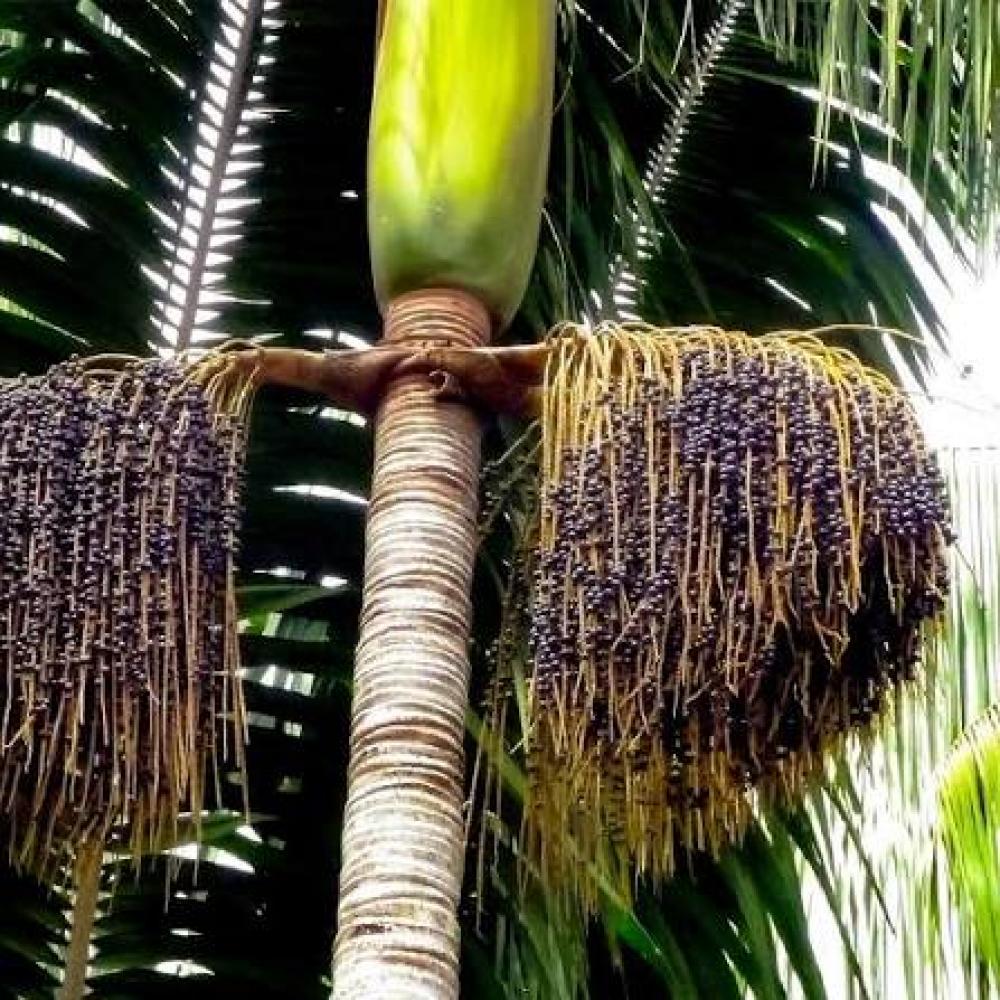
Açaí palm
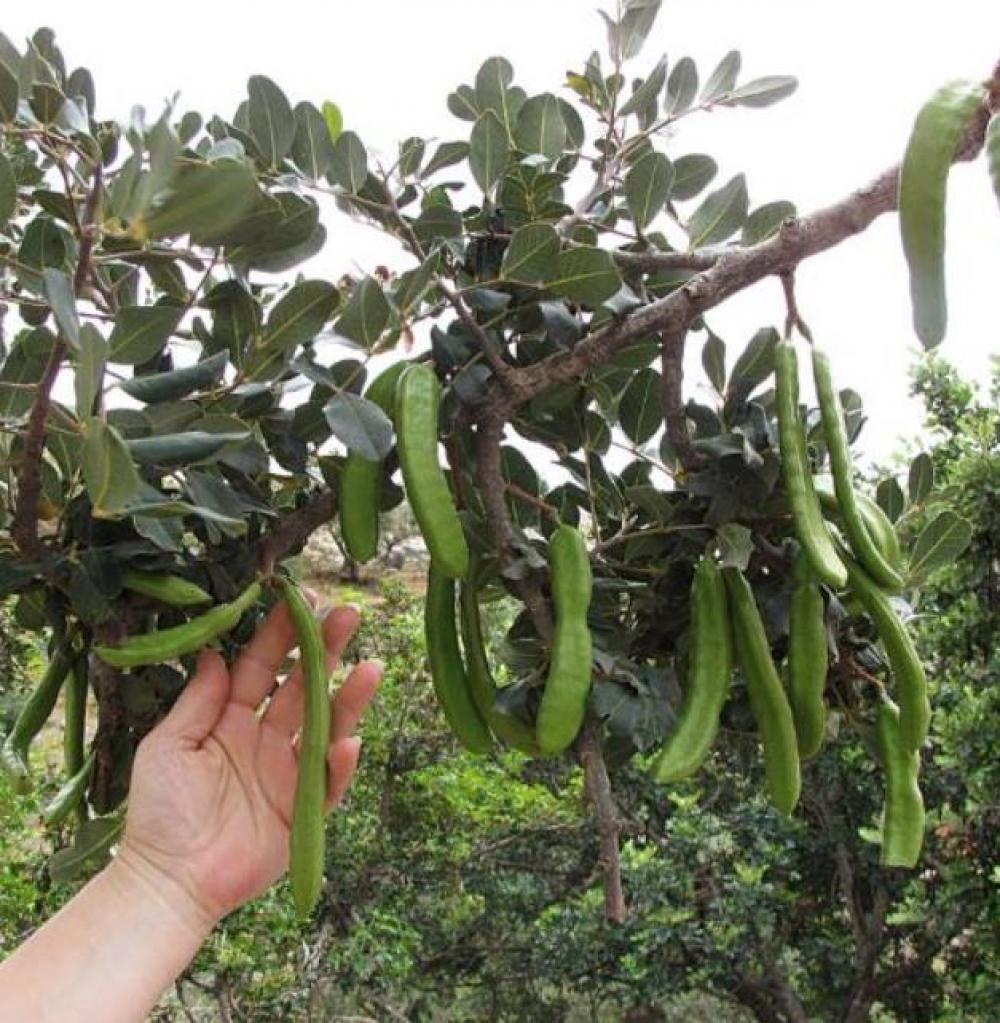
Alfarrobeira
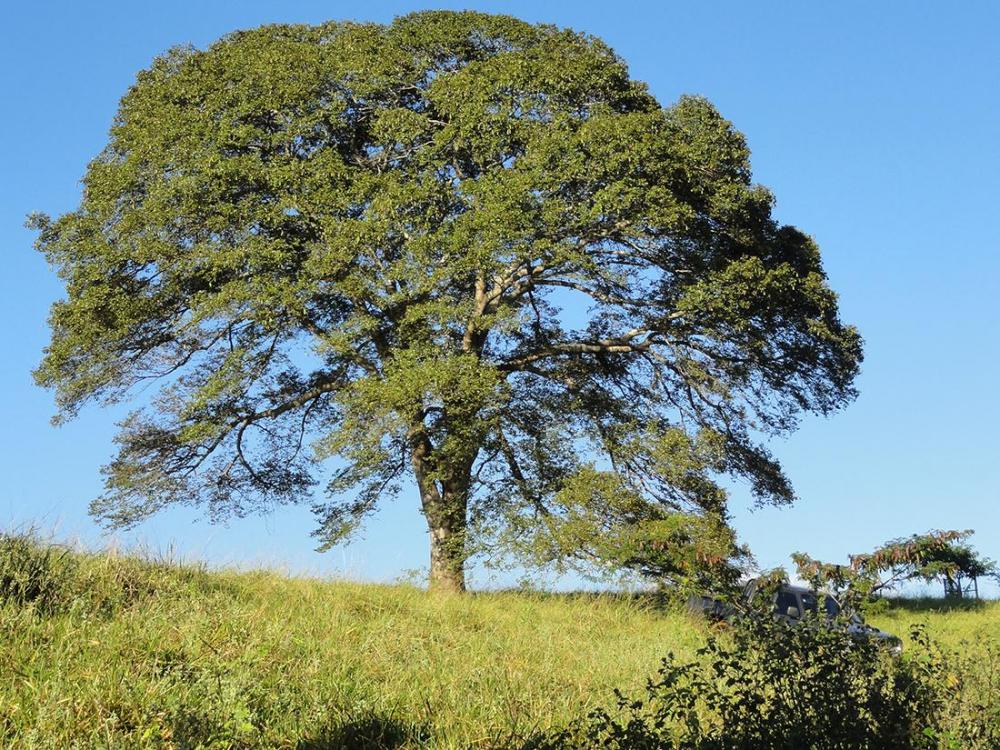
Andiroba

Red Angelim
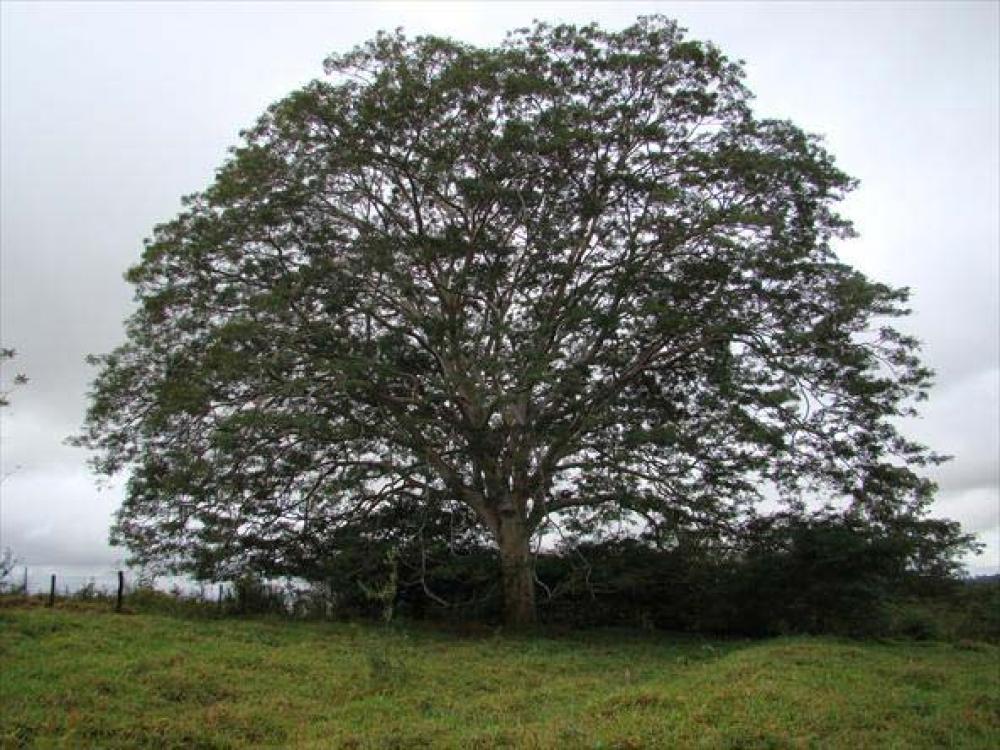
White Angico
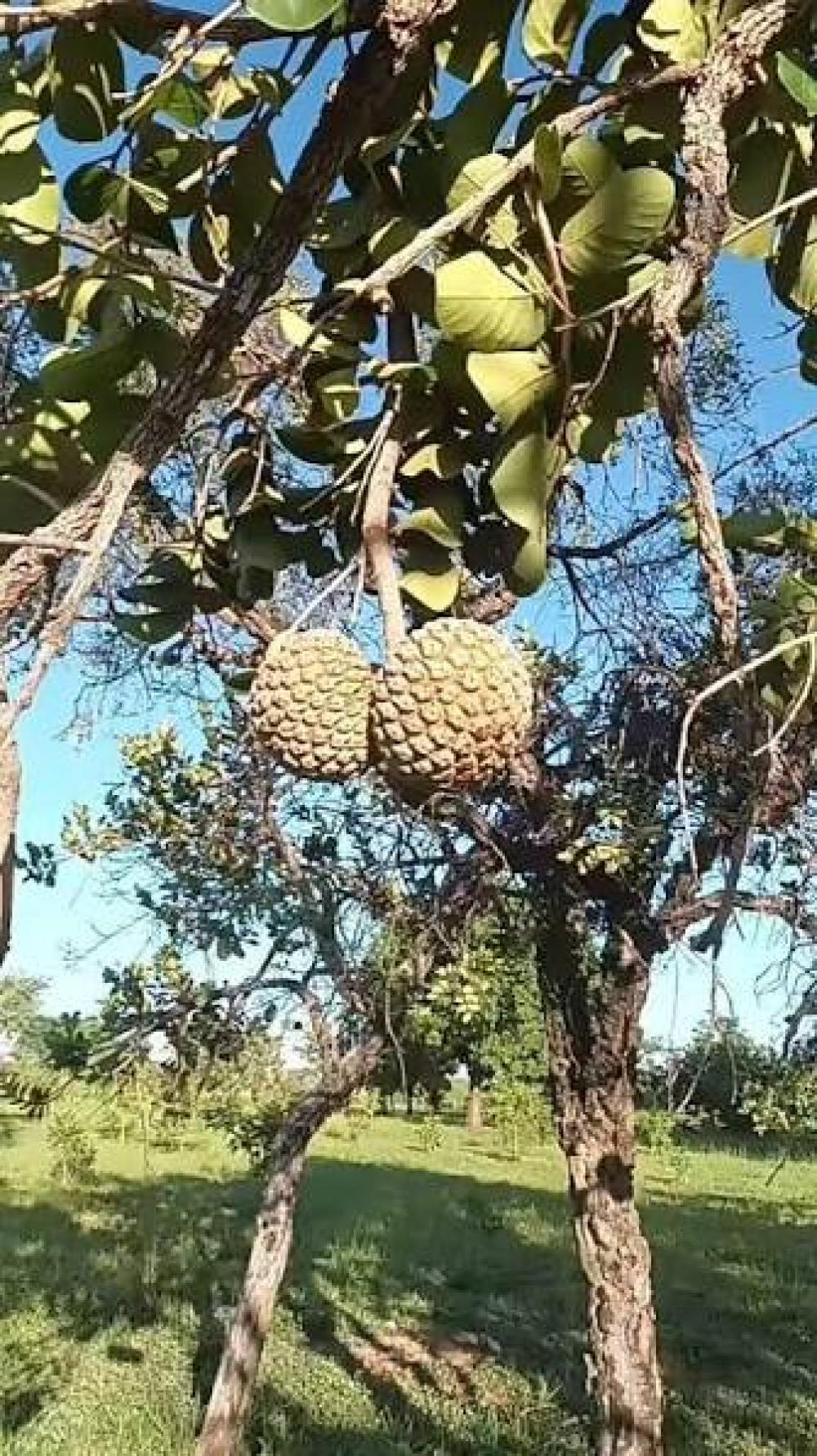
Araticum
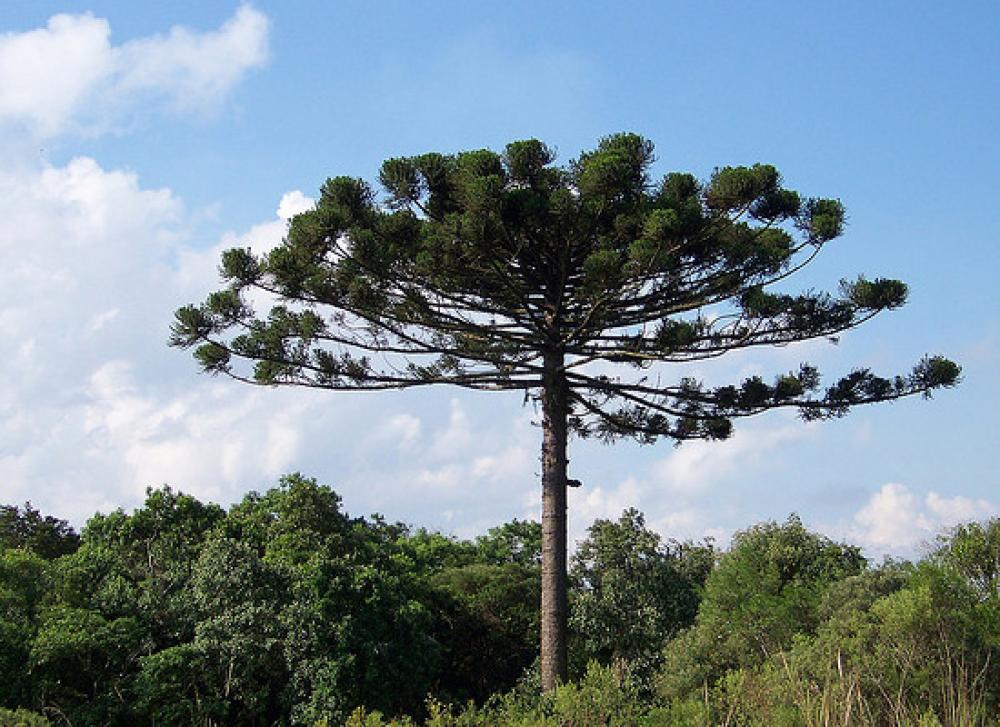
Araucaria, the Paraná pine
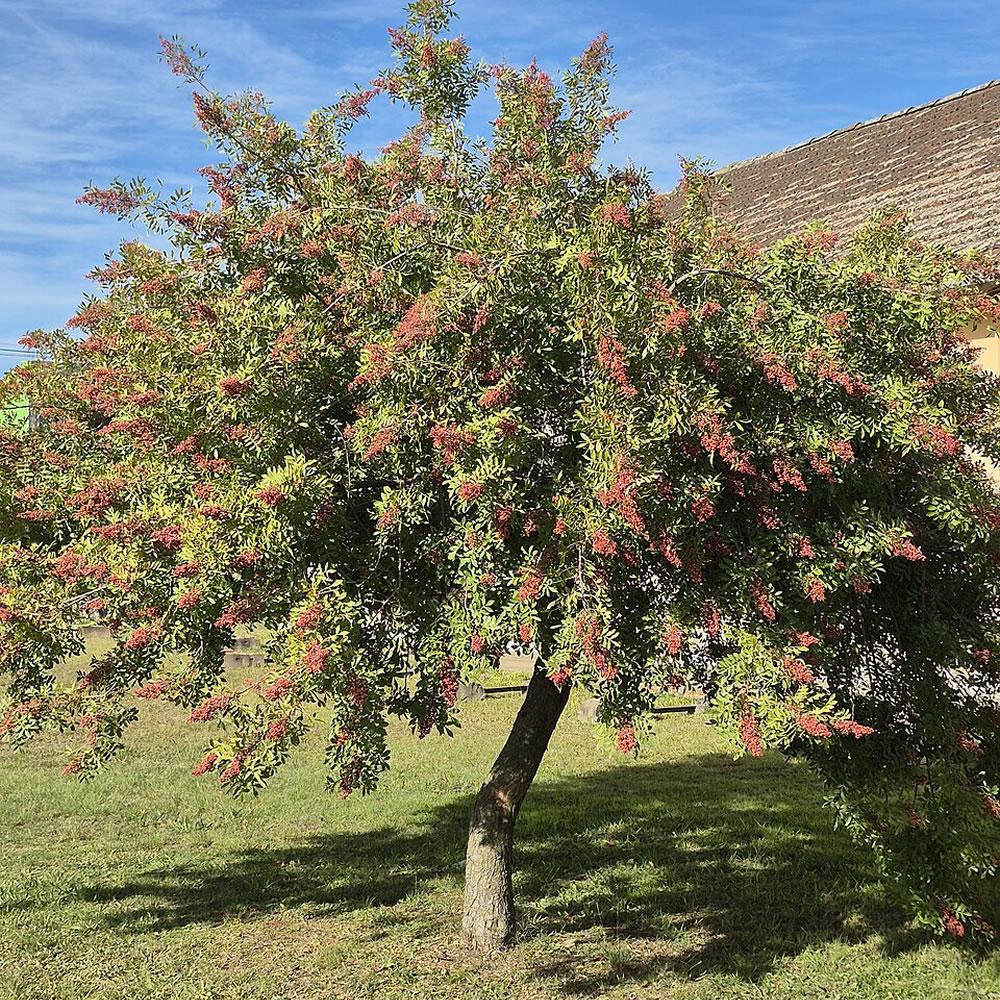
Brazilian peppertree
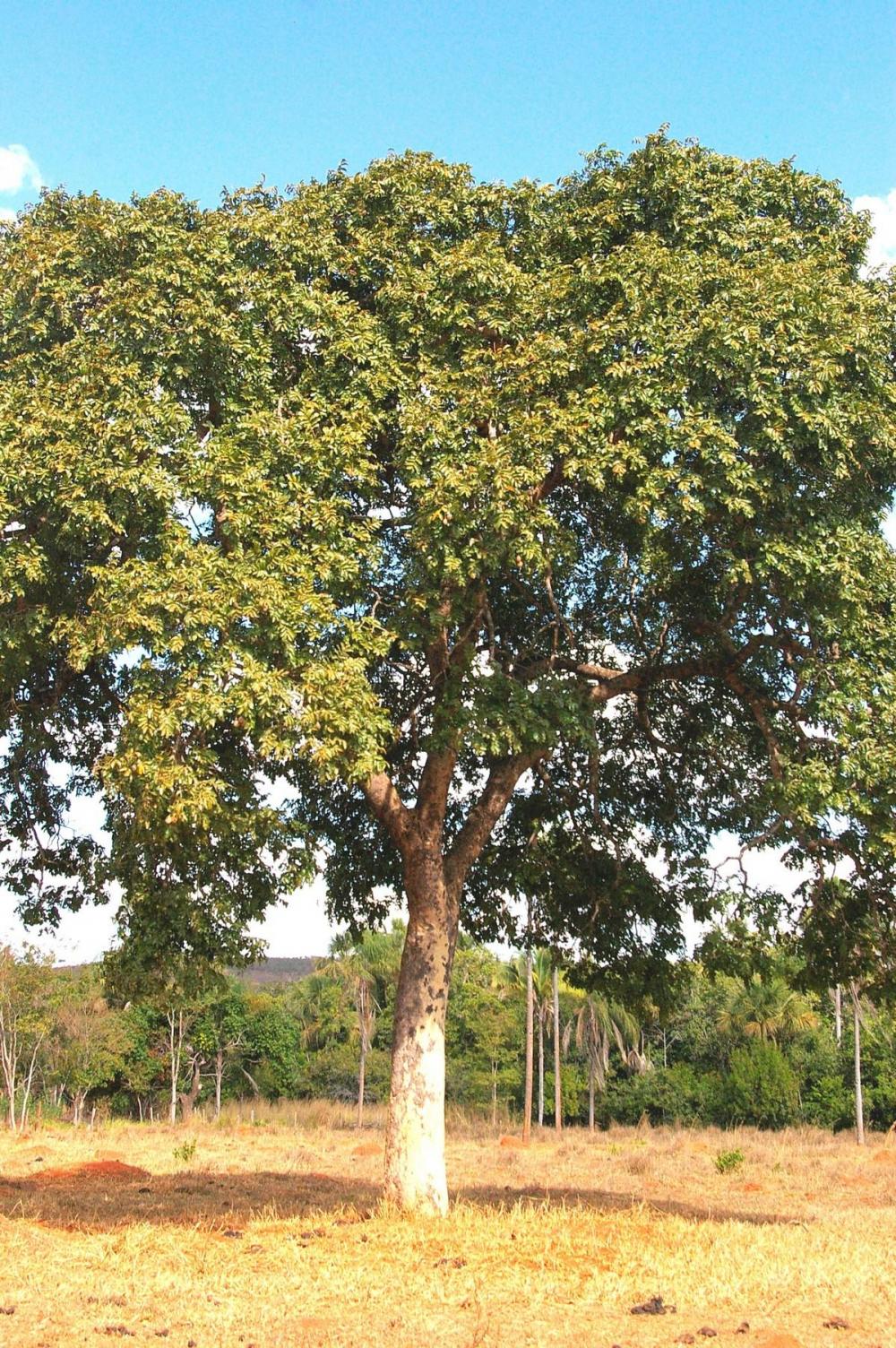
Baru
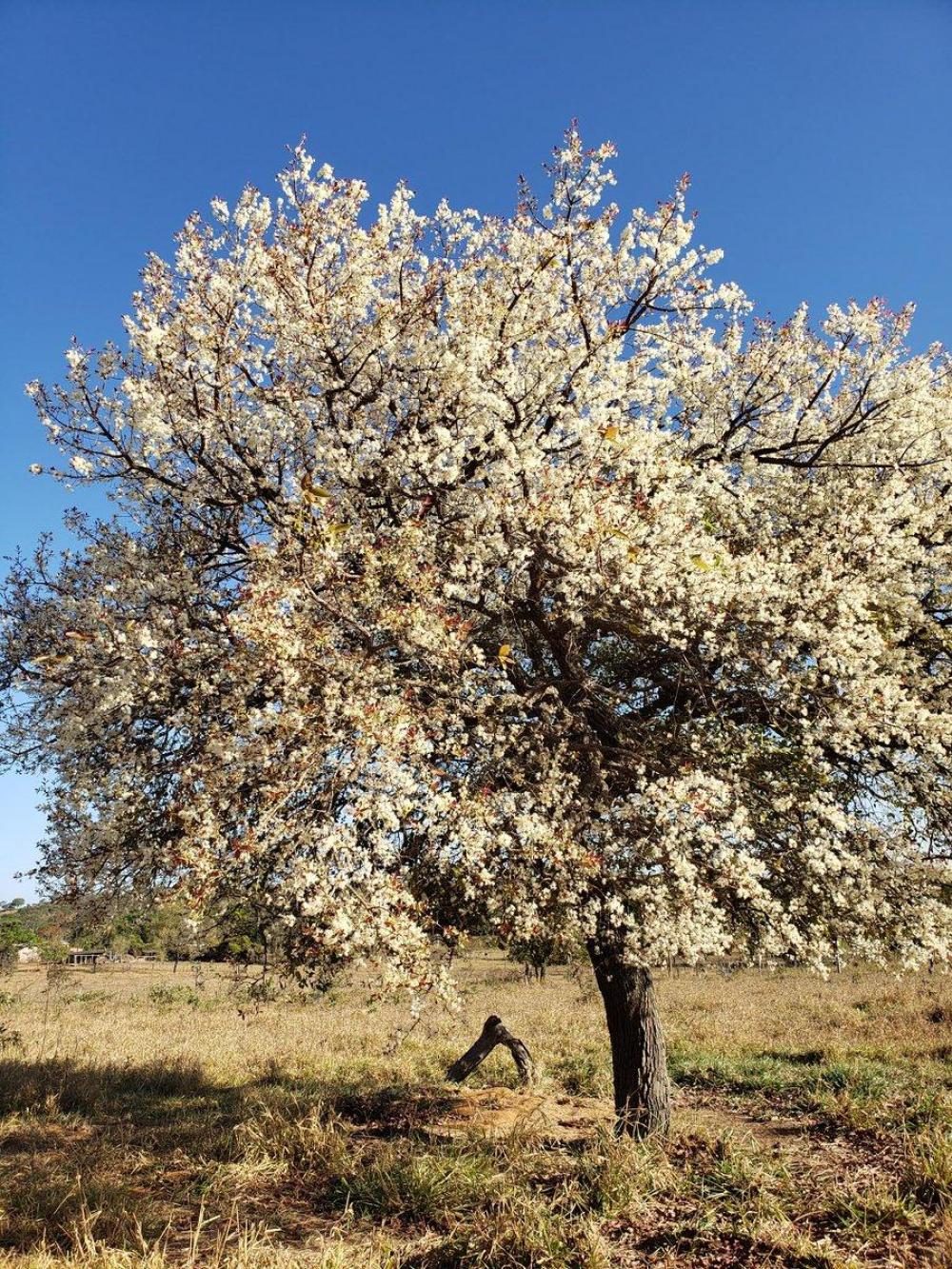
Cagaita
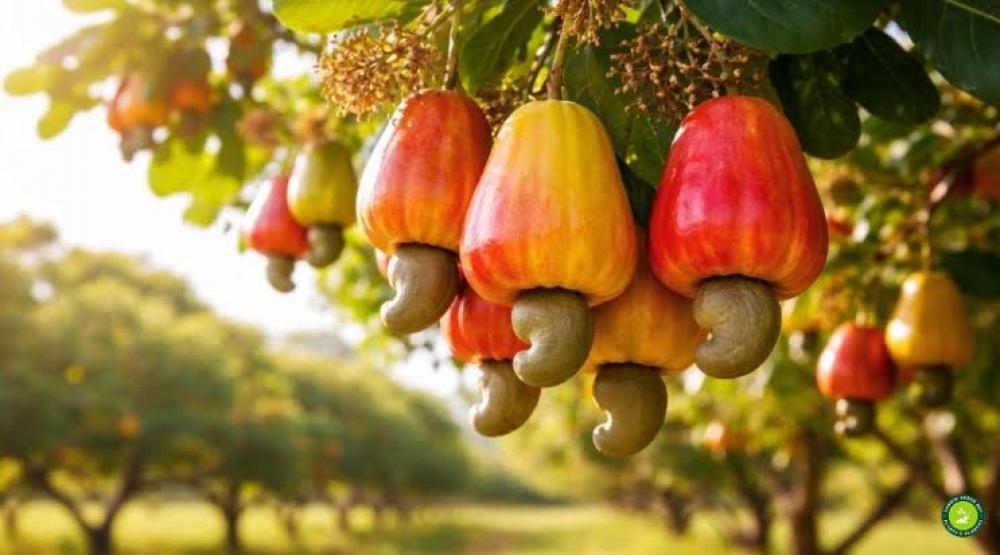
cashew tree
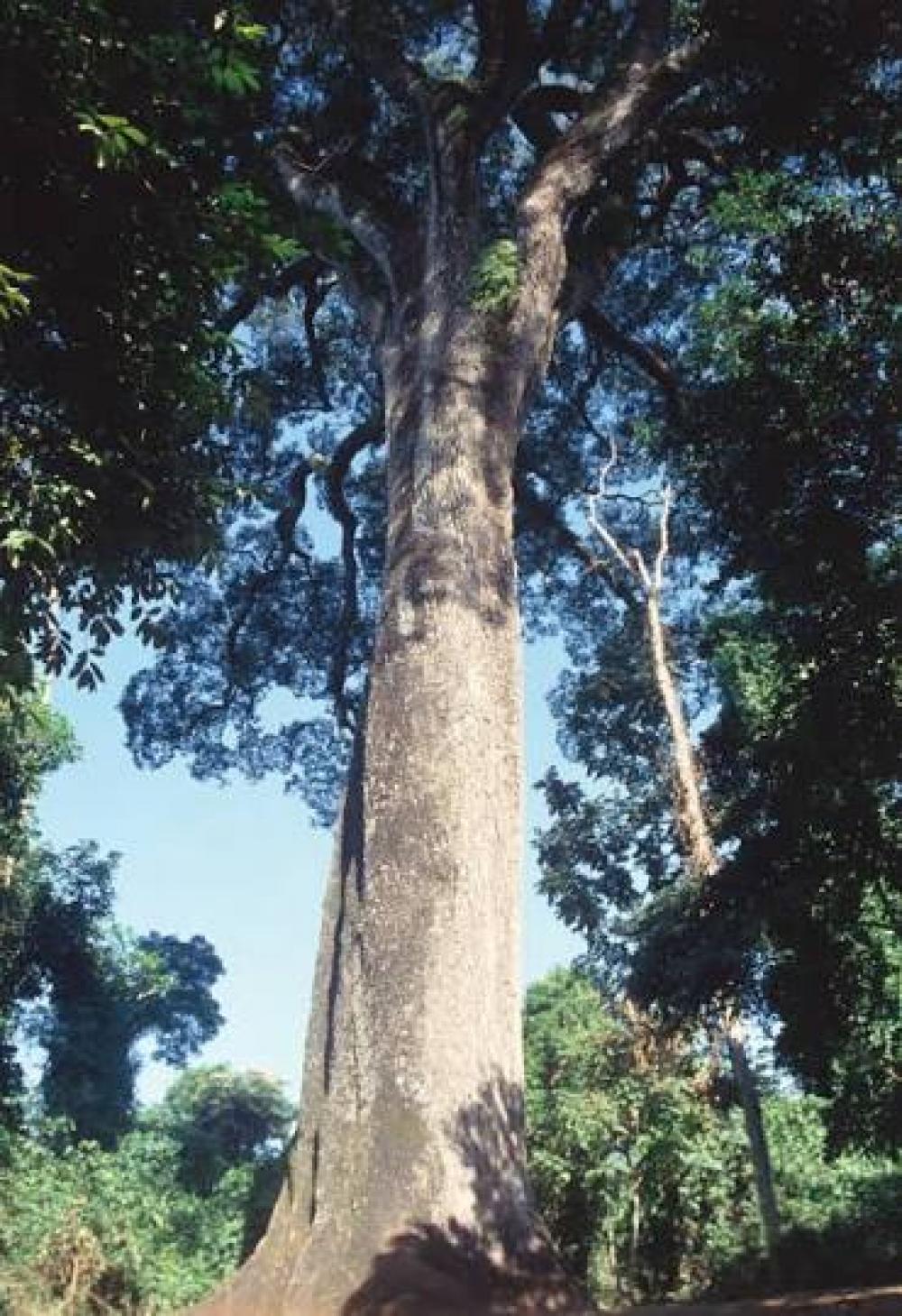
Black Cinnamon
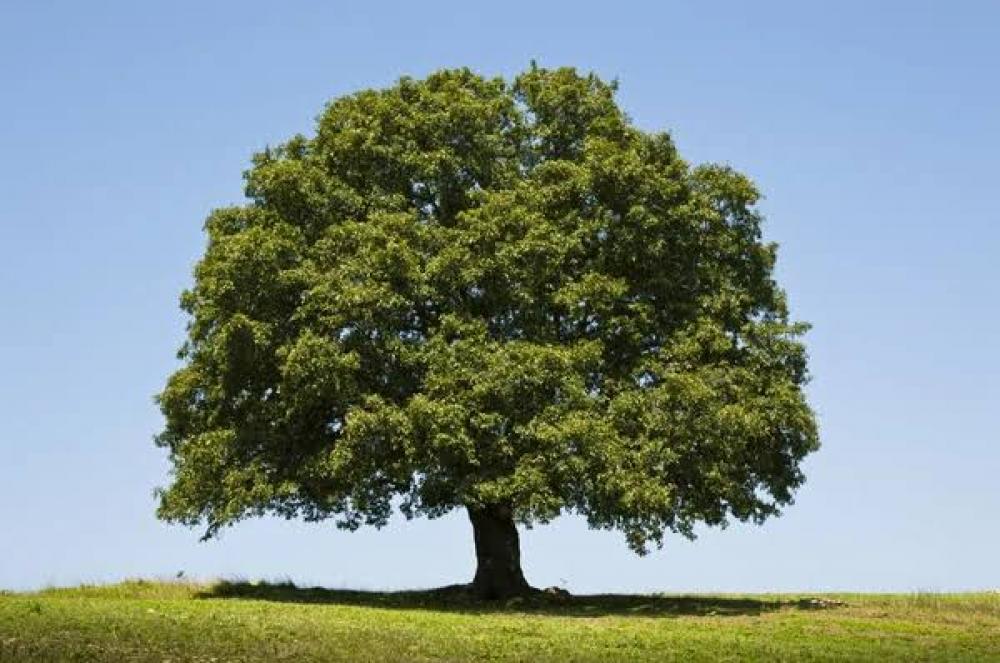
Oak tree
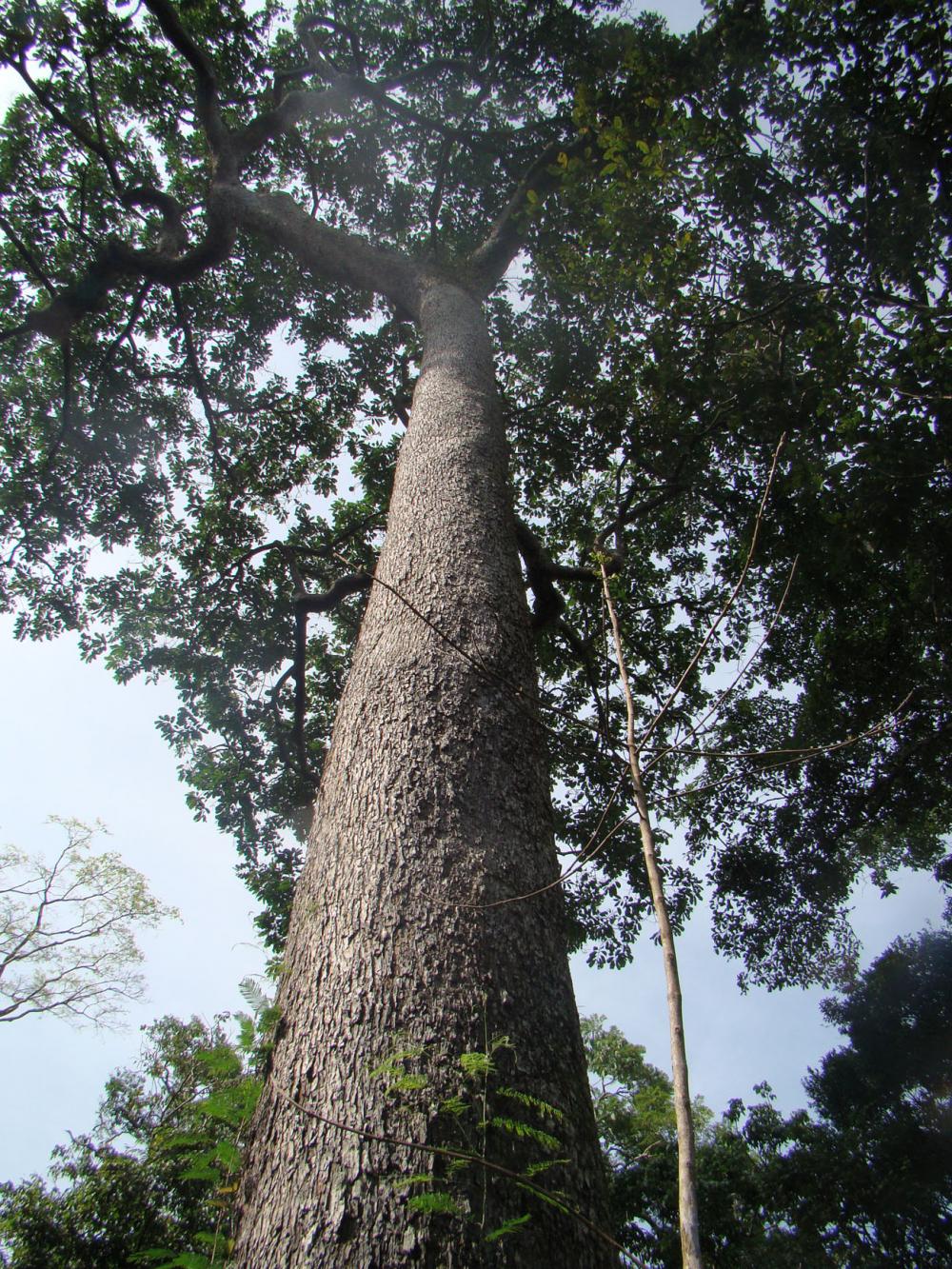
nuez de Brasil
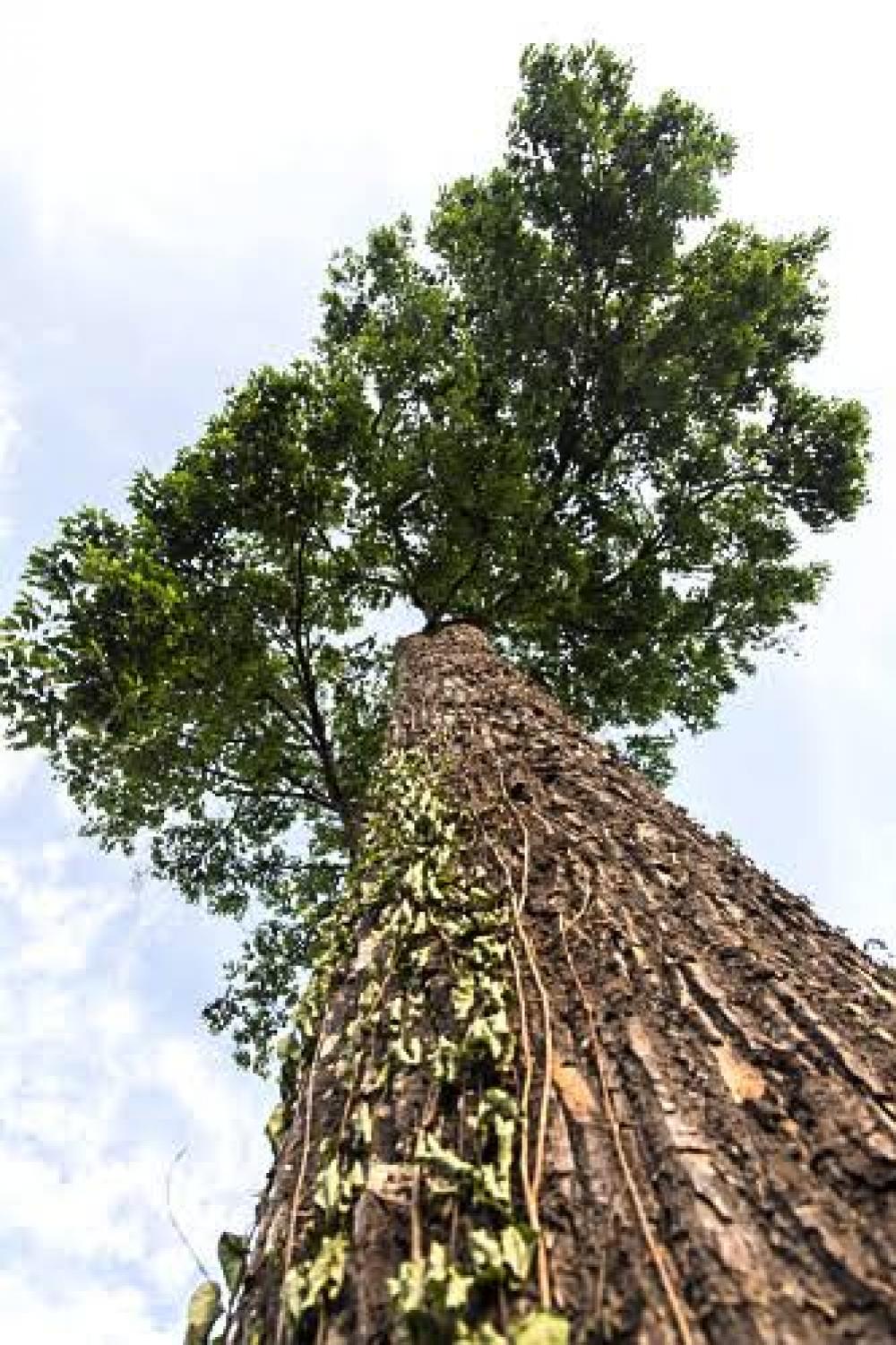
Brazil nut tree
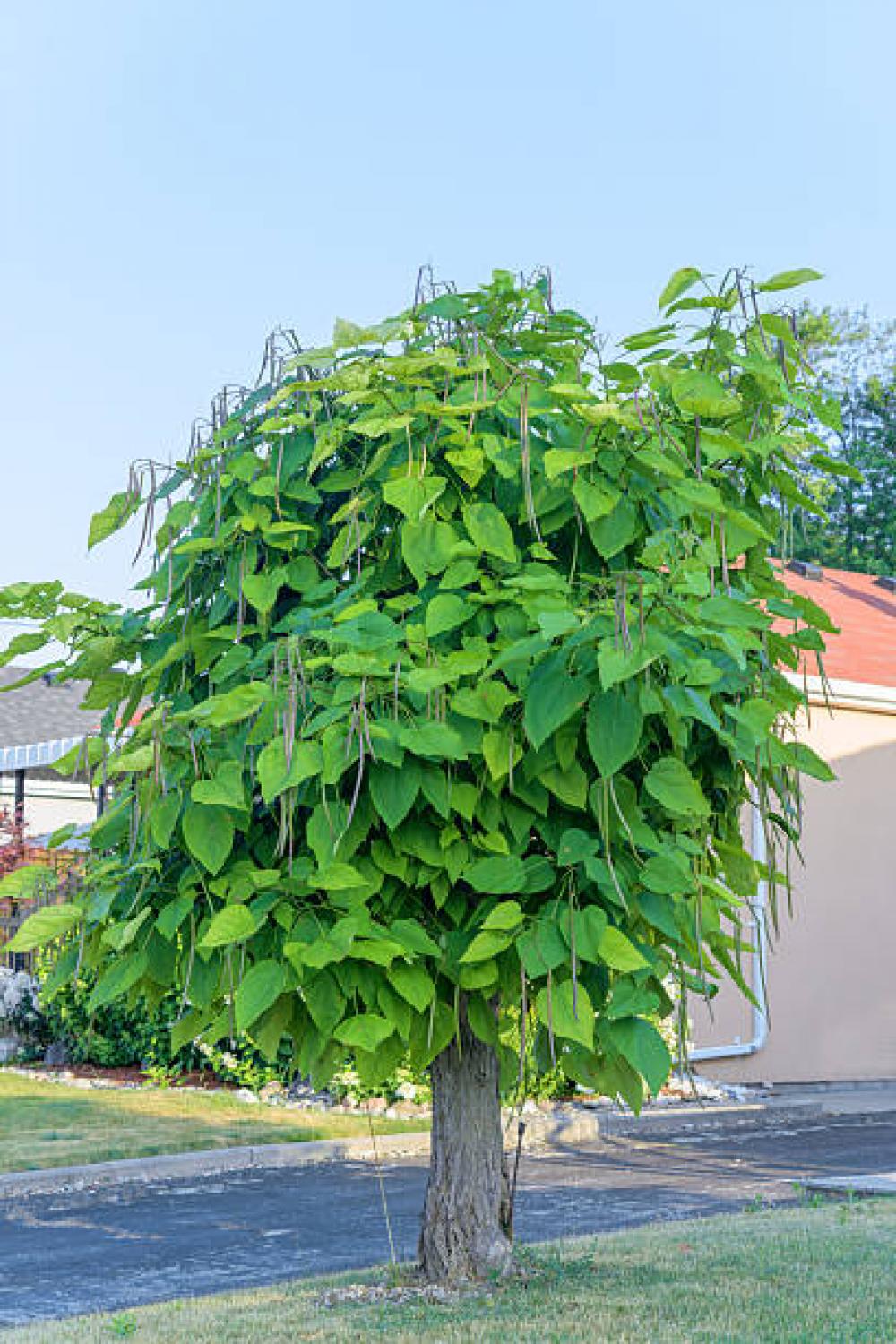
Catalpa
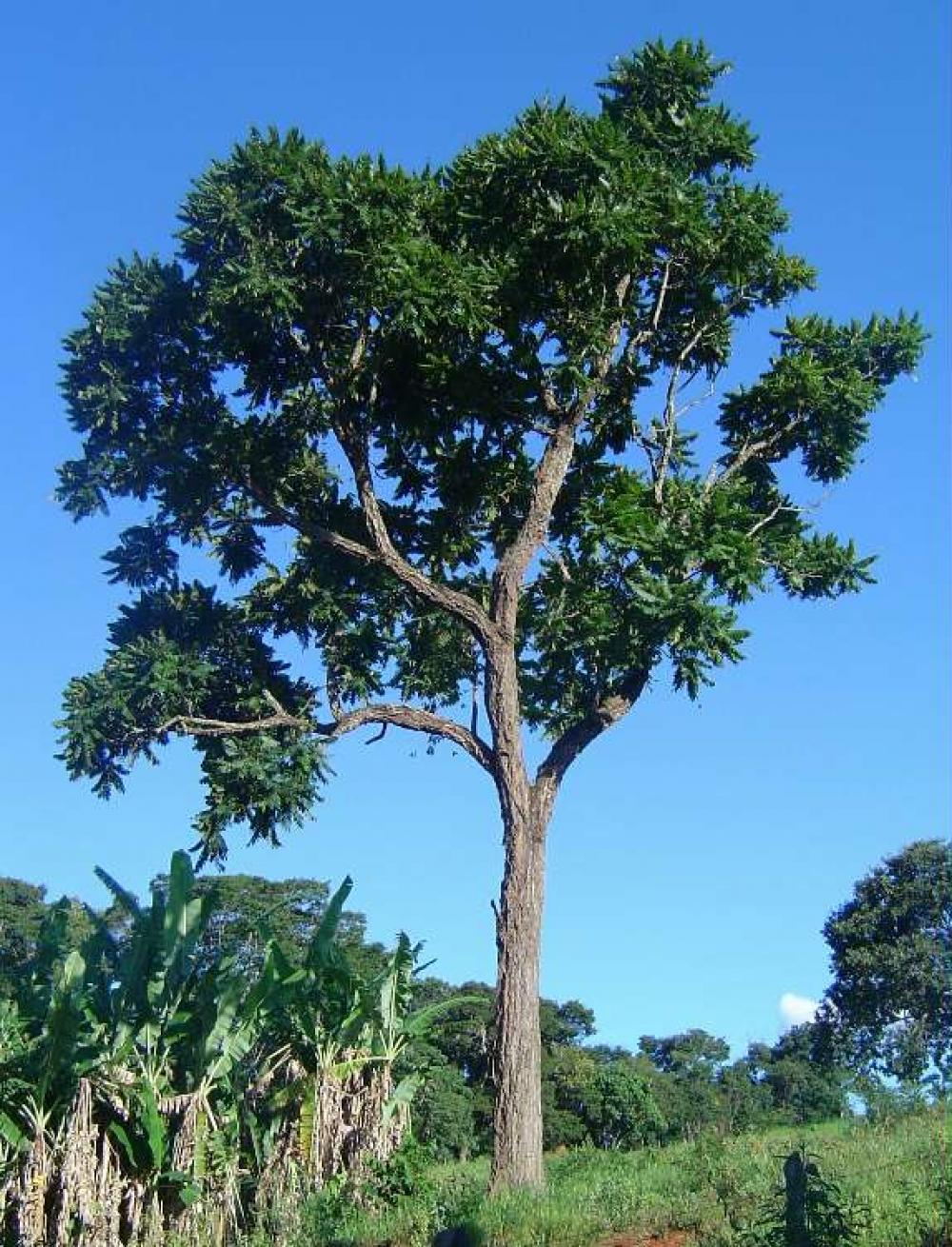
Pink cedar
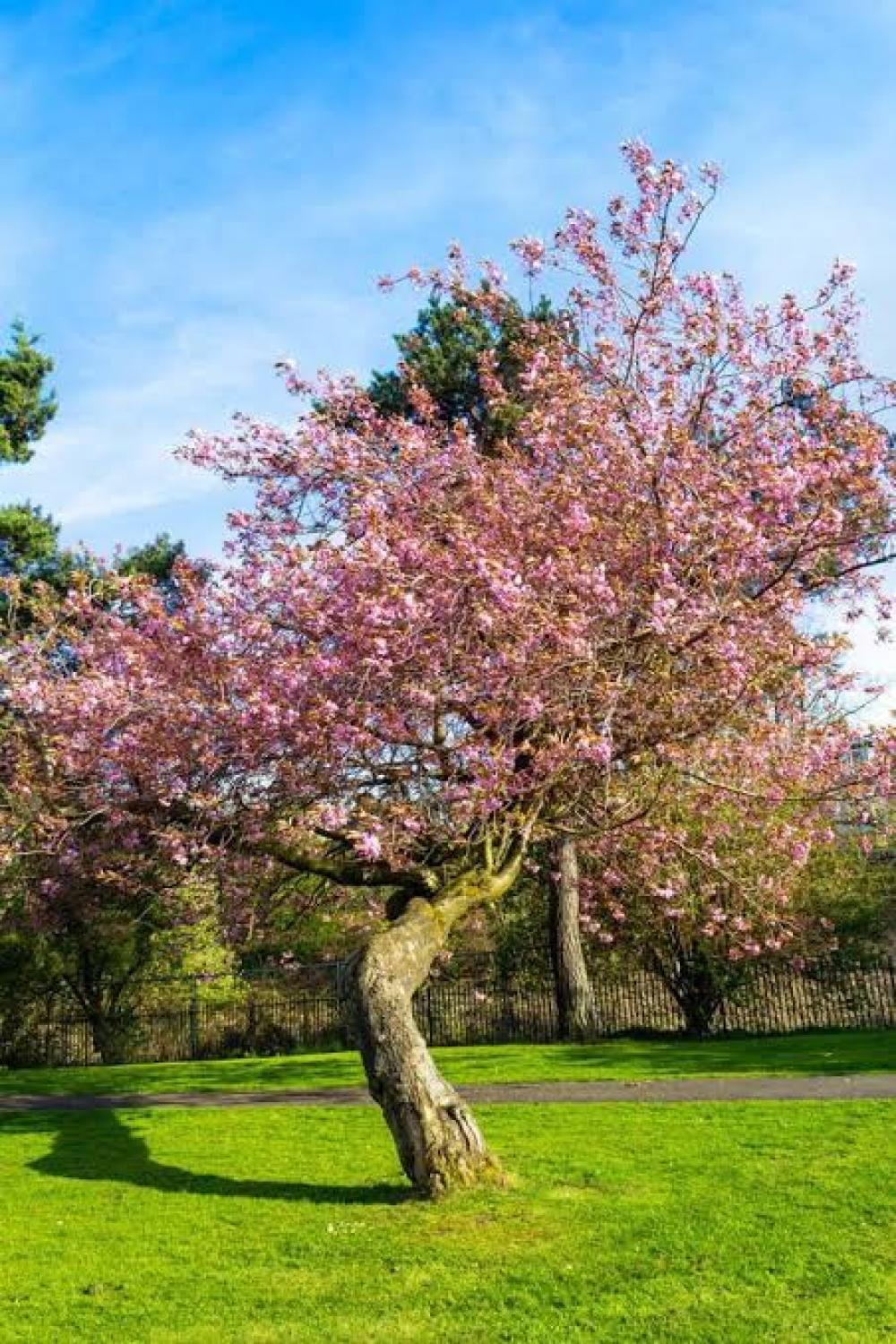
ornamental cherry tree
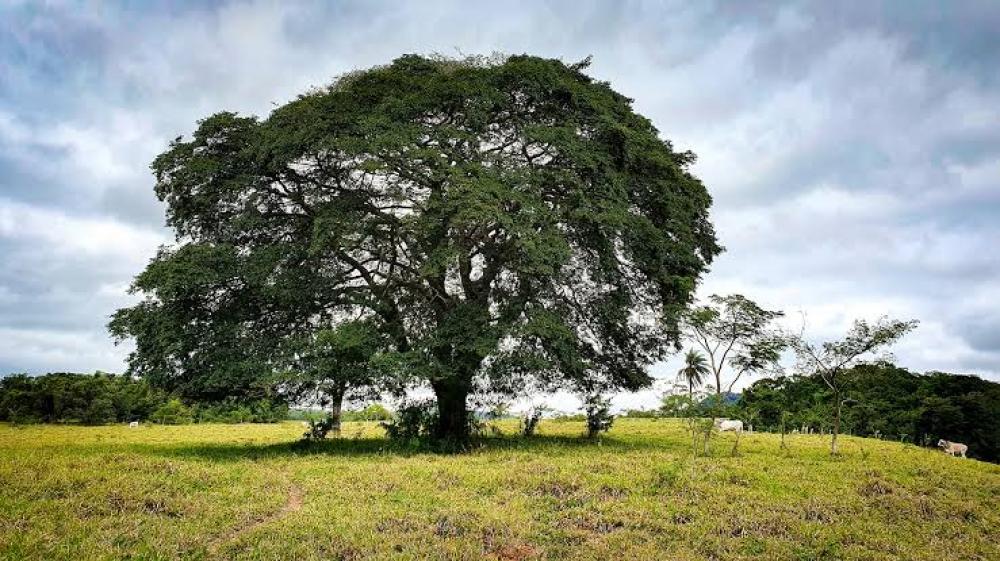
copaiba
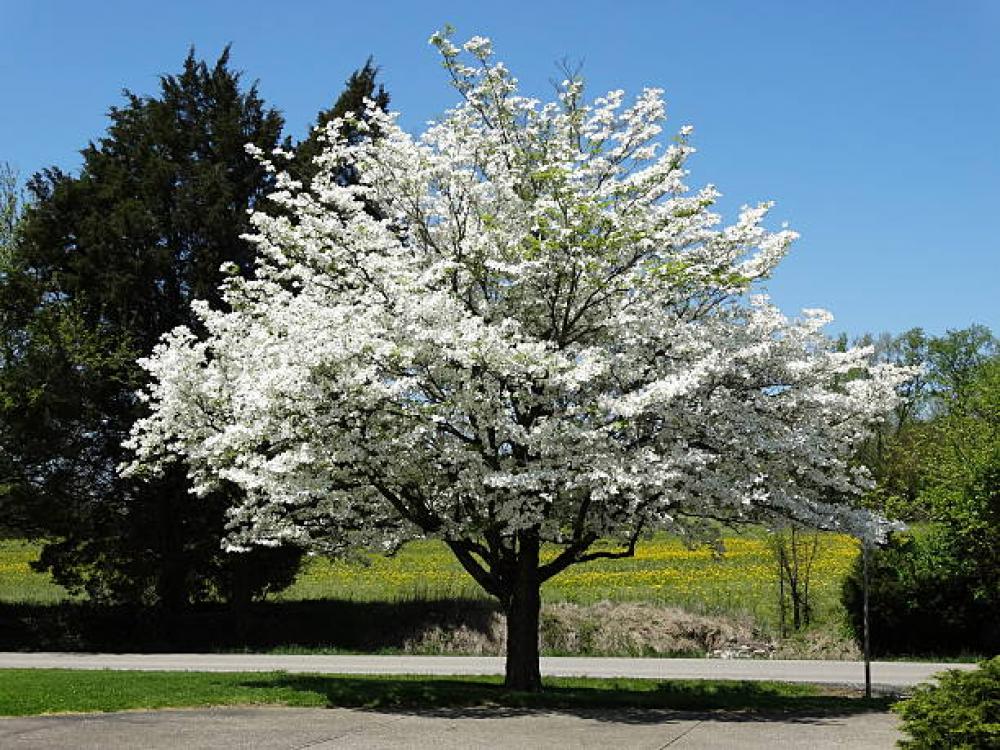
Trees of the genus Cornus
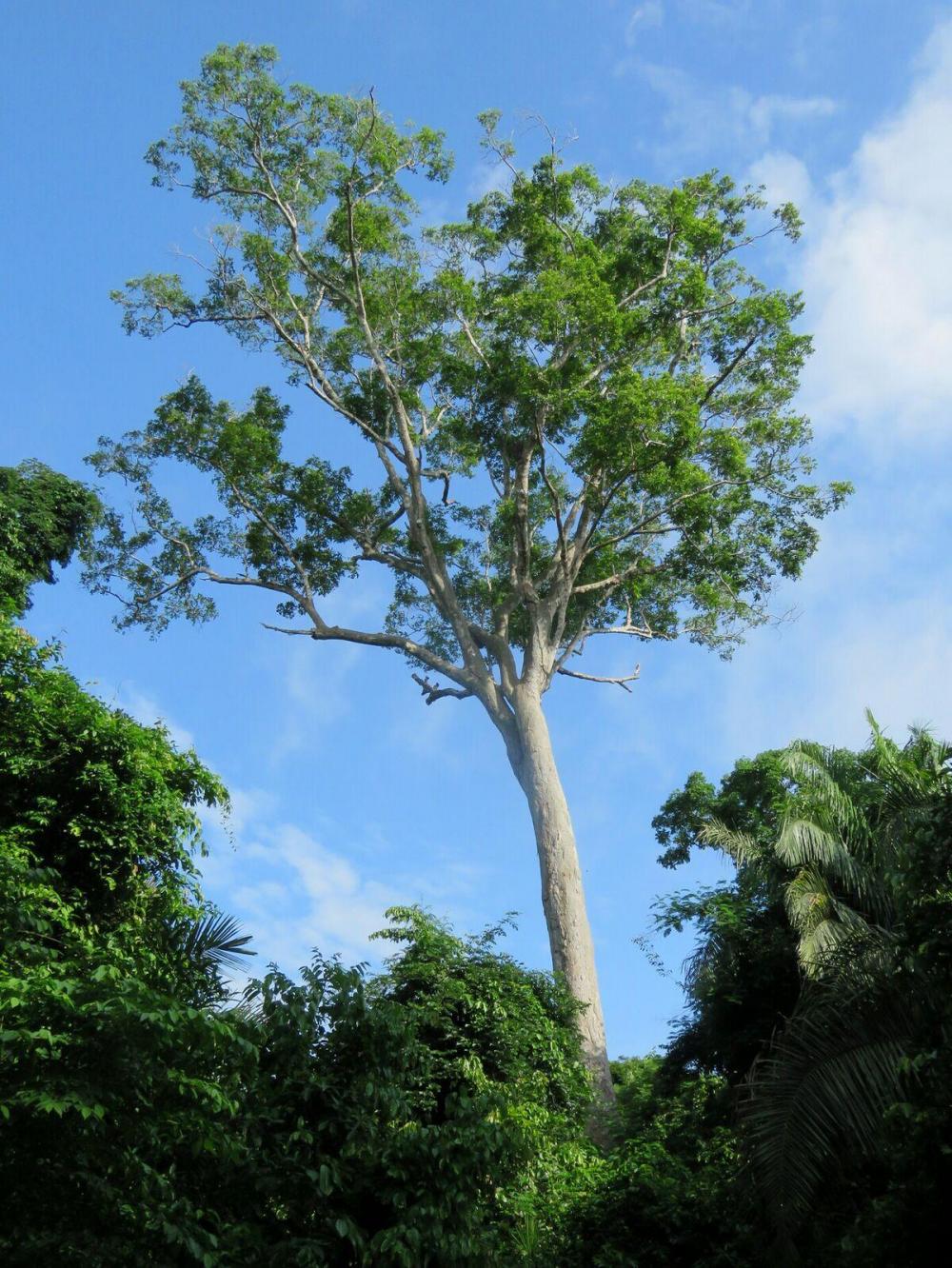
Cumaru
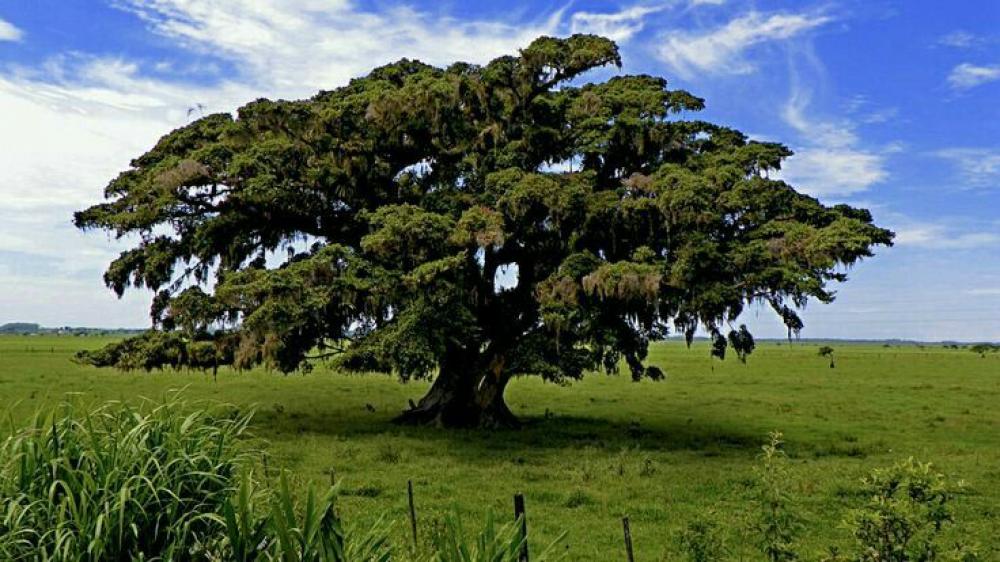
fig tree
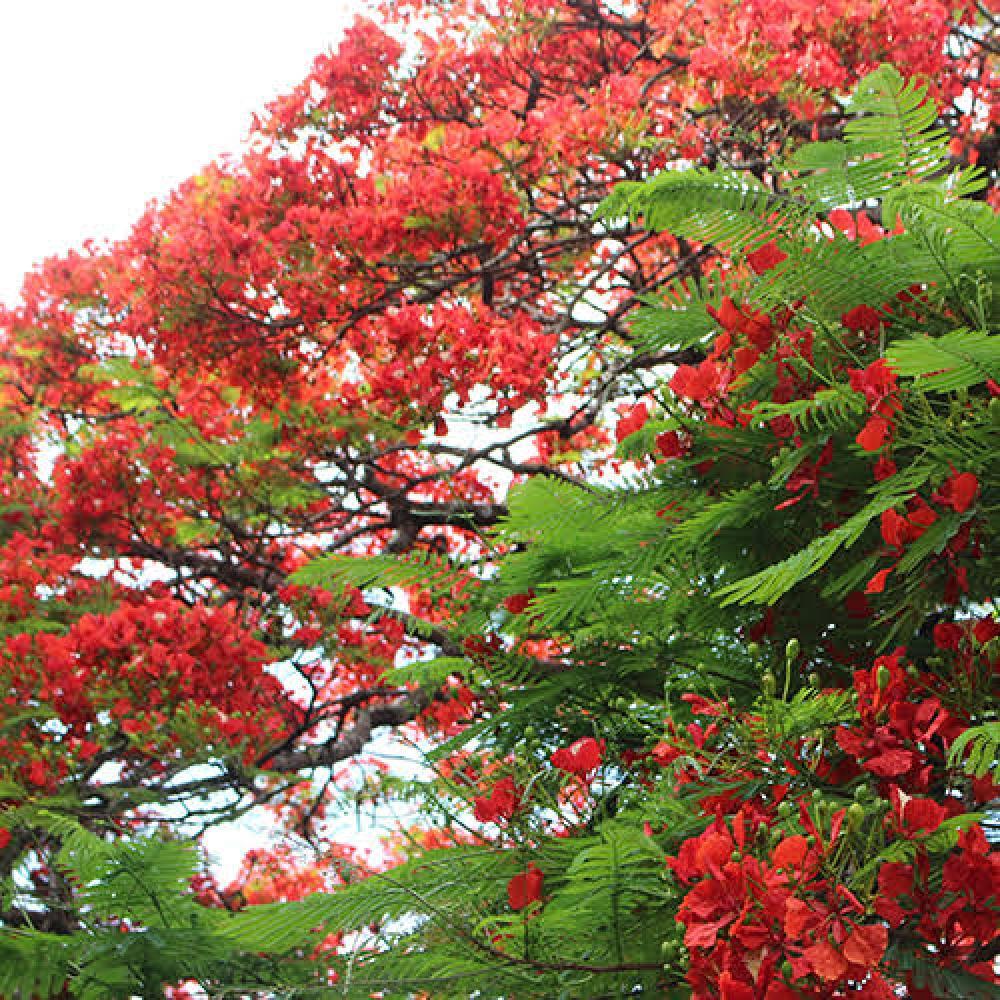
Flamboyant
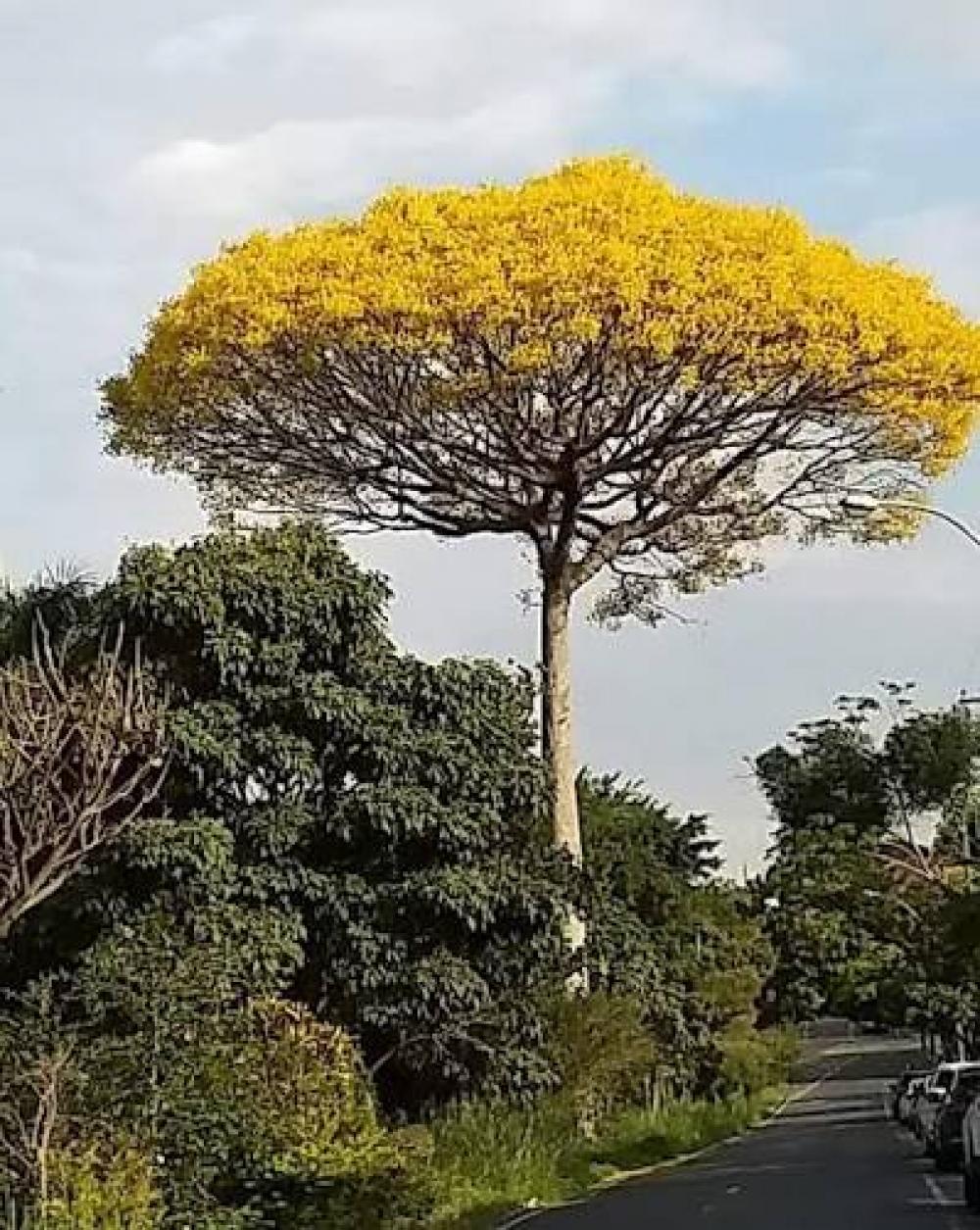
Guapuruvu
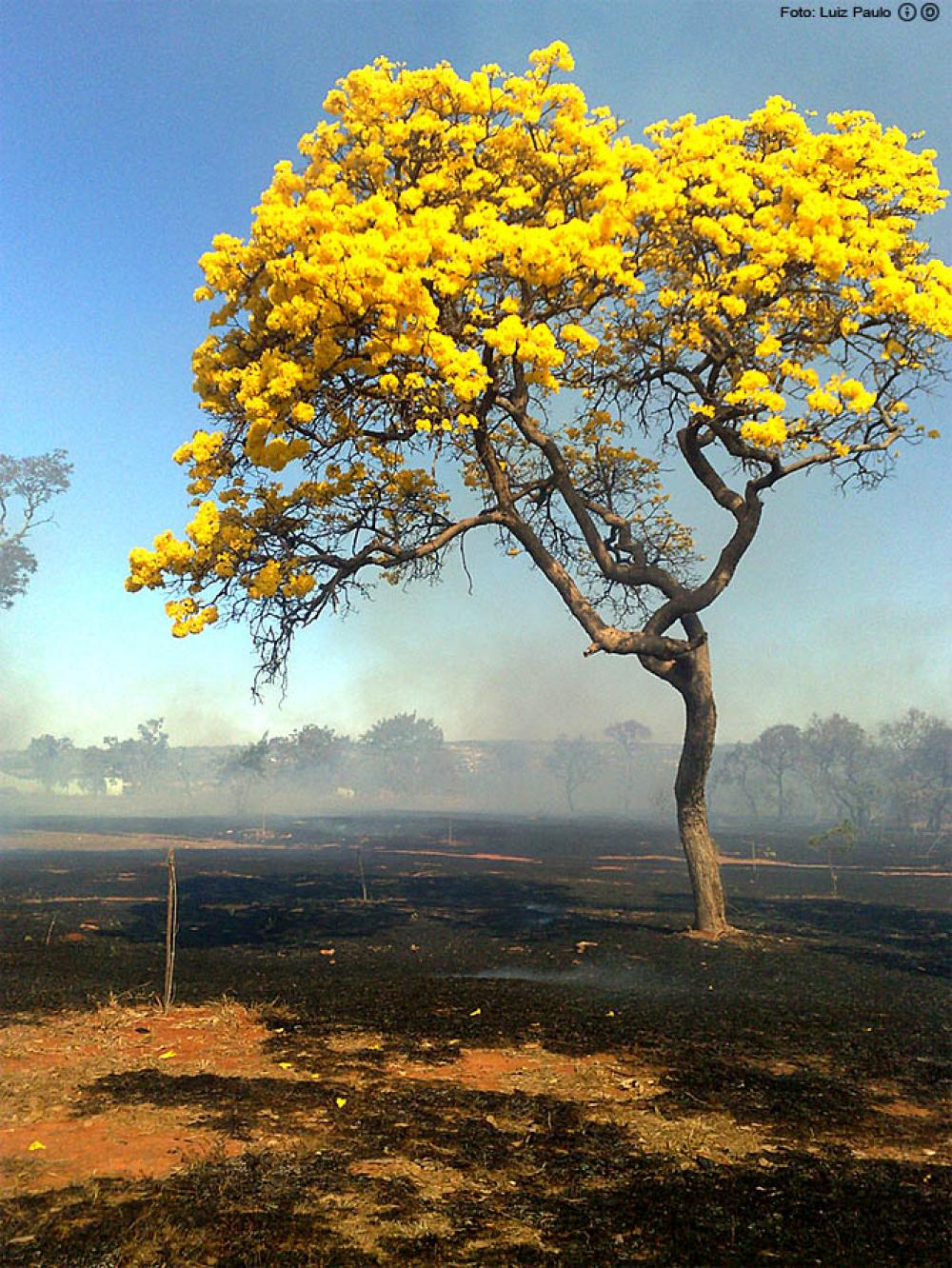
Yellow Ipê
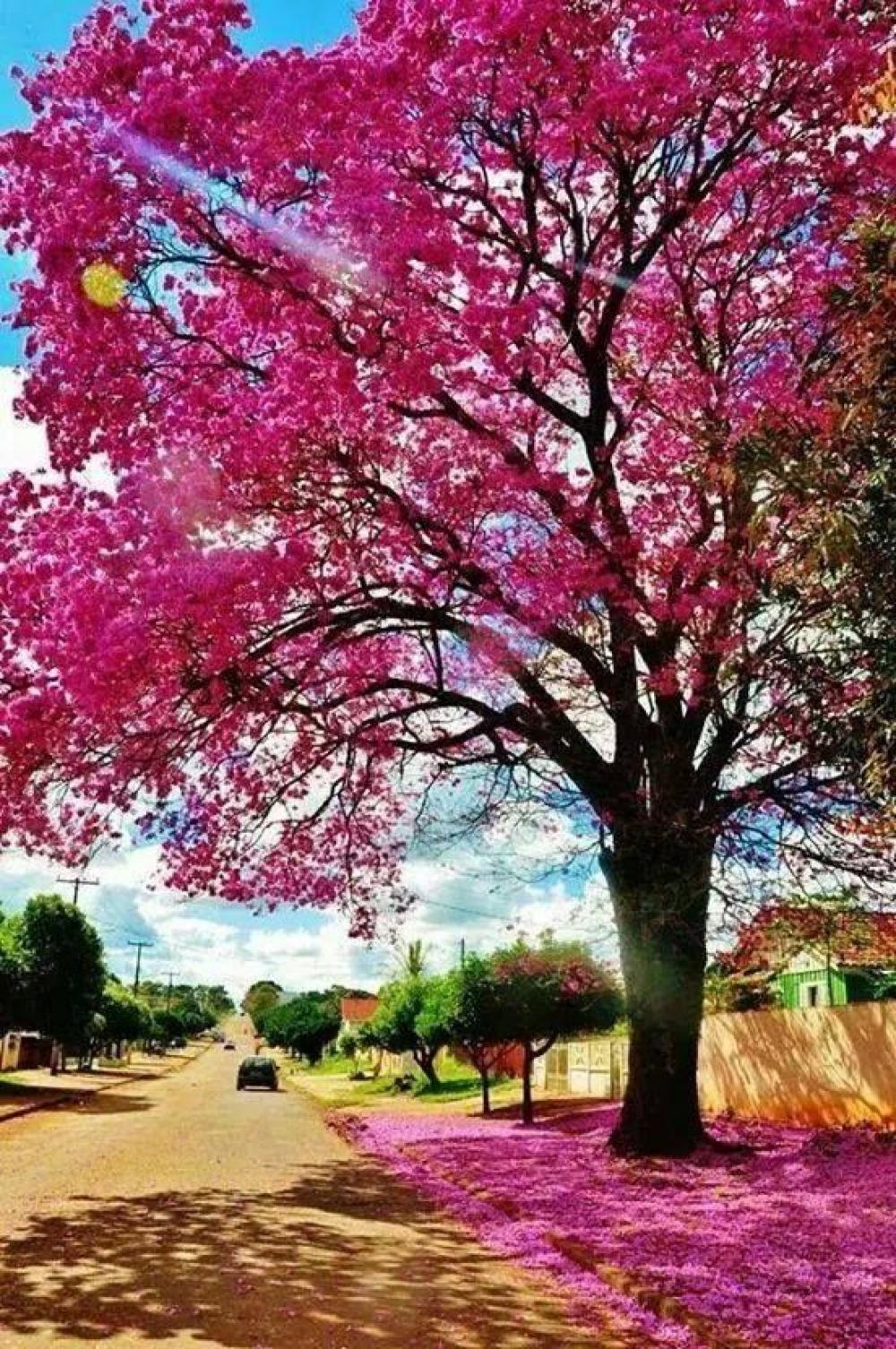
Purple Ipe
White Ipê
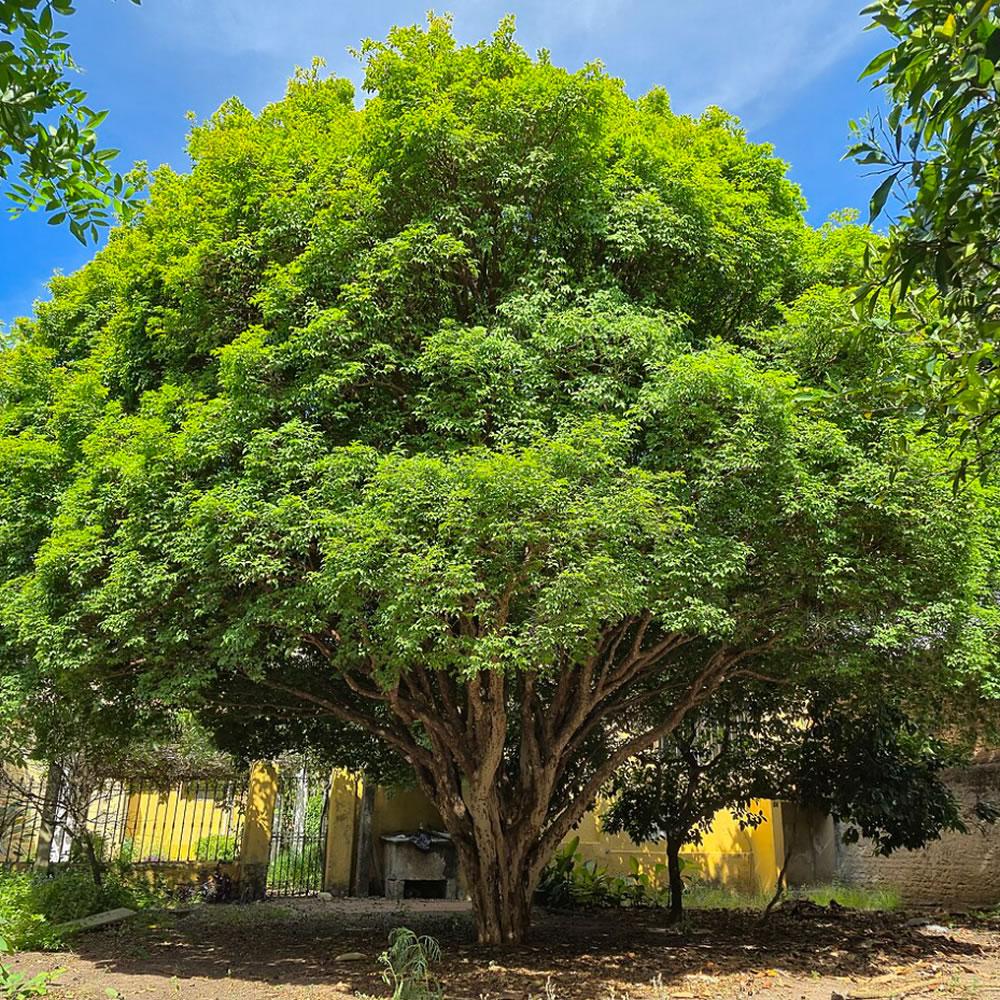
Jabuticaba
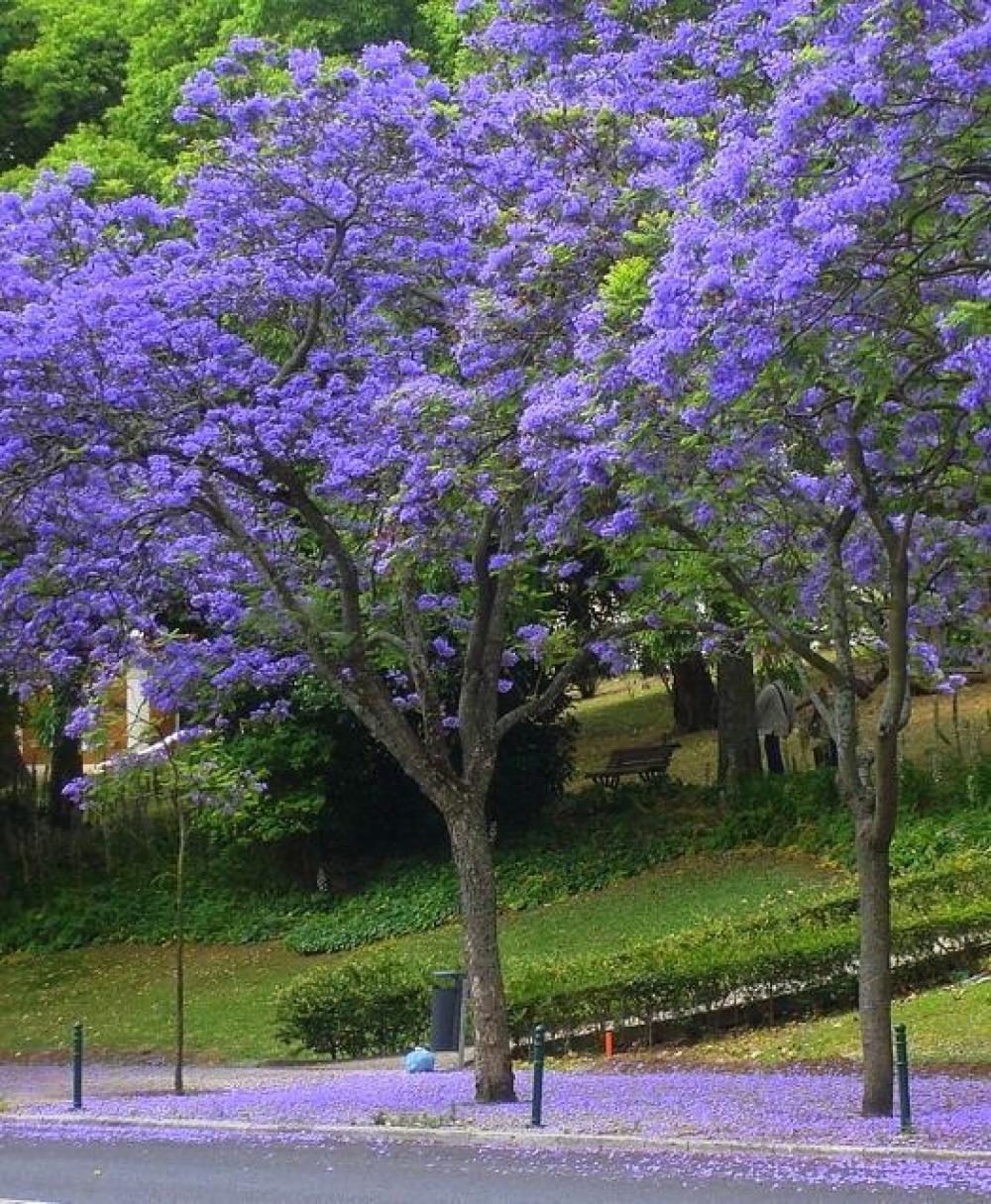
Blue jacaranda
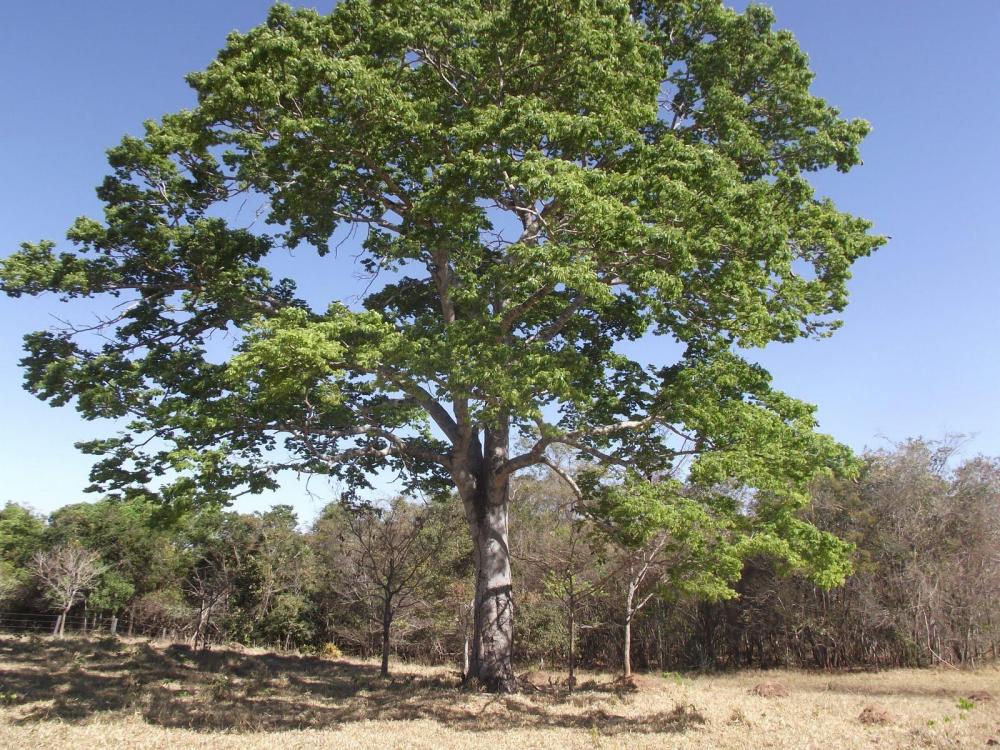
Jatoba
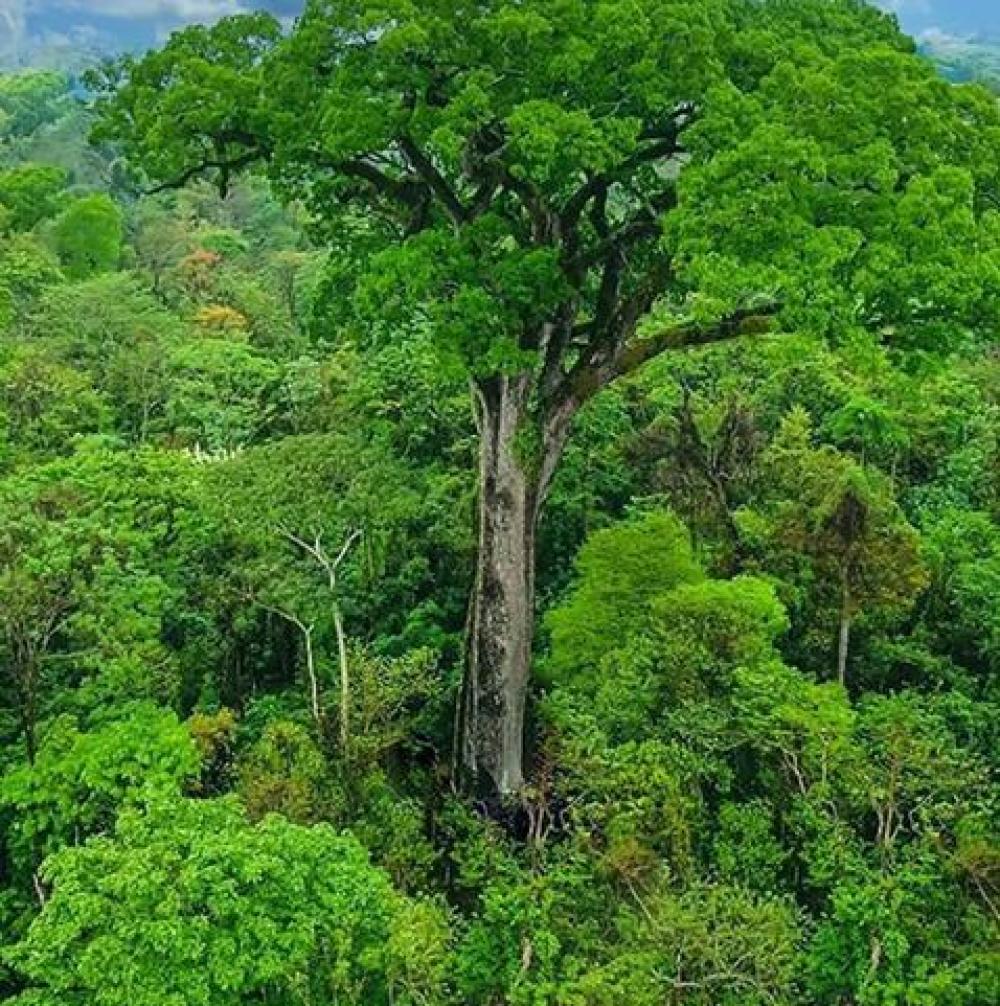
Pink Jequitibá (Cariniana legalis)
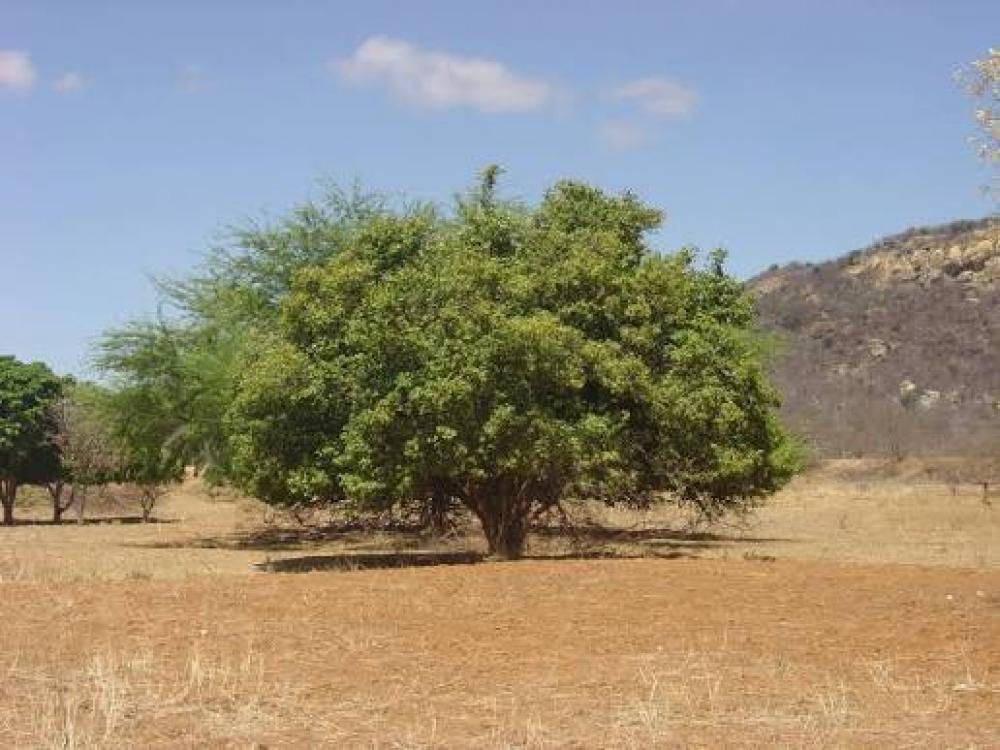
Juazeiro
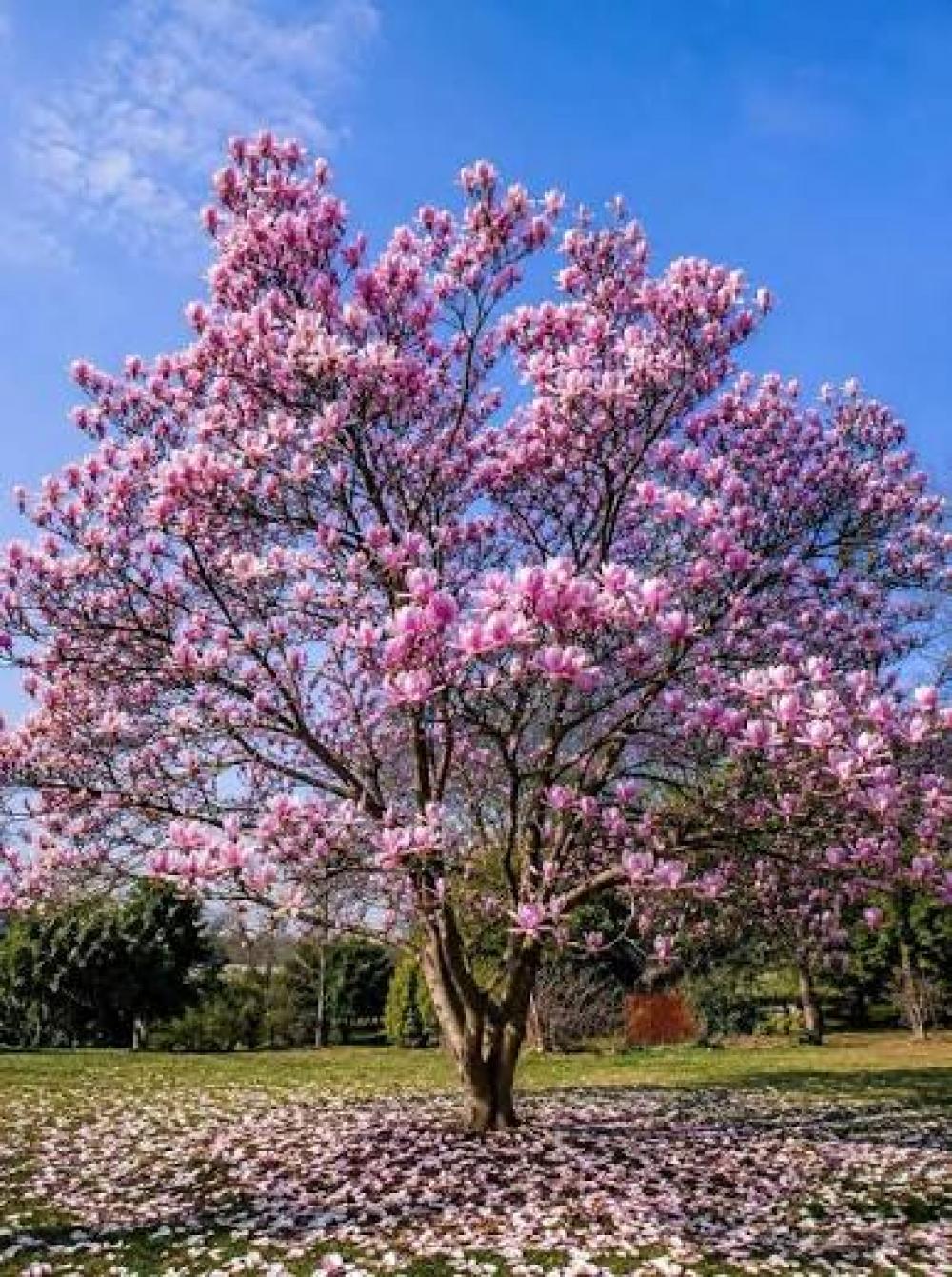
Magnolia
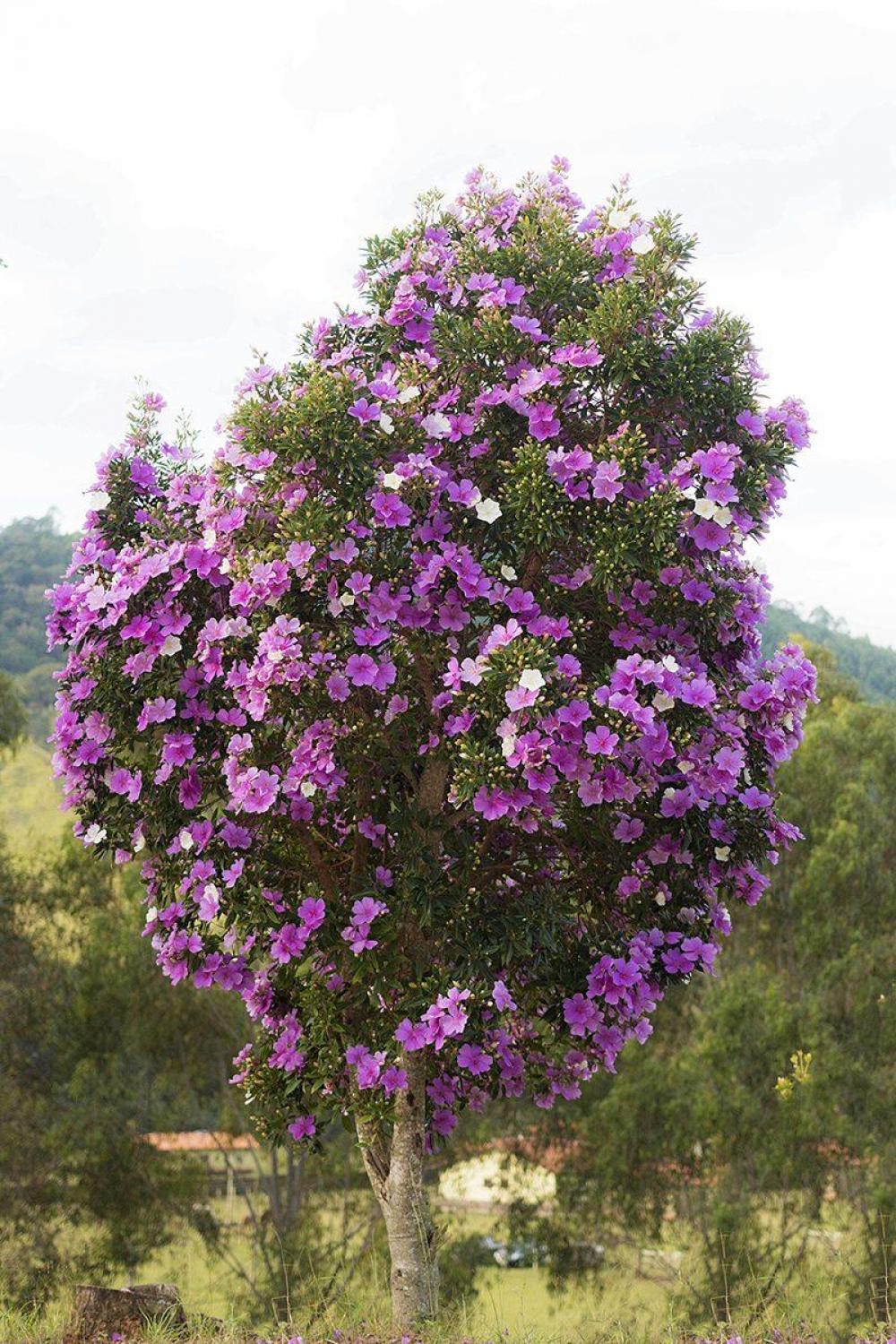
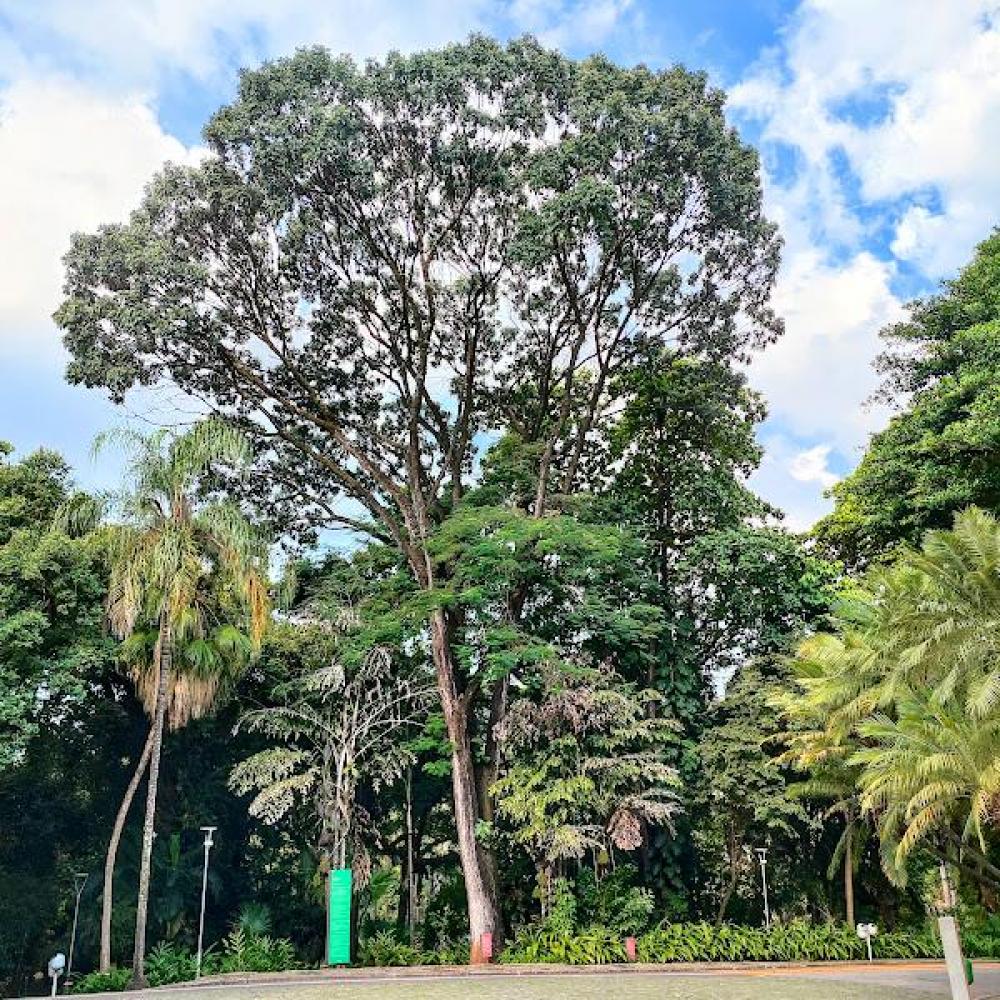
Brazilian Mahogany
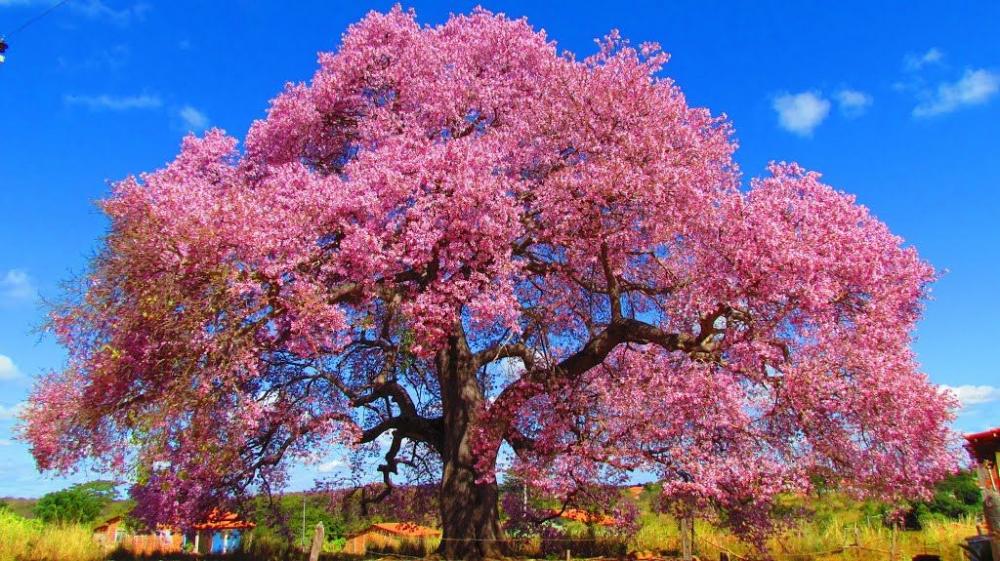
pink silk floss tree
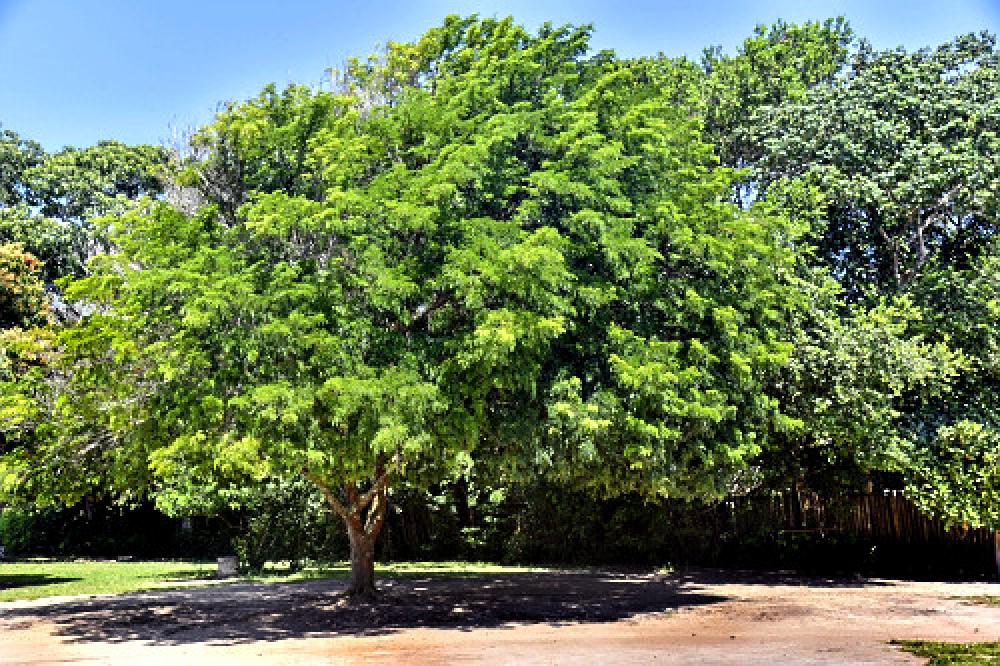
Brazilwood
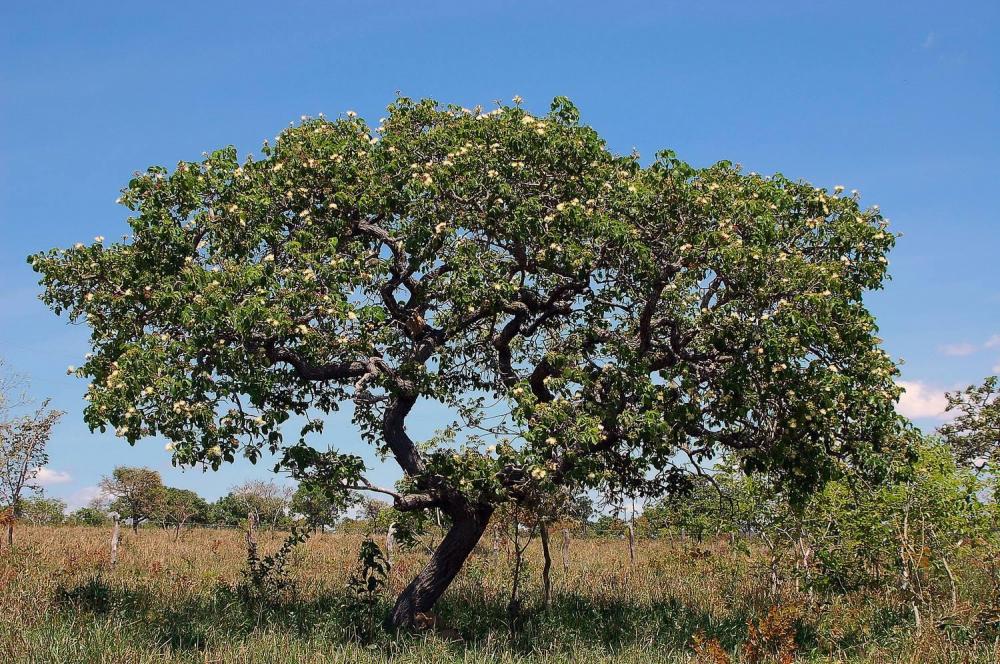
Pequi
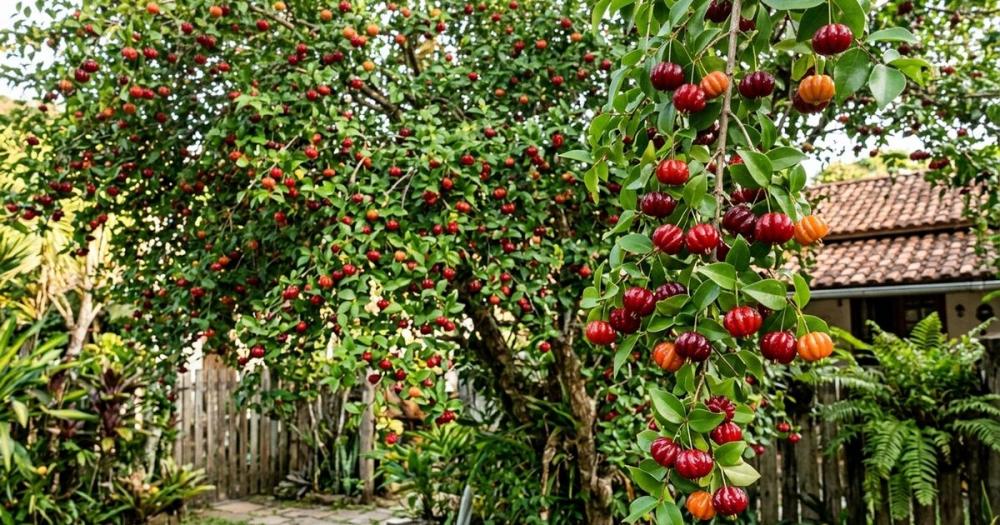
Surinam cherry
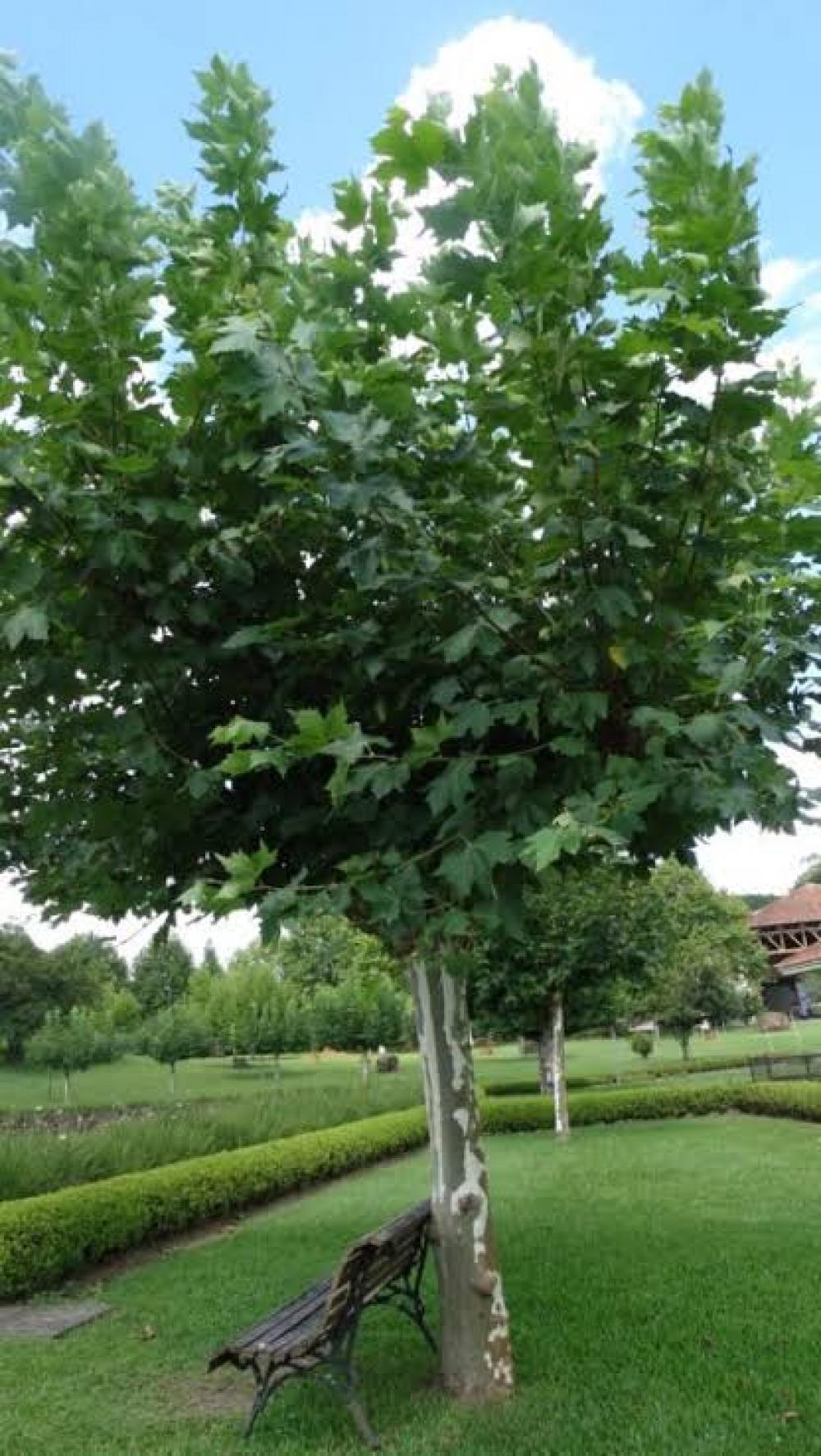
Plane tree
Rubber tree
Sucupira
Linden