



Brazilian Mahogany
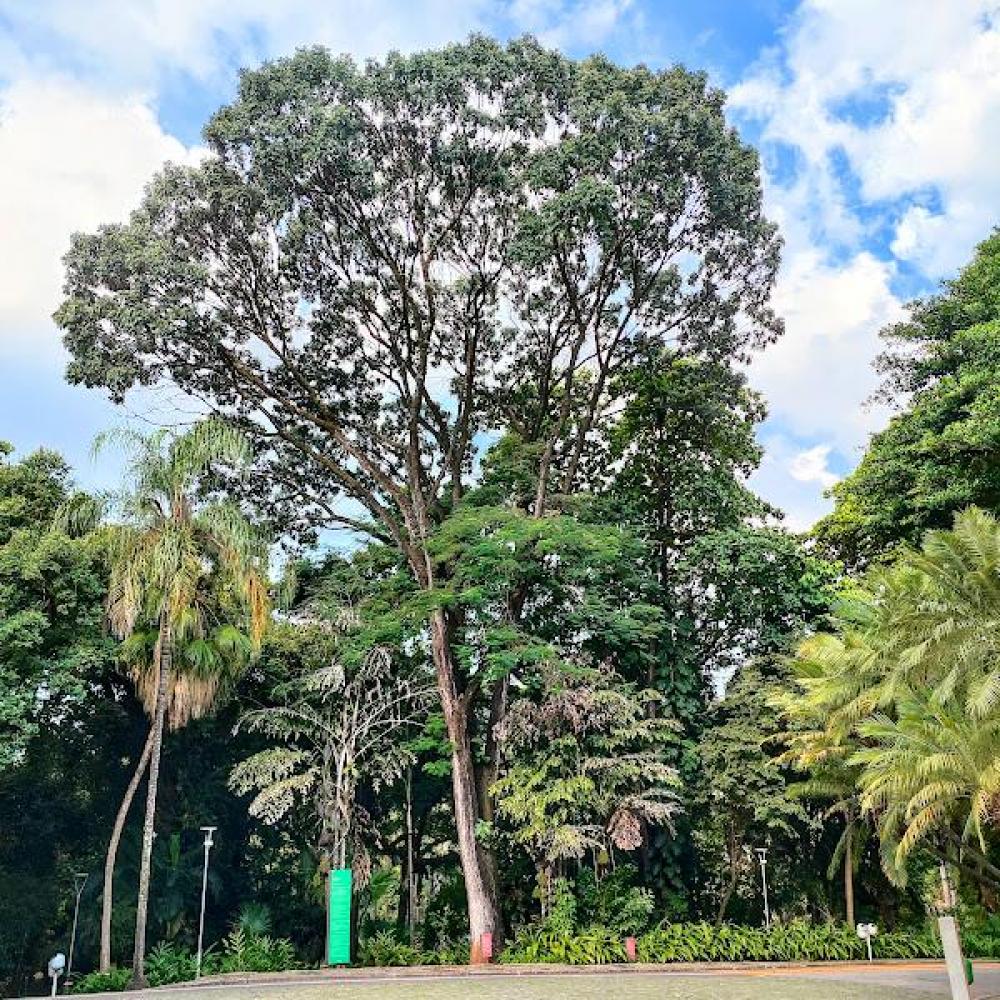
Brazilian Mahogany is one of the best-known trees of the Amazonian flora and one of the most economically important tropical timber species. Native to the Amazon, it occurs naturally across various tropical American countries; in Brazil, it is primarily associated with the forest formations of the Amazon region. It is a large tree—capable of reaching heights of approximately 30 to 40 meters—featuring a straight, robust trunk and a broad crown.
Its leaves are compound and deep green in color. The flowers are small, pale, and inconspicuous, while the fruits form large, woody capsules that split open upon ripening to release winged seeds. These seeds are dispersed by the wind and play a role in the species natural regeneration.
Brazilian Mahogany wood is renowned for its beauty, durability, stability, and ease of workability, displaying colors that range from reddish-brown to brown. Historically, it has been highly prized for the manufacture of high-quality furniture, fine woodwork, musical instruments, and other timber products. However, this high commercial value has also contributed to the intense exploitation of natural populations.
From an environmental perspective, mahogany is crucial to the conservation of Amazonian forests. As a large tree, it is an integral part of the forest structure, participating in nutrient cycling, carbon storage, and habitat formation. Its presence is also linked to maintaining plant diversity and the ecological relationships found within the Amazonian environment.
The species faces significant challenges regarding logging and habitat loss. Consequently, Brazilian Mahogany exemplifies the need to align a species economic value with policies for responsible forest management, traceability, conservation, and environmental restoration. Planned cultivation and sustainable production systems can help reduce pressure on natural populations, provided they are carried out in accordance with technical and environmental criteria. Brazilian mahogany is also of scientific interest due to the presence of various natural compounds characteristic of the Meliaceae family. Research is investigating substances found in its leaves, bark, seeds, and other structures; however, these studies do not imply that the species should be used as a home remedy. Traditional knowledge and scientific findings must be evaluated responsibly and with safety in mind.
Preserving Brazilian Mahogany means protecting a vital part of the Amazons natural heritage. Its history demonstrates that biodiversity and economic development must go hand in hand, seeking ways to utilize natural resources without compromising the forests ability to regenerate and continue providing benefits to future generations.
Brazilian Mahogany: a large tree yielding premium timber that embodies the richness of the Amazon and the responsibility to conserve its biodiversity.
Its leaves are compound and deep green in color. The flowers are small, pale, and inconspicuous, while the fruits form large, woody capsules that split open upon ripening to release winged seeds. These seeds are dispersed by the wind and play a role in the species natural regeneration.
Brazilian Mahogany wood is renowned for its beauty, durability, stability, and ease of workability, displaying colors that range from reddish-brown to brown. Historically, it has been highly prized for the manufacture of high-quality furniture, fine woodwork, musical instruments, and other timber products. However, this high commercial value has also contributed to the intense exploitation of natural populations.
From an environmental perspective, mahogany is crucial to the conservation of Amazonian forests. As a large tree, it is an integral part of the forest structure, participating in nutrient cycling, carbon storage, and habitat formation. Its presence is also linked to maintaining plant diversity and the ecological relationships found within the Amazonian environment.
The species faces significant challenges regarding logging and habitat loss. Consequently, Brazilian Mahogany exemplifies the need to align a species economic value with policies for responsible forest management, traceability, conservation, and environmental restoration. Planned cultivation and sustainable production systems can help reduce pressure on natural populations, provided they are carried out in accordance with technical and environmental criteria. Brazilian mahogany is also of scientific interest due to the presence of various natural compounds characteristic of the Meliaceae family. Research is investigating substances found in its leaves, bark, seeds, and other structures; however, these studies do not imply that the species should be used as a home remedy. Traditional knowledge and scientific findings must be evaluated responsibly and with safety in mind.
Preserving Brazilian Mahogany means protecting a vital part of the Amazons natural heritage. Its history demonstrates that biodiversity and economic development must go hand in hand, seeking ways to utilize natural resources without compromising the forests ability to regenerate and continue providing benefits to future generations.
Brazilian Mahogany: a large tree yielding premium timber that embodies the richness of the Amazon and the responsibility to conserve its biodiversity.
Tree Catalog
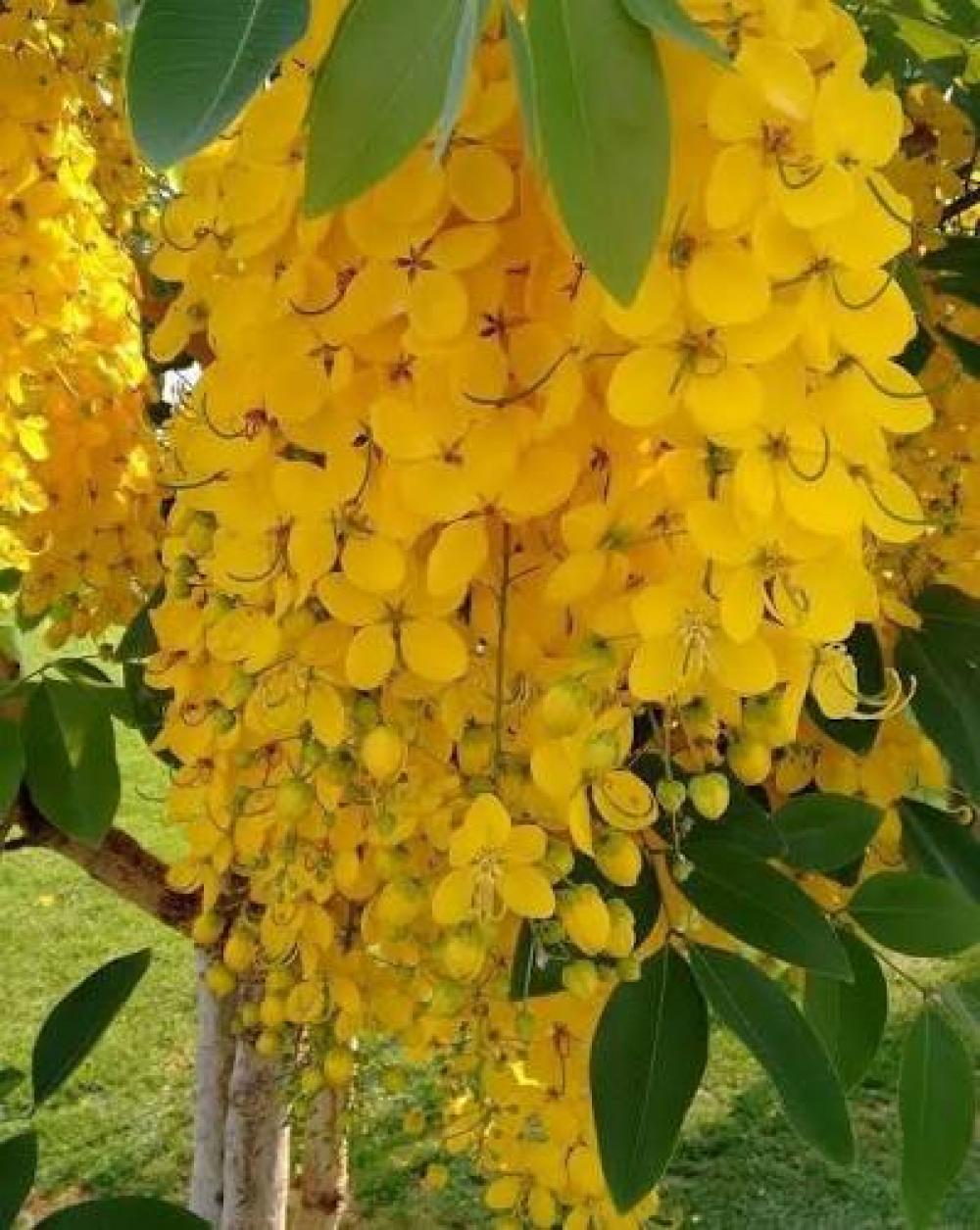
Imperial acacia
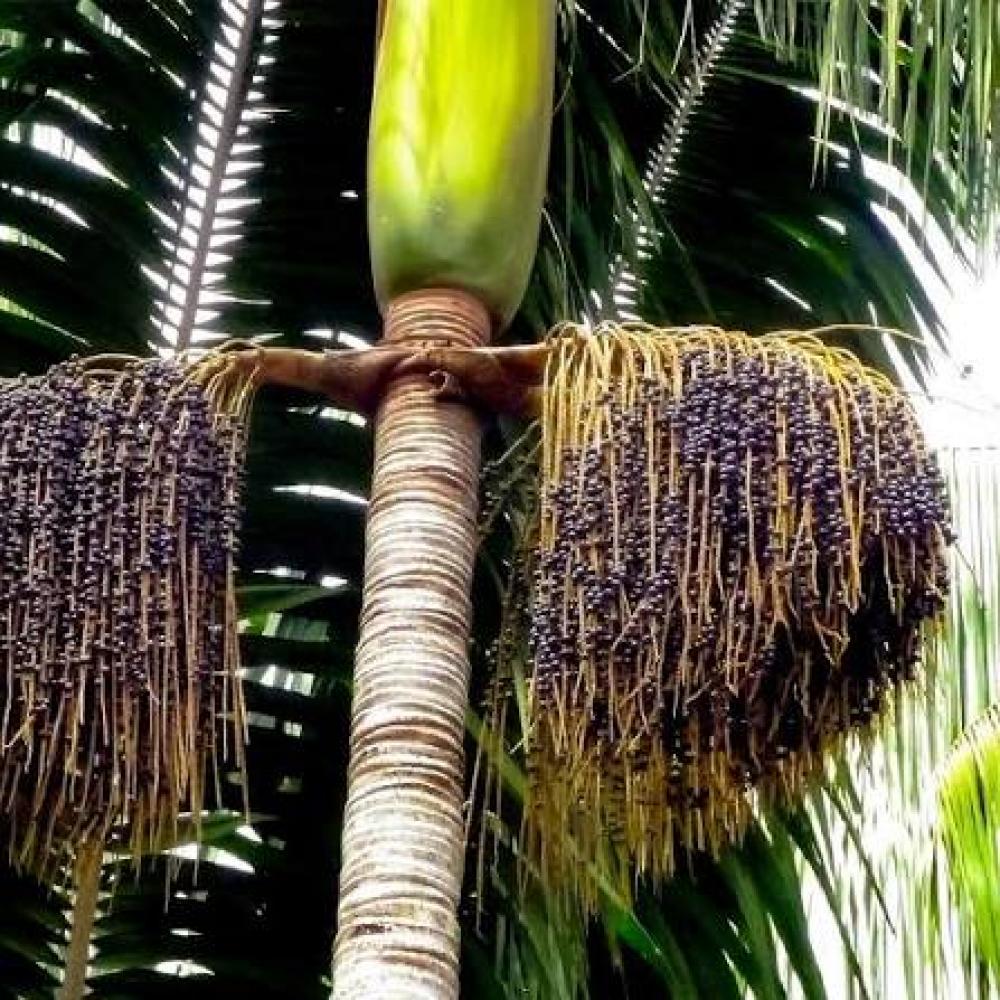
Açaí palm
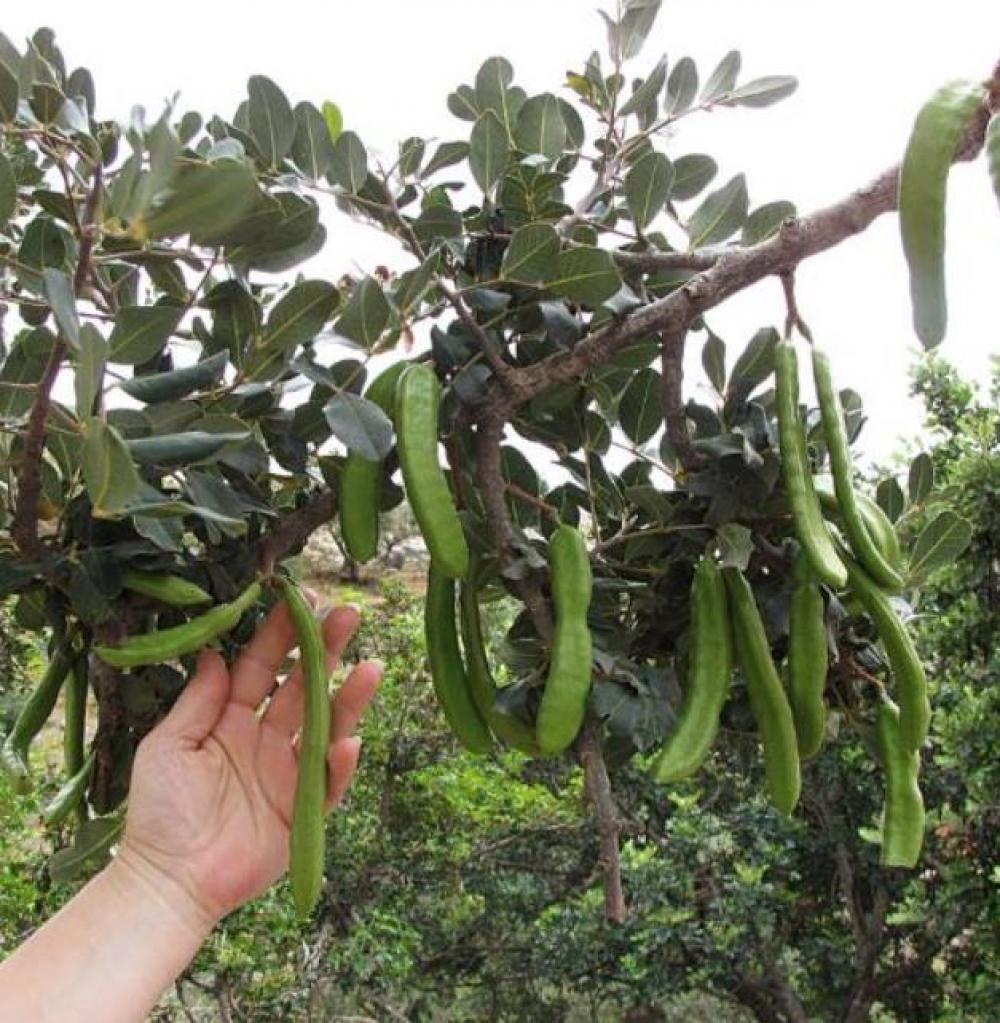
Alfarrobeira
Andiroba
Red Angelim
White Angico
Araticum
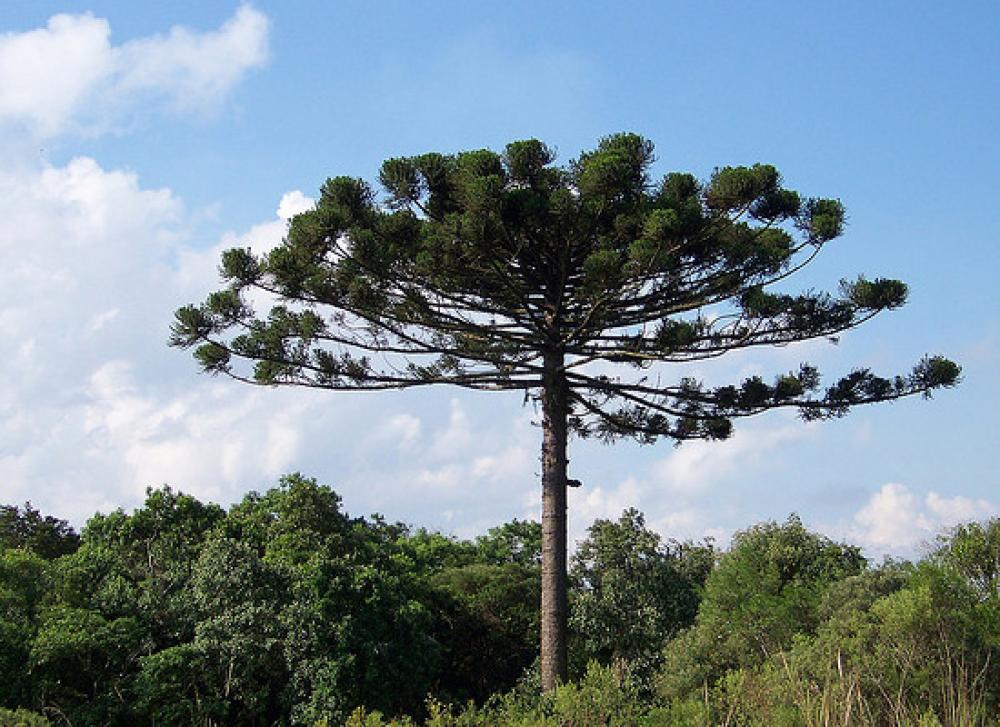
Araucaria, the Paraná pine
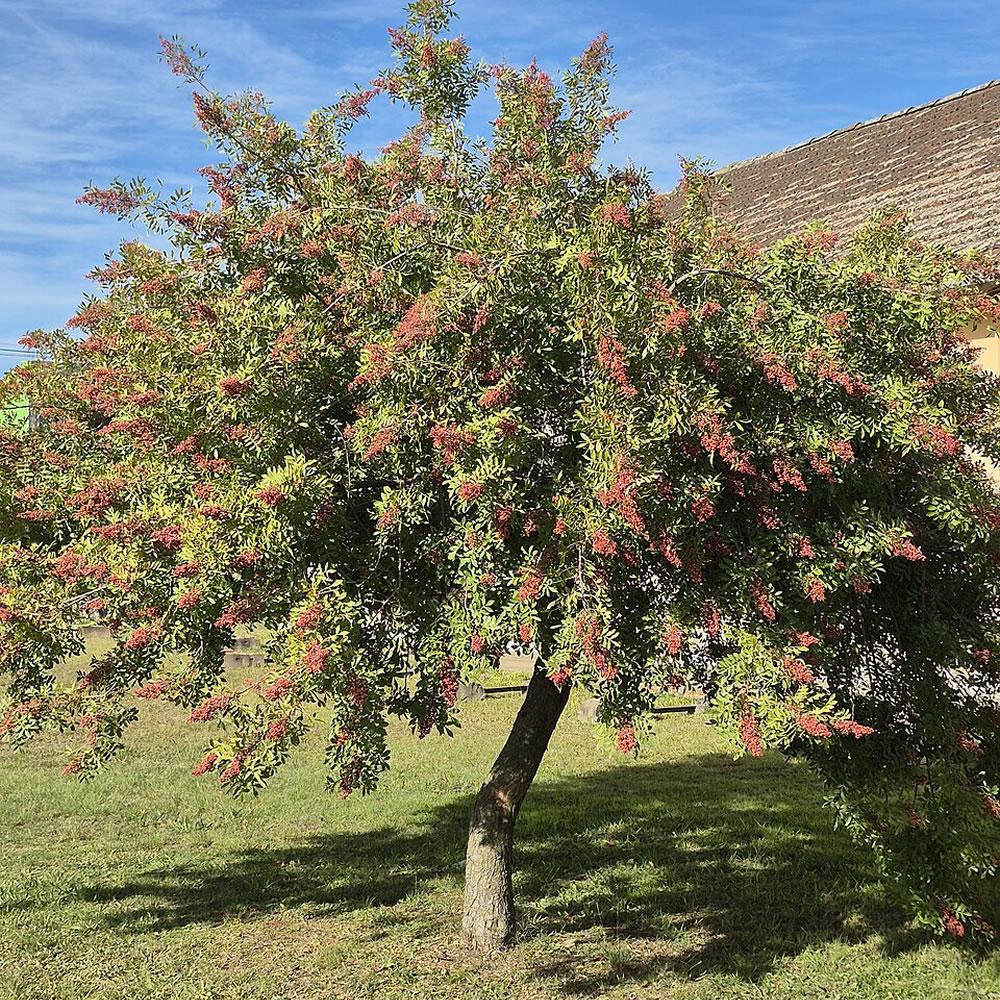
Brazilian peppertree
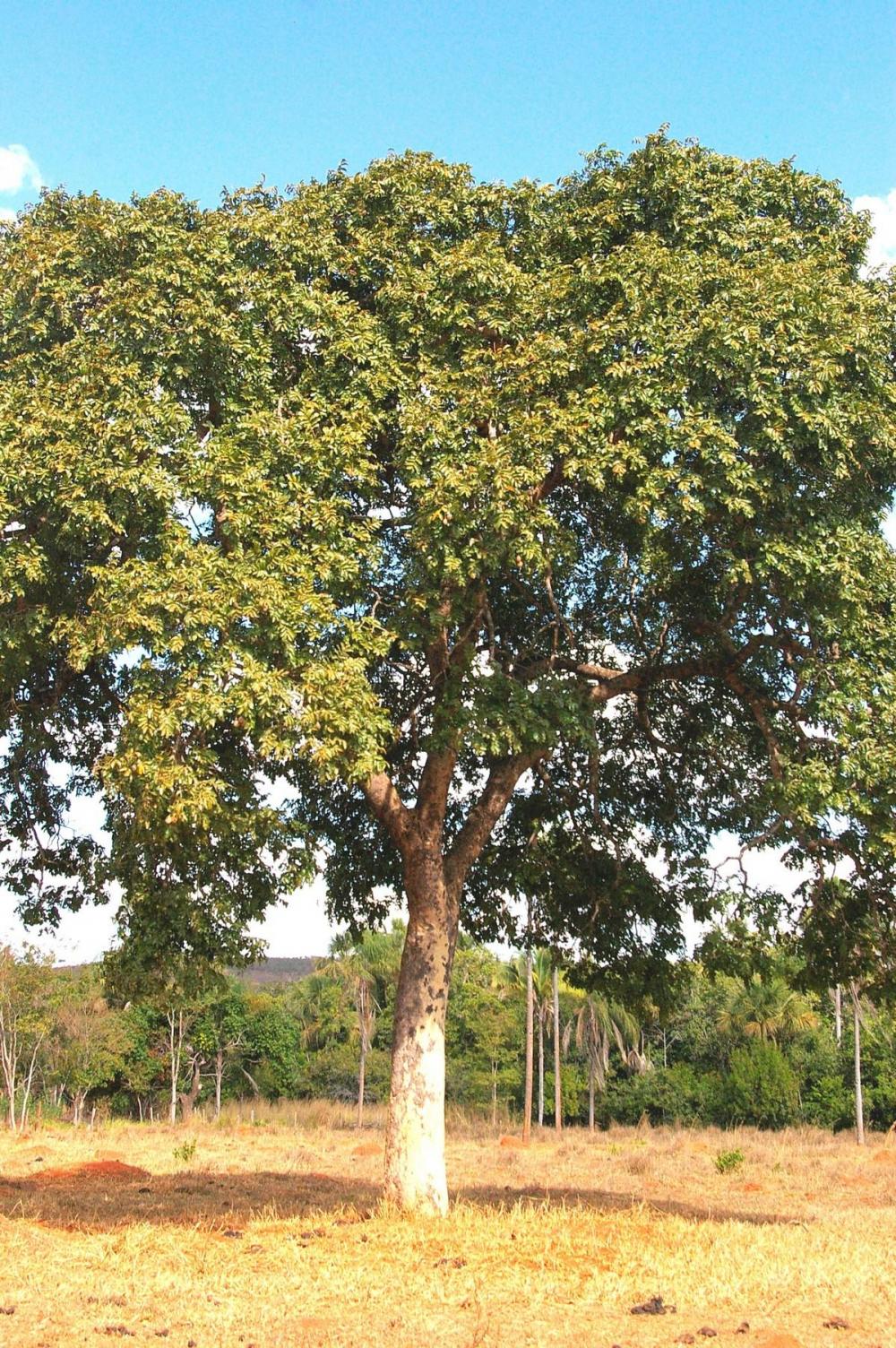
Baru
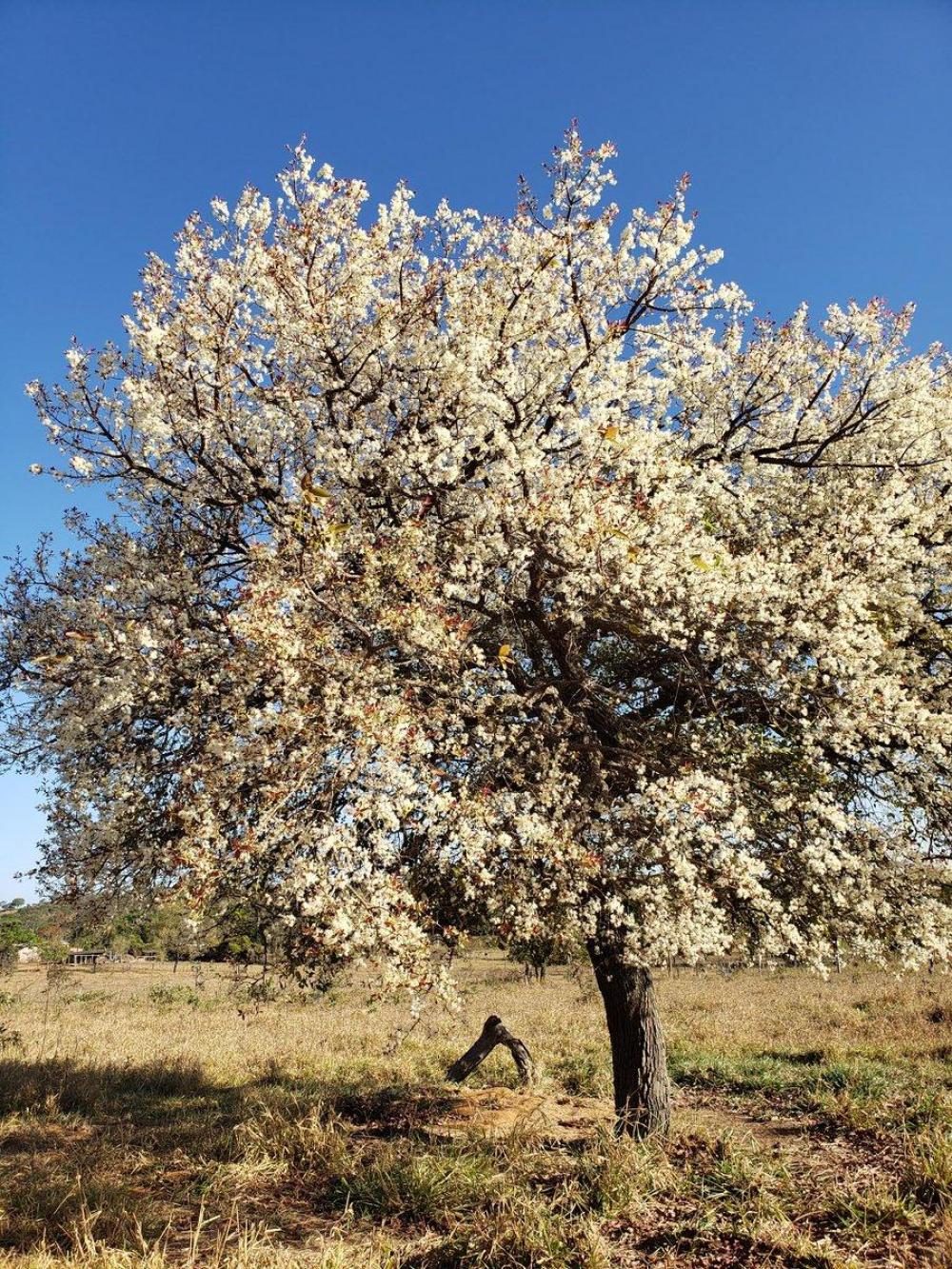
Cagaita
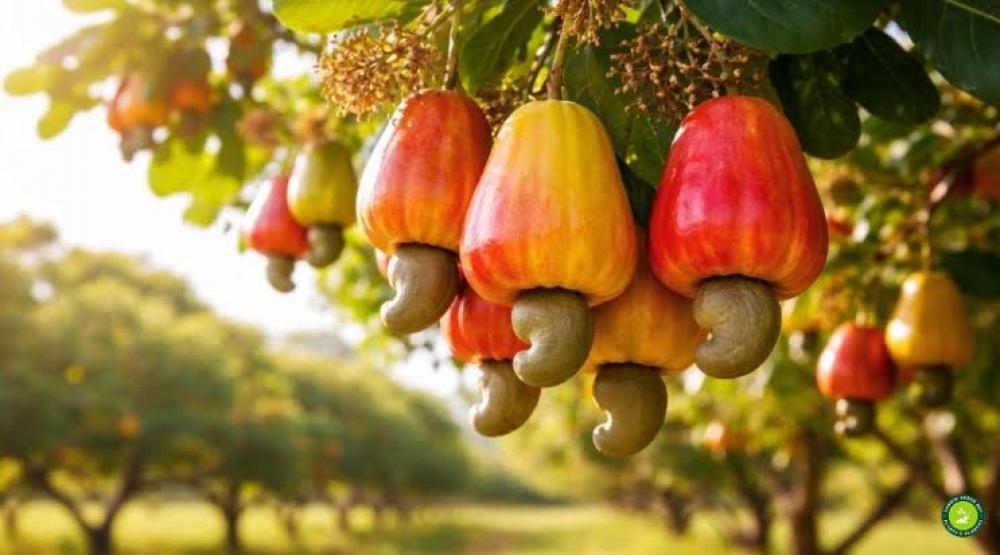
cashew tree
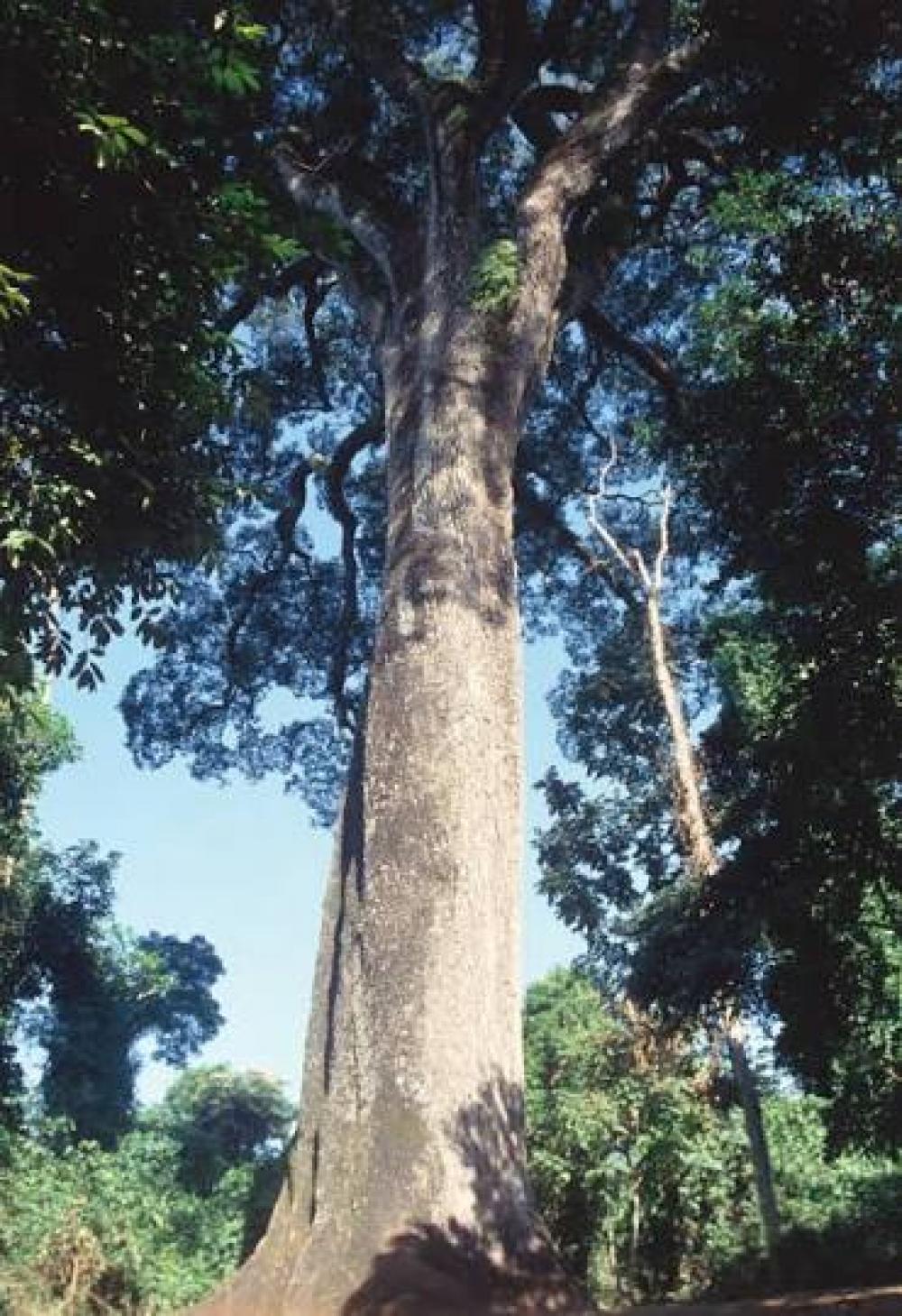
Black Cinnamon
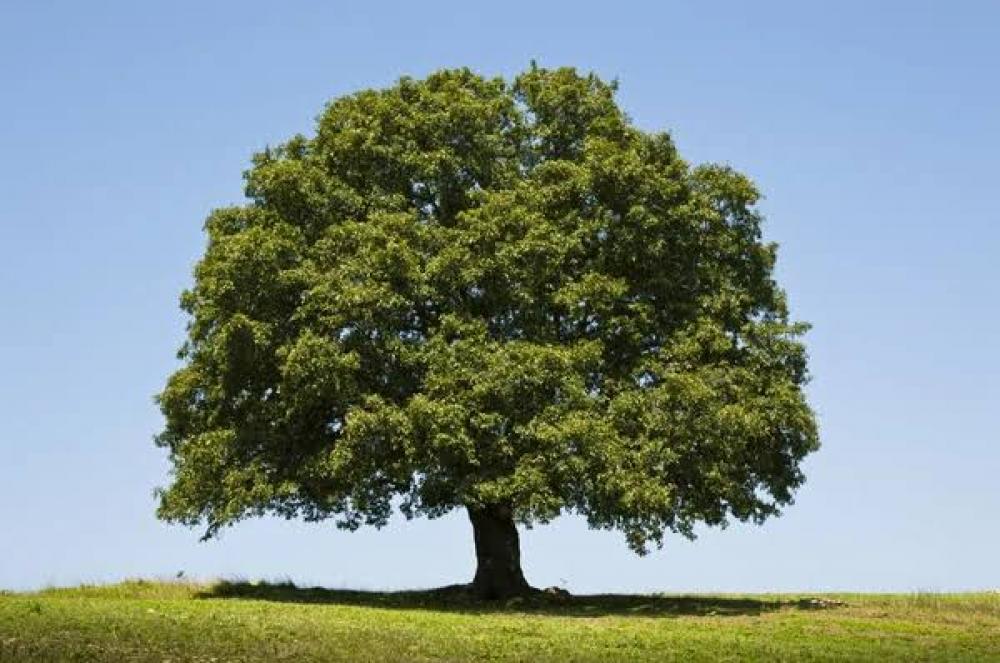
Oak tree
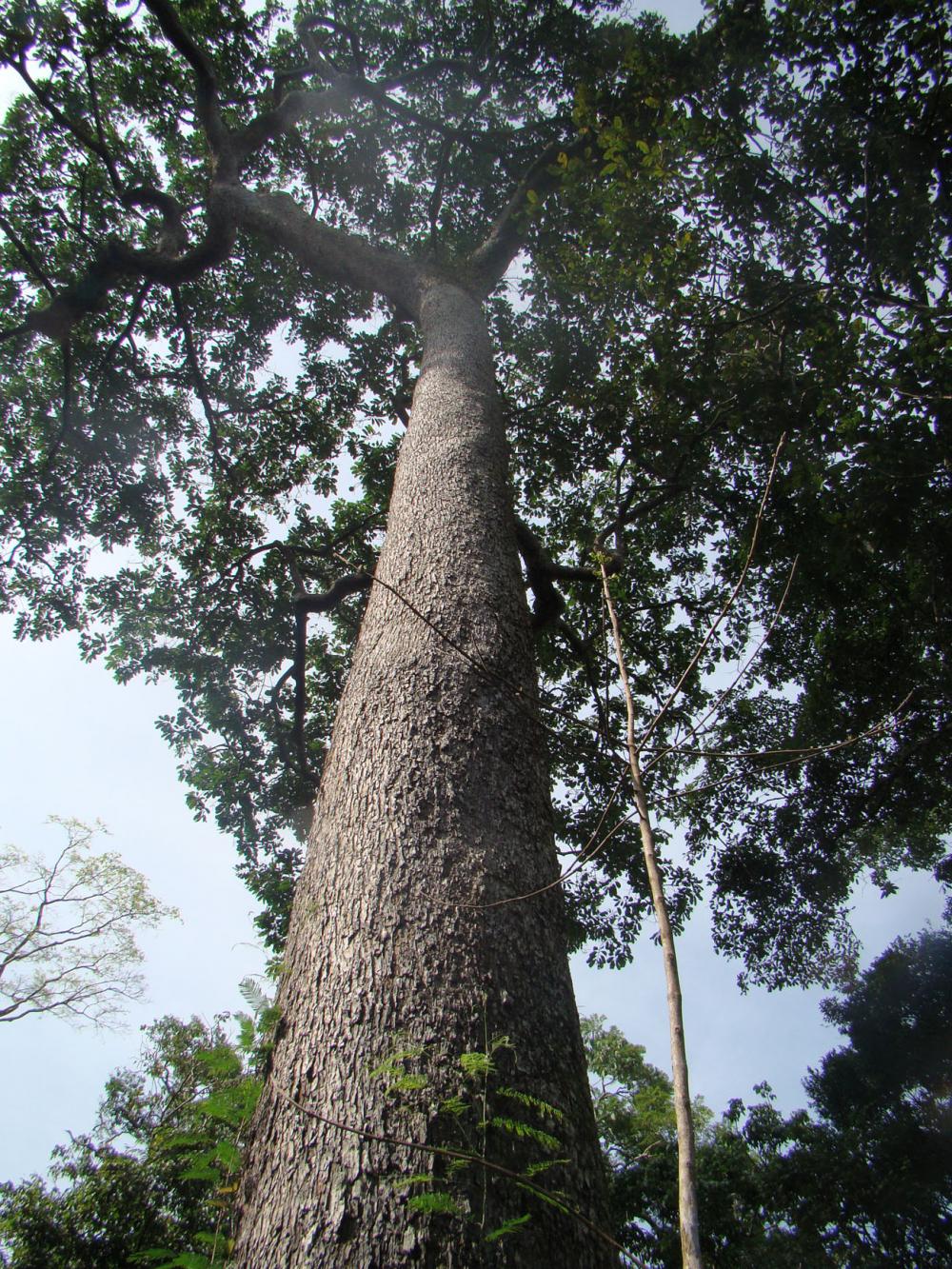
nuez de Brasil
Brazil nut tree
Catalpa
Pink cedar
ornamental cherry tree
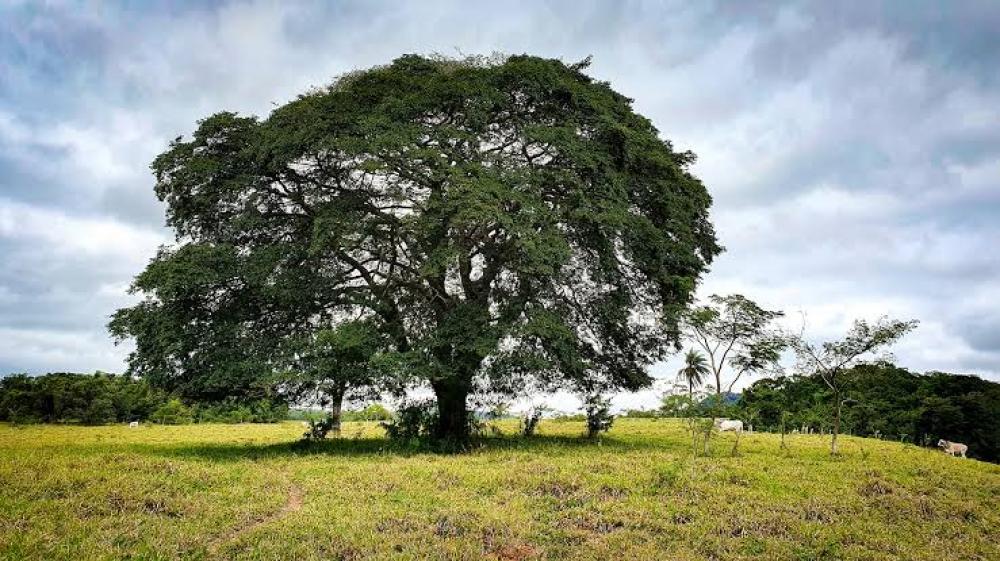
copaiba
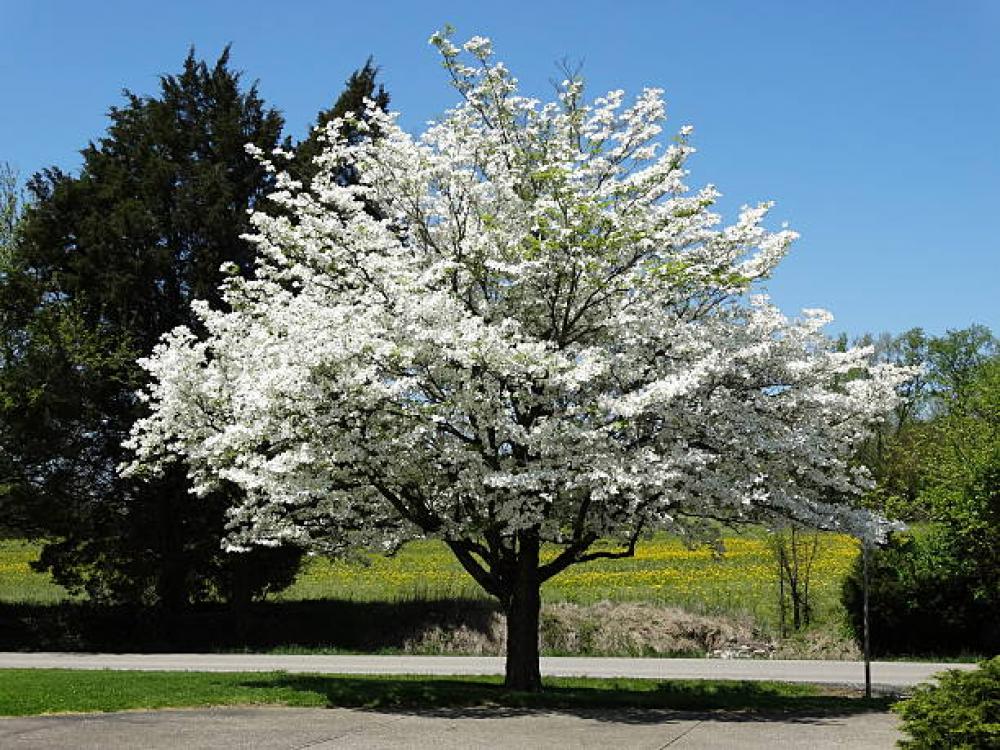
Trees of the genus Cornus
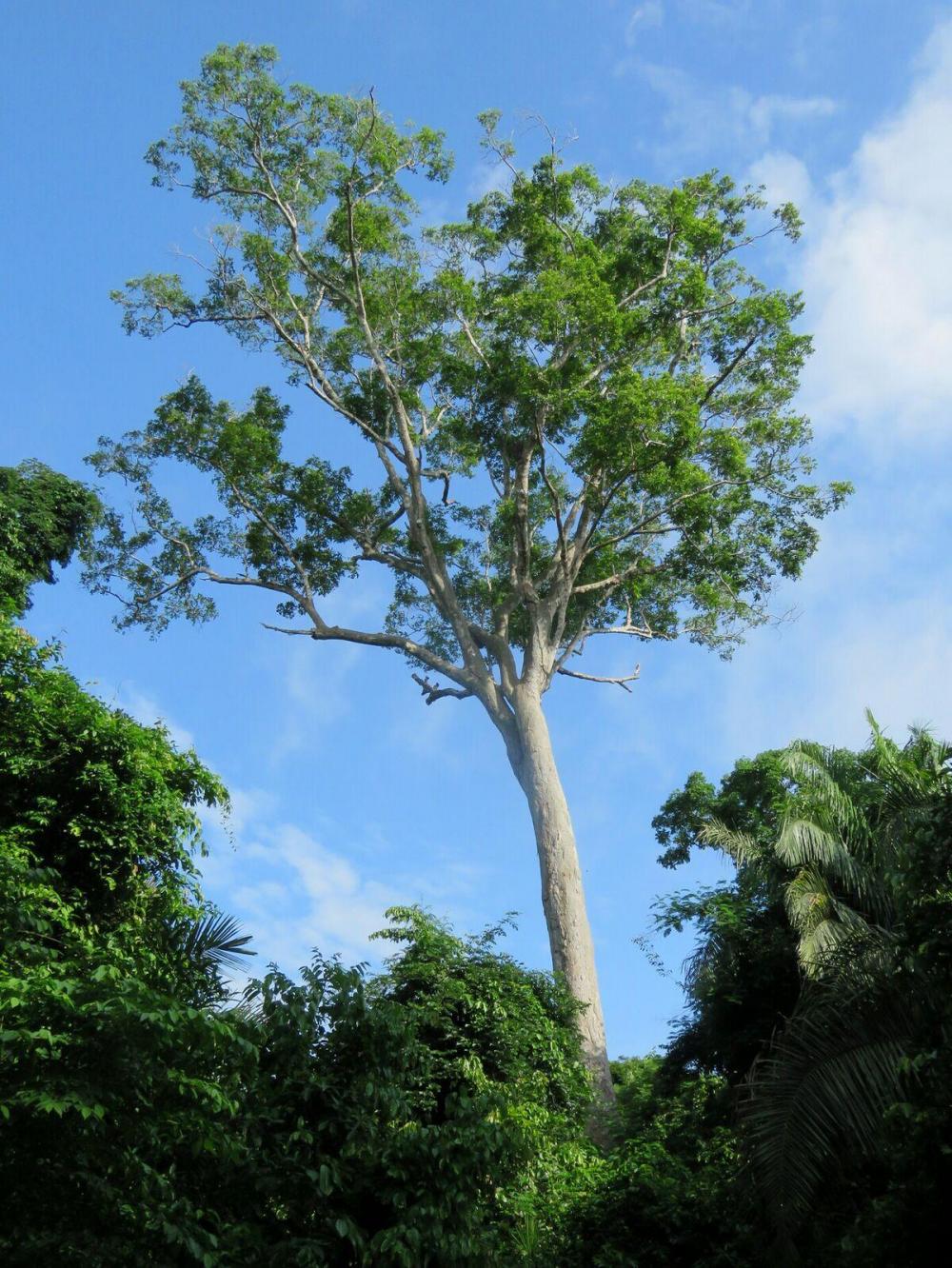
Cumaru
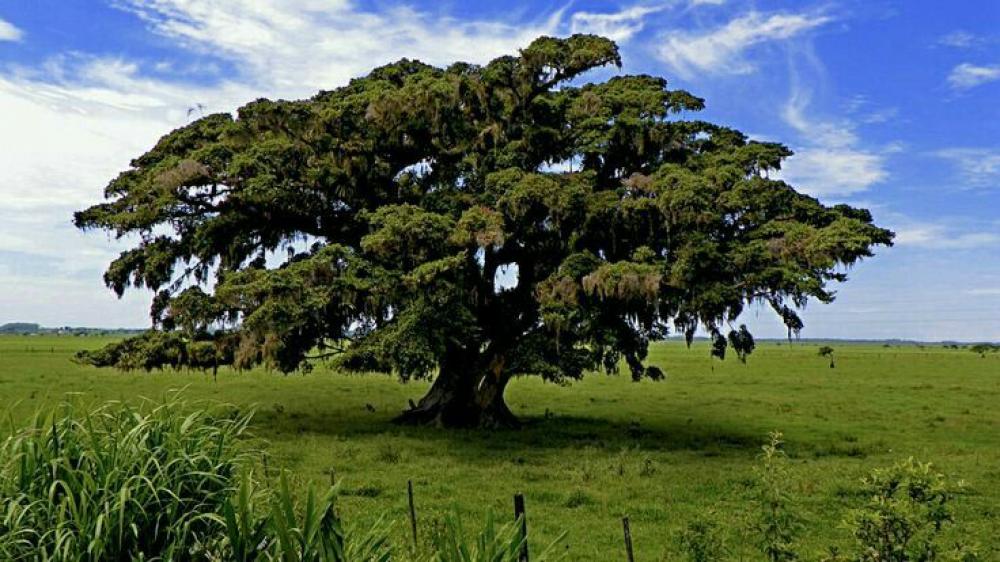
fig tree
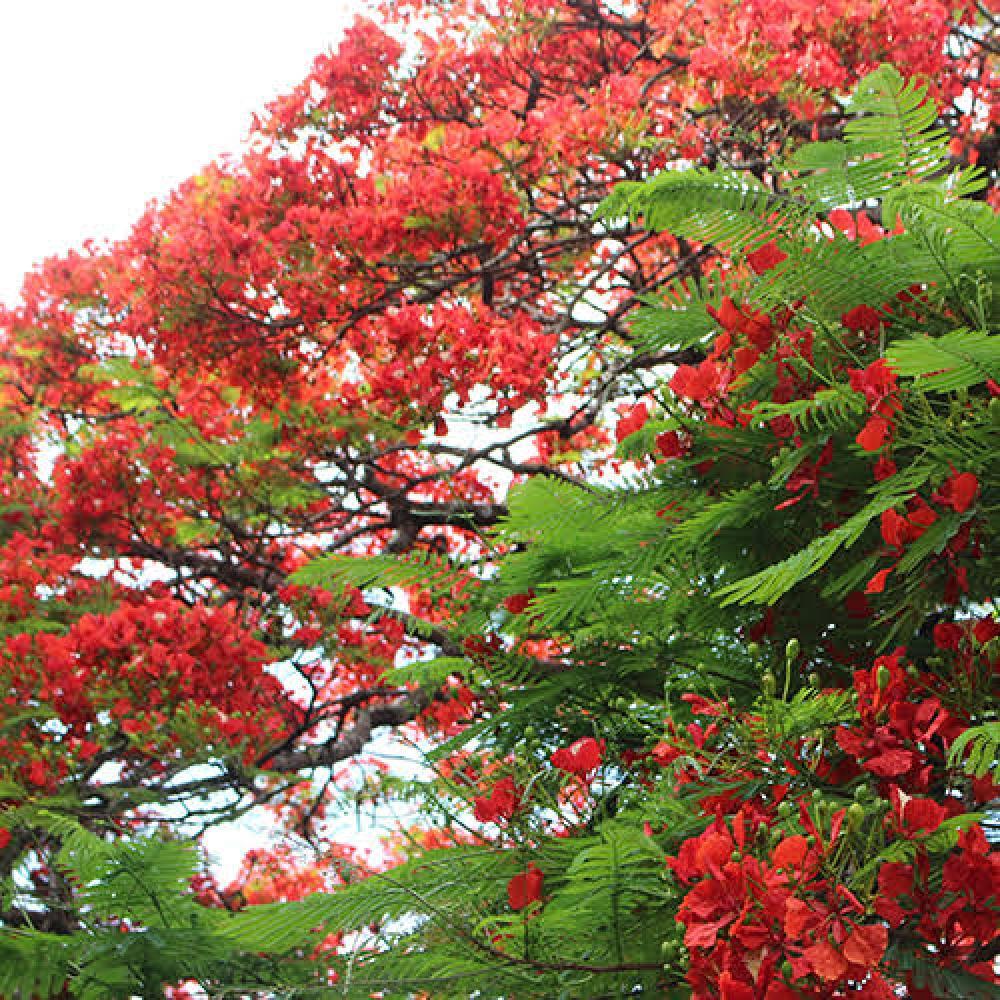
Flamboyant
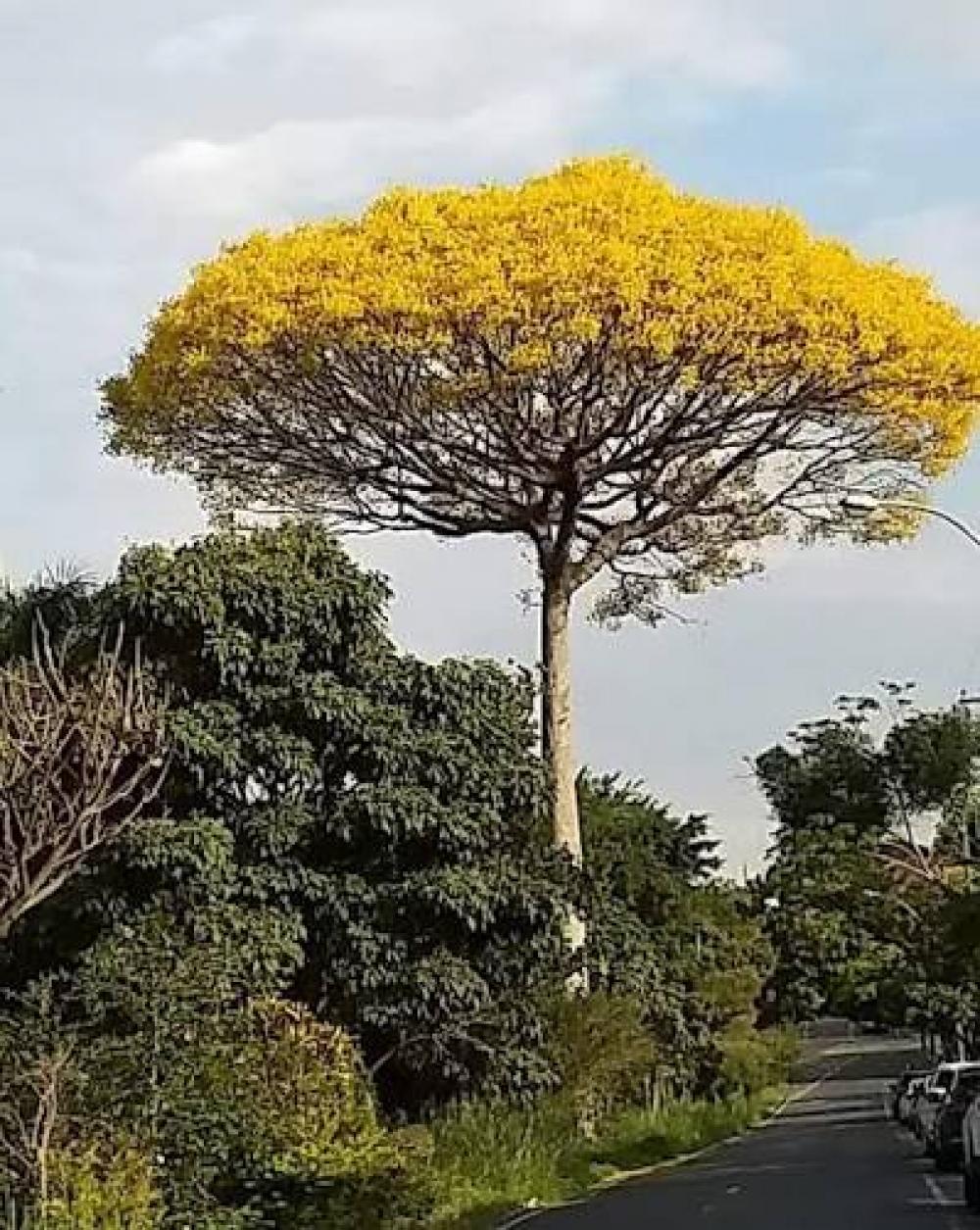
Guapuruvu
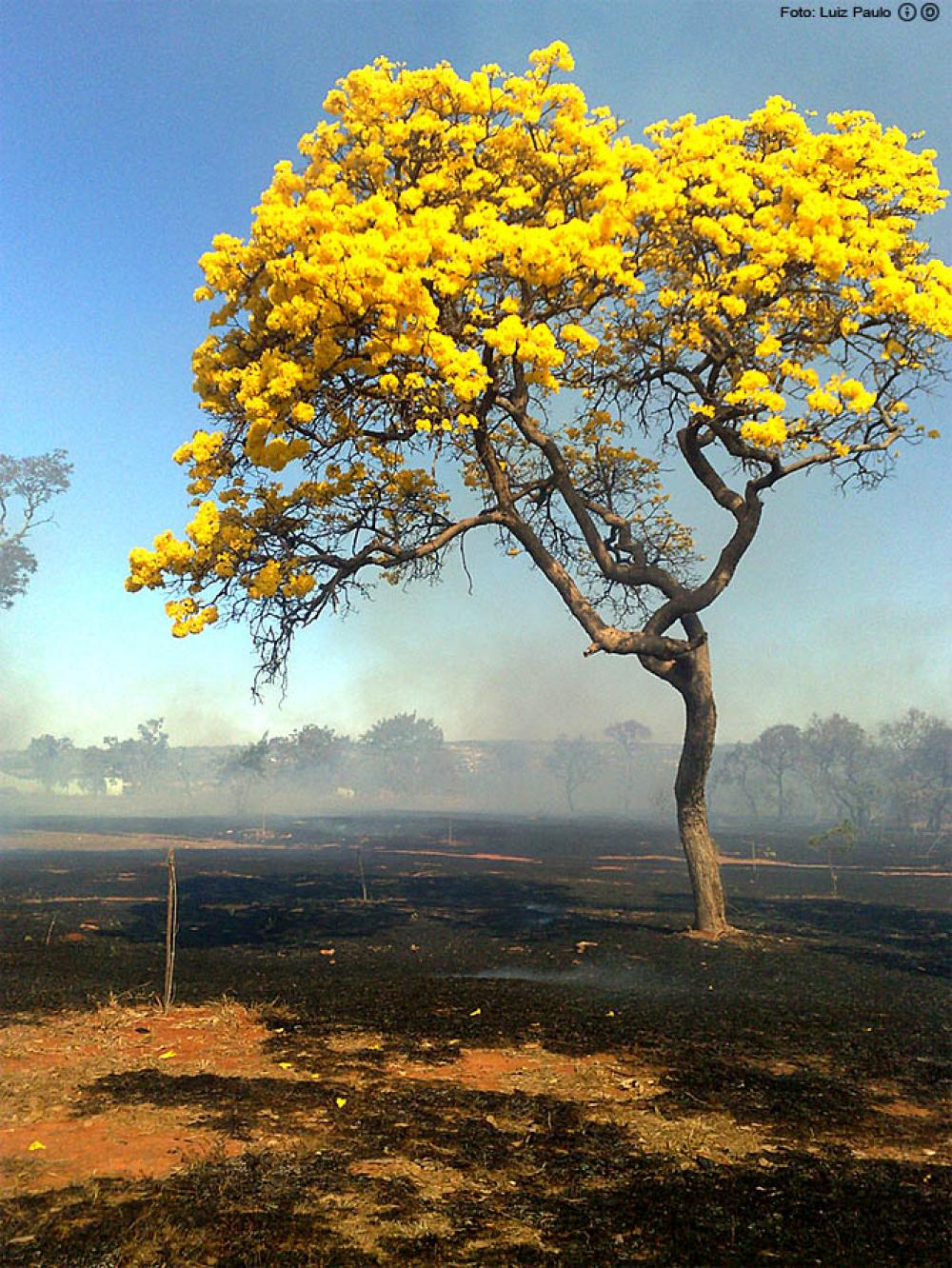
Yellow Ipê
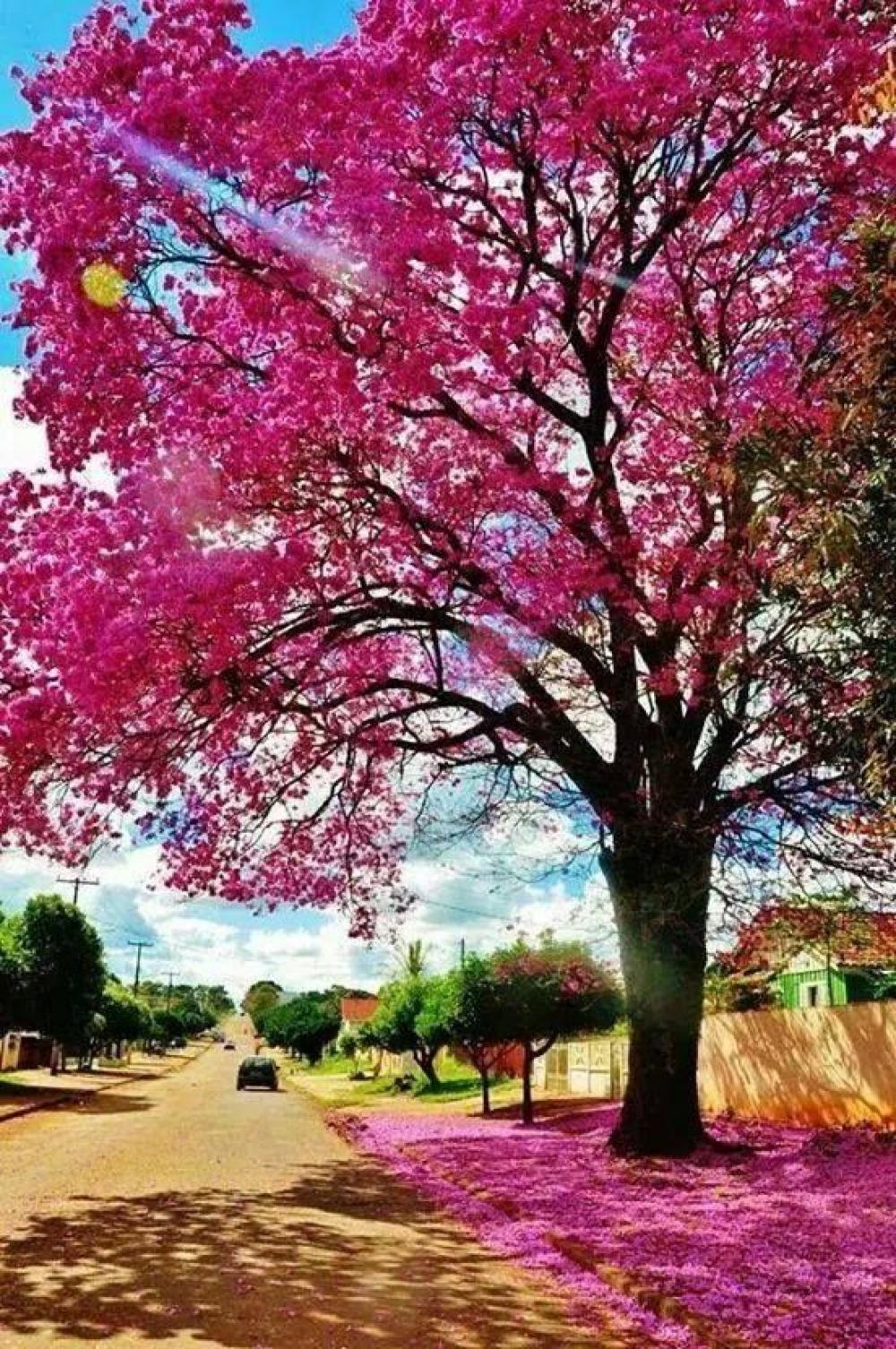
Purple Ipe
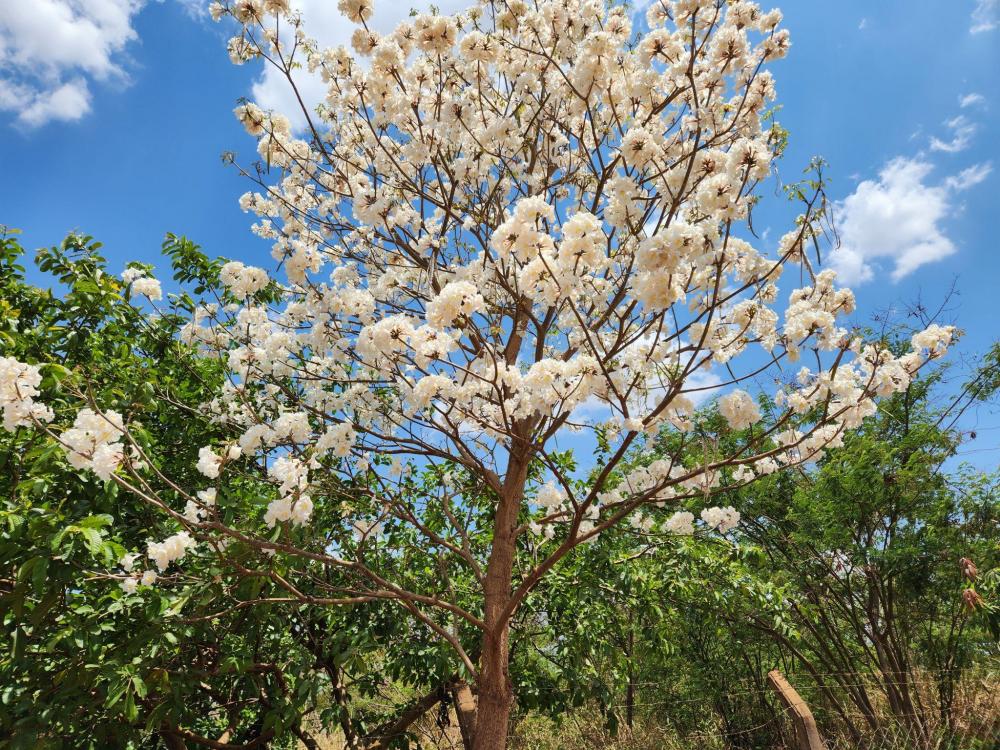
White Ipê
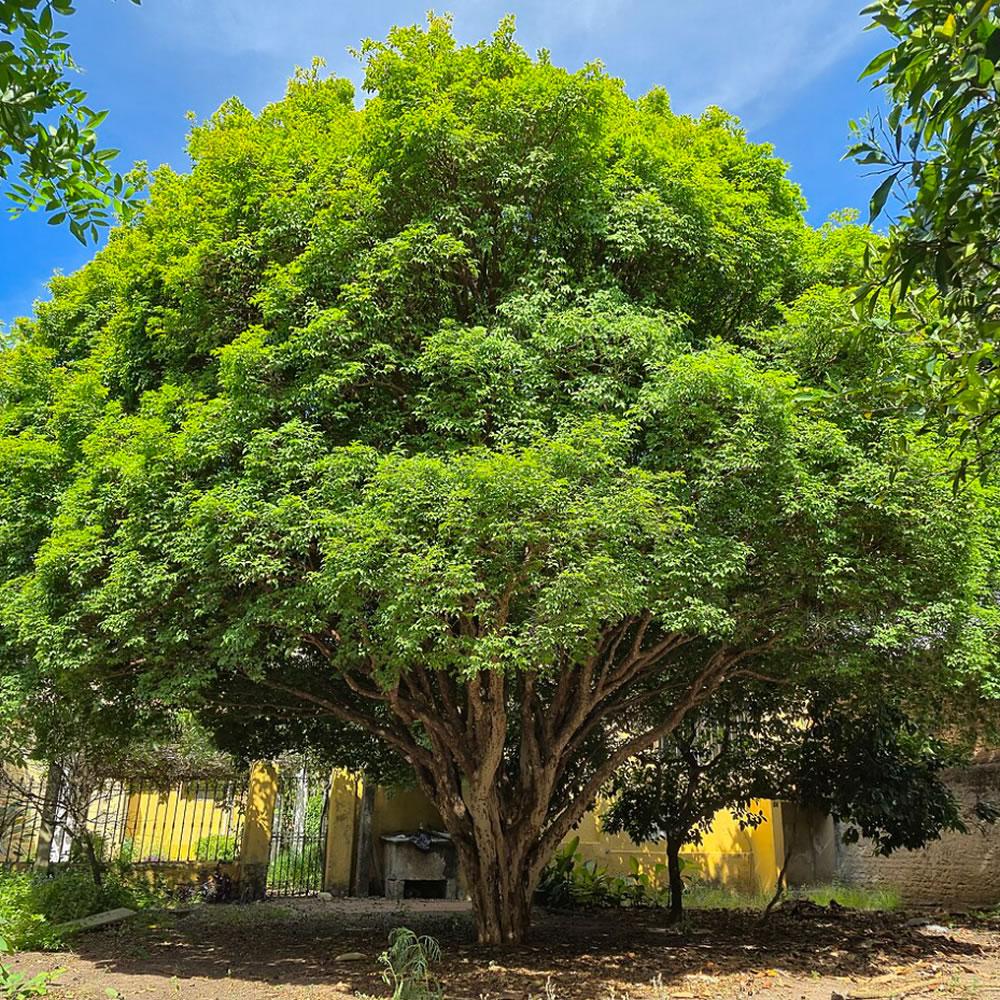
Jabuticaba
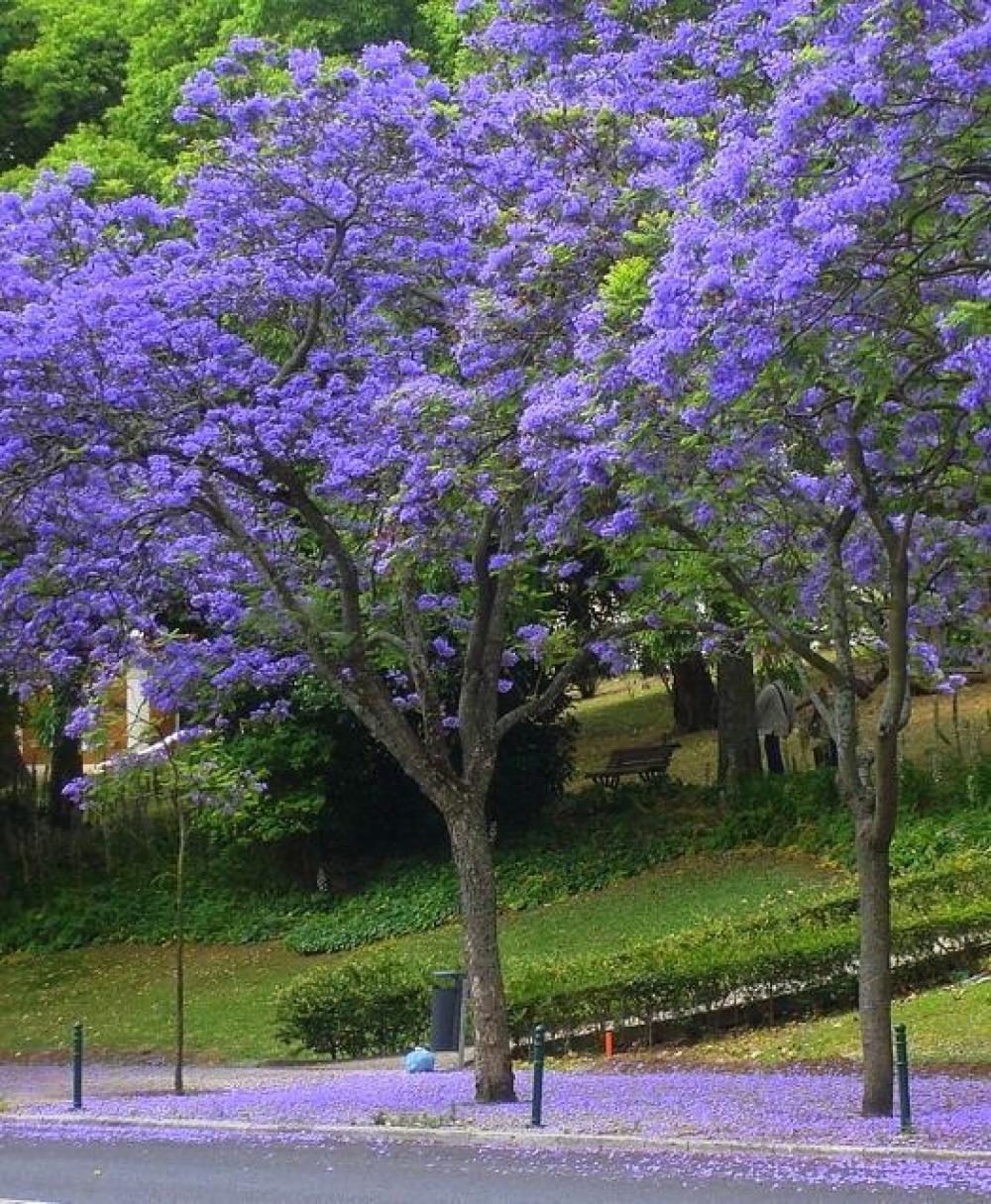
Blue jacaranda
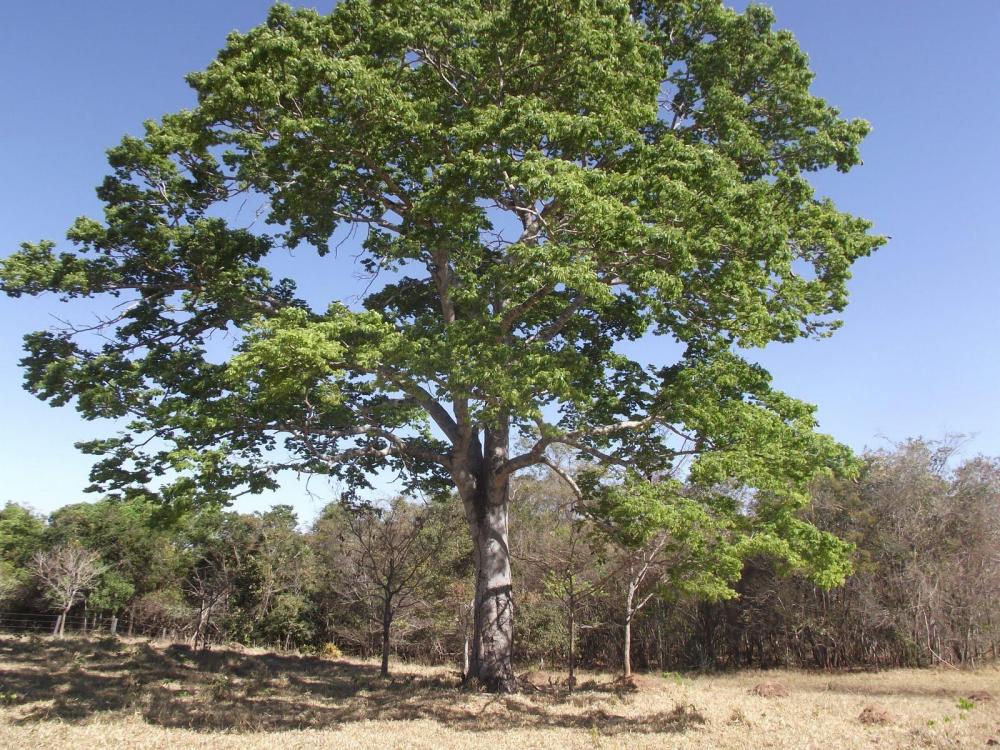
Jatoba
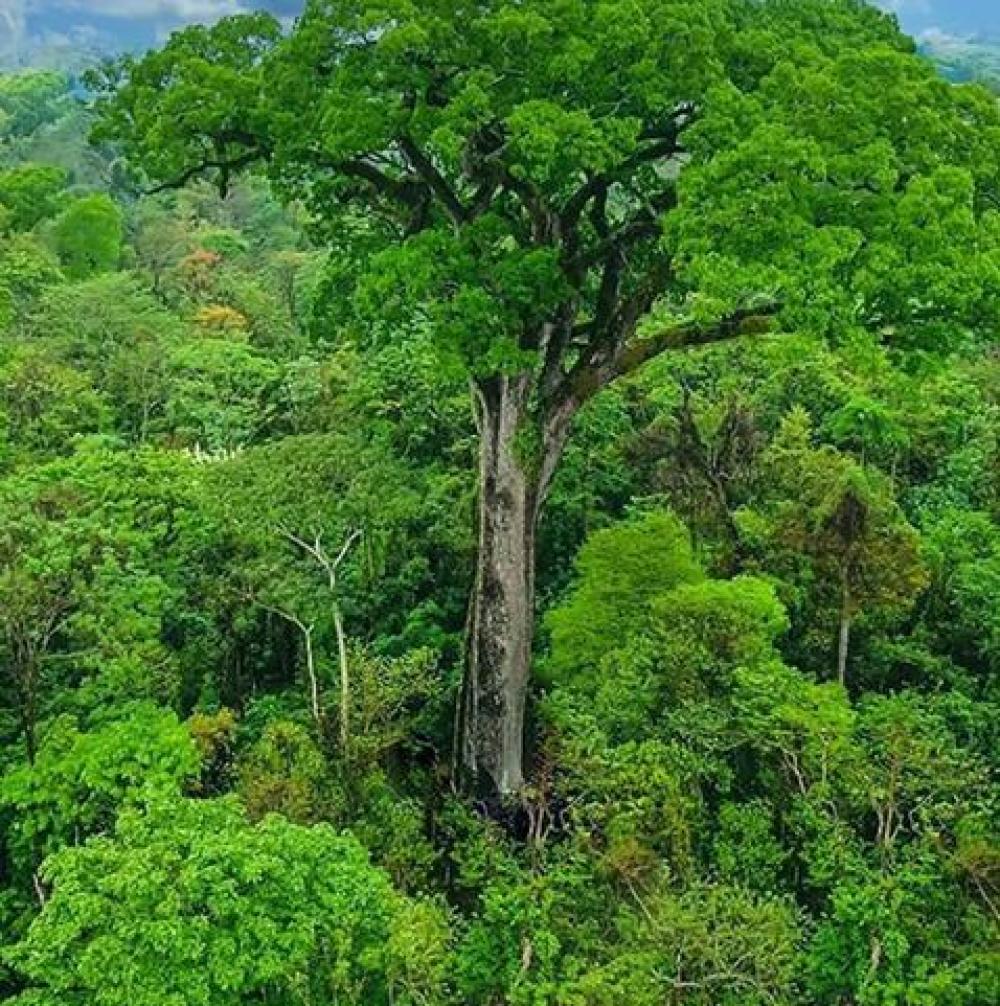
Pink Jequitibá (Cariniana legalis)
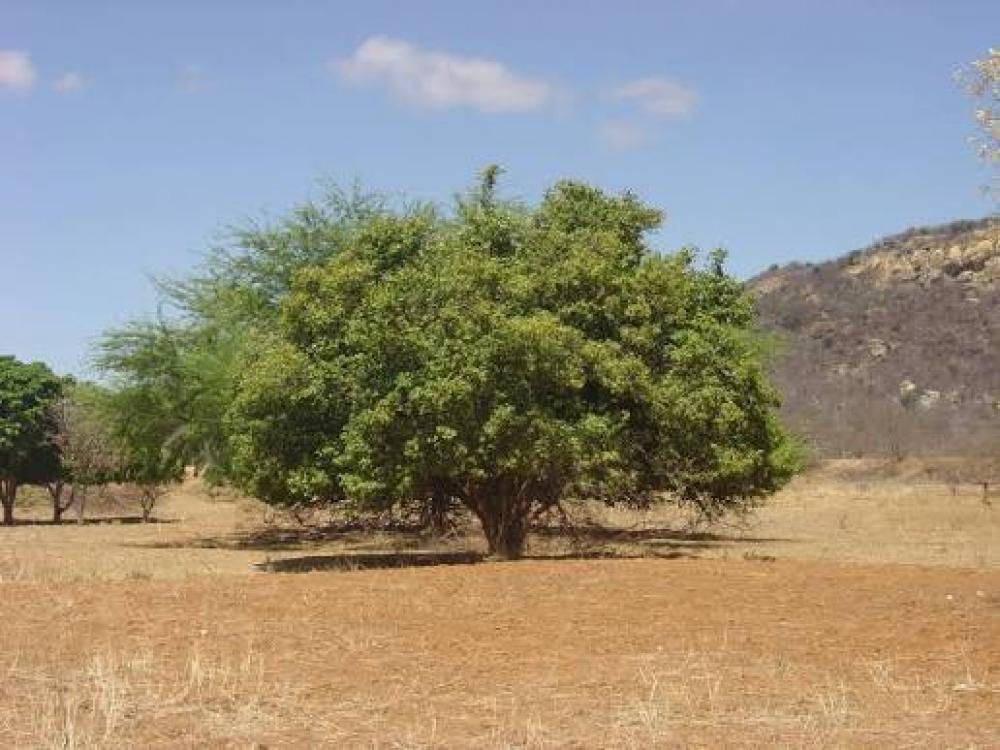
Juazeiro
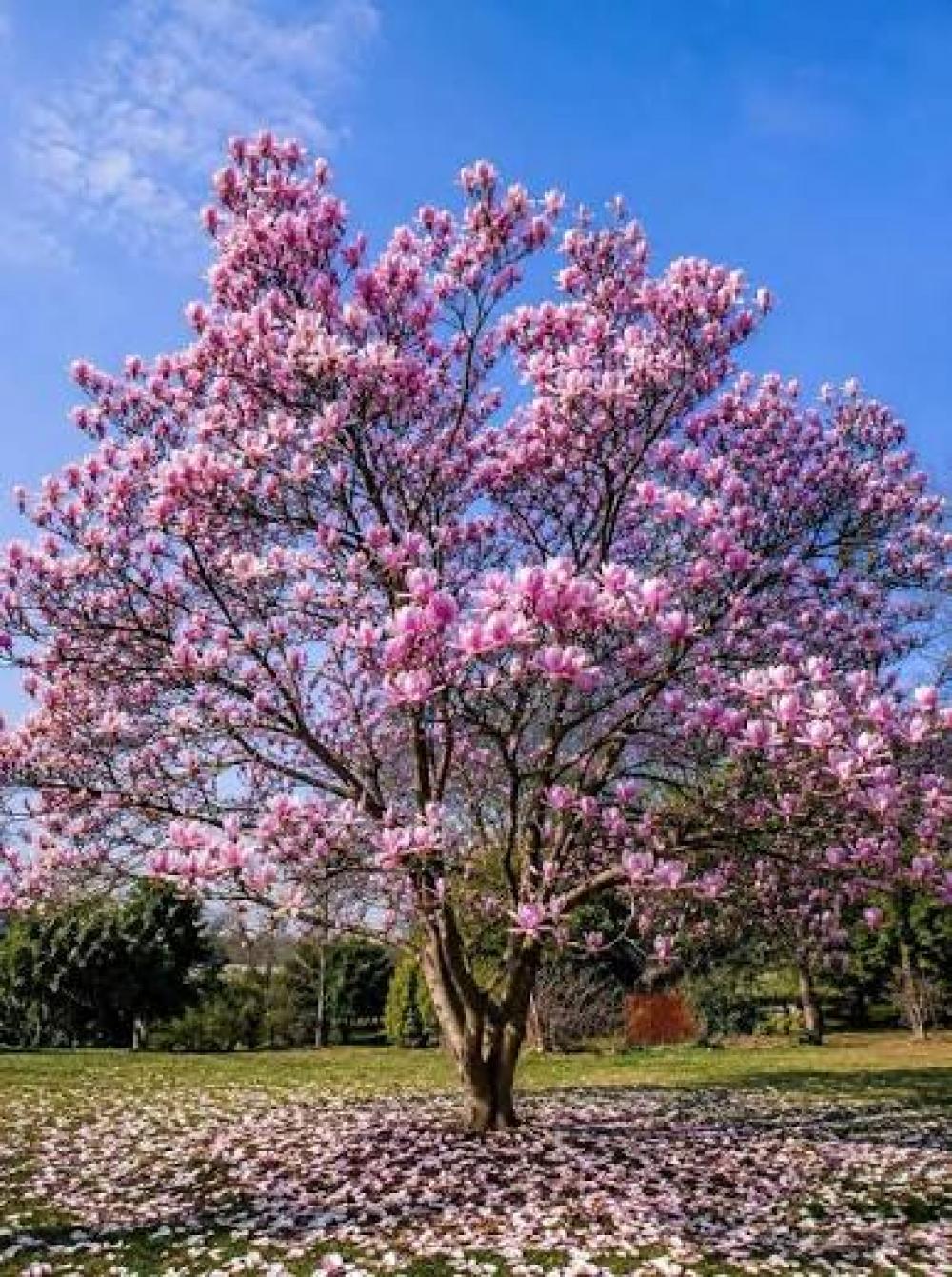
Magnolia
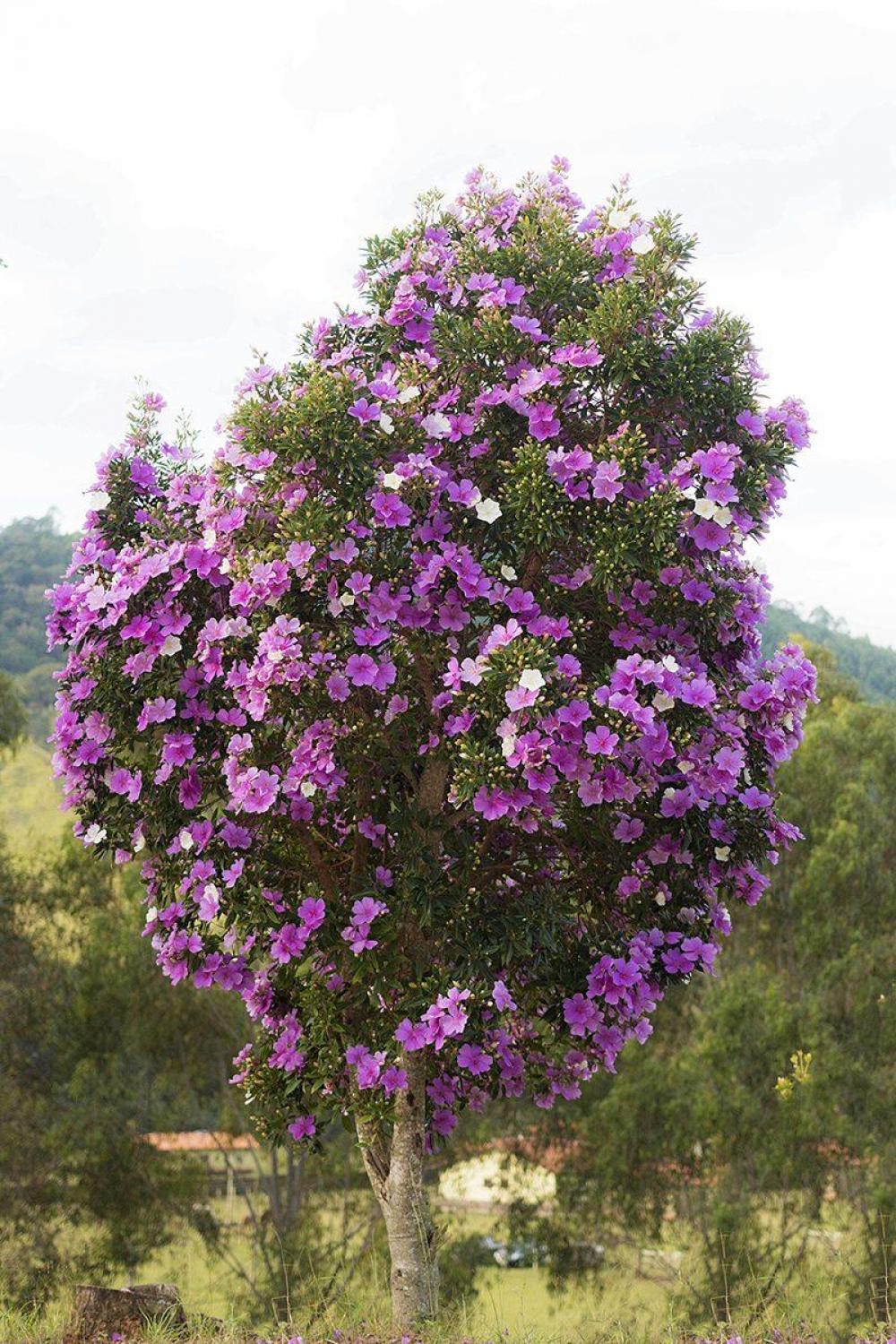
Brazilian Mahogany
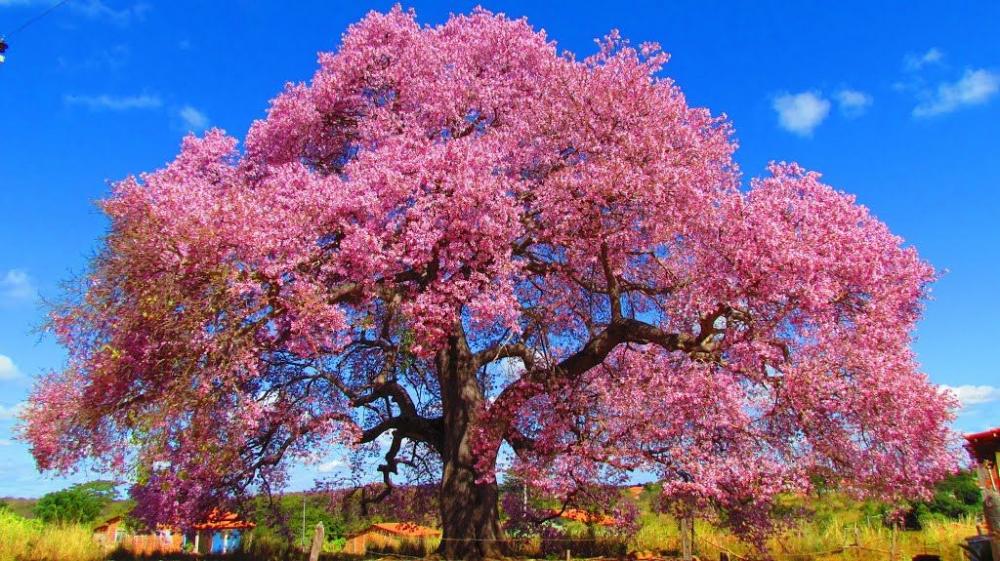
pink silk floss tree
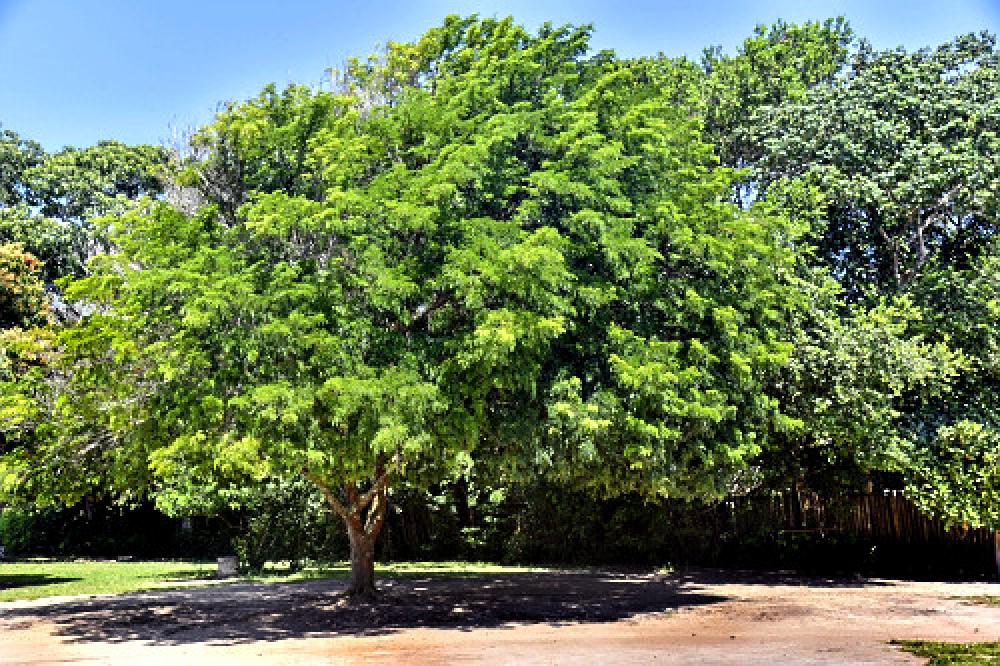
Brazilwood
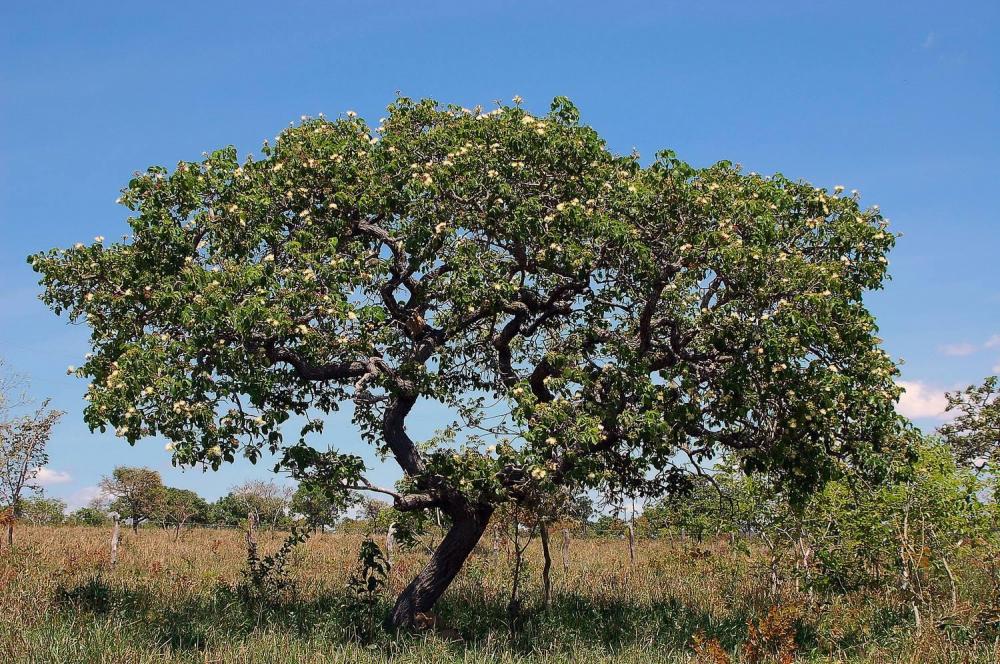
Pequi
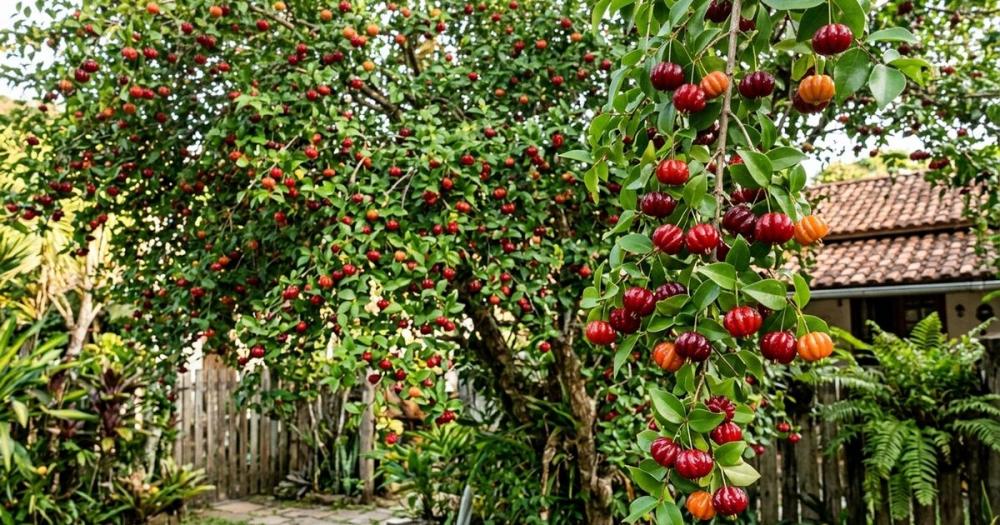
Surinam cherry
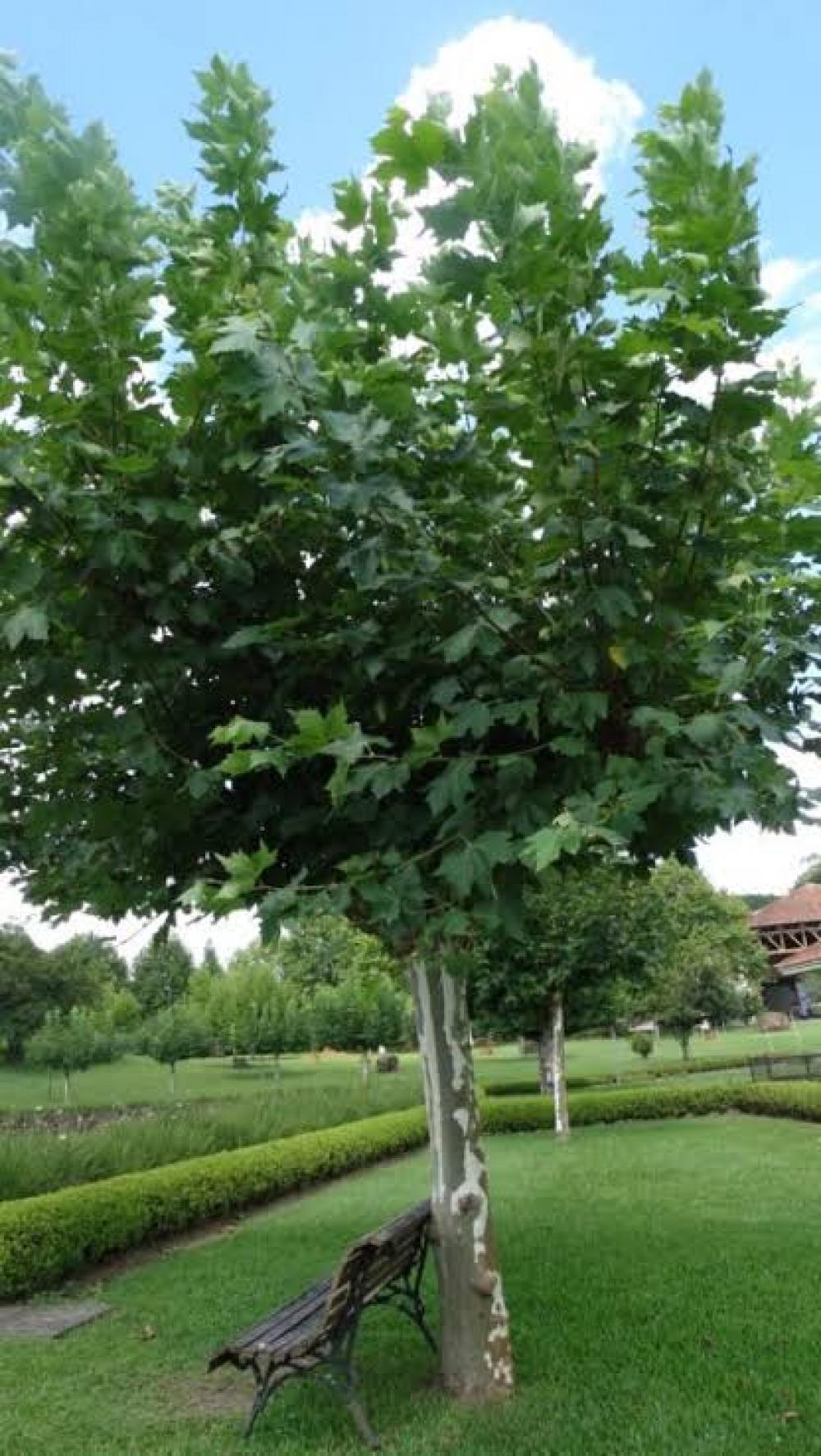
Plane tree
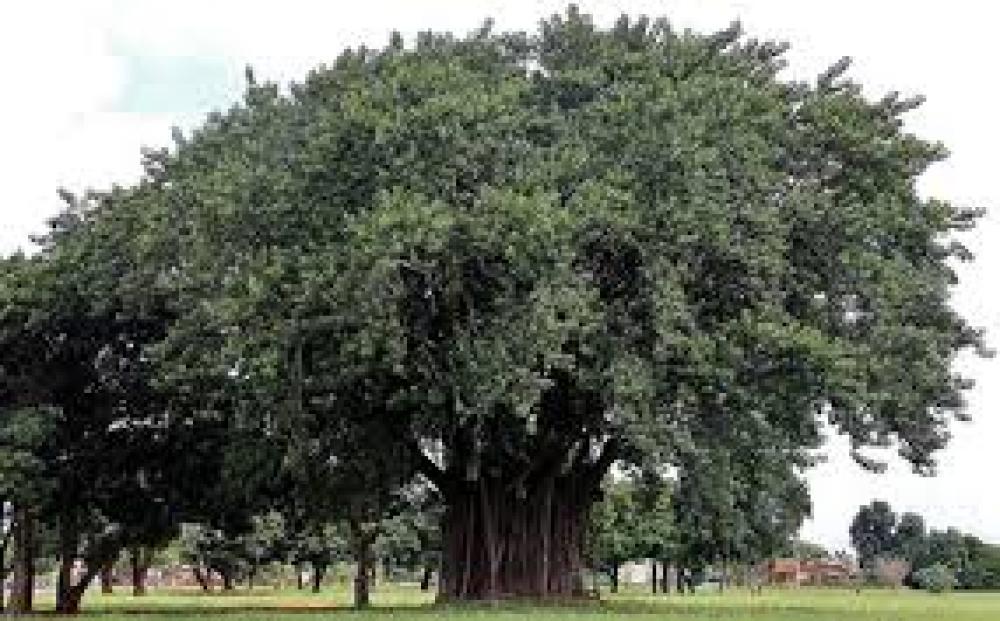
Rubber tree
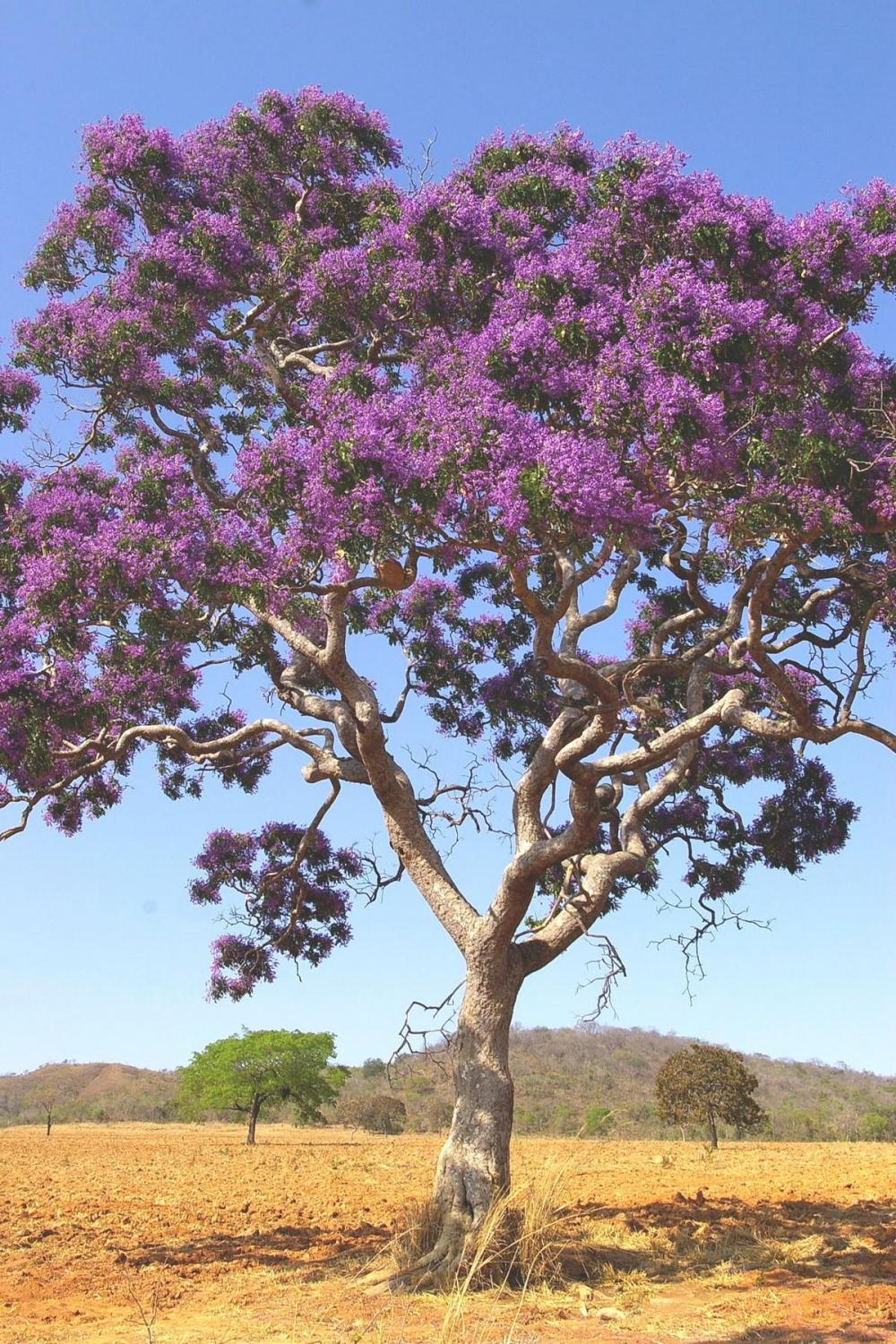
Sucupira
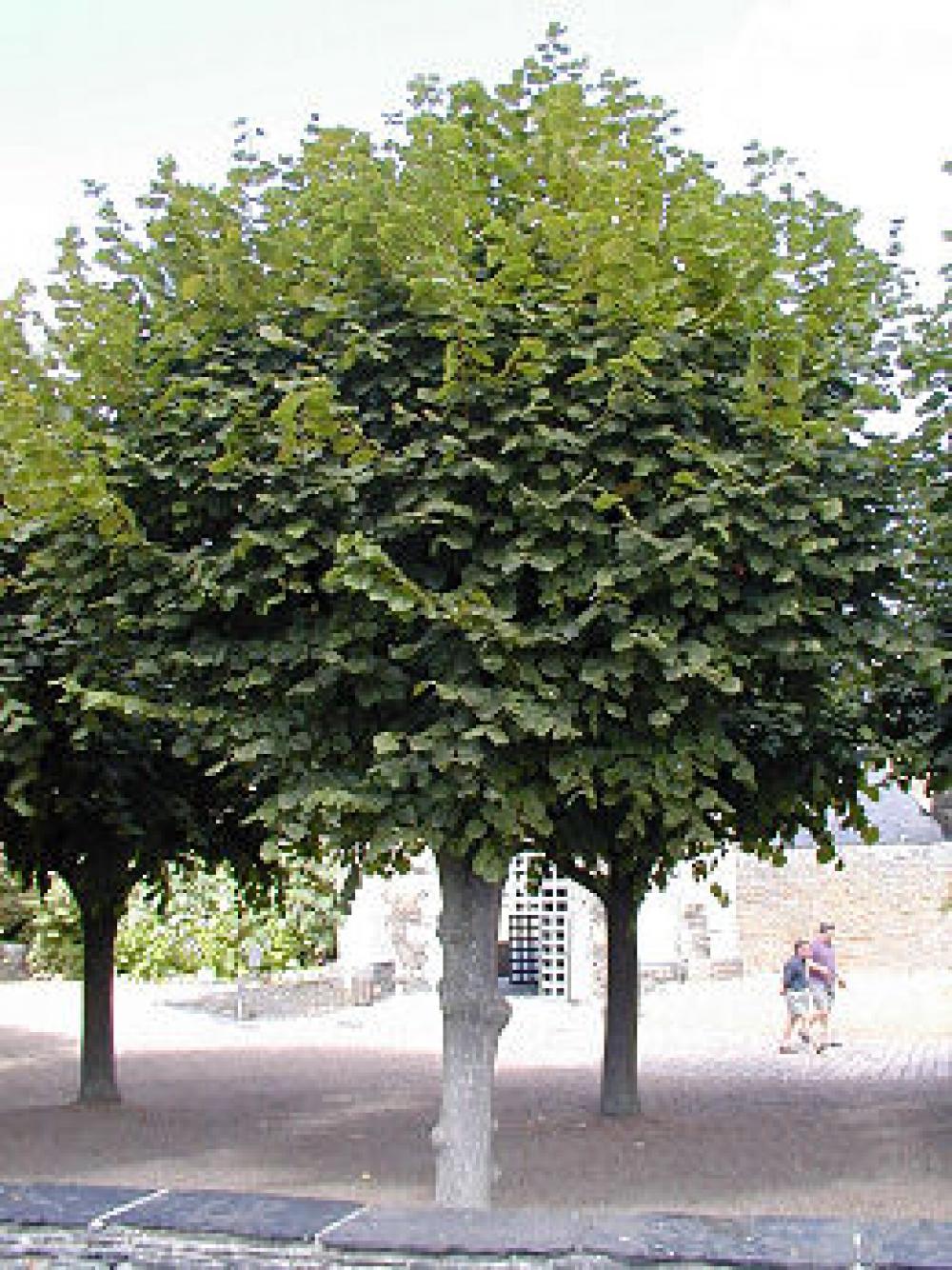
Linden