

Cumaru
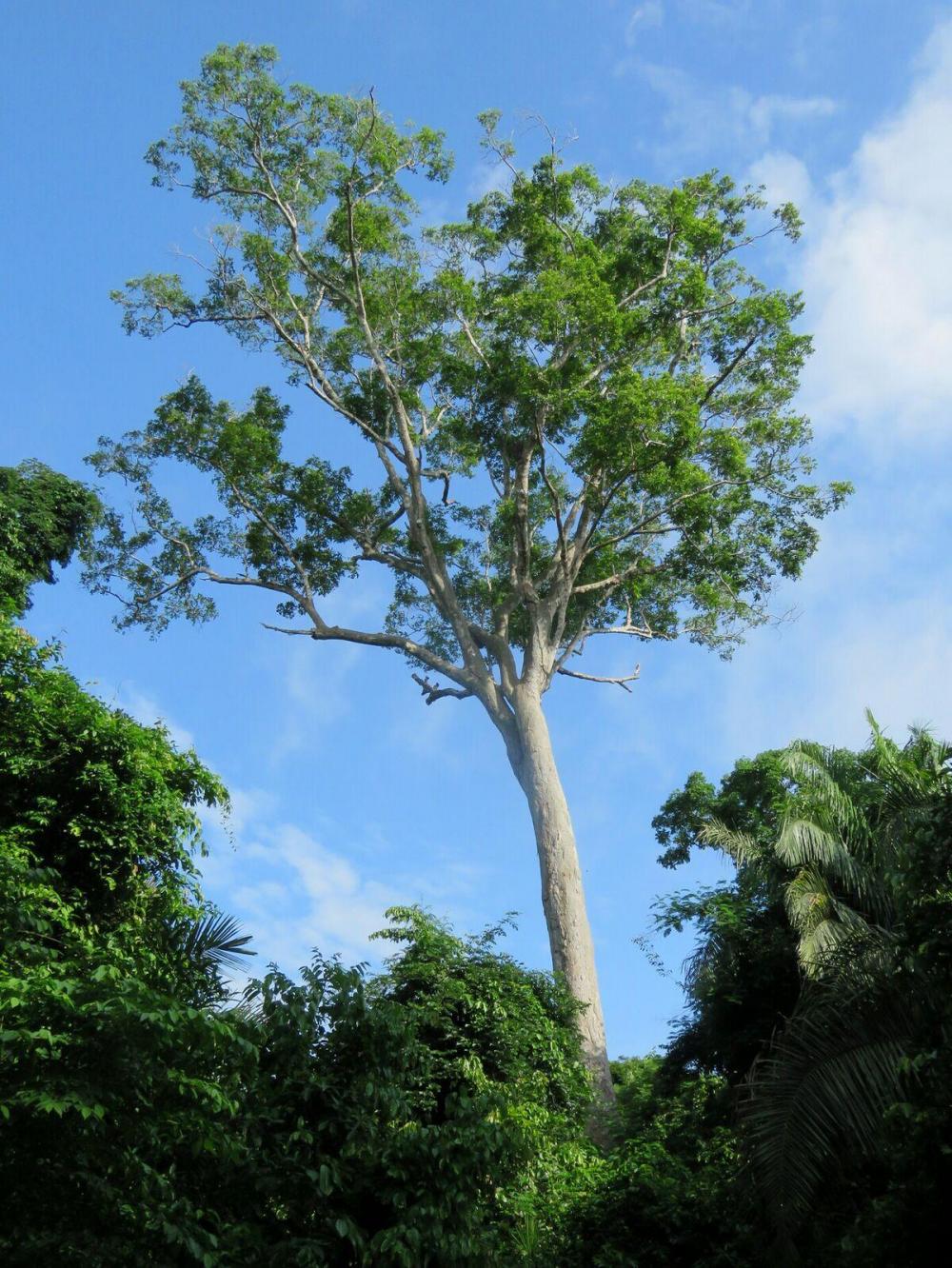
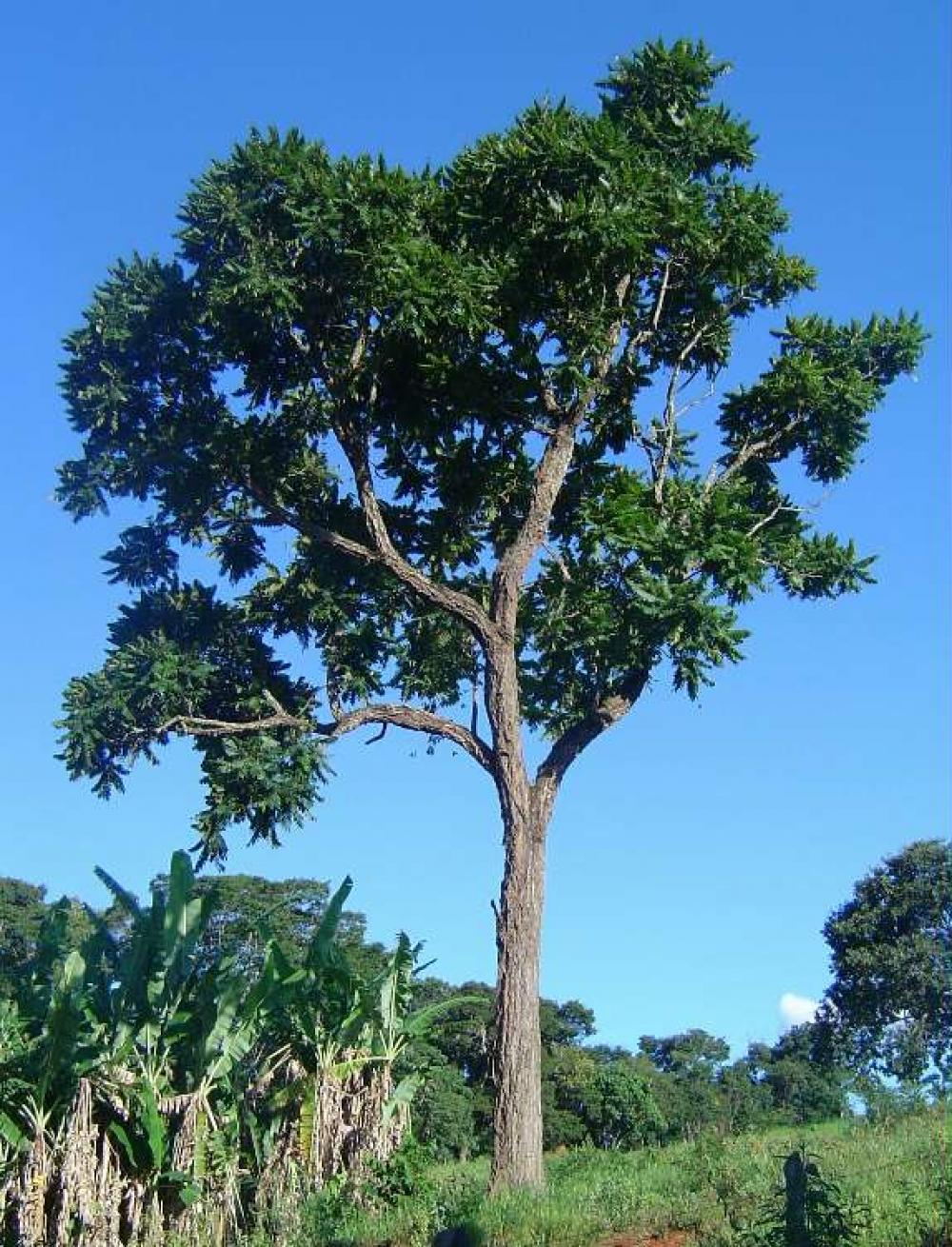
El Cumaru (*Dipteryx odorata*) is a large tree native to the Amazon region and of great ecological, economic and cultural importance. It can reach between 20 and 40 meters in height approximately, developing a robust trunk and a wide canopy, characteristics typical of trees that form part of tropical jungles. Its presence is mainly associated with the Amazon, where it forms part of the composition and dynamics of natural forests.
His leaves are composed and have an intense green color. The flowers are small and delicate, grouped in inflorescences, while their fruits produce enlarged and aromatic seeds, known as cumaru seeds or tonka habas. These seeds have a distinctive and characteristic aroma, linked mainly to the presence of coumarin, a natural substance responsible for its sweet perfume.
El Cumaru is of great importance for Amazonian biodiversity, as it contributes to the structure of the forest and offers food resources and refuge for various organisms. Like other native trees of great size, it participates in the nutrient cycle, soil protection, moisture maintenance and carbon storage, playing a fundamental role in the conservation of ecosystems.
The seeds of Cumaru have economic and cultural value; They are traditionally used in the production of aromas, perfumes, cosmetics and artisanal products, in addition to having gastronomic applications in certain regions. Its wood also has highly appreciated characteristics, as it is resistant and suitable for various uses. The responsible use of these resources can contribute to generating income linked to forest conservation.
In popular tradition, Cumaru is also known for the use of his seeds in aromatic preparations and traditional practices. The coumarin present in the seeds sparks scientific interest and is related to the aromatic properties of the species. However, its medicinal use must be approached with caution and adequate knowledge, as natural substances can also contain effects and limitations according to the dose and form of use.
From an environmental perspective, Cumaru constitutes a relevant example of the relationship between biodiversity, traditional knowledge and sustainable development. The valorization of Amazonian species like this contributes to strengthening conservation initiatives, stimulating the responsible use of natural resources and recognizing the knowledge built by communities across generations.
His leaves are composed and have an intense green color. The flowers are small and delicate, grouped in inflorescences, while their fruits produce enlarged and aromatic seeds, known as cumaru seeds or tonka habas. These seeds have a distinctive and characteristic aroma, linked mainly to the presence of coumarin, a natural substance responsible for its sweet perfume.
El Cumaru is of great importance for Amazonian biodiversity, as it contributes to the structure of the forest and offers food resources and refuge for various organisms. Like other native trees of great size, it participates in the nutrient cycle, soil protection, moisture maintenance and carbon storage, playing a fundamental role in the conservation of ecosystems.
The seeds of Cumaru have economic and cultural value; They are traditionally used in the production of aromas, perfumes, cosmetics and artisanal products, in addition to having gastronomic applications in certain regions. Its wood also has highly appreciated characteristics, as it is resistant and suitable for various uses. The responsible use of these resources can contribute to generating income linked to forest conservation.
In popular tradition, Cumaru is also known for the use of his seeds in aromatic preparations and traditional practices. The coumarin present in the seeds sparks scientific interest and is related to the aromatic properties of the species. However, its medicinal use must be approached with caution and adequate knowledge, as natural substances can also contain effects and limitations according to the dose and form of use.
From an environmental perspective, Cumaru constitutes a relevant example of the relationship between biodiversity, traditional knowledge and sustainable development. The valorization of Amazonian species like this contributes to strengthening conservation initiatives, stimulating the responsible use of natural resources and recognizing the knowledge built by communities across generations.
Tree Catalog
Imperial acacia
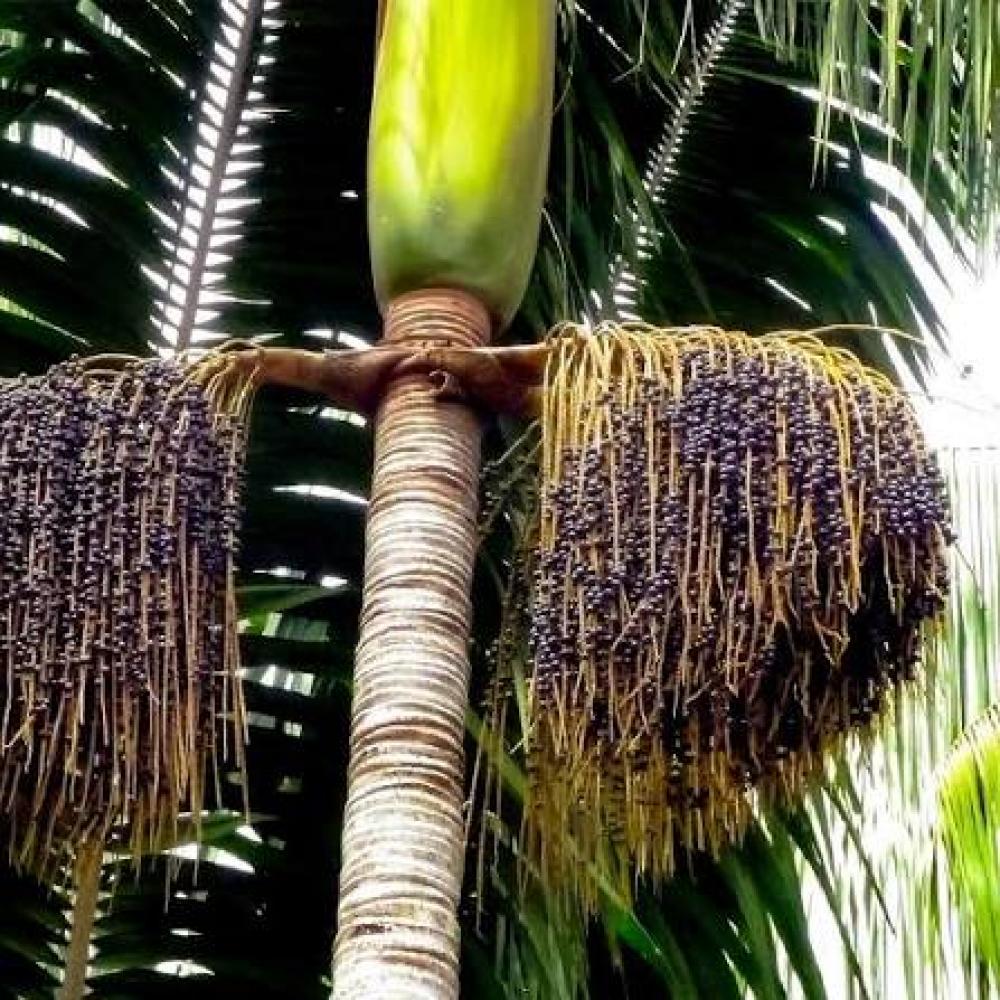
Açaí palm
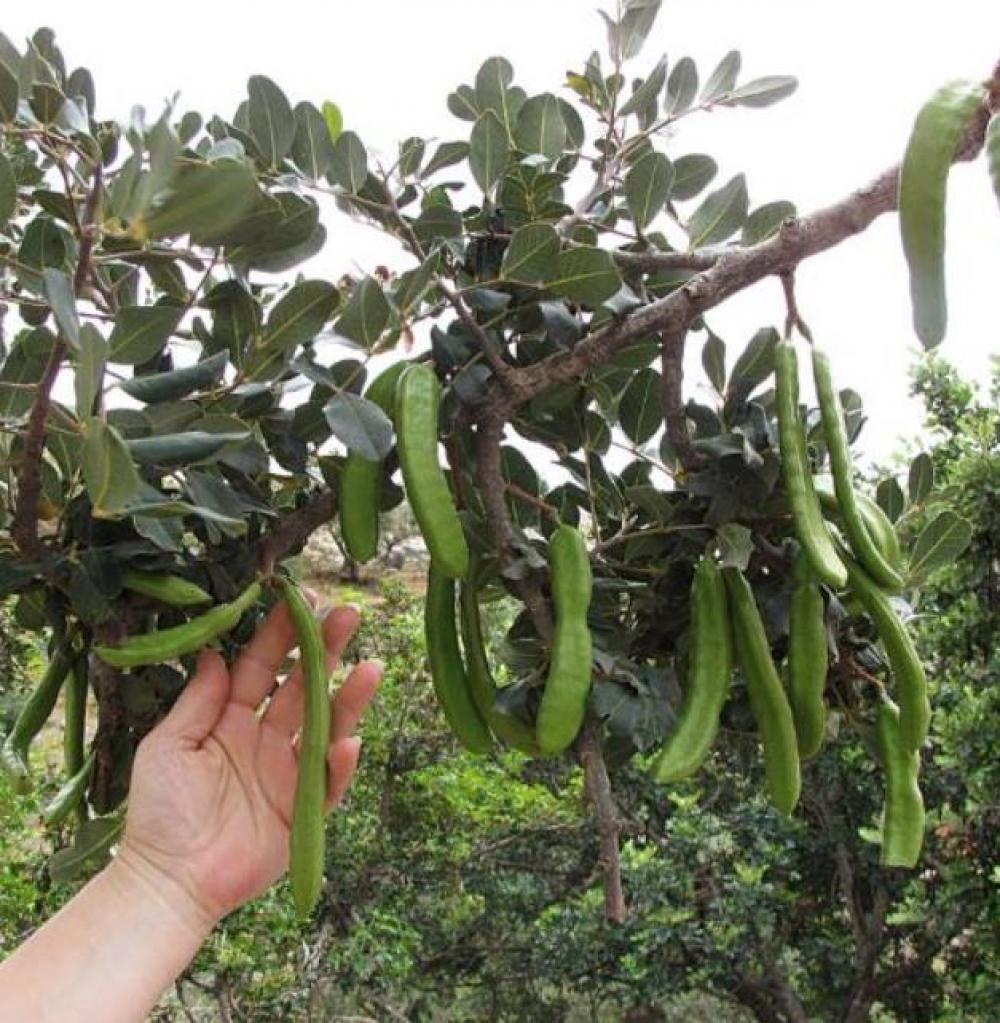
Alfarrobeira
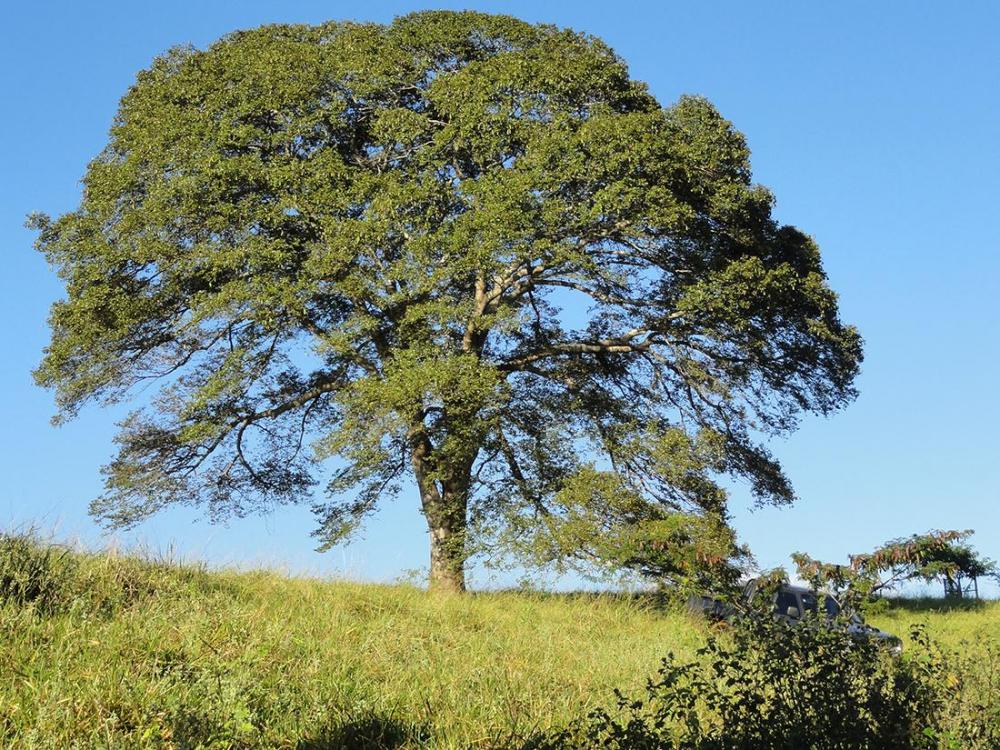
Andiroba
Red Angelim
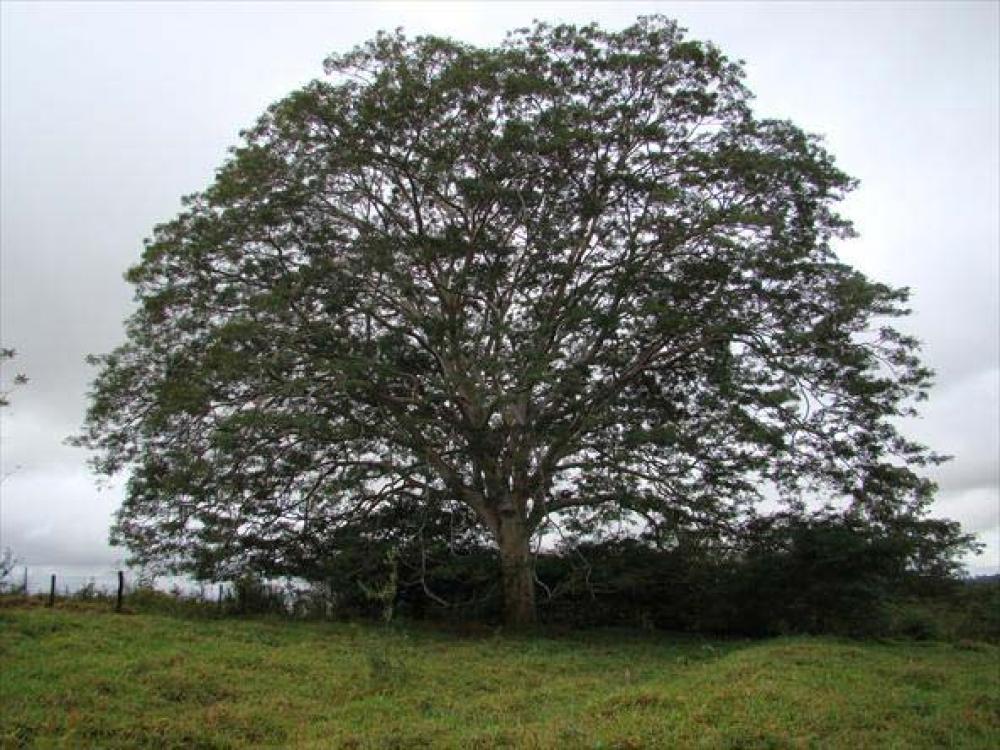
White Angico
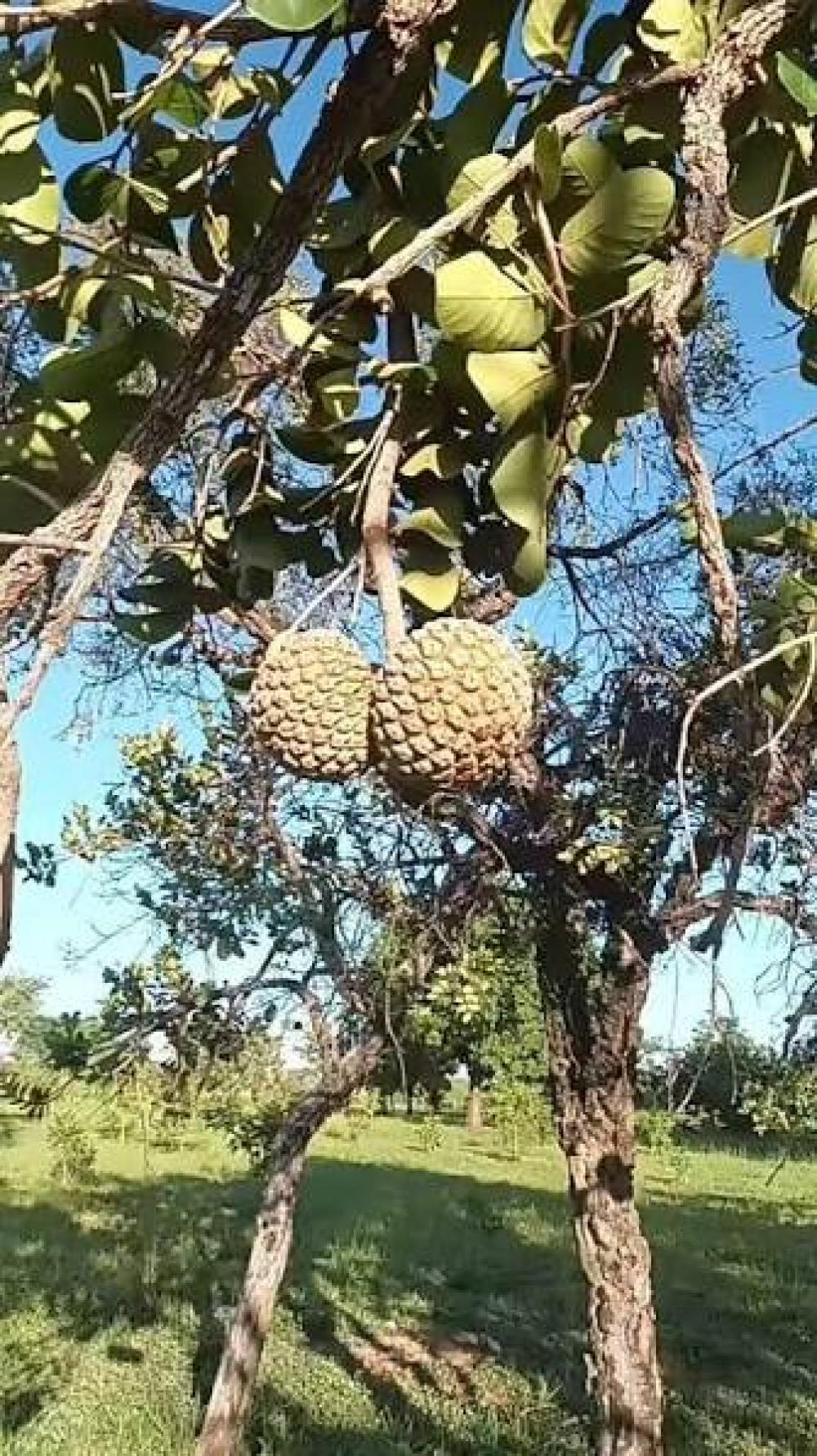
Araticum
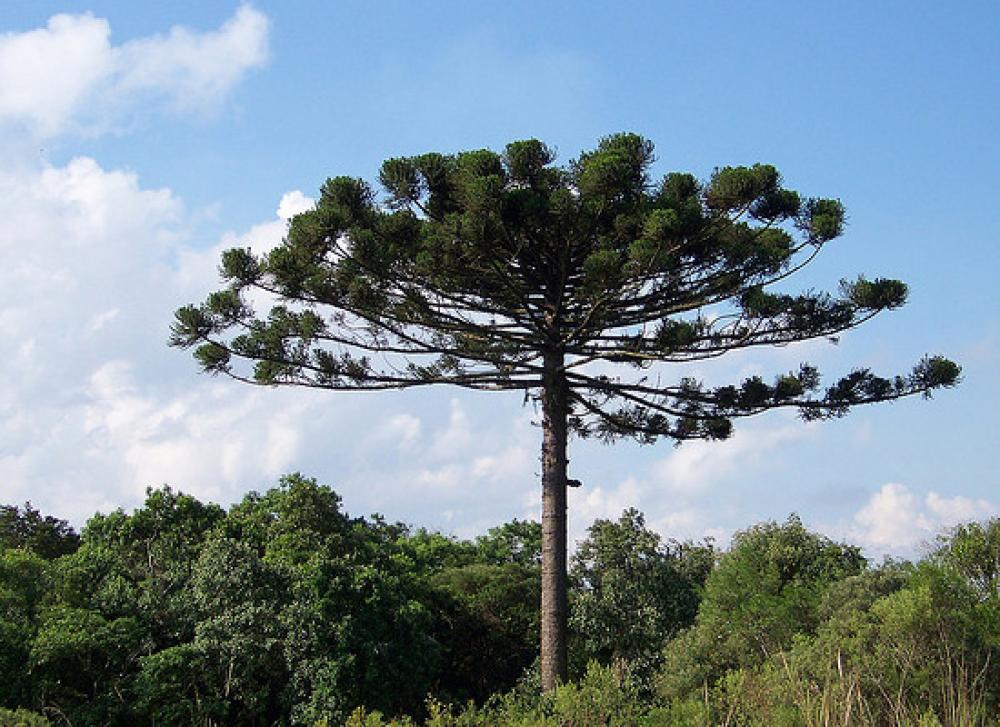
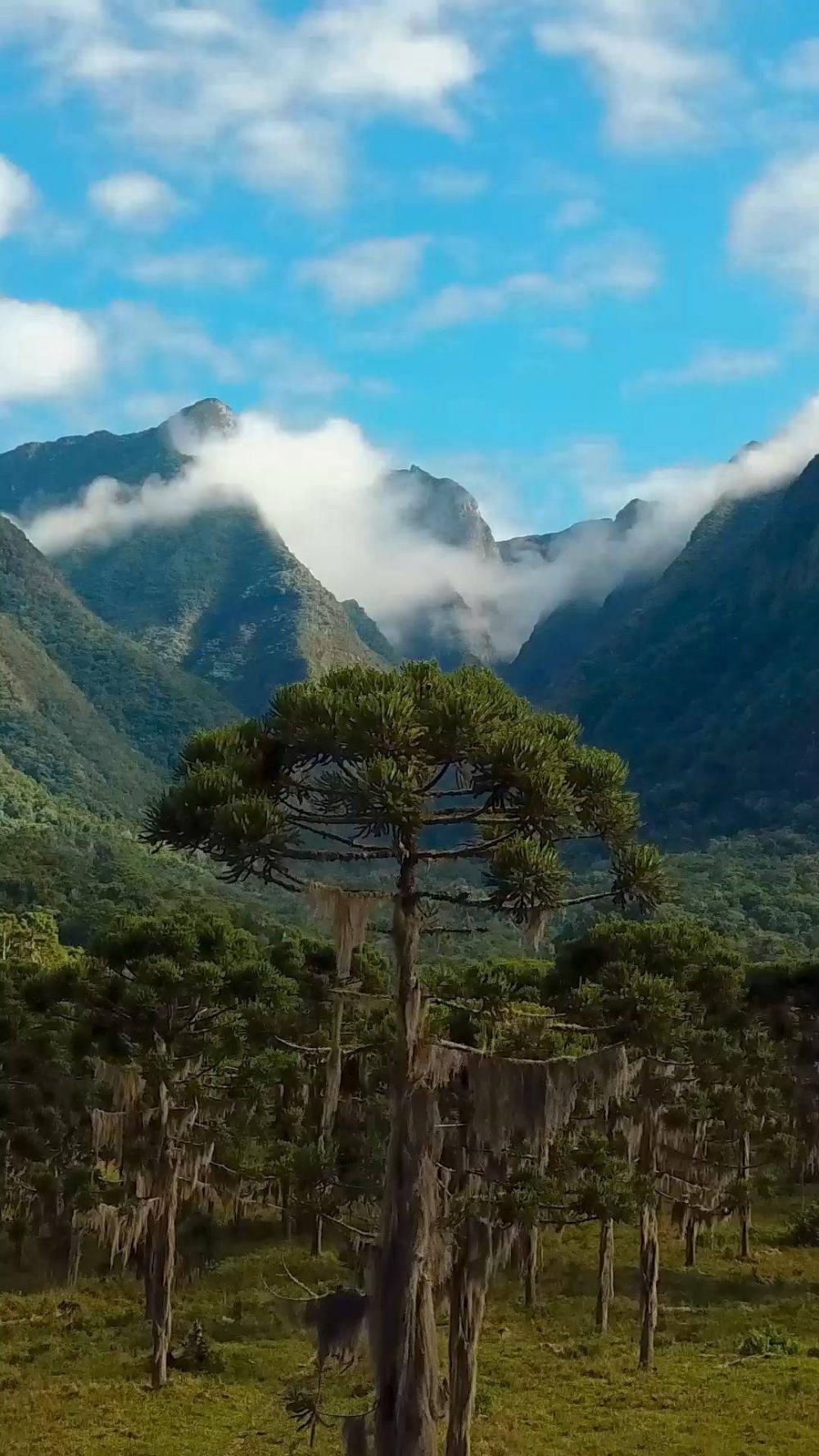
Araucaria, the Paraná pine
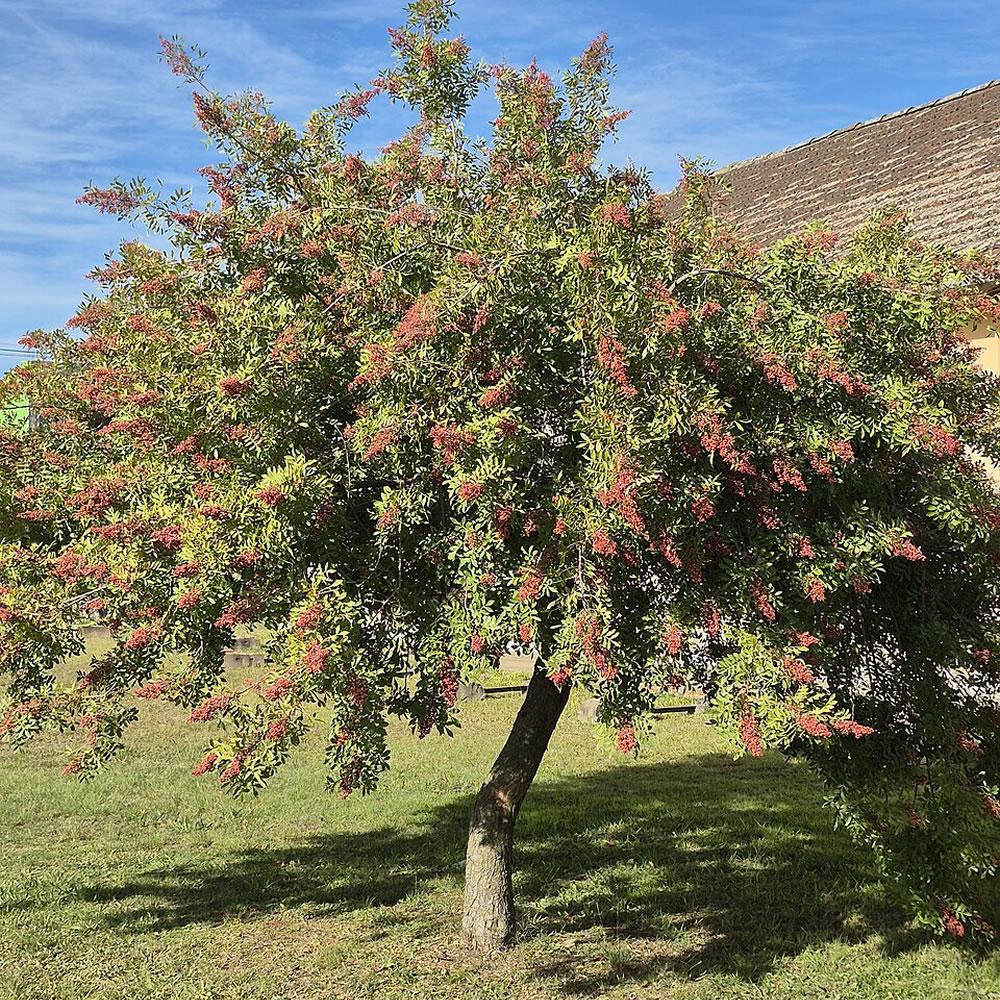
Brazilian peppertree
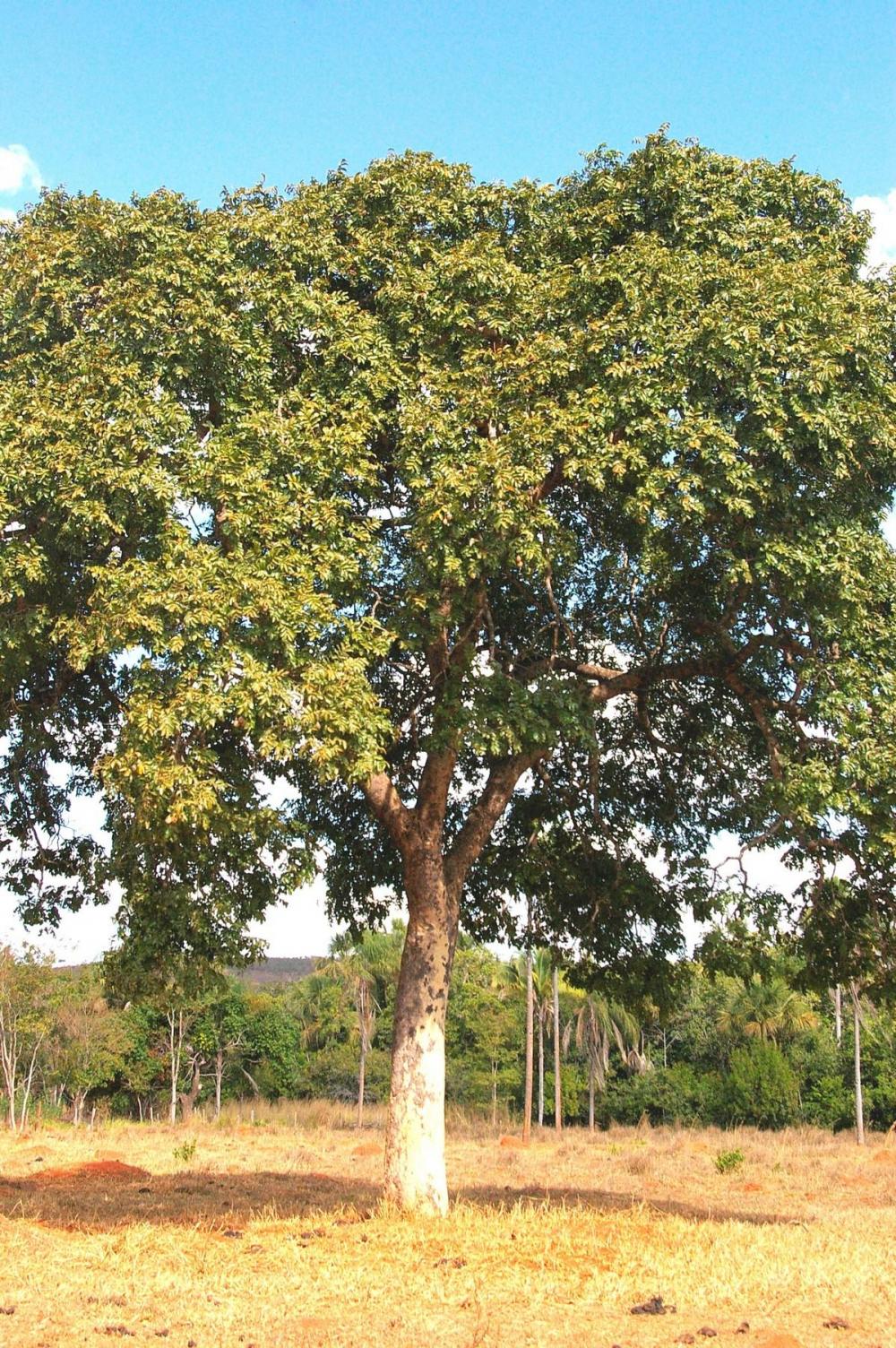
Baru
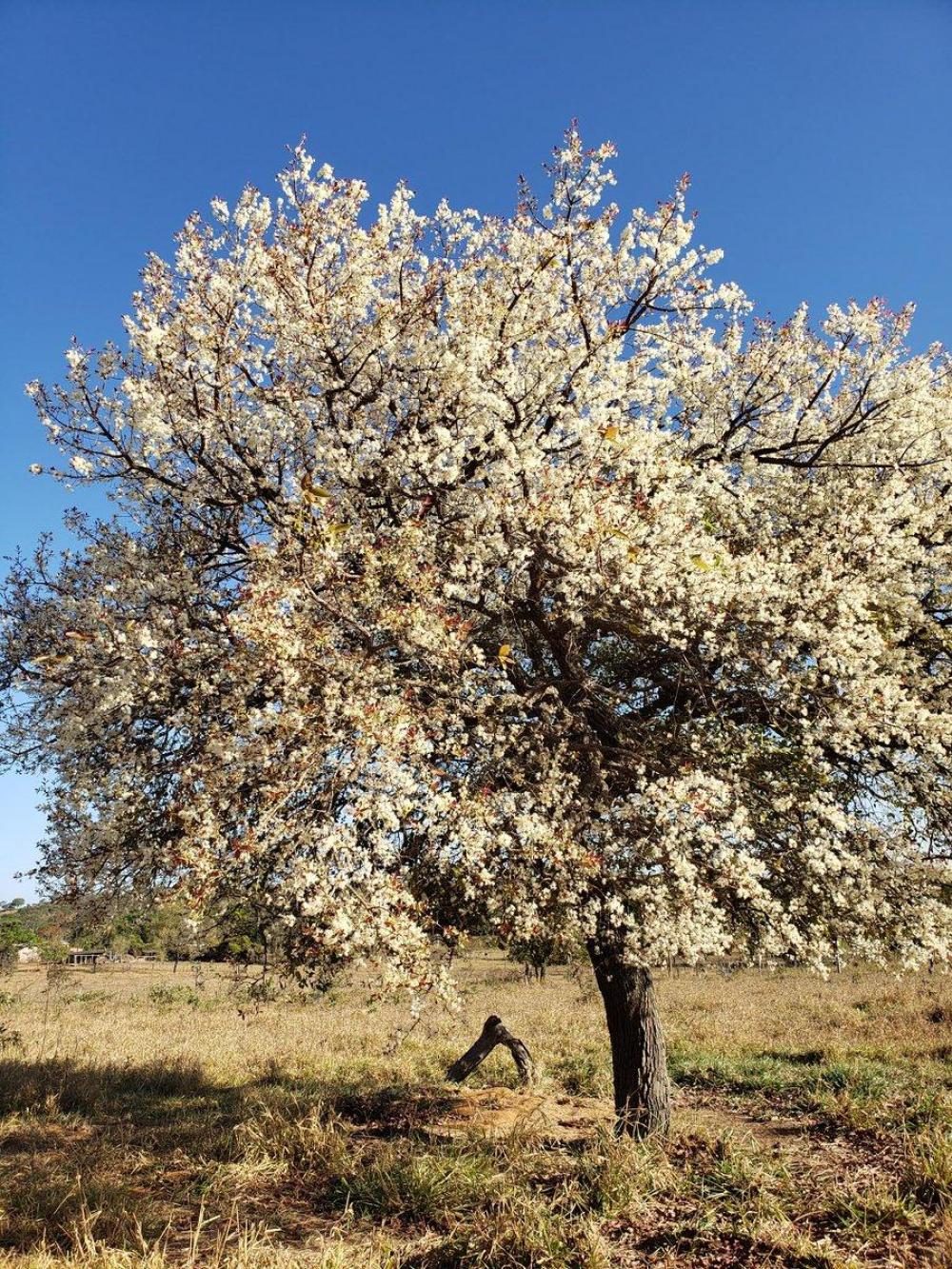
Cagaita
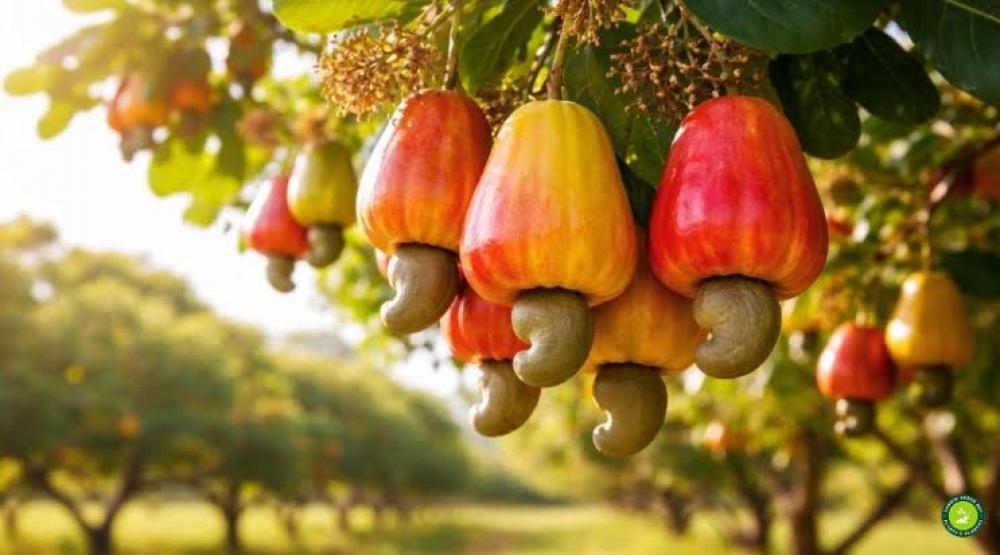
cashew tree
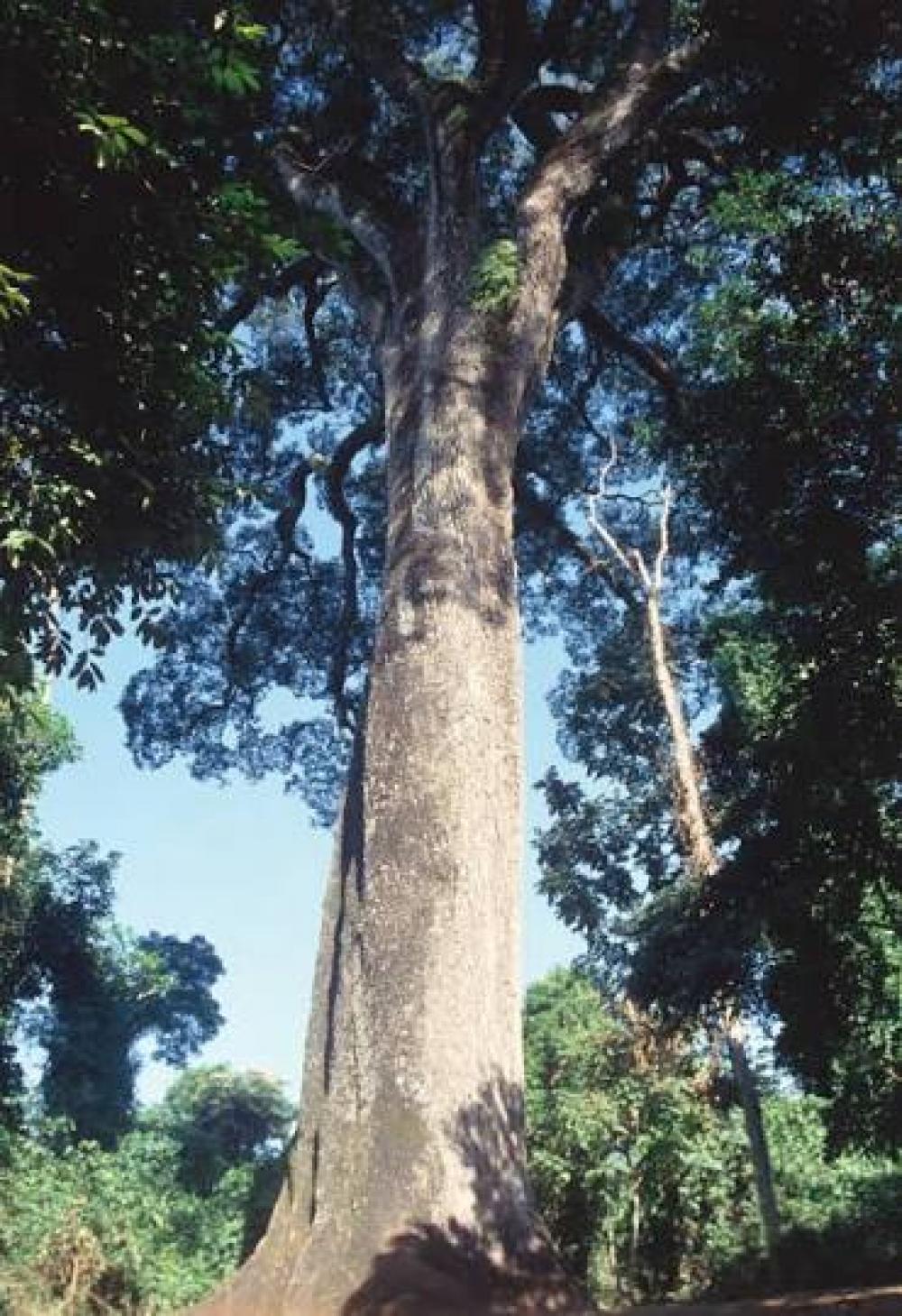
Black Cinnamon
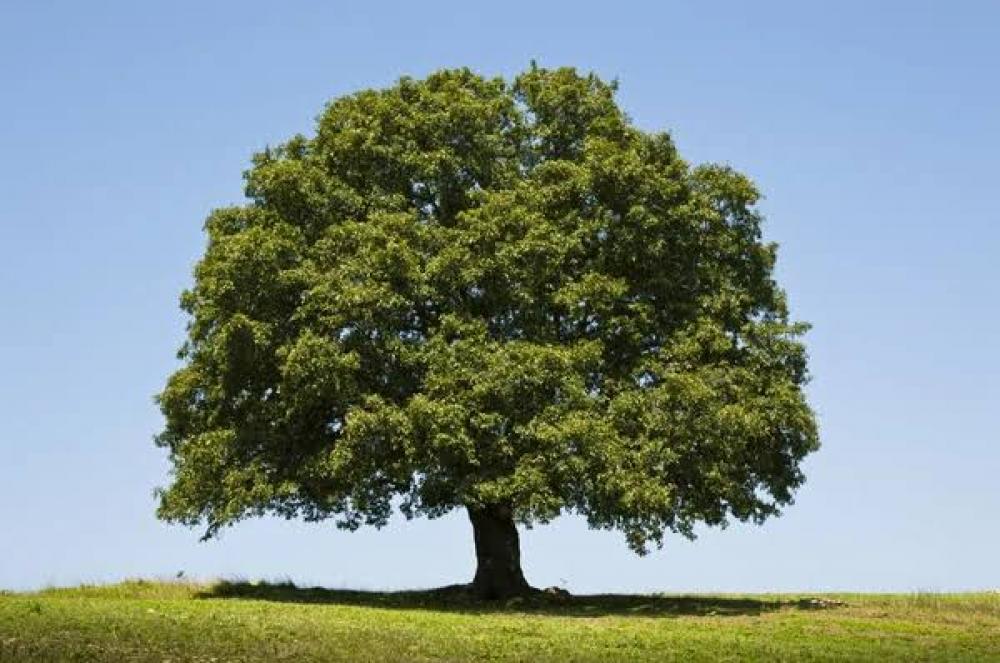
Oak tree
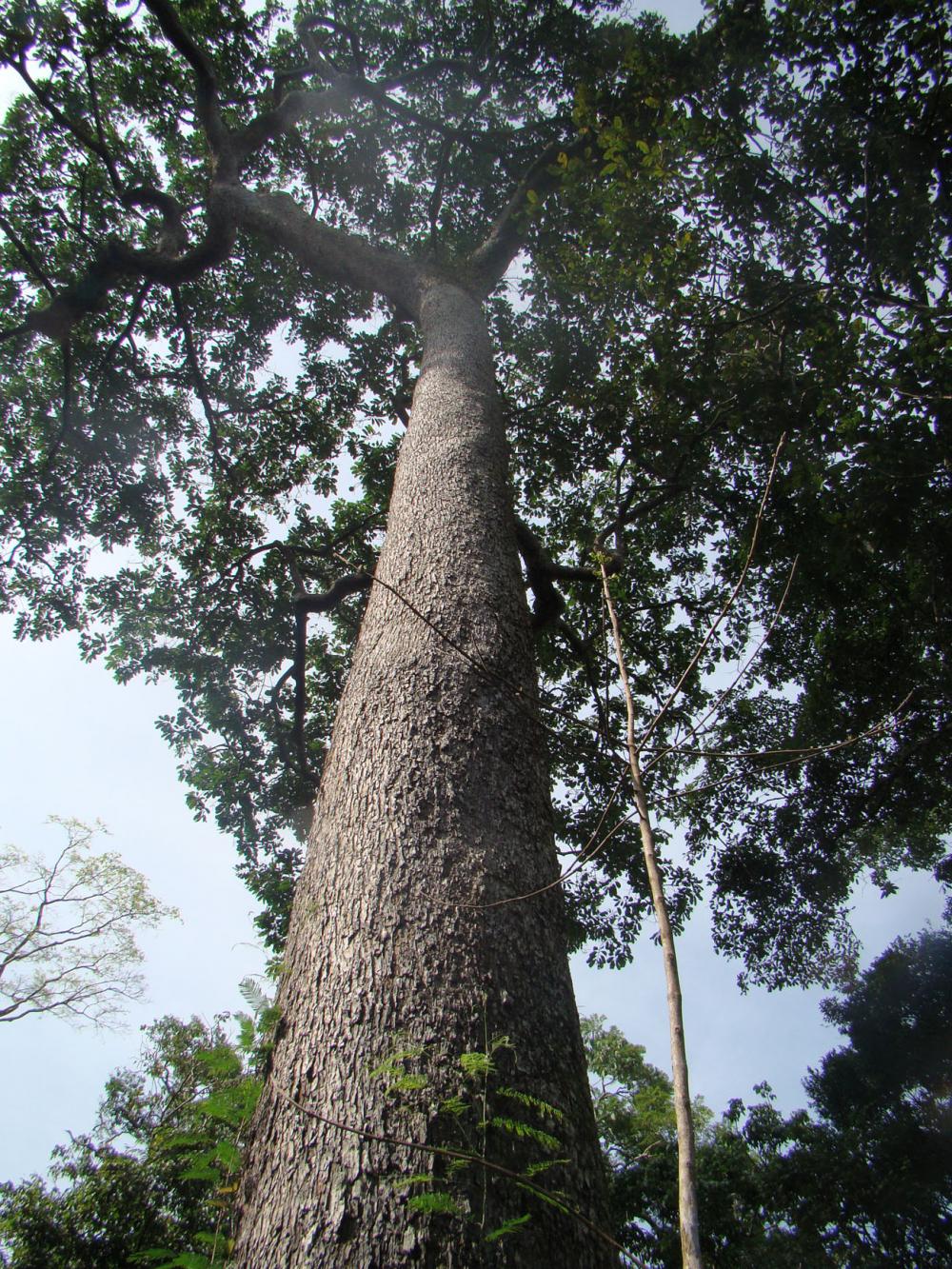
nuez de Brasil
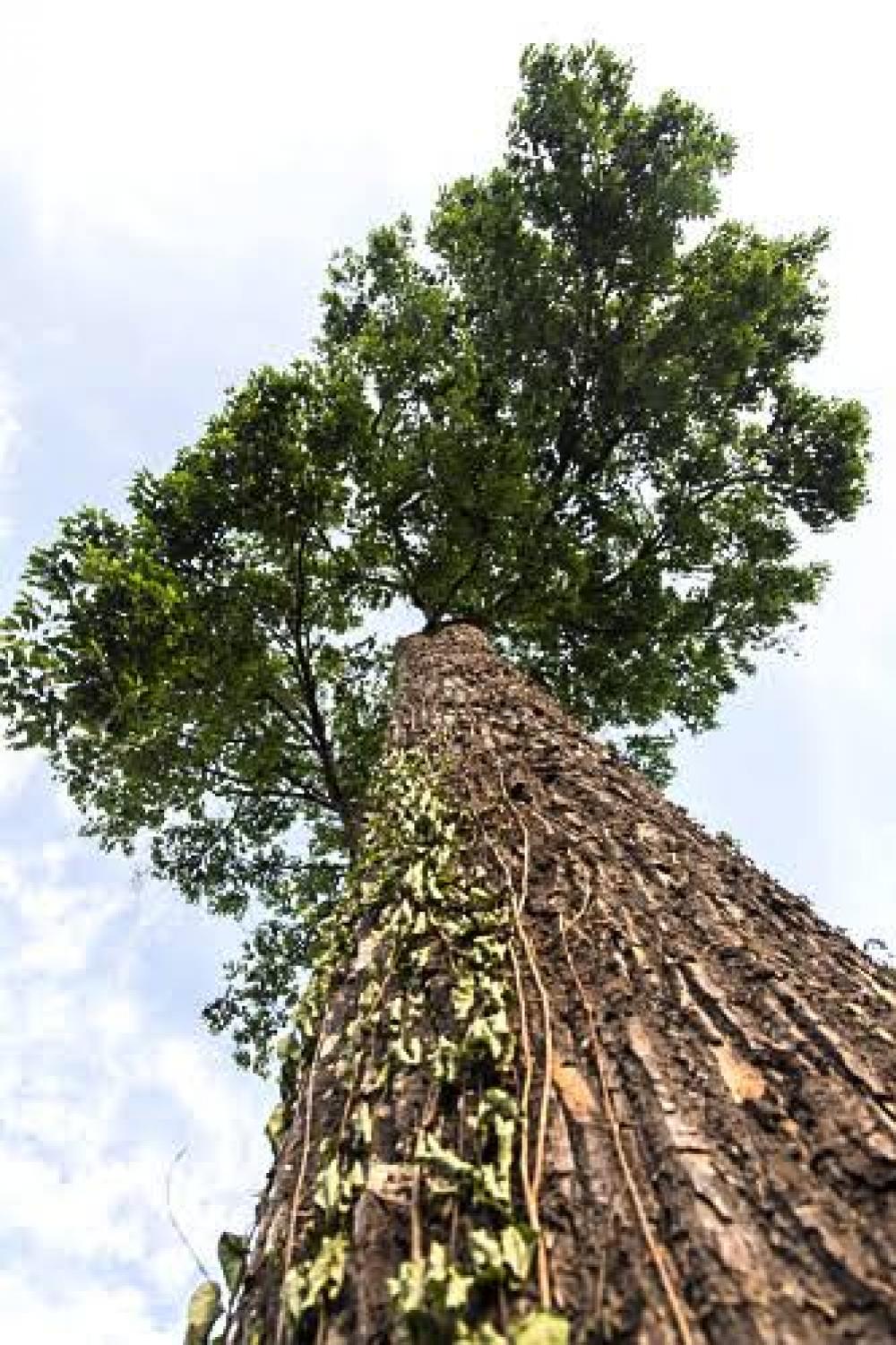
Brazil nut tree
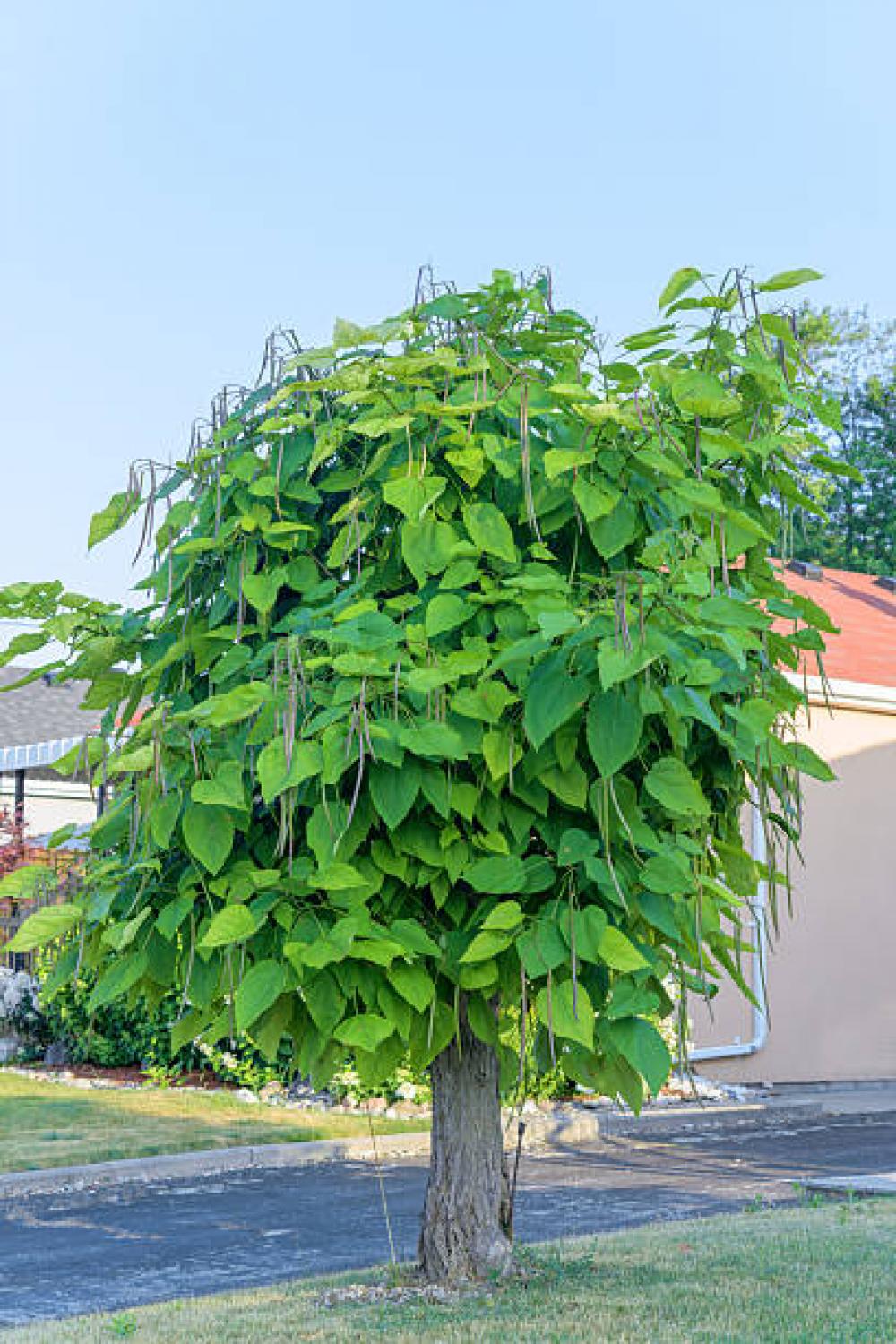
Catalpa
Pink cedar
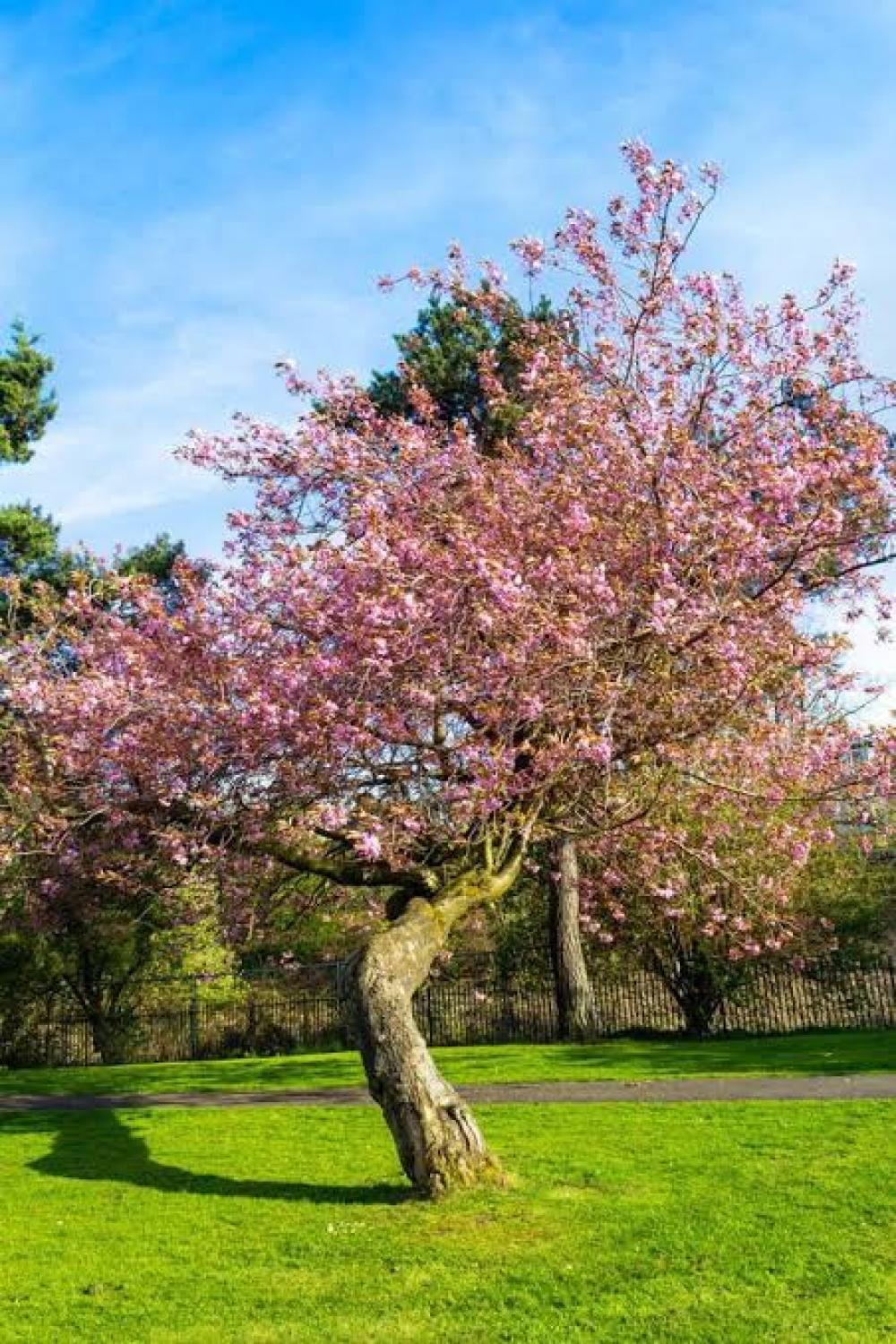
ornamental cherry tree
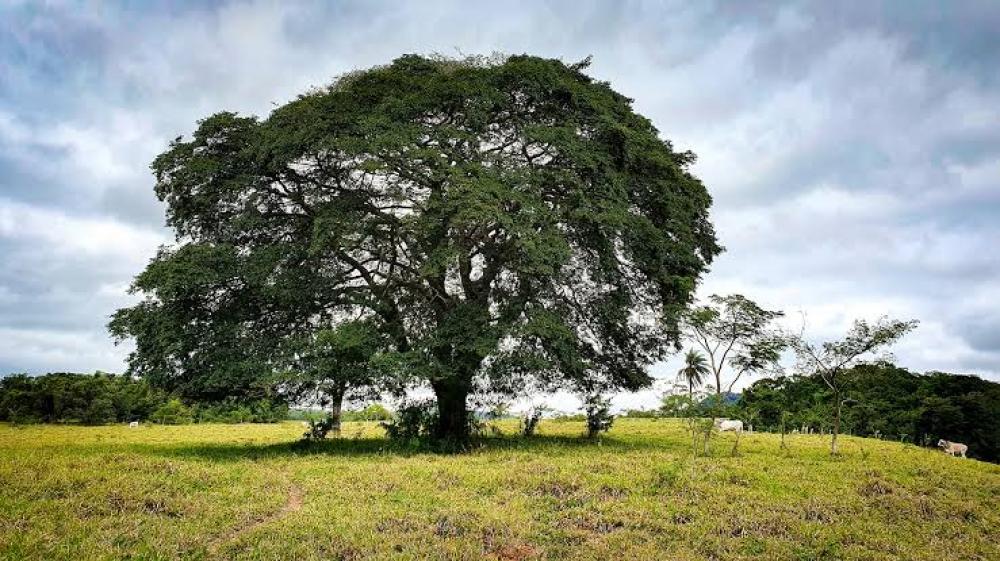
copaiba
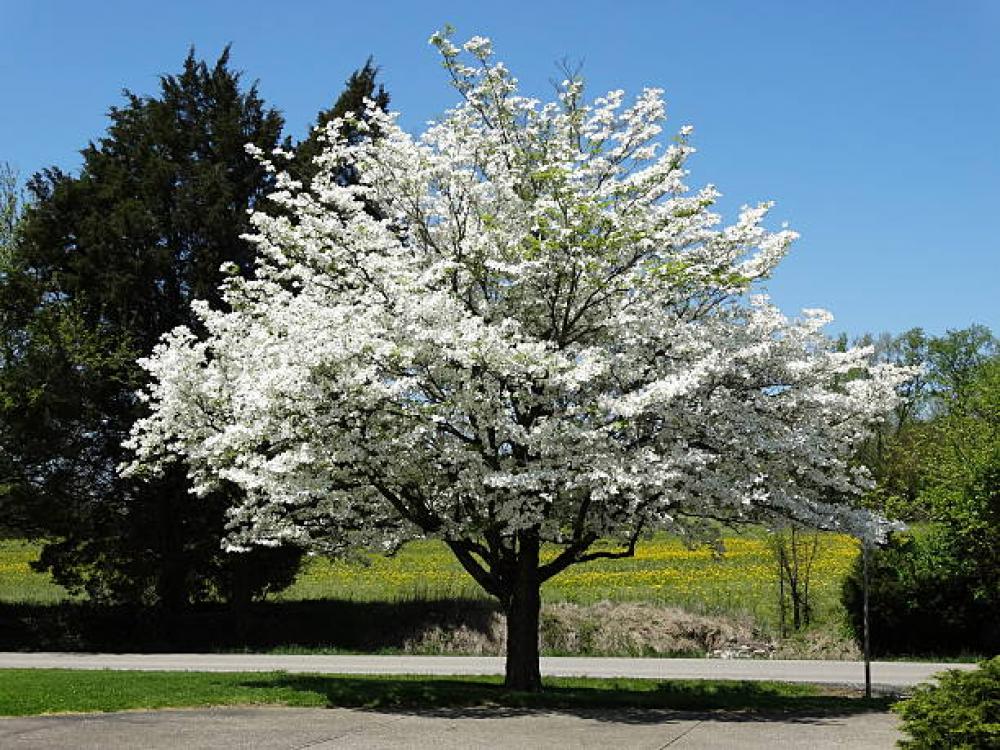
Trees of the genus Cornus
Cumaru
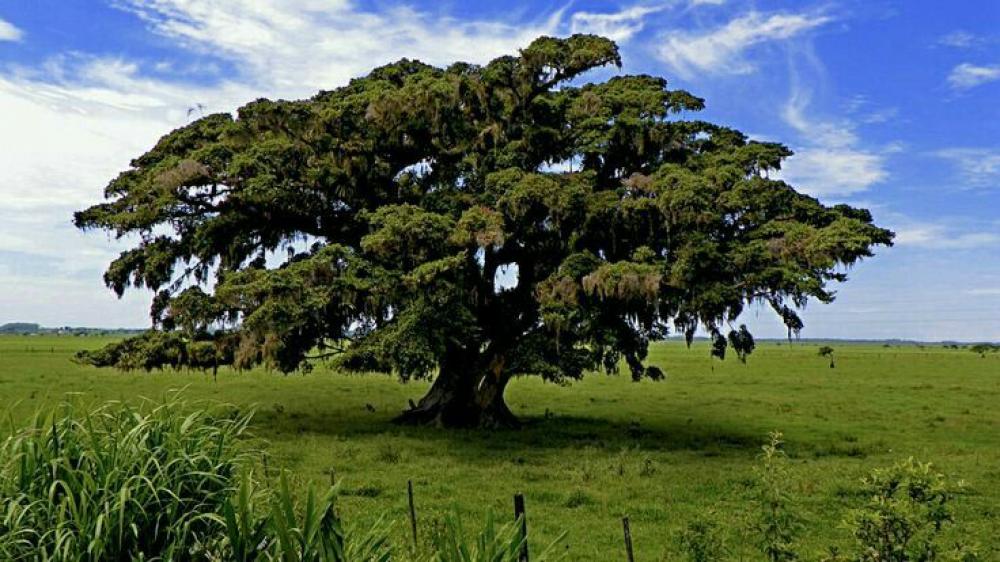
fig tree
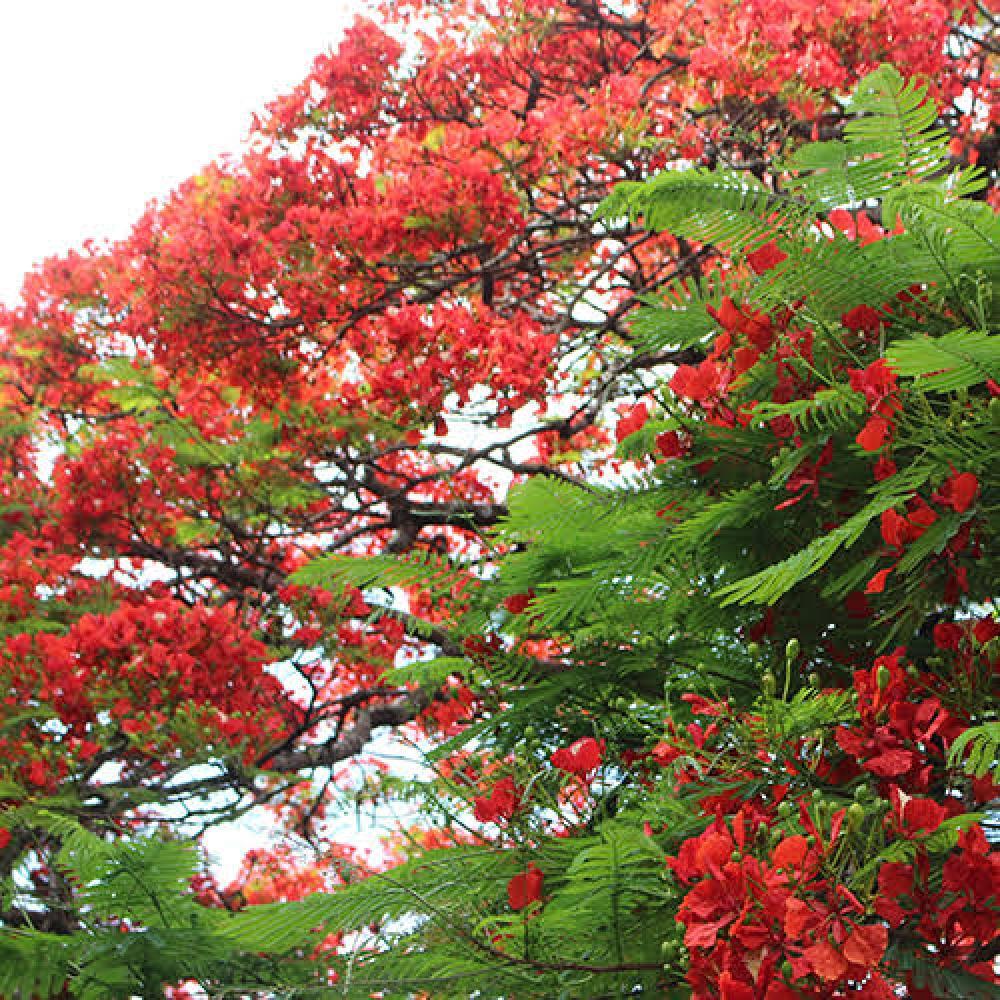
Flamboyant
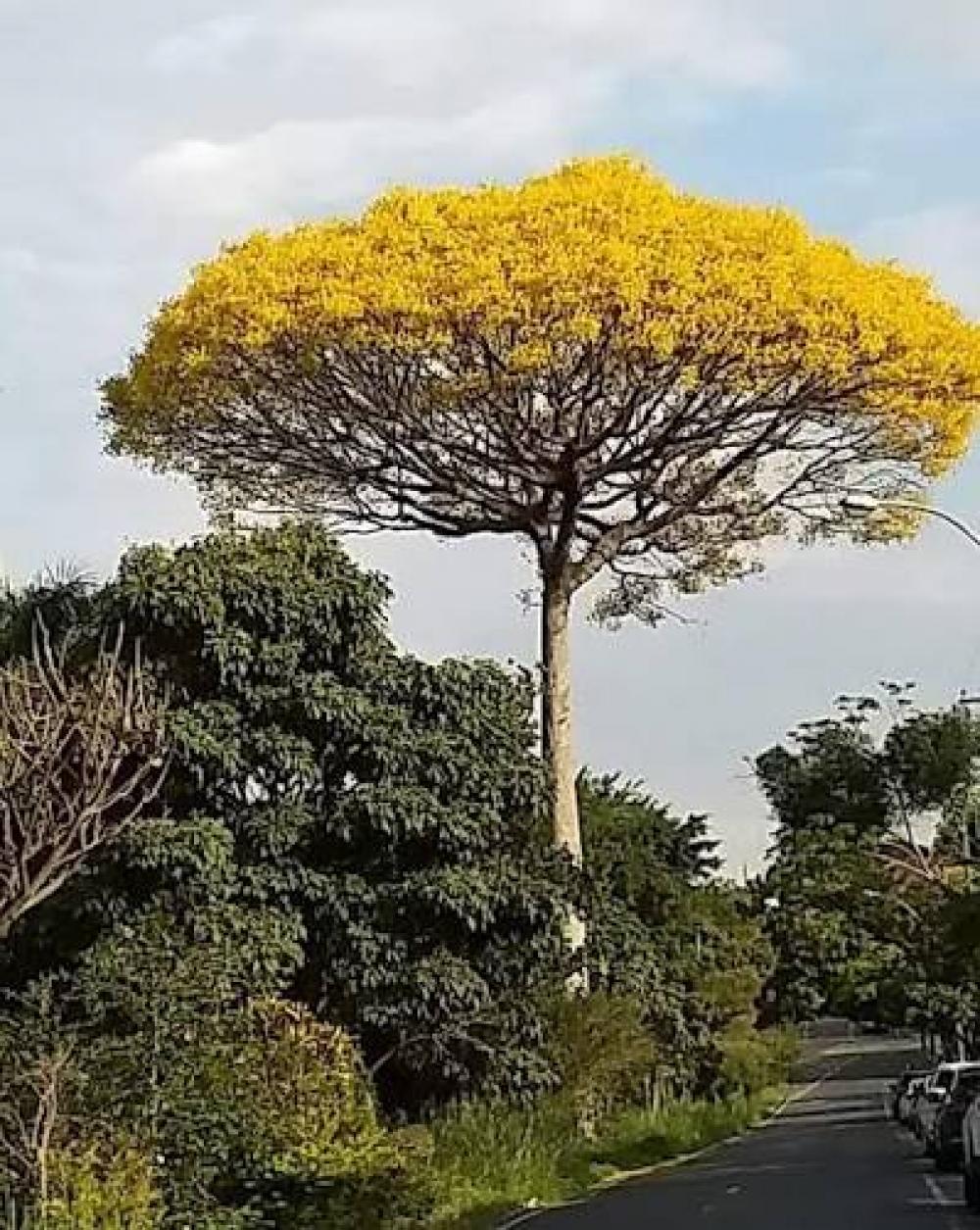
Guapuruvu
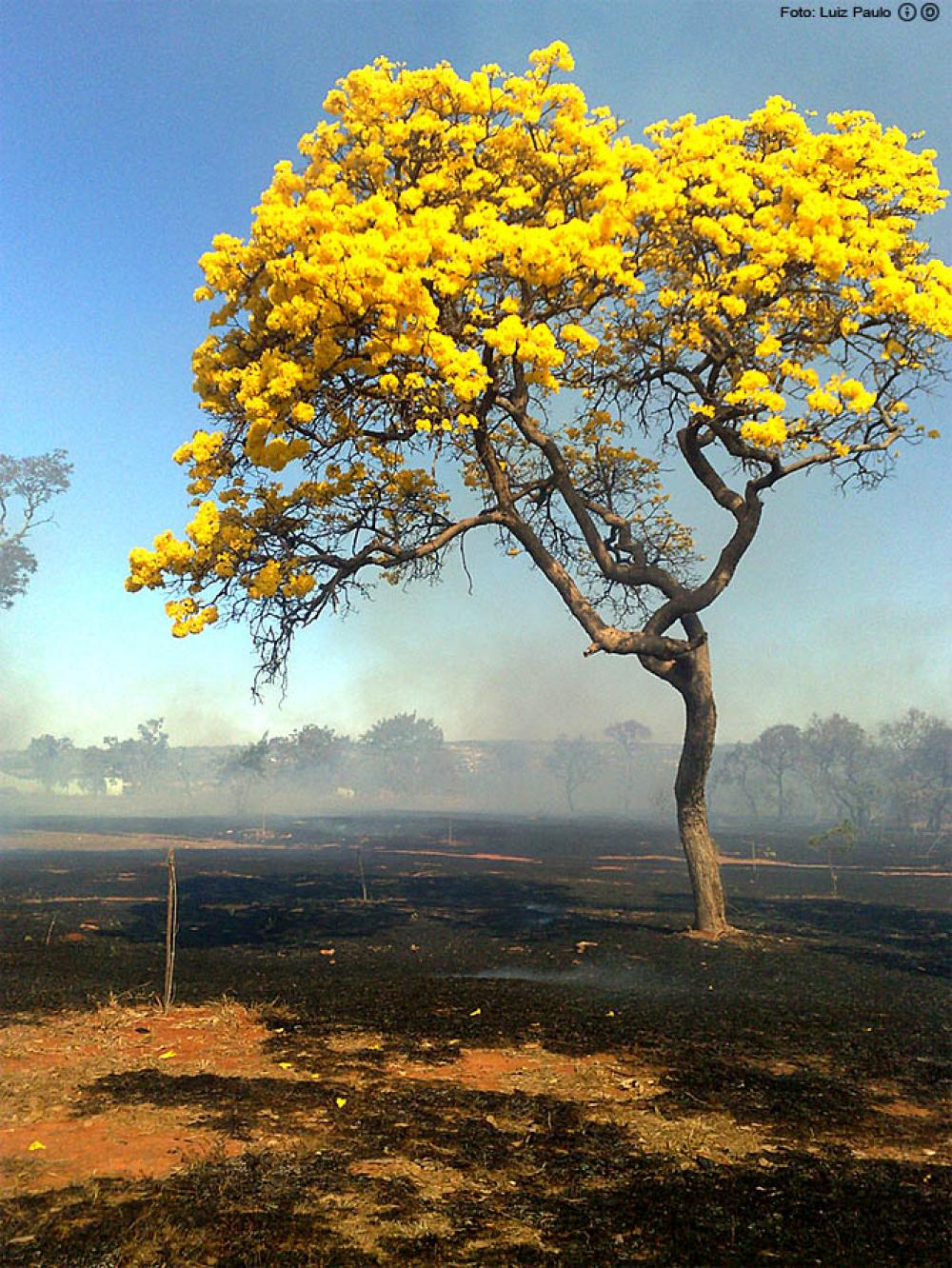
Yellow Ipê
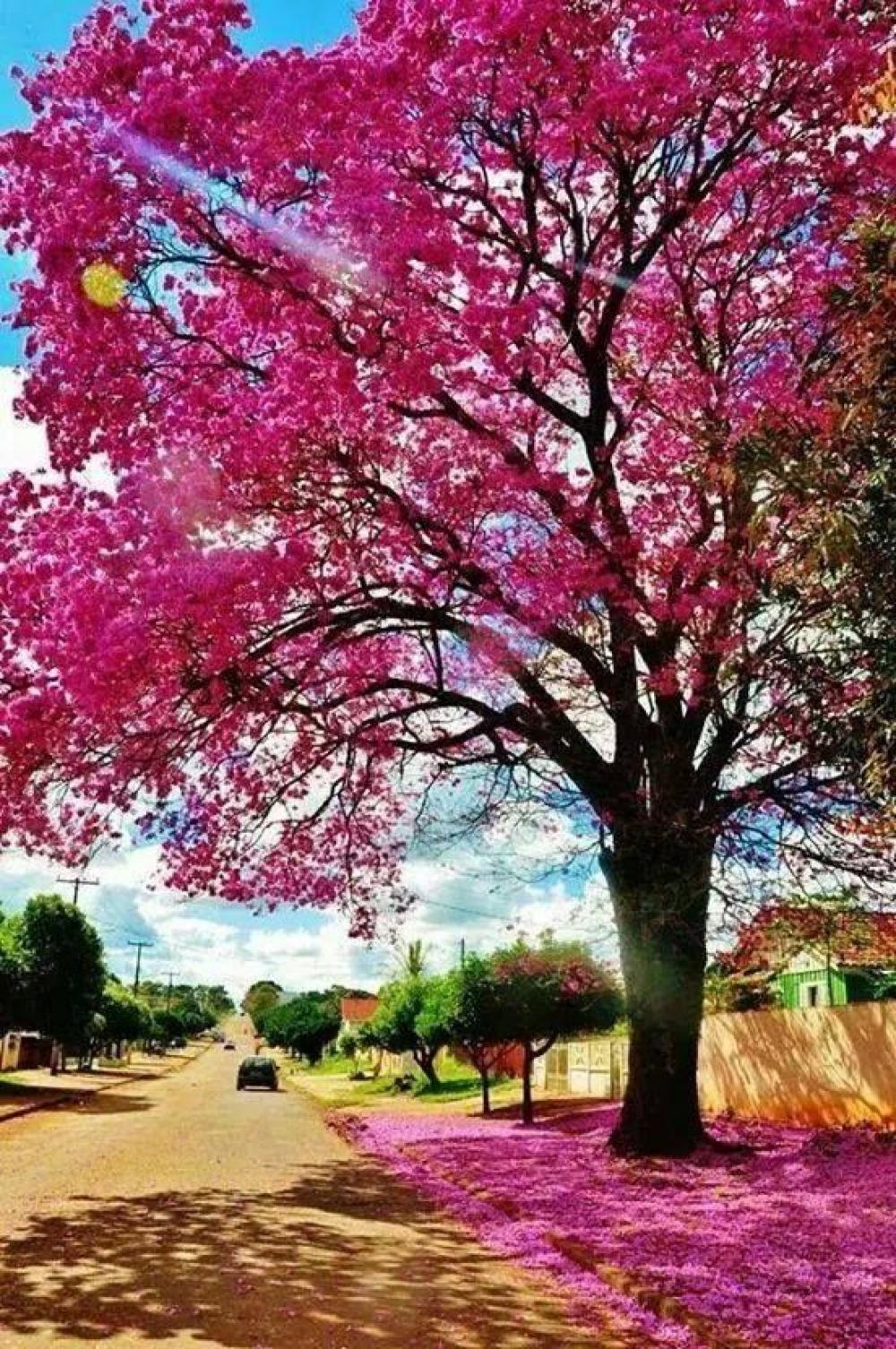
Purple Ipe
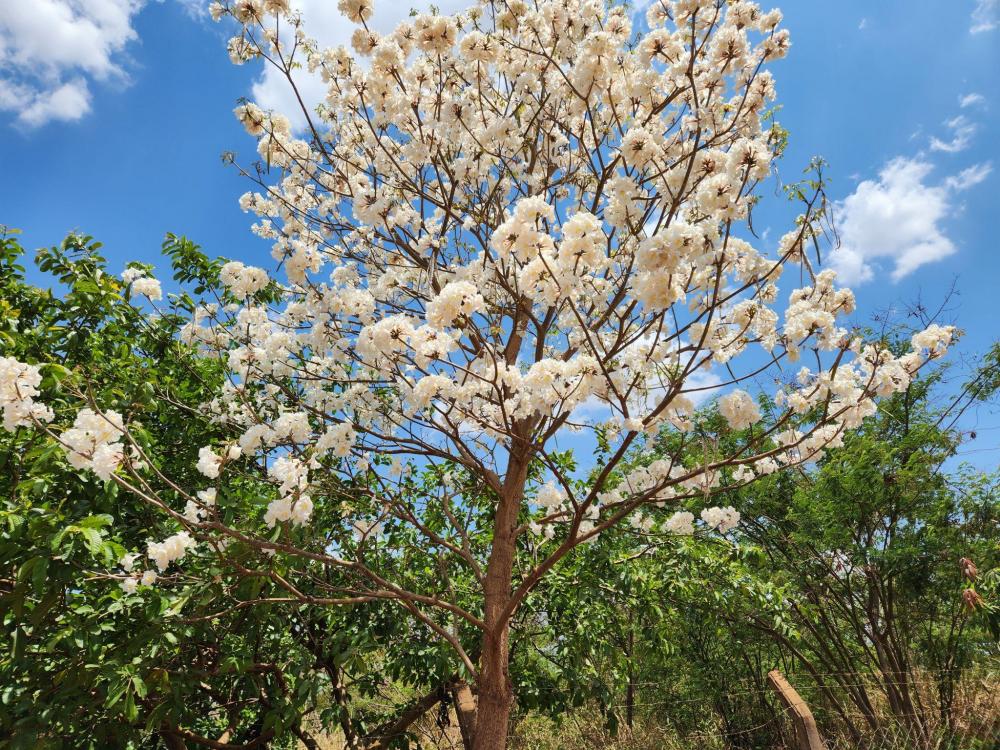
White Ipê
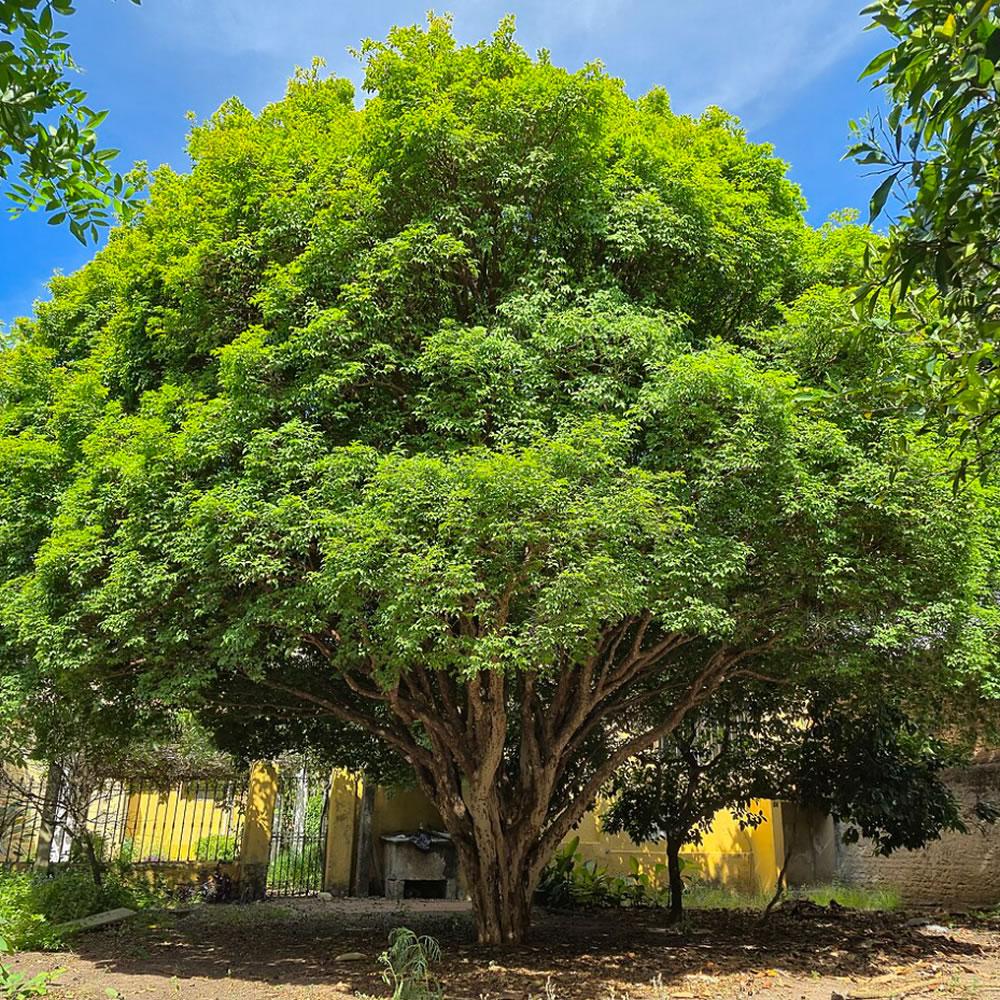
Jabuticaba
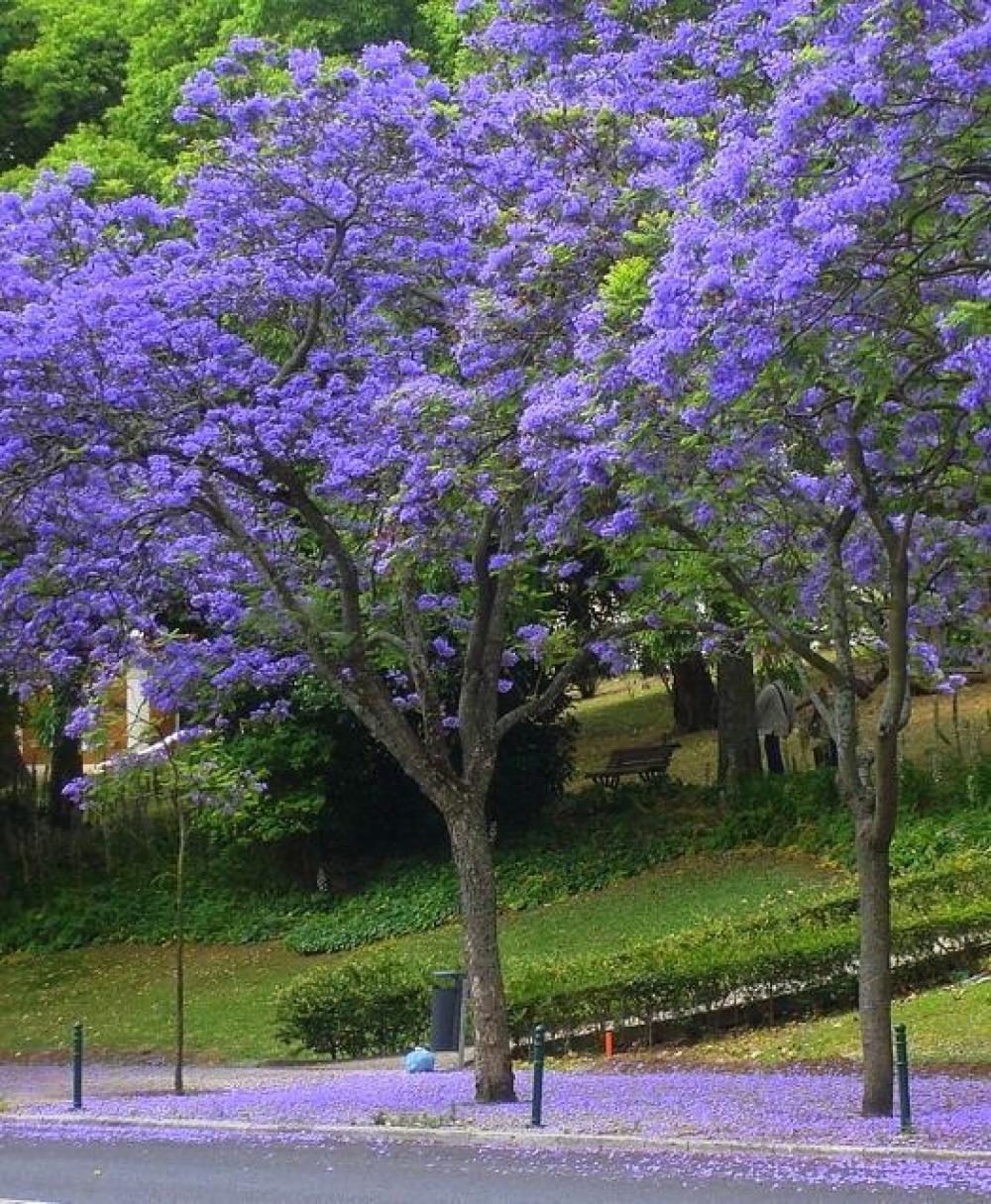
Blue jacaranda
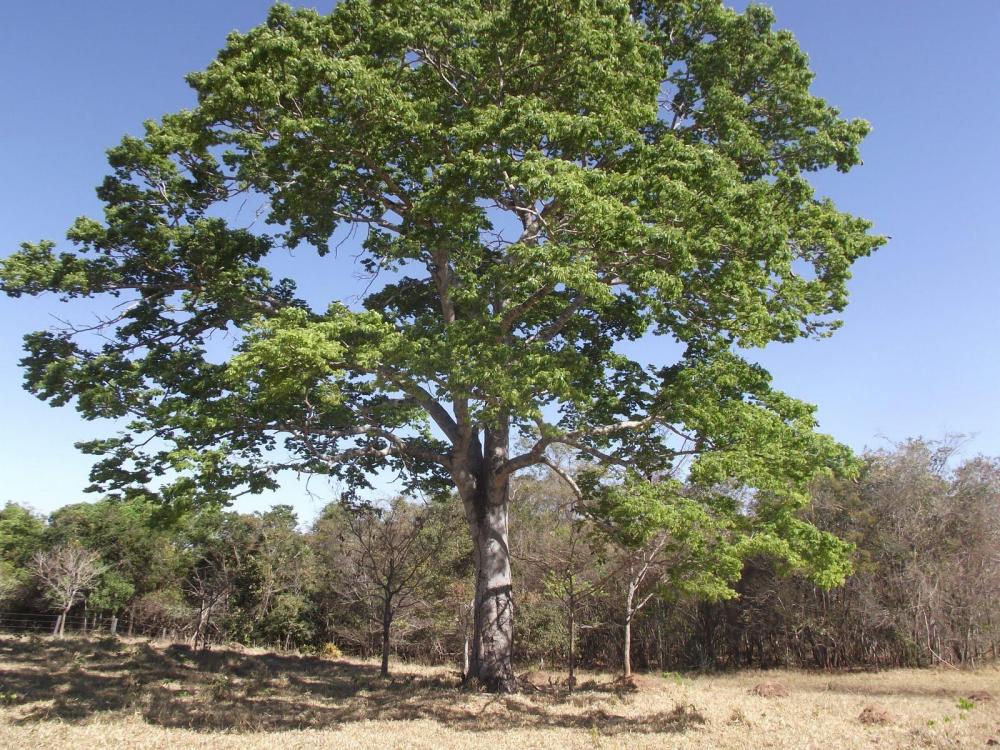
Jatoba
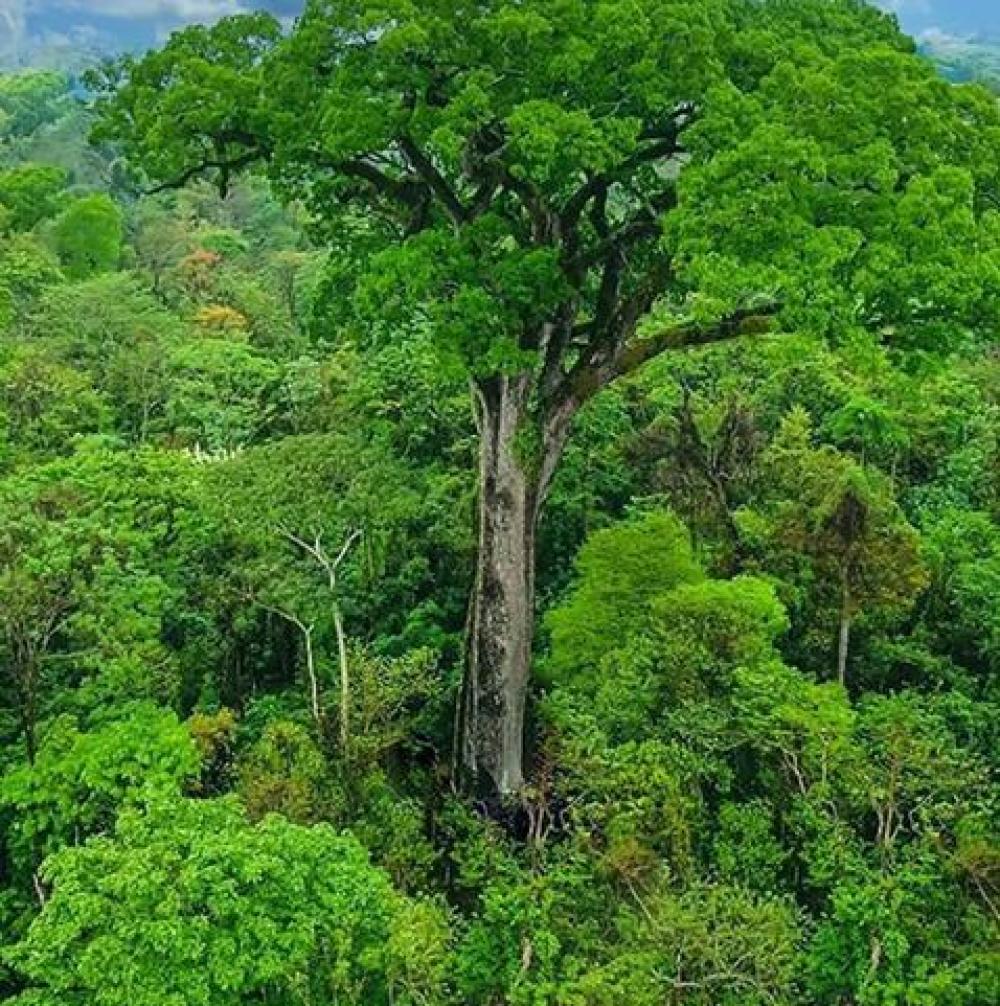
Pink Jequitibá (Cariniana legalis)
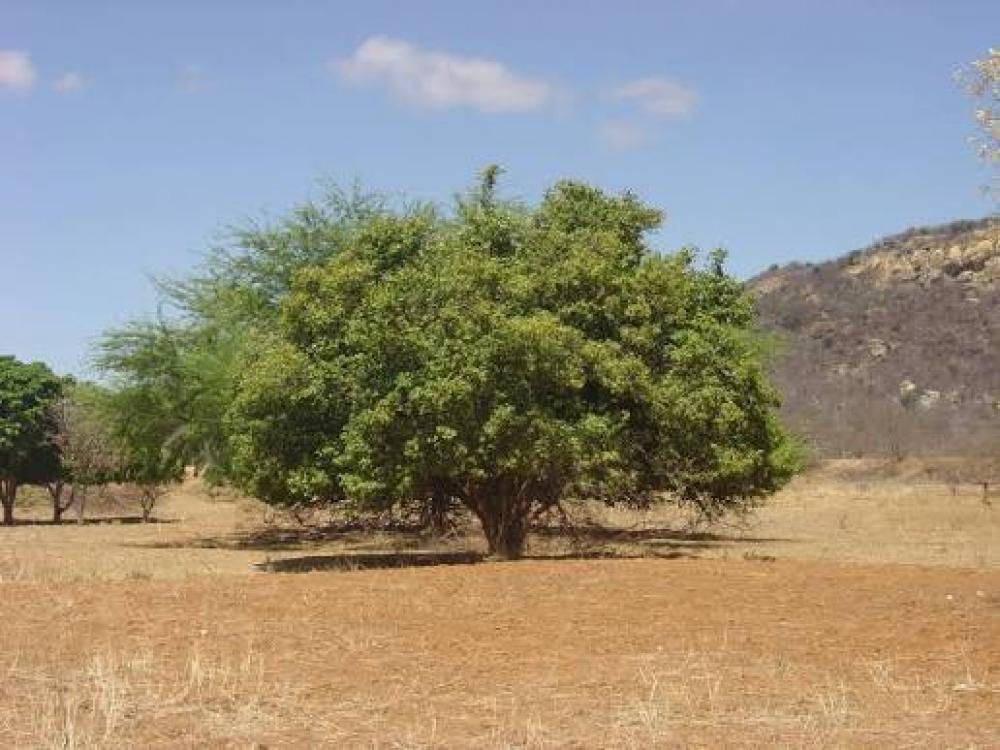
Juazeiro
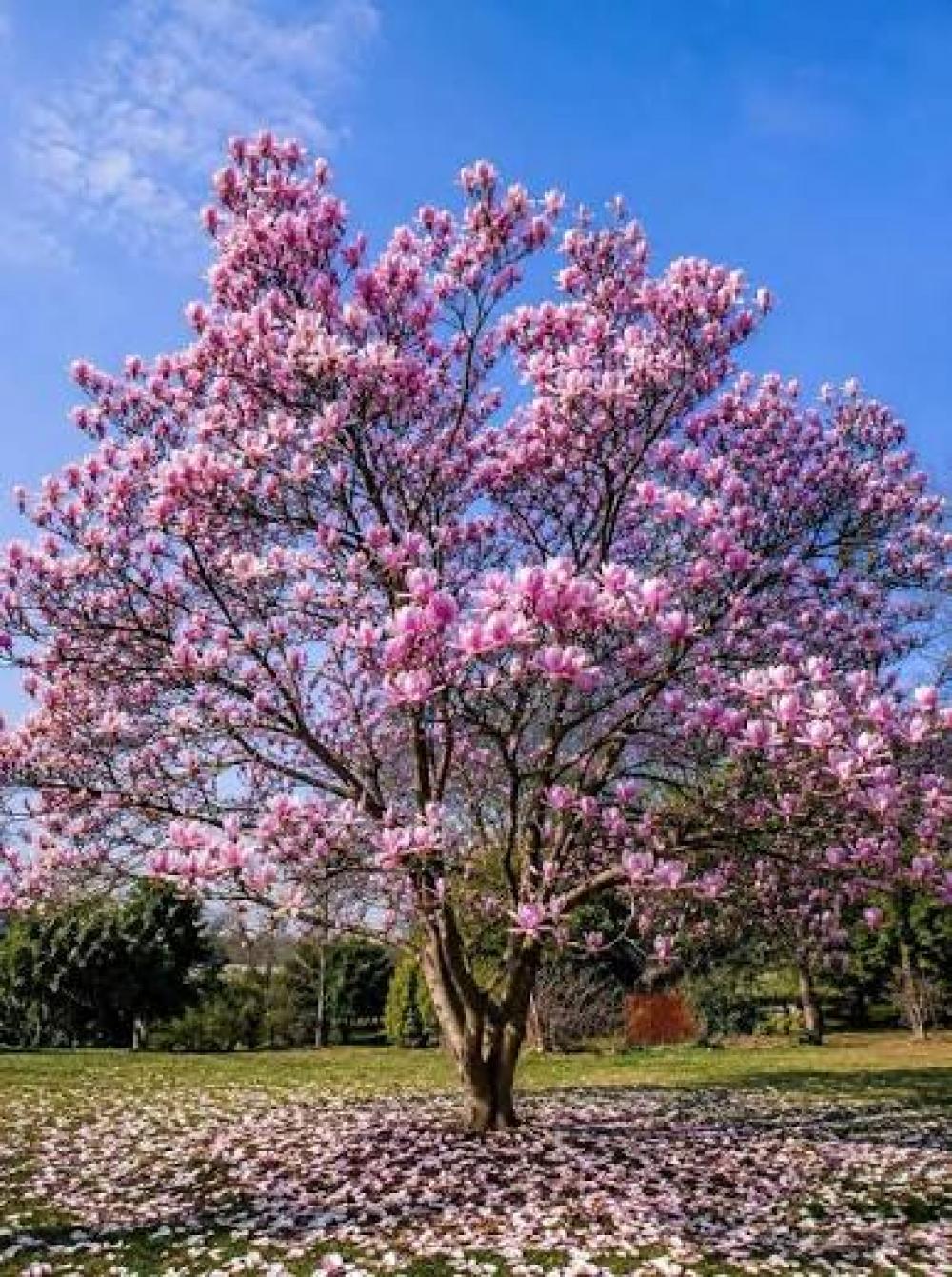
Magnolia
Brazilian Mahogany
pink silk floss tree
Brazilwood
Pequi
Surinam cherry
Plane tree
Rubber tree
Sucupira
Linden