

Alfarrobeira
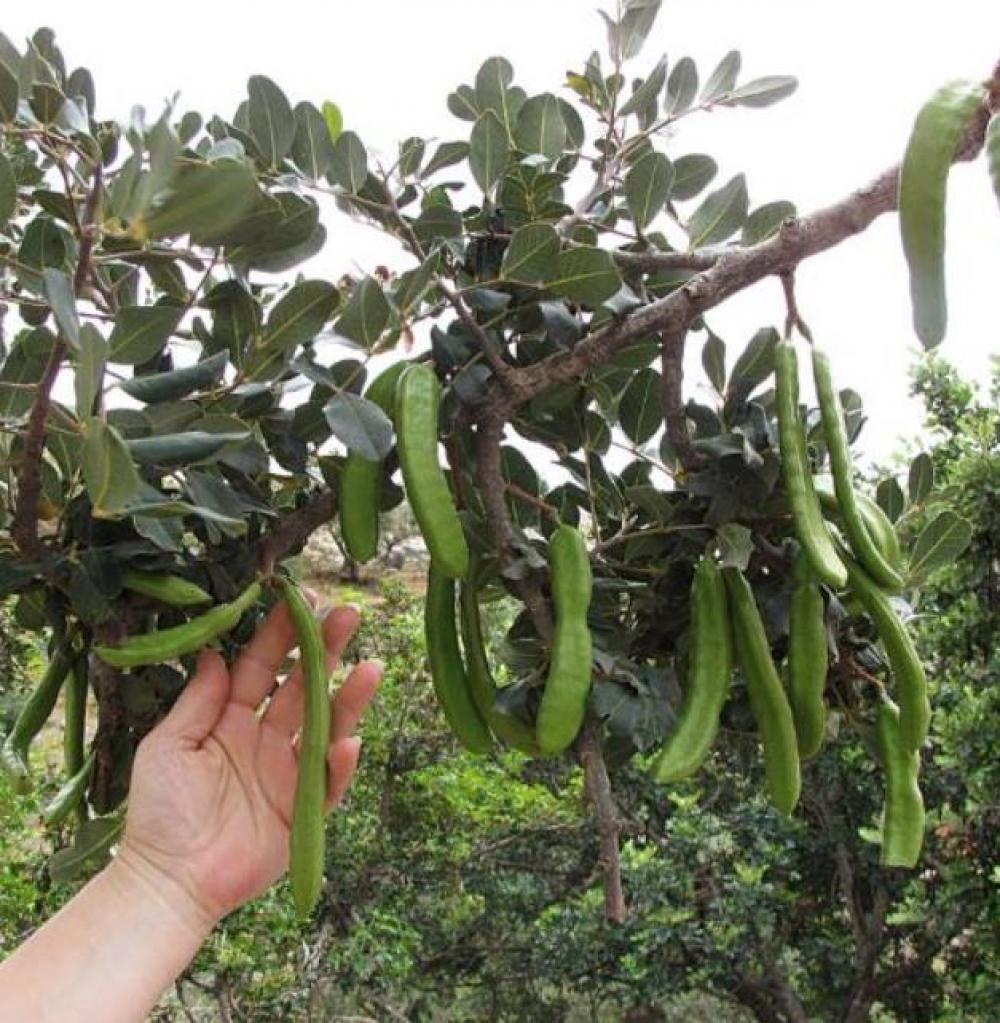
The mesquite, known scientifically as *Ceratonia siliqua* L., belongs to the Fabaceae family and is a tree originating from the Mediterranean region. It is a very ancient species in the history of Mediterranean civilizations; It has been cultivated for centuries due to its fruits, its resistance to dry climate conditions and its nutritional value. Currently, it is also cultivated in other regions with a subtropical and Mediterranean climate.
It is a relatively slow-growing evergreen tree that can reach between 10 and 15 meters in height, forming a wide, dense and rounded canopy. Its leaves are thick, dark green in color and leathery in appearance, characteristics that help the plant withstand periods of reduced water availability. Its small flowers appear in groups and have a particularity: the species has male and female individuals, as well as trees that can bear flowers of both sexes.
The most prominent aspect of algarrobo is its fruits, called mesquite trees. They are enlarged veins that, as they mature, acquire a dark brown color and contain naturally sweet pulp. Mesquite is traditionally used in food and can be transformed into harine, octopus, drinks and products similar to chocolate. The pulp contains natural sugars and fiber, while the seeds contain a gum known as mesquite gum, used by the food industry as a thickener and stabilizer.
From a nutritional point of view, mesquite is interested in its content of dietary fiber and phenolic compounds, in addition to naturally having a low content of fat in the pulp. Mesquite harine is used as a food ingredient and can help diversify the diet. However, it is important to differentiate its nutritional benefits from therapeutic claims: mesquite consumption is mainly seen from a dietary perspective and should not be considered a substitute for medical treatments.
Algarrobo also has environmental importance. It is a species adapted to warm and relatively dry summer conditions, which contributes to agricultural landscapes and cultivation systems in Mediterranean regions. Its canopy provides shade and refuge, while its flowers and fruits participate in local ecological relationships. The adaptation capacity of the species also sparks interest in agricultural systems that seek greater efficiency in the use of water in certain environments.
It is a relatively slow-growing evergreen tree that can reach between 10 and 15 meters in height, forming a wide, dense and rounded canopy. Its leaves are thick, dark green in color and leathery in appearance, characteristics that help the plant withstand periods of reduced water availability. Its small flowers appear in groups and have a particularity: the species has male and female individuals, as well as trees that can bear flowers of both sexes.
The most prominent aspect of algarrobo is its fruits, called mesquite trees. They are enlarged veins that, as they mature, acquire a dark brown color and contain naturally sweet pulp. Mesquite is traditionally used in food and can be transformed into harine, octopus, drinks and products similar to chocolate. The pulp contains natural sugars and fiber, while the seeds contain a gum known as mesquite gum, used by the food industry as a thickener and stabilizer.
From a nutritional point of view, mesquite is interested in its content of dietary fiber and phenolic compounds, in addition to naturally having a low content of fat in the pulp. Mesquite harine is used as a food ingredient and can help diversify the diet. However, it is important to differentiate its nutritional benefits from therapeutic claims: mesquite consumption is mainly seen from a dietary perspective and should not be considered a substitute for medical treatments.
Algarrobo also has environmental importance. It is a species adapted to warm and relatively dry summer conditions, which contributes to agricultural landscapes and cultivation systems in Mediterranean regions. Its canopy provides shade and refuge, while its flowers and fruits participate in local ecological relationships. The adaptation capacity of the species also sparks interest in agricultural systems that seek greater efficiency in the use of water in certain environments.
Tree Catalog
Imperial acacia
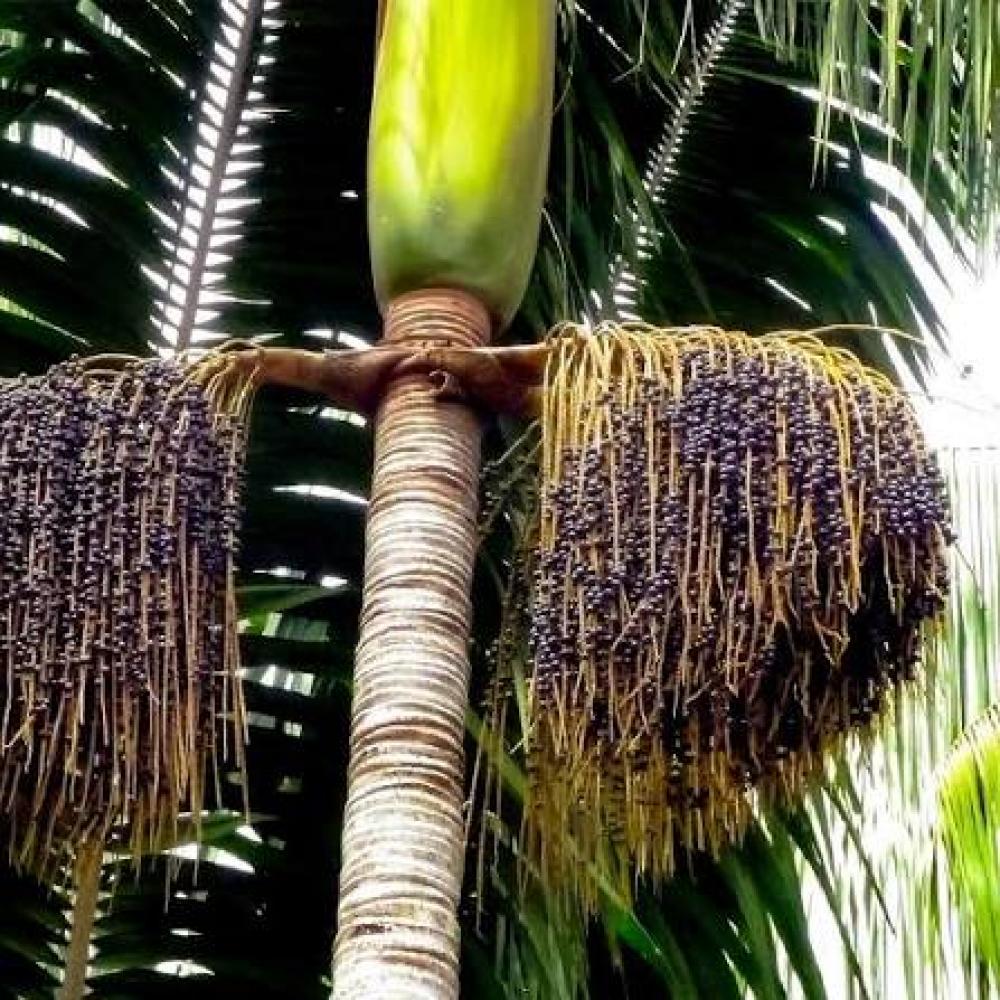
Açaí palm
Alfarrobeira
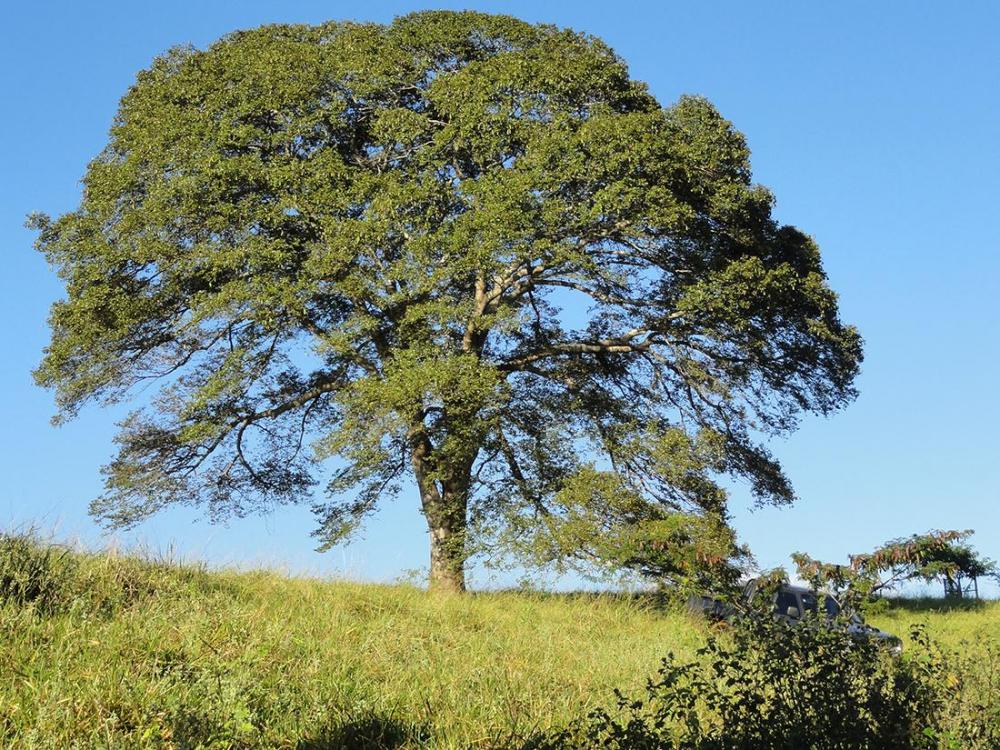
Andiroba
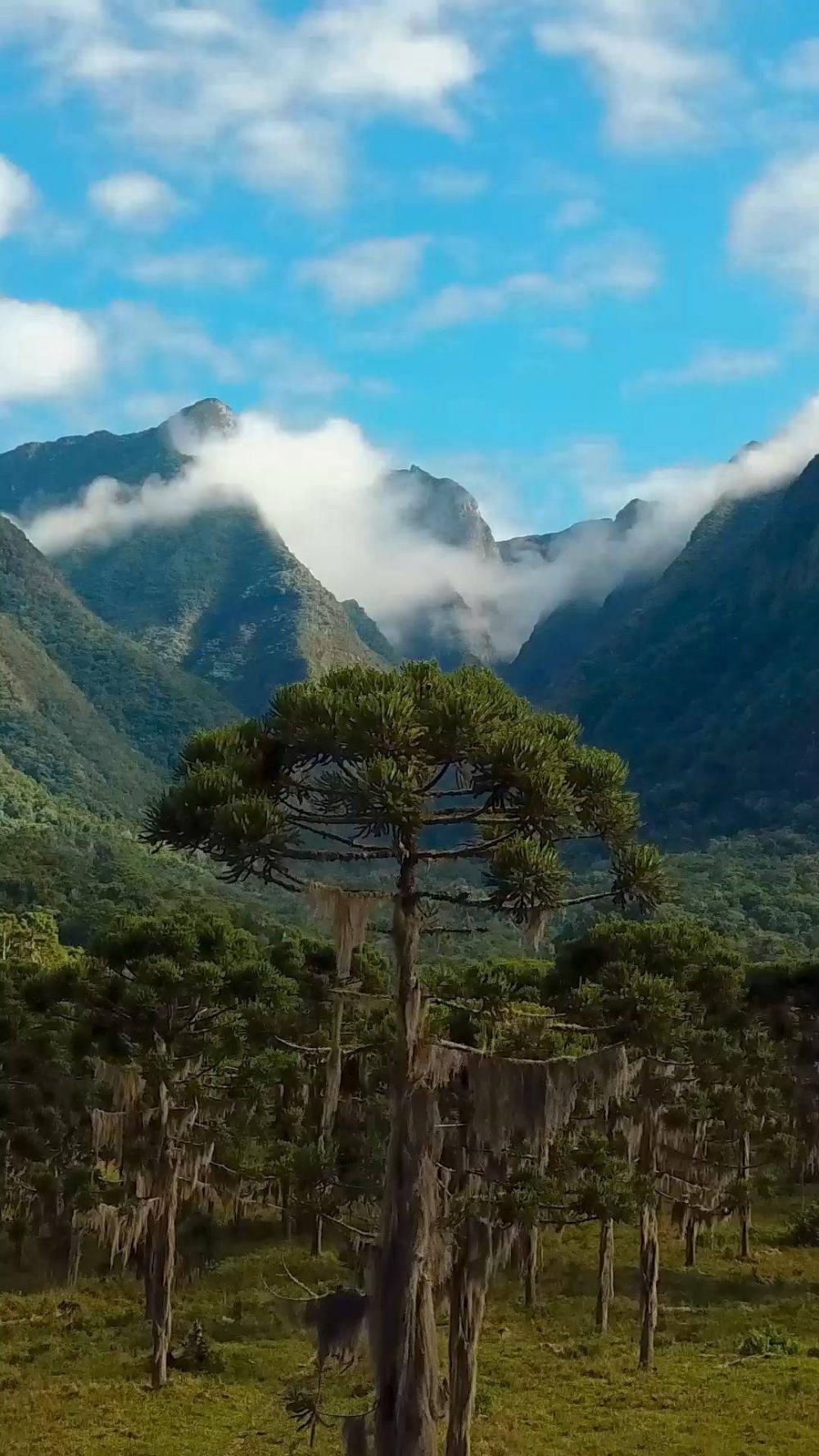
Red Angelim
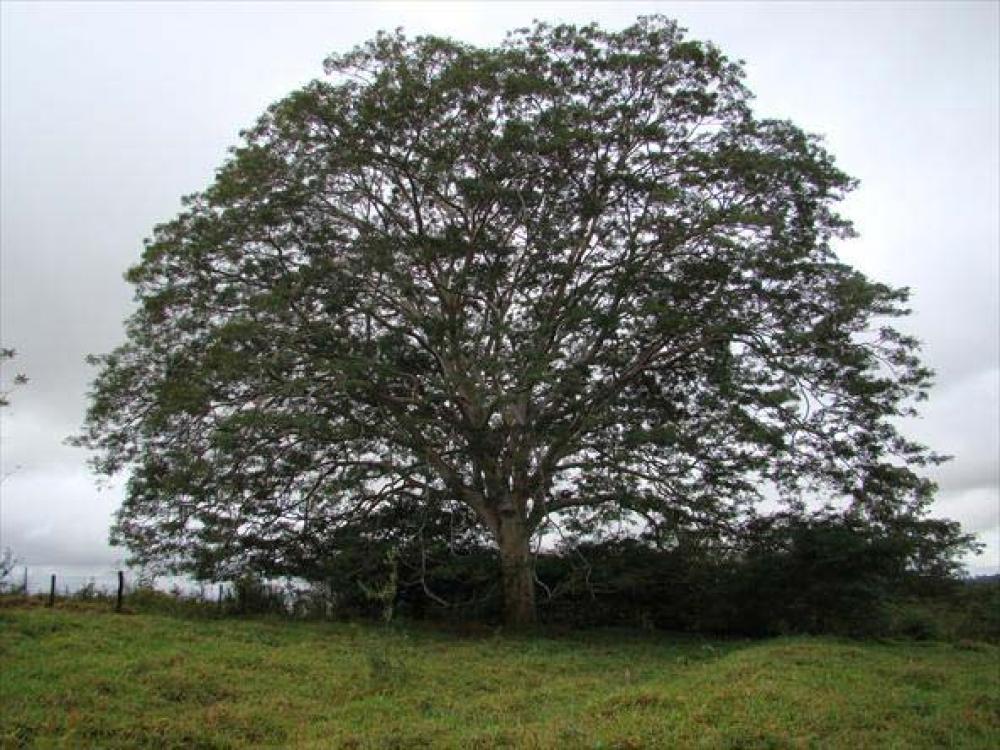
White Angico
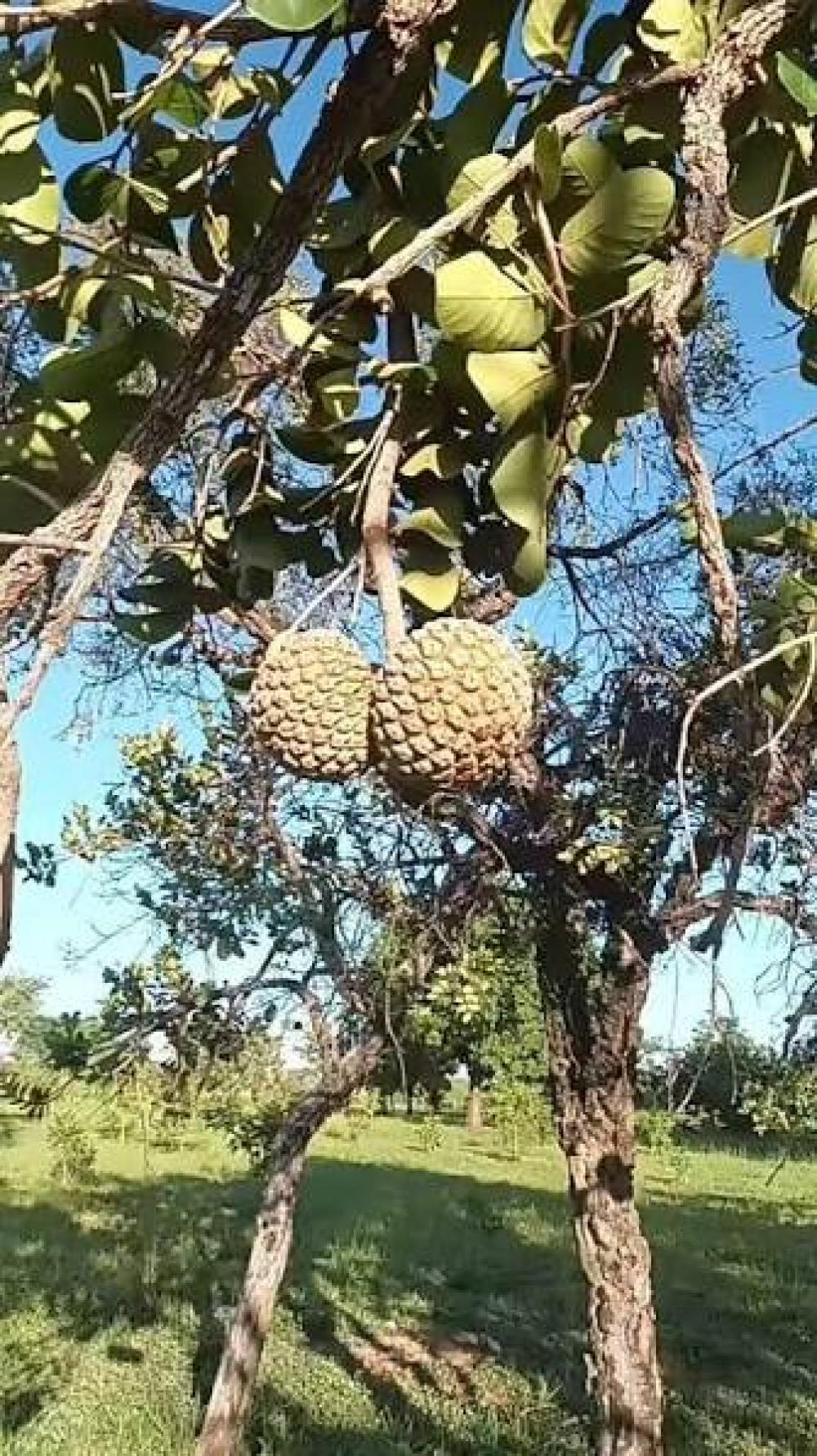
Araticum
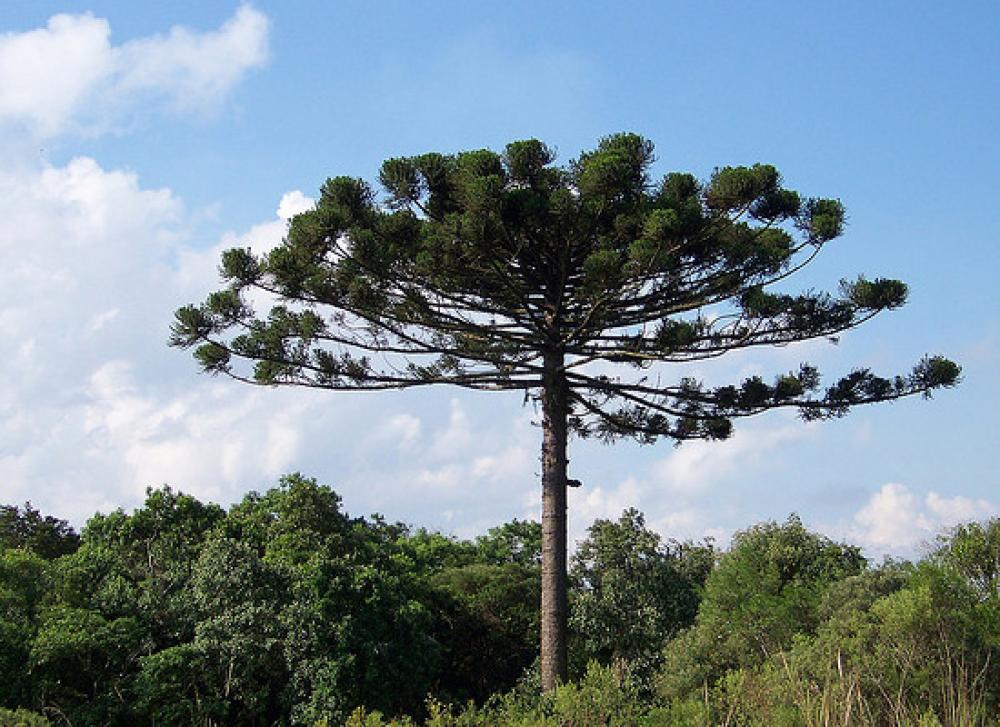
Araucaria, the Paraná pine
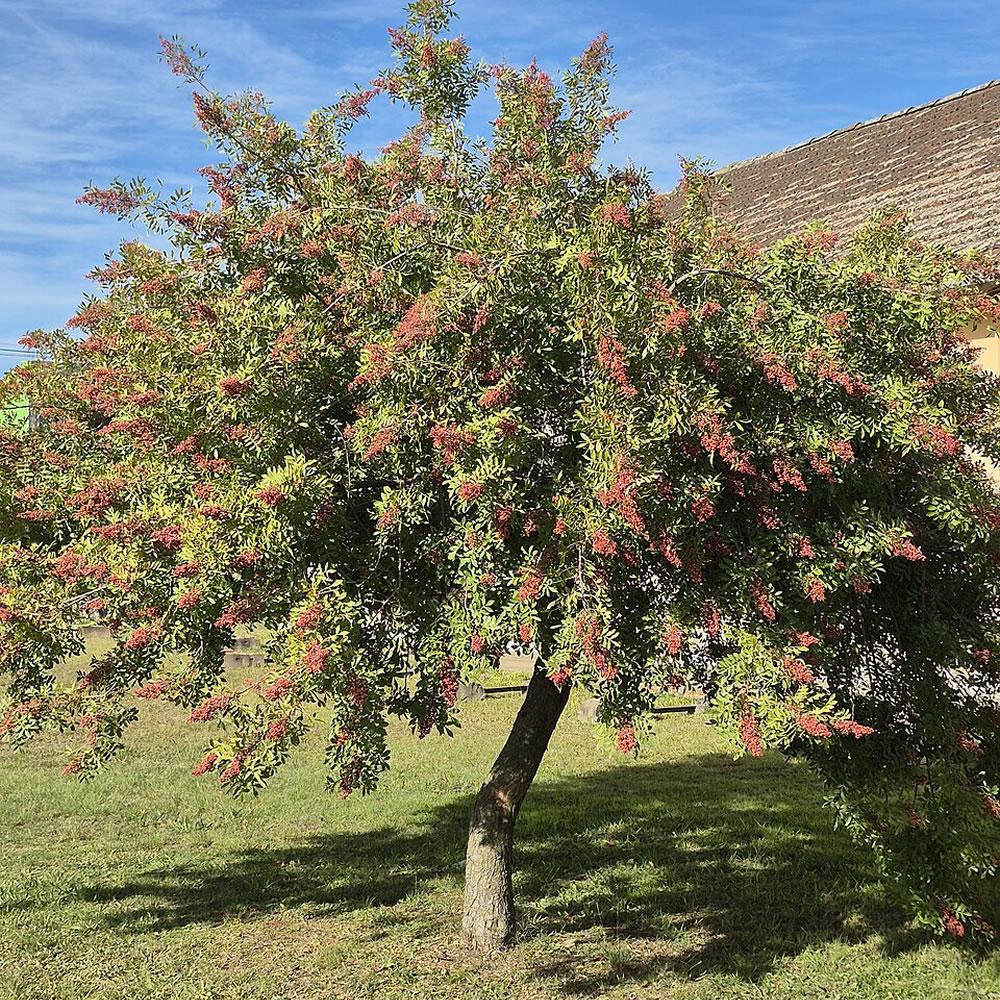
Brazilian peppertree
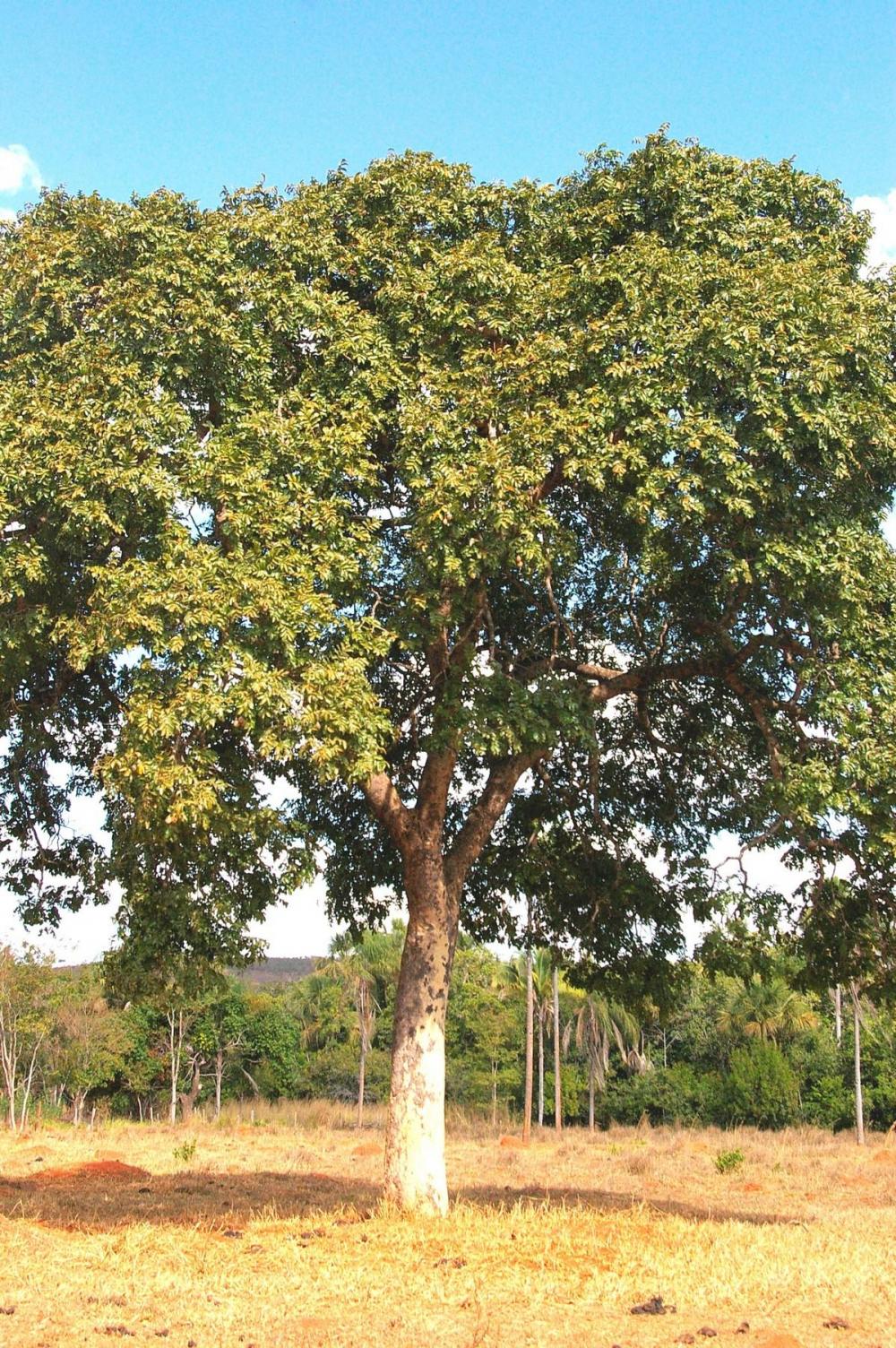
Baru
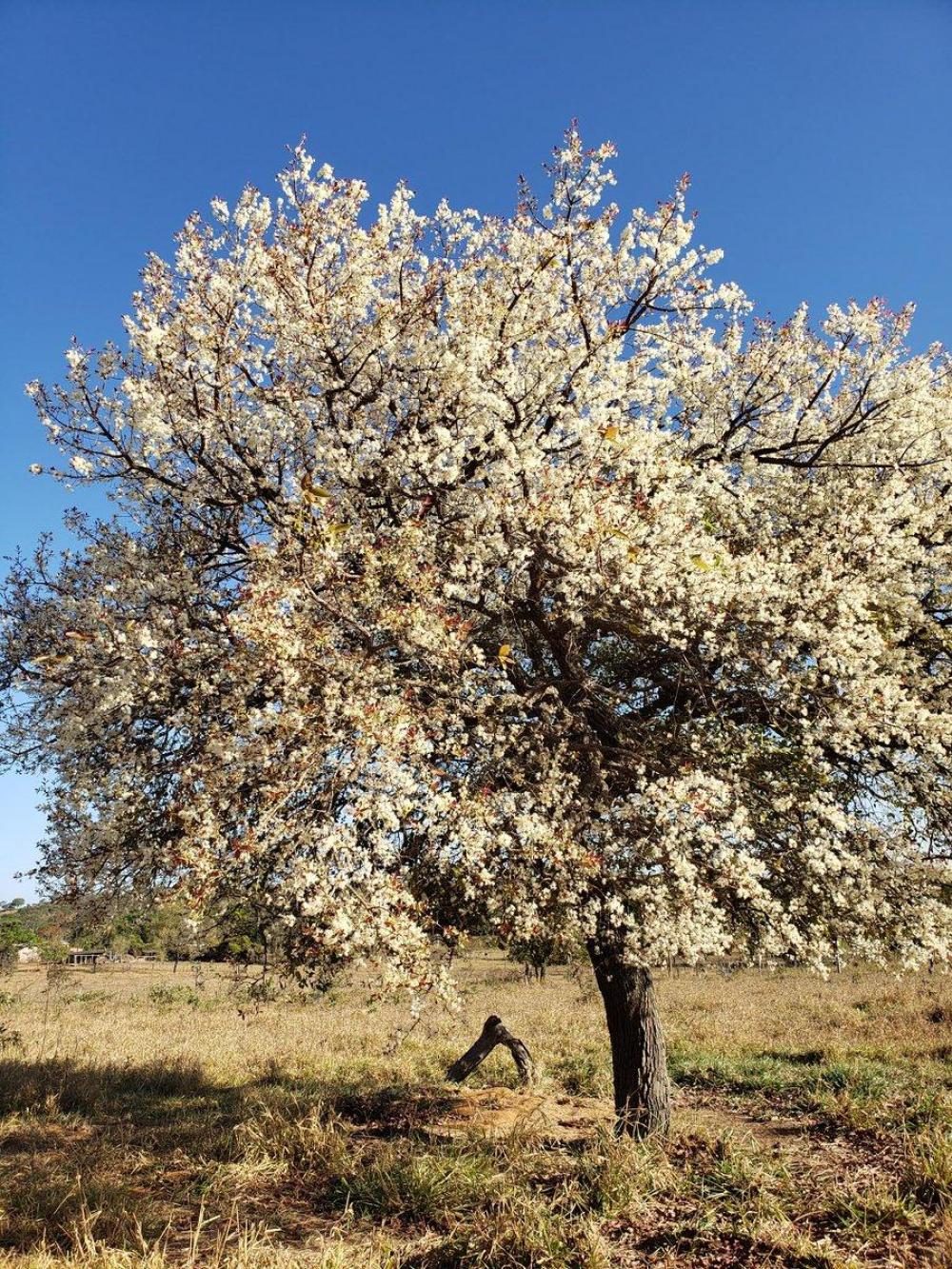
Cagaita
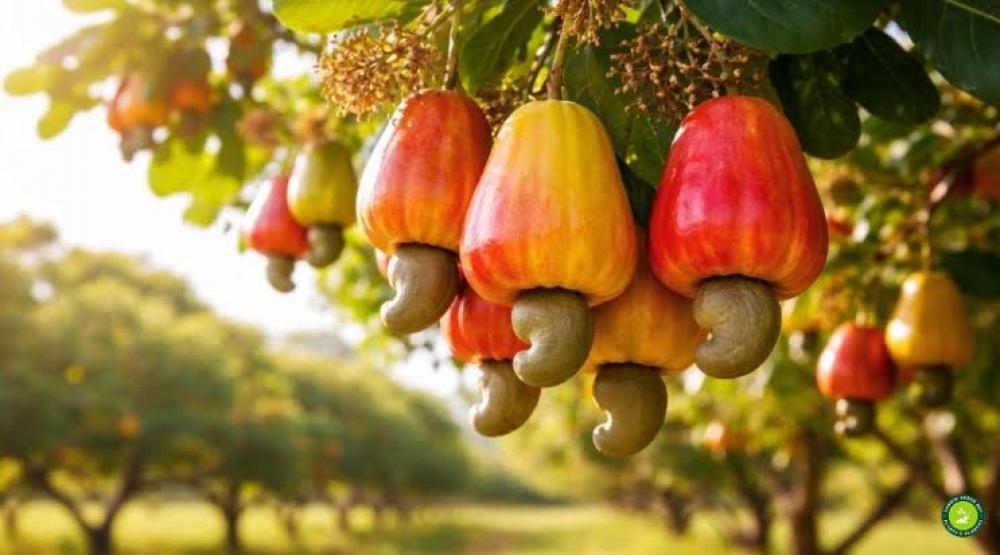
cashew tree
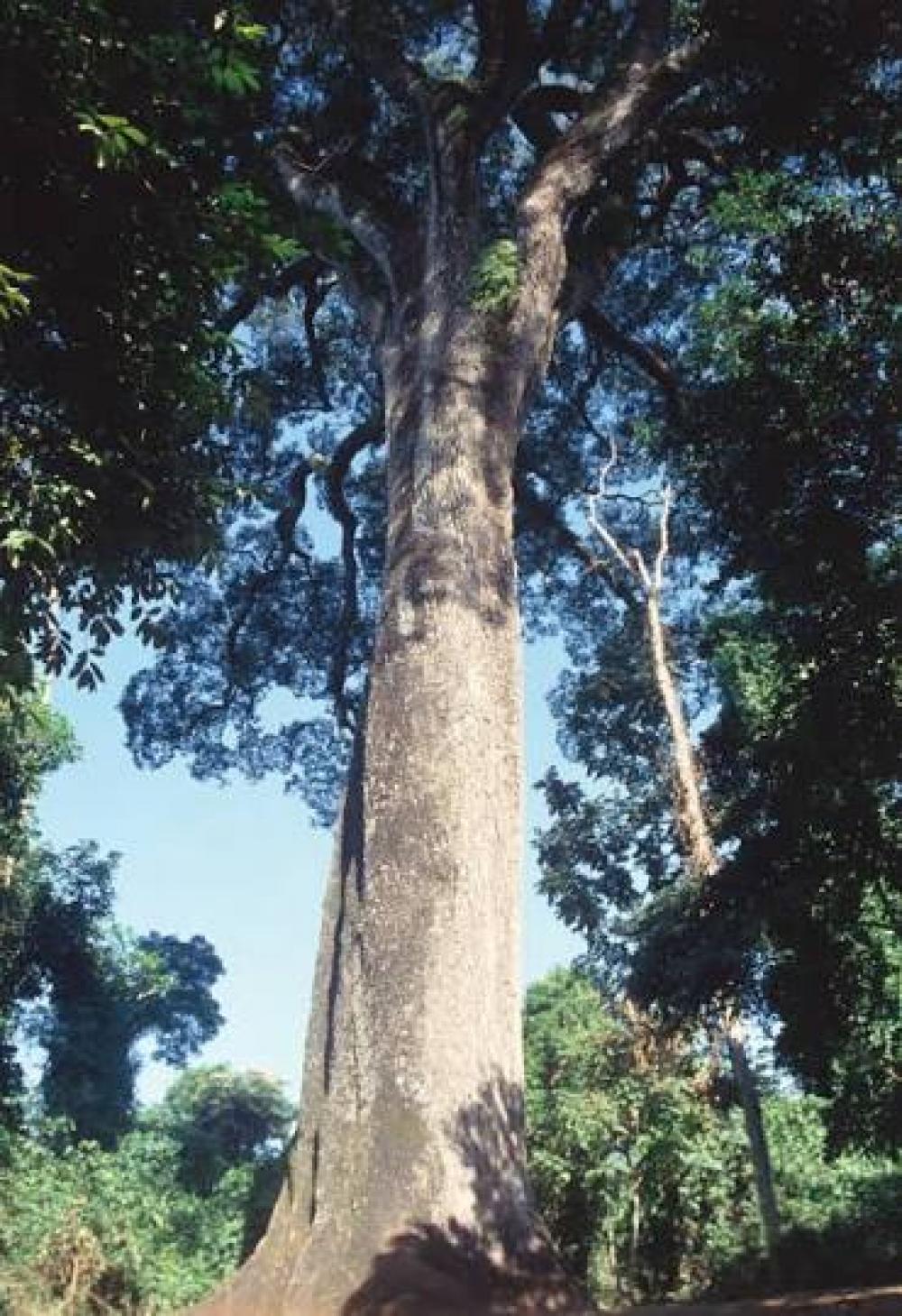
Black Cinnamon
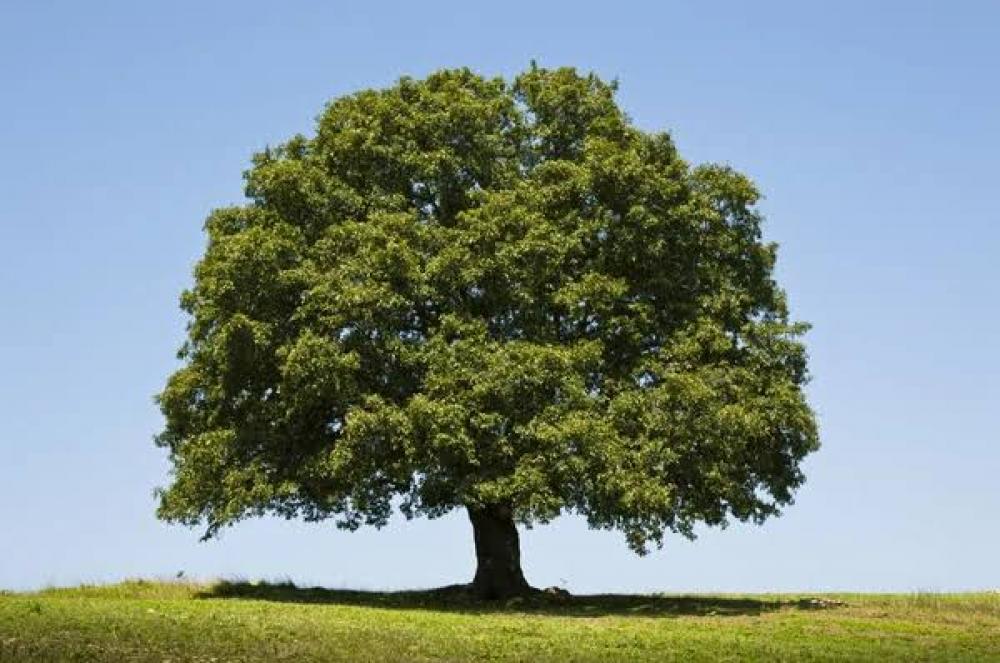
Oak tree
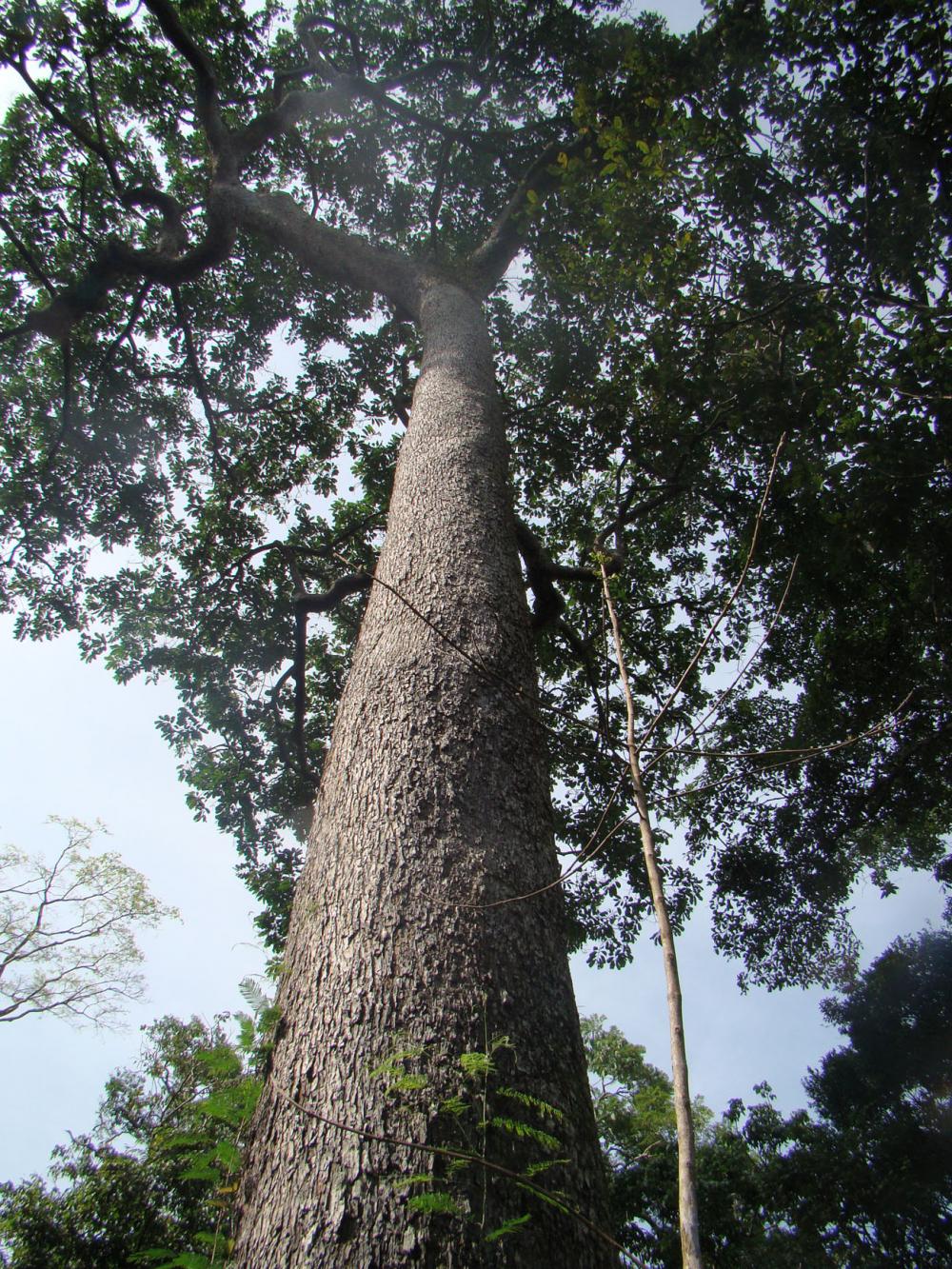
nuez de Brasil
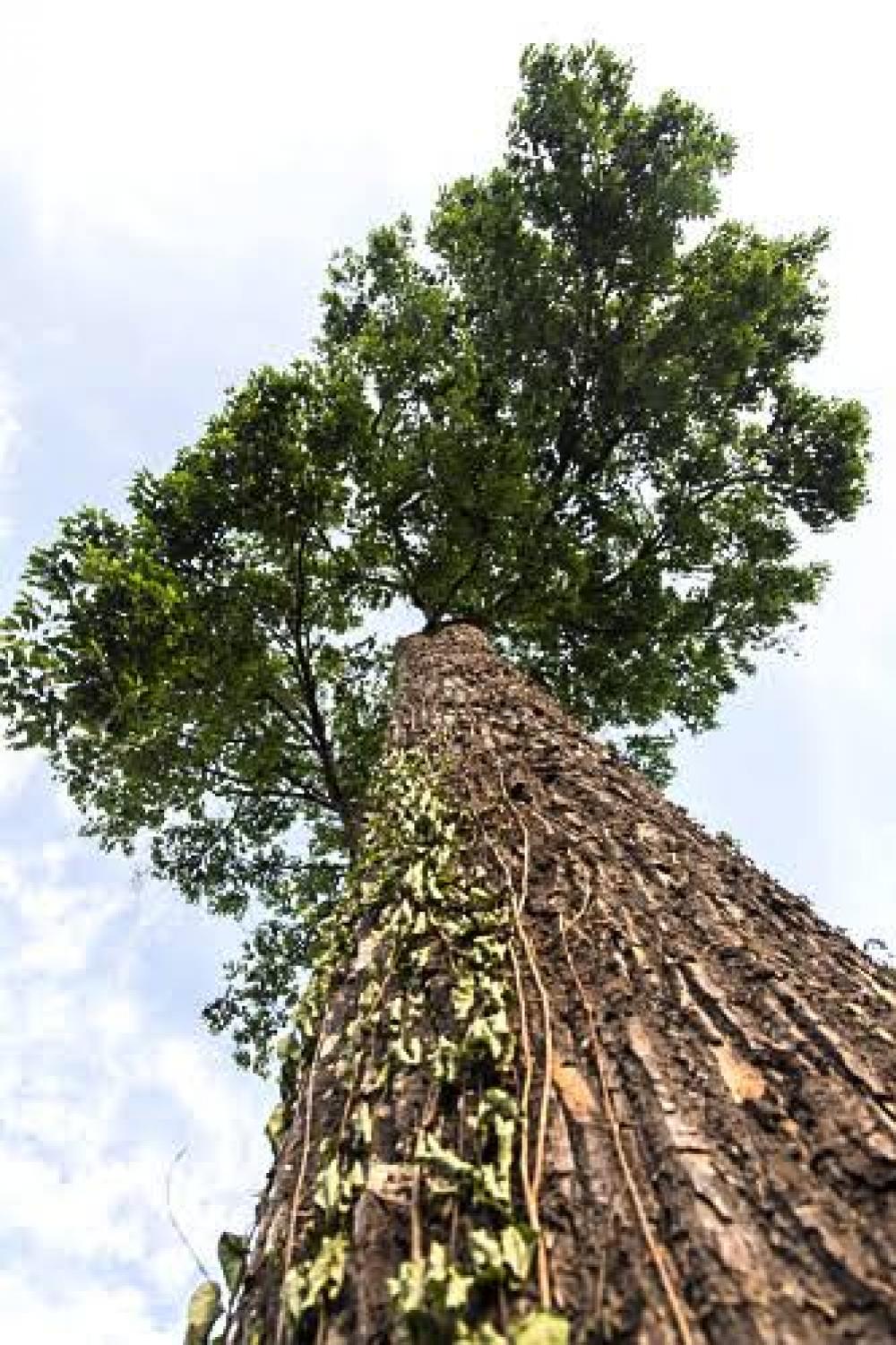
Brazil nut tree
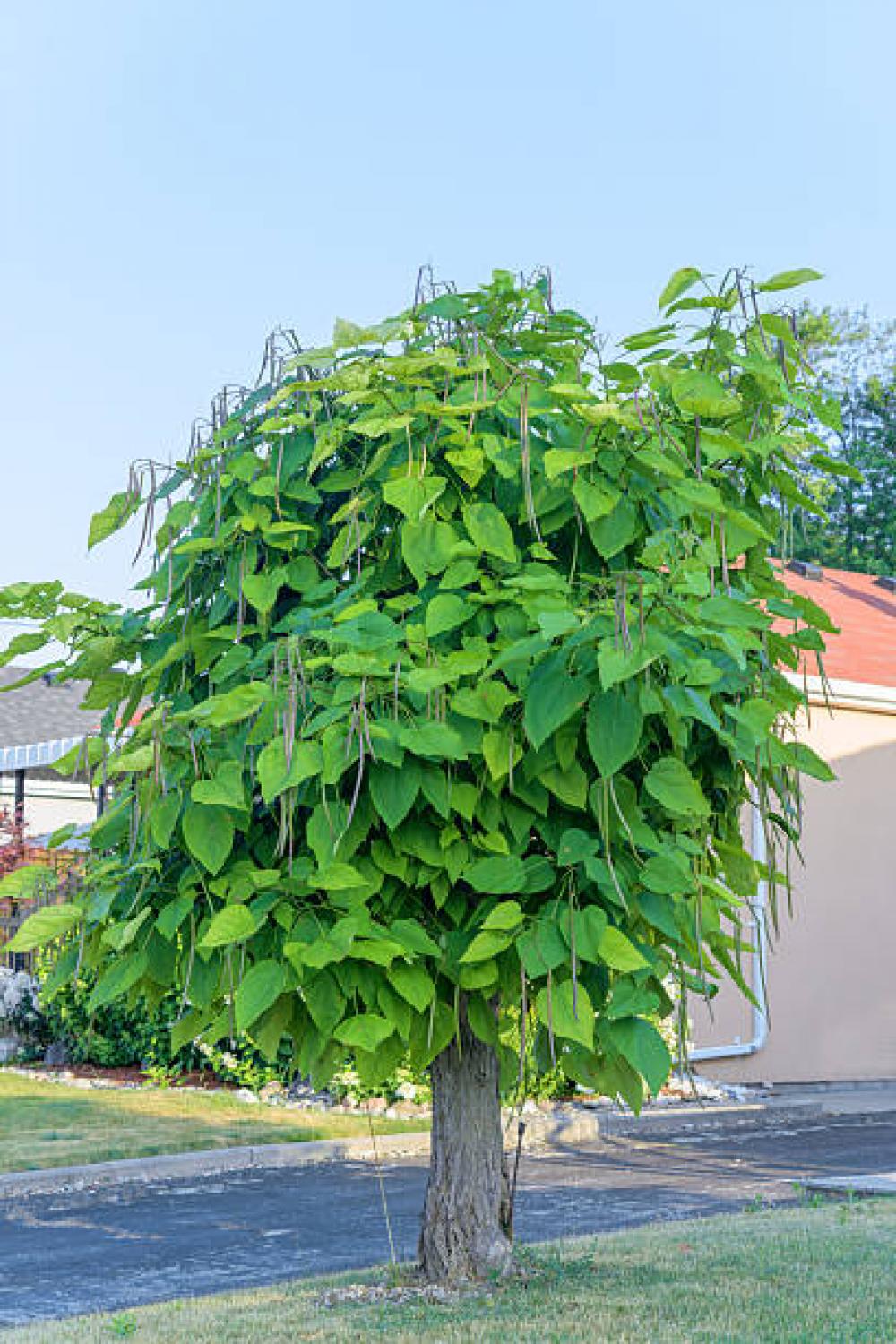
Catalpa
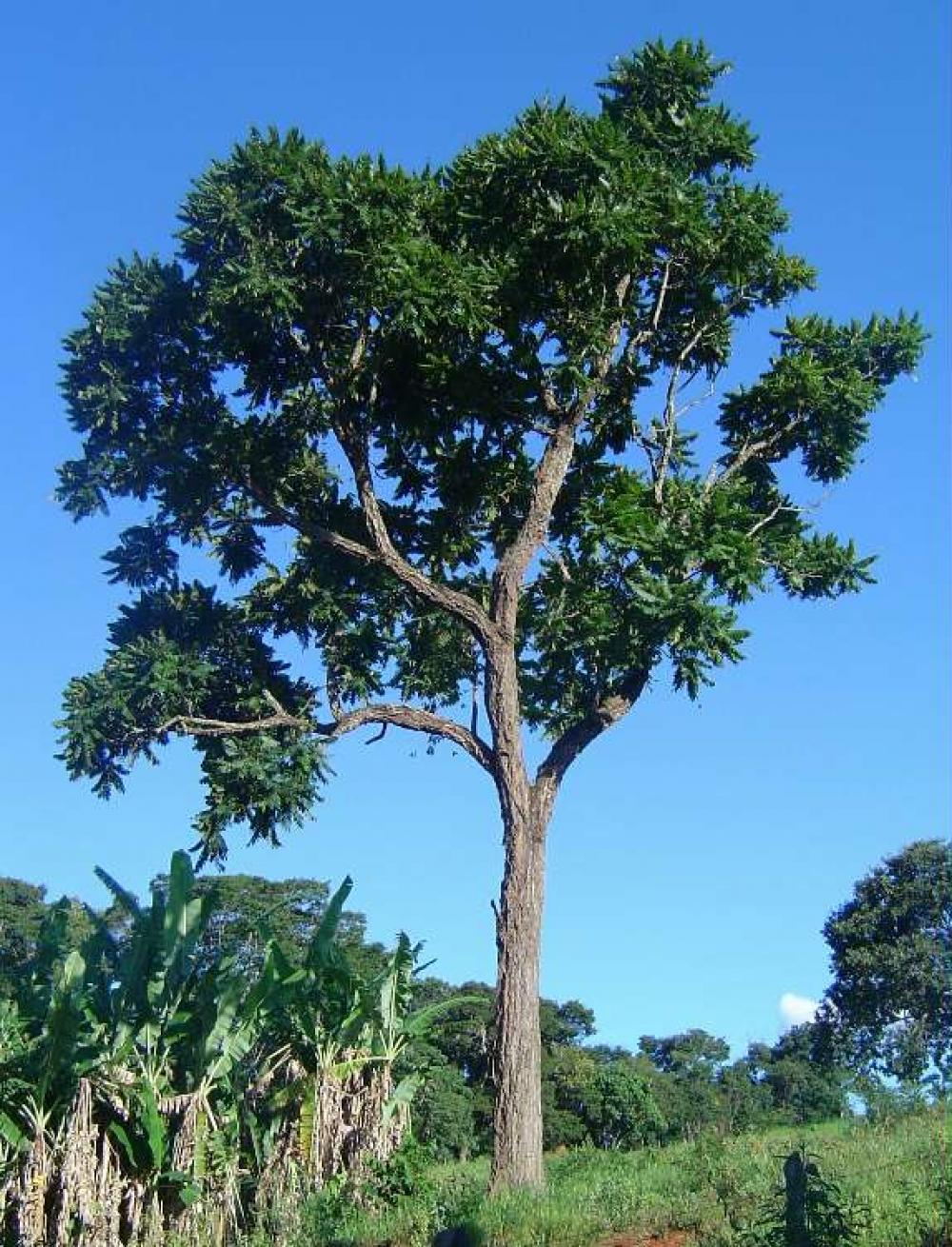
Pink cedar
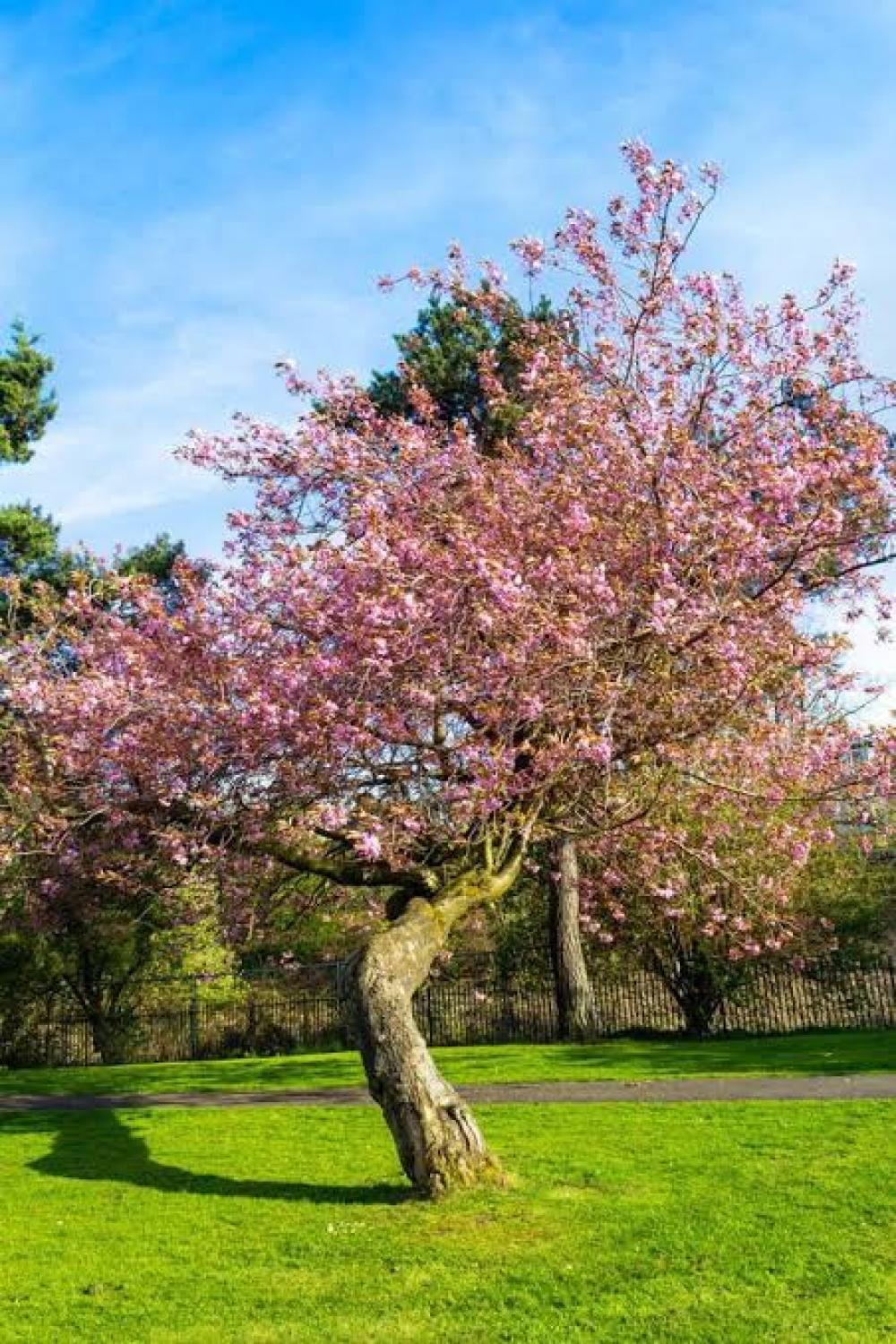
ornamental cherry tree
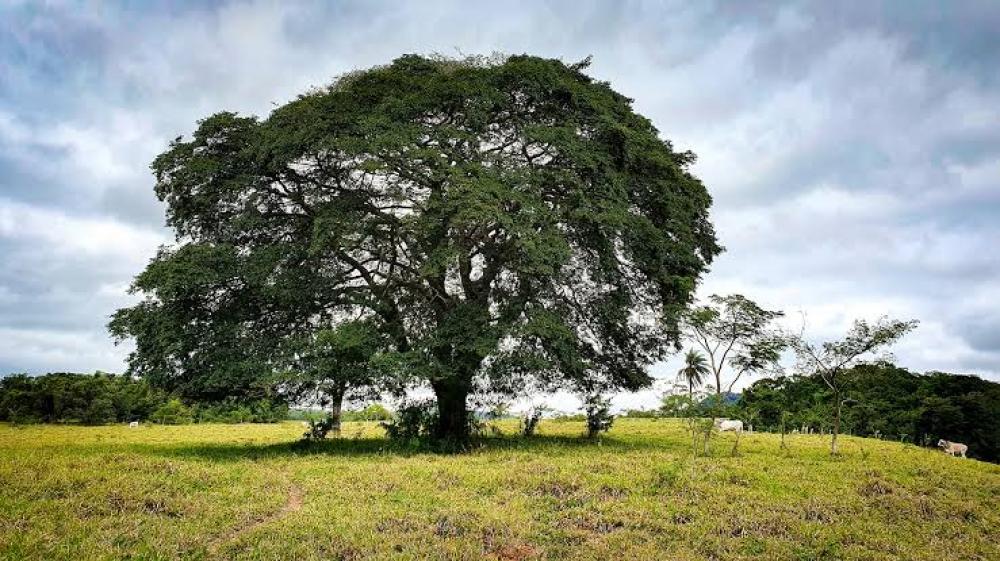
copaiba
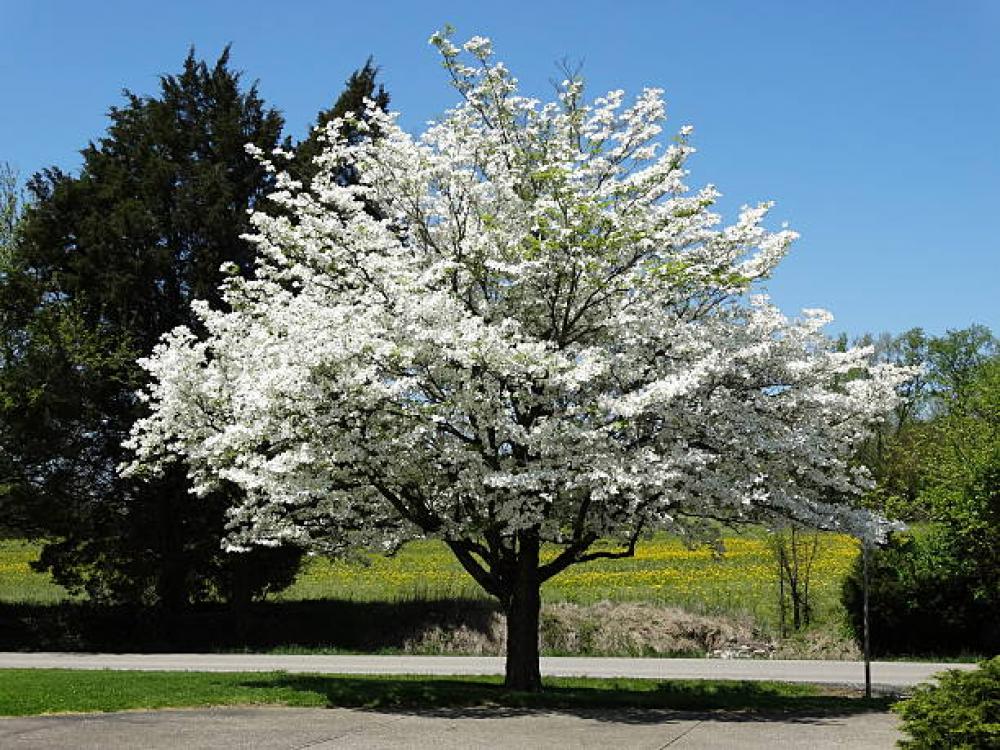
Trees of the genus Cornus
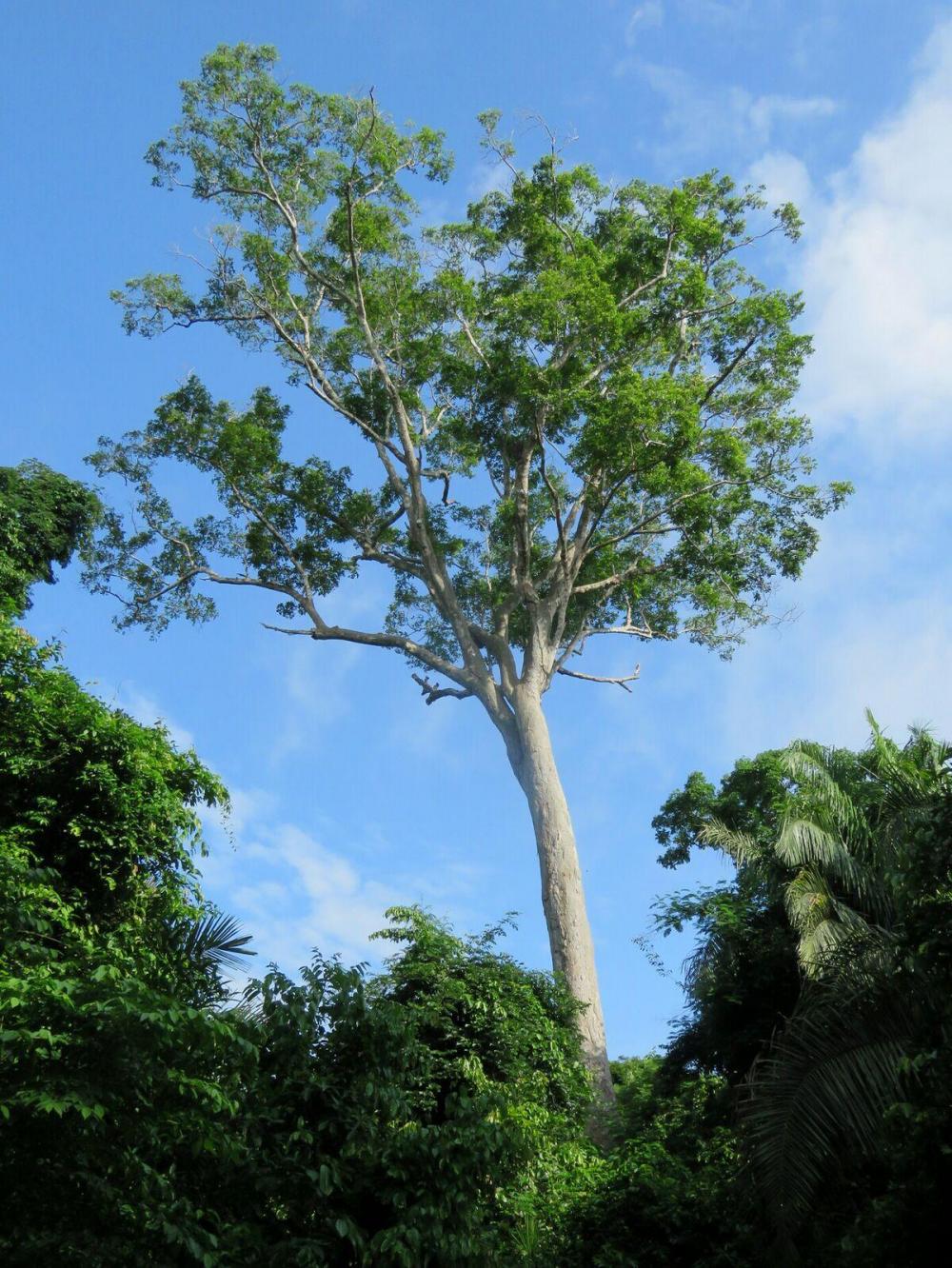
Cumaru
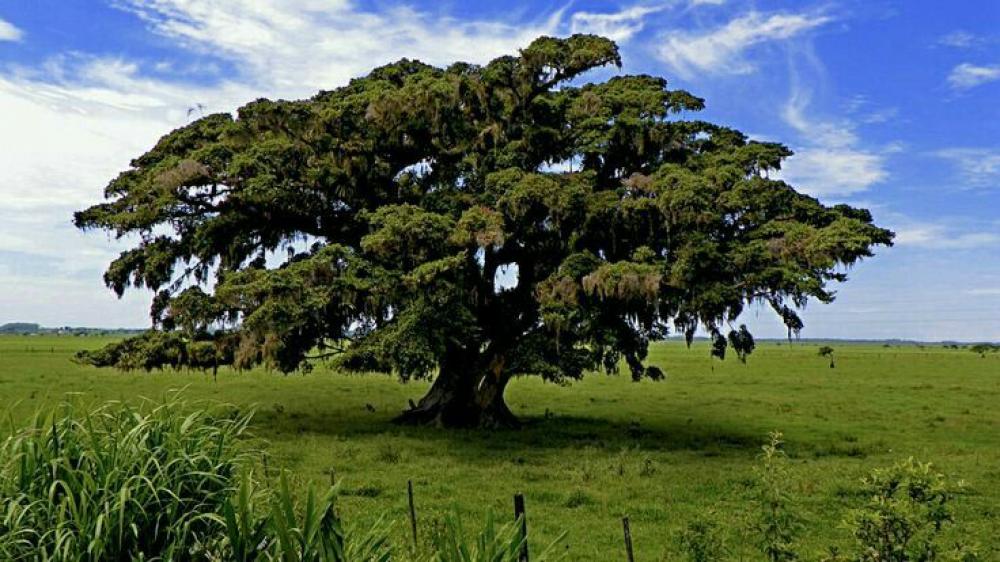
fig tree
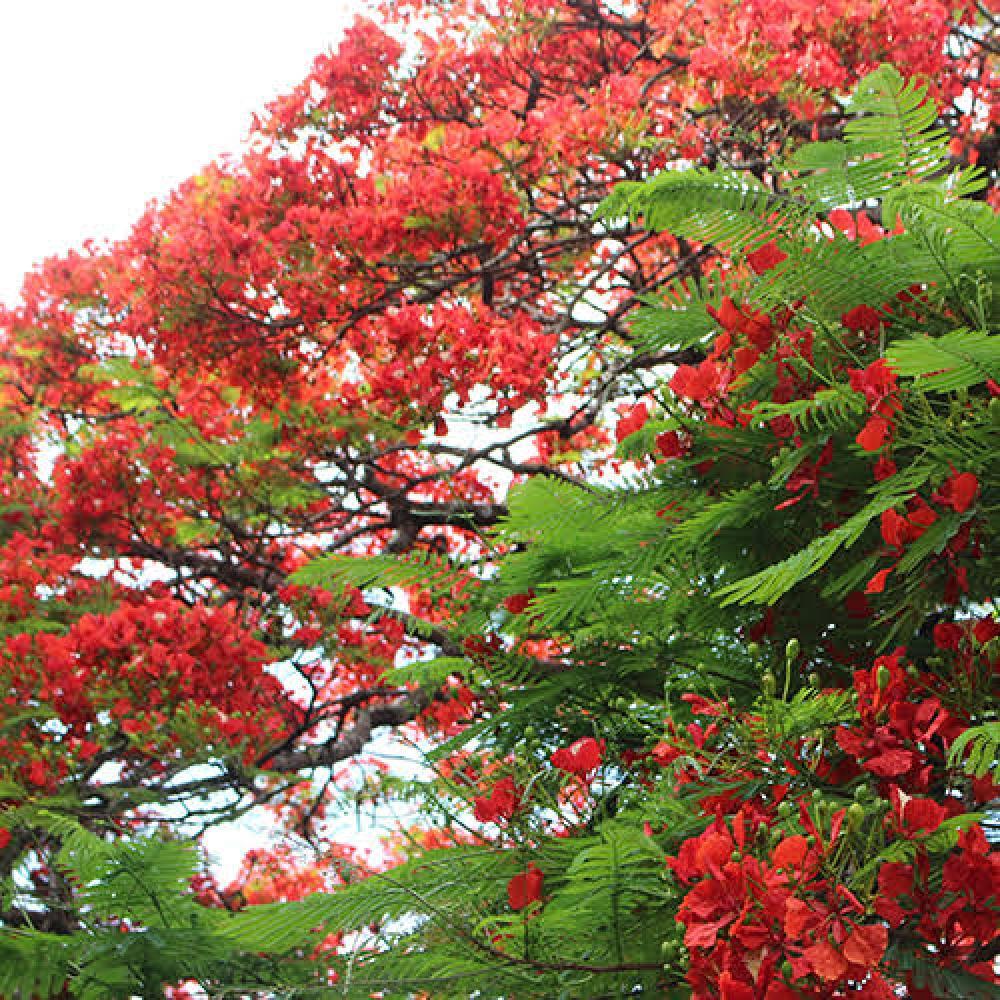
Flamboyant
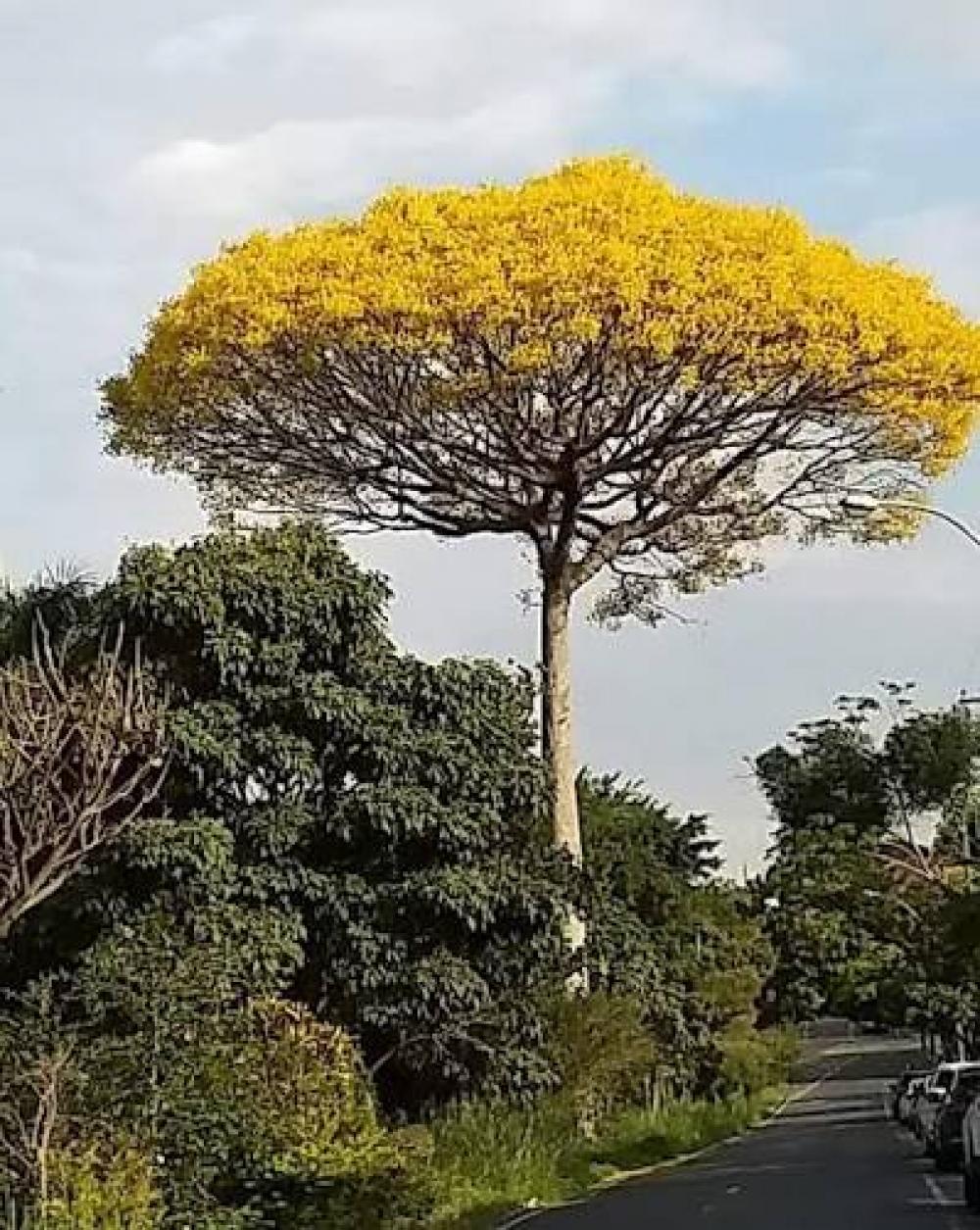
Guapuruvu
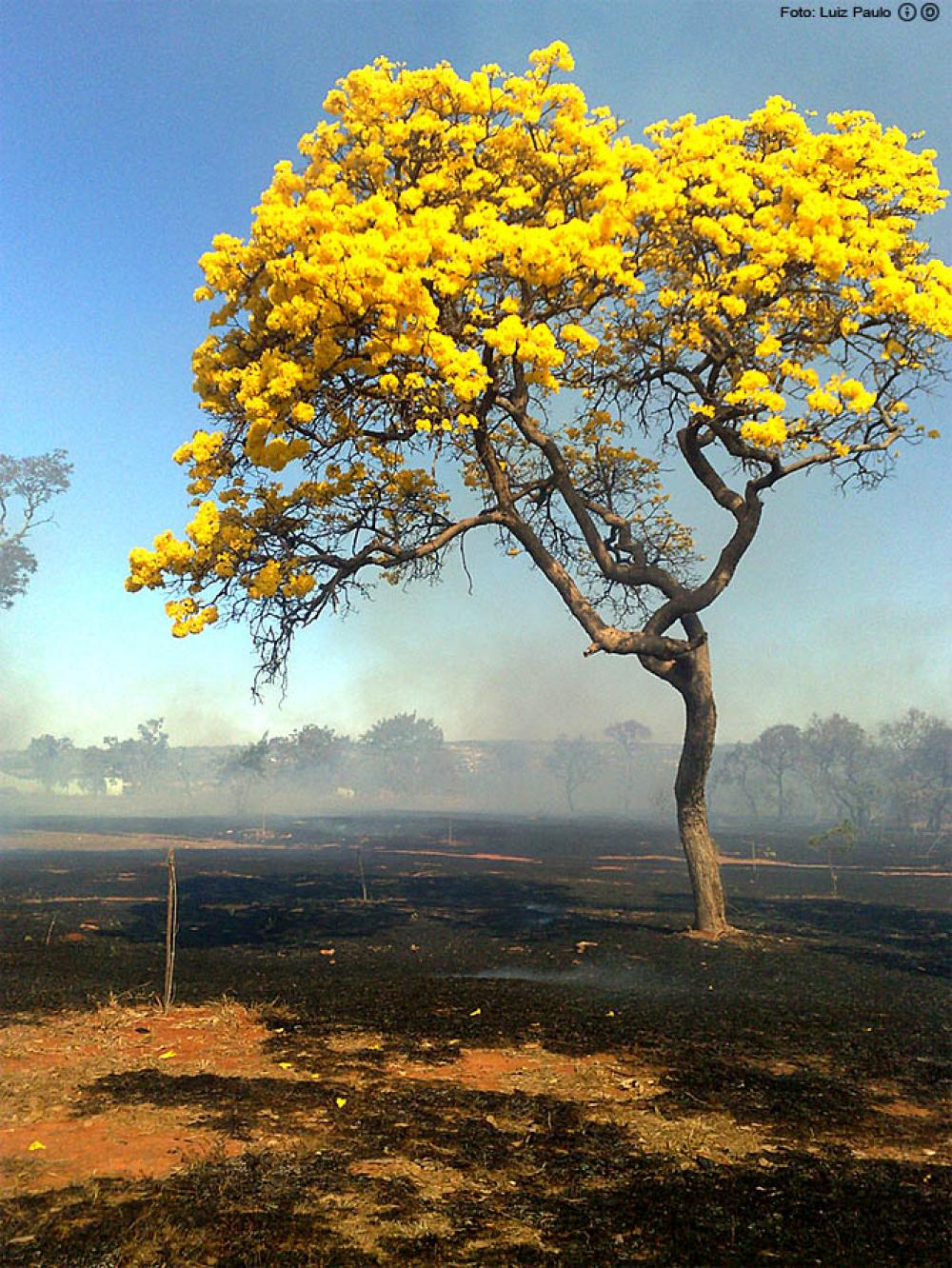
Yellow Ipê
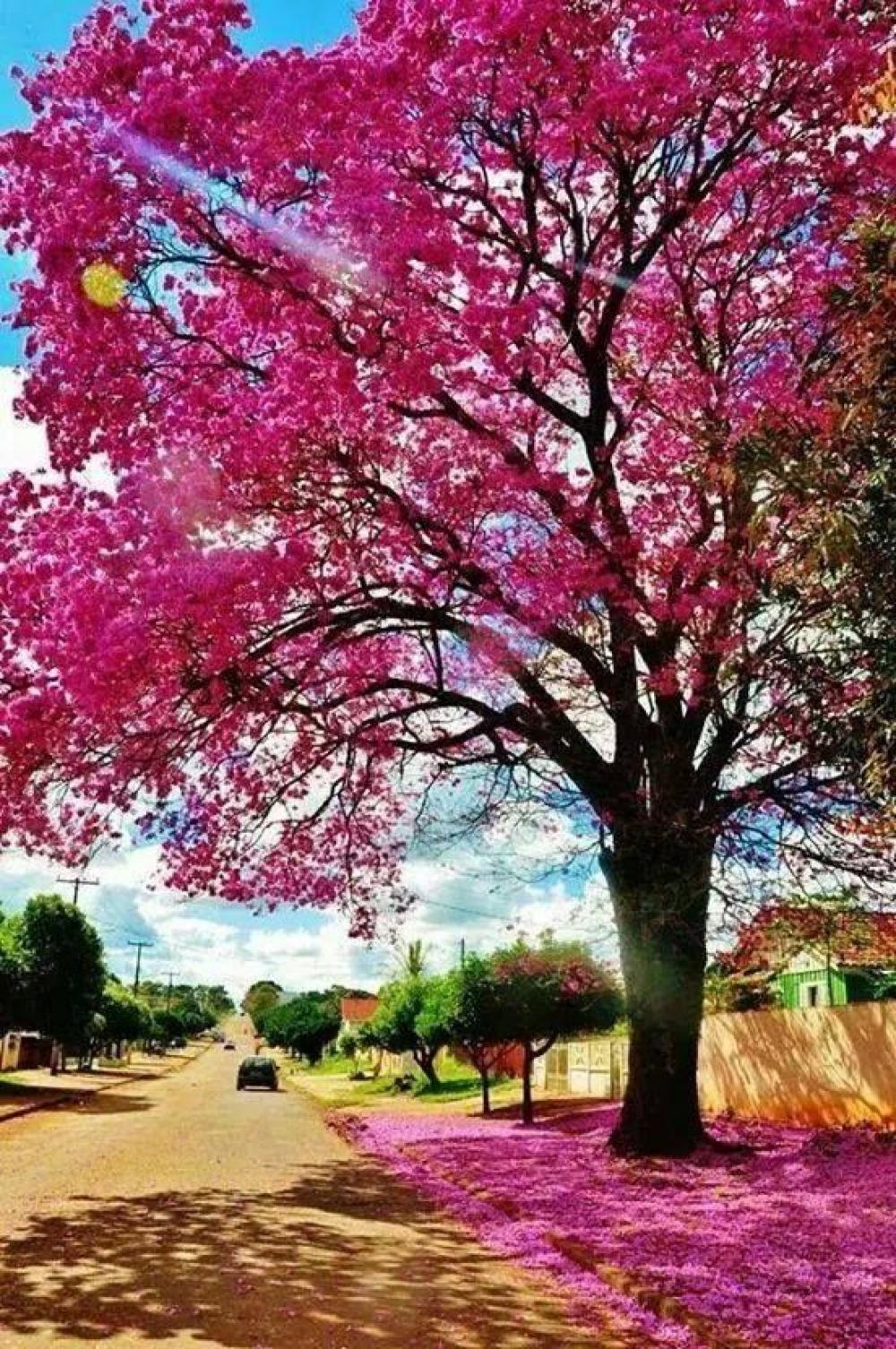
Purple Ipe
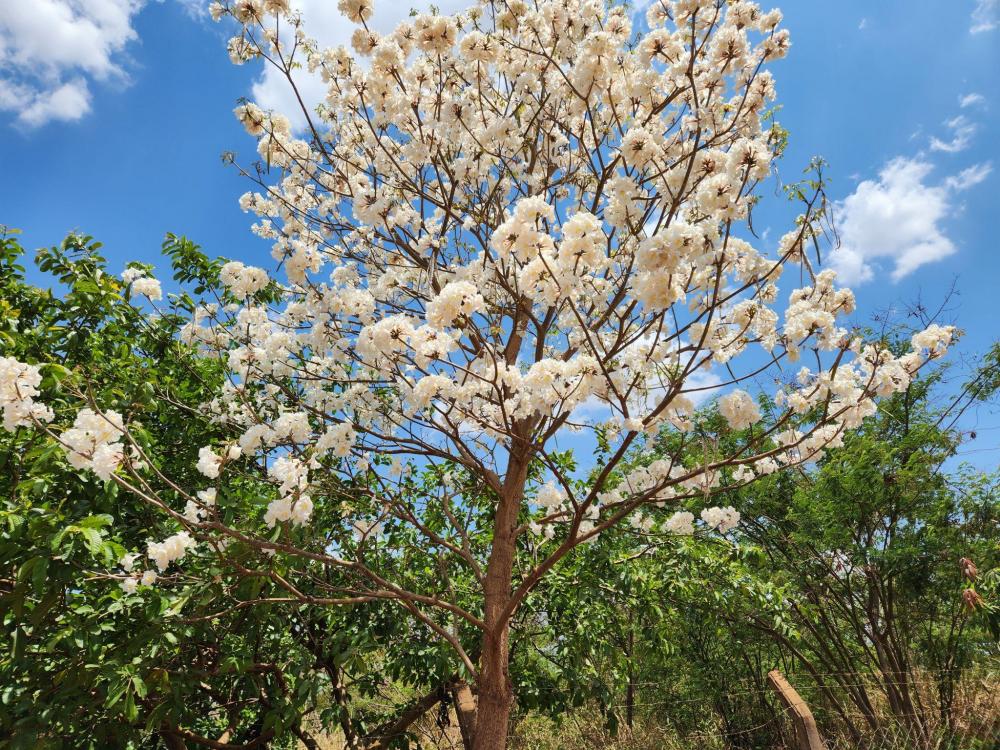
White Ipê
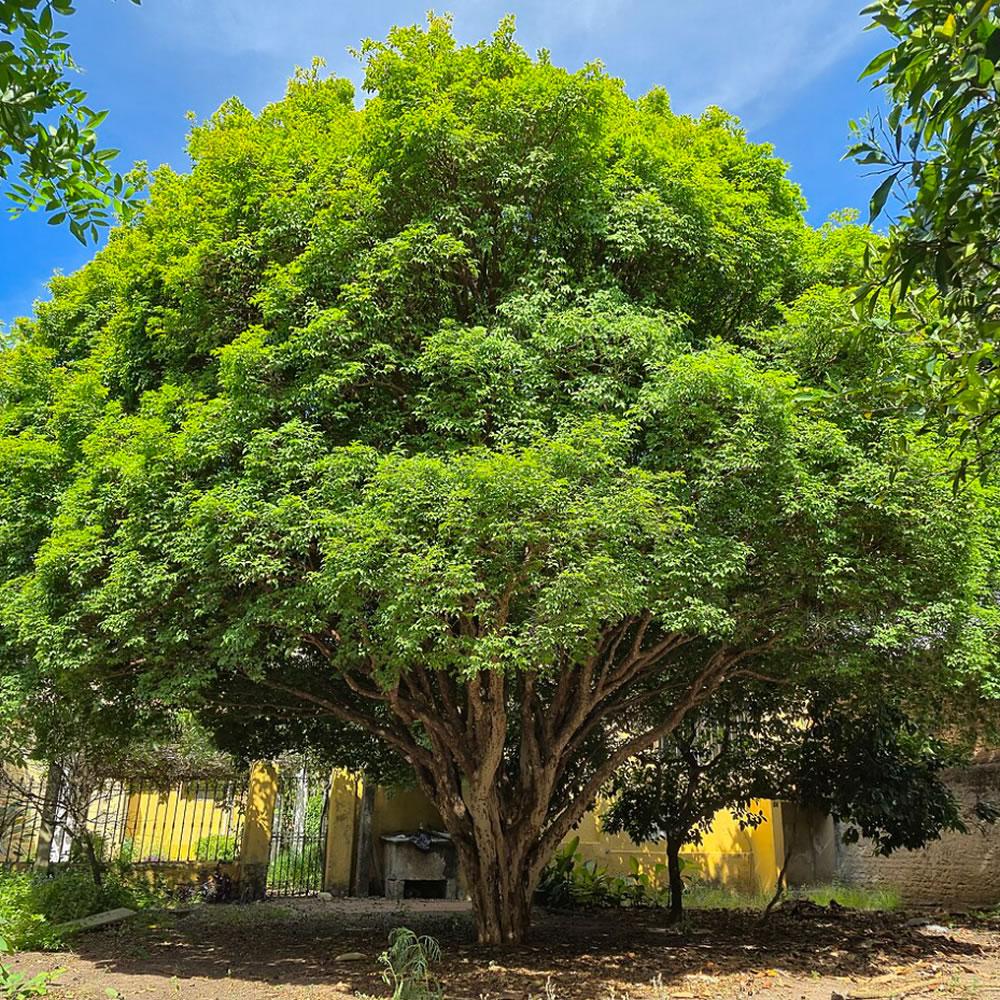
Jabuticaba
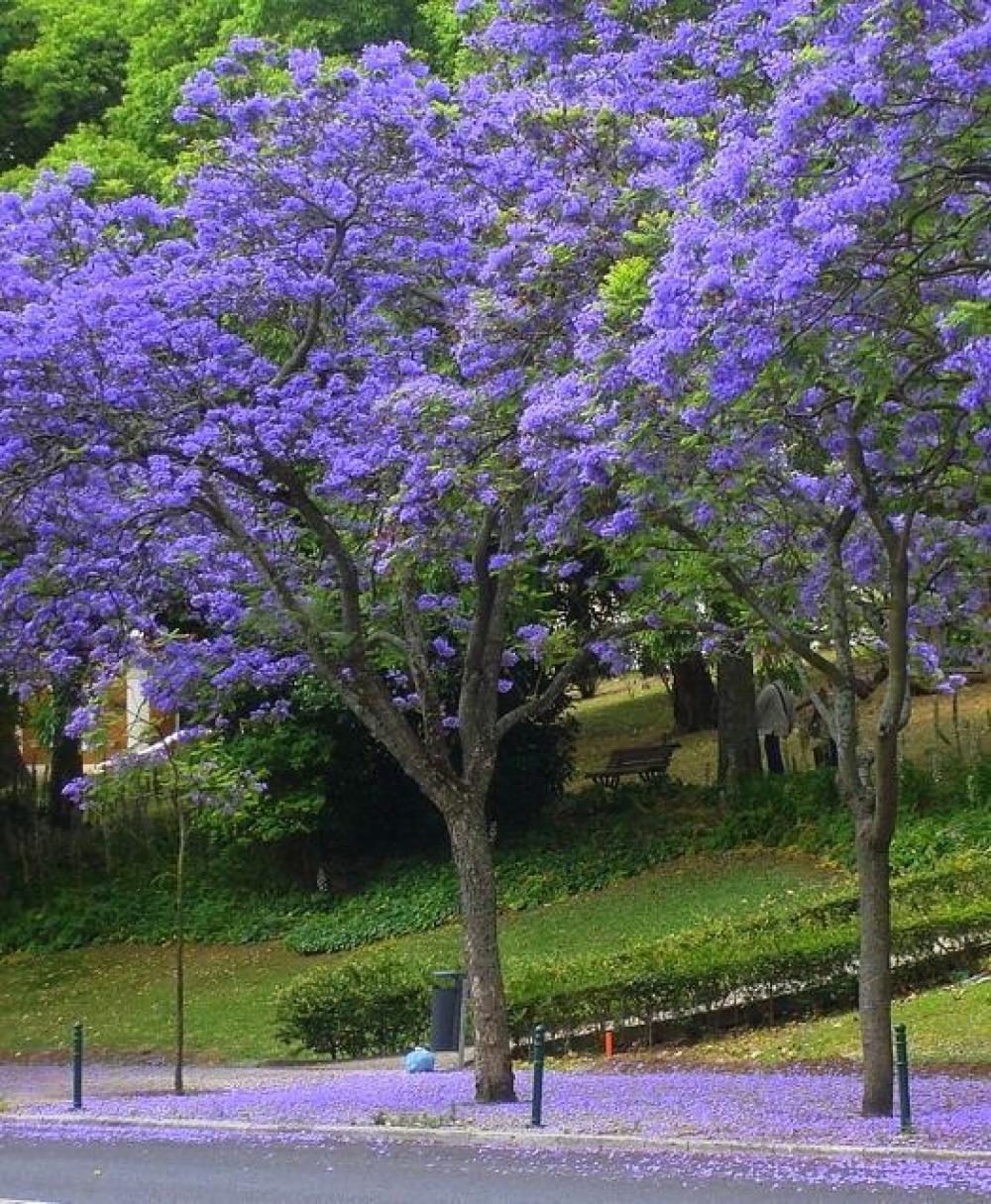
Blue jacaranda
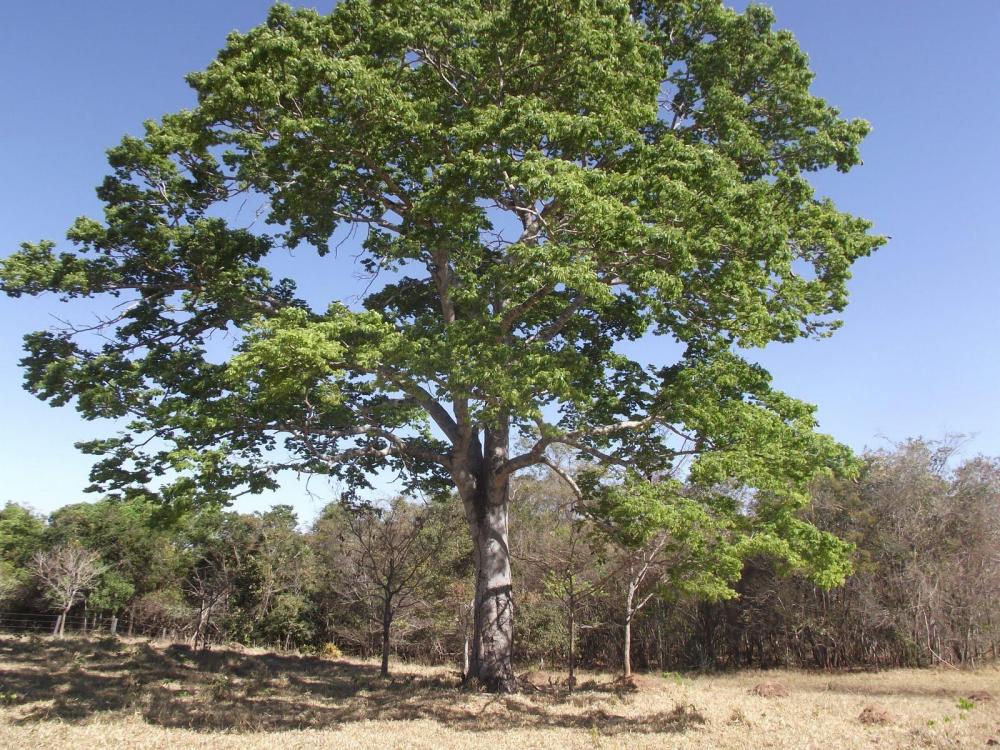
Jatoba
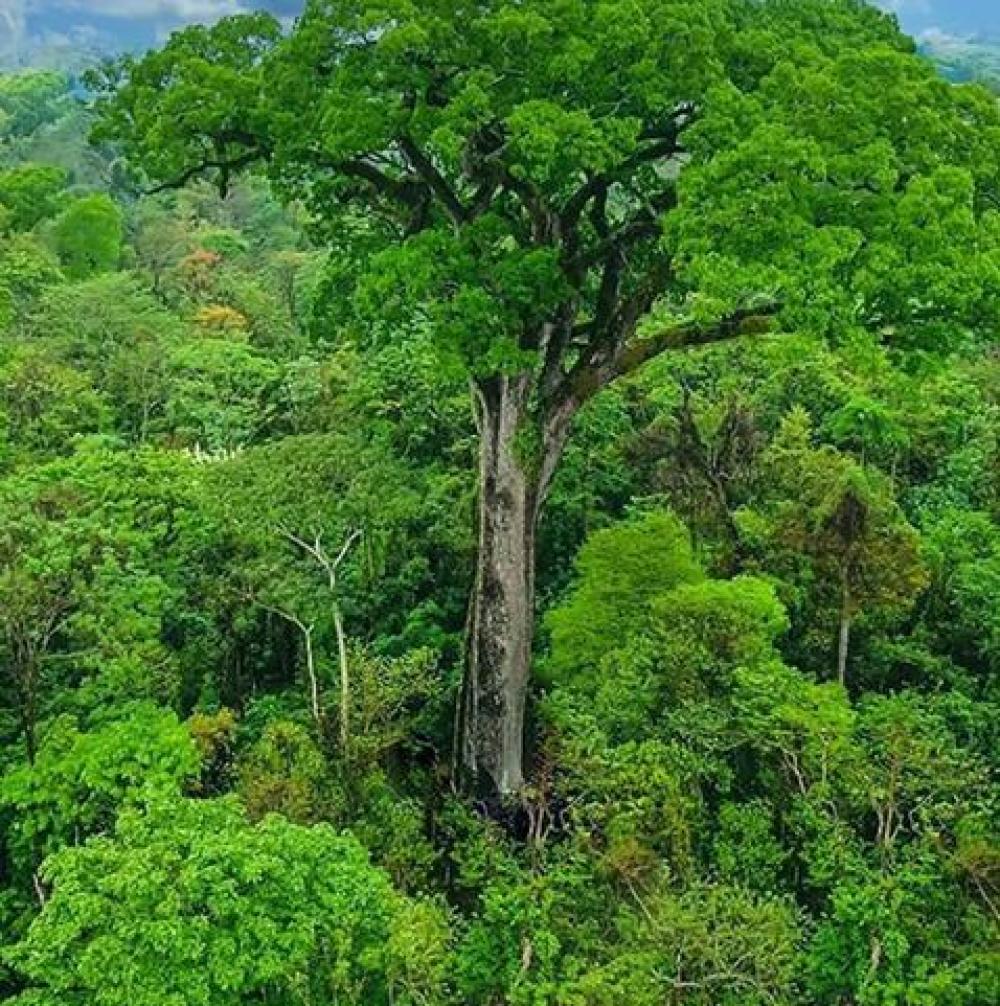
Pink Jequitibá (Cariniana legalis)
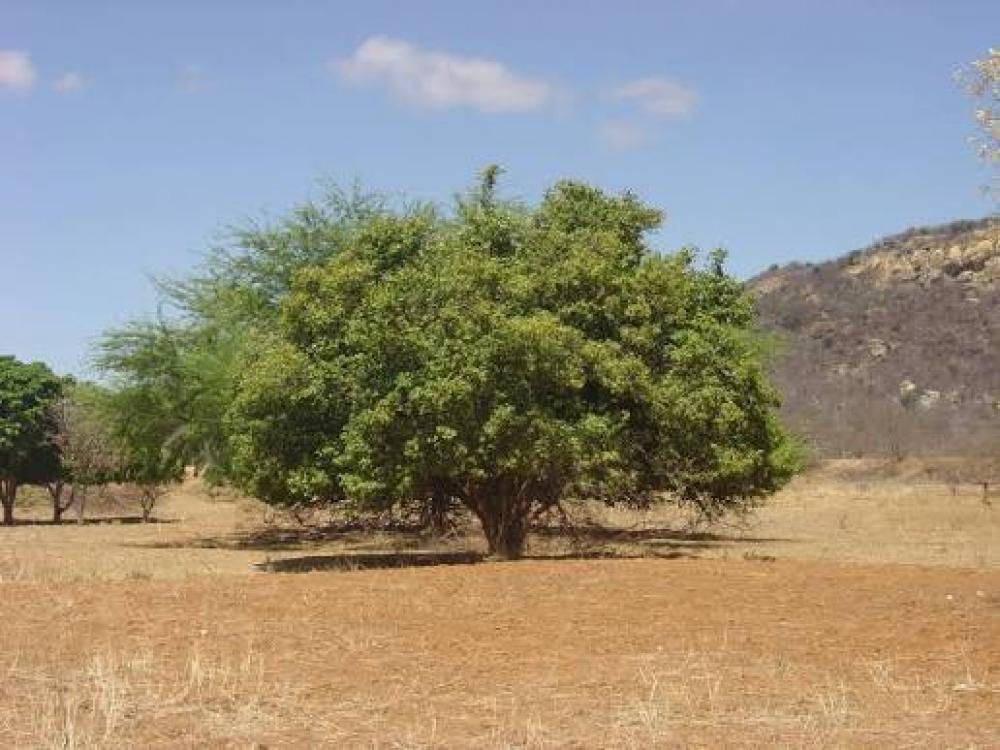
Juazeiro
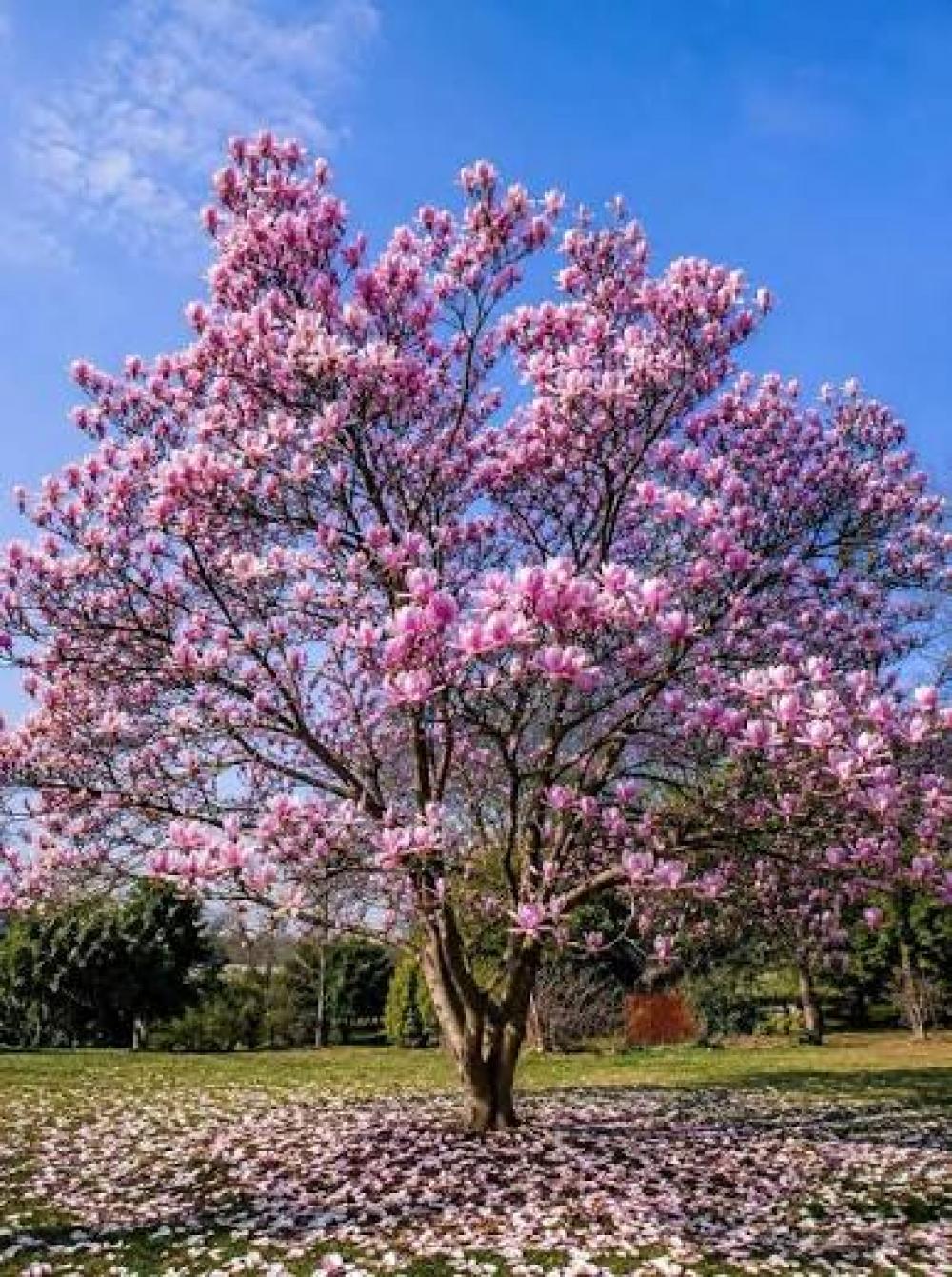
Magnolia
Brazilian Mahogany
pink silk floss tree
Brazilwood
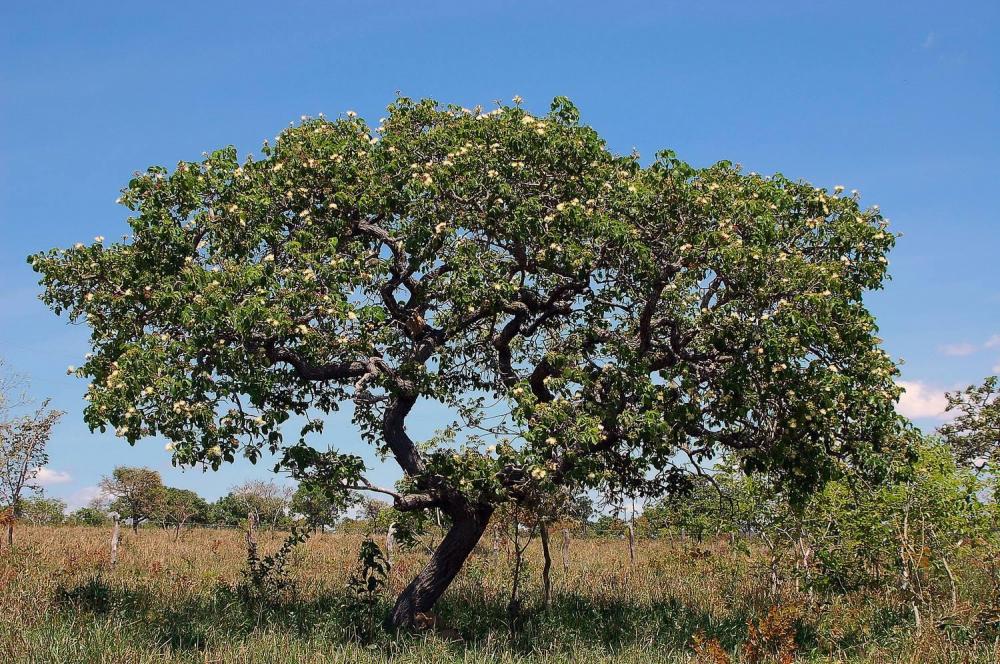
Pequi
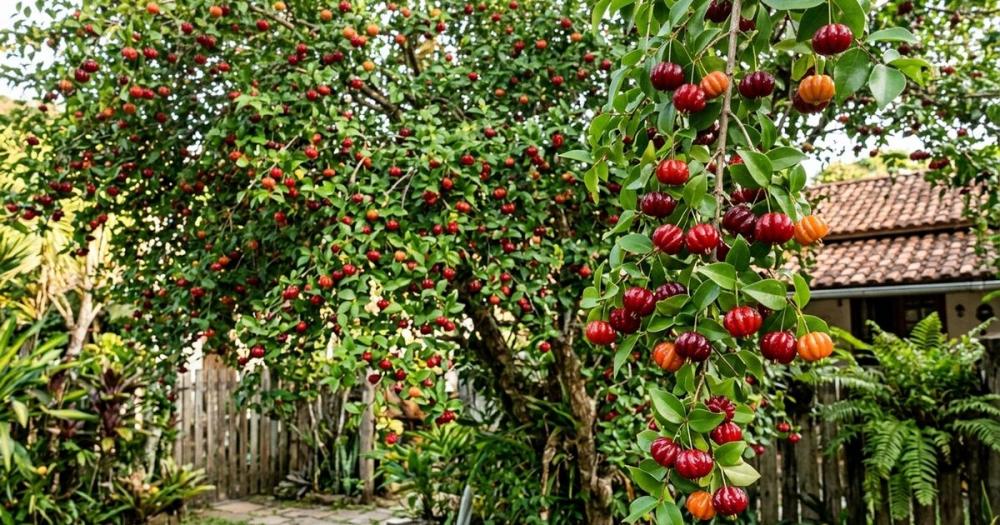
Surinam cherry
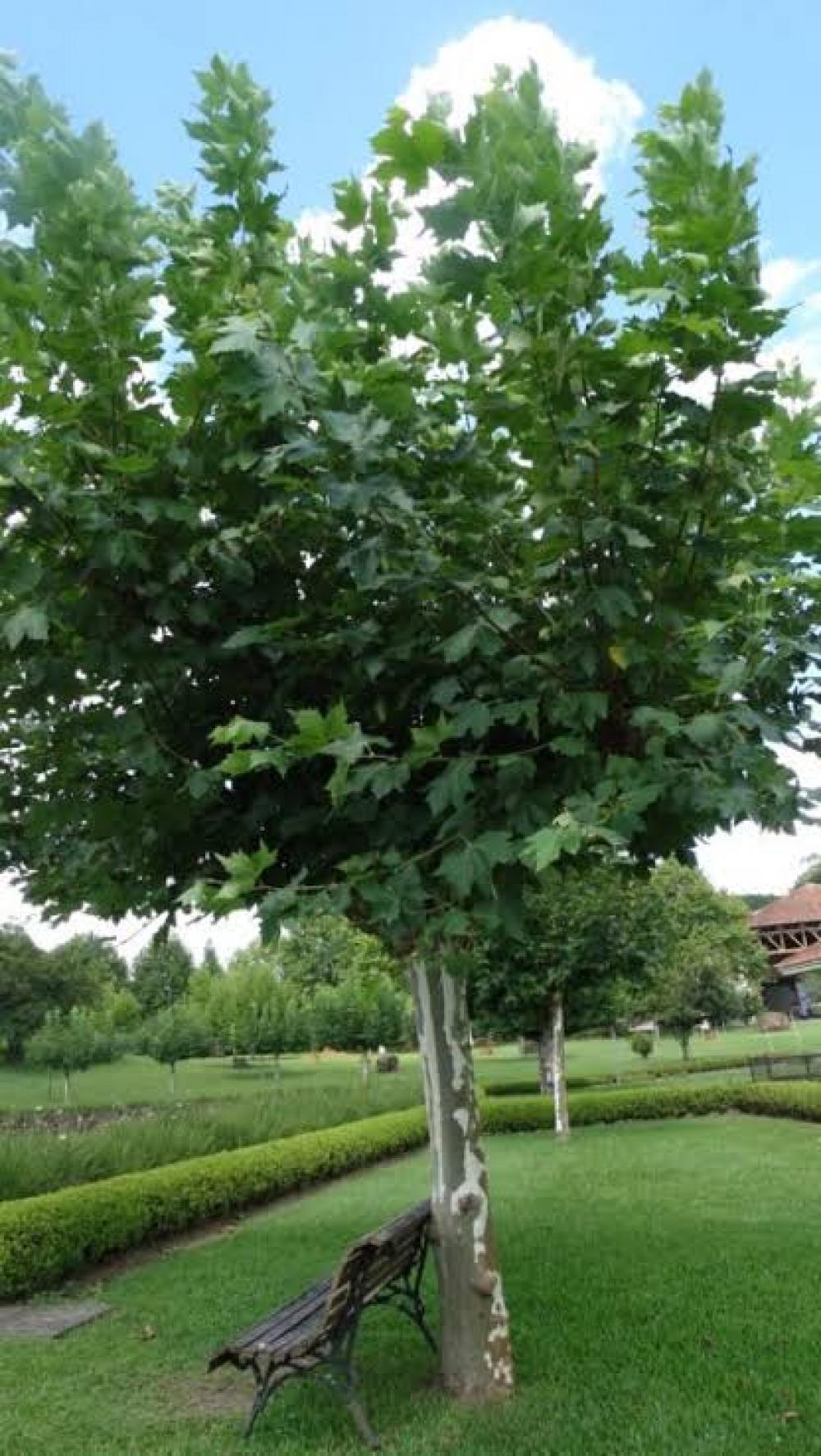
Plane tree
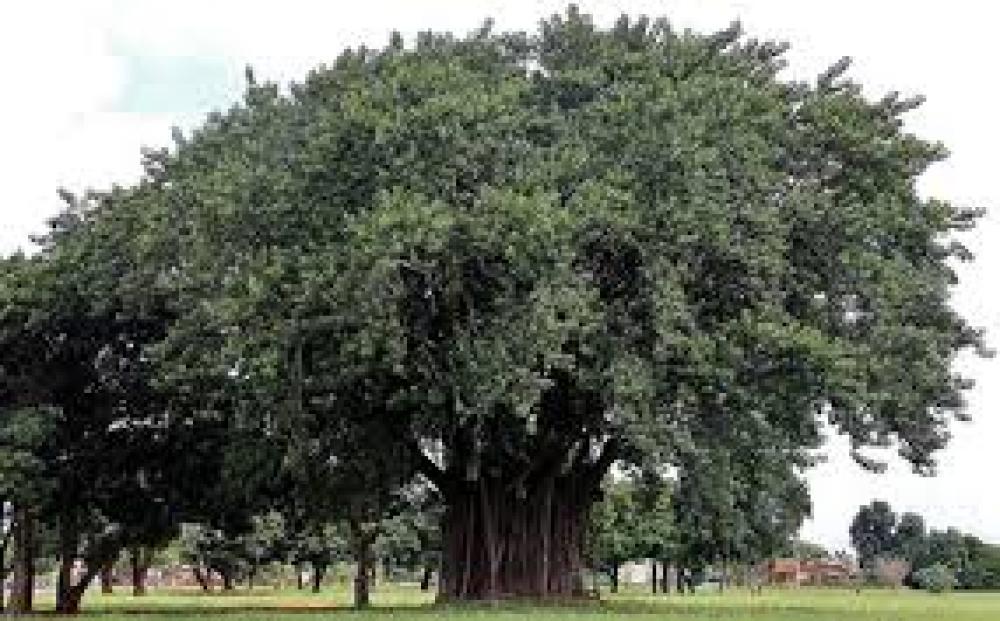
Rubber tree
Sucupira
Linden