

Jatoba
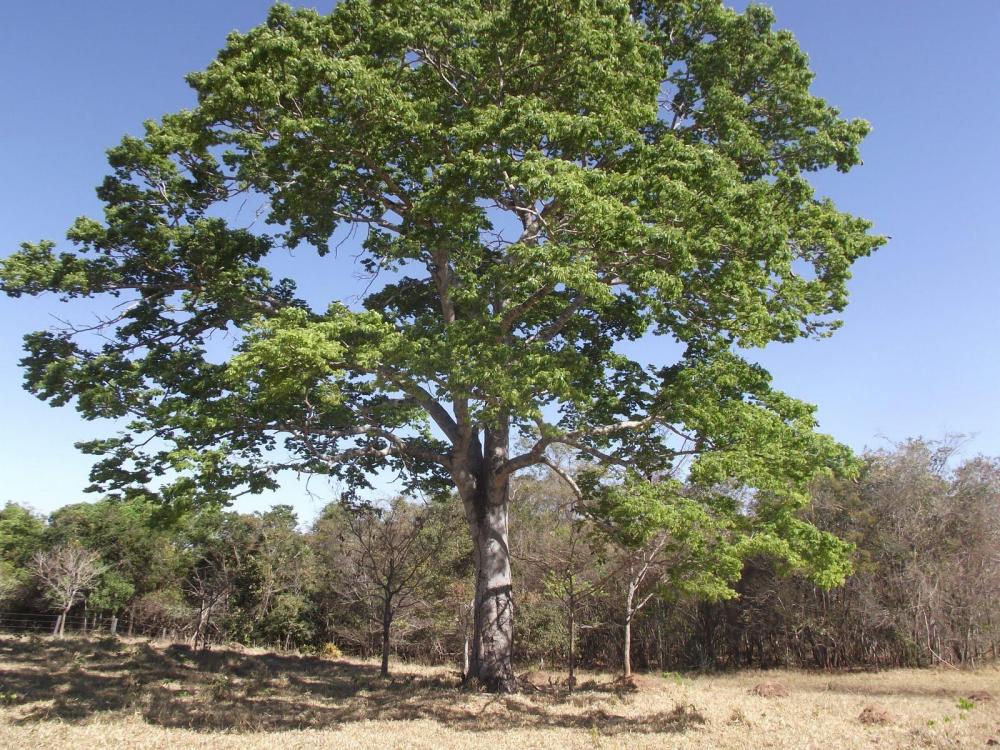
The Jatobá (*Hymenaea courbaril*) is one of the most important and well-known trees in the Brazilian flora, distinguished by its large size, durability, and ability to produce fruit traditionally used as food. It is a native species with a wide distribution across the tropical regions of the Americas and occurs in various Brazilian environments, including the Amazon, Cerrado, Atlantic Forest, and other forest formations.
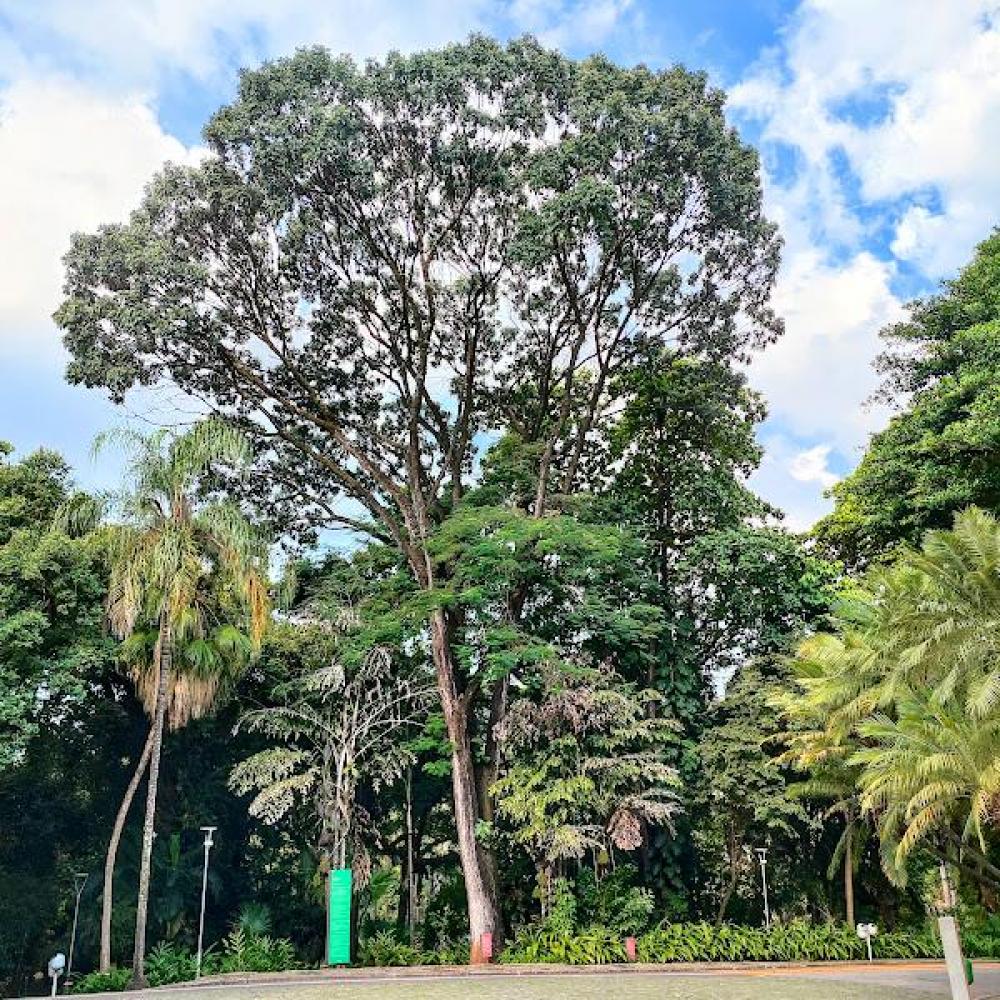
It is a large tree, capable of reaching heights of approximately 20 to 40 meters under natural conditions. It features a robust trunk, tough bark, and a broad crown—characteristics that contribute to its striking presence in the forest. Its leaves consist of two leaflets joined at the base, forming a distinctive shape that makes the species easy to recognize.
Jatobá flowers are light-colored—usually whitish or cream—and produce nectar that attracts bees and other pollinators. After flowering, pod-like fruits develop, featuring a hard, brown shell. Inside lies a dry, aromatic pulp with a distinctive flavor; this pulp is consumed by various animals and is also traditionally used by human populations.
The fruit pulp contains carbohydrates, fiber, and natural compounds, and is traditionally used to make beverages, flour, sweets, and other recipes. The seeds play a key role in the species reproductive biology and can be dispersed by animals, contributing to forest regeneration.
The Jatobá is of immense ecological importance. Its fruits serve as a food source for wildlife, while its large crown provides shelter and favorable conditions for various organisms. As a large tree, it also plays a significant role in ecosystem balance by contributing to carbon storage, nutrient cycling, and soil protection.
Another characteristic feature of the Jatobá is its production of a resin known as copal, which is traditionally obtained from certain species within the *Hymenaea* genus. This material holds historical and cultural significance and can be used in various products, particularly in applications related to varnishes, aromas, and traditional practices.
Jatobá wood is renowned for its high strength, density, and durability, and is traditionally used in construction, flooring, furniture, structural components, and other products. Its value as timber underscores the importance of responsible management, the conservation of mature trees, and the use of systems that ensure the renewal of natural populations.
In traditional medicine, various parts of the Jatobá tree—particularly the bark, resin, and fruit—are used in folk remedies. Scientific research is investigating the various compounds found in the species and their potential biological activities. However, experimental results do not automatically equate to proven clinical efficacy; therefore, caution and proper guidance are necessary regarding its medicinal use.
The Jatobá also holds significant cultural and educational value. Traditional knowledge surrounding the tree illustrates how communities have learned, over generations, to recognize and utilize the resources provided by the forest. At the same time, science enables a better understanding of the trees biology, its ecological relationships, and its importance for biodiversity conservation.
Due to its size, longevity, and ecological importance, the Jatobá can contribute to environmental restoration projects, the recovery of degraded areas, and environmental education. Planting and preserving large tree species means looking beyond the present to the creation of forests capable of sustaining diverse forms of life in the future.
The Jatobá embodies a union of strength, sustenance, culture, science, and biodiversity. Its presence in Brazilian forests demonstrates the richness of natural resources and the importance of conserving native species so that their ecological and cultural benefits remain available to future generations.
Jatobá: a tree with deep roots and fruits steeped in tradition, playing a fundamental role in the life of Brazilian forests.
It is a large tree, capable of reaching heights of approximately 20 to 40 meters under natural conditions. It features a robust trunk, tough bark, and a broad crown—characteristics that contribute to its striking presence in the forest. Its leaves consist of two leaflets joined at the base, forming a distinctive shape that makes the species easy to recognize.
Jatobá flowers are light-colored—usually whitish or cream—and produce nectar that attracts bees and other pollinators. After flowering, pod-like fruits develop, featuring a hard, brown shell. Inside lies a dry, aromatic pulp with a distinctive flavor; this pulp is consumed by various animals and is also traditionally used by human populations.
The fruit pulp contains carbohydrates, fiber, and natural compounds, and is traditionally used to make beverages, flour, sweets, and other recipes. The seeds play a key role in the species reproductive biology and can be dispersed by animals, contributing to forest regeneration.
The Jatobá is of immense ecological importance. Its fruits serve as a food source for wildlife, while its large crown provides shelter and favorable conditions for various organisms. As a large tree, it also plays a significant role in ecosystem balance by contributing to carbon storage, nutrient cycling, and soil protection.
Another characteristic feature of the Jatobá is its production of a resin known as copal, which is traditionally obtained from certain species within the *Hymenaea* genus. This material holds historical and cultural significance and can be used in various products, particularly in applications related to varnishes, aromas, and traditional practices.
Jatobá wood is renowned for its high strength, density, and durability, and is traditionally used in construction, flooring, furniture, structural components, and other products. Its value as timber underscores the importance of responsible management, the conservation of mature trees, and the use of systems that ensure the renewal of natural populations.
In traditional medicine, various parts of the Jatobá tree—particularly the bark, resin, and fruit—are used in folk remedies. Scientific research is investigating the various compounds found in the species and their potential biological activities. However, experimental results do not automatically equate to proven clinical efficacy; therefore, caution and proper guidance are necessary regarding its medicinal use.
The Jatobá also holds significant cultural and educational value. Traditional knowledge surrounding the tree illustrates how communities have learned, over generations, to recognize and utilize the resources provided by the forest. At the same time, science enables a better understanding of the trees biology, its ecological relationships, and its importance for biodiversity conservation.
Due to its size, longevity, and ecological importance, the Jatobá can contribute to environmental restoration projects, the recovery of degraded areas, and environmental education. Planting and preserving large tree species means looking beyond the present to the creation of forests capable of sustaining diverse forms of life in the future.
The Jatobá embodies a union of strength, sustenance, culture, science, and biodiversity. Its presence in Brazilian forests demonstrates the richness of natural resources and the importance of conserving native species so that their ecological and cultural benefits remain available to future generations.
Jatobá: a tree with deep roots and fruits steeped in tradition, playing a fundamental role in the life of Brazilian forests.
Tree Catalog
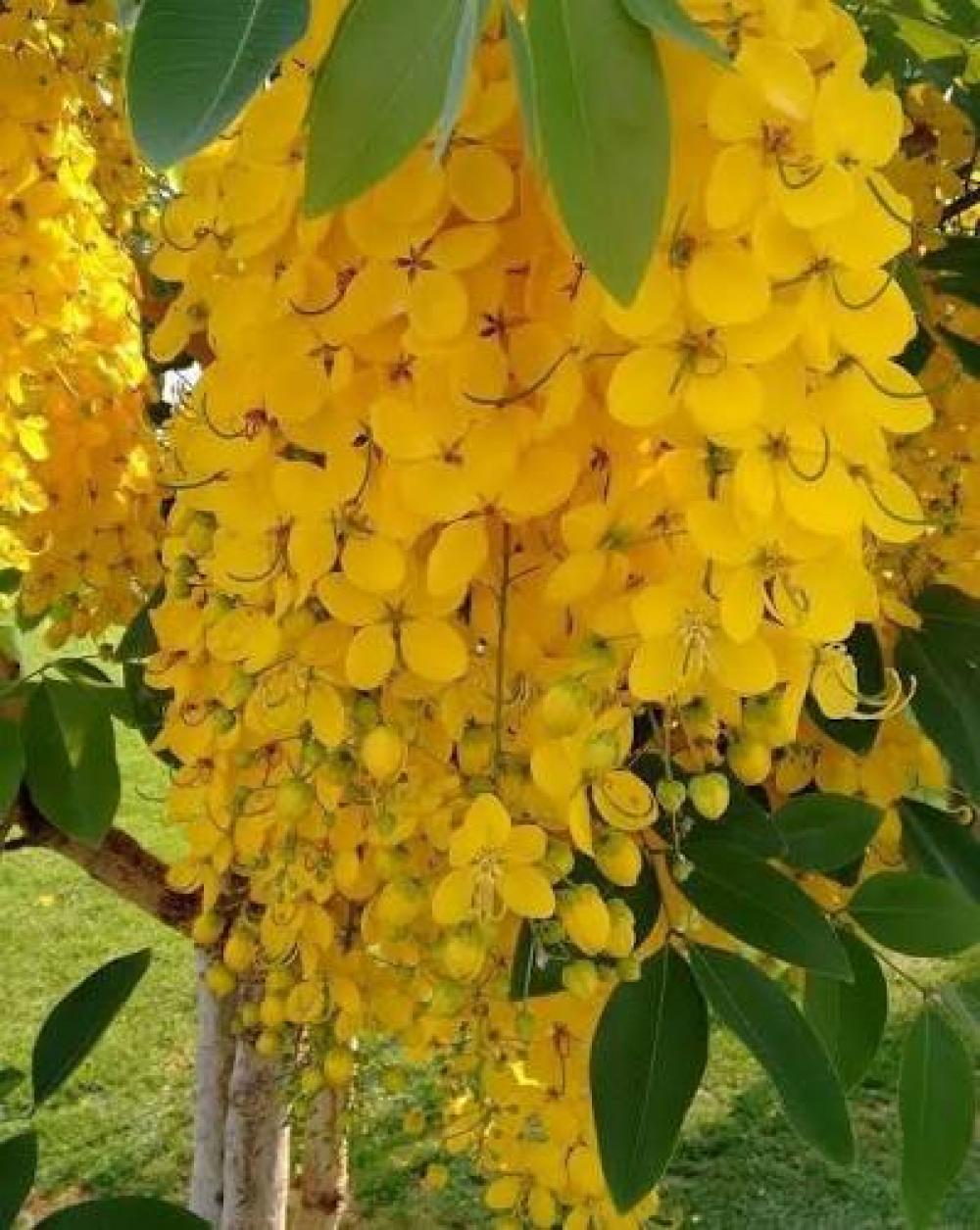
Imperial acacia
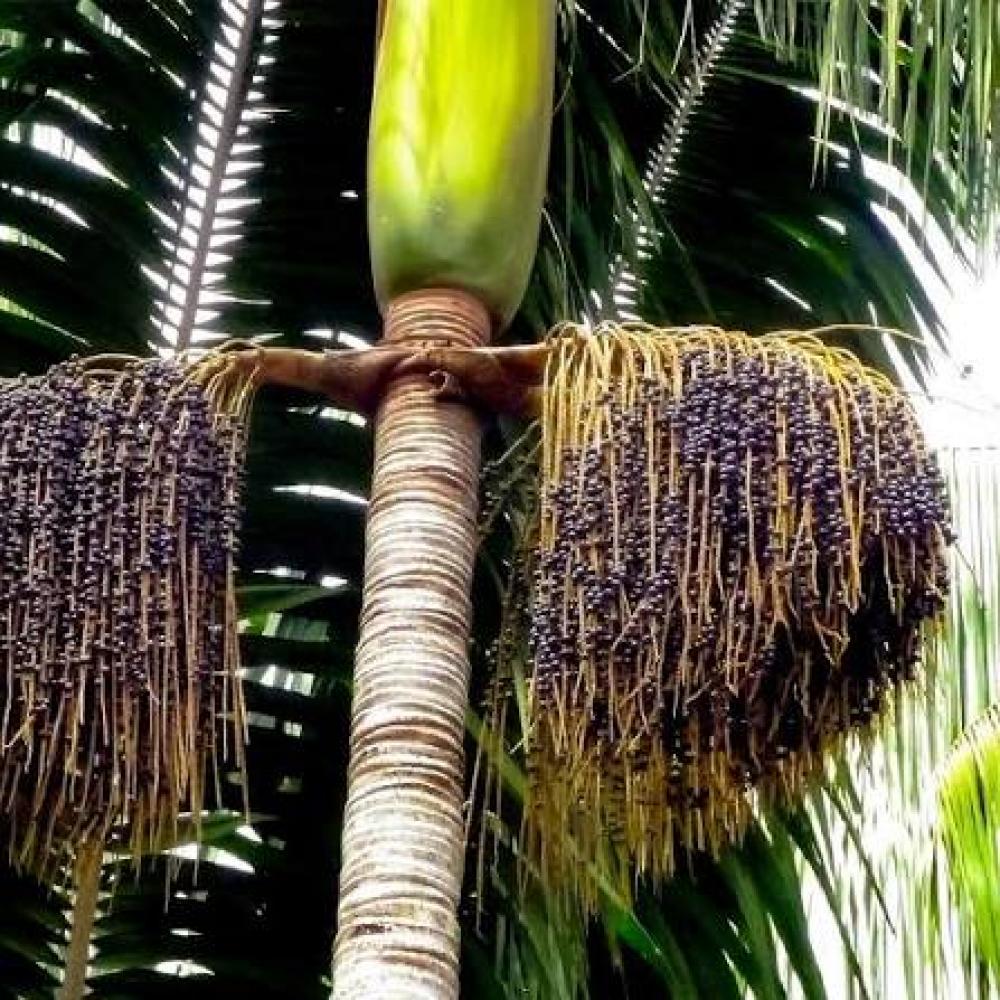
Açaí palm
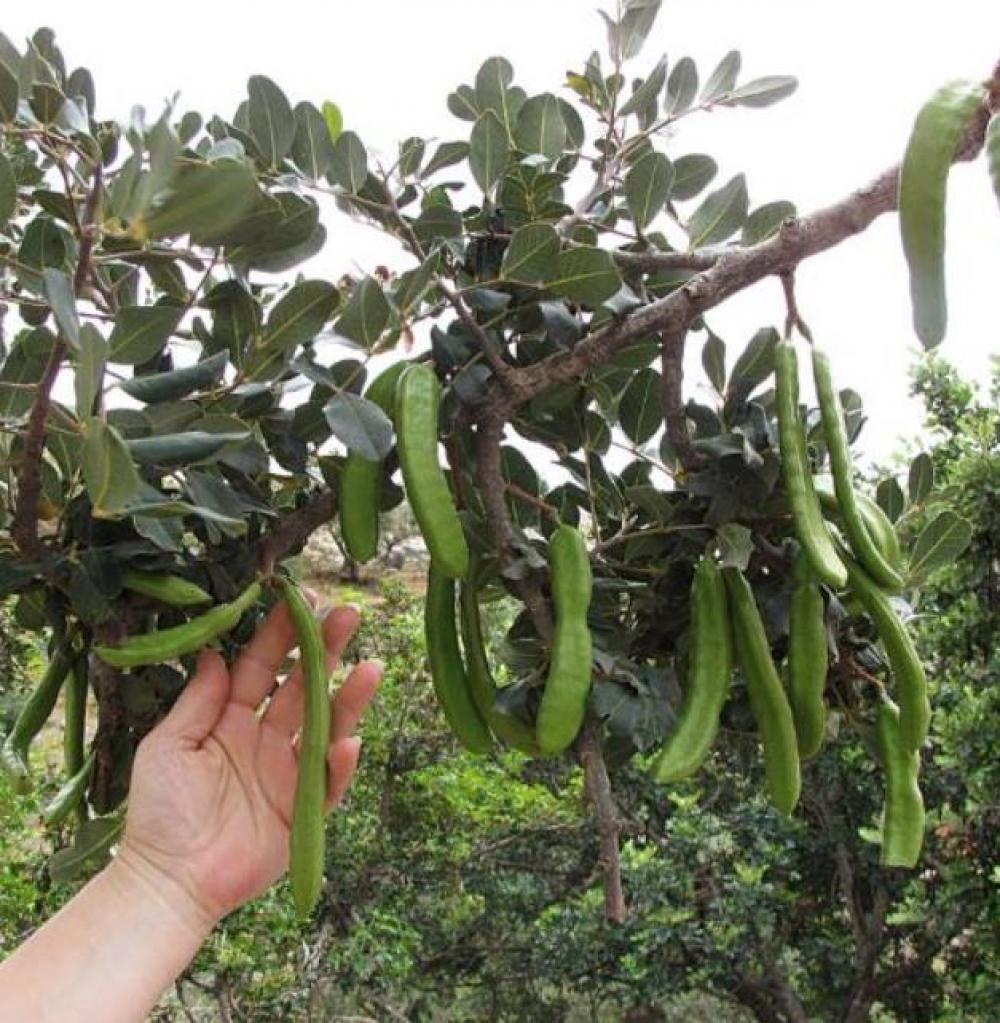
Alfarrobeira
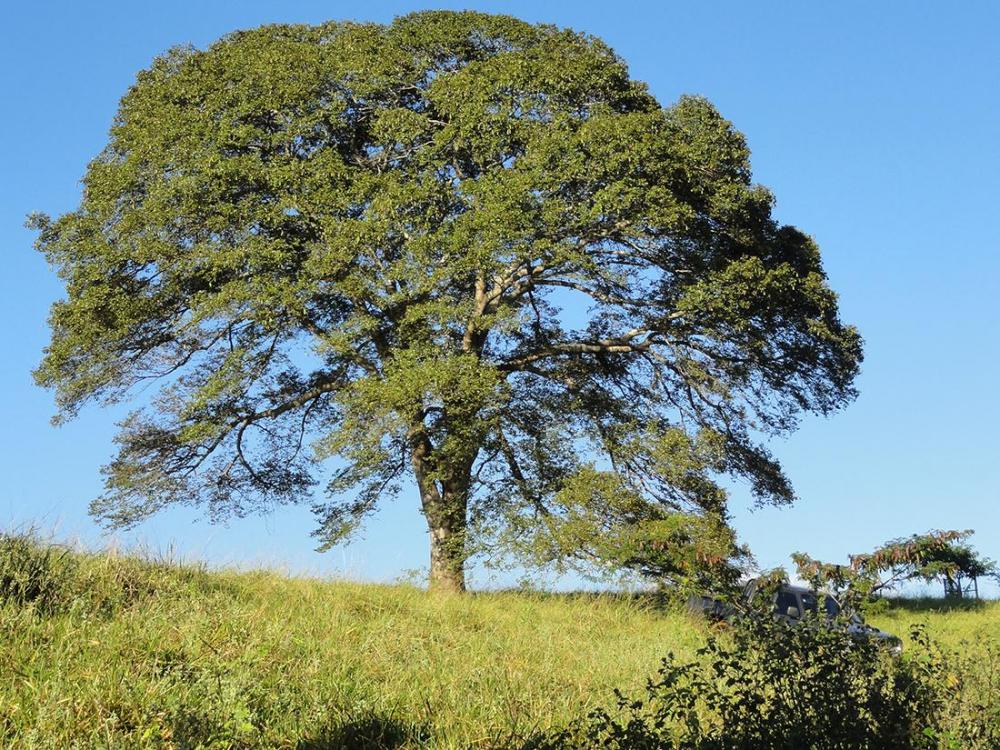
Andiroba
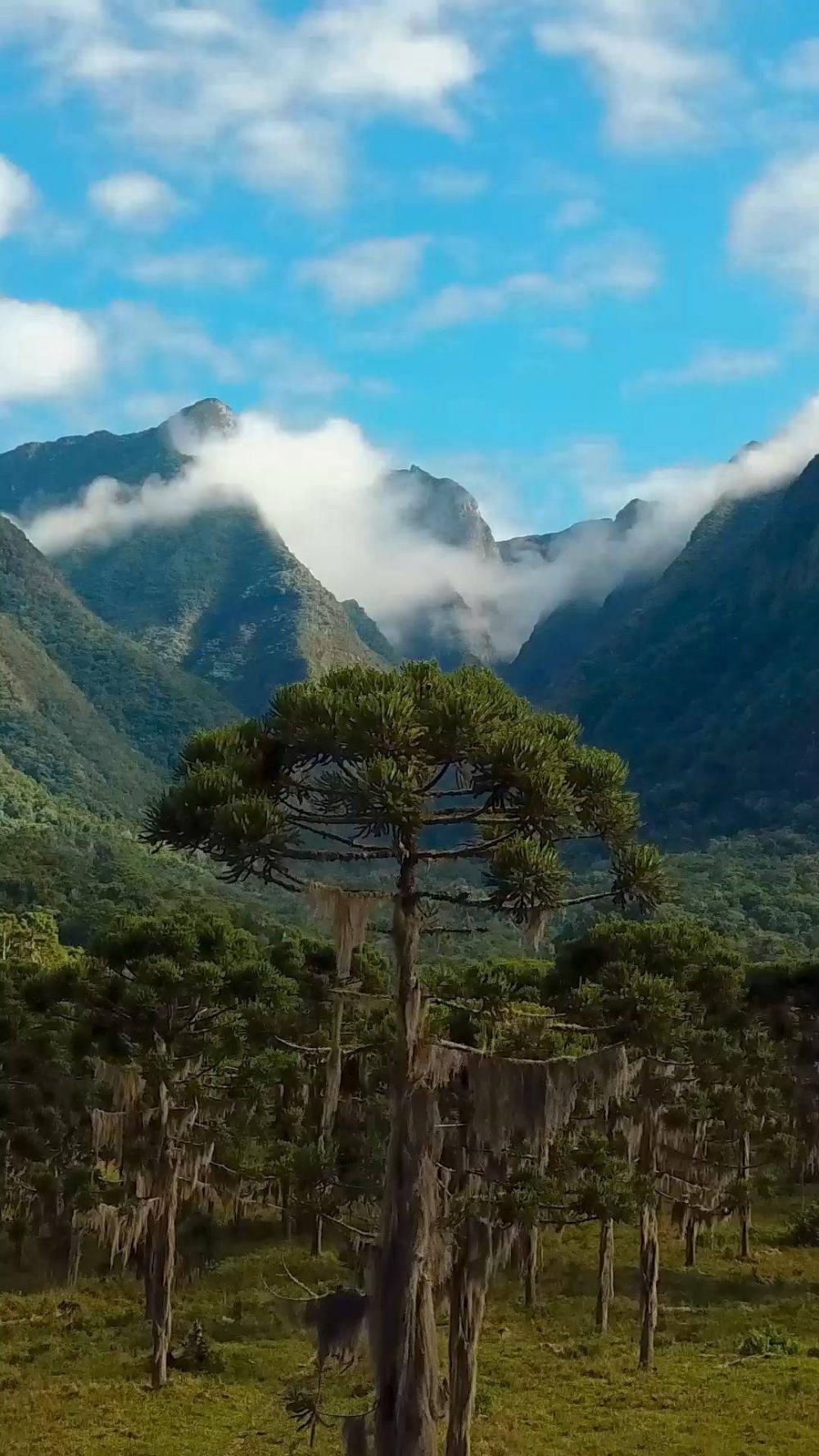
Red Angelim
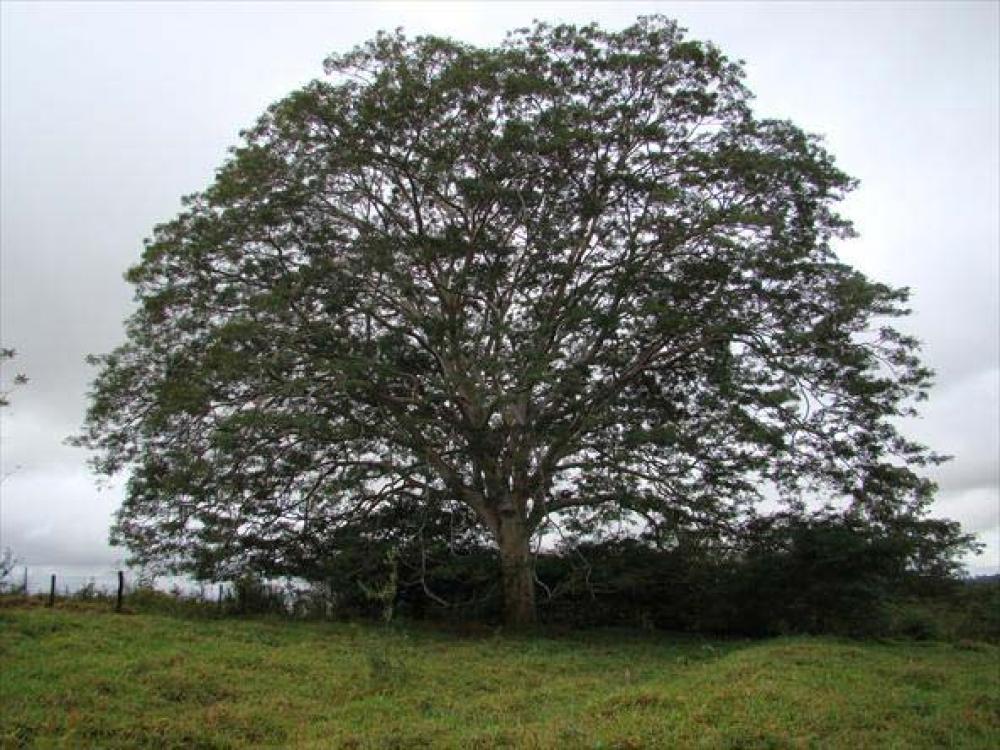
White Angico
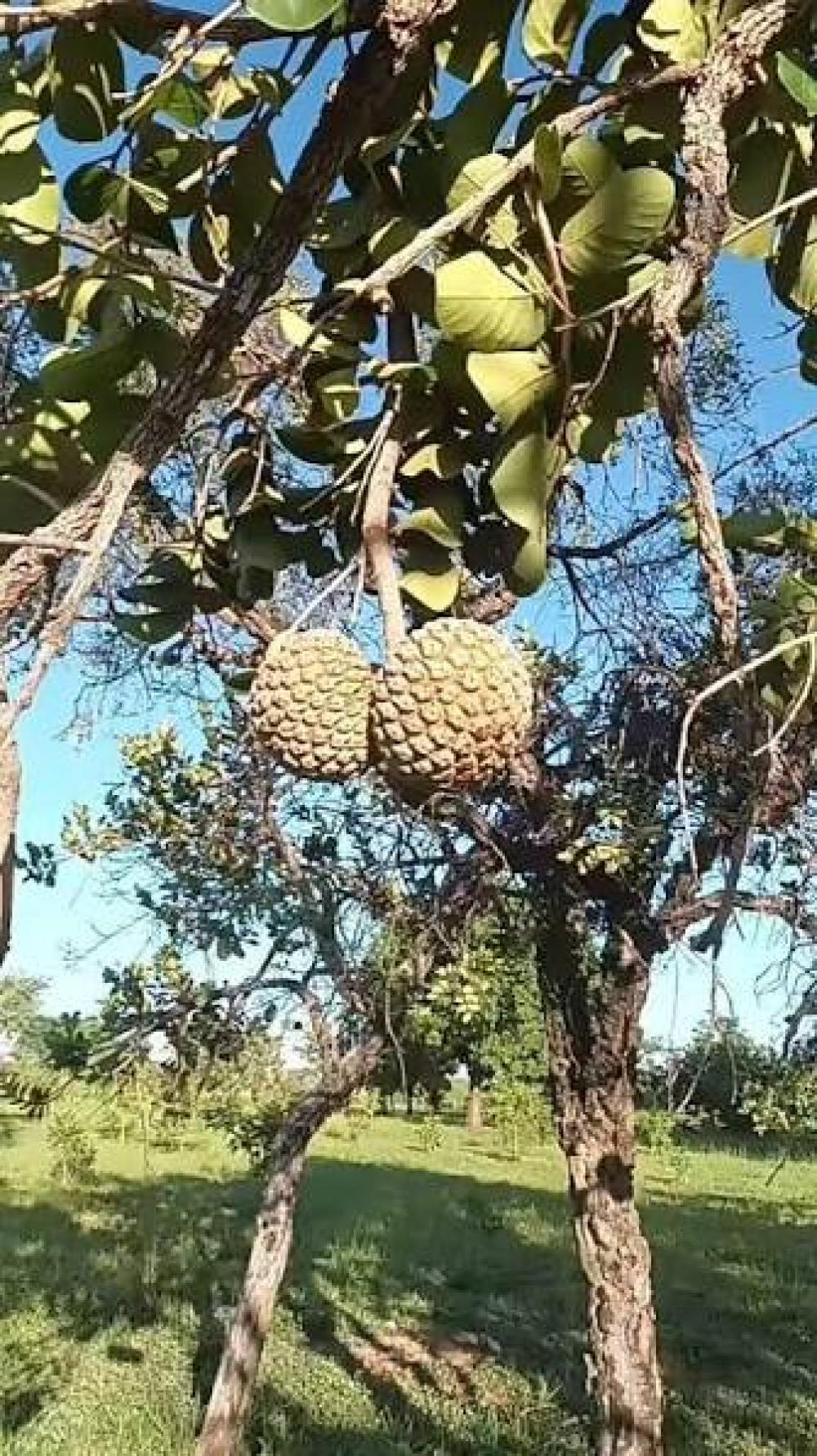
Araticum
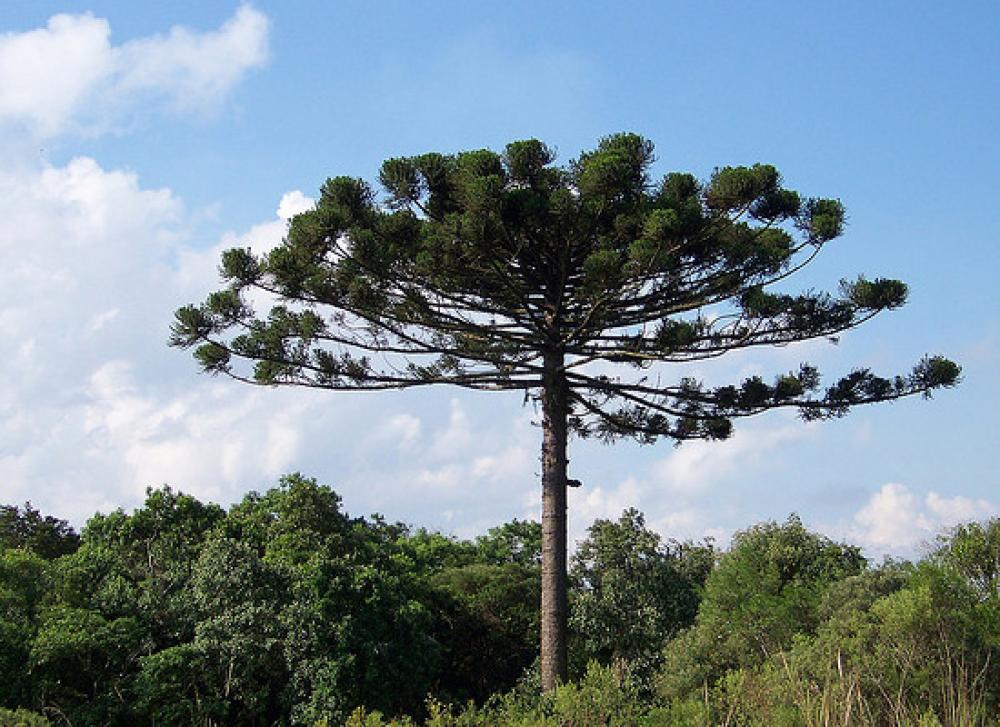
Araucaria, the Paraná pine
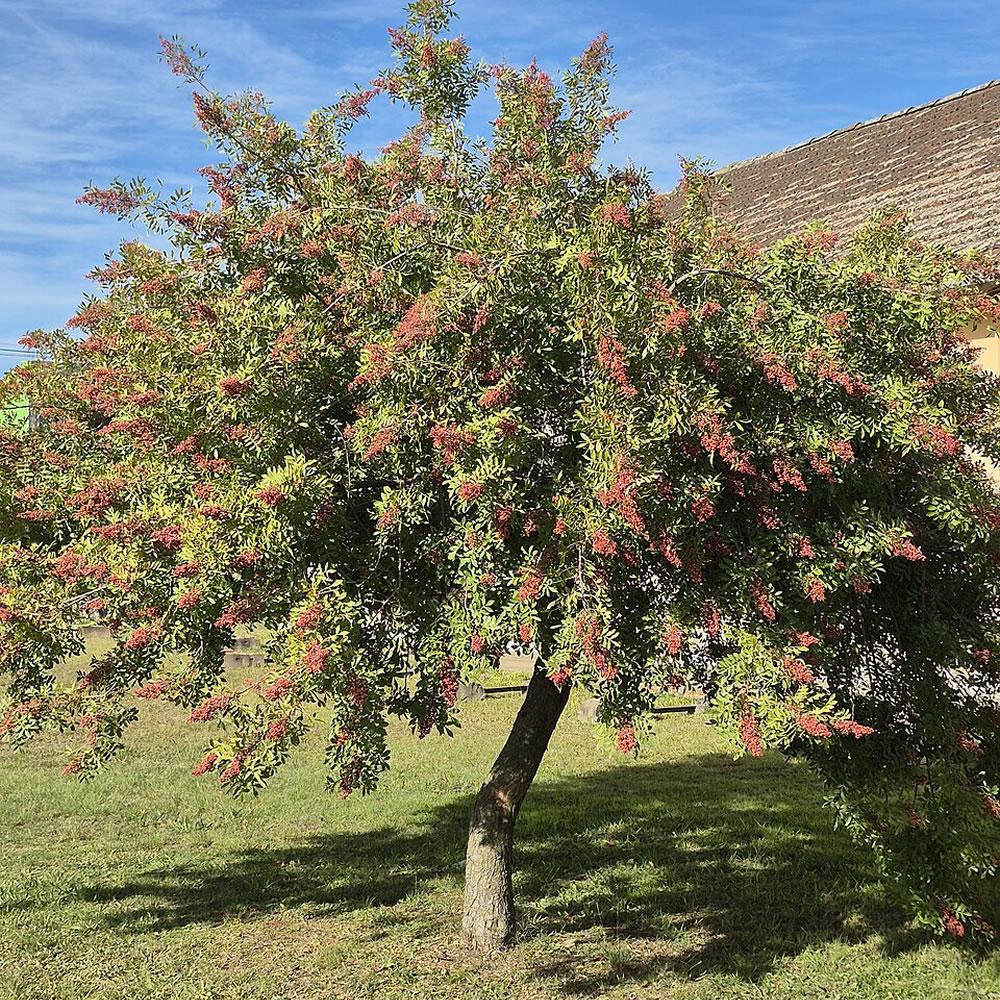
Brazilian peppertree
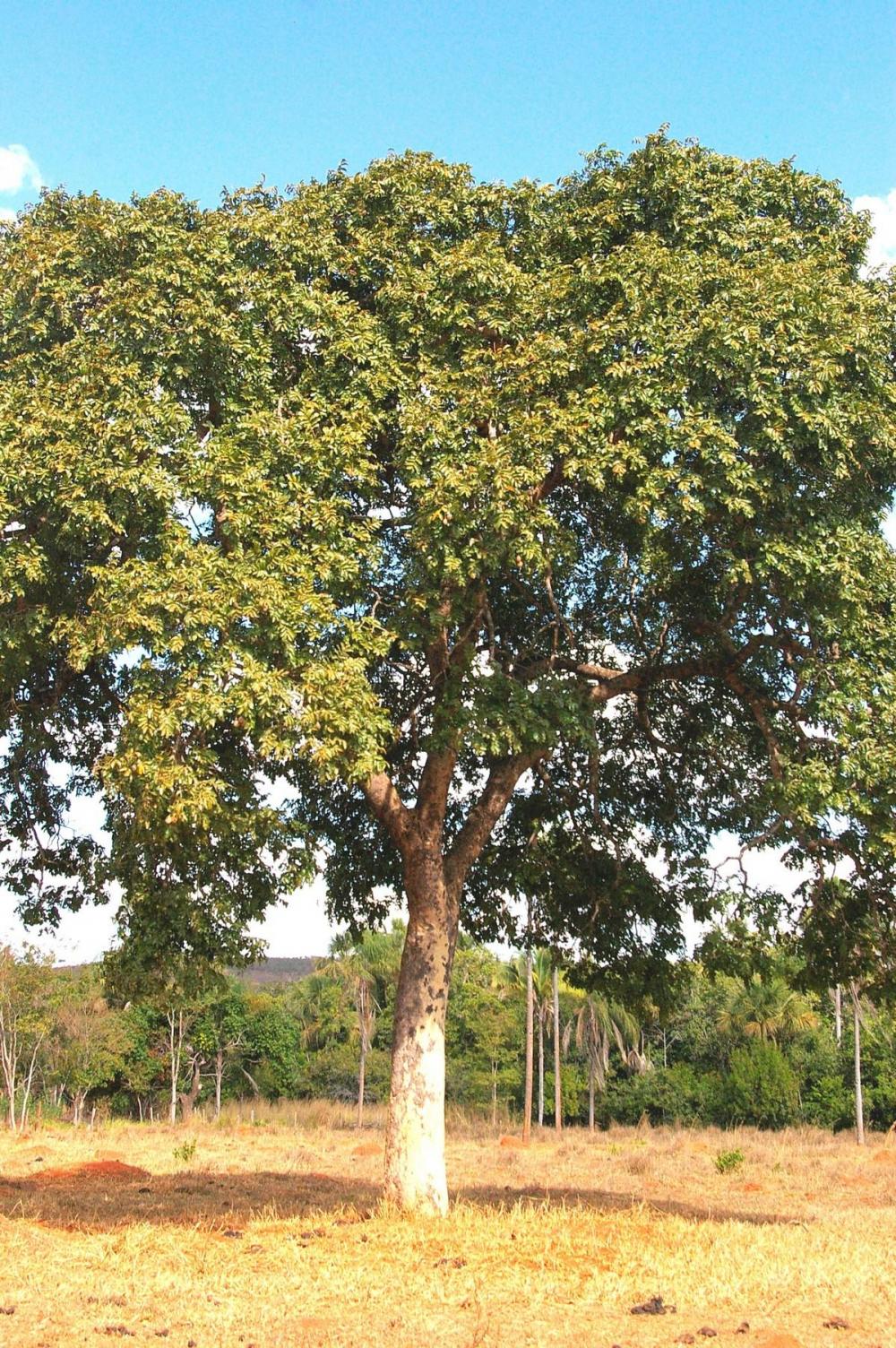
Baru
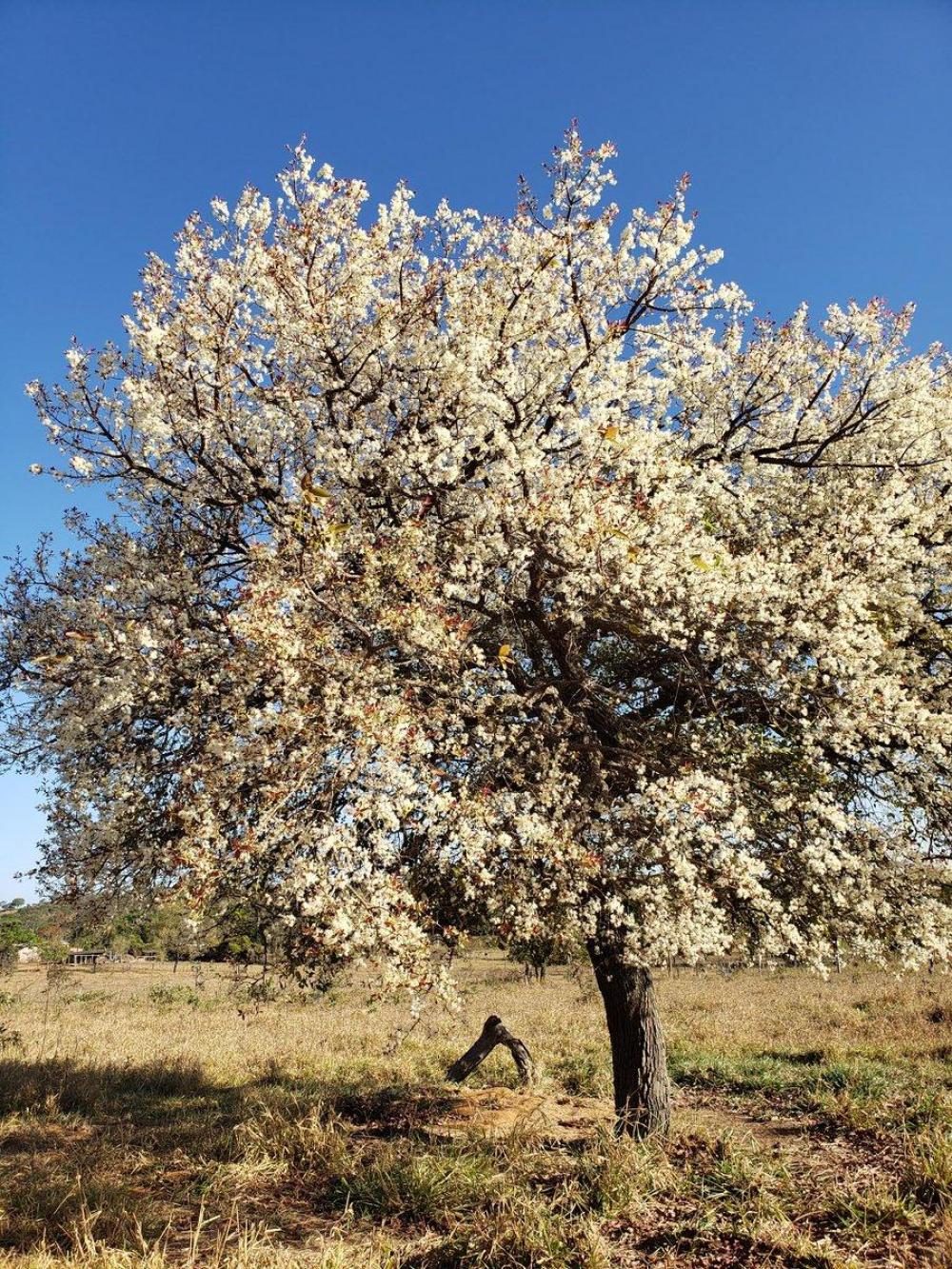
Cagaita
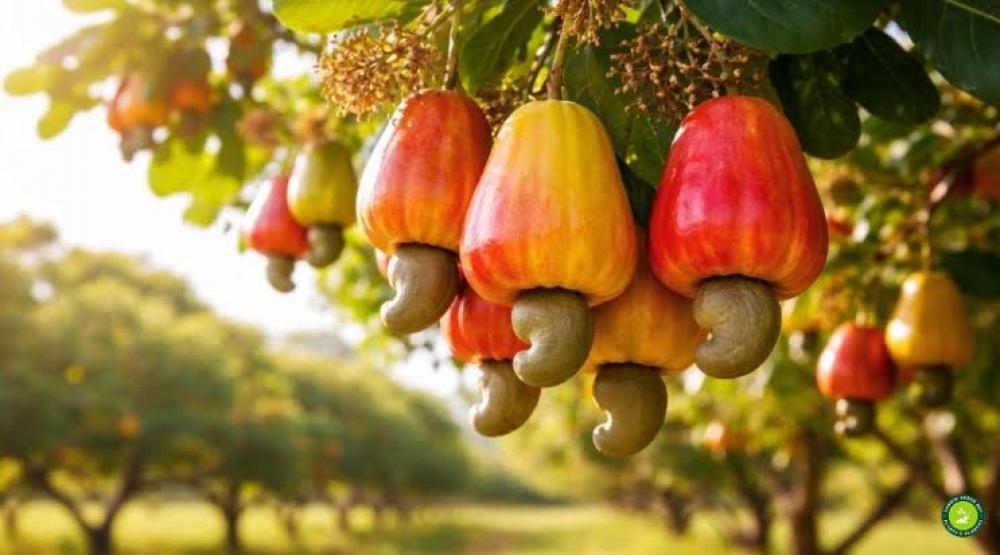
cashew tree
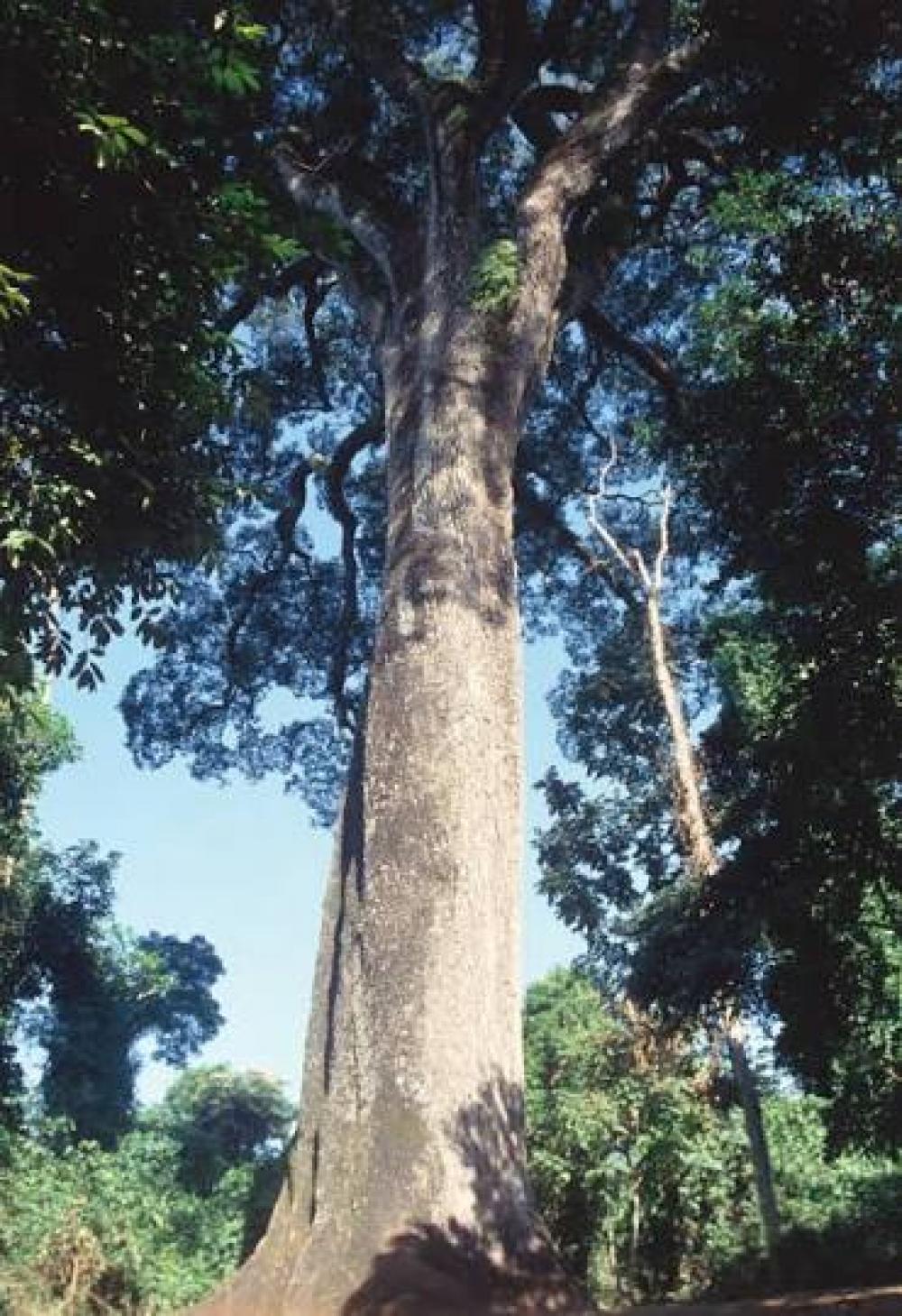
Black Cinnamon
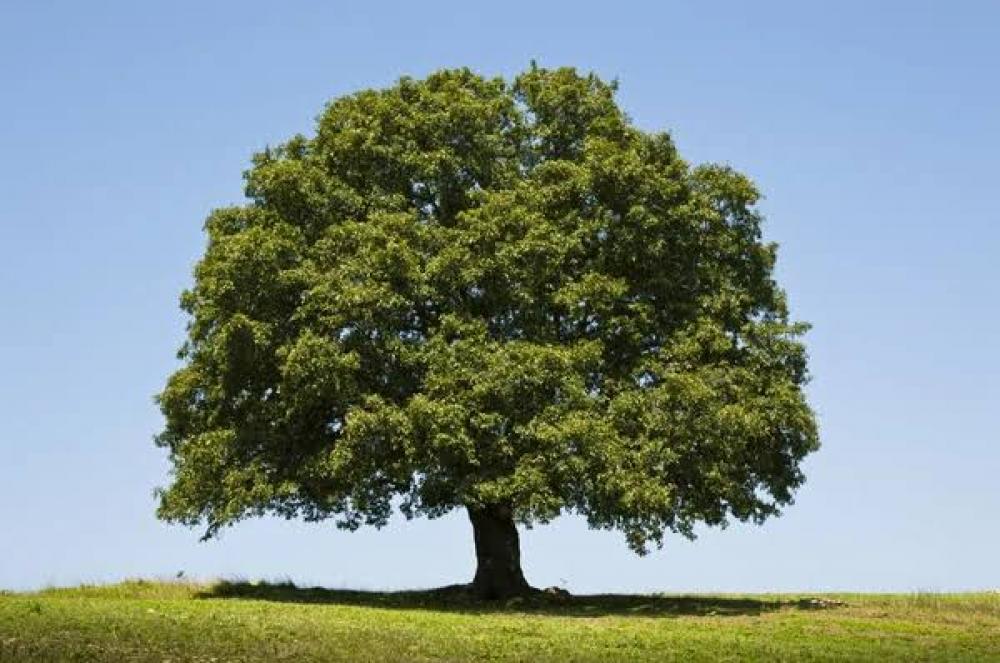
Oak tree
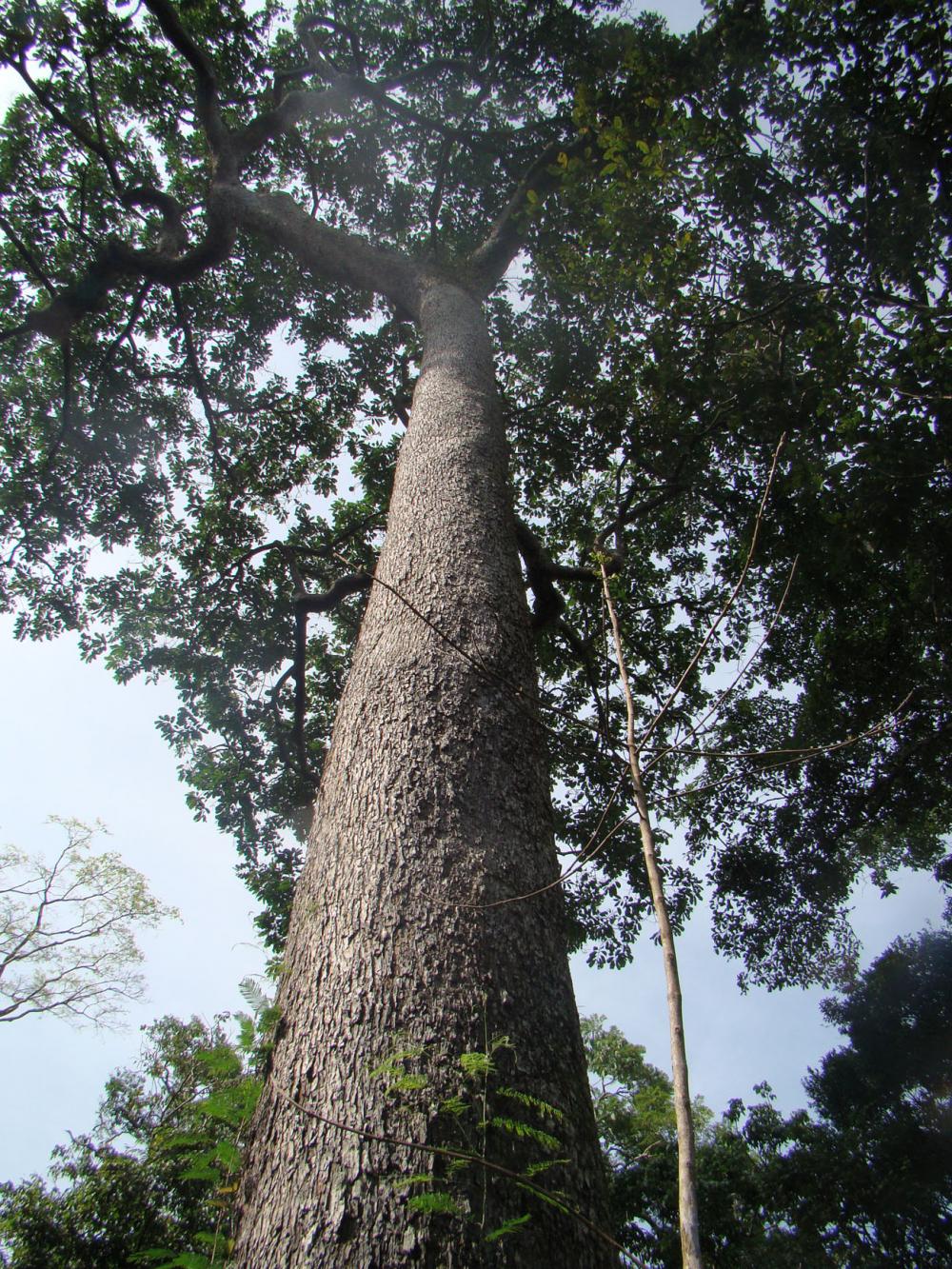
nuez de Brasil
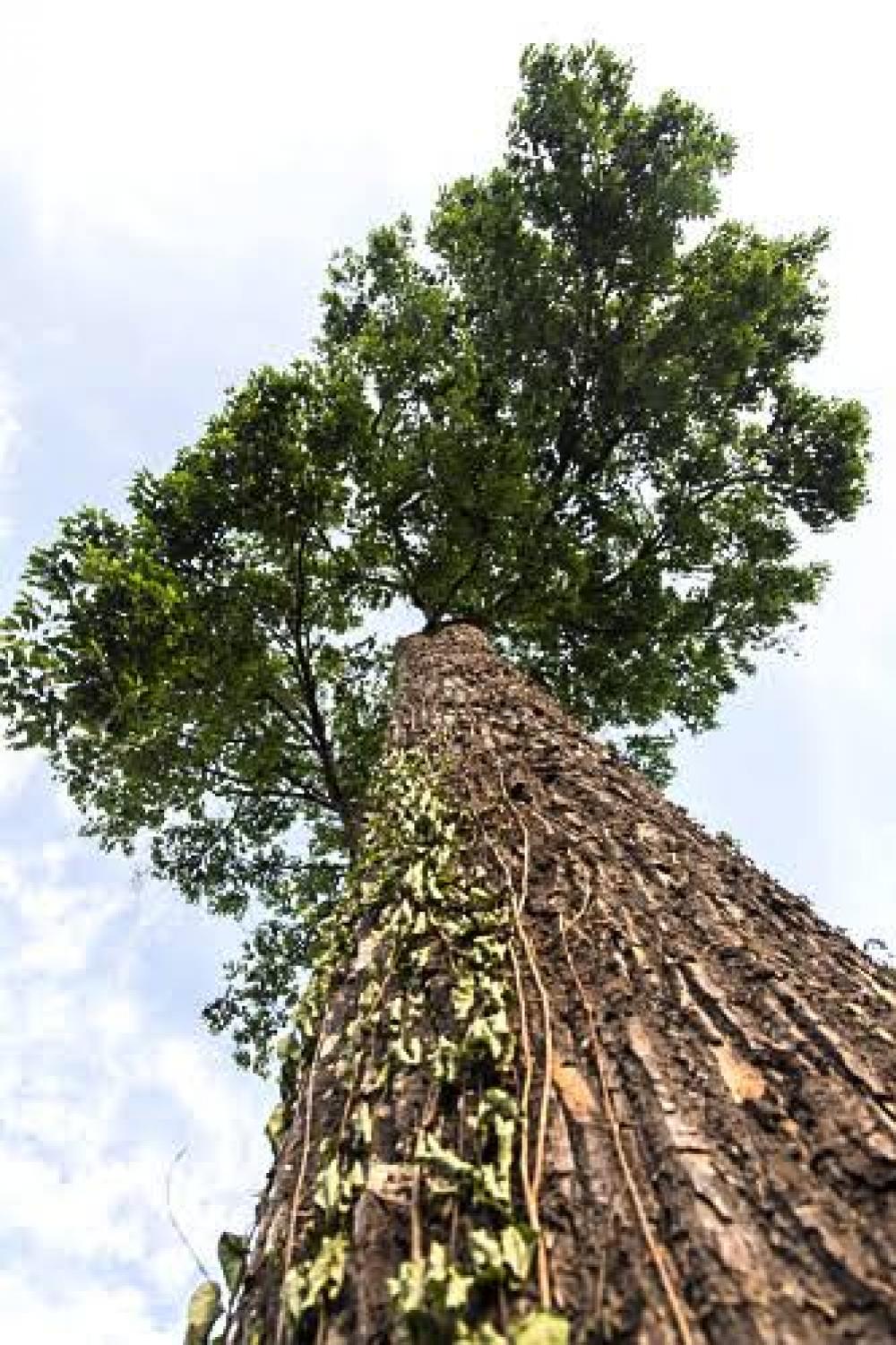
Brazil nut tree
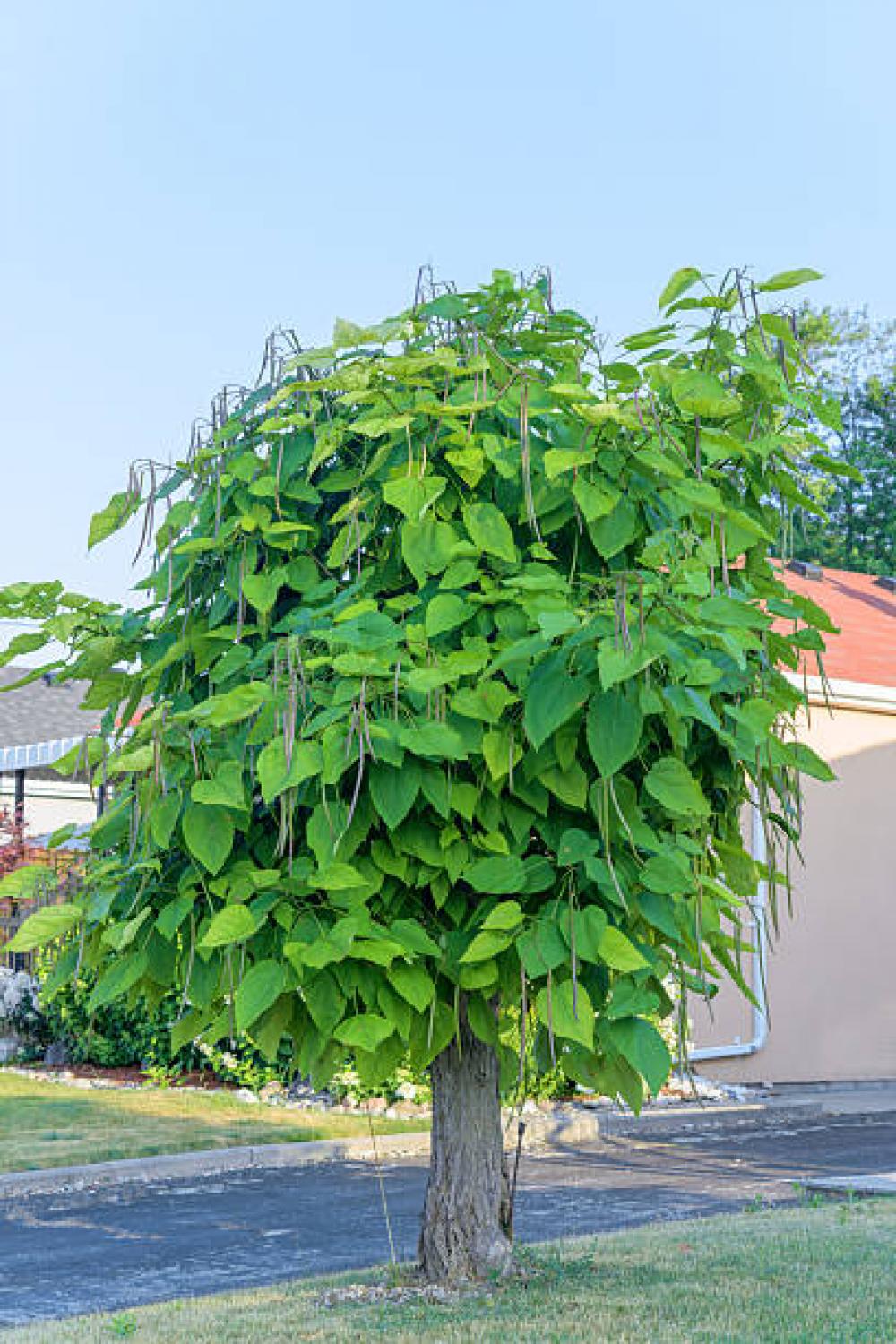
Catalpa
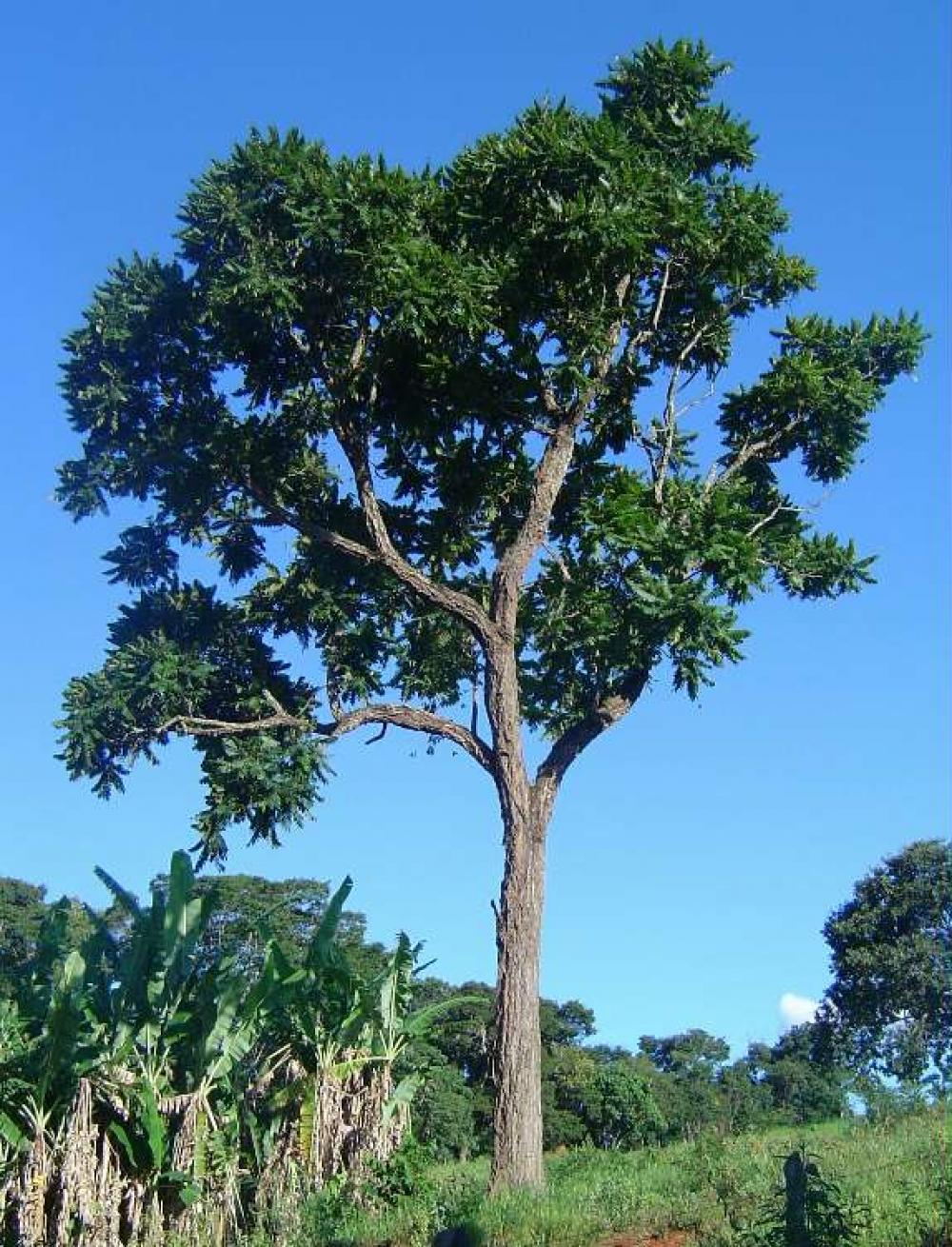
Pink cedar
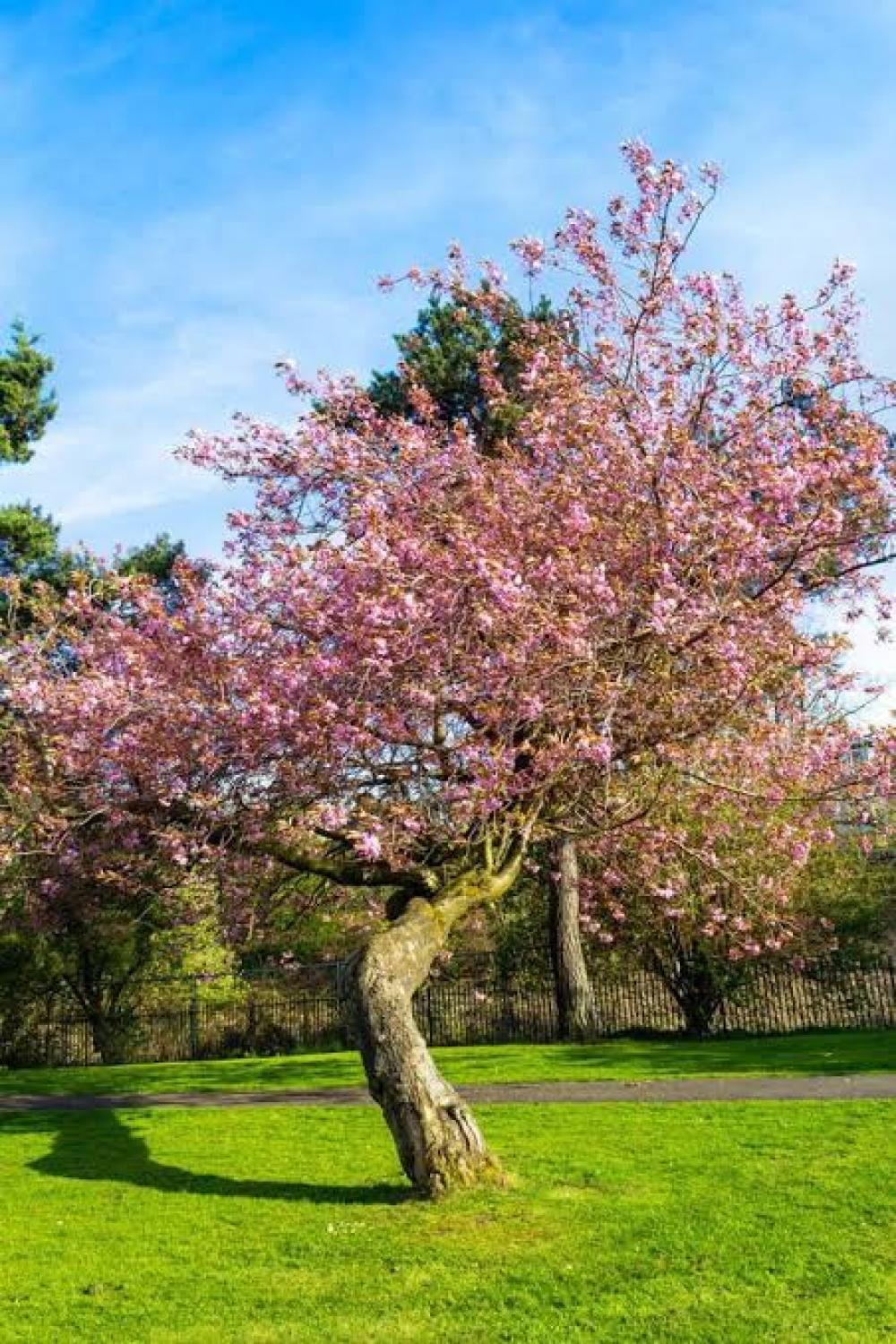
ornamental cherry tree
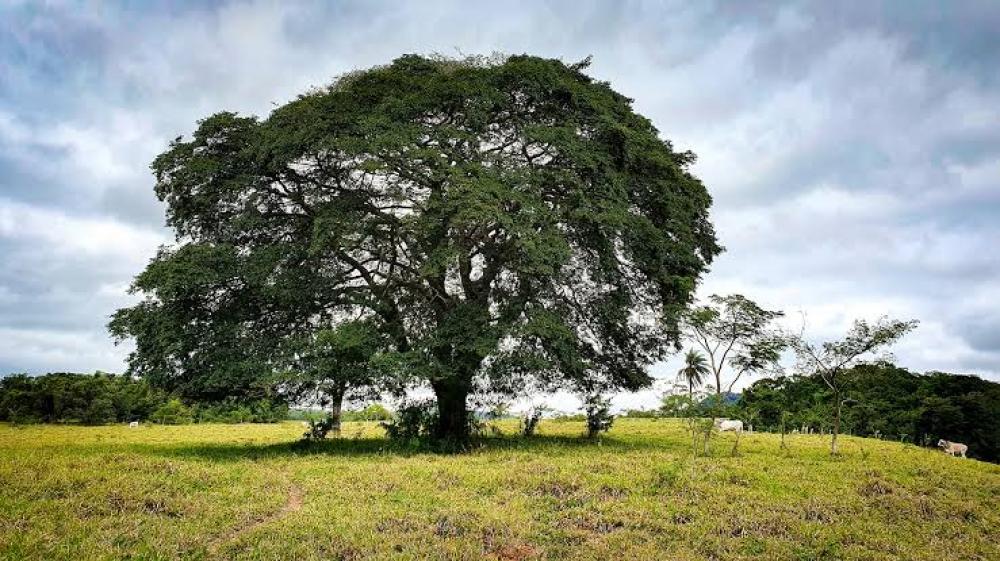
copaiba
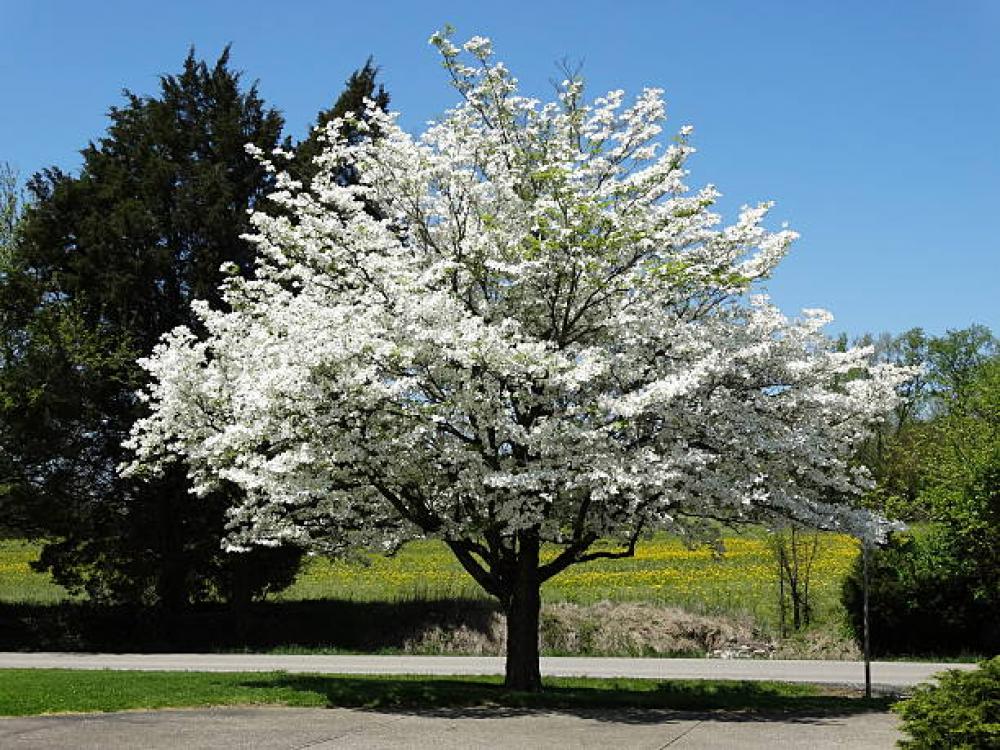
Trees of the genus Cornus
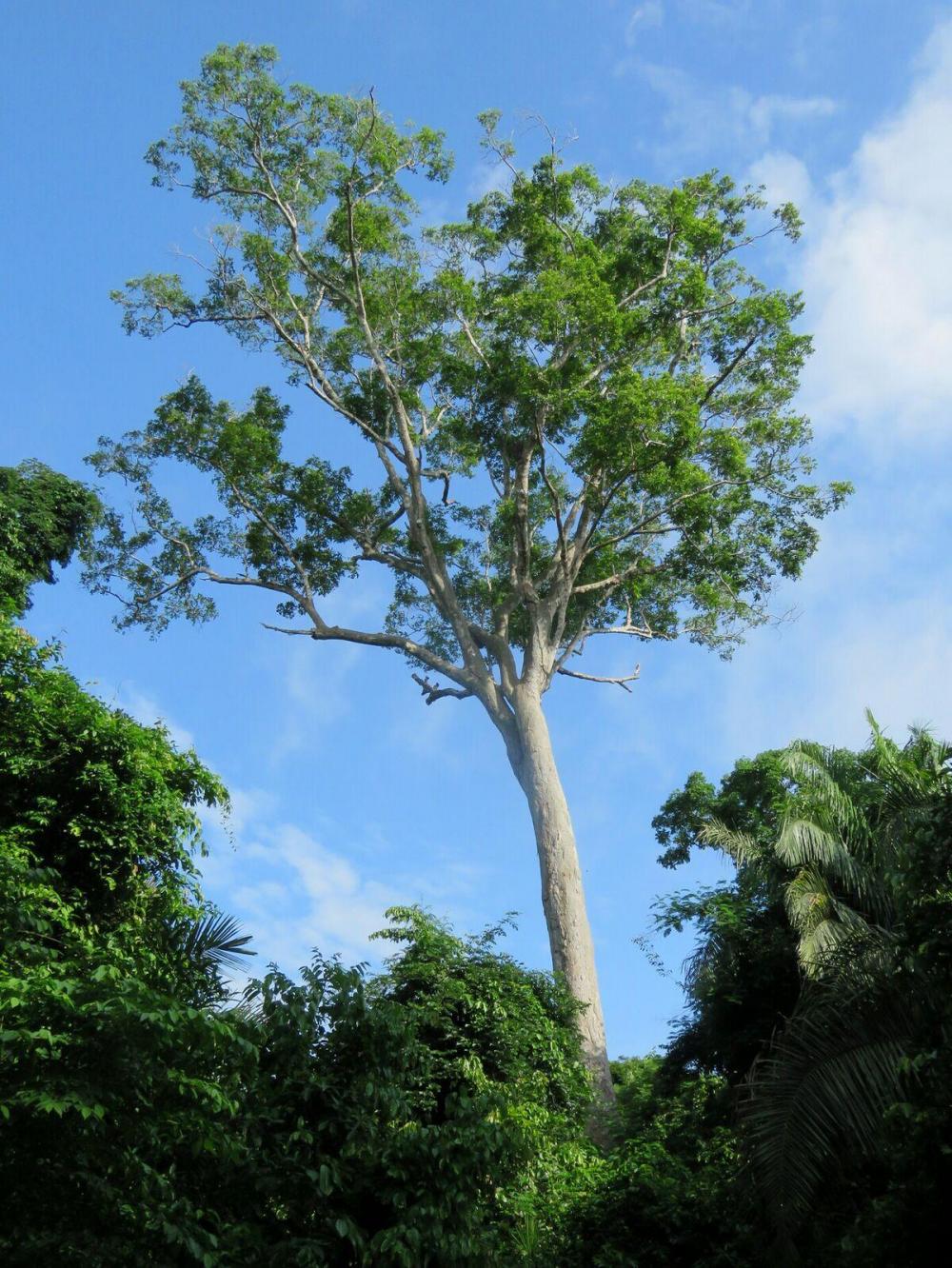
Cumaru
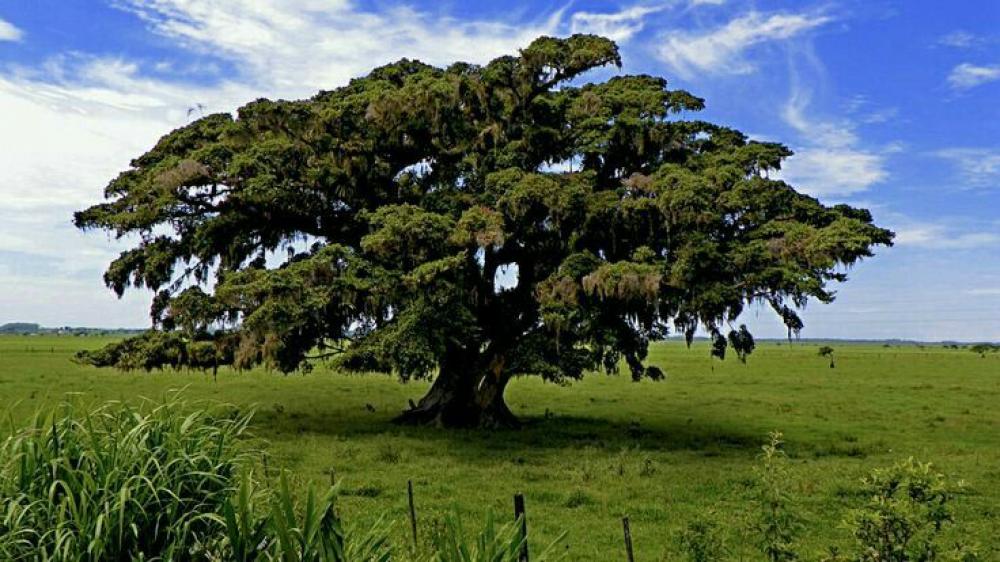
fig tree
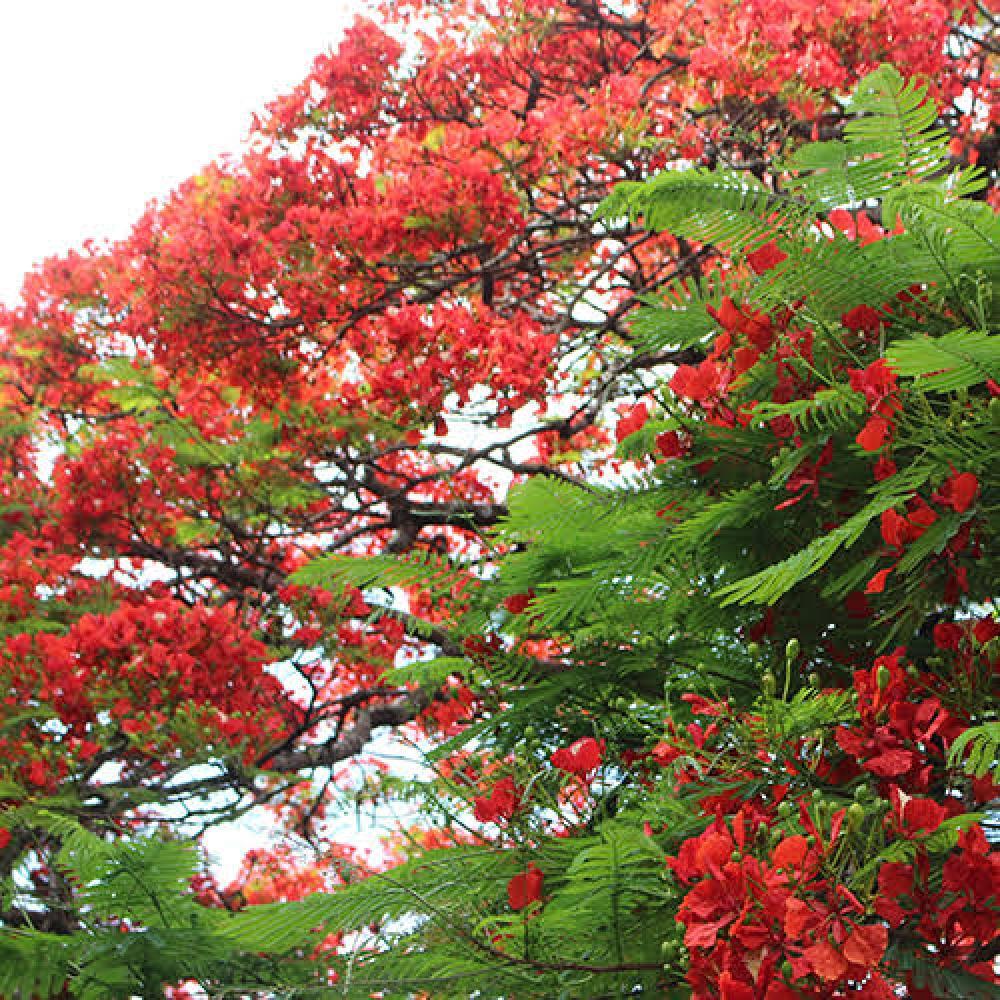
Flamboyant
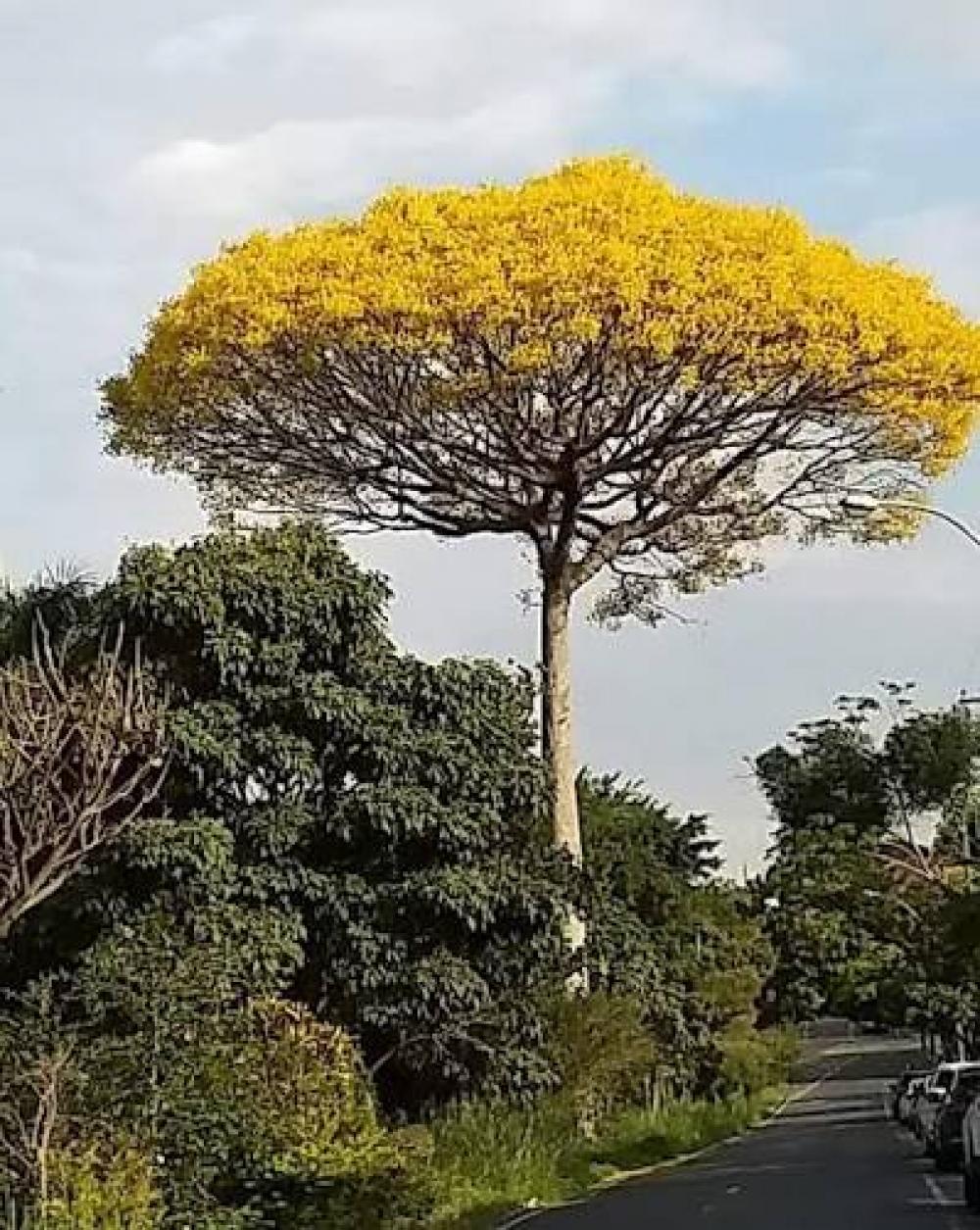
Guapuruvu
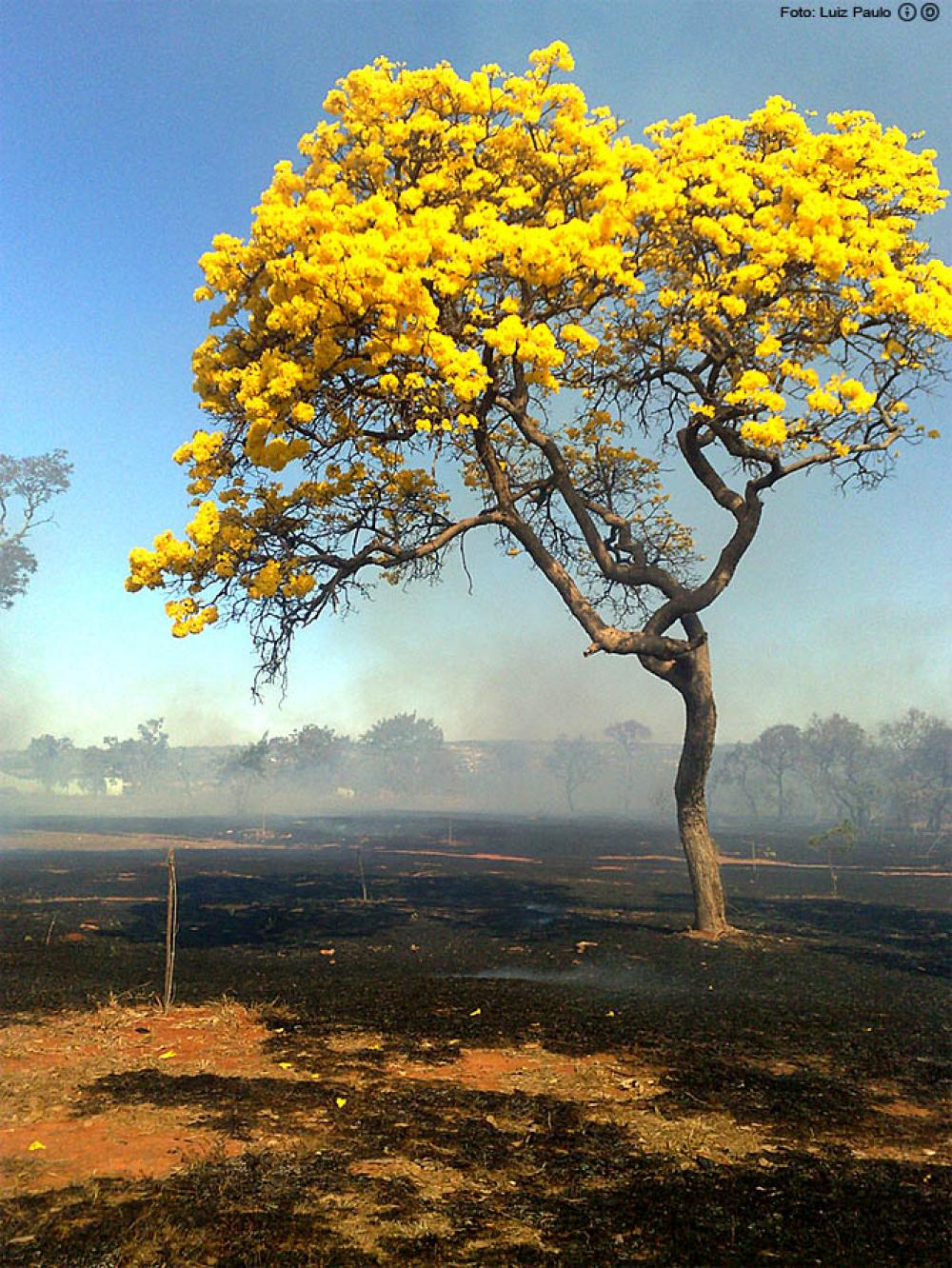
Yellow Ipê
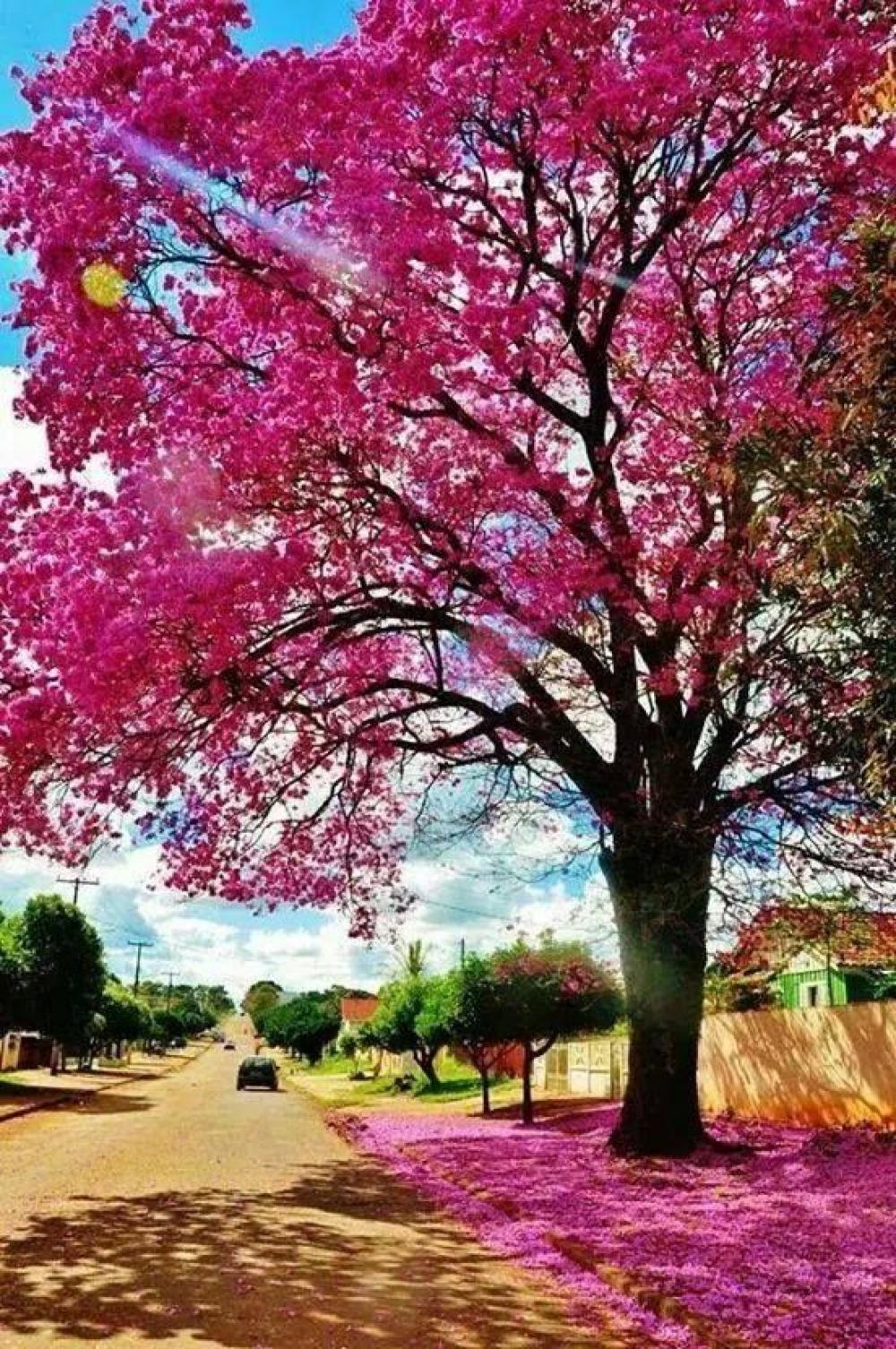
Purple Ipe
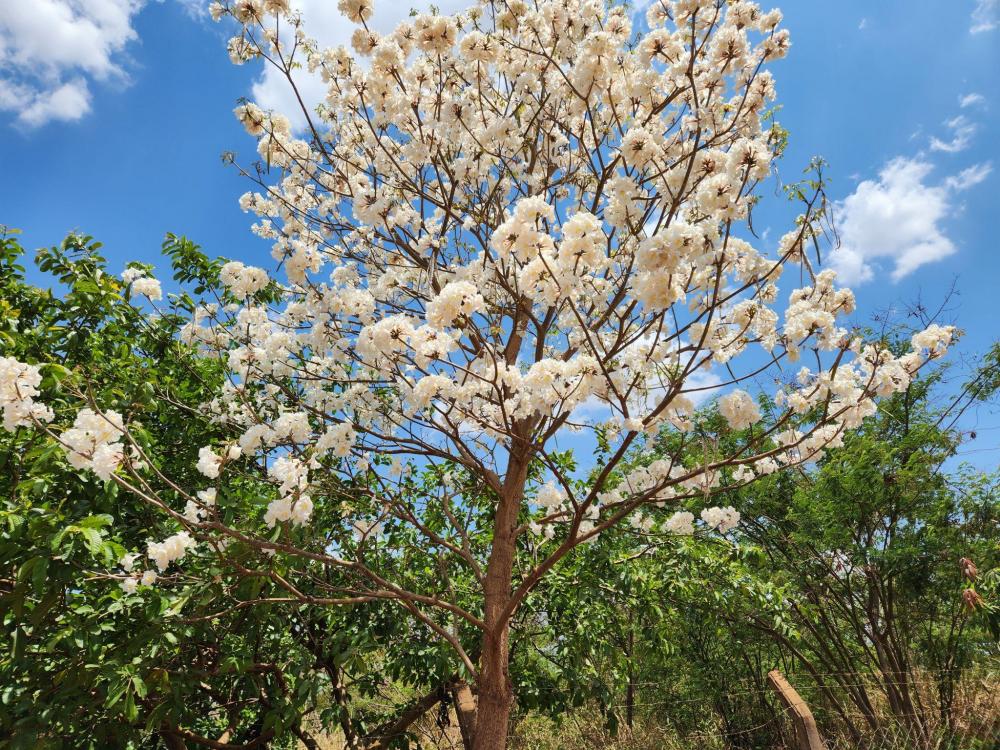
White Ipê
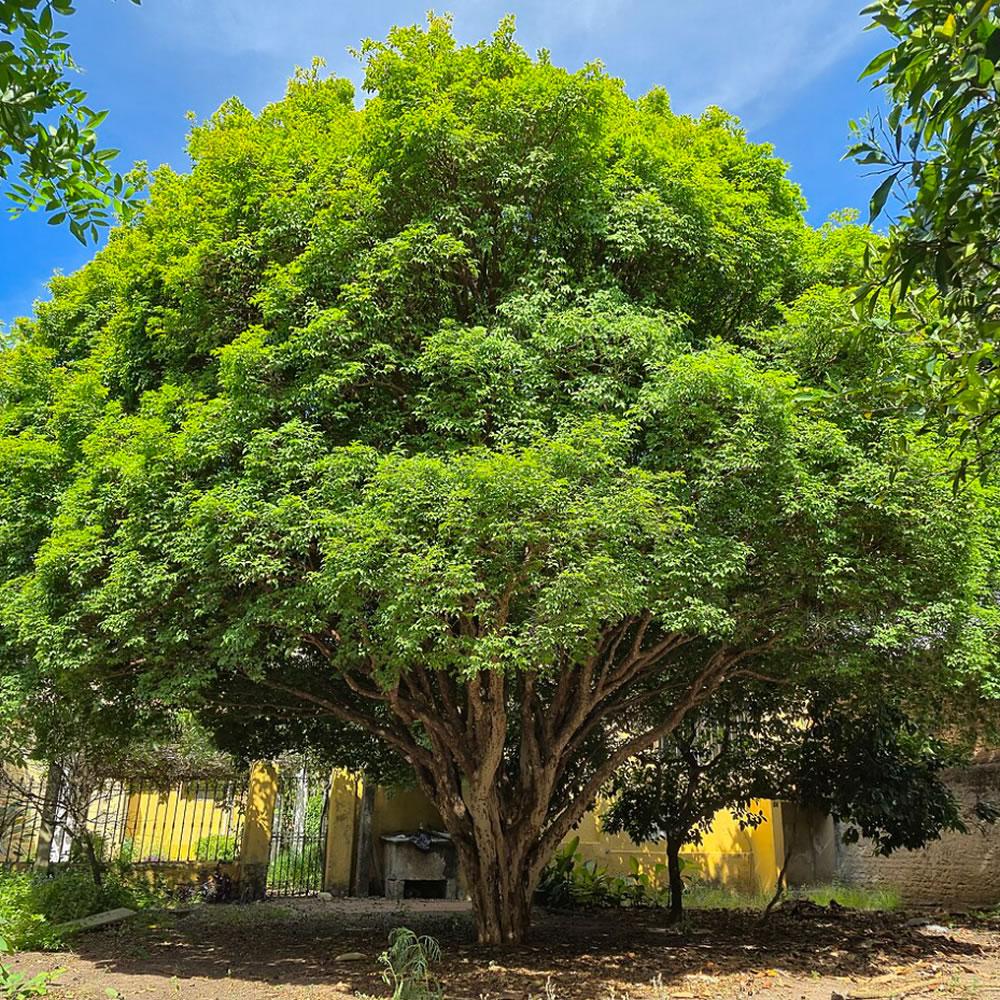
Jabuticaba
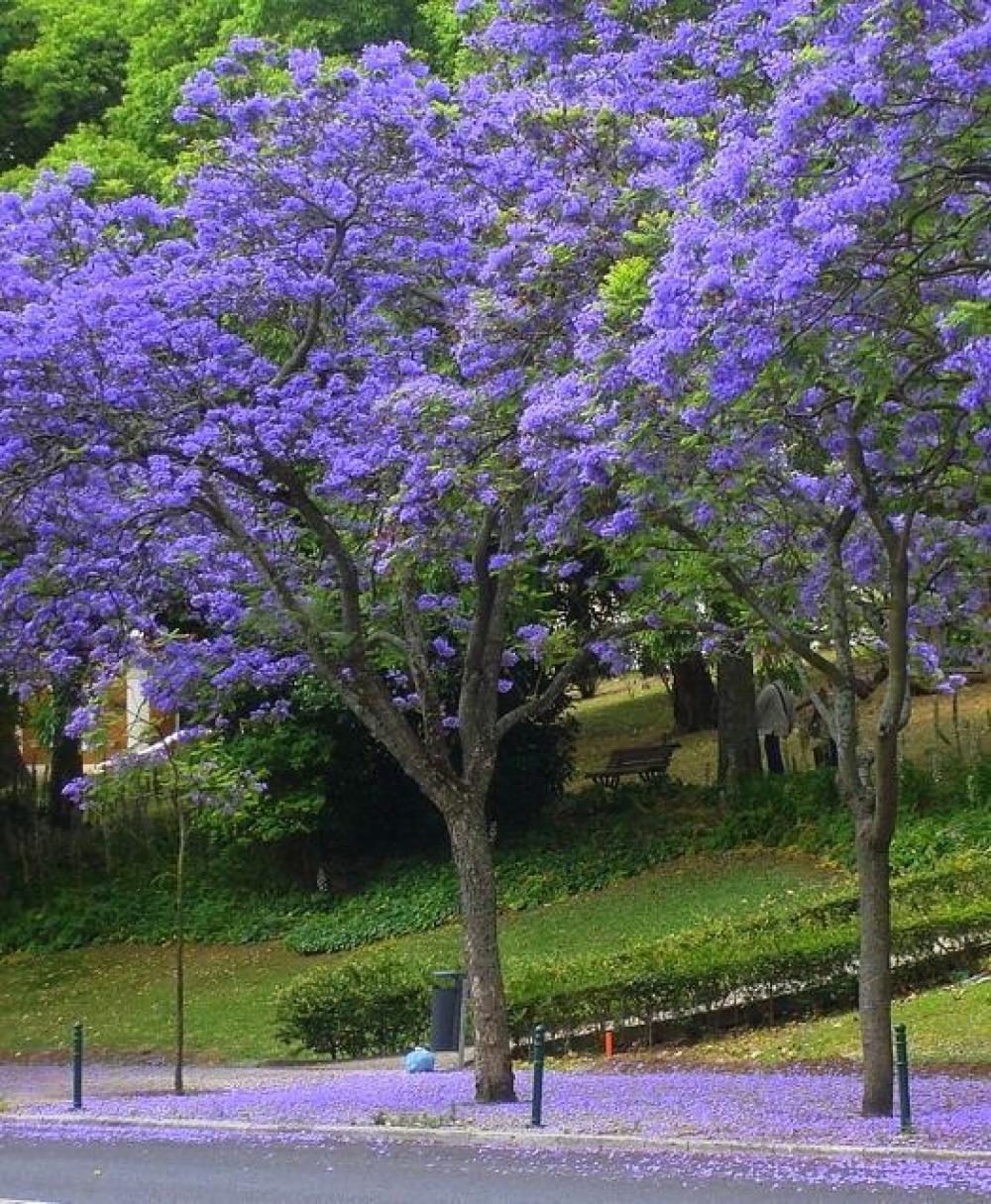
Blue jacaranda
Jatoba
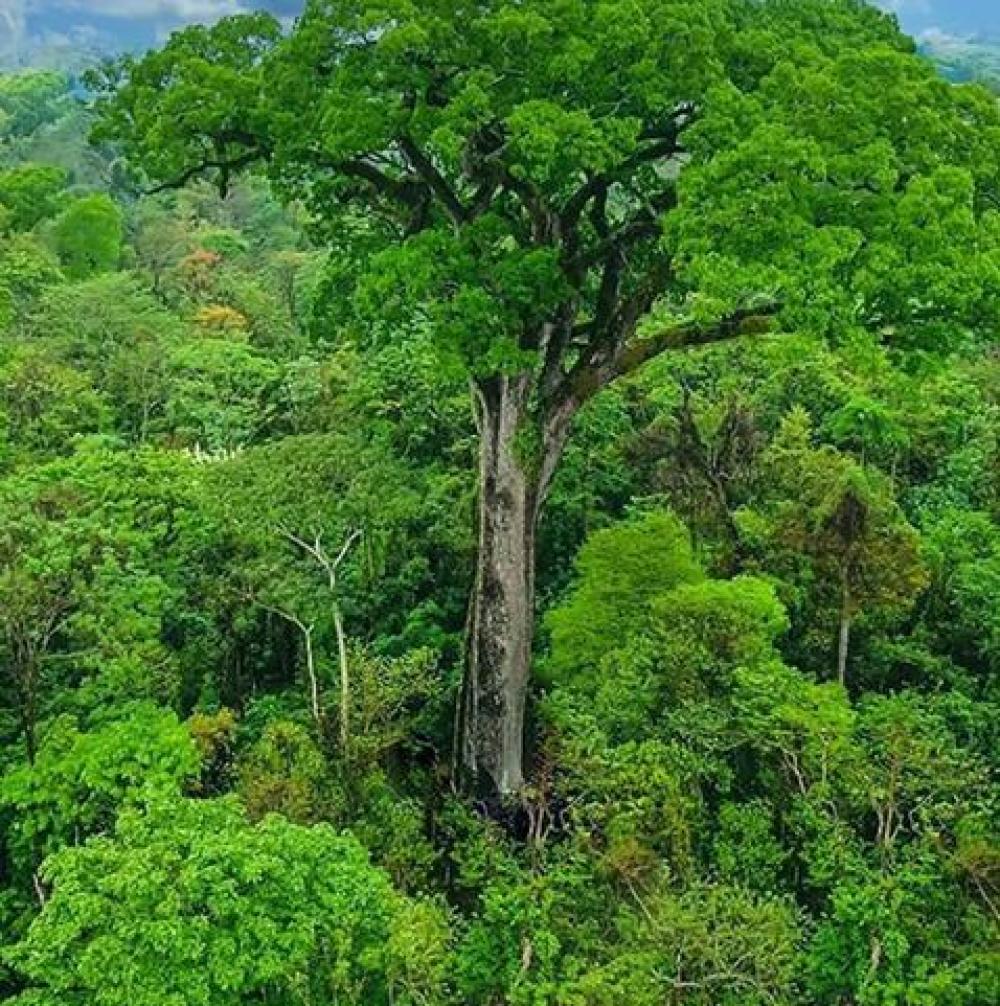
Pink Jequitibá (Cariniana legalis)
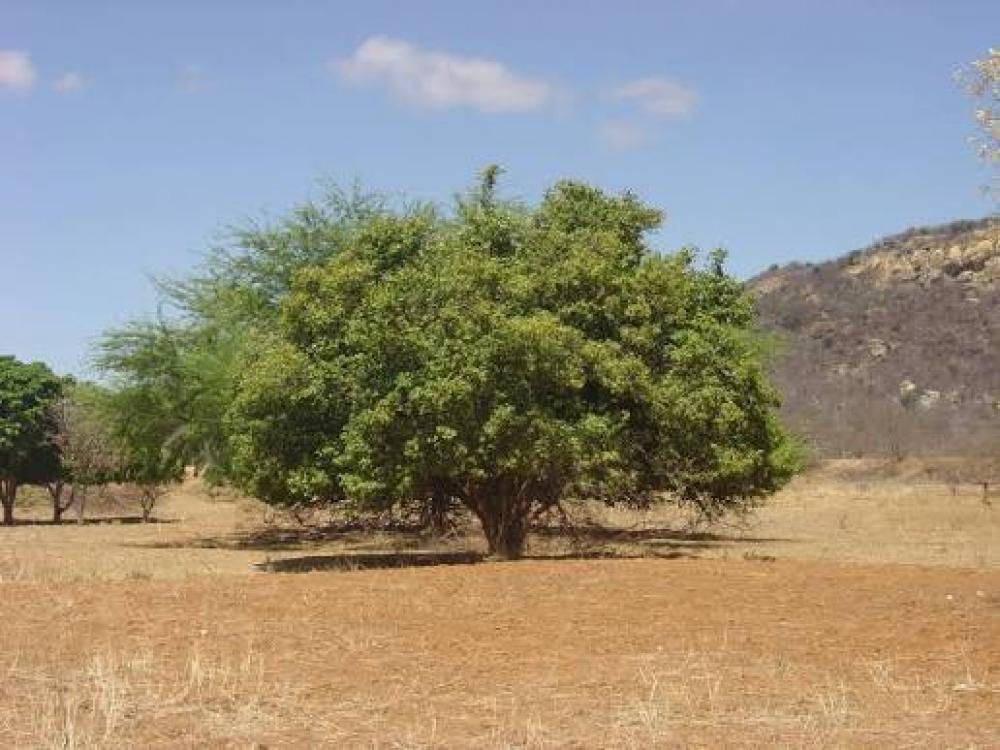
Juazeiro
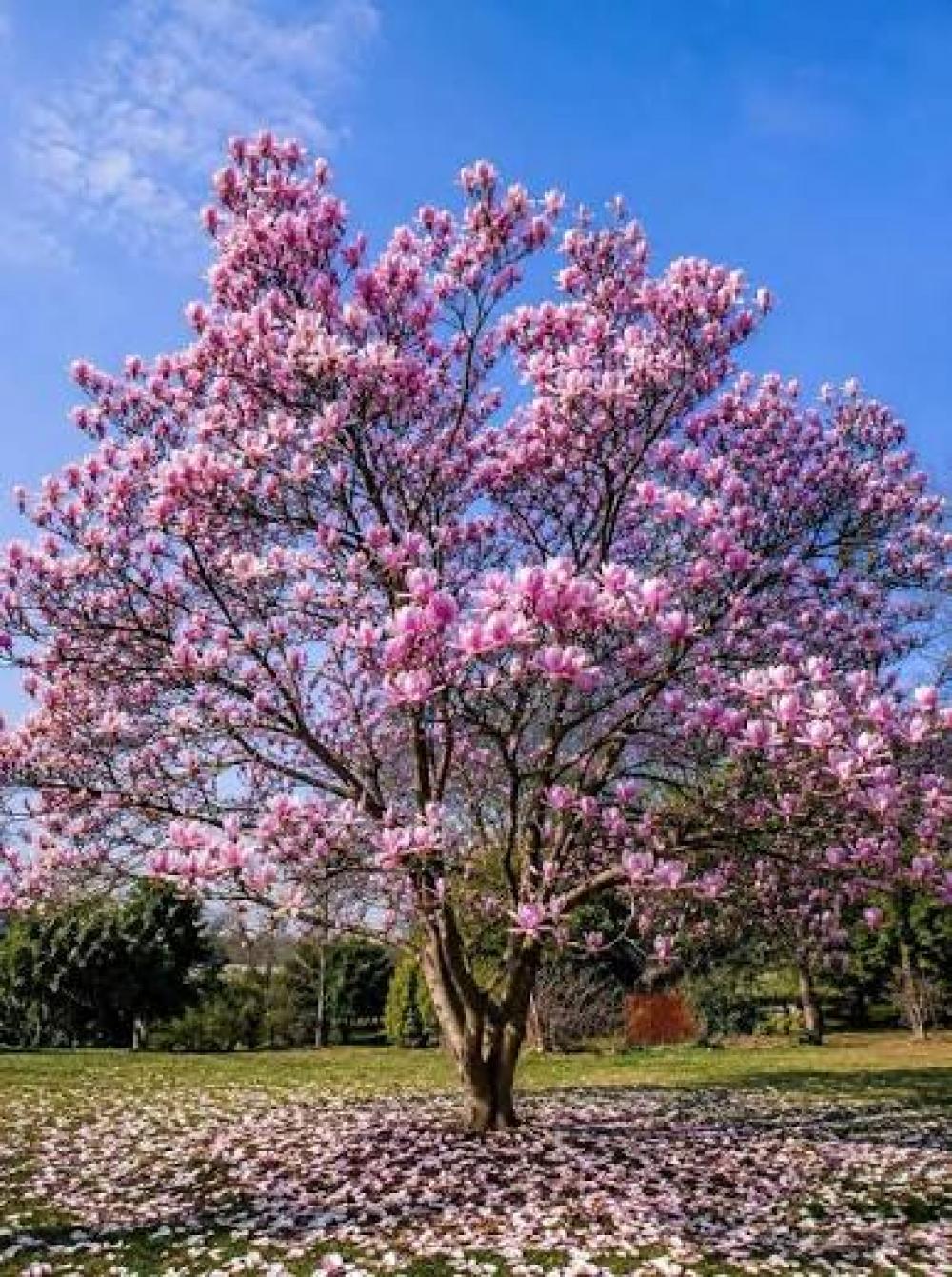
Magnolia
Brazilian Mahogany
pink silk floss tree
Brazilwood
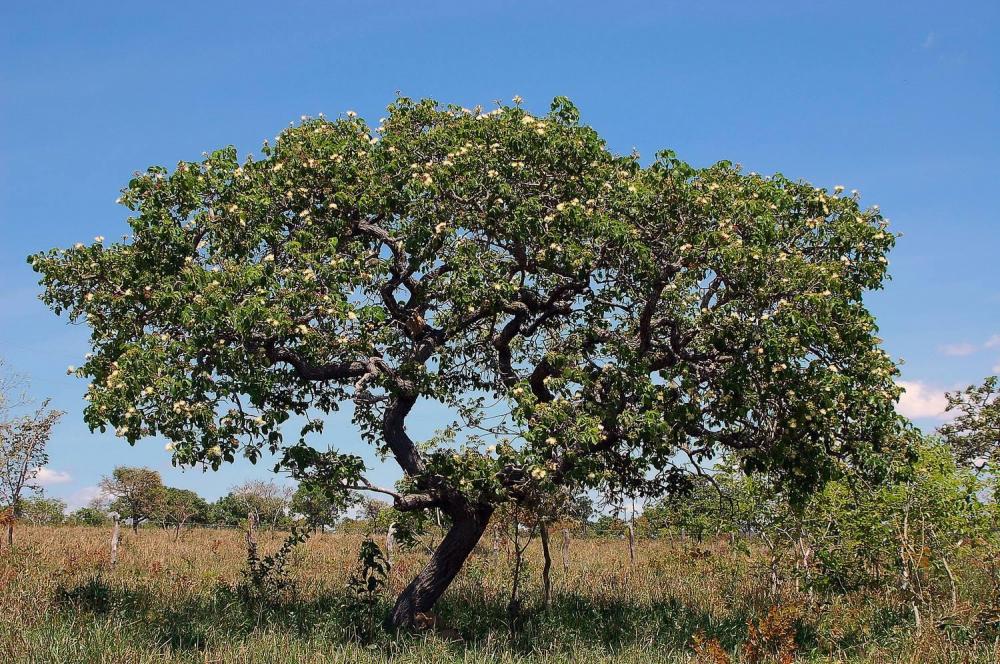
Pequi
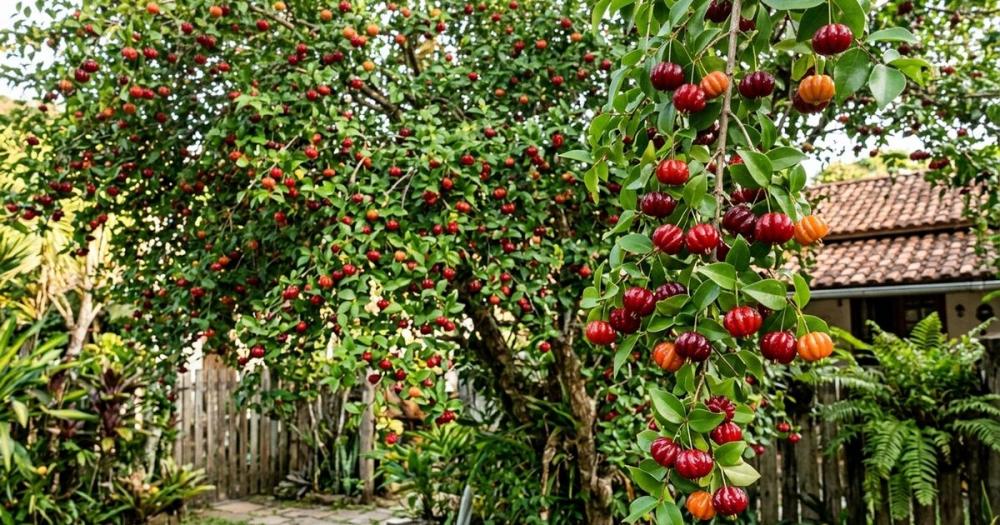
Surinam cherry
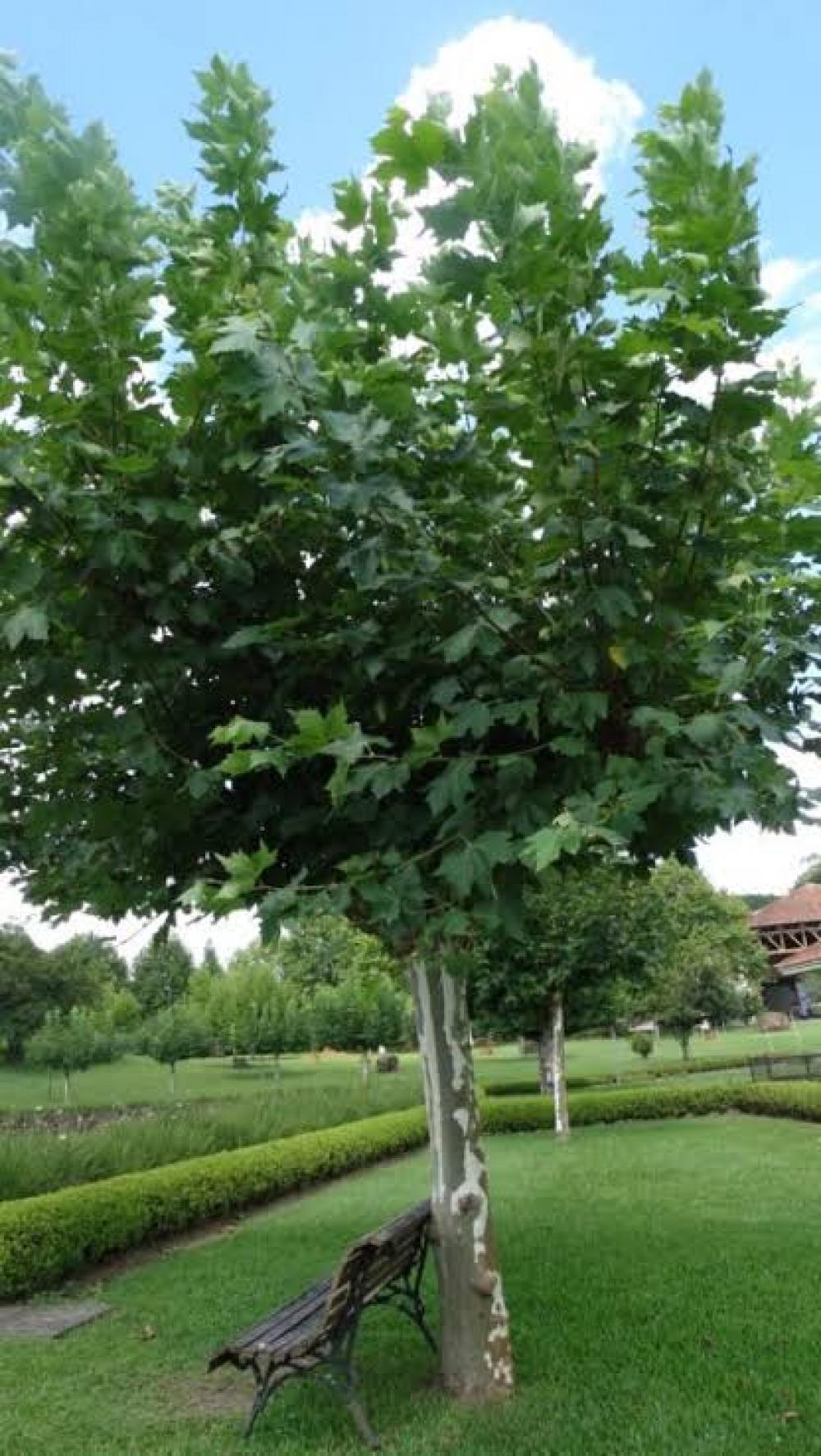
Plane tree
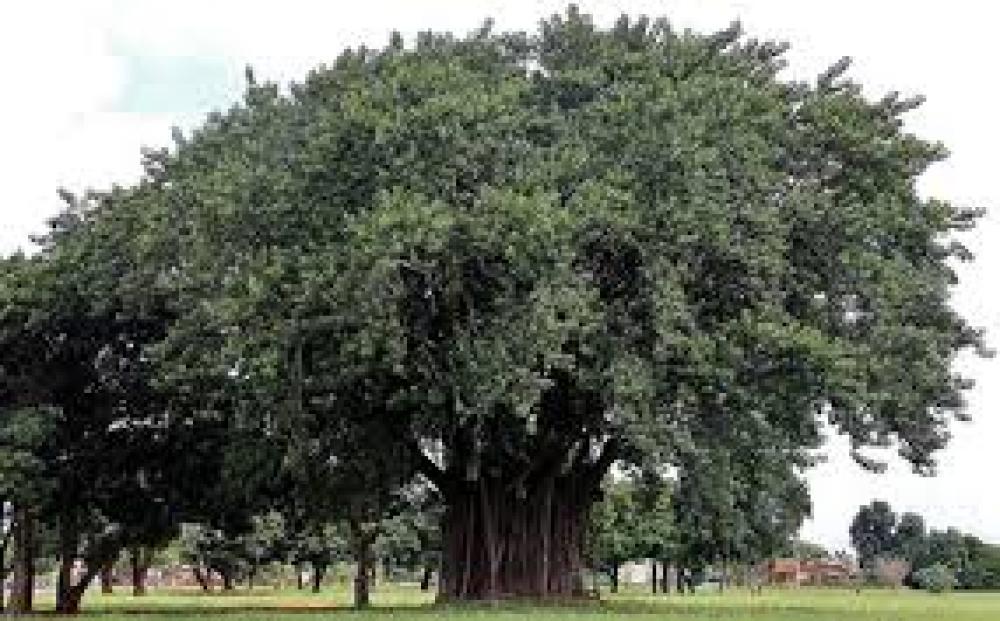
Rubber tree
Sucupira
Linden