

Araticum
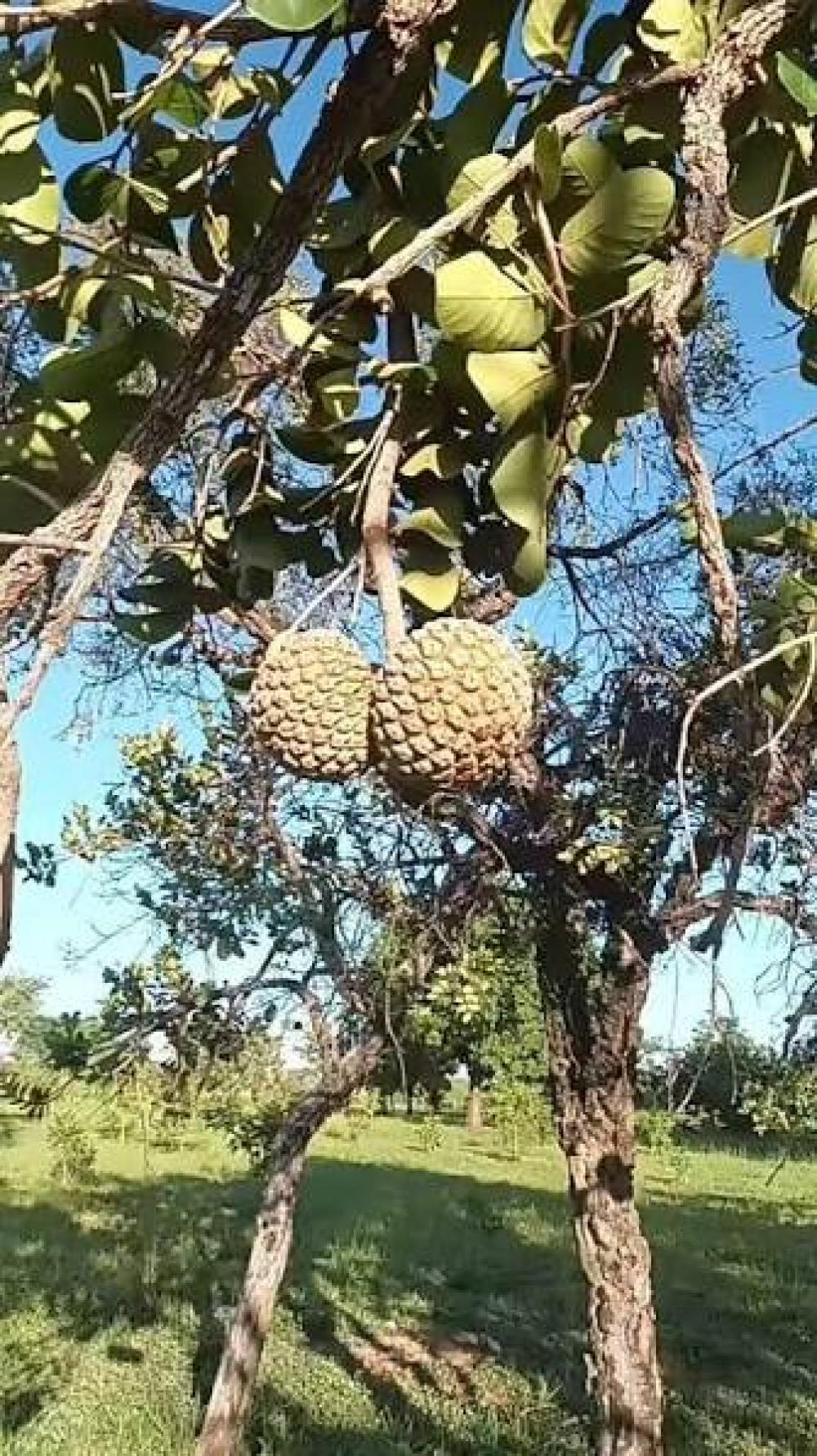
Araticum is the common name used for different species of the genus *Annona*, belonging to the Annonaceae family. Among the most well-known species in Brazil is *Annona crassiflora* Mart., popularly called *araticum-do-cerrado*. It is a native Brazilian tree of great importance for the biodiversity and food culture of several regions, especially the Cerrado. The species has great ecological value, as it forms part of the natural vegetation and offers important resources for fauna.
The *cerrado araticum* is a tree of generally medium size, which can reach between 4 and 8 meters in height, although its size varies depending on environmental conditions. It has a thick trunk and a crown formed by branches that give the plant a characteristic appearance. Their leaves are simple, green and aromatic, while their flowers pose the typical structure of the species of the *Annona* genus and participate in the plant reproduction process.
Its most prominent feature is the fruit, known as *araticum*, which has a peel with an irregular appearance and, when ripe, has a pulp that is pale, aromatic and has an intense flavor. It is traditionally consumed natural and is also used in the preparation of sweets, ice creams, jugs, marmalades and other regional recipes. The pulp contains nutrients, fiber and various bioactive compounds, including phenolic substances and antioxidants that spark the interest of scientific research.
From an ecological point of view, *araticum* plays an important role in the environments where it grows naturally. Its fruits serve as food for various animals, contributing to ecological relationships and the dispersion of seeds. In this way, the tree participates in the regeneration of vegetation and in the maintenance of food chains. The conservation of native fruit species such as *araticum* also represents a way of preserving genetic resources and the diversity of Brazilian flora.
In traditional medicine and popular knowledge, different parts of *Annona* species have been used historically for different purposes. Scientific investigations study the compounds present in fruits, vegetables, seeds and other plant structures, analyzing properties such as antioxidant and antimicrobial activity. However, it is important to differentiate traditional use from clinical evidence: medicinal use of plant preparations must be carried out under appropriate orientation, as some species of *Annona* contain biologically active compounds and seeds, in particular, must not be used indiscriminately.
The *cerrado araticum* is a tree of generally medium size, which can reach between 4 and 8 meters in height, although its size varies depending on environmental conditions. It has a thick trunk and a crown formed by branches that give the plant a characteristic appearance. Their leaves are simple, green and aromatic, while their flowers pose the typical structure of the species of the *Annona* genus and participate in the plant reproduction process.
Its most prominent feature is the fruit, known as *araticum*, which has a peel with an irregular appearance and, when ripe, has a pulp that is pale, aromatic and has an intense flavor. It is traditionally consumed natural and is also used in the preparation of sweets, ice creams, jugs, marmalades and other regional recipes. The pulp contains nutrients, fiber and various bioactive compounds, including phenolic substances and antioxidants that spark the interest of scientific research.
From an ecological point of view, *araticum* plays an important role in the environments where it grows naturally. Its fruits serve as food for various animals, contributing to ecological relationships and the dispersion of seeds. In this way, the tree participates in the regeneration of vegetation and in the maintenance of food chains. The conservation of native fruit species such as *araticum* also represents a way of preserving genetic resources and the diversity of Brazilian flora.
In traditional medicine and popular knowledge, different parts of *Annona* species have been used historically for different purposes. Scientific investigations study the compounds present in fruits, vegetables, seeds and other plant structures, analyzing properties such as antioxidant and antimicrobial activity. However, it is important to differentiate traditional use from clinical evidence: medicinal use of plant preparations must be carried out under appropriate orientation, as some species of *Annona* contain biologically active compounds and seeds, in particular, must not be used indiscriminately.
Tree Catalog
Imperial acacia
Açaí palm
Alfarrobeira
Andiroba

Red Angelim
White Angico
Araticum
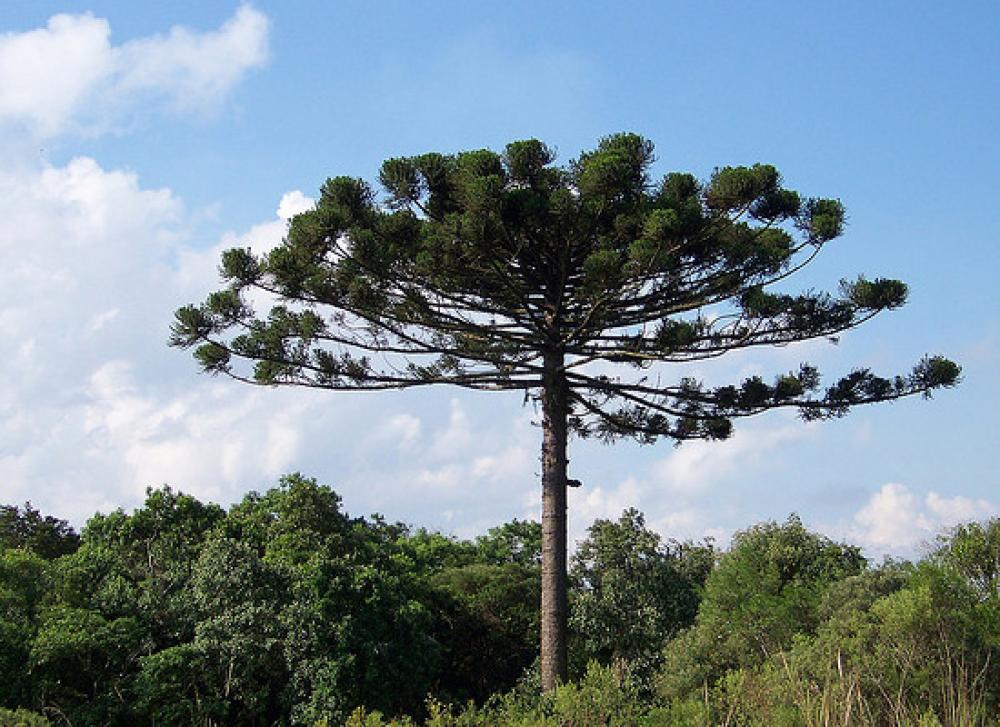
Araucaria, the Paraná pine
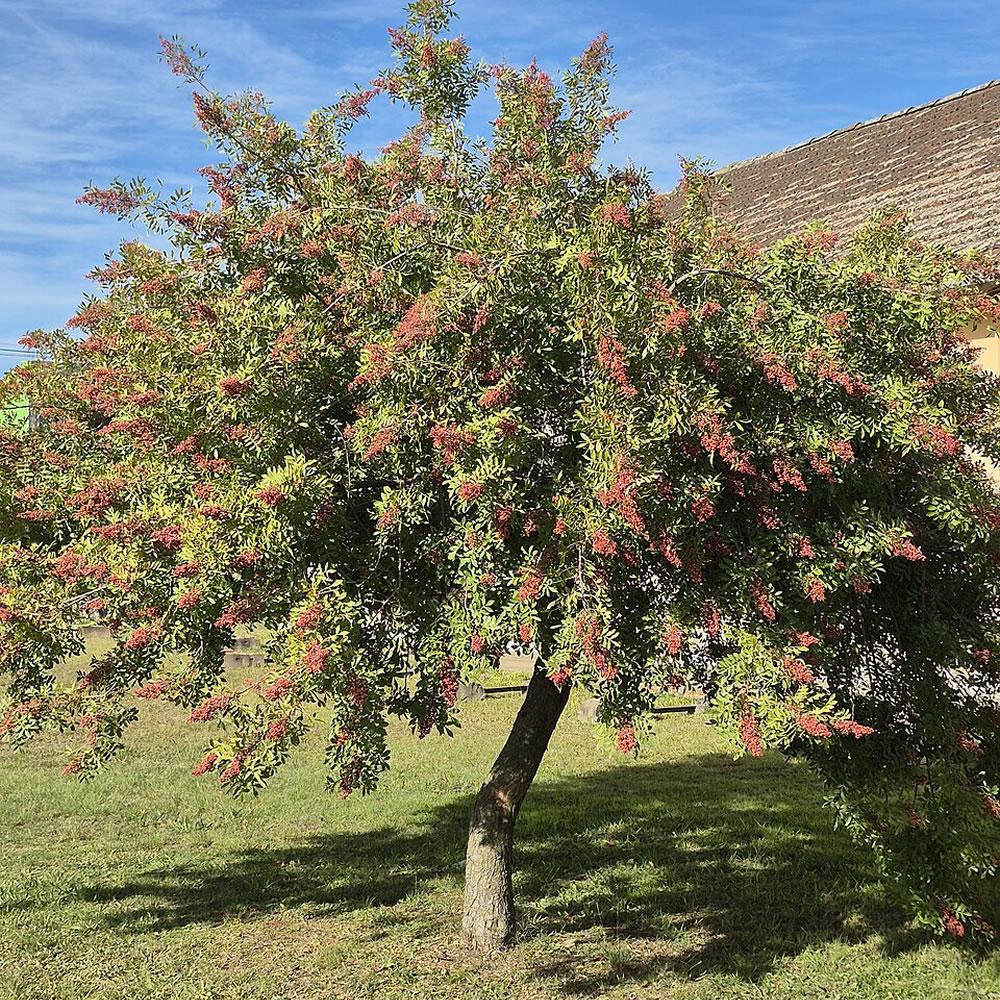
Brazilian peppertree
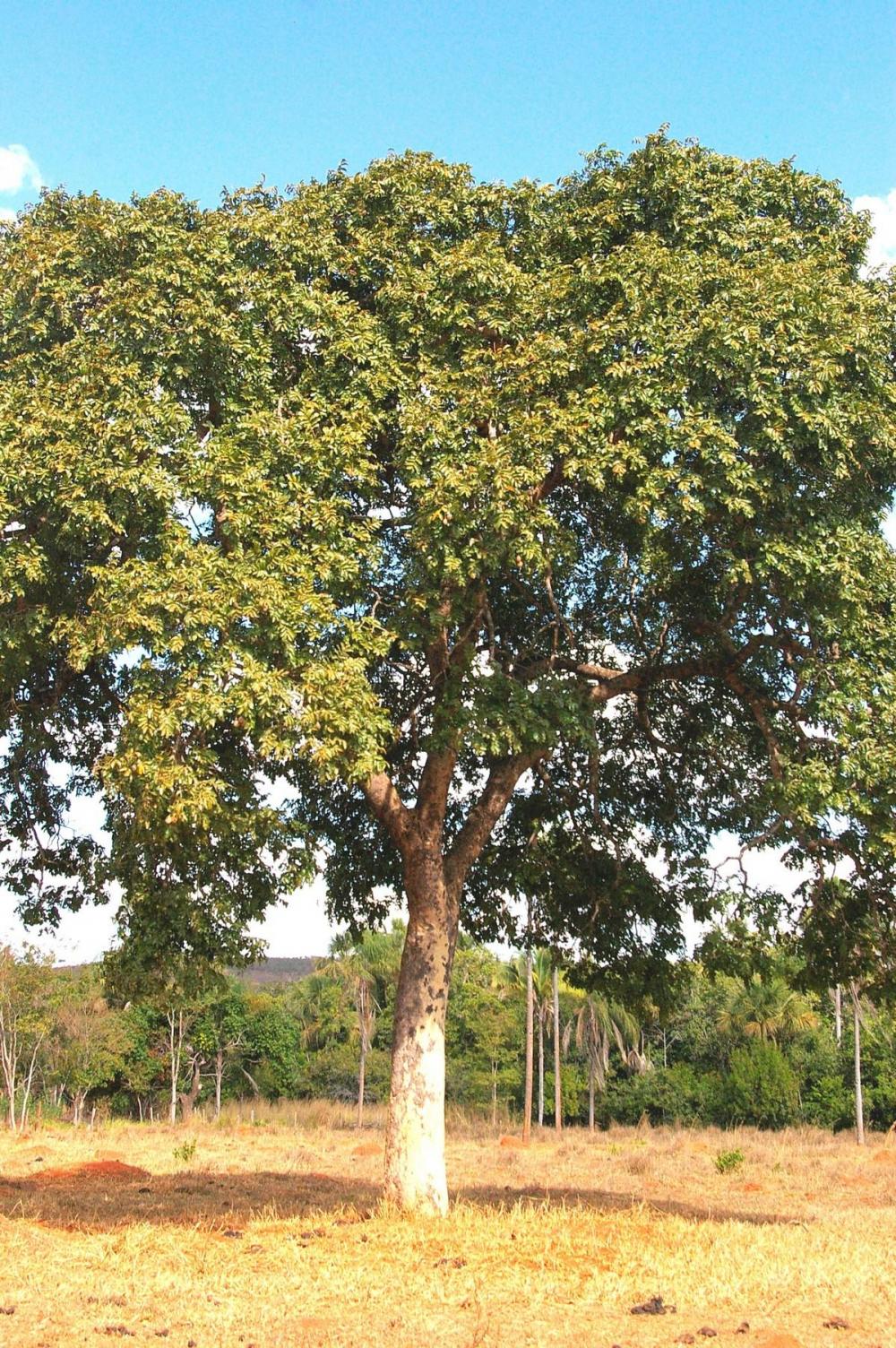
Baru
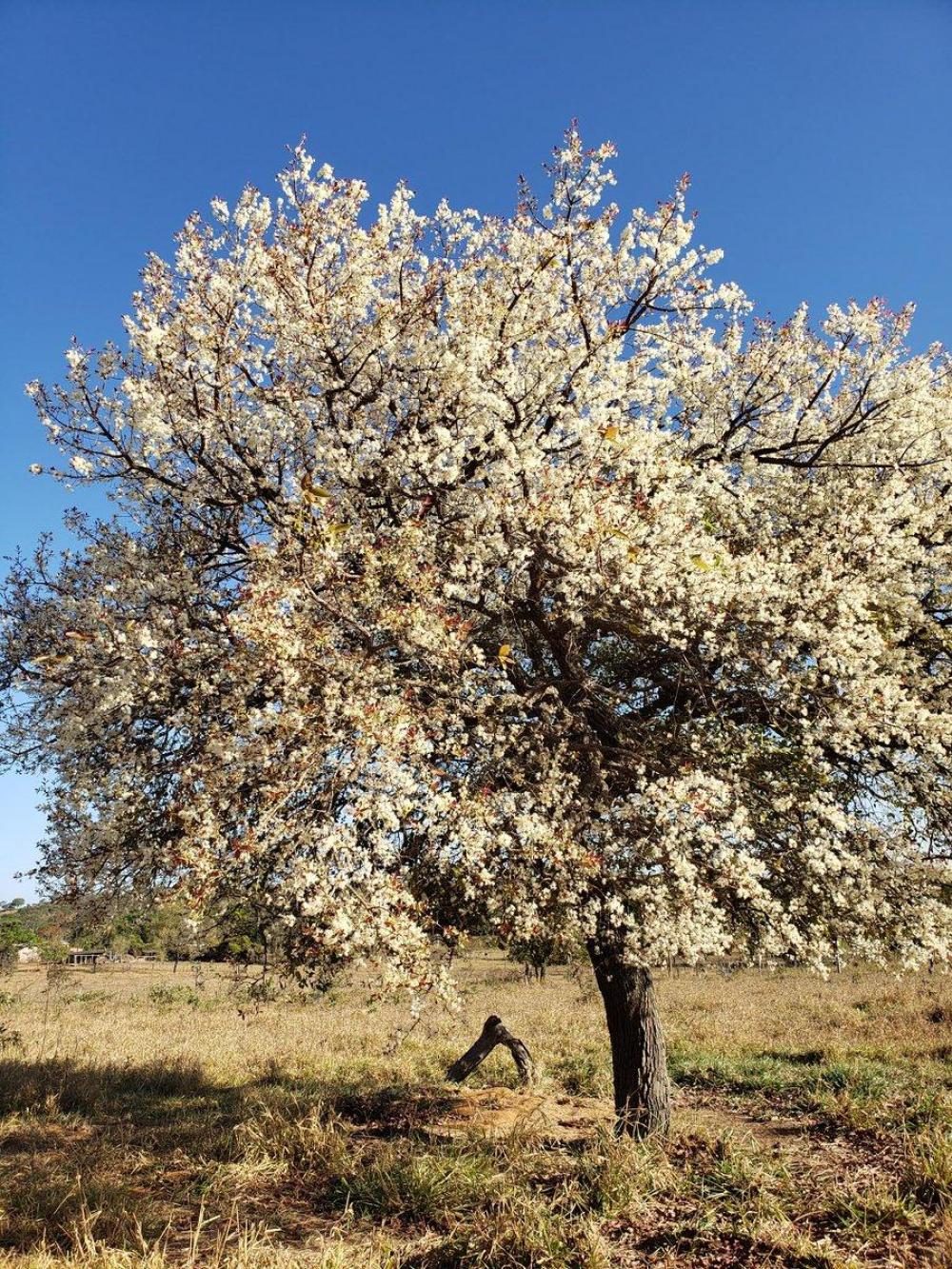
Cagaita
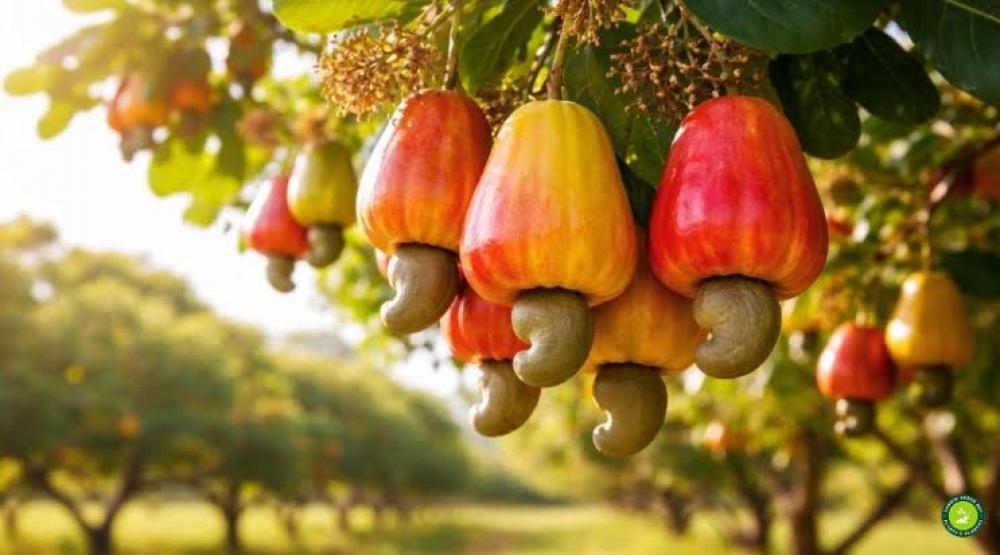
cashew tree
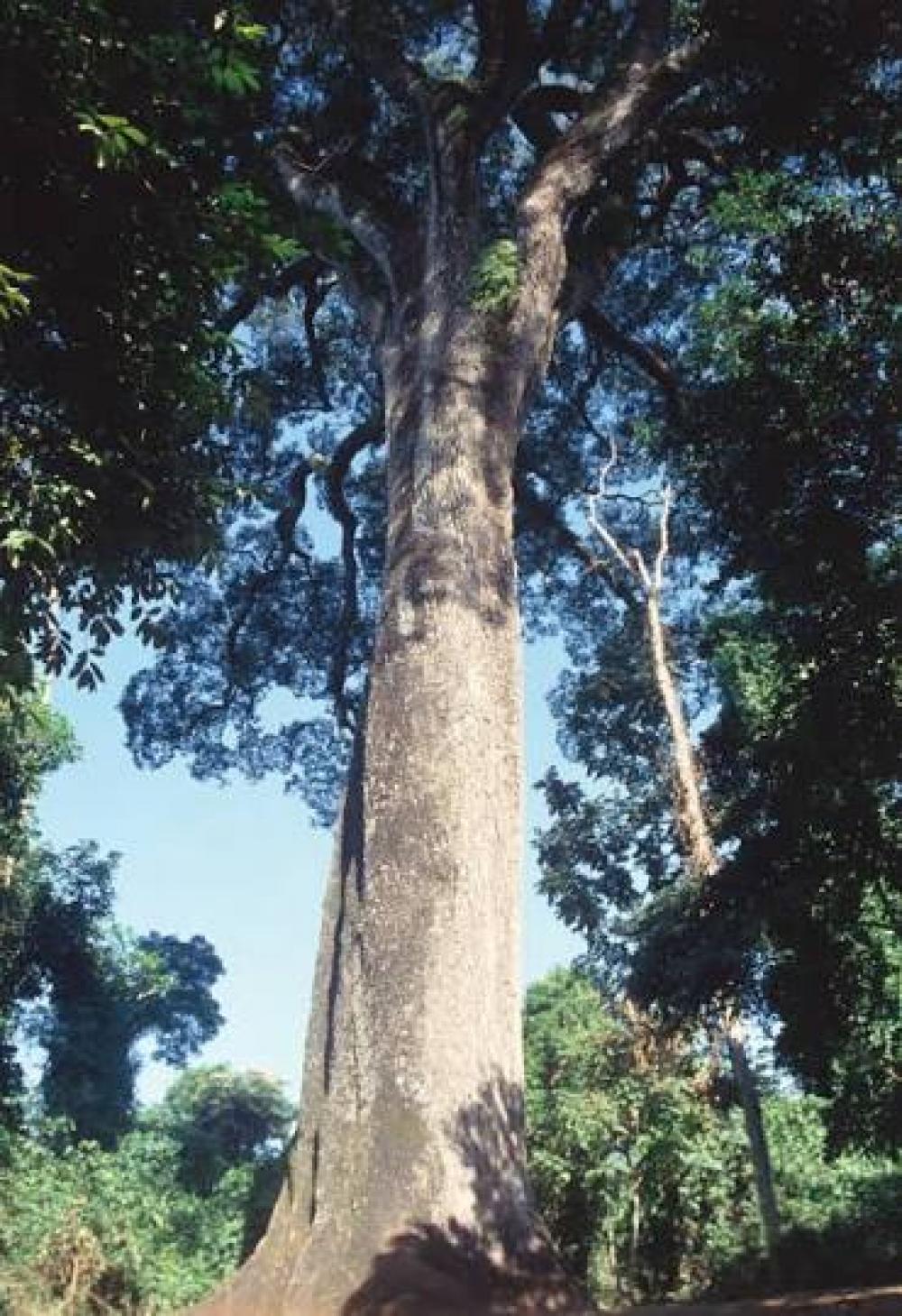
Black Cinnamon
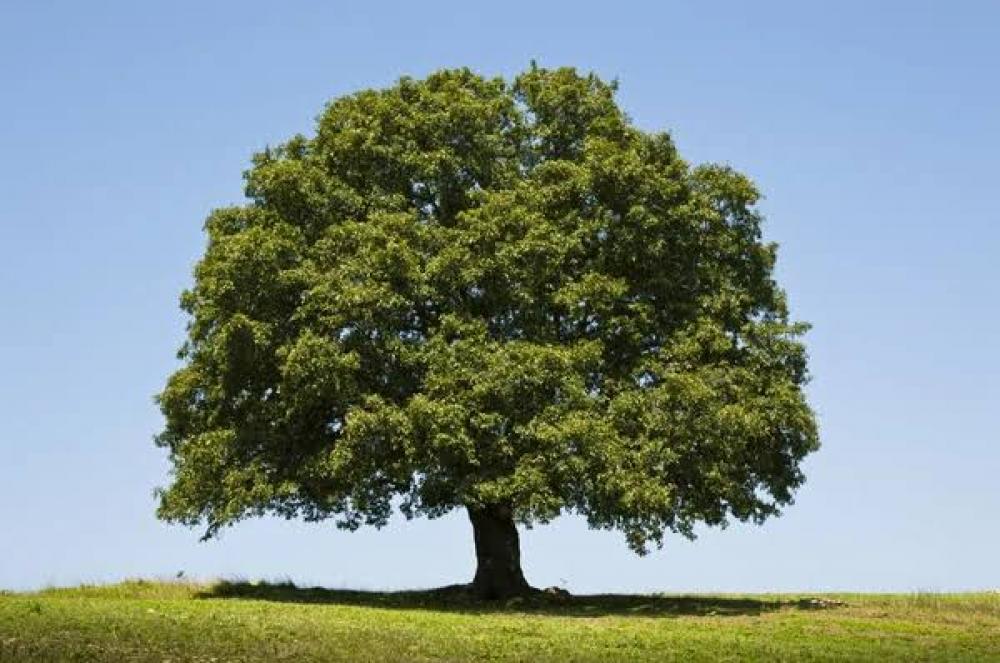
Oak tree
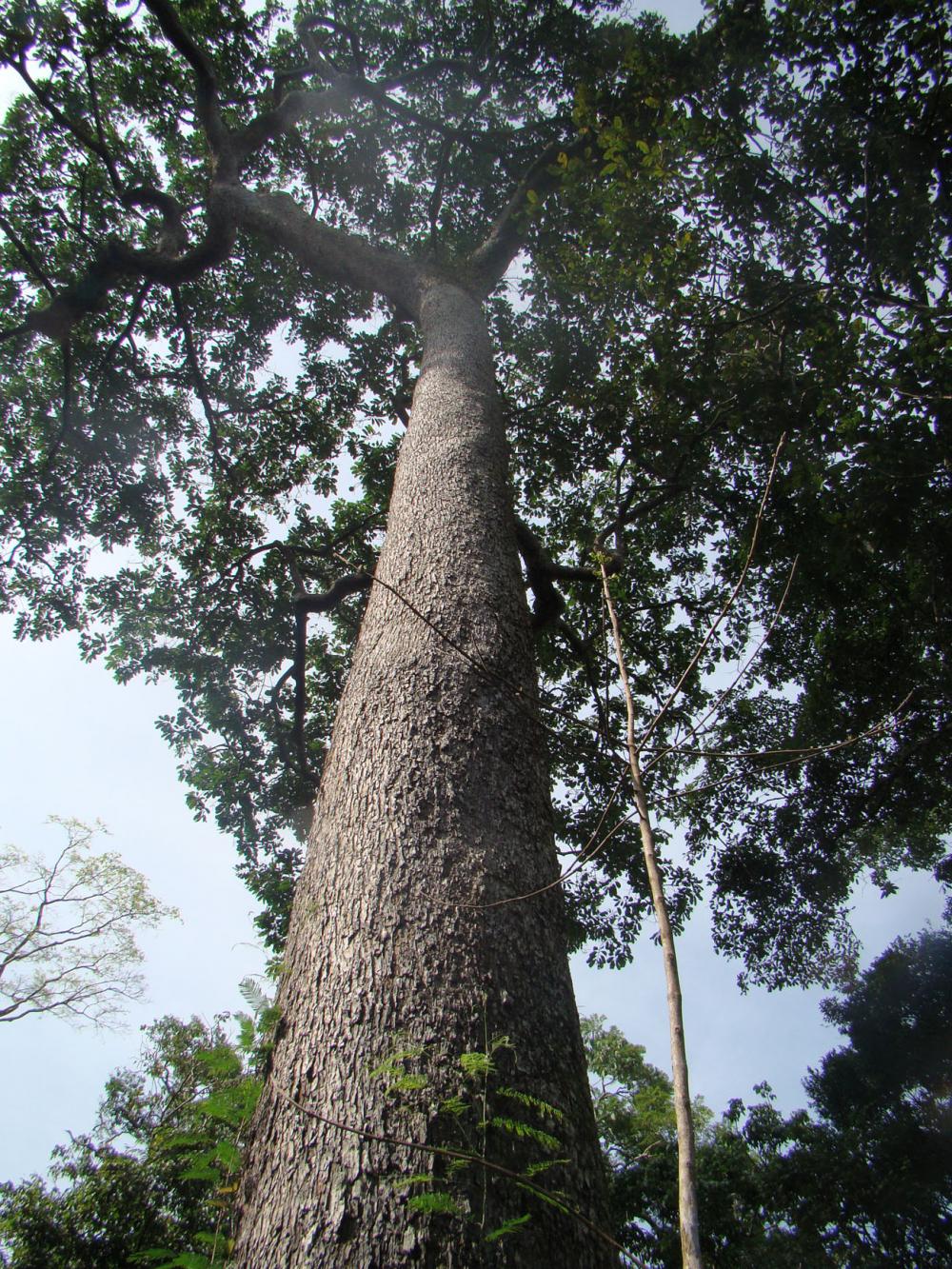
nuez de Brasil
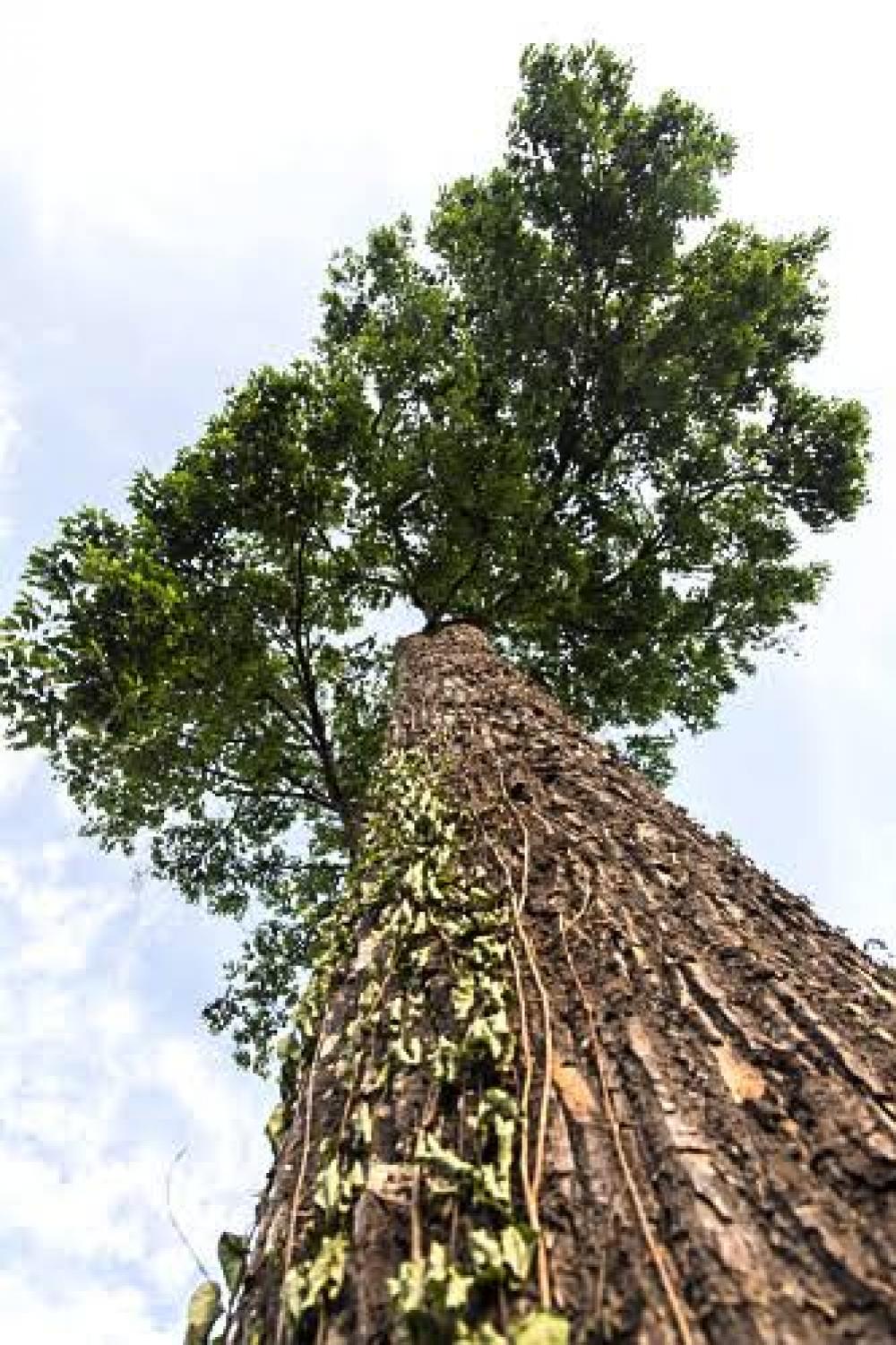
Brazil nut tree
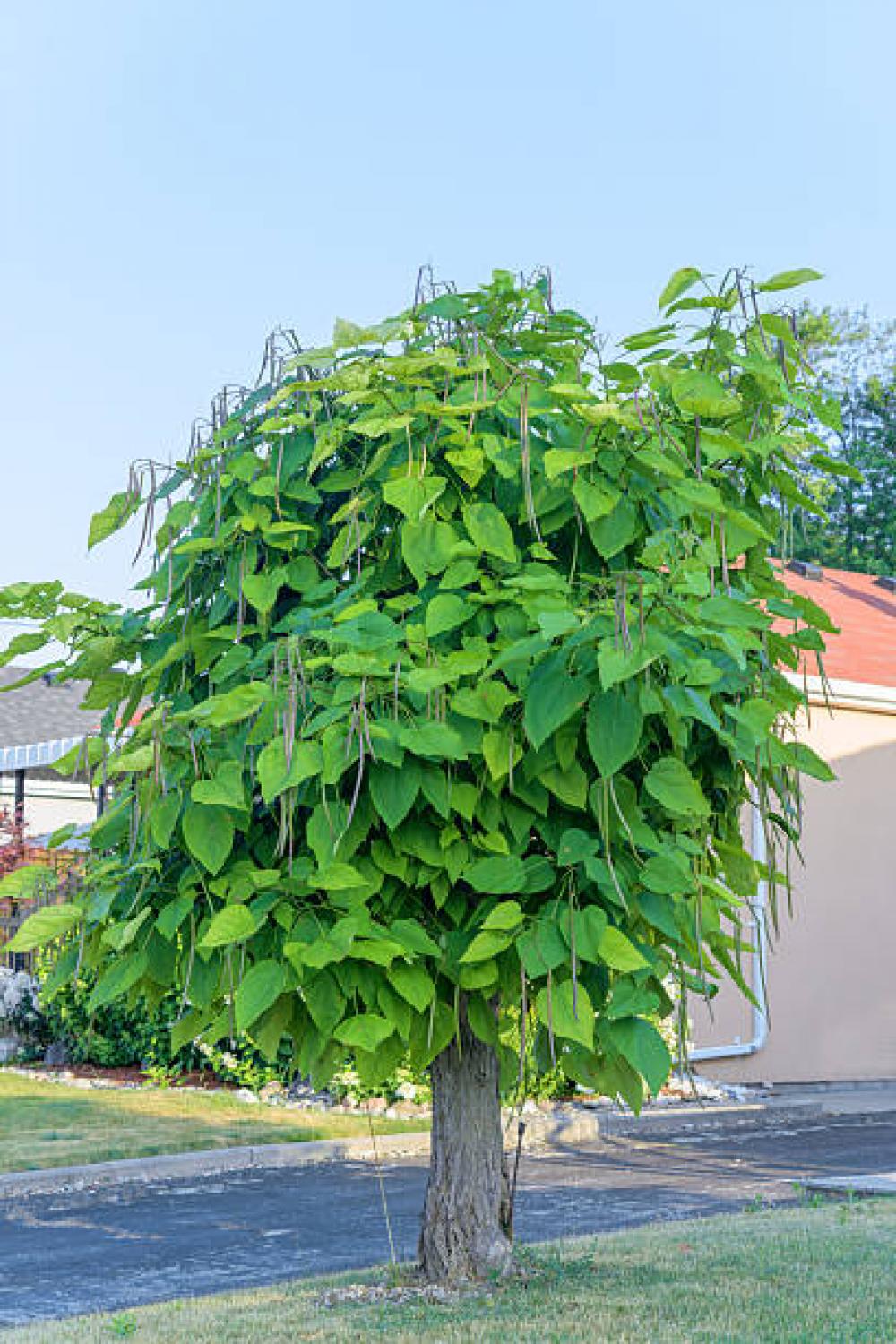
Catalpa
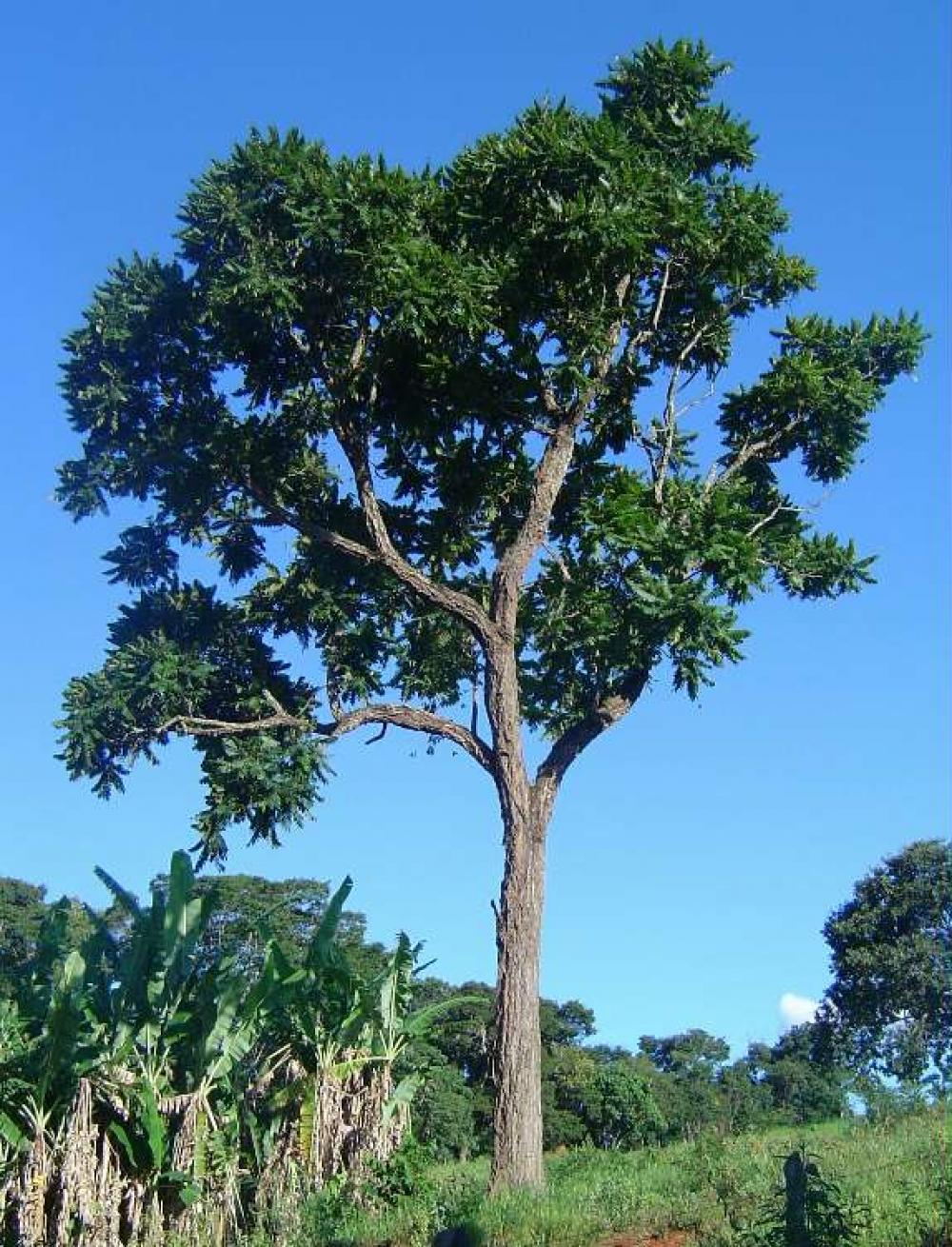
Pink cedar
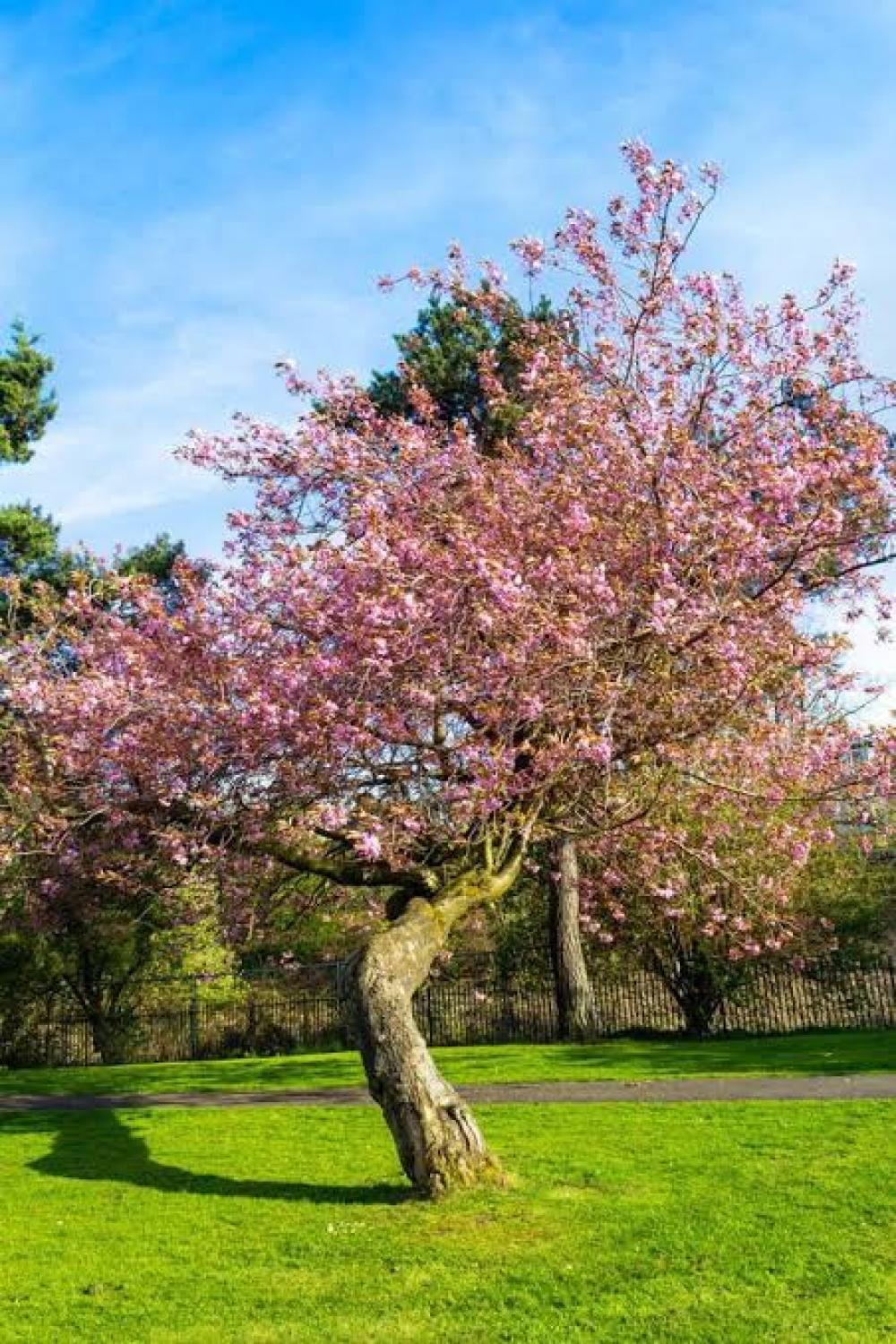
ornamental cherry tree
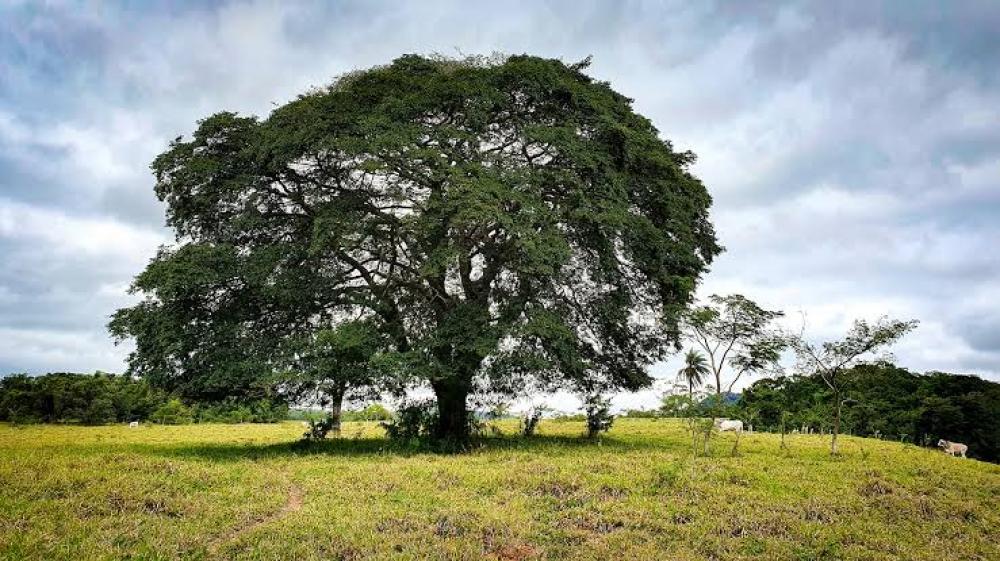
copaiba
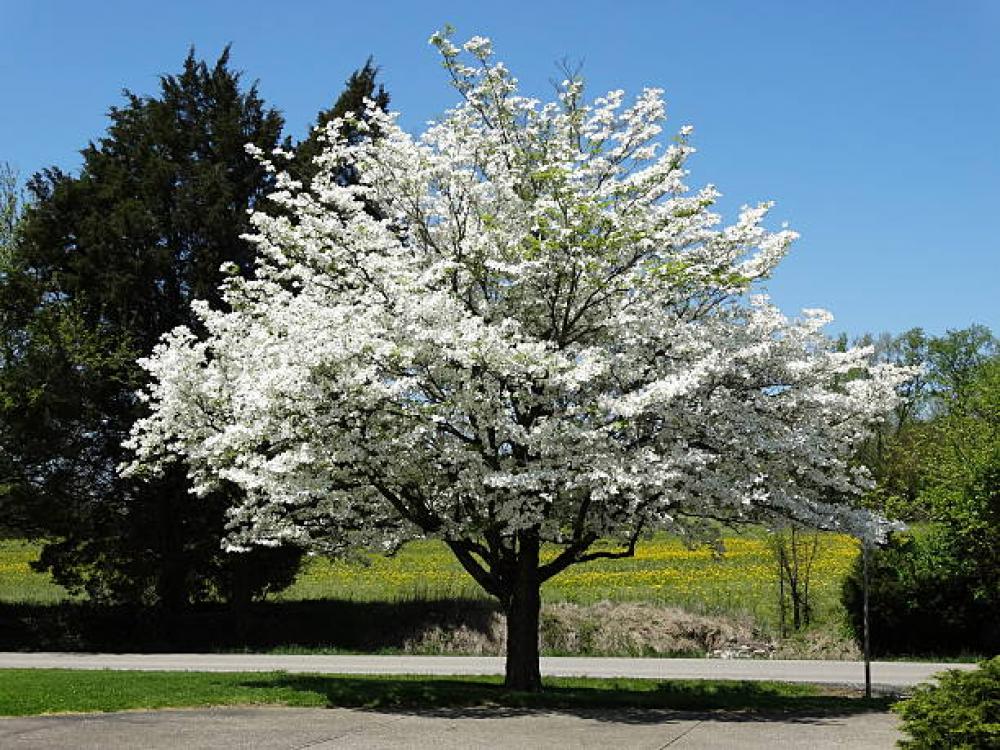
Trees of the genus Cornus
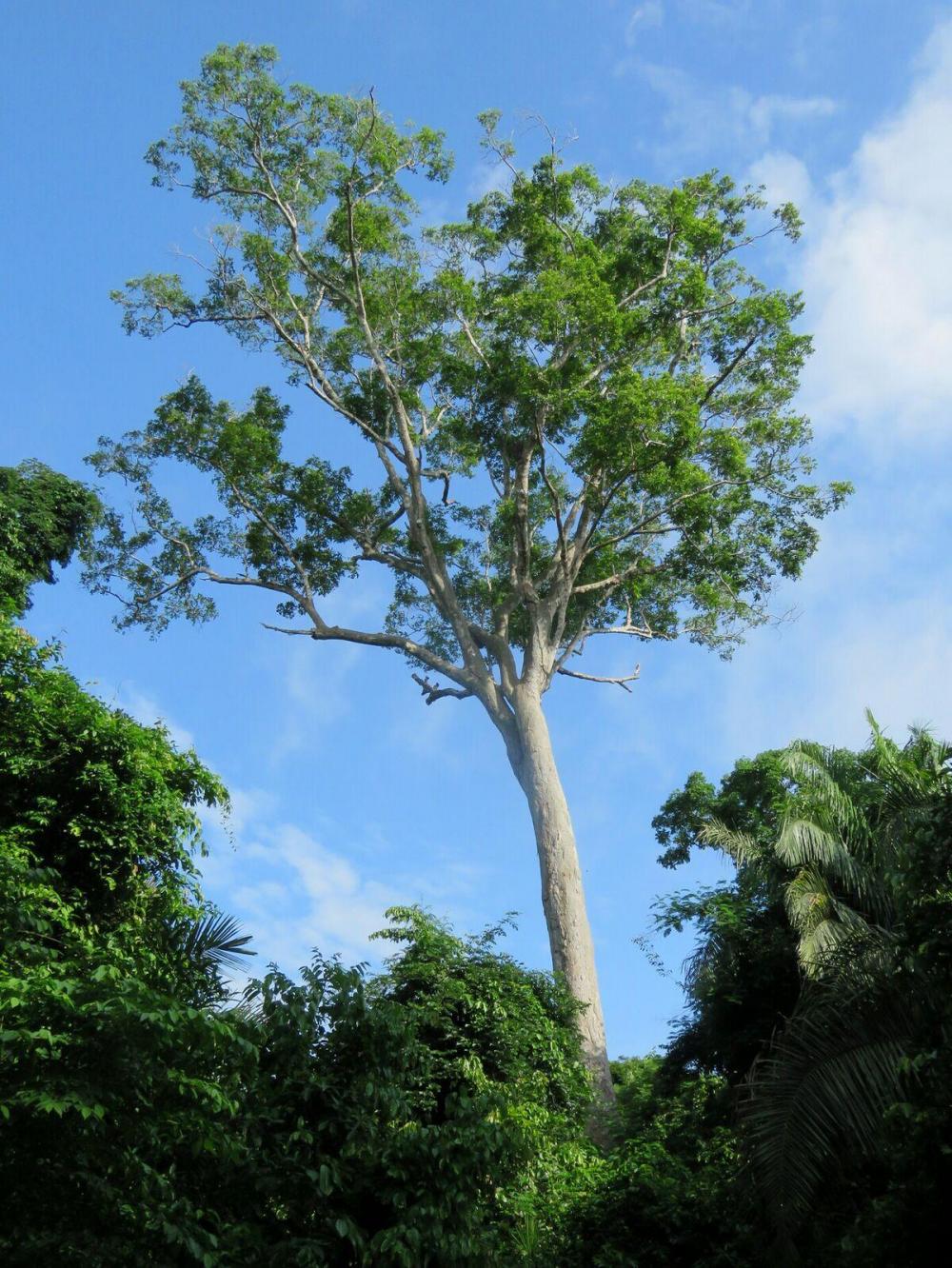
Cumaru
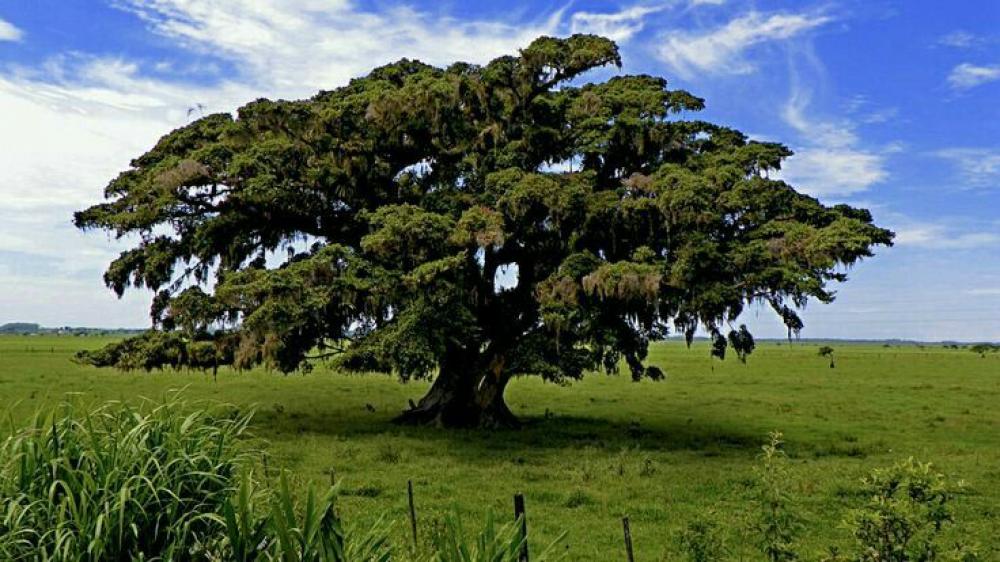
fig tree
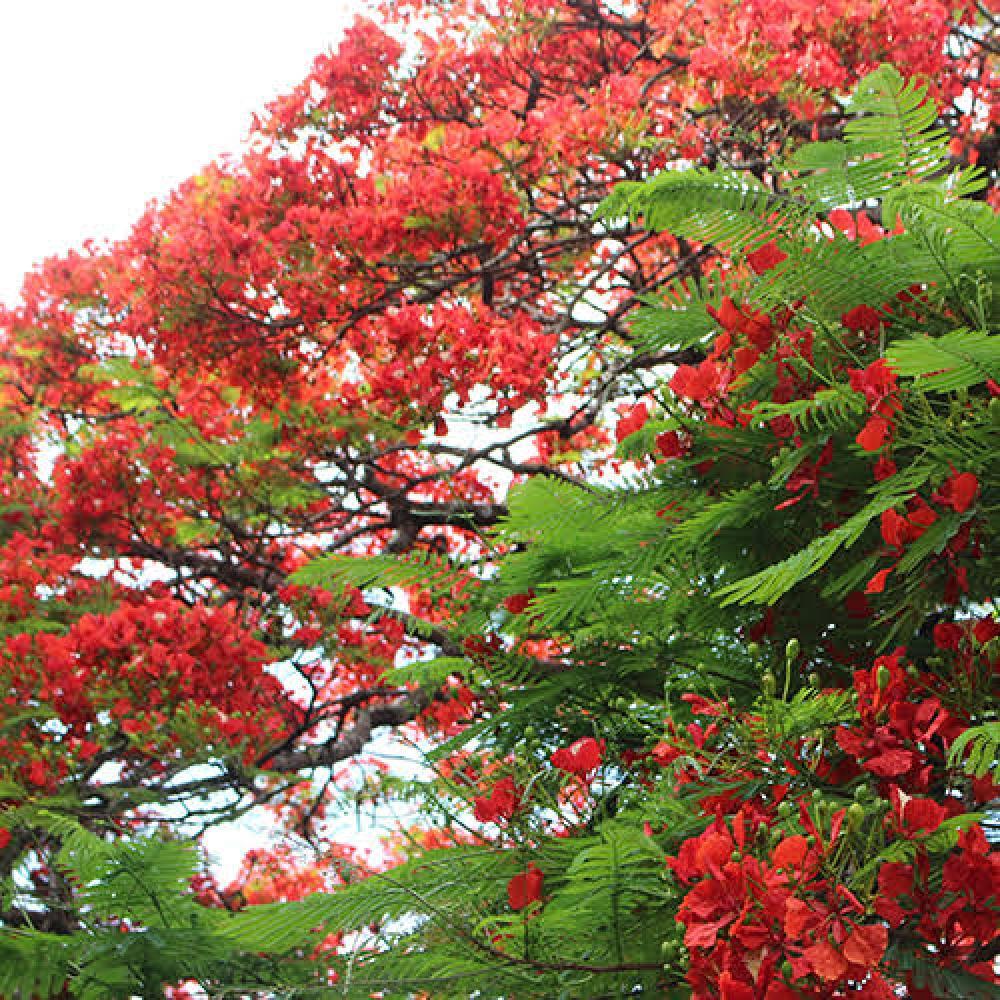
Flamboyant
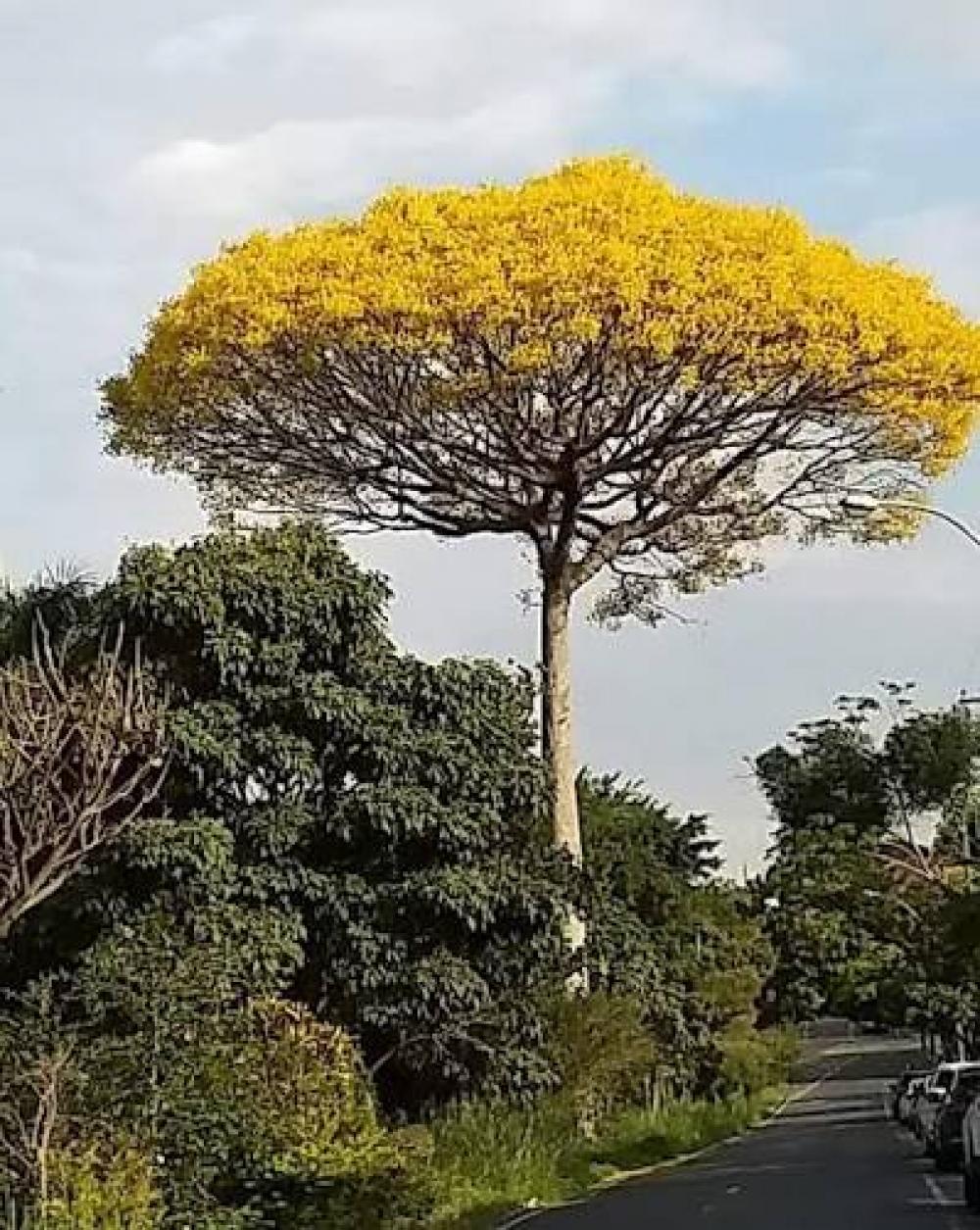
Guapuruvu
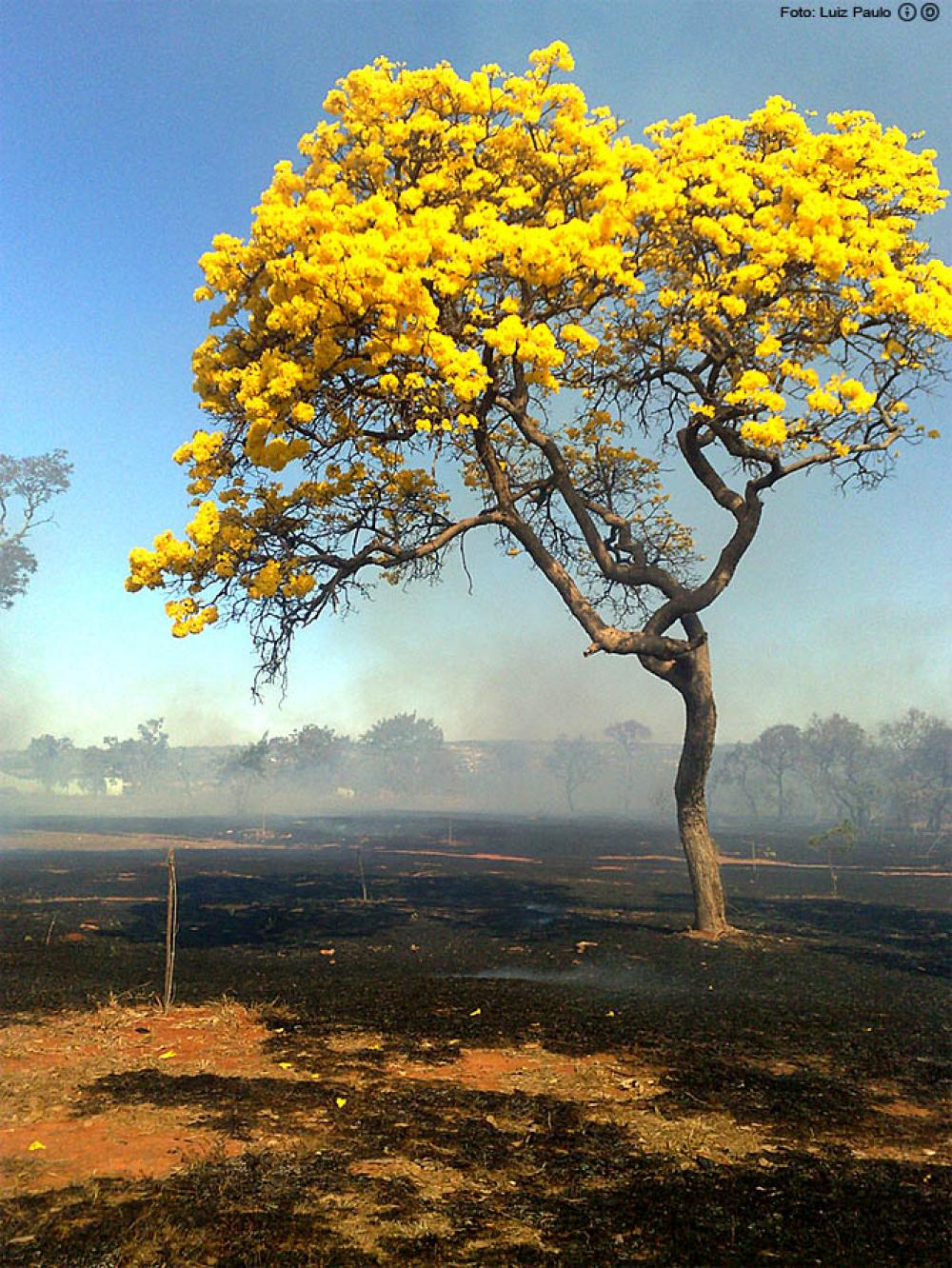
Yellow Ipê

Purple Ipe
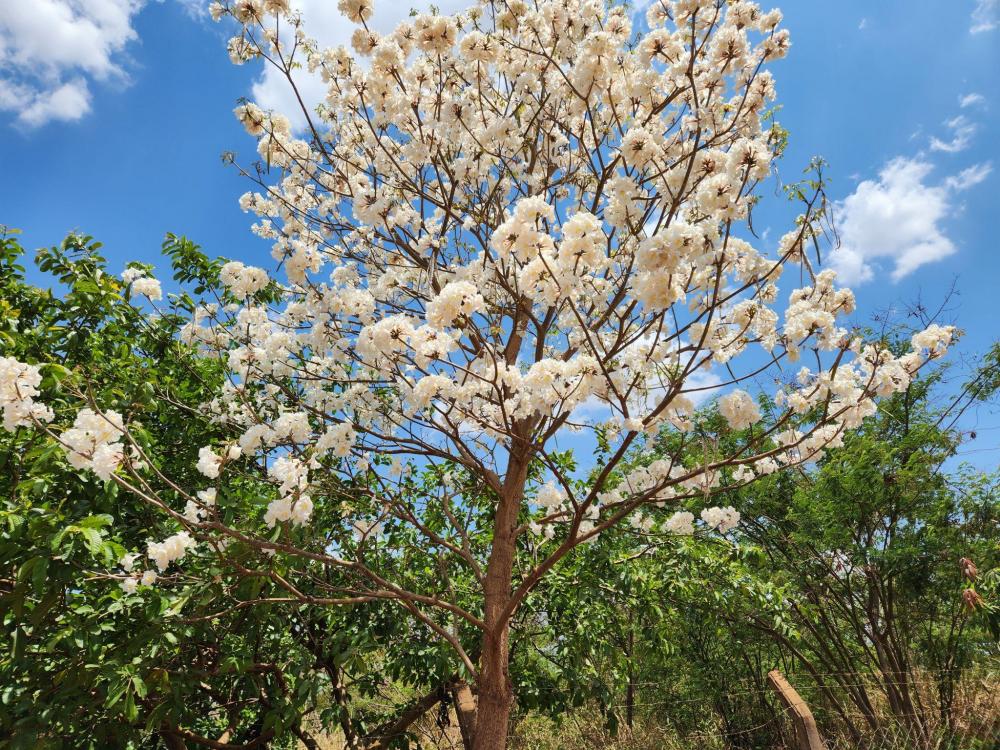
White Ipê
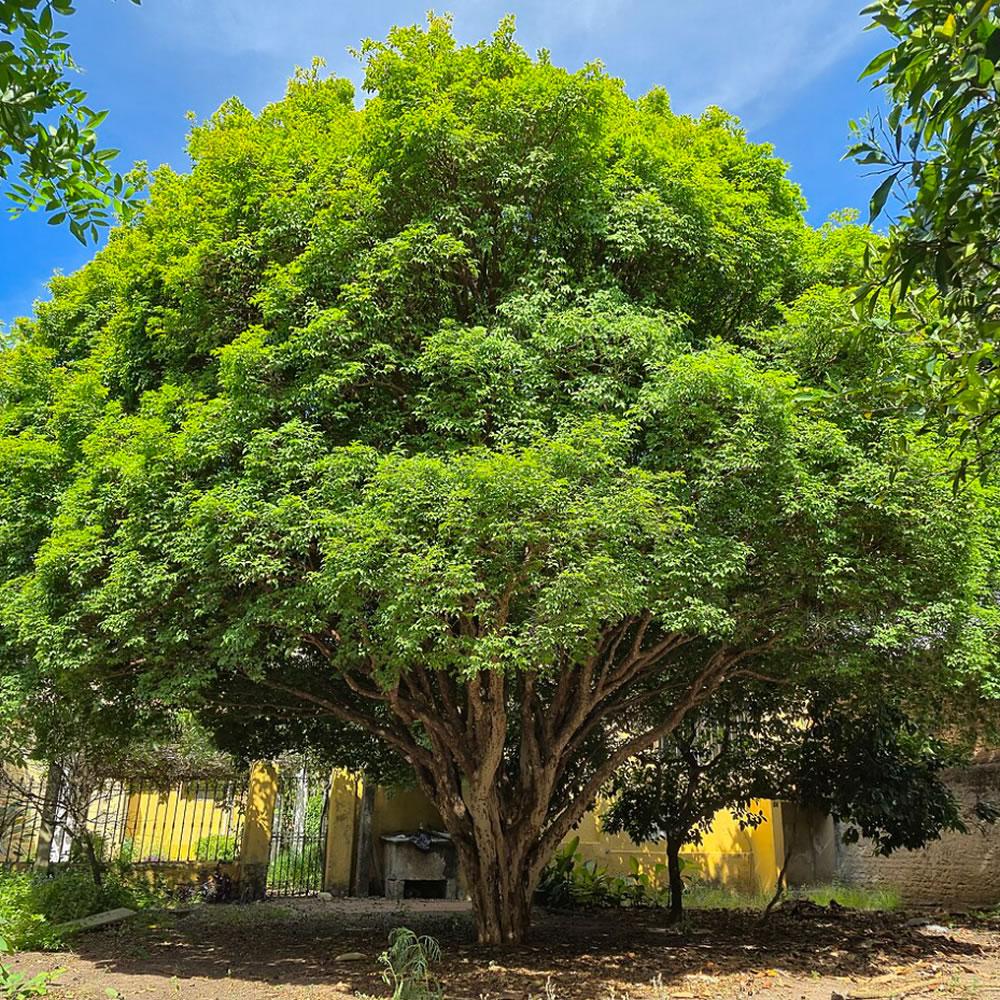
Jabuticaba
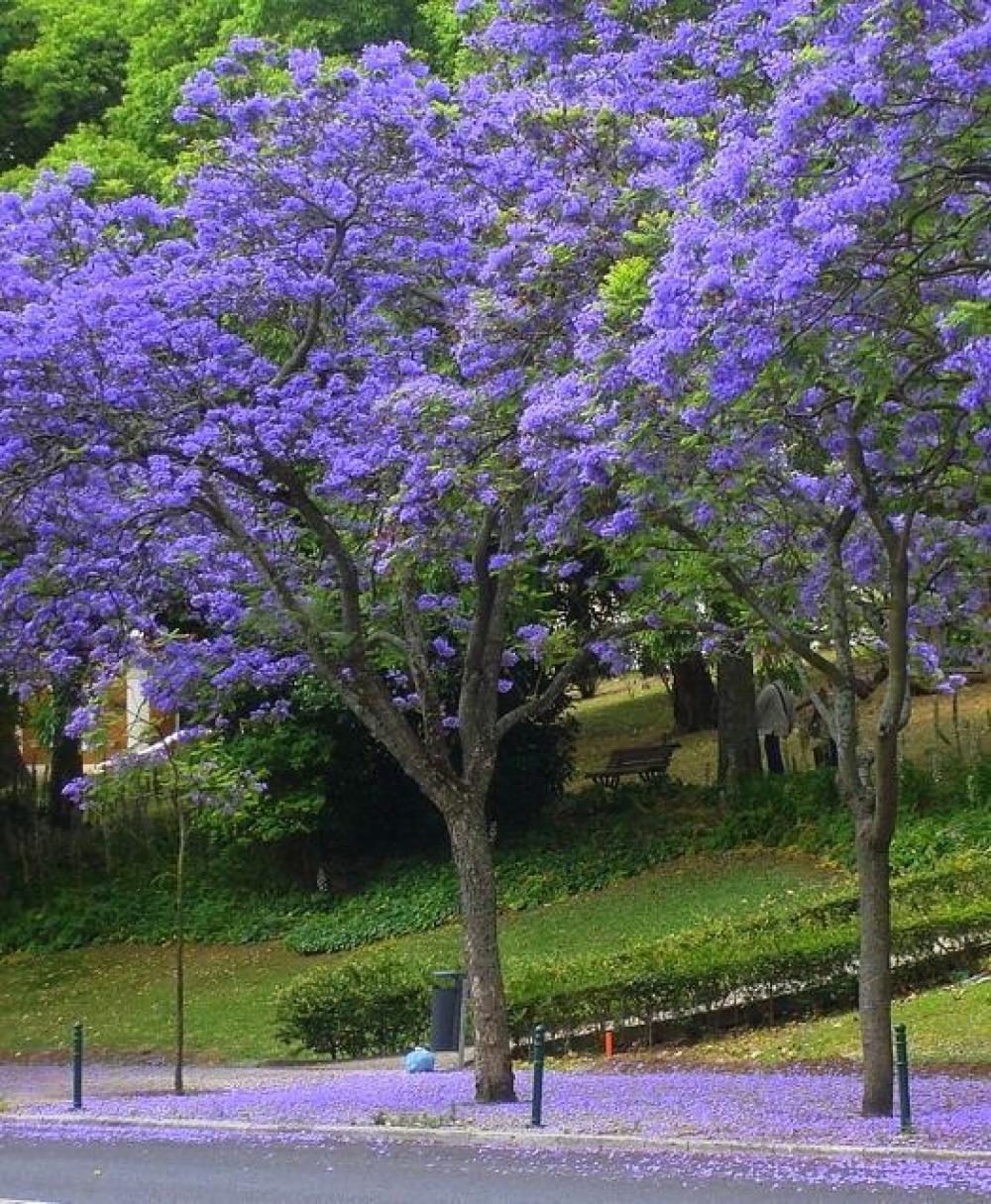
Blue jacaranda
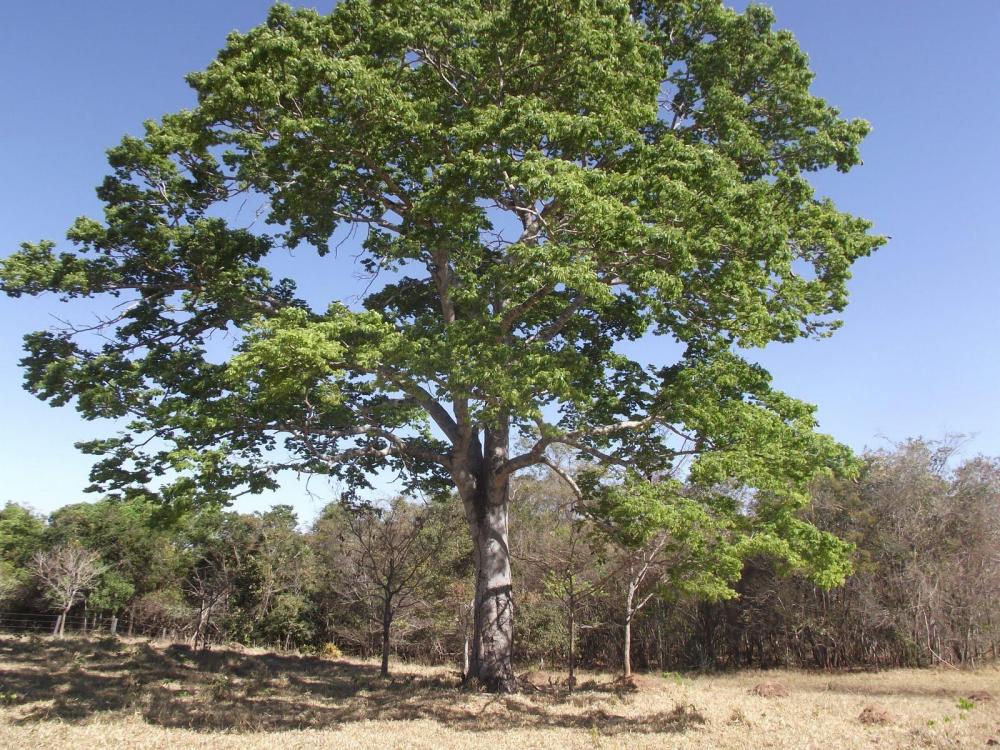
Jatoba
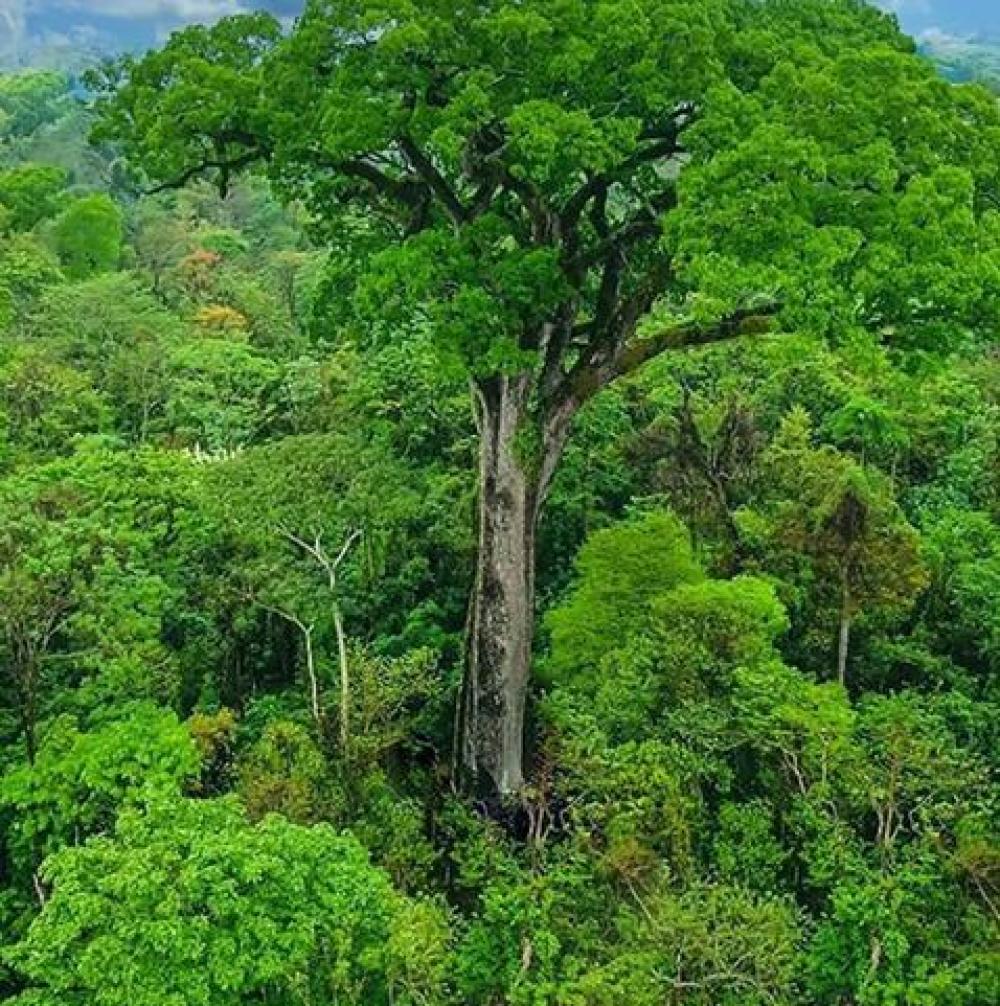
Pink Jequitibá (Cariniana legalis)
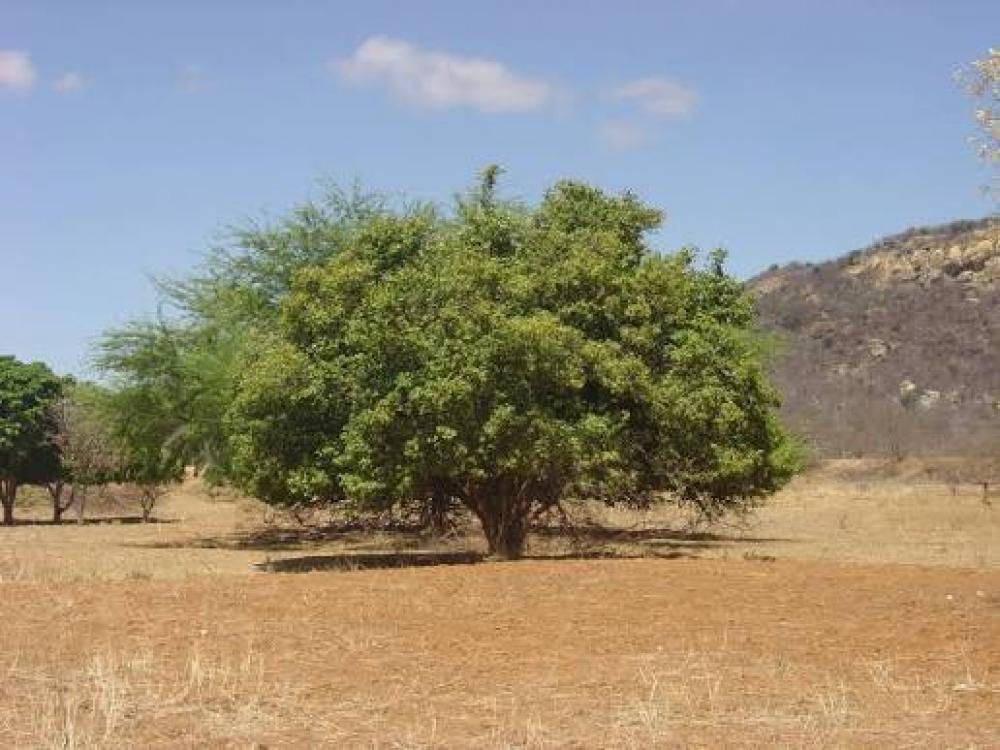
Juazeiro
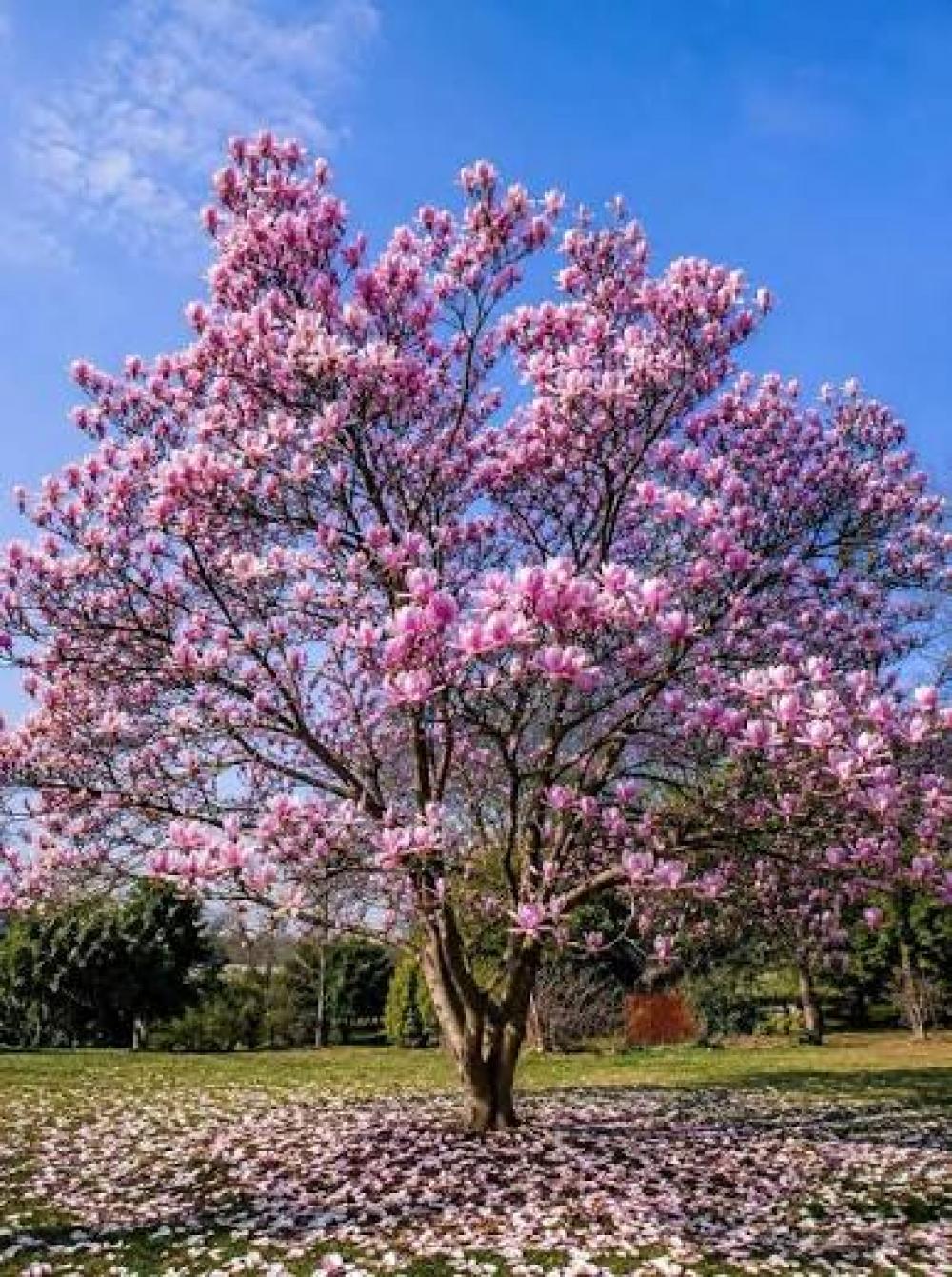
Magnolia
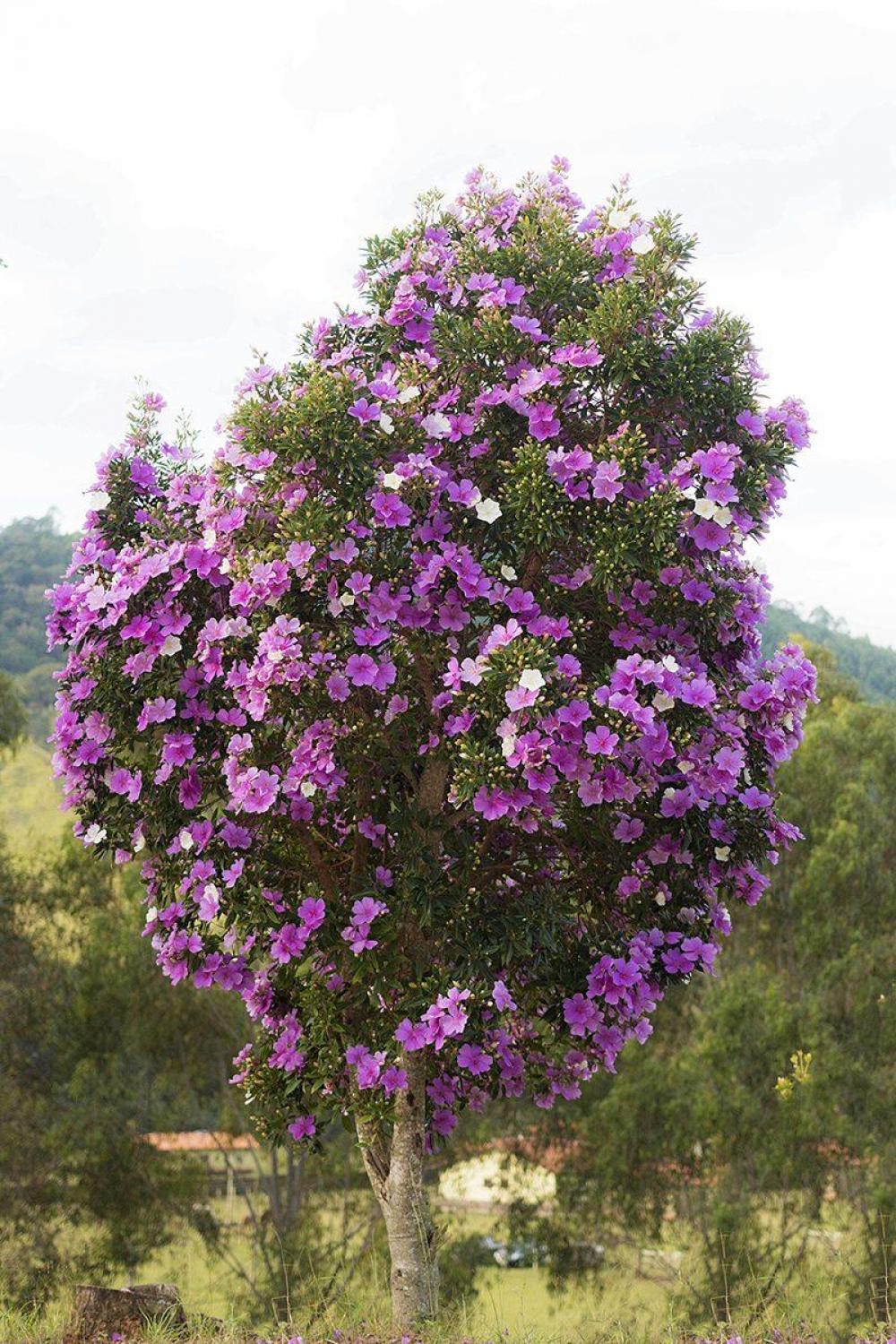
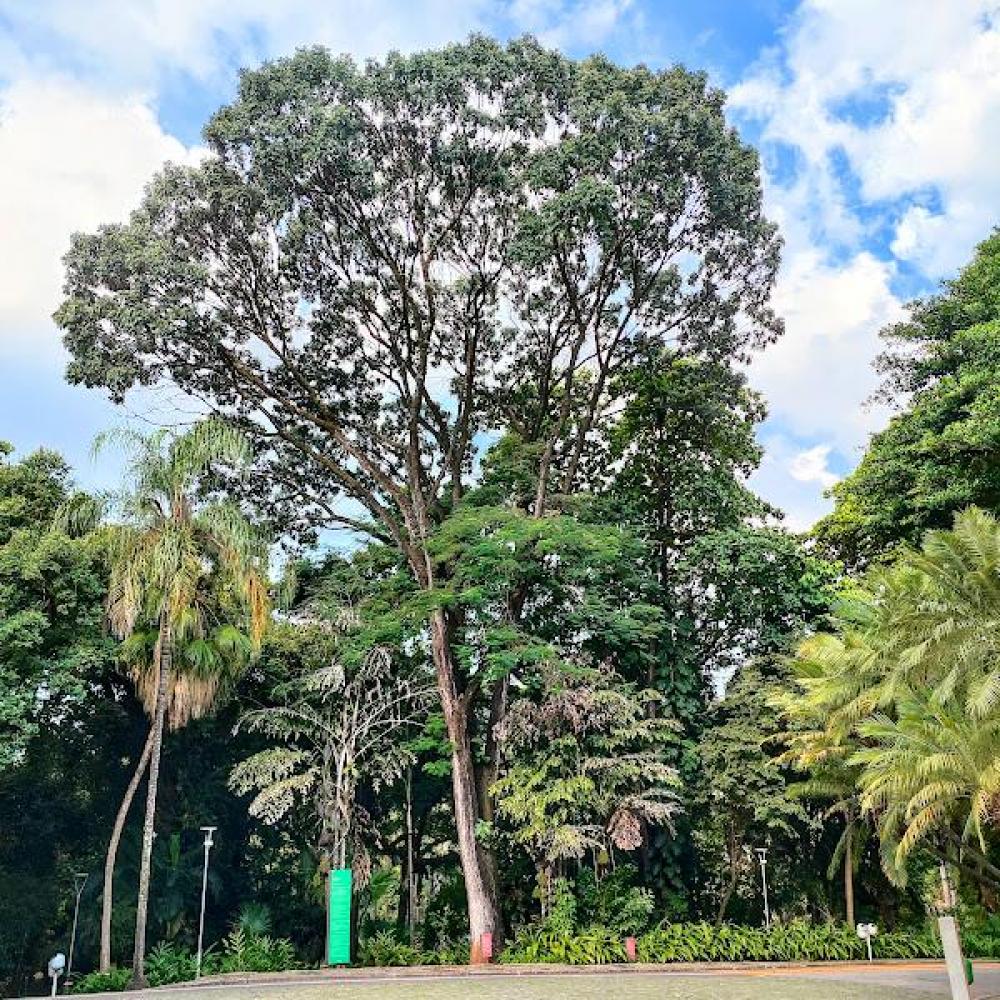
Brazilian Mahogany
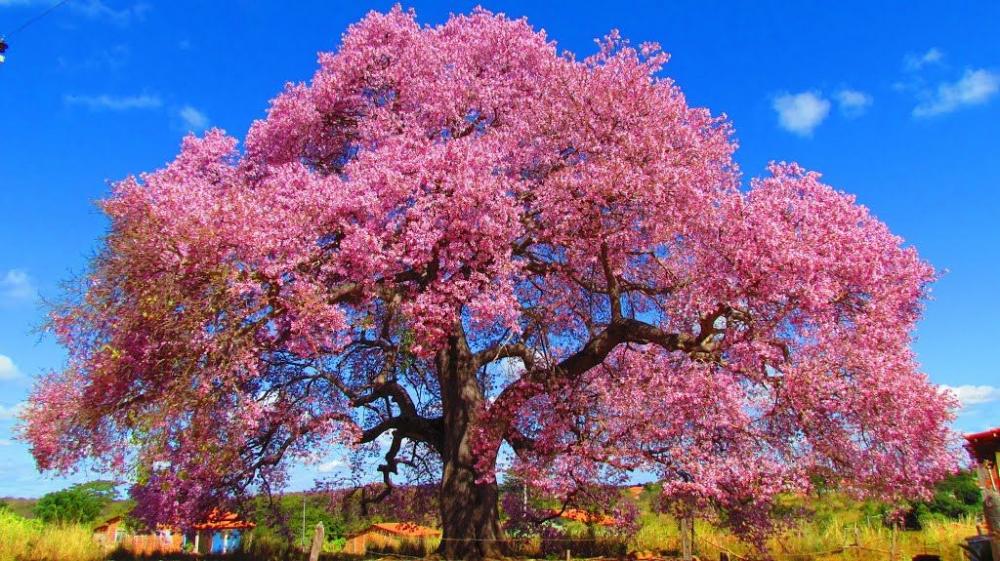
pink silk floss tree
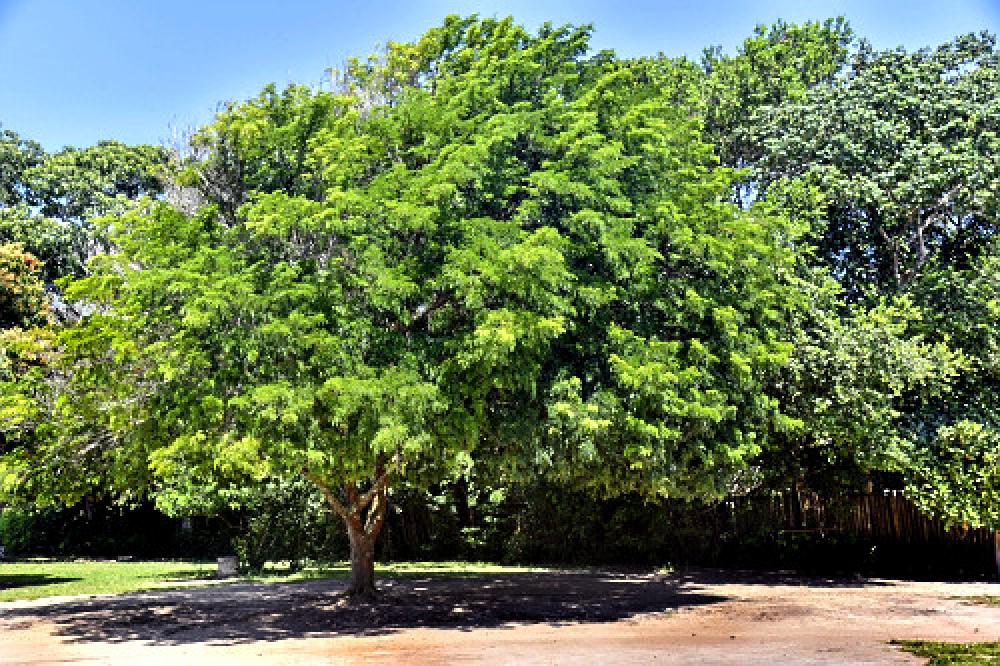
Brazilwood
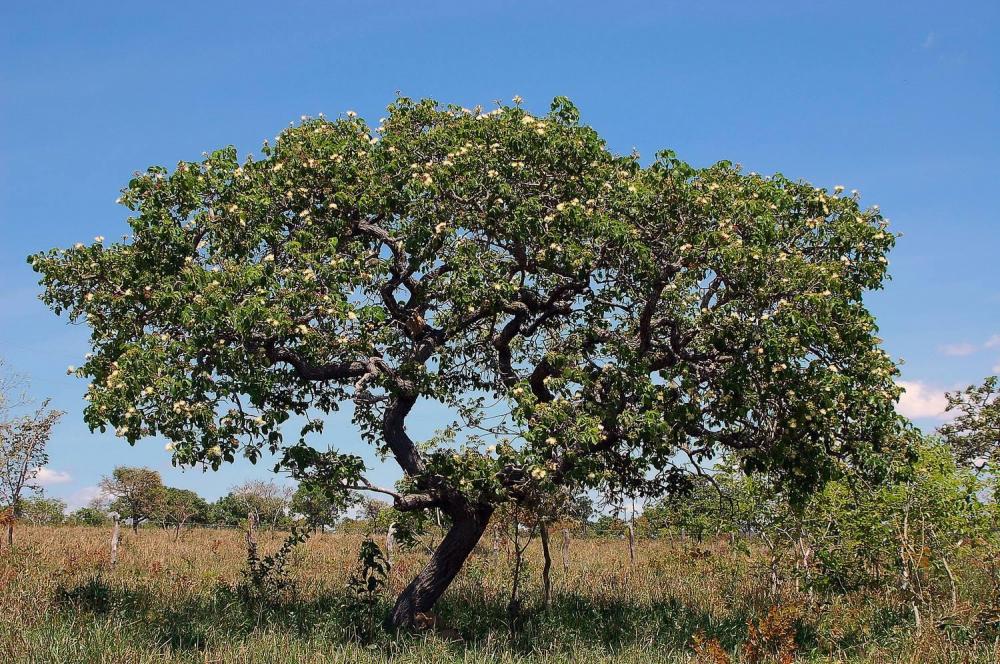
Pequi
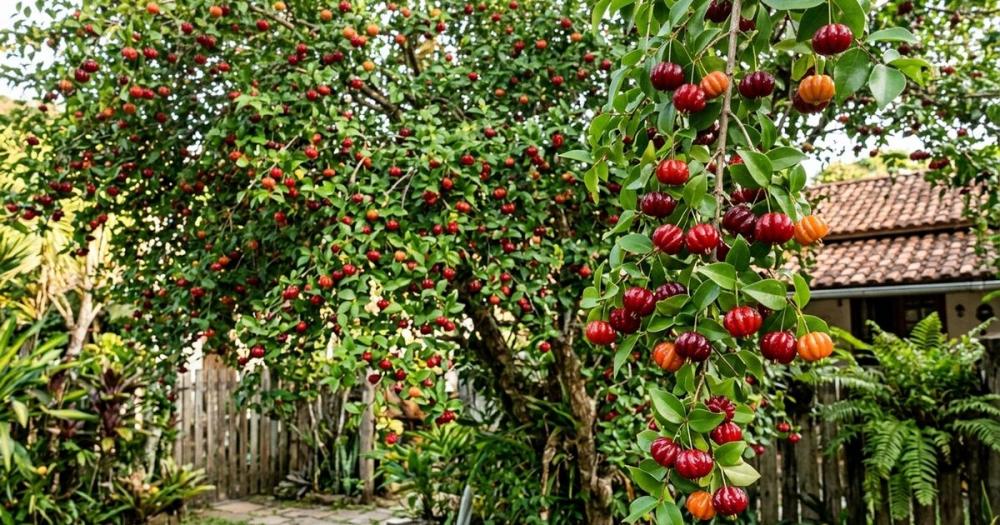
Surinam cherry
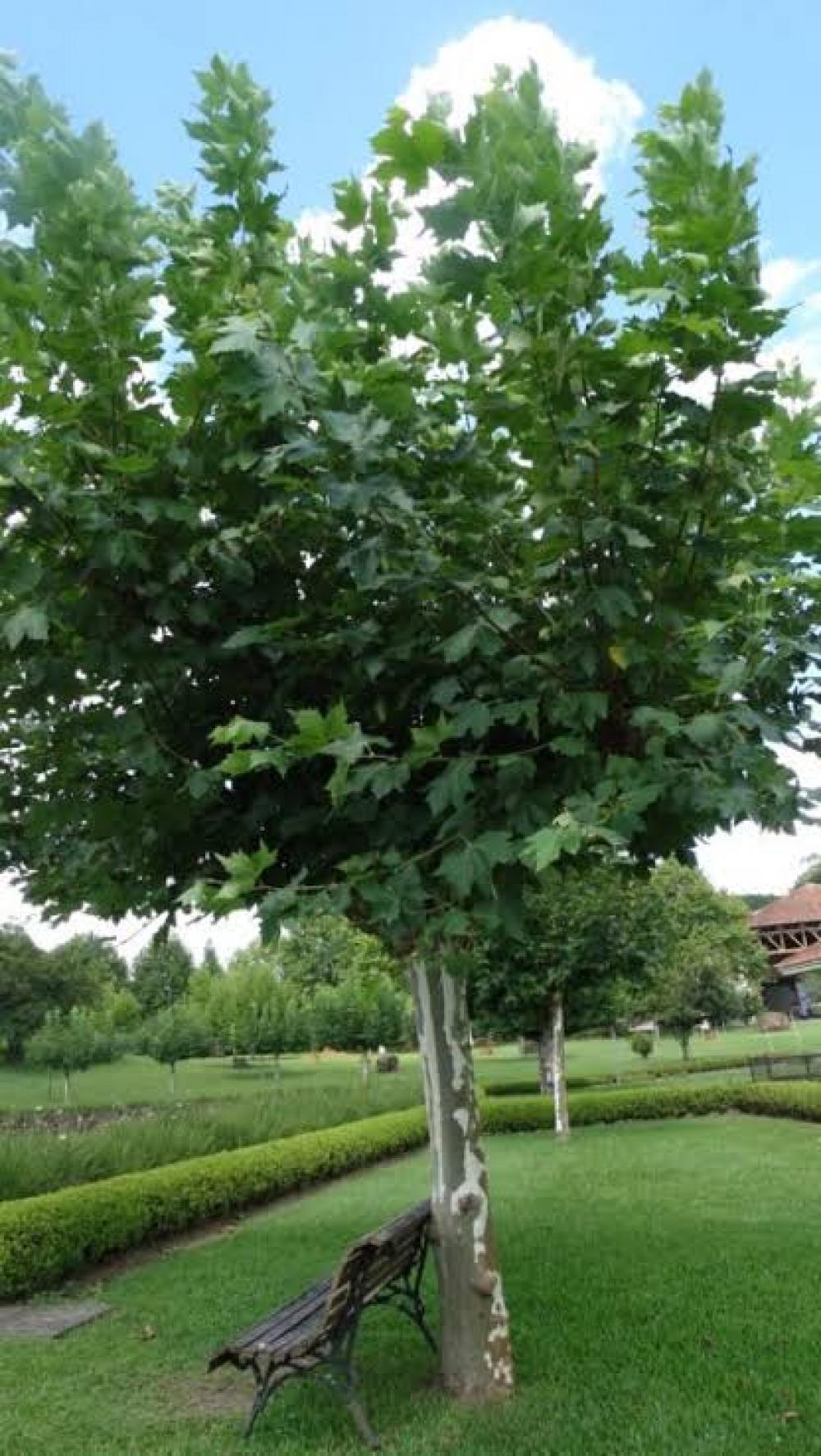
Plane tree
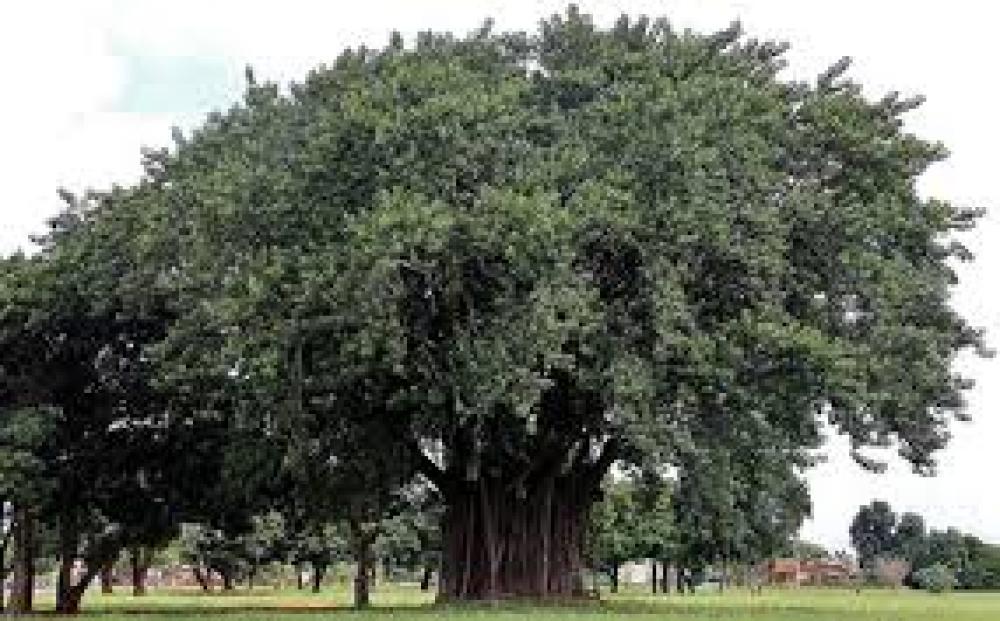
Rubber tree
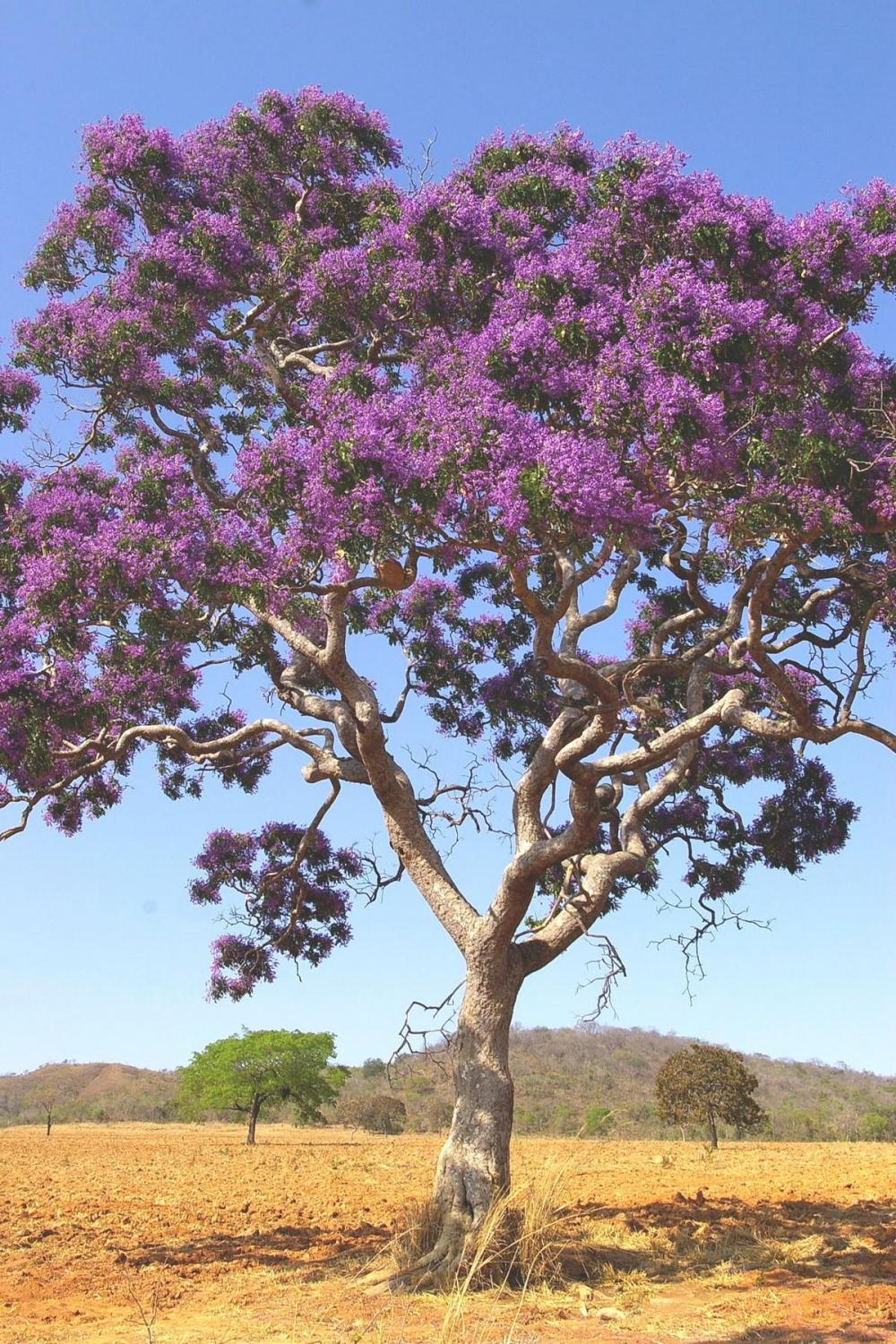
Sucupira
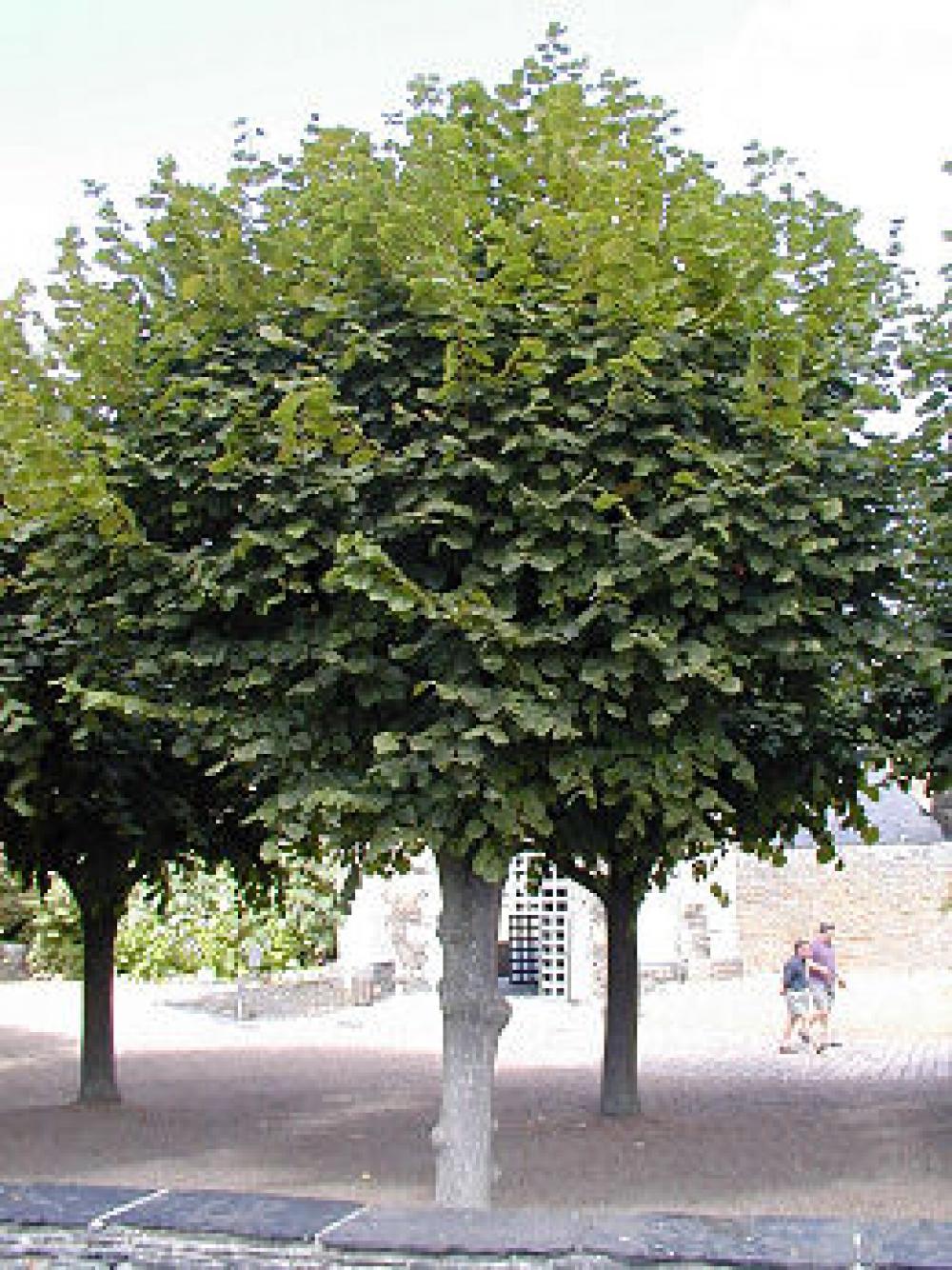
Linden