



fig tree
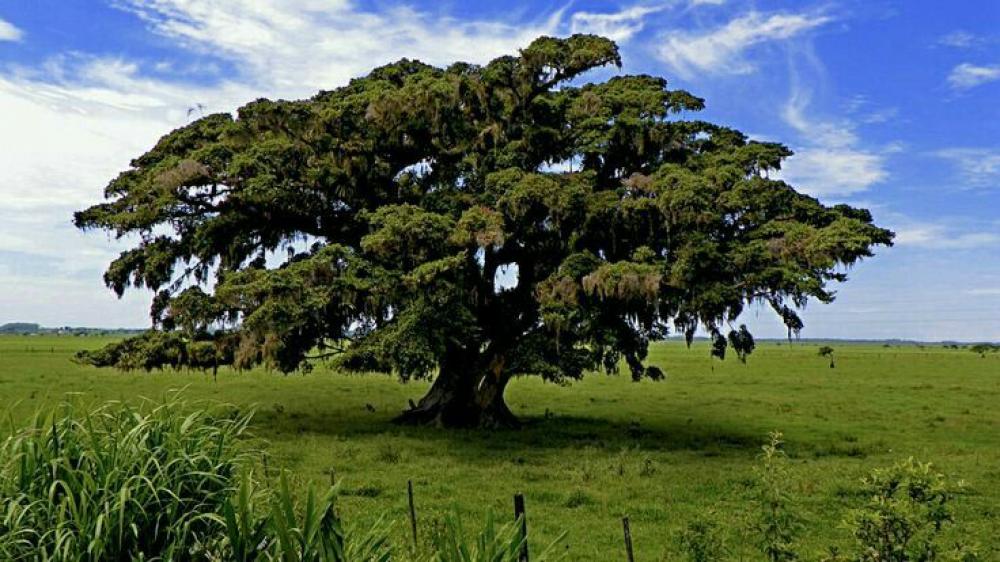
The name "higuera" is used for several species of the genus *Ficus*, trees widely distributed in tropical and subtropical regions. In Brazil, different species of higueras form part of natural environments and are also found in urban areas, gardens, plazas and rural properties. There are trees that can reach great size, forming large canopies and providing shade and refuge for countless species.
Their leaves are large and present different shapes depending on the species. One of its most interesting characteristics are the higos, structures that botanically are called sicones. Numerous small flowers are found inside, which later give rise to the fruits. This characteristic means that the higueras are especially important for the feeding of various animals.
The higueras maintain an extraordinary ecological relationship with certain pollinating insects, especially small birds associated with the genus *Ficus*. This relationship is one of the best-known examples of mutualism in nature: the tree offers conditions for the development of insects and, in addition, receives the pollination necessary for its reproduction. This interaction demonstrates the complexity and interdependence existing in ecosystems.
The fruits of the trees are consumed by birds, murciélagos, monos and other animals, contributing to the maintenance of the fauna and the dispersion of seeds. For this reason, many species of *Ficus* are considered key plants for supporting biodiversity, especially during periods when other food resources may become scarce.
In addition to its ecological value, the mountains have a strong presence in the culture and history of several villages. The ancient and large-sized trees can become landscape and community references, associated with the memory of places, encounters and generational continuity. Its presence in plazas, paths, rural properties and natural areas reflects the historical relationship between people and trees.
Some species produce edible fruits and are used in food, while others are valued mainly for their environmental, ornamental and landscape role. In traditional medicine, several species of *Ficus* also appear in popular practices; However, its uses must be evaluated according to the species and specific scientific evidence, since the chemical composition may vary and some parts of the plant may contain irritating substances.
Their leaves are large and present different shapes depending on the species. One of its most interesting characteristics are the higos, structures that botanically are called sicones. Numerous small flowers are found inside, which later give rise to the fruits. This characteristic means that the higueras are especially important for the feeding of various animals.
The higueras maintain an extraordinary ecological relationship with certain pollinating insects, especially small birds associated with the genus *Ficus*. This relationship is one of the best-known examples of mutualism in nature: the tree offers conditions for the development of insects and, in addition, receives the pollination necessary for its reproduction. This interaction demonstrates the complexity and interdependence existing in ecosystems.
The fruits of the trees are consumed by birds, murciélagos, monos and other animals, contributing to the maintenance of the fauna and the dispersion of seeds. For this reason, many species of *Ficus* are considered key plants for supporting biodiversity, especially during periods when other food resources may become scarce.
In addition to its ecological value, the mountains have a strong presence in the culture and history of several villages. The ancient and large-sized trees can become landscape and community references, associated with the memory of places, encounters and generational continuity. Its presence in plazas, paths, rural properties and natural areas reflects the historical relationship between people and trees.
Some species produce edible fruits and are used in food, while others are valued mainly for their environmental, ornamental and landscape role. In traditional medicine, several species of *Ficus* also appear in popular practices; However, its uses must be evaluated according to the species and specific scientific evidence, since the chemical composition may vary and some parts of the plant may contain irritating substances.
Tree Catalog
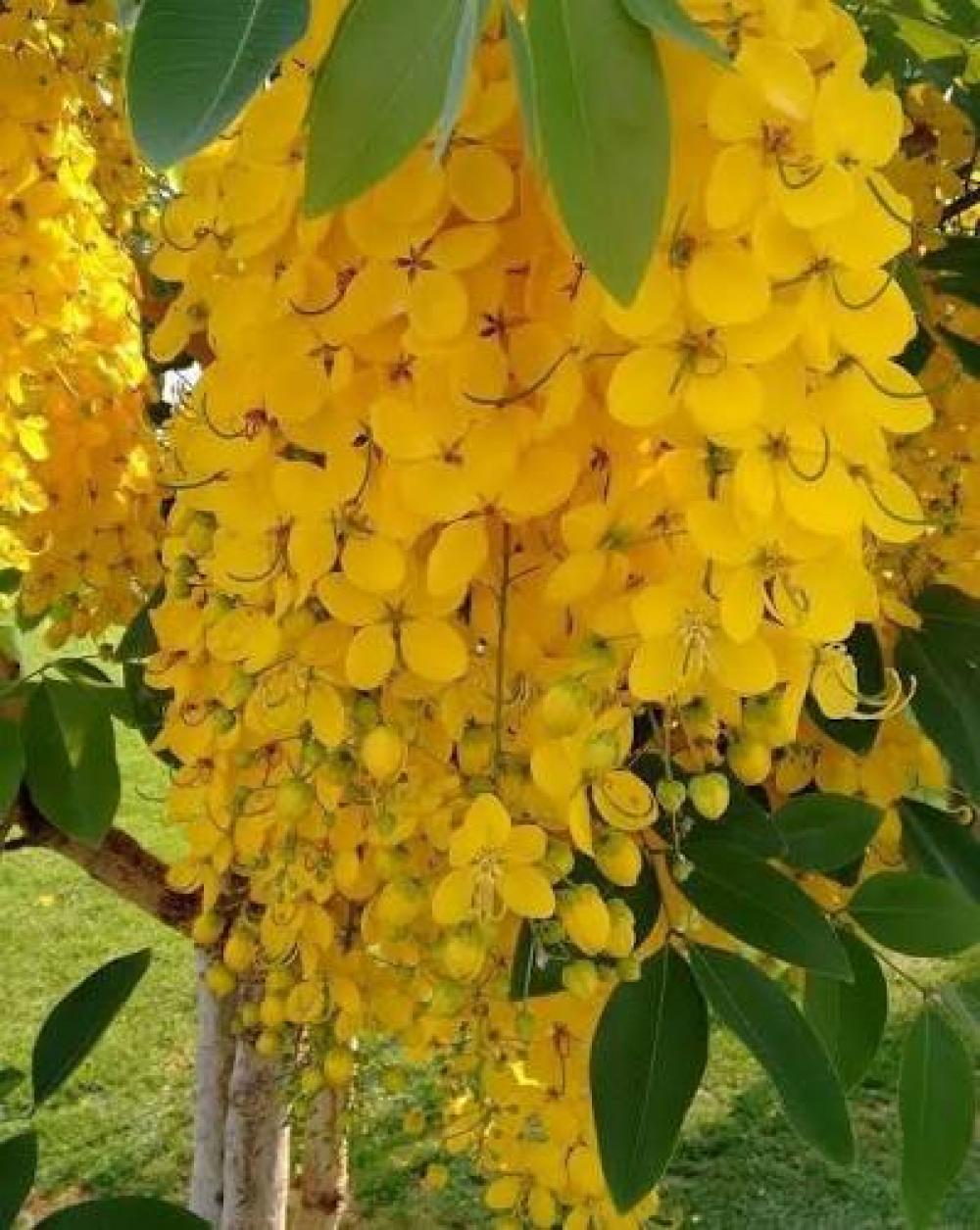
Imperial acacia
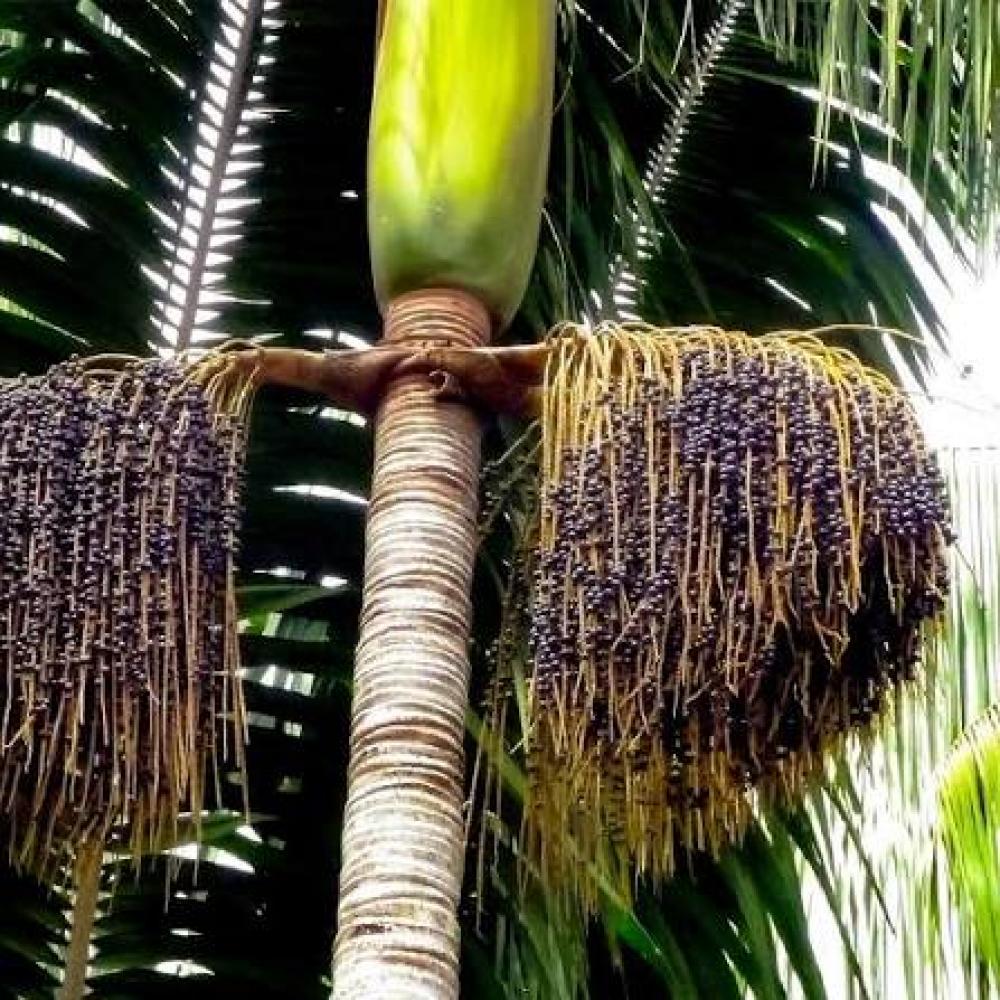
Açaí palm
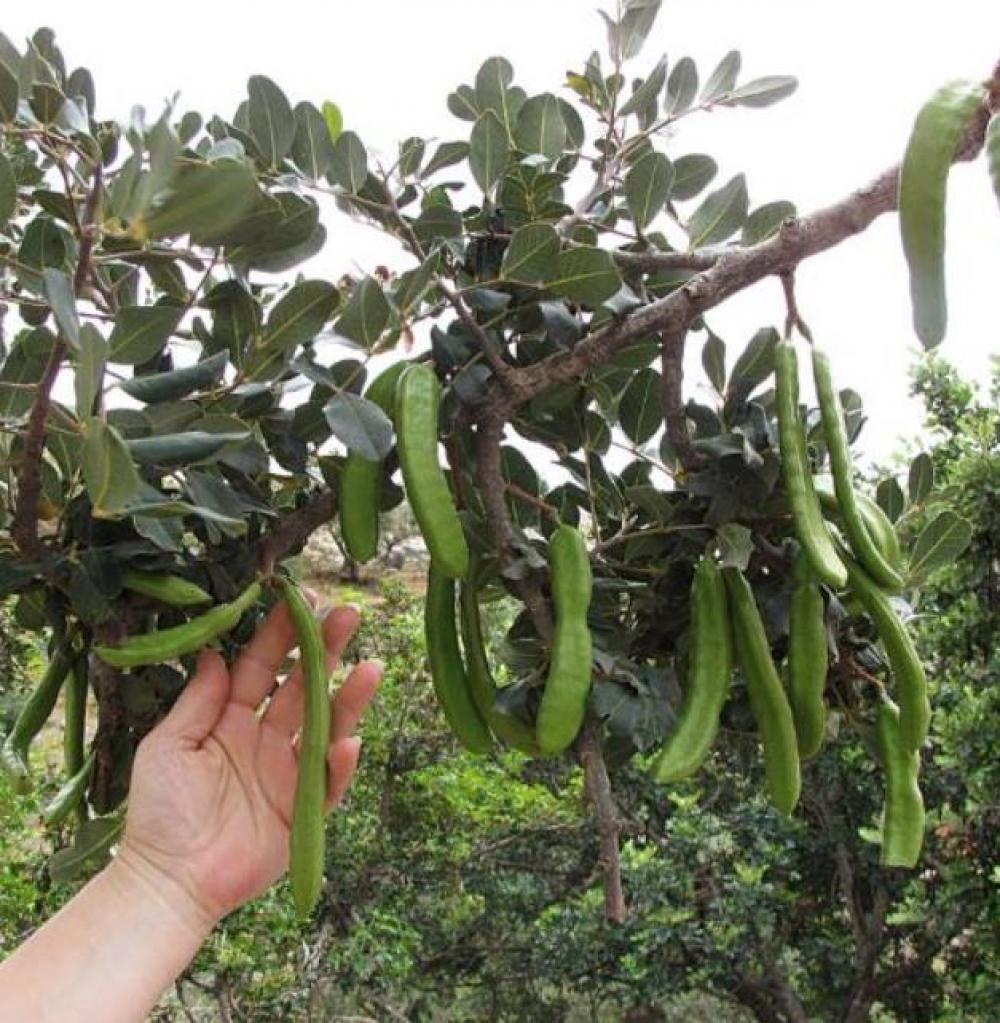
Alfarrobeira
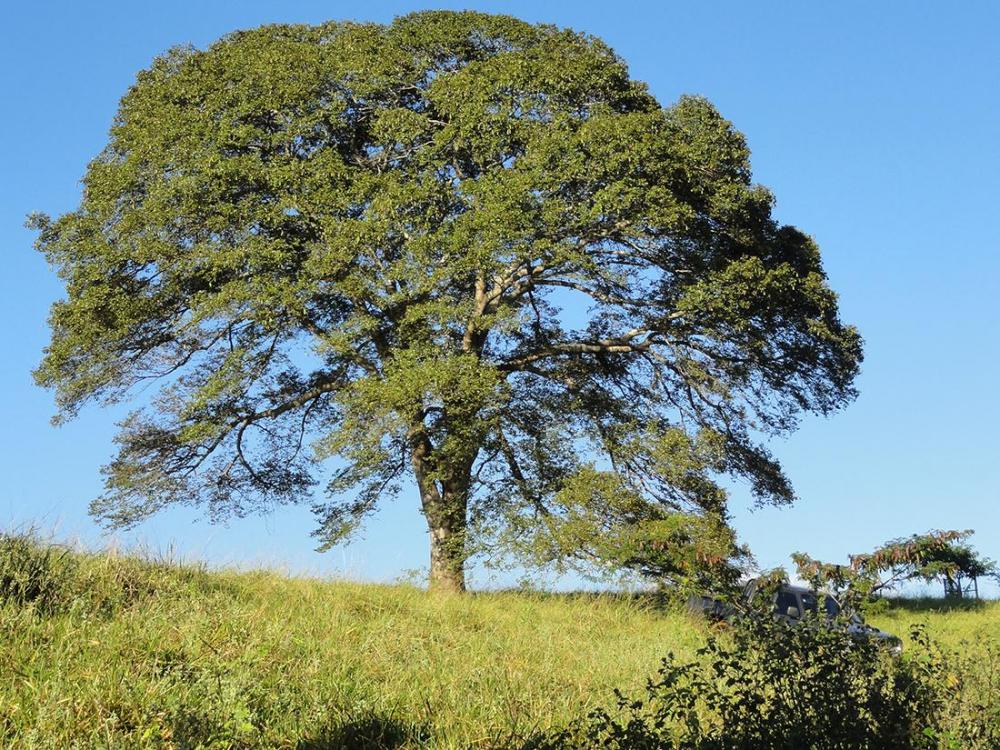
Andiroba

Red Angelim
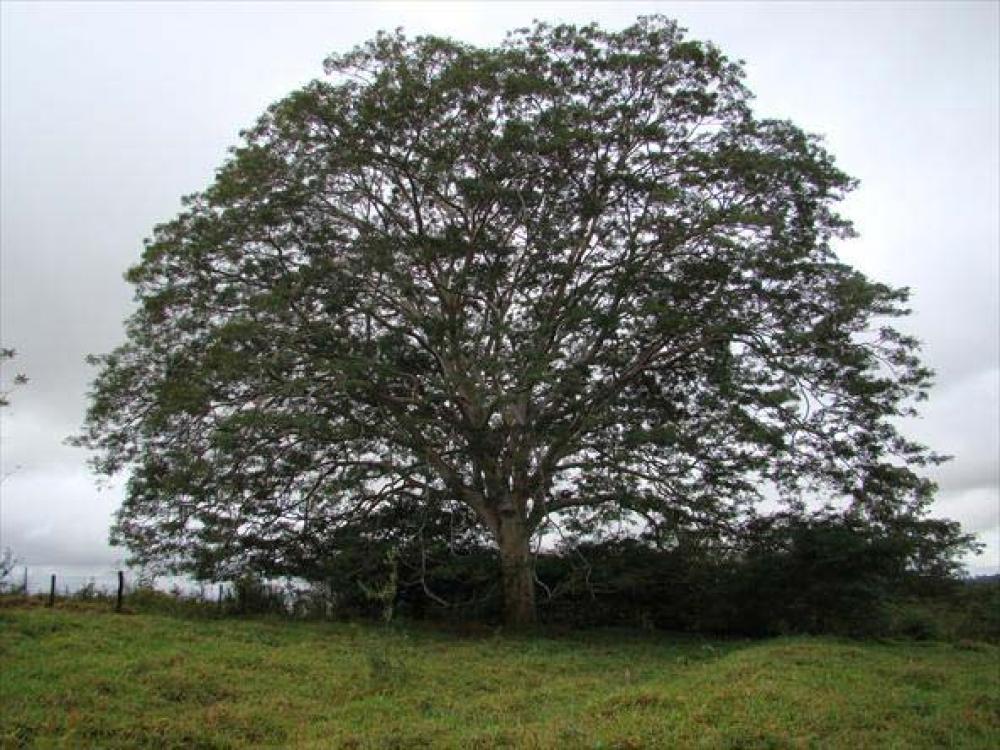
White Angico
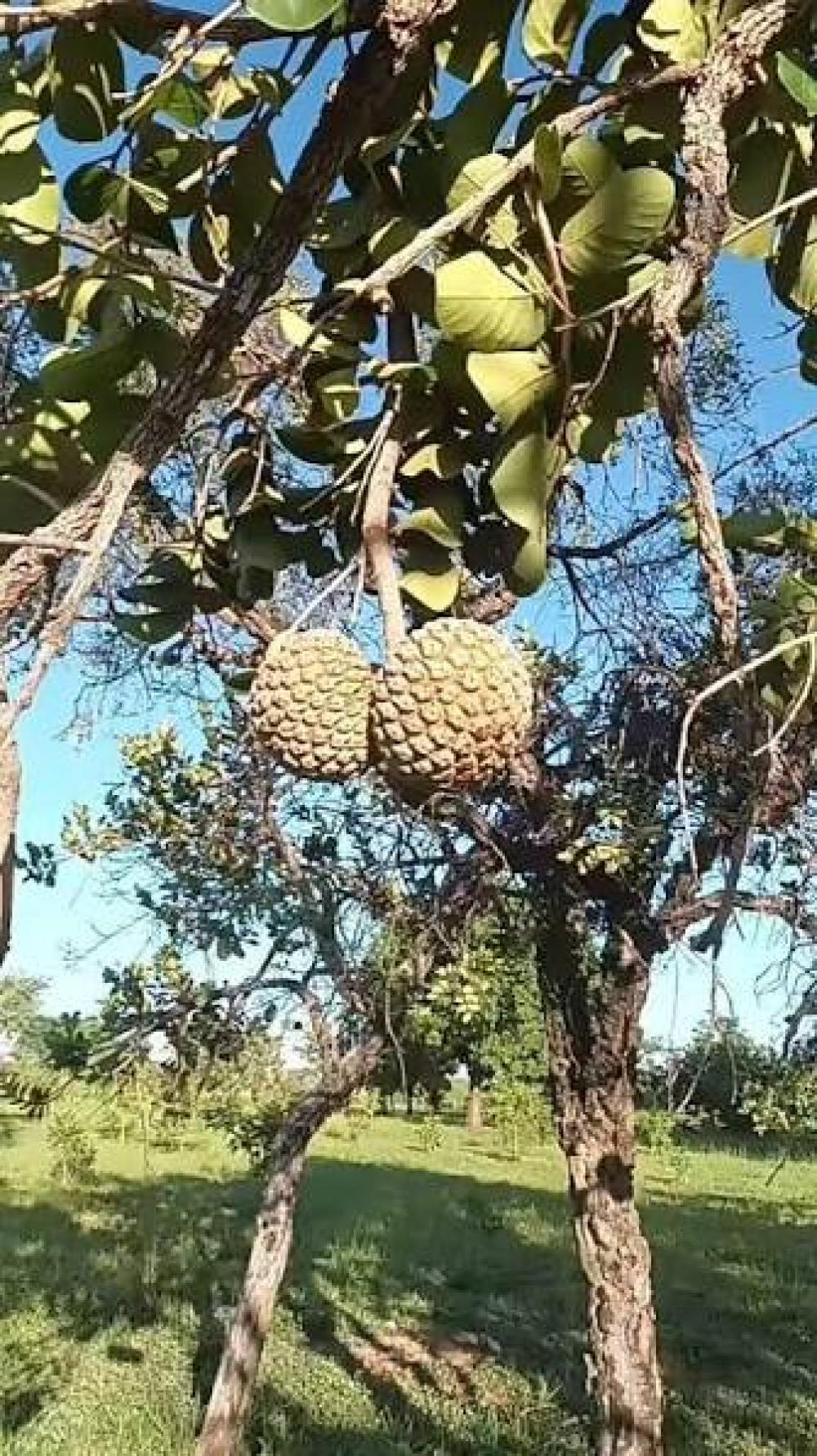
Araticum
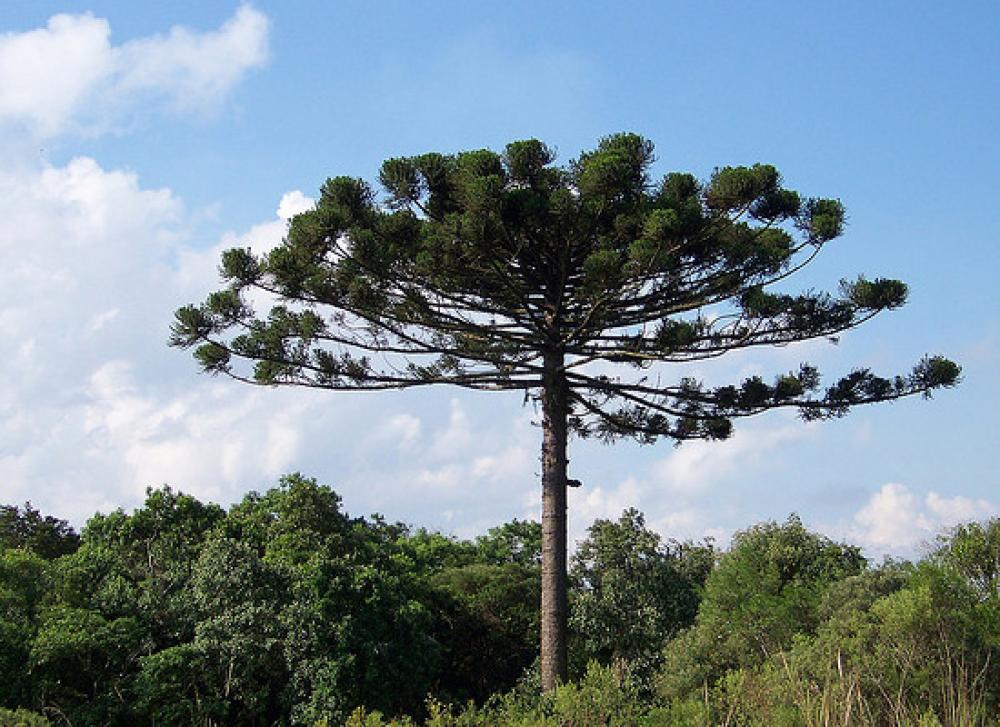
Araucaria, the Paraná pine
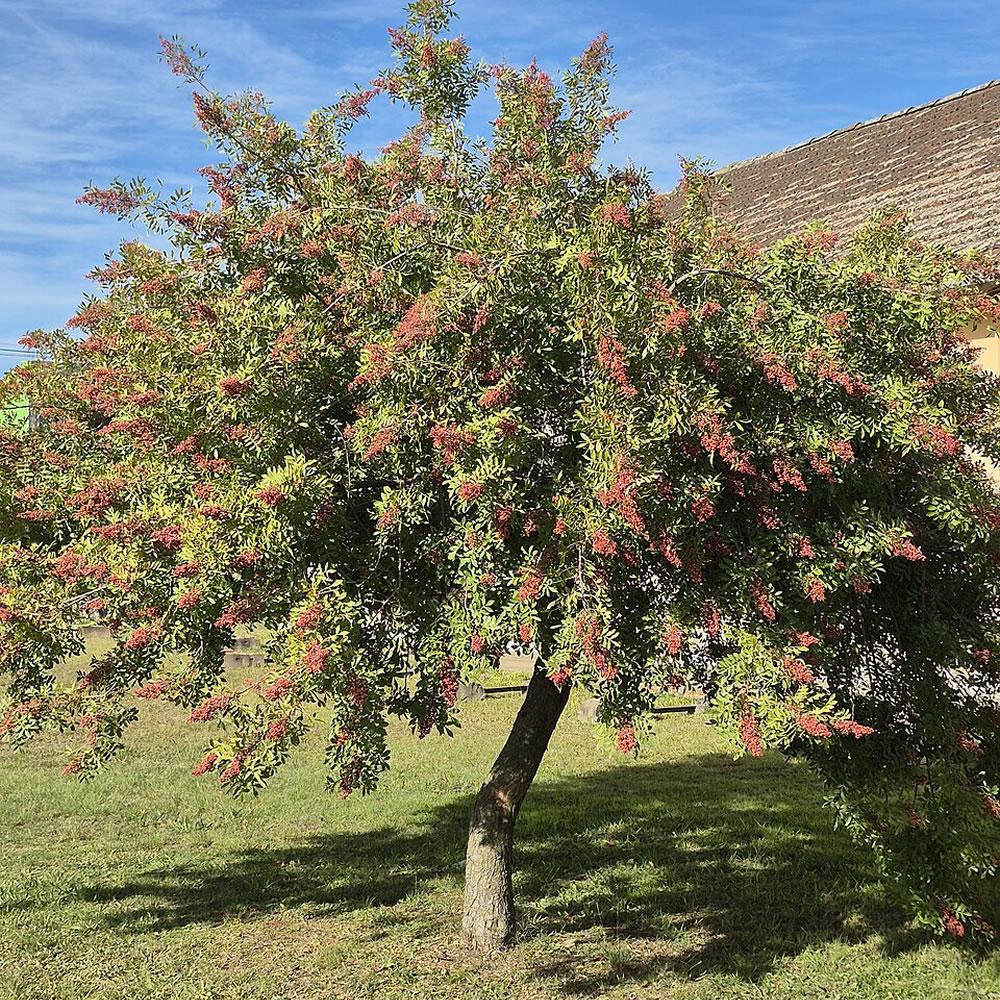
Brazilian peppertree
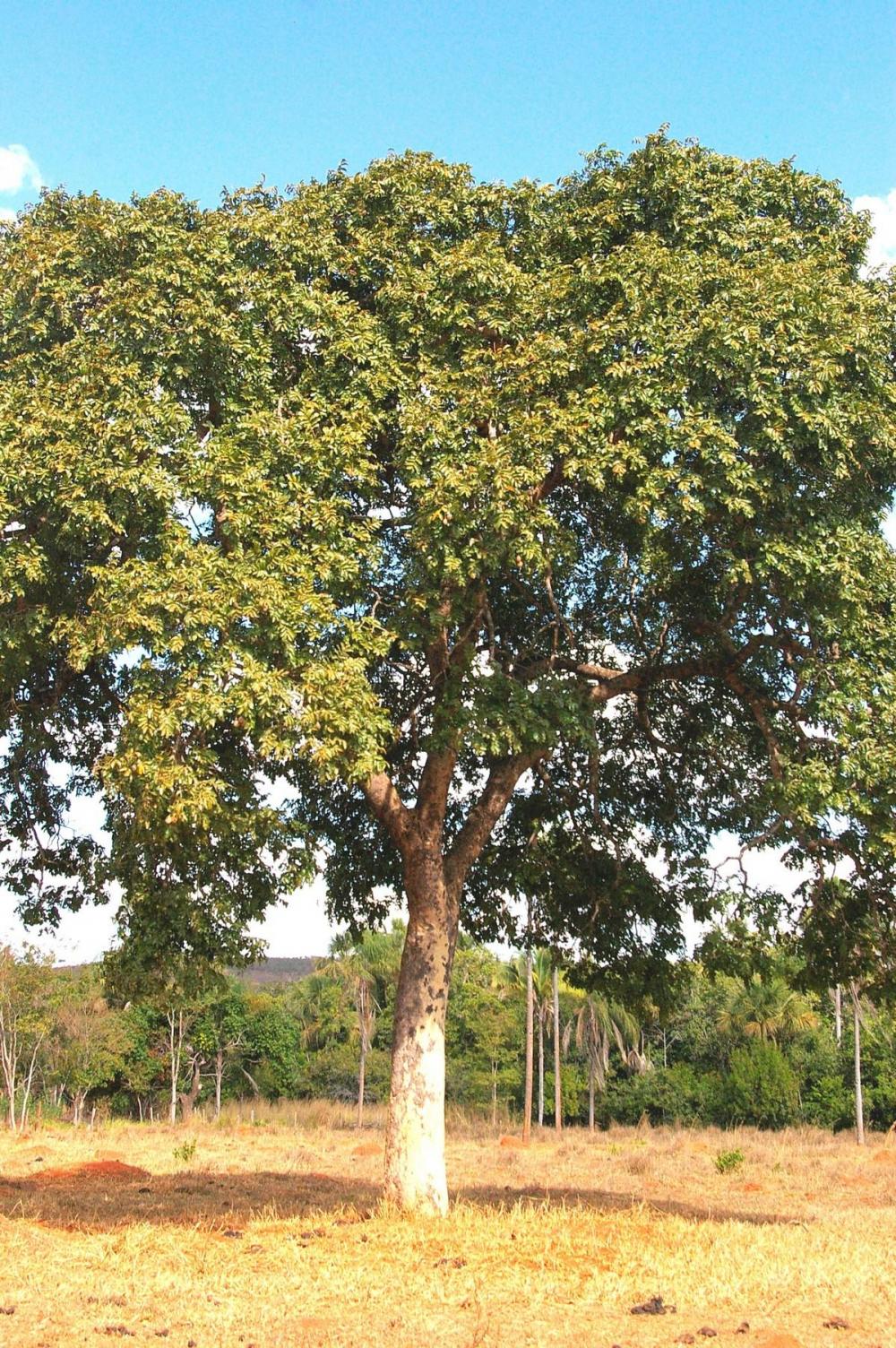
Baru
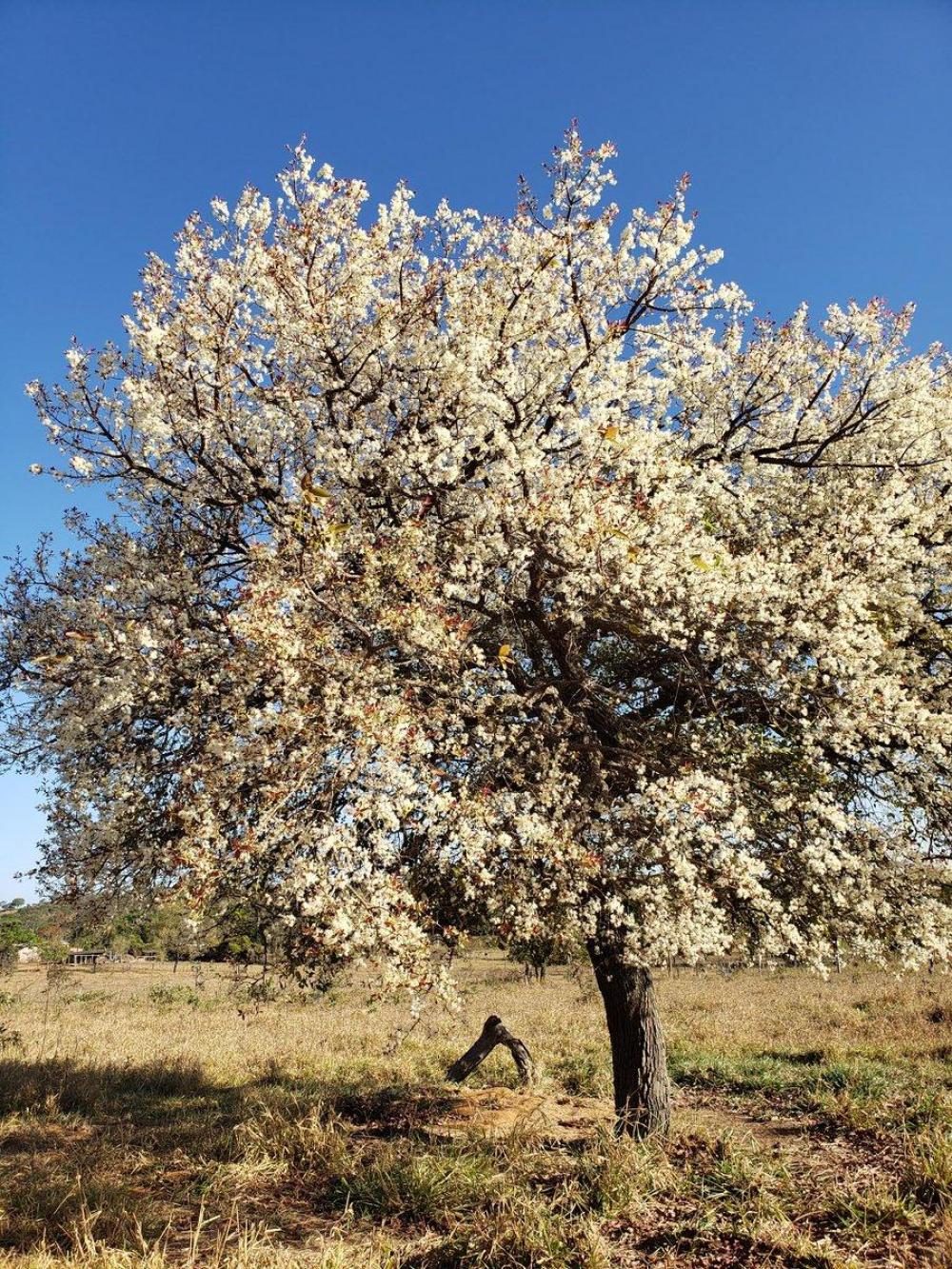
Cagaita
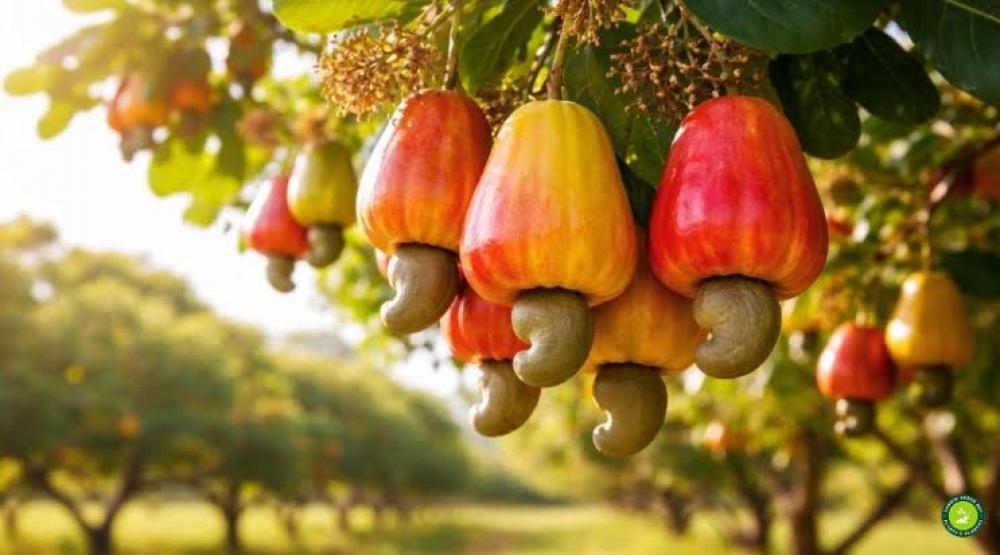
cashew tree
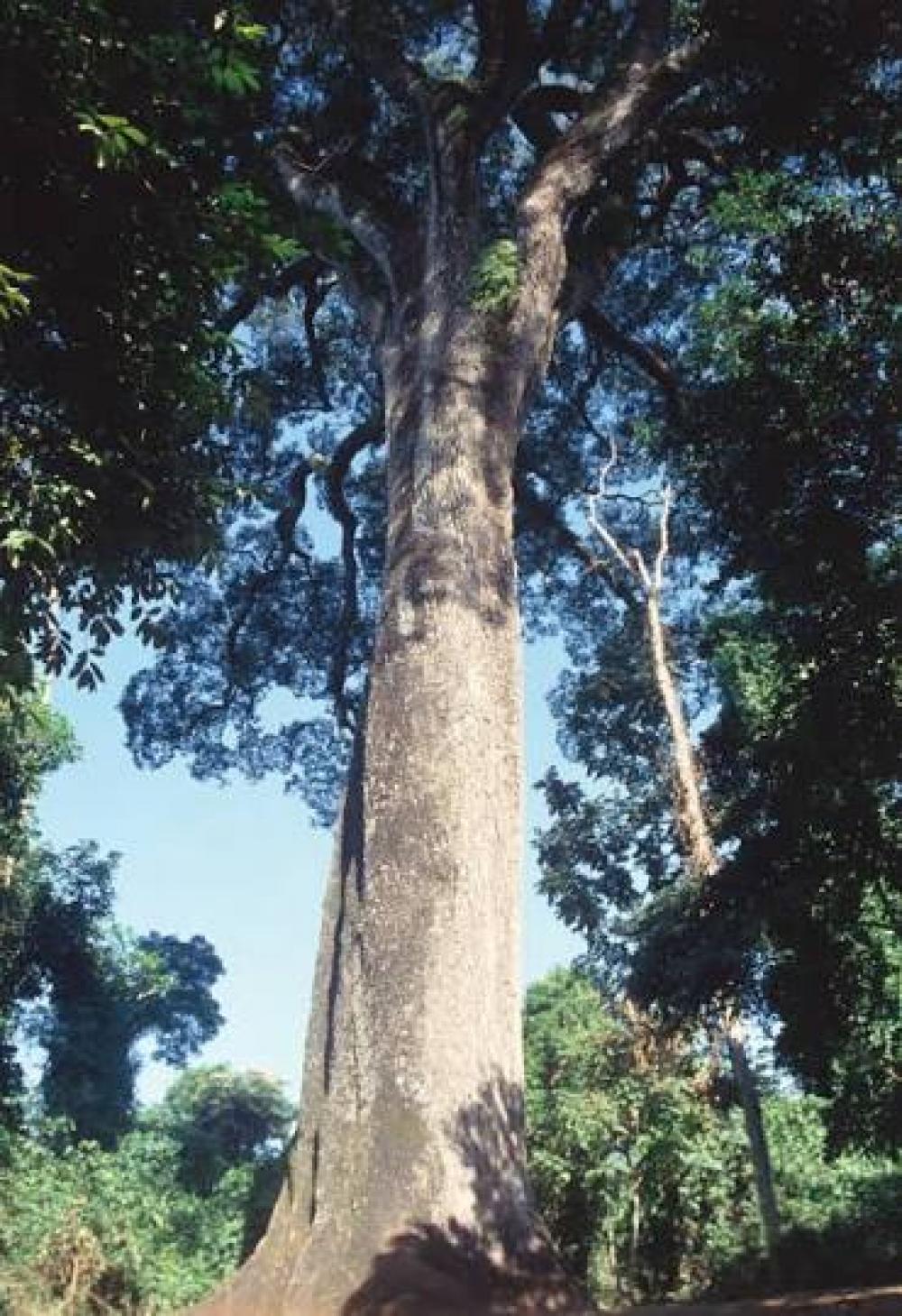
Black Cinnamon
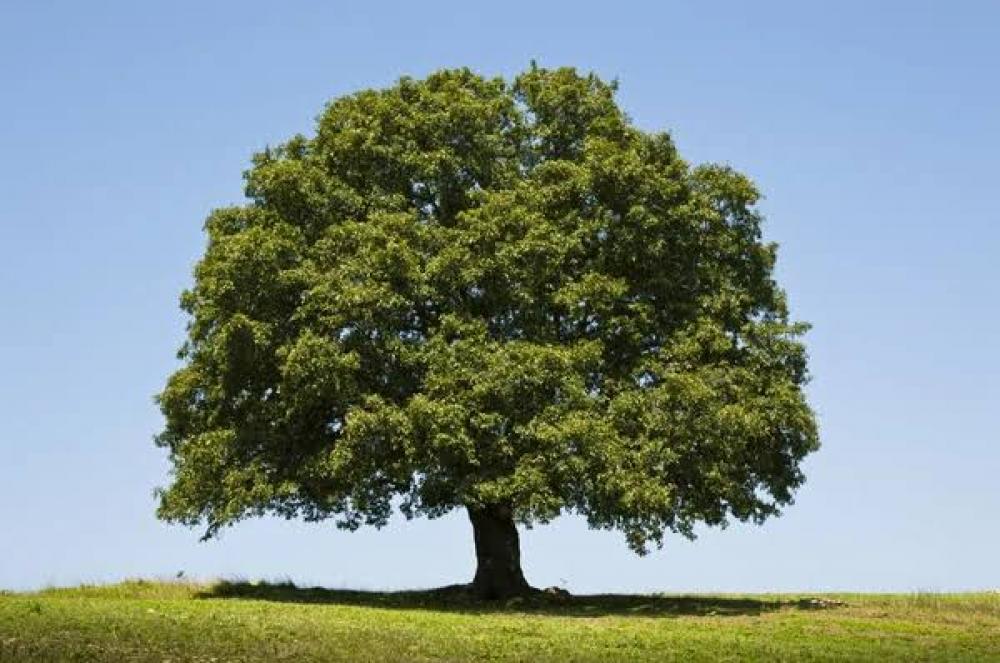
Oak tree
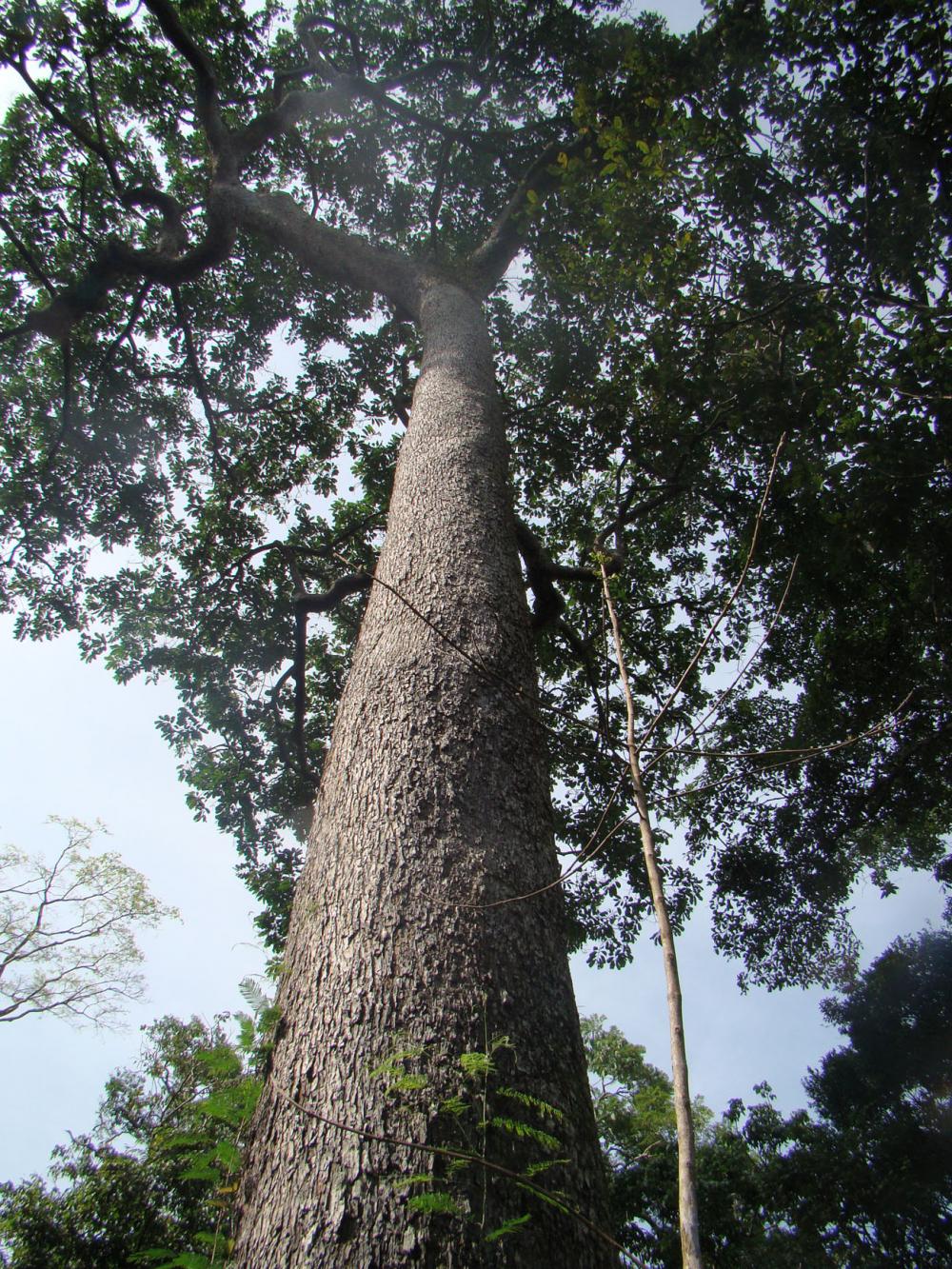
nuez de Brasil
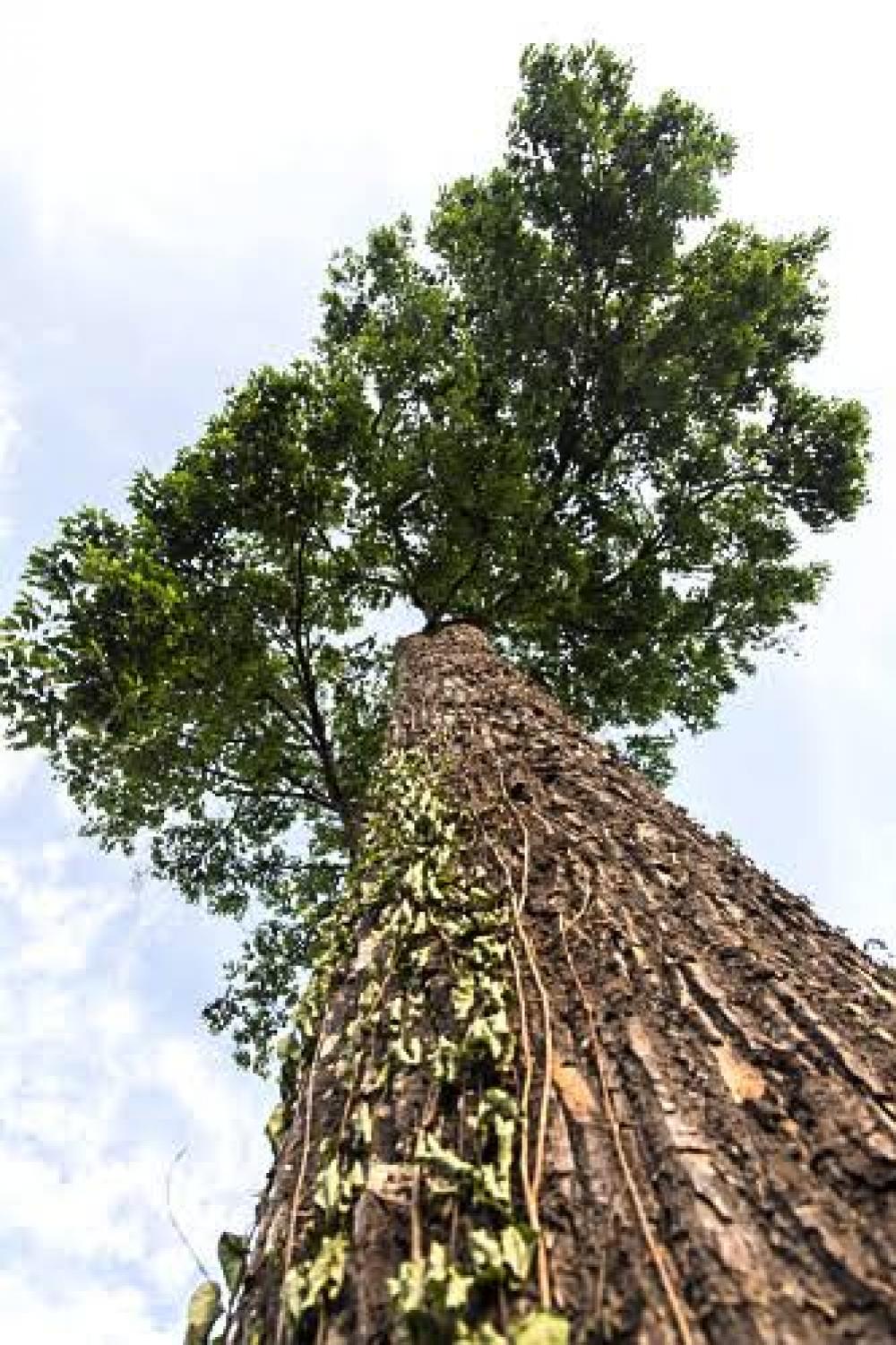
Brazil nut tree
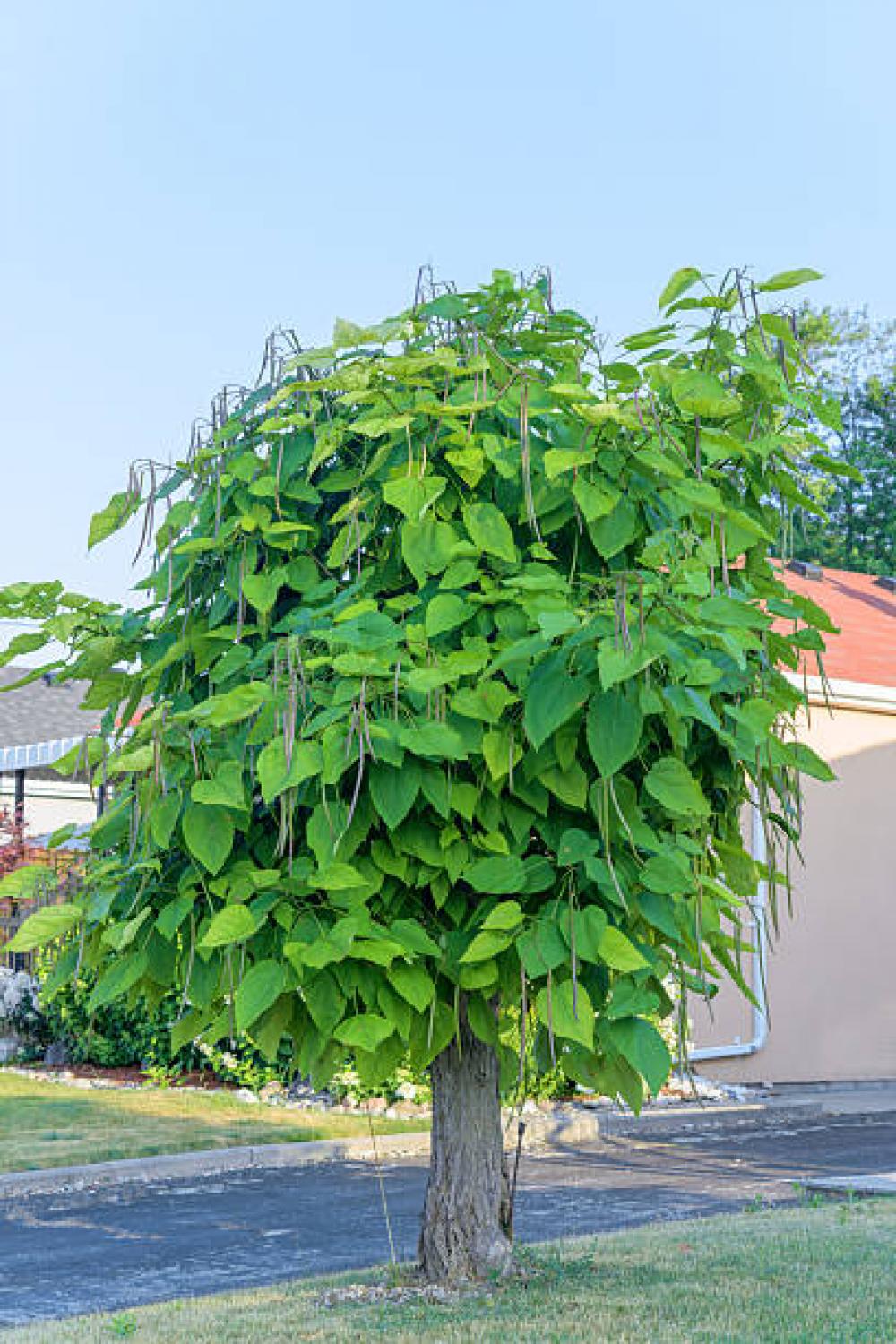
Catalpa
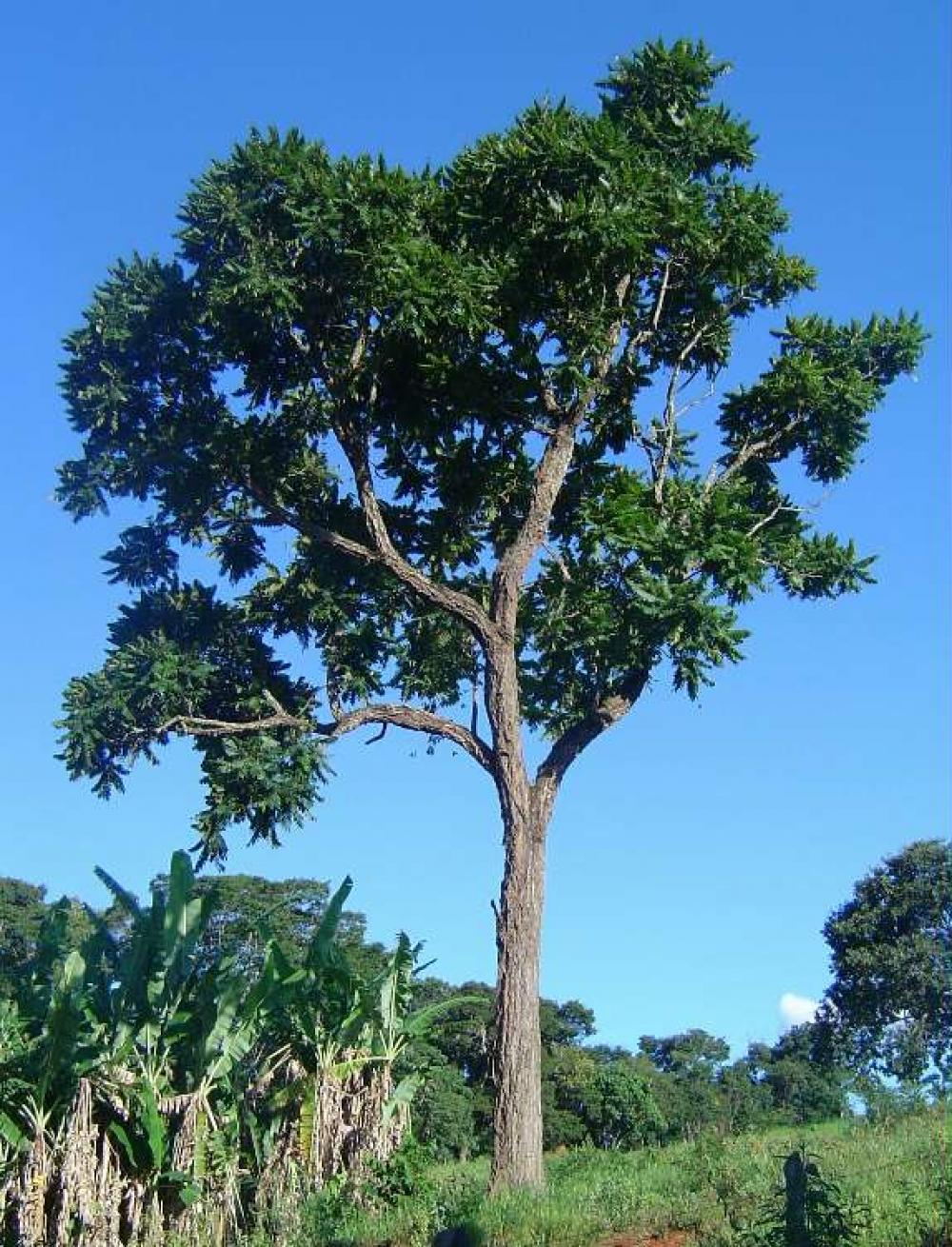
Pink cedar
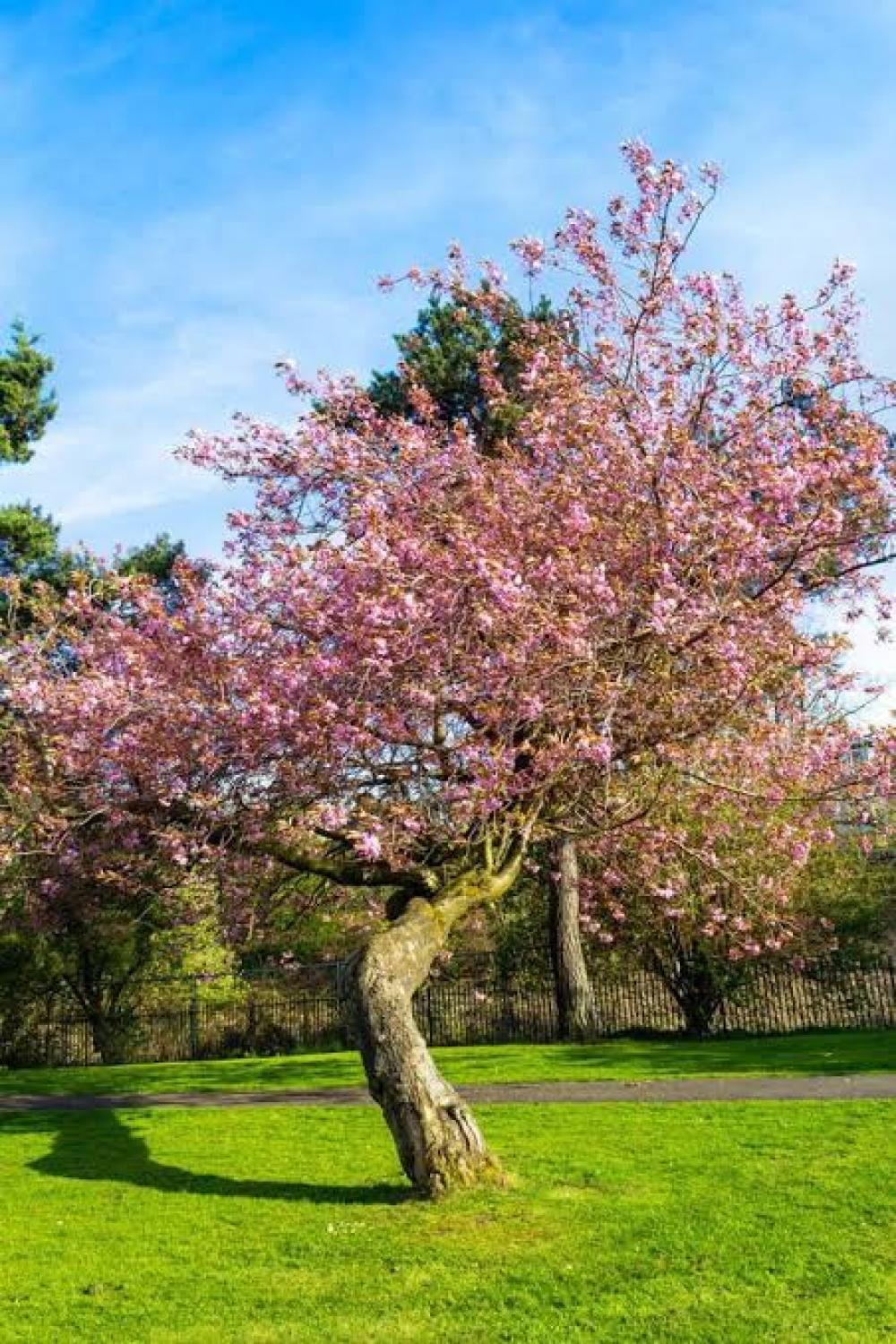
ornamental cherry tree
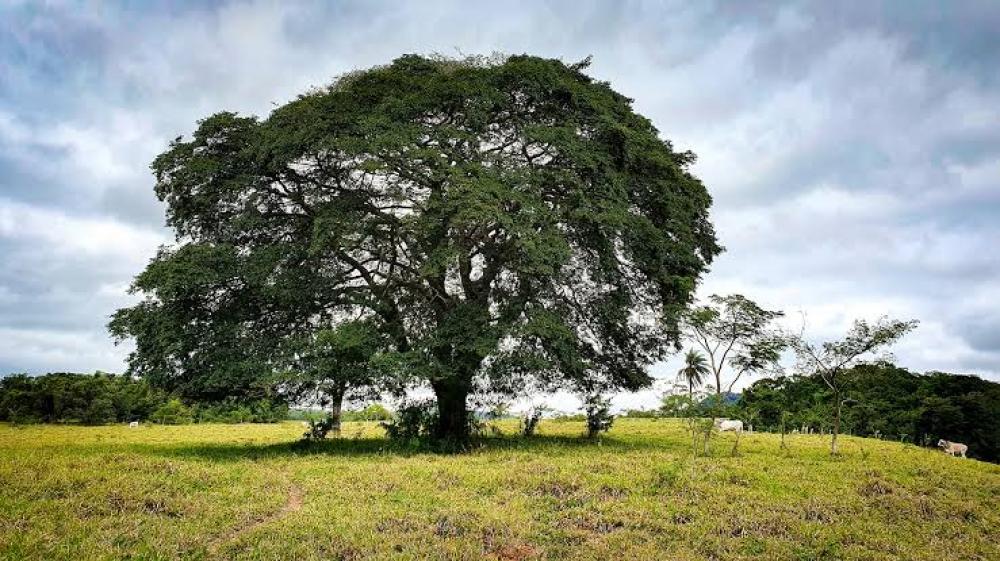
copaiba
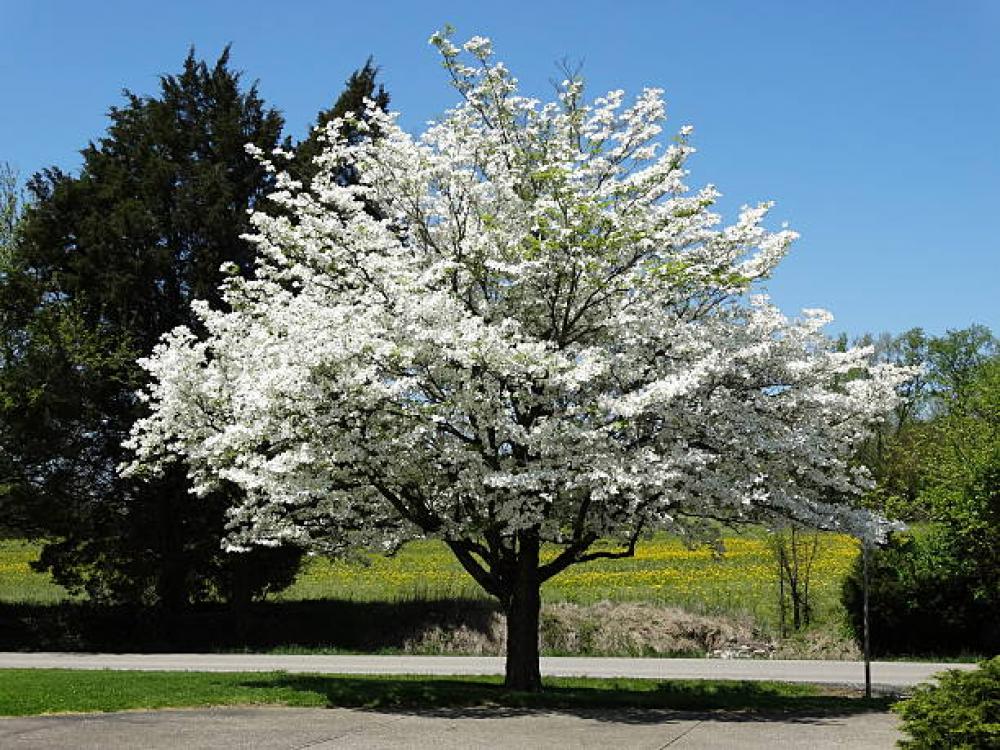
Trees of the genus Cornus
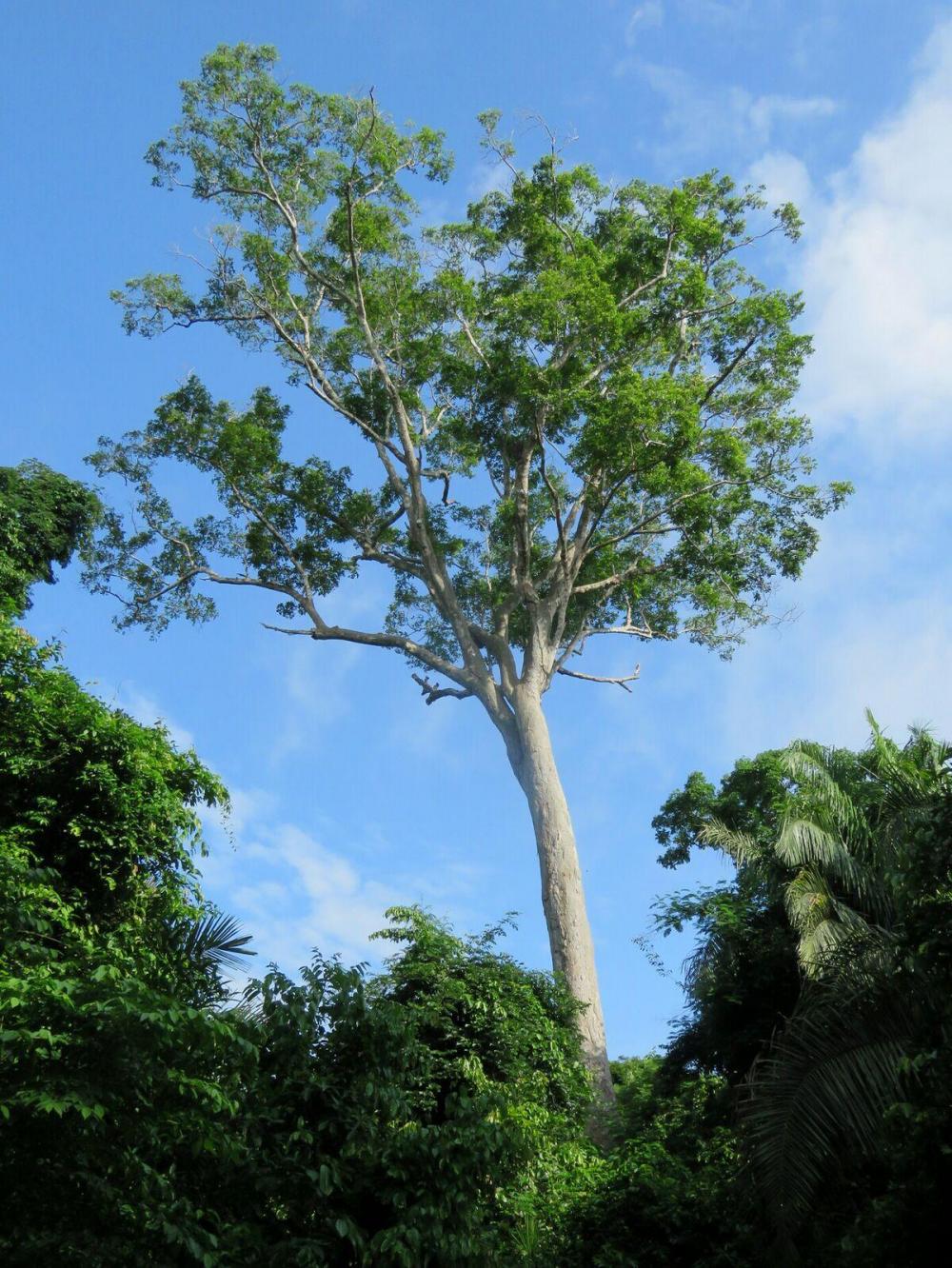
Cumaru
fig tree
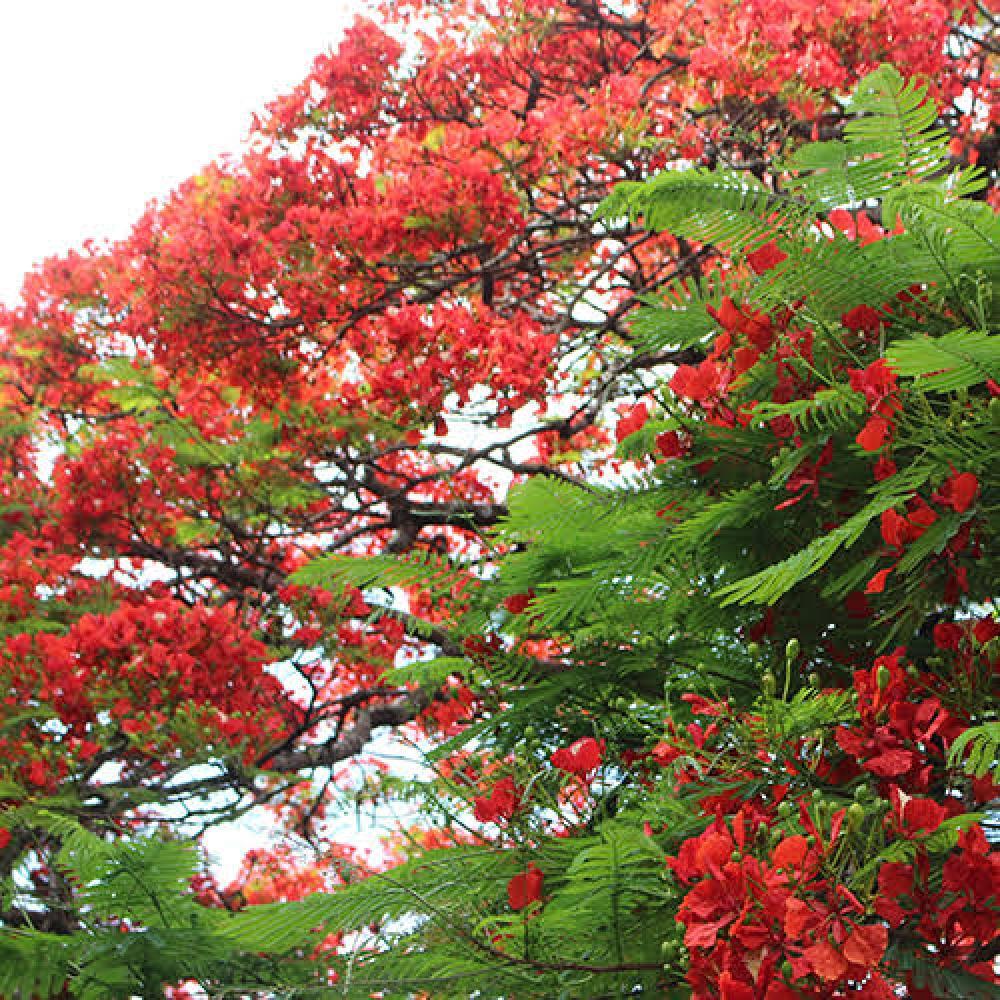
Flamboyant
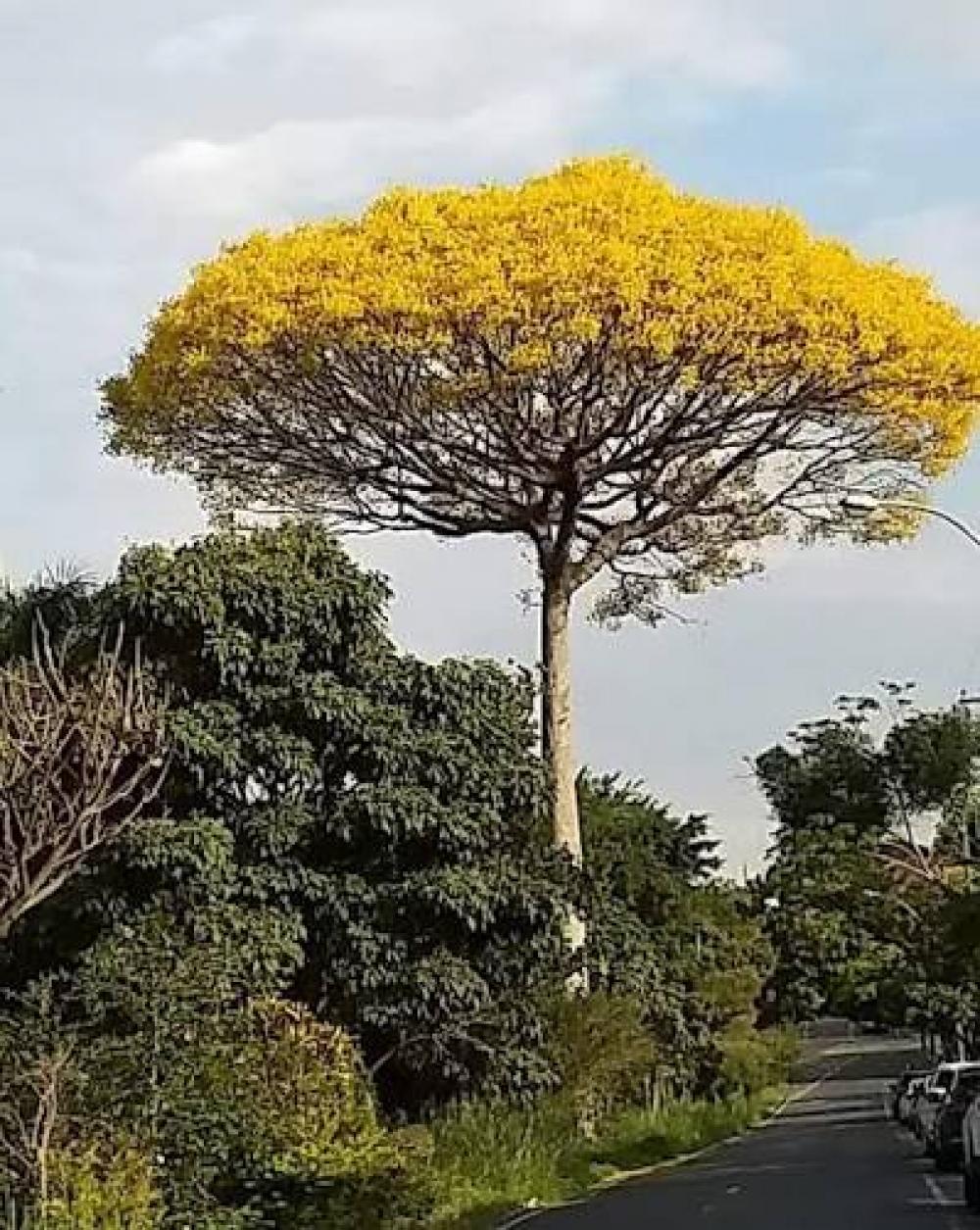
Guapuruvu
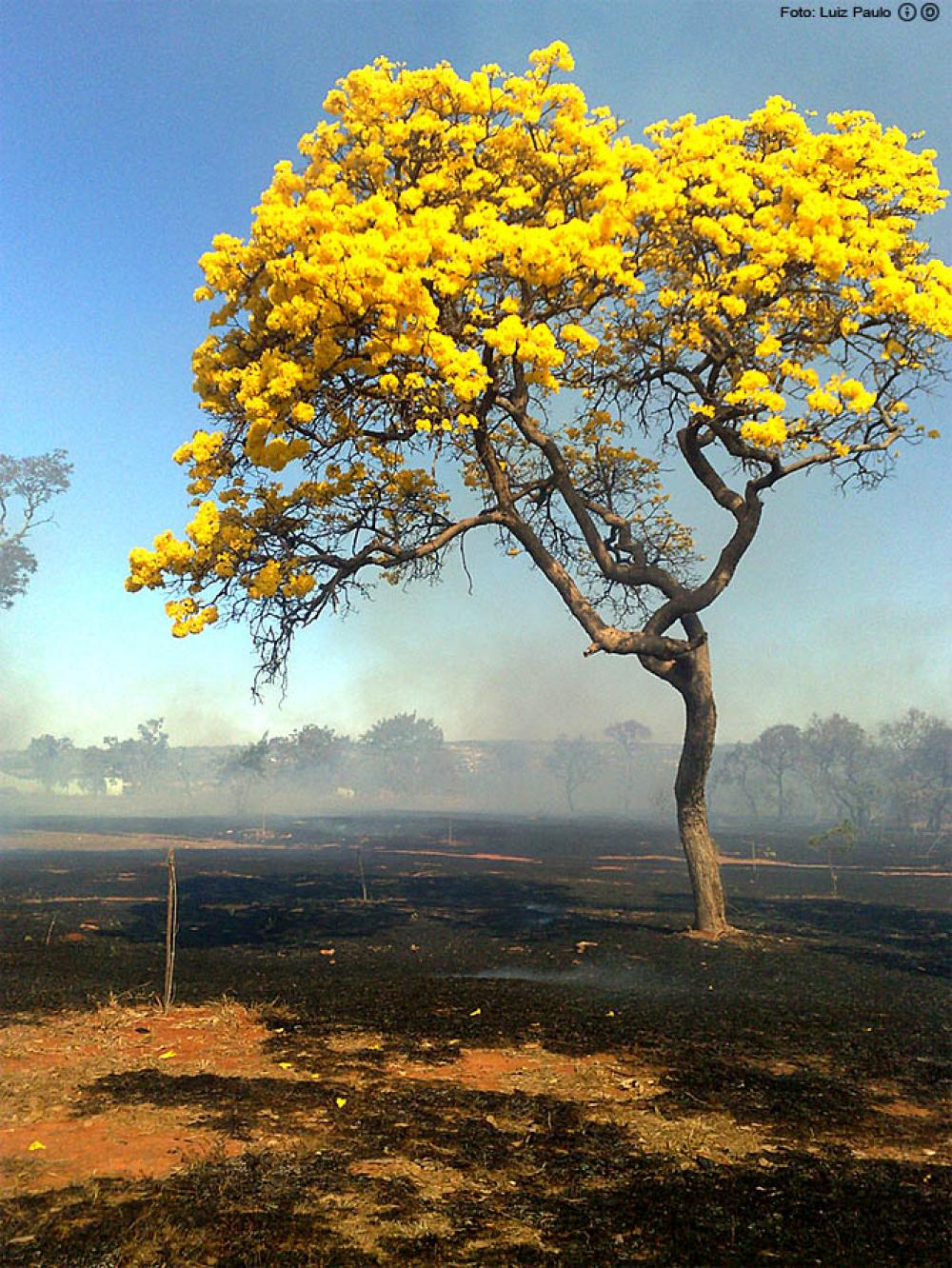
Yellow Ipê

Purple Ipe
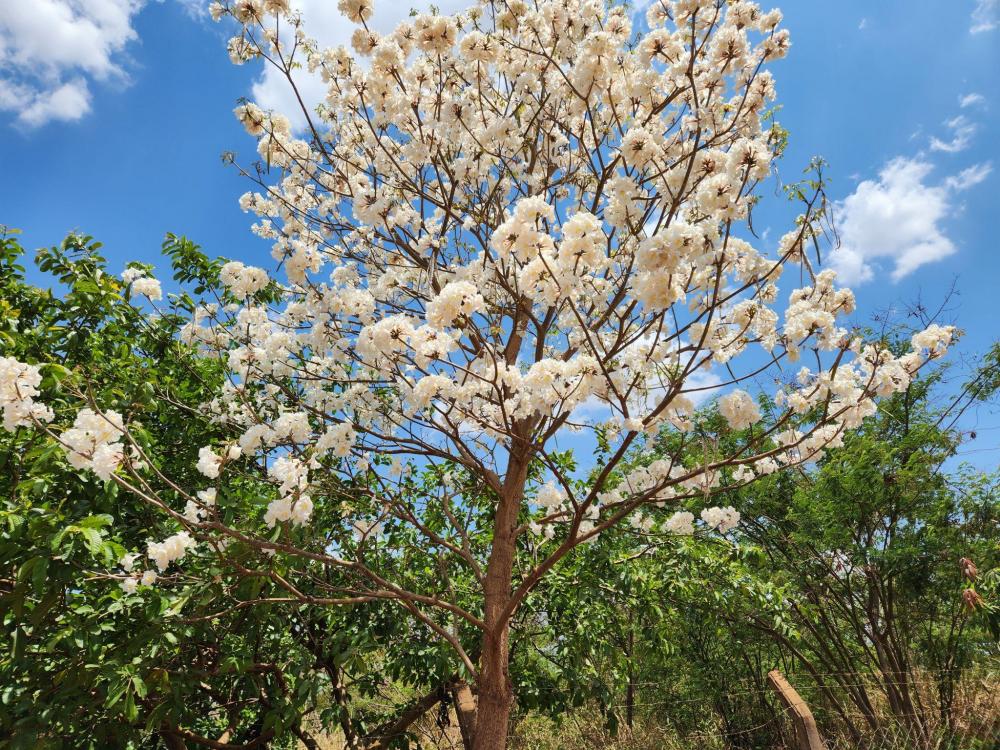
White Ipê
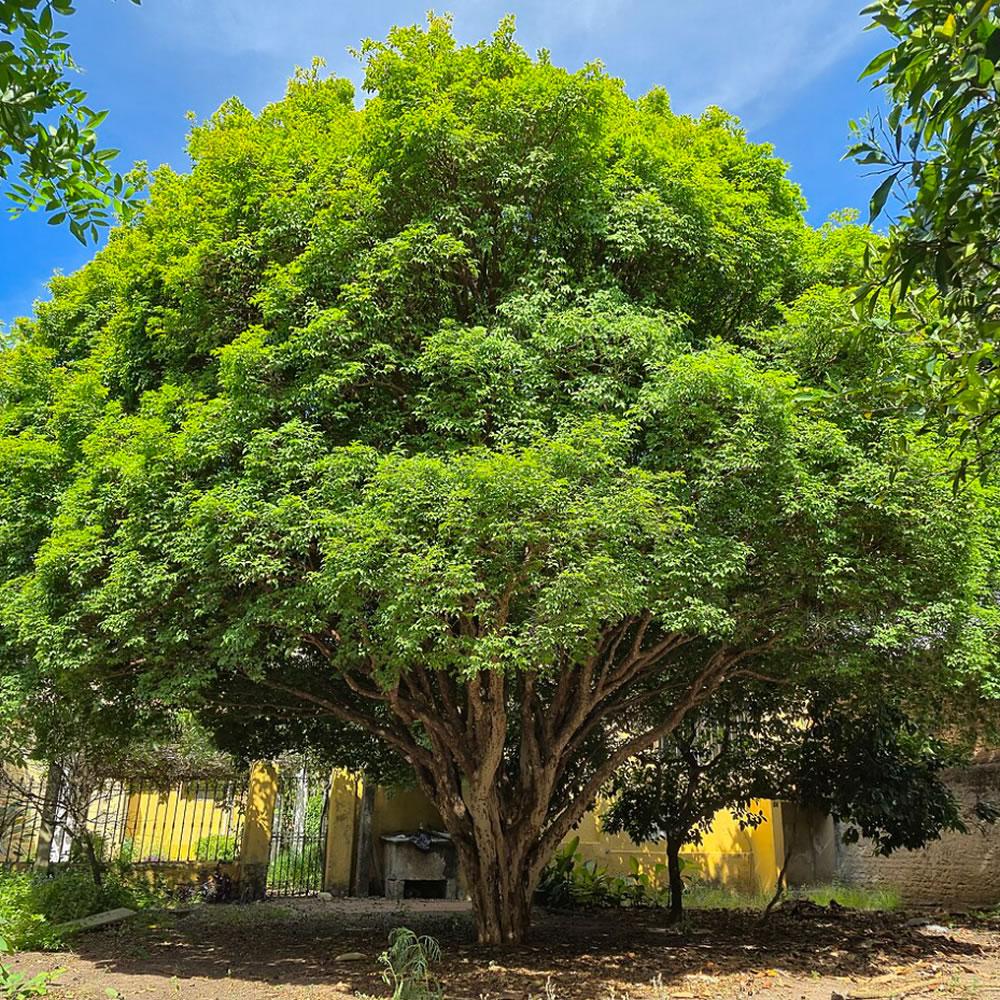
Jabuticaba
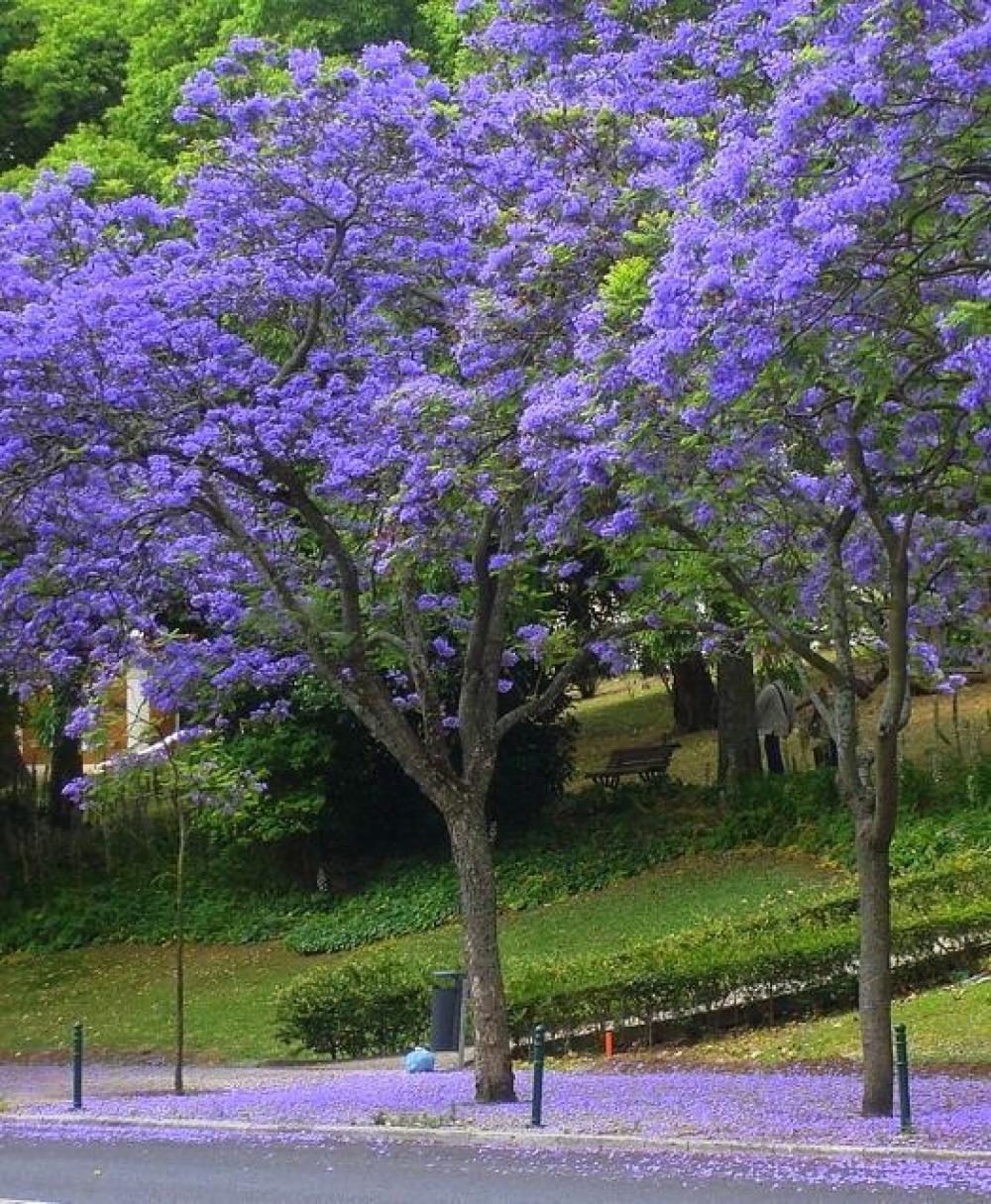
Blue jacaranda
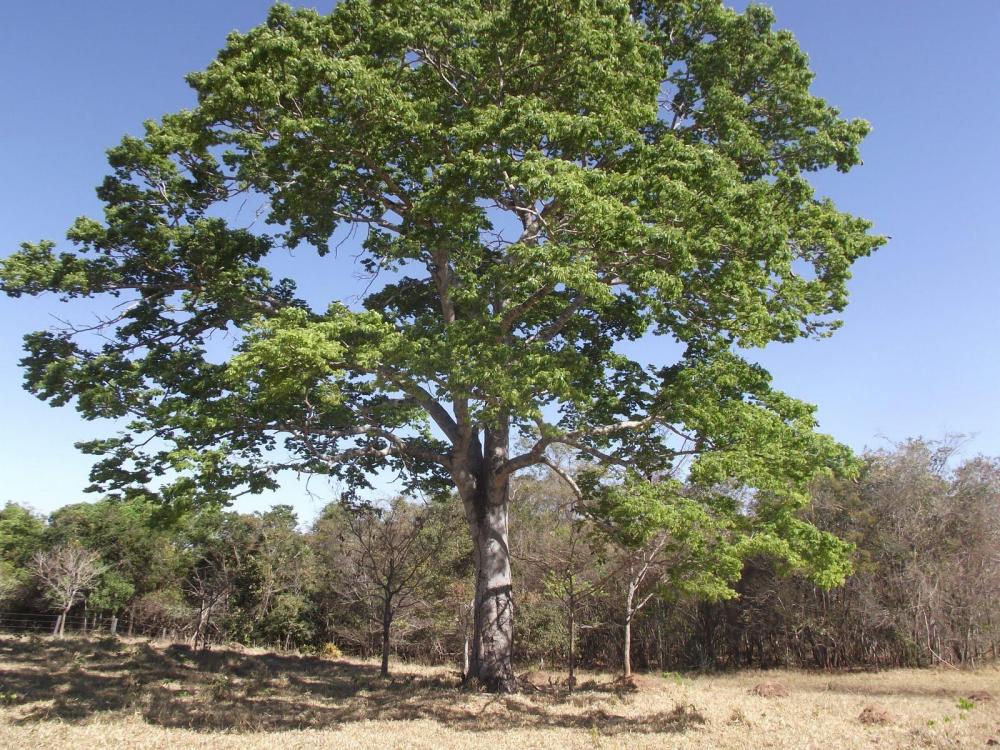
Jatoba
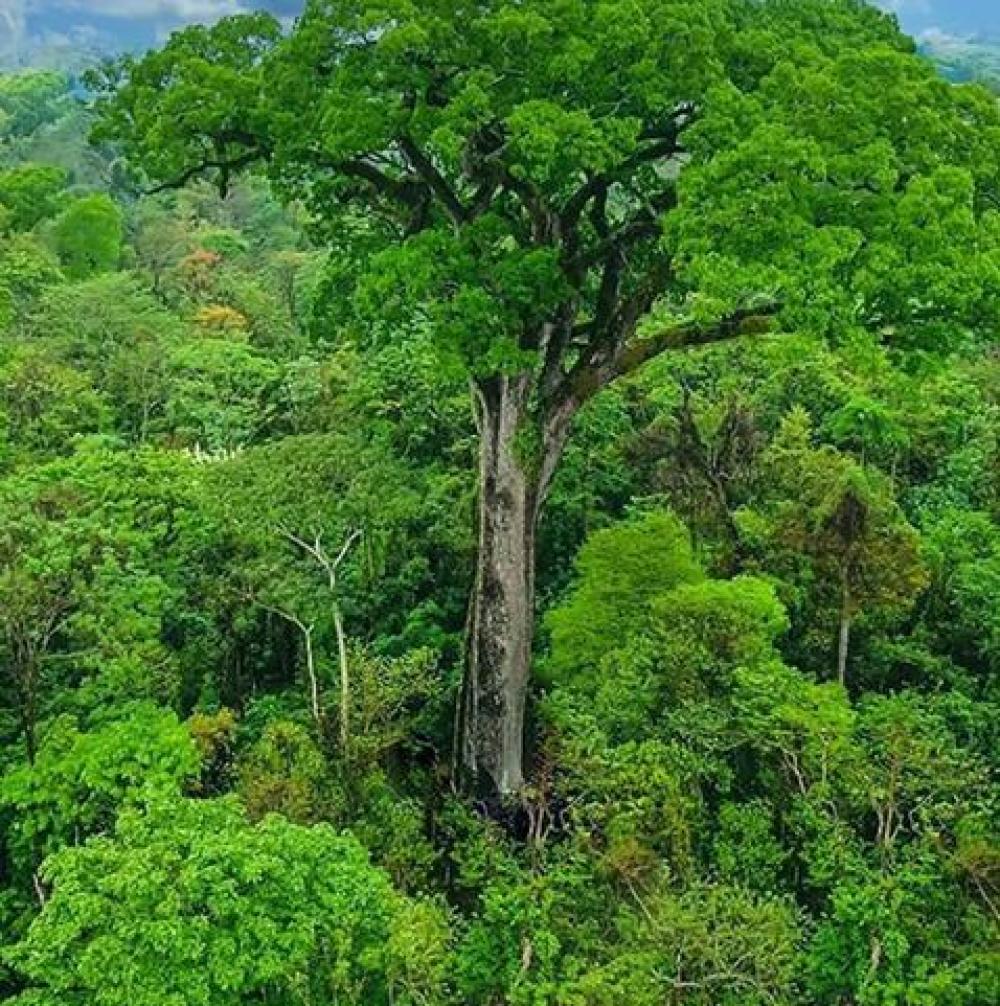
Pink Jequitibá (Cariniana legalis)
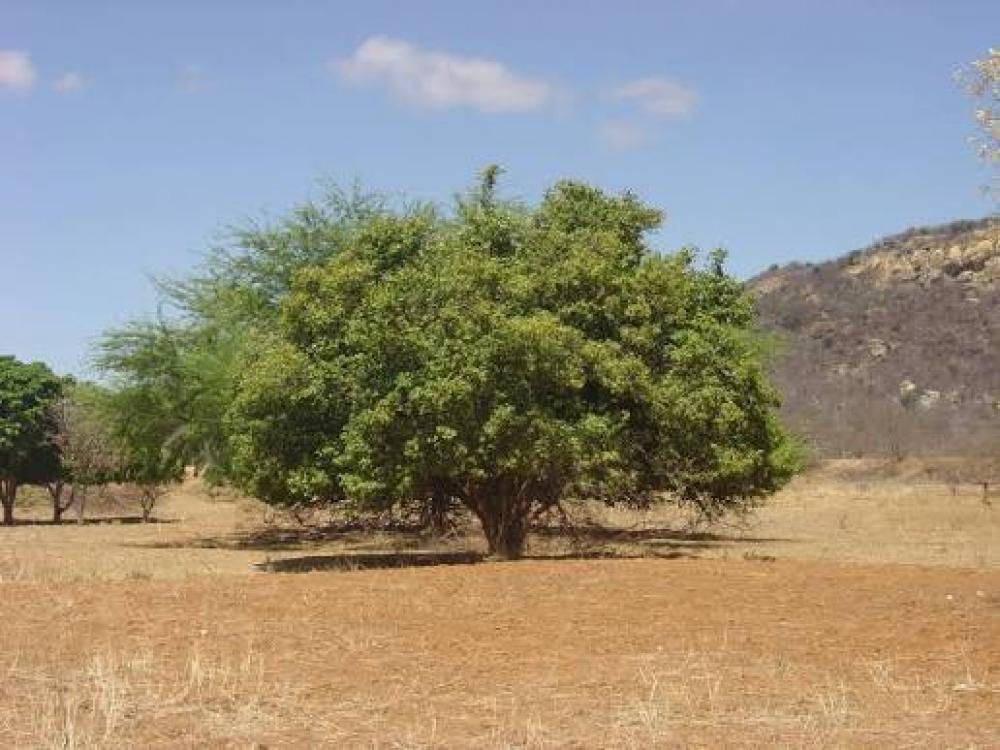
Juazeiro
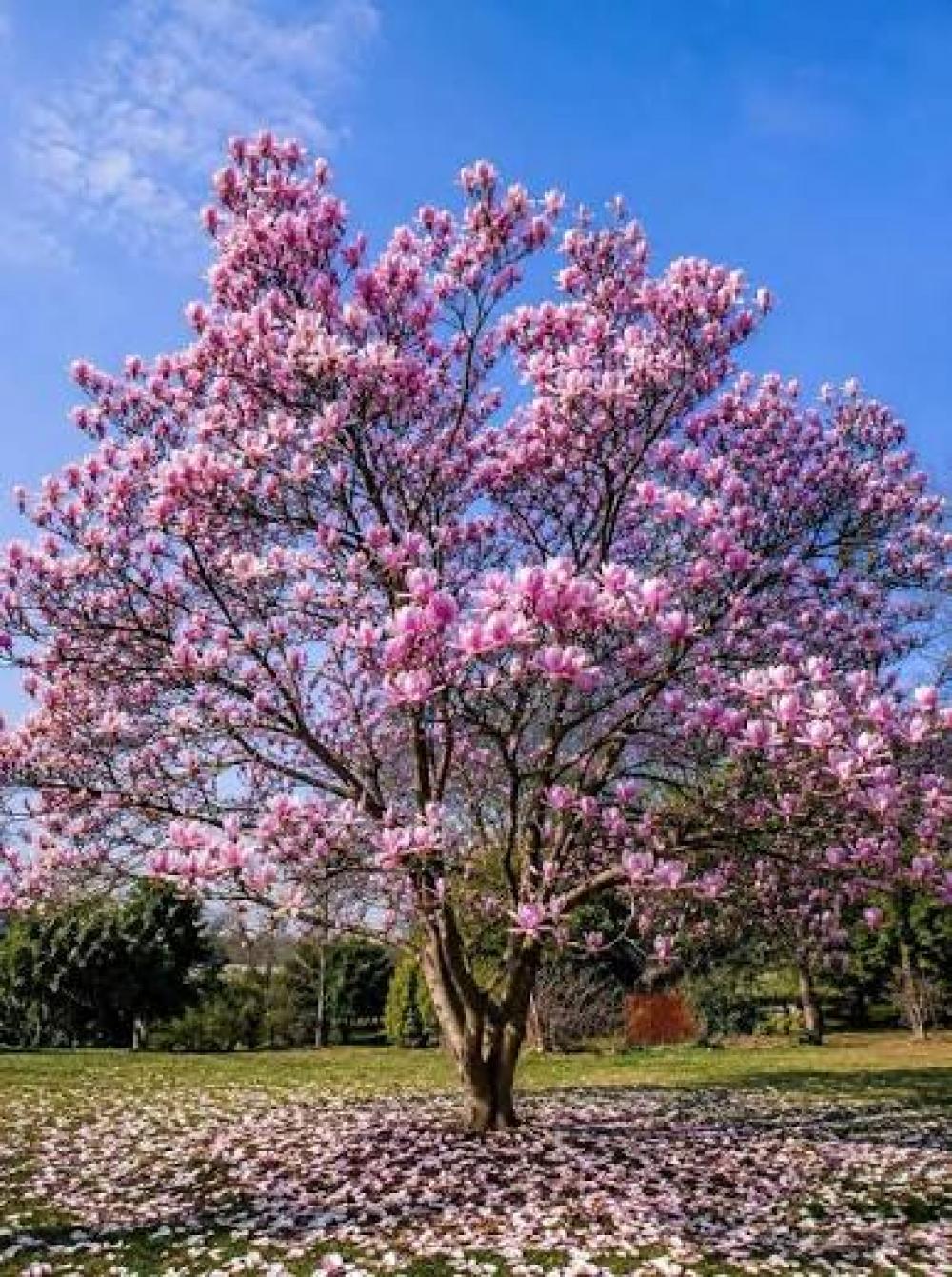
Magnolia
Brazilian Mahogany
pink silk floss tree
Brazilwood
Pequi
Surinam cherry
Plane tree
Rubber tree
Sucupira
Linden