



Pink cedar
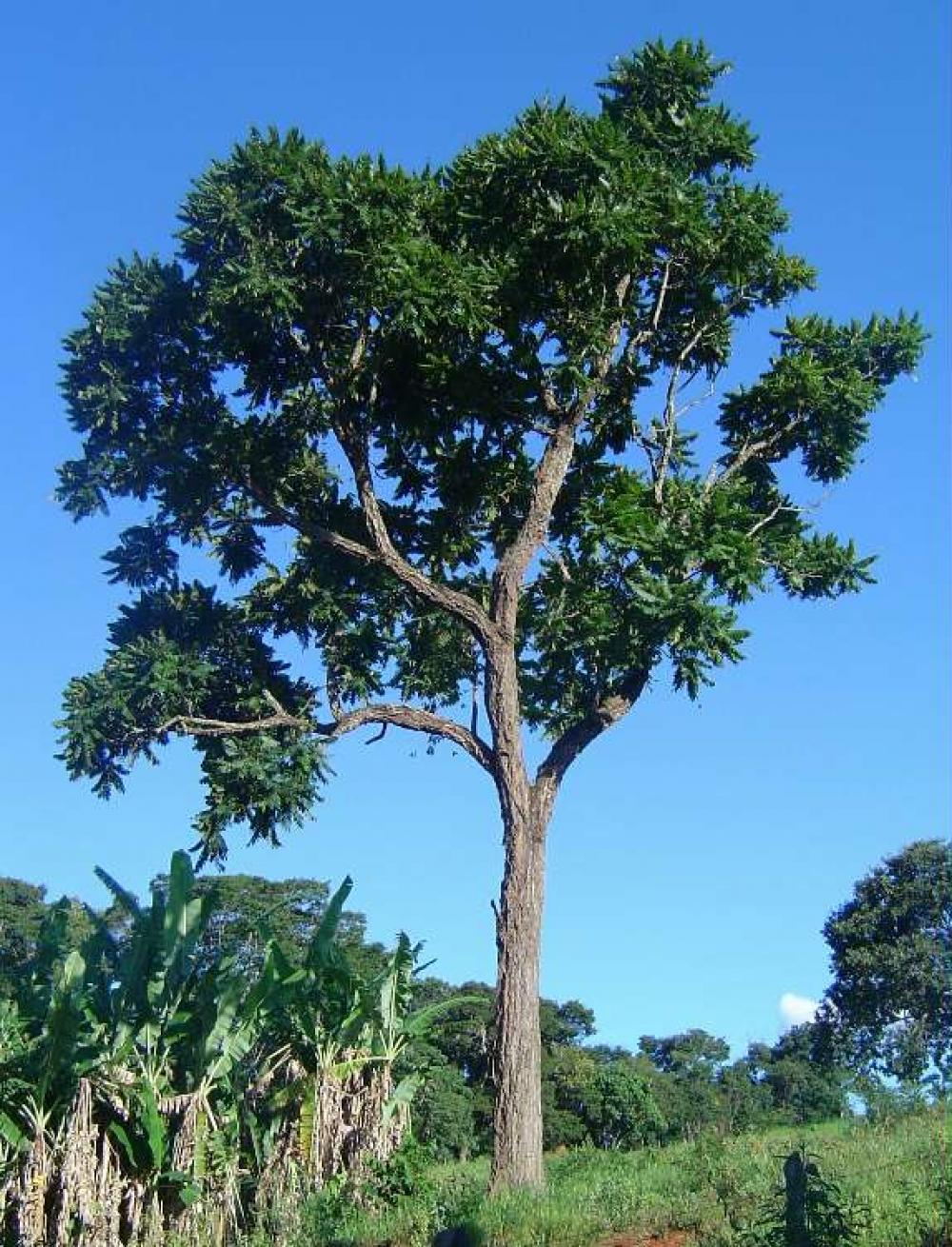
The pink cedar, known scientifically as *Cedrela fissilis* Vell., belongs to the Meliaceae family and is an important tree native to South America, with a natural presence in different regions of Brazil. It is found especially in formations of the Atlantic Forest, including the southern, southeastern and central-western forests. Due to its beauty, size and quality of its wood, it has become one of the most famous and valued tree species of Brazilian flora.
It is a large tree that can reach between 20 and 30 meters in height, although some specimens in favorable conditions can present greater dimensions. Have a generally straight trunk and a wide crown, with thick leaves and deciduous leaves that can fall during certain times of the year. Its flowers are small and discreet, grouped in inflorescences, while its fruits release numerous winged seeds, which favors their dispersion through the wind.
Pink cedro has great ecological importance as it forms part of different types of native Brazilian forests. Its presence contributes to the structure of forest environments and offers resources and refuge to various organisms. The species also participates in natural forest regeneration processes, being important for ecological restoration projects and recovery of degraded areas.
Pink cedro wood is renowned for its lightness, ease of work, characteristic aroma and good quality; It is traditionally used in the manufacture of furniture, doors, windows, musical instruments, crafts and various wooden items. These characteristics meant that the species was historically very exploited, which contributed to the reduction of its natural populations in several regions.
For this reason, the pink cedar is of great importance for the conservation of biodiversity. The species is subject to several environmental pressures, especially habitat loss and timber exploitation. Your planting in restoration projects and forestry systems can contribute to the conservation of your genetic heritage and the recovery of natural environments, as long as appropriate procedures and responsible management practices are used.
It is a large tree that can reach between 20 and 30 meters in height, although some specimens in favorable conditions can present greater dimensions. Have a generally straight trunk and a wide crown, with thick leaves and deciduous leaves that can fall during certain times of the year. Its flowers are small and discreet, grouped in inflorescences, while its fruits release numerous winged seeds, which favors their dispersion through the wind.
Pink cedro has great ecological importance as it forms part of different types of native Brazilian forests. Its presence contributes to the structure of forest environments and offers resources and refuge to various organisms. The species also participates in natural forest regeneration processes, being important for ecological restoration projects and recovery of degraded areas.
Pink cedro wood is renowned for its lightness, ease of work, characteristic aroma and good quality; It is traditionally used in the manufacture of furniture, doors, windows, musical instruments, crafts and various wooden items. These characteristics meant that the species was historically very exploited, which contributed to the reduction of its natural populations in several regions.
For this reason, the pink cedar is of great importance for the conservation of biodiversity. The species is subject to several environmental pressures, especially habitat loss and timber exploitation. Your planting in restoration projects and forestry systems can contribute to the conservation of your genetic heritage and the recovery of natural environments, as long as appropriate procedures and responsible management practices are used.
Tree Catalog
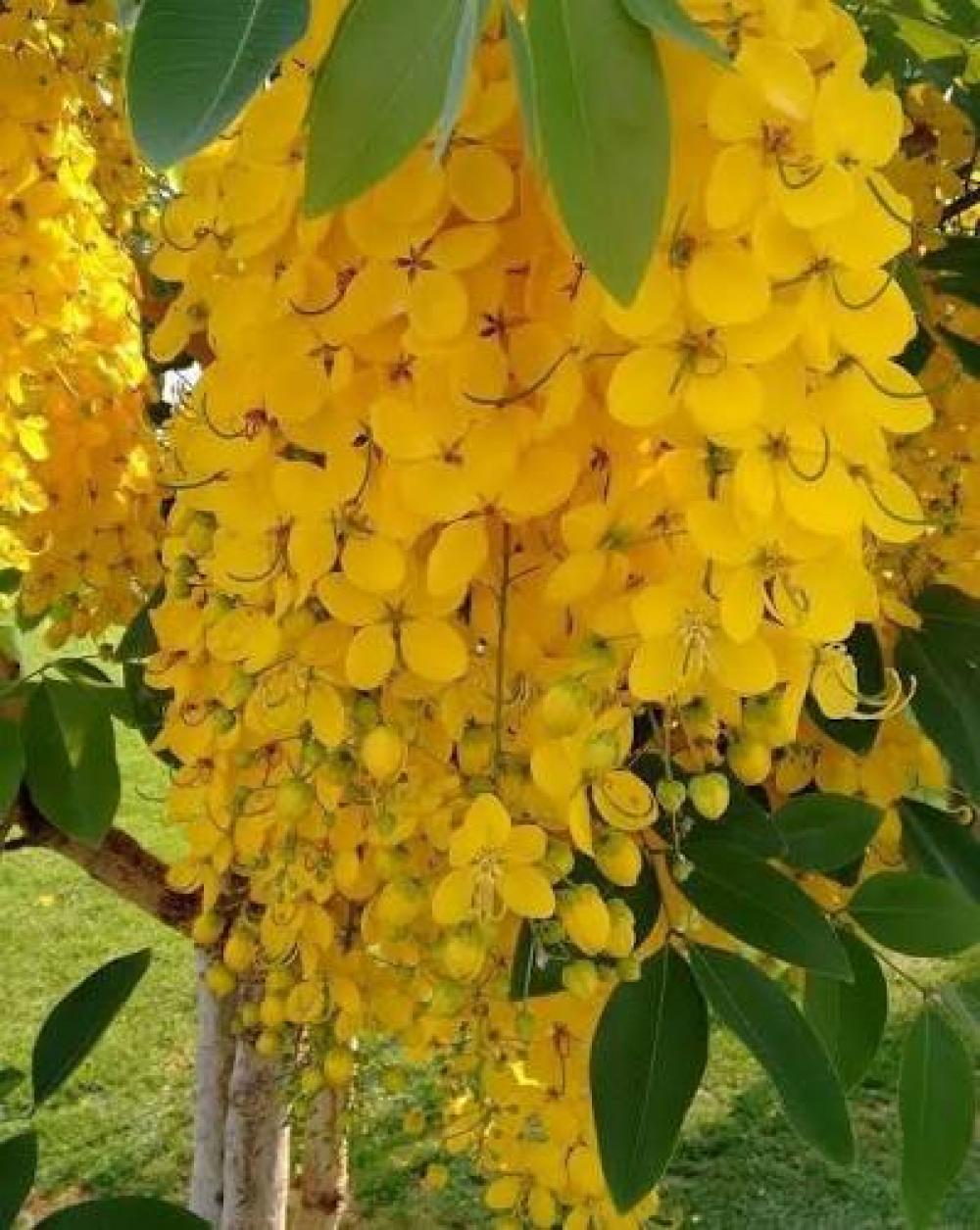
Imperial acacia
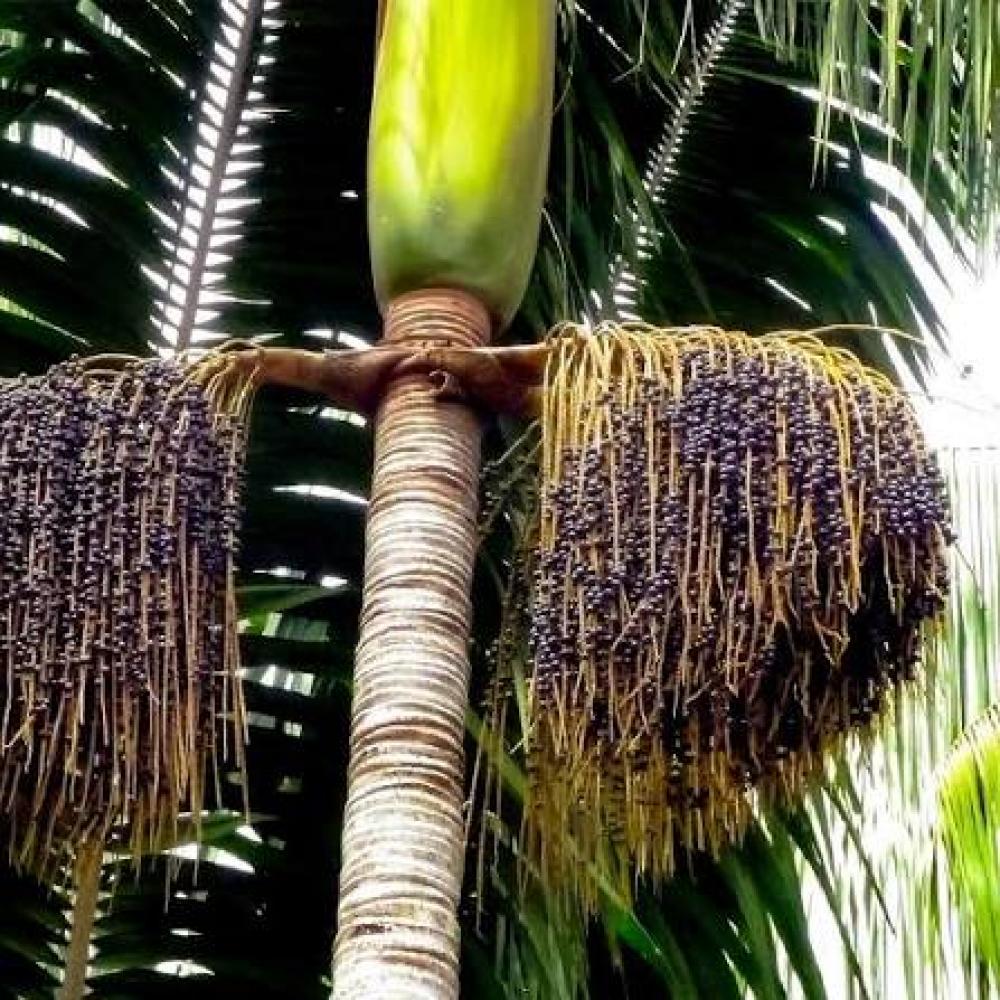
Açaí palm
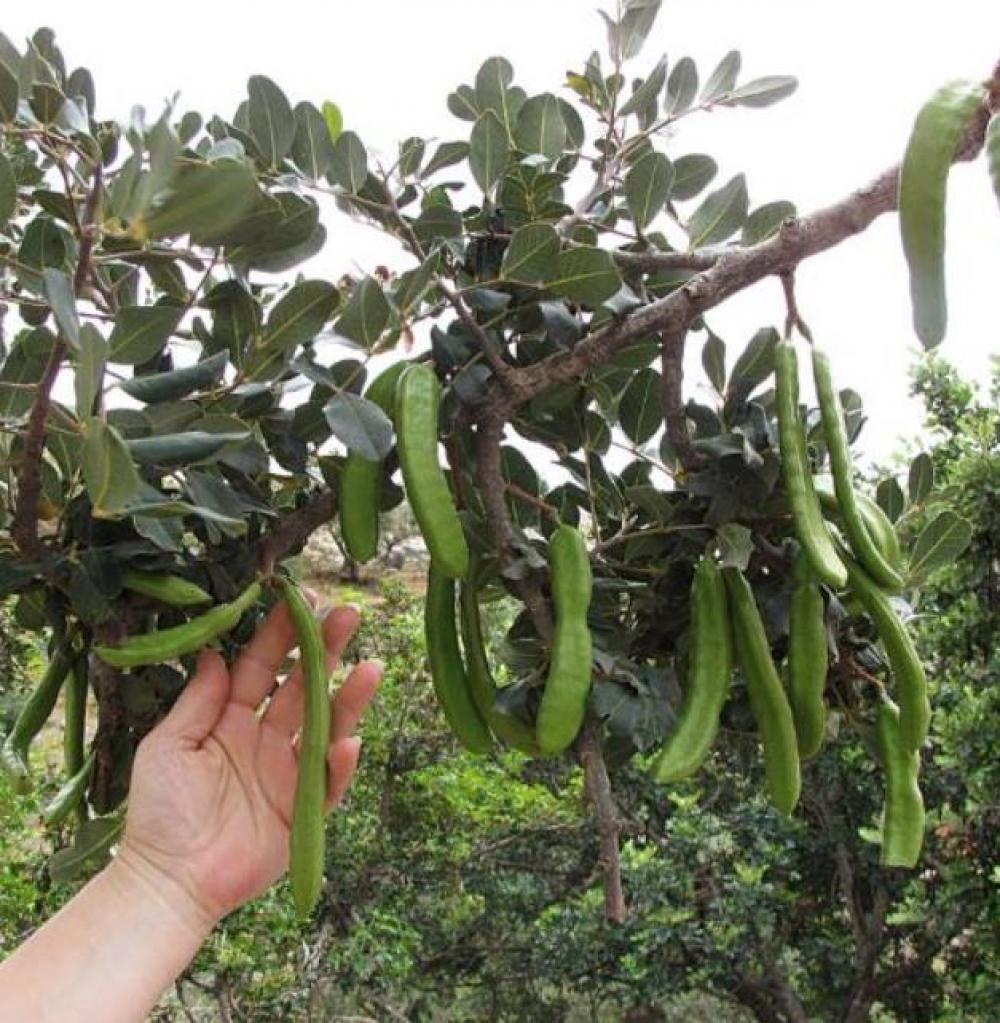
Alfarrobeira
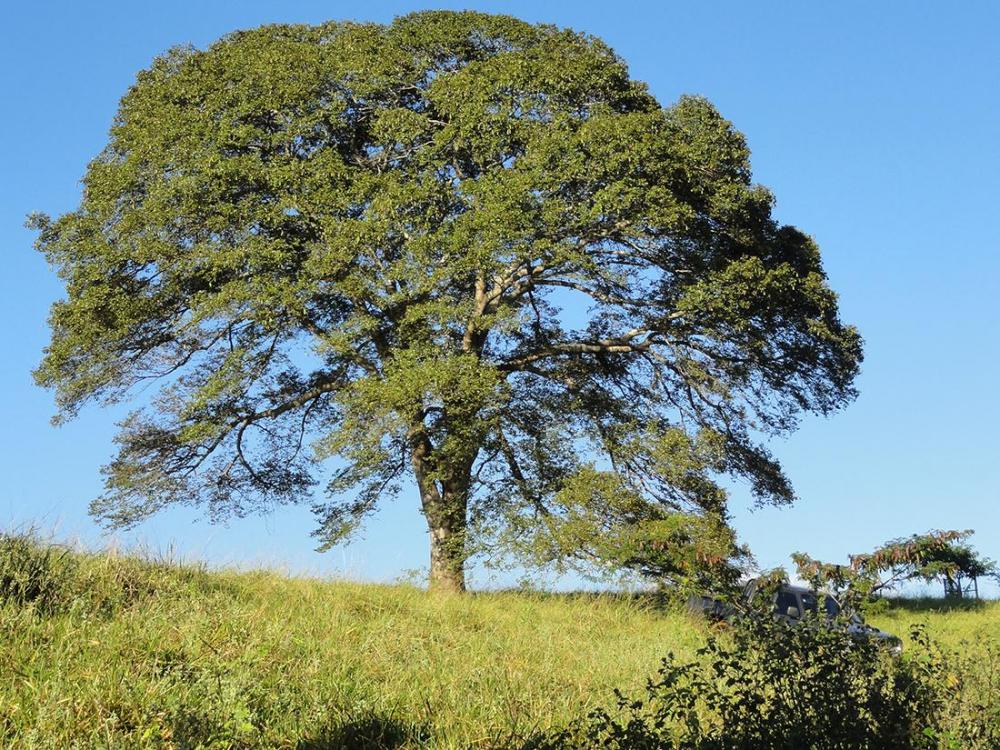
Andiroba

Red Angelim
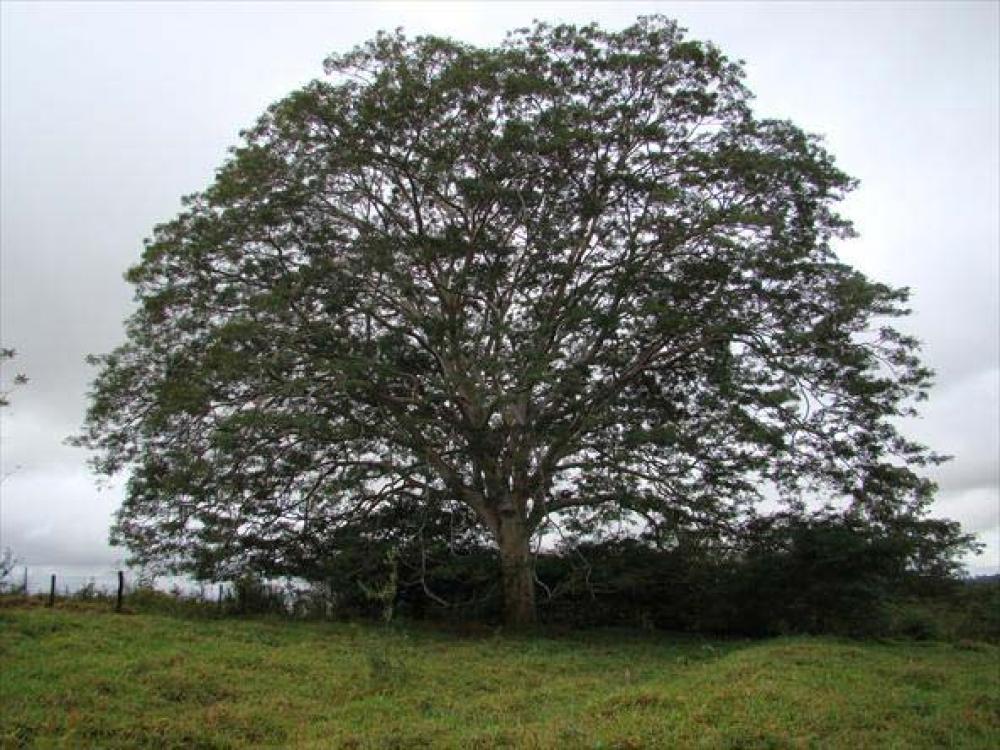
White Angico
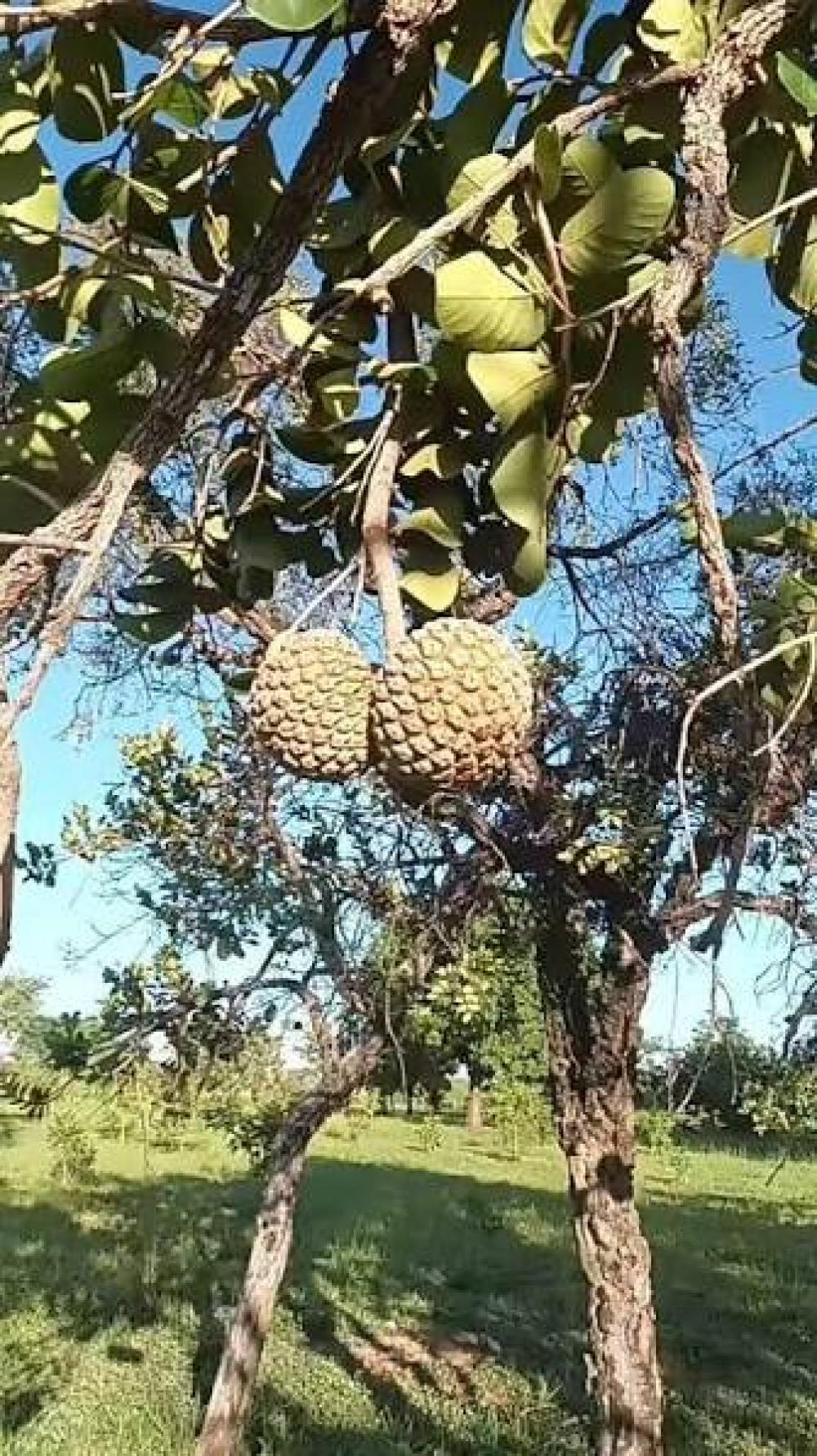
Araticum
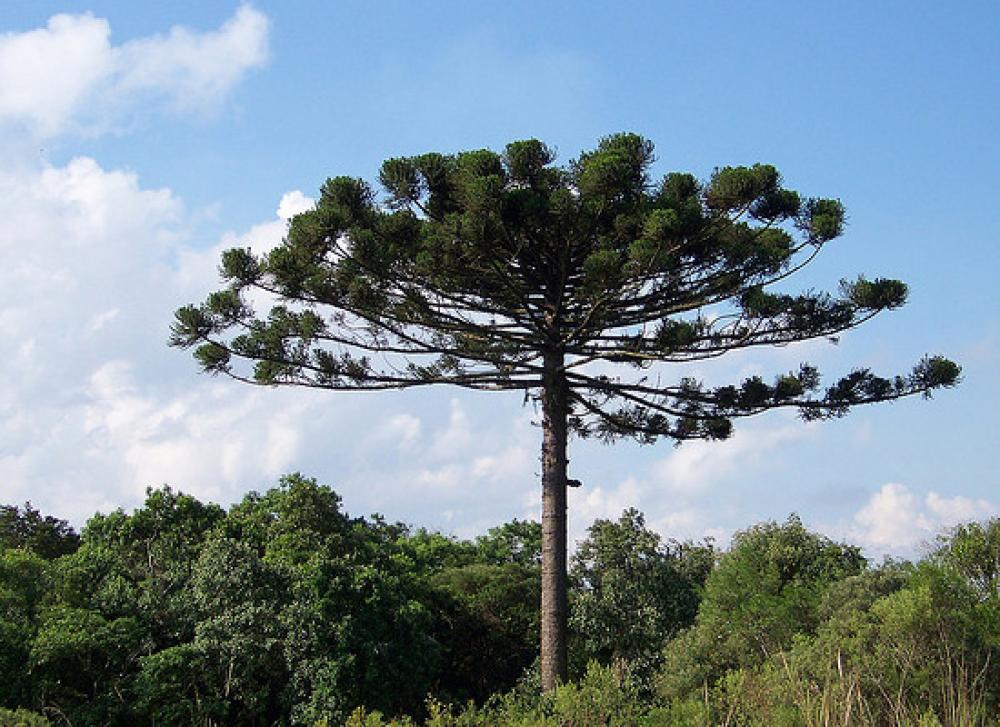
Araucaria, the Paraná pine
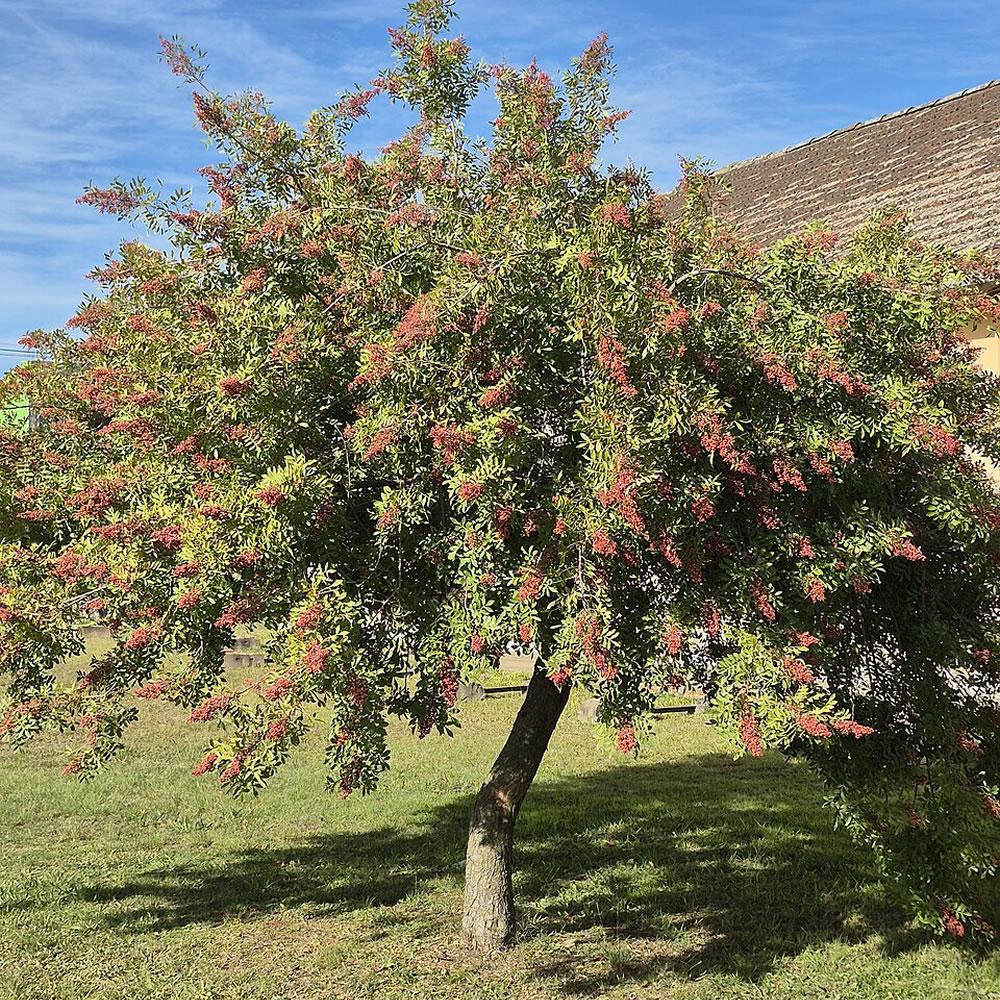
Brazilian peppertree
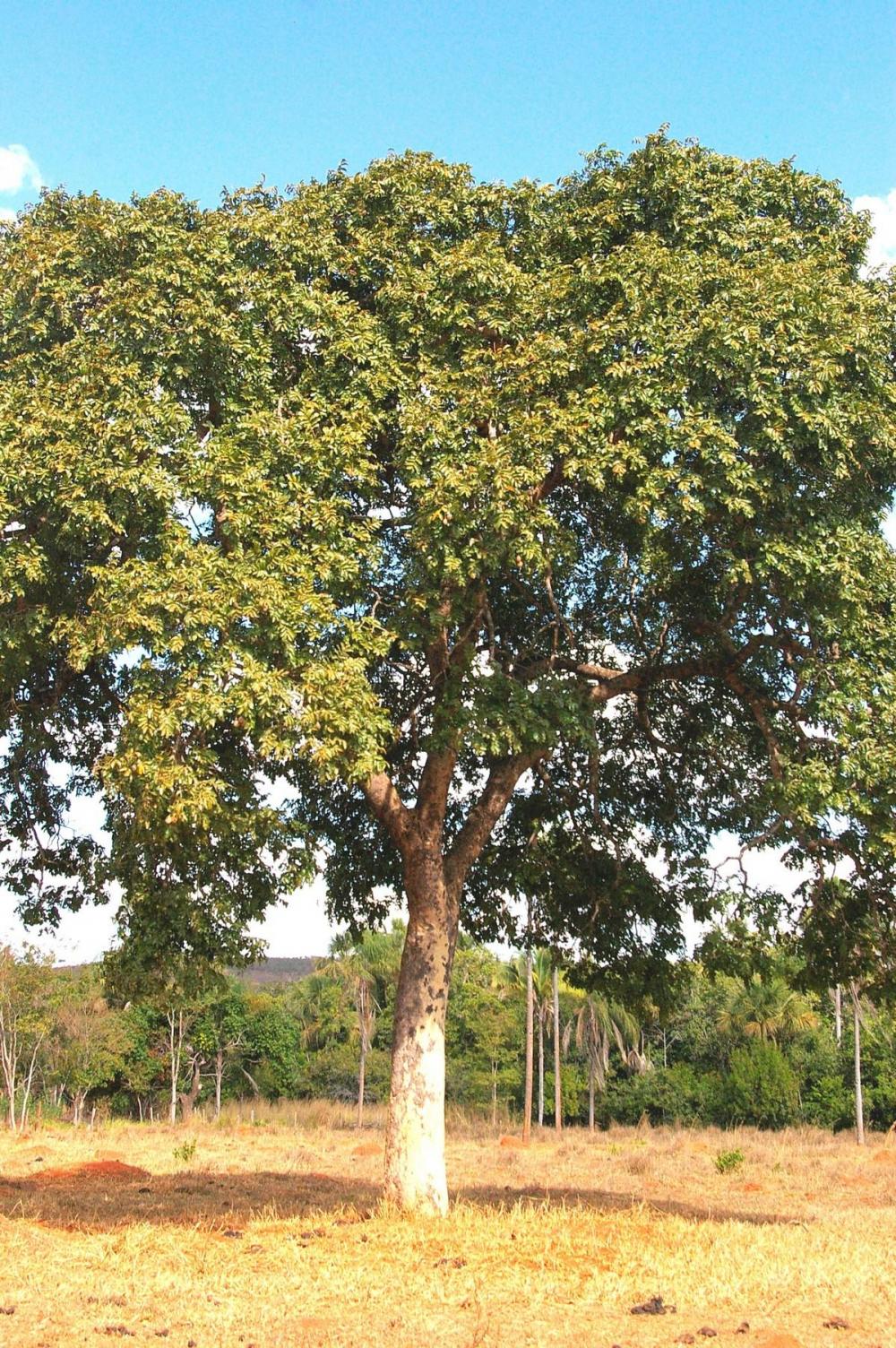
Baru
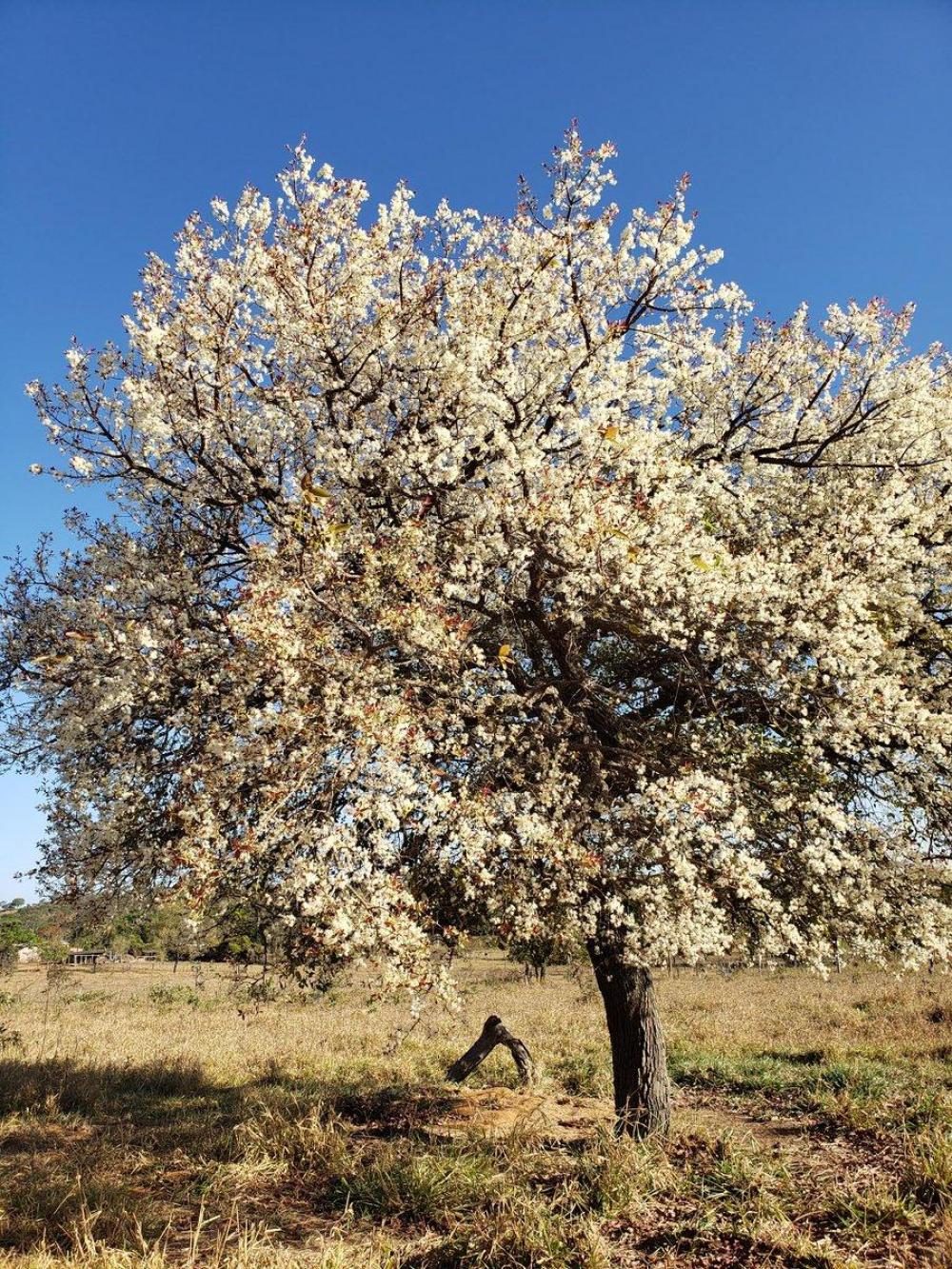
Cagaita
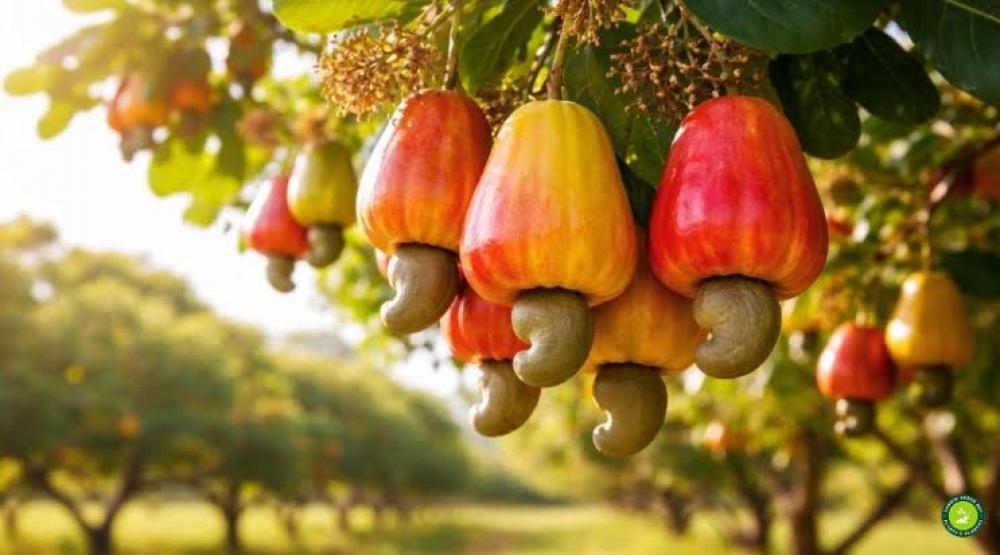
cashew tree
Black Cinnamon
Oak tree
nuez de Brasil
Brazil nut tree
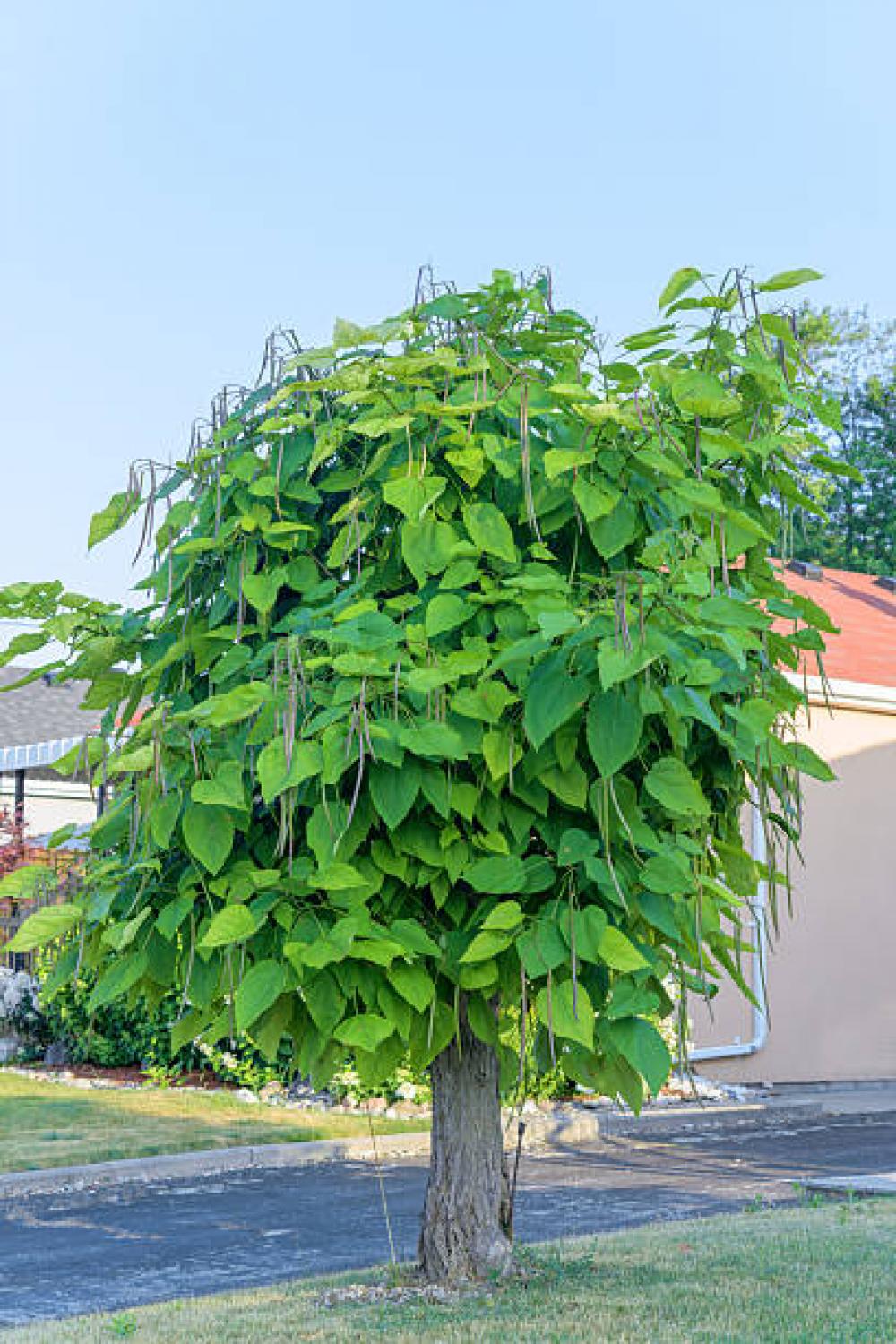
Catalpa
Pink cedar
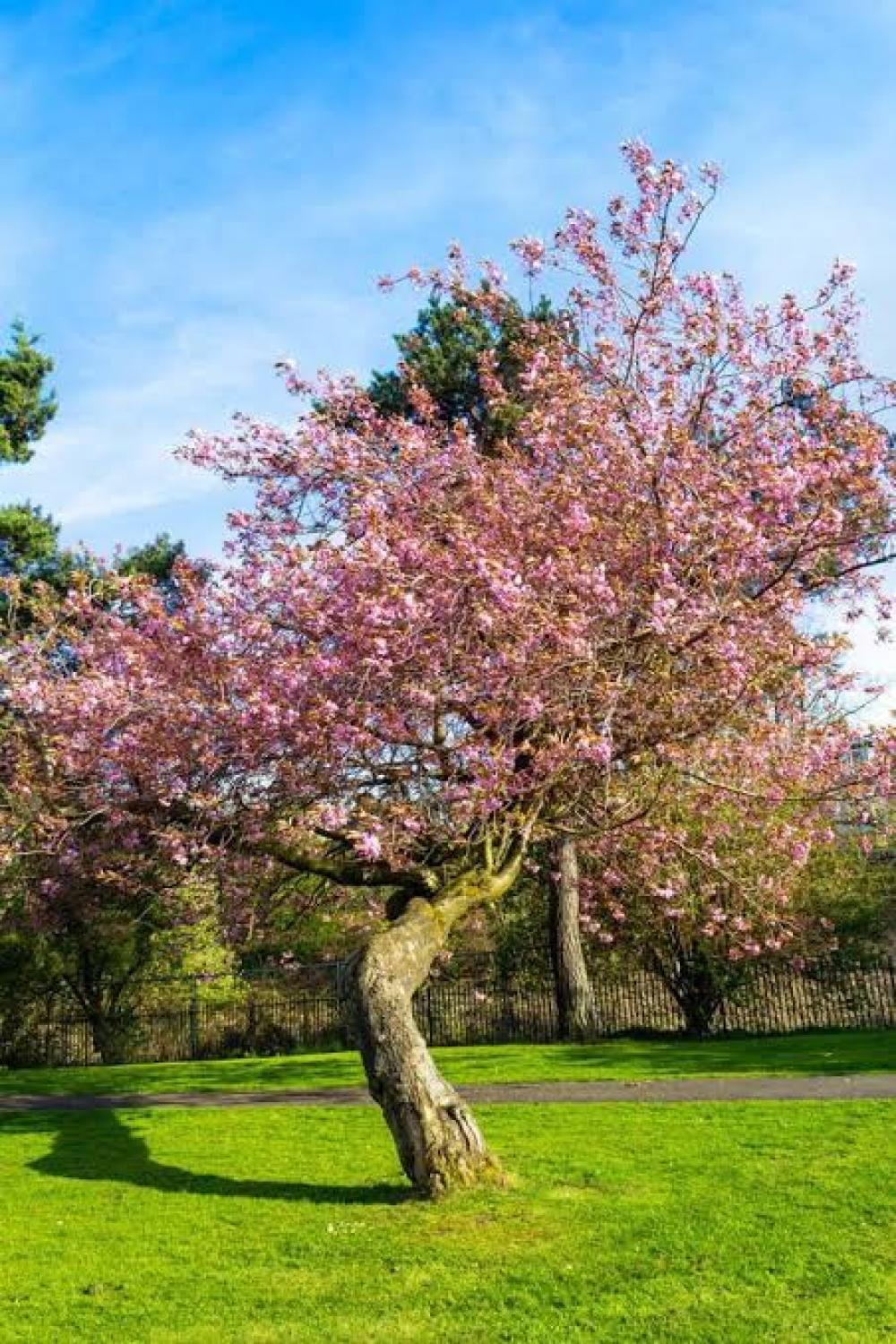
ornamental cherry tree
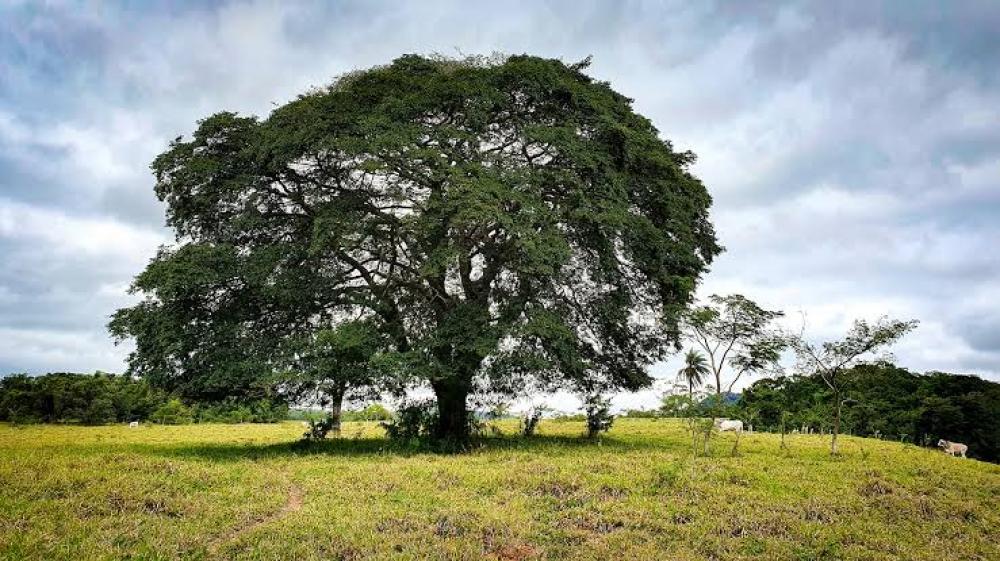
copaiba
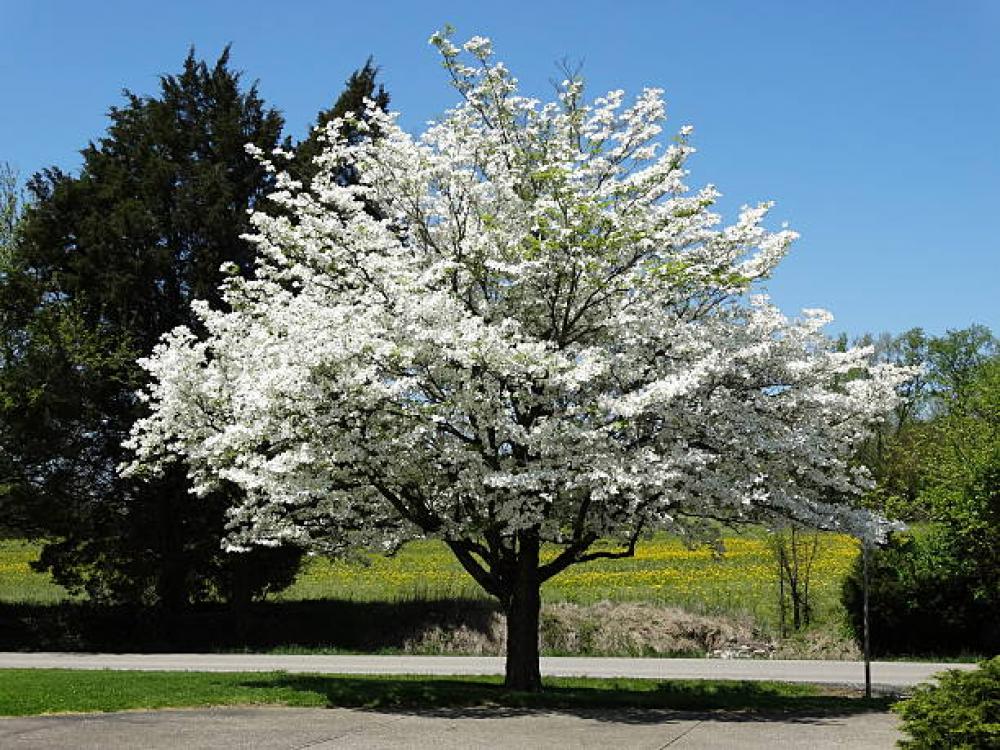
Trees of the genus Cornus
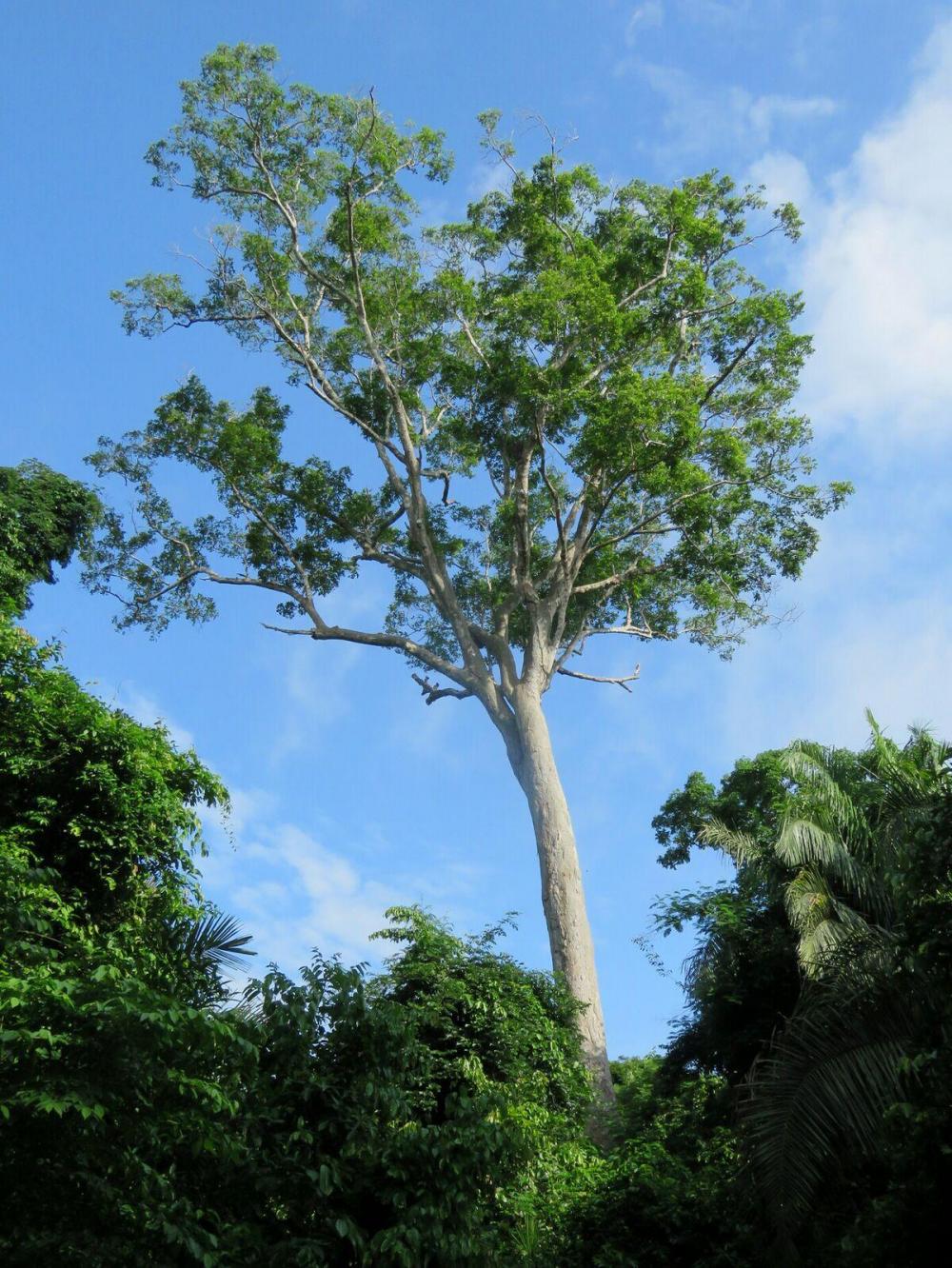
Cumaru
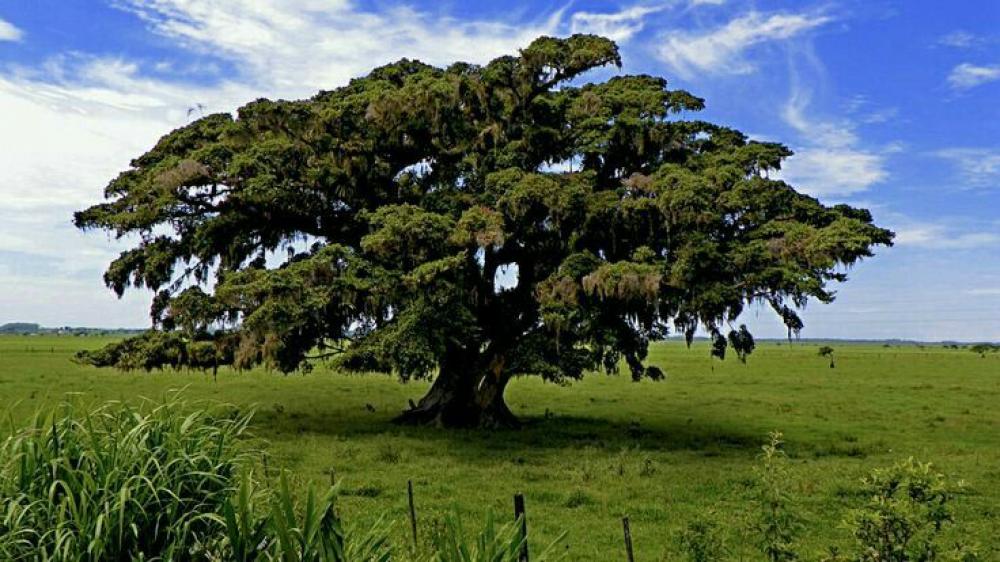
fig tree
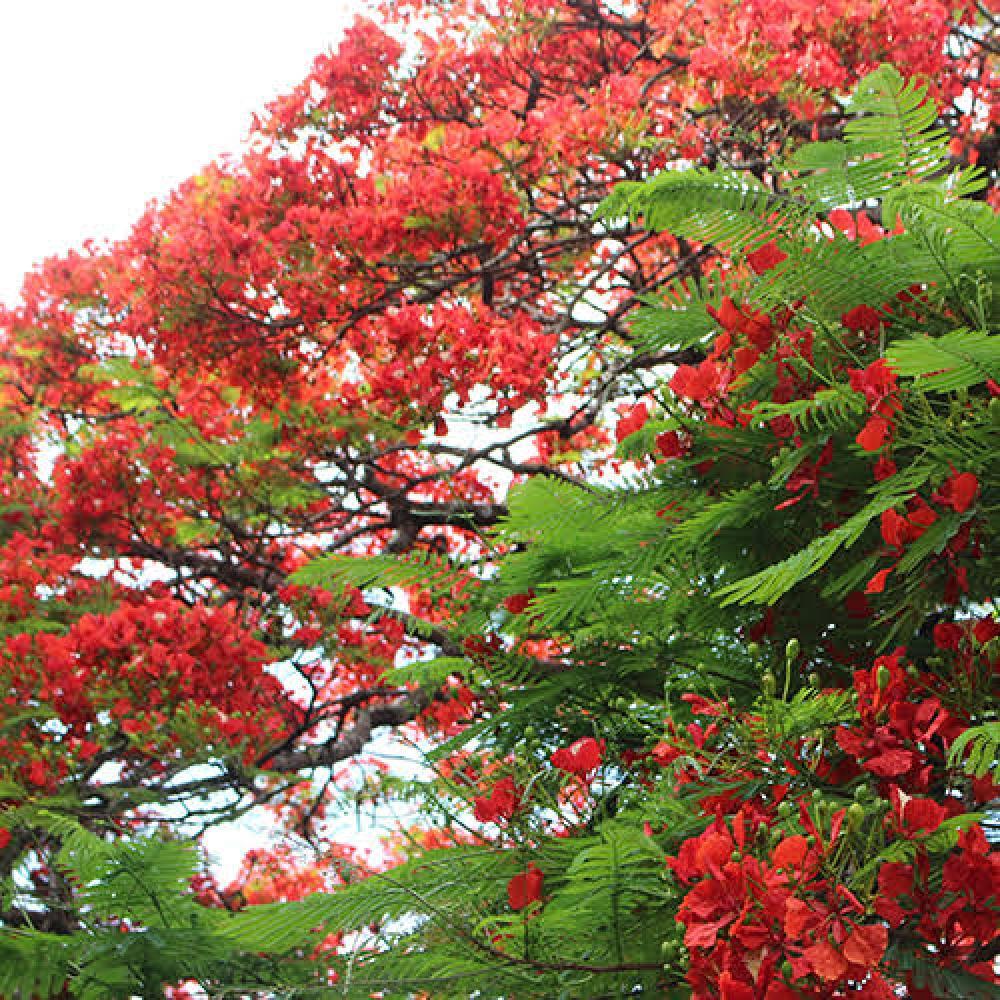
Flamboyant
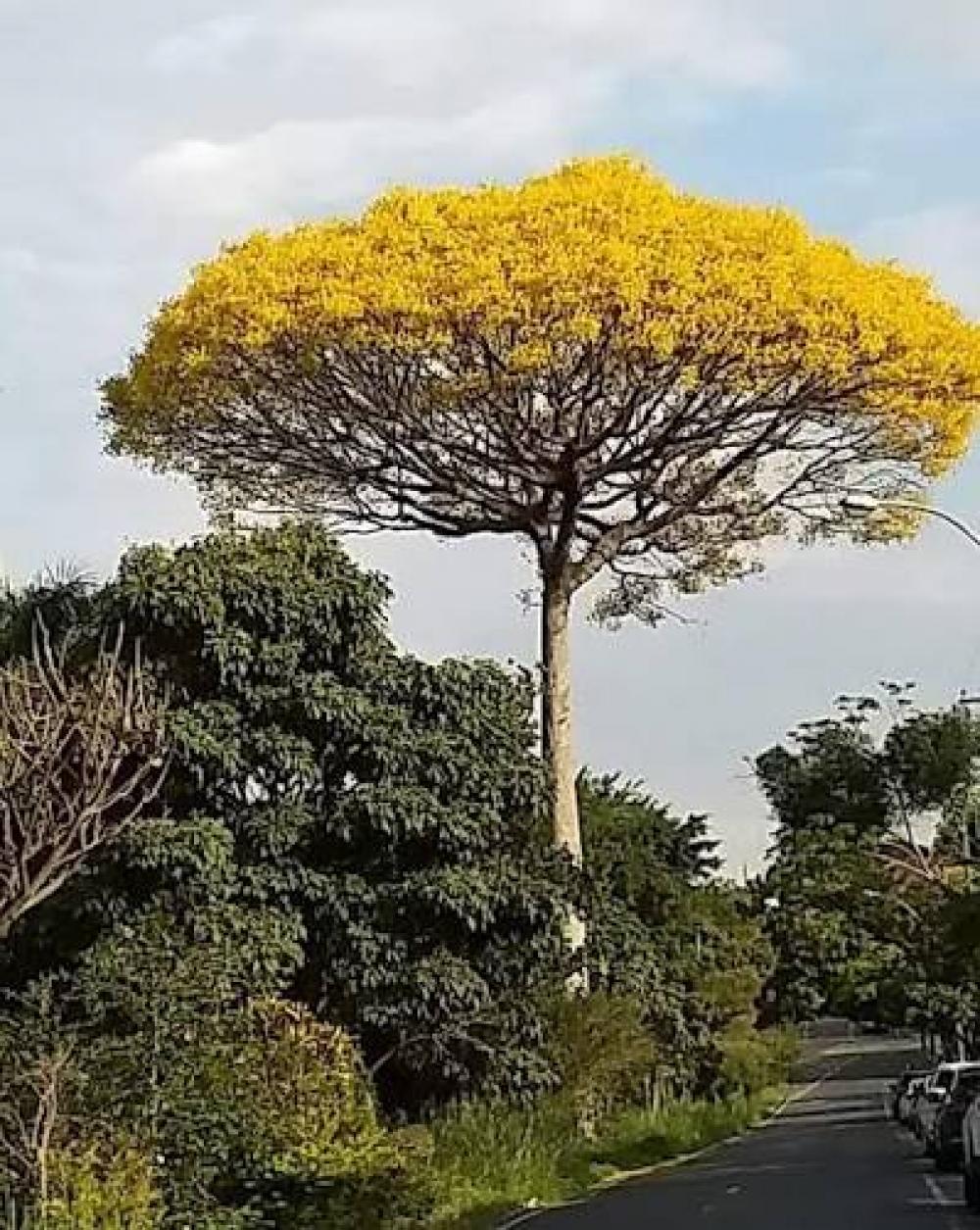
Guapuruvu
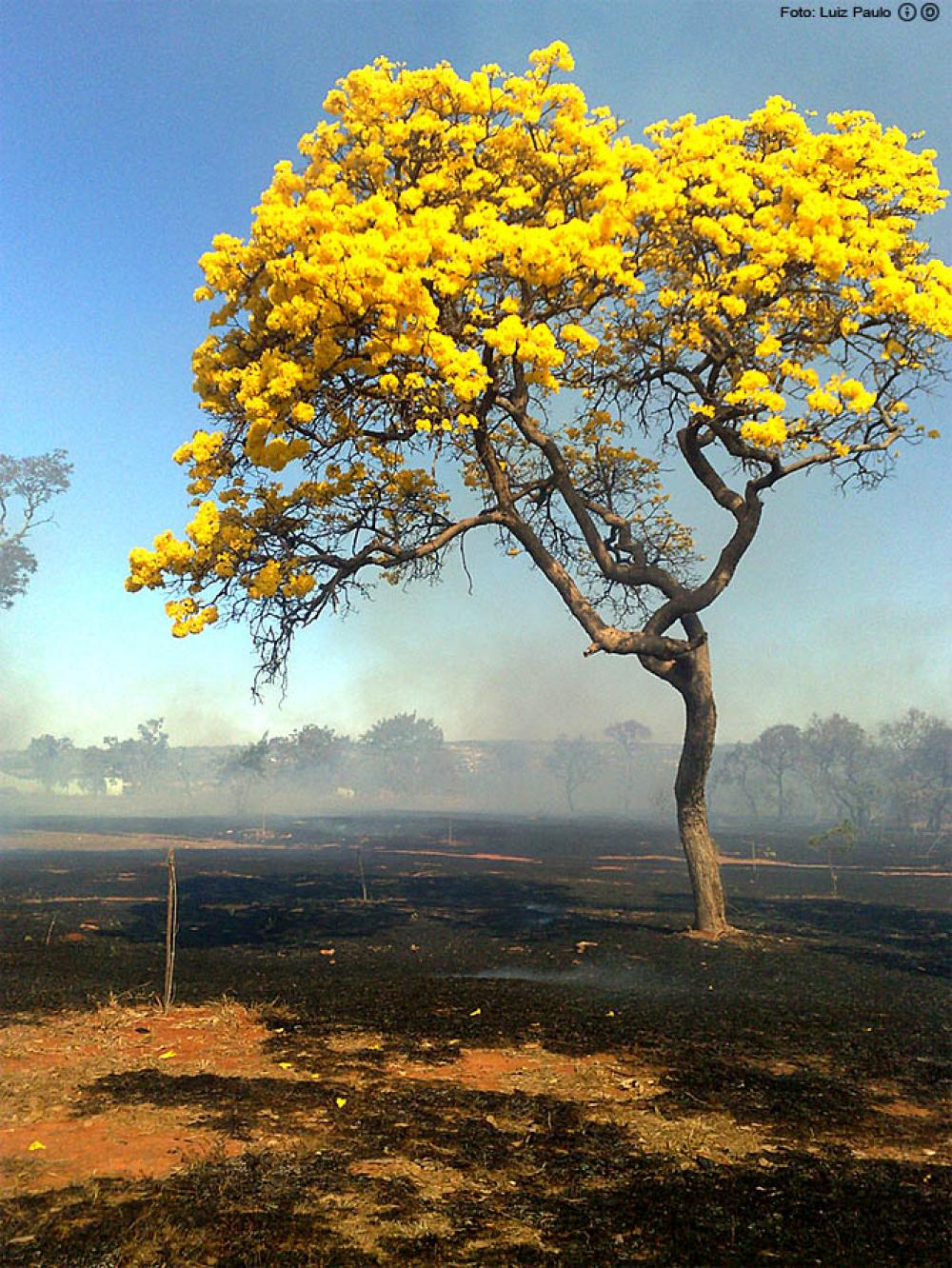
Yellow Ipê
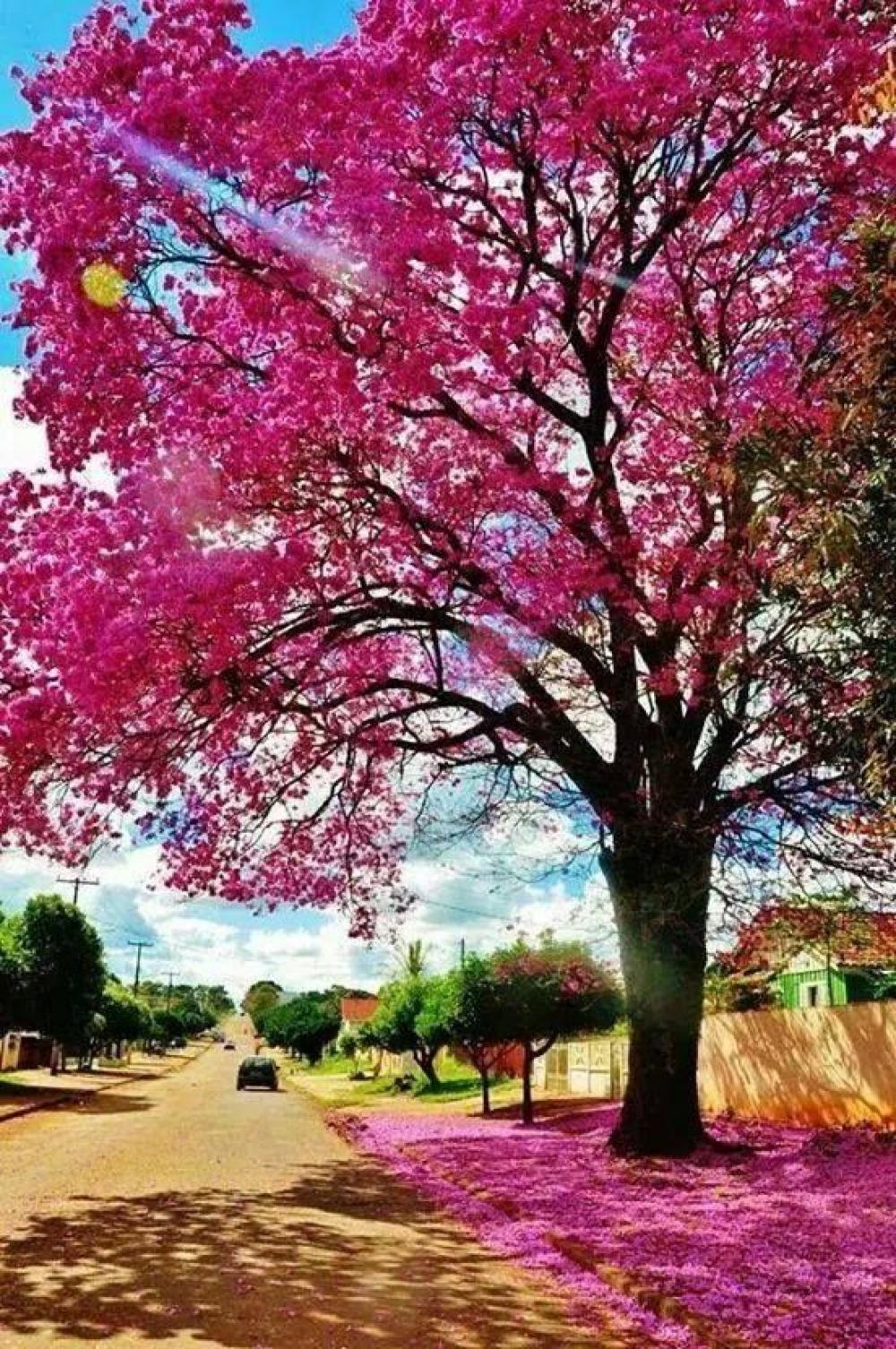
Purple Ipe
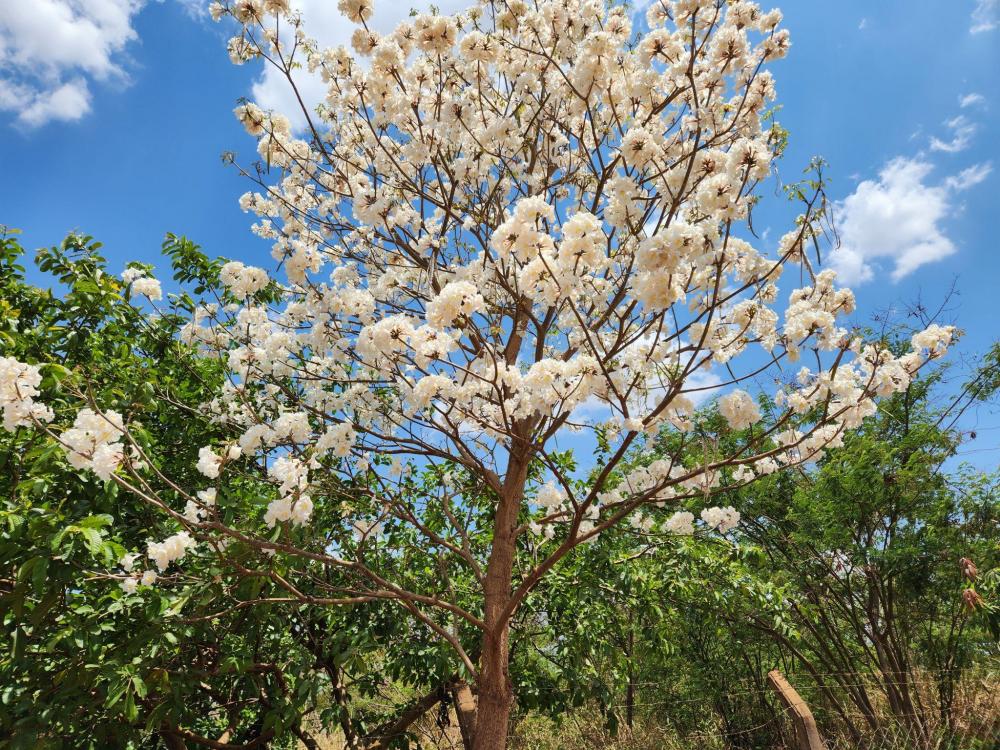
White Ipê
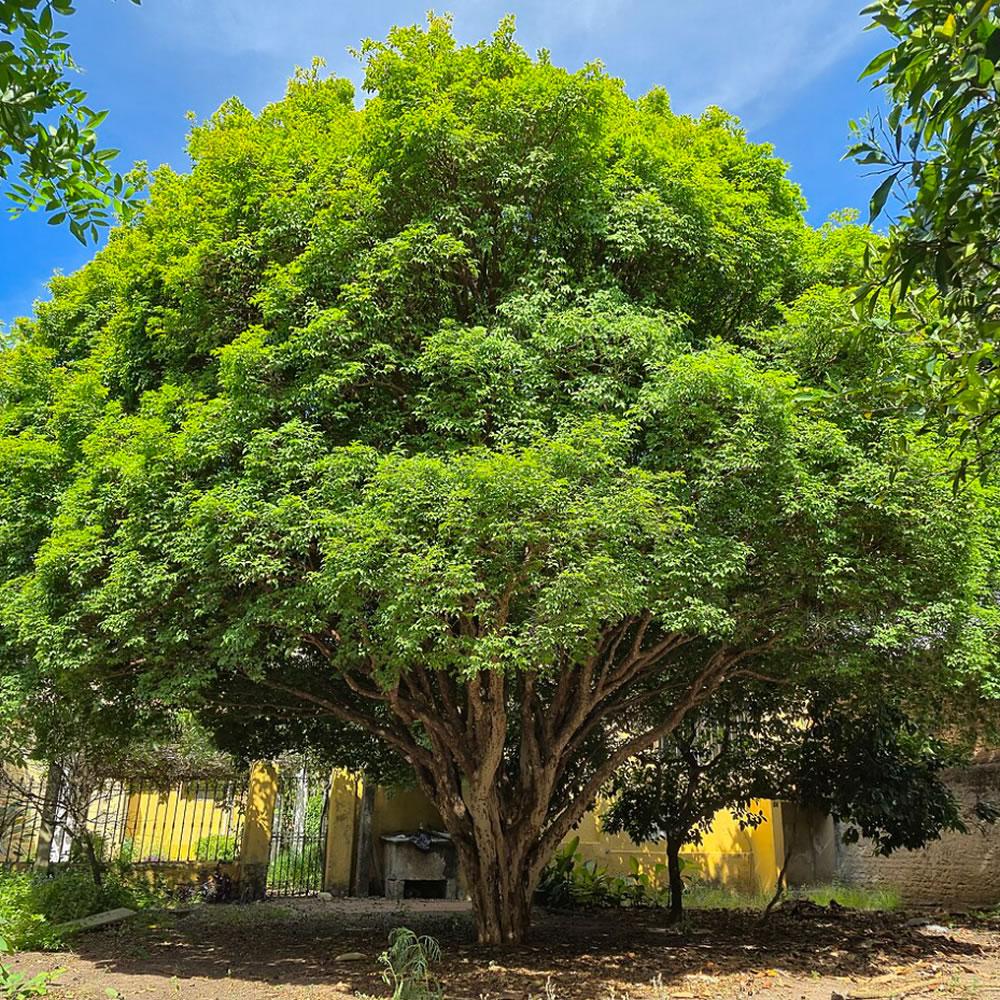
Jabuticaba
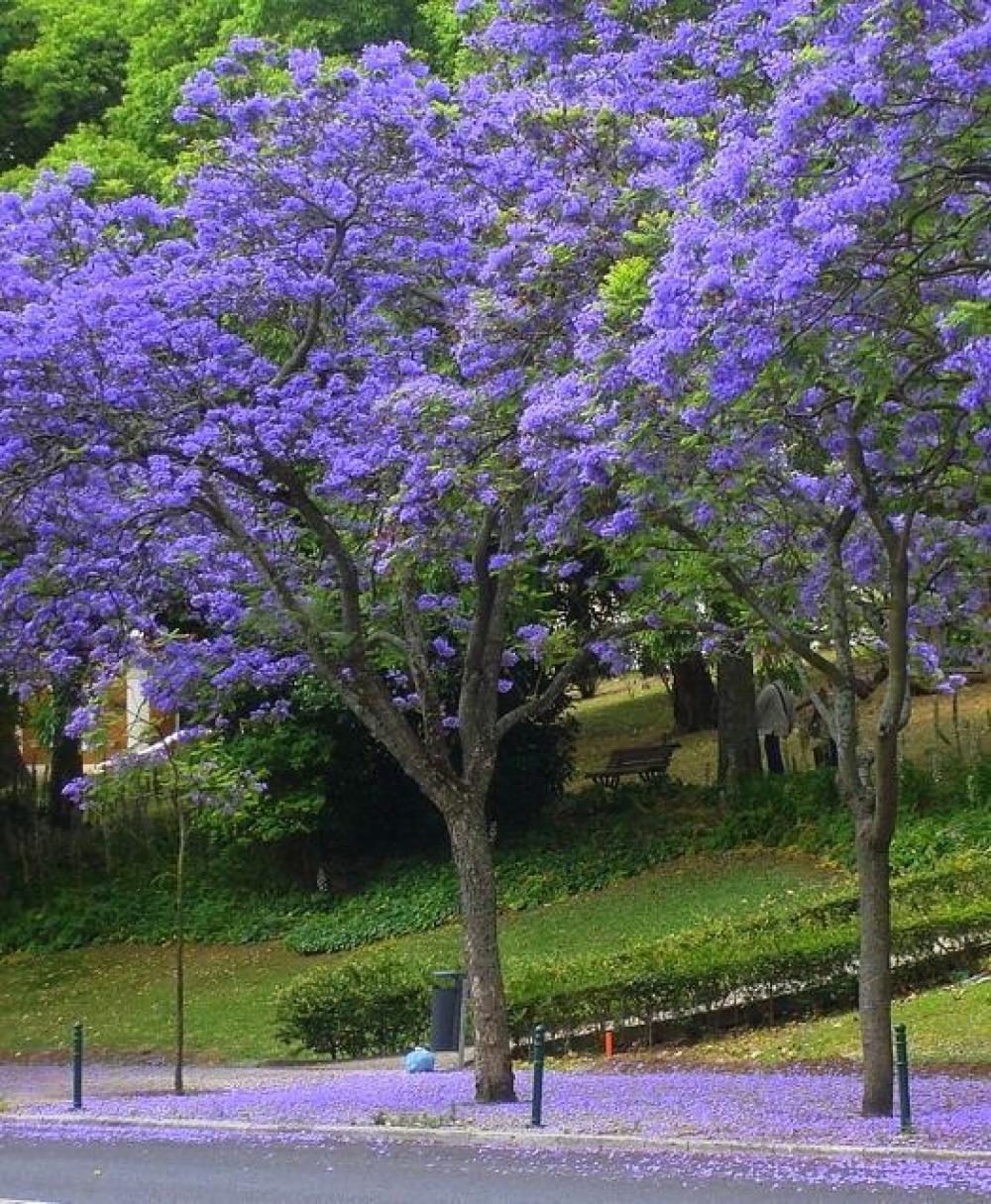
Blue jacaranda
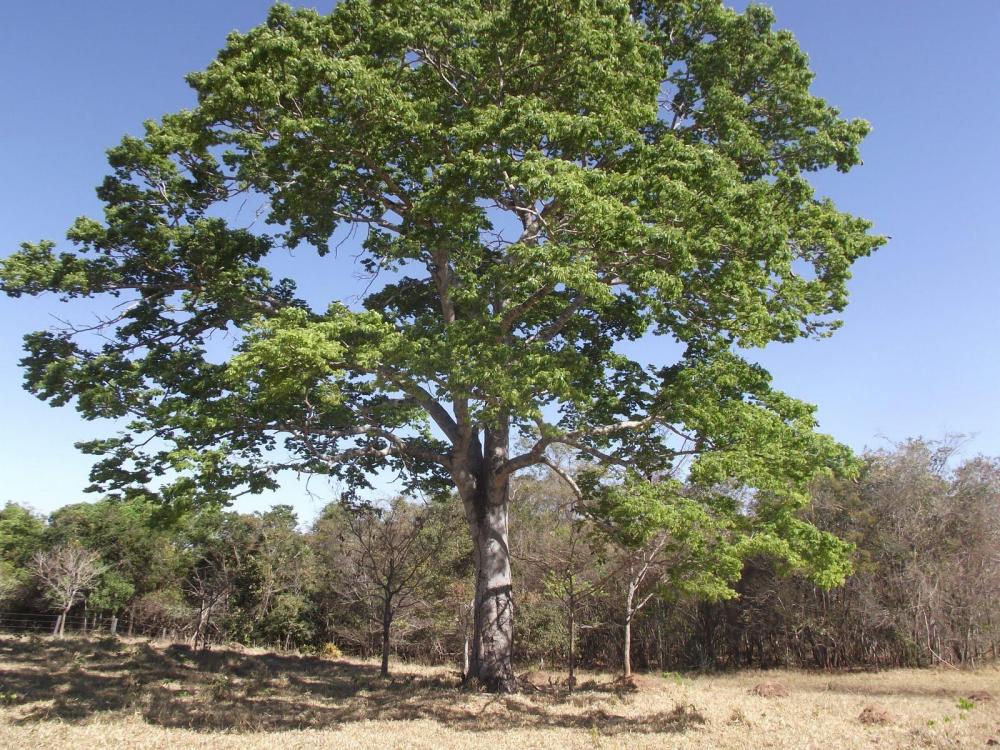
Jatoba
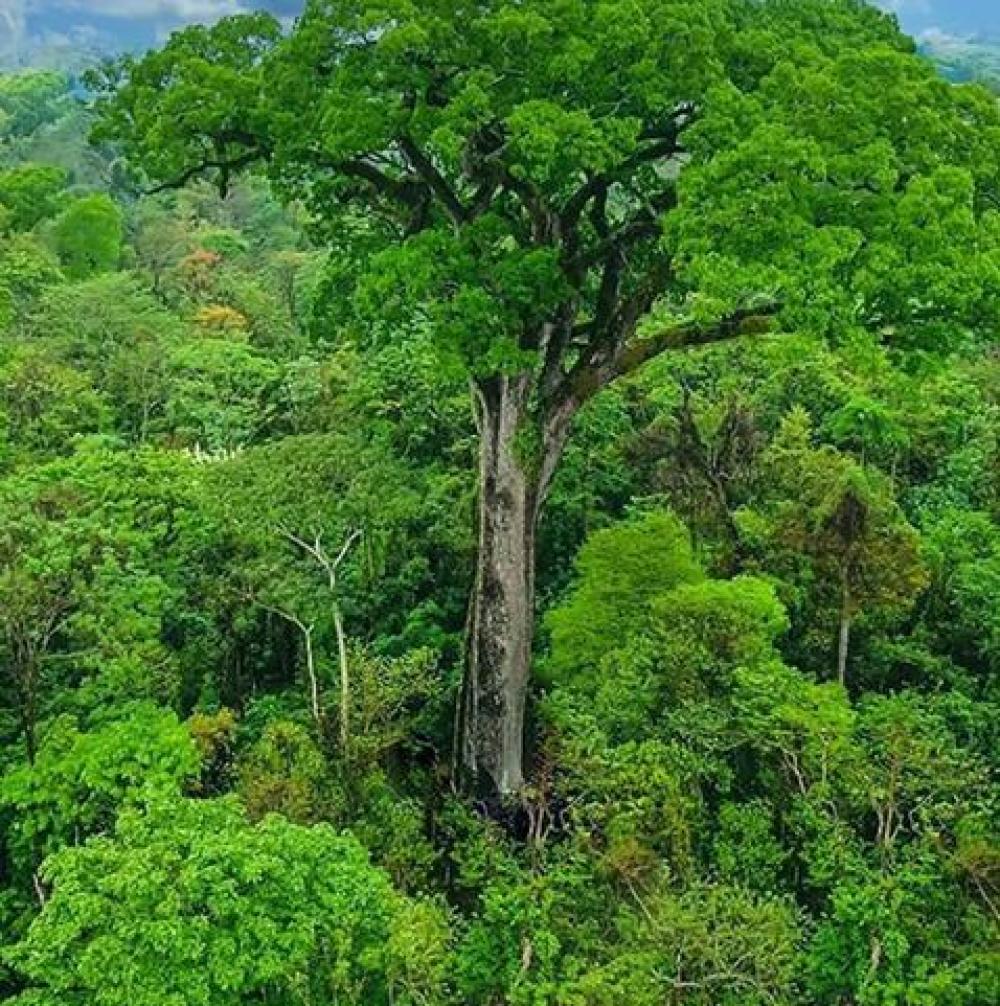
Pink Jequitibá (Cariniana legalis)
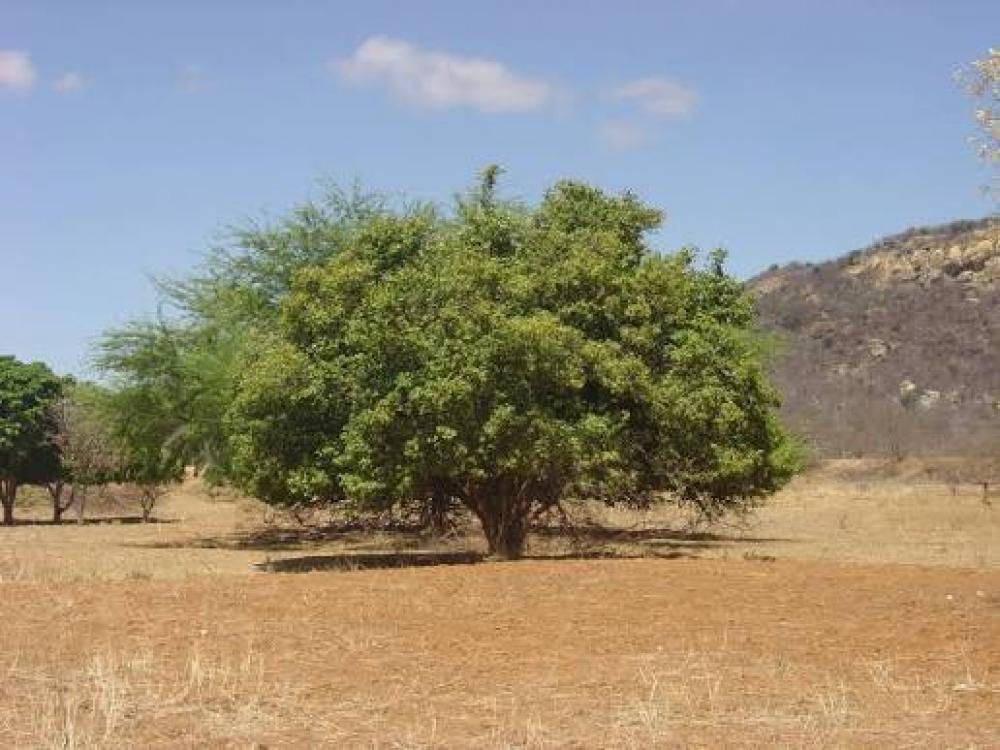
Juazeiro
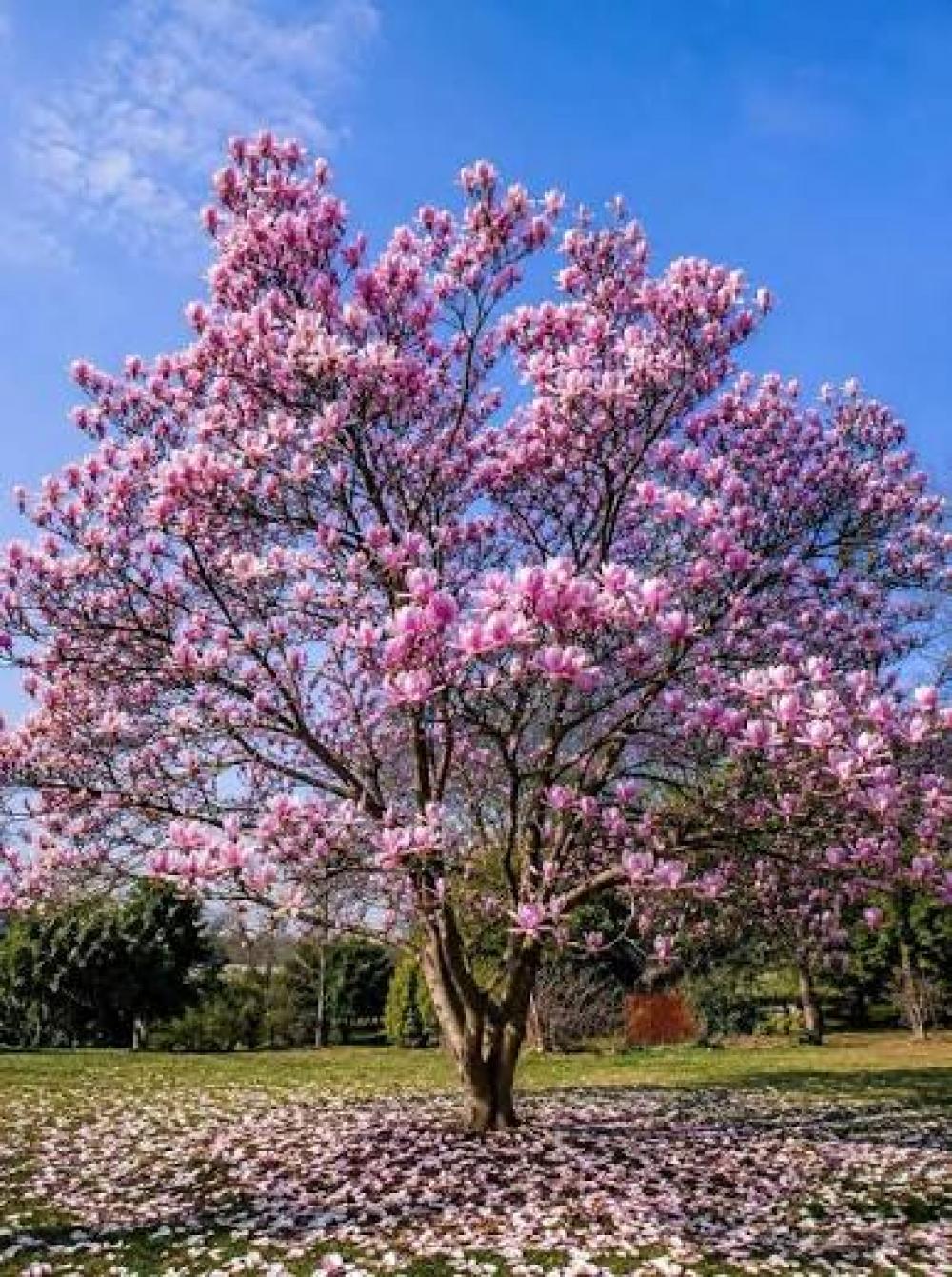
Magnolia
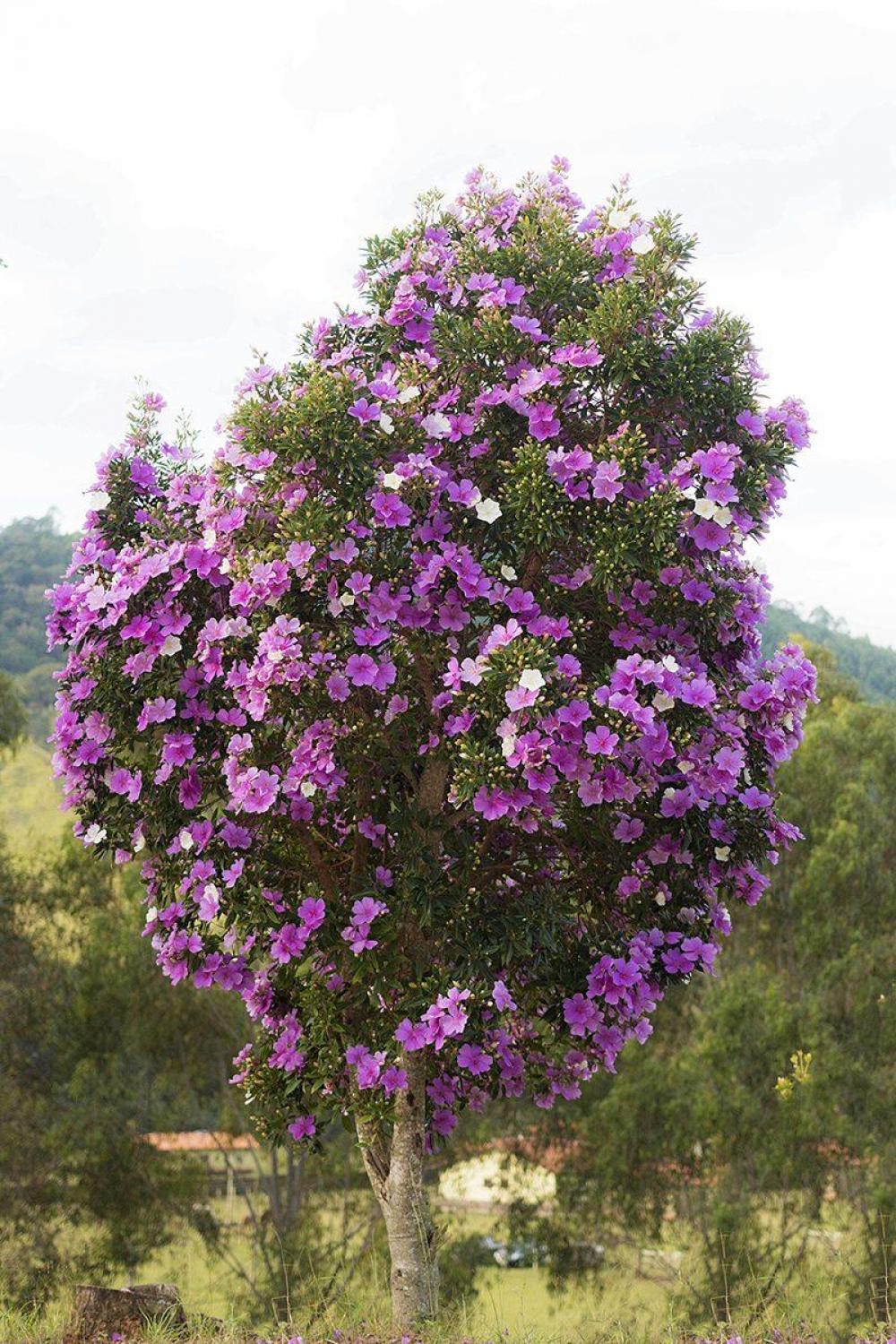
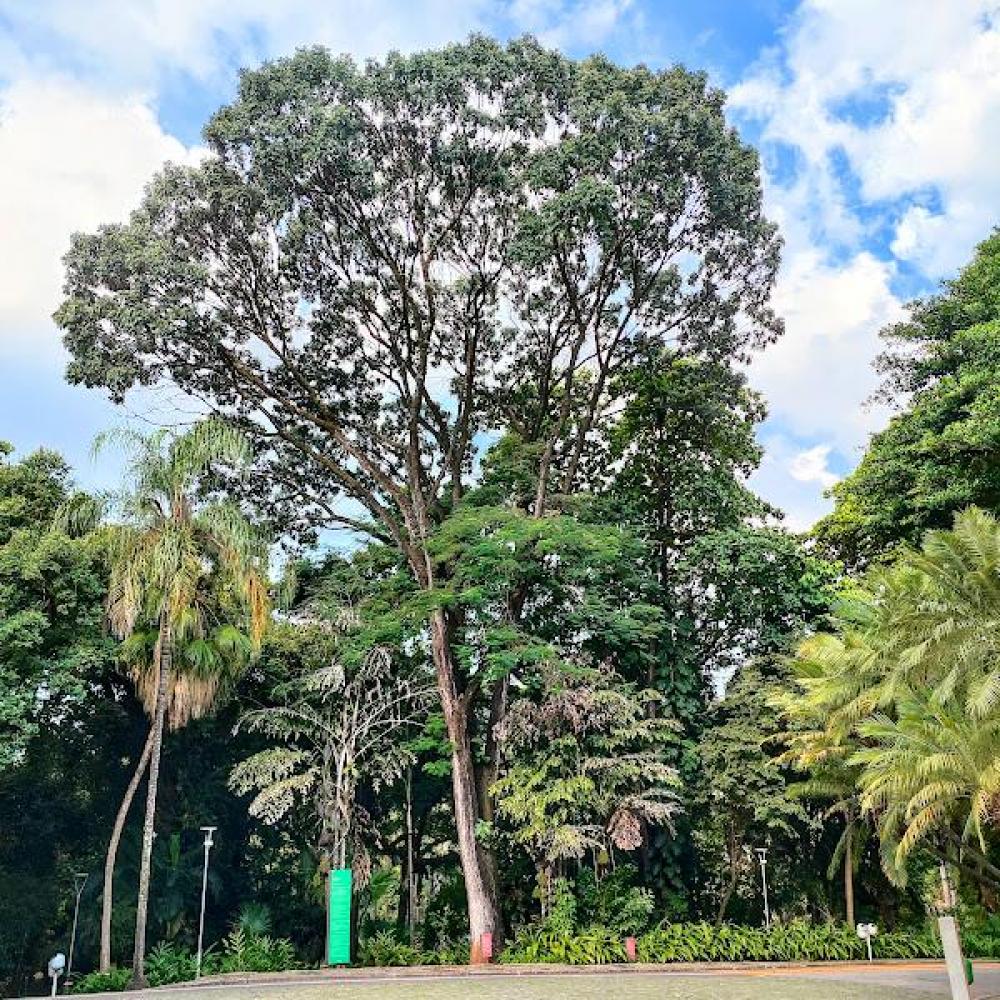
Brazilian Mahogany
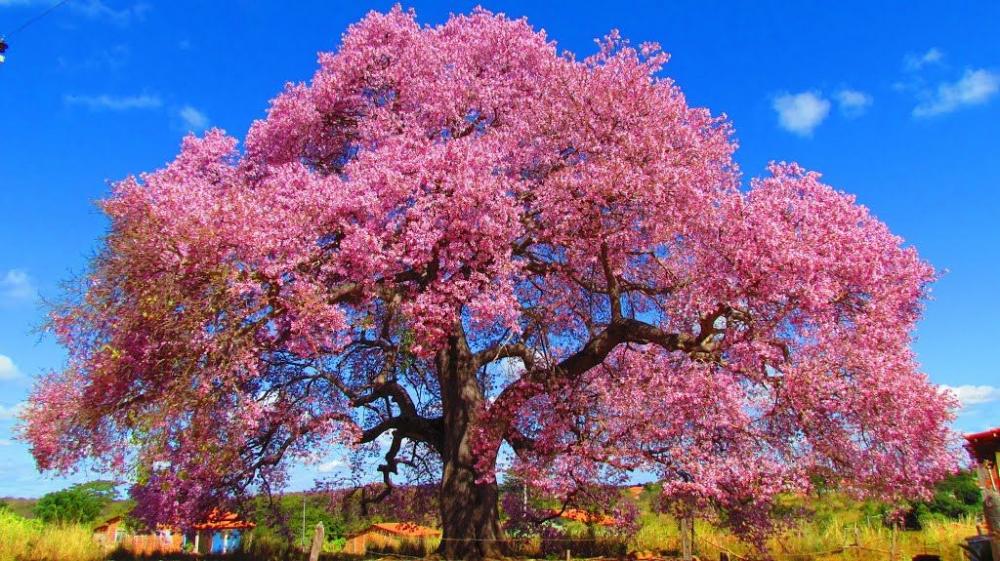
pink silk floss tree
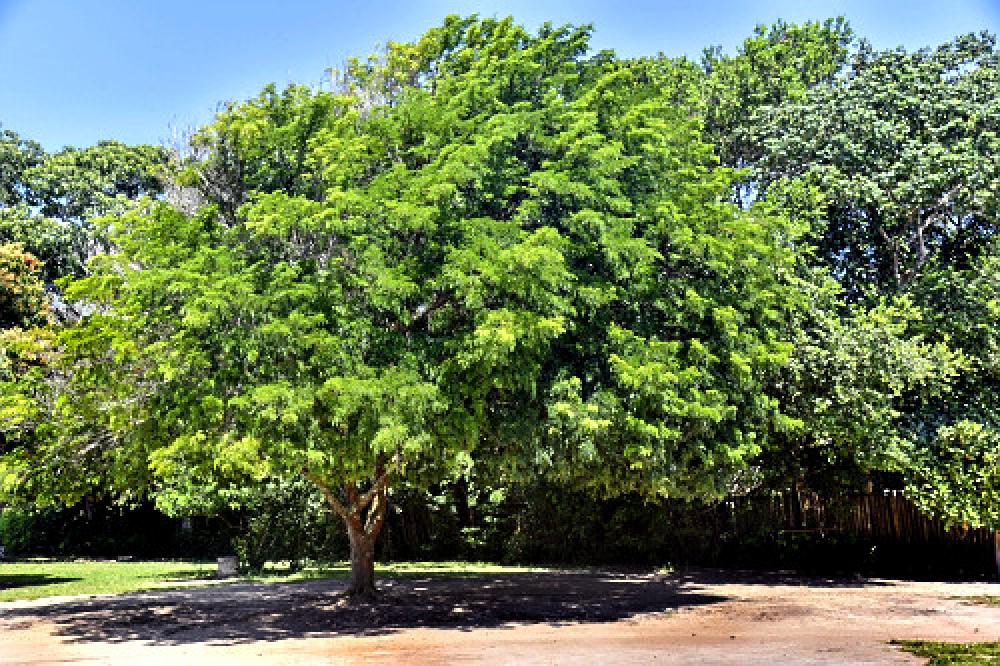
Brazilwood
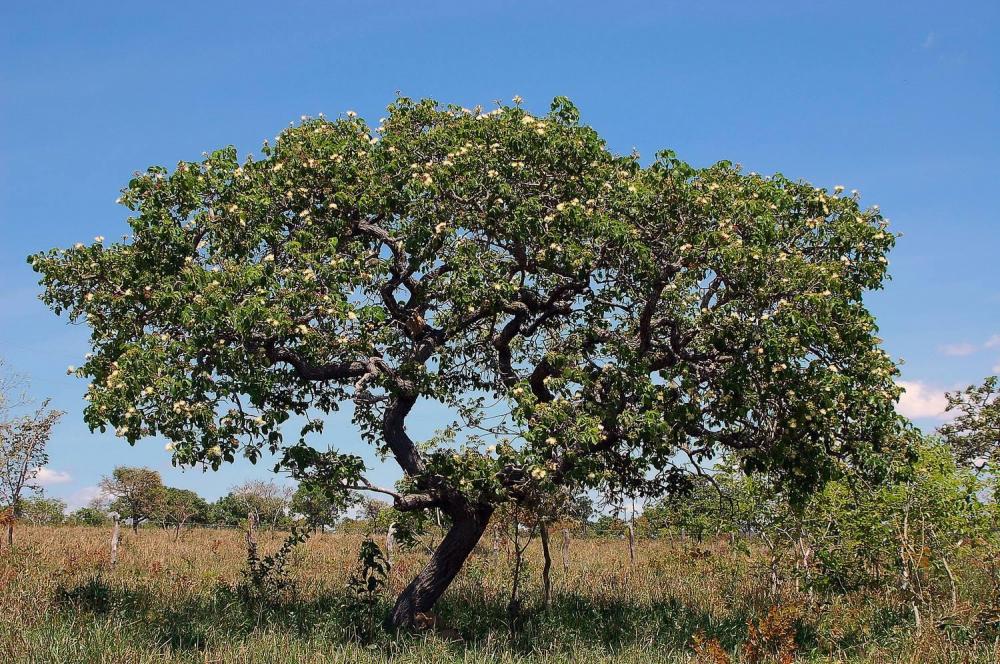
Pequi
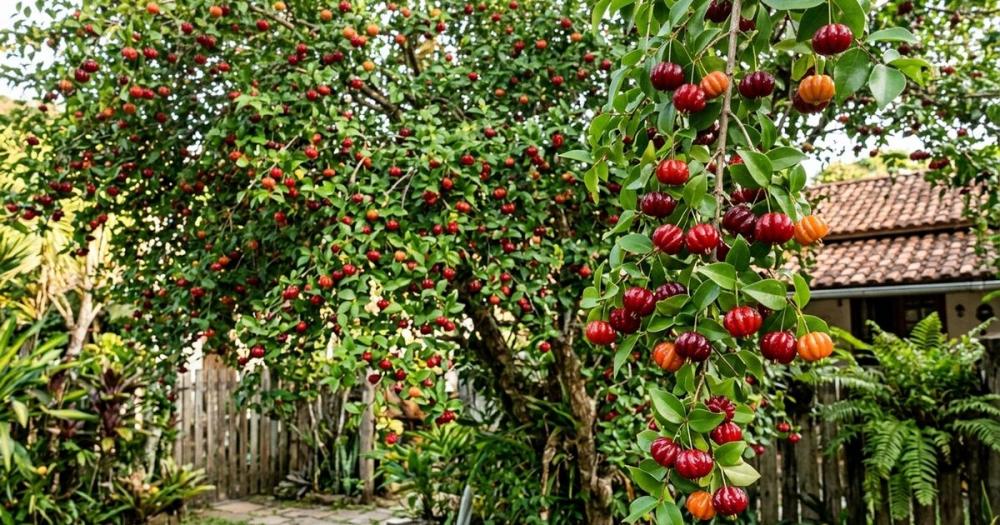
Surinam cherry
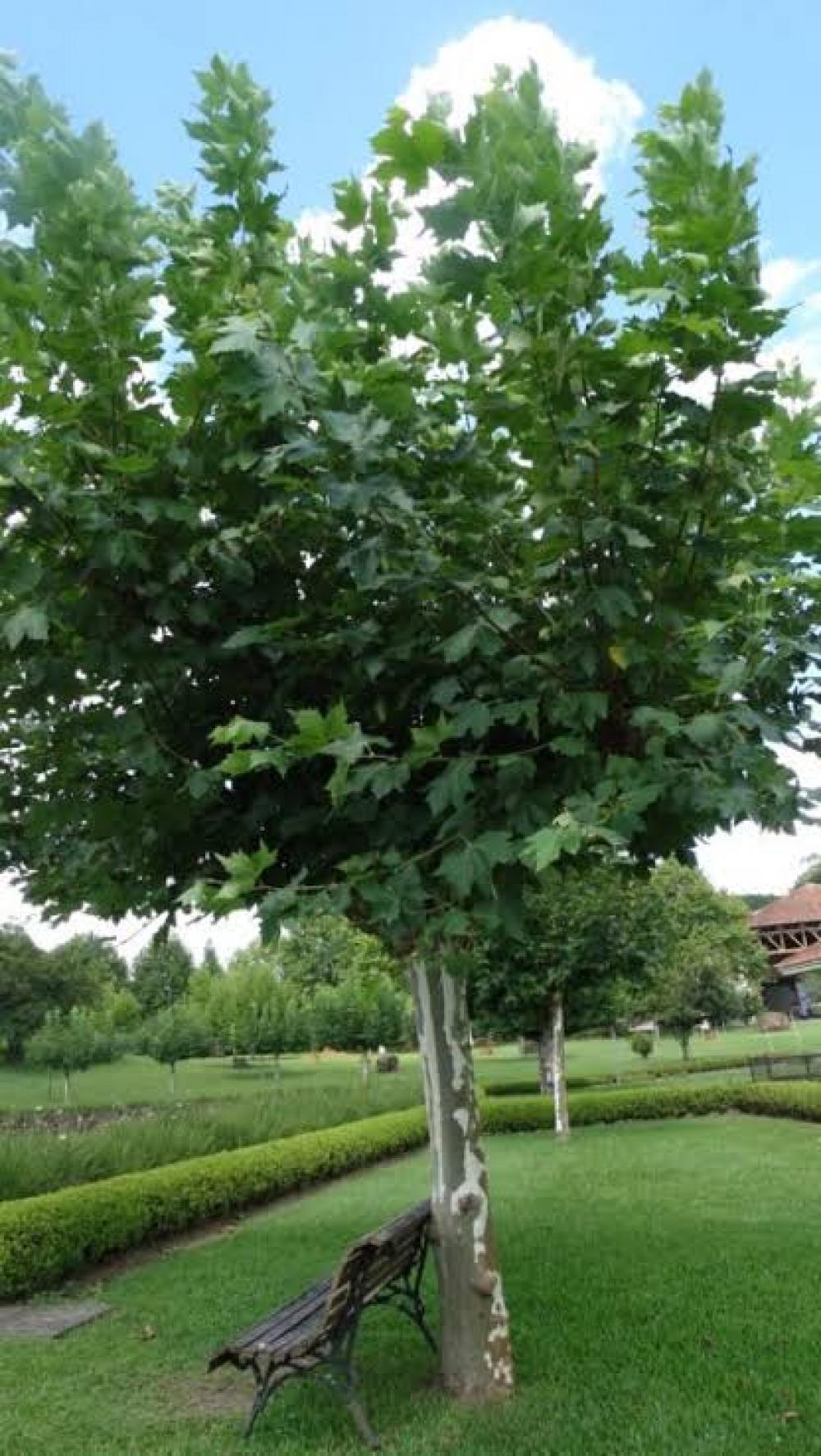
Plane tree
Rubber tree
Sucupira
Linden