


nuez de Brasil
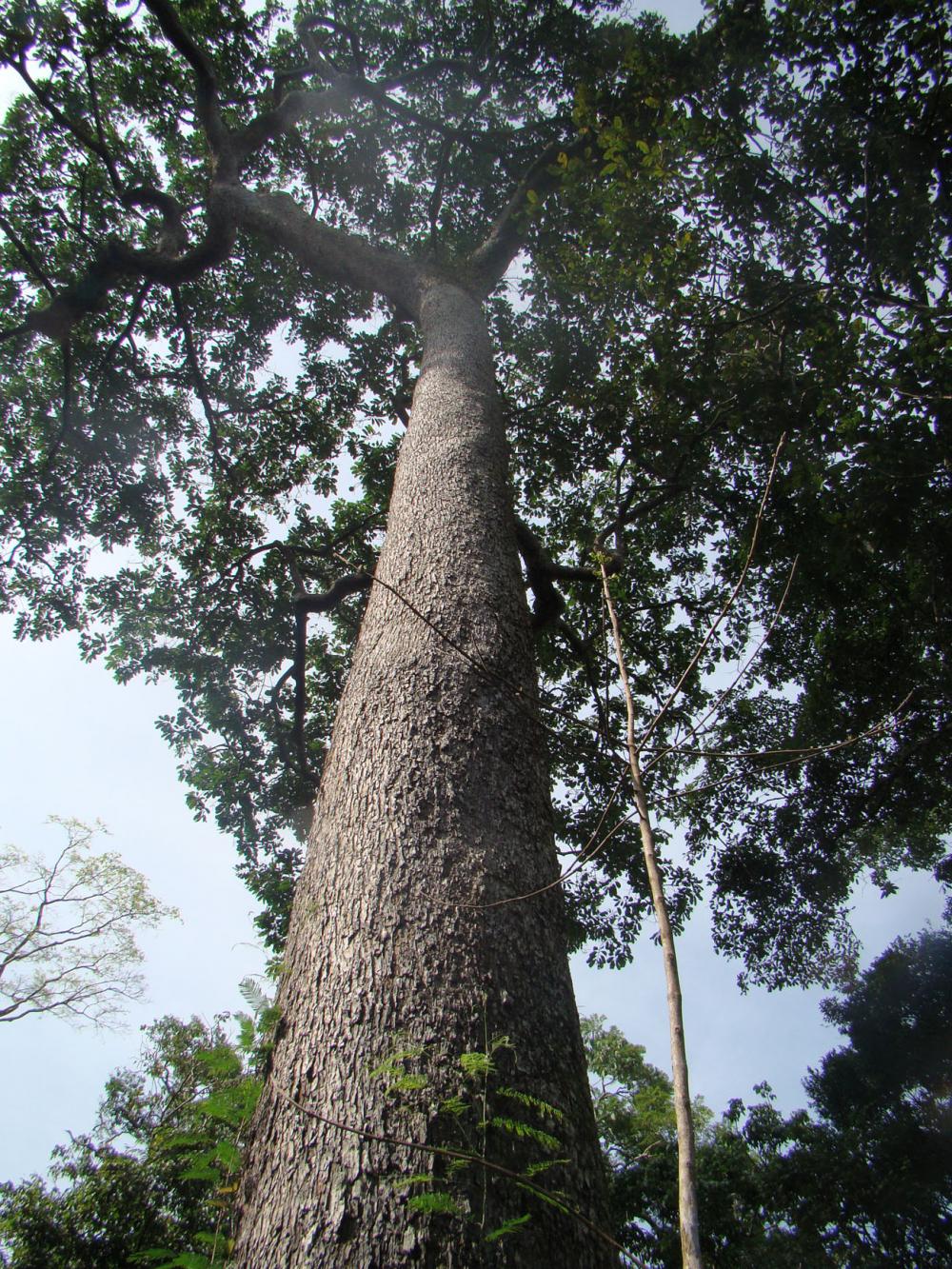
The Brazil nut tree (*Bertholletia excelsa* Bonpl.), belonging to the Lecythidaceae family, is one of the most important trees in the Amazon rainforest. It is a species native to the Amazon, found primarily in Brazil, Bolivia, Peru, and other countries in the region. Its presence is deeply linked to Amazonian biodiversity, the culture of traditional communities, and an economy based on the sustainable use of forest resources.
It is a massive tree—capable of exceeding 40 meters in height under natural conditions—featuring a robust trunk and a towering crown that rises above the forest canopy. Its longevity and immense size make it one of the Amazons most impressive trees. The flowers possess a specialized structure and rely on specific pollinators—particularly large native bees—capable of accessing the floral structures and facilitating the species reproduction.
Its primary product is the Brazil nut—seeds found inside large, woody fruits popularly known as *ouriços* (pods). Each fruit can contain multiple seeds protected by a tough shell. These nuts are highly nutritious, containing protein, fiber, lipids, minerals, and bioactive compounds. They are particularly notable for their selenium content, although concentrations can vary significantly depending on the region of origin.
The Brazil nut tree holds immense economic and social importance for various Amazonian communities. Nut harvesting is traditionally carried out within the forest, allowing for the utilization of a natural resource without the need to fell the tree. Consequently, the Brazil nut supply chain can contribute to income generation, the empowerment of local communities, and the conservation of the standing forest, provided that responsible management and marketing practices are employed.
From an ecological perspective, the Brazil nut tree is fundamental to the functioning of Amazonian ecosystems. Its fruits and seeds are part of the local faunas diet, while its massive structure provides shelter and contributes to the formation of the forest environment. The species reproduction involves complex interactions with animals and pollinators, illustrating how Amazonian biodiversity operates through a network of relationships among plants, animals, and microorganisms.
It is a massive tree—capable of exceeding 40 meters in height under natural conditions—featuring a robust trunk and a towering crown that rises above the forest canopy. Its longevity and immense size make it one of the Amazons most impressive trees. The flowers possess a specialized structure and rely on specific pollinators—particularly large native bees—capable of accessing the floral structures and facilitating the species reproduction.
Its primary product is the Brazil nut—seeds found inside large, woody fruits popularly known as *ouriços* (pods). Each fruit can contain multiple seeds protected by a tough shell. These nuts are highly nutritious, containing protein, fiber, lipids, minerals, and bioactive compounds. They are particularly notable for their selenium content, although concentrations can vary significantly depending on the region of origin.
The Brazil nut tree holds immense economic and social importance for various Amazonian communities. Nut harvesting is traditionally carried out within the forest, allowing for the utilization of a natural resource without the need to fell the tree. Consequently, the Brazil nut supply chain can contribute to income generation, the empowerment of local communities, and the conservation of the standing forest, provided that responsible management and marketing practices are employed.
From an ecological perspective, the Brazil nut tree is fundamental to the functioning of Amazonian ecosystems. Its fruits and seeds are part of the local faunas diet, while its massive structure provides shelter and contributes to the formation of the forest environment. The species reproduction involves complex interactions with animals and pollinators, illustrating how Amazonian biodiversity operates through a network of relationships among plants, animals, and microorganisms.
Tree Catalog
Imperial acacia
Açaí palm
Alfarrobeira
Andiroba

Red Angelim
White Angico
Araticum
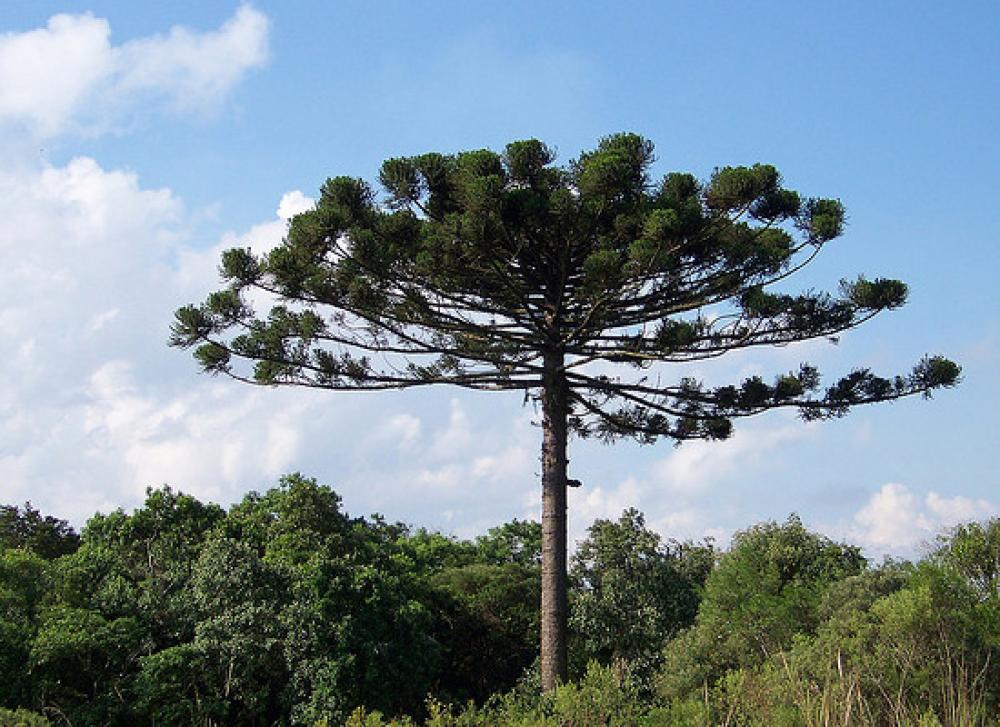
Araucaria, the Paraná pine
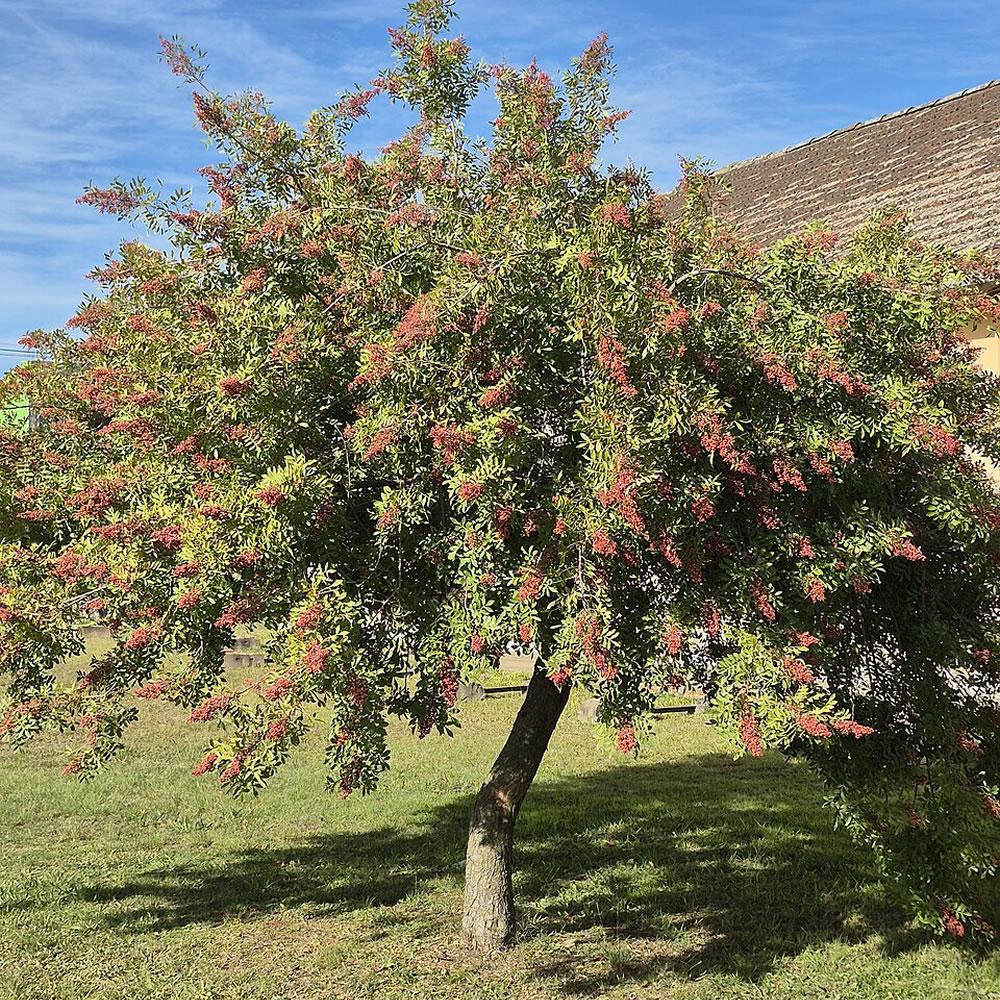
Brazilian peppertree
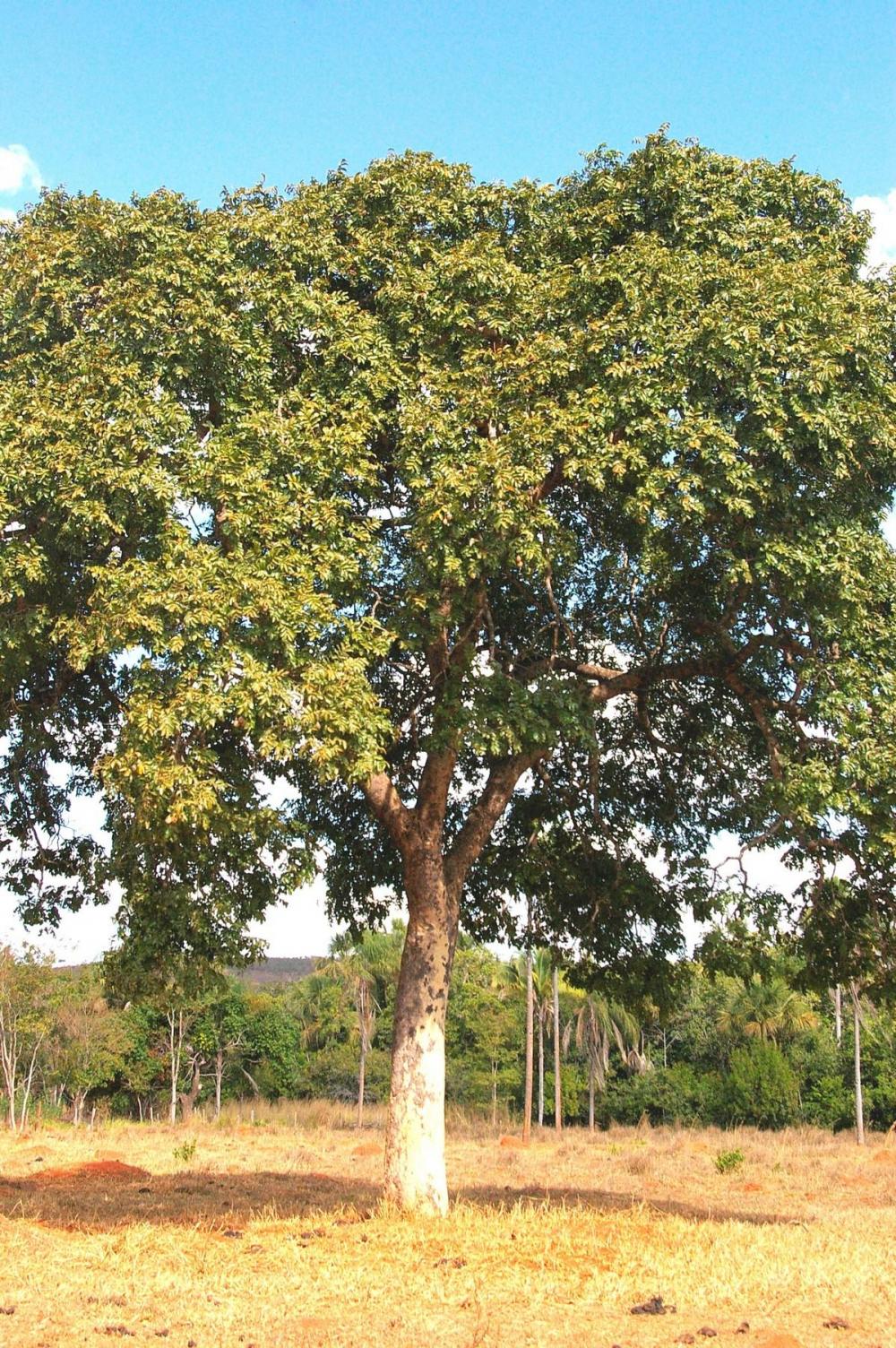
Baru
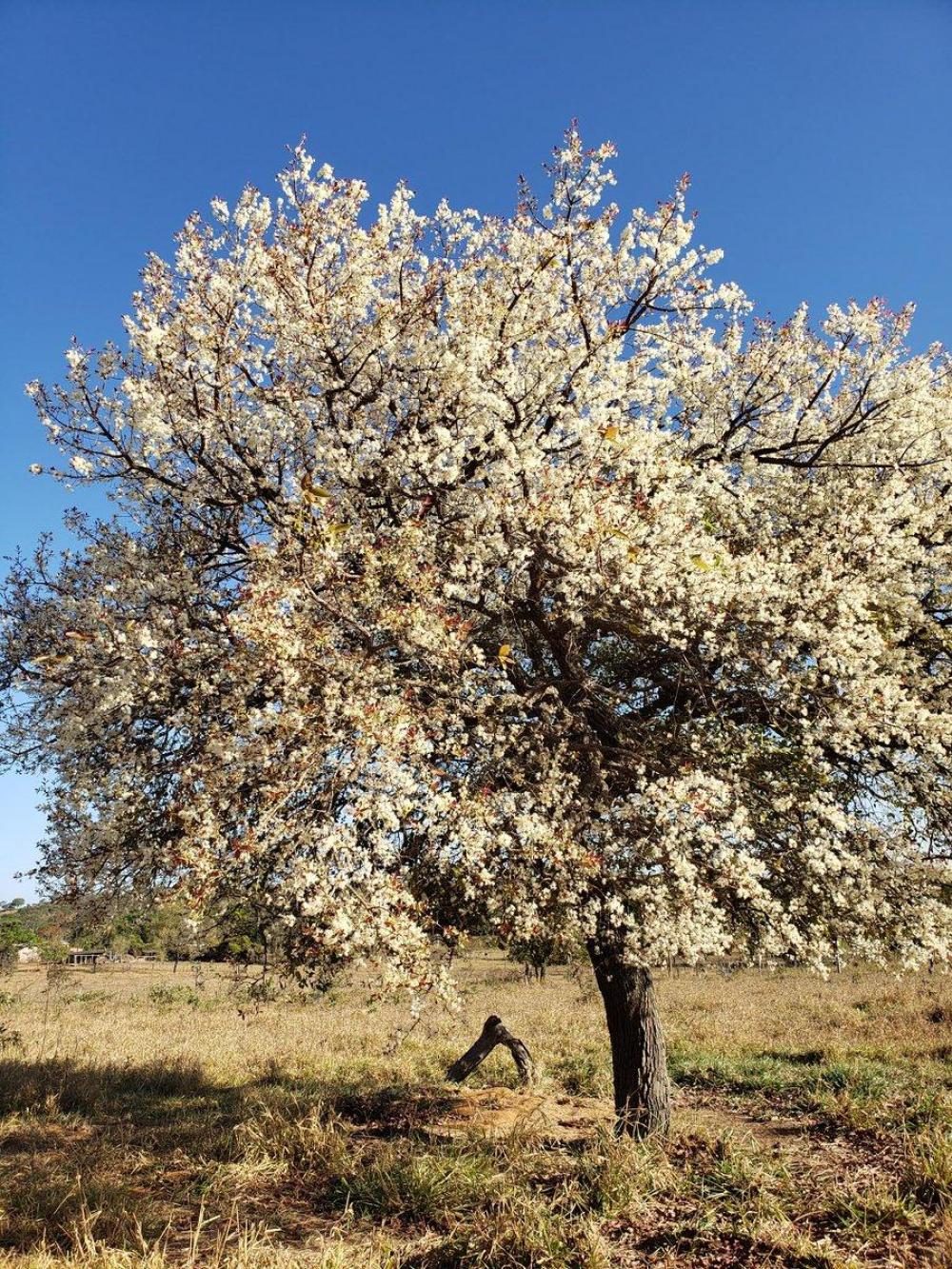
Cagaita
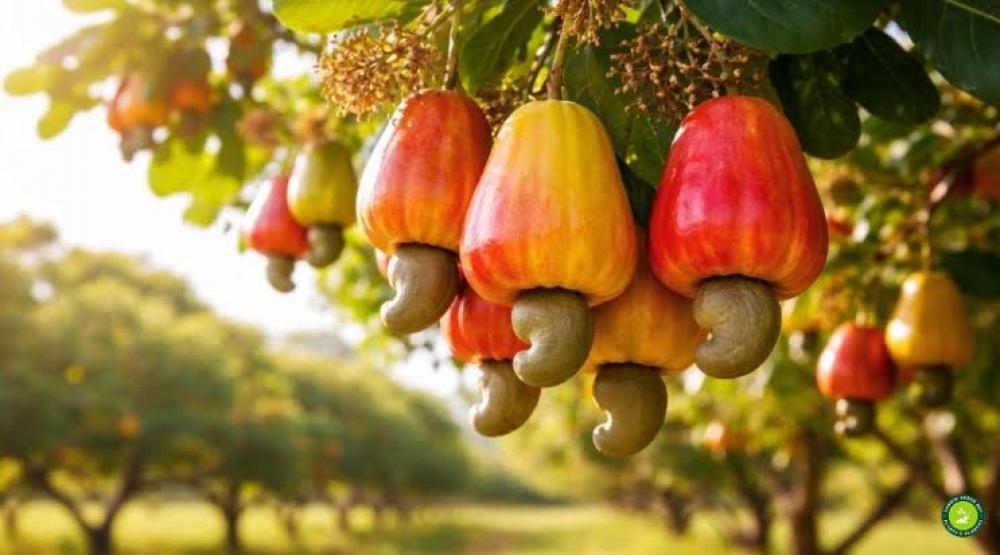
cashew tree
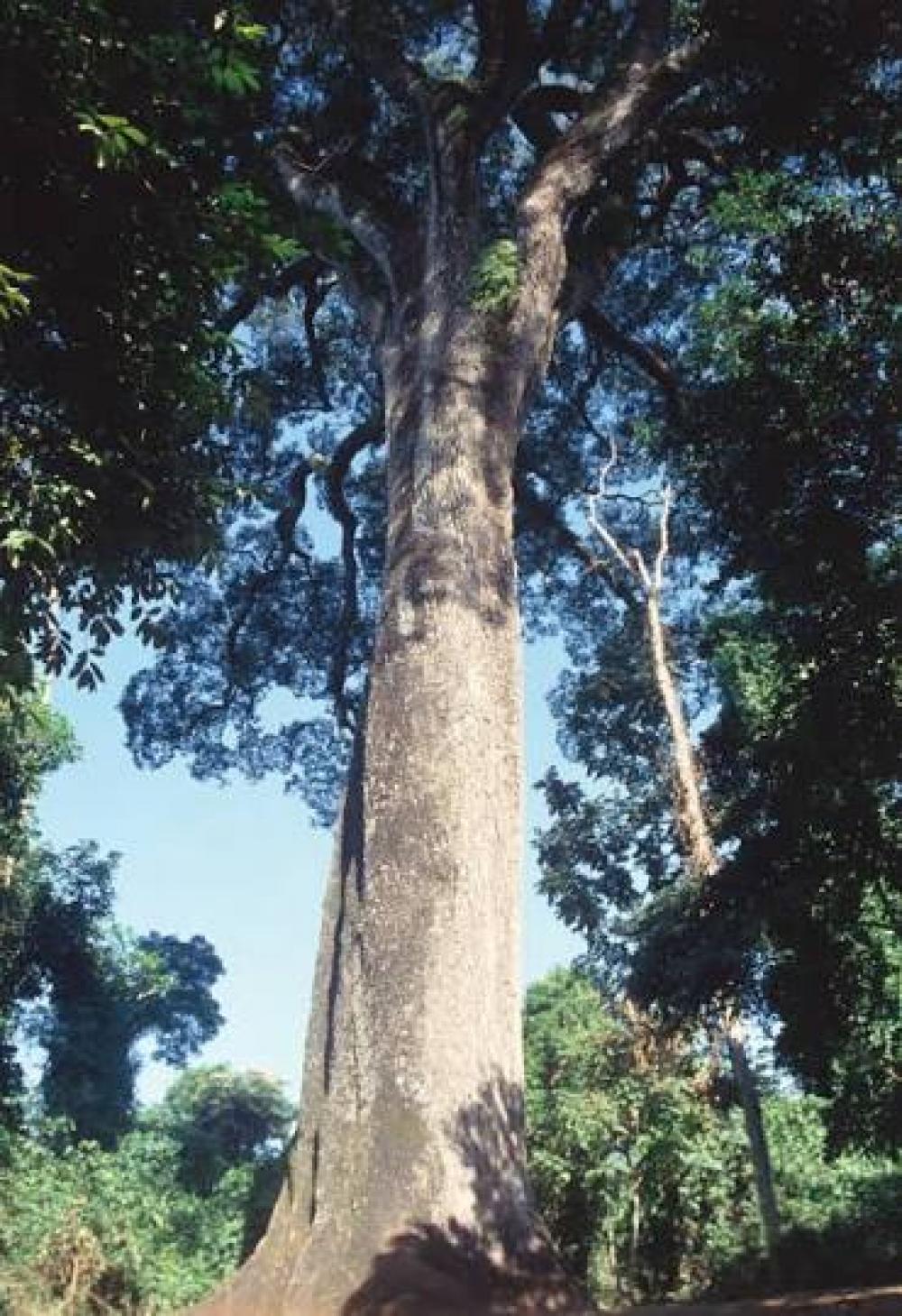
Black Cinnamon
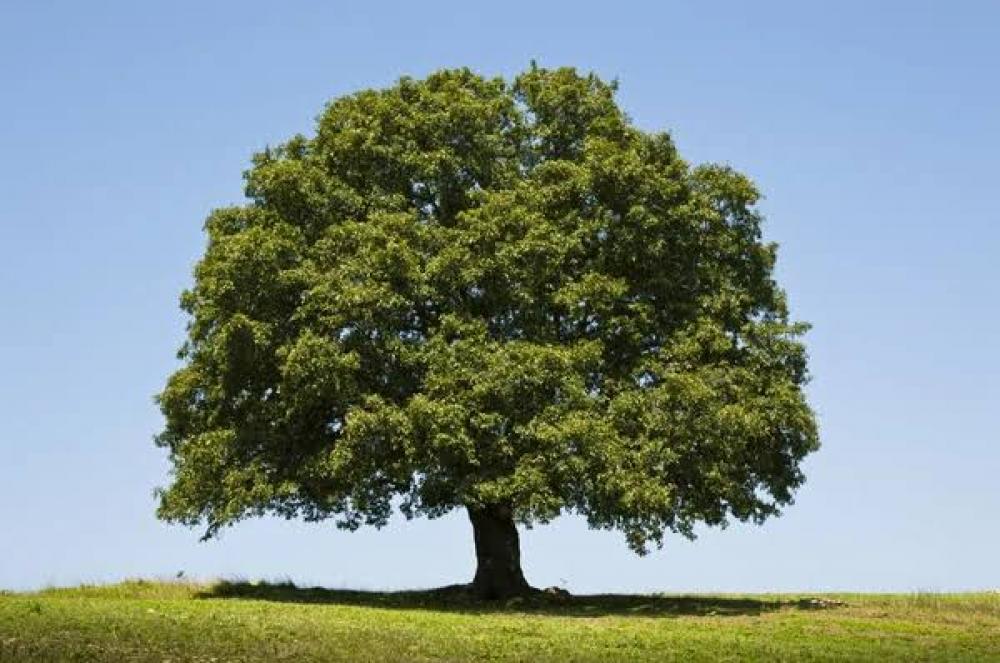
Oak tree
nuez de Brasil
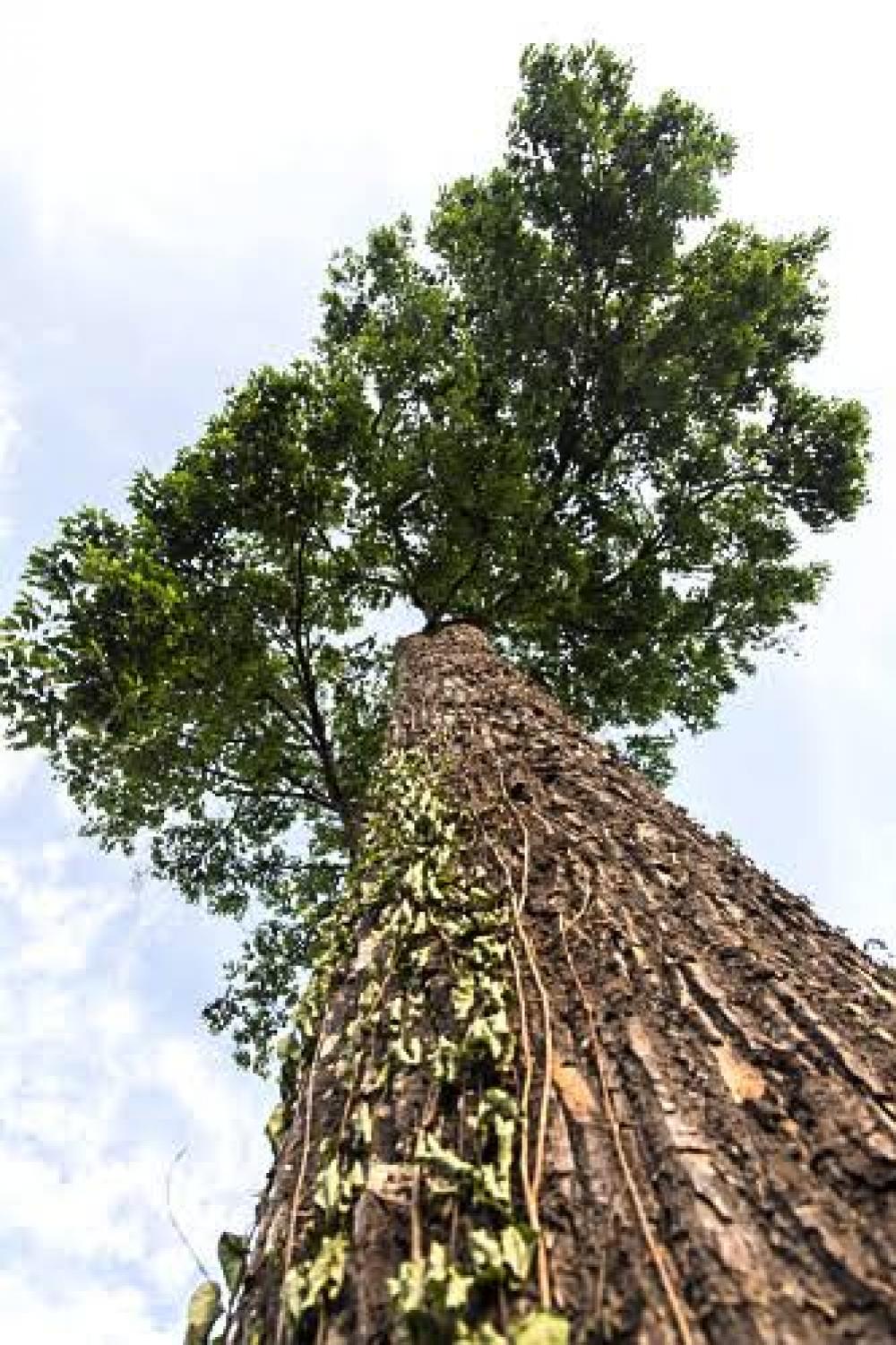
Brazil nut tree
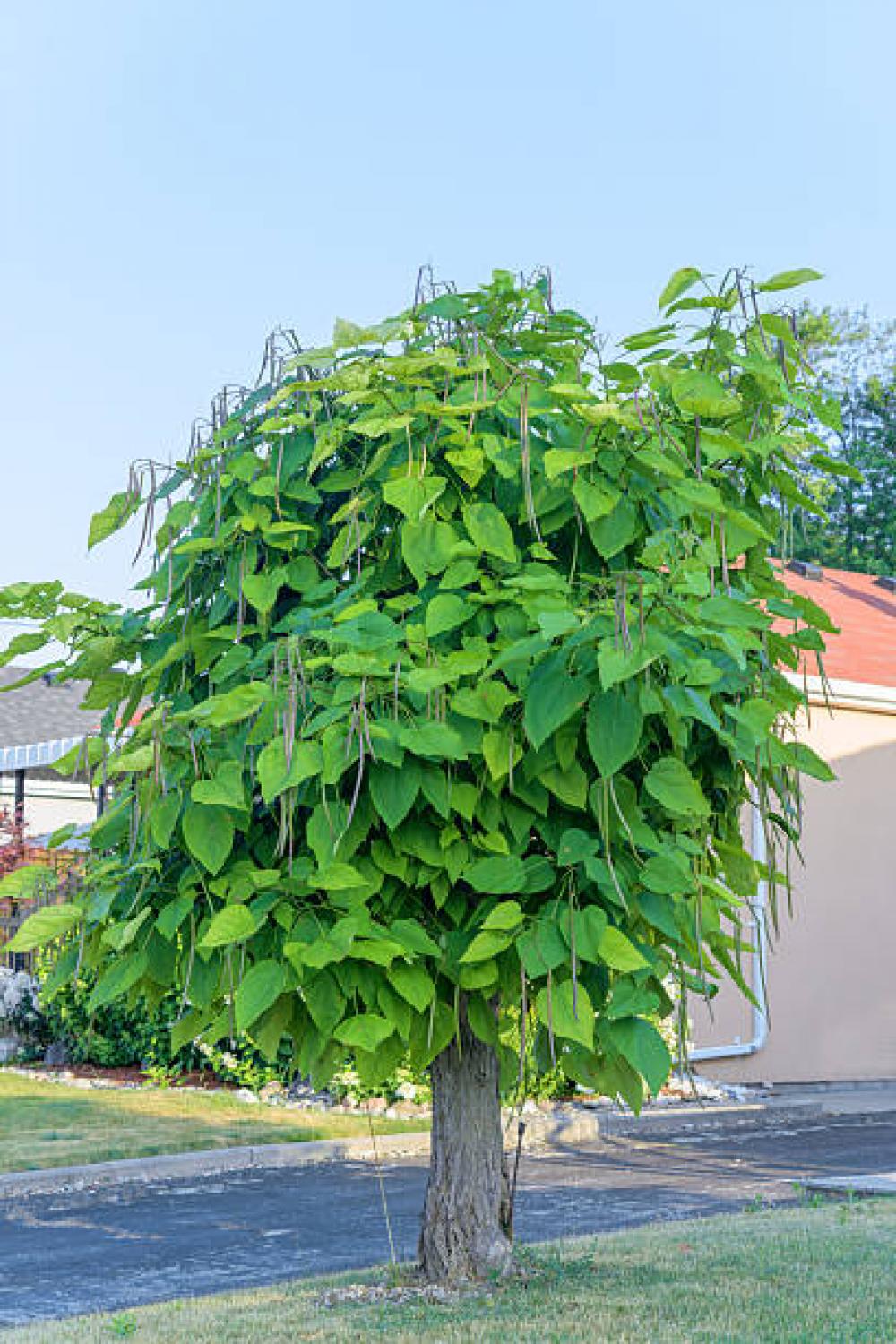
Catalpa
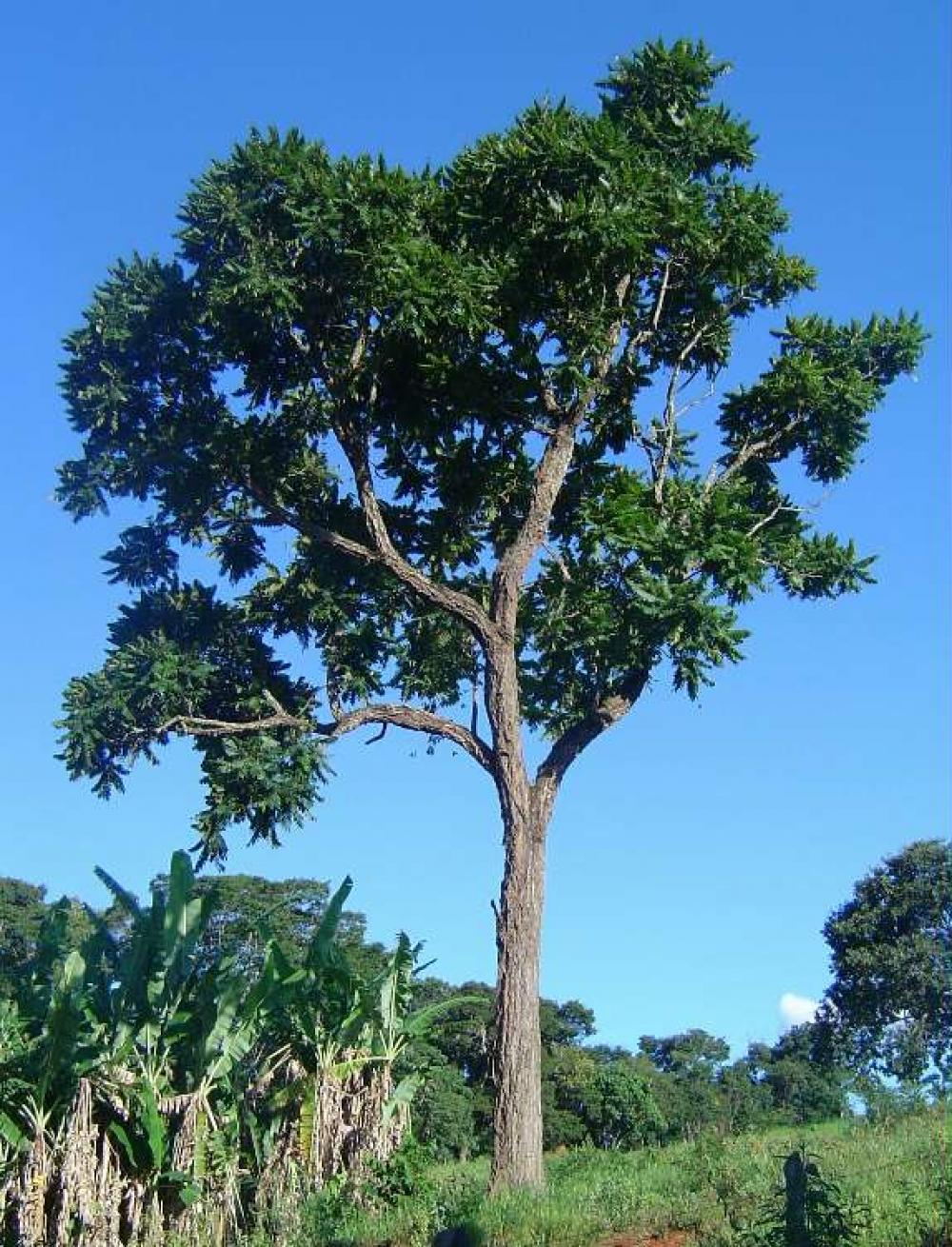
Pink cedar
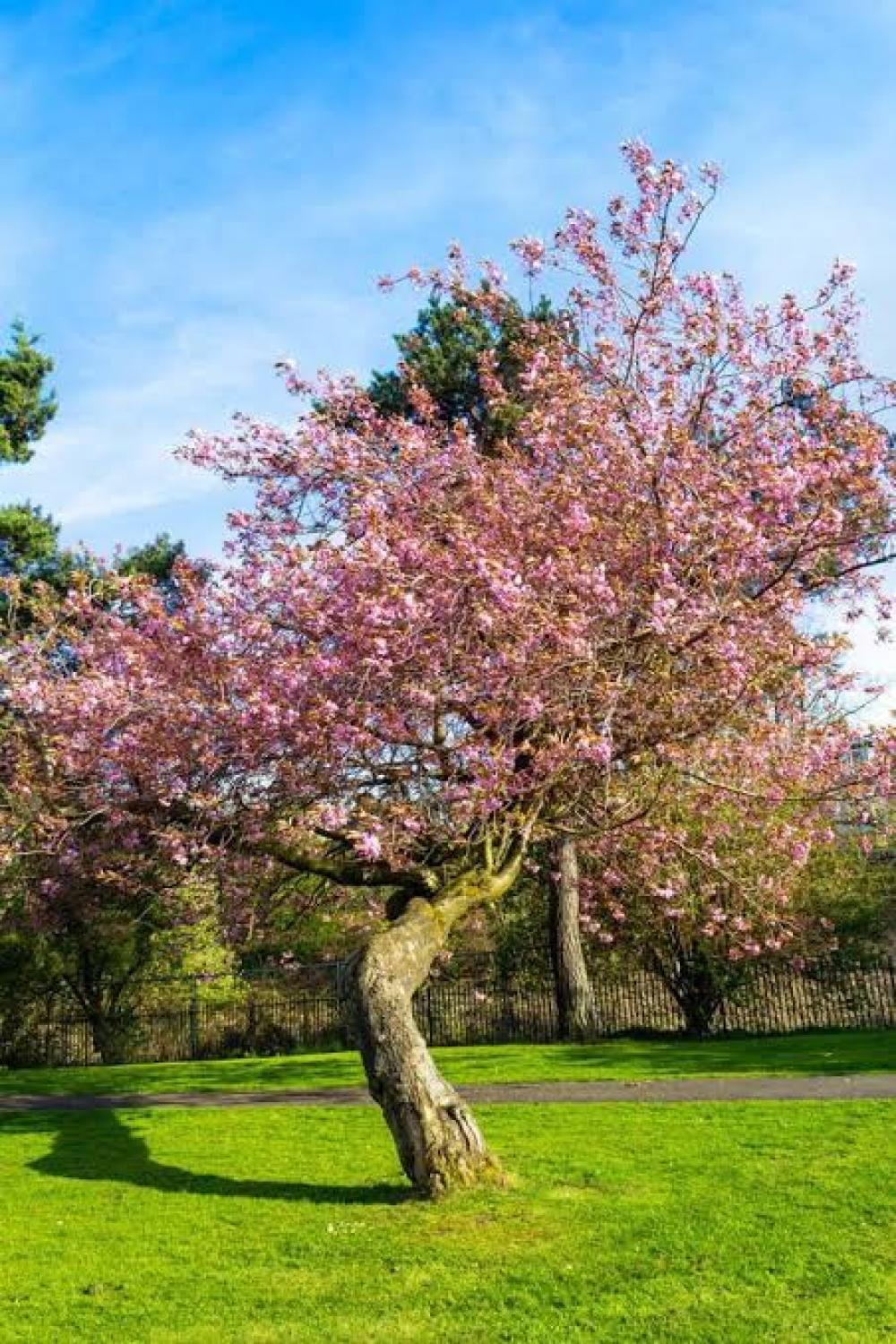
ornamental cherry tree
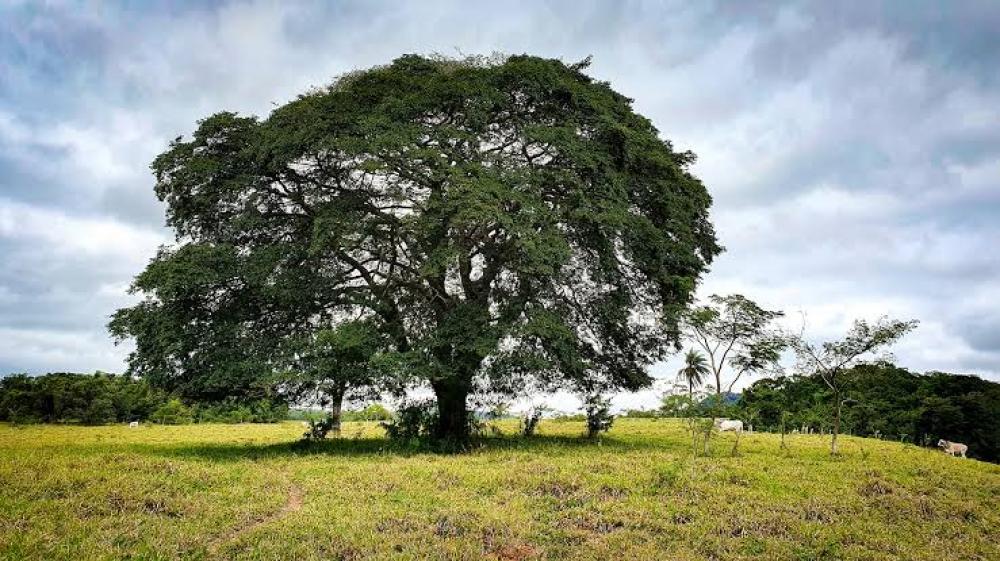
copaiba
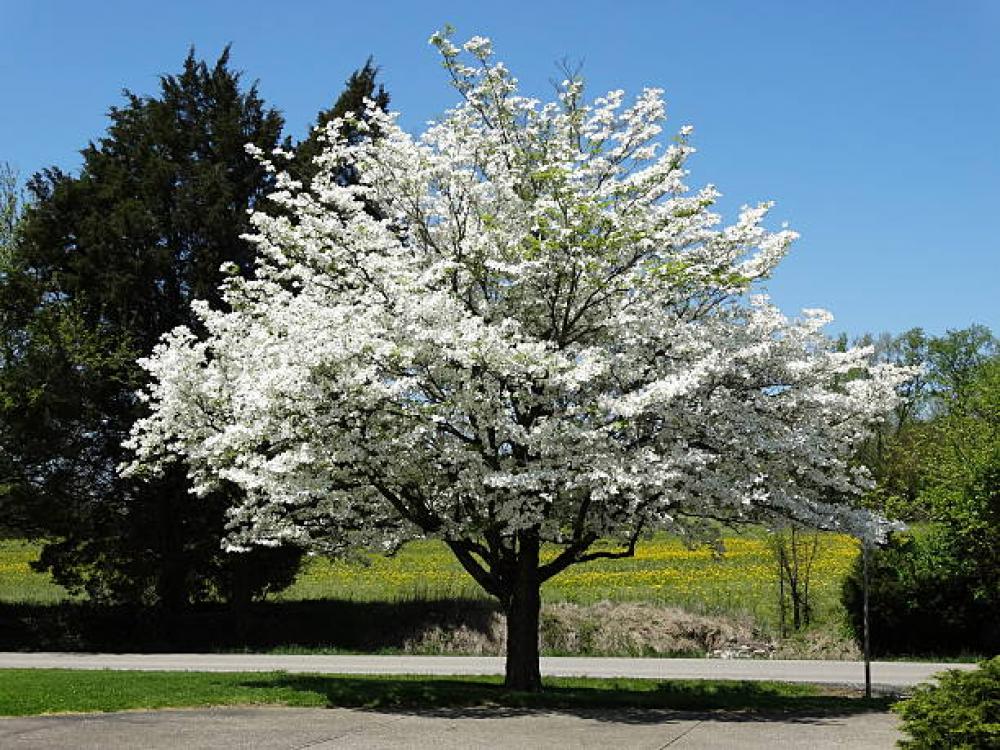
Trees of the genus Cornus
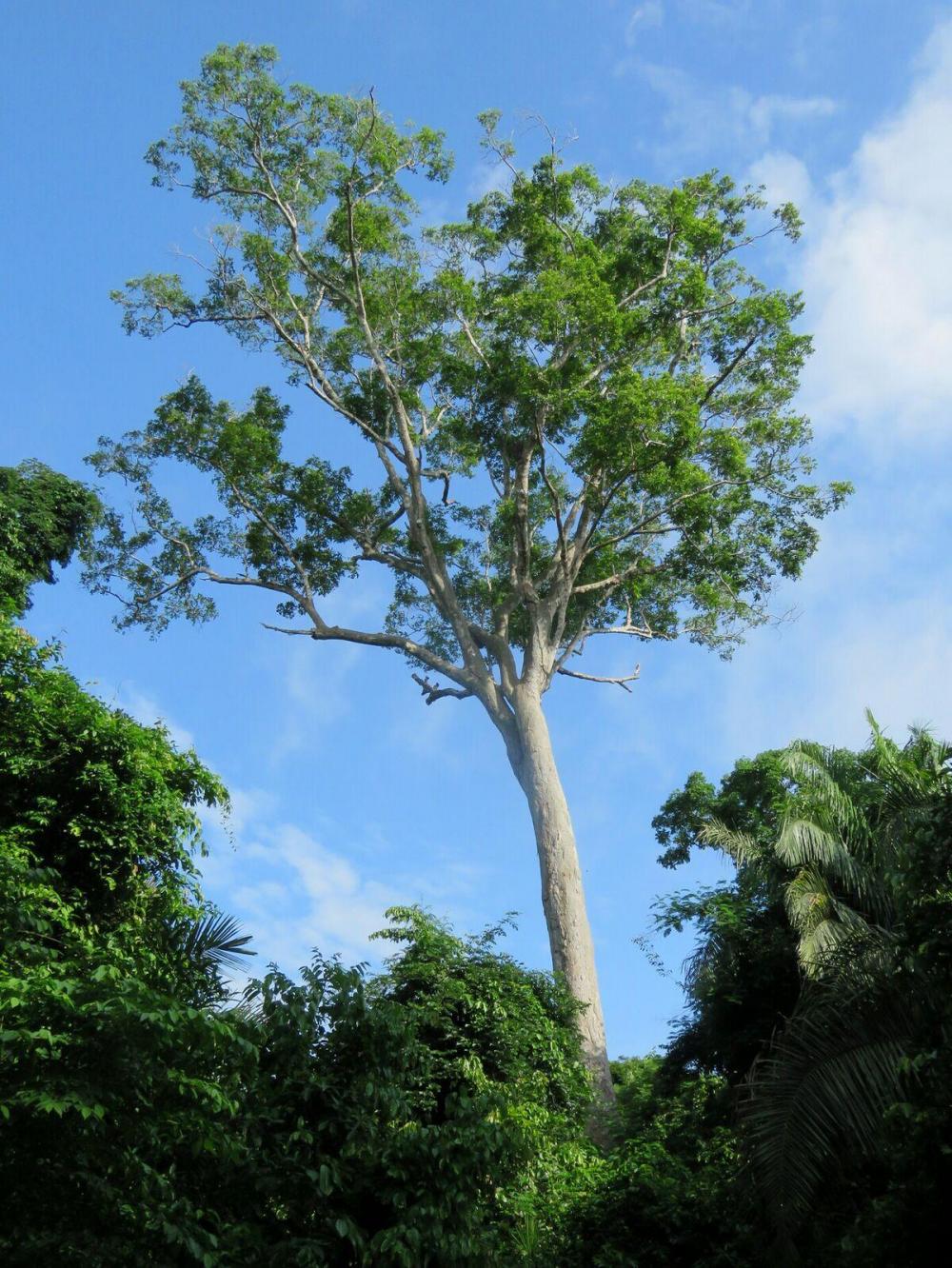
Cumaru
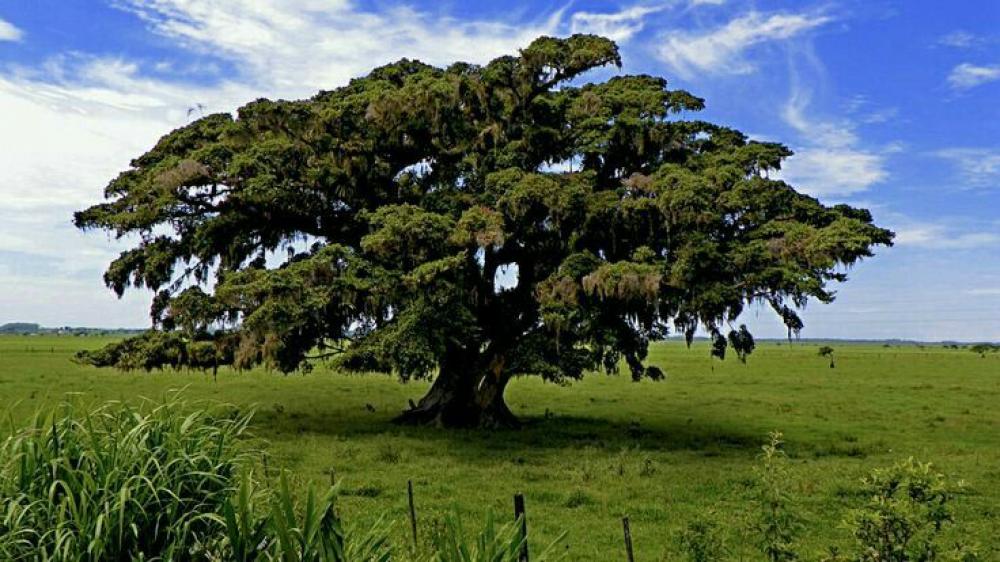
fig tree
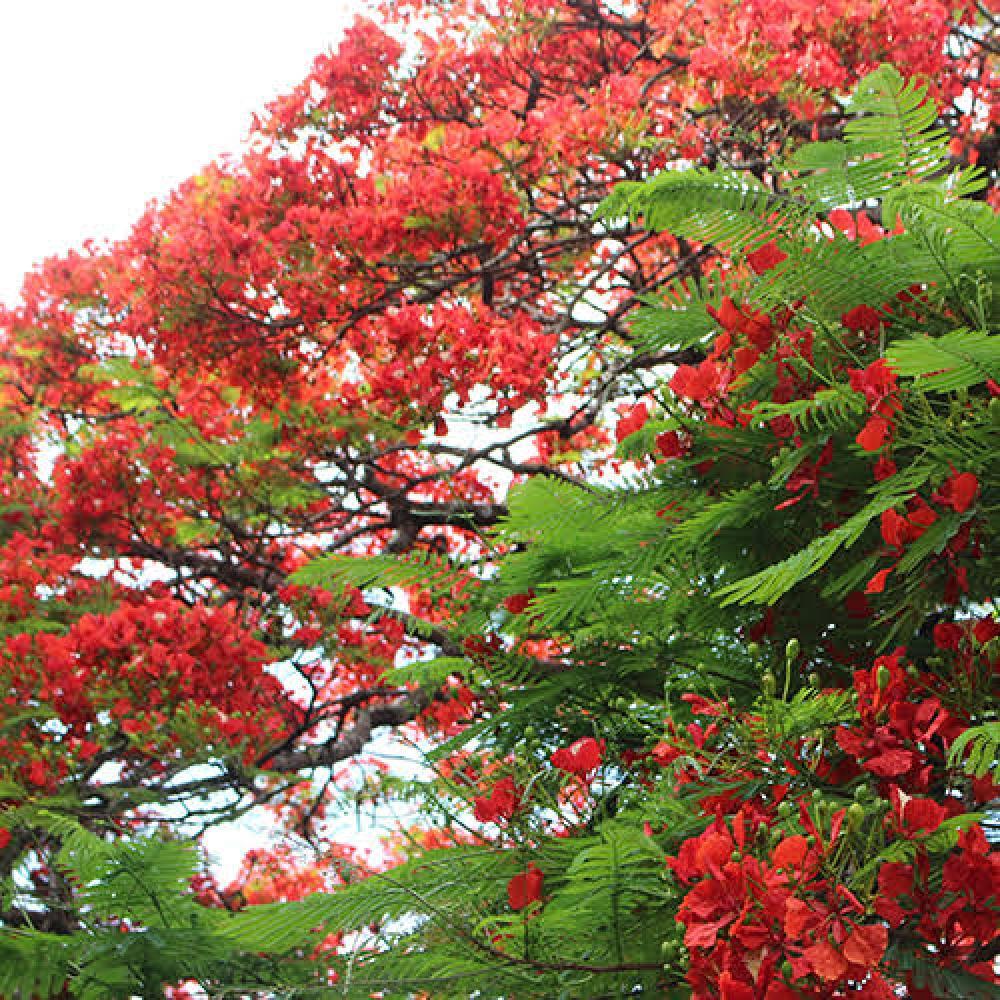
Flamboyant
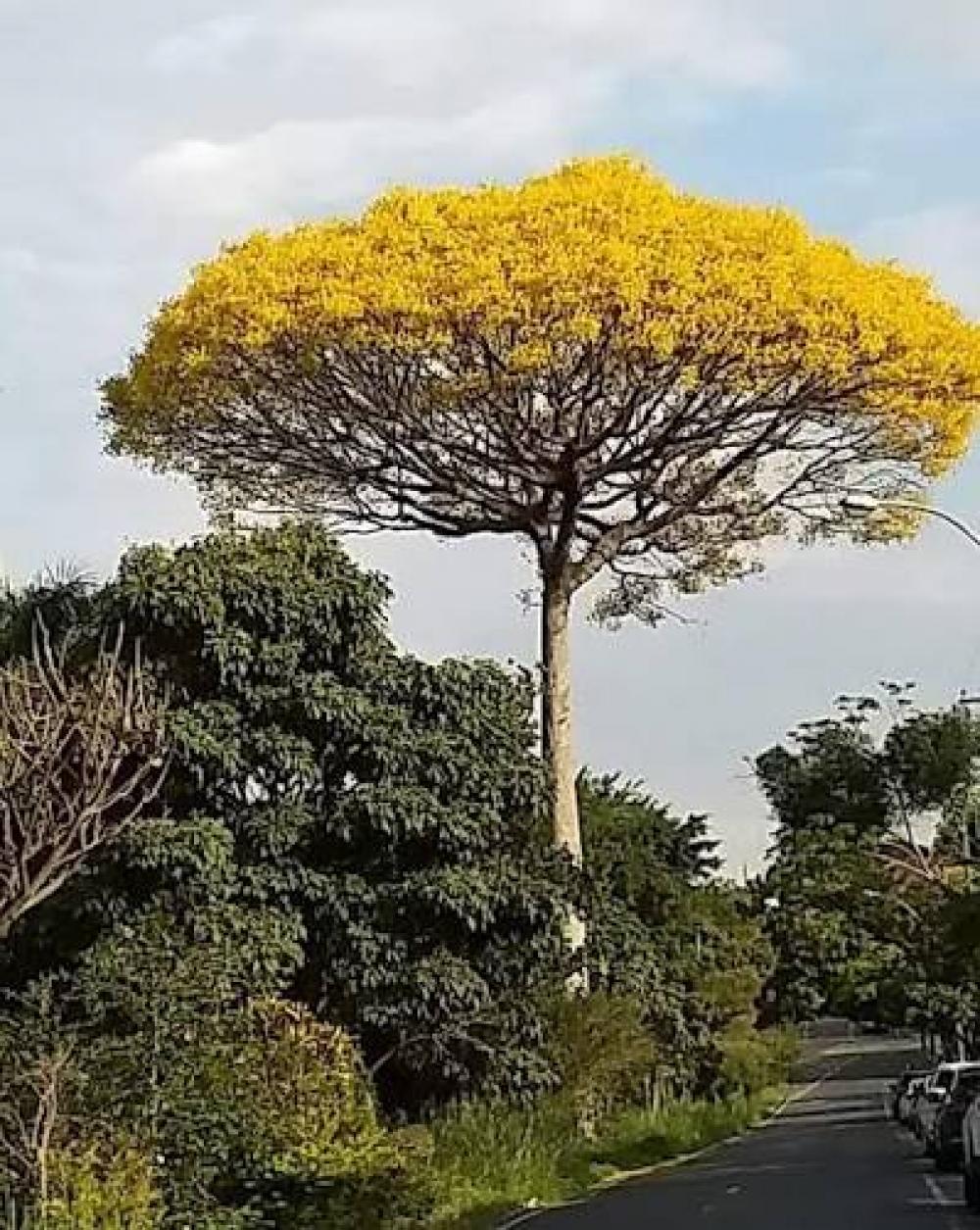
Guapuruvu
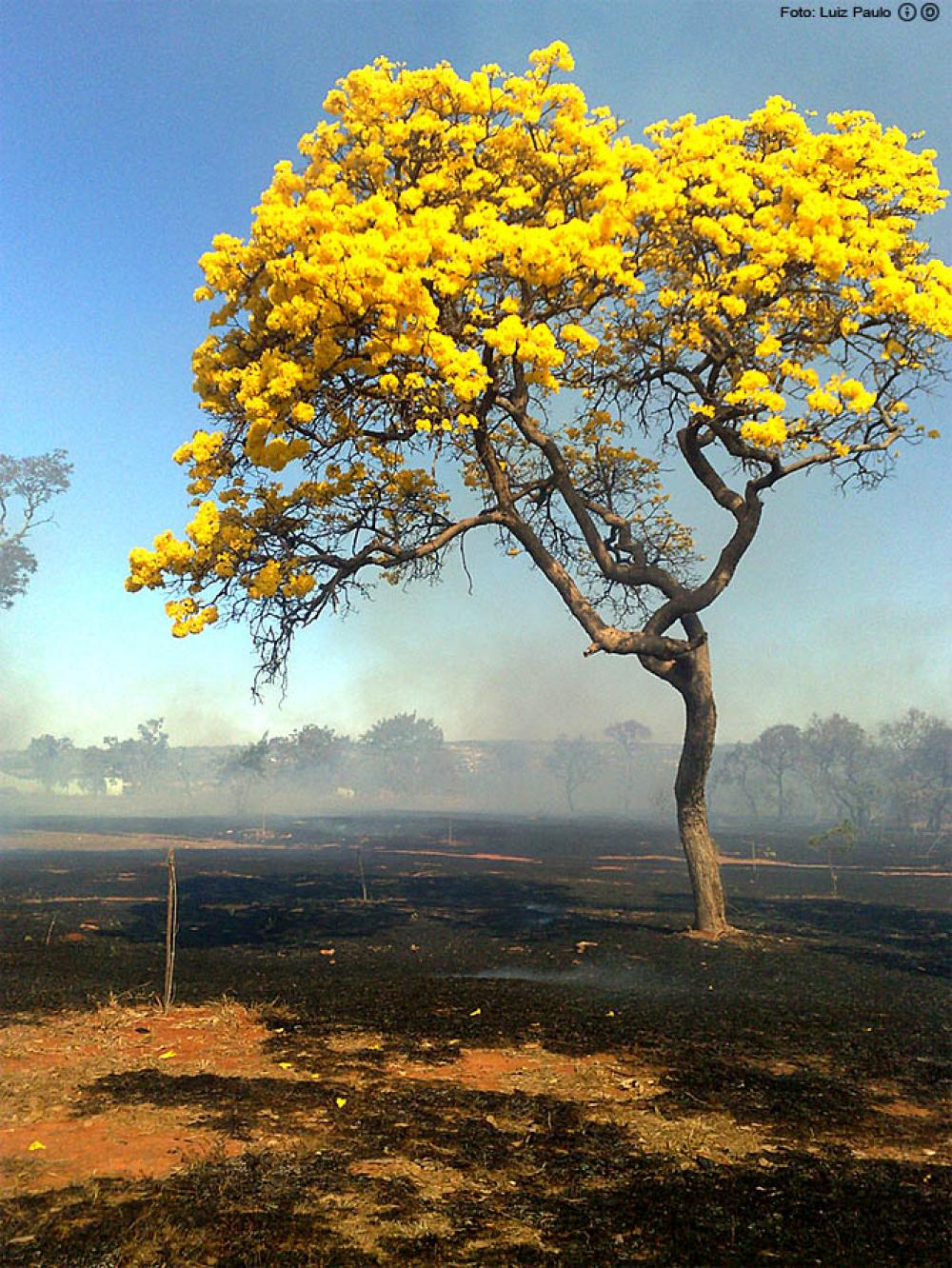
Yellow Ipê
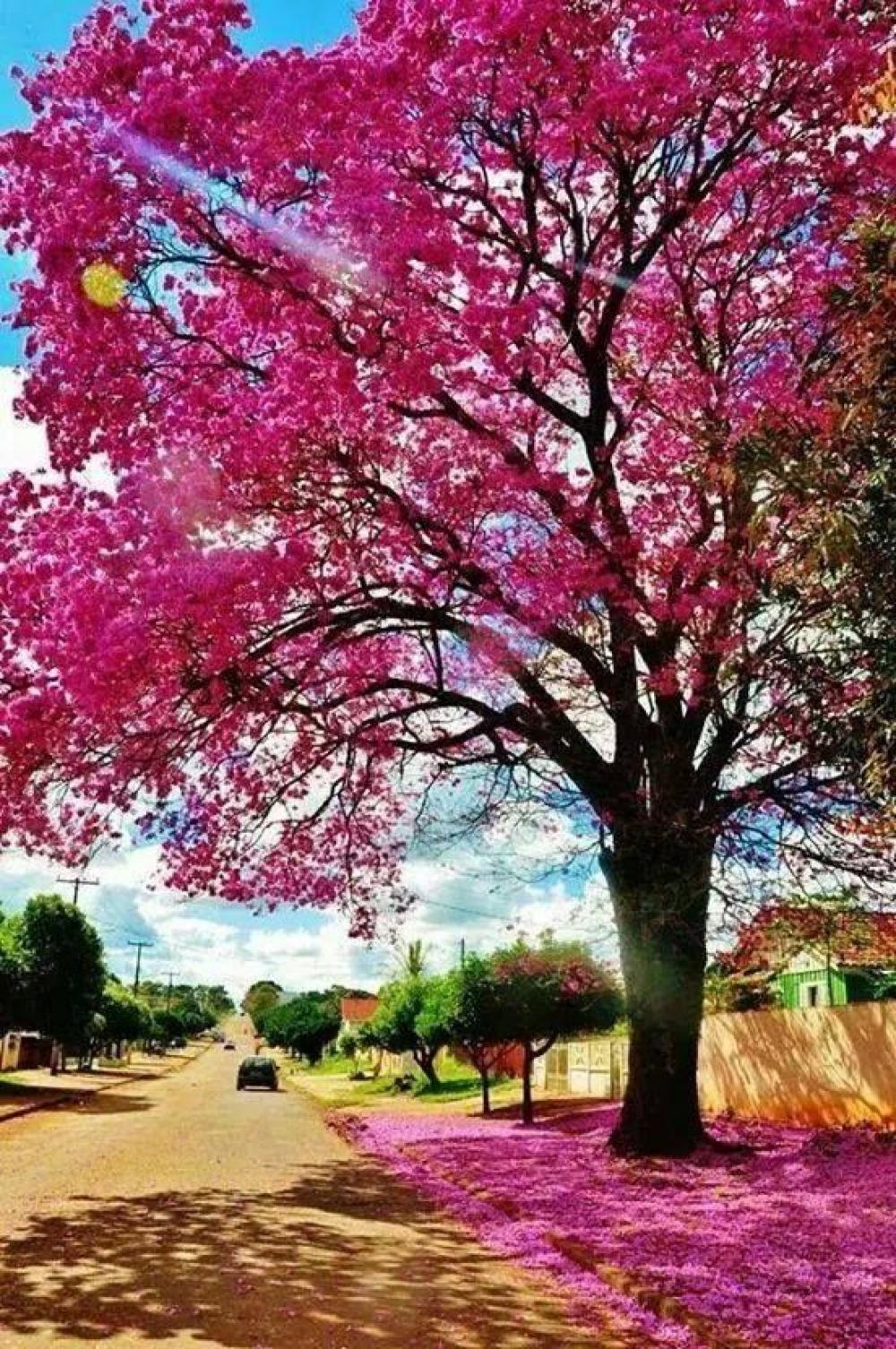
Purple Ipe
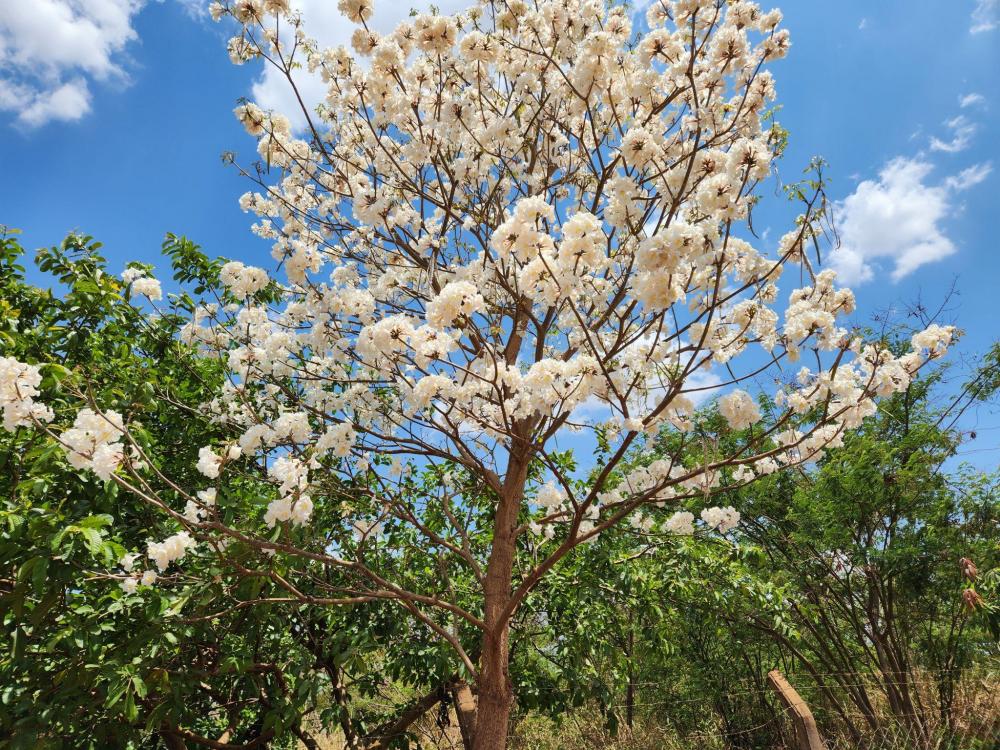
White Ipê
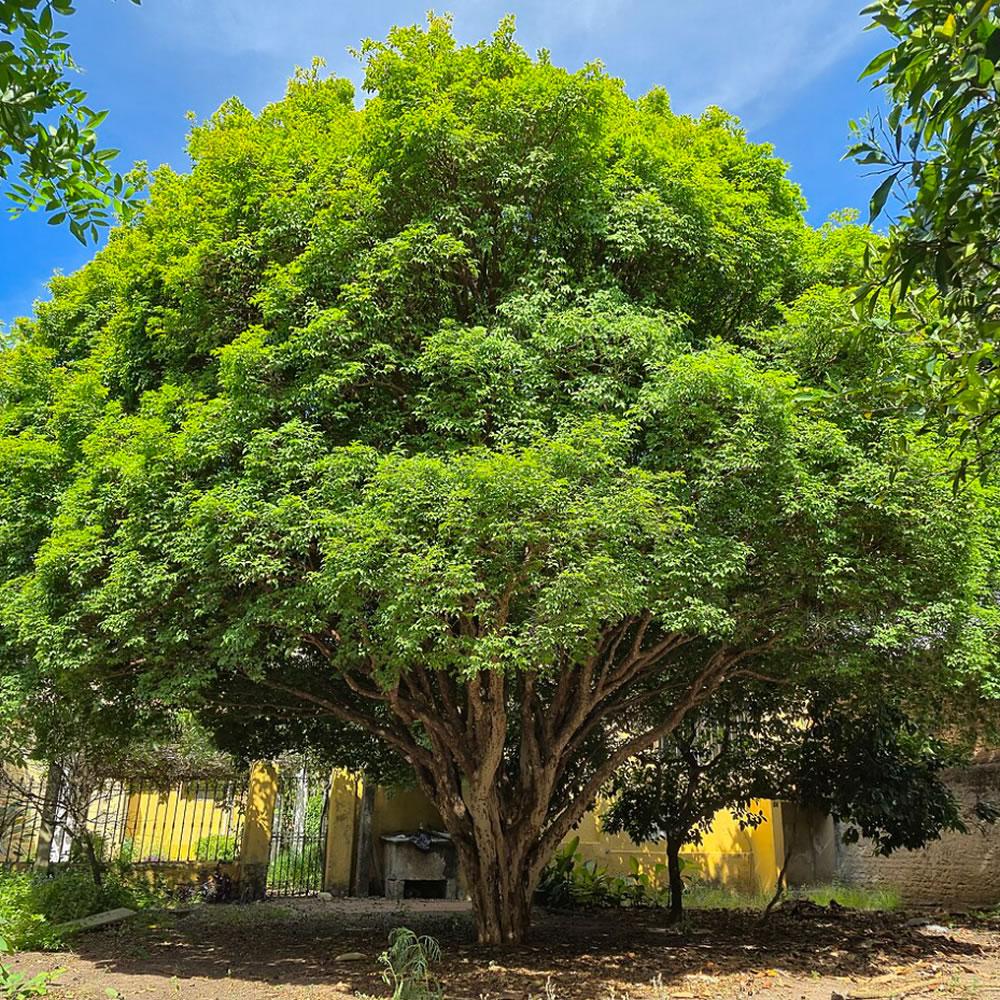
Jabuticaba
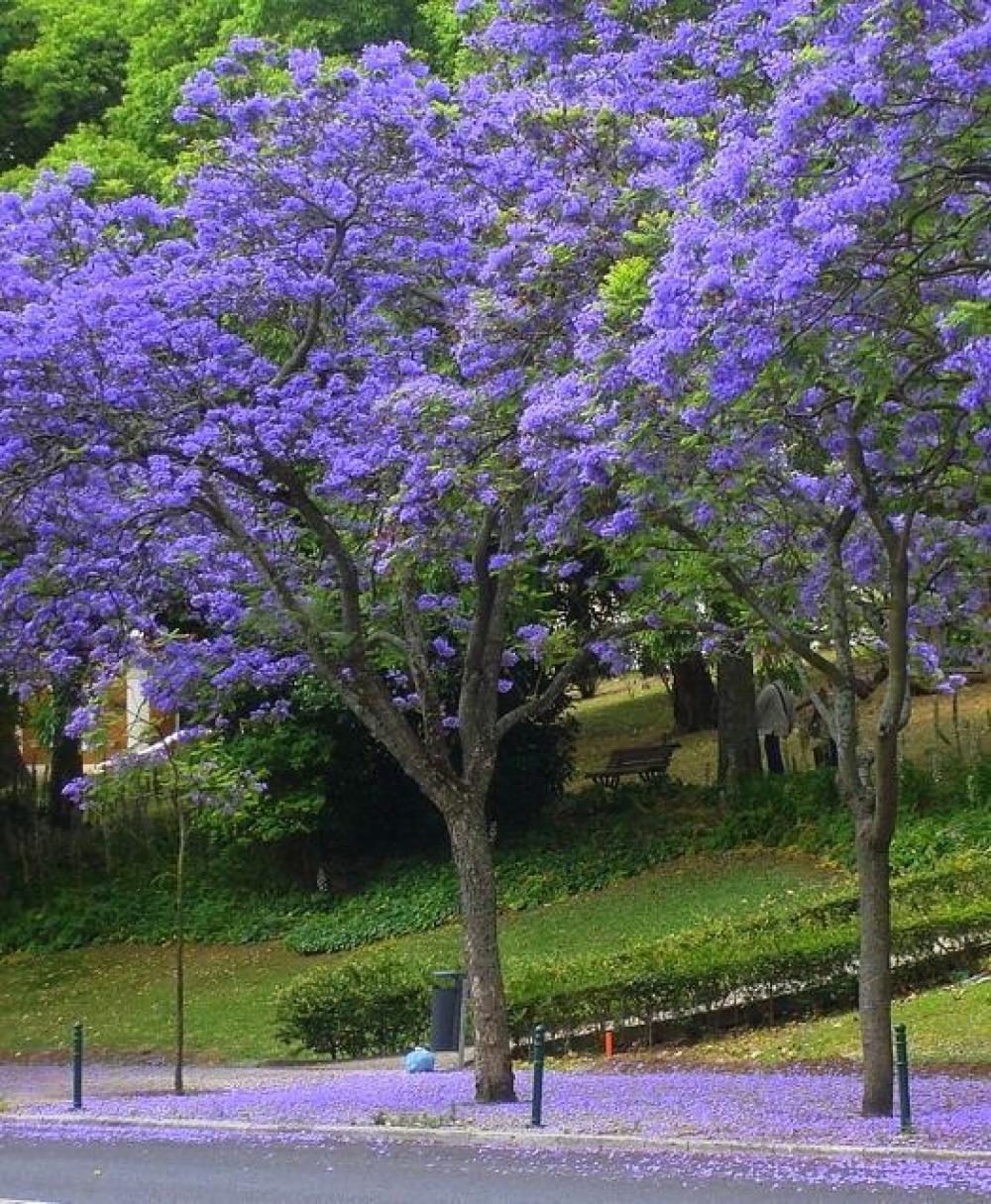
Blue jacaranda
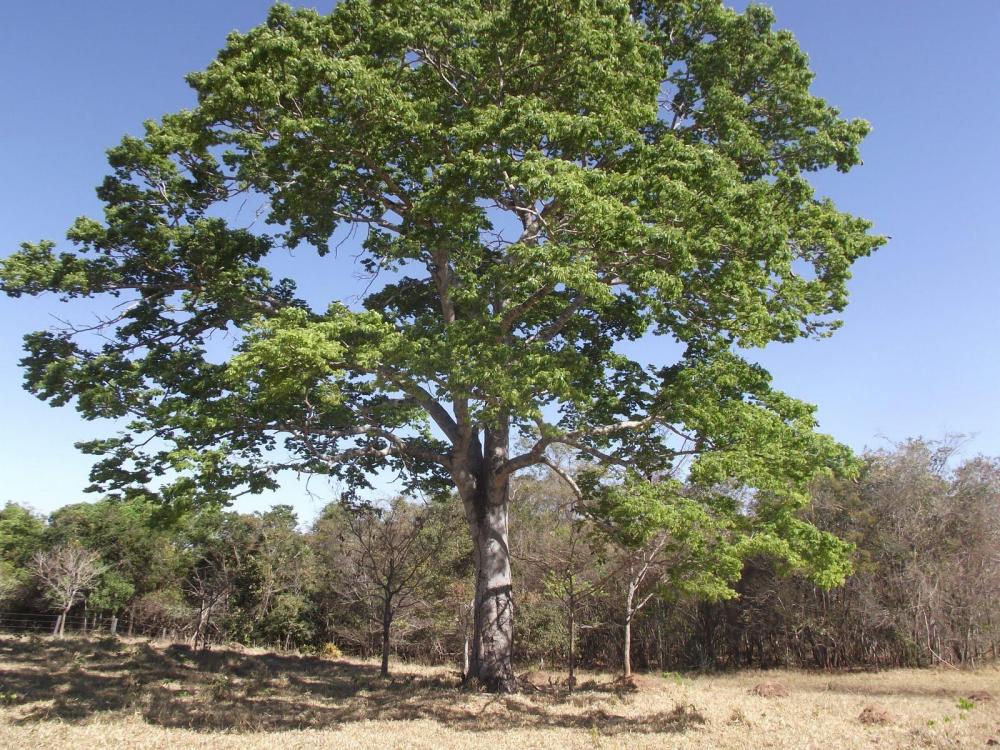
Jatoba
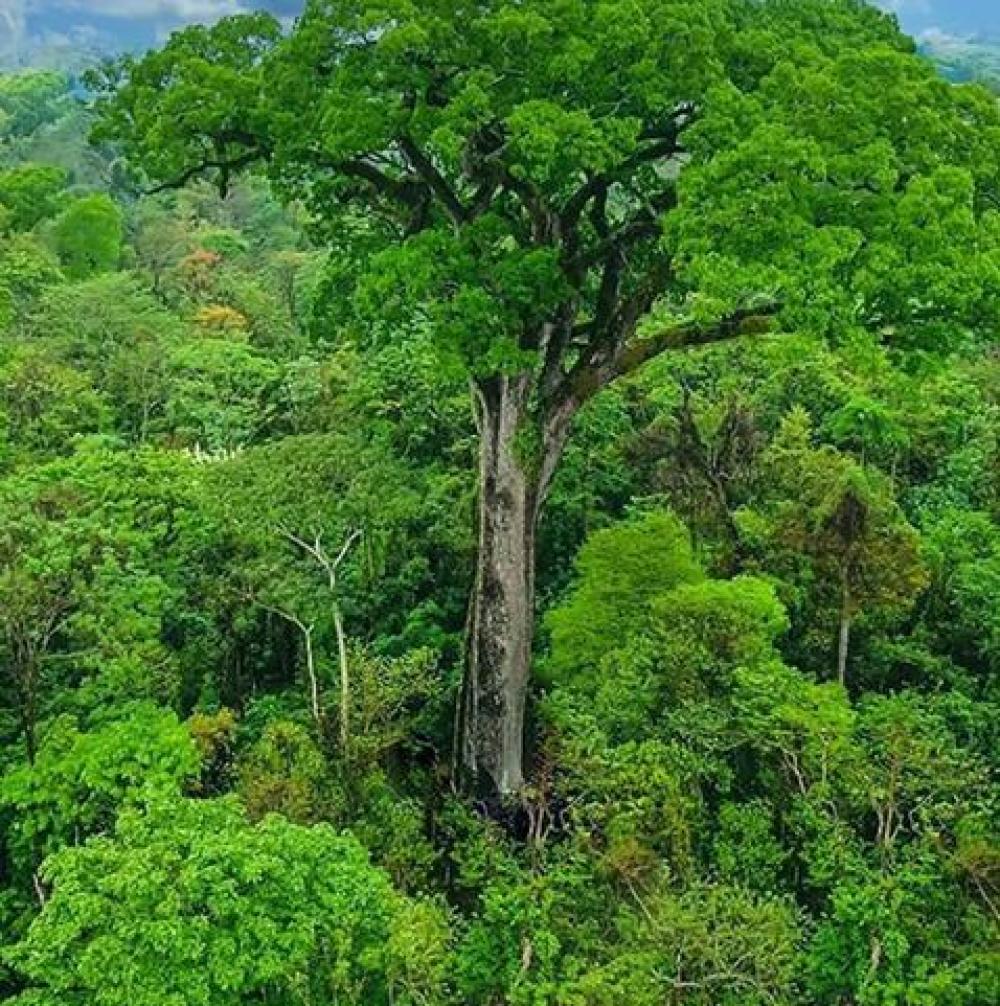
Pink Jequitibá (Cariniana legalis)
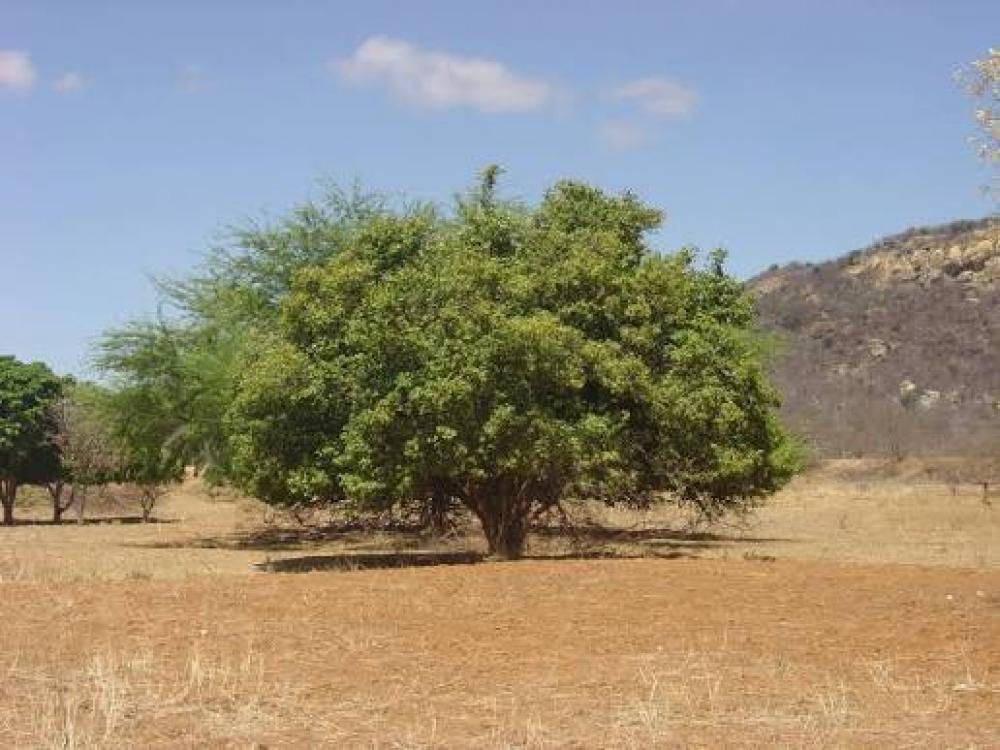
Juazeiro
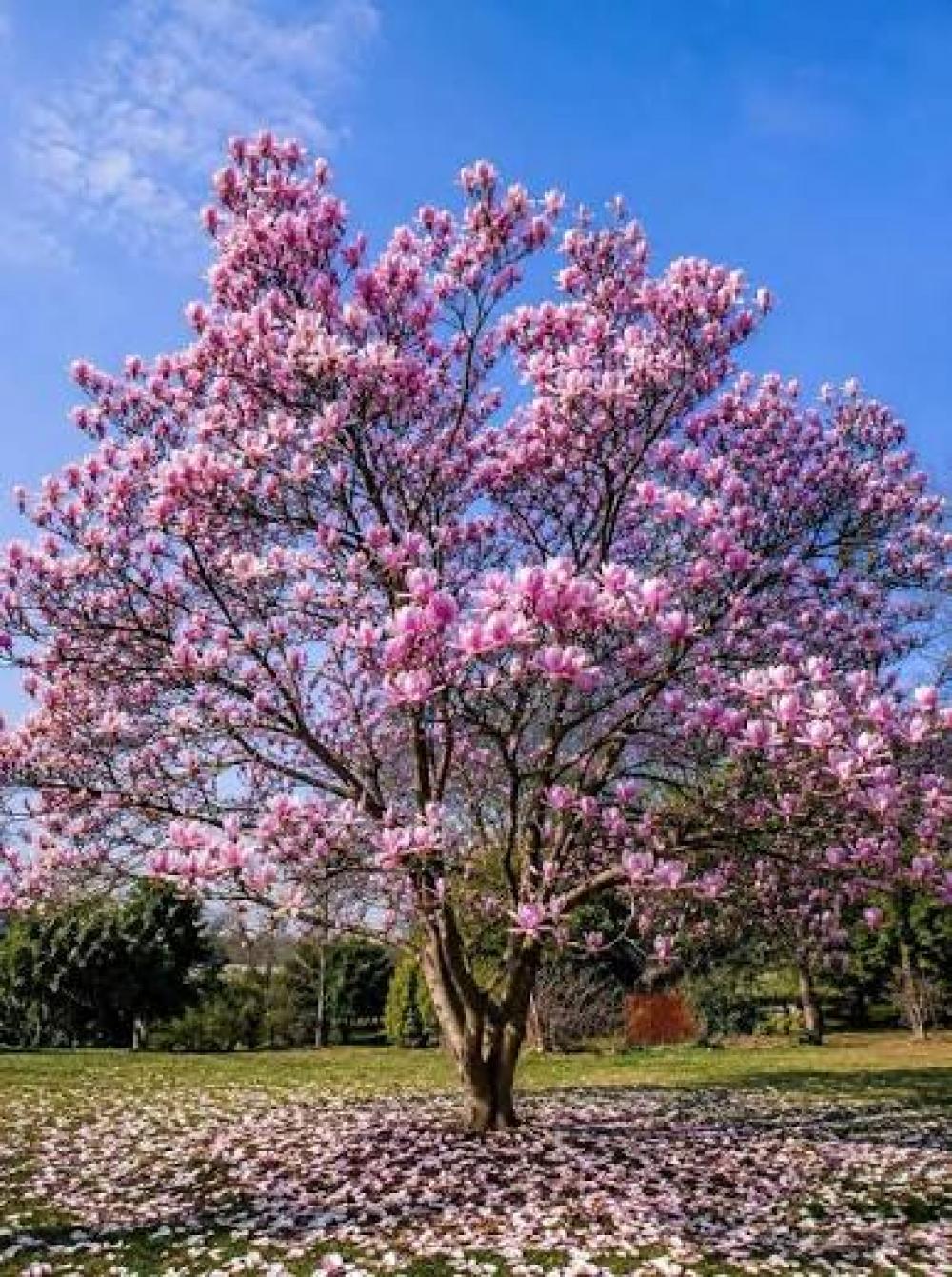
Magnolia
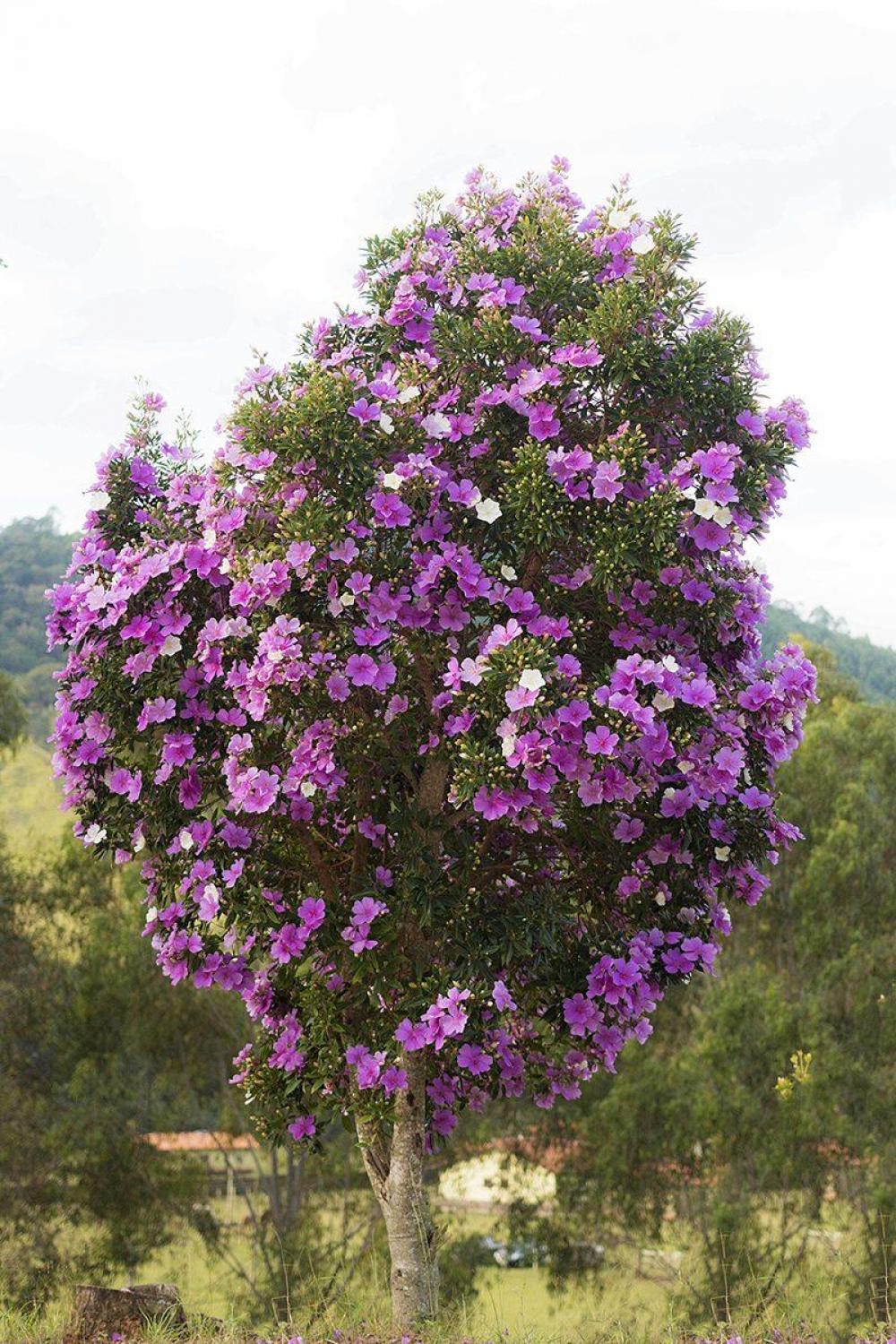
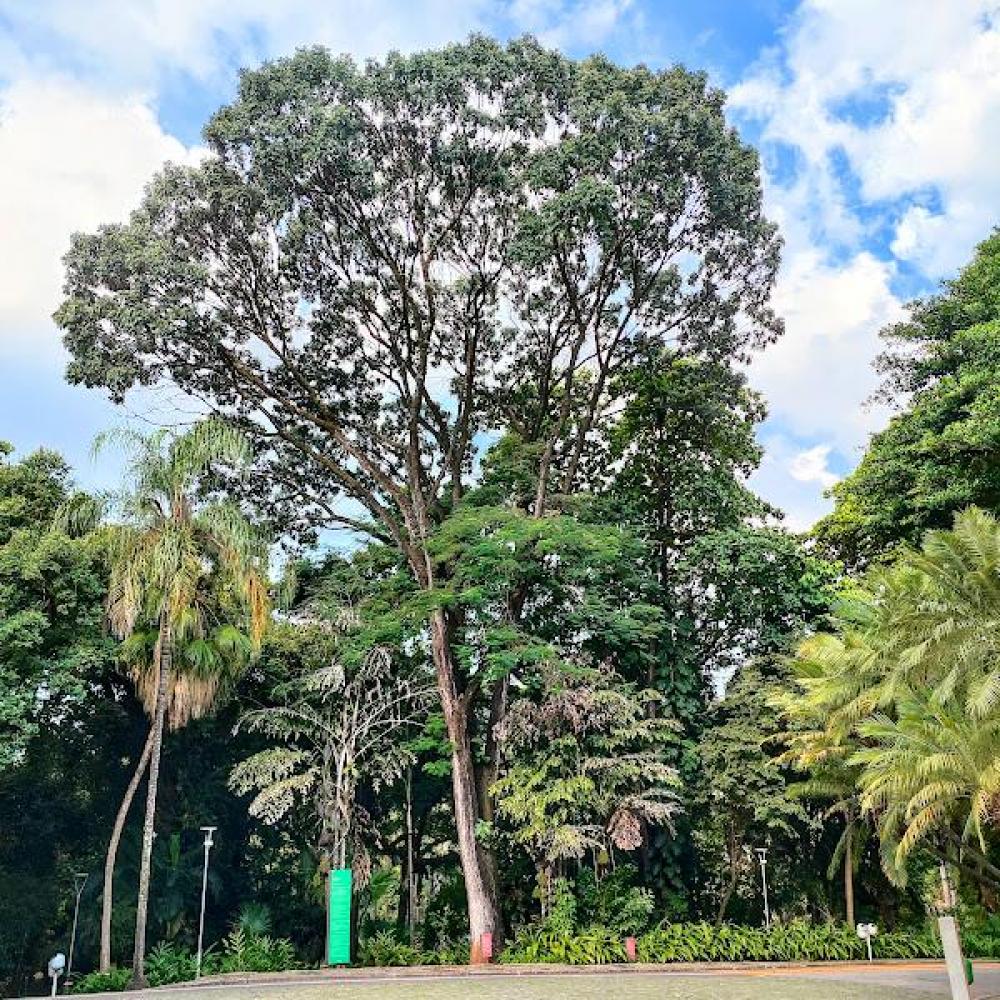
Brazilian Mahogany
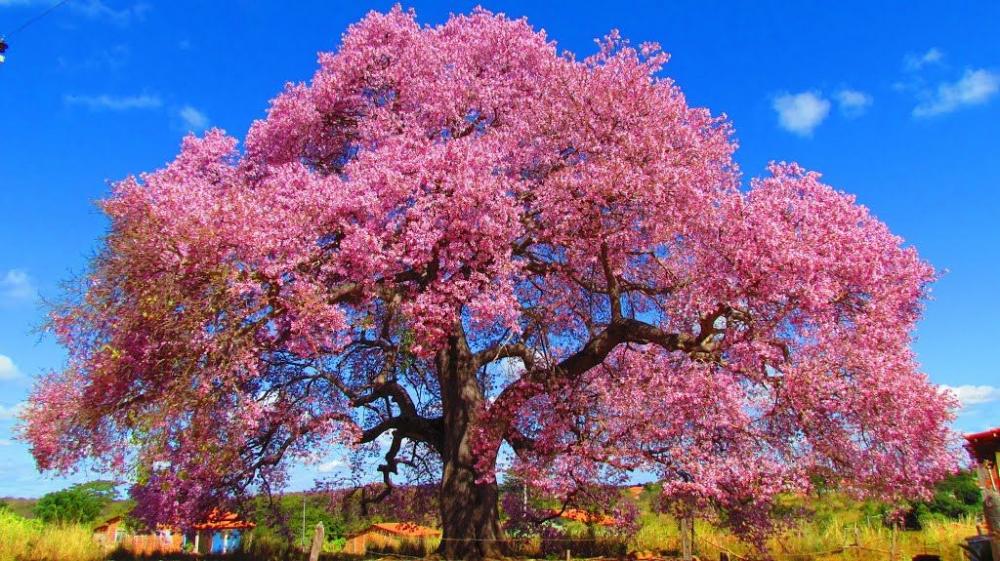
pink silk floss tree
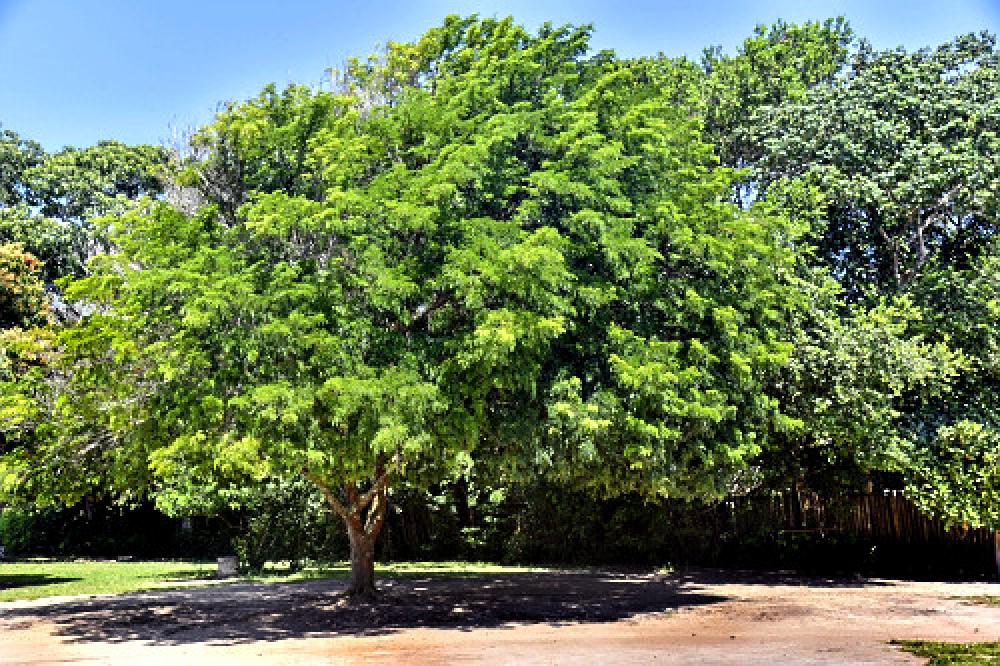
Brazilwood
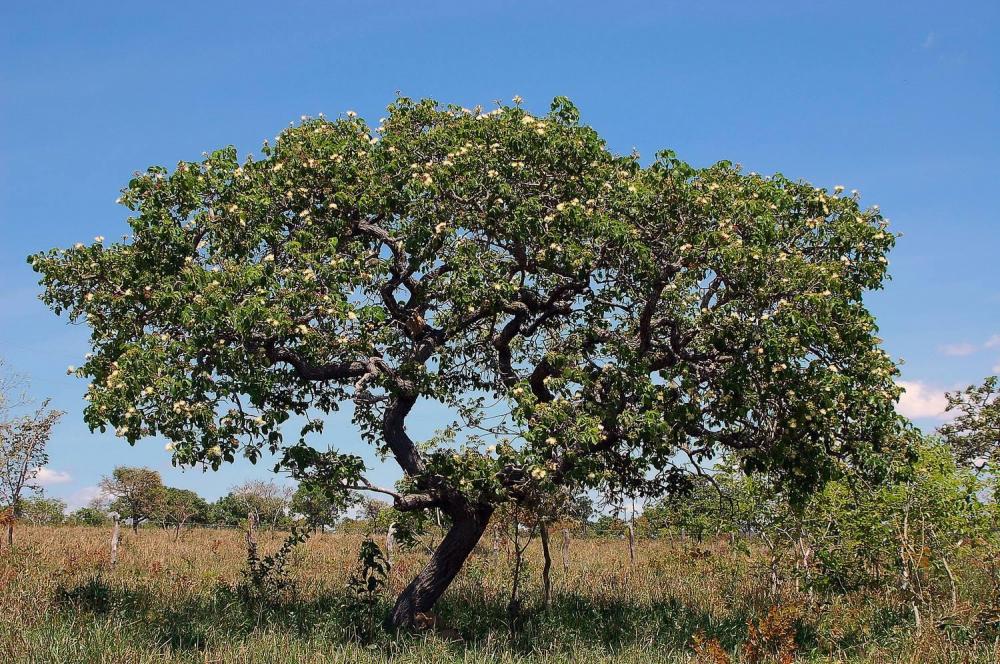
Pequi
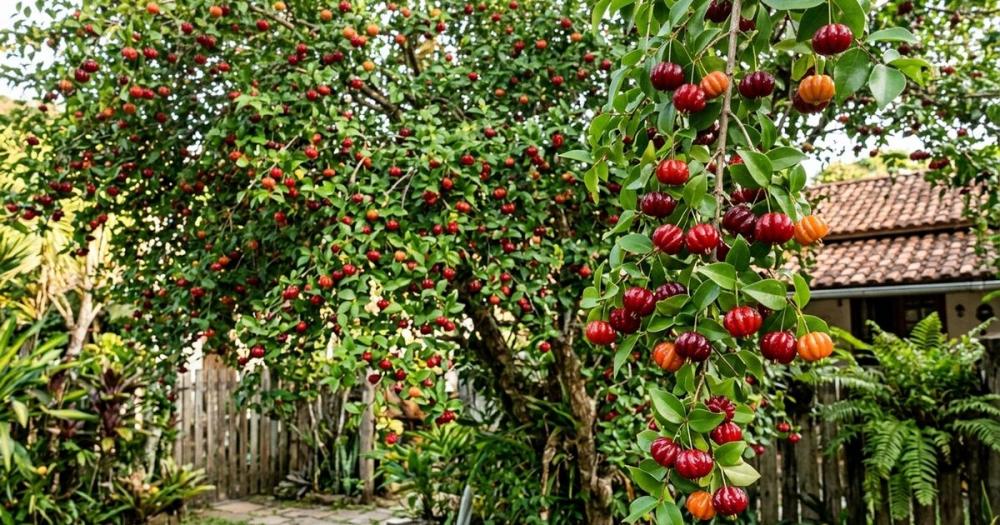
Surinam cherry
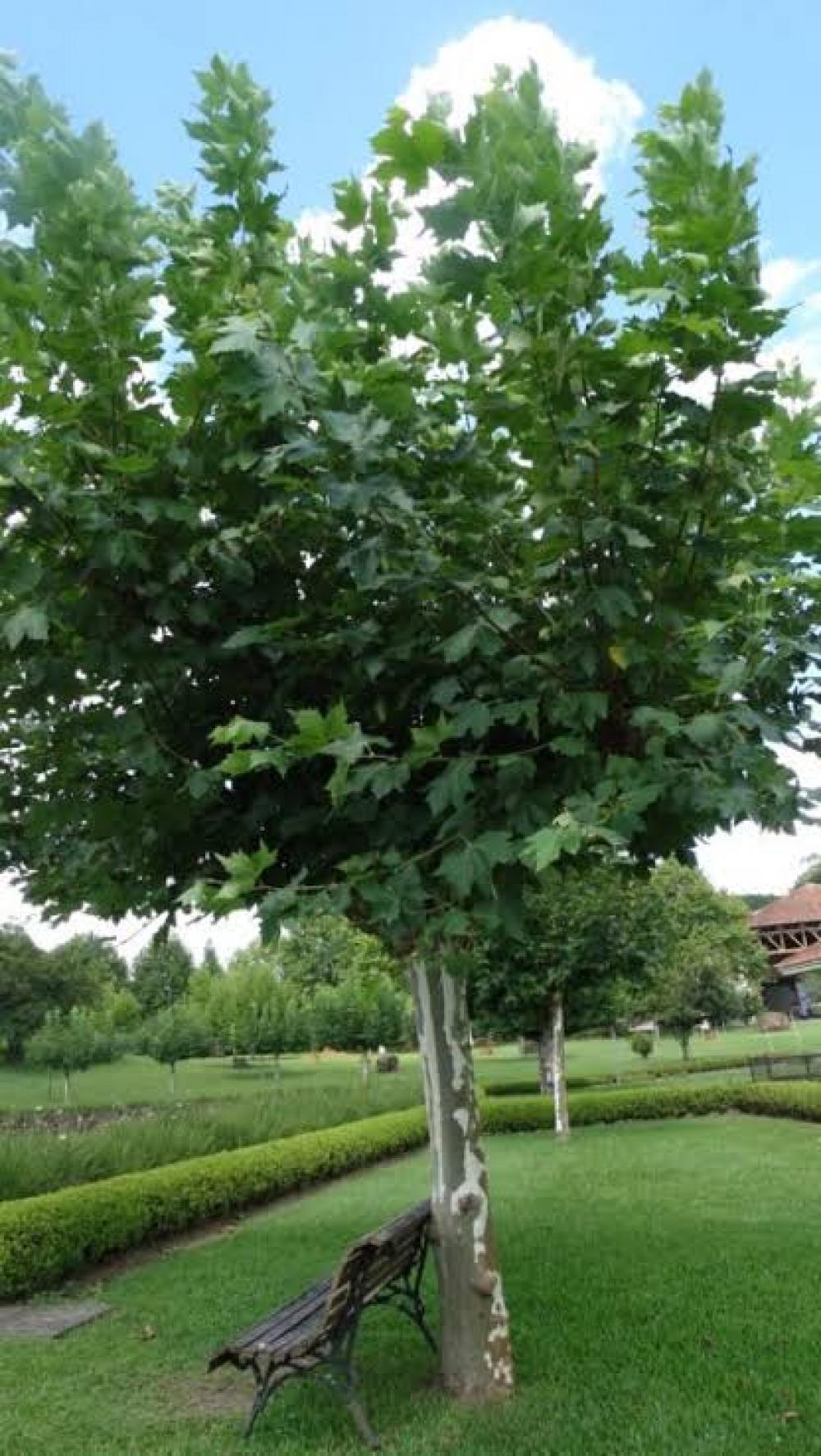
Plane tree
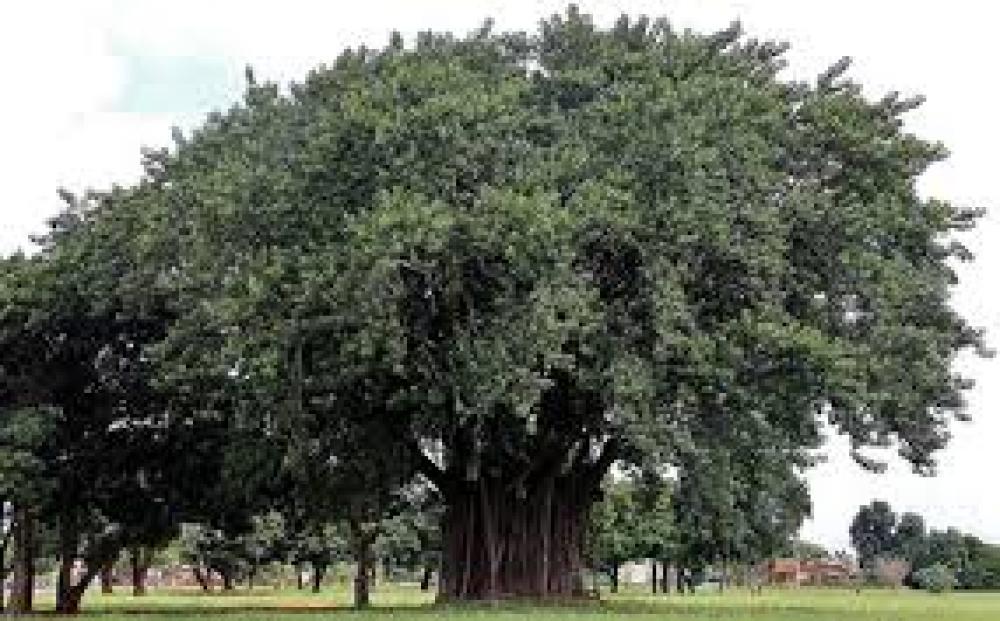
Rubber tree
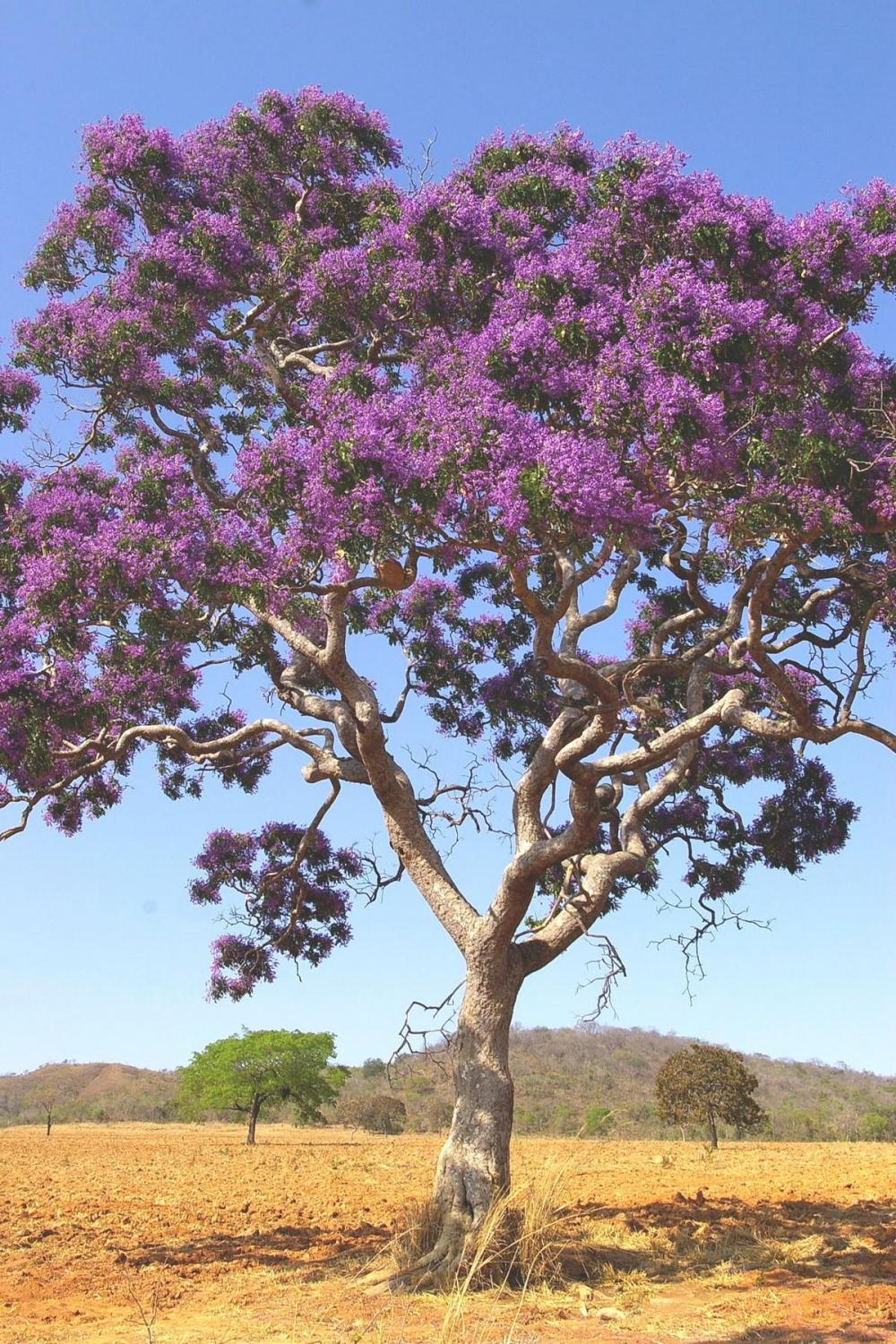
Sucupira
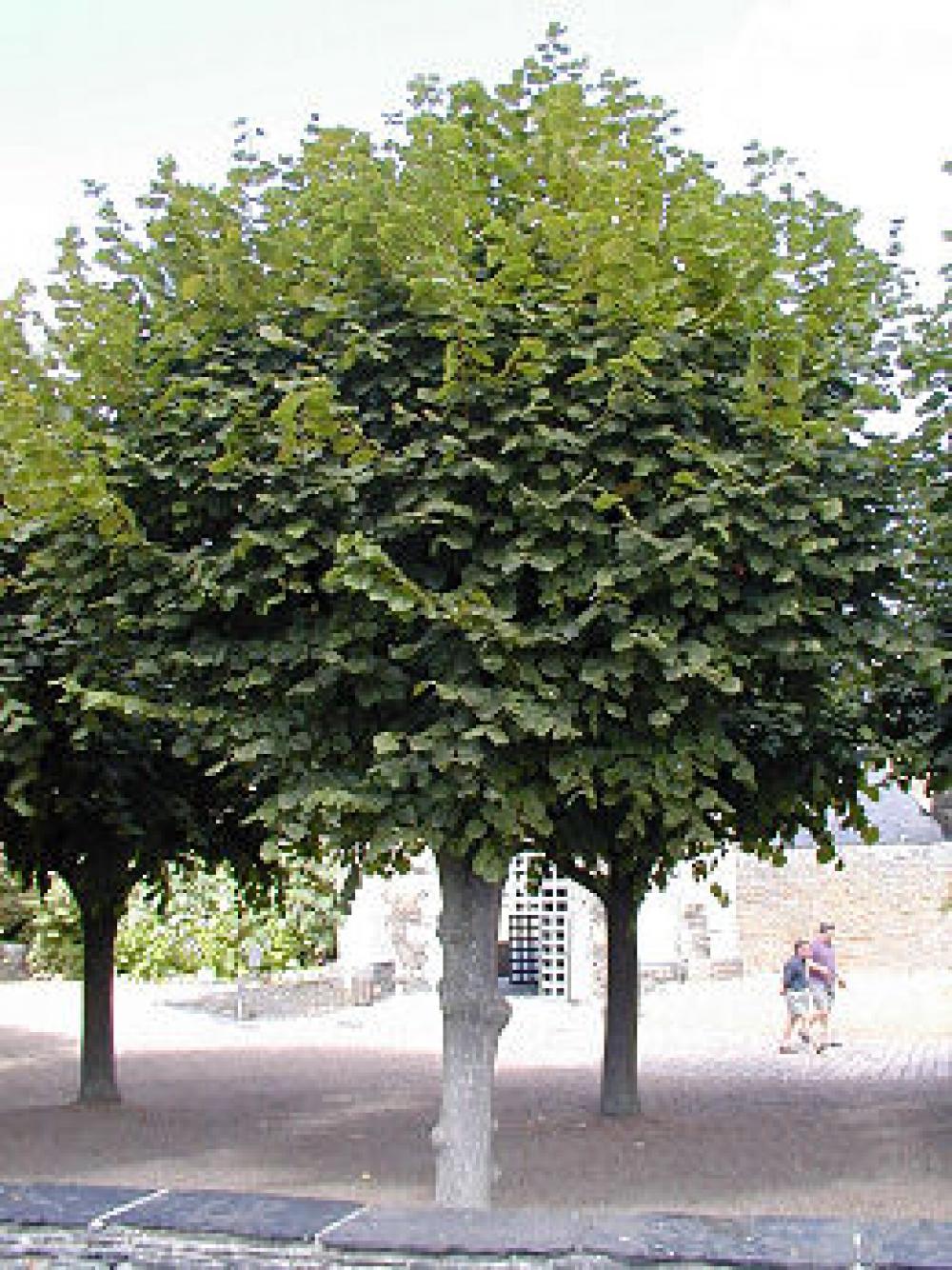
Linden