

Yellow Ipê
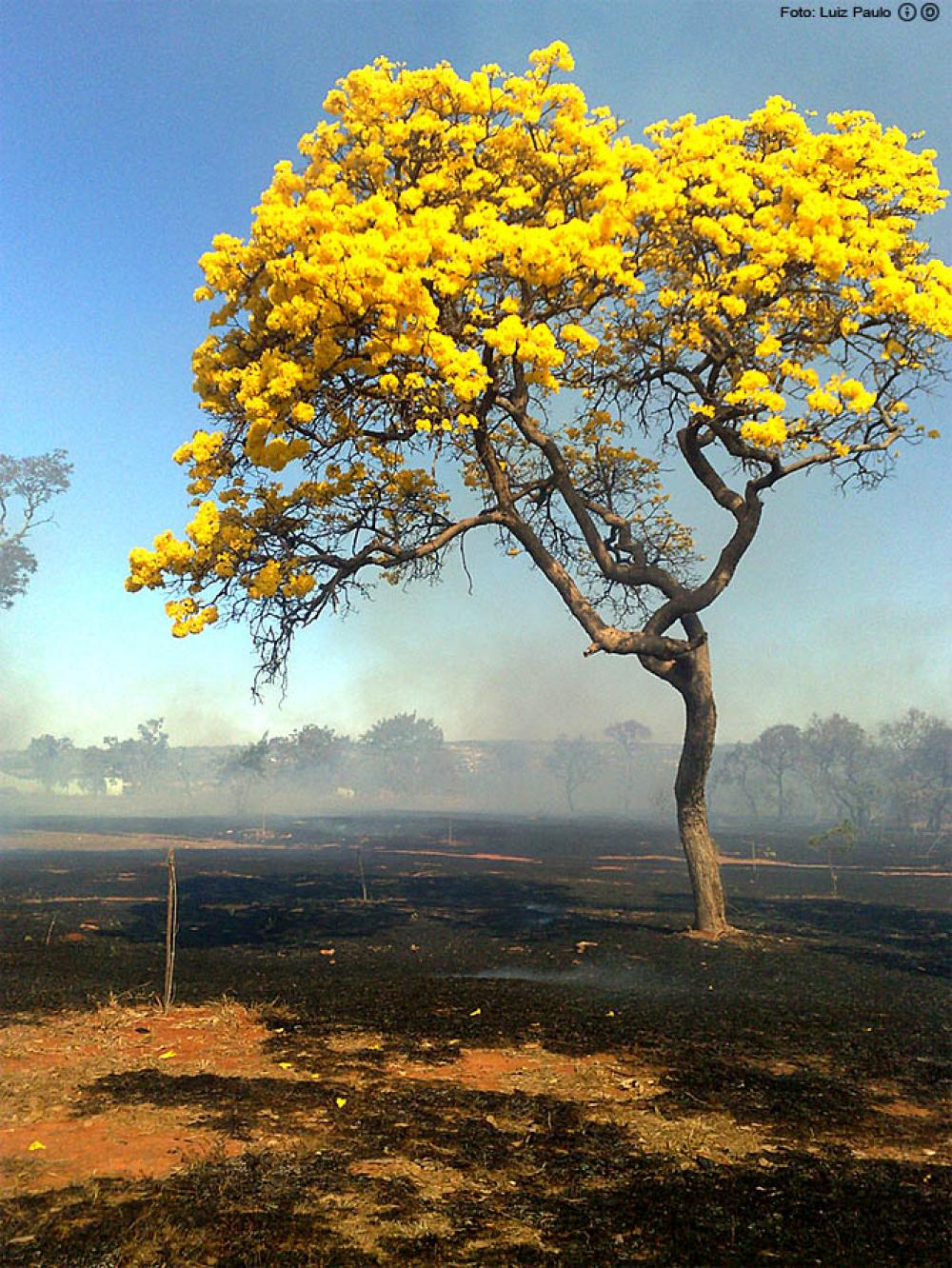
The yellow ipé is one of the most famous and admired trees of Brazilian flora, recognized mainly for its intense yellow flowering that transforms the landscape during certain periods of the year. The genus *Handroanthus* groups several species of ipés, many of them native to Brazil and important components of different plant formations.
It is a medium to large tree, capable of reaching approximately 20 to 30 meters in height, depending on the species and environmental conditions. Have a generally straight trunk and a resistant cortex, while its leaves are rotten and fall partially or completely before flowering. This characteristic makes the flowers stand out even more in the canopy, creating one of the most impactful landscapes of Brazilian vegetation.
Its flowers have an intense yellow color and often appear in large quantities, attracting bees, hummingbirds and other pollinators. The flowering performs an important ecological function, which offers resources to different organisms and contributes to the reproduction of the species. After flowering, capsule-shaped fruits develop, releasing numerous light seeds, dispersed mainly by the wind.
The yellow ipé is of great importance for biodiversity and environmental recovery. Being a native tree and adapted to the diverse conditions of Brazil, it can be integrated into afforestation projects, ecological restoration and recovery of degraded areas, contributing to creating more balanced environments and favoring the return of fauna species.
Its wood is known for its high resistance and durability, a characteristic that has historically led to the use of several species of ipé in constructions, structures, floors and other products. Precisely due to its timber value, inadequate exploitation of native species can represent a threat to natural populations, which is why responsible management and conservation of existing trees are fundamental.
In addition to its environmental importance, the yellow ipé has great cultural and landscape value. Its flora is associated with the beauty of Brazilian nature and has become one of the most recognizable images of urban and rural arborization. The tree also awakens feelings of belonging and appreciation of the landscape, showing how flora can form part of the cultural identity of a community.
It is a medium to large tree, capable of reaching approximately 20 to 30 meters in height, depending on the species and environmental conditions. Have a generally straight trunk and a resistant cortex, while its leaves are rotten and fall partially or completely before flowering. This characteristic makes the flowers stand out even more in the canopy, creating one of the most impactful landscapes of Brazilian vegetation.
Its flowers have an intense yellow color and often appear in large quantities, attracting bees, hummingbirds and other pollinators. The flowering performs an important ecological function, which offers resources to different organisms and contributes to the reproduction of the species. After flowering, capsule-shaped fruits develop, releasing numerous light seeds, dispersed mainly by the wind.
The yellow ipé is of great importance for biodiversity and environmental recovery. Being a native tree and adapted to the diverse conditions of Brazil, it can be integrated into afforestation projects, ecological restoration and recovery of degraded areas, contributing to creating more balanced environments and favoring the return of fauna species.
Its wood is known for its high resistance and durability, a characteristic that has historically led to the use of several species of ipé in constructions, structures, floors and other products. Precisely due to its timber value, inadequate exploitation of native species can represent a threat to natural populations, which is why responsible management and conservation of existing trees are fundamental.
In addition to its environmental importance, the yellow ipé has great cultural and landscape value. Its flora is associated with the beauty of Brazilian nature and has become one of the most recognizable images of urban and rural arborization. The tree also awakens feelings of belonging and appreciation of the landscape, showing how flora can form part of the cultural identity of a community.
Tree Catalog
Imperial acacia
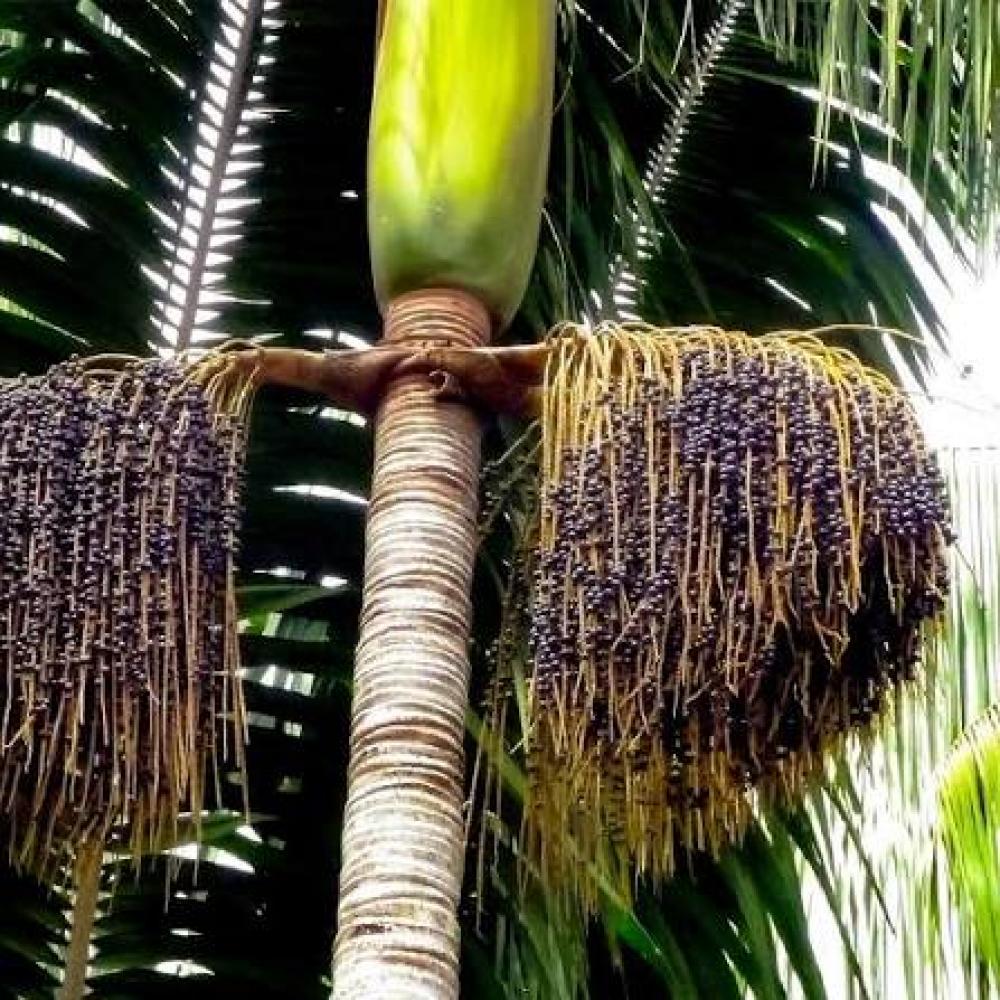
Açaí palm
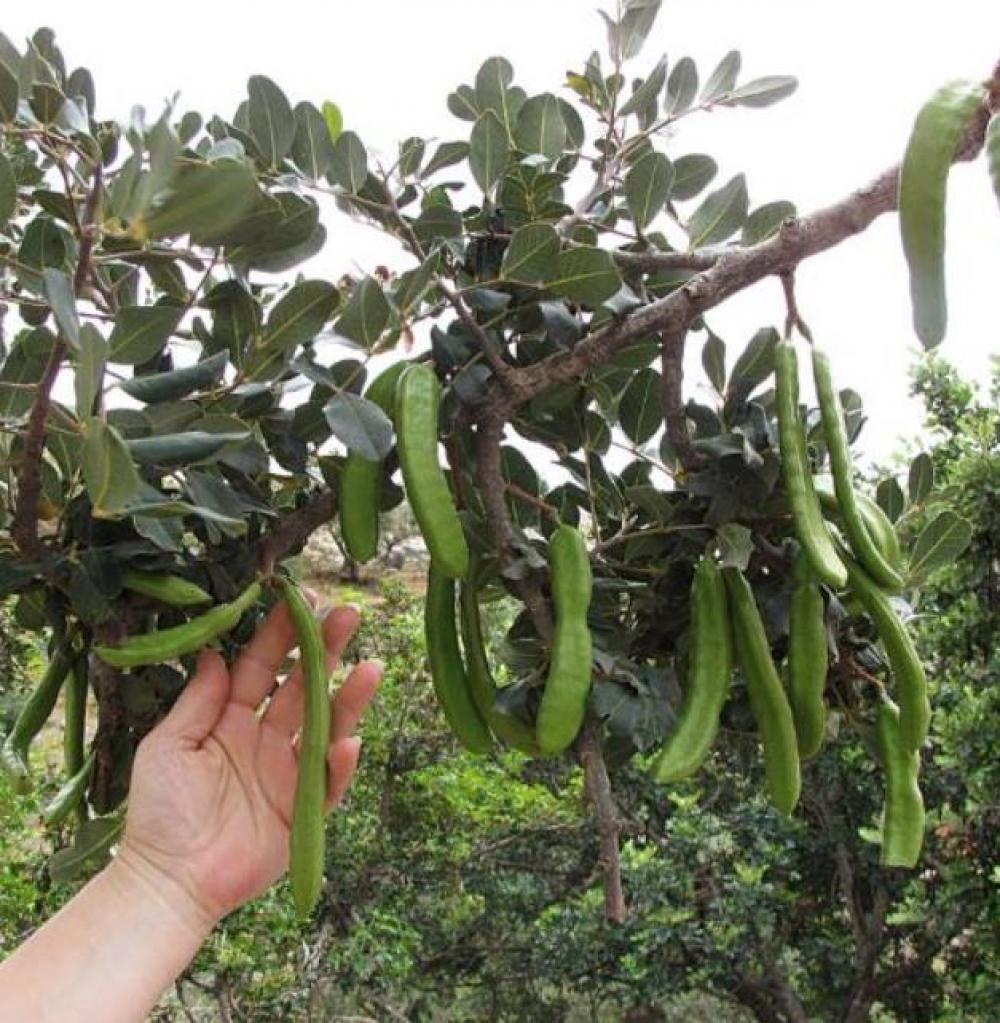
Alfarrobeira
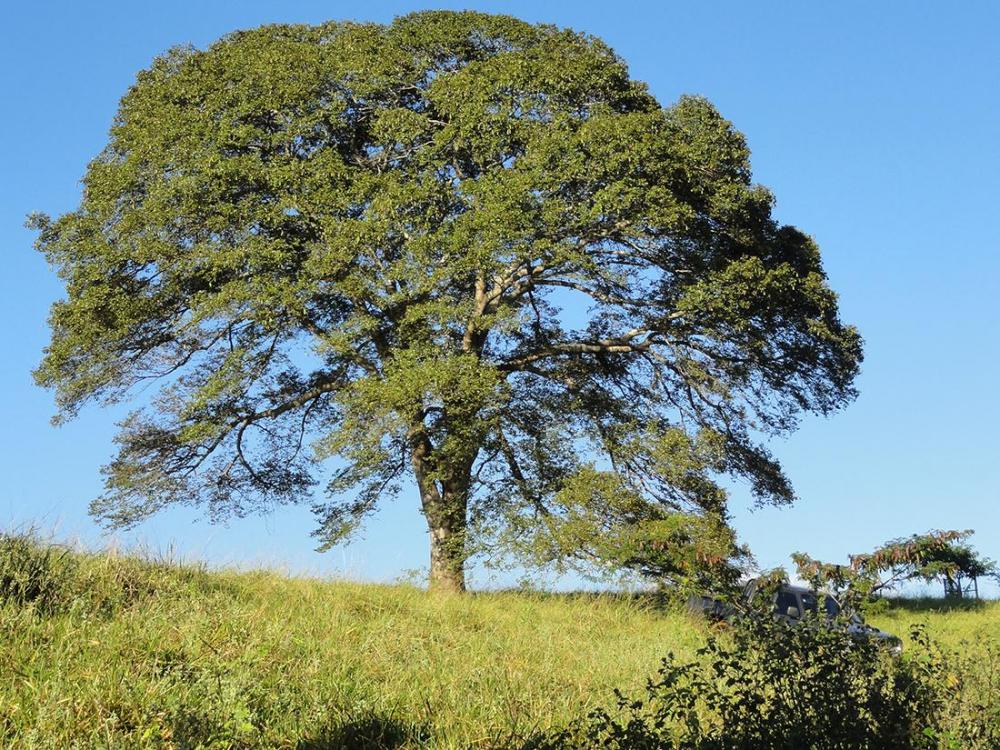
Andiroba
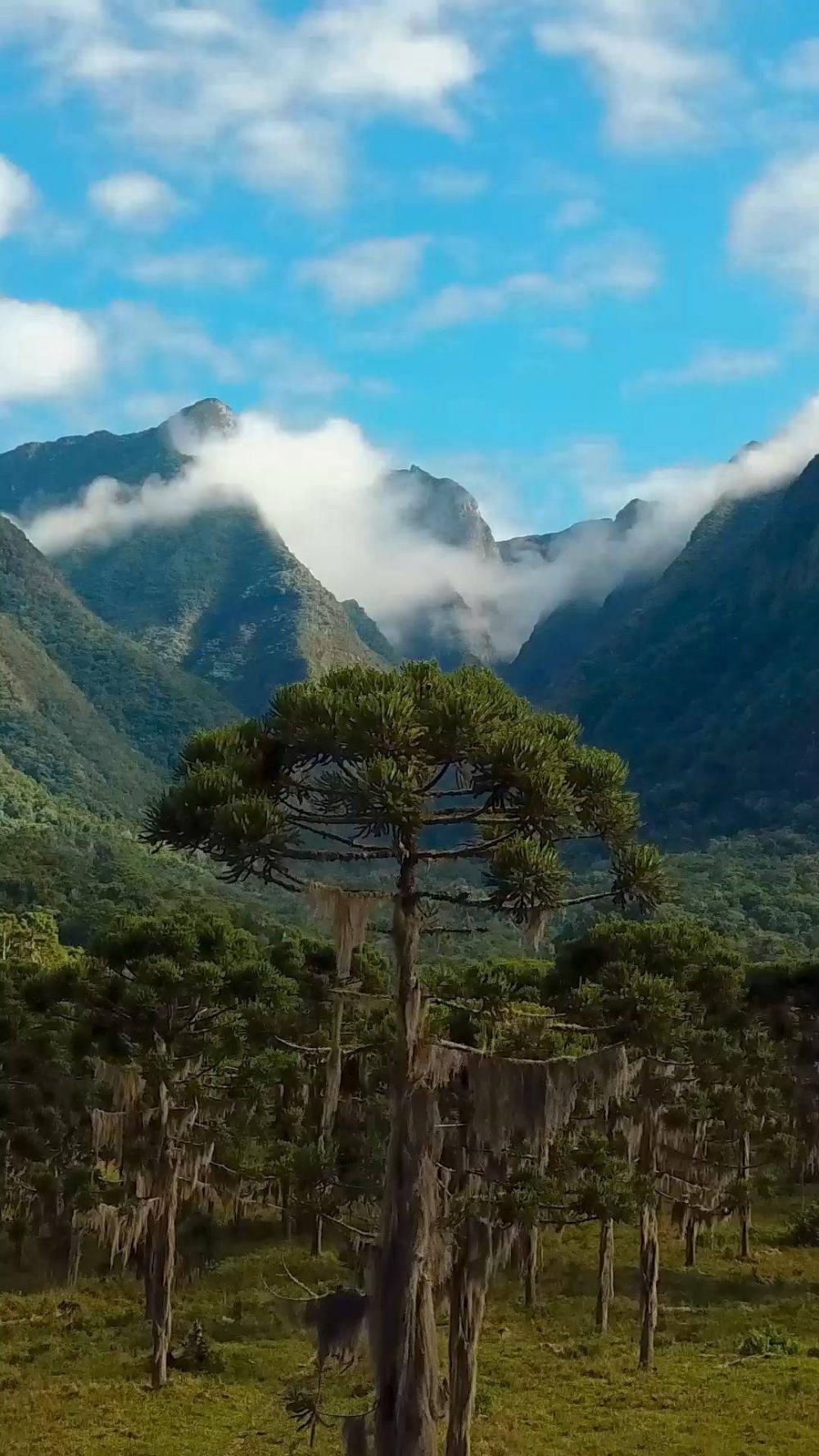
Red Angelim
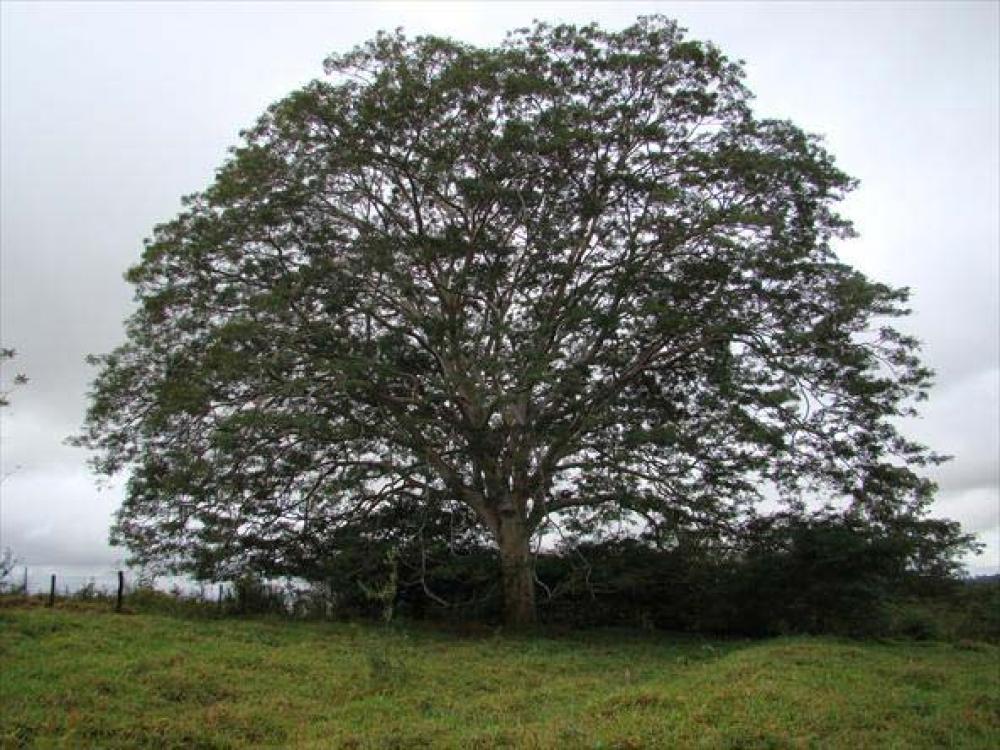
White Angico
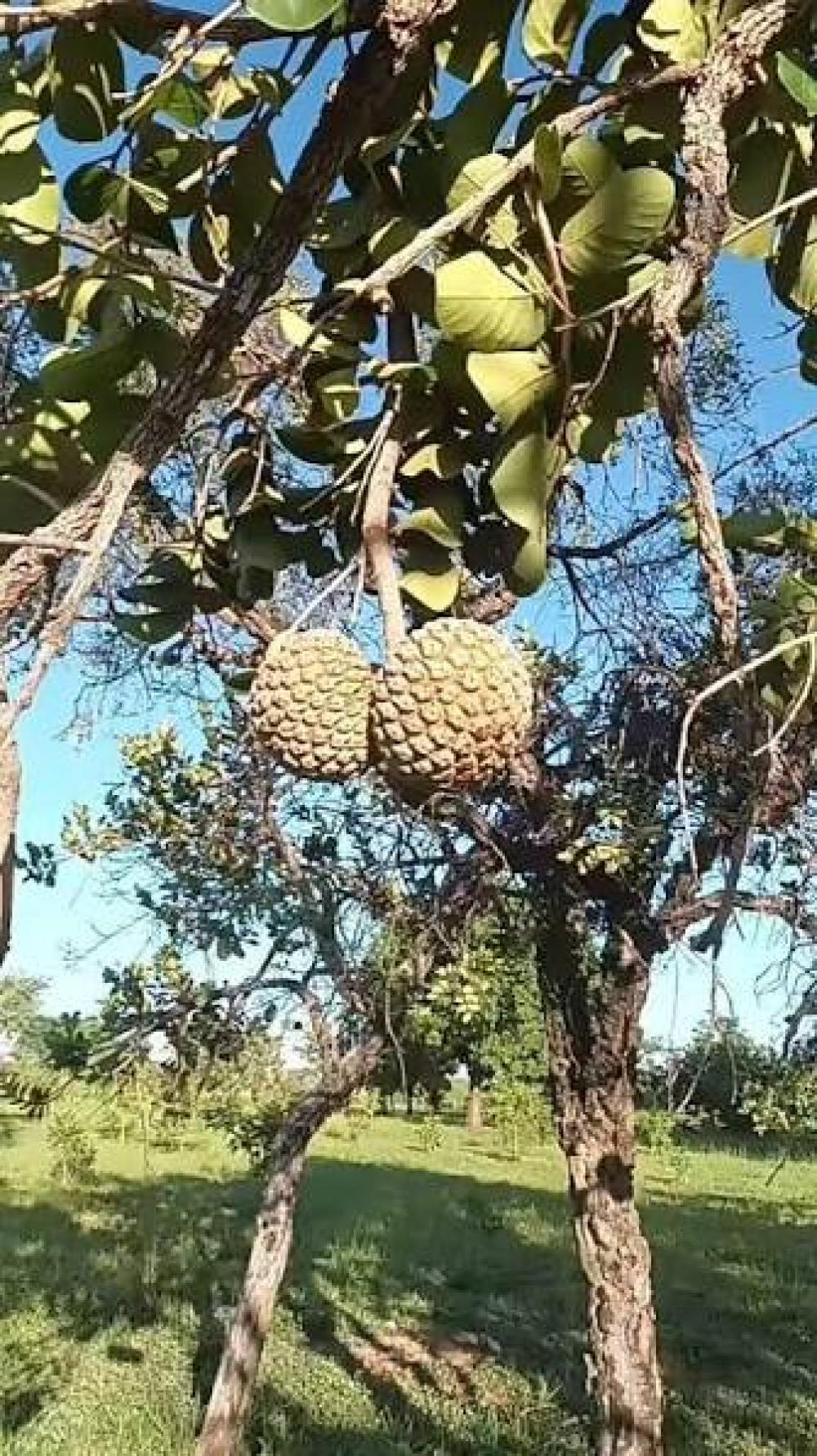
Araticum
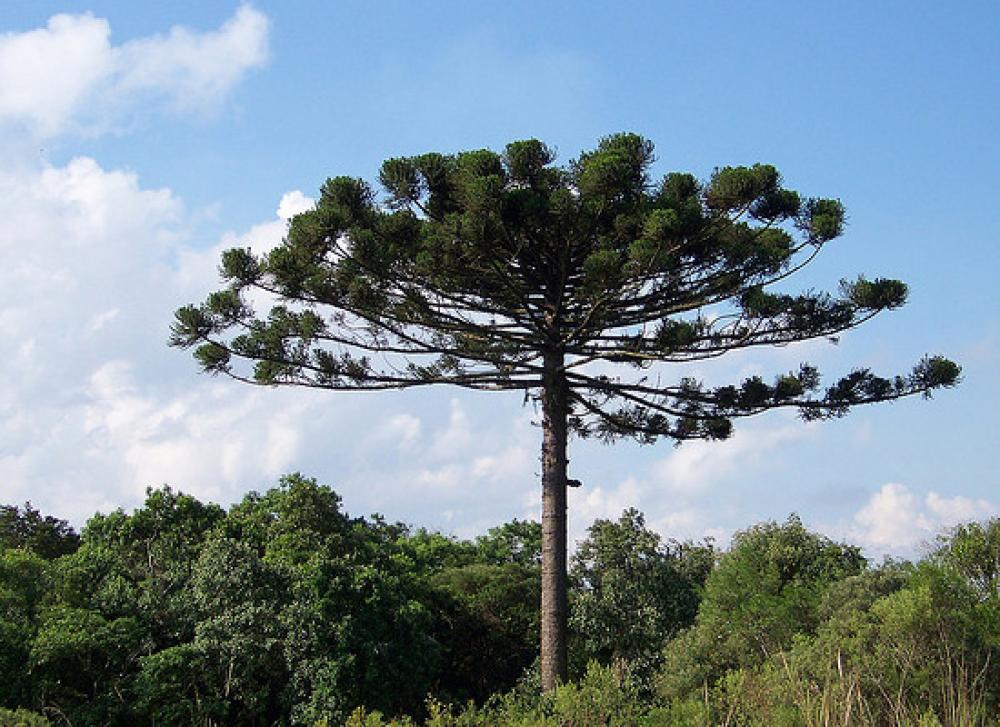
Araucaria, the Paraná pine
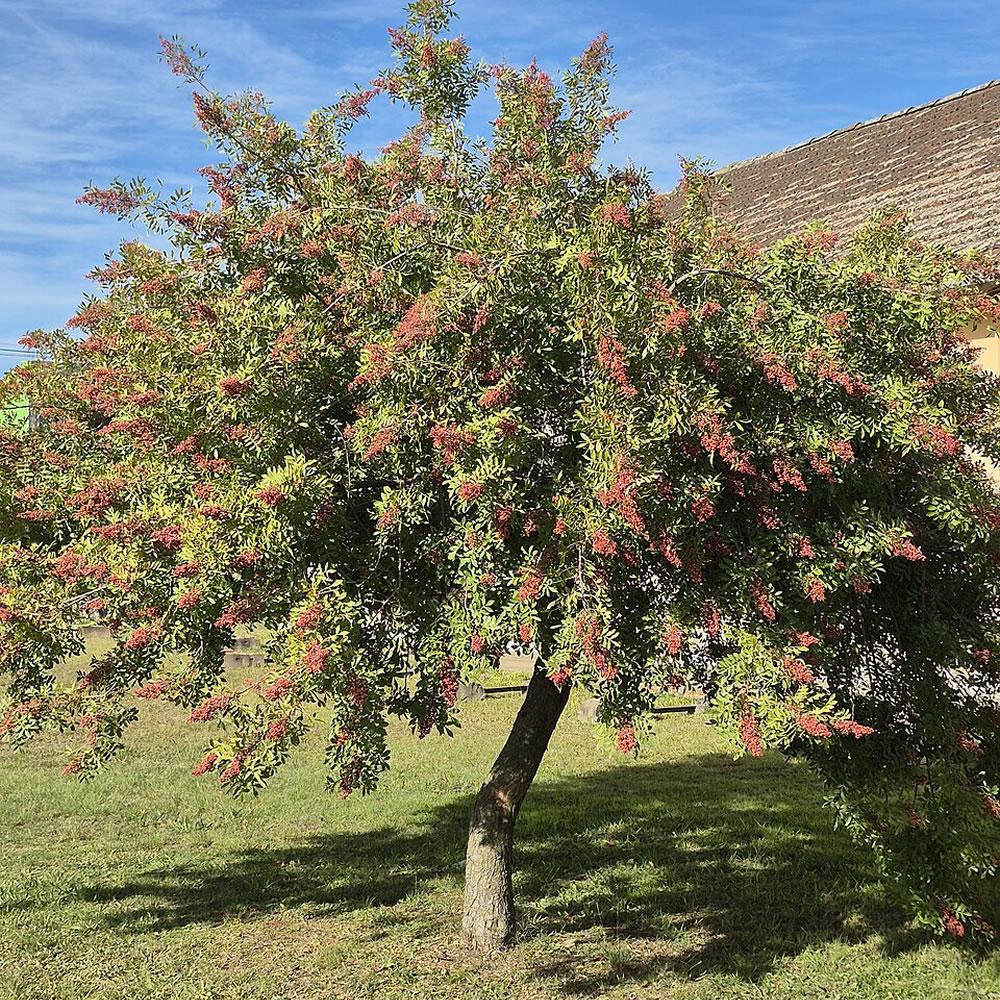
Brazilian peppertree
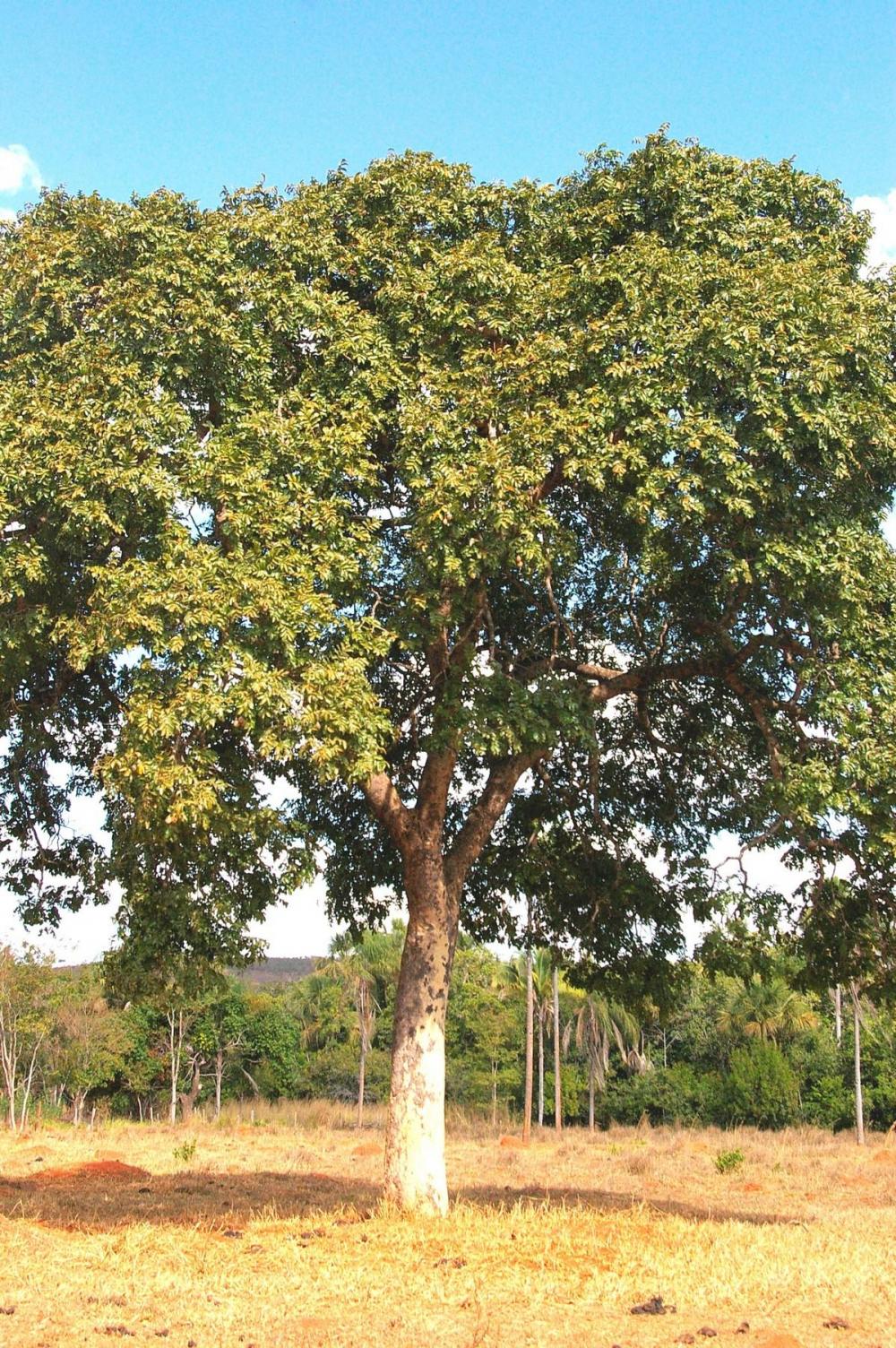
Baru
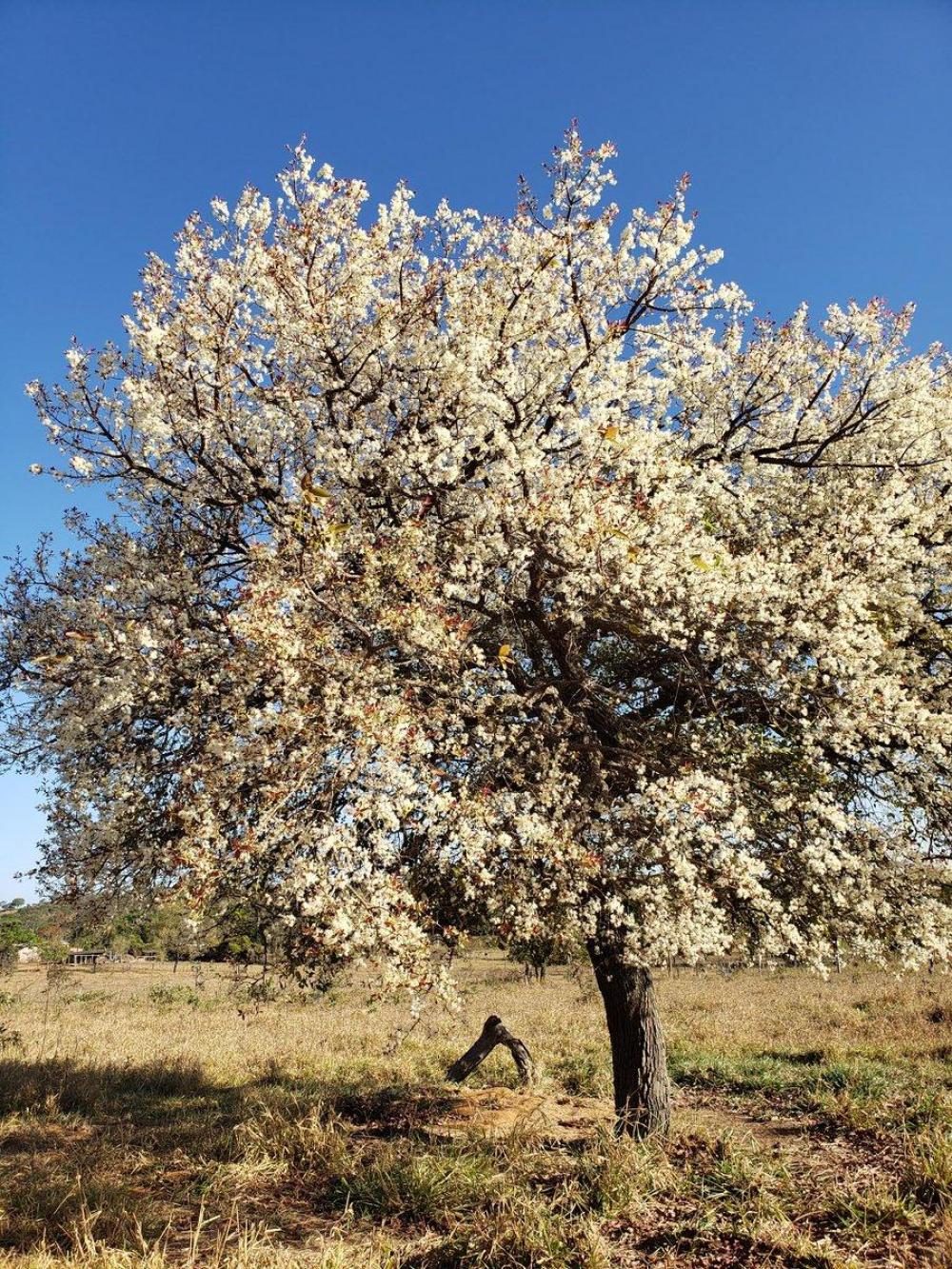
Cagaita
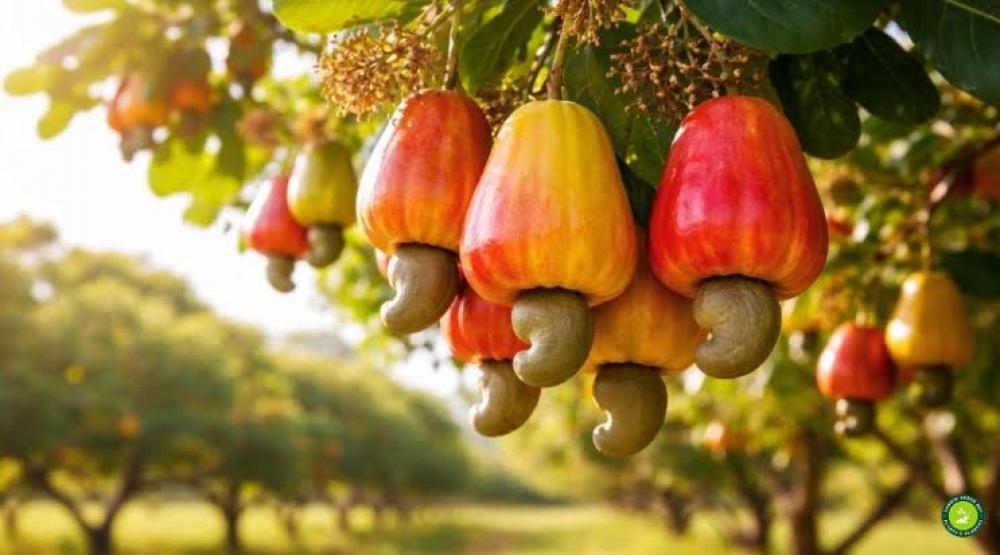
cashew tree
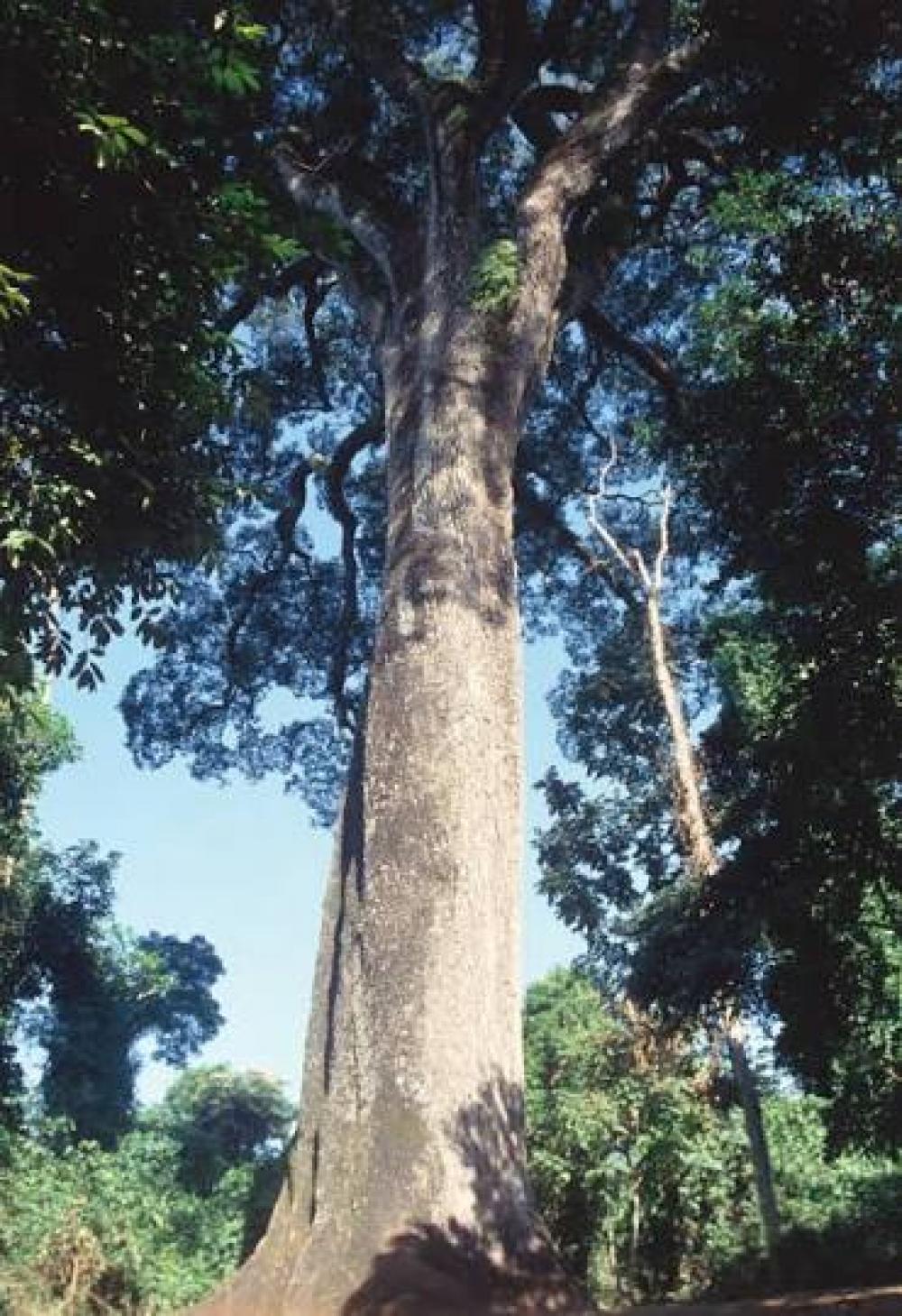
Black Cinnamon
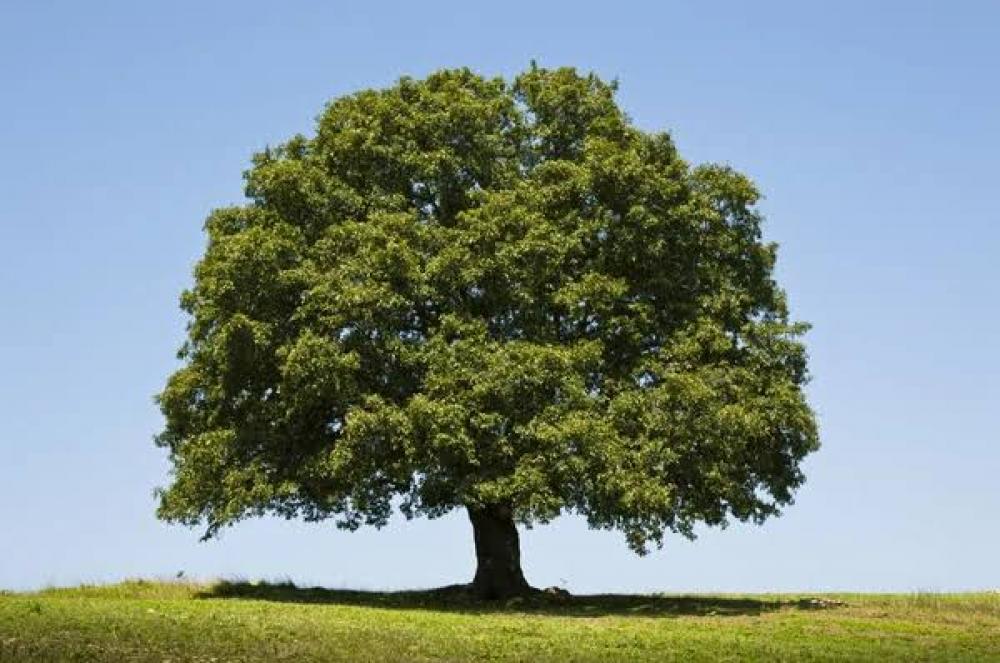
Oak tree
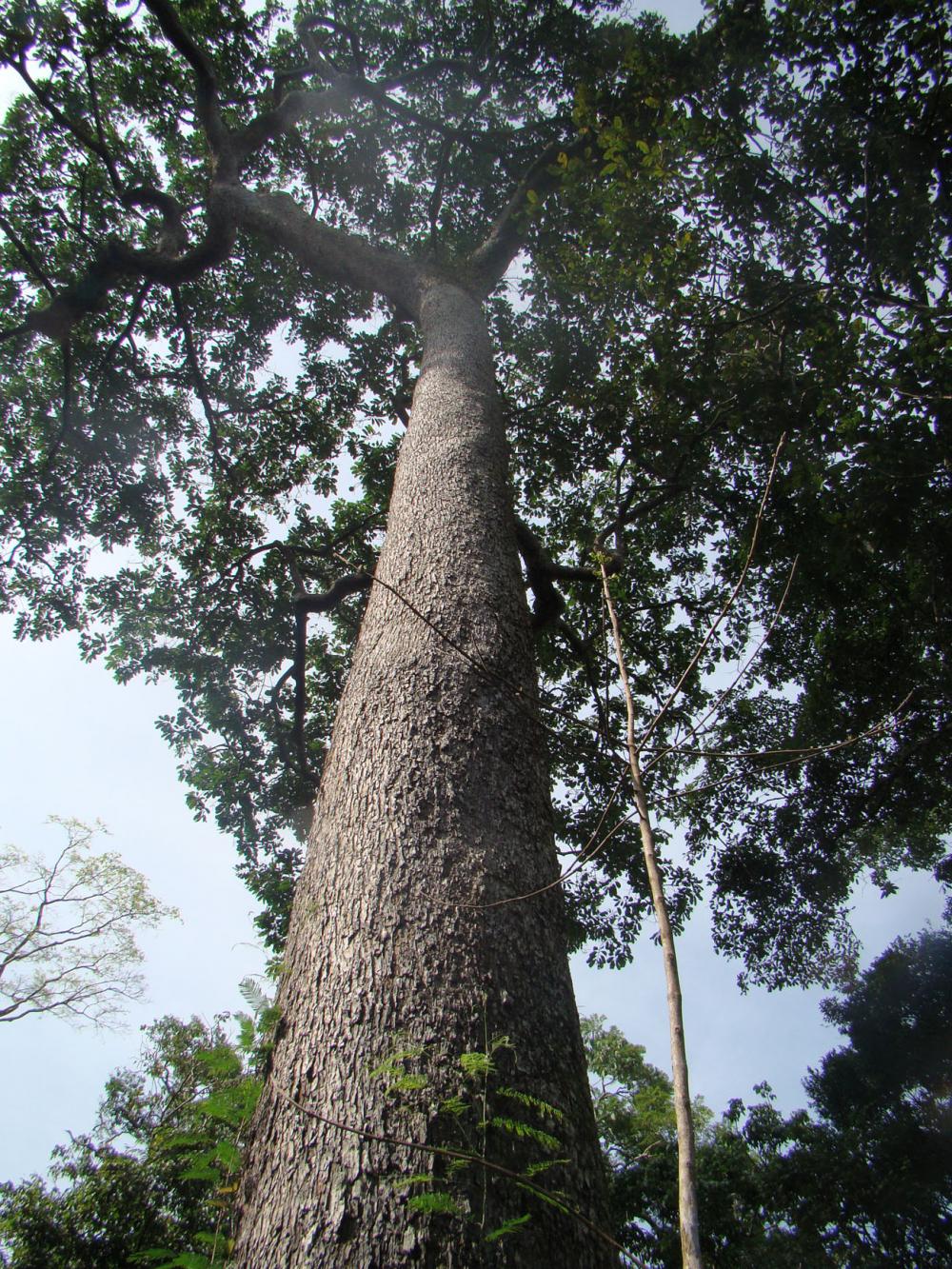
nuez de Brasil
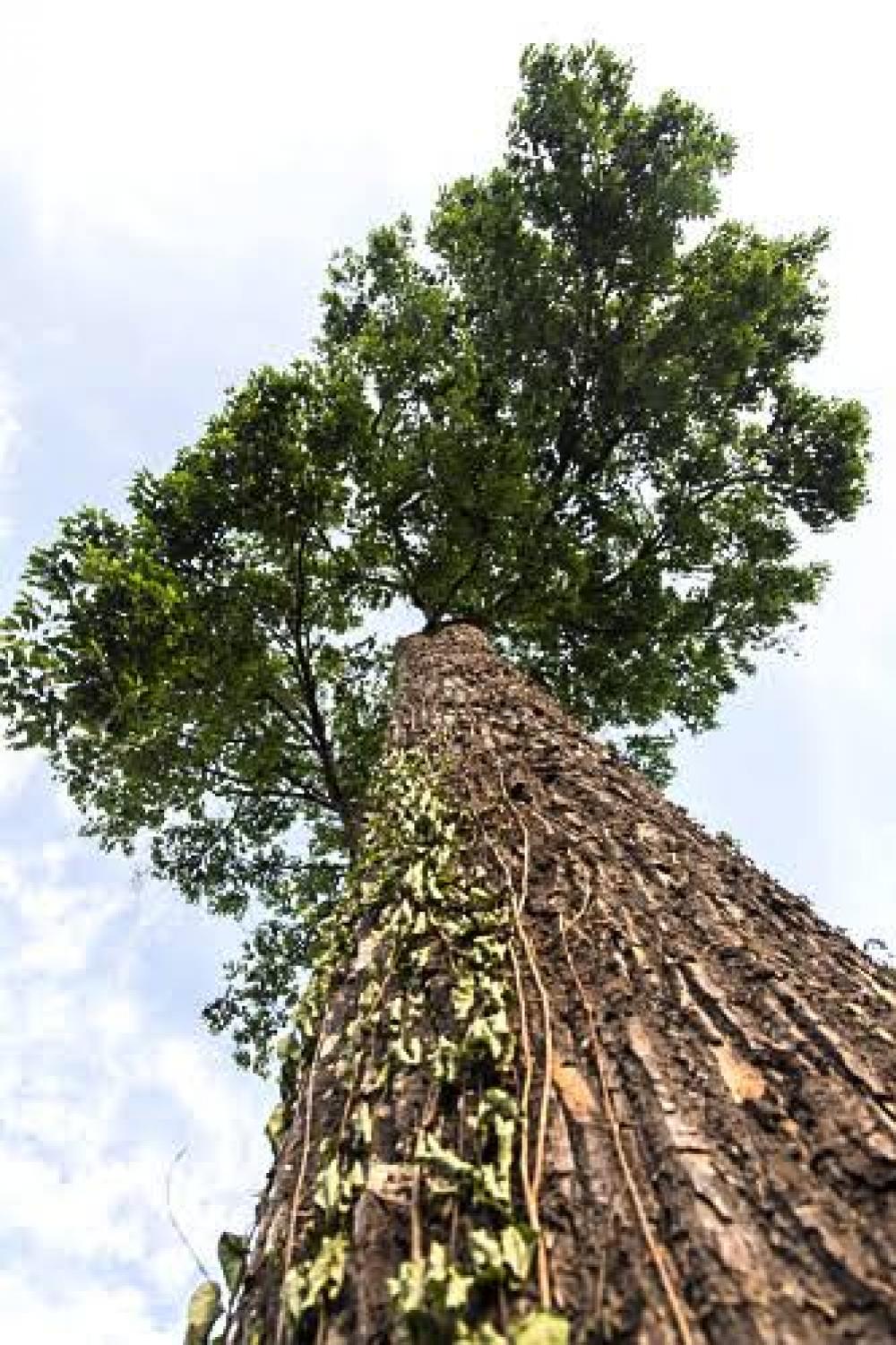
Brazil nut tree
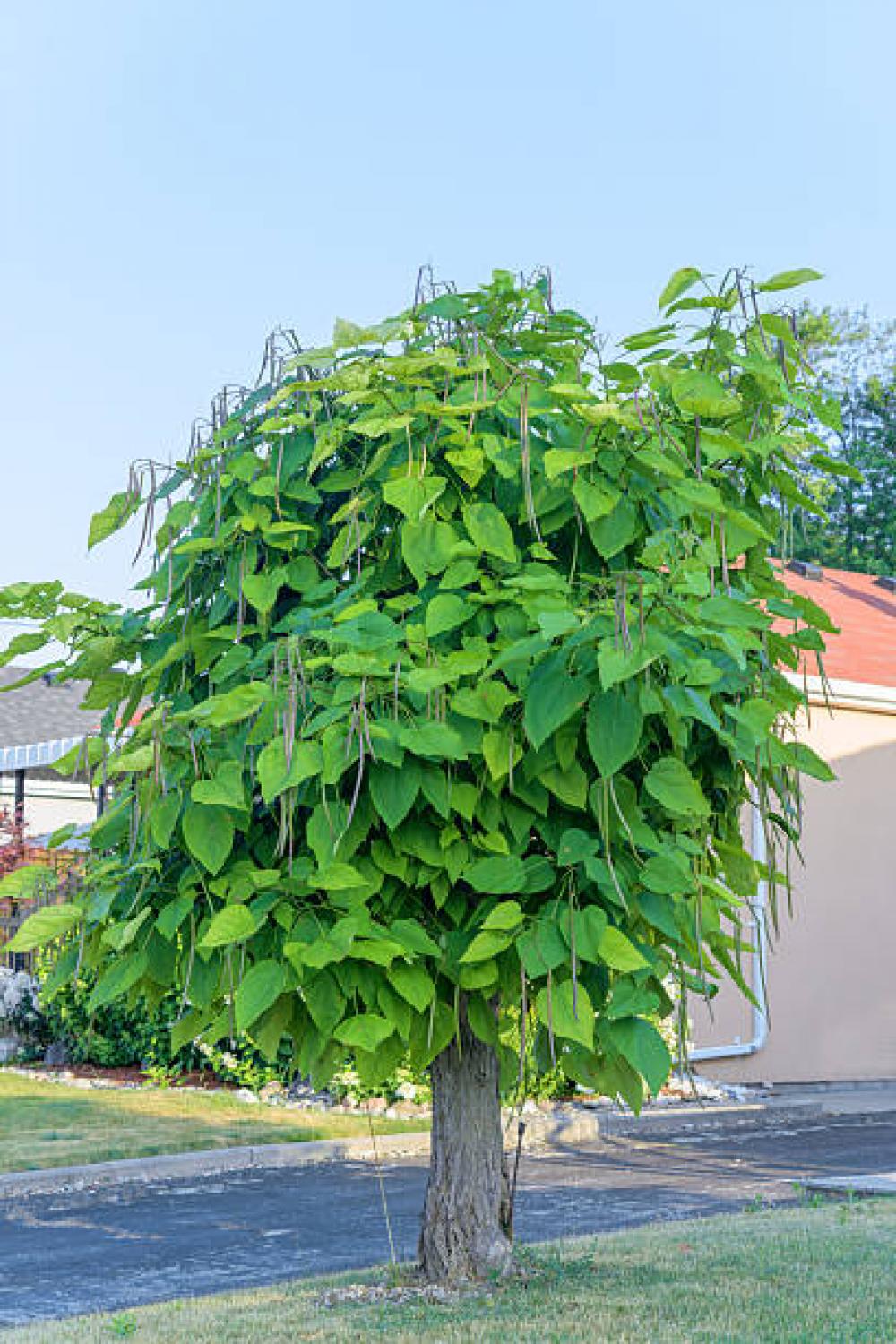
Catalpa
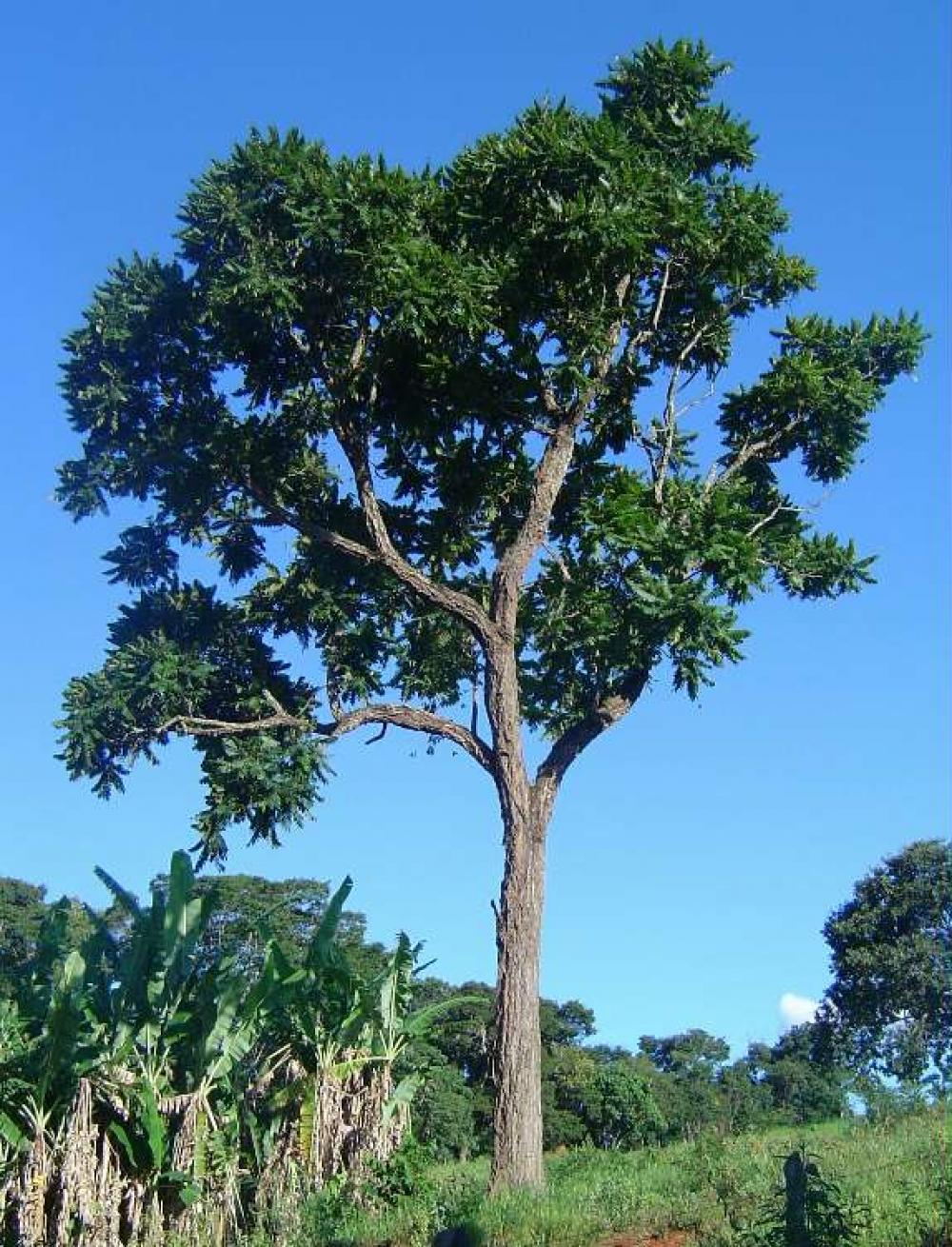
Pink cedar
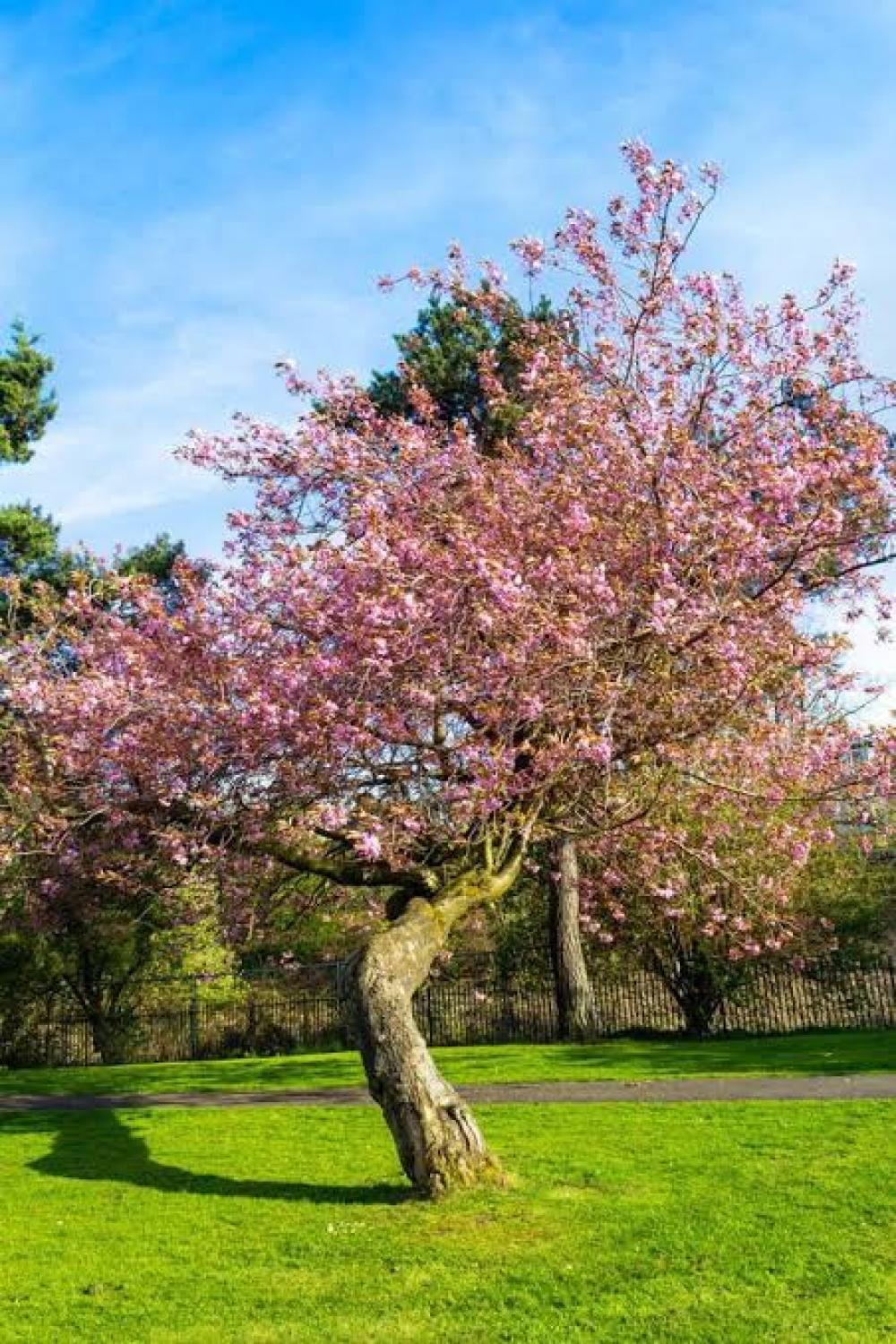
ornamental cherry tree
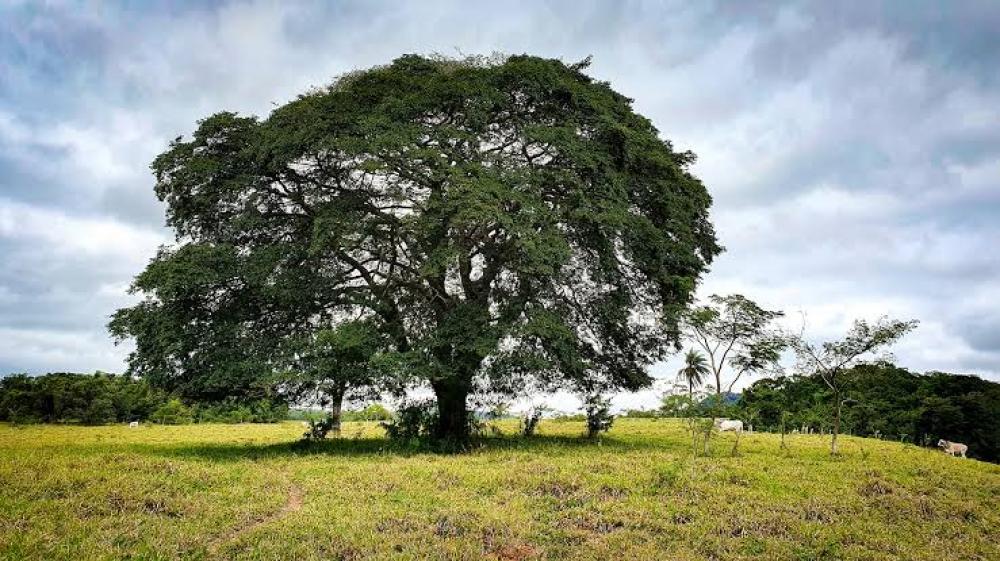
copaiba
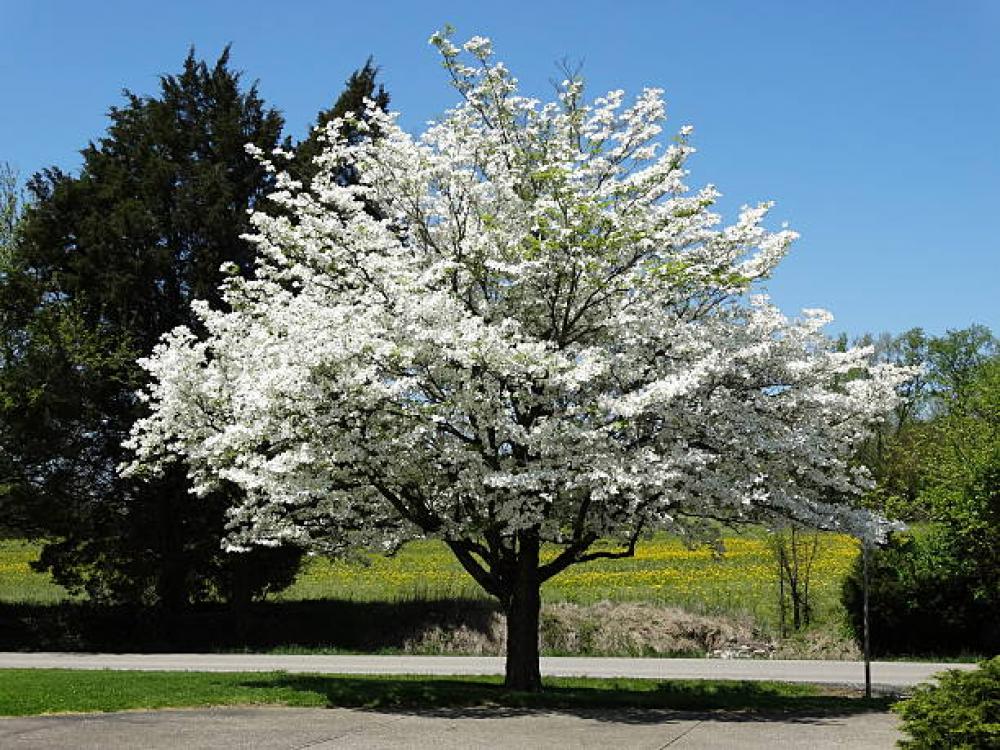
Trees of the genus Cornus
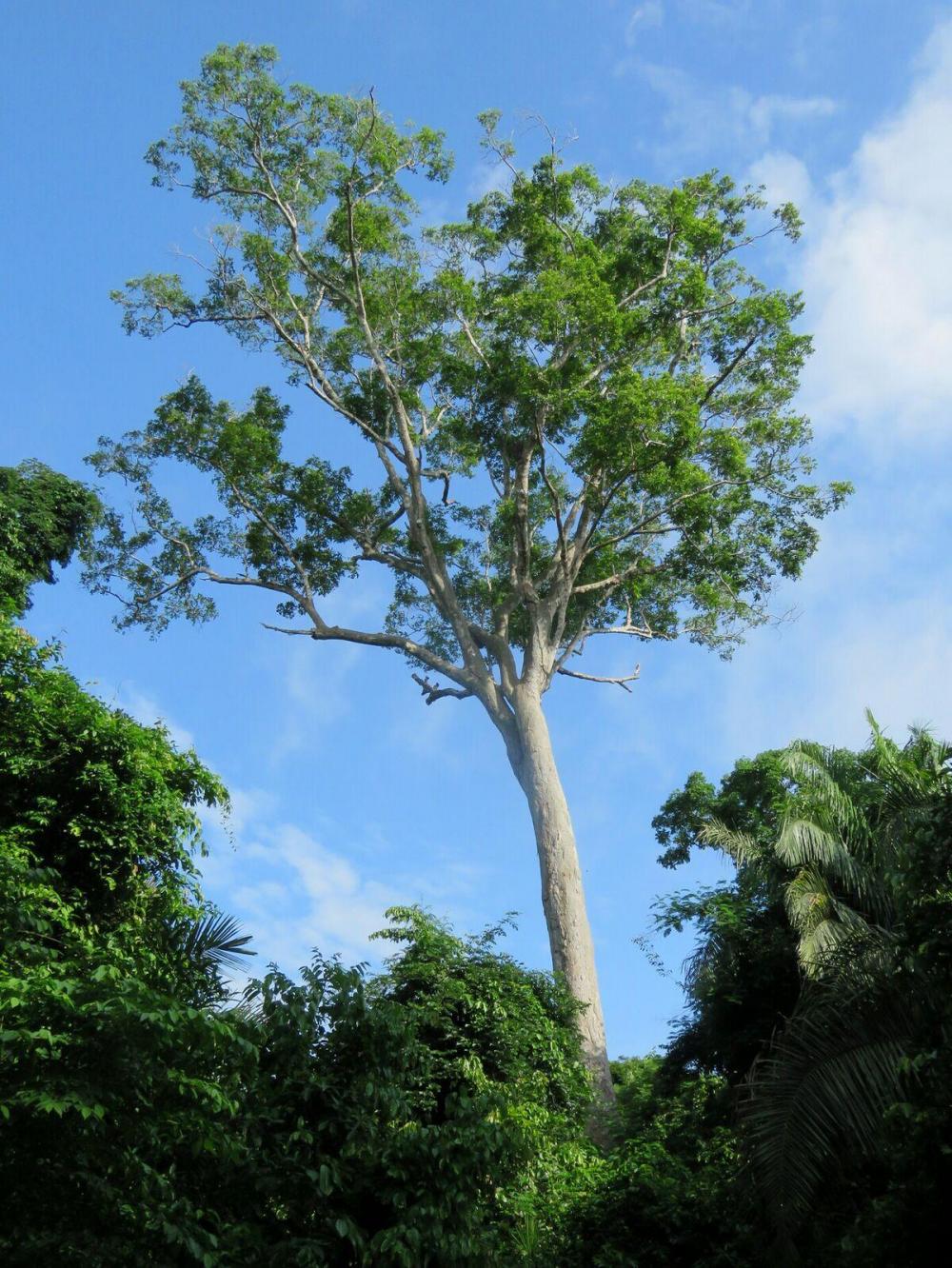
Cumaru
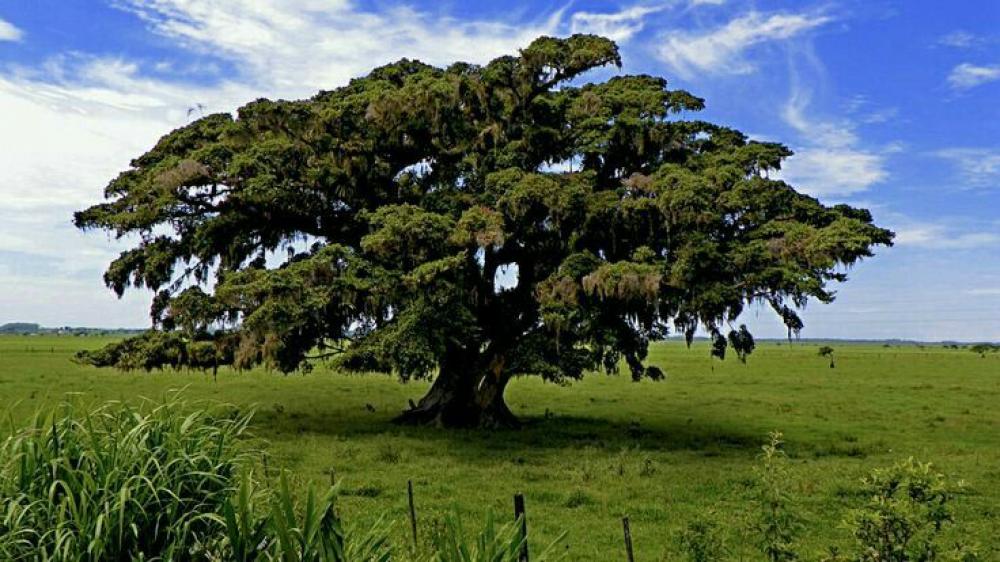
fig tree
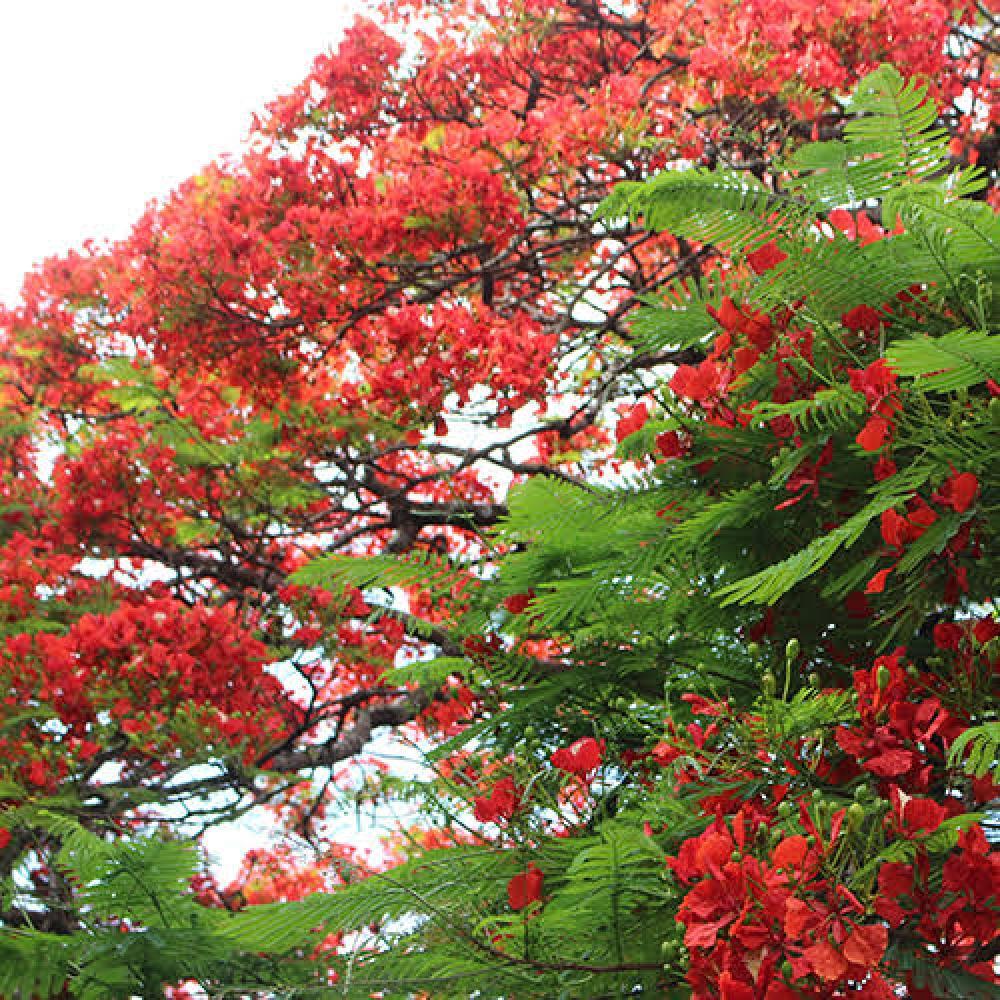
Flamboyant
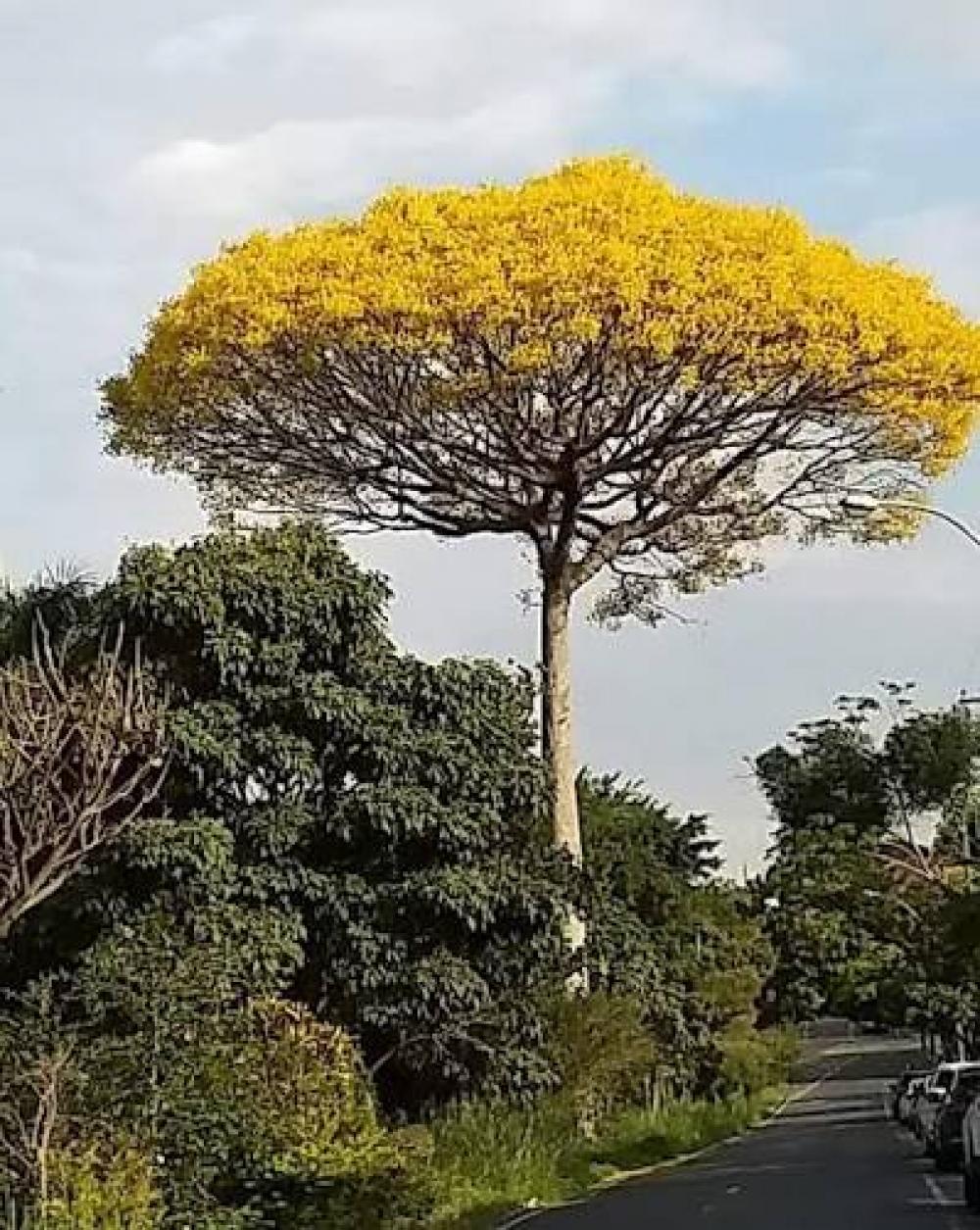
Guapuruvu
Yellow Ipê
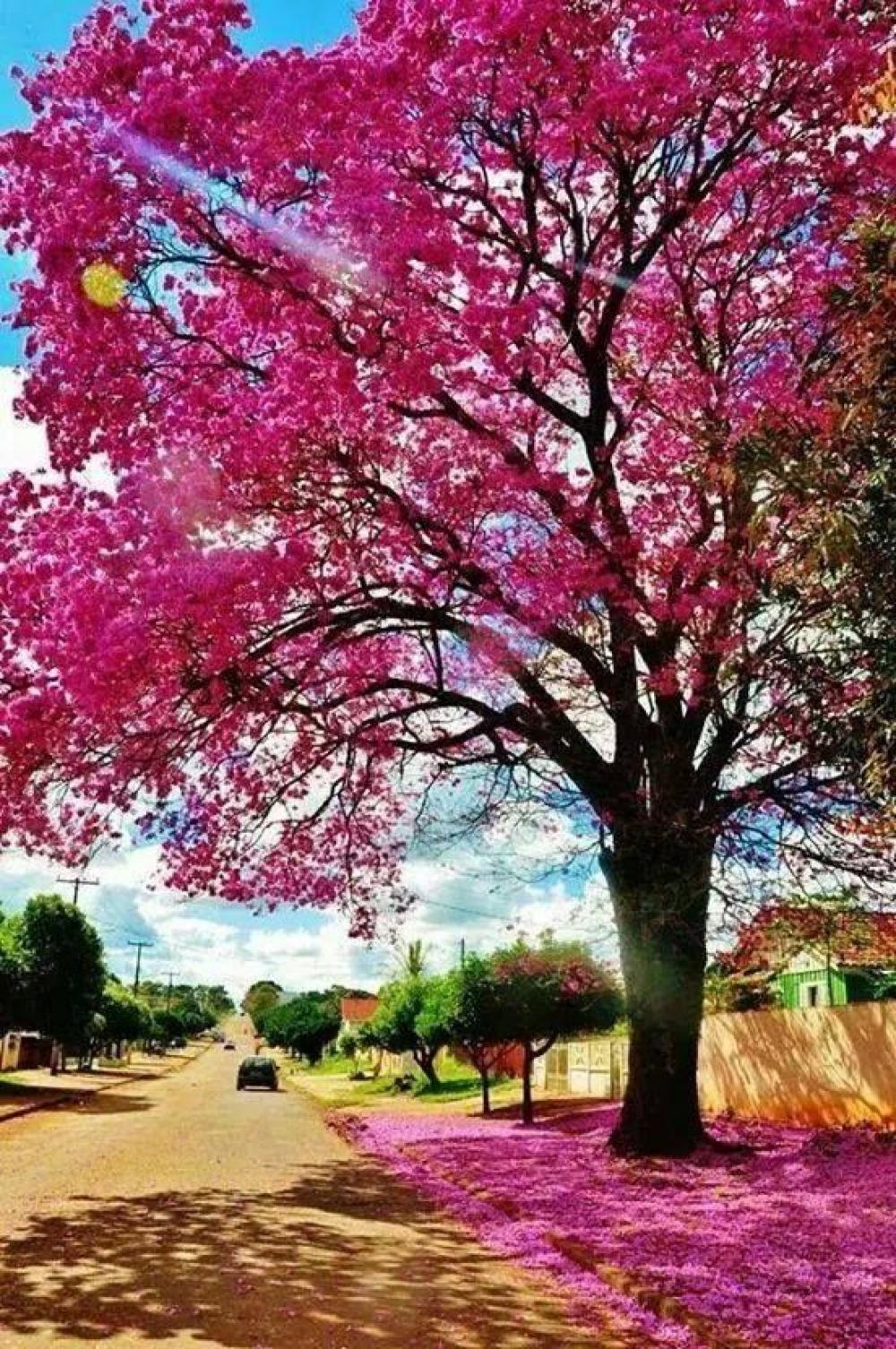
Purple Ipe
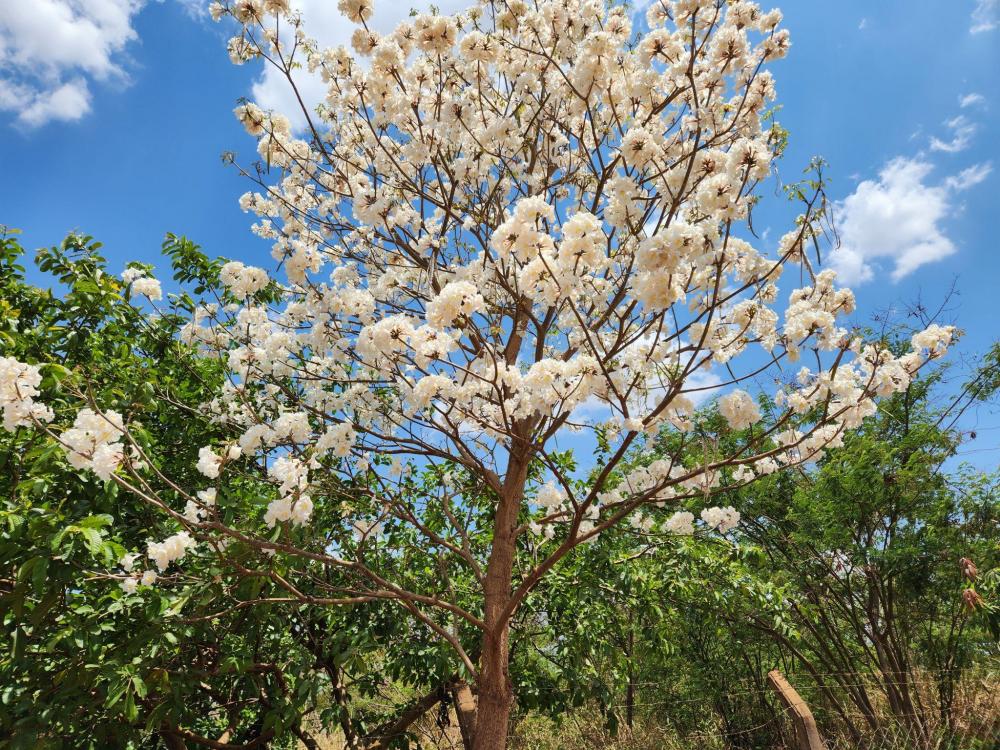
White Ipê
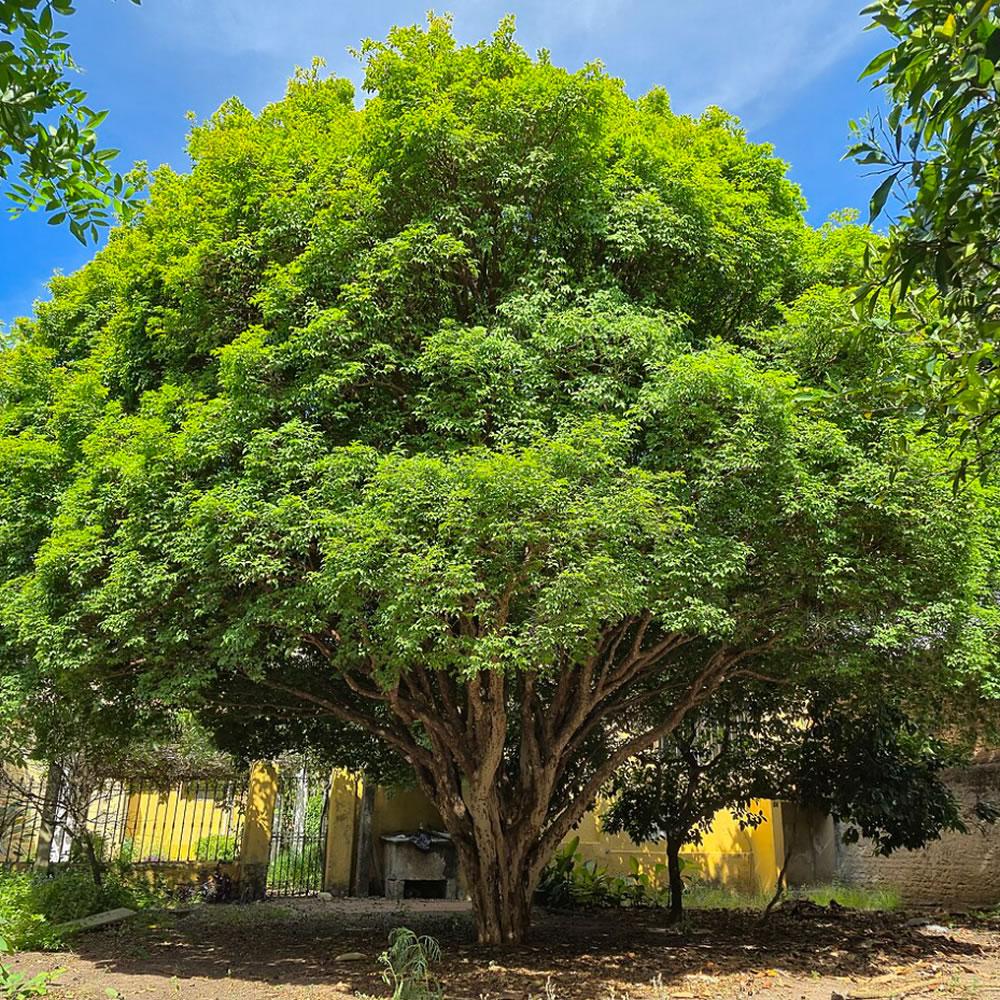
Jabuticaba
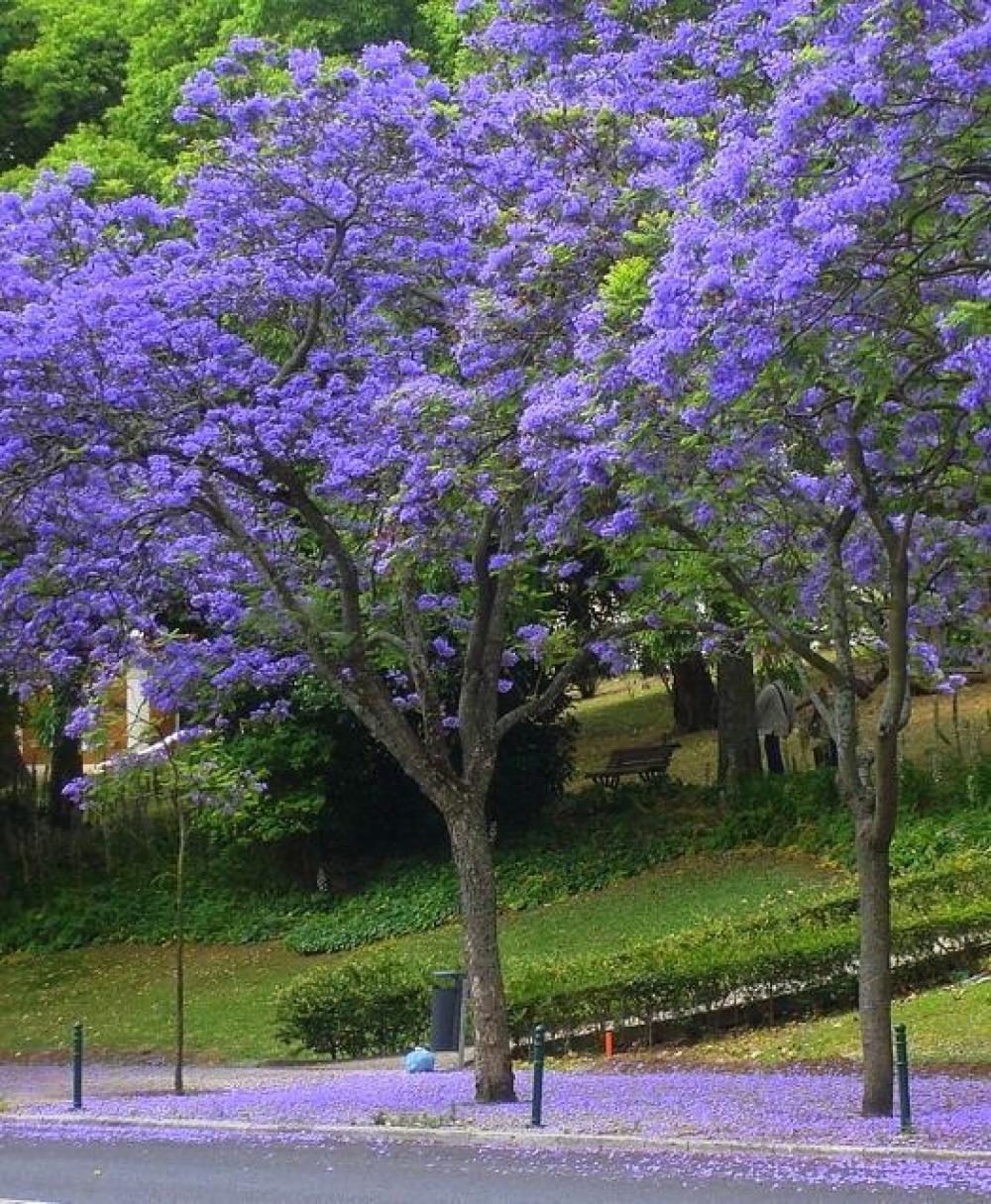
Blue jacaranda
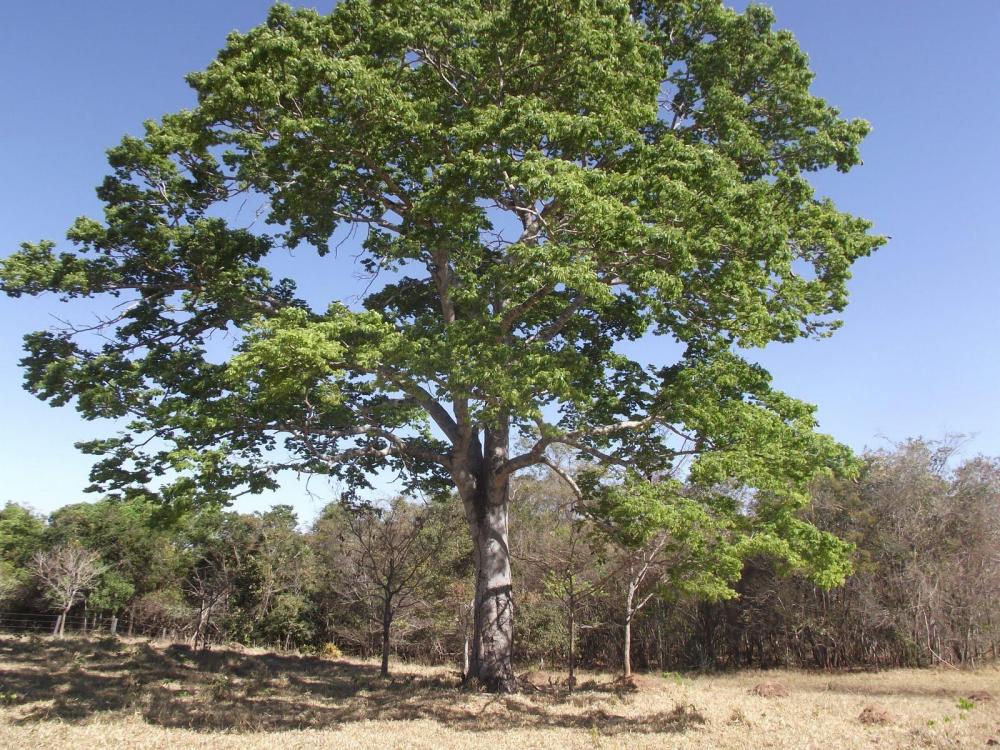
Jatoba
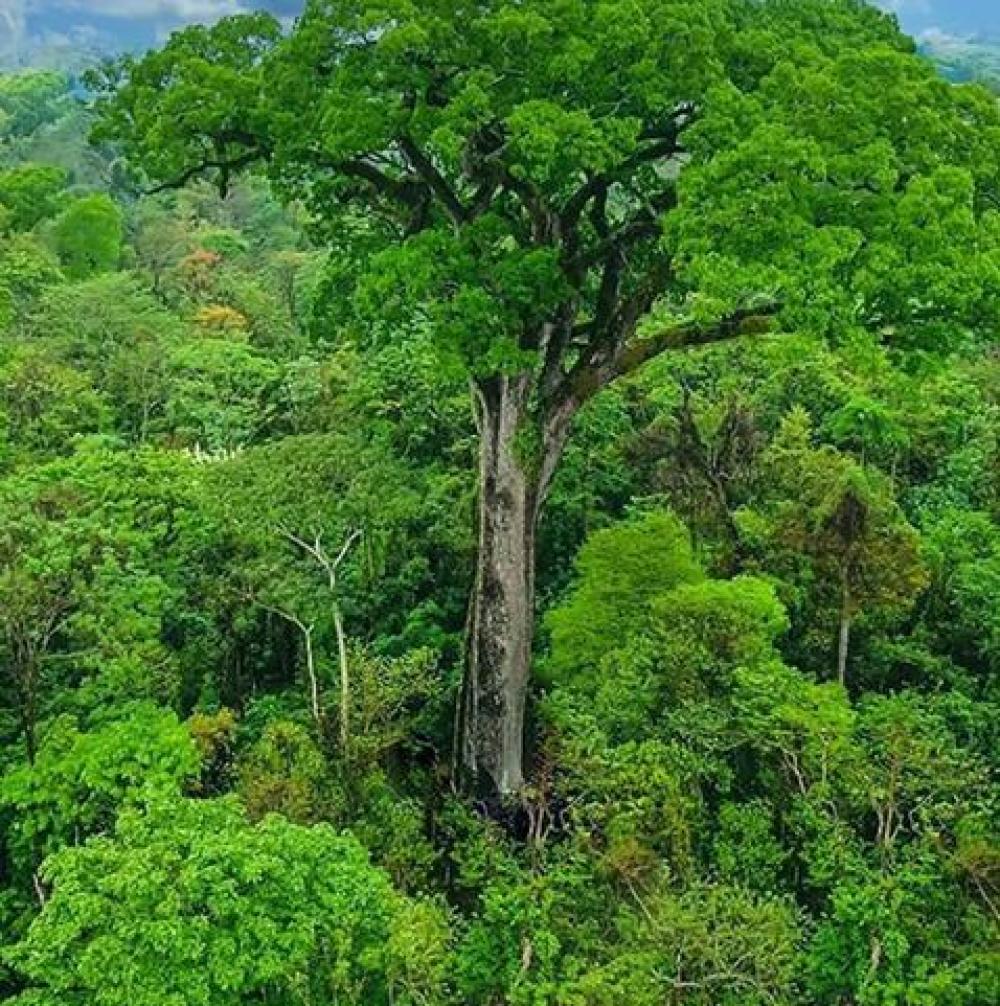
Pink Jequitibá (Cariniana legalis)
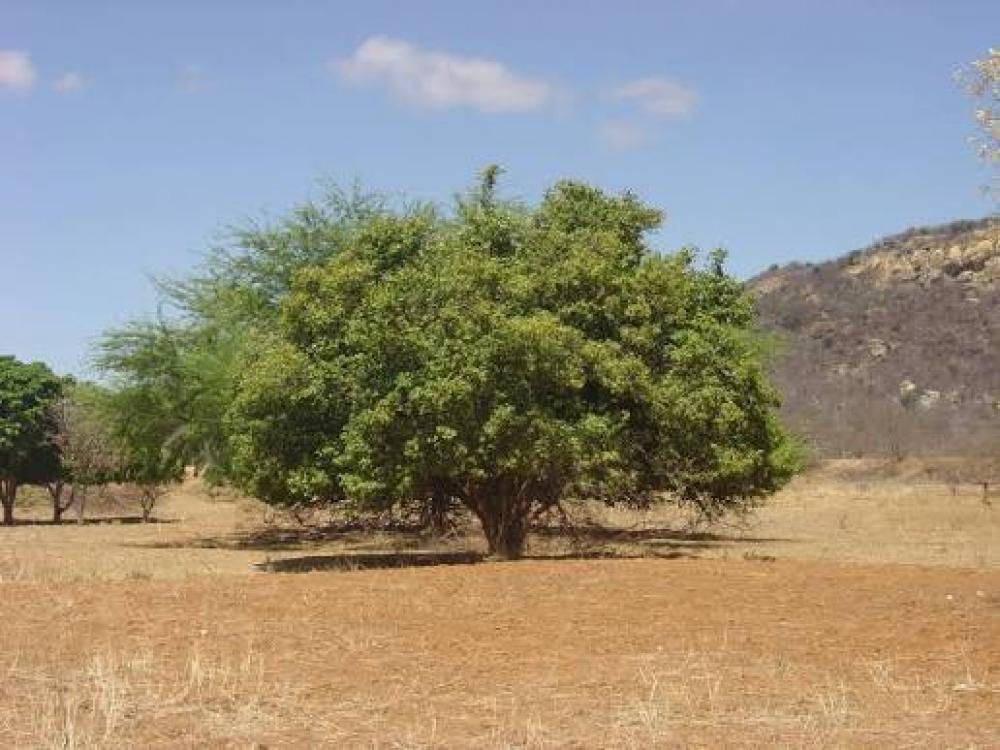
Juazeiro
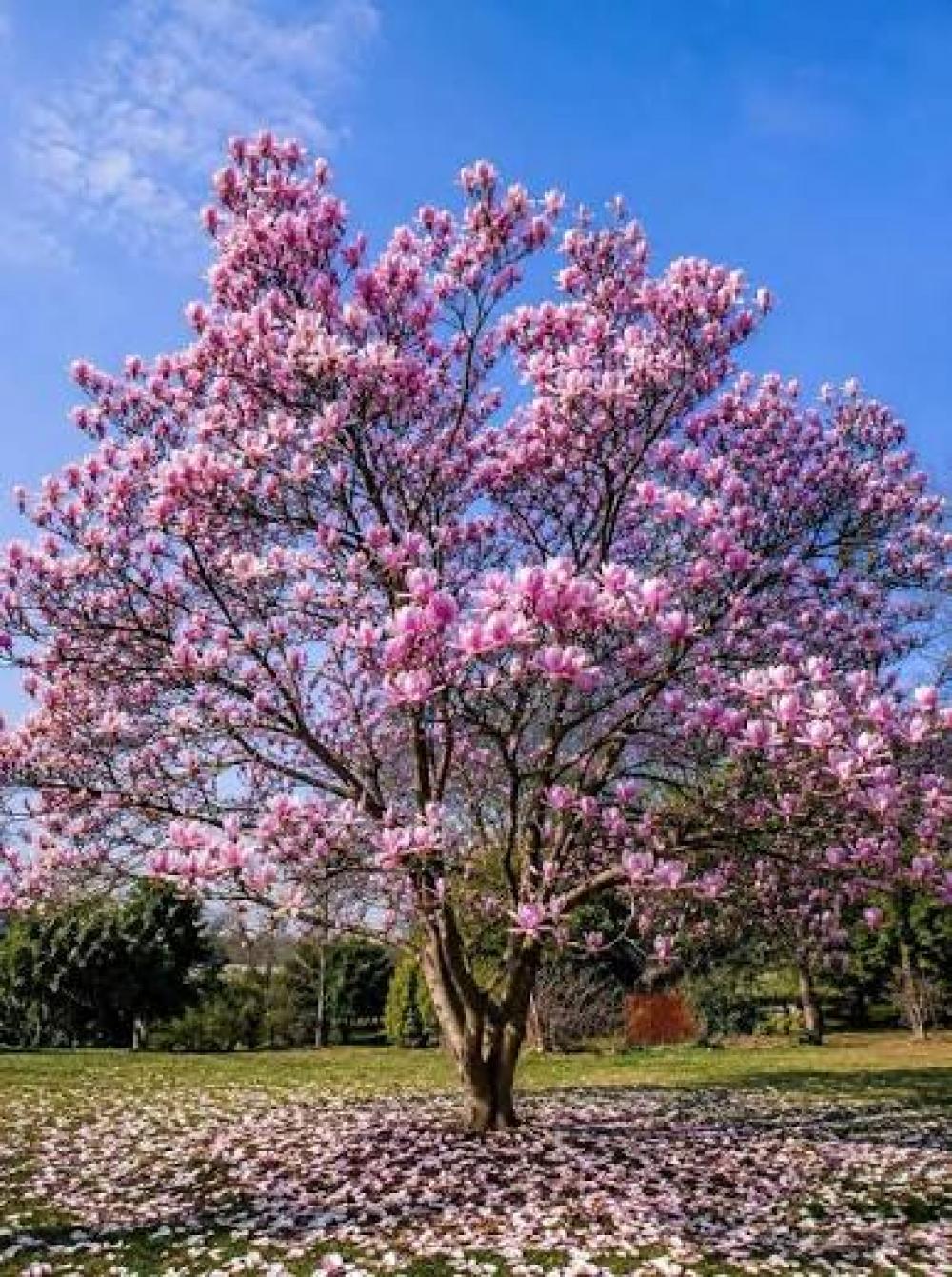
Magnolia
Brazilian Mahogany
pink silk floss tree
Brazilwood
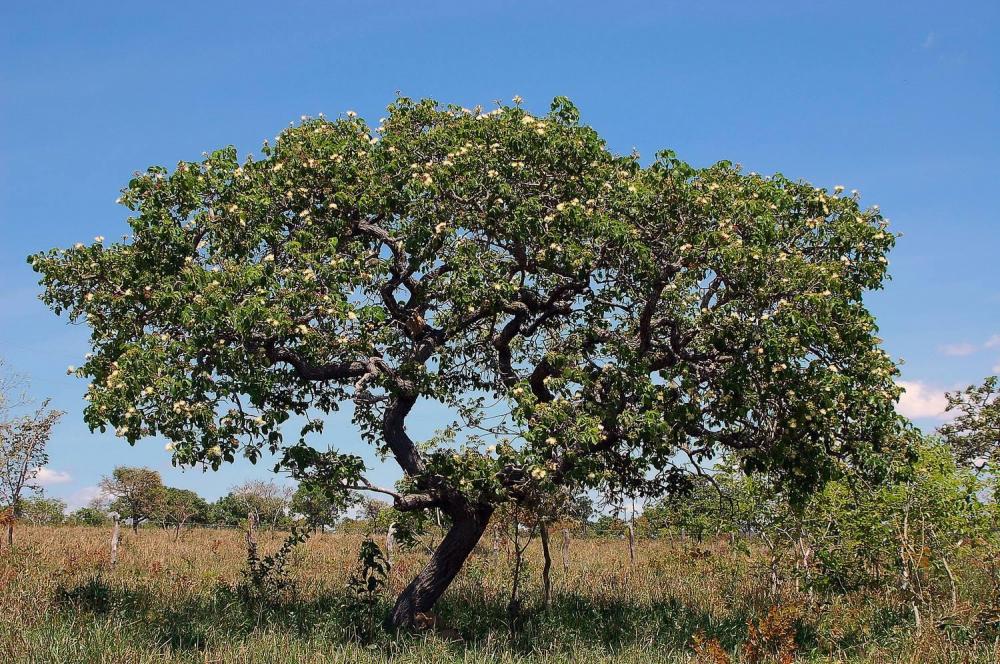
Pequi
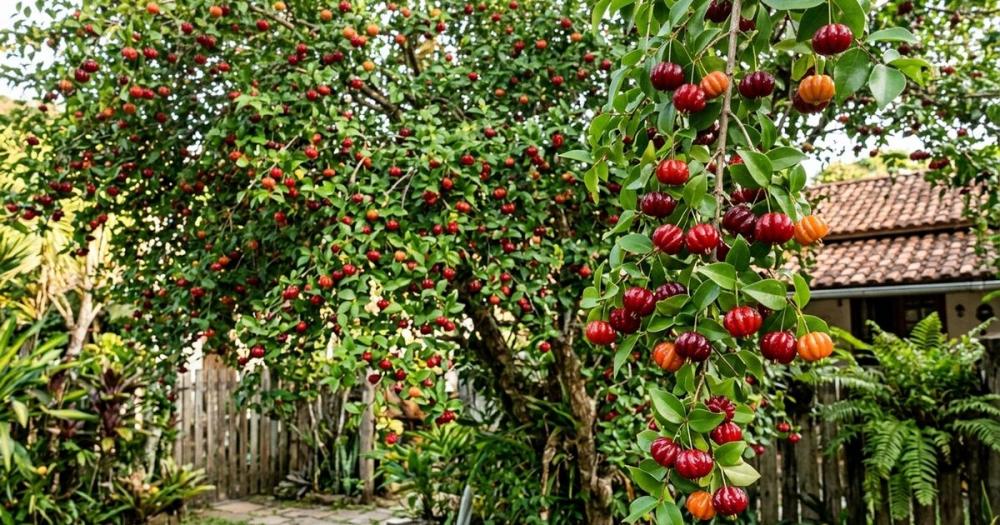
Surinam cherry
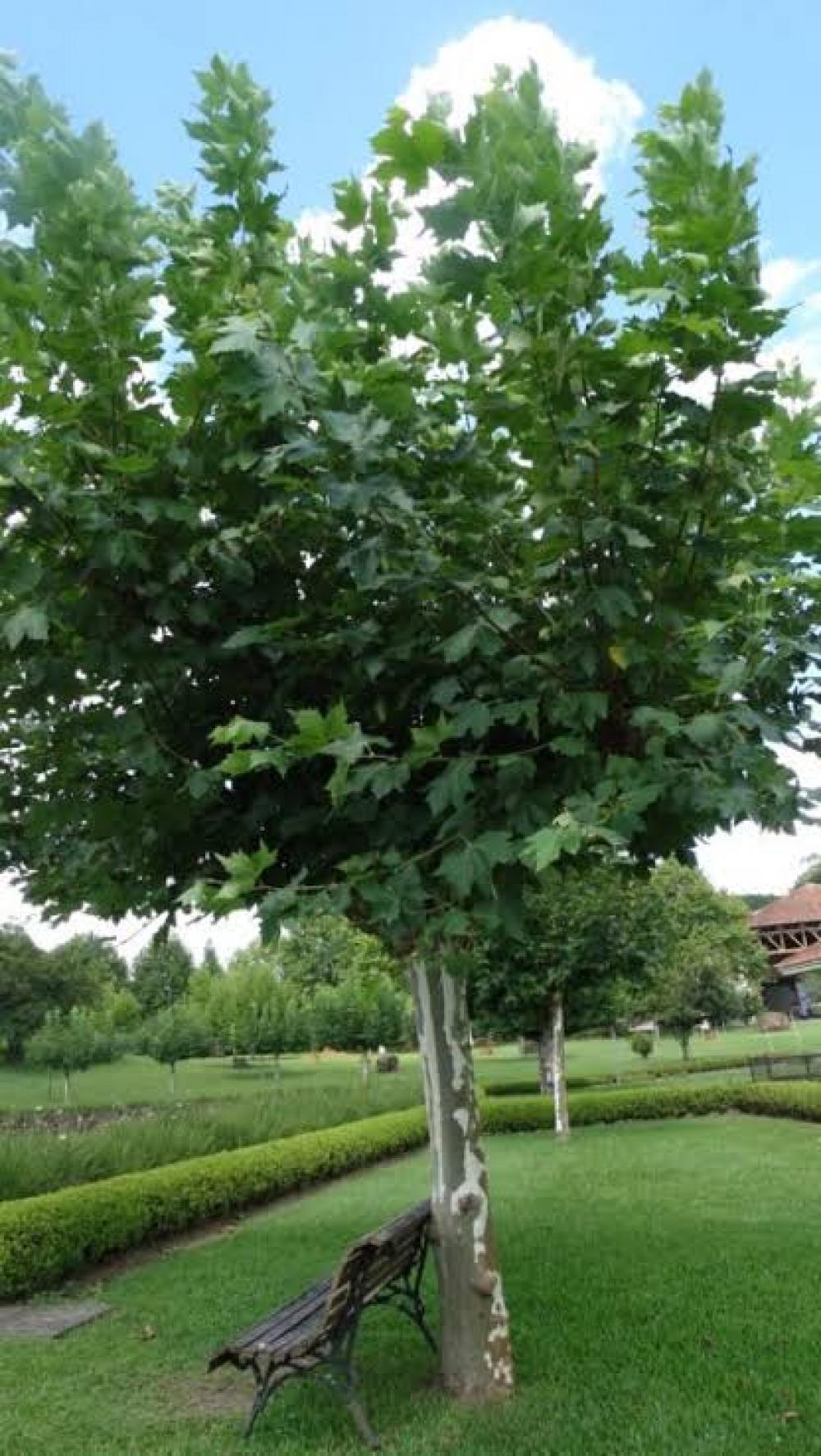
Plane tree
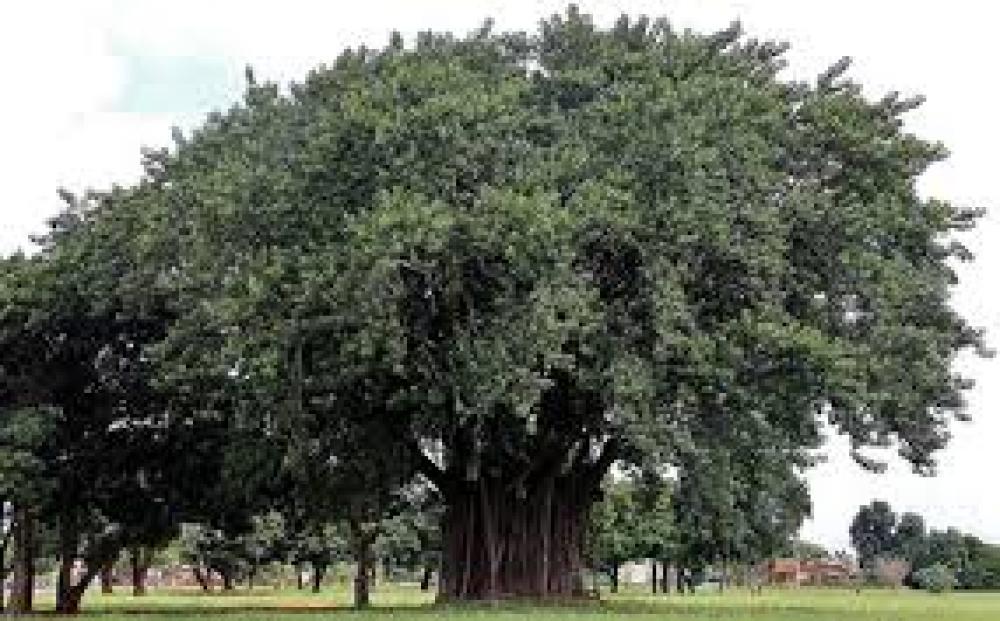
Rubber tree
Sucupira
Linden