


White Angico
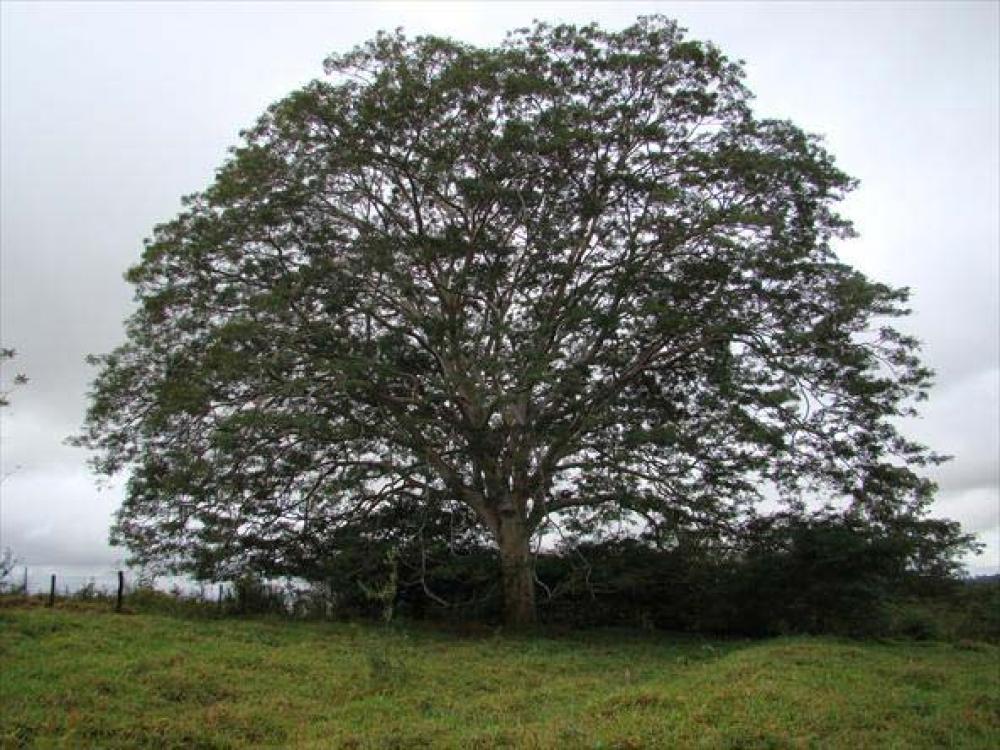
«Angico-Branco» is a popular name used for different species of Brazilian trees. Among the species known by this name is *Albizia polycephala* (Benth.) Killip ex Record, belonging to the Fabaceae family. It is a tree native to several regions of Brazil and has ecological importance, especially for its role in the formation of forests and in the recovery of degraded areas.
It is a medium to large tree, capable of reaching approximately 15 to 25 meters in height, depending on environmental conditions. It has a generally upright trunk, a gray-colored cortex and a wide canopy, formed by thick and delicate leaves. Its flowers are small and are grouped in inflorescences, which gives it a characteristic appearance during the flowering period. As a member of the Fabaceae family, it also plays an important role in the ecological relationships associated with the soil nutrient cycle.
The «Angico-Branco» fulfills a relevant environmental function. Its presence in forest environments contributes to the protection of soil, the generation of shade, the provision of refuge for fauna and the recovery of areas in the process of regeneration. Like other tree legumes, it participates in ecological processes related to the nitrogen cycle, favoring the dynamics of ecosystems. Its flowers can offer resources to insects, while its structure provides refuge and favorable conditions for various organisms.
The wood of the species known as «angico» has historical importance and is traditionally used in several regions for purposes such as construction, structural wood, furniture, wood and other products. However, its approval must respect the characteristics of each species and current environmental legislation. The responsible use of wood is fundamental to reconcile economic use with the conservation of natural populations.
In traditional knowledge, the “angico” species are known for the use of their cortexes in popular preparations, especially those intended for the care of the respiratory tract and skin. The cortex contains several natural compounds, including tannins and other bioactive substances that spark scientific interest. Several investigations have studied the antioxidant, antimicrobial and anti-inflammatory properties of species of the genus and trees traditionally called “angico”. However, medicinal use should not be generalized between different species, which is why correct botanical identification and appropriate guidance are necessary before any therapeutic application.
It is a medium to large tree, capable of reaching approximately 15 to 25 meters in height, depending on environmental conditions. It has a generally upright trunk, a gray-colored cortex and a wide canopy, formed by thick and delicate leaves. Its flowers are small and are grouped in inflorescences, which gives it a characteristic appearance during the flowering period. As a member of the Fabaceae family, it also plays an important role in the ecological relationships associated with the soil nutrient cycle.
The «Angico-Branco» fulfills a relevant environmental function. Its presence in forest environments contributes to the protection of soil, the generation of shade, the provision of refuge for fauna and the recovery of areas in the process of regeneration. Like other tree legumes, it participates in ecological processes related to the nitrogen cycle, favoring the dynamics of ecosystems. Its flowers can offer resources to insects, while its structure provides refuge and favorable conditions for various organisms.
The wood of the species known as «angico» has historical importance and is traditionally used in several regions for purposes such as construction, structural wood, furniture, wood and other products. However, its approval must respect the characteristics of each species and current environmental legislation. The responsible use of wood is fundamental to reconcile economic use with the conservation of natural populations.
In traditional knowledge, the “angico” species are known for the use of their cortexes in popular preparations, especially those intended for the care of the respiratory tract and skin. The cortex contains several natural compounds, including tannins and other bioactive substances that spark scientific interest. Several investigations have studied the antioxidant, antimicrobial and anti-inflammatory properties of species of the genus and trees traditionally called “angico”. However, medicinal use should not be generalized between different species, which is why correct botanical identification and appropriate guidance are necessary before any therapeutic application.
Tree Catalog
Imperial acacia
Açaí palm
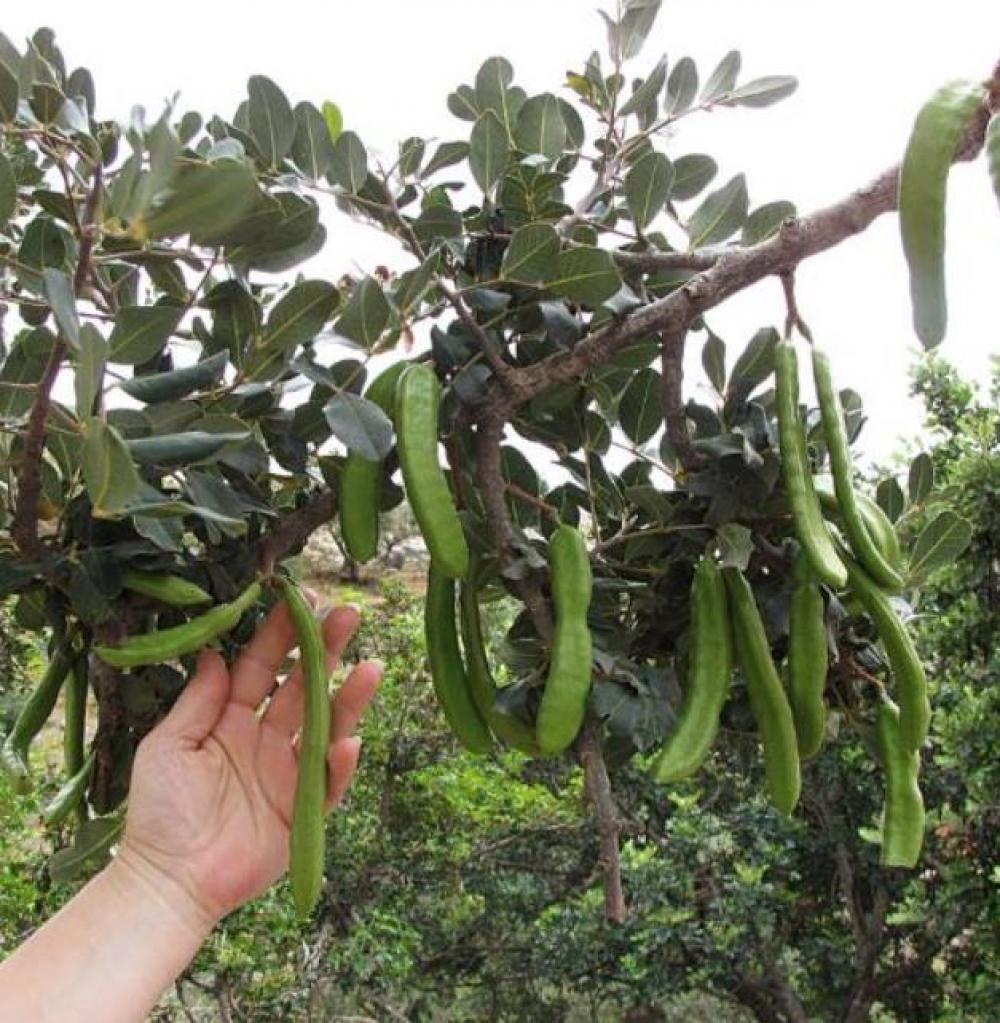
Alfarrobeira
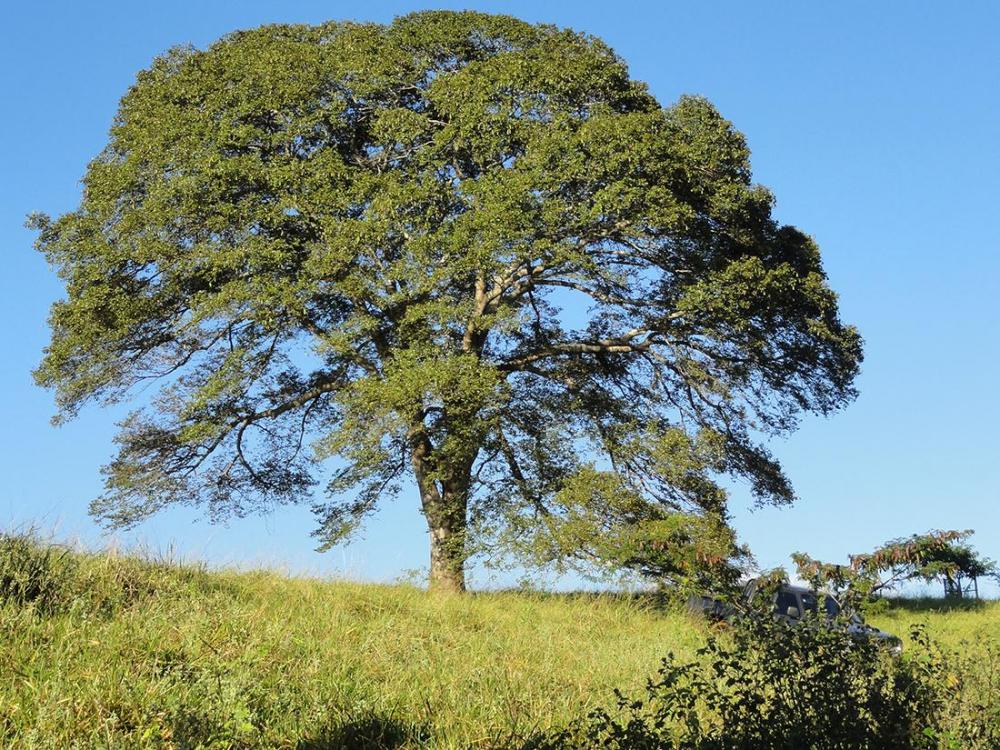
Andiroba

Red Angelim
White Angico
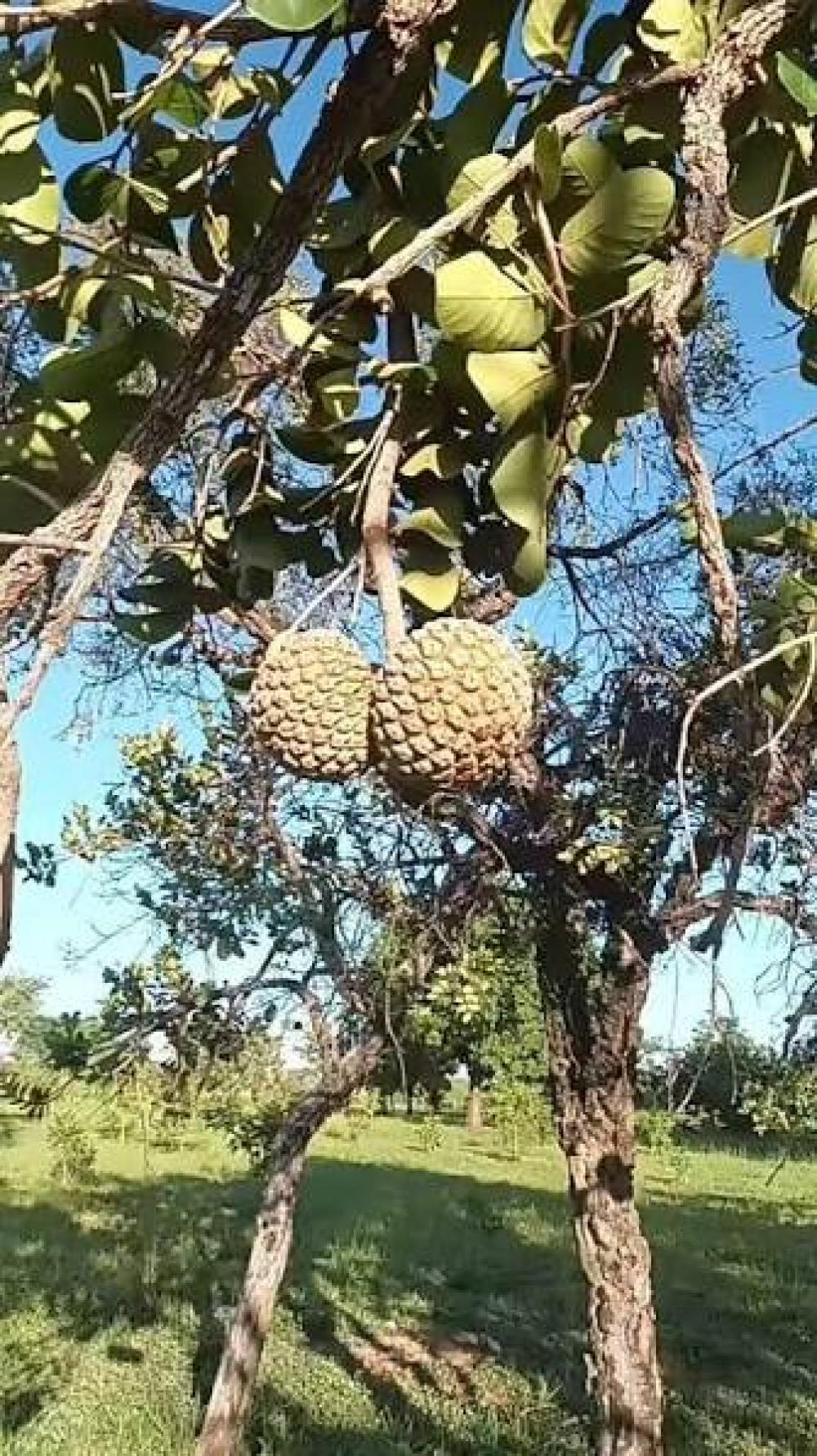
Araticum
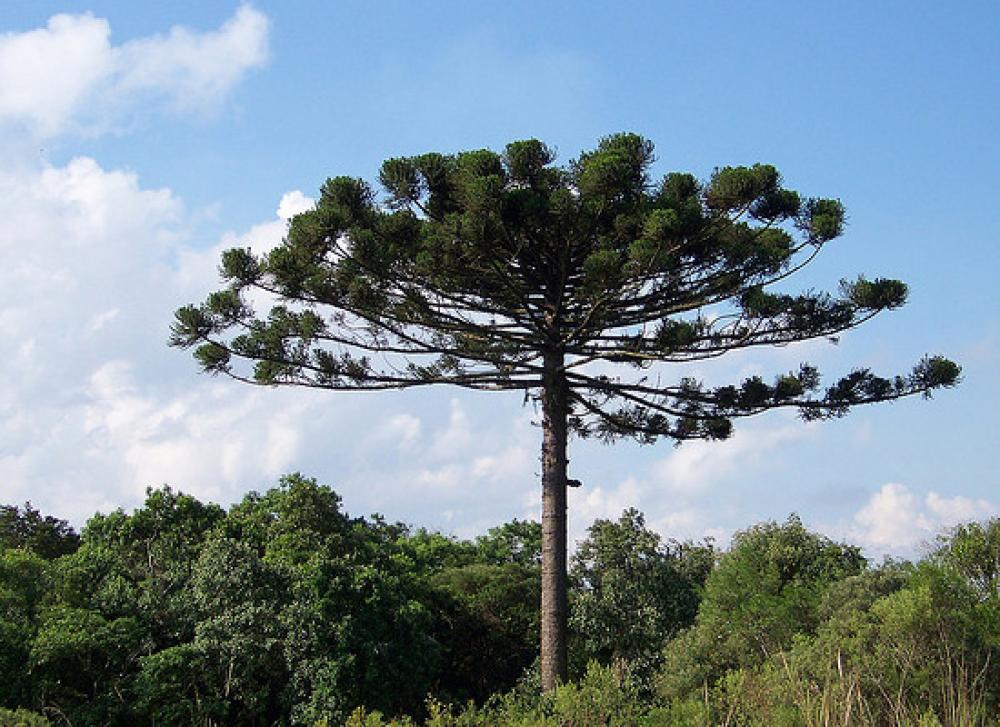
Araucaria, the Paraná pine
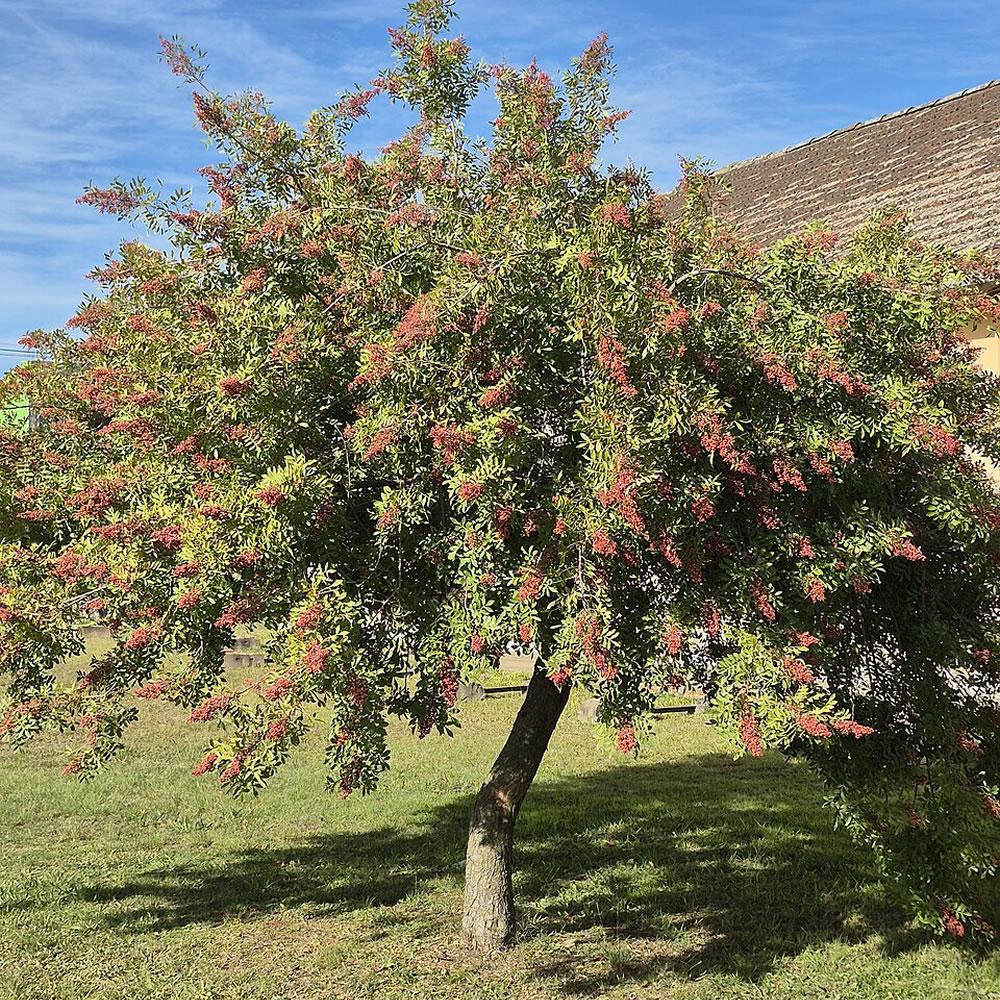
Brazilian peppertree
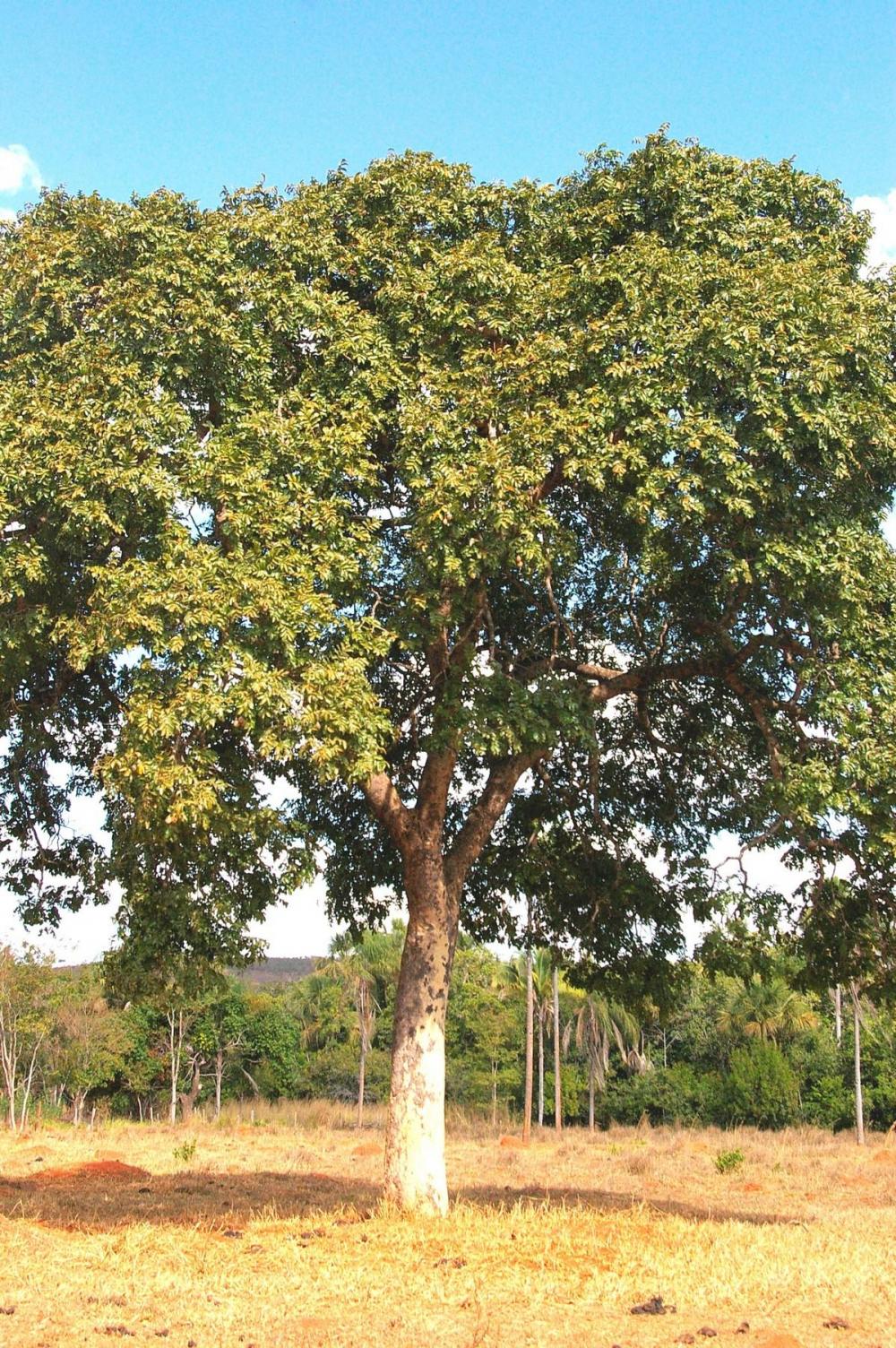
Baru
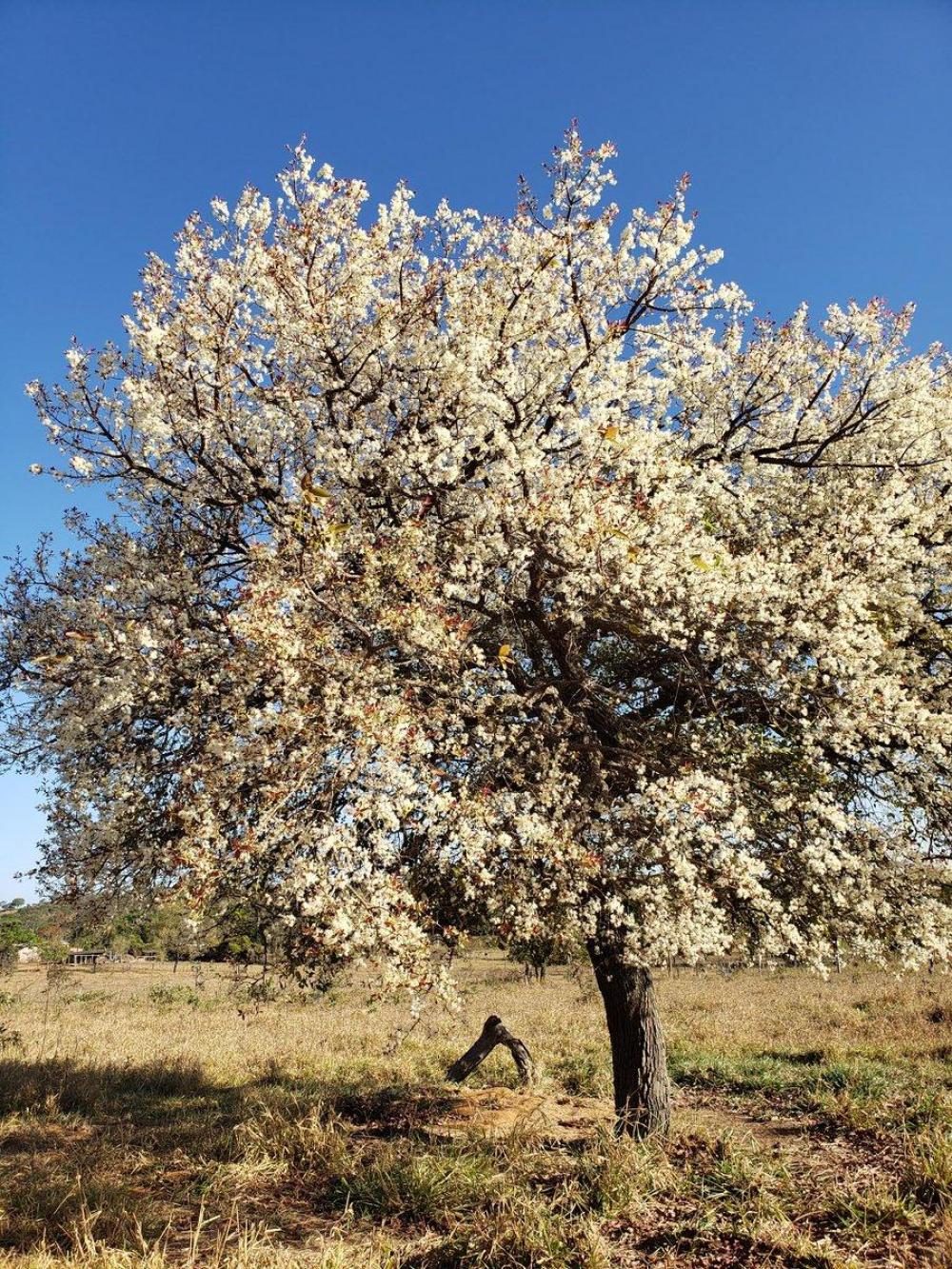
Cagaita
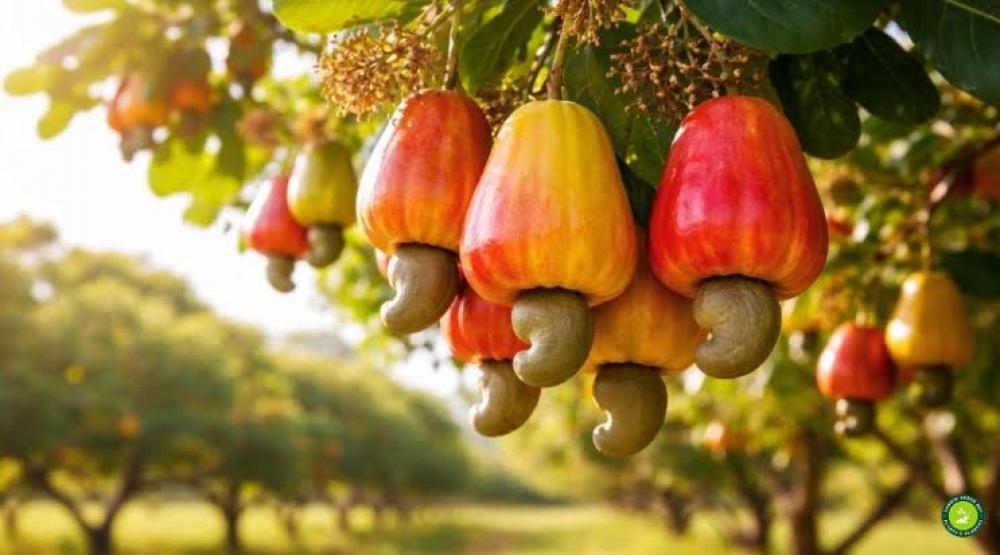
cashew tree
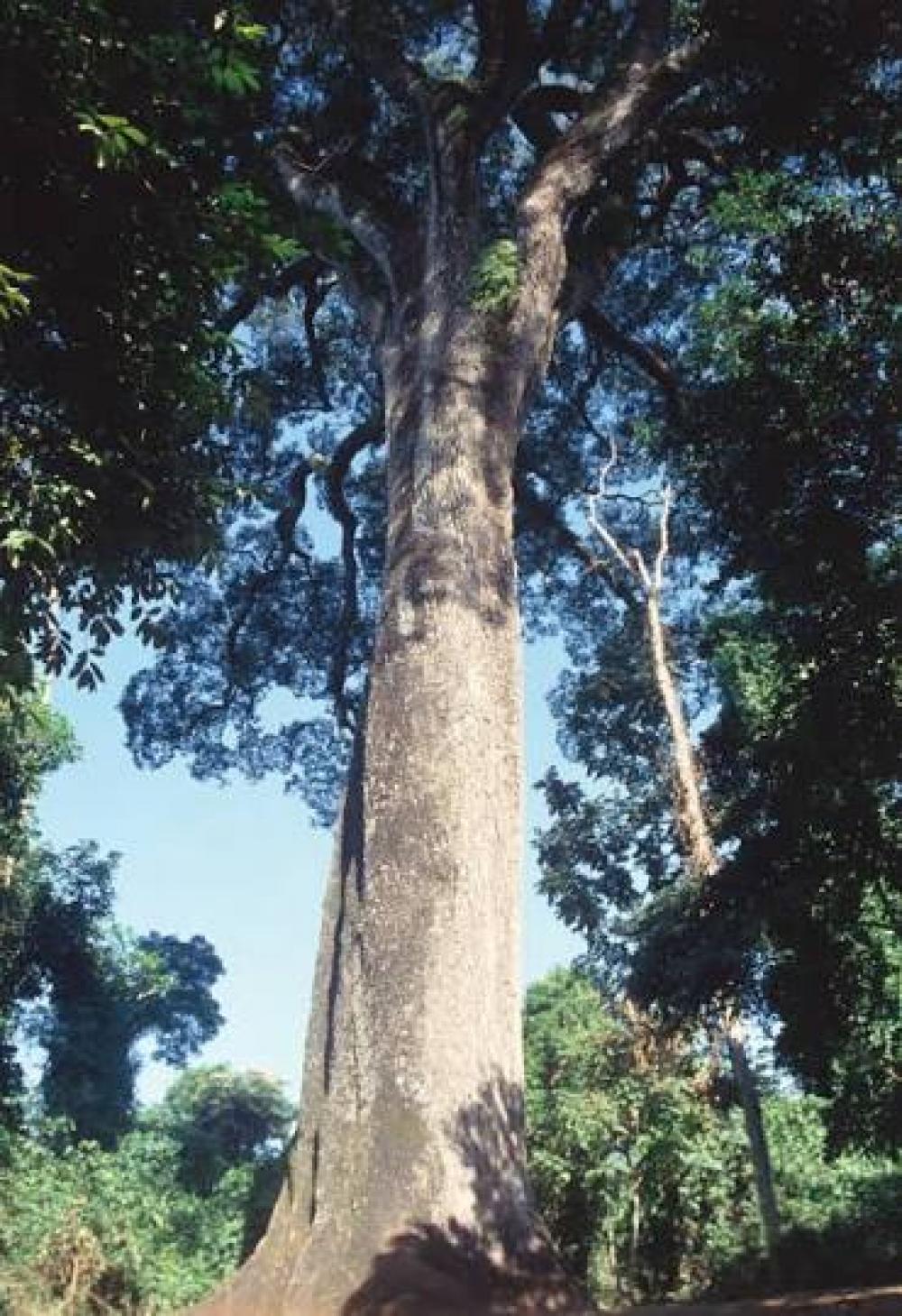
Black Cinnamon
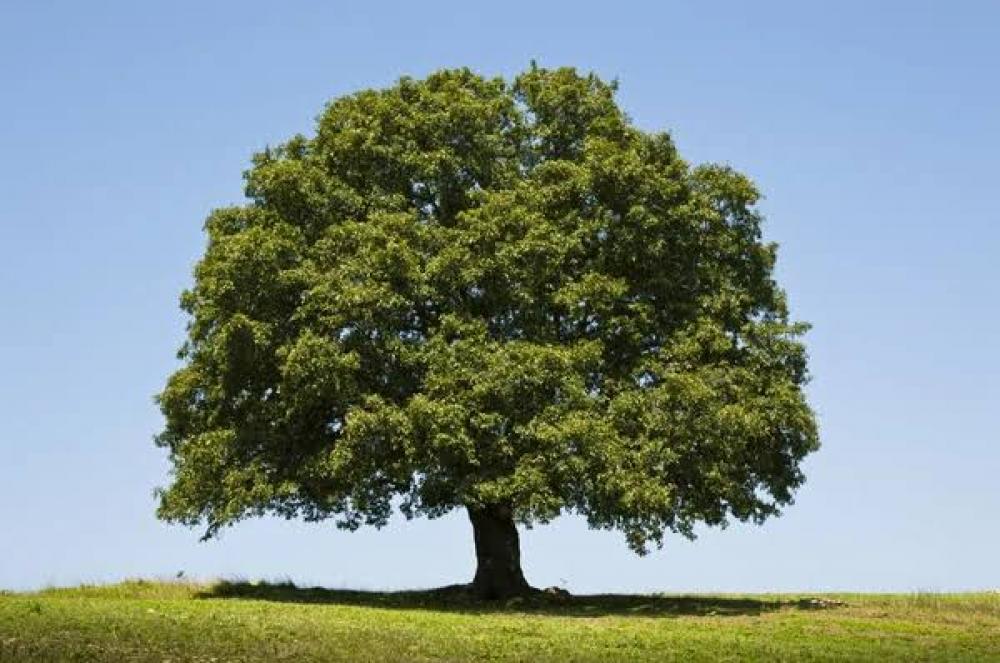
Oak tree
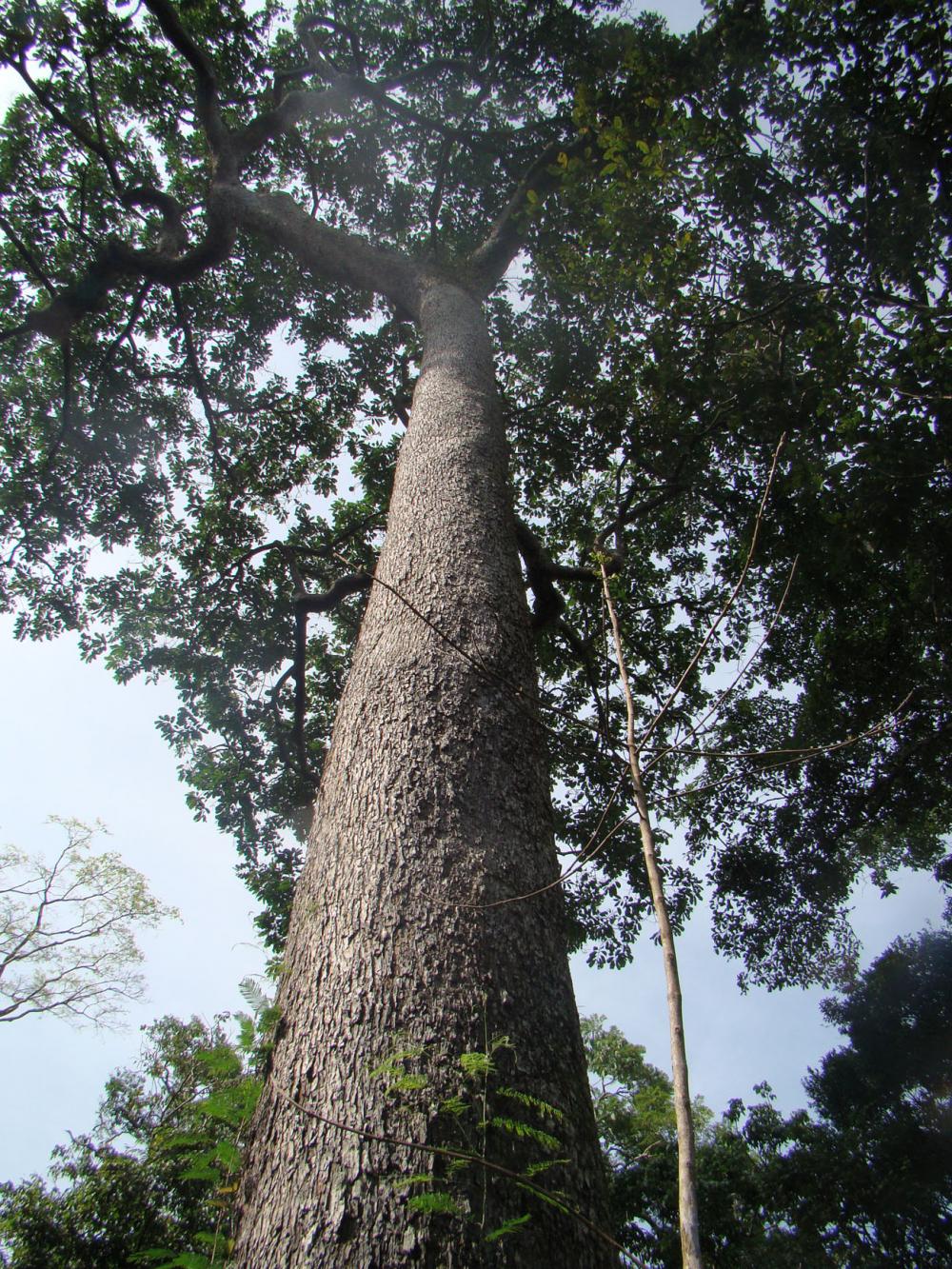
nuez de Brasil
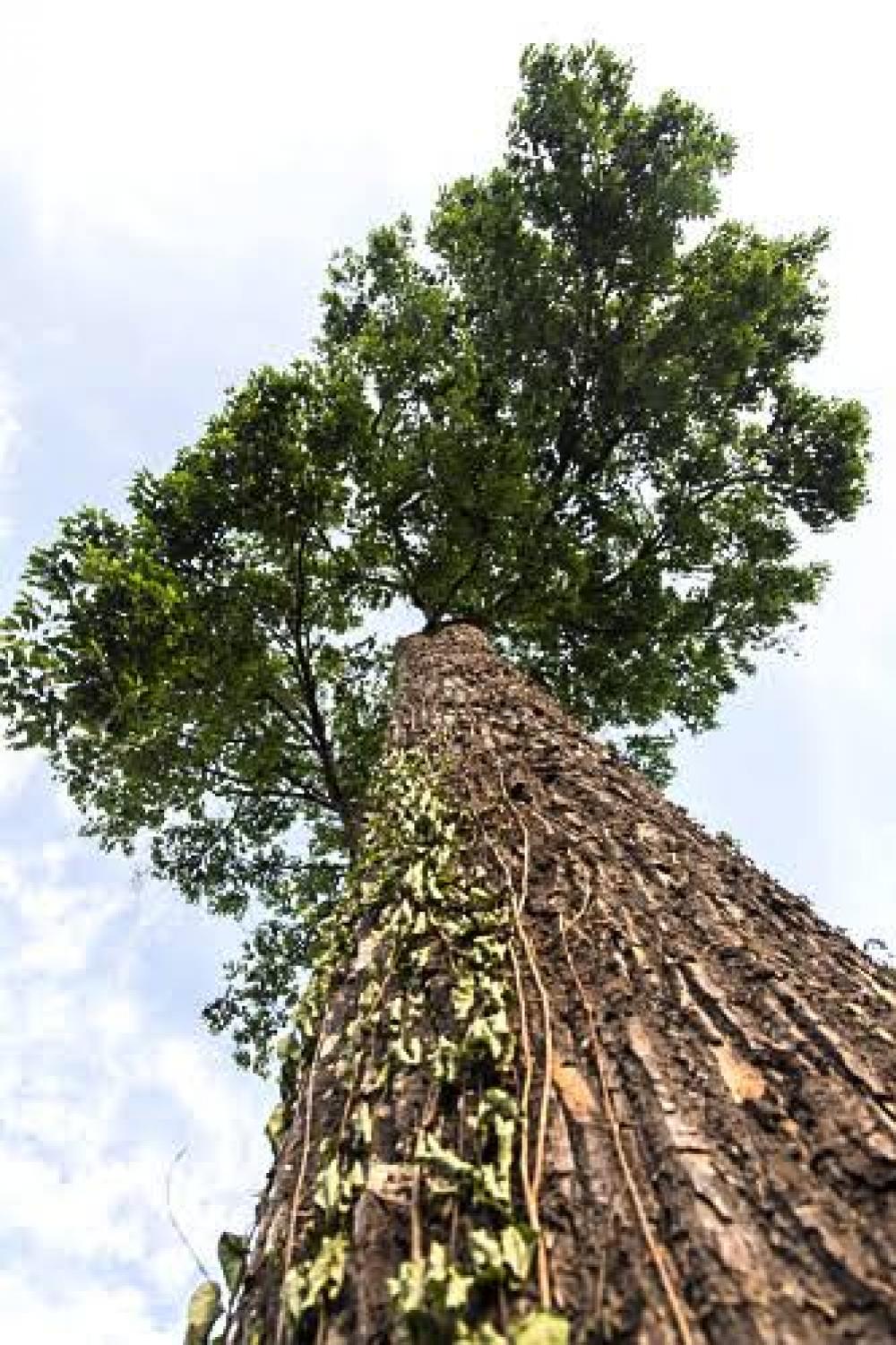
Brazil nut tree
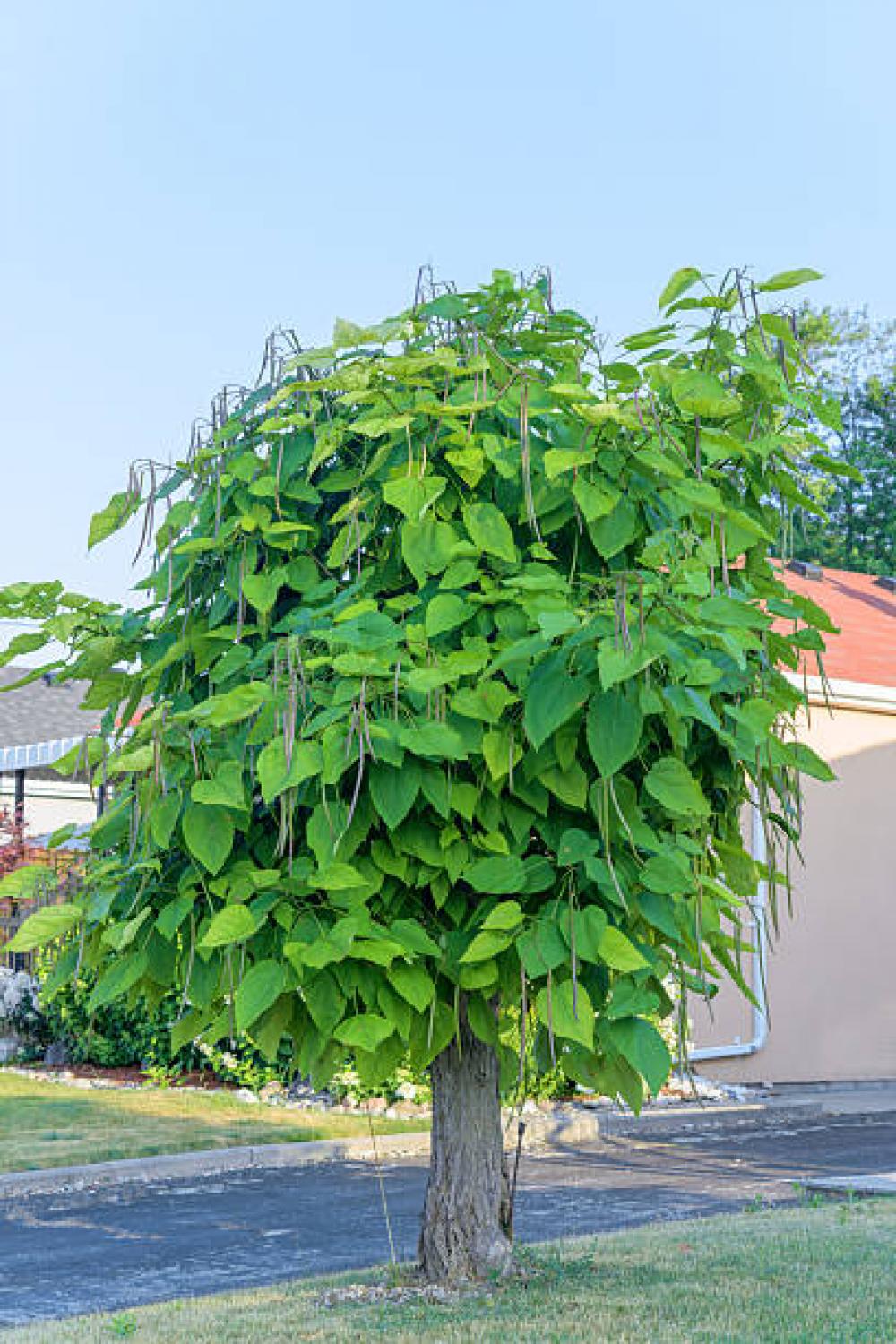
Catalpa
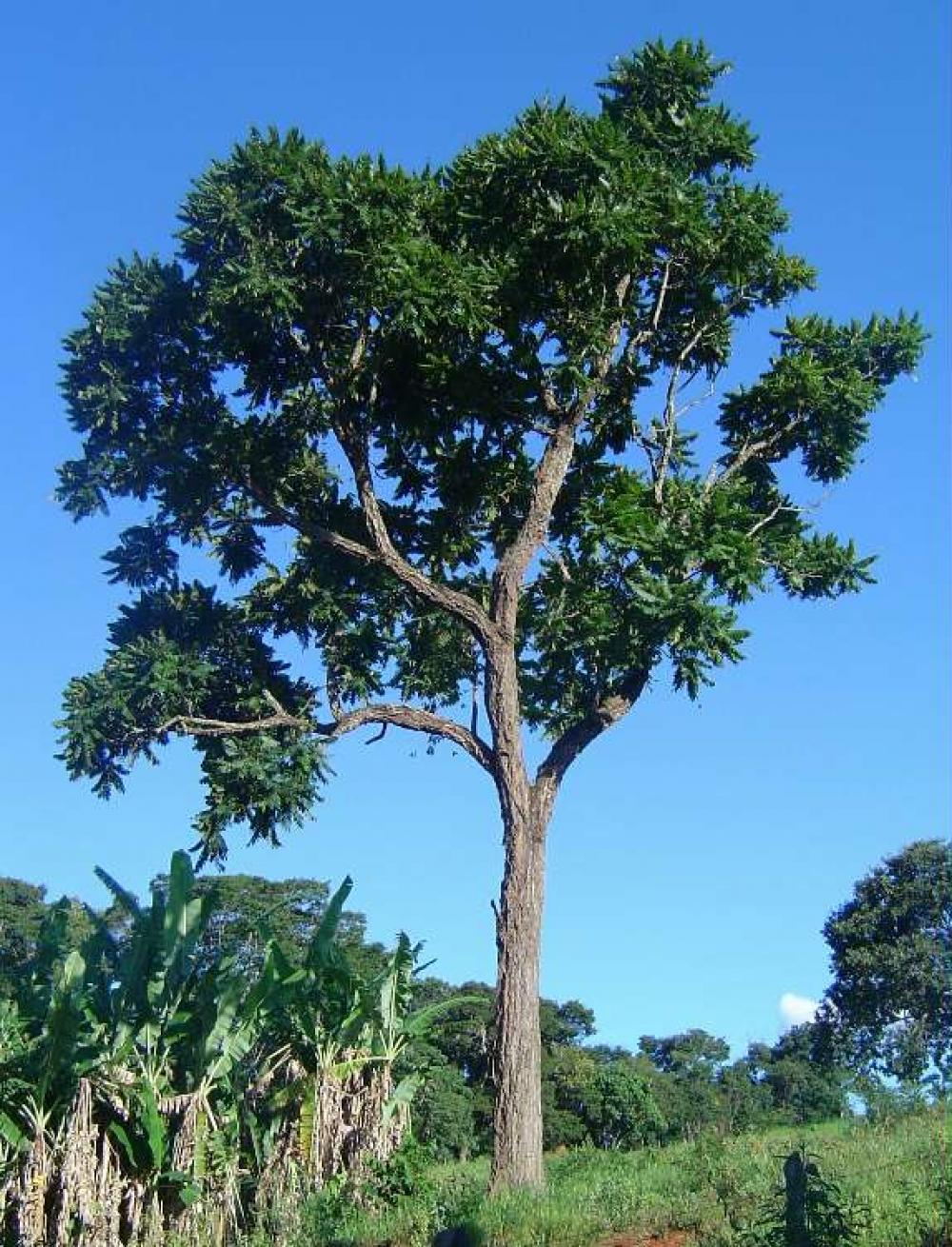
Pink cedar
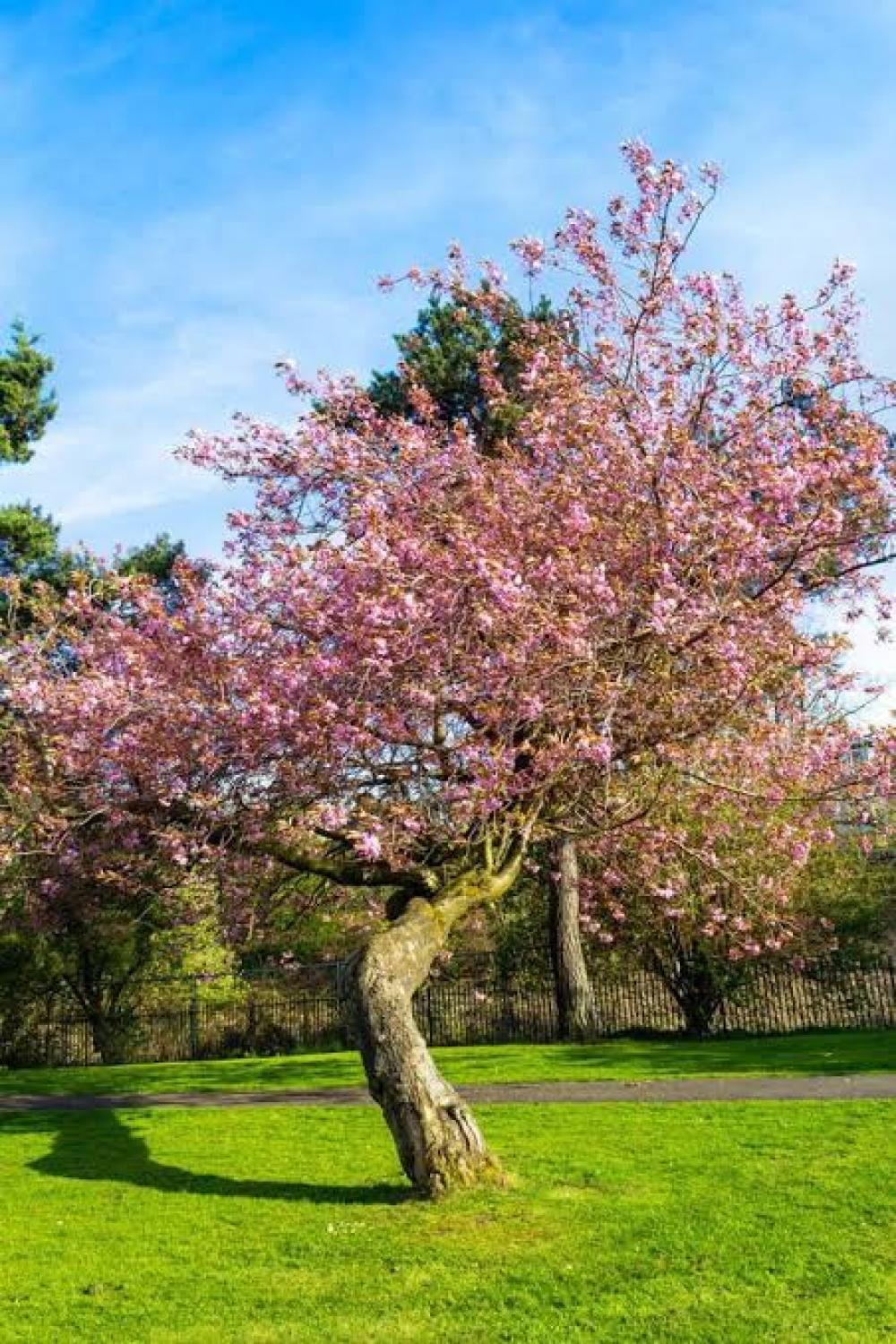
ornamental cherry tree
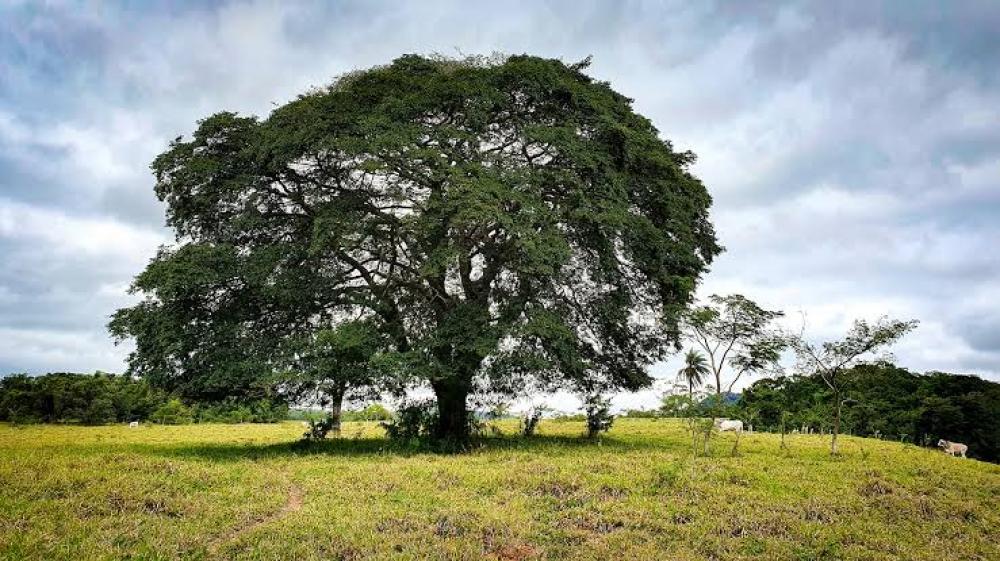
copaiba
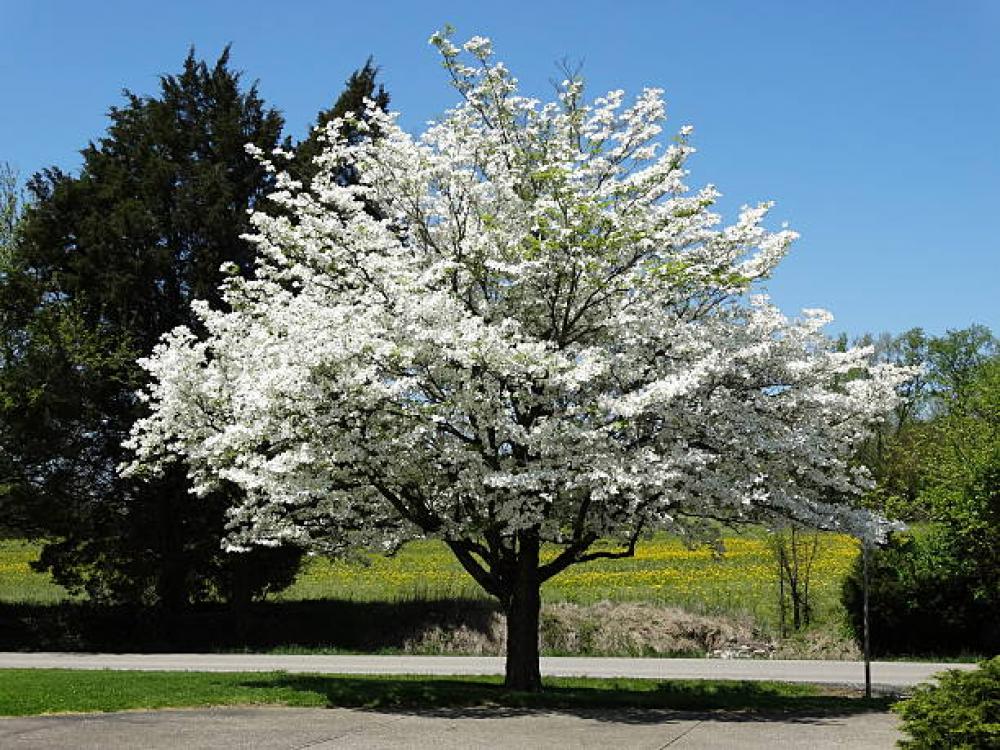
Trees of the genus Cornus
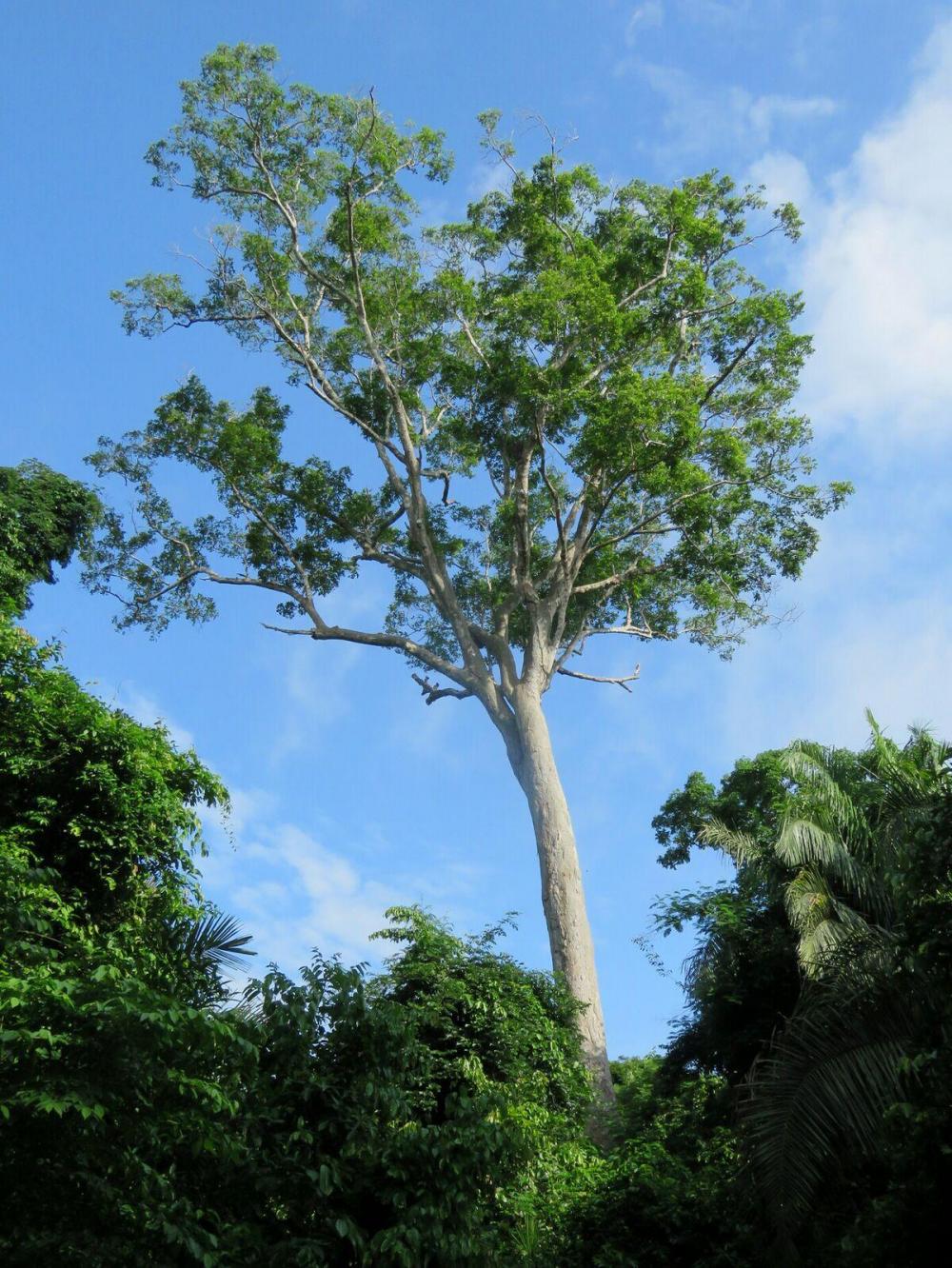
Cumaru
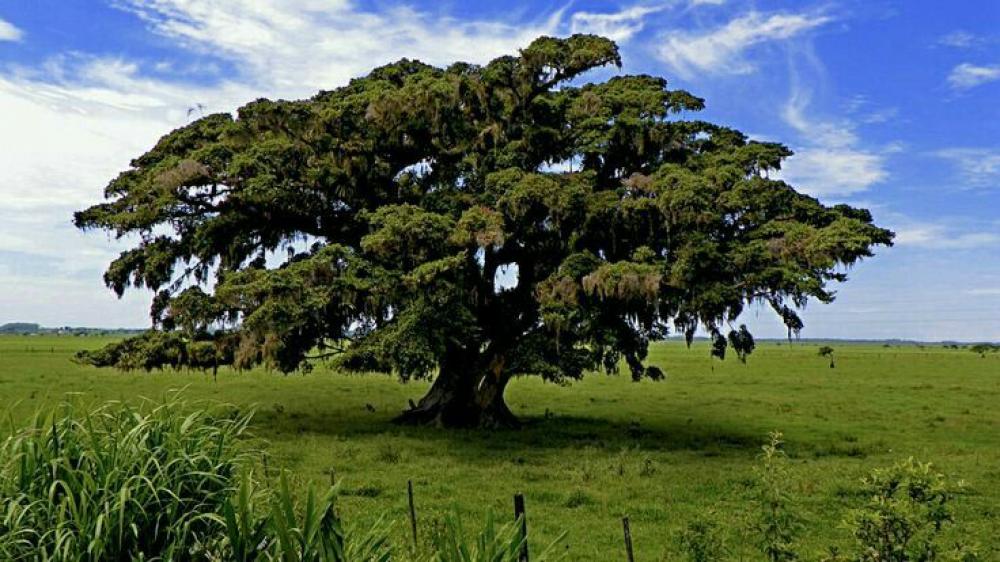
fig tree
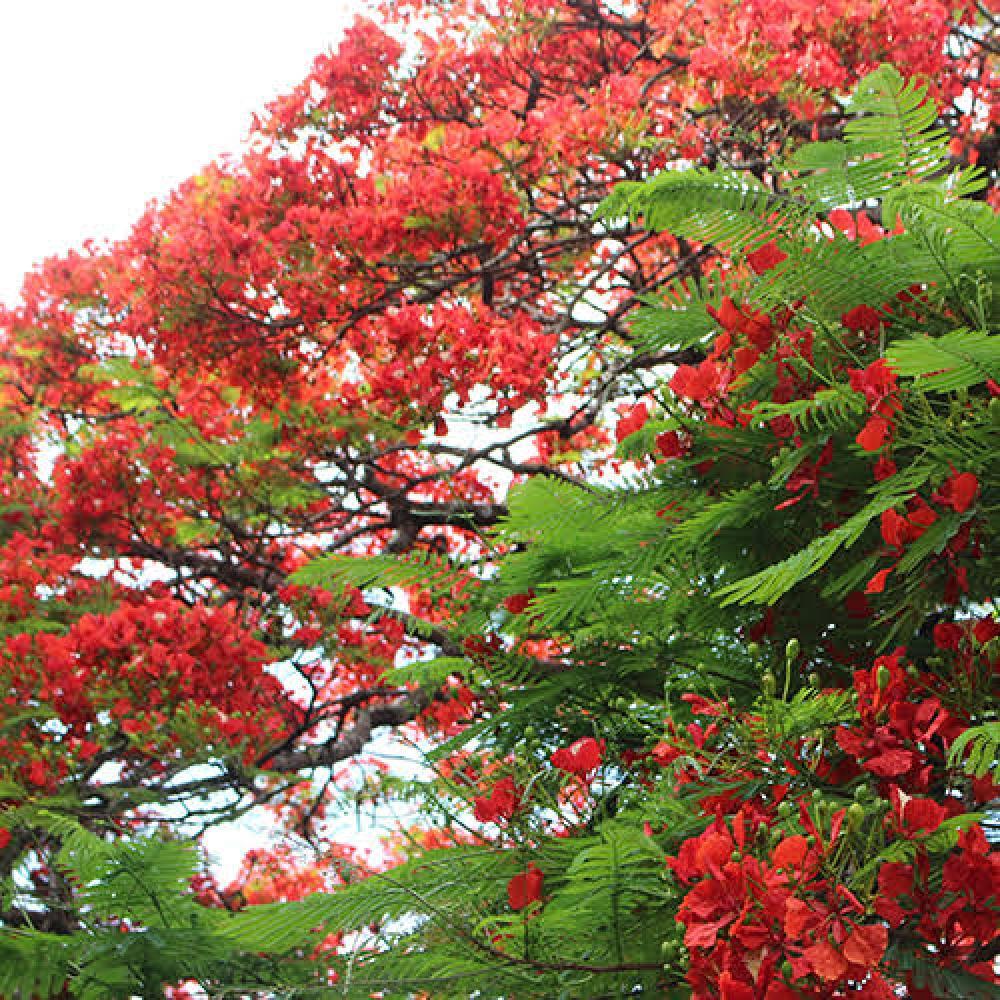
Flamboyant
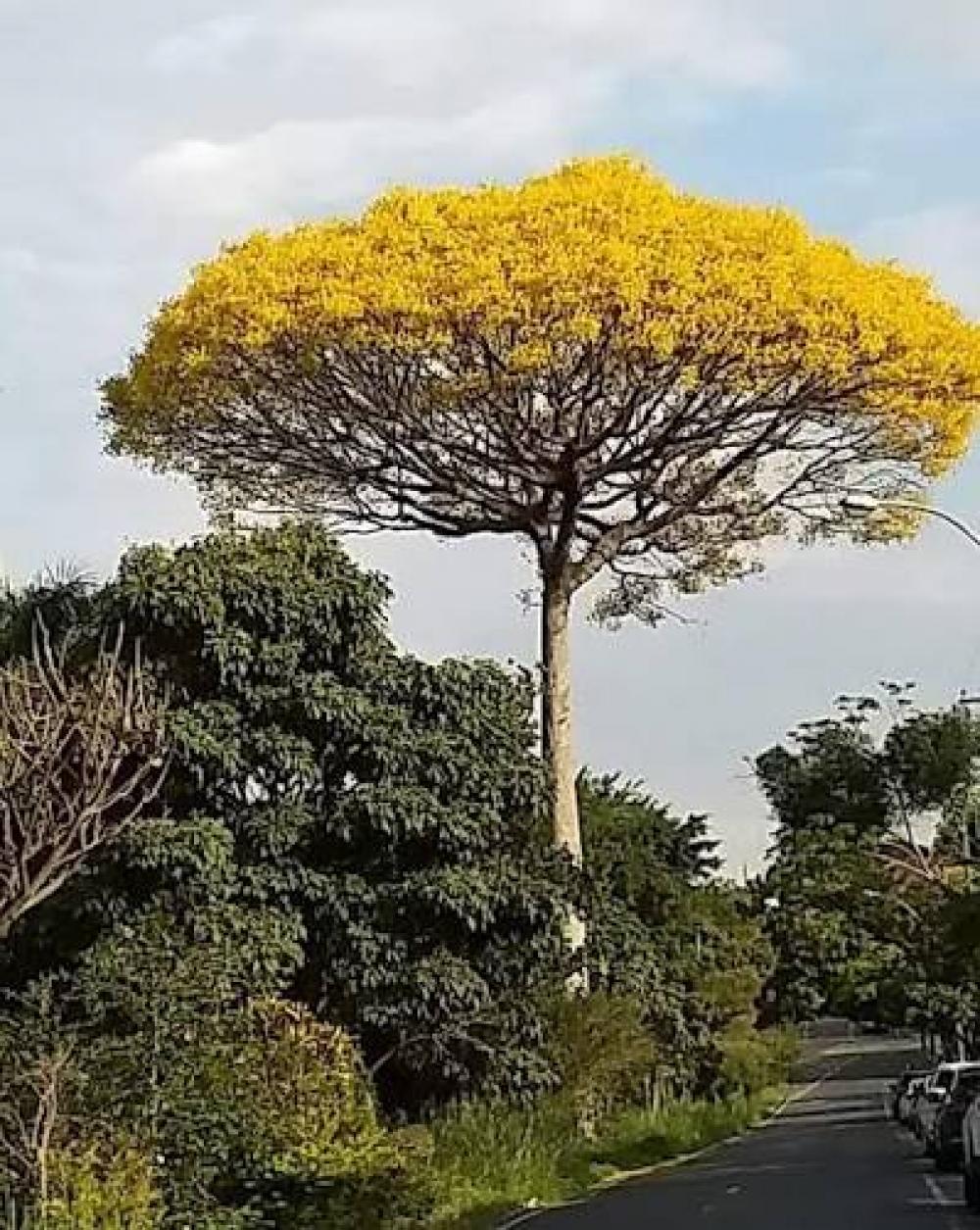
Guapuruvu
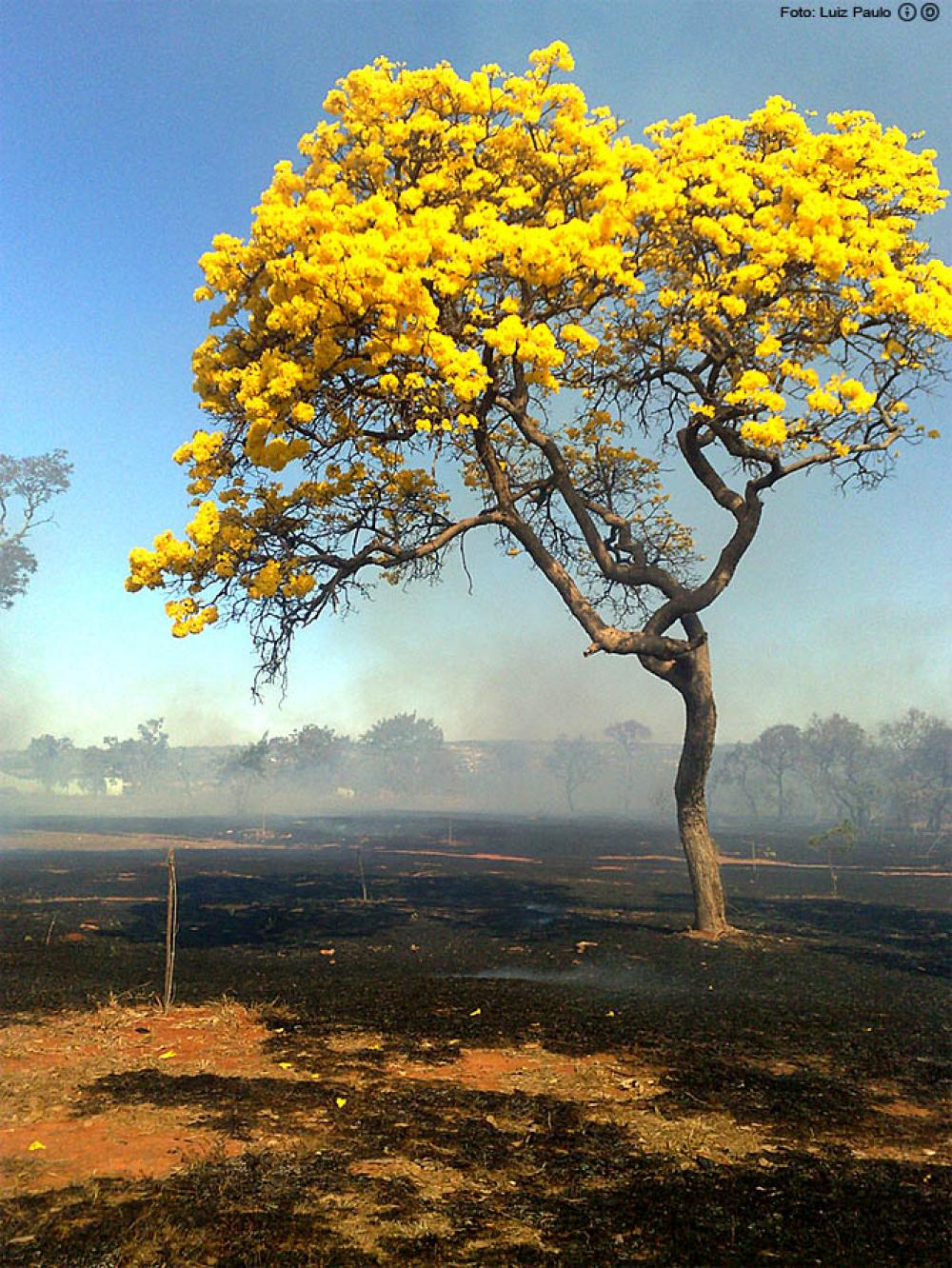
Yellow Ipê

Purple Ipe
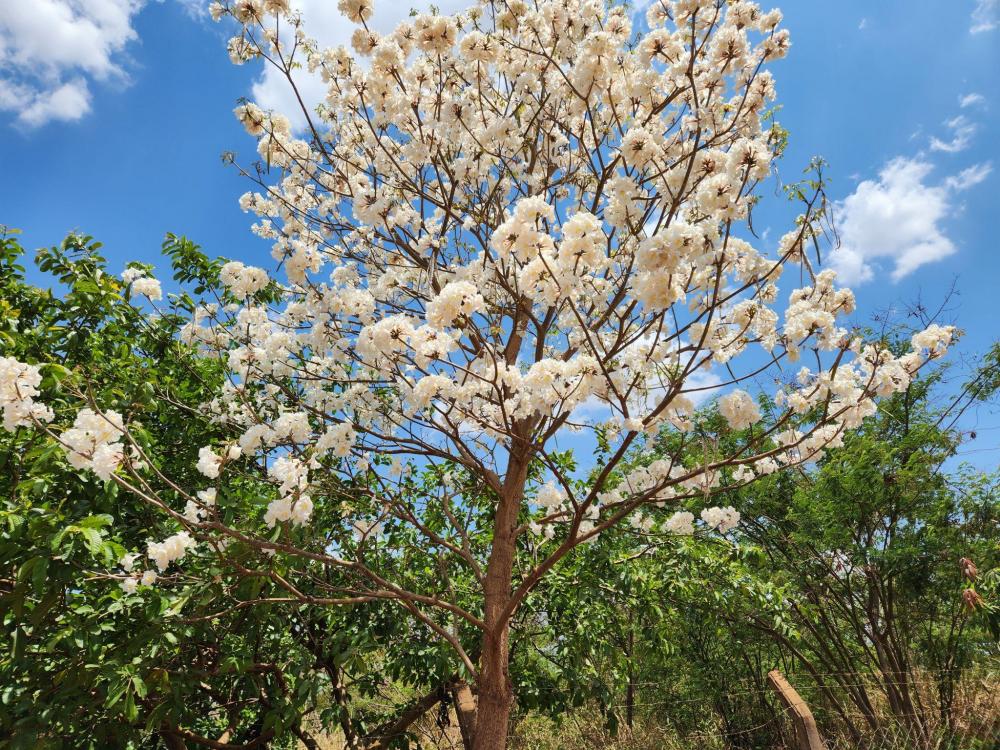
White Ipê
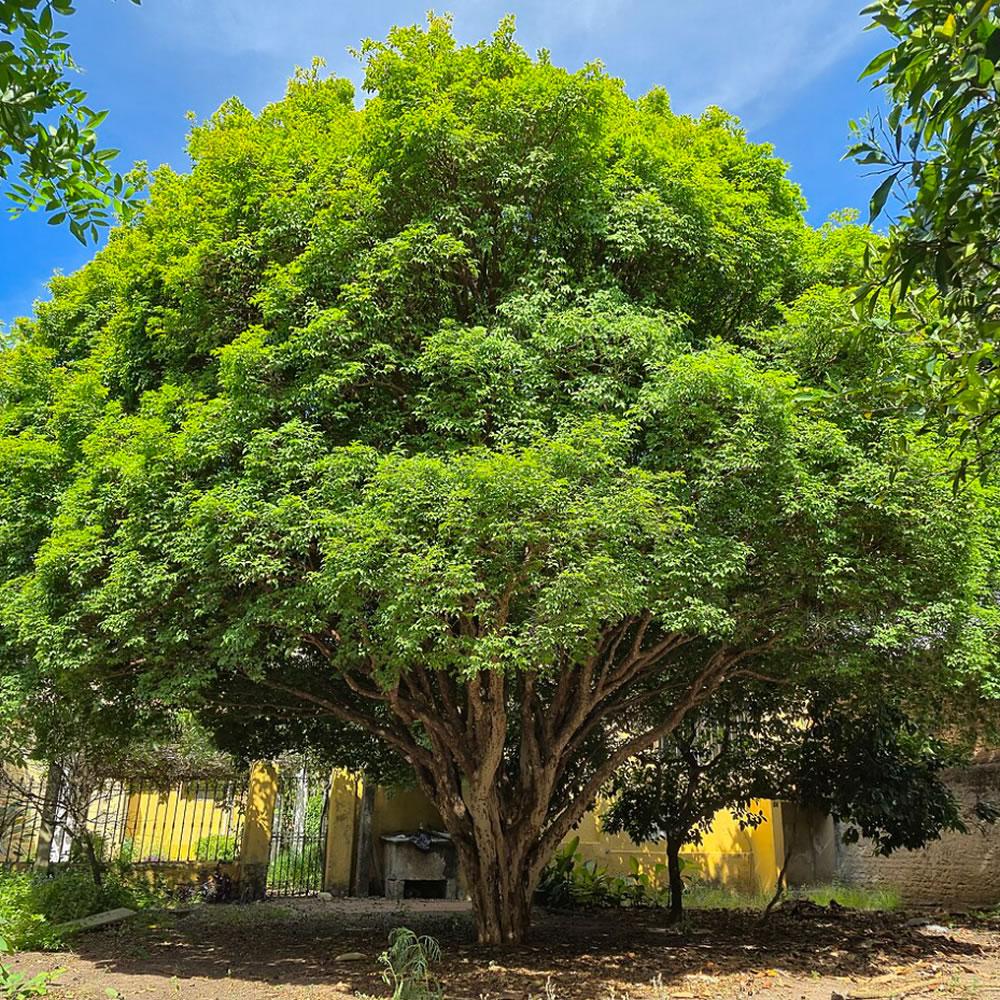
Jabuticaba
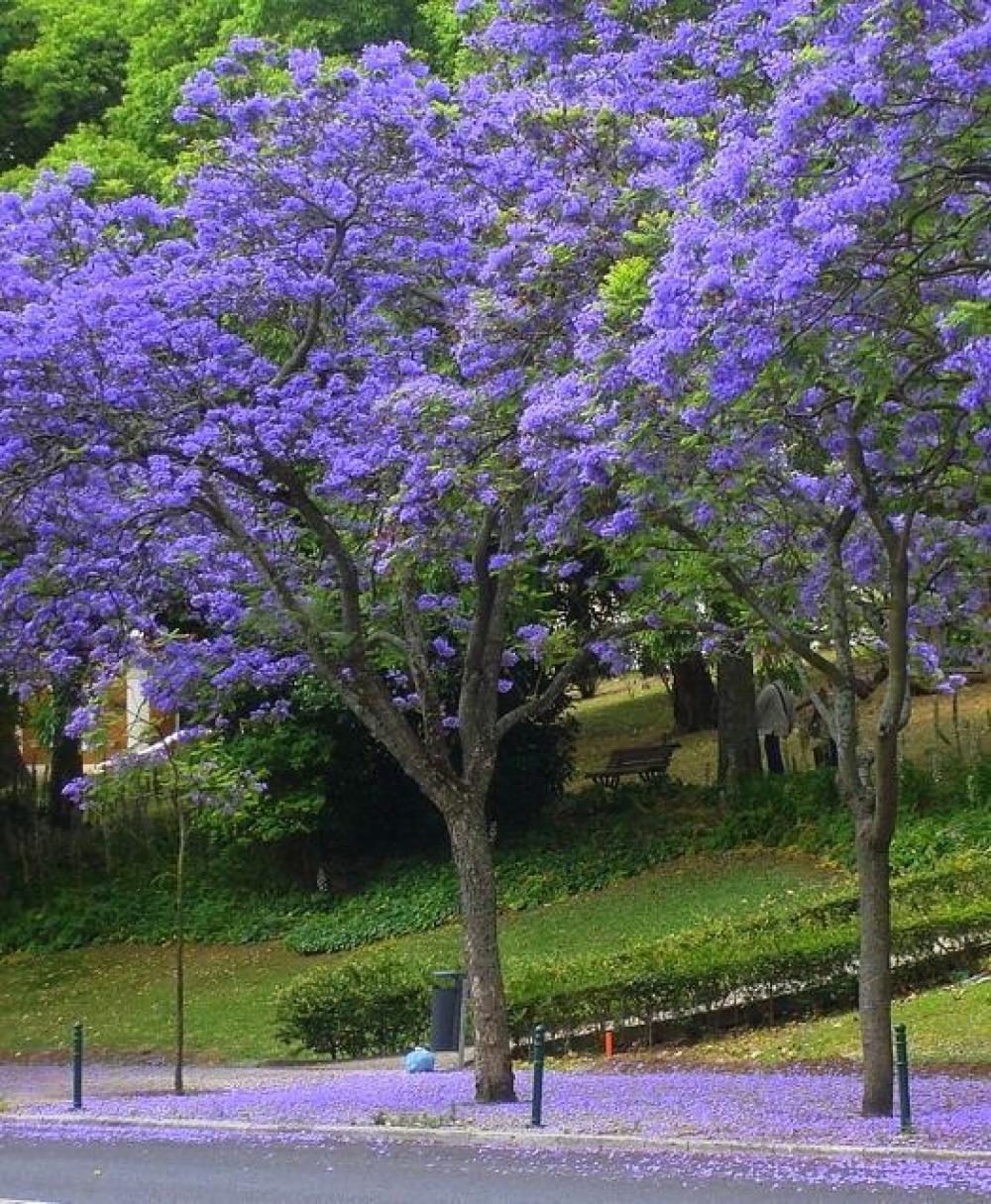
Blue jacaranda
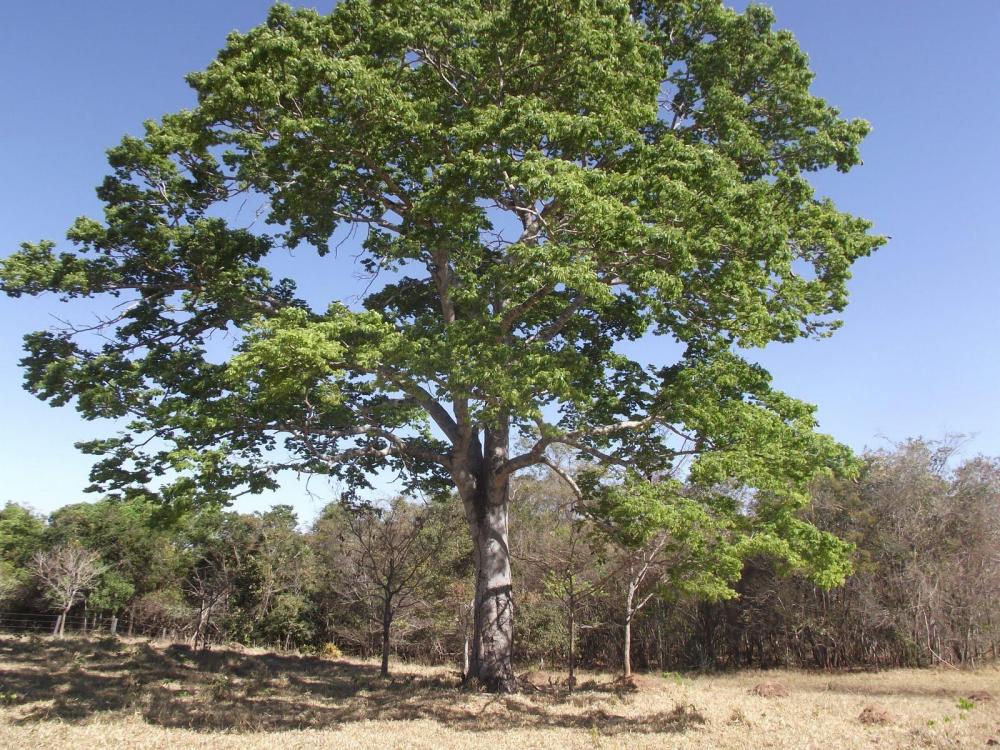
Jatoba
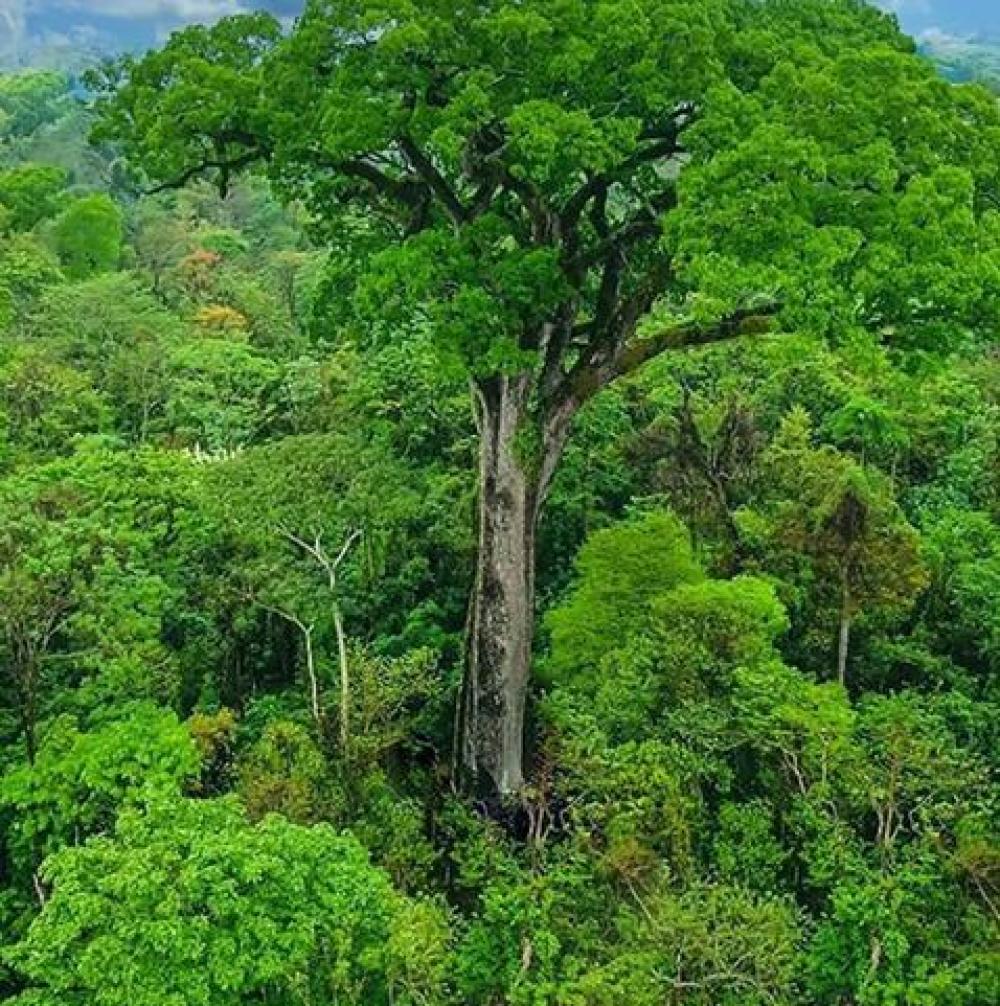
Pink Jequitibá (Cariniana legalis)
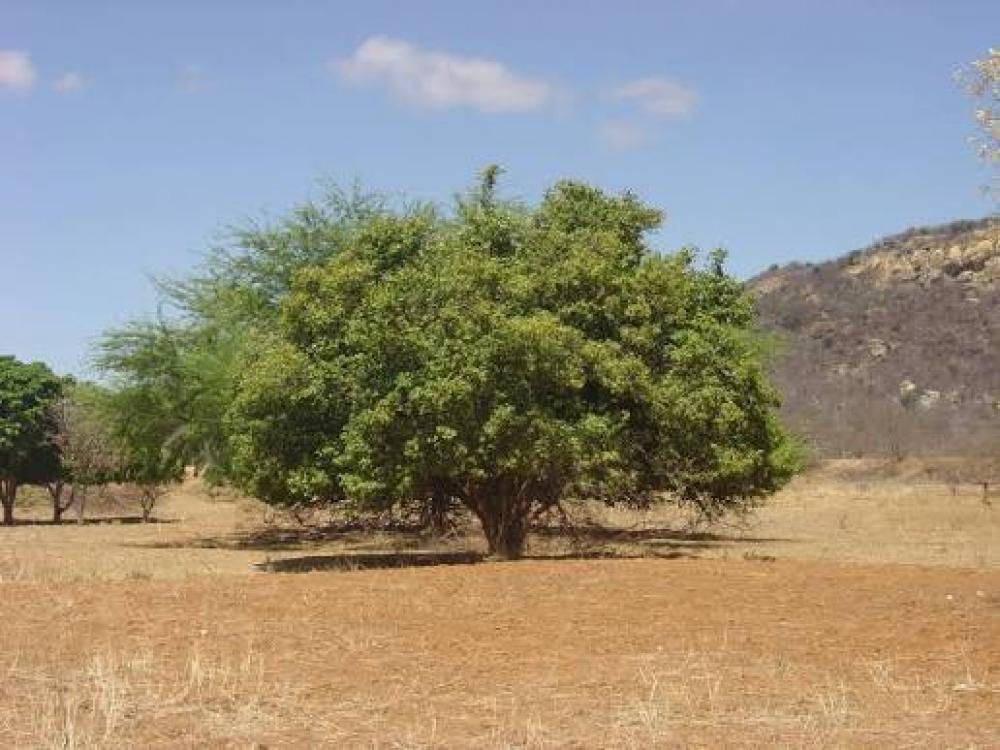
Juazeiro
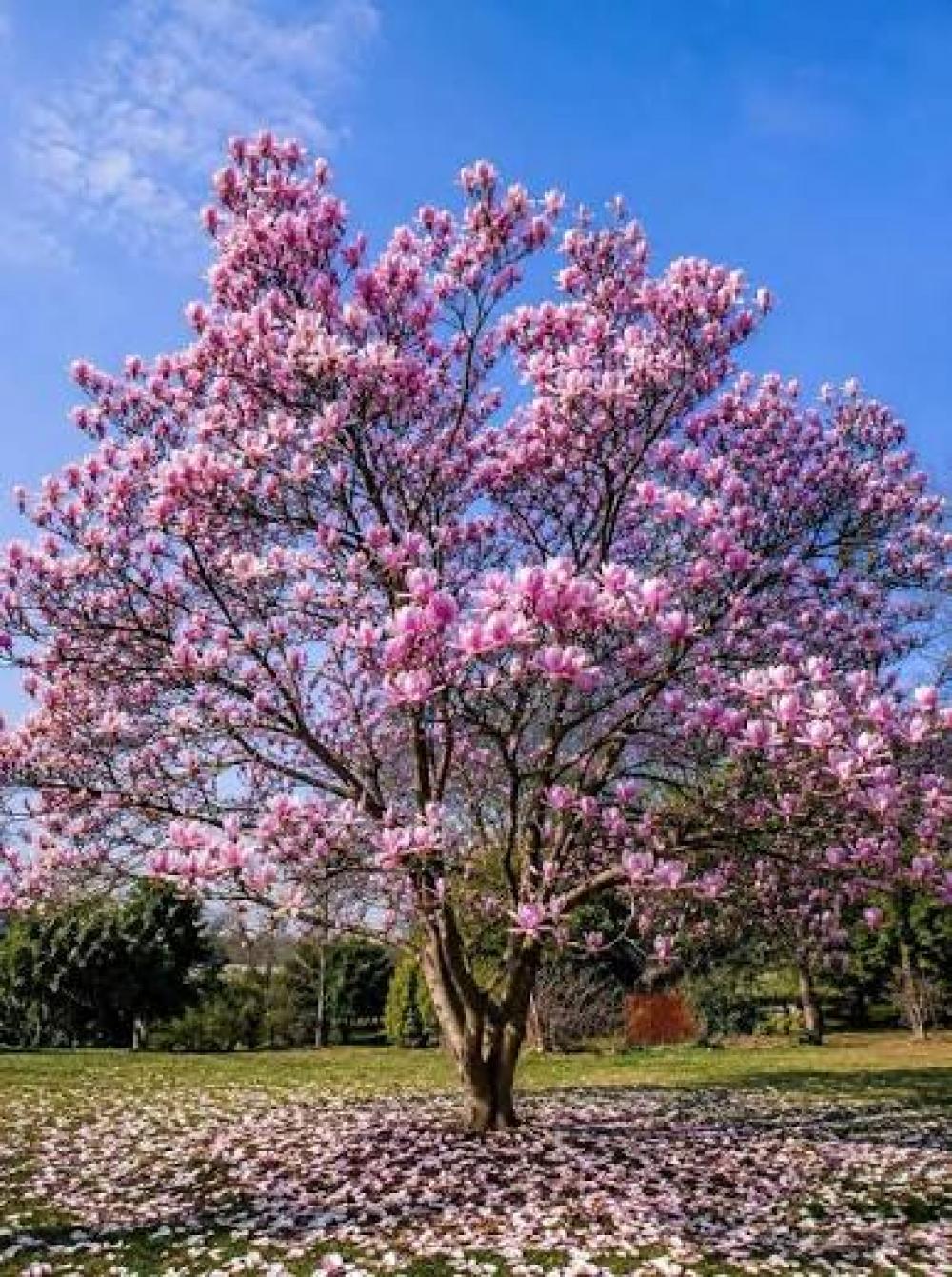
Magnolia
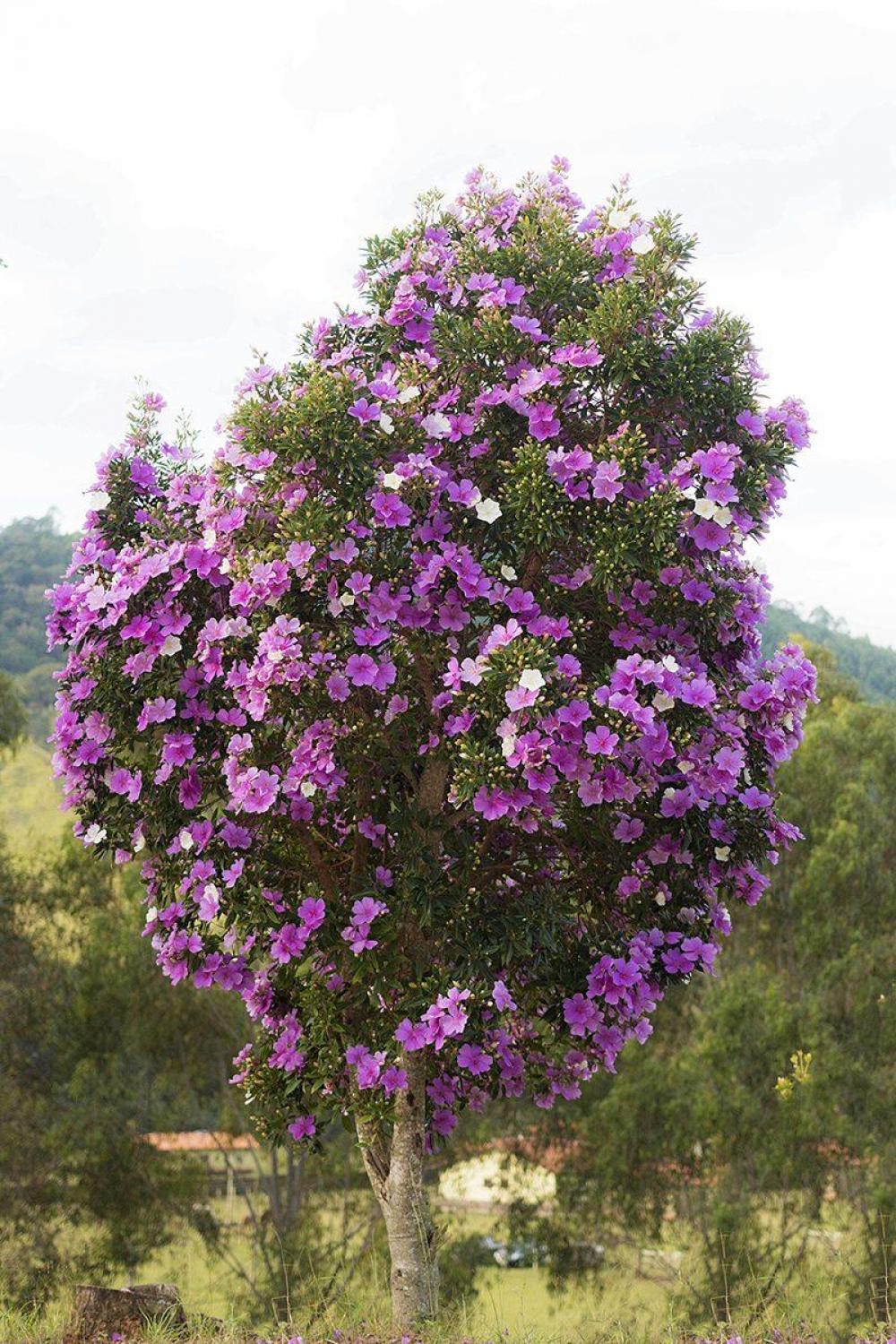
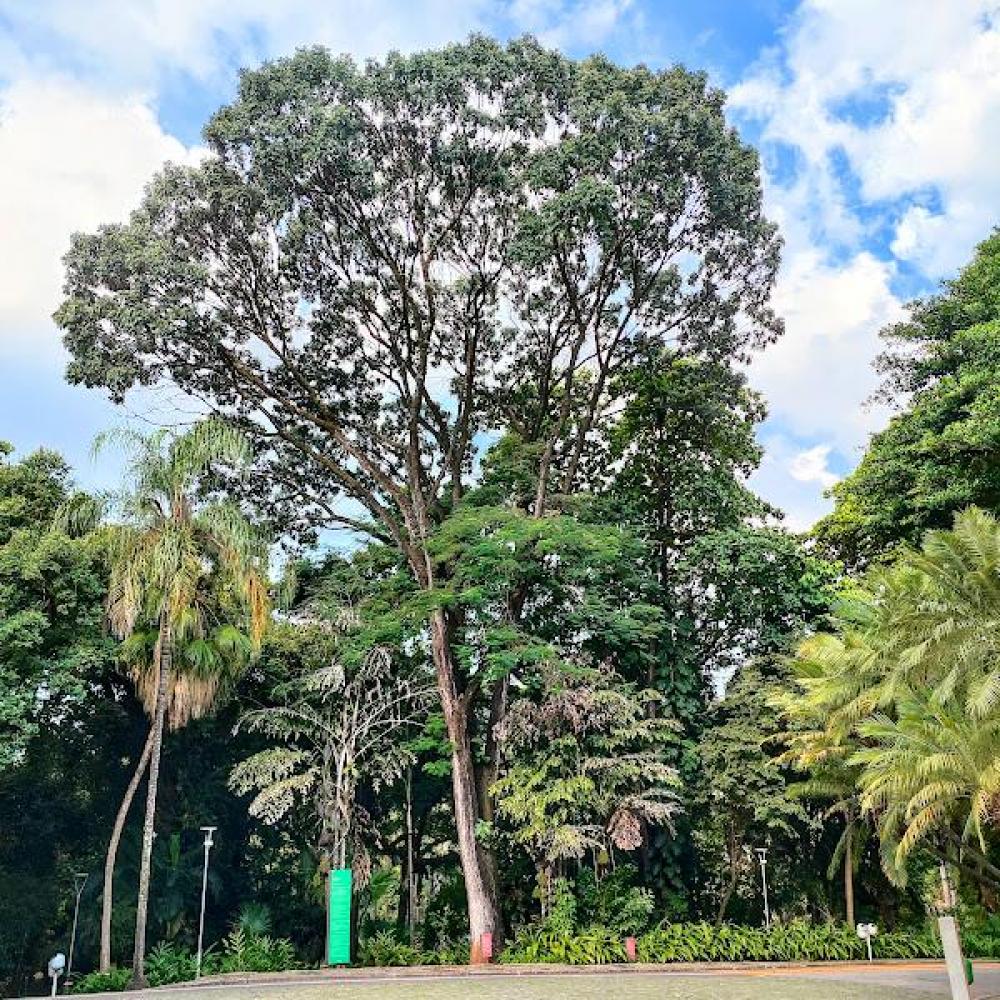
Brazilian Mahogany
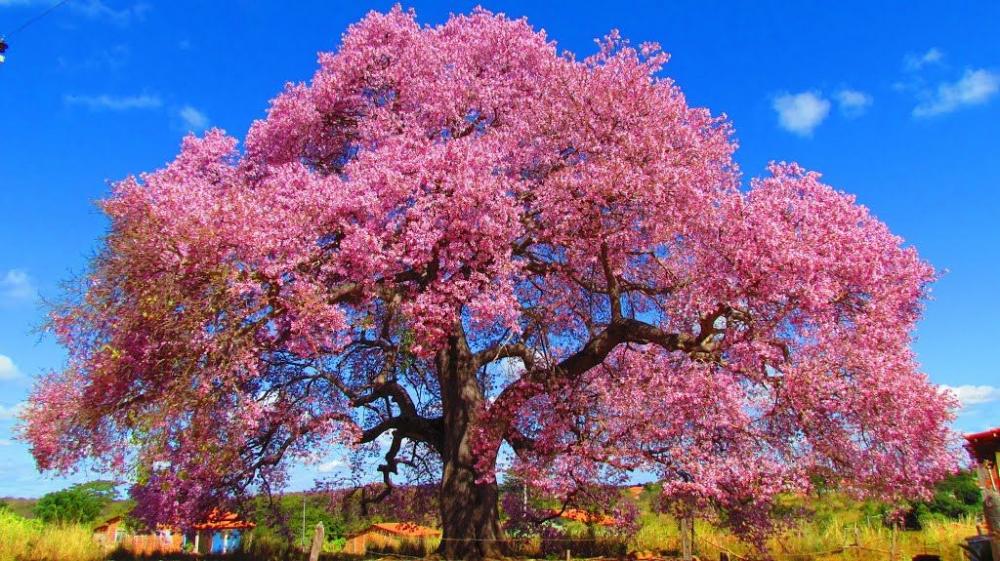
pink silk floss tree
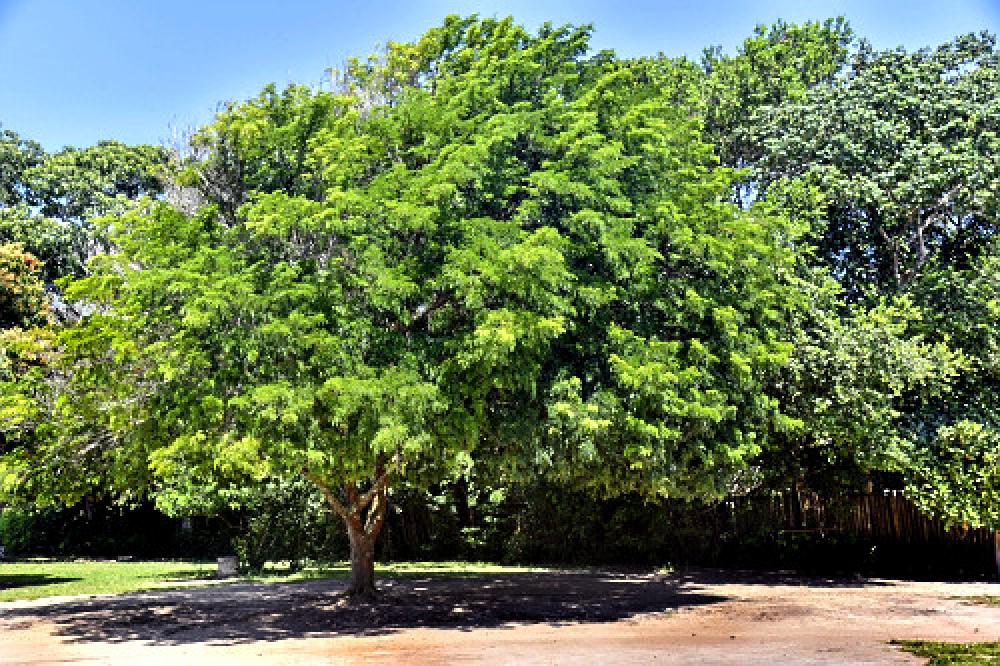
Brazilwood
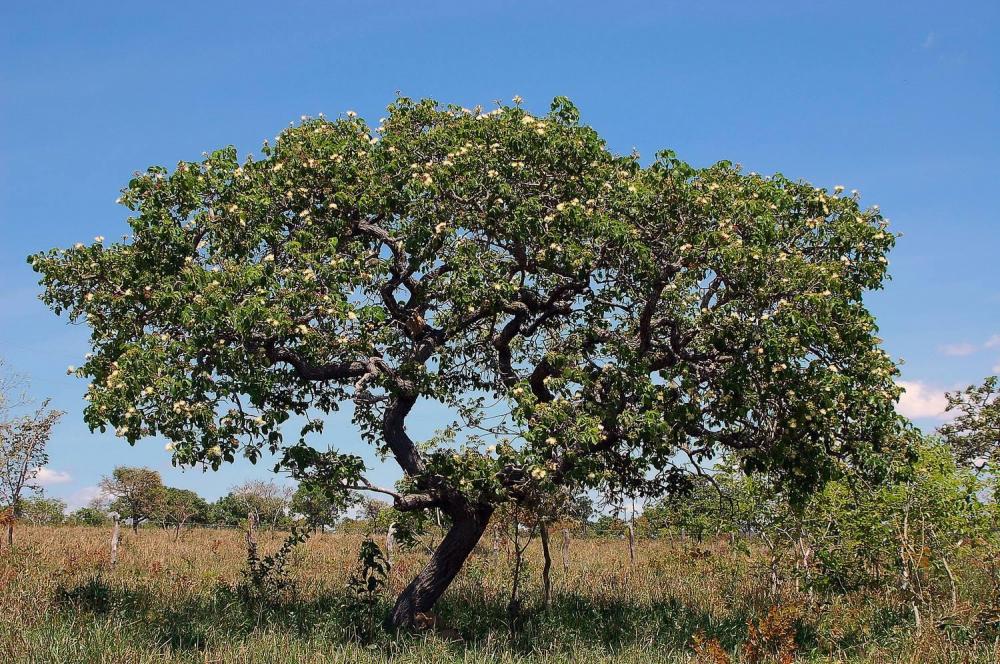
Pequi
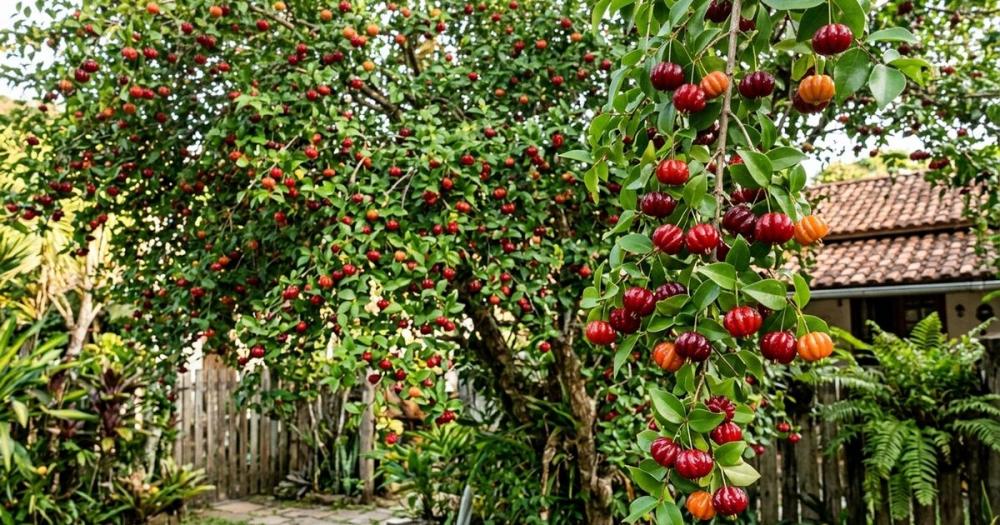
Surinam cherry
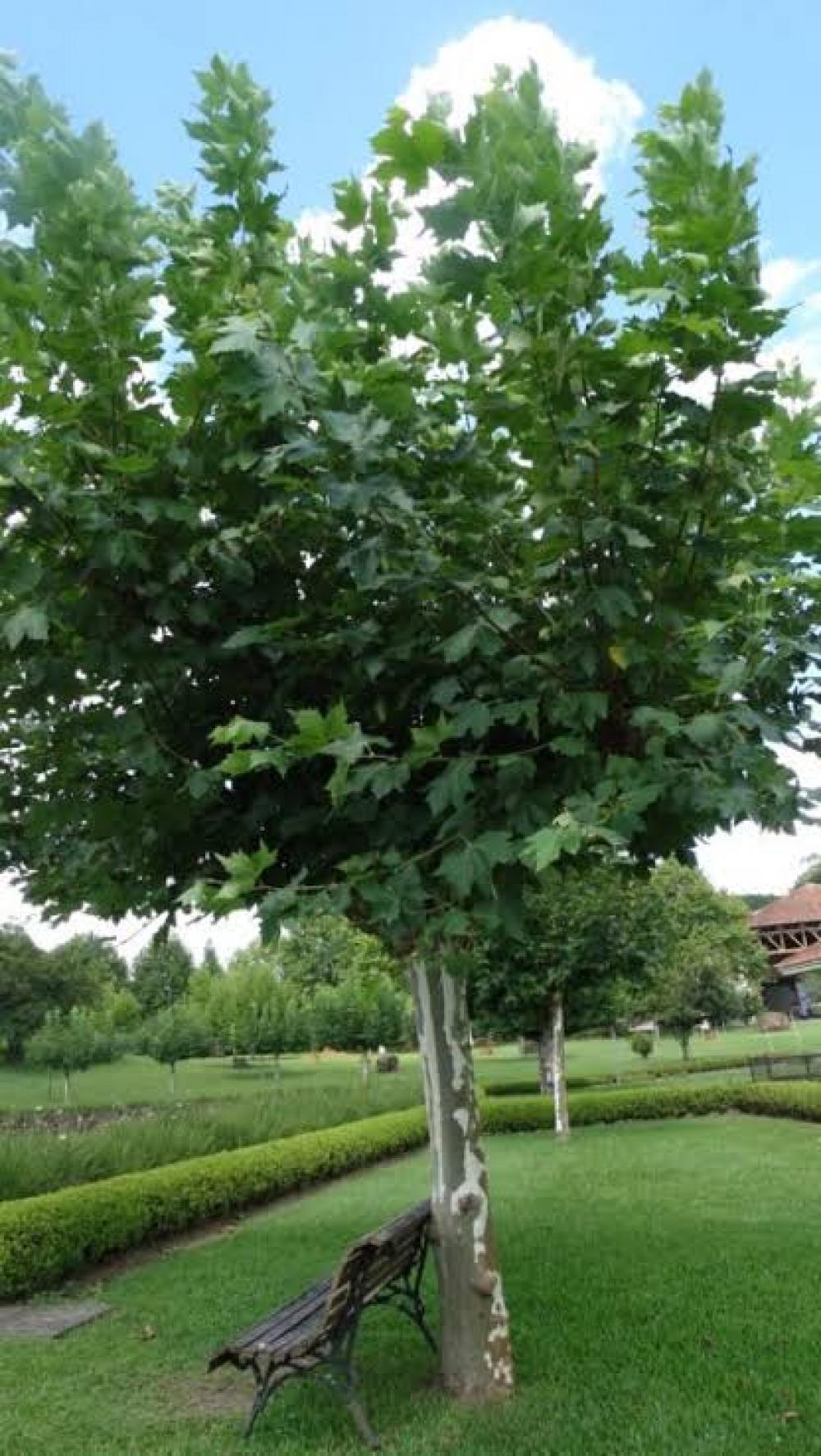
Plane tree
Rubber tree
Sucupira
Linden