



Brazil nut tree
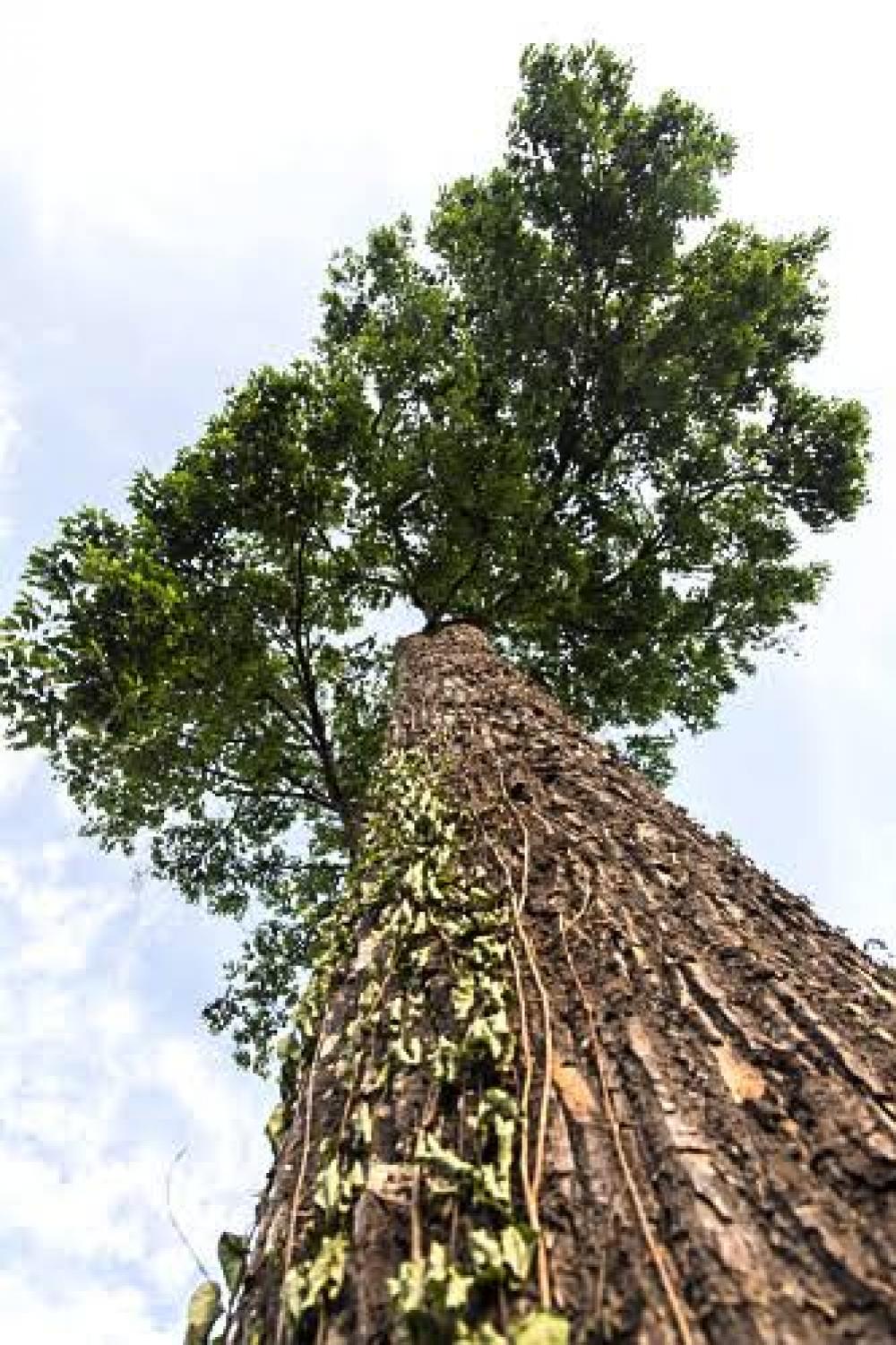
The Brazilian variety (also known as the Pará variety or the Amazonian variety) receives the scientific name *Bertholletia excelsa* Bonpl. and belongs to the Lecythidaceae family. It is one of the most emblematic trees of Amazonia and has enormous ecological, economic, food and cultural importance. Its presence is mainly associated with the Amazon forests of Brazil, Bolivia and Peru, where it forms part of complex relationships between plants, animals and human communities.
It is a large tree that can exceed 40 meters in height in natural surroundings. It has a very robust trunk and a high crown that can tower over the other trees in the forest. Its impressive structure allows it to perform an important function in the configuration of the forest environment, offering refuge, shade and suitable conditions for various organisms associated with the Amazon forest.
Its main product is nueces (or chestnuts), seeds that are found inside large woody fruits popularly known as "erizos" (*hedgehogs*). Each fruit can contain several seeds protected by a resistant shell. These nueces have a high nutritional value, as they contain proteins, fiber, unsaturated fats and minerals —highlighting selenium—, although their concentration can vary depending on environmental conditions and the region of origin.
Brazils chestnut has enormous importance for Amazonian communities. The collection of nueces can be carried out without touching the trees, which allows the forest to continue producing over the years. This model for the use of natural resources demonstrates the potential of the socio-biodiversity economy, in which the generation of income can be linked to the conservation of the forest and to the value of traditional knowledge.
From an ecological point of view, the castaño participates in a complex network of natural relationships. Its reproduction depends on pollination processes carried out by large bees, while the dispersion and opening of its fruits involve the Amazon fauna. Small animals, such as small animals, play an important role in this process, as they manage to open the fruits and transport or bury seeds, contributing to the natural regeneration of the forest.
It is a large tree that can exceed 40 meters in height in natural surroundings. It has a very robust trunk and a high crown that can tower over the other trees in the forest. Its impressive structure allows it to perform an important function in the configuration of the forest environment, offering refuge, shade and suitable conditions for various organisms associated with the Amazon forest.
Its main product is nueces (or chestnuts), seeds that are found inside large woody fruits popularly known as "erizos" (*hedgehogs*). Each fruit can contain several seeds protected by a resistant shell. These nueces have a high nutritional value, as they contain proteins, fiber, unsaturated fats and minerals —highlighting selenium—, although their concentration can vary depending on environmental conditions and the region of origin.
Brazils chestnut has enormous importance for Amazonian communities. The collection of nueces can be carried out without touching the trees, which allows the forest to continue producing over the years. This model for the use of natural resources demonstrates the potential of the socio-biodiversity economy, in which the generation of income can be linked to the conservation of the forest and to the value of traditional knowledge.
From an ecological point of view, the castaño participates in a complex network of natural relationships. Its reproduction depends on pollination processes carried out by large bees, while the dispersion and opening of its fruits involve the Amazon fauna. Small animals, such as small animals, play an important role in this process, as they manage to open the fruits and transport or bury seeds, contributing to the natural regeneration of the forest.
Tree Catalog
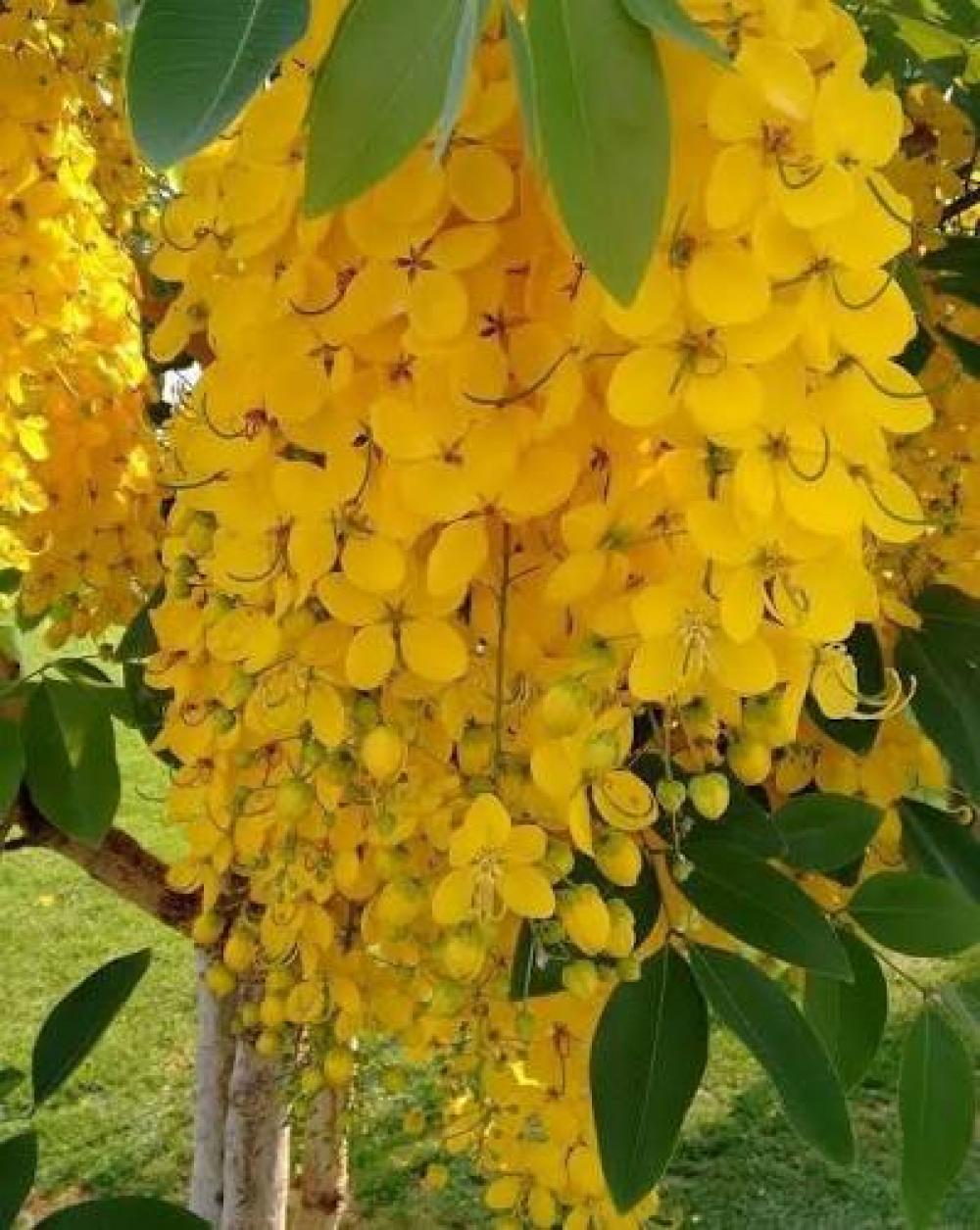
Imperial acacia
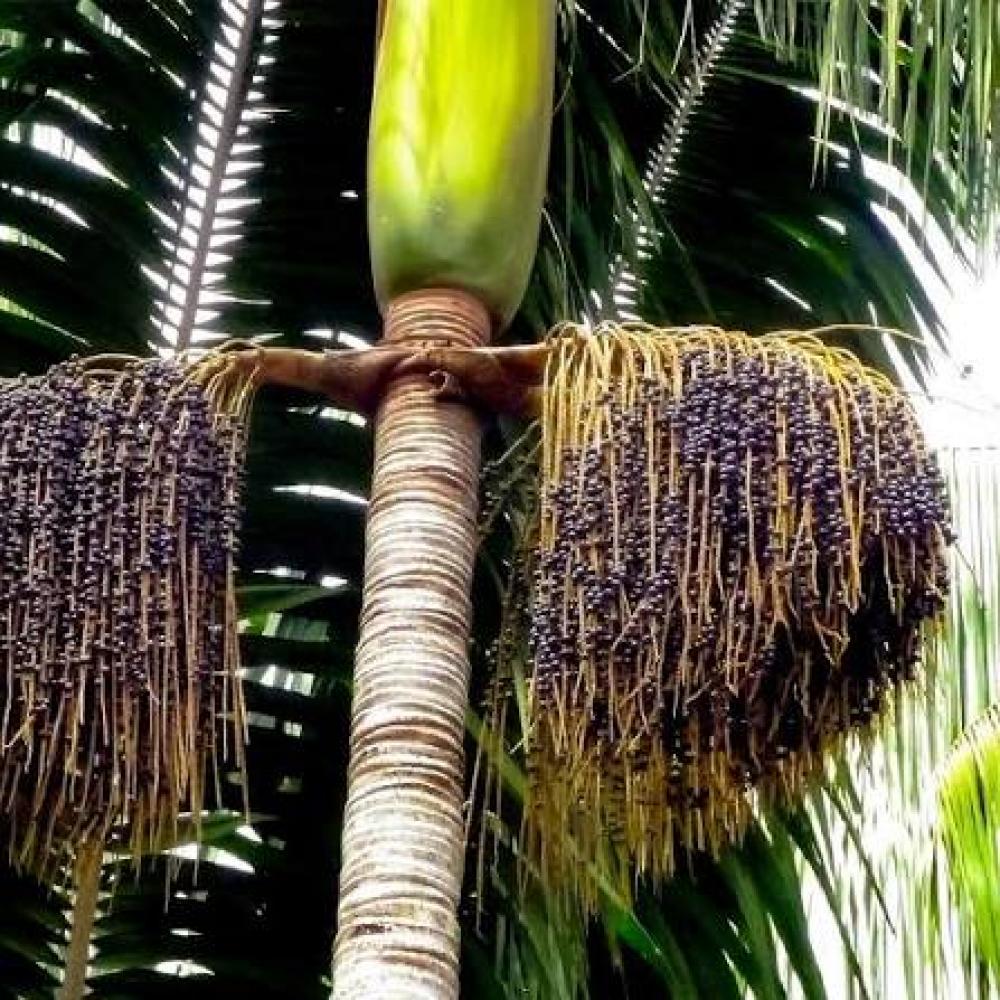
Açaí palm
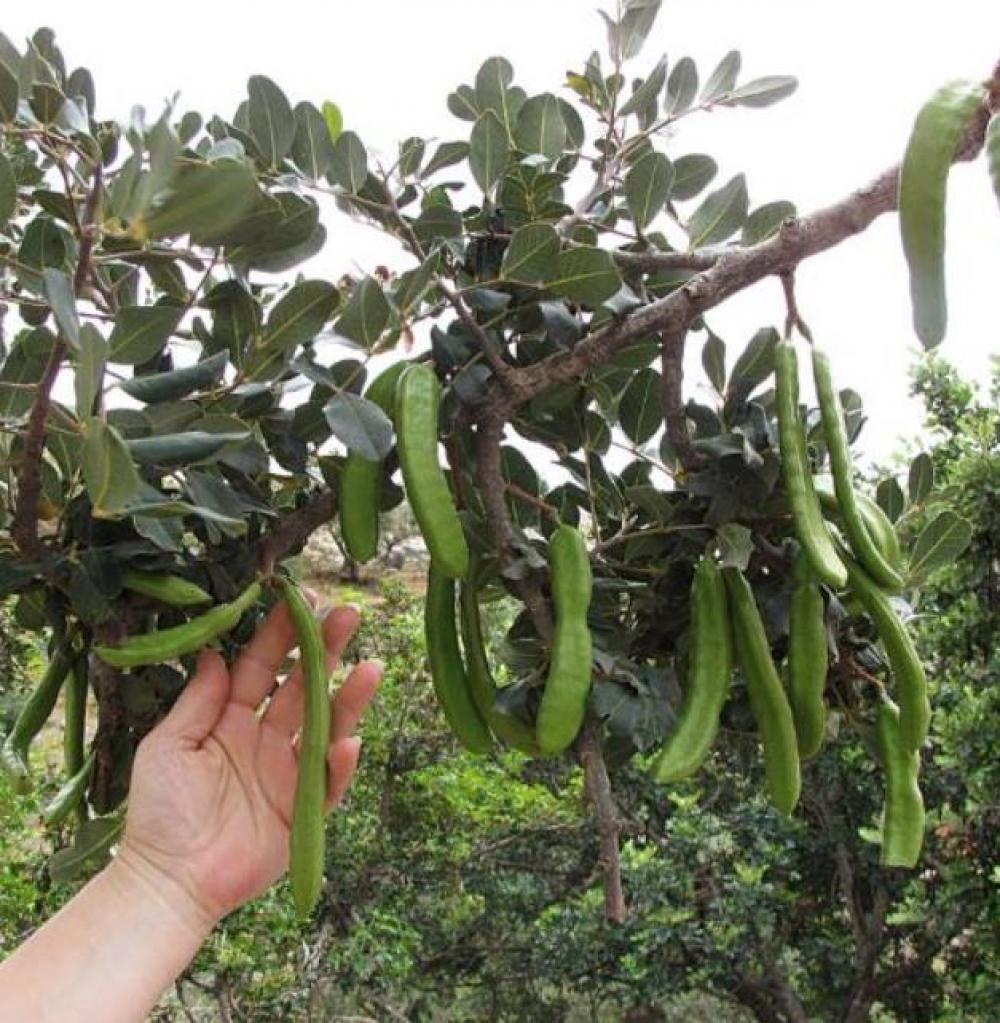
Alfarrobeira
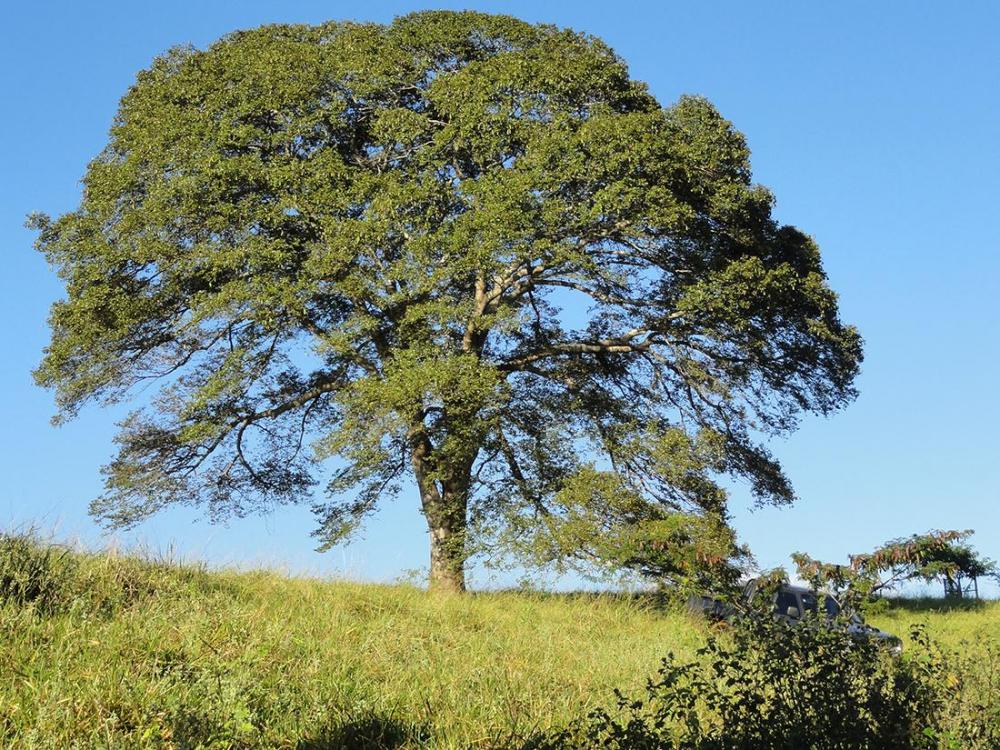
Andiroba

Red Angelim
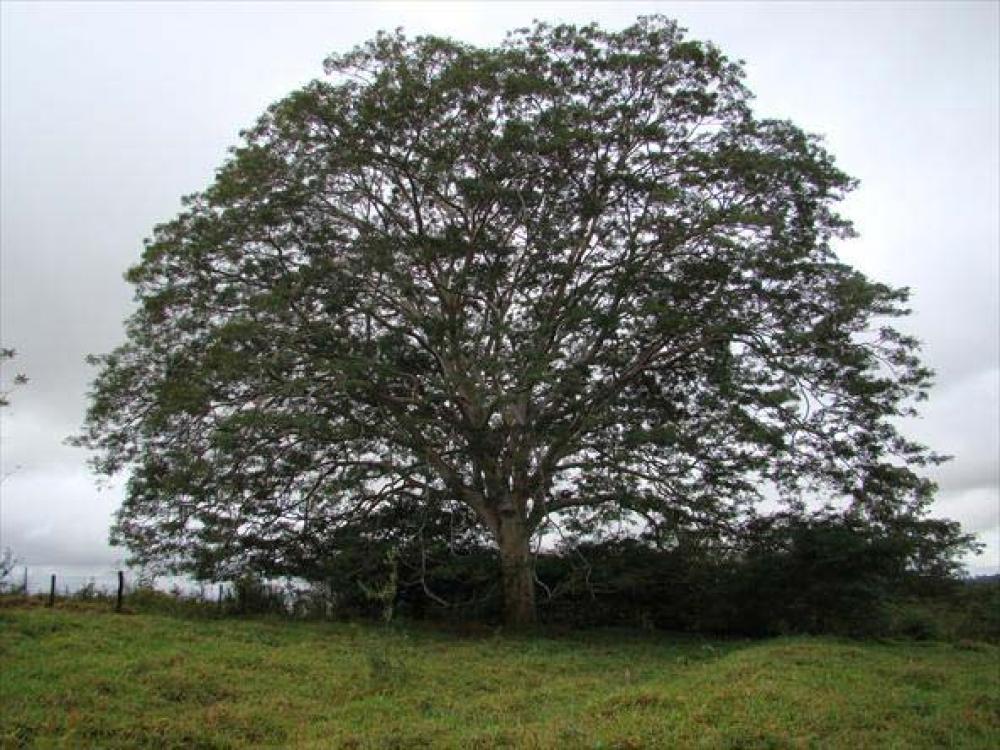
White Angico
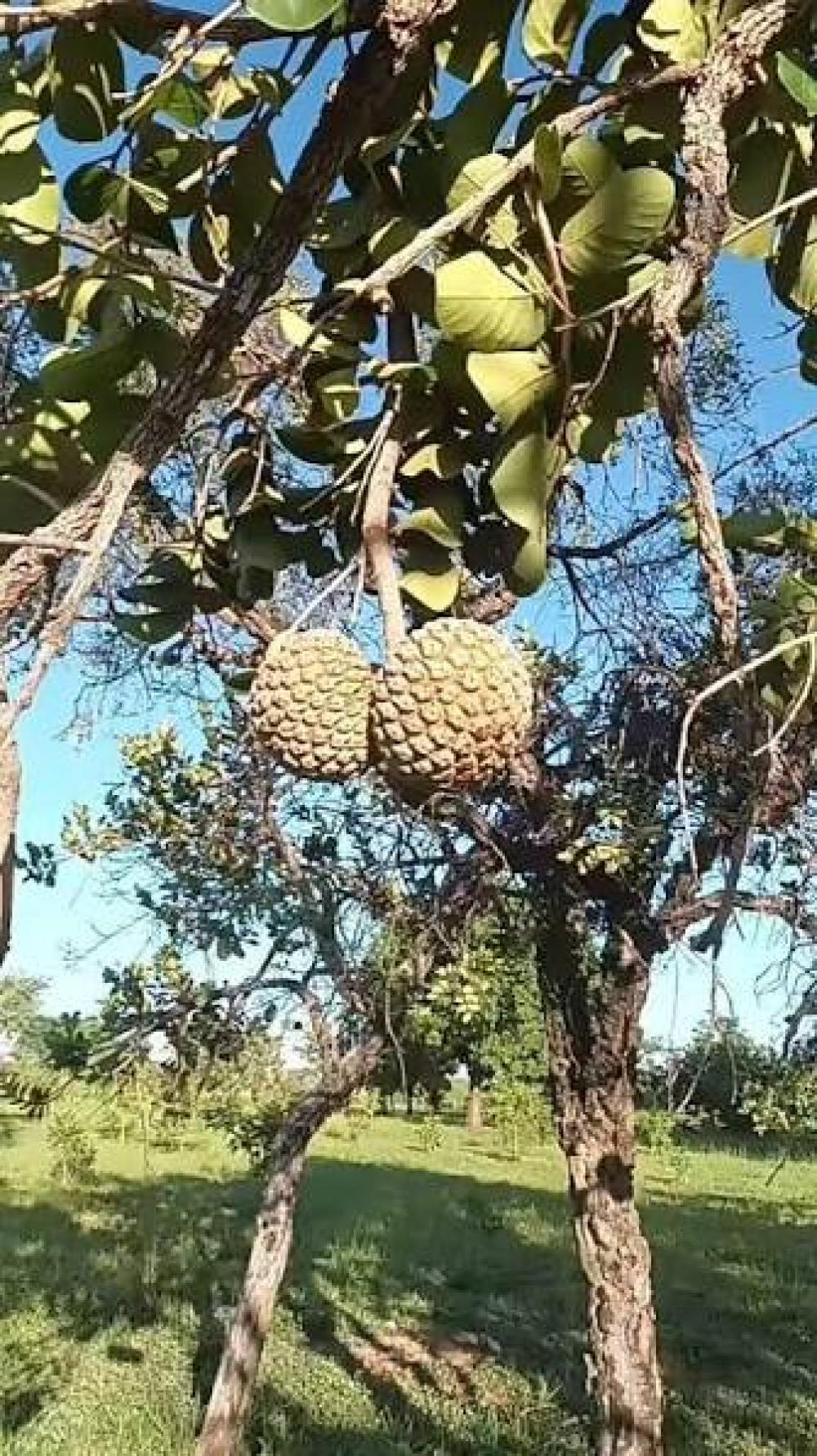
Araticum
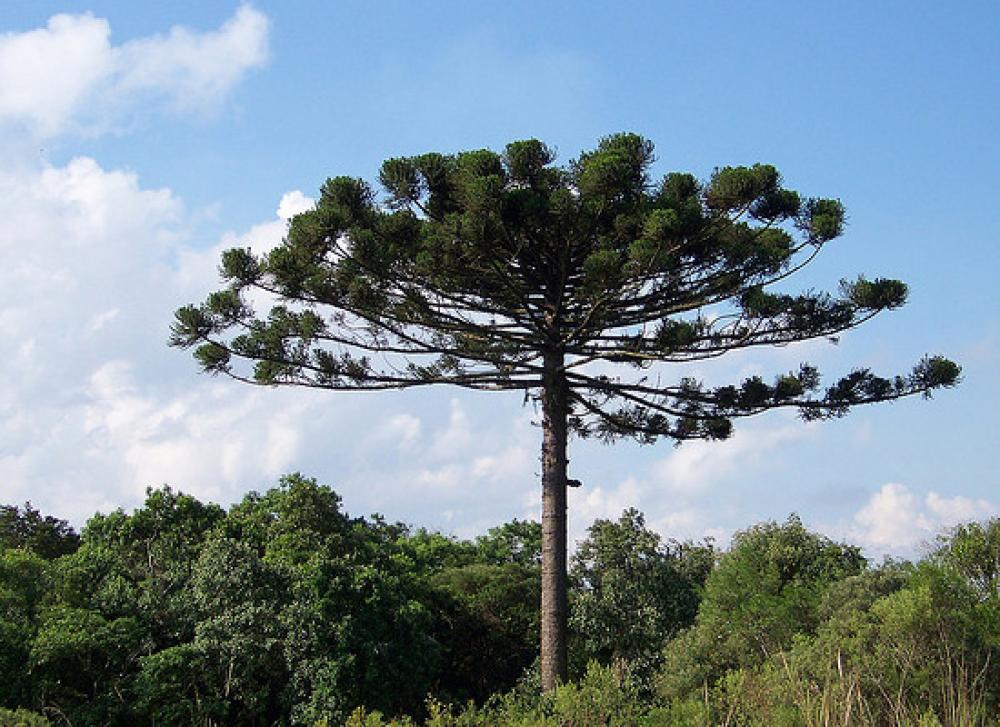
Araucaria, the Paraná pine
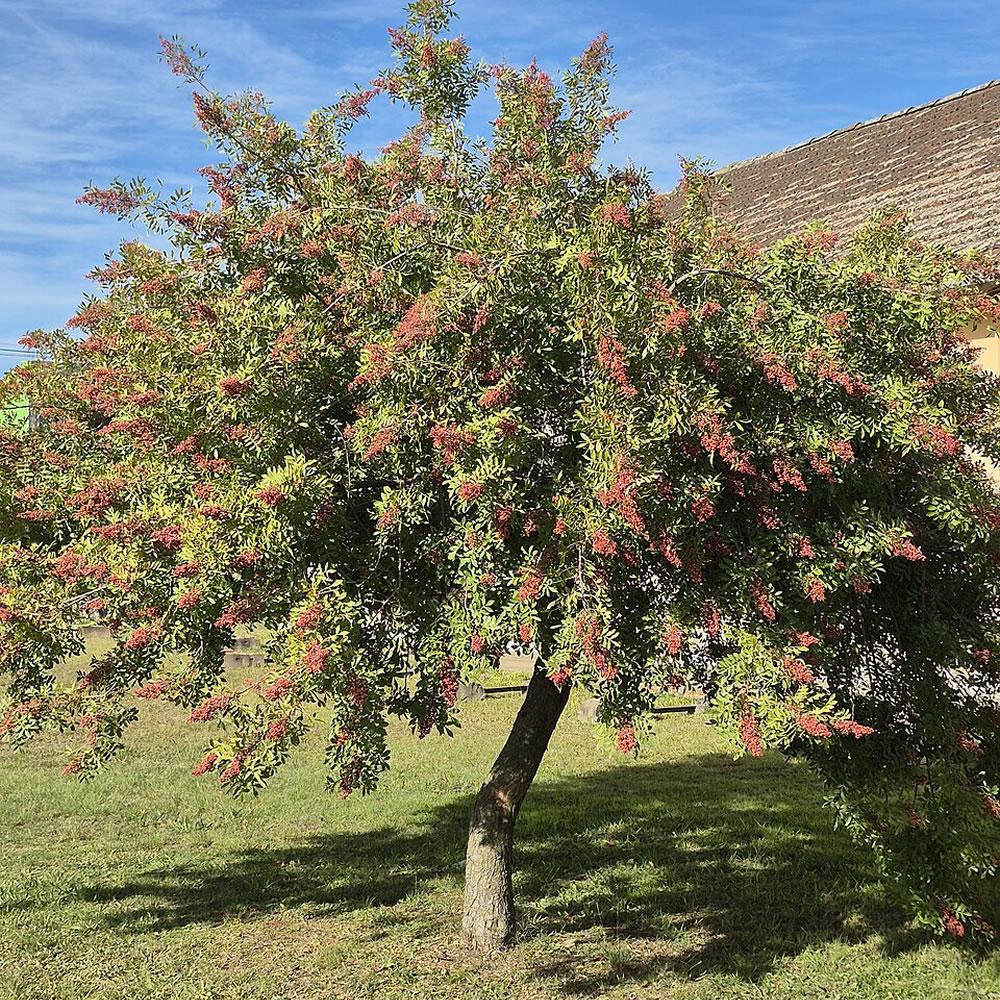
Brazilian peppertree
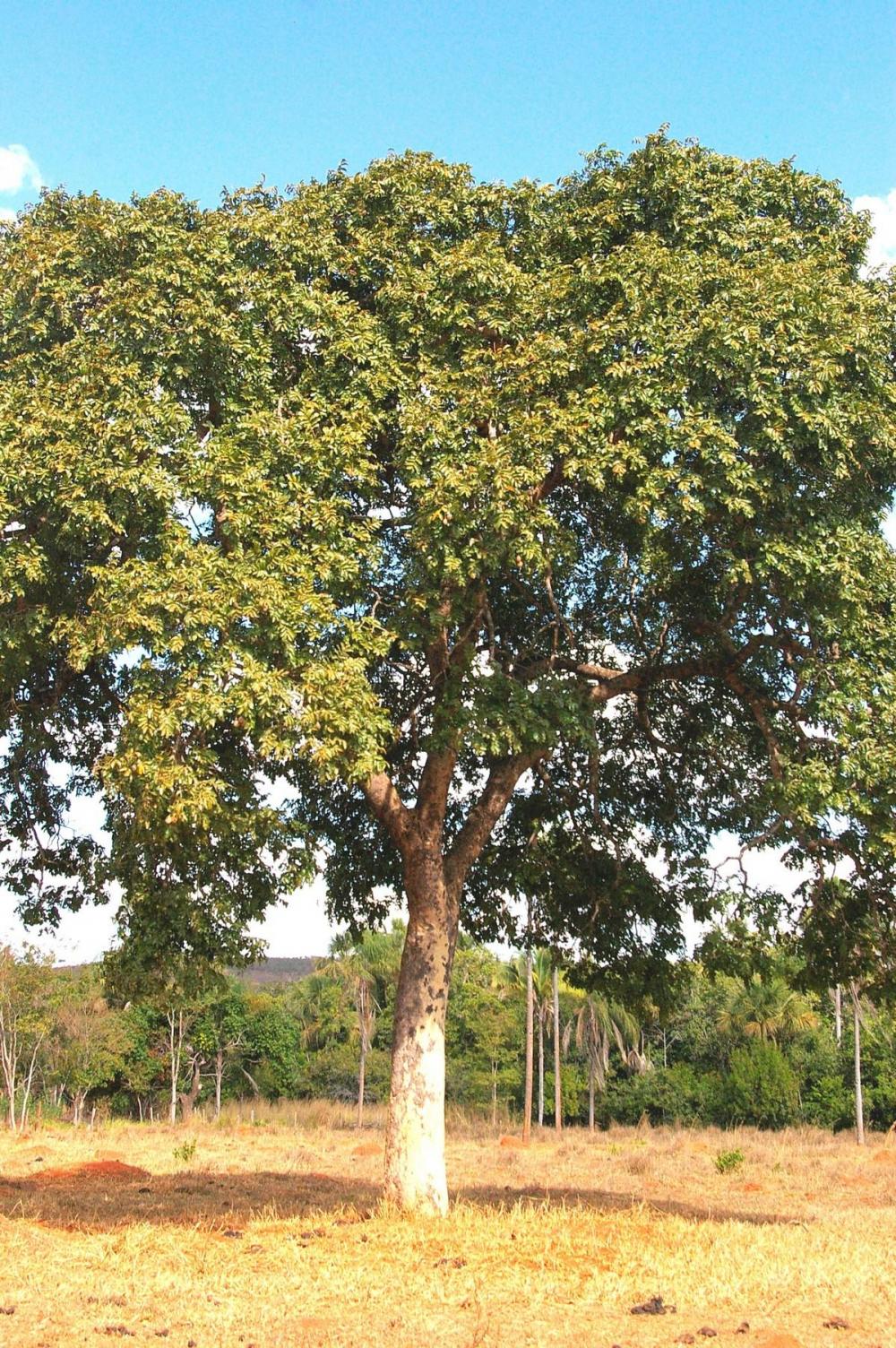
Baru
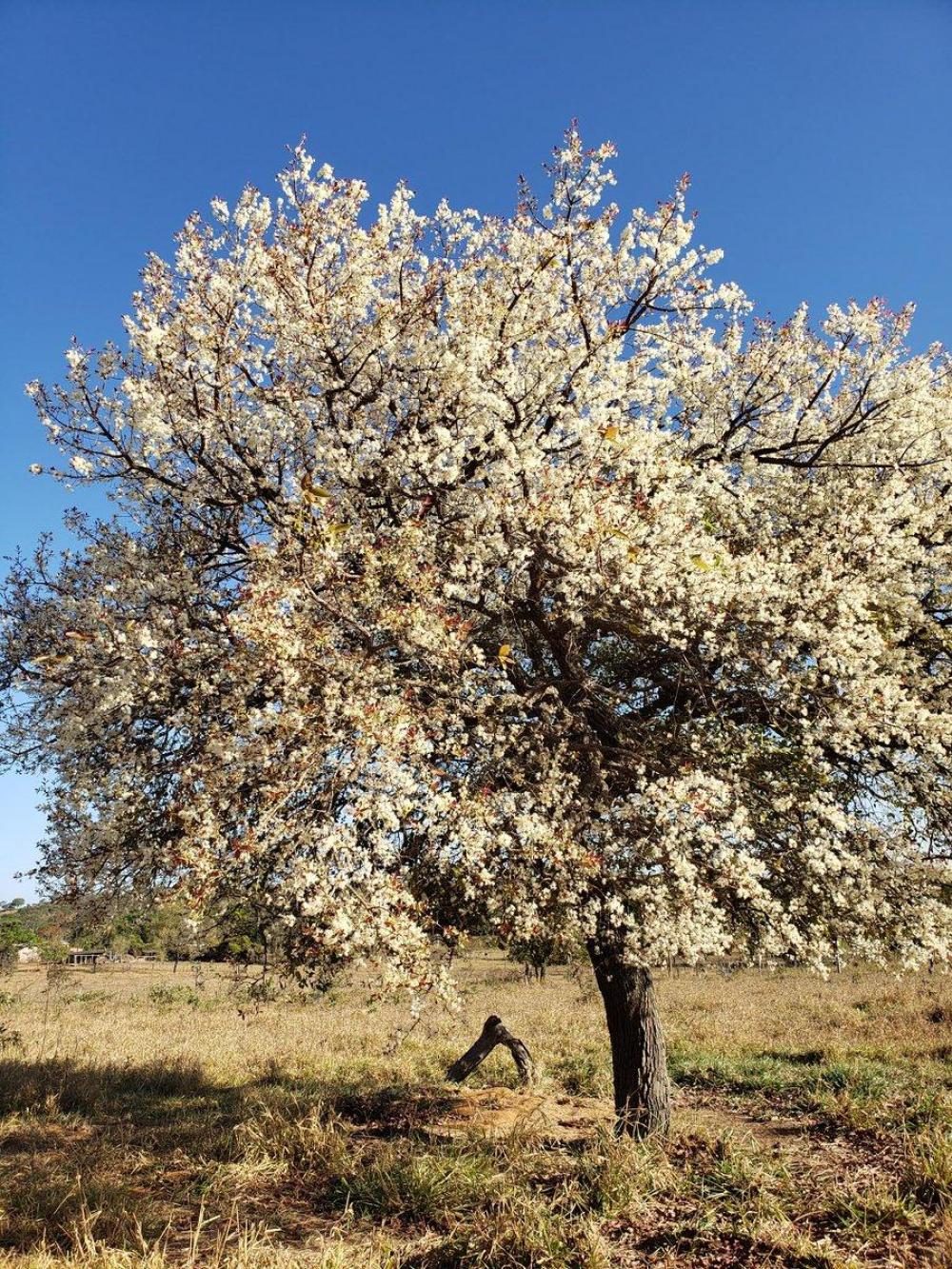
Cagaita
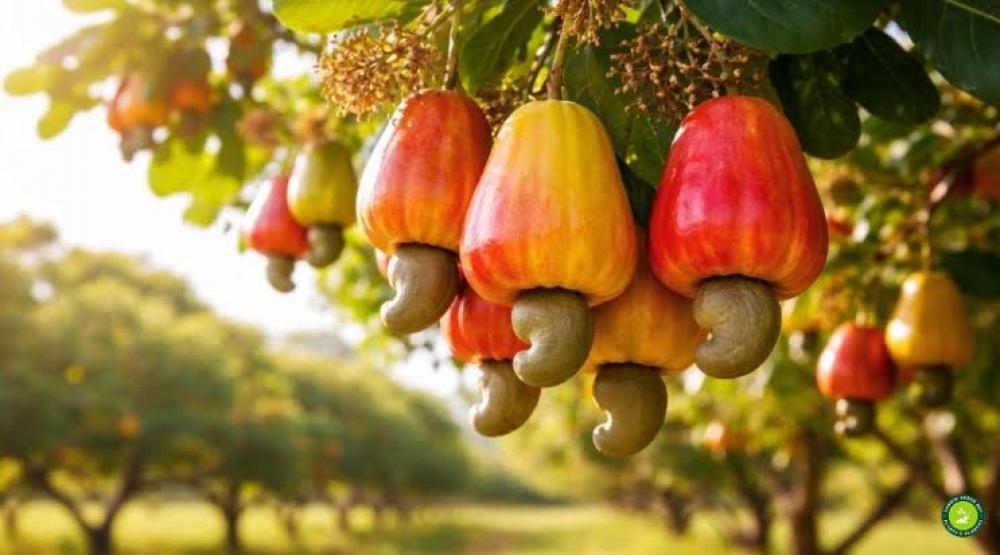
cashew tree
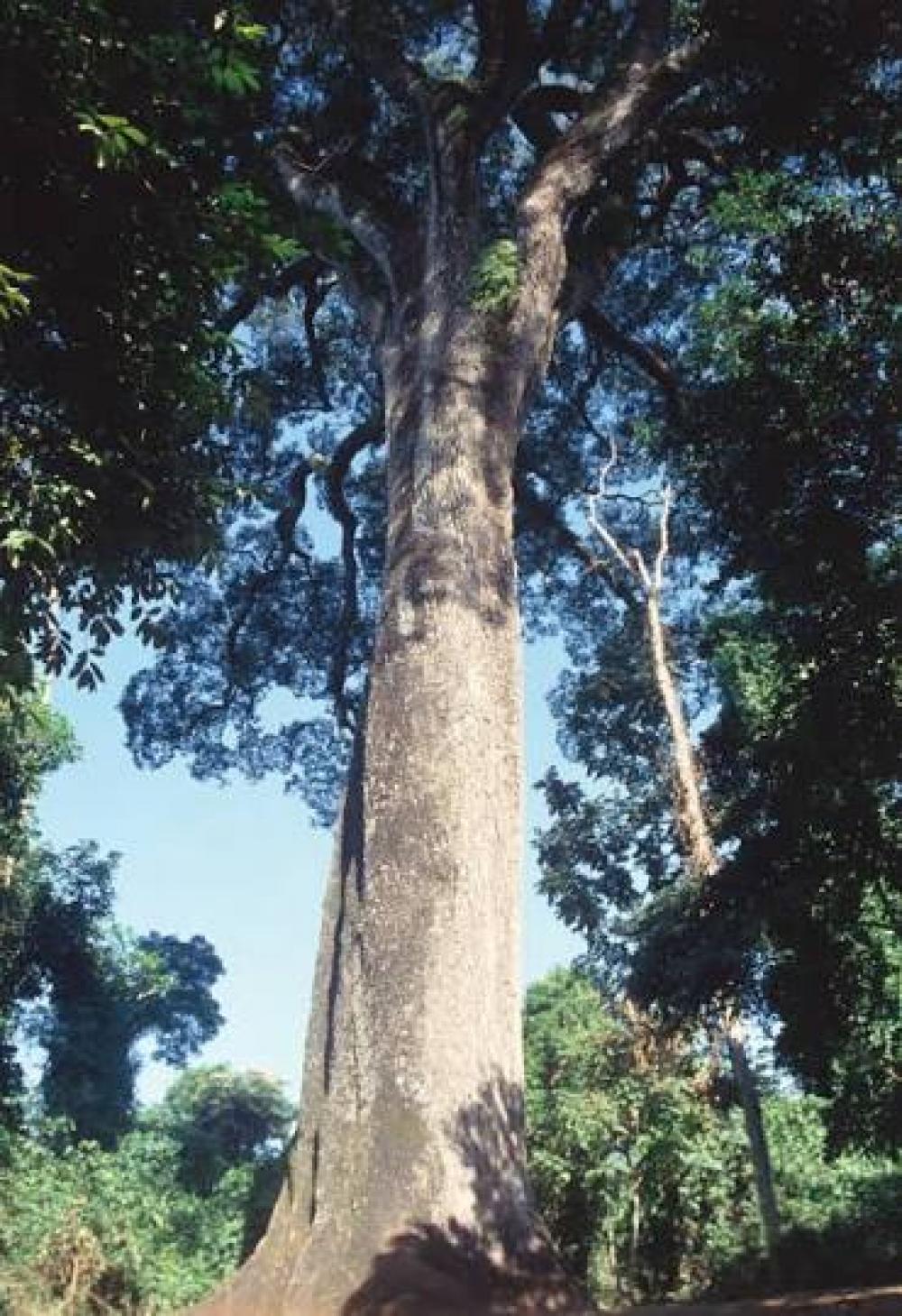
Black Cinnamon
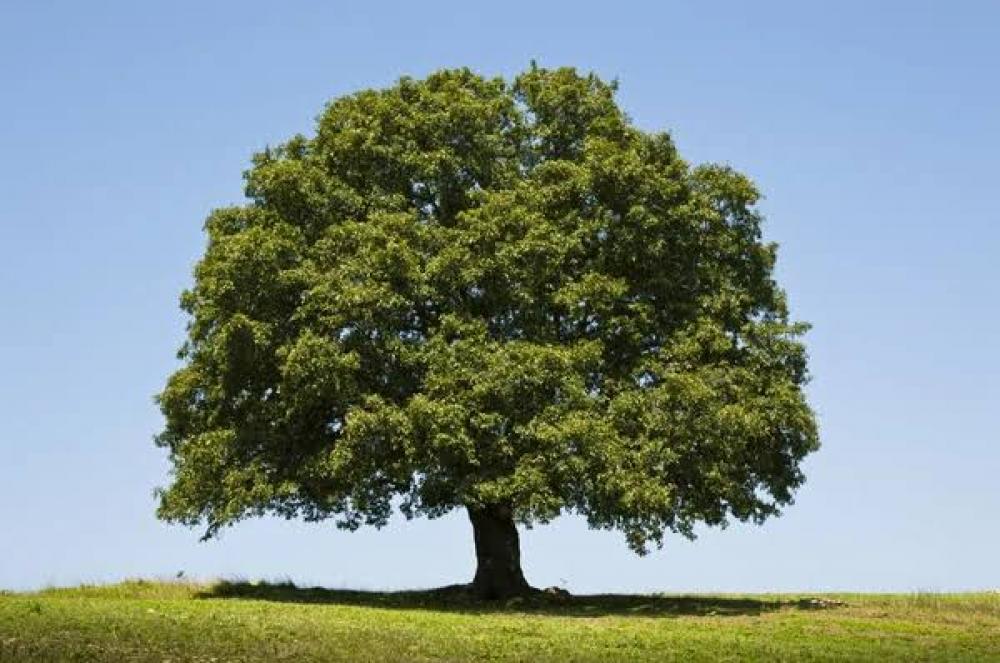
Oak tree
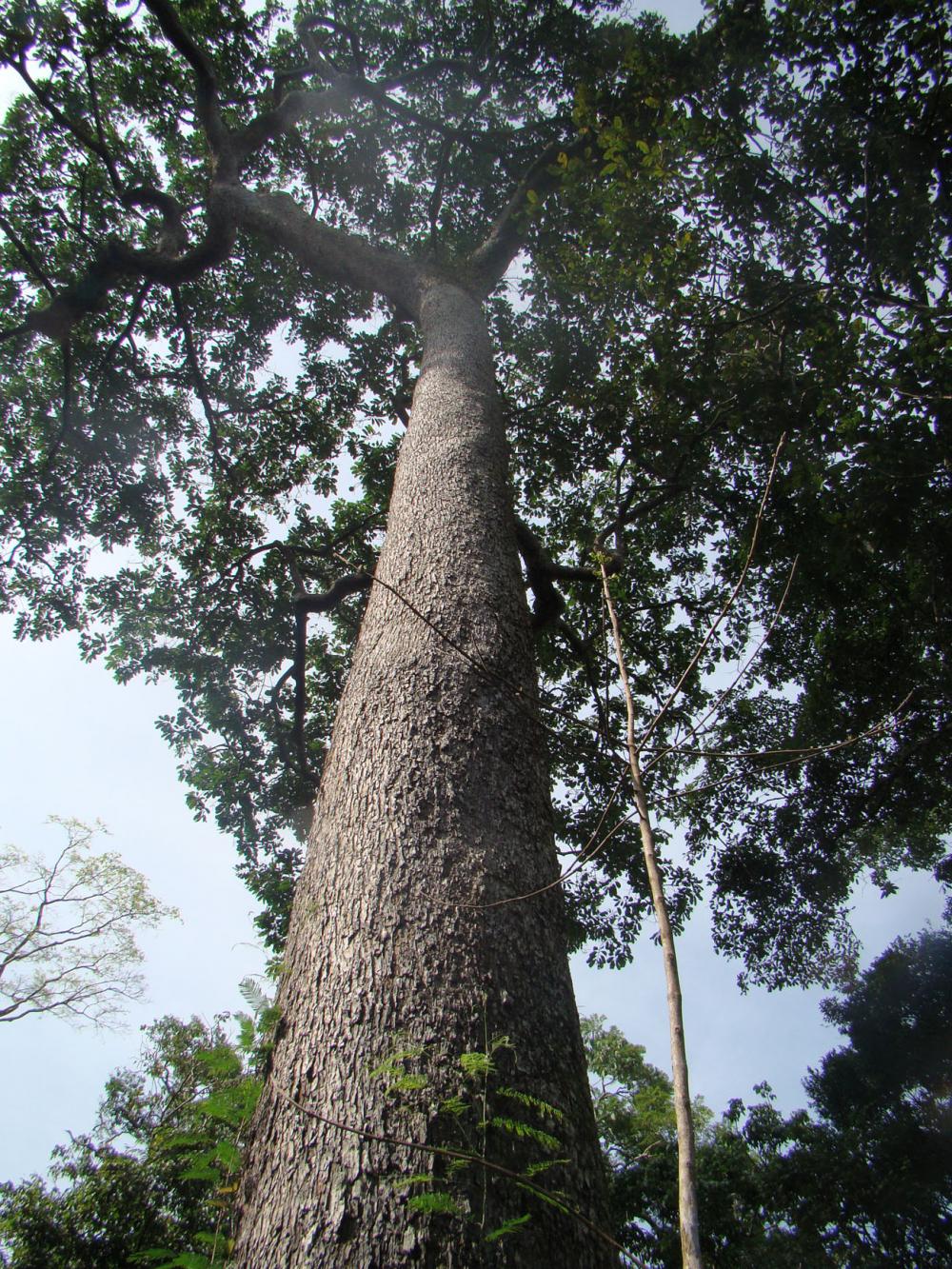
nuez de Brasil
Brazil nut tree
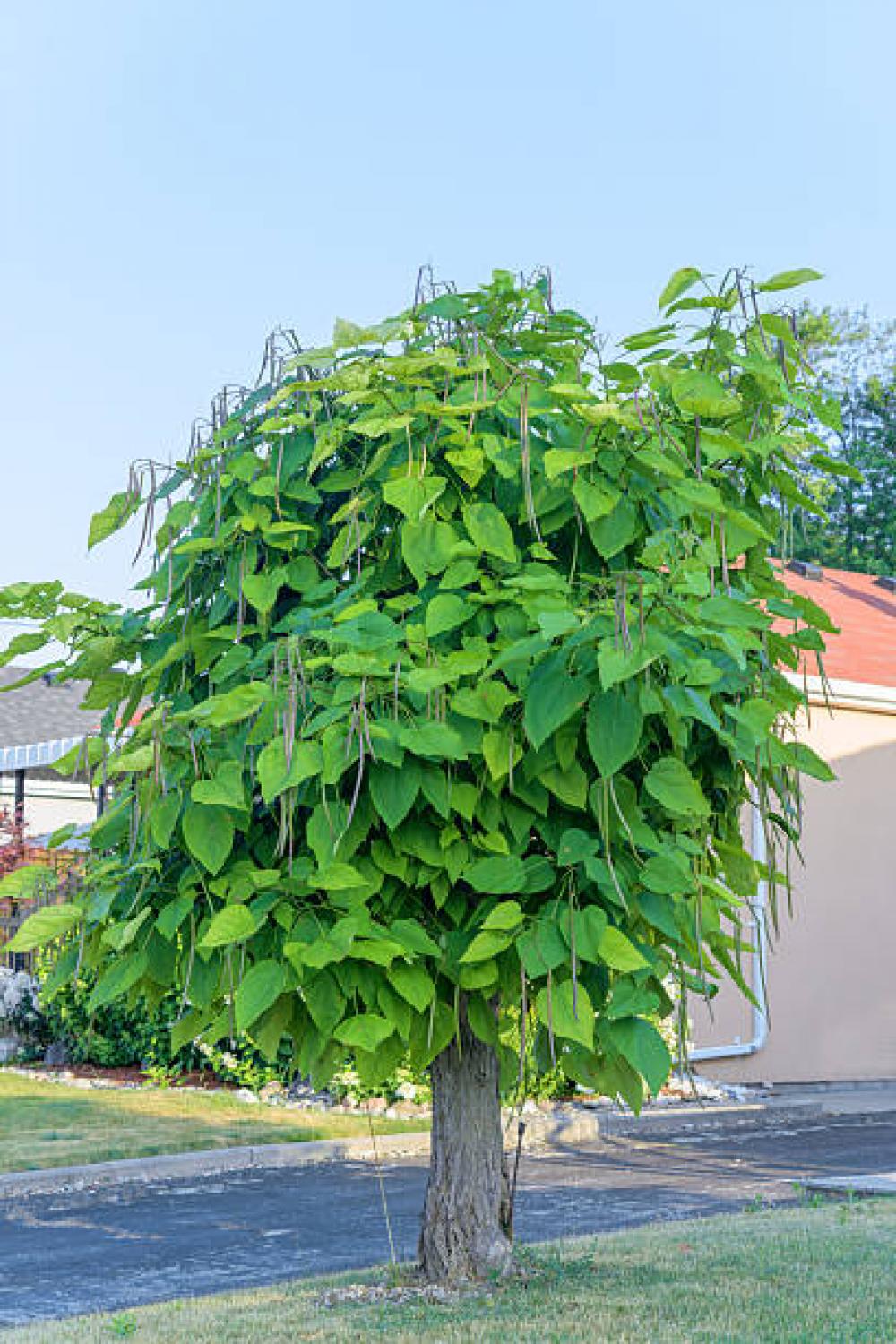
Catalpa
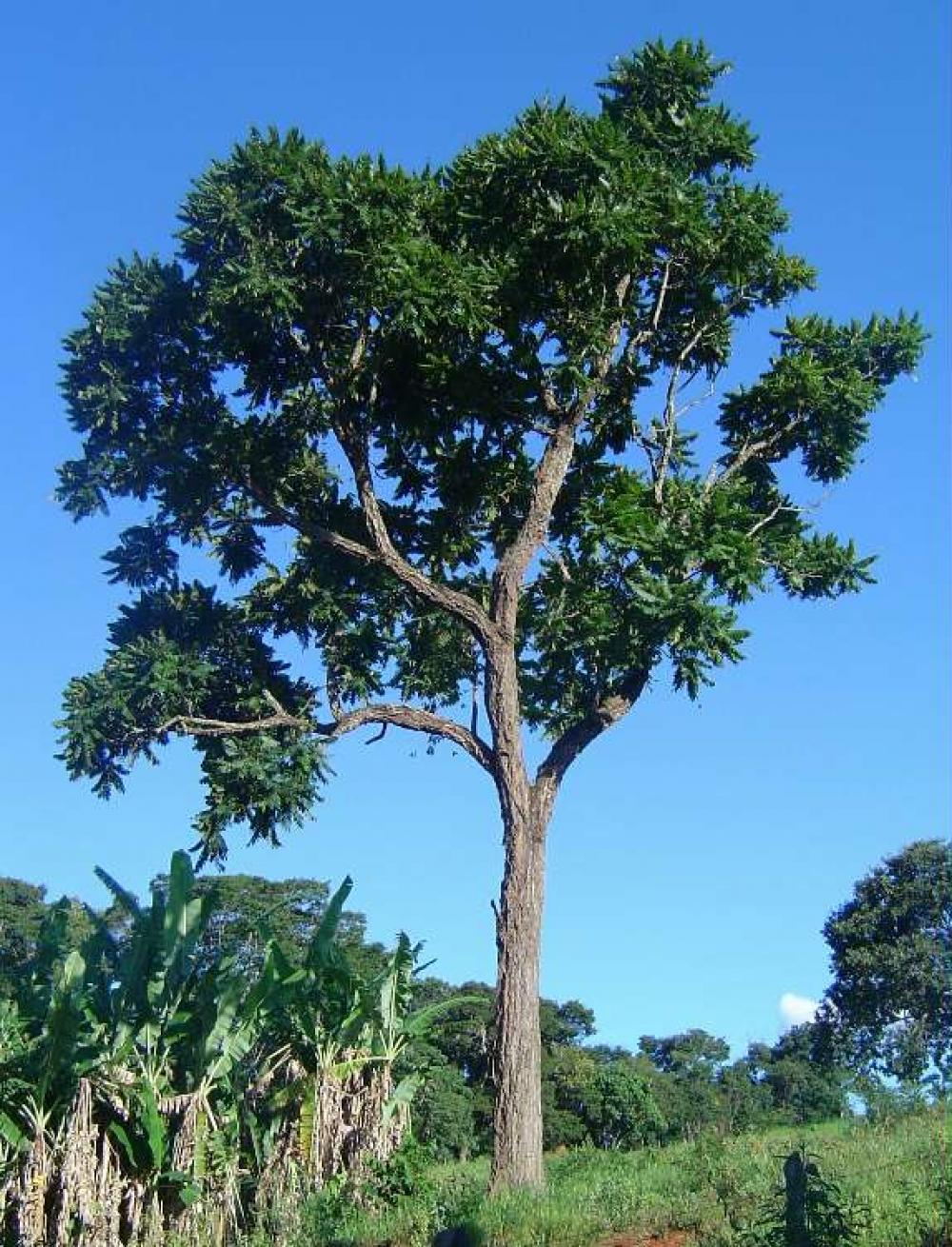
Pink cedar
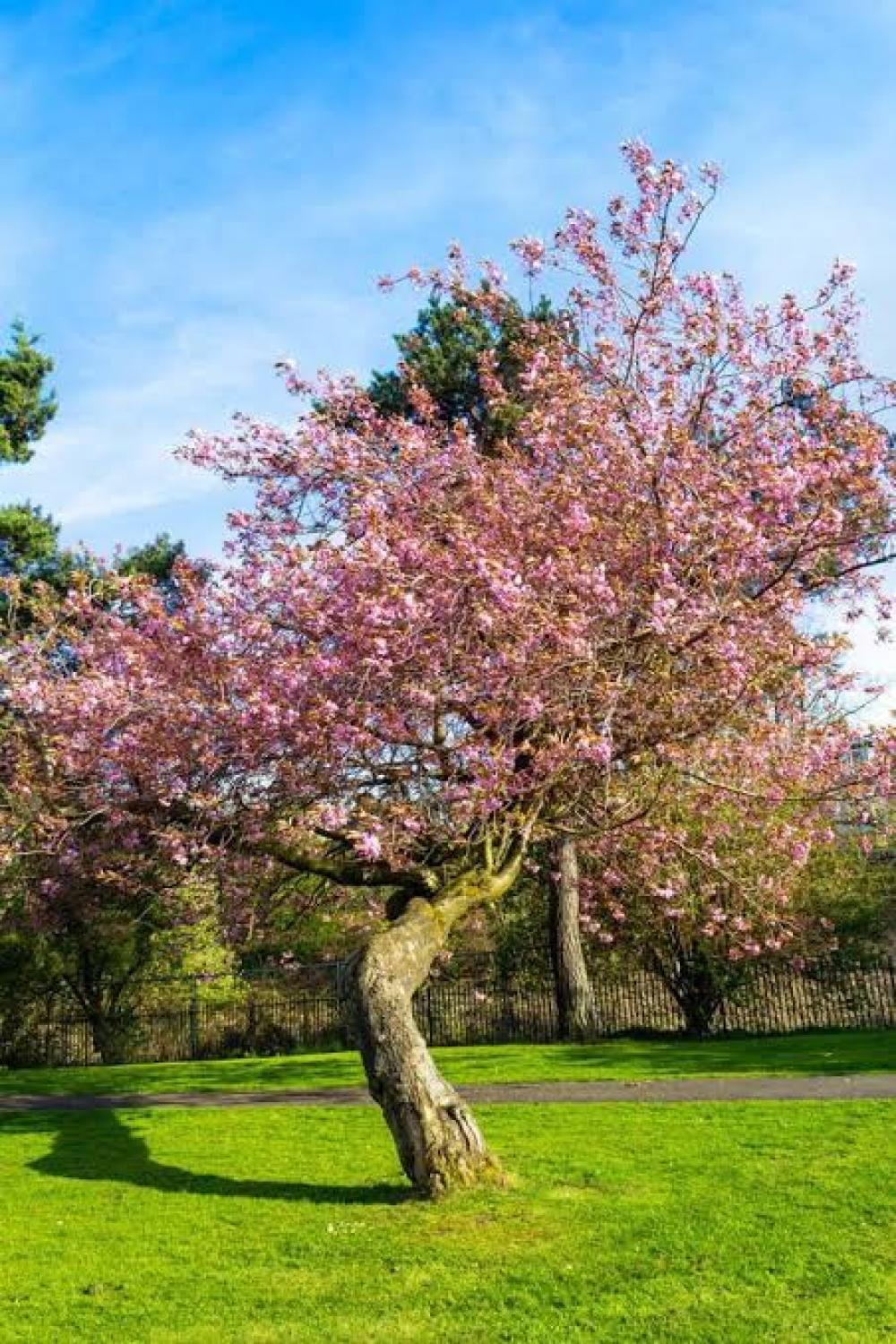
ornamental cherry tree
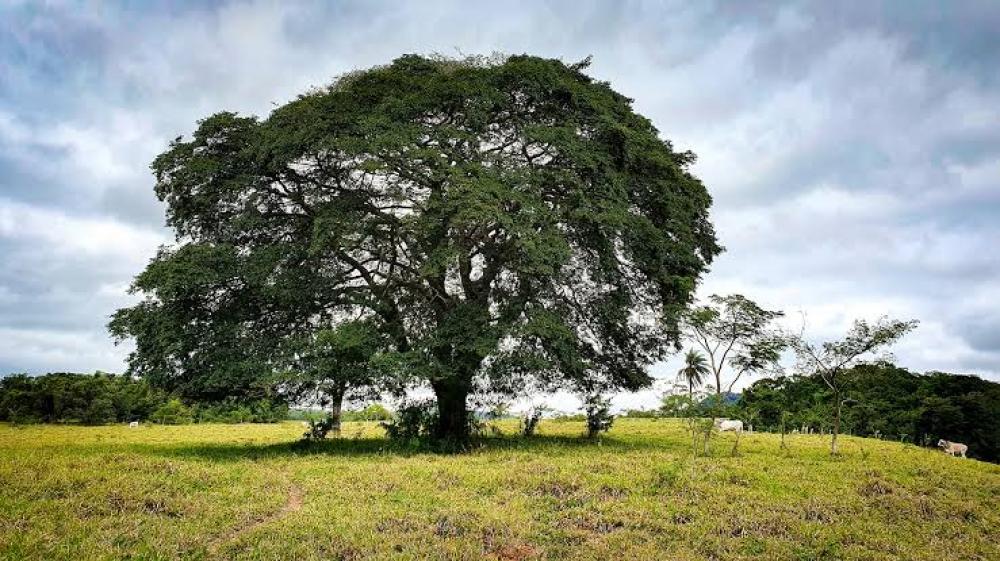
copaiba
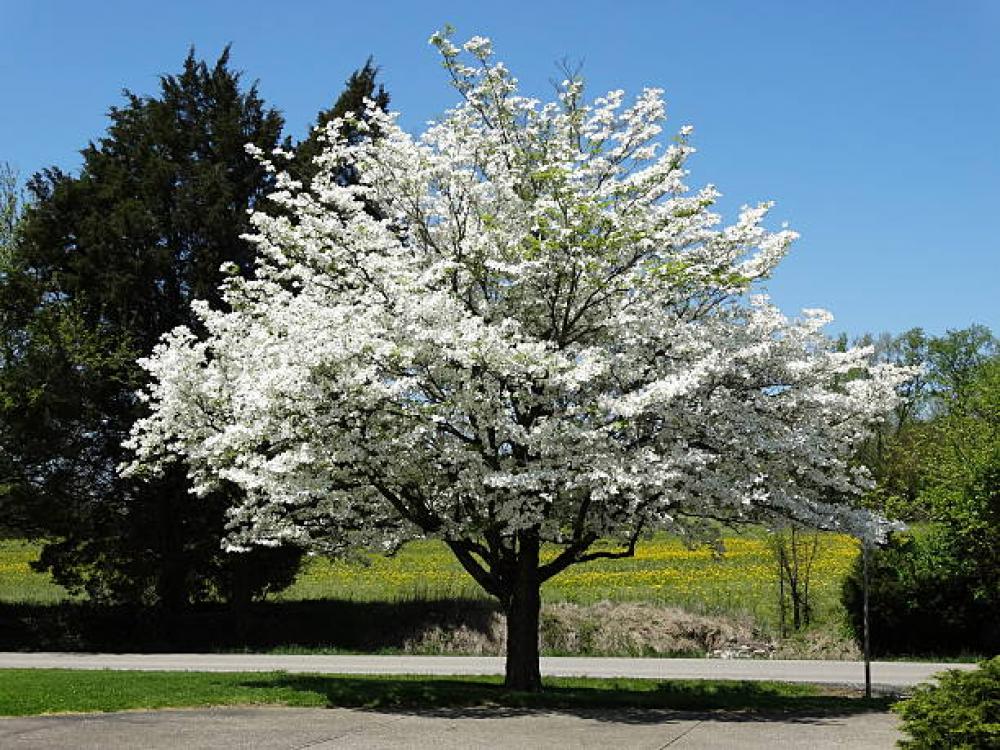
Trees of the genus Cornus
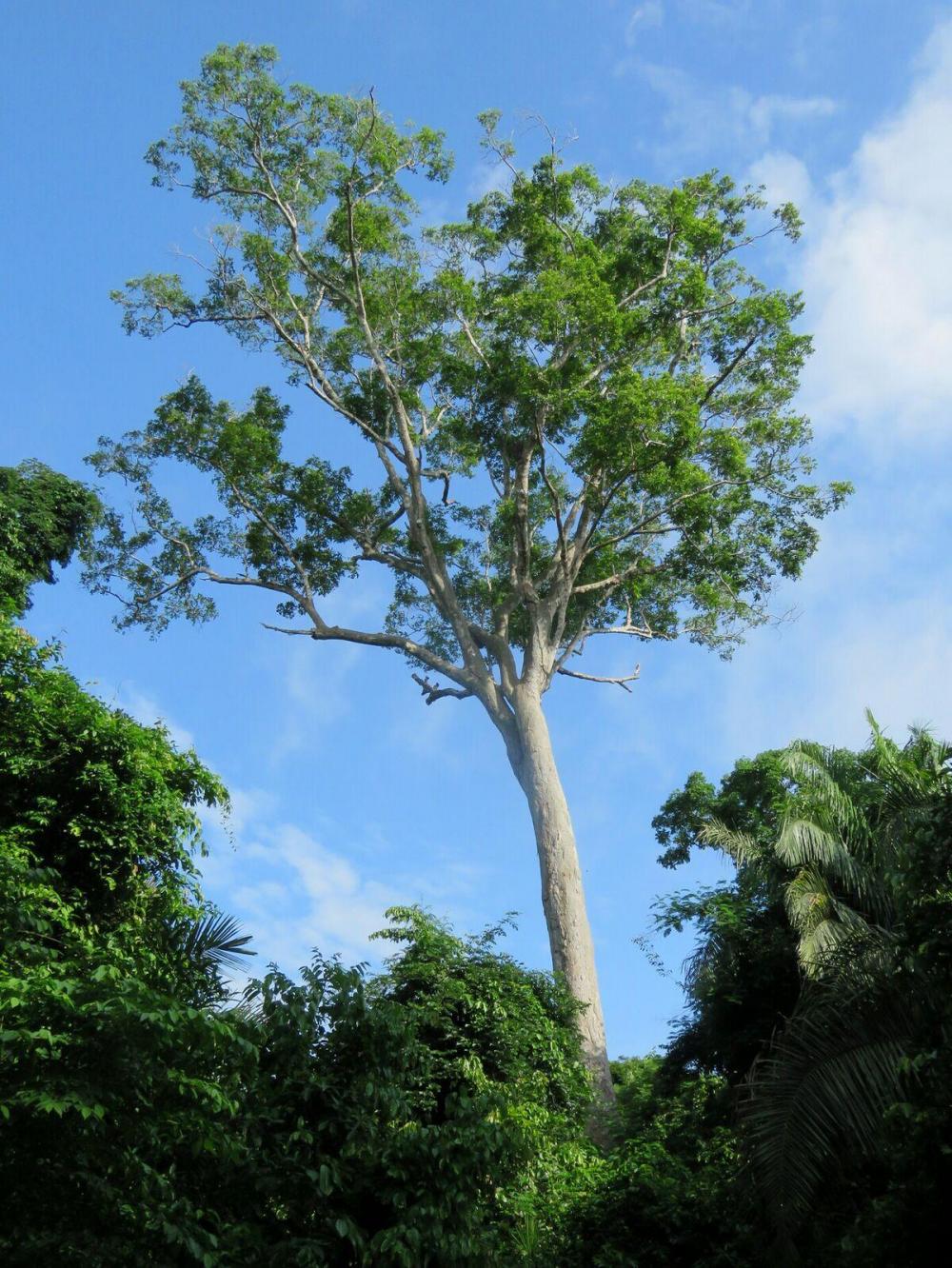
Cumaru
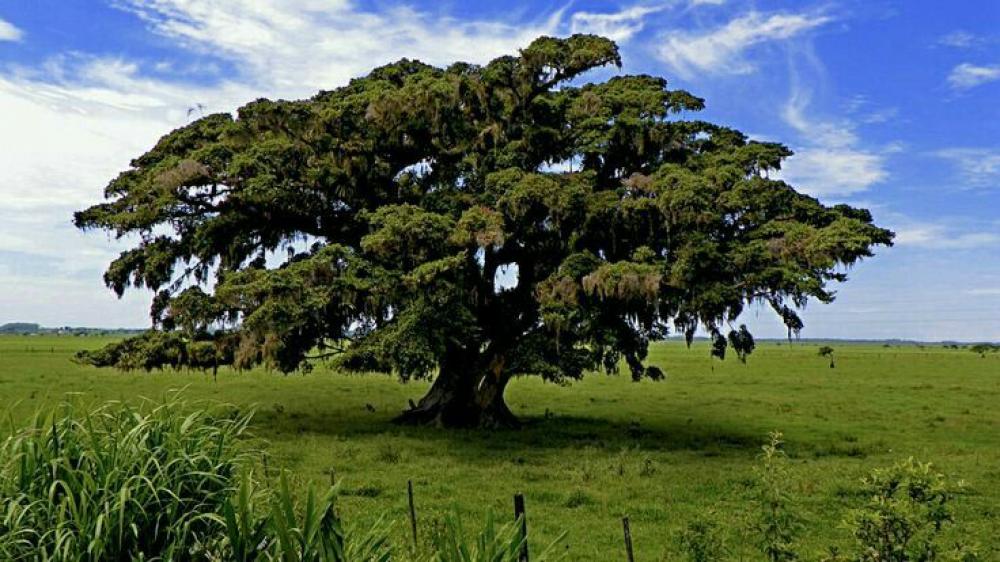
fig tree
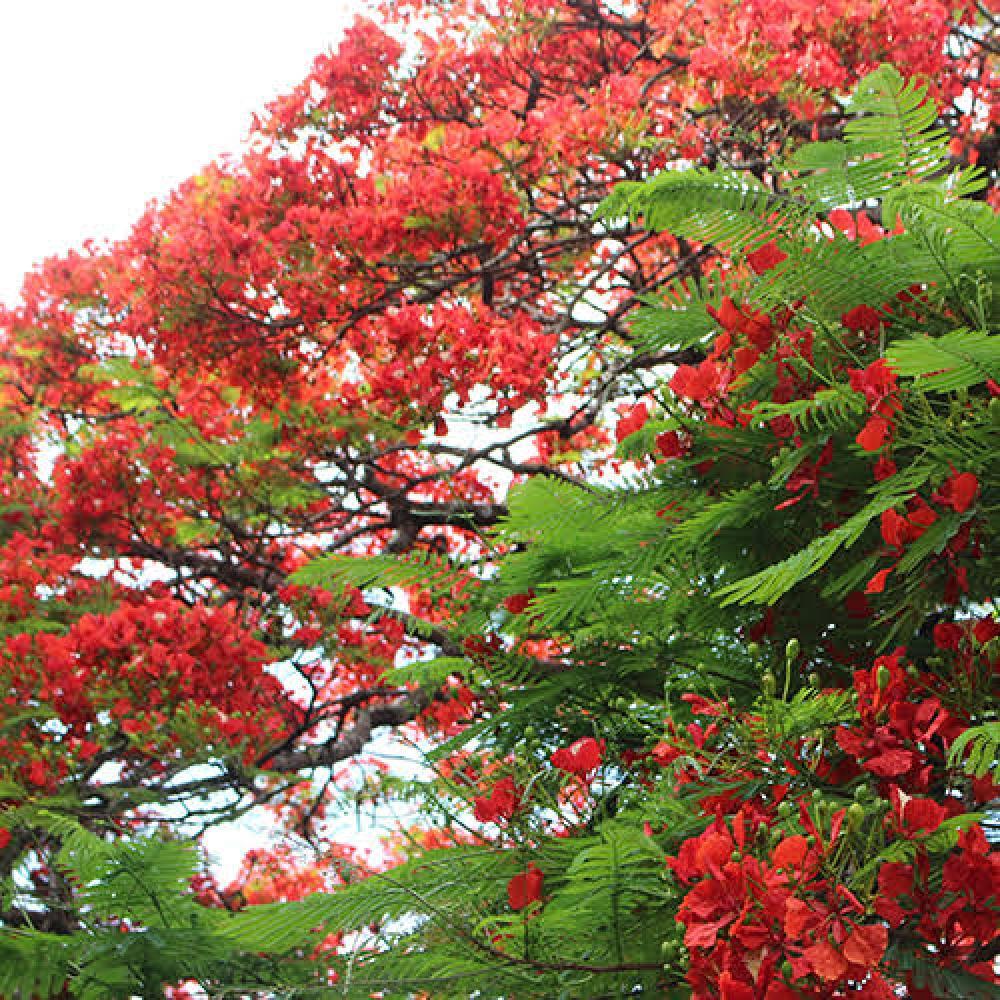
Flamboyant
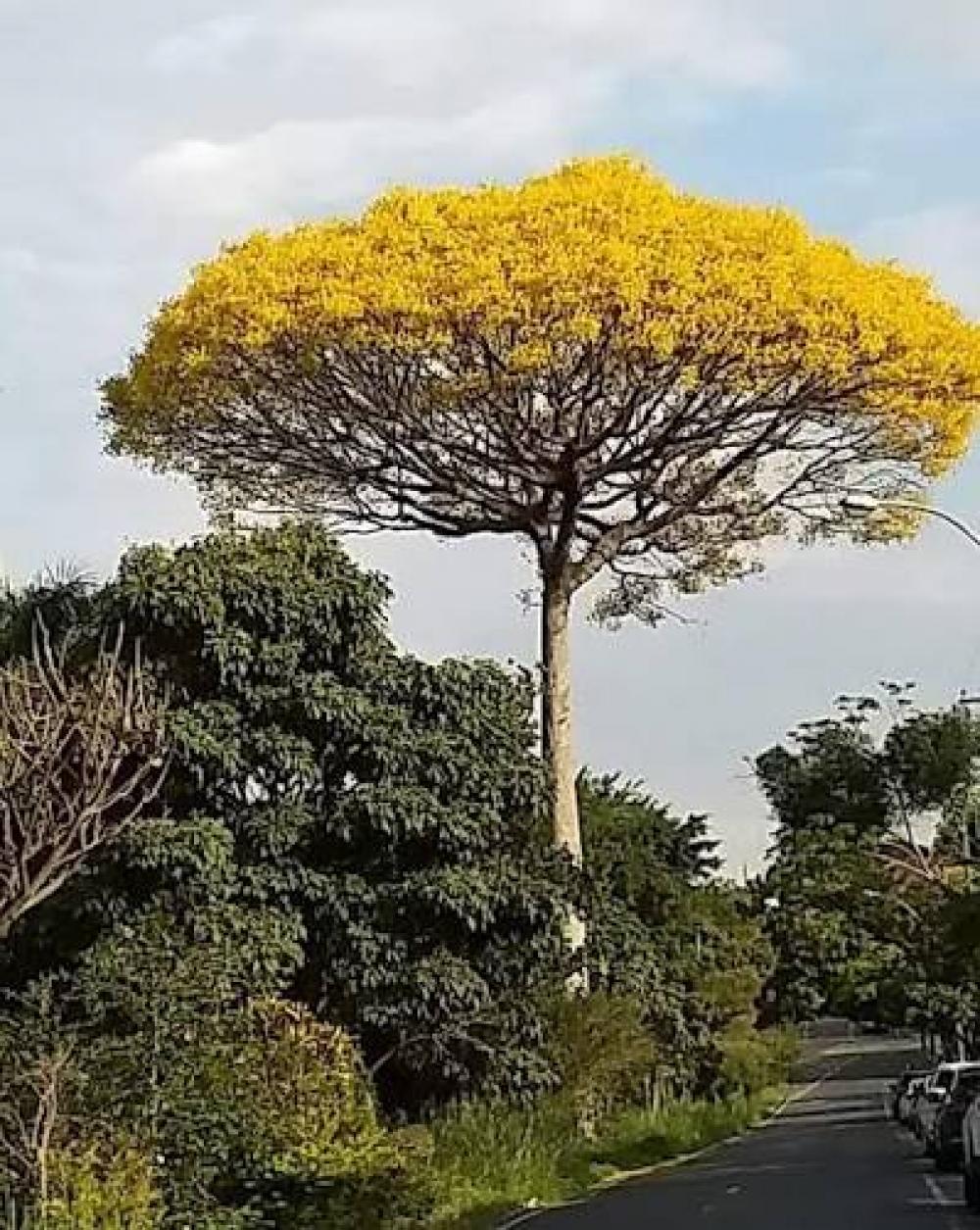
Guapuruvu
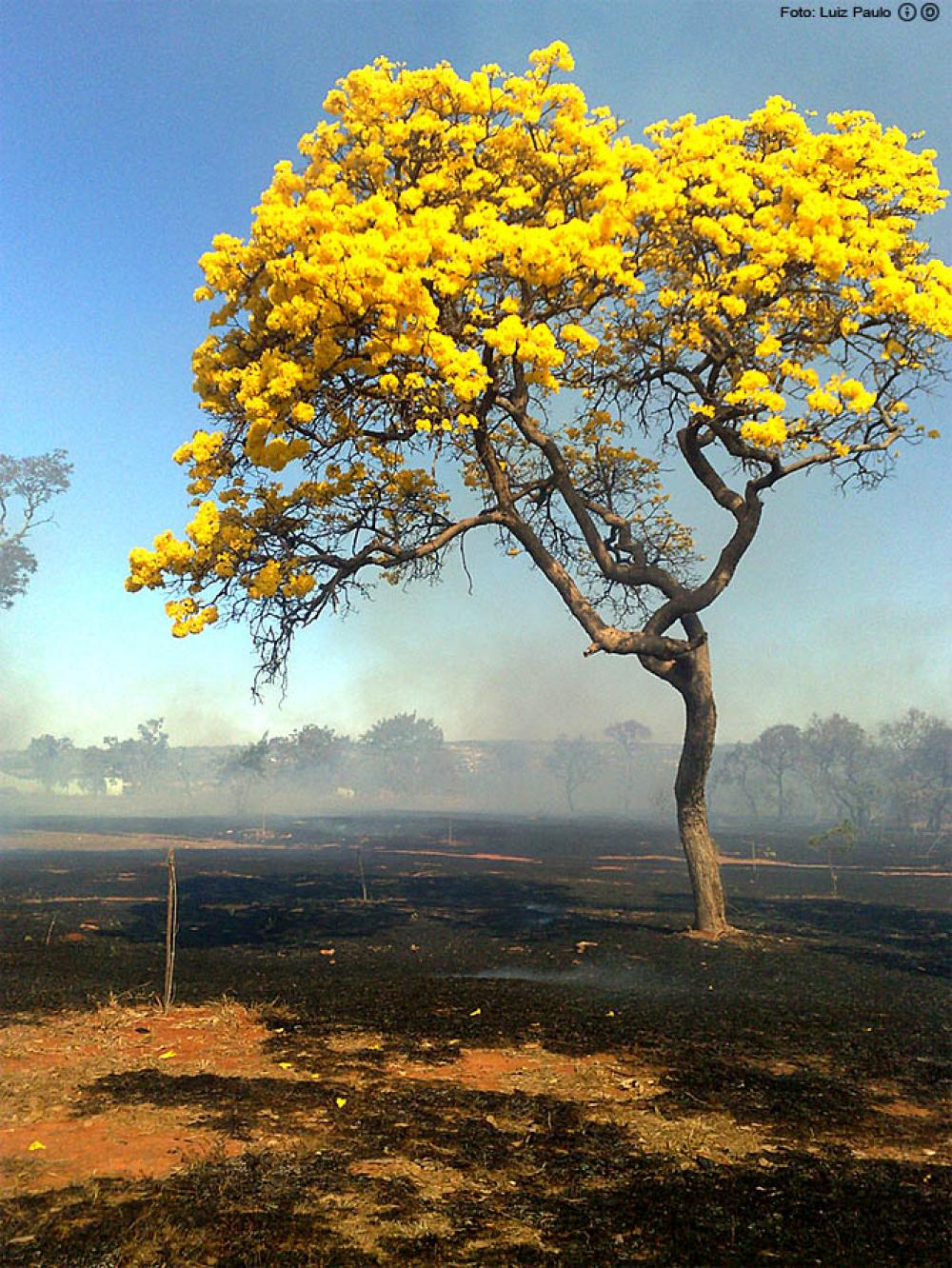
Yellow Ipê
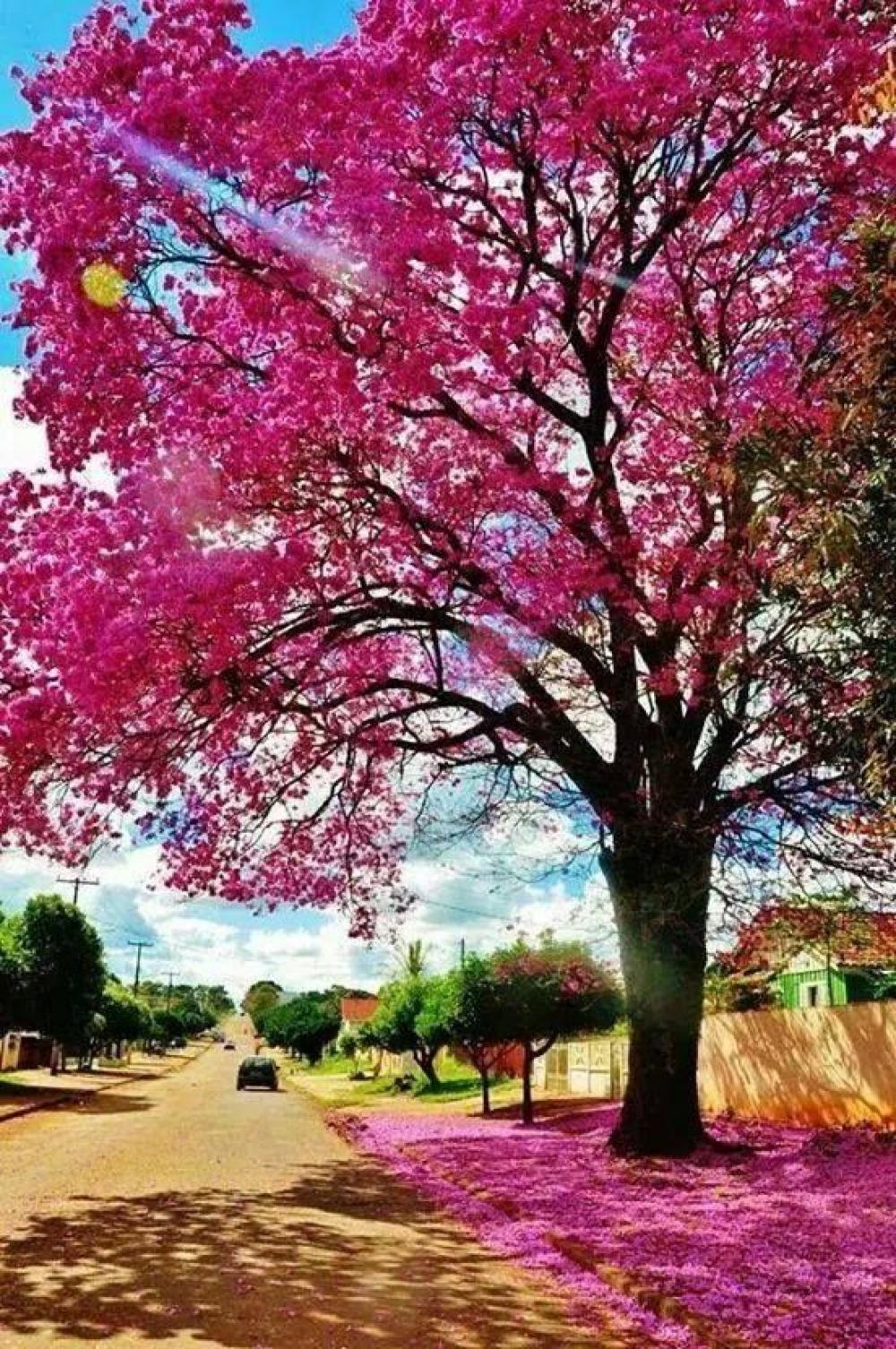
Purple Ipe
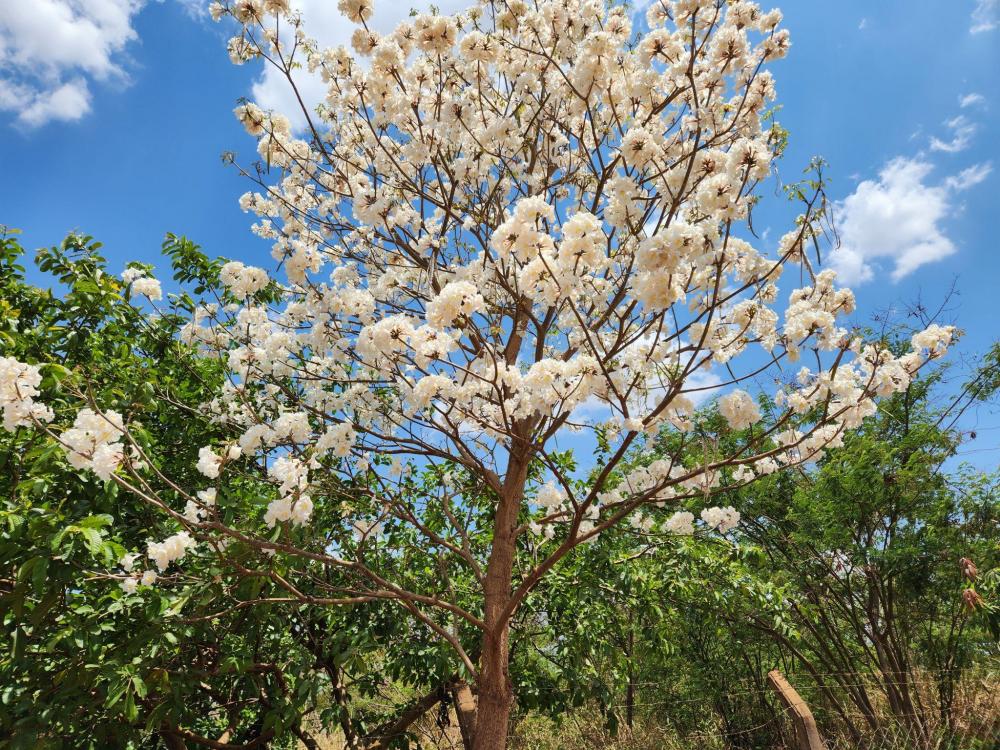
White Ipê
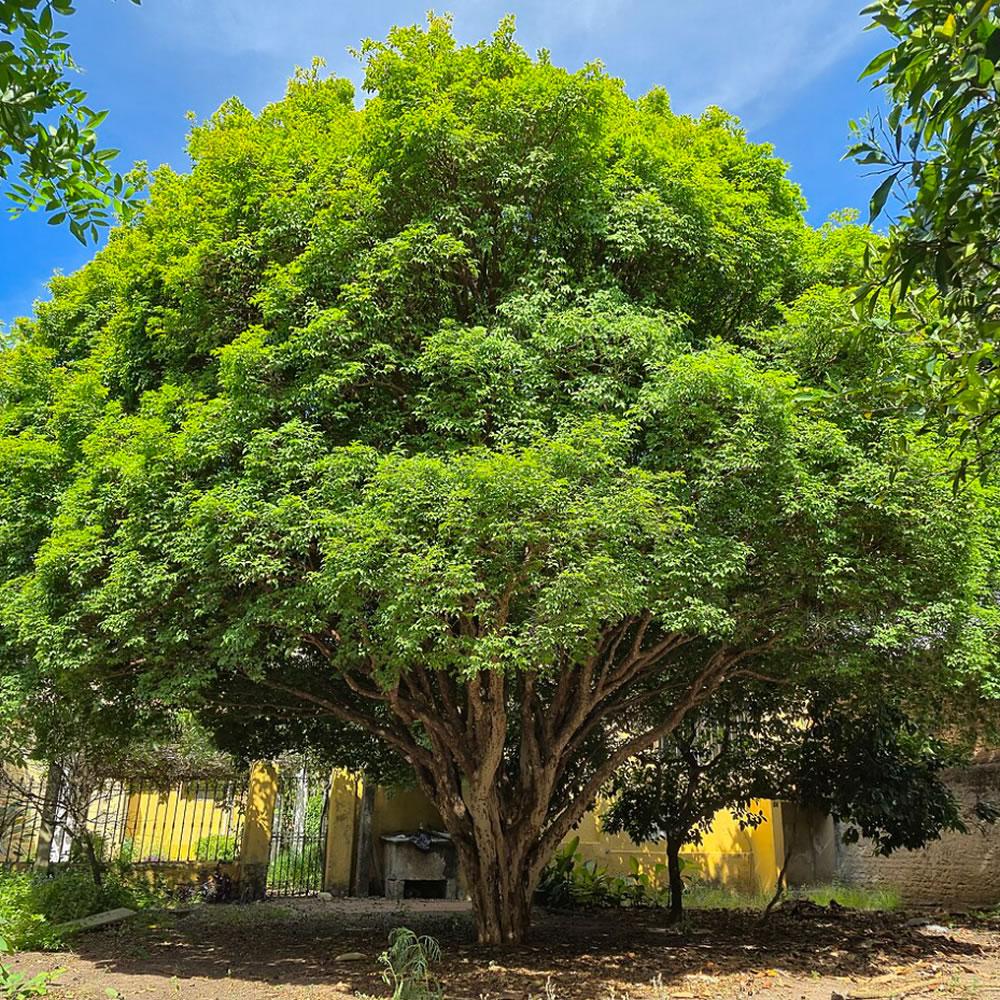
Jabuticaba
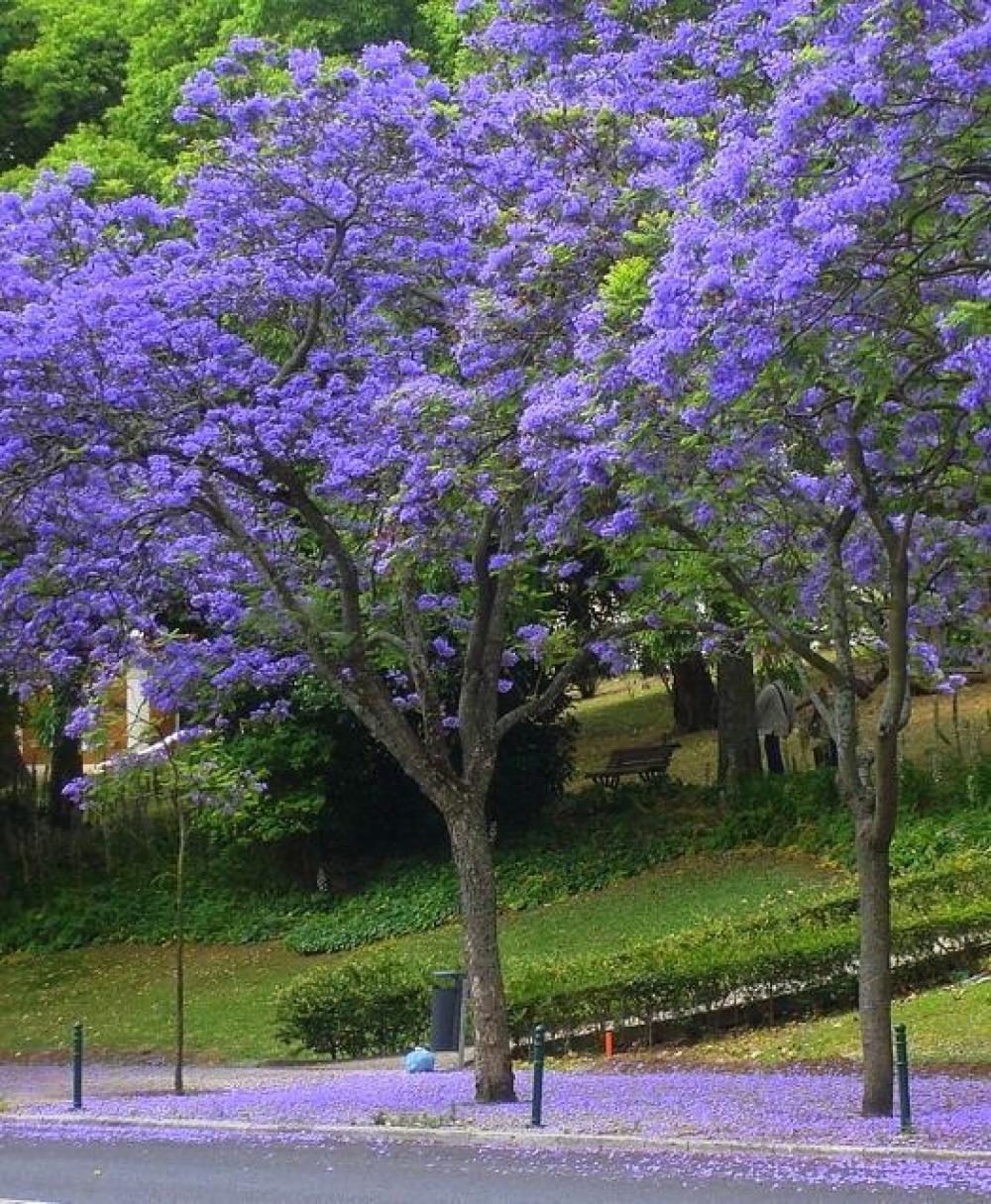
Blue jacaranda
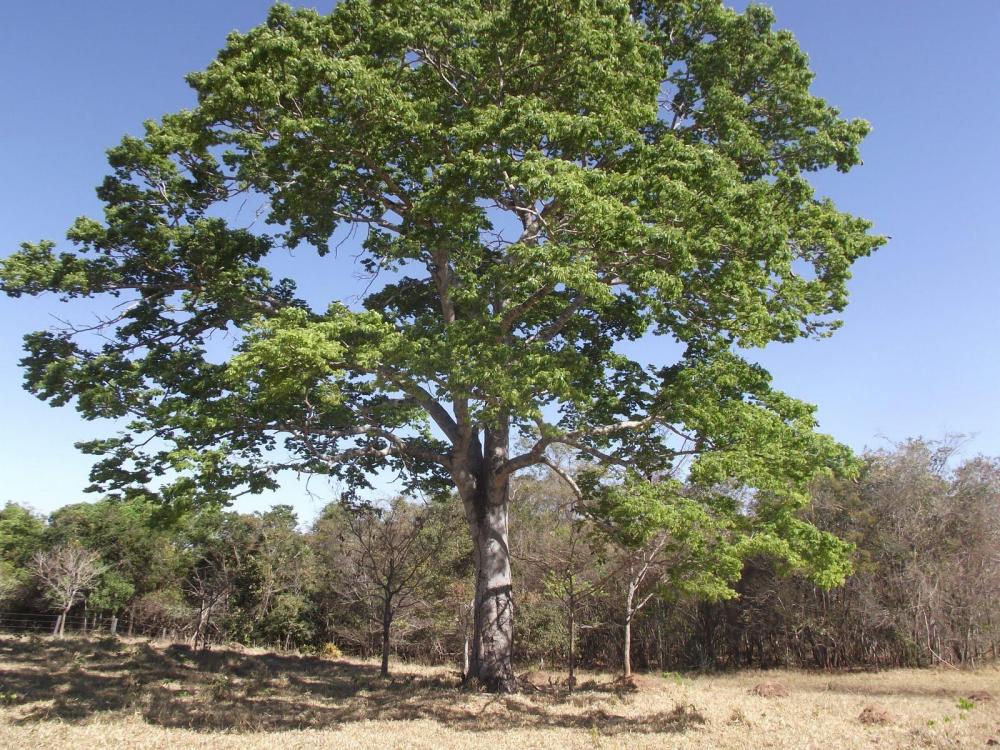
Jatoba
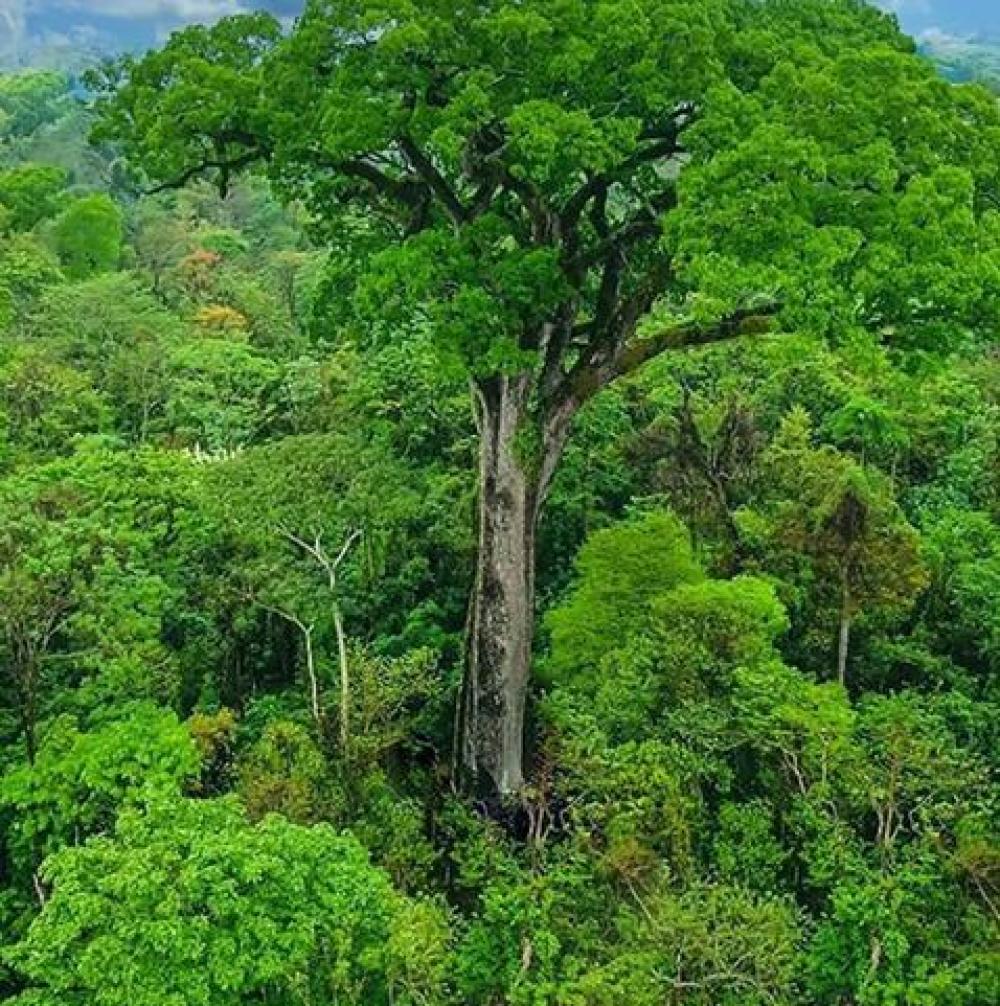
Pink Jequitibá (Cariniana legalis)
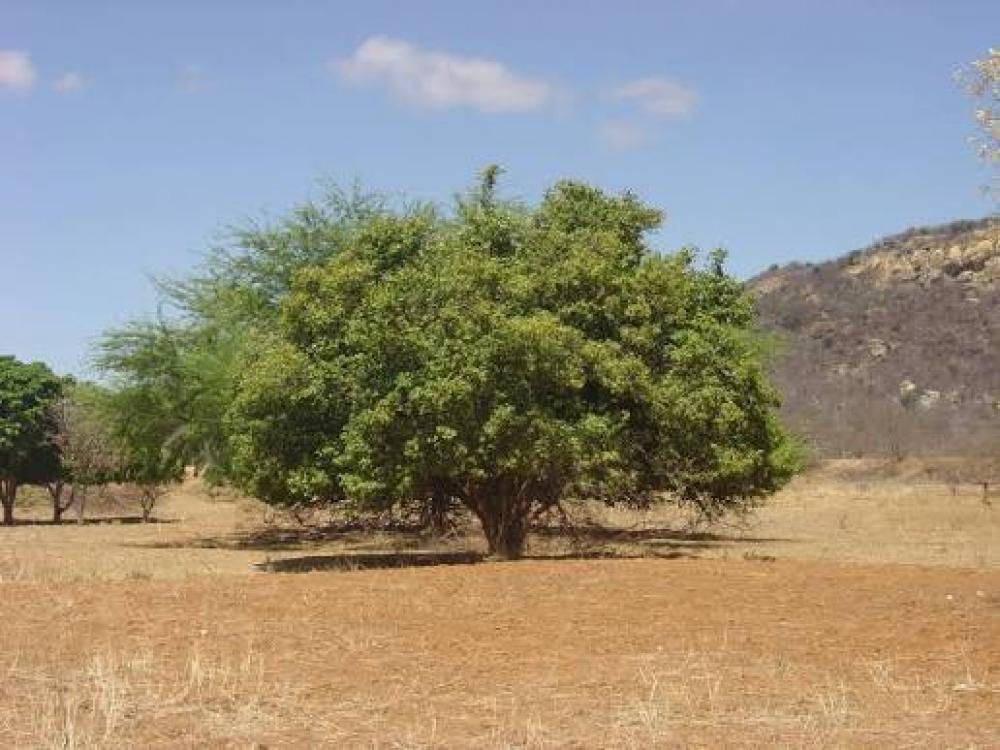
Juazeiro
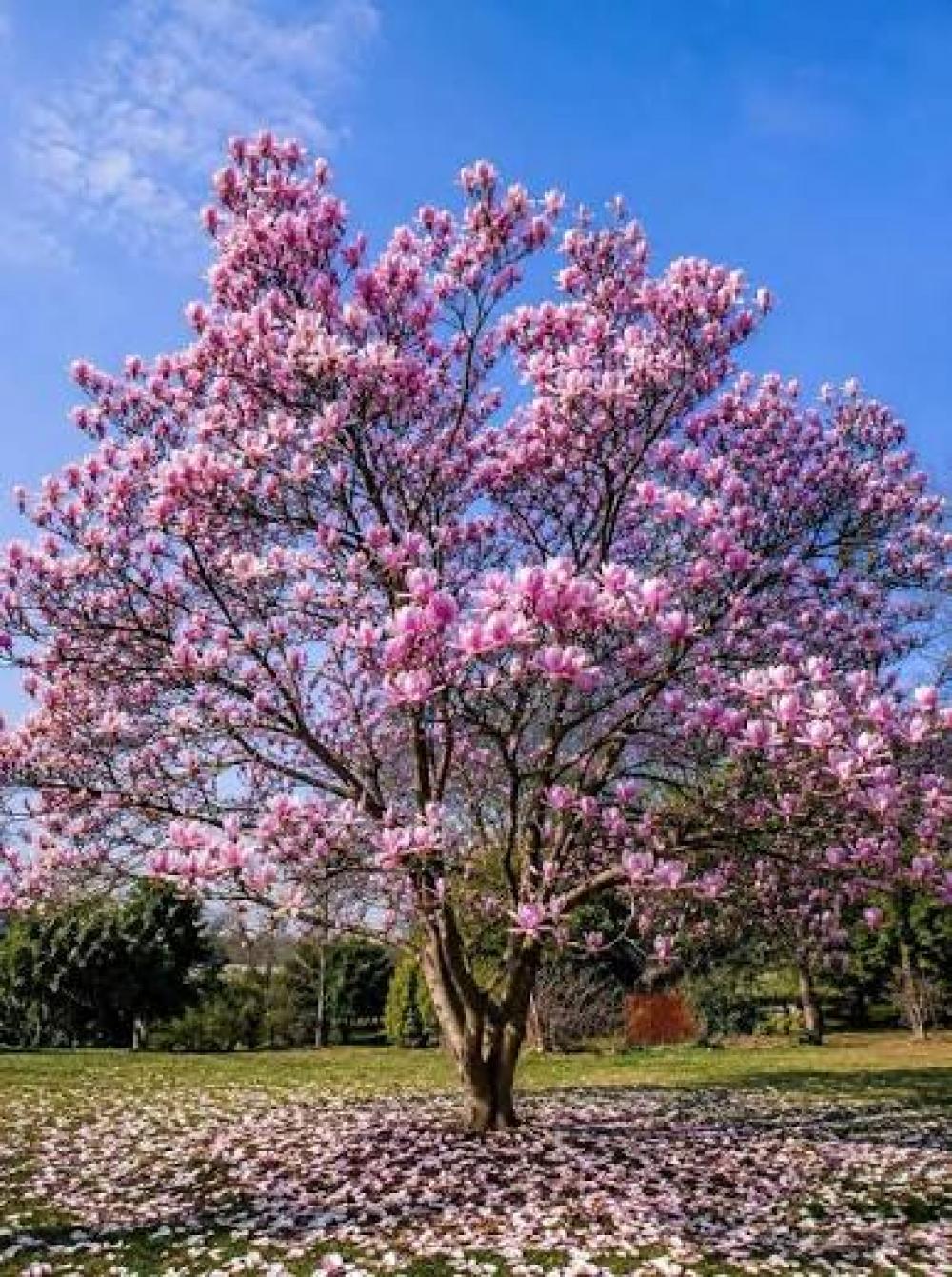
Magnolia
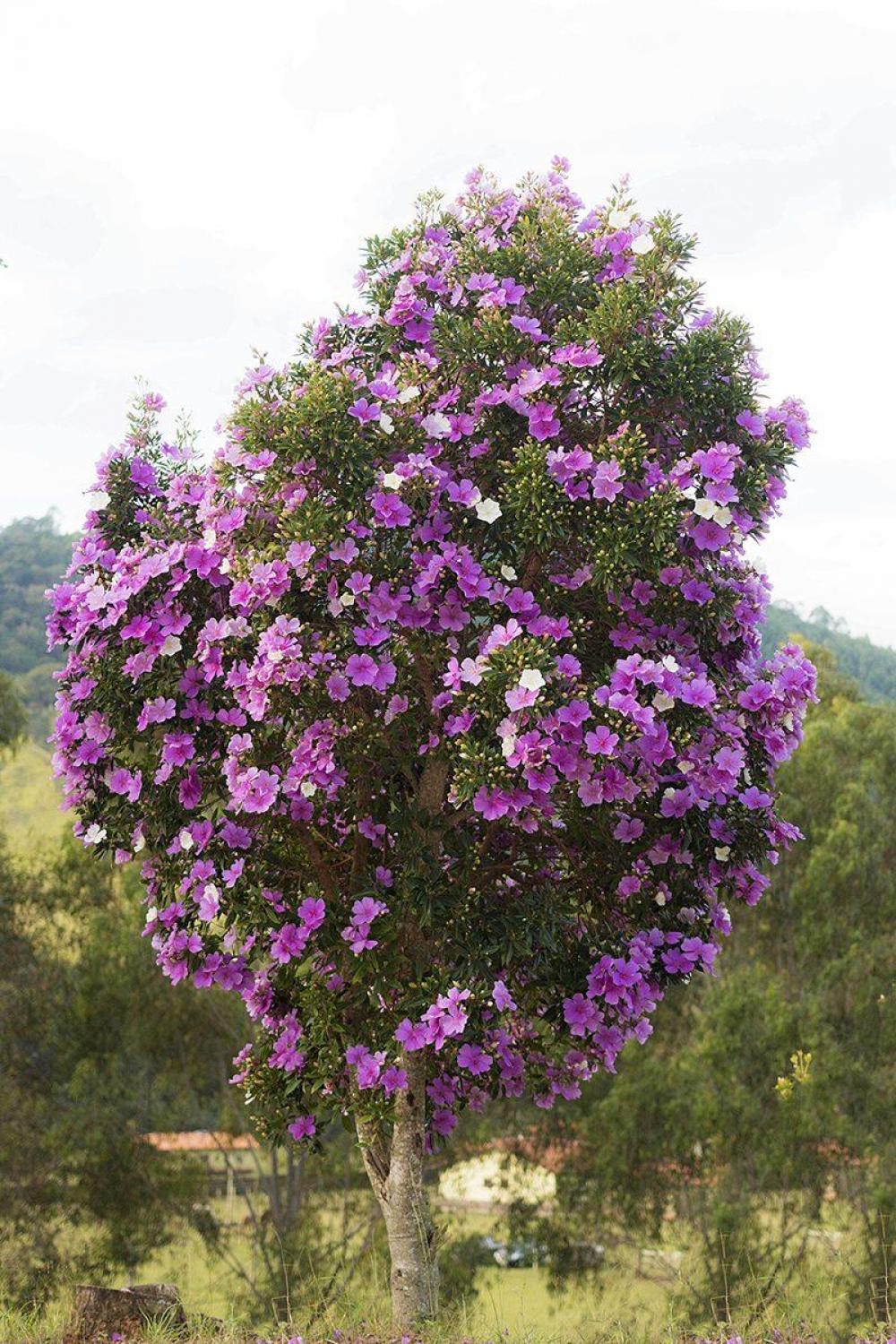
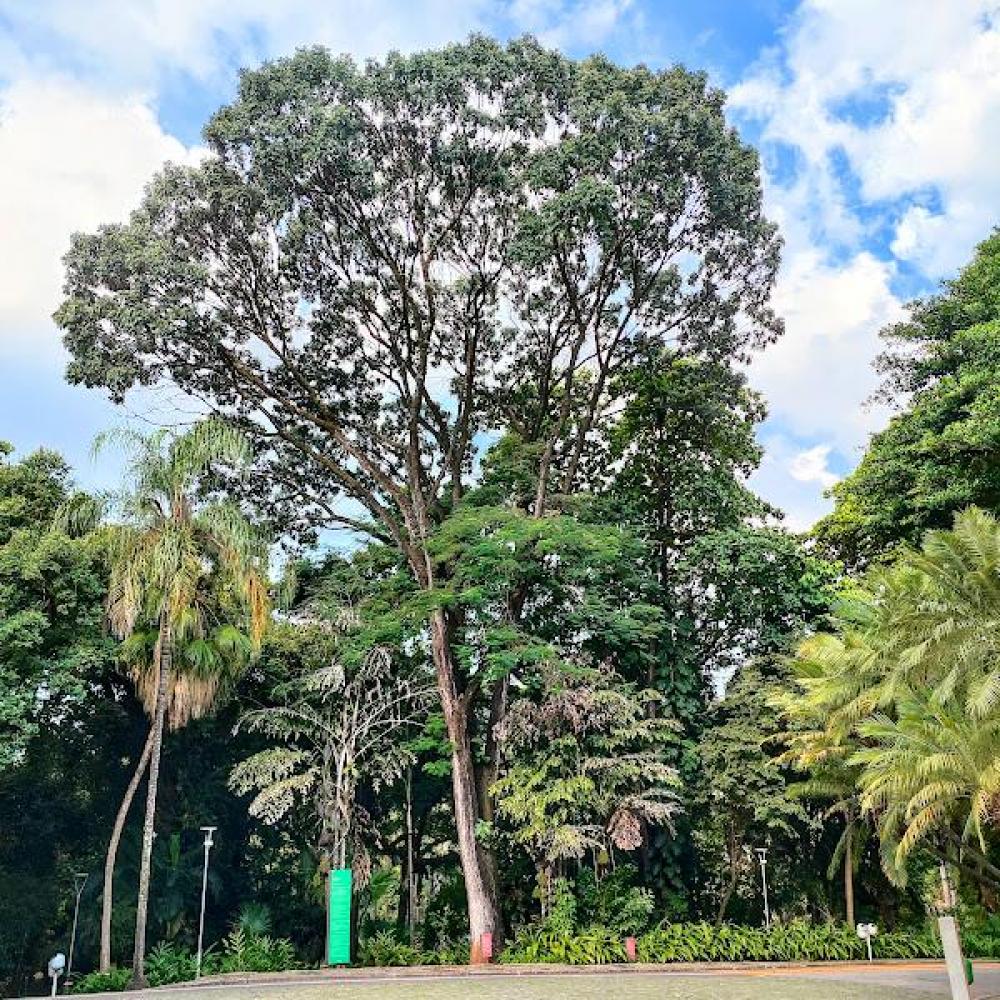
Brazilian Mahogany
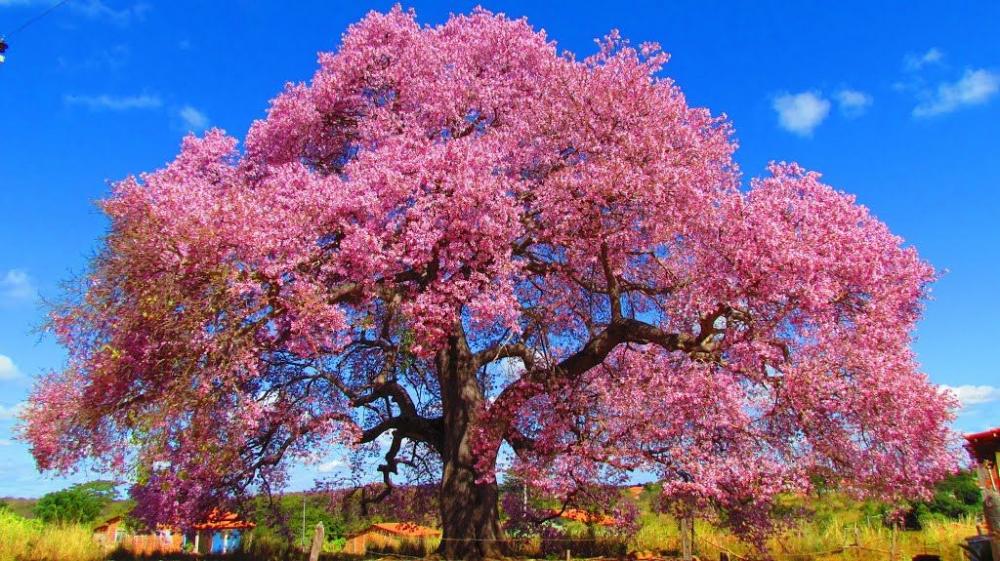
pink silk floss tree
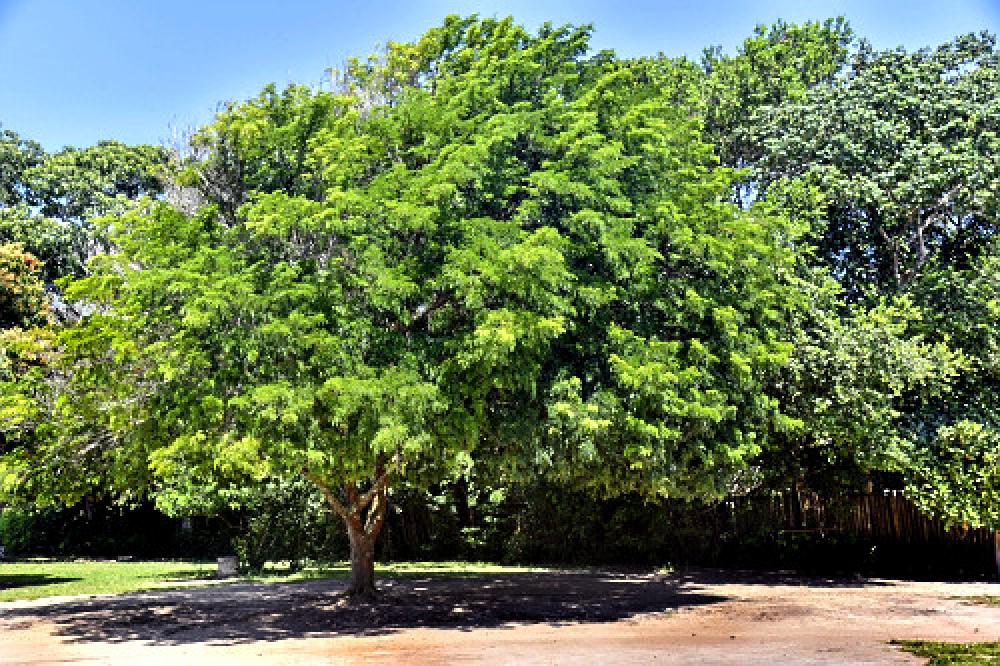
Brazilwood
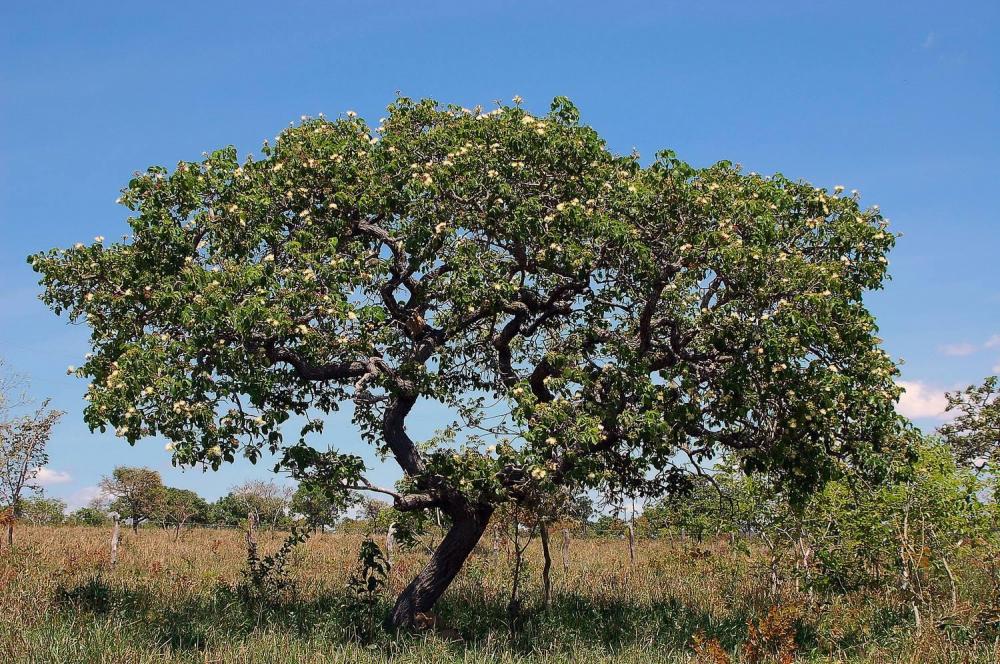
Pequi
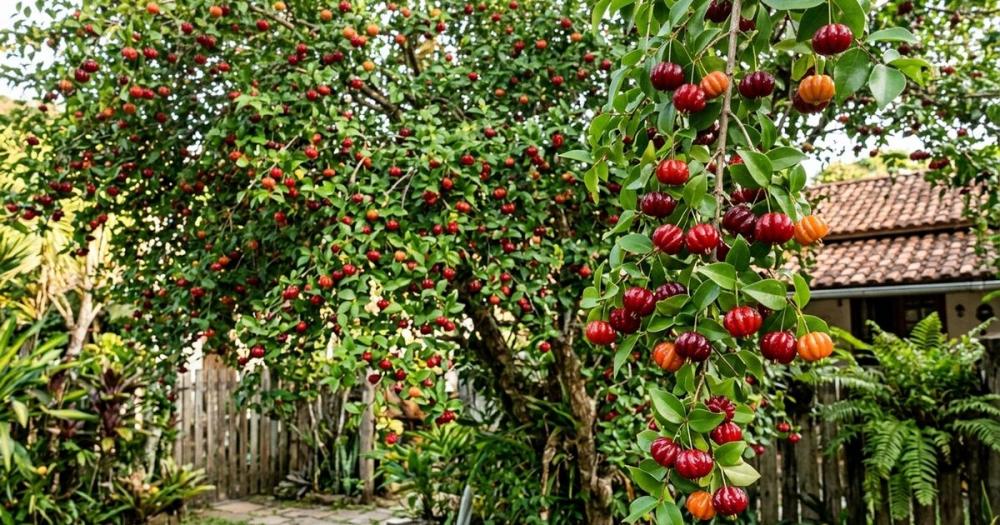
Surinam cherry
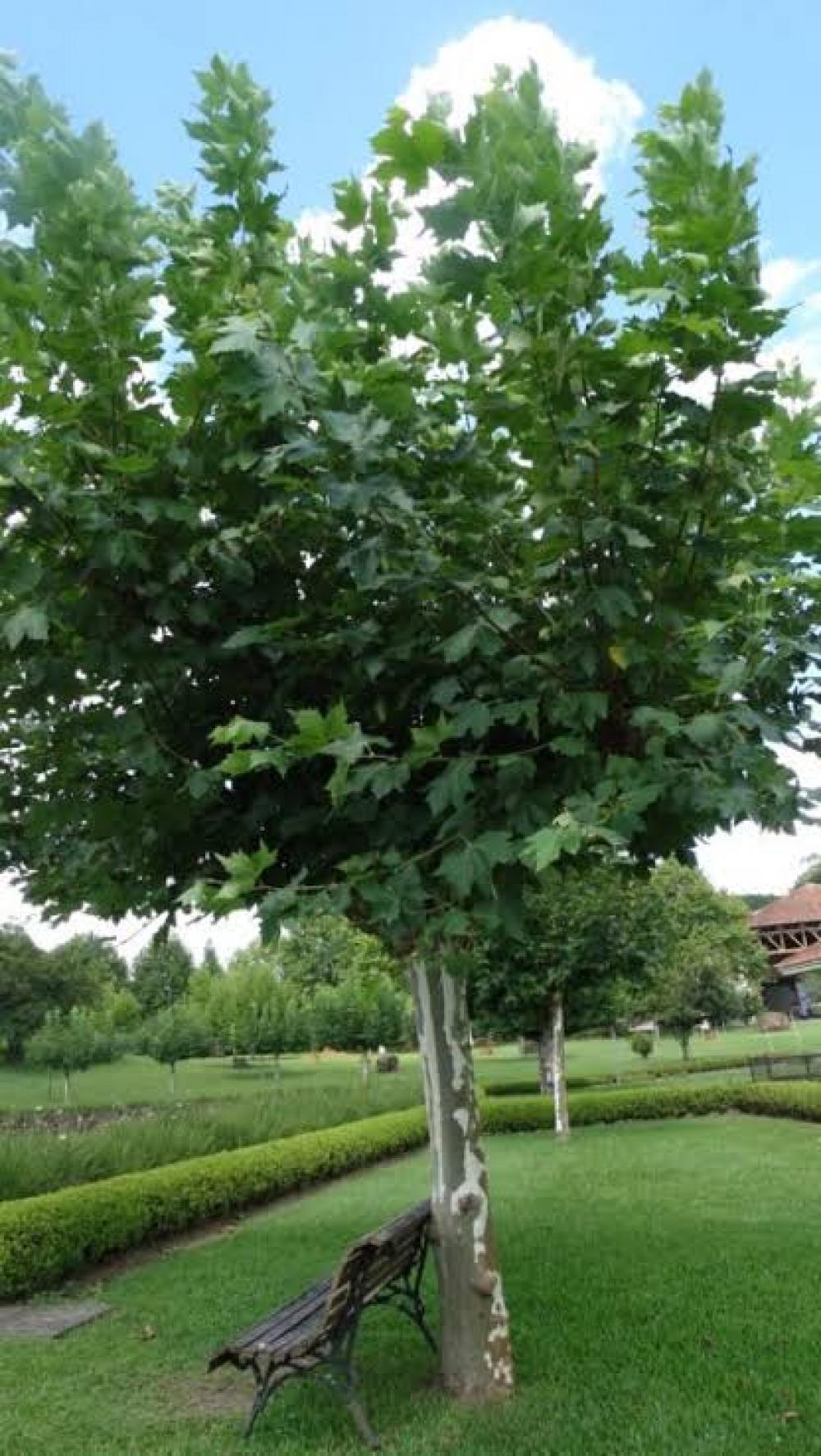
Plane tree
Rubber tree
Sucupira
Linden