

Rubber tree
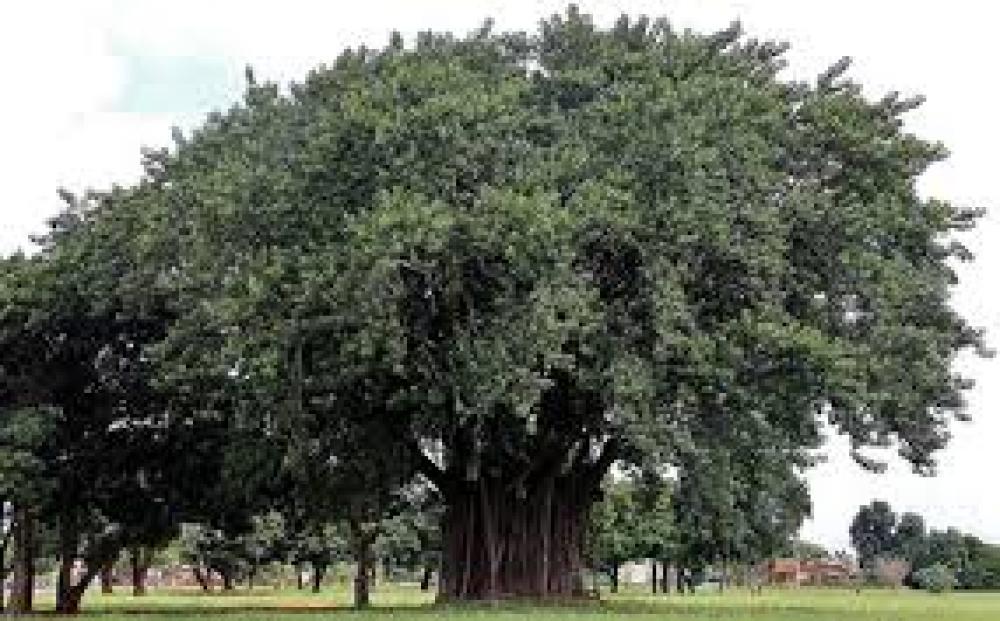
The rubber tree (*Hevea brasiliensis*) is one of the most important trees in the Amazon and holds immense economic, historical, and cultural significance for Brazil. Native to the Amazon region, it thrives in hot, humid climates and can reach heights of approximately 20 to 30 meters. It features an upright trunk, a broad crown, and compound leaves that typically shed during a specific time of year—a characteristic linked to the species adaptation to environmental conditions.
Preserving the rubber tree means valuing the Amazon rainforest, traditional knowledge, and the potential of an economy based on nature conservation. Its history demonstrates that biodiversity can provide society with vital resources when utilized responsibly, with proper planning, and with respect for ecosystem limits.
The rubber tree: a tree that transforms forest latex into history, livelihoods, and sustainable possibilities, keeping the richness of the Amazon alive.
Its defining characteristic is the production of latex, a milky substance found in laticiferous vessels located primarily in the trees bark. Through proper management techniques, latex can be harvested without felling the tree. Once processed, it becomes natural rubber—a raw material historically used to manufacture countless products, including gloves, industrial components, medical supplies, and various rubber goods.
The economic importance of the rubber tree is deeply tied to the "Rubber Boom" (*Ciclo da Borracha*), a period when the exploitation of Amazonian latex gained great economic significance and transformed the regions cities and communities. This history is also linked to the knowledge developed by traditional peoples and the workers who learned to manage the forest and extract the latex.
From an ecological standpoint, the rubber tree is part of the Amazon rainforests rich biodiversity. As a native species, it plays a role in the ecosystems natural cycles, contributes to carbon storage, and is integral to the relationships between plants, animals, and microorganisms. Sustainable management of resource-producing species can offer a vital alternative for balancing environmental conservation with income generation.
Latex extraction holds special importance for Amazonian socio-biodiversity. When conducted responsibly, it allows communities to obtain forest products while keeping the trees standing. This model demonstrates the potential of a conserved forest as a source of employment, knowledge, culture, and sustainable development.
The rubber tree is also of scientific interest due to the various natural compounds found in its latex and other plant tissues. However, natural latex can trigger allergic reactions in sensitive individuals, and its use for medicinal purposes or directly on the body should not be undertaken without proper guidance. The species primary value lies in its ecological, economic, and historical importance, as well as its potential for sustainable management.
Preserving the rubber tree means valuing the Amazon rainforest, traditional knowledge, and the potential of an economy based on nature conservation. Its history demonstrates that biodiversity can provide society with vital resources when utilized responsibly, with proper planning, and with respect for ecosystem limits.
The rubber tree: a tree that transforms forest latex into history, livelihoods, and sustainable possibilities, keeping the richness of the Amazon alive.
Its defining characteristic is the production of latex, a milky substance found in laticiferous vessels located primarily in the trees bark. Through proper management techniques, latex can be harvested without felling the tree. Once processed, it becomes natural rubber—a raw material historically used to manufacture countless products, including gloves, industrial components, medical supplies, and various rubber goods.
The economic importance of the rubber tree is deeply tied to the "Rubber Boom" (*Ciclo da Borracha*), a period when the exploitation of Amazonian latex gained great economic significance and transformed the regions cities and communities. This history is also linked to the knowledge developed by traditional peoples and the workers who learned to manage the forest and extract the latex.
From an ecological standpoint, the rubber tree is part of the Amazon rainforests rich biodiversity. As a native species, it plays a role in the ecosystems natural cycles, contributes to carbon storage, and is integral to the relationships between plants, animals, and microorganisms. Sustainable management of resource-producing species can offer a vital alternative for balancing environmental conservation with income generation.
Latex extraction holds special importance for Amazonian socio-biodiversity. When conducted responsibly, it allows communities to obtain forest products while keeping the trees standing. This model demonstrates the potential of a conserved forest as a source of employment, knowledge, culture, and sustainable development.
The rubber tree is also of scientific interest due to the various natural compounds found in its latex and other plant tissues. However, natural latex can trigger allergic reactions in sensitive individuals, and its use for medicinal purposes or directly on the body should not be undertaken without proper guidance. The species primary value lies in its ecological, economic, and historical importance, as well as its potential for sustainable management.
Tree Catalog
Imperial acacia
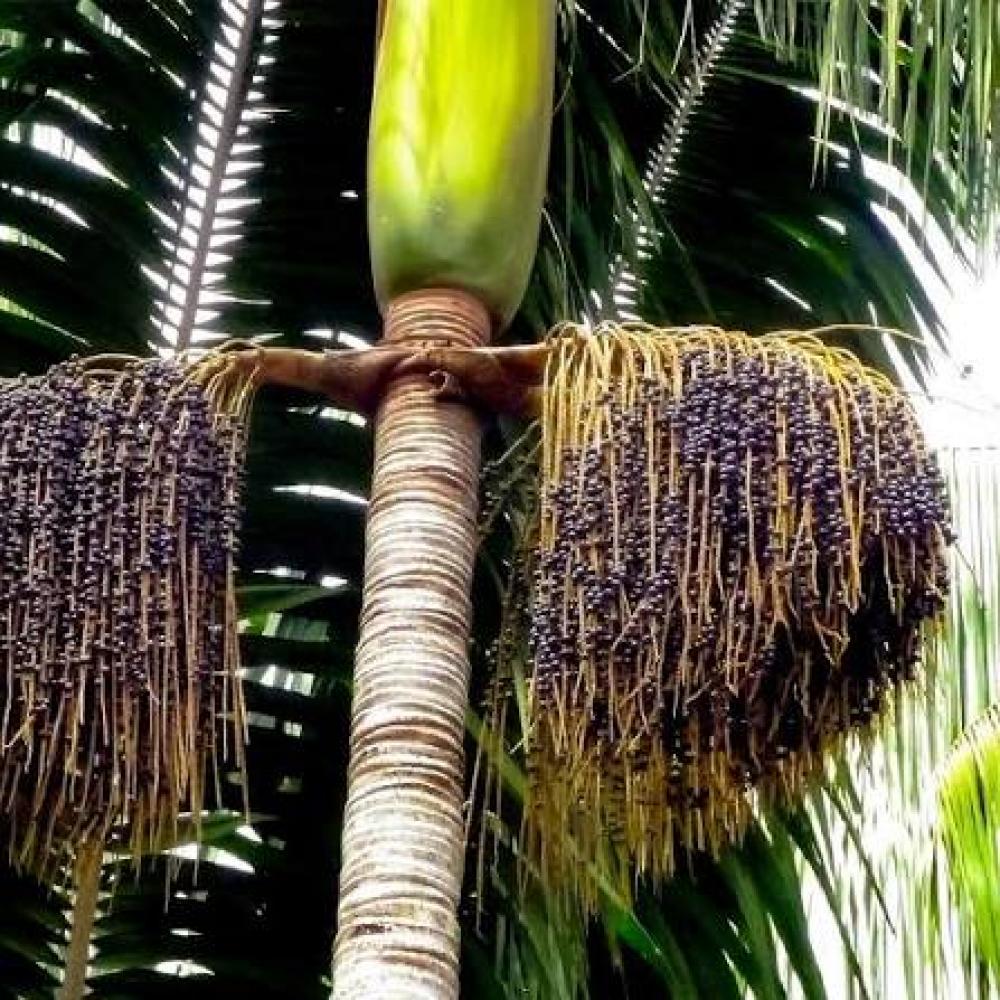
Açaí palm
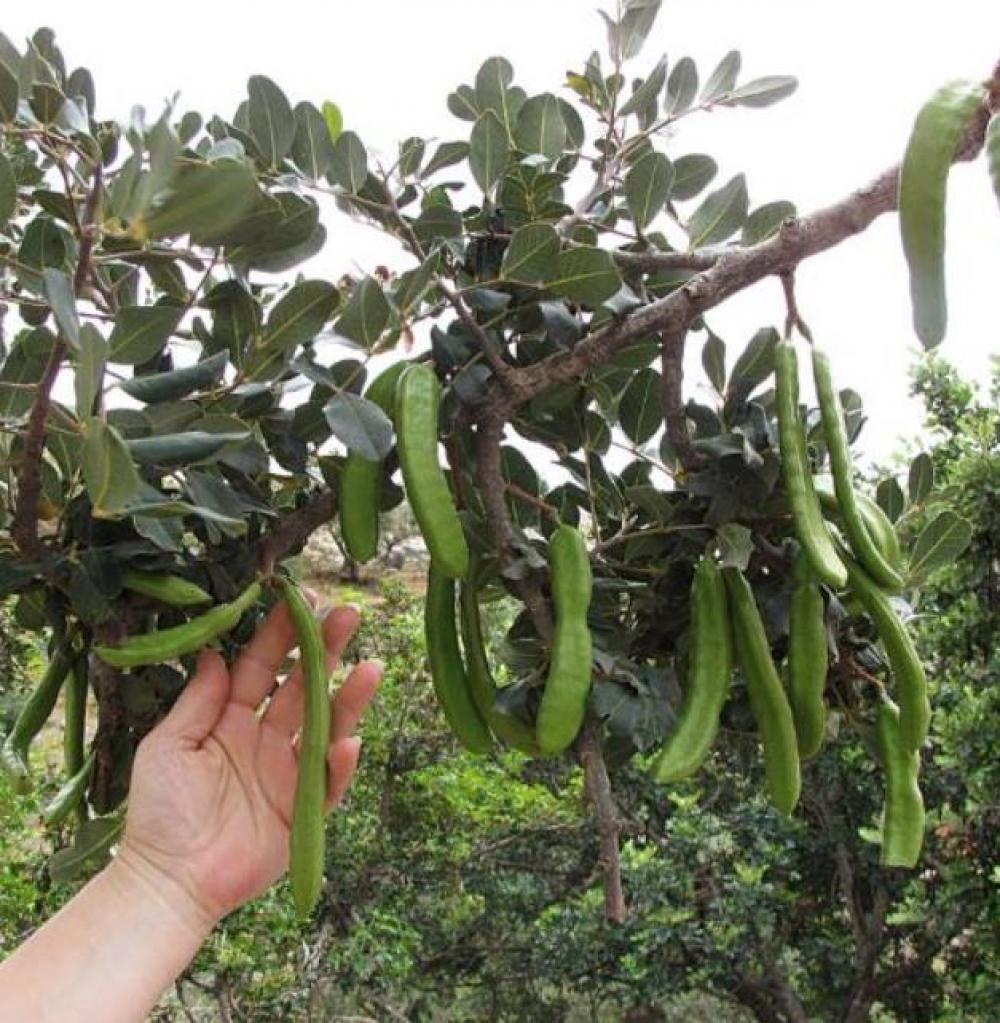
Alfarrobeira
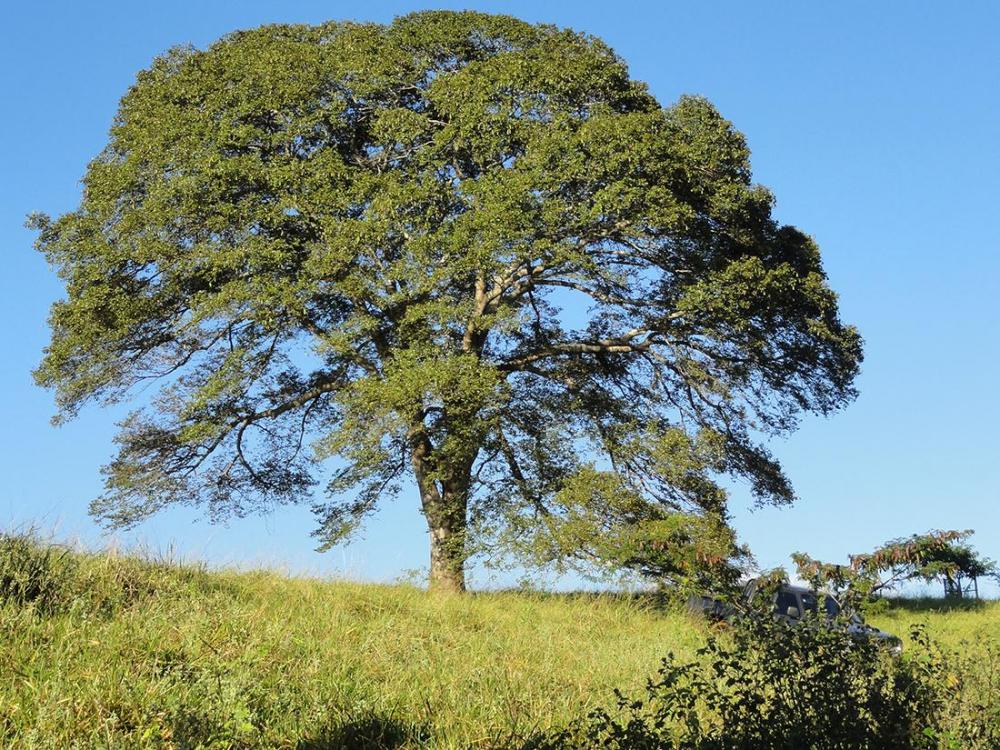
Andiroba
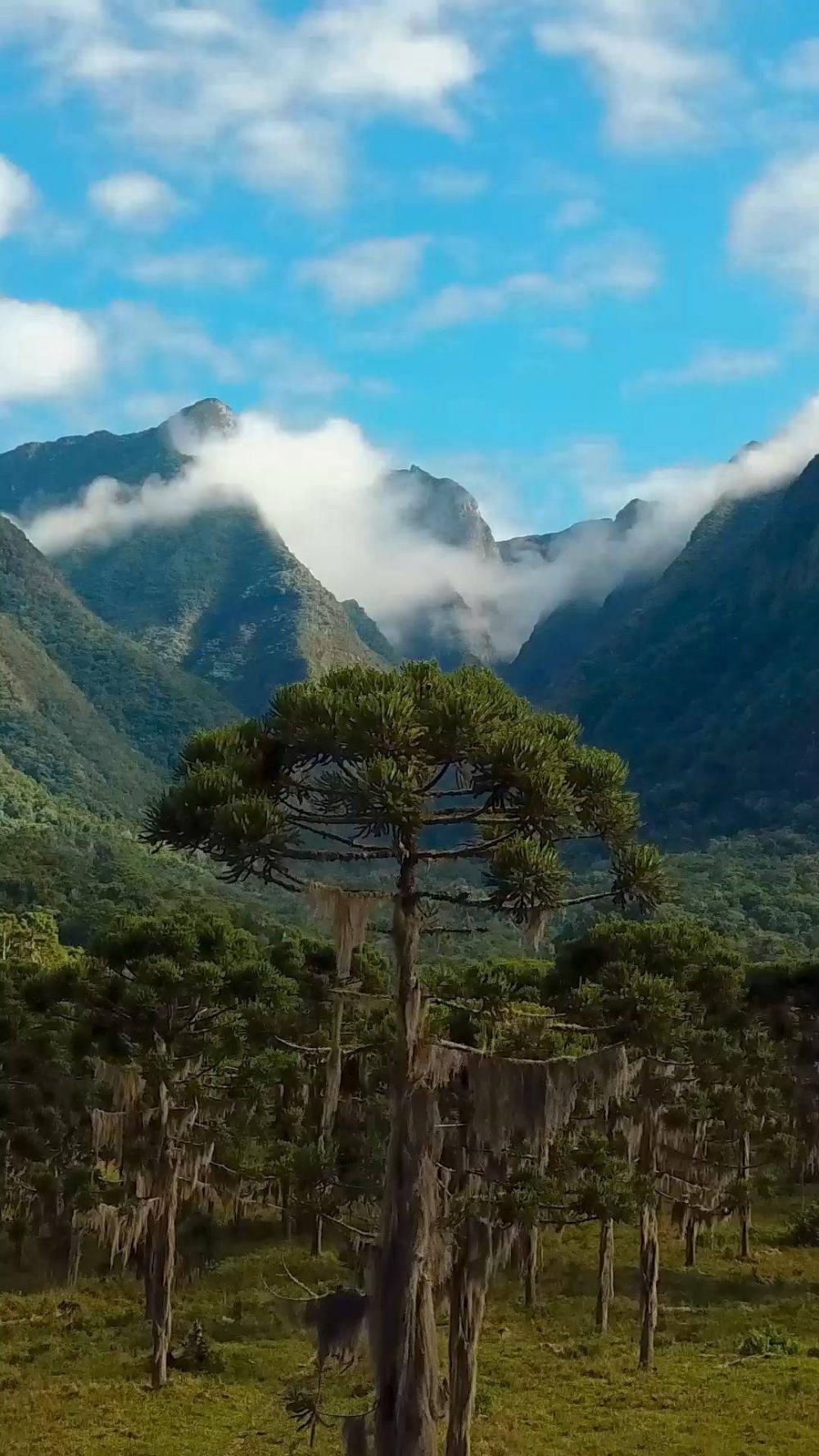
Red Angelim
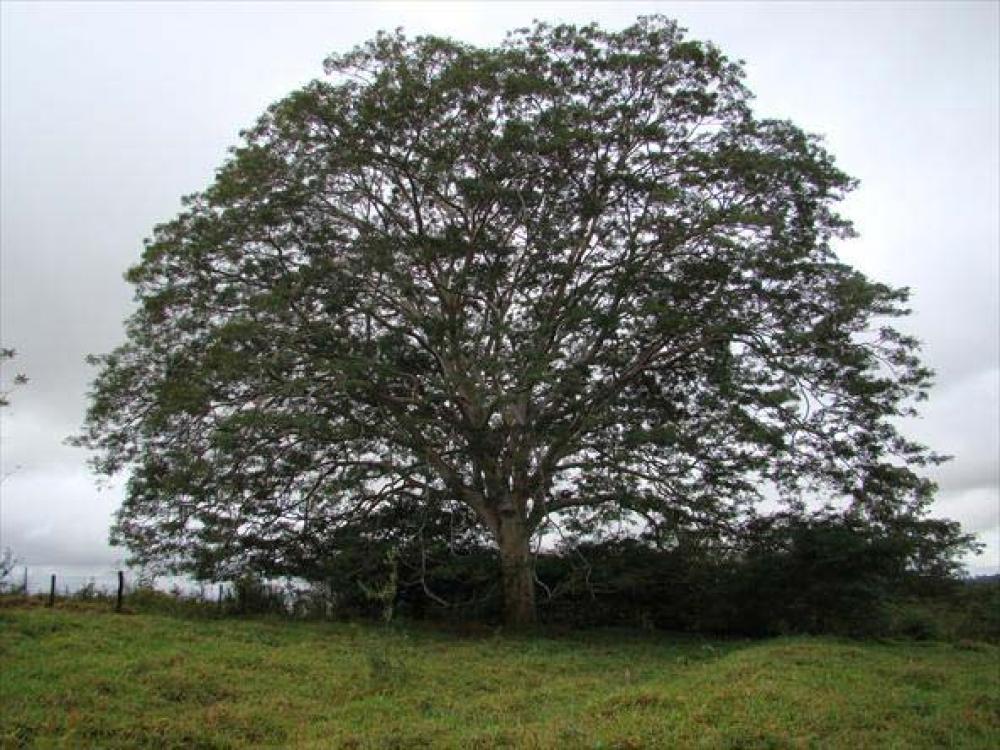
White Angico
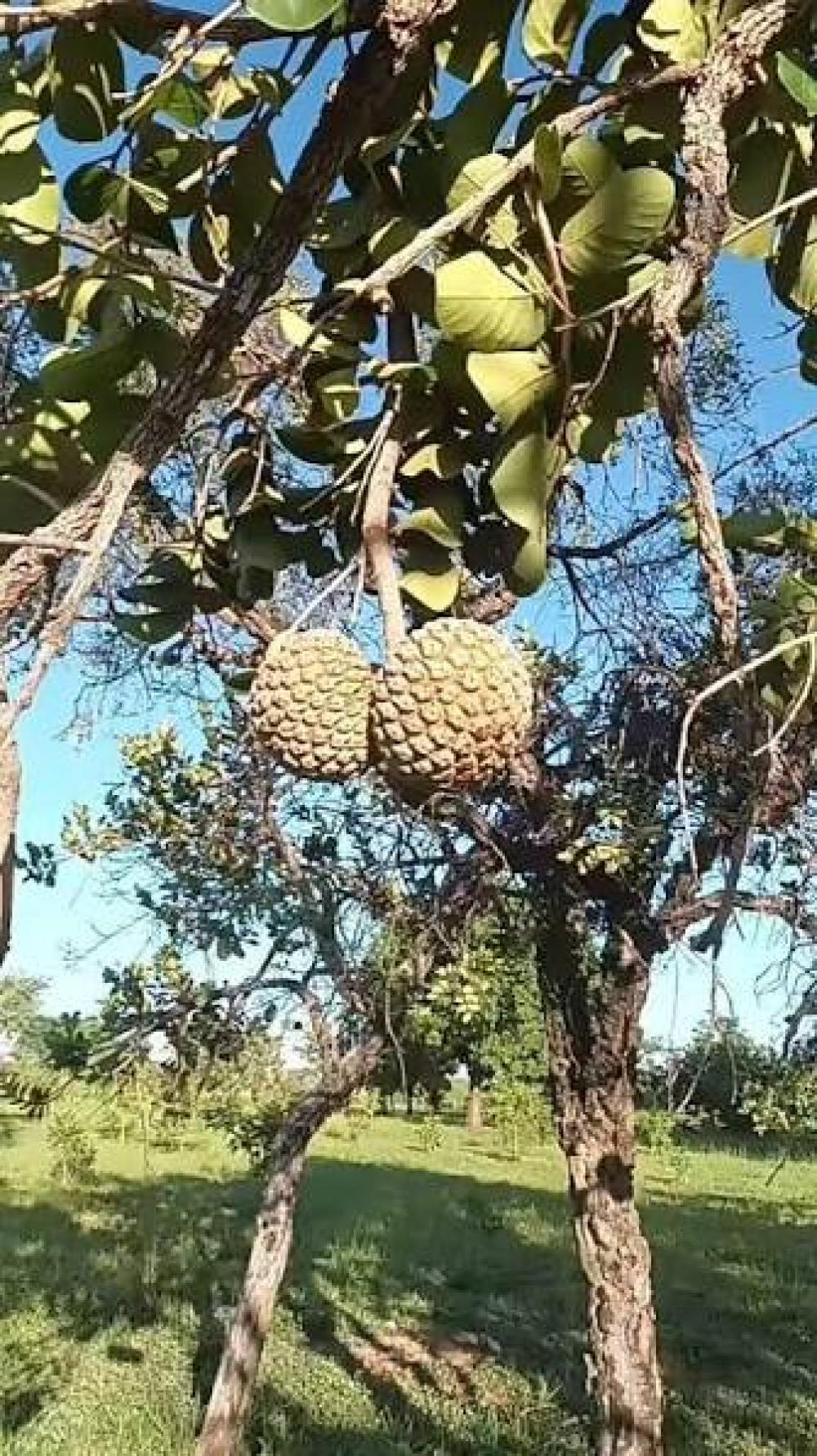
Araticum
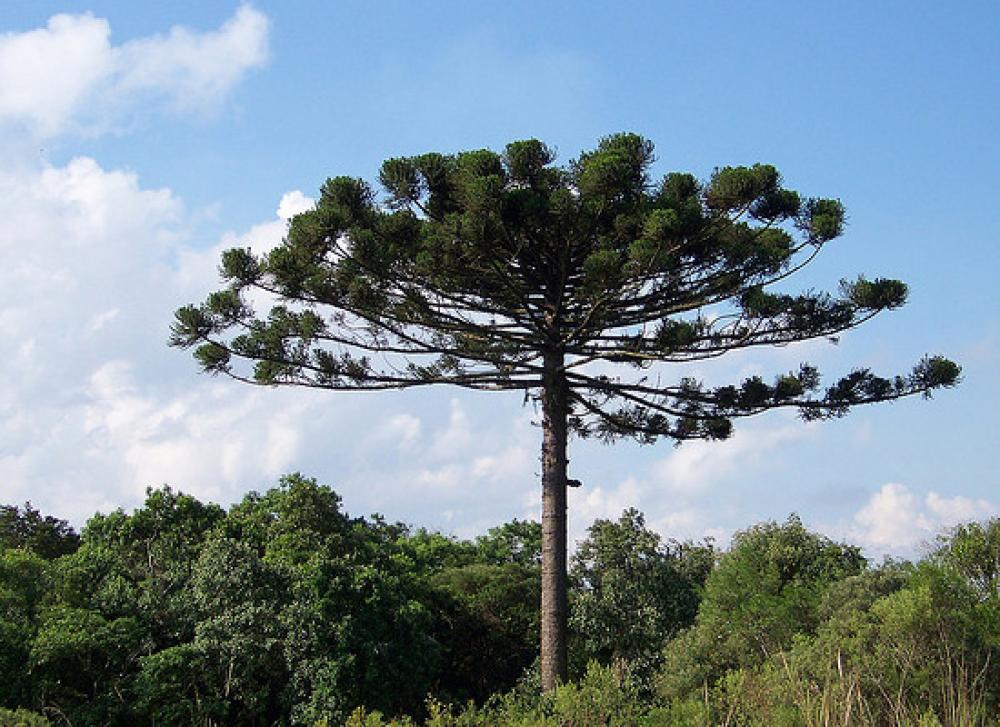
Araucaria, the Paraná pine
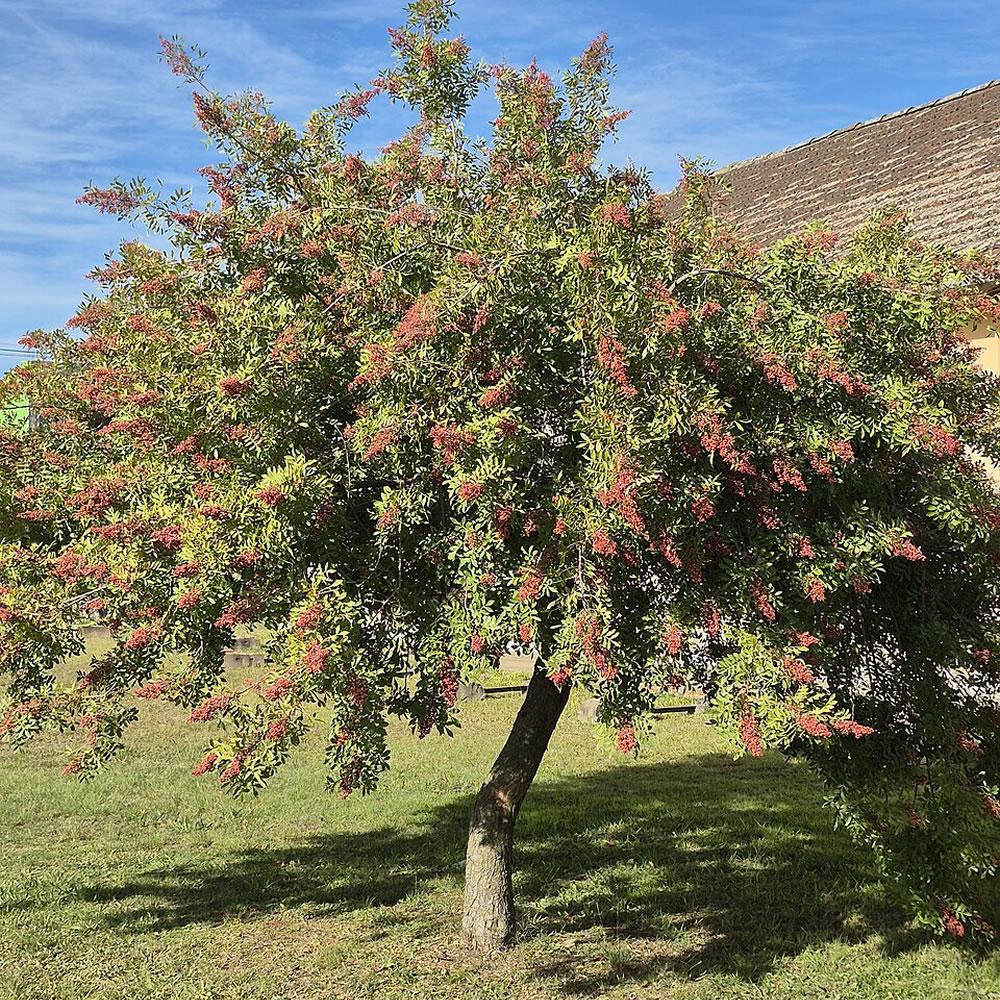
Brazilian peppertree
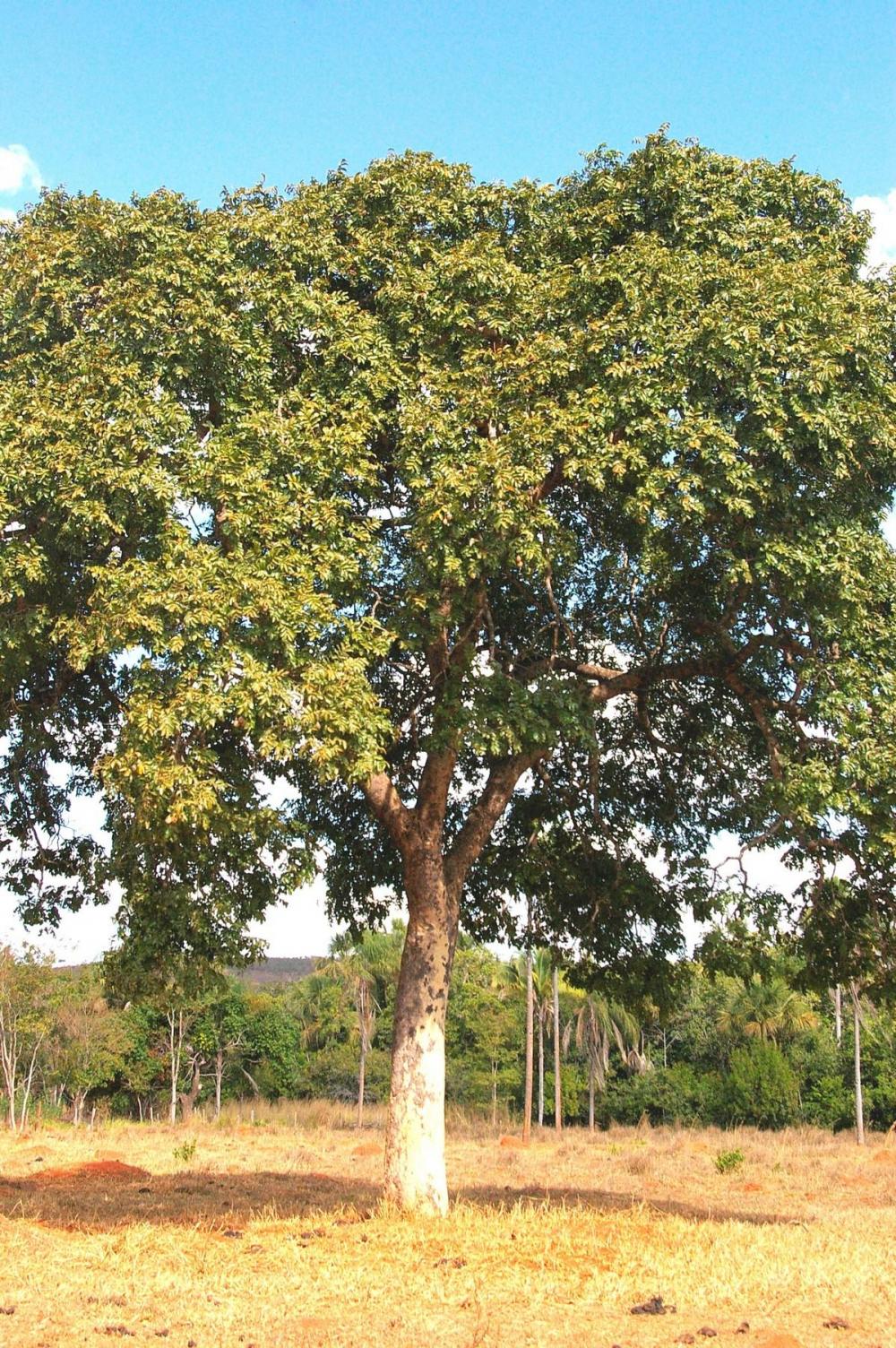
Baru
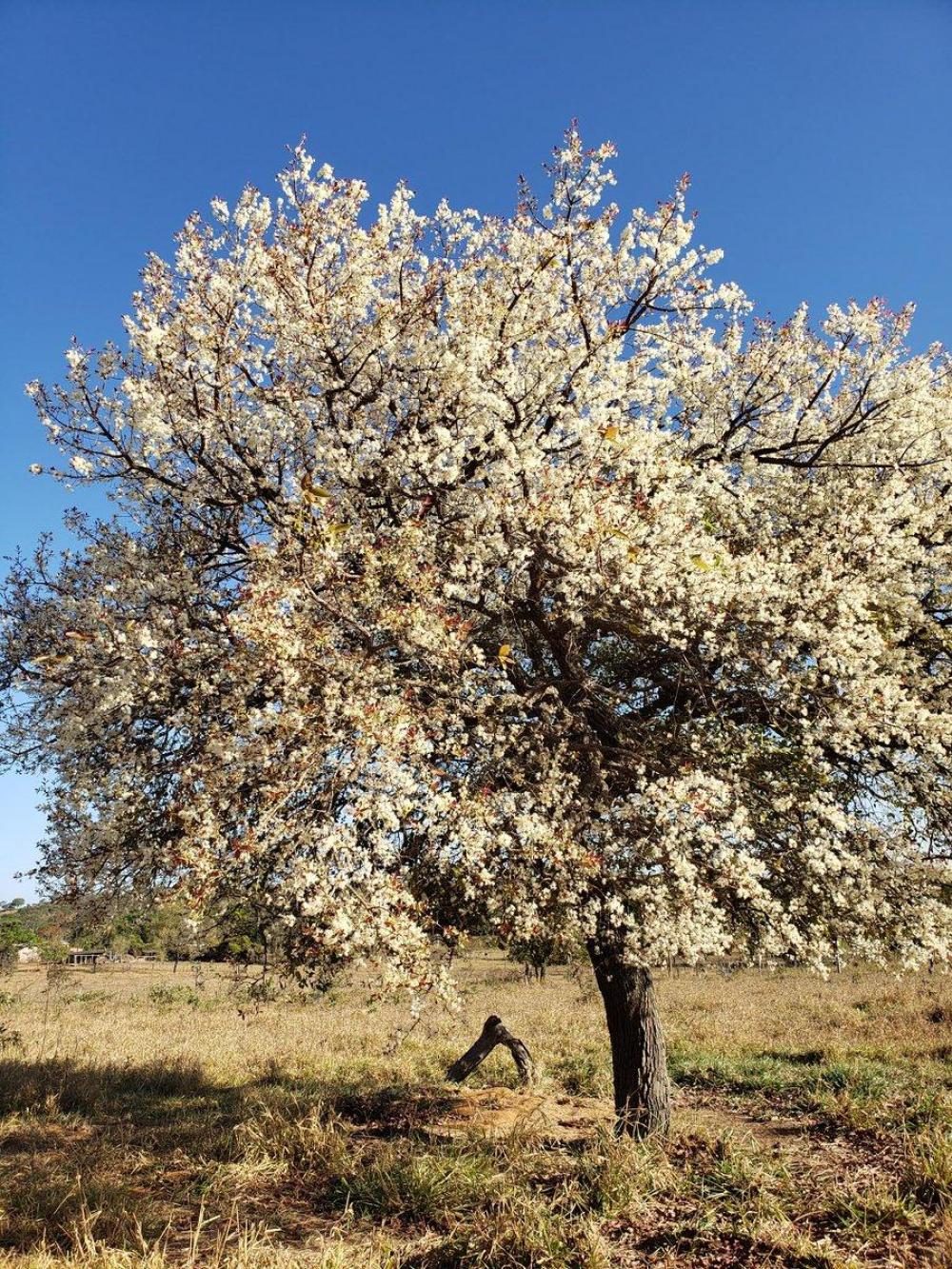
Cagaita
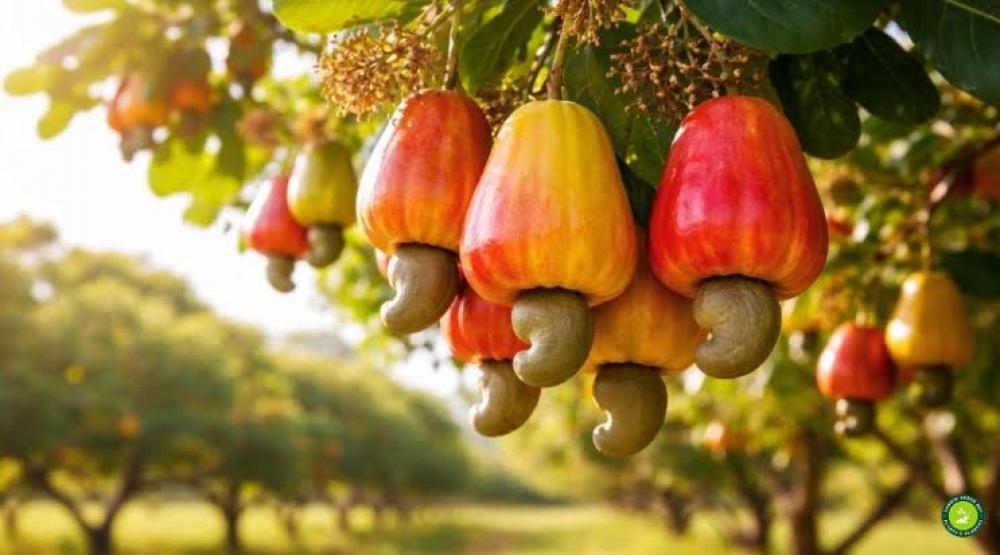
cashew tree
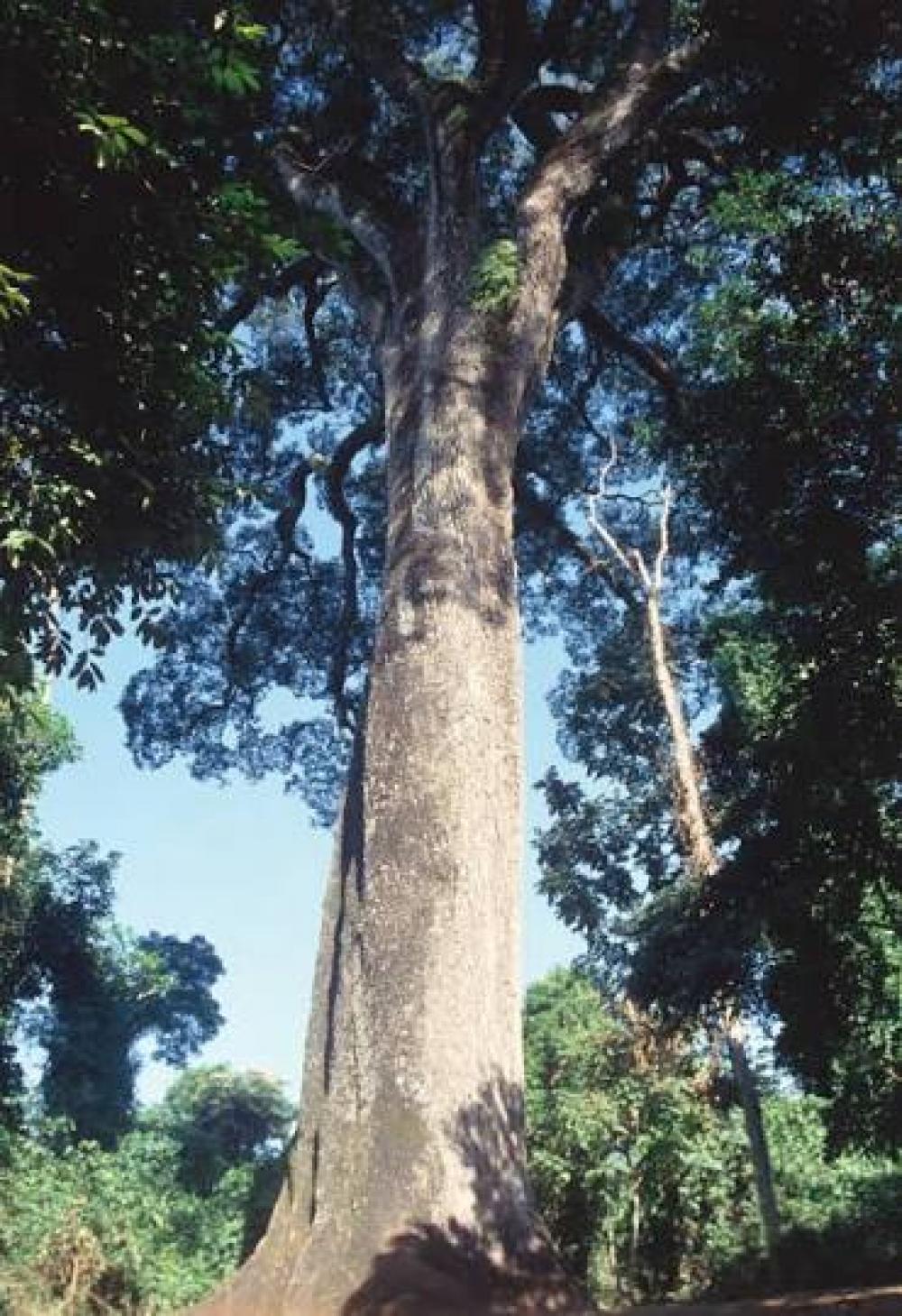
Black Cinnamon
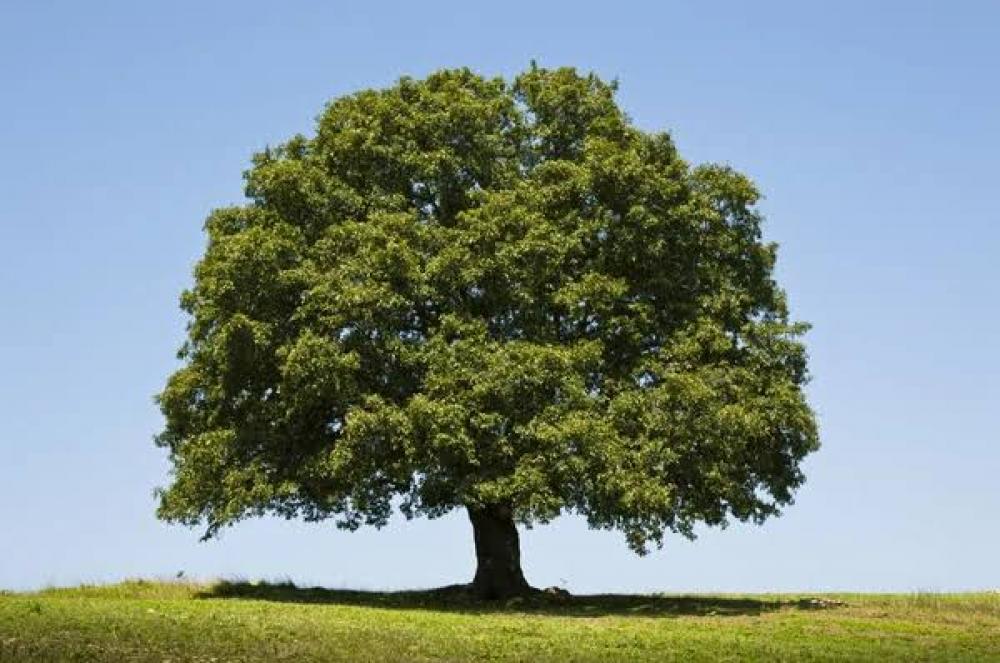
Oak tree
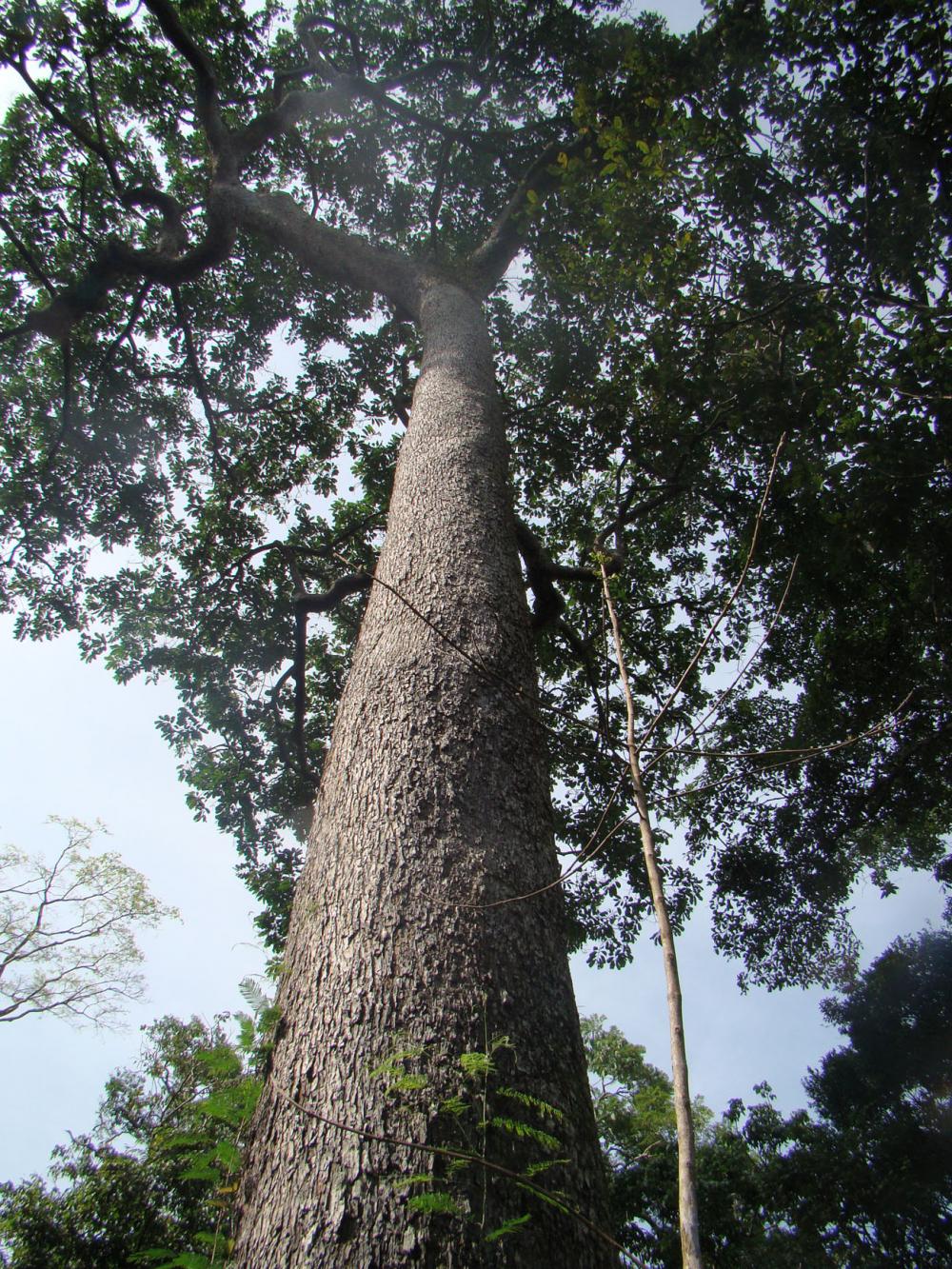
nuez de Brasil
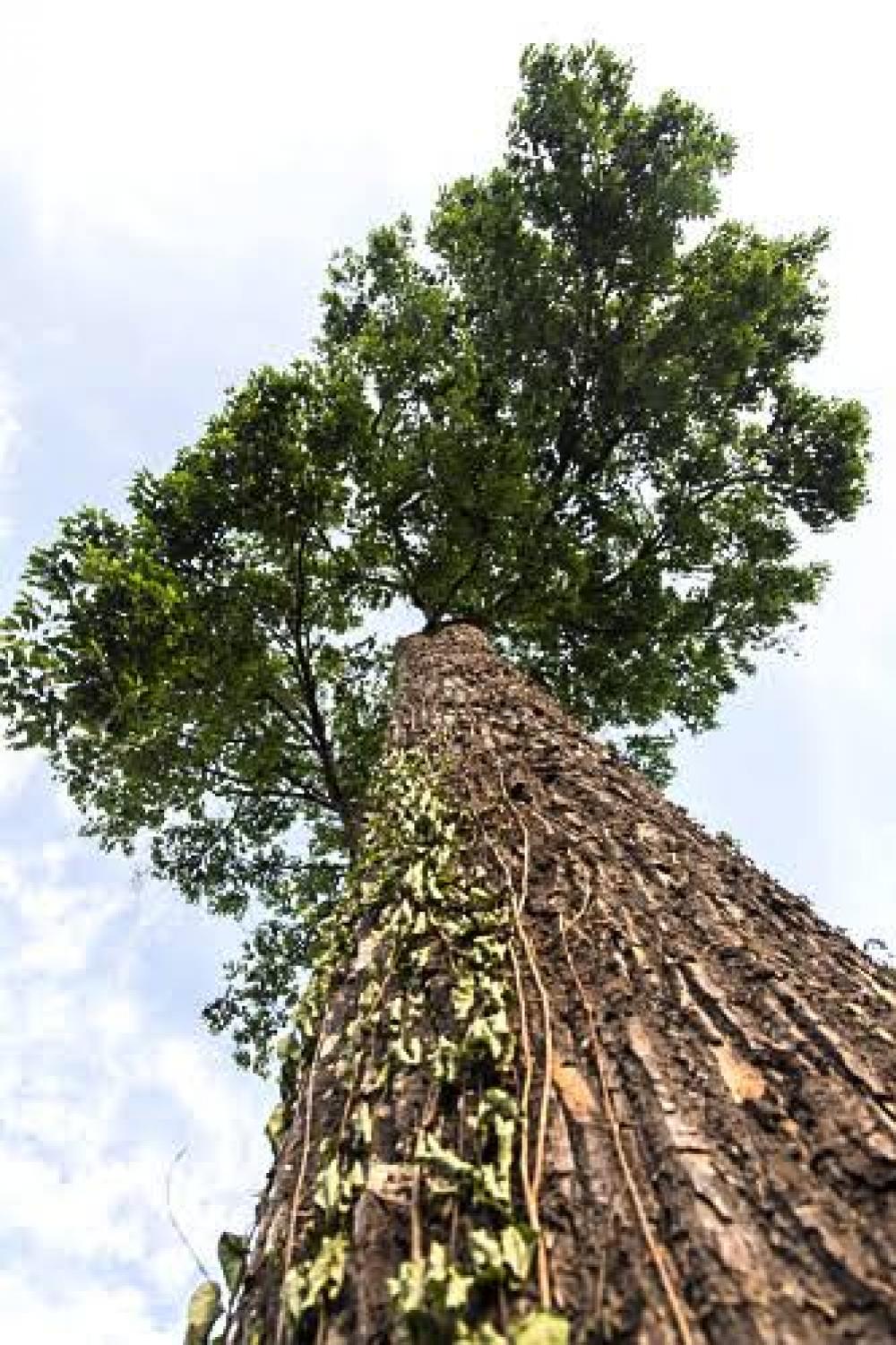
Brazil nut tree
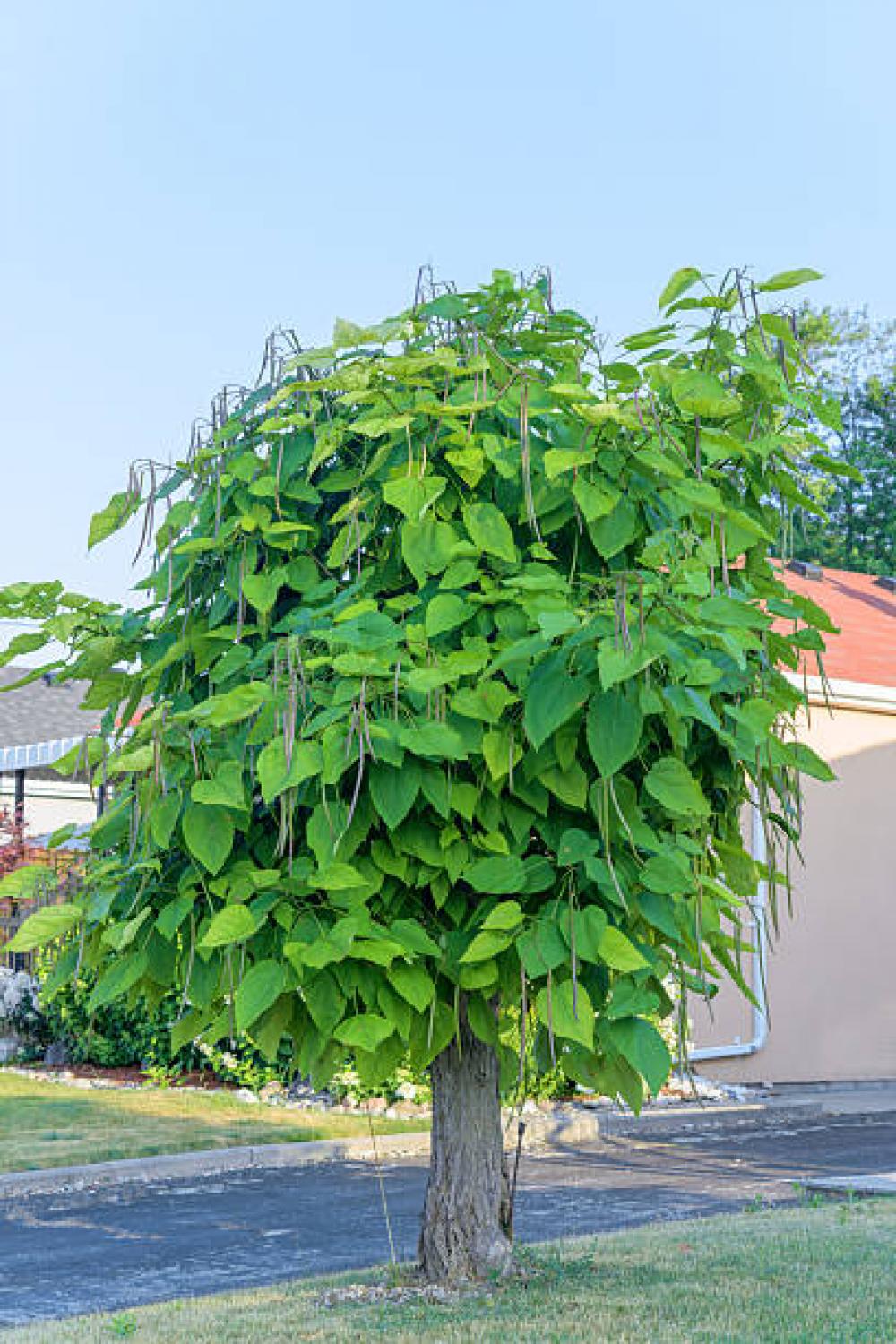
Catalpa
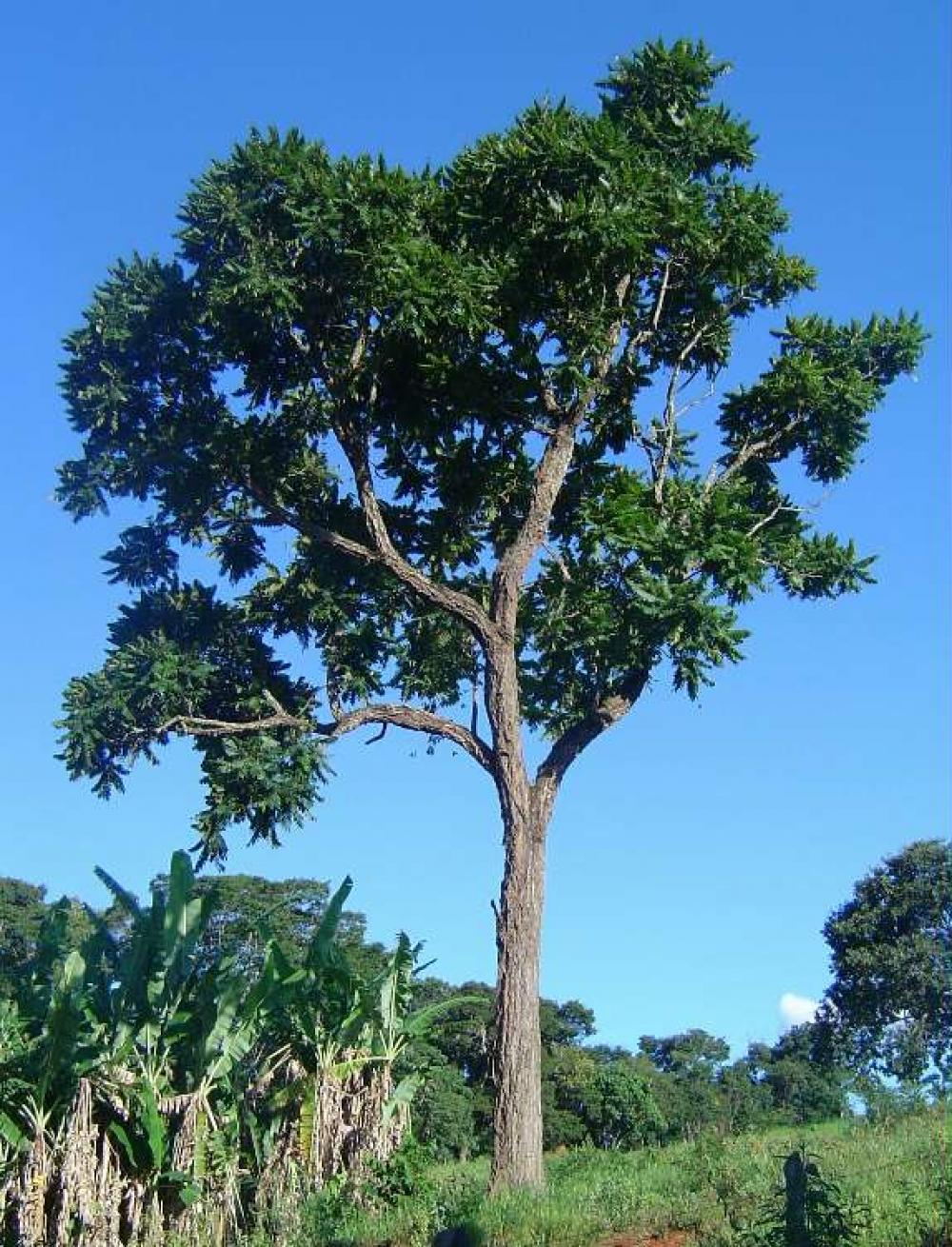
Pink cedar
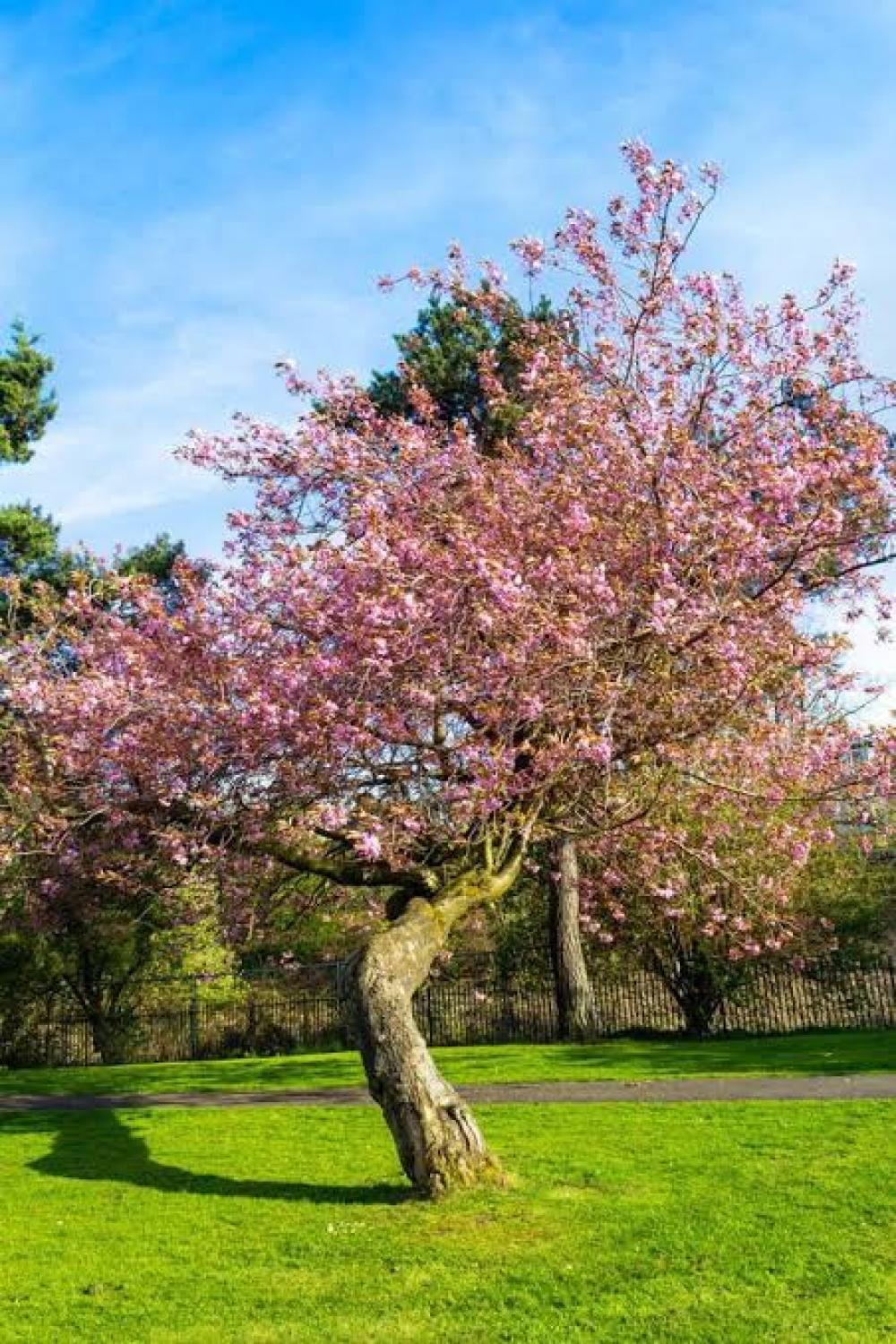
ornamental cherry tree
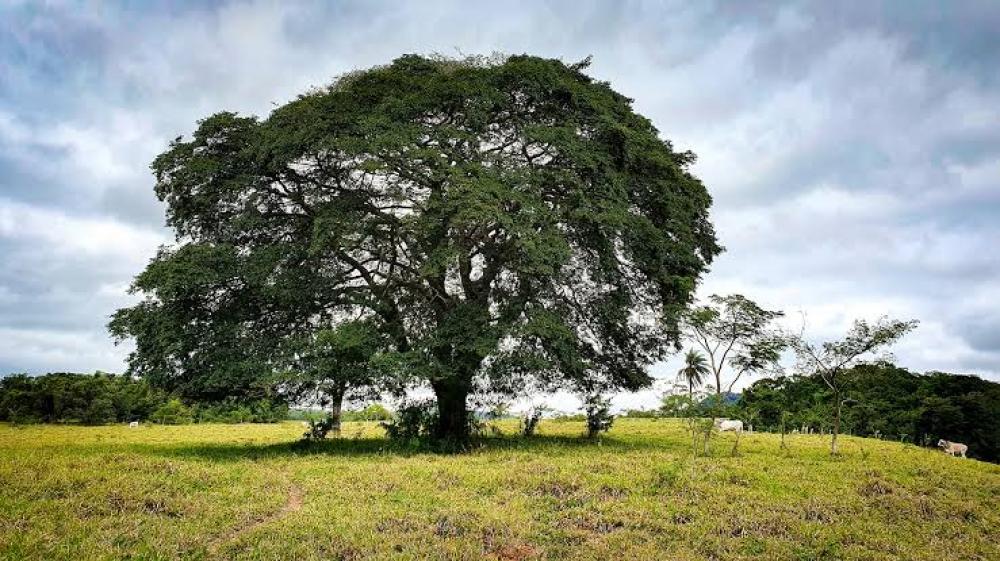
copaiba
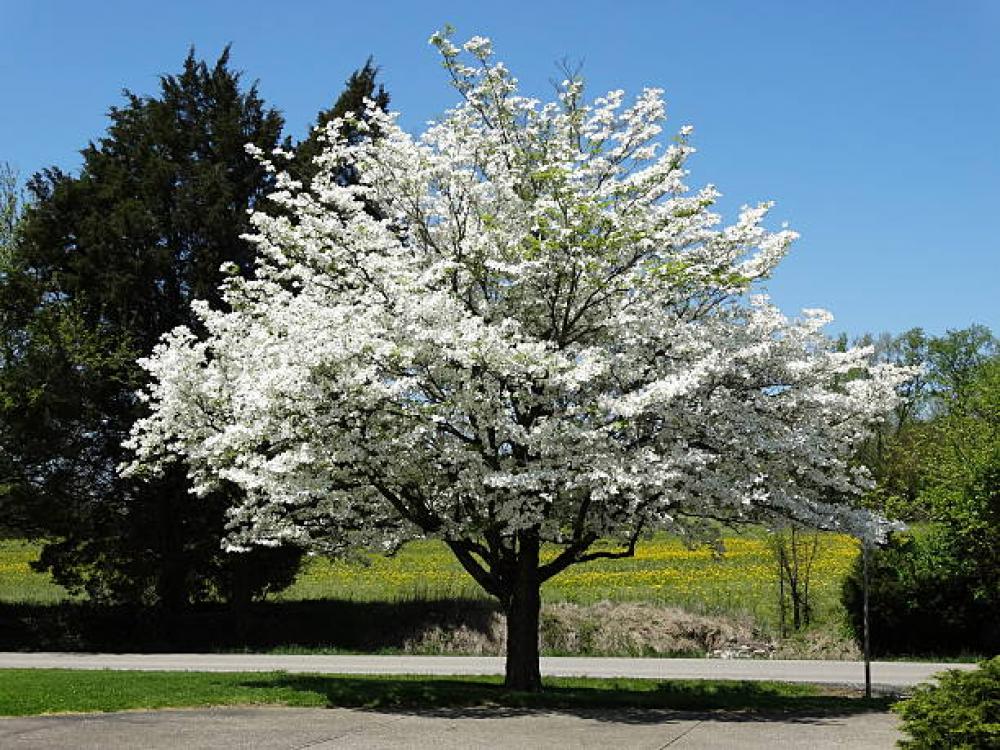
Trees of the genus Cornus
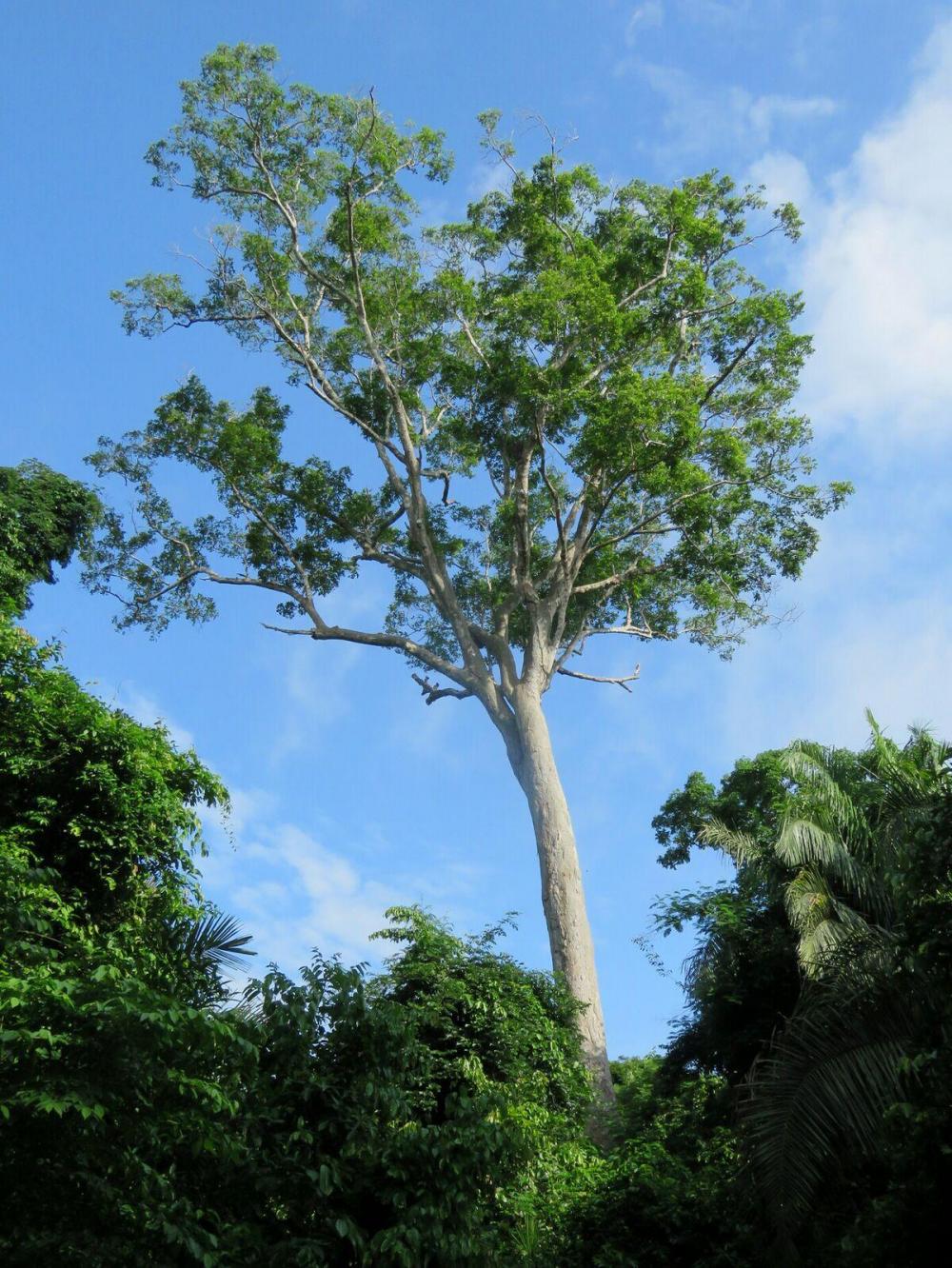
Cumaru
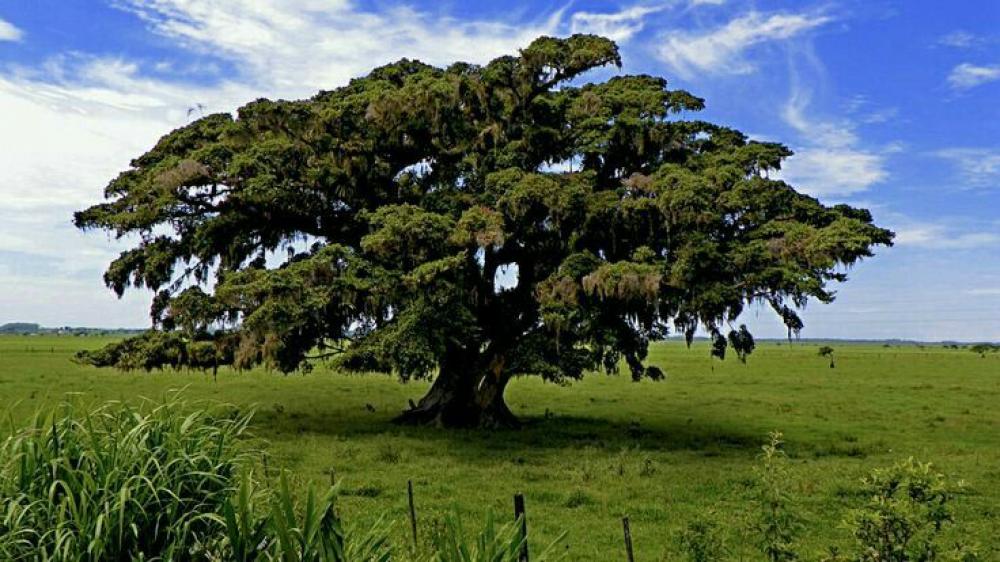
fig tree
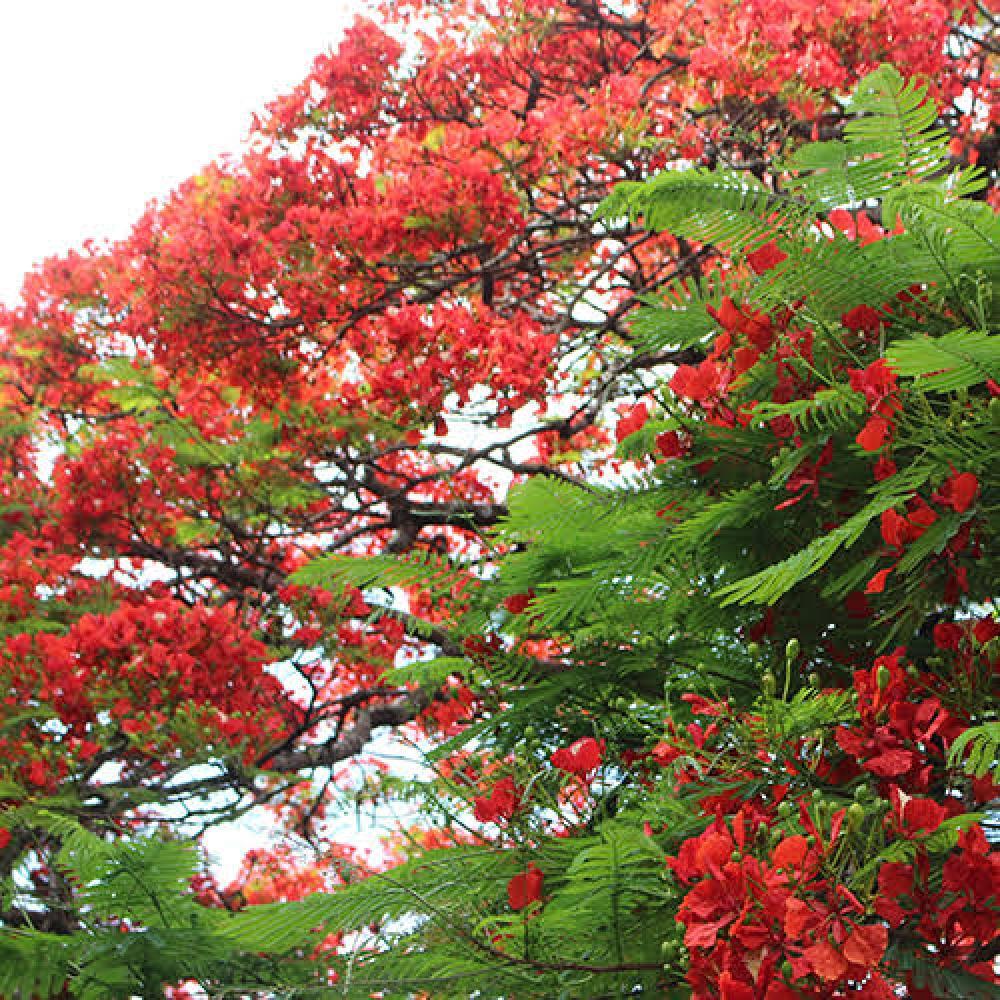
Flamboyant
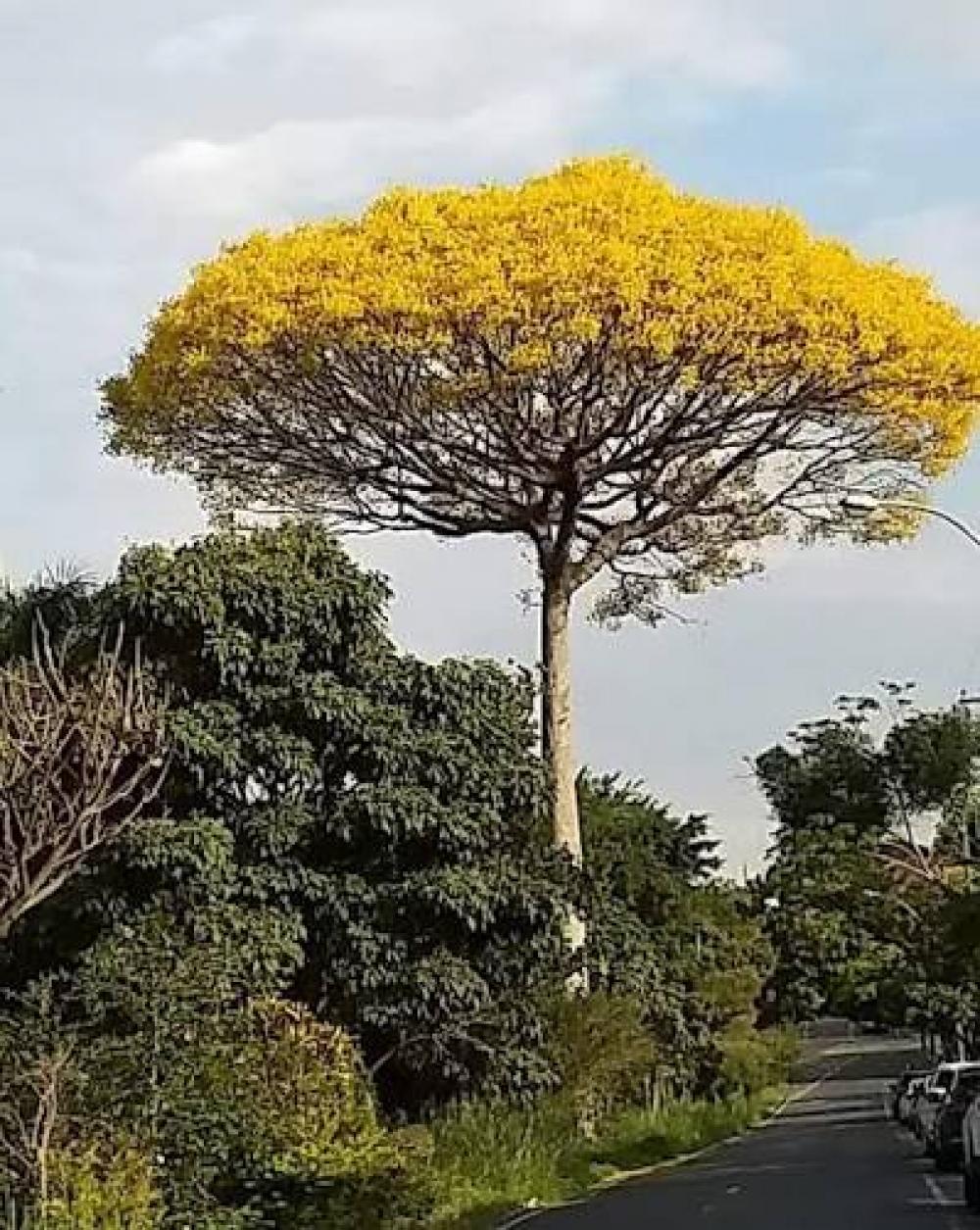
Guapuruvu
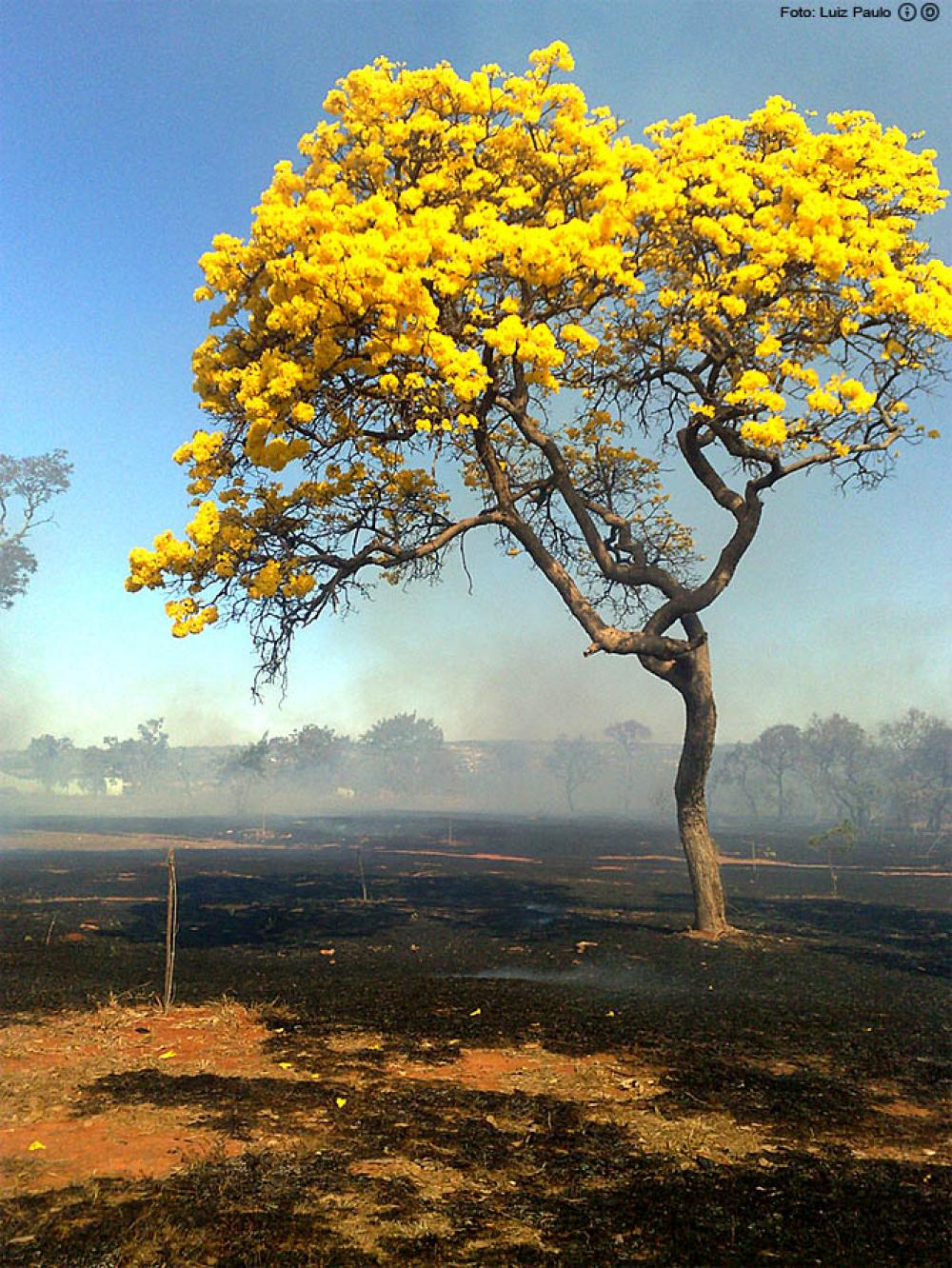
Yellow Ipê
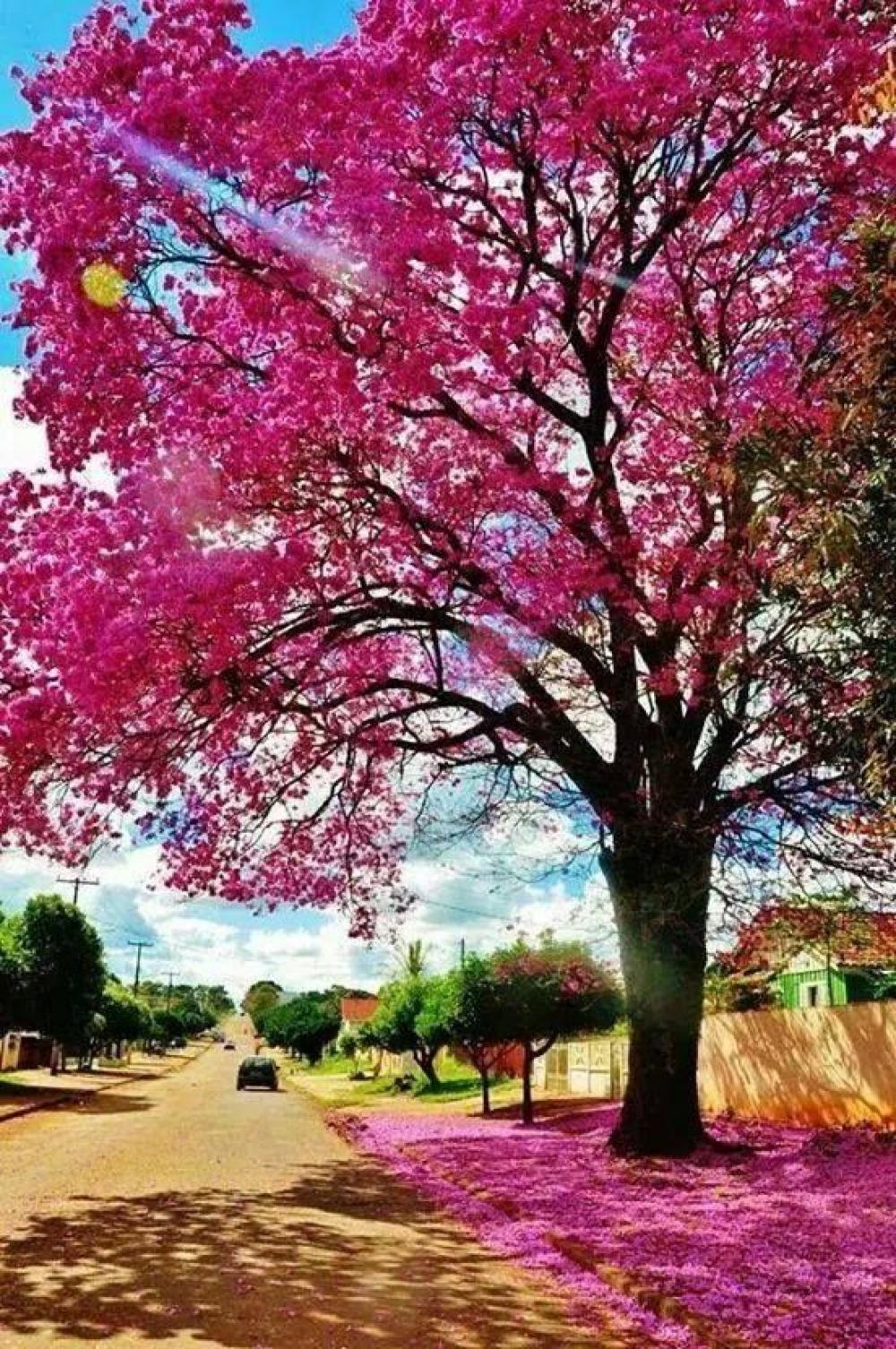
Purple Ipe
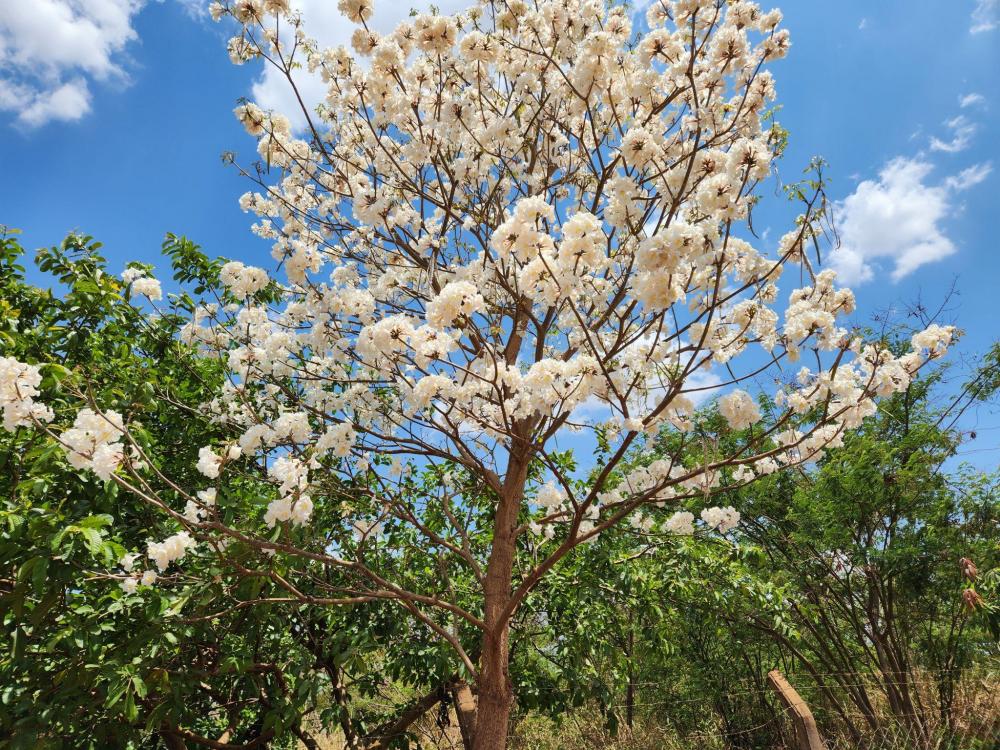
White Ipê
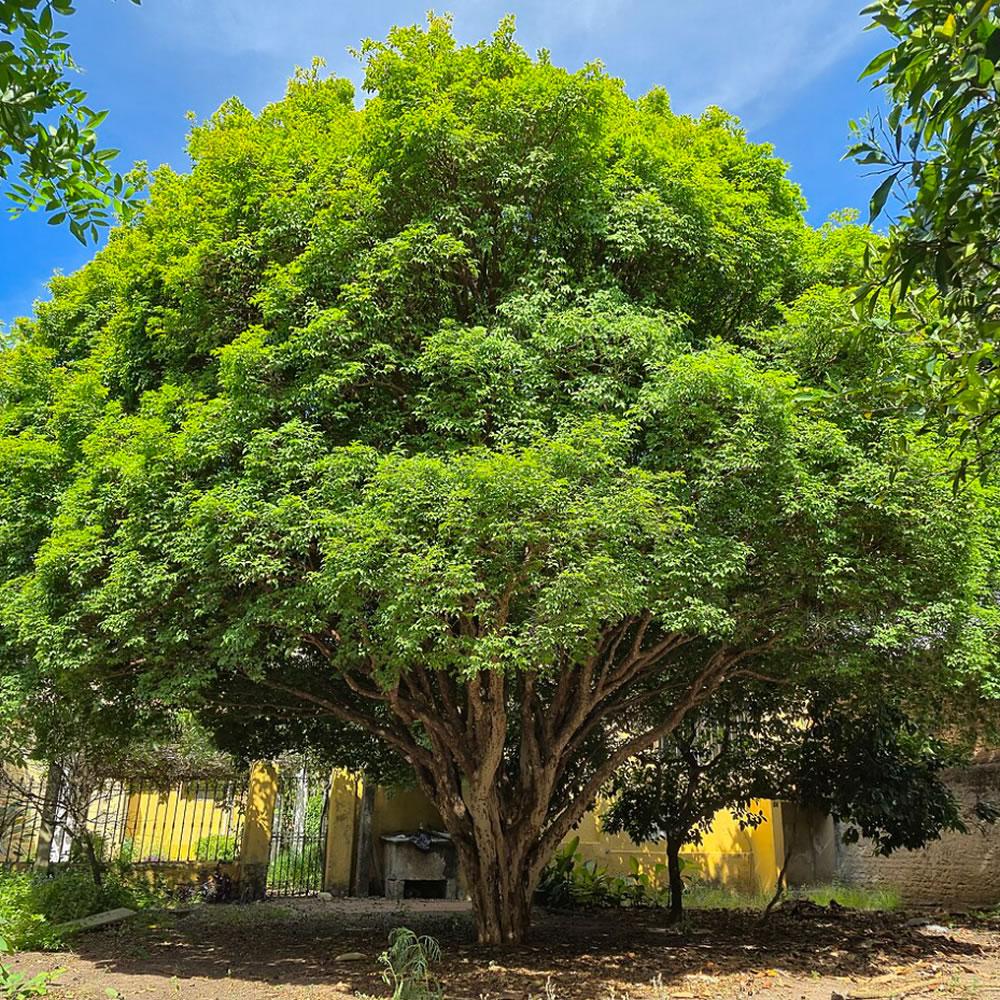
Jabuticaba
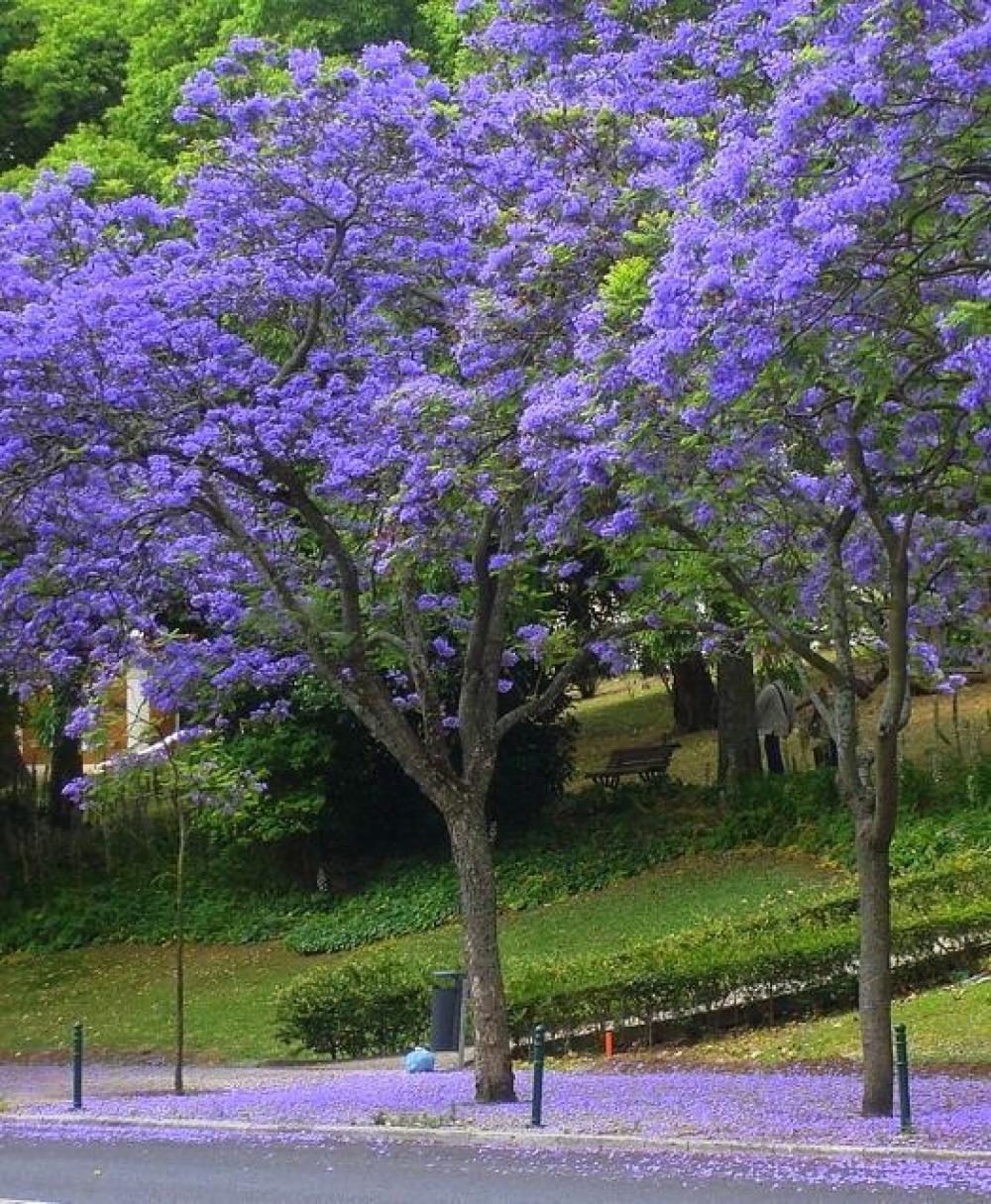
Blue jacaranda
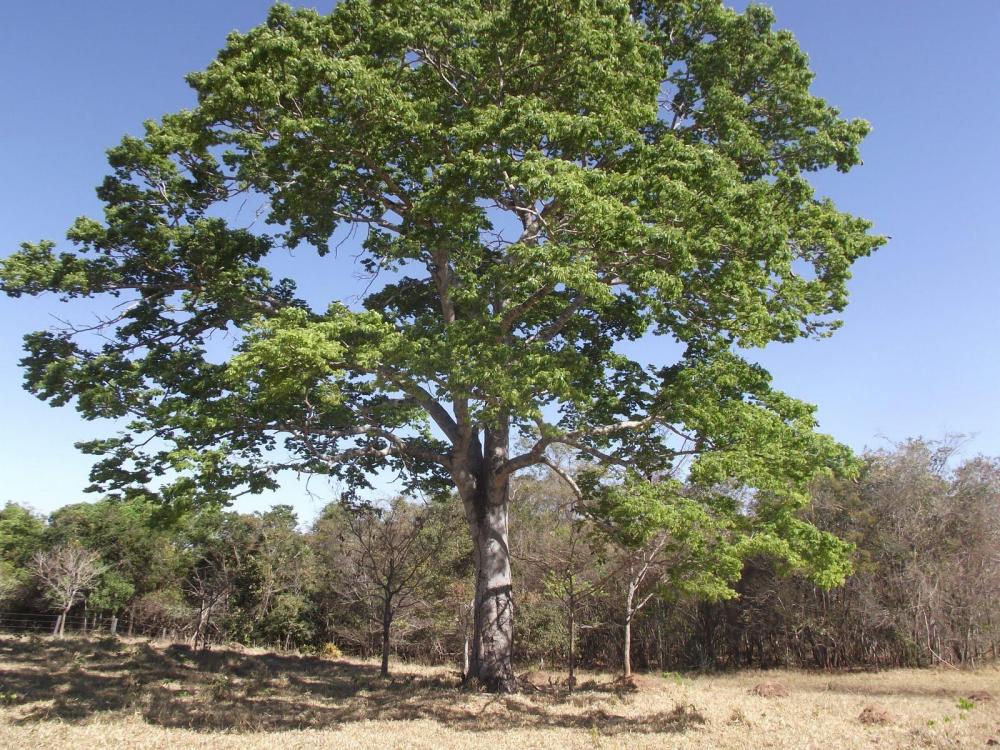
Jatoba
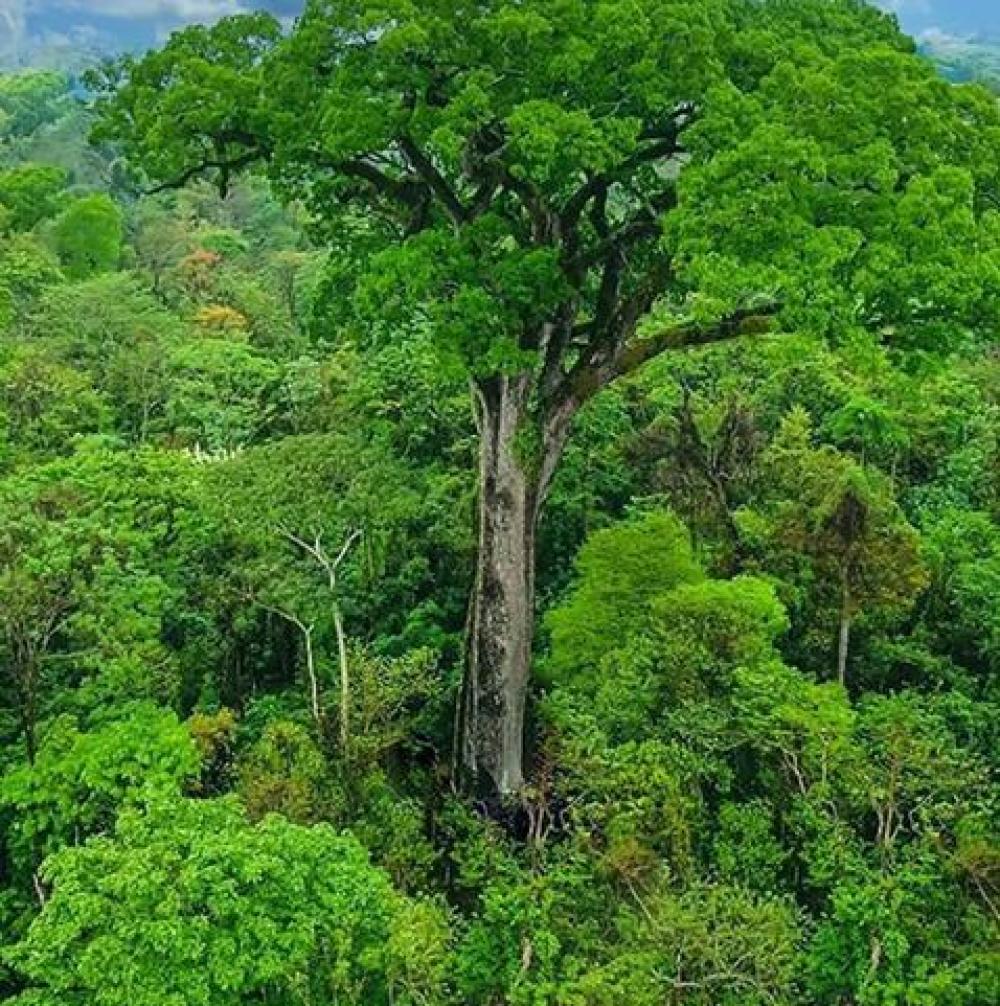
Pink Jequitibá (Cariniana legalis)
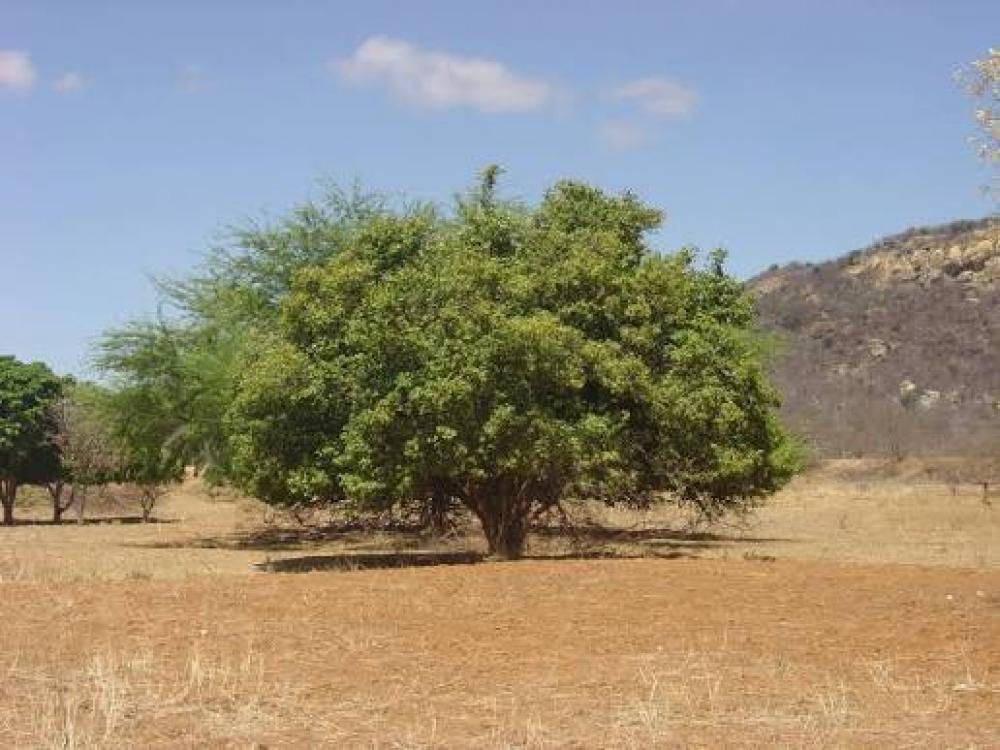
Juazeiro
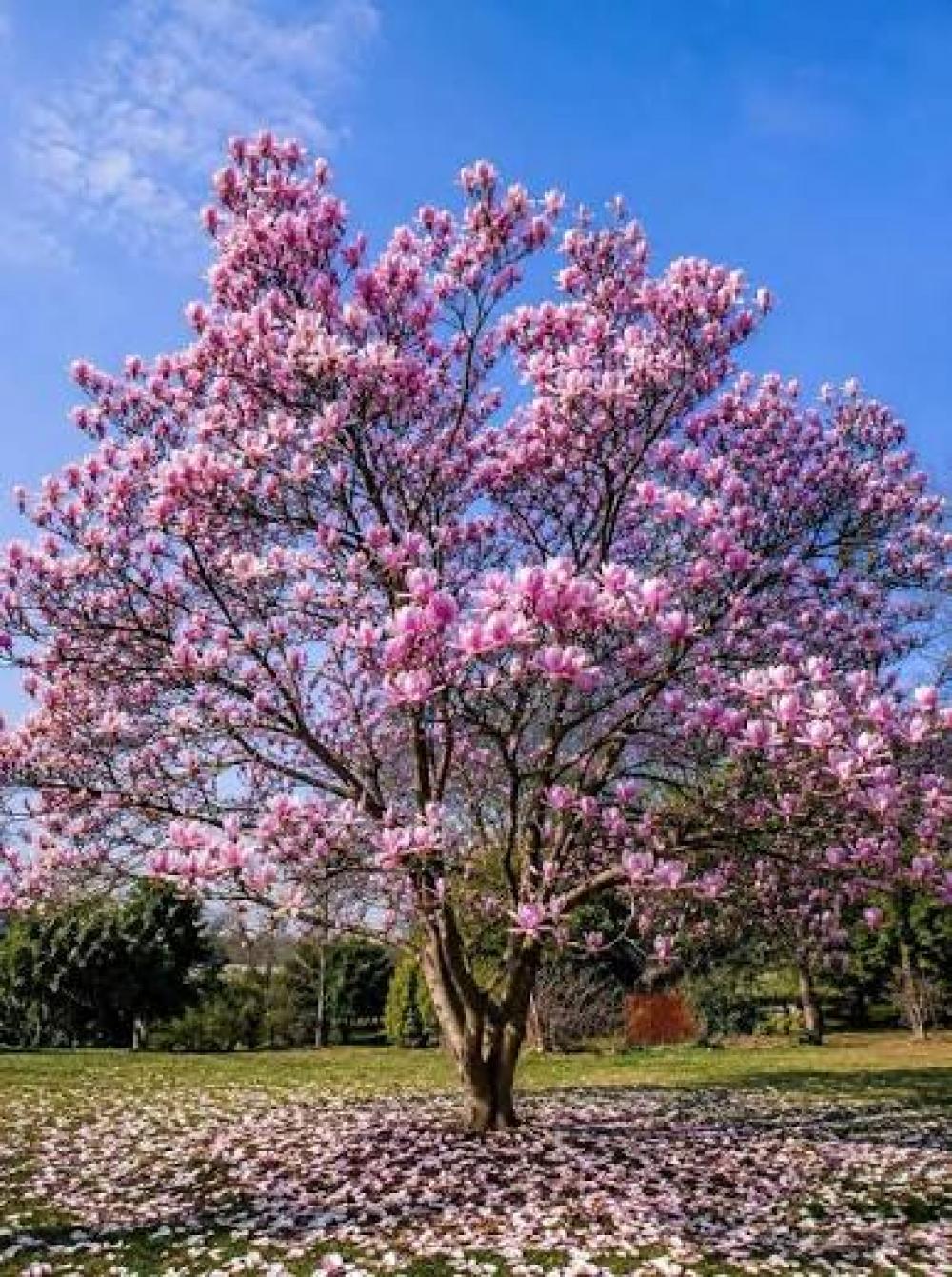
Magnolia
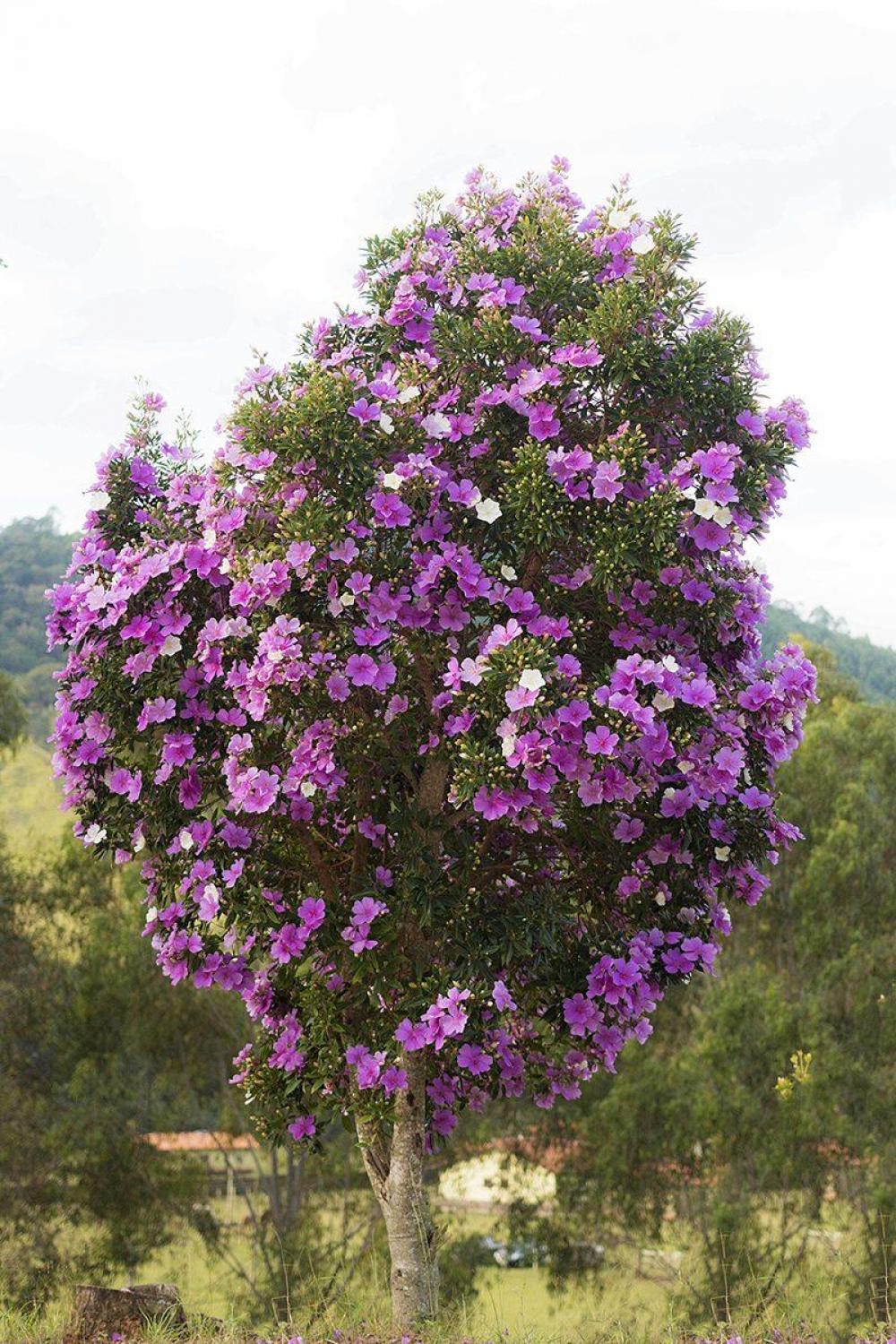
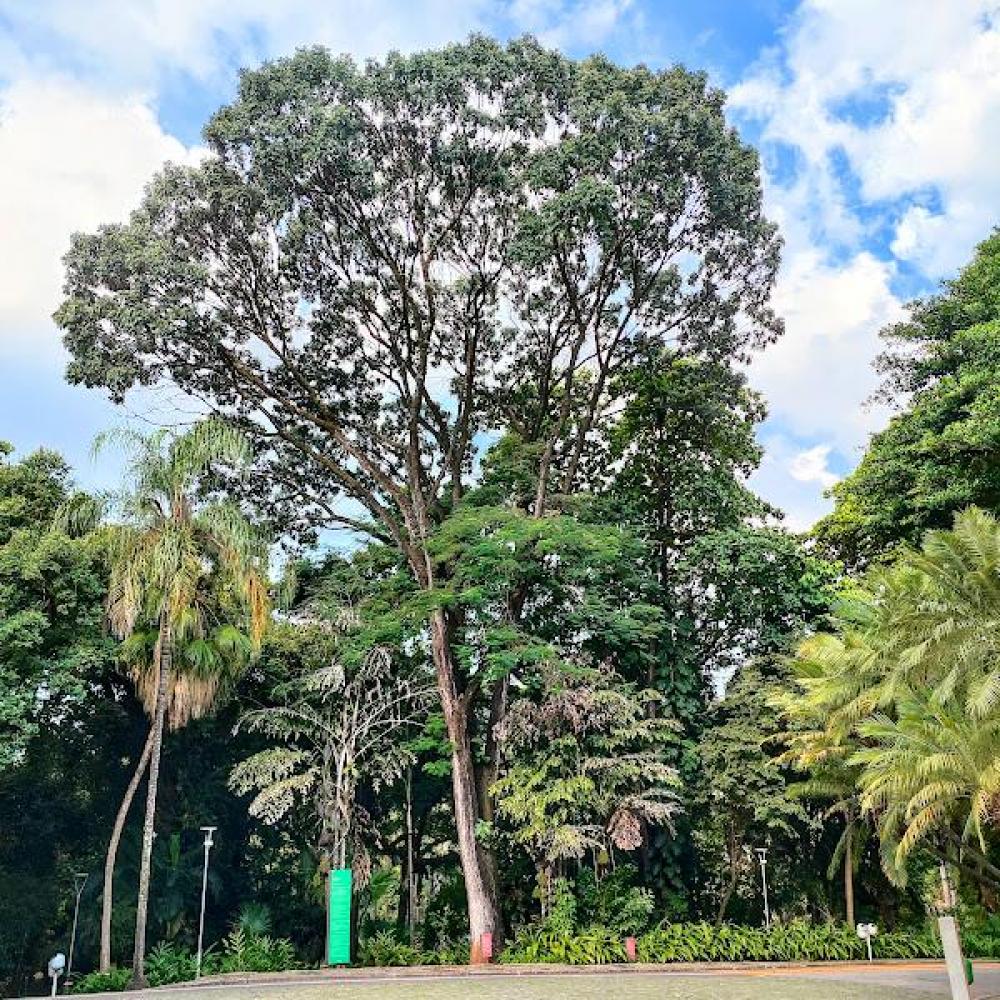
Brazilian Mahogany
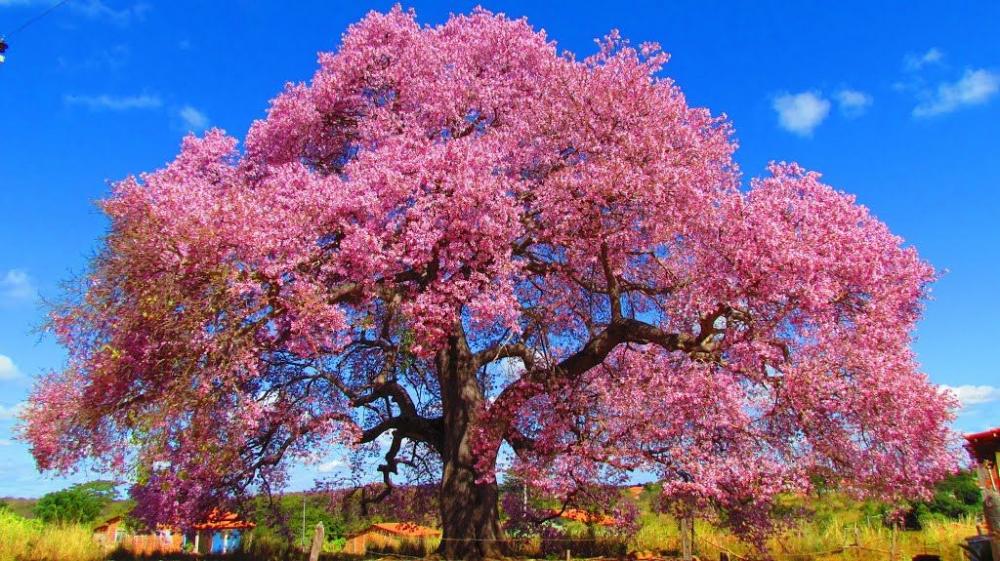
pink silk floss tree
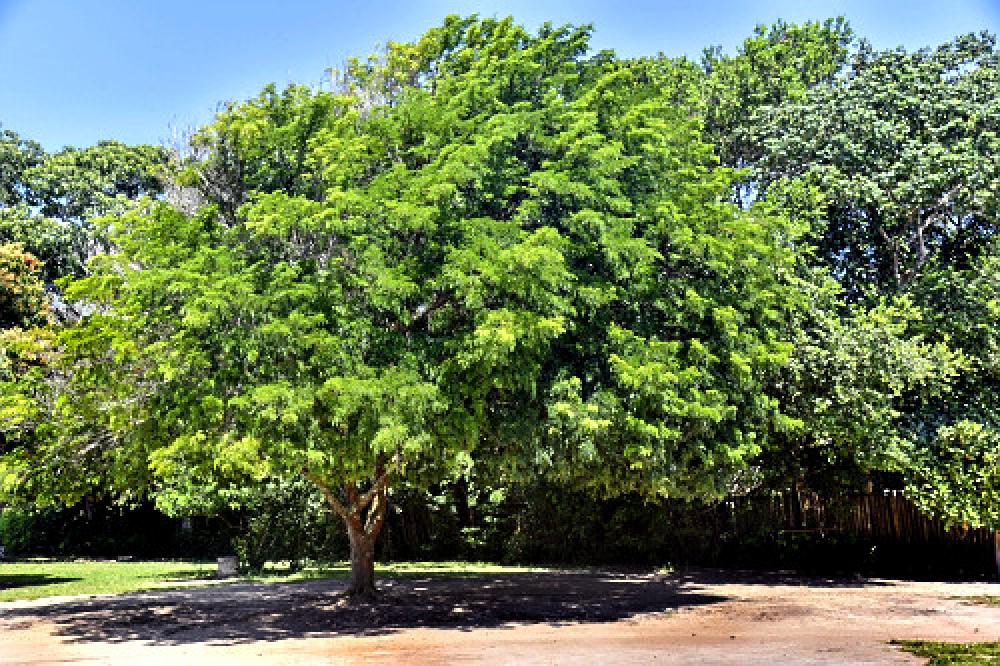
Brazilwood
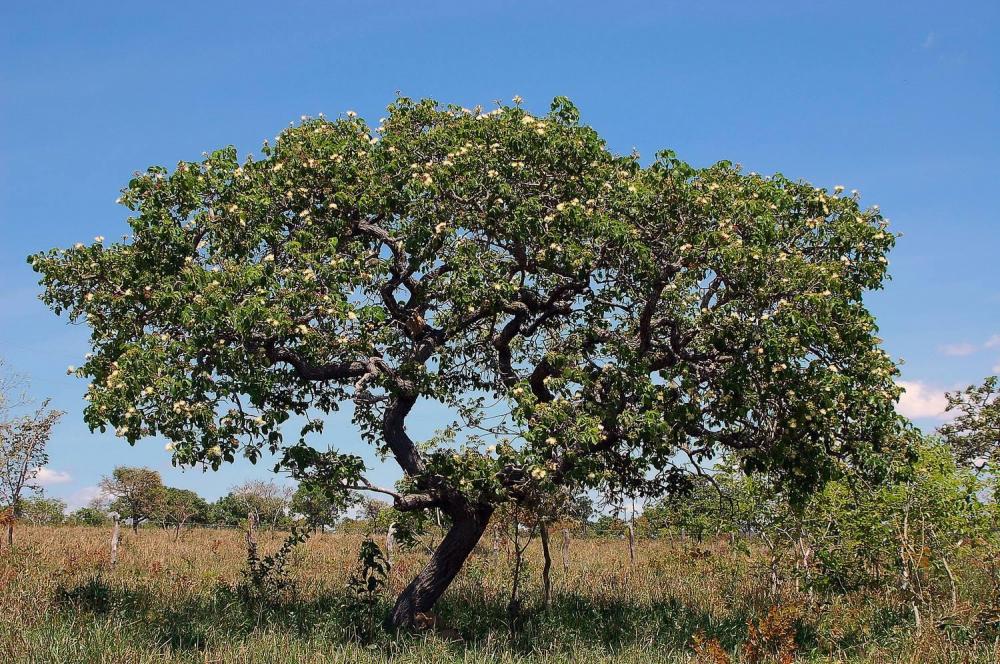
Pequi
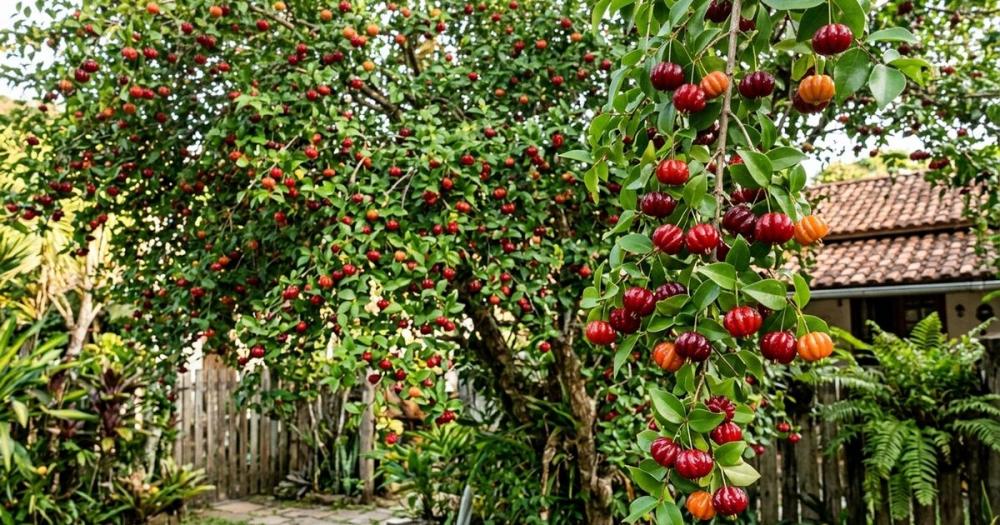
Surinam cherry
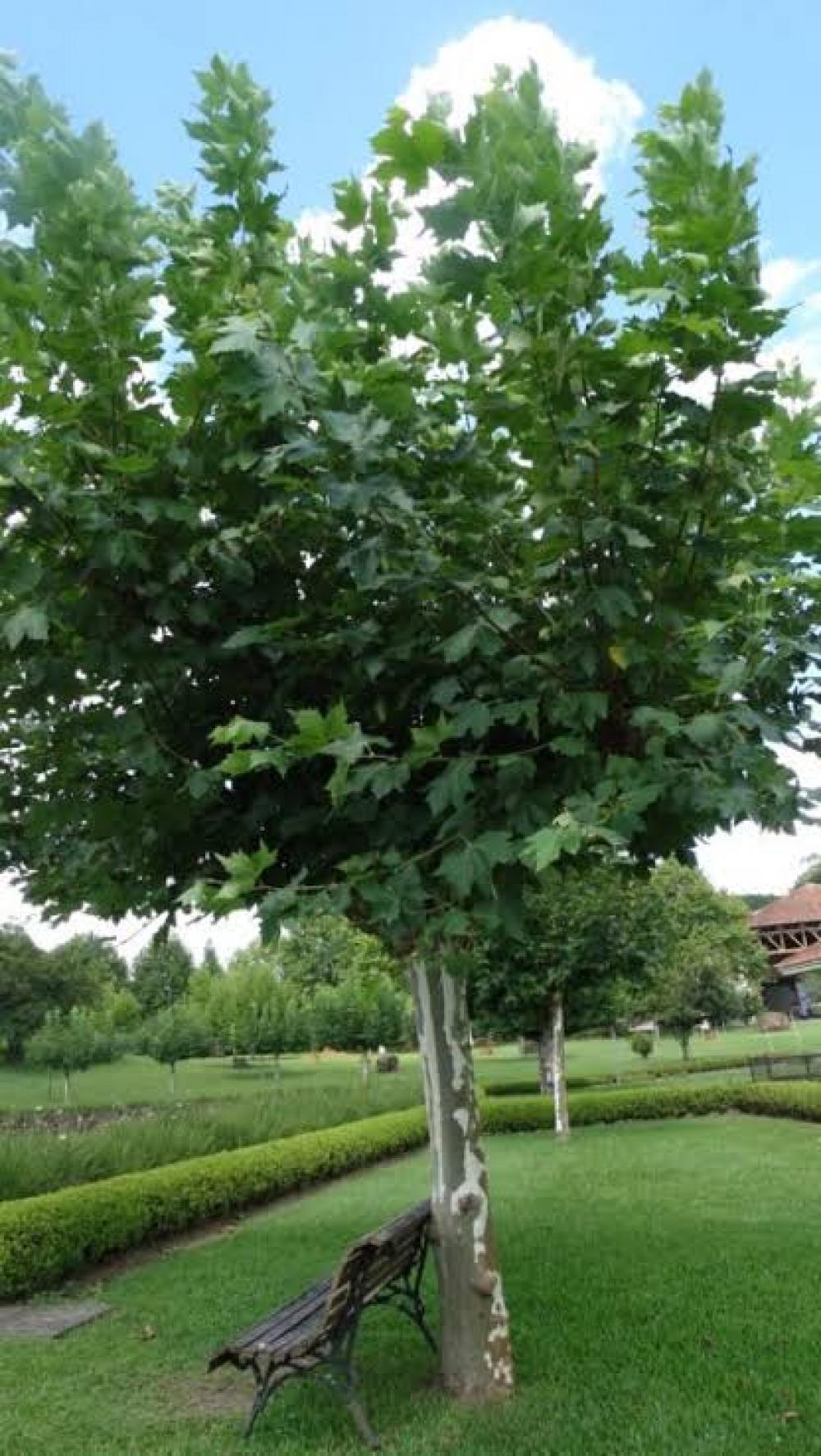
Plane tree
Rubber tree
Sucupira
Linden