

Brazilwood
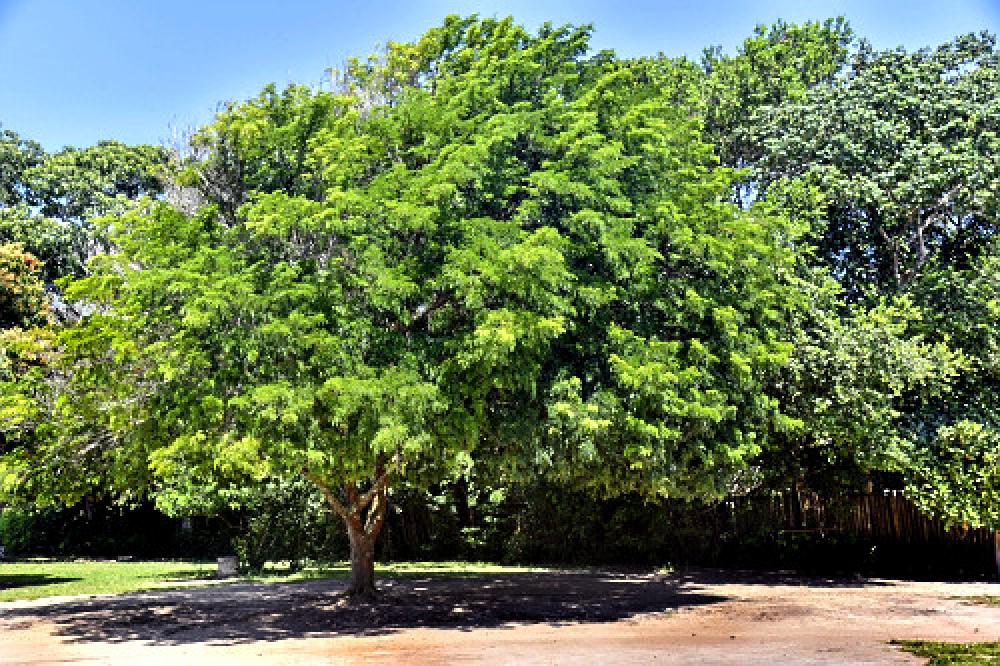
The Pau-Brasil (Brazilwood) is one of the most important trees in Brazils natural and cultural history. Native to the Atlantic Forest, it originally grew along an extensive stretch of the Brazilian coast. It is a medium-sized tree, generally reaching between 8 and 15 meters in height, although larger specimens can be found under favorable conditions. Its trunk has grayish bark and its branches bear thorns, while its crown consists of green compound leaves.
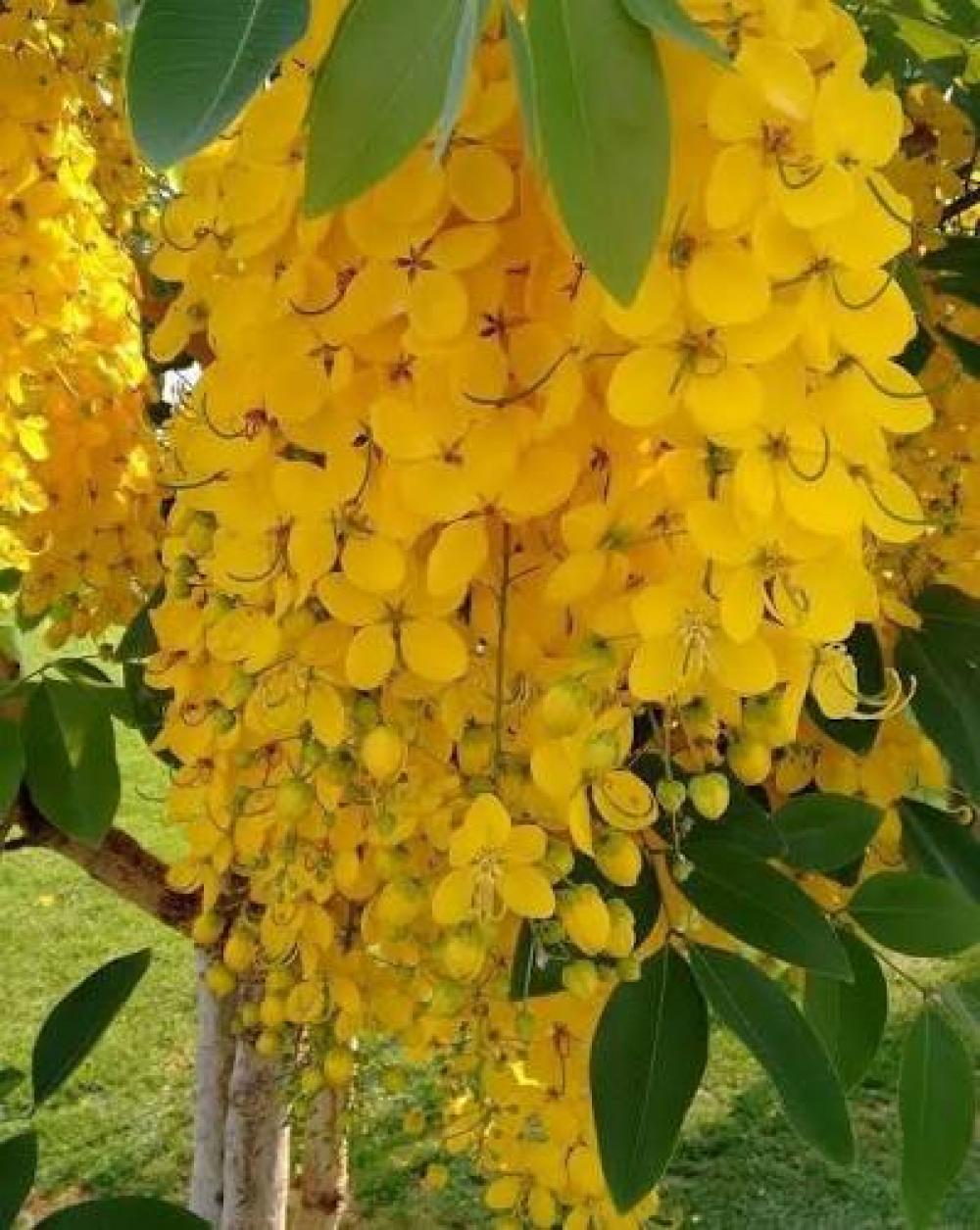
Its flowers are very beautiful—usually yellow with a reddish central petal—and have a delicate fragrance. The flowering attracts various pollinating insects, contributing to the forests ecological dynamics. After flowering, the tree produces pods containing the seeds responsible for the species reproduction.
The name "Pau-Brasil" is deeply linked to the countrys own history. During the colonial period, its wood was heavily exploited due to the presence of brazilin, a compound that produces a reddish hue historically used as a dye. Commercial exploitation was so significant that it contributed to the decline of the species natural populations and gave rise to the name that would later identify the Brazilian territory.
Beyond its historical value, the wood possesses characteristics that sparked interest in the manufacture of various objects—and especially bows for musical instruments—thanks to the physical and acoustic properties of specific pieces. This usage also added to the pressure on the species, reinforcing the need for conservation measures and responsible management.
Ecologically, the Pau-Brasil is of great importance to the Atlantic Forest and to biodiversity conservation. Its flowers provide resources for pollinators, while the tree plays a role in the structure of forest environments. Today, its preservation stands as a key symbol of efforts to restore the Atlantic Forest, promote environmental education, and value native species.
The Pau-Brasil also holds immense cultural significance. Recognized as Brazils National Tree, it has become a primary symbol of the countrys natural identity. Its story allows for the exploration of themes such as the exploitation of natural resources, forest conservation, biodiversity, historical heritage, and environmental responsibility.
From a medicinal standpoint, scientific studies exist regarding compounds found in various parts of the species; however, Pau-Brasil should not be used in home remedies for therapeutic purposes without expert guidance. The species primary contemporary value lies in conservation, research, environmental education, forest restoration, and the appreciation of Brazils natural heritage.
Preserving the Pau-Brasil means preserving a tree that embodies nature, science, history, and culture. Each specimen planted or protected represents an opportunity to restore part of the Atlantic Forests lost biodiversity and to pass on knowledge to future generations about the species that gave our country its name.
Pau-Brasil: the tree that gave Brazil its name and that teaches us today that understanding, valuing, and preserving nature also means protecting our own history.
Its flowers are very beautiful—usually yellow with a reddish central petal—and have a delicate fragrance. The flowering attracts various pollinating insects, contributing to the forests ecological dynamics. After flowering, the tree produces pods containing the seeds responsible for the species reproduction.
The name "Pau-Brasil" is deeply linked to the countrys own history. During the colonial period, its wood was heavily exploited due to the presence of brazilin, a compound that produces a reddish hue historically used as a dye. Commercial exploitation was so significant that it contributed to the decline of the species natural populations and gave rise to the name that would later identify the Brazilian territory.
Beyond its historical value, the wood possesses characteristics that sparked interest in the manufacture of various objects—and especially bows for musical instruments—thanks to the physical and acoustic properties of specific pieces. This usage also added to the pressure on the species, reinforcing the need for conservation measures and responsible management.
Ecologically, the Pau-Brasil is of great importance to the Atlantic Forest and to biodiversity conservation. Its flowers provide resources for pollinators, while the tree plays a role in the structure of forest environments. Today, its preservation stands as a key symbol of efforts to restore the Atlantic Forest, promote environmental education, and value native species.
The Pau-Brasil also holds immense cultural significance. Recognized as Brazils National Tree, it has become a primary symbol of the countrys natural identity. Its story allows for the exploration of themes such as the exploitation of natural resources, forest conservation, biodiversity, historical heritage, and environmental responsibility.
From a medicinal standpoint, scientific studies exist regarding compounds found in various parts of the species; however, Pau-Brasil should not be used in home remedies for therapeutic purposes without expert guidance. The species primary contemporary value lies in conservation, research, environmental education, forest restoration, and the appreciation of Brazils natural heritage.
Preserving the Pau-Brasil means preserving a tree that embodies nature, science, history, and culture. Each specimen planted or protected represents an opportunity to restore part of the Atlantic Forests lost biodiversity and to pass on knowledge to future generations about the species that gave our country its name.
Pau-Brasil: the tree that gave Brazil its name and that teaches us today that understanding, valuing, and preserving nature also means protecting our own history.
Tree Catalog
Imperial acacia
Açaí palm
Alfarrobeira
Andiroba

Red Angelim
White Angico
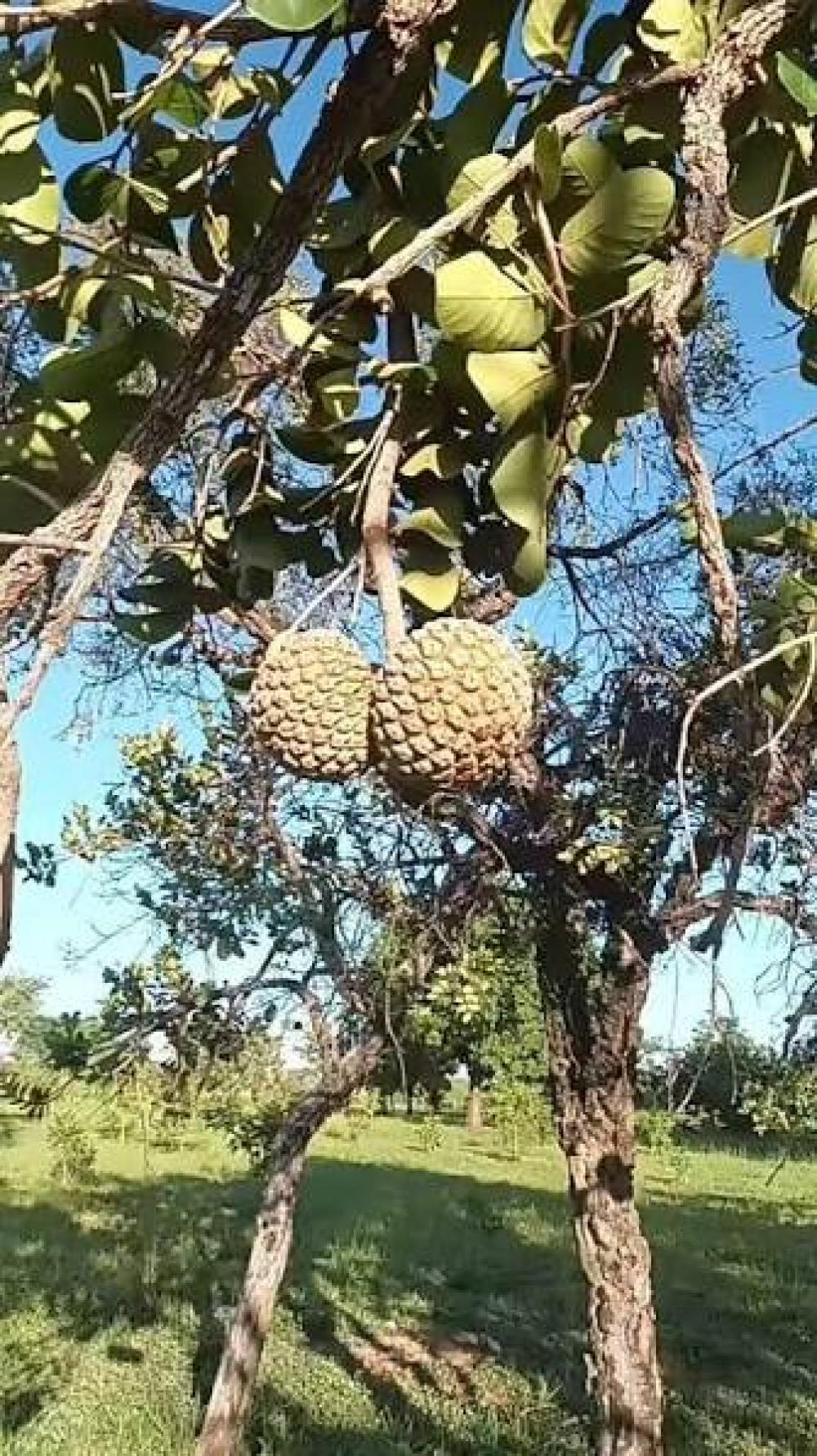
Araticum
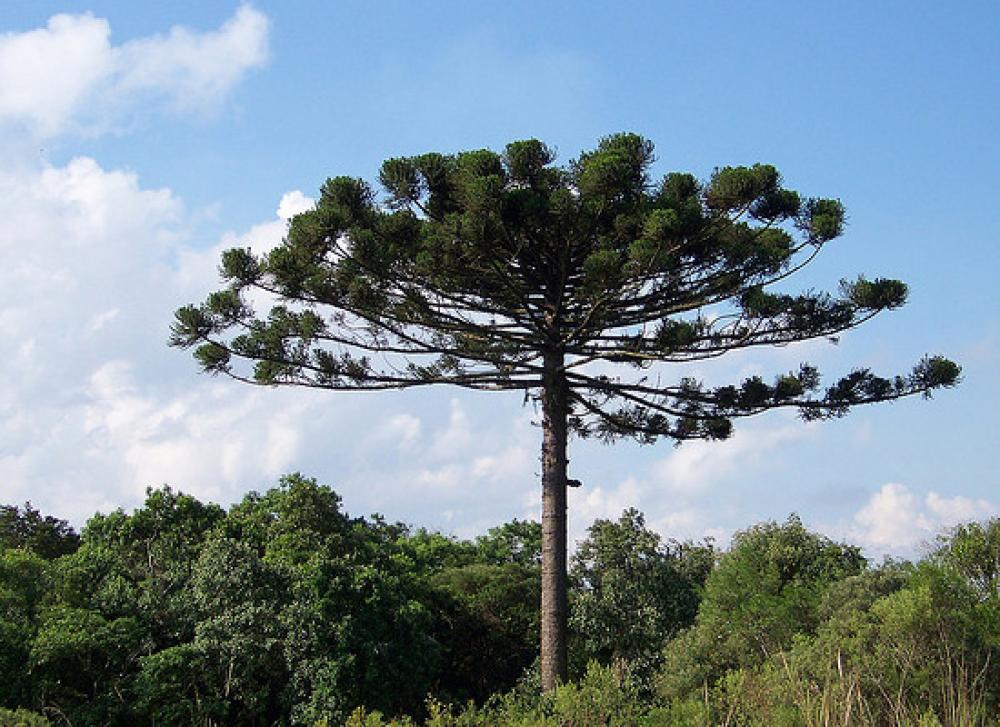
Araucaria, the Paraná pine
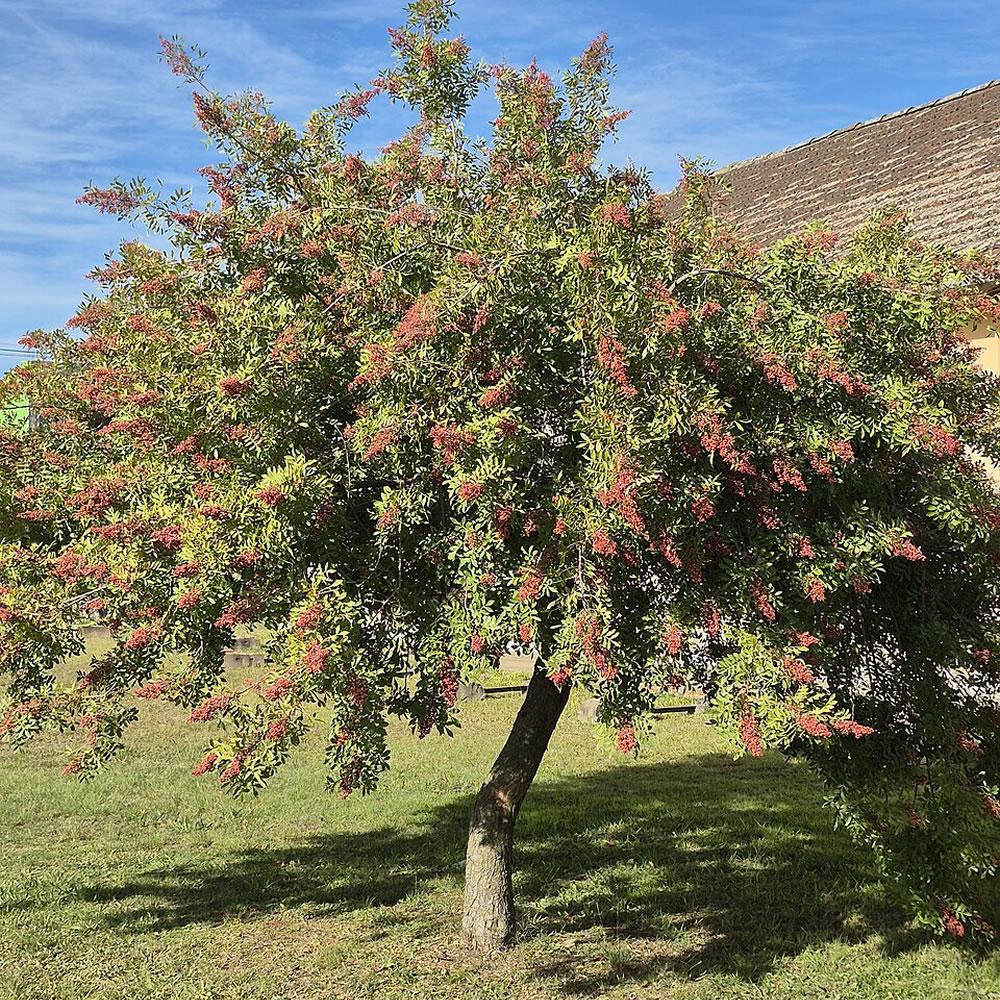
Brazilian peppertree
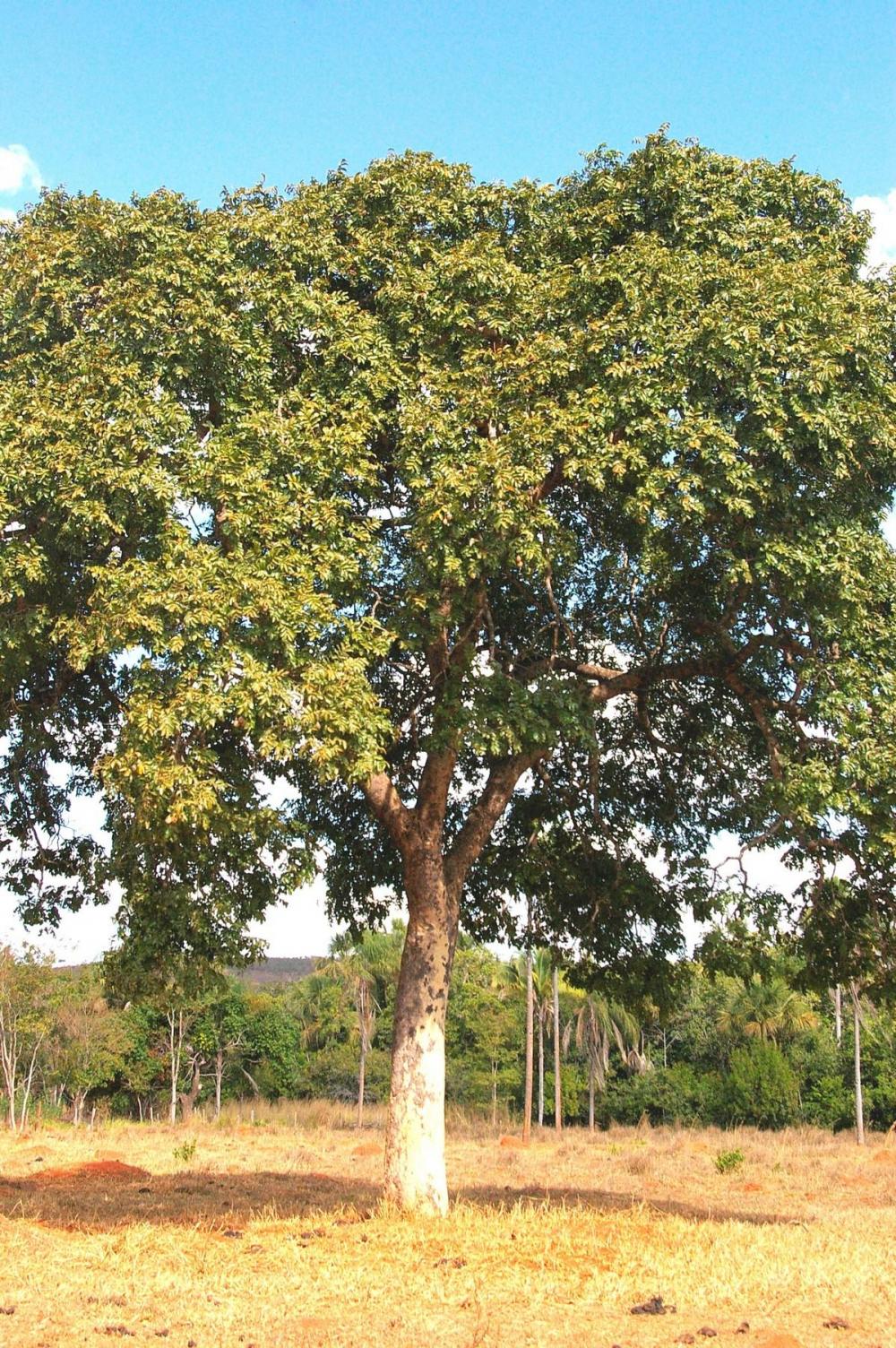
Baru
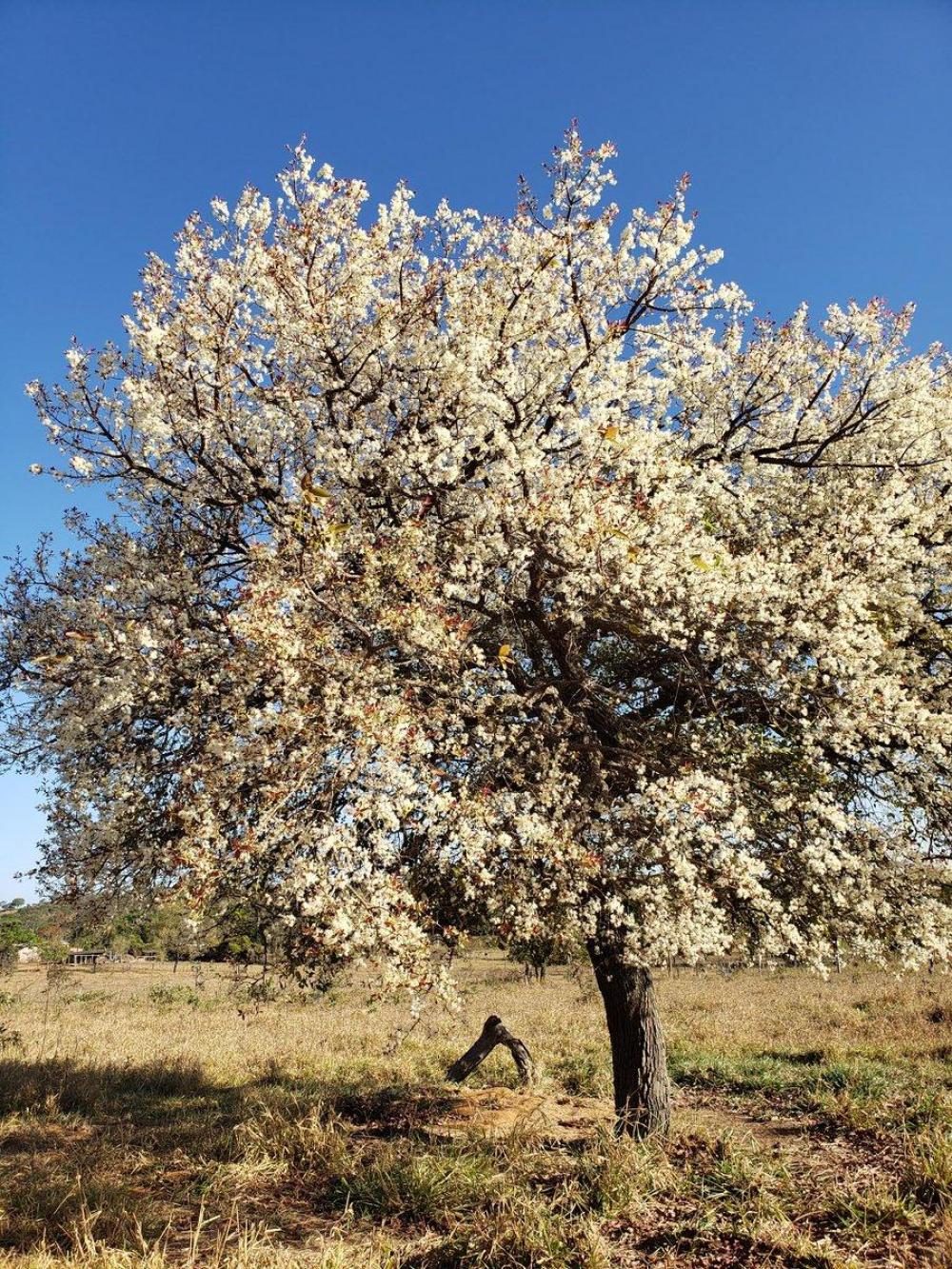
Cagaita
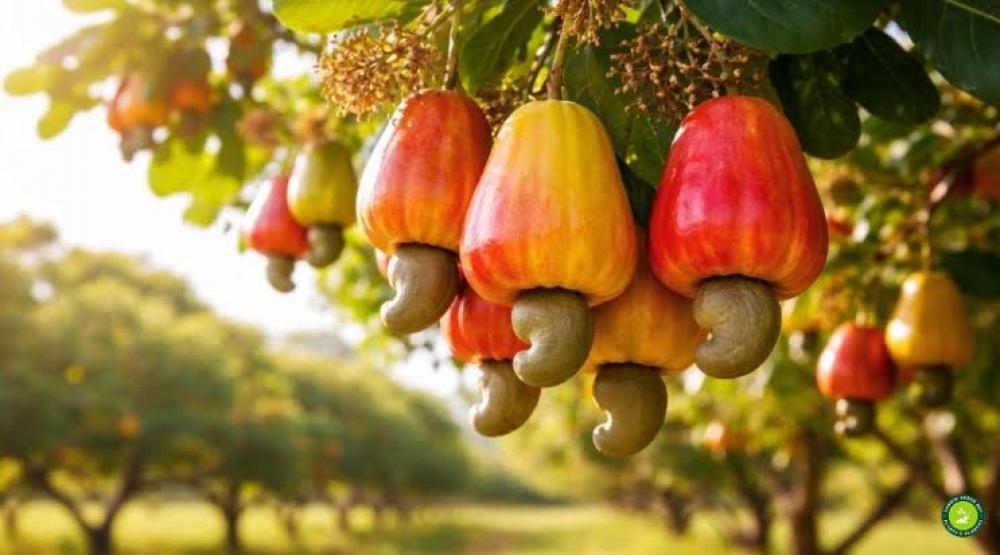
cashew tree
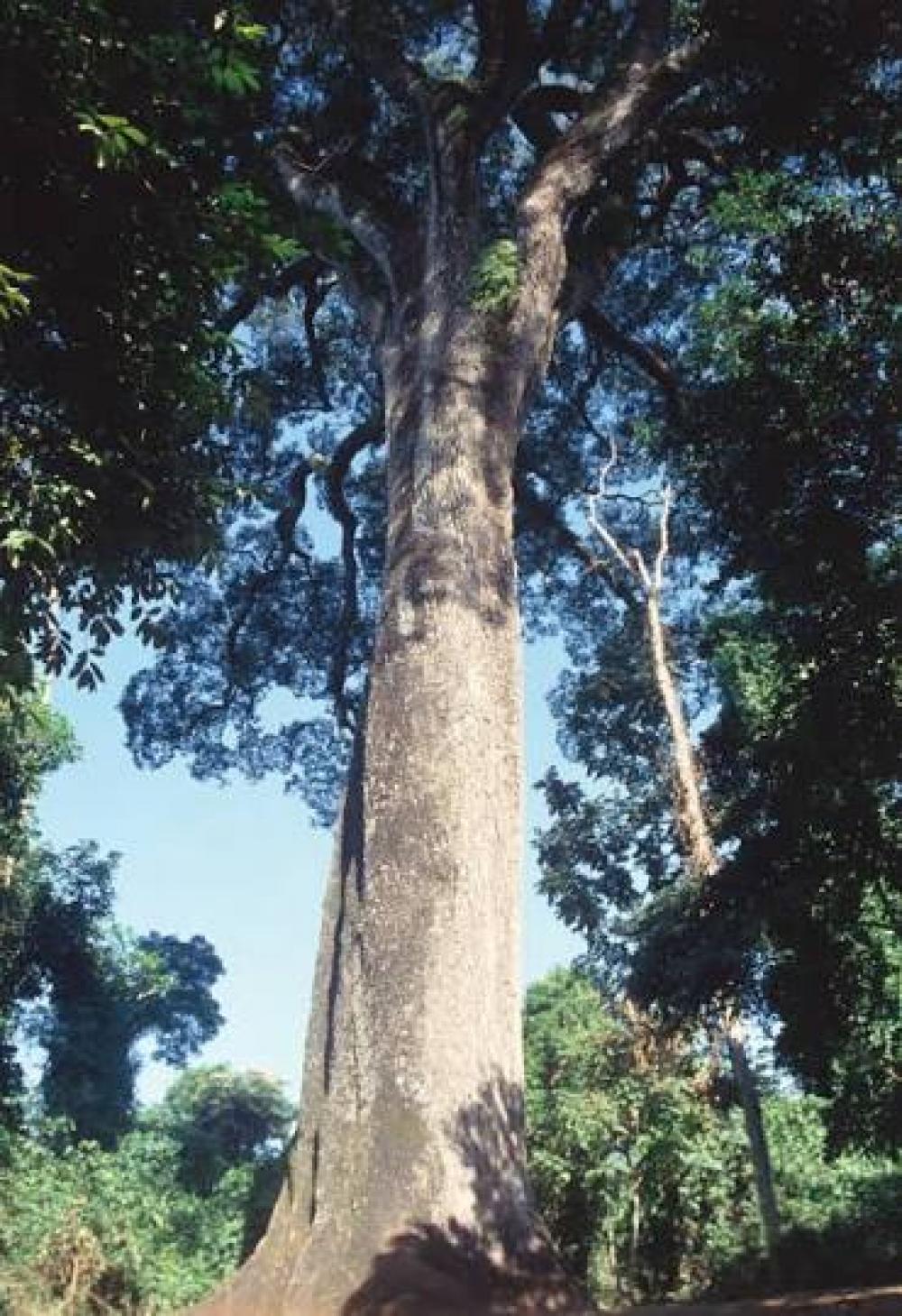
Black Cinnamon
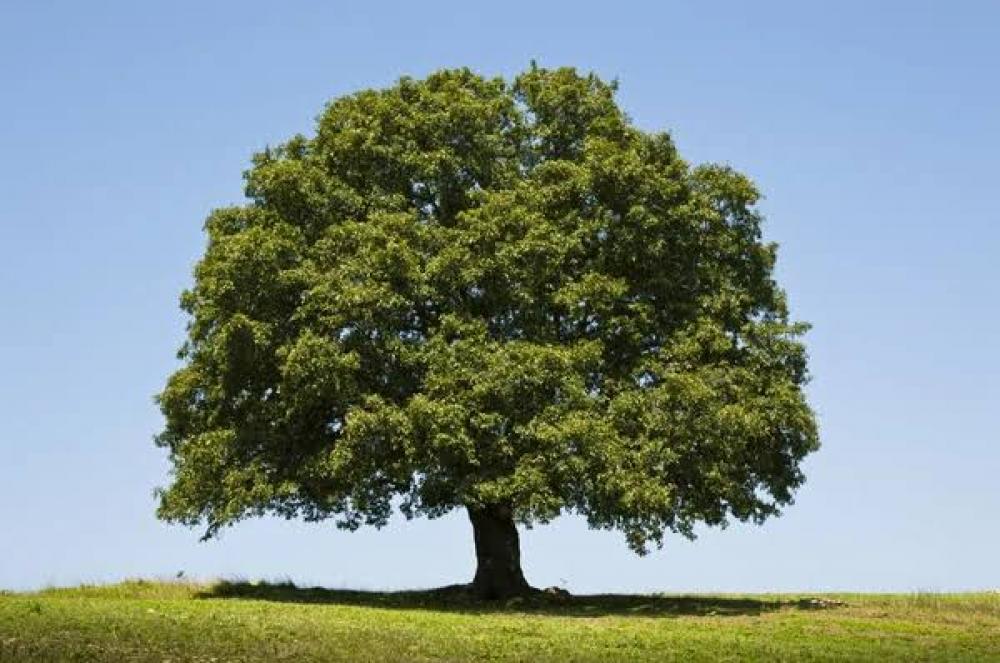
Oak tree
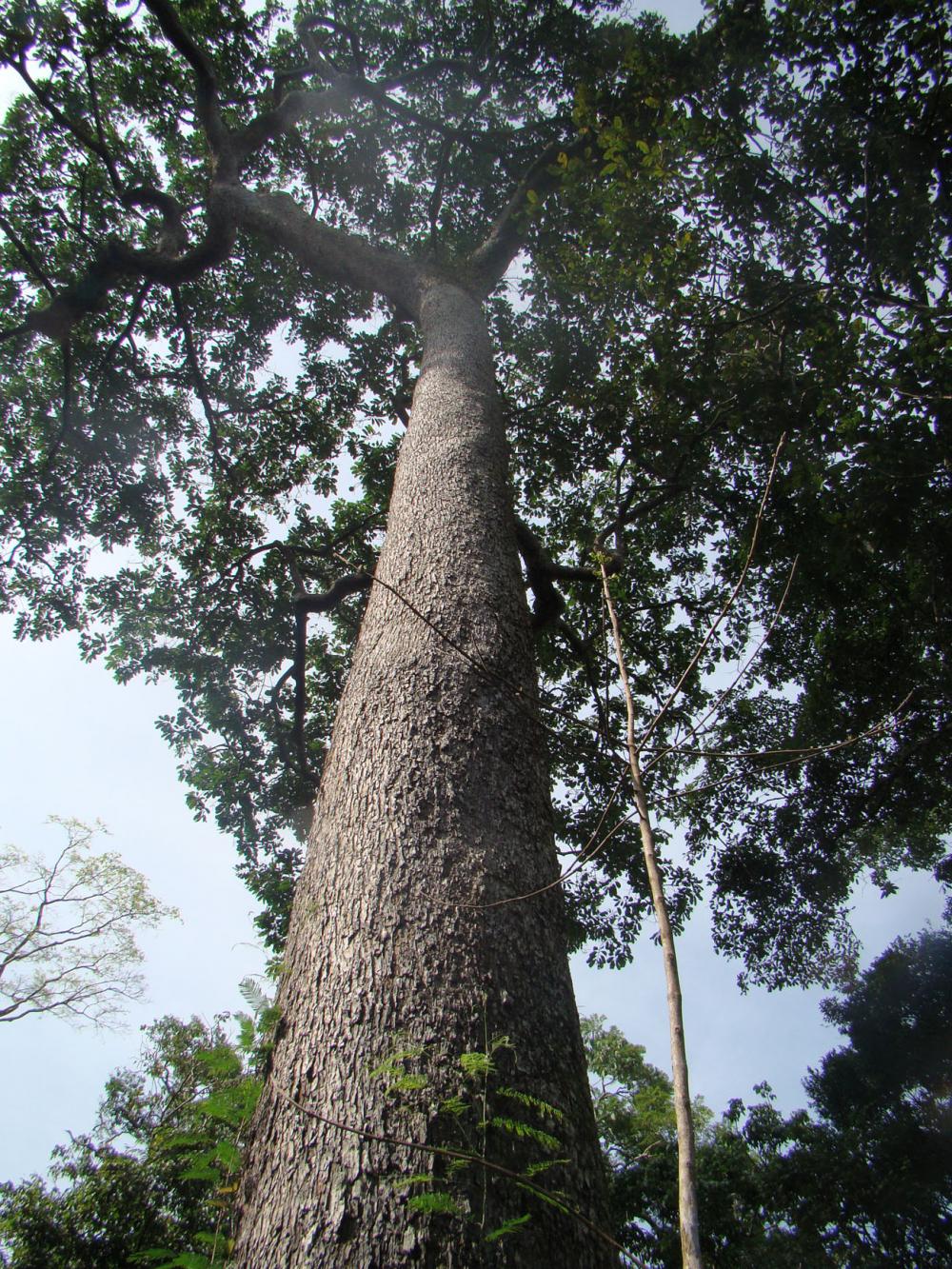
nuez de Brasil
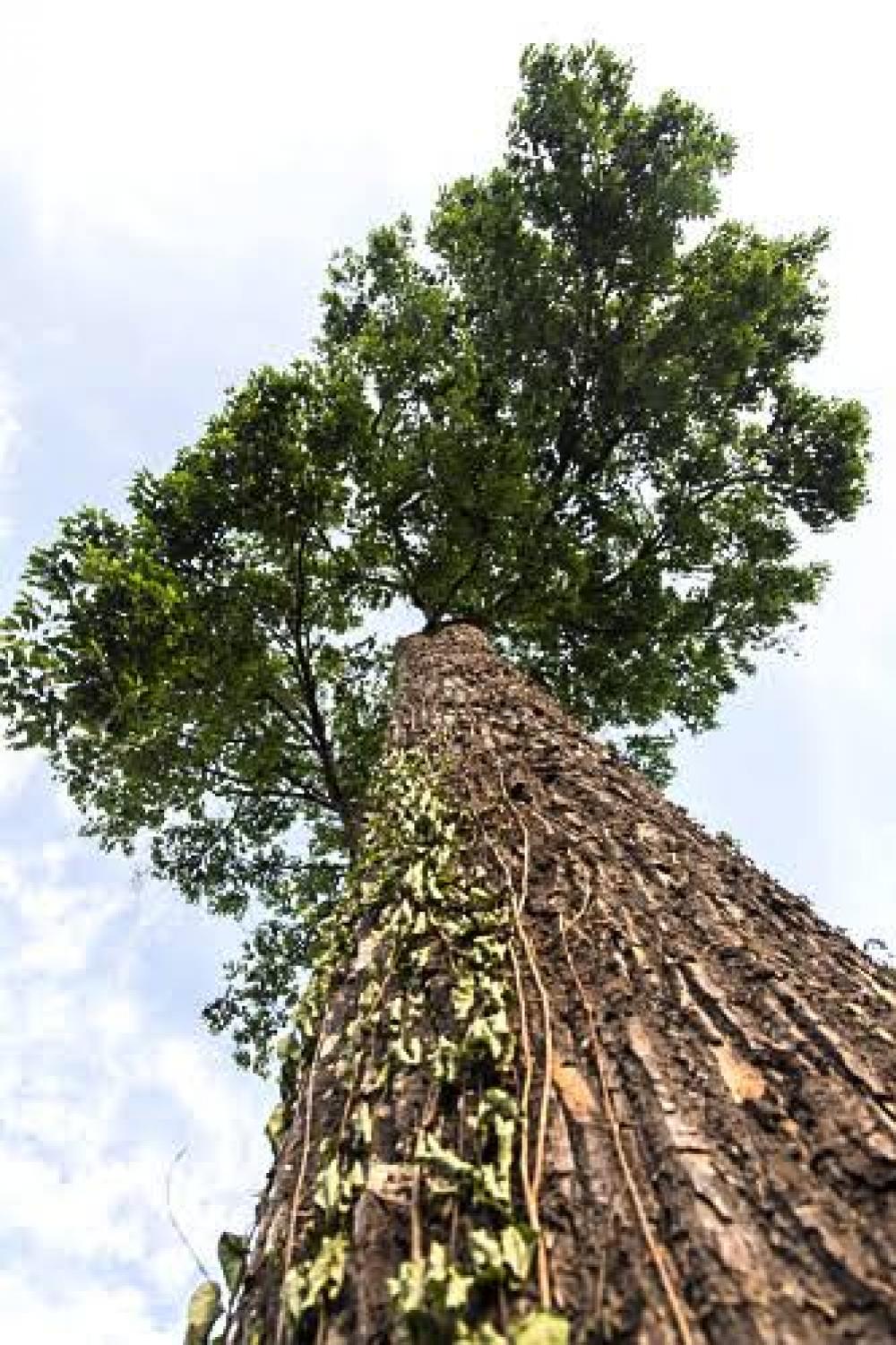
Brazil nut tree
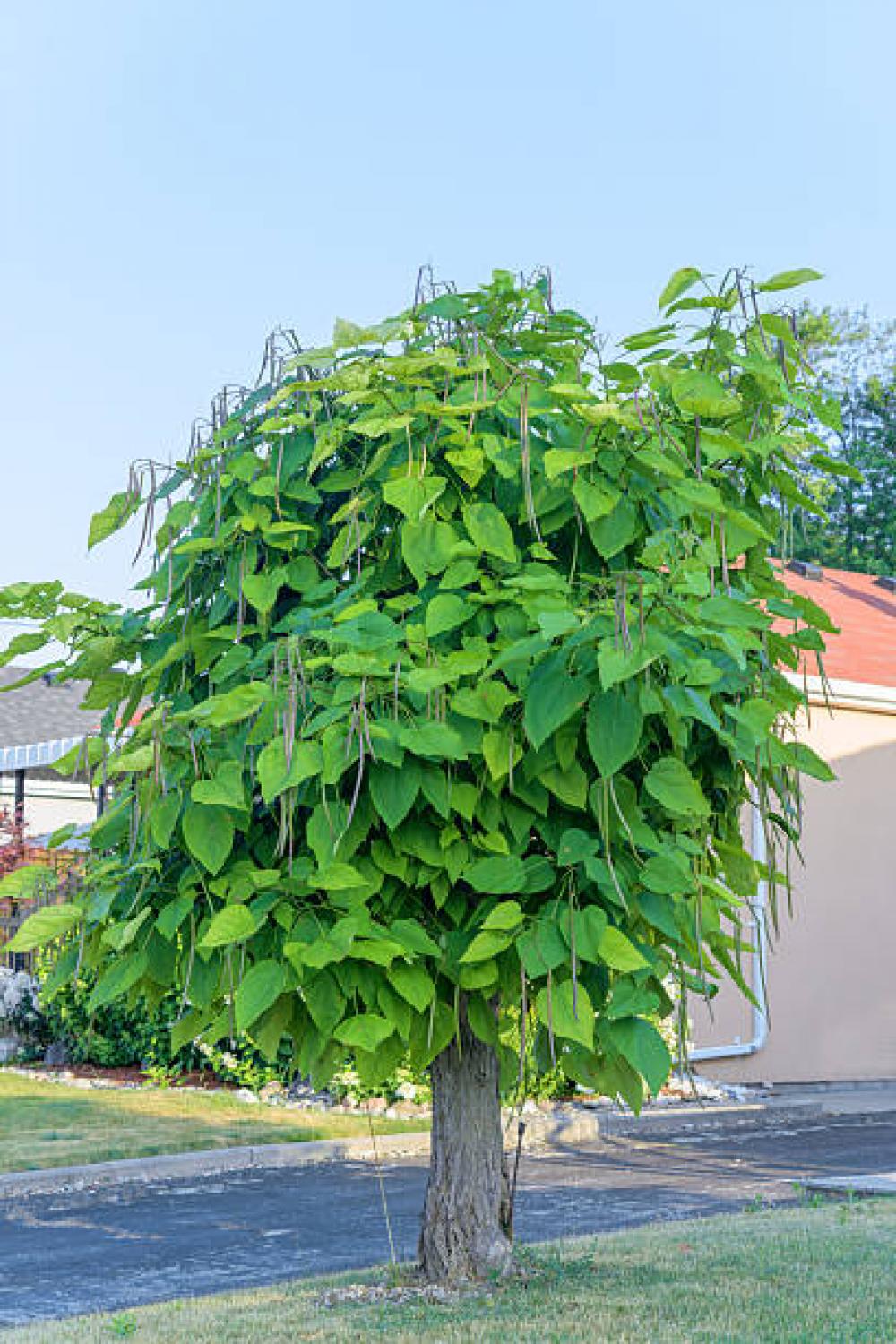
Catalpa
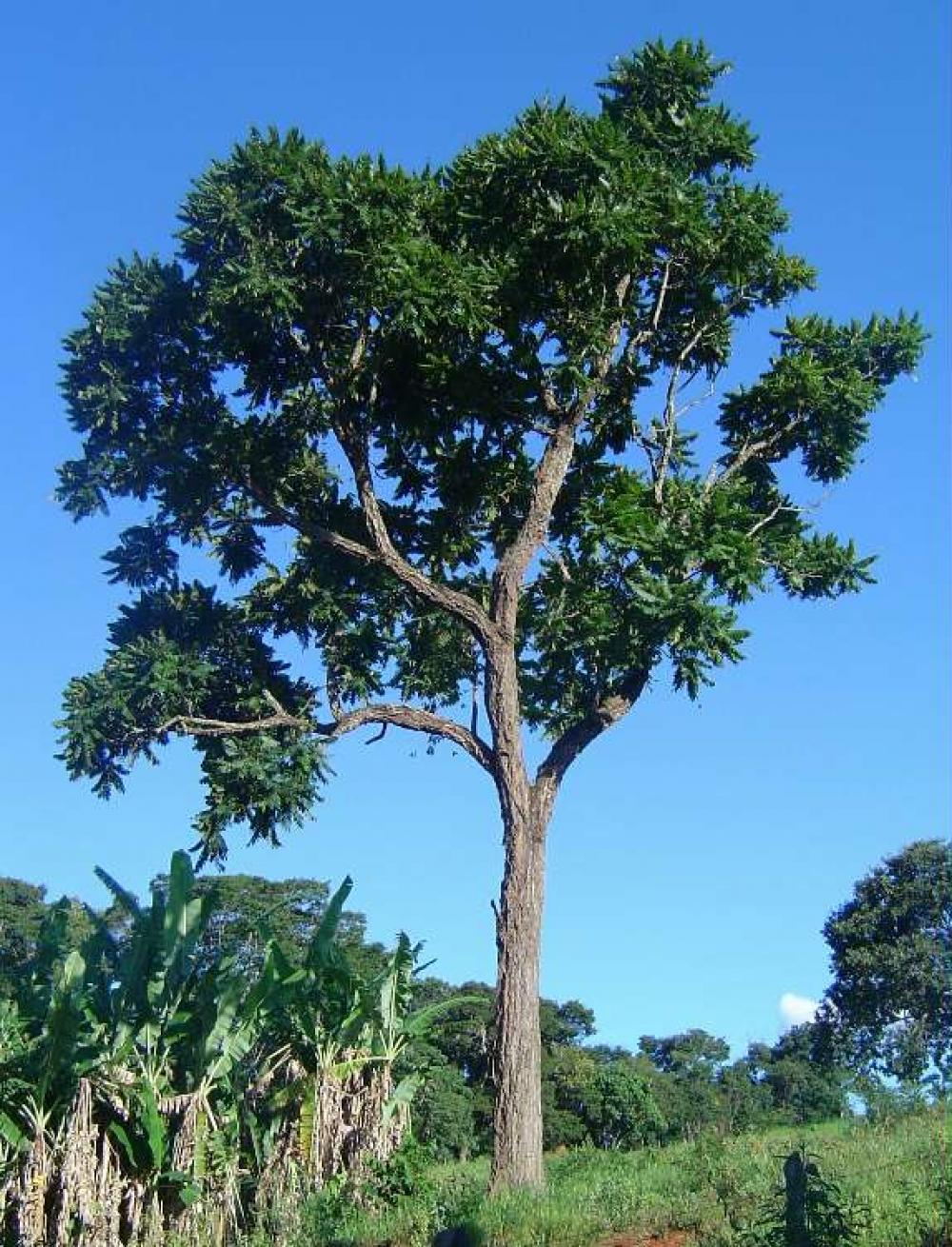
Pink cedar
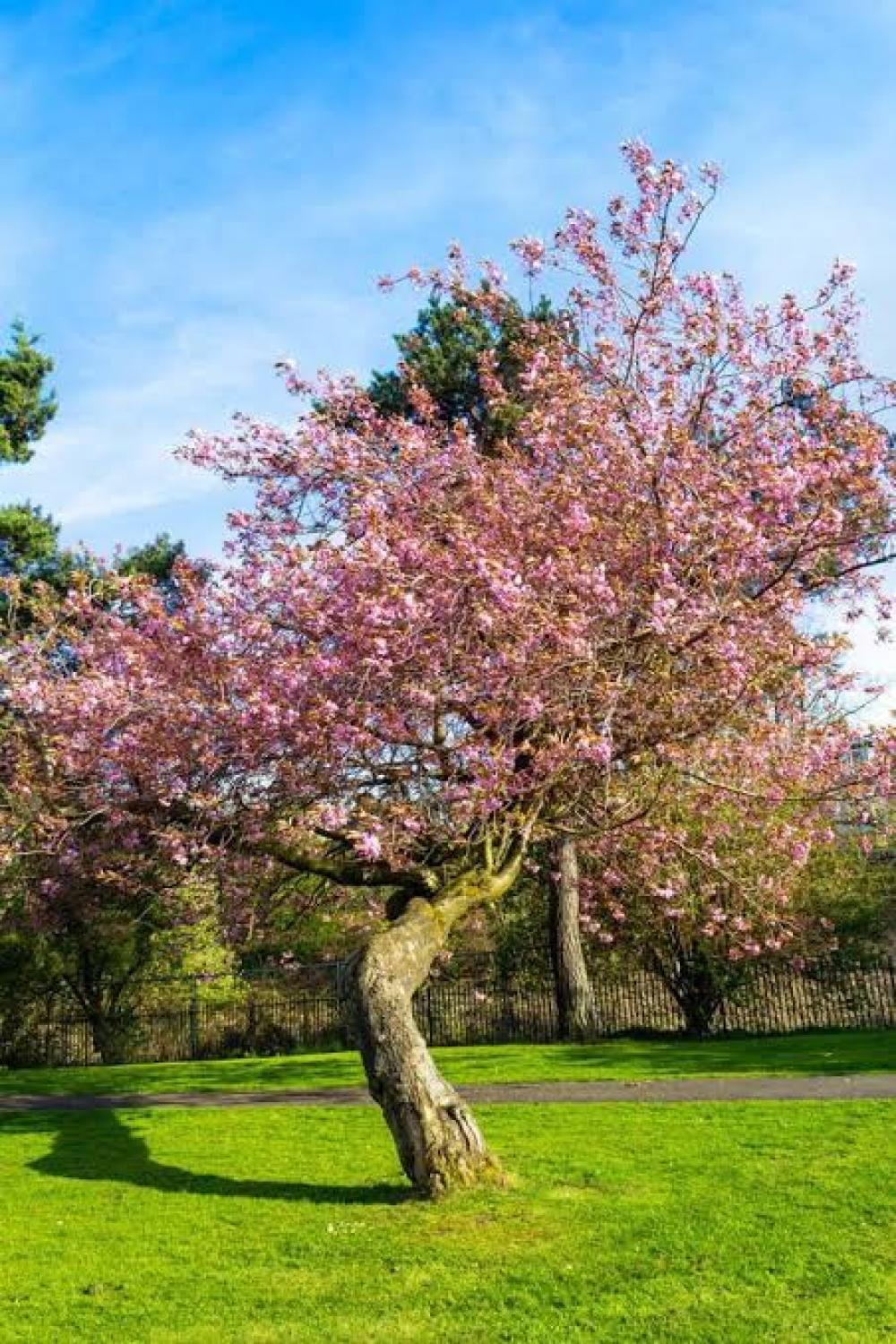
ornamental cherry tree
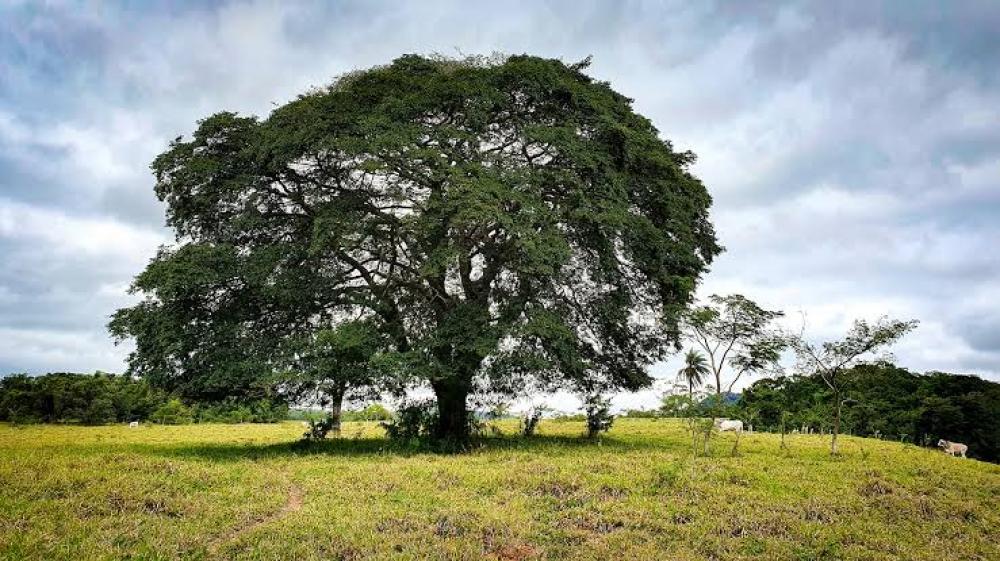
copaiba
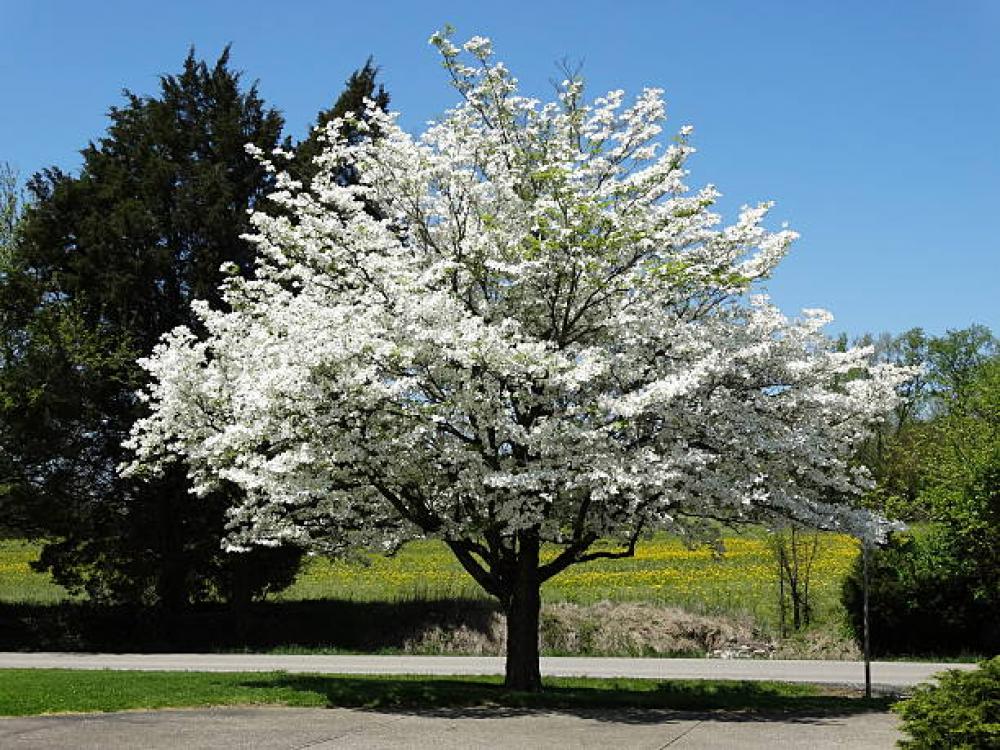
Trees of the genus Cornus
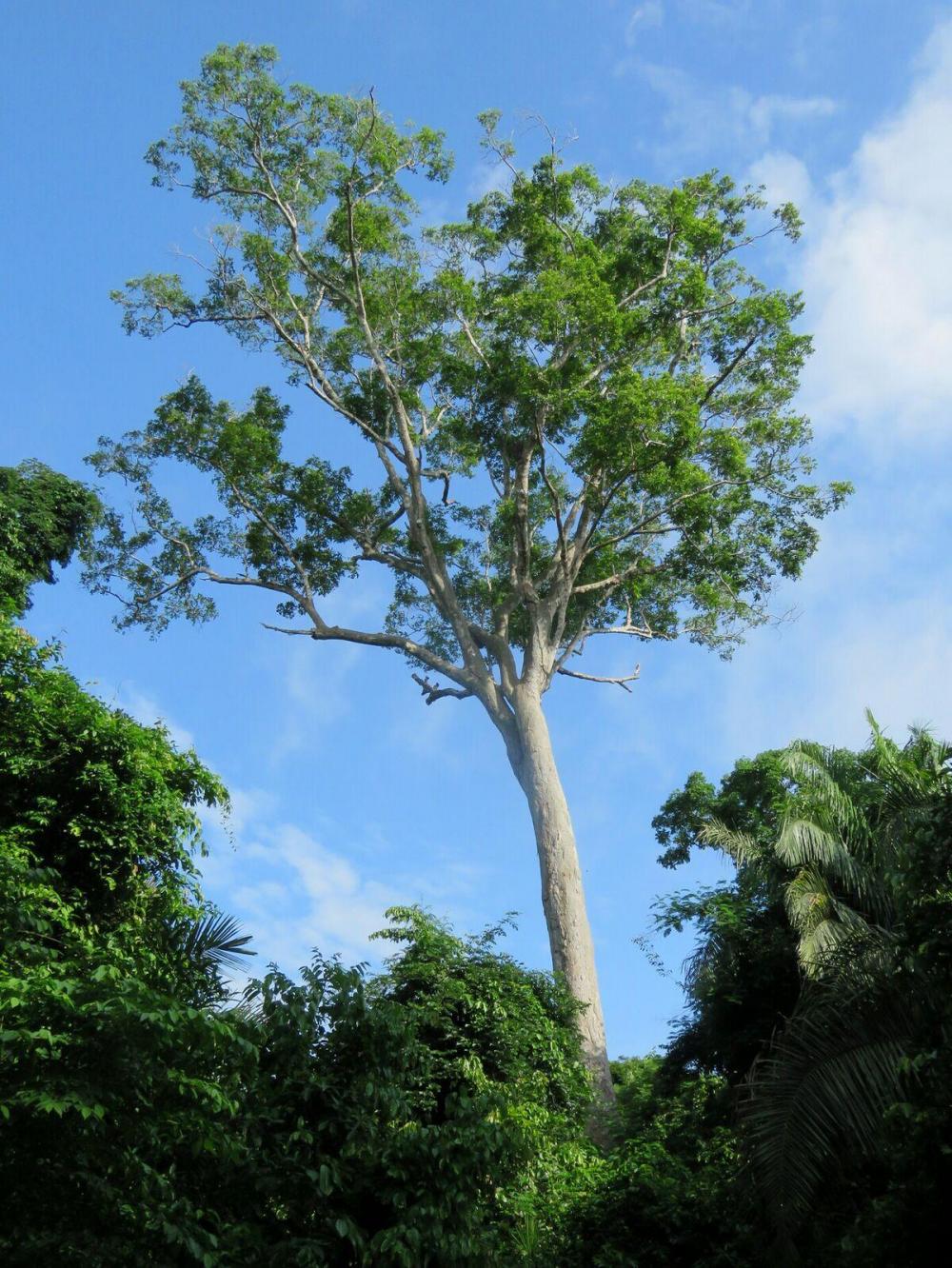
Cumaru
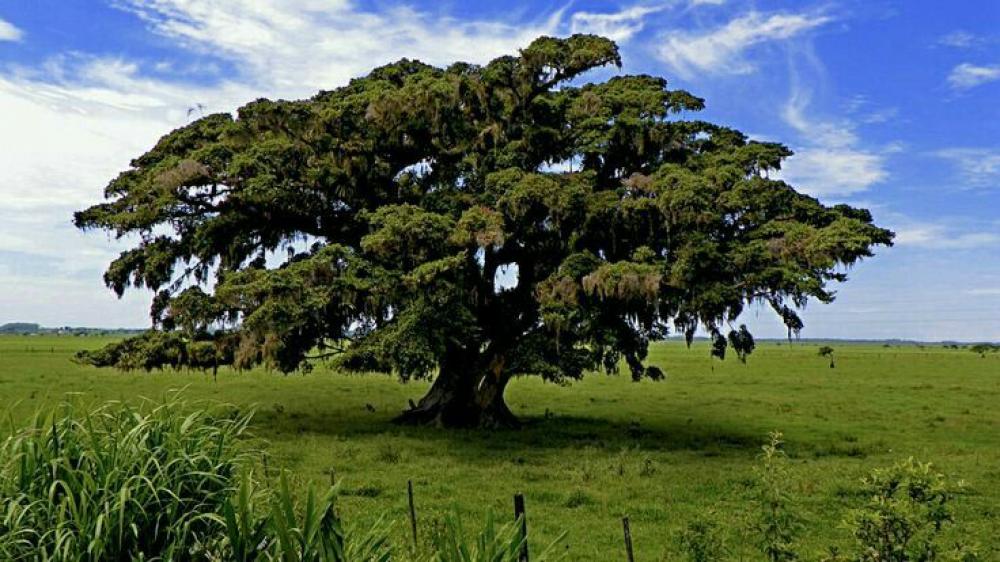
fig tree
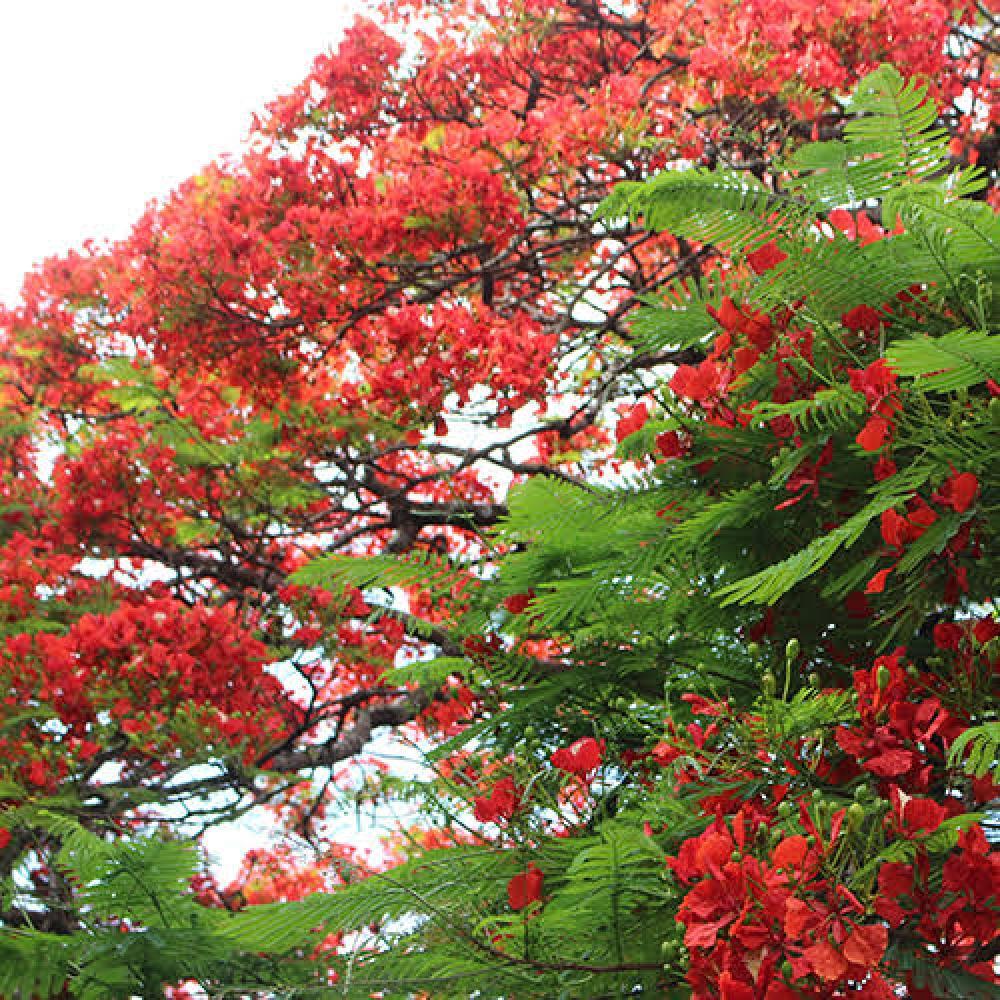
Flamboyant
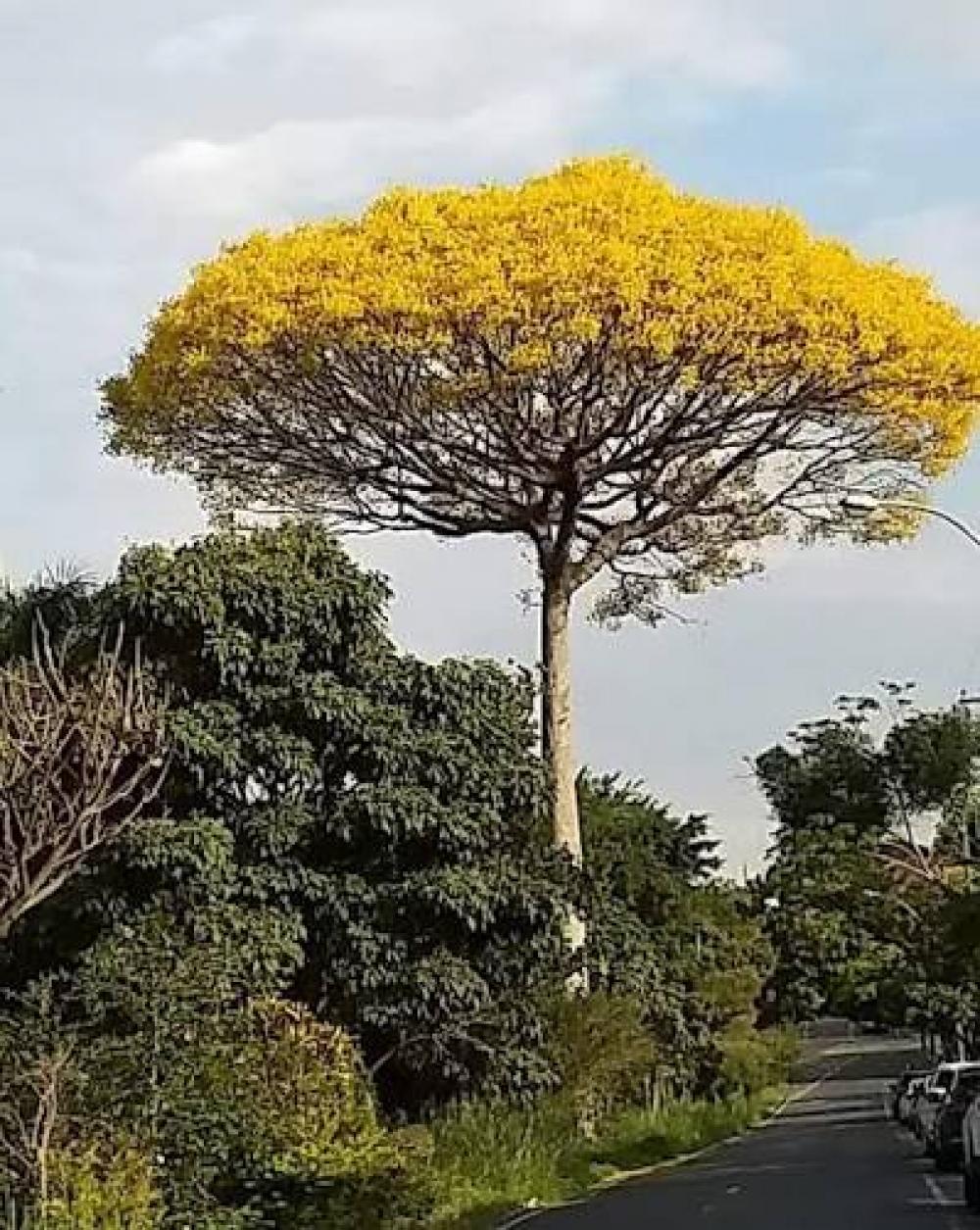
Guapuruvu
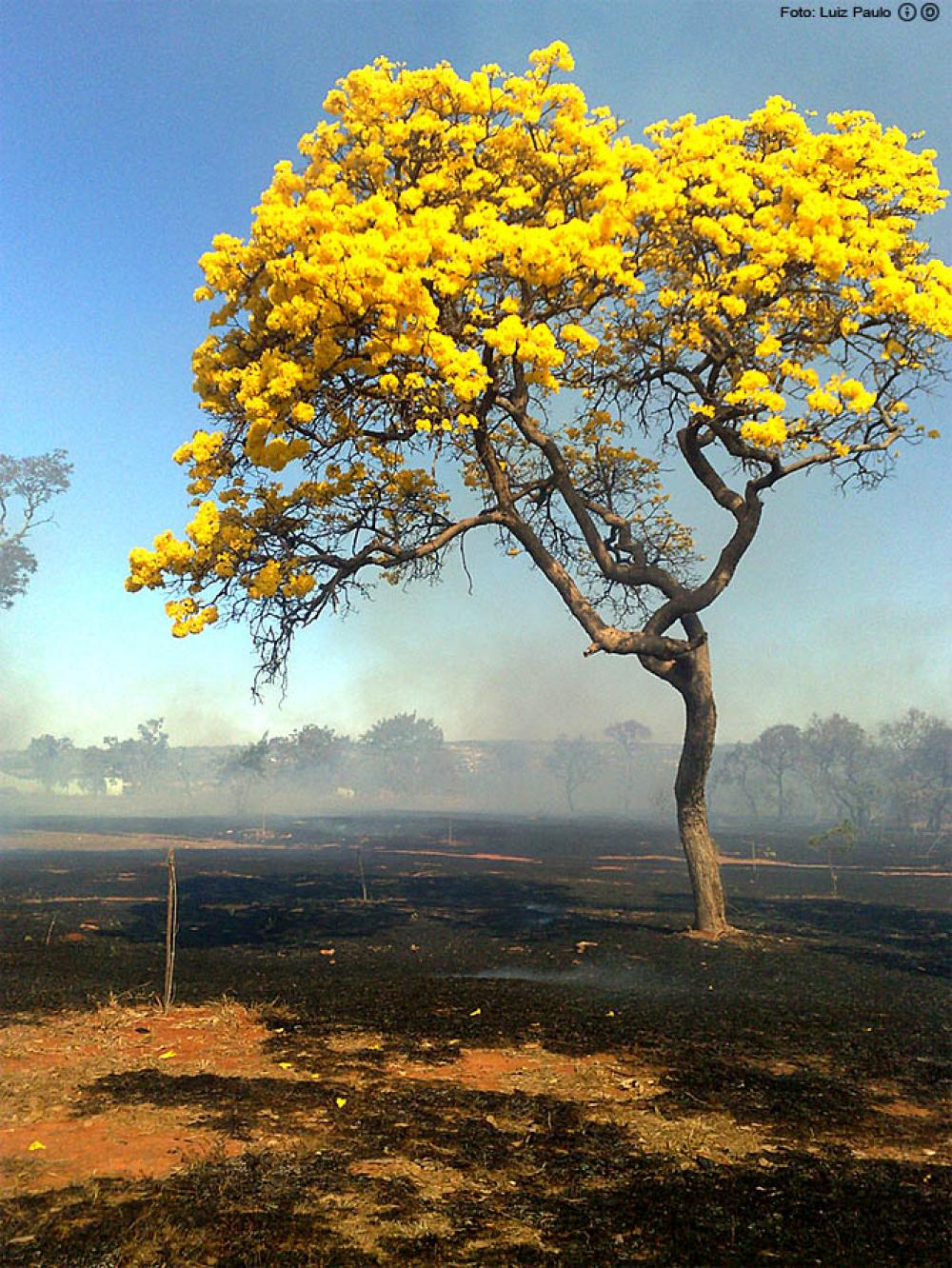
Yellow Ipê
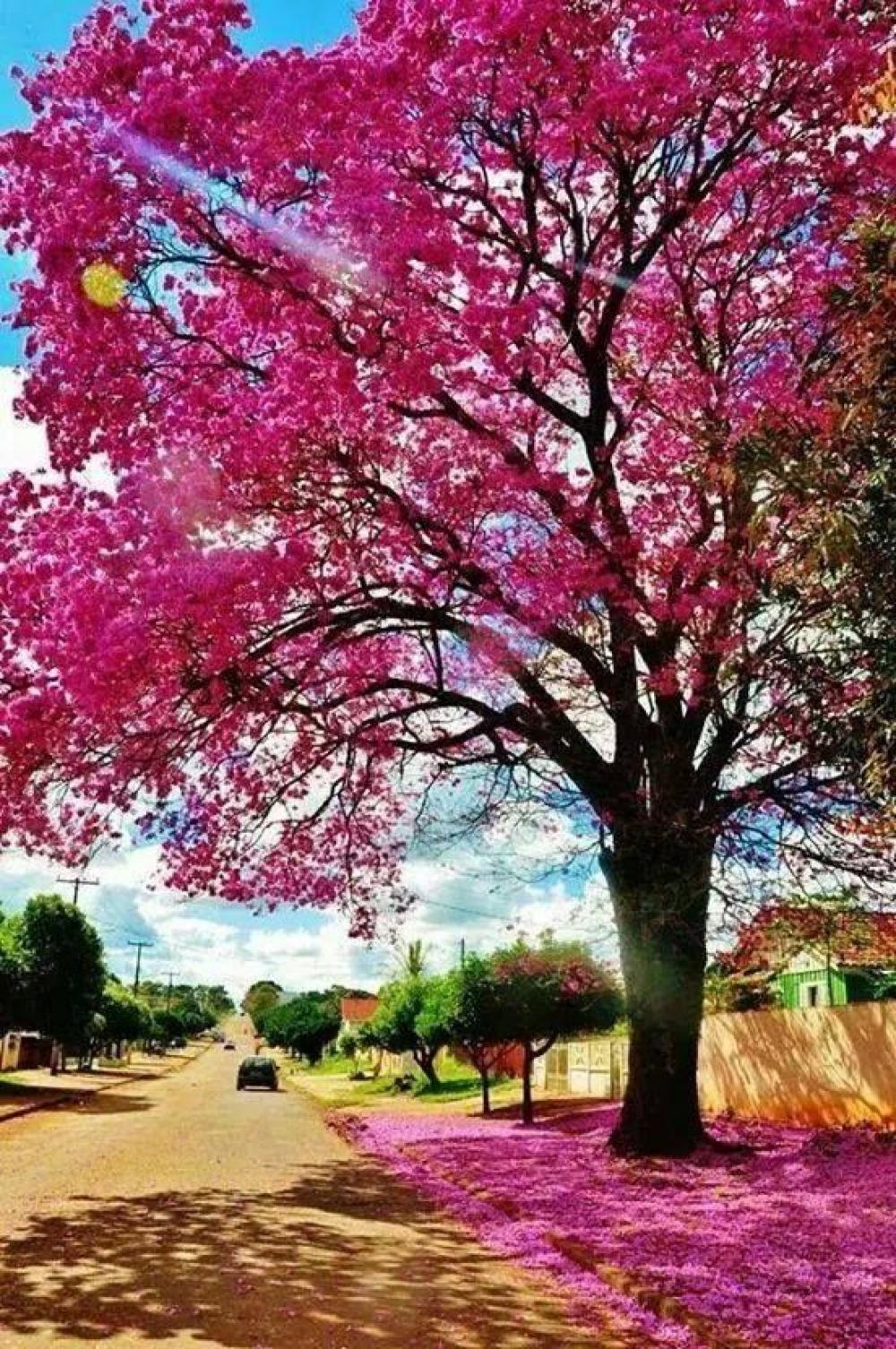
Purple Ipe
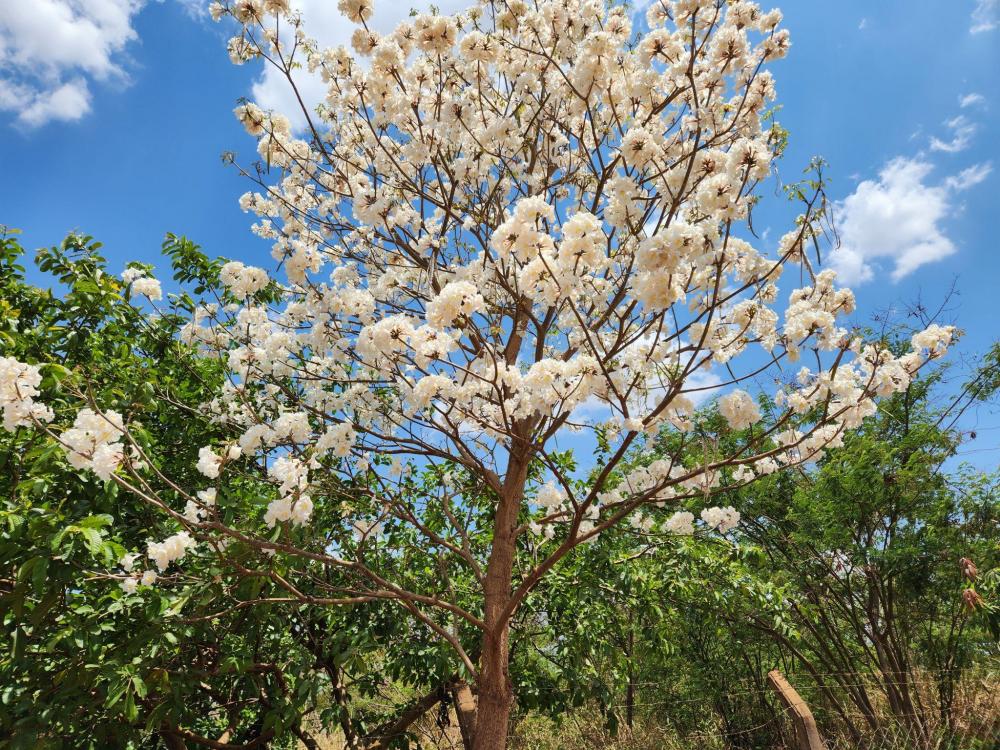
White Ipê
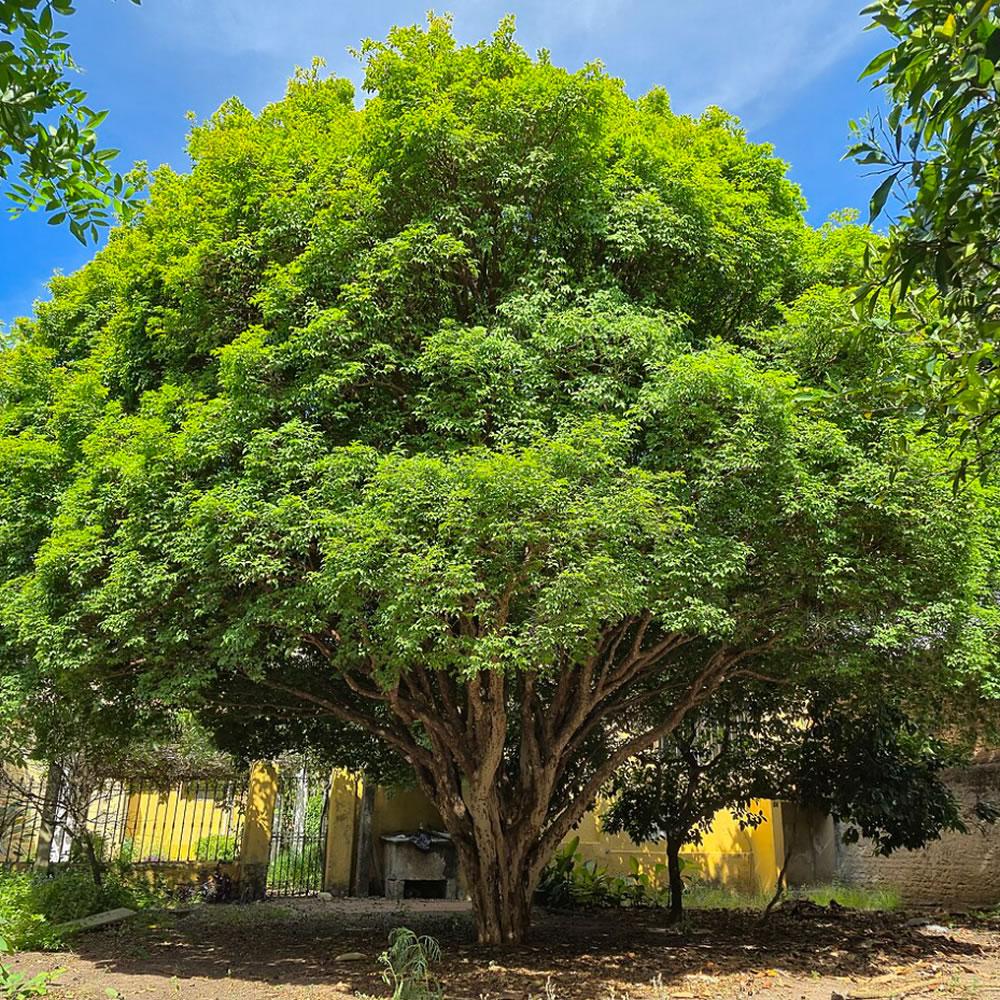
Jabuticaba
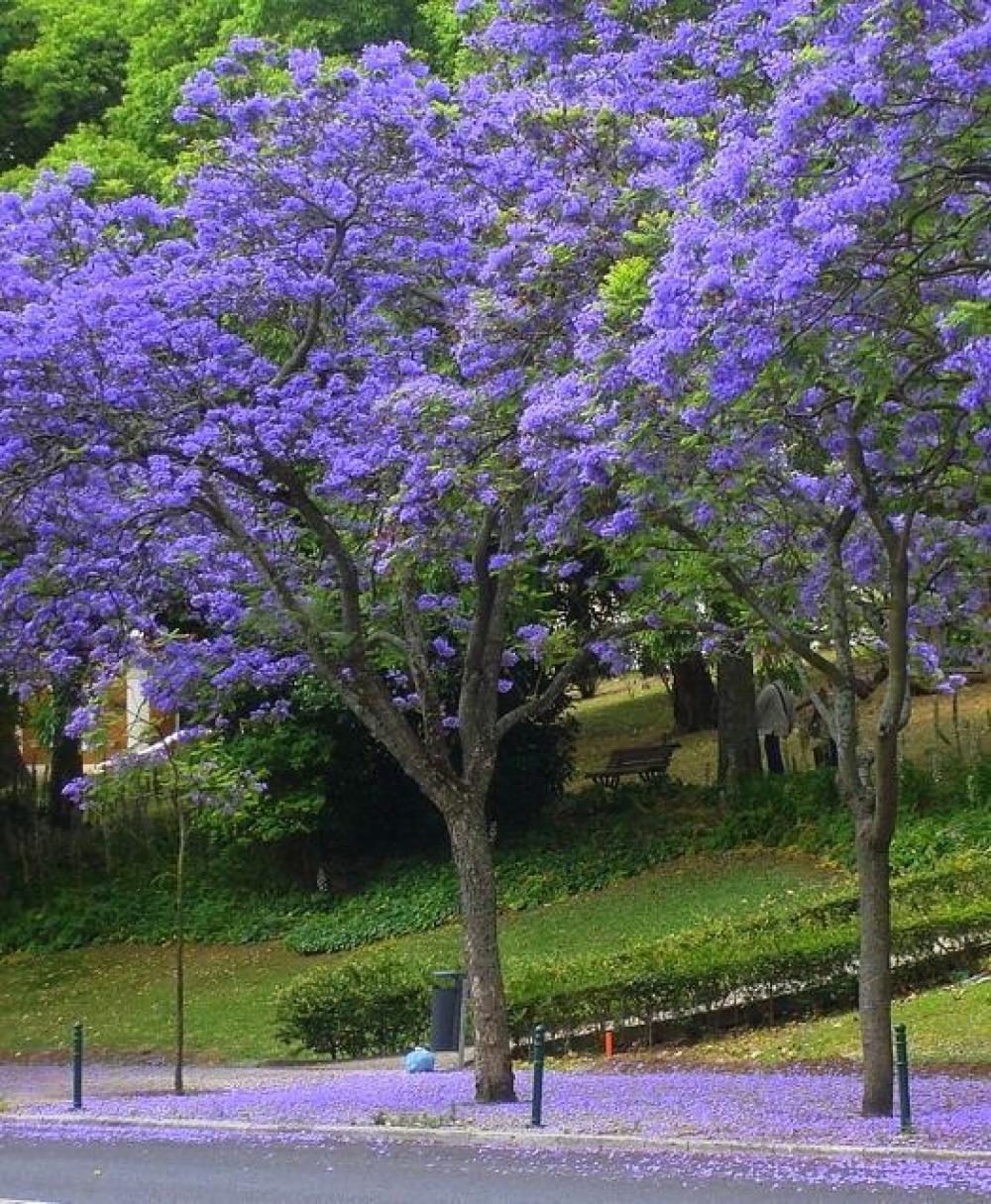
Blue jacaranda
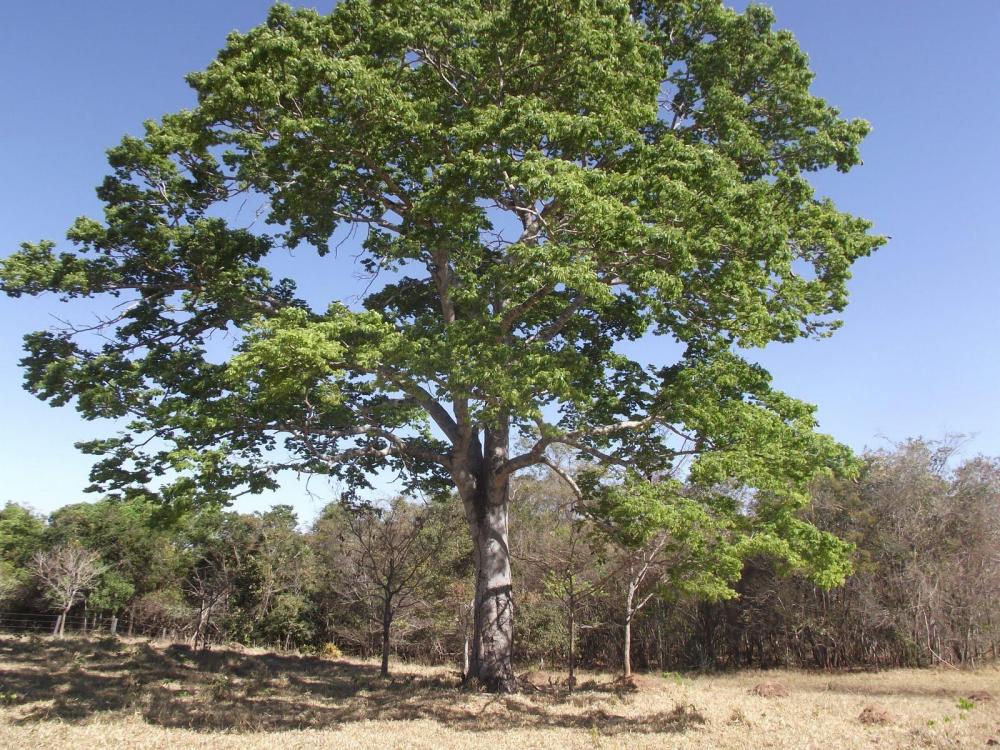
Jatoba
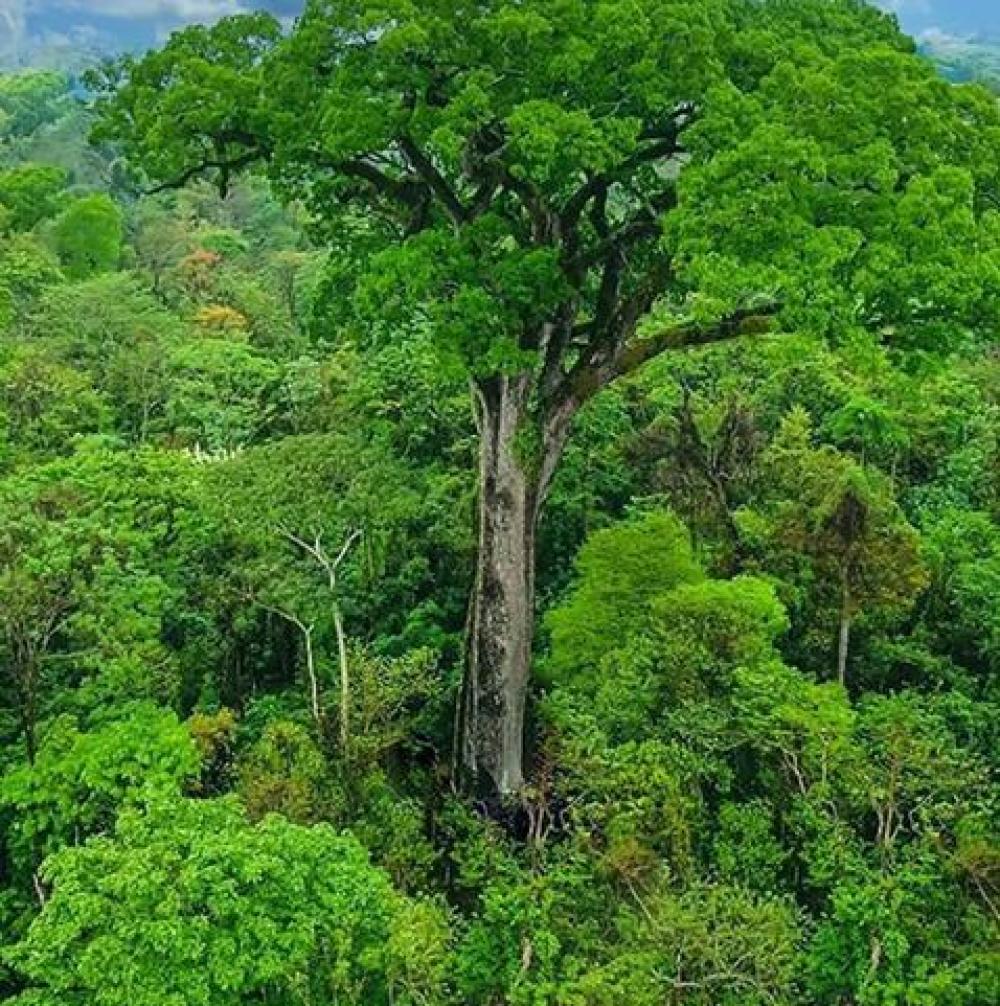
Pink Jequitibá (Cariniana legalis)
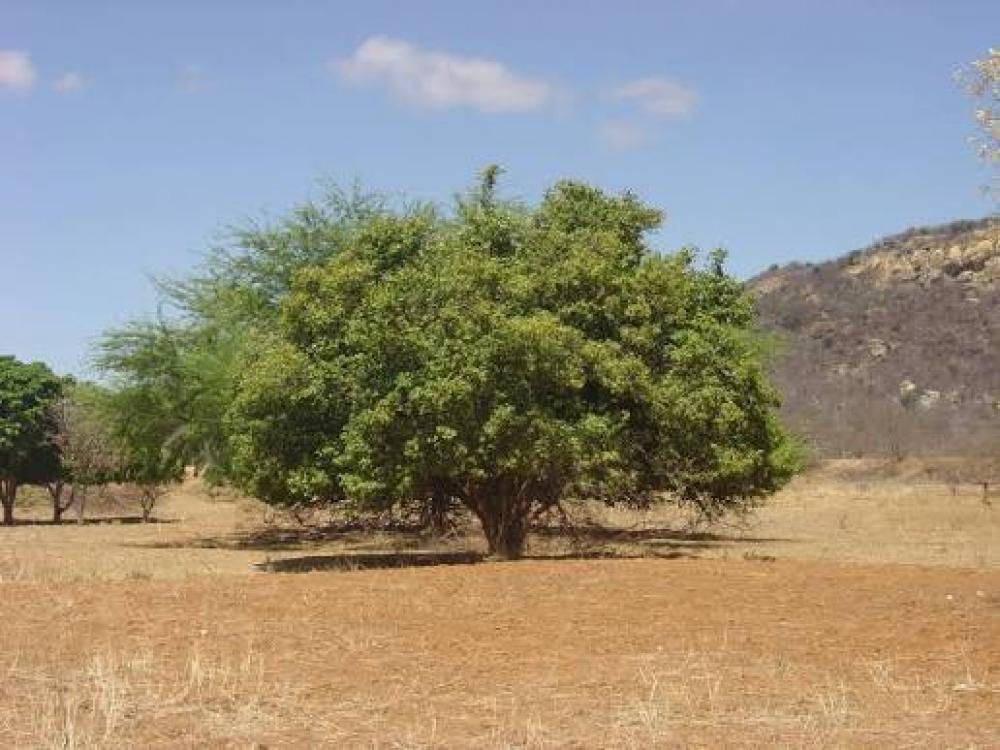
Juazeiro
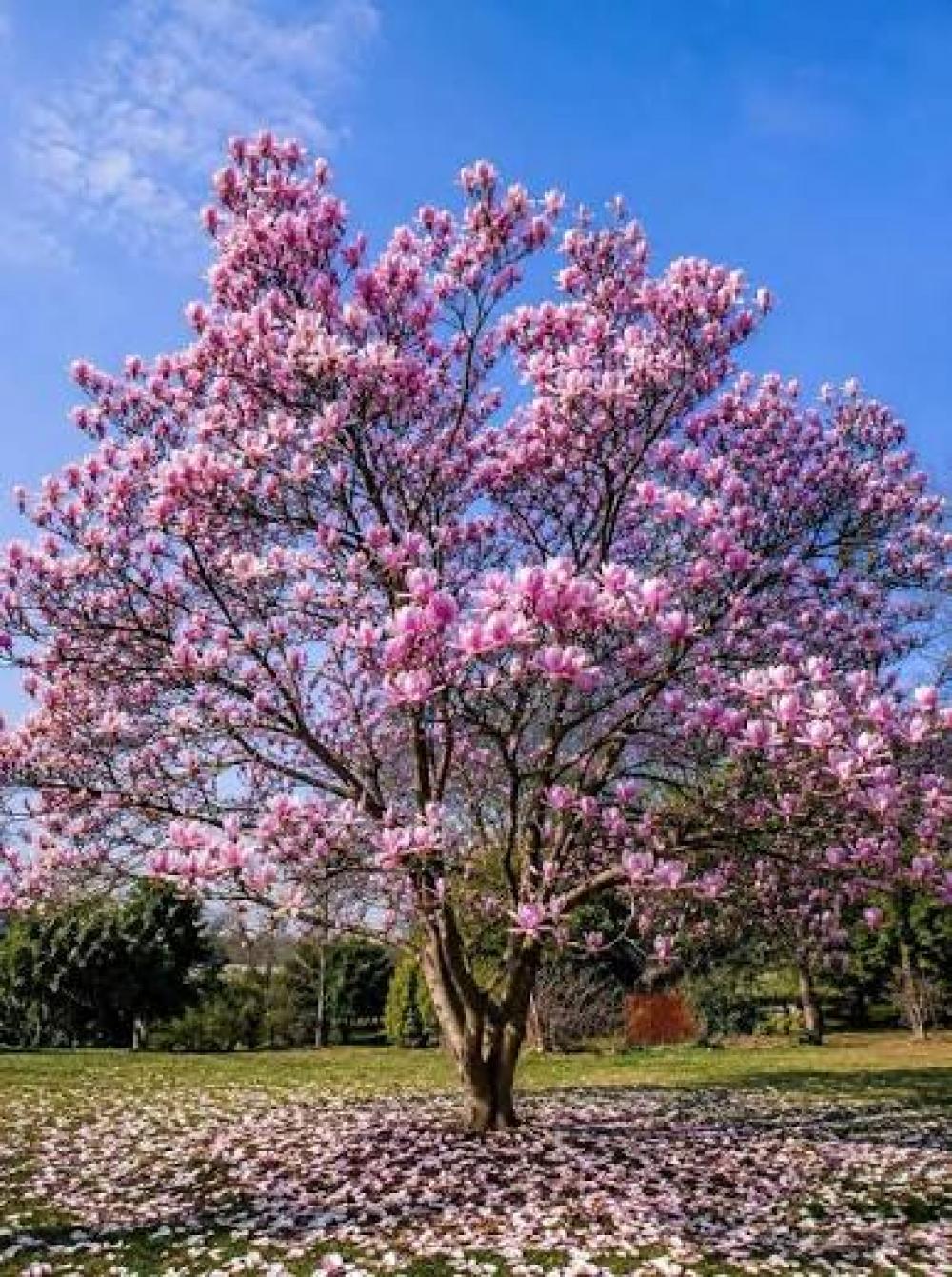
Magnolia
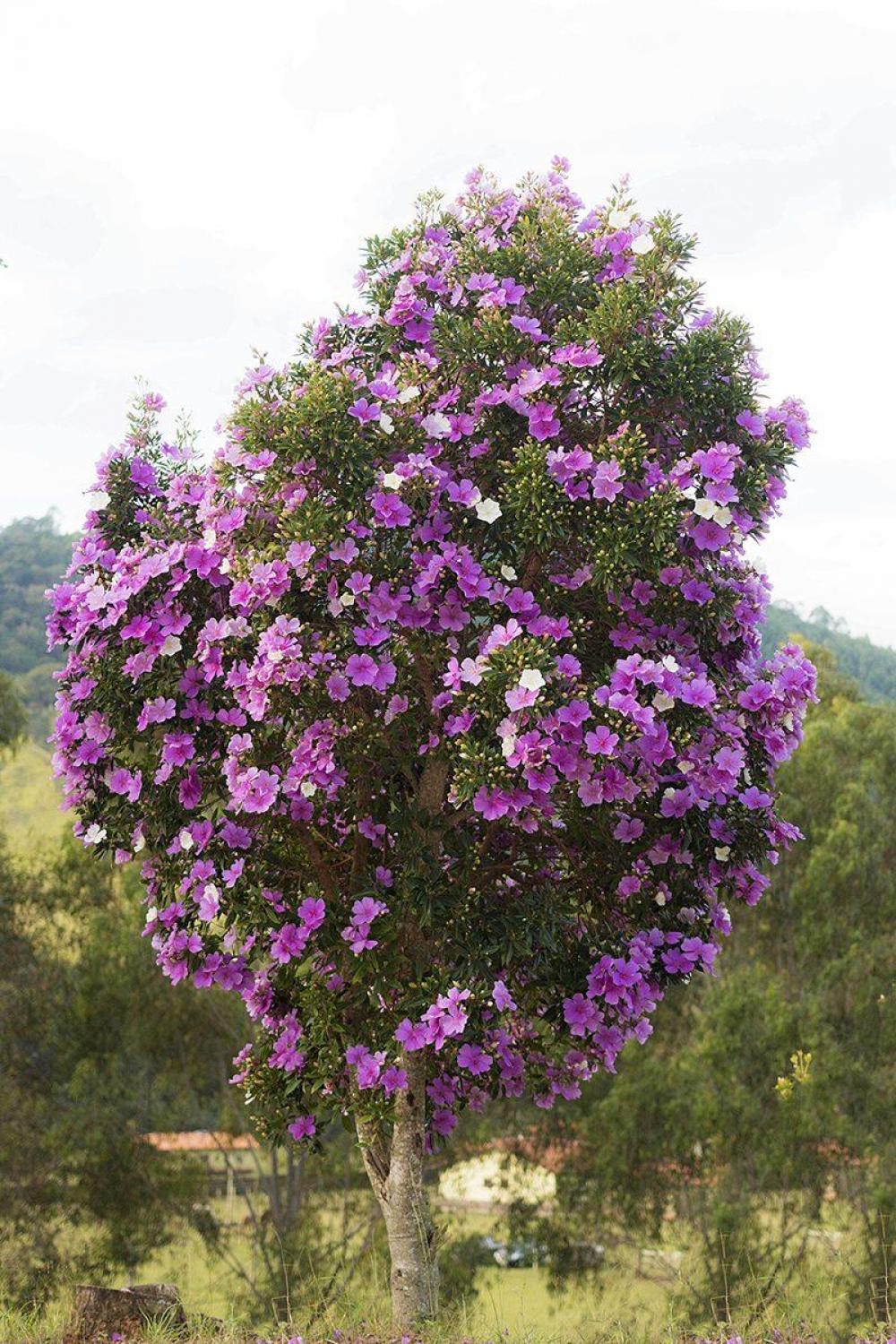
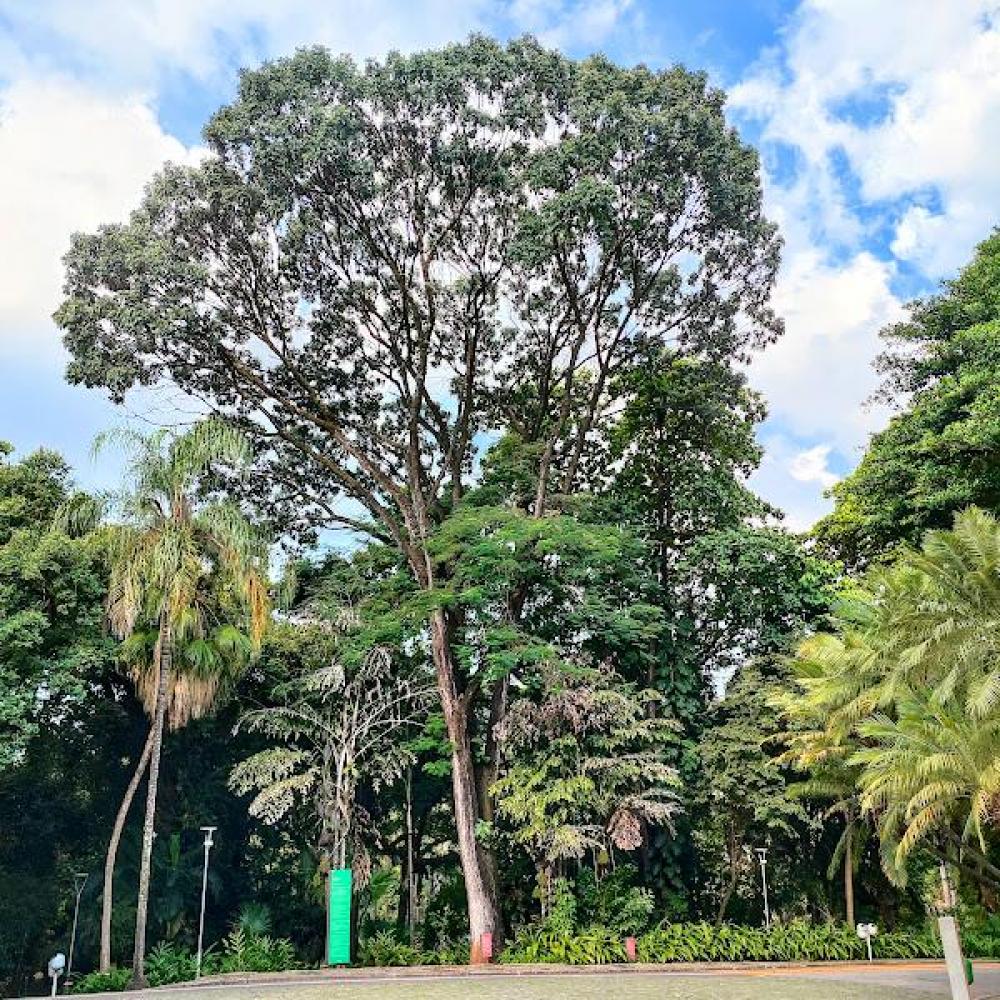
Brazilian Mahogany
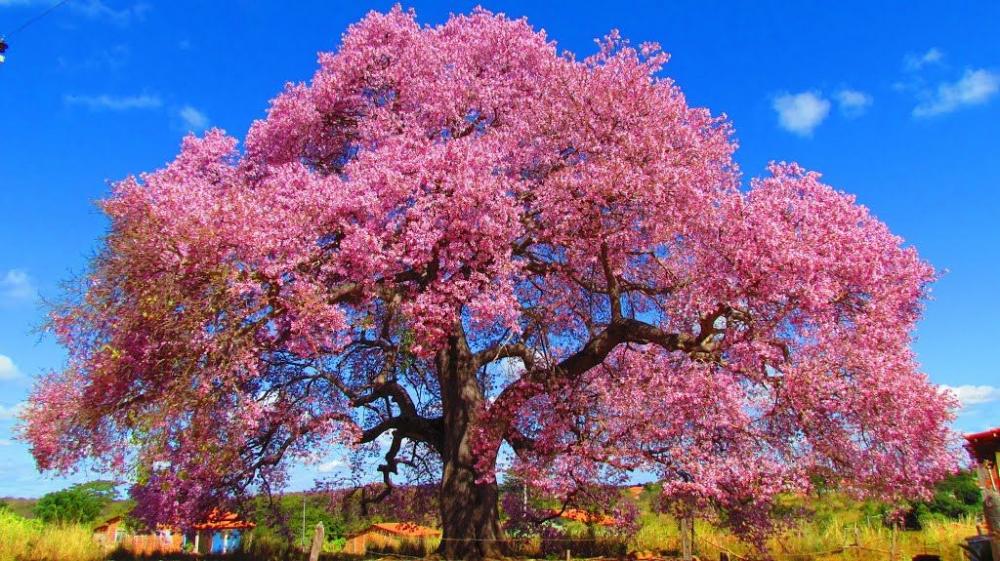
pink silk floss tree
Brazilwood
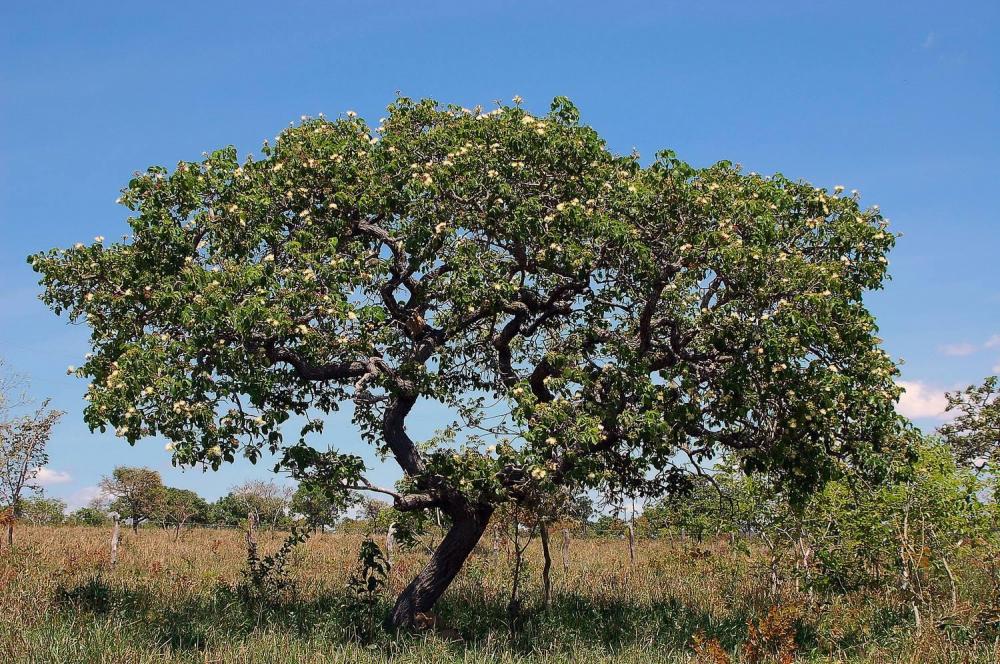
Pequi
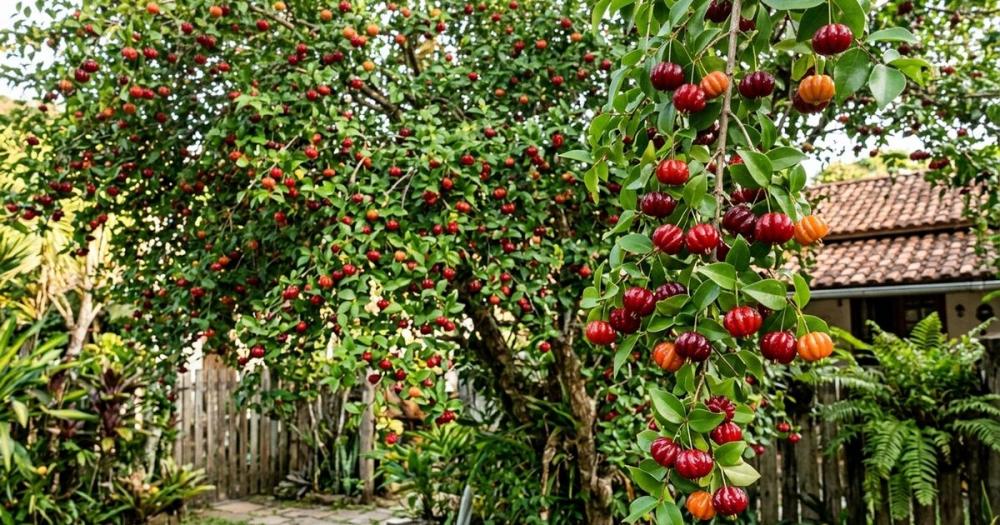
Surinam cherry
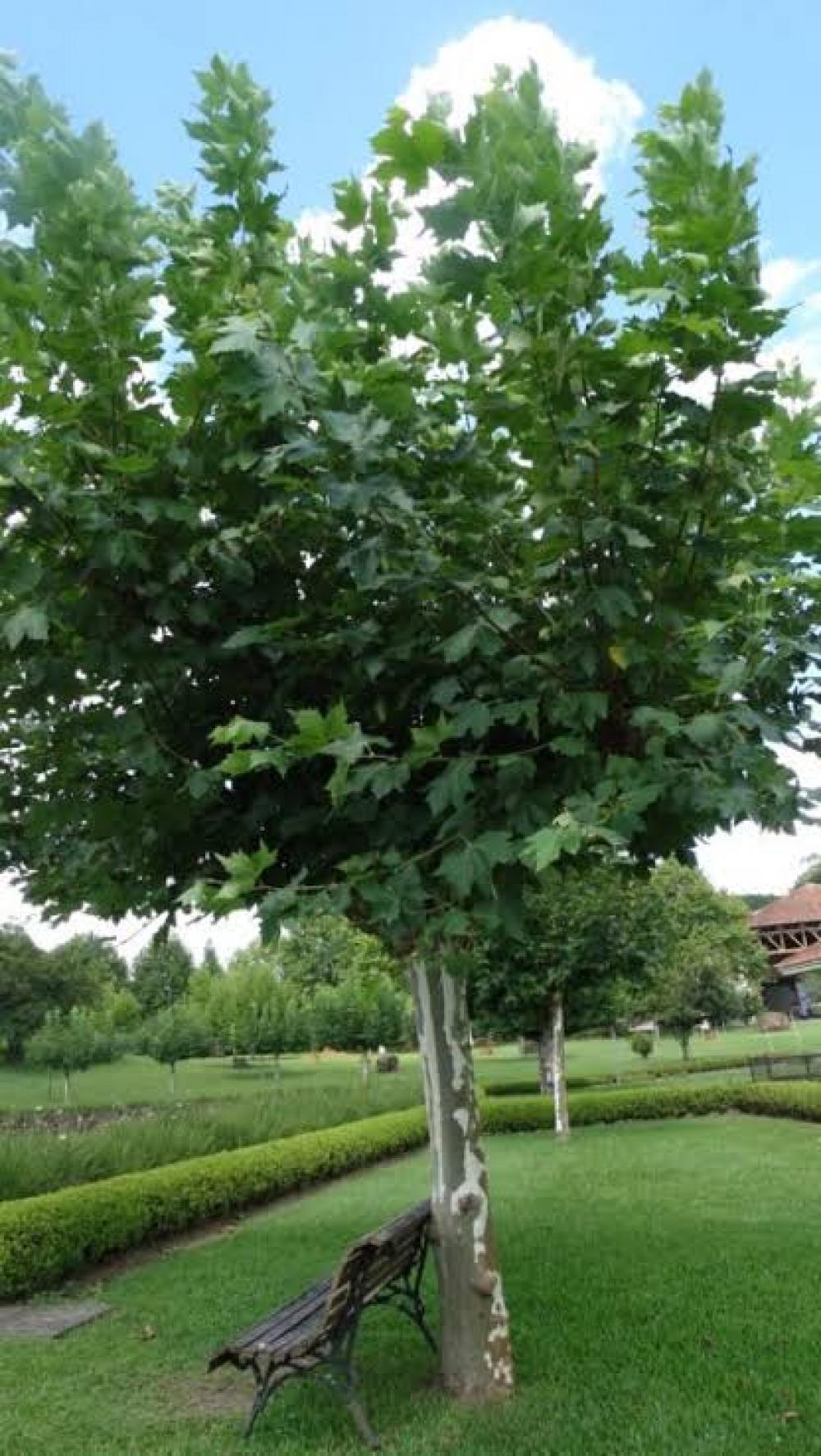
Plane tree
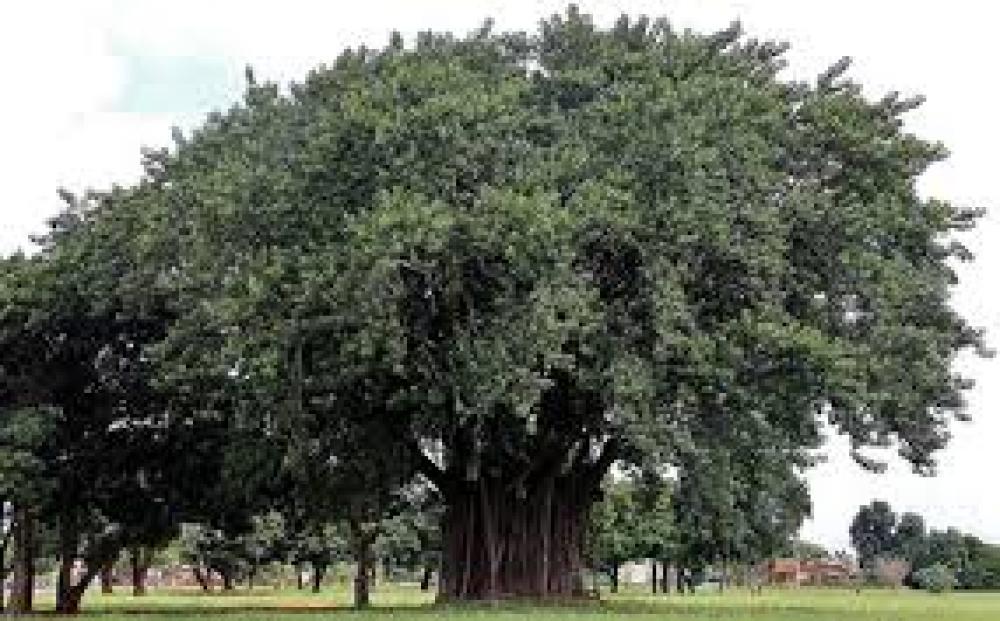
Rubber tree
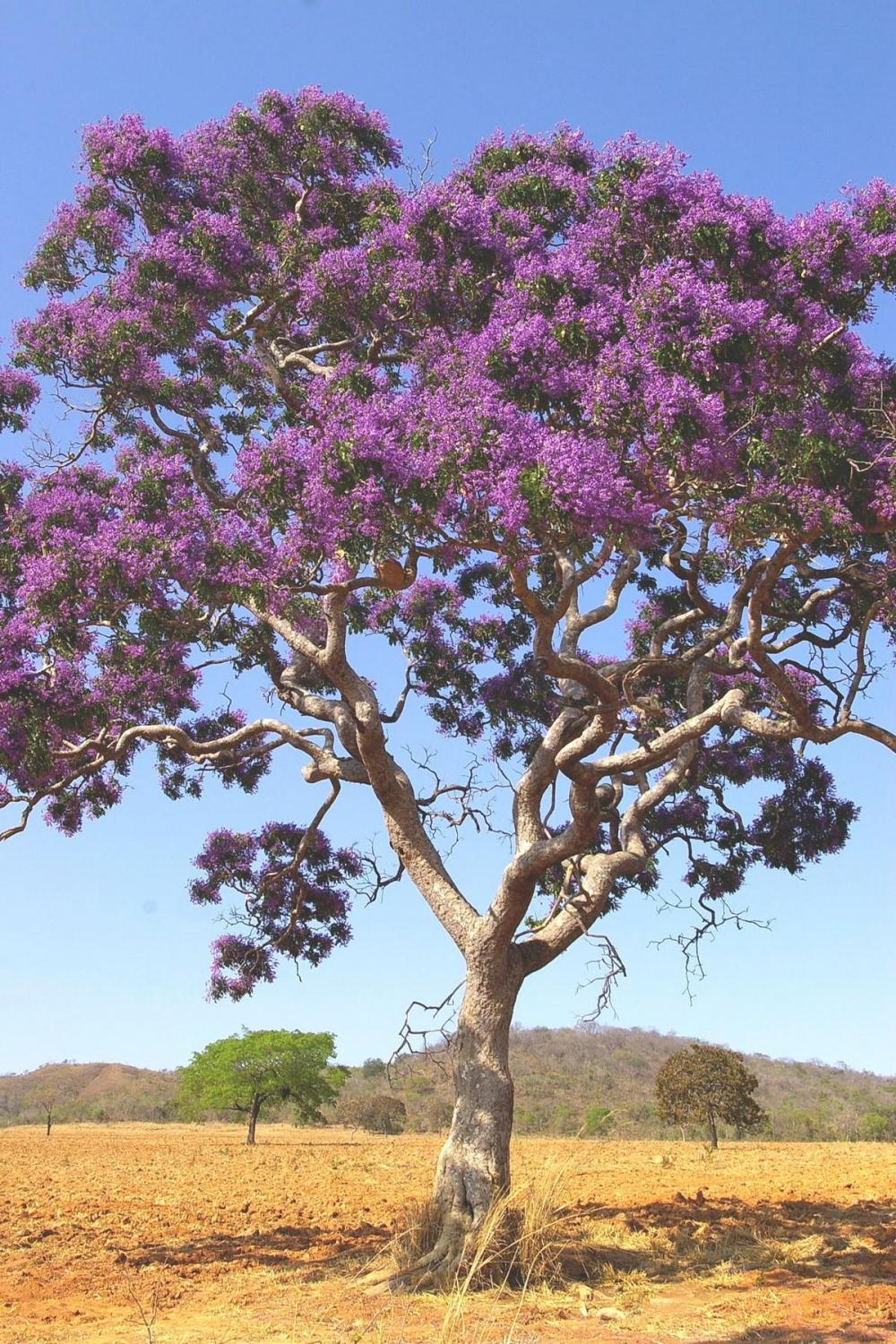
Sucupira
Linden