


Jabuticaba
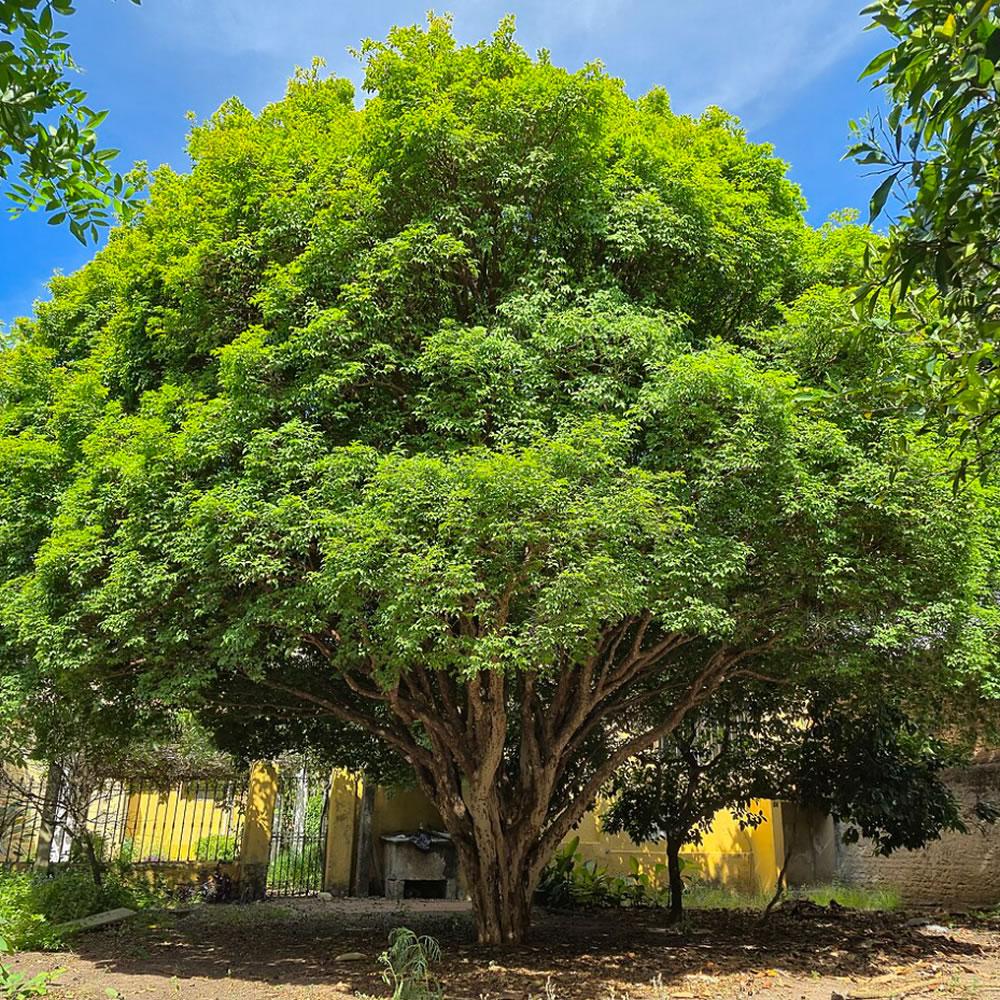
The Jaboticabeira (*Plinia cauliflora*) is one of Brazils most well-known and cherished fruit trees, particularly due to an extraordinary characteristic: its fruit grows directly on the trunk and older branches—a phenomenon known as cauliflory. Native to Brazil, the species is primarily associated with the Atlantic Forest regions and is cultivated across various parts of the country.
It is a small- to medium-sized tree, capable of reaching heights of approximately 10 to 15 meters under favorable growing conditions. It features a dense, rounded crown, glossy green leaves, and a trunk with bark that can display grayish tones and naturally renews itself over time.
During the flowering season, small, delicate white flowers emerge directly from the trunk and branches. They attract bees and other pollinators that play a role in the species reproductive process. Following pollination, the familiar *jaboticabas* develop—rounded fruits with dark skin and a light-colored, sweet, and juicy pulp.
The *jaboticaba* holds significant nutritional and culinary value. The fruit can be eaten fresh or used to make juices, jams, sweets, liqueurs, preserves, and other products. Both its skin and pulp contain bioactive compounds—including anthocyanins and other phenolics—that are of interest in studies regarding antioxidant activity.
Beyond its value as a food source, the *Jaboticabeira* contributes to biodiversity by providing resources for various animals that feed on its fruit. The tree also plays a role in local ecological dynamics, offering shelter and helping create environments that support wildlife and pollinators.
In Brazilian culture, the *jaboticaba* holds special significance. Found in backyards, small farms, orchards, and family homesteads, the tree is frequently linked to childhood memories, family gatherings, and rural traditions. Its fruiting season often generates great excitement, serving as a time for social interaction and sharing.
In folk medicine, various parts of the Jaboticaba tree—especially the bark and fruit—feature in traditional practices. Scientific studies investigate the species bioactive compounds and potential biological activities; however, laboratory findings do not, in themselves, prove therapeutic efficacy in humans. Therefore, medicinal use should be approached responsibly and must not replace professional medical treatment.
The Jaboticaba tree also holds great potential for environmental education, offering a tangible way to demonstrate concepts such as biodiversity, pollination, fruit production, nutrition, native species conservation, and the sustainable use of natural resources.
Preserving and cultivating the Jaboticaba tree means valuing a species that embodies nature, food, science, culture, and memory. Its presence in Brazilian backyards and landscapes illustrates how a tree can become an integral part of peoples lives while simultaneously contributing to biodiversity conservation.
The Jaboticaba tree is a true treasure of the Brazilian flora. Its fruit, which grows directly on the trunk, represents one of natures most intriguing phenomena, reminding us that every species possesses unique characteristics worthy of being known, valued, and preserved.
The Jaboticaba tree: a Brazilian tree that transforms its trunk into a garden of fruit and its presence into memory, sustenance, and biodiversity.
It is a small- to medium-sized tree, capable of reaching heights of approximately 10 to 15 meters under favorable growing conditions. It features a dense, rounded crown, glossy green leaves, and a trunk with bark that can display grayish tones and naturally renews itself over time.
During the flowering season, small, delicate white flowers emerge directly from the trunk and branches. They attract bees and other pollinators that play a role in the species reproductive process. Following pollination, the familiar *jaboticabas* develop—rounded fruits with dark skin and a light-colored, sweet, and juicy pulp.
The *jaboticaba* holds significant nutritional and culinary value. The fruit can be eaten fresh or used to make juices, jams, sweets, liqueurs, preserves, and other products. Both its skin and pulp contain bioactive compounds—including anthocyanins and other phenolics—that are of interest in studies regarding antioxidant activity.
Beyond its value as a food source, the *Jaboticabeira* contributes to biodiversity by providing resources for various animals that feed on its fruit. The tree also plays a role in local ecological dynamics, offering shelter and helping create environments that support wildlife and pollinators.
In Brazilian culture, the *jaboticaba* holds special significance. Found in backyards, small farms, orchards, and family homesteads, the tree is frequently linked to childhood memories, family gatherings, and rural traditions. Its fruiting season often generates great excitement, serving as a time for social interaction and sharing.
In folk medicine, various parts of the Jaboticaba tree—especially the bark and fruit—feature in traditional practices. Scientific studies investigate the species bioactive compounds and potential biological activities; however, laboratory findings do not, in themselves, prove therapeutic efficacy in humans. Therefore, medicinal use should be approached responsibly and must not replace professional medical treatment.
The Jaboticaba tree also holds great potential for environmental education, offering a tangible way to demonstrate concepts such as biodiversity, pollination, fruit production, nutrition, native species conservation, and the sustainable use of natural resources.
Preserving and cultivating the Jaboticaba tree means valuing a species that embodies nature, food, science, culture, and memory. Its presence in Brazilian backyards and landscapes illustrates how a tree can become an integral part of peoples lives while simultaneously contributing to biodiversity conservation.
The Jaboticaba tree is a true treasure of the Brazilian flora. Its fruit, which grows directly on the trunk, represents one of natures most intriguing phenomena, reminding us that every species possesses unique characteristics worthy of being known, valued, and preserved.
The Jaboticaba tree: a Brazilian tree that transforms its trunk into a garden of fruit and its presence into memory, sustenance, and biodiversity.
Tree Catalog
Imperial acacia
Açaí palm
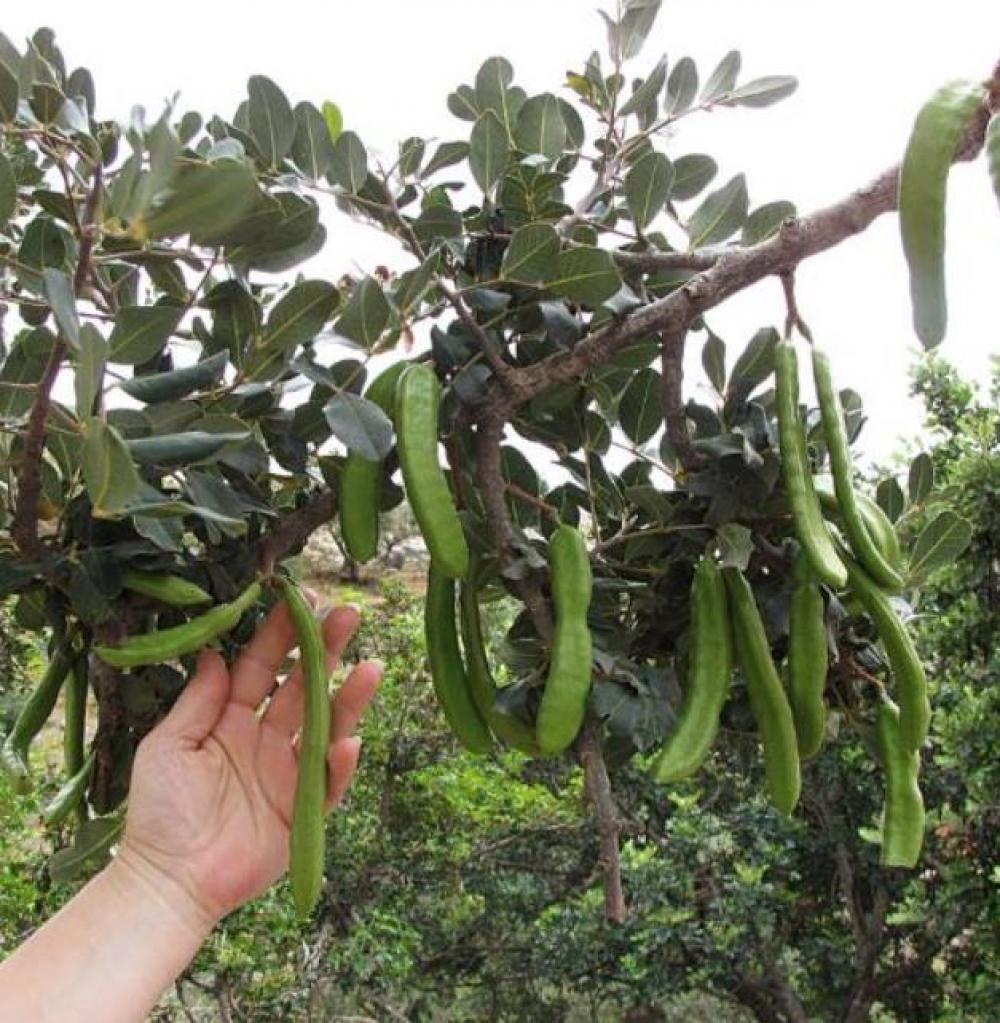
Alfarrobeira
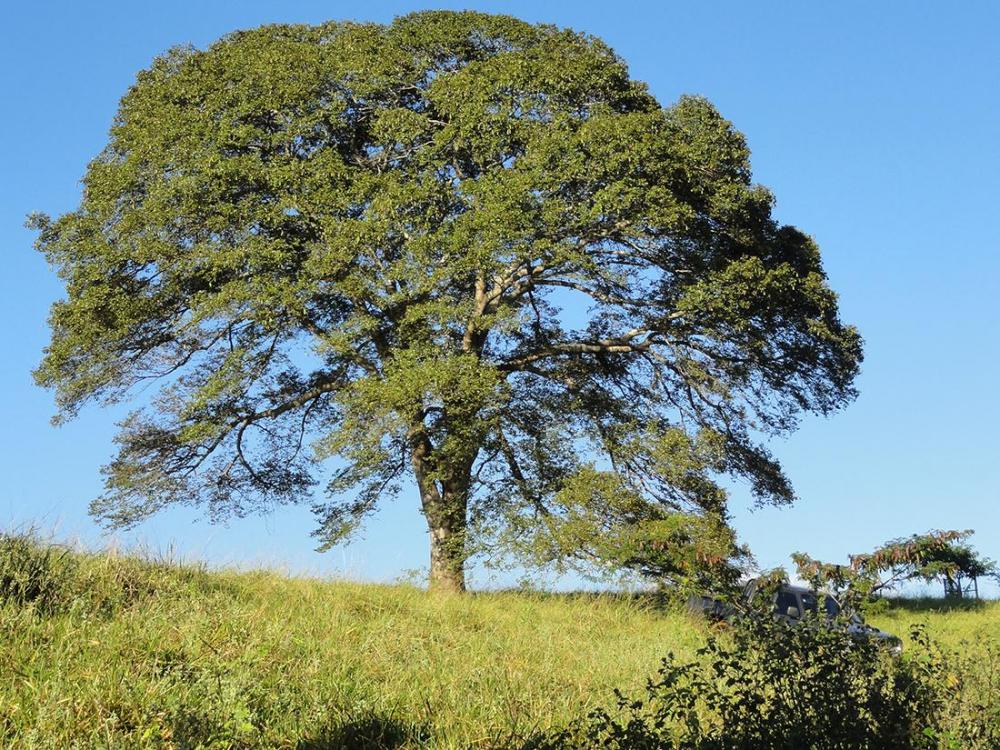
Andiroba

Red Angelim
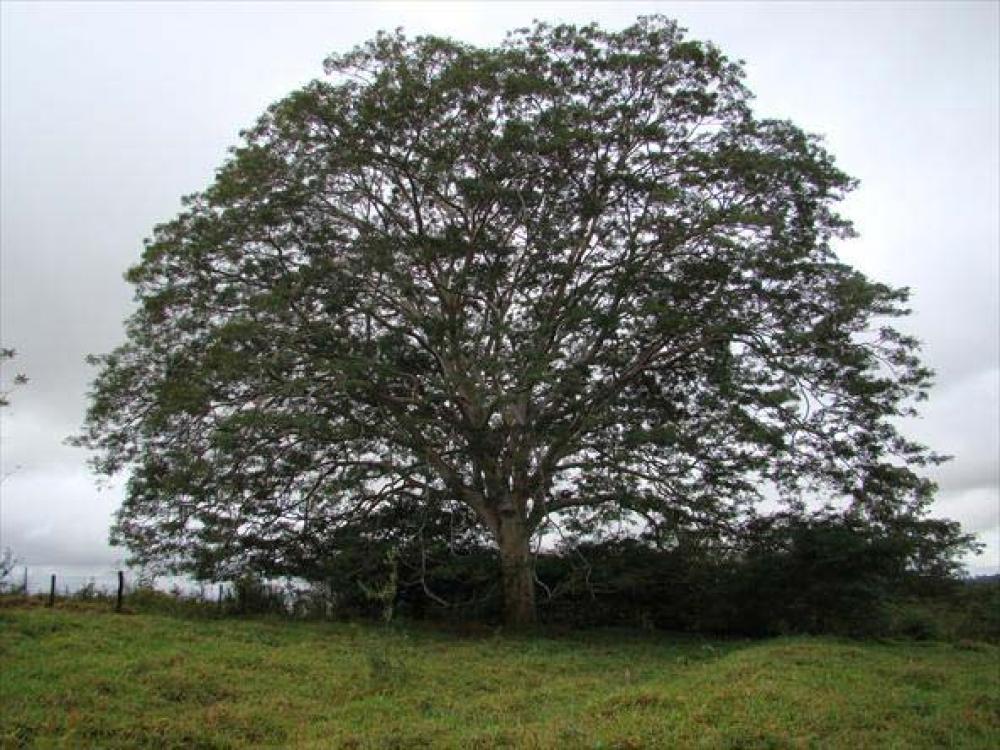
White Angico
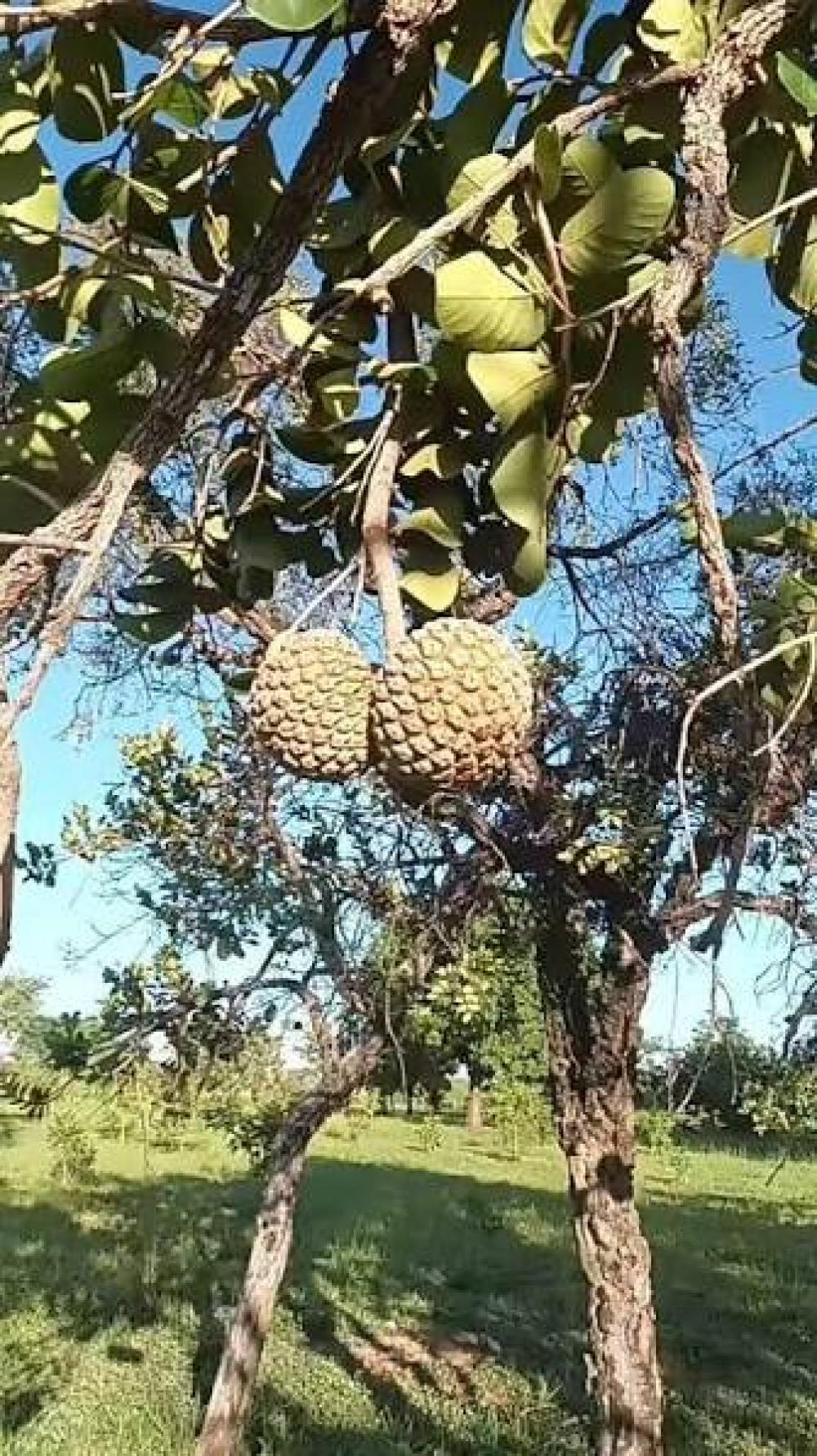
Araticum
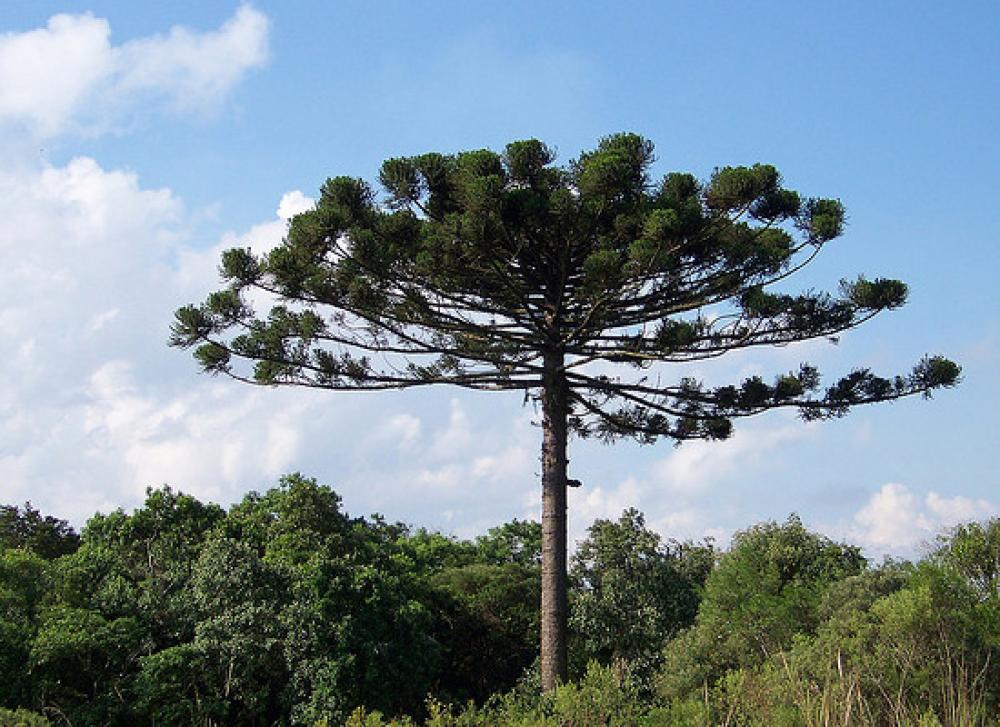
Araucaria, the Paraná pine
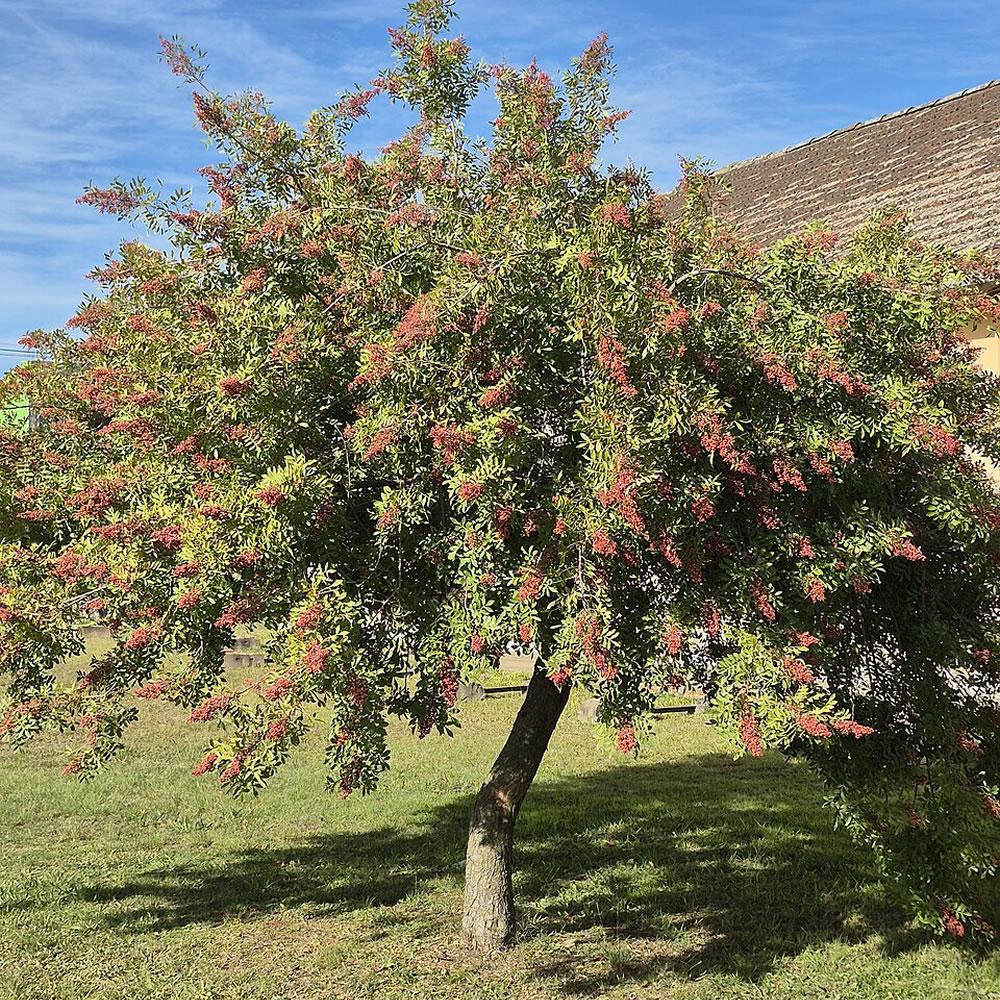
Brazilian peppertree
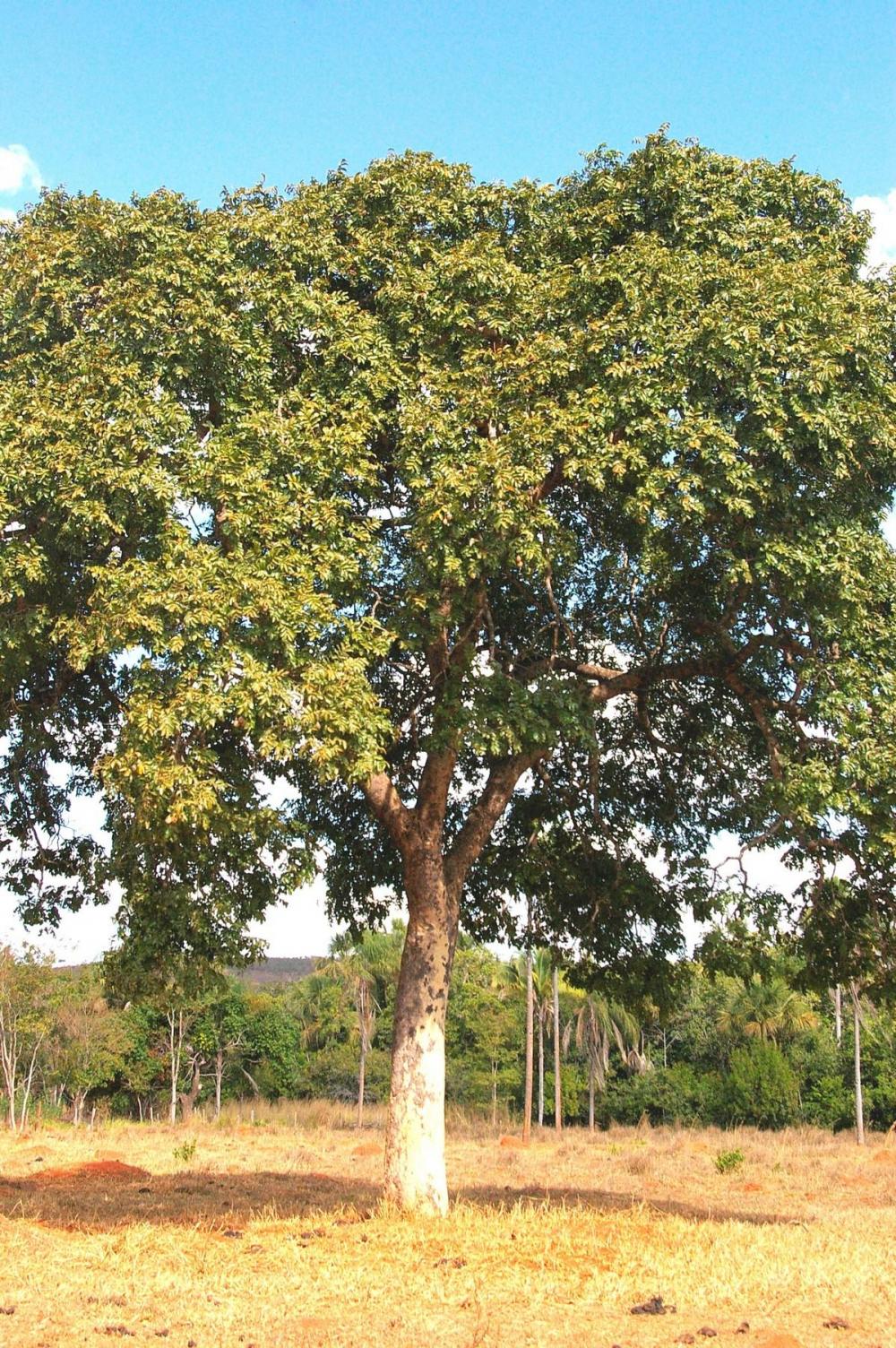
Baru
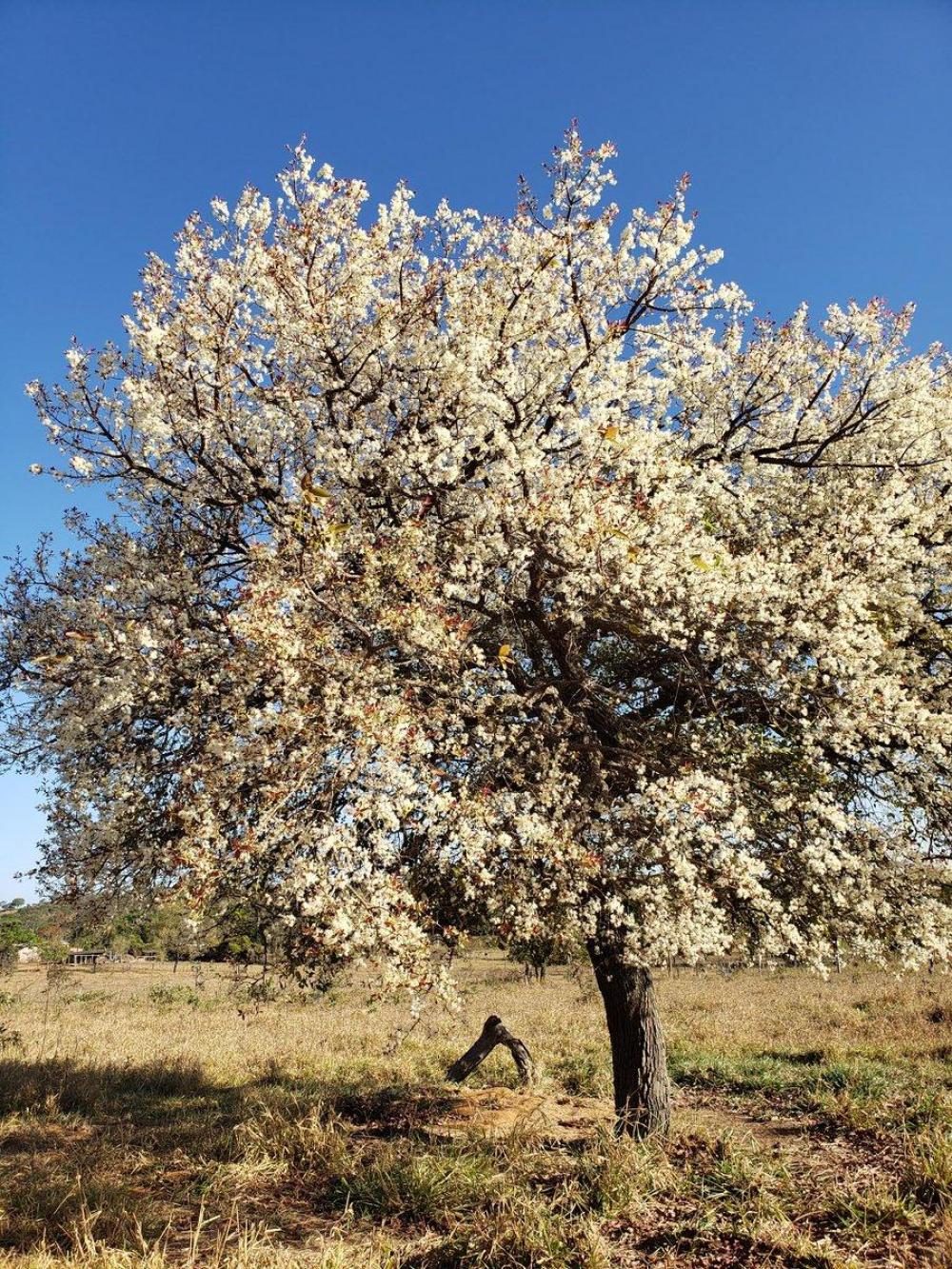
Cagaita
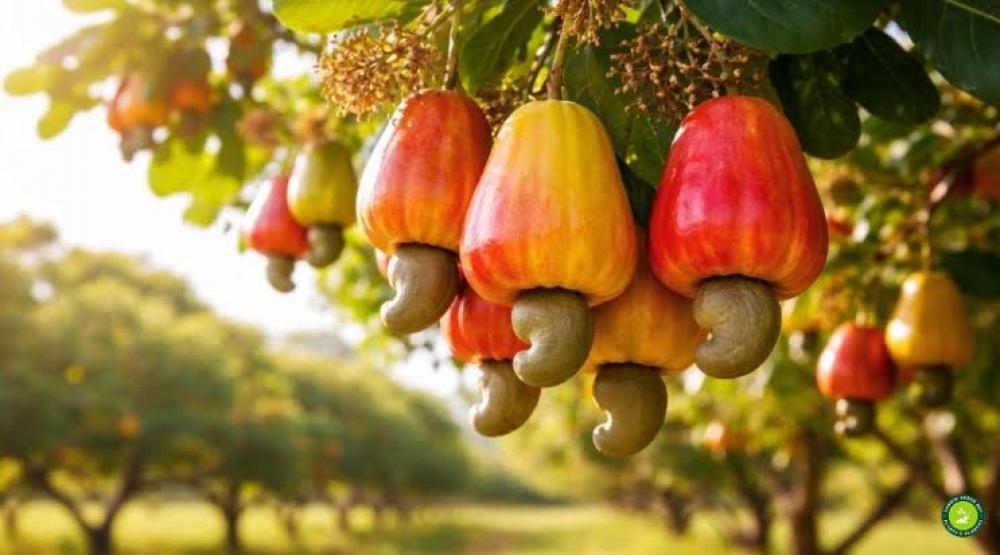
cashew tree
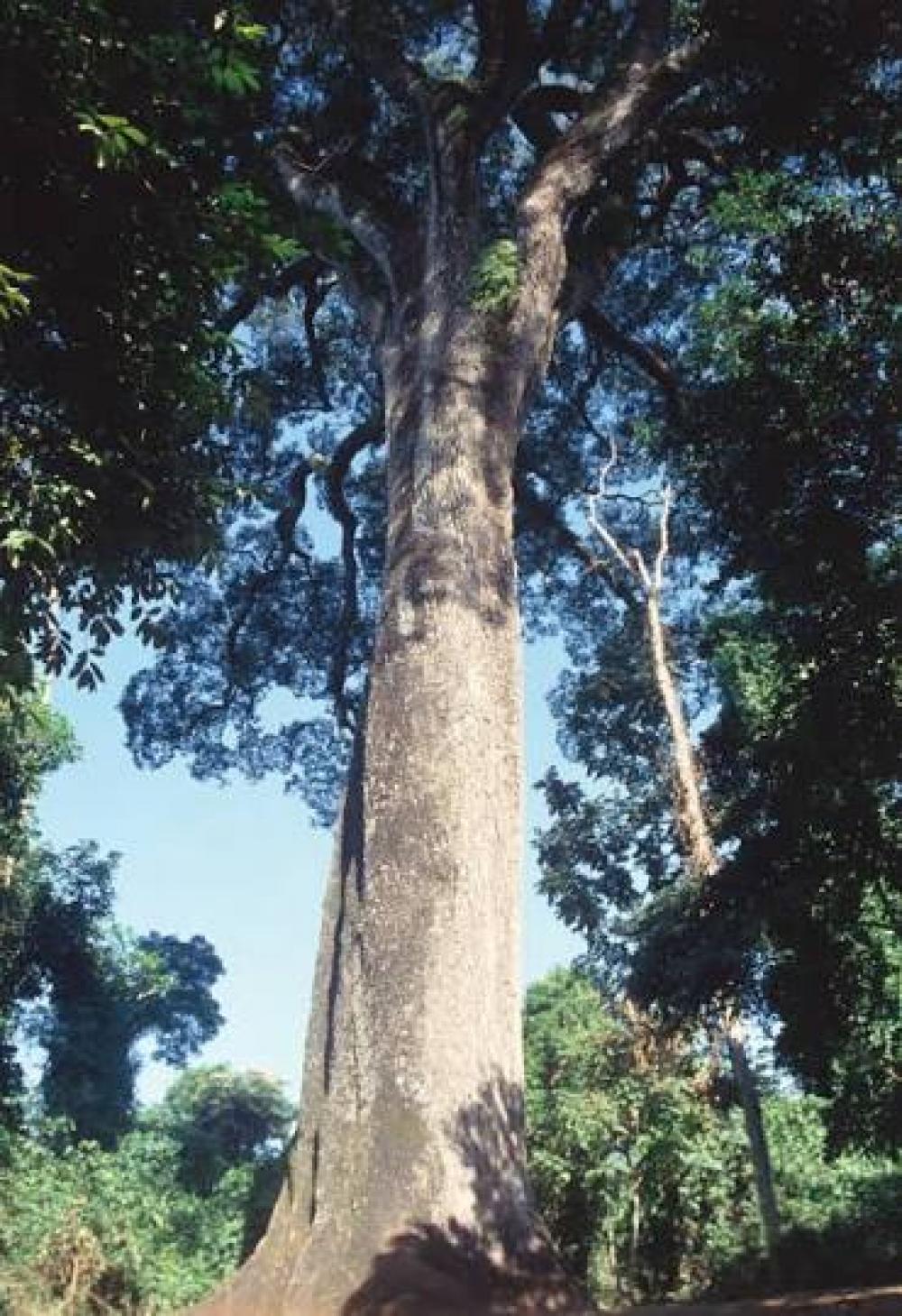
Black Cinnamon
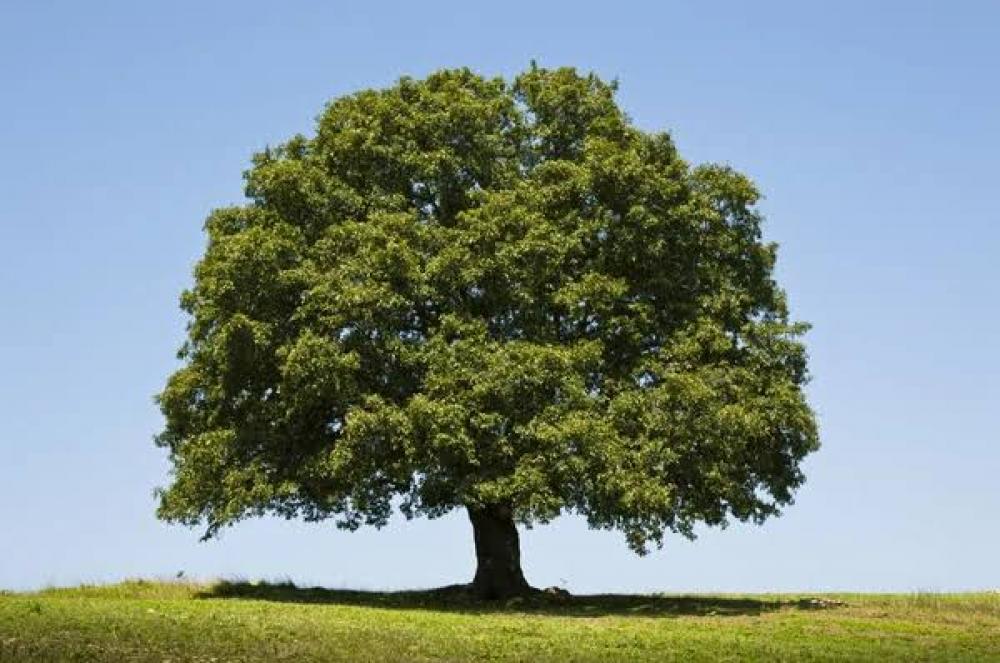
Oak tree
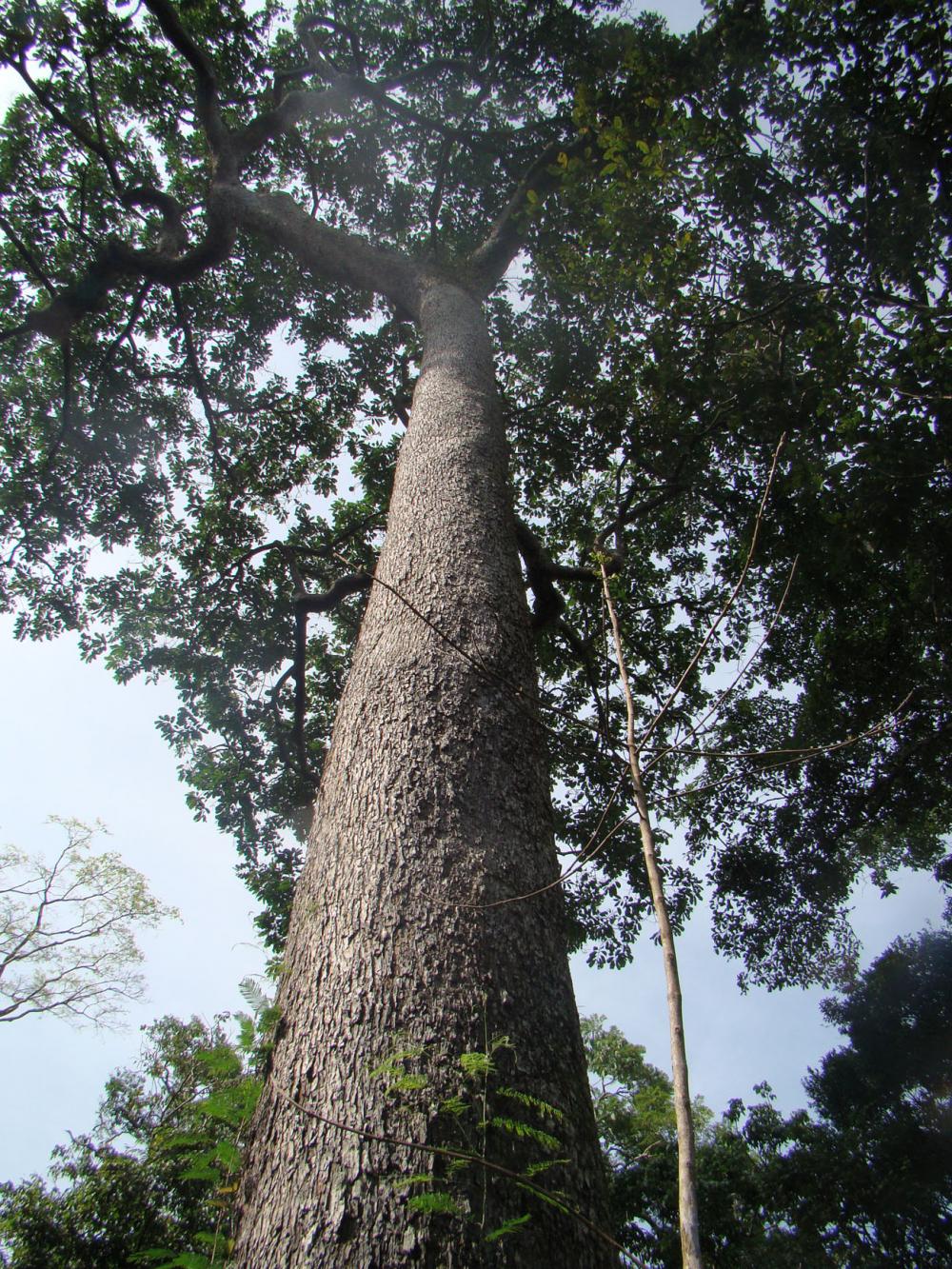
nuez de Brasil
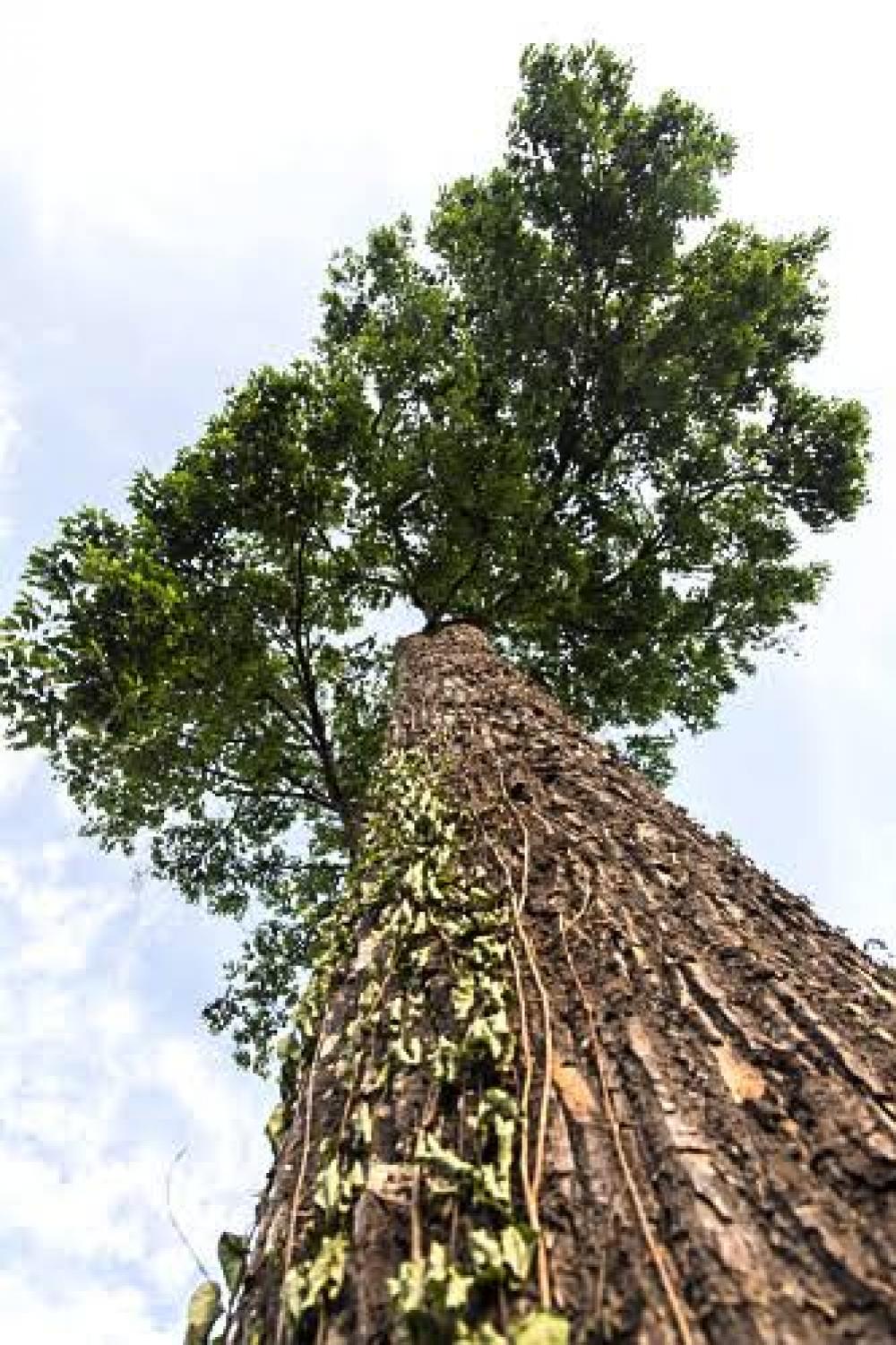
Brazil nut tree
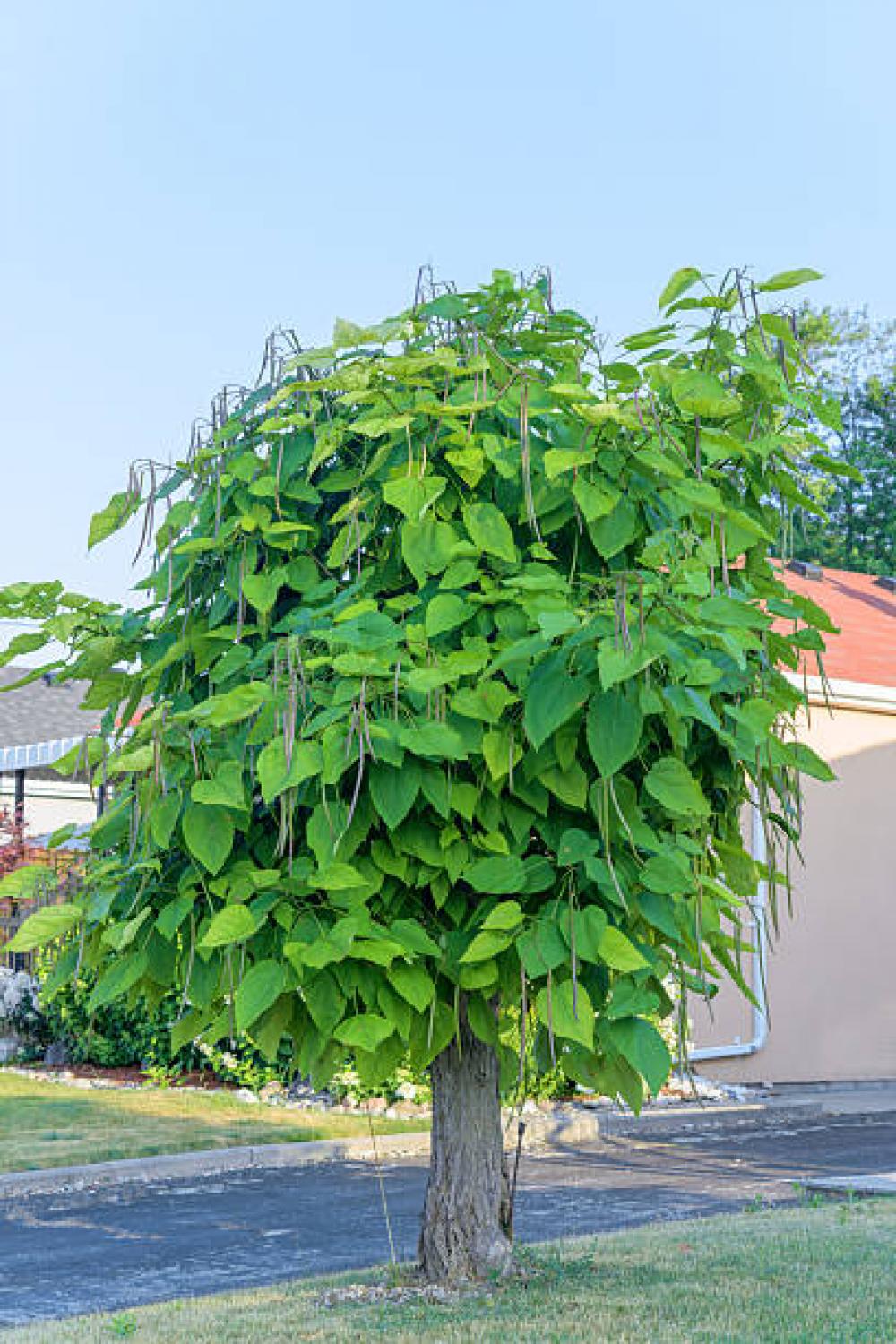
Catalpa
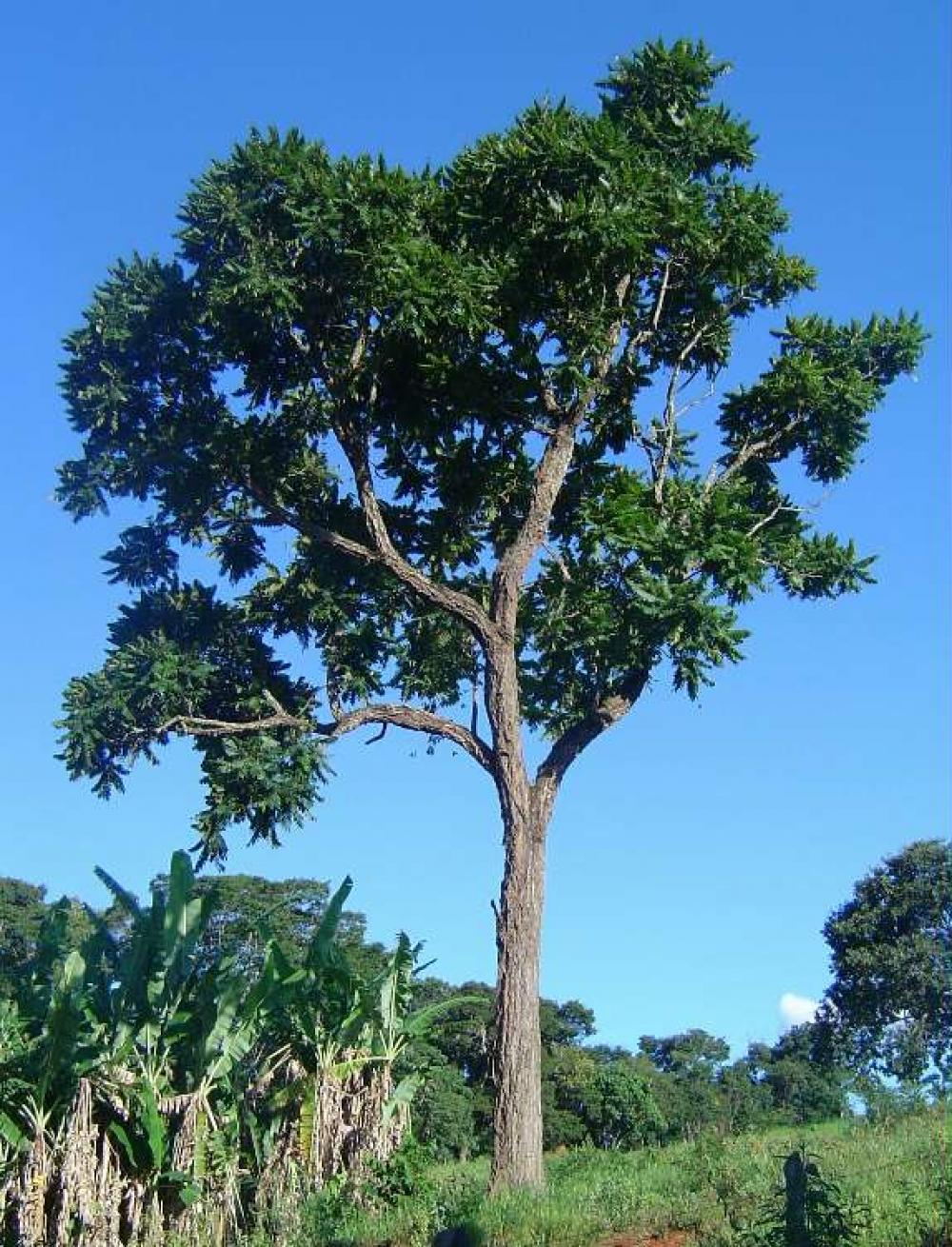
Pink cedar
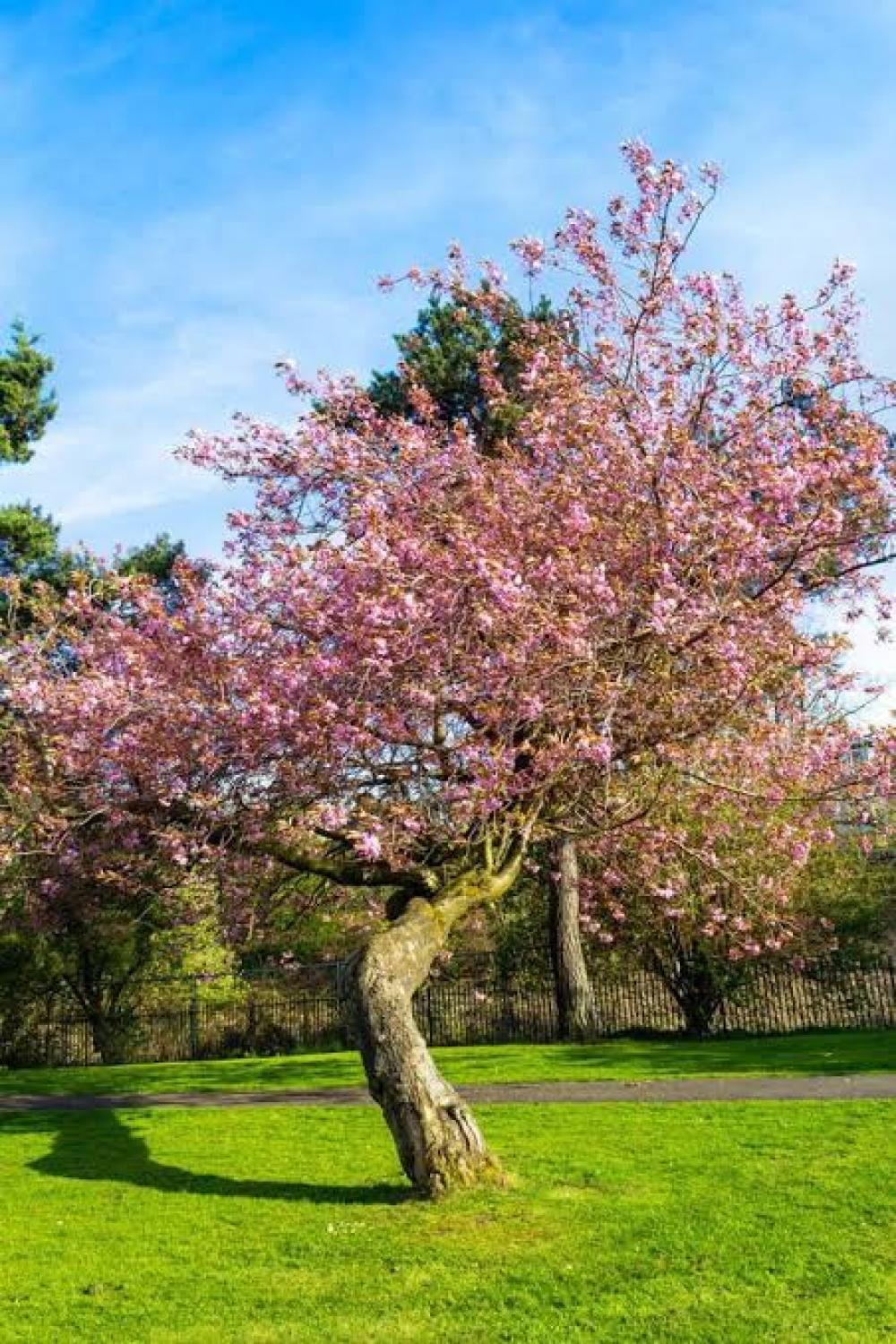
ornamental cherry tree
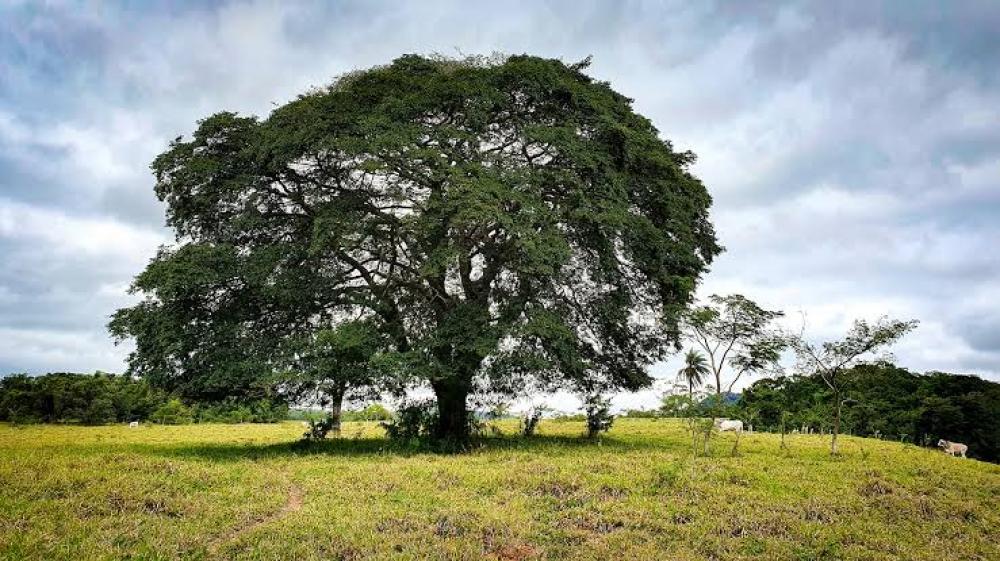
copaiba
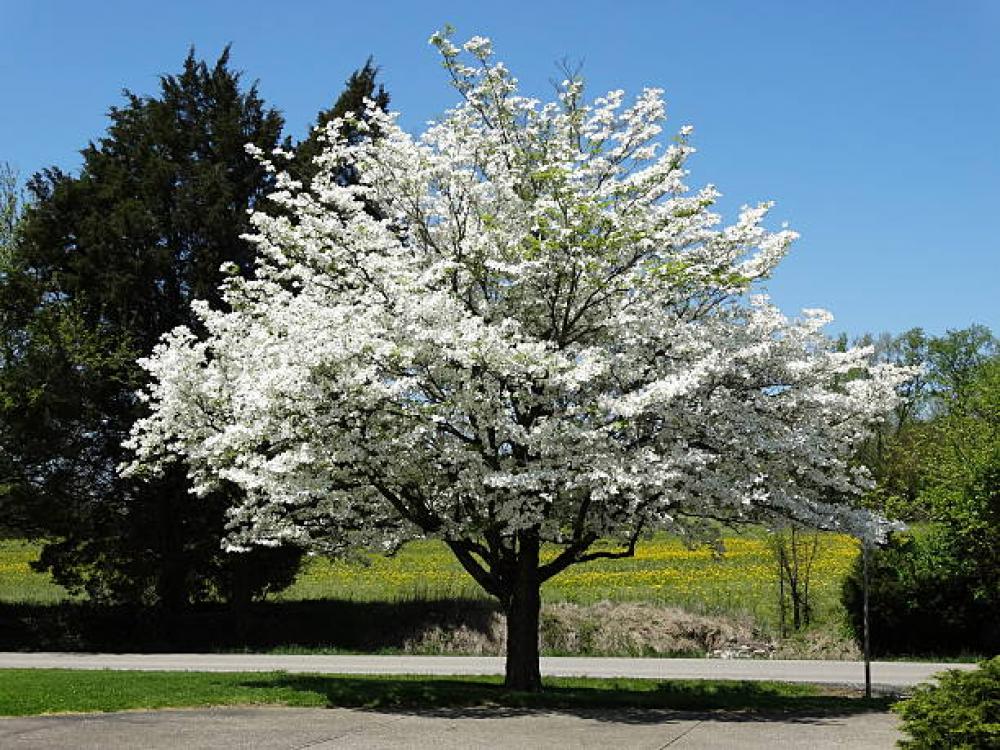
Trees of the genus Cornus
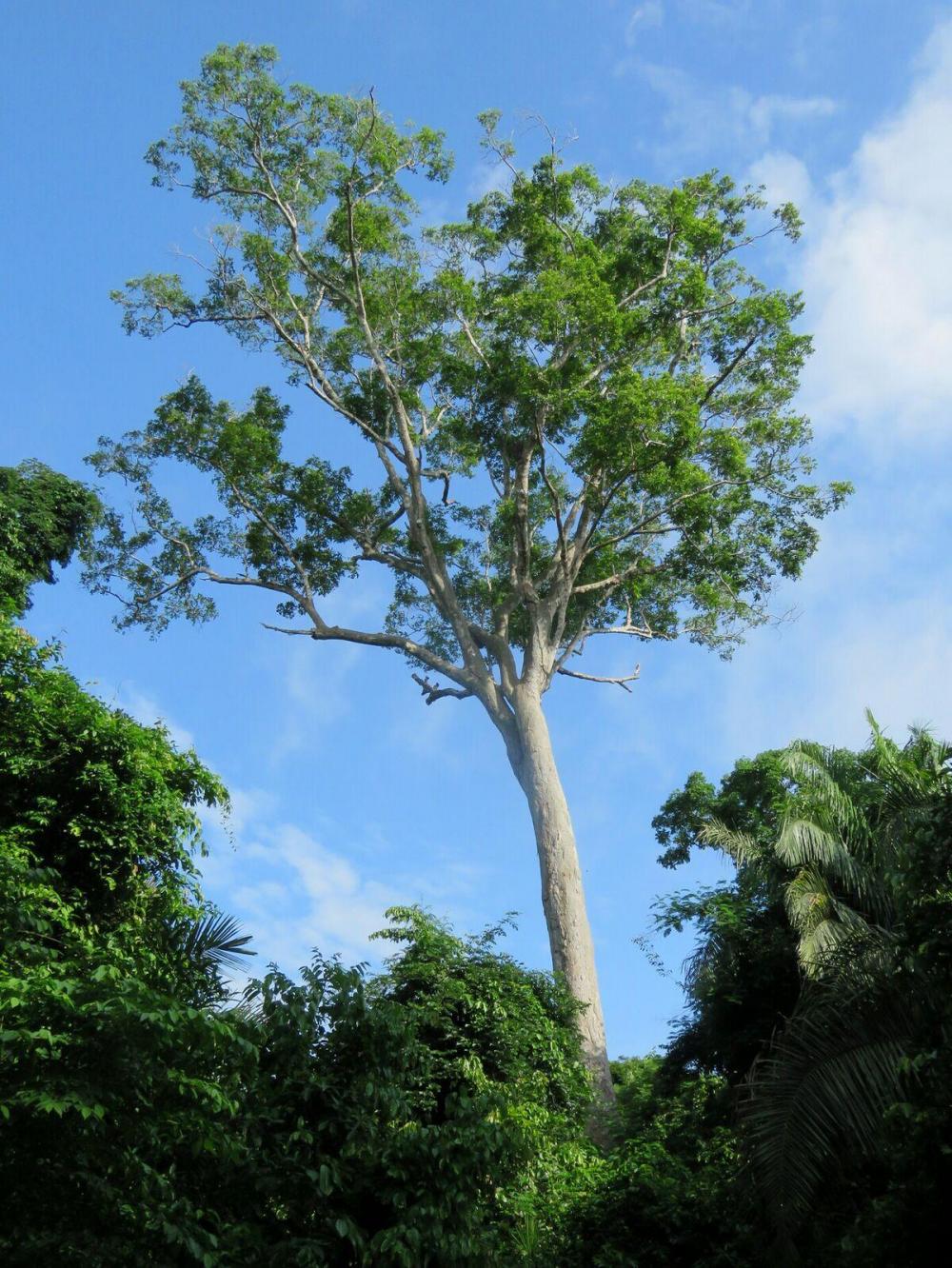
Cumaru
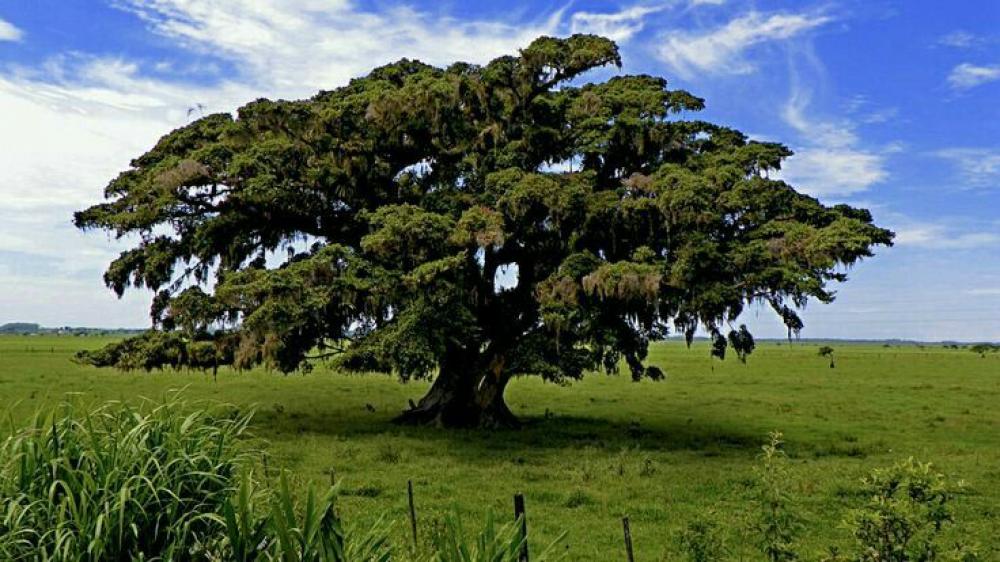
fig tree
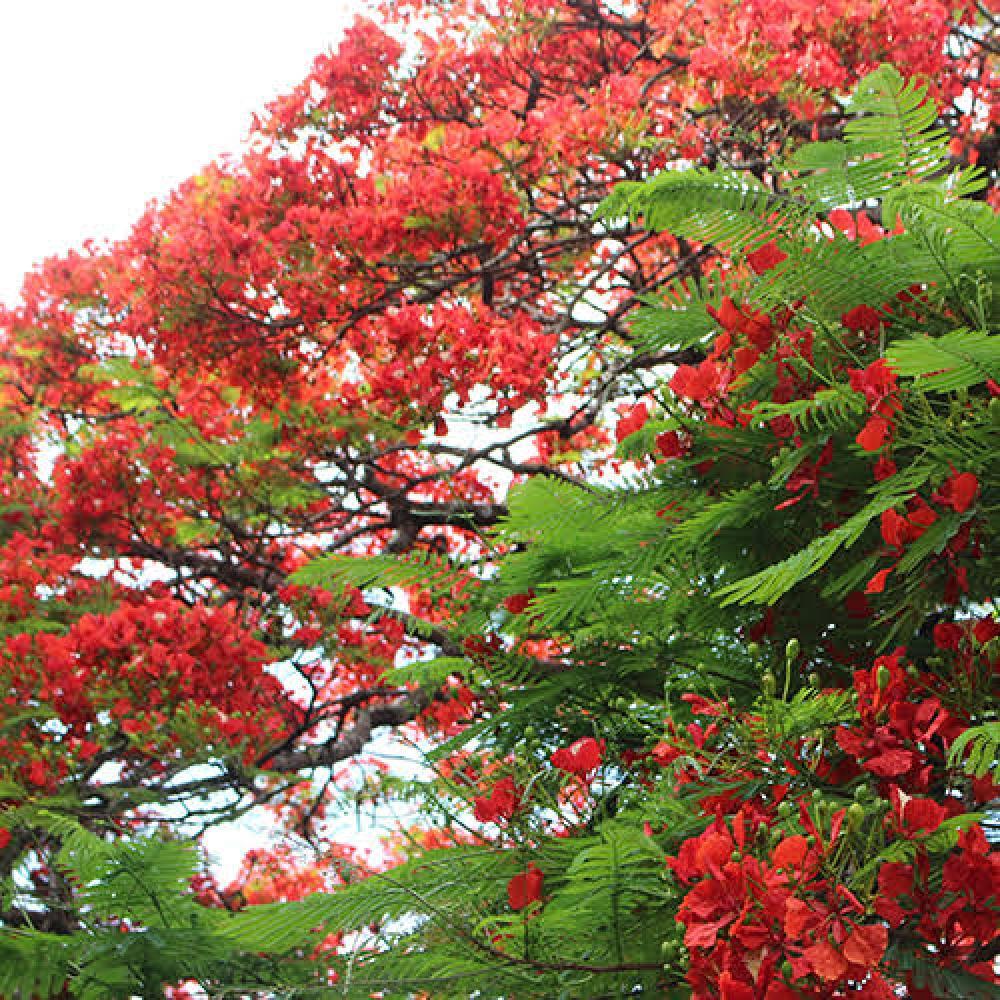
Flamboyant
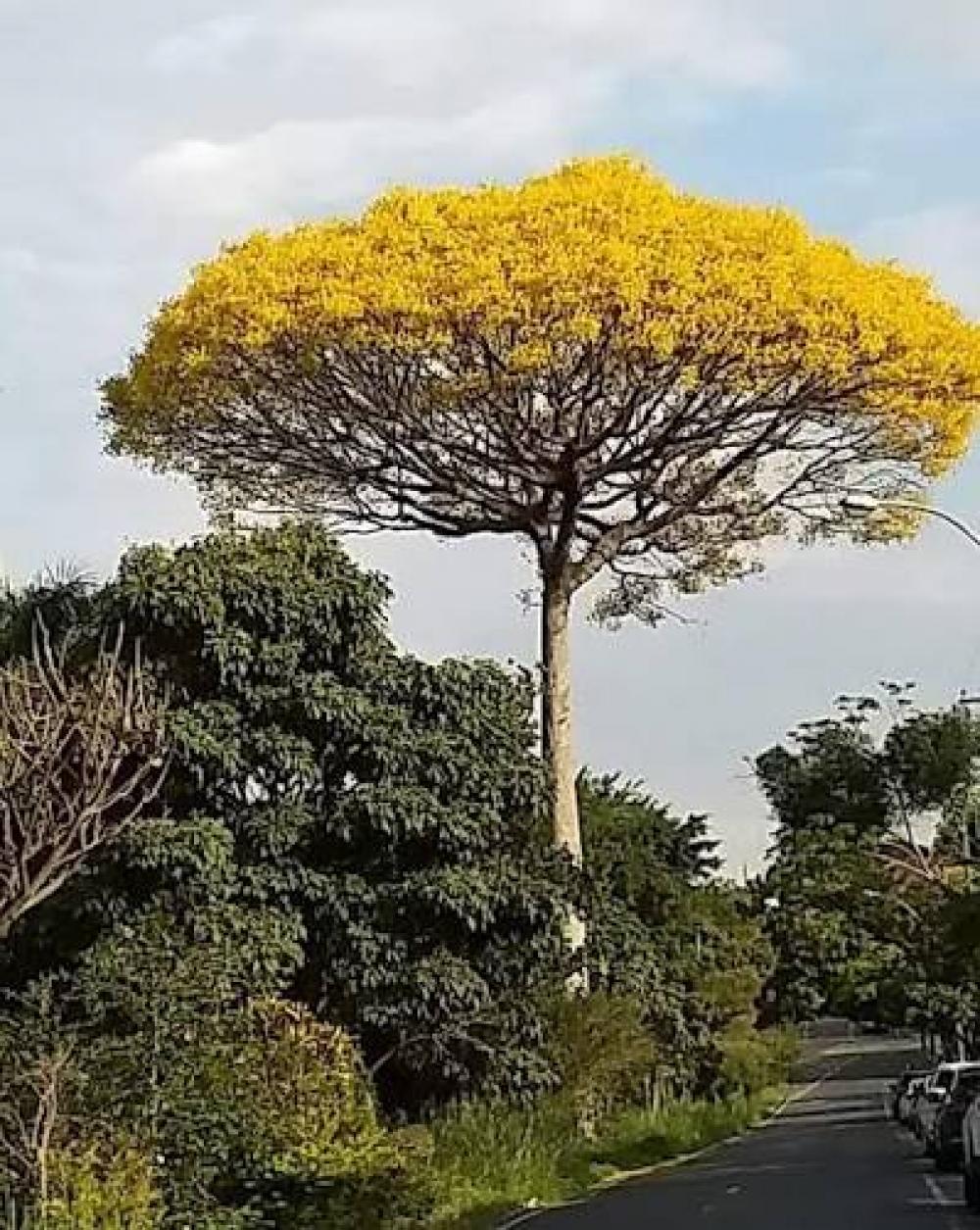
Guapuruvu
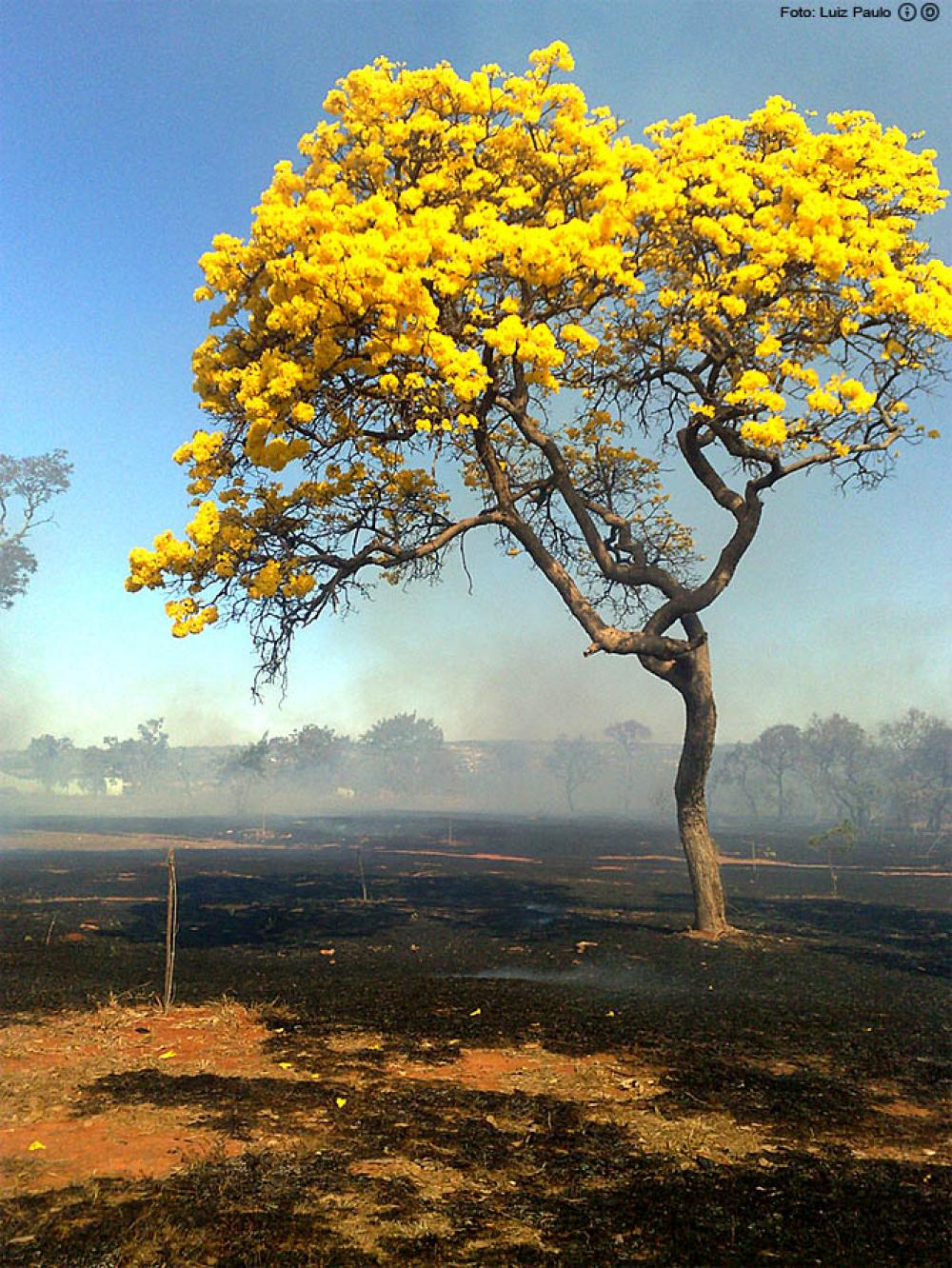
Yellow Ipê
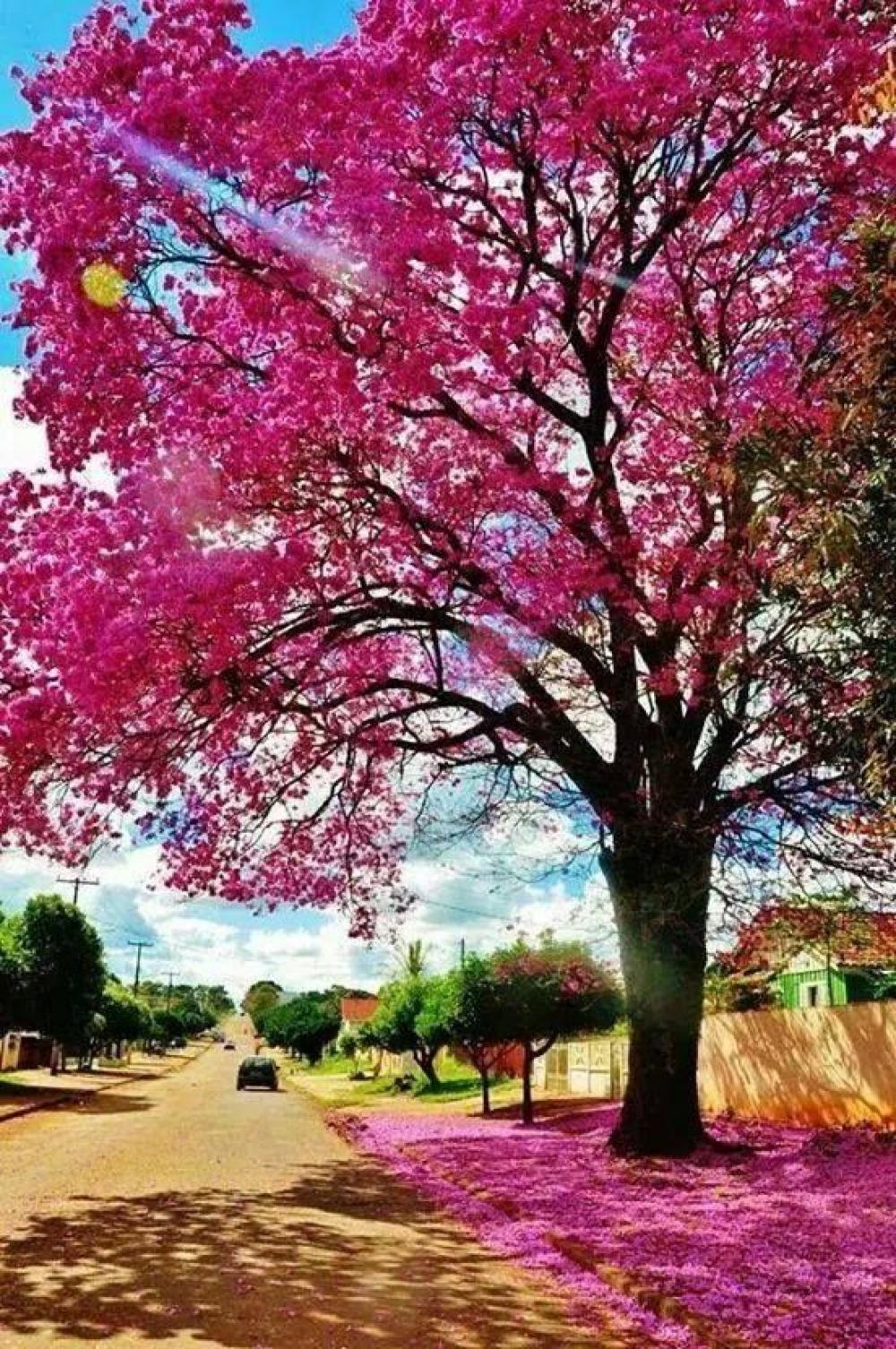
Purple Ipe
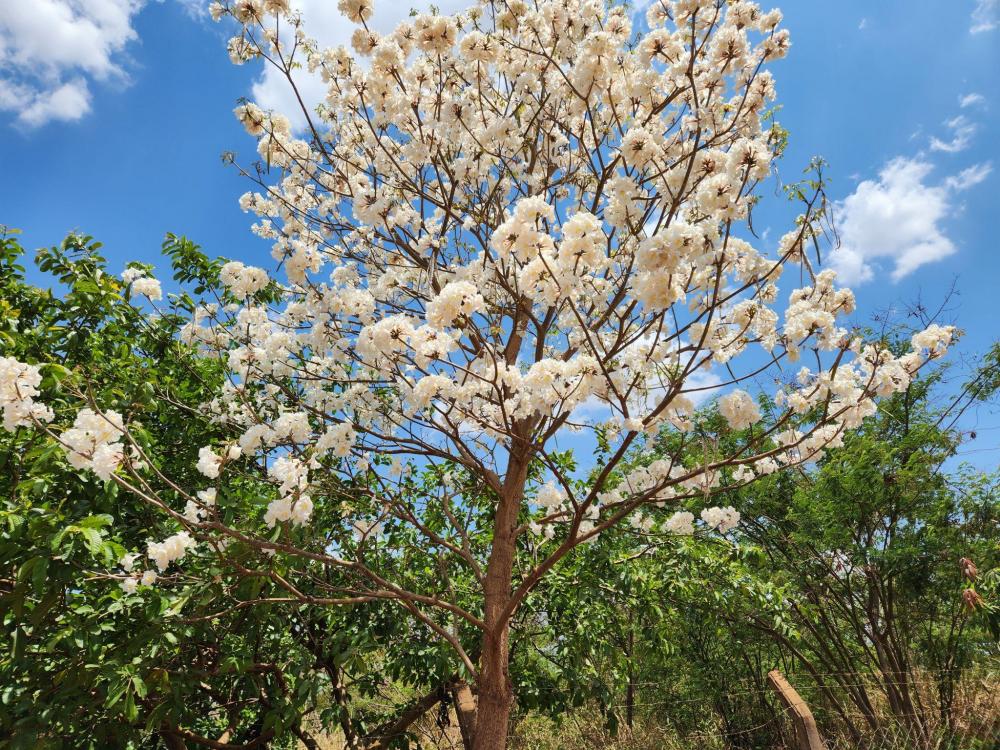
White Ipê
Jabuticaba
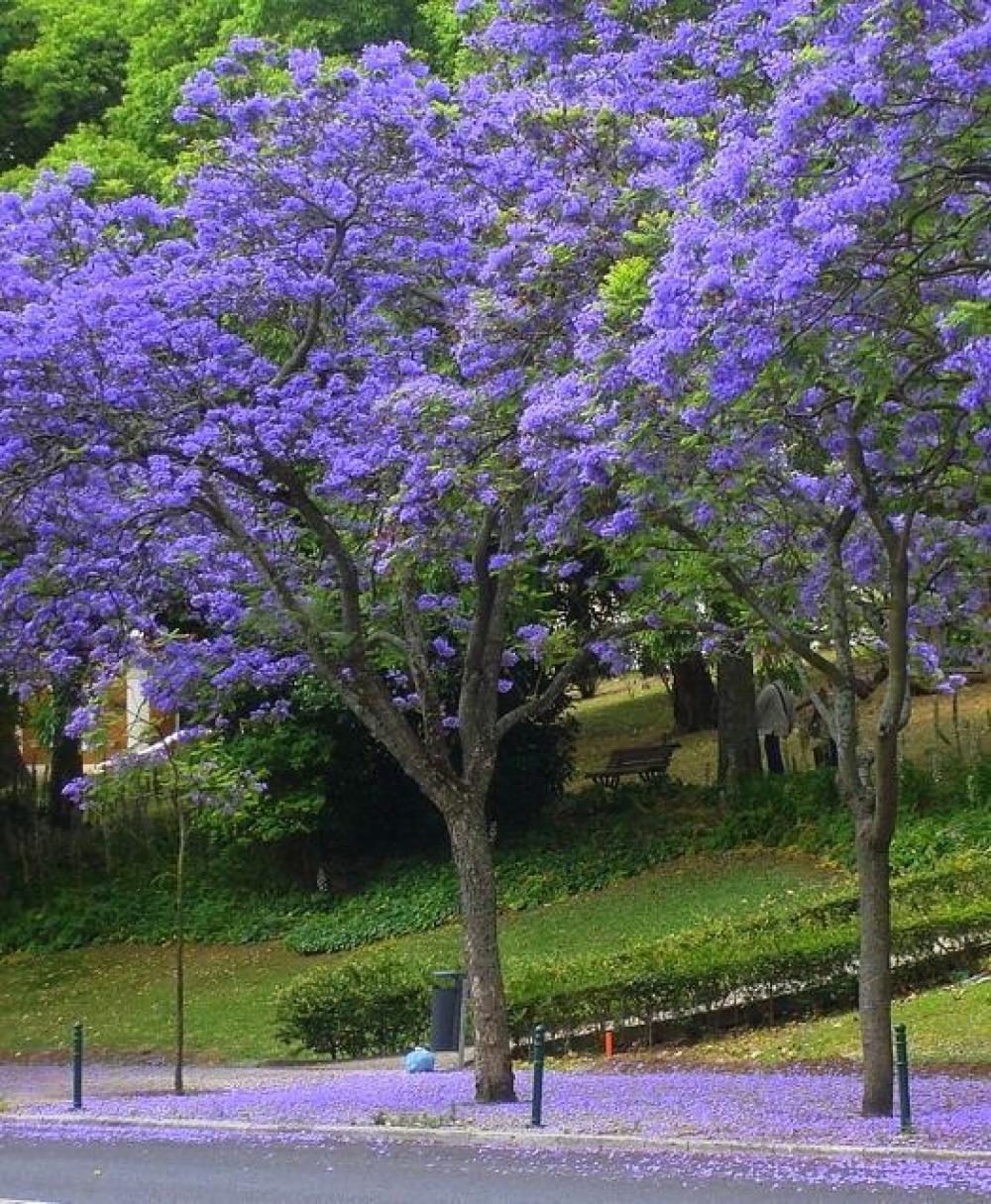
Blue jacaranda
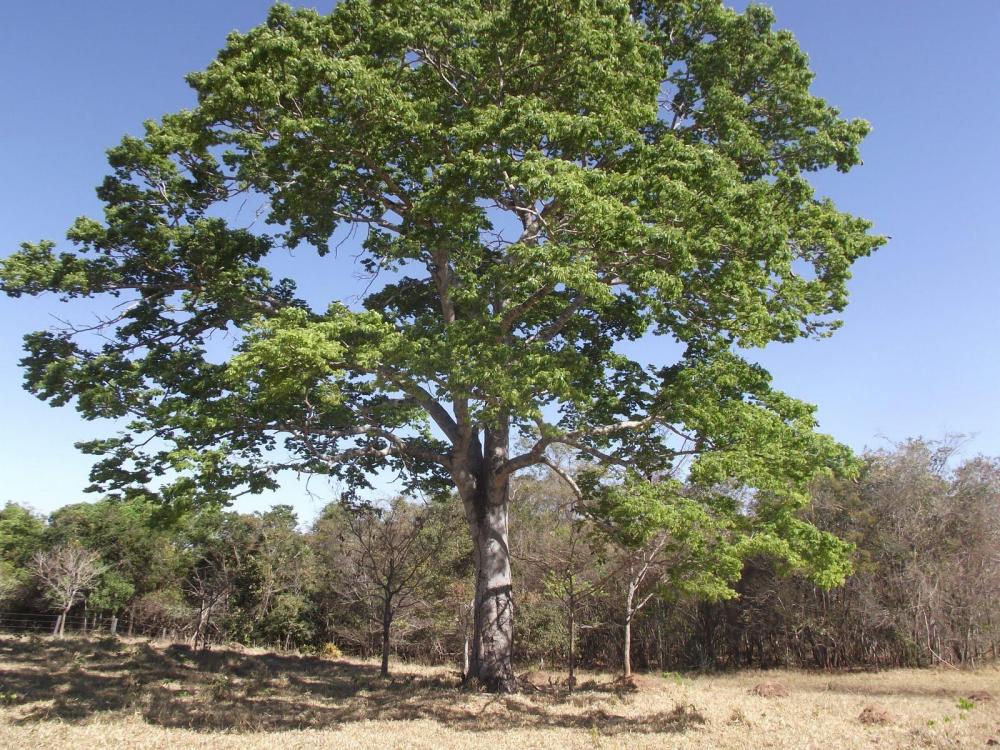
Jatoba
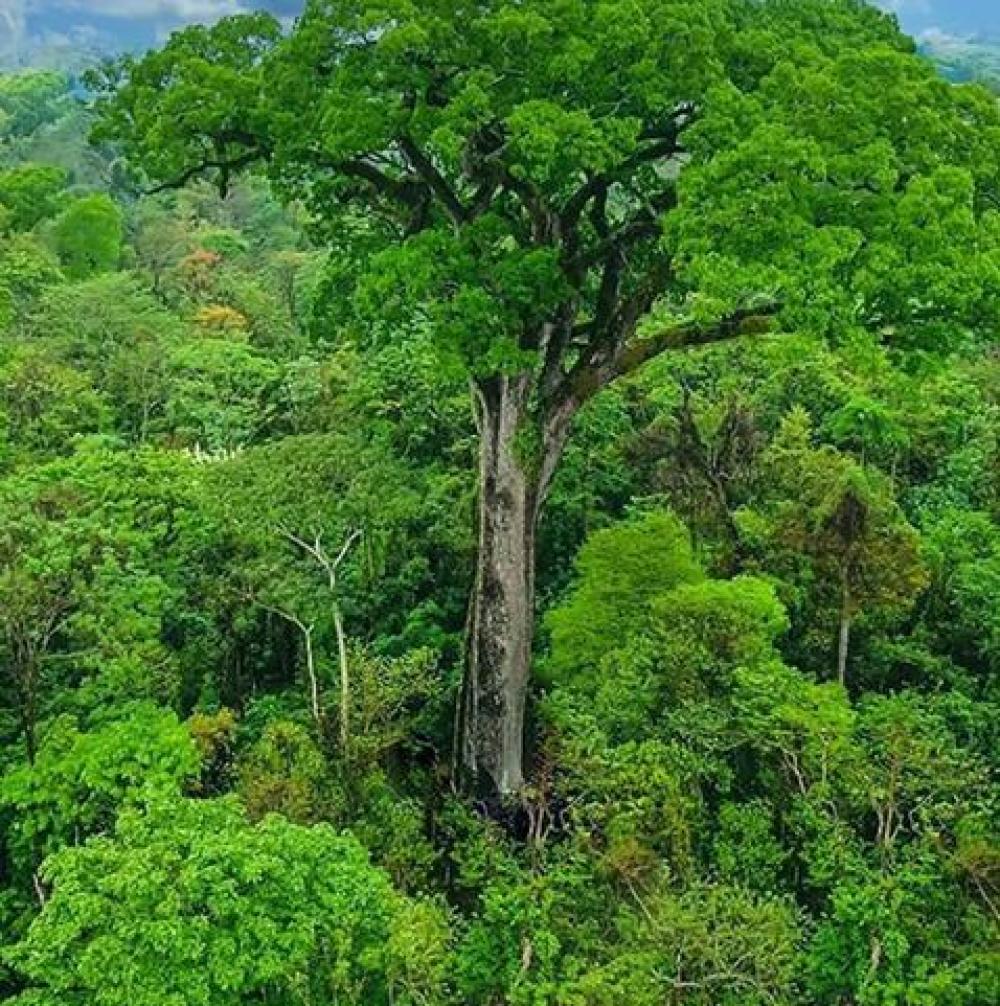
Pink Jequitibá (Cariniana legalis)
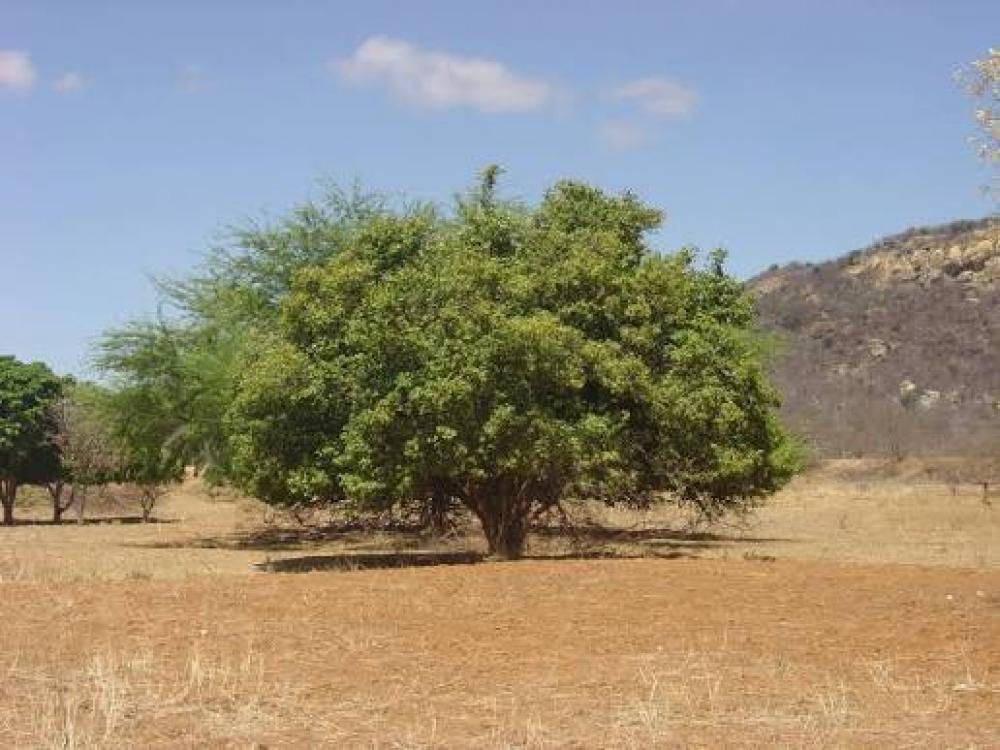
Juazeiro
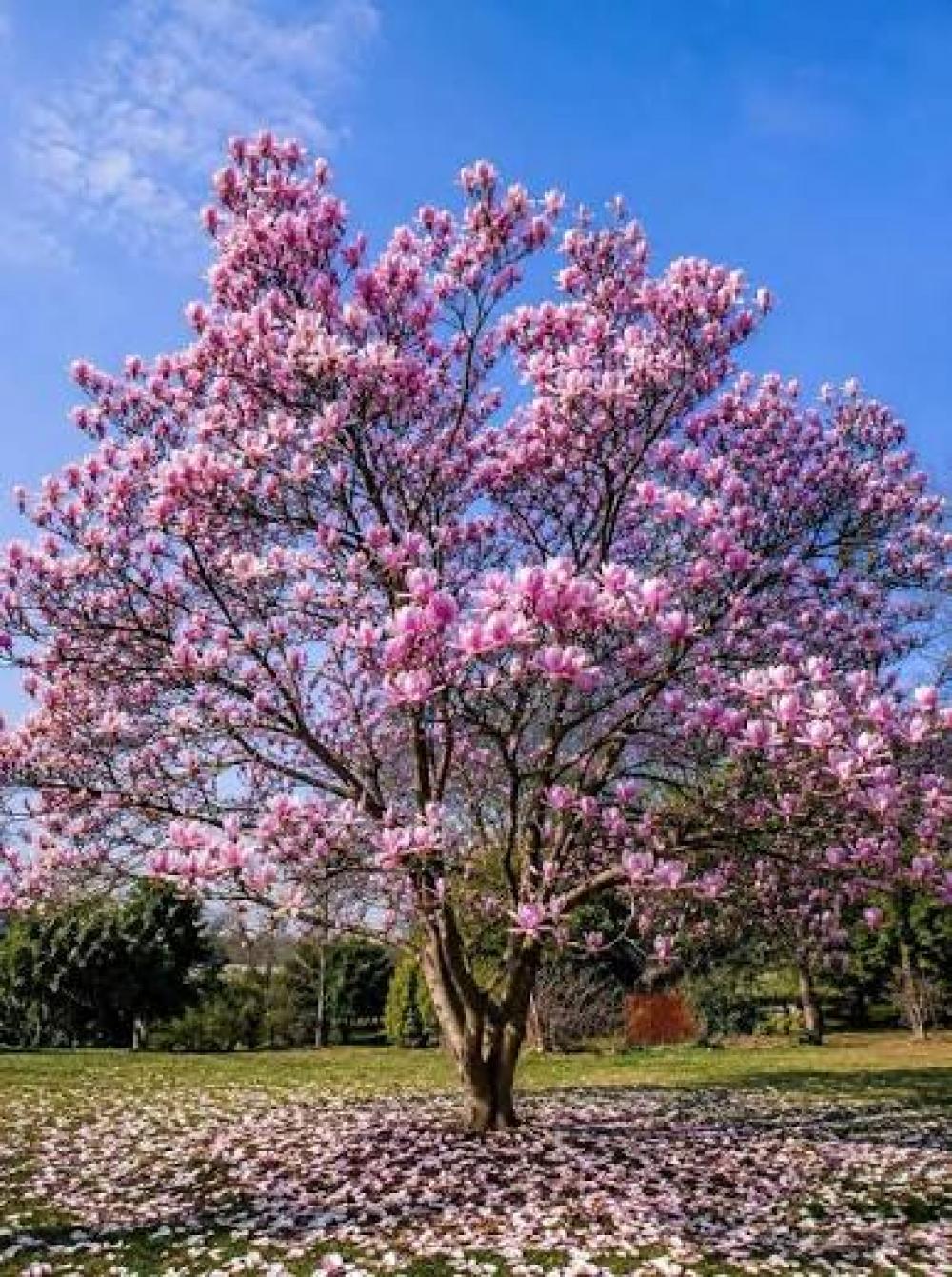
Magnolia
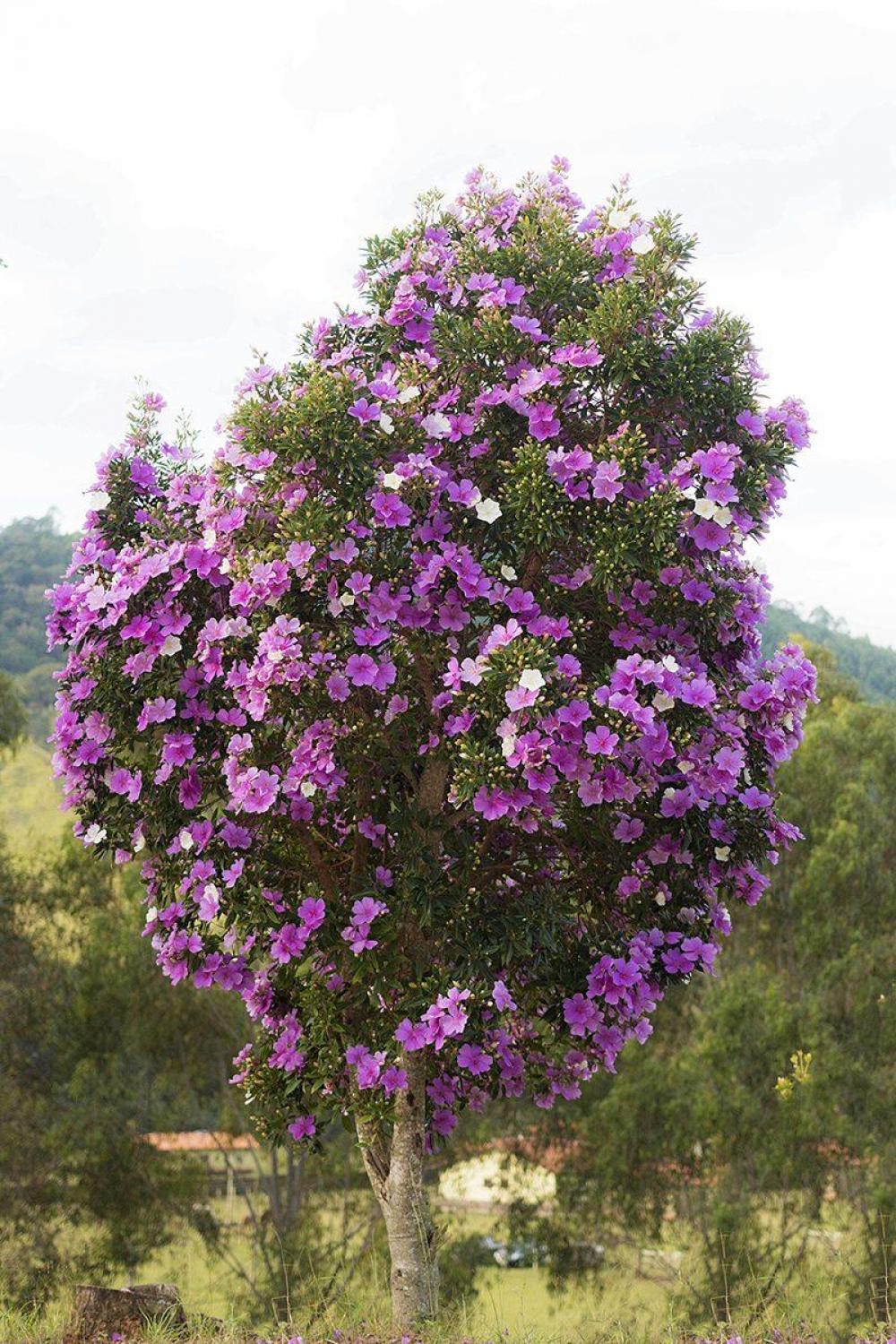
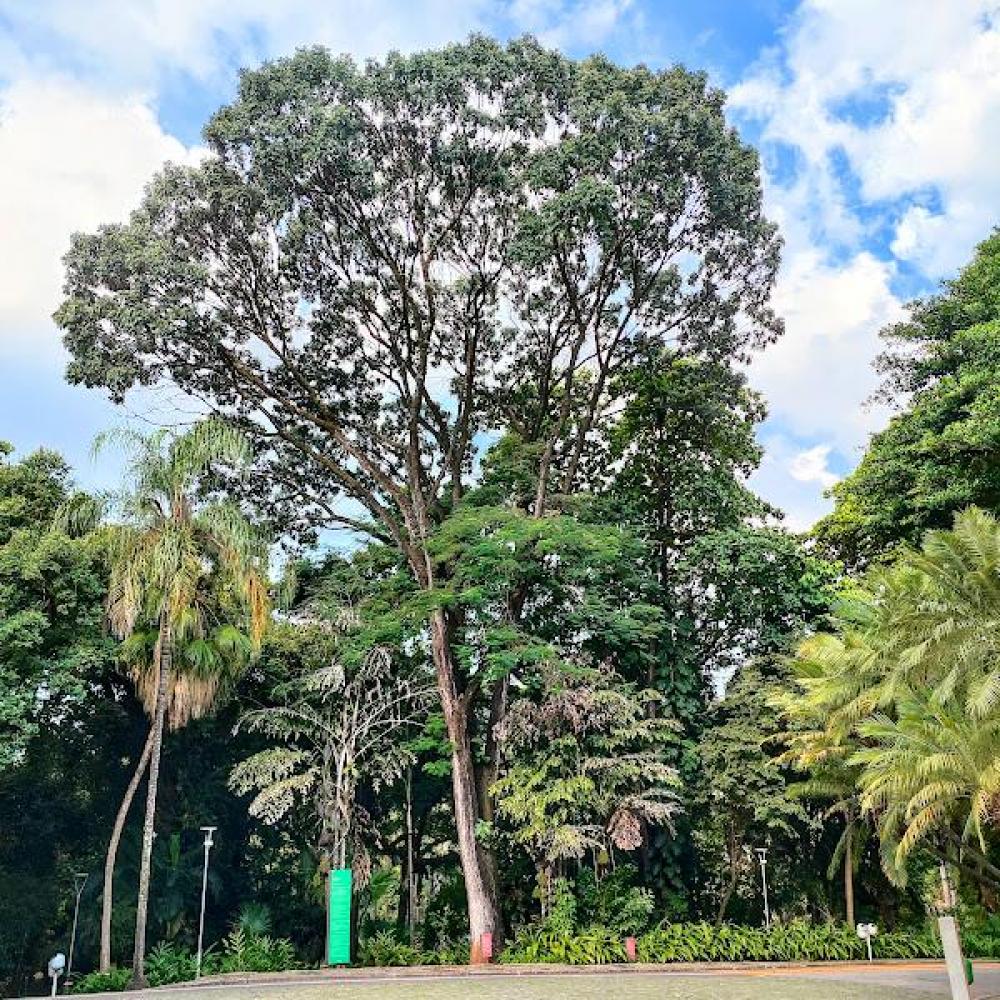
Brazilian Mahogany
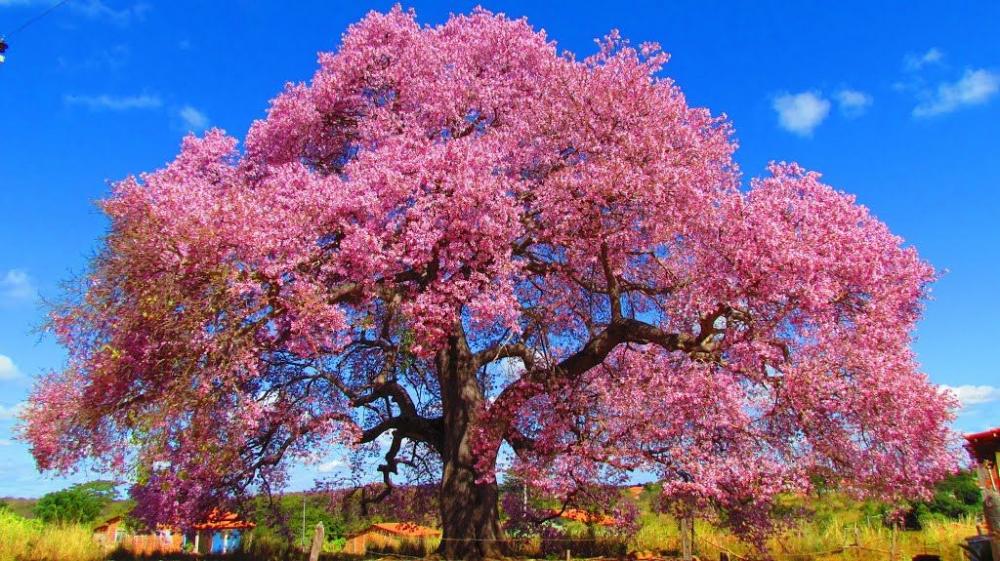
pink silk floss tree
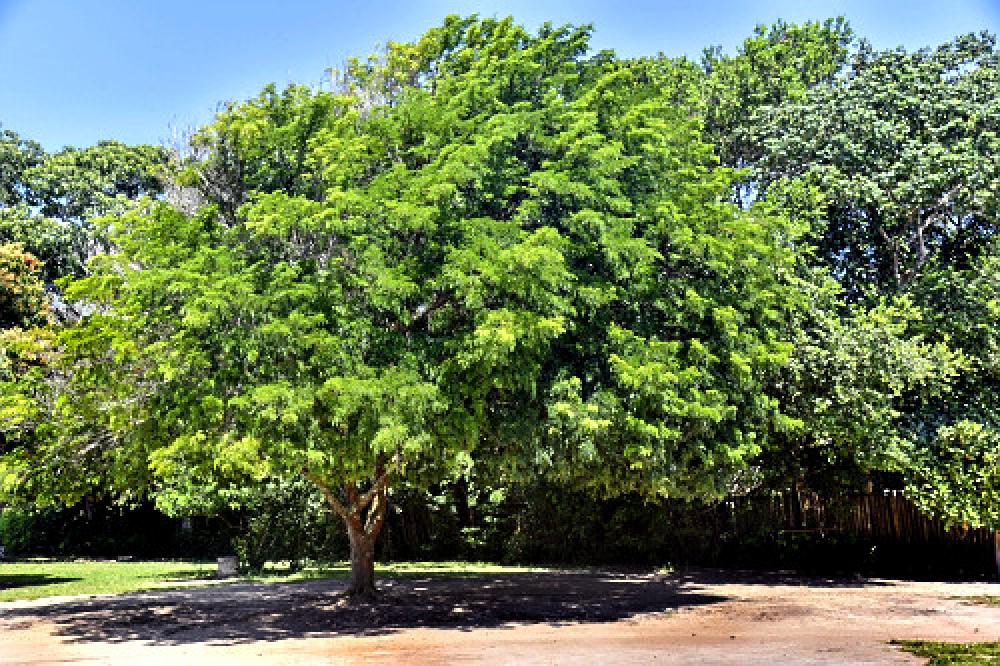
Brazilwood
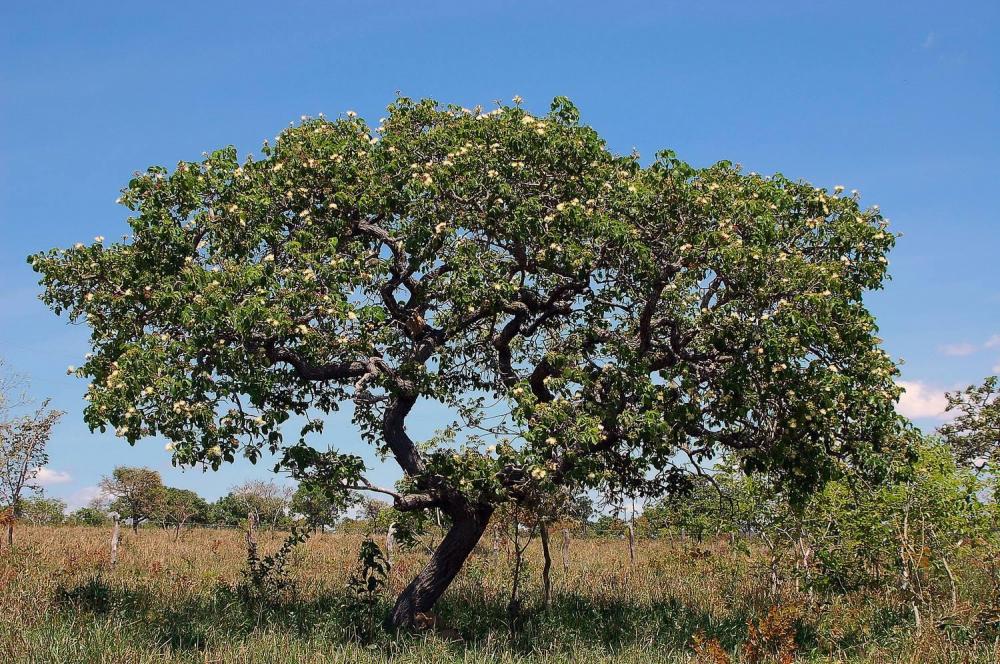
Pequi
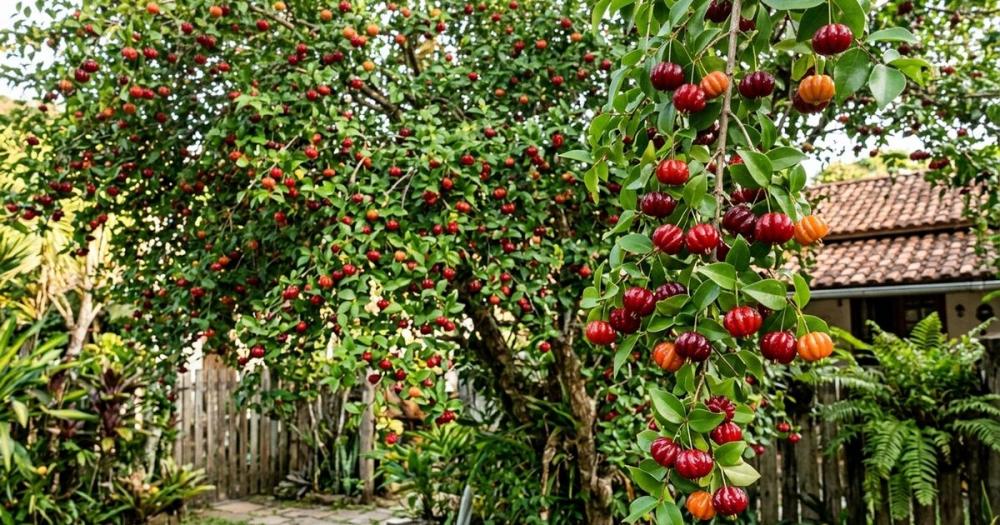
Surinam cherry
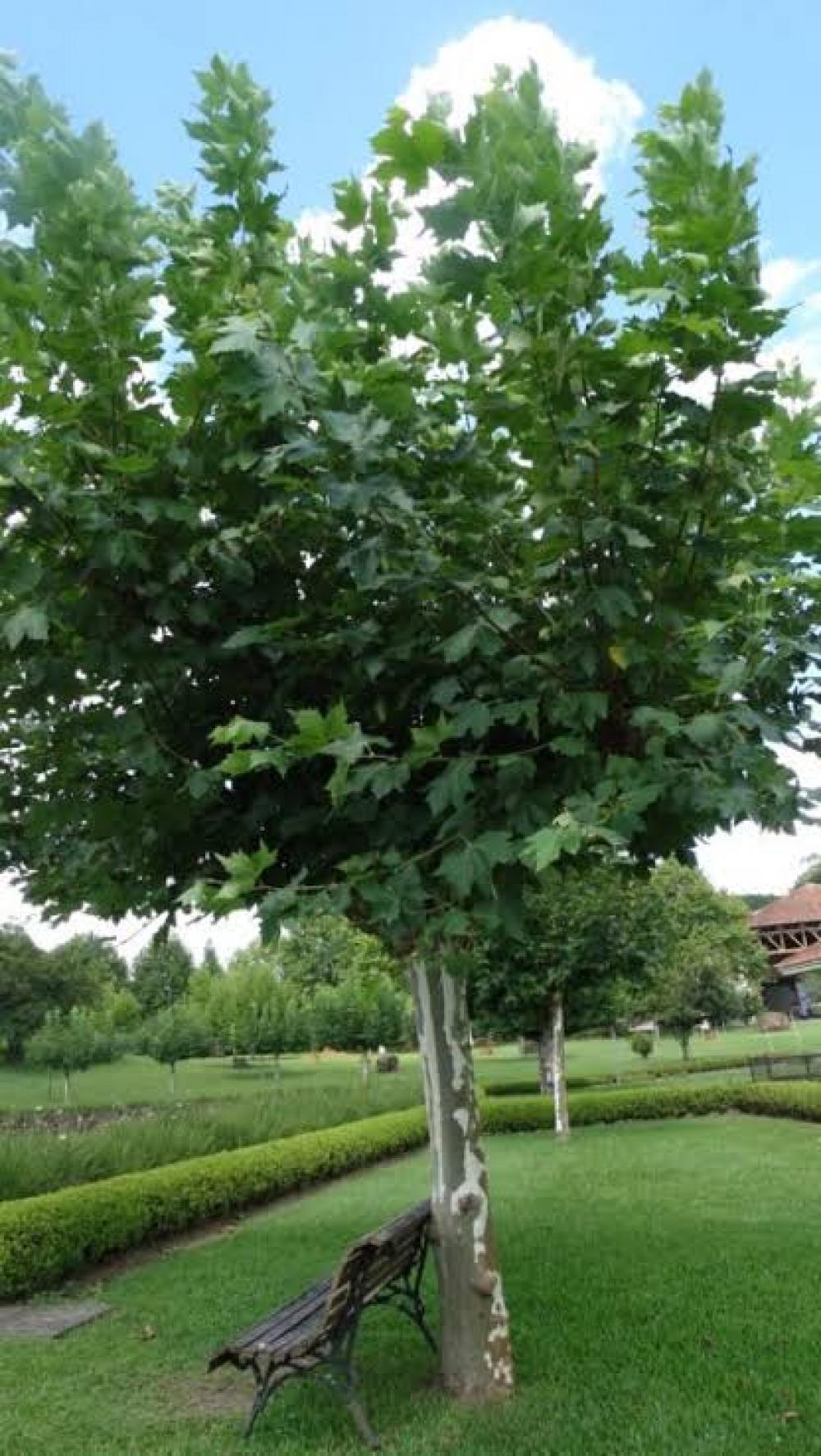
Plane tree
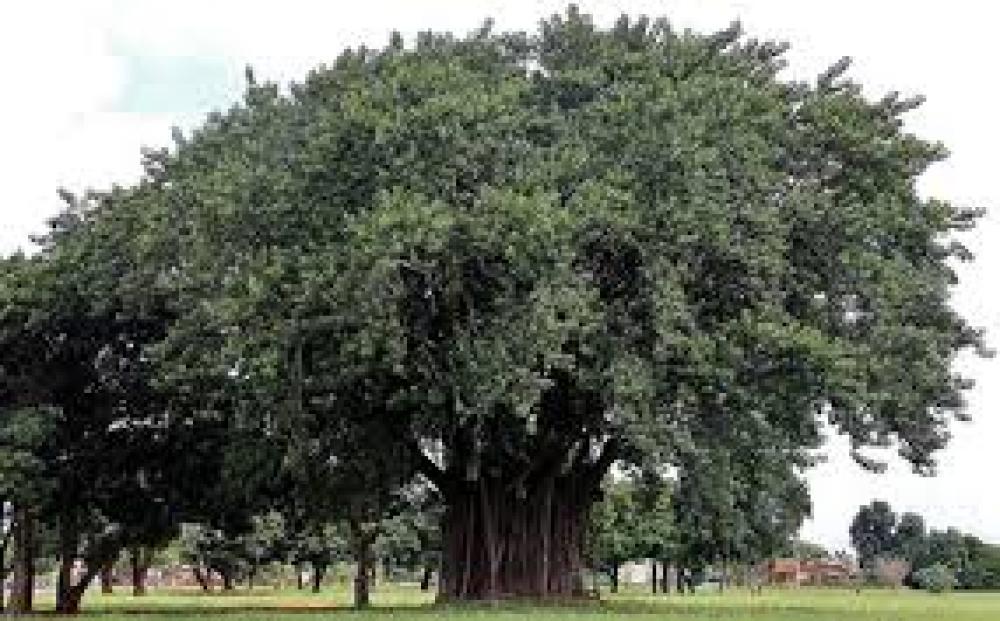
Rubber tree
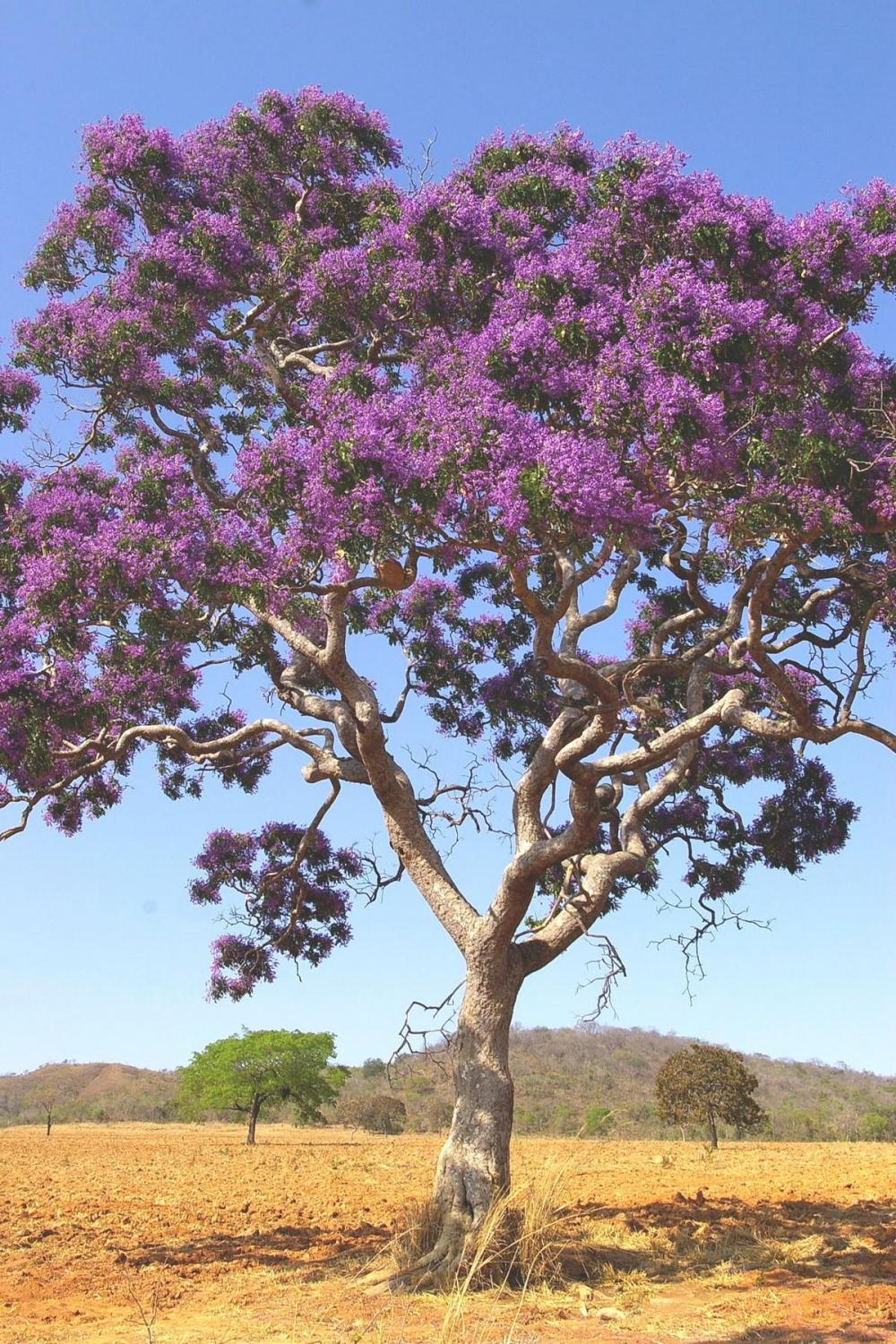
Sucupira
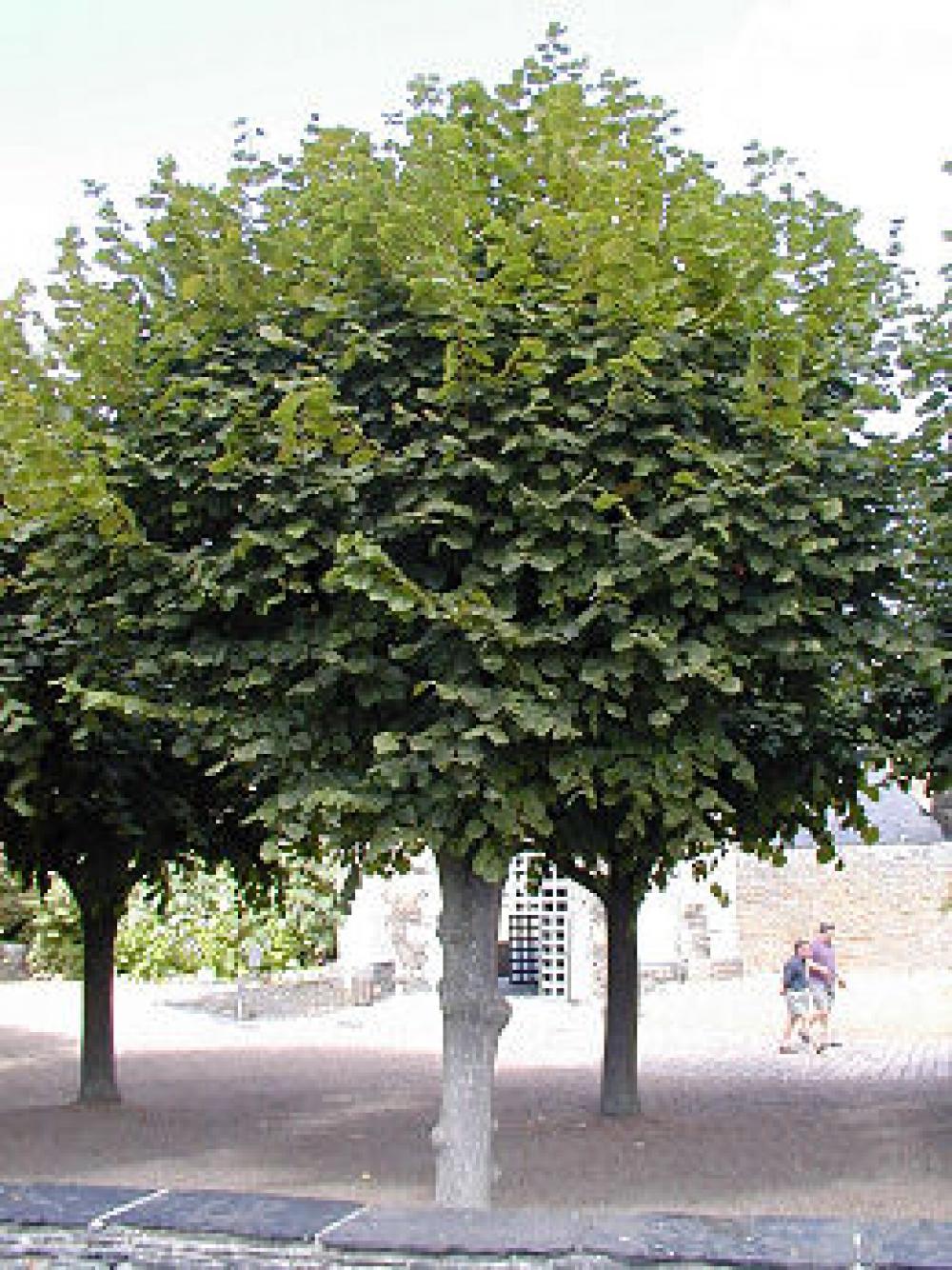
Linden