

Brazilian peppertree
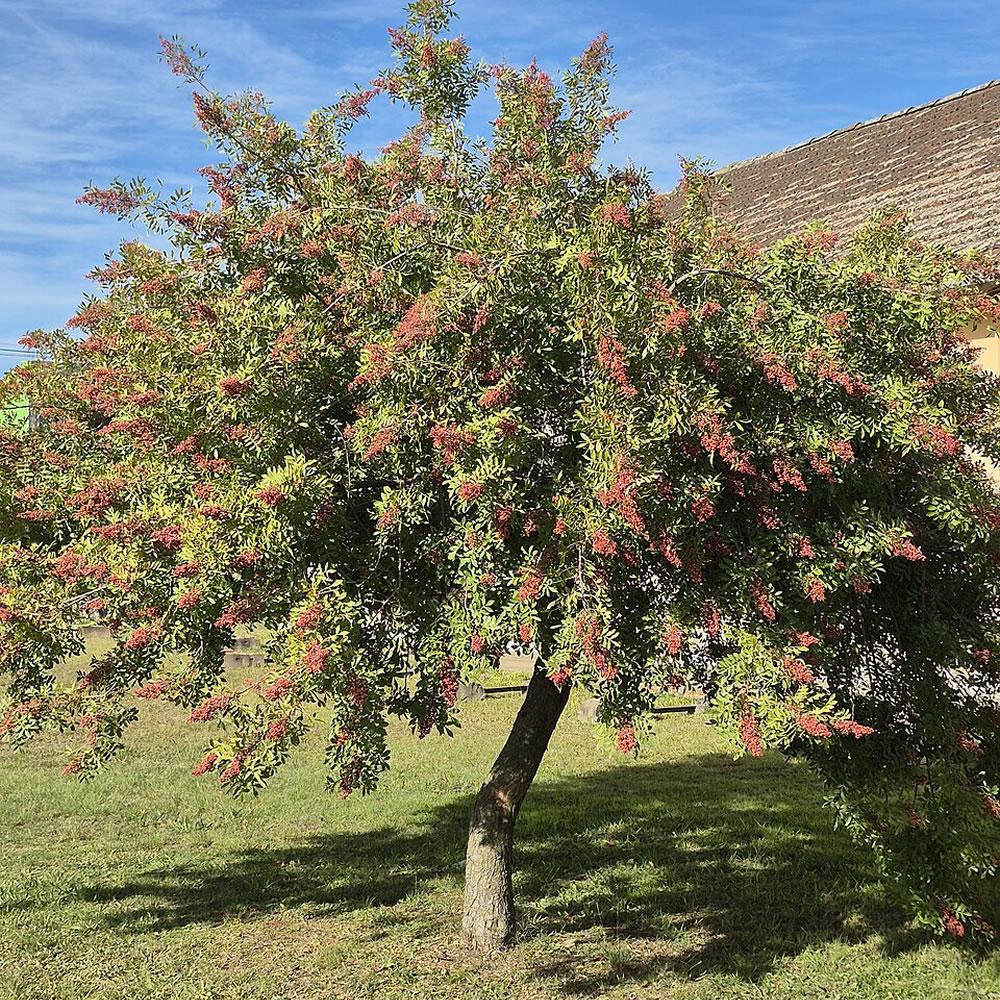
The false Brazilian pepper (*Schinus terebinthifolia* Raddi), known in Portuguese as *aroeira-vermelha*, belongs to the Anacardiaceae family and is a tree native to Brazil, which is found mainly in regions of the Atlantic Forest and other tropical and subtropical areas of South America. It is also popularly known as *mastic tree*, *pepper tree* and pink pepper. It is a species of great ecological, food, cultural and traditional importance, recognized for its intense red colored fruits.
It is a small to medium-sized tree that can reach between 5 and 15 meters in height; It has a very branched canopy and leaves with green leaves. Its small flowers are grouped in inflorescences and attract various insects, contributing to pollination. After the flowering, the fruits develop, small and round, which acquire a characteristic pinkish red color as they mature, forming beautiful clusters that stand out in the landscape.
The fruits of this species are known as pink pepper and have a characteristic aroma and flavor. They are used as a condiment in the kitchen, mainly to flavor meats, fish, salads, salsas and various gastronomic preparations. Its food use demonstrates the potential of native Brazilian species and also regains economic importance, especially when associated with sustainable cultivation and management.
From an ecological point of view, the false Brazilian pepper plays an important role in natural environments. Its fruits are consumed by birds and other animals, contributing to the nutrition of fauna and the dispersion of seeds. The species can also be used in environmental restoration and landscaping projects, thanks to its ability to adapt to different conditions. Your presence contributes to increasing plant diversity and providing resources for fauna.
In traditional medicine, several parts of the plant — especially the leaves, the cortex and the fruits — have been historically used in popular preparations for skin care and the treatment of inflammatory processes. The species presents several bioactive compounds, including phenolic substances and terpenes, which are of scientific interest. Experimental studies investigate antioxidant, antimicrobial and anti-inflammatory activities. However, the results of laboratory studies do not imply proof of clinical efficacy, and medicinal use must be carried out under appropriate guidance.
It is a small to medium-sized tree that can reach between 5 and 15 meters in height; It has a very branched canopy and leaves with green leaves. Its small flowers are grouped in inflorescences and attract various insects, contributing to pollination. After the flowering, the fruits develop, small and round, which acquire a characteristic pinkish red color as they mature, forming beautiful clusters that stand out in the landscape.
The fruits of this species are known as pink pepper and have a characteristic aroma and flavor. They are used as a condiment in the kitchen, mainly to flavor meats, fish, salads, salsas and various gastronomic preparations. Its food use demonstrates the potential of native Brazilian species and also regains economic importance, especially when associated with sustainable cultivation and management.
From an ecological point of view, the false Brazilian pepper plays an important role in natural environments. Its fruits are consumed by birds and other animals, contributing to the nutrition of fauna and the dispersion of seeds. The species can also be used in environmental restoration and landscaping projects, thanks to its ability to adapt to different conditions. Your presence contributes to increasing plant diversity and providing resources for fauna.
In traditional medicine, several parts of the plant — especially the leaves, the cortex and the fruits — have been historically used in popular preparations for skin care and the treatment of inflammatory processes. The species presents several bioactive compounds, including phenolic substances and terpenes, which are of scientific interest. Experimental studies investigate antioxidant, antimicrobial and anti-inflammatory activities. However, the results of laboratory studies do not imply proof of clinical efficacy, and medicinal use must be carried out under appropriate guidance.
Tree Catalog
Imperial acacia
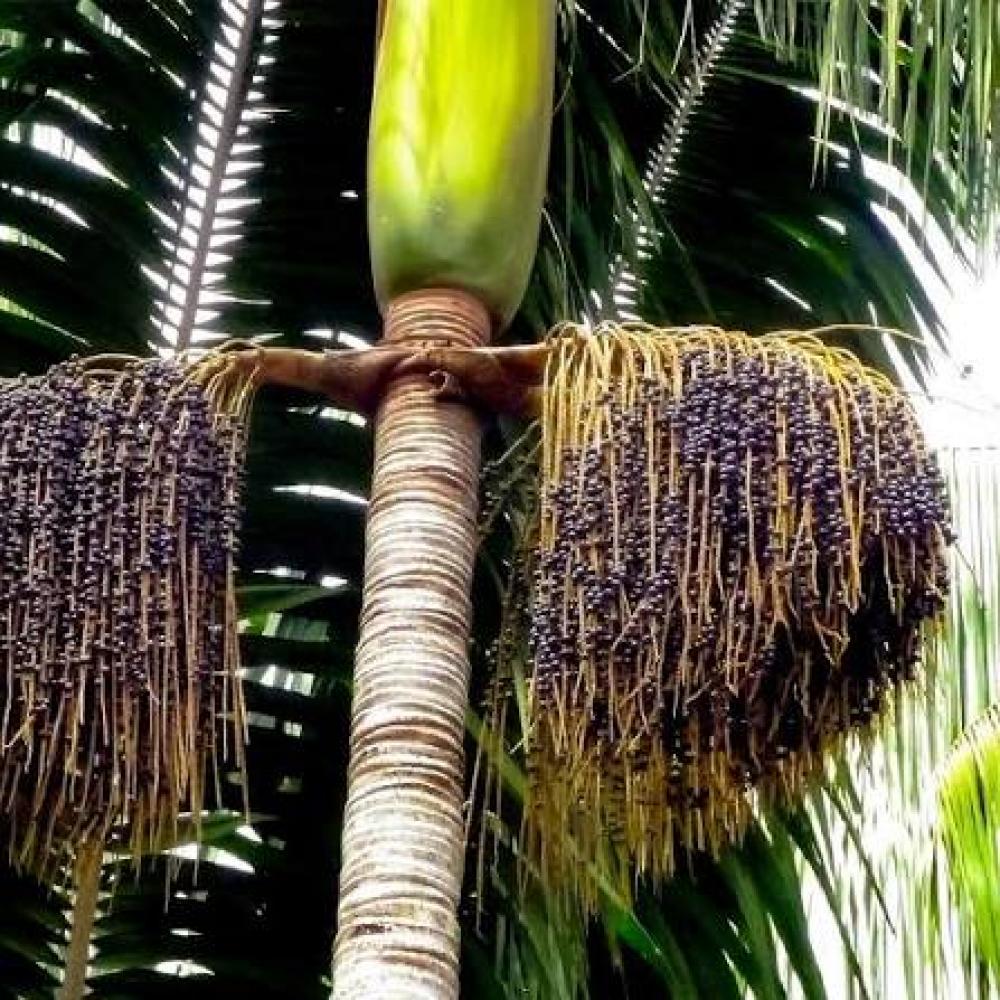
Açaí palm
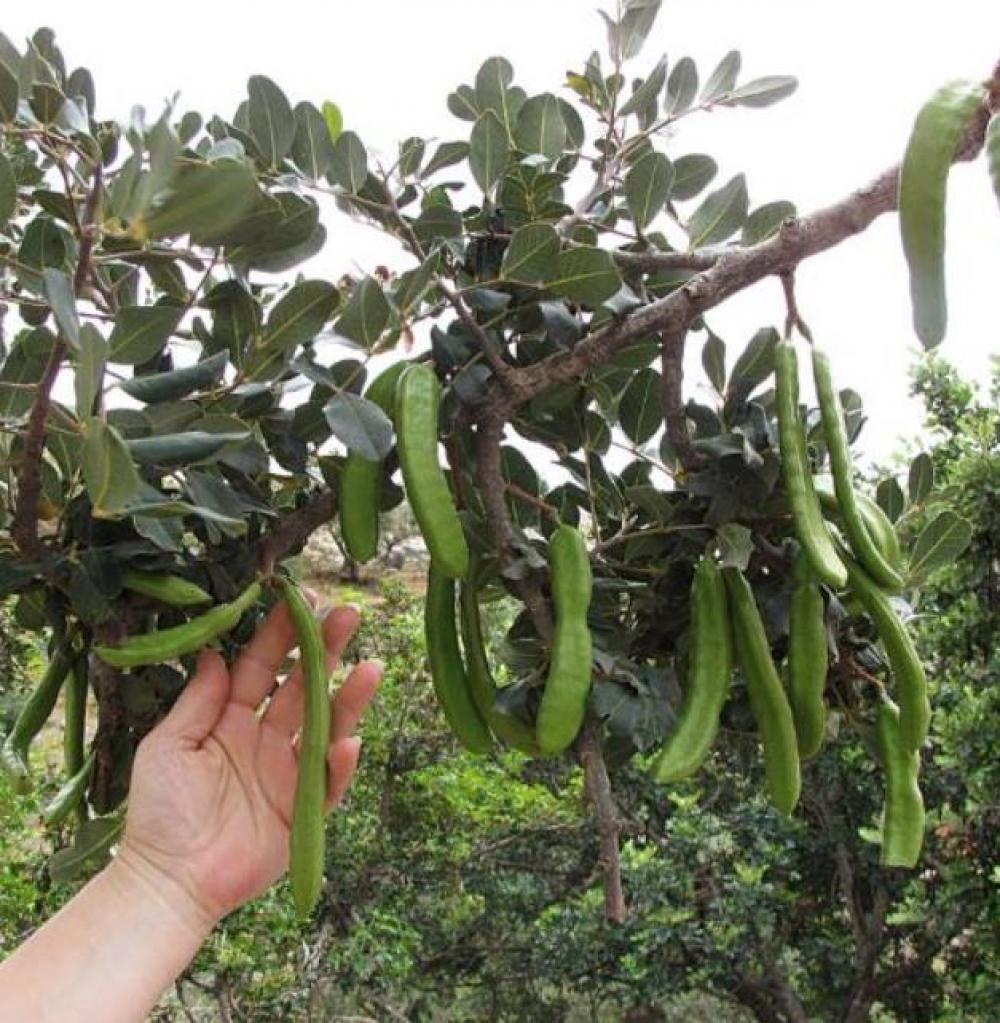
Alfarrobeira
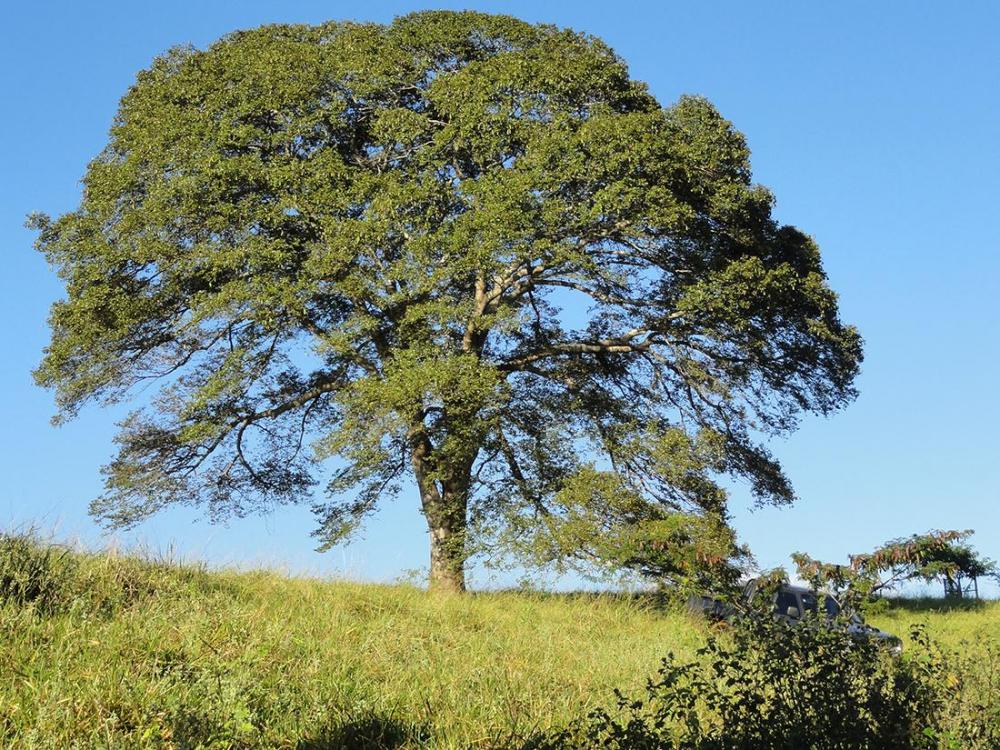
Andiroba

Red Angelim
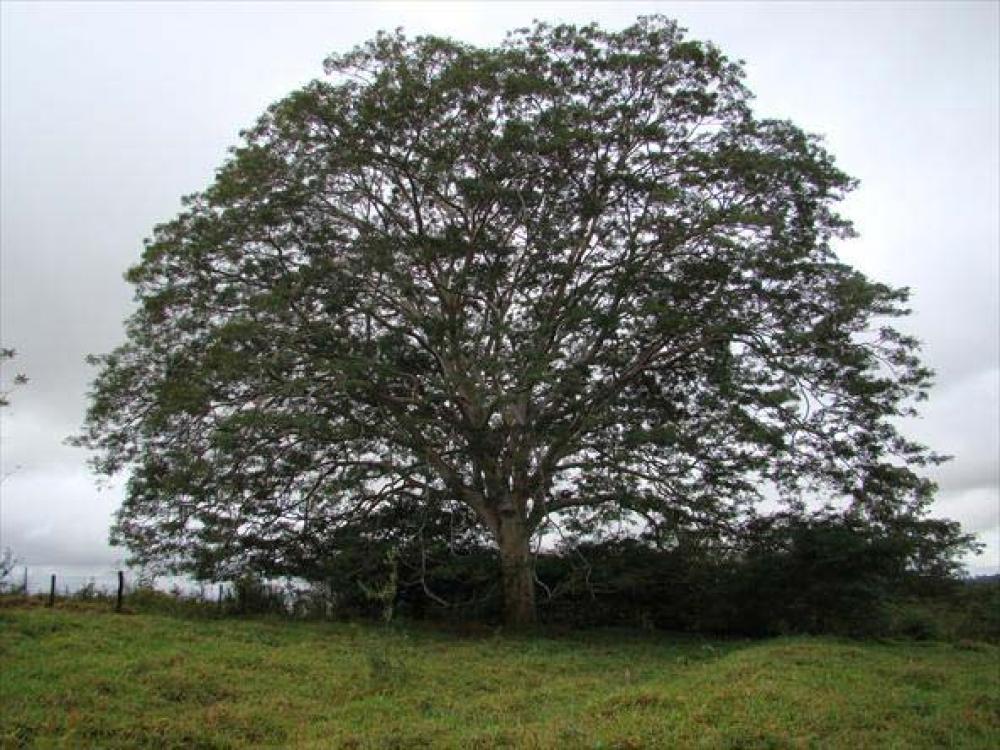
White Angico
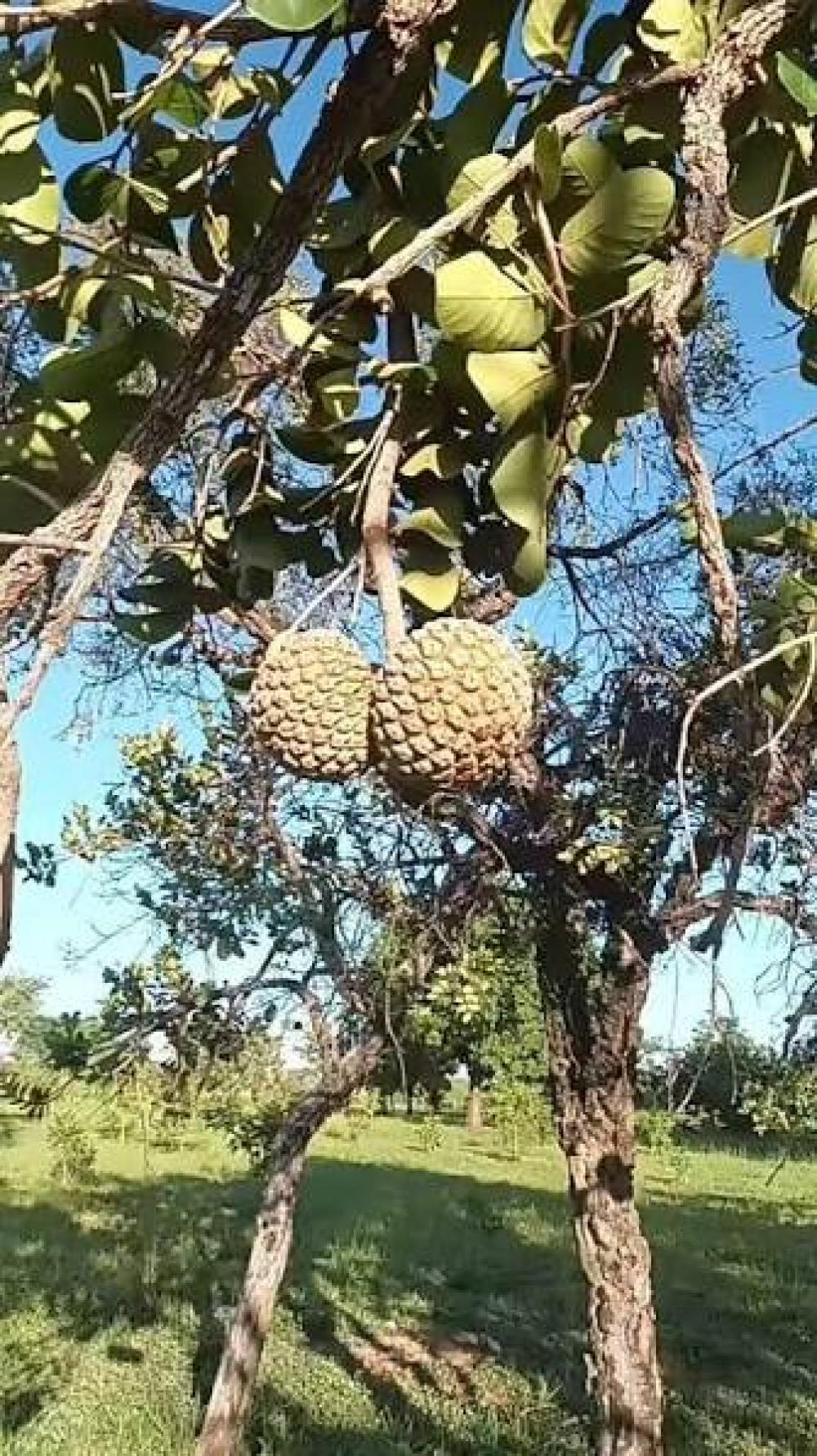
Araticum
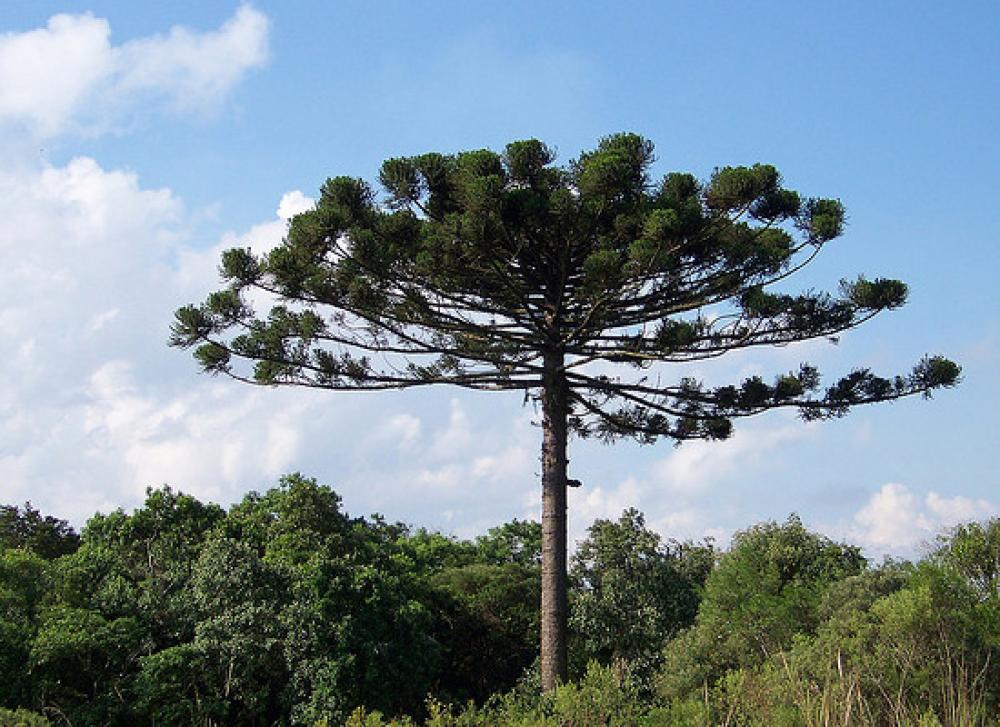
Araucaria, the Paraná pine
Brazilian peppertree
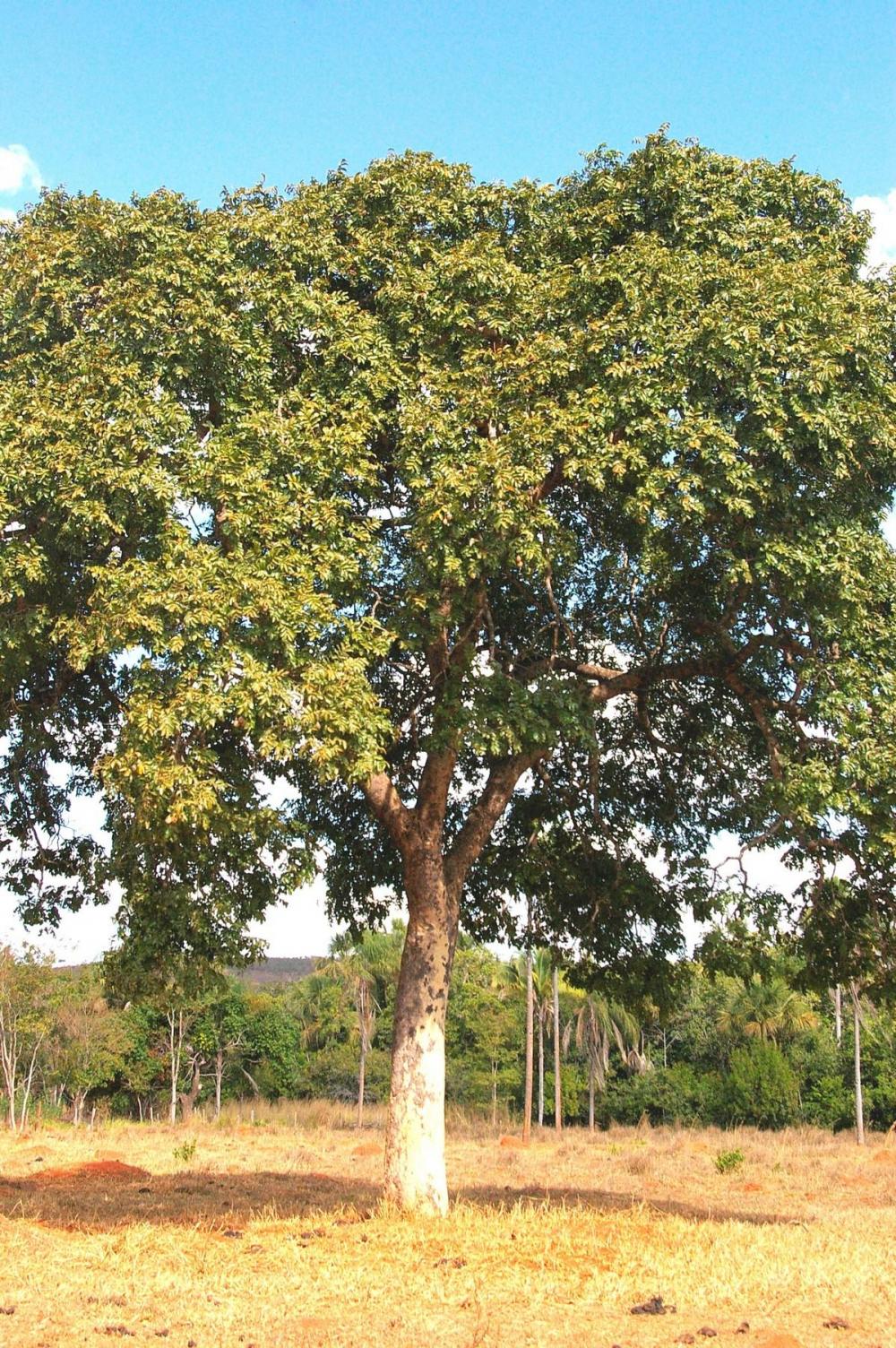
Baru
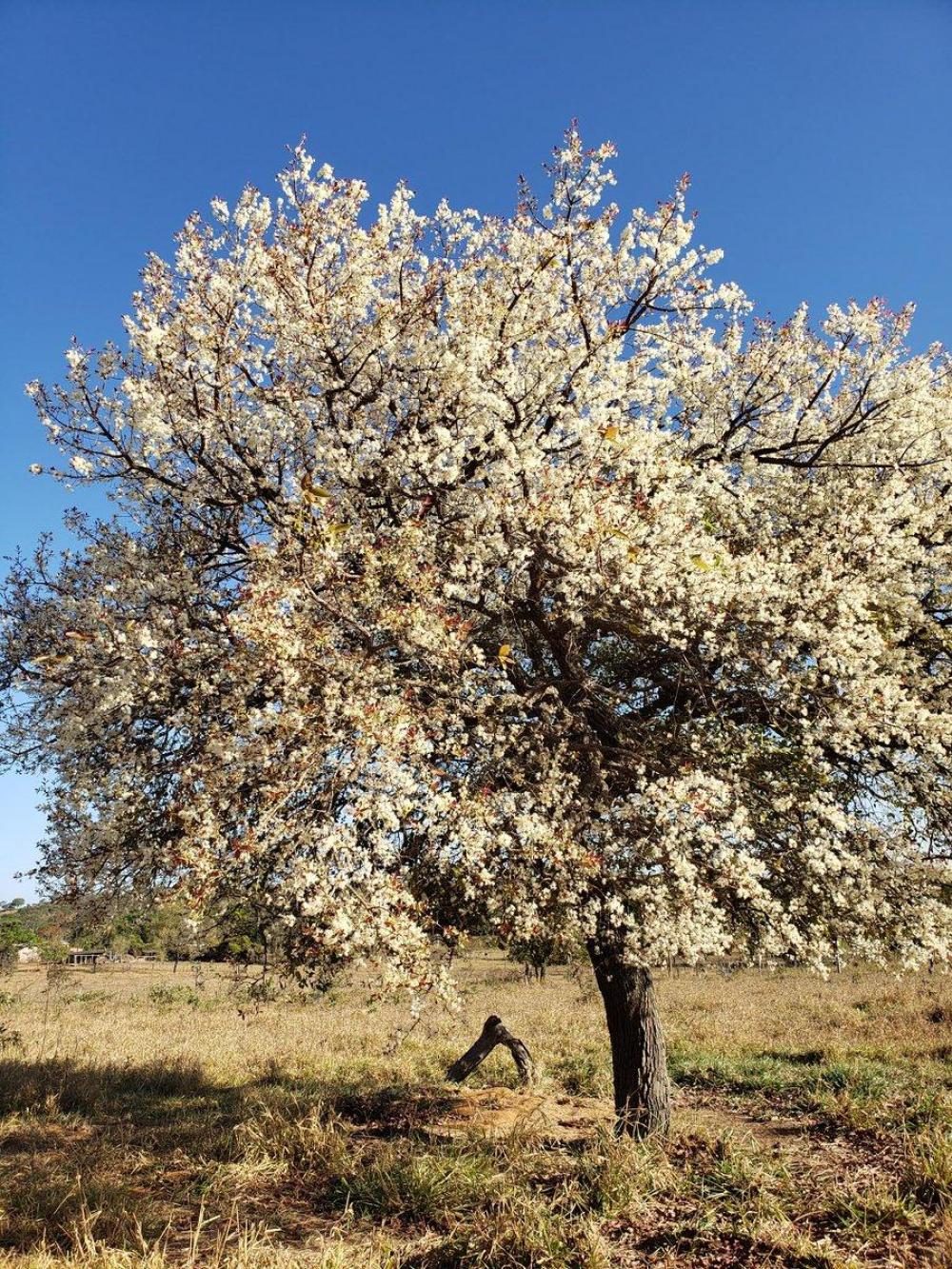
Cagaita
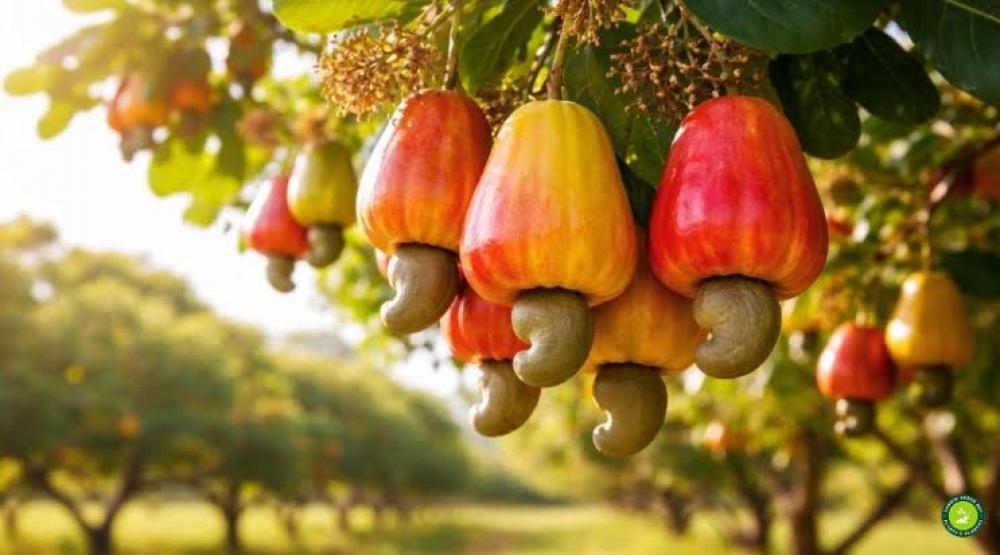
cashew tree
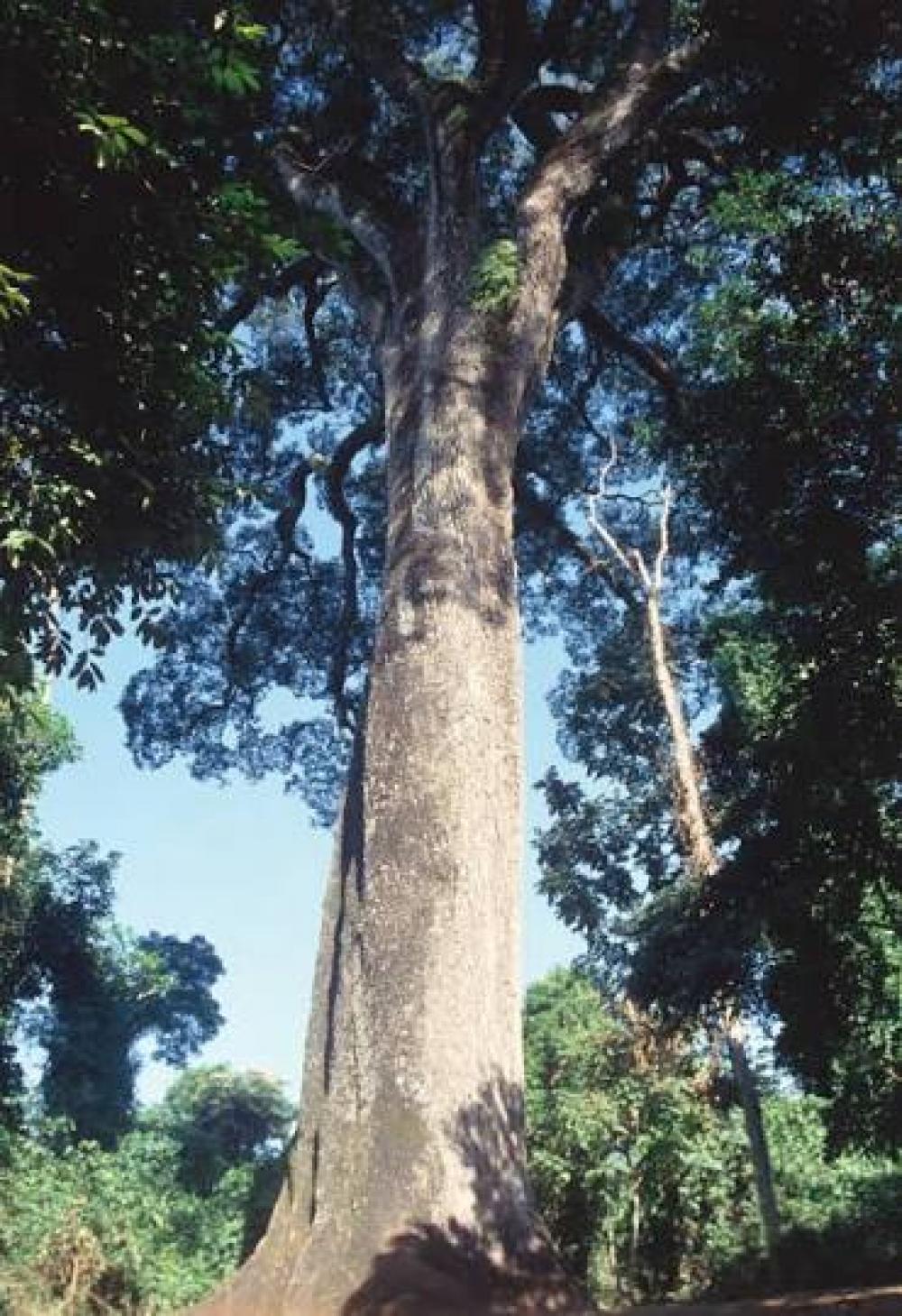
Black Cinnamon
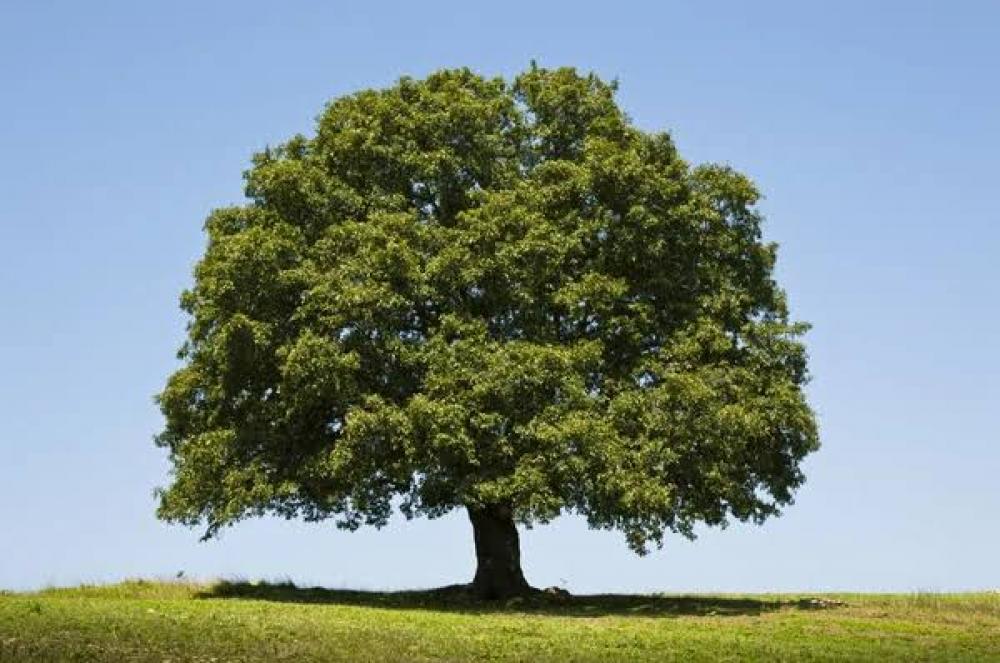
Oak tree
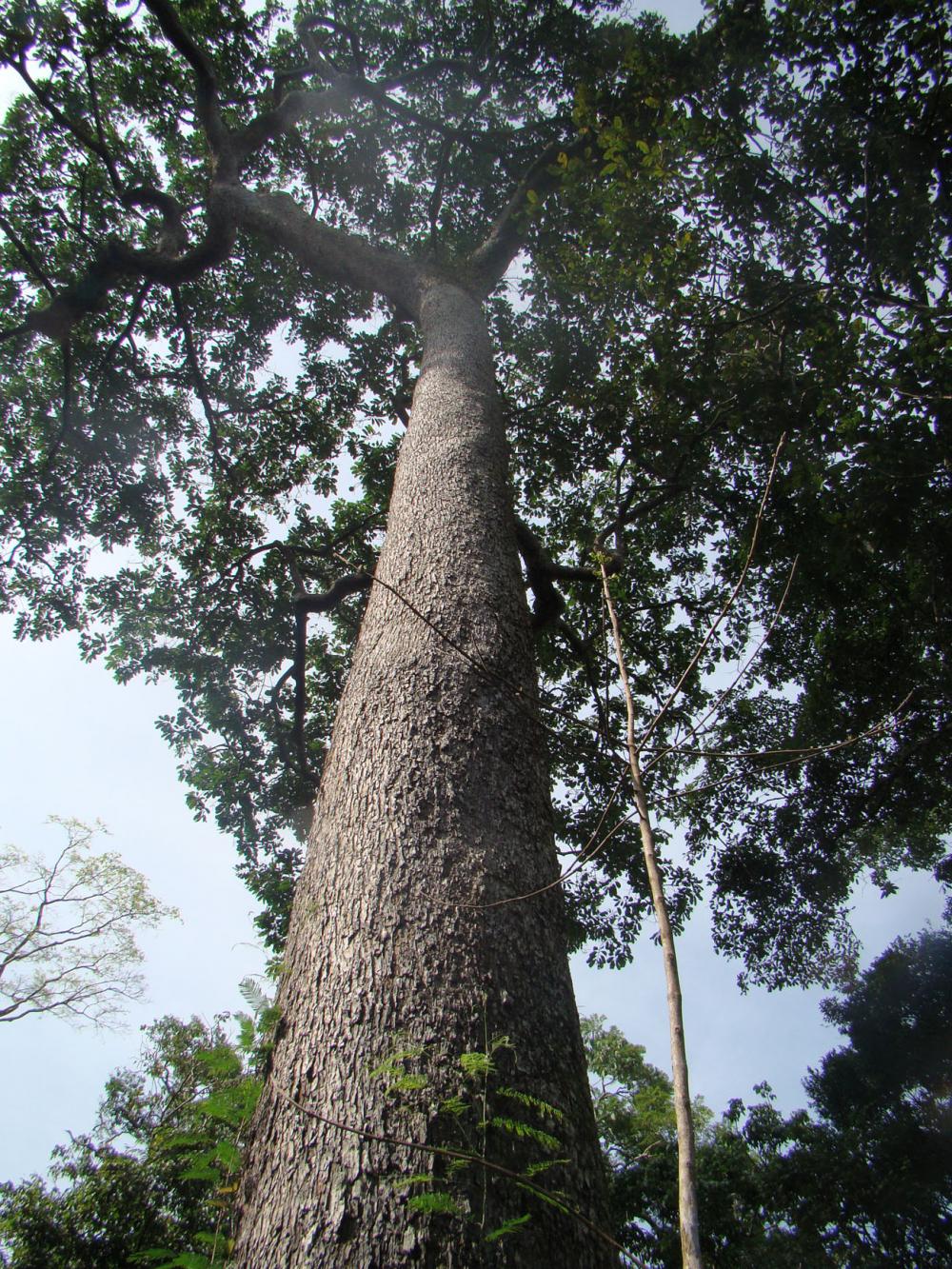
nuez de Brasil
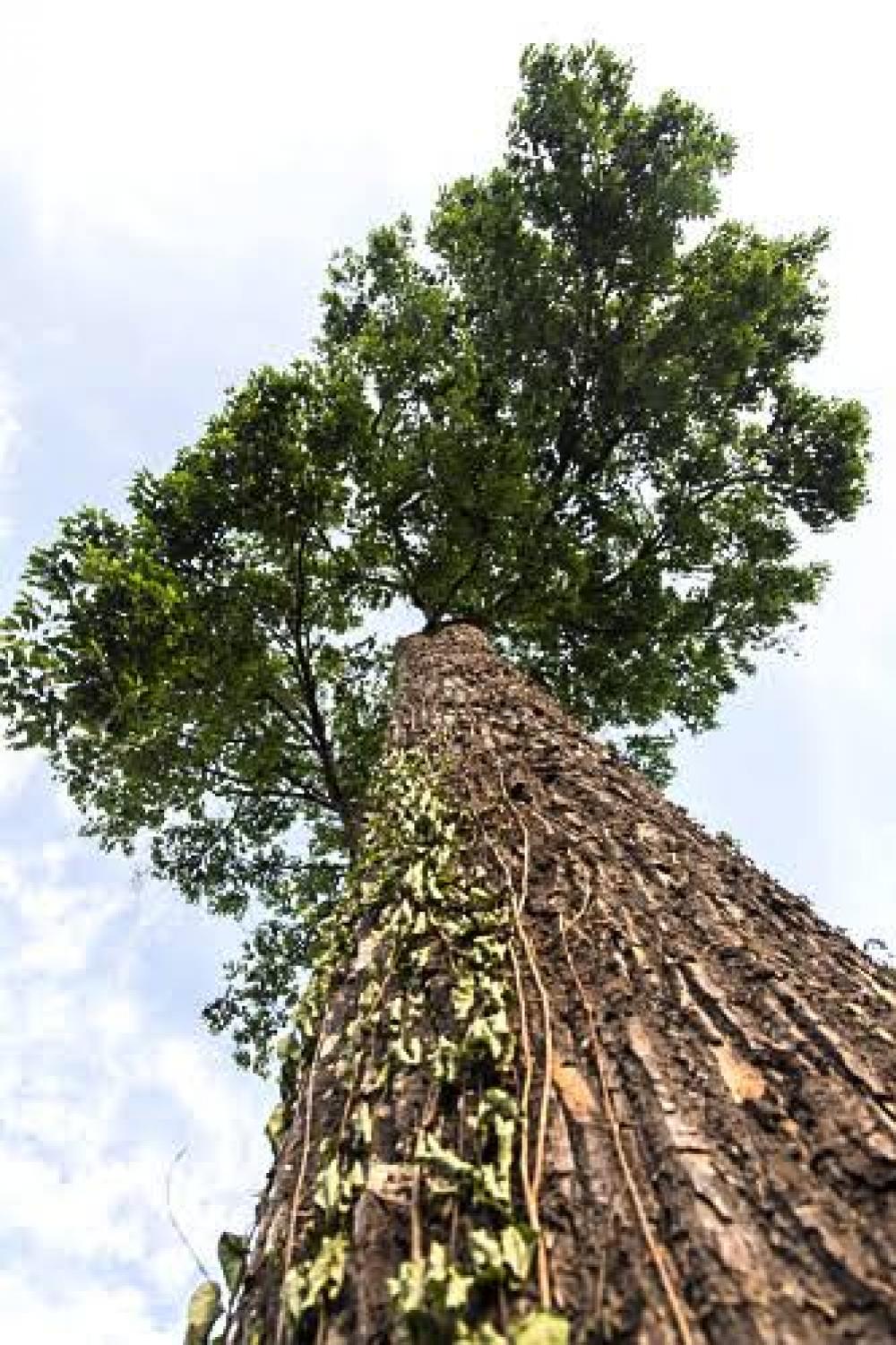
Brazil nut tree
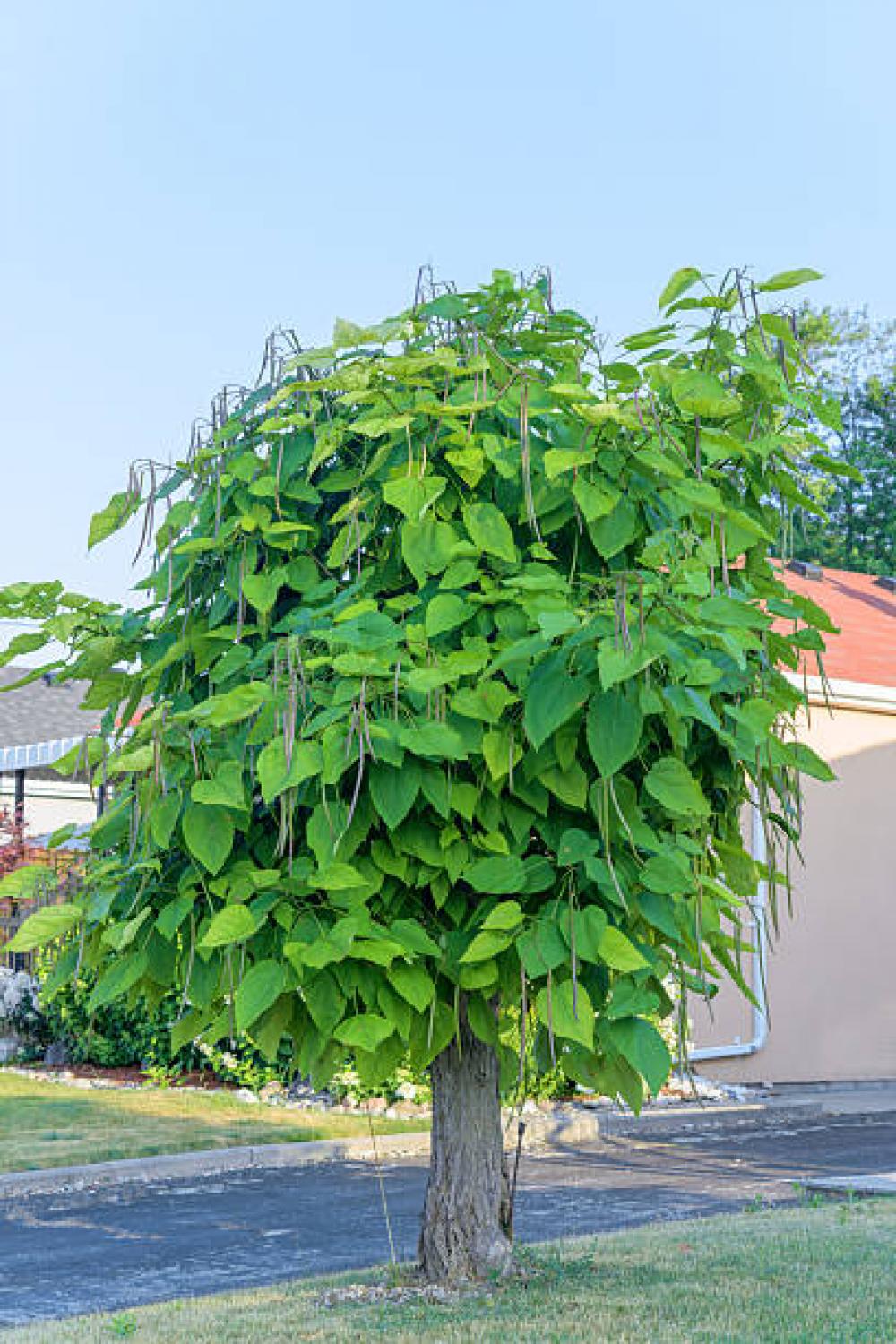
Catalpa
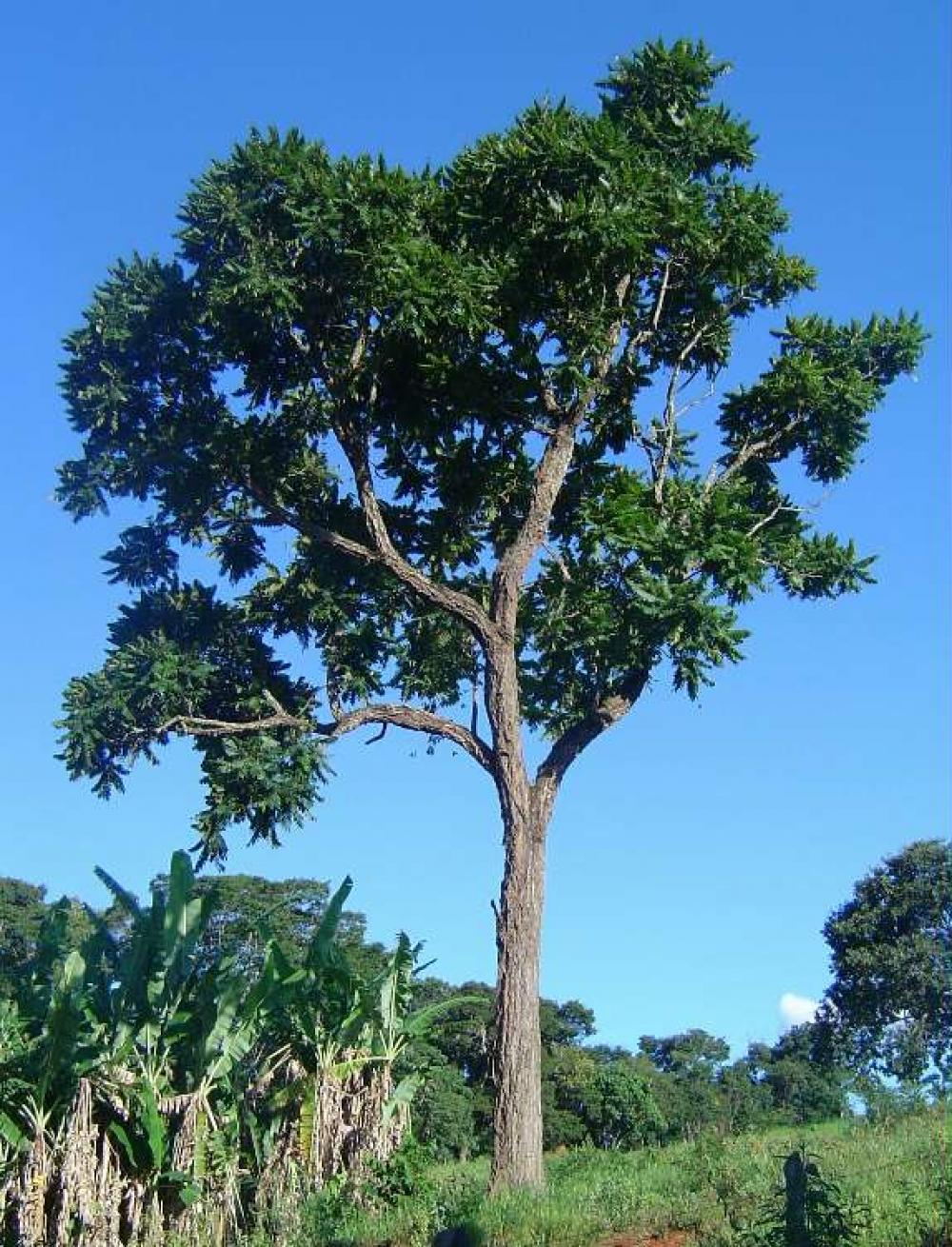
Pink cedar
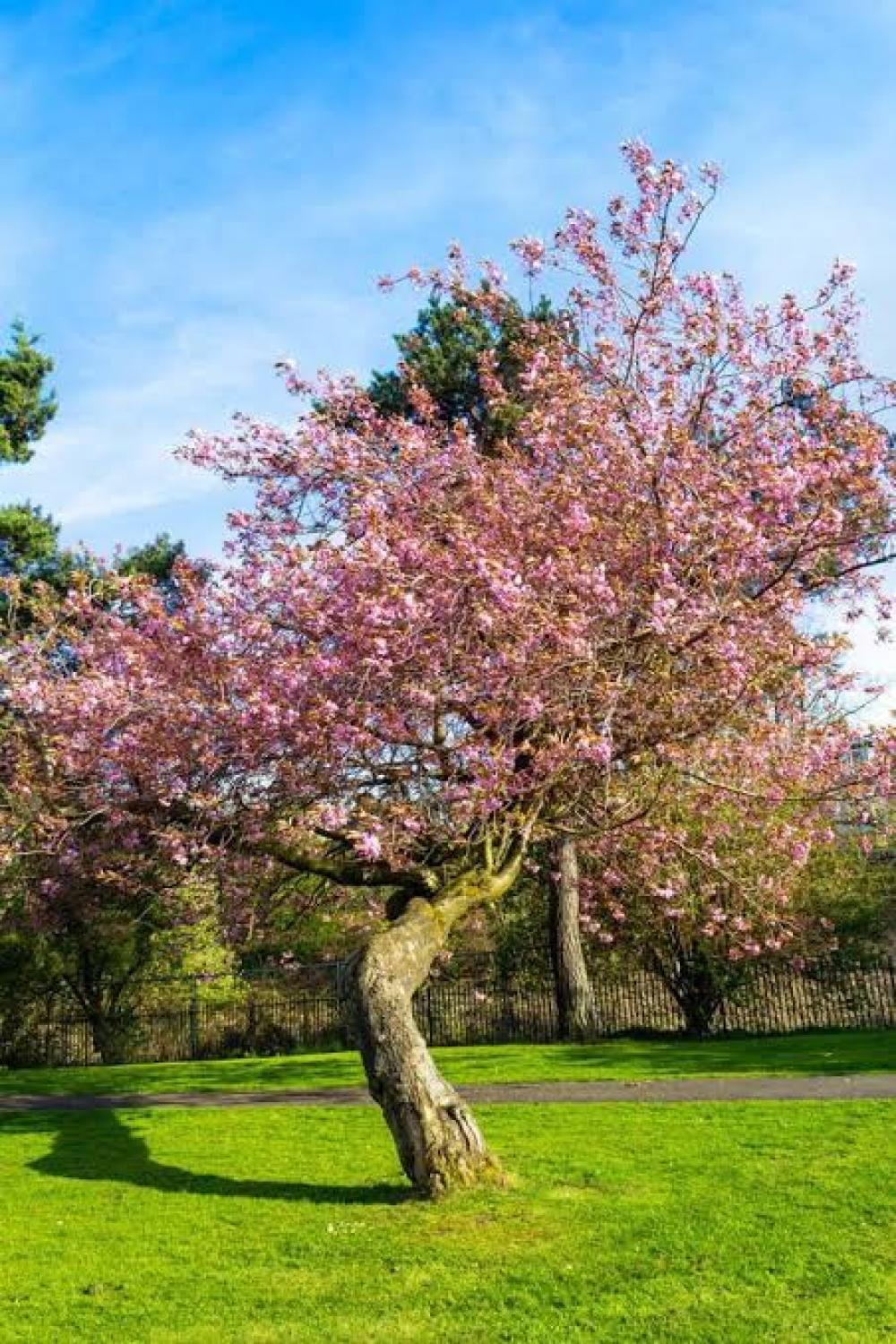
ornamental cherry tree
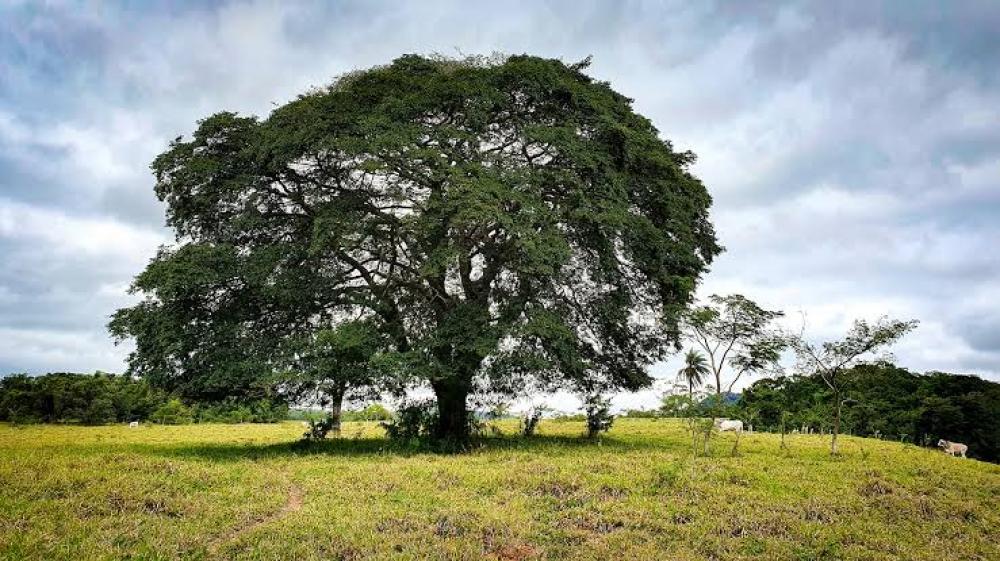
copaiba
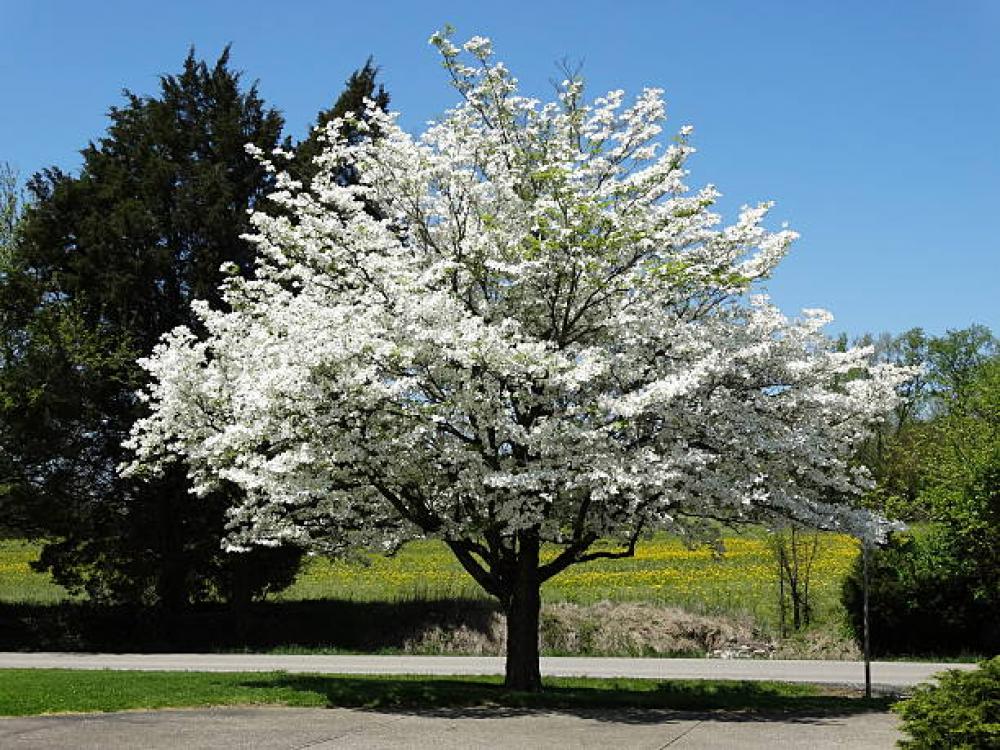
Trees of the genus Cornus
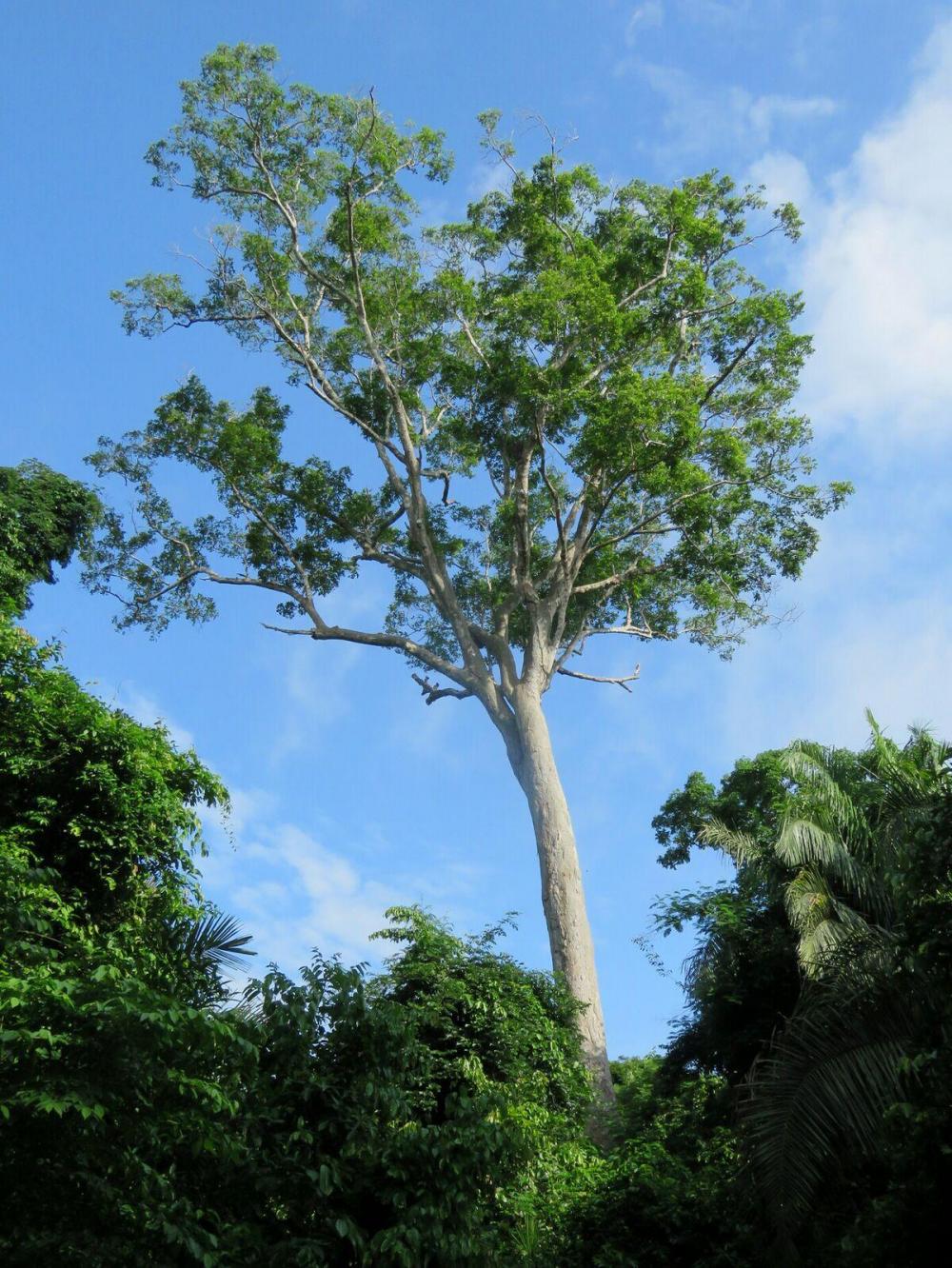
Cumaru
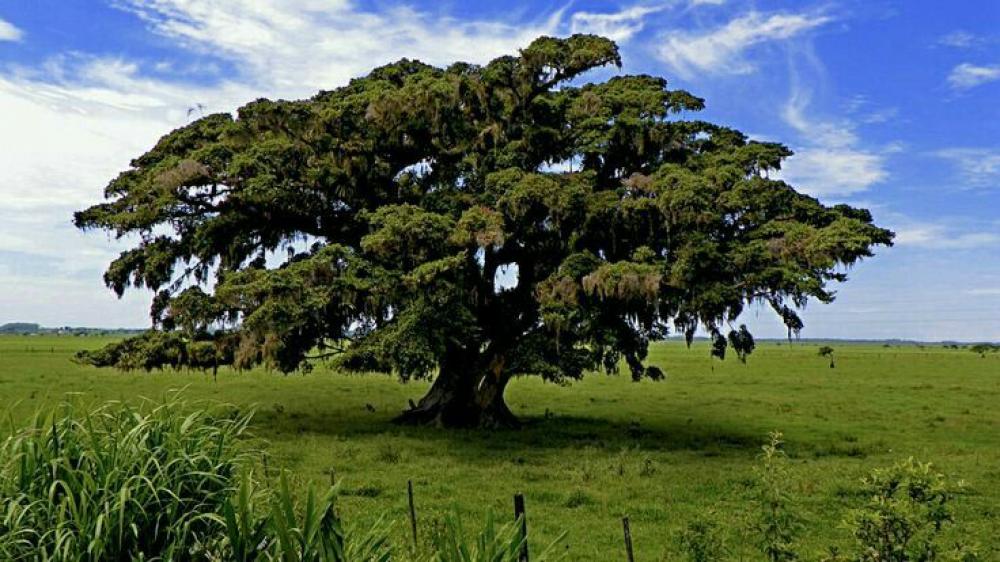
fig tree
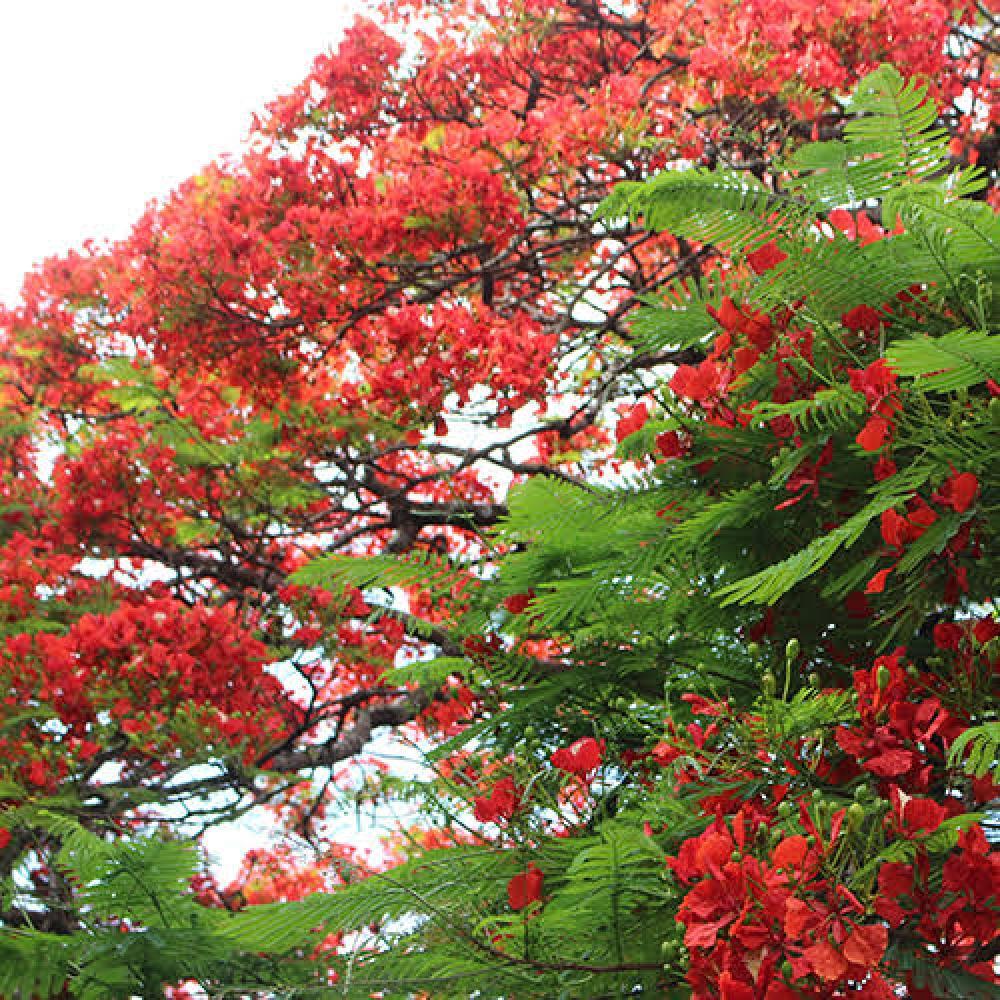
Flamboyant
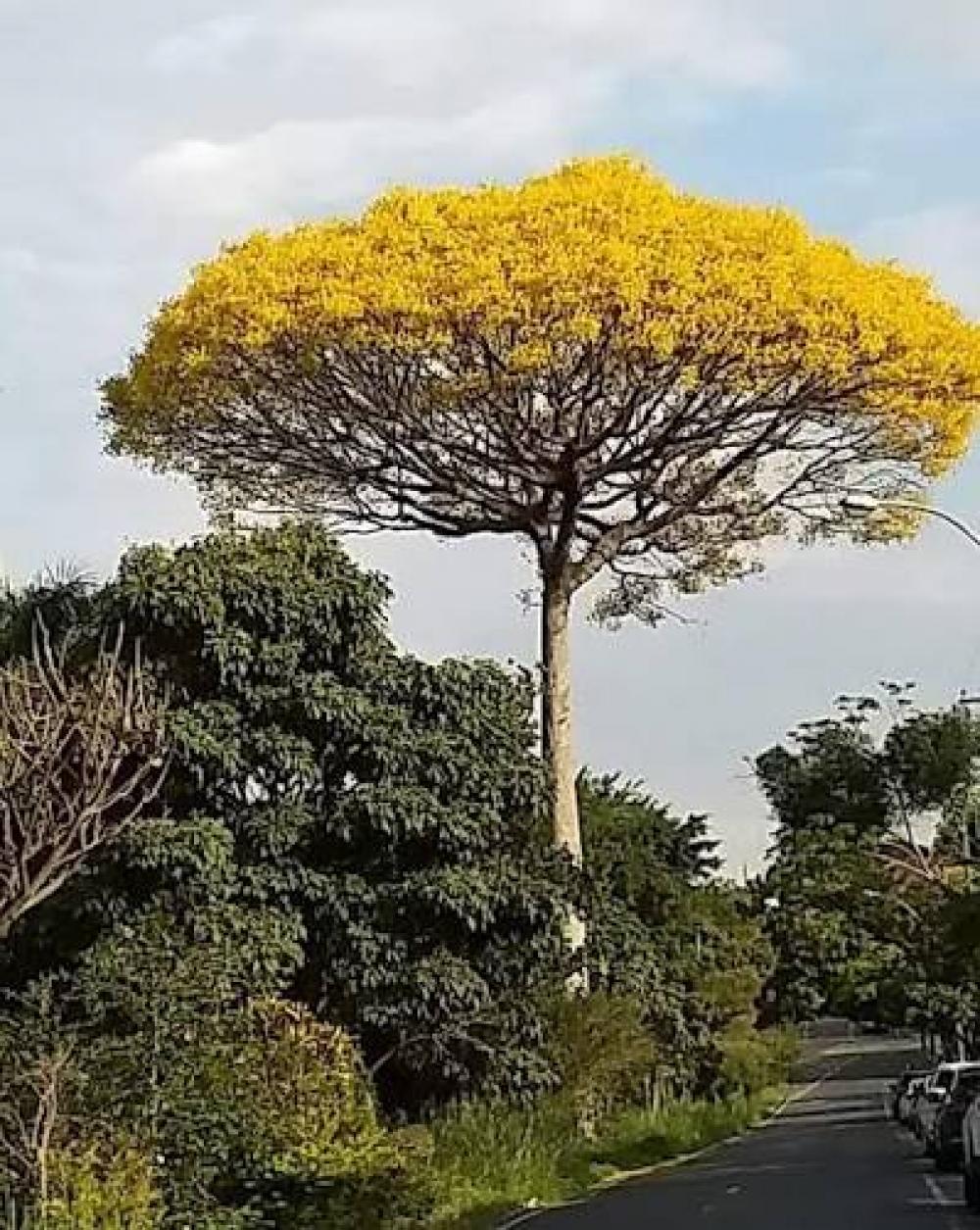
Guapuruvu
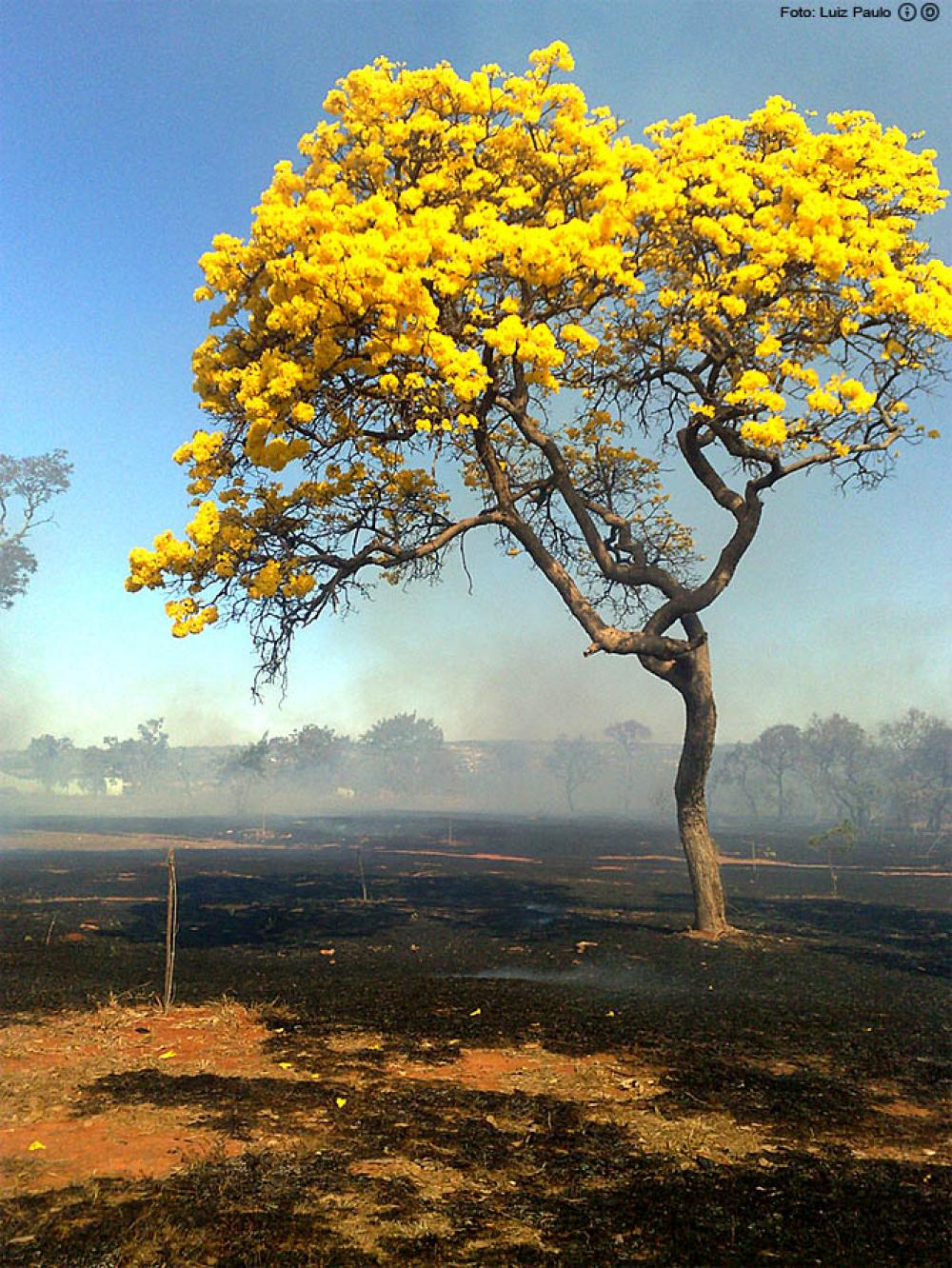
Yellow Ipê
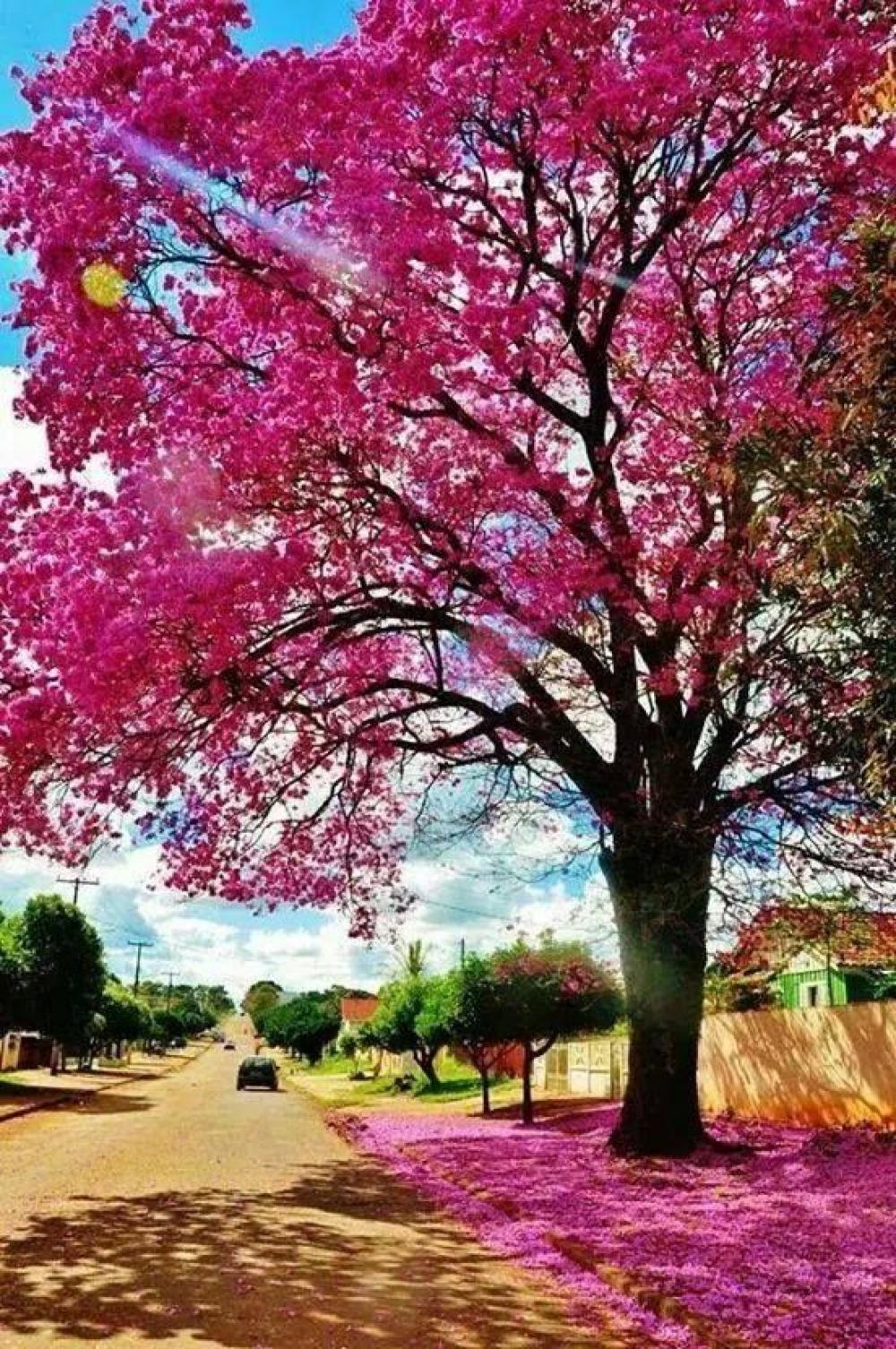
Purple Ipe
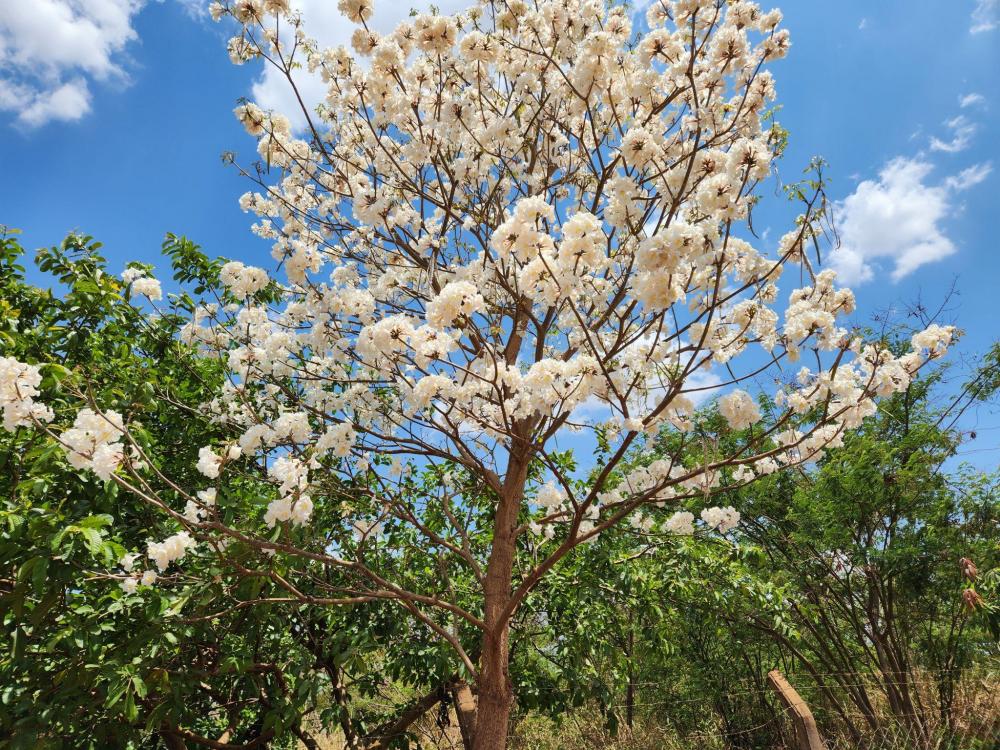
White Ipê
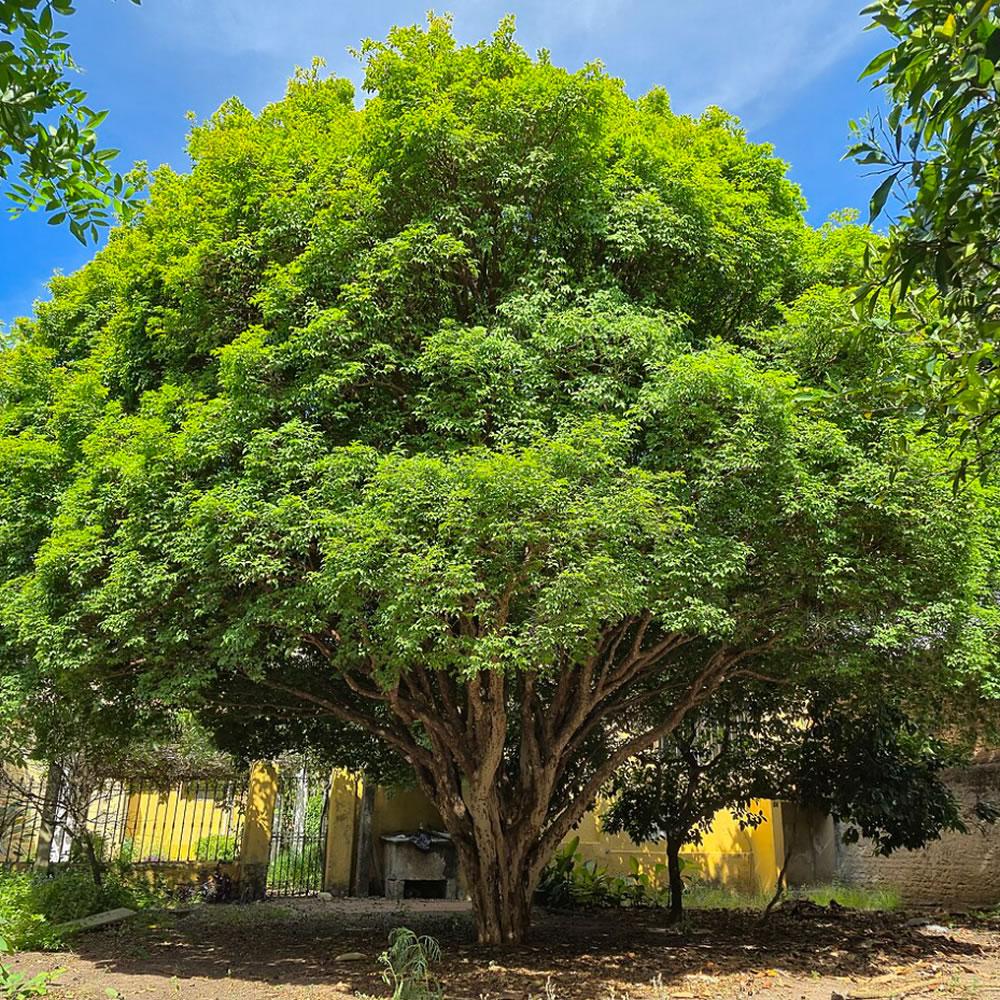
Jabuticaba
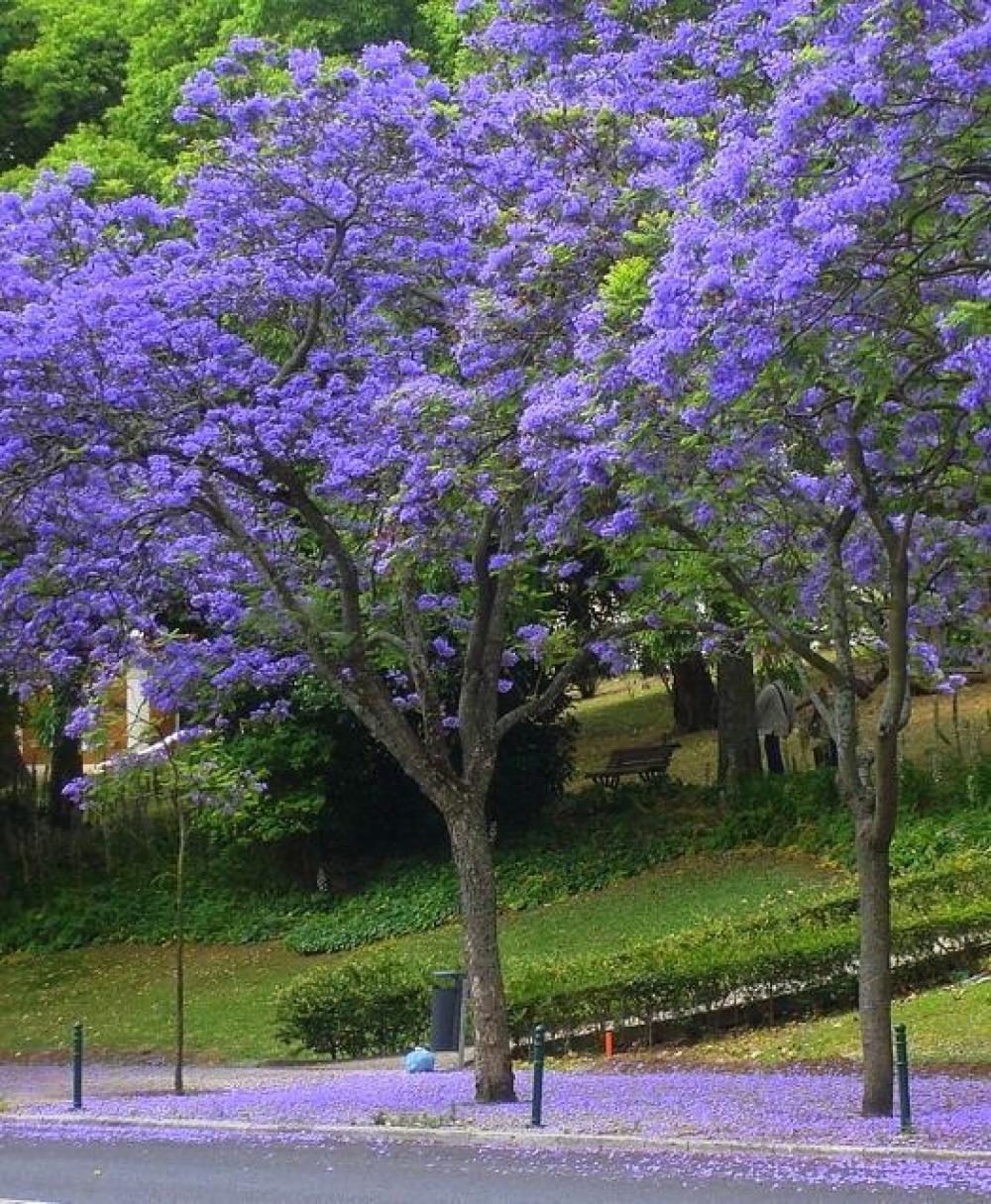
Blue jacaranda
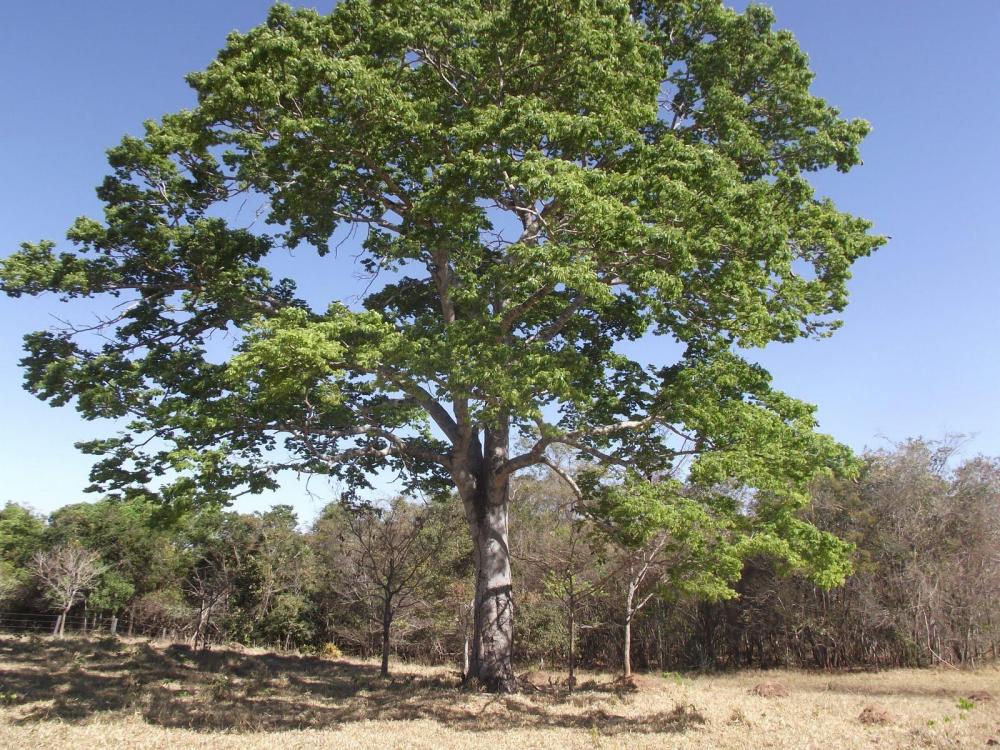
Jatoba
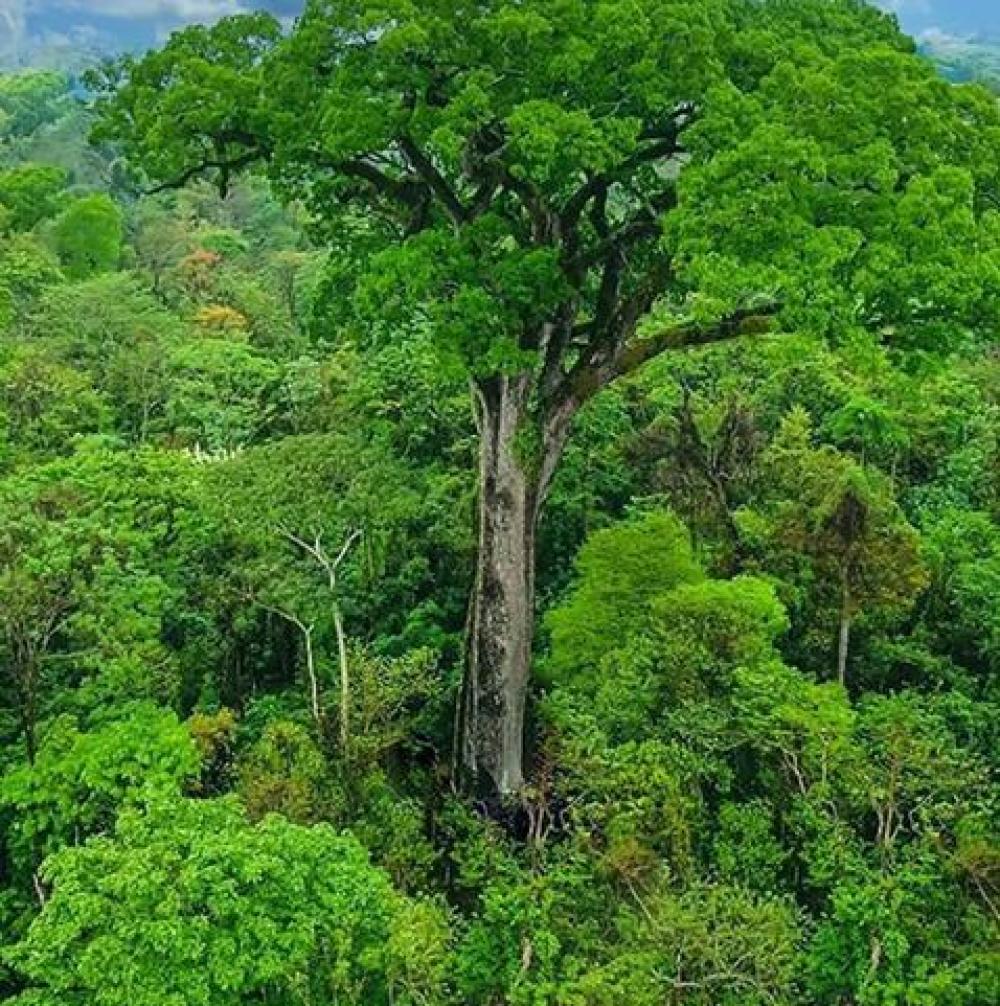
Pink Jequitibá (Cariniana legalis)
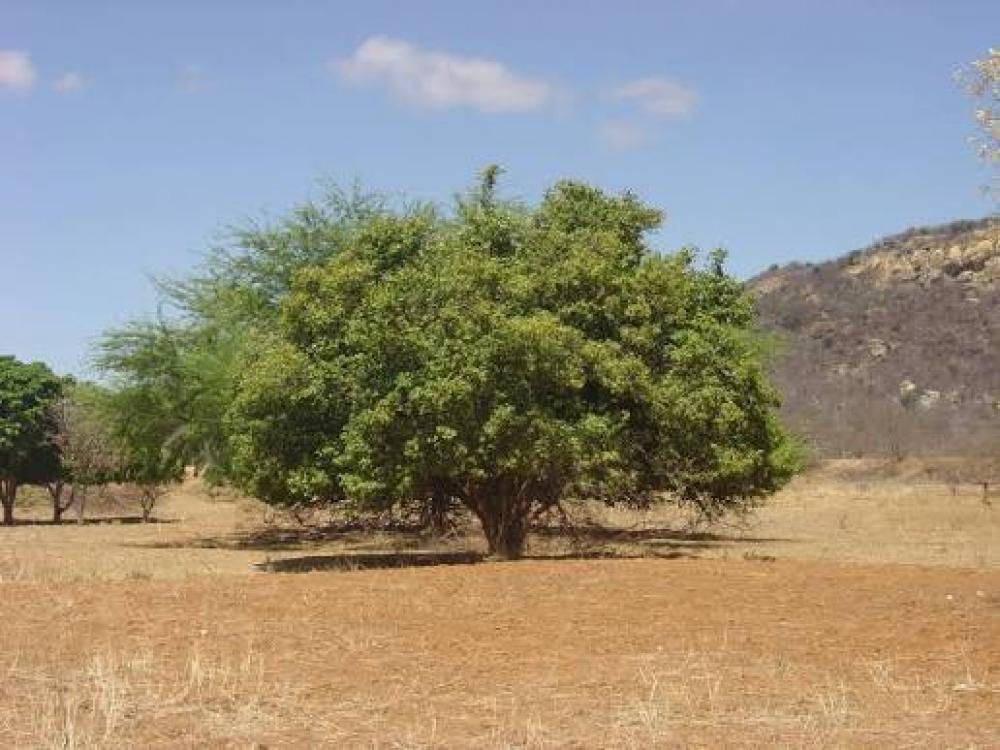
Juazeiro
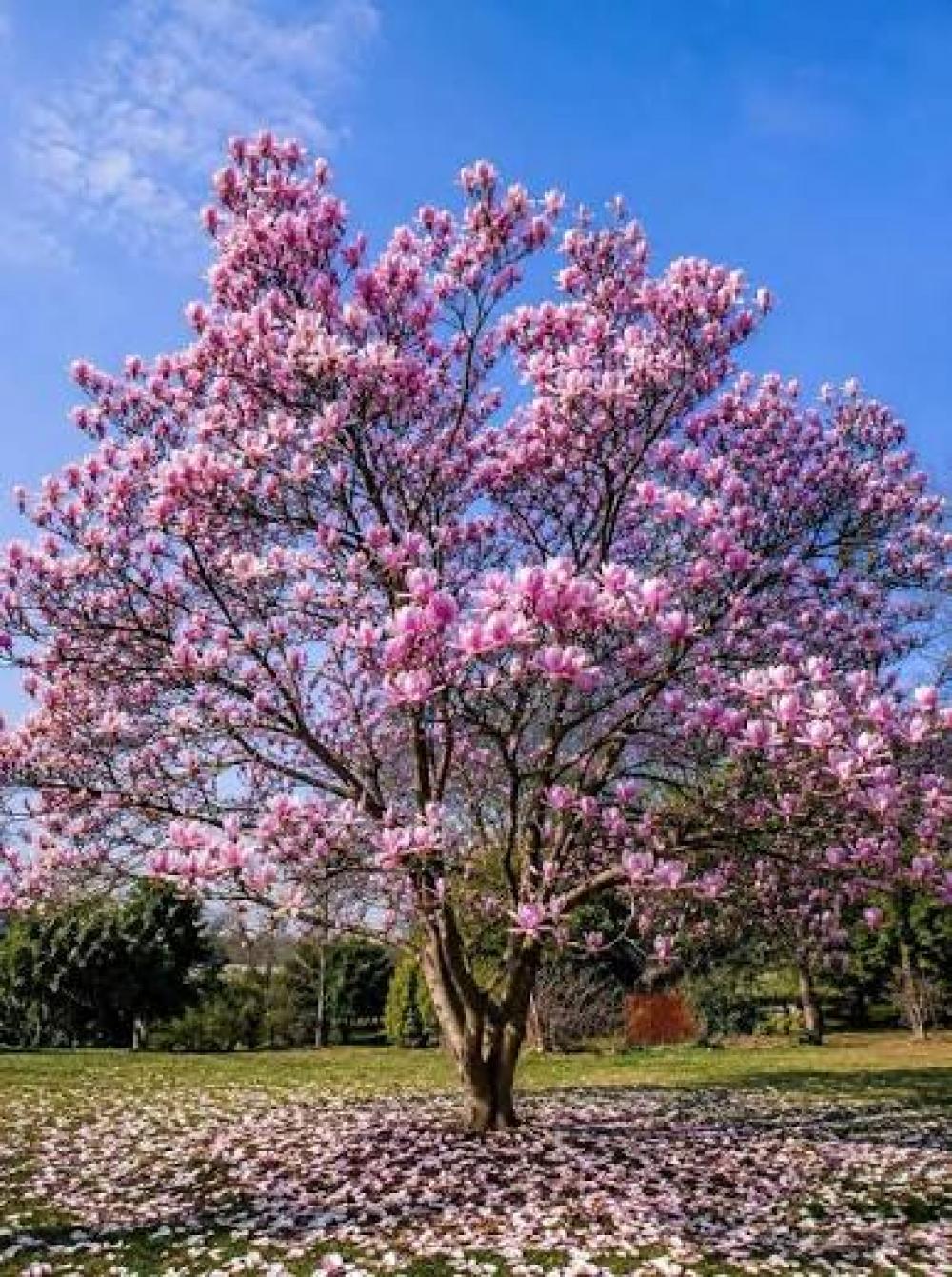
Magnolia
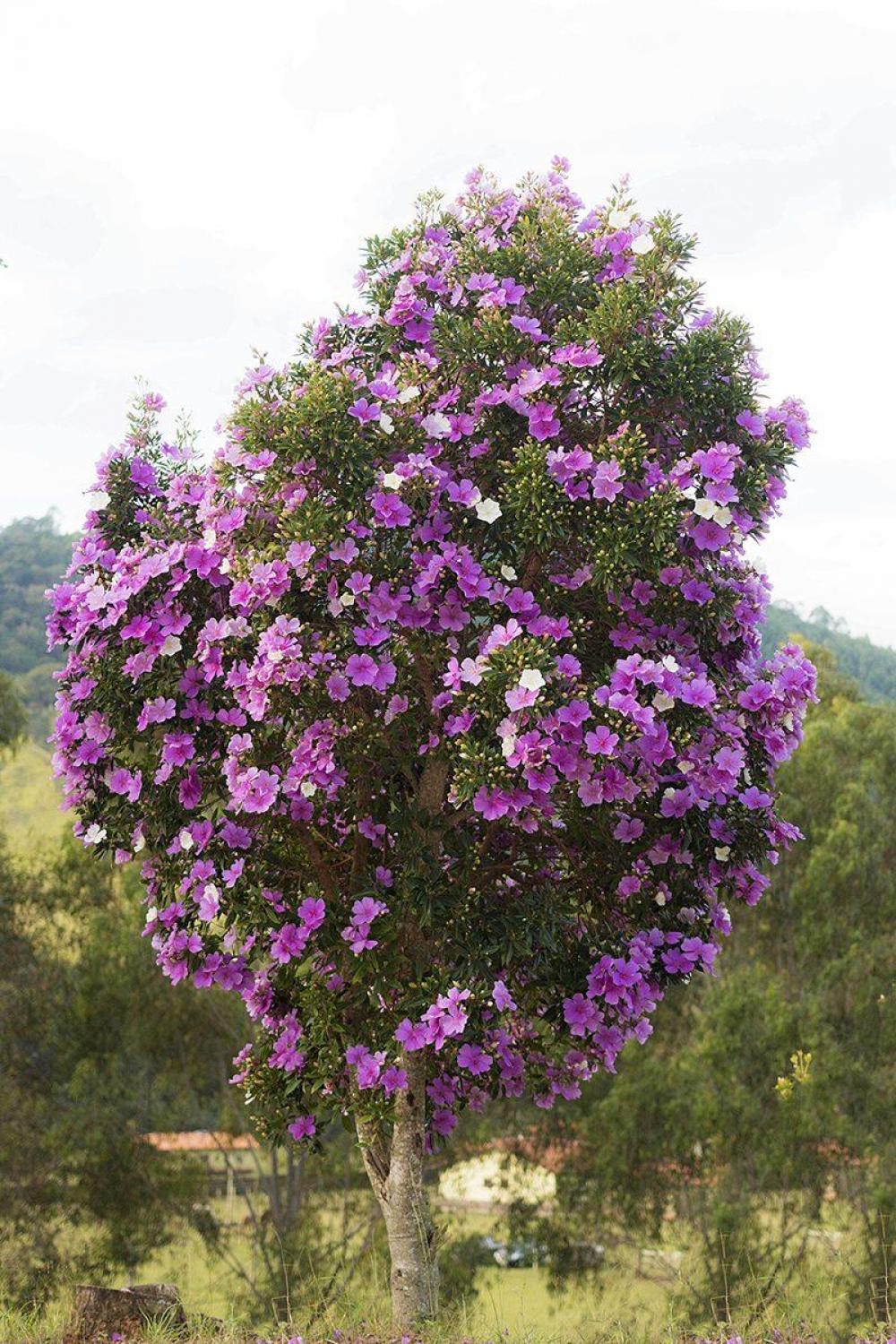
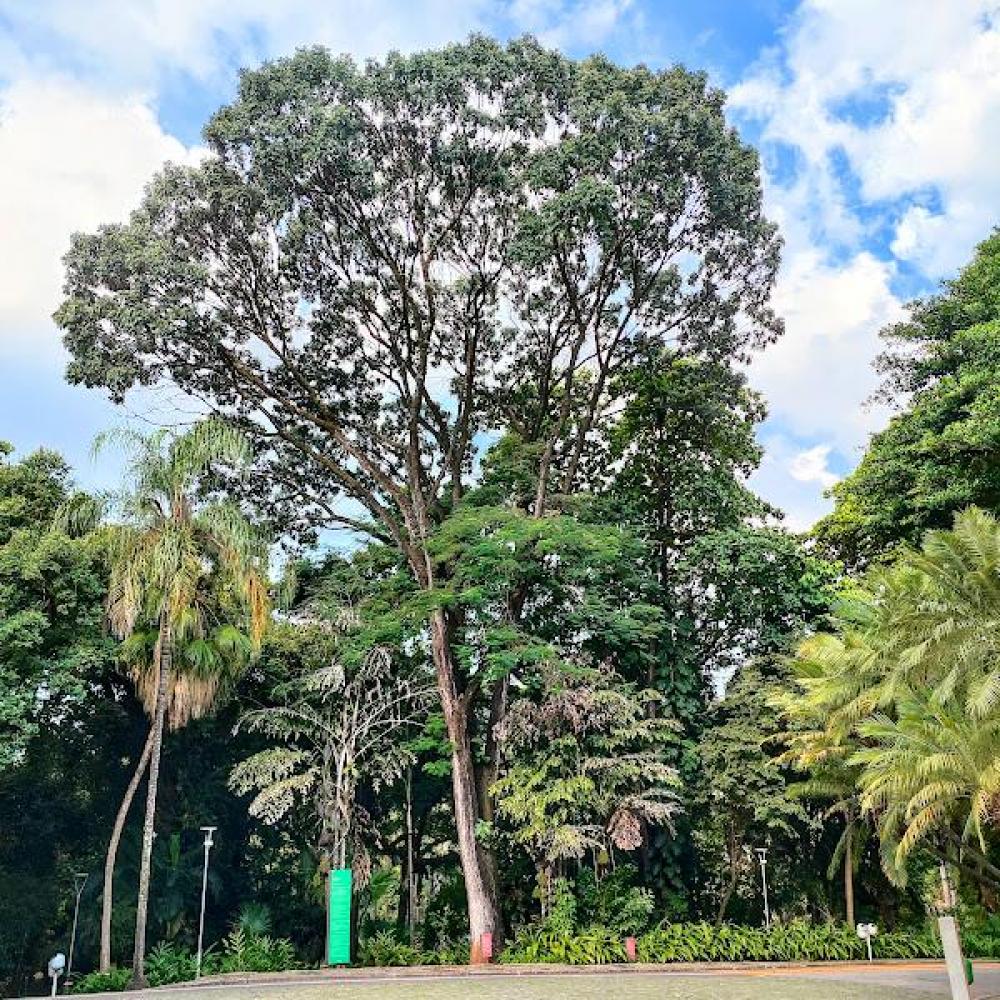
Brazilian Mahogany
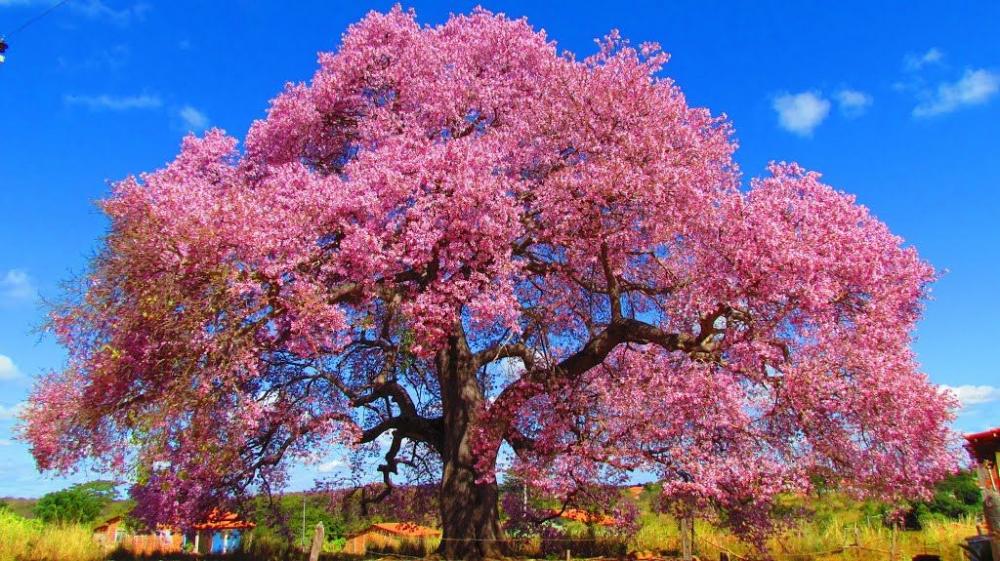
pink silk floss tree
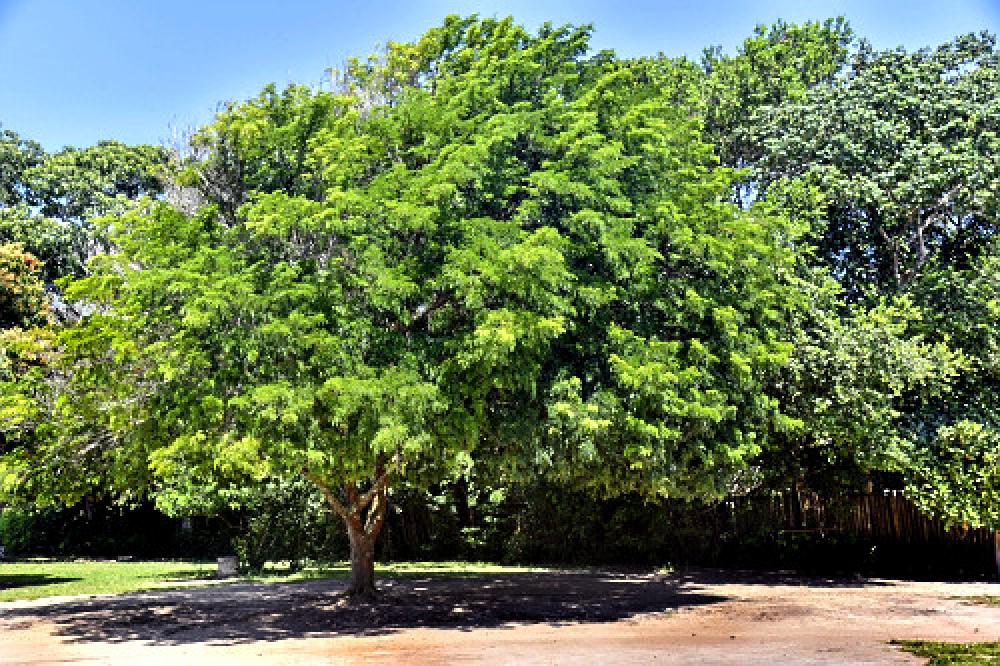
Brazilwood
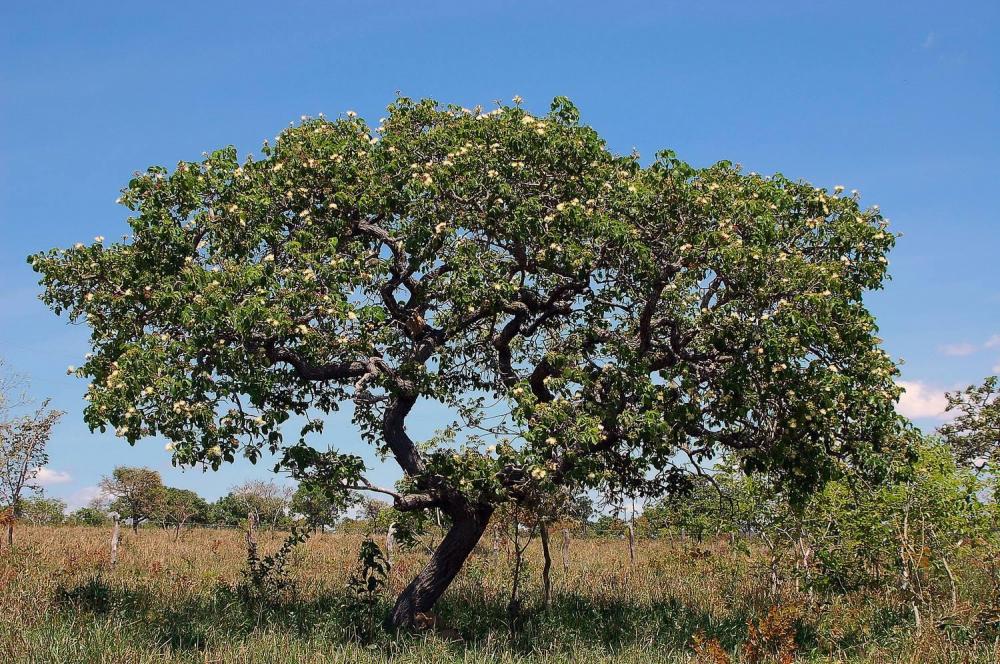
Pequi
Surinam cherry
Plane tree
Rubber tree
Sucupira
Linden