



mustard
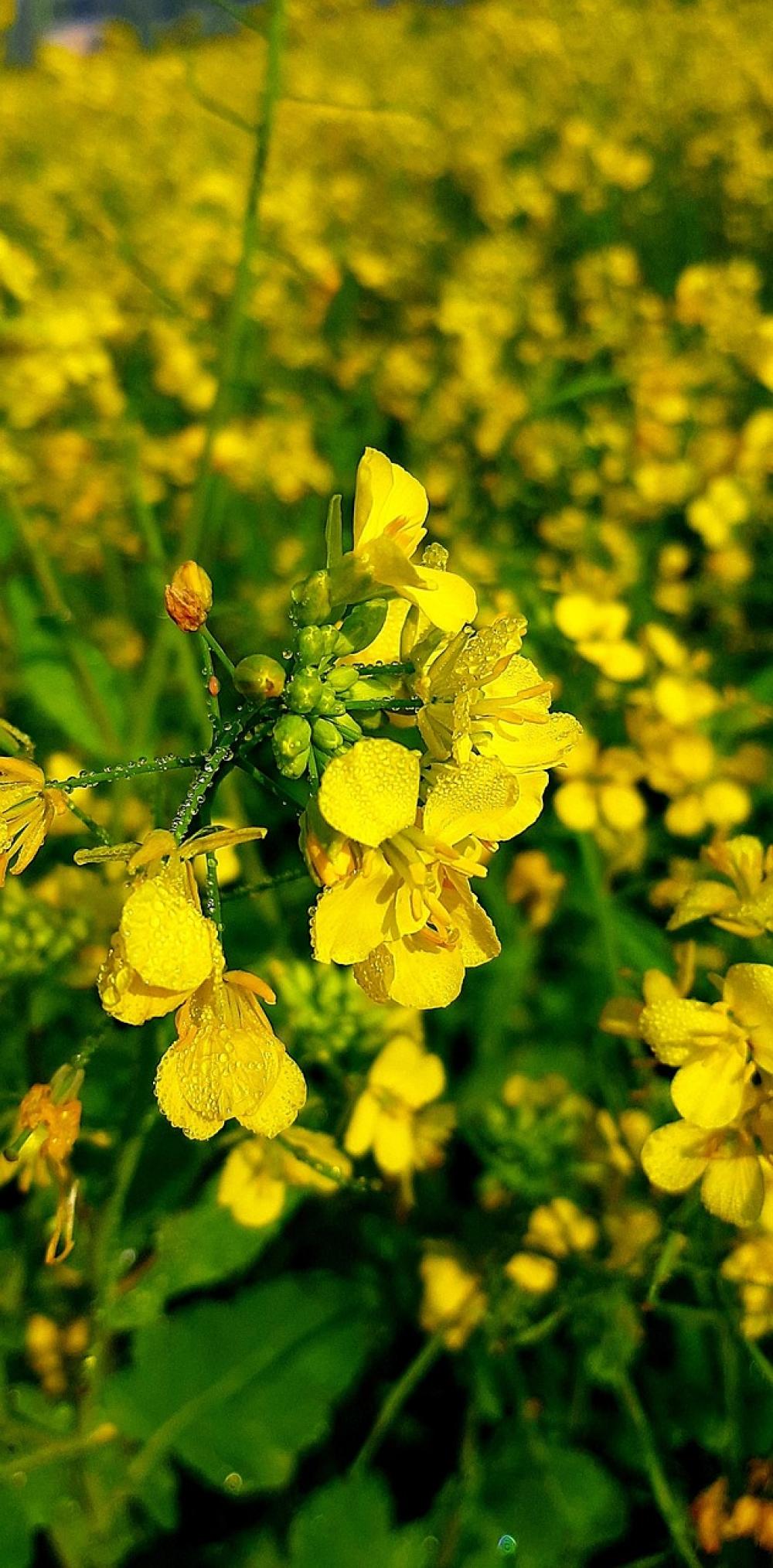
Mustard (both the seeds and the leaves) possesses antioxidant, anti-inflammatory, and antimicrobial properties. In natural medicine, it is used topically to relieve muscle pain and congestion, and internally to stimulate metabolism, although excessive consumption can cause gastric irritation. Here are the main medicinal uses and benefits: Topical (External) Use: Pain relief: Seed powder or oil has historically been used in poultices and compresses to treat rheumatic pain, arthritis, and back pain. Decongestant: Foot baths or chest compresses using the seeds help relieve symptoms of nasal congestion, bronchitis, and pneumonia. Wound healing: Its antimicrobial properties help prevent infections and reduce local inflammation in wounds. Internal Use (Consumption): Digestive and metabolic health: Tea or an infusion made from the seeds can relieve indigestion and stimulate metabolism. Nutrient-rich: The leaves are excellent sources of vitamins A, C, and K, as well as minerals, aiding in body detoxification. Antioxidant action: Rich in sinigrin, kaempferol, and glucosinolate compounds, it protects the liver and inhibits the development of tumor cells.
Plant Catalog
acanthus
Horsewhip
distressed
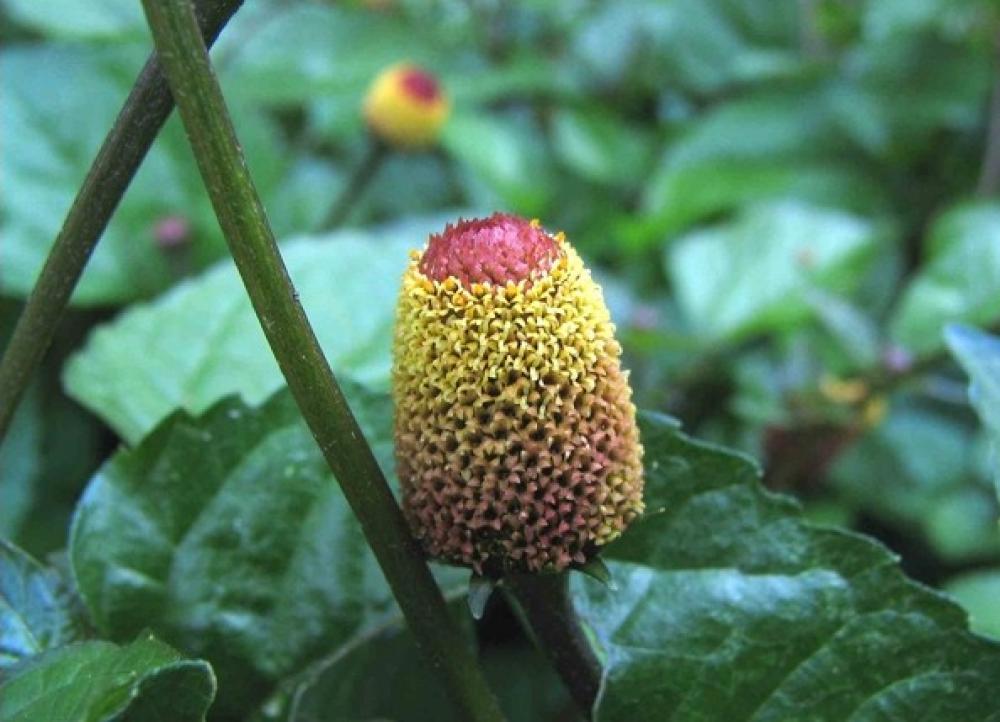
Pará cress or Jambu
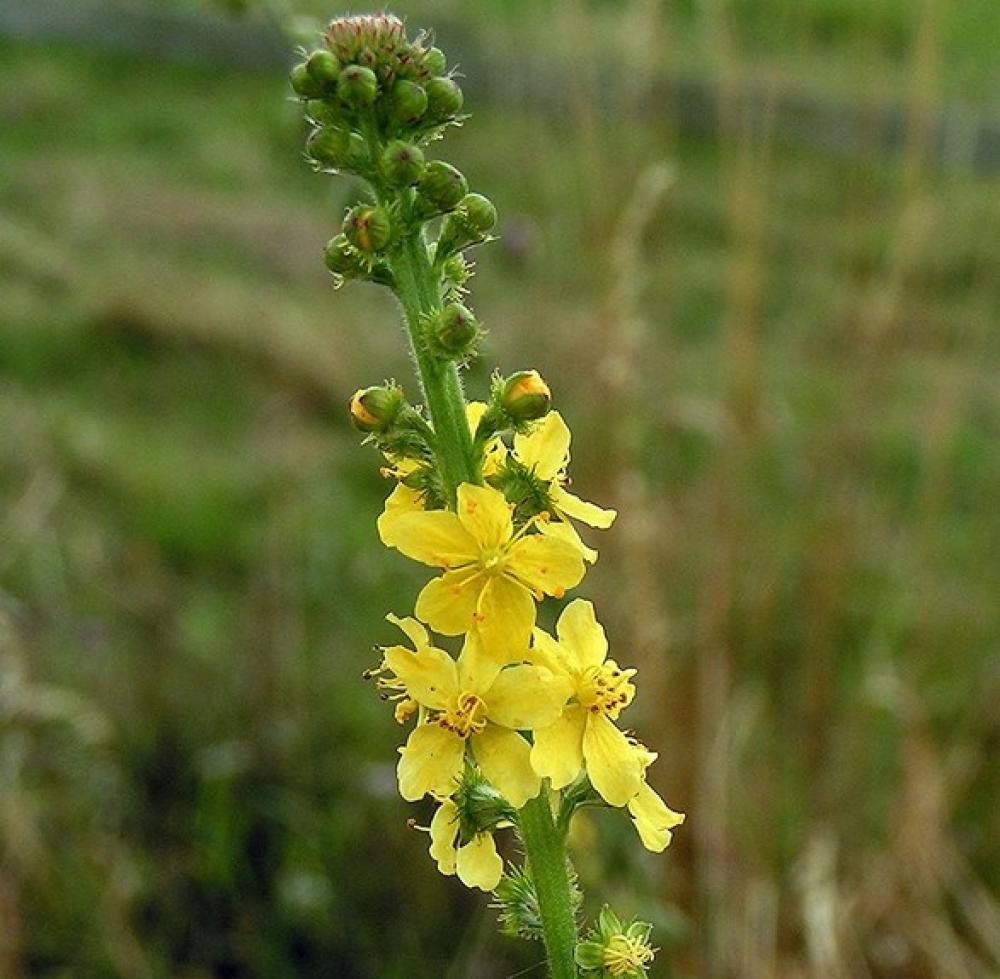
Agrimony
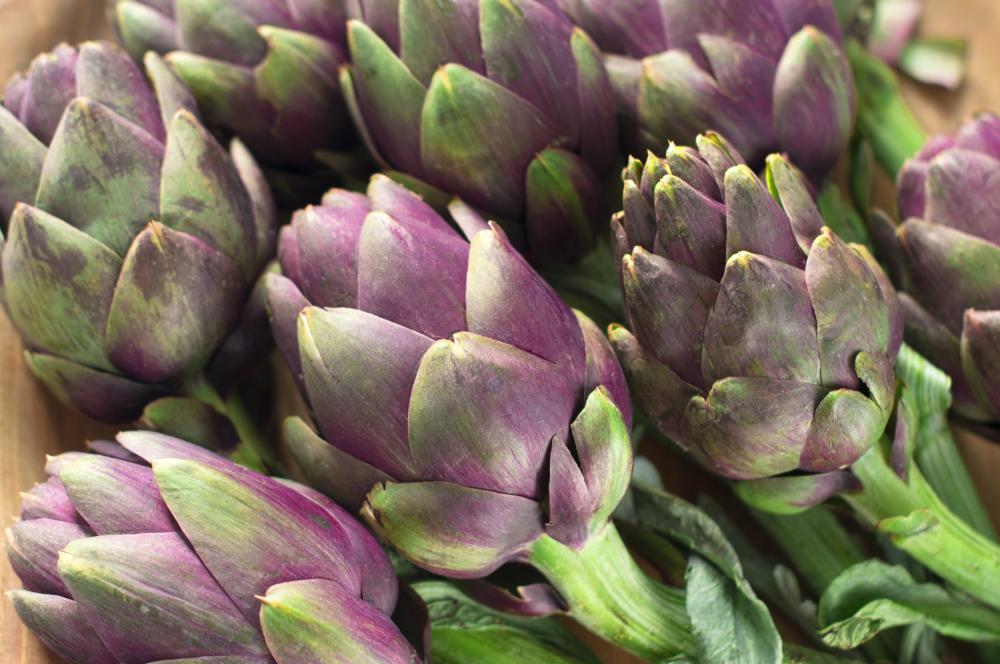
Artichoke
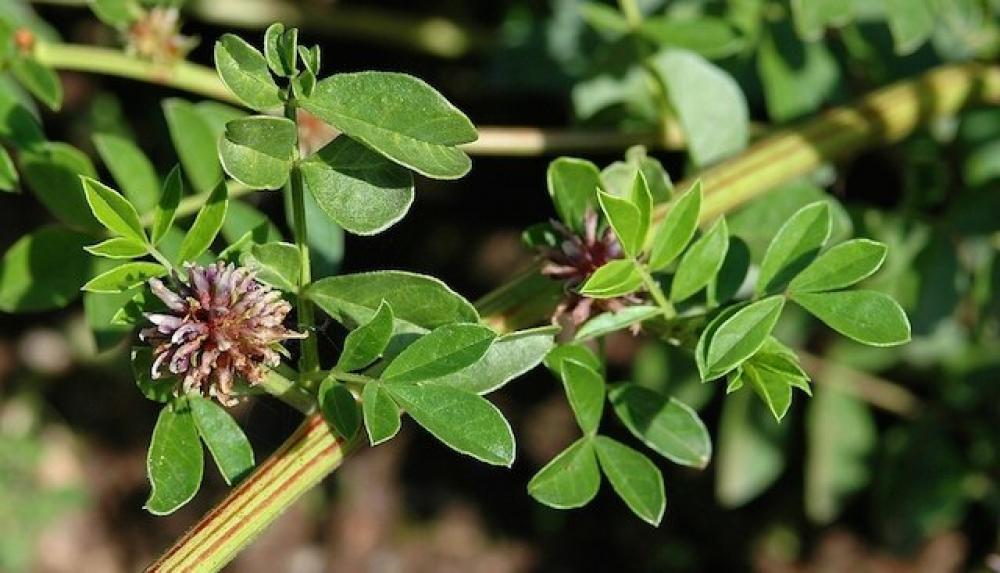
licorice
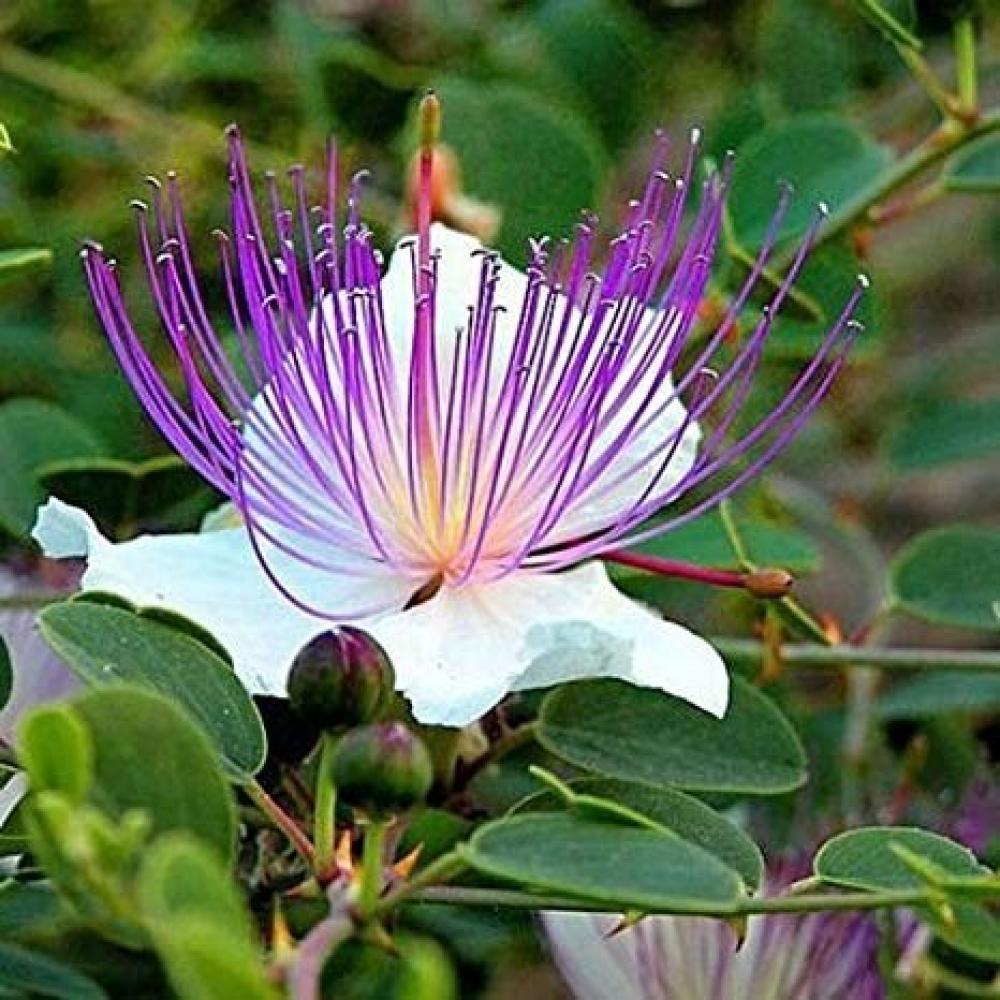
caper
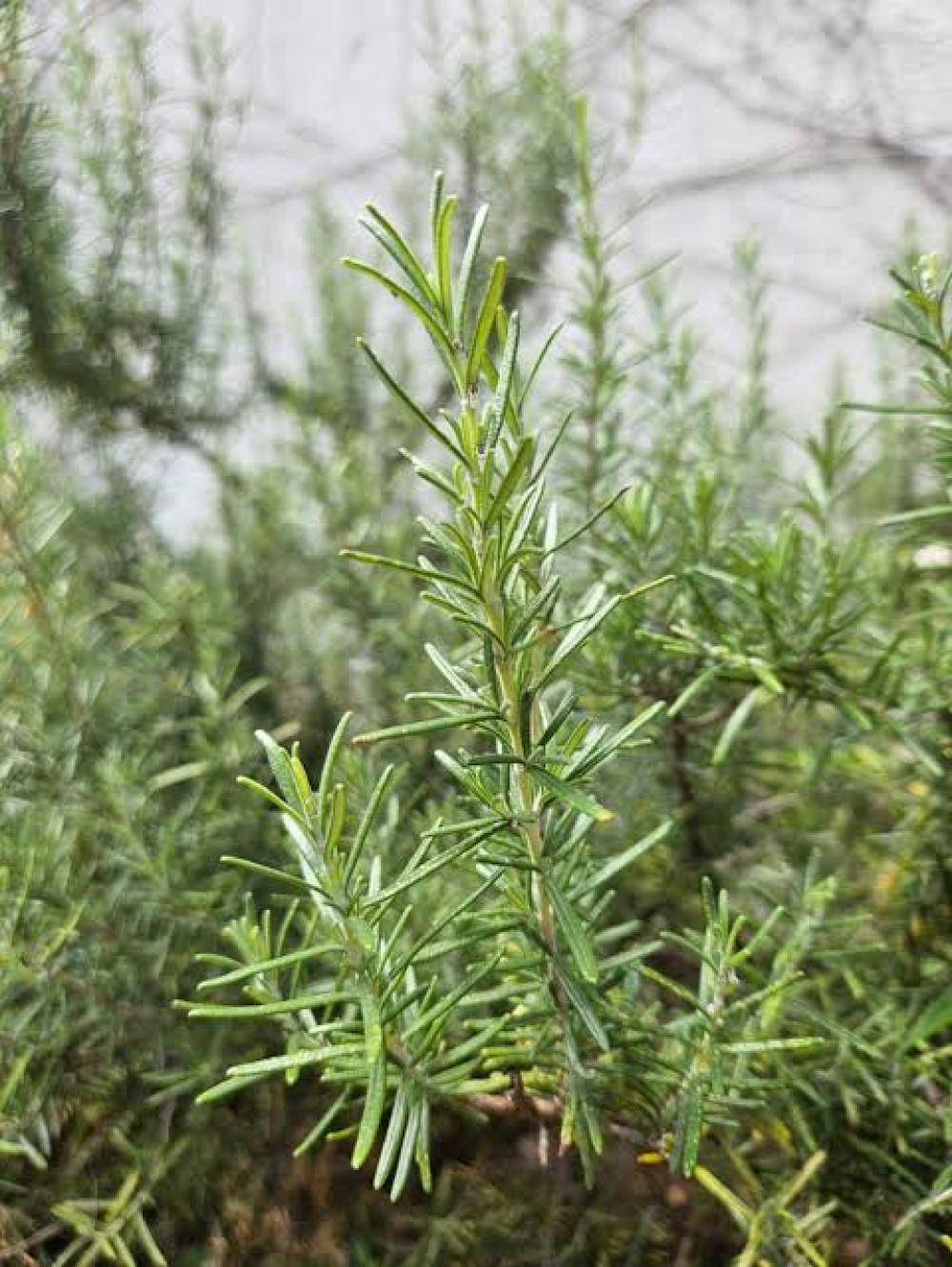
rosemary
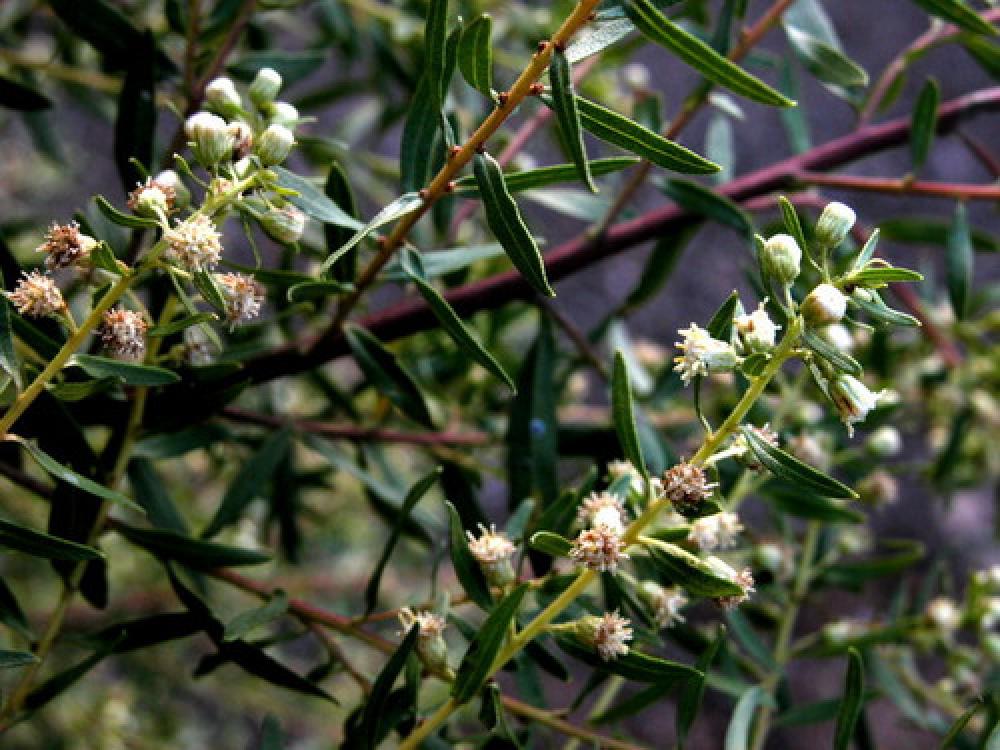
Field Rosemary
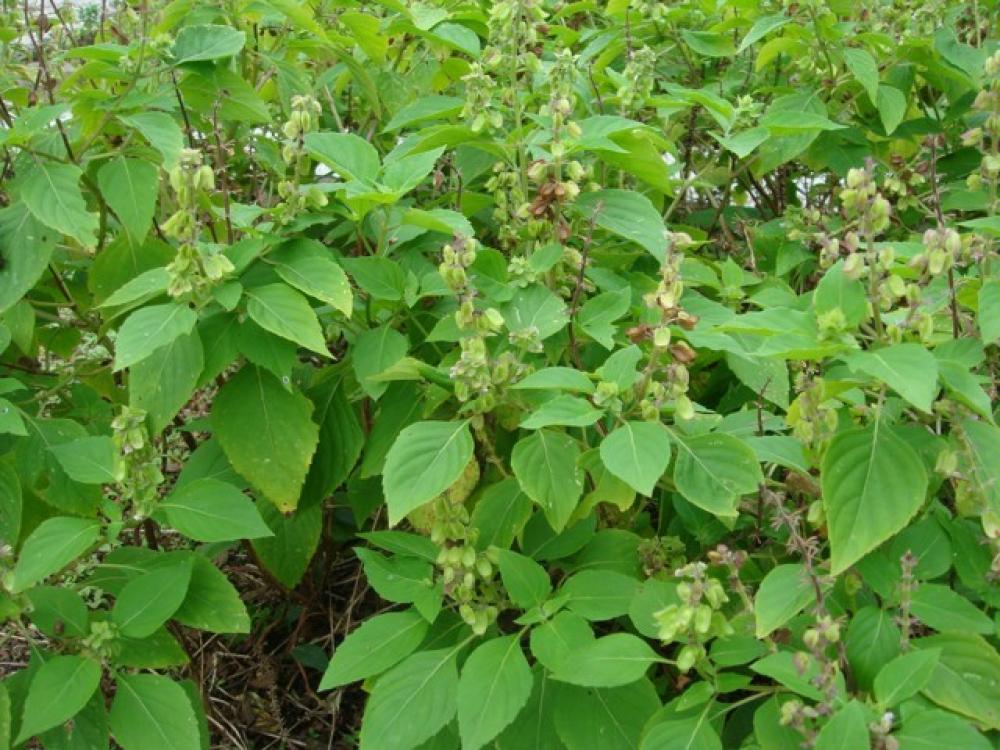
basil
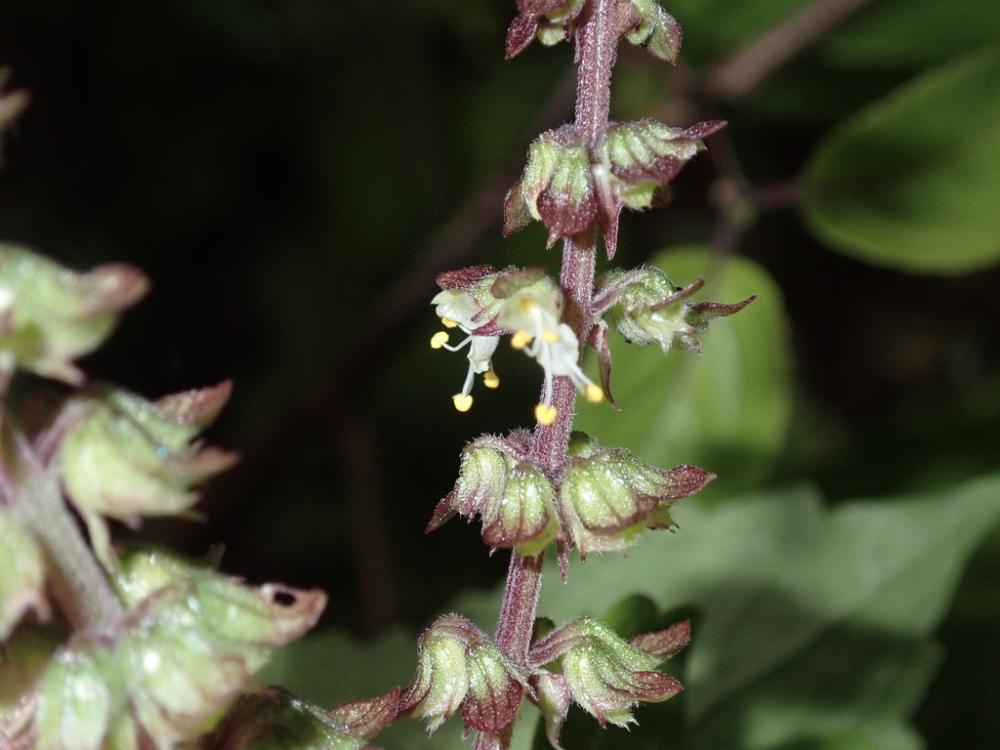
Clove Basil
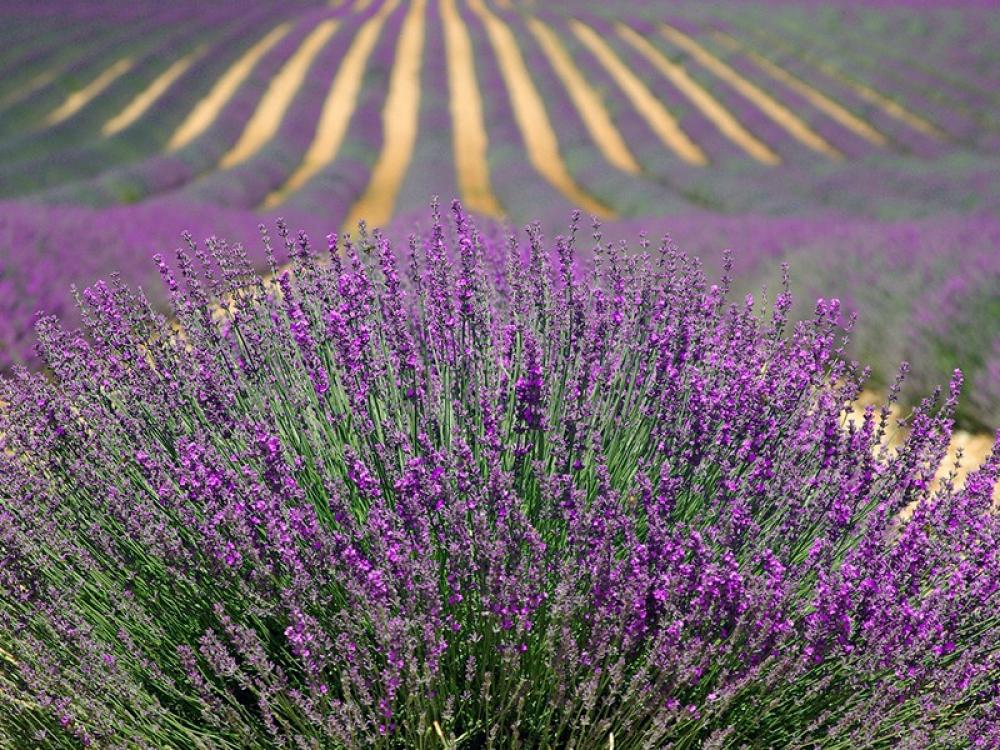
lavender
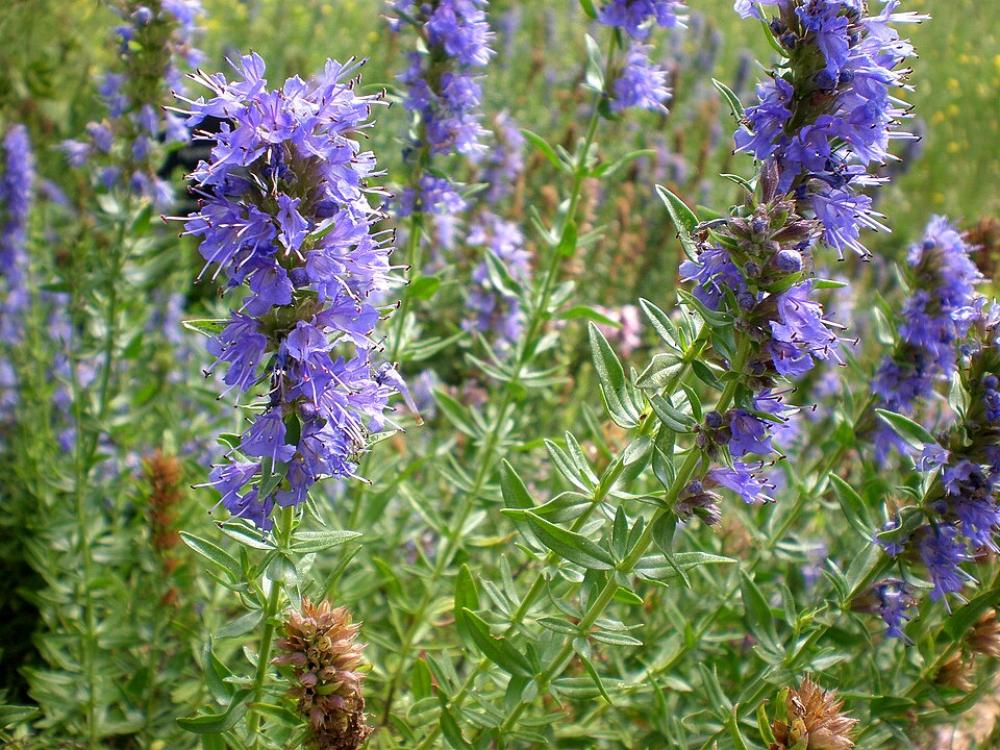
Caboclo Lavender
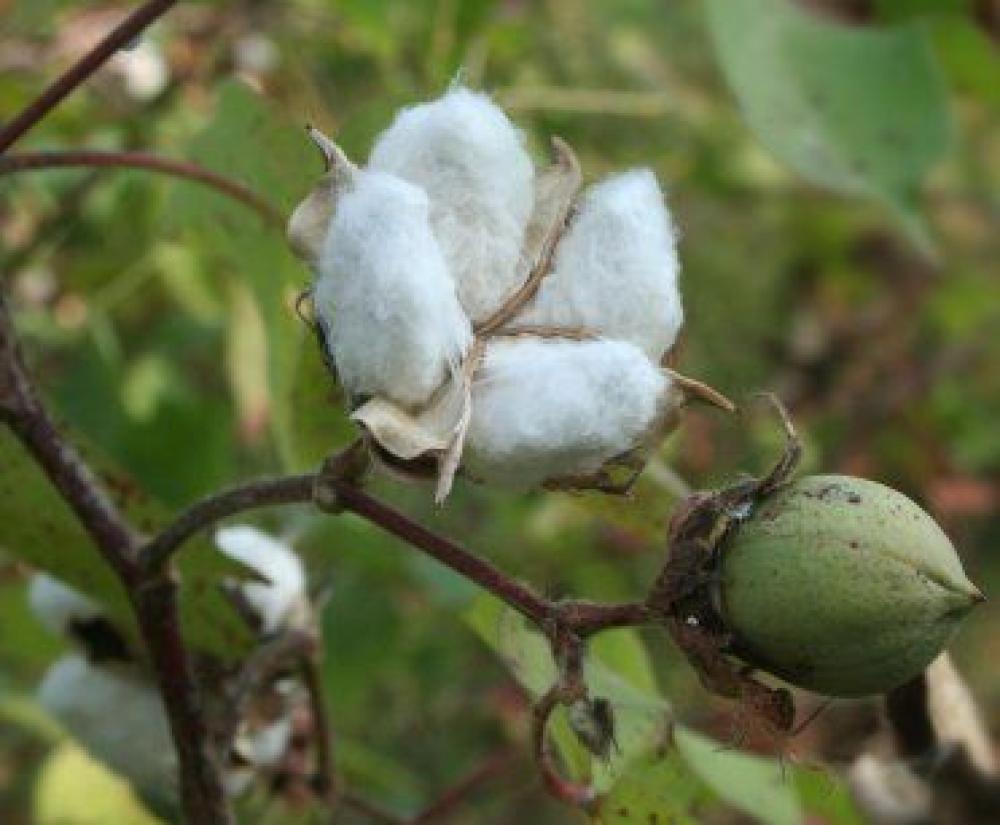
Cotton
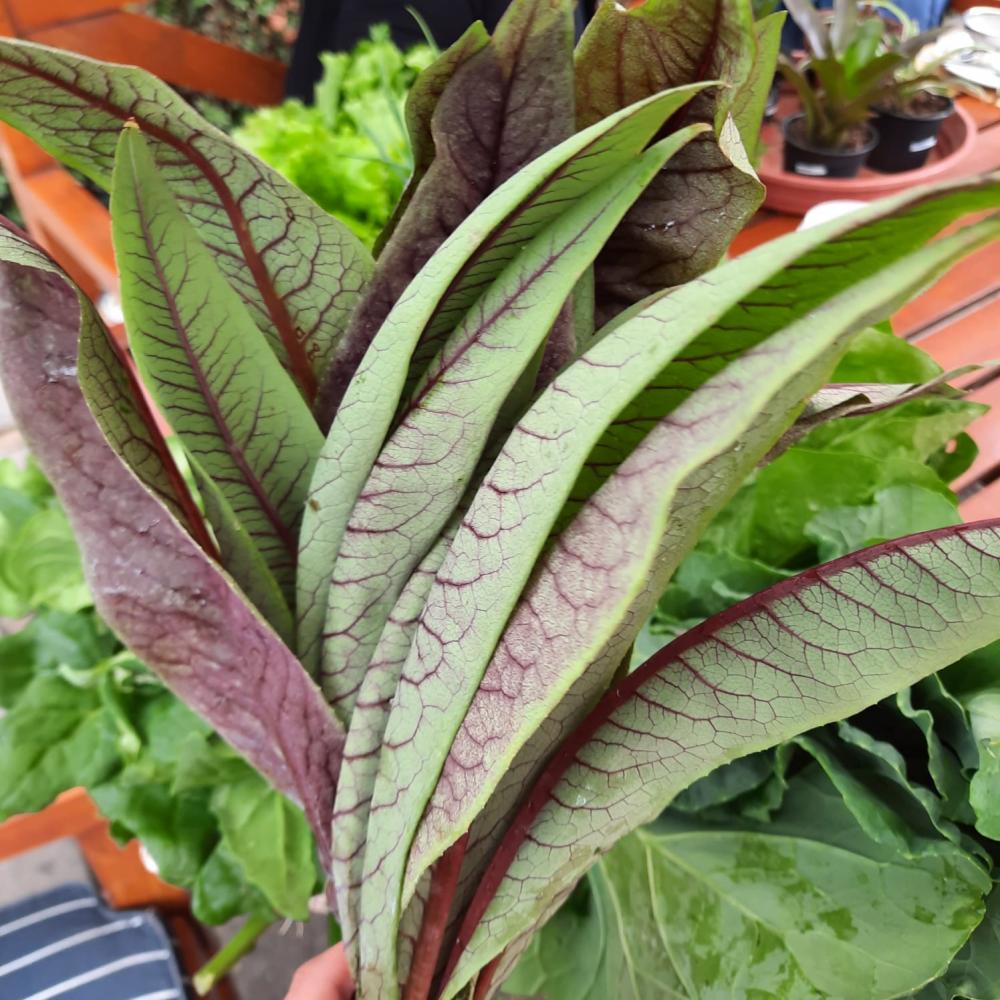
Cafezal Chicory
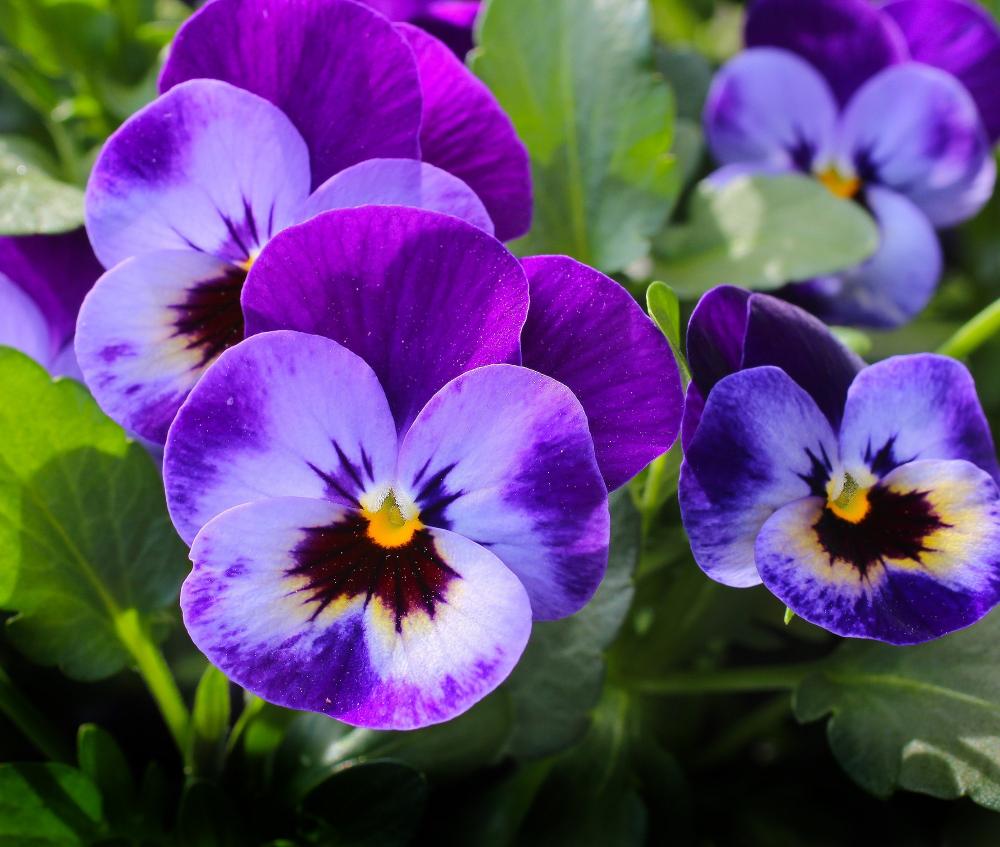
Perfect Love
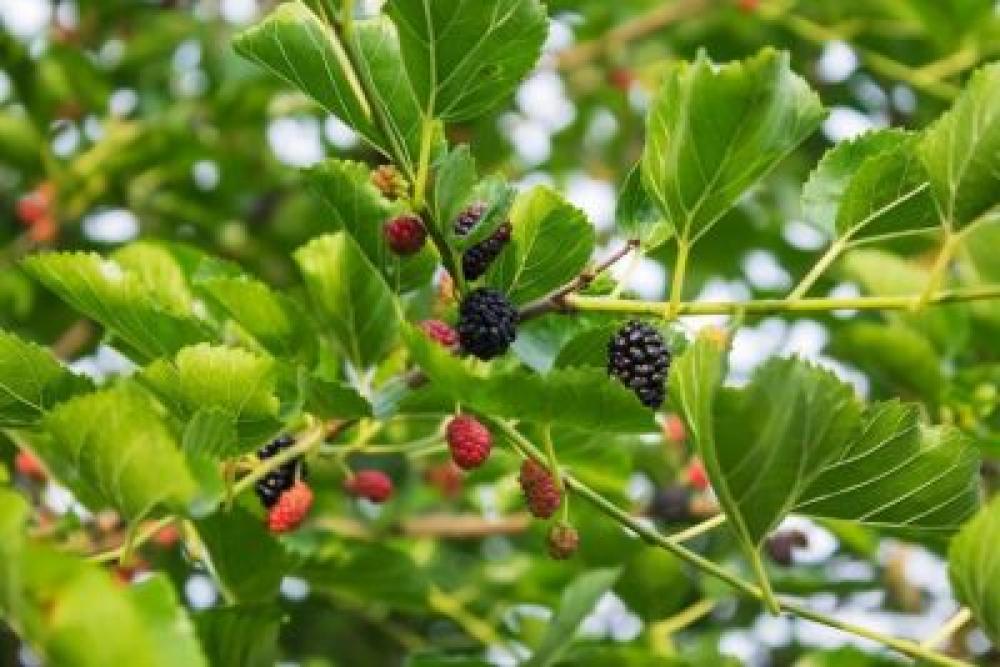
mulberry
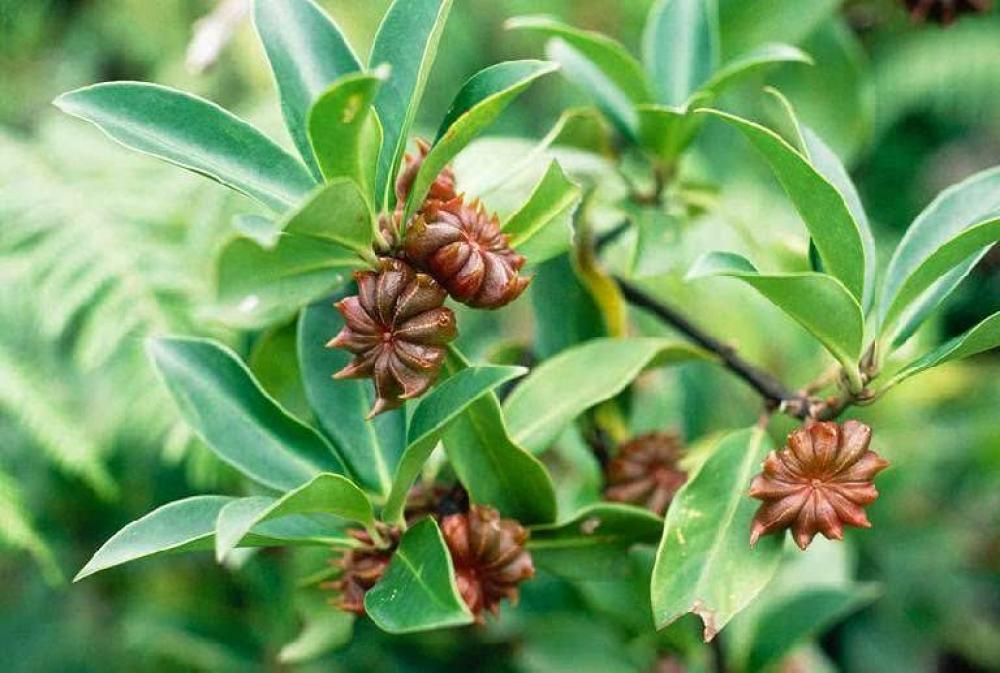
anise
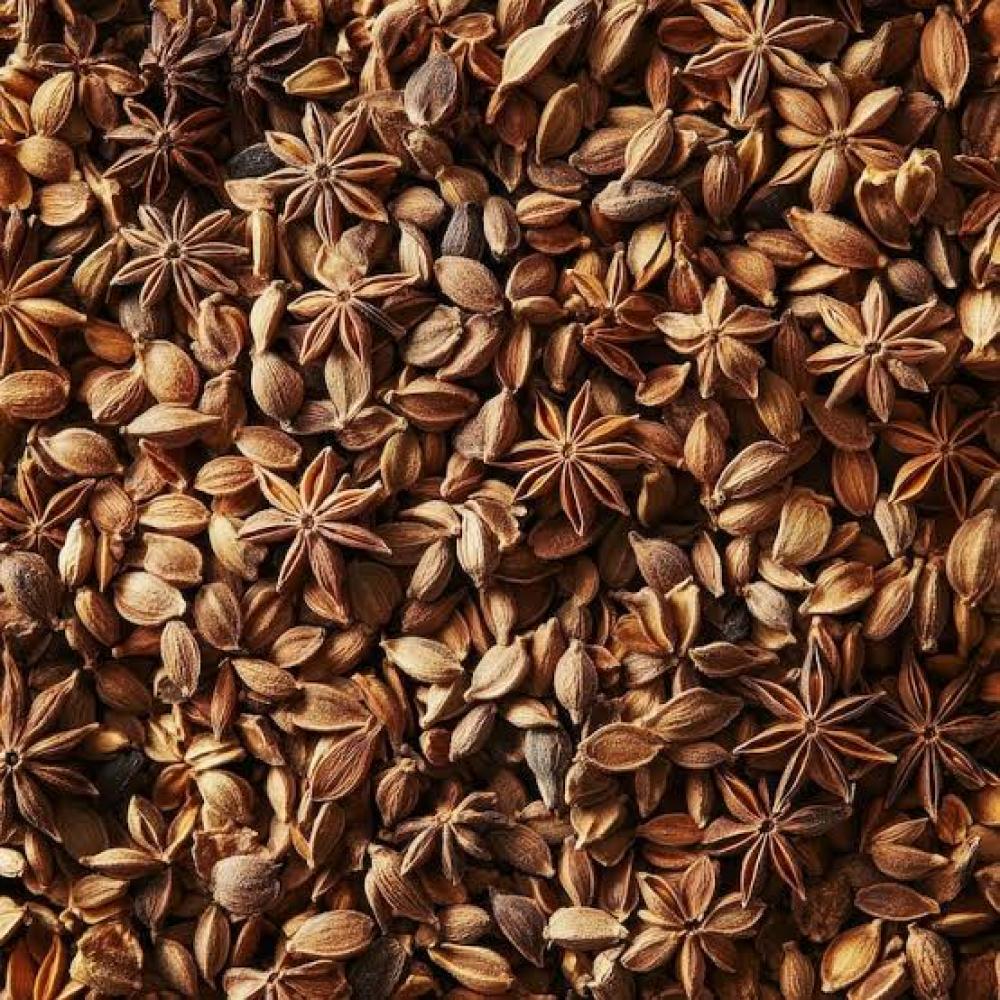
Star anise - Seeds
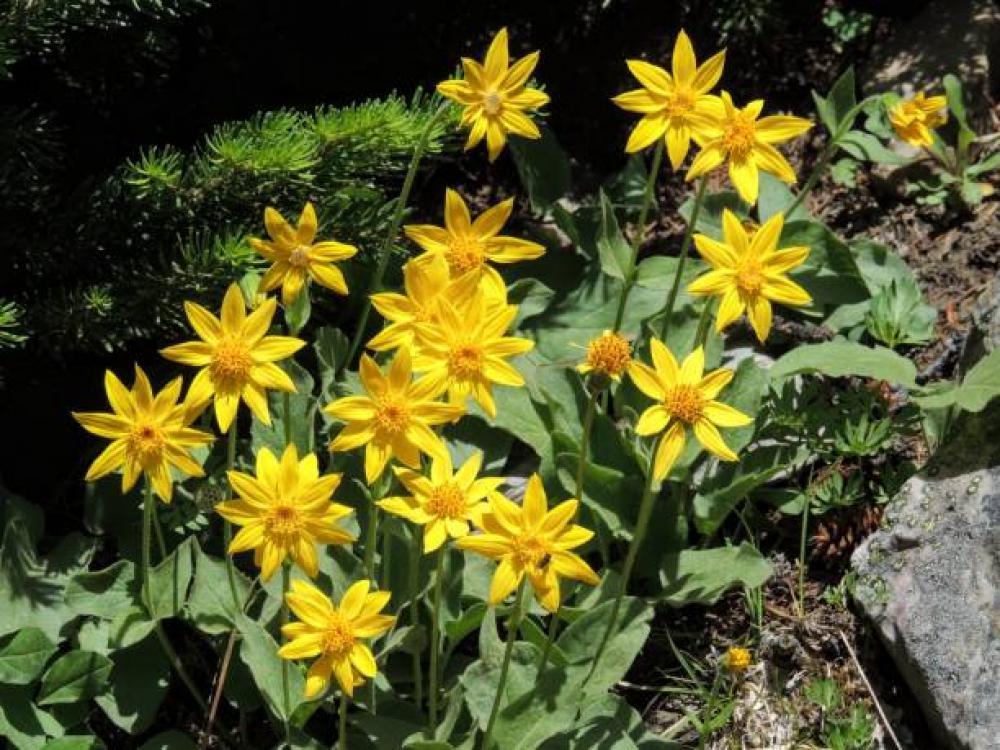
Arnica
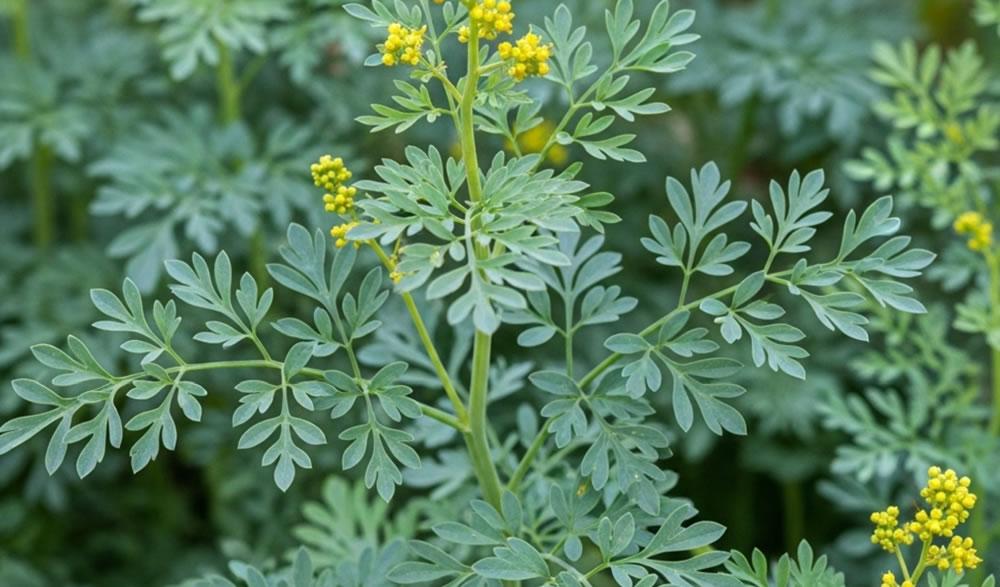
Rue
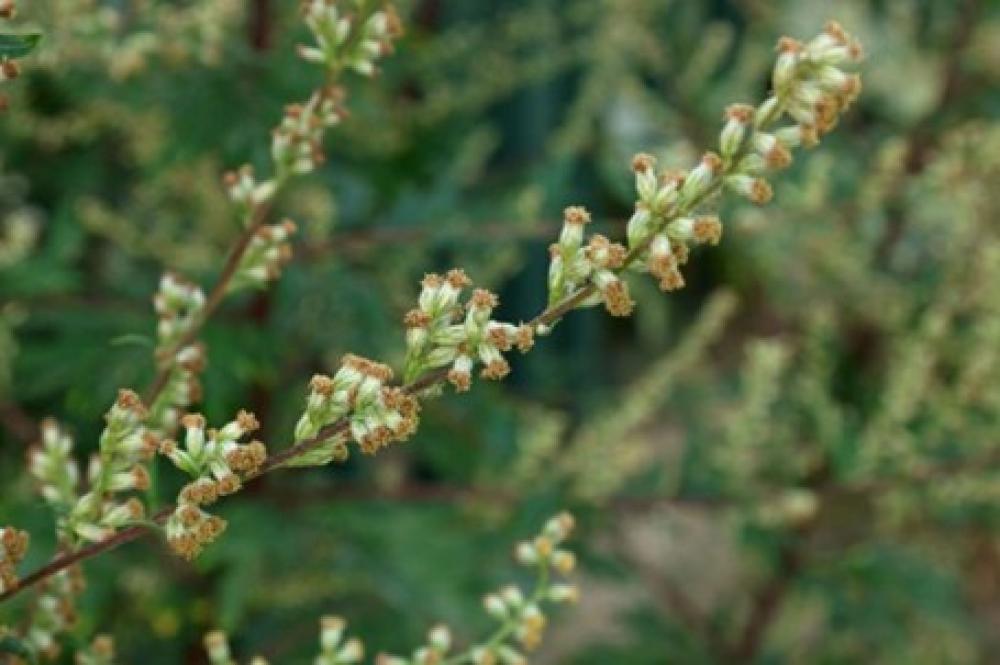
Artemisia
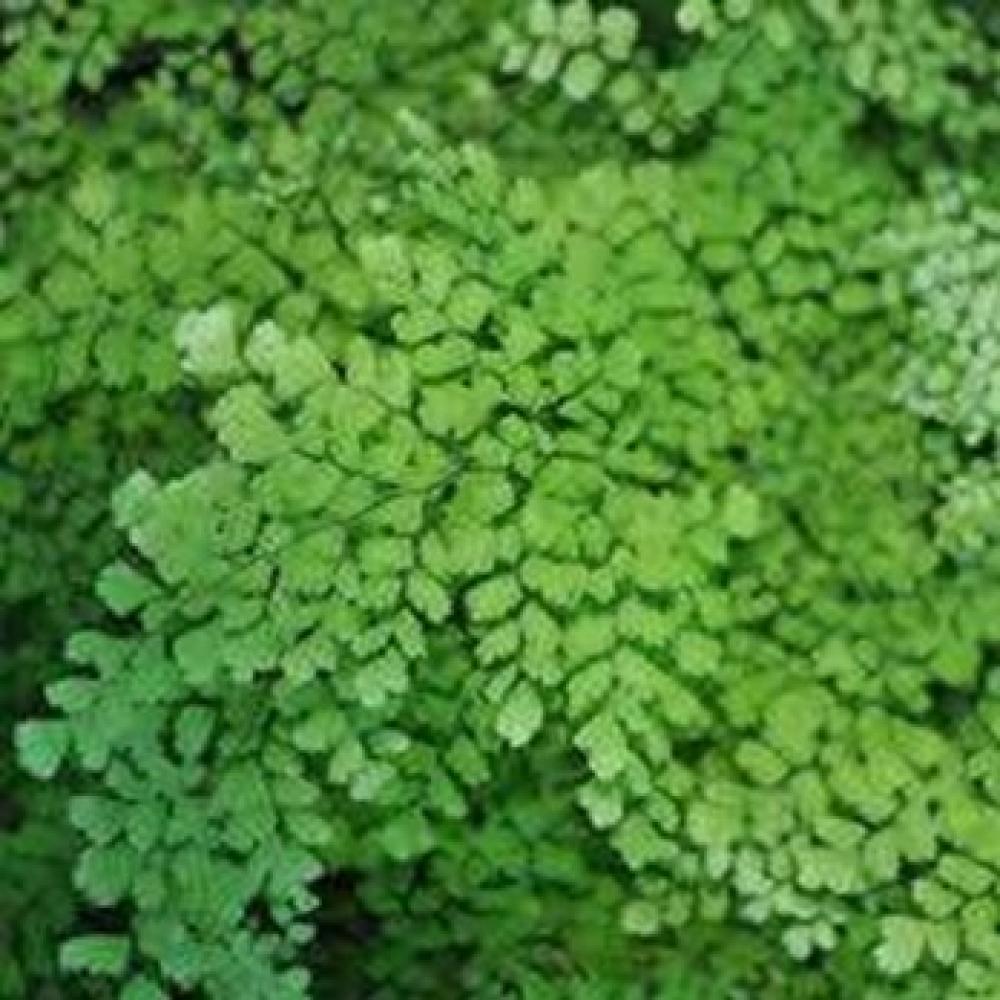
maidenhair fern
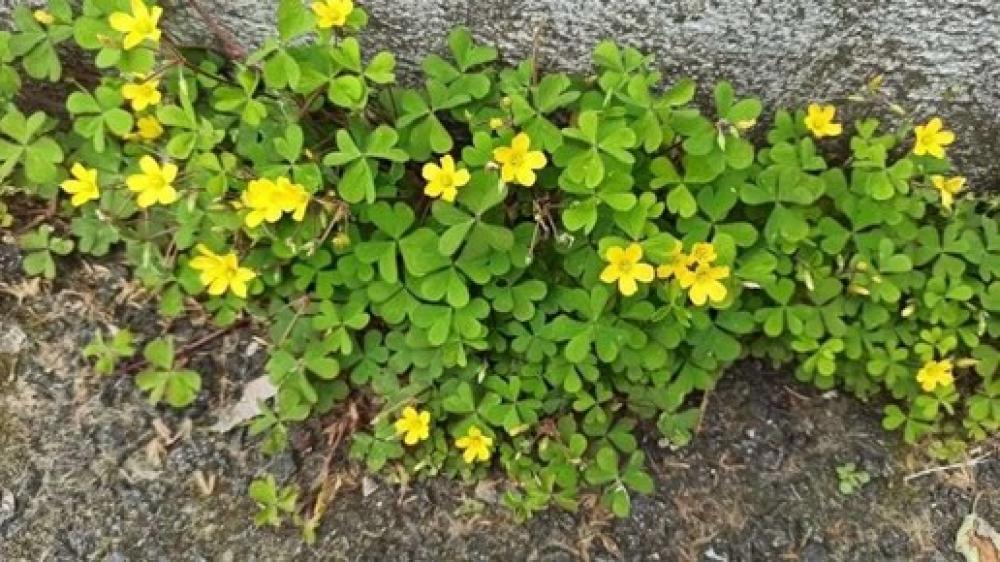
sourish
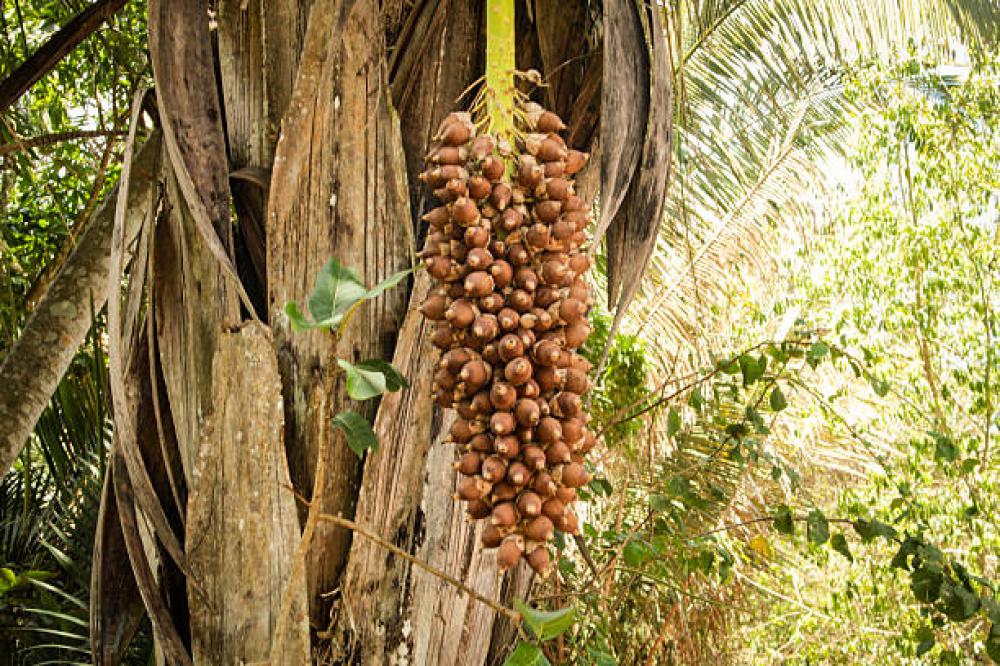
babassu
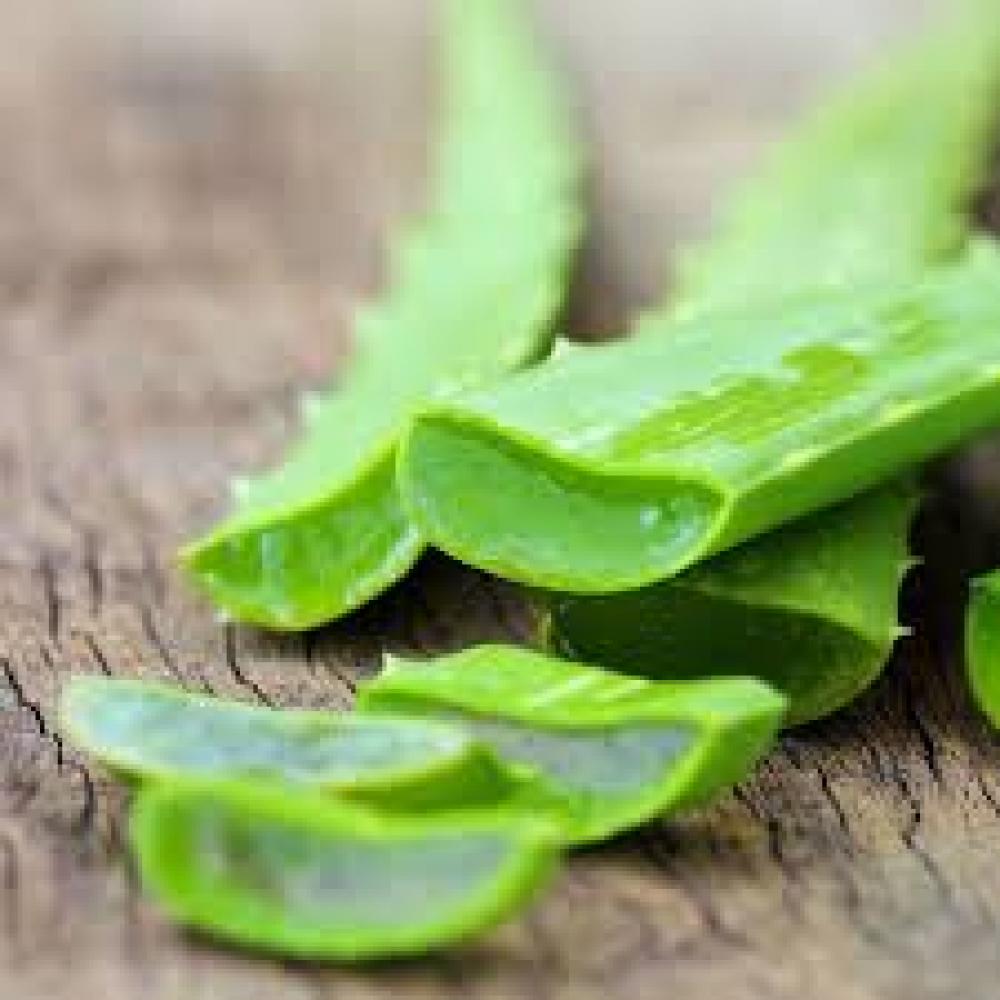
aloe vera
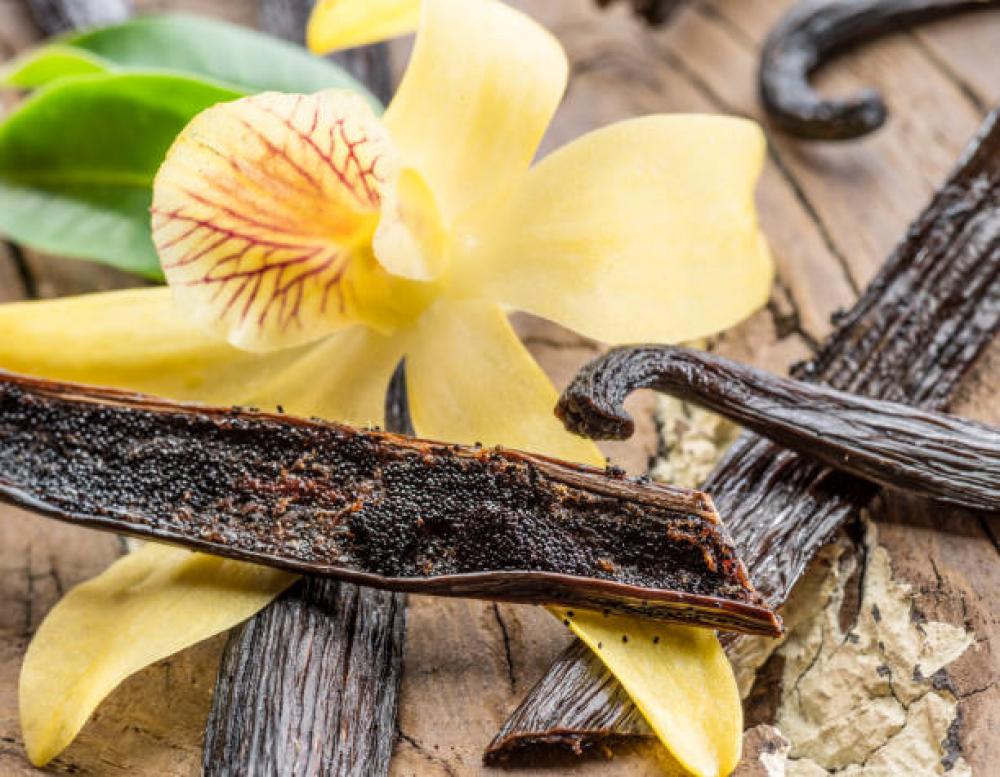
vanilla
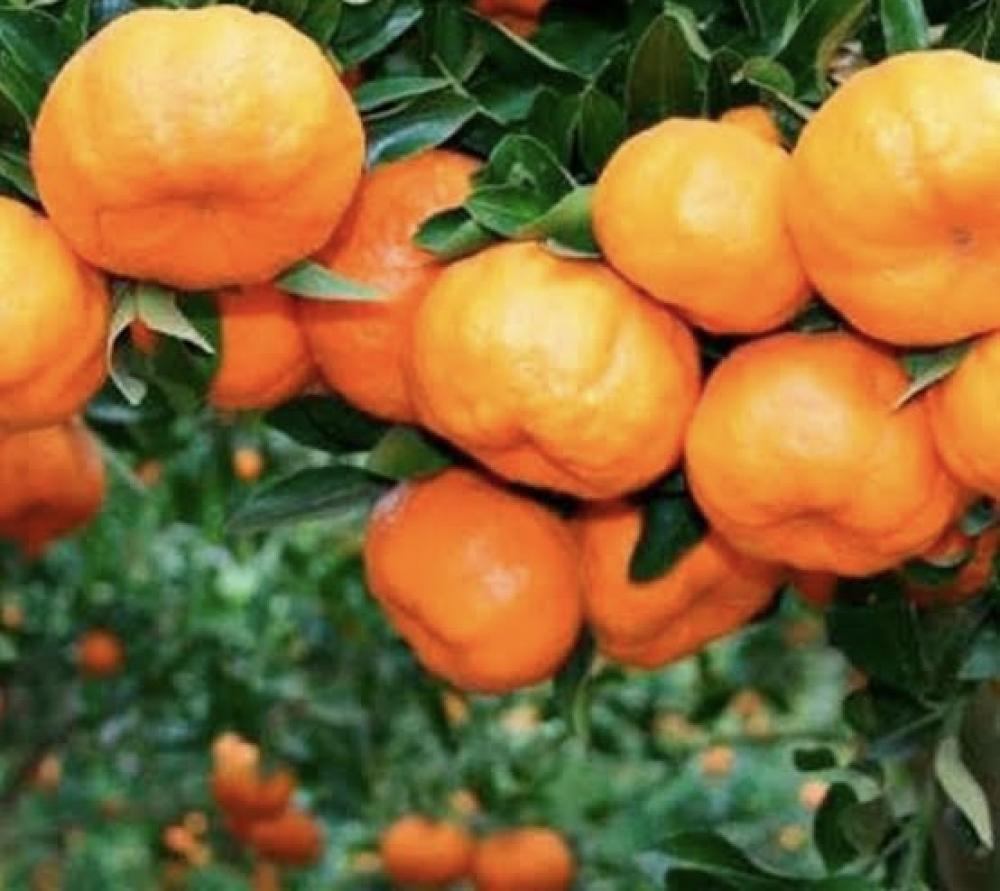
Bergamot
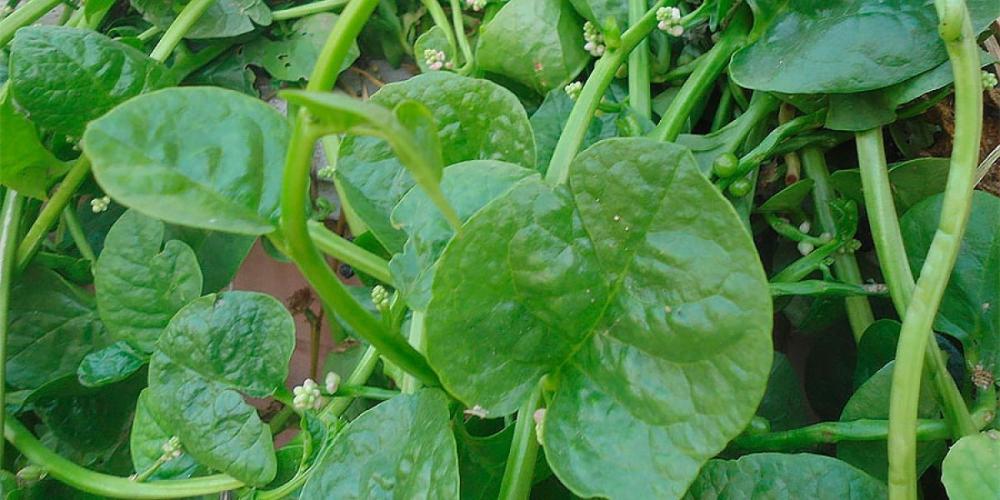
Malabar spinach
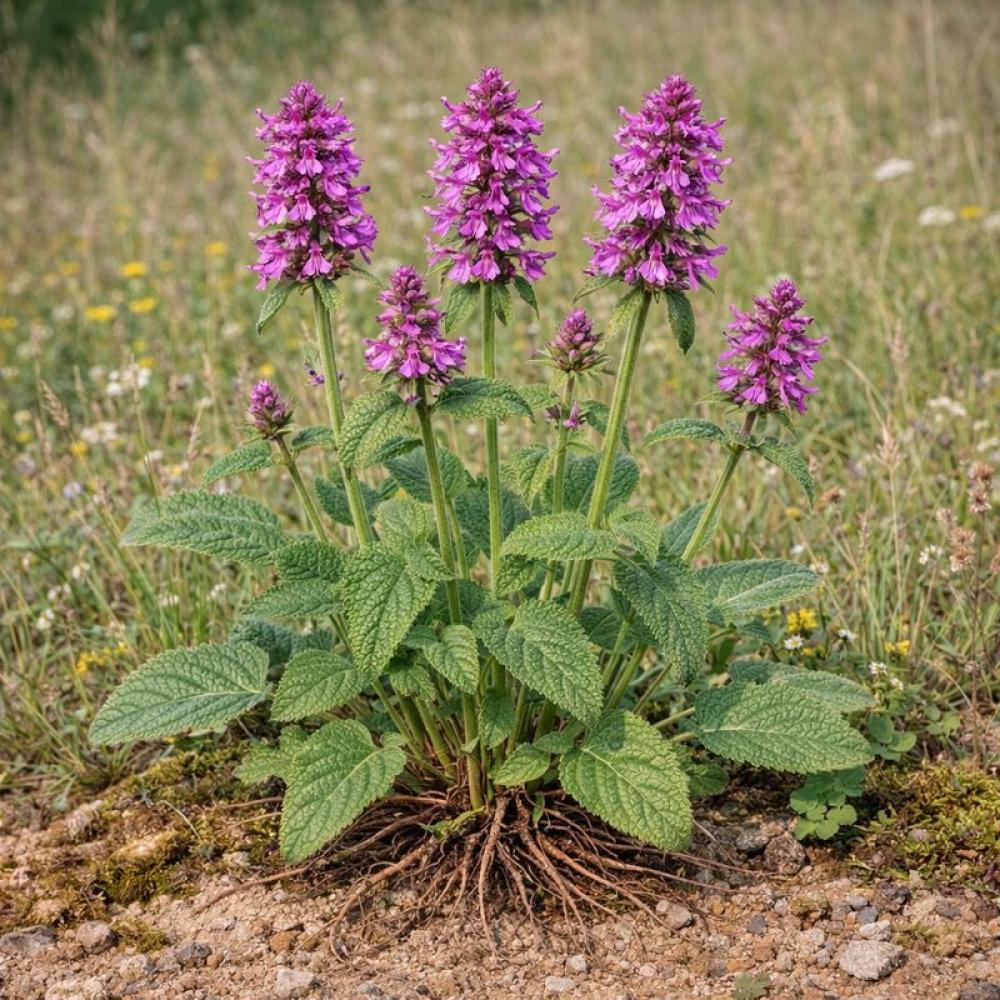
betony
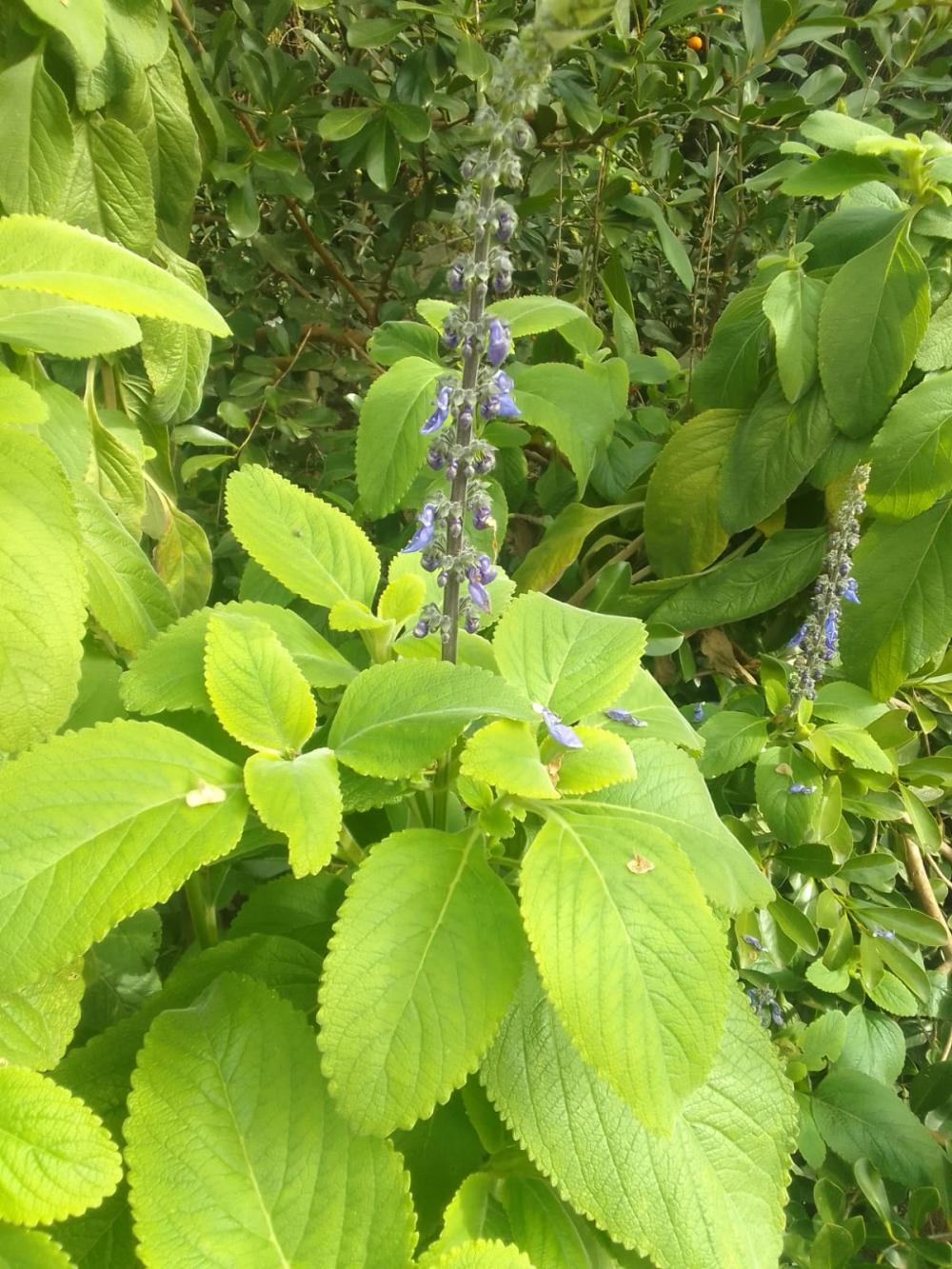
Boldo
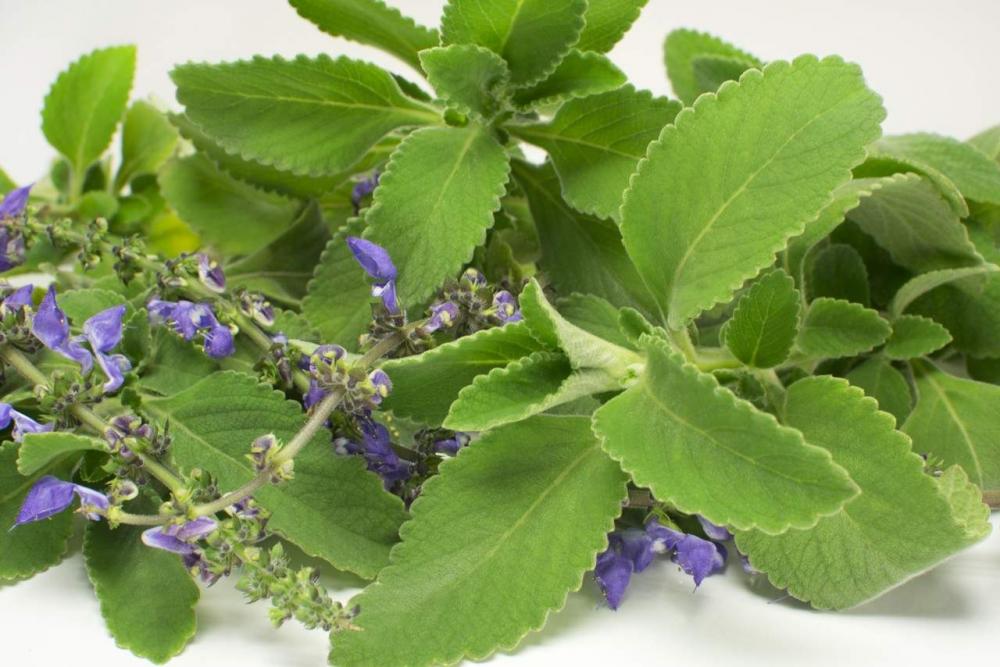
Chilean boldo
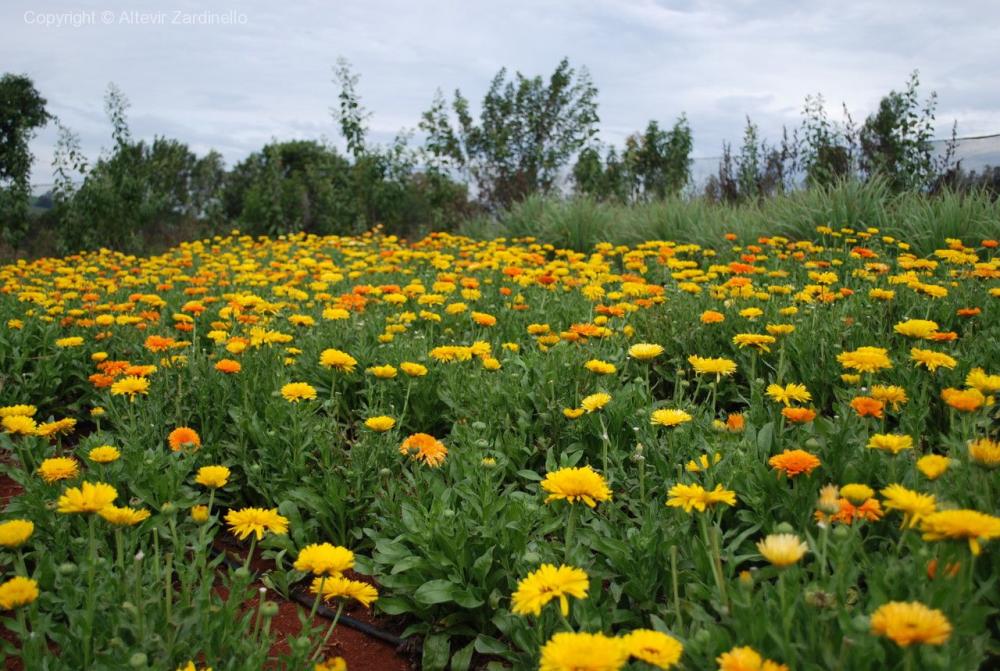
Calêndula
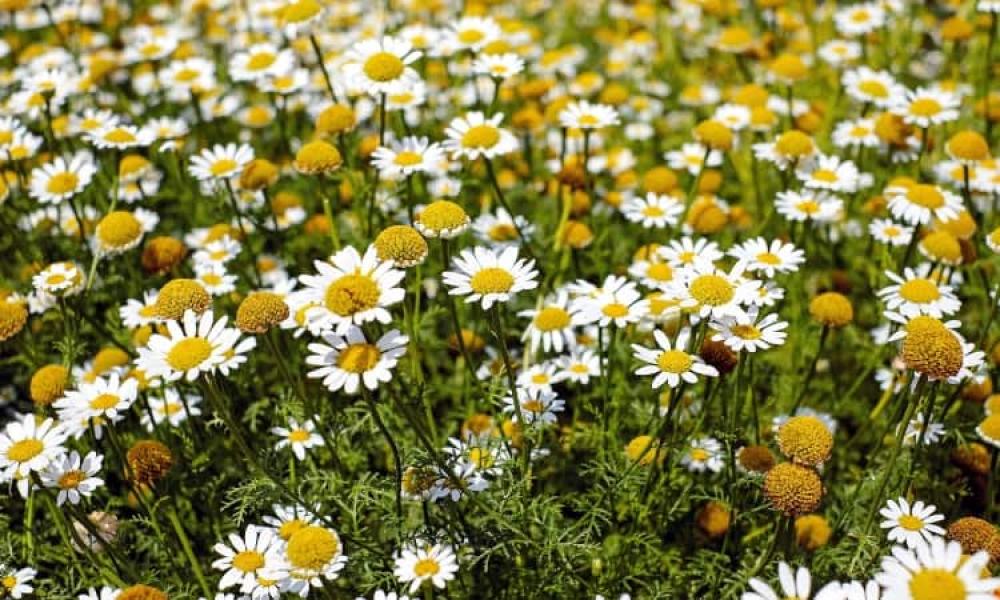
Chamomile
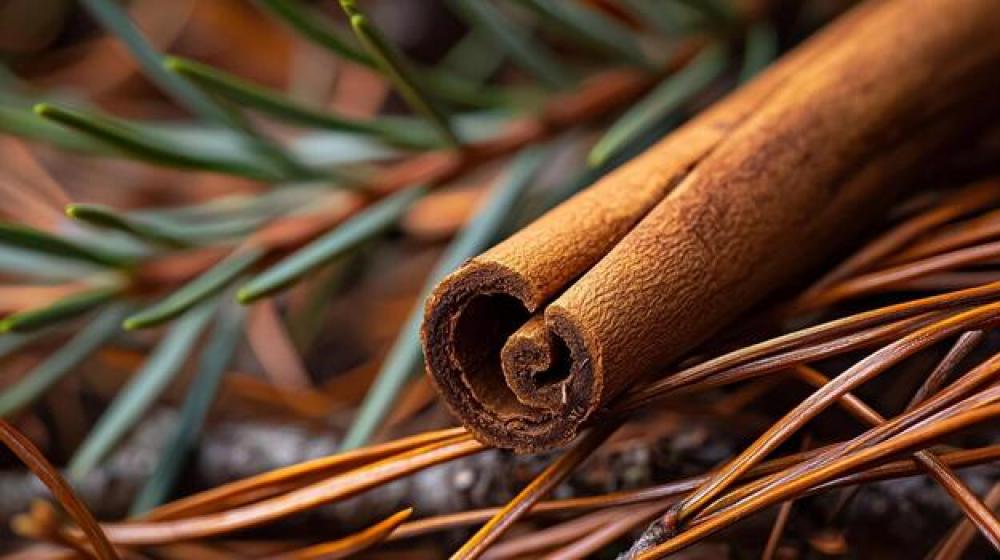
cinnamon
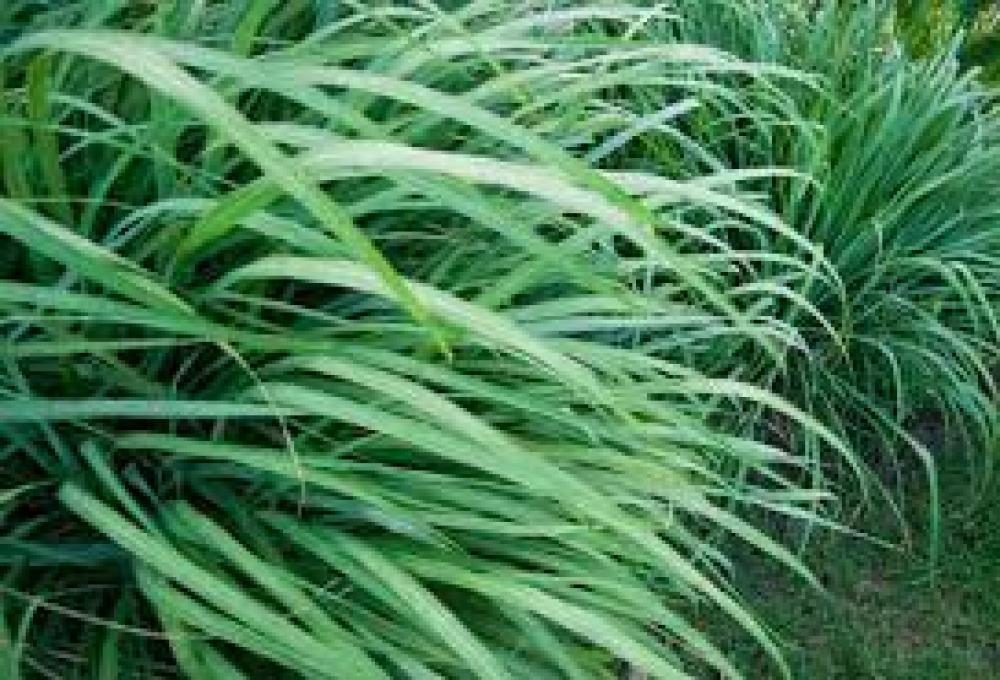
Scented Grass - Lemongrass
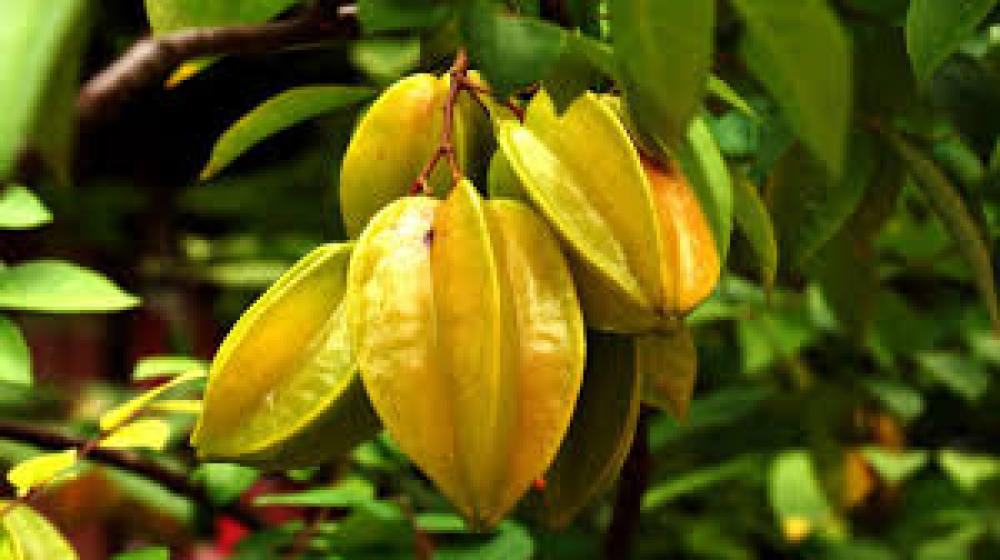
starfruit
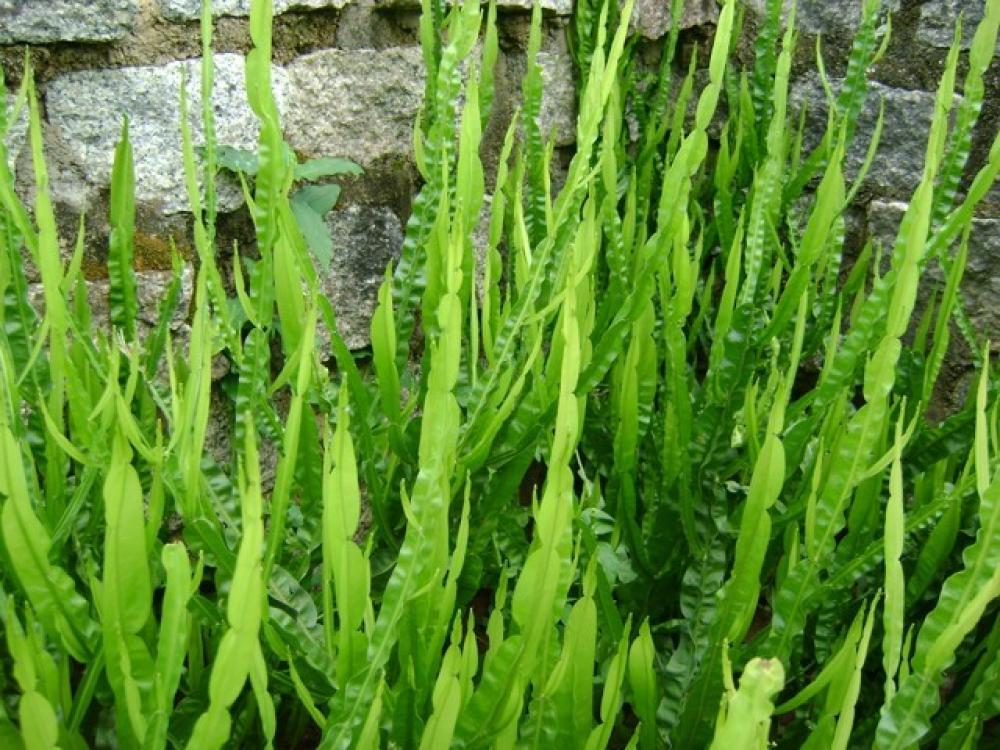
Carqueja
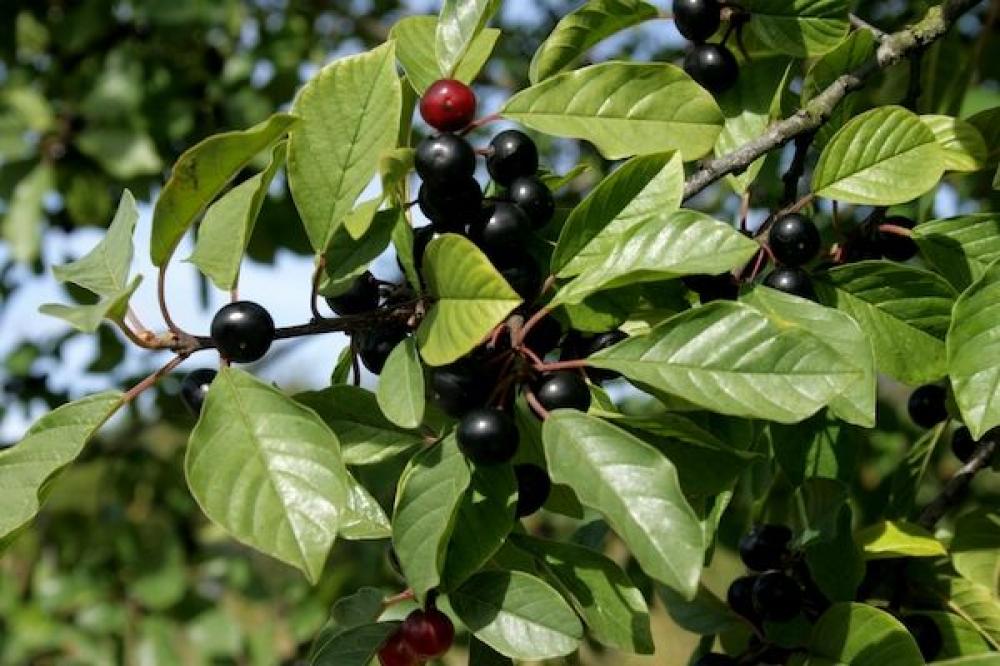
sacred waterfall
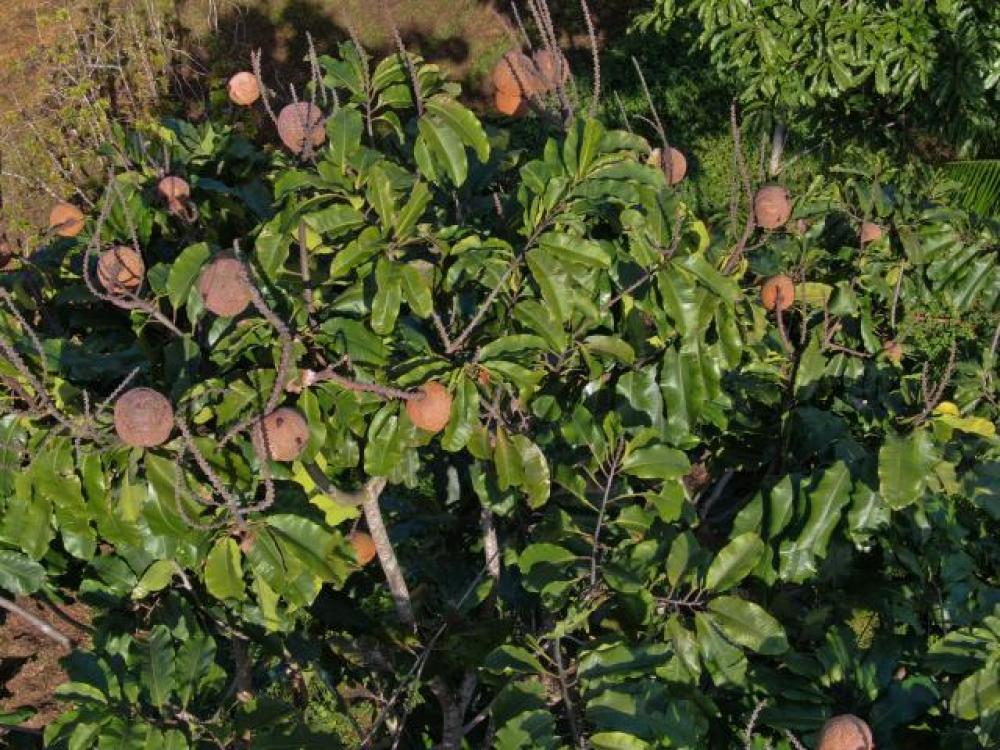
chestnut tree
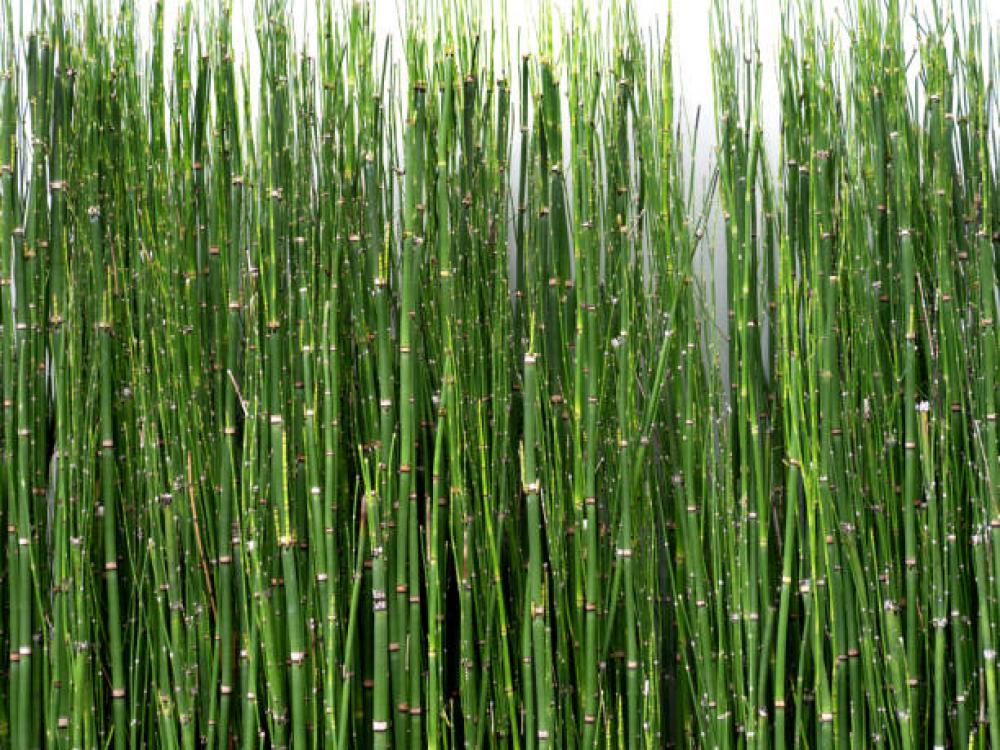
horsetail
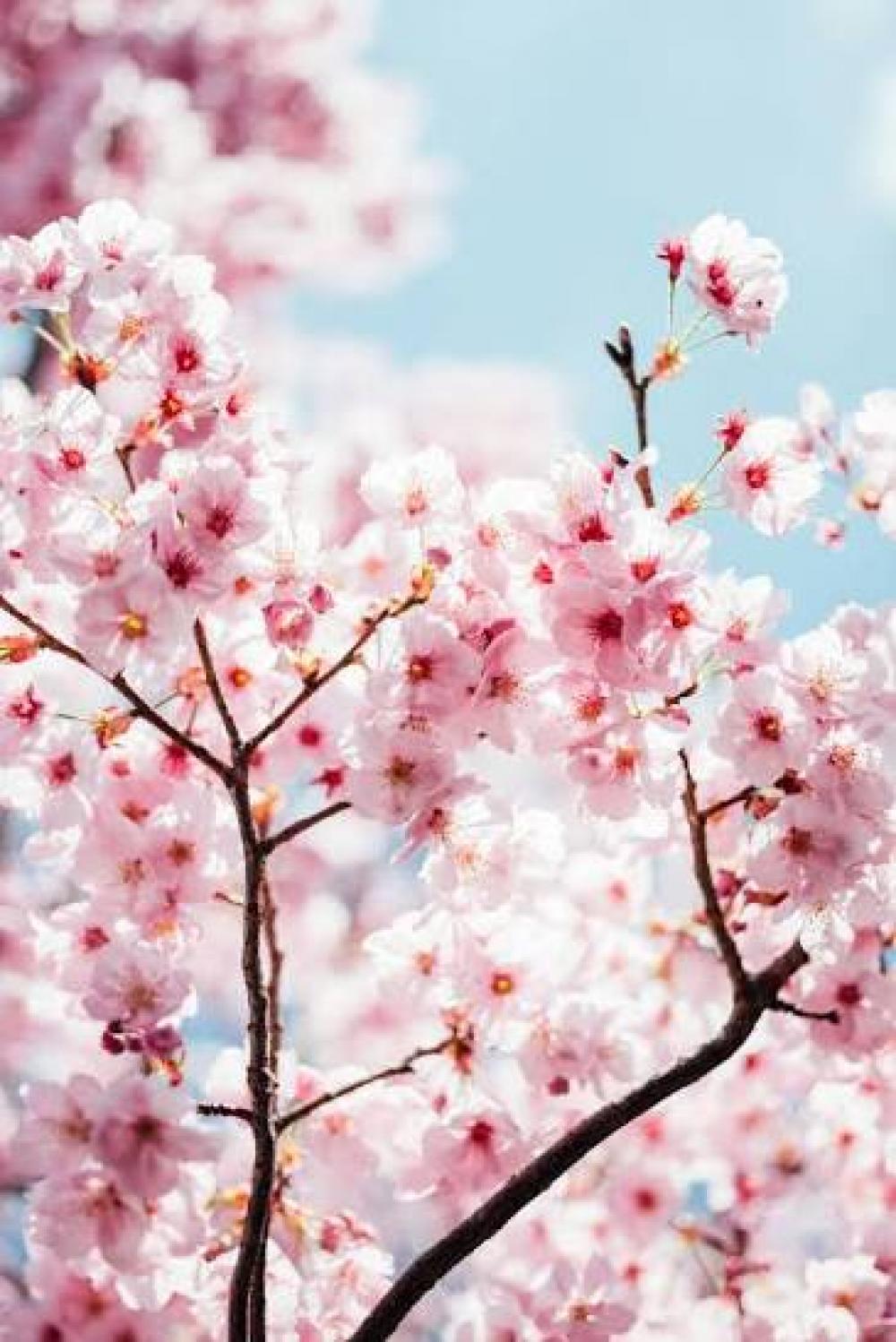
cherry
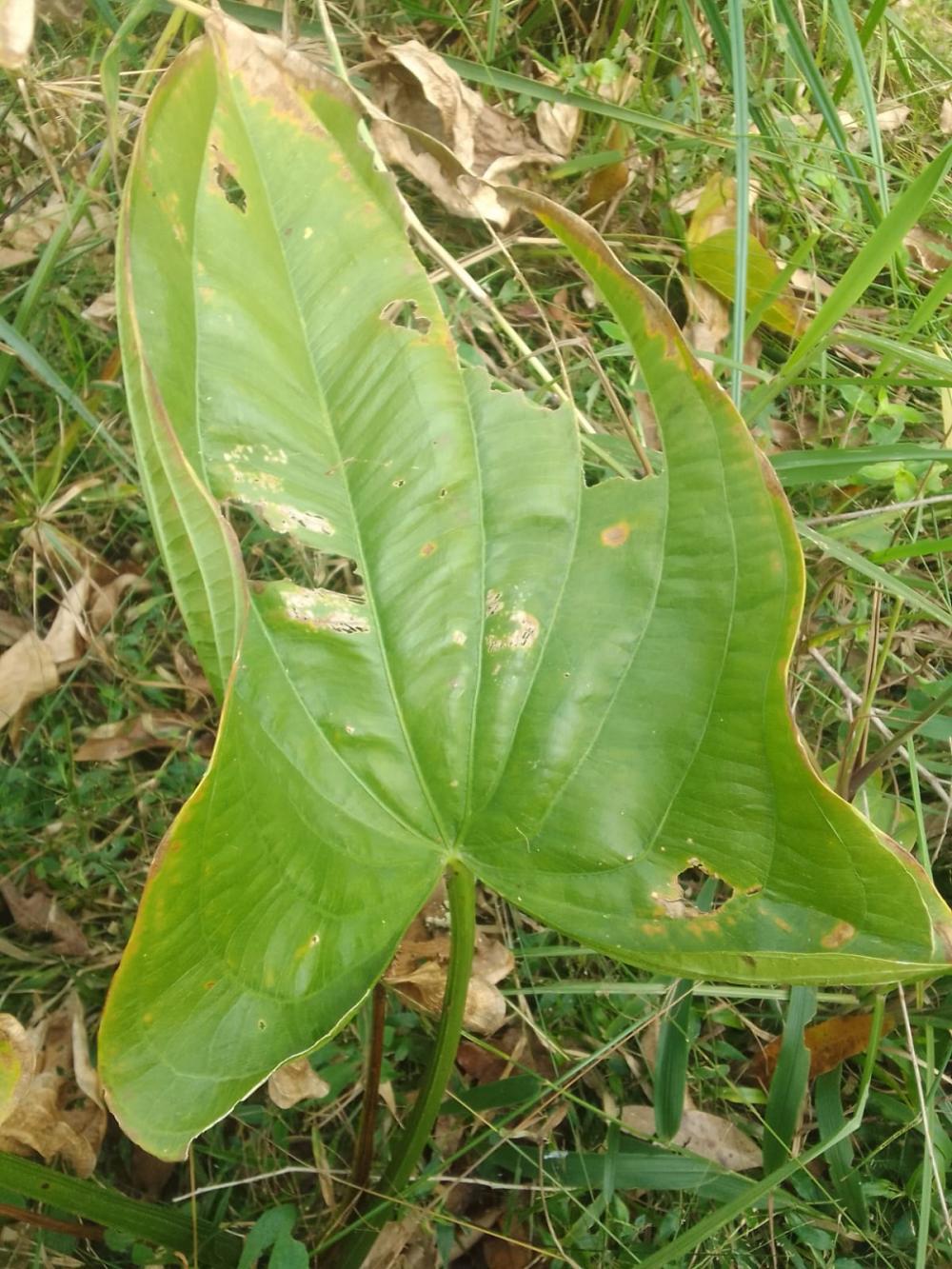
Leather Hat
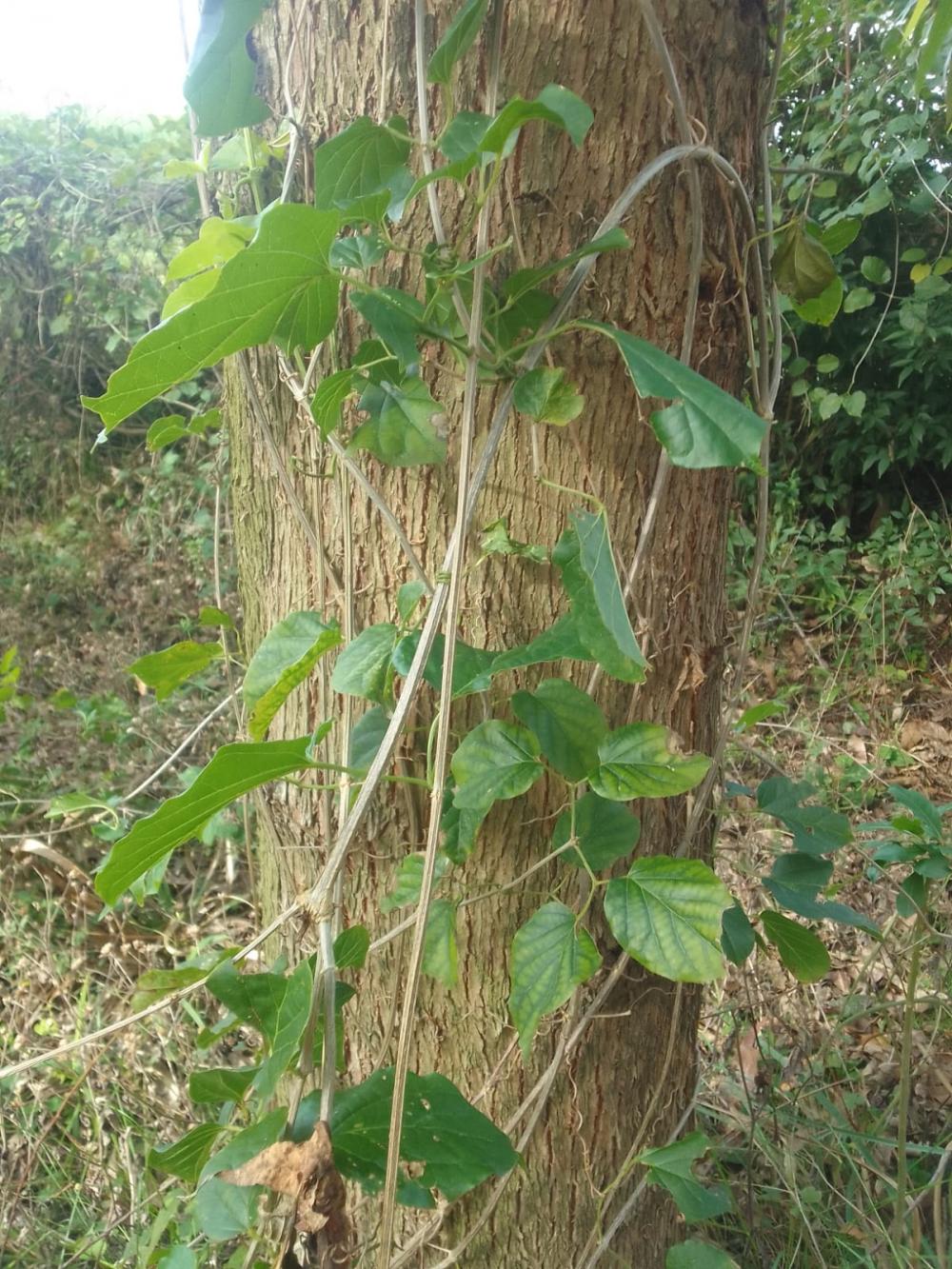
St. Johns Vine
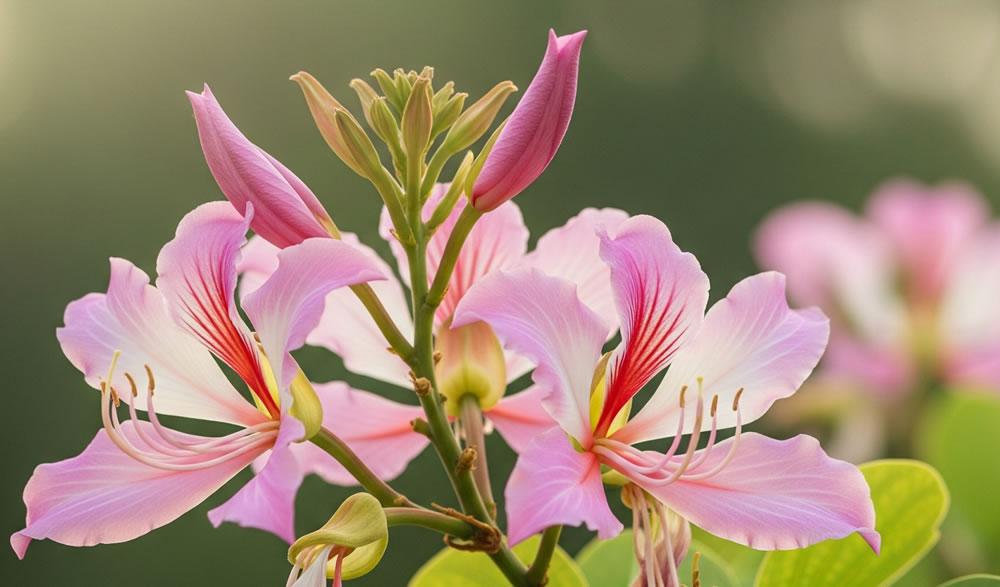
Cows foot vine
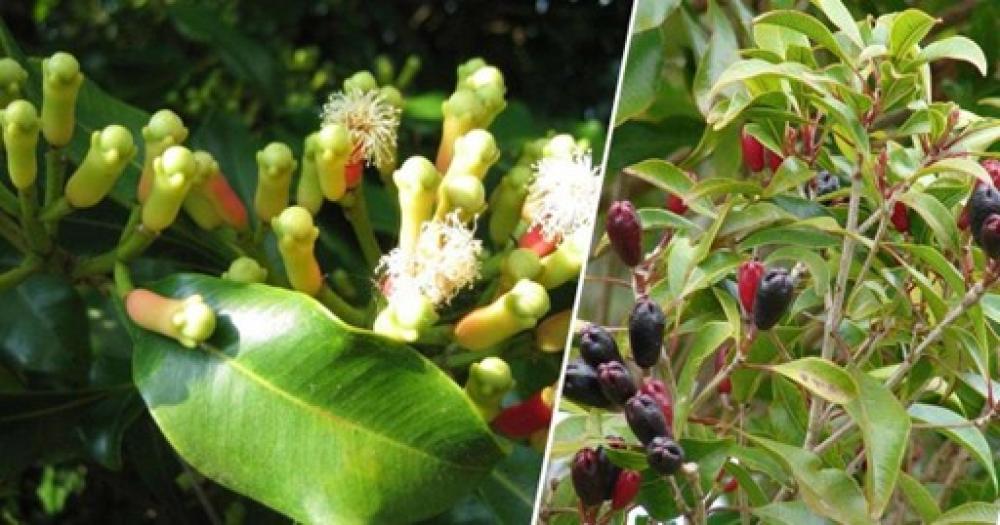
clove
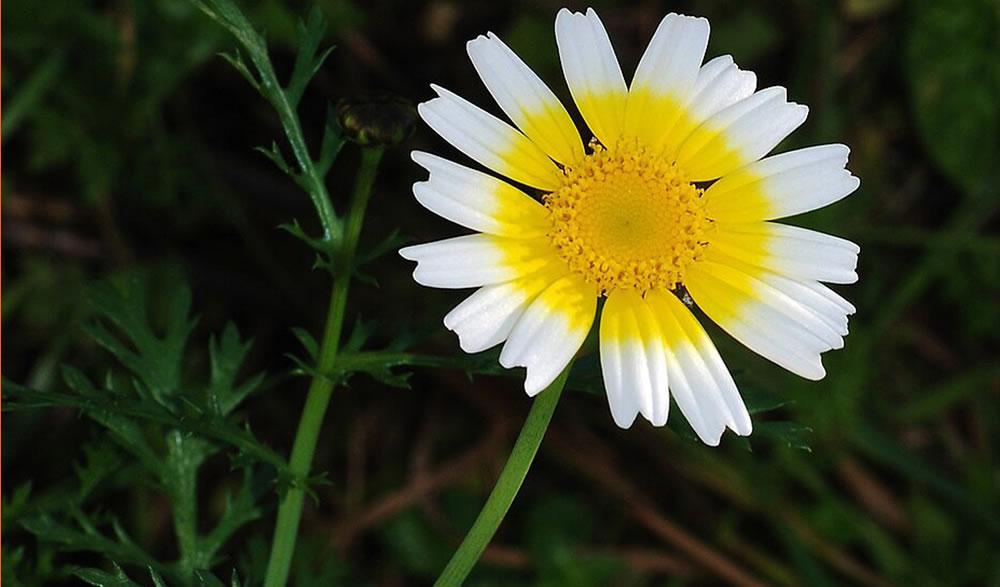
Chrysanthemum
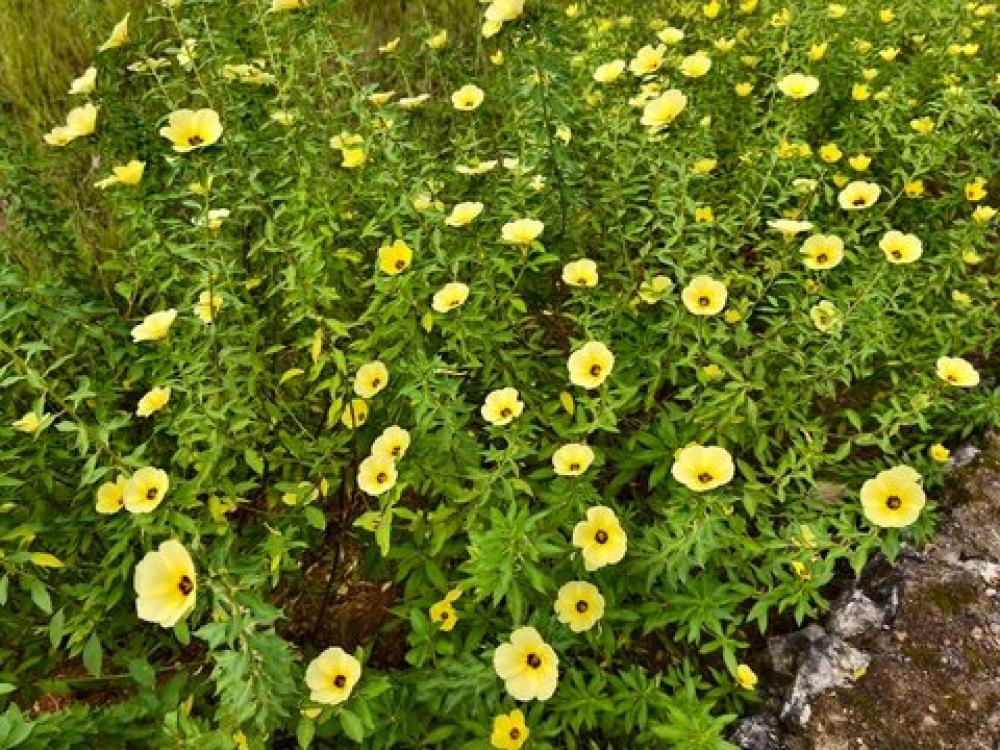
Damiana
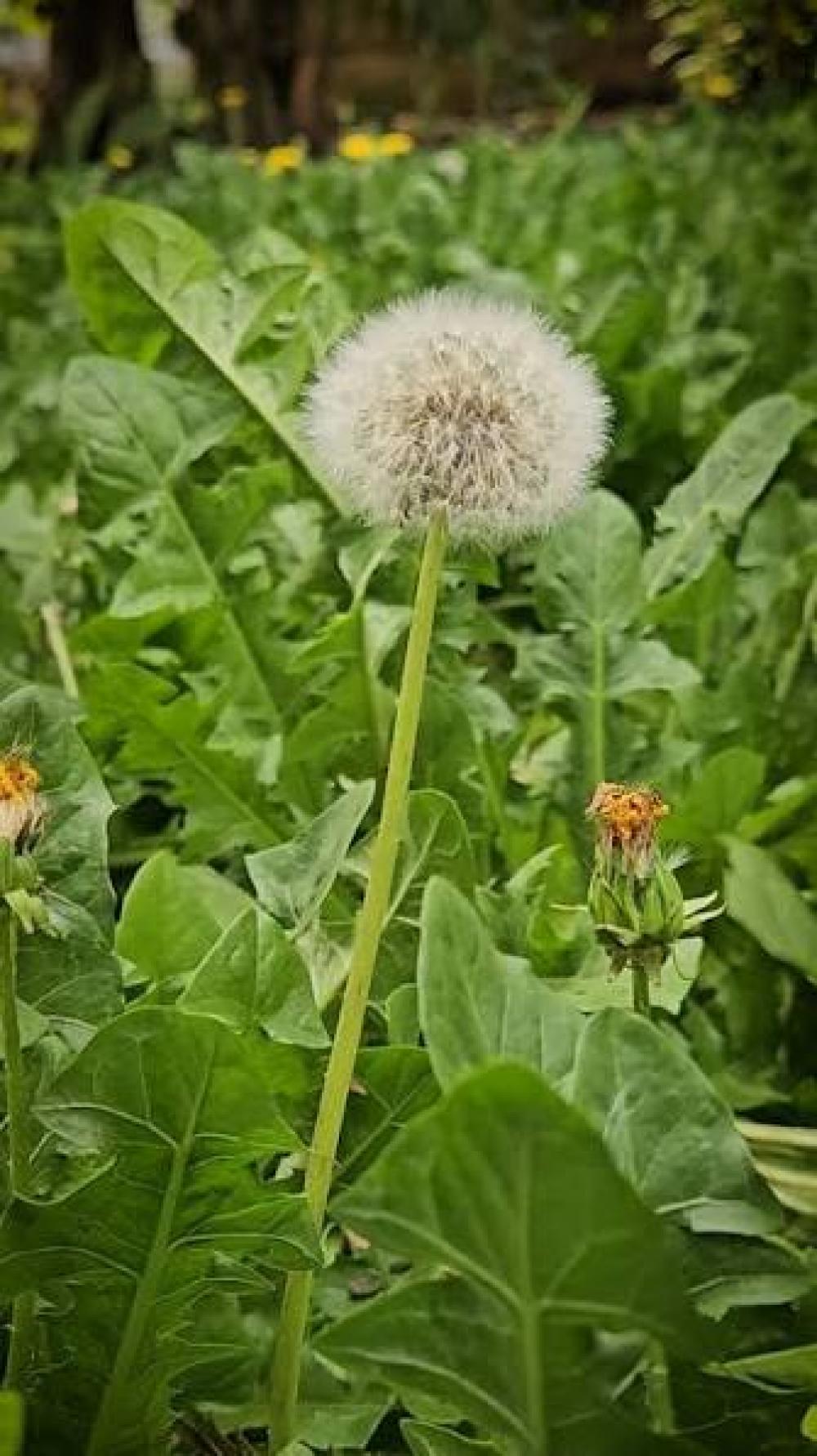
dandelion
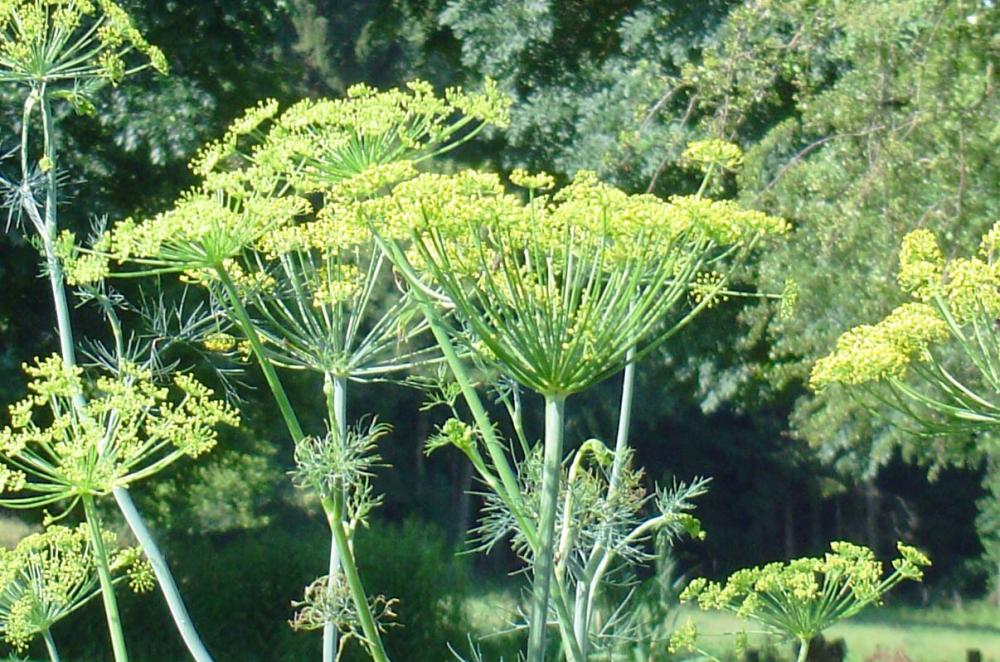
dill
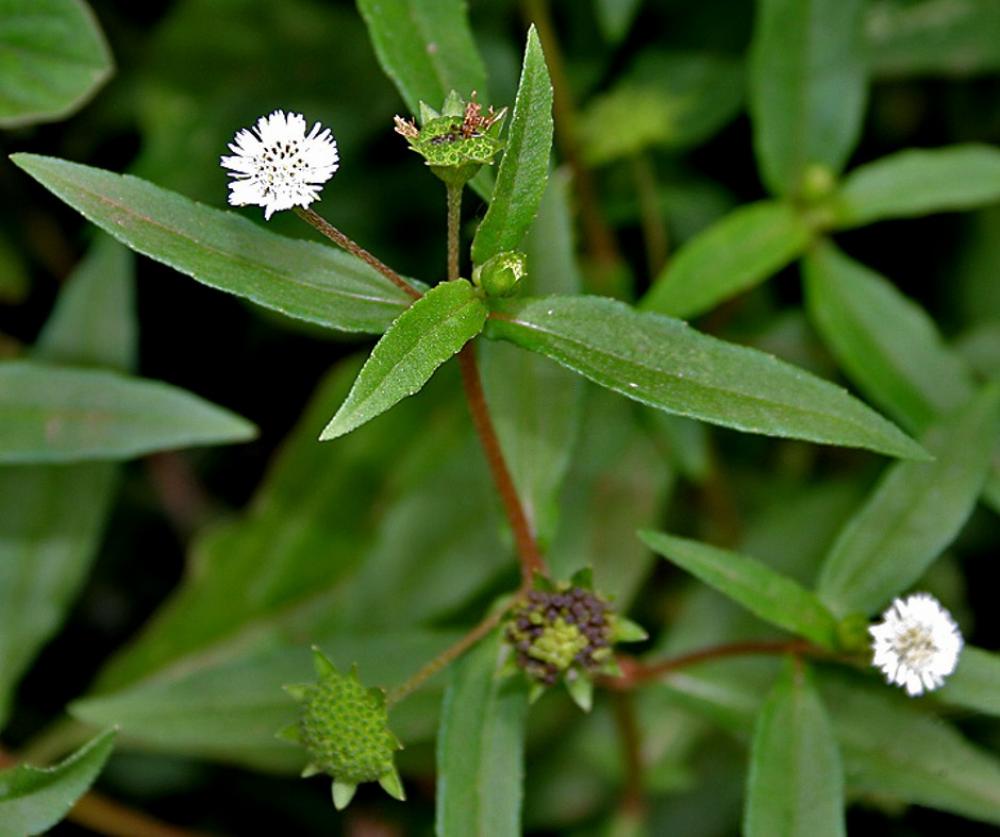
Button Herb
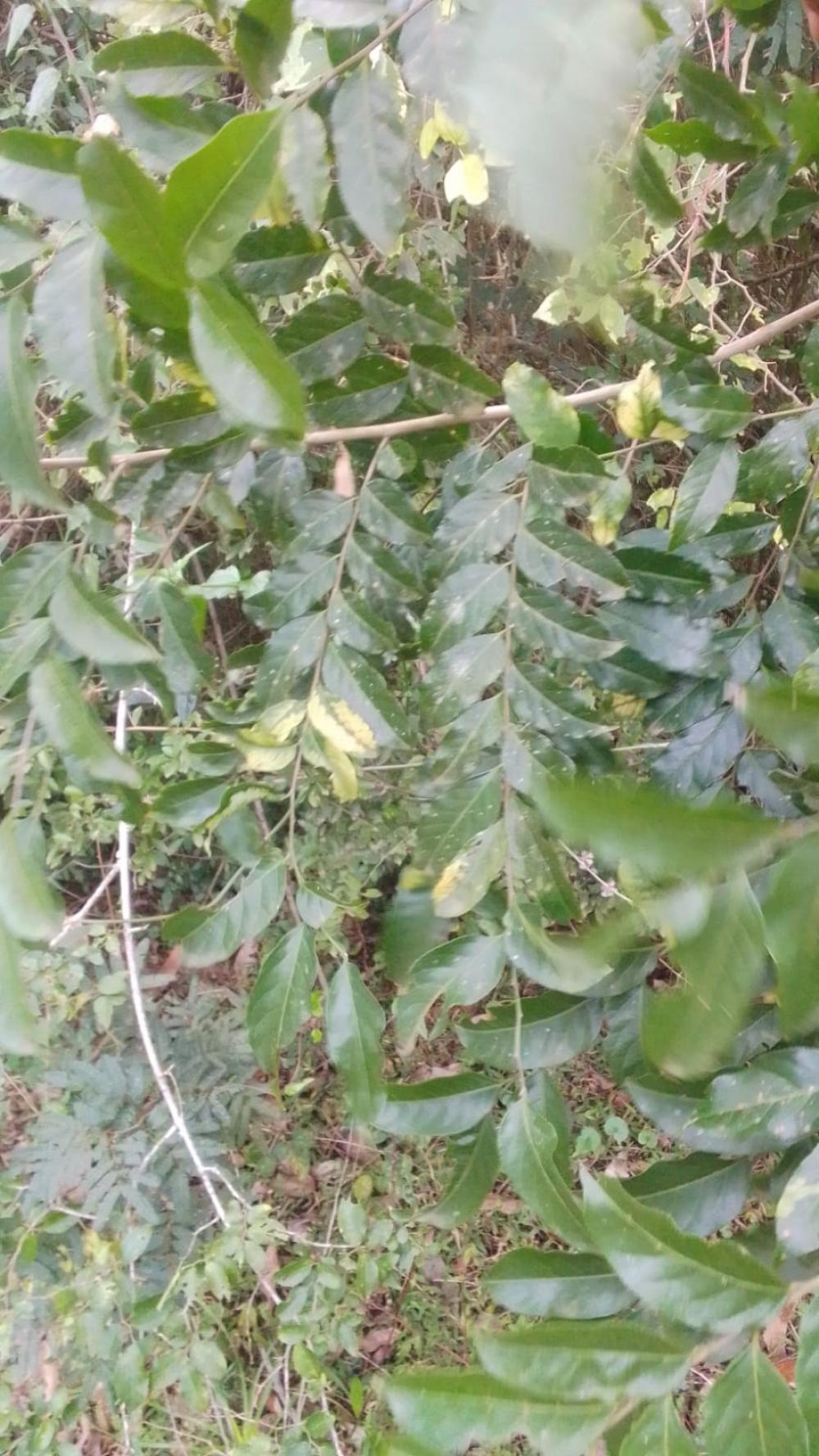
buggy grass
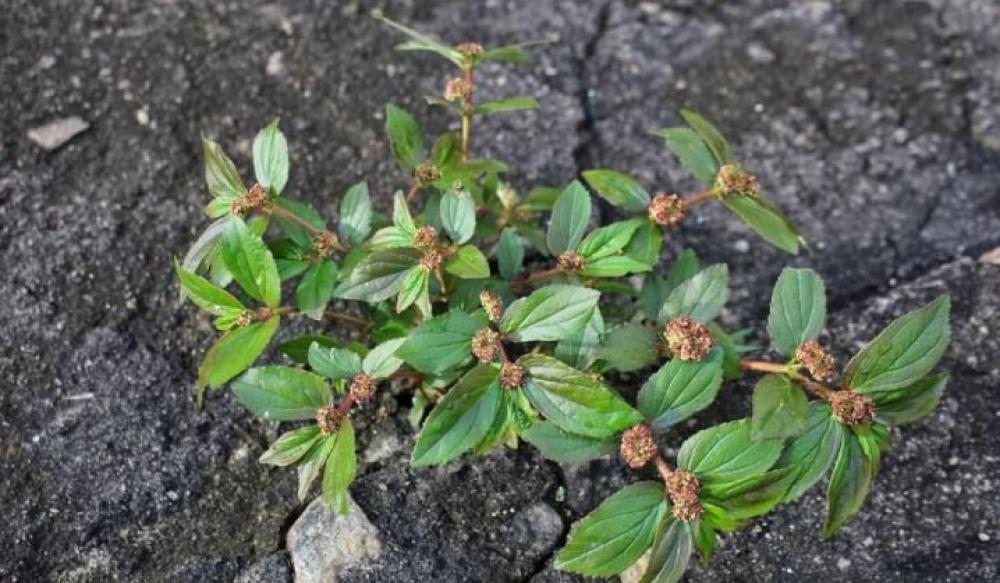
St. Lucias herb
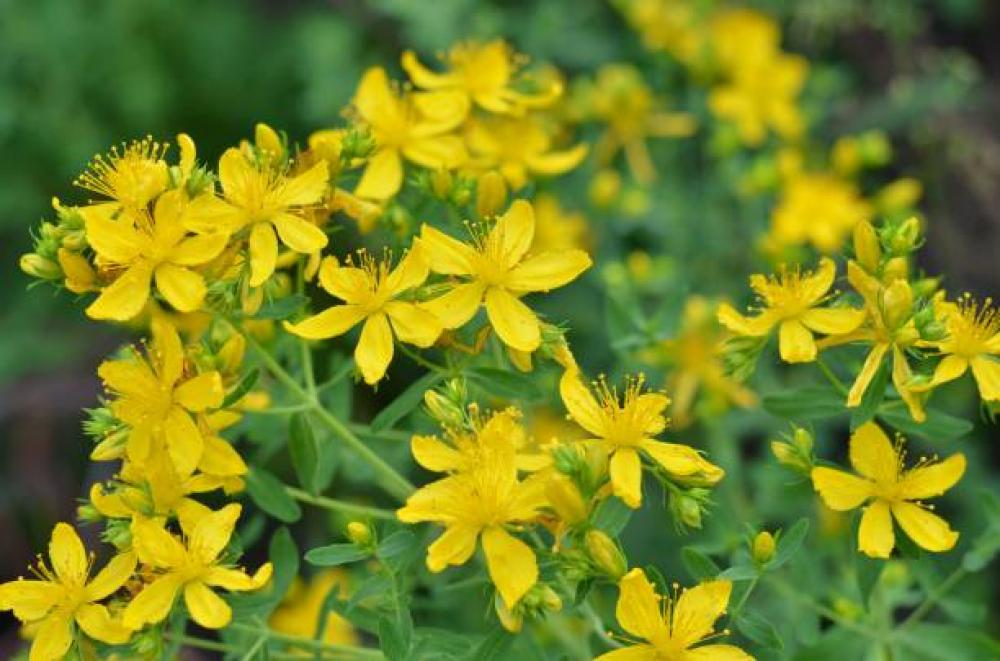
St. Johns wort
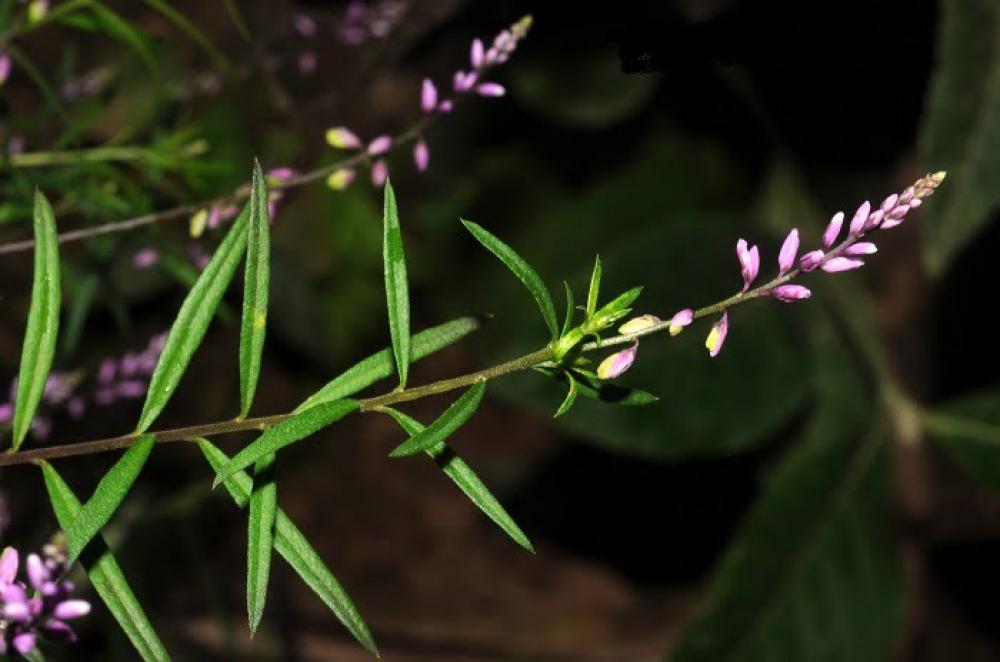
St. Peters wort
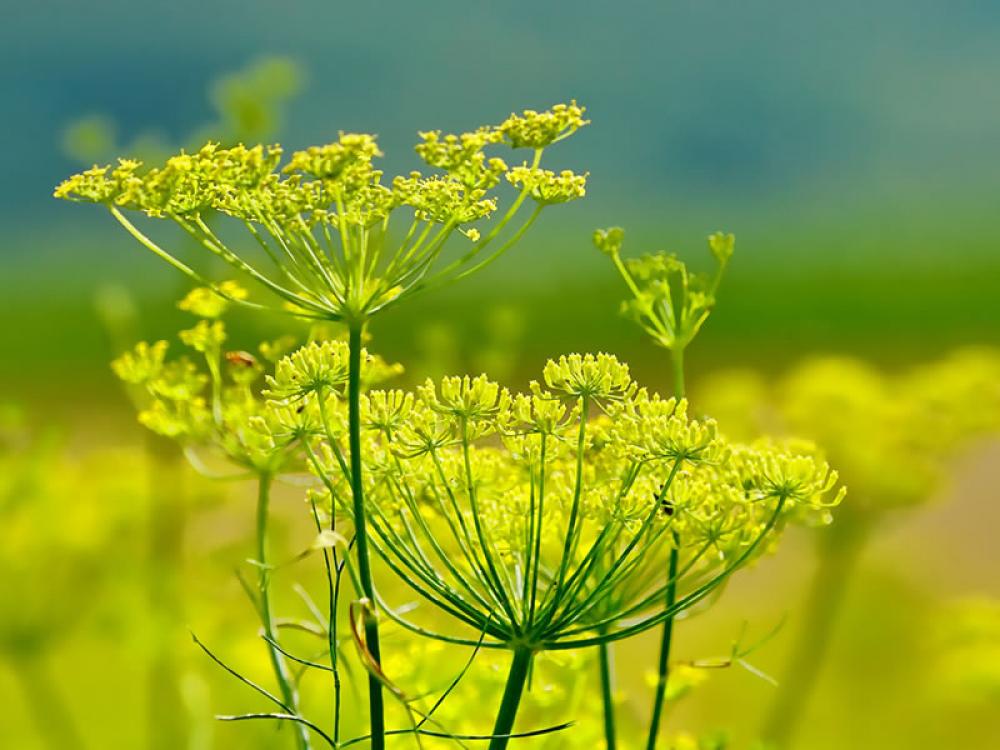
anise
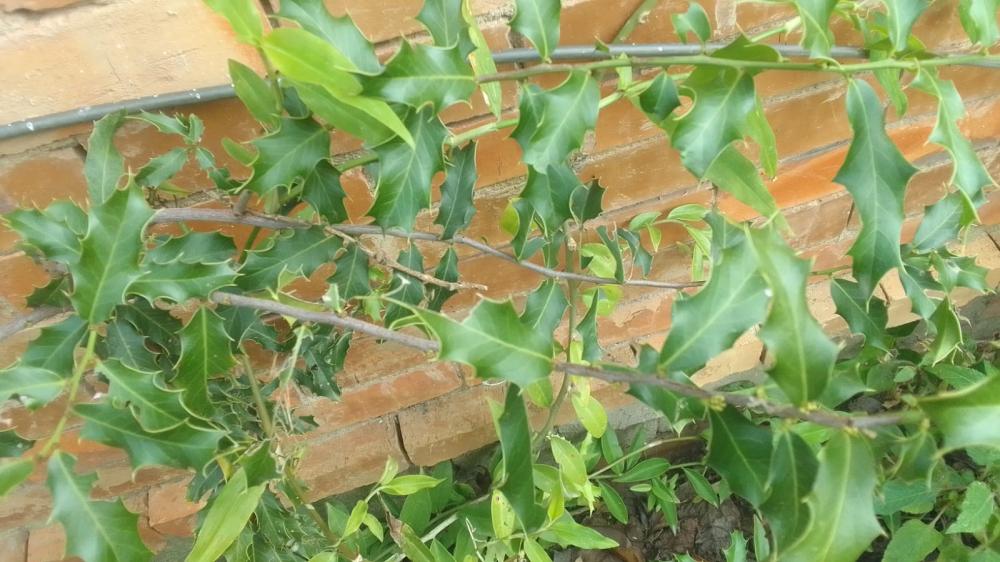
Espinheira - Santa
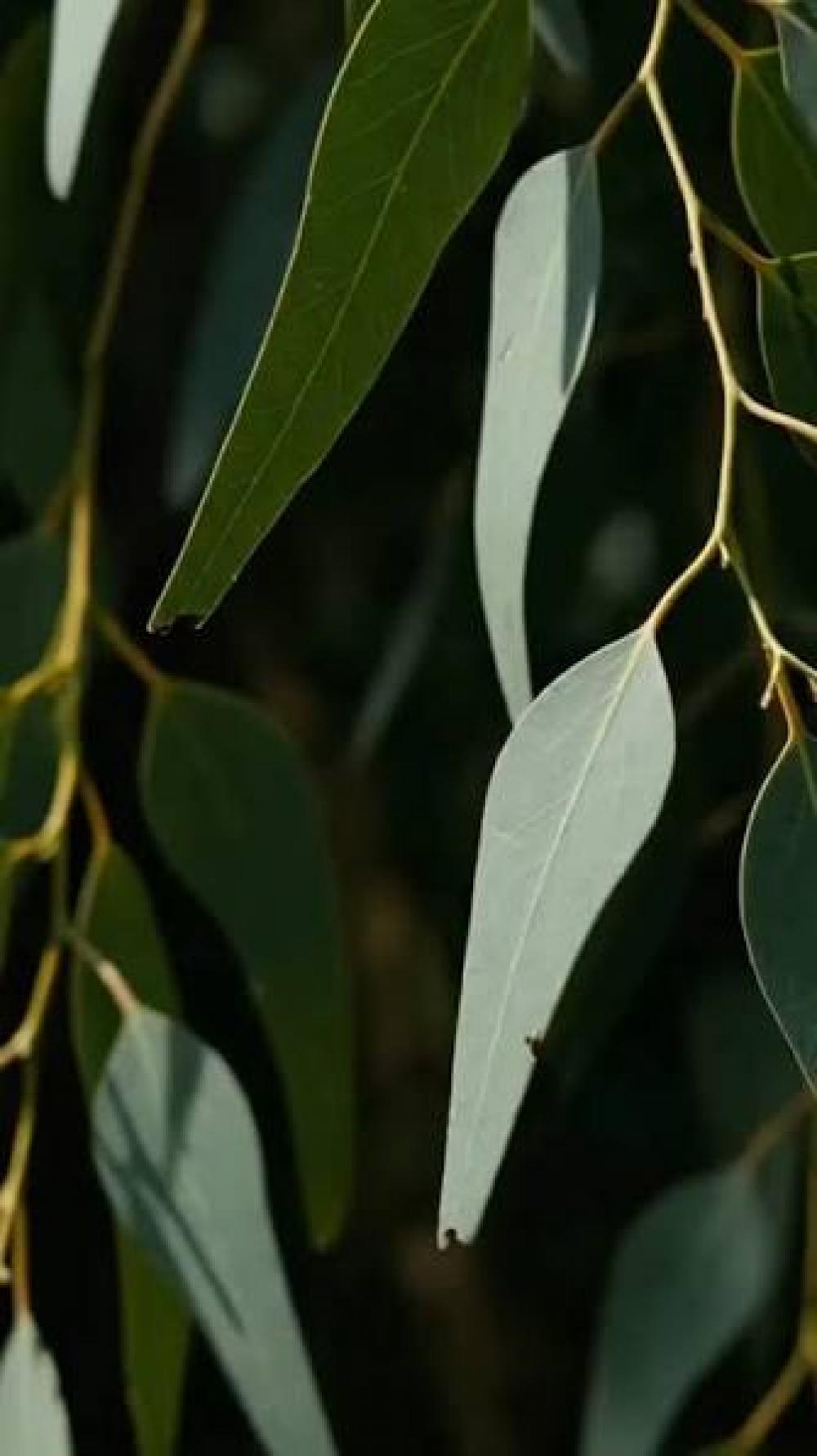
eucalyptus
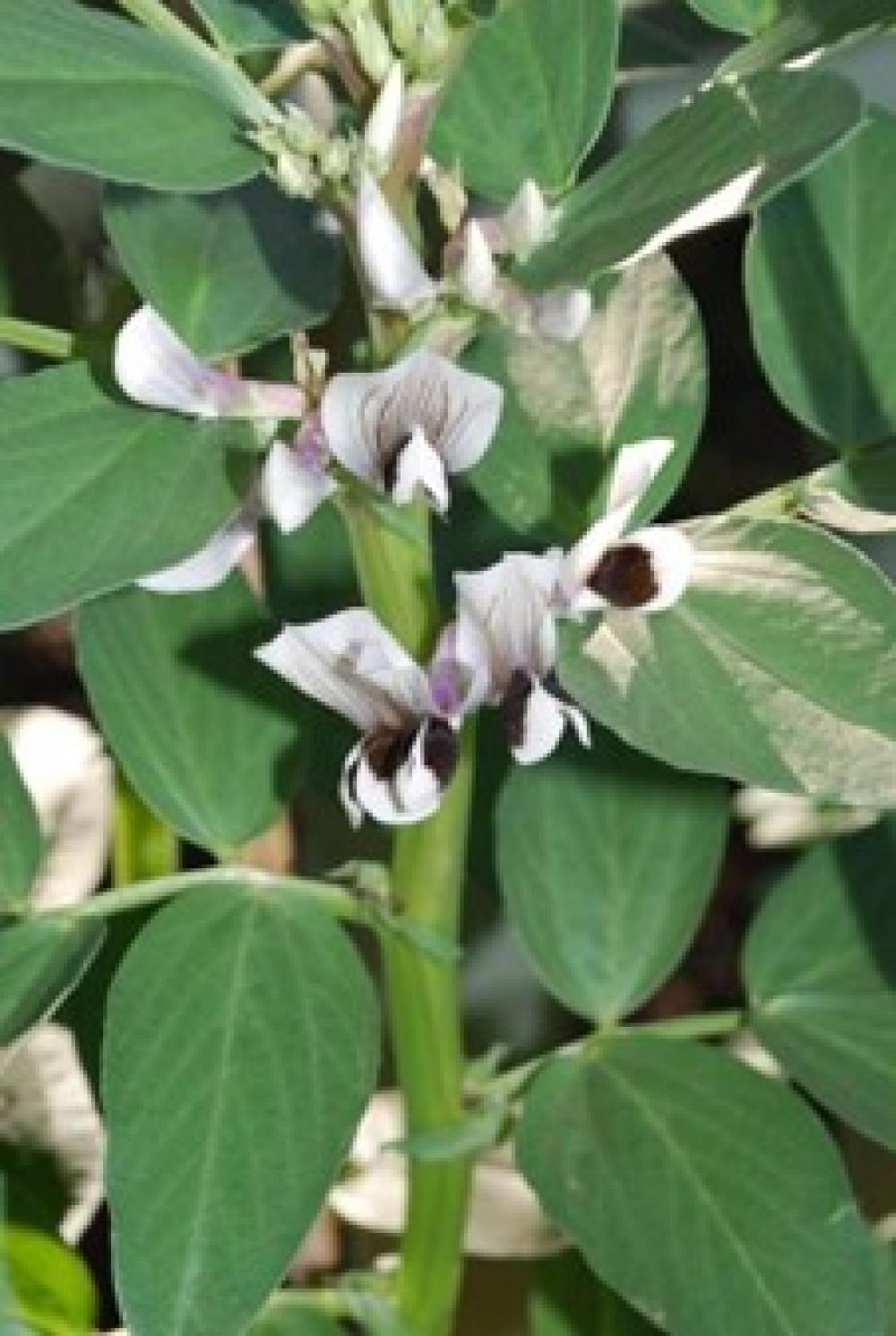
Fava
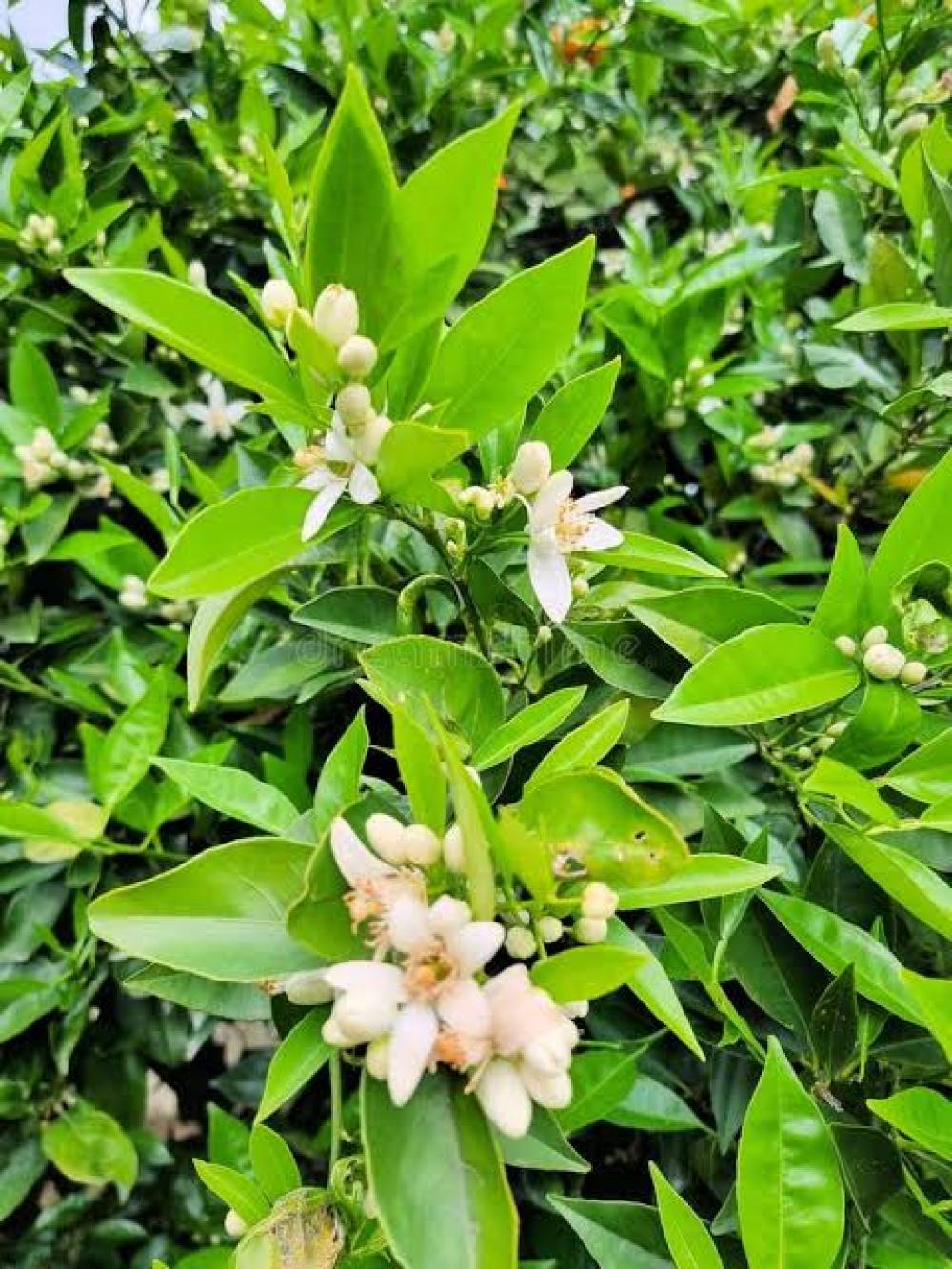
Orange Blossom
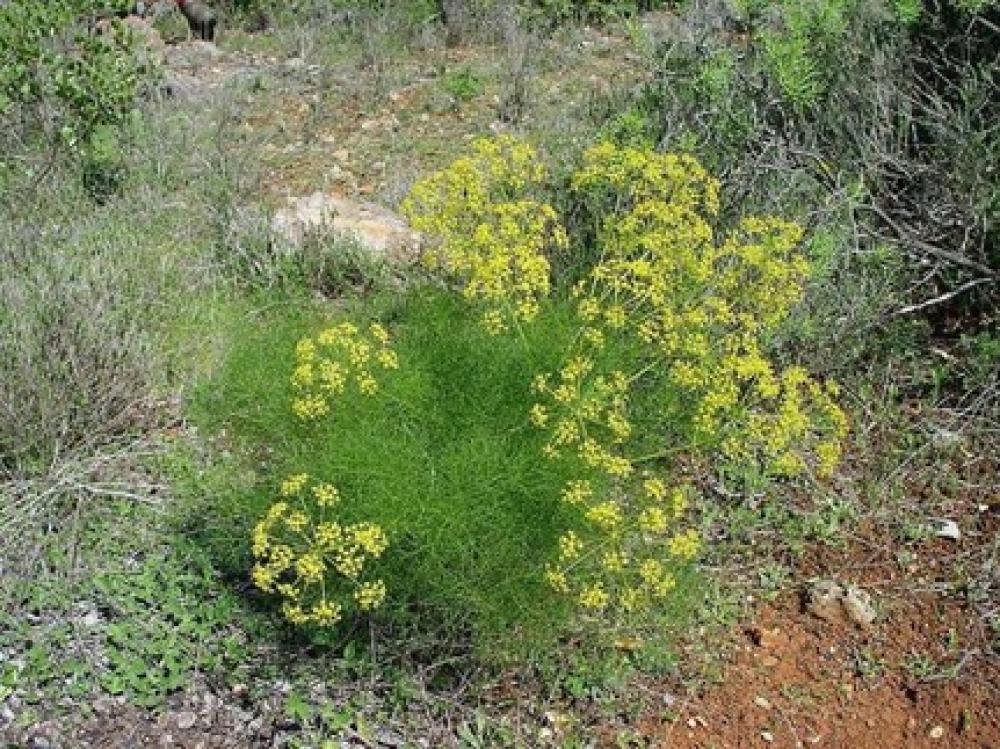
fennel
Scented Geranium
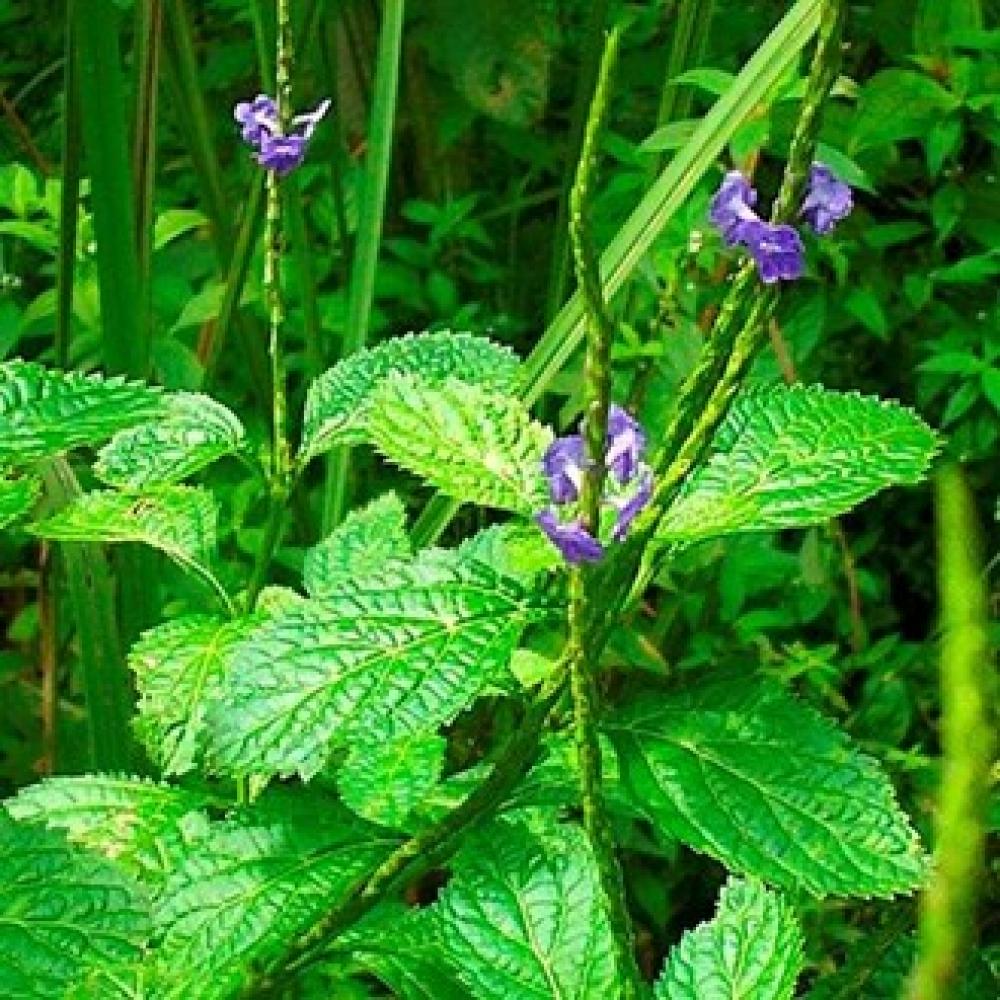
Gervão
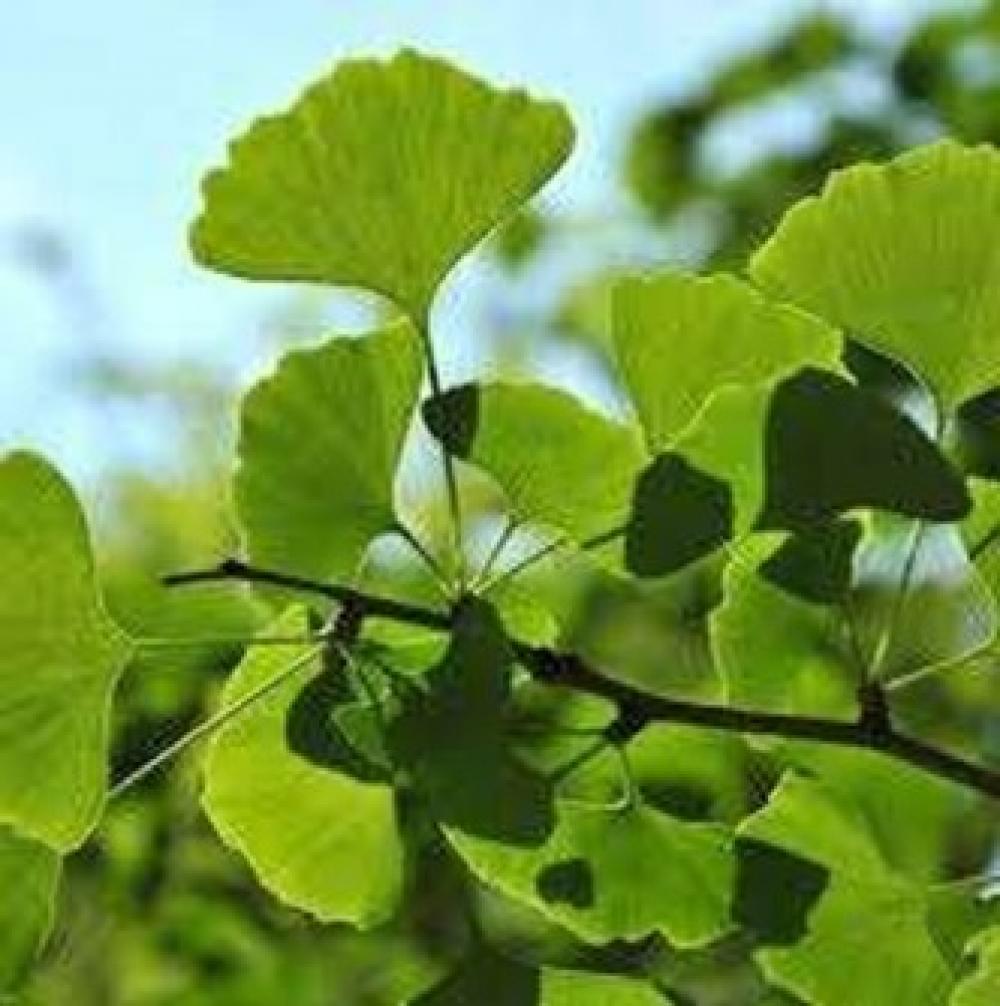
Ginkgo Biloba
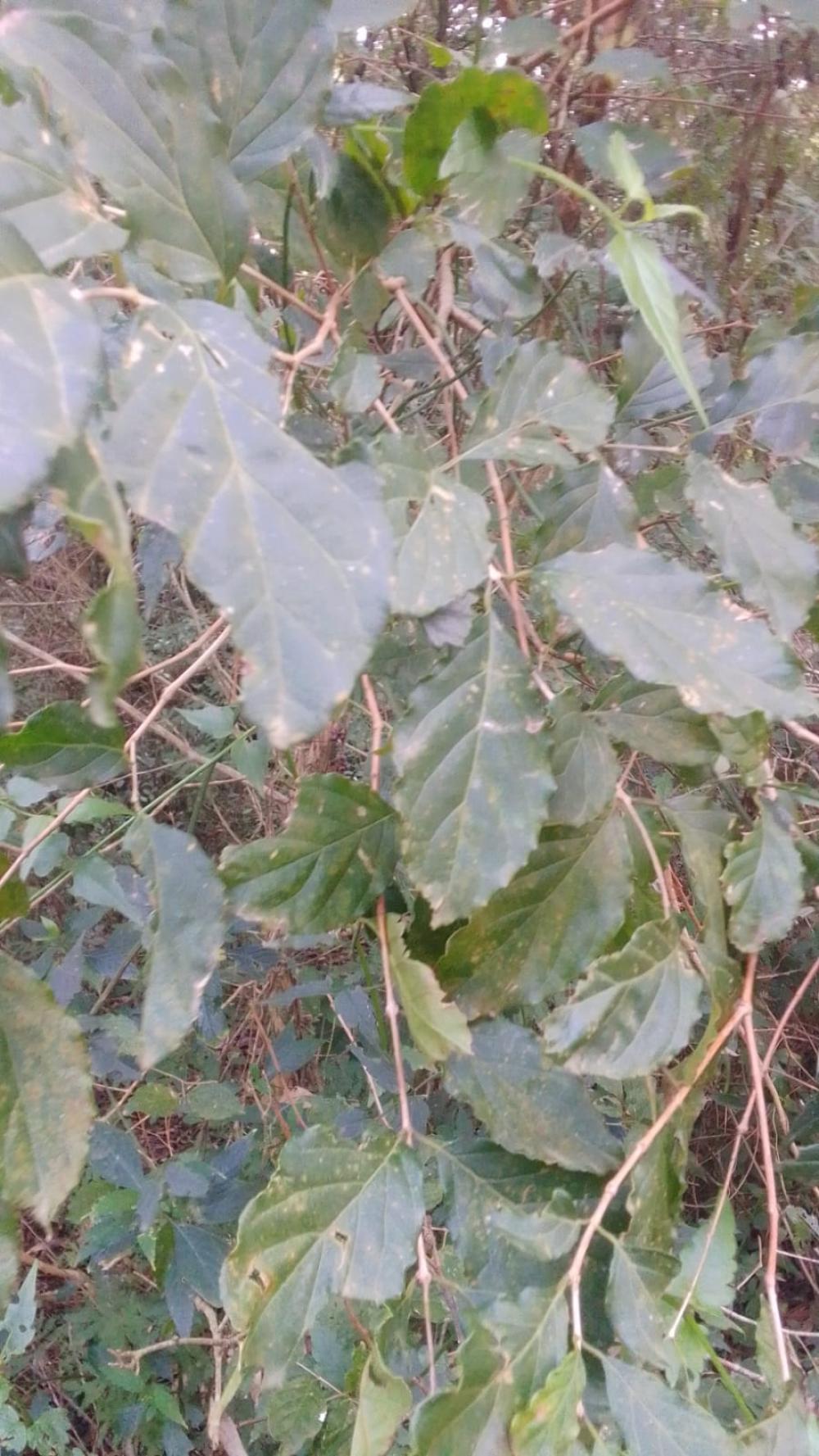
Guabiroba
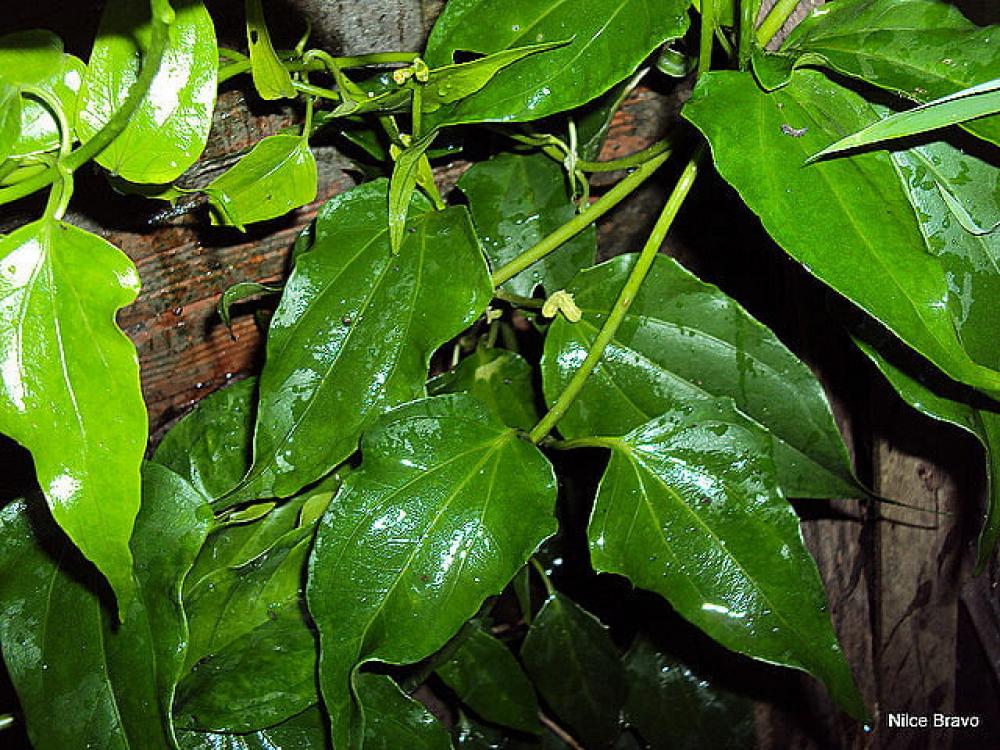
Guaco
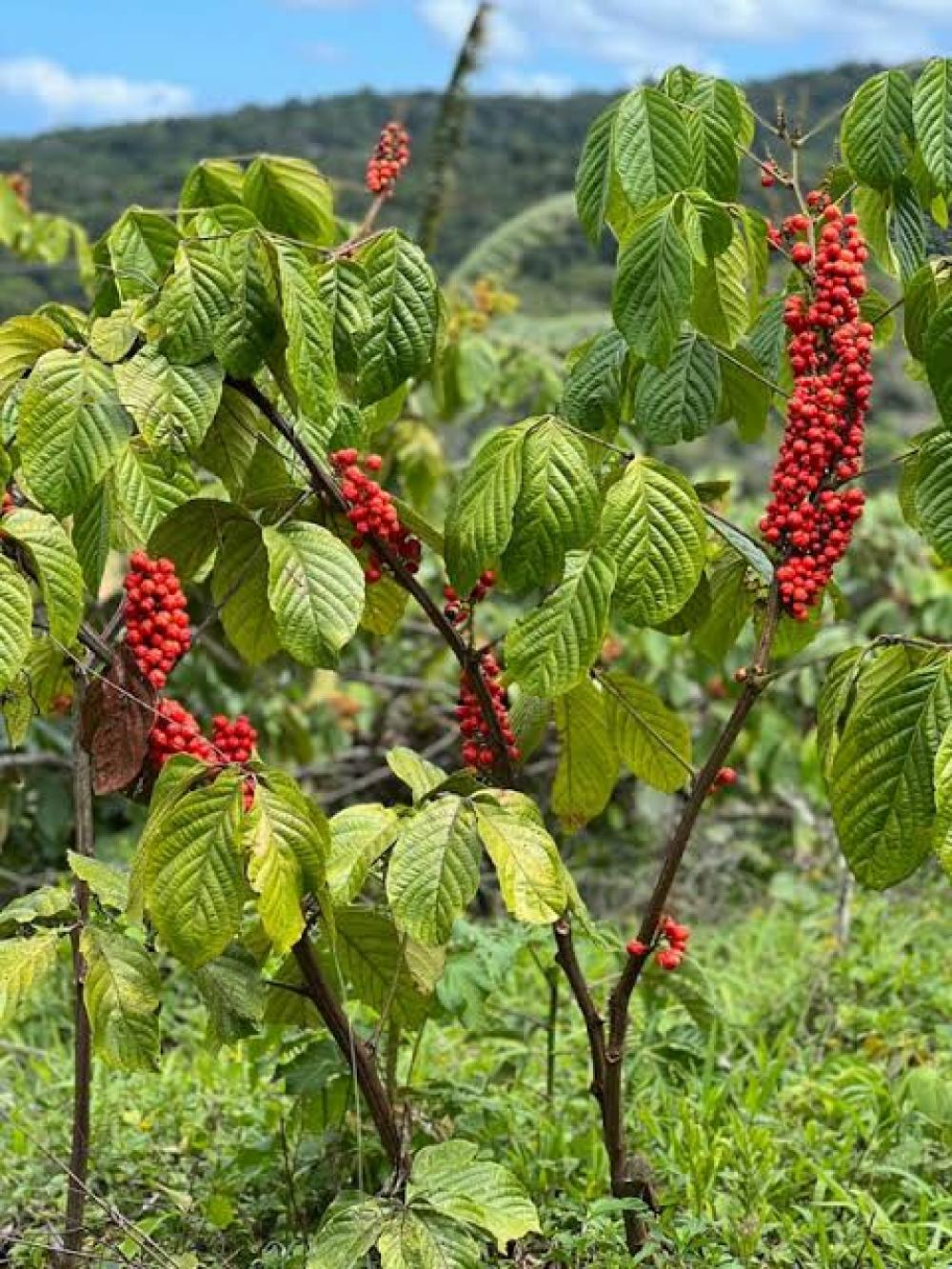
Guarana
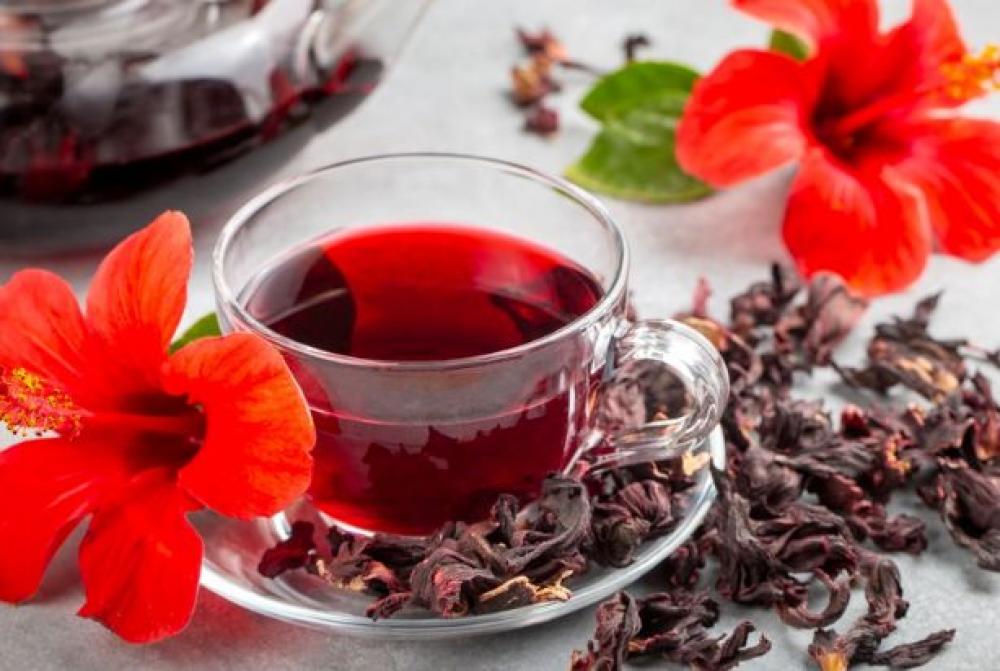
hibiscus
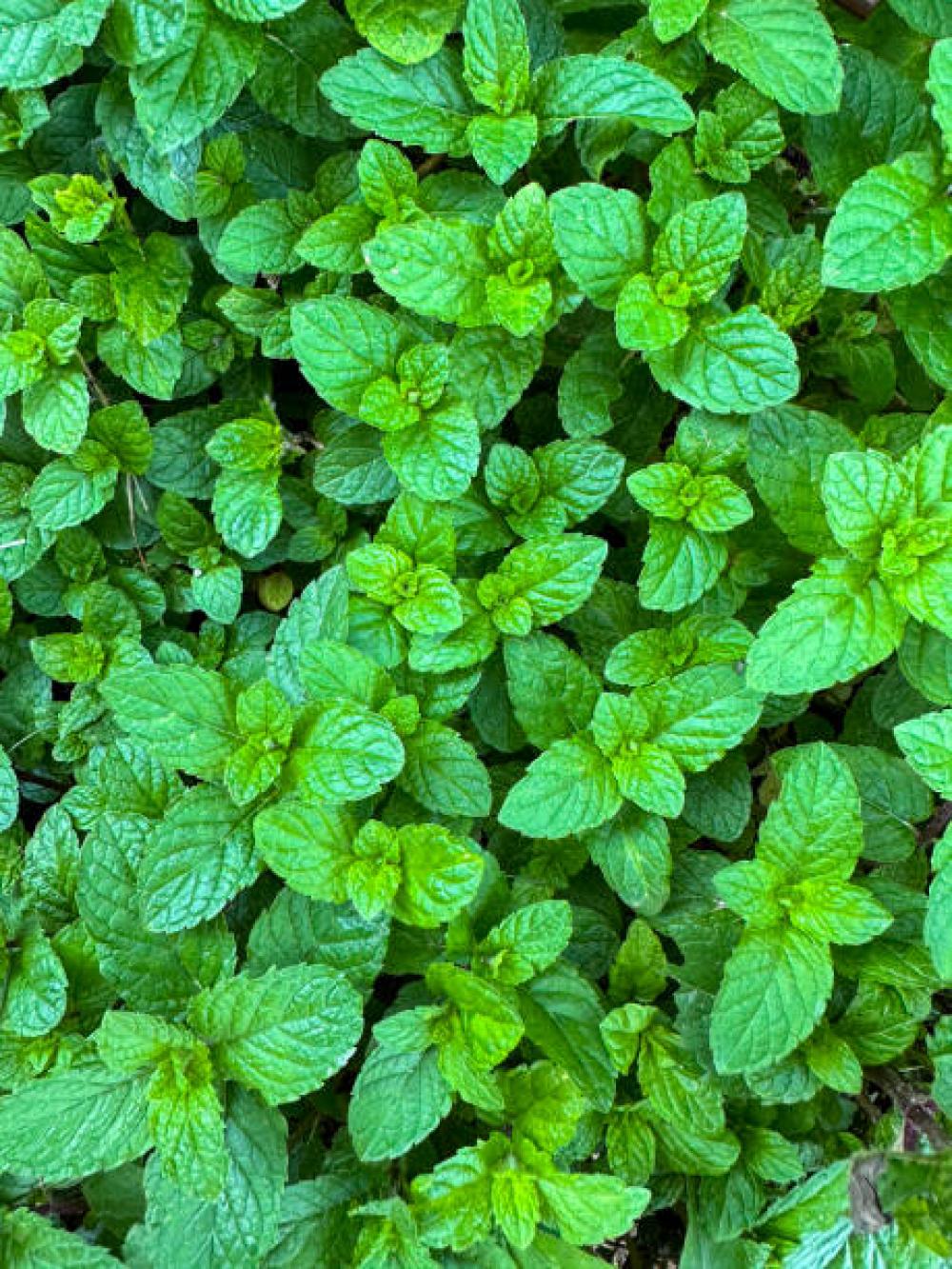
mint
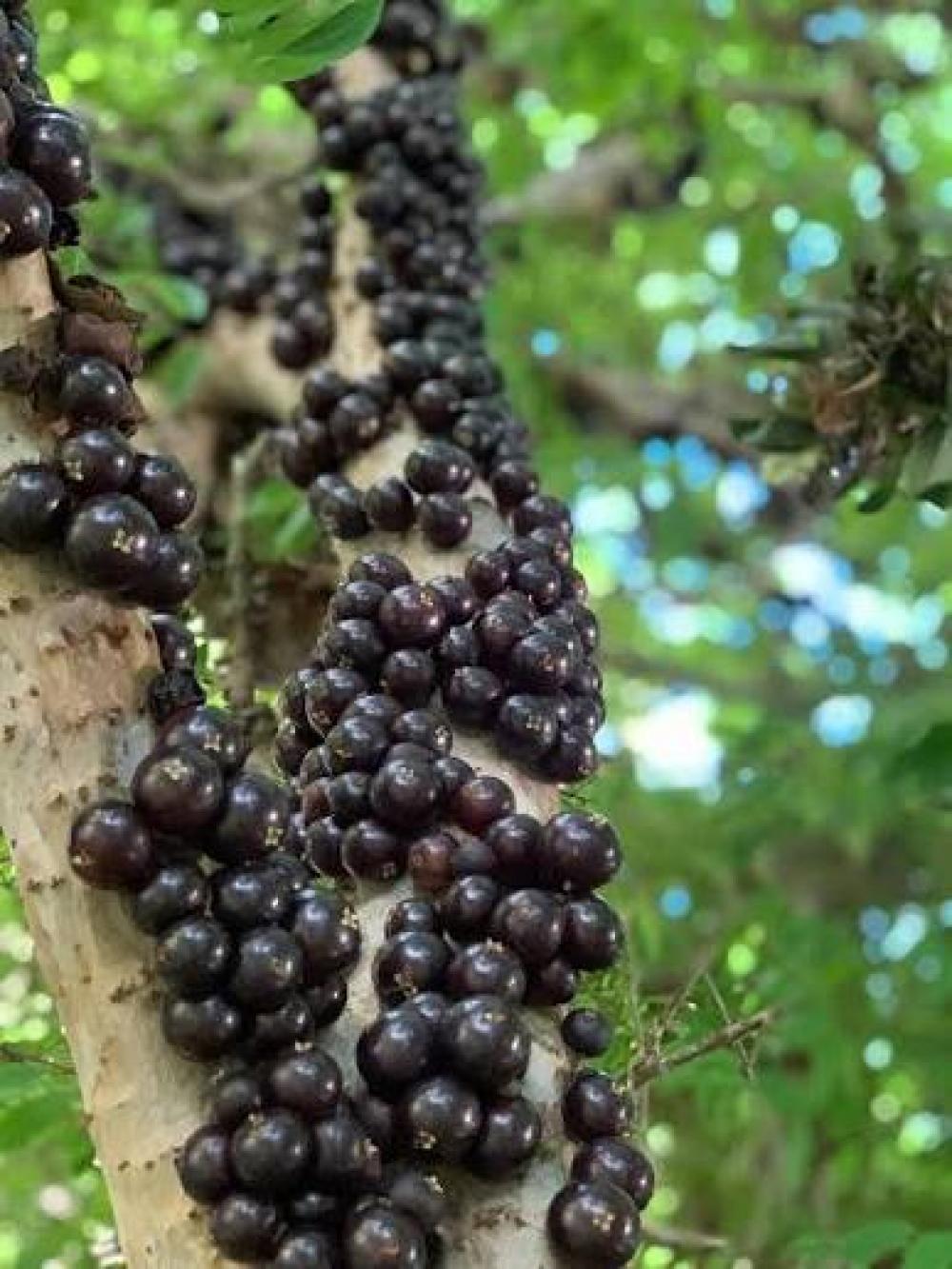
Jaboticaba
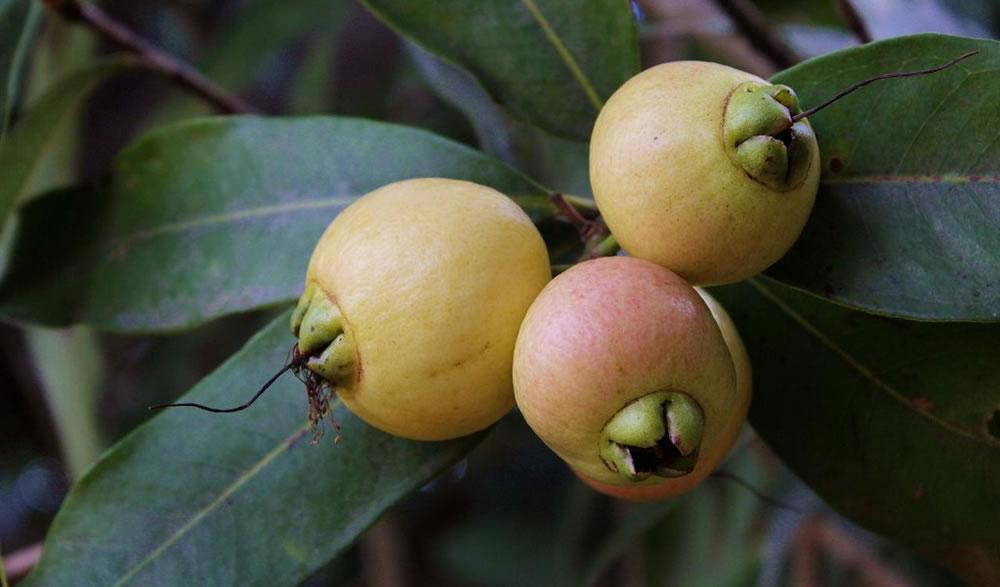
rose apple tree
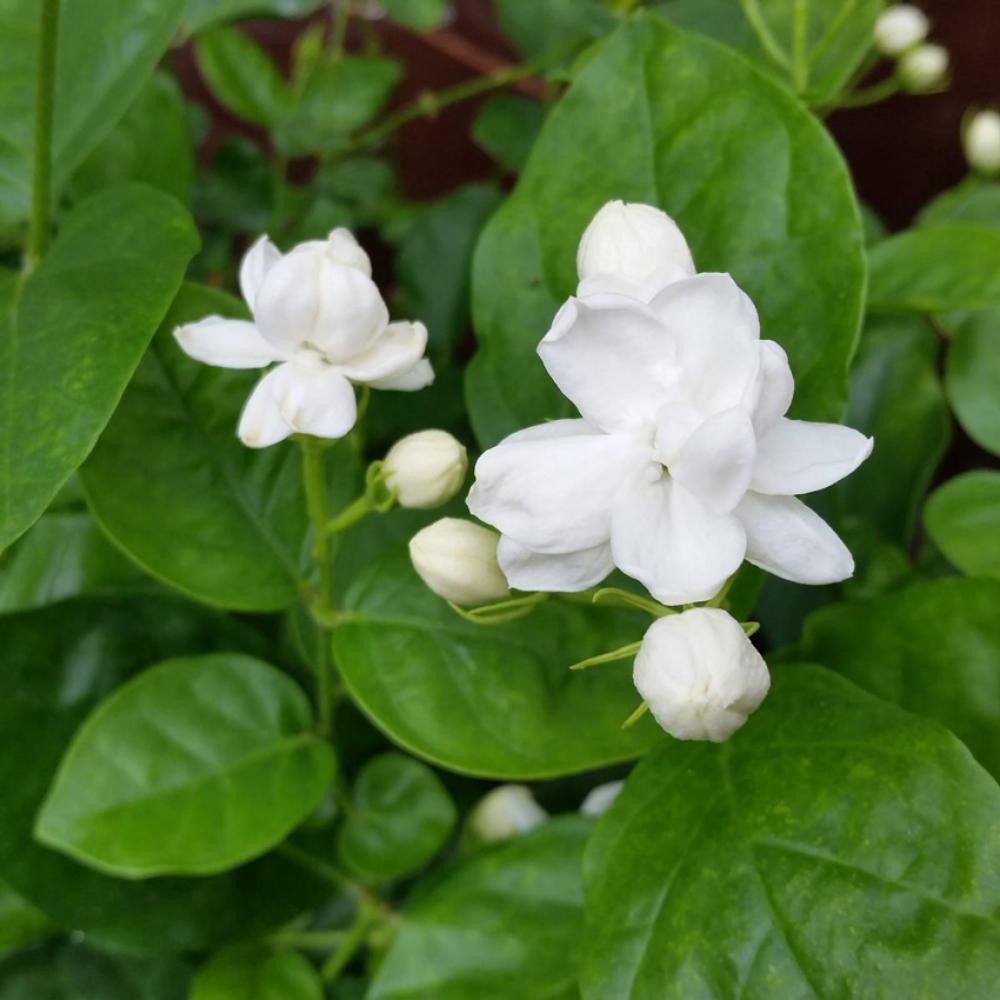
jazmin
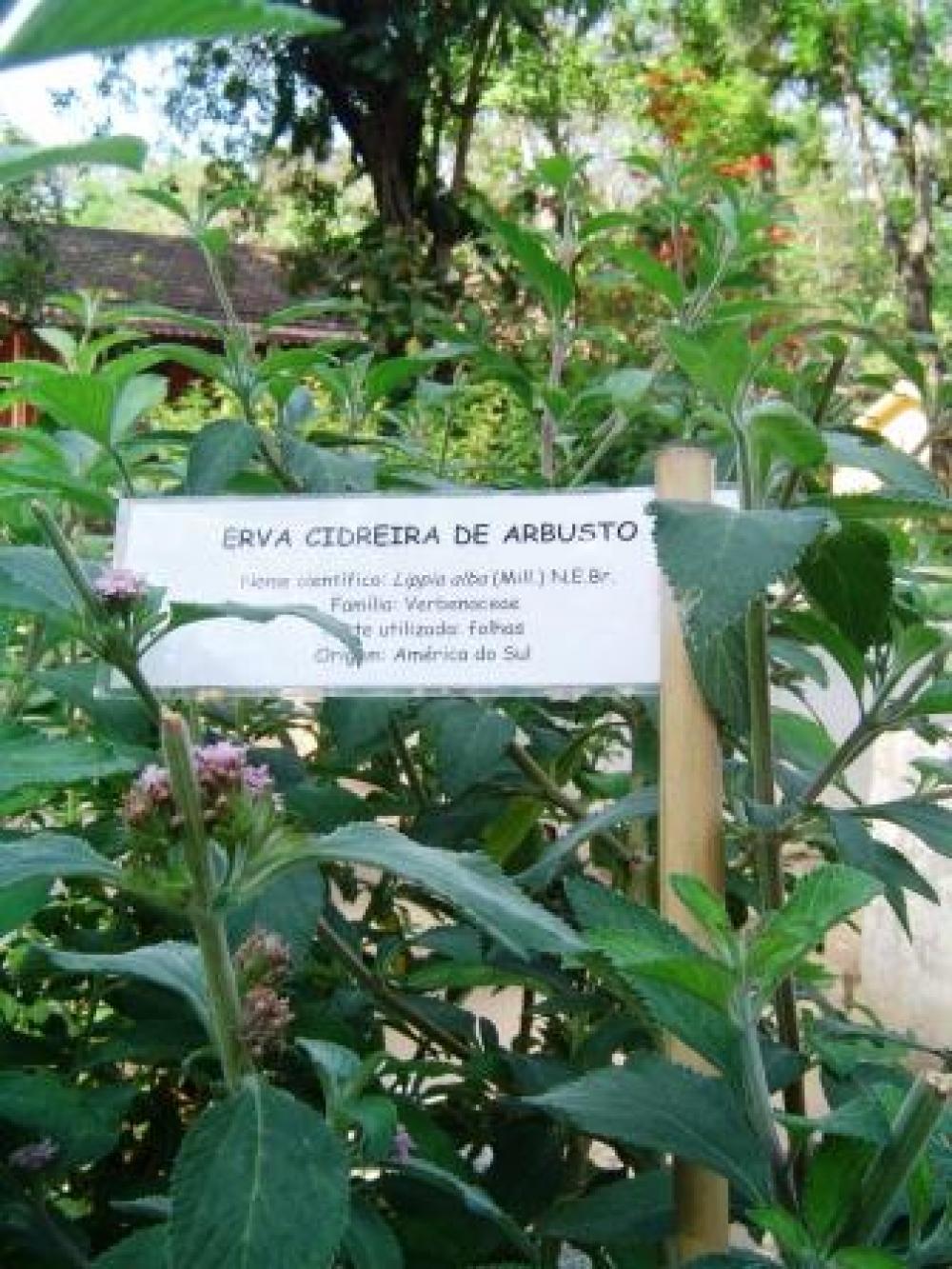
Lippia alba (Bushy Lemon Balm)
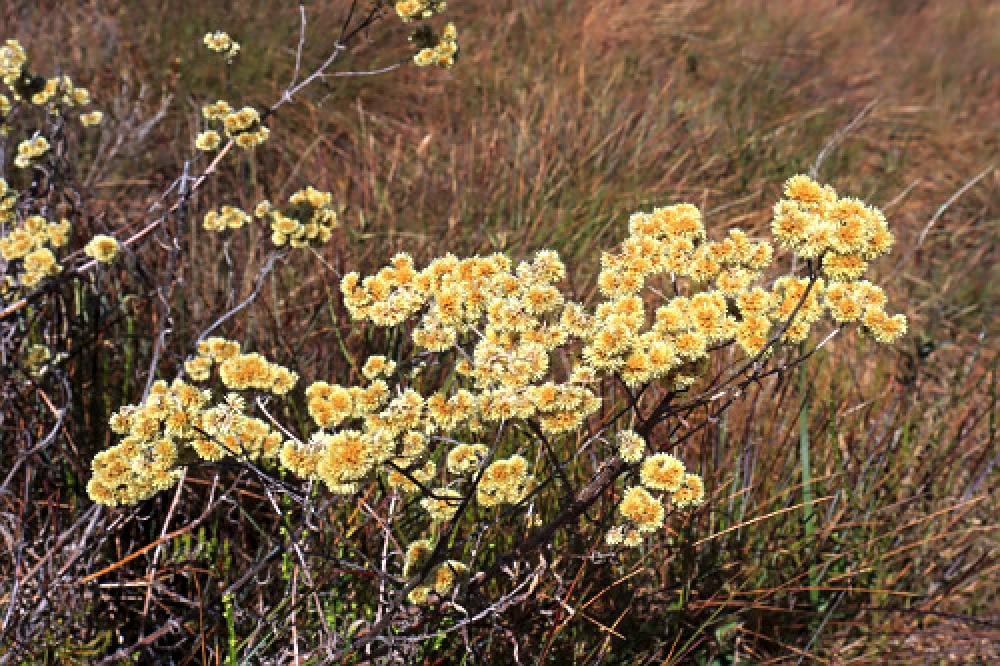
slaughterhouse
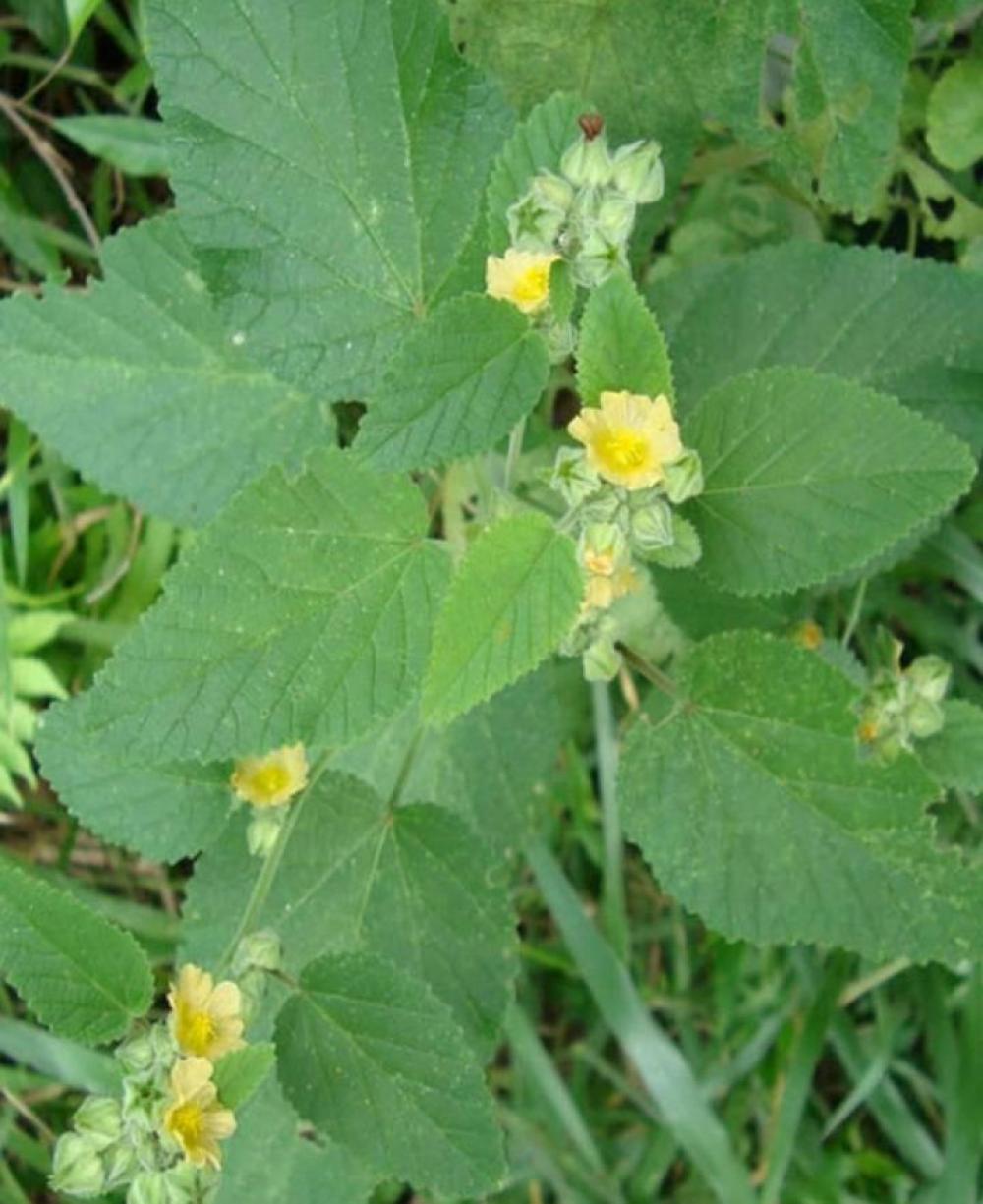
white mallow
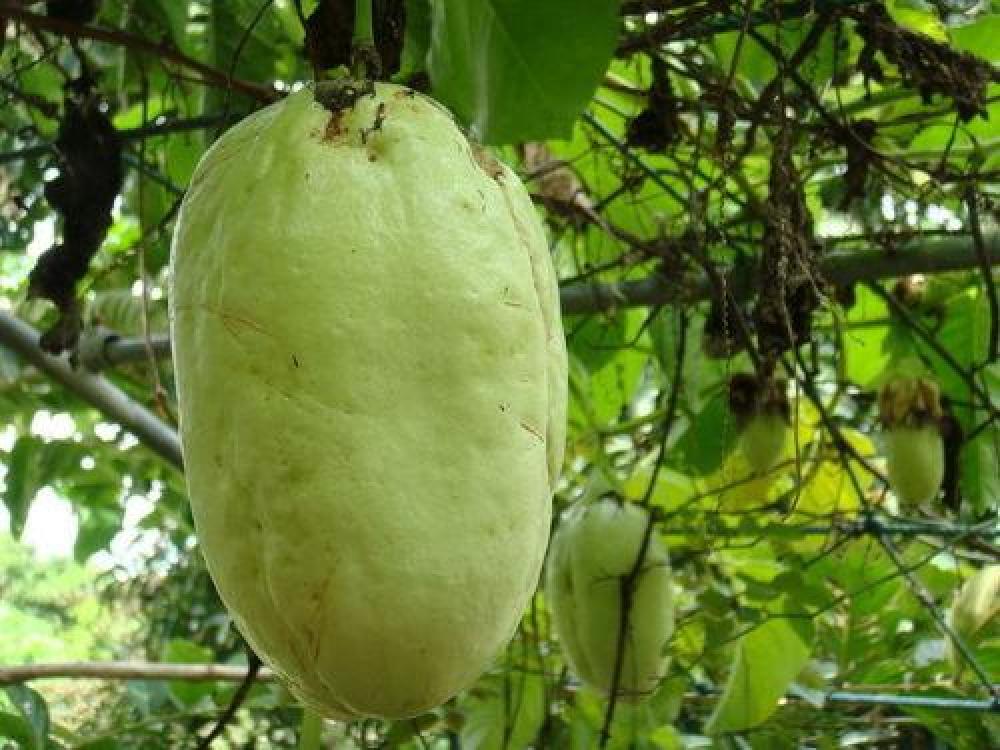
Giant Passion Fruit
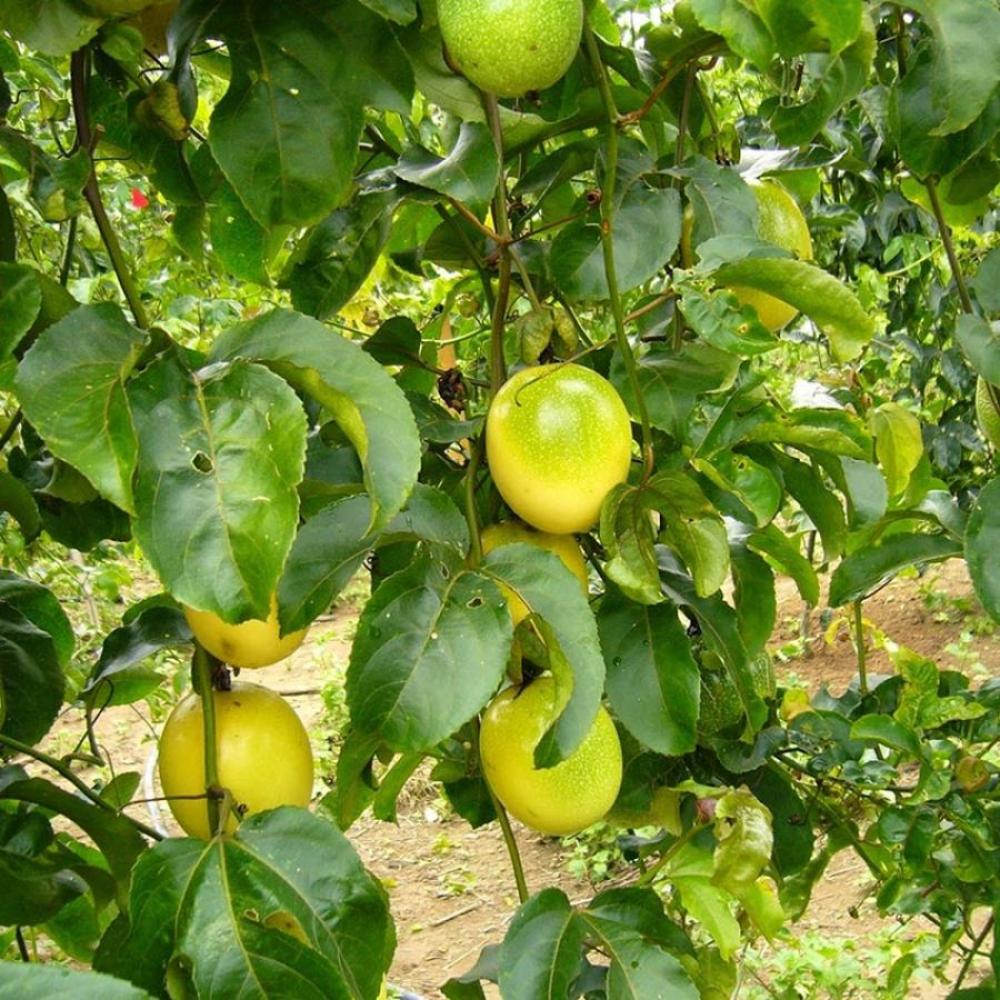
Sour Passion Fruit
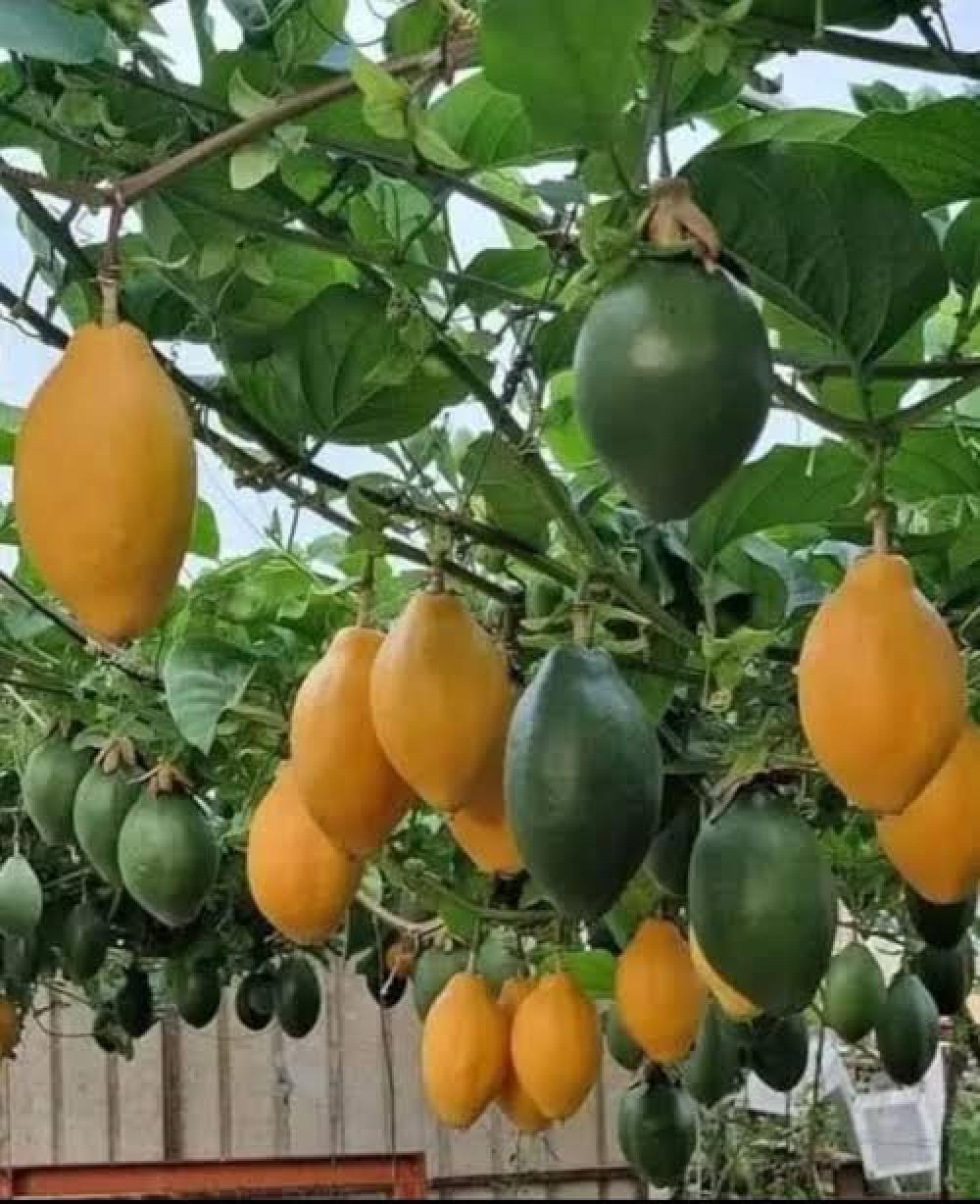
sweet passion fruit
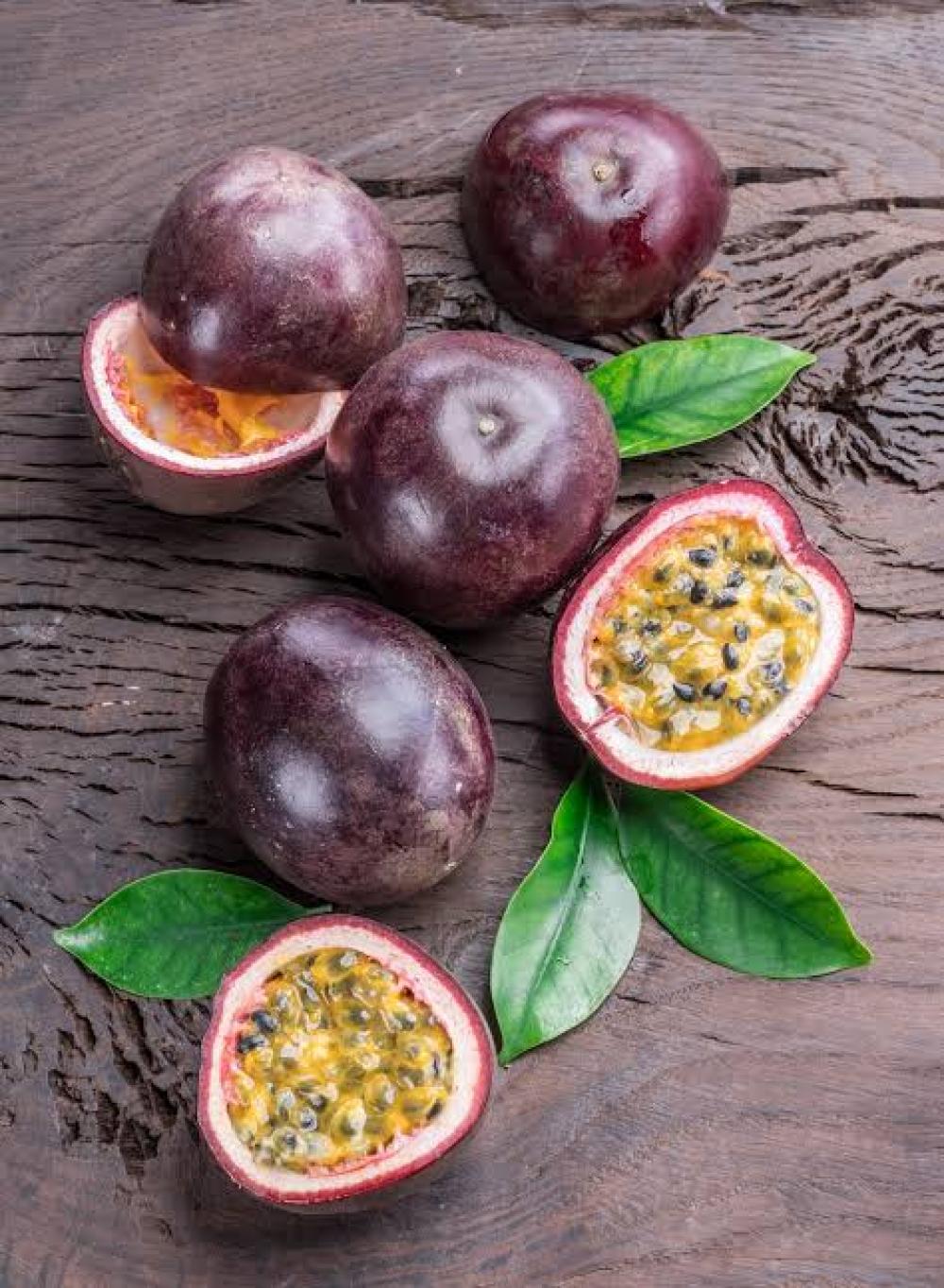
purple passion fruit
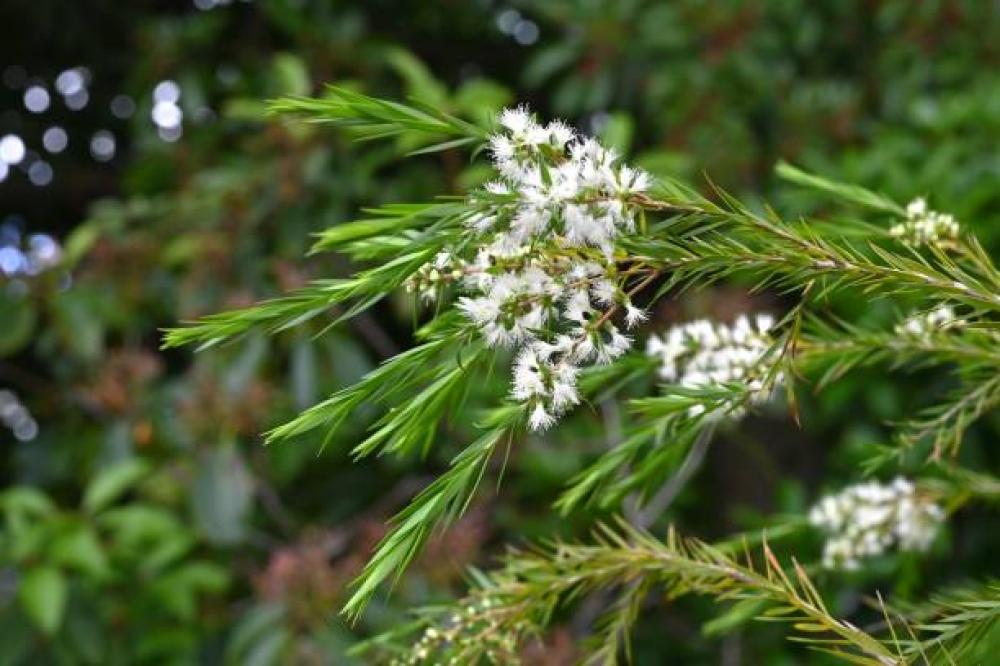
Melaleuca
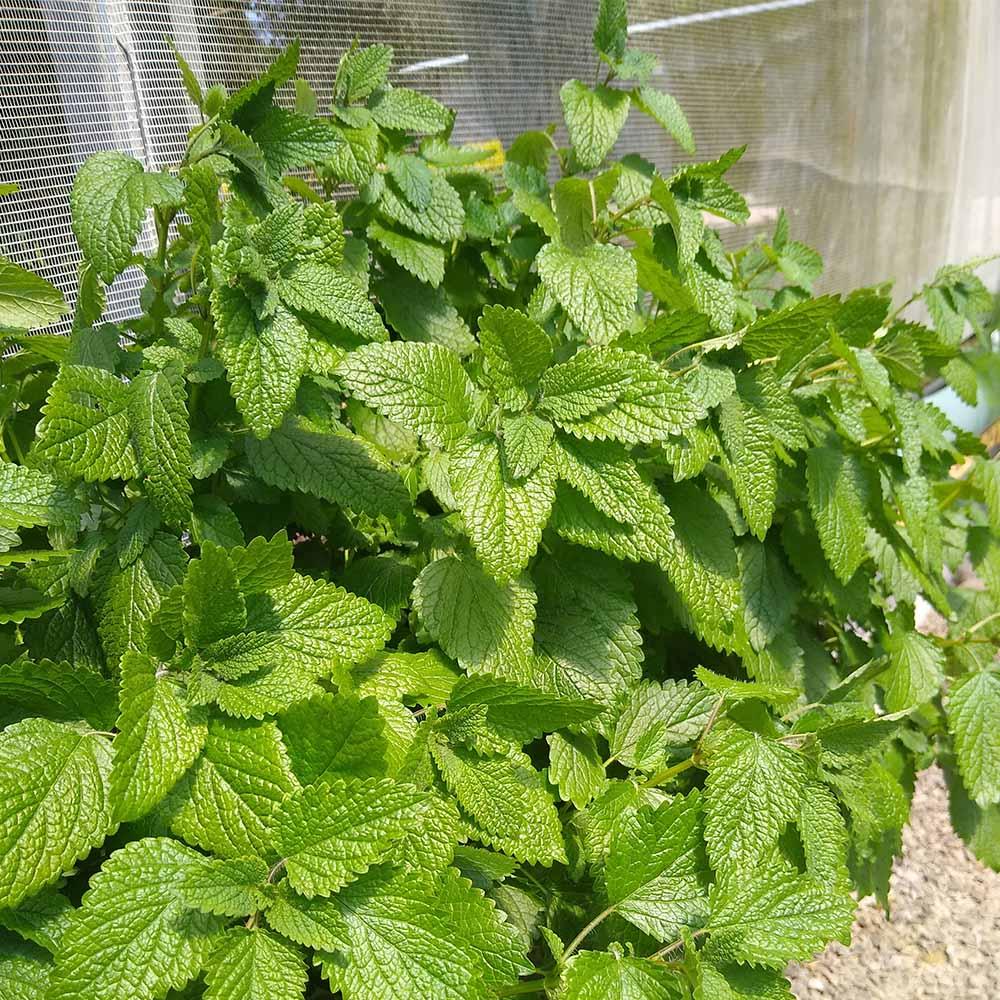
Melissa
mustard
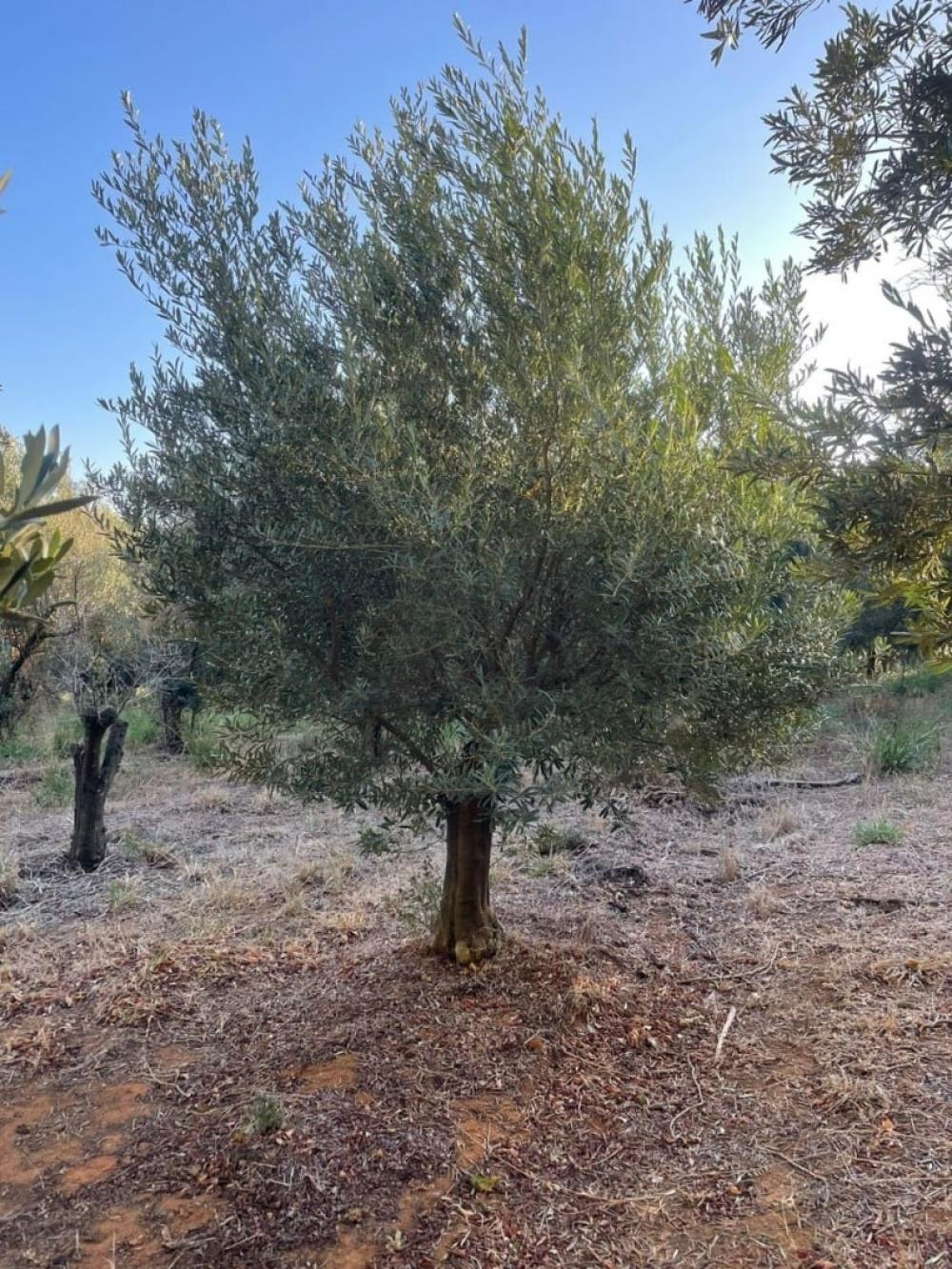
Oliveira
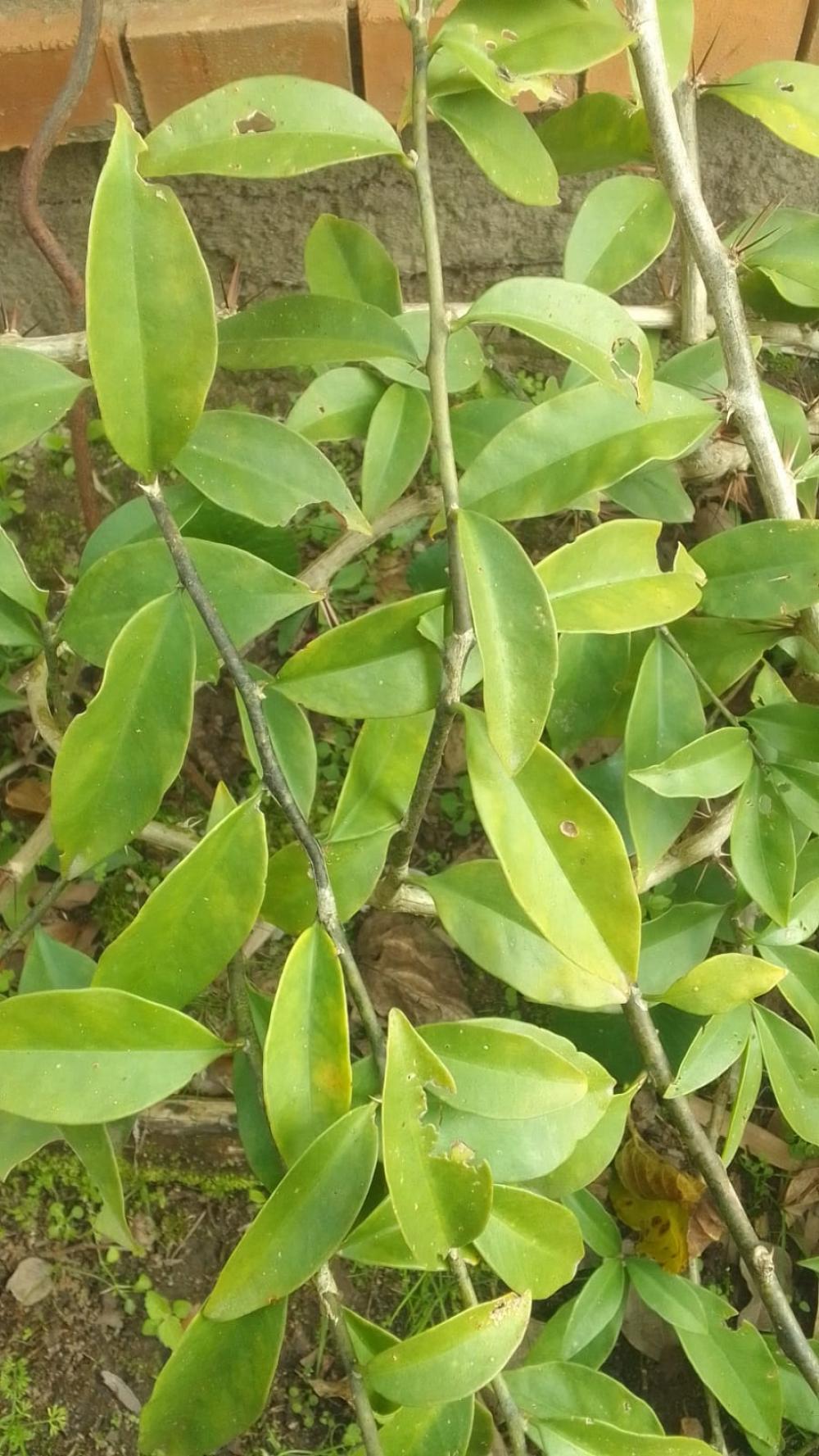
Ora Pro Nobis
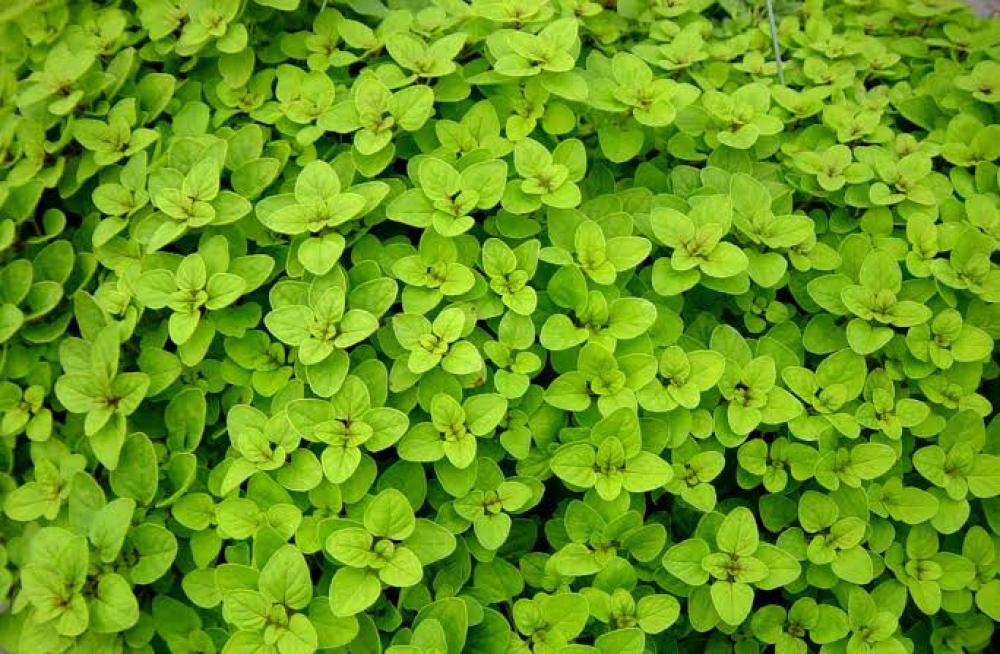
Oregano
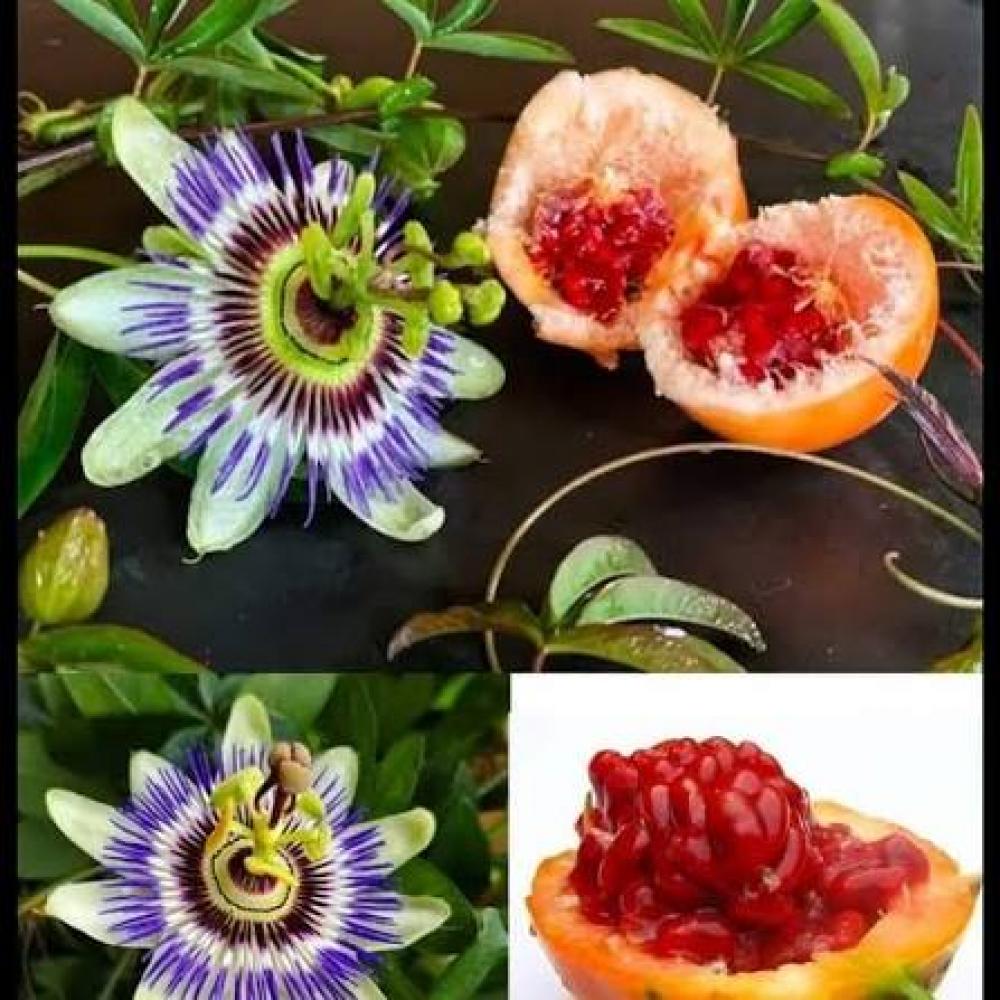
Passiflora or passion flower
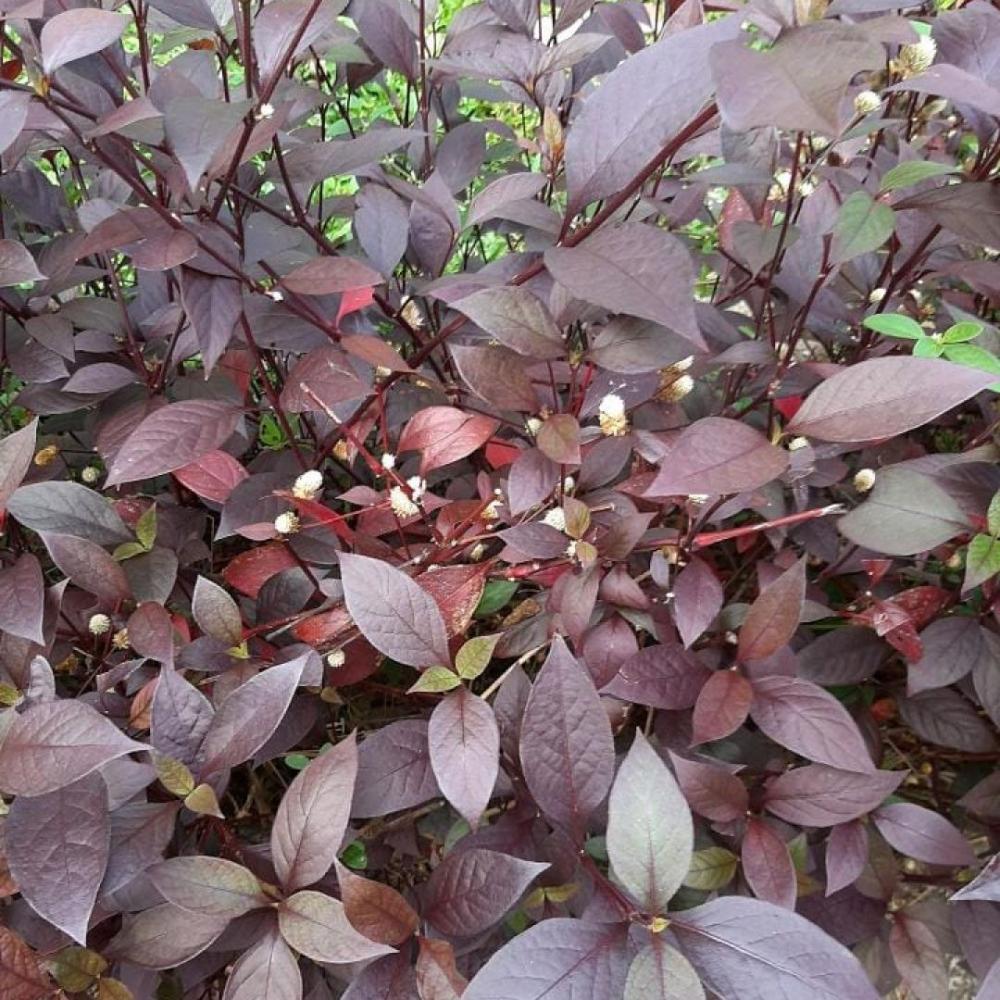
Penicillin or Parakeet
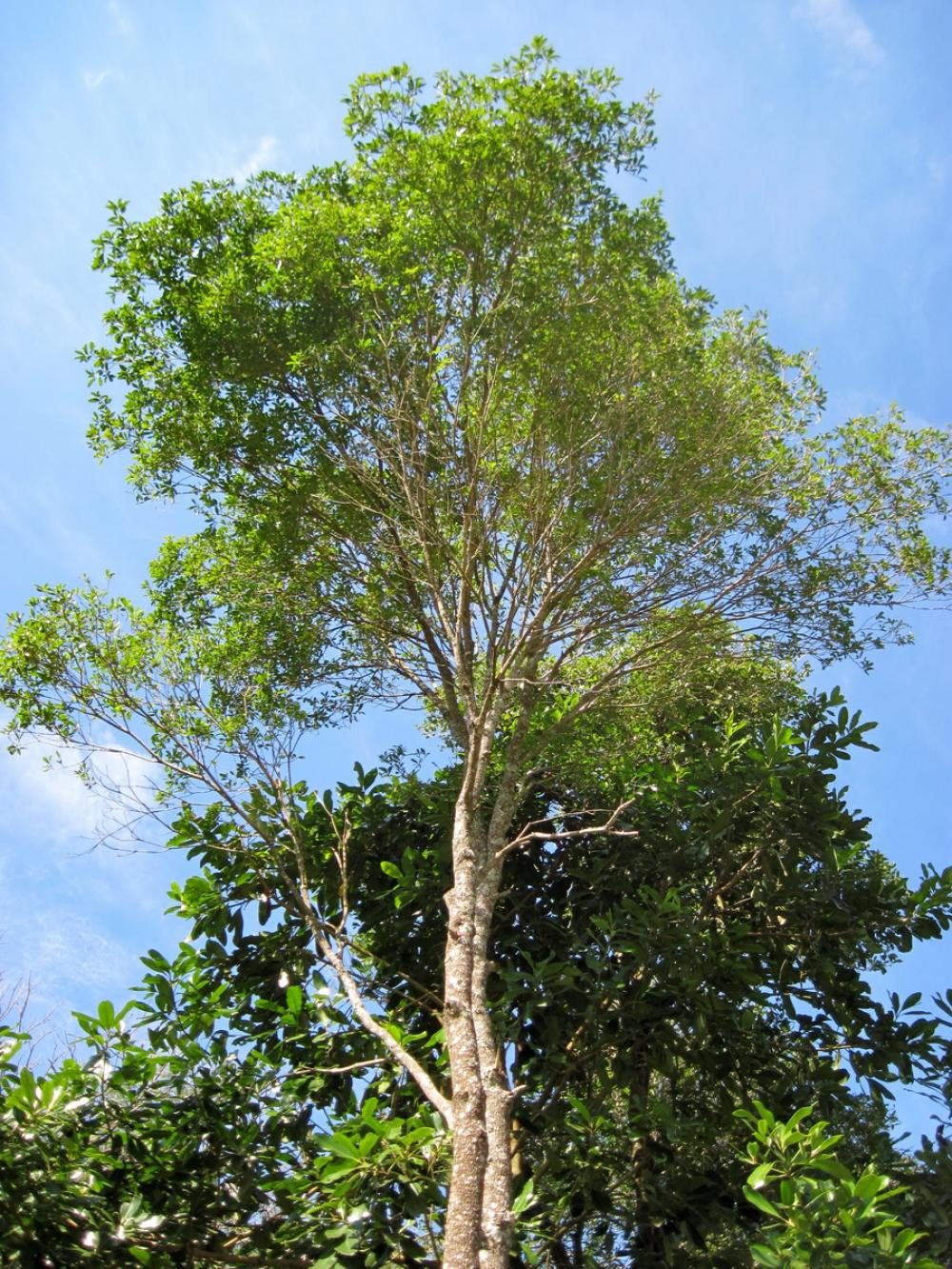
Peroba
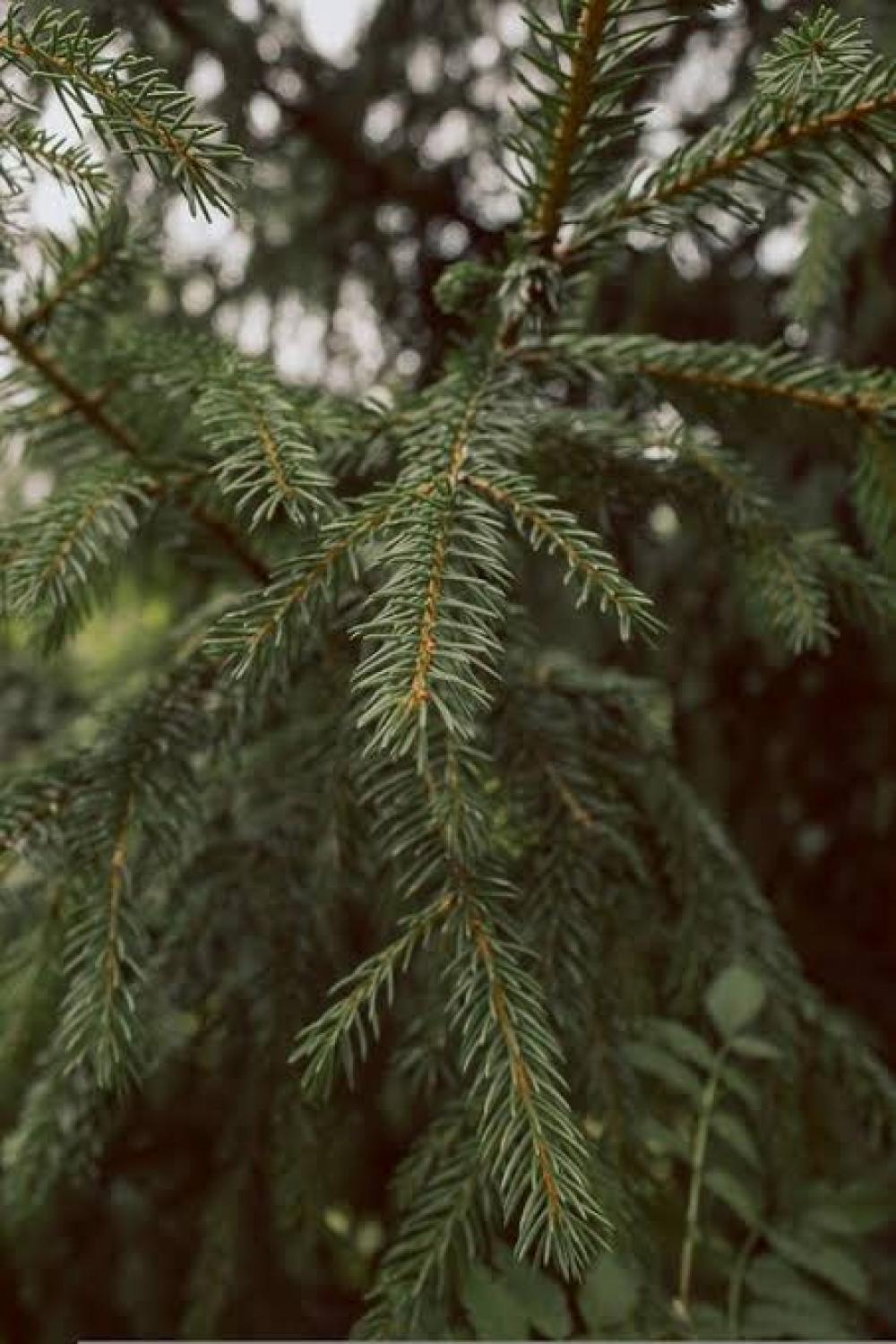
pine
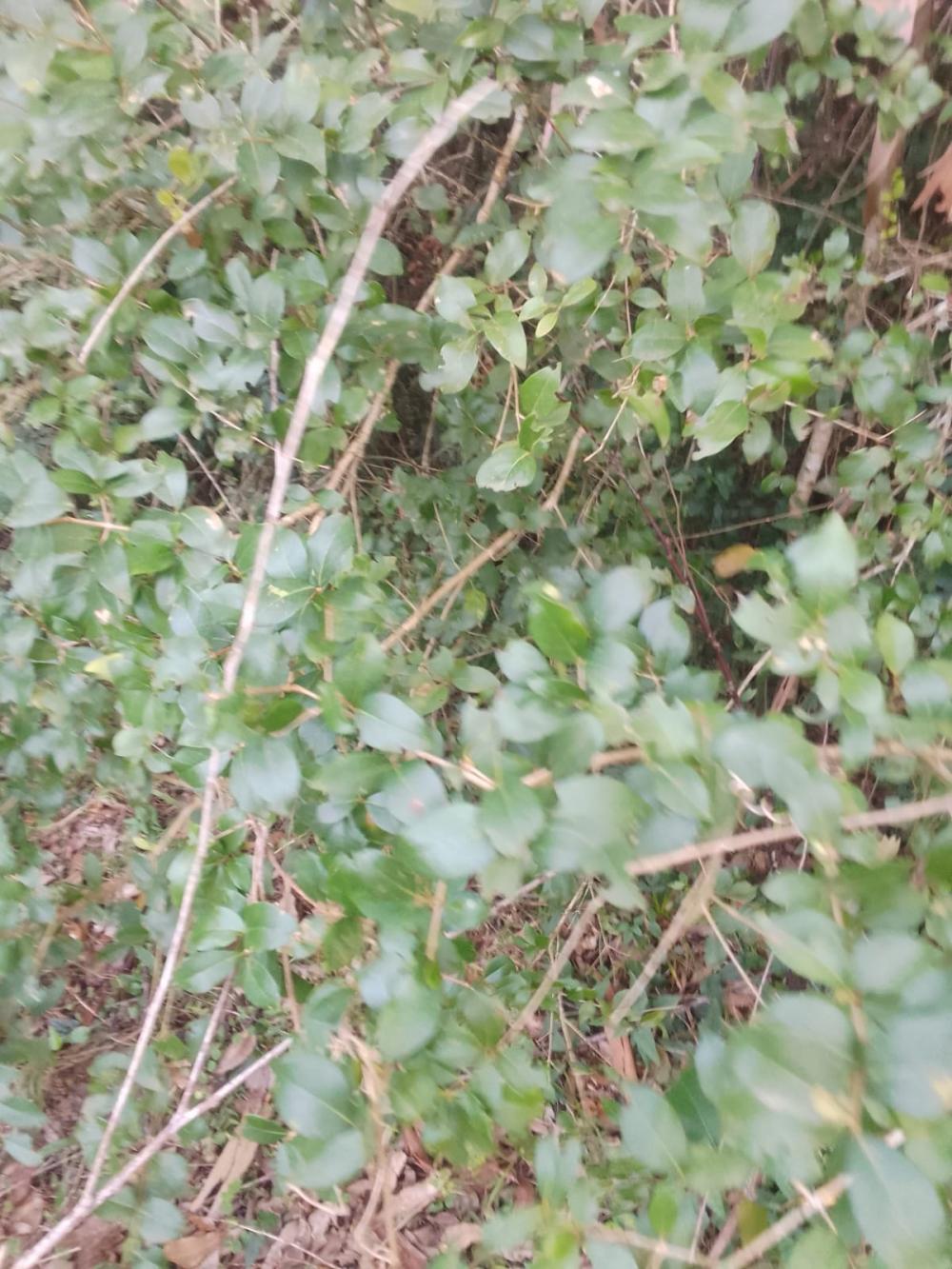
Surinam cherry tree
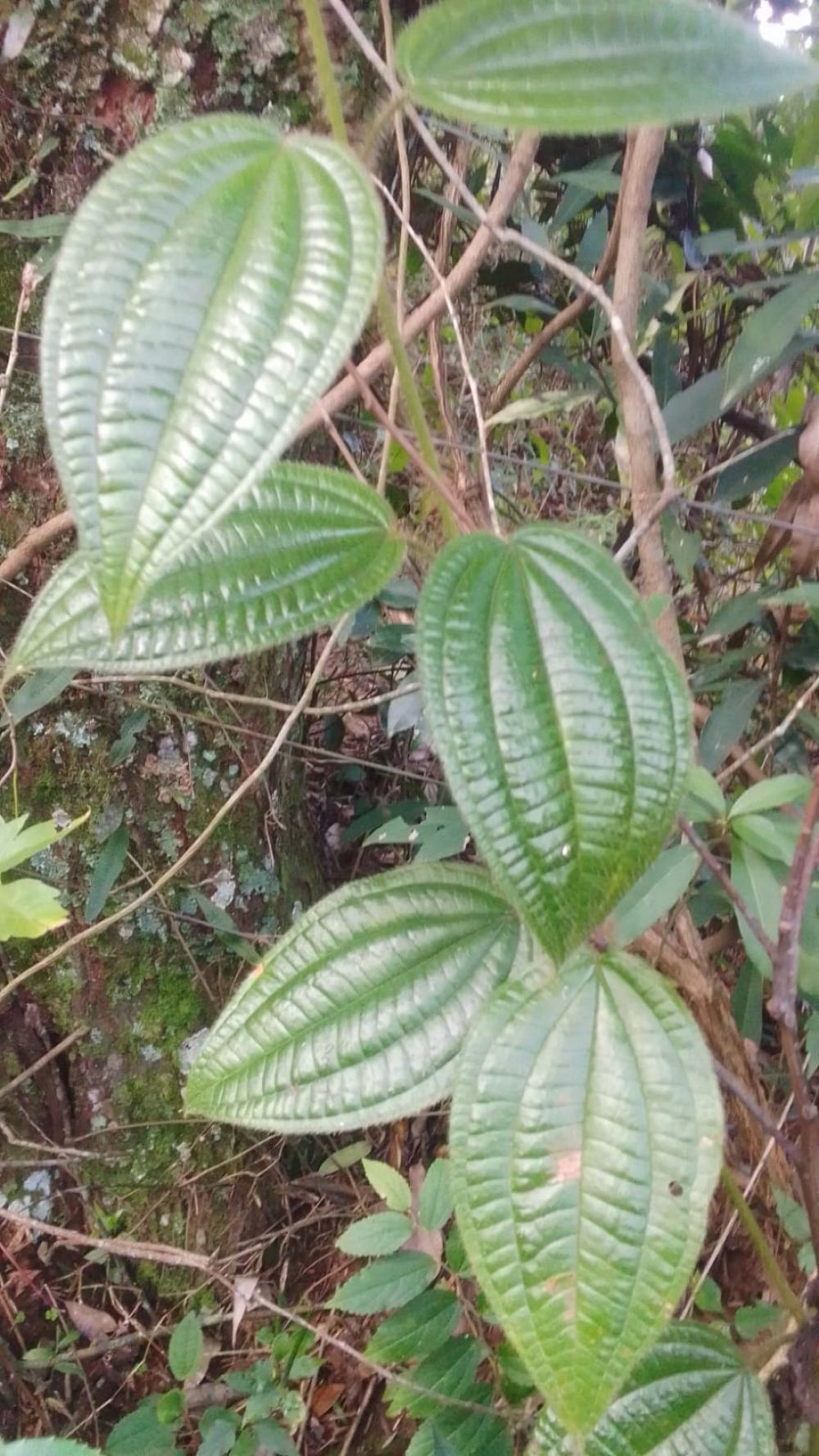
Pixirica
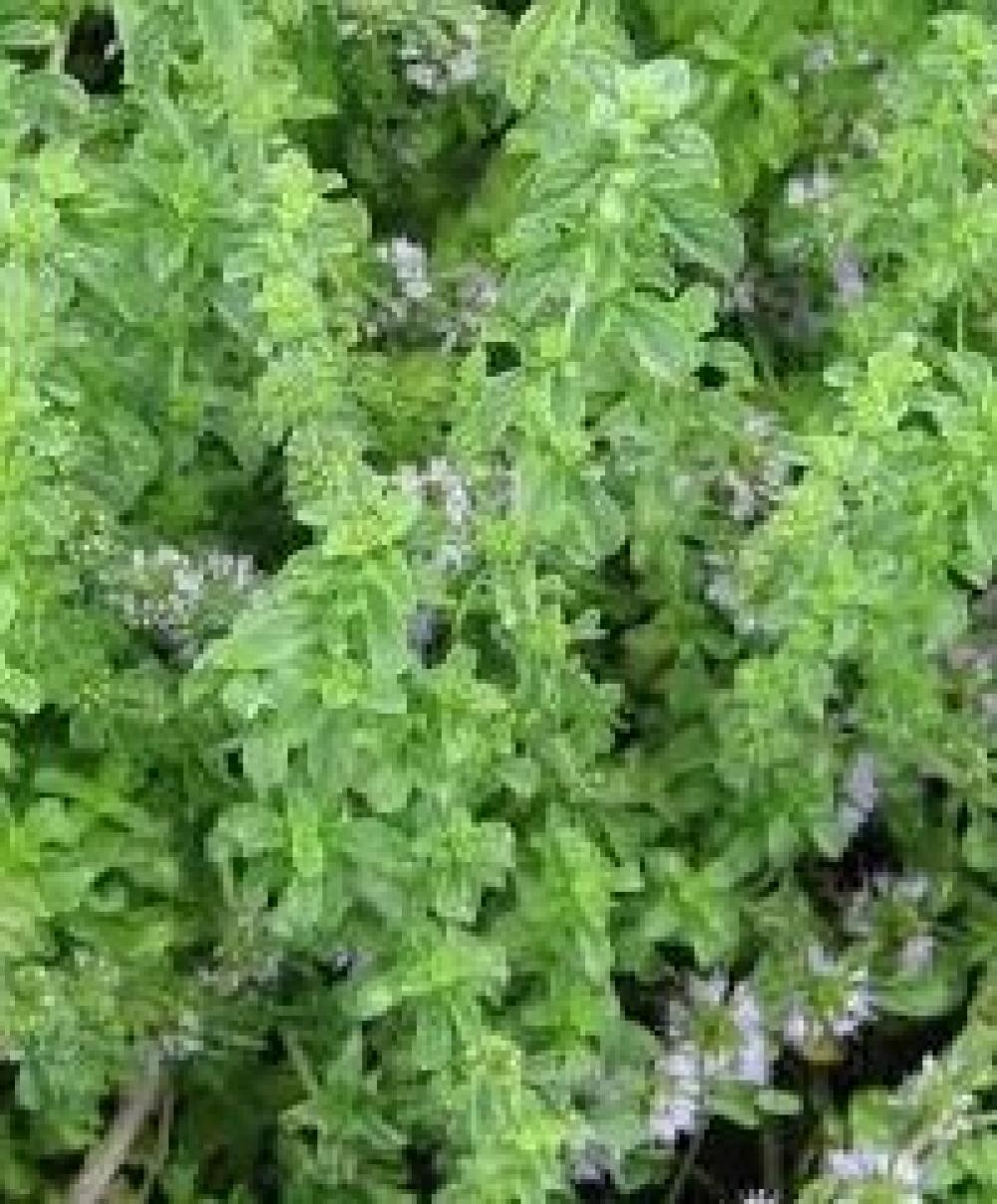
Pennyroyal
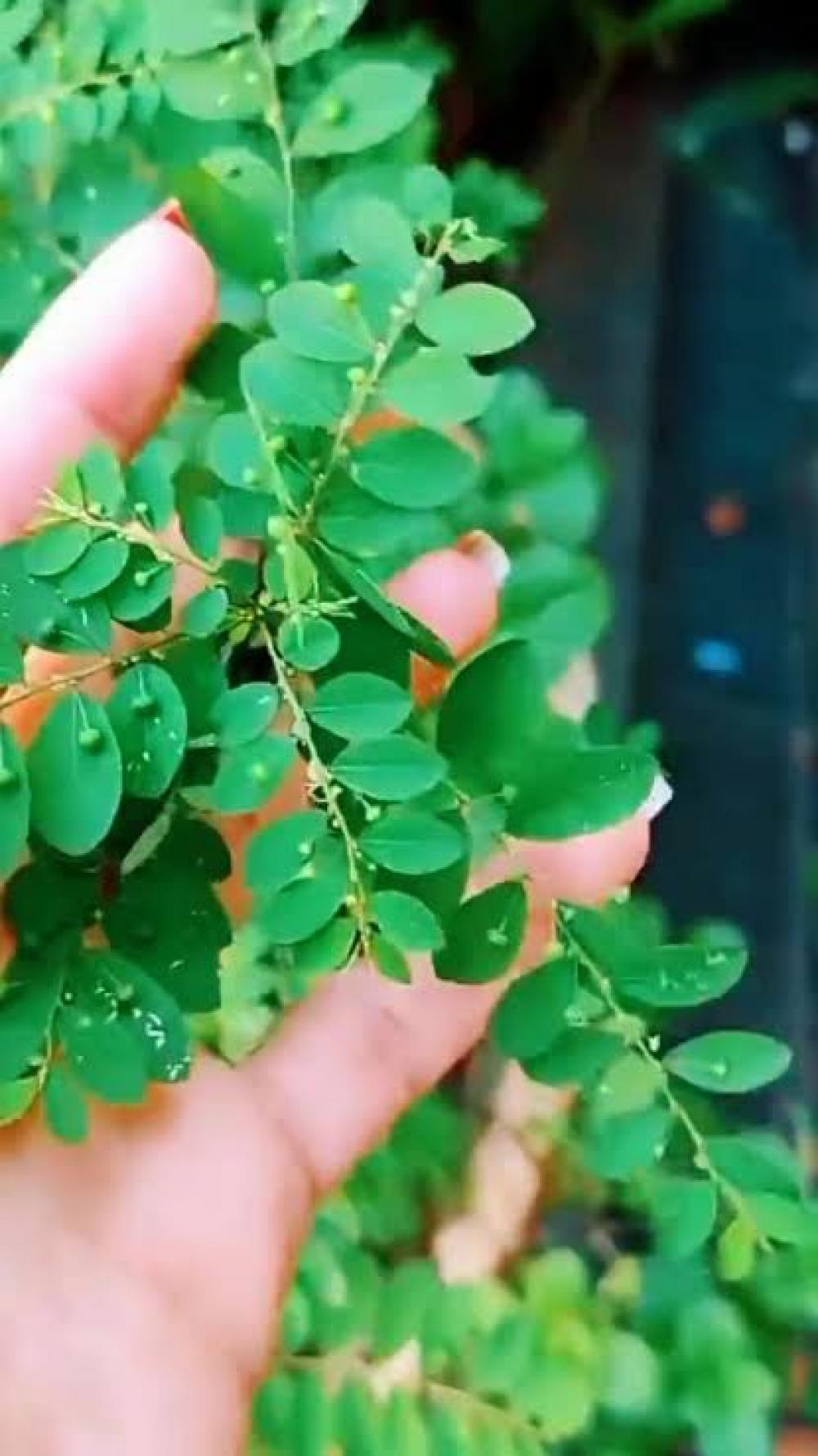
Stone-breaker
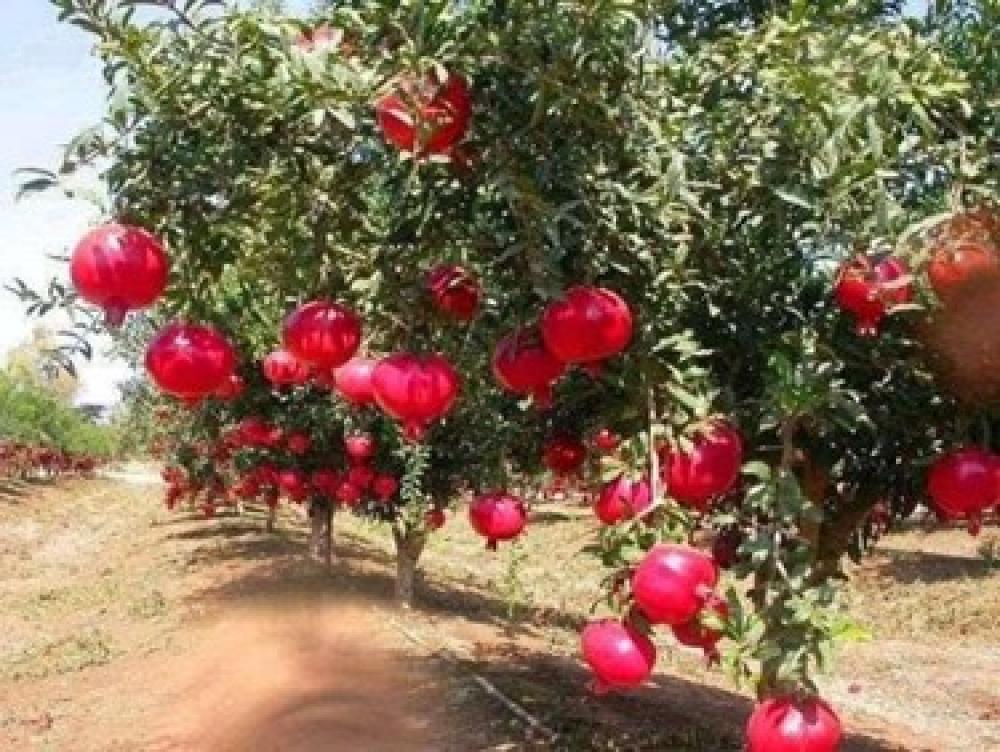
Pomegranate tree
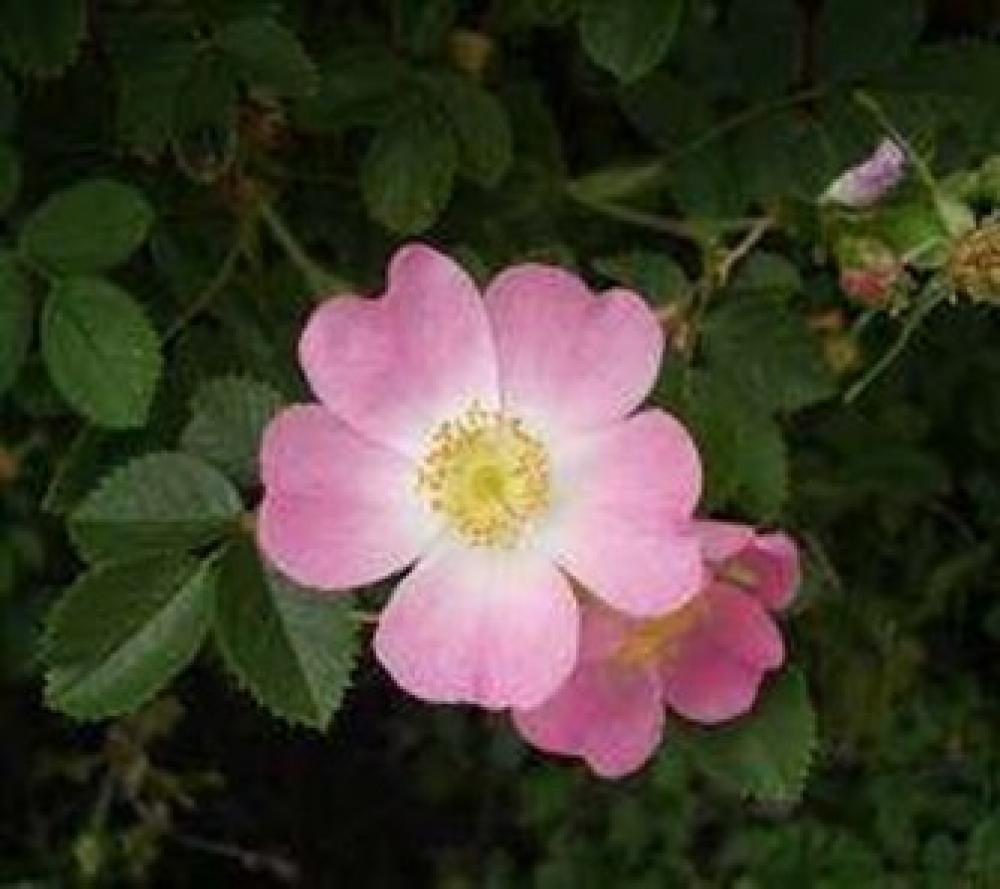
Rosa mosqueta
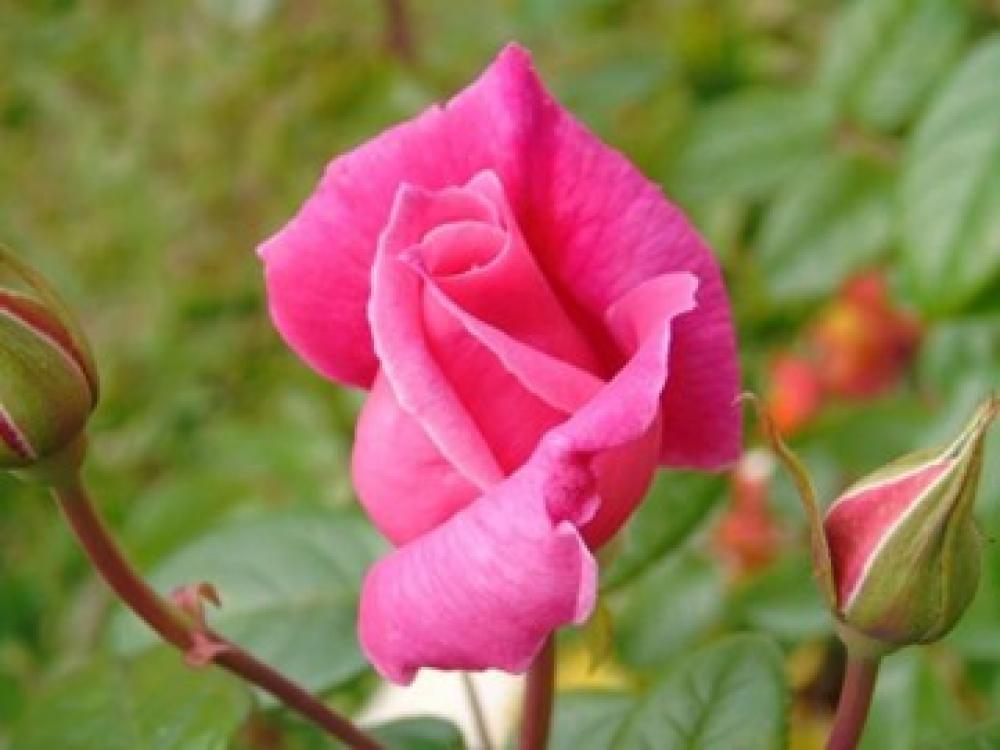
Rosebush
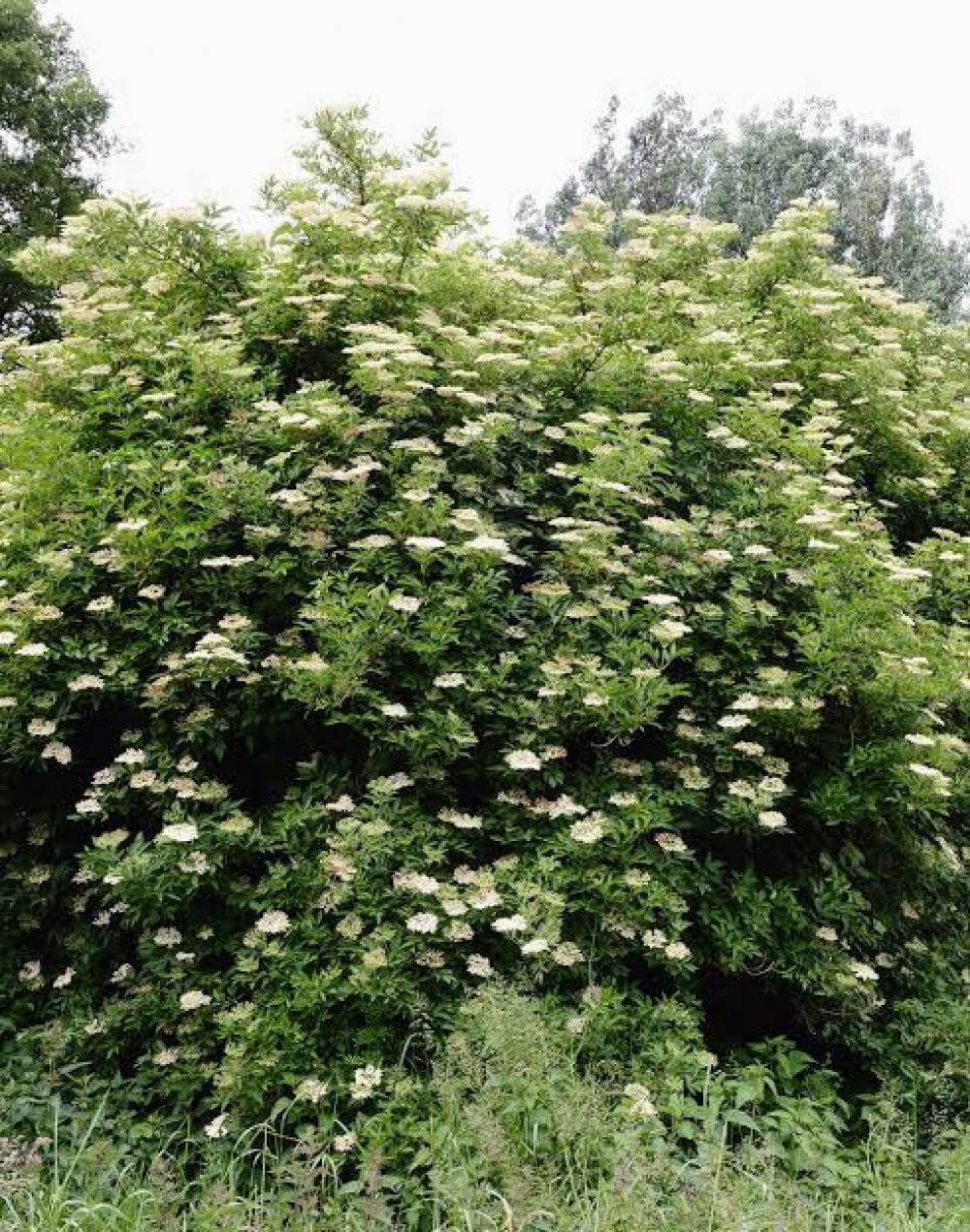
Elderberry
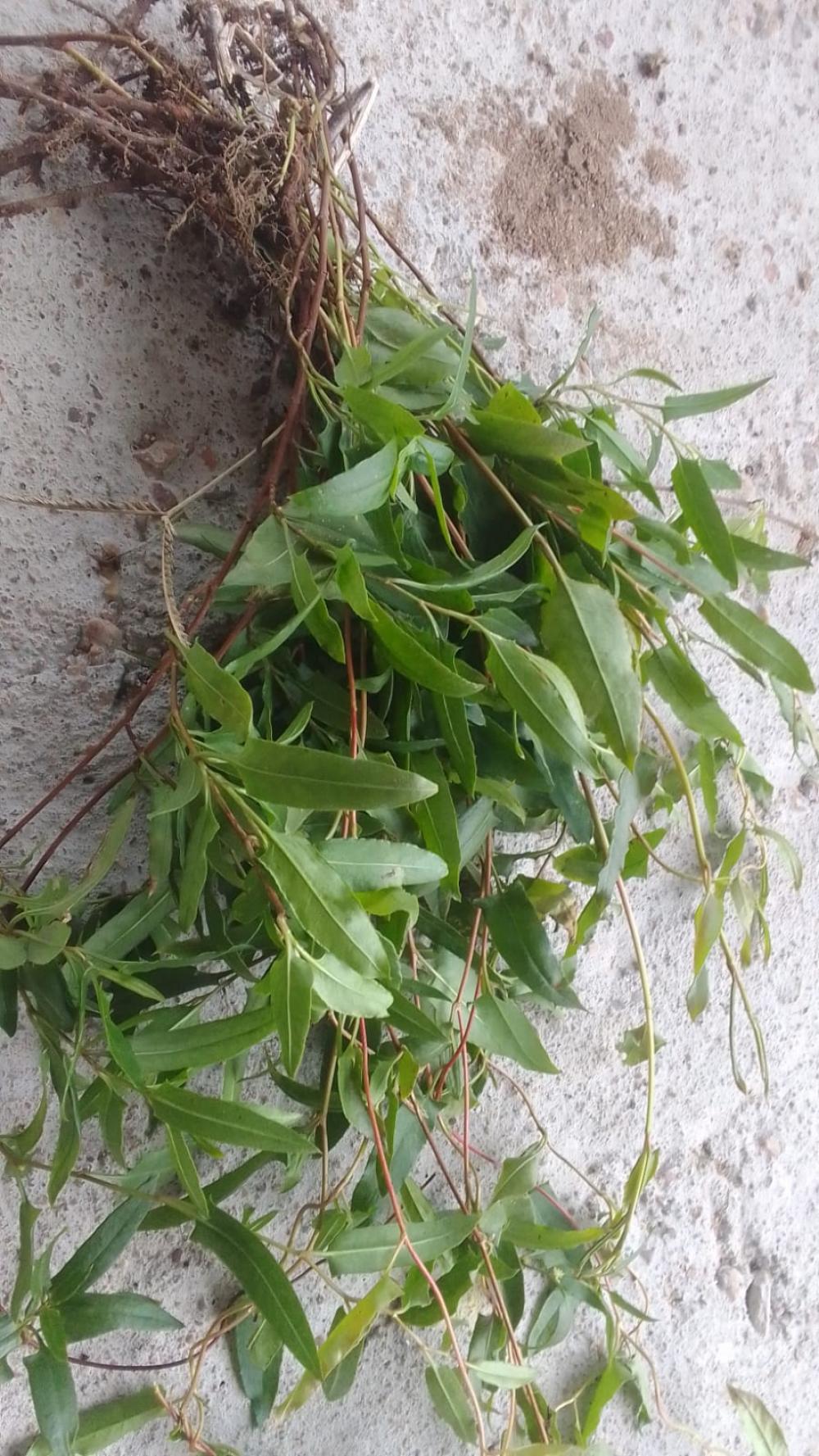
parilla parsley
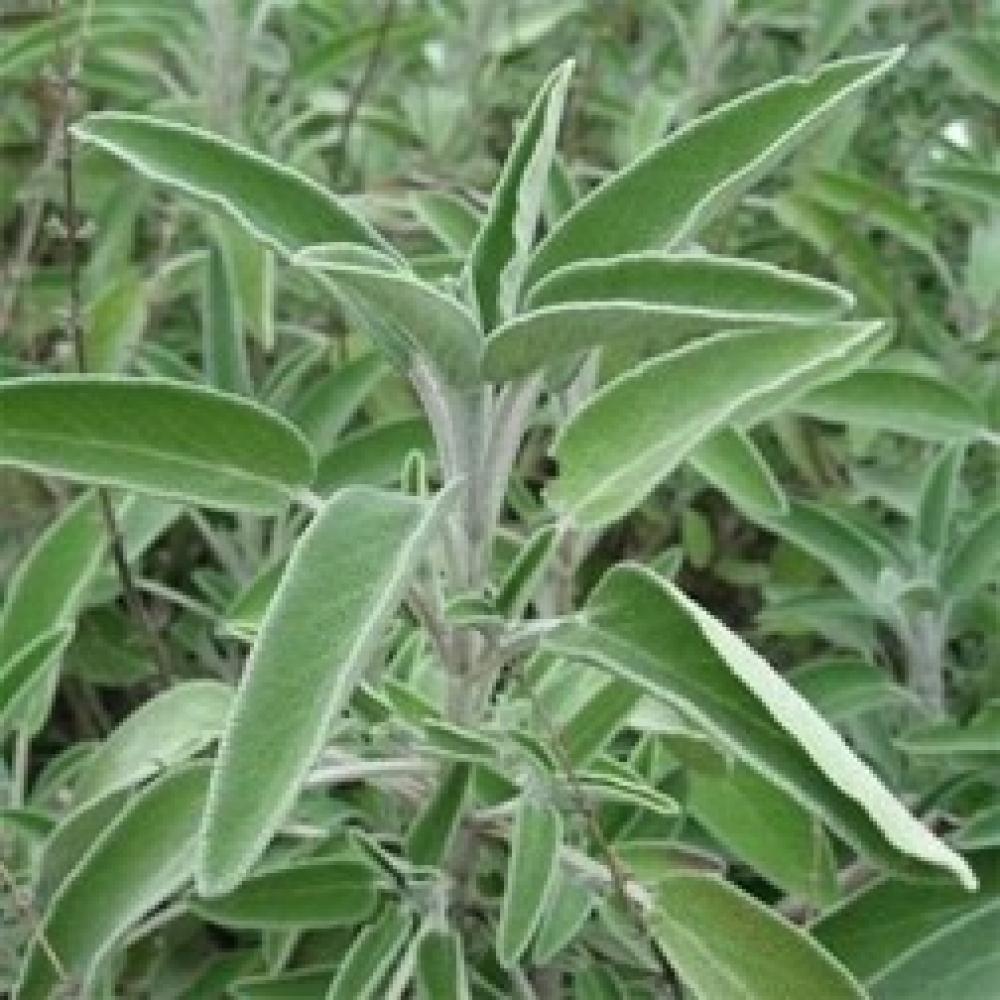
Sage
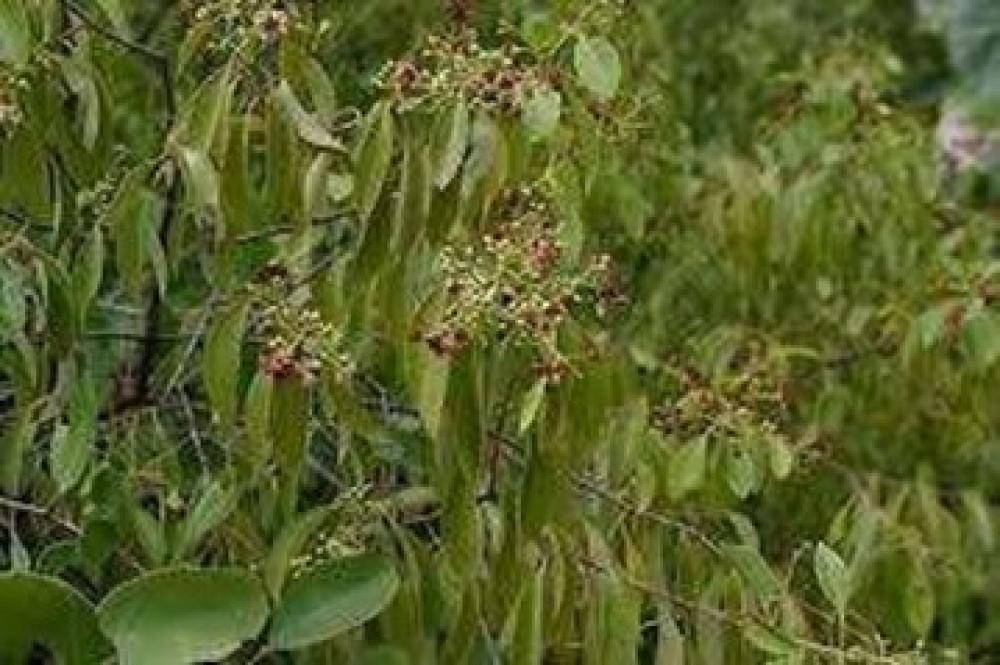
Sandalwood
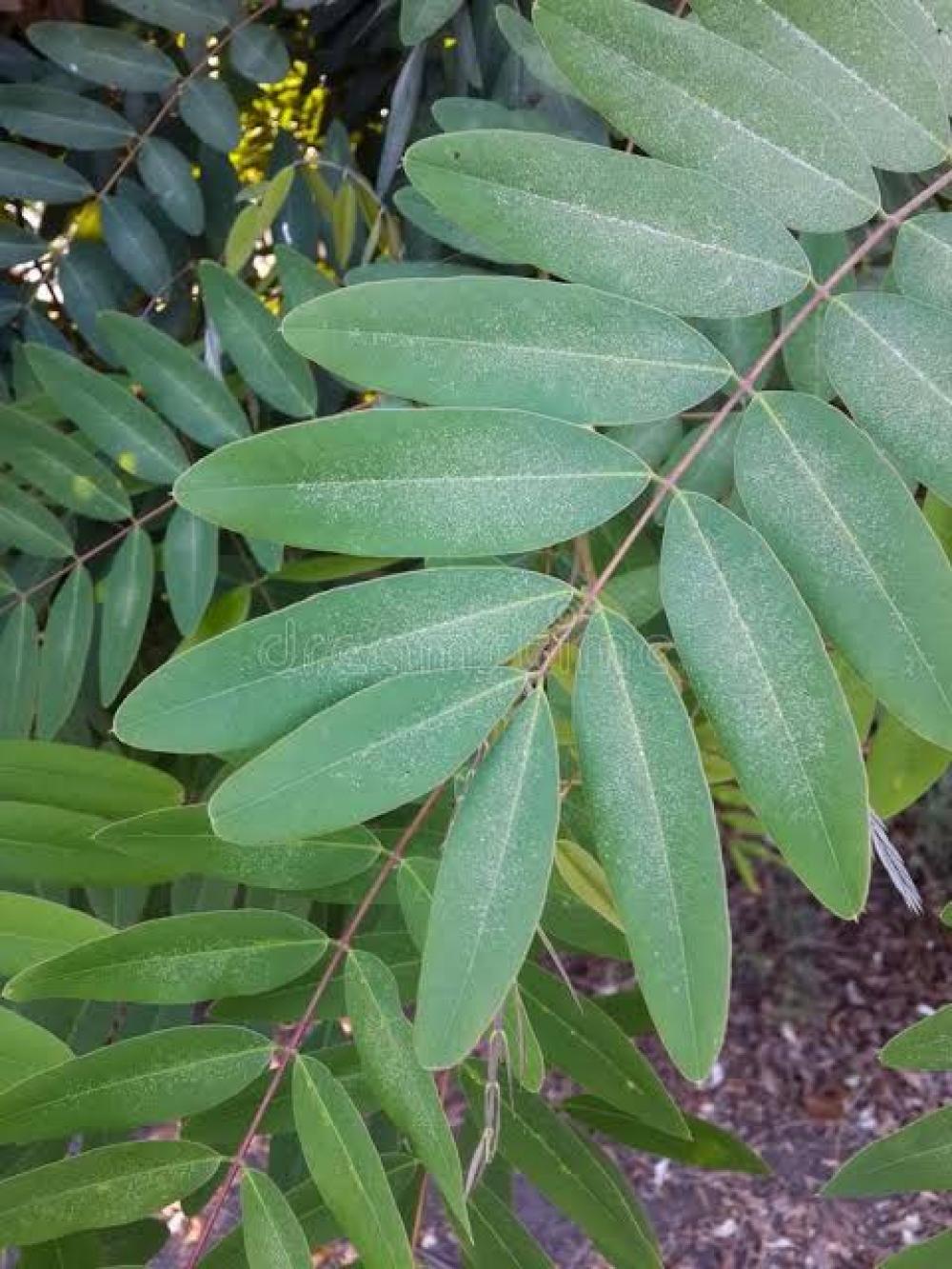
senna
Stevia
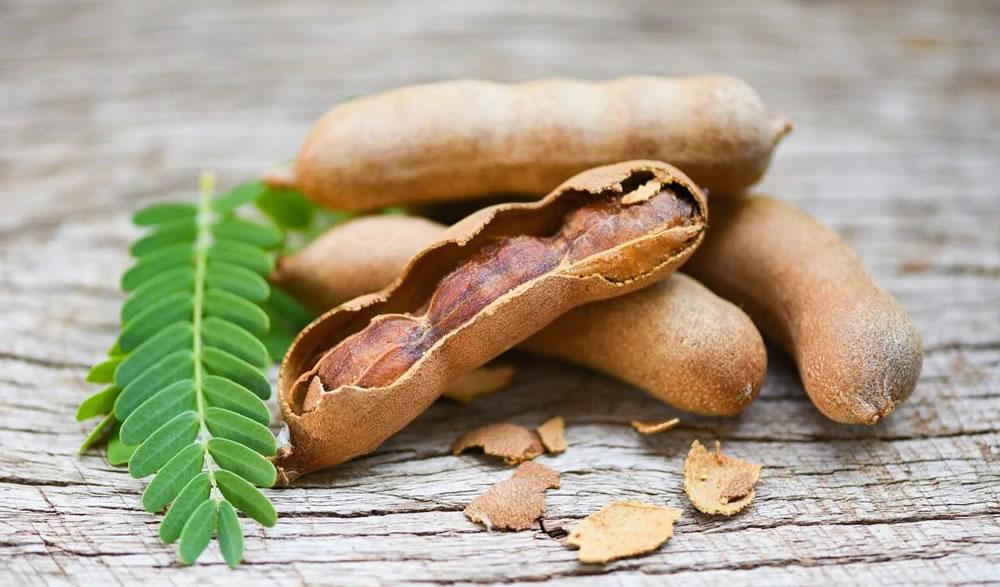
Tamarind
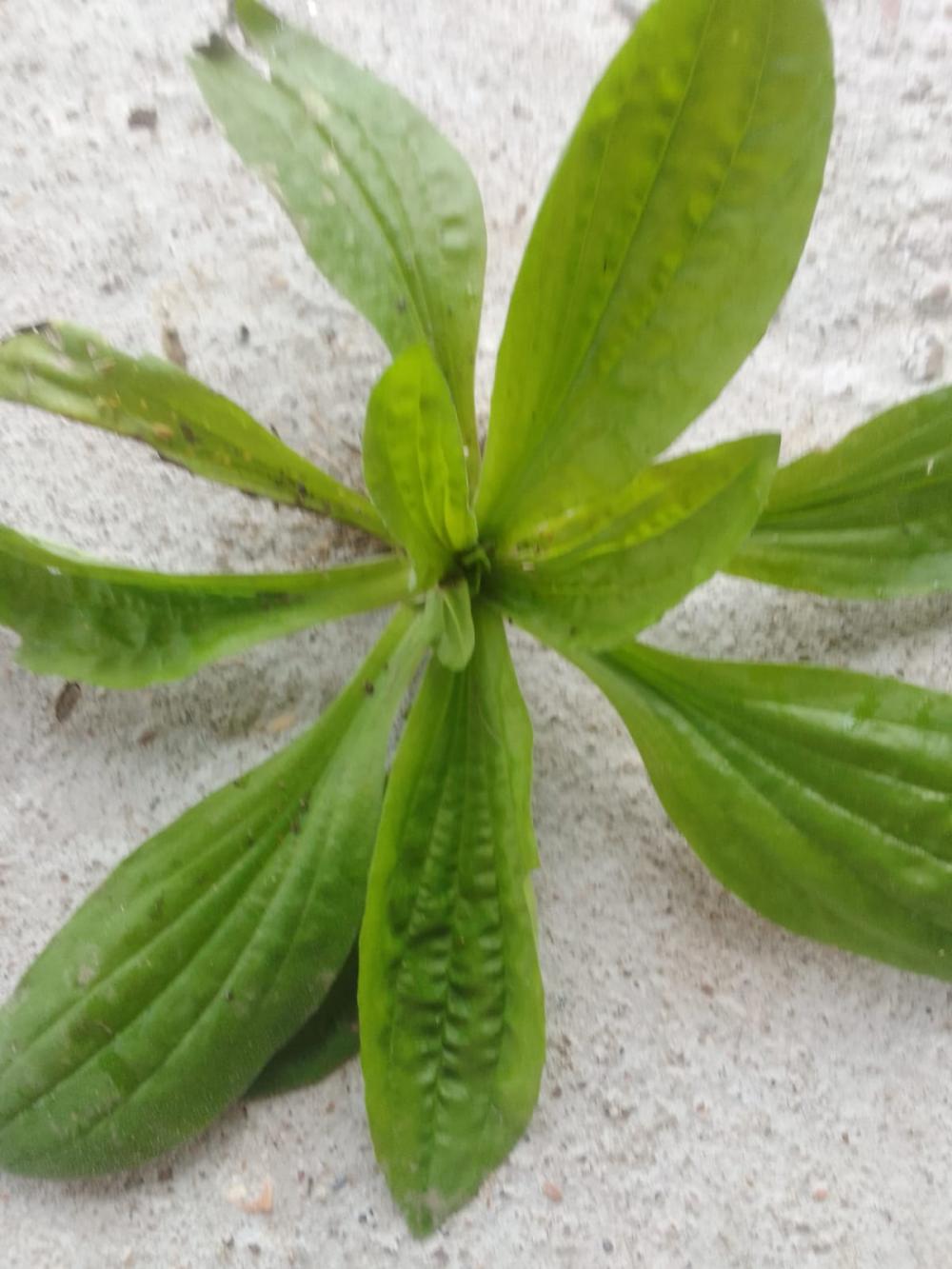
Plantain
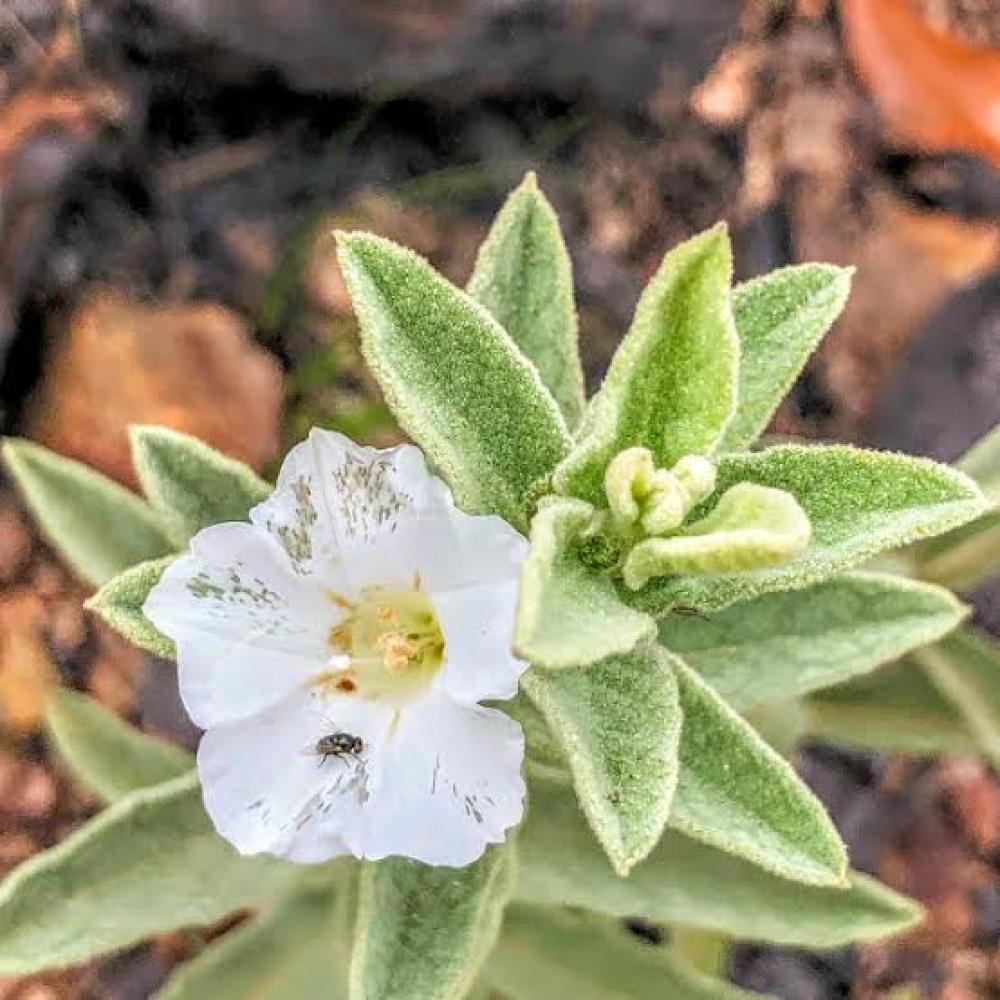
Velame-do-campo
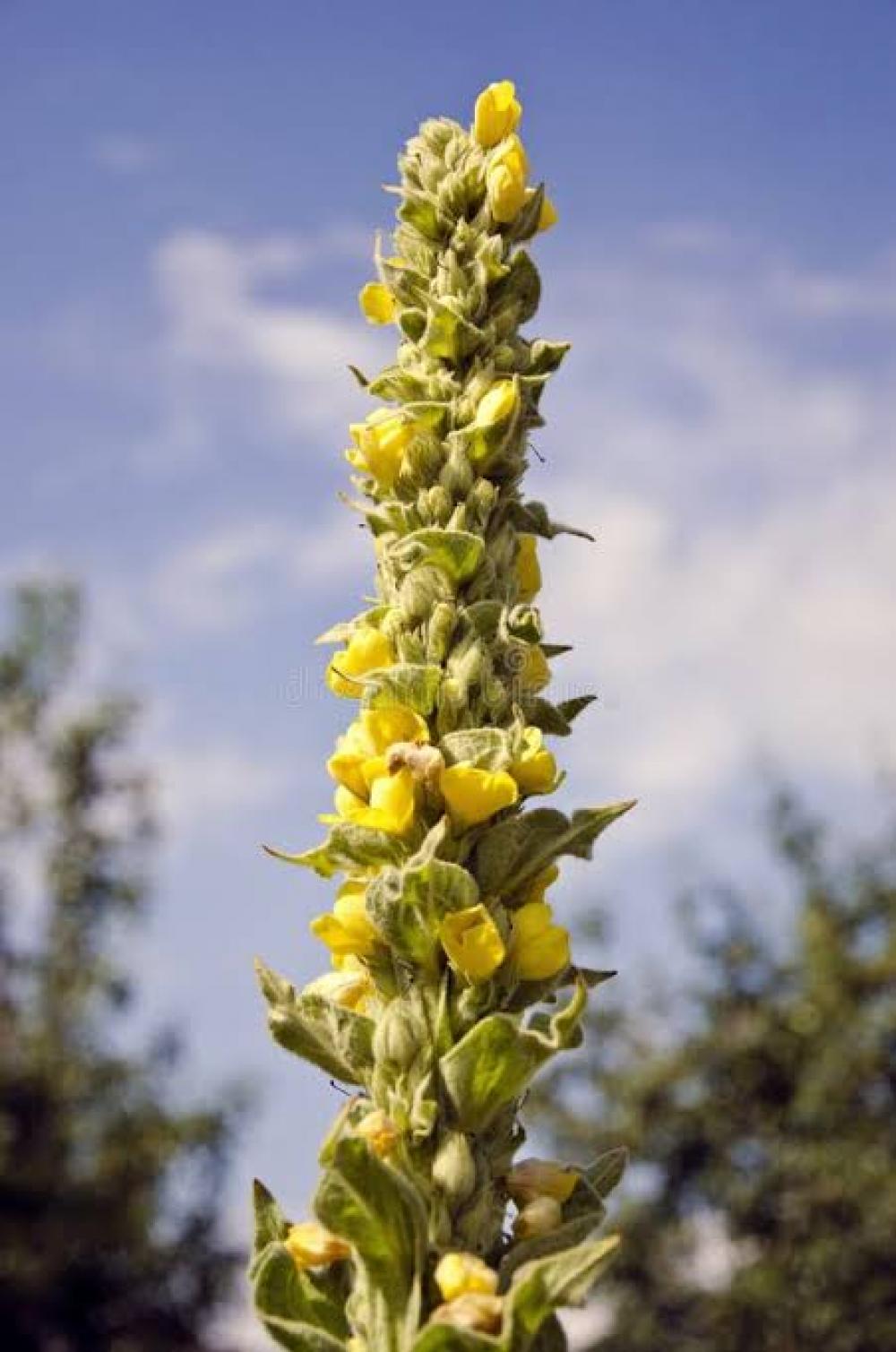
Brazilian mullein
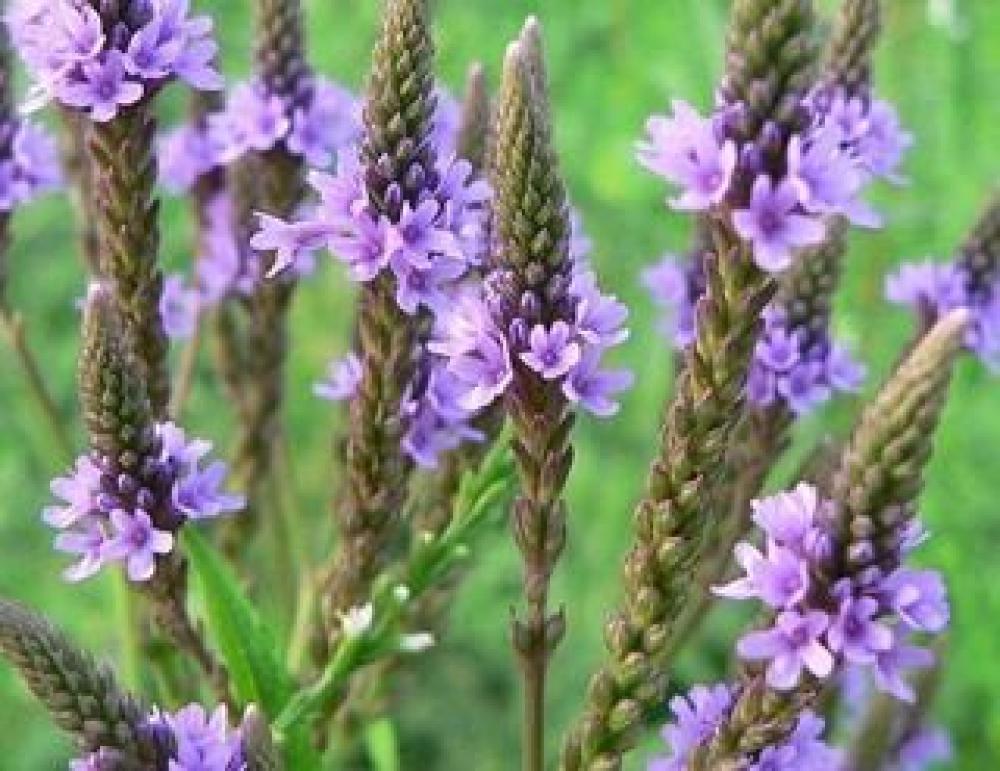
Field verbena