



cherry
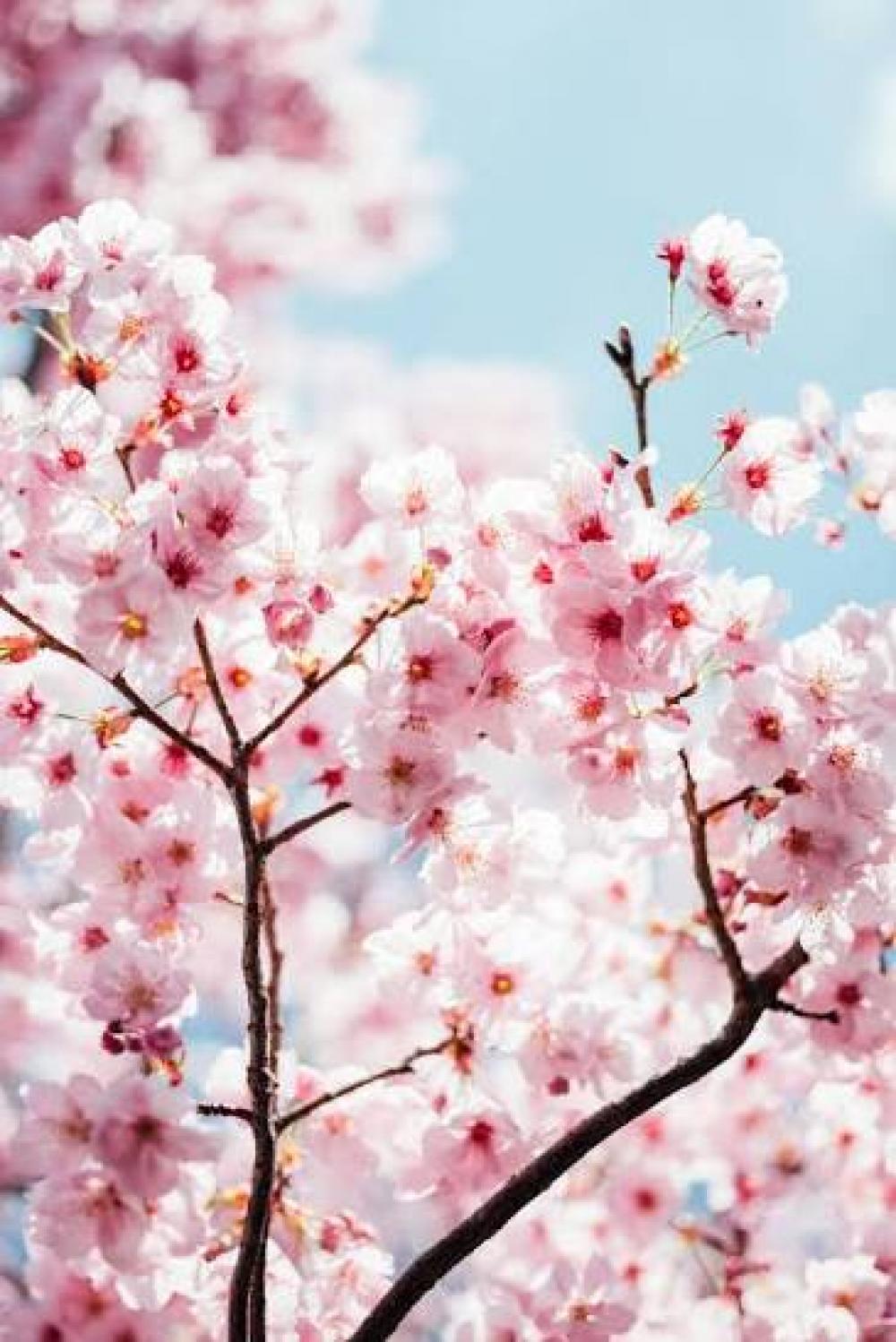
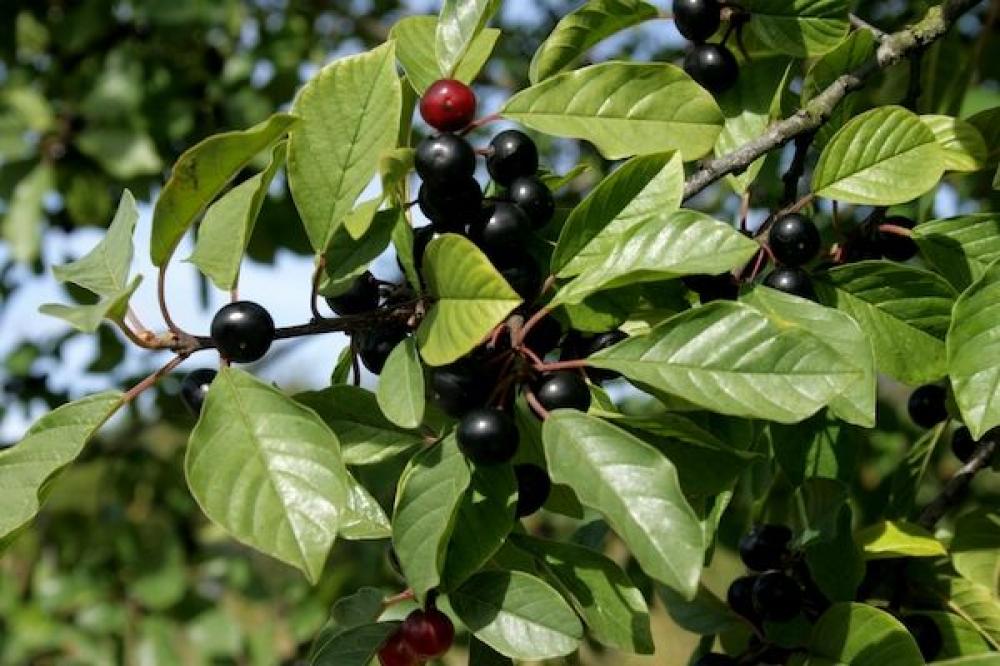
The medicinal use of the cherry tree involves various parts of the plant. The bark acts as an expectorant and sedative, often used in cough syrups. The leaves are used in folk medicine to treat diarrhea and indigestion, while the fruit offers strong antioxidant and anti-inflammatory properties and aids in sleep regulation. Here are the primary uses for each part of the tree: Bark: Commonly used in teas and syrups due to its sedative, astringent, and cough-suppressing properties; it helps treat bronchitis and colds. Leaves: Used in infusions for their anti-diarrheal, digestive, and mild diuretic effects. Fruit (Cherries): Rich in antioxidants (such as anthocyanins) and melatonin. They help alleviate post-exercise muscle pain, reduce inflammation (aiding in cases of arthritis and gout), and regulate sleep cycles. Topical Use: Fruit extracts are frequently used in the cosmetics industry for skin hydration and cellular regeneration. To understand the nutrient profile in detail, you can consult the complete guide on the benefits of cherries.
Plant Catalog
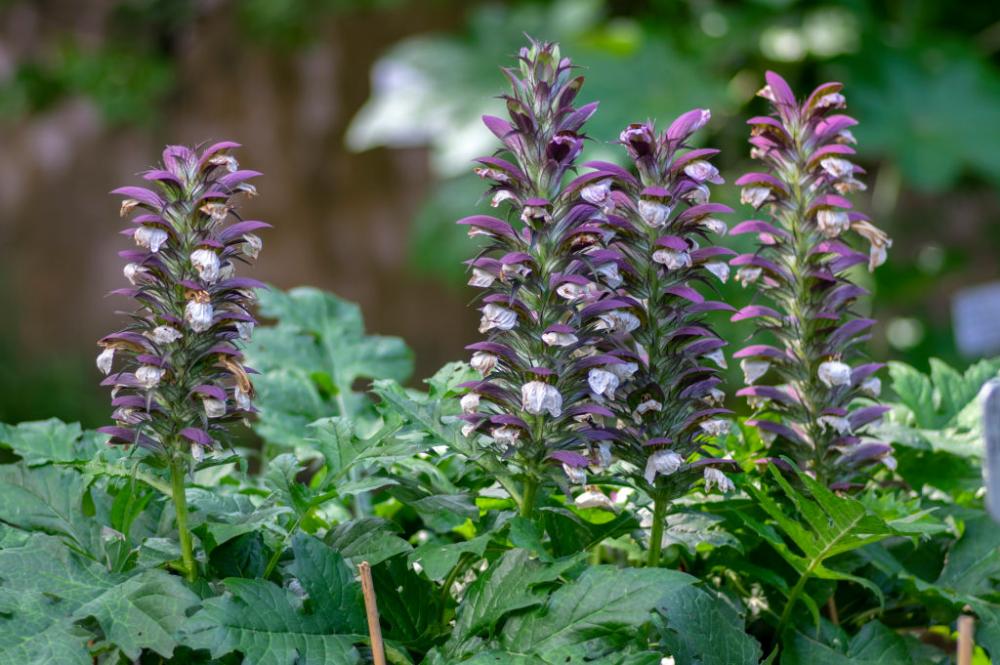
acanthus
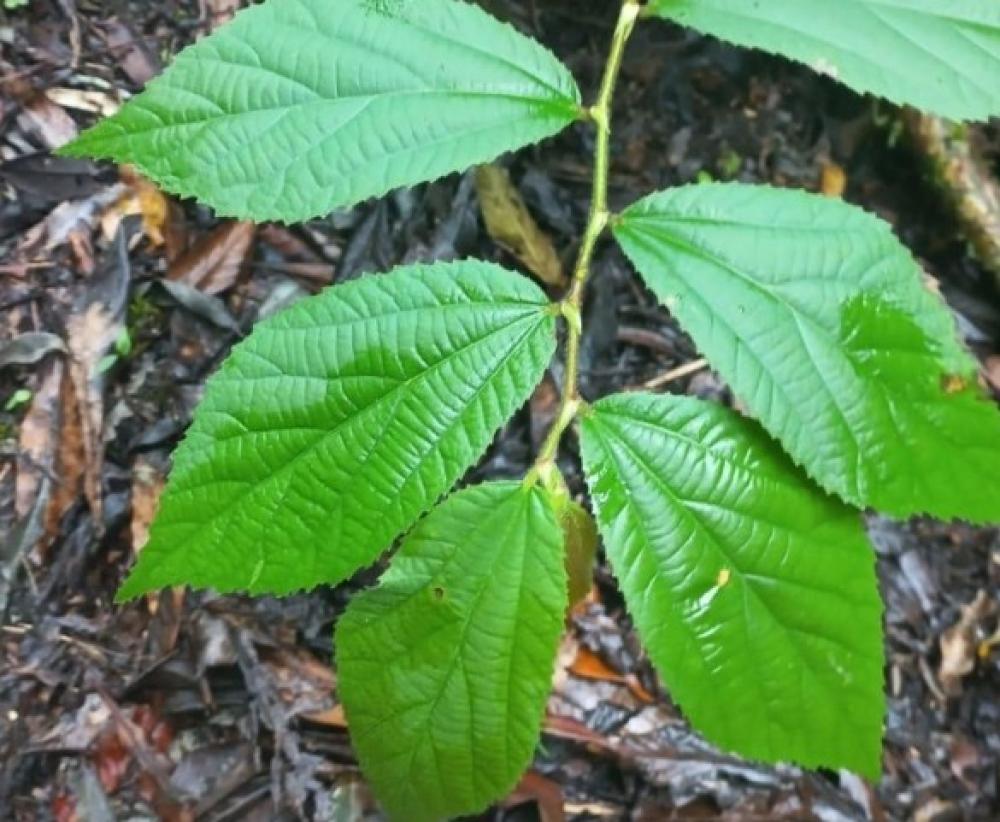
Horsewhip
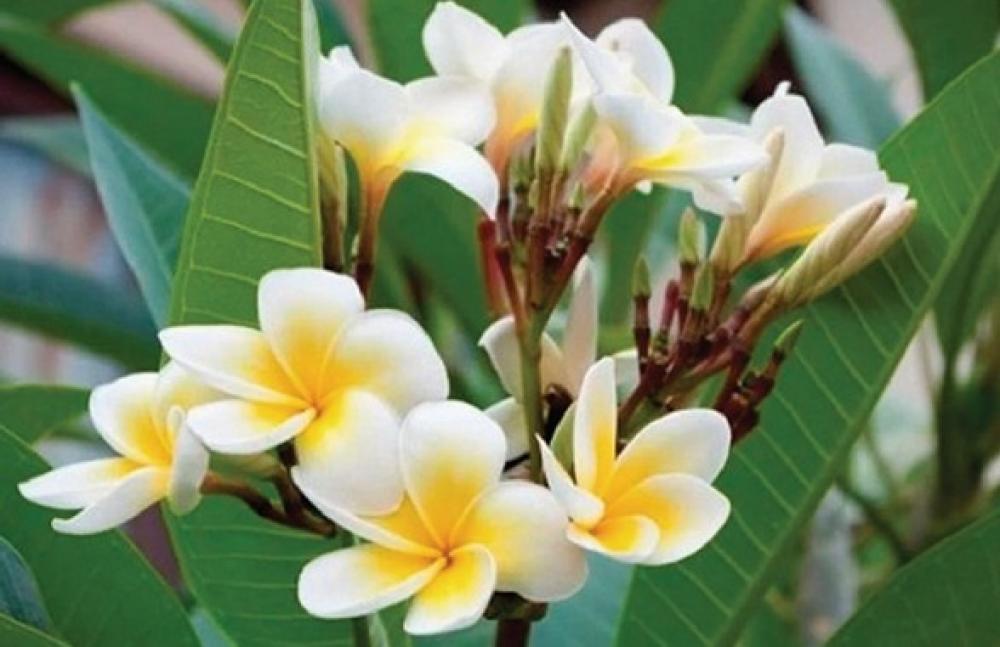
distressed
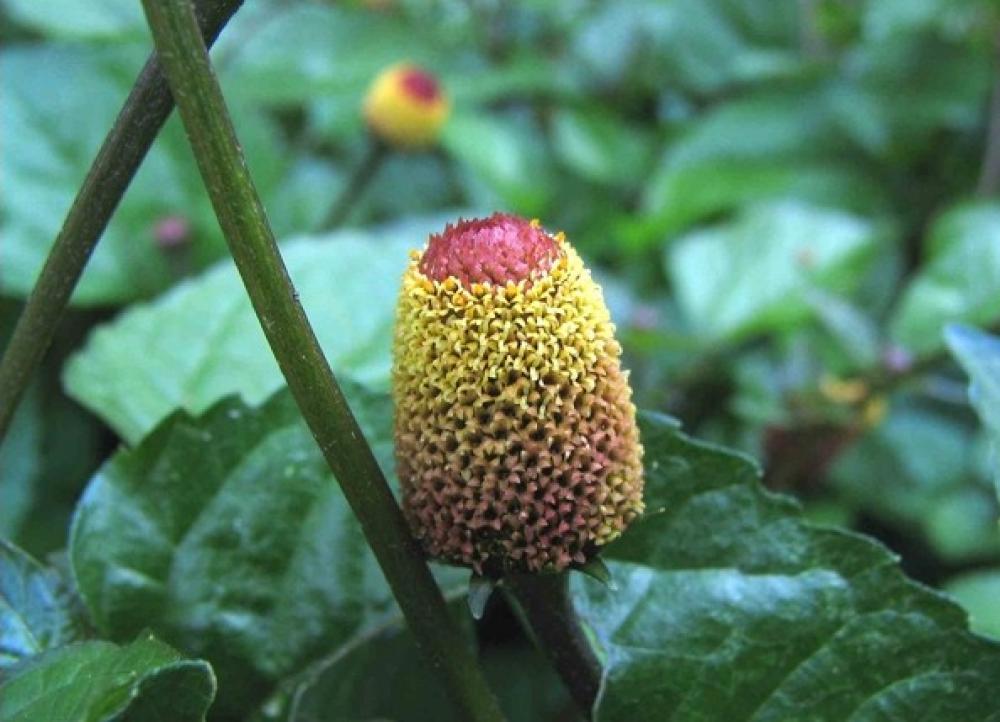
Pará cress or Jambu
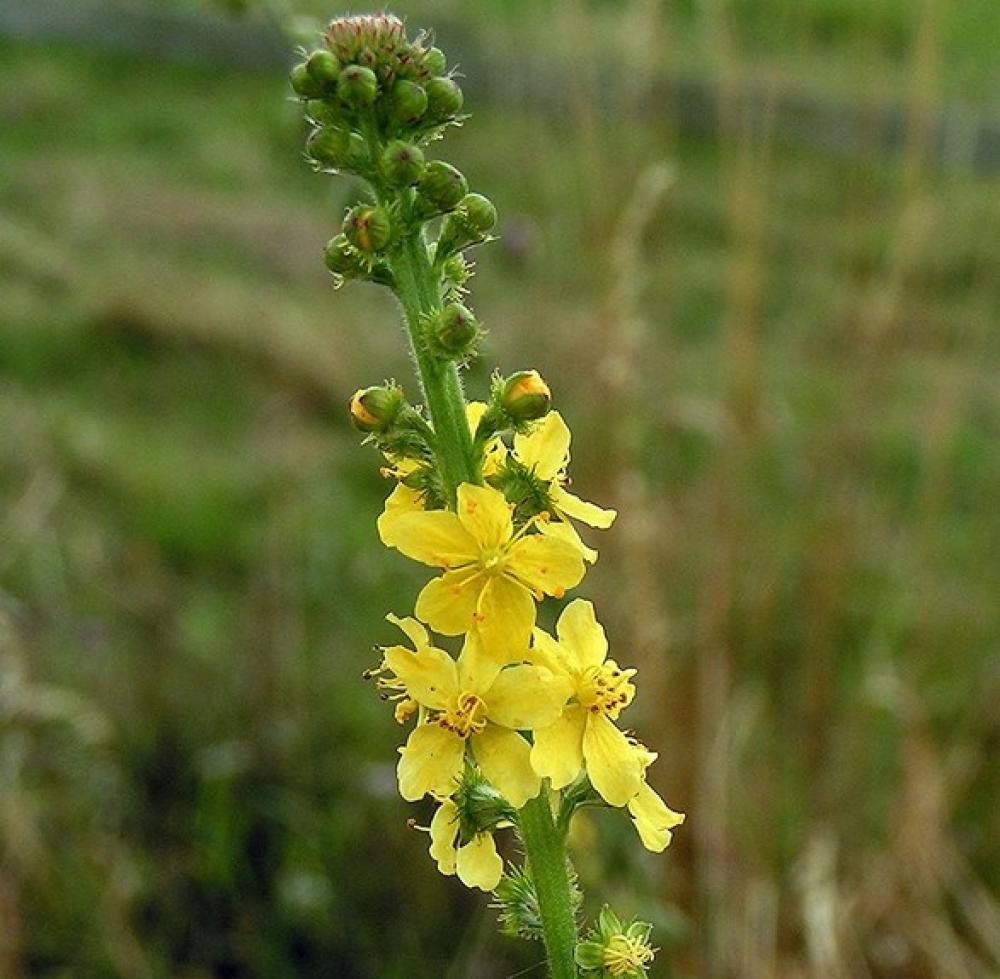
Agrimony
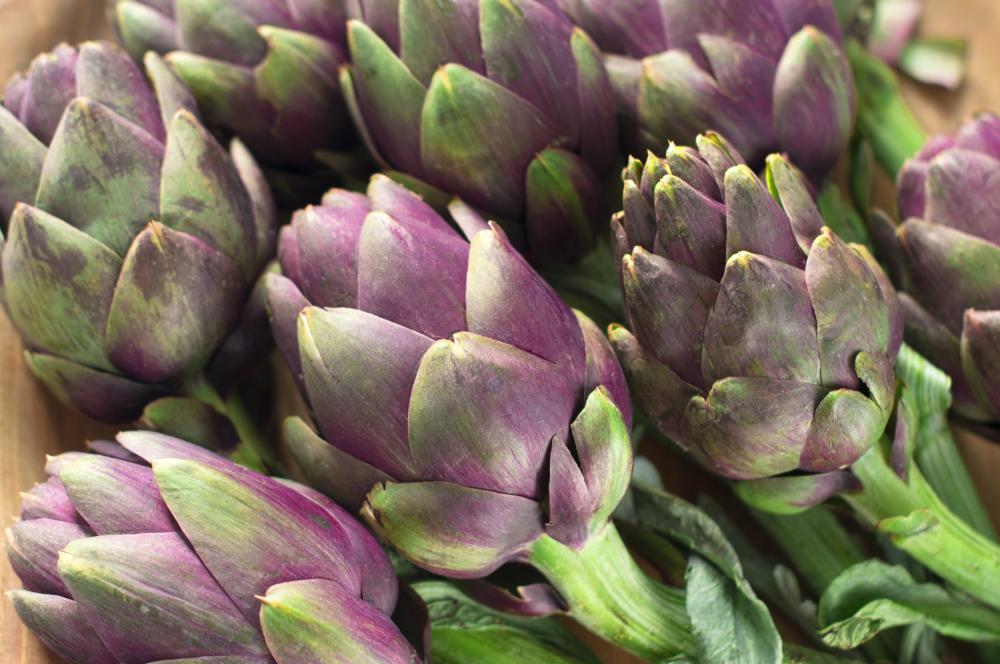
Artichoke
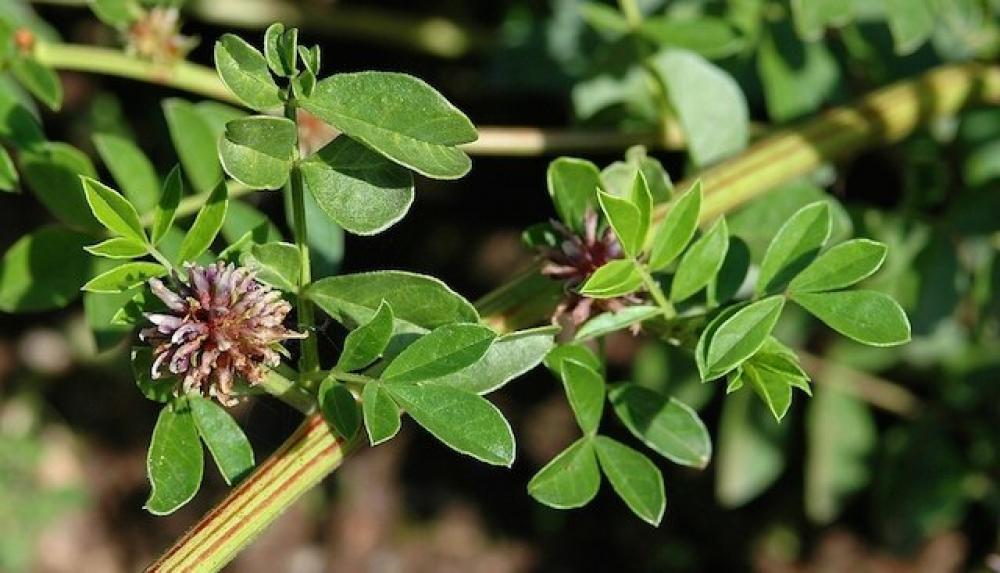
licorice
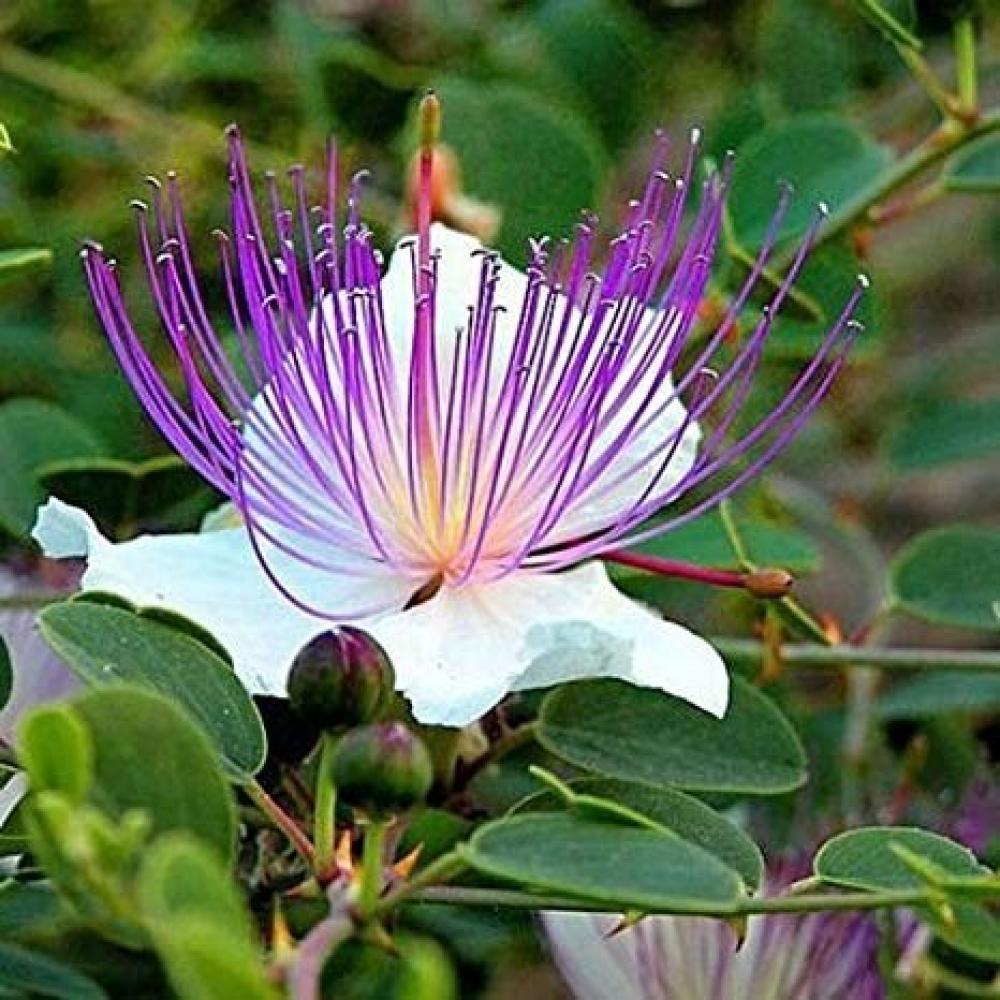
caper
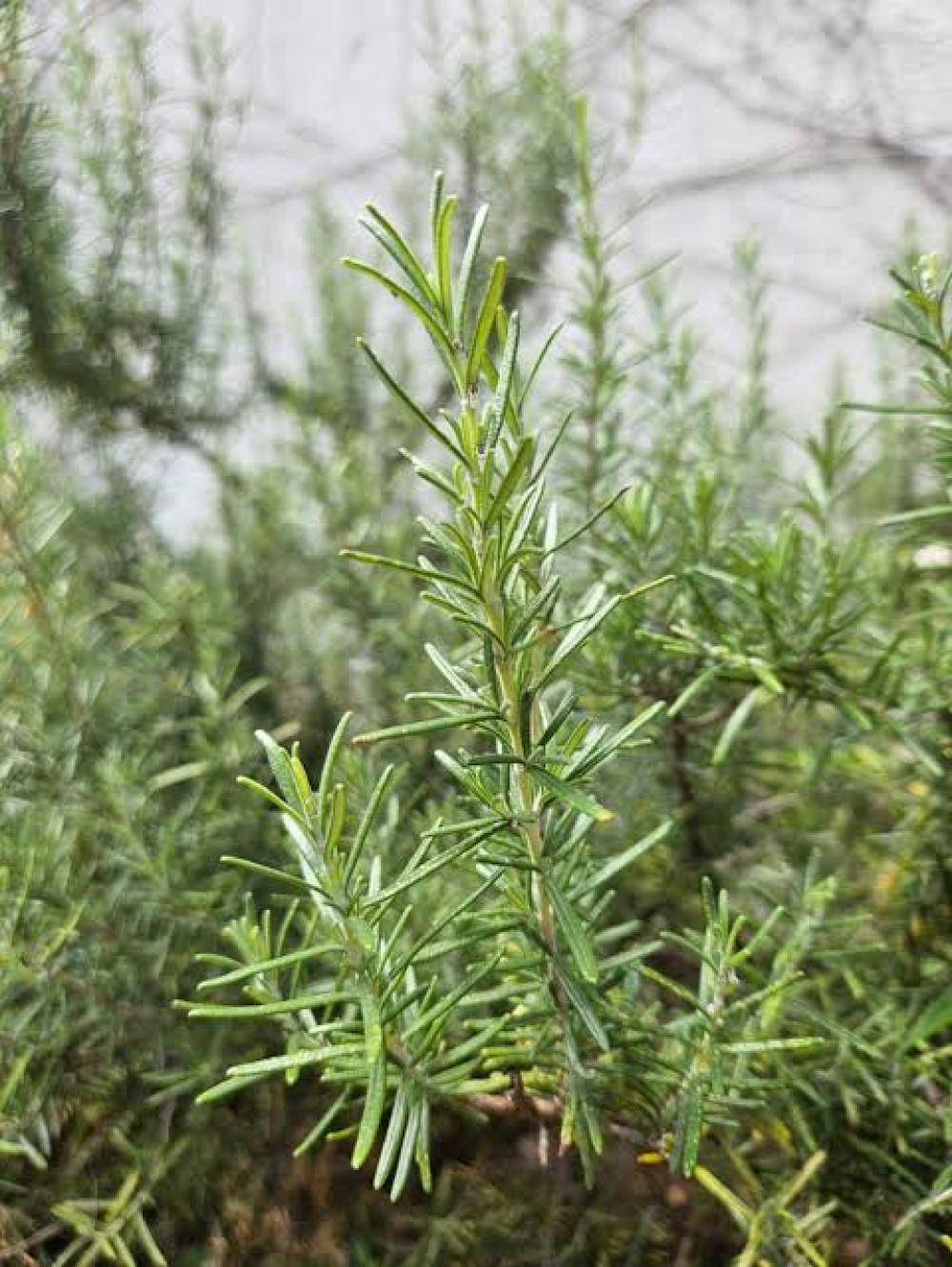
rosemary
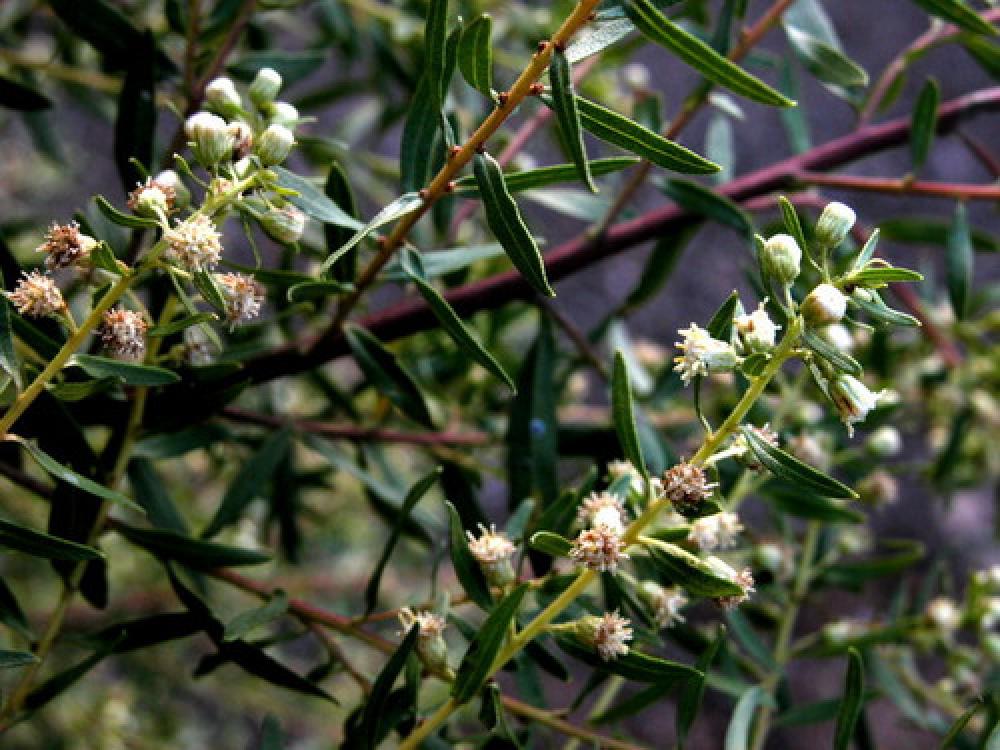
Field Rosemary
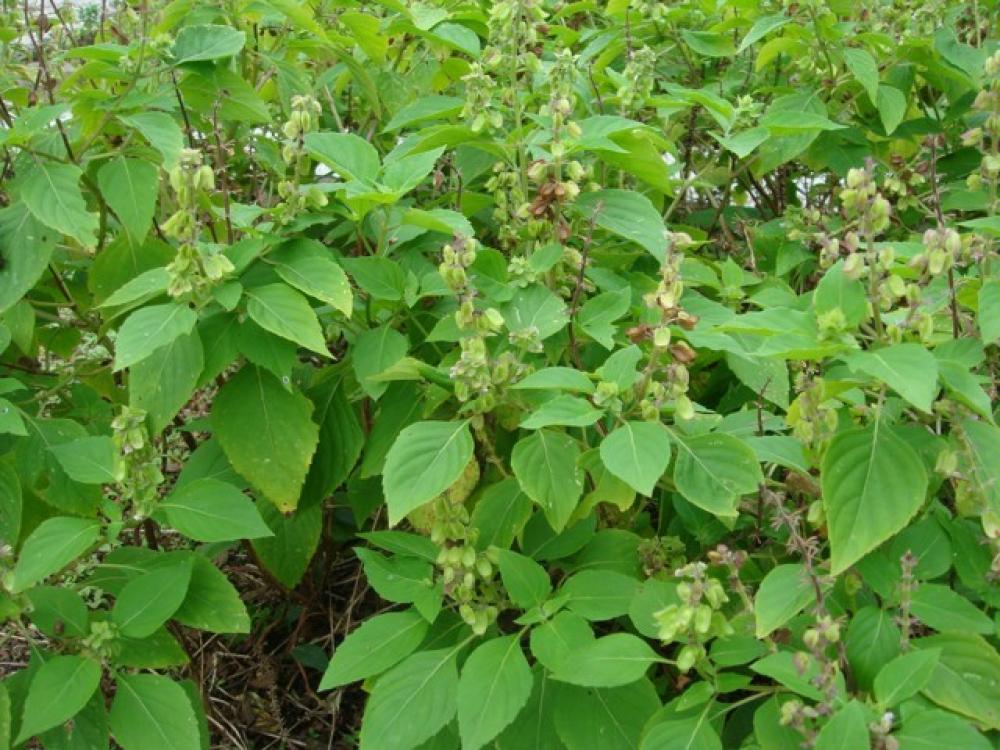
basil
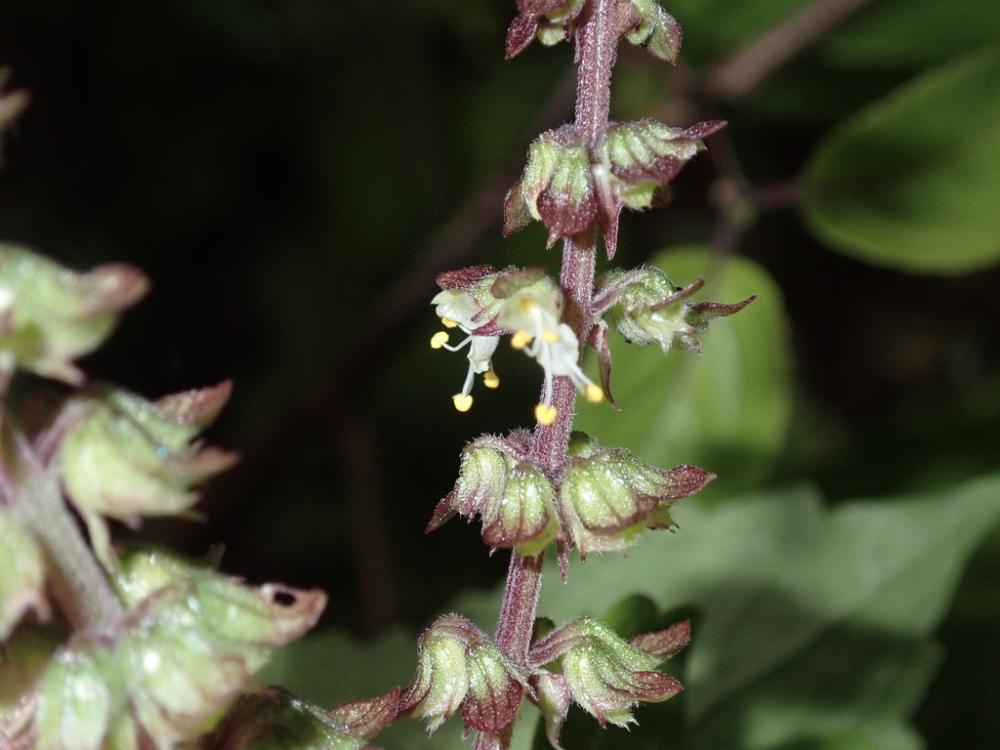
Clove Basil
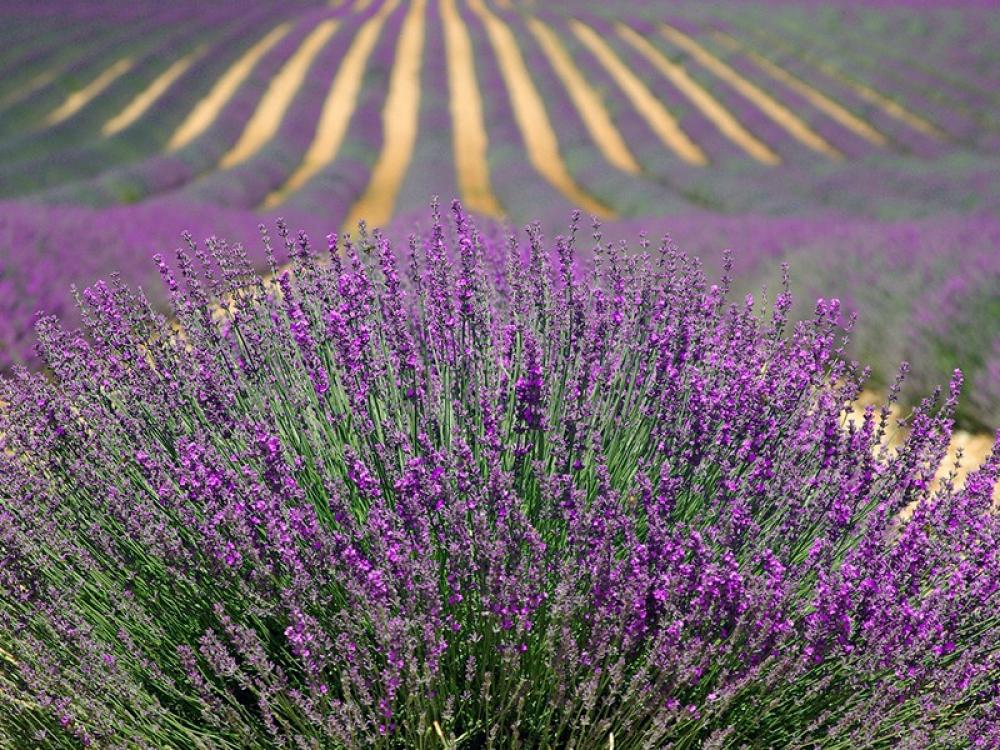
lavender
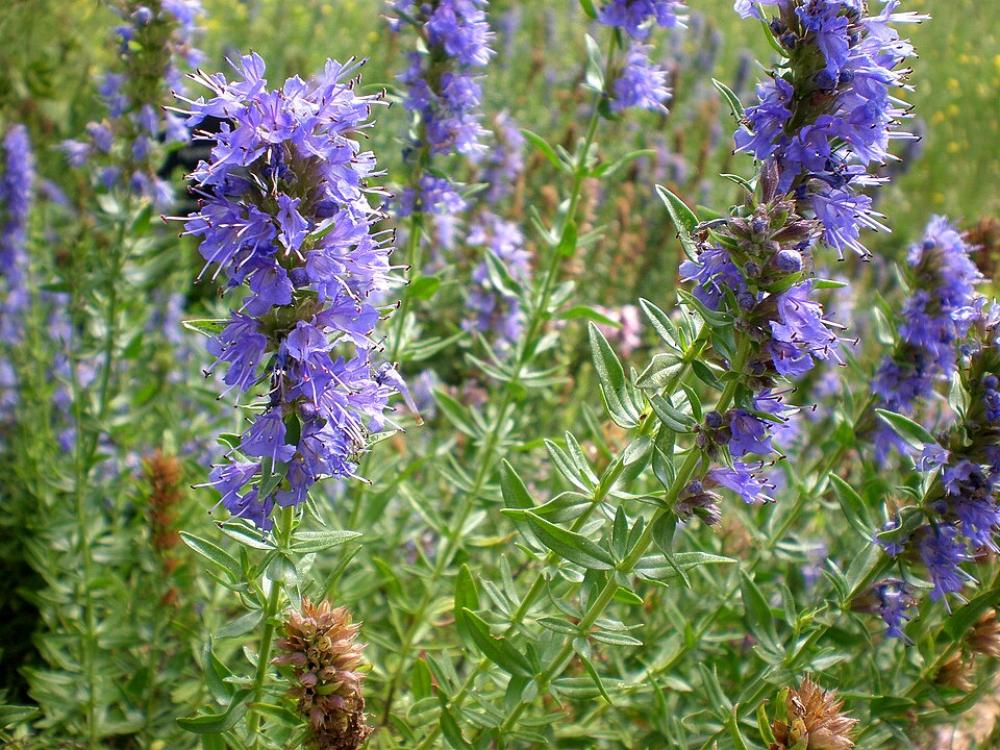
Caboclo Lavender
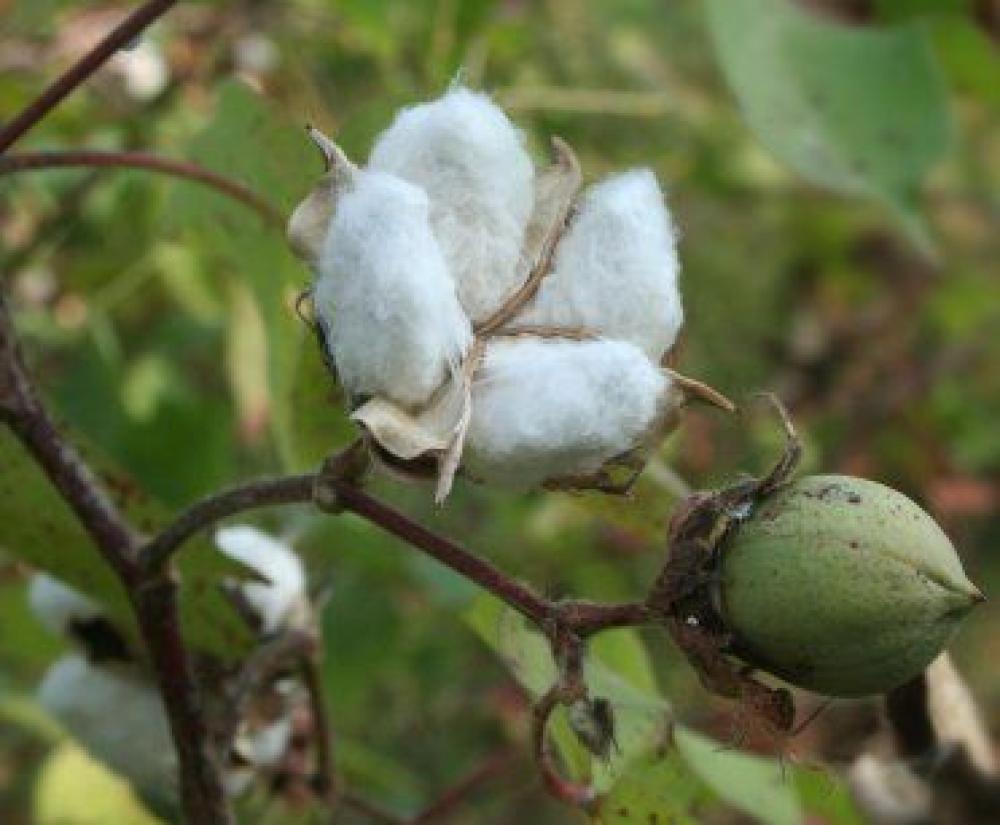
Cotton
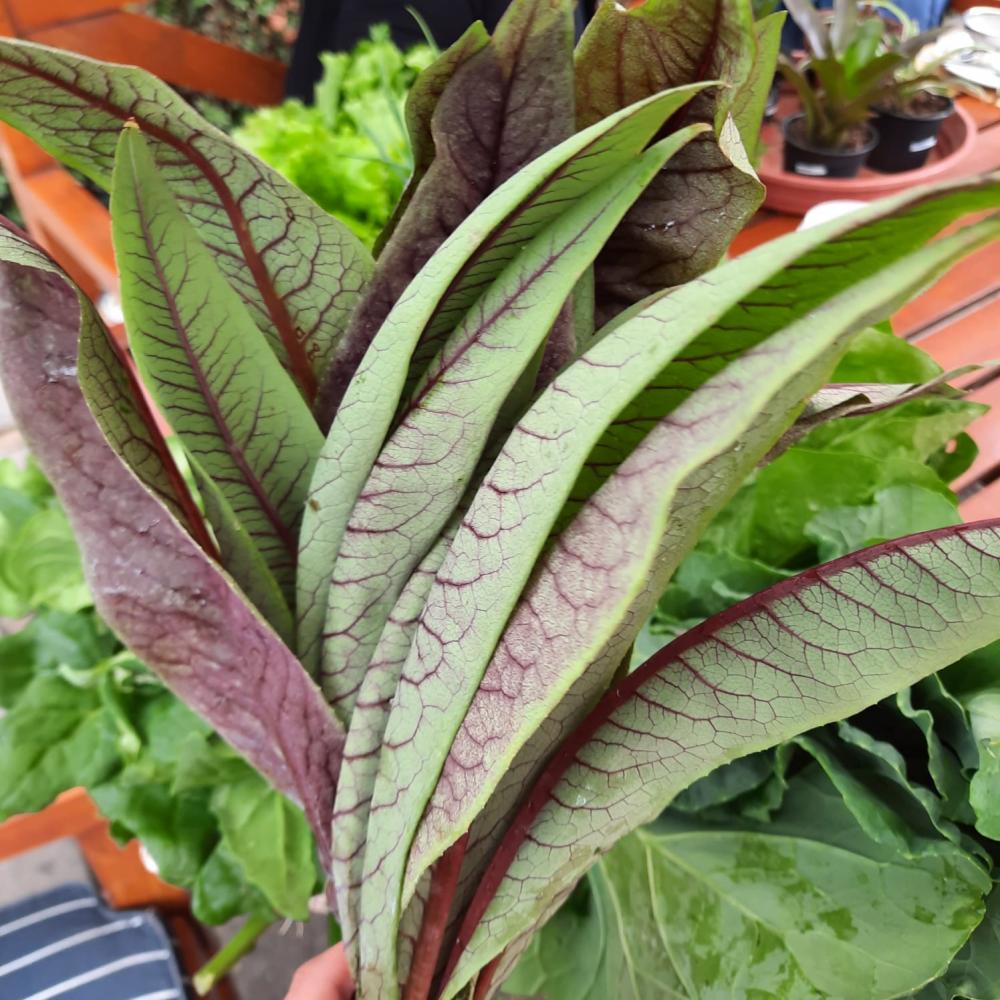
Cafezal Chicory
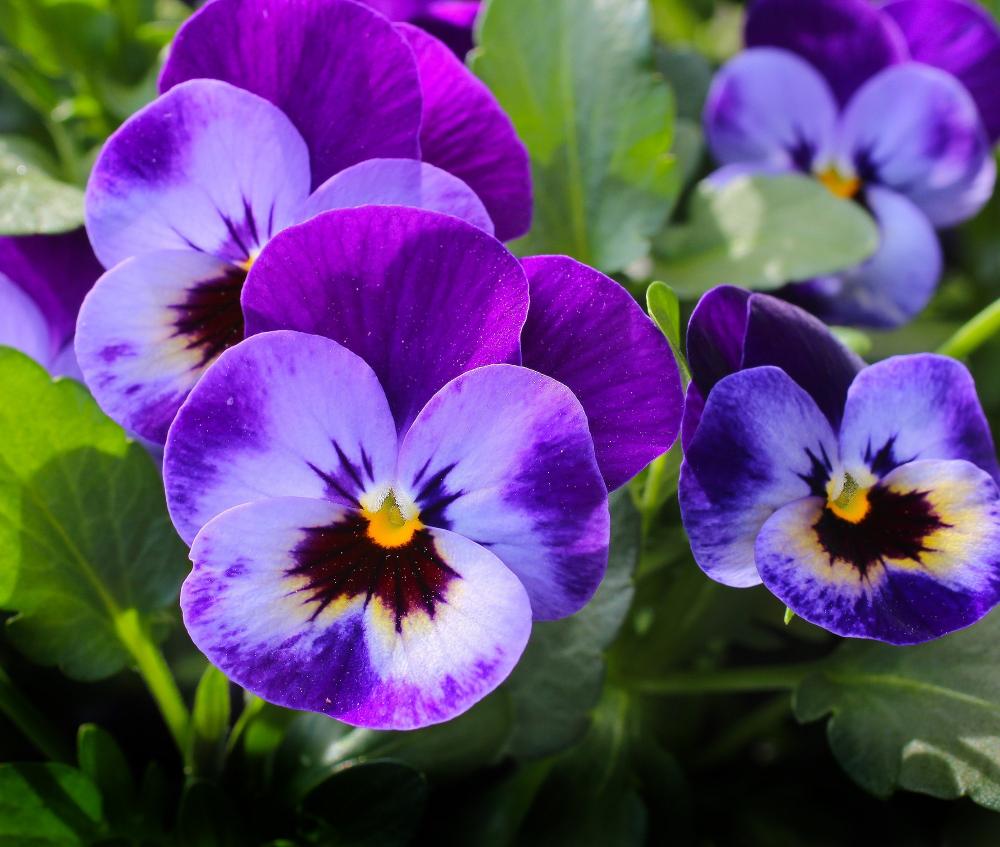
Perfect Love
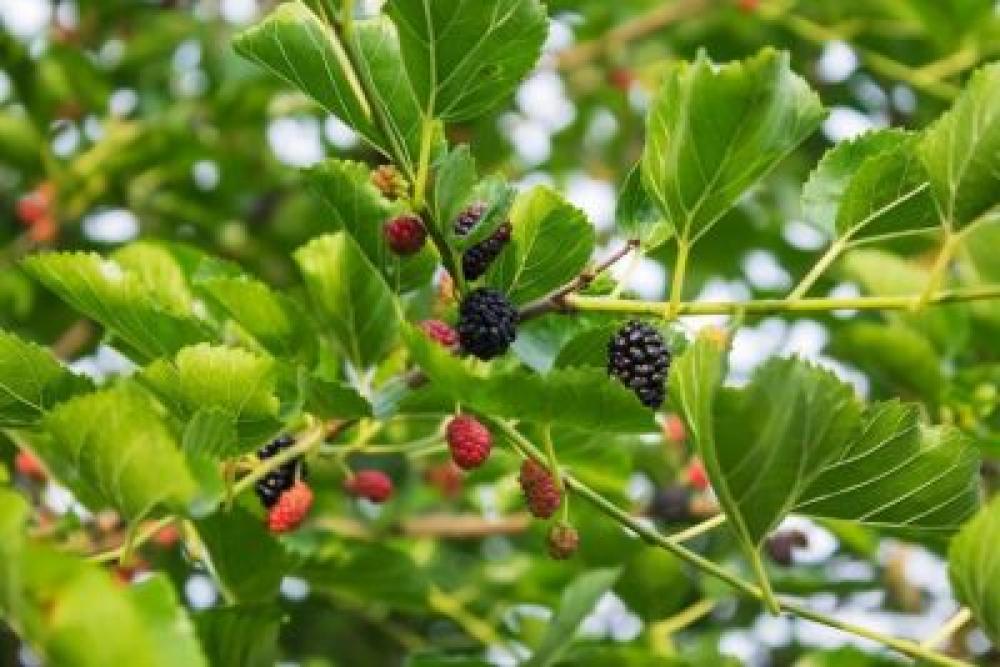
mulberry
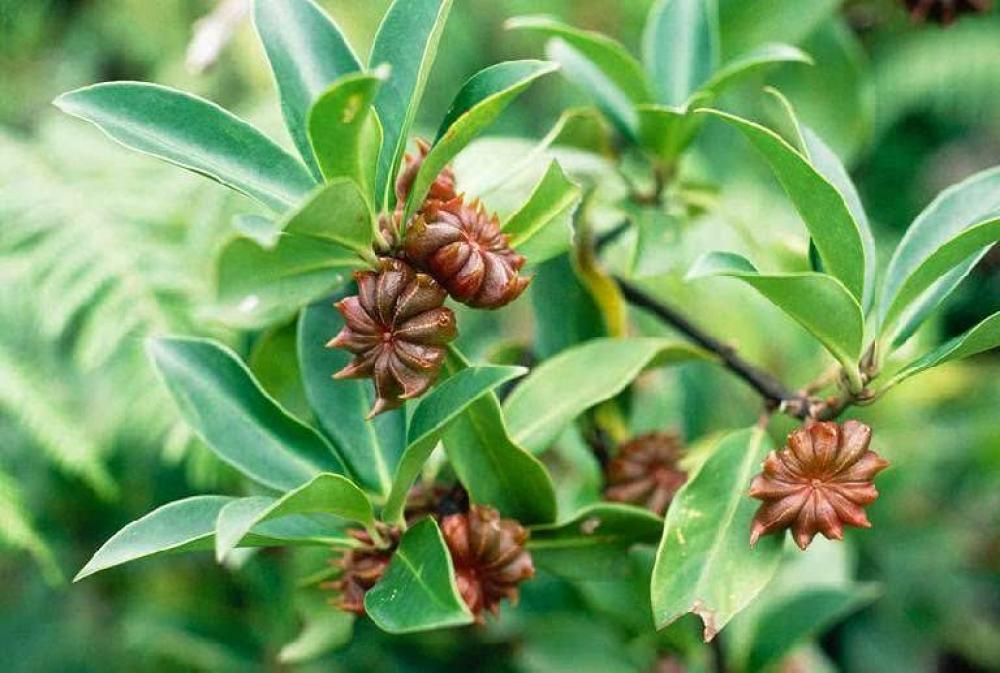
anise
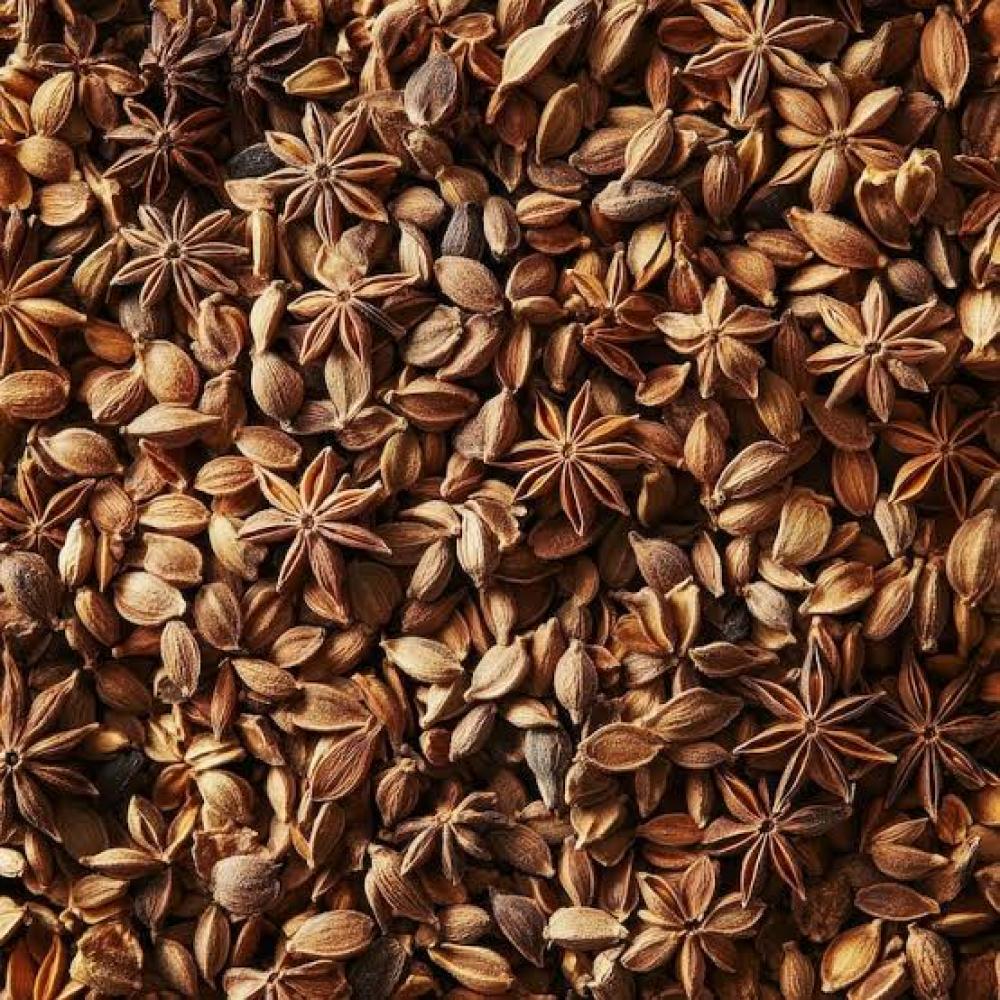
Star anise - Seeds
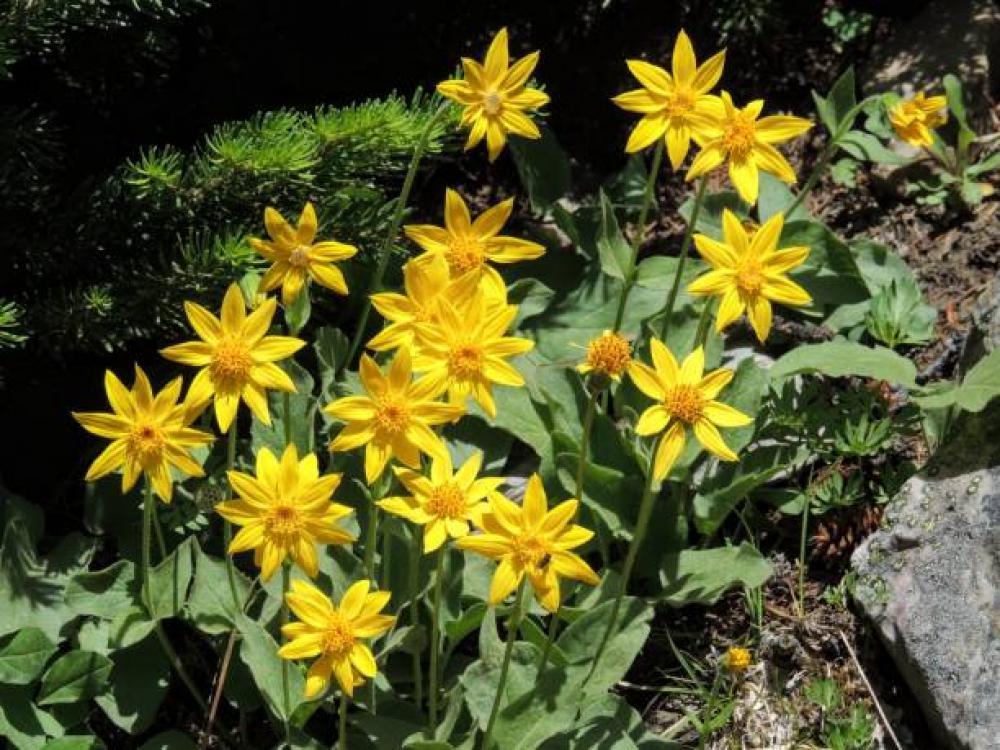
Arnica
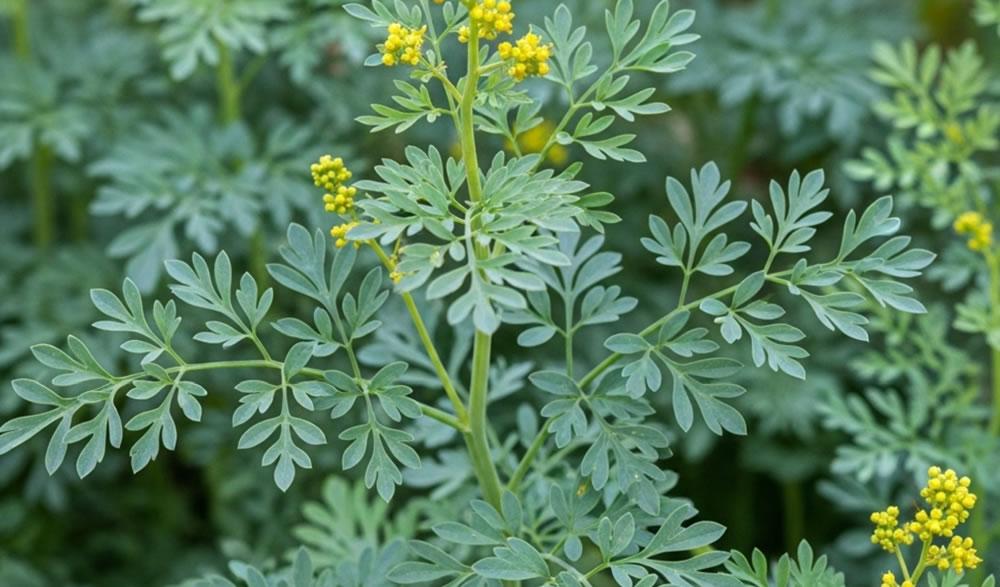
Rue
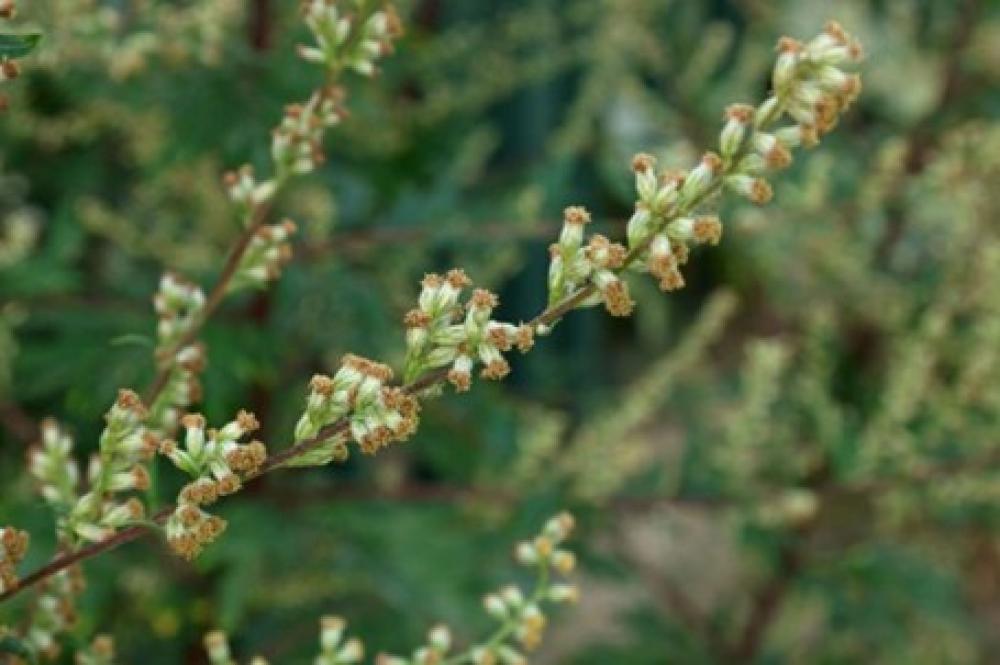
Artemisia
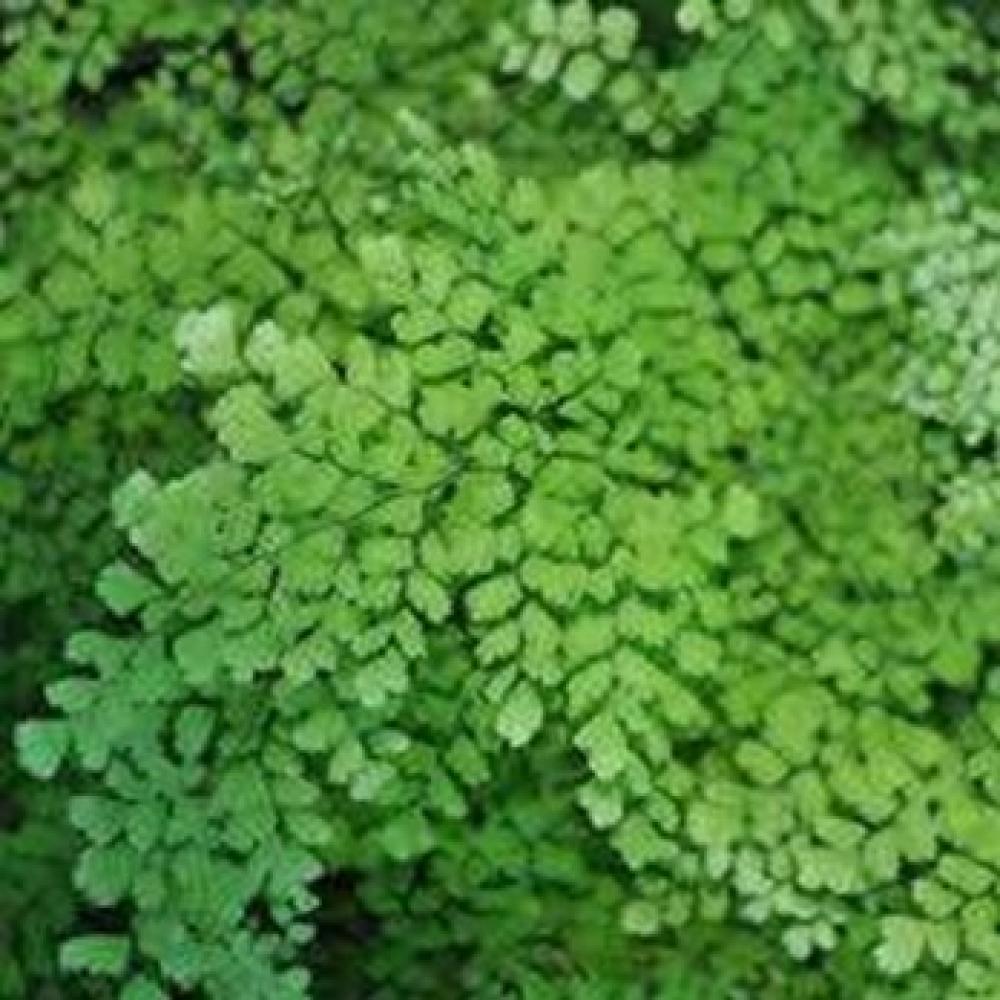
maidenhair fern
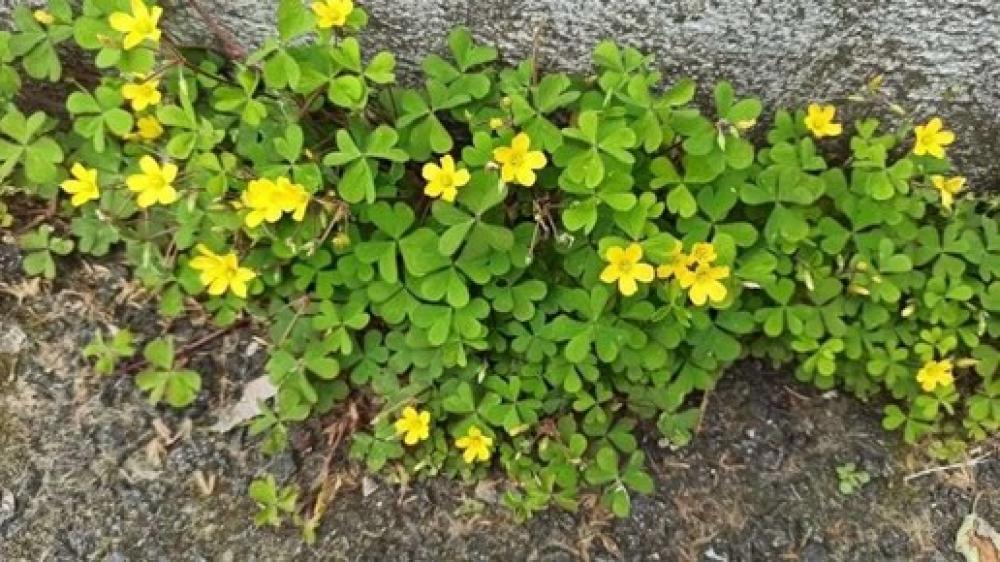
sourish
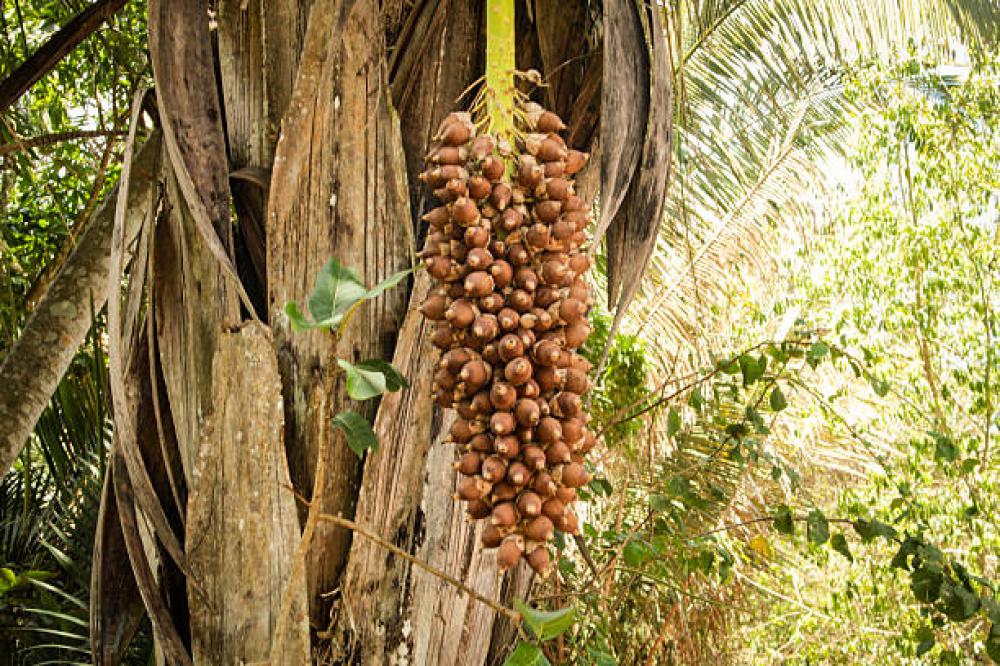
babassu
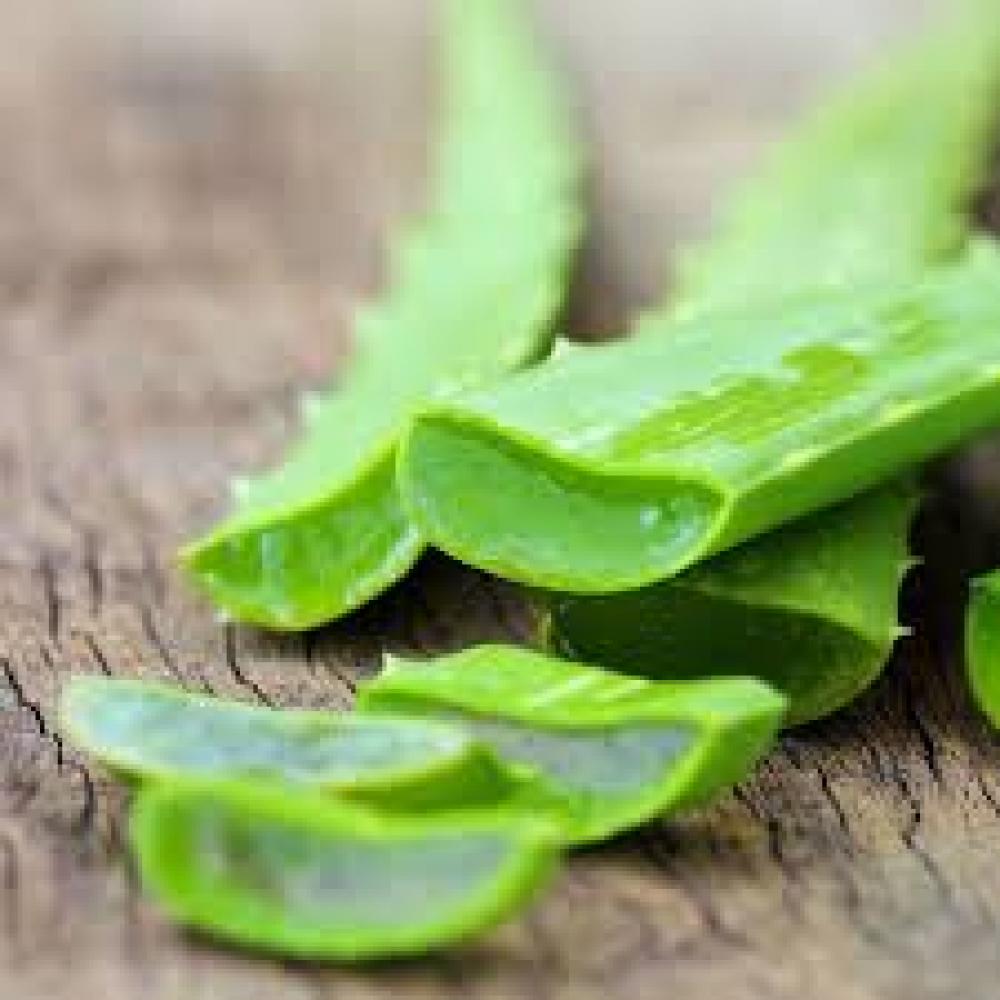
aloe vera
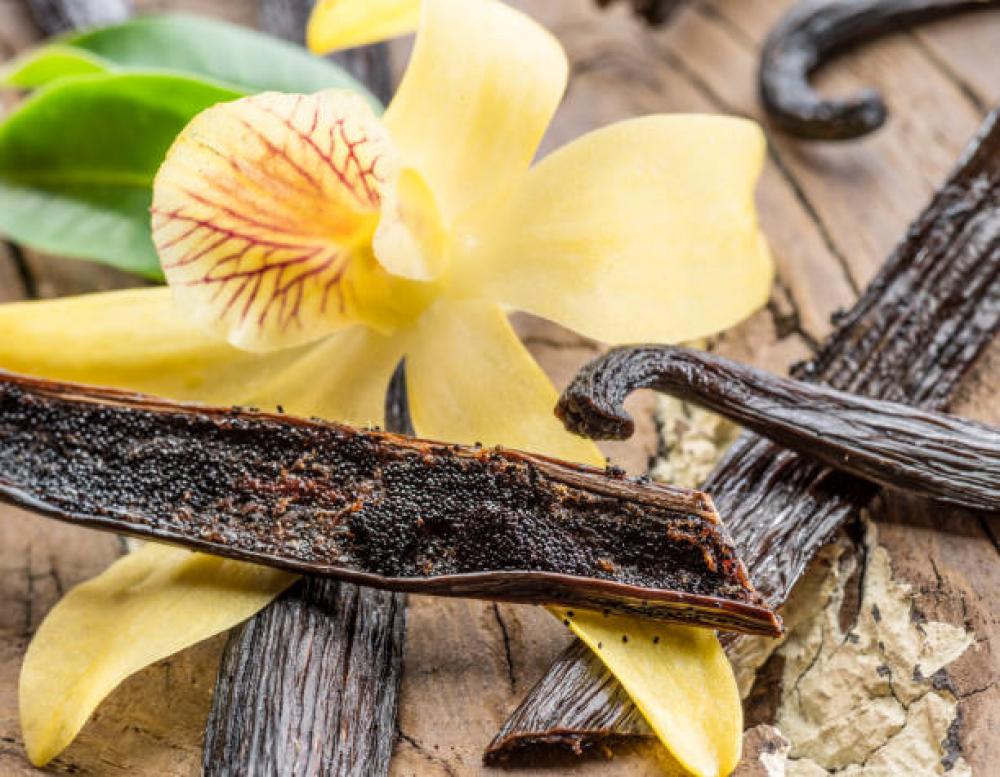
vanilla
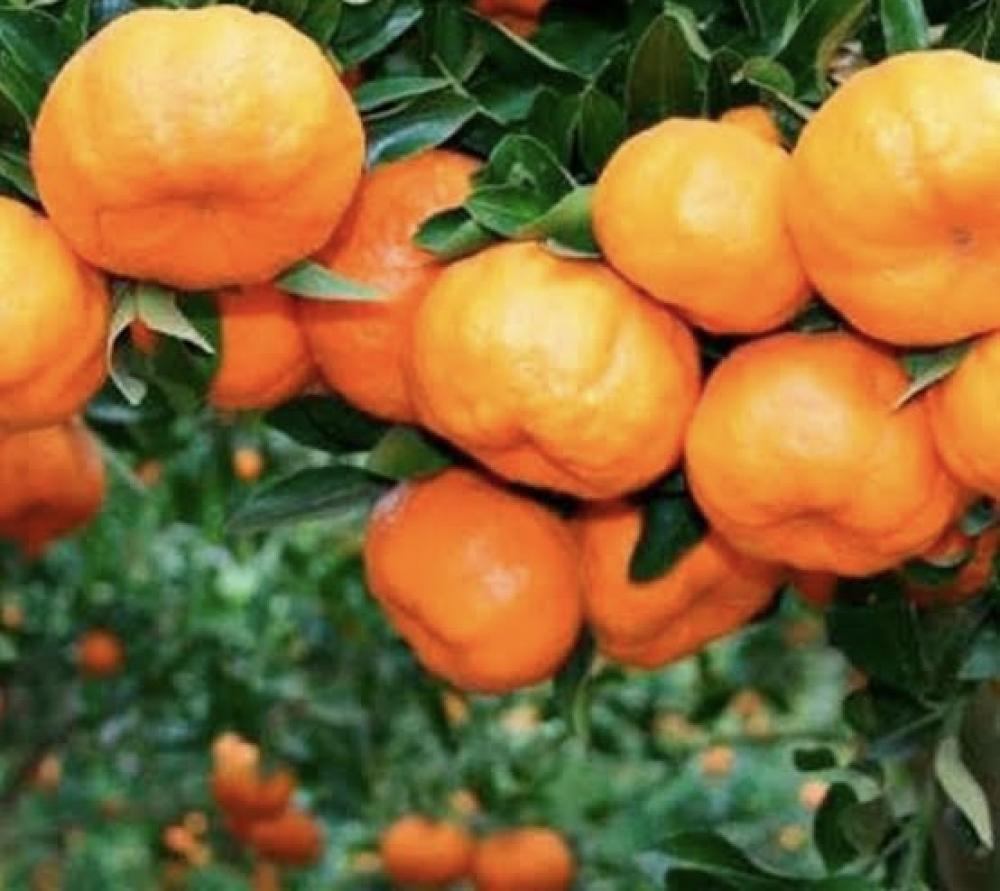
Bergamot
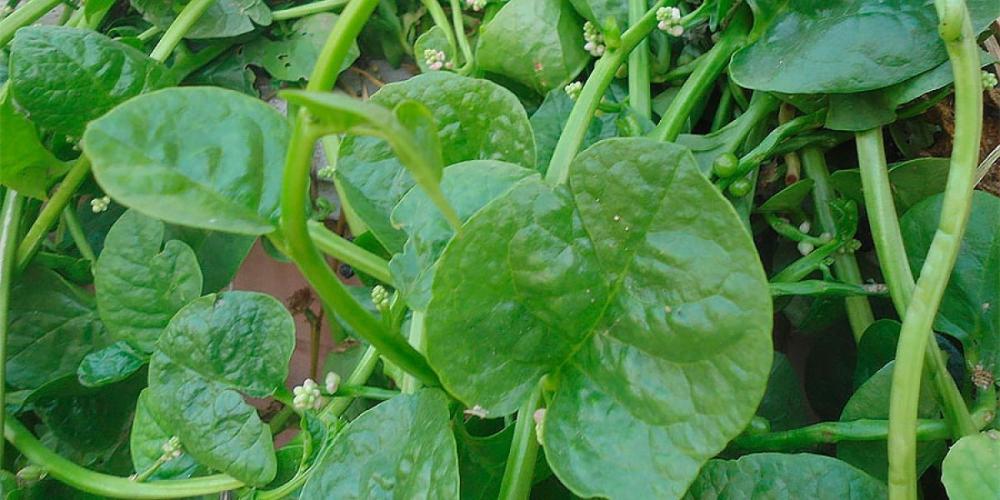
Malabar spinach
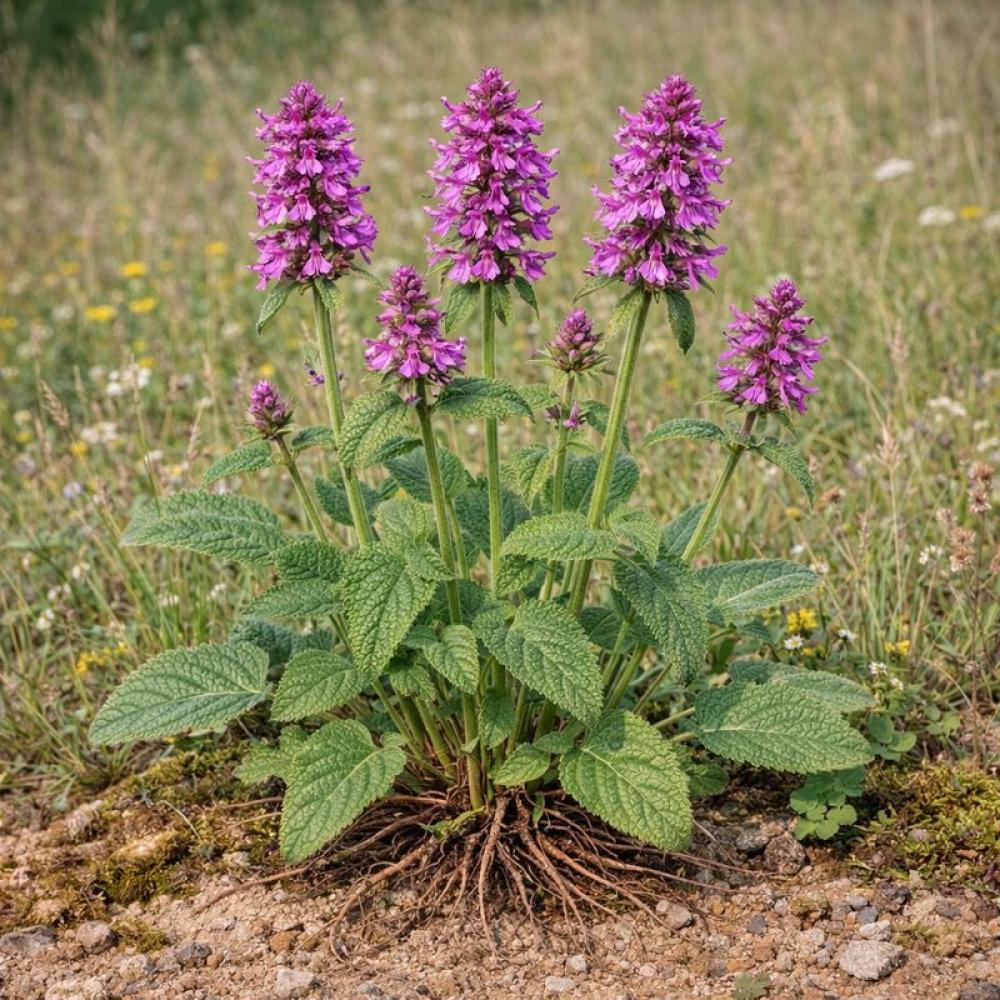
betony
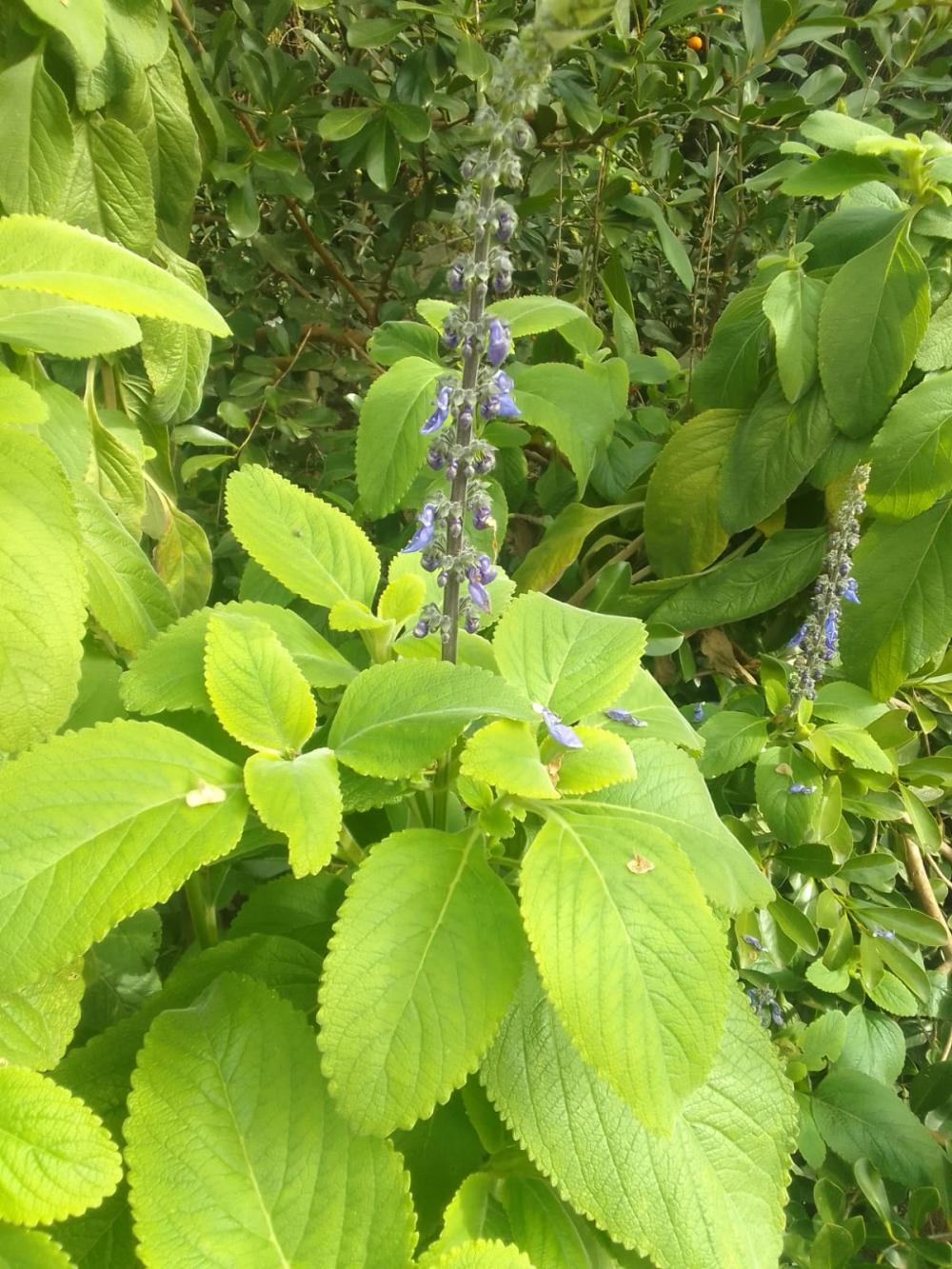
Boldo
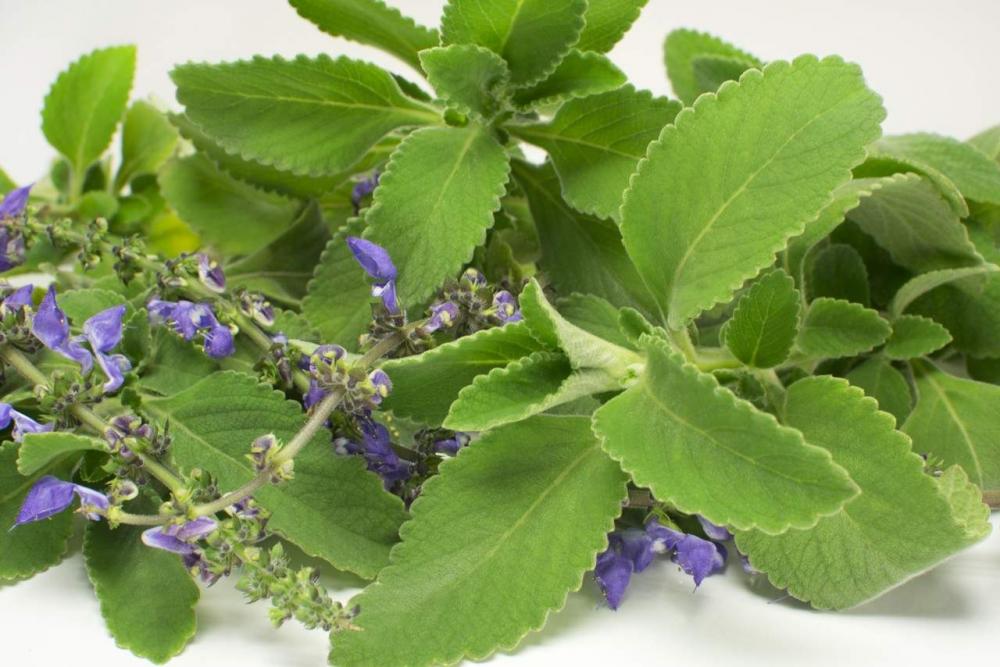
Chilean boldo
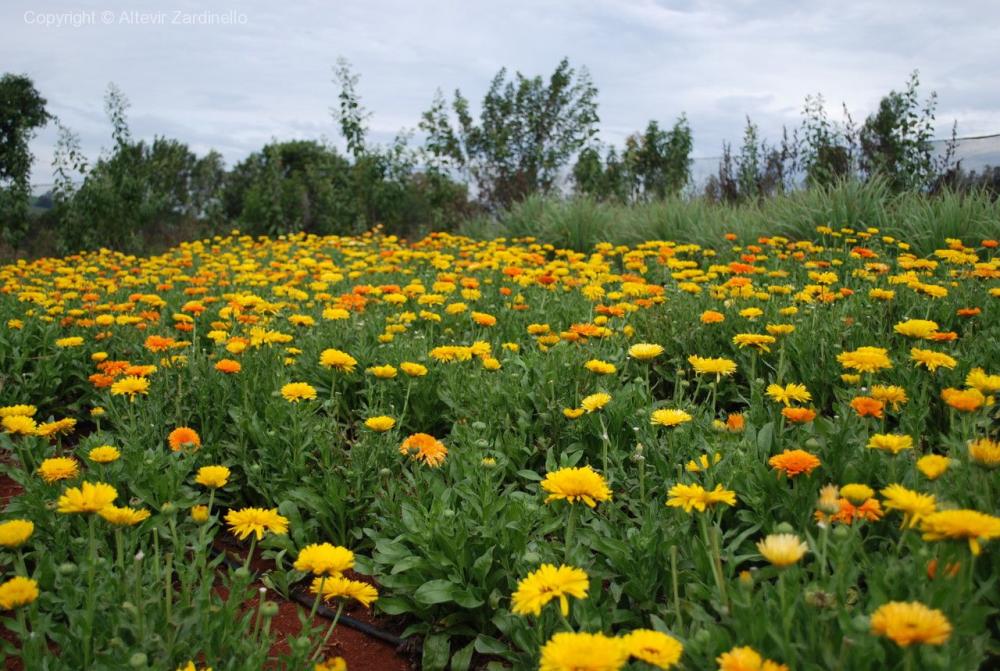
Calêndula
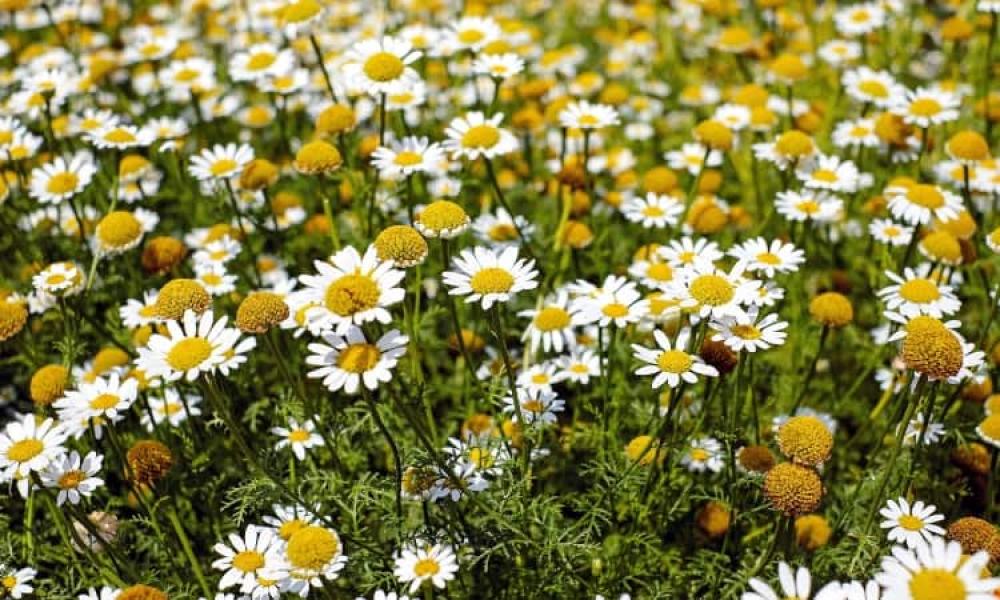
Chamomile
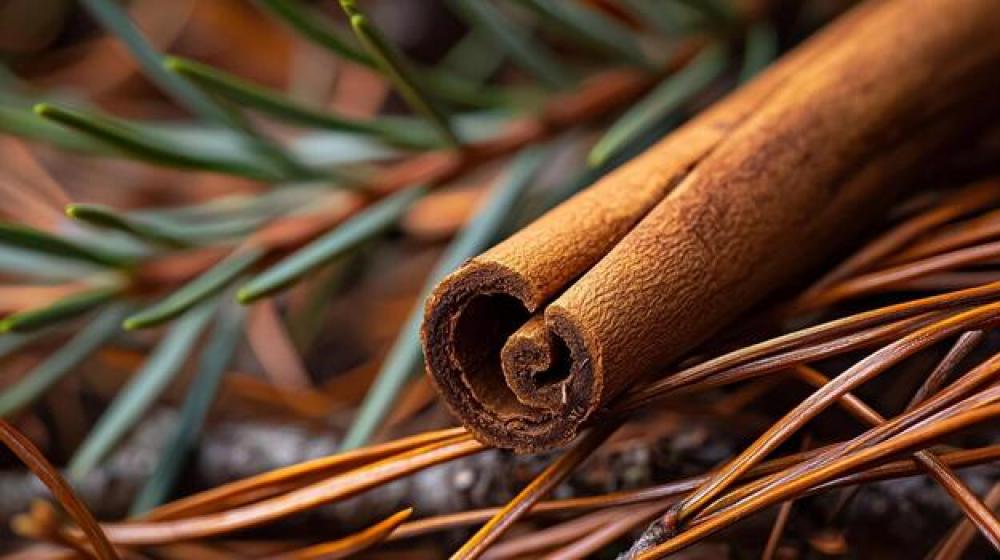
cinnamon
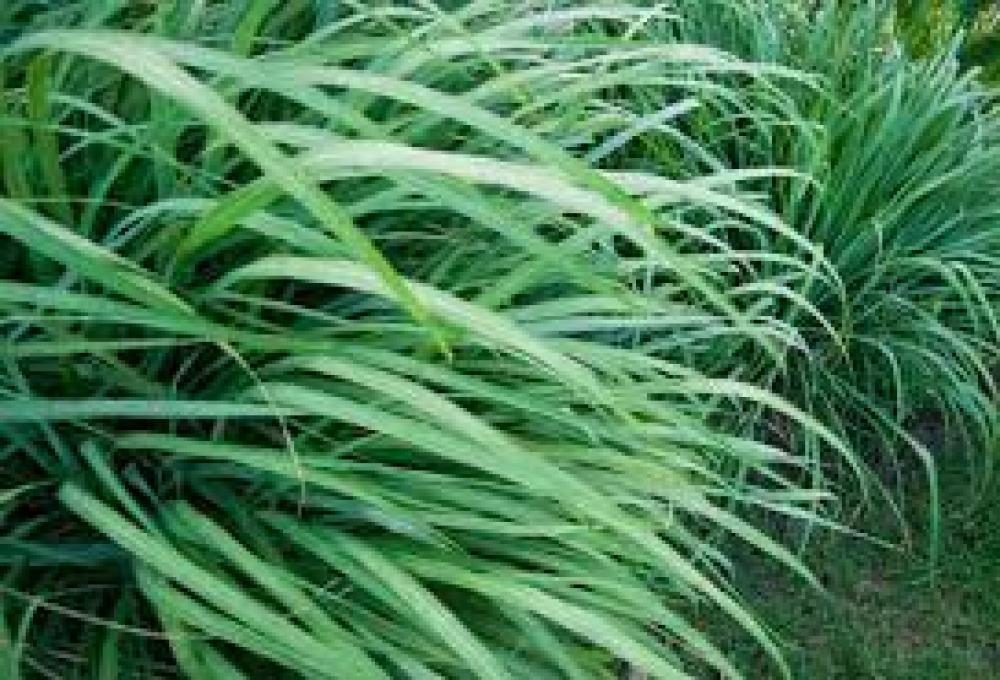
Scented Grass - Lemongrass
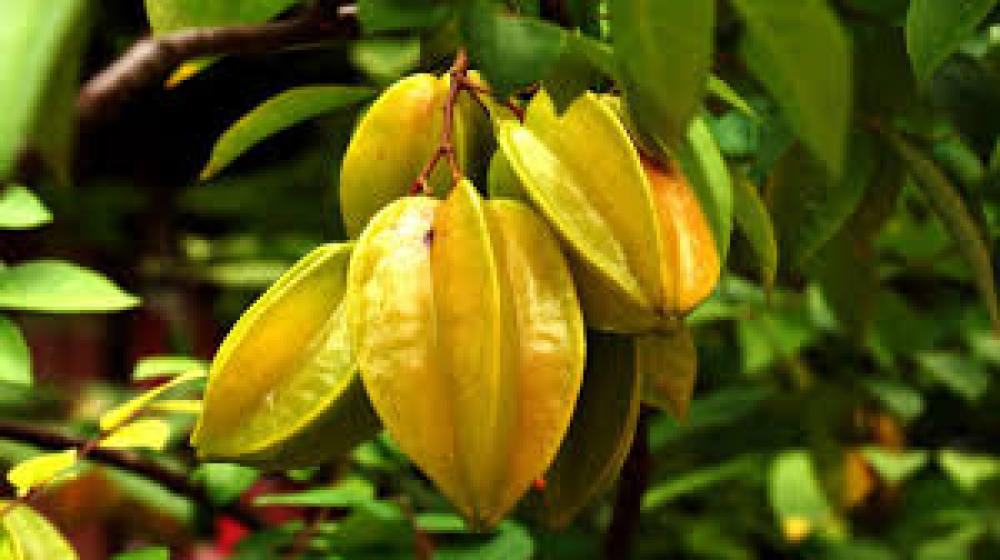
starfruit
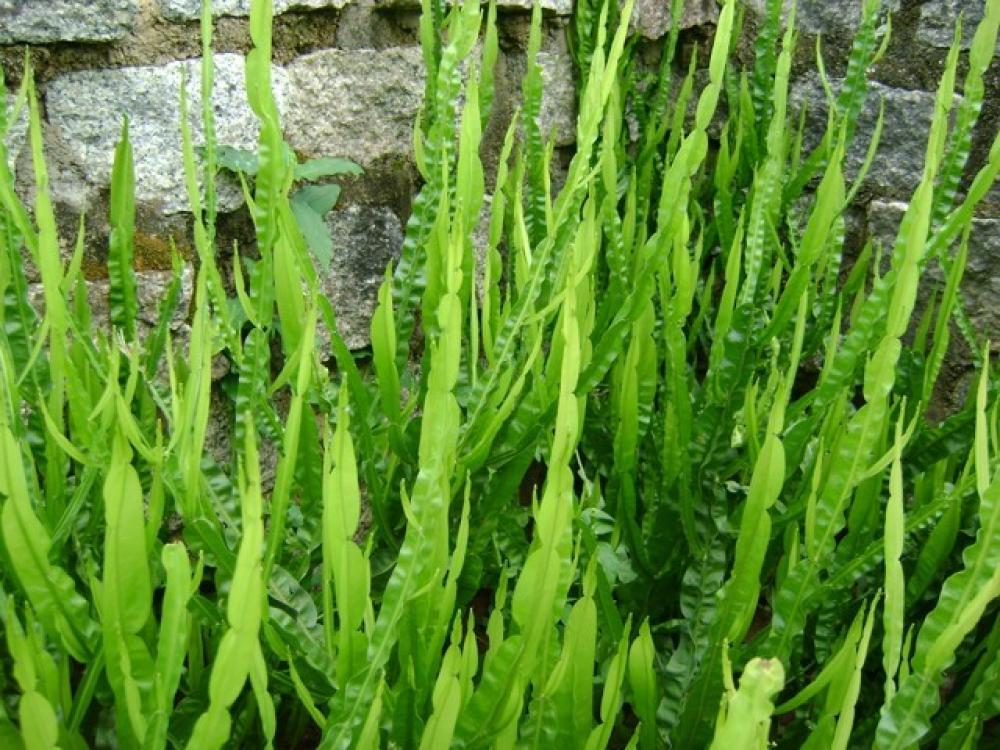
Carqueja
sacred waterfall
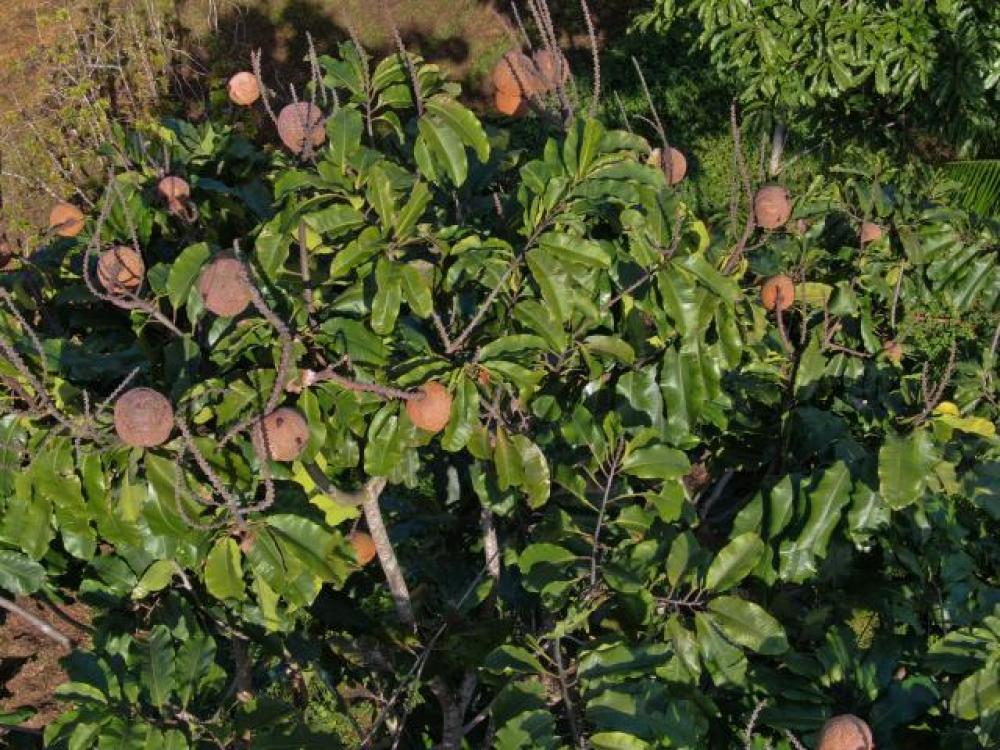
chestnut tree
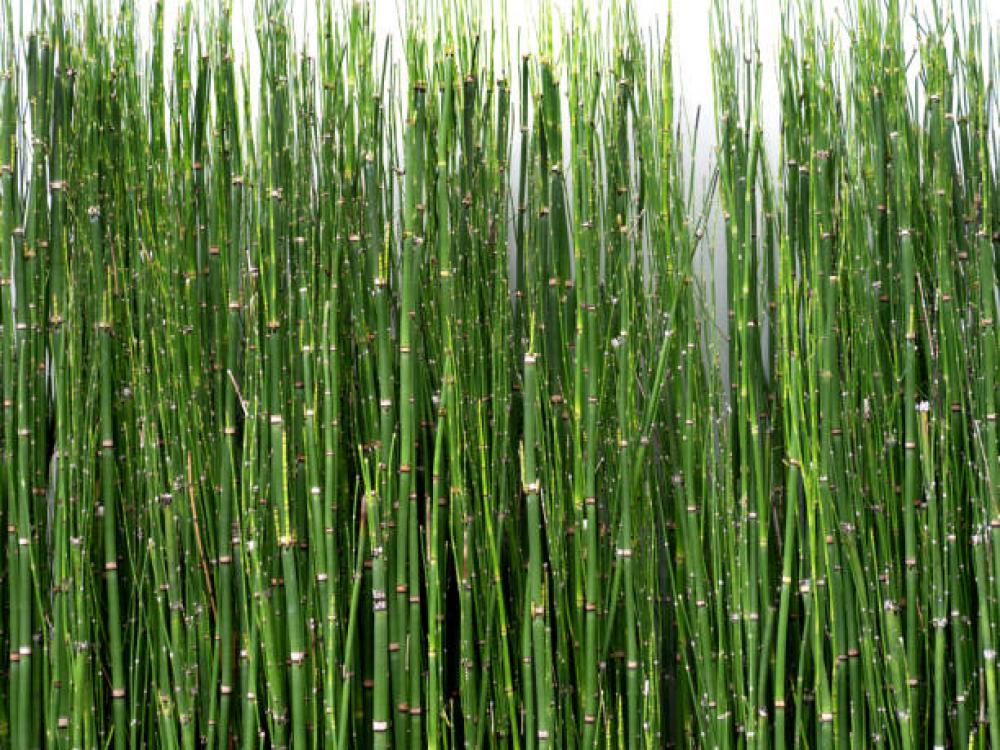
horsetail
cherry
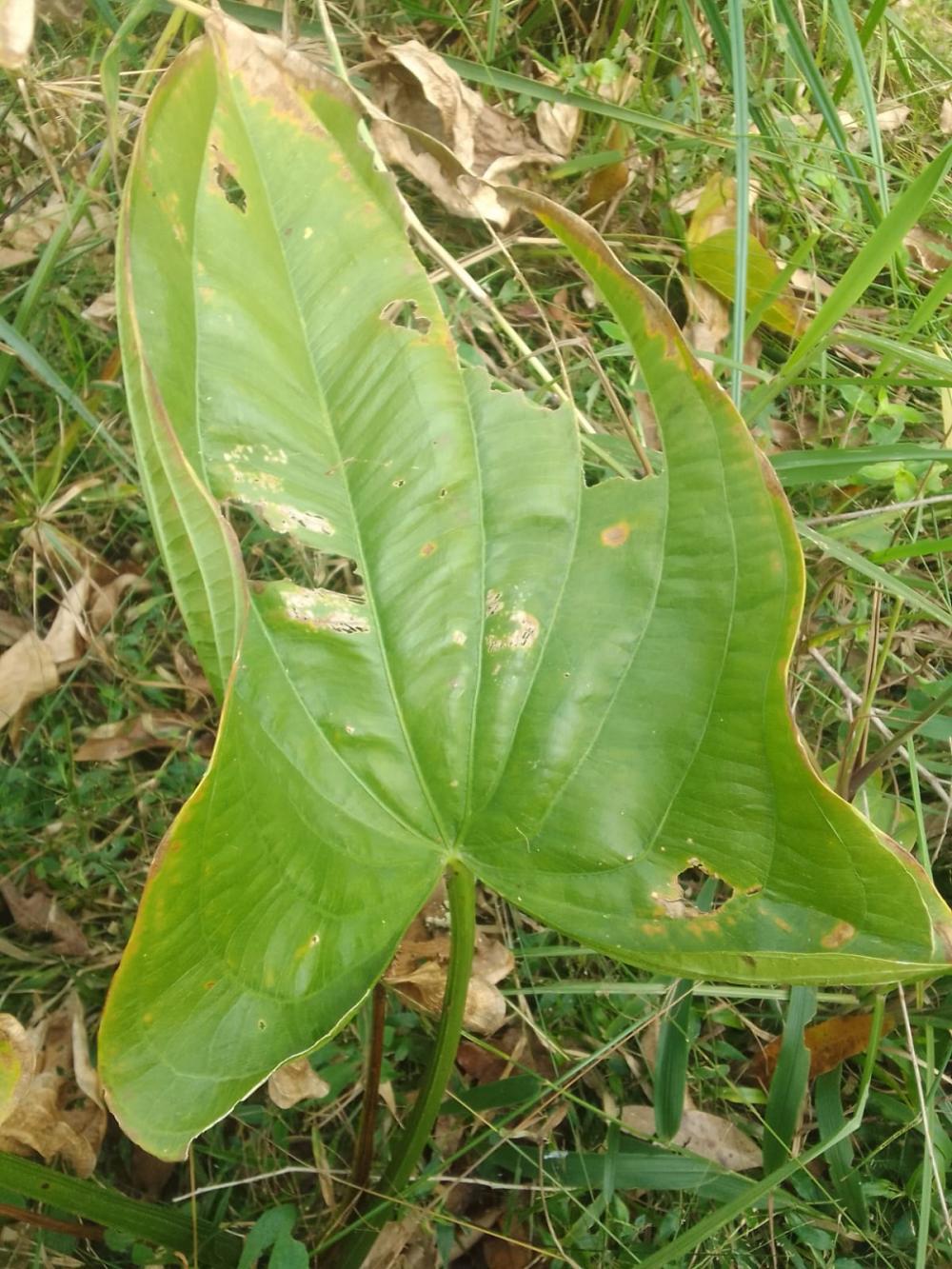
Leather Hat
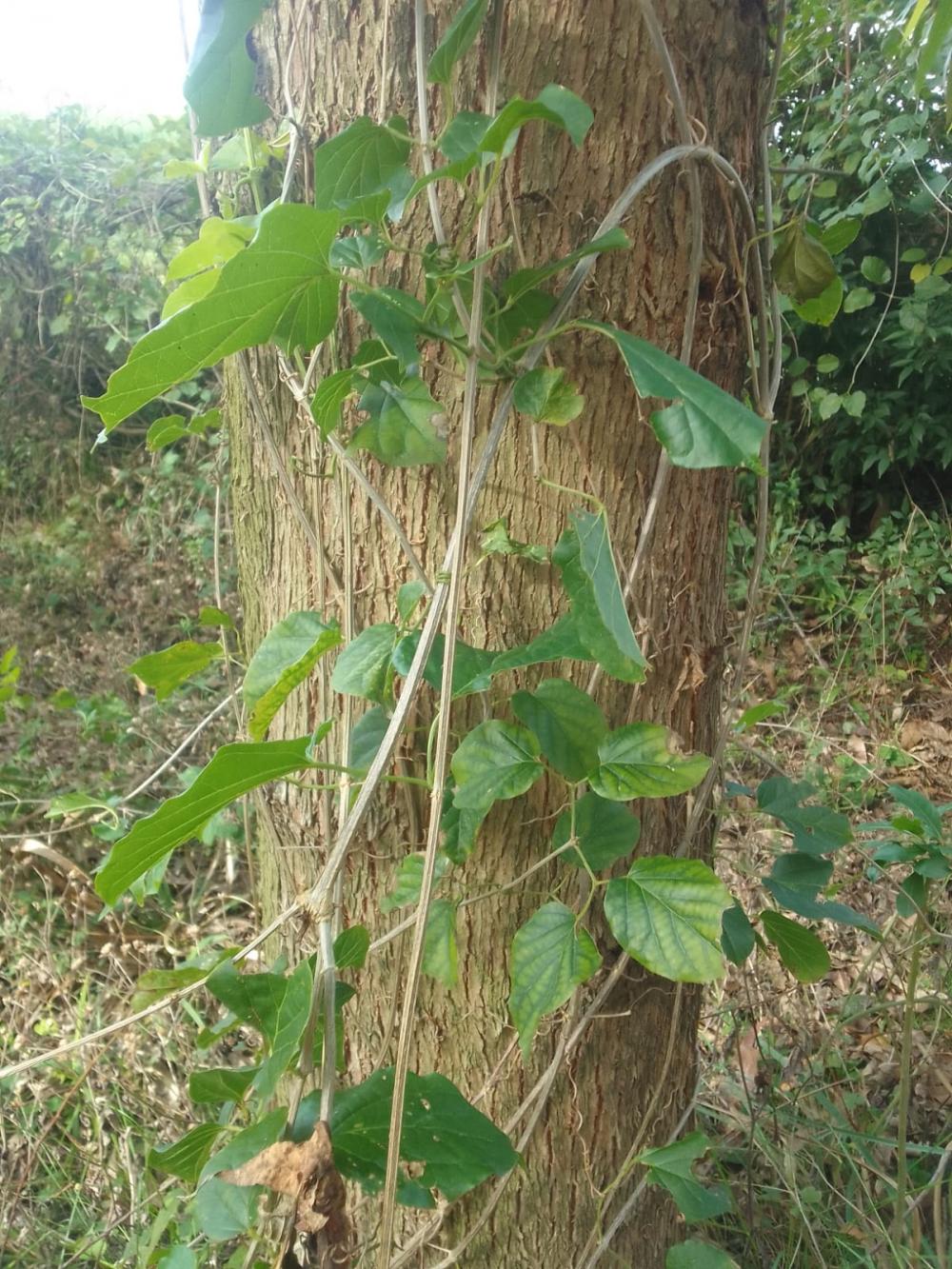
St. Johns Vine
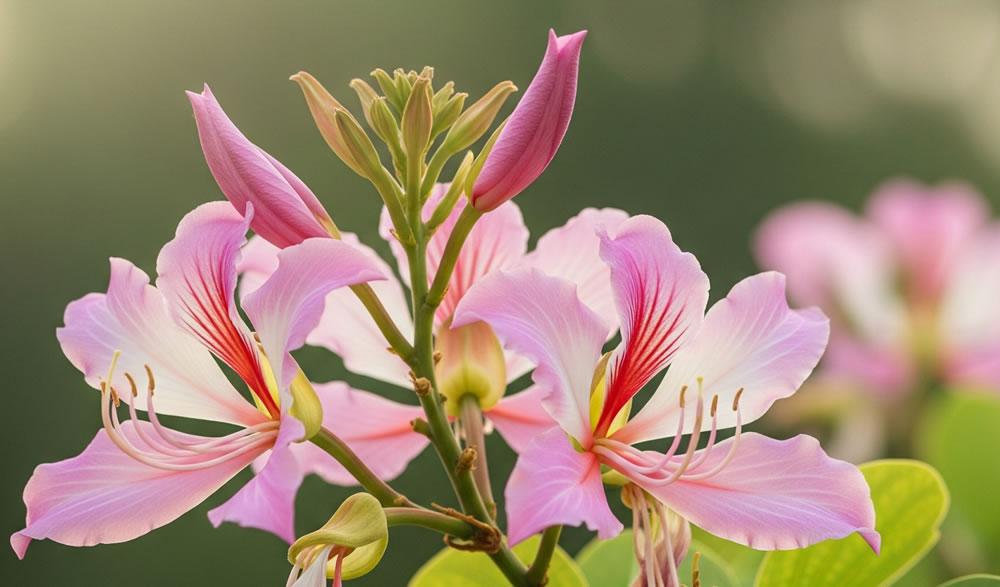
Cows foot vine
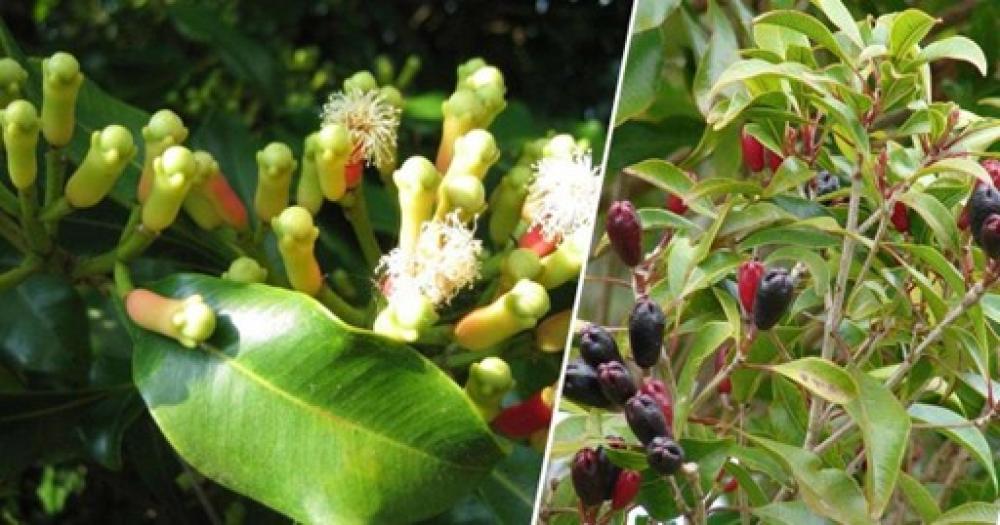
clove
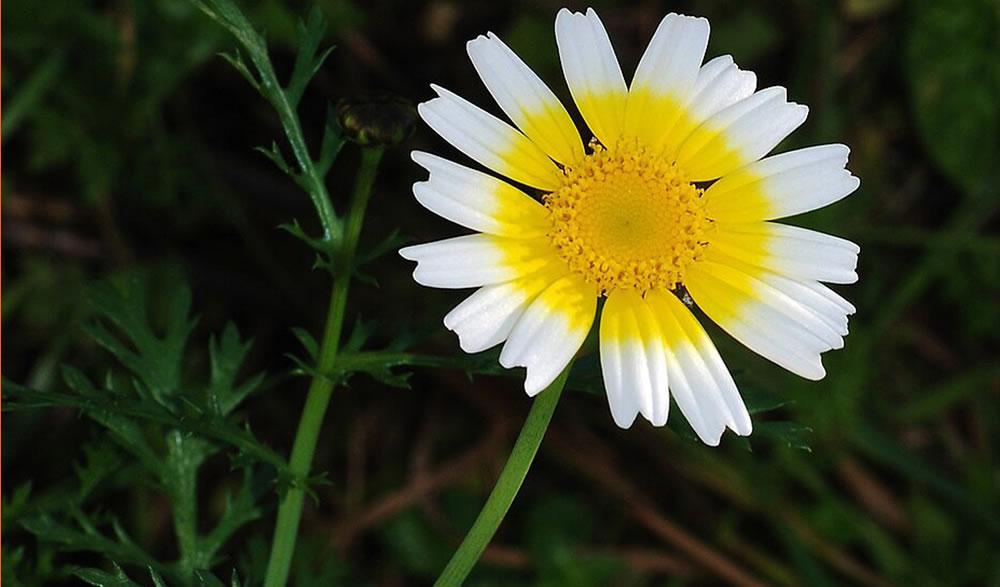
Chrysanthemum
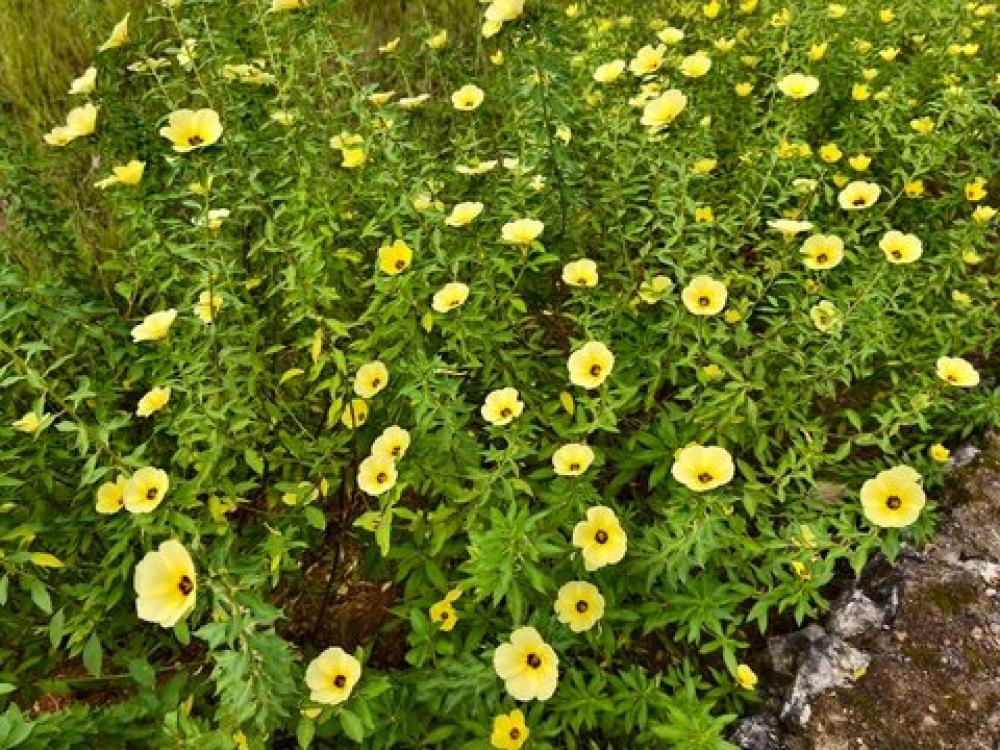
Damiana
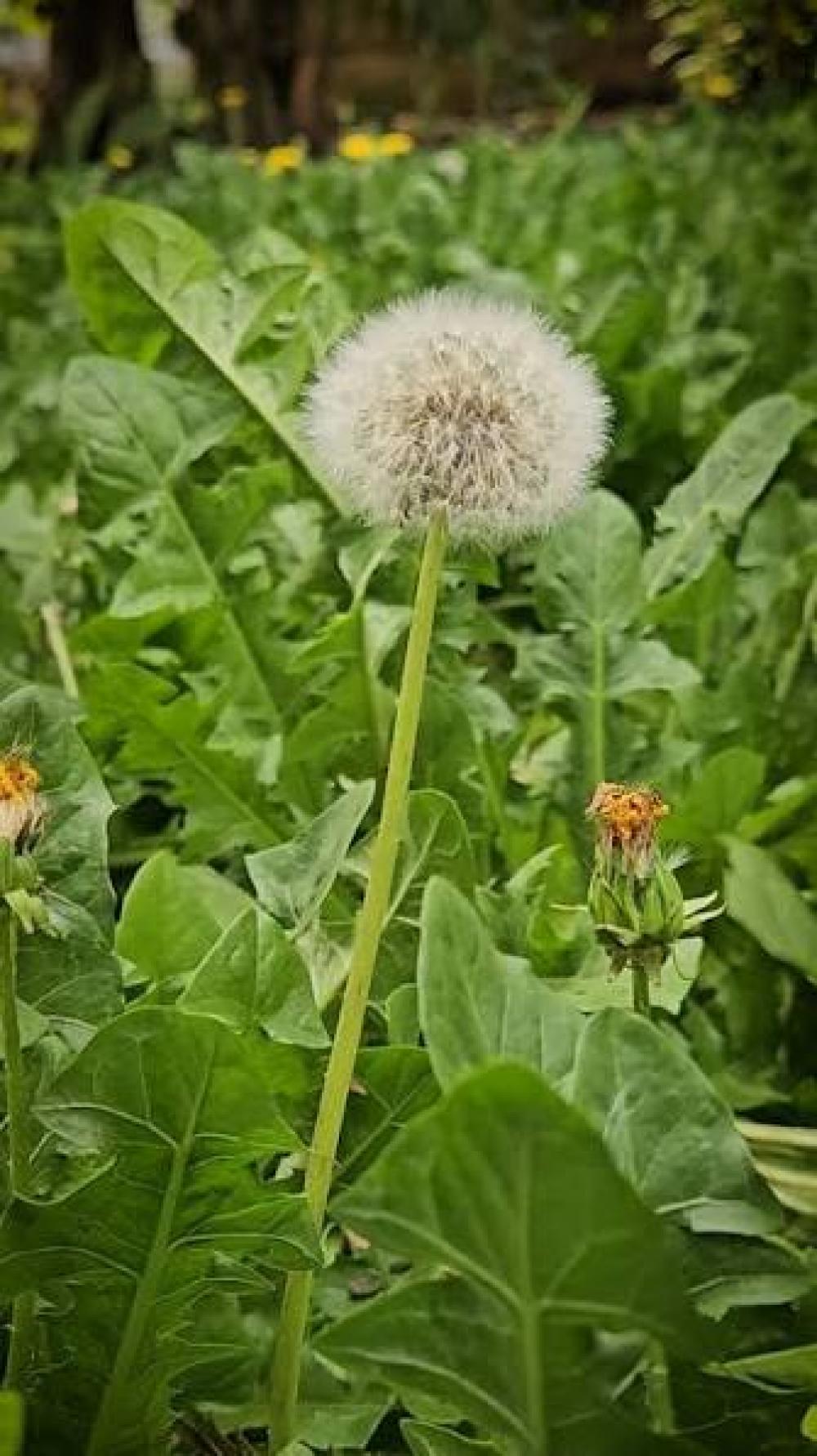
dandelion
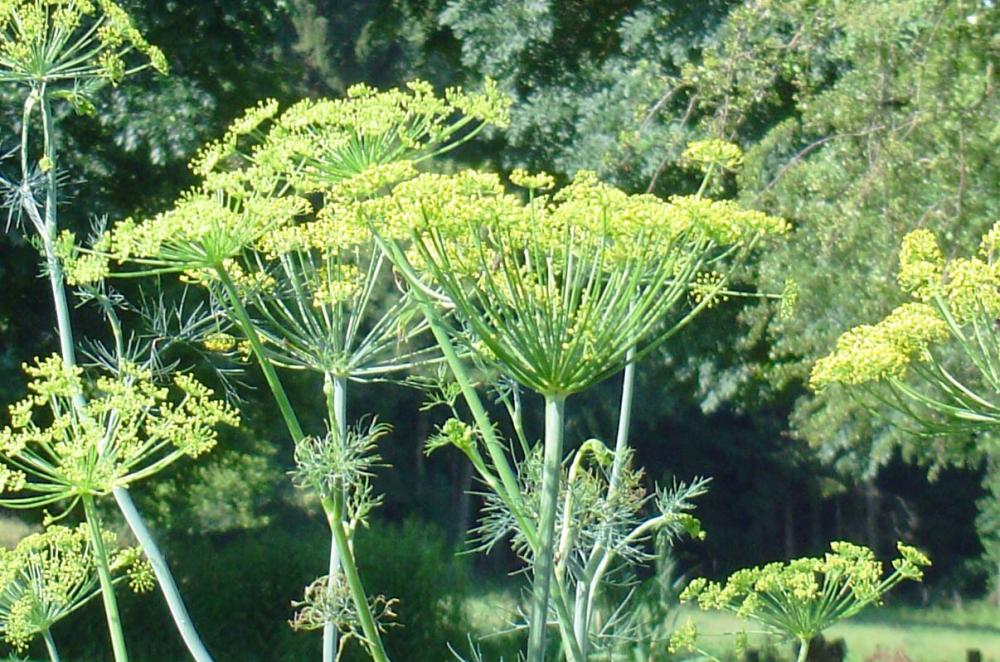
dill
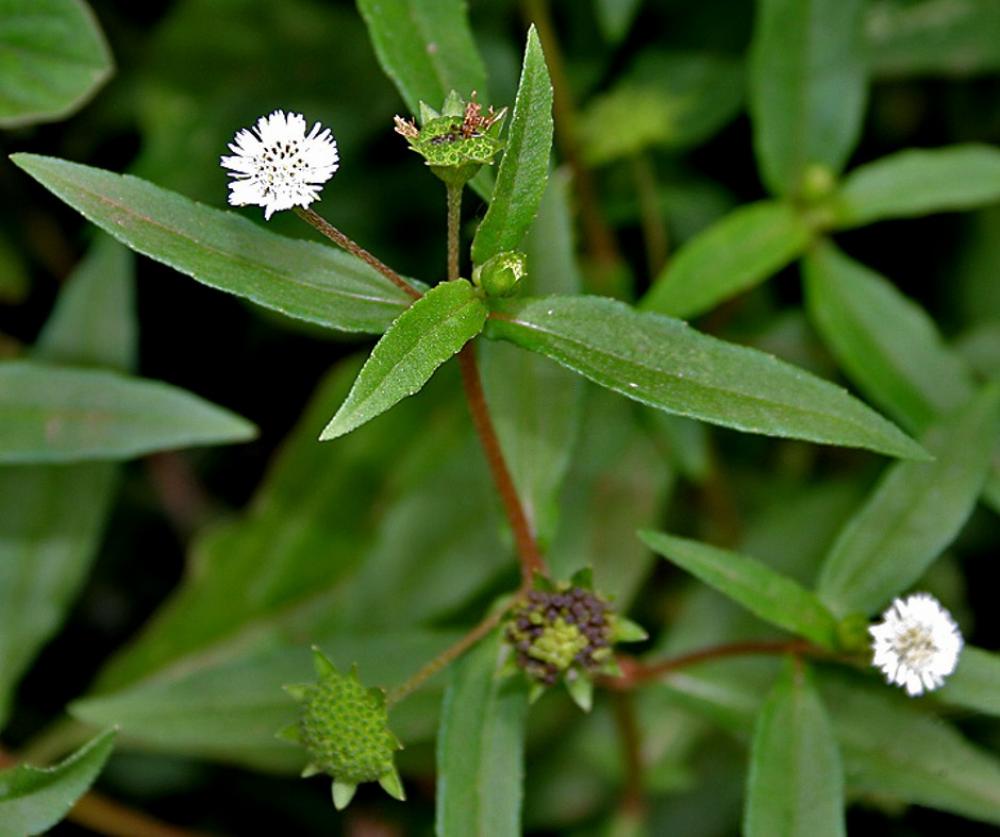
Button Herb
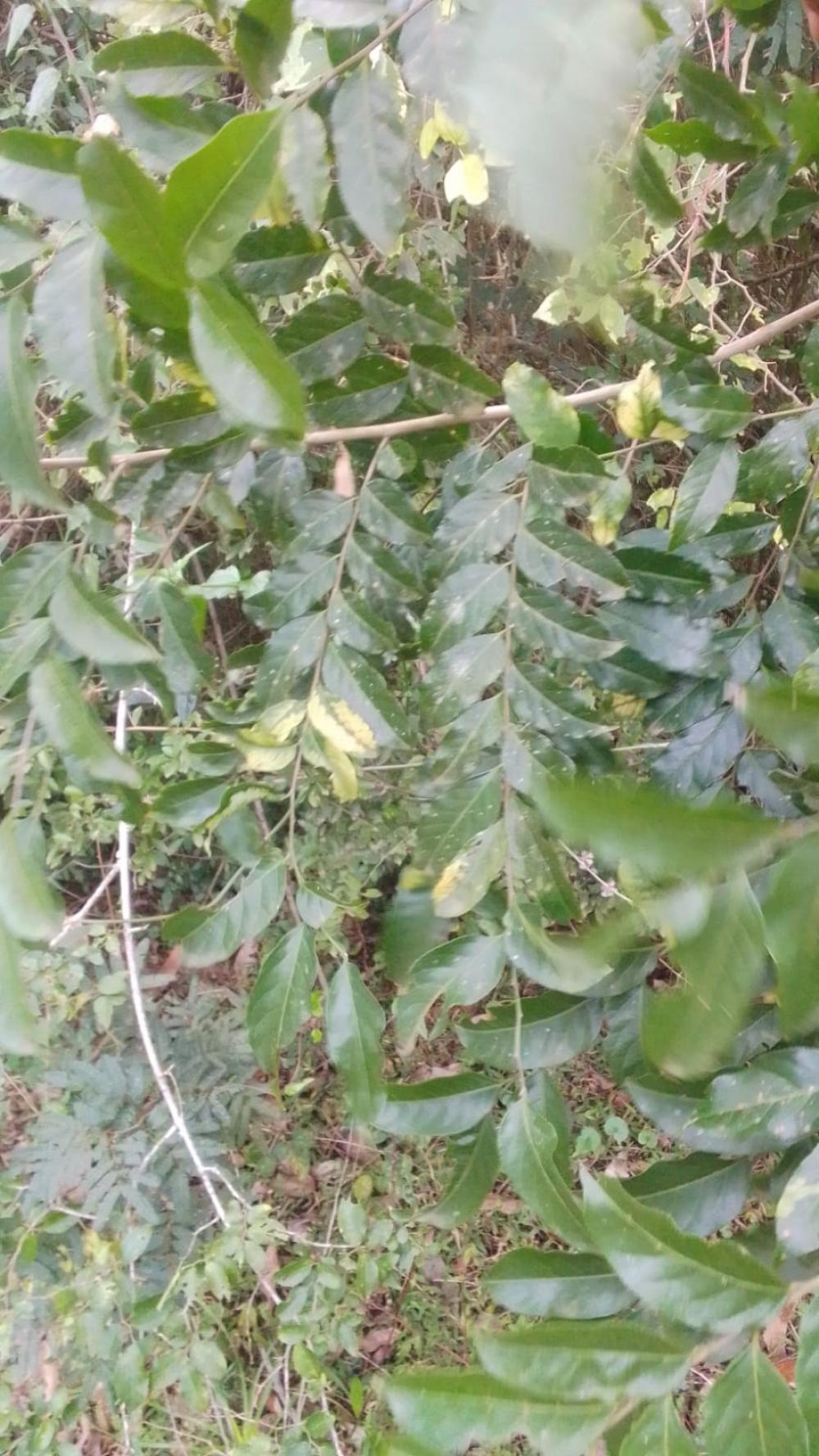
buggy grass
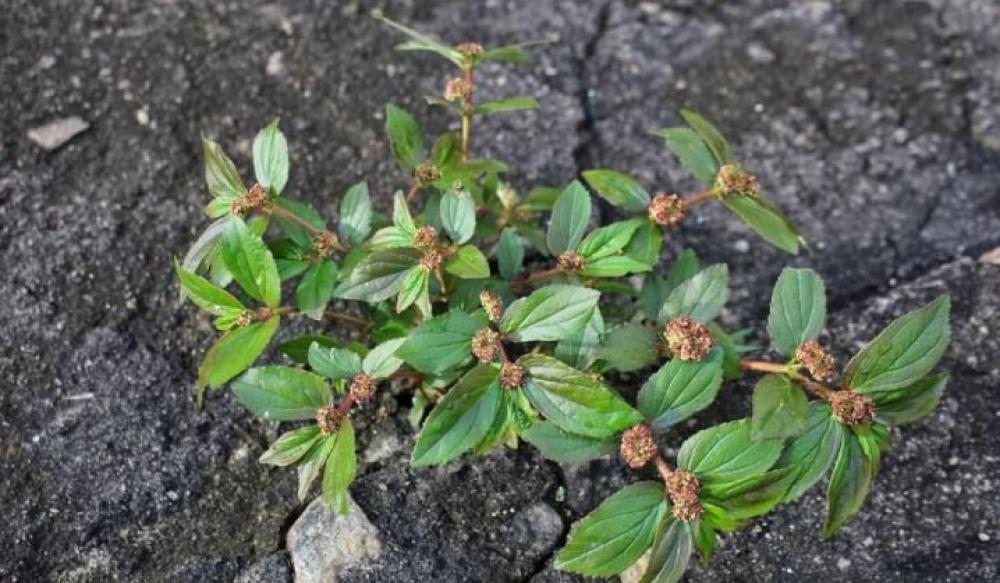
St. Lucias herb
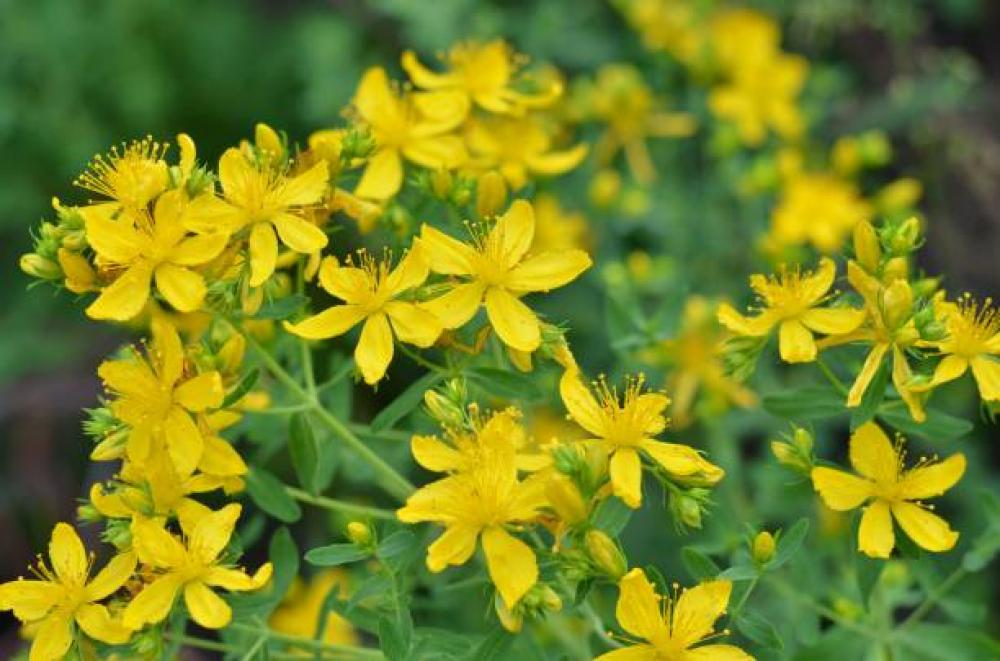
St. Johns wort
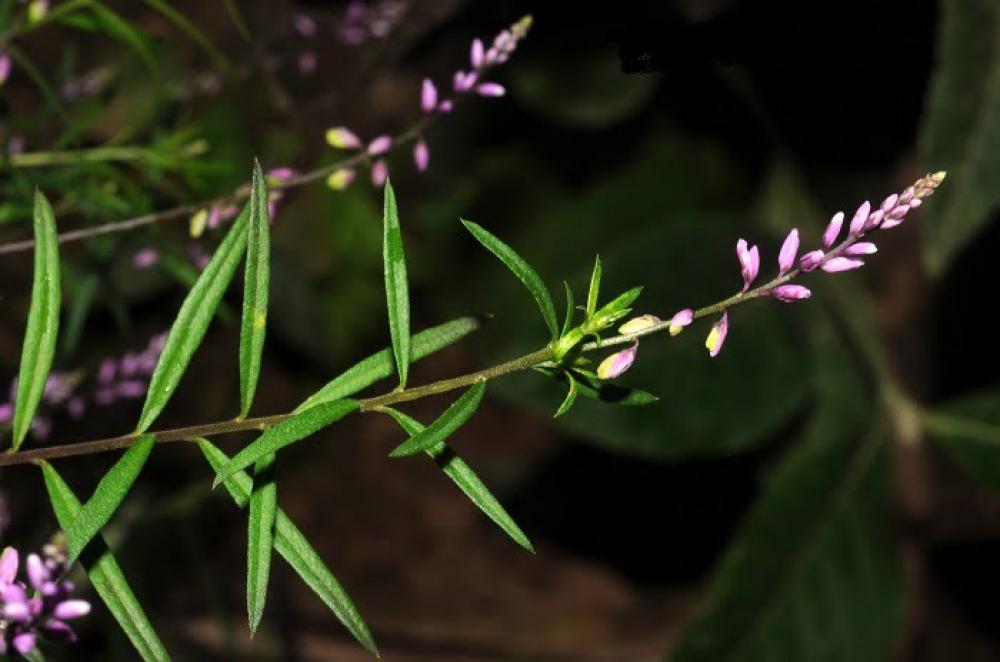
St. Peters wort
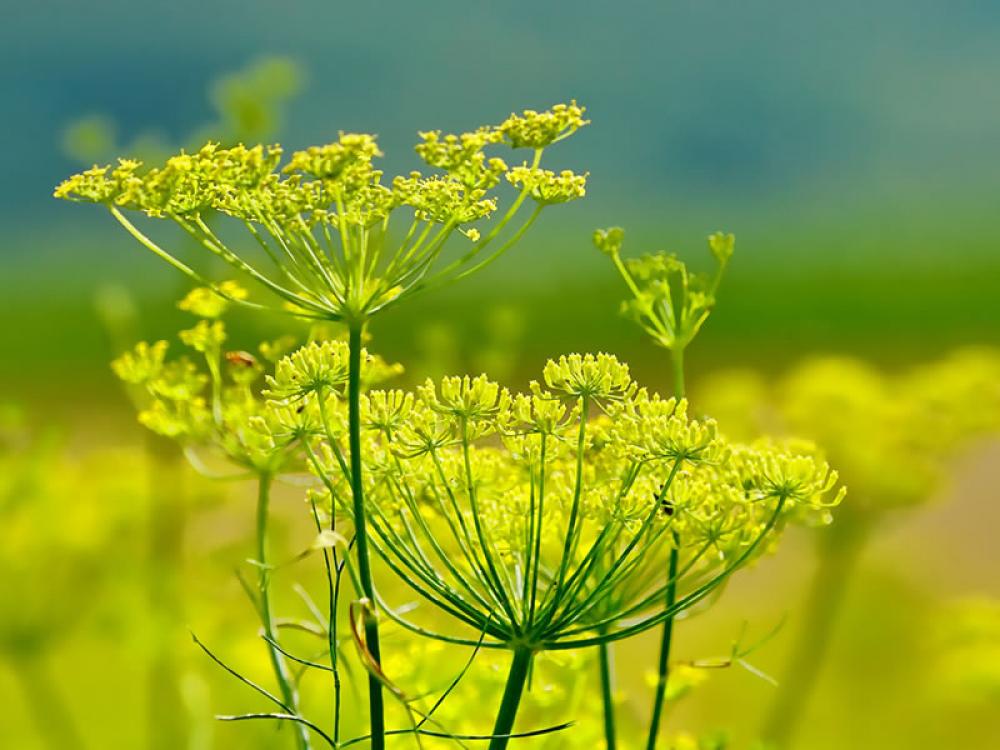
anise
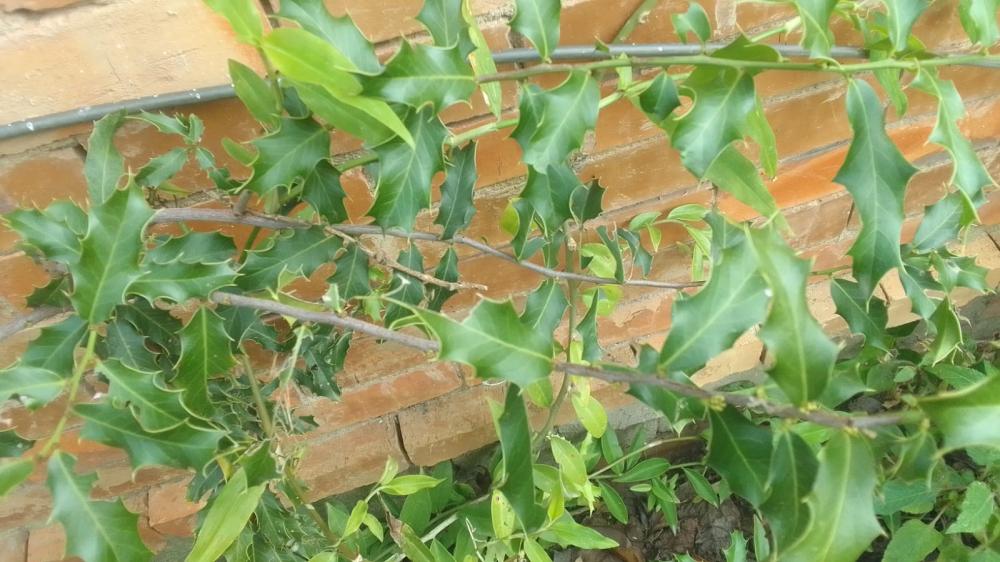
Espinheira - Santa
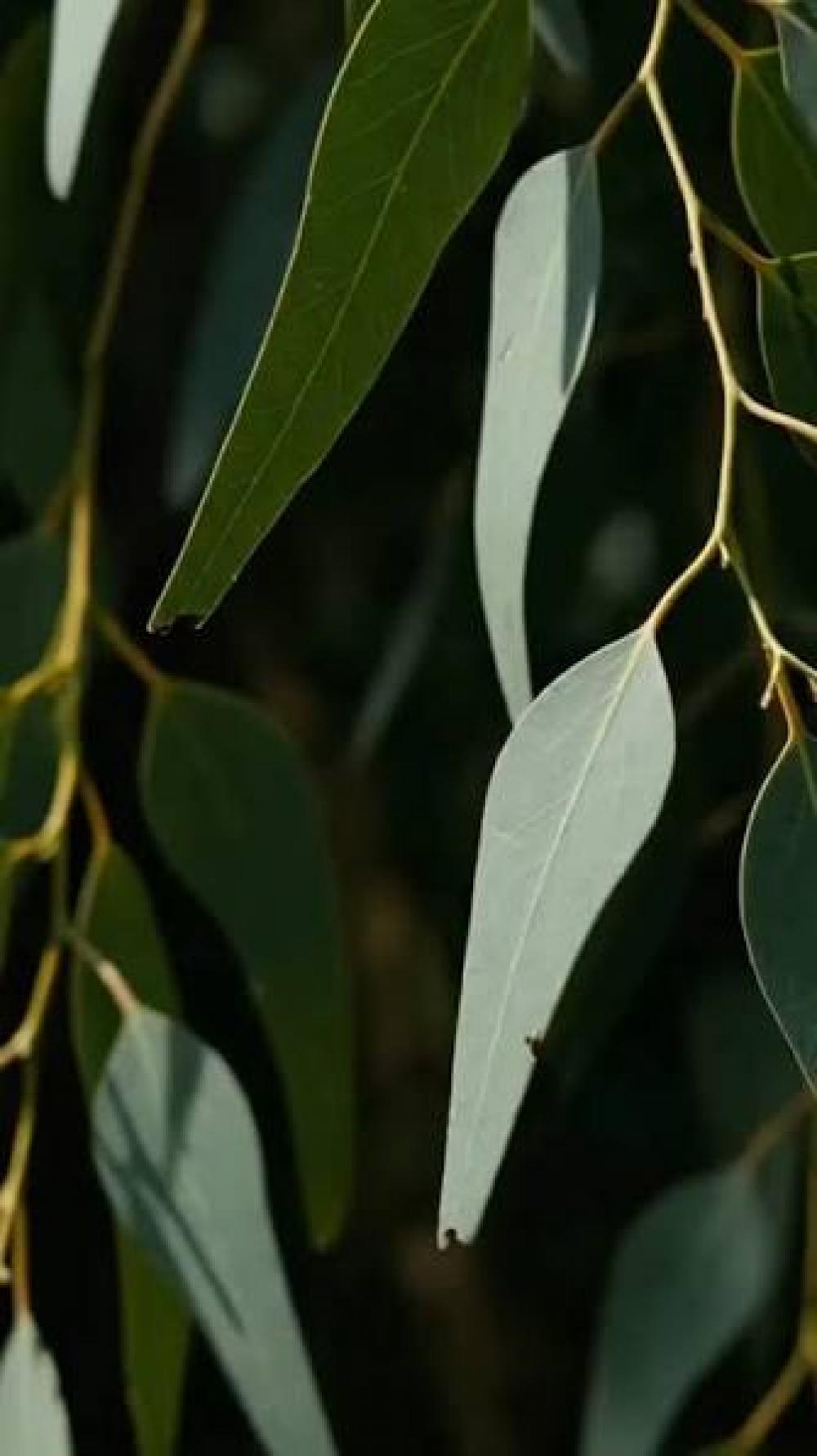
eucalyptus
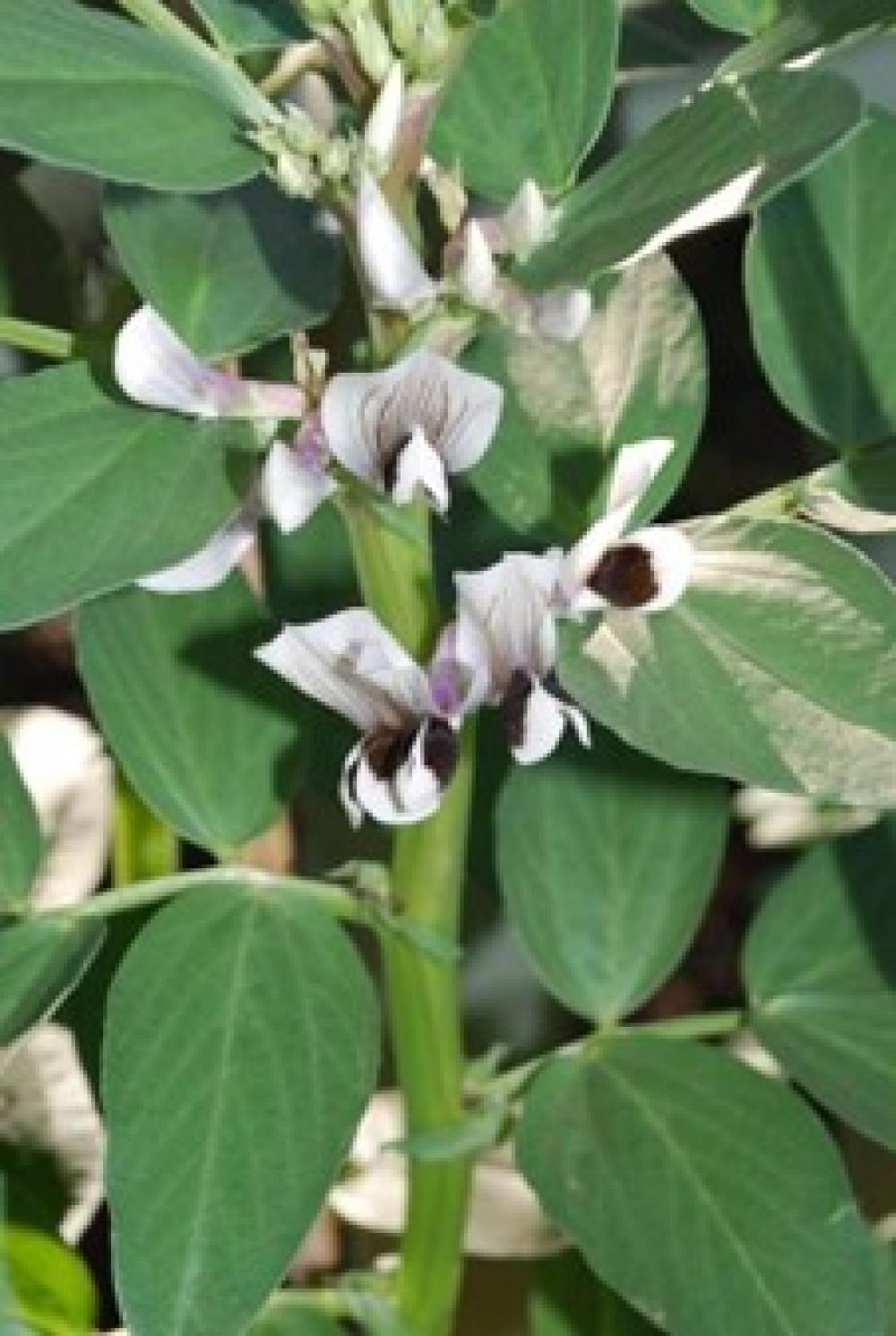
Fava
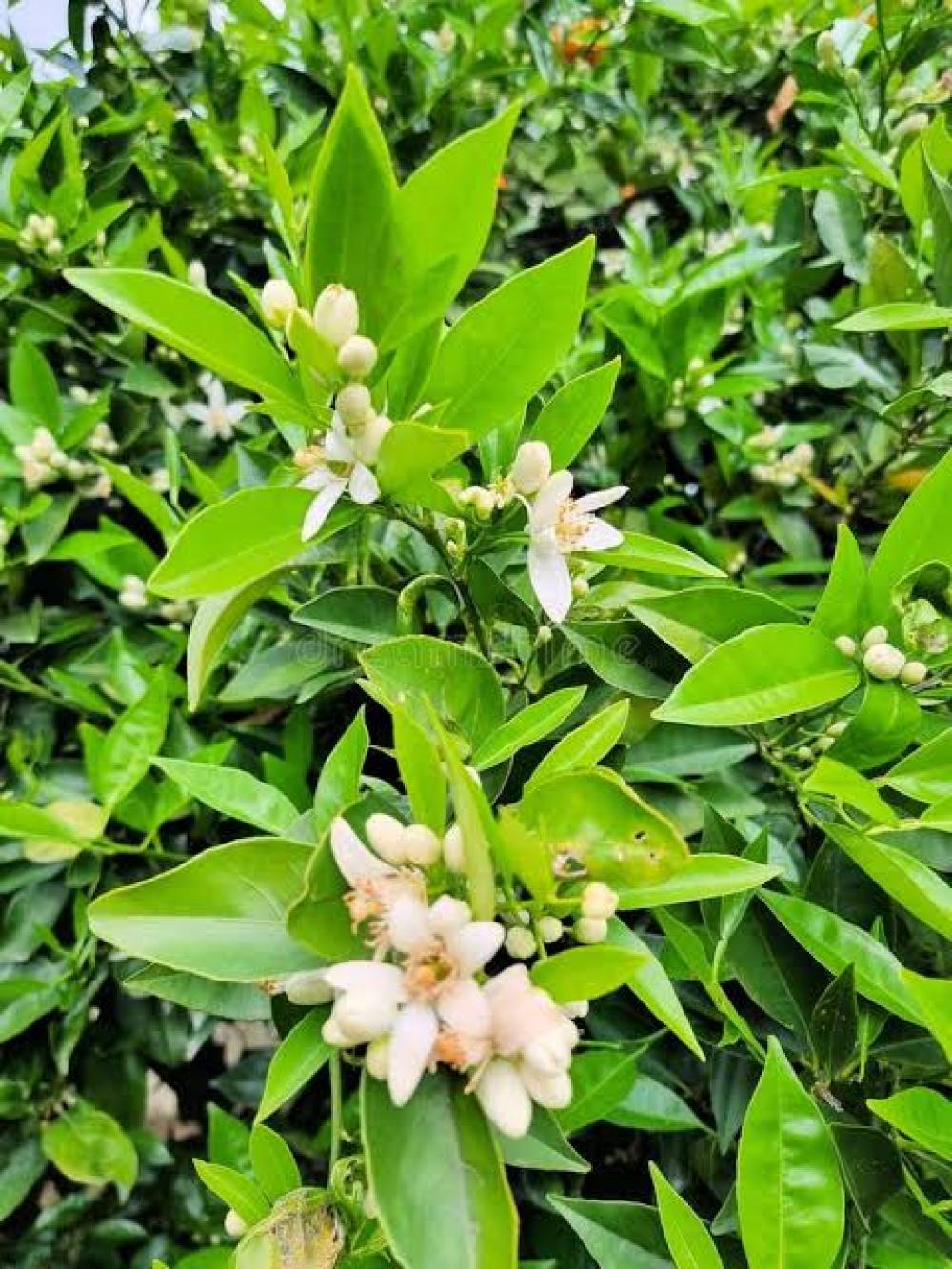
Orange Blossom
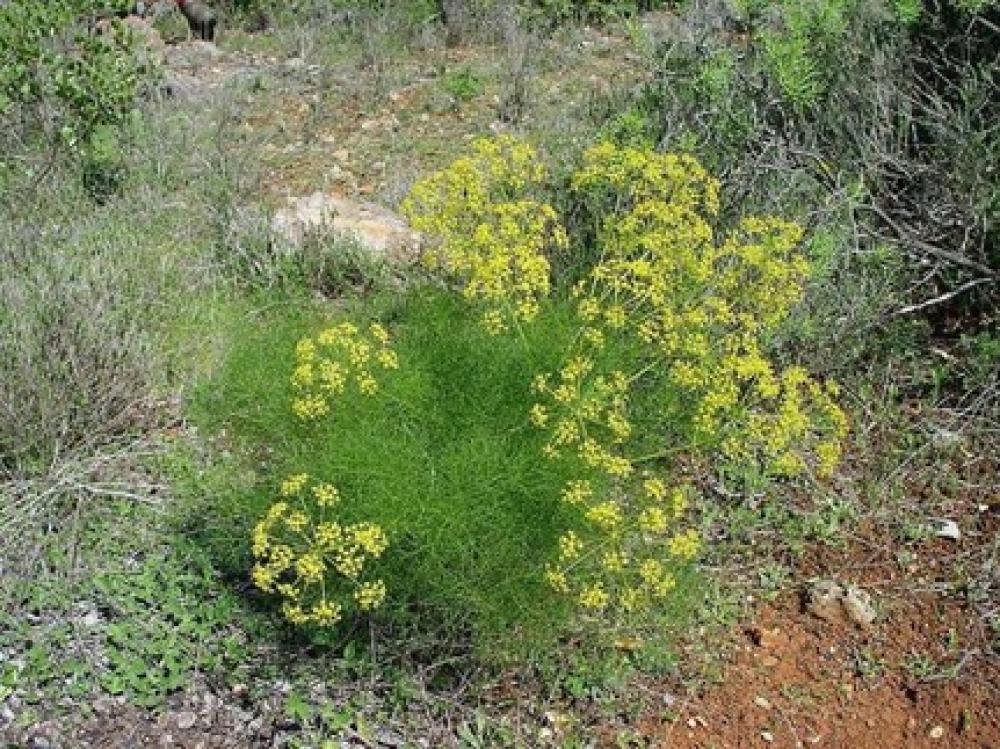
fennel
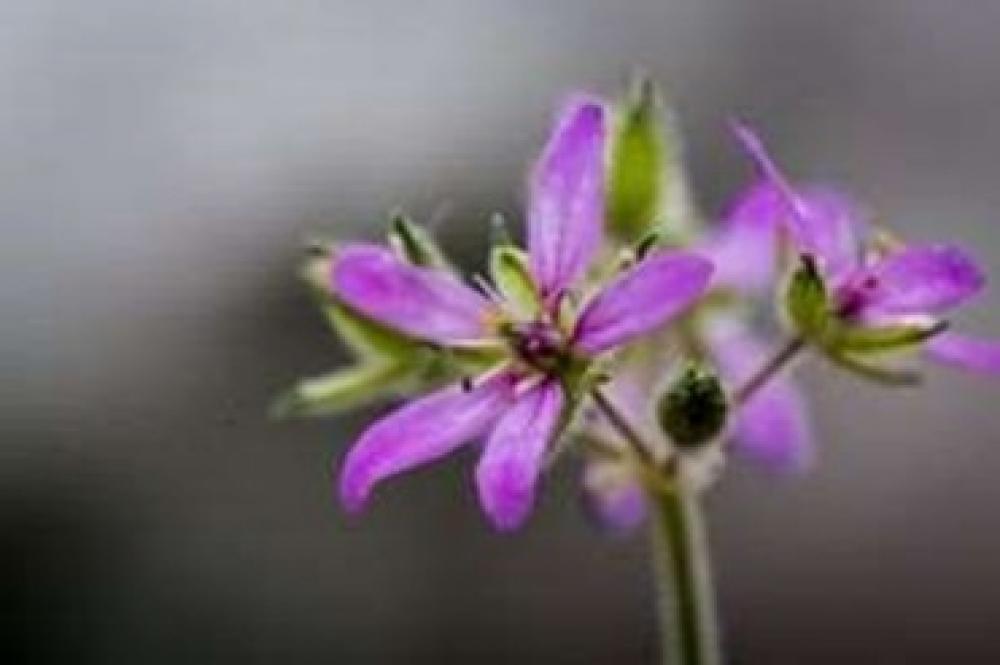
Scented Geranium
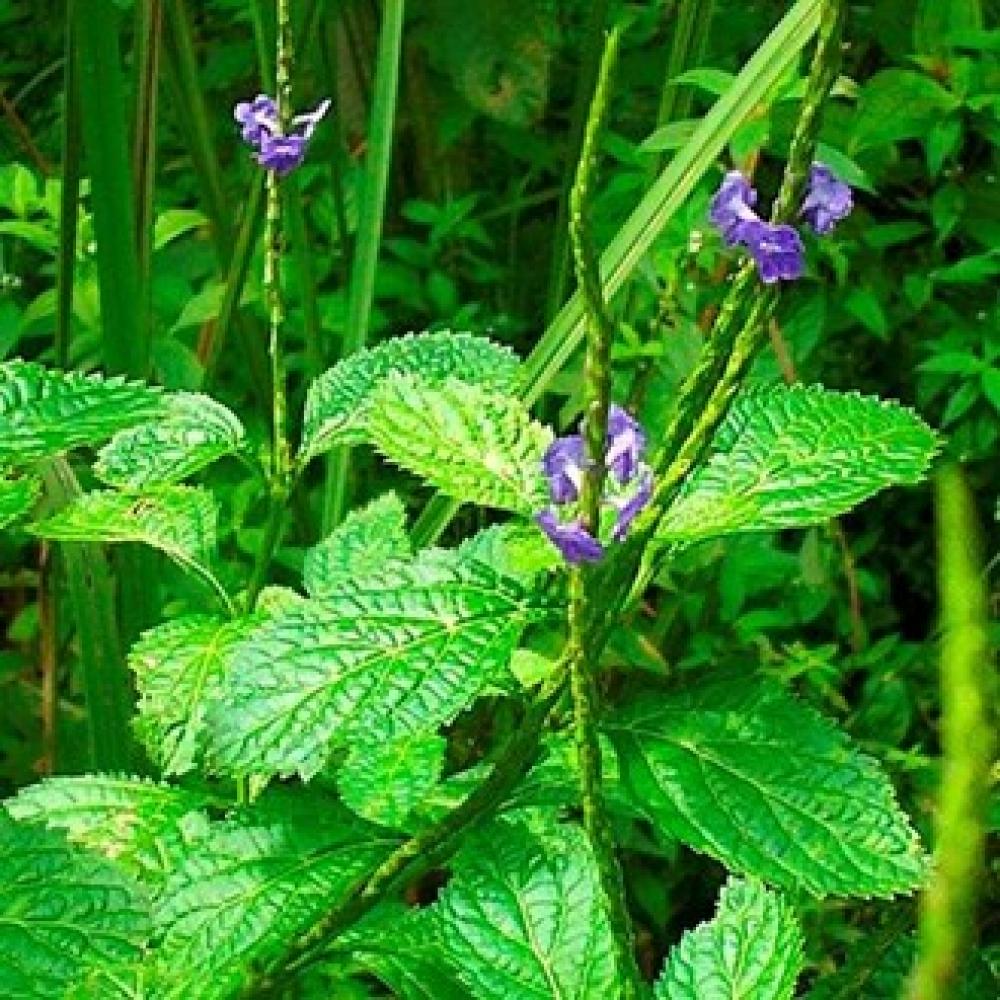
Gervão
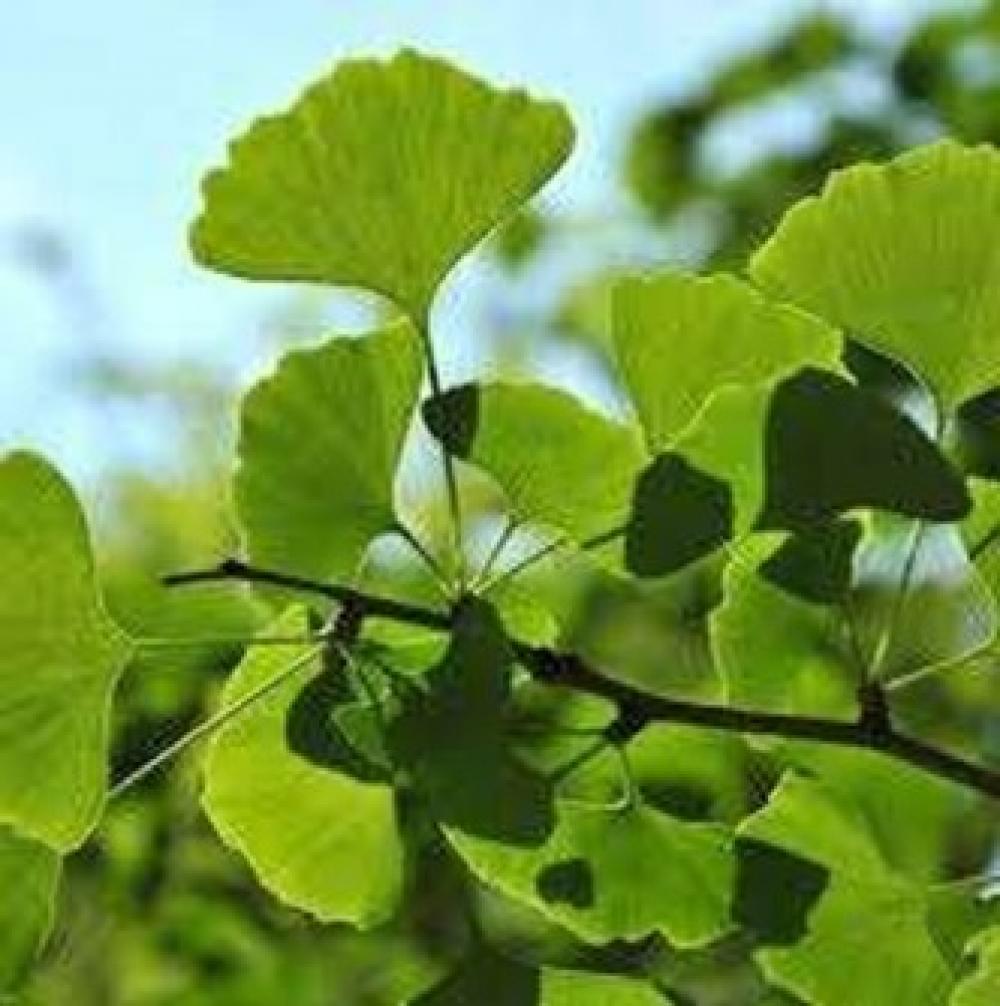
Ginkgo Biloba
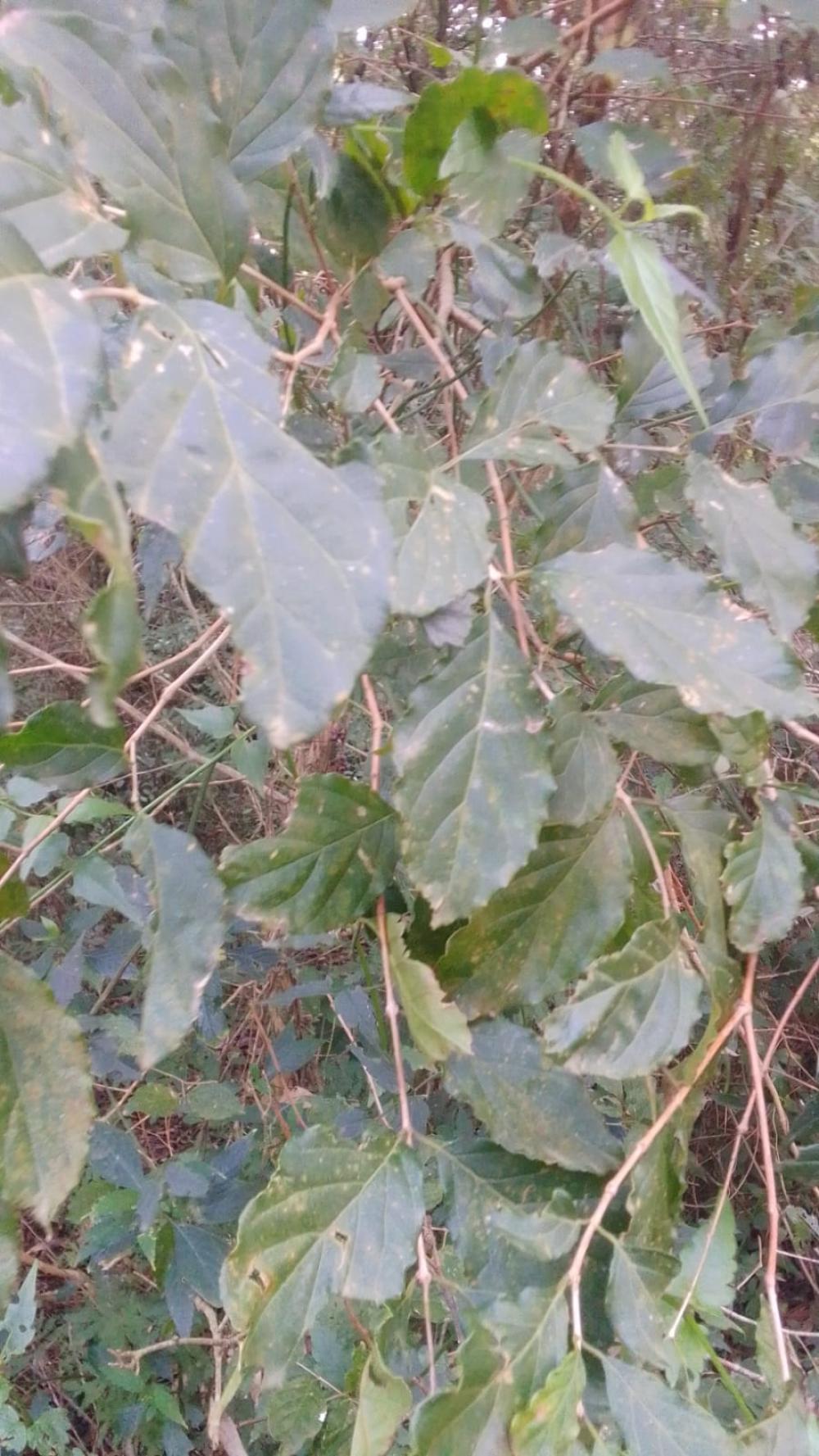
Guabiroba
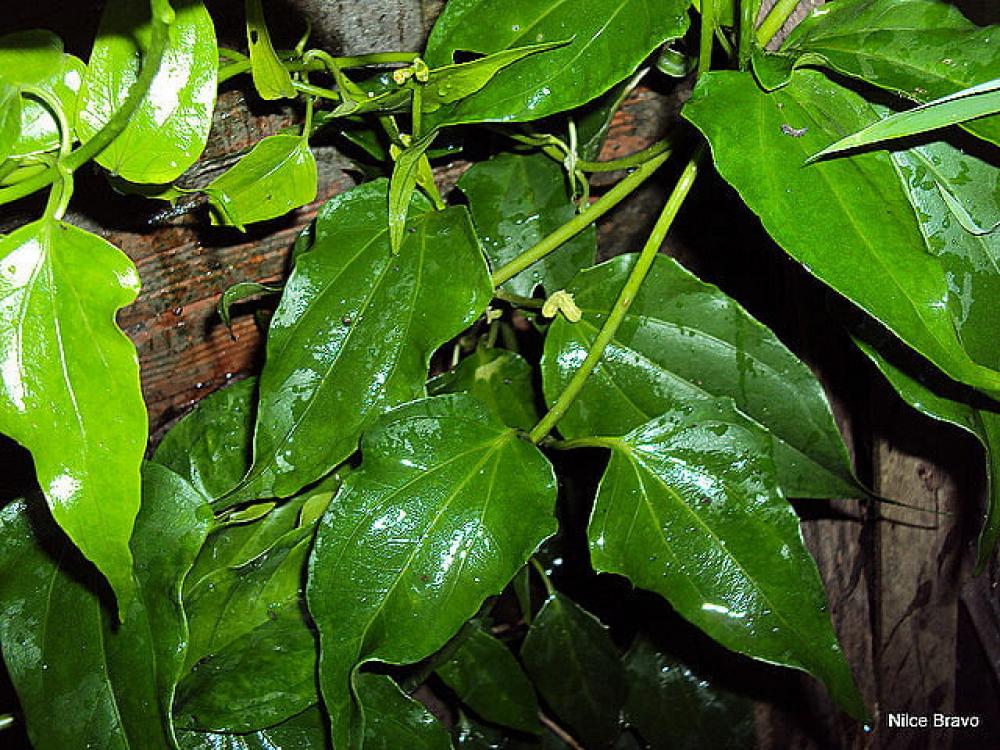
Guaco
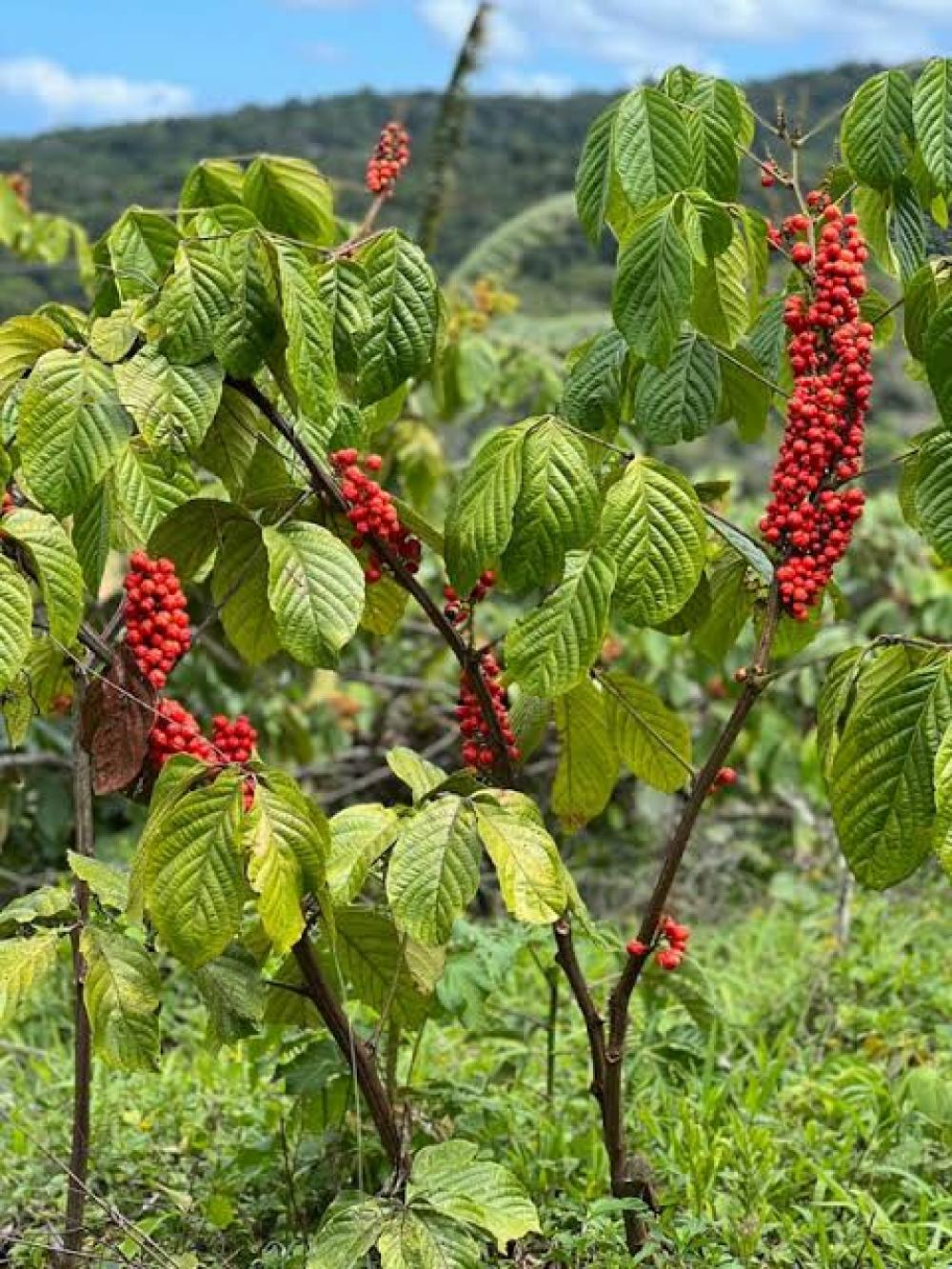
Guarana
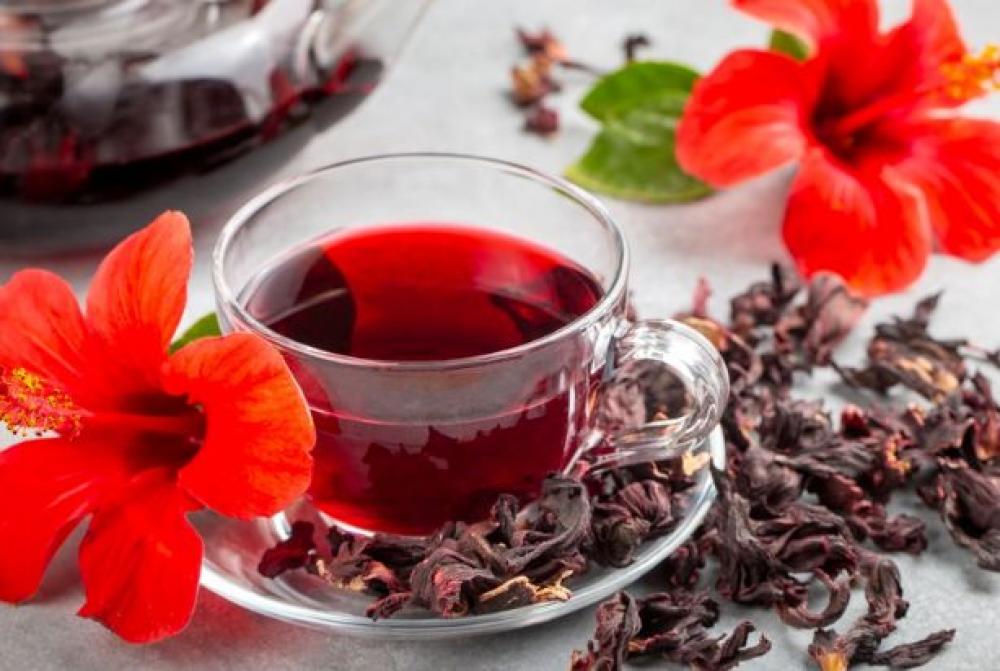
hibiscus
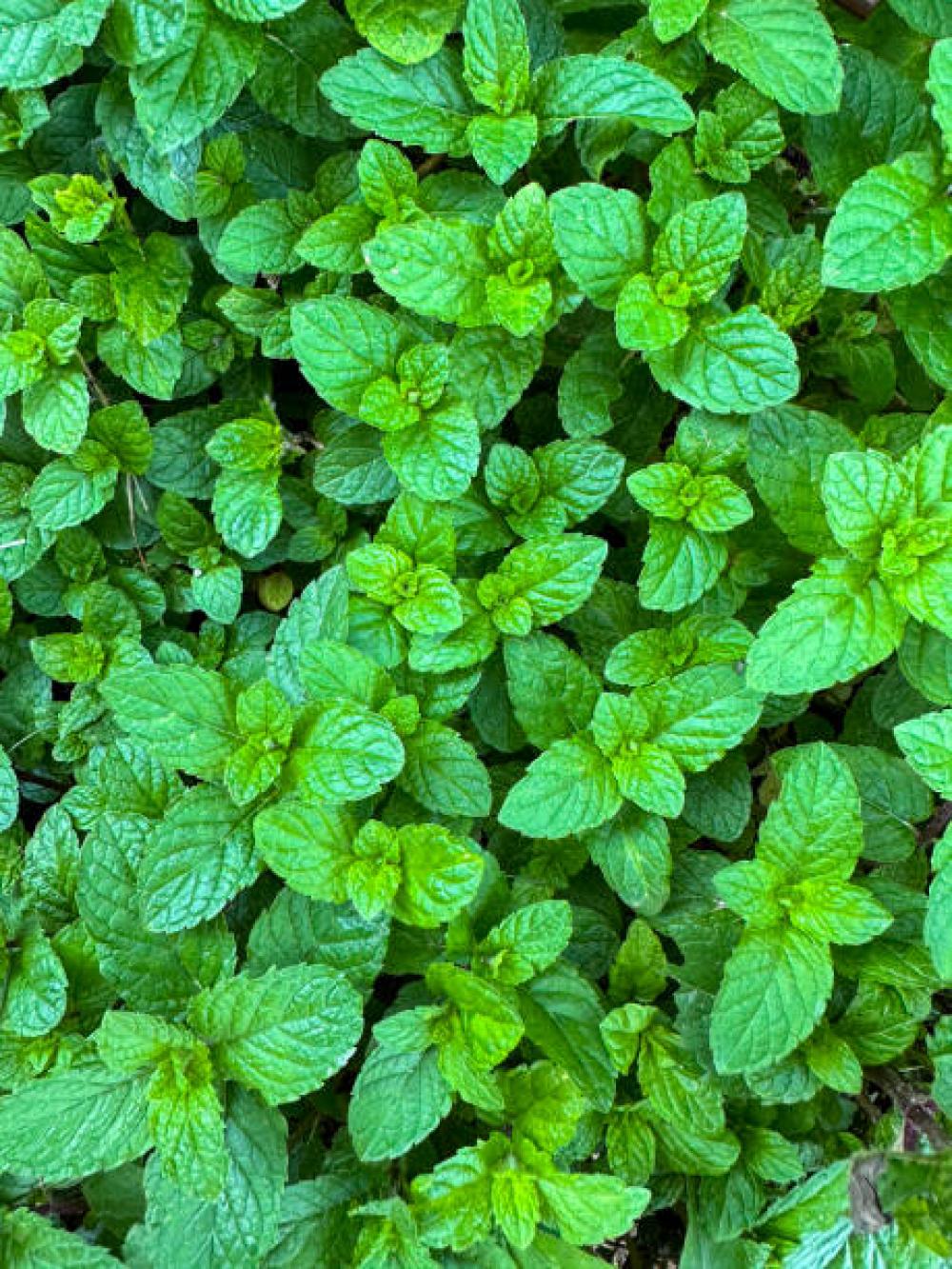
mint
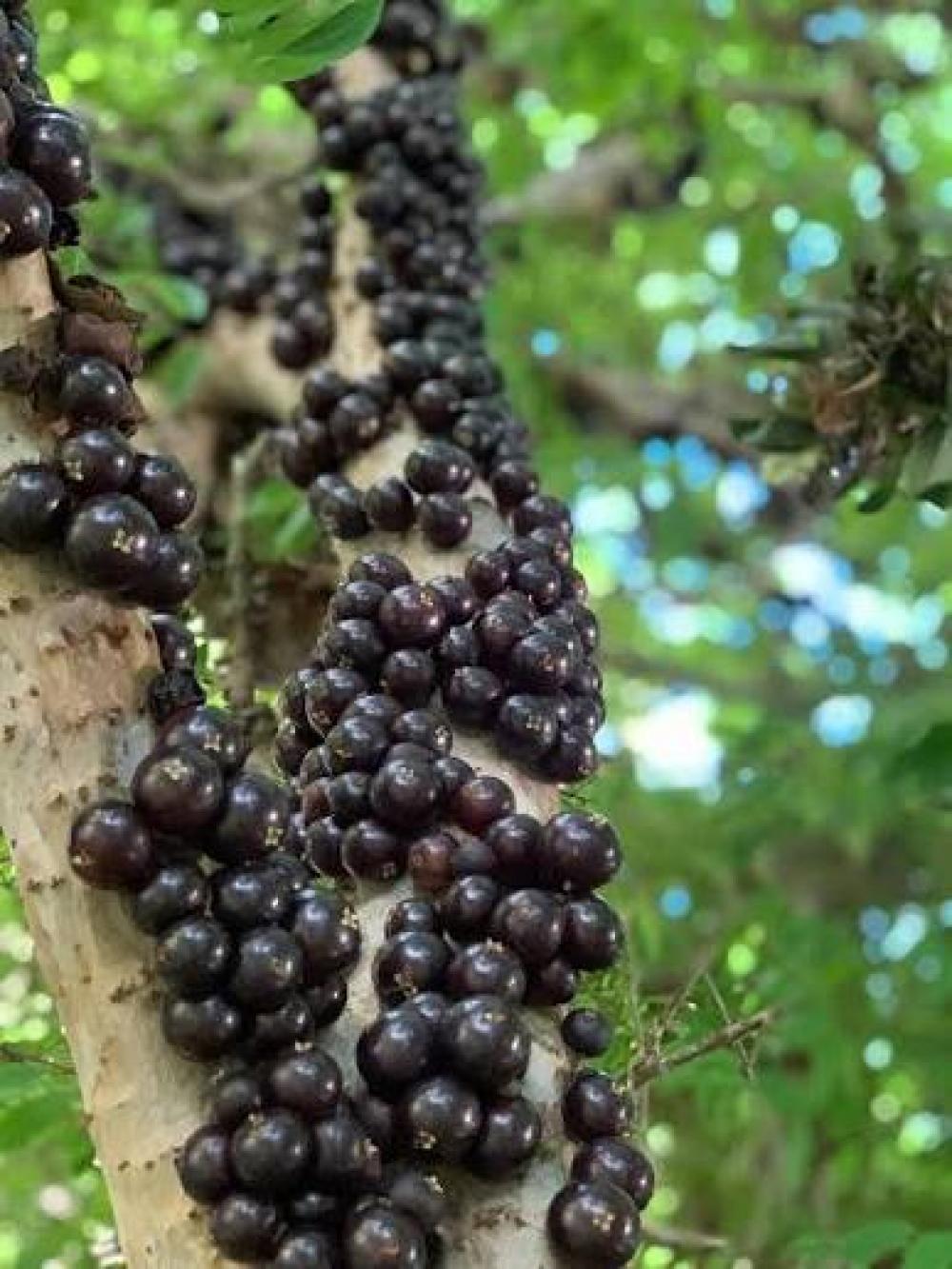
Jaboticaba
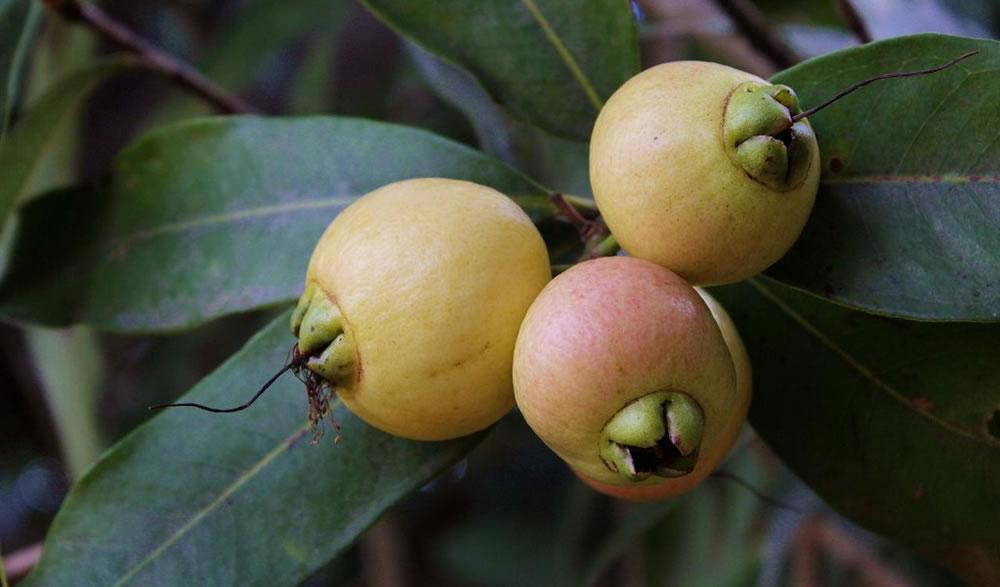
rose apple tree
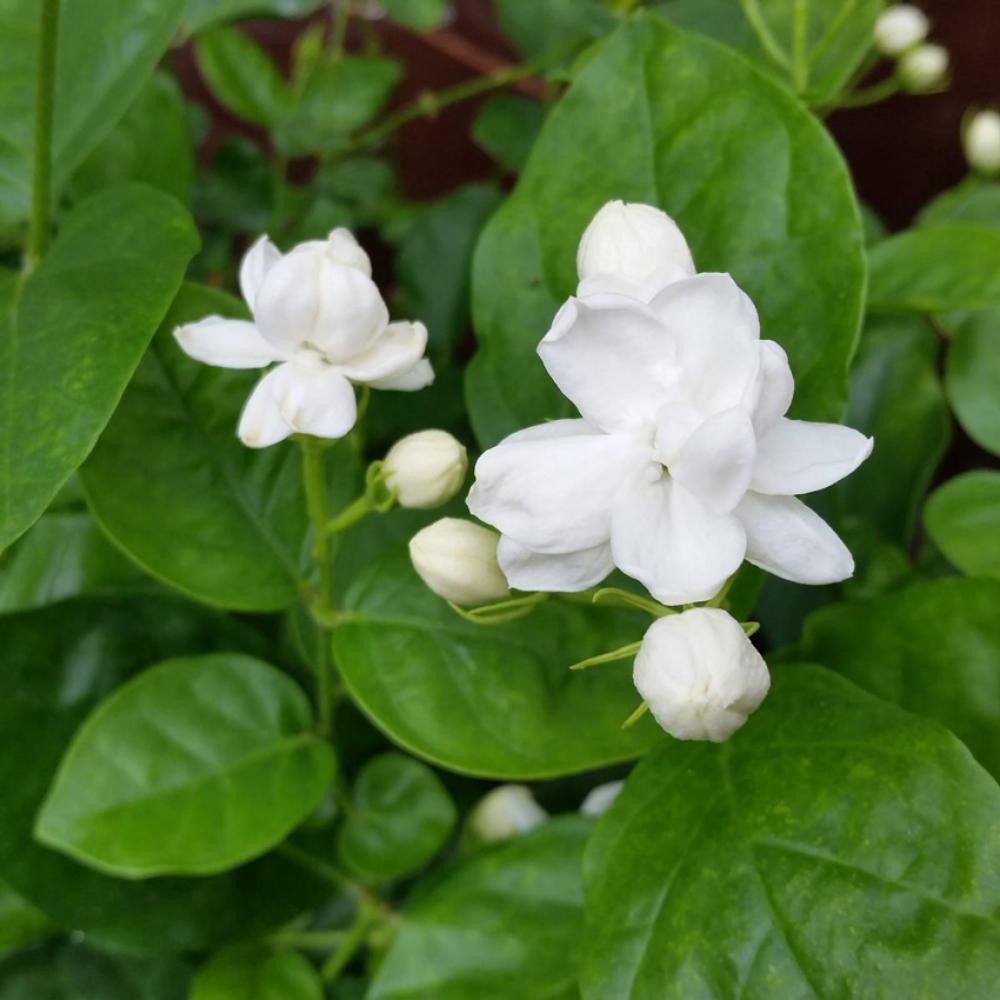
jazmin
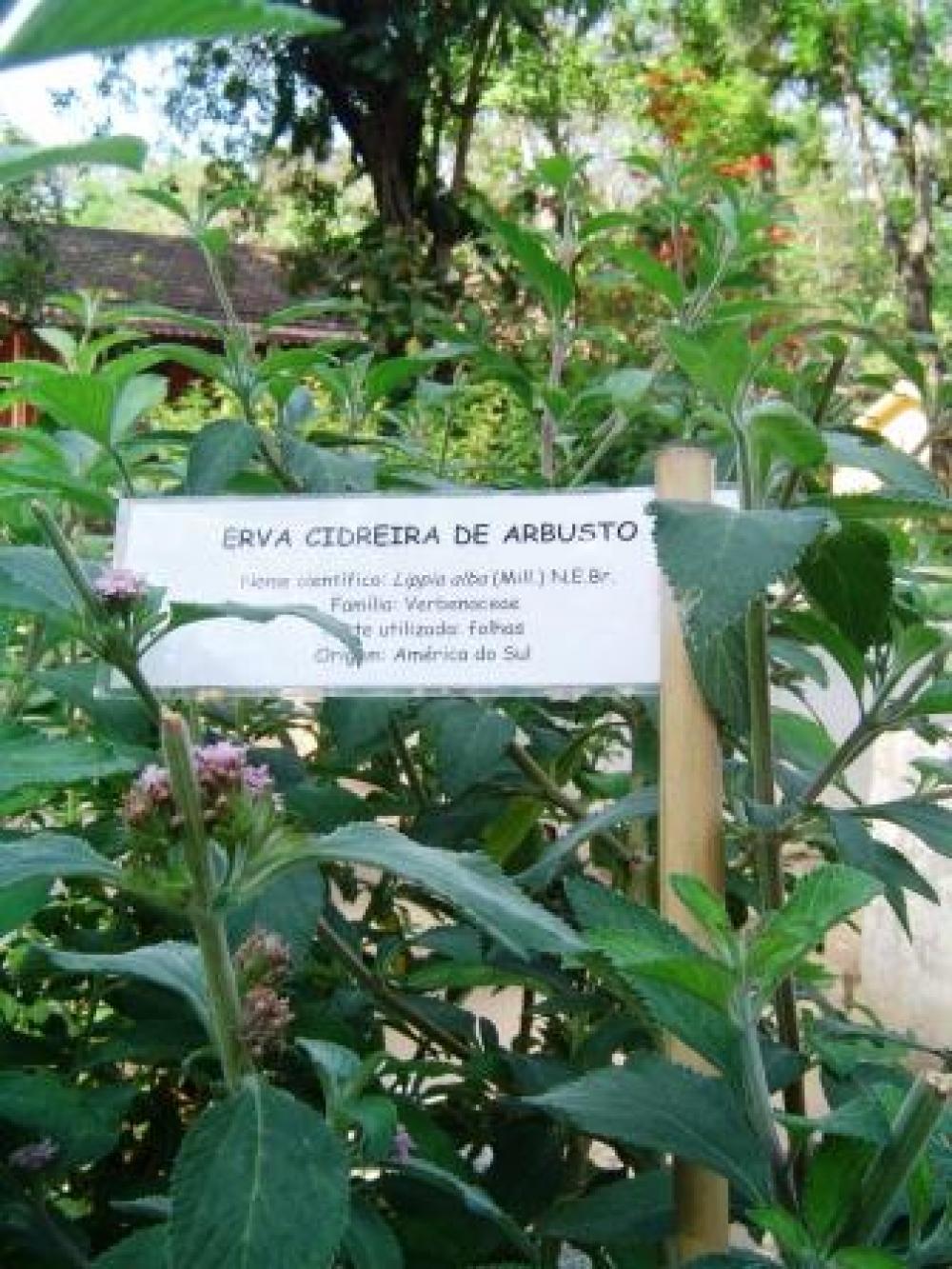
Lippia alba (Bushy Lemon Balm)
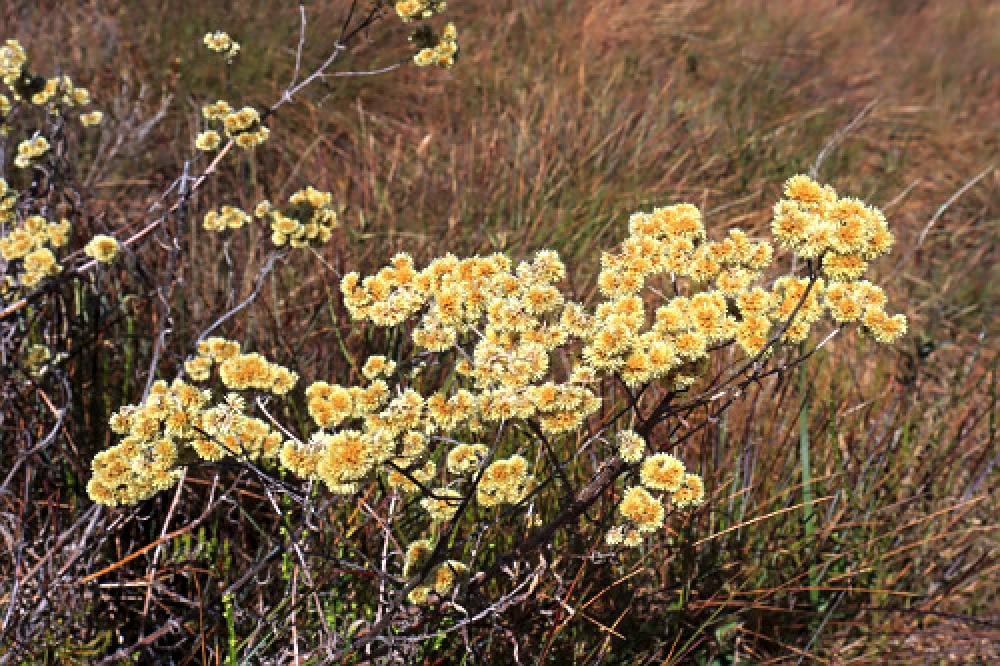
slaughterhouse
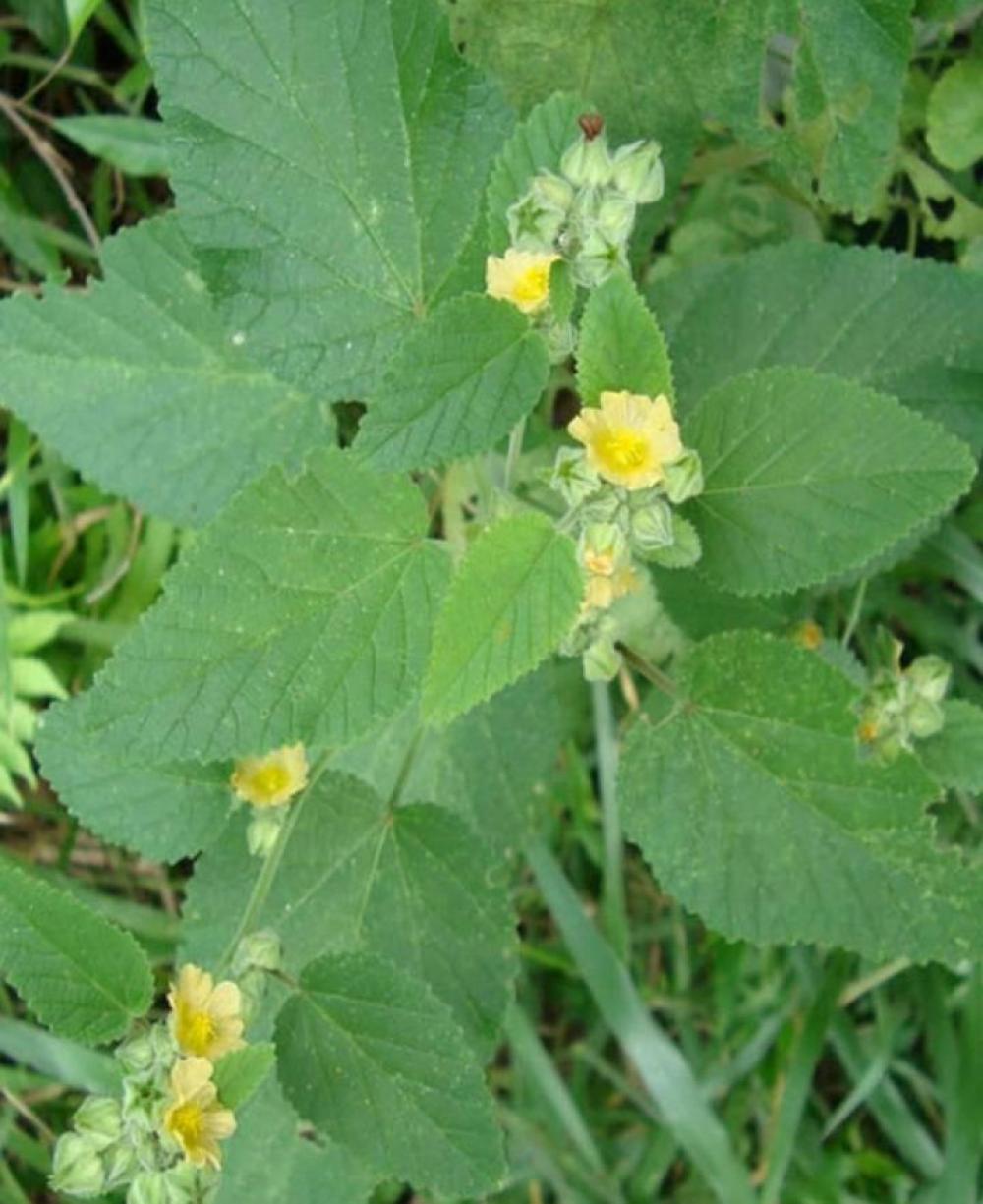
white mallow
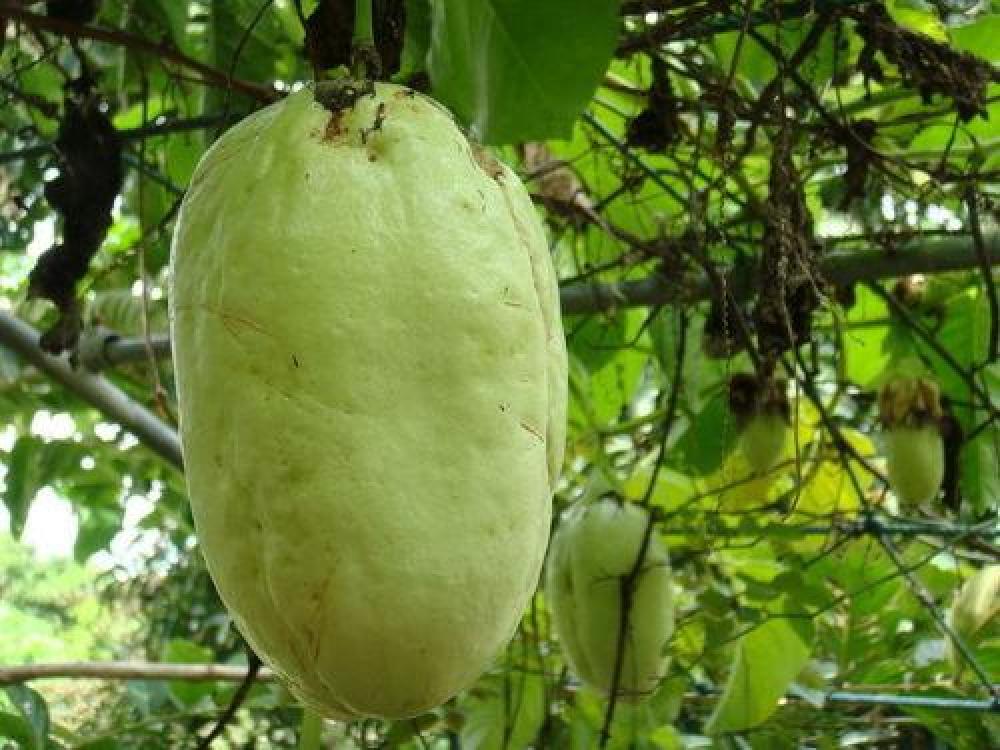
Giant Passion Fruit
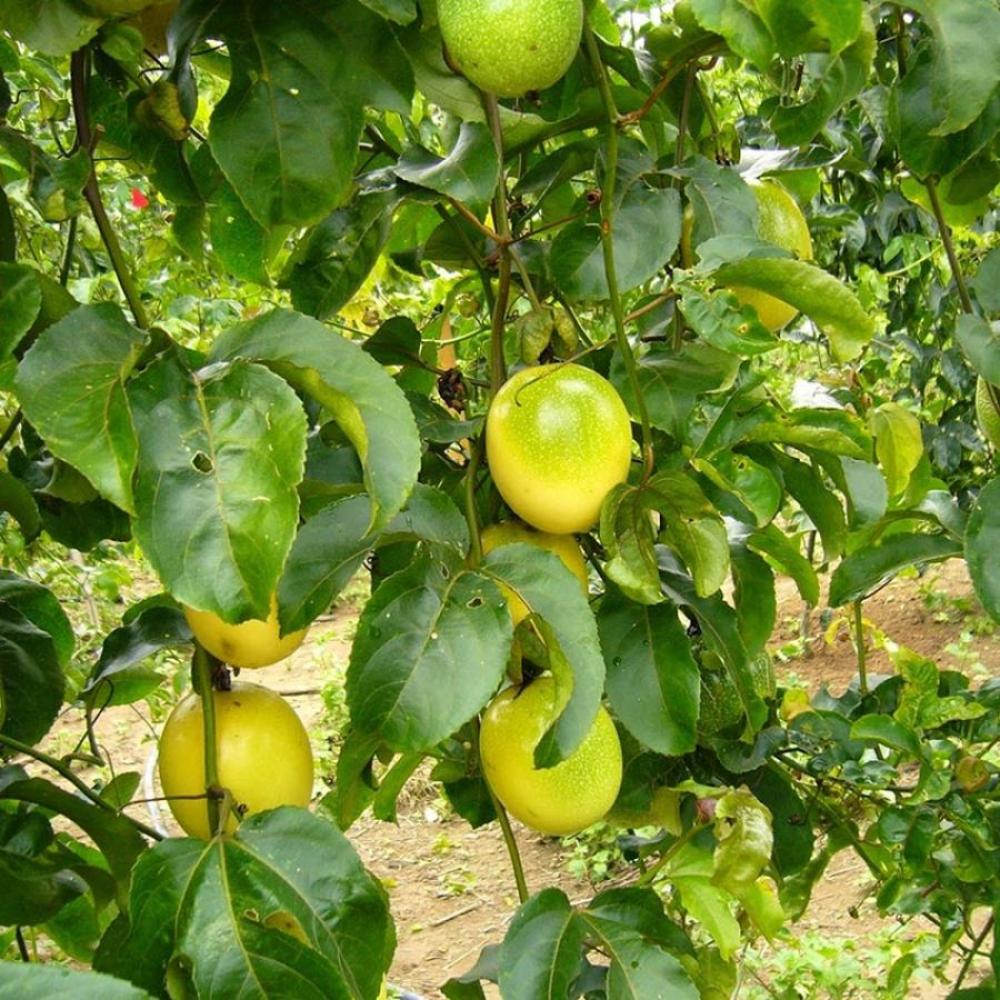
Sour Passion Fruit
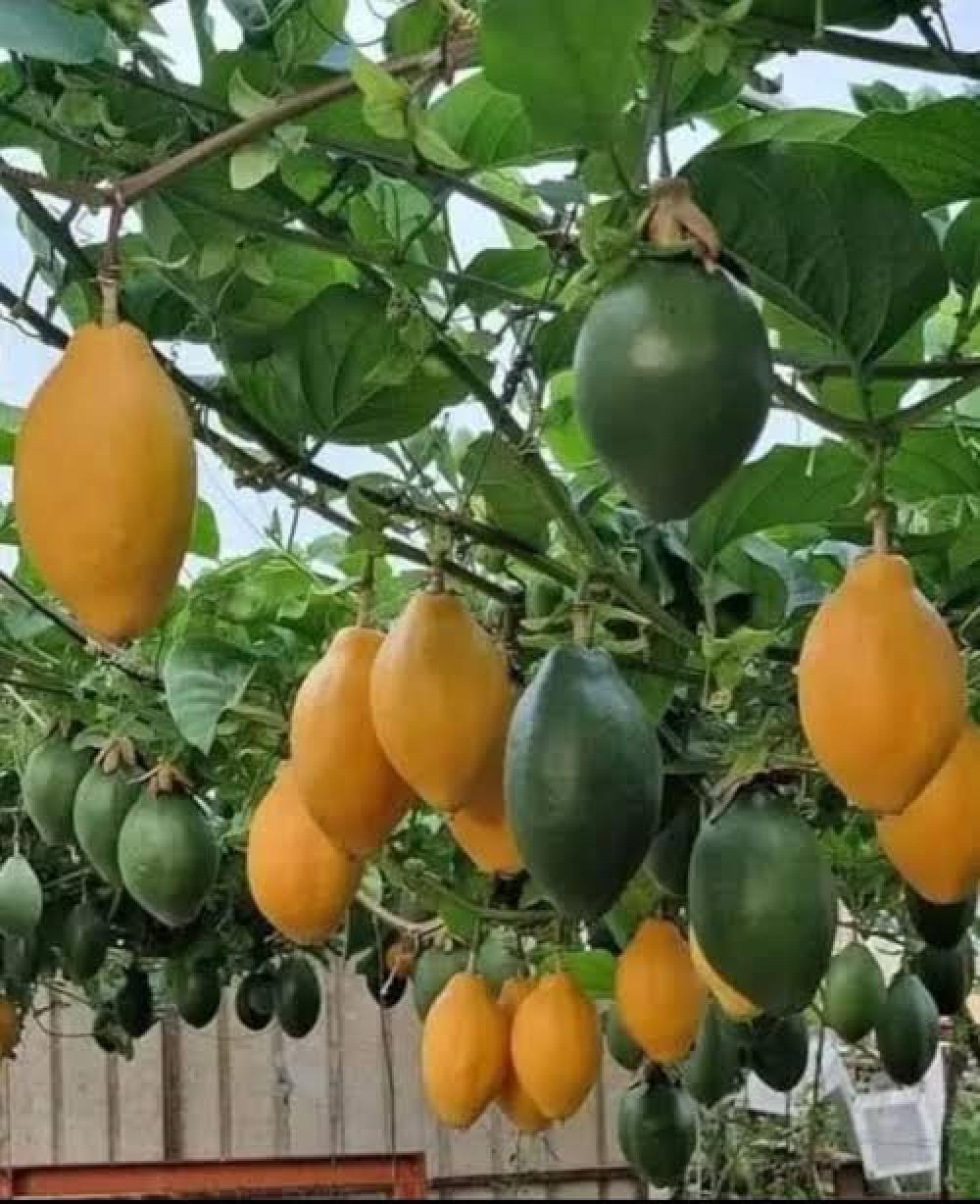
sweet passion fruit
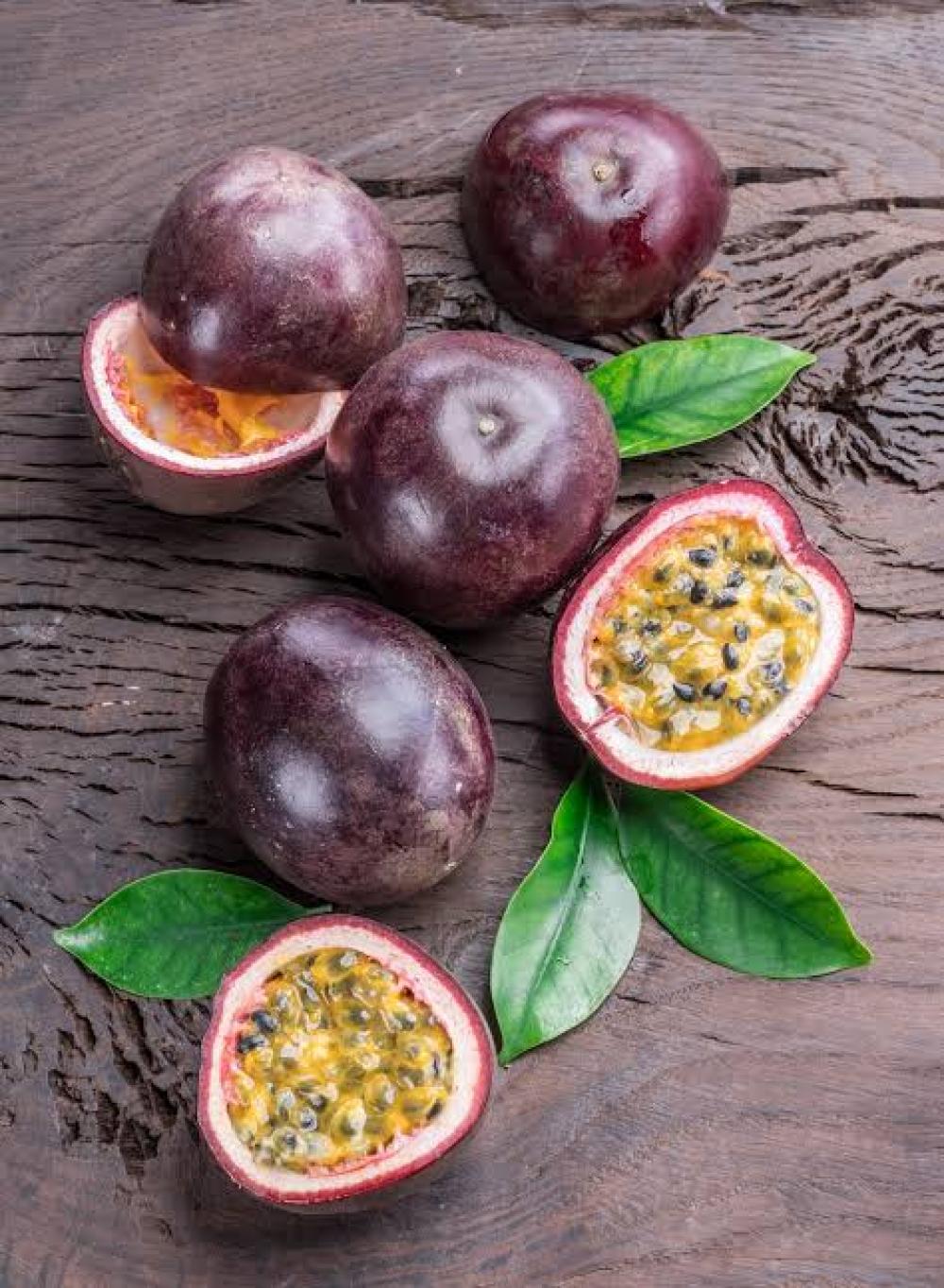
purple passion fruit
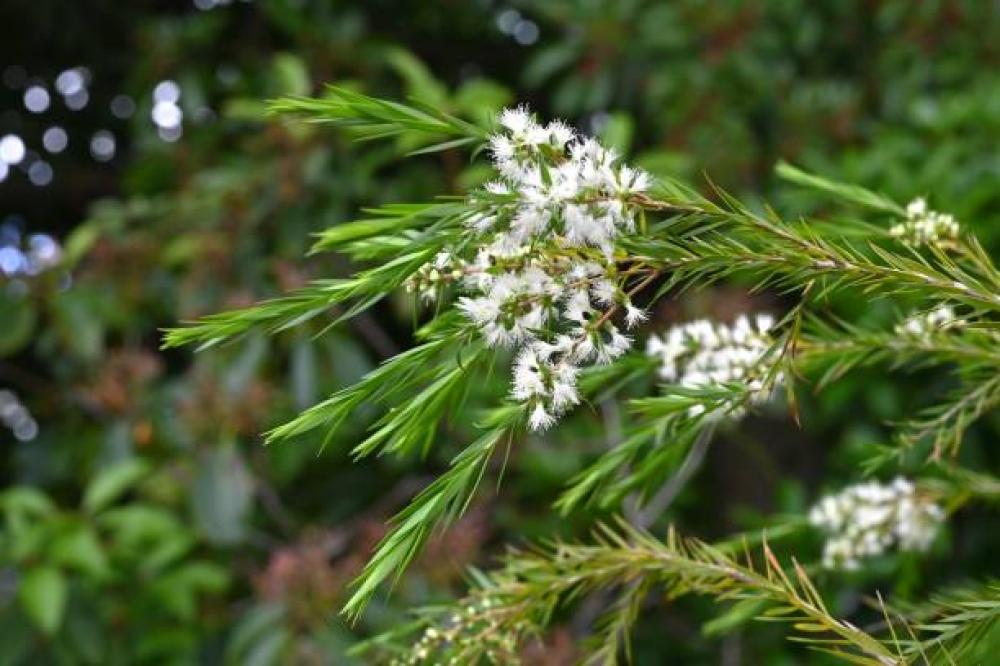
Melaleuca
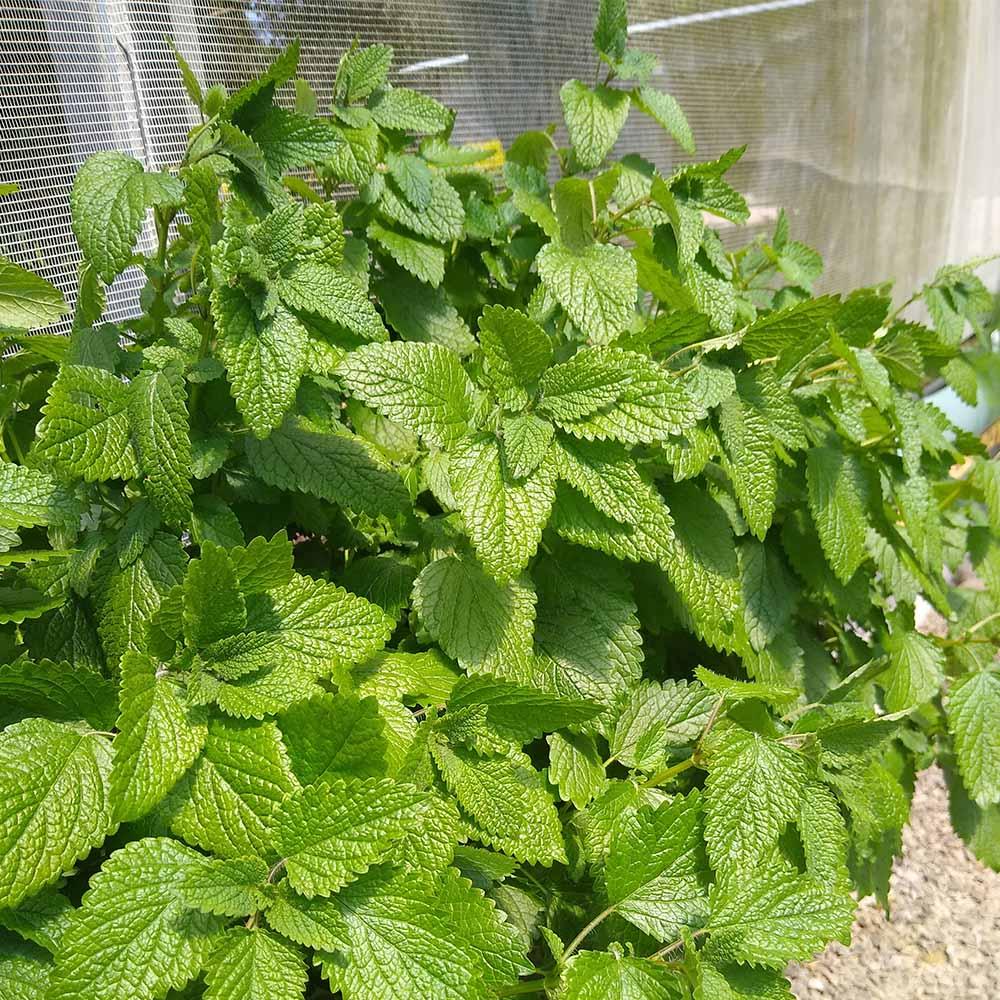
Melissa
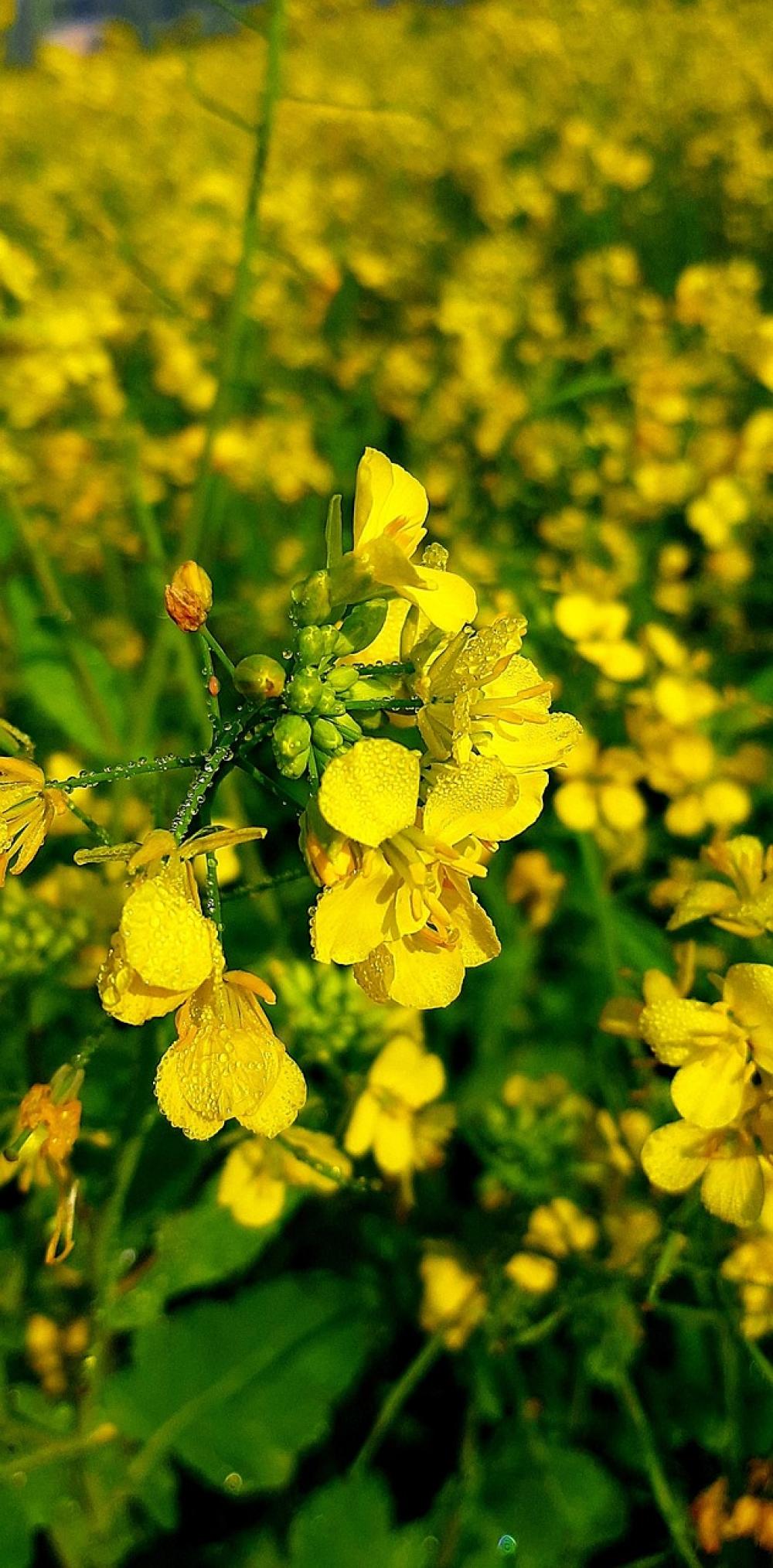
mustard
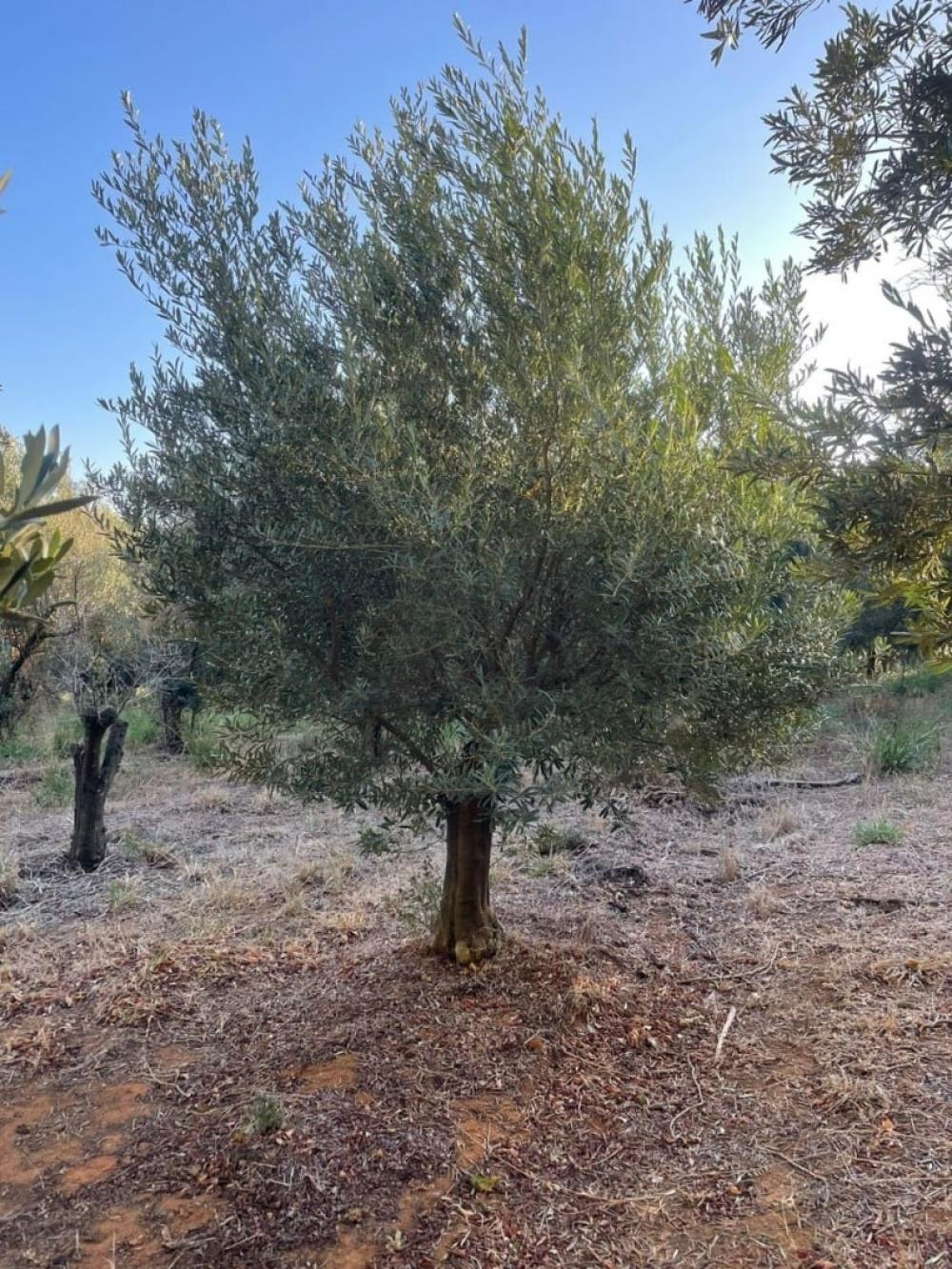
Oliveira
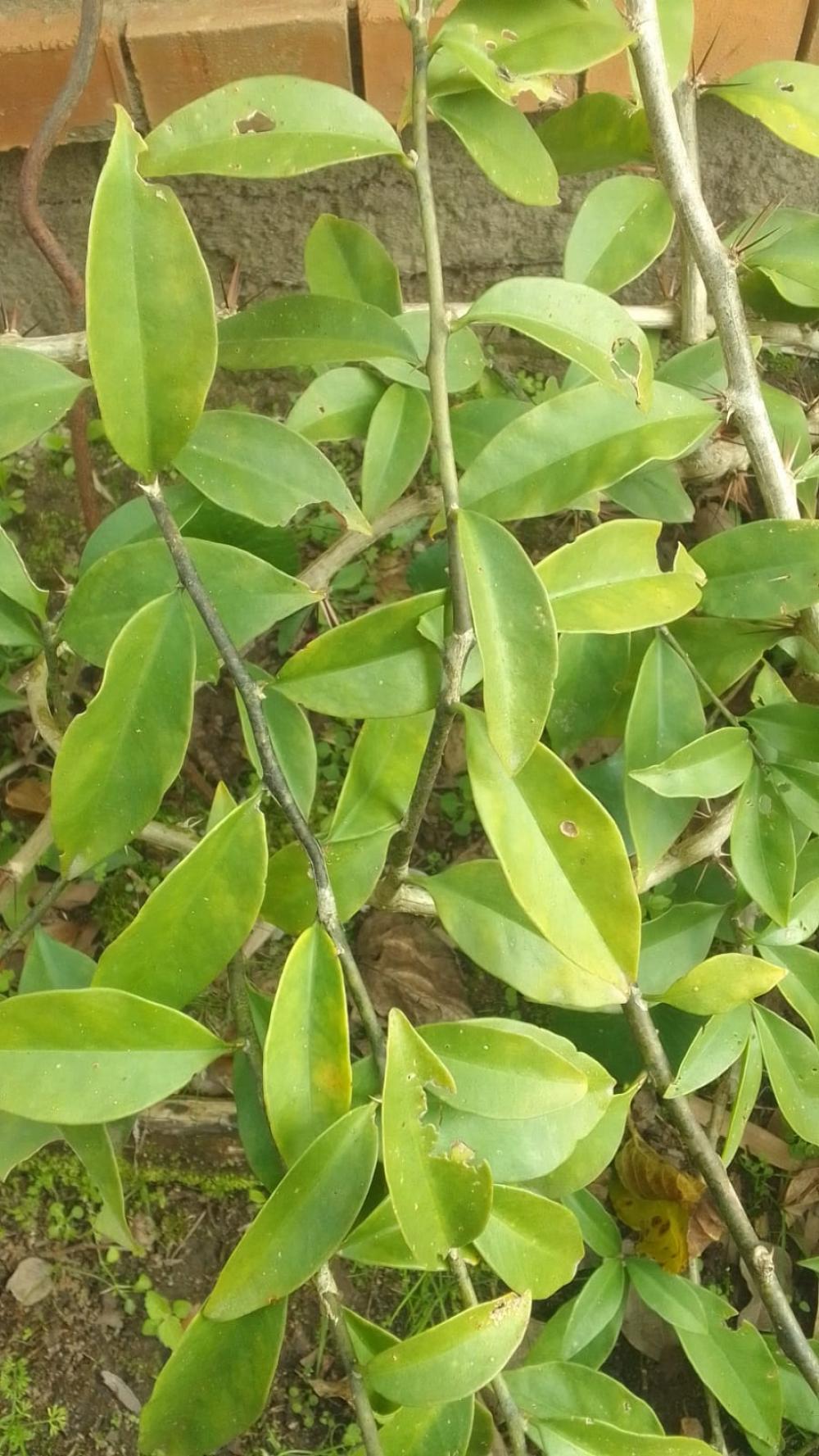
Ora Pro Nobis
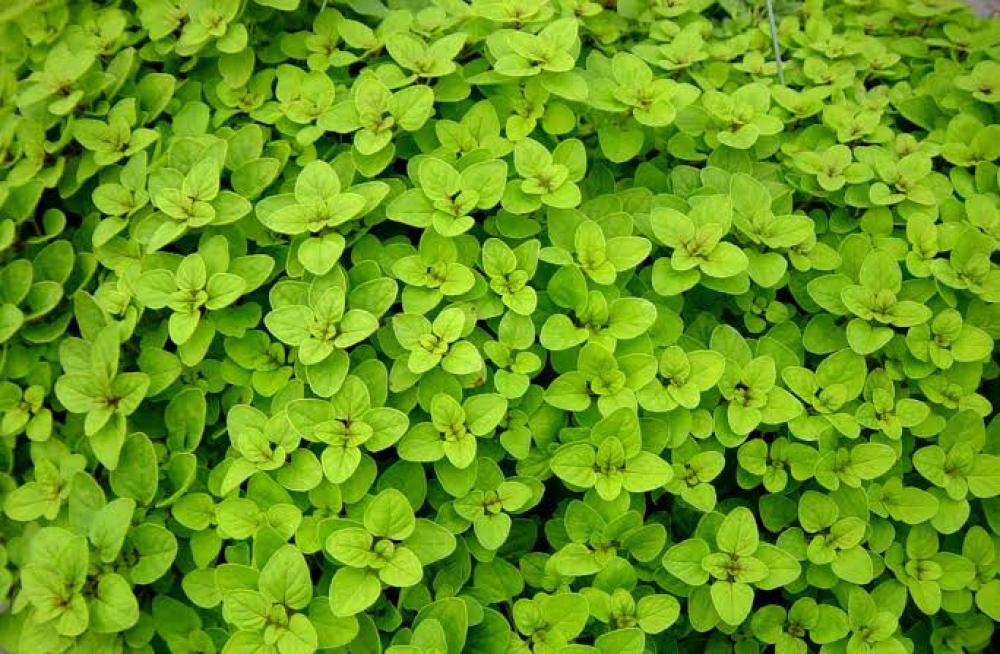
Oregano
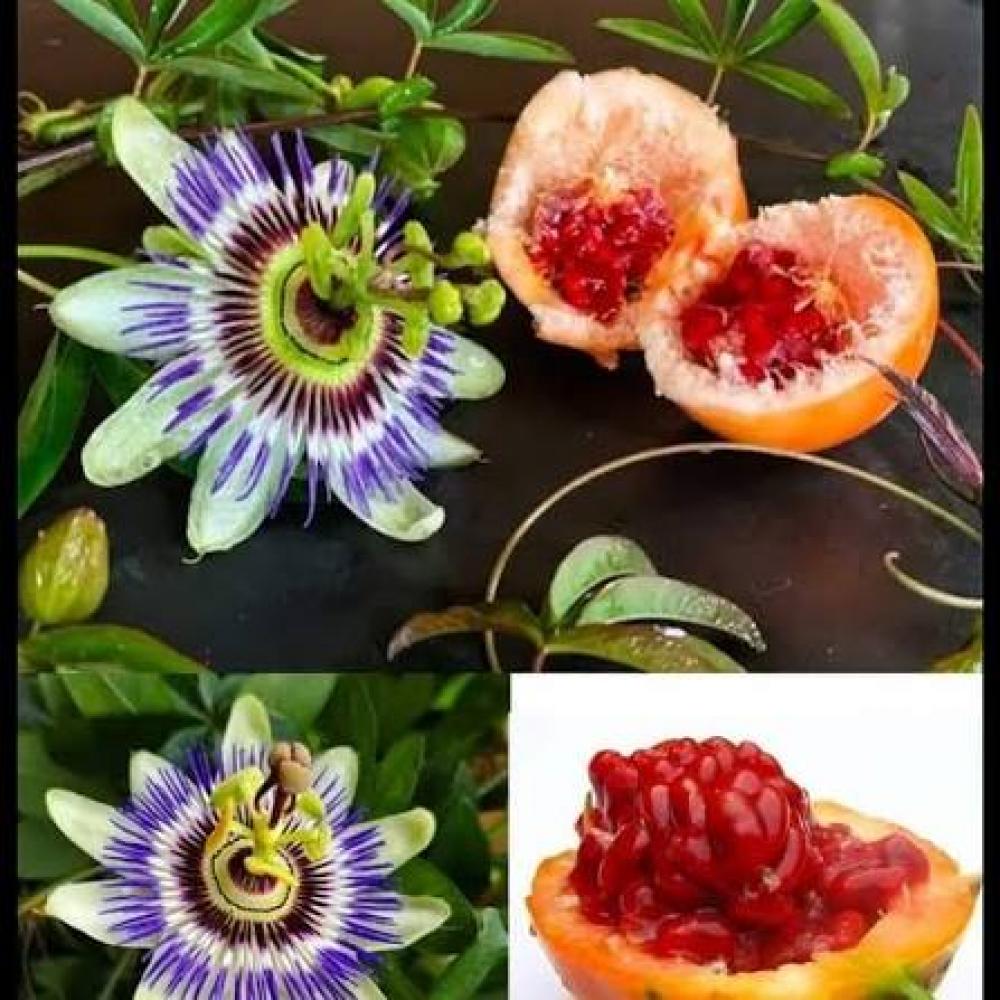
Passiflora or passion flower
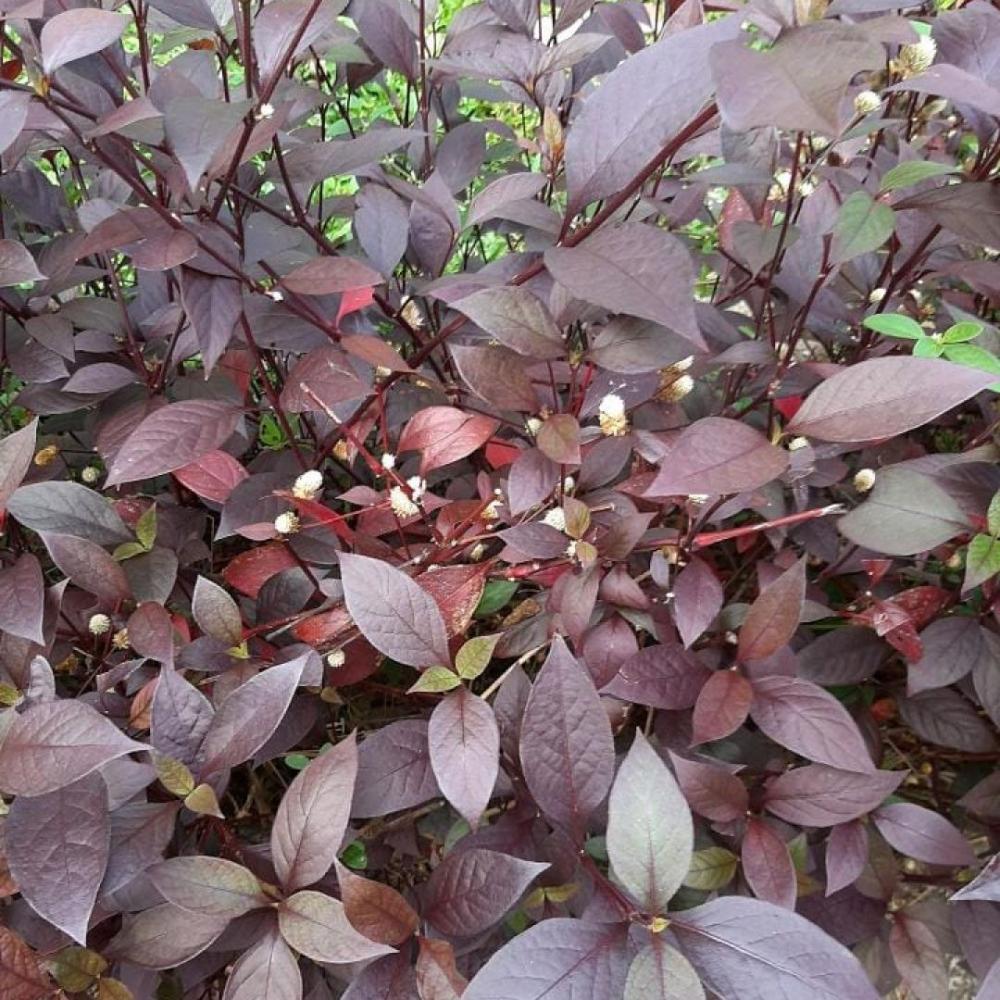
Penicillin or Parakeet
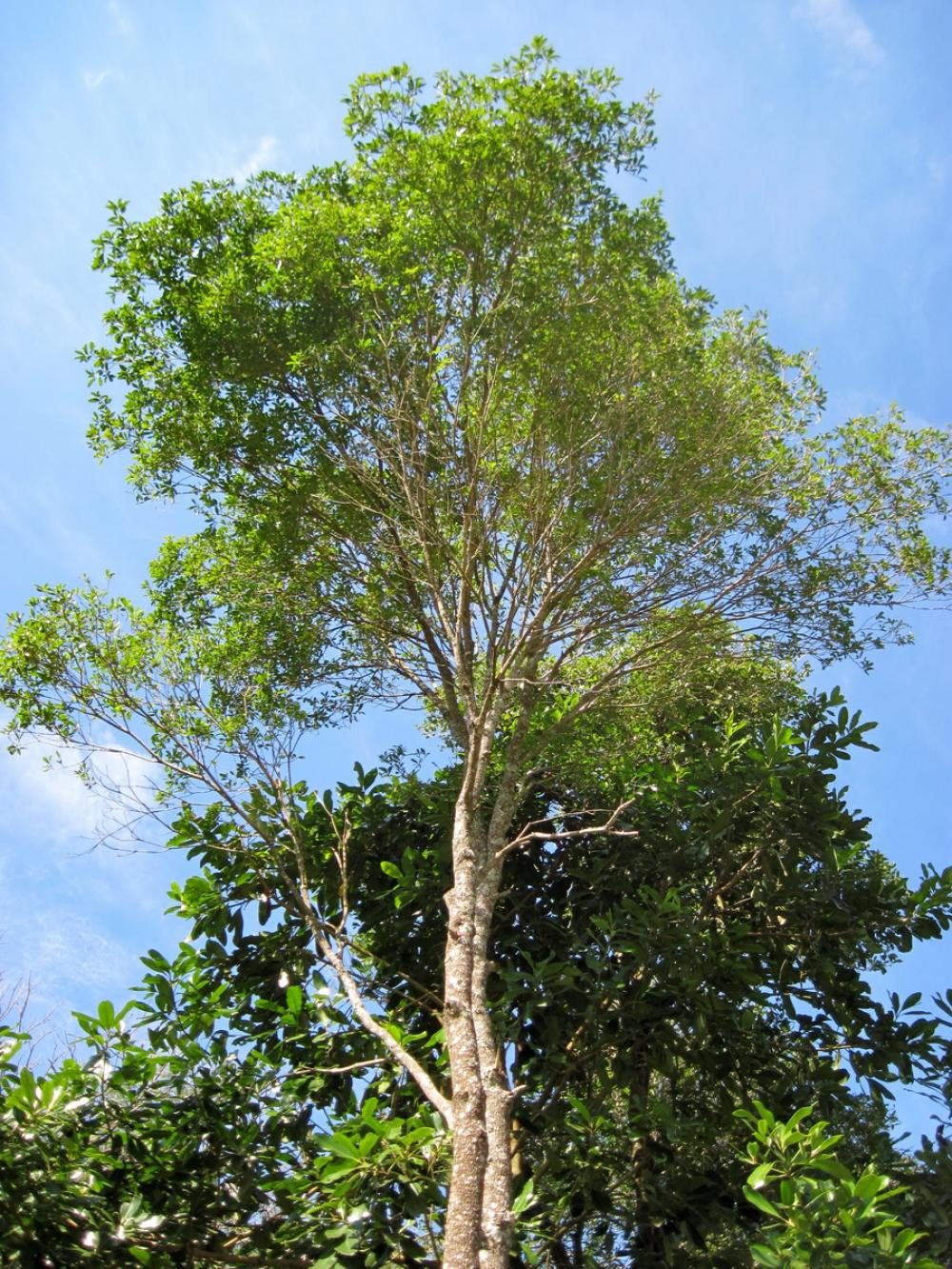
Peroba
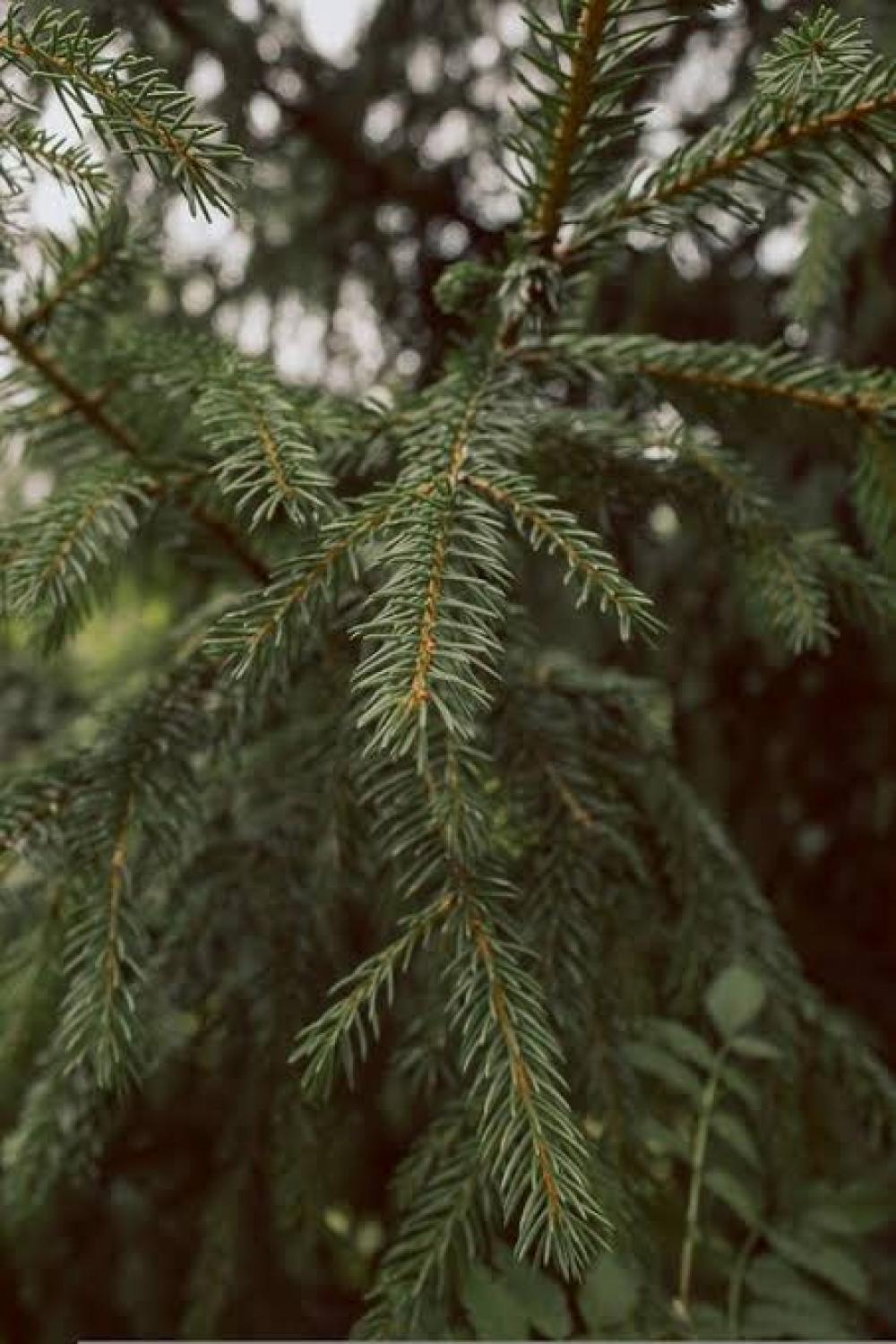
pine
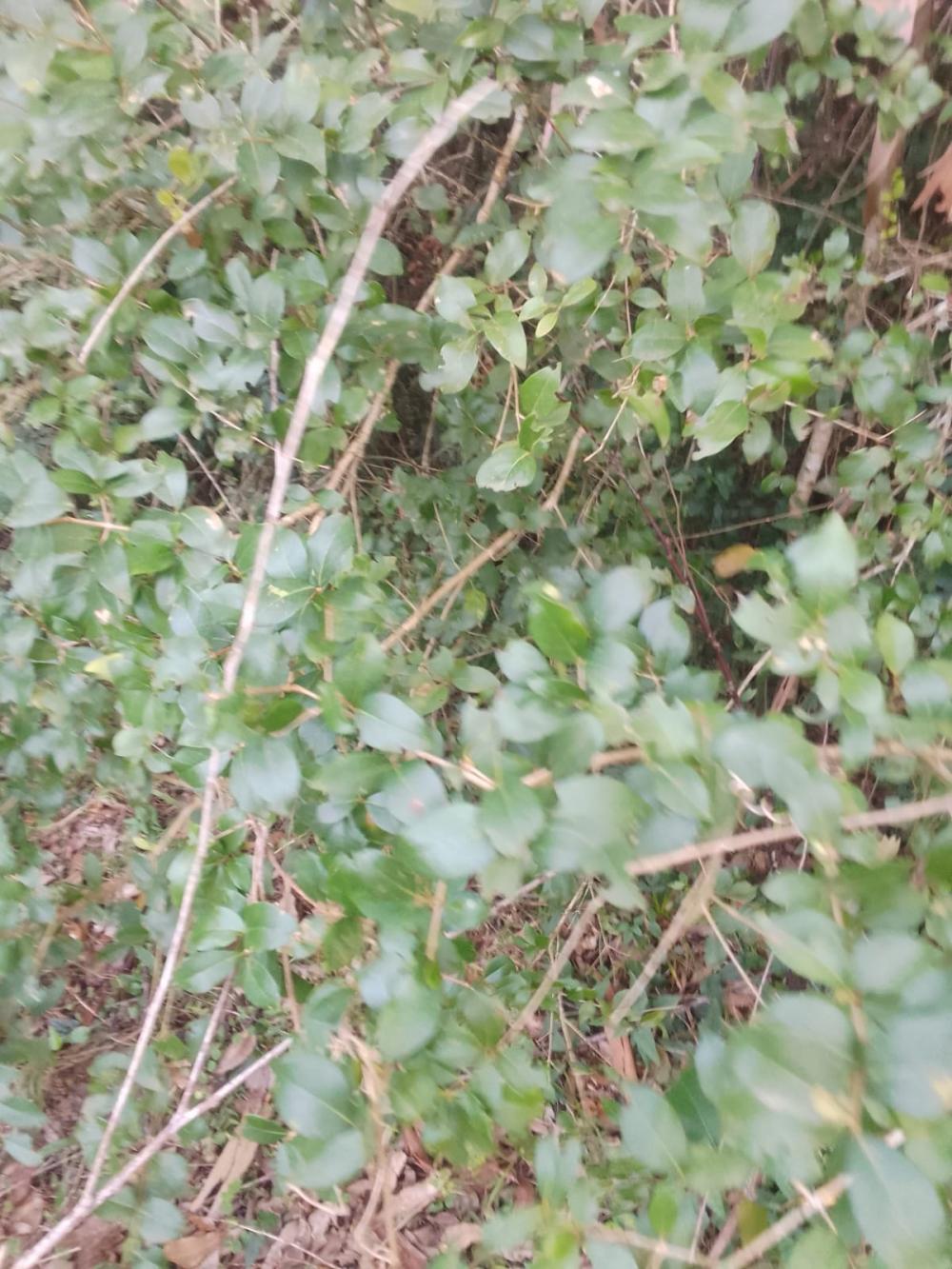
Surinam cherry tree
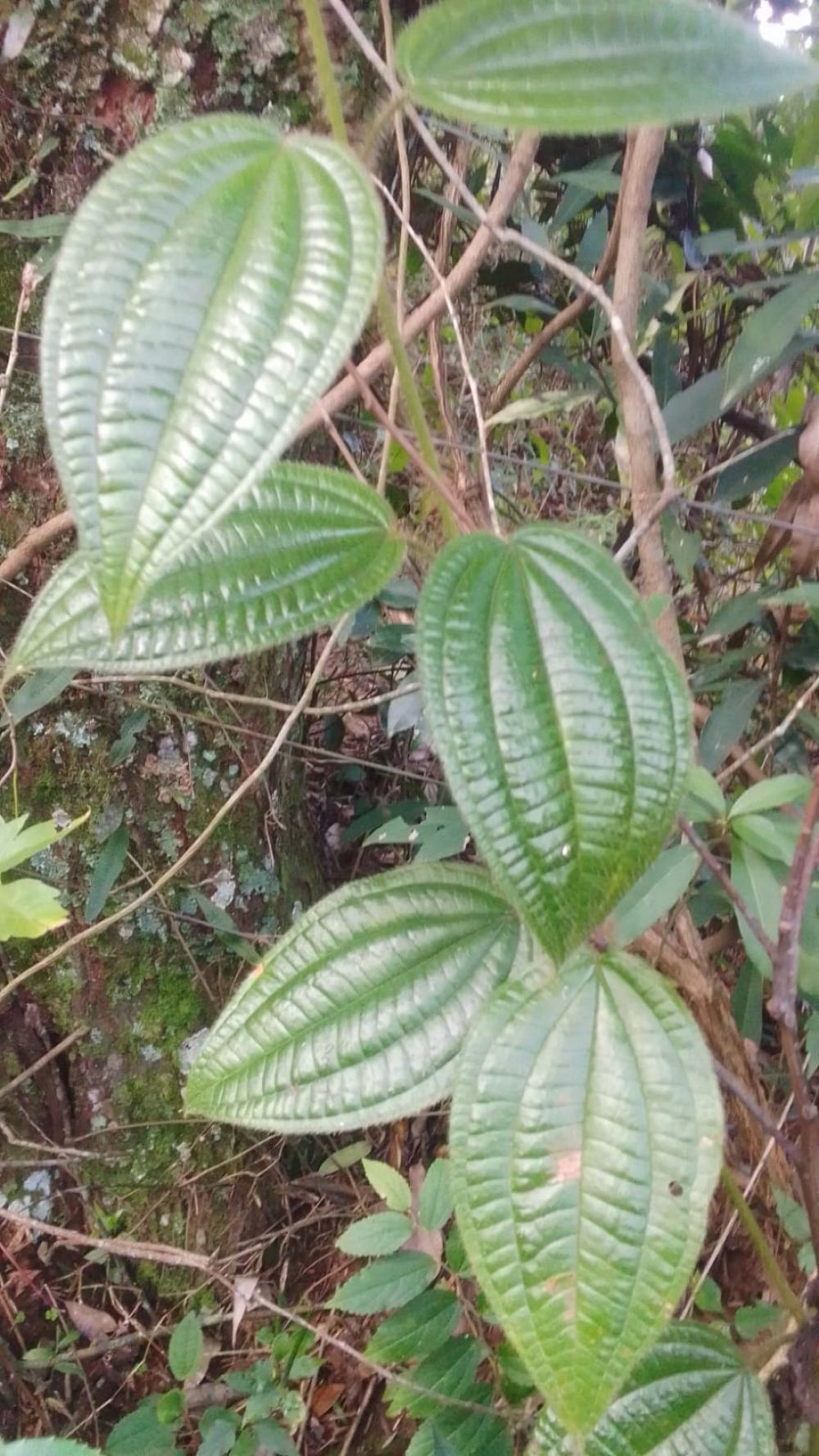
Pixirica
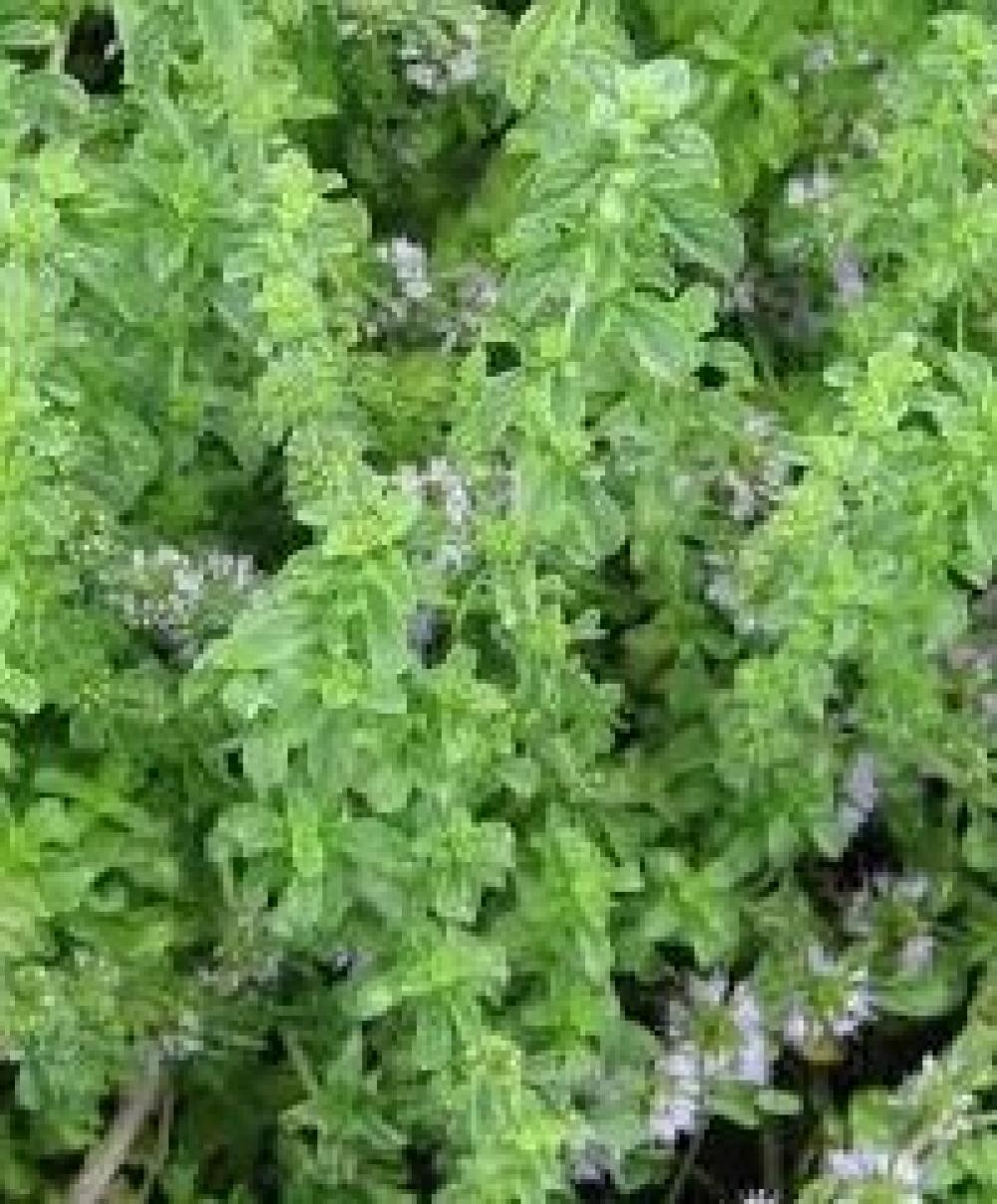
Pennyroyal
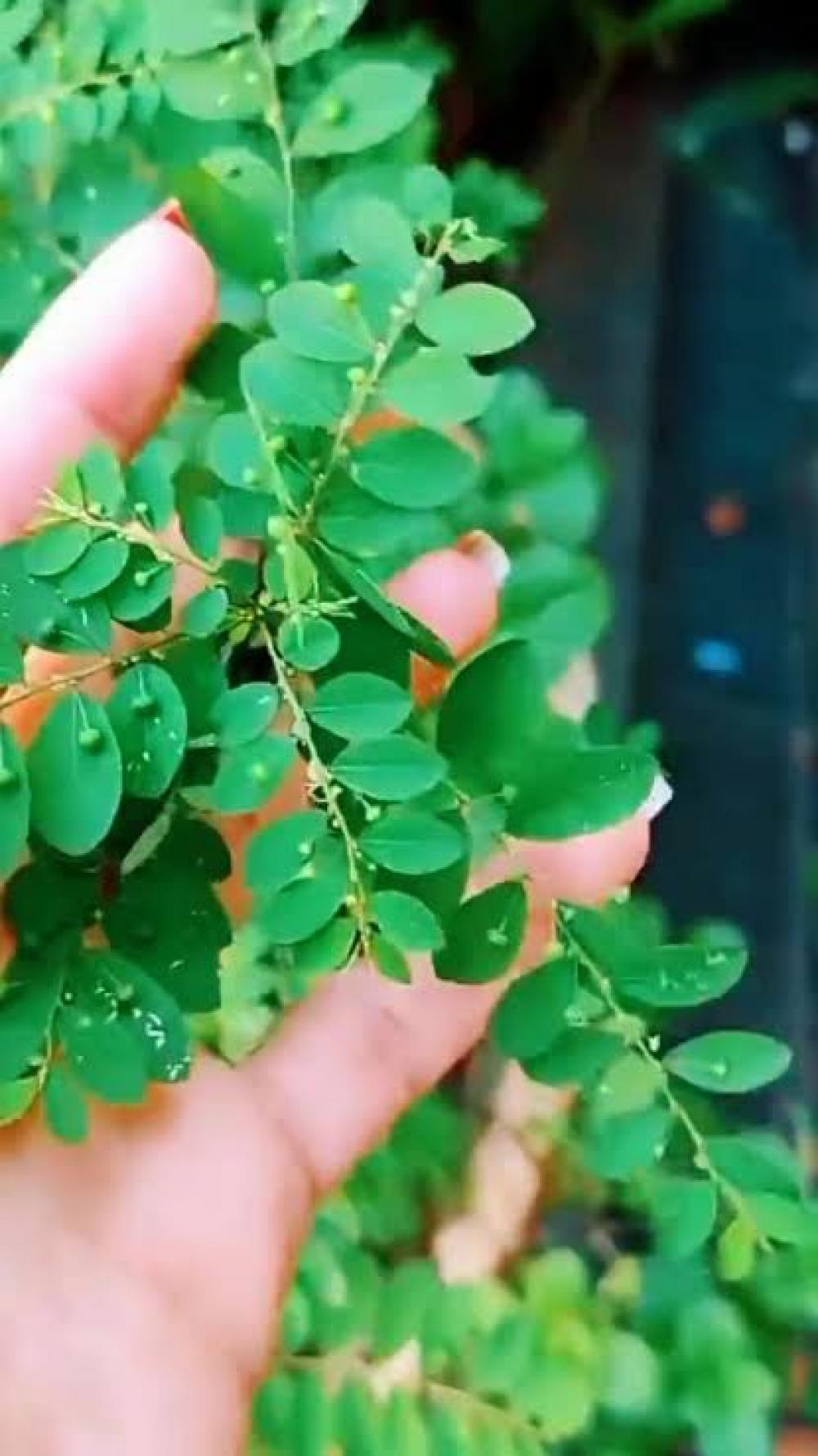
Stone-breaker
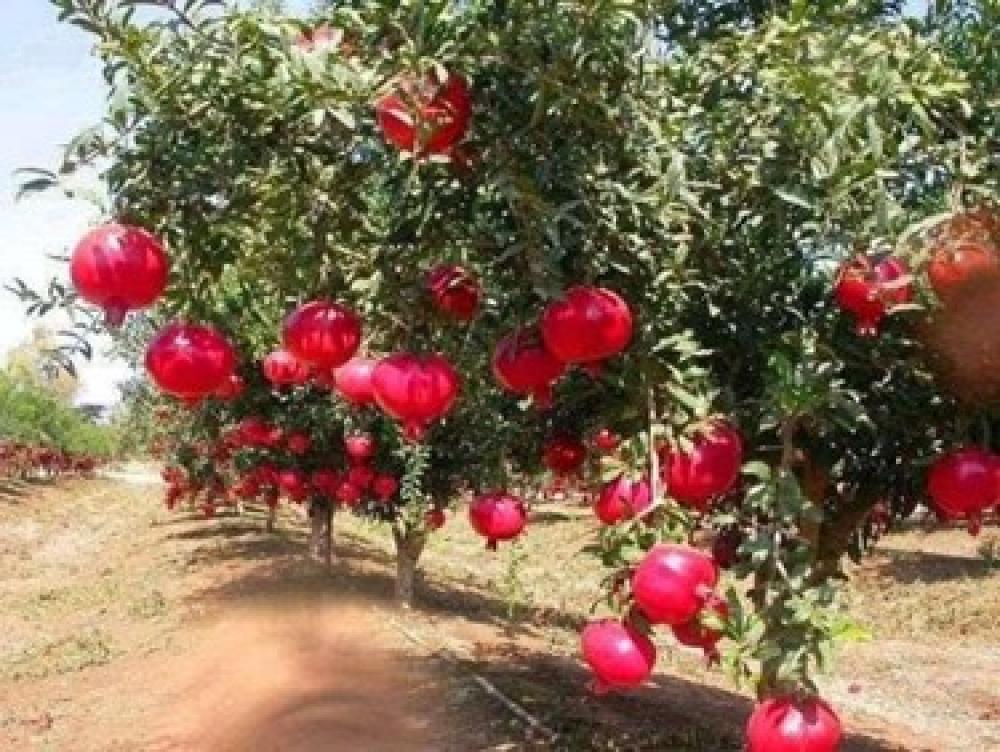
Pomegranate tree
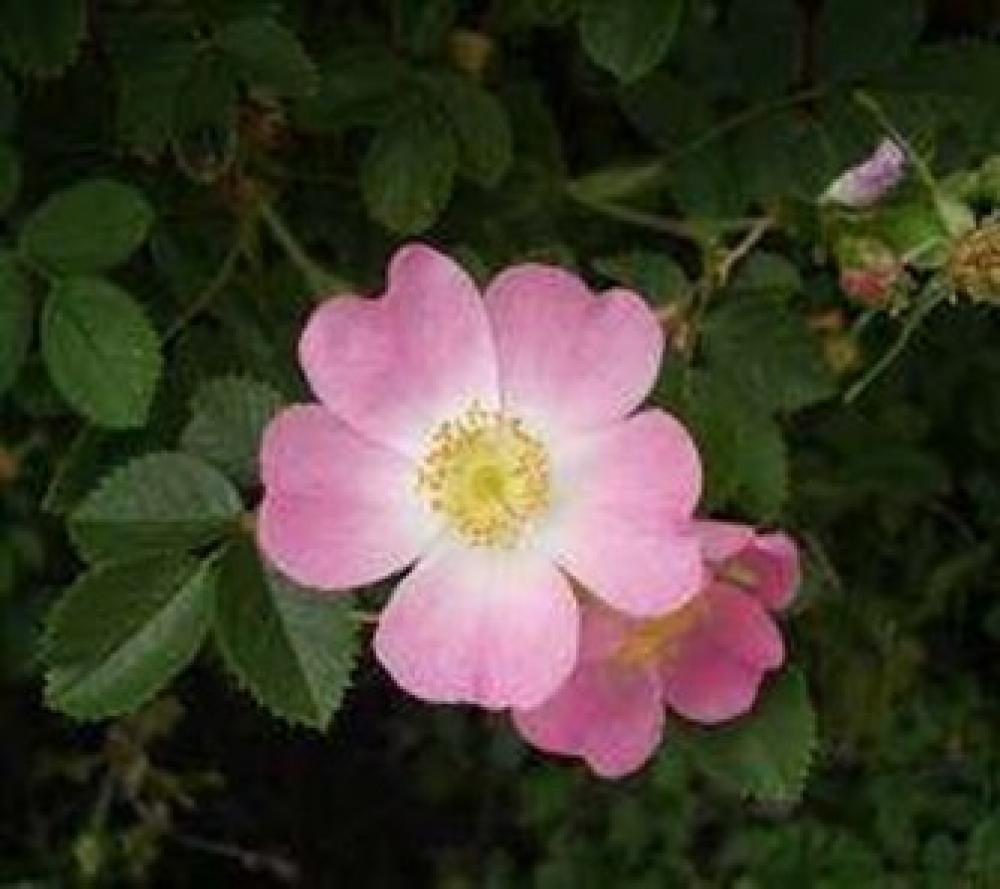
Rosa mosqueta
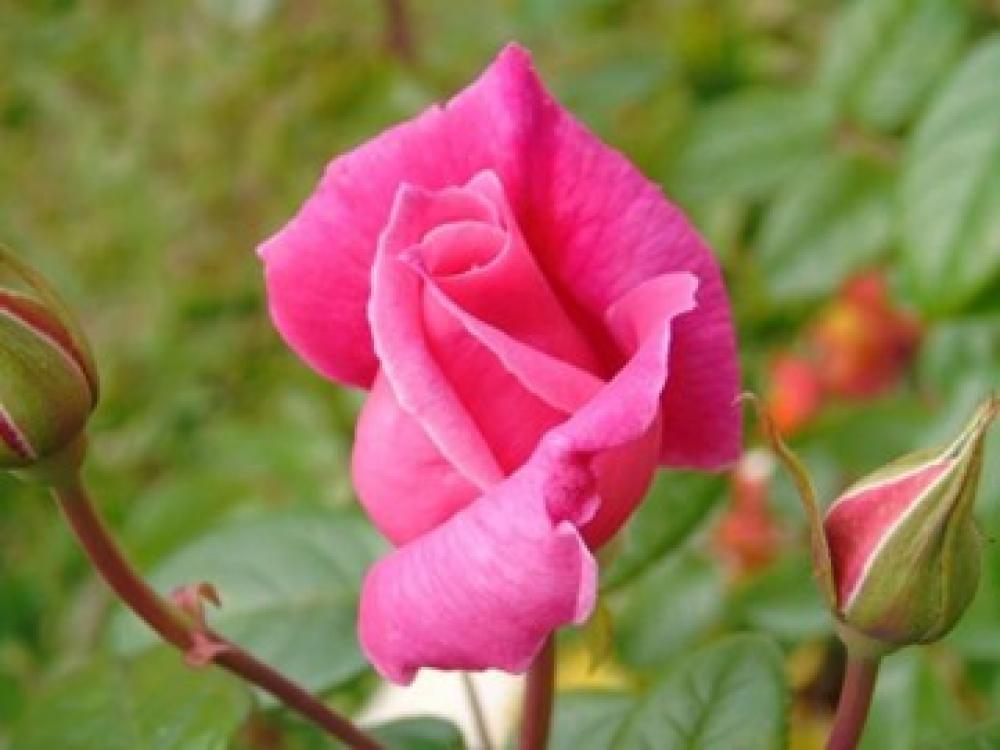
Rosebush
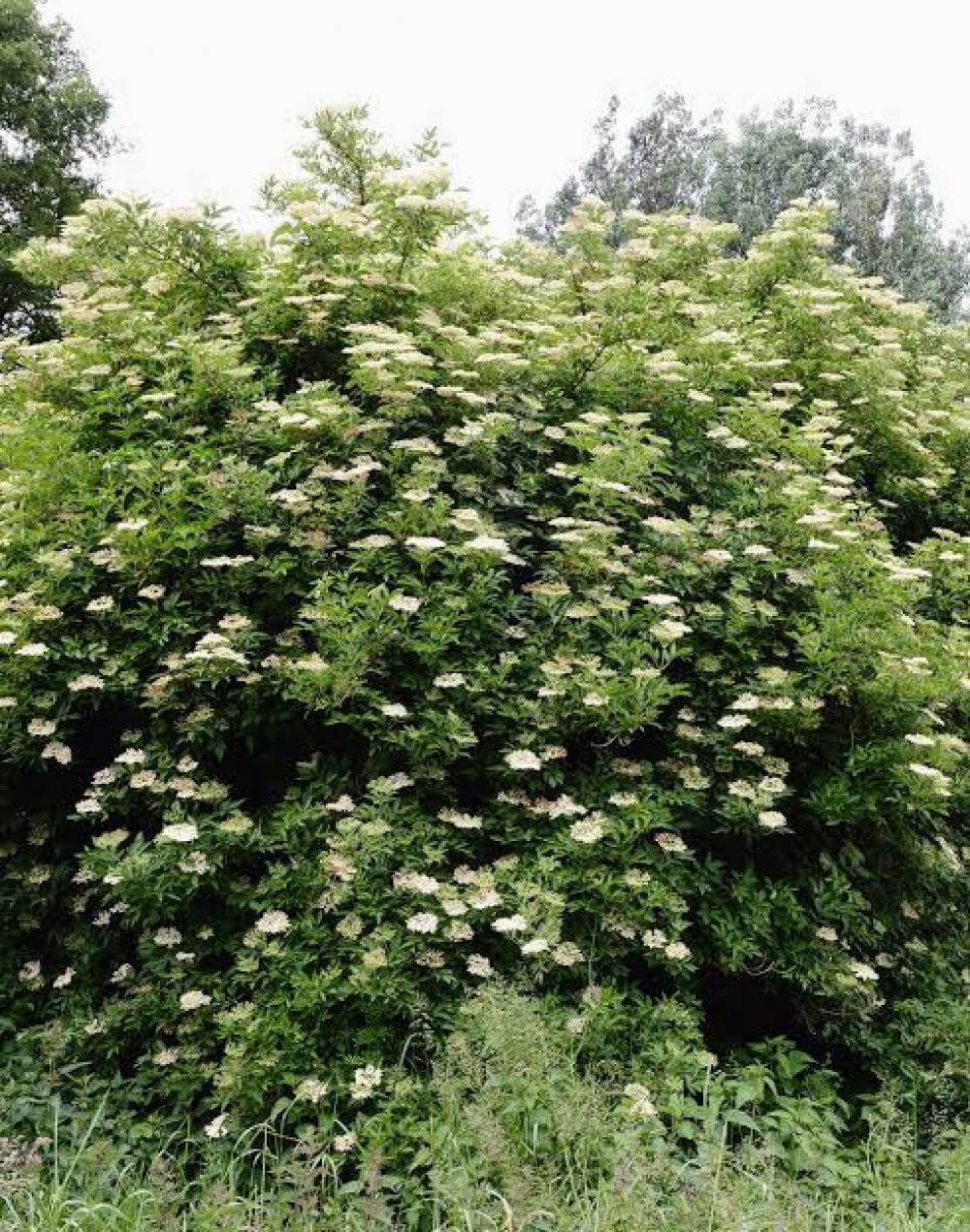
Elderberry
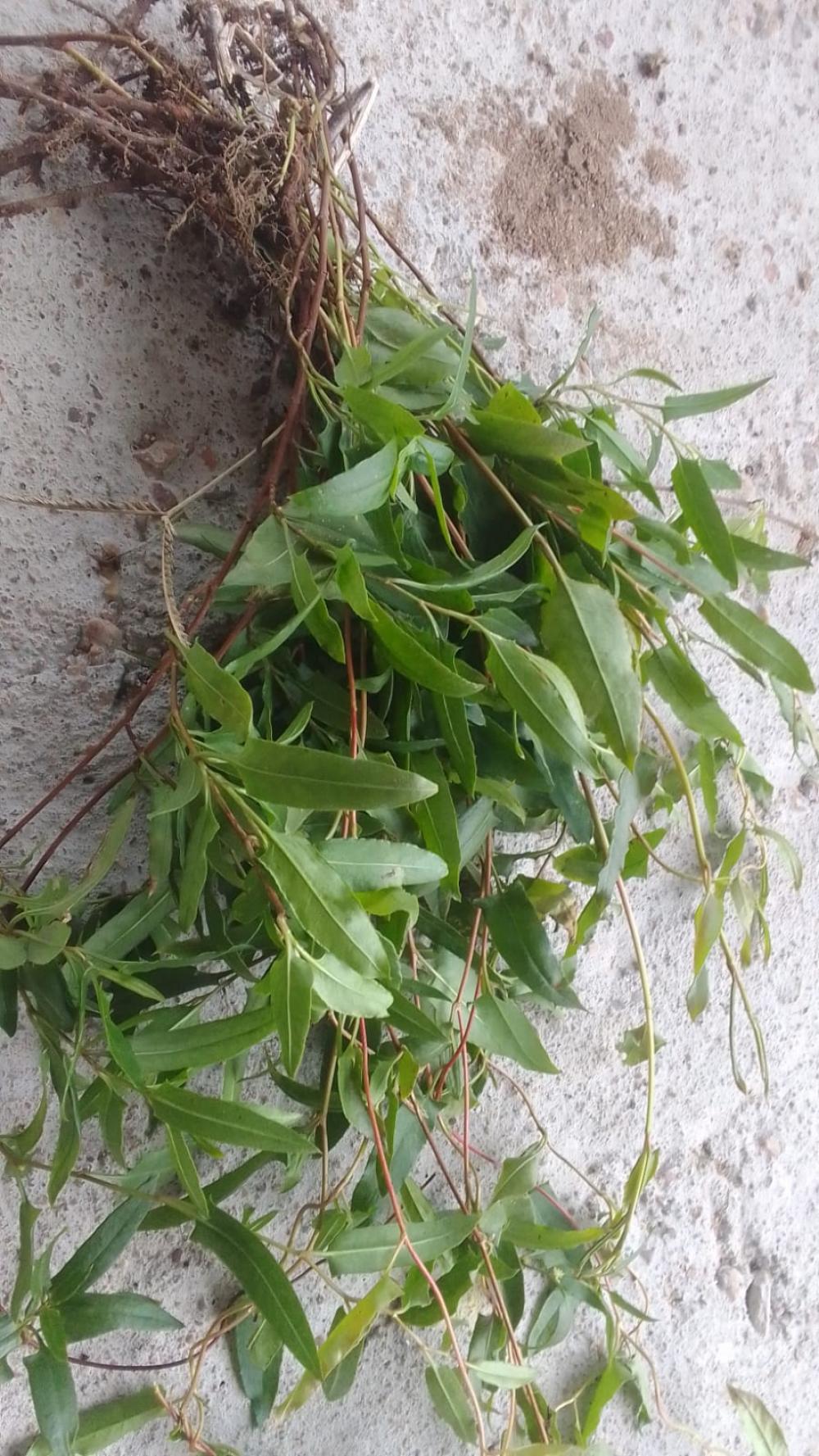
parilla parsley
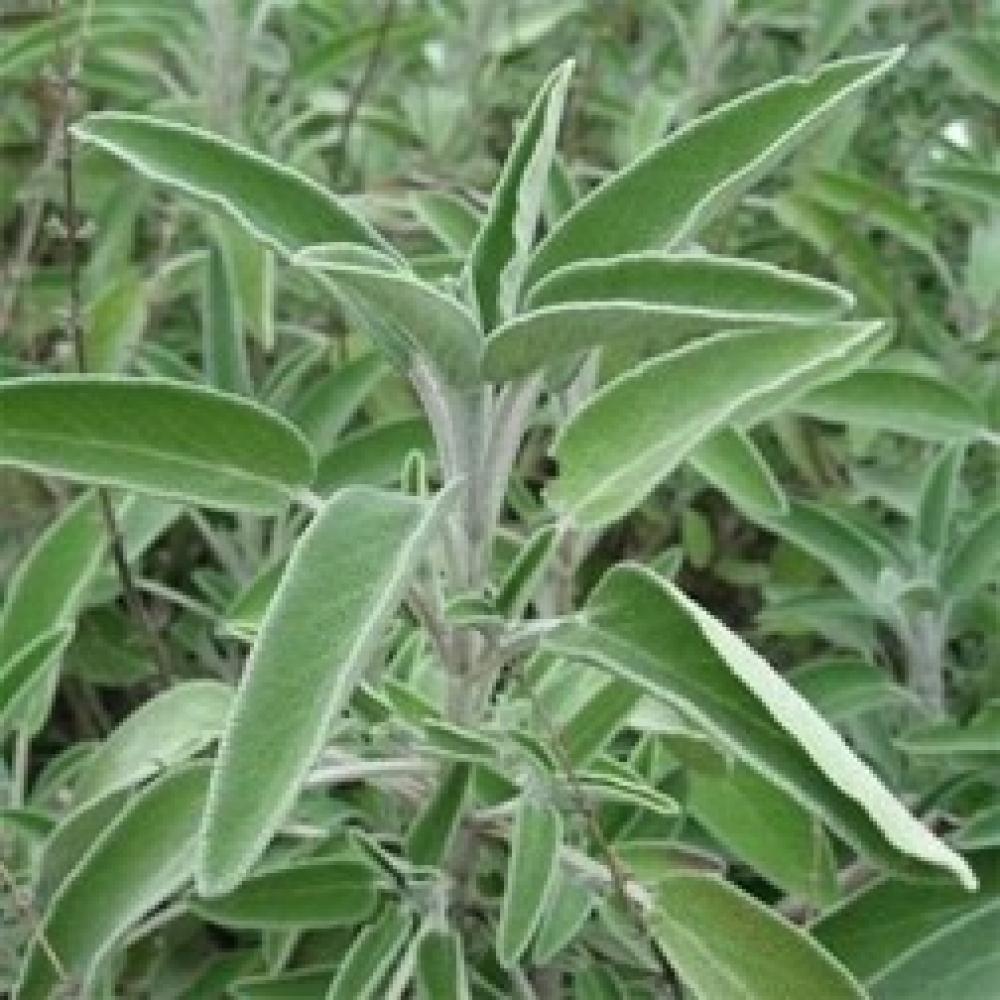
Sage
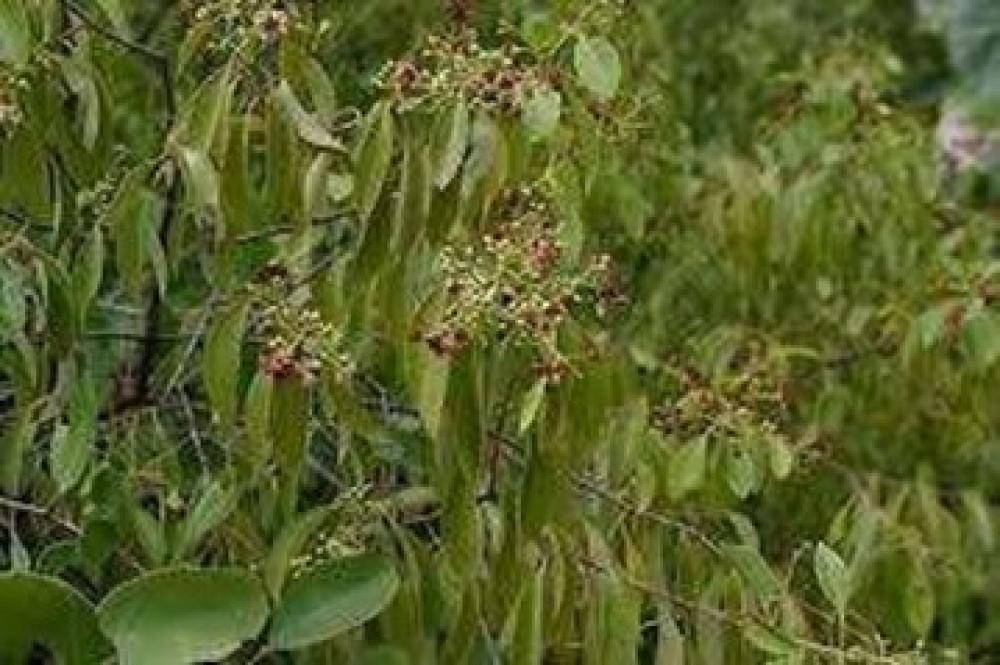
Sandalwood
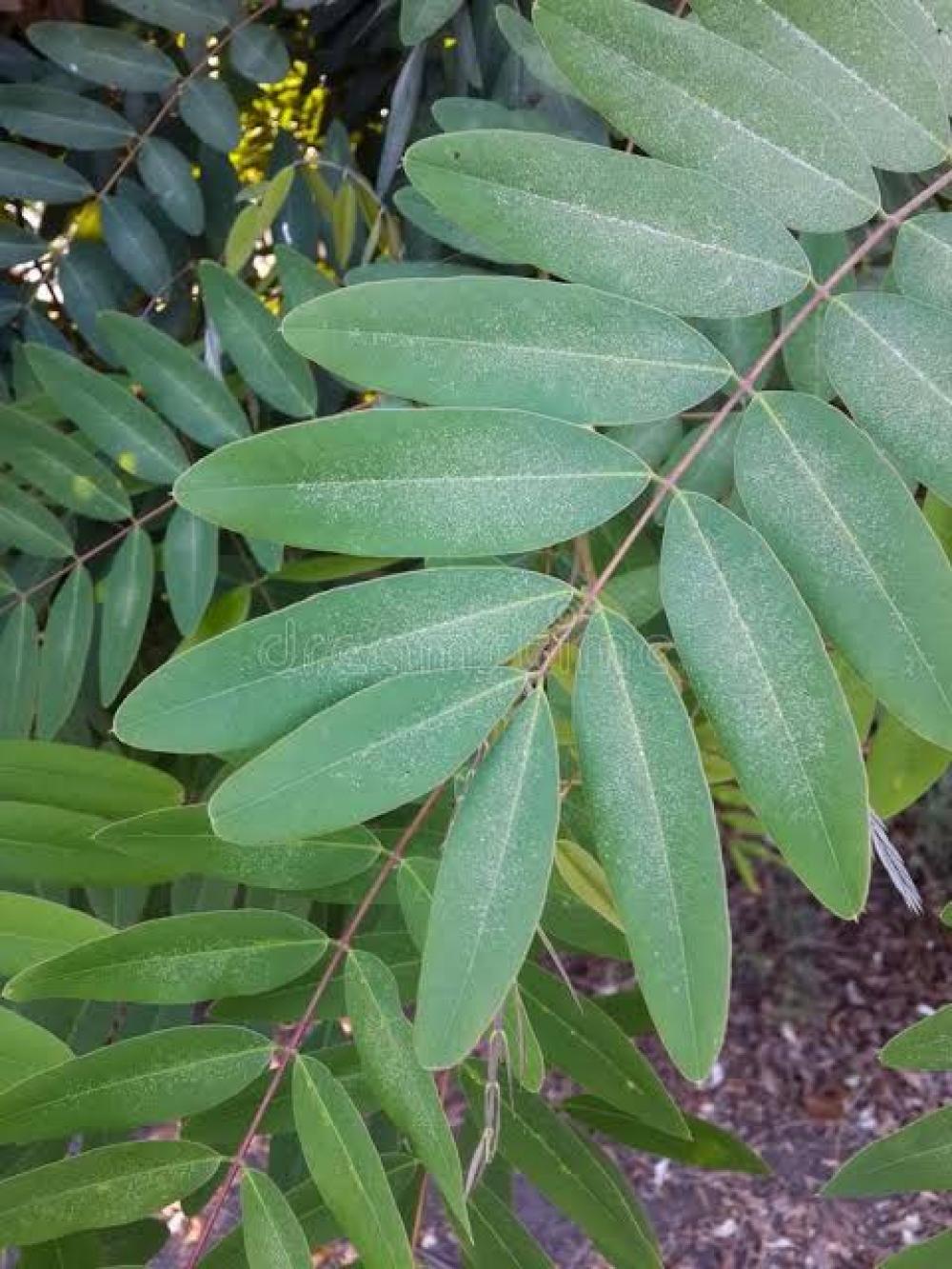
senna
Stevia
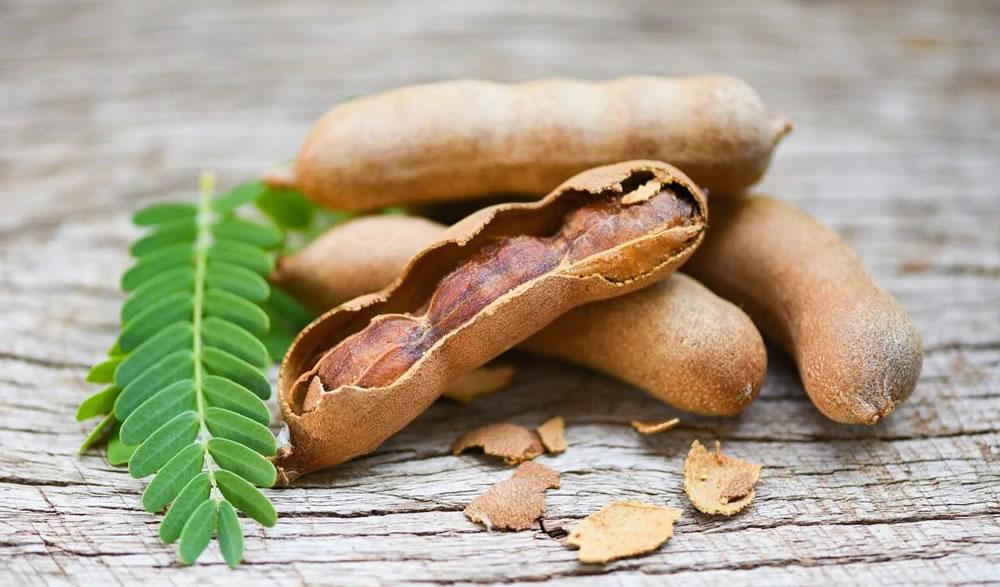
Tamarind
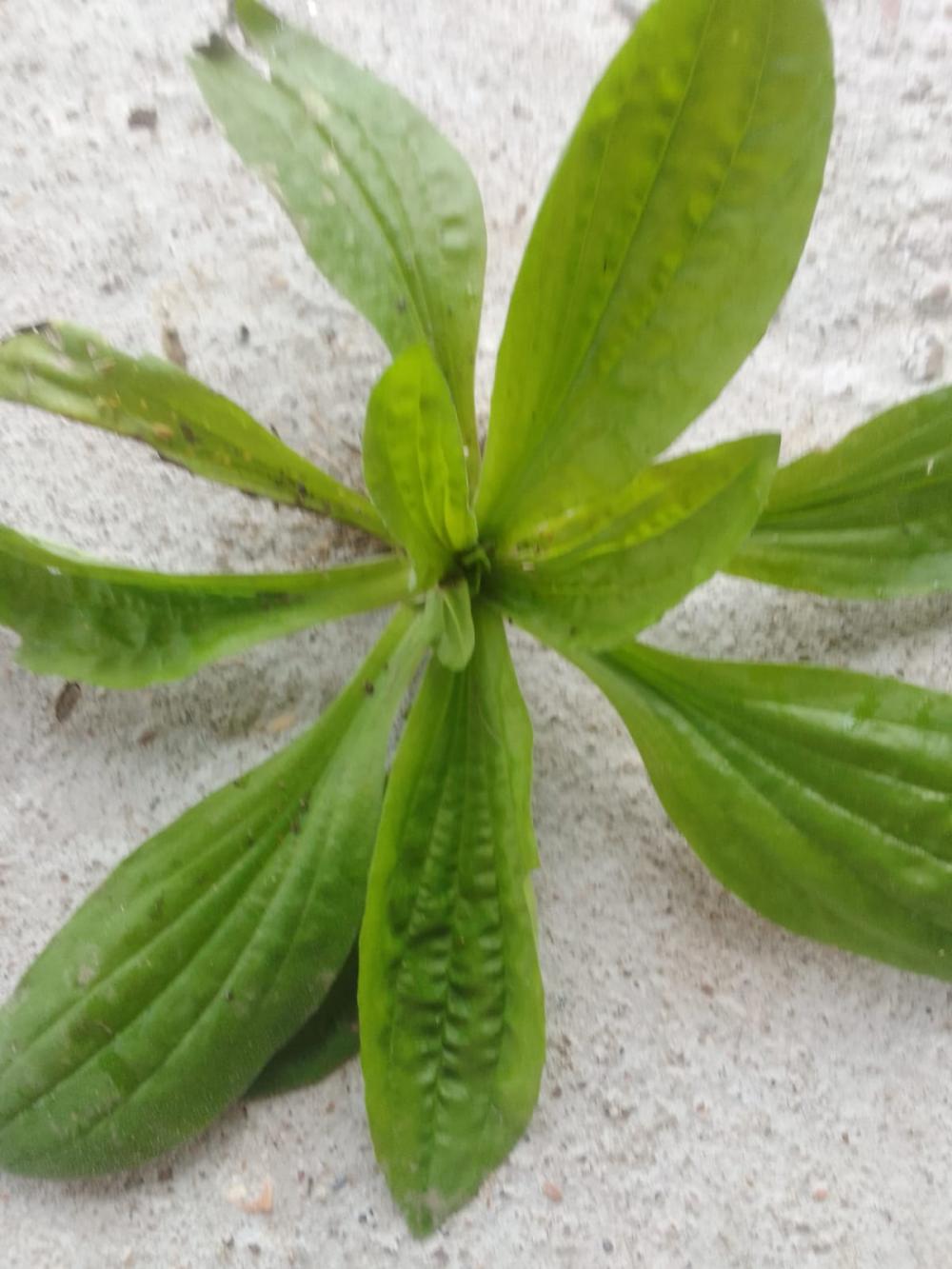
Plantain
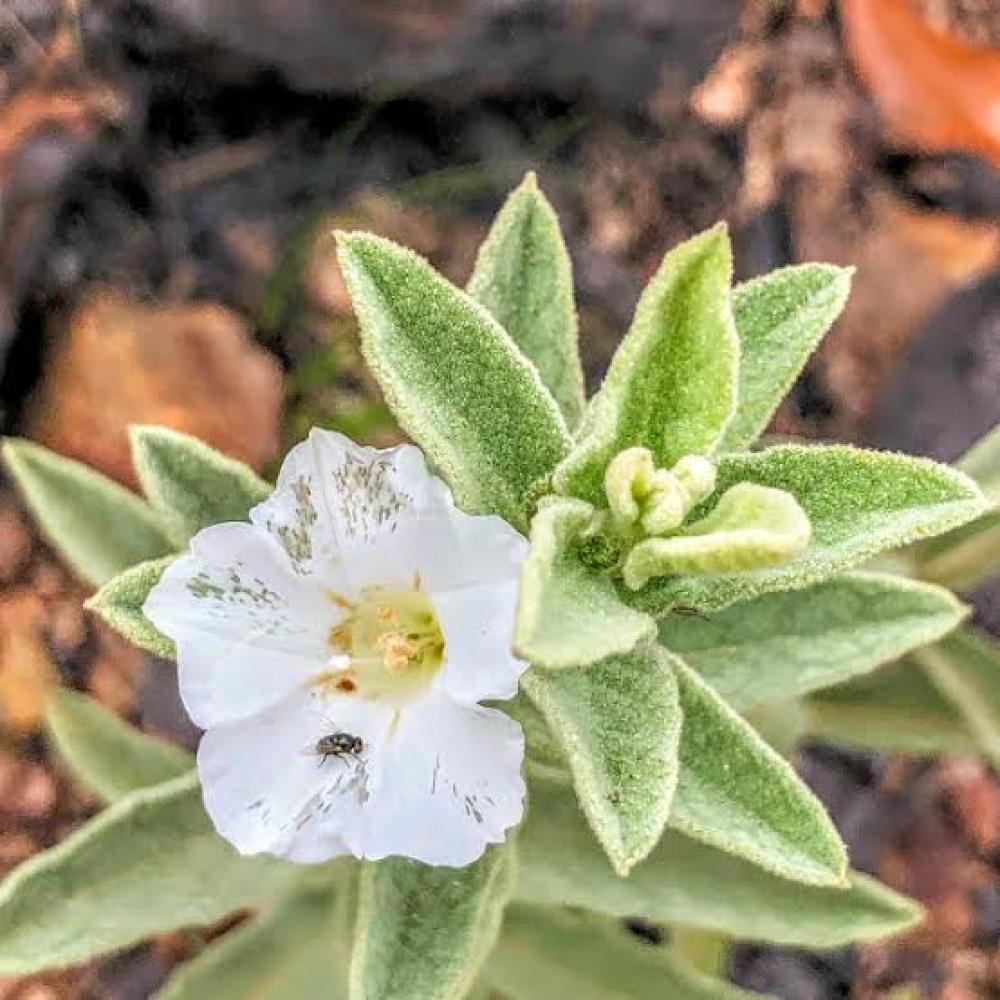
Velame-do-campo
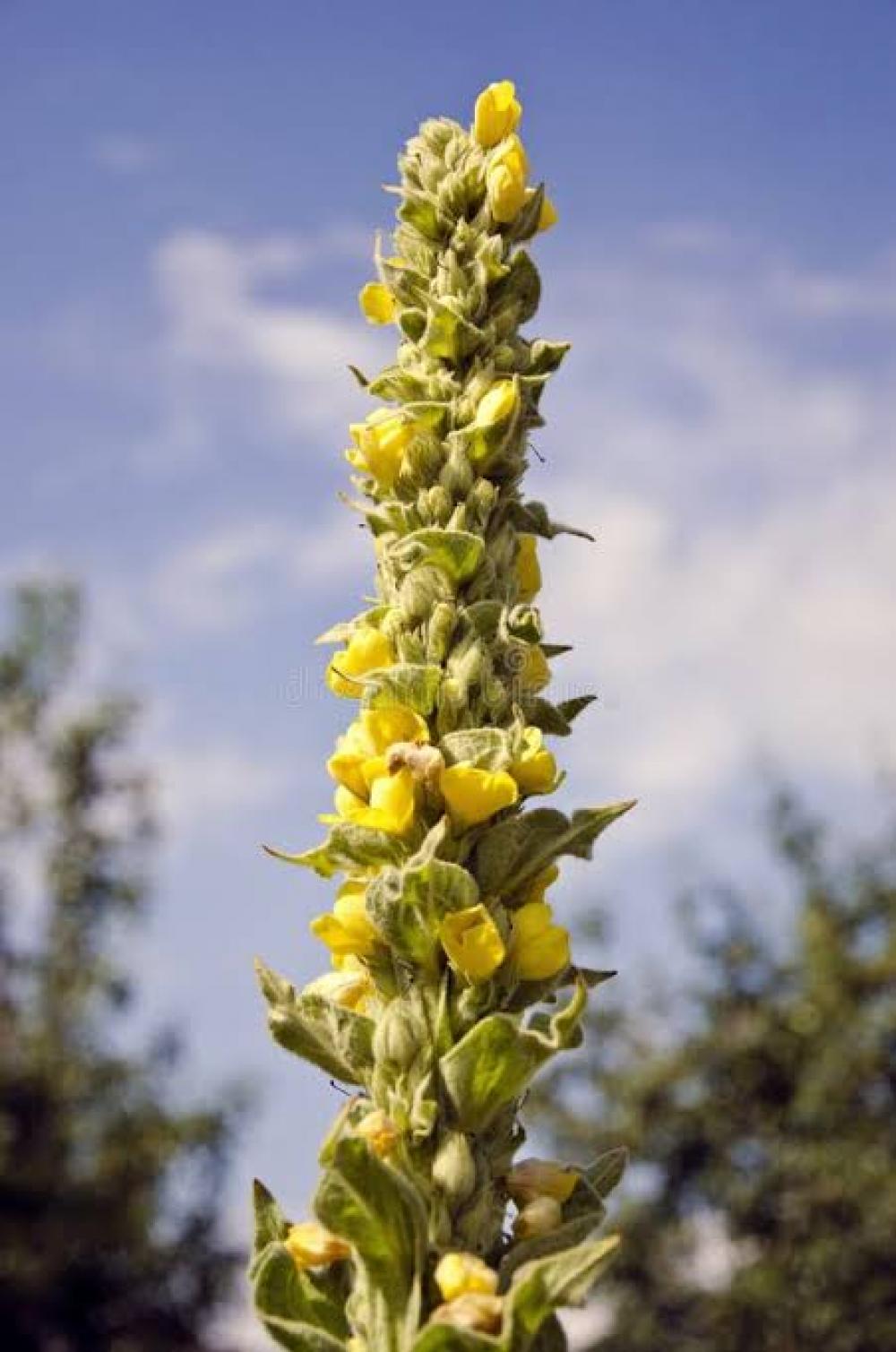
Brazilian mullein
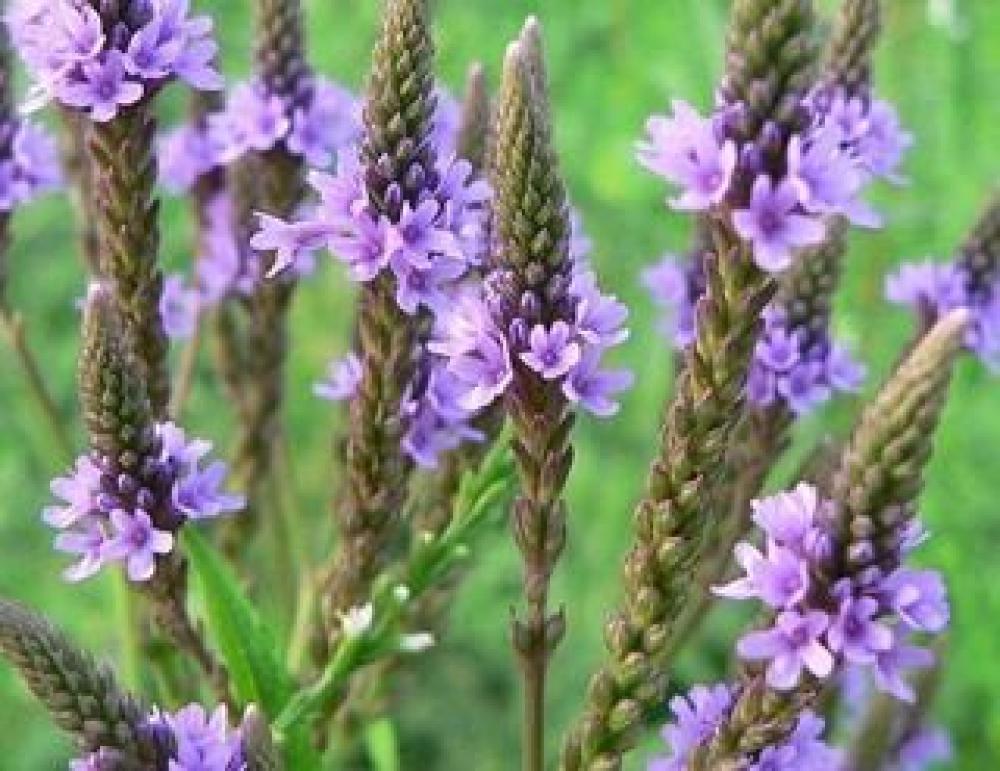
Field verbena