

ILLEA - Project Medicinal Plants in Brazilian Education
Knowledge, Environmental Education, and Valuing Biodiversity
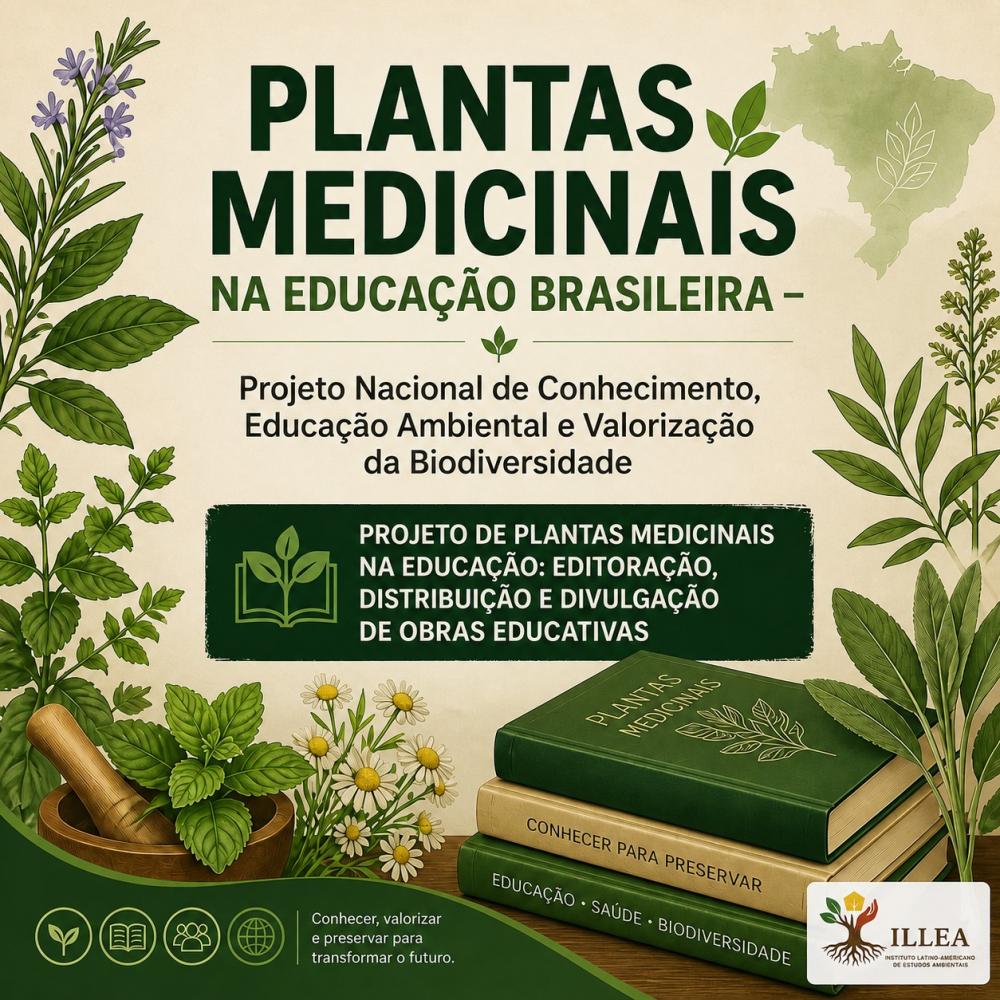
The "Medicinal Plants in Brazilian Education" project, developed by the Latin American Institute for Environmental Studies (ILLEA), is a nationwide initiative aimed at promoting knowledge about medicinal plants, biodiversity, environmental education, culture, and sustainability.
The project stems from the understanding that knowledge of nature is a vital tool for education and social transformation. By bringing children, young people, educators, families, and communities closer to the world of plants, the project seeks to spark interest in Brazilian biodiversity and foster a relationship of respect, care, and responsibility toward the environment.
The initiative aims to connect public and private schools, educational institutions, libraries, social organizations, communities, and other educational and cultural spaces with knowledge regarding medicinal plants and the richness of Brazilian flora. In this process, traditional knowledge is valued and enters into a dialogue with scientific knowledge, contributing to the preservation of cultural heritage and a broader understanding of the relationship between society and nature.
One of the projects main pillars is the publishing, distribution, and dissemination of books and educational materials on medicinal plants and biodiversity-related topics. The goal is for this knowledge to extend beyond institutional boundaries and reach diverse audiences, creating opportunities for reading, research, learning, and the development of educational activities.
These materials can assist teachers and educators in developing interdisciplinary activities involving Science, Biology, Environmental Education, History, Culture, Geography, sustainability, and citizenship. Thus, the study of plants can serve as a pedagogical tool capable of connecting different fields of knowledge and linking school curriculum to the students own realities.
The project also recognizes the importance of traditional knowledge built and passed down through generations. Folk knowledge regarding plants is part of the cultural history of various Brazilian communities and represents a valuable heritage. However, valuing this knowledge must go hand-in-hand with scientific knowledge—especially regarding medicinal uses—enabling a responsible dialogue between education and tradition.
Another fundamental objective is to encourage the appreciation and preservation of Brazilian biodiversity. Brazil boasts one of the planets greatest biological diversities, and learning about its species is a crucial step toward understanding the need to protect them. By showcasing the characteristics, habitats, ecological functions, and cultural uses of plants, the project helps foster a closer, more responsible connection to our natural heritage.
The environmental education approach proposed by ILLEA aims to go beyond the mere transmission of information. The goal is to spark curiosity, participation, research, and responsible attitudes, demonstrating that small actions can contribute to a larger transformation. Getting to know a plant, understanding its ecological importance, preserving a tree, protecting a water source, or valuing a green space are tangible ways to participate in building a sustainable future.
Distributing the books also plays a vital role in democratizing access to knowledge. By reaching schools, libraries, institutions, and social organizations, the content can engage diverse audiences and expand opportunities for people to connect with information regarding nature, science, and Brazilian culture.
More than just a publishing project, *Medicinal Plants in Brazilian Education* represents an initiative rooted in education, culture, and sustainability. It seeks to create a knowledge network that brings institutions and communities closer together, strengthens educational practices, and inspires new generations to recognize the value of biodiversity.
Through this initiative, the Latin American Institute for Environmental Studies (ILLEA) reaffirms its commitment to an educational model that values ??knowledge, nature, culture, and social participation. The project offers an opportunity to turn books and educational materials into tools for learning, reflection, and the appreciation of Brazils environmental heritage.
*Medicinal Plants in Brazilian Education* is, above all, an invitation to learn from nature, discover the richness of our biodiversity, and understand that preserving the planet is also a way of caring for people and future generations.
ILLEA – Latin American Institute for Environmental Studies
Knowledge that educates. Education that transforms. Nature that teaches. Biodiversity that must be preserved.
The "Medicinal Plants in Brazilian Education" project, developed by the Latin American Institute for Environmental Studies (ILLEA), is a nationwide initiative aimed at promoting knowledge about medicinal plants, biodiversity, environmental education, culture, and sustainability.
The project stems from the understanding that knowledge of nature is a vital tool for education and social transformation. By bringing children, young people, educators, families, and communities closer to the world of plants, the project seeks to spark interest in Brazilian biodiversity and foster a relationship of respect, care, and responsibility toward the environment.
The initiative aims to connect public and private schools, educational institutions, libraries, social organizations, communities, and other educational and cultural spaces with knowledge regarding medicinal plants and the richness of Brazilian flora. In this process, traditional knowledge is valued and enters into a dialogue with scientific knowledge, contributing to the preservation of cultural heritage and a broader understanding of the relationship between society and nature.
One of the projects main pillars is the publishing, distribution, and dissemination of books and educational materials on medicinal plants and biodiversity-related topics. The goal is for this knowledge to extend beyond institutional boundaries and reach diverse audiences, creating opportunities for reading, research, learning, and the development of educational activities.
These materials can assist teachers and educators in developing interdisciplinary activities involving Science, Biology, Environmental Education, History, Culture, Geography, sustainability, and citizenship. Thus, the study of plants can serve as a pedagogical tool capable of connecting different fields of knowledge and linking school curriculum to the students own realities.
The project also recognizes the importance of traditional knowledge built and passed down through generations. Folk knowledge regarding plants is part of the cultural history of various Brazilian communities and represents a valuable heritage. However, valuing this knowledge must go hand-in-hand with scientific knowledge—especially regarding medicinal uses—enabling a responsible dialogue between education and tradition.
Another fundamental objective is to encourage the appreciation and preservation of Brazilian biodiversity. Brazil boasts one of the planets greatest biological diversities, and learning about its species is a crucial step toward understanding the need to protect them. By showcasing the characteristics, habitats, ecological functions, and cultural uses of plants, the project helps foster a closer, more responsible connection to our natural heritage.
The environmental education approach proposed by ILLEA aims to go beyond the mere transmission of information. The goal is to spark curiosity, participation, research, and responsible attitudes, demonstrating that small actions can contribute to a larger transformation. Getting to know a plant, understanding its ecological importance, preserving a tree, protecting a water source, or valuing a green space are tangible ways to participate in building a sustainable future.
Distributing the books also plays a vital role in democratizing access to knowledge. By reaching schools, libraries, institutions, and social organizations, the content can engage diverse audiences and expand opportunities for people to connect with information regarding nature, science, and Brazilian culture.
More than just a publishing project, *Medicinal Plants in Brazilian Education* represents an initiative rooted in education, culture, and sustainability. It seeks to create a knowledge network that brings institutions and communities closer together, strengthens educational practices, and inspires new generations to recognize the value of biodiversity.
Through this initiative, the Latin American Institute for Environmental Studies (ILLEA) reaffirms its commitment to an educational model that values ??knowledge, nature, culture, and social participation. The project offers an opportunity to turn books and educational materials into tools for learning, reflection, and the appreciation of Brazils environmental heritage.
*Medicinal Plants in Brazilian Education* is, above all, an invitation to learn from nature, discover the richness of our biodiversity, and understand that preserving the planet is also a way of caring for people and future generations.
ILLEA – Latin American Institute for Environmental Studies
Knowledge that educates. Education that transforms. Nature that teaches. Biodiversity that must be preserved.
Sustainable Projects and Initiatives
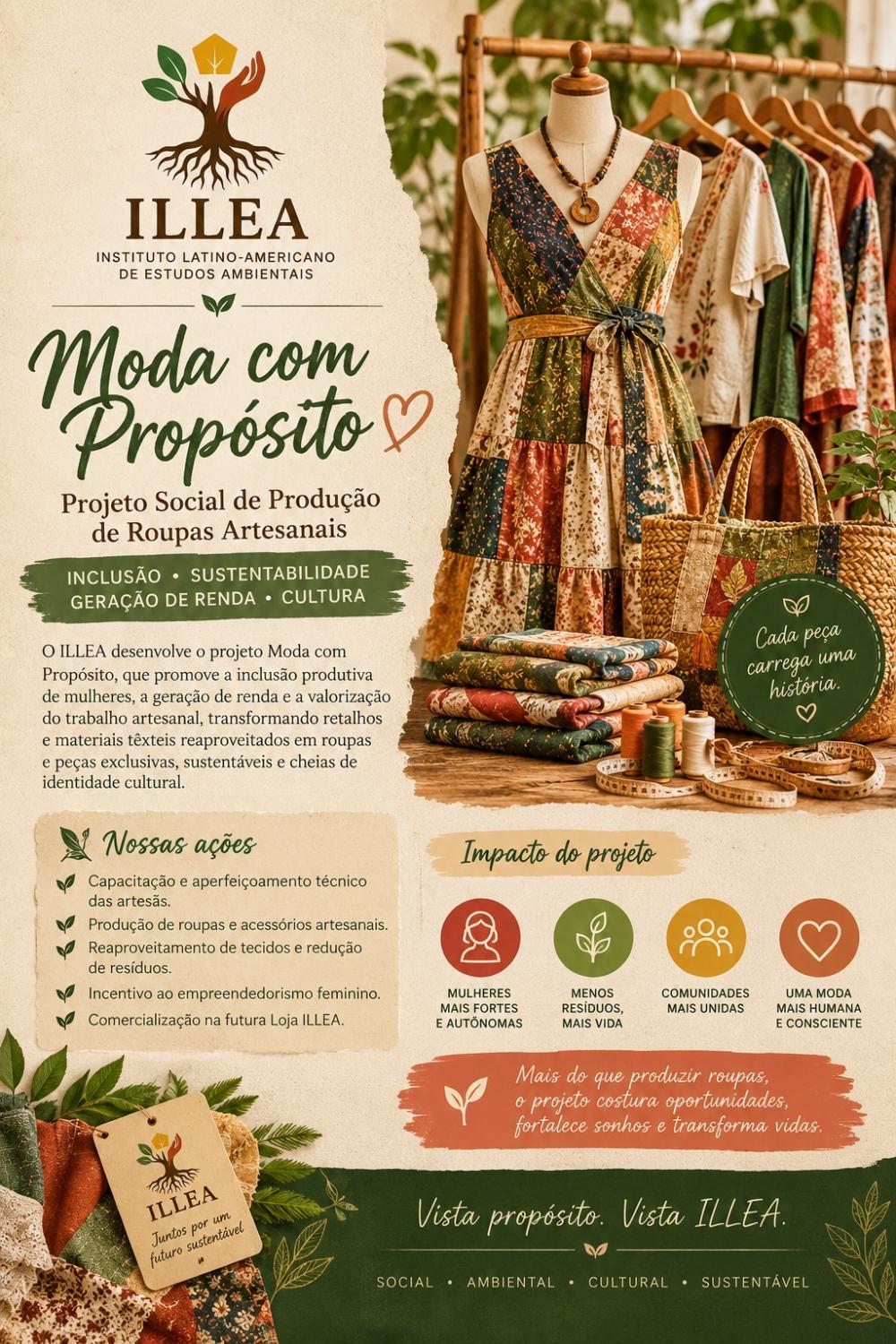
ILLEA — Handicrafts, Fashion, and Social Development
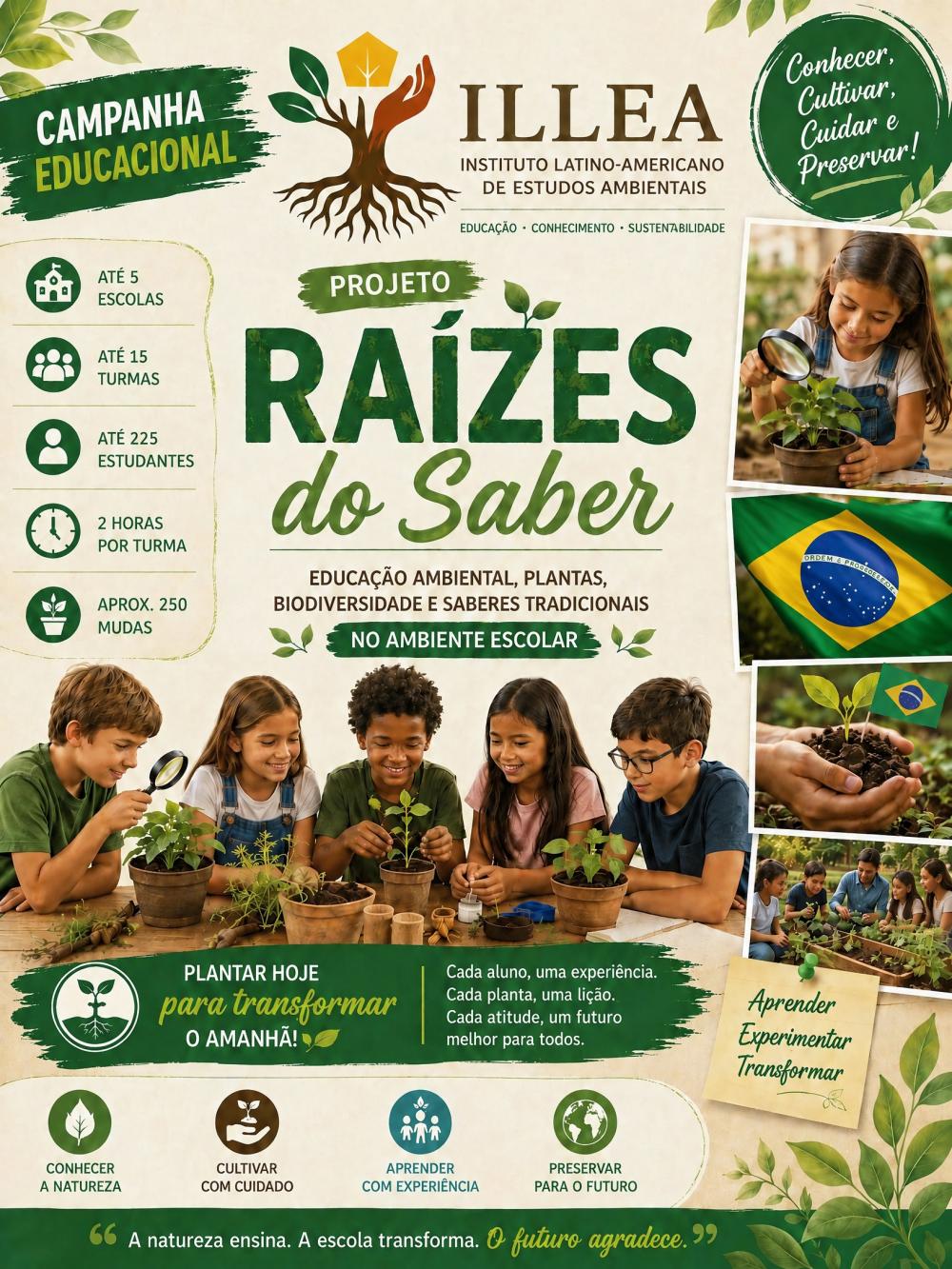
ILLEA – Roots of Knowledge Institutional Social Law Project
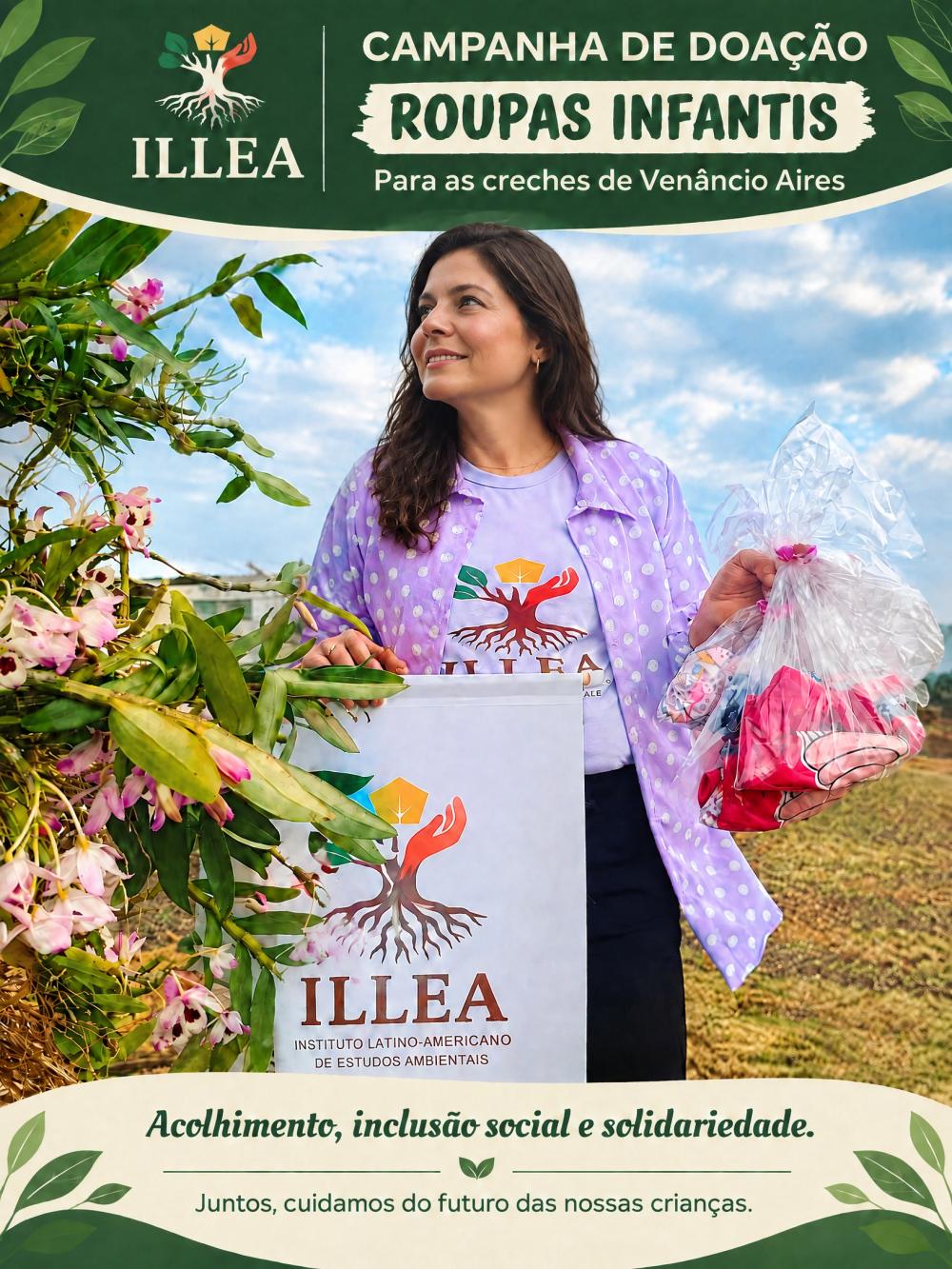
ILLEA Donation of clothes in storage stores in Venâncio Aires
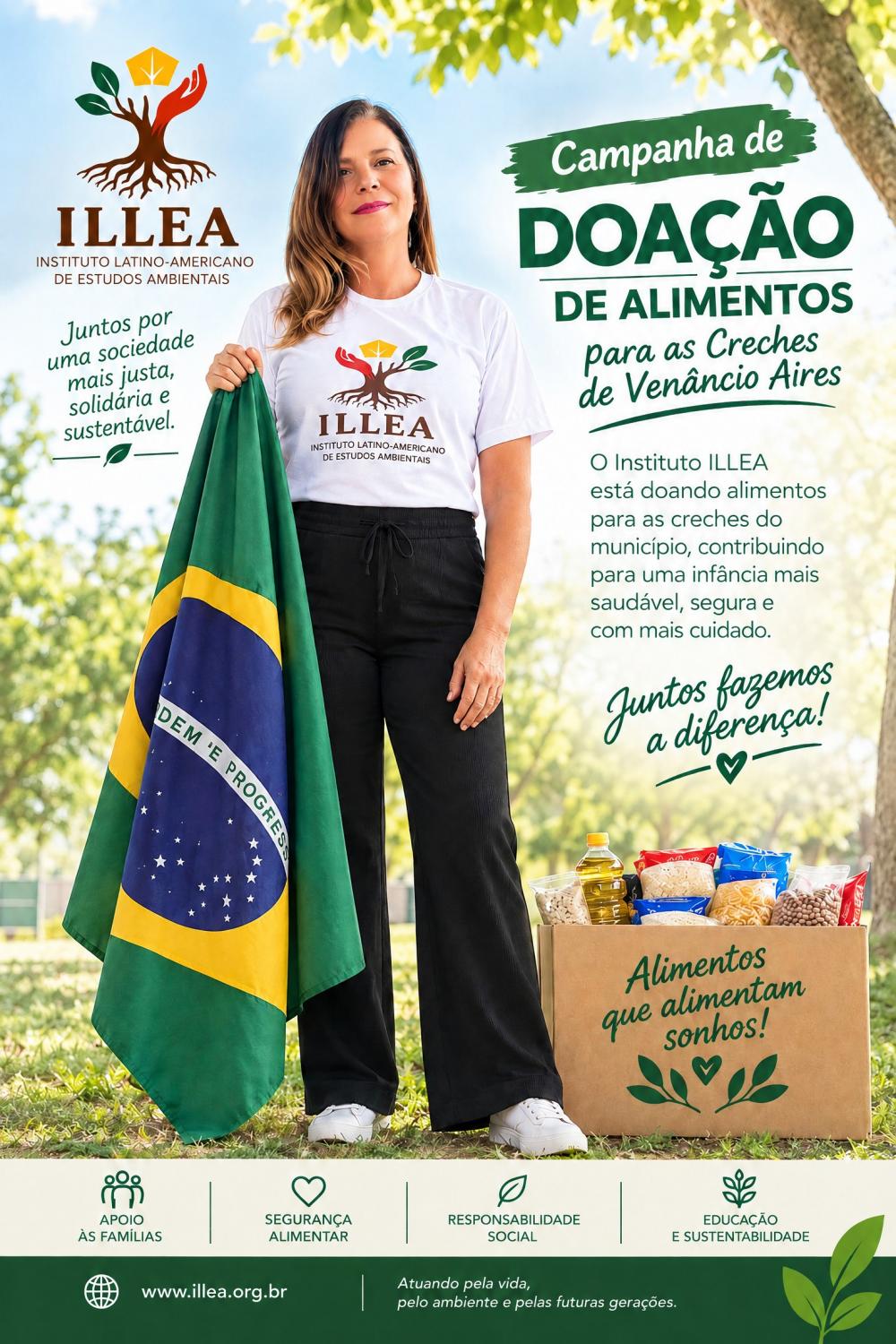
ILLEA - Food donation campaign in storerooms
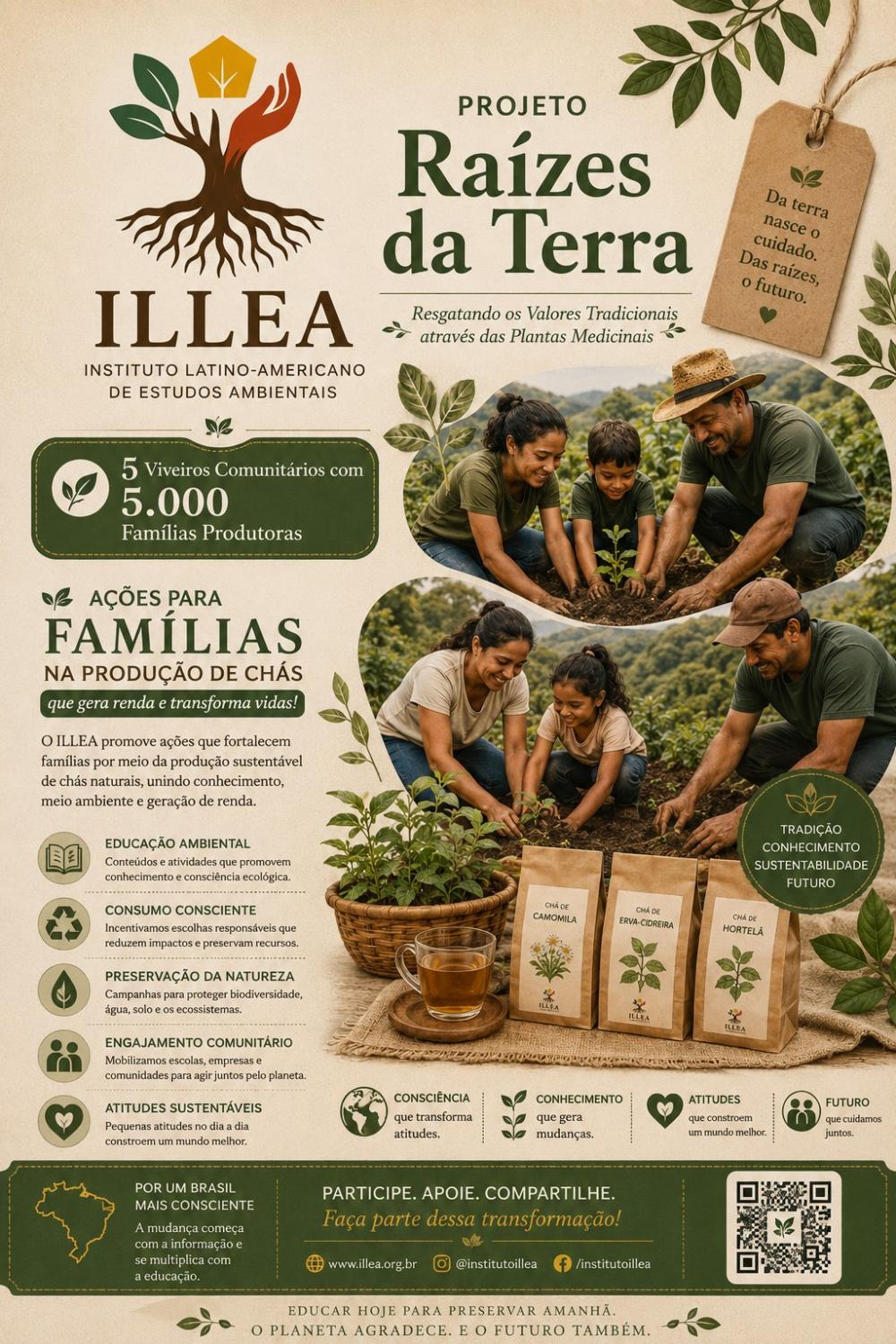
ILLEA – Roots of the Earth Project and Institutional Campaigns
ILLEA - Project Medicinal Plants in Brazilian Education
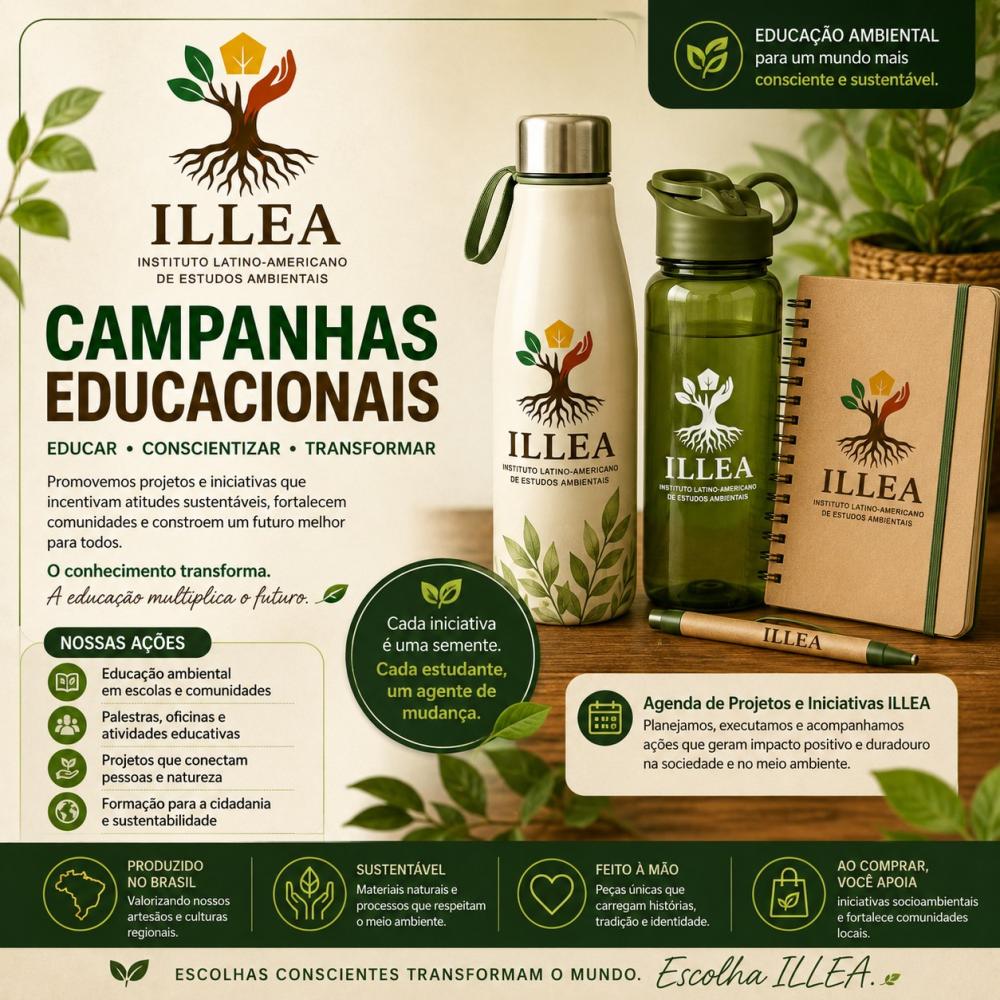
ILLEA Environmental Education Campaigns in Schools
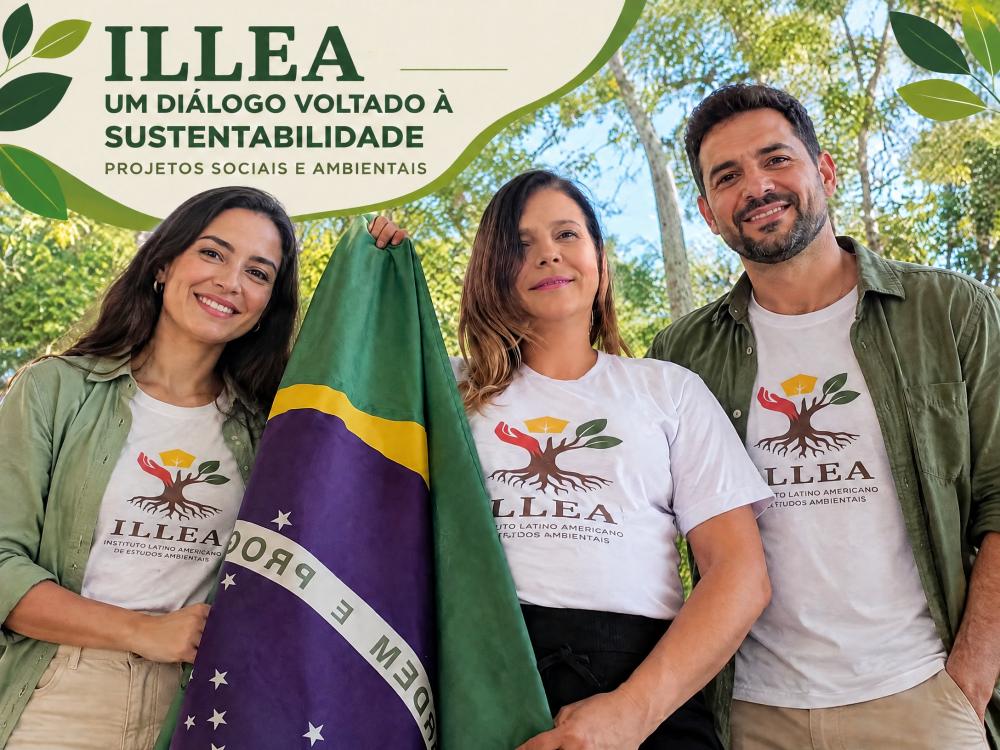
ILLEA a dialogue oriented towards Sustainability